


Product Monograph - Idvynso
Recent Major Label Changes
Not applicable
Table of Contents
Certain sections or subsections that are not applicable at the time of the preparation of the most recent authorized product monograph are not listed.
Recent Major Label Changes ................................................................................................... 2
Table of Contents ................................................................................................................... 2
Part 1: Healthcare Professional Information ........................................................................... 4
- 1.
Indications ....................................................................................................................... 4
1.1. Pediatrics .................................................................................................................. 4
1.2. Geriatrics .................................................................................................................. 4
- 2. Contraindications ............................................................................................................ 4
- 4.
Dosage and Administration ............................................................................................. 5
4.1 Dosing Considerations .................................................................................................... 5
4.2 Recommended Dose and Dosage Adjustment ......................................................... 5
4.5 Missed Dose ............................................................................................................. 5
- 5. Overdose ......................................................................................................................... 5
- 6. Dosage Forms, Strengths, Composition, and Packaging ................................................... 6
- 7.
Warnings and Precautions ............................................................................................... 6
7.1. Special Populations .................................................................................................. 7
7.1.1. Pregnancy ........................................................................................................ 7
7.1.2. Breastfeeding .................................................................................................. 8
7.1.3. Pediatrics ......................................................................................................... 8
7.1.4. Geriatrics ......................................................................................................... 8
7.1.5. HBV Co-Infection ............................................................................................. 8
- 8.
Adverse Reactions ........................................................................................................... 8
8.1. Adverse Reaction Overview ...................................................................................... 8
8.2. Clinical Trial Adverse Reactions ................................................................................ 8
8.3. Less Common Clinical Trial Adverse Reactions ......................................................... 9
8.4. Abnormal Laboratory Findings: Hematologic, Clinical Chemistry, and Other Quantitative Data ............................................................................................................... 10
8.5. Post-Market Adverse Reactions ............................................................................. 11
- 9.
Drug Interactions ........................................................................................................... 11
9.2. Drug Interactions Overview .................................................................................... 11
9.4. Drug-Drug Interactions ........................................................................................... 11
9.5. Drug-Food Interactions........................................................................................... 17
- 10.
Clinical Pharmacology ................................................................................................... 17
10.1. Mechanism of Action .............................................................................................. 17
10.2. Pharmacodynamics ................................................................................................ 18
10.3. Pharmacokinetics ................................................................................................... 18
- 11. Storage, Stability, and Disposal ...................................................................................... 20
Part 2: Scientific Information ................................................................................................ 21
- 13. Pharmaceutical Information .......................................................................................... 21
- 14.
Clinical Trials .................................................................................................................. 22
14.1. Clinical Trials by Indication ..................................................................................... 22
- 15. Microbiology ................................................................................................................. 25
- 16. Non-Clinical Toxicology .................................................................................................. 27
Patient Medication Information ........................................................................................... 28
Part 1: Healthcare Professional Information
1. Indications
IDVYNSO® (doravirine/islatravir) is indicated as a complete two-drug regimen for the treatment of human immunodeficiency virus type 1 (HIV-1) infection in adults to replace the current antiretroviral regimen in those who are virologically suppressed (HIV-1 RNA less than 50 copies/mL) on a stable antiretroviral regimen with no history of treatment failure and no known substitutions associated with resistance to doravirine.
1.1. Pediatrics
Pediatrics (< 18 years of age): The safety and efficacy of IDVYNSO® have not been established in people living with HIV younger than 18 years of age.
1.2. Geriatrics
Geriatrics (≥ 65 years of age): Clinical trials in virologically suppressed participants who received IDVYNSO® (Trial 051 and Trial 052) included 81 (11.4%) participants aged 65 years and older, including 10 (1.4%) aged 75 years and older (see 14 Clinical Trials). No differences in overall safety or effectiveness were observed between participants ≥65 years of age and those between 18 and <65 years of age.
2. Contraindications
IDVYNSO® is contraindicated in individuals who are hypersensitive to this drug or to any ingredient in the formulation, including any non-medical ingredient, or component of the container. For a complete listing, see 6 Dosage Forms, Strengths, Composition, and Packaging.
IDVYNSO® is contraindicated in combination with the following:
drugs that are strong cytochrome P450 CYP3A enzyme inducers as significant decreases in doravirine plasma concentrations may occur, which may decrease the effectiveness of IDVYNSO® (see 9.4 Drug-Drug Interactions). These drugs include, but are not limited to, the following:
- the anticonvulsants carbamazepine, oxcarbazepine, phenobarbital, phenytoin
- the androgen receptor inhibitor enzalutamide;
- the antimycobacterials rifampin, rifapentine;
- the cytotoxic agent mitotane;
- St. John’s wort (Hypericum perforatum).
- the deoxycytidine kinase (dCK) substrates lamivudine (3TC) or emtricitabine (FTC) as significant decreases in islatravir-triphosphate (ISL-TP) concentrations may occur, which may decrease the effectiveness of IDVYNSO® (see 9.4 Drug-Drug Interactions).
4. Dosage and Administration
4.1 Dosing Considerations
IDVYNSO® is a fixed-dose combination containing 100 mg of doravirine and 0.25 mg of islatravir.
As with all antiretroviral drugs, therapy should be initiated by a healthcare professional experienced in the management of HIV-1 infection.
4.2 Recommended Dose and Dosage Adjustment
The recommended dosage of IDVYNSO® in adults is one tablet containing 100 mg of doravirine and 0.25 mg of islatravir orally once daily with or without food.
Pediatrics (< 18 years of age)
The safety and efficacy of IDVYNSO® have not been established in people living with HIV younger than 18 years of age.
Geriatrics (≥ 65 years of age)
No dosage adjustment of IDVYNSO® is recommended in people living with HIV aged 65 years and older (see 7.1.4 Geriatrics and 10.3 Pharmacokinetics).
Renal Impairment
No dosage adjustment of IDVYNSO® is recommended in people living with HIV with an estimated glomerular filtration rate (eGFR) of ≥30mL/min/1.73m2. IDVYNSO® is not recommended in people living with HIV with severe renal impairment (eGFR <30mL/min/1.73m2). IDVYNSO® has not been studied in participants with end-stage renal disease (ESRD) or undergoing dialysis (see 10.3 Pharmacokinetics).
Hepatic Impairment
No dosage adjustment of IDVYNSO® is recommended in people living with HIV with mild or moderate hepatic impairment (Child-Pugh Class A or B). IDVYNSO® is not recommended in people living with HIV with severe hepatic impairment (Child-Pugh Class C) (see 10.3 Pharmacokinetics).
Co-administration with Rifabutin
If IDVYNSO® is co-administered with rifabutin, a moderate CYP3A inducer, one tablet of doravirine (PIFELTRO®) 100 mg should be taken approximately 12 hours after the dose of IDVYNSO® for the duration of rifabutin co-administration (see 9.4 Drug-Drug Interactions).
4.5 Missed Dose
If a dose of IDVYNSO® is missed, the missed dose can be taken up to 12 hours after the normal scheduled time. If more than 12 hours has elapsed, skip the missed dose and return to the normal schedule the following day. Do not take 2 doses at the same time to make up for a missed dose.
5. Overdose
There is no known specific treatment for overdose with IDVYNSO®. If overdose occurs, the person should be monitored, and standard supportive treatment applied as required.
For the most recent information in the management of a suspected drug overdose, contact your regional poison control centre or Health Canada’s toll-free number, 1-844 POISON-X (1-844-764-7669).
- 6. Dosage Forms, Strengths, Composition, and Packaging
Table 1 - Dosage Forms, Strengths, and Composition
Description
IDVYNSO® is available as a pink, oval-shaped, film-coated tablet, and is debossed with 772 on one side and plain on the other side. Each tablet contains 100 mg of doravirine and 0.25 mg of islatravir.
Each bottle contains 30 tablets and desiccants.
7. Warnings and Precautions
General
IDVYNSO® is a complete regimen for the treatment of HIV-1 infection; therefore, IDVYNSO® should not be administered with other antiretroviral medications for treatment of HIV-1 infection.
Drug Interactions
Co-administration of IDVYNSO® with the deoxycytidine kinase (dCK) substrates 3TC and FTC is contraindicated and co-administration of IDVYNSO® with other dCK substrates (e.g., nucleoside antimetabolites) is not recommended as they may reduce the exposure of islatravir-triphosphate (see 2 Contraindications, 9.4 Drug-Drug Interactions, and 10.3 Pharmacokinetics).
Co-administration of IDVYNSO® with drugs that are adenosine deaminase (ADA) inhibitors is not recommended as they may increase the exposure of islatravir (see 9.4 Drug-Drug Interactions and 10.3 Pharmacokinetics).
Doravirine is a substrate of cytochrome P450 CYP3A. Drugs that are inducers of CYP3A may significantly reduce the exposure to doravirine and may lead to loss of therapeutic effect and possible development of resistance. The co-administration of IDVYNSO® with strong CYP3A inducers is contraindicated (see 2 Contraindications and 9.4 Drug-Drug Interactions).
| Route of Administration | Dosage Form/ Strength/Composition | Non-Medicinal Ingredients |
| Oral | Each film-coated tablet contains 100 mg of doravirine and 0.25 mg of islatravir. | Colloidal silicon dioxide, croscarmellose sodium, hypromellose acetate succinate, lactose monohydrate, magnesium stearate, and microcrystalline cellulose. The tablets are film coated with a coating material containing the following inactive ingredients: calcium carbonate, ferric oxide, ferrosoferric oxide, hypromellose, lactose monohydrate, and triacetin. The coated tablets are polished with carnauba wax. |
Endocrine and Metabolism
Serum Lipids and Blood Glucose
Serum lipid and blood glucose levels may increase during antiretroviral therapy (ART). Disease control and lifestyle changes may also be contributing factors. Consideration should be given to the measurement of serum lipids and blood glucose. Lipid disorders and blood glucose elevations should be managed as clinically appropriate.
Reproductive Health:
Fertility
No human data on the effect of IDVYNSO® on fertility are available. Animal studies do not indicate harmful effects of doravirine or islatravir on fertility at exposure levels higher than the exposure in humans at the recommended clinical dose (see Reproductive and Developmental Toxicology).
Skin
Severe Skin Reactions
Drug Reaction with Eosinophilia and Systemic Symptoms (DRESS syndrome) was reported with IDVYNSO® in a clinical trial. In addition, severe skin reactions, including toxic epidermal necrolysis (TEN), have been reported during post marketing experience with doravirine-containing regimens. Discontinue IDVYNSO®, and other medications known to be associated with severe skin reactions, immediately if a painful rash with mucosal involvement, a progressive severe rash, or a rash with constitutional symptoms, eosinophilia, lymphadenopathy, or other organ involvement develops. Clinical status should be closely monitored, and appropriate therapy should be initiated.
7.1. Special Populations
7.1.1. Pregnancy
There are insufficient human data on the use of IDVYNSO® during pregnancy to inform a drug-associated risk of birth defects and miscarriage. IDVYNSO® should not be used in pregnant individuals unless the potential benefits outweigh the potential risk to the fetus.
In animal reproduction studies, no developmental effects were observed when the components of IDVYNSO® were administered separately at exposures (AUC) ≥8 (doravirine) and ≥532 (islatravir) times the exposure at the recommended human dose (RHD) of these components in IDVYNSO® (see 16 Non-Clinical Toxicology).
In pregnant rodents, doravirine and islatravir were able to cross the placenta.
Antiretroviral Pregnancy Registry
To monitor maternal-fetal outcomes of pregnant people exposed to IDVYNSO®, an International Antiretroviral Pregnancy Registry has been established.
Physicians are encouraged to report pregnancy cases for inclusion in the registry:
SM_APR@APRegistry.com (www.apregistry.com)
Telephone: 1-800-258-4263
Fax: 1-800-800-1052
7.1.2. Breastfeeding
It is unknown whether IDVYNSO® or any of the components of IDVYNSO® is present in human milk, affects human milk production, or has an effect on the breastfed infant. Potential risks of breastfeeding include: (1) HIV-1 transmission (in HIV-1-negative infants), (2) developing viral resistance (in HIV-1-positive infants), and (3) serious adverse reactions in a breastfed infant similar to those seen in adults. Mothers should be instructed not to breastfeed if they are receiving IDVYNSO®.
Doravirine and islatravir were excreted into the milk of lactating rats (see 16 Non-Clinical Toxicology).
7.1.3. Pediatrics
The safety and efficacy of IDVYNSO® have not been established in people living with HIV younger than 18 years of age.
7.1.4. Geriatrics
Clinical trials in virologically suppressed participants who received IDVYNSO® (Trial 051 and Trial 052) included 81 (11.4%) participants aged 65 years and older, including 10 (1.4%) aged 75 years and older (see 14 Clinical Trials). No differences in overall safety or effectiveness were observed between participants ≥65 years of age and those between 18 and <65 years of age.
7.1.5. HBV Co-Infection
IDVYNSO® does not have activity against hepatitis B virus (HBV). Individuals with HBV co-infection who switch to IDVYNSO® from an antiretroviral regimen with activity against HBV, and individuals on IDVYNSO® who are newly diagnosed with HBV co-infection, should be closely monitored and specific anti-HBV therapy should be considered, as clinically appropriate.
- 8. Adverse Reactions
8.1. Adverse Reaction Overview
The safety assessment of IDVYNSO® in virologically-suppressed (HIV-1 RNA less than 50 copies per mL) adults living with HIV-1 was based on Week 48 data from two Phase 3, randomized, international, multicenter, active-controlled trials, Trial 051 and Trial 052. A total of 708 adults living with HIV-1 received once daily IDVYNSO® (see 14 Clinical Trials).
Across these trials in subjects receiving IDVYNSO®, the most frequently reported adverse reaction was diarrhea (2.4%).
The following adverse drug reaction is discussed in the Warning and Precautions section:
- Severe Skin Reactions.
8.2. Clinical Trial Adverse Reactions
Clinical trials are conducted under very specific conditions. Therefore, the frequencies of adverse reactions observed in the clinical trials may not reflect frequencies observed in clinical practice and should not be compared to frequencies reported in clinical trials of another drug.
For details on adverse reactions reported with doravirine in combination with other antiretrovirals, please refer to the PIFELTRO® product monograph.
Clinical Trials in Virologically-Suppressed Adults Living with HIV-1 Who Switched to IDVYNSO®
In Trial 051, an open-label trial with 551 participants, 366 participants were switched to IDVYNSO® and 185 participants continued their baseline antiretroviral therapy (ART). By Week 48, 0.5% in the IDVYNSO® group and 2.2% in the baseline ART group had adverse events leading to discontinuation of study medication.
In Trial 052, a double-blinded trial with 513 participants, 342 participants were switched to IDVYNSO® and 171 participants continued on bictegravir/emtricitabine/tenofovir alafenamide (BIC/FTC/TAF). By Week 48, 2.9% in the IDVYNSO® group and 1.8% in the BIC/FTC/TAF group had adverse events leading to discontinuation of study medication.
Of the participants who had an adverse event observed in either study, the majority (88%) were Grade 1 (mild) or Grade 2 (moderate) at Week 48. The most common adverse reactions (all grades) reported in greater than or equal to 2% of participants in any treatment group from Trial 051 and Trial 052 through Week 48 are presented in Table 2.
Table 2 - Adverse Reactions⃰ (All Grades) Reported in ≥2% of HIV-1 Virologically-Suppressed Adults Receiving IDVYNSO® in Trial 051 and Trial 052 at Week 48
Adverse Reactions
| Trial 051 | Trial 052 | |||||||||
|---|---|---|---|---|---|---|---|---|---|---|
IDVYNSO® N=366 | Baseline ART N=185 | IDVYNSO® N=342 | BIC/FTC/TAF N=171 | |||||||
| Gastrointestinal disorders | ||||||||||
| Abdominal distension | 2% | 0 | 1% | 0 | ||||||
| Diarrhea | 3% | 0 | 1% | 1% | ||||||
| General disorders | ||||||||||
| Fatigue | 2% | 1% | <1% | 1% | ||||||
| Investigations | ||||||||||
| Weight increased‡ | 2%§ | 0 | <1% | 0 | ||||||
| Nervous system disorders | ||||||||||
| Dizziness | 2% | 1% | 1% | 0 | ||||||
| Headache | 2% | 1% | 1% | 0 | ||||||
*Frequencies of adverse reactions are based on all adverse events attributed to trial drugs by the investigator. ‡The mean change in weight from baseline at Week 48 was 0.94 kg in the IDVYNSO® group vs. -0.15 kg in the baseline ART group in Trial 051, and -0.03 kg in the IDVYNSO® group vs. 0.28 kg in the BIC/FTC/TAF group in Trial 052. §4 of the 6 participants with adverse reactions of weight increased switched from a baseline ART regimen containing efavirenz and/or tenofovir disoproxil fumarate in Trial 051. | ||||||||||
8.3. Less Common Clinical Trial Adverse Reactions
The following select adverse reactions were observed in less than 2% of participants administered IDVYNSO®.
Gastrointestinal disorders: Abdominal pain (includes abdominal pain, abdominal pain upper, abdominal pain lower, and abdominal discomfort), flatulence, nausea
Psychiatric disorders: Abnormal dreams, insomnia (includes insomnia, initial insomnia, middle insomnia and terminal insomnia)
Skin and subcutaneous tissue disorders: Pruritus, rash (includes rash, rash popular and rash maculo-papular, rash pruritic)
8.4. Abnormal Laboratory Findings: Hematologic, Clinical Chemistry, and Other Quantitative Data
Clinical Trial Findings
Overall, no clinically meaningful differences were observed in laboratory values for renal function, hematological profile including total lymphocyte and lymphocyte subset counts and fasting lipids between participants receiving IDVYNSO® and those receiving baseline ART or BIC/FTC/TAF.
The percentage of participants with a hepatic laboratory abnormality that worsened from baseline at Week 48 was low (all grades) in the IDVYNSO® group and comparable with the comparator groups. The hepatic laboratory abnormalities were generally asymptomatic and resolved without discontinuation of IDVYNSO®. Hepatic laboratory data from Trial 051 and Trial 052 are presented in Table 3.
Table 3 - Hepatic Laboratory Abnormalities (Grade 2-4) Worsened from Baseline Reported in Adults Receiving IDVYNSO® in Trial 051 and Trial 052
| Laboratory Parameter | Trial 051 | Trial 052 | ||
|---|---|---|---|---|
IDVYNSO® N=366 | Baseline ART N=185 | IDVYNSO® N=340 | BIC/FTC/TAF N=171 | |
| Alanine Aminotransferase (ALT) | ||||
| Grade 2: 2.5 - <5.0 x ULN | 2% | 1% | 1% | 1% |
| Grade 3: 5.0 - <10.0 x ULN | <1% | 0 | 0 | 0 |
| Grade 4: ≥10.0 x ULN | 0 | 1% | 1% | 0 |
| Aspartate Aminotransferase (AST) | ||||
| Grade 2: 2.5 - <5.0 x ULN | 2% | 2% | 2% | 1% |
| Grade 3: 5.0 - <10.0 x ULN | 0 | 0 | <1% | 0 |
| Grade 4: ≥10.0 x ULN | 0 | 1% | 1% | 1% |
| Total Bilirubin | ||||
| Grade 2: 1.6 - <2.6 x ULN | 1% | 1% | 1% | 1% |
| Grade 3: 2.6 - <5.0 x ULN | <1% | 0 | 1% | 0 |
| Grade 4: ≥5.0 x ULN | 0 | 0 | 0 | 0 |
Across the clinical development program for the combination of doravirine and islatravir, there were 3 participants with elevations in both ALT and AST greater than 10X ULN attributed to study intervention by the investigator that resolved with discontinuation of treatment. Of the 3 participants, one received doravirine/islatravir (100 mg/0.75 mg) and had transient elevation in total bilirubin 2X ULN, and Grade 1 (mild) nausea. The other 2 participants received IDVYNSO® and were asymptomatic.
In clinical trials with daily doses of islatravir of 0.75 mg or higher (three times the recommended daily dosage), dose-related decreases in total lymphocyte and lymphocyte subset counts, including CD4+ T-cells, leading to discontinuation of study intervention, were observed. These decreases in lymphocyte counts were reversible following discontinuation of islatravir. No clinically meaningful effect on total lymphocyte and lymphocyte subset counts was observed in the clinical trials with IDVYNSO®.
A single case of severe immune thrombocytopenia (platelet count nadir of 2 x 10⁹/L) characterized by abrupt onset of subcutaneous hematoma, petechiae, and hematuria was reported in a participant 32 days after initiating IDVYNSO® in trial 052. This serious adverse reaction resolved with discontinuation of IDVYNSO® in conjunction with treatments including corticosteroids and IVIG. Among all participants in trials 051 and 052, there were no patterns of platelet decreases over time with IDVYNSO® and no difference between treatment arms in mean change from baseline in platelet count.
8.5. Post-Market Adverse Reactions
- -marketing experience in people living with HIV receiving doravirine-containing regimens. Because these reactions are reported voluntarily from a population of uncertain size, it is not always possible to reliably estimate their frequency or establish a causal relationship to drug exposure.
- hepatitis
- hepatic enzyme increased
- toxic epidermal necrolysis (TEN)
9. Drug Interactions
9.2. Drug Interactions Overview
IDVYNSO® is a complete regimen for the treatment of HIV-1 infection; therefore, IDVYNSO® should not be administered with other antiretroviral medications for treatment of HIV-1 infection.
9.4. Drug-Drug Interactions
The drug interactions described are based on studies conducted with IDVYNSO®, its components, or are predicted drug interactions that may occur with IDVYNSO®.
No clinically relevant drug interactions were observed between doravirine and islatravir.
Established and Other Potentially Significant Interactions
Doravirine
Doravirine is primarily metabolized by CYP3A, and drugs that induce or inhibit CYP3A may affect the clearance of doravirine. Co-administration of IDVYNSO® and drugs that induce CYP3A may result in decreased plasma concentrations of doravirine and reduce the therapeutic effect of doravirine (see 2 Contraindications and 7 Warnings and Precautions). Co-administration of IDVYNSO® and drugs that are inhibitors of CYP3A may result in increased plasma concentrations of doravirine.
Doravirine at a dose of 100 mg once daily is not likely to have a clinically relevant effect on the plasma concentrations of drugs metabolized by CYP enzymes.
Islatravir
Islatravir requires phosphorylation by cellular kinases to form the pharmacologically active islatravir triphosphate (ISL-TP). Co-administration of IDVYNSO® and drugs that are substrates of deoxycytidine kinase (dCK) (e.g., certain nucleoside antiviral agents and nucleoside antimetabolites) may result in a decrease in ISL-TP concentrations and reduce the therapeutic effect of islatravir (see 2 Contraindications and 7 Warnings and Precautions).
Islatravir is eliminated by renal excretion (approximately 32%) and ADA-mediated metabolism (approximately 53%). Co-administration of IDVYNSO® and drugs that are ADA inhibitors (e.g., pentostatin) may result in increased plasma concentrations of islatravir and may increase the risk of adverse reactions (see 7 Warnings and Precautions).
Table 4 provides a non-exhaustive summary of the established and other potentially significant drug interactions with components of IDVYNSO®.
Table 4* - Established or Potential Drug-Drug Interactions
| Concomitant Drug Class: Drug Name | Effect on Concentration | Clinical Comment |
|---|---|---|
| Concomitant Drug Class: Drug Name | Effect on Concentration | Clinical Comment |
| ADA inhibitors: | ||
Antimetabolite: pentostatin† | Expected: ↑ islatravir | Co-administration with IDVYNSO® is not recommended as ADA inhibitors may cause an increase in plasma concentrations of islatravir. |
| Moderate CYP3A inducers | ||
Antimycobacterials: rifabutin‡ | ↓ doravirine ↔ rifabutin | If IDVYNSO® is co-administered with rifabutin, one tablet of doravirine (PIFELTRO®) should be taken approximately 12 hours after the dose of IDVYNSO® (see 4.2 Recommended Dose and Dosage Adjustment). Co-administration with other moderate CYP3A inducers is not recommended. |
| CYP3A inhibitors | ||
Azole Antifungal Agents: fluconazole itraconazole ketoconazole‡ posaconazole voriconazole | ↑ doravirine ↔ azole antifungal agents | Concomitant use of IDVYNSO® with CYP3A inhibitors may cause an increase in the plasma concentrations of doravirine. No dose adjustment is required when IDVYNSO® is co-administered with CYP3A inhibitors. |
| dCK substrates§ | ||
Nucleoside Antimetabolites: cladribine clofarabine cytarabine | Expected: ↓islatravir-triphosphate (ISL-TP) | Co-administration with IDVYNSO® is not recommended as dCK substrate may cause a decrease in the intracellular concentration of ISL-TP. |
fludarabine gemcitabine | ||
↑ = increase, ↓ = decrease, ↔ = no change ⃰⃰ This table is not all inclusive. † This product is not marketed in Canada ‡ The interactions were evaluated in clinical studies. All other drug-drug interactions are predicted. §may include other nucleoside drugs. | ||
Drugs with No Observed or Predicted Interactions with IDVYNSO®
Doravirine
Drug-drug interactions with doravirine and the following drugs were evaluated in clinical studies and no dose adjustment is needed for either drug (see Table 5 and Table 6): islatravir, aluminum hydroxide/magnesium hydroxide/simethicone-containing antacid, pantoprazole, atorvastatin, an oral contraceptive containing ethinyl estradiol and levonorgestrel, metformin, methadone, midazolam, sofosbuvir/ledipasvir, or elbasvir/grazoprevir.
No clinically relevant drug-drug interaction is expected when doravirine is co-administered with buprenorphine, naloxone, diltiazem, verapamil, rosuvastatin, simvastatin, canagliflozin, liraglutide, sitagliptin, lisinopril, or omeprazole.
Islatravir
Drug-drug interactions with islatravir and the following drugs were evaluated in clinical studies and no dose adjustment is needed for either drug (see Table 7 and Table 8): doravirine, methadone, pantoprazole, an oral contraceptive containing ethinyl estradiol and levonorgestrel, atorvastatin, or metformin.
Drug Interaction Studies
Doravirine
Doravirine is primarily metabolized by CYP3A, and drugs that induce or inhibit CYP3A may affect the clearance of doravirine. Co-administration of doravirine and drugs that induce CYP3A may result in decreased plasma concentrations of doravirine. Co-administration of doravirine and drugs that inhibit CYP3A may result in increased plasma concentrations of doravirine.
Doravirine is not likely to have a clinically relevant effect on the exposure of medicinal products metabolized by CYP enzymes. Doravirine did not inhibit major drug metabolizing enzymes in vitro, including CYPs 1A2, 2B6, 2C8, 2C9, 2C19, 2D6, 3A4, and UGT1A1 and is not likely to be an inducer of CYP1A2, 2B6, or 3A4. Based on in vitro assays, doravirine is not likely to be an inhibitor of Organic Anion Transporter Polypeptide (OATP)1B1, OATP1B3, P-glycoprotein (P-gp), Bile Salt Export Pump (BSEP), Organic Anion Transporter (OAT)1, OAT3, OCT2, Multidrug and Toxin Extrusion Transporter (MATE)1, and MATE2K. Drug interaction studies were performed with doravirine and other drugs likely to be co-administered or commonly used as probes for pharmacokinetic interactions. The effects of co-administration of other drugs on the Cmax, AUC, and C24 values of doravirine are summarized in Table 5.
The effects of co-administration of doravirine on the Cmax and AUC values of other drugs are summarized in
Table 6.
Table 5 - Drug Interactions: Changes in Pharmacokinetic Parameter Values of Doravirine in the Presence of Co-administered Drug
| Co-administered Drug | Regimen of Co-administered Drug | Regimen of Doravirine | N | Geometric Mean Ratio (90% CI) of Doravirine Pharmacokinetics with/without Co-administered Drug (No Effect=1.00) | |||||||||||||
|---|---|---|---|---|---|---|---|---|---|---|---|---|---|---|---|---|---|
| AUC* | Cmax | C24 | |||||||||||||||
| Azole Antifungal Agents | |||||||||||||||||
| ketoconazole | 400 mg QD | 100 mg SD | 10 | 3.06 (2.85, 3.29) | 1.25 (1.05, 1.49) | 2.75 (2.54, 2.98) | |||||||||||
| Antimycobacterials | |||||||||||||||||
| rifampin | 600 mg SD | 100 mg SD | 11 | 0.91 (0.78, 1.06) | 1.40 (1.21, 1.63) | 0.90 (0.80, 1.01) | |||||||||||
| 600 mg QD | 100 mg SD | 10 | 0.12 (0.10, 0.15) | 0.43 (0.35, 0.52) | 0.03 (0.02, 0.04) | ||||||||||||
| rifabutin | 300 mg QD | 100 mg SD | 12 | 0.50 (0.45, 0.55) | 0.99 (0.85, 1.15) | 0.32 (0.28, 0.35) | |||||||||||
| HIV Antiviral Agents | |||||||||||||||||
| islatravir | 2.25mg QD | 100 mg QD | 9 | 1.13 (1.01, 1.28) | 1.11 (0.99, 1.25) | 1.12 (0.95, 1.32) | |||||||||||
| Hepatitis C Antiviral Agents | |||||||||||||||||
| elbasvir + grazoprevir | 50 mg elbasvir QD + 200 mg grazoprevir QD | 100 mg QD | 12 | 1.56 (1.45, 1.68) | 1.41 (1.25, 1.58) | 1.61 (1.45, 1.79) | |||||||||||
| ledipasvir + sofosbuvir | 90 mg ledipasvir SD + 400 mg sofosbuvir SD | 100 mg SD | 14 | 1.15 (1.07, 1.24) | 1.11 (0.97, 1.27) | 1.24 (1.13, 1.36) | |||||||||||
| Acid-Reducing Agents | |||||||||||||||||
| antacid (aluminum and magnesium hydroxide oral suspension) | 20 mL SD | 100 mg SD | 14 | 1.01 (0.92, 1.11) | 0.86 (0.74, 1.01) | 1.03 (0.94, 1.12) | |||||||||||
| pantoprazole | 40 mg QD | 100 mg SD | 13 | 0.83 (0.76, 0.91) | 0.88 (0.76, 1.01) | 0.84 (0.77, 0.92) | |||||||||||
| Opioid Analgesics | |||||||||||||||||
| methadone | 20-200 mg QD individualized dose | 100 mg QD | 14 | 0.74 (0.61, 0.90) | 0.76 (0.63, 0.91) | 0.80 (0.63, 1.03) | |||||||||||
CI = confidence interval; SD = single dose; QD = once daily; BID = twice daily *AUC0-∞ for single dose, AUC0-24 for once daily | |||||||||||||||||
Table 6 - Drug Interactions: Changes in Pharmacokinetic Parameter Values for Co-administered Drugs in the Presence of Doravirine
| Co-administered Drug | Regimen of Co-administered Drug | Regimen of Doravirine | N | Geometric Mean Ratio (90% CI) Drug Pharmacokinetics with/without Co-administered Doravirine (No Effect=1.00) | ||
|---|---|---|---|---|---|---|
| Co-administered Drug | Regimen of Co-administered Drug | Regimen of Doravirine | N | Geometric Mean Ratio (90% CI) Drug Pharmacokinetics with/without Co-administered Doravirine (No Effect=1.00) | ||
| AUC* | Cmax | C24 | ||||
| AUC* | Cmax | C24 | ||||
| CYP3A Substrates | ||||||
| midazolam | 2 mg SD | 120 mg QD | 7 | 0.82 (0.70, 0.97) | 1.02 (0.81, 1.28) | - |
| HIV Antiviral Agents | ||||||
| islatravir | 2.25 mg QD | 100 mg QD | 9 | 1.06 (1.01, 1.12) | 1.08 (0.91, 1.27) | - |
| Hepatitis C Antiviral Agents | ||||||
| elbasvir | 50 mg elbasvir QD + 200 mg grazoprevir QD | 100 mg QD | 12 | 0.96 (0.90, 1.02) | 0.96 (0.91, 1.01) | 0.96 (0.89, 1.04) |
| grazoprevir | 1.07 (0.94, 1.23) | 1.22 (1.01, 1.47) | 0.90 (0.83, 0.96) | |||
| ledipasvir | 90 mg ledipasvir SD + 400 mg sofosbuvir SD | 100 mg SD | 14 | 0.92 (0.80, 1.06) | 0.91 (0.80, 1.02) | -- |
| sofosbuvir | 1.04 (0.91, 1.18) | 0.89 (0.79, 1.00) | -- | |||
| GS-331007± | 1.03 (0.98, 1.09) | 1.03 (0.97, 1.09) | -- | |||
| Oral Contraceptives | ||||||
| ethinyl estradiol | 0.03 mg ethinyl estradiol + 0.15 mg levonorgestrel SD | 100 mg QD | 19 | 0.98 (0.94, 1.03) | 0.83 (0.80, 0.87) | -- |
| levonorgestrel | 1.21 (1.14, 1.28) | 0.96 (0.88, 1.05) | -- | |||
| Statins | ||||||
| atorvastatin | 20 mg SD | 100 mg QD | 14 | 0.98 (0.90, 1.06) | 0.67 (0.52, 0.85) | - |
| Antidiabetics | ||||||
| metformin | 1000 mg SD | 100 mg QD | 14 | 0.94 (0.88, 1.00) | 0.94 (0.86, 1.03) | - |
| Opioid Analgesics | ||||||
methadone (R-methadone) | 20-200 mg QD individualized dose | 100 mg QD | 14 | 0.95 (0.90, 1.01) | 0.98 (0.93, 1.03) | 0.95 (0.88, 1.03) |
methadone (S-methadone) | 0.98 (0.90, 1.06) | 0.97 (0.91, 1.04) | 0.97 (0.86, 1.10) | |||
CI = confidence interval; SD = single dose; QD = once daily * AUC0-∞ for single dose, AUC0-24 for once daily | ||||||
| ± GS-331007 is the predominant nucleoside circulating metabolite of sofosbuvir | ||||||
Islatravir
Islatravir is primarily metabolized by adenosine deaminase (ADA) to form an inactive deoxyinosine metabolite. Islatravir is not significantly metabolized by CYP enzymes; therefore, it is not expected to be an object of CYP-mediated interactions. Islatravir is not a substrate for major hepatic or renal transporters, such as OAT1, OAT3, OCT2, MATE1, MATE2K, or P-gp, and is not anticipated to be an object of drug interactions mediated by these transporters based on non-clinical studies. Islatravir was determined to be a substrate of Breast Cancer Resistance Protein (BCRP); however, considering its high absorption and lack of significant biliary excretion observed in preclinical species, islatravir is not expected to be an object of BCRP-mediated drug interactions.
Islatravir is not likely to have a clinically relevant effect on the exposure of medicinal products metabolized by CYP enzymes as it does not inhibit any major drug metabolizing enzymes including CYPs 1A2, 2B6, 2C8, 2C9, 2C19, 2D6, 3A, UGT1A1, or UGT2B7 in vitro. Islatravir did not inhibit OATP1B1, OATP1B3, OCT1, OAT1, MATE1, MATE2K, P-gp, BSEP, MRP2, MRP3, or MRP4 at concentrations ≥75 μM. Islatravir inhibited OCT2, OAT3, and BCRP by 15% to 35% at 100 μM. Islatravir does not induce CYP3A4, 1A2, or 2B6, in vitro.
Drug interaction studies were performed with islatravir and other drugs likely to be co-administered or commonly used as probes for pharmacokinetic interactions. The effects of co-administration of other drugs on the Cmax, AUC, and C24 values of islatravir are summarized in Table 7. The effects of co-administration of islatravir on the Cmax and AUC values of other drugs are summarized in Table 8.
Table 7 - Drug Interactions: Changes in Pharmacokinetic Parameter Values of Islatravir in the Presence of Co-administered Drug
| Co-administered Drug | Regimen of Co-administered Drug | Regimen of Islatravir | N | Geometric Mean Ratio (90% CI) of Islatravir Pharmacokinetics with/without Co-administered Drug (No Effect=1.00) | ||
|---|---|---|---|---|---|---|
| AUC* | Cmax | C24 | ||||
| HIV Antiviral Agents | ||||||
| doravirine | 100 mg QD | 2.25 mg QD | 9 | 1.06 (1.01, 1.12) | 1.08 (0.91, 1.27) | -- |
| lamivudine† | 300 mg QD | 2 mg SD | 20 | 0.13 (0.12, 0.15) | 0.24 (0.2, 0.27) | 0.22 (0.18, 0.26) |
| Acid-Reducing Agents | ||||||
| pantoprazole | 40 mg QD | 0.75 mg SD | 6 | 1.05 (0.94, 1.16) | 0.99 (0.72, 1.35) | -- |
CI = confidence interval; QD = once daily; SD = single dose * AUC0-∞ for single-dose, AUC0-24 for once daily † measured as intracellular concentration of ISL-TP | ||||||
Table 8 - Drug Interactions: Changes in Pharmacokinetic Parameter Values for Co-administered Drugs in the Presence of Islatravir
| Co-administered Drug | Regimen of Co-administered Drug | Regimen of Islatravir | N | Geometric Mean Ratio (90% CI) of Co-administered Drug Pharmacokinetics with/without islatravir (No Effect=1.00) | ||
|---|---|---|---|---|---|---|
| AUC* | Cmax | C24 | ||||
| HIV Antiviral Agents | ||||||
| doravirine | 100 mg QD | 2.25 mg QD | 9 | 1.13 (1.01, 1.28) | 1.11 (0.99, 1.25) | 1.12 (0.95, 1.32) |
| Oral Contraceptives | ||||||
| ethinyl estradiol | 0.03 mg SD | 20 mg QW | 14 | 1.05 (0.98, 1.11) | 1.02 (0.97, 1.08) | -- |
| levonorgestrel | 0.15 mg SD | 20 mg QW | 14 | 1.13 (1.06, 1.20) | 0.97 (0.88, 1.06) | -- |
| Statins/Antidiabetics | ||||||
| atorvastatin | Atorvastatin 20 mg SD + metformin 1000 mg SD | 60 mg SD | 14 | 1.04 (1.00, 1.10) | 0.86 (0.72, 1.04) | 1.01 (0.93, 1.10) |
| metformin | 0.87 (0.79, 0.96) | 0.80 (0.70, 0.91) | 1.13 (1.00, 1.26) | |||
| Opioid Analgesics | ||||||
methadone (R-methadone) | 20-200 mg QD | 60 mg SD | 13 | 1.03 (1.00, 1.07) | 1.02 (0.96, 1.09) | 1.06 (1.03, 1.10) |
methadone (S-methadone) | 20-200 mg QD | 60 mg SD | 13 | 1.03 (0.99, 1.07) | 1.01 (0.94, 1.09) | 1.08 (1.04, 1.13) |
CI = confidence interval; QD = once daily; QW = once every 7 days; SD = single dose * AUC0-∞ for single-dose, AUC0-24 for once daily | ||||||
9.5. Drug-Food Interactions
Following administration of IDVYNSO® with a high fat, high calorie meal, the extent (AUCT) of absorption of doravirine increased by 20%. A high fat, high calorie meal did not have a significant effect on the rate of (Cmax) of absorption of doravirine or on the rate and extent of absorption of islatravir (see 10.3 Pharmacokinetics). Notwithstanding the effect of food on the extent of absorption of doravirine, IDVYNSO® can be administered with or without food (see 4 Dosage and Administration; 14 Clinical Trials).
10. Clinical Pharmacology
10.1. Mechanism of Action
Doravirine
Doravirine is a pyridinone non-nucleoside reverse transcriptase inhibitor of HIV-1 and inhibits HIV-1 replication by non-competitive inhibition of HIV-1 reverse transcriptase (RT). The inhibitory concentration at 50% (IC50) of doravirine for RNA-dependent DNA polymerization of recombinant wild-type HIV-1 RT in a biochemical assay was 12.2±2.0 nM (n=3). Doravirine does not inhibit the human cellular DNA polymerases α, β, and mitochondrial DNA polymerase γ.
Islatravir
Islatravir is a deoxyadenosine nucleoside reverse transcriptase translocation inhibitor. Islatravir is phosphorylated by cellular kinases to form the pharmacologically active islatravir triphosphate (ISL-TP). ISL-TP inhibits translocation of reverse transcriptase (RT) following incorporation into the nascent viral DNA which results in immediate chain termination. In the event that translocation occurs, structural changes induced in the viral DNA following the incorporation of one additional nucleotide result in delayed chain termination. ISL-TP is a potent and specific inhibitor of HIV-1 RT in human peripheral blood mononuclear cells (PBMCs) in vitro (IC50 = 0.21± 0.12 nM). ISL-TP does not inhibit human cellular DNA polymerase β and mitochondrial DNA polymerase γ. ISL-TP shows weak inhibition of human DNA polymerase α in vitro (IC50 = 29.6 µM).
10.2. Pharmacodynamics
Effects on Electrocardiogram
At a doravirine dose of 1200 mg, which provides approximately 4 times the peak concentration observed following the maximum approved dose, doravirine did not prolong the QT interval to any clinically relevant extent.
At an islatravir dose of 240 mg, which provides approximately >1000 times the peak plasma concentration observed following the recommended dose, islatravir did not prolong the QT interval to any clinically relevant extent.
10.3. Pharmacokinetics
The rate (Cmax) and extent (AUCT) of absorption of doravirine and islatravir were comparable following single dose (100 mg/0.25 mg) administration of IDVYNSO®, and single dose concomitant administration of PIFELTRO® (doravirine) tablets (100 mg) plus islatravir capsules (0.25 mg) in healthy male and female subjects (N=23) under fasted conditions.
Effect of Food on Oral Absorption
The administration of a single dose of IDVYNSO® with a high fat, high calorie meal to healthy male and female subjects resulted in a 20% and 18% increase in doravirine AUCT and Cmax, respectively, while AUCT and Cmax for islatravir increased by 13% and decreased by 20%, respectively.
Doravirine: The pharmacokinetics of doravirine were studied in healthy participants and participants living with HIV. Doravirine pharmacokinetics are similar in healthy participants and participants living with HIV. Steady state is generally achieved by day 2 of once daily dosing, with accumulation ratios of 1.2 to 1.4 for AUC0-24, Cmax, and C24. Doravirine steady state pharmacokinetics following administration of 100 mg once daily to participants living with HIV, based on a population pharmacokinetic analysis, are provided below in Table 9.
Islatravir: Islatravir pharmacokinetics are similar in healthy participants and participants living with HIV. Following once daily dosing, steady state is generally achieved by day 7 with an accumulation ratio of 1.8 for AUC0-24. Islatravir steady state pharmacokinetics following administration of 0.25 mg once daily to participants living with HIV, based on a population pharmacokinetic analysis, are provided below in Table 9.
Table 9 - Steady State Pharmacokinetics for Doravirine and Islatravir
Parameter GM (%CV) | AUC0-24 | Cmax | C24 |
|---|---|---|---|
Doravirine 100 mg once daily | 37.8 (29) μM.hr | 2.26 (19) μM | 930 (63) nM |
Islatravir 0.25 mg once daily | 31.4 (15.3) nM.hr | 3.45 (5.5) nM | 0.779 (22.3) nM |
| GM: Geometric mean, %CV: Geometric coefficient of variation | |||
Absorption
Doravirine: Following oral dosing, peak plasma concentrations are achieved after 2 hours. Doravirine has an absolute bioavailability of approximately 64% for the 100 mg tablet.
Islatravir: Following oral dosing, peak plasma concentrations are achieved after 1 hour. The absolute bioavailability of islatravir is unknown.
Distribution
Doravirine: Based on the administration of an IV microdose, the volume of distribution of doravirine is 60.5 L. Doravirine is approximately 76% bound to plasma proteins.
Islatravir: The apparent volume of distribution is 264 L for islatravir. Islatravir is approximately 3% bound to plasma proteins.
Metabolism
Doravirine: Based on in vitro data, doravirine is primarily metabolized by CYP3A.
Islatravir: Islatravir is primarily metabolized by adenosine deaminase (ADA) to the ISL deoxyinosine metabolite M4 (4'-ethynyl-2 fluoro-2’deoxyinosine). Following uptake of ISL into peripheral blood mononuclear cells, it is intracellularly phosphorylated sequentially from ISL to ISL-monophosphate (ISL-MP), then to ISL-diphosphate, and finally to ISL-triphosphate (ISL-TP). The rate-limiting step in phosphorylation, from ISL to ISL-MP, is carried out by deoxycytidine kinase (dCK).
Elimination
Doravirine: Doravirine has a terminal half-life (t1/2) of approximately 15 hours. Doravirine is primarily eliminated via oxidative metabolism. Excretion of unchanged drug via urinary excretion is minor. Biliary excretion of unchanged drug of doravirine is not expected to be significant.
Islatravir: Islatravir has an effective half-life (t1/2) of approximately 21 hours and a terminal t1/2 of approximately 230 hours. Intracellular concentrations of ISL-TP exhibit an apparent terminal t1/2 of approximately 186 hours. Following oral administration of [14C]-labeled islatravir to healthy participants, approximately 91.4% of the dose was excreted in urine (primarily as metabolite M4) and 6.3% of the dose was excreted in feces. Excretion of unchanged drug via urinary excretion is 32%. Biliary excretion of unchanged drug of islatravir is not expected to be significant.
Special populations and conditions
No clinically significant differences in the pharmacokinetics of doravirine or islatravir were observed based on age, weight, sex, and race/ethnicity. IDVYNSO® has not been studied in people <18 years of age.
Hepatic Insufficiency
Doravirine: Doravirine is primarily metabolized and eliminated by the liver. There was no clinically relevant difference in the pharmacokinetics of doravirine in a study comparing 8 participants with moderate hepatic impairment (Child-Pugh score B) to 8 participants without hepatic impairment. No dose adjustment is required in individuals with mild or moderate hepatic impairment. Doravirine has not been studied in individuals with severe hepatic impairment (Child-Pugh score C).
Islatravir: No clinically significant differences in the pharmacokinetics of islatravir were observed in a study comparing 6 participants with moderate hepatic impairment (Child-Pugh Class B) to 6 participants without hepatic impairment. A decrease in plasma islatravir exposure (AUC0-inf) of ~25% was observed in participants with moderate hepatic impairment when compared to healthy participants. No dose adjustment is required in individuals with mild or moderate hepatic impairment.
Islatravir has not been studied in individuals with severe hepatic impairment (Child-Pugh Class C); however, severe hepatic impairment may significantly decrease islatravir exposure.
Renal Insufficiency
Doravirine: Renal excretion of doravirine is minor: approximately 6% of the administered dose is excreted unchanged in urine. In a study comparing 8 participants with severe renal impairment to 8 participants without renal impairment, the single dose exposure of doravirine was 43% higher in participants with severe renal impairment. In a population pharmacokinetic analysis, renal function did not have a clinically relevant effect on doravirine pharmacokinetics. No dose adjustment is required in individuals with mild, moderate or severe renal impairment. Doravirine has not been studied in individuals with end-stage renal disease or in individuals undergoing dialysis
Islatravir: No clinically significant difference in the pharmacokinetics of islatravir was observed in participants with mild (eGFR <90 to ≥60mL/min/1.73 m2) or moderate (eGFR <60 to ≥30mL/min/1.73 m2) renal impairment, based on population pharmacokinetic analysis.
In a study comparing 6 participants with severe renal impairment (eGFR ≥15 to <30 mL/min/1.73m2) to 6 participants without renal impairment, the single dose exposure of islatravir was approximately 2-fold higher in participants with severe renal impairment. Islatravir has not been studied in participants with end-stage renal disease or in participants undergoing dialysis.
- Storage, Stability, and Disposal
Store IDVYNSO® in the original bottle. Keep the bottle tightly closed to protect from moisture. Do not remove the desiccant.
Store IDVYNSO® at room temperature (15°C to 30°C).
Part 2: Scientific Information
13. Pharmaceutical Information
IDVYNSO® is a fixed-dose combination tablet for oral administration containing doravirine, an HIV-1 non-nucleoside reverse transcriptase inhibitor (NNRTI), and islatravir, an HIV-1 nucleoside reverse transcriptase translocation inhibitor (NRTTI).
Drug Substance
Doravirine
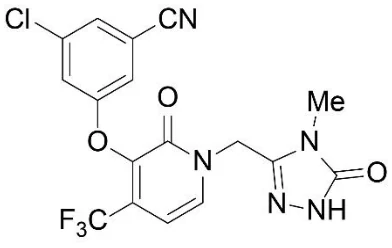
The chemical name for doravirine is 3-chloro-5-[[1-[(4,5-dihydro-4-methyl-5-oxo-1H-1,2,4-triazol-3-yl)methyl]-1,2-dihydro-2-oxo-4-(trifluoromethyl)-3-pyridinyl]oxy]benzonitrile. The molecular formula is C17H11ClF3N5O3 and the molecular weight is 425.75. Doravirine is practically insoluble in water and has the following structural formula:
Islatravir
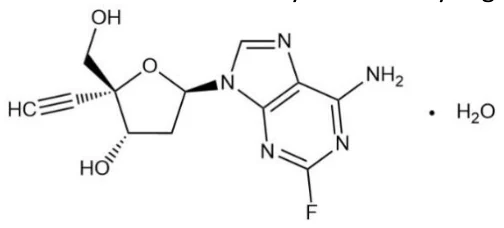
Islatravir is a crystalline monohydrate. The chemical name for islatravir is 2′-deoxy-4′-C-ethynyl-2-fluoroadenosine hydrate (1:1). The molecular formula is C12H12FN5O3.H2O and the molecular weight is 311.27. Islatravir monohydrate is very slightly soluble in water and has the following structural formula:
14. Clinical Trials
14.1. Clinical Trials by Indication
Virologically-Suppressed Adults Living with HIV-1
Table 10 - Summary of Patient Demographics for Clinical Trials in Virologically-Suppressed Adults Living with HIV-1
| Study # | Study design | Dosage, route of administration and duration | Study subjects (n) | Age (range) | Sex |
| Trial 051 | Randomized, Active-Controlled, Open-Label, Non-Inferiority Study to Evaluate a Switch to IDVYNSO® in Participants with HIV-1 Who Are Virologically-Suppressed on Antiretroviral Therapy | IDVYNSO® (100 mg of doravirine and 0.25 mg of islatravir): Oral, once daily 48 Weeks bART: 48-weeks: Oral dose and frequency determined by baseline regimens of NNRTI+2NRTIs or PI+2NRTIs or INSTI+2NRTIs. | 551 participants randomized IDVYNSO®=366 treated bART=185 treated | 18 to 83 years | Male: 332 Female: 219 |
| Trial 052 | Randomized, Active-Controlled, Double-Blind, Non-Inferiority Study to Evaluate a Switch to IDVYNSO® in Participants With HIV-1 Who Are Virologically Suppressed on Bictegravir/Emtricit abine/Tenofovir Alafenamide (BIC/FTC/TAF) | IDVYNSO® (100 mg of doravirine and 0.25 mg of islatravir) or BIC/FTC/TAF Oral, once daily 48 Weeks | 513 participants randomized IDVYNSO®=342 treated BIC/FTC/TAF= 171 treated | 19 to 77 years | Male: 403 Female: 110 |
The efficacy and safety of switching from an ART regimen to IDVYNSO® were evaluated in 2 randomized, active-controlled trials enrolling virologically-suppressed (HIV-1 RNA less than 50 copies per mL) HIV-1 infected participants. Participants must have been stably suppressed on their baseline regimen for at least 3 months prior to trial entry and had no history of treatment failure. Participants with active HBV infection [hepatitis B surface antigen (HBsAg) positive or HBV DNA positive] were excluded from the trials.
In the open-label Trial 051, participants switched from an oral ART regimen to IDVYNSO®. A total of 551 participants were randomized (2:1) and switched to once-daily IDVYNSO® (N=366) or remained on their baseline ART (N=185). Randomization was stratified by baseline ART. Participants had a mean age of 50 years (range: 18 to 83), 60% male, 39% White, 45% Black/African American and 5% Asian. The majority of participants were from North America (31%), Africa (29%), and Europe (24%). The mean baseline CD4+ cell count was 748 cells/mm3 and 80% of participants had baseline CD4+ T-cell counts >500 cells/mm3. At enrollment, 64% of the participants were receiving InSTI-based regimens, 5% PI-based regimens (including combinations with InSTI), or 30% other regimens. Approximately 29% of participants in both study arms had evidence of past HBV infection (hepatitis B core antibody [HBcAb] positive) at enrollment. These characteristics were similar between treatment groups.
In the double-blinded Trial 052, participants switched from bictegravir/emtricitabine/tenofovir alafenamide (BIC/FTC/TAF) to IDVYNSO®. A total of 513 participants were randomized (2:1) and switched to once-daily IDVYNSO® (N=342) or remained on BIC/FTC/TAF (N=171). Participants had a mean age of 48 years (range: 19 to 77), 79% male, 61% White, 31% Black/African American and 6% Asian. The majority of participants were from North America (67%), Asia/Pacific regions (16%), and Europe (10%). The mean baseline CD4+ cell counts were 717 cells/mm3 and 75% of participants had baseline CD4+ T-cell counts >500 cells/mm3. Approximately 26% of participants in both study arms were HBcAb positive at enrollment. These characteristics were similar between treatment groups.
IDVYNSO® was non-inferior to baseline ART (in Trial 051) and BIC/FTC/TAF (in Trial 052) as assessed by the proportion of participants with HIV-1 RNA ≥50 copies/mL at Week 48. The primary endpoint and other Week 48 outcomes, including outcomes by key baseline factors, for Trial 051 and Trial 052 are shown in Table 11 and Table 12.
Table 11 - Virologic Outcomes in Trial 051 and Trial 052 at Week 48 in Virologically-Suppressed Adults Who Switched to IDVYNSO® (Snapshot Algorithm)
| Outcomes | Trial 051 | Trial 052 | ||
|---|---|---|---|---|
| IDVYNSO® | Baseline ART | IDVYNSO® | BIC/FTC/TAF | |
N=366 n (%) | N=185 n (%) | N=342 n (%) | N=171 n (%) | |
| HIV-1 RNA ≥50 copies/mL | 5 (1.4%) | 9 (4.9%) | 5 (1.5%) | 1 (0.6%) |
| Treatment Difference (95% CI)* | -3.58% [-7.81%, -0.77%] | 0.88% [-1.86%, 2.90%] | ||
| HIV-1 RNA <50 copies/mL | 350 (95.6%) | 170 (91.9%) | 313 (91.5%) | 161 (94.2%) |
| No Virologic Data at Week 48 Window | 11 (3.0%) | 6 (3.2%) | 24 (7.0%) | 9 (5.3%) |
| Discontinued study due to AE or Death† | 2 (0.5%) | 2 (1.1%) | 6 (1.8%) | 3 (1.8%) |
| Discontinued study for Other Reasons‡ | 7 (1.9%) | 3 (1.6%) | 18 (5.3%) | 6 (3.5%) |
| On study drug but missing data in window | 2 (0.5%) | 1 (0.5%) | 0 (0%) | 0 (0%) |
⃰ Based on the Miettinen and Nurminen method (stratified by baseline ART regimen with Cochran-Mantel-Haenszel weight for Trial 051); assessed using a non-inferiority margin of 4%. † Includes participants who discontinued because of AE or death if this resulted in no virologic data on treatment during the 48 Week window. ‡ Other reasons include: lost to follow-up, physician decision, and withdrawal by participant. | ||||
Table 12 - Proportion of Participants in Trial 051 and Trial 052 with HIV-1 RNA <50 copies/mL at Week 48 by Baseline and Demographic Category
| Outcomes | Trial 051 | Trial 052 | |||
|---|---|---|---|---|---|
| IDVYNSO® | Baseline ART | IDVYNSO® | |||
| BIC/FTC/TAF |
|---|
(N=366) n / N (%) | (N=185) n / N (%) | (N=342) n / N (%) | (N=171) n / N (%) |
|---|
| Age (years) | |||||||||||
|---|---|---|---|---|---|---|---|---|---|---|---|
| 18 ≤ 49 | 153/164 (93%) | 80/86 (93%) | 173/190 (91%) | 91/95 (96%) | |||||||
| 50 ≤ 64 | 155/160 (97%) | 76/85 (89%) | 104/113 (92%) | 55/58 (95%) | |||||||
| ≥ 65 | 42/42 (100%) | 14/14 (100%) | 37/39 (92%) | 15/18 (83%) | |||||||
| Sex | |||||||||||
| Male | 204/214 (95%) | 111/118 (94%) | 247/268 (92%) | 127/135 (94%) | |||||||
| Female | 146/152 (96%) | 59/67 (88%) | 67/74 (91%) | 34/36 (94%) | |||||||
| Race | |||||||||||
| White | 133/141 (94%) | 73/74 (99%) | 194/206 (94%) | 100/106 (94%) | |||||||
| Black/African American | 162/166 (98%) | 73/84 (87%) | 97/111 (87%) | 44/47 (94%) | |||||||
| Asian | 17/18 (94%) | 10/10 (100%) | 18/20 (90%) | 10/10 (100%) | |||||||
| Baseline ART at randomization | |||||||||||
| InSTI-based regimens* | 215/228 (94%) | 109/116 (94%) | -- | -- | |||||||
| PI containing regimens† | 15/16 (94%) | 7/8 (88%) | -- | -- | |||||||
| All other non-PI and non-InSTI containing regimens | 120/122 (98%) | 54/61 (89%) | -- | -- | |||||||
* Includes non-PI containing regimens. † Includes PI- + InSTI-containing regimens. | |||||||||||
Of the 598 virologically-suppressed participants receiving IDVYNSO® in Trial 051 and Trial 052 with proviral DNA resistance data at baseline and virological data in the Week 48 window, 152 (25%) had preexisting NNRTI resistance-associated substitutions and 40 (7%) had preexisting M184I/V. At Week 48, IDVYNSO® maintained HIV-1 RNA <50 copies/mL in 97% of participants with preexisting NNRTI resistance-associated substitutions and 93% of participants with preexisting M184I/V.
In Trial 051, the mean increase from baseline at Week 48 in CD4+ T-cell counts in the IDVYNSO® and baseline ART groups were 5.4 and 18.2 cells/mm3, respectively. In Trial 052, the mean increase from baseline at Week 48 in CD4+ T-cell counts in the IDVYNSO® and BIC/FTC/TAF groups was 30.4 and 28.2 cells/mm3, respectively.
15. Microbiology
Antiviral Activity in Cell Culture
The combination of doravirine and islatravir was not antagonistic with respect to antiviral activity in cell culture.
Doravirine: Doravirine exhibited an EC50 value of 12.0±4.4 nM against wild-type laboratory strains of HIV-1 when tested in the presence of 100% normal human serum (NHS) using MT4-GFP reporter cells. Doravirine demonstrated antiviral activity against a broad panel of primary HIV-1 isolates (A, A1, AE, AG, B, BF, C, D, G, H) with EC50 values ranging from 1.2 nM to 10.0 nM.
Islatravir: Islatravir potently inhibited replication (IC50 <1 nM) of wild-type laboratory strains of HIV-1 in primary cells, PBMCs and monocyte-derived macrophages (MDMs). Islatravir demonstrated comparable antiviral activity against a broad panel of primary HIV-1 isolates (A, A1, AE, AG, B, BF, C, D, F1, G, H) with IC50 values ranging from 2.4 to 6.9 nM.
Resistance
In Cell Culture
Doravirine: Doravirine-resistant strains were selected in cell culture starting from wild-type HIV-1 of different origins and subtypes, as well as NNRTI-resistant HIV-1. Observed emergent amino acid substitutions in RT included: V106A, V106I, V106M, V108I, H221Y, F227C, F227I, F227L, F227V, M230I, L234I, P236L, and Y318F. The V106A, V106M, V108I, H221Y, F227C, M230I, P236L, and Y318F substitutions conferred 3.4-fold to 70-fold reductions in susceptibility to doravirine. Y318F in combination with V106A, V106M, V108I, or F227C conferred greater decreases in susceptibility to doravirine than Y318F alone, which conferred a 10-fold reduction in susceptibility to doravirine.
Doravirine activity was evaluated against a panel of NNRTI resistance strains. Strains containing A98G, Y188L, and M230L substitutions conferred 5.8-, >665-, and 53-fold reductions in susceptibility to doravirine, respectively. A98G in combination with F227C conferred 320-fold reduction in susceptibility to doravirine.
Islatravir: In cell culture, amino acid substitutions M184I and M184V in RT were selected with islatravir in wild-type HIV-1 of different origins and subtypes. These substitutions conferred a reduction in islatravir potency (IC50) by 3.9- and 5-fold, respectively. Islatravir suppressed RT M184I and M184V variants under clinically relevant concentrations.
Doravirine and islatravir: Doravirine and islatravir have complementary resistance profiles. Islatravir showed potent activity against variants containing doravirine resistance-associated substitutions and most variants containing F227C substitutions were hypersusceptible to islatravir. Doravirine showed potent activity against variants containing M184I and M184V. V106A in combination with M184V conferred a 43-fold decrease in susceptibility to doravirine and a 30-fold decrease in susceptibility to islatravir; this combination resulted in limited viral replicative capacity in cell culture.
In Clinical Trials
In Trial 051 at week 48 (n=366), none of the 3 participants receiving IDVYNSO® in the resistance analysis subset (defined as participants with confirmed HIV-1 RNA ≥400 copies/mL) had treatment-emergent resistance to either doravirine or islatravir. In Trial 052 at week 48 (n=342), the 1 participant receiving IDVYNSO® in the resistance analysis subset had no treatment-emergent resistance to either doravirine or islatravir. One participant discontinued IDVYNSO® at Week 24 with HIV-1 RNA <200 copies/mL and had post-hoc resistance analysis performed which identified treatment-emergent substitutions at Week 24 (H221Y, M230L, and L234I). Phenotypic analysis indicated the virus was resistant to doravirine and had a 7-fold reduced susceptibility to islatravir.
Cross-Resistance
Doravirine: Laboratory strains of HIV-1 harboring the common NNRTI-associated mutations K103N, Y181C, or K103N/Y181C substitutions in RT exhibit less than a 3-fold decrease in susceptibility to doravirine compared to wild-type virus when evaluated in the presence of 100% NHS. Doravirine was able to suppress the following NNRTI-associated substitutions: K103N, Y181C, G190A, and E138K mutants under clinically relevant concentrations.
A panel of 96 diverse clinical isolates containing NNRTI-associated mutations was evaluated for susceptibility to doravirine in the presence of 10% fetal bovine serum. Clinical isolates containing the Y188L substitution or V106 substitutions in combination with A98G, H221Y, P225H, F227C or Y318F showed a greater than 100-fold reduced susceptibility to doravirine.
Treatment-emergent doravirine resistance-associated substitutions may confer cross-resistance to efavirenz, rilpivirine, nevirapine, and etravirine.
Islatravir: Islatravir was evaluated for in vitro antiviral activity against a panel of 94 NRTI-resistant clinical isolates. M184I and M184V substitutions conferred an approximate 5-fold reduction in potency to islatravir. Without the M184 substitution, thymidine analogue mutations (TAMs) conferred <5-fold reduction in potency to islatravir; with the presence of M184I/V reducing islatravir susceptibility up to 18-fold. Variants with insertions at RT position 69 (69 Ins) conferred an approximate 10-fold reduction in potency to islatravir; with the presence of M184I/V further reducing islatravir potency by approximately 2-fold. K65R, Q151M, or L74V substitutions conferred enhanced potency (≥4-fold) to islatravir.
Islatravir is expected to suppress all 94 clinical isolates at clinically relevant concentrations (see 4 Dosage and Administration).
16. Non-Clinical Toxicology
General toxicology
Acute Toxicity
No acute toxicity studies were performed with doravirine or islatravir.
Chronic Toxicity
Doravirine: In repeat-dose oral toxicity studies, doravirine was very well tolerated in all animal species up to the highest doses tested. There were no adverse effects or target organs of toxicity identified in rats dosed for 6 months with 450 mg/kg/day, or in dogs dosed with 1000 mg/kg/day for 9 months (approximately 7 times and 18 times, respectively, above the exposure at the RHD).
Islatravir: In repeat-dose oral toxicity studies, islatravir was well tolerated in all animal species at concentrations up to 529 times above the RHD.
Genotoxicity
Doravirine: Doravirine was not genotoxic in a battery of in vitro or in vivo assays, including microbial mutagenesis, chromosomal aberration in Chinese Hamster Ovary cells, and in in vivo rat micronucleus assays.
Islatravir: Islatravir was not mutagenic in the in vitro microbial mutagenicity assay. Islatravir was positive in an in vitro chromosomal aberration assay in Chinese hamster ovary cells due to nucleotide pool imbalances; however, it was negative in an in vivo rat micronucleus assay at systemic exposures (AUC) up to 2755 times the human exposure at the RHD.
Carcinogenicity
Doravirine: Doravirine was not carcinogenic in 6-month transgenic mouse and in 2-year rat oral carcinogenicity studies at exposures up to 6 and 7 times, respectively, the human exposures at the RHD.
Islatravir: Islatravir was not carcinogenic in 6-month transgenic mouse and in 2-year rat oral carcinogenicity studies at exposures up to 729 and 618 times, respectively, the human exposures at the RHD.
Reproductive and Developmental Toxicology
Reproduction
Doravirine: There were no effects on fertility, mating performance or early embryonic development when doravirine was administered to rats up to the highest dose tested. Systemic exposures (AUC) to doravirine were approximately 7 times the exposure in humans at the RHD.
Islatravir: There were no effects on fertility, mating performance, or early embryonic development when islatravir was administered to rats at systemic exposures (AUC) 1306 times the exposure in humans at the RHD.