


Patient Medication Information: uses, side effects, how to take - Imbruvica
Serious warnings and precautions box
- Major bleeding events have been reported. These can cause death.
- Your healthcare professional might change your dose or avoid IMBRUVICA if you have liver problems.
- Severe heart problems like arrhythmia (irregular heart rhythm) or heart failure have been reported. In some instances, these can cause death.
What IMBRUVICA is used for:
IMBRUVICA is used to treat adults with:
Chronic Lymphocytic Leukemia (CLL):
- who have not had prior therapy, including those with a specific chromosome deletion, called the 17p deletion. For these patients, IMBRUVICA can be used alone or in combination with obinutuzumab, rituximab, or oral venetoclax.
- who have received at least one prior therapy, including those patients with the 17p deletion. For these patients, IMBRUVICA can be used alone or in combination with bendamustine and rituximab.
- Mantle Cell Lymphoma (MCL): that was previously treated but has come back or did not respond to treatment.
- Marginal Zone Lymphoma (MZL): who have received at least one previous therapy including an antibody that acts against their cancer. This antibody is called anti-CD20. For these patients, IMBRUVICA is used when patients need medicine and not radiation or surgery.
- Waldenström’s Macroglobulinemia (WM): for these patients, IMBRUVICA can be used alone or in combination with rituximab.
- Chronic Graft Versus Host Disease (cGVHD): when first line corticosteroid therapy did not work, and additional therapy is needed.
IMBRUVICA is also used to treat children 1 year of age and older with:
- Chronic Graft Versus Host Disease (cGVHD): who have received at least one line of therapy that did not work.
It is not known if IMBRUVICA is safe and effective in children under the age of 18 years for other diseases.
How IMBRUVICA works:
IMBRUVICA blocks a specific protein in the body that helps cancer cells live and grow. This protein is called “Bruton's Tyrosine Kinase.” By blocking this protein, IMBRUVICA may help kill and reduce the number of cancer cells and slow the spread of the cancer.
When IMBRUVICA and venetoclax are used together to treat adults with CLL, they are thought to have a dual effect of moving the cancer cells out of the areas where they grow and hide and push them into the blood. This allows for targeted killing of those cells.
The ingredients in IMBRUVICA are:
Medicinal ingredient: ibrutinib
Non-medicinal ingredients:
Tablets: colloidal silicon dioxide, croscarmellose sodium, lactose monohydrate, magnesium stearate, microcrystalline cellulose, povidone, and sodium lauryl sulfate. The tablet film coatings contain black iron oxide (140 mg, 280 mg, 420 mg tablets), polyethylene glycol, polyvinyl alcohol, red iron oxide (280 mg, 560 mg tablets), talc, titanium dioxide, and yellow iron oxide (140 mg, 420 mg, 560 mg tablets).
Capsules: croscarmellose sodium, magnesium stearate, microcrystalline cellulose, and sodium lauryl sulfate. The white capsule shell contains gelatin and titanium dioxide. Capsules are printed with ink containing iron oxide black and shellac.
Oral suspension: Benzyl alcohol, citric acid monohydrate, disodium phosphate, hypromellose, microcrystalline cellulose and carmellose sodium, purified water, sucralose.
IMBRUVICA comes in the following dosage forms:
Tablets: 140 mg, 280 mg, 420 mg, 560 mg
Capsules: 140 mg
Oral suspension: 70 mg/mL
Do not use IMBRUVICA if:
- you are allergic to ibrutinib or any of the other ingredients in this medicine or components of the container. If you are not sure about this, talk to your healthcare professional before taking IMBRUVICA.
To help avoid side effects and ensure proper use, talk to your healthcare professional before you take IMBRUVICA. Talk about any health conditions or problems you may have, including if you:
- have or have had unusual bleeding or bruising or are taking any medicines or supplements that increase your risk of bleeding. See “The following may interact with IMBRUVICA”, below, for a list of medicines that may increase your risk of bleeding.
- have or have had heart rhythm problems or severe heart failure, or if you have any of the following: fast and irregular heartbeat, light-headedness, dizziness, shortness of breath, chest discomfort, swollen legs, or if you faint.
- have or are at increased risk of heart disease (e.g. have diabetes).
- have high blood pressure.
- have any infection.
- have had a hepatitis B infection (a viral infection of the liver).
- have liver problems. You should not take this drug if you have certain liver problems.
- have kidney problems.
- are planning to have any medical, surgical or dental procedure. Your healthcare professional may ask you to stop taking IMBRUVICA for a short time.
Other warnings you should know about:
Heart problems:
- IMBRUVICA may cause heart problems like arrhythmia (irregular heart rhythm) or heart failure. The heart problems may be severe and can cause death. The risks are higher if you already have heart problems (rhythm problems or heart failure), high blood pressure or diabetes.
- See the “Serious side effects and what to do about them” table, below, for more information on these and other serious side effects.
Diarrhea:
- During treatment with IMBRUVICA, you may experience an increase in frequency of loose or watery stools.
- If you have diarrhea that lasts for more than a week, your healthcare professional may need to give you treatment to manage your diarrhea such as a fluid and salt replacement or another medicine. Contact your healthcare professional if your diarrhea persists.
Lymphocytosis (increase in white blood cells called lymphocytes):
- In the first few weeks of treatment, laboratory tests may show that your blood contains more white blood cells (called lymphocytes). This is expected and may last a few weeks or months. This does not necessarily mean that your blood cancer is getting worse.
- Your healthcare professional will monitor your blood counts. In rare cases, they may need to give you another medicine. Talk to your healthcare professional about what your blood test results mean.
Tests and check-ups:
- You will have regular visits with your healthcare professional before and during treatment with IMBRUVICA.
Your healthcare professional will:
- Do blood tests to check your blood counts and liver health before and during treatment.
- Check your heart before and during treatment with IMBRUVICA.
- Check your blood pressure during treatment and may need to give you another medicine to control your blood pressure.
- IMBRUVICA can affect some blood tests. Tell your healthcare professional you are taking IMBRUVICA each time you get blood work done.
Pregnancy, breast-feeding and birth control
Female patients:
- IMBRUVICA can harm your unborn baby.
- Do not get pregnant while you are taking IMBRUVICA. Women of childbearing age must use highly effective birth control methods during treatment with IMBRUVICA and for 3 months after the last dose of IMBRUVICA.
- If you are pregnant, think you may be pregnant or are planning to have a baby, ask your healthcare professional for advice before taking IMBRUVICA.
- Tell your healthcare professional immediately if you become pregnant.
- Do not breast-feed while you are taking IMBRUVICA.
Male patients:
- Do not father a child while taking IMBRUVICA and for 3 months after stopping treatment.
- Use condoms and do not donate sperm during treatment and for 3 months after your treatment has finished. If you plan to father a child, talk to your healthcare professional before taking IMBRUVICA.
- Men who are sexually active with a pregnant woman must use a condom during and for 3 months after treatment with IMBRUVICA.
Driving and using machines: You may feel tired or dizzy after taking IMBRUVICA, which may affect your ability to drive and use tools or machines. Ask your healthcare professional about your ability to drive and use tools or machines while taking IMBRUVICA.
Tell your healthcare professional about all the medicines you take, including any drugs, vitamins, minerals, natural supplements or alternative medicines.
The following may interact with IMBRUVICA:
- medicines called antibiotics used to treat bacterial infections (clarithromycin, ciprofloxacin, erythromycin, rifampin).
- medicines for fungal infections (ketoconazole, itraconazole, fluconazole, voriconazole, posaconazole).
- medicines for HIV infection (indinavir, nelfinavir, ritonavir, saquinavir, atazanavir, darunavir/ritonavir, cobicistat, fosamprenavir, efavirenz).
- medicine to prevent nausea and vomiting (aprepitant).
- medicines called kinase inhibitors for treatment of other cancers (crizotinib, imatinib).
- medicines called calcium channel blockers for high blood pressure, chest pain, irregular heartbeat and other heart problems (diltiazem, verapamil).
- medicines called statins to treat high cholesterol (rosuvastatin).
- heart medicines/anti-arrhythmics (amiodarone, dronedarone).
medicines that may increase your risk of bleeding, including:
- aspirin and anti-inflammatories such as ibuprofen or naproxen.
- blood thinners such as warfarin, heparin or other medicines for blood clots such as dabigatran, rivaroxaban, apixaban.
- supplements such as fish oil, vitamin E and flaxseed.
- medicines used to prevent seizures or to treat epilepsy or medicines used to treat a painful condition of the face called trigeminal neuralgia (carbamazepine and phenytoin).
- a medicine to treat high blood pressure (aliskiren).
- a medicine to treat allergy symptoms (fexofenadine).
- a medicine to treat cancer (topotecan).
- an herbal medicine used for depression (St. John’s Wort).
If you are taking digoxin, a medicine used for heart problems, or methotrexate, a medicine used to treat other cancers or to reduce the activity of the immune system (e.g., for rheumatoid arthritis or psoriasis), it should be taken at least 6 hours before or after IMBRUVICA.
Do not take IMBRUVICA with grapefruit or Seville oranges; this includes eating them, drinking the juice, or taking supplements that might contain them. These products may increase the amount of IMBRUVICA in your blood.
How to take IMBRUVICA:
- Take IMBRUVICA exactly as directed by your healthcare professional.
- Take IMBRUVICA at about the same time each day.
- Drink plenty of fluids to stay hydrated while taking IMBRUVICA. This will help your kidneys continue to function properly.
- Do not take IMBRUVICA with grapefruit juice.
- Capsules or tablets: Swallow IMBRUVICA capsules or tablets whole, with a glass of water. Do not open, break or chew capsules or tablets.
Oral suspension:
- See Instructions for Use leaflet for full instructions.
- Swallow IMBRUVICA oral suspension and drink water after swallowing the medicine.
- An adult should give the dose to the child. Use only the reusable oral dosing syringes provided to measure the right dose.
Usual dose:
Adults:
- Chronic Lymphocytic Leukemia (CLL): 420 mg once a day
- Waldenström’s Macroglobulinemia (WM): 420 mg once a day
- Chronic Graft Versus Host Disease (cGVHD): 420 mg once a day
- Mantle Cell Lymphoma (MCL): 560 mg once a day
- Marginal Zone Lymphoma (MZL): 560 mg once a day
Children (1 year old and older):
Chronic Graft Versus Host Disease (cGVHD):
- age 12 years and older: 420 mg once a day
- age 1 to < 12 years: As directed by your healthcare professional.
Your healthcare professional may decide that you should take a lower dose if you have liver problems or are taking certain medications. They may also lower your dose if you get side effects.
For the treatment of CLL and WM, your healthcare professional may prescribe IMBRUVICA alone or in combination with other treatments.
IMBRUVICA is given as a continuous daily therapy, which means you need to take it every day until your disease no longer responds to treatment or you experience unacceptable side effects. Do not change your dose or stop taking IMBRUVICA unless your healthcare professional tells you to.
If your healthcare professional has told you to take IMBRUVICA for use in combination with oral venetoclax: IMBRUVICA will be given for a fixed duration of up to 15 months.
Overdose:
If you think you, or a person you are caring for, have taken too much IMBRUVICA, contact a healthcare professional, hospital emergency department, regional poison control centre or Health Canada’s toll-free number, 1-844 POISON-X (1-844-764-7669) immediately, even if there are no signs or symptoms.
Missed dose:
- If you miss a dose of IMBRUVICA take it as soon as you remember on the same day. Take your next dose of IMBRUVICA at your regular time on the next day.
- Do not take extra doses of IMBRUVICA to make up for a missed dose. Call your healthcare professional if you are not sure of what to do.
Possible side effects from using IMBRUVICA:
These are not all the possible side effects you may feel when taking IMBRUVICA. If you experience any side effects not listed here, contact your healthcare professional.
- Increase in the number of white blood cells (lymphocytosis), as seen on blood tests
- Diarrhea
- Viral, bacterial, or fungal infections: Infections can be serious and may lead to death
- Fatigue, lack of energy, anxiety, difficulty falling or staying asleep
- Common cold, cough, stuffy or infected nose, sinuses or throat
- Chills
- Muscle aches/pain/spasm, joint aches/pain
- Headache, dizziness, weakness, anxiety
- Rash, itching, dry skin, skin infection
- Inflammation of the fatty tissue underneath the skin
- Nausea, sore mouth or throat, constipation, vomiting, loss of appetite, stomach pain, indigestion, mouth sores
- Nail changes such as brittle fingernails and toenails
- Inflamed blood vessels in the skin, which may lead to a rash (cutaneous vasculitis)
IMBRUVICA can cause abnormal blood test results. Your healthcare professional will decide when to perform blood tests and will interpret the results.
Serious side effects and what to do about them
| Frequency/Side Effect/Symptom | Talk to your healthcare professional | Stop taking this drug and get immediate medical help | |
| Frequency/Side Effect/Symptom | Talk to your healthcare professional | Stop taking this drug and get immediate medical help | |
| Frequency/Side Effect/Symptom | Talk to your healthcare professional | Stop taking this drug and get immediate medical help | |
| Frequency/Side Effect/Symptom | Talk to your healthcare professional | Stop taking this drug and get immediate medical help | |
| Only if severe | In all cases | ||
| Only if severe | In all cases | ||
| Only if severe | In all cases | ||
| Only if severe | In all cases | ||
| Very Common | |||
| Anemia (low red blood cells): fatigue, loss of energy, weakness, shortness of breath | |||
| Neutropenia (low neutrophils, a type of white blood cell): fever, chills or sweating or any signs of infection | |||
| Thrombocytopenia (low platelets – the cells in your body that help blood to clot): bruising, bleeding, fatigue and weakness | |||
| Edema (abnormal accumulation of fluid): swollen hands, ankles or feet | |||
| Being short of breath | |||
| Fever | |||
| Pneumonia (infection of the lungs): cough with or without mucus, fever, chills, shortness of breath | |||
| Sinusitis (sinus infection): thick, yellow, smelly discharge from the nose, pressure or pain in the face and eyes, congestion, headache | |||
| Bruising: small red or purple spots caused by bleeding under the skin | |||
| High blood pressure | |||
| Common | |||
| Urinary tract infection: pain or burning when urinating, bloody or cloudy urine, foul smelling urine | |||
| Hypokalemia (low potassium levels in the blood): muscle weakness, cramps, twitches, abnormal heart rhythms | |||
| Nose bleeds | |||
| Severe diarrhea: increased number of bowel movements, watery or bloody stool, stomach pain and/or cramps | |||
| Arrhythmia (irregular heart rhythm): palpitations, light-headedness, dizziness, shortness of breath, chest discomfort, fainting | |||
| Blurred vision | |||
| Infection of the blood: feeling dizzy or faint, confusion or disorientation, diarrhea, nausea, vomiting, slurred speech, severe muscle pain | |||
| Serious bleeding problems sometimes resulting in death: blood in your stool or urine, bleeding that lasts for a long time or that you cannot control, coughing up blood or blood clots, increased bruising, feel dizzy or weak, confusion, change in your speech, or a headache that lasts a long time | |||
| Interstitial lung disease (inflammation within the lungs): difficulty breathing or persistent cough | |||
| Tumour Lysis Syndrome (sudden, rapid death of cancer cells due to the treatment): nausea, vomiting, decreased urination, irregular heartbeat, confusion, delirium, seizures | |||
| Hyperuricemia (elevated levels of uric acid in the blood): red, warm, and swollen joints, flank pain, blood in urine, or cream-colored skin nodules | |||
| Peripheral neuropathy: weakness, numbness, tingling, pain, or hot or cold sensation in hands, feet or other parts of the body | |||
| Kidney failure: decreased or lack of urination, nausea, swelling of the ankles, legs or feet, fatigue, confusion, seizures or coma | |||
| Heart failure (heart does not pump blood as well as it should): breathlessness, difficulty breathing when lying down, swelling of the feet, ankles or legs, weakness/tiredness | |||
| Uncommon | |||
| Leukostasis (severe increase in white blood cells): fever, fainting, bleeding, bruising, weight loss, general pain, lack of energy, severe headache, trouble walking | |||
| Severe allergic reactions: swelling of face, eyes, lips, mouth, or tongue, trouble swallowing or breathing, itchy skin rash, redness of the skin | |||
| Stevens-Johnson Syndrome: severe rash with blisters and peeling skin, particularly around the mouth, nose, eyes, and genitals | |||
| Severe liver problems: nausea, loss of appetite, fatigue, jaundice (yellowing of your skin and eyes), pain in your upper right abdomen, dark urine, disorientation, confusion, pale stool | |||
| Inflammation of the eye (pink eye) | |||
| Mini-stroke (temporary low blood flow to the brain) or stroke (bleeding or blood clot in the brain): sudden numbness, weakness or tingling of the face, arm, or leg, particularly on one side of the body, difficulty speaking or understanding speech, blurred vision, dizziness, difficulty walking and loss of balance, sudden headache, difficulty swallowing | |||
| Squamous or basal cell cancer (types of skin cancer): unexplained skin discoloration, red, crusty, wart-like skin sores, shiny skin nodules | |||
| Neutrophilic dermatoses: one or more tender or painful bumps or ulcers on the skin, sometimes with a fever | |||
| Eye Hemorrhage (bleeding in the eye): red patch, line or dots on the white part of eye, seeing haze or shadows, floaters and cloudy vision, blurring or loss of vision | |||
| Uveitis (inflammation of the inner layer of the eye): eye pain, redness, swelling, sensitivity to light, small dark spots or lines that float across your vision, decreased vision | |||
| RARE | |||
| Progressive multifocal leukoencephalopathy (a rare brain infection): progressive weakness on one side of the body, clumsiness of limbs, disturbance of vision, changes in thinking, memory and orientation, confusion, personality changes |
If you have a troublesome symptom or side effect that is not listed here or becomes bad enough to interfere with your daily activities, talk to your healthcare professional.
Reporting side effects
You can report any suspected side effects associated with the use of health products to Health Canada by:
- Visiting the Web page on Adverse Reaction Reporting (canada.ca/drug-device-reporting) for information on how to report online, by mail or by fax; or
- Calling toll-free at 1-866-234-2345.
NOTE: Contact your healthcare professional if you need information about how to manage your side effects. The Canada Vigilance Program does not provide medical advice.
Storage:
- Keep out of the reach and sight of children.
- Capsules and tablets: Store at room temperature between 15°C and 30°C.
- Oral suspension: Store at room temperature between 15°C and 30°C. Do not freeze. Store reusable oral dosing syringes and bottle upright in the original carton. Discard unused medication 3 months after opening the bottle for the first time.
If you want more information about IMBRUVICA:
- Talk to your healthcare professional.
- For questions or concerns, contact the manufacturer, Janssen Inc. (www.janssen.com/canada).
- Find the full Product Monograph that is prepared for healthcare professionals and includes this Patient Medication Information by visiting the Health Canada Drug Product Database website (canada.ca/en/health-canada/services/drugs-health-products/drug-products/drug-product-database.html); the manufacturer’s website (innovativemedicine.jnj.com/Canada) , or by calling 1-800-567-3331 or 1-800-387-8781.
Co-developed with Pharmacyclics.
© Johnson & Johnson and its affiliates 2025 © 2025 Pharmacyclics
Date of Authorization: 2025-12-02
All trademarks used under license.
All other third party trademarks are trademarks of their respective owners.
Instructions for Use
PrIMBRUVICA®
(ibrutinib oral suspension)
Protein Kinase Inhibitor
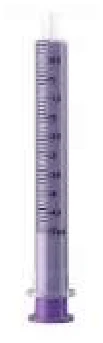

This Instructions for Use contains information on how to give a dose of IMBRUVICA oral suspension.
Important information you need to know before using IMBRUVICA
Read this Instructions for Use before you give IMBRUVICA and each time you get a refill.
There may be new information. This leaflet does not take the place of talking with your healthcare professional about medical conditions or treatment. IMBRUVICA is intended for oral use only.
An adult caregiver should administer the dose prescribed by the healthcare professional.
Each mL contains 70 mg of ibrutinib.
Only use the oral dosing syringes provided with IMBRUVICA. If both syringes are lost or damaged, contact your healthcare professional.
Discard medication 3 months after opening the bottle for the first time.

Storage information
Store between 15°C to 30°C. Do not freeze IMBRUVICA.
Store the bottle upright with the oral dosing syringes in the original carton.
Keep IMBRUVICA and all medicines out of sight and reach of children.
Need help?
Call your healthcare professional to talk about any questions you may have. For additional assistance, call the manufacturer, Janssen Inc., at 1-800-567-3331 or 1-800-387-8781.
IMBRUVICA at-a-glance
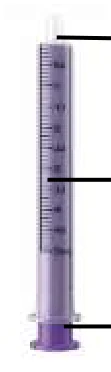
Plastic syringe
Tip Scale Plunger |
Bottle
Plastic Bottle Adapter


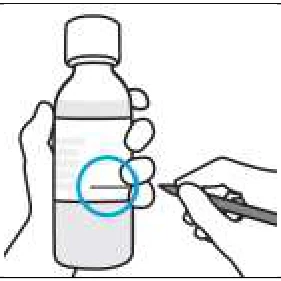
Record “discard after” date on the bottle label
Record the “discard after” date that is 3 months from the day you first opened the bottle.
After 3 months of first opening the bottle, dispose of the closed bottle in accordance with local requirements.
Before first use
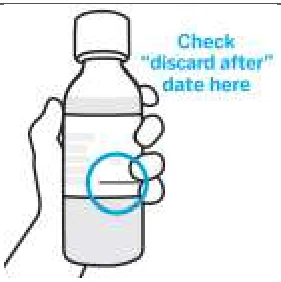
Check “discard after” date on the IMBRUVICA bottle
Check expiration date (EXP) on the carton or bottle
Do not use if the tamper seal on the bottle is broken.
Do not use if the expiry date or the “discard after” date has passed.

Wash hands
Wash your hands well with soap and warm water.
Step 1
Get ready
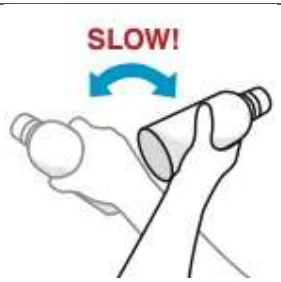
Shake oral suspension
Slowly shake oral suspension before each use.
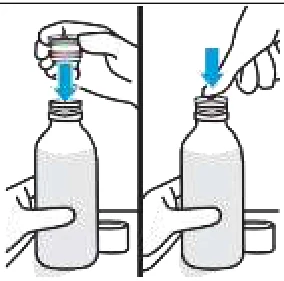
Insert plastic bottle adapter
Remove plastic bottle adapter from the carton. Twist off bottle cap.
Place the bottle on a flat surface. Push the plastic bottle adapter with your thumb into the bottle until it is fully inserted and even with the top of the bottle.
Do not remove the plastic bottle adapter from the bottle.
Step 2
Prepare IMBRUVICA
Do not shake rapidly to avoid foaming. Foaming may lead to incorrect dosing.
Push plunger all the way in to remove air
Only use the oral dosing syringe provided with IMBRUVICA.

Insert syringe tip into plastic bottle adapter

Fill syringe
Turn the bottle upside down, as shown.
Pull the plunger to fill the syringe slightly past the prescribed dose line to help remove any air bubbles.
Step 3
Set prescribed dose
Dispose of bottle if there is not enough medicine for a full dose. Use a new bottle.

Tap syringe to move air bubbles to the top
Doing this helps set the correct dose.
Remove air bubbles and adjust dose
Press the purple plunger to align the top with the prescribed dose.


Air bubbles must be removed to ensure the correct dose. Proceed to the next step only if you do not see any air bubbles.
If you see air bubbles: Fill the syringe again, tap to move air bubbles to the top and adjust dose.
If your dose is more than 5 mL, you will need to use the same syringe twice. Repeat steps 3 and 4 to complete your dose.
Remove syringe
Place the bottle on a flat surface. Remove the syringe from the bottle.
Repeat steps 3 and 4 to complete your dose.
Make sure the child drinks water after swallowing the dose of medicine.
If the child spits out the medicine or if an incorrect dose is given, contact your healthcare professional.
Deliver medication
Place the syringe gently into mouth with the tip pointing toward the cheek. This allows the child to swallow naturally.
Slowly press the plunger until it stops to administer the full dose. If your dose is more than 5 mL, you will need to use the same syringe twice.
Step 4
Deliver IMBRUVICA
Close bottle and rinse syringe
Twist cap on the bottle.
Do not remove the plastic adapter from the bottle.
Rinse the syringe with cold tap water and let it air dry.


Do not clean the syringe with soap or place the syringe in the dishwasher.
IMPORTANT NOTES ABOUT DISPOSING IMBRUVICA (ibrutinib oral suspension)
- Dispose of the closed bottle in accordance with local requirements.
- Do not pour IMBRUVICA down the drain (for example: sink, toilet, shower or tub).
- Do not recycle the bottle.
Questions/Concerns/Product Monograph: www.janssen.com/canada
Janssen Inc., Toronto,
Ontario M3C 1L9
© Johnson & Johnson and its affiliates 2025© 2025 Pharmacyclics
Co-developed with Pharmacyclics
Date of Authorization: 2025-12-02
All trademarks used under license
Step 5
Rinse/store