


Product Monograph - Infanrix-Ipv/Hib
RECENT MAJOR LABEL CHANGES
| Section | Date |
|---|---|
| 1 INDICATIONS | JAN 2025 |
| 2 CONTRAINDICATIONS | JAN 2025 |
| 4 DOSAGE AND ADMINISTRATION, 4.4 Administration | JAN 2025 |
| 7 WARNINGS AND PRECAUTIONS | JAN 2025 |
TABLE OF CONTENTS
Sections or subsections that are not applicable at the time of authorization are not listed.
RECENT MAJOR LABEL CHANGES .......................................................................................... 2
TABLE OF CONTENTS ............................................................................................................ 2
PART I: HEALTH PROFESSIONAL INFORMATION .................................................................... 4
1 INDICATIONS ............................................................................................................ 4
1.1 Pediatrics .................................................................................................................. 4
1.2 Geriatrics .................................................................................................................. 4
2 CONTRAINDICATIONS ................................................................................................ 4
4 DOSAGE AND ADMINISTRATION ................................................................................ 5
4.2 Recommended Dose and Dosage Adjustment ........................................................ 5
4.3 Reconstitution .......................................................................................................... 5
4.4 Administration ......................................................................................................... 5
4.5 Missed Dose ............................................................................................................. 6
5 OVERDOSAGE ............................................................................................................ 6
6 DOSAGE FORMS, STRENGTHS, COMPOSITION AND PACKAGING ................................ 7
7 WARNINGS AND PRECAUTIONS ................................................................................. 8
7.1 Special Populations ................................................................................................ 10
7.1.1 Pregnant Women ............................................................................................. 10
7.1.2 Breast-feeding .................................................................................................. 10
7.1.3 Pediatrics .......................................................................................................... 10
8 ADVERSE REACTIONS............................................................................................... 10
8.1 Adverse Reaction Overview ................................................................................... 10
8.2 Clinical Trial Adverse Reactions ............................................................................. 10
8.5 Post-Market Adverse Reactions ............................................................................. 12
9 DRUG INTERACTIONS .............................................................................................. 13
9.2 Drug Interactions Overview ................................................................................... 13
9.4 Drug-Drug Interactions .......................................................................................... 13
9.5 Drug-Food Interactions .......................................................................................... 13
9.6 Drug-Herb Interactions .......................................................................................... 13
9.7 Drug-Laboratory Test Interactions ........................................................................ 14
10 CLINICAL PHARMACOLOGY ...................................................................................... 14
10.1 Mechanism of Action ....................................................................................... 14
11 STORAGE, STABILITY AND DISPOSAL ........................................................................ 16
PART II: SCIENTIFIC INFORMATION ..................................................................................... 17
13 PHARMACEUTICAL INFORMATION .......................................................................... 17
14 CLINICAL TRIALS ...................................................................................................... 18
14.1 Clinical Trials by Indication .............................................................................. 18
15 MICROBIOLOGY ...................................................................................................... 21
PATIENT MEDICATION INFORMATION ................................................................................ 22
PART I: HEALTH PROFESSIONAL INFORMATION
1 INDICATIONS
INFANRIX-IPV/Hib (diphtheria, tetanus, pertussis (acellular), poliomyelitis (inactivated) and haemophilus type b conjugate vaccine (adsorbed)) is indicated:
- For active primary immunization against diphtheria, tetanus, pertussis, poliomyelitis, and Haemophilus influenzae type b (Hib) infection in infants and children from the age of 6 weeks up to 2 years.
- As a booster dose in the second year of life for children who have previously been immunized with diphtheria, tetanus, pertussis (DTaP), poliomyelitis and Haemophilus influenzae type b (Hib) antigens.
1.1 Pediatrics
INFANRIX-IPV/Hib is not indicated for infants less than 6 weeks or for children 7 years of age or older.
1.2 Geriatrics
No data are available to Health Canada; therefore, Health Canada has not authorized an indication for adult and geriatric use.
2 CONTRAINDICATIONS
INFANRIX-IPV/Hib (diphtheria, tetanus, pertussis (acellular), poliomyelitis (inactivated) and haemophilus type b conjugate vaccine (adsorbed)):
- should not be administered to individuals with known hypersensitivity to any component of the vaccine (see 6 DOSAGE FORMS, STRENGTHS, COMPOSITION AND PACKAGING) or to individuals having shown signs of hypersensitivity after a previous dose of this vaccine or any injection containing diphtheria, tetanus, pertussis, poliovirus, or Haemophilus influenzae type b (see 7 WARNINGS AND PRECAUTIONS, General for information on treatment of immediate allergic reactions).
- is contraindicated in individuals who previously experienced an immediate anaphylactic reaction temporally associated with a previous dose of this vaccine or any injection containing diphtheria, tetanus, pertussis, poliovirus, or Haemophilus influenzae type b. Because of the uncertainty to which component of the vaccine might be responsible, no further vaccination with any of these components should be given. Alternatively, because of the importance of tetanus vaccination, such individuals may be referred to an allergist for evaluation.
- is contraindicated if the infant has experienced an encephalopathy of unknown aetiology, occurring within 7 days following previous vaccination with a pertussis containing vaccine. In these circumstances, pertussis vaccination should be discontinued and the vaccination should be continued with diphtheria-tetanus, polio, and Hib vaccines.
4 DOSAGE AND ADMINISTRATION
4.2 Recommended Dose and Dosage Adjustment
Primary Immunization
The primary immunization course is 3 doses of INFANRIX-IPV/Hib 0.5 mL (diphtheria, tetanus, pertussis (acellular), poliomyelitis (inactivated) and haemophilus type b conjugate vaccine (adsorbed)), given intramuscularly at 2, 4 and 6 months of age.
Booster Immunization
A booster dose is recommended in the second year of life (i.e., 12 to 23 months of age), with an interval of at least 6 months, after completion of primary vaccination schedule. Refer to the current recommendations in the Canadian Immunization Guide.
4.3 Reconstitution
The two components of the INFANRIX-IPV/Hib vaccine (DTaP-IPV suspension and Hib lyophilized powder) should not be mixed with other vaccines.
All parenteral drug products should be inspected visually for particulate matter or discoloration prior to administration. Upon storage, a white deposit and clear supernatant may be observed in the liquid component in the syringe; this does not constitute a sign of deterioration. Shake the syringe well before use. With thorough agitation, the liquid component (DTaP-IPV) should become a homogenous white turbid suspension. Discard in accordance with local requirements if it appears otherwise. After the addition of the liquid to the powder, the mixture should be well shaken until the powder is completely dissolved. The vaccine is ready to use without dilution.
The reconstituted vaccine presents as a slightly more cloudy suspension than the liquid component alone. This is normal and does not impair the performance of the vaccine. Discard in accordance with local requirements if it appears otherwise.
The product should be used immediately after reconstitution. However, stability of the vaccine has been demonstrated for 8 hours at +21°C after reconstitution.
After removal of the 0.5 mL dose, any vaccine remaining in the vial should be discarded in accordance with local requirements.
4.4 Administration
Preparation for Administration
Pre-filled syringe instructions
Hold the syringe by the barrel, not by the plunger. Unscrew the syringe cap by twisting it anticlockwise. | |
|---|---|
To attach the needle, connect the hub to the Luer Lock Adaptor and rotate a quarter turn clockwise until you feel it lock. Do not pull the syringe plunger out of the barrel. If it happens, do not administer the vaccine. |
INFANRIX-IPV/Hib should be administered by intramuscular injection. The preferred site is the anterolateral aspects of the thigh. The vaccine should not be injected in the gluteal area or areas where there may be a major nerve trunk. Before injection, the skin at the injection site should be cleaned and prepared with a suitable germicide. After insertion of the needle, aspirate to ensure that the needle has not entered a blood vessel.
Do not administer this product subcutaneously or intravenously.
4.5 Missed Dose
Interruption of the recommended schedule with a delay between doses should not interfere with the final immunity achieved with INFANRIX-IPV/Hib. There is no need to start the series over again regardless of the time elapsed between doses.
5 OVERDOSAGE
Some cases of overdose have been reported during post-marketing surveillance. Adverse events, when reported following overdosage, were similar in nature to those observed after administration of the recommended dose of INFANRIX-IPV/Hib.
For management of a suspected drug overdose, contact your regional poison control centre.
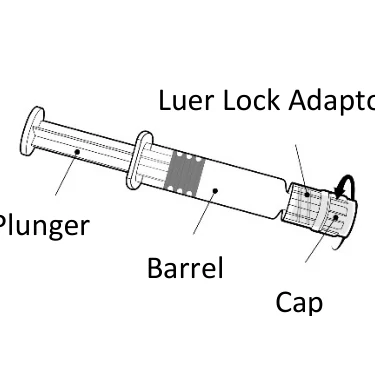 Plunger Barrel Cap Luer Lock Adaptor | |
|---|---|
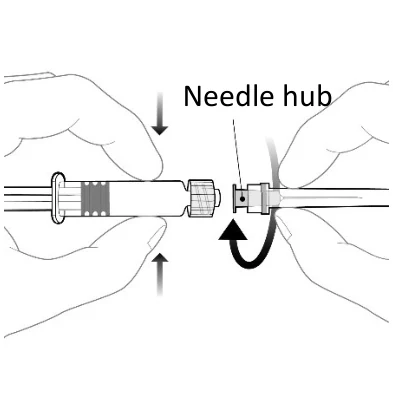 Needle hub |
6 DOSAGE FORMS, STRENGTHS, COMPOSITION AND PACKAGING
To help ensure the traceability of vaccines for patient immunization record-keeping as well as safety monitoring, health professionals should record the time and date of administration, quantity of administered dose (if applicable), anatomical site and route of administration, brand name and generic name of the vaccine, the product lot number and expiry date.
Table 1: Dosage Forms, Strengths, Composition and Packaging
*Refer to 13 PHARMACEUTICAL INFORMATION
Packaging
Syringe and Vial
The DTaP-IPV vaccine component is supplied as a turbid white suspension in a pre-filled (0.5 mL) syringe (Type I glass) with a plunger stopper (butyl rubber) and with a rubber tip cap. Upon storage, a white deposit and clear supernatant may be observed in the liquid component of the syringe; this does not constitute a sign of deterioration.
The Hib vaccine component is supplied as a lyophilized white powder in a glass vial (Type I glass) with stopper (butyl rubber).
The tip cap and rubber plunger stopper of the pre-filled syringe and the stopper of the vial are not made with natural rubber latex.
Pack sizes of 10 doses: 10 syringes of the DTaP-IPV suspension x 10 vials of lyophilized Hib component.
| Route of Administration | Dosage Form / Strength / Composition | Non-medicinal Ingredients |
| Intramuscular injection | Sterile suspension for injection / After reconstitution, 1 dose (0.5 mL) contains not less than 25 limit of flocculation (Lf) [30 International Units (IU)] of diphtheria toxoid; 10 Lf (40 IU) of tetanus toxoid; 25 µg of pertussis toxoid (PT); 25 µg of filamentous haemagglutinin (FHA); 8 µg of pertactin (PRN); 40 D-antigen units (DU) of poliovirus type 1 Mahoney; 8 DU poliovirus type 2 MEF1; 32 DU poliovirus type 3 Saukett; 10 µg of purified polyribosyl-ribitol-phosphate (PRP) capsular polysaccharide of Haemophilus Influenzae type b covalently bound to 25 µg of tetanus toxoid. | Each 0.5 ml dose contains aluminum adjuvant (as aluminum salts), lactose, Medium 199 (including amino acids, mineral salts and vitamins), sodium chloride, and water for injection. Manufacturing process residues*: neomycin sulphate and polymyxin B sulphate. |
Description
INFANRIX-IPV/Hib (diphtheria, tetanus, pertussis (acellular), poliomyelitis (inactivated) and haemophilus type b conjugate vaccine (adsorbed)) contains diphtheria toxoid, tetanus toxoid, three purified pertussis antigens [pertussis toxoid (PT), filamentous haemagglutinin (FHA), and pertactin (PRN) (69 kiloDalton outer membrane protein)] adsorbed onto aluminum salts, inactivated poliovirus types 1 Mahoney, 2 MEF1, and 3 Saukett, and contains purified polyribosyl-ribitol-phosphate capsular polysaccharide (PRP) of Haemophilus influenzae type b (Hib), covalently bound to tetanus toxoid.
7 WARNINGS AND PRECAUTIONS
General
Do not administer INFANRIX-IPV/Hib (diphtheria, tetanus, pertussis (acellular), poliomyelitis (inactivated) and haemophilus type b conjugate vaccine (adsorbed)) intravenously.
As for all diphtheria, tetanus and pertussis vaccines, each injection should be given deep intramuscularly, in the anterolateral aspect of the thigh, and each injection of the immunization series should be made at a different site.
As with other injectable vaccines, epinephrine injection (1:1000) and other appropriate agents used for the control of immediate allergic reactions must be immediately available should an acute anaphylactic reaction occur. For this reason, the vaccinee should remain under medical supervision for 30 minutes after immunization. Refer to the chapter on anaphylaxis and other acute reactions in the current edition of Canadian Immunization Guide.
As with other vaccines, the administration of INFANRIX-IPV/Hib should be postponed in subjects suffering from moderate or severe illness with or without fever. The presence of minor illnesses with or without a low-grade fever is not a contraindication.
It is good clinical practice that vaccination should be preceded by a review of the medical history (especially with regard to previous vaccination and possible occurrence of undesirable events) and a clinical examination.
As with any other vaccine, every individual may not receive 100% protection from each component of INFANRIX-IPV/Hib. This product is not recommended for treatment of actual infections.
If any of the following events occur in temporal relation to administration of whole-cell DTP or acellular DTP vaccine, the decision to give subsequent doses of vaccine containing the pertussis component should be carefully considered.
- Temperature of ≥ 40.0°C (rectal) within 48 hours of vaccination not due to another identifiable cause.
- Collapse or shock-like state (hypotonic-hyporesponsive episode) within 48 hours of vaccination.
- Persistent, inconsolable crying lasting ≥ 3 hours, occurring within 48 hours of vaccination.
- Convulsions with or without fever occurring within 3 days of vaccination.
There may be circumstances, such as high incidence of pertussis, in which the potential benefits outweigh possible risks, particularly since these events have not been proven to cause permanent sequelae.
The Hib component of the vaccine does not protect against diseases due to capsular serotypes other than type b of Haemophilus influenzae or against meningitis caused by other organisms.
Syncope (fainting) can occur following, or even before, any vaccination as a psychogenic response to the needle injection. It is important that procedures are in place to avoid injury from faints.
Hematologic
INFANRIX-IPV/Hib should be administered with caution to subjects with thrombocytopenia or a bleeding disorder since bleeding may occur following intramuscular administration to these subjects. Firm pressure should be applied to the injection site (without rubbing) for at least 2 minutes.
Immune
INFANRIX-IPV/Hib is not contraindicated for use in individuals with HIV infection. The expected immunological response may not be obtained after vaccination of immunosuppressed patients.
Neurologic
Experience with INFANRIX (i.e., DTaP vaccine) and other INFANRIX-based vaccine combinations has not revealed any cases of encephalopathy or permanent neurologic damage causally linked to vaccination. While acute encephalopathy and permanent neurologic damage have not been reported to be causally linked nor in temporal association with administration of INFANRIX-IPV/Hib, data are limited at this time.
In children with progressive neurological disorders, including infantile spasms, uncontrolled epilepsy or progressive encephalopathy, it is better to defer pertussis (acellular or whole-cell) immunization until the condition is corrected or stable. However, the decision to give pertussis vaccine must be made on an individual basis after careful consideration of the risks and benefits.
A history of febrile convulsions, a family history of convulsions, a family history of Sudden Infant Death Syndrome (SIDS) and a family history of an adverse event following DTP, IPV and/or Hib vaccination do not constitute contraindications for INFANRIX-IPV/Hib, an acellular DTP vaccine.
Studies suggest that, when given whole-cell DTP vaccine, infants and children with a history of convulsions in first-degree family members (i.e., siblings and parents) have a 2.4-fold increased risk for neurologic events compared to those without such histories.
A review by the US Institute of Medicine (IOM) found inadequate evidence to accept or reject a causal relation between the receipt of tetanus toxoid and both Guillain-Barré Syndrome (GBS) and brachial neuritis. If GBS occurred within 6 weeks of receipt of prior vaccine containing tetanus toxoid, the decision to give INFANRIX-IPV/Hib or any other vaccine containing tetanus toxoid should be based on careful consideration of the potential benefits and possible risks.
Respiratory
Although a moderate or severe febrile illness with or without fever is a reason to defer vaccination, minor illnesses such as mild upper respiratory infections with or without low-grade fever are not a contraindication.
7.1 Special Populations
7.1.1 Pregnant Women
INFANRIX-IPV/Hib is not intended for use in adults, information on the safety of the vaccine when used during pregnancy is not available.
7.1.2 Breast-feeding
INFANRIX-IPV/Hib is not intended for use in adults, information on the safety of the vaccine when used during lactation is not available.
7.1.3 Pediatrics
The administration of INFANRIX-IPV/Hib in children 7 years of age or older is not recommended because diphtheria toxoid may cause severe but transient local and febrile reactions in children and adults, the frequency increasing with age, the dose of toxoid and the number of doses given.
The potential risk of apnea and the need for respiratory monitoring for 48-72h should be considered when administering the primary immunization series to very premature infants (born ≤ 28 weeks of gestation) and particularly for those with a previous history of respiratory immaturity. As the benefit of vaccination is high in this group of infants, vaccination should not be withheld or delayed. Safety and effectiveness of INFANRIX-IPV/Hib have not been established in infants below the age of 6 weeks and children over 2 years of age.
8 ADVERSE REACTIONS
8.1 Adverse Reaction Overview
Clinical trial data from approximately 6100 doses administered for primary immunization, and approximately 2900 doses administered as a booster during the second year of life, have shown that INFANRIX-IPV/Hib (diphtheria, tetanus, pertussis (acellular), poliomyelitis (inactivated) and haemophilus type b conjugate vaccine (adsorbed)) is generally well tolerated.
8.2 Clinical Trial Adverse Reactions
Clinical trials are conducted under very specific conditions. The adverse reaction rates observed in the clinical trials; therefore, may not reflect the rates observed in practice and should not be compared to the rates in the clinical trials of another drug. Adverse reaction information from clinical trials may be useful in identifying and approximating rates of adverse drug reactions in real-world use.
The local and systemic symptoms reported after administration of the combined DTaP-IPV/Hib vaccine when used for primary vaccination during clinical trials using an infant immunization schedule of 2, 4, 6 months and booster are shown in Table 2.
Table 2: Signs and Symptoms Reported After Administration of the Combined DTaP-IPV/Hib Vaccine
| Event | INFANRIX-IPV/Hib Primary | INFANRIX-IPV/Hib Booster | ||||||||||
2, 4, 6 months (Doses = 2023) | All Schedules (Doses = 6109) | 2, 4, 6 months (Doses = 332) | All Schedules (Doses = 2940) | |||||||||
| Local | % | % | ||||||||||
Pain, any Pain, severe | 14.5 0.2 | 14.9 0.4 | 37.0 0.9 | 33.3 1.9 | ||||||||
Redness, any Redness, > 20 mm | 20.6 1.3 | 30.6 1.3 | 48.2 26.5 | 45.4 14.2 | ||||||||
Swelling, any Swelling, > 20 mm | 14.6 2.0 | 15.3 1.7 | 36.7 16.6 | 33.0 10.3 | ||||||||
| Systemic | % | % | ||||||||||
Temperature > 38°C > 39.5°C | 14.0 0.4 | 14.3 0.4 | 31.0 1.8 | 29.6 2.4 | ||||||||
Diarrhea any Grade 3 | 9.8 0.2 | 9.1 0.2 | 16.0 1.5 | 14.7 1.3 | ||||||||
Eating/Drinking less than usual, any Grade 3 | 16.2 0.3 | 15.1 0.4 | 27.4 3.3 | 19.8 1.9 | ||||||||
Irritability/Fussiness, any Grade 3 | 38.8 1.3 | 31.8 1.7 | 36.7 3.0 | 22.4 2.2 | ||||||||
Unusual crying for more than 1 hour, any Grade 3 | 16.2 0.7 | 17.6 1.3 | 23.8 1.5 | 11.7 1.7 | ||||||||
Vomiting, any Grade 3 | 7.8 0.1 | 7.9 0.2 | 6.3 0.9 | 5.5 0.8 | ||||||||
Grade 3 = Severe Adverse experience which prevents normal everyday activities.
The safety profile presented below is based on data from more than 3500 subjects.
As has been observed for DTaP and DTaP-containing combinations, an increase in local reactogenicity and fever was reported after booster vaccination with INFANRIX-IPV/Hib with respect to the primary course.
Other symptoms which have been reported during the studies are nervousness, anorexia, somnolence and fatigue.
Very common: ≥ 10%
Appetite lost, irritability, crying abnormal, restlessness, somnolence, injection site reactions such as pain and redness, local swelling at the injection site (≤ 50 mm), fever (≥ 38.0°C)
Common: ≥ 1% and < 10%
Diarrhea, vomiting, injection site reactions including induration, local swelling at the injection site (> 50 mm)1
Uncommon: ≥ 0.1% and < 1%
Upper respiratory tract infection, lymphadenopathy, cough, bronchitis, rhinorrhea, rash, urticaria, fever2 > 39.5°C, fatigue, diffuse swelling of the injected limb, sometimes involving the adjacent joint1
Rare: ≥ 0.01% and < 0.1%
Pruritus, dermatitis
8.5 Post-Market Adverse Reactions
Blood and lymphatic system disorders
Thrombocytopenia4
Immune system disorders
Allergic reactions (including anaphylactic3 and anaphylactoid reactions)
Nervous system disorders
Convulsions (with or without fever), collapse or shock-like state (hypotonic-hyporesponsiveness episode)
Respiratory, thoracic and mediastinal disorders
Apnea3 [see section 7.1.3 Pediatrics for apnea in very premature infants (≤ 28 weeks of gestation)]
Skin and subcutaneous tissue disorders
Angioneurotic oedema3, petechiae/purpura
General disorders and administration site conditions
Swelling of the entire injected limb1, injection site vesicles3, oedema peripheral
1Children primed with acellular pertussis vaccines are more likely to experience swelling reactions after booster administration in comparison with children primed with whole cell vaccines. These reactions resolve over an average of 4 days.
2Common with booster vaccination.
3Reported with GSK’s DTaP containing vaccines.
4Reported with D and T vaccines.
9 DRUG INTERACTIONS
9.2 Drug Interactions Overview
INFANRIX-IPV/Hib (diphtheria, tetanus, pertussis (acellular), poliomyelitis (inactivated) and haemophilus type b conjugate vaccine (adsorbed)) should not be mixed with any other vaccines in the same syringe or vial.
It is current practice in pediatric vaccination to co-administer different vaccines during the same session, where injectable vaccines should be given at different injection sites. Clinical trials have shown that INFANRIX-IPV/Hib can be administered concomitantly with Hepatitis B vaccine.
9.4 Drug-Drug Interactions
Anticoagulants
As with other intramuscular injections, INFANRIX-IPV/Hib should not be given to infants or children on anticoagulant therapy unless the potential benefit clearly outweighs the risk of administration (see 7 WARNINGS AND PRECAUTIONS, Hematologic).
Immunosuppressive Therapies
Immunosuppressive therapies, including irradiation, antimetabolites, alkylating agents, cytotoxic drugs and corticosteroids (used in greater than physiologic doses), may reduce the immune response to vaccines. Although no specific data are available from studies with INFANRIX-IPV/Hib under these conditions, if immunosuppressive therapy will be discontinued shortly, in general it would be reasonable to defer immunization until the individual has been off therapy for 3 months; otherwise, the individual should be vaccinated while still on therapy. If INFANRIX-IPV/Hib is administered to a person receiving immunosuppressive therapy, or a recent injection of immune globulin, an adequate immunologic response may not be obtained.
Refer to the current recommendations in the chapter within the Canadian Immunization Guide on the immunization of immunocompromised persons.
Use with Other Vaccines
The simultaneous administration of INFANRIX-IPV/Hib and Measles-Mumps-Rubella vaccine has not been studied. However, it is generally accepted that Measles-Mumps-Rubella vaccine may be given, simultaneously, but at different sites, with inactivated combination vaccines.
Where passive protection is required, Tetanus Immune Globulin and/or Diphtheria Antitoxin may also be administered at separate sites. Because of the substantial risks of complications from pertussis disease, completion of a primary series of vaccine early in life is strongly recommended.
9.5 Drug-Food Interactions
Interactions with food have not been established.
9.6 Drug-Herb Interactions
Interactions with herbal products have not been established.
9.7 Drug-Laboratory Test Interactions
Excretion of capsular polysaccharide antigen in the urine has been described following administration of Hib vaccines, and therefore antigen detection may not have a diagnostic value in suspected Hib disease within 1-2 weeks of vaccination. Other tests should be performed in order to confirm Hib infection during this period.
10 CLINICAL PHARMACOLOGY
10.1 Mechanism of Action
Diphtheria
Diphtheria is a serious communicable disease, primarily a localized and generalized intoxication caused by diphtheria toxin, an extracellular protein metabolite of toxigenic strains of Corynebacterium diphtheriae. Symptoms often develop gradually, beginning with a sore throat and fever. In severe cases, a grey or white patch develops in the throat, which can block the airway, and create a barking cough similar to what is observed in croup. Diphtheria can also involve the skin, eyes, or genitals, and can cause complications, including myocarditis, inflammation of nerves, kidney problems, and bleeding problems.
Protection against disease is due to the development of neutralizing antibodies to the diphtheria toxin. Serum antitoxin levels of at least 0.01 antitoxin units per mL by in vivo neutralization assay are generally regarded as protective. This significantly reduces both the risk of developing diphtheria and the severity of clinical illness. Immunization with diphtheria toxoid does not, however, eliminate carriage of C. diphtheriae in the pharynx, nose or on the skin.
Tetanus
Tetanus (lockjaw) is an intoxication manifested primarily by neuromuscular dysfunction caused by a potent exotoxin released by Clostridium tetani and characterized by muscle spasms. In the most common type, the spasms begin in the jaw, and then progress to the rest of the body. Each spasm usually lasts for a few minutes. Spasms occur frequently for three to four weeks. Some spasms may be severe enough to fracture bones. Other symptoms of tetanus may include fever, sweating, headache, trouble swallowing, high blood pressure, and a fast heart rate.
Spores of C. tetani are ubiquitous. Naturally acquired immunity to tetanus toxin does not occur. Thus, universal primary immunization and timed booster doses to maintain adequate antitoxin levels are necessary to protect all age groups. Protection against disease is due to the development of neutralizing antibodies to the tetanus toxin. Tetanus toxoid is a highly effective antigen and a completed primary series generally induces serum antitoxin levels of at least 0.01 antitoxin units per mL by in vivo neutralization assay, a level which has been reported to be protective.
Pertussis
Pertussis (whooping cough) is a disease of the respiratory tract caused by Bordetella pertussis. After the bacteria are inhaled, they initially adhere to the ciliated epithelium in the nasopharynx. Surface proteins of B. pertussis, including filamentous hemagglutinin and pertactin, mediate attachment to the epithelium. The bacteria then multiply and in infants, who experience more severe disease, the bacteria spread down to the lungs. The bacteria secrete a number of toxins that kill ciliated epithelial cells in the airway and thereby inhibits the mechanism which clears the airways of mucus and debris. This mechanism may be responsible for the cough characteristic of pertussis. Pertussis toxin causes lymphocytosis by an unknown mechanism, that can lead to pulmonary hypertension, a major cause of death by pertussis. In infants who develop encephalopathy, cerebral hemorrhage and cortical atrophy occur, likely due to hypoxia. Pertussis is highly communicable and can affect individuals of any age; however, severity is greatest among young infants.
Antigenic components of B. pertussis believed to contribute to protective immunity include: pertussis toxin (PT); filamentous hemagglutinin (FHA); and pertactin (PRN). Although the role of these antigens in providing protective immunity in humans is not well understood, clinical trials evaluating candidate diphtheria-tetanus-acellular pertussis (DTaP) vaccines supported the protective efficacy of the three pertussis antigen components.
Poliomyelitis
Poliomyelitis, commonly shortened to polio, is an infectious disease caused by the poliovirus, an enterovirus with three serotypes identified (types 1, 2 and 3). Approximately 75% of cases are asymptomatic; mild symptoms which can occur include sore throat and fever; in a proportion of cases more severe symptoms develop such as headache, neck stiffness, and paresthesia. These symptoms usually pass within one or two weeks. A less common symptom is permanent paralysis, and possible death in extreme cases. Poliovirus is highly contagious with the predominant mode of transmission being person-to-person via the fecal-oral route. Infection may be spread indirectly through contact with infectious saliva or feces or by contaminated water or sewage.
Replication of poliovirus in the pharynx and intestine is followed by a viremic phase where involvement of the central nervous system can occur. While poliovirus infections are asymptomatic or cause non-specific symptoms (low-grade fever, malaise, anorexia and sore throat) in 90% to 95% of individuals, 1% to 2% of infected persons will develop paralytic disease.
When the IPV is used, 90% or more of individuals develop protective antibodies to all three serotypes of polio virus after two doses of inactivated polio vaccine (IPV), and at least 99% are immune to polio virus following three doses. The duration of immunity induced by IPV is not known with certainty, although a complete series is thought to provide protection for many years.
Haemophilus type b
H. influenzae overall is responsible for a wide range of localized and invasive infections, typically in infants and children. In healthy children under the age of 5, H. influenzae type b (Hib) was responsible for more than 80% of aggressive infections, before the introduction of the Hib vaccine. In infants and young children, H. influenzae type b causes bacteremia, pneumonia, epiglottitis and acute bacterial meningitis. On occasion, it causes cellulitis, osteomyelitis, and infectious arthritis. It is one cause of neonatal infection. The pathogenesis of H. influenzae infections is not completely understood, although the presence of the polyribosyl ribitol phosphate (PRP) capsule in encapsulated type b (Hib) is known to be a major factor in virulence.
Anti-PRP antibodies elicited by the vaccine have a protective effect against Hib infections. PRP covalently linked to a protein carrier (conjugated vaccine) was found to elicit a greater immune response than the polysaccharide form of the vaccine. This is due to the protein carrier being highly immunogenic in nature. The conjugate formulations show responses which are consistent with T-cell recruitment (namely a much stronger immune response). A memory effect (priming of the immune system against future attack by Hib) is also observed after administration; indicative that memory B cell formation is also improved over that of the unconjugated polysaccharide form.
11 STORAGE, STABILITY AND DISPOSAL
The Hib component and the DTaP-IPV component of INFANRIX-IPV/Hib must be stored at 2° to 8°C.
Do not use after expiration date shown on the label.
After reconstitution: immediate use is recommended. However stability of the vaccine has been demonstrated for 8 hours at +21°C after reconstitution.
Do not freeze. Discard if the vaccine has been frozen.
Protect from light.
PART II: SCIENTIFIC INFORMATION
13 PHARMACEUTICAL INFORMATION
Drug Substance
Proper name: Diphtheria, tetanus, pertussis (acellular), poliomyelitis (inactivated) and haemophilus type b conjugate vaccine (adsorbed)
Product Characteristics
The vaccine components are manufactured as follows:
The diphtheria toxoid (DT) manufacturing process consists of fermentation of the toxin producing strain of Corynebacterium diphtheriae, resulting in the production of the crude toxin. The toxin is detoxified with formaldehyde, resulting in the production of formol toxoid, which is then concentrated and filtered, resulting in the Diphtheria crude toxoid. The diphtheria crude toxoid is then purified by precipitation with ammonium sulphate and ultrafiltration/diafiltration, followed by sterile filtration.
The tetanus toxoid (TT) manufacturing process consists of semi anaerobic fermentation of Clostridium tetani, resulting in the production of the crude toxin intermediate. Detoxification of this toxin with formaldehyde results in the production of formol toxoid, which is concentrated and filtrated, resulting in the tetanus crude toxoid. The crude tetanus toxoid is then purified by precipitation with ammonium sulphate, ultrafiltration/diafiltration, followed by sterile filtration.
The acellular pertussis antigens (PT, FHA, and PRN) manufacturing process consists of fermentation of Bordetella pertussis bacteria, followed by extraction of the antigens. PT and FHA are isolated from the fermentation broth and PRN is extracted from the cells by flocculation followed by heat treatment. The antigens are purified in successive chromatographic and precipitation steps, followed by detoxification. PT is detoxified using glutaraldehyde and formaldehyde. FHA and PRN are detoxified using formaldehyde. The purified and detoxified antigens are then adsorbed separately onto aluminum hydroxide.
The type 1, type 2, and type 3 polioviruses (IPV) are grown individually in Vero cells. The Vero cells are inoculated with the Working Seed of each of the types. The harvested bulk is clarified, purified by ultrafiltration, size exclusion chromatography, ion exchange chromatography and inactivated with formaldehyde. After inactivation, the three monovalent bulk vaccines are stored before the formulation.
The Hib capsular polysaccharide (PRP) manufacturing process consists of fermentation of Haemophilus influenzae type b bacteria, followed by extraction, purification and heat inactivation. The capsular polysaccharide is then covalently bound (conjugated) to purified tetanus toxoid, and the resulting conjugate (PRP-TT) is purified by size exclusion chromatography, sterile filtered and diafiltered.
The manufacturing process of the “DTaP-IPV” component of the drug product consists of pre-adsorption of the antigens onto aluminum salts and/or pooling followed by formulation and filling syringes. The manufacturing of the “Hib” component of the drug product consists of mixing of PRP-TT conjugate with a lactose solution, followed by filling in vials and lyophilisation.
From the manufacturing process, the vaccine may contain residual or undetectable amounts of formaldehyde, polysorbate 80, potassium chloride, disodium phosphate, monopotassium phosphate, glycine, and trace amounts of neomycin sulphate and polymyxin B sulphate.
14 CLINICAL TRIALS
14.1 Clinical Trials by Indication
Immune Response to INFANRIX-IPV/Hib Administered as a Three-Dose Primary Series
Over 6,000 doses of INFANRIX-IPV/Hib (diphtheria, tetanus, pertussis (acellular), poliomyelitis (inactivated) and haemophilus type b conjugate vaccine (adsorbed)) have been administered to infants from 2 months of age and up as a primary series of clinical studies. These studies have investigated the tolerability and immunogenicity of the vaccine in various schedules (i.e., 2, 4, 6 months; 2, 3, 4 months; 3, 4, 5 months; 3, 5, 11 months). Immunological results are obtained in all of the clinical studies for each of the components are summarized below:
DTaP component:
Immunological data:
One month after the 3-dose primary vaccination course, more than 99% of infants vaccinated with INFANRIX-IPV/Hib, had antibody titres of ≥ 0.1 IU/mL by ELISA for both tetanus and diphtheria.
Following administration of a 4th dose of INFANRIX-IPV/Hib in the second year of life, more than 99.5% of infants had antibody titres of ≥ 0.1 IU/mL for both tetanus and diphtheria.
One month after the 3-dose primary vaccination course with INFANRIX-IPV/Hib, more than or equal to 99.8% of infants were seropositive for the three pertussis components, and the overall response rate for each of the three individual pertussis antigens (PT, FHA, PRN) was 98.4%, 97.6% and 98.4%, respectively.
Following administration of a 4th dose of INFANRIX-IPV/Hib in the second year of life, a booster response was seen in 98.6%, 97.6% and 97.9% of vaccinated infants against the respective pertussis antigens. All subjects were seropositive one month after this dose. Since a serological correlation for protection against pertussis disease does not exist, the efficacy of the pertussis component presently relies on efficacy trials described below.
Protective efficacy data:
The efficacy of the DTaP component, against WHO-defined typical pertussis (≥ 21 days of paroxysmal cough) was demonstrated in two studies.
The first was a prospective blinded household contact study performed in Germany (3, 4, 5 months vaccination schedule). Based on data collected from secondary contacts in households where there was an index case with typical pertussis, the protective efficacy of the vaccine was 88.7%.
The second was a National Institutes of Health (NIH) sponsored efficacy study performed in Italy (2, 4, 6 months vaccination schedule). The vaccine efficacy was found to be 84%. In a follow-up of the same cohort, efficacy was confirmed up to 60 months after completion of primary vaccination without administration of a booster dose of pertussis.
The immune response to pertussis antigens following INFANRIX-IPV/Hib administration is equivalent to that of INFANRIX.
IPV component:
One month after the primary vaccination, the overall seroprotection rates for each of the three serotypes (types 1 Mahoney, 2 MEF1 and 3 Saukett) were 99.6%, 98.4% and 99.9%, respectively.
Following administration of the booster dose in the second year of life, 100% of infants were seroprotected for the three serotypes.
Hib component:
One month after completion of the primary vaccination course, a titre of ≥ 0.15 μg/mL was obtained in > 98% of infants.
One month after the booster dose was administered in the second year of life, a titre of ≥ 0.15 μg/mL was obtained in 99.7% of all infants, and in > 98.3% of infants, a titre of 1 μg/mL was reached.
Induction of immunological memory has been shown to be an important and intrinsic part of the protective immune response following administration of Hib conjugate vaccines. Children primed with INFANRIX-IPV/Hib had an anamnestic response (defined as a rapid and substantial increase in antibody level) on subsequent exposure to the antigen.
In a randomised comparative study, it was shown that INFANRIX-IPV/Hib was at least immunogenic as a DTwP-IPV-Hib vaccine.
The effectiveness of the GlaxoSmithKline Hib component (when combined with DTaP or DTaP-IPV) has been investigated through an extensive post-marketing surveillance study in Germany. Over a 2 year follow-up period, the effectiveness of three primary doses of DTaP/Hib or DTaP-IPV/Hib was 98.8%.
The immune response to each of the antigens contained in INFANRIX-IPV/Hib were evaluated in sera obtained after the third dose of vaccine using an administration schedule of 2, 4, 6 months. The results are shown in Table 3 below.
Table 3: Antibody Responses to Each Antigen Following INFANRIX-IPV/Hib Administration Using 2, 4, 6, Primary Immunization Schedule (One Month After Administration of Dose 3)
INFANRIX-IPV/Hib (N=328-591) | |
Anti-Diphtheria % > 0.1 IU/mL GMT (95% C.I.) | 99.3 1.852 (1.696-2.022) |
Anti-Tetanus % > 0.1 IU/mL GMT (95% C.I.) | 99.8 2.484 (2.314-2.667) |
Anti-PT % positive GMT (95% C.I.) | 100 60.4 (56.5-64.6) |
Anti-FHA % positive GMT (95% C.I.) | 100 217.3 (205.3-229.9) |
Anti-Pertactin % positive GMT (95% C.I.) | 100 165.3 (151.2-180.7) |
Anti-Polio 1 % positive GMT (95% C.I.) | 99.5 344.6 (303.8-390.8) |
Anti-Polio 2 % positive GMT (95% C.I.) | 98.8 310.8 (268.7-359.4) |
Anti-Polio 3 % positive GMT (95% C.I.) | 100 894.0 (793.9-1006.7) |
Anti-PRP % > 0.15 mcg/mL % > 1.0 mcg/mL GMT (95% C.I.) | 98.5 76 2.438 (2.209-2.691) |
GMT = Geometric mean antibody titre
(95% C.I.) = 95% Confidence Interval
N = the range of the cumulative number of blood samples tested for the different antigens, from all studies using a primary administration schedule at 2, 4 and 6 months.
PT = Pertussis Toxoid
FHA = Filamentous Haemagglutinin
Polio = Poliovirus
PRP = Polyribosyl-ribitol-phosphate
15 MICROBIOLOGY
No microbiological information is required for this drug product.