


Product Monograph - Infergen
SUMMARY PRODUCT INFORMATION
Route of Administration | Dosage Form / Strength | Clinically Relevant Non-Medicinal Ingredients |
| Subcutaneous | Solution for Injection 9 mcg (0.3 mL) Interferon alfacon-1 15 mcg (0.5 mL) Interferon alfacon-1 | Sodium chloride, sodium phosphate For a complete listing see Dosage Forms, Composition and Packaging section. |
DESCRIPTION
Infergen® (Interferon alfacon-1) is a recombinant, non-naturally occurring type-I interferon. Infergen® differs from interferon alfa-2 at 20/166 amino acids (88% homology) and comparison with interferon-beta shows identity at over 30% of the amino acid positions, a greater similarity than any natural interferon-alpha subtype.
INDICATIONS AND CLINICAL USE
Infergen® [9 mcg three times per week (TIW)] is indicated for the treatment of chronic hepatitis C virus (HCV) infection in patients 18 years of age or older with compensated liver disease who have anti-HCV serum antibodies and/or the presence of HCV RNA. Other causes of hepatitis, such as viral hepatitis B or autoimmune hepatitis, should be ruled out prior to initiation of therapy with Infergen®.
Infergen® [15 mcg three times per week (TIW)] is also indicated for the retreatment of chronic HCV infection in patients 18 years of age or older with compensated liver disease who have anti-HCV serum antibodies and/or the presence of HCV RNA who have failed to respond or relapsed after prior administration of an interferon alpha.
Geriatrics (> 65 years of age):
There is insufficient data available to evaluate adequately the safety and efficacy of Infergen® in people over 65.
Pediatrics (18 < years of age):
The safety and effectiveness of Infergen® have not been established in patients below the age of 18 years. Infergen® therapy is not recommended in pediatric patients.
CONTRAINDICATIONS
- Patients with known hypersensitivity to alpha interferons, to E. Coli-derived products, or to any component of the product. For a complete listing, see the Dosage Forms, Composition and Packaging section of the product monograph.
- Patients with decompensated hepatic disease and autoimmune hepatitis should not be treated with Infergen®, and patients who develop symptoms of hepatic decompensation, such as jaundice, ascites, coagulopathy, or decreased serum albumin, should halt further interferon therapy
WARNINGS AND PRECAUTIONS
General
Health professionals should inform patients of the possible development of depression prior to initiation of Infergen® therapy, and patients should report any sign or symptom of depression immediately. The most common adverse reactions occurring with Infergen® therapy are flu-like symptoms including fatigue, fever, rigors, headache, arthralgia, myalgia, and increased sweating. Non-narcotic analgesics and bedtime administration of Infergen® may be used to prevent or lessen some of these symptoms.
Infergen® may be self-administered if the health professional determines that the patient can safely and effectively administer the drug to himself or herself. The patient must be instructed as to the proper dosage and administration. Additionally, patients must be thoroughly instructed in
Serious Warnings and Precautions Alfa interferons, cause or aggravate fatal or life-threatening neuropsychiatric, autoimmune, ischemic, and infectious disorders.
Patients should be monitored closely with periodic clinical and laboratory evaluations. Patients with persistently severe or worsening signs or symptoms of these conditions should be withdrawn from therapy. In many cases, but not all cases, these disorders resolve after stopping interferon therapy.
See Immune and Psychiatric sections below.
the importance of proper disposal procedures and cautioned against the reuse of needles, syringes, or vials of the drug product. A puncture-resistant container for the disposal of used syringes and needles should be used by the patient and should be disposed of according to the directions provided by the health professional.
Treatment with Infergen® should be under the guidance of a qualified health professional. Treatment may lead to moderate-to-severe adverse reactions requiring dose reduction, temporary dose cessation, or occasionally, discontinuation of further therapy.
Withdrawal from study for adverse reactions occurred in 7% of patients treated with 9 mcg Infergen® (including 4% due to psychiatric events). Withdrawal from study due to adverse reactions occurred in 5% of patients treated with 15 mcg Infergen® at 24 weeks and 11% of patients treated with 15 mcg Infergen® at 48 weeks.
While fever may be related to the flu-like symptoms reported in patients treated with Infergen®, when fever occurs, other possible causes of persistent fever should be ruled out.
There are significant differences in specific activities among interferons. Health professionals should be aware that changes in interferon brand may require adjustments of dosage and/or change in route of administration.
Patients should be warned not to change brands of interferon without medical consultation. Patients should also be instructed by their health professional not to reduce the dosage of Infergen® prior to medical consultation.
Carcinogenesis and Mutagenesis
Carcinogenesis: No carcinogenicity data for Infergen® are available in animals or humans. Mutagenicity: Infergen® was not mutagenic when tested in several in vitro assays, including the Ames bacterial mutagenicity assay and an in vitro cytogenetic assay in human lymphocytes, either in the presence or absence of metabolic activation.
Cardiovascular
Infergen® should be used with caution in patients with a history of cardiac disease. Hypertension (5%), tachycardia (4%), and palpitation (3%) were the most common cardiovascular adverse events reported for 9 mcg Infergen® therapy, with 1% of patients reporting tachyarrhythmias which were dose-limiting.
INFERGEN® SHOULD BE ADMINISTERED WITH CAUTION TO PATIENTS WITH PRE-EXISTING CARDIAC DISEASE. Hypertension and supraventricular arrhythmias, chest pain and myocardial infarction have been associated with interferon therapies.(2)
Cerebrovascular Disorder
Ischemic and hemorrhagic cerebrovascular events have been observed in patients treated with interferon alpha-based therapies, including Infergen®. Events occurred in patients with few or
no reported risk factors for stroke, including patients less than 45 years of age. Because these are spontaneous reports, estimates of frequency cannot be made and a causal relationship between interferon alpha-based therapies and these events is difficult to establish.
Endocrine and Metabolism
Infergen® should be administered with caution to patients with a history of endocrine disorders. Occurrence or aggravation of hyperthyroidism or hypothyroidism have been reported with Infergen®. Abnormal thyroid stimulating hormone (TSH) and free thyroxine (T4) level with hypothyroidism occurred in 4% of patients administered 9 mcg Infergen®, and thyroid supplements were required in approximately two thirds of those patients. Hyperglycemia and diabetes mellitus have also been observed in patients treated with Infergen®. Patients who develop these conditions during treatment that cannot be controlled with medication should not continue Infergen® therapy.
Gastrointestinal
Colitis: Hemorrhagic/ischemic colitis, sometimes fatal, has been observed within 12 weeks of alpha interferon therapies and has been reported in patients treated with Infergen®. Infergen® treatment should be discontinued immediately in patients who develop signs and symptoms of colitis.
Hepatic/Biliary/Pancreatic
No studies with Infergen® have been conducted in patients with decompensated hepatic disease. Patients with decompensated hepatic disease should not be treated with Infergen® (see CONTRAINDICATIONS).
Chronic hepatitis C patients with cirrhosis may be at risk of hepatic decompensation when treated with alpha interferons, including Infergen®. During treatment, patients’ clinical status and hepatic function should be closely monitored, and Infergen® treatment should be immediately discontinued if symptoms of hepatic decompensation, such as jaundice, ascites, coagulopathy, or decreased serum albumin, are observed (see CONTRAINDICATIONS).
Pancreatitis: Pancreatitis, sometimes fatal, has been observed in patients treated with alpha interferons, including Infergen®. Infergen® should be suspended in patients with signs and symptoms suggestive of pancreatitis and discontinued in patients diagnosed with pancreatitis.
Immune
Alfa interferons suppress bone marrow functions and may result in severe cytopenias including very rare events of aplastic anemia. It is advised that complete blood counts be obtained pretreatment and monitored routinely during therapy. Alfa interferon therapy should be discontinued in patients who develop severe decreases in neutrophil (< 0.5 x 10⁹/L) or platelet counts (<25 x 109/L). Infergen® should be used cautiously in patients with abnormally low peripheral blood cell counts or who are receiving agents that are known to cause myelosuppression. Transplantation patients, or other chronically immunosuppressed patients, should receive Infergen® therapy with caution.
Autoimmune Disorders: Development of or exacerbation of autoimmune disorders (e.g., autoimmune thrombocytopenia, idiopathic thrombocytopenic purpura, psoriasis, rheumatoid arthritis, thyroiditis, interstitial nephritis and systemic lupus erythematosus (SLE)) have been reported in patients receiving alpha interferon therapies, including Infergen®. Infergen® should not be used in patients with autoimmune hepatitis (see CONTRAINDICATIONS) and should be used with caution in patients with other autoimmune disorders.
Neurologic
Peripheral Neuropathy: Peripheral neuropathy has been reported when alpha interferons were given in combination with telbivudine. In one clinical trial, an increased risk and severity of peripheral neuropathy was observed with the combination use of telbivudine and pegylated interferon-alfa 2a as compared to telbivudine alone. The safety and efficacy of telbivudine in combination with interferons for the treatment of chronic hepatitis B has not been demonstrated.
Ophthalmologic
Decrease or loss of vision, retinopathy including macular edema, retinal artery or vein thrombosis, retinal hemorrhages and cotton wool spots; optic neuritis, papilledema, and serous retinal detachment are induced or aggravated by treatment with Infergen® or other alpha interferons. All patients should receive an eye examination at baseline. Patients with preexisting ophthalmologic disorders (e.g., diabetic or hypertensive retinopathy) should receive periodic ophthalmologic exams during interferon alpha treatment. Any patient who develops ocular symptoms should receive a prompt and complete eye examination. Infergen® therapy should be discontinued in patients who develop new or worsening ophthalmologic disorders.
Psychiatric
SEVERE PSYCHIATRIC ADVERSE EVENTS MAY MANIFEST IN PATIENTS RECEIVING THERAPY WITH INTERFERONS, INCLUDING INFERGEN®. DEPRESSION, SUICIDAL IDEATION, AND SUICIDE ATTEMPT MAY OCCUR. The incidence of psychiatric events of suicidal ideation was small (1%) for patients treated with 9 mcg Infergen® compared to the overall incidence (55%) of psychiatric events. Infergen® should be used with caution in patients who report a history of depression and health professionals should monitor all patients for evidence of depression. Other prominent psychiatric adverse events may also occur, including nervousness, anxiety, emotional lability, abnormal thinking, agitation, or apathy (see ADVERSE REACTIONS).
Alfa interferons may cause or aggravate severe psychiatric (see above), autoimmune, ischemic, and infectious disorders. Patients should be monitored closely with periodic clinical and laboratory evaluations. Patients with persistently severe or worsening symptoms of these conditions should be withdrawn from therapy. In many cases, these disorders resolve after discontinuation of alpha interferon therapy.
Respiratory
Pulmonary Disorder: Dyspnea, pulmonary infiltrates, pneumonia, bronchiolitis obliterans, interstitial pneumonitis, pulmonary hypertension and sarcoidosis, some resulting in respiratory failure and/or patient deaths, may be induced or aggravated by alpha interferon therapy, including Infergen®. Patients who develop persistent or unexplained pulmonary infiltrates or pulmonary function impairment should discontinue treatment with Infergen®. Recurrence of respiratory failure has been observed with interferon rechallenge. Infergen treatment should be suspended in patients who develop pulmonary infiltrates or pulmonary function impairment. Patients who resume interferon treatment should be closely monitored.
Sensitivity/Resistance
Serious acute hypersensitivity reactions have been reported in rare instances following treatment with type-I interferons. Initial treatment with Infergen® should be under the guidance of a qualified health professional. If hypersensitivity reactions occur (e.g., urticaria, angioedema, bronchoconstriction, anaphylaxis), the drug should be discontinued immediately and appropriate medical treatment instituted.
Sexual Function/Reproduction
Infergen® has been shown to have embryolethal or abortifacient effects in golden Syrian hamsters when given at 135 times the human dose and in cynomolgus and rhesus monkeys when given at 9 to 81 times (based on body surface area) the human dose.
Impairment of Fertility: Infergen® at doses as high as 100 mcg/kg did not selectively affect reproductive performance or the development of the offspring when administered subcutaneously (SC) to male and female golden Syrian hamsters for 70 and 14 days before mating, respectively, and then through mating and to day 7 of pregnancy.
Males and females treated with Infergen® should be advised to use effective contraception.
Special Populations
Pregnant Women: There are no adequate and well-controlled studies in pregnant women. Infergen® should not be used during pregnancy. If a woman becomes pregnant or plans to become pregnant while taking Infergen®, she should be informed of the potential hazards to the fetus (see Sexual Function/Reproduction-Impairment of Fertility).
Nursing Women: It is not known whether Infergen® is excreted in human milk. Because many drugs are excreted in human milk, caution should be exercised if Infergen® is administered to a nursing woman. The effect on the nursing neonate of orally ingested Infergen® in breast milk has not been evaluated.
Pediatrics (18 < years of age): The safety and effectiveness of Infergen® have not been established in patients below the age of 18 years. Infergen® therapy is not recommended in pediatric patients.
Geriatrics (> 65 years of age): There is insufficient data available to evaluate adequately the safety and efficacy of Infergen® in people over 65.
Monitoring and Laboratory Tests
Laboratory tests are recommended for all patients on Infergen® therapy, prior to beginning treatment (baseline), 2 weeks after initiation of therapy, and periodically thereafter during the 24 weeks of initial therapy or during the 24 or 48 weeks of retreatment. Following completion of Infergen® therapy, any abnormal test values should be monitored periodically. The entrance criteria that were used for the clinical studies of Infergen® may be considered as a guideline to acceptable baseline values for initiation of treatment.
- Platelet count ≥ 75 × 109/L
- Hemoglobin concentration ≥ 100 g/L
- ANC ≥ 1.5 × 10⁹/L
Serum creatinine concentration < 180 µmol/L (< 2.0 mg/dL) or creatinine clearance >
0.83 mL/second (> 50 mL/minute)
- Serum albumin concentration ≥ 25 g/L
- Bilirubin within normal limits
- TSH and T4 within normal limits
Neutropenia, thrombocytopenia, hypertriglyceridemia, and thyroid disorders have been reported with administration of Infergen® (see ADVERSE REACTIONS). Therefore, these laboratory parameters should be monitored closely.
ADVERSE REACTIONS
Adverse Drug Reaction Overview
The most common adverse reactions occurring with Infergen® therapy are flu-like symptoms including fatigue, fever, rigors, headache, arthralgia, myalgia, and increased sweating.
Clinical Trial Adverse Drug Reactions
Because clinical trials are conducted under very specific conditions the adverse reaction rates observed in the clinical trials may not reflect the rates observed in practice and should not be compared to the rates in the clinical trials of another drug. Adverse drug reaction information from clinical trials is useful for identifying drug-related adverse reactions and for approximating rates.
Adverse reactions that were reported, regardless of attribution to treatment, in at least 10% of patients in the 9 mcg Infergen® or 3 million IU IFN α-2b groups of the pivotal study are presented in Table 1, listed in decreasing order based on observations in the 9 mcg Infergen® group. The incidence of adverse reactions is expressed based on the number of patients experiencing each reaction at least once during treatment or post-treatment of the study.
Most adverse reactions were mild-to-moderate in severity and abated with cessation of therapy. Flu-like symptoms (i.e., headache, fatigue, fever, rigors, myalgia, sweating increased and arthralgia) were the most frequently reported treatment-related adverse reactions. Most were short-lived and could be treated symptomatically.
Depression, usually mild to moderate in severity, was reported in 26% of patients who received 9 mcg Infergen® and was the most common adverse reaction resulting in study drug discontinuation.
Results from a phase III study demonstrated that a small number of HCV patients (11%) developed antibodies when treated for 24 weeks with 9 mcg CIFN. The development of antibodies did not affect serum ALT or HCV-RNA response rates.
In patients who had tolerated previous interferon therapy and failed to normalize ALT concentration or who had achieved normalization of ALT concentration during the treatment period but who relapsed during the post-treatment observation period, further treatment with 15 mcg TIW of Infergen® for 24 or 48 weeks was generally tolerated (see Table 1). The higher dose of Infergen® used in these patients was associated with a greater incidence of leukopenia and granulocytopenia, and one or more dose reductions for all causes were required in 33 - 36% of patients.
Table 1.
Patient Incidence of Adverse Reactions in Phase 3 Clinical
Trials Regardless of Attributiona
Initial Treatmentb Subsequent Treatmentb Infergen®
9 mcg
(N = 231)
IFN alfa-
2b
(N = 236)
Infergen® 15 mcg - 24 wks (N = 165)
Infergen®
15 mcg - 48 wks (N = 168) Body System/Preferred Term % of Patients % of Patients APPLICATION SITE
Injection Site Erythema 23 15 17 22 Injection Site Pain 9 3 8 11 Injection Site Ecchymosis 6 7 5 5
BODY AS A WHOLE Fatigue 69 67 65 71 Fever 61 45 58 55 Rigors 57 45 62 66 Body Pain 54 45 39 51 Influenza-Like Symptomsc 15 11 8 8 Pain Chest 13 14 5 9 Hot Flushes 13 7 7 4 Malaise 11 10 2 5 Asthenia 9 11 10 7 Edema Peripheral 9 8 4 3 Access Pain 8 9 1 1 Allergic Reaction 7 5 3 4 Weight Decrease 5 7 5 2
CARDIOVASCULAR Hypertension 5 3 2 4 Palpitation 3 6 5 2
CNS/PNS Headache 82 83 78 80 Insomnia 39 30 24 28 Dizziness 22 25 18 25 Paresthesia 13 10 9 9 Hypoesthesia 10 8 8 10 Amnesia 10 6 2 5 Hypertonia 7 10 6 6
Somnolence 4 8 6 7 Confusion 4 6 4 5 Hyperesthesia 1 1 1 5
ENDOCRINE DISORDERS Thyroid Test Abnormal 9 5 4 6
GASTROINTESTINAL Abdominal Pain 41 40 24 32 Nausea 40 36 30 36 Diarrhea 29 24 24 22 Anorexia 24 17 21 14 Dyspepsia 21 18 12 10 Vomiting 12 11 13 11 Constipation 9 6 5 6 Flatulence 8 9 6 5 Tooth Ache 7 7 3 7 Saliva Decreased 6 7 4 1 Hemorrhoids 6 3 1 2 Stomatitis Ulcerative 3 4 2 6 Gingivitis 2 3 1 5
HEARING/VESTIBULAR Tinnitus 6 4 4 2 Earache 5 7 5 5 Otitis 2 5 1 3
HEMATOLOGIC Granulocytopenia 23 25 42 39 Thrombocytopenia 19 16 18 18 Leukopenia 15 13 19 28 Lymphadenopathy 6 8 4 4 Ecchymosis 6 4 4 2 Lymphocytosis 5 7 11 5 Prothrombin time increased 3 5 1 0 Anemia 2 3 2 6
LIVER AND BILIARY Liver Tender 5 3 6 2 Hepatomegaly 3 5 5 2
METABOLIC/NUTRITION
Hypertriglyceridemia 6 7 5 5
MUSCULO-SKELETAL Myalgia 58 56 51 55 Arthralgia 51 44 43 46 Back Pain 42 37 29 23 Limb Pain 26 25 13 23 Skeletal Pain 14 14 10 12 Neck Pain 14 13 8 5 Musculo-skeletal Disorder 4 4 7 4
PSYCHIATRIC DISORDER Nervousness 31 29 16 22 Depression 26 25 18 19 Anxiety 19 18 9 14 Emotional Lability 12 11 6 3 Thinking Abnormal 8 12 10 20 Agitation 6 6 4 4 Libido Decreased 5 5 5 4 Apathy 2 3 4 5
REPRODUCTIVE (FEMALE) Dysmenorrhea 9 9 2 7 Vaginitis 8 2 5 5 Menstrual Disorder 6 5 2 5 Menorrhagia 3 0 2 5 Moniliasis Genital 2 6 2 0 Breast Mass 0 3 0 5 Pain Breast 0 5 2 0
RESISTANCE MECHANISM Infection 3 5 2 6
RESPIRATORY Pharyngitis 34 31 17 21 Infection Upper Respiratory 31 34 16 18 Cough 22 17 12 11 Sinusitis 17 22 12 16 Rhinitis 13 16 7 9 Respiratory Tract Congestion 12 7 4 9 Upper Respiratory Tract
Congestion
10 14 7 9
Epistaxis 8 12 6 6 Dyspnea 7 12 8 7 Bronchitis 6 6 2 1
SKIN AND APPENDAGES Alopecia 14 25 10 13 Pruritus 14 14 11 10 Rash 13 15 13 10 Sweating Increased 12 11 13 11 Erythema 6 6 7 9 Skin Dry 6 5 2 5 Wound 4 7 3 4
SPECIAL SENSES Taste Perversion 3 6 3 5
VISION DISORDERS Conjunctivitis 8 8 4 6 Pain Eye 5 6 4 2 Vision Abnormal 3 5 5 5 a. Only reactions that occurred at a frequency of ≥ 5% in any treatment group are included. Patients can appear more than once in Table 1. Because the two studies were conducted at different times with nonidentical patient groups, the adverse reactions profile for the subsequent treatment study is not directly comparable to the initial treatment study.
b. Adverse reactions reported in patients during treatment or post-treatment observation in the pivotal initial treatment and subsequent treatment studies are listed regardless of attribution to treatment. c. Influenza-like Symptoms: presumed viral etiology.
Less Common Clinical Trial Adverse Drug Reactions (<1%)
Less common clinical trial adverse drug reactions, i.e. those occurring at a rate lower than 1%, were not identified.
Abnormal Hematologic and Clinical Chemistry Findings
Laboratory Values – Initial Treatment
The following laboratory variables were found to be affected by therapy with Infergen® in the 231 patients who received treatment with 9 mcg Infergen®.
Hemoglobin and Hematocrit: Treatment with Infergen® was associated with gradual decreases in mean values for hemoglobin and hematocrit, which were 4% and 5% below baseline at the end of treatment. Decreases from baseline of 20% or more in hemoglobin or hematocrit were seen in 1% of patients or less.
White Blood Cells: Infergen® treatment was associated with decreases in mean values for both total white blood cell (WBC) and absolute neutrophil (ANC) within the first 2 weeks of
treatment. By the end of treatment, mean decreases from baseline of 19% for WBCs and 23% for ANCs were observed. These effects reversed during the post-treatment observation period. In two Infergen®-treated patients in the phase 3 trial, decreases in ANC to levels below 0.5 × 10⁹ cells/L were seen. In both cases, the ANC returned to clinically acceptable levels with reduction of the dose of Infergen®, and these transient decreases in neutrophils were not associated with infections.
Platelets: Infergen® treatment was associated with alterations in platelet count. Decreases in mean platelet counts of 16% compared to baseline were seen by the end of treatment. These decreases were reversed during the post-treatment observation period. Values below normal were common during treatment with 3% of patients developing values less than 50 × 109 cells/L, usually necessitating dose reduction.
Triglycerides: Mean values for serum triglycerides increased shortly after the start of administration of Infergen®, with increases of 41%, compared with baseline, at the end of the treatment period. Seven percent of the patients developed values which were at least three times above pre-treatment levels during treatment. This effect was promptly reversed after discontinuation of treatment.
Thyroid Function: Infergen® treatment was associated with biochemical changes consistent with hypothyroidism including increases in TSH and decreases in thyroxine (T4) mean values. Increases in TSH to greater than 7 mU/L were seen in 10% of 9 mcg Infergen®-treated patients either during the treatment period or the 24-week post-treatment observation period. Thyroid supplements were instituted in approximately one-third of these patients.
Laboratory Values – Retreatment (15 mcg)
From a database of 165 patients receiving retreatment with 15 mcg of Infergen® for 24 weeks, and 168 patients receiving treatment with 15 mcg of Infergen® for 48 weeks after failing initial interferon therapy, similar changes in laboratory variables as outlined above were observed. During retreatment in the 24- and 48-week groups, 49% and 55% of patients respectively experienced WBC counts below the lower limit of normal, and 57% of patients in both groups experienced ANCs below the lower limit of normal. Decreases in ANCs resulted in dose alterations in 10 patients (6%) and 6 patients (4%) in the 24- and 48-week groups, respectively. Upon dose reduction, these decreases were reversible. Two patients experienced reversible reductions in ANC to < 0.5 x 10⁹ cells/L which were not associated with infectious complications. No patients discontinued therapy as a result of hematologic toxicity.
Post-Market Adverse Drug Reactions
In addition, the following potential adverse reactions have been reported during post-approval use of Infergen®. Because the reports of these adverse reactions are voluntary and the population of uncertain size, it is not possible to reliably estimate the frequency of the reaction or establish a causal relationship to drug exposure:
Application site: injection site reaction, including injection site necrosis ulcer, and bruising;
Autoimmune disorders: idiopathic thrombocytopenic purpura , rheumatoid arthritis, thyroiditis, interstitial nephritis and systemic lupus erythematosus (SLE).
Ear and Labyrinth: hearing loss, hearing impairment;
Gastrointestinal: abdominal distention, gastrointestinal bleeding, gastritis;
Hepatobiliary: hepatic enzyme elevations, including ALT and AST elevation, abnormal hepatic function, hyperbilirubinemia, jaundice, ascites, hepatic encephalopathy;
Infections: sepsis;
Metabolism and Nutritional: dehydration;
Musculoskeletal: rhabdomyolysis, arthritis, bone pain;
Nervous: speech disorder, ataxia, gait abnormal, convulsions, loss of consciousness, memory impairment, tremors, visual field defect;
Psychiatric: delusions, hallucinations;
Skin and Subcutaneous: bruising, pyoderma gangrenosum, toxic epidermal necrolysis;
Vascular Disorders: hemorrhage
DRUG INTERACTIONS
Overview
No formal drug interaction studies have been conducted with Infergen®. Infergen® should be used cautiously in patients who are receiving agents that are known to cause myelosuppression or with agents known to be metabolized via the cytochrome P-450 pathway.(3) Patients taking drugs that are metabolized by this pathway should be monitored closely for changes in the therapeutic and/or toxic levels of concomitant drugs.
Drug-Drug Interactions
An increased risk of developing peripheral neuropathy cannot be ruled out for treatments combining telbivudine with any alfa interferon products (standard or pegylated types). Development of peripheral neuropathy was reported in a small clinical trial in Hepatitis B investigating the use of both 600 mg daily of telbivudine and 180 micrograms once weekly by subcutaneous administration of pegylated interferon alfa-2a. This risk might occur when the drug is used with interferon products other than pegylated interferon alfa-2a. The safety and efficacy of telbivudine in combination with interferon alfa has not been established in patients; therefore, telbivudine in combination with alpha interferons is not recommended.
Drug-Food Interactions
Interactions with food have not been established.
Drug-Herb Interactions
Interactions with herbal products have not been established.
Drug-Laboratory Test Interactions
Interactions with laboratory tests have not been established.
DOSAGE AND ADMINISTRATION
Recommended Dose and Dosage Adjustment
Initial Treatment: The recommended dose of Infergen® for initial treatment of chronic HCV infection is 9 mcg three times a week (TIW) administered SC as a single injection for up to 24 weeks. At least 48 hours should elapse between doses of Infergen®.
Retreatment: Patients who tolerated previous interferon therapy and did not respond or relapsed following its discontinuation may be retreated with 15 mcg of Infergen® TIW for up to 48 weeks.
Dose Reduction
Initial Treatment: For patients who experience a severe adverse reaction on initial Infergen® therapy, dosage should be withheld temporarily. If the adverse reaction becomes tolerable, therapy should be reinstituted, a dose reduction to 7.5 mcg may be considered. However, decreased efficacy may result from continued treatment at dosages below 7.5 mcg. If the adverse reaction does not become tolerable, therapy should be discontinued. In the pivotal study, 11% of patients (26/231) who initially received Infergen® at a dose of 9 mcg (0.3 mL) were dose-reduced to 7.5 mcg (0.25 mL).
If adverse reactions continue to occur at the reduced dosage, the health professional may discontinue treatment or reduce dosage further.
Retreatment: During retreatment with 15 mcg of Infergen®, up to 36% of patients required dose reductions in 3 mcg increments. The majority of these patients required only one dose reduction.
Missed Dose
If you miss a dose of Infergen®, give yourself an injection as soon as you remember and then call your health professional. Do not take your next scheduled dose until you have been told what you should do by your health professional.
Administration
If home use is determined to be desirable by the health professional and patient, instructions on appropriate use should be given by a health professional.
After administration of Infergen®, it is essential to follow the procedure for proper disposal of syringes and needles (see Part III: Consumer Information of the present product monograph for detailed instructions on how to self administer the Infergen® as well as how to properly dispose of the needles). Use only one dose per vial; do not re-enter the vial. Discard unused portions. Do not save unused drug for later administration. Parenteral drug products should be inspected visually for particulate matter and discoloration prior to administration; if particulates or discoloration are observed, the container should not be used.
OVERDOSAGE
In Infergen® trials, the maximum overdose reported was a dose of 150 mcg Infergen® administered subcutaneously in a patient enrolled in a phase 1 advanced malignancy trial. The patient received 10 times the prescribed dosage for 3 days. The patient experienced a mild increase in anorexia, chills, fever, and myalgia. Increases in ALT (15 to 127 IU/L), aspartate transaminase (AST) (15 to 164 IU/L), and lactic dehydrogenase (LDH) (183 to 281 IU/L) were reported. These laboratory values returned to normal or to the patient’s baseline values within 30 days.
For management of a suspected drug overdose, contact your regional Poison Control Centre.
ACTION AND CLINICAL PHARMACOLOGY
Mechanism of Action
Infergen® is a recombinant, non-naturally occurring type-I interferon. Infergen® differs from interferon alfa-2 at 20/166 amino acids (88% homology) and comparison with interferon-beta shows identity at over 30% of the amino acid positions, a greater similarity than any natural interferon-alpha subtype.
Pharmacodynamics
Interferons are a family of naturally occurring, small protein molecules with molecular weights of approximately 15,000 to 21,000 daltons that are produced and secreted by cells in response to viral infections or to various synthetic and biological inducers. Two major classes of interferons have been identified (i.e., type-I and type-II). Type-I interferons include a family of more than 25 interferon alphas as well as interferon beta, and interferon omega. While all alpha interferons have similar biological effects, not all the activities are shared by each alpha interferon and, in many cases, the extent of activity varies substantially for each interferon subtype.
All type-I interferons share common biological activities generated by binding of interferon to the cell-surface receptor, leading to the production of several interferon- stimulated gene products. Type-I interferons induce pleiotropic biologic responses that include antiviral, antiproliferative and immunomodulatory effects, regulation of cell surface major
histocompatibility antigen (HLA class I and class II) expression and regulation of cytokine expression. Examples of interferon-stimulated gene products include 2'5' oligoadenylate synthetase (2'5' OAS) and ß-2 microglobulin.
The antiviral, antiproliferative, NK cell activation, and gene-induction activities of Infergen® have been compared with other recombinant alpha interferons in in vitro assays and have demonstrated similar ranges of activity. Infergen® exhibited at least five times higher specific activity in vitro than Interferon alfa-2a and Interferon alfa-2b.(1) Comparison of Infergen® with a WHO international potency standard for recombinant interferon-alpha (83/514) revealed that the specific activity of Infergen® in both an in vitro antiviral cytopathic effect assay and an antiproliferative assay was 1 x 10⁹ units/mg. However, correlation between in vitro activity and clinical activity of any interferon is unknown.
Pharmacokinetics
The pharmacokinetic properties of Infergen® have not been evaluated in patients with chronic hepatitis C. Pharmacokinetic profiles were evaluated in normal, healthy volunteer subjects after SC injection of 1, 3, or 9 mcg of Infergen®. Plasma levels of Infergen® after SC administration of any dose were too low to be detected by either ELISA or by inhibition of viral cytopathic effect. However, analysis of Infergen®-induced cellular products (induction of 2'5' OAS and ß-2 microglobulin) after treatment in these subjects revealed a statistically significant, dose-related increase in the area under the curve (AUC) for the levels of 2'5' OAS and ß-2 microglobulin induced over time (p < 0.001 for all comparisons). Concentrations of 2'5' OAS were maximal at 24 hours after dosing, while serum levels of ß-2 microglobulin appeared to reach a maximum 24 to 36 hours after dosing. The dose-response relationships observed for 2'5' OAS and ß-2 microglobulin were indicative of biological activity after SC administration of 1 to 9 mcg Infergen®.
STORAGE AND STABILITY
Infergen® should be stored in the refrigerator at 2° to 8°C. Do not freeze. Avoid vigorous shaking. Do not use past the expiration date. Just prior to injection, Infergen® may be allowed to reach room temperature.
SPECIAL HANDLING INSTRUCTIONS
Avoid contact with skin, eyes, or clothing. Wash hands, face and other potentially exposed areas immediately after handling this material with soap and water.
DOSAGE FORMS, COMPOSITION AND PACKAGING
Infergen® is a sterile, clear, colorless, preservative-free liquid formulated with 100 mM sodium chloride and 25 mM sodium phosphate at pH 7.0 + 0.2. The product is available in single-use vials containing 9 mcg (0.3 mL) or 15 mcg (0.5mL) of Interferon alfacon-1 in dispensing packs of six vials. Infergen® vials contain 0.03 mg/mL of Interferon alfacon-1, 5.9 mg/mL sodium
chloride and 3.8 mg/mL sodium phosphate in Water for Injection, USP. Infergen® is to be administered undiluted by subcutaneous (SC) injection.
PART II: SCIENTIFIC INFORMATION
PHARMACEUTICAL INFORMATION
Drug Substance
Proper name: Interferon alfacon-1
Chemical name: Interferon alpha 1 (human lymphoblast reduced), N-L-methionyl- 22-L-arg-76-L-ala-78-L-asp-79-L-glu-86-L-tyr-90-L-tyr-156-Lthr- 1 5 7-L-asn-158-L-leu- Interferon alpha, consensus interferon, CIFN
Molecular formula and molecular mass:
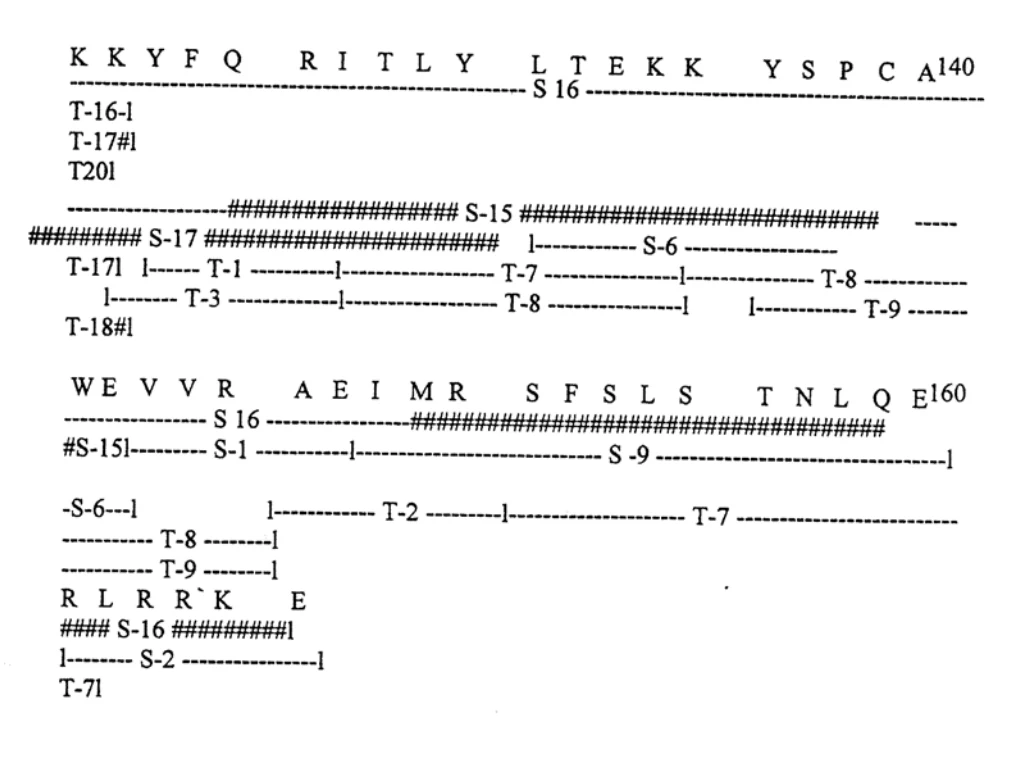
Sequence of CIFN as Determined by a Combination of N-terminal Sequencing of the Intact Protein, Peptide Sequencing and Mass Spectroscopy
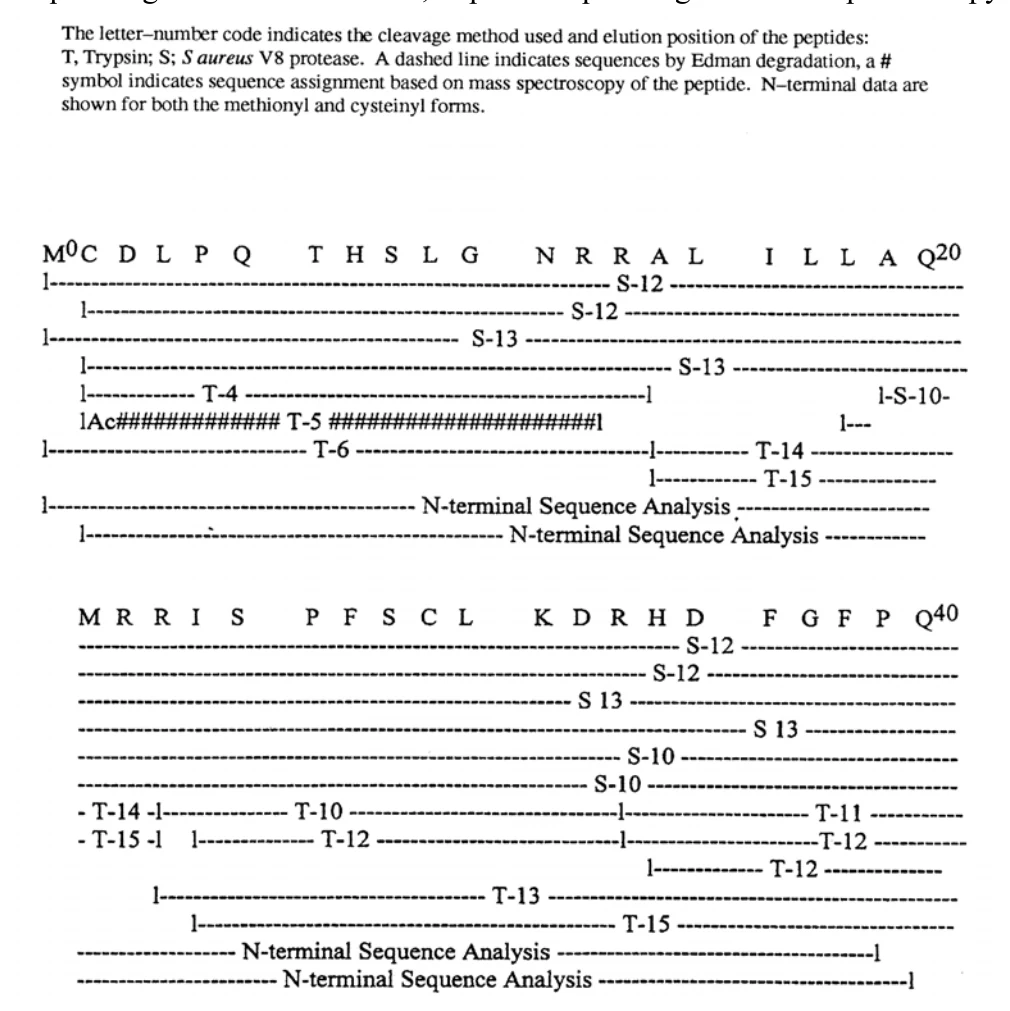
Sequence of CIFN as Determined by a Combination of N-terminal Sequencing of the Intact
Protein, Peptide Sequencing and Mass Spectroscopy (continued)
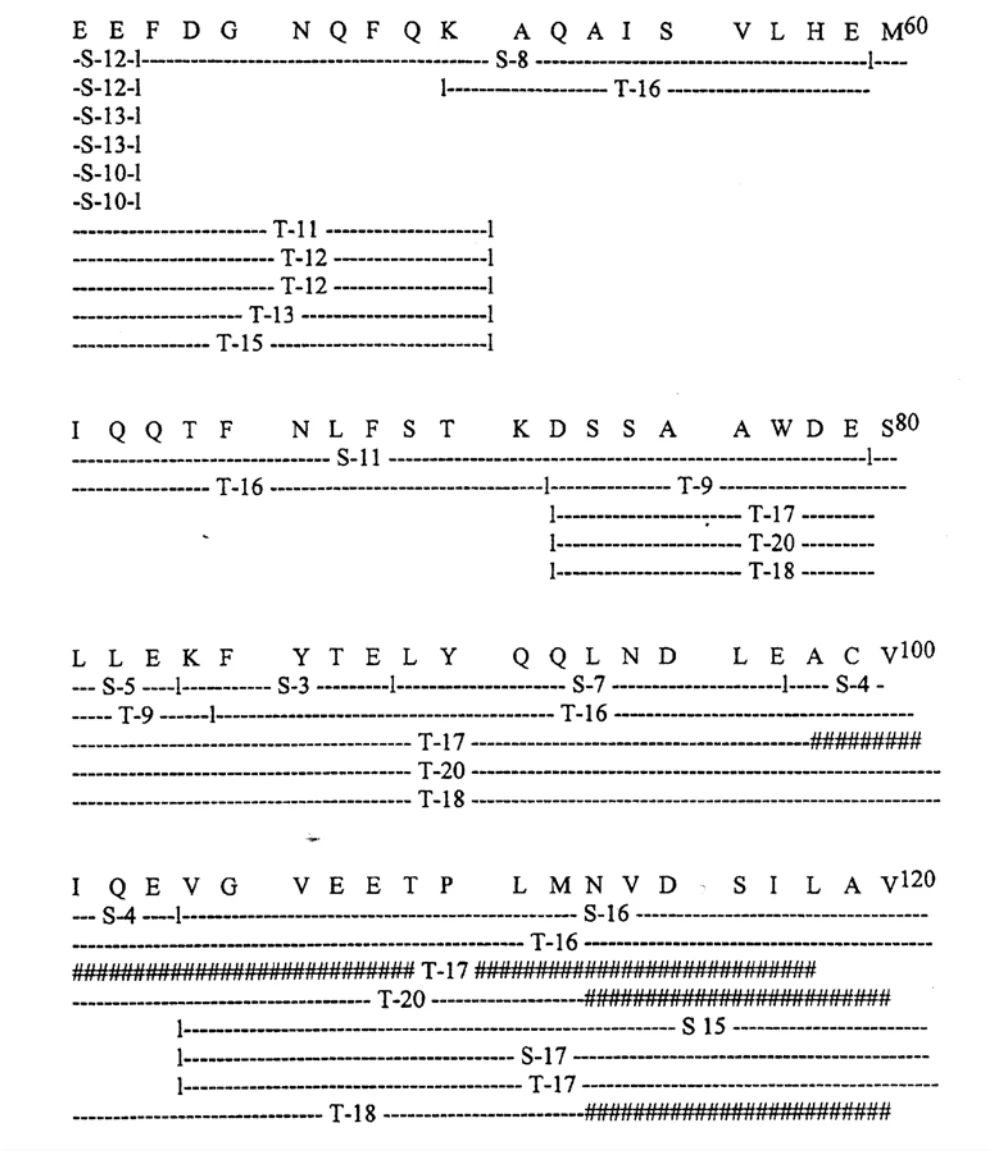
Sequence of CIFN as Determined by a Combination of N-terminal Sequencing of the
Intact Protein, Peptide Sequencing and Mass Spectroscopy (continued)
Molecular mass: 19,434 daltons
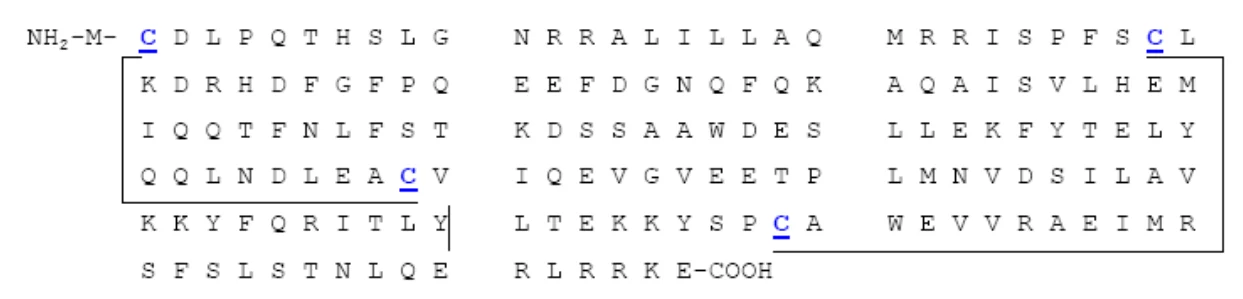
Structural formula: Interferon alfacon-1 (CIFN) is a 166 amino acid protein with the amino acid sequence shown below. There are two disulfide bonds, Cys 1-Cys 99 and Cys 29-Cys l39. The N-terminal may be either Met or Cys.
Physicochemical properties: The solution is formulated at the physiological pH, 7.0. The salt concentration provides osmolality control, which is also close to physiological. The protein is fully dissolved in the aqueous solution.
Product Characteristics
The 166-amino acid sequence of Interferon alfacon-1 was derived by scanning the sequences of several natural interferon alpha subtypes and assigning the most frequently observed amino acid in each corresponding position.(4) Four additional amino acid changes were made to facilitate the molecular construction, and a corresponding synthetic DNA sequence was constructed using chemical synthesis methodology. Interferon alfacon-1 is produced in Escherichia coli (E. coli) cells that have been genetically altered by insertion of a synthetically constructed sequence that codes for interferon alfacon-1.(1) Prior to final purification, interferon alfacon-1 is allowed to oxidize to its native state, and its final purity is achieved by sequential passage over a series of chromatography columns.
CLINICAL TRIALS
Clinical Experience: Response to Infergen®
Initial Therapy
Infergen® as studied in a phase 1-2, open-label dose escalation study using 3, 6, 9, 12, or 15 mcg administered three times per week (TIW for 24 weeks) to patients with compensated liver disease secondary to chronic hepatitis C virus (HCV) infection. The 15 mcg dose was the maximal tolerated dose. All doses demonstrated an acceptable safety profile and preliminary evidence of efficacy.
The efficacy of 3 and 9 mcg doses of Infergen® in the treatment of chronic HCV infection was examined in a phase 3 randomized, double-blind clinical trial involving 704 patients previously untreated with alpha interferon. Patients were 18 years or older, had compensated liver disease, tested positive for HCV RNA, and had elevated serum alanine aminotransferase (ALT) concentrations averaging > 1.5 times the upper limit of normal. Staging of chronic liver disease was confirmed by a liver biopsy taken within 1 year prior to enrollment. Other causes of chronic liver disease were ruled out prior to randomization. Notable exclusion criteria were decompensated liver disease, thyroid abnormality, or history of depression.
Efficacy of Infergen® therapy was assessed on an intent to treat basis and was determined by measurement of serum ALT concentrations at the end of therapy (24 weeks) and following 24 weeks of observation after the end of treatment. Serum HCV RNA was also assessed using a quantitative reverse transcriptase polymerase chain reaction (RT-PCR) assay with a lower limit of sensitivity of 100 copies/mL. Liver histology was assessed by comparing the histology activity index (HAI) score (6) of a pretreatment biopsy specimen with the HAI score from a specimen obtained 24 weeks after cessation of interferon therapy.
Patients enrolled in the study were randomized to one of three treatment groups: Infergen® at a dose of 3 mcg (n = 232), Infergen® at a dose of 9 mcg (n = 232), or Interferon alfa-2b
recombinant [IFN α-2b, Intron A (Intron® is a registered trademark of the Schering Corporation)] at a dose of 3 million international units (IU) (approximately 15 mcg) (n = 240). All patients were scheduled to receive their respective interferons SC TIW for 24 weeks (end of treatment). Following treatment, patients were observed for an additional 24 weeks to assess durability of ALT normalization (end of post-treatment observation). In all patients, a complete response was defined as a decrease in serum ALT concentration to at or below the upper limit of normal (48 U/L) at the end of the post-treatment observation period, even if ALT normalization had not been observed at the end of treatment. Complete response was dependent on two consecutive normal serum ALT values determined 4 weeks apart. Reduction of HCV RNA to < 100 copies/mL was measured as a secondary efficacy endpoint (two consecutive measurements).
Sustained response rates by ALT normalization and HCV RNA reductions to below detectable limits are included in Table 2. Among the Infergen® treatment groups in this study, the 9 mcg dosage arm demonstrated a similar efficacy profile when compared to the IFN α-2b dosage arm, even though there were more cirrhotic patients randomized to Infergen® treatment. Patients treated with 9 mcg Infergen® had 34.9% undetectable levels of HCV RNA at the end of treatment, and 12.1% had undetectable levels of HCV RNA at the end of study. Moreover, the 9 mcg dose of Infergen® showed a statistically greater decrease in HCV RNA over the entire study when compared to IFN α-2b (P < 0.01). The 3 mcg Infergen® dosage arm had lesser efficacy; 3% of patients receiving 3 mcg Infergen® had sustained reductions in their ALT concentrations to within the normal range and 3% had sustained reductions in HCV RNA to below detectable limits.
A total of 69 patients randomized to 9 mcg Infergen® and 61 patients randomized to 3 million IU of IFN α-2b were identified as having high viral titres, defined as patients with baseline HCV RNA concentrations in the upper 25th percentile, i.e., > 4.75 x 10⁶ copies/mL. The serum HCV RNA end-of-treatment response rates were 28% in the 9 mcg Infergen® and 16% in the IFN α-2b cohorts. There were no patients with an HCV RNA sustained response in the IFN α-2b cohort, whereas five patients (7%; P = 0.03) in the 9 mcg Infergen® group had an HCV RNA sustained response.
| Table 2. Response Rates by ALT Normalization, HCV RNA Reductions to Below Detectable Limits, and Improvements in Liver Histology | ||
End of 24-Week Treatment End of Observation (sustained response rates) | ||
| % Patients | Infergen® 9 mcg IFN α-2b 3 million IU* | Infergen® 9 mcg IFN α-2b 3 million IU* |
Normalized ALT
42.2% (98/232)
36.7% (88/240)
20.3% (47/232)
19.6% (47/240)
HCV RNA
Negative
34.9%
(81/232)
27.1% (65/240)
12.1% (28/232)
11.3% (27/240) Improvement
in Liver
Histology
NAa NAa 67.8%
(97/143)
65.3% (96/147)
a Liver biopsies were taken at baseline and at the end of posttreatment observation only.
* 3 million IU IFN α-2b is equivalent to approximately 15 mcg IFN α-2b.
In this study, liver biopsies were taken at baseline and at the end of post-treatment observation. Similar improvement in liver histology, assessed by HAI score (6) was observed in the 9 mcg Infergen® (68%), 3 mcg Infergen® (63%), and IFN α-2b (65%) dosage arms.
Serum antibody levels were measured in all patients using both Infergen®-binding radioimmunoassay and an IFN α-2b binding ELISA. A patient was considered to have developed binding antibodies if, using serum samples from two consecutive time points, a positive response was detected in either assay. The number of patients developing positive binding antibody responses in either assay was similar in the 9 mcg Infergen® (11%) and 3 million IU IFN α-2b groups (15%). The titer of neutralizing antibodies to interferon was not measured. Sustained ALT response rates in patients treated with Infergen® who developed binding antibodies (4/25) were similar to sustained ALT response rates in patients who did not develop detectable antibody titers (40/195). The most frequently observed time to first antibody response was week 16 of interferon treatment. Following cessation of interferon therapy, the number of patients with a positive antibody response declined during post-treatment observation.
Several distinct strains or genotypes/serotypes of HCV have been identified which have been shown to be important determinants of response to type-1 interferon therapy. The responses to treatment were analyzed for 9 mcg Infergen® and 3 million IU IFN α-2b by HCV genotype. The results demonstrate a significant difference in the distribution of ALT and HCV RNA response rates among genotypes, due largely to the higher response rates for those infected with genotypes 2 and 3 as compared with those infected with genotype 1 (p < 0.001 at end of both treatment and posttreatment observation periods). This difference was independent of treatment group. For patients infected with HCV genotype 1 (68%), there was a significantly greater reduction in HCV RNA over the course of treatment (p < 0.01) and over the course of the entire study (treatment and post-treatment observation period [p < 0.01]) for patients treated with 9 mcg Infergen® as compared to 3 million IU IFN α-2b.
As with the genotype analysis, there was a significant difference in the distribution of ALT and HCV RNA response rates among serotypes. Patients infected with serotypes 2 and 3 had higher ALT and HCV RNA response rates than patients infected with serotype 1 ( p < 0.001 at the end of treatment and at the end of post-treatment observation for all observations). This difference was independent of treatment group and follows the same pattern observed for the analysis of
response by HCV genotype. For patients infected with HCV serotype 1, there was a significantly greater reduction in HCV RNA over the course of treatment (p < 0.01) and over the course of the entire study (treatment and post-treatment observation period [p < 0.01]) for patients treated with 9 mcg Infergen® as compared to 3 million IU IFN α-2b.
| Table 3. ALT and HCV RNA Response by Genotypea | ||
End of 24-Week Treatment End of Observation (sustained response rates) | ||
| % Patients | Infergen® 9 mcg IFN α-2b 3 million IU* | Infergen® 9 mcg IFN α-2b 3 million IU* |
| % of Patients HCV RNA Negative | ||
Genotype 1 (n=317) Genotype 2 (n=77) Genotype 3 (n=62) | 24% 15% 63% 46% 58% 61% | 8% 4% 21% 23% 15% 28% |
| % of Patients ALT Normal | ||
Genotype 2 (n=77) Genotype 3 (n=62) | 74% 54% 69% 58% | 39% 36% 27% 25% |
| a Data presented excludes 3 patients with mixed genotype; 14 patients with genotypes other than 1, 2, or 3; and 3 patients who were unable to be genotyped. | ||
Retreatment
Retreatment with 15 mcg of Infergen® for 24 and 48 weeks was evaluated in a phase 3, open-label clinical trial in patients who had failed initial therapy with either 9 mcg Infergen® or 3 million IU (approximately 15 mcg) IFN α-2b. There were 107 patients randomized to the 24-week treatment arm, and 101 patients randomized to the 48-week treatment arm. Of the patients in the 24-week arm, 74/107 (69%) had failed to normalize ALT concentrations during either the initial treatment period or the post-treatment observation, while 33/107 (31%) achieved a normal ALT concentration during initial treatment, but experienced relapse (return of abnormal ALT concentration) during post-treatment observation. Of the patients in the 48-week arm, 59/101 (58%) had failed to normalize ALT concentrations during either the initial treatment period or the post-treatment observation, while 42/101 (42%) achieved a normal ALT concentration during initial treatment, but experienced relapse.
Overall 22/107 (21%) patients in the 24-week treatment arm had a sustained ALT response. Of patients who had relapsed following initial therapy, 13/33 (39%) had a sustained ALT response
and 9/74 (12%) who never normalized their ALT concentration had a sustained ALT response. Overall 32/101 (32%) patients in the 48-week treatment arm had a sustained ALT response. Of patients who had relapsed following initial therapy, 22/42 (52%) had a sustained ALT response and 10/59 (17%) who never normalized their ALT concentration had a sustained ALT response (Table 4).
| Table 4. ALT Response After Retreatment With Infergen® 15 mcg | |||
All Patients 24 weeks (n = 107) 48 weeks (n = 101) | Prior Nonresponders 24 weeks (n = 74) 48 weeks (n = 59) | Prior Relapsers 24 weeks (n = 33) 48 weeks (n = 42) | |
End of Retreatment End of Observation* | 45% 47% 21% 32% | 26% 25% 12% 17% | 88% 76% 39% 52% |
| Data are presented for patients previously treated with 9 mcg Infergen® or 3 million IU IFN α-2b. | |||
In the 24-week treatment arm, 13/107 (12%) patients had a sustained HCV response (< 100 copies/mL). Of patients who had relapsed following initial therapy 9/32 (28%) had a sustained HCV response and 4/75 (5%) who never had a reduction in HCV RNA to < 100 copies/mL had a sustained HCV response. In the 48-week treatment arm, 28/102 (27%) had a sustained HCV response. Of patients who had relapsed following initial therapy 19/33 (58%) had a sustained HCV response and 9/69 (13%) who never had a reduction in HCV RNA to < 100 copies/mL had a sustained HCV response. Please see Table 5 below.
| Table 5. HCV RNA Response After Retreatment With Infergen® 15 mcg | |||
All Patients 24 weeks (n = 107) 48 weeks (n = 102) | Prior Nonresponders 24 weeks (n = 75) 48 weeks (n = 69) | Prior Relapsers 24 weeks (n = 32) 48 weeks (n = 33) | |
End of Retreatment End of Observationa | 35% 36% 12% 27%b | 19% 17% 5% 13% | 72% 76% 28% 58%c |
Data are presented for patients previously treated with 9 mcg Infergen® of 3 million IU IFN α-2b. Patients previously treated with 3 mcg Infergen® were excluded from these analyses. | |||
Samples for binding antibodies were taken from the 24-week and 48-week retreatment groups. This study demonstrated that longer duration of retreatment and increased dose of Infergen® (from 9 to 15 mcg) did not increase the rate of antibody development.
DETAILED PHARMACOLOGY
Preclinical Experience
All interferons have been shown to be highly species specific. Antiviral activity of Interferon alfacon-1was observed in the rhesus monkey LLC cell line and golden Syrian hamster BHK cell line. Antiviral activity of Interferon alfacon-1 in the golden Syrian hamster was confirmed further in vivo.(5) Pharmacokinetic studies of Interferon alfacon-1 in golden Syrian hamsters and rhesus monkeys demonstrated rapid absorption following SC injection. Peak serum concentrations of Interferon alfacon-1 were observed at 1 hour and 4 hours in golden Syrian hamsters and in rhesus monkeys, respectively. Subcutaneous bioavailability was high in both species, averaging 99% in golden Syrian hamsters and 83% to 104% in rhesus monkeys. Clearance of Interferon alfacon-1, averaging 1.99 mL/minute/kg in golden Syrian hamsters and 0.71 to 0.92 mL/minute/kg in rhesus monkeys, was due predominantly to catabolism and excretion by the kidneys. The terminal half-life of Interferon alfacon-1 following SC dosing was 1.3 hours in golden Syrian hamsters and 3.4 hours in rhesus monkeys. Upon 7-day multiple SC dosing, no accumulation of serum levels was observed in golden Syrian hamsters.
TOXICOLOGY
As part of a comprehensive pre-clinical toxicology program, Interferon alfacon-1 was administered to golden Syrian hamsters and rhesus monkeys. This program included both single-dose acute and multidose studies; segment I, II, and III reproduction studies; and mutagenicity studies. The Interferon alfacon-1 toxicity profile described is consistent with the known toxicity profile of other type-1 interferons. (7)
Preclinical toxicity and reproductive toxicity studies indicate that administration of Interferon alfacon-1 at doses of 100 mcg/kg/day was associated with decreased body weight, decreased food consumption, and bone marrow suppression. High-dose chronic exposure at doses of 10 to 100 mcg/kg/day (50- to 500-fold higher than the maximum clinical dose given daily) in rhesus monkeys was not tolerated due to the development of vascular leak syndrome.
Reproductive toxicity studies in pregnant rhesus monkeys and golden Syrian hamsters demonstrated an increase in fetal loss in hamsters treated with Interferon alfacon-1 at doses of greater than 150 mcg/kg/day, and in rhesus monkeys at doses of 3 and 10 mcg/kg/day.
Interferon alfacon-1 at doses as high as 100 mcg/kg does not selectively affect reproductive performance or the development of the offspring, when administered subcutaneously to male and
female golden Syrian hamsters for 70 and 14 days before mating, respectively, and then through mating and to day 7 of pregnancy.
In a combined study of the developmental toxicity and perinatal and postnatal reproductive effects of Interferon alfacon-1 administered subcutaneously to presumed pregnant golden Syrian hamsters (once per day beginning on day 6 to day 12 of presumed gestation or until sacrifice on day 19), increased resorption and pup deaths occurred in the 30 and 150 mcg/kg/day dosage groups. An embryotoxic/teratogenic potential and abortifacient effect study of Interferon alfacon-1 via SC administration in rhesus monkeys (from day 20 to day 50 of gestation) concluded that the nontoxic maternal dose level of Interferon alfacon-1 is 10 mcg/kg/day (50-fold higher than the maximum clinical dose given daily). Treatment with 1 mcg/kg/day had no documented effect on the fetuses. Interferon alfacon-1 had no teratogenic or growth retardation effect on surviving fetuses, even when 10 mcg/kg/day was administered. Doses of 3 and 10 mcg/kg/day were associated with an increase in abortion/embryonic death rate.
REFERENCES
- 1. Blatt LM, Davis J, Klein SB, Taylor MW, et al. A review of the biological activity and molecular characterization of a novel synthetic interferon-alpha species, consensus interferon (INFERGEN®). J. Interferon Cytokine Res. 1996;16:489-499.
- 2. Vial T, Descotes J. Clinical toxicity of interferons. Drug Safety. 1994;10:115-150.
- 3. Horsmans Y, Brenard R, Geubel AP. Short report: interferon-α decreases 14C- aminopyrine breath test values in patients with chronic hepatitis C. Aliment Pharmacol Ther. 1994;8:353-355.
- 4. Alton K, Stabinsky Y, Richards R, et al. Production, characterization and biological effects of recombinant DNA derived human IFN-α and IFN-y analogs. In: De Maeyer E, Schellekens H, eds. The Biology of the Interferon System 1983. Amsterdam: Elsevier Science Publishers; 1983:119-128.
- 5. Fish EN, Banerjee K, Levine HL, Stebbing N. Antiherpatic effects of a human alpha interferon analog, IFN-alpha Con. Antimicrob Agents Chemother. 1986; 30:52-56.
- 6. Knodell RG, Ishak KG, Black WC, et al. Formulation and application of a numerical scoring system for assessing histological activity in asymptomatic chronic active hepatitis. Hepatology. 1981;1:431-435.
- 7.
Trown PW, Willis RJ, Kamm JJ. The preclinical development of Roferon-A® Cancer.
1986;57:1648-1656.