


Product Monograph - Inlyta (Pfizer Canada, 1 mg, 5 mg)
Recent Major Label Changes
| None at the time of the most recent authorization |
|---|
Table of Contents
Certain sections or subsections that are not applicable at the time of the preparation of the most recent authorized product monograph are not listed.
Recent Major Label Changes ................................................................................................................ 2
Table of Contents ................................................................................................................................. 2
Part 1: Healthcare Professional Information ......................................................................................... 5
- 1.
Indications .................................................................................................................................... 5
1.1. Pediatrics ................................................................................................................................ 5
1.2. Geriatrics ................................................................................................................................. 5
- 2. Contraindications ......................................................................................................................... 5
- 3. Serious Warnings and Precautions Box ......................................................................................... 6
- 4.
Dosage and Administration ........................................................................................................... 6
4.1. Dosing Considerations ............................................................................................................ 6
4.2. Recommended Dose and Dosage Adjustment ....................................................................... 7
4.4. Administration ........................................................................................................................ 8
4.5. Missed Dose ............................................................................................................................ 8
- 5. Overdose ...................................................................................................................................... 8
- 6. Dosage Forms, Strengths, Composition, and Packaging ................................................................. 9
- 7.
Warnings and Precautions ............................................................................................................ 9
General 9
Carcinogenesis and Genotoxicity ....................................................................................................... 10
Cardiovascular .................................................................................................................................... 10
Driving and Operating Machinery ...................................................................................................... 12
Endocrine and Metabolism ................................................................................................................ 12
Gastrointestinal .................................................................................................................................. 13
Hematologic ....................................................................................................................................... 13
Hepatic/Biliary/Pancreatic ................................................................................................................. 14
Monitoring and Laboratory Tests ....................................................................................................... 14
Neurologic .......................................................................................................................................... 14
Perioperative Considerations ............................................................................................................. 15
Renal .............................................................................................................................................. 15
Reproductive Health ........................................................................................................................... 15
Skin .............................................................................................................................................. 16
7.1. Special Populations ............................................................................................................... 16
7.1.1. Pregnancy ......................................................................................................................16
7.1.2. Breastfeeding ................................................................................................................16
7.1.3. Pediatrics .......................................................................................................................16
7.1.4. Geriatrics .......................................................................................................................17
- 8.
Adverse Reactions ...................................................................................................................... 17
8.1. Adverse Reaction Overview .................................................................................................. 17
8.2. Clinical Trial Adverse Reactions ............................................................................................ 18
8.2.1 Clinical Trials Adverse Reactions – Pediatrics ............................................................................ 24
8.3. Less Common Clinical Trial Adverse Reactions ..................................................................... 24
8.4. Abnormal Laboratory Findings: Hematologic, Clinical Chemistry, and Other Quantitative Data 25
8.5. Post-Market Adverse Reactions ........................................................................................... 28
- 9.
Drug Interactions ........................................................................................................................ 29
9.2. Drug Interactions Overview .................................................................................................. 29
9.3. Drug-Behaviour Interactions ................................................................................................ 29
9.4. Drug-Drug Interactions ......................................................................................................... 29
9.5. Drug-Food Interactions ......................................................................................................... 31
9.6. Drug-Herb Interactions ......................................................................................................... 31
9.7. Drug-Laboratory Test Interactions ....................................................................................... 31
- 10.
Clinical Pharmacology ................................................................................................................. 31
10.1. Mechanism of Action ............................................................................................................ 31
10.2. Pharmacodynamics ............................................................................................................... 31
10.3. Pharmacokinetics .................................................................................................................. 32
- 11. Storage, Stability, and Disposal ................................................................................................... 33
Part 2: Scientific Information .............................................................................................................. 34
- 13. Pharmaceutical Information ....................................................................................................... 34
- 14.
Clinical Trials ............................................................................................................................... 35
14.1. Clinical Trials by Indication ................................................................................................... 35
- 15. Microbiology .............................................................................................................................. 44
- 16. Non-Clinical Toxicology ............................................................................................................... 44
Patient Medication Information ......................................................................................................... 47
Part 1: Healthcare Professional Information
1. Indications
INLYTA (axitinib) is indicated:
- for the treatment of patients with metastatic renal cell carcinoma (RCC) of clear cell histology after failure of prior systemic therapy with either a cytokine or the VEGFR-TKI, sunitinib.
The clinical effectiveness of INLYTA is based on progression-free survival (PFS) in patients with metastatic RCC in a Phase 3, controlled clinical trial which compared INLYTA to sorafenib. The overall median PFS increased by 2 months in patients treated with INLYTA as compared to those treated with sorafenib (HR = 0.67 [95% CI: 0.54, 0.81]). The difference in median PFS for patients previously treated with a cytokine was 5.6 months (HR = 0.46 [95% CI: 0.32, 0.68]), whereas the difference in patients previously treated with sunitinib was 1.4 months (HR = 0.74 [95% CI: 0.57, 0.96]). The overall survival and quality of life were not significantly different in patients treated with INLYTA as compared to those treated with sorafenib (see 14 Clinical Trials).
- in combination with pembrolizumab, for the treatment of adult patients with advanced or metastatic renal cell carcinoma (RCC) with no prior systemic therapy for metastatic RCC (see 14 Clinical Trials).
1.1. Pediatrics
Pediatrics (< 18 years of age): Based on the data submitted and reviewed by Health Canada, the safety and efficacy of INLYTA in pediatric patients has not been established; therefore, Health Canada has not authorized an indication for pediatric use
1.2. Geriatrics
Geriatrics (≥ 65 years of age): No overall differences were observed in the safety and effectiveness of INLYTA between patients who were older than 65 years and patients younger than 65 years. No dosage adjustment is required in patients who are 65 years or older (see 7.1 Special Populations and 4 Dosage and Administration).
2. Contraindications
INLYTA (axitinib tablets) is contraindicated in patients who are hypersensitive to this drug or to any ingredient in the formulation, including any non-medicinal ingredient, or component of the container. For a complete listing see 6 Dosage Forms, Strengths, Composition, and Packaging.
3. Serious Warnings and Precautions Box
INLYTA should be prescribed by a qualified healthcare professional who is experienced in the use of anti-neoplastic therapy.
INLYTA has not been studied in patients with severe hepatic impairment (see 7 Warnings and Precautions, Hepatic/Biliary/Pancreatic)
The following are clinically significant adverse events:
- Hypertension and Hypertensive Crisis (see 7 Warnings and Precautions, Cardiovascular)
- Arterial Thromboembolism, including deaths (see 7 Warnings and Precautions, Cardiovascular)
- Venous Thromboembolism, including deaths (see 7 Warnings and Precautions, Cardiovascular)
- Hemorrhage, including gastrointestinal, cerebral and respiratory tract (see 7 Warnings and Precautions, Hematologic)
- Gastrointestinal perforation, including death, and gastrointestinal fistulas (see 7 Warnings and Precautions, Gastrointestinal)
- Reversible posterior leukoencephalopathy syndrome (see 7 Warnings and Precautions, Neurologic)
- Congestive heart failure/Cardiomyopathy, including deaths (see 7 Warnings and Precautions, Cardiovascular)
4. Dosage and Administration
4.1. Dosing Considerations
Prior to initiating treatment with INLYTA, verify pregnancy status in females of reproductive potential; monitor for signs or symptoms of congestive heart failure/cardiomyopathy events; monitor for thyroid and hepatic dysfunction; exercise caution in patients at risk for or who have a history of venous or arterial thromboembolic events; and ensure blood pressure is well controlled. Patients with hypertension that is not controlled by medications should not be treated with INLYTA (see 7 Warnings and Precautions).
Strong CYP3A4/5 Inhibitors
Co-administration of INLYTA with strong CYP3A4/5 inhibitors (e.g., ketoconazole, itraconazole, voriconazole, clarithromycin, atazanavir, indinavir, nefazodone, nelfinavir, ritonavir, saquinavir, and telithromycin) may increase axitinib plasma concentrations and is not recommended (see 9.4 Drug-Drug Interactions).
Moderate/Strong CYP3A4/5 Inducers
Co-administration of INLYTA with strong CYP3A4/5 inducers (e.g., rifampin, dexamethasone, phenytoin, carbamazepine, rifabutin, rifapentin, and phenobarbital) or moderate CYP3A4/5 inducers (e.g., bosentan, efavirenz, etravirine, modafinil, and nafcillin) may reduce the plasma concentrations of axitinib and should be avoided.
Hepatic Impairment
No dose adjustment is required when administering INLYTA to patients with mild hepatic impairment (Child-Pugh class A). Based on pharmacokinetic data, the starting dose of INLYTA should be decreased by approximately half in patients with moderate hepatic impairment (Child-Pugh class B). INLYTA has not been studied in patients with severe hepatic impairment (Child-Pugh class C) and should not be used in this patient population as an appropriate starting dose is unknown (see 7 Warnings and Precautions,
Hepatic Impairment, 10 Clinical Pharmacology).
Renal Impairment
Axitinib has not been studied in patients with renal impairment. Caution should be exercised when administering INLYTA to patients with end-stage renal disease. No dose adjustments based on renal function are required in patients with mild to severe renal impairment (see 10 Clinical Pharmacology).
4.2. Recommended Dose and Dosage Adjustment
INLYTA as a single agent
The recommended oral starting dose of INLYTA is 5 mg twice daily (see 14 Clinical Trials). Dose increase or reduction is recommended based on individual safety and tolerability.
Patients who tolerate the INLYTA starting dose of 5 mg twice daily with no adverse reactions > Grade 2 (according Common Toxicity Adverse Event Criteria [CTCAE]) for two consecutive weeks, are normotensive, and are not receiving anti-hypertension medication (see 7 Warnings and Precautions, Hypertension and Hypertensive Crisis), may have their dose increased to 7 mg twice daily. Subsequently, using the same criteria, patients who tolerate the INLYTA dose of 7 mg twice daily may have their dose increased to a maximum of 10 mg twice daily.
Management of some adverse drug reactions may require temporary or permanent discontinuation and/or dose reduction of INLYTA therapy (see 7 Warnings and Precautions). When dose reduction is necessary, the INLYTA dose may be reduced from 5 mg twice daily to 3 mg twice daily and further to 2 mg twice daily.
INLYTA in combination with Pembrolizumab
The recommended dosing for INLYTA in combination with pembrolizumab is:
- Pembrolizumab – 200 mg administered as an intravenous infusion over 30 minutes once every 3 weeks until unacceptable toxicity, disease progression, or for up to 24 months or 35 doses, whichever is longer, in combination with;
- INLYTA – 5 mg orally twice daily (as described for INLYTA as single agent) until unacceptable toxicity or disease progression. As in KEYNOTE-426, when INLYTA is used in combination with pembrolizumab, dose escalation may be considered for patients who tolerated the initial 5 mg INLYTA dose at intervals of six weeks or longer (i.e., at least 2 treatment cycles).
Refer to the pembrolizumab Product Monograph for recommended pembrolizumab dose information.
Atypical responses (i.e., an initial transient increase in tumour size or small new lesions within the first few months followed by tumour shrinkage) have been observed. Clinically stable patients with initial evidence of disease progression may remain on treatment until disease progression is confirmed.
Recommended Dose Modification for INLYTA used in combination with pembrolizumab
In patients being treated with INLYTA in combination with pembrolizumab:
- If alanine aminotransferase (ALT) or aspartate aminotransferase (AST) ≥ 3 times the upper limit of normal (ULN) but < 10 times ULN without concurrent total bilirubin ≥ 2 times ULN, withhold both pembrolizumab and INLYTA until these adverse reactions recover to Grades 0-1. Consider corticosteroid therapy. Consider rechallenge with a single drug or sequential rechallenge with both drugs after recovery. If rechallenging with INLYTA, consider dose reduction (as described for INLYTA as single agent).
- If ALT or AST ≥ 10 times ULN or > 3 times ULN with concurrent total bilirubin ≥ 2 times ULN, permanently discontinue both pembrolizumab and INLYTA and consider corticosteroid therapy.
See manufacturer’s Product Monograph for the coadministered product, pembrolizumab, for toxicity management, dose adjustment guidelines for special populations, and contraindications.
When administering INLYTA in combination with pembrolizumab, interrupt one or both as appropriate. No dose reductions are recommended for pembrolizumab. Withhold, dose reduce, or discontinue INLYTA.
4.4. Administration
INLYTA may be taken with or without food (see 10.3 Pharmacokinetics). INLYTA should be swallowed whole with a glass of water.
4.5. Missed Dose
If the patient vomits or misses a dose, an additional dose should not be taken. The next prescribed dose should be taken at the usual time.
5. Overdose
There is no specific treatment for INLYTA overdose.
In the pivotal Phase 3 controlled clinical study with INLYTA for the treatment of patients with metastatic RCC (AXIS), 1 patient inadvertently received a dose of 20 mg twice daily for 4 days and experienced dizziness (Grade 1).
In a clinical dose finding study with INLYTA, patients who received starting doses of 10 mg twice daily or 20 mg twice daily experienced adverse reactions which included hypertension, seizures associated with hypertension, and fatal hemoptysis.
In cases of suspected overdose, INLYTA should be withheld and supportive care instituted.
For the most recent information in the management of a suspected drug overdose, contact your regional poison control centre or Health Canada’s toll-free number, 1-844 POISON-X (1-844-764-7669).
- 6. Dosage Forms, Strengths, Composition, and Packaging
Table 1. Dosage Forms, Strengths, and Composition
Description
INLYTA tablets are supplied as follows:
- 1 mg: red, film-coated, oval tablets debossed with “Pfizer” on one side and “1 XNB” on the other and containing 1 mg of axitinib
- 5 mg: red, film-coated, triangular tablets debossed with “Pfizer” on one side and “5 XNB” on the other and containing 5 mg of axitinib
INLYTA 1 mg tablets are presented as follows:
- bottles of 60
- foil/foil blister packs containing 28 ([14 tabs/blister] x [2 blisters]), or 56 ([14 tabs/blister] x [4 blisters]) tablets
INLYTA 5 mg tablets are presented as follows:
- bottles of 60
- foil/foil blister packs containing 28 ([14 tabs/blister] x [2 blisters]), or 56 ([14 tabs/blister] x [4 blisters]) tablets
7. Warnings and Precautions
See 3 Serious Warnings and Precautions Box.
General
INLYTA contains lactose and should not be taken by patients with hereditary problems of lactose intolerance.
| Route of Administration | Dosage Form/ Strength/Composition | Non-Medicinal Ingredients |
| oral | tablet 1 mg, 5 mg / axitinib | croscarmellose sodium, lactose monohydrate, magnesium stearate, microcrystalline cellulose, and Opadry II red. The Opadry II red film coating contains HPMC 2910/Hypromellose 15cP, lactose monohydrate, red iron oxide titanium dioxide, and triacetin (glycerol triacetate). |
Carcinogenesis and Genotoxicity
Carcinogenicity studies with axitinib have not been conducted. Axitinib was not mutagenic in an in vitro bacterial reverse mutation (Ames) assay and was not clastogenic in an in vitro human lymphocyte chromosome aberration assay. Axitinib was genotoxic in an in vivo mouse bone marrow micronucleus test (see 16 Non-Clinical Toxicology).
Cardiovascular
Patients with uncontrolled hypertension at baseline or a recent history of myocardial infarction, uncontrolled angina, coronary/peripheral artery bypass graft, symptomatic congestive heart failure, cerebrovascular accident, transient ischemic attack, deep vein thrombosis or pulmonary embolism were excluded from clinical studies with INLYTA.
Hypertension and Hypertensive Crisis
Hypertension is a common adverse event in patients treated with INLYTA (see 8 Adverse Reactions ) and blood pressure (BP) should be well controlled prior to initiating treatment with INLYTA. Patients were required to have diastolic BP ≤ 90 mm Hg and systolic BP ≤ 140 mm Hg for entry into the controlled Phase 3 AXIS trial. During therapy patients should be monitored for hypertension early after starting treatment (no longer than one week after starting axitinib and frequently thereafter to ensure blood pressure control), and treated promptly with a combination of standard anti-hypertensive therapy and INLYTA dose reduction or interruption as clinically warranted. INLYTA should be discontinued if hypertension is severe and persistent despite anti-hypertensive therapy or if there is evidence of hypertensive crisis (see 0
Serious Warnings and Precautions Box, 4.2 Recommended Dose and Dosage Adjustment and 8 Adverse Reactions).
In pooled clinical studies for the treatment of patients with RCC, hypertension was reported in 344/672 patients (51%) receiving INLYTA with 155/672 patients (23%) experiencing Grade 3/4 events.
In the pivotal Phase 3 controlled clinical study with INLYTA for the treatment of patients with metastatic RCC (AXIS), hypertension was reported in 145/359 patients (40%) receiving INLYTA and 103/355 patients (29%) receiving sorafenib. Grade 3/4 hypertension was observed in 56/359 patients (16%) receiving INLYTA and 39/355 patients (11%) receiving sorafenib. Hypertensive crisis was reported in 2/359 patients (< 1%) treated with INLYTA and none in patients treated with sorafenib. The median onset time for hypertension (systolic blood pressure > 150 mmHg or diastolic blood pressure > 100 mmHg) was within the first month of the start of INLYTA treatment and increases in blood pressure were observed as early as 4 days after the first dose of INLYTA. Hypertension was managed with standard anti-hypertensive therapy. Discontinuation of INLYTA treatment due to hypertension occurred in 1/359 patients (< 1%) receiving INLYTA and none of the patients receiving sorafenib (see 8 Adverse Reactions).
Patients with hypertension that is not controlled by medications should not be treated with INLYTA. If INLYTA is interrupted, patients receiving antihypertensive medications should be monitored for hypotension (see 4.1 Dosing Considerations).
Serious cases of artery dissection have been reported in patients using VEGFR TKIs, including INLYTA, with or without hypertension.
Congestive Heart Failure/Cardiomyopathy Events
Congestive heart failure/cardiomyopathy events have been reported in patients receiving INLYTA in the post-market setting. Many events have resulted in hospitalizations and some have been fatal. In pooled clinical studies for the treatment of patients with RCC, congestive heart failure/cardiomyopathy events (including cardiac failure, cardiac failure congestive, cardiopulmonary failure, left ventricular dysfunction, ejection fraction decreased, and right ventricular failure) were reported in 12/672 patients (2%) receiving INLYTA and 11 patients were hospitalized. Grade 3/4 congestive heart failure/cardiomyopathy events were reported in 7 patients (1%) and 2 patients (<1%) receiving INLYTA had fatal events (see 3 Serious Warnings and Precautions Box).
In the pivotal controlled Phase 3 clinical study with INLYTA for the treatment of patients with metastatic RCC (AXIS), congestive heart failure/cardiomyopathy events (including cardiac failure, cardiopulmonary failure, left ventricular dysfunction, and right ventricular failure) were reported in 6/359 patients (2%) receiving INLYTA and 3/355 patients (<1%) receiving sorafenib. Grade 3/4 congestive heart failure/cardiomyopathy events were observed in 2 patients (<1%) receiving INLYTA and 1 patient (<1%) receiving sorafenib. Fatal events were reported in 2 patients (<1%) receiving INLYTA and 1 patient (<1%) receiving sorafenib (see 8 Adverse Reactions).
Monitor for signs or symptoms of congestive heart failure/cardiomyopathy events at baseline and periodically throughout treatment with INLYTA. Management of these events may require temporary interruption or permanent discontinuation and/or dose reduction of INLYTA therapy.
QT Prolongation
The effect of INLYTA on the QTc interval was investigated in a randomized, 2-way crossover study where 35 healthy participants were administered a single, oral 5 mg dose of INLYTA alone or with 400 mg ketoconazole. Although some tyrosine kinase inhibitors are associated with QT interval prolongation, INLYTA did not result in large mean changes in the QTc interval (> 20 msec) up to 3 hours post-dose. However smaller increases in the QTc interval (< 10 msec) cannot be ruled out.
Decreased Heart Rate
In clinical studies with INLYTA, events of decreased heart rate have occurred (see 8 Adverse Reactions and 10.2 Pharmacodynamics). Caution should be observed in patients who are bradycardic or considered to be at risk for bradyarrhythmias or who are receiving other heart rate-lowering drugs.
Arterial Thromboembolic Events
In pooled clinical studies for the treatment of patients with RCC, arterial thromboembolic events were reported in 19/672 patients (3%) receiving INLYTA with 17/672 patients (3%) experiencing Grade 3/4 events. Fatal arterial thromboembolic events were reported in 2 patients (<1%) receiving INLYTA (see 3 Serious Warnings and Precautions Box).
In the pivotal Phase 3 controlled clinical study with INLYTA for the treatment of patients with metastatic RCC (AXIS), Grade 3/4 arterial thromboembolic events were reported in 4/359 patients (1%) receiving INLYTA and 4/355 patients (1%) receiving sorafenib. A fatal cerebrovascular accident was reported in 1/359 patients (< 1%) receiving INLYTA and none of the patients (0%) receiving sorafenib (see 8 Adverse Reactions).
INLYTA should be used with caution in patients who are at risk for or who have a history of these events. INLYTA has not been studied in patients who had an arterial thromboembolic event within the previous 12 months.
Venous Thromboembolic Events
In clinical studies with INLYTA, venous thromboembolic events including venous thrombosis and fatal pulmonary embolus have occurred. In pooled clinical studies for the treatment of patients with RCC, venous thromboembolic events were reported in 19/672 patients (3%) receiving INLYTA with 14/672 patients (2%) experiencing Grade 3/4 events. Fatal venous thromboembolic events were reported in 1/672 patients (<1%) receiving INLYTA (see 3 Serious Warnings and Precautions Box).
In the pivotal Phase 3 controlled clinical study with INLYTA for the treatment of patients with metastatic RCC (AXIS), venous thromboembolic events were reported in 11/359 patients (3%) receiving INLYTA and 2/355 patients (1%) receiving sorafenib. Grade 3/4 venous thromboembolic events (including pulmonary embolism, deep vein thrombosis, and retinal-vein occlusion/thrombosis) were reported in 9/359 patients (3%) receiving INLYTA and 2/355 patients (1%) receiving sorafenib.
INLYTA should be used with caution in patients who are at risk for venous thromboembolic events or who have a history of these events. INLYTA has not been studied in patients who had a venous thromboembolic event within the previous 6 months.
Driving and Operating Machinery
No studies on the effect of INLYTA on the ability to drive or use machines have been performed. However, patients should be informed that dizziness and fatigue have been reported during treatment with INLYTA.
Endocrine and Metabolism
Thyroid Dysfunction
In clinical studies with INLYTA, events of hypothyroidism and hyperthyroidism have occurred (see 8 Adverse Reactions). In pooled clinical studies for the treatment of patients with RCC, hypothyroidism was reported in 165/672 patients (25%) receiving INLYTA. In the pivotal Phase 3 controlled clinical study with INLYTA for the treatment of patients with metastatic RCC (AXIS), hypothyroidism was reported in 69/359 patients (19%) receiving INLYTA and 29/355 patients (8%) receiving sorafenib.
In pooled clinical studies for the treatment of patients with RCC, hyperthyroidism was reported in 11/672 patients (2%) receiving INLYTA. In the pivotal Phase 3 controlled clinical study with INLYTA for the treatment of patients with metastatic RCC (AXIS), hyperthyroidism was reported in 4/359 patients (1%) receiving INLYTA and 4/355 patients (1%) receiving sorafenib. In patients who had thyroid stimulating hormone (TSH) < 5 μU/mL before treatment, elevations of TSH to ≥ 10 μU/mL occurred in 79/245 patients (32%) receiving INLYTA and 25/232 patients (11%) receiving sorafenib (see 8 Adverse Reactions).
Monitoring for thyroid function before initiation of, and periodically throughout, treatment with INLYTA is recommended. Hypothyroidism and hyperthyroidism should be treated according to standard medical practice to maintain euthyroid state.
Gastrointestinal
Gastrointestinal Perforation and Fistula Formation
In clinical studies with INLYTA, events of gastrointestinal (GI) perforation or fistula have occurred, including a fatal GI perforation (see 8 Adverse Reactions). In pooled clinical studies for the treatment of patients with RCC, gastrointestinal perforation and fistula were reported in 13/672 patients (2%) receiving INLYTA. In the pivotal Phase 3 controlled clinical study with INLYTA for the treatment of patients with metastatic RCC (AXIS), gastrointestinal perforation was reported in 1/359 patients (<1%) receiving INLYTA and none of the patients receiving sorafenib. In clinical studies with INLYTA, GI perforation was reported in 5/715 patients (1%), including one death, and GI fistulas were reported in 4/715 patients (1%) (See 3 Serious Warnings and Precautions Box).
Monitoring for symptoms of GI perforation or fistula formation periodically throughout treatment with INLYTA is recommended.
Hematologic
Elevation of Hemoglobin or Hematocrit
In clinical studies with INLYTA, events of elevated hemoglobin have occurred. Elevated hemoglobin above the ULN was observed in 31/320 patients (10%) receiving INLYTA and 3/316 patients (1%) receiving sorafenib. An increase in red blood cell mass may increase the risk of thromboembolic events.
Monitoring hemoglobin or hematocrit before initiation of, and periodically throughout, treatment with INLYTA is recommended. If hemoglobin or hematocrit becomes elevated above the normal level, patients should be treated according to standard medical practice to decrease hemoglobin or hematocrit to an acceptable level.
Hemorrhagic
In clinical studies with INLYTA, hemorrhagic events have been reported, some of which were fatal (see 8 Adverse Reactions). In pooled clinical studies for the treatment of patients with RCC, hemorrhagic events were reported in 173/672 patients (26%) receiving INLYTA with 27/672 patients (3%) experiencing Grade 3/4 events. Fatal hemorrhagic events were reported in 3/672 patients (<1%) receiving INLYTA (see 3 Serious Warnings and Precautions Box).
In the pivotal Phase 3 controlled clinical study with INLYTA for the treatment of patients with metastatic RCC (AXIS), hemorrhagic events were reported in 58/359 patients (16%) receiving INLYTA and 64/355 patients (18%) receiving sorafenib. Grade 3/4 hemorrhagic events were reported in 5/359 patients (1%) receiving INLYTA (including cerebral hemorrhage, hematuria, hemoptysis, lower gastrointestinal hemorrhage, and melena) and 11/355 patients (3%) receiving sorafenib. Fatal hemorrhage was reported in 1/359 patients (<1%) receiving INLYTA (gastric hemorrhage) and 3/355 patients (1%) receiving sorafenib.
Since INLYTA has not been studied in patients who have evidence of untreated brain metastasis, a history of pulmonary embolism in the previous 6 months, or a history of active bleeding in the previous 3 months, treatment with INLYTA is not recommended in these patients. INLYTA should be used with caution in patients with a significant risk for hemorrhage.
Hepatic/Biliary/Pancreatic
Elevation of Liver Enzymes when INLYTA is given as a single agent
In the pivotal Phase 3 controlled clinical study with INLYTA for the treatment of patients with metastatic RCC (AXIS), ALT elevations occurred in 74/331 patients (22%) receiving INLYTA and 68/313 patients (22%) receiving sorafenib. Grade 3/4 events were reported in 1/331 patients (<1%) receiving INLYTA and 5/313 patients (2%) receiving sorafenib (see 8 Adverse Reactions).
Monitoring of ALT, AST and bilirubin before initiation of, and periodically throughout, treatment with INLYTA is recommended.
Elevation of Liver Enzymes when INLYTA is given in combination with pembrolizumab
When INLYTA was given with pembrolizumab (KEYNOTE-426), higher than expected frequencies of Grades 3 and 4 ALT and AST elevations were reported in patients with advanced RCC (See 8 Adverse Reactions). Monitor liver enzymes before initiation of and periodically throughout treatment.
Consider more frequent monitoring of liver enzymes as compared to when the drugs are used in monotherapy. Follow medical management guidelines for both drugs (See 4.2 Recommended Dose and Dosage Adjustment).
Hepatic Impairment
In a clinical hepatic impairment study with INLYTA (N=24 participants), the systemic exposure of INLYTA was approximately 2-fold higher in patients with moderate hepatic impairment (Child-Pugh class B) compared to patients with normal hepatic function. A dose decrease is recommended when administering INLYTA to patients with moderate hepatic impairment (Child-Pugh class B). INLYTA has not been studied in patients with severe hepatic impairment (Child-Pugh class C) and should not be used in this patient population (see 4.1 Dosing Considerations, 3 Serious Warnings and Precautions Box and 10.3 Pharmacokinetics).
Monitoring and Laboratory Tests
Prior to treatment and during the course of therapy with INLYTA, patients should be monitored for hypertension, signs or symptoms of congestive heart failure/cardiomyopathy events, decreased heart rate, thyroid dysfunction, increased hemoglobin or hematocrit, symptoms of gastrointestinal perforation and fistula formation, proteinuria and elevated liver enzymes and elevated creatinine (see 7 Warnings and Precautions).
Neurologic
Reversible Posterior Leukoencephalopathy Syndrome
In pooled clinical studies for the treatment of patients with RCC, reversible posterior leukoencephalopathy syndrome (RPLS) was reported in 2/672 patients (<1%) receiving INLYTA.
In the pivotal Phase 3 controlled clinical study with INLYTA for the treatment of patients with metastatic RCC (AXIS), RPLS was reported in 1/359 patients (<1%) receiving INLYTA and none of the patients receiving sorafenib. Two additional events of RPLS were reported in other clinical trials with INLYTA (see 3 Serious Warnings and Precautions Box, 8 Adverse Reactions).
RPLS is a neurological disorder which can present with headache, seizure, lethargy, confusion, blindness and other visual and neurologic disturbances. Mild to severe hypertension may be present. Magnetic resonance imaging is necessary to confirm the diagnosis of RPLS. INLYTA should be discontinued in patients with signs/symptoms of RPLS. The safety of reinitiating INLYTA therapy in patients previously experiencing RPLS is not known.
Perioperative Considerations
Wound Healing Complications
No formal studies of the effect of INLYTA on wound healing have been conducted. Since vascular endothelial growth factor (VEGF) inhibitors may impair wound healing, treatment with INLYTA should be stopped at least 24 hours prior to scheduled surgery. The decision to resume INLYTA after surgery should be based on clinical judgement of adequate wound healing. INLYTA should be discontinued in patients with wound dehiscence.
Renal
Renal Impairment
Axitinib has not been studied in patients with renal impairment. Caution should be exercised when administering INLYTA to patients with end-stage renal disease. Population pharmacokinetic analyses suggest that there is no significant change in axitinib clearance in patients with mild to severe renal impairment. No dose adjustments based on renal function are required in patients with mild to severe renal impairment (see
4.1 Dosing Considerations and 10.3 Pharmacokinetics).
Proteinuria
In pooled clinical studies for the treatment of patients with RCC, proteinuria was reported in 142/672 patients (21%) receiving INLYTA with 33/672 patients (5%) experiencing Grade 3/4 events.
In the pivotal Phase 3 controlled clinical study with INLYTA for the treatment of patients with metastatic RCC (AXIS), proteinuria was reported in 39/359 patients (11%) receiving INLYTA and 26/355 patients (7%) receiving sorafenib. Grade 3 proteinuria was reported in 11/359 patients (3%) receiving INLYTA and 6/355 patients (2%) receiving sorafenib (see 8 Adverse Reactions).
Monitoring for proteinuria before initiation of, and periodically throughout, treatment with INLYTA is recommended. For patients who develop moderate to severe proteinuria, reduction of the dose or temporary interruption of INLYTA treatment is recommended (see 4.2 Recommended Dose and Dosage Adjustment).
Reproductive Health
Fertility
Based on nonclinical safety findings, male and female fertility may be impaired by treatment with axitinib. Following at least 70 days of treatment with axitinib at doses of ≥ 10 mg/kg/day, reduced testicular weights, sperm density and count were noted in male mice. In female mice, reduced fertility and embryonic viability were observed at all doses tested following at least 15 days of treatment with axitinib (see 16 Non-Clinical Toxicology).
Skin
Palmar-Plantar Erythrodysesthesia Syndrome
In pooled clinical studies for the treatment of patients with RCC, palmar-plantar erythrodysesthesia syndrome (PPE) was reported in 216/672 patients (32%) receiving INLYTA with 51/672 patients (7.6%) experiencing Grade 3/4 events.
In the pivotal Phase 3 controlled clinical study with INLYTA for the treatment of patients with metastatic RCC (AXIS), PPE was reported in 98/359 patients (27%) receiving INLYTA and 181/355 patients (51%) receiving sorafenib (see 8 Adverse Reactions). Grade 3 PPE was reported in 18/359 (5%) of patients in the INLYTA arm and 57/355 (16.1%) of patients in the sorafenib arm. PPE resulted in dose modification or temporary delay of treatment in 19/359 (5.3%) patients treated with INLYTA and 63/355 (17.7%) patients treated with sorafenib. PPE led to treatment discontinuation in 1/359 (0.3%) of patients treated with INLYTA and 4/355 (1.1%) of patients treated with sorafenib.
Consider initiating treatment with topical therapies as soon as symptoms occur.
7.1. Special Populations
7.1.1. Pregnancy
INLYTA should not be used during pregnancy. There are no studies in pregnant women using INLYTA. Based on its anti-angiogenic mechanism of action, INLYTA is expected to cause fetal harm when used by pregnant women.
Women of childbearing potential should be advised to avoid becoming pregnant while receiving INLYTA. It is recommended that men and women should use effective birth control during treatment with INLYTA.
In developmental toxicity studies in mice, axitinib was teratogenic, embryotoxic and fetotoxic at maternal exposures that were lower than human exposures at the recommended clinical dose (see 16 Non-Clinical Toxicology).
7.1.2. Breastfeeding
It is unknown whether INLYTA is excreted in human milk. Breastfeeding should be discontinued during treatment with INLYTA.
Many drugs are commonly excreted in human milk therefore INLYTA may be toxic to nursing infants.
7.1.3. Pediatrics
Based on the data submitted and reviewed by Health Canada, the safety and efficacy of INLYTA in pediatric patients has not been established; therefore, Health Canada has not authorized an indication for pediatric use.
7.1.4. Geriatrics
In the pivotal Phase 3 controlled clinical study with INLYTA for the treatment of patients with metastatic RCC (AXIS), 123/359 (34%) of patients treated with INLYTA were ≥ 65 years of age. Although greater sensitivity in some older individuals cannot be ruled out, no overall differences were observed in the safety and effectiveness of INLYTA between patients who were ≥ 65 years old and patients < 65 years. No dosage adjustment is required in patients who are 65 years or older (see 4 Dosage and Administration).
8. Adverse Reactions
8.1. Adverse Reaction Overview
INLYTA as a single agent (the AXIS study)
Serious and clinically significant adverse reactions, including deaths, involving INLYTA included congestive heart failure/cardiomyopathy events, hypertension and hypertensive crisis, arterial thromboembolic events, venous thromboembolic events, cardiac dysfunction, hemorrhagic events, reversible posterior leukoencephalopathy syndrome (RPLS), and gastrointestinal perforation and fistula formation (see 3 Serious Warnings and Precautions and 7 Warnings and Precautions).
Other potentially serious adverse reactions involving INLYTA included decreased heart rate, thyroid dysfunction, elevation of hemoglobin or hematocrit, elevation of liver enzymes, wound healing complications, proteinuria, palmar-plantar erythrodysesthesia (PPE) syndrome, and expected fetal harm (see 7 Warnings and Precautions).
The most frequent adverse reactions (≥ 15%) reported in the pivotal AXIS study were hypothyroidism, reduced appetite, diarrhea, hypertension, fatigue, nausea, dysphonia, PPE syndrome, weight decreased, vomiting, asthenia, constipation, stomatitis, mucosal inflammation, arthralgia, cough, and dyspnea.
The most common adverse events (> 10%) that led to dose modification or temporary delay of INLYTA treatment were diarrhea (14.5%) and hypertension (12.8%).
The most common adverse events (> 1%) that led to treatment discontinuation of INLYTA were disease progression (2.5%) and fatigue (1.1%).
INLYTA in combination with Pembrolizumab (the KEYNOTE-426 study)
Fatal treatment-related adverse events occurred in 0.9% of patients receiving INLYTA in combination with pembrolizumab. These included 1 case each of myasthenia gravis, myocarditis, necrotising fasciitis, and pneumonitis.
Serious treatment-related adverse events occurred in 24% of patients receiving INLYTA in combination with pembrolizumab. Serious treatment-related adverse events reported in ≥ 1% of patients receiving INLYTA in combination with pembrolizumab included diarrhea (1.9%), ALT increased (1.4%), AST increased (1.2%), and pneumonitis (1.2%).
The most common adverse reactions (> 10%) resulting in either interruption or reduction of INLYTA were hepatotoxicity (21%), diarrhea (19%), and hypertension (18%), and the most common adverse reactions (> 10%) resulting in interruption of pembrolizumab were hepatotoxicity (14%) and diarrhea (11%).
The most common adverse reactions (> 1%) resulting in permanent discontinuation of INLYTA, pembrolizumab, or the combination was hepatotoxicity (13%), diarrhea/colitis (1.9%), acute kidney injury (1.6%), and cerebrovascular accident (1.2%).
8.2. Clinical Trial Adverse Reactions
Clinical trials are conducted under very specific conditions. Therefore, the frequencies of adverse reactions observed in the clinical trials may not reflect the frequencies observed in clinical practice and should not be compared to frequencies reported in clinical trials of another drug.
INLYTA as a single agent (the AXIS study)
The safety of INLYTA has been evaluated in 672 patients with metastatic RCC. The data described in this section reflect exposure to INLYTA in 359 patients with metastatic RCC who participated in the pivotal AXIS study, a randomized, open-label, Phase 3 study of INLYTA versus sorafenib (see 14 Clinical Trials).
The AXIS study enrolled patients with metastatic RCC whose disease had progressed on or after treatment with 1 prior systemic therapy, including sunitinib-, bevacizumab-, temsirolimus-, or cytokine-containing regimens. The starting dose for INLYTA was 5 mg orally twice daily and the starting dose for sorafenib was 400 mg orally twice daily. Patients were treated until unacceptable toxicity or disease progression.
The median duration of treatment was 6.4 months (range 0.03 to 22.0) for patients who received INLYTA and 5.0 months (range 0.03 to 20.1) for patients who received sorafenib. Dose modifications or temporary delay of treatment due to an adverse event occurred in 199/359 patients (55%) receiving INLYTA and 220/355 patients (62%) receiving sorafenib. Permanent discontinuation due to an adverse event occurred in 33/359 patients (9%) receiving INLYTA and 46/355 patients (13%) receiving sorafenib.
Table 2 presents the most common adverse reactions reported in ≥ 10% of patients who received INLYTA or sorafenib in the AXIS study.
Table 2. Adverse Reactions Occurring in ≥ 10% of Patients with RCC who Received INLYTA or Sorafenib in the AXIS study
| Adverse Reactiona | INLYTA | Sorafenib | ||||
|---|---|---|---|---|---|---|
| (N=359) | (N=355) | |||||
| All Gradesb | Grade 3 | Grade 4 | All Gradesb | Grade 3 | Grade 4 | |
| n (%) | n (%) | n (%) | n (%) | n (%) | n (%) | |
| Blood and lymphatic system disorders | ||||||
| Anemia | 13 (4) | 2 (<1) | 0 (0) | 41 (12) | 9 (3) | 5 (1) |
| Endocrine disorders | ||||||
| Hypothyroidism | 69 (19) | 1 (<1) | 0 (0) | 29 (8) | 0 (0) | 0 (0) |
| Gastrointestinal disorders | ||||||
| Diarrhea | 197 (55) | 37 (10) | 1 (<1) | 189 (53) | 23 (7) | 3 (1) |
| Nausea | 116 (32) | 8 (2) | 1 (<1) | 77 (22) | 4 (1) | 0 (0) |
| Vomiting | 85 (24) | 11 (3) | 1 (<1) | 61 (17) | 3 (1) | 0 (0) |
| Constipation | 73 (20) | 4 (1) | 0 (0) | 72 (20) | 3 (1) | 0 (0) |
| Stomatitis | 54 (15) | 5 (1) | 0 (0) | 44 (12) | 1 (<1) | 0 (0) |
| Abdominal pain | 51 (14) | 7 (2) | 1 (<1) | 38 (11) | 3 (1) | 0 (0) |
| Dyspepsia | 36 (10) | 0 (0) | 0 (0) | 8 (2) | 0 (0) | 0 (0) |
| General disorders and administration site conditions | ||||||
| Fatigue | 140 (39) | 39 (11) | 2 (1) | 112 (32) | 17 (5) | 1 (<1) |
| Asthenia | 74 (21)c | 16 (5) | 2 (1) | 50 (14) | 8 (2) | 1 (<1) |
| Mucosal inflammation | 55 (15) | 5 (1) | 0 (0) | 44 (12) | 2 (1) | 0 (0) |
| Pyrexia | 25 (7) | 3 (<1) | 0 (0) | 37 (10) | 1 (<1) | 0 (0) |
| Investigations | ||||||
| Weight decreased | 89 (25) | 8 (2) | 0 (0) | 74 (21) | 5 (1) | 0 (0) |
| Metabolism and nutrition disorders | ||||||
| Decreased appetite | 123 (34)c | 16 (5) | 1 (<1) | 101 (29) | 13 (4) | 0 (0) |
| Musculoskeletal and connective tissue disorders | ||||||
| Arthralgia | 54 (15) | 5 (1) | 2 (1) | 39 (11) | 5 (1) | 0 (0) |
| Pain in extremity | 45 (13) | 1 (<1) | 1 (<1) | 48 (14) | 2 (1) | 0 (0) |
| Back Pain | 50 (14) | 9 (3) | 0 (0) | 46 (13) | 6 (2) | 0 (0) |
| Nervous system disorders | ||||||
| Headache | 50 (14) | 2 (1) | 0 (0) | 40 (11) | 0 (0) | 0 (0) |
| Dysgeusia | 38 (11) | 0 (0) | 0 (0) | 29 (8) | 0 (0) | 0 (0) |
| Renal and urinary disorders | ||||||
| Proteinuria | 39 (11) | 11 (3) | 0 (0) | 26 (7) | 6 (2) | 0 (0) |
| Respiratory, Thoracic and Mediastinal disorders | ||||||
| Dysphonia | 111 (31) | 0 (0) | 0 (0) | 48 (14) | 0 (0) | 0 (0) |
| Cough | 55 (15) | 3 (1) | 0 (0) | 59 (17) | 2 (1) | 0 (0) |
| Dyspnea | 53 (15)c | 6 (2) | 2 (1) | 43 (12) | 7 (2) | 2 (1) |
| Skin and subcutaneous tissue disorders | ||||||
| Palmar-plantar erythrodysesthesia syndrome | 98 (27) | 18 (5) | 0 (0) | 181 (51) | 57 (16) | 0 (0) |
| Rash | 45 (13) | 1 (<1) | 0 (0) | 112 (32) | 14 (4) | 0 (0) |
| Dry skin | 36 (10) | 0 (0) | 0 (0) | 38 (11) | 0 (0) | 0 (0) |
| Pruritus | 24 (7) | 0 (0) | 0 (0) | 44 (12) | 0 (0) | 0 (0) |
| Alopecia | 14 (4) | 0 (0) | 0 (0) | 115 (32) | 0 (0) | 0 (0) |
| Erythema | 8 (2) | 0 (0) | 0 (0) | 36 (10) | 1 (<1) | 0 (0) |
| Vascular disorders | ||||||
| Hypertension | 145 (40) | 55 (15) | 1 (<1) | 103 (29) | 38 (11) | 1 (<1) |
| Haemorrhaged | 58 (16) c | 4 (1) | 1 (<1) | 64 (18) | 11 (3) | 0 (0) |
| a Percentages are treatment-emergent, all-causality events; b National Cancer Institute Common Terminology Criteria for Adverse Events, Version 3.0; cIncludes Grade 5 <1%; dHemorrhage includes the following preferred terms (All Grades frequency): epistaxis (6%), haematuria (3%), haemoptysis (2%), rectal haemorrhage (2%), cerebral haemorrhage (<1%), gastric haemorrhage (<1%), and lower gastrointestinal haemorrhage (<1%). | ||||||
INLYTA in combination with Pembrolizumab (the KEYNOTE-426 study)
The safety of INLYTA used in combination with pembrolizumab was evaluated in the KEYNOTE-426 study, a randomized, open-label, phase 3 study of INLYTA in combination with pembrolizumab (N=429) versus sunitinib (N=425) in patients previously untreated for advanced or metastatic RCC. Patients received INLYTA 5 mg orally twice daily in combination with pembrolizumab 200 mg once every 3 weeks, or sunitinib 50 mg once daily for 4 weeks then off treatment for 2 weeks. Treatment of INLYTA and pembrolizumab continued until disease progression, unacceptable toxicity or, for pembrolizumab, for up to 24 months or 35 administrations, whichever was longer. The study excluded patients with autoimmune disease or a medical condition that required systemic immunosuppression within the last 2 years.
Table 3 summarizes the treatment-related adverse events that occurred in at least 1% of patients with RCC treated with INLYTA in combination with pembrolizumab in KEYNOTE-426. The most common treatment-related adverse events (reported in ≥ 10% of patients) were: hyperthyroidism; hypothyroidism; diarrhea; nausea; stomatitis; asthenia; fatigue; mucosal inflammation; ALT increased; AST increased; decreased appetite; arthralgia; proteinuria; dysphonia; palmar-plantar erythrodysethesia (PPE) syndrome; pruritus; rash; and hypertension. Sixty three percent of patients had ≥ Grade 3 treatment-related adverse events. The most common ≥ Grade 3 adverse reactions were: hypertension (21.2%); ALT increased (12.1%); diarrhea (7.2%); AST increased (6.8%); and PPE syndrome (5.1%).
Pembrolizumab and INLYTA were simultaneously discontinued for treatment-related adverse events (Grades 1-4) in 6.3% of patients in KEYNOTE-426. The most common treatment-related adverse event leading to discontinuation of both study drugs was ALT increased (1.2%). The median time to discontinuation of both drugs for treatment-related adverse events was 63 days.
In KEYNOTE-426, pembrolizumab was discontinued for treatment-related adverse events in 18.6% of participants, regardless of action taken with INLYTA; the most common treatment-related adverse events (≥ 2%) leading to discontinuation of pembrolizumab were ALT increased (4.7%) and AST increased (3.7%). INLYTA was discontinued for treatment-related adverse events in 15.4% of participants, regardless of action taken with pembrolizumab; the most common treatment-related adverse event (≥ 2%) leading to discontinuation of INLYTA was ALT increased (3.7%).
Treatment-related adverse events leading to simultaneous interruption of both pembrolizumab and INLYTA occurred in 28% of patients; the most common treatment-related adverse events leading to interruption of both study drugs (≥ 2%) were: ALT increased (7.0%); AST increased (6.5%); and diarrhea (6.1%).
Treatment-related adverse events leading to interruption of pembrolizumab occurred in 41% of patients, regardless of action taken with INLYTA. The most common treatment-related adverse events leading to interruption of pembrolizumab (≥ 2%) were: ALT increased (9.1%); AST increased (8.4%); diarrhea (8.4%); and hyperthyroidism (2.1%).
INLYTA was interrupted due to treatment-related adverse events in 57.6% of patients, regardless of action taken with pembrolizumab. The most common treatment-related adverse events leading to interruption of INLYTA (≥ 2%) were: diarrhea (12.8%); hypertension (12.6%); ALT increased (11.9%); AST increased (11.4%); PPE syndrome (6.8%); decreased appetite (4.4%); proteinuria (3.5%); fatigue (3.0%); mucosal inflammation (2.6%); stomatitis (2.6%); and nausea (2.3%). INLYTA was dose reduced in 21% of patients, regardless of action taken with pembrolizumab. The most common treatment-related adverse events leading to dose reduction (≥ 2%) were: hypertension (4.0%); diarrhea (3.5%); and PPE syndrome (2.3%).
Table 3. Treatment-Related Adverse Events Occurring in ≥ 1% of Patients with Renal Cell Carcinoma treated with INLYTA in Combination with pembrolizumab in KEYNOTE-426
INLYTA + pembrolizumab n=429 | Sunitinib n=425 | ||||||
|---|---|---|---|---|---|---|---|
| Adverse Reaction | Any Grade n (%) | Grade 3 n (%) | Grade 4 n (%) | Any Grade n (%) | Grade 3 n (%) | Grade 4 n (%) | |
| Blood and lymphatic system disorders | |||||||
| Anemia | 12 (3) | 0 (0) | 1 (<1) | 69 (16) | 13 (3) | 0 (0) | |
| Thrombocytopenia | 8 (2) | 0 (0) | 0 (0) | 94 (22) | 20 (5) | 2 (<1) | |
| Neutropenia | 6 (1) | 0 (0) | 1 (<1) | 79 (19) | 27 (6) | 1 (<1) | |
| Leukopenia | 5 (1) | 0 (0) | 0 (0) | 37 (9) | 6 (1) | 0 (0) | |
| Endocrine disorders | |||||||
| Hypothyroidism | 135 (32) | 1 (<1) | 0 (0) | 119 (28) | 0 (0) | 0 (0) | |
| Hyperthyroidism | 52 (12) | 4 (1) | 0 (0) | 14 (3) | 0 (0) | 0 (0) | |
| Thyroiditis | 10 (2) | 1 (<1) | 0 (0) | 0 (0) | 0 (0) | 0 (0) | |
| Adrenal insufficiency | 9 (2) | 1 (<1) | 0 (0) | 1 (<1) | 0 (0) | 0 (0) | |
| Hypophysitis | 5 (1) | 4 (1) | 0 (0) | 0 (0) | 0 (0) | 0 (0) | |
| Eye disorders | |||||||
| Dry eye | 5 (1) | 0 (0) | 0 (0) | 7 (2) | 0 (0) | 0 (0) | |
| Gastrointestinal disorders | |||||||
| Diarrhea | 210 (49) | 31(7) | 0 (0) | 175 (41) | 19 (5) | 0 (0) | |
| Nausea | 91 (21) | 2 (<1) | 0 (0) | 111 (26) | 4 (1) | 0 (0) | |
| Stomatitis | 61 (14) | 3 (<1) | 0 (0) | 86 (20) | 9 (2) | 0 (0) | |
| Vomiting | 34 (8) | 1 (<1) | 0 (0) | 56 (13) | 3 (<1) | 0 (0) | |
| Constipation | 31 (7) | 0 (0) | 0 (0) | 29 (7) | 0 (0) | 0 (0) | |
| Abdominal pain | 23 (5) | 3 (<1) | 0 (0) | 16 (4) | 0 (0) | 0 (0) | |
| Dry mouth | 17 (4) | 0 (0) | 0 (0) | 22 (5) | 0 (0) | 0 (0) | |
| Oral pain | 17 (4) | 0 (0) | 0 (0) | 13 (3) | 0 (0) | 0 (0) | |
| Abdominal pain upper | 13 (3) | 1 (<1) | 0 (0) | 20 (5) | 1 (<1) | 0 (0) | |
| Flatulence | 13 (3) | 0 (0) | 0 (0) | 9 (2) | 0 (0) | 0 (0) | |
| Dyspepsia | 12 (3) | 0 (0) | 0 (0) | 48 (11) | 1 (<1) | 0 (0) | |
| Dysphagia | 9 (2) | 1 (<1) | 0 (0) | 4 (1) | 0 (0) | 0 (0) | |
| Colitis | 8 (2) | 5 (1) | 0 (0) | 1 (<1) | 0 (0) | 0 (0) | |
| Gastritis | 6 (1) | 0 (0) | 0 (0) | 4 (1) | 0 (0) | 0 (0) | |
| Gastroesophageal reflux disease | 6 (1) | 0 (0) | 0 (0) | 34 (8) | 3 (<1) | 0 (0) | |
| Oesophagitis | 6 (1) | 0 (0) | 0 (0) | 3 (<1) | 0 (0) | 0 (0) | |
| Abdominal discomfort | 5 (1) | 0 (0) | 0 (0) | 3 (<1) | 0 (0) | 0 (0) | |
| General disorders and administration site conditions | |||||||
| Fatigue | 130 (30) | 10 (2) | 0 (0) | 142 (33) | 21 (5) | 0 (0) | |
| Mucosal inflammation | 55 (13) | 4 (1) | 0 (0) | 90 (21) | 7 (2) | 0 (0) | |
| Asthenia | 50 (12) | 6 (1) | 0 (0) | 54 (13) | 12 (3) | 0 (0) | |
| Pyrexia | 16 (4) | 0 (0) | 0 (0) | 24 (6) | 0 (0) | 0 (0) | |
| Chills | 8 (2) | 0 (0) | 0 (0) | 11 (3) | 1 (<1) | 0 (0) | |
| Malaise | 8 (2) | 1 (<1) | 0 (0) | 13 (3) | 0 (0) | 0 (0) | |
| Oedema peripheral | 7 (2) | 1 (<1) | 0 (0) | 14 (3) | 0 (0) | 0 (0) | |
| Hepatobiliary disorders | |||||||
| Hepatic function abnormal | 13 (3) | 6 (1) | 0 (0) | 6 (1) | 0 (0) | 0 (0) | |
| Hepatitis | 6 (1) | 4 (1) | 2 (<1) | 1 (<1) | 0 (0) | 0 (0) | |
| Hyperbilirubinaemia | 5 (1) | 0 (0) | 0 (0) | 6 (1) | 0 (0) | 1 (<1) | |
| Infections and infestations | |||||||
| Gingivitis | 5 (1.2) | 0 (0) | 0 (0) | 4 (0.9) | 0 (0) | 0 (0) | |
| Investigations | |||||||
| Alanine aminotransferase increased | 102 (24) | 48 (11) | 4 (1) | 54 (13) | 10 (2) | 1 (<1) | |
| Aspartate aminotransferase increased | 97 (23) | 26 (6) | 3 (<1) | 59 (14) | 7 (2) | 0 (0) | |
| Weight decreased | 41 (10) | 6 (1) | 0 (0) | 36 (9) | 0 (0) | 0 (0) | |
| Blood creatinine increased | 24 (6) | 0 (0) | 0 (0) | 30 (7) | 1 (<1) | 0 (0) | |
| Blood thyroid stimulating hormone increased | 22 (5) | 0 (0) | 0 (0) | 22 (5) | 0 (0) | 0 (0) | |
| Blood bilirubin increased | 19 (4) | 1 (<1) | 1 (<1) | 20 (5) | 1 (<1) | 0 (0) | |
| Blood alkaline phosphatase increased | 17 (4) | 5 (1) | 0 (0) | 15 (4) | 3 (<1) | 0 (0) | |
| Blood pressure increased | 13 (3) | 6 (1) | 0 (0) | 6 (1) | 1 (<1) | 0 (0) | |
| Platelet count decreased | 14 (3) | 0 (0) | 1 (<1) | 76 (18) | 27 (6) | 4 (1) | |
| Blood lactate dehydrogenase increased | 8 (2) | 0 (0) | 0 (0) | 12 (3) | 0 (0) | 0 (0) | |
| Lymphocyte count decreased | 6 (1) | 1 (<1) | 0 (0) | 13 (3) | 2 (<1) | 1 (<1) | |
| Metabolism and nutrition disorders | |||||||
| Decreased appetite | 94 (22) | 9 (2) | 0 (0) | 106 (25) | 2 (<1) | 0 (0) | |
| Hyperglycemia | 13 (3) | 5 (1) | 1 (<1) | 4 (1) | 0 (0) | 0 (0) | |
| Hyponatremia | 13 (3) | 5 (1) | 0 (0) | 13 (3) | 6 (1) | 2 (<1) | |
| Hyperkalemia | 10 (2) | 1 (<1) | 0 (0) | 4 (1) | 1 (<1) | 0 (0) | |
| Dehydration | 9 (2) | 4 (1) | 0 (0) | 8 (2) | 5 (1) | 0 (0) | |
| Hypoalbuminemia | 6 (1) | 1 (<1) | 0 (0) | 5 (1) | 1 (<1) | 0 (0) | |
| Hypophosphatemia | 6 (1) | 2 (<1) | 0 (0) | 26 | 11 (3) | 0 (0) | |
| Musculoskeletal and connective tissue disorders | |||||||
| Arthralgia | 52 (12) | 3 (<1) | 0 (0) | 15 (4) | 2 (<1) | 0 (0) | |
| Myalgia | 23 (5) | 0 (0) | 0 (0) | 16 (4) | 0 (0) | 0 (0) | |
| Pain in extremity | 18 (4) | 0 (0) | 0 (0) | 20 (5) | 2 (<1) | 0 (0) | |
| Back pain | 9 (2) | 0 (0) | 0 (0) | 5 (1) | 0 (0) | 0 (0) | |
| Muscle spasms | 8 (2) | 0 (0) | 0 (0) | 5 (1) | 0 (0) | 0 (0) | |
| Arthritis | 5 (1) | 2 (<1) | 0 (0) | 0 (0) | 0 (0) | 0 (0) | |
| Muscular weakness | 5 (1) | 0 (0) | 0 (0) | 1 (<1) | 0 (0) | 0 (0) | |
| Nervous system disorders | |||||||
| Dysgeusia | 40 (9) | 1 (<1) | 0 (0) | 129 (30) | 0 (0) | 0 (0) | |
| Headache | 35 (8) | 3 (<1) | 0 (0) | 33 (8) | 1 (<1) | 0 (0) | |
| Dizziness | 10 (2) | 0 (0) | 0 (0) | 14 (3) | 0 (0) | 0 (0) | |
| Lethargy | 9 (2) | 0 (0) | 0 (0) | 8 (2) | 1 (<1) | 0 (0) | |
| Paresthesia | 6 (1) | 0 (0) | 0 (0) | 5 (1) | 0 (0) | 0 (0) | |
| Psychiatric disorders | |||||||
| Insomnia | 6 (1) | 0 (0) | 0 (0) | 8 (2) | 0 (0) | 0 (0) | |
| Renal and urinary disorders | |||||||
| Proteinuria | 66 (15) | 11 (3) | 0 (0) | 39 (9) | 6 (1) | 0 (0) | |
| Hematuria | 8 (2) | 2 (<1) | 0 (0) | 8 (2) | 1 (<1) | 0 (0) | |
| Acute kidney injury | 7 (2) | 4 (1) | 0 (0) | 4 (1) | 1 (<1) | 0 (0) | |
| Respiratory, thoracic and mediastinal disorders | |||||||
| Dysphonia | 98 (23) | 1 (<1) | 0 (0) | 12 (3) | 0 (0) | 0 (0) | |
| Cough | 32 (8) | 1 (<1) | 0 (0) | 12 (3) | 0 (0) | 0 (0) | |
| Dyspnea | 28 (7) | 2 (<1) | 0 (0) | 16 (4) | 2 (<1) | 0 (0) | |
| Epistaxis | 19 (4) | 0 (0) | 0 (0) | 32 (8) | 0 (0) | 0 (0) | |
| Oropharyngeal pain | 13 (3) | 1 (<1) | 0 (0) | 5 (1) | 0 (0) | 0 (0) | |
| Pneumonitis* | 11 (3) | 0 (0) | 0 (0) | 1 (<1) | 0 (0) | 0 (0) | |
| Skin and subcutaneous tissue disorders | |||||||
| Palmar-plantar erythrodysesthesia syndrome | 119 (28) | 22 (5) | 0 (0) | 168 (40) | 15 (4) | 0 (0) | |
| Pruritus | 53 (12) | 1 (<1) | 0 (0) | 18 (4) | 0 (0) | 0 (0) | |
| Rash | 46 (11) | 1(<1) | 0 (0) | 38 (9) | 1 (<1) | 0 (0) | |
| Dry skin | 27 (6) | 1 (<1) | 0 (0) | 35 (8) | 0 (0) | 0 (0) | |
| Rash maculo- papular | 17 (4) | 1 (<1) | 0 (0) | 3 (<1) | 0 (0) | 0 (0) | |
| Alopecia | 11 (3) | 0 (0) | 0 (0) | 13 (3) | 0 (0) | 0 (0) | |
| Erythema | 7 (2) | 0 (0) | 0 (0) | 8 (2) | 0 (0) | 0 (0) | |
| Dermatitis | 5 (1) | 1 (<1) | 0 (0) | 3 (<1) | 0 (0) | 0 (0) | |
| Dermatitis acneiform | 5 (1) | 1 (<1) | 0 (0) | 6 (1) | 0 (0) | 0 (0) | |
| Skin exfoliation | 5 (1) | 0 (0) | 0 (0) | 8 (2) | 0 (0) | 0 (0) | |
| Vascular disorders | |||||||
| Hypertension | 179 (42) | 91 (21) | 0 (0) | 184 (43) | 78 (18) | 0 (0) | |
| Hypotension | 5 (1) | 1 (<1) | 0 (0) | 1 (<1) | 0 (0) | 0 (0) | |
*Grade 5 pneumonitis was reported in 1 patient in the INLYTA + pembrolizumab arm.
8.2.1 Clinical Trials Adverse Reactions – Pediatrics
Limited data are available on the use of INLYTA in pediatric patients. In a phase 1 dose-finding study, the safety of INLYTA was evaluated in 16 pediatric patients with recurrent/refractory solid tumours. The maximum tolerated dose was determined to be 2.4 mg/m2/dose administered orally twice daily in 28-day cycles. There were three Grade 3 non-dose limiting toxicities (DLTs) reported: hemoglobin increased, hypertension, and lipase increased. DLTs (palmar-plantar erythrodysesthesia syndrome and intratumoural hemorrhage) occurred in 2/5 patients treated at 3.2 mg/m2/dose.
Physeal dysplasia in immature mice and dogs and odontopathies in growing incisors of mice have been observed in toxicology studies. Other toxicities of potential concern to pediatric patients have not been evaluated in juvenile animals (see 16 Non-Clinical Toxicology). Therefore, INLYTA should not be administered to children less than 18 years of age.
8.3. Less Common Clinical Trial Adverse Reactions
INLYTA as a single agent (the AXIS study):
Adverse reactions (all grades) that were reported in < 10% of patients treated with INLYTA included the following:
Blood and lymphatic disorders: anemia (4%), neutropenia (<1%), leukopenia (<1%), polycythemia (1%), thrombocytopenia (2%)
Cardiac disorders: congestive heart failure/cardiomyopathy events including cardiac failure (1%), cardiopulmonary failure (<1%), left ventricular dysfunction (<1%), right ventricular failure (<1%)
Ear and labyrinth disorders: tinnitus (3%)
Endocrine disorders: hyperthyroidism (1%)
Eye disorders: retinal artery occlusion (<1%)
Gastrointestinal disorders: upper abdominal pain (8%), hemorrhoids (4%), fistula (<1%), anal fistula (<1%), gastrointestinal perforation (<1%)
Investigations: lipase increased (3%)
Metabolism and nutrition disorders: dehydration (6%), hypercalcemia (3%), hyperkalemia (3%)
Musculoskeletal and connective tissue disorders: myalgia (7%)
Nervous system disorders: dizziness (9%), RPLS (<1%)
Renal and urinary disorders: renal failure, including acute renal failure (2%)
Respiratory, thoracic and mediastinal disorders: epistaxis (6%), hemoptysis (2%), pulmonary embolism (2%)
Skin and subcutaneous tissue disorders: glossodynia (3%)
Vascular disorders: hypertensive crisis (1%); venous embolic and thrombotic events including pulmonary embolism (2%), retinal-vein occlusion/thrombosis (1%), and deep vein thrombosis (1%); arterial embolic and thrombotic events including transient ischaemic attack (1%), cerebrovascular accident (<1%), and myocardial infarction (<1%)
INLYTA in combination with Pembrolizumab (the KEYNOTE-426 study):
Treatment related adverse events attributable to pembrolizumab and reported in < 1% patients with renal cell carcinoma treated with pembrolizumab in combination with INLYTA (n=429) in KEYNOTE-426 by System Organ Class are shown below:
Blood and lymphatic system disorders: lymphopenia
Eye disorders: uveitis
Cardiac disorders: myocarditis
Gastrointestinal disorders: pancreatitis
Injury, poisoning and procedural complications: infusion related reaction
Metabolism and nutrition disorders: diabetic ketoacidosis, diabetes mellitus
Musculoskeletal and connective tissue disorders: myositis
Nervous system disorders: myasthenic syndrome
Renal and urinary disorders: nephritis
8.4. Abnormal Laboratory Findings: Hematologic, Clinical Chemistry, and Other Quantitative Data
Clinical Trial Findings
INLYTA as a single agent (the AXIS study)
Table 4 presents the most common laboratory abnormalities reported in ≥ 10% patients who received INLYTA or sorafenib in the AXIS Study.
Table 4. Laboratory Abnormalities Occurring in ≥ 10% of Patients with Metastatic RCC who Received INLYTA or Sorafenib in the AXIS study
Laboratory Abnormality | N | INLYTA | N | Sorafenib | ||||
|---|---|---|---|---|---|---|---|---|
All Gradesa | Grade 3 | Grade 4 | All Gradesa | Grade 3 | Grade 4 | |||
| n (%) | n (%) | n (%) | n (%) | n (%) | n (%) | |||
| Hematology | ||||||||
| Hemoglobin decreased | 320 | 113 (35) | 1 (<1) | 0 (0) | 316 | 165 (52) | 11 (4) | 1 (<1) |
| Lymphocytes (absolute) decreased | 317 | 106 (33) | 10 (3) | 0 (0) | 309 | 111 (36) | 11 (4) | (0) |
| Platelets decreased | 312 | 48 (15) | 1 (<1) | 0 (0) | 310 | 44 (14) | 0 (0) | 0 (0) |
| White blood cells decreased | 320 | 36 (11) | 0 (0) | 0 (0) | 315 | 49 (16) | 1 (<1) | 0 (0) |
| Chemistry | ||||||||
| Creatinine increased | 336 | 185 (55) | 0 (0) | 0 (0) | 318 | 131 (41) | 1 (<1) | 0 (0) |
| Bicarbonate decreased | 314 | 139 (44) | 0 (0) | 1 (<1) | 291 | 125 (43) | 0 (0) | 0 (0) |
| Hypocalcemia | 336 | 32 (10) | 2 (<1) | 1 (<1) | 319 | 89 (28) | 2 (<1) | 2 (<1) |
| ALP increased | 336 | 100 (30) | 4 (1) | 0 (0) | 319 | 110 (34) | 3 (1) | 0 (0) |
| Hyperglycemia | 336 | 93 (28) | 7 (2) | 0 (0) | 319 | 72 (23) | 7 (2) | 0 (0) |
Hemoglobin increases above the upper limit of normal were observed for 9% of patients treated with INLYTA as compared to 1% of patients treated with sorafenib. Neutrophils decreased was observed in 6% of patients treated with INLYTA and 8% of patients treated with sorafenib.
In clinical trials, INLYTA was associated with statistically significant mean increases from baseline in systolic and diastolic blood pressure. On day 15 of treatment, systolic blood pressure was increased by mean 8.0 mmHg and diastolic blood pressure by mean 5.5 mmHg. These blood pressure increases were associated with a statistically significant mean decrease from baseline in heart rate of approximately 4 to 6 beats per minute.
Hypercalcemia was observed in 6% of patients treated with INLYTA and 2% of patients treated with sorafenib.
Hyperbilirubinemia was observed in 1% of patients treated with INLYTA and 1% of patients treated with sorafenib.
INLYTA in combination with Pembrolizumab (the KEYNOTE-426 study)
Laboratory abnormalities (that worsened from baseline in ≥ 10% of patients), reported in KEYNOTE-426 in patients with renal cell carcinoma are presented in Table 5.
Laboratory Abnormality | N | INLYTA | N | Sorafenib | ||||
|---|---|---|---|---|---|---|---|---|
All Gradesa | Grade 3 | Grade 4 | All Gradesa | Grade 3 | Grade 4 | |||
| n (%) | n (%) | n (%) | n (%) | n (%) | n (%) | |||
| Lipase increased | 338 | 91 (27) | 14 (4) | 2 (1) | 319 | 148 (46) | 40 (13) | 7 (2) |
| Amylase increased | 338 | 83 (25) | 7 (2) | 0 (0) | 319 | 104 (33) | 6 (2) | 1 (<1) |
| ALT increased | 331 | 74 (22) | 1 (<1) | 0 (0) | 313 | 68 (22) | 2 (1) | 3 (1) |
| AST increased | 331 | 65 (20) | 1 (<1) | 0 (0) | 311 | 78 (25) | 4 (1) | 0 (0) |
| Hypernatremia | 338 | 56 (17) | 3 (1) | 0 (0) | 319 | 40 (13) | 1 (<1) | 2 (1) |
| Hypoalbuminemia | 337 | 49 (15) | 1 (<1) | 0 (0) | 319 | 58 (18) | 2 (1) | 0 (0) |
| Hyperkalemia | 333 | 51 (15) | 9 (3) | 0 (0) | 314 | 30 (10) | 8 (3) | 0 (0) |
| Hypoglycemia | 336 | 36 (11) | 1 (<1) | 0 (0) | 319 | 26 (8) | 1 (<1) | 0 (0) |
| Hyponatremia | 338 | 45 (13) | 11 (3) | 1 (<1) | 319 | 34 (11) | 6 (2) | 1 (<1) |
| Hypophosphatemia | 336 | 43 (13) | 6 (2) | 0 (0) | 318 | 158 (49) | 51 (16) | 0 (0) |
a National Cancer Institute Common Terminology Criteria for Adverse Events, Version 3.0 ALP: alkaline phosphatase; ALT: alanine aminotransferase; AST: aspartate aminotransferase | ||||||||
Table 5. Laboratory Abnormalities that Worsened from Baseline in ≥ 10% of Patients with Renal Cell Carcinoma Treated with INLYTA in Combination with Pembrolizumab at a Higher Incidence than in the Sunitinib Arm (Between Arm Difference of ≥ 5% [All Grades] or ≥ 2% [Grades 3-4]) (KEYNOTE-426)
INLYTA + pembrolizumab n=429 | Sunitinib n=425 | |||||||||||
|---|---|---|---|---|---|---|---|---|---|---|---|---|
| Laboratory Test | All Grades n (%) | Grades 3-4 n (%) | All Grades n (%) | Grades 3-4 n (%) | ||||||||
| Activated Partial Thromboplastin Time Increased | 80 (19) | 4 (1) | 51 (12) | 0 (0) | ||||||||
| Alanine Aminotransferase Increased | 253 (59) | 85 (20) | 186 (44) | 23 (5) | ||||||||
| Aspartate Aminotransferase Increased | 241 (56) | 57 (13) | 234 (55) | 19 (5) | ||||||||
| Calcium Increased | 112 (26) | 3 (<1) | 64 (15) | 8 (2) | ||||||||
| Glucose Decreased | 52 (12) | 1 (<1) | 29 (7) | 1 (<1) | ||||||||
| Glucose Increased | 262 (61) | 38 (9) | 224 (53) | 13 (3) | ||||||||
| Lymphocytes Decreased | 142 (33) | 46 (11) | 195 (46) | 33 (8) | ||||||||
| Potassium Decreased | 71 (17) | 15 (4) | 49 (12) | 10 (2) | ||||||||
| Potassium Increased | 145 (34) | 26 (6) | 92 (22) | 7 (2) | ||||||||
| Sodium Decreased | 149 (35) | 33 (8) | 124 (29) | 33 (8) | ||||||||
In KEYNOTE-426, a higher than expected incidence of Grades 3 and 4 ALT increased (20%) and AST increased (13%), as measured by laboratory tests, were observed in previously untreated patients with RCC receiving INLYTA in combination with pembrolizumab. The median time to onset of ALT increased was 2.3 months (range: 7 days to 19.8 months). In patients with ALT ≥ 3 times ULN (Grades 2-4, n=116), ALT resolved to Grades 0-1 in 94%. Fifty-nine percent of the patients with increased ALT received systemic corticosteroids. Of the patients who recovered, 92 (84%) were rechallenged with either pembrolizumab (3%) or INLYTA (31%) monotherapy or with both (50%). Of these patients, 55% had no recurrence of ALT >3 times ULN, and of those patients with recurrence of ALT >3 times ULN, all recovered (See 4 Dosage and Administration and 7 Warnings and Precautions).
8.5. Post-Market Adverse Reactions
The following adverse reactions have been identified during post approval use of INLYTA. Because these reactions are reported voluntarily from a population of uncertain size, it is not always possible to reliably estimate their frequency or establish a causal relationship to drug exposure.
Cardiac disorders: Acute pulmonary oedema, cardiac failure, cardiac failure congestive, cardiomyopathy, cardiopulmonary failure, central venous pressure increased, diastolic dysfunction, ejection fraction decreased, left ventricular dysfunction, left ventricular failure, stress cardiomyopathy, pulmonary oedema, and ventricular dysfunction
Gastrointestinal disorders: Pancreatitis
Vascular disorders: Artery dissection and artery aneurysm (including rupture) have been reported in association with VEGFR TKIs, including INLYTA.
9. Drug Interactions
9.2. Drug Interactions Overview
Axitinib is metabolized in the liver, undergoing oxidative metabolism mediated primarily by CYP3A4/5 and, to a lesser extent, CYP1A2, CYP2C19, as well as uridine diphosphate-glucuronosyltransferase (UGT) 1A1. The aqueous solubility of axitinib is pH dependent, with higher pH resulting in lower solubility.
In vitro studies indicated that axitinib does not inhibit CYP2A6, CYP2C9, CYP2C19, CYP2D6, CYP2E1, CYP3A4/5, or UGT1A1 at therapeutic plasma concentrations. In vitro studies indicated that axitinib does not induce CYP1A1, CYP1A2, or CYP3A4/5.
In vitro studies indicated that axitinib has a potential to inhibit CYP1A2 and CYP2C8. Co-administration of INLYTA with CYP1A2 substrates may result in increased plasma concentrations of CYP1A2 substrates (e.g., theophylline).
In vitro studies indicated that axitinib inhibits P-glycoprotein. However, INLYTA is not expected to inhibit P-glycoprotein at therapeutic plasma concentrations.
9.3. Drug-Behaviour Interactions
The interaction of INLYTA with individual behavioural risks (e.g., cigarette smoking, cannabis use, and/or alcohol consumption) has not been studied.
9.4. Drug-Drug Interactions
Table 6. Established or Potential Drug-Drug Interactions
| Category / Common name | Source of Evidence | Effect | Clinical Comment |
|---|---|---|---|
| Strong CYP3A4/5 Inhibitors (e.g., ketoconazole, itraconazole, voriconazole, clarithromycin, atazanavir, indinavir, nefazodone, nelfinavir, ritonavir, | CT | Ketoconazole, a strong inhibitor of CYP3A4/5, administered at a dose of 400 mg once daily for 7 days, increased the mean AUC 2-fold and Cmax 1.5-fold of a single 5-mg oral dose of axitinib in healthy volunteers. | Concomitant use of strong CYP3A4/5 inhibitors with axitinib should be avoided, as strong CYP3A4/5 inhibitors may increase the plasma |
| saquinavir, and telithromycin) | concentration of axitinib. | ||
| Strong CYP3A4/5 Inducers (e.g., rifampin, dexamethasone, phenytoin, carbamazepine, rifabutin, rifapentin, and phenobarbital) | CT | Rifampin, a strong inducer of CYP3A4/5, administered at a dose of 600 mg once daily for 9 days, reduced the mean AUC by 79% and Cmax by 71% of a single 5-mg dose of INLYTA in healthy volunteers. | Concomitant use of strong CYP3A4/5 inducers with axitinib should be avoided, as strong CYP3A4/5 inducers may decrease the plasma concentration of axitinib and reduce effectiveness of axitinib. Moderate CYP3A4/5 inducers (e.g., bosentan, efavirenz, etravirine, modafinil, and nafcillin) may also reduce the plasma concentration of axitinib and should be avoided if possible. |
Agents that Increase Gastric pH (e.g., proton pump inhibitors, H2-receptor antagonists, and antacids) | CT | The effect of rabeprazole, a proton pump inhibitor (administered 20 mg once a day), on the steady state exposure of axitinib (dosed at 5 mg twice a day) was examined in 6 patients with solid tumours. Although the mean AUC and Cmax of axitinib were decreased by 15% (geometric mean ratio of 0.85 [90% CI: 0.59, 1.23]) and 42% (geometric mean ratio of 0.58 [90% CI: 0.26, 1.30]), respectively, in the presence of rabeprazole, the magnitude of the effect of the proton pump inhibitor was variable between patients. | The solubility of axitinib is lowered with increasing pH and co-administration of drugs that increase the gastric pH could result in decreased plasma exposure to axitinib. It is recommended that antacids should be avoided for 2 hours before through 2 hours after dosing with INLYTA. |
Co-administration of INLYTA with strong inhibitors of CYP3A4/5 is not recommended as this may increase axitinib concentrations and drug toxicity. If a strong CYP3A4/5 inhibitor must be co-administered a dose reduction of INLYTA is recommended (see 4.1 Dosing Considerations).
Co-administration with strong inducers of CYP3A4/5 should be avoided due to the risk of reduced effectiveness of the drug. Moderate CYP3A4/5 inducers may also reduce the plasma exposure of axitinib and should be avoided if possible (see 4.1 Dosing Considerations).
9.5. Drug-Food Interactions
Grapefruit, grapefruit juice, and products containing grapefruit extract may increase axitinib plasma concentrations and should be avoided.
9.6. Drug-Herb Interactions
Interactions with herbal products have not been established. St. John’s wort (Hypericum perforatum) is an inducer of CYP3A4/5 that may decrease axitinib plasma concentrations and should be avoided.
9.7. Drug-Laboratory Test Interactions
Interactions with laboratory tests have not been established.
10. Clinical Pharmacology
10.1. Mechanism of Action
Axitinib was shown to inhibit tyrosine kinase VEGF receptor (VEGFR)-1, VEGFR-2, and VEGFR-3. These receptors are implicated in pathologic angiogenesis, tumour growth, and metastatic progression of cancer. In vitro, axitinib has been shown to inhibit VEGF-mediated endothelial cell proliferation and survival. In vivo, axitinib inhibited the phosphorylation of VEGFR-2 in xenograft tumour vasculature that expressed the target in vivo and produced tumour growth delay, regression, and inhibited metastases in many experimental models of cancer.
10.2. Pharmacodynamics
Electrocardiography
In a randomized, 2-way crossover study, 35 healthy participants were administered a single oral 5 mg dose of INLYTA alone or on day 4 of a 7 day treatment with 400 mg/day ketoconazole. Axitinib at 5 mg was associated with a mean decrease in heart rate of 5 beats per minute. INLYTA did not result in large mean changes in the QTc interval (> 20 msec) up to 3 hours post-dose, however smaller increases in the QTc interval (< 10 msec) cannot be ruled out.
10.3. Pharmacokinetics
Table 7. Summary of Axitinib Pharmacokinetic Parameters in Patients with Metastatic Renal Cell Carcinoma after Administration of 5 mg Axitinib Twice Daily for 15 Days (N=20)
Cmax (ng/mL) | Tmaxb (hr) | t1/2c (hr) | AUC0-24 (ng.h/mL) | CL/F (L/hr) | Vd/F (L) | ||||||
| Multiple Dose Geometric mean (% CV)a | 27.8 (79) | 2.00 (1.0-2.5) | 2.5 – 6.1 | 265 (77) | 38 (80) | 160 (105) | |||||
a % CV is the coefficient of variation around the arithmetic mean bTmax reported as median and range ct1/2 is reported as a range of mean half-life values from studies in healthy participants after a single dose in the fed condition. | |||||||||||
Absorption
Following administration of a single, oral 5 mg dose of axitinib, the median time to achieve peak concentrations ranged from 2.5 to 4.1 hours. Daily dosing results in approximately 1.4-fold accumulation as compared to administration of a single dose. Axitinib exhibits approximately linear steady-state pharmacokinetics at doses between 1 mg and 20 mg. The mean absolute bioavailability of axitinib following administration of a single, oral 5 mg dose of axitinib is 58%.
Administration of INLYTA with a moderate fat meal resulted in 10% lower exposure compared to overnight fasting. A high fat, high-calorie meal resulted in 19% higher exposure compared to overnight fasting.
Distribution
Axitinib is highly bound (> 99%) to human plasma proteins with preferential binding to albumin and moderate binding to α1-acid glycoprotein. In patients with metastatic RCC (n=20), at the 5 mg twice daily dose in the fed state, the geometric mean (CV%) for clearance and apparent volume of distribution were 38 (80%) L/h and 160 (105%) L, respectively (Table 7).
Metabolism
Axitinib is metabolized primarily in the liver by CYP3A4/5 and to a lesser extent by CYP1A2, CYP2C19, and UGT1A1.
Elimination
The plasma half-life of axitinib ranges from 2.5 to 6.1 hours with steady state expected within 2 to 3 days of dosing (Table 7).
Following oral administration of a 5-mg radioactive dose of axitinib, approximately 41% of the radioactivity was recovered in feces and 23% was recovered in urine. Unchanged axitinib, accounting for 12% of the dose, was the major component identified in feces. Unchanged axitinib was not detected in urine; the carboxylic acid and sulfoxide metabolites accounted for the majority of radioactivity in urine. In plasma, the N-glucuronide represented the predominant radioactive component (50% of circulating radioactivity) and unchanged axitinib and the sulfoxide metabolite each accounted for approximately 20% of the circulating radioactivity. The sulfoxide and N-glucuronide metabolites show approximately 400-fold and 8000-fold less in vitro potency, respectively, against VEGFR-2 compared to axitinib.
Special populations and conditions
- Pediatrics: The safety and efficacy of INLYTA in pediatric patients have not been established (see 1.1 Indications, Pediatrics and 7.1.3 Pediatrics ).
- Hepatic Insufficiency: In vitro and in vivo data indicate that axitinib is primarily metabolized by the liver. Compared to participants with normal hepatic function, systemic exposure following a single dose of INLYTA was similar in patients with mild hepatic impairment (Child-Pugh class A) and approximately 2-fold higher in patients with moderate hepatic impairment (Child-Pugh class B). INLYTA has not been studied in patients with severe hepatic impairment (Child-Pugh class C) (see 4 Dosage and Administration and 7.1 Special Populations).
- Renal Insufficiency: INLYTA has not been studied in patients with renal impairment. Population pharmacokinetic analysis (based on pre-existing renal function) was carried out in 590 healthy volunteers and patients, including five with severe renal impairment (15 mL/min ≤CLcr <29 mL/min), 64 with moderate renal impairment (30 mL/min ≤CLcr <59 mL/min), and 139 with mild renal impairment (60 mL/min ≤CLcr <89 mL/min). Mild to severe renal impairment did not have meaningful effects on the pharmacokinetics of axitinib. Data from only one patient with end-stage renal disease are available.
- Geriatrics: Population pharmacokinetic analyses from patients with metastatic cancer (including metastatic RCC) and healthy volunteers indicate that there are no clinically relevant effects of age.
- Sex: Population pharmacokinetic analyses from patients with metastatic cancer (including metastatic RCC) and healthy volunteers indicate that there are no clinically relevant effects of sex.
- Ethnic Origin: Population pharmacokinetic analyses from patients with metastatic cancer (including metastatic RCC) and healthy volunteers indicate that there are no clinically relevant effects of race.
- Obesity: Population pharmacokinetic analyses from patients with metastatic cancer (including metastatic RCC) and healthy volunteers indicate that there are no clinically relevant effects of body weight.
- Genetic polymorphism: Population pharmacokinetic analyses from patients with metastatic cancer (including metastatic RCC) and healthy volunteers indicate that there are no clinically relevant effects of UGT1A1 genotype or CYP2C19 genotype
- Storage, Stability, and Disposal
Store at a controlled room temperature of 25°C; excursions permitted to 15-30°C.
Any unused product or waste material should be disposed of in accordance with local requirements.
Part 2: Scientific Information
13. Pharmaceutical Information
Drug Substance
Proper name: axitinib
Chemical name: N-methyl-2-[3-((E)-2-pyridin-2-yl-vinyl)-1H-indazol-6-ylsulfanyl] benzamide
Molecular formula and molecular mass: C22H18N4OS and 386.47 Daltons
Structural formula:
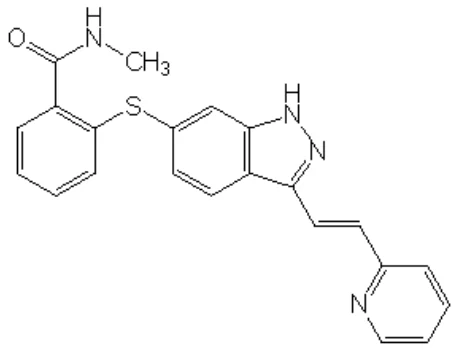
Physicochemical properties: Axitinib is a white to light-yellow powder with a pKa of 4.8. The solubility of axitinib in aqueous media over the range pH 1.1 to pH 7.8 is in excess of 0.2 μg/mL. The partition coefficient (n-octanol/water) is 3.5.
14. Clinical Trials
14.1. Clinical Trials by Indication
INLYTA for the Treatment of Patients with Metastatic RCC of Clear Cell Histology after Failure of Prior Systemic Therapy with either a Cytokine or the VEGFR-TKI, Sunitinib
Table 8. Summary of Patient Demographics and Study Design for the AXIS Clinical Trial in Metastatic RCC of Clear Cell Histology
| Study # | Study design | Dosage, route of administration and duration | Study patients (N) | Age (%) | Sex (%) |
| AXIS | Randomized, open-label, multicentre, Phase 3 study | INLYTA: starting dose 5 mg orally twice daily until unacceptable toxicity or disease progression Sorafenib: starting dose 400 mg orally twice daily until unacceptable toxicity or disease progression | INLYTA N=361 Sorafenib N=362 | < 65 years: INLYTA: 66% Sorafenib: 66% ≥ 65 years: INLYTA: 34% Sorafenib: 34% | Male: INLYTA: 73% Sorafenib: 71% Female: INLYTA: 27% Sorafenib: 29% |
The safety and efficacy of INLYTA were evaluated in a randomized, open-label, multicentre Phase 3 study (AXIS). Patients (N=723) with metastatic RCC whose disease had progressed on or after treatment with 1 prior systemic therapy, including sunitinib-, bevacizumab-, temsirolimus-, or cytokine-containing regimens were randomized (1:1) to receive INLYTA (n=361) or sorafenib (n=362). The starting dose for INLYTA was 5 mg orally twice daily and the starting dose for sorafenib was 400 mg orally twice daily. Patients were to be treated until unacceptable toxicity or disease progression. The primary endpoint, progression-free survival (PFS), was assessed using blinded independent central review (BICR). Secondary endpoints included objective response rate (ORR), overall survival (OS), and quality of life (QoL).
Of the 723 patients enrolled in this study, 389 patients (54%) had received 1 prior sunitinib-based therapy, 251 patients (35%) had received 1 prior cytokine-based therapy (interleukin-2 or interferon-alpha), 59 patients (8%) had received 1 prior bevacizumab-based therapy, and 24 patients (3%) had received 1 prior temsirolimus-based therapy. The baseline demographic and disease characteristics were similar between the INLYTA and sorafenib groups with regard to age, gender, race, Eastern Cooperative Oncology Group (ECOG) performance status, geographic region, and prior treatment.
Table 9 presents the patient demographics and baseline characteristics of the AXIS study.
Table 9. Summary of Patient Demographics and Baseline Characteristics in the AXIS Study (Intent to Treat [ITT] Population)
| Characteristic | INLYTA N=361 n (%) | Sorafenib N=362 n (%) | ||||||||
| Race | White | 278 (77) | 269 (74) | |||||||
| Asian | 77 (21) | 81 (22) | ||||||||
| 1 (<1) | 4 (1) | |||||||||
| Other | 5 (1) | 8 (2) | ||||||||
| ECOG performance status | ECOG 0 | 195 (54) | 200 (55) | |||||||
| ECOG 1 | 165 (45) | 160 (44) | ||||||||
| ECOG >1 | 1 (<1) | 0 (0) | ||||||||
| Geographic region | North America | 88 (24) | 98 (27) | |||||||
| Europe | 187 (52) | 170 (47) | ||||||||
| Asia | 73 (20) | 79 (22) | ||||||||
| Other | 13 (4) | 15 (4) | ||||||||
| MSKCC risk group | Favorable | 100 (28) | 101 (28) | |||||||
| Intermediate | 134 (37) | 130 (36) | ||||||||
| Poor | 118 (33) | 120 (33) | ||||||||
| NA | 9 (2) | 11 (3) | ||||||||
| Prior Treatment | Sunitinib-containing regimen | 192 (53) | 195 (54) | |||||||
| Cytokine-containing regimen | 126 (35) | 125 (35) | ||||||||
| Bevacizumab-containing regimen | 31 (9) | 29 (8) | ||||||||
| Temsirolimus-containing regimen | 12 (3) | 13 (4) | ||||||||
| ECOG: Eastern Cooperative Oncology Group, MSKCC: Memorial Sloan-Kettering Cancer Center | ||||||||||
AXIS study results
The average daily dose of INLYTA was approximately 5 mg twice daily. There was a statistically significant advantage for INLYTA over sorafenib for the primary endpoint of PFS (see Table 10 and Figures 1 to 3). The magnitude of the increase in median PFS in the INLYTA arm compared to the sorafenib arm varied in subgroups stratified by prior treatment. The subgroups of patients who failed prior therapy with temsirolimus or bevacizumab were too small for a reliable assessment of efficacy. There was no statistically significant difference in OS between the two treatment arms.
Table 10. Efficacy Results by BICR in the AXIS Study (ITT Population)
The ORR was assessed by an independent radiology review according to RECIST criteria. Overall, 19.4% (95% CI: 15.4%, 23.9%) of patients in the INLYTA treatment arm and 9.4% (95% CI: 6.6%, 12.9%) of patients in the sorafenib arm achieved a confirmed partial response. The risk ratio (RR) was 2.06 (95% CI: 1.41, 3.00), with a two-sided p-value of 0.0001*. In the sunitinib-refractory subgroup, the ORR was confirmed in 11.3% (95% CI: 7.2%, 16.7%) of patients in the INLYTA arm and in 7.7% (95% CI: 4.4%, 12.4%) of patients in the sorafenib arm (RR of 1.48 [95% CI: 0.79, 2.75], two-sided p-value of 0.2169**). In the cytokine-refractory subgroup, the ORR was confirmed in 32.5% (95% CI: 24.5%, 41.5%) of patients in the INLYTA arm and in 13.6% (95% CI: 8.1%, 20.9%) of patients in the sorafenib arm (RR of 2.39 [95% CI: 1.43, 3.99], two-sided p-value of 0.0004***).
*One-sided p-value = 0.0001; **One-sided p-value = 0.1085; ***One-sided p-value = 0.0002.
| Endpoint/Study Population | INLYTA | Sorafenib | HR (95% CI) | P-value | ||||||||
| PFS a,b | ||||||||||||
| Overall ITT | N= 361 | N = 362 | ||||||||||
| Median, months (95% CI) | 6.7 (6.3, 8.6) | 4.7 (4.6, 5.6) | 0.67 (0.54, 0.81) | <0.0001c | ||||||||
| Sunitinib-refractory subgroup | N=194 | N=195 | ||||||||||
| Median, months (95% CI) | 4.8 (4.5, 6.4) | 3.4 (2.8, 4.7) | 0.74 (0.57, 0.96) | 0.0215d | ||||||||
| Cytokine-refractory subgroup | N=126 | N=125 | ||||||||||
| Median, months (95% CI) | 12.1 (10.1, 13.9) | 6.5 (6.3, 8.3) | 0.46 (0.32, 0.68) | <0.0001d | ||||||||
| OS | ||||||||||||
| Overall ITT | N=361 | N=362 | ||||||||||
| Median, months (95% CI) | 20.1 (16.7, 23.4) | 19.2 (17.5, 22.3) | 0.97 (0.80, 1.17) | NS | ||||||||
| Sunitinib-refractory subgroup | N=194 | N=195 | ||||||||||
| Median, months (95% CI) | 15.2 (12.8, 18.3) | 16.5 (13.7, 19.2) | 1.00 (0.78, 1.27) | NS | ||||||||
| Cytokine-refractory subgroup | N=126 | N=125 | ||||||||||
| Median, months (95% CI) | 29.4 (24.5, NE) | 27.8 (23.1, 34.5) | 0.81 (0.56, 1.19) | NS | ||||||||
CI: Confidence interval; HR: Hazard ratio (INLYTA/sorafenib); ITT: Intent to treat; NE: not estimable; NS: not statistically significant; OS: overall survival; PFS: Progression-free survival a Time from randomization to progression or death due to any cause, whichever occurs first. b Assessed by independent radiology review according to RECIST. c Two-sided p-value from a log-rank test of treatment stratified by ECOG performance status and prior therapy (comparison is considered statistically significant if the two-sided p-value is <0.023). One-sided p-value is <0.0001 from a log-rank test of treatment stratified by ECOG performance status and prior therapy (comparison is considered statistically significant if the one-sided p-value is <0.023). d Two-sided p-value from a log-rank test of treatment stratified by ECOG performance status. One-sided p-values for sunitinib and cytokine-refractory subgroups are p=0.0107 and p<0.0001, respectively, from a log-rank test of treatment stratified by ECOG performance status. | ||||||||||||
Figure 1. Kaplan-Meier Curve for Progression Free Survival in the AXIS Study (BICR Assessment, Overall Patient Population)
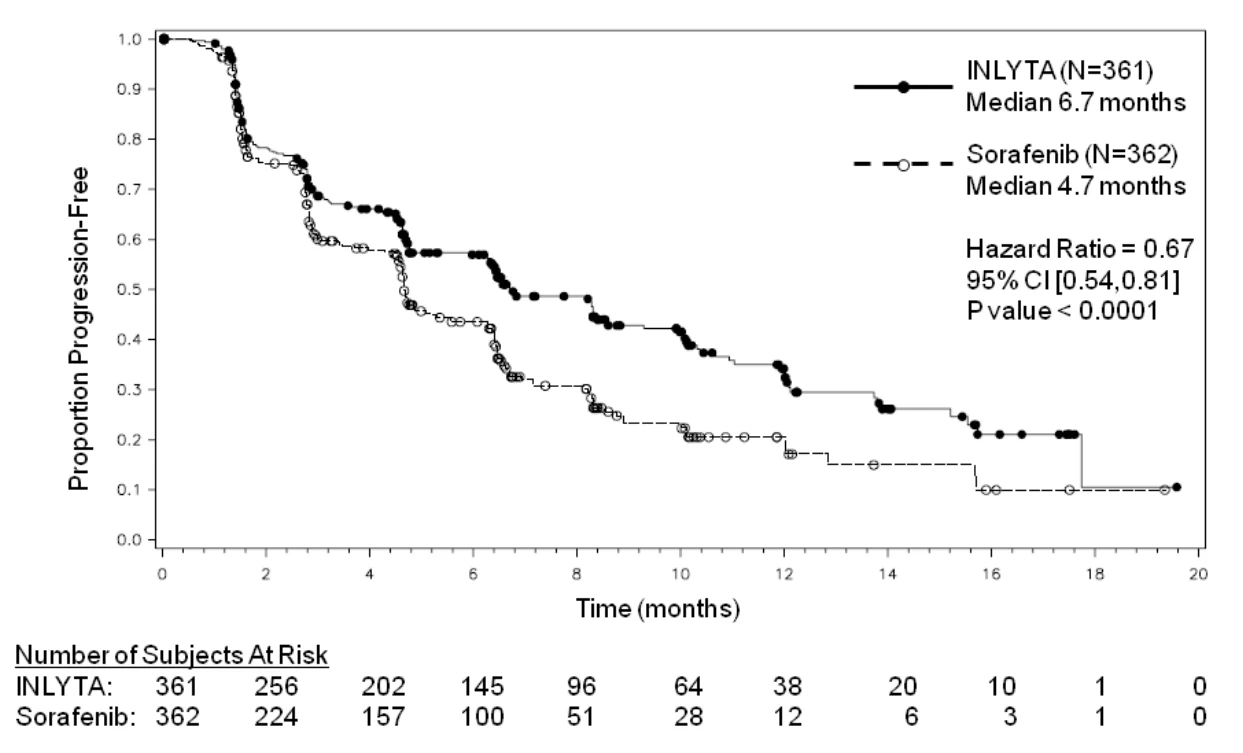
Figure 2. Kaplan-Meier Curve for Progression Free Survival in the AXIS Study (BICR Assessment, Prior Sunitinib Subgroup)
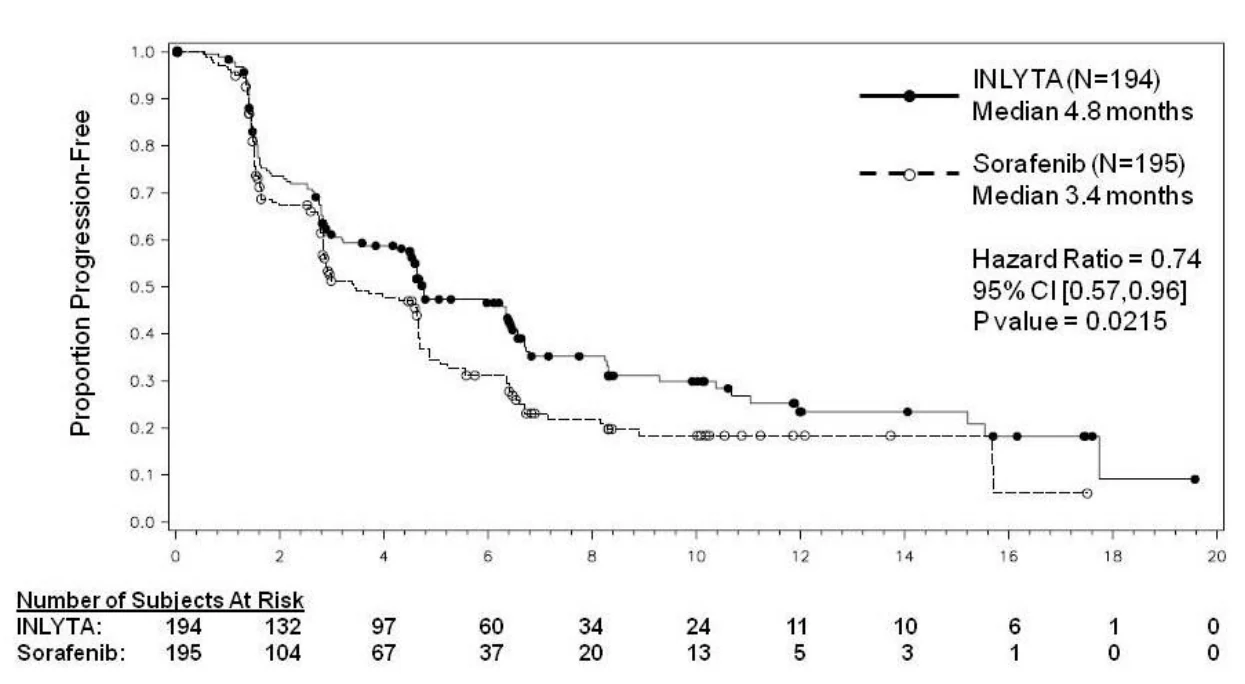
Figure 3. Kaplan-Meier Curve for Progression Free Survival in the AXIS Study (BICR Assessment, Prior Cytokine Subgroup)
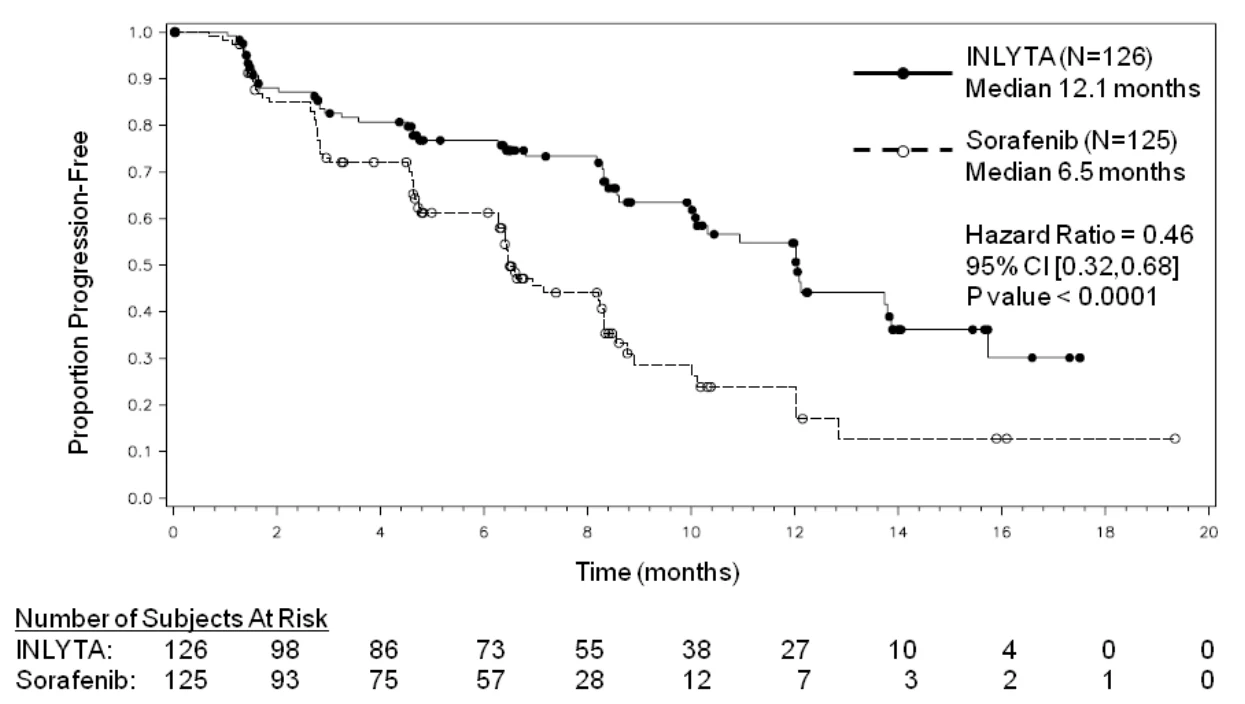
The efficacy of INLYTA was independent of the following demographic and baseline disease characteristics: age, gender, race, geographic region, MSKCC status and ECOG status.
In the pivotal study, the QoL assessments were based on self-reported global scores from protocol-specified questionnaires, EuroQoL EQ-5D and FKSI-15. Analysis compared patients on therapy in both arms. Although the assessments showed no statistically significant difference between treatment with INLYTA or sorafenib, INLYTA demonstrated a 17% decrease in risk compared to sorafenib for the pre-specified time to deterioration (TTD) composite endpoint, defined as the time to the first occurrence of death, progression or meaningful deterioration in QoL based on the FKSI-15 questionnaire (HR = 0.83 [95% CI: 0.70, 0.98]; 2-sided p-value = 0.0282§).
§One-sided p-value = 0.0141.
INLYTA, in Combination with Pembrolizumab, for the Treatment of Adult Patients with Advanced or Metastatic RCC, Naïve to Treatment
Table 11. Summary of Patient Demographics and Study Design for the KEYNOTE-426 Clinical Trial in Metastatic RCC, Naïve to Treatment
| Study # | Study design | Dosage, route of administration and duration | Study patients (N) | Age (years) | Sex (%) |
| KEYNOTE-426 | Randomized, open-label, multicentre, Phase 3 study | INLYTA: starting dose 5 mg orally twice daily until unacceptable toxicity or disease progression Pembrolizumab: 200 mg intravenously once every 3 weeks until unacceptable toxicity or disease progression for a maximum of 35 cycles Sunitinib: starting dose 50 mg orally daily for 4 weeks and than off treatment for 2 weeks until unacceptable toxicity or disease progression | INLYTA with pembrolizumab N=432 Sunitinib N=429 | Mean age (range): INLYTA with pembrolizumab: 61.2 (30-89) Sunitinib: 60.8 (26-90) ≥ 65 years: INLYTA with pembrolizumab: 39.8% Sunitinib: 35.2% | Overall: Male: 72.9% |
The efficacy and safety of INLYTA in combination with pembrolizumab were investigated in the randomized, multicentre, open-label, active-controlled KEYNOTE-426 trial, conducted in patients with advanced or metastatic RCC with clear cell component, regardless of PD-L1 tumour status and International Metastatic RCC Database Consortium (IMDC) risk group categories. The trial excluded patients with autoimmune disease or a medical condition that required systemic immunosuppression within the last 2 years. Patients were randomized (1:1) to receive either INLYTA 5 mg twice daily in combination with pembrolizumab 200 mg once every 3 weeks or sunitinib 50 mg once daily for 4 weeks and then off treatment for 2 weeks. Randomization was stratified by risk categories (favourable versus intermediate versus poor) and geographic region (North America versus Western Europe versus “Rest of the World”).
Treatment with INLYTA and pembrolizumab continued until RECIST 1.1-defined progression of disease as verified by blinded independent central review (BICR) or confirmed by the investigator, unacceptable toxicity, or for pembrolizumab, for up to 24 months or 35 administrations, whichever was longer. Administration of INLYTA and pembrolizumab was permitted beyond RECIST 1.1-defined disease progression if the patient was clinically stable and considered to be deriving clinical benefit by the investigator. Treatment with pembrolizumab could be reinitiated for subsequent disease progression and administered for up to one additional year. Assessment of tumour status was performed at baseline, after randomization at Week 12, then every 6 weeks thereafter until Week 54, and then every 12 weeks thereafter.
Among the 861 patients in KEYNOTE-426 (432 patients in the INLYTA and pembrolizumab combination arm and 429 in the sunitinib arm), baseline characteristics were: median age of 62 years (range: 26 to 90); 38% age 65 or older; 73% male; 79% White and 16% Asian; 99.9% had a Karnofsky Performance Score (KPS) of ≥ 70%; and patient distribution by IMDC risk categories was 31% favourable, 56% intermediate and 13% poor.
KEYNOTE-426 Study Results
The primary efficacy outcome measures were OS and PFS (as assessed by BICR according to RECIST 1.1, modified to follow a maximum of 10 target lesions and a maximum of 5 target lesions per organ). Secondary efficacy outcome measures were ORR and response duration, as assessed by BICR using RECIST 1.1, modified to follow a maximum of 10 target lesions and a maximum of 5 target lesions per organ. The median follow-up time for the INLYTA and pembrolizumab combination arm was 13.2 months (range: 0.1 – 21.5 months). Table 12 summarizes key efficacy measures at the pre-specified first interim analysis. OS and PFS benefits were observed in the ITT population and regardless of PD-L1 expression level.
Table 12: Efficacy Results for Patients with Advanced and Metastatic RCC in KEYNOTE-426
| Endpoint | INLYTA with pembrolizumab n=432 | Sunitinib n=429 | ||||||||||
|---|---|---|---|---|---|---|---|---|---|---|---|---|
| Primary Efficacy Outcome Measure OSa | ||||||||||||
| Number of patients with event (%) | 59 (14%) | 97 (23%) | ||||||||||
| Median in months (95% CI) | Not reached (NA, NA) | Not reached (NA, NA) | ||||||||||
| Hazard ratio* (95% CI) | 0.53 (0.38, 0.74) | |||||||||||
| p-Value† | 0.00005 | |||||||||||
| Primary Efficacy Outcome Measure PFSa | ||||||||||||
| Number of patients with event (%) | 183 (42%) | 213 (50%) | ||||||||||
| Median in months (95% CI) | 15.1 (12.6, 17.7) | 11.1 (8.7, 12.5) | ||||||||||
| Hazard ratio* (95% CI) | 0.69 (0.56, 0.84) | |||||||||||
| p-Value† | 0.00012 | |||||||||||
| Secondary Efficacy Outcome Measure ORRa | ||||||||||||
| Overall response rate‡ (95% CI) | 59% (54, 64) | 36% (31, 40) | ||||||||||
| Complete response | 6% | 2% | ||||||||||
| Partial response | 53% | 34% | ||||||||||
| p-Value§ | <0.0001 | |||||||||||
a The initial one-sided type 1 error rate level for OS, PFS, ORR were 0.023, 0.002, and 0.025 respectively. The corresponding p-value bounds at the interim analysis for OS and PFS were 0.0001 and 0.0013, respectively. For ORR, the corresponding p-value bound after alpha reallocation from PFS and OS following pre-specified multiplicity adjustment was 0.025. * Based on the stratified Cox proportional hazard model † Based on stratified log-rank test. ‡ Based on patients with a best overall response as confirmed complete or partial response § Based on Miettinen and Nurminen method stratified by IMDC risk group and geographic region NA = not available | ||||||||||||
Figure 4: Kaplan-Meier Curve for Overall Survival by Treatment Arm in the KEYNOTE-426 Study (ITT Population)
100
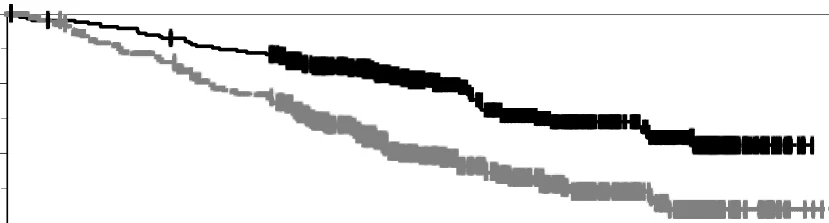
90
80
70
60
50
40
30
20

10
0
0 4 8 12 16 20 24
Time in Months
Number at Risk
Pembrolizumab + Axitinib:
432
417
378
256
136
18
0
Sunitinib:
429
401
341
211
110
20
0
Overall Survival (%)
Figure 5: Kaplan-Meier Curve for Progression-Free Survival by Treatment Arm in the KEYNOTE-426 Study (ITT Population)
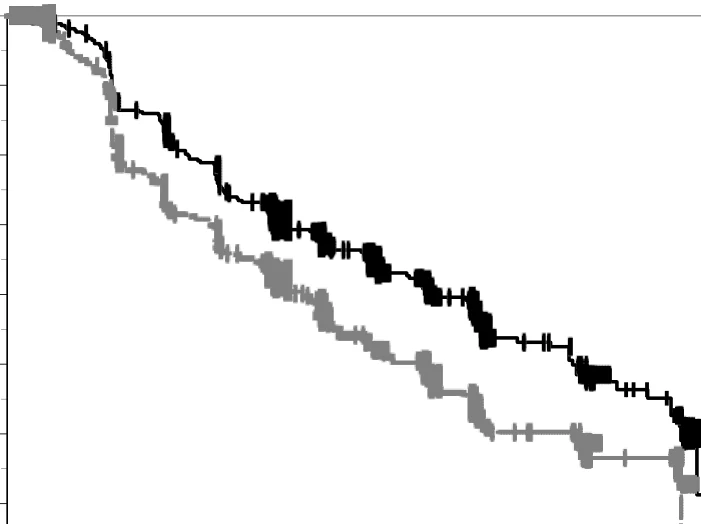
100
90
80
70
60
50
40
30
20
10
0
0 4 8 12 16 20 24
Time in Months
Number at Risk
Pembrolizumab + Axitinib:
432
357
251
140
42
3
0
Sunitinib:
429
302
193
89
29
1
0
15. Microbiology
INLYTA is not an antimicrobial drug.
16. Non-Clinical Toxicology
General toxicology
Single Dose Toxicity
Axitinib was tolerated following single-dose administration to CD-1 mice and Beagle dogs at dosages up to 2000 mg/kg, as evidenced by the lack of any adverse effects during a 14-day observation period, with No-Observed Adverse Effect Levels (NOAELs) of 2000 mg/kg and a corresponding exposure margin in dogs that is approximately 19x exposure at the recommended clinical dose of 5 mg BID.
Progression-Free Surv ival (%)
INLYTA (axitinib) Page 45 of 55
Repeat Dose Toxicity
In repeat-dose toxicity studies, axitinib was administered orally, twice daily, to CD-1 mice and Beagle dogs for durations ranging from 14 days to 39 weeks. The primary toxicities following repeat-dose administration were observed in the gastrointestinal, hematopoietic, musculoskeletal (physeal dysplasia and dental caries), and reproductive organs of the mouse and dog, where the axitinib effect on vascular beds was often reflected. In mice, axitinib was administered at total daily doses of 10 to 500 mg/kg/day, resulting in test-article-related findings including gastrointestinal mucosal hyperplasia and inflammation in the cecum and colon (following 6 months of dosing), mortality, hematopoietic effects on the erythron, physeal dysplasia, odontopathy of the incisors, and adverse effects on male and female reproductive organs. In longer-term mouse studies (13 to 26 weeks), the NOAEL was below 10 mg/kg/day (< 1.5x exposure at the recommended clinical dose of 5 mg BID).
In dogs, axitinib was administered at total daily doses ranging from 1 to 300 mg/kg/day, with gastrointestinal toxicity, hematopoietic effects, musculoskeletal findings, and male reproductive organ toxicity observed. The NOAELs in dogs ranged from 1 to 6 mg/kg/day in longer-term studies, corresponding to exposure margins ranging from approximately 0.02x to 0.6x relative to human exposure at the recommended clinical dose of 5 mg BID. Mortality occurred at 100 mg/kg/day in the 28-day study and 10 mg/kg/day in the 13-week study.
Gastrointestinal toxicities (hemorrhage, inflammation, fibrinoid necrosis of vessels) in the dog were accompanied clinically by increased incidences of abnormal fecal excretions, though increases in fecal abnormalities were also observed in the dog without accompanying microscopic findings.
Hematopoietic effects primarily reflected an effect on the erythron and were observed in studies of ≥ 14 days duration in the mouse and dog. Physeal dysplasia was observed in immature mice and dogs given axitinib for at least 1 month, and dental caries were observed in mice treated for more than 1 month. Male reproductive organ effects were identified in the testes/epididymis (decreased organ weight, atrophy or degeneration, decreased numbers of germinal cells, hypospermia or abnormal sperm forms) in mice and dogs. Findings in the female reproductive tract in mice and dogs included signs of delayed sexual maturity, reduced or absent corpora lutea, decreased uterine weights and uterine atrophy. Partial to full reversibility was demonstrated for the gastrointestinal, hematopoietic, musculoskeletal, and reproductive toxicities observed following 13 or 39 weeks of dosing.
Genotoxicity
Axitinib was tested using a series of genetic toxicology assays consisting of in vitro bacterial reverse mutation (Ames), human lymphocyte chromosome aberration, and in vivo mouse bone marrow micronucleus assays. Axitinib was not mutagenic or clastogenic in these assays; however, axitinib was shown to be an aneugen in the in vivo mouse bone marrow micronucleus test at AUC exposures > 18350 ng·h/mL.
Carcinogenicity
No long-term animal studies have been performed to evaluate the carcinogenic potential of axitinib.
Reproductive and developmental toxicology
Male and Female Reproduction and Fertility
Axitinib has the potential to impair reproductive function and fertility in humans. In mice, the lowest observed adverse effect levels (LOAELs) corresponded to systemic exposures below those achieved
INLYTA (axitinib) Page 46 of 55
clinically, with calculated exposure margins below approximately 3.6x for males and 10.8x for females (relative to exposure at clinical dose of 5 mg BID). Axitinib did not affect mating or fertility in male mice at any dose tested following at least 70 days of treatment with axitinib. However, reduced testicular weights, sperm density and count were noted following at least 70 days of dosing. In female mice, reduced fertility and embryonic viability were observed at all doses tested following at least 15 days of treatment with axitinib. The NOAEL for these findings was not identified. These effects were observed following oral, twice-daily administration of axitinib in CD-1 mice, at dose levels of 10 to 100 mg/kg/day in males (≥ 70 days) and 30 mg/kg/day in females (≥ 15 days).
Embryo-fetal Development
In embryo-fetal development studies in pregnant CD-1 mice, axitinib was administered orally, twice daily during organogenesis (Gestation Days 6–17) at doses of 1 or 3 mg/kg/day. Pregnant mice exposed to axitinib showed an increased occurrence of cleft palate and common variations in skeletal ossification at 3 mg/kg/day, with a NOAEL of 1 mg/kg/day based on developmental effects, corresponding to a exposure margin of approximately 0.1x exposure at the recommended clinical dose of 5 mg BID.
Special toxicology
In safety pharmacology studies, there were no axitinib-related respiratory or cardiovascular effects in mice, rats or dogs following the administration of single oral doses of up to 30 mg/kg in mice and dogs and 500 mg/kg in rats. Hemodynamic changes (decreased blood pressure and temporally-related decreases and increases in heart rate relative to vehicle) were observed in the mouse at 30 mg/kg/day following repeat-dose administration.
In a human ether-à-go-go-related gene (hERG) potassium channel assay, 7% inhibition was observed at 3 µM, the highest evaluable concentration. The IC50 value for hERG current inhibition by axitinib is considered > 3 µM.