


Product Monograph - Itovebi
Recent Major Label Changes
| 3 Serious Warnings and Precautions Box | 2025-10 |
|---|---|
| 4 Dosage and Administration, 4.1 Dosing Considerations | 2026-07 |
| 4 Dosage and Administration, 4.2 Recommended Dosage and Dosage Adjustment | 2026-07 |
| 7 Warnings and Precautions, Endocrine and Metabolism | 2025-10 |
| 7 Warnings and Precautions, Gastrointestinal | 2025-10 |
| 7 Warnings and Precautions, Monitoring and Laboratory Tests | 2025-10 |
Table of Contents
Certain sections or subsections that are not applicable at the time of the preparation of the most recent authorized product monograph are not listed.
Recent Major Label Changes ............................................................................................................... 2
Table of Contents ................................................................................................................................ 2
Part 1: Healthcare Professional Information ........................................................................................ 4
1 Indications .............................................................................................................................. 4
1.1 Pediatrics ...........................................................................................................................4
1.2 Geriatrics ............................................................................................................................4
2 Contraindications ................................................................................................................... 4
3 Serious Warnings and Precautions Box ................................................................................... 4
4 Dosage and Administration .................................................................................................... 4
4.1 Dosing Considerations .......................................................................................................4
4.2 Recommended Dose and Dosage Adjustment ..................................................................5
4.4 Administration ...................................................................................................................9
4.5 Missed Dose .......................................................................................................................9
5 Overdose .............................................................................................................................. 10
6 Dosage Forms, Strengths, Composition, and Packaging ......................................................... 10
7 Warnings and Precautions .................................................................................................... 10
Dependence, Tolerance and/or Abuse Liability ........................................................................... 10
Driving and Operating Machinery ................................................................................................ 10
Endocrine and Metabolism .......................................................................................................... 11
Gastrointestinal ............................................................................................................................ 12
Monitoring and Laboratory Tests ................................................................................................ 12
Renal ............................................................................................................................................ 14
Reproductive Health .................................................................................................................... 14
7.1 Special Populations ......................................................................................................... 14
7.1.1 Pregnancy ....................................................................................................................... 14
7.1.2 Breastfeeding .................................................................................................................. 14
7.1.3 Pediatrics ........................................................................................................................ 15
7.1.4 Geriatrics ......................................................................................................................... 15
8 Adverse Reactions ................................................................................................................ 15
8.1 Adverse Reaction Overview ............................................................................................ 15
8.2 Clinical Trial Adverse Reactions ...................................................................................... 16
8.3 Less Common Clinical Trial Adverse Reactions ............................................................... 17
8.4 Abnormal Laboratory Findings: Hematologic, Clinical Chemistry and Other Quantitative Data ……………………………………………………………………………………………………………………………………18
8.5 Post-Market Adverse Reactions ...................................................................................... 19
9 Drug Interactions .................................................................................................................. 19
9.2 Drug Interactions Overview ............................................................................................ 19
9.3 Drug-Behaviour Interactions ........................................................................................... 19
9.4 Drug-Drug Interactions ................................................................................................... 19
9.5 Drug-Food Interactions ................................................................................................... 19
9.6 Drug-Herb Interactions ................................................................................................... 20
9.7 Drug-Laboratory Test Interactions .................................................................................. 20
10 Clinical Pharmacology ........................................................................................................... 20
10.1 Mechanism of Action ...................................................................................................... 20
10.2 Pharmacodynamics ......................................................................................................... 20
10.3 Pharmacokinetics ............................................................................................................ 20
11 Storage, Stability, and Disposal ............................................................................................. 22
12 Special Handling Instructions ................................................................................................ 22
Part 2: Scientific Information ............................................................................................................ 23
13 Pharmaceutical Information ................................................................................................. 23
14 Clinical Trials ........................................................................................................................ 24
14.1 Clinical Trials by Indication.............................................................................................. 24
Locally Advanced or Metastatic Breast Cancer ............................................................................. 24
15 Microbiology ........................................................................................................................ 29
16 Non-Clinical Toxicology ......................................................................................................... 30
Patient Medication Information ........................................................................................................ 32
Part 1: Healthcare Professional Information
1 Indications
ITOVEBI® (inavolisib film-coated tablets), in combination with palbociclib and fulvestrant, is indicated for:
- the treatment of adult patients with endocrine-resistant, PIK3CA-mutated, hormone receptor (HR)-positive, human epidermal growth factor receptor 2 (HER2)-negative, locally advanced or metastatic breast cancer, following recurrence on or after completing adjuvant endocrine treatment (see 14 Clinical Trials).
1.1 Pediatrics
Pediatrics (<18 years of age): No data are available to Health Canada; therefore, Health Canada has not authorized an indication for pediatric use (see 7.1.3 Pediatrics (<18 years of age)).
1.2 Geriatrics
Geriatrics (≥ 65 years of age): Clinical studies of ITOVEBI did not include sufficient numbers of patients ≥ 65 years of age to determine whether they respond differently from younger patients.
2 Contraindications
- ITOVEBI is contraindicated in patients who are hypersensitive to this drug or to any ingredient in the formulation, including any non-medicinal ingredient, or component of the container. For a complete listing, see 6 Dosage Forms, Strengths, Composition, and Packaging.
3 Serious Warnings and Precautions Box
- Hyperglycemia. Severe case of hyperglycemia, including complications such as life-threatening ketoacidosis, have been reported in patients treated with ITOVEBI. ITOVEBI should not be administered to patients until their blood glucose levels are well controlled and stable. The safety of ITOVEBI in patients with Type 1 diabetes mellitus, or Type 2 diabetes mellitus requiring ongoing anti-hyperglycemic treatment have not been studied. Metformin prophylaxis is recommended for patients with risk factors for hyperglycemia.
4 Dosage and Administration
4.1 Dosing Considerations
Treatment with ITOVEBI should be initiated by a physician experienced in the use of anticancer therapies.
Patients with HR-positive, HER2-negative, locally advanced or metastatic breast cancer should be selected for treatment with ITOVEBI based on the presence of one or more PIK3CA mutations using a validated test. PIK3CA mutation status should be established prior to initiation of ITOVEBI therapy.
No dose adjustment is required in patients with mild renal impairment (eGFR ≥ 60 to < 90 mL/min). The recommended starting dose of ITOVEBI is 6 mg orally once daily for patients with moderate renal impairment (eGFR 30 to < 60 mL/min based on CKD EPI), and 3 mg orally once daily for patients with severe renal impairment (eGFR < 30 mL/min based on CKD EPI).
4.2 Recommended Dose and Dosage Adjustment
Dose Recommendation:
The recommended dose of ITOVEBI is 9 mg taken orally once daily with or without food.
ITOVEBI should be administered in combination with palbociclib and fulvestrant. The recommended dose of palbociclib is 125 mg taken orally once daily for 21 consecutive days followed by 7 days off treatment to comprise a complete cycle of 28 days. The recommended dose of fulvestrant is 500 mg administered intramuscularly on Days 0, 14, and 28, then every 28 days thereafter. Refer to the prescribing information for palbociclib and fulvestrant for complete dosing information.
Treatment of pre/perimenopausal women with ITOVEBI should also include a luteinizing hormone-releasing hormone (LHRH) agonist in accordance with local clinical practice.
For male patients, consider treatment with an LHRH agonist according to local clinical practice.
Duration of Treatment:
It is recommended that patients are treated with ITOVEBI until disease progression or unacceptable toxicity.
Dose Modification:
Management of adverse reactions may require temporary interruption, dose reduction, or discontinuation of treatment with ITOVEBI.
The recommended dose reduction guidelines for adverse reactions are listed in Table 1.
Table 1: Dose Reduction Guidelines for Adverse Reactions
| Dose Reduction Schedule | Dose Modified |
|---|---|
| Starting dose | 9 mg daily |
| First dose reduction | 6 mg daily |
| Second dose reduction | 3 mg dailya |
| aITOVEBI treatment should be permanently discontinued if patients are unable to tolerate the 3 mg daily dose. | |
The dose of ITOVEBI may be re-escalated to a maximum daily dose of 9 mg based on clinical evaluation of the patient by the treating physician.
The recommended dosage modifications of ITOVEBI for adverse reactions are summarized in
Table 2.
Table 2: Dose Modification and Management for Adverse Reactions
| Adverse Reaction | Severity | Recommendation |
|---|---|---|
| Adverse Reaction | Severity | Recommendation |
| Adverse Reaction | Severity | Recommendation |
| Adverse Reaction | Severity | Recommendation |
| Hyperglycemiab | Fasting glucose levela > ULN to 160 mg/dL (> ULN to 8.9 mmol/L) |
|
| Fasting glucose level > 160 to 250 mg/dL (> 8.9 – 13.9 mmol/L) |
| |
| Fasting glucose level > 250 to 500 mg/dL (> 13.9 – 27.8 mmol/L) |
| |
| Fasting glucose level > 500 mg/dL (> 27.8 mmol/L) |
| |
| ||
| Stomatitis | Gradef 1 |
|
| Grade f 2 |
| |
| Grade f 3 |
| |
| Grade f 4 |
| |
| Diarrhea | Gradef 1 |
|
| Grade f 2 |
| |
| Grade f 3 |
| |
| Grade f 4 |
| |
| Hematologic toxicities | Gradef 1, 2, or 3 |
|
| Grade f 4 |
| |
| Other Adverse Reactionsg | Gradef 1 |
|
| Grade f 2 |
| |
| Grade f 3, first event |
| |
| Grade f 3, recurrent |
| |
| Grade f 4 |
| |
ULN = upper limit of normal aFasting glucose levels referenced in this table reflect hyperglycemia grading according to Common Terminology Criteria for Adverse Events (CTCAE) version 4.03. b Before initiating treatment with ITOVEBI, fasting plasma glucose (FPG)/blood glucose (FBG) and HbA1C levels should be tested, and plasma/blood glucose levels should be optimized in all patients. After initiating treatment with ITOVEBI, patient fasting glucose (FPG or FBG) levels should be monitored or self-monitored based on the recommended schedule (see 7 Warnings and Precautions, Endocrine and Metabolism). | ||
Metformin prophylaxis was recommended for patients with risk factors for hyperglycemia in the INAVO120 study (see 7 Warnings and Precautions, Endocrine and Metabolism, hyperglycemia). c Initiate applicable anti-hyperglycemic medications, such as metformin, sodium-glucose cotransporter-2 (SGLT2) inhibitors, dipeptidyl peptidase-4 [DPP-4] inhibitors, or insulin sensitizers (such as thiazolidinediones), and review the respective prescribing information for dosing and dose titration recommendations, including local hyperglycemia treatment guidelines. Metformin was recommended in the INAVO120 study as the preferred initial agent. See 8.2 Clinical Trial Adverse Reactions. d Risk factors for hyperglycemia include, but are not limited to, (pre)diabetes, HbA1C ≥ 5.7%, BMI ≥ 30 kg/m2, ≥ 45 years of age, history of gestational diabetes, and family history of diabetes mellitus (see 7 Warnings and Precautions, Endocrine and Metabolism, hyperglycemia). e In the INAVO120 study, short-term insulin was allowed to control blood glucose levels when oral agents were inadequate, with the objective of returning to oral-only treatment after the acute episode resolved. f Based on CTCAE version 5.0. g For all grades: Initiate supportive therapy and monitor as clinically indicated. | ||
Pediatric Use (<18 years)
Health Canada has not authorized an indication for pediatric use (see 7 Warnings and Precautions, 7.1.3 Pediatrics (<18 years of age) and 10.3 Pharmacokinetics).
Geriatric Use (≥65 years)
No dose adjustment of ITOVEBI is recommended in patients ≥ 65 years of age. For details on geriatric data, see 7 Warnings and Precautions, 7.1.4 Geriatrics (≥65 years of age) and 10.3 Pharmacokinetics.
Renal Impairment
No dose adjustment is recommended in patients with mild renal impairment (eGFR ≥ 60 to < 90 mL/min). The recommended starting dose of ITOVEBI is 6 mg orally once daily for patients with moderate renal impairment (eGFR 30 to < 60 mL/min based on CKD EPI), and 3 mg orally once daily for patients with severe renal impairment (eGFR < 30 mL/min based on CKD EPI). (See 10.3 Pharmacokinetics, Renal Insufficiency).
Hepatic Impairment
No dose adjustment is recommended in patients with mild hepatic impairment (total bilirubin > ULN to ≤ 1.5 × ULN or AST > ULN and total bilirubin ≤ ULN). The safety and efficacy of ITOVEBI have not been studied in patients with moderate to severe hepatic impairment. For details on hepatic impairment data, see 10.3 Pharmacokinetics, Hepatic Insufficiency.
4.4 Administration
Advise patients to take ITOVEBI at approximately the same time each day.
Swallow ITOVEBI tablet(s) whole. Do not chew, crush, or split prior to swallowing.
4.5 Missed Dose
If a dose of ITOVEBI is missed, it can be taken within 9 hours after the time it is usually taken. After more than 9 hours, the dose should be skipped for that day. On the next day, ITOVEBI should be taken at the usual time.
If the patient vomits after taking the ITOVEBI dose, the patient should not take an additional dose on that day and should resume the usual dosing schedule the next day at the usual time.
5 Overdose
There is limited experience of overdose with ITOVEBI in clinical trials.
Patients who experience overdose should be closely supervised and supportive care instituted. There are no known antidotes for ITOVEBI.
| For the most recent information in the management of a suspected drug overdose, contact your regional poison control centre or Health Canada’s toll-free number, 1-844 POISON-X (1-844-764-7669). |
|---|
6 Dosage Forms, Strengths, Composition, and Packaging
Table 3: Dosage Forms, Strengths, and Composition
*9 mg tablet only
**Removed during processing
ITOVEBI 3 mg film-coated tablet is red and round convex-shaped with an “INA 3” debossing on one side. Each 3 mg film-coated tablet contains 3 mg inavolisib.
ITOVEBI 9 mg film-coated tablet is pink and oval-shaped with an “INA 9” debossing on one side. Each 9 mg film-coated tablet contains 9 mg inavolisib.
Packaging:
ITOVEBI 3 mg and 9 mg Blister Card
Alu/alu (aluminum/aluminium) blister sealed into a blister card containing 7 film-coated tablets. Each carton contains 28 film-coated tablets (4 blister cards per carton).
7 Warnings and Precautions
Dependence, Tolerance and/or Abuse Liability
There is no evidence that ITOVEBI has the potential for drug abuse or dependence.
Driving and Operating Machinery
ITOVEBI has no or negligible influence on the ability to drive or use machines.
| Route of Administration | Dosage Form/ Strength/Composition | Non-medicinal Ingredients |
| Oral | Tablets 3 mg and 9 mg inavolisib | Iron oxide red, iron oxide yellow*, lactose, magnesium stearate, microcrystalline cellulose, polyethylene glycol, polyvinyl alcohol, purified water **, sodium starch glycolate, talc, titanium dioxide. |
Endocrine and Metabolism
Hyperglycemia: Severe cases of hyperglycemia, including ketoacidosis, have been reported in patients treated with ITOVEBI.
Delayed or without appropriate treatment, ketoacidosis could be fatal. Ketoacidosis with a fatal outcome has occurred in the postmarketing setting.
The safety of ITOVEBI in patients with Type 1 diabetes mellitus, or Type 2 diabetes mellitus requiring ongoing anti-hyperglycemic treatment have not been studied.
Patients with a history of well-controlled Type 2 diabetes mellitus may require intensified anti-hyperglycemic treatment and close monitoring of fasting glucose levels as clinically indicated.
Consultation with a healthcare professional experienced in the treatment of hyperglycemia should be considered before initiating ITOVEBI. Fasting glucose monitoring at home should be considered for patients who have risk factors for hyperglycemia or who experience hyperglycemia.
Before initiating treatment with ITOVEBI, test fasting glucose levels (FPG or FBG), HbA1C levels. ITOVEBI should not be initiated until fasting glucose is optimized (see Monitoring and Laboratory Tests). Patients should be advised of the signs and symptoms of hyperglycemia (e.g., excessive thirst, urinating more often, blurred vision, mental confusion, difficulty breathing, or increased appetite with weight loss) and to immediately contact a healthcare professional if these symptoms occur. Optimal hydration should be maintained prior to and during treatment.
Anti-hyperglycemic treatment should be initiated or adjusted as required (see 4 Dosage and Administration, 4.2 Recommended Dose and Dosage Adjustment). In patients with risk factors for hyperglycemia, metformin prophylaxis was allowed in the INAVO120 study. Therefore, metformin prophylaxis is similarly recommended for ITOVEBI in patients with risk factors for hyperglycemia.
Based on the severity of the hyperglycemia, ITOVEBI may require dose interruption, reduction, or discontinuation as described in
Table 2Error! Reference source not found. (see 4 Dosage and Administration, 4.2 Recommended Dose and Dosage Adjustment). All patients should be instructed on lifestyle changes (e.g., dietary modifications, physical activity).
In the INAVO120 study, adverse reactions of hyperglycemia of any grade was reported in 60% of patients treated with ITOVEBI in combination with palbociclib and fulvestrant; Grade 2 and Grade 3 events were reported in 38% and 6% of patients respectively.
In INAVO120, 46% (74/162) of patients who received ITOVEBI were treated with oral anti-hyperglycemic medications and 7% (11/162) were treated with insulin to manage increased fasting glucose. In patients who experienced increased fasting glucose of > 8.9 mmol/L, 96% (52/54) had an improvement in fasting glucose of at least one grade level with a median time to improvement of 8 days (range: 2 to 43 days).
Among patients with hyperglycemia, the median time to first onset was 7 days (range: 2 to 955 days). Hyperglycemia led to dose interruption in 28%, to dose reduction in 2.5%, and to discontinuation of ITOVEBI in 1.2% of patients.
Gastrointestinal
Stomatitis: Severe cases of stomatitis can occur in patients treated with ITOVEBI. Based on the severity of stomatitis, ITOVEBI dosing may be interrupted, reduced, or permanently discontinued (see Table 2).
Stomatitis occurred in 51% of patients treated with ITOVEBI in combination with palbociclib and fulvestrant, including Grade 3 events in 6% of patients. The median time to first onset was 13 days (range: 1 to 610 days). Stomatitis led to interruption of ITOVEBI in 10%, to dose reduction in 3.7%, and to discontinuation of ITOVEBI in 0.6% of patients.
Corticosteroid mouthwash was recommended for prophylaxis of stomatitis for all patients in clinical studies. In patients who received ITOVEBI in combination with palbociclib and fulvestrant, 38% used a mouthwash containing corticosteroid for management of prophylaxis of stomatitis.
Patients should be advised to start an alcohol-free corticosteroid mouthwash and to avoid alcohol- or peroxide-containing mouthwashes as they may exacerbate the condition. Dietary modifications (e.g., avoiding spicy foods) should be considered.
Monitor patients for signs and symptoms of stomatitis. Withhold, reduce dose, or permanently discontinue ITOVEBI based on severity (see 4 Dosage and Administration, 4.2 Recommended Dose and Dosage Adjustment).
Diarrhea: Severe diarrhea, including dehydration and acute kidney injury can occur in patients treated with ITOVEBI.
Diarrhea occurred in 48% of patients treated with ITOVEBI in combination with palbociclib and fulvestrant, including Grade 2 events in 16.7%, and Grade 3 events in 3.7% of patients. The median time to first onset was 15 days (range: 2 to 602 days). Anti-diarrheal medicines were used in 28% (46/162) of patients who received ITOVEBI in combination with palbociclib and fulvestrant to manage symptoms. Dose interruptions were required in 7% of patients, and dose reductions occurred in 1.2% of patients.
Monitor patients for signs and symptoms of diarrhea. Advise patients to increase oral fluids and start antidiarrheal treatment at the first sign of diarrhea while taking ITOVEBI. Withhold, reduce dose, or permanently discontinue ITOVEBI based on severity (see 4 Dosage and Administration, 4.2 Recommended Dose and Dosage Adjustment).
Monitoring and Laboratory Tests
Hyperglycemia
Increased fasting glucose occurred in 85% of patients treated with ITOVEBI, including 22% of patients with Grade 2 (FPG > 8.9 to 13.9 mmol/L), 12% with Grade 3 (FPG > 13.9 to 27.8 mmol/L), and 0.6% with Grade 4 (FPG > 27.8 mmol/L) events according to CTCAE v4.03 (See
Table 6). Patients should be monitored for hyperglycemia (see Table 4).
Table 4: Recommended Schedule for Monitoring Fasting Glucose and HbA1c Levels
| Recommended schedule for the monitoring of fasting glucose and HbA1c levels in all patients treated with ITOVEBI | Recommended schedule for the monitoring of fasting glucose and HbA1c levels in patients with risk factors for hyperglycemiaa treated with ITOVEBI | |
|---|---|---|
| At screening, before initiating treatment with ITOVEBI | Fasting glucose levels (FPG or FBG) and HbA1C levels should be tested, and fasting glucose levels should be optimized in all patients. | |
| After initiating treatment with ITOVEBI | Fasting glucose levels should be monitored or self-monitored
HbA1C should be monitored every 3 months and as clinically indicated, according to the instructions of a healthcare professional. | Fasting glucose levels should be monitored or self-monitored more frequently as clinically indicated. Metformin prophylaxis is recommended for patients with risk factors for hyperglycemia. More frequent fasting glucose testing is required in patients with concomitant use of corticosteroids, intercurrent infections, or other conditions which may require intensified glycemia management to prevent worsening of impaired glucose metabolism and potential complications, including diabetic ketoacidosis. Monitoring of HbA1C and ketones (preferably in blood), in addition to fasting glucose, is recommended in these patients. |
| If a patient experiences hyperglycemia after initiating treatment with ITOVEBI | Fasting glucose levels should be monitored more closely as clinically indicated. During treatment with anti-hyperglycemic medication, fasting glucose levels should continue to be monitored at least once a week for 8 weeks, followed by once every 2 weeks, and as clinically indicated. | |
| a Risk factors for hyperglycemia include, but not limited to, (pre)diabetes, HbA1C ≥ 5.7%, BMI ≥30 kg/m2, ≥45 years of age, history of gestational diabetes, and family history of diabetes mellitus. | ||
Renal
ITOVEBI is known to be excreted by the kidney, and the risk of adverse reactions may be greater in patients with impaired renal function.
Reproductive Health
Fertility
There are no clinical studies conducted to evaluate the effect of ITOVEBI on fertility. Based on animal studies, inavolisib may impact fertility in both females and males of reproductive potential (see 16 Non-Clinical Toxicology, Reproductive and Developmental ToxicologyEndocrine and Metabolism).
Contraception
Female
Patients should be advised to use effective non-hormonal contraception during treatment with ITOVEBI and for 1 week after the last dose of ITOVEBI (see 7 Warnings and Precautions, 7.1 Special Populations).
Male
It is not known if ITOVEBI is present in semen. To avoid potential fetal exposure during pregnancy, male patients with female partners of childbearing potential or pregnant female partners should use effective contraception during treatment with ITOVEBI and for 1 week after the last dose of ITOVEBI.
Pregnancy Testing
The pregnancy status of females of reproductive potential should be verified prior to initiating ITOVEBI (see 7 Warnings and Precautions, 7.1 Special Populations).
7.1 7Warnings and PrecautionsSpecial Populations
7.1.1 Pregnancy
There are no clinical data available on the use of ITOVEBI during pregnancy. Based on animal studies and the mechanism of action, ITOVEBI is expected to cause harm to the developing fetus and/ or result in a loss of pregnancy. Studies in pregnant animals demonstrated that ITOVEBI lead to decreased fetal body and placental weight, post-implantation loss, fetal death, and teratogenicity (see 16 Non-Clinical Toxicology). Therefore, ITOVEBI should not be used during pregnancy.
If ITOVEBI is used during pregnancy or if a patient becomes pregnant while on treatment or a female is impregnated by a male partner being treated with ITOVEBI, the pregnant individual must be informed of the potential hazard to the fetus. Women of child bearing potential should avoid becoming pregnant by using effective non-hormonal contraception during treatment and for at least 1 week after the last dose of ITOVEBI.
Labour and Delivery
The use of ITOVEBI during labour and delivery has not been established.
7.1.2 Breastfeeding
It is not known whether inavolisib is excreted in human breast milk.
No studies have been conducted to assess the impact of inavolisib on milk production or its presence in breast milk. Because of the potential for serious adverse reactions in the breastfed infant, women should not breastfeed during ITOVEBI treatment and for 1 week after the last dose of ITOVEBI.
7.1.3 Pediatrics
Pediatrics (<18 years of age): No data are available to Health Canada; therefore, Health Canada has not authorized an indication for pediatric use. The safety and efficacy of ITOVEBI in pediatric patients have not been established.
7.1.4 Geriatrics
Geriatrics (≥65 years of age): The safety and efficacy of ITOVEBI have been studied in geriatric patients up to 79 years of age. Of the 162 patients who received ITOVEBI in INAVO120, 14.8% were ≥ 65 years of age and 3% were ≥ 75 years of age.
Analysis of the safety of ITOVEBI comparing patients ≥ 65 years of age to younger patients suggest a higher incidence of ITOVEBI dosage modifications/interruptions (79.2% versus 68.1%).
Clinical studies of ITOVEBI did not include sufficient number of patients ≥ 65 years of age to assess whether there are differences in safety or efficacy.
8 Adverse Reactions
8.1 Adverse Reaction Overview
The overall safety profile of ITOVEBI is based on data from 162 patients with locally advanced or metastatic breast cancer who received ITOVEBI in combination with palbociclib and fulvestrant in the INAVO120 Phase 3, randomized study. The median duration of ITOVEBI treatment at the time of the analysis was 9.2 months (range: 0 to 38.8 months).
The most common adverse reactions (ADRs) in patients treated with ITOVEBI in combination with palbociclib and fulvestrant (reported at a frequency ≥ 20%) were, hyperglycemia, stomatitis, diarrhea, thrombocytopenia, fatigue, anemia, nausea, rash, decreased appetite, and headache. Serious adverse events occurred in 24% of patients receiving ITOVEBI plus palbociclib and fulvestrant. Serious adverse reactions in ≥ 1% of patients receiving ITOVEBI plus palbociclib and fulvestrant included anemia (1.9%), diarrhea (1.2%), and urinary tract infection (1.2%).
Fatal adverse events occurred in 3.7% of patients who received ITOVEBI with palbociclib and fulvestrant, including (0.6% each) acute coronary syndrome, cerebral hemorrhage, cerebrovascular accident, COVID-19 infection, and gastrointestinal hemorrhage. None of the fatal adverse events were assessed as related to study treatment.
Adverse events led to permanent discontinuation of ITOVEBI in 6.2% of patients. The adverse events leading to discontinuation of ITOVEBI were hyperglycemia (1.2%), and (0.6% each) stomatitis, gastric ulcer, intestinal perforation, anal abscess, ALT increased, decreased weight, bone pain, musculoskeletal pain, transitional cell carcinoma, and acute kidney injury.
Adverse events led to dose interruptions of ITOVEBI in 69.1%% of patients, most frequently (≥ 2%) from hyperglycemia (28%), neutropenia (23%), COVID-19 infection (16%), stomatitis (10%), diarrhea (6.8%), thrombocytopenia (4.9%), anemia (4.3%), upper respiratory tract infection (4.3%), decreased white blood count (3.7%), pyrexia (3.1%), nausea (2.5%), and fatigue (2.5%).
Dose reductions of ITOVEBI due to adverse events occurred in 14% of patients. The most frequent adverse reactions leading to dose reduction of ITOVEBI in ≥ 2% of patients were stomatitis (3.7%) and hyperglycemia (2.5%).
8.2 Clinical Trial Adverse Reactions
Clinical trials are conducted under very specific conditions. The adverse reaction rates observed in the clinical trials, therefore, may not reflect the rates observed in practice and should not be compared to the rates in the clinical trials of another drug. Adverse reaction information from clinical trials may be useful in identifying and approximating rates of adverse drug reactions in real-world use.
Tabulated summary of adverse drug reactions from clinical trials
Adverse drug reactions from the INAVO120 study are listed by MedDRA system organ class in
Table 5. The corresponding frequency category for each adverse drug reaction is based on the following convention: very common (≥ 1/10), common (≥ 1/100 to < 1/10), uncommon (≥1/1,000 to < 1/100), rare (≥1/10,000 to < 1/1,000), very rare (< 1/10,000).
Table 5: Adverse Drug Reactions (≥10% with ≥ 5% (All Grades) or ≥ 2% (Grade 3-4) Higher Incidence in the ITOVEBI Arm in INAVO120
System Organ Class Adverse Reaction | ITOVEBI + Palbociclib + Fulvestrant N=162 | Placebo + Palbociclib + Fulvestrant N=162 | ||||||||||
|---|---|---|---|---|---|---|---|---|---|---|---|---|
System Organ Class Adverse Reaction | ITOVEBI + Palbociclib + Fulvestrant N=162 | Placebo + Palbociclib + Fulvestrant N=162 | ||||||||||
All Grades n (%) | Grade 3-4 n (%) | All Grades n (%) | Grade 3-4 n (%) | |||||||||
All Grades n (%) | Grade 3-4 n (%) | All Grades n (%) | Grade 3-4 n (%) | |||||||||
| Blood and Lymphatic System Disorders | ||||||||||||
| Thrombocytopeniaa | 78 (48) | 23 (14) | 73 (45) | 7 (4) | ||||||||
| Anemiab | 60 (37) | 10 (6)* | 59 (36) | 3 (2)* | ||||||||
| Gastrointestinal Disorders | ||||||||||||
| Stomatitisc | 83 (51) | 9 (6)* | 43 (27) | 0 | ||||||||
| Diarrhea | 78 (48) | 6 (4)* | 26 (16) | 0 | ||||||||
| Nausea | 45 (28) | 1 (1)* | 27 (17) | 0 | ||||||||
| Vomiting | 24 (15) | 1 (1)* | 8 (5) | 2 (1)* | ||||||||
| General Disorders and Administration Site Conditions | ||||||||||||
| Fatigue | 61 (38) | 3 (2)* | 41 (25) | 2 (1)* | ||||||||
| Infections and Infestations | ||||||||||||
| COVID-19 | 37 (23) | 3 (2) | 17 (11) | 1 (1) | ||||||||
| Urinary Tract Infection | 21 (13) | 2 (1)* | 12 (7) | 0 | ||||||||
| Investigations | ||||||||||||
| Alanine aminotransferase increased | 28 (17) | 6 (4)* | 21 (13) | 2 (1)* | ||||||||
| Weight decreased | 28 (17) | 6 (4)* | 1 (1) | 0 | ||||||||
| Metabolism and Nutrition Disorders | ||||||||||||
| Hyperglycemiad | 97 (60) | 9 (6)* | 16 (10) | 0 | ||||||||
| Decreased appetite | 38 (24) | 0 | 14 (9) | 0 | ||||||||
| Hypokalemia | 26 (16) | 4 (3) | 10 (6) | 0 | ||||||||
| Nervous System Disorders | ||||||||||||
| Headache | 34 (21) | 0 | 22 (14) | 0 | ||||||||
| Skin and Subcutaneous Tissue Disorders | ||||||||||||
| Rashe | 41 (25) | 0 | 28 (17) | 0 | ||||||||
| Alopecia | 30 (19) | 0 | 9 (6) | 0 | ||||||||
| Dry skinf | 21 (13) | 0 | 7 (4) | 0 | ||||||||
Grading according to CTCAE version 5.0. * No Grade 4 events were observed. a Includes platelet count decreased and thrombocytopenia. b Includes anemia and hemoglobin decreased. c Includes aphthous ulcer, glossitis, glossodynia, lip ulceration, mouth ulceration, mucosal inflammation, and stomatitis. d Includes hyperglycemia, blood glucose increased, hyperglycemic crisis, glycated serum protein increased, glucose tolerance impaired, diabetes mellitus, Type 2 diabetes mellitus, and glycosylated hemoglobin increased. e Includes dermatitis, dermatitis acneiform, dermatitis bullous, erythema, folliculitis, rash, rash erythematous, rash maculo-papular, rash papular, rash pruritic, and rash pustular. f Includes dry skin, skin fissures, xerosis, and xeroderma. | ||||||||||||
In
Table 5 in addition to hyperglycemia, stomatitis, and diarrhea, an increase in Grade 3-4 adverse events with the addition of ITOVEBI to the combination of palbociclib and fulvestrant occurred in the following adverse drug reactions: urinary tract infection, thrombocytopenia, anemia, hypokalemia, nausea, fatigue, alanine aminotransferase increased, and weight decreased.
8.3 Less Common Clinical Trial Adverse Reactions
Other clinically relevant adverse reactions occurring in <10% of patients treated with ITOVEBI in combination with palbociclib and fulvestrant or with < 5% (all grades) or < 2% (Grade 3-4) greater incidence in the ITOVEBI arm than the placebo arm are presented below:
Metabolism and Nutrition Disorders: Hypocalcemia (all grades: 9%; Grade 3: 1%; no Grade 4 events).
Eye Disorders: Dry eye (all grades: 9%; Grade 3-4: 0%).
Gastrointestinal Disorders: Abdominal pain, including abdominal pain, abdominal pain upper, abdominal pain lower (all grades: 15%; Grade 3: 1%; no Grade 4 events); dysgeusia, including dysgeusia, ageusia, and hypogeusia (all grades: 9%; Grade 3-4: 0%); dyspepsia (all grades: 8%; Grade 3-4: 0%)
Investigations: Blood insulin increased (all grades: 6%; Grade 3-4: 0%)
8.4 Abnormal Laboratory Findings: Hematologic, Clinical Chemistry and Other Quantitative Data
Clinical Trial Findings
The following table summarizes treatment-emergent shifts from baseline in laboratory abnormalities in the INAVO120 study.
Table 6: Laboratory Abnormalities with a ≥ 2% (All Grades or Grade 3-4) Higher Incidence in the ITOVEBI Arm in INAVO120
| Laboratory Abnormality | ITOVEBI + Palbociclib + Fulvestranta | Placebo + Palbociclib + Fulvestrantb | |||||||||||
|---|---|---|---|---|---|---|---|---|---|---|---|---|---|
| All Grades (%) | Grade 3-4 (%) | All Grades (%) | Grade 3-4 (%) | ||||||||||
| Hematology | |||||||||||||
| Glucose (fasting) increasedc | 85.4 | 12.1 | 42.9 | 0 | |||||||||
| Hemoglobin decreased | 87.5 | 7.5* | 85.1 | 2.5* | |||||||||
| Lymphocytes (absolute) decreased | 72.1 | 9 | 68.2 | 14.4 | |||||||||
| Neutrophils (total, absolute) decreased | 95.1 | 82 | 97 | 78.8 | |||||||||
| Platelets decreased | 83.8 | 15.6 | 71.4 | 3.7 | |||||||||
| Chemistry | |||||||||||||
| ALT increased | 34.4 | 3.1* | 28.6 | 1.2* | |||||||||
| Albumin decreased | 25 | 0.6* | 18.1 | 0 | |||||||||
| Calcium decreased | 41.9 | 3.1 | 31.7 | 3.7 | |||||||||
| Creatinine increased | 37.5 | 1.9* | 29.8 | 1.2* | |||||||||
| Glucose (fasting) decreasedc | 6.4 | 0 | 3.2 | 0 | |||||||||
| Lipase (fasting) increased | 16 | 1.4* | 6.9 | 0 | |||||||||
| Magnesium decreased | 26.9 | 0.6 | 20.5 | 0 | |||||||||
| Potassium decreased | 37.5 | 6.2 | 20.5 | 0.6* | |||||||||
| Sodium decreased | 27.5 | 2.5* | 18.6 | 2.5 | |||||||||
ALT = alanine aminotransferase Grading according to CTCAE version 5.0. * No Grade 4 events were observed. a The denominator used to calculate the rate varied from 122 to 160 based on the number of patients with a baseline value and at least one post-treatment value. b The denominator used to calculate the rate varied from 131 to 161 based on the number of patients with a baseline value and at least one post-treatment value. c Grading according to CTCAE version 4.03. | |||||||||||||
8.5 Post-Market Adverse Reactions
The following adverse drug reaction has been identified from post marketing experience with ITOVEBI based on spontaneous case reports and literature cases. Because these reactions are reported voluntarily from a population of uncertain size, it is not always possible to reliably estimate their frequency or establish a causal relationship to drug exposure.
Metabolism and Nutrition Disorders: Ketoacidosis, including a fatal outcome (frequency unknown).
9 Drug Interactions
9.2 Drug Interactions Overview
Clinical study results show that the predominant metabolites of inavolisib are not mediated by CYP enzymes, suggesting a low likelihood of interaction between inavolisib and CYP inhibitors or inducers.
Inavolisib is a time-dependent inhibitor and an inducer of CYP3A. It is also an inducer of CYP2B6.
Inavolisib is a substrate of P-gp and BCRP.
9.3 Drug-Behaviour Interactions
There are no drug-behavioural interactions known at this time.
9.4 Drug-Drug Interactions
No pharmacokinetic drug-drug interaction clinical studies have been conducted with inavolisib.
Effects of inavolisib on other drugs
CYP Substrates
In vitro studies show that inavolisib is a time-dependent inhibitor and an inducer of CYP3A. It is also an inducer of CYP2B6. Inavolisib does not inhibit CYP1A2, CYP2B6, CYP2C8, CYP2C9, CYP2C19, or CYP2D6 and does not induce CYP1A2 at clinically relevant concentrations.
Transporters
In vitro studies have shown that inavolisib does not appear to have the potential to inhibit any of the transporters tested (P-glycoprotein [P-gp], breast cancer resistance protein [BCRP], OATP1B1, OATP1B3, OCT1, OCT2, MATE1, MATE2K, OAT1, or OAT3) at clinically relevant concentrations.
Effects of other drugs on inavolisib
Transporters
In vitro studies have shown that inavolisib is not a substrate of OATP1B1, OATP1B3, OCT1, OCT2, OAT3, OAT1, MATE1, or MATE2K, but is a substrate of P-gp and BCRP.
9.5 Drug-Food Interactions
No clinically meaningful effect of food on inavolisib exposure was observed in a clinical study.
9.6 Drug-Herb Interactions
Interactions with herbal products have not been established.
9.7 Drug-Laboratory Test Interactions
Interactions with laboratory tests have not been established.
10 Clinical Pharmacology
10.1 Mechanism of Action
Inavolisib is a selective inhibitor of the phosphatidylinositol-4,5-bisphosphate 3-kinase (PI3K) with activity predominantly against the catalytic subunit alpha isoform protein (p110α; encoded by the PIK3CA gene). In vitro, inavolisib lead to the degradation of mutated p110α, inhibited the activity of downstream PI3K pathway target (AKT), reduced cellular proliferation, and induction of apoptosis in PIK3CA-mutated breast cancer cell lines. In PIK3CA-mutated breast cancer xenograft models, inavolisib reduced tumor growth, which increased when combined with the CDK4/6 inhibitor palbociclib and the endocrine therapy fulvestrant, as compared to any treatment alone or in doublet combinations.
10.2 Pharmacodynamics
Exposure-Response Relationships
The exposure-response relationship for the efficacy of inavolisib has not been fully characterized.
Higher systemic exposure of inavolisib was associated with higher incidence of Grade ≥ 2 anemia, Grade ≥ 2 hyperglycemia, and inavolisib dose modification due to adverse event.
Cardiac Electrophysiology
The ability of inavolisib to prolong the QT interval was assessed in a pharmacokinetic-pharmacodynamic analysis of 172 patients with locally advanced or metastatic PIK3CA-mutated solid tumours given 3 mg to 12 mg once daily dosing of inavolisib in an open-label, multi-arm uncontrolled study. At the recommended ITOVEBI dose, a mean increase in the QTc interval of > 20 ms is unlikely.
10.3 Pharmacokinetics
The pharmacokinetics of inavolisib were characterized in patients with locally advanced or metastatic PIK3CA-mutated solid tumors, including breast cancer, under an oral dosing regimen ranging from 3 mg to 12 mg daily and in healthy subjects at 9 mg single dose.
Inavolisib pharmacokinetics are presented as geometric mean (geometric coefficient of variation [geo CV]%) following administration of the approved recommended dosage unless otherwise specified. The inavolisib steady-state AUC is 1,010 h*ng/mL (25%) and Cmax is 69 ng/mL (27%). Inavolisib exhibited dose-proportional pharmacokinetics (steady-state AUC0-24 is proportional with dose) in patients with locally advanced or metastatic breast cancer over a dose range of 6 mg to 12 mg (0.7 to 1.3 times the recommended dose). Steady-state concentrations are predicted to be attained by day 5.
Table 7: Summary of Inavolisib Pharmacokinetic Parameters in Patients with Locally Advanced or Metastatic Breast Cancer
| PK Parameter | Steady State Cmax (ng/mL) | Steady State Tmax (h) | Single dose t½ (h) | Steady State AUC0-τ (h*ng/mL) | CL (L/hr) | Vd (L) |
| Geometric Mean (Geo CV%) | 69 (27%) | 3 (0.5 to 4) | 15 (22%) | 1,010 (25%) | 8.83 (29%) | 155 (26%) |
Parameters are presented as geometric mean values [geometric coefficient of variation (geo CV)%] or median (min to max) for Tmax. AUC0-τ: area under the curve from time zero to τ (τ = 24 hour for Inavolisib); Cmax: maximum concentration; t½: terminal half-life; Tmax: time to reach Cmax; Vd: apparent (oral) volume of distribution; CL: clearance Parameters presented are derived using the population pharmacokinetics modelling except for the steady state Tmax which is based on observed non-compartmental analysis. | ||||||
Absorption:
The time to maximum plasma concentration (Tmax) was reached after a median of 3 hours (range: 0.5 to 4 hours) at steady state following 9 mg once daily dosing of inavolisib, under fasted conditions.
With 9 mg once daily dosing, the geometric mean accumulation ratio was 2.04.
The absolute bioavailability of inavolisib was 76%.
No clinically significant effect of food on inavolisib exposure was observed.
Distribution:
Plasma protein binding of inavolisib was 37% bound and did not appear to be concentration-dependent over the concentration range tested (0.1 - 10 µM). In humans, the estimated apparent (oral) volume of distribution is 155 L (26%) and the blood-to-plasma ratio is 0.794.
Metabolism:
Minimal metabolism of inavolisib was detected in vitro in human liver microsome incubations. This minimal oxidative metabolism appeared to be mediated by CYP3A4/5.
Following oral administration of a single radiolabeled 9 mg dose of inavolisib to healthy subjects, parent drug was the most prominent drug-related compound in plasma and urine. Total metabolites in the excreta accounted for 42% (35% in feces and 7% in urine) of the dose. Hydrolysis was the major metabolic pathway with no oxidative metabolites detected in plasma and representing approximately 2% of the dose in urine and feces.
Elimination
Following oral administration of a single radiolabeled 9 mg dose of inavolisib to healthy subjects, 48.5% of the administered dose was recovered in urine (40.4% unchanged) and 48% in feces (10.8% unchanged).
In clinical studies, the geometric mean of the individual elimination half-life estimate for inavolisib was 15 hours (22%) following a single 9 mg dose. The estimated total clearance of inavolisib is 8.83 L/hr (29%).
Special Populations and Conditions
- Pediatrics: No data are available to Health Canada; therefore, Health Canada has not authorized an indication for pediatric use. No studies have been conducted to investigate the pharmacokinetics of inavolisib in pediatric patients.
- Geriatrics: No clinically significant differences in inavolisib pharmacokinetics were noted between patients 65 years of age and older and those under 65 years based on population pharmacokinetic analysis.
- Ethnic origin: No clinically significant differences in inavolisib pharmacokinetics were noted based on the covariate of race (Asian or all others, with the majority Caucasian) according to population pharmacokinetic analysis.
- Hepatic Insufficiency: Population pharmacokinetic analyses indicated that mild hepatic impairment is not a significant covariate on inavolisib exposure. The pharmacokinetics of inavolisib in patients with mild hepatic impairment (total bilirubin > ULN to ≤ 1.5 × ULN or AST > ULN and total bilirubin ≤ ULN) were similar to those in patients with normal hepatic function. The effect of moderate (AST any value and total bilirubin 1.5-3.0 ULN) to severe (AST any value and total bilirubin > 3.0 ULN) hepatic impairment on inavolisib pharmacokinetics has not been studied.
- Renal Insufficiency: Population pharmacokinetic analyses indicated that mild renal impairment is not a significant covariate on inavolisib exposure. The pharmacokinetics of inavolisib in patients with mild renal impairment (eGFR ≥60 to < 90 mL/min) were similar to those in patients with normal renal function. Inavolisib AUC and Cmax were 73% and 11% higher in patients with moderate renal impairment (eGFR 30 to < 60 mL/min based on CKD EPI), and 123% and 33% higher in patients with severe renal impairment (eGFR < 30 mL/min based on CKD EPI), respectively, when compared to patients with normal renal function (eGFR ≥ 90 mL/min). (see 4.2 Recommended Dose and Dosage Adjustment, Renal Impairment). Renal Impairment
- Obesity: No clinically significant differences in inavolisib pharmacokinetics were noted based on body weight (39 to 159 kg) according to population pharmacokinetic analysis.
11 Storage, Stability, and Disposal
Store at room temperature, 15°C to 30°C. Renal Impairment
Blister: This medicine should not be used after the expiry date (EXP) shown on the blister packaging.
12 Special Handling Instructions
Disposal of Unused/Expired Medicines
The release of pharmaceuticals in the environment should be minimized. Medicines should not be disposed of via wastewater and disposal through household waste should be avoided.
Any unused medicinal product or waste material should be disposed of in accordance with local requirements.
Part 2: Scientific Information
13 Pharmaceutical Information
Drug Substance
Proper/ Common name: inavolisib
Chemical name: (2S)-2-[[2-[(4S)-4-(difluoromethyl)-2-oxo-oxazolidin-3-yl]-5,6-dihydroimidazo[1,2- d][1,4]benzoxazepin-9-yl]amino]propanamide
Molecular formula and molecular mass: C18H19F2N5O4.
407.37 g/mol, 407.37 (Mr) (free form)
Structural formula:
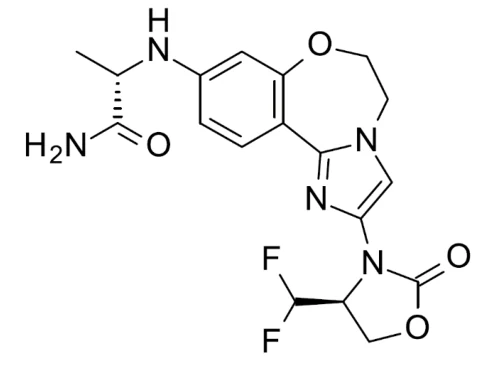
Physicochemical properties: White to off-white, greyish pink, greyish orange, or greyish yellow powder or powder with lumps
At lower pH-values, solubility of inavolisib increases. At pH 1, the solubility increases with time and equilibrium is not reached within the first 4 hour.
| Aqueous Media or Buffer | pH Medium | pH, 24 h | Solubility at 37°C, 4 h (mg/mL) | Solubility at 37°C, 24 h (mg/mL) |
|---|---|---|---|---|
| 0.1 N HCl | 1.09 | 1.17 | 2.41 | 8.14 |
| 50 mM Acetate Buffer | 4.50 | 4.47 | 0.06 | 0.05 |
| 50 mM Phosphate Buffer | 6.80 | 6.78 | 0.05 | 0.04 |
14 Clinical Trials
14.1 Clinical Trials by Indication
Locally Advanced or Metastatic Breast Cancer
INAVO120
Study Demographics and Trial Design
Table 8: Summary of Patient Demographics for INAVO120 in Locally Advanced or Metastatic Breast Cancer Patients
| Study # | Study Design | Dosage, route of administration and duration | Study subjects (n) | Median age (Range) | Sex n (%) |
|---|---|---|---|---|---|
| INAVO120 | Phase 3, randomized, double-blind, placebo-controlled | ITOVEBI 9 mg/placebo QD PO + palbociclib 125 mg QD PO (21/7) + fulvestrant 500 mg Q4W IM (Days 0 and 14 of first 28-day cycle, and then Day 0 of each following 28-day cycle) Until PD or unacceptable toxicity | Total: N = 325 ITOVEBI + Palbo + Fulv: N = 161 Pbo+Palbo+Fulv: N = 164 | 54 years (range: 27-79) | F: 319 (98.2) M: 6 (1.8) |
| Fulv= fulvestrant; IM = intramuscular; Palbo = palbociclib; PD = progressive disease; PO = per oral; QD = once daily; Q4W = every 4 weeks. | |||||
The efficacy of ITOVEBI in combination with palbociclib and fulvestrant was evaluated in a Phase III, randomized, double-blind, placebo-controlled study in adult patients with PIK3CA-mutated, HR-positive, HER2-negative, locally advanced or metastatic breast cancer whose disease progressed during or within 12 months of completing adjuvant endocrine therapy and who have not received prior systemic therapy for locally advanced or metastatic disease. The study excluded patients with Type 1 diabetes mellitus, or Type 2 diabetes mellitus requiring ongoing systemic therapy at the start of study treatment.
PIK3CA mutation status was prospectively determined through testing of plasma-derived circulating tumour DNA (ctDNA) using a next-generation sequencing (NGS) assay at a central laboratory, or in local laboratories using various validated polymerase chain reaction (PCR) or NGS assays on tumor tissue or plasma.
A total of 325 patients were randomized 1:1 to receive either ITOVEBI 9 mg (n=161) or placebo (n=164) orally once daily, in combination with palbociclib and fulvestrant, until disease progression or unacceptable toxicity. In addition, pre/perimenopausal women and men received an LHRH agonist throughout therapy. Randomization was stratified by presence of visceral disease (yes or no), endocrine resistance (primary or secondary), and geographic region (North America/Western Europe, Asia, other).
Primary endocrine resistance was defined as relapse while on the first 2 years of adjuvant endocrine therapy (ET) and secondary endocrine resistance was defined as relapse while on adjuvant ET after at least 2 years or relapse within 12 months of completing adjuvant ET.
The baseline demographic and disease characteristics were: median age 54 years (range: 27 to 79 years); 98.2% female; 38.2% pre/perimenopausal; 58.8% White, 38.2% Asian, 2.5% unknown, 0.6% Black or African American; 6.2% Hispanic or Latino; and Eastern Cooperative Oncology Group (ECOG) performance status of 0 (63.4%) or 1 (36.3%). Tamoxifen (56.9%) and aromatase inhibitors (50.2%) were the most commonly used adjuvant endocrine therapies. The demographics and baseline disease characteristics were balanced and comparable between study arms.
The primary efficacy outcome measure was investigator (INV)-assessed progression-free survival (PFS) per Response Evaluation Criteria in Solid Tumors (RECIST) version 1.1. The secondary efficacy outcome measures included overall survival (OS), objective response rate (ORR), and duration of response (DOR).
INAVO120
Study Results
Efficacy results are summarized in Table 9, and Figure 1Error! Reference source not found.. INV-assessed PFS results were supported by consistent results from blinded independent central review (BICR) assessment.
Table 9: Efficacy Results in Patients with Locally Advanced or Metastatic Breast Cancer in INAVO120
| Efficacy Endpoint | ITOVEBI + Palbociclib + Fulvestrant N=161 | Placebo + Palbociclib + Fulvestrant N=164 | |||||||||||
|---|---|---|---|---|---|---|---|---|---|---|---|---|---|
| Primary Endpoint | |||||||||||||
| INV-Assessed Progression-Free Survivala,b | |||||||||||||
| Patients with event, n (%) | 82 (50.9) | 113 (68.9) | |||||||||||
| Median, months (95% CI) | 15 (11.3, 20.5) | 7.3 (5.6, 9.3) | |||||||||||
| Hazard ratio (95% CI) | 0.43 (0.32, 0.59) | ||||||||||||
| p-value | < 0.0001 | ||||||||||||
| Secondary Endpoints | |||||||||||||
| Overall Survivalc,d | |||||||||||||
| Patients with event, n (%) | 72 (44.7) | 82 (50) | |||||||||||
| Median, months (95% CI) | 34 (28.4, 44.8) | 27 (22.8, 38.7) | |||||||||||
| Hazard ratio (95% CI) | 0.67 (0.48, 0.94) | ||||||||||||
| p-value | 0.0190 | ||||||||||||
| Objective Response Ratea,c,e | |||||||||||||
| Patients with CR or PR, n (%) | 101 (62.7) | 46 (28) | |||||||||||
| 95% CI | (54.8, 70.2) | (21.3, 35.6) | |||||||||||
| p-value | < 0.0001 | ||||||||||||
| Duration of Responsea,c | |||||||||||||
| Median DOR, months (95% CI) | 19.2 (14.7, 28.3) | 11.1 (8.5, 20.2) | |||||||||||
CI = confidence interval; CR = complete response; PR = partial response a Per RECIST version 1.1. b Based on clinical cutoff date: 29 September 2023. c Based on final overall survival analysis (clinical cutoff date: 15 November 2024). d The prespecified boundary for statistical significance was p < 0.0469. e ORR is defined as the proportion of patients with a CR or PR on two consecutive occasions ≥ 4 weeks apart, as determined by the investigator. | |||||||||||||
Figure 1: INV-Assessed Progression-Free Survival in Patients with Locally Advanced or Metastatic Breast Cancer in INAVO120 (clinical cutoff date: 29 September 2023)
The study met its primary endpoint of (INV)-assessed PFS. Addition of ITOVEBI to the combination of palbociclib and fulvestrant demonstrated a statistically significant improvement in median PFS, by reducing the risk of disease progression or death by 57% in patients with PIK3CA-mutated, HR-positive, HER2-negative LA/mBC (Stratified hazard ratio [HR] = 0.43 [95% CI: 0.32, 0.59], p<0.0001). Prespecified PFS analyses per investigator assessment showed a generally consistent treatment effect in favour of the ITOVEBI arm in patient subgroups including age, sex, ethnicity, race, ECOG performance status, menopausal status, presence of visceral disease (yes or no), presence of liver metastases (yes or no), number of metastatic organ sites, and endocrine resistance (primary or secondary).
At the final analysis, treatment with ITOVEBI in combination with palbociclib and fulvestrant demonstrated a statistically significant and clinically meaningful improvement in OS, with a 33% relative reduction in the risk of death, compared to the placebo + palbociclib + fulvestrant regimen (stratified HR, 0.67; 95% CI: 0.48, 0.94; log-rank p = 0.0190). The median OS was 34.0 months (95% CI: 28.4, 44.8) in the ITOVEBI arm compared to 27.0 months (95% CI: 22.8, 38.7) in the placebo arm, representing a median 7.0-month improvement in OS. The median follow-up time was approximately 34.2 months for all patients at the final analysis.
Figure 2: Overall Survival in Patients with Locally Advanced or Metastatic Breast Cancer in INAVO120 (clinical cutoff date: 15 November 2024)
Patient-Reported Outcomes
Patients reported on seven selected symptomatic toxicities (diarrhea, nausea, vomiting, fatigue, mouth sores, decreased appetite, and rash) via the Patient-Reported Outcomes – Common Terminology Criteria for Adverse Events (PRO-CTCAE) corresponding to the known, reportable side effects of ITOVEBI, palbociclib, and fulvestrant, as well as their overall level of bother due to treatment side effects via a single item/question.
Completion rates in both arms were > 90% at baseline and > 80% at subsequent time points where > 50% of randomized patients were on treatment.
In both arms, worst post-baseline levels of ‘moderate’/‘somewhat’ or less were reported by > 70% of patients for decreased appetite, nausea, and vomiting, and by > 60% of patients for mouth sores, diarrhea, and fatigue. Greater proportions of patients in the ITOVEBI arm reported post-baseline symptomatic toxicities at ‘severe’/‘frequently’ or ‘very severe’/‘almost constantly’ levels; these differences were greatest for mouth sores, decreased appetite, and diarrhea (
Table 10). Rash was reported in 53.9% and 40.5% of patients in the ITOVEBI and placebo arms, respectively, post-baseline.
Table 10: Proportion of Patients Reporting Worst Post-baseline Levels of PRO-CTCAE Symptoms Items in INAVO120
| Symptom (Attribute)a | Baseline Score ≤ 1a | Post-baseline Score ≤ 2a | Post-baseline Score ≥ 3a | |||||||||||||||||
|---|---|---|---|---|---|---|---|---|---|---|---|---|---|---|---|---|---|---|---|---|
Inavo+P+F (N=148) | Pbo+P+F (N=152) | Inavo+P+F (N=152) | Pbo+P+F (N=158) | Inavo+P+F (N=152) | Pbo+P+F (N=158) | |||||||||||||||
| Mouth sores (severity), % | 97.3 | 97.4 | 69.7 | 91.1 | 30.2 | 8.9 | ||||||||||||||
| Decreased appetite (severity), % | 89.9 | 91.5 | 73 | 87.4 | 27 | 12.7 | ||||||||||||||
| Nausea (frequency), % | 89.2 | 91.4 | 80.3 | 86.7 | 19.7 | 13.3 | ||||||||||||||
| Vomiting (frequency), % | 95.9 | 98 | 94.1 | 96.8 | 5.9 | 3.2 | ||||||||||||||
| Diarrhea (frequency), % | 91.2 | 93.5 | 67.1 | 89.9 | 32.9 | 10.1 | ||||||||||||||
| Fatigue (severity), % | 73.6 | 73 | 63.2 | 72.8 | 36.8 | 27.2 | ||||||||||||||
| Symptom (Attribute) | Baseline Presence | Post-baseline Presence | ||||||||||||||||||
Inavo+P+F (N=148) | Pbo+P+F (N=152) | Inavo+P+F (N=152) | Pbo+P+F (N=158) | |||||||||||||||||
| Rash (yes/no), % | 94.6 (No) | 95.4 (No) | 53.9 (Yes) | 40.5 (Yes) | ||||||||||||||||
Inavo+P+F = Itovebi plus palbociclib and fulvestrant arm; N/A = not applicable; Pbo+P+F = placebo plus palbociclib and fulvestrant arm a The symptom attribute scoring is defined by amount/frequency/severity with a score of 0 = ‘not at all’/‘never’/‘none’; 1 = ‘a little bit’/‘rarely’/‘mild’; 2 = ‘somewhat’/‘occasionally’/‘moderate’; 3 = ‘quite a bit’/‘frequently’/‘severe’; 4 = ‘very much’/‘almost constantly’/‘very severe’. | ||||||||||||||||||||
15 Microbiology
No microbiological information is required for this drug product.
16 Non-Clinical Toxicology
General Toxicology
The key inavolisib effects observed in repeat dose toxicity studies included hyperglycemia and body weight loss in rats and dogs, inflammation in dogs, bone marrow hypocellularity, atrophy of glandular and reproductive tissues, eye lens degeneration in rats, lymphoid depletion, and lens fiber swelling and lens cortex vacuolation in the eye in dogs. The NOAEL were 1.5 mg/kg/day and 0.3 mg/kg/day in rats and dogs, respectively, which corresponds to 0.44 times and 0.56 times the human exposure at a clinical dose of 9 mg.
Findings were generally dose-dependent and reversible, considered to be clinically monitorable and/or manageable. Lens fiber swelling and lens vacuolation in dogs (at ≥ 0.56 times the human exposure at a clinical dose of 9 mg) were reversible. Lens fiber degeneration observed in rats (at ≥ 3.6 times the human exposure at a clinical dose of 9 mg) was considered irreversible.
Carcinogenicity
No carcinogenicity studies with inavolisib have been conducted.
Genotoxicity
Inavolisib was not mutagenic in the bacterial mutagenesis assay.
Inavolisib showed clastogenicity in an in vitro assay in human lymphocytes; however, there was no evidence of inavolisib induced in vivo genotoxicity (clastogenicity, aneugenicity, or DNA damage) in the micronucleus and comet study in rats at doses up to a maximum tolerated dose (MTD) of 16.1 times the human exposure at a clinical dose of 9 mg.
Reproductive and Developmental Toxicology
An embryo-fetal development study in Sprague Dawley rats identified inavolisib-related dose dependent effects on embryo-fetal development (at ≥ 0.8 times the human exposure at a clinical dose of 9 mg) that included decreases in fetal body weight and placental weight, post-implantation loss, lower fetal viability, and teratogenicity (fetal external, visceral, and skeletal malformations including edema, anasarca, absent eye bulge, microphthalmia, fused thoracic arch, and kyphosis of the vertebral column).
No dedicated fertility studies with inavolisib have been conducted.
In male rats, dose-dependent atrophy of the prostate and seminal vesicle and decreased organ weights without microscopic correlate in the epididymis and testis were observed (at ≥ 0.4 times the human exposure at a clinical dose of 9 mg). In the 1-month toxicity study in dogs, focal inspissation of seminiferous tubule contents, multinucleated spermatids in the testis, and epithelial degeneration/necrosis in the epididymis were observed (at ≥ 2 times the human exposure at a clinical dose of 9 mg). Multinucleated spermatids in the testis persisted through the 4-week recovery period. However, there were no inavolisib-related microscopic findings in the testes or epididymides or effects on sperm concentration, motility, or morphology in the 3-month dog toxicity study at similar exposures.
In female rats, minimal to mild and reversible atrophy in the uterus and vagina and decreased ovarian follicles were observed (at ≥ 1.1 times the human exposure at a clinical dose of 9 mg) in the 4-week toxicity study. Findings suggestive of an interruption/alteration of the estrus cycle were observed (at ≥ 1.5 times the human exposure at a clinical dose of 9 mg) in the 3-month rat toxicity study.
Special Toxicology
Inavolisib did not show phototoxicity potential in the in vitro BALB/c 3T3 mouse fibroblast assay.