


Product Monograph - Jorveza
RECENT MAJOR LABEL CHANGES
| 4 DOSAGE AND ADMINISTRATION, 4.2 Recommended Dose and Dosage Adjustment | 08/2024 |
|---|---|
| 7 WARNINGS AND PRECAUTIONS, Skin | 06/2023 |
TABLE OF CONTENTS
Sections or subsections that are not applicable at the time of authorization are not listed.
RECENT MAJOR LABEL CHANGES ............................................................................................ 2
TABLE OF CONTENTS .............................................................................................................. 2
PART I: HEALTH PROFESSIONAL INFORMATION ...................................................................... 4
1 INDICATIONS ............................................................................................................... 4
1.1 Pediatrics .............................................................................................................. 4
1.2 Geriatrics .............................................................................................................. 4
2 CONTRAINDICATIONS ................................................................................................. 4
4 DOSAGE AND ADMINISTRATION ................................................................................. 4
4.1 Dosing Considerations .......................................................................................... 4
4.2 Recommended Dose and Dosage Adjustment ..................................................... 5
4.4 Administration ...................................................................................................... 5
4.5 Missed Dose ......................................................................................................... 5
5 OVERDOSAGE .............................................................................................................. 5
6 DOSAGE FORMS, STRENGTHS, COMPOSITION AND PACKAGING ................................. 6
7 WARNINGS AND PRECAUTIONS .................................................................................. 6
7.1 Special Populations ............................................................................................... 8
7.1.1 Pregnant Women ............................................................................................. 8
7.1.2 Breast-feeding .................................................................................................. 8
7.1.3 Pediatrics .......................................................................................................... 8
7.1.4 Geriatrics .......................................................................................................... 9
8 ADVERSE REACTIONS .................................................................................................. 9
8.1 Adverse Reaction Overview .................................................................................. 9
8.2 Clinical Trial Adverse Reactions ............................................................................ 9
8.3 Less Common Clinical Trial Adverse Reactions ................................................... 13
8.4 Abnormal Laboratory Findings: Hematologic, Clinical Chemistry and Other Quantitative Data ........................................................................................................... 13
8.5 Post-Market Adverse Reactions ......................................................................... 13
9 DRUG INTERACTIONS ................................................................................................ 14
9.2 Drug Interactions Overview ................................................................................ 14
9.3 Drug-Behavioural Interactions ............................................................................ 14
9.4 Drug-Drug Interactions ....................................................................................... 14
9.5 Drug-Food Interactions ....................................................................................... 15
9.6 Drug-Herb Interactions ....................................................................................... 15
9.7 Drug-Laboratory Test Interactions ...................................................................... 15
10 CLINICAL PHARMACOLOGY ....................................................................................... 15
10.1 Mechanism of Action .......................................................................................... 15
10.2 Pharmacodynamics ............................................................................................ 15
10.3 Pharmacokinetics ............................................................................................... 15
11 STORAGE, STABILITY AND DISPOSAL ......................................................................... 16
12 SPECIAL HANDLING INSTRUCTIONS ........................................................................... 16
PART II: SCIENTIFIC INFORMATION ....................................................................................... 17
13 PHARMACEUTICAL INFORMATION ............................................................................ 17
14 CLINICAL TRIALS ........................................................................................................ 18
14.1 Clinical Trials by Indication ................................................................................. 18
Induction of remission of eosinophilic esophagitis ......................................................... 18
Maintenance of remission of eosinophilic esophagitis ................................................... 20
15 MICROBIOLOGY ........................................................................................................ 23
16 NON-CLINICAL TOXICOLOGY ..................................................................................... 23
PATIENT MEDICATION INFORMATION .................................................................................. 26
PART I: HEALTH PROFESSIONAL INFORMATION
1 INDICATIONS
JORVEZA (budesonide orodispersible tablets) is indicated for:
- Induction and maintenance of clinico-pathological remission in adults with eosinophilic esophagitis (EoE).
1.1 Pediatrics
Pediatrics (< 18 years of age): No data are available to Health Canada; therefore, Health Canada has not authorized an indication for pediatric use.
1.2 Geriatrics
Geriatrics (≥ 65 years of age): JORVEZA has not been adequately studied in elderly ≥ 65 years of age (see 7 WARNINGS AND PRECAUTIONS, 7.1 Special Populations, 7.1.4 Geriatrics).
2 CONTRAINDICATIONS
JORVEZA is contraindicated in patients who:
- Are hypersensitive to this drug or to any ingredient in the formulation, including any non-medicinal ingredient, or component of the container. For a complete listing, see 6 DOSAGE FORMS, STRENGTHS, COMPOSITION AND PACKAGING.
- Have uncontrolled infections.
- Have active tuberculosis.
4 DOSAGE AND ADMINISTRATION
4.1 Dosing Considerations
- Renal impairment: There are no data available for patients with renal impairment. Because budesonide is not excreted via the kidneys, patients with mild to moderate impairment may be treated with caution with the same doses as patients without renal impairment. JORVEZA is not recommended for use in patients with severe renal impairment.
- Hepatic impairment: During treatment of patients with hepatic impairment with other budesonide containing products, budesonide levels were increased. However, no systematic study investigating different levels of hepatic impairment is available. Patients with hepatic impairment should not be treated with JORVEZA (see 7 WARNINGS AND PRECAUTIONS, 7.1 Special Populations and 10 CLINICAL PHARMACOLOGY, 10.3 Pharmacokinetics, Special Populations and Conditions, Hepatic Impairment).
4.2 Recommended Dose and Dosage Adjustment
The treatment with JORVEZA should be initiated by a gastroenterologist or a physician experienced in the diagnosis and treatment of eosinophilic esophagitis.
Health Canada has not authorized an indication for pediatric use.
Induction of remission
The recommended daily dose is 2 mg budesonide as one 1-mg-tablet in the morning and one 1-mg-tablet in the evening.
The usual duration of induction treatment is 6 weeks. Limited data for a duration up to 12 weeks from the optional open-label induction phase of the clinical study is available (see 14 CLINICAL TRIALS).
Maintenance of remission
The recommended daily dose is 1 mg budesonide as one 0.5-mg-tablet in the morning and one 0.5-mg-tablet in the evening.
The duration of maintenance therapy is determined by the treating physician.
The maximum duration of treatment was 48 weeks in the double-blind treatment phase of the maintenance clinical study followed by an optional up to 96 weeks open-label extension phase (see 14 CLINICAL TRIALS).
4.4 Administration
- JORVEZA tablet should be taken immediately once removed from the blister package.
- JORVEZA should be taken after a meal.
- JORVEZA should not be taken with liquid or food.
- There should be at least 30 minutes before eating or drinking or performing oral hygiene. Any oral solutions, sprays or chewable tablets should be used at least 30 minutes before or after administration of JORVEZA.
- It should be placed on the tip of the tongue and gently pressed against the top of the mouth, where it will disintegrate. This will usually take at least two minutes but can take up to 20 minutes. The effervescence process of the tablet starts when JORVEZA comes in contact with saliva and stimulates the production of further saliva (including salivary mucins). The budesonide-loaded saliva should be swallowed little by little while the orodispersible tablet disintegrates.
- JORVEZA should not be chewed or swallowed undissolved. These measures ensure optimal exposure of the esophageal mucosa to the active substance by using the adhesive characteristics of mucins in the saliva.
4.5 Missed Dose
If a dose is missed, treatment should be continued at the prescribed dosage. A double dose should not be used to make up for a forgotten dose.
5 OVERDOSAGE
In case of short-term overdose, no emergency medical treatment is required. There is no specific antidote. Subsequent treatment should be symptomatic and supportive.
| For management of a suspected drug overdose, contact your regional poison control centre. |
|---|
6 DOSAGE FORMS, STRENGTHS, COMPOSITION AND PACKAGING
Table 1 - Dosage Forms, Strengths, Composition and Packaging
JORVEZA 0.5 mg is supplied as a white or almost white, round, biplane orodispersible tablet, embossed “0.5” on one side, with diameter of 6.9-7.3 mm and height of 1.8-2.6 mm.
Alu / Alu-blister. Pack size: 60 orodispersible tablets.
JORVEZA 1 mg is supplied as a white or almost white, round, biplane orodispersible tablet, with diameter of 6.9-7.3 mm and height of 1.8-2.6 mm.
Alu / Alu-blister. Pack sizes: 20, 30 or 90 orodispersible tablets. Some pack sizes may not be marketed.
7 WARNINGS AND PRECAUTIONS
General
Concomitant treatment with ketoconazole or other CYP3A4 inhibitors should be avoided (see 9.4 Drug-Drug Interactions, CYP3A4 inhibitors).
Patients with tuberculosis, hypertension, diabetes mellitus, osteoporosis, peptic ulcer, glaucoma, cataract, family history of diabetes or family history of glaucoma condition may be at higher risk of experiencing systemic glucocorticosteroid adverse reactions (see 8 ADVERSE REACTIONS) and should therefore be monitored for the occurrence of such effects. In these patients, caution should be exercised and the benefits of an oral glucocorticosteroid must be weighed against its risks. JORVEZA should not be used in patients with active tuberculosis, or uncontrolled infection.
Driving and Operating Machinery
JORVEZA has no or negligible influence on the ability to drive and use machines.
Endocrine and Metabolism
Glucocorticoids may cause suppression of the hypothalamus-pituitary-adrenal (HPA) axis and reduce the stress response. Where patients are subject to surgery or other stresses, supplementary systemic glucocorticoid treatment is recommended.
Systemic effects of steroids may occur, particularly when prescribed at high doses and for prolonged periods. Such effects may include Cushing's syndrome, adrenal suppression, growth retardation, decreased bone mineral density, cataract, glaucoma and very rarely psychiatric/behavioral effects (see 8 ADVERSE REACTIONS).
| Route of Administration | Dosage Form / Strength/Composition | Non-medicinal Ingredients |
| Oral | Orodispersible tablet 0.5 mg and 1 mg budesonide | Anhydrous monosodium citrate, Disodium hydrogen citrate, Docusate sodium, Macrogol (6000), Magnesium stearate, Mannitol (E 421), Povidone (K25), Sodium hydrogen carbonate and Sucralose. |
Particular care is needed in patients who are transferred from a glucocorticosteroid treatment with higher systemic effect (e.g., prednisolone). Tapering of the dose of such conventional therapy when treatment with JORVEZA is initiated and monitoring of adrenocortical function may be needed in these patients. Some patients feel unwell during withdrawal (e.g., pain in muscles and joints), or experience flare up of allergies previously controlled by the conventional systemic corticosteroid drug. A general insufficient glucocorticosteroid effect should be suspected if, in rare cases, symptoms such as tiredness, headache, nausea and vomiting occur. In these cases a temporary adjustment in the dose of systemic glucocorticosteroids may sometimes be necessary.
Hepatic/Biliary/Pancreatic
Reduced liver function may affect the elimination of budesonide, causing higher systemic exposure. The risk of adverse reactions (systemic glucocorticosteroid effects) will be increased. However, no systematic data are available. Patients with hepatic impairment should therefore not be treated with JORVEZA.
Immune
Infections
Suppression of the inflammatory response and immune function increases the susceptibility to infections and their severity. Symptoms of infections can be atypical or masked;severe bacterial infections have been reported in clinical studies. JORVEZA should not be used in patients with uncontrolled infections, or with active tuberculosis.
In clinical studies conducted with JORVEZA, oral, oropharyngeal and esophageal candida infections have been observed with a high frequency (see 8 ADVERSE REACTIONS).
If indicated, symptomatic candidiasis of the mouth and throat can be treated with topical or systemic anti-fungal therapy whilst still continuing treatment with JORVEZA.
Chickenpox, herpes zoster and measles can have a more serious or even fatal course in patients treated with glucocorticosteroids. In patients who have not had these diseases, the vaccination status should be checked, and particular care should be taken to avoid exposure. If patients are infected or suspected of being infected, consider reduction or discontinuation of glucocorticoid treatment.
Vaccines
The co-administration of live vaccines and glucocorticosteroids should be avoided as this is likely to reduce the immune response to vaccines. The antibody response to other vaccines may be diminished.
Ophthalmologic
Visual disturbance may be reported with systemic and topical corticosteroid use. If a patient presents with symptoms such as blurred vision or other visual disturbances, the patient should be considered for referral to an ophthalmologist for evaluation of possible causes which may include cataract, glaucoma or rare diseases such as central serous chorioretinopathy (CSCR) which have been reported after use of systemic and topical corticosteroids.
Psychiatric
Particular care is required when considering the use of systemic corticosteroids in patients with current or previous history of severe affective disorders, or such history in any of the first-degree relatives. Systemic effects of steroids may occur, particularly when prescribed at high doses and for prolonged periods. Such effects may include psychiatric/behavioral effects.
Renal
Renal impairment
There are currently no data available for patients with renal impairment. Because budesonide is not excreted via the kidneys, patients with mild to moderate impairment may be treated with caution with the same doses as patients without renal impairment. JORVEZA is not recommended for use in patients with severe renal impairment.
Reproductive Health: Female and Male Potential
Fertility
There are no data on the effect of budesonide on human fertility. Fertility was unaffected following budesonide treatment in animal studies (see 16 NON-CLINICAL TOXICOLOGY, Reproductive and Developmental Toxicology).
Skin
Angioedema has been reported with the use of JORVEZA, mostly as part of allergic reactions which included rash and itching. If signs of angioedema are observed, the treatment should be stopped.
7.1 Special Populations
7.1.1 Pregnant Women
Administration during pregnancy should be avoided unless there are compelling reasons for therapy with JORVEZA. In the absence of adequate studies in pregnant women, JORVEZA should be used during pregnancy only if the potential benefits to the mother clearly outweigh the risks to the fetus.
In pregnant animals, budesonide, like other glucocorticosteroids, has been shown to cause fetal malformations and abnormalities (see 16 NON-CLINICAL TOXICOLOGY, Reproductive and Developmental Toxicology). The relevance of these findings to humans has not been established.
In animal studies, budesonide was found to cross the placental barrier, therefore, infants born of mothers who have received glucocorticosteroids during pregnancy should be carefully observed for hypoadrenalism. Note that the maximal concentration of budesonide in plasma is expected to be higher in the treatment with JORVEZA compared to inhaled budesonide.
7.1.2 Breast-feeding
Budesonide is excreted in human milk. However, only minor effects on the breast-fed child are anticipated after oral use of JORVEZA within the therapeutic range. A decision must be made whether to discontinue breast-feeding or to discontinue/abstain from JORVEZA therapy taking into account the benefit and potential risks of breast feeding for the child and the benefit of therapy for the woman.
7.1.3 Pediatrics
Pediatrics (< 18 years of age): No data are available to Health Canada; therefore, Health Canada has not authorized an indication for pediatric use. JORVEZA should not be used in children and adolescents under the age of 18 years. Corticosteroids, including JORVEZA, may reduce growth velocity in children.
7.1.4 Geriatrics
There is no sufficient and adequate data in subjects ≥65 years of age. Caution should be exercised in elderly patients due to the potential for decreased hepatic, renal, or cardiac function, or due to concomitant disease or therapies.
8 ADVERSE REACTIONS
8.1 Adverse Reaction Overview
The nature and frequency of adverse events observed in the JORVEZA groups in clinical studies were consistent with the known safety profile of budesonide. In the double-blind treatment phase of clinical studies BUL-1/EEA and BUL-2/EER, the majority of adverse events were of mild or moderate intensity. Fungal infections (candidiasis) of the mouth, pharynx and the esophagus were the most frequently observed adverse reactions in clinical studies with JORVEZA. In the clinical studies BUL-1/EEA and BUL-2/EER, a total of 44 out of 268 patients (16.4%) exposed to JORVEZA experienced cases of suspected fungal infections associated with clinical symptoms, which were all of mild or moderate intensity. The total number of infections (including those diagnosed by endoscopy and histology without symptoms) was 92, occurring in 72 out of 268 patients (26.9%).
During up to extended 48-week open label treatment with budesonide orodispersible tablets, suspected candidiasis occurred in 18.3% (34/186) of patients. Among these cases, 17.7% (33/186) were clinically manifested and 3.2% (6/186) were histologically confirmed, and 2.7% (5/186) were both histologically confirmed and clinically manifested. Decreased blood cortisol was reported in 6 patients (3.2%) during the open-label extension treatment phase, which was mild in severity. Long-term treatment with JORVEZA of up to 3 years (48-week in the study BUL-2/EER followed by subsequent 96-week open-label treatment) did not increase the rate of side effects including local candidiasis.
There was no adverse event leading to discontinuation in the JORVEZA treatment groups.
8.2 Clinical Trial Adverse Reactions
Clinical trials are conducted under very specific conditions. Therefore, the adverse reaction rates observed in the clinical trials, may not reflect the rates observed in practice and should not be compared to the rates in the clinical trials of another drug. Adverse reaction information from clinical trials may be useful in identifying and approximating rates of adverse drug reactions in real-world use.
Adverse reactions observed in the pivotal study BUL-1/EEA (induction of remission) are listed in the Table 2 below.
Table 2 - Adverse drug reactions by System Organ Class and Preferred Term – 6-week Induction of Remission Phase (Safety Analysis Set)
| System Organ Class and Preferred Term | JORVEZA 1 mg BID n = 59 (%) | Placebo n = 29 (%) |
| Overall adverse reactions (any) | 39.0% | 3.4% |
| Gastrointestinal disorders | 5 (8.5%) | 0 |
| Gastroesophageal reflux disease | 2 (3.4%) | 0 |
| Dyspepsia | 1 (1.7%) | 0 |
| Feces soft | 1 (1.7%) | 0 |
| Nausea | 1 (1.7%) | 0 |
| Infections and infestations | 14 (23.7%) | 0 |
| Candida infection | 2 (3.4%) | 0 |
| Esophageal candidiasis | 10 (16.9%) | 0 |
| Oral candidiasis | 2 (3.4%) | 0 |
| Oropharyngeal candidiasis | 3 (5.1%) | 0 |
| Investigations | 3 (5.1%) | 0 |
| Blood cortisol decreased | 3 (5.1%) | 0 |
| Psychiatric disorders | 0 | 1 (3.4%) |
| Insomnia | 0 | 1 (3.4%) |
| Renal and urinary disorders | 1 (1.7%) | 0 |
| Polyuria | 1 (1.7%) | 0 |
| Vascular disorders | 1 (1.7%) | 0 |
| Hypertension | 1 (1.7%) | 0 |
BID = twice daily.
A similar adverse event profile was reported during the 6-week open-label induction phase for eligible clinico-pathological non-remitters (n=51, of which 23 were treated with JORVEZA for a total of 12 weeks). However, it is not possible to conclude on the safety or efficacy of JORVEZA beyond 6 weeks of treatment. Additional adverse drug reactions reported (1 patient each) include lymphocytosis, abdominal pain, gastric ulcer, lip edema, melaena and oral paresthesia.
Adverse reactions observed in the pivotal study BUL-2/EER (maintenance of remission) are listed in the Table 3 below.
Table 3 - Adverse reactions by System Organ Class and Preferred Term – 48-week Double-Blind Maintenance of Remission Phase (Safety Analysis Set)
| System Organ Class and Preferred Term | JORVEZA 0.5 mg BID n = 68 (%) | JORVEZA 1 mg BID n = 68 (%) | Placebo n = 68 (%) |
| Overall adverse reactions (any) | 32.4% | 32.4% | 4.4% |
| Eyes disorders | 1 (1.5%) | 1 (1.5%) | 1 (1.5%) |
| Blepharitis | 1 (1.5%) | 0 | 0 |
| Cataract nuclear | 0 | 0 | 1 (1.5%) |
| Dry eye | 0 | 1 (1.5%) | 0 |
| Gastrointestinal disorders | 5 (7.4%) | 5 (7.4%) | 0 |
| Dry mouth | 1 (1.5%) | 1 (1.5%) | 0 |
| Dyspepsia | 1 (1.5%) | 1 (1.5%) | 0 |
| Dysphagia | 2 (2.9%) | 0 | 0 |
| Gastric ulcer | 0 | 1 (1.5%) | 0 |
| Glossodynia | 0 | 1 (1.5%) | 0 |
| Hypoesthesia oral | 0 | 1 (1.5%) | 0 |
| Tongue disorder | 1 (1.5%) | 0 | 0 |
| General disorders and administration site conditions | 2 (2.9%) | 2 (2.9%) | 0 |
| Chest discomfort | 1 (1.5%) | 0 | 0 |
| Chest pain | 0 | 1 (1.5%) | 0 |
| Fatigue | 0 | 1 (1.5%) | 0 |
| Sensation of foreign body | 1 (1.5%) | 0 | 0 |
| Infections and infestations | 12 (17.6%) | 10 (14.7%) | 1 (1.5%) |
| Esophageal candidiasis | 6 (8.8%) | 3 (4.4%) | 0 |
| Gastrointestinal viral infection | 0 | 0 | 1 (1.5%) |
| Oral candidiasis | 7 (10.3%) | 4 (5.9%) | 0 |
| Oropharyngeal candidiasis | 3 (4.4%) | 4 (5.9%) | 0 |
| Pharyngitis | 1 (1.5%) | 0 | 0 |
| Retinitis | 0 | 1 (1.5%) | 0 |
| Investigations | 3 (4.4%) | 2 (2.9%) | 0 |
| System Organ Class and Preferred Term | JORVEZA 0.5 mg BID n = 68 (%) | JORVEZA 1 mg BID n = 68 (%) | Placebo n = 68 (%) |
| Blood cortisol decreased | 2 (2.9%) | 2 (2.9%) | 0 |
| Vitamin D decreased | 1 (1.5%) | 0 | 0 |
| Neoplasms benign, malignant | 0 | 1 (1.5%) | 0 |
| Lipoma | 0 | 1 (1.5%) | 0 |
| Nervous system disorders | 3 (4.4%) | 3 (4.4%) | 0 |
| Disturbance in attention | 0 | 1 (1.5%) | 0 |
| Dysgeusia | 0 | 1 (1.5%) | 0 |
| Headache | 2 (2.9%) | 1 (1.5%) | 0 |
| Migraine | 1 (1.5%) | 0 | 0 |
| Reproductive system and breast disorders | 0 | 1 (1.5%) | 1 (1.5%) |
| Adipomastia | 0 | 1 (1.5%) | 0 |
| Vulvovaginal pruritus | 0 | 0 | 1 (1.5%) |
| Respiratory, thoracic and mediastinal disorders | 0 | 1 (1.5%) | 0 |
| Oropharyngeal pain | 0 | 1 (1.5%) | 0 |
| Skin and subcutaneous tissue disorders | 1 (1.5%) | 3 (4.4%) | 0 |
| Angioedema | 1 (1.5%) | 0 | 0 |
| Dermatitis allergic | 0 | 1 (1.5%) | 0 |
| Eczema | 0 | 1 (1.5%) | 0 |
| Erythema | 0 | 1 (1.5%) | 0 |
| Urticaria | 1 (1.5%) | 0 | 0 |
| Vascular disorders | 0 | 1 (1.5%) | 0 |
| Hypertension | 0 | 1 (1.5%) | 0 |
BID = twice daily.
Additional adverse drug reactions were reported during the up to 96-week open-label extension phase of study BUL-2/EER (n=166): (frequency ≥ 1/100 to < 1/10) oral paraesthesia and upper abdominal pain.
8.3 Less Common Clinical Trial Adverse Reactions
Other less common (frequency ≥ 1/1000 to < 1/100) adverse reaction observed in clinical studies with JORVEZA: dizziness, cough, dry throat, erosive gastritis, rash, sleep disorder, nasopharyngitis, anxiety, agitation, abdominal pain, gingival pain, and oral herpes.
Additional adverse drug reactions were reported during the up to 96-week open-label extension phase of study BUL-2/EER: more than one patient: osteocalcin decreased, weight increased, one patient each: tachycardia, acute deafness, pyrexia, mucosal inflammation, oral allergy syndrome, laryngeal nerve dysfunction, blood alkaline phosphatase increased, bone metabolism disorder, nervous system disorder (including migraine episode with aura; or transient ischemic attack and idiopathic elevated intracranial pressure), erysipelas, Staphylococcal infection (cellulitis), depression, and throat irritation.
8.4 Abnormal Laboratory Findings: Hematologic, Clinical Chemistry and Other Quantitative Data
Blood cortisol decreased was reported in clinical trials with JORVEZA (3% to 5% of patients as compared to 0% with placebo). See 8.2 Clinical Trial Adverse Reactions, Table 2, and Table 3. The severity of blood cortisol decreased was mild. No clinically relevant changes in the morning serum cortisol levels were observed in a long-term treatment with JORVEZA of up to 3 years (48-weeks in the study BUL-2/EER followed by subsequent 96-week open-label treatment).
8.5 Post-Market Adverse Reactions
Adverse Events Seen with JORVEZA During Post-Marketing Surveillance:
| Nervous system disorders: | Dysgeusia |
|---|
The following additional known undesirable effects of the therapeutic class (corticosteroids, budesonide) could also occur with JORVEZA (frequency = not known):
| Endocrine disorders: | Cushing’s syndrome, moon-face, truncal obesity, adrenal suppression, growth retardation in children, disturbance of sex hormone secretion (e.g. amenorrhea, hirsutism, impotence) |
|---|---|
| Eye disorders: | Glaucoma, cataract (including subcapsular cataract), blurred vision, central serous chorioretinopathy (CSCR), see 7 WARNINGS AND PRECAUTIONS, Ophthalmologic |
| Gastrointestinal disorders: | Duodenal ulcers, pancreatitis, constipation |
| General disorders and administration site conditions: | Malaise |
| Immune system disorders: | Immune suppression (e.g. increased risk of infection) |
| Metabolism and nutrition disorders: | Hypokalaemia, hyperglycaemia, reduced glucose tolerance, diabetes mellitus, sodium retention with edema |
| Musculoskeletal and connective tissue disorders: | Muscle and joint pain, muscle weakness and twitching, osteoporosis, osteonecrosis |
| Nervous system disorders: | Pseudotumor cerebri including papilloedema in adolescents |
|---|---|
| Psychiatric disorders: | Irritability, euphoria, psychomotor hyperactivity, aggression |
| Skin and subcutaneous tissue disorders: | Allergic exanthema, petechiae, delayed wound healing, contact dermatitis, ecchymosis, steroid acne, red striae |
| Vascular disorders: | Increased risk of thrombosis, vasculitis (withdrawal syndrome after long-term therapy) |
9 DRUG INTERACTIONS
9.2 Drug Interactions Overview
Interaction with CYP3A4 inhibitors can markedly increase the plasma concentration of budesonide, therefore, concomitant use should be avoided, unless absolutely necessary. Oestrogens or oral contraceptives may also increase budesonide plasma concentration. Interaction with cardiac glycosides can potentiate the action of glycoside by potassium deficiency and interaction with saluretics can enhance potassium excretion and aggravate hypokalaemia. For more information, see 9.4 Drug-Drug Interactions, 9.5 Drug-Food Interactions, and 9.7 Drug-Laboratory Test Interactions.
9.3 Drug-Behavioural Interactions
Interactions in terms of individual behavioural risks have not been established.
9.4 Drug-Drug Interactions
CYP3A4 inhibitors
Co-treatment with potent CYP3A inhibitors such as ketoconazole, ritonavir, itraconazole, clarithromycin and cobicistat may cause a marked increase of the plasma concentration of budesonide and is expected to increase the risk of systemic adverse reactions. Therefore, concomitant use should be avoided unless the benefit outweighs the increased risk of systemic corticosteroid adverse reactions, in which case patients should be monitored for systemic corticosteroid adverse reactions.
Ketoconazole 200 mg once daily orally increased the plasma concentration of budesonide (3 mg single dose) approximately 6-fold during concomitant administration. When ketoconazole was administered approximately 12 hours after budesonide, the plasma concentration of budesonide increased approximately 3-fold.
Oestrogens, oral contraceptives
Elevated plasma concentrations and enhanced effects of glucocorticosteroids have been reported in women also receiving oestrogens or oral contraceptives. No such effect has been observed with budesonide and concomitant intake of low-dose combination oral contraceptives.
Cardiac glycosides
The action of glycoside can be potentiated by potassium deficiency which is a potential and known adverse reaction of glucocorticoids.
Saluretics
Concomitant use of glucocorticoids may result in enhanced potassium excretion and aggravated hypokalaemia.
9.5 Drug-Food Interactions
Inhibitors of CYP3A4 such as grapefruit juice may cause a marked increase of the plasma concentration of budesonide. Therefore, concomitant use should be avoided.
9.6 Drug-Herb Interactions
Interactions with herbal products have not been established.
9.7 Drug-Laboratory Test Interactions
Interference with serological testing
Because adrenal function may be suppressed by treatment with budesonide, an ACTH stimulation test for diagnosing pituitary insufficiency might show false results (low values).
10 CLINICAL PHARMACOLOGY
10.1 Mechanism of Action
Budesonide is a non-halogenated glucocorticosteroid, which acts primarily as anti-inflammatory via binding to the glucocorticoid receptor. JORVEZA is a partly locally acting corticosteroid. The exact mechanism of action in the treatment of EoE is not fully understood. JORVEZA, as a corticosteroid, may inhibit antigen-stimulated secretion of many pro-inflammatory signal molecules, which may result in a significant reduction of the esophageal eosinophilic inflammatory infiltrate.
10.2 Pharmacodynamics
The primary pharmacodynamic effect of budesonide is its anti-inflammatory activity. Budesonide has a high glucocorticoid effect and a weak mineralocorticoid effect, and the affinity of budesonide to GCS receptors, which reflects the intrinsic potency of the drug, is about 200-fold that of cortisol and 15-fold that of prednisolone.
Effect on hypothalamus-pituitary-adrenal and endogenous cortisol levels
Treatment with systemically active glucocorticosteroid is associated with a suppression of endogenous cortisol concentrations and impairment of the hypothalamus-pituitary-adrenal (HPA) axis function.
Following 6 weeks of JORVEZA 1 mg BID treatment in patients with EoE, the rate of patients with adverse events of decreased plasma cortisol levels was 5% with JORVEZA and 0% with placebo.
Pharmacokinetics data in healthy subjects following one week of treatment with 4 mg daily of budesonide orodispersible tablets showed a decrease in plasma and urinary cortisol levels.
10.3 Pharmacokinetics
Absorption
Following administration of JORVEZA, budesonide is rapidly absorbed. Pharmacokinetic data following administration of single doses of 1 mg budesonide to fasted healthy subjects showed a median lag time of 0.17 hours (range 0.00 – 0.33 hours) and a median time to peak plasma concentration of 1.00 hour
(range 0.50 – 2.00 hours). The mean peak plasma concentration (± standard deviation) was 0.44 ± 0.31 ng/mL, the area under the plasma-concentration–time curve (AUC0-12) was 1.44 ± 0.31 hr*ng/mL.
Single dose pharmacokinetic data in fasted patients with EoE are available with 4 mg budesonide: Median lag-time was 0.00 hours (range 0.00 – 0.17), median time to peak plasma concentration was 1.00 hour (range 0.67 – 2.00 hours); peak plasma concentration was 2.56 ± 1.36 ng/mL, and AUC0-12 was 8.96 ± 4.21 hr*ng/mL.
Patients showed a 35% increase in peak plasma concentrations and a 60% increase in AUC0-12 compared to healthy subjects.
Distribution
The apparent volume of distribution following oral administration of 1 mg budesonide to healthy subjects was 35.52 ± 14.94 L/kg and 42.46 ± 23.90 L/kg following administration of 4 mg budesonide to patients with EoE. Plasma protein binding is on average 85-90%.
Metabolism
Metabolism of budesonide is decreased in EoE patients compared to healthy subjects resulting in increased plasma concentrations of budesonide.
Budesonide undergoes extensive biotransformation by CYP3A4 in the mucosa of the small intestine and in the liver to metabolites of low glucocorticosteroid activity. The glucocorticosteroid activity of the major metabolites, 6β-hydroxybudesonide and 16α-hydroxyprednisolone, is less than 1% of that of budesonide. CYP3A5 does not contribute significantly to the metabolism of budesonide.
Elimination
The median elimination half-life is 2.13 hours in healthy subjects (receiving 1 mg budesonide) and 4.56 hours in EoE patients (receiving 4 mg budesonide).
Clearance of budesonide is about 14.61 ± 9.86 L/hour/kg in healthy subjects and 6.54 ± 4.4 L/hour/kg in EoE patients. Budesonide is eliminated only in marginal (if any) amounts by the kidney. No budesonide was detected in urine, only budesonide metabolites.
Special Populations and Conditions
- Hepatic Impairment: A relevant proportion of budesonide is metabolised in the liver by CYP3A4. The systemic exposure of budesonide is considerably increased in patients with severely impaired hepatic function. No studies have been conducted with JORVEZA in patients with impaired liver function. JORVEZA should not be used in patients with hepatic impairment.
11 STORAGE, STABILITY AND DISPOSAL
Store at room temperature (15°C to 25°C). Store in the original package in order to protect from light and moisture.
12 SPECIAL HANDLING INSTRUCTIONS
There are no special handling instructions for this product.
PART II: SCIENTIFIC INFORMATION
13 PHARMACEUTICAL INFORMATION
Drug Substance
Proper name: Budesonide
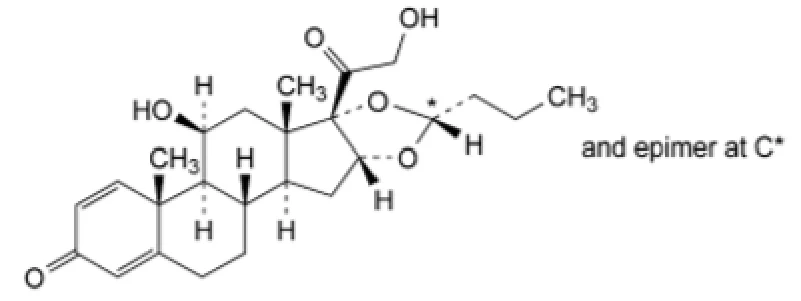
Chemical name: 16α,17-[(1RS)-butylidenebis(oxy)]-11β,21-dihydroxypregna-1,4-diene-3,20-dione
Molecular formula and molecular mass: C25H34O6, 430.5
Structural formula:
Physicochemical properties: Budesonide is a white or almost-white crystalline powder, with a pKa of 12.85 ± 0.10.
Budesonide is practically insoluble in water, freely soluble in methylene chloride, sparingly soluble in ethanol (96%).
14 CLINICAL TRIALS
14.1 Clinical Trials by Indication
Induction of remission of eosinophilic esophagitis
The trial design and study demographics are presented in Table 4.
Table 4 - Summary of patient demographics for clinical trials in induction of remission of eosinophilic esophagitis
| Study # | Study design | Dosage, route of administration and duration | Study subjects (n) | Mean age (Range) | Sex |
| BUL-1/EEA | Phase III, pivotal, randomized, double-blind, placebo-controlled, multicenter study | Test: JORVEZA (budesonide 1 mg orodispersible tablets BID) Treatment duration: 6 weeks double-blind followed by 6 weeks open-label for non-remitters | Adult patients with active EoE (88) | 37.0 (18 – 69) | Male (83%) Female (17%) |
BID = twice daily; EoE = eosinophilic esophagitis
The efficacy and safety of JORVEZA were evaluated for the induction of clinico-pathological remission of eosinophilic esophagitis (EoE) in adults in one pivotal clinical study (BUL-1/EEA).
Induction of remission of eosinophilic esophagitis (BUL-1/EEA)
The patients had to have active symptomatic and histological EoE based on the presence of (a) symptoms on at least 1 day in the last 7 days prior to baseline with severity of ≥ 4 points on a 11-point Numerical Rating Scale (NRS) of Dysphagia, OR Pain at swallowing, and (b) Peak eosinophils count ≥65/mm2 high power field (hpf) in at least one hpf out of a total of 6 hpfs derived from 6 biopsies.
Patients with PPI-responsive esophageal eosinophilia were excluded. Patients with conditions for which corticosteroids therapy is not recommended were also excluded.
The primary efficacy endpoint was clinico-pathological remission defined as peak of < 16 eosinophils/mm2 high power field in esophageal biopsies, and resolution of symptoms defined as severity of ≤ 2 points on 0 to 10-point Numerical Rating Scale [NRS] for dysphagia AND a severity of ≤ 2 points on 0-10 NRS for pain during swallowing [odynophagia] on each day in the week 6.
Study Results
Study BUL-1/EEA
A total of 59 patients were treated with JORVEZA 1 mg twice daily, and 29 patients were treated with placebo for 6 weeks during the double-blind placebo phase. Among the 59 patients, 23 continued JORVEZA in an open-label extension for another 6 weeks (total of 12 weeks).
JORVEZA (budesonide orodispersible tablets) was highly statistically significantly superior to placebo on the primary efficacy endpoint. In the final primary confirmatory analysis, 0/29 (0%) placebo patients and 34/59 (57.6%) JORVEZA patients were in clinico-pathological remission at double-blind week 6 (LOCF) (1-sided Fisher’s exact test p = 0.00000001) (see Table 5Error! Reference source not found.). The results were confirmed in the PP analysis.
Table 5 - Clinico-pathological remission rates at double-blind week 6 (LOCF) (double-blind phase, confirmatory) – FAS population
| Number (%) of patients with clinico-pathological remission at DB Week 6 (LOCF) | Difference between proportions a [95% RCI] | Testing of H0 b | |||||||
JORVEZA 1 mg BID | Placebo | 1-sided p-value from Fisher’s exact test | |||||||
Final FAS-DB | 34/59 (57.6%) | 0/29 (0.0%) | 57.63% [38.22%; 71.97%] | 0.00000001 | |||||
BID: twice daily; DB: double-blind; FAS: full analysis set; LOCF: last observation carried forward; RCI: repeated confidence interval.
a Difference between proportions (πEff - πPla)
b Testing of H0 (πPla ≥ πEff) by means of the Fisher’s exact test
In addition, key secondary efficacy endpoints (individual components of the primary endpoint) proved superiority of JORVEZA 1 mg BID vs placebo (see Table 6Error! Reference source not found.).
Table 6 - Results of key secondary endpoints (double-blind phase, confirmatory)
| Key secondary endpoints | Placebo (n = 29) | JORVEZA 1 mg BID (n = 59) | Difference between proportions [95% RCI] | p-value (one-sided) | |
| n (%) | 0/29 (0.0%) | 55/59 (93.2%) | 93.2% [86.8%; 99.6%] | < 0.0001 b |
| n (%) | 4/29 (13.8%) | 35/59 (59.3%) | 45.5% [27.8%; 63.3%] | < 0.0001 b |
BID: twice daily; DB: double-blind; LOCF: last observation carried forward, RCI: repeated confidence interval.
a For this analysis not evaluable results were set to 'No'.
b Fisher’s exact test was used for testing.
During the open-label extension, 23 patients received JORVEZA 1 mg twice daily for an additional 6 weeks in patients without remission at the end of the double-blind phase. The results suggested that the rate of patients with clinico-pathological remission reached 84.7%. However, no definitive conclusion can be drawn regarding the benefit of JORVEZA beyond 6 weeks given the open-label design and the very low number of patients receiving 12 weeks of treatment.
Maintenance of remission of eosinophilic esophagitis
Table 7 - Summary of patient demographics for clinical trials in maintenance of remission of eosinophilic esophagitis
| Study # | Study design | Dosage, route of administration and duration | Study subjects (n) | Mean age (Range) | Sex |
| BUL-2/EER | Phase III, pivotal, randomized, double-blind, placebo-controlled, multicenter study | Test: JORVEZA (budesonide 0.5 mg orodispersible tablets BID) JORVEZA (budesonide 1 mg orodispersible tablets BID) Treatment duration: 6 weeks open-label for induction treatment phase 48 weeks double-blind treatment for maintenance of remission | Adult patients with EoE in clinic-pathological remission (204) | 36.0 (18 – 69) | Male (83%) Female (17%) |
BID = twice daily; EoE = eosinophilic esophagitis
The efficacy and safety of JORVEZA were evaluated for the maintenance of clinico-pathological remission of eosinophilic esophagitis (EoE) in adults in one pivotal clinical study (BUL-2/EER). There were an optional subsequent 6 weeks open-label for re-induction treatment phase and an optional subsequent up to 96 weeks open label extension phase for maintenance of remission
Maintenance of remission of eosinophilic esophagitis (BUL-2/EER)
At baseline of the 48-week double-blind treatment, patients had to have clinico-pathological remission defined as fulfilling the following criteria: (a) Histological remission, i.e. peek of < 16 eosinophils/mm2 hpf, and (b) Resolution of symptoms (i.e., no or only minimal problems) defined as a severity of ≤ 2 points on 0 to 10-points (0-10) numerical rating scale (NRS) for Dysphagia AND Pain at swallowing on each day in the week prior to the End of Treatment visit.
Patients with PPI-responsive esophageal eosinophilia were excluded. Patients with conditions for which corticosteroids therapy is not recommended were also excluded.
The primary endpoint was the rate of patients free of treatment failure with treatment failure defined as clinical relapse (severity of dysphagia or pain during swallowing of ≥4 points on a 0-10 numerical rating scale, respectively), and/or histological relapse (peak of ≥ 48 eosinophils/mm2 high power field), and/or food impaction requiring endoscopic intervention, and/or need of an endoscopic dilation, and/or premature withdrawal for any reason.
Study Results
Study BUL-2/EER
A total of 68 patients were treated with JORVEZA 0.5 mg twice daily, 68 patients were treated with JORVEZA 1 mg twice daily and 68 patients were treated with placebo for 48 weeks during the double-blind phase.
JORVEZA 0.5 mg and 1 mg (budesonide orodispersible tablets) were highly statistically significantly superior to placebo on the primary efficacy endpoint. In the final primary confirmatory analysis, 3/68 (4.4%) placebo patients, 50/68 (73.5%) JORVEZA 0.5 mg patients and 51/68 (75.0%) JORVEZA 1 mg patients were free of treatment failure after 48 weeks (see Table 8). Both active groups showed clinically relevant (around 70% difference to placebo) and statistically significantly higher success rates (p <0.0001) compared to placebo, thus proving superiority of both active budesonide groups versus placebo in a confirmatory manner. The results were confirmed in the PP analysis.
Table 8 - Proportions of patients free of treatment failure after 48 weeks of treatment (double-blind phase, confirmatory) – FAS population
JORVEZA 0.5 mg BID | JORVEZA 1 mg BID | Placebo | |
| FAS-DB | |||
| Number (%) of patients free of treatment failure after 48 weeks | 50/68 (73.5%) | 51/68 (75.0%) | 3/68 (4.4%) |
Difference between proportions (JORVEZA vs Placebo) [97.5% CI] a, one-sided p-value | 69.1% [55.89%; 82.34%] <0.0001 | 70.6% [57.56%; 83.61%] <0.0001 | --- |
For this analysis 'not assessable' results were set to ’No’.
BID: twice daily; DB: double-blind; FAS: full analysis set; CI: confidence interval.
a Testing of H0 (πPla ≥ πEff) by one-sided normal approximation test, Bonferroni adjusted alpha = 0.0125.
In addition, key secondary efficacy endpoints proved superiority of JORVEZA 0.5 mg BID and JORVEZA 1 mg BID vs placebo (see Table 9).
Table 9 - Results of key secondary endpoints (double-blind phase, confirmatory)
| Key secondary endpoints | JORVEZA 0.5 mg BID (n = 68) | JORVEZA 1 mg BID (n = 68) | Placebo (n = 68) | |
| n (%) Diff. to placebo [97.5% CI] e p-value (1-sided) c | 9/68 (13.2%) -76.5% [-88.8%; -64.1%] <0.0001 | 7/68 (10.3%) -79.4% [-91.1%; -67.7%] <0.0001 | 61/68 (89.7%) -- |
| Key secondary endpoints | JORVEZA 0.5 mg BID (n = 68) | JORVEZA 1 mg BID (n = 68) | Placebo (n = 68) | |
| Mean (SD) p-value (1-sided) d | 38 (112.6) n=66 <0.0001 | 21 (64.0) n=65 <0.0001 | 262 (216.3) n=65 |
| n (%) Diff. to placebo [97.5% CI] e p-value (1-sided) c | 7/68 (10.3%) -50.0% [-65.7%; -34.3%] <0.0001 | 5/68 (7.4%) -52.9% [-68.0%; -37.9%] <0.0001 | 41/68 (60.3%) -- |
| n (%) Diff. to placebo [97.5% CI] e p-value (1-sided) c | 49/68 (72.1%) 51.5% [35.1%; 67.9%] <0.0001 | 50/68 (73.5%) 52.9% [36.7%; 69.2%] <0.0001 | 14/68 (20.6%) -- |
| n (%) Diff. to placebo [97.5% CI] e p-value (1-sided) c | 27/68 (39.7%) 39.7% [26.4%; 53.0%] <0.0001 | 36/68 (52.9%) 52.9% [39.4%; 66.5%] <0.0001 | 0/68 (0.0%) |
BID: twice daily; CI: confidence interval; DB: double-blind; Diff: Difference; EEsAI-PRO: Eosinophilic Esophagitis Activity Index - Patient Reported Outcome; V6/EOT: Visit 6/End of Treatment.
a For this analysis, not evaluable results were set to 'No relapse'.
b In case the change at DB V6/EOT could not be calculated because no valid DB V6/EOT value was available, the change at DB V6/EOT was missing and the patient was excluded from this analysis.
c Normal approximation test
d Wilcoxon rank sum test
e Bonferroni correction
* EEsAI-PRO (Eosinophilic Esophagitis Activity Index Patient Reported Outcome): Total weekly EEsAI-PRO score (range 0-100), where lower values indicate more favorable outcomes.
** Deep clinical remission: Both NRS (24-h recall period) scores for dysphagia and odynophagia are ‘0’ on each day in the last week prior to visit.
***Deep endoscopic remission: Fixed rings = 'Grade 0: none' or ‘1: mild', exudates = 0: none', furrows = 0: absent', and edema = 0: absent'.
**** Histological remission: peak eos per hpf, <15 eos/hpf
The more stringent secondary endpoint “deep disease remission”, i.e., deep clinical, deep endoscopic and histological remission suggested a possibly higher efficacy in the JORVEZA 1 mg BID group (52.9%) compared to the JORVEZA 0.5 mg BID group (39.7%). However, no definitive conclusion can be drawn regarding the advantage of using 1 mg BID compared to 0.5 mg BID since no adequate statistical testing was possible or performed.
The double-blind period was followed by an optional 96-week open-label extension (OLE) treatment with a recommended dose of 0.5 mg budesonide BID or up to 1 mg budesonide BID. 137/166 patients (82.5%) were observed in clinical remission (defined as total weekly EEsAI-PRO score of ≤20). 116/166 patients were observed in deep clinical remission and 22/25 patients (88.0%) maintained deep clinical remission from baseline of study BUL-2/EER to the end of treatment of the additional 96-week open-label period, while only 2/166 patients (1.2%) experienced a food impaction. 115/146 patients (78.8%) were observed in deep histological remission and 40/49 patients (81.6%) maintained deep histological remission (0 eosinophils/mm2 high power field in all biopsies) from baseline of study BUL-2/EER to the end of treatment of the additional 96-week open-label period. 113/146 patients (77.4%) were observed in deep endoscopic remission (defined as fixed rings = 'Grade 0: none' or 'Grade 1: mild', exudates = 'Grade 0: none', furrows = 'Grade 0: absent', and edema = 'Grade 0: absent) and 32/35 patients (91.4%) maintained deep endoscopic remission from baseline of study BUL-2/EER to the end of treatment of the additional 96-week open-label period. Over a period of up to 3 years (i.e., 96-week open-label treatment with JORVEZA, following a 48-week double-blind maintenance treatment with JORVEZA) no loss of efficacy was observed.
15 MICROBIOLOGY
No microbiological information is required for this drug product.
16 NON-CLINICAL TOXICOLOGY
General Toxicology
Acute Toxicity
The acute toxicity of budesonide has been studied in mice, rats, and dogs. Published data indicate that the acute toxicity of budesonide depends on the route of administration. Mortality was seen at substantially lower doses after s.c., i.v. and i.p. administration compared to oral administration. The LD50 values ranged between 53.6 and 173 mg/kg for s.c. administration, between 98.9 and 320 mg/kg for i.v. administration and between 138 and 300 mg/kg for the i.p. route. In contrast, after oral administration, LD50 values between >3200 mg/kg and >10,000 mg/kg were obtained. This likely reflects low systemic bioavailability due to extensive first-pass effect in the liver.
Toxicity After Repeated Administration
In repeated dose toxicity studies, budesonide induced expected systemic effects typical for glucocorticoids. Notable effects included atrophies of skin and adrenal cortex and immune system effects (decreased WBC, lymphocyte and platelet counts, lymphoid depletion, and atrophy of the thymus and spleen). The glucocorticosteroid effects were also partly present at low doses (comparable to or lower than expected exposures at the recommended human therapeutic dose), and a NOEL could not be established in most of the repeated dose toxicity studies.
Repeated dose toxicity of budesonide orodispersible formulation was assessed as part of local tolerance study in hamsters. In this study, budesonide was administered to hamsters at oral (into the cheek pouches) doses of 0, 0.125 and 0.250 mg/day for 4 weeks. Systemic toxicity (premature deaths, marked reduction of body weight, and marked changes in hematology and clinical biochemistry) was noted with both doses, which is not unexpected at these doses as the systemic exposure at the lowest tested dose was approximately 10-fold (Cmax) and 15-fold (AUC) higher than expected systemic exposures (at the recommended therapeutic dose). For local tolerance effects, see section Special Toxicology, Local Tolerance of Budesonide Orodispersible Tablets.
Carcinogenicity
Carcinogenicity studies with budesonide were conducted in rats and mice. In a 91-week study in mice, budesonide caused no treatment-related carcinogenicity at oral doses up to 200 µg/kg/day.
In a two-year study in Sprague-Dawley (SD) rats, budesonide caused a small but statistically significant increase in the incidence of gliomas in male rats at an oral dose of 50 µg/kg/day (approximately 0.24 times the maximum recommended human dose on a body surface area basis). In addition, there were increased incidences of primary hepatocellular tumors in male rats at doses ≥25 µg/kg/day (approximately 0.12 times the maximum recommended human dose on a body surface area basis). In female rats, there was a statistically significant increase in combined primary neoplasms of the mammary gland at a dose of 50 µg/kg/day. The results regarding gliomas were considered equivocal since the SD rat is very variable with regard to spontaneous glioma incidence.
To elucidate these results, two further 104-week carcinogenicity studies with budesonide 50 μg/kg/day were performed, one using male SD rats, and one using male Fischer rats (which have a lower and less variable incidence of gliomas). Prednisolone and triamcinolone acetonide were used as reference glucocorticoids in both studies. The results from these new carcinogenicity studies in male rats did not demonstrate an increased glioma incidence in budesonide treated animals, as compared to concurrent controls or reference glucocorticosteroid treated groups. However, consistent with the original study, a statistically significant increase in the incidence of hepatocellular tumors was noted in the repeat study in male SD rats. The concurrent reference corticosteroids (prednisolone and triamcinolone acetonide) showed similar findings thus indicating a class effect of glucocorticosteroids.
Genotoxicity
Budesonide had no mutagenic and chromosome damaging properties in in vitro and in vivo tests demonstrating no genotoxic potential.
Reproductive and Developmental Toxicology
Effects on fertility and general reproductive performance
In a fertility and early embryonic development study in rats, budesonide had no effect on fertility but caused early embryonic death, reduced fetal viability and delayed ossification at a dose of 20 µg/kg/day (approximately 0.09 times the maximum recommended human dose on a body surface area basis). Maternal effects consisting of reduced body weight and food consumption were also noted at a dose of 20 µg/kg/day.
In a study that evaluated fertility and general reproductive performance, reduced peri- and post-natal viability was noted at a dose of 80 µg/kg/day (approximately 0.38 times the maximum recommended human dose on a body surface area basis).
Embryo-Fetal development
Budesonide, like other glucocorticosteroids, caused fetal death and abnormalities of fetal development in rats and rabbits.
In embryo-fetal development studies in rats, budesonide (doses ranging from 4 to 500 µg/kg/day) administered subcutaneously to pregnant rats during the fetal organogenesis period resulted in inhibition of weight gain or weight loss and systemic corticosteroid effects in dams at doses ≥20 µg/kg/day. Reduced fetal weights and delayed sternebral or vertebral ossification were noted at doses ≥ 20 µg/kg/day (approximately 0.1 times the maximum recommended human dose on a body surface area basis) and reduced fetal viability was noted at doses ≥ 100 µg/kg/day (approximately 0.5 times the maximum recommended human dose on a body surface area basis). Significant maternal toxicity (deteriorated general condition including piloerection, drowsiness, decreased food consumption and reduced body weight gain) and fetal abnormalities (fetal loss, reduced weight and skeletal abnormalities) occurred at doses ≥500 µg/kg/day (approximately 2.4 times the maximum recommended human dose on a body area basis).
In pregnant rabbits, doses of 5, 25, and 125 μg/kg/day (approximately 0.05, 0.24, and 1.2 times the maximum recommended human dose on a body surface area basis) were administered subcutaneously during days 6-18 of gestation. In the low and medium dose groups, food consumption and body weight gain were decreased during the fourth gestational week. Some also showed signs of diarrhea and vaginal bleeding. In the high dose group, all rabbits aborted at the end of the gestation period. In the medium dose group, a marked increase in the frequency of abnormalities, mainly skeletal defects (mainly skull and vertebral abnormalities), was observed.
Special Toxicology
Local Tolerance of Budesonide Orodispersible Tablets
Potential irritating effects of budesonide orodispersible tablets on mucous membranes of the oral cavity and the esophagus were assessed by administration into the cheek pouch of female hamsters. 0.5 mg and 1 mg budesonide orodispersible tablets as well as placebo tablets were tested.
Budesonide orodispersible tablets showed a favorable local tolerance as demonstrated by the daily macroscopic inspections of the cheek pouches and by histopathological examination of the mucosa at necropsy. The irritation of the epithelium of the cheek pouches, tongue and esophagus was classified as minimal according to the irritation index. Epithelial atrophy was the main histopathological finding in cheek pouch, tongue and esophagus. The thinning of the epithelium was considered as a typical glucocorticoid effect and assumed to be at least partly caused by systemically available budesonide.