


Product Monograph - Cortiment
SUMMARY PRODUCT INFORMATION
| Route of Administration | Dosage Form / Strength | Clinically Relevant Nonmedicinal Ingredients |
| Oral | Delayed and Extended Release Tablets 9 mg | stearic acid, lecithin (derived from soya oil), microcrystalline cellulose, hydroxypropylcellulose, lactose monohydrate, silicon dioxide, magnesium stearate, methacrylic acid copolymer types A and B, talc, triethylcitrate, and titanium dioxide. For a complete listing see Dosage Forms, Composition and Packaging section. |
INDICATIONS AND CLINICAL USE
CORTIMENT (budesonide) delayed and extended release tablets are indicated for the induction of remission in patients with active, mild to moderate ulcerative colitis.
Geriatrics (≥65 years of age):
CORTIMENT was not adequately studied in elderly ≥ 65 years of age. See Warnings & Precautions – Special subpopulations.
Pediatric (≤ 18 years of age):
The safety and efficacy of CORTIMENT in children ≤ 18 years of age has not been established. No data are available, therefore the use of CORTIMENT in a pediatric population is not recommended.
CONTRAINDICATIONS
Hypersensitivity to budesonide, soya, lecithin (derived from soya oil, peanut oil) or to any of the ingredients of CORTIMENT. For a complete listing, see Dosage Forms, Composition and Packaging.
CORTIMENT should not be used in patients with hypersensitivity to peanut, given the possibility of cross-reactivity between soya and peanut.
- systemic or local bacterial, fungal or viral infections.
-active tuberculosis.
WARNINGS AND PRECAUTIONS
General
Caution should be used in patients with infections, hypertension, diabetes mellitus, osteoporosis, peptic ulcer, glaucoma or cataracts or with a family history of diabetes or glaucoma or with any other condition where the use of glucocorticoids, including CORTIMENT, may have unwanted effects.
Visual disturbance may be reported with systemic and topical corticosteroid use. If a patient presents with symptoms such as blurred vision or other visual disturbances, the patient should be considered for referral to an ophthalmologist for evaluation of possible causes which may include cataract, glaucoma or rare diseases such as central serous chorioretinopathy (CSCR) which have been reported after use of systemic and topical corticosteroids
Treatment with CORTIMENT results in lower systemic steroid levels than conventional oral glucocorticoid therapy. Transfer from other steroid therapy may result in symptoms relating to the change in systemic steroid levels (i.e., steroid therapy withdrawal symptoms with adrenal suppression).
Replacement of high systemic effect glucocorticoids with relatively lower bio-availability formulations such as CORTIMENT may unmask allergies such as rhinitis and eczema that were previously controlled by the systemic drug.
Endocrine and Metabolism
Glucocorticoids may cause suppression of the hypothalamus-pituitary-adrenal (HPA) axis and reduce the stress response. Where patients are subject to surgery or other stresses, supplementary systemic glucocorticoid treatment is recommended.
Systemic effects of steroids may occur, particularly when prescribed at high doses and for prolonged periods. Such effects may include Cushing's syndrome, adrenal suppression, growth retardation, decreased bone mineral density, cataract, glaucoma and very rarely a wide range of psychiatric/behavioral effects [see Adverse Reactions].
Particular care is needed in patients who are transferred from a glucocorticosteroid treatment with higher systemic effect (e.g., prednisolone). Tapering of the dose of such conventional therapy when treatment with CORTIMENT is initiated and monitoring of adrenocortical function may be needed in these patients. Some patients feel unwell during withdrawal (e.g., pain in muscles and joints), or experience flare up of allergies previously controlled by the conventional systemic corticosteroid drug. A general insufficient glucocorticosteroid effect should be suspected if, in rare cases, symptoms such as tiredness, headache, nausea and vomiting occur. In these cases a temporary adjustment in the dose of systemic glucocorticosteroids may sometimes be necessary.
Hepatic/Biliary/Pancreatic/Renal
Reduced liver function may affect the elimination of glucocorticoids, resulting in higher systemic exposure to budesonide, and possibly higher risk of systemic adverse events, such as glaucoma. (See Pharmacokinetics –Special Populations and Conditions). Therefore caution should be exercised in the administration of the product and monitoring of these patients.
CORTIMENT was not studied in patients with hepatic and renal impairment therefore caution should be exercised in the administration of the product and monitoring of these patients.
Immune system
Suppression of immune system & increased risk of infections
Suppression of the inflammatory response and immune system increases the susceptibility to infections. Glucocorticosteroids may mask some signs of infection and new infections may appear during their use. CORTIMENT should not be used if the patient has an uncontrolled infection.
Viral infections such as chicken pox and measles may follow a more serious or even fatal course in patients on oral glucocorticoids. Particular care should be taken to avoid exposure in patients who have not previously had these diseases. If exposed to chicken pox or measles, therapy with varicella zoster immune globulin (VZIG) or pooled intravenous immunoglobulin (IVIG), as appropriate, may be indicated. If chicken pox develops, treatment with antiviral agents may be considered. If patients are infected or suspected of being infected, consider reduction or discontinuation of glucocorticoid treatment.
Hypersensitivity and allergy
Anaphylactic reactions have occurred with budesonide formulations [See Adverse Reactions]. CORTIMENT is contraindicated in patients with hypersensitivity to budesonide or any of the ingredients of CORTIMENT.
CORTIMENT contains soya oil, therefore, CORTIMENT is contraindicated in patients with hypersensitivity to soya. CORTIMENT should not be used in patients with hypersensitivity to peanut, given the possibility of cross-reactivity between soya and peanut.
CORTIMENT contains lactose monohydrate and should not be taken by patients with rare hereditary problems such as galactose intolerance, the Lapp lactase deficiency or glucose-galactose malabsorption.
Cataract and glaucoma are possible effects of systemic steroid treatment. [see Adverse Reactions].
Psychiatric
Particular care is required when considering the use of systemic corticosteroids in patients with current or previous history of severe affective disorders, or any of the first degree relatives.
Very rarely, a wide range of psychiatric/behavioral effects may occur [see Adverse Reactions].
Sexual Function/Reproduction
There is no data on the effect of CORTIMENT on fertility in humans. There were no effects on fertility in rats after treatment with budesonide.
Special Populations
Pregnant Women:
Like other glucocorticosteroids, budesonide is teratogenic. High doses of budesonide administered subcutaneously produced fetal malformations, primarily skeletal defects, in rabbits, rats, and in mice. See more details in TOXICOLOGY - Teratology & Reproductive toxicology. In the absence of studies in pregnant women, CORTIMENT should be used during pregnancy only if the potential benefits to the mother clearly outweigh the risks to the fetus.
In animal studies, budesonide was found to cross the placental barrier. Therefore, infants born of mothers who have received CORTIMENT during pregnancy should be observed for hypoadrenalism.
Nursing Women:
Budesonide is excreted in breast milk. There are no data from controlled trials on the use of CORTIMENT by nursing mothers or their infants, and because of the potential for serious adverse reactions in nursing infants from CORTIMENT, a decision must be made whether to discontinue breast-feeding or to discontinue/abstain from CORTIMENT therapy taking into account the potential benefit of therapy for the nursing woman, and the risks for the infant.
Data from inhaled budesonide therapy (0.4 to 0.8 mg/day) suggest that the total daily oral dose of budesonide available in breast milk to the infant is approximately 0.3% to 1% of the dose inhaled by the mother. Extrapolation to CORTIMENT therapeutic doses (9 mg/day) suggests that budesonide exposure to the nursing child may be up to 10 times higher than that following budesonide inhalation therapy.
Pediatrics (≤ 18 years of age):
The safety and efficacy of CORTIMENT in children aged 0- 18 years have not been established. Therefore the use in pediatric population is not recommended. Glucocorticosteroids, including CORTIMENT, may reduce growth velocity in children.
Geriatrics (≥ 65 years of age):
There is no sufficient and adequate data in subjects ≥65 years of age. Caution should be exercised in elderly patients due to the potential for decreased hepatic, renal, or cardiac function, or due to concomitant disease or therapies.
ADVERSE REACTIONS
Adverse Reaction Overview
Known corticosteroid-related systemic adverse effects include, but are not limited to, hypercorticism, adrenal suppression, immunosuppression, decreased bone mineral density, cataract, glaucoma, growth retardation, and rarely psychiatric/behavioral effects. These side effects often depend on the dosage, and duration of treatment. See Warnings and Precautions section.
Clinical Trial Adverse Drug Reactions
Because clinical trials are conducted under very specific conditions the adverse reaction rates observed in the clinical trials may not reflect the rates observed in practice and should not be compared to the rates in the clinical trials of another drug. Adverse drug reaction information from clinical trials is useful for identifying drug-related adverse events and for approximating rates.
Pivotal phase 3 clinical trials
CORTIMENT 9 mg was mainly assessed in two 8-week pivotal phase 3 randomized controlled studies (CORE I and CORE II studies) in patients with mild to moderate active ulcerative colitis (UC). A total of 255 patients were treated with CORTIMENT 9 mg, 254 patients with CORTIMENT 6 mg, and 258 patients with placebo (two additional active control arms were also part of the studies, but were not powered. The median duration of drug exposure was approximately 56 days (8 weeks).
The rates of patient with at least one adverse event (AE) were not significantly different across treatment groups (Most AEs were considered mild or moderate, with 8% of patients reporting severe AEs. The most frequently reported AEs were in the Gastrointestinal class (32% of patients), with UC (worsening) as the most frequent AE (13% with CORTIMENT 9 mg, and 14% with placebo), followed by nausea. The second most frequently reported SOC was “Nervous system”, mainly due to the “headache”. “Blood Cortisol Decreased” was reported in 4.3%, 2.4%, and 0.4% in the CORTIMENT 9 mg, CORTIMENT 6 mg, and placebo groups, respectively.
Table 1. Adverse Events in the pooled Pivotal trials (CORE I and CORE II) occurring in ≥2% patients in the CORTIMENT 9 mg group
| Pooled studies | Placebo | CORTIMENT 6 mg | CORTIMENT 9 mg |
|---|---|---|---|
| N=258 | N=254 | N=255 | |
| Patients with any AE | 138 (53.5) | 154 (60.6) | 144 (56.5) |
| Colitis Ulcerative | 36 (14.0) | 42 (16.5) | 34 (13.3) |
| Headache | 27 (10.5) | 37 (14.6) | 29 (11.4) |
| Nausea | 11 (4.3) | 12 (4.7) | 13 (5.1) |
| Blood Cortisol Decreased | 1 (0.4) | 6 (2.4) | 11 (4.3) |
| Abdominal Pain Upper | 5 (1.9) | 8 (3.1) | 10 (3.9) |
| Abdominal Pain | 15 (5.8) | 7 (2.8) | 9 (3.5) |
| Fatigue | 5 (1.9) | 5 (2.0) | 8 (3.1) |
| Insomnia | 12 (4.7) | 9 (3.5) | 7 (2.7) |
| Flatulence | 5 (1.9) | 8 (3.1) | 6 (2.4) |
| Back Pain | 8 (3.1) | 6 (2.4) | 6 (2.4) |
| Abdominal Distension | 2 (0.8) | 4 (1.6) | 6 (2.4) |
| Acne | 5 (1.9) | 2 (0.8) | 6 (2.4) |
| Pyrexia | 11 (4.3) | 6 (2.4) | 5 (2.0) |
| Arthralgia | 4 (1.6) | 5 (2.0) | 5 (2.0) |
| Anaemia | 5 (1.9) | 4 (1.6) | 5 (2.0) |
| Constipation | 2 (0.8) | 1 (0.4) | 5 (2.0) |
| Urinary Tract Infection | 1 (0.4) | 1 (0.4) | 5 (2.0) |
AEs are ordered by decreasing frequency in the CORTIMENT 9 mg group
The rates of patients with treatment related AEs (ADRs) were not significantly different across treatment groups: 27% of patients treated with CORTIMENT 9 mg, and 25% of those treated with Placebo and CORTIMENT 6 mg. Similar to the distribution of AEs, the most common were in the “Gastrointestinal” class (14% with CORTIMENT 9 mg, 16% with placebo) mainly due to UC (worsening flare), nausea, and abdominal (upper) pain. Treatment-related AEs in the “Nervous system” class were reported in 5% of patients with CORTIMENT 9 mg or CORTIMENT 6 mg, and in 3% of those with placebo, mainly due to “headache” (4.3% with CORTIMENT 9 mg and 2.3% with placebo).
AEs leading to discontinuation (DAE) were reported at similar rates with CORTIMENT 9 mg (15.3%) and placebo (16.7%). The most frequent was “Ulcerative colitis” reported in 11% to 12% of patients in the CORTIMENT 9 mg and placebo groups, and approximately 16% of those in the CORTIMENT 6 mg group. The next most frequent DAE was “treatment failure” reported in 2 patients of the placebo group (0.8%), and 3 patients each of the CORTIMENT 9 mg, and CORTIMENT 6 mg groups.
Serious AEs (SAEs) were reported at similar rates in 2.7%, 2.0%, and 3.1% of patients treated with CORTIMENT 9 mg, CORTIMENT 6 mg, and placebo, respectively. The most frequently reported was “Ulcerative Colitis” in four patients: one in the CORTIMENT 9 mg group, and two in the CORTIMENT 6 mg group. Other treatment-related SAEs were reported in one patient each: Colon perforation and treatment failure (CORTIMENT 9 mg), Nausea (CORTIMENT 6 mg). There were no treatment-related deaths during the studies.
SAEs led to discontinuation from study in 4 patients treated with placebo (1.6%), 6 patients with CORTIMENT 9 mg (2.4%), and 4 patients with CORTIMENT 6 mg (1.6%).
Treatment related SAEs were reported in two patients treated with CORTIMENT 9 mg (0.8%), three patients treated with CORTIMENT 6 mg (1.2%), and none with placebo.
Glucocorticoid (GC) Effects (mood/sleep changes, acne, moon face, fluid retention, hirsutism, striae rubrae, flushing) were also assessed in the clinical trials, and were reported with no significant difference in rates according to the treatment groups. See Table 2.
Table 2. Summary of Potential Glucocorticoid Effects in the pooled pivotal Trials (CORE I and II).
CORTIMENT 9 mg (N = 255) n (%) | CORTIMENT 6 mg (N = 254) n (%) | Placebo (N = 258) n (%) | |
| Overall | 26 (10.2) | 19 (7.5) | 27(10.5) |
| Mood changes | 9 (3.5) | 10(3.9) | 11 (4.3) |
| Sleep changes | 7 (2.7) | 10 (3.9) | 12 (4.7) |
| Insomnia | 6 (2.4) | 6 (2.4) | 8 (3.1) |
| Acne | 6 (2.4) | 2 (0.8) | 5 (1.9) |
| Moon face | 3 (1.2) | 3 (1.2) | 4 (1.6) |
| Fluid retention | 2 (0.8) | 3 (1.2) | 3 (1.2) |
| Hirsutism | 1 (0.4) | 0 | 0 |
| Striae rubrae | 0 | 0 | 2 (0.8) |
| Flushing | 0 | 1 (0.4) | 3 (1.2) |
Low morning plasma cortisol levels was reported in 25.8% of patients with CORTIMENT 9 mg, 19.3% of those with CORTIMENT 6 mg, and 3.0% of those with placebo. The clinical significance of these findings is unclear given the similar rates across groups (noted above) with regards to AEs, treatment-related AEs, and SAEs, and Glucocorticoid (GC) effects.
Other clinical trials:
In two other smaller clinical trials, the safety profile of CORTIMENT 9 mg was in line with that reported for the two larger pivotal phase 3 studies (CORE I and CORE 2).
Post-Market Adverse Drug Reactions
In addition to adverse events reported from clinical trials, the following adverse reactions have been identified during post approval use of oral budesonide. Because of these reactions are reported voluntarily from a population of uncertain size, it is not always possible to reliably estimate their frequency or established a causal relationship to drug exposure. These events have been chosen for inclusion due to either their seriousness, frequency of reporting or causal connections to budesonide or a combination of these factors.
Gastrointestinal disorders: diarrhea, rectal bleeding
General Disorders and Administrative Site Conditions: peripheral edema
Immune System Disorders: anaphylactic reactions
Musculoskeletal and Connective Tissue Disorders: muscle cramps/spasms
Nervous System Disorders: benign intracranial hypertension, dizziness
Psychiatric Disorders: mood swings
Skin and Subcutaneous Tissue Disorders: rash.
Most of the adverse events mentioned above can also be expected for other treatments with glucocorticoids.
Therapeutic class effects (intestinal anti-inflammatory agents, corticosteroids acting locally, budesonide)
- Cardiac disorders: palpitations
- Endocrine disorders: cushingoid features, growth retardation
- Skin and subcutaneous tissue disorders: Allergic exanthema, red striae, petechiae, ecchymosis, steroid acne, delayed wound healing, contact dermatitis, skin reactions (urticaria, exanthema).
- Musculoskeletal, connective tissue and bone disorders: Aseptic necrosis of bone, muscle cramps.
- Nervous system disorders: tremor
- Eye disorders: Glaucoma, cataract (including subcapsular cataract), blurred vision.
- Psychiatric disorders: Depression, irritability, euphoria, behavioural changes such as nervousness, insomnia and mood swings, psychomotor hyperactivity, anxiety, aggression.
- Gastrointestinal disorders: Stomach complaints, gastro-duodenal ulcer, pancreatitis, dyspepsia.
- Metabolism and nutrition disorders: Cushing’s syndrome, moon-face, truncal obesity, reduced glucose tolerance, diabetes mellitus, sodium retention with edema, increased excretion of potassium (hypokalemia), inactivity and/or atrophy of the adrenal cortex, disturbance of sex hormone secretion (e.g. amenorrhea, hirsutism, impotence).
- Reproductive system and breast disorders: menstrual disorders
- Vascular disorders: Hypertension, increased risk of thrombosis, vasculitis (withdrawal syndrome).
Immune system disorders: Immune suppression (e.g. increase in risk of infections), anaphylactic reaction.
These side effects are dependent on treatment time, concomitant and previous corticosteroids intake and individual sensitivity.
DRUG INTERACTIONS
No drug interaction studies have been performed with CORTIMENT.
Interaction with CYP3A4 inhibitors
Budesonide is primarily metabolized by cytochrome P450 3A4 (CYP3A4). Concomitant oral administration of ketoconazole (a known inhibitor of CYP3A4 activity in the liver and in the intestinal mucosa) caused an eight-fold increase of the systemic exposure to oral budesonide. If treatment with inhibitors of CYP3A4 activity (such as ketoconazole, itraconazole [or possibly other azoles], HIV protease inhibitors, including cobicistat-containing products, ritonavir, indinavir, saquinavir, and erythromycin) is indicated, discontinuation of CORTIMENT should be considered unless the benefit outweighs the increased risk, in which case patients should be monitored for systemic corticosteroid side-effects, as systemic exposure to budesonide is expected to increase several times. If treatments are combined, the period between dosing of the combined treatments should be as long as possible and a reduction of the budesonide dose could also be considered. Budesonide is unlikely to inhibit other drugs metabolized via CYP3A4, since budesonide has low affinity to the enzyme.
Grapefruit juice also inhibits CYP3A4 leading to a two-fold increase in the systemic exposure to budesonide. Therefore, grapefruit or grapefruit juice should be avoided during treatment with CORTIMENT (see Drug-Food Effect).
Corticosteroid interactions that may present a significant hazard to selected patients are those with heart glycosides (increased effect due to reduced potassium levels) and diuretics (increased elimination of potassium).
Concomitant treatment with CYP3A4 inducers such as carbamazepine may reduce budesonide exposure, which may require a dose increase.
Increased plasma concentrations and enhanced effects of certain corticosteroids have been observed in women also treated with estrogens and contraceptive steroids, but no such effect has been observed with budesonide and concomitant intake of low-dose combination oral contraceptives (ethinylestradiol/desogestrel: 30 μg/150 μg).
Although not studied, concomitant administration of cholestyramine or antacids with CORTIMENT may reduce budesonide uptake. Therefore these preparations should be taken two hours before or after CORTIMENT.
Because adrenal and/or pituitary function may be suppressed, an ACTH stimulation test for diagnosing pituitary or adrenal insufficiency might show false results (low values of cortisol).
Drug-Food Effect
Following significant intake of grapefruit juice (which inhibits CYP3A4 activity predominantly in the intestinal mucosa), the systemic exposure for oral budesonide increased by approximately twofold. Therefore, grapefruit or grapefruit juice should be avoided during treatment with CORTIMENT (other juices such as orange juice or apple juice does not inhibit CYP3A activity). [See Drug Interactions - CYP3A4 inhibitors].
For information on food-effect pharmacokinetics, see PHARMACOKINETICS – Absorption.
DOSAGE AND ADMINISTRATION
Recommended Dose and Dosage Adjustment
The recommended daily dose for induction of remission in adult patient with active, mild to moderate ulcerative colitis is one 9 mg tablet in the morning, for up to 8 weeks.
Missed Dose
If the patient missed a dose, the patient should be instructed to take the dose as soon as possible unless the next scheduled dose is imminent. In this case, the patient should skip the dose and take the medicine at the usual time. The patient should not double dose.
Administration
One tablet of CORTIMENT 9mg is taken orally in the morning preferably after breakfast. The tablet should be swallowed whole with water and must not be broken, crushed or chewed as the film coating is intended to ensure a prolonged release of budesonide.
OVERDOSAGE
Reports of acute toxicity and/or death following overdosage with glucocorticosteroids are rare. Due to the low systemic availability of Cortiment tablets, acute overdosage even at very high doses is not expected to lead to an acute clinical crisis.
In the event of acute overdosage, no specific antidote is available. Treatment consists of immediate gastric lavage or emesis followed by supportive and symptomatic therapy.
In case of chronic overdosage which may cause HPA-suppression or other adverse effects, it may be needed to discontinue the treatment (with appropriate tapering procedure). However, if the condition being treated with corticosteroids is severe and/or serious requiring continuous steroids treatment, decreasing the dose temporarily may be needed.
Treatment with CORTIMENT tablets results in lower systemic steroid levels than conventional oral glucocorsteroid therapy effect.
For management of a suspected drug overdose, contact your regional Poison Control Centre. |
|---|
ACTION AND CLINICAL PHARMACOLOGY
Mechanism of Action
CORTIMENT is a partly locally acting corticosteroid. The formulation contains budesonide in a delayed and extended release tablet. The exact mechanism of action of budesonide in the treatment of ulcerative colitis (UC) is not fully understood. In general, budesonide inhibits many inflammatory processes including cytokine production, inflammatory cell activation and expression of adhesion molecules on endothelial and epithelial cells. At doses clinically equivalent to prednisolone, budesonide gives significantly less HPA axis suppression and has a lower impact on inflammatory markers. Data from clinical pharmacology and pharmacokinetic studies indicate that the mode of action of CORTIMENT is based on a local action in the gut. It has a topical anti-inflammatory activity, and reduces cortisol levels, although possibly to a lesser extent than conventional systemic glucocorticoids.
Pharmacodynamics
Budesonide has a high glucocorticoid effect and a weak mineralocorticoid effect, and the affinity of budesonide to GCS receptors, which reflects the intrinsic potency of the drug, is about 200-fold that of cortisol and 15-fold that of prednisolone.
Effect on hypothalamus-pituitary-adrenal and endogenous cortisol levels
Treatment with systemically active glucocorticosteroid is associated with a suppression of endogenous cortisol concentrations and impairment of the hypothalamus-pituitary-adrenal (HPA) axis function. Following 8 weeks of treatment, the rate of patients with relatively low morning plasma cortisol levels was 25.8% with CORTIMENT 9 mg, and 3.0% with placebo. In another small clinical study in patients treated daily with CORTIMENT 9 mg, the ACTH stimulation test was abnormal in 6 out of 15 patients (40.0%) following 4 weeks of treatment, and in 8 out of 14 (57.1%) patients following 8 weeks of treatment.
Pharmacokinetics
The formulation contains budesonide in an extended release tablet core. The tablet core is enteric coated (gastro-resistant) to protect dissolution in gastric juice which delays the disintegration of the coating until it reaches the small intestine. Upon disintegration of the coating, the core matrix provides extended release of budesonide in a time dependent manner.
Absorption
Following single oral administration of CORTIMENT 9 mg in healthy subjects, peak plasma concentration (Cmax) was 1.35 ± 0.96 ng/mL, the time to peak concentration (Tmax) on average was 13.3 ± 5.9h although it varied across different individual patients, and the area under the plasma concentration time curve (AUC0-t) was approximately 13.6 ± 7.8 ng·hr/mL. The pharmacokinetic parameters of CORTIMENT 9 mg have a high degree of variability among subjects. There was no accumulation of budesonide with respect to both AUC and Cmax following 7 days of CORTIMENT 9 mg once daily dosing.
Concomitant administration of CORTIMENT with food resulted in a statistically significant reduction in AUC0-t to 91% and Cmax to 73% of fasted. These reductions are considered to be of limited clinical significance. It has been shown that there is no potential for drug accumulation following repeated dosing.
Distribution
Budesonide has a high volume of distribution between 2.2 and 3.9 L/kg. Plasma protein binding averages 85 to 90%.
Metabolism
Following absorption, budesonide is subject to high first-pass metabolism (80-90%). In vitro experiments in human liver microsomes demonstrate that budesonide is rapidly and extensively biotransformed, mainly by CYP3A4, to its 2 major metabolites, 6β-hydroxy budesonide and 16α-hydroxy prednisolone. The glucocorticoid activity of these metabolites is negligible (<1/100) in relation to that of the parent compound. In vivo investigations with intravenous doses in healthy subjects are in agreement with the in vitro findings and demonstrate that budesonide has a high plasma clearance, 0.9-1.8 L/min. These high plasma clearance values approach the estimated liver blood flow, and, accordingly, suggest that budesonide is a high hepatic clearance drug.
The plasma elimination half-life, t1/2, after intravenous administration of budesonide varies between 2.0 and 3.6 h. The plasma elimination half-life (t1/2) after oral administration of CORTIMENT 9 mg varies between 5.4 and 8.2 h.
Excretion
Elimination of budesonide is rate limited by absorption. Budesonide has a high systemic clearance of about 1.2 L/min. Budesonide is excreted in urine and feces in the form of metabolites. After oral as well as intravenous administration of micronized [3H]-budesonide, approximately 60% of the received radioactivity is found in the urine. The major metabolites, including 6β-hydroxy budesonide and 16α-hydroxy prednisolone, are mainly renally excreted, intact or in conjugated forms. No unchanged budesonide is detected in urine.
Pediatric Population
No data or experience is available with respect to the pharmacokinetics of CORTIMENT in the pediatric population.
Special Populations and Conditions
Pediatrics: (≤ 18 years of age)
Safety and effectiveness of CORTIMENT in pediatric patients have not been established. The use in pediatric population is not recommended. Glucocorticosteroids may cause a reduction of growth velocity.
Geriatrics (≥ 65 years of age)
There is no sufficient and adequate data in subjects ≥65 years of age. Caution should be exercised in elderly patients due to the potential for decreased hepatic, renal, or cardiac function, or due to concomitant disease or therapies.
Hepatic Impairment:
Reduced liver function may affect the elimination of glucocorticoids which may result in increased systemic effects and toxicity of CORTIMENT. Therefore caution should be exercised during the treatment of these patients who should be closely monitored.
Renal Impairment:
CORTIMENT was not studied in patients with renal impairment, therefore caution should be exercised during the treatment of these patients who should be closely monitored.
STORAGE AND STABILITY
Store at controlled room temperature 15-30°C
SPECIAL HANDLING INSTRUCTIONS
No special handling instructions.
DOSAGE FORMS, COMPOSITION AND PACKAGING
The formulation contains budesonide in an extended release tablet core. The tablet core is enteric coated (gastro-resistant). Upon disintegration of the coating, the core matrix provides extended release of budesonide in a time dependent manner.
CORTIMENT (budesonide), for oral administration, contain budesonide, a synthetic corticosteroid, as the active ingredient. Each tablet contains the following inactive ingredients: stearic acid, lecithin, microcrystalline cellulose, hydroxypropylcellulose, lactose monohydrate, silicon dioxide, magnesium stearate, methacrylic acid copolymer types A and B, talc, triethylcitrate, and titanium dioxide.
CORTIMENT contains no gluten and/ or phthalate.
CORTIMENT, 9 mg tablets are white to off white, round, double convex tablets with a film coating and “MX9” engraved on one side of the tablet. The tablets are packaged in polyamide/ aluminium/ PVC foil blister packs with aluminium push through foil, contained in a cardboard carton. Each blister pack contains 10 tablets. Packs contain 20, 30, 40, 50, 60 or 80 tablets. It is possible that not all of the pack sizes listed will be marketed.
PART II: SCIENTIFIC INFORMATION
PHARMACEUTICAL INFORMATION
Drug Substance
Proper name: Budesonide
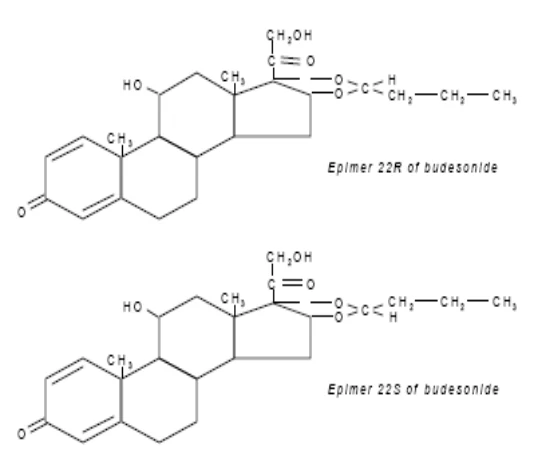
Chemical name: (RS)-11β, 16α, 17,21 tetrahydroxypregna-1,4-diene-3,20-dione cyclic 16,17-acetal with butyraldehyde.
Budesonide is a mixture of two epimeric forms, epimer A (C-22S) and epimer B (C-22R)
Molecular formula: C25H34O6
Molecular mass: 430.5.
Structural formula:
Physicochemical properties: white to off-white, tasteless, odorless powder that is practically insoluble in water, sparingly soluble in alcohol, and freely soluble in chloroform.
CLINICAL TRIALS
Study design and patients demographics
Two similarly-designed, randomized, double-blind, placebo-controlled 8-week studies (CORE I and CORE II) were conducted in a total of 970 adult patients with active, mild to moderate ulcerative colitis (UC) with Ulcerative Colitis Disease Activity Index (UCDAI) of ≥ 4 and ≤ 10. UCDAI is a four-component scale (total score of 0 to 12) that encompasses the clinical assessments of stool frequency, rectal bleeding, mucosal appearance and physician’s rating of disease activity (score of 0 to 3 for each of the components). Patients with limited distal proctitis (up to 15 cm above the pectineal line) and / or infectious colitis were excluded. A total of 899 of CORE I and CORE II patients had histology consistent with active UC.
Both studies compared CORTIMENT 9 mg and 6 mg with placebo and included an active reference arm (mesalamine 2.4 g daily in Study 1, and another budesonide formulation [9 mg daily] in Study 2). The primary endpoint was induction of remission after 8 weeks of treatment. Remission was defined as a UCDAI ≤ 1, with subscores of 0 for rectal bleeding, stool frequency, and mucosal appearance (no evidence of mucosal friability), and with a ≥ 1 point reduction in an endoscopy-only score.
In total in these studies, 232 patients were treated with CORTIMENT 9 mg, 230 patients with CORTIMENT 6 mg, and 210 patients with placebo.
Study results
Overall, 56% to 57% of patients were male, and the median age was 42 to 44 years. In study CORE I, 50% of patients were Caucasian, 7% were African American, and 34% were Asian. In study CORE II, more than 99% were Caucasian. The baseline median UCDAI score in both studies was 7. The completion rate was 71% in study CORE I, and 66% in study CORE II.
In both CORE I and CORE II, the proportion of patients achieving clinical remission in patients treated with CORTIMENT 9 mg was statistically significantly higher as compared to patients treated with placebo (See Table 3). Therefore, in both studies CORTIMENT 9 mg tablets demonstrated superiority for induction of remission at week 8 when compared to placebo
.
| Table 3. Induction of Remission in Studies 1 (CORE I) and 2 (CORE II) | ||
| Treatment Group | Study CORE I n/N (%) | Study CORE II n/N (%) |
| CORTIMENT 9 mg | 22/123 (17.9) | 19/109 (17.4) |
| CORTIMENT 6 mg | 16/121 (13.2) | 9/109 (8.3) |
| Placebo | 9/121 (7.4) | 4/89 (4.5) |
| Difference between CORTIMENT 9 mg and Placebo (95% Confidence Interval) | 10.4% (2.2%, 18.7%) p-value = 0.0143 | 12.9% (4.6%, 21.3%) p-value = 0.0047 |
Remission is defined as a UCDAI score of ≤ 1, with subscores of 0 for rectal bleeding, stool frequency, and mucosal appearance and with a ≥ 1 point reduction in an endoscopy-only score.2
The primary analysis population included only patients that had histology consistent with active UC at baseline.
TOXICOLOGY
Preclinical data have shown that budesonide produces effects possibly similar to other glucocorticoids, such as weight increase, atrophy of the adrenal glands and thymus and effects on the leucocyte count. As with other glucocorticosteroids, and dependent on the dose and duration and the diseases concerned, these steroid effects may also be relevant in man.
In a 28-day study, Cynomolgus monkeys were administered 18 mg daily per oral (p.o.) of either budesonide MMX or another oral budesonide formulation (ENTOCORT®). There was no significant clinical toxicity related to the drugs. A few animals showed smaller relative weights of thymus glands with corresponding microscopic signs, and smaller adrenal gland weights but without corresponding microscopic alterations. Morning cortisol blood levels were not significantly altered.
The following information is based on studies performed for another formulation of budesonide.
(ENTOCORT®).
Acute and repeated-dose toxicology
The LD50 at 3 weeks after budesonide administered per oral (p.o.) was approximately 400 mg/kg in the male rat, and ≥800 mg/kg the mouse. Surviving animals had a marked decrease in body weight gain.
In a 4-week study in the rat using budesonide p.o., adrenal gland atrophy, lymphoid system atrophy and gastric ulcerations were noted in the rat. In Beagle dogs, typical steroid effects were noted at the 1 mg/kg/day dose p.o. administered for 4 weeks (adrenal and lymphoid system atrophy, increased fat in myocardium, and glycogen in liver).
In a 4-week study in the Cynomolgus Monkey, no significant toxic effect attributable to treatment was noted up to 1 mg/kg/day.
In a 6-month study in the Cynomolgus monkey, body weight change, and slightly reduced cortisol levels were reported at the 0.5 and 2mg/kg dose. At the 5 mg/day dose, the following was reported: slightly higher liver and lower adrenal weight, and elevated glucose levels in females, and elevated plasma protein and reduced cellularity in males.
Teratology & Reproductive toxicology
Daily doses of 500 μg/kg body mass administered subcutaneously to pregnant rats during days 6-15 of gestation was associated with deteriorated general condition (piloerection, drowsiness, decreased food consumption and body mass gain), some fetal loss, decreased pup masses, and increase in fetal abnormalities. Subcutaneous doses in excess of 100 μg/kg must be considered teratogenic in the rat.
In another study, daily doses of 0.01, 0.05 and 0.1 - 0.25 mg/kg administered by inhalation to pregnant rats during days 6-15 of gestation, showed some reduction in fetal weight gain at the highest dose, but there was no evidence of any effect on fetal development attributable to budesonide at any dose level.
Daily doses of 5, 25, and 125 μg/kg administered subcutaneously to rabbits, during days 6-18 of gestation, revealed a decrease in food consumption and body mass gain during the fourth gestational week in the low and medium dose groups. In the high dose group, all does aborted at the end of the gestation period. In the medium dose group, a marked increase in the frequency of abnormalities, mainly skeletal was observed (mostly skull and vertebral abnormalities).
Fertility & reproductive performance
Daily doses of 0.01, 0.05, 0.19 μmol/kg were given subcutaneously to male rats for 9 weeks and to female rats for two weeks before gestation and up to 21 days postpartum. No significant effect on fertility in rats was reported. The offspring of the high dose group showed a decrease of peri- and post-natal viability. Dams showed a decrease in body mass gain.
Mutagenicity studies
Budesonide had no mutagenic effects in a number of in vitro and in vivo tests (including in the Ames Salmonella/microsome plate test and in the mouse micronucleus test).
Carcinogenicity studies
A 21-month study in mice dosed up to 200 ug/kg/day per oral (p.o.) revealed no carcinogenic findings related to budesonide.
A 24-month study in S-D rats which were administered budesonide 10, 25 and 50 μg/kg/day p.o showed a small (statistically significant) increase in the number of gliomas in males of the high dose group, as well as an increased incidence of liver tumours in the mid- and high-dose groups.
However, such increase in gliomas was not reported in two additional 24-month carcinogenicity studies (one study in S-D rats, and one in Fisher rats) in any of the budesonide group (or the prednisone or triamcinolone acetonide control groups). Furthermore, an increased incidence of liver tumours was also noted in male S-D rats (i.e., the second 24-month) in all three steroid groups (budesonide, prednisolone, triamcinolone acetonide), thus indicating a class effect of glucocorticosteroids.
REFERENCES
- 1. Ardizzone S, Cassinotti A, Duca P, Mazzali C, Penati C, Manes G, Marmo R, Massari A, Molteni P, Maconi G, Porro GB. Mucosal healing predicts late outcomes after the first course of corticosteroids for newly diagnosed ulcerative colitis. Clinical Gastroenterology and Hepatology 2011;9:483- 489.
2 CHMP (2008). Guideline on the Development of New Medicinal Products for the Treatment of Ulcerative Colitis. EMA London
- 3. D’Haens G. et al. A review of activity indices and efficacy endpoints for clinical trials of medical therapy in adults with ulcerative colitis. Gastroenterology 2007:132; 763-786.
- 4. Jafri, S., & Paricha, P. (2010). Chapter 39 Agents Used for Diarrhea, Constipation and Inflammatory Bowel Disease. In Hardman J., &. JE L, Goodman and Gilman's the Pharmaological Basis of Therapeutics. London: McGraw Hill.
- 5. Sandborn, W. (2010). Chapter 28 Therapeutic Approaches to the Treatment of Ulcerative Colitis. In Taragan S., Shanahan F., & Karp L., Inflammatory Bowel Disease Translating Basic Science into Clinical Practice. London: Wiley-Blackwell.
- 6. Sandborn, W. J., Travis S., Moro Luigi., Jones Richard., Gautille Theres., Bagin Robert., Huang Michael., Yeung Phil., Ballard David. Once-Daily Budesonide MMX® Extended -Release Tablets Induce Remission in Patients with Mild to Moderate Ulcerative Colitis: Results from CORE I Study. Gastroenterology, 2012;143:1218-1226.
- 7. Sweetman, S. (2010, May). The Complete Drug Reference Online.
Retrieved from www.medicinescomplete.com CORTIMENT ®MMX
- 8. Travis S.P.L., Danese S., Kupcinskas L., Alexeeva O.,D’Haens G., Gibson P., Moro L., Jones R., Ballard D., Masure J., Rossini M., Sandborn W.J. Once-daily budesonide MMX in active, mild to moderate ulcerative colitis: results from randomised CORE II study. Gut 2014;63:433-441.
- 9. Product Monograph of ENTOCORT® (budesonide controlled ileal release capsules 3 mg). Astra Zeneca Canada Inc. February 17, 2015.