


Product Monograph - Entocort
RECENT MAJOR LABEL CHANGES
| WARNINGS AND PRECAUTIONS, Hypersensitivity | 03/2023 |
|---|
TABLE OF CONTENTS
Sections or subsections that are not applicable at the time of authorization are not listed.
RECENT MAJOR LABEL CHANGES ........................................................................................... 2
TABLE OF CONTENTS ............................................................................................................. 2
PART I: HEALTH PROFESSIONAL INFORMATION ..................................................................... 4
1 INDICATIONS .............................................................................................................. 4
1.1 Pediatrics ................................................................................................................... 4
1.2 Geriatrics ................................................................................................................... 4
2 CONTRAINDICATIONS ................................................................................................. 4
4 DOSAGE AND ADMINISTRATION ................................................................................. 4
4.1 Dosing Considerations .............................................................................................. 4
4.2 Recommended Dose and Dosage Adjustment ......................................................... 4
4.4 Administration .......................................................................................................... 5
4.5 Missed Dose .............................................................................................................. 5
5 OVERDOSAGE ............................................................................................................. 5
6 DOSAGE FORMS, STRENGTHS, COMPOSITION AND PACKAGING ................................. 6
7 WARNINGS AND PRECAUTIONS .................................................................................. 6
7.1 Special Populations ................................................................................................... 9
7.1.1 Pregnant Women ................................................................................................ 9
7.1.2 Breast-feeding ..................................................................................................... 9
7.1.3 Pediatrics ............................................................................................................. 9
7.1.4 Geriatrics ............................................................................................................. 9
8 ADVERSE REACTIONS.................................................................................................. 9
8.1 Adverse Reaction Overview ...................................................................................... 9
8.2 Clinical Trial Adverse Reactions .............................................................................. 10
8.3 Less Common Clinical Trial Adverse Reactions ....................................................... 12
8.4 Abnormal Laboratory Findings: Hematologic, Clinical Chemistry and Other Quantitative Data .............................................................................................................. 12
8.5 Post-Market Adverse Reactions .............................................................................. 12
9 DRUG INTERACTIONS ............................................................................................... 12
9.2 Drug Interactions Overview .................................................................................... 12
9.3 Drug Behavioural Interactions ................................................................................ 12
9.4 Drug-Drug Interactions ........................................................................................... 12
9.5 Drug-Food Interactions ........................................................................................... 13
9.6 Drug-Herb Interactions ........................................................................................... 13
9.7 Drug-Laboratory Test Interactions.......................................................................... 13
10 CLINICAL PHARMACOLOGY ....................................................................................... 13
10.1 Mechanism of Action ........................................................................................ 13
10.2 Pharmacodynamics ........................................................................................... 14
10.3 Pharmacokinetics .............................................................................................. 14
11 STORAGE, STABILITY AND DISPOSAL ......................................................................... 16
12 SPECIAL HANDLING INSTRUCTIONS ........................................................................... 16
PART II: SCIENTIFIC INFORMATION ...................................................................................... 17
13 PHARMACEUTICAL INFORMATION ........................................................................... 17
14 CLINICAL TRIALS ....................................................................................................... 18
14.1 Clinical Trials by Indication ............................................................................... 18
Treatment of Mild to Moderate Active Crohn's Disease .................................................. 18
Maintenance of Clinical Remission of Mild to Moderate Crohn’s Disease ...................... 19
14.2 Comparative Bioavailability Studies ................................................................. 20
15 MICROBIOLOGY ....................................................................................................... 20
16 NON-CLINICAL TOXICOLOGY ..................................................................................... 20
PART I: HEALTH PROFESSIONAL INFORMATION
1 INDICATIONS
ENTOCORT (budesonide controlled ileal release capsules) are indicated for:
- the treatment of mild to moderate active Crohn's disease involving the ileum and/or the ascending colon and
- the maintenance of clinical remission of mild to moderate Crohn’s disease involving the ileum and/or the ascending colon for up to 3 months.
1.1 Pediatrics
Pediatrics (<18 years of age): No data are available to Health Canada; therefore, Health Canada has not authorized an indication for pediatric use (see 7.1.3 Pediatrics).
1.2 Geriatrics
Geriatrics: ENTOCORT has not been adequately studied in elderly subjects ≥ 65 years of age (see 7.1.4 Geriatrics).
2 CONTRAINDICATIONS
ENTOCORT is contraindicated for the following:
- Systemic or local bacterial, fungal or viral infections.
- In patients who are hypersensitive to this drug or to any ingredient in the formulation, including any non-medicinal ingredient, or component of the container. For a complete listing, see 6 DOSAGE FORMS, STRENGTHS, COMPOSITION AND PACKAGING.
- Active tuberculosis.
4 DOSAGE AND ADMINISTRATION
4.1 Dosing Considerations
- Particular care is needed in patients who are transferred from systemic glucocorticosteroid treatment with higher systemic effect to ENTOCORT.
- When ENTOCORT is used to replace prednisolone in steroid dependent patients, the daily dose should not exceed 6 mg.
- When treatment with ENTOCORT is initiated, the prednisolone dose should be tapered, as these patients may experience adrenal cortical suppression. Therefore, monitoring of adrenocortical function may be considered in these patients.
4.2 Recommended Dose and Dosage Adjustment
Active Disease
The recommended daily dose for induction of remission is 9 mg, administered once daily in the morning, for up to 8 weeks. The dose should be taken before meals. Full effect is usually achieved within 2 - 4 weeks.
Maintenance of Remission
Following an 8 week course of treatment for the active disease and once the patient’s symptoms are controlled (Crohn’s Disease Activity Index [CDAI]<150), ENTOCORT 6 mg is recommended, administered daily in the morning before breakfast, for maintenance of clinical remission up to 3 months. If symptom control is still maintained at 3 months, an attempt to taper to complete cessation is recommended. The rate of tapering should be patient-specific and the patient should be monitored by the treating physician during this period. Continued treatment with ENTOCORT 6 mg for more than 3 months has not been shown to provide substantial clinical benefit.
Health Canada has not authorized an indication for pediatric use (see 7.1.3 Pediatrics).
4.4 Administration
The capsules should be swallowed whole with water, and not chewed, broken or crushed before being swallowed. ENTOCORT should be taken before meals.
4.5 Missed Dose
If a dose of ENTOCORT is missed, patients should be instructed not to take a double dose of ENTOCORT to make up for missed doses but to take the next dose on time.
5 OVERDOSAGE
Reports of acute toxicity and/or death following overdosage with glucocorticosteroids are rare. Thus, acute overdosage with ENTOCORT, even in excessive doses, is not expected to be a clinical problem. In the event of acute overdosage, no specific antidote is available.
Acute overdosing will not give any obvious symptoms in most cases but it will decrease the plasma cortisol level and increase the number and percentage of circulating neutrophils. The number and percentage of eosinophils will decrease concurrently. Stopping the treatment or decreasing the dose will abolish the induced effects.
Habitual overdosing may cause hypercorticism and hypothalamic-pituitary-adrenal (HPA)-suppression. Decreasing the dose or stopping the therapy, with the accepted procedures for discontinuing prolonged oral therapy with systemic steroids, will abolish these effects, although the restitution of the HPA-axis may be a slow process and during periods with pronounced physical stress (severe infections, trauma, surgical operations, etc.) it may be advisable to supplement with conventional systemic steroids.
In case of chronic overdosage, which may cause HPA-suppression or other adverse effects, it may be needed to discontinue the treatment (with appropriate tapering procedure). However, if the condition being treated with corticosteroids is severe and/or serious, requiring continuous steroids treatment, decreasing the dose temporarily may be needed.
| For management of a suspected drug overdose, contact your regional poison control centre. |
|---|
6 DOSAGE FORMS, STRENGTHS, COMPOSITION AND PACKAGING
Table 1 – Dosage Forms, Strengths, Composition and Packaging
ENTOCORT 3 mg capsules are two-piece hard gelatin capsules with an opaque light grey body and an opaque pink cap. The cap has CIR/3 mg in black radial print.
ENTOCORT 3 mg capsules are provided in a high density polyethylene bottle of 100 capsules or 20 capsules each.
7 WARNINGS AND PRECAUTIONS
General
Although treatment with ENTOCORT causes significantly less lowering of plasma cortisol compared to conventional glucocorticosteroids, the knowledge with regard to treatment during the following conditions is limited and therefore cautioned: active peptic ulcer, osteoporosis, acute glomerulonephritis, myasthenia gravis, exanthematous diseases, diverticulitis, thrombophlebitis, psychic disturbances, diabetes, hypertension, hyperthyroidism, acute coronary disease, limited cardiac reserve and pregnancy. In such cases the benefits of an oral glucocorticosteroid must be weighed against the risks.
With the recommended therapeutic doses of budesonide, the risk/benefit ratio seems to be low for the long-term systemic effects. However, as with any other glucocorticosteroid, patients should be carefully followed up for systemic adverse effects. During long-term therapy, adrenal function and hematological status should be periodically assessed.
Patients should be advised to inform subsequent physicians of the prior use of glucocorticosteroids.
Co-administration with CYP3A inhibitors
In vivo studies in male subjects, have shown that oral administration of ketoconazole (a known inhibitor of CYP3A activity in the liver and in the intestinal mucosa, see 9.4 Drug-Drug Interactions) caused a four to seven fold increase of the systemic exposure to oral budesonide. If treatment with CYP3A inhibitors, including ketoconazole and cobicistat-containing products (and possibly other azoles such as fluconazole, itraconazole or miconazole) together with budesonide is indicated, reduction of the budesonide dose should be considered if side effects typical of systemic glucocorticosteroids occur. If this is not possible, the period between treatments should be as long as possible (see 9.4 Drug-Drug Interactions).
| Route of Administration | Dosage Form / Strength/Composition | Non-medicinal Ingredients |
| Oral use | Capsule (sustained-release), 3 mg | Acetyltributyl citrate, Ethyl cellulose, Gelatin, Iron oxide, Methacrylic acid and Ethyl acrylate copolymer, Polysorbate 80, Silicon dioxide, Simethicone (Antifoam M), Sodium lauryl sulphate, Sucrose and Starch, Corn (Sugar Spheres), Talc, Titanium dioxide, Triethyl citrate |
As with other drugs primarily being metabolized through CYP3A, regular ingestion of grapefruit or its juice, should be avoided in connection with budesonide administration (other juices such as orange juice or apple juice do not inhibit CYP3A). See 9.5 Drug-Food Interactions.
Carcinogenesis and Mutagenesis
Budesonide, evaluated in six different test systems, did not show any mutagenic or clastogenic effects.
An increased incidence of brain gliomas observed in male rats could not be verified in a repeat carcinogenicity study. Liver changes (primary hepatocellular neoplasms) found in male rats were observed with budesonide as well as other glucocorticosteroids. Available clinical experience shows no indication that budesonide or other glucocorticosteroids induce brain gliomas or primary hepatocellular neoplasms in man.
See 16 NON-CLINICAL TOXICOLOGY.
Dependence/Tolerance
Some patients feel unwell in a non-specific way during the withdrawal phase, e.g. pain in muscles and joints. A general insufficient glucocorticosteroid effect should be suspected if, in rare cases, symptoms such as tiredness, headache, nausea and vomiting may occur. In these cases, a temporary increase in the dose of systemic glucocorticosteroids is sometimes necessary.
Endocrine and Metabolism
Glucocorticoids may cause suppression of the HPA axis and reduce the stress response. Where patients are subject to surgery or other stresses, supplementary systemic glucocorticoid treatment is recommended.
Systemic effects of steroids may occur, particularly when prescribed at high doses and for prolonged periods. Such effects may include Cushing's syndrome, adrenal suppression, growth retardation, decreased bone mineral density, cataract, glaucoma and very rarely a wide range of psychiatric/behavioral effects (see 8 ADVERSE REACTIONS).
Particular care is needed in patients who are transferred from a glucocorticosteroid treatment with higher systemic effect (e.g., prednisolone). Tapering of the dose of such conventional therapy when treatment with ENTOCORT is initiated and monitoring of adrenocortical function may be needed in these patients. Some patients feel unwell during withdrawal (e.g., pain in muscles and joints), or experience flare up of allergies previously controlled by the conventional systemic corticosteroid drug. A general insufficient glucocorticosteroid effect should be suspected if, in rare cases, symptoms such as tiredness, headache, nausea and vomiting occur. In these cases, a temporary adjustment in the dose of systemic glucocorticosteroids may sometimes be necessary.
Gastrointestinal
Glucocorticosteroids should be used with caution in patients if there is a probability of bowel perforation as well as the probability of obstruction, abscess or other pyogenic infection and fresh intestinal anastomoses.
Glucocorticosteroid therapy may cause hyperacidity of peptic ulcer.
Hematologic
Acetylsalicylic acid should be used cautiously in conjunction with glucocorticosteroids in hypoprothrombinemia (see 9.4 Drug-Drug Interactions).
Hepatic/Biliary/Pancreatic
There may be an enhanced systemic effect of budesonide in patients with liver cirrhosis since the metabolism of budesonide may be impaired and, as with other glucocorticosteroids, there may be enhanced effects in those with hypothyroidism. Reduced liver function may affect the elimination of corticosteroids. The intravenous pharmacokinetics of budesonide are, however, similar in cirrhotic patients and in healthy subjects. The pharmacokinetics after oral ingestion of budesonide were affected by compromised liver function as evidenced by increased systemic availability.
Hypersensitivity
Allergic reactions, including life-threatening reactions, have been reported with the use of budesonide (see 8.5 Post-Market Adverse Reactions). ENTOCORT should be discontinued if allergic reactions are experienced (see 2 CONTRAINDICATIONS).
Immune
Glucocorticosteroids may mask some signs of infections and new infections may appear. A decreased resistance to localized infection has been observed during glucocorticosteroid therapy. Viral infections such as chicken pox and measles can have a more serious or fatal course in patients on immunosuppressant glucocorticosteroids. In adults who have not had these diseases, particular care should be taken to avoid exposure. If exposed to chicken pox or measles, therapy with varicella zoster immune globulin (VZIG) or pooled intravenous immunoglobulin (IVIG), as appropriate, may be indicated. If chicken pox develops, treatment with antiviral agents may be considered.
Replacement of systemic glucocorticosteroid treatment with higher systemic effect by ENTOCORT sometimes unmasks allergies e.g. rhinitis and eczema, which were previously controlled by the systemic drug (see 4.1 Dosing Considerations).
Monitoring and Laboratory Tests
Because adrenal function may be suppressed, an ACTH stimulation test for diagnosing pituitary insufficiency might show false results (low values).
Ophthalmologic
Visual disturbance may be reported with systemic and topical corticosteroid use. If a patient presents with symptoms such as blurred vision or other visual disturbances, the patient should be considered for referral to an ophthalmologist for evaluation of possible causes which, may include cataract, glaucoma or rare diseases such as central serous chorioretinopathy (CSCR) which have been reported after use of systemic and topical corticosteroids.
Glucocorticosteroids may cause elevation of intraocular pressure in glaucoma patients.
Peri-Operative Considerations
In situations where patients are subject to surgery or other stress situations, supplementation with a conventional glucocorticosteroid is recommended.
Reproductive Health: Female and Male Potential
- Sexual Function/Reproduction
There are no data on the effect of ENTOCORT on fertility in humans. There were no effects on fertility in rats after treatment with budesonide.
7.1 Special Populations
7.1.1 Pregnant Women
Administration of ENTOCORT during pregnancy should be avoided unless there are compelling reasons. In experimental animal studies, budesonide was found to cross the placental barrier. Like other glucocorticosteroids, budesonide is teratogenic to rodent species. High doses of budesonide administered subcutaneously produced fetal malformations, primarily skeletal defects, in rabbits, rats, and in mice. The relevance of these findings to humans has not yet been established. In the absence of further studies in humans, budesonide should be used during pregnancy only if the potential benefits clearly outweigh the risk to the fetus. Infants born of mothers who have received substantial doses of glucocorticosteroids during pregnancy should be carefully observed for hypoadrenalism.
7.1.2 Breast-feeding
Budesonide is excreted in breast milk. However, based on data from inhaled budesonide, at therapeutic doses of ENTOCORT, exposure to the infant is anticipated to be low. The use of ENTOCORT in nursing mothers requires that the possible benefits of the drug be weighed against the potential hazards to the mother, or infant.
7.1.3 Pediatrics
Pediatrics (<18 years of age): No data are available to Health Canada; therefore, Health Canada has not authorized an indication for pediatric use.
7.1.4 Geriatrics
Although clinical studies included a number of patients over the age of 65, no clinical trials specifically designed for elderly patients have been performed. No overall differences in effectiveness were observed between geriatric patients and younger patients.
8 ADVERSE REACTIONS
8.1 Adverse Reaction Overview
Known corticosteroid-related systemic adverse effects include, but are not limited to, hypercorticism, adrenal suppression, immunosuppression, decreased bone mineral density, cataract, glaucoma, growth retardation, and rarely psychiatric/behavioral effects. These side effects often depend on the dosage, and duration of treatment (see 7 WARNINGS AND PRECAUTIONS).
8.2 Clinical Trial Adverse Reactions
Clinical trials are conducted under very specific conditions. The adverse reaction rates observed in the clinical trials, therefore, may not reflect the rates observed in practice and should not be compared to the rates in the clinical trials of another drug. Adverse reaction information from clinical trials may be useful in identifying and approximating rates of adverse drug reactions in real-world use.
In clinical trials, most adverse events experienced by patients or healthy volunteers receiving ENTOCORT were of mild to moderate intensity and were classified as non-serious. A total of 577 patients with Crohn's disease were treated with ENTOCORT for induction and maintenance of remission in controlled clinical trials.
Adverse events reported in patients during induction of remission with ENTOCORT (n=399) are presented in Table 2. Results presented are pooled data from 3 randomized, double-blind, parallel group studies in patients with mild to moderate active Crohn’s disease of the ileum and/or ascending colon. Study 1 (n=258) was a placebo-controlled study, in which an oral dose of ENTOCORT was administered twice daily for up to 8 weeks. Studies 2 and 3 (n=176 and 177, respectively) were comparator-controlled studies, in which ENTOCORT was administered twice daily, or once in the morning for up to 12 weeks (see 14.1 Clinical Trials by Indication, Treatment of Mild to Moderate Active Crohn’s Disease). A similar adverse event profile was reported in patients during 3 long term (up to 12 months) maintenance treatment studies in which 270 patients were randomized and treated once daily with 3 mg or 6 mg ENTOCORT (n=178) or placebo (n=88) (Table 3) (see 14.1 Clinical Trials by Indication, Maintenance of Clinical Remission of Mild to Moderate Crohn’s Disease. The nature and incidence of adverse events was generally the same or less than observed during treatment for induction of remission.
Side effects typical of systemic glucocorticosteroids (such as Cushingoid features and reduced growth velocity) may occur. The systemic effects of budesonide on the HPA-axis were found to be dose-dependent. Effects can also be dependent on treatment time, concomitant and previous glucocorticosteroid intake and individual sensitivity.
Table 2 – Adverse Events reported under treatment with Study Drug occurring in ≥5% of Subjects versus other treatments in studies of induction of remission of Crohn`s disease
| Adverse Event | ENTOCORT N = 399 n (%) | Placebo N = 66 n (%) | Prednisolone N = 145 n (%) | ||||||
|---|---|---|---|---|---|---|---|---|---|
| Gastrointestinal disorders | |||||||||
| Nausea | 53 (13) | 5 (8) | 18 (12) | ||||||
| Dyspepsia | 34 (9) | 2 (3) | 17 (12) | ||||||
| Flatulence | 27 (7) | 4 (6) | 12 (8) | ||||||
| Vomiting | 27 (7) | 5 (8) | 6 (4) | ||||||
| Abdominal pain | 25 (6) | 7 (11) | 6 (4) | ||||||
| Melena | 19 (5) | 4 (6) | 10 (7) | ||||||
| General disorders | |||||||||
| Back pain | 42 (11) | 6 (9) | 17 (12) | ||||||
| Fatigue | 30 (8) | 5 (8) | 11 (8) | ||||||
| Pain | 28 (7) | 6 (9) | 17 (12) | ||||||
| Nervous system disorders | |||||||||
| Headache | 104 (26) | 14 (21) | 31 (21) | ||||||
| Dizziness | 29 (7) | 4 (6) | 18 (12) | ||||||
| Adverse Event | ENTOCORT N = 399 n (%) | Placebo N = 66 n (%) | Prednisolone N = 145 n (%) | |||||||
|---|---|---|---|---|---|---|---|---|---|---|
| Metabolism and nutrition disorders | ||||||||||
| Cushing syndrome | 113 (28) | 16 (24) | 69 (48) | |||||||
| Respiratory system disorders | ||||||||||
| Respiratory infection | 58 (15) | 6 (9) | 20 (14) | |||||||
| Pharyngitis | 20 (5) | 3 (5) | 7 (5) | |||||||
| Psychiatric disorders | ||||||||||
| Insomnia | 31 (8) | 3 (5) | 16 (11) | |||||||
| Skin and subcutaneous tissue disorders | ||||||||||
| Rash | 19 (6) | 4 (6) | 4 (3) | |||||||
| Musculoskeletal and connective tissue disorders | ||||||||||
| Arthralgia | 20 (5) | 4 (6) | 6 (4) | |||||||
| Muscle cramps | 16 (4) | 0 | 10 (7) | |||||||
| Cardiac disorders | ||||||||||
| Palpitations | 8 (2) | 0 | 12 (8) | |||||||
Table 3 – Adverse Events reported under treatment with Study Drug occurring in ≥5% of Subjects in studies of maintenance treatment of Crohn`s disease
| Adverse Event | ENTOCORT N= 178 n (%) | Placebo N = 88 n (%) | ||||
|---|---|---|---|---|---|---|
| Gastrointestinal disorders | ||||||
| Abdominal pain | 17 (10) | 11 (13) | ||||
| Nausea | 10 (6) | 2 (2) | ||||
| Dyspepsia | 12 (7) | 4 (5) | ||||
| Flatulence | 9 (5) | 4 (5) | ||||
| Metabolism and nutrition disorders | ||||||
| Cushing syndrome | 49 (28) | 9 (10) | ||||
| General disorders | ||||||
| Back pain | 13 (7) | 2 (2) | ||||
| Pain | 11 (6) | 3 (3) | ||||
| Fatigue | 9 (5) | 4 (5) | ||||
| Respiratory system disorders | ||||||
| Respiratory infection | 16 (9) | 5 (6) | ||||
| Nervous system disorders | ||||||
| Headache | 19 (11) | 5 (6) | ||||
| Musculoskeletal and connective tissue disorders | ||||||
| Arthralgia | 12 (7) | 1 (1) | ||||
| Infections and infestations | ||||||
| Viral infection | 11 (6) | 4 (5) | ||||
8.3 Less Common Clinical Trial Adverse Reactions
Eye disorders: Vision abnormal
Nervous system disorders: Depression
Reproductive system and breast disorders: Menstrual disorder
Skin and subcutaneous tissue disorders: Rash
8.4 Abnormal Laboratory Findings: Hematologic, Clinical Chemistry and Other Quantitative Data
None have been identified.
8.5 Post-Market Adverse Reactions
In addition to the adverse events reported above in the clinical trials, the following adverse events have been reported in literature reports, or foreign and domestic marketing experience with ENTOCORT or other products that contain or are metabolized to budesonide. Because many of these events were reported voluntarily from a population of unknown size, estimates of frequency cannot be made. The relationship of the reported events to ENTOCORT is unclear.
General disorders and administrative site conditions: Peripheral edema
Immune system disorders: Anaphylactic and all other allergic reactions (angioedema, Quincke edema, exanthema, urticaria)
Other side effects that have been reported include hypokalemia, tremor, psychomotor hyperactivity, ecchymosis, cataract including subcapsular cataract and behavioural changes such as nervousness, insomnia, anxiety, aggression and mood swings (see 9.3 Drug-Behavioural Interactions).
Most of the adverse events mentioned in this product monograph can also be expected for other treatments with glucocorticoids.
9 DRUG INTERACTIONS
9.2 Drug Interactions Overview
To date, budesonide has not been observed to interact with other drugs used for the treatment of inflammatory bowel diseases.
CYP3A4 inhibitors can markedly increase the plasma concentration of budesonide, therefore, concomitant use should be avoided, unless absolutely necessary. Estrogens or oral contraceptives may also increase budesonide plasma concentration.
9.3 Drug Behavioural Interactions
Behavioural changes such as nervousness, insomnia, anxiety, aggression and mood swings have been reported.
9.4 Drug-Drug Interactions
Oral Contraceptives
Elevated plasma levels and enhanced effects of corticosteroids have been reported in women also receiving estrogens or oral contraceptives. However, a low-dose combination
(ethinylestradiol/desogestrel: 30 mcg/150 mcg) oral contraceptive that more than doubled the plasma concentration of oral prednisolone, had no significant effect on the plasma concentration of oral budesonide.
CYP3A4 Inhibitors: The metabolism of budesonide is primarily mediated by CYP3A4, an isozyme of cytochrome P450. Inhibition of this enzyme by e.g. ketoconazole and cobicistat-containing products (and possibly other azoles such as fluconazole, itraconazole or miconazole), cyclosporin, troleandomycin, erythromycin or grapefruit juice can therefore increase the systemic exposure to budesonide (see 7 WARNINGS AND PRECAUTIONS, General, Co-administration with CYP3A inhibitors).
Cimetidine
The kinetics of budesonide were investigated in healthy subjects without and with cimetidine, 1000 mg daily. After a 4 mg oral dose the values of Cmax (nmol/L) and systemic availability (%) of budesonide without and with cimetidine (3.3 vs 5.1 nmol/L and 10 vs 12%, respectively) indicated a slight inhibitory effect on hepatic metabolism of budesonide, caused by cimetidine. This should be of little clinical importance.
Ketoconazole
Ketoconazole, a potent inhibitor of CYP3A, the main metabolic enzyme for corticosteroids, increases plasma levels of orally ingested budesonide.
Omeprazole
At recommended doses, omeprazole has no effect on the pharmacokinetics of oral budesonide.
9.5 Drug-Food Interactions
Grapefruit juice inhibits CYP3A activity predominantly in the intestinal mucosa.
After extensive intake of grapefruit juice, the systemic exposure for oral budesonide increased approximately 2-fold (see 7 WARNINGS AND PRECAUTIONS, General, Co-administration with CYP3A inhibitors).
9.6 Drug-Herb Interactions
Interactions with herbal products have not been established.
9.7 Drug-Laboratory Test Interactions
Interactions with laboratory tests have not been established.
10 CLINICAL PHARMACOLOGY
10.1 Mechanism of Action
The exact mechanism of action of glucocorticosteroids in the treatment of Crohn’s disease is not fully understood. Anti-inflammatory actions, such as the inhibition of inflammatory mediator release and inhibition of immunological cellular responses, are probably important.
The pathogenesis of Inflammatory Bowel Disease in general, and of Crohn’s Disease (CD) in particular is not known. However, inflammatory immune responses are probably prominent features. Glucocorticosteroid drugs have the potential to interact with many aspects of this response, as they have a wide range of inhibitory activities against multiple cell types and mediators. Of importance in CD is probably the blocking of inflammatory cell influx, the inhibition of inflammatory mediator release by blockage of the arachidonic acid pathway, and the blocking of cytokine-mediated immune events.
10.2 Pharmacodynamics
The active ingredient of ENTOCORT, budesonide, is a potent non-halogenated synthetic glucocorticosteroid with high topical potency and weak systemic effects. Data from clinical pharmacology studies and controlled clinical trials indicate that ENTOCORT, at least partly, act topically.
The favourable separation between topical anti-inflammatory and systemic effect is due to strong glucocorticosteroid receptor affinity and an effective first pass metabolism by the liver with a short half-life. A glucocorticosteroid with such a profile is of particular importance for the local treatment of inflammatory bowel diseases such as Crohn’s disease. With regard to treatment of this disease with glucocorticosteroids, it is essential to achieve a high local anti-inflammatory activity in the bowel wall with systemic side-effects, e.g. on the HPA axis function, as low as possible.
The intrinsic potency of budesonide, measured as the affinity to the glucocorticoid receptor, is about 15 times higher than that of prednisolone. Clinical pharmacology and clinical data strongly indicate that budesonide capsules, at least partly, act topically.
Patients with inflammatory bowel disease have been found to have a reduced bone mineral density (BMD). A two-year multicentre, open, randomized trial in 272 patients was conducted to compare the influence of treatment with budesonide capsules or prednisolone on BMD in subjects with Crohn’s disease affecting the ileum and/or the ascending colon. Steroid-naïve patients lost significantly less BMD with budesonide than with prednisolone. Treatment with budesonide (as needed up to 9 mg/day) or prednisolone (as needed up to 40 mg/day) in this study were both found to be safe and generally well tolerated. However, subjects treated with budesonide experienced significantly less glucocorticosteroid side effects than subjects treated with prednisolone.
Effect on Hematological Parameters
Glucocorticosteroids increase blood neutrophils and decrease blood basophils, eosinophils and lymphocytes within 4 to 6 hours after administration to healthy volunteers. These effects are due to a transient redistribution of cells, with the values returning to normal within 24 hours. Treatment with budesonide capsules in daily doses of 3 to 15 mg for 8 weeks, and 3 to 6 mg for up to 1 year, affect circulating cells and systemic inflammatory markers (C-reactive protein and orosomucoid) to a very small extent.
10.3 Pharmacokinetics
Table 4 – Summary of clinical pharmacokinetic in fasted healthy subjects and patients treated with 9 mg oral ENTOCORT
AUC (nmol・h/L) | Cmax (nmol/L) | tmax (h) | T ½ (h) | Vd (L/kg) | CL (L/min) | |
|---|---|---|---|---|---|---|
| Healthy adults | 30.8 | 4.88 | 3.2 | 4 | 3 (2.2-3.9) | 1.2 (0.9-1.4) |
| Patients with CD | 31.2 | 4.98 | 3.8 | 4 | 2.4 (1.6-3.2) | 1.3 (1.0-2.1) |
Absorption
After oral dosing of plain micronized budesonide, absorption is rapid and seems to be complete. After dosing of ENTOCORT capsules, a major fraction of absorbed drug is absorbed in the ileum and the ascending colon. In patients with active CD, the systemic availability of budesonide is higher than in healthy subjects. The mean systemic availability after single dose therefore ranges from about 10 to 20%.
The site of uptake of controlled ileal release budesonide has been studied in healthy subjects and in patients with Crohn’s disease using inert 111In-labelled pellets and 2H8 as markers of intestinal transit. These studies indicate that budesonide is continuously released during passage through the small intestines and ascending colon.
In one study in 4 healthy subjects 69% and 73% of totally absorbed budesonide was absorbed in the ileum and ascending colon in a fasting and fed state, respectively. In a second study in 8 healthy subjects, 68% and 69% of totally absorbed budesonide was absorbed in the ileum and ascending colon in a fasting and fed state, respectively. In a third study in 6 healthy subjects, the absorption values immediately before and after breakfast were 58% and 52%, respectively. In a study in 6 patients with Crohn’s disease, 42% of budesonide, following administration after breakfast, was absorbed in the ileum and ascending colon. The lower mean value in patients as compared to healthy subjects may be explained by two patients, where the residence time in the ileum and the ascending colon was extremely short (1.6 h) as compared to an average of 13.8 h and 17.3 h in the rest of the patients and healthy volunteers, respectively.
Distribution:
The volume of distribution (Vd) of budesonide in healthy subjects (range 2.2 to 3.9 L/kg), and in patients with CD (range 1.6 to 3.2 L/kg), is large and the plasma protein binding (85-90%) is extensive compared with other synthetic glucocorticosteroids. The free volume of distribution (i.e. the ratio between volume of distribution and free plasma) is high for budesonide. This reflects a high tissue affinity of the compound. Following oral dosing of budesonide capsules 9 mg, mean maximal plasma concentration (Cmax) is approximately 5-10 nmol/L, attained at 3-5 hours (tmax). Concomitant food intake delayed Tmax and increased Cmax but did not affect systemic availability or the site of absorption.
At therapeutically relevant doses of ENTOCORT, the kinetics of budesonide are dose proportional.
Metabolism:
Budesonide undergoes an extensive degree (approximately 90%) of biotransformation in the liver to metabolites with low glucocorticosteroid activity. The glucocorticosteroid activity of the major metabolites, 6β-hydroxybudesonide and 16α-hydroxyprednisolone, is less than 1% of that of budesonide. The metabolism of budesonide is primarily mediated by CYP3A4.
In vitro studies with human liver have shown that budesonide is rapidly metabolized to more polar compounds than the parent drug. Two major metabolites have been isolated and identified as 6β-hydroxybudesonide and 16α-hydroxyprednisolone. The glucocorticoid activity of these two metabolites was at least 100-fold lower than the parent compound as shown in the rat ear edema test. No qualitative differences between the in vitro and in vivo metabolic patterns could be detected. Negligible biotransformation was observed in human lung and serum preparations.
Elimination
The half-life (t1/2) of budesonide after intravenous administration is 1.9-3.6 h in adults and shorter, 1.5 h, in children. In patients with CD, the plasma half-life after intravenous dosing is 2.4 h (range 2.1 to 2.8 h). After oral dosing with budesonide capsules, the mean terminal half-life for budesonide ranges between 3.0 and 5.1 h, with no discernible difference between patients and healthy subjects. Elimination of budesonide given as budesonide capsules is rate limited by its absorption, and the terminal half-life averages 4 hours.
The systemic clearance of budesonide (0.9-1.4 L/min) is high compared with other glucocorticosteroids. After oral dosing of budesonide capsules, the systemic availability in healthy subjects is approximately 10%, which is similar to oral dosing of plain micronized budesonide (6-13%) indicating complete absorption. After a single dose of budesonide capsules in patients with active CD, the systemic availability ranges from 12-20%. In healthy subjects the corresponding figures are 9-12%.
In human volunteers who inhaled tritiated budesonide, 31.8 ± 7.5% of the discharged radioactivity was recovered in the urine (within 96 hours of administration) while during the same period, 15.1 ± 4.3% of the radioactivity could be recovered in the feces. In those subjects who took the compound orally, 45.0 ± 5.0% was recovered in the urine, 29.6 ± 2.5% in the feces. Virtually no unchanged budesonide is excreted in the urine.
11 STORAGE, STABILITY AND DISPOSAL
The capsules are provided in a high density polyethylene bottle, with a polypropylene screw cap containing a desiccant. The capsules should be dispensed and stored in the original container.
The patient should be advised to keep the bottle tightly capped.
Store at controlled room temperature (15-30°C).
Keep out of sight and reach of children.
12 SPECIAL HANDLING INSTRUCTIONS
There are no special handling instructions for this product.
PART II: SCIENTIFIC INFORMATION
13 PHARMACEUTICAL INFORMATION
Drug Substance
Proper name: Budesonide
Chemical name: Budesonide is a mixture of two isomers:
- 1. Pregna-1,4-diene-3,20-dione, 16,17-butylidenebis(oxy)-11,21-dihydroxy-,[11β,16α (R)]
and
- 2. Pregna-1,4-diene-3,20-dione, 16,17-butylidenebis(oxy)-11,21-dihydroxy-,[11β,16α (S)].
Molecular formula and molecular mass: C25H34O6
430.5
Structural formula:
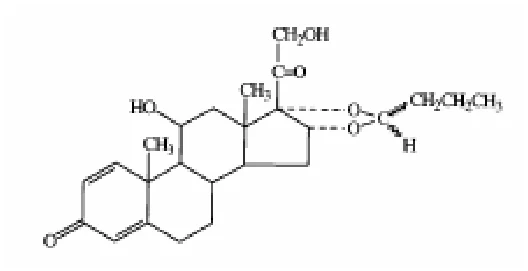
Physicochemical properties: Budesonide is a non-halogenated glucocorticosteroid and consists of a 1:1 mixture of two epimers, 22R and 22S. It is a white to off-white crystalline powder and is freely soluble in chloroform, sparingly soluble in ethanol, practically insoluble in water and in heptane. Budesonide melts at 224°C to 231.5°C, with decomposition.
14 CLINICAL TRIALS
14.1 Clinical Trials by Indication
Treatment of Mild to Moderate Active Crohn's Disease
Table 5 - Summary of patient demographics for induction clinical trials in patients with Crohn’s disease
| Study # | Study design | Dosage, route of administration and [duration] | Study subjects (n) | Mean age (Range) | Sex (M/F) |
| Study 1 | Randomized, double-blind, placebo- controlled study | 1.5 mg b.i.d. BUD 4.5 mg b.i.d. BUD 7.5 mg b.i.d. BUD Placebo [8 weeks] | 67 61 64 66 | 33 (17-63) 37 (18-65) 33 (18-66) 34 (19-62) | 20/47 23/38 29/35 25/41 |
| Study 2 | Randomized, double-blind, active comparator- controlled study | 9 mg o.m. BUD 40 mg PREDNISOLONE [10 weeks] | 88 88 | 35 (18-67) 36 (18-85) | 30/58 37/51 |
| Study 3 | Randomized, double-blind, active comparator- controlled study | 4.5 mg b.i.d. BUD 9 mg o.m. BUD 40 mg PREDNISOLONE [12 weeks] | 61 58 58 | 38 (20-71) 36 (17-71) 36 (19-70) | 28/33 21/37 23/35 |
Note: o.m. - dose administered once daily in morning, b.i.d. - dose administered twice daily.
The safety and efficacy of ENTOCORT (budesonide controlled ileal release capsules) were evaluated in 611 patients (n=399 treated with ENTOCORT, n=66 given placebo and n=146 treated with prednisolone) with mild to moderate active Crohn’s disease of the ileum and/or ascending colon in 3 randomized, double-blind multicentre studies with a parallel group design. The study patients ranged in age from 17 to 85 (mean 36) years, 39% were male and 99.5% were Caucasian. The Crohn’s Disease Activity Index (CDAI) was the main clinical assessment used for determining efficacy in these studies. The CDAI is a validated index based on subjective aspects rated by the patient (frequency of liquid or very soft stools, abdominal pain rating and general well-being) and objective observations (number of extraintestinal symptoms, need for antidiarrheal drugs, presence of abdominal mass, body weight and hematocrit). Clinical improvement, defined as a CDAI score of ≤ 150 assessed after 8 weeks of treatment, was the primary efficacy variable in these comparative efficacy studies of ENTOCORT (P values below 5% were considered significant). Safety assessments in these studies included monitoring of adverse experiences. A checklist of potential symptoms of hypercorticism was used.
Results
Study 1 (Table 6) involved 258 patients and tested the safety and efficacy of graded doses of ENTOCORT (1.5 mg b.i.d., 4.5 mg b.i.d. or 7.5 mg b.i.d.) versus placebo. The 3 mg per day dose level (data not shown in Table 6) could not be differentiated from placebo (P = 0.13). The remission rates (CDAI ≤ 150) in the 9 mg arm were found to be significantly higher than those in the placebo group subsequent to the completion of an 8 week treatment period (51% versus 20%, P = 0.0004). There was no additional benefit seen when the daily ENTOCORT dose was increased from 9 mg to 15 mg per day (P = 0.34, data not shown in Table 6). The median CDAI score after Week 8 of treatment decreased in the 9 mg arm by 121 points relative to baseline (median CDAI score at baseline was 290) in comparison to a decrease of 21 points in the placebo group.
Studies 2 and 3 (Table 6) compared ENTOCORT (4.5 mg b.i.d. and/or 9 mg o.m.) with oral prednisolone (initial dose of 40 mg, given once daily). At baseline, the median CDAI score was 277 in both studies. Results presented for Study 2 and Study 3 correspond to data collected subsequent to an 8 week treatment period. In Study 2, 13% fewer patients in the ENTOCORT 9 mg o.m. group experienced clinical improvement than in the prednisolone group (no statistical difference, P = 0.12). Equal clinical improvement rates (60%) were seen in the ENTOCORT 9 mg o.m. and the prednisolone groups in Study 3 (no statistical difference, P = 0.062). The decrease in median CDAI score seen in Study 3 between the ENTOCORT 9 mg o.m. and prednisolone groups was 141 and 149 points, respectively.
The proportion of patients with normal plasma cortisol values (≥ 150 nmol/L) was significantly higher in the ENTOCORT groups in both Studies 2 and 3 (59% - 66%) than in the prednisolone groups (24%).
Table 6 - Clinical Improvement Rates (CDAI ≤150) after 8 weeks of Treatment
| Clinical Study | ENTOCORT 9 mg (o.m.) | ENTOCORT 4.5 mg (b.i.d.) | Placebo | Prednisolone (o.m.) |
| 1 | 31/61 (51%) | 13/64 (20%) | ||
| 2 | 45/86 (52%) | 56/85 (65%) | ||
| 3 | 35/58 (60%) | 25/60 (42%) | 35/58 (60%) |
Note: o.m. - dose administered once daily in morning, b.i.d. - dose administered twice daily.
Maintenance of Clinical Remission of Mild to Moderate Crohn’s Disease
Table 7 - Summary of patient demographics for maintenance clinical trials in patients with Crohn’s disease
| Study # | Study design | Dosage, route of administration and [duration] | Study subjects (n) | Mean age (Range) | Sex (M/F) |
| Study 4 | 6 mg 3 mg placebo | 36 33 36 | 36 (19-63) 37 (22-62) 34 (19-60) | 18/18 10/23 14/22 | |
| Study 5 | Randomized, parallel groups, double-blind. | 6 mg 3 mg placebo | 32 31 27 | 37 (21-71) 33 (18-69) 35 (22-52) | 15/17 10/21 11/16 |
| Study 6 | Randomized, double-blind, placebo-controlled study with 3 parallel groups | 6 mg 3 mg placebo | 22 26 27 | 37 (20-63) 37 (20-71) 34 (19-61) | 9/13 14/12 11/16 |
Results
The efficacy and safety of ENTOCORT for maintenance of clinical remission were evaluated in 3 double-blind, placebo-controlled, multicentre 12-month trials in which 270 patients were randomized and treated once daily with 3 mg or 6 mg ENTOCORT or placebo (n=178 treated with ENTOCORT). Patients ranged in age from 18 to 71 (mean 36) years. Forty-one percent of the patients were male and 99.6% were Caucasian. The mean CDAI at entry was 98.
In 2 of the 3 clinical studies conducted, 80% (156/195) of the patients enrolled had exclusively ileal disease (disease location was not recorded in the third study). Colonoscopy was not performed following treatment. ENTOCORT 6 mg/day prolonged the time to relapse, defined as an increase in CDAI of at least 60 units to a total score >150 or withdrawal due to disease deterioration. The median time to relapse in the pooled population of the 3 studies was 154 days for patients taking placebo and 263 days for patients taking ENTOCORT 6 mg/day (P = 0.011). ENTOCORT 6 mg/day reduced the proportion of patients with loss of symptom control relative to placebo in the pooled population for the 3 studies at 3 months (26% vs. 45% for placebo).
14.2 Comparative Bioavailability Studies
Not applicable.
15 MICROBIOLOGY
No microbiological information is required for this drug product.
16 NON-CLINICAL TOXICOLOGY
A complete toxicological program (acute, chronic, reproduction, mutagenicity and carcinogenicity studies) has been performed with budesonide after various routes of administration, such as oral, subcutaneous, epicutaneous and inhalation. Most of the studies were performed in rats and dogs. The toxicity of budesonide capsules, with a focus on the gastrointestinal tract, has been studied in Cynomolgus monkeys after repeated oral administration.
General Toxicology:
Acute Toxicity
The acute toxicity studies with budesonide after oral and subcutaneous administration are summarized in Table 8.
Table 8 - Acute Toxicity of Budesonide in Mice and Rats
| Species | Sex | Route | LD50 (mg/kg) after 3 Weeks |
| Mouse | Male | s.c. | 35 ± 18 |
Mouse Mouse | Male Female | p.o. p.o. | > 800 > 800 |
Rat Rat Rat | Male Female Male | s.c. s.c. p.o. | 15.1 ± 4.4 20.3 ± 7.1 ≈ 400 |
Surviving animals exhibited a marked decrease in body weight gain.
Toxicity after Repeated Administration
Table 9 summarizes the toxicity information from studies in which rats, rabbits and dogs received repeated oral, inhalation and subcutaneous administration of plain budesonide, as well as the toxicity of budesonide capsules after once daily oral administration of doses up to 5000 mcg/kg/day, for 4 to 26 weeks to monkeys.
Table 9 - Toxicity after Repeated Administration of Budesonide to Rats, Rabbits, Dogs and Monkeys
| Animal Species, strain | No. And Sex per Group | No. of Dose Groups | Budesonide Formulation | Daily Dose Levels | Route of Administration | Duration | Toxic Effects | |
| mg/kg | mg/ animal | |||||||
Rat, Sprague- Dawley | 6 males 6 females | 4 | plain | 0.05 0.5 5.0 50.0 | p.o. | 1 month | Atrophy of adrenal gland and lymphoid system. Gastric ulceration. | |
Rat, Wistar | 10 males 10 females | 3 | plain | 0.02 0.10 0.2-0.5 | inhalation | 3 months | Hair loss dose related. Reduction in lymphocytes, leukocytes, increase in neutrophils. In high dose group, reduced adrenal, thymic, splenic and hepatic weights. No pulmonary impairment observed. | |
Rat, Wistar | 40 males 40 females | 3 | plain | 0.005 0.01 0.05 | inhalation | 12 months | As above. | |
Rabbit, New Zealand White | 3 males 3 females | 2 | plain | 0.025 0.1 | s.c. | 1 month | High dose caused slight liver mass increase, slight decrease in adrenal mass, thymal regression. | |
Dog, Beagle | 1 male 1 female | 3 | plain | 0.01 0.1 1.0 | p.o. | 1 month | High dose - typical steroid effects - adrenal, lymphoid system atrophy, increased fat in myocardium, glycogen in liver. |
| Animal Species, strain | No. And Sex per Group | No. of Dose Groups | Budesonide Formulation | Daily Dose Levels | Route of Administration | Duration | Toxic Effects | |
| mg/kg | mg/ animal | |||||||
Dog, Beagle | 2 males 2 females | 3 | plain | 0.02 0.06 0.2 | inhalation | 6 weeks | High dose - induced thymal atrophy, adrenal atrophy. No changes in respiratory system observed. | |
Dog, Beagle | 5 males 5 females | 3 | plain | 0.20 0.60 2.00 | inhalation | 6 months | High dose - decreased plasma cortisol, cortical atrophy of the adrenal gland, thymal regression. Slight visceral obesity. | |
Dog, Beagle | 5 males 5 females | 3 | plain | 0.20 0.60 2.00 | inhalation | 12 months | High dose - obesity, alopecia, females showed no evidence of estrous cycle. Systemic steroid effects - lymphoid and adrenal atrophy. | |
Monkey, Cynomolgus | 2 males 2 females | 4 | CIR capsules | 0 0.1 0.33 1.0 | p.o. | 4 weeks | No toxic effects attributable to treatment were observed. | |
Monkey, Cynomolgus | 4 males 4 females | 4 | CIR capsules | 0 0.5 2.0 5.0 | p.o. | 26 weeks | Medium/high dose - body weight change, slightly reduced cortisol levels. High dose - slightly higher liver and lower adrenal weight, elevated glucose levels in females, elevated plasma protein and reduced cellularity in males. | |
All effects observed were consistent with those expected during prolonged glucocorticosteroid exposure. CIR - Controlled Ileal Release | ||||||||
Carcinogenicity: The carcinogenic potential of budesonide was evaluated in long term mouse and rat studies.
Chronic Drinking Water Study in Mice
Budesonide was administered in the drinking water for 91 weeks to three groups of CD®-1 mice at dose levels of 10, 50 and 200 mcg/kg/day.
A statistically significant dose-related decrease in survival was noted for the males only. All other evaluation criteria were comparable in all groups. Upon microscopic examination, a variety of spontaneous lesions was observed which were not related to treatment. No carcinogenic effect was present.
Chronic Drinking Water Study (104 Weeks) with Budesonide in Rats
Three rat carcinogenicity studies have been performed. In the first study, budesonide was administered for 104 weeks in doses of 10, 25 and 50 mcg/kg/day.
A small but statistically significant increase in gliomas was noted in male animals from the high dose group. These results were considered equivocal since the S-D rat is very variable with regard to spontaneous glioma incidence.
To elucidate these results, two further 104-week carcinogenicity studies with budesonide 50 mcg/kg/day were performed, one using male S-D rats, and one using male Fischer rats (which have a lower and less variable incidence of gliomas). Prednisolone and triamcinolone acetonide were used as reference glucocorticoids in both studies.
The results from these new carcinogenicity studies in male rats did not demonstrate an increased glioma incidence in budesonide treated animals, as compared to concurrent controls or reference glucocorticosteroid treated groups.
Compared with concurrent control male S-D rats there was also an increased incidence of liver tumours in the mid- and high-dose groups in the original study. This finding was confirmed in all three steroid groups (budesonide, prednisolone, triamcinolone acetonide) in the repeat study in male S-D rats thus indicating a class effect of glucocorticosteroids.
Toxicological Effects on the Gastrointestinal Tract
There are few apparent toxicological effects of low doses of budesonide noted on the gastrointestinal tract which, together with the liver, is a body organ system that will be exposed to high concentrations of budesonide after oral administration of the drug.
Oral administration of budesonide to rats for 1 month disclosed no adverse effects on the gastrointestinal tract at doses up to 500 mcg/kg although at 500 mcg/kg atrophy of spleen and adrenals were noted as well as fat deposition in the liver, effects typical of a glucocorticoid. At 5000 mcg/kg, ulcerations and bleeding of the gastrointestinal tract were noted as well as pronounced systemic toxicity.
Administration of budesonide, in the drinking water, to rats for 3 months, revealed at necropsy, stomach changes including raised white areas or nodules, dark ulcer-like areas, dark or dark-red foci and dark depressed areas among the female treated rats (50-700 mcg/kg) and in one high-dosed male out of ten (700 mcg/kg). No changes were noted in the control animals (both sexes). Similar stomach changes were also found in a three-month drinking water study in mice. No changes were noted at 10 mcg/kg but these stomach changes were observed at 50 mcg/kg in both sexes. However, no stomach lesions were reported among the high dosed male mice (700 mcg/kg). A few control animals were also affected.
In a 12-month inhalation study (mainly oral/gastrointestinal deposition and absorption) in rats, histological examination disclosed the absence of bile duct hyperplasia of the liver at 50 mcg/kg (high dose). This is a glucocorticoid effect since bile duct hyperplasia is a normal finding in the senescent rat. There were no adverse effects on the gastrointestinal tract at 50 mcg/kg.
Budesonide given orally to dogs for 1 month disclosed a slight liver enlargement with increased glycogen deposition at 100 mcg/kg. No adverse effects were noted on the gastrointestinal tract. A 12-month oral inhalation study in dogs (doses between 20-200 mcg/kg) disclosed increased liver weight and glycogen deposition at 200 mcg/kg. There were no adverse effects on the gastrointestinal tract at any dose level.
Oral administration of 100-1000 mcg/kg/day budesonide capsules to Cynomolgus monkeys for 4 weeks disclosed no treatment-related clinical signs. Budesonide capsules given orally to Cynomolgus monkeys for 26 weeks disclosed no effects on the gastrointestinal tract at doses up to 5000 mcg/kg/day.
Genotoxicity: Budesonide showed no mutagenic activity in the Ames Salmonella/microsome plate test or in the mouse micronucleus test.
Reproductive and Developmental Toxicology:
Effects on Pregnancy
Rat
Daily doses of 20, 100, and 500 mcg/kg body mass were administered subcutaneously to pregnant rats during days 6-15 of gestation. In the high dose group, all of the rats showed a deteriorated general condition including piloerection, drowsiness, decreased food consumption and decreased body mass gain. Fetal loss was increased and pup masses decreased in comparison to the control group. The frequency of fetal abnormalities was also increased. Doses in excess of 100 mcg/kg must be considered teratogenic in the rat.
Daily doses of 0.01, 0.05 and 0.1 - 0.25 mg/kg were administered by inhalation to pregnant rats during days 6-15 of gestation. At the highest dose a slight significant reduction in fetal weight gain was observed, but there was no evidence of any effect on fetal development attributable to budesonide at any dose level.
Rabbit
Daily doses of 5, 25, and 125 mcg/kg body mass were administered subcutaneously during days 6-18 of gestation. In the low and medium dose groups, food consumption and body mass gain were decreased during the fourth gestational week. Some does also showed signs of diarrhea and vaginal bleeding. In the high dose group, all does aborted at the end of the gestation period. In the medium dose group, a marked increase in the frequency of abnormalities, mainly skeletal defects, was observed. Most commonly, defects were skull and vertebral abnormalities.
Effects on Fertility and General Reproductive Performance
Rat
To evaluate the effect of budesonide on fertility and general reproductive performance, daily doses of 0.01, 0.05, 0.19 µmol/kg were given subcutaneously to males for 9 weeks prior to and throughout mating. Females received the same doses for two weeks before, throughout gestation and up to 21 days postpartum. The offspring of the high dose group showed a decrease of peri- and post-natal viability. Dams showed a decrease in body mass gain.