


Product Monograph - Kadcyla
RECENT MAJOR LABEL CHANGES
| 7 Warnings and Precautions | 09/2022 |
TABLE OF CONTENTS
Sections or subsections that are not applicable at the time of authorization are not listed.
RECENT MAJOR LABEL CHANGES .................................................................................. 2
TABLE OF CONTENTS ....................................................................................................... 2
PART I: HEALTH PROFESSIONAL INFORMATION............................................................ 4
1 INDICATIONS........................................................................................................... 4
1.1 Pediatrics ........................................................................................................ 4
1.2 Geriatrics......................................................................................................... 4
2 CONTRAINDICATIONS ............................................................................................ 4
3 SERIOUS WARNINGS AND PRECAUTIONS BOX................................................... 5
4 DOSAGE AND ADMINISTRATION ........................................................................... 5
4.1 Dosing Considerations ..................................................................................... 5
4.2 Recommended Dose and Dosage Adjustment ................................................. 6
4.3 Reconstitution................................................................................................ 10
4.4 Administration................................................................................................ 10
4.5 Missed Dose.................................................................................................. 11
5 OVERDOSAGE ...................................................................................................... 11
6 DOSAGE FORMS, STRENGTHS, COMPOSITION AND PACKAGING ................... 11
7 WARNINGS AND PRECAUTIONS ......................................................................... 12
7.1 Special Populations ....................................................................................... 16
7.1.1 Pregnant Women ....................................................................................... 16
7.1.2 Breast-feeding ............................................................................................ 17
7.1.3 Pediatrics ................................................................................................... 17
7.1.4 Geriatrics ................................................................................................... 17
8 ADVERSE REACTIONS ......................................................................................... 17
8.1 Adverse Reaction Overview ........................................................................... 17
8.2 Clinical Trial Adverse Reactions ..................................................................... 18
8.3 Less Common Clinical Trial Adverse Reactions.............................................. 26
8.4 Abnormal Laboratory Findings: Hematologic, Clinical Chemistry and Other Quantitative Data .................................................................................................... 27
8.5 Post-Market Adverse Reactions ..................................................................... 28
9 DRUG INTERACTIONS .......................................................................................... 28
9.2 Drug Interactions Overview ............................................................................ 28
9.4 Drug-Drug Interactions................................................................................... 29
9.5 Drug-Food Interactions .................................................................................. 29
9.6 Drug-Herb Interactions................................................................................... 29
9.7 Drug-Laboratory Test Interactions .................................................................. 29
10 CLINICAL PHARMACOLOGY ................................................................................ 29
10.1 Mechanism of Action .................................................................................. 29
10.2 Pharmacodynamics .................................................................................... 30
10.3 Pharmacokinetics ....................................................................................... 30
11 STORAGE, STABILITY AND DISPOSAL ............................................................... 32
12 SPECIAL HANDLING INSTRUCTIONS .................................................................. 32
PART II: SCIENTIFIC INFORMATION ............................................................................... 33
13 PHARMACEUTICAL INFORMATION ..................................................................... 33
14 CLINICAL TRIALS ................................................................................................. 33
14.1 Clinical Trials by Indication ......................................................................... 33
15 MICROBIOLOGY.................................................................................................... 45
16 NON-CLINICAL TOXICOLOGY .............................................................................. 45
PATIENT MEDICATION INFORMATION ........................................................................... 52
PART I: HEALTH PROFESSIONAL INFORMATION
1 INDICATIONS
Metastatic Breast Cancer (MBC)
Kadcyla (trastuzumab emtansine for injection) monotherapy is indicated for the treatment of HER2-positive metastatic breast cancer patients who received both prior treatment with trastuzumab and a taxane, separately or in combination. Patients should have either received prior therapy for metastatic disease, or developed disease recurrence during or within 6 months of completing adjuvant therapy.
Early Breast Cancer (EBC)
Kadcyla monotherapy is indicated for the adjuvant treatment of HER2-positive early breast cancer patients who have residual invasive disease following neoadjuvant taxane and trastuzumab-based treatment.
1.1 Pediatrics
Pediatrics (< 18 years of age): No data are available to Health Canada; therefore, Health Canada has not authorized an indication for pediatric use.
1.2 Geriatrics
Geriatrics (> 65 age): No dose adjustment of the Kadcyla starting dose is required in patients aged > 65 to < 75 years of age. There are insufficient data to establish the safety and efficacy of Kadcyla in patients 75 years of age or older (see 7 WARNINGS AND PRECAUTIONS: 7.1 Special Populations, 7.1.4 Geriatrics).
2 CONTRAINDICATIONS
Kadcyla is contraindicated in patients who are hypersensitive to this drug or to any ingredient in the formulation, including any non-medicinal ingredient, or component of the container. For a complete listing, see 6 DOSAGE FORMS, STRENGTHS, COMPOSITION AND PACKAGING.
3 SERIOUS WARNINGS AND PRECAUTIONS BOX
4 DOSAGE AND ADMINISTRATION
4.1 Dosing Considerations
Kadcyla should only be used in patients with HER2-positive tumour status, defined as a score of 3+ by immunohistochemistry (IHC) or a ratio of ≥ 2.0 by in situ hybridization (ISH) or by fluorescence in situ hybridization (FISH) assessed by a validated test in an accredited laboratory.
There is a risk of medication errors between Kadcyla (trastuzumab emtansine) and trastuzumab. In order to prevent medication errors it is important to check the vial labels to ensure that the drug being prepared and administered is Kadcyla (trastuzumab emtansine for injection) and not trastuzumab. Ensure that the recommended Kadcyla dose is administered (see 4 DOSAGE AND ADMINISTRATION). These will avoid overdose and toxicity (see 5 OVERDOSAGE).
Kadcyla should only be administered under the supervision of a health professional experienced in the treatment of cancer patients.
Serious Warnings and Precautions
- There is a risk of medication errors between Kadcyla (trastuzumab emtansine for injection) and trastuzumab. In order to minimize this risk, check the vial labels to ensure that the drug being prepared and administered is Kadcyla (trastuzumab emtansine for injection) and not trastuzumab. Kadcyla should be prescribed using both the trade name and non-proprietary name (see 4 DOSAGE AND ADMINISTRATION: 4.1 Dosing Considerations).
- Liver Toxicity: Hepatotoxicity, liver failure and death have occurred in Kadcyla-treated patients. Monitor hepatic function prior to initiation and prior to each dose. Institute dose modifications or permanently discontinue as appropriate (see 7 WARNINGS AND PRECAUTIONS: Hepatic/Biliary/Pancreatic).
- Cardiotoxicity: Kadcyla may lead to reductions in left ventricular ejection fraction (LVEF). Assess LVEF prior to initiation. Monitor during treatment and withhold dosing or discontinue as appropriate (see 7 WARNINGS AND PRECAUTIONS: Cardiovascular).
- Hemorrhage: Fatal cases of hemorrhage occurred in clinical trials among patients with no known identified risk factors, as well as among patients with thrombocytopenia and those receiving anti-coagulation and antiplatelet therapy. Use caution with these agents and consider additional monitoring when concomitant use is medically necessary (see 7 WARNINGS AND PRECAUTIONS: Hematologic)
- Interstitial lung disease (ILD): Cases of ILD, including pneumonitis, some leading to acute respiratory distress syndrome or a fatal outcome, have been reported in clinical trials with Kadcyla. It is recommended that treatment with Kadcyla be permanently discontinued in patients who are diagnosed with ILD or pneumonitis (see 7 WARNINGS AND PRECAUTIONS: Respiratory).
- Embryo-fetal Toxicity: Kadcyla can cause fetal harm or death of the fetus. Advise women of potential risk to the fetus (see 7 WARNINGS AND PRECAUTIONS: 7.1 Special Populations, 7.1.1 Pregnant Women).
Kadcyla must be reconstituted and diluted by an appropriately trained health professional. Kadcyla should be administrated as an intravenous infusion (see 4 DOSAGE AND ADMINISTRATION: 4.4 Administration). Do not administer as an intravenous push or bolus.
4.2 Recommended Dose and Dosage Adjustment
Recommended Dose:
The recommended starting dose of Kadcyla is 3.6 mg/kg given as an intravenous infusion every 3 weeks (21-day cycle). Do not administer Kadcyla at doses > 3.6 mg/kg.
Patients with early breast cancer (EBC) should receive Kadcyla for 14 cycles or until there is disease progression or unmanageable toxicity.
Patients with metastatic breast cancer (MBC) should receive Kadcyla until disease progression or unmanageable toxicity.
Administer the initial Kadcyla dose of 3.6 mg/kg as a 90-minute intravenous infusion. Patients should be observed during the infusion and for at least 90 minutes following the initial dose for fever, chills, or other infusion-related reactions. The infusion site should be closely monitored for possible subcutaneous infiltration during drug administration (see 7 WARNINGS AND PRECAUTIONS: Extravasation).
If prior infusions were well tolerated, subsequent doses of Kadcyla may be administered as 30-minute infusions and patients should be observed during the infusions and for at least 30 minutes after infusion.
The infusion rate of Kadcyla should be slowed or interrupted if the patient develops infusion-related symptoms (see 7 WARNINGS AND PRECAUTIONS: Infusion-Related Reactions, Hypersensitivity Reactions). Permanently discontinue Kadcyla for life-threatening infusion reactions.
Dose Adjustment:
Management of symptomatic adverse events may require temporary interruption, dose reduction, or treatment discontinuation of Kadcyla as per guidelines provided in Table 1, Table 2 and Table 3.
Kadcyla dose should not be re-escalated after a dose reduction is made.
Table 1 Dose Reduction Schedule
| Dose Reduction Schedule | Dose Level |
| Starting dose | 3.6 mg/kg |
| First dose reduction | 3.0 mg/kg |
| Second dose reduction | 2.4 mg/kg |
| Requirement for further dose reduction | Permanently discontinue treatment |
Table 2 Dose Modification Guidelines for Kadcyla Patients with MBC
| Adverse Reaction | Severity | Treatment Modification |
|---|---|---|
| Increased Transaminase (AST/ALT) | Grade 2 (> 2.5 to ≤ 5× the ULN) | Treat at the same dose level |
| Grade 3 (> 5 to ≤ 20× the ULN) | Do not administer Kadcyla until AST/ALT recovers to Grade ≤ 2, and then reduce one dose level | |
| Grade 4 (> 20× the ULN) | Permanently discontinue Kadcyla | |
| Hyperbilirubinemia | Grade 2 (> 1.5 to ≤ 3× the ULN) | Do not administer Kadcyla until total bilirubin recovers to Grade ≤ 1, and then treat at the same dose level. |
| Grade 3 (> 3 to ≤ 10× the ULN) | Do not administer Kadcyla until total bilirubin recovers to Grade ≤ 1 and then reduce one dose level. | |
| Grade 4 (> 10× the ULN) | Permanently discontinue Kadcyla | |
| Drug Induced Liver Injury (DILI) | Serum transaminases > 3× ULN and concomitant total bilirubin > 2× ULN | Permanently discontinue Kadcyla in the absence of another likely cause for the elevation of liver enzymes and bilirubin, e.g. liver metastasis or concomitant medication |
| Nodular Regenerative Hyperplasia (NRH) | All Grades | Permanently discontinue Kadcyla |
| Thrombocytopenia | Grade 3 (25,000 to < 50,000/mm3) | Do not administer Kadcyla until platelet count recovers to ≤ Grade 1 (≥ 75,000/mm3), and then treat at the same dose level |
Grade 4 (< 25,000/mm3) | Do not administer Kadcyla until platelet count recovers to ≤ Grade 1 (≥ 75,000/mm3), and then reduce one dose level | |
| Left Ventricular Dysfunction | Symptomatic CHF | Permanently discontinue Kadcyla |
| LVEF <40% | Do not administer Kadcyla Repeat LVEF assessment within 3 weeks. If LVEF <40% is confirmed, permanently discontinue Kadcyla | |
| LVEF 40% to ≤ 45% and decrease is ≥ 10% points from baseline | Do not administer Kadcyla Repeat LVEF assessment within 3 weeks. If the LVEF has not recovered to within 10% points from baseline, permanently discontinue Kadcyla | |
| LVEF 40% to ≤ 45% and decrease is < 10% points from baseline | Continue treatment with Kadcyla. Repeat LVEF assessment within 3 weeks. |
| Adverse Reaction | Severity | Treatment Modification |
|---|---|---|
| LVEF > 45% | Continue treatment with Kadcyla. | |
| Pulmonary Toxicity | Interstitial lung disease (ILD) or pneumonitis | Permanently discontinue Kadcyla |
| Peripheral Neuropathy | Grade 3-4 | Do not administer Kadcyla until resolution ≤ Grade 2 |
Table 3 Dose Modification Guidelines for Kadcyla Patients with EBC
| Adverse Reaction | Severity | Treatment Modification |
|---|---|---|
| Increased Alanine Transaminase (ALT) | Grade 2-3 (> 3.0 to ≤ 20× ULN on day of scheduled treatment) | Do not administer Kadcyla until ALT recovers to Grade ≤ 1, and then reduce one dose level |
| Grade 4 (> 20× ULN at any time) | Permanently discontinue Kadcyla | |
| Increased Aspartate Transaminase (AST) | Grade 2 (> 3 to ≤ 5× ULN on day of scheduled treatment) | Do not administer Kadcyla until AST recovers to Grade ≤ 1, and then treat at the same dose level |
| Grade 3 (> 5 to ≤ 20× ULN on day of scheduled treatment) | Do not administer Kadcyla until AST recovers to Grade ≤ 1, and then reduce one dose level | |
| Grade 4 (> 20× ULN at any time) | Permanently discontinue Kadcyla | |
| Hyperbilirubinemia | TBILI > 1 to ≤ 2× the ULN on day of scheduled treatment | Do not administer Kadcyla until total bilirubin recovers to ≤ 1.0× ULN, and then reduce one dose level |
| TBILI > 2× ULN at any time | Permanently discontinue Kadcyla | |
| Nodular Regenerative Hyperplasia (NRH) | All Grades | Permanently discontinue Kadcyla |
| Thrombocytopenia | Grade 2-3 on day of scheduled treatment (25,000 to < 75,000/mm3) | Do not administer Kadcyla until platelet count recovers to ≤ Grade 1 (≥ 75,000/mm3), and then treat at the same dose level. If a patient requires 2 delays due to thrombocytopenia, consider reducing dose by one level. |
| Grade 4 at any time < 25,000/mm3 | Do not administer Kadcyla until platelet count recovers to ≤ Grade 1 (≥ 75,000/mm3), and then reduce one dose level. | |
| Left Ventricular Dysfunction | LVEF < 45% | Do not administer Kadcyla Repeat LVEF assessment within 3 weeks. If |
| Adverse Reaction | Severity | Treatment Modification |
|---|---|---|
| LVEF < 45% is confirmed, permanently discontinue Kadcyla. | ||
| LVEF 45% to < 50% and decrease is ≥ 10% points from baseline* | Do not administer Kadcyla Repeat LVEF assessment within 3 weeks. If the LVEF remains < 50% and has not recovered to < 10% points from baseline, permanently discontinue Kadcyla. | |
| LVEF 45% to < 50% and decrease is < 10% points from baseline* | Continue treatment with Kadcyla. Repeat LVEF assessment within 3 weeks. | |
| LVEF ≥ 50% | Continue treatment with Kadcyla. | |
| Heart Failure | Symptomatic CHF, Grade 3-4 LVSD or Grade 3-4 heart failure, or Grade 2 heart failure accompanied by LVEF <45% | Permanently discontinue Kadcyla |
| Peripheral Neuropathy | Grade 3-4 | Do not administer Kadcyla until resolution ≤ Grade 2 |
| Pulmonary Toxicity | Interstitial lung disease (ILD) or pneumonitis | Permanently discontinue Kadcyla |
| Radiotherapy-Related Pneumonitis | Grade 2 | Permanently discontinue Kadcyla if not resolving with standard treatment |
| Grade 3-4 | Permanently discontinue Kadcyla | |
ALT = alanine transaminase, AST = aspartate transaminase, CHF = congestive heart failure, DILI = Drug Induced Liver Injury, LVEF = left ventricular ejection fraction, LVSD = left ventricular systolic dysfunction, TBILI = Total Bilirubin, ULN = upper limit of normal *Prior to starting Kadcyla treatment. | ||
Pediatric Use (< 18 years of age): No data are available to Health Canada; therefore, Health Canada has not authorized an indication for pediatric use (see 7 WARNINGS AND PRECAUTIONS: 7.1 Special Populations, 7.1.3 Pediatrics).
Geriatric Use (> 65 years of age): No adjustment to the starting dose of Kadcyla is required in patients aged > 65 to < 75 years of age. There are limited number of patients ≥ 75 years of age enrolled into clinical trials with Kadcyla (see 7 WARNINGS AND PRECAUTIONS: 7.1 Special Populations, 7.1.4 Geriatrics).
Renal Impairment: No adjustment to the starting dose of Kadcyla is recommended in patients with mild or moderate renal impairment (see 10 CLINICAL PHARMACOLOGY: 10.3 Pharmacokinetics, Special Populations and Conditions, Renal Insufficiency). The potential need for dose adjustment in patients with severe renal impairment cannot be determined due to insufficient data.
Hepatic Impairment: No adjustment to the starting dose of Kadcyla is recommended in patients with mild or moderate hepatic impairment despite lower overall exposure of trastuzumab emtansine in these patients (see 10 CLINICAL PHARMACOLOGY: 10.3 Pharmacokinetics, Special Populations and Conditions, Hepatic Insufficiency). Kadcyla has not been studied in patients with severe hepatic impairment. Treatment of patients with hepatic impairment should be undertaken with caution due to known hepatotoxicity observed with Kadcyla (see 7 WARNINGS AND PRECAUTIONS: Hepatotoxicity).
4.3 Reconstitution
| Vial Size | Volume of Diluent to be Added to the Vial | Nominal Concentration per mL |
| 100 mg | 5 mL Sterile Water | 20 mg per mL |
| 160 mg | 8 mL Sterile Water | 20 mg per mL |
- Using a sterile syringe, slowly inject 5 mL of Sterile Water for Injection into the 100 mg vial, or 8 mL of Sterile Water for Injection into the 160 mg Kadcyla vial.
- Swirl the vial gently until completely dissolved. DO NOT SHAKE!
- Store reconstituted Kadcyla at 2-8ºC; discard unused Kadcyla after 24 hours.
Instructions for dilution:
Determine the volume of the solution required based on the dose to be administered. The standard dose is 3.6 mg Kadcyla/kg body weight; however, reduced doses may be required to manage certain toxicities (see Tables 2 and 3):
Volume (mL) = [Body weight (kg) x dose (mg/kg)] /
20 mg/mL (concentration of reconstituted solution)
The appropriate amount of solution should be withdrawn from one or more vials and added to an infusion bag containing 250 mL of 0.45% sodium chloride or 0.9% sodium chloride. Choose the appropriate vial sizes to minimize the amount of Kadcyla that is discarded.
Dextrose (5%) solution should not be used. 0.45% sodium chloride may be used without a 0.2-micron in-line (non-protein adsorptive)/0.22 micron polyethersulfone (PES) filter. If 0.9% sodium chloride is used for infusion, a 0.2-micron in-line (non-protein adsorptive)/ 0.22 micron polyethersulfone (PES) filter is required. Once the infusion is prepared, it should be administered immediately. If not used immediately, the infusion can be stored for up to 24 hours in a refrigerator at 2-8°C. The infusion cannot be frozen or shaken during storage.
Incompatibilities:
Dextrose (5%) solution should not be used since it causes aggregation of the protein.
Kadcyla should not be mixed or diluted with other drugs.
4.4 Administration
Appropriate aseptic technique should be used. Appropriate procedures for the preparation of chemotherapeutic drugs should be used.
The reconstituted product contains no preservative and is intended for single use only. Discard any unused portion.
Reconstituted solution should be inspected visually for particulate matter and discolouration prior to administration. The reconstituted solution should be free of visible particulates, clear to slightly opalescent. The colour of the reconstituted solution should be colourless to pale brown. Do not administer if reconstituted solution contains visible particulates, or is cloudy or discoloured.
4.5 Missed Dose
If a planned dose of Kadcyla is missed, it should be administered as soon as possible as per clinical judgment. Do not wait until the next planned cycle if clinically appropriate. The schedule of administration should be adjusted to maintain a 3-week interval between doses. The infusion may be administered at the rate the patient tolerated the most recent infusion.
5 OVERDOSAGE
There is a risk of Kadcyla overdose due to medication errors. Ensure that the authorized Kadcyla (trastuzumab emtansine for injection) dose and NOT trastuzumab dose is administered. For management of a suspected drug overdose, contact your regional poison control centre. |
There is no known antidote for Kadcyla overdose. In case of overdose, the patient should be closely monitored. Cases of overdose have been reported with Kadcyla treatment, most associated with thrombocytopenia, and there was one death. In the fatal case, the patient incorrectly received Kadcyla 6 mg/kg and died approximately 3 weeks following the overdose; a cause of death and a causal relationship to Kadcyla were unknown.
6 DOSAGE FORMS, STRENGTHS, COMPOSITION AND PACKAGING
Table 4 Dosage Forms, Strengths, Composition and Packaging
| Route of Administration | Dosage Form / Strength | Clinically Relevant Non-medicinal Ingredients |
| Intravenous (IV) infusion | 100 mg single-use vial | polysorbate 20, sodium hydroxide, succinic acid, and sucrose. |
| 160 mg single-use vial | ||
100 mg single-use vial containing sterile powder for concentrate for infusion solution designed to deliver 5 mL of 20 mg/mL of trastuzumab emtansine.
160 mg single-use vial containing sterile powder for concentrate for infusion solution designed to deliver 8 mL of 20 mg/mL of trastuzumab emtansine.
7 WARNINGS AND PRECAUTIONS
General
Kadcyla should only be prescribed and initiated by health professionals experienced with cancer therapeutic drugs.
Kadcyla should be prescribed using both the trade name and non-proprietary name. In order to improve traceability of biological medicinal products, the trade name and the lot number of the administered product should be clearly recorded (or stated) in the patient file.
Cardiovascular
Left Ventricular Dysfunction
Patients treated with Kadcyla are at increased risk of developing left ventricular dysfunction. Left ventricular ejection fraction (LVEF) < 40% has been observed in patients treated with Kadcyla, and therefore symptomatic congestive heart failure (CHF) is a potential risk. Across metastatic breast cancer (MBC) and early breast cancer (EBC) clinical trials, left ventricular dysfunction occurred in the Kadcyla-treated patients. Long-term effects of Kadcyla on cardiotoxicity is unknown (see 8 ADVERSE REACTIONS).
Standard cardiac function testing (echocardiogram or multigated acquisition (MUGA) scanning) should be performed prior to initiation and at regular intervals (e.g. every three months) during treatment with Kadcyla. Dosing reductions or permanent discontinuation of Kadcyla therapy may be required (see 4 DOSAGE AND ADMINISTRATION: 4.2 Recommended Dose and Dosage Adjustment). Evaluation of cardiac function following treatment discontinuation, in particular for patients with pre-existing cardiac dysfunction or with LVEF decline, should be considered and ordered based upon clinician judgment.
Treatment with Kadcyla has not been studied in patients with LVEF <50% prior to initiation of treatment in clinical trials.
Safety information were obtained from an observational study (BO3987) in a real world setting where 32 patients with MBC who had baseline LVEF of 40-49% were treated with Kadcyla. CHF were observed in 5 patients (15.6%; 5/32) and 4 out of 24 (16.7%) patients who had a post-treatment LVEF value experienced a decrease of LVEF >10%. Among these 9 patients, 2 had both CHF and a decrease of LVEF >10%. Most patients in the study had other cardiovascular risk factors. The decision to administer Kadcyla in patients with MBC with low LVEF must be made only after careful benefit risk assessment and cardiac function should be closely monitored in these patients.
Driving and Operating Machinery
Kadcyla may impair the ability to drive and use machines as adverse reactions including fatigue, headache, dizziness and blurred vision have been reported. Patients experiencing infusion-related reactions (flushing, shivering fits, trouble breathing, low blood pressure or rapid heartbeat) should be advised not to drive and use machines until symptoms abate.
Hematologic
Hemorrhage
Bleeding events with fatal outcomes have occurred. Severe cases of hemorrhagic events, including central nervous system, respiratory and gastrointestinal hemorrhage, have been reported with Kadcyla. In some of the cases, there were no known additional risk factors, while in others the patients were also receiving anti-coagulation therapy, antiplatelet therapy, or had thrombocytopenia. Caution is advised and additional monitoring is recommended when Kadcyla is administered to patients who have decreased platelet counts or who require anti-coagulation or antiplatelet therapies.
In EBC, the incidence of hemorrhage events with trastuzumab emtansine was moderately higher in Asian patients (37.5% vs 28.4%), while the incidence of severe (Grade ≥ 3) hemorrhage events and serious hemorrhage events with trastuzumab emtansine was very low irrespective of the race, with occurrence limited to a single Asian patient. In the MBC population, the incidence of hemorrhages was similar in Asian and in non-Asian patients. This includes severe (Grade ≥ 3), serious and fatal hemorrhages, where no difference between Asian and non-Asian patients was noted.
Thrombocytopenia
Thrombocytopenia, or decreased platelet counts, was commonly reported in patients in clinical trials of Kadcyla. An increase in the incidence and severity of thrombocytopenia has been observed in Asian patients treated with Kadcyla vs. non-Asian patients. In the pivotal EBC study, ≥ Grade 3 thrombocytopenia occurred in 12 of 64 Asian patients (18.8%) and in to 30 of 676 (4.4%) non-Asian patients treated with Kadcyla and serious adverse events of thrombocytopenia occurred in 5 of 64 (7.8%) Asian patients and in 5 of 676 (0.7%) non-Asian patients.
Patients with thrombocytopenia (<100,000/mm3) and patients on anti-coagulation treatment should be monitored closely while on Kadcyla treatment. Platelet counts should be monitored prior to each Kadcyla dose. Kadcyla has not been studied in patients with platelet counts <100,000/mm3 prior to initiation of treatment.
For patients with EBC, in the event of decreased platelet counts to ≥ Grade 2 (<75,000/mm3), do not administer Kadcyla until platelet counts recover to Grade 1 (≥75,000/mm3). For patients with MBC, in the event of decreased platelet count to ≥ Grade 3 (<50,000/mm3), do not administer Kadcyla until platelet counts recover to Grade 1 (≥75,000/mm3) (see 4 DOSAGE AND ADMINISTRATION: 4.2 Recommended Dose and Dosage Adjustment).
Hepatic/Biliary/Pancreatic
Hepatotoxicity
Treatment of patients with hepatic impairment should be undertaken with caution and with increased monitoring of liver function due to known hepatotoxicity observed with Kadcyla.
Hepatotoxicity, predominantly in the form of asymptomatic increases in the concentrations of serum transaminases (Grade 1-4 transaminitis), have occurred with Kadcyla treatment in clinical trials (see 8 ADVERSE REACTIONS: Abnormal Laboratory Findings: Hematologic, Clinical Chemistry and Other Quantitative Data). In patients with MBC, transaminase elevations were generally transient with peak elevation at day 8 after therapy and subsequent recovery to Grade 1 or less prior to the next cycle. A cumulative effect of Kadcyla on transaminases has been observed. MBC patients with elevated transaminases improved to Grade 1 or normal within 30 days of the last dose of Kadcyla in the majority of the cases.
Serious hepatobiliary disorders, including fatalities, have been reported including severe drug induced liver injury (with hepatic encephalopathy) and liver failure associated with nodular regenerative hyperplasia (NRH) of the liver. Cases of NRH have been observed in Kadcyla treated patients enrolled in clinical trials of both MBC and EBC. NRH is a rare liver condition characterized by widespread benign transformation of hepatic parenchyma into small regenerative nodules; NRH may lead to non-cirrhotic portal hypertension. Diagnosis of NRH can be confirmed only by histopathology. NRH should be considered in all patients with clinical symptoms of portal hypertension and/or cirrhosis-like pattern seen on the computed tomography (CT) scan of the liver but with normal transaminases and no other manifestations of cirrhosis. Upon diagnosis of NRH, Kadcyla treatment must be permanently discontinued.
Liver function should be monitored prior to initiation of treatment and prior to each Kadcyla dose. Dose reductions or discontinuations for increased serum transaminases and total bilirubin are specified in 4 DOSAGE AND ADMINISTRATION: 4.2 Recommended Dose and Dosage Adjustment.
Kadcyla has not been studied in patients with serum transaminases > 2.5x ULN or total bilirubin > 1.5x ULN prior to initiation of treatment in MBC or in patients with serum transaminases > 1.5x ULN or total bilirubin > 1.0x ULN prior to initiation of treatment in EBC. Kadcyla treatment should be permanently discontinued in patients with serum transaminases > 3x ULN and concomitant total bilirubin > 2x ULN.
Immune
Infusion-Related Reactions
Treatment with Kadcyla has not been studied in patients who had trastuzumab permanently discontinued due to infusion-related reactions (IRRs); treatment with Kadcyla is not recommended for these patients.
Infusion-related reactions, characterized by one or more of the following symptoms - flushing, chills, pyrexia, dyspnea, hypotension, wheezing, bronchospasm, and tachycardia have been reported in clinical trials of Kadcyla. In most patients, these reactions were ≤ Grade 2 and resolved over the course of several hours to a day after the infusion was terminated. Patients should be observed closely for IRRs, especially during the first infusion. Patients should be evaluated and carefully monitored until complete resolution of signs and symptoms. Kadcyla treatment should be interrupted in patients with severe IRR (≥Grade 3). Kadcyla treatment should be permanently discontinued in the event of a life-threatening IRR (see 4 DOSAGE AND ADMINISTRATION: 4.2 Recommended Dose and Dosage Adjustment).
Hypersensitivity Reactions
Patients should be observed closely for hypersensitivity reactions, especially during the first infusion. Hypersensitivity, including serious, anaphylactic-like reactions, has been observed in clinical trials with treatment of Kadcyla. Medications to treat such reactions, as well as emergency equipment, should be available for immediate use.
Monitoring and Laboratory Tests
Selection of Patients/Diagnostic Tests
Kadcyla should only be used in patients with HER2 positive tumour status, defined as a score of 3+ by immunohistochemistry (IHC) or a ratio of ≥ 2.0 by in situ hybridization (ISH) or by fluorescence in situ hybridization (FISH) assessed by a validated test.
Monitoring
Patients should be assessed prior to starting Kadcyla and monitored throughout treatment with the following assessments. Test results should be within guidelines presented in Tables 1, 2 and 3 found in Section 4.2 of this Product Monograph prior to dosing with appropriate changes to the dosing regimen if required.
Prior to each dose (or if clinically indicated):
- Pregnancy test (if applicable)
- Liver function tests: ALT, AST, total bilirubin
- Hematology: CBC (platelet count)
Every 3 months (or as clinically indicated):
- Left ventricular ejection fraction: either echocardiogram or MUGA
Neurologic
Neurotoxicity
Peripheral neuropathy, predominantly sensory (e.g. numbness, tingling, pain, crawling sensation, pins and needles in hands and feet), has been reported in clinical trials of Kadcyla. Treatment with Kadcyla should be withheld in patients experiencing Grade 3 or 4 peripheral neuropathy until symptoms resolve or improve to ≤ Grade 2. Patients should be clinically monitored on an ongoing basis for signs/symptoms of neurotoxicity.
Reproductive Health: Female and Male Potential
Women of child bearing potential and male partners of female patients of childbearing potential should use at least two effective contraception methods while receiving Kadcyla and for at least 7 months following the last dose of Kadcyla. If pregnancy occurs, the physician should be immediately informed.
Fertility
No dedicated fertility studies have been conducted with trastuzumab emtansine. However, based on results from animal toxicity studies, Kadcyla may impair fertility in females and males of reproductive potential (see 16 NON-CLINICAL TOXICOLOGY: Reproductive and Developmental Toxicology).
Teratogenic Risk
Dedicated embryo-fetal development studies have not been conducted with trastuzumab emtansine (see 16 NON-CLINICAL TOXICOLOGY: Reproductive and Developmental Toxicology). However, Kadcyla can cause fetal harm or death when administered to a pregnant woman (see 7 WARNINGS AND PRECAUTIONS: 7.1 Special Populations, 7.1.1 Pregnant Women).
Respiratory
Pulmonary Toxicity
Cases of interstitial lung disease (ILD), including pneumonitis, some leading to acute respiratory distress syndrome or a fatal outcome, have been reported in clinical trials with Kadcyla. In MBC, ILD reported as pneumonitis had an incidence of 0.8% (7 out of 884), with one Grade 3 case reported as pneumonitis and one case of Grade 2 pneumonitis which later resulted in Grade 4 Acute Respiratory Distress Syndrome (ARDS) upon rechallenge with Kadcyla. In EBC, pneumonitis was reported at an incidence of 1.1% (8 out of 740 patients treated with KADCYLA), with one case (0.1%) of Grade 3 pneumonitis (see 8 ADVERSE REACTIONS). Signs and symptoms include dyspnea, cough, fatigue, and pulmonary infiltrates. These events may or may not occur as part of an infusion-related reaction.
Kadcyla may also increase the risk of radiation pneumonitis in EBC patients receiving radiation therapy as part of adjuvant therapy. In the pivotal EBC trial, radiation pneumonitis was reported at an incidence of 1.8% in Kadcyla treated patients who received radiation therapy (11 out of 623), with two cases of Grade 3 radiation pneumonitis (see 8 ADVERSE REACTIONS).
It is recommended that treatment with Kadcyla be permanently discontinued in patients who are diagnosed with ILD or pneumonitis, except for radiation pneumonitis in the adjuvant EBC setting, where Kadcyla should only be permanently discontinued for ≥ Grade 3 events or when Grade 2 events do not respond to standard treatment (see 4 DOSAGE AND ADMINISTRATION, 4.2 Recommended Dose and Dosage Adjustment).
Patients with dyspnea at rest due to complications of advanced malignancy or co-morbidities may be at increased risk of pulmonary events when treated with Kadcyla.
Skin (Local) Reactions at Administration Sites
Extravasation
In Kadcyla clinical studies, reactions secondary to extravasation have been observed. These reactions were usually mild and comprised erythema, tenderness, skin irritation, pain, or swelling at the infusion site. These reactions have been observed more frequently within 24 hours of infusion. In the post marketing setting, a few serious cases of epidermal injury or necrosis following extravasation have been observed within a few days after infusion and comprised burning sensation, ulcerative injury, blistering and skin necrosis. Specific treatment for Kadcyla extravasation is unknown at this time. The infusion site should be closely monitored for possible subcutaneous infiltration during drug administration.
7.1 Special Populations
7.1.1 Pregnant Women
Kadcyla can cause fetal harm or death when administered to a pregnant woman. No clinical studies of Kadcyla in pregnant women have been performed. No reproductive and developmental toxicology studies have been conducted with Kadcyla.
However, in the post-marketing setting, some pregnant women receiving trastuzumab, the antibody component of Kadcyla, developed oligohydramnios, some associated with fatal pulmonary hypoplasia, skeletal abnormalities and neonatal death. In addition, the mechanism of action of DM1, the microtubule inhibiting cytotoxic drug component of Kadcyla, suggest that DM1 can cause teratogenicity and embryotoxicity.
Kadcyla should not be administered to pregnant women. Women who become pregnant must contact their doctor and should be advised of the possibility of harm to the fetus. If a pregnant woman is treated with Kadcyla, close monitoring by a multidisciplinary team is recommended.
The safe use of Kadcyla during labor and delivery has not been established.
7.1.2 Breast-feeding
It is not known whether Kadcyla is excreted in human breast milk. A study conducted in lactating cynomolgus monkeys demonstrated that trastuzumab was secreted in the milk. As human IgG is excreted in human milk and because of the potential for serious adverse reactions in nursing infants from Kadcyla, women should discontinue nursing prior to initiating treatment with Kadcyla. Women may begin nursing 7 months following last dose of Kadcyla after concluding treatment.
7.1.3 Pediatrics
Pediatrics (< 18 years of age): No data are available to Health Canada; therefore, Health Canada has not authorized an indication for pediatric use.
7.1.4 Geriatrics
Geriatrics (≥ 65 to < 75 years of age): Of 495 patients who were randomized to Kadcyla in the pivotal metastatic breast cancer (MBC) study, 65 patients (13%) were ≥ 65 to < 75 years of age. Of the 743 patients who were randomized to Kadcyla in the pivotal EBC study, 58 patients (8%) were ≥ 65 to < 75 years of age. No overall differences in the safety or effectiveness of Kadcyla were observed in patients aged ≥ 65 to < 75 years of age compared to patients < 65 years of age in the MBC or EBC studies.
Geriatrics (≥ 75 years of age): Only eleven patients (2%) in the pivotal MBC study were ≥ 75 years of age and only two patients (0.3%) in the pivotal EBC study were ≥ 75 years of age. There are insufficient data to establish the safety and efficacy of Kadcyla in patients 75 years of age or older.
8 ADVERSE REACTIONS
8.1 Adverse Reaction Overview
The most common adverse reactions (≥ 10%) with Kadcyla in MBC were nausea, musculoskeletal pain, fatigue, hemorrhage, thrombocytopenia, increased transaminases, headache, constipation, diarrhea, epistaxis, anemia, peripheral neuropathy, arthralgia, vomiting, pyrexia, abdominal pain, cough, asthenia, dry mouth, myalgia, stomatitis, insomnia, rash, dyspnea, urinary tract infection, dizziness, and hypokalemia.
The most common adverse reactions (≥ 10%) with Kadcyla in EBC were fatigue, nausea, increased transaminases, musculoskeletal pain, hemorrhage, thrombocytopenia, headache, peripheral neuropathy, arthralgia, epistaxis, constipation, myalgia, stomatitis, vomiting, insomnia, dry mouth, cough, diarrhea, abdominal pain, pyrexia, urinary tract infection, and anemia.
The most common serious adverse reactions (≥ 1%) with Kadcyla in MBC were vomiting and pyrexia. The most common serious adverse reactions (≥ 1%) with Kadcyla in EBC were mastitis and thrombocytopenia.
Deaths have occurred in clinical studies with Kadcyla (see later in this section, Additional Information on Selected Adverse Reactions). Dose modification guidelines for Kadcyla patients with increased transaminases, hyperbilirubinemia, drug induced liver injury, nodular regenerative hyperplasia, thrombocytopenia, left ventricular dysfunction, heart failure, peripheral neuropathy, pulmonary toxicity, and radiotherapy related pneumonitis are described (see 4 DOSAGE AND ADMINISTRATION, 4.2 Recommended Dose and Dosage Adjustment).
8.2 Clinical Trial Adverse Reactions
Because clinical trials are conducted under very specific conditions, the adverse reaction rates observed in the clinical trials may not reflect the rates observed in practice and should not be compared to the rates in the clinical trials of another drug. Adverse reaction information from clinical trials is useful for identifying drug-related adverse events and for approximating rates.
Metastatic Breast Cancer
The safety of Kadcyla (trastuzumab emtansine) has been evaluated in more than 880 patients in clinical trials. Table 5 summarizes the adverse drug reactions (ADRs) that have been reported in association with the use of Kadcyla in the pivotal study TDM4370g/BO21977 (EMILIA). Table 7 summarizes the adverse reactions that have been reported in association with the use of Kadcyla across MBC clinical trials.
Table 5 Summary of ADRs Occurring in ≥ 1% of Patients on the Kadcyla Treatment Arm in the Randomized Study TDM4370g/BO21977 (EMILIA)
Adverse Drug Reactions (MedDRA) System Organ Class | Kadcyla (3.6 mg/kg) n=490 Frequency % | Lapatinib (1250 mg) + Capecitabine (2000 mg/m2) n=488 Frequency % | ||
|---|---|---|---|---|
All grades n (%) | Grade 3 – 4 n (%) | All grades n (%) | Grade 3 – 4 n (%) | |
Blood and Lymphatic System Disorders | ||||
| Thrombocytopenia | 154 (31.4) | 73 (14.9) | 16 (3.3) | 2 (0.4) |
| Anemia | 72 (14.7) | 22 (4.5) | 51 (10.5) | 12 (2.5) |
| Neutropenia | 37 (7.6) | 11 (2.2) | 53 (10.9) | 22 (4.5) |
| Leukopenia | 21 (4.3) | 5 (1.0) | 23 (4.7) | 6 (1.2) |
| Cardiac Disorders | ||||
| Left ventricular dysfunction | 10 (2.0) | 1 (0.2) | 16 (3.3) | 2 (0.4) |
| Eye Disorders | ||||
| Vision blurred | 22 (4.5) | 0 | 4 (0.8) | 0 |
| Conjunctivitis | 20 (4.1) | 0 | 11 (2.3) | 0 |
Adverse Drug Reactions (MedDRA) System Organ Class | Kadcyla (3.6 mg/kg) n=490 Frequency % | Lapatinib (1250 mg) + Capecitabine (2000 mg/m2) n=488 Frequency % |
|---|
All grades n (%) | Grade 3 – 4 n (%) | All grades n (%) | Grade 3 – 4 n (%) | |||||||||||
|---|---|---|---|---|---|---|---|---|---|---|---|---|---|---|
| Dry eye | 20 (4.1) | 0 | 15 (3.1) | 0 | ||||||||||
| Lacrimation increased | 16 (3.3) | 0 | 12 (2.5) | 0 | ||||||||||
| Gastrointestinal Disorders | ||||||||||||||
| Nausea | 196 (40.0) | 4 (0.8) | 221 (45.3) | 12 (2.5) | ||||||||||
| Constipation | 131 (26.7) | 2 (0.4) | 55 (11.3) | 0.0 | ||||||||||
| Diarrhea | 122 (24.9) | 9 (1.8) | 390 (79.9) | 102 (20.9) | ||||||||||
| Vomiting | 94 (19.2) | 4 (0.8) | 146 (29.9) | 22 (4.5) | ||||||||||
| Abdominal pain | 91 (18.6) | 4 (0.8) | 86 (17.6) | 8 (1.6) | ||||||||||
| Dry Mouth | 82 (16.7) | 0 | 24 (4.9) | 1 (0.2) | ||||||||||
| Stomatitis | 69 (14.1) | 1 (0.2) | 160 (32.8) | 12 (2.4) | ||||||||||
| Dyspepsia | 45 (9.2) | 0 | 56 (11.5) | 2 (0.4) | ||||||||||
| Gingival bleeding | 21 (4.3) | 0 | 7 (1.4) | 0 | ||||||||||
| General Disorders and Administration Site Conditions | ||||||||||||||
| Fatigue | 179 (36.5) | 12 (2.4) | 138(28.3) | 17 (3.5) | ||||||||||
| Pyrexia | 91 (18.6) | 1 (0.2) | 41 (8.4) | 2 (0.4) | ||||||||||
| Asthenia | 88 (18.0) | 2 (0.4) | 87 (17.8) | 8 (1.6) | ||||||||||
| Chills | 38 (7.8) | 0 | 15 (3.1) | 0 | ||||||||||
| Peripheral edema | 35 (7.1) | 0 | 40 (8.2) | 1 (0.2) | ||||||||||
| Immune System Disorders | ||||||||||||||
| Drug hypersensitivity | 11 (2.2) | 0 | 4 (0.8) | 0 | ||||||||||
| Infections and Infestations | ||||||||||||||
| Urinary tract infection | 58 (11.8) | 3 (0.6) | 24 (4.9) | 0 | ||||||||||
Injury, Poisoning, and Procedural Complications | ||||||||||||||
| Infusion-related reaction | 7 (1.4) | 0 | 1 (0.2) | 0 | ||||||||||
| Investigations | ||||||||||||||
| Increased transaminases | 141 (28.8) | 39 (8.0) | 70 (14.3) | 12 (2.5) | ||||||||||
| Blood alkaline phosphatase increased | 23 (4.7) | 2 (0.4) | 18 (3.7) | 2 (0.4) | ||||||||||
| Metabolism and Nutrition Disorders | ||||||||||||||
| Hypokalemia | 50 (10.2) | 13 (2.7) | 48 (9.8) | 23 (4.7) | ||||||||||
| Musculoskeletal and Connective Tissue Disorders | ||||||||||||||
| Musculoskeletal pain | 182 (37.1) | 9 (1.8) | 150 (30.7) | 7 (1.4) | ||||||||||
| Arthralgia | 96 (19.6) | 3 (0.6) | 43 (8.8) | 0 | ||||||||||
| Myalgia | 69 (14.1) | 3 (0.6) | 18 (3.7) | 0 | ||||||||||
| Nervous System Disorders | ||||||||||||||
| Headache | 140 (28.6) | 4 (0.8) | 72 (14.8) | 4 (0.8) | ||||||||||
| Peripheral neuropathy | 106 (21.6) | 12 (2.4) | 66 (13.5) | 1 (0.2) | ||||||||||
| Dizziness | 52 (10.6) | 2 (0.4) | 53 (10.9) | 1 (0.2) | ||||||||||
| Dysgeusia | 40 (8.2) | 0 | 20 (4.1) | 1 (0.2) | ||||||||||
| Psychiatric Disorders | ||||||||||||||
| Insomnia | 60 (12.2) | 2 (0.4) | 43 (8.8) | 1 (0.2) | ||||||||||
Adverse Drug Reactions (MedDRA) System Organ Class | Kadcyla (3.6 mg/kg) n=490 Frequency % | Lapatinib (1250 mg) + Capecitabine (2000 mg/m2) n=488 Frequency % |
|---|
All grades n (%) | Grade 3 – 4 n (%) | All grades n (%) | Grade 3 – 4 n (%) | |||||||||||
|---|---|---|---|---|---|---|---|---|---|---|---|---|---|---|
| Respiratory, Thoracic, and Mediastinal Disorders | ||||||||||||||
| Epistaxis | 113 (23.1) | 1 (0.2) | 41 (8.4) | 0 | ||||||||||
| Cough | 90 (18.4) | 1 (0.2) | 64 (13.1) | 1 (0.2) | ||||||||||
| Dyspnea | 58 (11.8) | 4 (0.8) | 39 (8.0) | 2 (0.4) | ||||||||||
| Pneumonitis | 6 (1.2) | 0 | 0 | 0 | ||||||||||
| Skin and Subcutaneous Tissue Disorders | ||||||||||||||
| Rash | 58 (11.8) | 0 | 134 (27.5) | 10 (2.0) | ||||||||||
| Pruritus | 27 (5.5) | 1 (0.2) | 46 (9.4) | 0 | ||||||||||
| Alopecia | 17 (3.5) | 0 | 22 (4.5) | 0 | ||||||||||
| Nail disorder | 14 (2.9) | 0 | 45 (9.2) | 3 (0.6) | ||||||||||
| Palmar−plantar erythrodysaesthesia syndrome | 7 (1.4) | 0 | 288 (59.0) | 86 (17.6) | ||||||||||
| Urticaria | 5 (1.0) | 0 | 7 (1.4) | 5 (1.0) | ||||||||||
| Vascular Disorders | ||||||||||||||
| Hemorrhage | 163 (33.3) | 10 (2.0) | 81 (16.6) | 4 (0.8) | ||||||||||
| Hypertension | 26 (5.3) | 6 (1.2) | 11 (2.3) | 2 (0.4) | ||||||||||
Table 6 Summary of Selected Adverse Events* (AEs) Occurring with an Overall ≥2% Higher Incidence in Patients within the Kadcyla Treatment Arm Compared to the Lapatinib + Capecitabine Treatment Arm in the Randomized Study TDM4370g/BO21977 (EMILIA)
Selected Adverse Event Category MedDRA Preferred Term | Kadcyla (3.6 mg/kg) n=490 Frequency % | Lapatinib (1250 mg) + Capecitabine (2000 mg/m2) n=488 Frequency % |
|---|---|---|
| All grades n (%) | All grades n (%) | |
| Eye Disorders | ||
| -Overall- | 36 (7.3) | 11 (2.3) |
| Vision Blurred | 22 (4.5) | 4 (0.8) |
| Visual Impairment | 7 (1.4) | 2 (0.4) |
| Visual Acuity Reduced | 4 (0.8) | 3 (0.6) |
| Photopsia | 2 (0.4) | 0 |
| Amblyopia | 1 (0.2) | 0 |
| Blindness Transient | 1 (0.2) | 0 |
| Diplopia | 0 | 1 (0.2) |
| Optic Neuropathy | 1 (0.2) | 0 |
| Scintillating Scotoma | 0 | 1 (0.2) |
| Hemorrhage | ||
| -Overall- | 163 (33.3) | 81 (16.6) |
| Epistaxis | 113 (23.1) | 41 (8.4) |
| Gingival Bleeding | 21 (4.3) | 7 (1.4) |
| Vaginal Hemorrhage | 13 (2.7) | 9 (1.8) |
Selected Adverse Event Category MedDRA Preferred Term | Kadcyla (3.6 mg/kg) n=490 Frequency % | Lapatinib (1250 mg) + Capecitabine (2000 mg/m2) n=488 Frequency % |
|---|
| All grades n (%) | All grades n (%) | ||||||||
|---|---|---|---|---|---|---|---|---|---|
| Contusion | 8 (1.6) | 5 (1.0) | |||||||
| Rectal Hemorrhage | 8 (1.6) | 5 (1.0) | |||||||
| Petechiae | 12 (2.4) | 0 | |||||||
| Hematochezia | 6 (1.2) | 4 (0.8) | |||||||
| Menorrhagia | 3 (0.6) | 4 (0.8) | |||||||
| Metrorrhagia | 5 (1.0) | 2 (0.4) | |||||||
| Hematoma | 6 (1.2) | 0 | |||||||
| Hemoptysis | 4 (0.8) | 2 (0.4) | |||||||
| Ecchymosis | 5 (1.0) | 0 | |||||||
| Hemorrhoidal Hemorrhage | 1 (0.2) | 3 (0.6) | |||||||
| Skin Hemorrhage | 2 (0.4) | 2 (0.4) | |||||||
| Gastrointestinal Hemorrhage | 2 (0.4) | 0 | |||||||
| Hemorrhage | 1 (0.2) | 1 (0.2) | |||||||
| Lip Hemorrhage | 1 (0.2) | 1 (0.2) | |||||||
| Mouth Hemorrhage | 2 (0.4) | 0 | |||||||
| Tongue Hemorrhage | 2 (0.4) | 0 | |||||||
| Anal Hemorrhage | 0 | 1 (0.2) | |||||||
| Conjunctival Hemorrhage | 1 (0.2) | 0 | |||||||
| Cystitis Hemorrhage | 0 | 1 (0.2) | |||||||
| Extradural Hematoma | 0 | 1 (0.2) | |||||||
| Genital Hemorrhage | 0 | 1 (0.2) | |||||||
| Hematemesis | 0 | 1 (0.2) | |||||||
| Hematuria | 0 | 1 (0.2) | |||||||
| Hemorrhagic Diathesis | 1 (0.2) | 0 | |||||||
| Intestinal Hemorrhage | 1 (0.2) | 0 | |||||||
| Nail Bed Bleeding | 0 | 1 (0.2) | |||||||
| Nipple Exudate Bloody | 0 | 1 (0.2) | |||||||
| Pelvic Hematoma | 1 (0.2) | 0 | |||||||
| Peptic Ulcer Hemorrhage | 0 | 1 (0.2) | |||||||
| Post Procedural Hematoma | 1 (0.2) | 0 | |||||||
| Post Procedural Hemorrhage | 1 (0.2) | 0 | |||||||
| Purpura | 0 | 1 (0.2) | |||||||
| Subdural Hemorrhage | 0 | 1 (0.2) | |||||||
| Tumour Hemorrhage | 0 | 1 (0.2) | |||||||
| Ulcer Hemorrhage | 1 (0.2) | 0 | |||||||
| Upper Gastrointestinal Hemorrhage | 1 (0.2) | 0 | |||||||
| Uterine Hemorrhage | 1 (0.2) | 0 | |||||||
| Wound Hemorrhage | 0 | 1 (0.2 | |||||||
| Hepatotoxicity | |||||||||
| -Overall- | 159 (32.4) | 128 (26.2) | |||||||
| Aspartate Aminotransferase Increased | 113 (23.1) | 49 (10.0) | |||||||
| Alanine Aminotransferase Increased | 87 (17.8) | 45 (9.2) | |||||||
Selected Adverse Event Category MedDRA Preferred Term | Kadcyla (3.6 mg/kg) n=490 Frequency % | Lapatinib (1250 mg) + Capecitabine (2000 mg/m2) n=488 Frequency % |
|---|
| All grades n (%) | All grades n (%) | ||||||||
|---|---|---|---|---|---|---|---|---|---|
| Hyperbilirubinemia | 8 (1.6) | 44 (9.0) | |||||||
| Blood Bilirubin Increased | 15 (3.1) | 31 (6.4) | |||||||
| Blood Alkaline Phosphatase Increased | 23 (4.7) | 18 (3.7) | |||||||
| Transaminases Increased | 16 (3.3) | 5 (1.0) | |||||||
| Gamma−Glutamyltransferase Increased | 10 (2.0) | 0 | |||||||
| Hypoalbuminemia | 4 (0.8) | 4 (0.8) | |||||||
| Liver Function Test Abnormal | 4 (0.8) | 3 (0.6) | |||||||
| Cytolytic Hepatitis | 3 (0.6) | 3 (0.6) | |||||||
| Jaundice | 0 | 4 (0.8) | |||||||
| Hepatic Enzyme Increased | 2 (0.4) | 1 (0.2) | |||||||
| Hepatic Pain | 3 (0.6) | 0 | |||||||
| Portal Hypertension | 2 (0.4) | 0 | |||||||
| Spider Naevus | 2 (0.4) | 0 | |||||||
| Aspartate Aminotransferase Abnormal | 1 (0.2) | 0 | |||||||
| Hepatic Function Abnormal | 0 | 1 (0.2) | |||||||
| Hepatitis Toxic | 1 (0.2) | 0 | |||||||
| Hepatotoxicity | 1 (0.2 | 0 | |||||||
| Hypertransaminasemia | 0 | 1 (0.2) | |||||||
| IRR Hypersensitivity | |||||||||
| -Overall- | 21 (4.3) | 0 | |||||||
| Hypersensitivity | 7 (1.4) | 0 | |||||||
| Infusion Related Reaction | 7 (1.4) | 0 | |||||||
| Face Edema | 3 (0.6) | 0 | |||||||
| Urticaria | 2 (0.4) | 0 | |||||||
| Eye Edema | 1 (0.2) | 0 | |||||||
| Pharyngeal Edema | 1 (0.2) | 0 | |||||||
| Peripheral Neuropathy | |||||||||
| -Overall- | 127 (25.9) | 92 (18.9) | |||||||
| Neuropathy Peripheral | 53 (10.8) | 28 (5.7) | |||||||
| Peripheral Sensory Neuropathy | 32 (6.5) | 26 (5.3) | |||||||
| Paraesthesia | 31 (6.3) | 18 (3.7) | |||||||
| Hypoaesthesia | 14 (2.9) | 9 (1.8) | |||||||
| Muscular Weakness | 6 (1.2) | 11 (2.3) | |||||||
| Neurotoxicity | 6 (1.2) | 2 (0.4) | |||||||
| Peripheral Motor Neuropathy | 5 (1.0) | 2 (0.4) | |||||||
| Burning Sensation | 3 (0.6) | 2 (0.4) | |||||||
| Polyneuropathy | 4 (0.8) | 1 (0.2) | |||||||
| Gait Disturbance | 1 (0.2) | 3 (0.6) | |||||||
| Neuralgia | 3 (0.6) | 1 (0.2) | |||||||
| Sensory Disturbance | 1 (0.2) | 3 (0.6) | |||||||
| Dyaesthesia | 1 (0.2) | 1 (0.2) | |||||||
Selected Adverse Event Category MedDRA Preferred Term | Kadcyla (3.6 mg/kg) n=490 Frequency % | Lapatinib (1250 mg) + Capecitabine (2000 mg/m2) n=488 Frequency % |
|---|
| All grades n (%) | All grades n (%) | ||||||
|---|---|---|---|---|---|---|---|
| Formication | 2 (0.4) | 0 | |||||
| Motor Dysfunction | 1 (0.2) | 1 (0.2) | |||||
| Areflexia | 1 (0.2) | 0 | |||||
| Hypotonia | 0 | 1 (0.2) | |||||
| Skin Burning sensation | 0 | 1 (0.2) | |||||
| Thrombocytopenia | |||||||
| -Overall- | 155 (31.6) | 16 (3.3) | |||||
| Thrombocytopenia | 143 (29.2) | 14 (2.9) | |||||
| Platelet Count Decreased | 14 (2.9) | 3 (0.6) | |||||
| Platelet Disorder | 1 (0.2) | 0 | |||||
| *Adverse Event – defined as an event reported regardless of causality | |||||||
Table 7 Summary of ADRs occurring in ≥1% of MBC patients treated with Kadcyla
| ADR (MedDRA) | Kadcyla | |
|---|---|---|
| System Organ Class | All grades n (%) n = 884 | Grade 3 – 5 n (%) n = 884 |
| Blood and Lymphatic System Disorders | ||
| Thrombocytopenia | 284 (32.1) | 105 (11.9) |
| Anemia | 153 (17.3) | 31 (3.5) |
| Neutropenia | 68 (7.7) | 19 (2.1) |
| Leukopenia | 46 (5.2) | 5 (0.6) |
| Cardiac Disorders | ||
| Left ventricular dysfunction | 19 (2.1) | 3 (0.3) |
| Eye Disorders | ||
| Dry eye | 51 (5.8) | 0 |
| Lacrimation increased | 42 (4.8) | 0 |
| Vision blurred | 45 (5.1) | 0 |
| Conjunctivitis | 37 (4.2) | 0 |
| Gastrointestinal Disorders | ||
| Nausea | 380 (43.0) | 10 (1.1) |
| Constipation | 234 (26.5) | 5 (0.6) |
| Vomiting | 185 (20.9) | 8 (0.9) |
| Diarrhea | 188 (21.3) | 9 (1.0) |
| Dry Mouth | 165 (18.7) | 0 |
| Abdominal pain | 166 (18.8) | 8 (0.9) |
| Stomatitis | 133 (15.0) | 1 (0.1) |
| Dyspepsia | 82 (9.3) | 1 (0.1) |
| Gingival bleeding | 31 (3.5) | 0 |
| General Disorders and Administration Site Conditions | ||
| Fatigue | 410 (46.4) | 28 (3.2) |
| Pyrexia | 209 (23.6) | 3 (0.3) |
| Asthenia | 125 (14.1) | 8 (0.9) |
| Chills | 95 (10.7) | 0 |
| Edema peripheral | 81 (9.2) | 1 (0.1) |
| ADR (MedDRA) | Kadcyla |
|---|
| System Organ Class | All grades n (%) n = 884 | Grade 3 – 5 n (%) n = 884 | ||||
|---|---|---|---|---|---|---|
| Immune System Disorders | ||||||
| Drug hypersensitivity | 25 (2.8) | 0 | ||||
| Infections and Infestations | ||||||
| Urinary tract infection | 122 (13.8) | 3 (0.3) | ||||
| Injury, Poisoning, and Procedural Complications | ||||||
| Infusion related reaction | 40 (4.5) | 1 (0.1) | ||||
| Investigations | ||||||
| Transaminases increased | 253 (28.6) | 64 (7.2) | ||||
| Blood alkaline phosphatase increased | 57 (6.4) | 4 (0.5) | ||||
| Metabolism and Nutrition Disorders | ||||||
| Hypokalemia | 142 (16.1) | 29 (3.3) | ||||
| Musculoskeletal and Connective Tissue Disorders | ||||||
| Musculoskeletal pain | 361 (40.8) | 28 (3.2) | ||||
| Arthralgia | 178 (20.1) | 8 (0.9) | ||||
| Myalgia | 110 (12.4) | 3 (0.3) | ||||
| Nervous System Disorders | ||||||
| Headache | 260 (29.4) | 5 (0.6) | ||||
| Peripheral neuropathy | 199 (22.5) | 15 (1.7) | ||||
| Dizziness | 88 (10.0) | 3 (0.3) | ||||
| Dysgeusia | 70 (7.9) | 0 | ||||
| Memory impairment | 12 (1.4) | 1 (0.1) | ||||
| Psychiatric Disorders | ||||||
| Insomnia | 105 (11.9) | 2 (0.2) | ||||
| Respiratory, Thoracic, and Mediastinal Disorders | ||||||
| Epistaxis | 223 (25.2) | 4 (0.5) | ||||
| Cough | 181 (20.5) | 1 (0.1) | ||||
| Dyspnea | 131 (14.8) | 13 (1.5) | ||||
| Skin and Subcutaneous Tissue Disorders | ||||||
| Rash | 115 (13.0) | 0 | ||||
| Pruritus | 49 (5.5) | 1 (0.1) | ||||
| Alopecia | 33 (3.7) | 0 | ||||
| Nail disorder | 26 (2.9) | 0 | ||||
| Palmar−plantar erythrodysaesthesia syndrome | 11 (1.2) | 0 | ||||
| Urticaria | 10 (1.1) | 0 | ||||
| Vascular Disorders | ||||||
| Hemorrhage | 323 (36.5) | 18 (2.0) | ||||
| Hypertension | 58 (6.6) | 9 (1.0) | ||||
Early Breast Cancer
The safety of Kadcyla has been evaluated in 740 patients with EBC in Study BO27938 (KATHERINE) treated in the adjuvant setting with up to 14 cycles of Kadcyla. The patients enrolled on study had residual invasive disease following neoadjuvant trastuzumab and taxane-based therapy.
Table 8 summarizes the ADRs that have been reported in association with the use of Kadcyla in the pivotal study BO27938 (KATHERINE).
Table 8 Summary of ADRs Occurring in ≥ 1% of Patients on the Kadcyla Treatment Arm in the Randomized Study BO27938 (KATHERINE)
Adverse Drug Reactions (MedDRA) System Organ Class | Kadcyla (3.6 mg/kg) n=740 Frequency % | Trastuzumab (6 mg/kg) n=720 Frequency% | ||
|---|---|---|---|---|
All grades n (%) | Grade 3 – 4 n (%) | All grades n (%) | Grade 3 – 4 n (%) | |
Blood and Lymphatic System Disorders | ||||
| Thrombocytopenia | 211 (28.5) | 42 (5.7) | 17 (2.4) | 2 (0.3) |
| Anemia | 75 (10.1) | 8 (1.1) | 62 (8.6) | 1 (0.1) |
| Neutropenia | 61 (8.2) | 9 (1.2) | 36 (5.0) | 5 (0.7) |
| Leukopenia | 61 (8.2) | 0 | 42 (5.8) | 1 (0.1) |
| Cardiac Disorders | ||||
| Left ventricular dysfunction | 22 (3.0) | 4 (0.5) | 35 (4.9) | 7 (1.0) |
| Eye Disorders | ||||
| Lacrimation increased | 41 (5.5) | 0 | 13 (1.8) | 0 |
| Dry eye | 33 (4.5) | 0 | 16 (2.2) | 0 |
| Vision Blurred | 29 (3.9) | 0 | 17 (2.4) | 0 |
| Conjunctivitis | 26 (3.5) | 0 | 14 (1.9) | 0 |
| Gastrointestinal Disorders | ||||
| Nausea | 308 (41.6) | 4 (0.5) | 94 (13.1) | 2 (0.3) |
| Diarrhea | 91 (12.3) | 6 (0.8) | 90 (12.5) | 2 (0.3) |
| Constipation | 126 (17.0) | 1 (0.1) | 59 (8.2) | 0 |
| Stomatitis | 112 (15.1) | 1 (0.1) | 57 (7.9) | 1 (0.1) |
| Vomiting | 108 (14.6) | 4 (0.5) | 37 ( 5.1) | 2 (0.3) |
| Abdominal pain | 79 (10.7) | 3 (0.4) | 49 (6.8) | 2 (0.3) |
| Dry Mouth | 100 (13.5) | 1 (0.1) | 9 (1.3) | 0 |
| Dyspepsia | 32 (4.3) | 0 | 26 (3.6) | 0 |
| Gingival bleeding | 9 (1.2) | 0 | 1 (0.1) | 0 |
| General Disorders and Administration Site Conditions | ||||
| Fatigue | 366 (49.5) | 8 (1.1) | 243(33.8) | 1 (0.1) |
| Pyrexia | 77 (10.4) | 0 | 29 (4.0) | 0 |
| Peripheral edema | 29 (3.9) | 0 | 52 (7.2) | 0 |
| Chills | 39 (5.3) | 0 | 14 (1.9) | 0 |
| Immune System Disorders | ||||
| Drug hypersensitivity | 20 (2.7) | 3 (0.4) | 15 (2.1) | 1 (0.1) |
| Infections and Infestations | ||||
| Urinary tract infection | 77 (10.4) | 2 (0.3) | 44 (6.1) | 1 (0.1) |
Injury, Poisoning, and Procedural Complications | ||||
| Radiation Pneumonitis | 11 (1.5) | 2 (0.3) | 5 (0.7) | 0 |
| Infusion-related reaction | 12 (1.6) | 0 | 4 (0.6) | 0 |
| Investigations | ||||
| Increased transaminases | 240 (32.4) | 11 (1.5) | 57 (7.9) | 3 (0.4) |
| Blood alkaline phosphatase increased | 61 (8.2) | 1 (0.1) | 13 (1.8) | 0 |
Adverse Drug Reactions (MedDRA) System Organ Class | Kadcyla (3.6 mg/kg) n=740 Frequency % | Trastuzumab (6 mg/kg) n=720 Frequency% |
|---|
All grades n (%) | Grade 3 – 4 n (%) | All grades n (%) | Grade 3 – 4 n (%) | ||||||||
|---|---|---|---|---|---|---|---|---|---|---|---|
| Blood Bilirubin Increased | 49 (6.6) | 0 | 2 (0.3) | 0 | |||||||
| Metabolism and Nutrition Disorders | |||||||||||
| Hypokalemia | 50 (6.8) | 9 (1.2) | 14 (1.9) | 1 (0.1) | |||||||
| Musculoskeletal and Connective Tissue Disorders | |||||||||||
| Musculoskeletal pain | 225 (30.4) | 5 (0.7) | 209 (29.0) | 5 (0.7) | |||||||
| Arthralgia | 192 (25.9) | 1 (0.1) | 148 (20.6) | 0 | |||||||
| Myalgia | 114 (15.4) | 0 | 80 (11.1) | 0 | |||||||
| Nervous System Disorders | |||||||||||
| Headache | 210 (28.4) | 0 | 122 (16.9) | 1 (0.1) | |||||||
| Peripheral neuropathy | 207 (28.0) | 12 (1.6) | 102 (14.2) | 1 (0.1) | |||||||
| Dizziness | 70 (9.5) | 1 (0.1) | 57 (7.9) | 2 (0.3) | |||||||
| Dysgeusia | 60 (8.1) | 0 | 11 (1.5) | 0 | |||||||
| Psychiatric Disorders | |||||||||||
| Insomnia | 101 (13.6) | 0 | 86 (11.9) | 1 (0.1) | |||||||
| Respiratory, Thoracic, and Mediastinal Disorders | |||||||||||
| Cough | 100 (13.5) | 1 (0.1) | 86 (11.9) | 0 | |||||||
| Epistaxis | 159 (21.5) | 0 | 25 (3.5) | 0 | |||||||
| Dyspnea | 62 (8.4) | 1 (0.1) | 53 (7.4) | 0 | |||||||
| Pneumonitis | 8 (1.1) | 1 (0.1) | 1 (0.1) | 0 | |||||||
| Skin and Subcutaneous Tissue Disorders | |||||||||||
| Pruritus | 51 (6.9) | 0 | 42 (5.8) | 1 (0.1) | |||||||
| Alopecia | 18 (2.4) | 0 | 7 (1.0) | 0 | |||||||
| Urticaria | 9 (1.2) | 0 | 6 (0.8) | 1 (0.1) | |||||||
| Rash | 8 (1.1) | 0 | 7 (1.0) | 0 | |||||||
| Palmar−plantar erythrodysaesthesia syndrome | 8 (1.1) | 0 | 6 (0.8) | 0 | |||||||
| Vascular Disorders | |||||||||||
| Hemorrhage | 216 (29.2) | 2 (0.3) | 69 (9.6) | 2 (0.3) | |||||||
| Hypertension | 42 (5.7) | 15 (2.0) | 35 (4.9) | 9 (1.3) | |||||||
8.3 Less Common Clinical Trial Adverse Reactions
The following significant adverse reactions were reported at an incidence of < 1%:
Metastatic Breast Cancer
Hepatobiliary Disorders: Hepatic Failure (0.1%), Hepatoxicity (0.3%), Nodular Regenerative Hyperplasia (0.1%), Portal Hypertension (0.1%)
Respiratory, Thoracic, and Mediastinal Disorders: Pneumonitis (0.9%)
Early Breast Cancer
Nervous System Disorders: Memory Impairment (0.9%)
General Disorders and Administration: Asthenia (0.4%)
Skin and Subcutaneous Tissue Disorder: Nail Disorder (0.3%)
Hepatobiliary Disorders: Nodular Regenerative Hyperplasia (0.3%)
8.4 Abnormal Laboratory Findings: Hematologic, Clinical Chemistry and Other Quantitative Data
Metastatic Breast Cancer
The following table displays laboratory abnormalities observed in patients treated with Kadcyla in clinical trial TDM4370g/BO21977 (EMILIA).
Table 9 Laboratory abnormalities observed in patients in study TDM4370g/BO21977 (EMILIA)
| Parameter | Kadcyla (3.6 mg/kg) | Lapatinib (1250 mg) + Capecitabine (2000 mg/m2) | ||||
All grade n (%) | Grade 3 n (%) | Grade 4 n (%) | All grade n (%) | Grade 3 n (%) | Grade 4 n (%) | |
| Hematologic | ||||||
| Decreased platelet count | 407 (84) | 69 (14) | 15 (3) | 101 (21) | 2 (<1) | 3 (<1) |
| Decreased hemoglobin | 300 (62) | 20 (4) | 5 (1) | 312 (64) | 14 (3) | 1 (<1) |
| Decreased neutrophils | 186 (39) | 17 (4) | 3 (<1) | 184 (38) | 30 (6) | 10 (2) |
| Hepatic | ||||||
| Increased bilirubin | 95 (20) | 3 (<1) | 0 (0) | 276 (57) | 11 (2) | 0 (0) |
| Increased AST | 475 (98) | 35 (7) | 2 (<1) | 311 (65) | 12 (3) | 0 (0) |
| Increased ALT | 397 (82) | 23 (5) | 1 (<1) | 259 (54) | 14 (3) | 0 (0) |
| Potassium | ||||||
| Decreased potassium | 148 (34) | 14 (3) | 1 (<1) | 132 (31) | 26 (6) | 4 (<1) |
Early Breast Cancer
The following table displays laboratory abnormalities observed in patients treated with Kadcyla in clinical trial BO27938 (KATHERINE).
Table 10 Laboratory abnormalities observed in patients in Study BO27938 (KATHERINE)
| Parameter | Kadcyla | Trastuzumab | ||||
All grade n (%) | Grade 3 n (%) | Grade 4 n (%) | All grade n (%) | Grade 3 n (%) | Grade 4 n (%) | |
| Hepatic | ||||||
| Increased Bilirubin | 85 (12) | 0 | 0 | 26 (4) | 2 (<1) | 3 (<1) |
| Increased AST | 583 (79) | 6 (<1) | 0 | 153 (21) | 14 (3) | 1 (<1) |
| Increased ALT | 409 (55) | 409 (<1) | 0 | 150 (21) | 30 (6) | 10 (2) |
| Hematologic | ||||||
| Decreased Platelets | 347 (51) | 29 (4) | 16 (2) | 92 (13) | 11 (2) | 0 (0) |
| Decreased Hemoglobin | 229 (31) | 8 (1) | 0 | 206 (29) | 12 (3) | 0 (0) |
| Decreased Neutrophils | 174 (24) | 10 (1) | 0 | 133 (19) | 14 (3) | 0 (0) |
| Potassium | ||||||
| Decreased Potassium | 191 (26) | 15 (2) | 4 (<1) | 68 (9) | 26 (6) | 4 (<1) |
Additional Information on Selected Adverse Reactions
Death
In the metastatic setting, five deaths (1%) due to reasons other than progressive disease occurred in each arm of the pivotal trial. In the Kadcyla arm, four of the five patients had neutropenic sepsis/infection, pneumonia or metabolic encephalopathy, and died between 21-35 days after the last dose of Kadcyla. In the lapatinib and capecitabine arm, the five deaths were due to coronary artery disease, multi-organ failure, coma, hydrocephalus or acute respiratory distress syndrome. In the other Kadcyla MBC clinical trials, two patients treated with Kadcyla died of an unknown cause while nine additional patients had AEs leading to death. These patients had hepatic failure, abnormal hepatic function, bacterial sepsis, respiratory failure, interstitial lung disease or sudden death. Fatal cases of hepatic failure, abnormal hepatic function and metabolic encephalopathy are also described in the 7 WARNINGS and PRECAUTIONS: Hepatotoxicity
In the EBC setting, one fatal AE (intracranial hemorrhage) occurred with Kadcyla. There were 5 deaths which occurred more than 30 days after the last study treatment and were not related to study treatment or study procedures due to reasons other than progressive disease. In the Kadcyla arm, one death was due to cerebrovascular event with renal insufficiency and another reported as death after osteosynthesis. In the trastuzumab arm, two deaths were due to pneumonia and one due to a cerebrovascular event.
Immunogenicity
As with all therapeutic proteins, there is the potential for an immune response to Kadcyla. A total of 1243 patients from seven clinical studies were tested at multiple time points for anti-drug antibody (ADA) responses to Kadcyla. Following Kadcyla dosing, 5.1% (63/1243) of patients tested positive for anti-Kadcyla antibodies at one or more post-dose time points. In the Phase I and Phase II studies, 6.4% (24/376) of patients tested positive for anti-Kadcyla antibodies. In the EMILIA study (TDM4370g/BO21977), 5.2% (24/466) of patients tested positive for anti-Kadcyla antibodies, of which 13 patients also tested positive for neutralizing antibodies. In the KATHERINE (BO27938) study, 3.7% (15/401) of patients tested positive for anti-Kadcyla antibodies, of which 5 patients also tested positive for neutralizing antibodies. Due to the low incidence of ADA, conclusions cannot be made on the impact of anti-Kadcyla antibodies on the pharmacokinetics, safety, and efficacy of Kadcyla.
Immunogenicity assay results are highly dependent on several factors including assay sensitivity and specificity, assay methodology, sample handling, timing of sample collection, concomitant medications and underlying disease. For these reasons, comparison of incidence of antibodies to Kadcyla with the incidence of antibodies to other products may be misleading.
8.5 Post-Market Adverse Reactions
No new ADRs have been identified in the post-market setting.
9 DRUG INTERACTIONS
9.2 Drug Interactions Overview
Interactions with Kadcyla have not been established.
9.4 Drug-Drug Interactions
No formal drug-drug interaction studies with Kadcyla (trastuzumab emtansine) in humans have been conducted. In vitro metabolism studies in human liver microsomes suggest that DM1, the cytotoxic component of Kadcyla (trastuzumab emtansine), is metabolized mainly by CYP3A4 and, to a lesser extent, by CYP3A5. DM1 does not induce or inhibit P450-mediated metabolism in vitro. Caution should be taken when Kadcyla is co-administered with potent CYP3A inhibitors.
Concomitant use of strong CYP3A4 inhibitors (e.g., ketoconazole, itraconazole, clarithromycin, atazanavir, indinavir, nefazodone, nelfinavir, ritonavir, saquinavir, telithromycin, and voriconazole) with Kadcyla should be avoided due to the potential for an increase in DM1 exposure and toxicity. Consider an alternate medication with no or minimal potential to inhibit CYP3A4. If concomitant use of strong CYP3A4 inhibitors is unavoidable, consider delaying Kadcyla treatment until the strong CYP3A4 inhibitors have cleared from the circulation (approximately 3 elimination half-lives of the inhibitors) when possible. If a strong CYP3A4 inhibitor is co-administered and Kadcyla treatment cannot be delayed, patients should be closely monitored for adverse reactions.
9.5 Drug-Food Interactions
Interactions with food have not been established.
9.6 Drug-Herb Interactions
Interactions with herbal products have not been established.
9.7 Drug-Laboratory Test Interactions
No drug-laboratory interactions have been established.
10 CLINICAL PHARMACOLOGY
10.1 Mechanism of Action
Kadcyla, trastuzumab emtansine, is a HER2-targeted antibody-drug conjugate which contains the humanized anti-HER2 IgG1, trastuzumab, covalently linked to the microtubule inhibitory drug DM1 (a maytansine derivative) via the stable thioether linker MCC (4-[N-maleimidomethyl] cyclohexane-1-carboxylate). Emtansine refers to the MCC-DM1 complex. An average of 3.5 DM1 molecules are conjugated to each molecule of trastuzumab.
Conjugation of DM1 to trastuzumab confers selectivity of the cytotoxic agent for HER2-overexpressing tumour cells, thereby increasing intracellular delivery of DM1 directly to malignant cells. Upon binding to HER2, trastuzumab emtansine undergoes receptor-mediated internalization and subsequent lysosomal degradation, resulting in release of DM1-containing cytotoxic catabolites (primarily lysine-MCC-DM1).
Kadcyla has the mechanisms of action of both trastuzumab and DM1
- Trastuzumab emtansine, like trastuzumab, binds to domain IV of the HER2 extracellular domain (ECD), as well as to Fcγ receptors and complement C1q. In addition, Kadcyla, like trastuzumab, inhibits shedding of the HER2 ECD, inhibits signaling through the phosphatidylinositol 3-kinase (PI3-K) pathway, and mediates antibody-dependent cell-mediated cytotoxicity (ADCC) in human breast cancer cells that overexpress HER2.
- DM1, the cytotoxic drug component of Kadcyla, binds to tubulin. By inhibiting tubulin polymerization, DM1 causes cells to arrest in the G2/M phase of the cell cycle, ultimately leading to apoptotic cell death. Results from in vitro cytotoxicity assays show that DM1 is 20-200 times more potent than taxanes and vinca alkaloids.
- The MCC linker is designed to limit systemic release and increase targeted delivery of DM1, as demonstrated by detection of very low levels of free DM1 in plasma.
10.2 Pharmacodynamics
The anti-tumor activity of trastuzumab emtansine was evaluated in HER2-overexpressing human breast cancer cells in vitro and in mouse tumor xenograft models. In trastuzumab-sensitive cancer cells, trastuzumab emtansine is more potent than trastuzumab both in vitro and in vivo. Moreover, both trastuzumab-insensitive and lapatinib-resistant breast cancer cells are highly sensitive to trastuzumab emtansine. In preclinical studies, trastuzumab emtansine was demonstrated to retain therapeutic properties of trastuzumab such as inhibition of HER2 extracellular domain shedding, suppression of HER2-activated signaling pathways, and mediation of antibody-dependent cellular cytotoxicity (ADCC). In vitro, the direct effect of trastuzumab is cytostasis due to arrest of cells in the G1 cell cycle phase, with no induction of cell death. As expected of an anti-mitotic agent, treatment with trastuzumab emtansine results in mitotic (G2/M phase) arrest, apoptosis (programmed cell death) and cellular lysis in HER2-overexpressing breast cancer cells.
10.3 Pharmacokinetics
The population pharmacokinetic analysis of trastuzumab emtansine suggested no difference in Kadcyla exposure based on disease status (adjuvant vs. metastatic setting).
Absorption: Kadcyla is administered intravenously. There have been no studies performed with other routes of administration.
Distribution: In the phase I study TDM3569g and the phase III study BO27938, Kadcyla when administered intravenously every 3 weeks exhibited linear pharmacokinetics (i.e., linear increase of Cmax and AUCinf ) across doses ranging from 2.4 to 4.8 mg/kg; patients who received doses less than or equal to 1.2 mg/kg had faster clearance. Patients in Study TDM4370g/BO21977 and Study BO27938 who received 3.6 mg/kg of Kadcyla intravenously every 3 weeks had a mean (±SD) maximum serum concentration (Cmax) of trastuzumab emtansine in Cycle 1 of 83.4 (±16.5) μg/mL (n=292) and 72.6 (± 24.3) μg/mL, respectively. The mean steady-state volume of distribution (Vss) in patients who received 3.6 mg/kg of Kadcyla every 3 weeks ranged from 28.4 to 58.4 mL/kg across six Phase I/II/III clinical studies.
Metabolism: Kadcyla is expected to undergo catabolism by means of proteolysis in cellular lysosomes, with no significant involvement of cytochrome P450 isoenzymes. Catabolites including Lys-MCC-DM1, MCC-DM1 and DM1 are detected at low levels in human plasma. In Study TDM4370g/BO21977 and Study BO27938, mean (±SD) maximum DM1 levels in Cycle 1 following Kadcyla administration were consistently low and averaged 4.61 (± 1.61) ng/mL (n=287) and 4.71 (± 2.25) ng/mL, respectively.
In vitro metabolism studies in human liver microsomes suggest that DM1, a component of trastuzumab emtansine, is metabolized mainly by CYP3A4 and to a lesser extent by CYP3A5.
Excretion: The pharmacokinetics of Kadcyla when administered intravenously at 3.6 mg/kg every three weeks were similar in HER2-positive metastatic breast cancer patients across the six clinical studies. The mean clearance ranged from 7 to 13 mL/day/kg and the estimated mean terminal half-life ranged from 3.1 to 4.5 days across the six studies. No accumulation of trastuzumab emtansine was observed after repeated dosing of IV infusion every 3 weeks.
The body weight based dose of 3.6 mg/kg every 3 weeks is considered appropriate based on efficacy and safety data observed in the clinical studies.
In nonclinical studies, catabolites of trastuzumab emtansine including DM1, Lys-MCC-DM1, and MCC-DM1 are mainly excreted in the bile with minimal elimination in urine.
Special Populations and Conditions
Geriatrics (≥65 years of age): Analysis of the key PK parameters of trastuzumab emtansine (i.e., CL, Vss, AUCinf , and Cmax) for patients who received 3.6 mg/kg every 3 weeks across the six studies showed that age (<65 (n=532); 65-75 (n= 72); >75 (n=17)) did not have a clinical meaningful effect on the pharmacokinetics of Kadcyla.
Sex: Because most of the patients in Kadcyla clinical studies were females, effect of gender on the pharmacokinetics of Kadcyla was not formally evaluated.
Ethnic origin: Ethnic origin did not appear to influence the pharmacokinetics of Kadcyla. The key PK parameters of Kadcyla (i.e., CL, Vss, AUCinf , and Cmax) when administered at 3.6 mg/kg every 3 weeks in White patients (n=489) were comparable to those in Asian patients (n=70).
Hepatic Insufficiency: The liver is a primary organ for eliminating DM1 and DM1-containing catabolites. The pharmacokinetics of trastuzumab emtansine and DM1-containing catabolites were evaluated after the administration of 3.6 mg/kg of Kadcyla to metastatic HER2-positive breast cancer patients with normal hepatic function (n=10), mild (Child-Pugh A; n=10) and moderate (Child-Pugh B; n=8) hepatic impairment.
- Plasma concentrations of DM1 and DM1-containing catabolites (Lys-MCC-DM1 and MCC-DM1) were low and variable between patients with and without hepatic impairment. AUC for DM1 and DM1-containing catabolites has not been determined as most of the measured concentrations are below assay quantitation limits.
- Systemic exposures (AUC) of trastuzumab emtansine at Cycle 1 in patients with mild and moderate hepatic impairment were approximately 38% and 67% lower than that of patients with normal hepatic function, respectively. Trastuzumab emtansine exposure (AUC) at Cycle 3 after repeated dosing in patients with mild hepatic dysfunction was 14% lower compared to patients with normal hepatic function. There are insufficient data to characterize trastuzumab emtansine exposure beyond Cycle 1 in patients with moderate hepatic impairment.
No formal pharmacokinetic study has been conducted and no population PK data was collected in patients with severe hepatic impairment (Child-Pugh class C).
Renal Insufficiency: The key PK parameters of trastuzumab emtansine (i.e., CL, Vss, AUCinf, and Cmax) when administered at 3.6 mg/kg every 3 weeks in patients with mild (creatinine clearance CLcr 60-89 mL/min, n=237) and moderate (CLcr 30 to 59 mL/min, n=45) renal impairment were similar to those in patients with normal renal function (CLcr ≥90 mL/min, n=337). Pharmacokinetic data in patients with severe renal impairment (CLcr 15-29 mL/min) is limited (n=1), therefore no dosage recommendations can be made.
11 STORAGE, STABILITY AND DISPOSAL
Storage of Vials:
Store unreconstituted vials at 2–8°C.
This medicine should not be used after the expiry date (EXP) shown on the pack.
Shelf-life of the reconstituted solution:
Product vials reconstituted with sterile water for injection should be used immediately following reconstitution. If not used immediately, the reconstituted vials can be stored for up to 24 hours at 2-8°C, and must be discarded thereafter.
Do not freeze the reconstituted solution.
Shelf-life of the solution for infusion containing the reconstituted product:
The reconstituted Kadcyla solution diluted in polyvinyl chloride (PVC) or latex-free PVC-free polyolefin bags containing 0.9% Sodium Chloride Injection, or 0.45% Sodium Chloride Injection, may be stored at 2–8°C for up to 24 hours prior to use. This storage time is in addition to the time allowed for the reconstituted vials. Particulates may be observed on storage if diluted in 0.9% Sodium Chloride Injection, therefore, a 0.2-micron in-line (non-protein adsorptive) /0.22 micron polyethersulfone (PES) filter is required for administration (see 4 DOSAGE AND ADMINISTRATION).
Do not freeze the solution for infusion containing the reconstituted product.
12 SPECIAL HANDLING INSTRUCTIONS
Disposal of unused/expired medicines
The release of pharmaceuticals in the environment should be minimized. Medicines should not be disposed of via wastewater and disposal through household waste should be avoided. Use established “collection systems”, if available in your location.
The following points should be strictly adhered to regarding the use and disposal of syringes and other medicinal sharps:
- Needles and syringes should never be reused.
- Place all used needles and syringes into a sharps container (puncture-proof disposable container).
Local requirements should be followed for the disposal process of unused/expired medicines or waste material.
PART II: SCIENTIFIC INFORMATION
13 PHARMACEUTICAL INFORMATION
Drug Substance
Proper name: trastuzumab emtansine
Chemical name: Immunoglobulin G1, anti-(human p185neu receptor) (human-mouse monoclonal rhuMab HER2 γ1-chain), disulfide with human-mouse monoclonal rhuMab HER2 light chain, dimer, tetraamide with N2’– [3-[[1-[ (4-carboxycyclohexyl) methyl]-2,5-dioxo-3-pyrrolidinyl]thio]-1-oxopropyl]-N2’-deacetylmaytansine
Molecular mass: 148,781 Da
Structural formula:
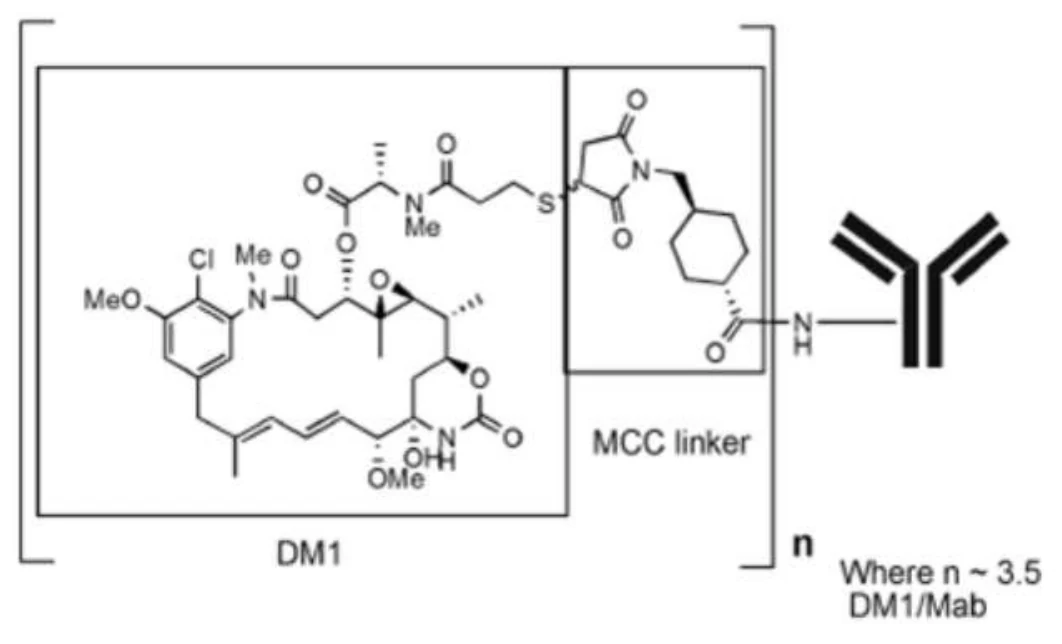
Product Characteristics:
Kadcyla (trastuzumab emtansine) is a HER2-targeted antibody-drug conjugate which contains the humanized anti-HER2 IgG1, trastuzumab, covalently linked to the microtubule-inhibitory drug DM1 (a derivative of maytansine) via the stable thioether linker MCC (4-[N-maleimidomethyl] cyclohexane-1-carboxylate). Emtansine refers to the MCC-DM1 complex. An average of 3.5 DM1 molecules are conjugated to each molecule of trastuzumab.
14 CLINICAL TRIALS
14.1 Clinical Trials by Indication
Metastatic Breast Cancer (MBC)
An overview of the study designs and demographic characteristics of patients enrolled in each clinical study are presented in Table 11.
Table 11 Summary of trial design and patient demographics for clinical trials in Metastatic Breast Cancer (MBC)
| Study # | Trial design | Dosage, route of administration and duration | Study subjects (n) | Mean age (Range) | Sex |
|---|---|---|---|---|---|
TDM4370g / BO21977 (EMILIA) | A Phase III randomized, multicenter, open-label study | Kadcyla: 3.6 mg/kg q3w, IV or Lapatinib 1250 mg/day, po + Capecitabine 1000 mg/m2 twice daily on Days 1-14 | Kadcyla: 495 patients treated Lapatinib + Capecitabine : 496 patients treated | Kadcyla: 52.2 (25 - 84) Lapatinib + Capecitabine: 53.2 (24 - 83) | Kadcyla: Female: 494 (99.8%) Male: 1 (0.2%) Lapatinib + Capecitabine: Female: 492 (99.2%) Male: 4 (0.8%) |
| TDM4450g/ BO21976 | A Phase II randomized, multicenter, open-label, study | Kadcyla: 3.6 mg/kg q3w, IV or Trastuzumab: 8 mg/kg loading dose; 6mg/kg q3w, IV + Docetaxel: 75 or 100 mg/m2 q3w, IV | Kadcyla: 67 patients treated Trastuzumab + Docetaxel: 70 patients enrolled, (2 not treated) | Kadcyla: 54.3 (27 - 82) Trastuzumab + Docetaxel: 52.1 (33-75) | Kadcyla: Female: 67 (100.0%) Trastuzumab + Docetaxel: Female: 70 (100.0%) |
| TDM4374g | A Phase II, single-arm, open-label study | Kadcyla: 3.6 mg/kg q3w , IV | 110 patients treated | 53.0 (34 - 77) | Female: 108 (98.2%) Male: 2 (1.8%) |
| TDM4258g | A Phase II single-arm, open-label study | Kadcyla: 3.6 mg/kg q3w, IV | 112 treated patients | 55.0 (33 - 82) | Female: 111 (99.1%) Male: 1 (0.9%) |
Study Results in Metastatic Breast Cancer (MBC)
A Phase III, randomized, multicentre, international, open-label clinical trial (TDM4370g/BO21977) was conducted in patients with HER2-positive unresectable locally advanced breast cancer (LABC) or MBC who had received prior taxane and trastuzumab-based therapy, including patients who received prior therapy with trastuzumab and a taxane in the adjuvant setting and who relapsed within six months of completing adjuvant therapy. Prior to enrollment, breast tumour samples were required to be centrally confirmed for HER2-positive disease defined as a score of 3+ by IHC or gene amplification by ISH. The study compared the safety and efficacy of Kadcyla with that of lapatinib plus capecitabine. A total of 991 patients were randomized (1:1) to Kadcyla or lapatinib plus capecitabine as follows:
- Kadcyla Arm (n=495): Kadcyla 3.6 mg/kg intravenously (IV) over 30−90 minutes on Day 1 of a 21-day cycle
- Control Arm (lapatinib plus capecitabine) (n=496): lapatinib 1250 mg/day orally once per day of a 21-day cycle plus capecitabine 1000 mg/m2 orally twice daily on Days 1−14 of a 21-day cycle
Patients received Kadcyla or lapatinib plus capecitabine until progression of disease (as assessed by the investigator), withdrawal of consent or unmanageable toxicity. At the time of the primary analysis, median time on study drug was 5.7 months (range: 0-28.4) for Kadcyla, 4.9 months (range: 0-30.8) for lapatinib, and 4.8 months (range: 0-30.4) for capecitabine. At the time of the second interim analysis, the median time on study drug was 7.6 months (range 0-34.8) for Kadcyla, 5.5 months (range 0-33.3) for lapatinib, and 5.3 months (range 0-33.3) for capecitabine. Randomization was stratified by world region (United States, Western Europe, other), number of prior chemotherapy regimens for unresectable locally advanced or metastatic disease (0-1, >1) and visceral versus non-visceral disease as determined by the investigators.
Baseline patient and tumour characteristics were well balanced between treatment groups. All patients had metastatic disease at study entry. Patient demographics are summarized in Table 12.
Table 12 Patient Demographics TDM4370g/BO21977 (EMILIA) study
Lapatinib+Capecitabine N = 496 | Kadcyla N = 495 | |
|---|---|---|
Age (years) Median Range | 53 24-83 | 53 25-84 |
Sex, n (%) Female Male | 492 (99.2) 4 (0.8) | 494 (99.8) 1 (0.2) |
Race, n (%) Caucasian Asian Other Not available | 374 (75.4) 86 (17.3) 21 (4.2) 10 (2) 5 (1.0) | 358 (72.3) 94 (19.0) 29 (5.9) 7 (1.4) 7 (1.4) |
ECOG Performance status, n (%) 0 1 Not available | 312 (62.9) 176 (35.5) 8 (1.6) | 299 (60.4) 194 (39.2) 2 (<1) |
Site of disease involvement, n (%) Visceral Nonvisceral | 335 (67.5) 161 (32.5) | 334 (67.5) 161 (32.5) |
Hormone-receptor status, n (%) ER-positive, PR-positive, or both ER-negative and PR-negative Unknown, ER-negative PR unknown | 263 (53) 224 (45.2) 9 (1.8) | 282 (57.0) 202 (40.8) 11 (2.3) |
Number of metastatic sites (IRC) 1 2 3+ | 151 (30.4) 156 (31.5) 175 (35.3) | 143 (28.9) 155 (31.3) 189 (38.2) |
Lapatinib+Capecitabine N = 496 | Kadcyla N = 495 | |
|---|---|---|
| Missing | 14 (2.8) | 8 (1.6) |
Measurable disease (IRC) No Yes | 107 (21.6) 389 (78.4) | 98 (19.8) 397 (80.2) |
Prior chemotherapy regimens for locally advanced or metastatic disease 0-1 >1 | 305 (61.5) 191 (38.5) | 304 (61.4) 191 (38.6) |
The majority of patients (88%) had received prior systemic treatment in the metastatic setting. Twelve percent of patients had prior treatment only in the neoadjuvant or adjuvant setting and had disease relapse within 6 months of treatment. All but one patient received trastuzumab prior to study entry; approximately 85% of patients received prior trastuzumab in the metastatic setting. Over 99% percent of patients had received a taxane, and 61% of patients had received an anthracycline prior to study entry. Overall, patients received a median of 3 systemic agents in the metastatic setting. Among patients with hormone receptor-positive tumours, 44.4% received prior adjuvant hormonal therapy and 44.8% received hormonal therapy for locally advanced/metastatic disease.
The co-primary efficacy endpoints of the study were progression-free survival (PFS) as assessed by an independent review committee (IRC), and overall survival (OS). PFS was defined as the time from randomization to documented IRC-assessed PD or death from any cause (whichever occurred earlier). OS was defined as the time from the date of randomization to the date of death from any cause.
Key secondary endpoints included PFS (investigator-assessed), the objective response rate (ORR), the duration of response, and the time to symptom progression.
Table 13 Summary of efficacy from TDM4370g/BO21977 (EMILIA) study
Lapatinib+Capecitabine N = 496 | Kadcyla N = 495 | |||||||||
|---|---|---|---|---|---|---|---|---|---|---|
| Primary Endpoints | ||||||||||
| IRC-assessed PFS | ||||||||||
| Number (%) of patients with event | 304 (61.3%) | 265 (53.5%) | ||||||||
| Median duration of PFS (months) | 6.4 | 9.6 | ||||||||
| Hazard Ratio (stratified*) | 0.650 | |||||||||
| 95% CI for Hazard Ratio | (0.549 , 0.771) | |||||||||
| p-value (Log-Rank test, stratified*) | <0.0001 | |||||||||
| Overall Survival** | ||||||||||
| Number (%) of patients who died | 182 (36.7%) | 149 (30.1%) | ||||||||
| Median duration of survival (months) | 25.1 | 30.9 | ||||||||
| Hazard Ratio (stratified*) | 0.682 | |||||||||
Lapatinib+Capecitabine N = 496 | Kadcyla N = 495 | |||||||||
|---|---|---|---|---|---|---|---|---|---|---|
| 95% CI for Hazard Ratio | (0.548, 0.849) | |||||||||
| p-value (Log-Rank test*) | 0.0006 | |||||||||
| Key Secondary Endpoints | ||||||||||
| Objective Response Rate | ||||||||||
| Patients with measurable disease | 389 | 397 | ||||||||
| Number of patients with OR (%) | 120 (30.8%) | 173 (43.6%) | ||||||||
| Diff, (95% CI); | 12.7% (6.0%, 19.4%) | |||||||||
| p-value (Mantel-Haenszel chi-squared test*) | 0.0002 | |||||||||
Lapatinib+Capecitabine N = 496 | Kadcyla N = 495 | ||||
|---|---|---|---|---|---|
| Duration of Objective Response (months) | |||||
| Number of patients with OR | 120 | 173 | |||
| Median | 6.5 | 12.6 | |||
PFS: progression-free survival; OR: objective response * Stratified by: world region (United States, Western Europe, Other), number of prior chemotherapeutic regimens for locally advanced or metastatic disease (0-1 vs. > 1), and visceral vs. non-visceral disease. ** The first interim analysis of overall survival (OS) was performed at the time of primary PFS analysis. Strong treatment effect was observed, but pre-specified efficacy boundary was not crossed. A second interim analysis for OS was conducted when 331 OS events were observed and the results are presented in this table. The p-value met the O’Brien Fleming stopping boundary of the Lan Demets alpha spending function for the 2nd OS interim analysis (p = 0.0037). | |||||
A treatment benefit with Kadcyla in terms of PFS and OS was observed in most patient subgroups based on stratification factors, key baseline demographic and disease characteristics, and prior treatments. In the subgroup of patients with non-measurable disease (n=205), based on IRC assessments, the hazard ratios for PFS and OS were 0.91 (95% CI: 0.59, 1.42) and 0.96 (95% CI: 0.54, 1.68), respectively; in patients with measurable disease the hazard ratios were 0.62 (95% CI: 0.52, 0.75) and 0.65 (95% CI: 0.51, 0.82), respectively. The PFS and OS hazard ratios in patients who were younger than 65 years old (n=853) were 0.62 (95% CI: 0.52, 0.74) and 0.66 (95% CI: 0.52, 0.83), respectively. In patients ≥ 65 years old (n=138), the hazard ratios for PFS and OS were 1.06 (95% CI: 0.68, 1.66) and 1.05 (95% CI: 0.58, 1.91), respectively.
Pre-specified subgroup analyses utilizing non-visceral and visceral evaluations based solely on investigator judgment at the time of randomization revealed IRC-assessed PFS hazard ratios of 0.96 (95% CI: 0.71, 1.30) and 0.55 (95% CI: 0.45, 0.67) for the non-visceral and visceral disease subgroups, respectively. For OS, the hazard ratios were 1.05 (95% CI: 0.69, 1.61) and 0.59 (95% CI: 0.46, 0.76), respectively.
To examine the possibility that heterogeneity of assessment or other factors may have affected the subgroup analysis, post-hoc analyses were performed using consistent definition of visceral disease = lung, liver, pleural effusion and ascites and applied to the IRC assessments of disease. These analyses revealed IRC-assessed PFS hazard ratios of 0.69 (95% CI: 0.51, 0.95) and 0.64 (95% CI: 0.53, 0.78) for the non-visceral and visceral subgroups, respectively. The hazard ratios for OS were 0.59 (95% CI: 0.37, 0.94) and 0.73 (95% CI: 0.57, 0.94), respectively.
Figure 1 Kaplan-Meier curve of IRC-assessed progression-free survival
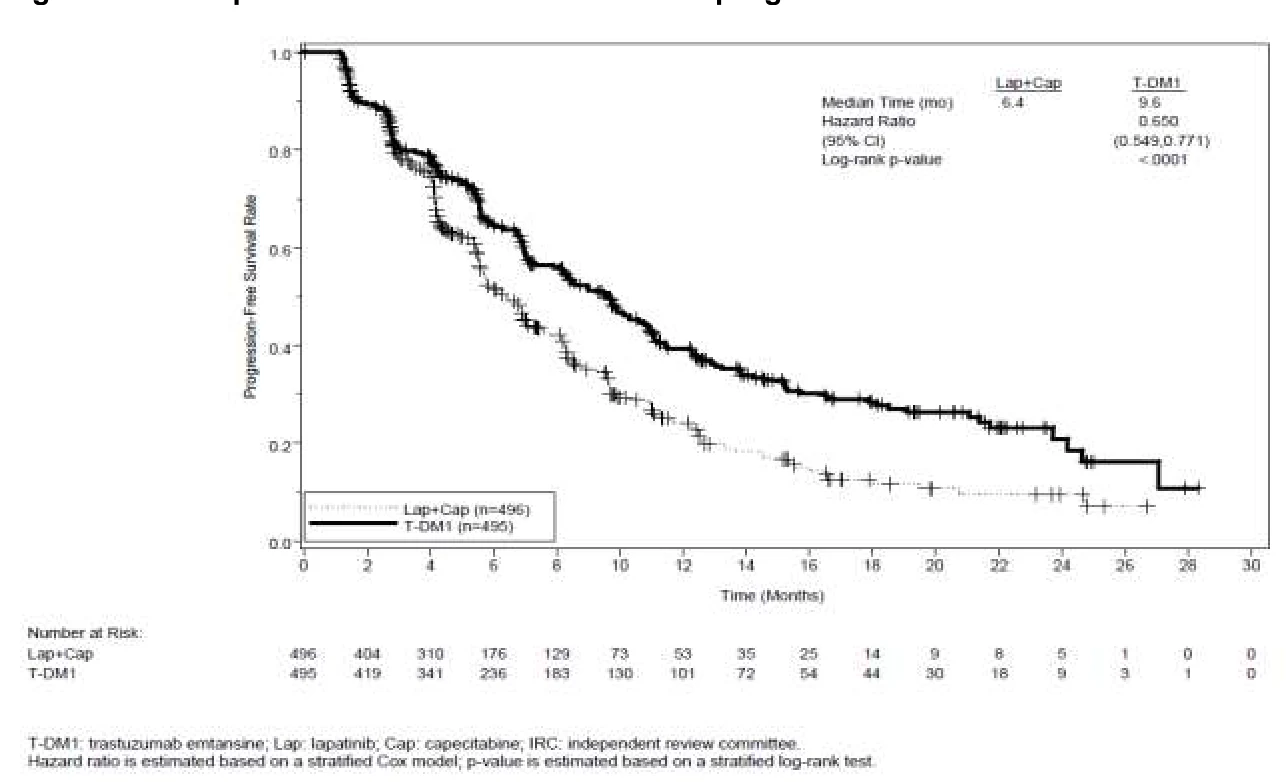
Figure 2 Kaplan-Meier curve of overall survival
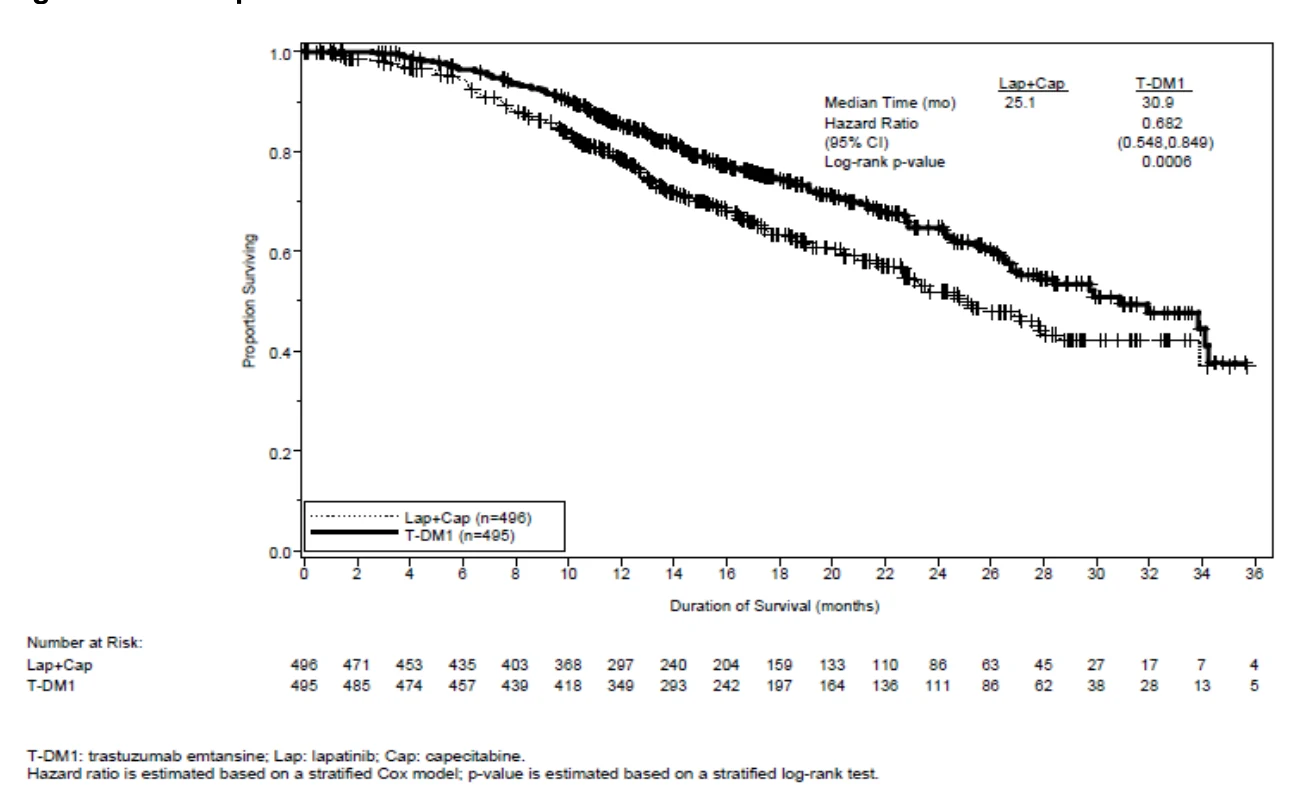
Other MBC Clinical Studies
A randomized, multicentre, open-label phase II, study (TDM4450g/BO21976) evaluated the effects of Kadcyla versus trastuzumab plus docetaxel in patients with HER2-positive MBC who had not received prior chemotherapy for metastatic disease. Patients were randomized to receive Kadcyla 3.6 mg/kg IV every 3 weeks (n=67) or trastuzumab 8 mg/kg IV loading dose followed by 6 mg/kg IV every 3 weeks plus docetaxel 75-100 mg/m2 IV every 3 weeks (n=70).
The primary endpoint was PFS assessed by investigator. The median PFS was 9.2 months in the trastuzumab plus docetaxel arm and 14.2 months in the Kadcyla arm with a median follow-up of approximately 14 months in both arms. The ORR was 58.0% with trastuzumab plus docetaxel and 64.2% with Kadcyla. The median duration of response was not reached with Kadcyla vs. median duration 9.5 months in the control arm. The median OS was not reached in both arms.
A Phase II, single-arm, open-label study (TDM4374g) evaluated the effects of Kadcyla in patients with HER2-positive incurable locally advanced, or MBC. All patients were previously treated with HER2-directed therapies (trastuzumab and lapatinib), and chemotherapy (anthracycline, taxane, and capecitabine) in the neoadjuvant, adjuvant, locally advanced, or metastatic setting. The median number of anti-cancer agents that patients received in any setting was 8.5 (range, 5–19) and in the metastatic setting was 7.0 (range, 3–17), including all agents intended for the treatment of breast cancer.
Patients (n=110) received 3.6 mg/kg of Kadcyla intravenously every 3 weeks until disease progression or unacceptable toxicity.
The key efficacy analyses were ORR based on independent radiologic review and duration of objective response. The ORR was 32.7%, n=36 responders, by both IRC and investigator review. The median duration of response by IRC was not reached (4.6 months to not estimable).
A Phase II single-arm, open label study evaluated the effects of Kadcyla (TDM4258g) in patients with HER2-positive incurable LABC or MBC with a history of progression on HER2-directed therapy and at least one chemotherapy agent for MBC. Patients (n= 112) received Kadcyla administered at a dose of 3.6 mg/kg intravenously every 3 weeks until disease progression or unacceptable toxicity for a maximum of 1 year.
The primary endpoint was ORR based on independent radiologic review. The administration of Kadcyla in patients with HER2-positive MBC previously treated with HER2-targeted therapy demonstrated single-agent activity with a confirmed ORR of 26.9%, as determined by the independent radiologic review, and a confirmed ORR of 38.9%, as assessed by the investigator. Kadcyla demonstrated anti-tumour activity in patients previously treated with both lapatinib and trastuzumab, with a confirmed ORR of 24.2% by independent radiologic review. The median duration of response by independent radiologic review assessment was not reached because of insufficient events and was 9.4 months per investigator assessment.
Early Breast Cancer (EBC)
An overview of the study designs and demographic characteristics of patients enrolled in study BO27938 (KATHERINE) are presented in Table 14.
Table 14 Summary of trial design and patient demographics for clinical trials in Early Breast Cancer (EBC)
| Study # | Trial design | Dosage, route of administration and duration | Study subjects (n) | Mean age (Range) | Sex |
| Early Breast Cancer | |||||
BO27938 (KATHERINE) | Phase III, randomized , multicenter, multinationa l, two-arm, open label study | Trastuzumab: 6 mg/kg IV q3w for 14 cycles (8 mg/kg loading dose given if longer than 6 weeks since last dose of trastuzumab) OR Kadcyla: 3.6 mg/kg q3w IV for 14 cycles | Trastuzu mab: 743 patients enrolled, 720 patients treated Kadcyla: 743 patients enrolled, 740 patients treated | Trastuzuma b: 49.2 (23 – 80) Kadcyla: 49.0 (24 – 79) | Trastuzuma b: Female: 740 (99.6%) Male: 3 (0.4%) Kadcyla: Female: 741 (99.7%) Male: 2 (0.3%) |
Study Results in Early Breast Cancer (EBC)
KATHERINE (BO27938) was a randomized, multicenter, open-label trial of 1486 patients with HER2-positive, early breast cancer with residual invasive tumour in the breast and/or axillary lymph nodes following taxane and trastuzumab-based therapy as part of a neoadjuvant regimen before trial enrollment. Patients may have also received an anthracycline as part of neoadjuvant treatment. Patients received radiotherapy and/or hormonal therapy concurrent with study treatment as per local guidelines. Breast tumour samples were required to show HER2 overexpression defined as 3+ IHC or ISH amplification ratio ≥ 2.0 determined at a central laboratory. Patients were randomized (1:1) to receive trastuzumab or Kadcyla. Randomization was stratified by clinical stage at presentation, hormone receptor status, preoperative HER2-directed therapy (trastuzumab, trastuzumab plus additional HER2-directed agent[s]), and pathological nodal status evaluated after preoperative therapy.
Patients were excluded from the study if any of the following criteria were met: gross residual disease remaining after mastectomy or positive margins after breast-conserving surgery; progressive disease during neoadjuvant therapy; and cardiopulmonary dysfunction, including heart failure of New York Heart Association (NYHA) class II (mild symptoms and function limitation) or higher or a history of a reduction in the left ventricular ejection fraction to < 40% with previous therapy.
Kadcyla was given intravenously at 3.6 mg/kg on Day 1 of a 21-day cycle. Trastuzumab was given intravenously at 6 mg/kg on Day 1 of a 21-day cycle. Patients were treated with Kadcyla or trastuzumab for a total of 14 cycles unless there was recurrence of disease, withdrawal of consent, or unacceptable toxicity, whichever occurred first. At the time of the primary analysis, median treatment duration was 10 months (range: 1−12) for Kadcyla, and median treatment duration was 10 months (range: 1−13) for trastuzumab. Patients who discontinued Kadcyla could complete the duration of their intended study treatment up to 14 cycles of HER2-directed therapy with trastuzumab, if appropriate, based on toxicity considerations and investigator discretion.
The primary efficacy endpoint of the study was Invasive Disease Free Survival (IDFS). IDFS was defined as the time from the date of randomization to first occurrence of ipsilateral invasive breast tumour recurrence, ipsilateral local or regional invasive breast cancer recurrence, distant recurrence, contralateral invasive breast cancer, or death from any cause. Additional endpoints included IDFS including second primary non-breast cancer, disease free survival (DFS), overall survival (OS), and distant recurrence-free interval (DRFI).
Table 15 Patient Demographics BO27938 (KATHERINE) study
trastuzumab N = 743 | Kadcyla N = 743 | |
|---|---|---|
Age (years) Median Range | 49 23-80 | 49 24-79 |
Sex, n (%) Female Male | 740 (99.6) 3 (0.4) | 741 (99.7) 2 (0.3) |
Race, n (%) Caucasian Asian American Indian or Alaska Native Black or African American Other | 531 (71.5) 64 (8.6) 50 (6.7) 19 (2.6) 79 (10.6) | 551 (74.2) 65 (8.7) 36 (4.8) 22 (2.8) 70 (9.4) |
Region, n (%) North America Western Europe Rest of World | 164 (22.1) 403 (54.2) 176 (23.7) | 170 (22.9) 403 (54.2) 170 (22.9) |
ECOG Performance status, n (%) 0 1 | 613 (82.5) 130 (17.5) | 597 (80.3) 146 (19.7) |
Hormone-receptor status (eCRF), n (%) Positive (ER and/or PgR positive) Negative (ER negative and PgR negative/unknown) | 540 (72.7) 203 (27.3) | 534 (71.9) 209 (28.1) |
Preoperative HER2-directed therapy (eCRF), n (%) Trastuzumab only Trastuzumab plus additional HER2-directed therapy | 596 (80.2) 147 (19.8) | 600 (80.8) 143 (19.2) |
Preoperative Pertuzumab (eCRF), n (%) Received pertuzumab Did not receive pertuzumab | 139 (18.7) 604 (81.3) | 133 (17.9) 610 (82.1) |
Prior Anthracycline received, n (%) Received prior anthracycline Did not receive prior anthracycline | 564 (75.9) 179 (24.1) | 579 (77.9) 164 (22.1) |
The majority of the patients (76.9%) had received an anthracycline-containing neoadjuvant chemotherapy regimen and 19.5% of patients received another HER2-targeted agent in addition to trastuzumab as a component of neoadjuvant therapy. Pertuzumab was the second therapy in 93.8% of patients who received a second neoadjuvant HER2-directed agent.
A clinically meaningful and statistically significant improvement in IDFS was observed in patients who received Kadcyla compared with trastuzumab (HR = 0.50, 95% CI [0.39, 0.64], p <0.0001), corresponding to a 50% reduction in risk of an IDFS event. Estimates of 3-year event-free rates were 88.3% vs. 77.0% in Kadcyla vs. trastuzumab arms, respectively. See Table 16 and Figure 3.
Table 16 Summary of Efficacy from BO27938 (KATHERINE) study
Trastuzumab N = 743 | Kadcyla N = 743 | ||||||||
|---|---|---|---|---|---|---|---|---|---|
| Primary Endpoint | |||||||||
| Invasive Disease Free Survival (IDFS) | |||||||||
| Number (%) of patients with event | 165 (22.2%) | 91 (12.2%) | |||||||
| HR [95% CI] | 0.50 [0.39, 0.64] | ||||||||
| p-value (Log-Rank test, unstratified) | <0.0001 | ||||||||
| 3 year event-free rate1, % [95% CI] | 77.0 [73.78, 80.26] | 88.3 [85.81, 90.72] | |||||||
Key to abbreviations (Table 16): HR: Hazard Ratio; CI: Confidence Intervals,
- 1. 3-year event-free rate derived from Kaplan-Meier estimates
Figure 3 Kaplan-Meier Curve of Invasive Disease Free Survival in BO27938 (KATHERINE)
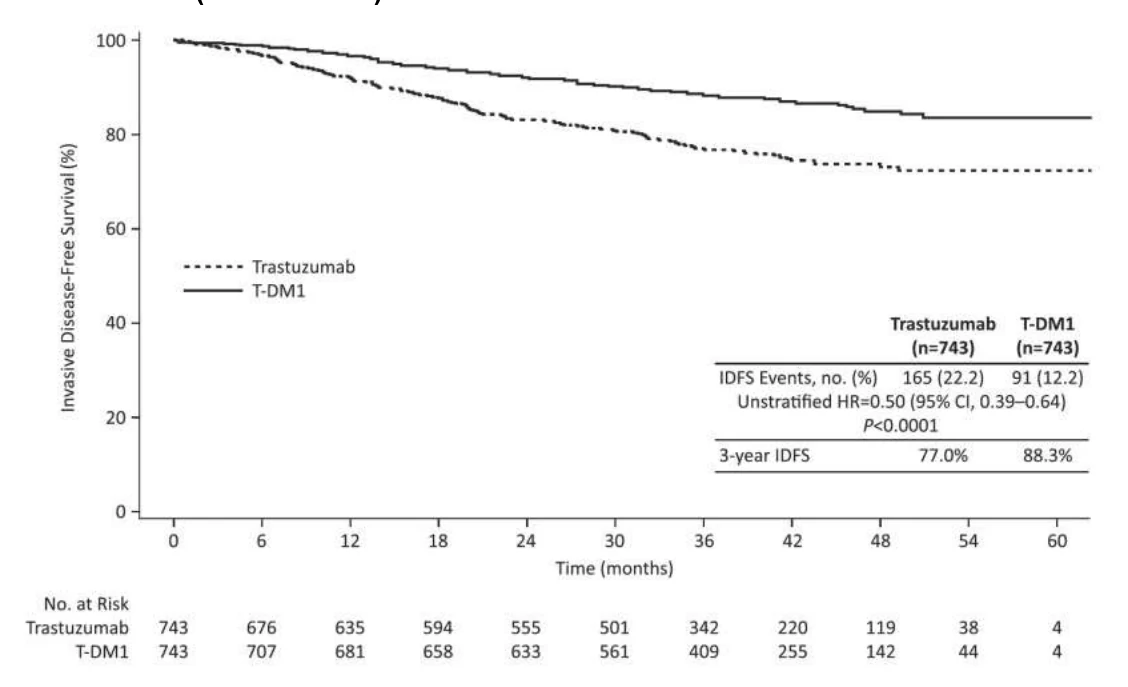
In BO27938 (KATHERINE), consistent treatment benefit of Kadcyla for IDFS was seen in all the pre-specified subgroups evaluated, supporting the robustness of the overall results. The primary IDFS analysis is also supported by secondary outcome measures. More patients treated with trastuzumab vs. Kadcyla experienced a disease-free survival (DFS) event (23% vs. 13%; HR = 0.53). More patients treated with trastuzumab vs. Kadcyla experienced an IDFS including second primary non-breast cancer event (22.5% vs. 12.4%, HR = 0.51). Distant recurrence as the first invasive event occurred in 16% of trastuzumab vs.10.5% of Kadcyla treated patients (HR = 0.60).
15 MICROBIOLOGY
No microbiological information is required for this drug product.
16 NON-CLINICAL TOXICOLOGY
General Toxicology
Trastuzumab emtansine was generally well tolerated in rats (a nonbinding species) and cynomolgus monkeys (a relevant binding species) in single- and repeat-dose toxicity studies. The identified toxicities in both species were generally limited to findings consistent with the pharmacology of DM1 including hepatotoxicity, hematologic/bone marrow toxicity (including decreased platelet levels), lymphoid depletion in the spleen and thymus, neurotoxicity (monkeys only), reproductive toxicity (rats only) and increased numbers of mitotic figures in cells of epithelial and phagocytic origin.
Single-Dose Toxicity Studies:
In rats, a single IV dose of trastuzumab emtansine resulted in mortality and morbidity at a dose of 60 mg/kg. Animals had body weight loss, evidence of hepatotoxicity, peripheral granulocytosis, and decreased platelet levels. Males had adverse effects in the testicle and epididymis, including degeneration of seminiferous tubules with hemorrhage in the testes associated with increased weights of testes and epididymides at a severely toxic dose level (60 mg/kg; about 4 times the clinical exposure based on AUC), and females had hemorrhage and necrosis of the corpus luteum in ovaries. Trastuzumab emtansine doses of 6 and 20 mg/kg were tolerated with no adverse clinical signs; the target organs affected were comparable to those affected at 60 mg/kg with the exception of changes to the male and female reproductive organs, and with less severity. In cynomolgus monkeys, a single IV dose of trastuzumab emtansine was well tolerated following administration of 3, 10, or 30 mg/kg with evidence of hepatotoxicity and decreased platelet levels observed at 30 mg/kg. The toxicity of DM1 was also investigated in rats. A single IV dose was tolerated up to 0.2 mg/kg. With the exception of axonal degeneration which was observed only in monkeys, the toxicities observed after administration of DM1 were comparable to those observed in rats and monkeys administered trastuzumab emtansine.
The findings from the single-dose toxicity studies with trastuzumab emtansine and DM1 are summarized in Table 17.
Repeat-Dose Toxicity Studies:
In cynomolgus monkeys, IV administration of trastuzumab emtansine every three weeks for 4 or 8 doses at 3, 10, and 30 mg/kg, and 1, 3, and 10 mg/kg, respectively, followed by a 3- or 6-week recovery period, was well tolerated at all dose levels evaluated, with no signs of overt toxicity. The main toxicologic findings attributed to treatment with trastuzumab emtansine were comparable across both studies, and included hepatotoxicity, lymphoid depletion in the spleen and thymus, microscopic changes in the lacrimal glands, and irreversible axonal degeneration in the sciatic nerve and spinal cord. Based on the mechanism of action of the cytotoxic component DM1, there is clinical potential for neurotoxicity. Decreases in weights of the epididymides, prostate, testes, seminal vesicles, and uterus were also observed, but the interpretation of these results is unclear due to the varied sexual maturity of enrolled animals. The findings from the repeat-dose toxicity studies with trastuzumab emtansine are summarized in Table 18.
Carcinogenicity:
No carcinogenicity studies have been performed to establish the carcinogenic potential of Kadcyla.
Genotoxicity:
In a rat bone marrow micronucleus assay, DM1 was positive for micronuclei formation after a single low dose in the DM1 concentration range measured in humans given trastuzumab emtansine, confirming that Kadcyla is an aneugen and/or clastogen. No evidence of mutagenic activity was observed in an in vitro bacterial reverse mutation assay of DM1. In an in vitro micronucleus assay of trastuzumab emtansine in cynomolgus monkeys, no evidence of chromosomal damage to bone marrow cells was observed. The findings from the mutagenicity studies are summarized in Table 19.
Reproductive and Developmental Toxicology:
Dedicated embryo-fetal development studies have not been conducted in animals with trastuzumab emtansine. Developmental toxicity of trastuzumab has been identified in the clinical setting although it was not predicted in the non-clinical program. In addition, developmental toxicity of maytansine has been identified in non-clinical studies which suggests that DM1, the microtubule-inhibiting cytotoxic maytansinoid drug component of trastuzumab emtansine, will be similarly teratogenic and potentially embryotoxic.
No fertility studies in animals have been performed to evaluate the effect of Kadcyla. However, based on results from general animal toxicity studies, adverse effects on fertility can be expected (see Single-Dose Toxicity Studies and Repeat-Dose Toxicity Studies).
Special Toxicology:
Specific toxicity studies conducted with trastuzumab emtansine and DM1 include: in vitro hERG assay in human embryonic kidney (HEK293) cell, a cardiovascular safety pharmacology study in cynomolgus monkeys, an in vitro hemolytic potential and blood compatibility, a tissue cross-reactivity and a bridging study in cynomolgus monkeys. Details from these studies are provided in Table 20.
Table 17 Single-Dose Toxicity Studies
| Study No. | Study Type | Species and Strain | No./Sex/Group | Method of Administration | Doses (mg/kg)a | Duration of Dosing |
| 04-1214-1459 | Single-Dose Toxicity | Rat/Sprague-Dawley | 10/M, 10/F | IV | trastuzumab emtansine: 6, 20, 60 | NA |
| Comments: Trastuzumab emtansine was not tolerated in rats administered a single IV dose of 60 mg/kg based on clinical signs, body weight loss, and high rate of morbidity/mortality. | ||||||
| 04-0976-1459 | Single-Dose Toxicity | Cynomolgus Monkeyb | 6/M, 6/F | IV | trastuzumab emtansine: 3, 10, 30 | NA |
| Comments: Trastuzumab emtansine was well tolerated up to 30 mg/kg. Adverse effects on the liver and decreased platelet levels that were observed at 30 mg/kg were reversible after a 3-week recovery period. The HNSTD was 30 mg/kg. | ||||||
| 05-1191 | Single-Dose Toxicity | Rat/Sprague-Dawley | 10/M, 10/F | IV | DM1: 0.05, 0.1, 0.2 | NA |
| Comments: DM1 was well tolerated in rats up to 0.2 mg/kg. Effects on the liver, platelets, and lymphoid organs were comparable to those observed in rats and monkeys administered trastuzumab emtansine, and were reversible after a 3-week recovery period. The HNSTD was 0.2 mg/kg. | ||||||
IV= intravenous; NA- not applicable a Unless otherw ise specified. b Macaca fascicularis. The highest non−severely toxic dose (HNSTD) for each study is denoted by underline | ||||||
Table 18 Repeat-Dose Toxicity Studies
| Study No. | Study Type | Species and Strain | No./Sex/Group | Method of Administration | Doses (mg/kg)a | Duration of Dosing |
| 04-0977-1459 | Repeat-Dose Toxicity | Cynomolgus monkeyb | 7/M, 7/F | IV | Trastuzumab emtansine: 3, 10, 30 | Four doses (one dose every three weeks) |
| Comments: Trastuzumab emtansine was well tolerated up to 30 mg/kg with no overt signs of toxicity. Notable trastuzumab emtansine−related changes at 10 and 30 mg/kg consisted primarily of increases in serum liver enzymes and decreases in red-cell mass and platelets. | ||||||
| 07-0653 | Repeat-Dose Toxicity | Cynomolgus monkeyb | 6/M, 6/ F | IV | Trastuzumab emtansine: 1, 3, 10 | Eight doses (one dose every three weeks) |
| Comments: Trastuzumab emtansine was well tolerated up to 10 mg/kg. Notable trastuzumab emtansine−related changes at 10 mg/kg consisted primarily of increases in serum liver enzymes and decreases in red-cell mass and platelets. Overall, the findings observed between the first and last dose cycle in this study were comparable, indicating that chronic dosing of trastuzumab emtansine did not result in cumulative toxicities. | ||||||
IV=intravenous a Unless otherw ise specified. b Macaca fascicularis. The highest non−severely toxic dose (HNSTD) for each study is denoted by underline | ||||||
Table 19 Mutagenicity Studies
| Study No. | Study Type | Species and Strain | No./Sex/Group | Method of Administration | Doses (mg/kg)a | Duration of Dosing |
| 09-2654 | In vitro | Salmonella – Escherichia coli | NAb | In vitro | DM1: 1.60, 5.00, 16.0, 50.0, 160, 500, 1600, and 5000 μg/plate | NA |
Comments: Results indicated DM1 was negative in the Salmonella−Escherichia coli/Mammalian-Microsome Reverse Mutation Assay under the conditions of this study | ||||||
| 09-2726 | In vivo | Rat/Sprague-Dawley | 5M, 5F | In vivo | DM1: 0.01, 0.05, 0.1, and 0.2 | Single dose |
| Comments: DM1 induced a dose-dependent increase in micronucleus frequency at 0.05, 0.1, and 0.2 mg/kg, demonstrating evidence of aneugenicity and/or clastogenicity | ||||||
| 07-0653 | In vivo | Cynomolgus Monkeyb | 6/M, 6/ F | IV | Trastuzumab emtansine: 1, 3, 10 | 21 Weeks |
| Comments: there was no evidence of micronuclei induction in bone marrow collected 7 days after the last dose. | ||||||
IV= intravenous; NA= not applicable a Unless otherw ise specified. b Macaca fascicularis. | ||||||
Table 20 Special Toxicity Studies
| Study No. | Study Type | Species and Strain | No./Sex/Group | Method of Administration | Doses (mg/kg)a | Duration of Dosing |
| 09-0234 | hERG Assay | Human embryonic kidney (HEK293) cell | NA | In vitro | DM1: 2.6, 8.8, and 29.5 μM | NA |
| Comments: DM1 inhibited hERG potassium current by (Mean ± SEM; n = 3) 0.3 ± 0.6% at 2.6 μM, 1.0 ± 0.5% at 8.8 μM and 2.5 ± 0.4% at 29.5 μM versus 0.6 ± 0.3% in control. IC20 and IC50 were estimated to be greater than 29.5 μM. | ||||||
| 04-1031-1605 | Cardiovascular Safety Pharmacology | Cynomolgus Monkeyb | 4/F | IV | Trastuzumab emtansine: 3, 10, 30 | Single dose |
| Comments: Trastuzumab emtansine did not affect ECG parameters, including QT/QTc. At 30 mg/kg trastuzumab emtansine, modest increases in systolic, diastolic, and mean arterial pressures were observed. Changes were most consistently observed on Day 5 post-dose, but were variable in onset and duration in individual monkeys. | ||||||
| 04-1257-1459 | Hemolytic Potential and Blood Compatibility | Cynomolgus monkey and human blood, serum, and plasma | NA | In vitro | Trastuzumab emtansine: 0, 1.25, 2.5, or 5 mg/mL | NA |
Comments: Hemolytic potential: no trastuzumab emtansine–related hemolysis in human and monkey serum and plasma. Blood and plasma compatibility: Trastuzumab emtansine compatible in human and monkey blood and plasma. | ||||||
| 04-1215-1605 | Tissue Cross-Reactivity | Cynomolgus monkey and human tissue | NA | In vitro | Trastuzumab emtansine: 1.0 or 10.0 μg/mL | NA |
| Comments: Trastuzumab emtansine-specific binding observed at 1.0 and 10.0 μg/mL in both human and cynomolgus monkey tissues, and consisted primarily of epithelial, spindle, glial, and mononuclear cell staining in several tissues. Binding in monkey tissues was similar to that of human tissues yet less prevalent. | ||||||
| 05-0848 | Bridging Study | Cynomolgus monkeyb | 3/M, 3/F | IV | Trastuzumab emtansine: 3, 5%−7% UM 10, 5%−7% UM 30, 5%−7% UM | Single dose |
| Comments: Trastuzumab emtansine was well tolerated up to 30 mg/kg. Body weight loss (females), adverse effects on the liver and decreased platelet levels observed at 30 mg/kg were reversible after a 3-week recovery period. Minimal non-reversible axonal degeneration in the sciatic nerve was observed at 30 mg/kg. | ||||||
IV= intravenous; NA= not applicable; UM= Unconjugated Maytansinoid a Unless otherwise specified. b Macaca fascicularis. The highest non−severely toxic dose (HNSTD) for each study is denoted by underline |