


Product Monograph - Levocarnitine Injection (Juno Pharma Canada)
SUMMARY PRODUCT INFORMATION
| Route of Administration | Dosage Form / Strength | Clinically Relevant Nonmedicinal Ingredients |
|---|---|---|
| Intravenous | Injection 1 g / 5 mL (200 mg / mL) | Hydrochloric acid For a complete listing see Dosage Forms, Composition and Packaging section. |
INDICATIONS AND CLINICAL USE
LEVOCARNITINE INJECTION (levocarnitine) is indicated for:
- Treatment of primary systemic carnitine deficiency
- Acute and chronic treatment of patients with an inborn error of metabolism which results in a secondary carnitine deficiency, and
- Prevention and treatment of carnitine deficiency in patients with end stage renal disease (ESRD) who are undergoing dialysis
In some patients, particularly those presenting with cardiomyopathy, carnitine supplementation rapidly alleviated signs and symptoms. Treatment should include, in addition to carnitine, supportive and other therapy as indicated by the condition of the patient.
Geriatrics (> 65 years of age):
Limited data are available therefore LEVOCARNITINE INJECTION should be used with caution in these patients.
Pediatrics (<18 years of age):
The evaluation of carnitine in primary and secondary carnitine deficiency included pediatric patients.
CONTRAINDICATIONS
Patients who are hypersensitive to this drug or to any ingredient in the formulation. For a complete listing, see the DOSAGE FORMS, COMPOSITION AND PACKAGING section of the product monograph.
WARNINGS AND PRECAUTIONS
General
Serious hypersensitivity reactions, including anaphylaxis, laryngeal edema, and bronchospasm have been reported following levocarnitine injection, mostly in patients with end stage renal disease who are undergoing dialysis. Some reactions occurred within minutes after intravenous administration of levocarnitine. Serious hypersensitivity reactions, including rash, urticaria, and facial edema have also been reported with oral levocarnitine.
If a severe hypersensitivity reaction occurs, discontinue Levocarnitine Injection treatment and initiate appropriate medical treatment. Consider the risks and benefits of re-administering Levocarnitine Injection to individual patients following a severe reaction. If the decision is made to re-administer the product, monitor patients for a reoccurrence of signs and symptoms of a severe hypersensitivity reaction.
Carcinogenesis and Mutagenesis
No human data are available. See TOXICOLOGY section.
Gastrointestinal
Rapid consumption of levocarnitine may result in gastrointestinal reactions.
Renal
In ESRD patients on hemodialysis, only the intravenous form of levocarnitine is indicated for use.
Special Populations Pregnant Women:
Reproductive studies have been performed in rats and rabbits at doses up to 3.8 times the human dose on the basis of surface area and have revealed no evidence of impaired fertility or harm to the fetus due to levocarnitine. There are, however, no adequate and well controlled studies in pregnant women. Because animal reproduction studies are not always predictive of human response, this drug should be used during pregnancy only if clearly needed.
Nursing Women:
Levocarnitine has not been studied in lactating women. Levocarnitine should only be used by nursing mothers if benefit to the mother outweighs any potential risks to the child from excess carnitine exposure. Studies in dairy cows indicate that the concentration of levocarnitine in milk is increased following exogenous administration of levocarnitine. In nursing mothers receiving levocarnitine, any risks to the child of excess carnitine intake need to be weighed against the benefits of levocarnitine supplementation to the mother. Consideration may be given to discontinuation of nursing or of levocarnitine treatment.
Geriatrics (> 65 years of age):
Limited data are available therefore Levocarnitine Injection should be used with caution in these patients.
Pediatrics (<18 years of age):
The evaluation of carnitine in primary and secondary carnitine deficiency included pediatric patients. Evidence from clinical studies and experience suggests that use in the pediatric population is not associated with differences in safety or efficacy.
Monitoring and Laboratory Tests
Reports of International Normalised Ratio (INR): INR levels should be monitored in patients treated concomitantly with levocarnitine and anticoagulant drugs1, 6.
LEVOCARNITINE INJECTION: It is recommended that a plasma carnitine concentration be obtained prior to beginning parenteral therapy for metabolic disorders and in some patients, weekly and monthly monitoring is recommended. This monitoring should include blood chemistries, vital signs, plasma carnitine concentrations (the plasma free carnitine concentration should be between 35 and 60 micromoles / liter at baseline) and overall clinical condition.
ADVERSE REACTIONS
Adverse Drug Reaction Overview
Mild myasthenia has been described only in uremic patients receiving D,L-carnitine.
Transient nausea and vomiting have been observed. Less frequent adverse reactions are body odor, nausea, and gastritis. An incidence for these reactions is difficult to estimate due to the confounding effects of the underlying pathology.
Seizures have been reported to occur in patients with or without pre-existing seizure activity, receiving intravenous levocarnitine. In patients with pre-existing seizure activity, an increase in seizure frequency and/or severity has been reported.
Clinical Trial Adverse Drug Reactions
Because clinical trials are conducted under very specific conditions the adverse reaction rates observed in the clinical trials may not reflect the rates observed in practice and should not be compared to the rates in the clinical trials of another drug. Adverse drug reaction information from clinical trials is useful for identifying drug-related adverse events and for approximating rates.
The table below lists the adverse events that have been reported in two double-blind, placebo-controlled trials in patients on chronic hemodialysis. Events occurring at ≥5% are reported without regard to causality.
| Table 1 % of Patients With Adverse Events Occurring at a Frequency ≥5% Regardless of Causality by Body System | ||||||||||
|---|---|---|---|---|---|---|---|---|---|---|
| Placebo (n=63) | Levocarnitine 10 mg (n=34) | Levocarnitine 20 mg (n=62) | Levocarnitine 40 mg (n=34) | Levocarnitine 10, 20, 40 mg (n=130) | ||||||
| Body as Whole | ||||||||||
| Abdominal pain | 17 | 21 | 5 | 6 | 9 | |||||
| Accidental injury | 10 | 12 | 8 | 12 | 10 | |||||
| Allergic reaction | 5 | 6 | - | - | 2 | |||||
| Asthenia | 8 | 9 | 8 | 12 | 9 | |||||
| Back pain | 10 | 9 | 8 | 6 | 8 | |||||
| Chest pain | 14 | 6 | 15 | 12 | 12 | |||||
| Fever | 5 | 6 | 5 | 12 | 7 | |||||
| Flu syndrome | 40 | 15 | 27 | 29 | 25 | |||||
| Headache | 16 | 12 | 37 | 3 | 22 | |||||
| Infection | 17 | 15 | 10 | 24 | 15 | |||||
| Injection site reaction | 59 | 38 | 27 | 38 | 33 | |||||
| Pain | 49 | 21 | 32 | 35 | 30 | |||||
| Cardiovascular | ||||||||||
| Arrhythmia | 5 | 3 | - | 3 | 2 | |||||
| Atrial fibrillation | - | - | 2 | 6 | 2 | |||||
| Cardiovascular disorder | 6 | 3 | 5 | 6 | 5 | |||||
| Electrocardiogram abnormal | - | 3 | - | 6 | 2 | |||||
| Hemorrhage | 6 | 9 | 2 | 3 | 4 | |||||
| Hypertension | 14 | 18 | 21 | 21 | 20 | |||||
| Hypotension | 19 | 15 | 19 | 3 | 14 | |||||
| Palpitations | - | 3 | 8 | - | 5 | |||||
| Tachycardia | 5 | 6 | 5 | 9 | 6 | |||||
| Vascular disorder | 2 | - | 2 | 6 | 2 | |||||
| Digestive | ||||||||||
| Anorexia | 3 | 3 | 5 | 6 | 5 | |||||
| Constipation | 6 | 3 | 3 | 3 | 3 | |||||
| Diarrhea | 19 | 9 | 10 | 35 | 16 | |||||
| Dyspepsia | 10 | 9 | 6 | - | 5 | |||||
| Gastrointestinal disorder | 2 | 3 | - | 6 | 2 | |||||
| Melena | 3 | 6 | - | - | 2 | |||||
| Nausea | 10 | 9 | 5 | 12 | 8 | |||||
| Stomach atony | 5 | - | - | - | - | |||||
| Vomiting | 16 | 9 | 16 | 21 | 15 | |||||
| Endocrine System | ||||||||||
| Parathyroid disorder | 2 | 6 | 2 | 6 | 4 | |||||
| Table 1 % of Patients With Adverse Events Occurring at a Frequency ≥5% Regardless of Causality by Body System | ||||||||||
|---|---|---|---|---|---|---|---|---|---|---|
| Placebo (n=63) | Levocarnitine 10 mg (n=34) | Levocarnitine 20 mg (n=62) | Levocarnitine 40 mg (n=34) | Levocarnitine 10, 20, 40 mg (n=130) | ||||||
| Hemic/Lymphatic | ||||||||||
| Anemia | 3 | 3 | 5 | 12 | 6 | |||||
| Metabolic/Nutritional | ||||||||||
| Hypercalcemia | 3 | 15 | 8 | 6 | 9 | |||||
| Hyperkalemia | 6 | 6 | 6 | 6 | 6 | |||||
| Hypervolemia | 17 | 3 | 3 | 12 | 5 | |||||
| Peripheral edema | 3 | 6 | 5 | 3 | 5 | |||||
| Weight decrease | 3 | 3 | 8 | 3 | 5 | |||||
| Weight increase | 2 | 3 | - | 6 | 2 | |||||
| Musculo-Skeletal | ||||||||||
| Leg cramps | 13 | - | 8 | - | 4 | |||||
| Myalgia | 6 | - | - | - | - | |||||
| Nervous | ||||||||||
| Anxiety | 5 | - | 2 | - | 1 | |||||
| Depression | 3 | 6 | 5 | 6 | 5 | |||||
| Dizziness | 11 | 18 | 10 | 15 | 13 | |||||
| Drug dependence | 2 | 6 | - | - | 2 | |||||
| Hypertonia | 5 | 3 | - | - | 1 | |||||
| Insomnia | 6 | 3 | 6 | - | 4 | |||||
| Paresthesia | 3 | 3 | 3 | 12 | 5 | |||||
| Vertigo | - | 6 | - | - | 2 | |||||
| Respiratory | ||||||||||
| Bronchitis | - | - | 5 | 3 | 3 | |||||
| Cough increase | 16 | - | 10 | 18 | 9 | |||||
| Dyspnea | 19 | 3 | 11 | 3 | 7 | |||||
| Pharyngitis | 33 | 24 | 27 | 15 | 23 | |||||
| Respiratory disorder | 5 | - | - | - | - | |||||
| Rhinitis | 10 | 6 | 11 | 6 | 9 | |||||
| Sinusitis | 5 | - | 2 | 3 | 2 | |||||
| Skin and Appendages | ||||||||||
| Pruritus | 13 | - | 8 | 3 | 5 | |||||
| Rash | 3 | - | 5 | 3 | 3 | |||||
| Special Senses | ||||||||||
| Amblyopia | 2 | - | 6 | - | 3 | |||||
| Eye disorder | 3 | 6 | 3 | - | 3 | |||||
| Taste perversion | - | - | 2 | 9 | 3 | |||||
| Urogenital | ||||||||||
| Urinary tract infect | 6 | 3 | 3 | - | 2 | |||||
| Table 1 % of Patients With Adverse Events Occurring at a Frequency ≥5% Regardless of Causality by Body System | ||||||||||
|---|---|---|---|---|---|---|---|---|---|---|
| Placebo (n=63) | Levocarnitine 10 mg (n=34) | Levocarnitine 20 mg (n=62) | Levocarnitine 40 mg (n=34) | Levocarnitine 10, 20, 40 mg (n=130) | ||||||
| Kidney failure | 5 | 6 | 6 | 6 | 6 | |||||
Less Common Clinical Trial Adverse Drug Events (<5%)
Listed below are adverse events categorized by body system that have been reported in two double-blind, placebo-controlled trials in patients on chronic hemodialysis occurring <5% without regard to causality.
Body as Whole: body odor, chills, cyst, face edema, neck pain, neoplasm,
tuberculosis reactivated
Cardiovascular: aortic stenosis, AV block First Degree, AV block Second
Degree, coronary artery disorder, heart arrest, inverted T wave, postural hypotension, supraventricular tachycardia, vascular anomaly, vasodilation
Digestive: cholelithiasis, colitis, dry mouth, duodenitis, flatulence, gastritis, gastroenteritis, gingivitis, hematemesis, hepatitis, ileus, liver function tests abnormal, nausea and vomiting, peptic ulcer, periodontitis (pyorrhea), tooth caries, tooth disorder, tongue discoloration, ulcerative colitis
Hemic/Lymphatic: coagulation disorder, ecchymosis, erythrocytes abnormal,
hypochromic anemia, leukopenia, thrombocytopenia
Metabolic/Nutritional: avitaminosis, edema, hyperphosphatemia, hypocalcemia,
hypoglycemia, acidosis
Musculo-Skeletal: arthralgia, arthritis, bursitis, generalized spasm, myopathy,
osteoporosis, pathological fracture (bone fracture spontaneous), tendon disorder, tenosynovitis
Nervous: abnormal gait, agitation, amnesia, convulsions, diplopia, hallucinations, hypotonia, peripheral neuritis
Respiratory: asthma, atelectasis, epistaxis, hemoptysis, hiccup, lung disorder, lung edema, pleural effusion, pneumonia
Skin and Appendages: acne, dry skin, skin carcinoma, skin disorder, skin ulcer, sweat, urticarial, vesiculobullous rash
Special Senses: conjunctivitis, ear disorder, ear pain, eye pain, glaucoma, eye hemorrhage, keratoconjunctivitis tinnitus
Urogenital: dyspareunia, endometrial disorder, female lactation, urinary tract disorder, urinary urgency, vaginal hemorrhage, vaginal moniliasis
Abnormal Hematologic and Clinical Chemistry Findings
Anemia, hypercalcemia, and hyperkalemia were seen in the two double-blind, placebo-controlled trials conducted in patients on chronic hemodialysis (see Table 1).
Post-Market Adverse Drug Reactions
Additional reports of serious adverse events temporally associated with levocarnitine during worldwide post-marketing experience are included below. Because these events are reported voluntarily from a population of uncertain size, it is not always possible to reliably estimate their frequency or clearly establish a causal relationship to levocarnitine exposure.
Body as Whole: anaphylaxis Dermatological: toxic epidermal necrolysis Gastro-intestinal: cholecystitis
Hematologic: necrotic granuloma formation, INR increase, vitamin K deficiency, prothrombin level abnormal
Infection: sepsis
Metabolic: hypoglycemia Musculoskeletal: rhabdomyolysis Nervous system: psychosis, seizures
Respiratory: bronchospasm, laryngeal edema
DRUG INTERACTIONS
Drug-Drug Interactions
Anticoagulants: There is evidence that co-administration of anticoagulant drugs such as acenocoumarol or warfarin with levocarnitine may lead to increase the INR. INR levels of patients taking LEVOCARNITINE INJECTION with concomitant anticoagulant drugs should be monitored appropriately and treatment should be revised. The mechanism of action of this drug interaction is unknown. (see WARNINGS AND PRECAUTIONS section).
Drug-Food Interactions
Interactions with food have not been established.
Drug-Herb Interactions
Interactions with herbal products have not been established.
Drug-Laboratory Interactions
Interactions with laboratory tests have not been established.
DOSAGE AND ADMINISTRATION
Dosing Considerations
- Metabolic Disorders: Often a loading dose is given in patients with severe metabolic crisis, followed by an equivalent dose over the following 24 hours.
- ESRD Patients on Hemodialysis: It is recommended that therapy begin after being on hemodialysis for a period of six months.
Recommended Dose and Dosage Adjustment
Metabolic Disorders:
LEVOCARNITINE INJECTION is administered intravenously. The recommended dose is 50 mg / kg given as a slow 2-3 minute bolus injection or by infusion. Often a loading dose is given in patients with severe metabolic crisis, followed by an equivalent dose over the following 24 hours. It should be administered q3h or q4h, and never less than q6h either by infusion or by intravenous injection. All subsequent daily doses are recommended to be in the range of 50 mg / kg or as therapy may require. The highest dose administered has been 300 mg / kg. It is recommended that a plasma carnitine concentration be obtained prior to beginning this parenteral therapy, followed by weekly and monthly monitoring.
ESRD Patients on Hemodialysis:
The recommended dose is 20 mg / kg dry body weight as a slow 2 – 3 minute bolus injection into the venous return line after each dialysis session. It is recommended that therapy begin after being on hemodialysis for a period of six months. Post-dialysis levocarnitine plasma levels approach physiological levels after approximately two months of therapy at 20 mg / kg. After two months of therapy and based on clinical assessment, the dose may be adjusted to 5 mg / kg after each dialysis session.
Geriatrics (>65 years of age):
Limited data are available therefore LEVOCARNITINE INJECTION should be used with caution in these patients.
Pediatrics (<18 years of age):
No dosage adjustments are required in this patient population.
Missed Dose
If a dose of this medication has been missed, it should be taken as soon as possible. However, if it is almost time for the next dose, skip the missed dose and go back to the regular dosing schedule.
Administration
For intravenous use only. LEVOCARNITINE INJECTION is compatible and stable when mixed in parenteral solutions of Sodium Chloride 0.9% or Lactated Ringer’s in concentrations ranging from 250 mg / 500 mL (0.5 mg / mL) to 4000 mg / 500 mL (8.0 mg / mL) and stored at room temperature (25 °C) for up to 24 hours in polyvinyl chloride (PVC) plastic bags.
Parenteral drug products should be inspected visually for particulate matter and discoloration prior to administration, whenever solution and container permit.
OVERDOSAGE
No toxicity has been reported. Levocarnitine is easily removed from plasma by dialysis. Overdosage should be treated with supportive care.
For the most recent information in the management of a suspected drug overdose, contact your regional poison control centre or Health Canada’s toll-free number, 1-844 POISON-X (1-844-764-7669).
ACTION AND CLINICAL PHARMACOLOGY
Mechanism of Action
Levocarnitine is a naturally occurring substance required in mammalian energy metabolism. It has been shown to facilitate long-chain fatty acid entry into cellular mitochondria, thereby delivering substrate for oxidation and subsequent energy production. Fatty acids are utilized as an energy substrate in all tissues except the brain. In skeletal and cardiac muscle, fatty acids are the main substrate for energy production.
Pharmacodynamics
Primary systemic carnitine deficiency is characterized by low concentrations of levocarnitine in plasma, red blood cell (RBC), and/or tissues. It has not been possible to determine which symptoms are due to carnitine deficiency and which are due to an underlying organic acidemia, as symptoms of both abnormalities may be expected to improve with levocarnitine. The literature reports that carnitine can promote the excretion of excess organic or fatty acids in patients with defects in fatty acid metabolism and/or specific organic acidopathies that bioaccumulate Acyl-coenzyme A (acylCoA) esters.2,3,4,5,8,9
Secondary carnitine deficiency can be a consequence of inborn errors of metabolism or iatrogenic factors such as hemodialysis. Levocarnitine may alleviate the metabolic abnormalities of patients with inborn errors that result in accumulation of toxic organic acids. Conditions for which this effect has been demonstrated are: glutaric aciduria II, methyl malonic aciduria, propionic acidemia, and medium chain fatty acylCoA dehydrogenase deficiency.11,12
Autointoxication occurs in these patients due to the accumulations of acylCoA compounds that disrupt intermediary metabolism. The subsequent hydrolysis of the acylCoA compound to its free acid results in acidosis which can be life-threatening. Levocarnitine clears the acylCoA compound by formation of acylcarnitine, which is quickly excreted. Carnitine deficiency is defined biochemically as abnormally low plasma concentrations of free carnitine, less than
20 μmol / L at one week post term and may be associated with low tissue and/or urine concentrations. Further, this condition may be associated with a plasma concentration ratio of acylcarnitine/levocarnitine greater than 0.4 or abnormally elevated concentrations of acylcarnitine in the urine. In premature infants and newborns, secondary deficiency is defined as plasma levocarnitine concentrations below age-related normal concentrations.
End Stage Renal Disease (ESRD) patients on maintenance hemodialysis may have low plasma carnitine concentrations and an increased ratio of acylcarnitine/carnitine because of reduced intake of meat and dairy products, reduced renal synthesis and dialytic losses. Certain clinical conditions common in hemodialysis patients such as malaise, muscle weakness, cardiomyopathy and cardiac arrhythmias may be related to abnormal carnitine metabolism.
Pharmacokinetics
Distribution:
The mean total body clearance of levocarnitine (Dose/area under the curve [AUC] including endogenous baseline concentrations) is 4.00 L / hr.
The mean steady state volume of distribution (Vss) of the intravenously administered dose above baseline endogenous levels is 29.0 L ± 7.1 L (approximately 0.39 L / kg).
The mean distribution half-life is 0.585 hours and the mean apparent terminal half-life is 17.4 hours.
Levocarnitine does not bind to plasma protein or albumin.
Excretion:
Following a single i.v. administration of levocarnitine, 73.1% ± 16% of the levocarnitine dose may be excreted in the urine during the 0–24 h interval.
Special Populations and Conditions
Geriatrics (> 65 years of age): No data available. Pediatrics (< 18 years of age): No data available. Renal Insufficiency:
The pharmacokinetics of levocarnitine in 12 ESRD patients undergoing hemodialysis for at least 6 months was studied following single and multiple post-dialysis i.v. administration of 20 mg / kg of levocarnitine, three times a week for nine consecutive weeks. Prior to dosing with levocarnitine, endogenous plasma levels of levocarnitine in these patients were approximately 20 nmol / mL pre-dialysis and 5.6 nmol / mL post-dialysis. Endogenous plasma levels of levocarnitine in normals are approximately 40-50 nmol / mL. Following repeated post-dialysis i.v. administration of 20 mg / kg of levocarnitine, the pre-dose, post-dialysis plasma concentration of levocarnitine was restored to physiological levels (40 nmol / mL) in about 8 weeks.
Plasma levels were determined in 2 controlled clinical trials in patients on dialysis for at least 6 months. Levels before levocarnitine administration were below normal. Intravenous administration of levocarnitine increased levels in a similar manner to the pharmacokinetics study. A linear relationship between levocarnitine plasma levels and i.v. doses of levocarnitine (10, 20 and 40 mg / kg) was found.
STORAGE AND STABILITY
LEVOCARNITINE INJECTION should be stored at room temperature (15-30°C). Avoid excessive heat. Protect from freezing. Supplied in single dose ampoules: discard unused portion after opening.
Contains no preservatives: levocarnitine will support microbial growth.
DOSAGE FORMS, COMPOSITION AND PACKAGING
LEVOCARNITINE INJECTION is a sterile aqueous solution containing 200 milligrams of levocarnitine per mL. It is available in 5 mL single dose ampoules, packaged 5 ampoules per carton.
For intravenous use only. Each 5 mL ampoule contains 1 g of levocarnitine. The pH is adjusted to 6.0 to 6.5 with hydrochloric acid. Contains water for injection.
PART II: SCIENTIFIC INFORMATION
PHARMACEUTICAL INFORMATION
Drug Substance
Proper name: Levocarnitine
Chemical name: (R)-3-Carboxy-2-hydroxy-N,N,N-trimethyl-1-propanaminium, inner salt; (R)-(3-Carboxy-2-hydroxypropyl)trimethylammonium, inner salt;
(3R)-3-Hydroxy-4-(trimethylazaniumyl)butanoate
Molecular formula: C7H15NO3 Molecular weight: 161.20 g/mol
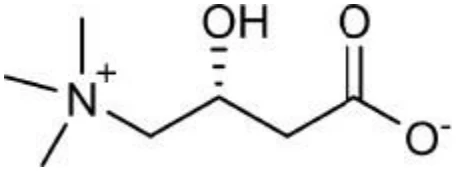
Structural formula:
Physicochemical properties: Levocarnitine is a white or almost white, crystalline powder or colorless crystals, hygroscopic, freely soluble in water, soluble in warm alcohol (96 percent), practically insoluble in acetone with a melting point of 197 to 198°C.The pH is between 6.5-8.5 and its pKa value is 3.8.
CLINICAL TRIALS
Pharmacokinetic and clinical studies with levocarnitine have shown that administration of levocarnitine to ESRD patients on hemodialysis results in increased plasma levocarnitine concentrations. In one study, blood urea nitrogen (BUN), creatinine, and phosphorus blood levels decreased with levocarnitine administration. In another study, increases in hematocrit, decreases in hypotensive episodes, and improvement in wellbeing have been observed, although not statistically significant.
DETAILED PHARMACOLOGY
Bioavailability/Pharmacokinetics
The plasma concentration profiles of levocarnitine after a slow 3 minute intravenous bolus dose of 20 mg / kg of levocarnitine were described by a two-compartment model. Following a single i.v. administration 73.1 ± 16% of the levocarnitine dose was excreted in the urine during the 0-24h interval. Using plasma concentrations uncorrected for endogenous levocarnitine, the mean distribution half life was 0.585 hours and the mean apparent terminal elimination half life was
17.4 hours.
Total body clearance of levocarnitine (Dose/AUC including endogenous baseline concentrations) was a mean of 4.00 L / hr. Endogenous baseline levels were not subtracted since total body clearance of levocarnitine does not distinguish between exogenous sources of levocarnitine and endogenously synthesized levocarnitine. The steady state volume of distribution (Vss) of the intravenously administered dose above baseline endogenous levels was calculated to be a mean of 29.0 L ± 7.1 L (approximately 0.39 L / kg) which is an underestimate of the true Vss since plasma levocarnitine is known to equilibrate slowly with, for instance, muscle levocarnitine.
Levocarnitine was not bound to plasma protein or albumin when tested at any concentration or with any species including the human.7
The pharmacokinetics of levocarnitine in 12 ESRD patients undergoing hemodialysis for at least six months was studied following single and multiple post-dialysis i.v. administration of
20 mg / kg of levocarnitine, three times a week for nine consecutive weeks. Prior to dosing with levocarnitine, endogenous plasma levels of levocarnitine in these patients were approximately 20 nmol / mL pre-dialysis and 5.6 nmol / mL post-dialysis. Endogenous plasma levels of levocarnitine in normals are approximately 40-50 nmol / mL. Following repeated post-dialysis i.v. administration of 20 mg / kg of levocarnitine, the pre-dose, post-dialysis plasma concentration of levocarnitine was restored to physiological levels (40 nmol / mL) in about eight weeks.
Plasma levels were determined in 2 controlled clinical trials in patients on dialysis for at least 6 months. Levels before levocarnitine administration were below normal. Intravenous administration of levocarnitine increased levels in a similar manner to the pharmacokinetics study. A linear relationship between levocarnitine plasma levels and i.v. doses of levocarnitine (10, 20 and 40 mg / kg) was found.
TOXICOLOGY
Levocarnitine as the inner salt or hydrochloride salt was evaluated in acute, subacute, subchronic, chronic, reproductive tests and mutagenic evaluation.
Toxicity
Acute studies were performed in the mouse and rat (i.v., i.p., and i.m.) and in the rabbit intravenously. Subacute tests were performed in the rabbit (i.v.) and the dog (orally). Subchronic toxicity was evaluated in the rat (per os and intravenously). The rat and dog were both evaluated for chronic toxicity orally and intramuscularly.
In mice, the LD50 orally ranged between 8,400 and 30,000 mg / kg. The intravenous LD50 was between 2,000 and 5,000 mg / kg. The rat had an LD50 orally from 6,100 to 18,000 mg / kg with the intravenous range being 2,000 to 5,500 mg / kg. The rabbit had an intravenous LD50 higher than 7,800 mg / kg. The predominant signs of toxicity included transient diarrhea, depression, and slight clonic convulsions. Deaths occurred within one hour to within 72 hours, depending upon the route and the rate of administration.
In the multidose toxicity studies in rats, rabbits and dogs, levocarnitine caused liquid feces, vomiting and a slight retardation in body weight gain in the dogs. A number of hematologic and serum chemistry differences from the control groups were observed, but values were mostly within normal limits and inconsistent within and between studies. No overt toxicity was observed orally or parenterally.
Teratogenesis and Mutagenesis
Fertility and reproduction were studied in the rat (orally). Fetotoxicity and teratogenicity were studied in two species as well (rat and rabbit - orally and i.m.). Peri- and post-natal safety studies were run in the rat and rabbit (orally). Mutagenicity was evaluated with reverse mutation, gene conversion, forward mutation and in the micronucleus test in the mouse.
In the reproduction or teratogenicity studies in rats and rabbits, levocarnitine caused no adverse effects. All five mutagenicity tests were negative. On the basis of the above results, it is concluded that levocarnitine, tested in a broad spectrum of oral and parenteral toxicity studies at high dosage levels, caused no significant adverse effects.
Mutagenicity tests have been performed in Salmonella typhimurium, Saccharomyces cerevisiae, and Schizosaccharomyces pombe that do not indicate that levocarnitine is mutagenic. Long-term animal studies have not been conducted to evaluate the carcinogenicity of the compound.
REFERENCES
- 1. Bachmann H U, Hoffmann A. Interaction of food supplement L-carnitine with oral anticoagulant acenocoumarol. Swiss Med Wkly 2004; 134:386
- 2. Bohmer T, Rydning A, and Solberg HE. Carnitine levels in human serum in health and disease. Clin. Chim. Acta 1974; 57:55-61.
- 3. Brooks H, Goldberg L, Holland R, et al. Carnitine-induced effects on cardiac and peripheral hemodynamics. J. Clin. Pharmacol. 1977; 17:561-568.
- 4. Christiansen R, and Bremer J. Active transport of butyrobetaine and carnitine into isolated liver cells. Biochim. Biophys. Acta 1976; 448:562-577.
- 5. Lindstedt S, and Lindstedt G. Distribution and excretion of carnitine in the rat. Acta Chem. Scand. 1961; 15:701-702.
- 6. Marinez E, et al. Potentiation of acenocoumarol action byL-carnitine. I. Intern Med. 1993; 233 (1): 94
- 7. Marzo A, Arrigoni Martelli E, Mancinelli A, Cardace G, Corbelletta C, Bassani E, and Solbiati M. Protein binding of L-carnitine family components. Eur. J. Drug Met. Pharmacokin. 1991 (Special Issue III); 364-368.
- 8. Rebouche CJ, and Engel AG. Carnitine metabolism and deficiency syndromes. Mayo Clin. Proc. 1983; 58:533-540.
- 9. Rebouche CJ, and Paulson DJ. Carnitine metabolism and function in humans. Ann. Rev. Nutr. 1986; 6:41-66.
- 10. Scriver CR, Beaudet AL, Sly WS, and Valle D. The Metabolic Basisof Inherited Disease. New York: McGraw-Hill 1989.
- 11. Schaub J, Van HoofF, and Vis HL. Inborn Errors of Metabolism. New York: Raven Press 1991.
- 12. PrCARNITOR® (tablets, 330 mg; oral solution, 1 g / 10 mL (100 mg / mL); solution for injection, 1 g / 5 mL (200 mg / mL)), submission control 222342, Product Monograph, Leadiant Biosciences, Inc. (April 23, 2019)
Levocarnitine Injection Product Monograph Page 18 of 21