


Product Monograph - Lorazepam Injection, USP
RECENT MAJOR LABEL CHANGES
None at the time of the most recent authorization.
TABLE OF CONTENTS
Sections or subsections that are not applicable at the time of authorization are not listed.
RECENT MAJOR LABEL CHANGES ......................................................................................................... 2
TABLE OF CONTENTS ........................................................................................................................... 2
PART I: HEALTH PROFESSIONAL INFORMATION .................................................................................. 4
1 INDICATIONS .......................................................................................................................... 4
1.1 Pediatrics .............................................................................................................................. 4
1.2 Geriatrics .............................................................................................................................. 4
2 CONTRAINDICATIONS ............................................................................................................. 4
3 SERIOUS WARNINGS AND PRECAUTIONS BOX ........................................................................ 5
4 DOSAGE AND ADMINISTRATION ............................................................................................. 5
4.1 Dosing Considerations ......................................................................................................... 5
4.2 Recommended Dose and Dosage Adjustment .................................................................... 6
4.4 Administration ..................................................................................................................... 7
4.5 Missed Dose ......................................................................................................................... 8
5 OVERDOSAGE ......................................................................................................................... 8
6 DOSAGE FORMS, STRENGTHS, COMPOSITION AND PACKAGING ............................................. 9
7 WARNINGS AND PRECAUTIONS .............................................................................................. 9
7.1 Special Populations ............................................................................................................ 15
7.1.1 Pregnant Women ........................................................................................................ 15
7.1.2 Breast-feeding ............................................................................................................. 15
7.1.3 Pediatrics ..................................................................................................................... 15
7.1.4 Geriatrics ..................................................................................................................... 16
8 ADVERSE REACTIONS ............................................................................................................ 16
8.1 Adverse Reaction Overview ............................................................................................... 16
8.5 Post-Market Adverse Reactions ......................................................................................... 18
9 DRUG INTERACTIONS ............................................................................................................ 18
9.1 Serious Drug Interactions ................................................................................................... 18
9.2 Drug Interactions Overview ............................................................................................... 18
9.3 Drug-Behavioural Interactions ........................................................................................... 18
9.4 Drug-Drug Interactions ...................................................................................................... 19
9.5 Drug-Food Interactions ...................................................................................................... 19
9.6 Drug-Herb Interactions ...................................................................................................... 20
9.7 Drug-Laboratory Test Interactions ..................................................................................... 20
10 CLINICAL PHARMACOLOGY ................................................................................................... 20
10.1 Mechanism of Action ................................................................................................... 20
10.2 Pharmacodynamics ..................................................................................................... 20
10.3 Pharmacokinetics ........................................................................................................ 21
11 STORAGE, STABILITY AND DISPOSAL ..................................................................................... 23
12 SPECIAL HANDLING INSTRUCTIONS ....................................................................................... 23
PART II: SCIENTIFIC INFORMATION ................................................................................................... 24
13 PHARMACEUTICAL INFORMATION ........................................................................................ 24
14 CLINICAL TRIALS.................................................................................................................... 25
15 MICROBIOLOGY .................................................................................................................... 25
16 NON-CLINICAL TOXICOLOGY ................................................................................................. 25
17 SUPPORTING PRODUCT MONOGRAPHS ................................................................................ 28
PATIENT MEDICATION INFORMATION .............................................................................................. 29
PART I: HEALTH PROFESSIONAL INFORMATION
1 INDICATIONS
Lorazepam Injection, USP (lorazepam injection) is indicated for:
- the short-term relief of manifestations of excessive anxiety in patients with anxiety neurosis.
- an adjunct for the relief of excessive anxiety that might be present prior to surgical interventions.
- as an initial anticonvulsant medication for the control of status epilepticus.
Anxiety and tension associated with the stresses of everyday life usually do not require treatment with anxiolytic drugs.
1.1 Pediatrics
Pediatrics (<18 years of age): No data are available to Health Canada; therefore, Health Canada has not authorized an indication for pediatric use.
1.2 Geriatrics
Geriatrics (>65 years of age): Evidence from clinical studies and experience suggests that use in the geriatric population is associated with differences in safety or effectiveness.
Long-term use of Lorazepam Injection, USP should be avoided in geriatric patients. Enhanced monitoring is recommended (see 7 WARNINGS AND PRECAUTIONS, Falls and Fractures; 4.1 Dosing Considerations).
2 CONTRAINDICATIONS
Lorazepam Injection, USP (lorazepam injection) is contraindicated:
- in patients with myasthenia gravis
- in patients with acute narrow angle glaucoma
- in patients who are hypersensitive to this drug, other benzodiazepines, or any ingredient in the formulation, including any non-medicinal ingredient or component of the container. For a complete listing, see 6 DOSAGE FORMS, STRENGTHS, COMPOSITION AND PACKAGING.
- Lorazepam Injection, USP should not be injected intra-arterially and care should be taken to prevent its extravasation into tissue adjacent to an artery because of the danger of producing arteriospasm resulting in gangrene which may require amputation.
3 SERIOUS WARNINGS AND PRECAUTIONS BOX
Serious Warnings and Precautions
Addiction, Abuse and Misuse The use of benzodiazepines, including Lorazepam Injection, USP can lead to abuse, misuse, addiction, physical dependence and withdrawal reactions. Abuse and misuse can result in overdose or death, especially when benzodiazepines are combined with other medicines, such as opioids, alcohol or illicit drugs.
Withdrawal Benzodiazepines, like Lorazepam Injection, USP can produce severe or life-threatening withdrawal symptoms
Risks from Concomitant use with Opioids Concomitant use of Lorazepam Injection, USP with opioids may result in profound sedation, respiratory depression, coma and death (see 7 WARNINGS AND PRECAUTIONS, General, Concomitant Use with Opioids).
|
|---|
4 DOSAGE AND ADMINISTRATION
4.1 Dosing Considerations
- Lorazepam Injection, USP should always be prescribed at the lowest effective dose for the shortest duration possible.
Lorazepam Injection, USP can produce withdrawal signs and symptoms or rebound phenomena following abrupt discontinuation or rapid dose reduction (see 3 SERIOUS WARNINGS AND PRECAUTIONS BOX, Withdrawal; 7 WARNINGS AND PRECAUTIONS, Dependence/Tolerance). Abrupt discontinuation should be avoided and treatment - even if only of short duration - should be terminated by gradually tapering the dosage schedule under close monitoring.
- recommended doses after as little as one week of therapy.
- Tapering should be tailored to the specific patient. Special attention should be given to patients with a history of seizure.
- If a patient experiences withdrawal signs and symptoms, consider postponing the taper or raising the benzodiazepine to the previous dosage prior to proceeding with a gradual taper.
- Geriatric patients in particular may be more sensitive to benzodiazepines (see 7 WARNINGS AND PRECAUTIONS, Falls and Fractures).
- Long-term use of Lorazepam Injection, USP should be avoided in geriatric patients. Enhanced monitoring is recommended.
Renal or Hepatic Disease
The dose should be titrated should Lorazepam Injection, USP be used in patients with mild to moderate hepatic or renal disease. In patients for whom prolonged therapy with Lorazepam Injection, USP is indicated, periodic blood counts and liver function tests should be carried out.
When lorazepam is used in patients with mild to moderate hepatic or renal disease, the lowest effective dose should be considered since drug effect may be prolonged. (see 7 WARNINGS AND PRECAUTIONS, Hepatic/Biliary/Pancreatic; 7 WARNINGS AND PRECAUTIONS, Renal)
4.2 Recommended Dose and Dosage Adjustment
- The dosage and duration of therapy of Lorazepam Injection, USP must be individualized and carefully titrated in order to avoid excessive sedation or mental and motor impairment.
- As with other anxiolytic sedatives, short courses of treatment should usually be the rule for the symptomatic relief of disabling anxiety in psychoneurotic patients and the initial course of treatment should not last longer than one week without reassessment of the need for a limited extension.
- The risk of dependence may increase with dose and duration of treatment; therefore, the lowest effective dose should be prescribed for the shortest duration and the need for continued treatment reassessed frequently.
- Abrupt discontinuation or rapid dosage reduction of lorazepam after continued use may precipitate withdrawal reactions which can be life threatening, and/or rebound phenomena; therefore, the drug should be discontinued gradually or reduce the dosage (see 3 SERIOUS WARNINGS AND PRECAUTIONS BOX, Withdrawal; 7 WARNINGS AND PRECAUTIONS, Dependence/Tolerance).
- Intravenous doses in excess of 2 mg should be restricted to patients of unusual size. A dose of 2 mg should not ordinarily be exceeded in patients over 50 years of age. Doses of other central nervous system depressants should ordinarily be reduced. EQUIPMENT NECESSARY TO MAINTAIN A PATENT AIRWAY SHOULD BE IMMEDIATELY AVAILABLE PRIOR TO INTRAVENOUS ADMINISTRATION OF LORAZEPAM INJECTION, USP.
Excessive Anxiety Prior to Surgical Procedures: Adults – Usually 0.05 mg/kg to a maximum of 4 mg total, given intramuscularly (2 to 3 hours before surgery). As with all premedicant drugs, the dose should be individualized. Doses of other central nervous system depressant drugs should be ordinarily reduced.
When a rapid onset of action is required, Lorazepam Injection, USP may be given intravenously, 15 to 20 minutes before surgery. The usual intravenous dose is 0.044 mg/kg or 2.0 mg total, whichever is smaller.
Status Epilepticus: Adults – The usual recommended initial dose of Lorazepam Injection, USP is 0.05 mg/kg up to a maximum of 4 mg given by slow intravenous injection. If seizures are terminated, no additional Lorazepam Injection, USP is required. If seizures continue or recur after a 10 to 15 minute observation period, an additional intravenous dose of 0.05 mg/kg may be administered. If the second dose does not result in seizure control after another 10 to 15 minute observation period, other measures to control status epilepticus should be employed. A maximum of 8 mg total only, of Lorazepam Injection, USP, should be administered during a 12 hour period.
While lorazepam has been shown to control status epilepticus promptly, it is not recommended for maintenance treatment of epilepsy. After seizures are controlled, agents useful in the prevention of further seizures should be administered. In the treatment of status epilepticus due to acute reversible metabolic derangement (e.g. hypoglycemia, hypocalcemia, hyponatremia, etc.) immediate efforts should be made to correct the specific defect.
Health Canada has not authorized an indication for pediatric use.
Geriatrics
For geriatric patients and debilitated patients reduce the initial dose by approximately 50% and adjust the dosage as needed and tolerated. Geriatric patients in particular may be more sensitive to benzodiazepines (see 7 WARNINGS AND PRECAUTIONS, Falls and Fractures). Long-term use of Lorazepam Injection, USP should be avoided in geriatric patients. Enhanced monitoring is recommended. (See 7.1.4 Geriatrics)
4.4 Administration
Extreme care must be used in administering Lorazepam Injection, USP to elderly patients, very ill patients, and to patients with limited pulmonary reserve, because of the possibility that under ventilation and/or hypoxic cardiac arrest may occur. Resuscitative equipment for ventilatory support should be readily available.
Lorazepam Injection, USP can be used with atropine sulfate, narcotic analgesics, other parenterally used analgesics, commonly used anesthetics, and muscle relaxants. The use of scopolamine with Lorazepam Injection, USP is not recommended since this combination has been associated with a higher incidence of adverse reactions. (See 9.4 Drug-Drug Interactions)
Direction for intramuscular injection: Lorazepam Injection, USP, undiluted, should be injected deep into a muscle mass.
Directions for intravenous injection:
- Immediately prior to intravenous use, Lorazepam Injection, USP must be diluted with an equal volume of compatible solution.
Lorazepam Injection, USP is compatible for dilution purposes with the following solutions:
- 0.9% Sodium Chloride Injection, USP
- 5% Dextrose Injection, USP
Steps:
- 1. Parenteral drug products should be inspected visually for particulate matter and discoloration prior to administration. Do not use if solution is discoloured or contains a precipitate.
- 2. Aspirate the desired amount of Lorazepam Injection, USP into the syringe, then slowly aspirate the desired volume of diluent.
- 3. Pull back slightly on the plunger to provide additional mixing space. Immediately mix contents thoroughly by gently inverting the syringe repeatedly until a homogenous solution results.
- 4. Contents should be mixed gently. DO NOT shake vigorously since this will result in air entrapment.
- 5. When properly diluted the drug may be injected directly into a vein or into the tubing of an existing intravenous infusion.
- 6. Intravenous injection should be made slowly and with repeated aspiration. The rate of injection should not exceed 2 mg/minute.
- 7. Care should be taken to determine that any injection will not be intra-arterial and that perivascular extravasation will not take place.
IMPORTANT NOTES:
Equipment necessary to maintain a patent airway and to support respiration/ventilation should be available. Since:
- partial airway obstruction may occur in heavily sedated patients
- intravenous Lorazepam Injection, USP, when given alone in greater than the recommended dose, or at the recommended dose and accompanied by other drugs used during the administration of anesthesia, may produce heavy sedation
4.5 Missed Dose
Patients who miss taking a dose should contact their healthcare provider for instructions.
5 OVERDOSAGE
In post-marketing experience, overdose with lorazepam has occurred predominantly in combination with alcohol and/or other drugs.
Symptoms:
- mild overdosage: drowsiness, mental confusion and lethargy.
- serious overdose: may include ataxia, hypotonia, hypotension, hypnosis, Stages I to III coma, and, very rarely, death.
- Symptoms can range in severity and include, in addition to the above, dysarthria, paradoxical reactions, CNS depression, respiratory depression, and cardiovascular depression.
Treatment: In the case of an oral overdose, if vomiting has not occurred spontaneously and the patient is fully awake, emesis may be induced with syrup of ipecac 20-30 mL (where there is risk of aspiration, induction of emesis is not recommended).
General supportive therapy should be instituted as indicated:
- Vital signs and fluid balance should be carefully monitored.
- An adequate airway should be maintained and assisted respiration used as needed.
- With normally functioning kidneys, forced diuresis with intravenous fluids and electrolytes may accelerate elimination of benzodiazepines from the body. In addition, osmotic diuretics such as mannitol may be effective as adjunctive measures.
- In more critical situations, renal dialysis and exchange blood transfusions may be indicated. Published reports indicate that intravenous infusion of 0.5 to 4 mg of physostigmine at the rate of 1 mg/minute may reverse symptoms and signs suggestive of central anticholinergic overdose (confusion, memory disturbance, visual disturbances, hallucinations, delirium); however, hazards associated with the use of physostigmine (i.e., induction of seizures) should be weighed against its possible clinical benefit.
- The benzodiazepine antagonist flumazenil may be used in hospitalized patients as an adjunct to, not as a substitute for, proper management of benzodiazepine overdose. The physician should be aware of the risk of a seizure in association with flumazenil treatment, particularly in long-term benzodiazepine users and in cyclic antidepressant overdose.
Lorazepam is poorly dialyzable. Lorazepam glucuronide, the inactive metabolite, may be highly dialyzable.
| For management of a suspected drug overdose, contact your regional poison control centre. |
|---|
6 DOSAGE FORMS, STRENGTHS, COMPOSITION AND PACKAGING
Table – Dosage Forms, Strengths, Composition and Packaging
| Route of Administration | Dosage Form / Strength/Composition | Non-medicinal Ingredients |
|---|---|---|
Intravenous Intramuscular | Solution, 4 mg/mL | Benzyl alcohol as preservative, polyethylene glycol and propylene glycol. |
Each mL of sterile solution contains: Lorazepam 4 mg, benzyl alcohol 20 mg (2% w/v) as preservative, polyethylene glycol 0.180 mL (18% v/v) and propylene glycol of quantity sufficient to reach 1 mL.
Lorazepam Injection, USP is available as 1 mL sterile solution filled in 2 mL multidose glass vials, boxes of 10. The vial stopper is not made with natural rubber latex.
7 WARNINGS AND PRECAUTIONS
Please see 3 SERIOUS WARNINGS AND PRECAUTIONS BOX.
General
Concomitant Use with Opioids: Concomitant use of benzodiazepines, including lorazepam injection, and opioids may result in profound sedation, respiratory depression, coma, and death. Because of these risks, reserve concomitant prescribing of these drugs for use in patients for whom alternative treatment options are not possible (see 3 SERIOUS WARNINGS AND PRECAUTIONS BOX, Risks from Concomitant Use with Opioids; 9 DRUG INTERACTIONS, Serious Drug Interactions).
Observational studies have demonstrated that concomitant use of opioid analgesics and benzodiazepines increases the risk of drug-related mortality compared to use of opioid analgesics alone. Because of similar pharmacological properties, it is reasonable to expect similar risk with the concomitant use of other CNS depressant drugs with benzodiazepines.
If a decision is made to prescribe Lorazepam Injection, USP concomitantly with opioids, prescribe the lowest effective dosages and minimum durations of concomitant use. In patients already receiving an opioid analgesic, prescribe a lower initial dose of Lorazepam Injection, USP than indicated, and titrate based on clinical response. If an opioid analgesic is initiated in a patient already taking Lorazepam Injection, USP, prescribe a lower initial dose of the opioid analgesic and titrate based on clinical response. Follow patients closely for signs and symptoms of respiratory depression and sedation (see 5 OVERDOSAGE).
Advise both patients and caregivers about the risks of respiratory depression and sedation when Lorazepam Injection, USP is used with opioids.
Advise patients not to drive or operate heavy machinery with concomitant use of the opioid.
Dependence/Tolerance
Use of benzodiazepines such as lorazepam injection, can lead to abuse, misuse, addiction, physical dependence (including tolerance) and withdrawal reactions. Abuse and misuse can result in overdose or death, especially when benzodiazepines are combined with other medicines, such as opioids, alcohol or illicit drugs. Benzodiazepines may be subject to diversion.
The risk of dependence increases with higher doses and longer term use but can occur with short-term use at recommended therapeutic doses. The risk of dependence is greater in patients with a history of psychiatric disorders and/or substance (including alcohol) use disorder.
- Discuss the risks of treatment with Lorazepam Injection, USP with the patient, considering alternative (including non-drug) treatment options.
- Carefully evaluate each patient’s risk of abuse, misuse and addiction, considering their medical condition and concomitant drug use, prior to prescribing Lorazepam Injection, USP. In individuals prone to substance use disorder, Lorazepam Injection, USP should only be administered if deemed medically necessary, employing extreme caution and close supervision.
- Lorazepam Injection, USP should always be prescribed at the lowest effective dose for the shortest duration possible.
- All patients receiving benzodiazepines should be monitored for signs of misuse and abuse. If a substance use disorder is suspected, evaluate the patient and refer them for substance abuse treatment, as appropriate.
Withdrawal
Benzodiazepines, such as lorazepam injection, can produce withdrawal signs and symptoms, ranging from mild to severe and even life threatening, following abrupt discontinuation or rapid dose reduction. Other factors that may precipitate withdrawal are switching from a long-acting to a short-acting benzodiazepine, decreasing blood levels of the drug or administration of an antagonist. The risk of withdrawal is higher with higher dosages and/or prolonged use but can occur with short-term use at recommended therapeutic doses.
The onset of withdrawal signs and symptoms can range from hours to weeks following drug cessation and occur even with tapered dosage. Some symptoms can persist for months. Since symptoms are often similar to those for which the patient is being treated, it may be difficult to distinguish from a relapse of the patient’s condition.
Severe or life-threatening signs and symptoms of withdrawal include catatonia, delirium tremens, depression, dissociative effects (e.g. hallucinations), mania, psychosis, seizures (including status epilepticus) and suicidal ideation and behavior.
Other withdrawal signs and symptoms include abdominal and muscle cramps, cognitive impairment, diarrhea, dysphoria, extreme anxiety or panic attacks, headache, hypersensitivity to light, noise and physical contact, insomnia, irritability, muscle pain or stiffness, paresthesia, restlessness, sweating, tension, tremors and vomiting. There is also a possibility of rebound anxiety or rebound insomnia.
- Abrupt discontinuation should be avoided and treatment - even if only of short duration - should be terminated by gradually tapering the dosage schedule under close monitoring.
- Tapering should be tailored to the specific patient. Special attention should be given to patients with a history of seizure.
- If a patient experiences withdrawal signs and symptoms, consider postponing the taper or raising the benzodiazepine to the previous dosage prior to proceeding with a gradual taper.
- Inform patients of risk of discontinuing abruptly, reducing dosage rapidly or switching medications.
- Stress the importance of consulting with their health care professional in order to discontinue safely.
- Patients experiencing withdrawal signs and symptoms should seek immediate medical attention.
(see 3 SERIOUS WARNINGS AND PRECAUTIONS BOX, Addiction, Abuse and Misuse, Withdrawal; 4.1 Dosing Considerations)
Additional symptoms reported following discontinuation of benzodiazepines include: confusion, rebound phenomena, dizziness, derealization, depersonalization, hyperacusis, numbness/tingling of extremities, perceptual changes, nausea, loss of appetite, convulsions, agitation, palpitations, tachycardia, vertigo, hyperreflexia, short-term memory loss, and hyperthermia.
Convulsions/seizures may be more common in patients with pre-existing seizure disorders or who are taking other drugs that lower the convulsive threshold, such as antidepressants.
Driving and Operating Machinery
Excessive sedation has been observed with lorazepam at standard therapeutic doses. Therefore, patients on Lorazepam Injection, USP should be warned against engaging in hazardous activities requiring mental alertness and motor coordination, such as operating dangerous machinery or driving motor vehicles.
As is true of other similar CNS-acting drugs, patients receiving injectable Lorazepam Injection, USP should not operate machinery or engage in hazardous occupations or drive a motor vehicle for a period of 24 to 48 hours. Impairment of performance may persist for greater intervals because of extremes of age, concomitant use of other drugs, stress of surgery or the general condition of the patient.
Falls and Fractures
There have been reports of falls and fractures among benzodiazepine users due to adverse reactions such as sedation, dizziness and ataxia. The risk is increased in those taking concomitant sedatives (including alcoholic beverages), the geriatric or debilitated patients.
Hepatic/Biliary/Pancreatic
Patients with Impaired Hepatic Function: Since the liver is the most likely site of conjugation of lorazepam, the usual precaution of carefully titrating the dose should be taken, should Lorazepam Injection, USP be used in patients with mild to moderate hepatic disease. In patients for whom prolonged therapy with Lorazepam Injection, USP is indicated, periodic blood counts and liver function tests should be carried out.
When Lorazepam Injection, USP is used in patients with mild to moderate hepatic disease, the lowest effective dose should be considered since drug effect may be prolonged.
Dosage for patients with severe hepatic insufficiency should be adjusted carefully according to patient response. Lower doses may be sufficient in such patients.
As with all benzodiazepines, the use of lorazepam injection may worsen hepatic encephalopathy; therefore, Lorazepam Injection, USP should be used with caution in patients with severe hepatic insufficiency and/or encephalopathy.
Immune
Severe anaphylactic/anaphylactoid reactions have been reported with the use of benzodiazepines: Cases of angioedema involving the tongue, glottis or larynx have been reported in patients after taking the first or subsequent doses of benzodiazepines. Some patients taking benzodiazepines have had additional symptoms such as dyspnea, throat closing, or nausea and vomiting. Some patients have required medical therapy in the emergency department. If angioedema involves the tongue, glottis or larynx, airway obstruction may occur and be fatal. Patients who develop angioedema after treatment with a benzodiazepine should not be rechallenged with the drug.
Monitoring and Laboratory Tests
Periodic blood counts and liver function tests are recommended if the medication is administered over a protracted period of time. (See 4.1 Dosing Considerations, Renal or Hepatic Disease)
Neurologic
Since Lorazepam Injection, USP has a central nervous system depressant effect, patients should be advised against the simultaneous use of other CNS depressant drugs.
Complex sleep-related behaviours: Complex sleep-related behaviours such as “sleep-driving” (i.e., driving while not fully awake after ingestion of a sedative-hypnotic, with amnesia for the event) have been reported in patients who have taken lorazepam injection. Other potentially dangerous behaviours have been reported in patients who got out of bed after taking a sedative-hypnotic and were not fully awake, including preparing and eating food, making phone calls, leaving the house, etc. As with “sleep-driving”, patients usually do not remember these events. The use of alcohol and other CNS-depressants with lorazepam injection appears to increase the risk of such behaviours, as does the use of lorazepam injection at doses exceeding the maximum recommended dose. Lorazepam Injection, USP is not to be taken with alcohol. Caution is needed with concomitant use of other CNS depressant drugs. Due to the risk to the patient and the community, discontinuation of Lorazepam Injection, USP should be strongly considered for patients who report any such complex sleep-related behaviours.
Encephalopathy: As with all benzodiazepines, the use of lorazepam injection may worsen hepatic encephalopathy; therefore, Lorazepam Injection, USP should be used with caution in patients with severe hepatic insufficiency and/or encephalopathy.
Memory Disturbance: Anterograde amnesia may occur with therapeutic doses of benzodiazepines and may be associated with inappropriate behaviour. Anterograde amnesia is a dose-related phenomenon and geriatric patients may be at particular risk.
Status Epilepticus: Care should be exercised when administering Lorazepam Injection, USP to patients with status epilepticus, especially when the patient has received other central nervous system depressants or is severely ill. The possibility that respiratory arrest may occur or that the patient may have partial airway obstruction should be considered. Proper resuscitation equipment should be available.
Psychiatric
Lorazepam Injection, USP is not recommended for use in depressive neurosis or in psychotic reactions.
Confusion: Benzodiazepines affect mental efficiency, e.g. concentration, attention and vigilance. The risk of confusion is greater in the elderly and in patients with cerebral impairment.
Depression: Caution should be exercised if Lorazepam Injection, USP is prescribed to patients with signs or symptoms of depression that could be intensified by hypnotic drugs. The potential for self-harm (e.g., intentional overdose) is high in patients with depression and thus, the least amount of drug that is feasible should be available to them at any one time.
Mental and Emotional Disorders: Lorazepam Injection, USP is not recommended for the treatment of psychotic or depressed patients. Caution should be exercised if Lorazepam Injection, USP is prescribed to patients with signs or symptoms of depression that could be intensified by benzodiazepines. The potential for self-harm is high in patients with depression. Employ the usual precautions in treatment of anxiety states with evidence of impending depression; suicidal tendencies may be present and protective measures necessary.
Paradoxical Reactions: Paradoxical reactions have been reported to occur in association with the use of benzodiazepines. Some of the changes may be characterized by decreased inhibition, e.g., aggressiveness or extroversion that seem excessive, similar to that seen with alcohol and other CNS depressants (e.g., sedative/hypnotics). Particular caution is warranted in patients with a history of violent behaviour and a history of unusual reactions to sedatives including alcohol and the benzodiazepines. Psychotic behavioural changes that have been reported with benzodiazepines include bizarre behaviour, hallucinations, and depersonalization. Abnormal behaviours associated with the use of benzodiazepines have been reported more with chronic use and/or high doses but they may occur during the acute, maintenance or withdrawal phases of treatment.
It can rarely be determined with certainty whether a particular instance of abnormal behaviour listed above is drug induced, spontaneous in origin, or a result of an underlying psychiatric disorder.
Nevertheless, the emergence of any new behavioural sign or symptom of concern requires careful and immediate evaluation.
These reactions may be secondary to the relief of anxiety symptoms and should be watched for particularly in the early phase of medication.
Since excitement and other paradoxical reactions can result from the use of these drugs in psychotic patients, they should not be used in ambulatory patients suspected of having psychotic tendencies.
As with other anxiolytic-sedative drugs, Lorazepam Injection, USP should not be used in patients with nonpathological anxiety. These drugs are also not effective in patients with characterological and personality disorders or those with obsessive-compulsive neurosis.
When using Lorazepam Injection, USP, it should be recognized that suicidal tendencies may be present and that protective measures may be required.
Pre-existing depression may emerge or worsen during use of benzodiazepines including lorazepam. The use of benzodiazepines may unmask suicidal tendencies in depressed patients and should not be used without adequate antidepressant therapy.
Paradoxical reactions may be more likely to occur in children or the elderly. Should paradoxical reactions occur, use of the drug should be discontinued.
Renal
Patients with Impaired Renal Function: Since the excretion of conjugated lorazepam (glucuronide) is a renal function, the usual precaution of carefully titrating the dose should be taken, should Lorazepam Injection, USP be used in patients with mild to moderate renal disease. In patients for whom prolonged therapy with Lorazepam Injection, USP is indicated, periodic blood counts should be carried out.
When Lorazepam Injection, USP is used in patients with mild to moderate renal disease, the lowest effective dose should be considered since drug effect may be prolonged.
The risk of propylene glycol toxicity (e.g., lactic acidosis, hyperosmolality, hypotension) and polyethylene glycol toxicity (e.g., acute tubular necrosis) during administration of lorazepam injection is higher in patients with renal impairment. (See 8.1 Adverse Reaction Overview)
Reproductive Health: Female and Male Potential
- Fertility
Lorazepam, intravenously administered, was studied in rats and rabbits for its possible impact on reproduction and fetal development. Injectable lorazepam was associated to some extent with the number of resorptions, litter sizes and weights in both species, but these effects were neither consistent nor dose-related (see 16 NON-CLINICAL TOXICOLOGY, Reproductive and Developmental Toxicology).
- Teratogenic Risk
Teratogenic effects: Lorazepam Injection, USP should not be used during pregnancy. Several studies have suggested an increased risk of congenital malformations associated with the use of the benzodiazepines, during pregnancy (see 16 NON-CLINICAL TOXICOLOGY, Reproductive and Developmental Toxicology).
Nonteratogenic effects: Infants of mothers who ingested benzodiazepines for several weeks or more preceding delivery have been reported to have withdrawal symptoms during the postnatal period (see 7.1.1 Pregnant Women).
Respiratory
Lorazepam Injection, USP should be used with caution in patients with compromised respiratory function (e.g., COPD, sleep apnea syndrome). Use of benzodiazepines, including lorazepam injection, may lead to potentially fatal respiratory depression.
7.1 Special Populations
7.1.1 Pregnant Women
Lorazepam Injection, USP should not be used during pregnancy.
Several studies have suggested an increased risk of congenital malformations associated with the use of benzodiazepines during pregnancy (see 16 NON-CLINICAL TOXICOLOGY, Reproductive and Developmental Toxicology).
Infants of mothers who ingested benzodiazepines for several weeks or more preceding delivery have been reported to have withdrawal symptoms during the postnatal period. Symptoms such as hypoactivity, hypotonia, hypothermia, respiratory depression, apnea, feeding problems, and impaired metabolic response to cold stress have been reported in neonates born of mothers who have received benzodiazepines during the late phase of pregnancy or at delivery.
Since Lorazepam Injection, USP is also a benzodiazepine derivative, its administration is rarely justified in women of childbearing potential. If the drug is prescribed to a woman of childbearing potential, she should be warned to contact her physician regarding discontinuation of the drug if she intends to become or suspects that she is pregnant.
In women, blood levels obtained from umbilical cord blood indicate placental transfer of lorazepam and lorazepam glucuronide. Lorazepam Injection, USP should not be used during pregnancy. There are insufficient data regarding obstetrical safety of parenteral lorazepam, including use in cesarean section. Such use, therefore, is not recommended.
7.1.2 Breast-feeding
Lorazepam has been detected in human breast milk; therefore, it should not be administered to breast-feeding women, unless the expected benefit to the mother outweighs the potential risk to the infant.
Sedation and inability to suckle have occurred in neonates of lactating mothers taking benzodiazepines. Infants of lactating mothers should be observed for pharmacological effects (including sedation and irritability).
7.1.3 Pediatrics
Pediatrics (<18 years of age): No data are available to Health Canada; therefore, Health Canada has not authorized an indication for pediatric use.
Paradoxical reactions have been occasionally reported during benzodiazepine use (See 7 WARNINGS AND PRECAUTIONS, Psychiatric; 8.1 Adverse Reaction Overview). Such reactions may be more likely to occur in children and the elderly. Should these occur, use of the drug should be discontinued.
Pediatric patients may exhibit a sensitivity to benzyl alcohol, polyethylene glycol and propylene glycol, components of Lorazepam Injection, USP (see 2 CONTRAINDICATIONS). The “gasping syndrome”, characterized by central nervous system depression, metabolic acidosis, gasping respirations, and high levels of benzyl alcohol and its metabolite found in the blood and urine, has been associated with the administration of intravenous solutions containing the preservative benzyl alcohol in neonates. Additional symptoms may include gradual neurological deterioration, seizures, intracranial hemorrhage, hematologic abnormalities, skin breakdown, hepatic and renal failure, hypotension, bradycardia, and cardiovascular collapse. Central nervous system toxicity, including seizures and intraventricular hemorrhage, as well as unresponsiveness, tachypnea, tachycardia, and diaphoresis have been associated with propylene glycol toxicity. Although normal therapeutic doses of Lorazepam Injection, USP contain very small amounts of these compounds, premature and low-birth-weight infants as well as pediatric patients receiving high doses may be more susceptible to their effects.
7.1.4 Geriatrics
Geriatric patients and debilitated patients, or those with organic brain syndrome, have been found to be prone to CNS depression after even low doses of benzodiazepines. Therefore, medication should be initiated with very low initial doses in these patients, depending on the response of the patient, in order to avoid over sedation or neurological impairment.
As with any premedicant, extreme care must be used in administering Lorazepam Injection, USP to geriatric patients or very ill patients and to those with limited pulmonary reserve, because of the possibility that apnea and/or cardiac arrest may occur.
Clinical trials have shown that patients over the age of 50 years may have a more profound and prolonged sedation with intravenous lorazepam.
For geriatric patients and debilitated patients reduce the initial dose by approximately 50% and adjust the dosage as needed and tolerated.
Long-term use of Lorazepam Injection, USP should be avoided in geriatric patients or debilitated patients who may be more sensitive to benzodiazepines. There is an increased risk of cognitive impairment, delirium, falls, fractures, hospitalizations, and motor vehicle accidents in these users. Enhanced monitoring is recommended in this population.
When injectable lorazepam was given intravenously, patients over 50 years of age had a higher incidence of excessive sedation than patients under 50 years of age. Restlessness, confusion, depression, crying, sobbing, delirium, hallucinations, dizziness, diplopia have been reported. Hypertension and hypotension have occasionally been observed after injectable lorazepam.
8 ADVERSE REACTIONS
8.1 Adverse Reaction Overview
The adverse reaction most frequently reported was drowsiness, an extension of the central nervous system depressant effects of the drug. Excessive sleepiness and drowsiness are the main side effects;
the incidences reported depended on the dosage, route of administration, concomitant use of other central nervous system depressants and the investigators' expectations concerning the degree and duration of sedation.
There have been rare reports of propylene glycol toxicity (e.g., lactic acidosis, hyperosmolality, hypotension) and polyethylene glycol toxicity (e.g., acute tubular necrosis) during administration of lorazepam injection at higher than recommended doses. Symptoms may be more likely to develop in patients with renal impairment.
Respiratory depression and partial airway obstruction have been observed after injectable lorazepam. Skin rash, nausea and vomiting have been noted occasionally in patients who have received injectable lorazepam combined with other drugs during anesthesia and surgery.
Reported adverse reactions (by system) are:
Blood and lymphatic system disorders: Agranulocytosis, pancytopenia, thrombocytopenia.
Endocrine disorders: SIADH.
Gastrointestinal disorders: Nausea, constipation.
General disorders and administration site conditions: Fatigue, asthenia, hypothermia, drug withdrawal syndrome.
Local effects: Pain at the injection site, a sensation of burning, and redness in the same area have been reported after intramuscular administration of injectable lorazepam. Pain in the immediate post injection period and redness at the 24-hours observation period also have been reported after intravenous administration of injectable lorazepam.
Hepatobiliary disorders: Jaundice.
Immune system disorders: Angioedema, anaphylactic reactions, hypersensitivity reactions.
Investigations: Change in weight, lowering in blood pressure, increase in bilirubin, increase in liver transaminases, increase in alkaline phosphatase.
Metabolism and nutrition disorders: Hyponatremia.
Nervous system disorders: (Benzodiazepine effects on the CNS are dose dependent, with more severe CNS depression with higher doses). Anterograde amnesia, drowsiness, sedation, ataxia, dizziness, extrapyramidal symptoms, tremor, vertigo, visual disturbances (including diplopia, and blurred vision), dysarthria/slurred speech, headache, convulsions/seizures, amnesia, coma, impaired attention/concentration, balance disorder, psychomotor agitation, muscle weakness.
Psychiatric Disorders: Confusion, depression, unmasking of depression, change in libido, impotence, decreased orgasm, change in appetite, disinhibition, euphoria, suicidal ideation/attempt, paradoxical reactions (including anxiety, agitation, excitation, hostility, aggression, rage, sleep disturbances/insomnia, sexual arousal, hallucinations), drug abuse, drug dependence.
Respiratory, thoracic and mediastinal disorders: Respiratory depression, apnea, worsening of sleep apnea (the extent of respiratory depression with benzodiazepines is dose dependent - more severe depression at higher doses), worsening of obstructive pulmonary disease, and ear, nose and throat disturbances.
Skin and subcutaneous tissue disorders: Allergic skin reactions, alopecia.
Vascular disorders: Hypotension.
8.5 Post-Market Adverse Reactions
Injury, Poisoning and Procedural Complications: There have been reports of falls and fractures in benzodiazepine users due to adverse reactions such as sedation, dizziness and ataxia. The risk is increased in those taking concomitant sedatives (including alcoholic beverages), the geriatric and debilitated patients.
Dependence/Withdrawal: Development of physical dependence and withdrawal following discontinuation of therapy has been observed with benzodiazepines such as lorazepam injection. Severe and life-threatening symptoms have been reported. (see 3 SERIOUS WARNINGS AND PRECAUTIONS BOX, Addiction, Abuse and Misuse; 7 WARNINGS AND PRECAUTIONS, Dependence/Tolerance).
9 DRUG INTERACTIONS
9.1 Serious Drug Interactions
Serious Drug Interactions Concomitant use of Lorazepam Injection, USP and opioids may result in profound sedation, respiratory depression, coma, and death.
(see 3 SERIOUS WARNINGS AND PRECAUTIONS BOX, General, Risks from Concomitant use with Opioids) |
|---|
9.2 Drug Interactions Overview
If Lorazepam Injection, USP is to be used together with other drugs acting on the CNS, careful consideration should be given to the pharmacology of the agents to be employed because of the possible potentiation of drug effects. The benzodiazepines, including lorazepam injection, produce additive CNS depressant effects when administered with other CNS depressants such as barbiturates, antipsychotics, sedative/hypnotics, anxiolytics, antidepressants, narcotic analgesics, sedative antihistamines, anticonvulsants, anesthetics and alcohol.
9.3 Drug-Behavioural Interactions
Patients should be cautioned not to take alcohol during the administration of Lorazepam Injection, USP because of the potentiation of effects that may occur.
Lorazepam produces depression of the CNS when administered with ethyl alcohol, phenothiazines, barbiturates, monoamine oxidase (MAO) inhibitors and other antidepressants. When scopolamine is used concomitantly with injectable lorazepam, an increased incidence of sedation, hallucinations and irrational behaviour has been observed.
9.4 Drug-Drug Interactions
The drugs listed below are based on either drug interaction case reports or studies, or potential interactions due to the expected magnitude and seriousness of the interaction (i.e. those identified as contraindicated).
Opioids
Due to additive CNS depressant effect, the concomitant use of benzodiazepines, including lorazepam injection, and opioids increases the risk of profound sedation, respiratory depression, coma, and death. Reserve concomitant prescribing of these drugs for use in patients for whom alternative treatment options are inadequate. Limit dosages and durations of concomitant use of benzodiazepines and opioids to the minimum required. Follow patients closely for respiratory depression and sedation (see 3 SERIOUS WARNINGS AND PRECAUTIONS BOX, Risks from Concomitant Use with Opioids; 7 WARNINGS AND PRECAUTIONS, General, Concomitant Use with Opioids).
When lorazepam injection is used intravenously as the premedicant prior to regional or local anesthesia, the possibility of excessive sleepiness or drowsiness may interfere with patient cooperation to determine levels of anesthesia. This is most likely to occur when a dose greater than 0.05 mg/kg is given and when narcotic analgesics are used concomitantly with the recommended dose.
Other drugs
There have been reports of apnea, coma, bradycardia, heart arrest, and death with the concomitant use of lorazepam injection and haloperidol.
Concomitant use of clozapine and lorazepam injection may produce marked sedation, excessive salivation, and ataxia.
Concurrent administration of lorazepam injection with valproate may result in increased plasma concentrations and reduced clearance of lorazepam. Lorazepam Injection, USP dosage should be reduced to approximately 50% when co-administered with valproate.
Concurrent administration of lorazepam injection with probenecid may result in a more rapid onset or prolonged effect of lorazepam due to increased half-life and decreased total clearance. Lorazepam Injection, USP dosage needs to be reduced by approximately 50% when co-administered with probenecid.
Administration of theophylline or aminophylline may reduce the sedative effects of benzodiazepines, including lorazepam.
The addition of scopolamine to injectable Lorazepam Injection, USP is not recommended, since their combined effect may result in increased incidence of sedation, hallucination and irrational behaviour.
The use of scopolamine with lorazepam injection is not recommended since this combination has been associated with a higher incidence of adverse reactions.
9.5 Drug-Food Interactions
Interactions with food have not been established.
9.6 Drug-Herb Interactions
Interactions with herbal products have not been established.
9.7 Drug-Laboratory Test Interactions
Interactions with laboratory tests have not been established.
10 CLINICAL PHARMACOLOGY
10.1 Mechanism of Action
Lorazepam is an active benzodiazepine with a depressant action on the central nervous system. It has anxiolytic and sedative properties which are of value in the symptomatic relief of pathologic anxiety in patients with anxiety disorders giving rise to significant functional disability but is not considered indicated in the management of trait anxiety.
In laboratory animals, lorazepam produces disinhibitory, sedative, anticonvulsant, muscle relaxant, ataxic and hypnotic effects.
Lorazepam has also been shown to possess anticonvulsant activity.
Anterograde amnesia, a lack of recall of events during period of drug action, has been reported and appears to be dose-related.
10.2 Pharmacodynamics
Studies with lorazepam in rats demonstrated a decrease in treadmill avoidance without modifying the escape response, an increase in responding during the shock schedule in the conflict test, an increase in incorrect responses in a discrimination test, and a reduction of conditioned suppression if lorazepam was given prior to the fear conditioning trial, while increasing conditioned suppression, if given prior to re-testing. These effects were observed at doses from 0.05 to 20 mg/kg intraperitoneally. In some of the tests, diazepam was also used with similar results obtained at approximately 2-5 times the lorazepam dose.
Lorazepam was the most potent of several benzodiazepines tested in affecting state-dependent learning in trained, hungry rats rewarded with sweetened milk and conditioned to simple fear responses by mild electric shock. While 70-75% inhibition of conditioned fear was achieved with intraperitoneal doses of 0.9 mg/kg of lorazepam on the training day, 2.7 mg/kg of diazepam and 5 mg/kg of either chlordiazepoxide or oxazepam were required to obtain similar results. Consistent with state-dependent learning interpretations, a second injection of lorazepam administered to rats just prior to being tested for fear retention fully reinstated the conditioned suppression response.
Daily intraperitoneal injections of lorazepam, diazepam, oxazepam, chlordiazepoxide, scopolamine, or amobarbital, after initially interfering with feeding behaviour, later facilitated it. Following fear conditioning of the animals, all of the drugs, with the exception of scopolamine, increased conditioned suppression in the retention test. These repeated dose experiments, which permit tolerance of depressant side effects to develop, make it unlikely that benzodiazepines or amobarbital increase conditioned suppression retention through some depressant side effect.
In rats, fear-conditioned by electric shocks of different intensities, lorazepam increased retention-test drinking latencies of strongly shocked rats more than it did those of rats given shocks of intermediate or weak intensities.
In mice, lorazepam prevented pentylenetetrazol-induced convulsions at low doses (ED50-0.07 mg/kg orally), while much higher doses (0.5-5.0 mg/kg orally) were required to raise the threshold to electroshock-induced convulsions. It was demonstrated that lorazepam was more potent than diazepam in antagonizing pentylenetetrazol-induced convulsions by all three routes tested: oral, intraperitoneal, and intravenous. Lorazepam also inhibited the stimulation caused by morphine. Both lorazepam and clonazepam had ED50s for the antagonism of convulsions of less than 1 mg/kg when they were given intravenously or orally only 1 minute before the pentylenetetrazol challenge.
Observations of monkeys provided strong evidence of the sedative action of lorazepam. Here, relatively high doses of lorazepam caused brief initial depression followed by long periods of obvious sedation. The behaviour of cats and mice, after receiving lorazepam supported these findings. In mice, it was shown that lorazepam is a more potent sedative than diazepam or flurazepam.
Its ability to inhibit foot shock induced fighting between mice, together with reactions of rats and squirrel monkeys in a series of conflict tests considered specific predictors of anti-anxiety activity, confirmed the anxiolytic potential of lorazepam.
The general depressant effects of repeated dosings of lorazepam in rats diminished rapidly while its anticonflict action remained, findings suggesting that while the anti-anxiety effects of lorazepam endure, any behaviour disruption is transitory.
Doses of 5 to 50 mg/kg intravenously caused ataxia and obvious CNS depression in rhesus monkeys, lasting for over 5 hours at the highest dose. Suppression of the linguomandibular reflex was demonstrated in anesthetized cats suggesting a central muscle-relaxant effect of lorazepam in this species. Higher doses, however, were required than with diazepam to produce significant reflex inhibition.
Using suppression of linguomandibular reflexes in cats as a measure of centrally mediated muscle relaxation, it was demonstrated that intravenous doses of 0.25 to 2 mg/kg of lorazepam were active in a dose-related manner, that the patellar reflex was not suppressed indicated a preferential effect on polysynaptic pathways.
Studies on the cardiovascular system in anesthetized animals demonstrated that lorazepam, at a dose of 0.1 mg/kg, given by intraperitoneal injection had little effect on either blood pressure or heart rate. Second injections of 0.9 mg/kg one hour later caused some depression of cardiovascular parameters of anesthetized cats and dogs. Doses greater than 0.9 mg/kg resulted in an average decrease of approximately 40% in both blood pressure and heart rate. Electrocardiograms taken near the conclusion of a 33-34 day study in which beagle dogs received daily intramuscular injections of lorazepam showed only slight increases in the heart rates of both vehicle control and drug-treated animals.
10.3 Pharmacokinetics
The serum half-life of lorazepam ranges between 12 to 15 hours, while that of the conjugate varied between 16 to 20 hours.
Absorption
Lorazepam is rapidly absorbed after oral administration, with mean peak plasma concentrations of free lorazepam at 2 hours (range between 1-6 hours). Following intravenous administration, peak plasma levels are reached within minutes, whereas following administration by the intramuscular route, peak plasma levels occur between 60 to 90 minutes. After sublingual administration, peak plasma levels occur at 60 minutes. By the intramuscular route, the absorption half-life values of lorazepam average 12 and 19 minutes, whereas by the oral route, there is an additional lag period averaging 15 and 17 minutes. Bioavailability was shown to be identical by all routes of administration.
Lorazepam is rapidly conjugated to a glucuronide which has no demonstrable psychopharmacological activity and is excreted mainly in the urine. Very small amounts of other metabolites and their conjugates have been isolated from urine and plasma.
Distribution
Except for the organs of absorption and excretion, tissue distribution of 14C-lorazepam in rats was nearly uniform.
Metabolism
Metabolic studies in mice, rats, cats, dogs and miniature swine were conducted on the absorption, excretion, tissue distribution and biotransformation of lorazepam. Both 14C-labelled and unlabelled drug was used. The most important finding was the conjugation of lorazepam with glucuronic acid in all investigated species. Lorazepam glucuronide, essentially inactive as an anti-anxiety agent, accounted for most of the drug-related urinary excretion products in all species except the rat in which, in addition to glucuronide formation, more extensive biotransformation took place.
Elimination
Most of the drug (88%) is excreted in the urine, with 75% excreted as the glucuronide. At the clinically relevant concentrations, approximately 85% of lorazepam is bound to plasma proteins.
Maximum concentrations of unchanged lorazepam in whole blood and plasma of rats occurred one-half to one hour after oral drug administration, and these concentrations declined to low levels within 24 hours. In dogs and miniature swine, concentrations of orally administered lorazepam peaked and declined rapidly, but they consisted principally of lorazepam glucuronide. These findings correlated with the rapid elimination observed in dogs administered lorazepam intravenously when no free drug was detected in plasma six hours later, and the half-life was estimated to be 1.6 hours. The major route of lorazepam excretion for the dog and the miniature swine is by the kidneys. Biliary excretion has been demonstrated in the rat.
Species differences in urinary excretion patterns were investigated qualitatively in the mouse, rat, cat, dog, and miniature swine. The major urinary excretion product was the glucuronide conjugate of lorazepam. In dogs, the pattern of biotransformation of lorazepam seemed independent of dose; in rats, it appeared dose-dependent and produced significant amounts of several metabolites rather than the predominance of glucuronide found in other species, including the human. No sex differences were noted in the urinary excretion patterns of the several species tested. Peak urinary excretion was noted at 2-6 hours and total recovery in urine and feces over 48 hours was as high as 100% in some species.
Special Populations and Conditions
The special populations and conditions pharmacokinetics data on which the original indication was authorized is not available.
11 STORAGE, STABILITY AND DISPOSAL
Temperature:
Refrigerate between 2 °C and 8 °C. Protect from freezing.
Light:
Protect from light.
Others:
As with all parenteral drug products, intravenous admixtures should be inspected visually for clarity, particulate matter, precipitation, discolouration and leakage prior to administration whenever solution and container permit. Discard unused portion.
Discard within 28 days of initial use.
12 SPECIAL HANDLING INSTRUCTIONS
None.
PART II: SCIENTIFIC INFORMATION
13 PHARMACEUTICAL INFORMATION
Drug Substance
| Proper name: | Lorazepam |
|---|---|
| Chemical name: | 7-chloro-5-(o-chlorophenyl)-1,3-dihydro-3-hydroxy-2H-1,4-benzodiazepin-2-one |
| Molecular formula and molecular mass: | C15H10Cl2N2O2, 321.16 g/mol |
| Structural formula: | 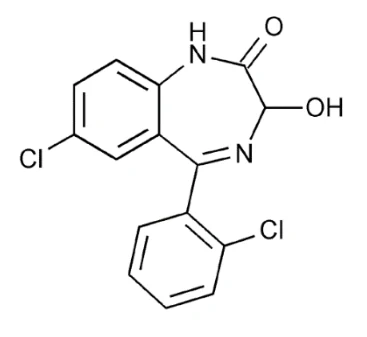 |
| Physiochemical properties: | White to off-white crystalline powder. Odourless. Practically insoluble in water, very slightly soluble in ethanol 96%; slightly soluble in chloroform, sparingly soluble in methylene chloride, propylene glycol and ethyl acetate. |
| Melting Point: | 166-168 °C |
| pKa: | pK1=1.3 and pK2=11.5 |
14 CLINICAL TRIALS
The clinical trial data on which the original indication was authorized is not available.
15 MICROBIOLOGY
No microbiological information is required for this drug product.
16 NON-CLINICAL TOXICOLOGY
General Toxicology:
Acute Toxicity: Oral – LD50s ranged from 1850-5010 mg/kg in mice to 5000 mg/kg in rats and 2000 mg/kg in dogs. The intraperitoneal LD50s were 700 mg/kg in rats and mice. In newborn rats and mice, intragastric LD50 values were 200 and 250 mg/kg, respectively.
Signs exhibited during acute toxicity testing included moderate to marked sedation, shortness of breath, paralysis of hind legs, loss of righting reflex and convulsions. Acute respiratory depression was noted as the mode of death.
Injectable: The acute toxicity of lorazepam in adult mice and rats were determined to be:
| SPECIES | ROUTE | LD50 mg/kg |
|---|---|---|
| Mouse | Intramuscular | 70 |
| Intraperitoneal | 46 | |
| Intravenous | 24 | |
| Rat | Intramuscular | 59 |
| Intraperitoneal | 48 |
In beagle dogs, the approximate LD50 for intravenous lorazepam was 50 mg/kg (equivalent to 10 mL/kg). The highest intramuscular dose of lorazepam that, because of its volume, could be given to dogs was 25 mg/kg (equivalent to 5 mL/kg). The toxicity of injectable lorazepam in all three species seemed due almost entirely to the vehicle employed.
Long-Term Toxicity: Oral – Lorazepam was administered in the diet to rats in a number of studies extending for periods of 4 to 82 weeks at doses ranging from 14.5 to 400 mg/kg/day. In the long-term studies, decreased food consumption and body weight gain were observed at the higher dose levels, while at lower dose levels weight gain tended to be increased relative to controls. Transient, dose-related sedation and ataxia also occurred, and convulsions were noted, particularly following drug withdrawal. The only gross pathological finding was esophageal dilatation, which was observed in a number of animals at different dose levels. This condition also occurred with diazepam, and the significance of this finding is at present unknown.
Increased liver, kidney, thyroid, adrenal and testicular weights, as well as centrilobular hypertrophy of the liver, cloudy swelling and loss of glycogen were observed in drug-treated animals. At the highest dose levels, changes in the nuclei of the hypertrophied liver cells also occurred. In one study, the colloid follicles of the thyroid were lined with tall cells and were reported to be increased in a dose-related manner. Effects on blood chemistry included increases in serum protein and cholesterase levels and a decrease in serum alkaline phosphatase. These changes were observed mostly at the higher dose levels and were more marked in females. Three oral studies were conducted in dogs, ranging from 6 to 52 weeks in duration at doses of up to 480 mg/kg/day. A high incidence of emesis occurred in the early stages of the studies. Most drug-treated dogs exhibited the following signs: sedation, ataxia, tremors, restlessness, excitement, apprehension, salivation, panting, vocalization, muscle weakness and depression; of these only sedation persisted. Polydipsia was also observed. There were some increases in spleen, liver and testicular weight, and, at the highest dose, serum alkaline phosphatase and hematocrit values were elevated. Increased platelet and cholesterol values were also noted in the long-term study.
Injectable: In two studies in adult rats, lorazepam was administered either intravenously for ten days or intramuscularly for 33 to 37 days. Food consumption and body weight gain were little affected.
Most animals were sedated to some extent, and even ataxic at the high doses. Statistically significant differences to hematologic values between treated and control animals of both studies were within normal limits. With the possible exception of decreases in serum glucose in the second study, all serum chemical differences were small and considered biologically unimportant. Ophthalmoscope examinations made in both studies revealed no ocular abnormalities.
Some organ weights of lorazepam-treated animals differed significantly from those of control animals, but there was no consistent pattern to the variations.
Histopathologic examinations at the end of both studies revealed marked tissue reactions at the injection sites of rats treated with either lorazepam or vehicle alone. The only other pathological change thought to be related to treatment was an unusual degree of extramedullary splenic hematopoiesis, a condition confined chiefly to high-dose animals of Study 2. There were no accompanying changes in bone marrow or lymphoid tissues.
Purebred beagle dogs received daily intramuscular injections of 2.5, 5.0 or 10.0 mg/kg of lorazepam for 33-34 days. Their behaviour was only mildly and occasionally affected; appetite and mean body weight changes were similar in treated and untreated dogs. The drug-treated animals drank more water. There were episodes of emesis, and occasionally some stools were loose. Injection site sores developed on drug-treated and vehicle control dogs. Electrocardiograms taken near the study's conclusion showed slight increases in heart rate of vehicle control and lorazepam-treated animals. Alterations in several hematologic parameters in lorazepam-treated and vehicle control dogs were attributed to loss of blood and inflammatory reactions at injection sites. Statistical analysis of group mean blood chemical values showed several significant differences in mid- and high-dose lorazepam dogs and those given the vehicle only. With the possible exception of elevated cholesterol, SGPT, and SGOT values, these differences were small and believed to be of no biological importance. The elevated SGOT levels were attributed to injection site inflammation. While some changes were suggestive of liver involvement, no histological alterations to that organ were discovered. Marked inflammatory injection site reactions were found on all dogs treated with lorazepam or its vehicle. Splenic hematopoiesis occurred in varying degrees among drug-treated and vehicle control animals. Hypercellularity of the bone marrow was discovered in four lorazepam-treated dogs and two vehicle control animals. It is likely this resulted from injection site stress and blood loss.
In anticipation of lorazepam being used concomitantly with other therapeutic agents in a variety of clinical situations, drug interaction studies were undertaken. Lorazepam was without effect on the LD50 of morphine in rats. Although the oral LD50 of lorazepam in mice was not modified by phenelzine, the depressor effect of intravenous lorazepam or diazepam in the presence of phenelzine, was increased in rats. In common with other anxiolytic-sedatives, oral lorazepam in mice reduced the amount of intravenous thiopental required for hypnosis and respiratory arrest.
Oral doses of lorazepam administered daily for 59 days to beagle dogs did not alter the anticoagulant activity of bishydroxycoumarin. In decerebrate cats, the intensity and duration of the skeletal neuromuscular blocking action of gallamine and suxamethonium were unaffected by intravenous doses of either diazepam or lorazepam.
The drug dependency potential of lorazepam (10 mg/kg), diazepam (5 mg/kg) and chlordiazepoxide (20 mg/kg) by several routes of administration was evaluated in normal, barbital-dependent and withdrawn rhesus monkeys. Like chlordiazepoxide and diazepam, lorazepam suppressed signs of barbital withdrawal. In long-term toxicity studies, convulsions were noted, at the high-dose levels, particularly following withdrawal of lorazepam.
The irritant potential of injectable lorazepam was compared with that of diazepam in mice and rabbits. While the degrees of irritation produced by either compound varied with the routes of administration, it appeared that the experimental vehicles were the principal cause of irritation. The degree of hemolytic potential of lorazepam in an experimental vehicle varied from mild to moderate in rabbit blood, and slight to mild in human or dog blood.
Reproductive and Developmental Toxicology:
Oral: A number of reproductive studies, covering various stages of the reproductive cycle, were carried out in rats, rabbits and mice. Lorazepam was administered orally in doses of up to 50 mg/kg/day. The observed effects in drug-treated groups of all three species included decreased maternal weight gain, increased resorptions, increased incidence of complete litter loss, decreased litter size, increased number of stillborn, increased neonatal mortality and decreased fetal body weight. Major and minor malformations, including cleft palate, hind limb malrotation, extra 13th ribs, gastroschisis and major skull deficiency, were noted in rabbit and mouse experiments; some of these were qualitatively similar and/or dose-related, and possibly drug-induced.
Developmental Neurotoxicity: Nonclinical research has shown that administration of anesthetic and sedation drugs that block N-methyl-D-aspartate (NDMA) receptors and/or potentiate gamma-aminobutyric acid (GABA) activity can increase neuronal cell death in the brain and result in long term deficits in cognition and behavior of juvenile animals when administered during the period of peak brain development. Based on comparisons across nonclinical species, the window of vulnerability of the brain to these effects is believed to correlate with human exposures in the third trimester of pregnancy through the first year of life, but may extend to approximately 3 years of age. While there is limited information of this effect with lorazepam, since the mechanism of action includes potentiation of GABA activity, a similar effect may occur. The relevance of these nonclinical findings to human use is unknown.
Injectable: Lorazepam, intravenously administered, was studied in rats and rabbits for its possible impact on reproduction and fetal development. Injectable lorazepam was associated to some extent with the number of resorptions, litter sizes and weights in both species, but these effects were neither consistent nor dose-related.
In rats and rabbits, injectable lorazepam was not teratogenic.
17 SUPPORTING PRODUCT MONOGRAPHS
- 1. C/TLORAZEPAM INJECTION USP (solution, 4 mg/mL), submission control 272297, Product Monograph, Sandoz Canada Inc. (JUL 18, 2023).