


Product Monograph - Losec (Cheplapharm Arzneimittel, Capsule (Delayed-Release))
RECENT MAJOR LABEL CHANGES
| 7 WARNINGS AND PRECAUTIONS | 10/2023 |
|---|
TABLE OF CONTENTS
Sections or subsections that are not applicable at the time of authorization are not listed.
RECENT MAJOR LABEL CHANGES .......................................................................................................... 2
TABLE OF CONTENTS ............................................................................................................................ 2
PART I: HEALTH PROFESSIONAL INFORMATION .................................................................................... 4
1 INDICATIONS ........................................................................................................................... 4
1.1 Pediatrics ............................................................................................................................... 4
1.2 Geriatrics ............................................................................................................................... 4
2 CONTRAINDICATIONS .............................................................................................................. 4
4 DOSAGE AND ADMINISTRATION .............................................................................................. 4
4.1 Dosing Considerations ........................................................................................................... 4
4.2 Recommended Dose and Dosage Adjustment ...................................................................... 5
4.4 Administration ....................................................................................................................... 6
4.5 Missed Dose .......................................................................................................................... 7
5 OVERDOSAGE .......................................................................................................................... 7
6 DOSAGE FORMS, STRENGTHS, COMPOSITION AND PACKAGING .............................................. 7
7 WARNINGS AND PRECAUTIONS ............................................................................................... 8
7.1 Special Populations ............................................................................................................. 10
7.1.1 Pregnant Women .......................................................................................................... 10
7.1.2 Breast-feeding ............................................................................................................... 10
7.1.3 Pediatrics ....................................................................................................................... 10
7.1.4 Geriatrics ....................................................................................................................... 11
8 ADVERSE REACTIONS ............................................................................................................. 11
8.1 Adverse Reaction Overview ................................................................................................ 11
8.2 Clinical Trial Adverse Reactions ........................................................................................... 11
8.5 Post-Market Adverse Reactions .......................................................................................... 13
9 DRUG INTERACTIONS ............................................................................................................. 14
9.1 Serious Drug Interactions .................................................................................................... 14
9.2 Drug Interactions Overview................................................................................................. 14
9.3 Drug-Behavioural Interactions ............................................................................................ 14
9.4 Drug-Drug Interactions ........................................................................................................ 15
9.5 Drug-Food Interactions ....................................................................................................... 21
9.6 Drug-Herb Interactions ........................................................................................................ 21
9.7 Drug-Laboratory Test Interactions ...................................................................................... 21
10 CLINICAL PHARMACOLOGY .................................................................................................... 22
10.1 Mechanism of Action .................................................................................................... 22
10.2 Pharmacodynamics ....................................................................................................... 22
10.3 Pharmacokinetics .......................................................................................................... 23
11 STORAGE, STABILITY AND DISPOSAL ...................................................................................... 25
12 SPECIAL HANDLING INSTRUCTIONS ........................................................................................ 26
PART II: SCIENTIFIC INFORMATION ..................................................................................................... 27
13 PHARMACEUTICAL INFORMATION ......................................................................................... 27
14 CLINICAL TRIALS ..................................................................................................................... 27
14.1 Clinical Trails by Indication ............................................................................................ 27
15 MICROBIOLOGY ..................................................................................................................... 31
16 NON-CLINICAL TOXICOLOGY .................................................................................................. 31
PATIENT MEDICATION INFORMATION ................................................................................................ 36
PART I: HEALTH PROFESSIONAL INFORMATION
1 INDICATIONS
LOSEC (omeprazole) is indicated in the treatment of conditions where a reduction of gastric acid secretion is required, such as:
- duodenal ulcer;
- gastric ulcer;
- NSAID-associated gastric and duodenal ulcers;
- reflux esophagitis;
- symptomatic gastroesophageal reflux disease (GERD), i.e., heartburn and regurgitation;
- Zollinger-Ellison syndrome (pathological hypersecretory condition);
- eradication of Helicobacter pylori (H. pylori).
LOSEC, in combination with clarithromycin and either amoxicillin or metronidazole, is indicated for the treatment of patients with peptic ulcer disease associated with Helicobacter pylori infection. The optimal timing for eradication therapy in patients whose ulcer is not clinically active (i.e., asymptomatic) remains to be determined.
1.1 Pediatrics
No data are available to Health Canada; therefore, Health Canada has not authorized an indication for pediatric use.
1.2 Geriatrics
Evidence from clinical studies and experience suggests that use in the geriatric population is associated with differences in safety or effectiveness.
2 CONTRAINDICATIONS
- LOSEC is contraindicated in patients who are hypersensitive to omeprazole, substituted benzimidazoles or to any ingredient in the formulation, including any non-medicinal ingredient, or component of the container. For a complete listing, see 6 DOSAGE FORMS, STRENGTHS, COMPOSITION AND PACKAGING.
- LOSEC is contraindicated with co-administration of rilpirivine due to significant decrease in rilpivirine exposure and loss of therapeutic effect.
4 DOSAGE AND ADMINISTRATION
4.1 Dosing Considerations
- No dose adjustment is required in patients with renal insufficiency, hepatic insufficiency, or in elderly patients. The daily dose should not exceed 20 mg (see 10.3 Pharmacokinetics).
- Concomitant use of omeprazole and clopidogrel should be avoided (see 9.4 Drug-Drug Interactions)
- Patients should use the lowest dose and shortest duration of PPI therapy appropriate to the condition being treated.
4.2 Recommended Dose and Dosage Adjustment
Duodenal Ulcer
Acute Therapy: The recommended adult oral dose is 20 mg given once daily. Healing usually occurs within two weeks. For patients not healed after this initial course of therapy, an additional two weeks of treatment is recommended.
Refractory Patients: In patients with duodenal ulcer refractory to other treatment regimens, the recommended adult doses are 20 mg or 40 mg given once daily. Healing is usually achieved within four weeks in such patients.
Gastric Ulcer
Acute Therapy: The recommended adult dose is 20 mg given once daily. Healing usually occurs within four weeks. For patients not healed after this initial course of therapy, an additional four weeks of treatment is recommended.
Refractory Patients: In patients with gastric ulcer refractory to other treatment regimens, the recommended dose is 40 mg given once daily. Healing is usually achieved within eight weeks.
Maintenance Therapy for Gastric Ulcer: About 80% of gastric ulcer patients are H. pylori-positive, and should be treated with eradication therapy, as described below. A small percentage of patients who are H. pylori-negative will experience a disease recurrence and will require maintenance treatment with an antisecretory agent. The recommended LOSEC dose is 20 mg once daily, increased to 40 mg once daily, as necessary.
NSAID-Associated Gastric or Duodenal Ulcers
The issue of whether or not eradication of H. pylori in patients with NSAID-associated ulcers might have beneficial preventive effects has not yet been settled.
Acute Therapy: In patients with NSAID-associated gastric or duodenal ulcers, the recommended adult dose is 20 mg given once daily. Symptom resolution is rapid and healing usually occurs within four weeks. For those patients not healed after this initial course of therapy, an additional four weeks of treatment is recommended.
Maintenance Therapy: For the prevention of relapse in patients with NSAID-associated gastric or duodenal ulcers, the recommended adult dose is 20 mg given once daily, for up to six months.
Helicobacter pylori Associated Peptic Ulcer Disease
Omeprazole, Amoxicillin and Clarithromycin Triple Therapy: The recommended dose for eradication of H. pylori is LOSEC 20 mg, amoxicillin 1000 mg and clarithromycin 500 mg, all twice daily for seven days.
Omeprazole, Metronidazole and Clarithromycin Triple Therapy: The recommended dose for eradication of H. pylori is LOSEC 20 mg, metronidazole 500 mg and clarithromycin 250 mg, all twice daily for seven days.
To ensure healing and/or symptom control, further treatment with 20 mg LOSEC once daily for up to three weeks is recommended for patients with active duodenal ulcer, and with 20-40 mg LOSEC once daily for up to 12 weeks for patients with active gastric ulcer.
Patient compliance with treatment regimens for the eradication of H. pylori has been demonstrated to have a positive effect on eradication outcome. In clinical trials, patients treated with triple-therapy regimens have shown high compliance rates.
Susceptibility testing (MIC values derived from the Agar dilution method) of H. pylori to metronidazole and clarithromycin is available for 486 primary isolates from patients with a history of duodenal ulcer in one European study.
Resistance to metronidazole (MIC >8 mg/L) was detected in 131 strains (27%), while nine strains (2%) were resistant to clarithromycin (MIC >1 mg/L). Secondary resistance to metronidazole developed in strains from four patients treated with omeprazole/metronidazole/clarithromycin. Similarly, in those patients treated with omeprazole/metronidazole/clarithromycin or omeprazole/amoxicillin/clarithromycin combinations, secondary resistance to clarithromycin developed in strains from four patients. For amoxicillin, the MIC values at pre- or post-therapy did not indicate any primary, or the development of secondary, resistance of H. pylori.
Reflux Esophagitis
Acute Therapy: The recommended adult dose is 20 mg given once daily. In most patients, healing occurs within four weeks. For patients not healed after this initial course of therapy, an additional four weeks of treatment is recommended.
Refractory Patients: For patients with reflux esophagitis refractory to other treatment regimens, the recommended dose is 40 mg given once daily. Healing is usually achieved within eight weeks.
Symptomatic Gastroesophageal Reflux Disease (i.e., Heartburn and Regurgitation)
The recommended adult dose is 20 mg given once daily. Symptom relief should be rapid. If symptom control is not achieved after four weeks, further investigation is recommended.
Zollinger-Ellison Syndrome
The dose used in the treatment of Zollinger-Ellison Syndrome will vary with the individual patient.
The recommended initial dose is 60 mg, given once daily. More than 90% of the patients with the severe form of the disease and inadequate response to other therapies have been adequately controlled with doses of 20 mg to 120 mg daily. With doses greater than 80 mg, the dose should be divided and given twice daily. Doses should be adjusted to the individual patient’s need and should continue as long as clinically indicated. Doses up to 120 mg t.i.d. have been administered.
Special Populations
Health Canada has not authorized an indication for pediatric use.
4.4 Administration
The capsules should be swallowed whole with sufficient water. The capsules must not be chewed or crushed.
4.5 Missed Dose
A missed dose should be taken as soon as possible, when noticed within 12 hours. However, if more than 12 hours have passed, the missed dose should be skipped, and the regular dosing schedule should be followed.
5 OVERDOSAGE
Rare reports have been received of overdosage with omeprazole. Single oral doses of up to 400 mg of omeprazole capsules have not resulted in any severe symptoms, and no specific treatment has been needed. One case report described that a single oral dose (560 mg) of omeprazole was associated with moderate increase of white blood cells, generalized malaise, nausea, vomiting, apathy, confusion, drowsiness, moderate headache, flatulence and abdominal pain. As in all cases where overdosing is suspected, treatment should be supportive and symptomatic. Any unabsorbed material should be removed from the gastrointestinal tract, and the patient should be carefully monitored.
When used in combination with antibiotics, the Prescribing Information/Product Monograph for those antibiotics should be consulted.
6 DOSAGE FORMS, STRENGTHS, COMPOSITION AND PACKAGING
Table 1: Dosage Forms, Strengths, Composition and Packaging
| Route of Administration | Dosage Form / Strength/Composition | Non-medicinal Ingredients |
|---|---|---|
| Oral | Capsule (delayed release), 20 mg, omeprazole |
The capsule shells also contain iron oxide and titanium dioxide as colouring agents. |
LOSEC (omeprazole) 20 mg delayed release capsules are two-piece hard gelatin capsules with an opaque pink body and an opaque reddish-brown cap. The body is printed ‘20’, and the cap ‘A’, in black ink.
OM
| For management of a suspected drug overdose, contact your regional poison control centre. |
|---|
The 20 mg delayed-release capsules are provided in high-density polyethylene bottles of 30 capsules with a child-resistant screw cap. Desiccant is included in the bottle. The capsules should be dispensed in the original container.
7 WARNINGS AND PRECAUTIONS
General
When gastric ulcer is suspected, the possibility of malignancy should be excluded before therapy with LOSEC (omeprazole) is instituted, as treatment with LOSEC may alleviate symptoms and delay diagnosis.
Concomitant use of omeprazole and clopidogrel should be avoided. See 9.4 Drug-Drug Interactions.
Antibiotic Combination Therapy
NOTE: When used in combination with amoxicillin, clarithromycin or metronidazole, the Product Monographs for those agents must be consulted and followed.
Pseudomembranous colitis has been reported with nearly all antibacterial agents, including clarithromycin and amoxicillin, which are used together with PPIs for the treatment of H. pylori, and may range in severity from mild to life threatening. Therefore, it is important to consider this diagnosis in patients who present with diarrhea subsequent to the administration of antibacterial agents.
Treatment with antibacterial agents alters the normal flora of the colon and may permit overgrowth of Clostridia. Studies indicate that a toxin produced by Clostridium difficile is a primary cause of “antibiotic-associated colitis”.
After the diagnosis of pseudomembranous colitis has been established, therapeutic measures should be initiated. Mild cases of pseudomembranous colitis usually respond to discontinuation of the drug alone. In moderate to severe cases, consideration should be given to management with fluids and electrolytes, protein supplementation, and treatment with an antibacterial drug clinically effective against Clostridium difficile colitis.
Clostridium difficile Associated Diarrhea
Decreased gastric acidity due to any means, including any proton pump inhibitor, increases gastric counts of bacteria normally present in the gastrointestinal tract. Treatment with proton pump inhibitors can lead to an increased risk of gastrointestinal infections such as Salmonella, Campylobacter and Clostridium difficile.
An increased risk for Clostridium difficile infection (CDI) and Clostridium difficile associated diarrhea (CDAD) has been observed in association with PPI use in several observational studies. CDI/CDAD should be considered in the differential diagnosis for diarrhea that does not improve. Additional risk factors for CDI and CDAD include recent hospitalization, the use of antibiotics, old age and the presence of comorbidities.
Patients should be prescribed PPIs at the lowest dose and for the shortest duration required for the condition being treated and be reassessed to ascertain whether continued PPI therapy remains beneficial.
Concomitant use of Proton Pump Inhibitors (PPIs) with Methotrexate
Literature suggests that concomitant use of PPIs with methotrexate (primarily at high dose) may elevate and prolong serum levels of methotrexate and/or its metabolite, possibly leading to methotrexate toxicities. A temporary withdrawal of the PPI may be considered in some patients receiving treatments with high dose methotrexate (see 9.4 Drug-Drug Interactions).
Drug Interactions with Antiretroviral Drugs
PPIs have been reported to interact with some antiretroviral drugs. The clinical importance and the mechanisms behind these interactions are not always known. A change in gastric pH may change the absorption of the antiretroviral drug. Other possible mechanisms are via CYP 2C19.
Rilpivirine: Co-administration is contraindicated due to significant decrease in rilpivirine exposure and loss of therapeutic effect (see 2 CONTRAINDICATIONS).
Atazanavir and Nelfinavir: Co-administration with atazanavir or nelfinavir is not recommended due to decreased atazanavir and nelfinavir exposure (see the REYATAZ AND VIRACEPT Product Monographs).
If the combination of LOSEC with atazanavir is judged unavoidable, close clinical monitoring is recommended in combination with the use of 400 mg atazanavir/100 mg ritonavir dose; the dose of LOSEC should not exceed 20 mg daily (see REYATAZ Product Monograph).
Saquinavir: If LOSEC is co-administered with saquinavir/ritonavir, caution and monitoring for potential saquinavir toxicities, including gastrointestinal symptoms, increased triglycerides, deep vein thrombosis and QT prolongation are recommended. Dose reduction of saquinavir should be considered from the safety perspective for individual patients (see INVIRASE Product Monograph).
Carcinogenesis and Mutagenesis
See 16 NON-CLINICAL TOXICOLOGY.
Short- and long-term treatment in a limited number of patients for up to six years has not resulted in any significant pathological changes in gastric oxyntic endocrine cells.
Endocrine and Metabolism
Hypomagnesemia, Hypokalemia and Hypocalcemia: The chronic use of PPIs may lead to hypomagnesemia. Moreover, hypokalemia and hypocalcemia have been reported in the literature as accompanying electrolyte disorders.
Cyanocobalamin (Vitamin B12) Deficiency: The prolonged use of PPIs may impair the absorption of protein-bound Vitamin B12 and may contribute to the development of cyanocobalamin (Vitamin B12) deficiency.
Gastrointestinal
Long-term use of LOSEC is associated with an increased risk of fundic gland polyps especially beyond one year (see 8.5 Post-Market Adverse Reactions). Most fundic gland polyps are asymptomatic. Use the lowest dose and shortest duration of PPI therapy appropriate to the condition being treated.
Immune
Subacute cutaneous lupus erythematosus (SCLE) has been reported with the use of PPIs. If lesions occur, especially in sun-exposed areas of the skin, and if accompanied by arthralgia, the patient should seek medical help promptly and the health care professional should consider stopping LOSEC. The occurrence of SCLE with previous PPI treatment may increase the risk of SCLE with other PPIs (see 8.5 Post-Market Adverse Reactions).
Musculoskeletal
Bone Fracture: Several published observational studies suggest that proton pump inhibitor (PPI) therapy may be associated with an increased risk for osteoporosis-related fractures of the hip, wrist, or spine. The risk of fracture was increased in patients who received high-dose, defined as multiple daily doses, and long-term PPI therapy (a year or longer). Patients should use the lowest dose and shortest duration of PPI therapy appropriate to the condition being treated. Patients at risk for osteoporosis-related fractures should be managed according to established treatment guidelines (see 8.5 Post-Market Adverse Reactions).
Renal
Acute tubulointerstitial nephritis (TIN) has been observed in patients taking omeprazole and may occur at any point during omeprazole therapy. Acute tubulointerstitial nephritis can progress to renal failure. Omeprazole should be discontinued in case of suspected TIN, and appropriate treatment should be promptly initiated (see 8.5 RECENT MAJOR LABEL CHANGESPost-Market Adverse Reactions).
Reproductive Health: Female and Male Potential
Fertility
In animal studies, fertility and reproductive performance were not affected (see 16 NON-CLINICAL TOXICOLOGY).
Teratogenic Risk
There was no evidence of teratogenicity following administration of omeprazole to pregnant rats and rabbits during the period of organogenesis (see 16 NON-CLINICAL TOXICOLOGY).
7.1 Special Populations
7.1.1 Pregnant Women
The safety of omeprazole in pregnancy has not been established. LOSEC should not be administered to pregnant women unless the expected benefits outweigh the potential risks.
7.1.2 Breast-feeding
Omeprazole is secreted in breast milk. LOSEC should not be given to nursing mothers unless its use is considered essential.
7.1.3 Pediatrics
The safety and effectiveness of LOSEC in children has not yet been established.
7.1.4 Geriatrics
Geriatrics (>71 years of age): Benefits of use of PPIs should be weighed against the increased risk of fractures as patients in this category may already be at high risk for osteoporosis-related fractures. If the use of PPIs is required, they should be managed carefully according to established treatment guidelines (see 4.1 Dosing Considerations and 8.5 Post-Market Adverse Reactions).
8 ADVERSE REACTIONS
8.1 Adverse Reaction Overview
Omeprazole is well tolerated. Most adverse reactions have been mild and transient and there has been no consistent relationship with the treatment. Adverse events have been recorded during controlled clinical investigations in 2,764 patients exposed to omeprazole or reported from routine use.
8.2 Clinical Trial Adverse Reactions
Clinical trials are conducted under very specific conditions. The adverse reaction rates observed in the clinical trials; therefore, may not reflect the rates observed in practice and should not be compared to the rates in the clinical trials of another drug. Adverse reaction information from clinical trials may be useful in identifying and approximating rates of adverse drug reactions in real-world use.
In a controlled clinical trial comparing omeprazole to placebo, the prevalence of adverse events with omeprazole 40 mg once daily was similar to the placebo group. In short-term, comparative, double-blind studies with histamine H2-receptor antagonists, there was no significant difference in the prevalence of adverse events between omeprazole and the H2-receptor antagonists. An extensive evaluation of laboratory variables has not revealed any significant changes during omeprazole treatment which are considered to be clinically important.
The following adverse events (at a rate of more than one percent) have been reported in individuals receiving omeprazole therapy in controlled clinical situations: diarrhea (2.8%); headache (2.6%); flatulence (2.3%); abdominal pain (1.7%); constipation (1.3%); and dizziness/vertigo (1.1%).
The following is a list of adverse events reported in clinical trials or reported from routine use. Events are categorized by system organ class proposed by MedDRA in alphabetical order. The following definitions of frequencies are used:
| Very common | ≥ 1/10 (≥ 10%) |
| Common | ≥ 1/100 and < 1/10 (≥ 1% and < 10%) |
| Uncommon | ≥ 1/1,000 and < 1/100 (≥ 0.1% and < 1%) |
| Rare | ≥ 1/10,000 and < 1/1,000 (≥ 0.01% and < 0.1%) |
| Very rare | < 1/10,000 (< 0.01%), including isolated reports |
Table 2: Adverse drug reactions reported in clinical trials or reported from routine use presented by MedDRA System Organ Class and frequency
| System Organ Class | Frequency | Adverse Reaction(s) |
| Blood and lymphatic system disorders | Rare | Leukopenia, thrombocytopenia, agranulocytosis and pancytopenia |
| Ear and labyrinth disorders | Uncommon | Vertigo |
| Eye disorders | Rare | Blurred vision |
| Gastrointestinal disorders | Common | Diarrhea, constipation, abdominal pain, nausea/vomiting and flatulence |
| Rare | Dry mouth, stomatitis, gastrointestinal candidiasis | |
| General disorders and administration site conditions | Uncommon | Malaise |
| Rare | Increased sweating, peripheral edema | |
| Hepatobiliary disorders | Uncommon | Increased liver enzyme levels |
| Rare | Encephalopathy in patients with pre-existing severe liver disease; hepatitis with or without jaundice and hepatic failure | |
| Immune system disorders | Uncommon | Hypersensitive reactions including urticaria |
| Rare | Hypersensitive reactions including angioedema, fever and anaphylactic shock | |
| Metabolism and nutrition disorders | Rare | Hyponatremia |
| Very rare | Hypomagnesemia (severe hypomagnesemia may result in hypocalcemia, and hypomagnesemia may also result in hypokalemia) | |
| Musculoskeletal and connective tissue disorders | Rare | Arthralgia, muscular weakness and myalgia |
| Nervous system disorders | Common | Headache |
| Uncommon | Dizziness, paraesthesia, somnolence |
| System Organ Class | Frequency | Adverse Reaction(s) |
| Rare | Taste disturbances | |
| Psychiatric disorders | Uncommon | Insomnia |
| Rare | Reversible mental confusion, agitation, aggression, depression and hallucinations, predominantly in severely ill patients | |
| Renal and urinary disorders | Rare | Interstitial nephritis |
| Reproductive system and breast disorders | Rare | Gynecomastia |
| Respiratory, thoracic and mediastinal disorders | Rare | Bronchospasm |
| Skin and subcutaneous tissue disorders | Uncommon | Rash, dermatitis and/or pruritus, and urticaria |
| Rare | Photosensitivity, erythema multiforme, Stevens-Johnsons syndrome, toxic epidermal necrolysis (TEN), alopecia |
H. pylori Eradication Combination Therapy: The following adverse events (at a rate of more than 1%) were recorded during controlled clinical trials in 493 patients receiving omeprazole, amoxicillin and clarithromycin: diarrhea (28%), taste disturbances (15%), headache (5%), flatulence (4%), nausea (3%), abdominal pain (2%), ALT increased (1%), epigastric pain (1%), pharyngitis (1%) and glossitis (1%).
The following adverse events (at a rate of more than 1%) were recorded during controlled clinical trials in 494 patients receiving omeprazole, metronidazole and clarithromycin: taste disturbances (14%), diarrhea (13%), headache (6%), ALT increased (6%), flatulence (5%), nausea (5%), AST increased (5%), dyspepsia (3%), dry mouth (2%), dizziness/vertigo (2%), epigastric pain (1%), pharyngitis (1%), eructation (1%) and fatigue (1%).
8.5 Post-Market Adverse Reactions
Gastrointestinal disorders
Withdrawal of long-term PPI therapy can lead to aggravation of acid related symptoms and may result in rebound acid hypersecretion.
There have been post-marketing reports of microscopic colitis and fundic gland polyps (PGPs) (see 7 WARNINGS AND PRECAUTIONS).
Musculoskeletal and connective tissue disorders
Osteoporosis and osteoporosis-related fractures have been reported with multiple daily doses and long-term PPI therapy (see 7 WARNINGS AND PRECAUTIONS).
Renal and urinary disorders
There have been post-marketing reports of tubulointerstitial nephritis (with possible progression to renal failure).
Skin and subcutaneous tissue disorders
There have been post-marketing reports of acute generalized exanthematous pustulosis (AGEP), drug rash with eosinophilia and systemic symptoms (DRESS), subacute cutaneous lupus erythematosus (SCLE) (see 7 WARNINGS AND PRECAUTIONS).
9 DRUG INTERACTIONS
9.1 Serious Drug Interactions
Serious Drug Interactions
|
|---|
9.2 Drug Interactions Overview
The gastric acid suppression during treatment with omeprazole and other proton pump inhibitors might decrease or increase the absorption of drugs with gastric pH dependent absorption. Thus, it can be predicted that the absorption of drugs such as ketoconazole, itraconazole, and erlotinib can decrease during omeprazole treatment, as it does during treatment with other acid secretion inhibitors or antacids.
Omeprazole is metabolized by the cytochrome P-450 system (CYP), mainly in the liver. The pharmacokinetics of the following drugs which are also metabolized through the cytochrome P-450 system have been evaluated during concomitant use of omeprazole in humans: aminopyrine, antipyrine, clopidogrel, diazepam, phenytoin, warfarin (or other vitamin K antagonists), cilostazol (not marketed in Canada), theophylline, voriconazole, digoxin, propranolol, metoprolol, lidocaine, quinidine, ethanol, piroxicam, diclofenac and naproxen.
Omeprazole inhibits CYP 2C19, the major omeprazole metabolizing enzyme, and is partially metabolized by CYP 3A4. Drugs known to inhibit CYP 2C19 or CYP 3A4 or both (such as clarythromycin and voriconazole) may lead to increased omeprazole serum levels by decreasing the rate of omeprazole’s metabolism. Drugs known to induce CYP 2C19 or CYP 3A4 or both (such as rifampin and St John’s Wort) may lead to decreased omeprazole serum levels by increasing omeprazole’s rate of metabolism.
9.3 Drug-Behavioural Interactions
Ethanol: There was no significant effect on the pharmacokinetics of ethanol after omeprazole 20 mg.
Driving and Operating Machinery: LOSEC is not likely to affect the ability to drive or use machines.
9.4 Drug-Drug Interactions
The drugs listed hereinafter are based on either drug interaction case reports or studies, or potential interactions due to the expected magnitude and seriousness of the interaction (i.e., those identified as contraindicated).
Table 3: Established or Potential Drug-Drug Interactions
| Proper/Common name | Effect | Clinical comment | |
| Aminopyrine and Antipyrine | After 14 days’ administration of 60 mg omeprazole once daily, the clearance of aminopyrine was reduced by 19%; the clearance of antipyrine was reduced by 14%. After 14 days’ administration of 30 mg once daily, no significant changes in clearance were noted. | – | |
| Antacids | No interaction with concomitantly administered antacids has been found. | – | |
| Antiretroviral Drugs | |||
| Atazanavir | Concomitant administration of omeprazole (20 or 40 mg once daily) substantially reduced plasma Cmax and AUC of atazanavir in healthy volunteers administered atazanavir or atazanavir/ritonavir (see REYATAZ Product Monograph). | Co-administration of LOSEC with atazanavir is not recommended. | |
| Nelfinavir | Concomitant administration of omeprazole (40 mg once daily) with nelfinavir (1,250 mg twice daily) markedly reduced the AUC and Cmax for nelfinavir (by 36% and 37%, respectively and its active metabolite M8 (by 92% and 89%, respectively) (see VIRACEPT Product Monograph). | Co-administration of LOSEC with nelfinavir is not recommended. | |
| Rilpivirine | Concomitant administration of omeprazole with rilpivirine significantly decreased rilpivirine exposure and resulted in loss of therapeutic effect (see 2 CONTRAINDICATIONS). | Co-administration of LOSEC with rilpivirine is contraindicated. | |
| Proper/Common name | Effect | Clinical comment |
| Saquinavir | Concomitant administration of omeprazole with saquinavir increases saquinavir exposure and thus the risk of saquinavir-related toxicities (see the INVIRASE Product Monograph). Concomitant administration of omeprazole (40 mg daily) with saquinavir/ritonavir (1,000/100 mg twice daily) increased saquinavir AUC by 82% and Cmax by 75%. | Co-administration of LOSEC with saquinavir requires caution and monitoring, along with potential dose reduction of saquinavir. |
| Proper/Common name | Effect | Clinical comment |
| Clopidogrel | Results from studies in healthy subjects have shown a pharmacokinetic/pharmacodynamic interaction between clopidogrel (300 mg loading dose/75 mg daily maintenance dose) and omeprazole (80 mg once daily, i.e., four times the recommended dose) resulting in decreased exposure to the active metabolite of clopidogrel by an average of 46%, and resulting in decreased maximum inhibition of (ADP induced) platelet aggregation by an average of 16%. It is, however, uncertain to what extent this interaction is clinically important. One prospective, randomized (but incomplete) study (in over 3,760 patients comparing placebo with omeprazole 20 mg in patients treated with clopidogrel and ASA) and non-randomized, post-hoc analyses of data from large, prospective, randomized clinical outcome studies (in over 47,000 patients) did not show any evidence of an increased risk for adverse cardiovascular outcome when clopidogrel and PPIs, including omeprazole, were given concomitantly. Results from a number of observational studies are inconsistent with regard to increased risk or no increased risk for CV thromboembolic events when clopidogrel is given together with a PPI. When clopidogrel was given together with a fixed dose combination of esomeprazole 20 mg + ASA 81 mg compared to clopidogrel alone in a study in healthy subjects, there was a decreased exposure by almost 40% of the active metabolite of clopidogrel. However, the maximum levels of inhibition of (ADP induced) platelet aggregation in these subjects were the same in the clopidogrel and the clopidogrel + the combined (esomeprazole + ASA) product groups, likely due to the concomitant administration of low dose ASA (see 7 WARNINGS AND PRECAUTIONS). | Inconsistent data on the clinical implications of a PK/PD interaction of LOSEC in terms of major cardiovascular events have been reported from both observational and clinical studies. As a precaution, concomitant use of LOSEC and clopidogrel should be discouraged. |
| Proper/Common name | Effect | Clinical comment |
| Diazepam a | Following repeated dosing with omeprazole 40 mg once daily, the clearance of diazepam was decreased by 54%. The corresponding decrease after omeprazole 20 mg was 26%. | As LOSEC is metabolized through cytochrome P-450 2C19, it can alter the metabolism and prolong elimination of diazepam. |
| Warfarin (or other vitamin K antagonists) a | Concomitant administration of omeprazole 20 mg in healthy subjects had no effect on plasma concentrations of the (S)-enantiomer of warfarin, but caused a slight, though statistically significant increase (12%) in the less potent (R)-enantiomer concentrations. A small but statistically significant increase (11%) in the anticoagulant effect of warfarin was also seen. Concomitant treatment with omeprazole 20 mg daily did not change coagulation time in patients on continuous treatment with warfarin. | In patients receiving warfarin or other vitamin K antagonists, monitoring of INR (International Normalized Ratio) is recommended and a reduction of the warfarin (or other vitamin K antagonist) dose may be necessary. As LOSEC is metabolized through cytochrome P-450 2C19, it can alter the metabolism and prolong elimination of warfarin (R-warfarin). |
| Proper/Common name | Effect | Clinical comment |
| Phenytoin a | Following three weeks’ treatment with omeprazole 20 mg once daily, the steady-state plasma levels of phenytoin in epileptic patients already receiving concomitant phenytoin treatment were not significantly affected. Urinary excretion of phenytoin and its main metabolite were also unchanged. After single intravenous and oral doses of omeprazole 40 mg in young, healthy volunteers, the clearance of phenytoin was decreased by 15-20%, and half-life was prolonged by 20-30%. Following repeated dosing with omeprazole 40 mg once daily, the elimination half-life of phenytoin was increased by 27%. Thus, there appears to be a dose-dependent inhibition of elimination of phenytoin by omeprazole. Results from a range of interaction studies with LOSEC versus other drugs indicate that omeprazole, 20-40 mg given repeatedly, has no influence on any other clinically relevant isoforms of CYP, as shown by the lack of metabolic interaction with substrates for CYP 1A2 (caffeine, phenacetin, theophylline), CYP 2C9 (S-warfarin), CYP 2D6 (metoprolol, propranolol), CYP 2E1 (ethanol), and CYP 3A (cyclosporin, lidocaine, quinidine, estradiol). | Patients receiving phenytoin and warfarin (or other vitamin K antagonists) should be monitored to determine if it is necessary to adjust the dosage of these drugs when taken concomitantly with LOSEC. As LOSEC is metabolized through cytochrome P-450 2C19, it can alter the metabolism and prolong elimination of phenytoin. |
| Cilostazol a | Omeprazole, given in doses of 40 mg to health subjects in a cross-over study, increased Cmax and AUC for cilostazol by 18% and 26% respectively, and one of its active metabolites, 3,4-dihydrocilostazol, by 29% and 69% respectively. | As LOSEC is metabolized through cytochrome P-450 2C19, it can alter the metabolism and prolong elimination of cilostazol. |
| Proper/Common name | Effect | Clinical comment |
| Digoxin | The absorption of digoxin can increase during treatment with omeprazole and other drugs that reduce gastric acidity. Concomitant treatment with omeprazole (20 mg daily) and digoxin in ten healthy subjects increased the bioavailability of digoxin by an average of 10% (up to 30% in two out of ten subjects). | Caution should be exercised when LOSEC is given at high doses in elderly patients. Therapeutic drug monitoring of digoxin should then be reinforced. |
| Lidocaine | No interaction with a single intravenous dose of lidocaine or its active metabolite, MEGX, was found after one week of pre-treatment with LOSEC 40 mg once daily. There were no interactions between omeprazole and lidocaine or MEGX concerning pharmacokinetic variables. | – |
| Methotrexate | Case reports, published population pharmacokinetic studies, and retrospective analyses suggest that concomitant administration of PPIs and methotrexate (primarily at high dose) may elevate and prolong serum levels of methotrexate and/or its metabolite hydroxymethotrexate. However, no formal drug interaction studies of methotrexate with PPIs have been conducted (see 7 WARNINGS AND PRECAUTIONS). | In high-dose methotrexate administration a temporary withdrawal of LOSEC may need to be considered. |
| Piroxicam, Diclofenac and Naproxen | There was no significant effect on the steady-state pharmacokinetics of piroxicam, diclofenac, and naproxen following repeated dosing with omeprazole 20 mg in healthy volunteers. | – |
| Propranolol and Metoprolol | No effects on propranolol kinetics were observed in a steady-state trial with 20 mg of omeprazole daily. Similarly, no effects on steady state plasma levels of metoprolol were observed after concomitant treatment with 40 mg omeprazole daily. | – |
| Proper/Common name | Effect | Clinical comment |
| Quinidine | After one week of omeprazole 40 mg once daily, no effect was observed on the kinetics or pharmacodynamics of quinidine. | – |
| Tacrolimus | Although no clinical studies have been undertaken, there is a possibility that the concomitant administration of omeprazole and tacrolimus may increase serum levels of tacrolimus. | A reinforced monitoring of tacrolimus concentrations as well as renal function (creatinine clearance) should be performed, and dosage of tacrolimus adjusted if needed. |
| Theophylline | No effects on oral or i.v. theophylline kinetics have been observed after repeated once daily doses of 40 mg omeprazole. | – |
| Voriconazole | Concomitant administration of omeprazole and a CYP 2C19 and CYP 3A4 inhibitor, voriconazole, resulted in more than doubling of the omeprazole exposure. | A dose adjustment of LOSEC is not required. |
a Diazepam, Phenytoin, Warfarin (or other vitamin K antagonists) and Cilostazol (not marketed in Canada)
9.5 Drug-Food Interactions
Interactions with food have not been established.
9.6 Drug-Herb Interactions
St John’s Wort is a strong CYP 3A4 inducer. Co-administration with LOSEC may decrease omeprazole plasma concentrations by increasing omeprazole’s rate of metabolism.
9.7 Drug-Laboratory Test Interactions
During treatment with antisecretory drugs, CgA increases due to decreased gastric acidity. Increased CgA levels may interfere with investigations for neuroendocrine tumors. To avoid this interference, LOSEC treatment should be stopped 14 days before CgA measurements. This is to allow CgA levels that might be spuriously elevated following PPI treatment to return to reference range.
10 CLINICAL PHARMACOLOGY
10.1 Mechanism of Action
LOSEC (omeprazole) inhibits the gastric enzyme H+, K+-ATPase (the proton pump) which catalyzes the exchange of H+ and K+. It is effective in the inhibition of both basal acid secretion and stimulated acid secretion. The inhibition is dose-dependent. Daily oral doses of omeprazole 20 mg and higher showed a consistent and effective acid control. A mean reduction of 24-hour intragastric acidity of approximately 80% was achieved during repeated dosing of 20 mg daily.
Treatment with LOSEC alone has been shown to suppress, but not eradicate Helicobacter pylori (H. pylori), a bacterium that is strongly associated with acid peptic disease. Approximately 90 to 100% of patients with duodenal ulcers, and 80% of patients with gastric ulcers, are infected with H. pylori.
Clinical evidence indicates a synergistic effect between omeprazole and certain antibiotics in achieving eradication of H. pylori. Eradication of H. pylori is associated with symptom relief, healing of mucosal lesions, decreased rate of duodenal ulcer recurrence and long-term remission of peptic ulcer disease, reducing the need for prolonged antisecretory therapy.
10.2 Pharmacodynamics
Pharmacotherapeutic group: Proton pump inhibitors, ATC-code: A02BC01
In both normal volunteers and hypersecretors, omeprazole inhibited basal nocturnal and daytime acid secretion as well as meal-, histamine-, and pentagastrin-stimulated secretion.
Table 4: Percentage inhibition of mean acid output after single oral doses of omeprazole
| Stimulus | Type of Subject | Omeprazole Dose | Time After Dose (h) | |
| 20 mg | 80 mg | |||
| Basal | Hsu* | 33% | 1-4 | |
| Basal-Nocturnal | DU (rem)** | 49% | 15-24 | |
| Sham Feeding | HSu | 23% | 1.5-3.5 | |
| Betazol | HSu | 38% | 1-4 | |
| Pentagastrin | HSu | 36% | 1-4 | |
| Basal | ZES*** | 97% | 2-3 | |
* healthy subject; ** duodenal ulcer in remission; *** Zollinger-Ellison Syndrome
Repeated oral dosing with 20 mg of omeprazole once daily provided rapid inhibition of gastric acid secretion, with the maximum effect achieved within the first four days of treatment. Gastric emptying was unaffected by omeprazole.
In duodenal ulcer patients, a mean decrease in 24-hour intragastric acidity of about 80% was then maintained. The mean decrease in peak acid output after pentagastrin stimulation was about 70% 24 hours after repeated dosing with omeprazole 20 mg. Omeprazole caused a transient decrease in stimulated pepsin output which resolved within four hours of dosing. Omeprazole had no effect on intrinsic factor secretion.
LOSEC 20 mg tablets and LOSEC 20 mg capsules have an equivalent pharmacodynamic effect assessed by the inhibition of stimulated acid secretion and effect on 24-hour intragastric pH.
Other Pharmacodynamic Effects: The effect of omeprazole on various organ systems has been investigated. No clinically significant effects attributable to the drug could be found for the following parameters:
- Endocrine: plasma levels of insulin, C-peptide, glucagon, PTH, thyroid hormones or sex hormones, basal levels of cortisol;
- Cardiovascular: blood pressure, heart rate, electrocardiogram;
- Renal: renal handling of acid and electrolytes;
- Hepatic: liver enzymes.
However, in some patients receiving LOSEC, elevated concentrations of alkaline phosphatase, S-AST and S-ALT have been reported (see 8 ADVERSE REACTIONS).
An increased number of ECL cells possibly related to the increased serum gastrin levels, have been observed in both children and adults during long-term treatment with omeprazole. The findings are considered to be of no clinical significance.
No clinically significant CNS effects have been recorded.
No clinically significant effects on other organ systems have been noted.
Omeprazole has no effect on acetylcholine or H2-receptors.
10.3 Pharmacokinetics
Table 5: Summary of Omeprazole Pharmacokinetic Parameters in Young Healthy Subjects
| Tmax | T1/2 | CL | Vd | |
| Single dose mean | 1-4 h | < 1 h | 0.6 L/min | 0.3 L/kg |
Absorption
LOSEC is rapidly absorbed. After an initial oral dose of omeprazole, approximately 35% of the drug is absorbed from the gastrointestinal tract. Following one week of therapy, the percentage absorbed is 43. Neither food nor antacids have any effect on the bioavailability. After oral administration, peak plasma levels occur within about four hours. The terminal plasma half-life is approximately 40 minutes; the total plasma clearance is 0.6 L/min. Although the antisecretory effect of omeprazole is directly proportional to the AUC, it is not dependent on the plasma concentration at any given time.
The 20 mg tablet and the 20 mg capsule are not bioequivalent in terms of plasma omeprazole AUC (geometric ratio and 90% confidence interval: 1.18, 1.06-1.30), Cmax (1.41, 1.24-1.60) and T. LOSEC 20 mg tablets demonstrate, after repeated dosing, increased plasma omeprazole AUC (18%) and maximum concentration (41%) in comparison to omeprazole 20 mg given as capsules.
Ninety-five to 100% of duodenal ulcer and 80% of gastric ulcer patients are H. pylori-positive and should be treated with eradication therapy. Eradication of H. pylori is associated with long-term remission of peptic ulcer disease. Long-term treatment of these patients with antisecretory agents is generally not recommended. Long-term treatment with omeprazole is effective in the prevention of relapse of duodenal or gastric ulcer, as demonstrated in clinical studies in patients with unknown H. pylori status, and may be used for the minority of patients who are H. pylori-negative.
The bioavailability of amoxicillin was studied during concomitant administration with omeprazole in fasting healthy adult subjects. When a single dose of amoxicillin, 750 mg, was administered to subjects who had received repeated doses of omeprazole 40 mg twice daily for three weeks, no significant change in the bioavailability (AUC, Cmax) of amoxicillin was observed.
Clarithromycin 500 mg three times daily and omeprazole 40 mg capsules once daily were studied following concomitant administration in fasting healthy adult subjects. When clarithromycin was administered with omeprazole, increases in omeprazole half-life and AUC0-24 were observed. For all subjects combined, the mean omeprazole AUC0-24 was 89% greater and the harmonic mean for omeprazole half-life was 34% greater when omeprazole was administered with clarithromycin than when omeprazole was administered alone. When clarithromycin was administered with omeprazole, the steady state Cmax, Cmin and AUC0-8 of clarithromycin were increased by 10%, 27% and 15%, respectively, over values achieved when clarithromycin was administered with placebo.
There is no statistically significant change in the bioavailability (AUC, Cmax) of metronidazole during concomitant treatment with omeprazole in healthy volunteers.
The omeprazole capsule (as a multiple unit formulation) is usually emptied gradually from the stomach into the intestine. In contrast to the capsule, the tablet (as a single unit formulation) will enter the intestine and dissolve as one unit. Consequently, the absorption and first pass metabolism of the tablet take place during a very limited period. This may be one of the reasons for the difference observed in the pharmacokinetic variables of the two formulations.
Distribution
LOSEC is 95% bound to plasma proteins.
Metabolism
Omeprazole undergoes first-pass metabolism, and is completely metabolized by the cytochrome P-450 system (CYP), mainly in the liver. The major part of its metabolism is dependent upon the polymorphically expressed, specific isoform, CYP 2C19 (S-mephenytoin hydroxylase). The remaining part is dependent on another specific isoform, CYP 3A4, responsible for the formation of omeprazole sulphone. As a consequence of high affinity of omeprazole to CYP 2C19, there is a potential for competitive inhibition and metabolic drug-drug interactions with other substrates for CYP 2C19. However, due to low affinity to CYP 3A4, omeprazole has no potential to inhibit the metabolism of other CYP 3A4 substrates.
The parameters below reflect mainly the pharmacokinetics in individuals with a functional CYP 2C19 enzyme, extensive metabolizers.
Total plasma clearance is about 30-40 L/h after a single dose. The plasma elimination half-life of omeprazole is usually shorter than one hour both after single and repeated oral once-daily dosing. The AUC of omeprazole increases with repeated administration. This increase is dose-dependent and results in a non-linear dose-AUC relationship after repeated administration. This time- and dose-dependency is due to a decrease of first pass metabolism and systemic clearance probably caused by an inhibition of the CYP 2C19 enzyme by omeprazole and/or its metabolites (e.g., the sulphone). Omeprazole is completely eliminated from plasma between doses with no tendency for accumulation during once-daily administration.
Poor metabolizers: Approximately 3% of the Caucasian population and 15-20% of Asian populations lack a functional CYP 2C19 enzyme and are called poor metabolizers. In such individuals, the metabolism of omeprazole is expected to be catalyzed by CYP 3A4. After repeated once-daily administration of 20 mg omeprazole, the mean AUC was 5 to 10 times higher in poor metabolizers than in subjects having a functional CYP 2C19 enzyme (extensive metabolizers). Mean peak plasma concentrations were also higher, by 3 to 5 times. However, these findings have no implication on dosing of LOSEC.
Elimination
Following i.v. and oral administration, 80% of the dose is recovered as urinary metabolites. The remaining 20% is excreted in the feces. Less than 0.1% of the dose administered is excreted in urine as unchanged drug.
Six urinary metabolites have been detected. The two main metabolites have been identified as hydroxyomeprazole and the corresponding carboxylic acid. Three metabolites have been identified in plasma, the sulphide and sulphone derivatives and hydroxyomeprazole. It is unlikely that these metabolites contribute to inhibition of acid secretion.
Special Populations and Conditions
- Genetic Polymorphism & Ethnic Origin: CYP 450 2C19 is a polymorphic enzyme. This heterogeneity is more pronounced in the Asian population where the proportion of slow metabolizers is higher than in Caucasians. In pharmacokinetic studies of single 20 mg omeprazole doses, an increase in AUC of approximately four-fold was noted in Asian subjects compared to Caucasians. The half-life of omeprazole in slow metabolizers is about 2.5 hours as compared to approximately 1 hour for rapid metabolizers. It is recommended that Asian populations be closely followed-up, particularly when doses are higher than 20 mg and/or there is concomitant hepatic disease.
- Geriatrics: Elderly subjects showed increased bioavailability (36%), reduced total plasma clearance (to 250 mL/min) and prolonged (50%) elimination half-life (to 1.0 hour). The mean urinary excretion of metabolites was 68% of the dose. These changes are consistent with reduction in pre-systemic and systemic elimination, typical in the elderly. The daily dose should, as a rule, not exceed 20 mg in this patient group (see 7 WARNINGS AND PRECAUTIONS and 4 DOSAGE AND ADMINISTRATION).
- Renal Insufficiency: The pharmacokinetics of omeprazole in patients with impaired renal function was virtually the same as in healthy subjects.
- Hepatic Insufficiency: Patients with impaired liver function showed increased bioavailability (75%), reduced total plasma clearance (to 67 mL/min), and a four-fold prolongation of the elimination half-life (to 2.8 hours). Twenty mg given once daily to these patients for four weeks was well tolerated. Dosage for patients with liver cirrhosis and other liver dysfunction should, as a rule, not exceed 20 mg daily (see 7 WARNINGS AND PRECAUTIONS and 4 DOSAGE AND ADMINISTRATION).
11 STORAGE, STABILITY AND DISPOSAL
LOSEC (omeprazole) capsules are moisture sensitive and are therefore provided in a package suitable for direct distribution to the patient.
Patients should be advised to keep the bottle tightly capped and to store it in a dry place.
Store at controlled room temperature (15-30°C), protected from moisture.
Keep this medicine out of reach and sight of children.
12 SPECIAL HANDLING INSTRUCTIONS
Not applicable.
PART II: SCIENTIFIC INFORMATION
13 PHARMACEUTICAL INFORMATION
Drug Substance
| Proper name: | omeprazole |
|---|---|
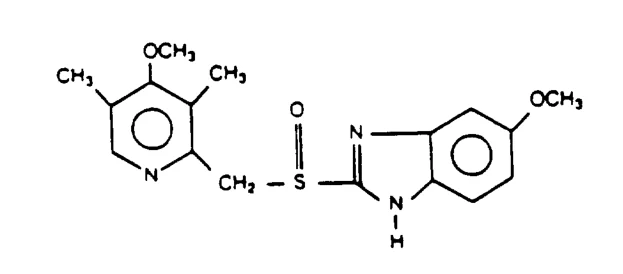
| Chemical name: | 5-methoxy-2-{[(4-methoxy-3,5-dimethyl-2-pyridinyl)methyl]-sulfinyl}-1H-benzimidazole |
| Structural formula: | |
| Molecular formula: | C17H19N3O3S |
| Molecular mass: | 345.4 |
| Physicochemical properties: | Omeprazole is a nonhygroscopic, crystalline substance which melts with decomposition at about 150°C. The substance is slightly soluble in water. The pKa of the benzimidazole is 8.8 and that of the pyridinium ion, 4.0. |
14 CLINICAL TRIALS
14.1 Clinical Trails by Indication
Peptic ulcer disease associated with Helicobacter pylori
Patients who fail to have their infection eradicated may be considered to have H. pylori resistant to the antimicrobials used in the eradication regimen. Therefore, therapy involving alternative effective antimicrobial agents should be considered (if re-treating).
It has been demonstrated that resistance to metronidazole is a negative predictive factor, decreasing the eradication rate of H. pylori obtained with triple therapy (omeprazole, metronidazole and clarithromycin) by 10-20%. The addition of omeprazole to metronidazole and clarithromycin appears to reduce the effect of primary resistance and the development of secondary resistance compared to antimicrobials alone.
Pivotal studies
Four studies on the combination of omeprazole with antimicrobials conducted in patients with H. pylori infection and active or inactive peptic ulcer disease are described below.
 |
Efficacy (H. pylori eradication rate) in studies 2-4 was analysed according to Intention To Treat (ITT) analysis, which included all patients that actually received at least one dose of therapy and were H. pylori-positive. In study 1, the APT (All Patients Treated) method was used instead. This method is defined in a similar way. The results from the studies were also analysed using the Per Protocol (PP) analyses. In the PP analysis, all study subjects who strictly follows the protocol are included. In studies 3 and 4, only patients with active duodenal (3) and gastric (4) ulcer disease were studied. The influence of H. pylori resistance to clarithromycin on the eradication rate was investigated in study 2. In studies 3 and 4, ulcer healing rate as well as relapse rate were studied. Effects of eradication on gastric mucosal morphology was also investigated in these studies.
Table 6: Summary of patient demographics for clinical trials in patients with a history of duodenal ulcer who were H. pylori-positive
| Study # | Study design | Dosage, route of administration and duration | Study subjects (n) |
Study 1 (SH-OMH-0001) | DB, PG | omeprazole 20 mg + amoxicillin 1,000 mg + clarithromycin 500 mg (OAC500), all twice daily for one week | 787* 684+ 780++ |
| omeprazole 20 mg + metronidazole 400 mg + clarithromycin 250 mg (OMC250), all twice daily for one week | |||
| omeprazole 20 mg + placebo (OP), all twice daily for one week | |||
Study 2 (SH-OMH-0005) | DB, PG | omeprazole 20 mg + amoxicillin 1,000 mg + clarithromycin 500 mg (OAC500), all twice daily for one week | 539* 514** 535++ |
| omeprazole 20 mg + metronidazole 400 mg + clarithromycin 250 mg (OMC250), all twice daily for one week | |||
| amoxicillin 1,000 mg + clarithromycin 500 mg (AC), all twice daily for one week | |||
| metronidazole 400 mg + clarithromycin 250 mg (MC), all twice daily for one week | |||
* patients randomized; ** patients included in ITT analysis; + patients included in APT analysis; ++ patients eligible for safety analysis; DB = double-blind; PG = parallel groups
Study 1 is a double-blind, randomized, international, multi-center pivotal trial where omeprazole alone and five different seven-days eradication regimens, all containing omeprazole and two antimicrobials were investigated with regard to H. pylori eradication rate. One of the treatment arms comprised the combination of omeprazole 20 mg bid, amoxicillin 1 g bid, and clarithromycin 500 mg bid. In another arm, a lower dose of clarithromycin, 250 mg bid was used.
Study 2 is a double-blind, randomized, international multi-center pivotal trial where the importance of omeprazole for the eradication of H. pylori in patients with duodenal ulcer disease was investigated. Two combinations of antimicrobials, clarithromycin 500 mg bid plus amoxicillin 1 g bid, and metronidazole 400 mg bid plus clarithromycin 250 mg bid were used alone or together with omeprazole 20 mg bid for seven days.
Table 7: Results of studies in patients with a history of duodenal ulcer who were H. pylori-positive
| Study # | Primary Endpoints | Treatment | APT or ITT Analysis | PP Analysis | |||
| Study 1 | Eradication rate | OAC500 | 96% (95% CI 77-91%) | 98% | |||
| OMC250* | 95% (95% CI 90-99%) | 94% | |||||
| OP | 1% (95% CI 0-3%) | – | |||||
| Study 2 | Eradication rate | OAC500 | 94% (95% CI 88-97%) | 95% | |||
| OMC250* | 87% (95% CI 79-92%) | 91% | |||||
| AC | 26% (95% CI 19-34%) | – | |||||
| MC | 69% (95% CI 60-77%) | – | |||||
95% CI = 95% confidence interval; * 500 mg metronidazole appears to be equivalent to 400 mg with regards to efficacy and safety
Study 1: Patients included in the APT and PP analyses were assessed for H. pylori status by UBT pre- and post-treatment, n = 684 (APT analysis).
Study 2: Patients included in the ITT and PP analyses were assessed for H. pylori status by UBT and culture pre- and post-treatment, n = 514 (ITT analysis).
Table 8: Summary of patient demographics for clinical trials in patients with active peptic ulcer who were H. pylori-positive
| Study # | Study design | Dosage, route of administration and duration | Study subjects (n) |
Study 3 (SH-OMH-0006) | DB, PG | omeprazole 20 mg + amoxicillin 1,000 mg + clarithromycin 500 mg (OAC500), all twice daily for one week | 149* 146** 149++ |
| omeprazole 20 mg + metronidazole 400 mg + clarithromycin 250 mg (OMC250), all twice daily for one week | |||
| Study # | Study design | Dosage, route of administration and duration | Study subjects (n) |
| omeprazole 20 mg + placebo (OP), all twice daily for one week | |||
Study 4 (SH-OMH-0007) | DB, PG | omeprazole 20 mg + amoxicillin 1,000 mg + clarithromycin 500 mg (OAC500), all twice daily for one week | 160* 145** 157++ |
| omeprazole 20 mg + metronidazole 400 mg + clarithromycin 250 mg (OMC250), all twice daily for one week | |||
| omeprazole 20 mg + placebo (OP), all twice daily for one week | |||
* patients randomized; ** patients included in ITT analysis; ++ patients eligible for safety analysis; DB = double-blind; PG = parallel groups
Study 3 is a double-blind, randomized, multi-center pivotal study conducted in Canada. Eradication rates of H. pylori (primary objective) in patients with active duodenal ulcers treated with omeprazole alone, or the combination of omeprazole plus clarithromycin with either amoxicillin or metronidazole were compared. Treatment with omeprazole 20 mg od was continued for three weeks after eradication treatment.
Study 4 is a double-blind, randomized, international, multicenter pivotal study with three parallel groups comparing the eradication rates of H. pylori (primary objective) in patients with active gastric ulcer. The patients were treated with omeprazole alone, or with omeprazole plus clarithromycin in combination with either amoxicillin or metronidazole. Treatment with omeprazole, 20 mg od continued three weeks further.
Table 9: Results of studies in patients with active peptic ulcer who were H. pylori-positive
| Study # | Primary Endpoints | Treatment | ITT Analysis | PP Analysis | Ulcer Healing Rate (Post Treatment) | Rate of Patients in Remission (6 months after cessation therapy) |
| Study 3 | Eradication rate | OAC500 | 78% (95% CI 64-88%) | 87% | 92% | 88% |
| Study # | Primary Endpoints | Treatment | ITT Analysis | PP Analysis | Ulcer Healing Rate (Post Treatment) | Rate of Patients in Remission (6 months after cessation therapy) | ||||||
| OMC250* | 85% (95% CI 72-94%) | 92% | 94% | 92% | ||||||||
| OP | 0% (95% CI 0-7%) | – | 90% | 48% | ||||||||
| Study 4 | Eradication rate | OAC500 | 79% (95% CI 65-90%) | 83% | 94% | 83% | ||||||
| OMC250* | 86% (95% CI 73-94%) | 93% | 96% | 92% | ||||||||
| OP | 4% (95% CI 0-14%) | – | 96% | 73% | ||||||||
95% CI = 95% confidence interval; * 500 mg metronidazole appears to be equivalent to 400 mg with regards to efficacy and safety
Study 3: Patients with duodenal ulcer, included in the ITT analysis, were assessed for H. pylori status by UBT and histology pre- and post-treatment, n = 146 (ITT analysis).
Study 4: Patients with gastric ulcer, included in the ITT analysis, were assessed for H. pylori status by UBT and histology pre- and post-treatment, n = 145 (ITT analysis).
15 MICROBIOLOGY
LOSEC, in combination with appropriate antibiotics, is approved for eradication of Helicobacter pylori in the treatment of peptic ulcers.
16 NON-CLINICAL TOXICOLOGY
General Toxicology
Single-Dose Toxicity (see Table 10): The highest oral dose (4,000 mg/kg) of non-micronized omeprazole did not cause death in any of the species tested. With micronized omeprazole, suspended in Methocel®, the acute oral LD50 was approximately 1,500 mg/kg in mice; in male rats, higher than the maximum dose (5,000 mg/kg) and in female rats, approximately 3,000 mg/kg. As much as 80% of the compound may not have been absorbed due to acid degradation of these single doses in the stomach. Death occurred within two days of ingestion and was preceded by reduced motor activity, reduced respiration frequency but increased respiration depth, reduced body temperature, and twitching, tremor or convulsions. The highest oral dose given to dogs (660 mg/kg) caused vomiting within 40-100 minutes of ingestion. The acute intravenous LD50 was 83 mg/kg in male mice and in female mice >100 mg/kg. The corresponding figure in rats was >40 mg/kg. Death occurred within a few minutes of injection, preceded by cyanosis and convulsions.
The oral LD50 of omeprazole in male and female rats and mice was greater than 4,000 mg/kg. In dogs, the only sign of acute toxicity was vomiting which occurred at doses of approximately 600 mg/kg.
Table 10: Single-dose toxicity studies of omeprazole
| Species | Sex | Route | LD50 (mg/kg) | ||||||
| Mouse | M | p.o.1* | > 4,000 | ||||||
| F | p.o.1* | > 4,000 | |||||||
| Mouse | M | p.o.1* | 1,520 | ||||||
| F | p.o.1* | 1,380 | |||||||
| Mouse | M | i.v. | 83 | ||||||
| F | i.v. | > 100 | |||||||
| Rat | M | p.o.1* | > 4,000 | ||||||
| F | p.o.1* | > 4,000 | |||||||
| Rat | M | p.o.1* | > 5,010 | ||||||
| F | p.o.1* | 3,320 | |||||||
| Rat | M | i.v. | > 40 | ||||||
| F | i.v. | > 40 | |||||||
1 suspension of Methocel®, not buffered; * non-micronized test compound
Repeat-Dose Toxicity: The general, long-term toxicity of omeprazole was studied in mice, rats, and dogs after oral and intravenous administration. Mice received oral doses of 14-140 mg/kg for up to 18 months, rats 14-400 mg/kg for up to 24 months and dogs 1-140 mg/kg for up to 12 months. Intravenous omeprazole was given to rats in doses of 2-16 mg/kg for up to one month and dogs 1-9 mg/kg for up to one month.
In the dog, a slight to moderate atrophy of the chief cells and rugal hypertrophy were observed. These changes were reversible after treatment cessation.
Following chronic intravenous administration of omeprazole to rats (~1.7-15.5 mg/kg/ day) for one month and to dogs (~0.7-8.6 mg/kg/day) for one month, no treatment related changes were observed.
In the rat, decreased plasma concentrations of triiodothyronine were observed in the two highest groups; TSH increased in the high-dose males. Lower doses had no significant effect. General hypertrophy of the oxyntic mucosa was found; the size of some chief cells was decreased and some granularity was observed. Both the hypertrophy and chief cell changes were reversible.
Carcinogenicity
An 18-month oral study was conducted in mice at doses of 14, 44, and 140 mg/kg/day. No evidence of carcinogenic potential was seen. A 24-month oral study was conducted in rats at doses of 14, 44, and 140 mg/kg/day. No increase in carcinomas was observed in any organ. However, there were dose- and time-dependent increases of tumor-like proliferations in the stomach. Histology showed a continuum from diffuse ECL-cell hyperplasia in the basal region of the gastric glands to less frequent micronoduli and occasional tumor-like proliferations, some extending into the submucosa. The proliferations were classified as gastric carcinoids. The proliferation of ECL-cells and development of carcinoids were more frequent in female rats. No metastases were identified in any of the animals. Carcinoids have not been observed after long-term administration of omeprazole to mice and dogs.
The rat carcinogenicity study (24 months) revealed a gradual development from gastric ECL-cell hyperplasia to carcinoids at the end of their normal life span during administration with 14-140 mg/kg/day of omeprazole. No metastasis developed. No carcinoids developed during 18 months’ high-dose treatment of mice (14-140 mg/kg/day). Similarly, administration of omeprazole up to 28 mg/kg/day in dogs for seven years did not cause any carcinoids.
The gastric carcinoids in rats were related to sustained hypergastrinemia secondary to acid inhibition and not to omeprazole per se. Similar observations have been made after administration of histamine H2-receptor blockers and also in partially fundectomized rats.
Genotoxicity
Omeprazole was tested in vivo (mouse micronucleus test, chromosome aberration in mice) and in vitro (Ames test, mouse lymphoma forward mutation assay) and showed no evidence of a mutagenic effect.
Pharmacodynamics
Omeprazole differs from existing inhibitors of gastric acid secretion such as histamine H2-receptor antagonists or anticholinergic agents in its ability to directly inhibit the gastric H+, K+-ATPase. This enzyme has been identified as the proton pump of the parietal cell.
Omeprazole had a long duration of action in all species studied. Repeated daily doses resulted in a progressive increase in the antisecretory effect during the first 3-5 days of administration. In dogs, a dose of 0.5 μmol/kg (given as enteric-coated granules) inhibited histamine stimulated gastric acid secretion by about 20% when measured 24 hours after the first dose, and by 60-65% when measured 24 hours after dosing at steady state. Once steady-state conditions were reached (after 3-5 days), acid inhibition remained unchanged, as established in dogs treated for periods up to one year.
Acid secretion recovers after discontinuation of long-term treatment at the same rate as after a single dose of omeprazole, in parallel with the recovery of H+, K+-ATPase activity in the oxyntic mucosa. Whether this recovery reflects de novo synthesis of the H+, K+-ATPase molecules or the dissociation of the inhibitor from the enzyme has not yet been established.
Due to the potency and long duration of action of omeprazole, repeated administrations of high doses in the rat resulted in a marked decrease of acid secretion and a secondary hypergastrinemia and hyperplasia of G-cells. In rats, administration of omeprazole 14-140 mg/kg/day resulted in plasma gastrin levels of 1,000-3,000 pg/mL as compared to 150-200 pg/mL in controls. In dogs, high doses of omeprazole (28 mg/kg/day) produced marked hypergastrinemia (1,000-2,000 pg/mL after food intake), as compared to 100-300 pg/mL in controls. However, no hyperplasia of G-cells was evident in this species.
Secondary Pharmacological Effects: Mean arterial blood pressure and heart rate in the anesthetized dog were not affected by omeprazole under various challenges. Circulatory and respiratory functions in the dog were not affected by omeprazole, either at rest or during exercise. Omeprazole had no anticholinergic and no antihistamine (H2-receptor) activity. In the rat, no effect on basal locomotor activity nor on exploratory activity was recorded, suggesting that omeprazole is devoid of sedative or neuroleptic effects.
Other Interactions: Omeprazole interacts with cytochrome P-450 in rat liver. Omeprazole prolonged hexobarbital sleeping time by 12%.
Pharmacokinetics
Absorption: Omeprazole is degraded rapidly in acidic gastric juice (rat and dog studies). Absorption is rapid. Peak plasma levels were found within 20 minutes and one hour after intra-duodenal and oral administration, respectively, in the dog. The drug has a low oral bioavailability, 5% in unstarved rats and 15-20% in starved male and female rats, if the drug is not protected by an enteric coating. The intra-duodenal bioavailability is approximately 70% and the oral bioavailability is approximately 15% in the dog. Omeprazole is 95% bound to plasma proteins.
Distribution: After absorption, omeprazole is rapidly distributed to extravascular sites and about 95% is bound to plasma proteins. The distribution of 14C-labelled omeprazole in the mouse was investigated by autoradiography. Radioactivity was initially found in the blood and most organs. Sixteen hours after administration, the drug was confined predominantly to the stomach wall. At 48 hours, the radioactivity was eliminated.
Penetration of omeprazole and/or its metabolites across the blood-brain and placental barriers was low.
Metabolism and Elimination: Omeprazole was extensively metabolized in all species studied. In rats and dogs approximately 20-30% of the dose was excreted as urinary metabolites and the remainder by biliary excretion as metabolites in the feces. Elimination was virtually complete within 72 hours. Identifiable metabolites constituted about 50% (rat) and 70% (dog) of the total metabolite excretion in 24 hours, and about 12% of the given dose in both species.
Reproductive and Developmental Toxicology
In studies with male and female rats given oral doses of up to 138 mg/kg/day (approximately 500 times the recommended human dose), fertility and reproductive performance were not affected.
In rabbits, increased embryo-lethality and fetal resorption were observed at maternotoxic doses of 69 and 138 mg/kg/day (250 and 500 times the human dose). No maternal or fetal toxicity was observed in pregnant rats treated at doses ranging from 13.8 to 138 mg/kg/day (50 to 500 times the human dose). In rats, a slight decrease in litter size at birth and slightly impaired postnatal viability and growth were observed in offspring resulting from parents treated with high doses of 138 mg/kg/day (500 times the human dose) of omeprazole. Similar effects were not seen at lower doses.
Special Toxicology
Gastric ECL-Cell Carcinoids: Extensive investigations have been carried out to explain the ECL-cell hyperplasia and the gastric carcinoid findings in rats. Gastrin produced by the G-cells in the antrum plays an important role in the feedback control of gastric acid secretion.
In one series of experiments, the antrum of rats was surgically excluded from the rest of the stomach. The removal of acid from the antrum in this way led to pronounced hypergastrinemia and, secondary to this, gastric ECL-cell proliferation. Antrectomy, which removes the source of gastrin, led to a decrease in gastric ECL-cell density. These experiments indicated that gastrin has a direct trophic effect on gastric ECL-cells. In another series of experiments, high doses of omeprazole and a histamine H2-receptor blocker caused hypergastrinemia and increased ECL-cell density. In antrectomized rats given a high dose of omeprazole, plasma gastrin levels remained normal, and consequently there was no increase in ECL-cell density. It has therefore been concluded that (i) inhibition of gastric acid secretion by large doses of omeprazole, or a histamine H2-receptor blocker, evokes a natural feedback response leading to hypergastrinemia, (ii) long-standing hypergastrinemia leads to gastric ECL-cell proliferation, and (iii) there is no direct trophic effect of omeprazole on gastric ECL-cells.
An additional long-term (24 months) toxicity study in female rats (1.8-14 mg/kg/day) confirmed that the ECL-cell carcinoids were extreme end-life tumors and that there was a linear correlation between carcinoid incidence and dose of omeprazole (1.8-140 mg/kg/day). In rats given omeprazole 14 mg/kg/day for 12 months, no carcinoids were found and the ECL-cell hyperplasia recovered to normal during the next 12 months of no treatment.
No carcinoids have been found in mice, and in dogs following administration of 28 mg/kg/day for seven years.
Investigation in man has demonstrated an initial moderate increase in gastrin levels during treatment with omeprazole, but no further increase occurred during long-term (up to three years) treatment. No significant changes have been found in the endocrine cells of the oxyntic gastric mucosa during short- or long-term treatment with omeprazole in man, to date. Chronic treatment of patients with Zollinger-Ellison Syndrome with mean daily doses of omeprazole of 60 mg/day for up to five years has not influenced the pre-treatment hypergastrinemia, and no changes in the endocrine cells of the gastric mucosa have been found on repeat biopsies.