


Product Monograph - Lyumjev
1 INDICATIONS
Lyumjev (insulin lispro injection) is indicated for treatment of adult patients with diabetes mellitus who require insulin for the control of glucose homeostasis (see 15 CLINICAL TRIALS).
Lyumjev should generally be used in a regimen with intermediate- or long-acting insulin to maintain adequate glucose control (see 8 WARNINGS AND PRECAUTIONS and DOSAGE AND ADMINISTRATION).
Lyumjev vials may also be used for continuous subcutaneous insulin infusion (CSII) in pump systems that are licensed in Canada for insulin infusion. Refer to the insulin infusion pump manufacturer’s user manual to see if Lyumjev can be used.
1.1 Pediatrics
Pediatrics (<18 years of age): No data are available to Health Canada; therefore, Health Canada has not authorized an indication for pediatric use.
1.2 Geriatrics
Geriatrics (≥65 years of age): Evidence from clinical studies and experience with insulin lispro suggests that use in the geriatric population is not associated with differences in safety or effectiveness (see 8 WARNINGS AND PRECAUTIONS, Special Population).
2 CONTRAINDICATIONS
Lyumjev is contraindicated in patients:
- during episodes of hypoglycemia (see 8 WARNINGS AND PRECAUTIONS).
- who are hypersensitive to this drug or to any ingredient in the formulation, including any non-medicinal ingredient, or component of the container. For a complete listing, see 6 DOSAGE FORMS, STRENGTHS, COMPOSITION AND PACKAGING.
3 SERIOUS WARNINGS AND PRECAUTIONS BOX
4 DOSAGE AND ADMINISTRATION
4.1 Dosing Considerations
- The potency of insulin analogues, including Lyumjev, is expressed in units. One (1) unit of Lyumjev corresponds to 1 international unit of human insulin or 1 unit of other fast-acting insulin analogues.
- Always check insulin label before administration (see 8 WARNINGS AND PRECAUTIONS).
- Inspect Lyumjev visually before use and discard for particulate matter or discolouration. Only use Lyumjev if the solution appears clear and colourless.
- The dose counter of Lyumjev prefilled pens (100 units/mL and 200 units/mL) shows the number of units of Lyumjev to be injected. No dose conversion is required if transferring a patient between the 100 units/mL and 200 units/mL strengths.
- Lyumjev should not be used by patients with visual impairment without help of a trained person.
- Lyumjev in a vial is to be used with insulin syringes with the corresponding unit scale (U-100 or 100 Units/mL) or in Continuous Subcutaneous Insulin Infusion (CSII) therapy.
- DO NOT dilute or mix Lyumjev with any other insulin products except I.V. infusion fluids under medical supervision.
- Train patients on proper use and injection technique before initiating Lyumjev. Training reduces the risk of administration errors such as needle sticks and incomplete dosing.
- Rotate injection sites within the same region from one injection to the next so that the same site is not used more than approximately once a month to reduce the risk of lipodystrophy and localized cutaneous amyloidosis. Do not inject into areas of lipodystrophy or localized cutaneous amyloidosis (see 8 WARNINGS AND PRECAUTIONS).
Serious Warnings and Precautions
- Hypoglycemia is the most common adverse effect of insulin products. As with all insulin products, the timing of hypoglycemia may differ. Glucose monitoring shall be performed for all patients with diabetes mellitus treated with insulins. (See 8 & 5 HYPOGLYCEMIA, HYPERGLYCEMIA AND OVERDOSAGE).
- Uncorrected hypoglycemic or hyperglycemic reactions can cause loss of consciousness, coma or even death. (See 8 ENDOCRINE AND METABOLISM – HYPOGLYCEMIA).
- Any conversion of insulin products should be made cautiously and only under medical supervision. (See 4 DOSING AND ADMINSTRATION).
- Due to its rapid onset of action and shorter duration of action, Lyumjev should be administered 0 to 2 minutes before the start of the meal. When necessary, Lyumjev may be administered up to 20 minutes after starting a meal (see 15 CLINICAL TRIALS and 4 DOSAGE AND ADMINISTRATION).
- Lyumjev should not be used if it is not water clear and colourless.
- Lyumjev 200 units/mL should not be administered via a subcutaneous infusion pump or mixed with any other insulin (including Lyumjev 100 units/mL).
- DO NOT transfer insulin lispro solution in the Lyumjev 200 units/mL KwikPen to other devices, such as a syringe. The markings on the insulin syringe will not measure the dose correctly. Overdose can result causing severe hypoglycemia.
- DO NOT dilute or mix Lyumjev with any other insulin products or solutions, except I.V. infusion fluids under medical supervision.
- Before travelling between different time zones, the patient should seek the health professional’s advice since this means the patient has to take insulin and meals at different times.
- Lyumjev 200 units/mL should not be administered via a subcutaneous infusion pump or mixed with any other insulin (including Lyumjev 100 units/mL).
- DO NOT transfer insulin lispro solution in the Lyumjev 200 units/mL KwikPen to other devices, such as a syringe. The markings on the insulin syringe will not measure the dose correctly. Overdose can result causing severe hypoglycemia.
- When used via a subcutaneous insulin infusion pump, Lyumjev (insulin lispro injection) 100 units/mL should not be diluted or mixed with any other insulin. Patients should carefully read and follow the insulin infusion pump manufacturer's instructions and Part III - Patient Medication Information before use.
4.2 Recommended Dose and Dosage Adjustment
The dosage of Lyumjev must be individualized. Individualize and adjust the dosage of Lyumjev based on the patient’s metabolic needs, blood glucose monitoring results, and glycemic control goal.
Dose adjustments may be needed when switching from another insulin, with changes in physical activity, changes in concomitant medications, changes in meal patterns (i.e., amount and type of food or timing of food intake), changes in renal or hepatic function, or during acute illness to minimize the risk of hypoglycemia or hyperglycemia.
Health Canada has not authorized an indication for pediatric use (see 1 INDICATIONS).
Starting Dose in Insulin-Naïve Patients:
Type 1 Diabetes Mellitus: Lyumjev is to be used as mealtime insulin and requires subsequent individual dosage adjustments. The recommended starting dose of Lyumjev in insulin naïve adult patients with type 1 diabetes is approximately 50% of the total daily insulin dose and should be divided between each daily meal. The remainder of the total daily insulin dose should be administered as intermediate- or long-acting insulin. As a general rule, 0.2 to 0.4 units of insulin per kilogram of body weight can be used to calculate the initial total daily insulin dose in insulin naïve patients with type 1 diabetes.
Type 2 Diabetes Mellitus: The suggested initial dose for adult patients is 4 units at one or more meals. The number of injections and subsequent titration will depend on individual glycemic targets.
Converting to Lyumjev from Other Insulins
Close glucose monitoring is recommended when converting from other mealtime insulins and in the initial weeks thereafter.
If converting from another mealtime insulin to Lyumjev, the change can be done on a unit-to-unit basis. Due to the faster onset of insulin action, Lyumjev should be injected at the start of a meal. When necessary, Lyumjev may be administered up to 20 minutes after starting the meal (see 15 CLINICAL TRIALS).
Converting a patient from another type, brand or manufacturer of insulin must be done under medical supervision and may result in the need for a change in dosage.
Doses and timing of concurrent intermediate- or long-acting insulin or other concomitant antidiabetic treatment may need to be adjusted.
4.3 Administration
Subcutaneous
- Inject Lyumjev 0 to 2 minutes before the start of a meal subcutaneously into the abdomen, upper arm, thigh, or buttocks.
- Lyumjev can be administered within 20 minutes after starting a meal.
- Lyumjev given by subcutaneous injection should generally be used in regimens with intermediate- or long-acting insulin.
Continuous Subcutaneous Insulin Infusion (Insulin Pump): Lyumjev 100 units/mL ONLY
- Do not administer Lyumjev 200 units/mL using a continuous subcutaneous insulin infusion pump.
- Lyumjev 100 units/mL can be used for CSII in pumps suitable for CSII and will cover both the bolus insulin requirement (approximately 50%) and the basal insulin requirement. Use Lyumjev 100 units/mL in accordance with the insulin infusion pumps’ instructions for use.
- Train patients using CSII pump therapy to administer insulin by injection and have alternate insulin therapy available in case of pump failure.
- Administer Lyumjev 100 units/mL by continuous subcutaneous infusion into the subcutaneous tissue of the abdominal wall. Rotate infusion sites within the same region to reduce the risk of lipodystrophy and localized subcutaneous amyloidosis (see 8 WARNINGS AND PRECAUTIONS).
- Change the infusion set and the infusion set insertion site according to the insulin infusion pump manufacturers’ user manual.
- Change Lyumjev 100 units/mL in the pump reservoir at least every 9 days or according to the pump user manual, whichever is shorter.
- Do NOT dilute or mix Lyumjev 100 units/mL when administering by continuous subcutaneous infusion.
- Do NOT expose Lyumjev 100 units/mL in the pump reservoir to temperatures greater than 37°C (98.6°F).
Intravenous Administration for Lyumjev 100 units/mL Only
- Do not administer Lyumjev 200 units/mL intravenously.
- Dilute Lyumjev 100 units/mL to concentrations from 0.1 unit/mL to 1.0 unit/mL using 0.9% sodium chloride or 5% dextrose.
- Intravenous administration of Lyumjev 100 units/mL must be performed under medical supervision for glycemic control with close monitoring of blood glucose and potassium levels to avoid hypoglycemia and hypokalemia.
- Store diluted Lyumjev for up to 14 days in a refrigerator at 2°C to 8°C until time of use. The same solution may be stored for up to 20 hours at room temperature at 20°C to 25°C.
- Care should be taken to ensure that the insulin is injected into the IV infusion bag and not simply the entry port.
4.4 Missed Dose
Instruct patients who forget a mealtime dose to monitor their blood glucose level to decide if an insulin dose is needed, and to resume their usual dosing schedule at the next meal.
5 OVERDOSAGE
Overdose causes hypoglycemia, which may be severe and life-threatening, with accompanying symptoms that include listlessness, confusion, palpitations, sweating, vomiting, and headache. Insulin overdose, particularly when given intravenously, may also cause hypokalemia, which may be severe and life-threatening. Hypokalemia must be corrected appropriately.
Hypoglycemia may occur as a result of an excess of insulin lispro relative to food intake, energy expenditure, or both. Mild episodes of hypoglycemia usually can be treated with oral glucose. Adjustments in drug dosage, meal patterns, or exercise may be needed. More severe episodes with coma, seizure, or neurologic impairment may be treated with glucagon or concentrated intravenous glucose. Sustained carbohydrate intake and observation may be necessary because hypoglycemia may recur after apparent clinical recovery.
| For management of a suspected drug overdose, contact your regional poison control centre. |
6 DOSAGE FORMS, STRENGTHS, COMPOSITION AND PACKAGING
To help ensure the traceability of biologic products, including biosimilars, health professionals should recognize the importance of recording both the brand name and the non-proprietary (active ingredient) name as well as other product-specific identifiers such as the Drug Identification Number (DIN) and the batch/lot number of the product supplied.
Table 1 Dosage Forms, Strengths, Composition and Packaging
Lyumjev is available as a sterile, aqueous, clear, and colourless solution for subcutaneous or intravenous administration in 10 mL vials and 3 mL cartridges and disposable pens in the following package sizes:
- Pack size for vial (U-100) is 1 x 10 mL
- Pack size for 3 mL cartridge (U-100) is 5 x 3 mL
- Pack size for 3 mL KwikPen (U-100 pre-filled pen) is 5 x 3 mL
| Route of Administration | Dosage Form / Strength/Composition | Non-medicinal Ingredients | ||
| Subcutaneous injection or Intravenous | Solution for injection, 100 U/mL
| Glycerol, magnesium chloride hexahydrate, metacresol, sodium citrate dihydrate, treprostinil sodium, zinc oxide, and water for injection. Hydrochloric acid and/or sodium hydroxide may be added to adjust pH. | ||
| Subcutaneous injection | Solution for injection, 200 U/mL
| |||
- Pack size for 3 mL Junior KwikPen (U-100 pre-filled pen) is 5 x 3 mL
- Pack size for 3 mL Tempo Pen (U-100 pre-filled pen) is 5 x 3 mL
- Pack sizes for 3 mL KwikPen (U-200 pre-filled pen) are 2 x 3 mL and 5 x 3 mL
Not all pack sizes and presentations may be marketed.
7 DESCRIPTION
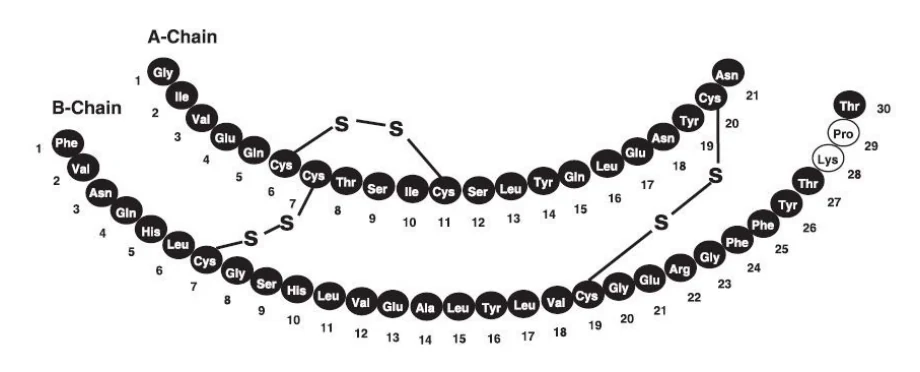
Lyumjev (insulin lispro injection) is a fast-acting formulation of a human insulin analog used to lower glucose. Insulin lispro is produced by recombinant DNA technology utilizing a non-pathogenic laboratory strain of Escherichia coli. Insulin lispro differs from human insulin in that the amino acid proline at position B28 is replaced by lysine and the lysine in position B29 is replaced by proline.
Lyumjev is a sterile, aqueous, clear, and colourless solution for subcutaneous or intravenous administration.
8 WARNINGS AND PRECAUTIONS
Please see the Serious Warnings and Precautions Box at the beginning of Part I: Health Professional Information.
General
As with all insulins, the duration of action of Lyumjev may vary in different individuals or in the same individual according to dose, injection site, blood flow, temperature and level of physical activity.
Stress or concomitant illness, especially infectious and febrile conditions may change insulin requirements. In these instances, patients should contact their physician and carefully control their blood glucose.
Thiazolidinediones (TZDs), alone or in combination with other anti-diabetic agents (including insulin), can cause heart failure and edema. The combination of insulin with a TZD is not indicated for the treatment of type 2 diabetes mellitus. Please refer to the respective TZD product monograph, (see 8 WARNINGS AND PRECAUTIONS), information when the use of these drugs in combination with any insulin, including Lyumjev, is contemplated.
Lyumjev pens and cartridges should never be shared between patients, even if the needle is changed. Sharing poses a risk for transmission of blood-borne pathogens.
Changes in insulin, insulin strength, manufacture, type, or method of administration may affect glycemic control and predispose to hypoglycemia or hyperglycemia. These changes should be made cautiously and only under close medical supervision and the frequency of blood glucose monitoring should be increased. For patients with type 2 diabetes, dosage adjustments in concomitant oral anti-diabetic treatment may be needed.
Hypokalemia
All insulin products, including Lyumjev, cause a shift in potassium from the extracellular to intracellular space, possibly leading to hypokalemia that, if left untreated, may cause respiratory paralysis, ventricular arrhythmia, and death. Use caution in patients who may be at risk for hypokalemia [e.g., patients using potassium-lowering medications, patients taking medications sensitive to serum potassium concentrations, patients receiving intravenously administered insulin, or patients losing potassium through other means (e.g., diarrhea)] (see 5 OVERDOSAGE).
Endocrine and Metabolism
Hypoglycemia
As with other insulins, hypoglycemia is the most common adverse reaction of insulin therapy, including Lyumjev (see 9 ADVERSE REACTIONS). Early warning symptoms of hypoglycemia may be different or less pronounced under certain conditions, such as long duration of diabetes, diabetic nerve disease, use of medications such as beta-blockers, or intensified diabetes control.
Patients, whose blood glucose control is greatly improved, e.g. by intensified insulin therapy, may experience a change in their usual warning symptoms of hypoglycemia, and should be advised accordingly. Usual warning symptoms may disappear in patients with long-standing diabetes. Hypoglycemia may occur if the insulin dose is too high in relation to the insulin requirement (see 9 ADVERSE REACTIONS, Hypoglycemia and 5 OVERDOSAGE).
Omission of a meal or unplanned strenuous physical exercise may lead to hypoglycemia.
Hypoglycemia can occur regardless of what type of insulin you take and can cause fatigue, sweating, heart palpitations, disturbed behavior, hunger, convulsions, loss of consciousness, temporary or permanent impairment of brain function, or, in extreme circumstances, even death which can occur without recognizable symptoms.
Some people may not recognize when their blood sugar drops low.
The risk of hypoglycemia after an injection is related to the duration of action of the insulin and, in general, is highest when the glucose lowering effect of the insulin is maximal. The timing of hypoglycemia usually reflects the time-action profile of the administered insulin formulation. As with all insulin preparations, the glucose lowering effect time course of Lyumjev may vary in different individuals or at different times in the same individual and depends on many conditions. Factors which may increase the risk of hypoglycemia include changes in meal pattern, changes in level of physical activity, or changes to co-administered medication. Patients with renal or hepatic impairment may be at high risk of hypoglycemia.
The patient’s ability to concentrate and react may be impaired as a result of hypoglycemia. This may constitute a risk in situations where these abilities are of special importance (e.g. driving a car or operating machinery). This is particularly important in those who have reduced or absent awareness of the warning signs of hypoglycemia or have frequent episodes of hypoglycemia. The advisability of driving should be considered in these circumstances.
Hyperglycemia
The use of inadequate doses or discontinuation of treatment, especially in patients requiring insulin, may lead to hyperglycemia and diabetic ketoacidosis; conditions which are potentially lethal.
Hyperglycemia and Ketoacidosis Due to Insulin Pump Device Malfunction
Pump or infusion set malfunctions can lead to rapid onset of hyperglycemia and ketoacidosis. Prompt identification and correction of the cause of hyperglycemia or ketosis is necessary. Interim therapy with subcutaneous injection of Lyumjev may be required. Patients using continuous subcutaneous insulin infusion pump therapy must be trained to administer insulin by injection and have alternate insulin therapy available in case of pump failure (see 4 DOSAGE AND ADMINISTRATION, and 12 STORAGE, STABILITY, AND DISPOSAL).
Hepatic and Renal Impairment
Patients with hepatic or renal impairment may be at increased risk of hypoglycemia and may require more frequent Lyumjev dose adjustment and more frequent glucose monitoring.
Immune
Injection site and local allergic reaction
With insulin therapies including Lyumjev, patients may experience rash, redness, bruising, swelling, pain, inflammation, or itching at the site of injection (see 9 ADVERSE REACTIONS).
Most of these minor reactions usually resolve in a few days to a few weeks. On rare occasions, injection site reactions may require discontinuation of LYUMJEV. They may occur if the injection is not properly made (irritants in the skin cleansing agent or poor injection technique), or if the patient is allergic to the insulin or any excipients (see 2 CONTRAINDICATIONS). Continuous rotation of the injection site within a given area may help to reduce or prevent these reactions.
Systemic Allergic Reaction
Systemic allergic reactions have rarely occurred with insulin treatments, including Lyumjev (see 9 ADVERSE REACTIONS). These reactions may be characterized by a generalized rash (with pruritus), shortness of breath, wheezing, angioneurotic edema and drop in blood pressure (see 9 ADVERSE REACTIONS).
Severe cases of generalized allergy including anaphylactic reaction may be life threatening (see 2 CONTRAINDICATION). If hypersensitivity reactions occur, discontinue Lyumjev; treat per standard of care and monitor until symptoms and signs resolve.
Antibody production
As with all therapeutic proteins, insulin administration may cause anti-insulin antibodies to form. The presence of such antibodies may necessitate adjustment of the insulin dose to correct for tendencies toward hyper- or hypoglycemia.
In a 26-week study in type 1 diabetes patients (N=777), 49% were anti-drug (insulin lispro) antibody (ADA)-positive at baseline, 91% of which were cross-reactive with native insulin. A total of 33% of Lyumjev-treated patients had treatment-emergent ADA post-baseline (i.e., either new ADA or a 57% increase in assay signal over baseline), 75% of which were cross-reactive with native insulin.
In a 26-week study in type 2 diabetes patients (N=335), 35% were ADA-positive at baseline, 81% of which were cross-reactive with native insulin. A total of 31% of Lyumjev-treated patients had treatment-emergent ADA post-baseline (i.e., either new ADA or a 57% increase in assay signal over baseline), 68% of which were cross-reactive with native insulin.
Avoidance of accidental mix-ups/medication errors
Patients must be instructed to always check the insulin label before each injection to avoid accidental mix-ups between Lyumjev and other insulin products.
Do NOT transfer insulin from the Lyumjev KwikPen 200 units/mL to a syringe. The markings on the insulin syringe will not measure the dose correctly and can result in overdosage and severe hypoglycemia.
Patients must visually verify the units of the dose prior to administering Lyumjev. Therefore, the requirement for patients to self-administer is that they can read the dose scale. Patients, who are blind or have poor vision, must be instructed to always get assistance from another person who has good vision and is trained in administration of insulins.
Monitoring and Laboratory Tests
With insulin therapy, including Lyumjev, the need for regular blood glucose self-monitoring should be considered to obtain optimal glycemic control. Periodic measurement of glycosylated hemoglobin is recommended for the monitoring of long-term glycemic control. If a patient is pregnant, careful monitoring of the patient is required throughout pregnancy. During the perinatal period, careful monitoring of infants born to mothers with diabetes is warranted.
Mixing of Insulins
DO NOT dilute or mix Lyumjev with any other insulin products or solutions, except I.V. infusion fluids under medical supervision.
Lipodystrophy and Cutaneous Amyloidosis
Subcutaneous administration of insulin products can result in lipoatrophy (thinning of adipose tissue) or lipohypertrophy (enlargement or thickening of adipose tissue) or cutaneous amyloidosis (lumps in the skin) which may affect insulin absorption.
Patients must be instructed to perform continuous rotation of the injection site to reduce the risk of developing lipodystrophy and cutaneous amyloidosis. Patients should be advised to consult their health professional if they notice any of these conditions and before changing the injection site. There is a potential risk of delayed insulin absorption and worsened glycemic control following insulin injections at sites with these reactions.
Repeated insulin injections into areas of lipodystrophy or localized cutaneous amyloidosis have been reported to result in hyperglycemia, and a sudden change in the injection site (to an unaffected area) has been reported to result in hypoglycemia. Blood glucose monitoring is recommended after the change in the injection site from an affected to an unaffected area, and dose adjustment of antidiabetic medications may be considered.
Other
Control of diabetes mellitus may be further complicated by diseases such as acromegaly, Cushing’s syndrome, hyperthyroidism and pheochromocytoma.
Intensification or rapid improvement in glucose control has been associated with a transitory, reversible ophthalmologic refraction disorder, worsening of diabetic retinopathy, acute painful peripheral neuropathy, and peripheral oedema. However, long-term glycemic control decreases the risk of diabetic retinopathy and neuropathy.
8.1 Special Populations
8.1.1 Pregnant Women
There are no adequate and well-controlled studies with Lyumjev in pregnant women. The extent of exposure in pregnancy during clinical trials is very limited. Patients should be advised to discuss with their health care provider if they intend to or if they become pregnant. Lyumjev should be used during pregnancy only if the potential benefit justifies the potential risk to the fetus.
Intensified blood glucose control and monitoring of pregnant women with diabetes or a history of gestational diabetes are recommended throughout pregnancy and when contemplating pregnancy. Insulin requirements usually fall in the first trimester and increase subsequently during the second and third trimesters. After delivery, insulin requirements normally return rapidly to pre-pregnancy values. Careful monitoring of glucose control is essential in these patients.
Animal data from a combined fertility and embryo-fetal development study on insulin lispro in rats demonstrated fetal growth retardation (decrease in fetal weight and an increased incidence of fetal runts/litter) at a dose of 20 units/kg body weight/day (1.6-fold the human dose on a body surface area basis) (see 16 NON-CLINICAL TOXICOLOGY).
Animal data from an embryo-fetal development study on the excipient, treprostinil, conducted in rabbits demonstrated an increase in post-implantation loss and a decrease in the number of live fetuses per litter, due to increases in early and late resorptions at a high dose of 0.4 mg/kg body weight/day (exposure of 3866-fold the human exposure) (see 16 NON-CLINICAL TOXICOLOGY).
8.1.2 Breast-feeding
There are no data on the presence of Lyumjev in human milk, the effects on the breastfed infant, or the effect on milk production. For this reason, caution should be exercised when Lyumjev is administered to a nursing mother. The developmental and health benefits of breastfeeding should be considered along with the mother’s clinical need for insulin, any potential adverse effects on the breastfed child from Lyumjev or from the underlying maternal condition. Patients with diabetes who are lactating may require adjustments in insulin dose, meal plan or both.
8.1.3 Pediatrics
Pediatrics (<18 years of age): No data are available to Health Canada; therefore, Health Canada has not authorized an indication for pediatric use.
8.1.4 Geriatrics
Geriatrics (≥65 years of age): In clinical studies, 187 of 1116 (16.8%) Lyumjev-treated patients with type 1 or type 2 diabetes were ≥65 years of age and 18 of 1116 (1.6%) were ≥75 years of age. No overall differences in safety or effectiveness were observed between these elderly patients and younger adult patients.
As with all insulins, caution should be exercised when Lyumjev is administered to geriatric patients. In general, dose selection for an elderly patient should take into consideration the greater frequency of decreased hepatic, renal, or cardiac function, and of concomitant disease or other drug therapy in this population. In geriatric patients with diabetes, the initial dosing, dose increments, and maintenance dosage should be conservative to avoid hypoglycemia. Hypoglycemia may be more difficult to recognize in the elderly.
9 ADVERSE REACTIONS
9.1 Adverse Reaction Overview
The following adverse reactions are also discussed elsewhere:
9.2 Clinical Trial Adverse Reactions
Because clinical trials are conducted under very specific conditions, the adverse reaction rates observed in the clinical trials may not reflect the rates observed in practice and should not be compared to the rates in the clinical trials of another drug. Adverse reaction information from clinical trials is useful for identifying drug-related adverse events and for approximating rates.
The data in Table 2 reflect the exposure of 780 patients with type 1 diabetes (PRONTO-T1D) to Lyumjev with a mean exposure duration of 26 weeks. The mean age was 44 years, the mean duration of diabetes was 19 years, 55% were male, 77% were White, 2% were Black or African American, and 9% were Hispanic. The mean BMI was 26.6 kg/m2 and the mean HbA1c at baseline was 7.3%.
The data in Table 3 reflect the exposure of 336 patients with type 2 diabetes (PRONTO-T2D) to Lyumjev with a mean exposure duration of 26 weeks. The mean age was 60 years, the mean duration of diabetes was 16 years, 55% were male, 69% were White, 4% were Black or African American, and 24% were Hispanic. The mean BMI was 32.1 kg/m2 and the mean HbA1c at baseline was 7.3%.
Table 2 Adverse Reactions in Adult Patients with Type 1 Diabetes (Incidence ≥1%) Through Week 26
Mealtime Lyumjev + basal insulin N=451 (%) | Postmeal Lyumjev + basal insulin N=329 (%) | Mealtime Humalog + basal insulin N=442 (%) | |
| Hypoglycemiaa | 398 (88.3) | 298 (90.6) | 400 (90.5) |
| Severe hypoglycemiab | 25 (5.5) | 15 (4.6) | 25 (5.7) |
| Nasopharyngitis | 64 (14.2) | 48 (14.6) | 63 (14.3) |
| Injection site reaction | 13 (2.9) | 8 (2.4) | 1 (0.2) |
| Allergic reactions | 13 (2.9) | 9 (2.7) | 8 (1.8) |
a All documented hypoglycemia less than 3.0 mmol/L
b Severe hypoglycemia: an episode requiring assistance of another person to actively administer carbohydrate, glucagon, or other resuscitative actions
Table 3 Adverse Reactions in Adult Patients with Type 2 Diabetes (Incidence ≥1%) Through Week 26
Mealtime Lyumjev + basal insulin | Mealtime Humalog + basal insulin |
| N=336 (%) | N=337 (%) | |
| Hypoglycemiaa | 251 (74.7) | 264 (78.3) |
| Severe hypoglycemiab | 3 (0.9) | 6 (1.8) |
| Nasopharyngitis | 42 (12.5) | 36 (10.7) |
| Upper respiratory tract infection | 25 (7.4) | 20 (5.9) |
| Injection site reaction | 9 (2.7) | 0 |
| Allergic reactions | 6 (1.8) | 8 (2.4) |
a All documented hypoglycemia less than 3.0 mmol/L
b Severe hypoglycemia: an episode requiring assistance of another person to actively administer carbohydrate, glucagon, or other resuscitative actions
The data in Table 4 reflect the exposure of 215 patients with type 1 diabetes (PRONTO-Pump-2) to Lyumjev in a continuous subcutaneous insulin infusion (CSII) study with a mean exposure duration of 16 weeks. The mean age was 48 years, the mean duration of diabetes was 26 years, 44% were male, 94% were White, 3% were Black or African American, and 8% were Hispanic. The mean BMI was 27.0 kg/m2 and the mean HbA1c at baseline was 7.6%.
Table 4 Adverse Reactions in Adult Patients with Type 1 Diabetes
Using CSII (Incidence ≥1%) Through Week 16
Lyumjev N=215 (%) | Humalog N=217 (%) | |
| Hypoglycemiaa | 181 (84.6) | 186 (85.7) |
| Severe hypoglycemiab | 3 (1.4) | 2 (0.9) |
| Infusion site reaction | 41 (19.1) | 16 (7.4) |
| Infusion site pain | 34 (15.8) | 6 (2.8) |
| Nasopharyngitis | 13 (6.0) | 12 (5.5) |
| Allergic reactions | 3 (1.4) | 5 (2.3) |
a All documented hypoglycemia less than 3.0 mmol/L
b Severe hypoglycemia: an episode requiring assistance of another person to actively administer carbohydrate, glucagon, or other resuscitative actions
Hypoglycemia
Hypoglycemia is the most commonly observed adverse reaction in patients using insulin, including Lyumjev (see 8 WARNINGS AND PRECAUTIONS).
Hypoglycemia may occur earlier after an injection/infusion of Lyumjev compared to other mealtime insulins due to the earlier onset of action.
Hypoglycemia may occur if the insulin dose is too high in relation to the insulin requirement. Severe hypoglycemia may lead to unconsciousness and/or convulsions and may result in temporary or permanent impairment of brain function or even death. The symptoms of hypoglycemia usually occur suddenly. They may include cold sweats, cool pale skin, fatigue, nervousness or tremor, anxiousness, unusual tiredness or weakness, confusion, difficulty in concentrating, drowsiness, excessive hunger, vision changes, headache, nausea and palpitation.
Allergic Reactions
Severe, life-threatening, generalized allergy, including anaphylaxis, generalized skin reactions, angioedema, bronchospasm, hypotension, and shock may occur with any insulin, including Lyumjev (see 8 WARNINGS AND PRECAUTIONS). Allergic reactions were reported in patients treated with Lyumjev including eczema (0.4%), rash (0.4%), dermatitis (0.3%), hypersensitivity (0.2%), and pruritus (0.2%).
Injection/Infusion Site-Related Reactions
As with other insulin therapies, patients may experience pain, rash, redness, inflammation, bruising, or itching at the site of Lyumjev injection or infusion.
In studies PRONTO-T1D and PRONTO-T2D, injection site-related reactions occurred in 2.7% of patients treated with Lyumjev (mild in 2.2% and moderate in 0.5%), with <0.1% of patients discontinuing from trials due to injection site-related reactions.
In Study PRONTO-Pump-2, infusion site-related reactions were reported in 37.7% of patients treated with Lyumjev (mild in 27.9%, moderate in 7.9%, and severe in 1.9%). Of the 215 patients treated with Lyumjev, 7 discontinued treatment due to infusion site-related reactions (3.3%).
Lipodystrophy
Administration of insulin, including Lyumjev, may result in lipodystrophy [lipohypertrophy (enlargement or thickening of tissue) or lipoatrophy (depression in the skin)]. Lipodystrophy was reported in 0.2% of patients treated with Lyumjev.
Weight Gain
Weight gain can occur with insulin therapy, including Lyumjev, and has been attributed to the anabolic effects of insulin and the decrease in glucosuria. In the clinical trials, after 26 weeks of treatment patients with type 1 diabetes treated with Lyumjev gained an average of 0.6 kg and patients with type 2 diabetes treated with Lyumjev gained an average of 1.4 kg.
Edema
Cases of edema have been reported with insulin therapy, particularly if previous poor metabolic control is improved by intensified insulin therapy. Peripheral edema occurred in 0.2% of patients treated with Lyumjev.
9.3 Less Common Clinical Trial Adverse Reactions
The following adverse events were reported in the clinical program in patients with type 1 or type 2 diabetes. Causality of these events has not been established.
- Cardiac disorders: tachycardia, sinus tachycardia, palpitations, and acute myocardial infarction
- Ear and labyrinth disorders: vertigo
- Eye disorders: diabetic retinopathy, macular edema, and retinopathy
- Gastrointestinal disorders: nausea
- General disorders and administration site conditions: injection site pain, injection site bruising, injection site erythema, infusion site induration, infusion site pruritus, asthenia, fatigue, pyrexia, edema, and edema peripheral.
- Immune system disorders: hypersensitivity
- Injury, poisoning and procedural complications: infusion related reaction
- Investigations: weight increased, blood creatine phosphokinase increased
- Metabolism and nutrition disorders: diabetic ketoacidosis, obesity, and hyperglycemia
- Musculoskeletal and connective tissue disorders: myalgia, joint swelling, and musculoskeletal pain
- Nervous system disorders: hypoglycemic unconsciousness, dizziness, and hypoglycemic coma
- Psychiatric disorders: depression, insomnia, and anxiety
- Skin and subcutaneous tissue disorders: pruritis and rash
- Vascular disorders: hypertension
10 DRUG INTERACTIONS
10.1 Overview
A number of medicinal products are known to interact with the glucose metabolism. Therefore an increased frequency of glucose monitoring may be required when Lyumjev is co-administered with these drugs.
10.2 Drug-Drug Interactions
The following substances may reduce insulin requirement:
Antidiabetic agents (GLP-1 receptor agonists, DPP-4 inhibitors, SGLT-2 inhibitors), ACE inhibitors, angiotensin II receptor blocking agents, disopyramide, fibrates, fluoxetine, monoamine oxidase inhibitors, pentoxifylline, pramlintide, propoxyphene, salicylates, somatostatin analogs (e.g., octreotide), and sulfonamide antibiotics.
The following substances may increase insulin requirement:
Atypical antipsychotics (e.g., olanzapine and clozapine), corticosteroids, danazol, diuretics, estrogens, glucagon, growth hormone, isoniazid, niacin, oral contraceptives, phenothiazines, progestogens (e.g., in oral contraceptives), protease inhibitors, somatropin, sympathomimetic agents (e.g., albuterol, epinephrine, terbutaline), and thyroid hormones.
The following substances may reduce or increase insulin requirement:
Alcohol, beta-blockers, clonidine, lithium salts, octreotide/lanreotide, and pentamidine. Pentamidine may cause hypoglycemia, which may sometimes be followed by hyperglycemia.
The following substances may mask the symptoms of hypoglycemia:
Beta-blockers, clonidine, guanethidine, and reserpine.
Other:
To avoid the risk of developing new or worsening heart failure, the use of thiazolidinediones (TZDs) in combination therapy with insulin is not indicated (See 8 WARNINGS AND PRECAUTIONS)
10.3 Drug-Food Interactions
Please refer to DOSAGE AND ADMINISTRATION for timing of food consumption.
10.4 Drug-Herb Interactions
Interactions with herbal products have not been established.
10.5 Drug-Laboratory Test Interactions
Interactions with laboratory tests have not been established.
11 ACTION AND CLINICAL PHARMACOLOGY
11.1 Mechanism of Action
The primary activity of Lyumjev is the regulation of glucose metabolism. Insulins, including insulin lispro, the active ingredient in Lyumjev, exert their specific action through binding to insulin receptors. Receptor-bound insulin lowers blood glucose by stimulating peripheral glucose uptake by skeletal muscle and fat, and by inhibiting hepatic glucose production. Insulins inhibit lipolysis and proteolysis, and enhance protein synthesis.
11.2 Pharmacodynamics
Early and Late Insulin Action
A glucose clamp study was conducted in 40 patients with type 1 diabetes given Lyumjev and Humalog subcutaneously as a single 15 unit dose. Lyumjev has been shown to be equipotent to Humalog on a unit for unit basis but its effect is more rapid with a shorter duration of action.
- Onset of action of Lyumjev was 20 minutes post dose; 11 minutes faster than Humalog.
- During the first 30 minutes post dose, Lyumjev had a 3-fold greater glucose lowering effect compared to Humalog.
- Maximum glucose-lowering effect of Lyumjev occurred between 1 and 3 hours after injection.
- The late insulin action, from 4 hours until the end of the glucose clamp, was 53% lower with Lyumjev than observed with Humalog.
- The duration of action of Lyumjev was 43 minutes shorter than Humalog.
- The total glucose infused during the clamp was comparable between Lyumjev and Humalog.
Similarly, faster early insulin action and reduced late insulin action was observed with Lyumjev in patients with type 2 diabetes.
Total and maximum glucose lowering effect of Lyumjev increased with dose within the dose range of 7 to 30 units. The duration of action for Lyumjev is between 3 and 5 hours. The early onset and total insulin action were similar when Lyumjev was administered in the abdomen, deltoid, or thigh.
Postprandial Glucose Lowering
Lyumjev reduced the postprandial glucose excursion during a standardized test meal over the complete 5-hour test meal period (change from premeal AUC[0-5h]) compared to Humalog.
- In patients with type 1 diabetes, Lyumjev reduced the postprandial glucose by approximately 32% when given at the start of the meal and 18% when given 20 minutes after the start of the meal compared to Humalog.
- In patients with type 2 diabetes, Lyumjev reduced the postprandial glucose by 26% when given at the start of the meal and 24% when given 20 minutes after the start of the meal compared to Humalog.
11.3 Pharmacokinetics
Absorption: Insulin lispro absorption was accelerated and had a shorter duration of exposure in healthy subjects and patients with diabetes following injection of Lyumjev compared to Humalog (Figure 4).
- Insulin lispro appeared in circulation approximately 1 minute after injection of Lyumjev, which was five minutes faster than Humalog.
- Time to 50% maximum concentration was 14 minutes shorter with Lyumjev compared to Humalog.
- Following injection of Lyumjev, eight times more insulin lispro was available during the first 15 minutes compared to Humalog; three times more insulin lispro was available during the first 30 minutes compared to Humalog.
- Time to maximum insulin lispro concentration was achieved 57 minutes after administration of Lyumjev.
- Lyumjev had 43% less insulin lispro in the circulation after 3 hours following injection compared to Humalog.
- The duration of exposure for Lyumjev was 1 hour shorter compared to Humalog.
- The total insulin lispro exposure and maximum concentration were comparable between Lyumjev and Humalog.
In type 1 patients, the day-to-day variability [CV%] of Lyumjev was 13% for total insulin lispro exposure (AUC, 0-10h) and 23% for maximum insulin lispro concentration (Cmax).
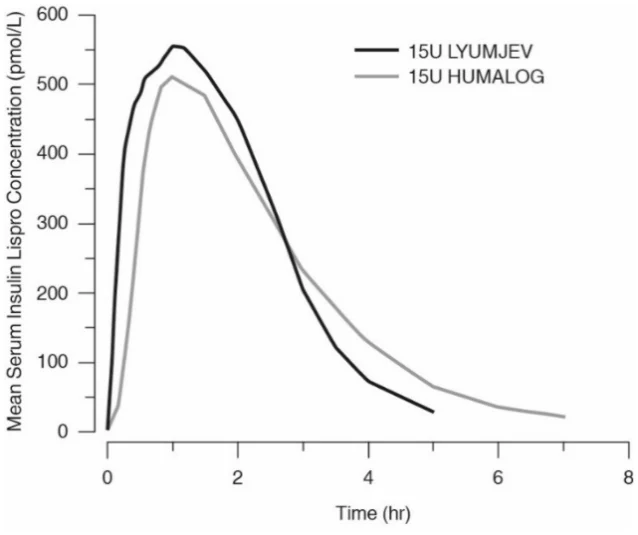
Figure 4 Serum Insulin Lispro After Subcutaneous Injection of Lyumjev or Humalog (15 unit dose)
The absolute bioavailability of insulin lispro after subcutaneous administration of Lyumjev in the abdomen, deltoid and thigh was 64-65%. The accelerated absorption of insulin lispro and early insulin lispro exposure is maintained regardless of injection site (abdomen, upper arm, and thigh). Maximum concentration and time to maximum concentration were comparable for the abdomen and upper arm regions; time to maximum concentration was longer and maximum concentration lower for the thigh. No exposure data are available following injection in the buttocks.
Total insulin lispro exposure and maximum insulin lispro concentration increased proportionally with increasing subcutaneous doses of Lyumjev within the dose range from 7 to 30 units.
Continuous subcutaneous insulin infusion (CSII)
The absorption of insulin lispro was accelerated when Lyumjev was administered in patients with type 1 diabetes by CSII.
- Time to reach 50% maximum concentration was 14 minutes; 9 minutes shorter than for Humalog.
- Following administration of Lyumjev, 1.5 times more insulin lispro was available during the first 30 minutes compared to Humalog.
Insulin absorption after Lyumjev 200 units/mL
The results of a study in healthy subjects demonstrated that Lyumjev 200 units/mL is bioequivalent to Lyumjev 100 units/mL following administration of a single 15 unit dose for the serum insulin lispro concentration-time curve from time zero to the last quantifiable concentration and maximum insulin lispro concentration. The accelerated insulin lispro absorption after administration of Lyumjev 200 units/mL was similar to that observed with Lyumjev 100 units/mL.
Distribution: The geometric mean (% coefficient of variation [CV%]) volume of distribution of insulin lispro (Vd) was 34 L (30%) after intravenous administration of Lyumjev as a bolus injection of a 15 unit dose in healthy subjects.
Metabolism: As a human insulin analog produced by recombinant DNA technology, the expected consequence of metabolism of insulin lispro is the degradation to small peptides and individual amino acids.
Elimination: The geometric mean (CV%) clearance of insulin lispro was 32 L/hour (22%) and the median half-life of insulin lispro was 44 minutes after intravenous administration of Lyumjev as a bolus injection of a 15 unit dose in healthy subjects.
Special Populations and Conditions
Age, Gender, Race, and BMI: Based on the population PK analyses, Lyumjev age (18 to 77), gender, and race did not affect the pharmacokinetics of Lyumjev.
Although body weight was identified as a significant covariate on the clearance and volume of distribution, dose adjustment for Lyumjev based on body weight is not recommended. As with all other insulin products, dosing should be individualized based on clinical response.
Geriatrics: The pharmacokinetic and glucodynamic properties of Lyumjev and Humalog were investigated in a single dose study in 80 patients (41 young adults, 22-45 years; and 39 elderly adults, 65-77 years) with type 1 diabetes. In geriatric patients with type 1 diabetes, Lyumjev showed an accelerated insulin absorption, and a shorter duration of exposure while maintaining a similar total exposure and maximum concentration, compared to Humalog.
Hepatic Insufficiency: Hepatic impairment is not known to impact the pharmacokinetics of insulin lispro.
Renal Insufficiency: Renal impairment is not known to impact the pharmacokinetics of insulin lispro.
12 STORAGE, STABILITY AND DISPOSAL
Not in-use (unopened) Lyumjev vials, pens, and cartridges should be stored in a refrigerator between 2°C to 8°C, but not in a freezer. Do not freeze Lyumjev and do not use Lyumjev if it has been frozen. Lyumjev should not be exposed to direct heat or light.
Always remove the needle after each injection and store Lyumjev pens without a needle attached. This prevents contamination and/or infection, or leakage of insulin, and will ensure accurate dosing. Always use a new needle for each injection to prevent contamination.
The storage conditions are summarized in Table 5.
Table 5 Storage Conditions for Vials, Pens, and Cartridges
| Lyumjev Presentation | Not In-use (Unopened) | In-use (Opened) | ||||||||
| Room Temperature (below 30°C) | Refrigerated (2°C to 8°C) | Room Temperature (below 30°C) | Refrigerated (2°C to 8°C) | |||||||
| 10 mL viala,b | 28 days | Until expiration date | 28 days | 28 days | ||||||
| 3 mL cartridgeb | 28 days | Until expiration date | 28 days | Do not refrigerate | ||||||
| 3 mL Lyumjev KwikPen (U-100 and U-200)b | 28 days | Until expiration date | 28 days | Do not refrigerate | ||||||
| 3 mL Lyumjev Junior KwikPenb | 28 days | Until expiration date | 28 days | Do not refrigerate | ||||||
| 3 mL Lyumjev Tempo Penb | 28 days | Until expiration date | 28 days | Do not refrigerate | ||||||
a In-use (opened) vials, whether or not refrigerated, must be used within 28 days (including pump in-use time for CSII).
b When stored at room temperature, Lyumjev can only be used for a total of 28 days including both not in-use (unopened) and in-use (opened) storage time.
Use in an External Insulin Pump
Change the Lyumjev U-100 in the pump reservoir at least every 9 days, or according to the pump user manual, whichever is shorter, or after exposure to temperatures that exceed 37°C (98.6°F). The infusion set and infusion set insertion site should be changed according to the manufacturer’s user manual.
Storage of Lyumjev in infusion fluids
Store diluted Lyumjev for up to 14 days in a refrigerator at 2°C to 8°C until time of use. The same solution may be stored for up to 20 hours at room temperature at 20°C to 25°C (see 4 DOSAGE AND ADMINISTRATION).
13 SPECIAL HANDLING INSTRUCTIONS
Needles and Lyumjev pens and cartridges must not be shared. The cartridge must not be refilled.
Lyumjev should only be used if it appears as an aqueous, clear, and colourless solution.
Lyumjev which has been frozen must not be used.
The patient should be advised to discard the needle after each injection.
Lyumjev 200 units/mL should not be administered via a subcutaneous infusion pump or mixed with any other insulin (including Lyumjev 100 units/mL).
DO NOT transfer insulin lispro solution in the Lyumjev 200 units/mL KwikPen to other devices, such as a syringe. The markings on the insulin syringe will not measure the dose correctly. Overdose can result causing severe hypoglycemia.
In case of emergency in current Lyumjev users (hospitalization or insulin pen malfunction), patients should be prepared to inject insulin with an alternative method.
PART II: SCIENTIFIC INFORMATION
14 PHARMACEUTICAL INFORMATION
Drug Substance
Proper name: insulin lispro
Chemical name: Lys(B28), Pro(B29) Human Insulin Analogue (recombinant DNA origin)
Molecular formula and molecular mass: C257H383N65O77S6 and 5808 Daltons
Structural formula:
Product Characteristics
Physicochemical properties: Sterile, aqueous, clear, and colourless solution. The solution pH is 7.0 to 7.8.
15 CLINICAL TRIALS
15.1 Trial Design and Study Demographics
The efficacy of Lyumjev administered at mealtime or postmeal in adult patients with type 1 diabetes and used in combination with a once or twice daily administered basal insulin was evaluated in a 26 week randomized, treat-to-target, active-controlled trial (PRONTO-T1D). Prior to randomization, there was an 8 week lead in period during which basal insulin was titrated to a target of 5.6 mmol/L. Patients (n=1222) were then randomized to either blinded mealtime Lyumjev (N=451), blinded mealtime Humalog (N=442), or open-label postmeal Lyumjev (N=329), all in combination with either insulin glargine 100 units/mL (once or twice daily) or insulin degludec 100 units/mL (once daily). Mealtime Lyumjev or Humalog was injected 0 to 2 minutes before the meal and postmeal Lyumjev was injected 20 minutes after the start of the meal.
Patients had a mean age of 44 years; mean duration of diabetes of 19 years; 56% were male; race: 77% White, 19% Asian, and 2% Black or African American. Eight percent of the randomized patients were Hispanic. The mean BMI was 26.6 kg/m2.
The efficacy of Lyumjev administered at mealtime in adult patients with type 2 diabetes and used in combination with a once or twice daily administered basal insulin was evaluated in a 26 week randomized, treat-to-target, active-controlled trial (PRONTO-T2D). Patients at study entry were on up to three oral anti-diabetic medications (OAMs), basal insulin and at least one prandial insulin injection or premixed insulin with at least two injections daily. They were allowed to continue on metformin and/or a SGLT2 inhibitor. Prior to randomization, there was an 8 week lead in period during which basal insulin was titrated to a target of 5.6 mmol/L. Patients were then randomized to either mealtime Lyumjev or to mealtime Humalog, both in combination with insulin glargine 100 units/mL (once or twice daily) or insulin degludec (100 units/mL or 200 units/mL once daily) in a basal-bolus regimen. Mealtime Lyumjev or mealtime Humalog was injected 0-2 minutes before the meal.
Patients had a mean age of 61 years; mean duration of diabetes of 17 years; 53% were male; race: 69% White, 24% Asian, and 5% Black or African American. Twenty-three percent of the randomized patients were Hispanic. The mean BMI was 32.3 kg/m2.
The efficacy of Lyumjev administered by continuous subcutaneous insulin infusion (CSII) by external pump in adults with Type 1 diabetes compared to Humalog was evaluated in a 16 week randomized (1:1), active controlled, treat-to-target, multinational trial (PRONTO-Pump-2). Patients (n=432) were randomized to either blinded Lyumjev (N=215) or blinded Humalog (N=217). Mealtime Lyumjev or Humalog boluses were initiated 0 to 2 minutes before the meal.
Patients had a mean age of 46 years; mean duration of diabetes of 26 years; 45% were male; race: 95% White, 3% Black or African American, and 0.5% Asian. Eight percent of the randomized patients were Hispanic. The mean BMI was 27.1 kg/m2.
Table 6 Summary of Patient Demographics for Clinical Trials in Type 1 and Type 2 Diabetes
| Study # | Trial design | Dosage, route of administration and duration | Study subjects (n) | Mean age (Range) | Sex |
| PRONTO-T1D | Multicentre, multinational, randomized (4:4:3), 3-arm, partially double-blind, active controlled, treat-to-target, parallel group comparing meal-time Lyumjev and post-meal Lyumjev to Humalog, in a basal-bolus regimen, all in combination with either insulin glargine 100 units/mL (once or twice daily) or insulin degludec 100 units/mL (once daily) in adult patients with type 1 diabetes. | Treatment arms:
Treatment duration: 26 weeks | 1222 | 44.4 years (18-84) | M: 688 (56%) F: 534 (44%) |
| PRONTO-T2D | Multicentre, multinational, randomized (1:1), double blind, 2-arm, active controlled, treat-to-target, parallel group comparing mealtime Lyumjev to mealtime Humalog, both in | Treatment arms:
| 673 | 60.6 years (28-84) | M: 359 (53%) F: 314 (47%) |
| combination with insulin glargine 100 units/mL (once or twice daily) or insulin degludec (100 units/mL or 200 units/mL once daily) in a basal-bolus regimen, in adult patients with type 2 diabetes who at study entry were on up to three oral anti-diabetic medications (OAMs), basal insulin, and at least one prandial insulin injection or premixed insulin with at least two injections daily. |
Treatment duration: 26 weeks |
| PRONTO-Pump-2 | |
| Multicentre, multinational, randomized (1:1), double blind, 2-arm, active controlled, treat-to-target, parallel group comparing CSII Lyumjev to CSII Humalog in adult patients with type 1 diabetes. | Treatment arms:
Treatment duration: 16 weeks |
| 432 | |
46.4 years (17-83) | |
M: 193 (44.7%) F: 239 (55.3%) | |
15.2 Study Results
PRONTO-T1D (Study ITRM): Type 1 Diabetes - Adult
At week 26, treatment with mealtime Lyumjev provided a mean reduction in HbA1c that met the pre-specified non-inferiority margin (0.4%) compared to mealtime Humalog. In addition, postmeal Lyumjev met the prespecified non-inferiority margin (0.4%) compared to mealtime Humalog (see Table 7). Insulin doses were similar for all treatment groups at baseline and at 26 weeks.
Table 7 Results at Week 26 from Study PRONTO-T1D
| Mealtime Lyumjev + basal insulin | Mealtime Humalog + basal insulin | Postmeal Lyumjev + basal insulin | |||||||||
| Number of randomized subjects (N) | 451 | 442 | 329 | ||||||||
| HbA1c (%) (mean)a,b | |||||||||||
| Baseline | 7.3 | 7.3 | 7.4 | ||||||||
| Adjusted mean change from baseline | -0.18 | -0.09 | 0.05 | ||||||||
| Estimated treatment difference versus Humalog [95% CI] | -0.08 [-0.16, -0.003]c | 0.14 [0.05, 0.23]c | |||||||||
a Subjects included in the analysis are a subset of the randomized population that had baseline and at least one post-baseline assessment. The primary analysis included 450, 442, and 325 subjects randomized to and treated with mealtime Lyumjev, mealtime Humalog, and postmeal Lyumjev, respectively. Missing data at Week 26 were imputed by return to baseline , assuming a washout of any potential treatment effect. At Week 26, primary efficacy was missing for 3.6%, 4.8%, and 4% of subjects, for mealtime Lyumjev, mealtime Humalog, and postmeal Lyumjev, respectively.
b Least-squares (LS) mean from ANCOVA adjusted for baseline value and other stratification factors.
c Tested for non-inferiority.
In the mealtime Lyumjev treated group, the 1- and 2-hour PPG increments (standardized meal test) were 4.29 and 6.22 mmol/L at baseline and 2.59 and 4.07 mmol/L at end of trial, respectively. In the Humalog treated group, the 1- and 2- hour PPG increments were 3.97 and 5.64 mmol/L at baseline and 4.13 and 5.77 mmol/L at end of trial, respectively. At Week 26, the estimated treatment difference in change from baseline in 1- and 2-hour PPG increments between mealtime Lyumjev and Humalog were -1.53 (95% CI [1.94, 1.13]) and -1.69 (95% CI [-2.24, -1.14]) respectively.
PRONTO-T2D (ITRN): Type 2 Diabetes – Adults
At week 26, treatment with mealtime Lyumjev provided a mean reduction of HbA1c from baseline that met the pre-specified non-inferiority margin (0.4%) compared to mealtime Humalog (see Table 8). Insulin doses were similar in both treatment groups at baseline and at 26 weeks.
Table 8. Results at Week 26 from Study PRONTO-T2D
Mealtime Lyumjev + basal insulin | Mealtime Humalog + basal insulin | |||||||
| Number of randomized subjects (N) | 336 | 337 | ||||||
| HbA1c (%)a,b | ||||||||
| Baseline mean | 7.3 | 7.3 | ||||||
| Adjusted mean change from baseline | -0.43 | -0.46 | ||||||
| Estimated treatment difference versus Humalog [95% CI]c | 0.03 [-0.08, 0.13] | |||||||
a Subjects included in the analysis are a subset of the randomized population that had baseline and at least one post-baseline assessment. The primary analysis included 334 and 336 subjects randomized to and treated with mealtime Lyumjev and mealtime Humalog, respectively. Missing data at Week 26 were imputed by return to baseline, assuming a washout of any potential treatment effect. At Week 26, primary efficacy was missing for 4.2% of subjects for both mealtime Lyumjev and, mealtime Humalog.
b Least-squares (LS) mean from ANCOVA adjusted for baseline value and other stratification factors.
c Tested for non-inferiority.
In the mealtime Lyumjev treated group, the 1- and 2-hour PPG increments (standardized meal test) were 4.26 and 5.52 mmol/L at baseline and 3.48 and 4.46 mmol/L at end of trial, respectively. In the Humalog treated group, the 1- and 2- hour PPG increments were 4.29 and 5.53 mmol/L at baseline and 4.14 and 5.44 mmol/L at end of trial, respectively. At Week 26, the estimated treatment difference in change from baseline in 1- and 2-hour PPG increments between mealtime Lyumjev and Humalog were -0.67 (95% CI [-1.01, -0.32]) and 0.98 (95% CI [-1.41, -0.54]) respectively.
PRONTO-Pump-2 (Study ITRO): Type 1 Diabetes – Adult Continuous Subcutaneous Insulin Infusion (CSII)
At week 16, treatment with Lyumjev provided a mean reduction in HbA1c that met the pre-specified non-inferiority margin (0.4%) compared to Humalog (see Table 9). Total daily insulin doses were similar for both treatment groups at baseline and at 16 weeks.
Table 9 Results from Study PRONTO-Pump-2: 16 Week Trial of Lyumjev compared with Humalog in Adults with Type 1 Diabetes
| Lyumjev | Humalog | |||||||
| Number of randomized subjects (N) | 215 | 217 | ||||||
| HbA1c (%)a,b | ||||||||
| Baseline mean | 7.6 | 7.5 | ||||||
| Adjusted mean change from baseline | -0.06 | -0.09 | ||||||
| Estimated treatment difference versus Humalog [95% CI] | 0.03 [-0.05, 0.11]c | |||||||
a Subjects included in the analysis are a subset of the randomized population that had baseline and at least one post-baseline assessment. The primary analysis included 209 and 214 subjects randomized to and treated with mealtime Lyumjev and mealtime Humalog, respectively. Missing data at Week 16 were imputed by return to baseline approach. At Week 16, HbA1c assessment was missing for 7 subjects (3.3%) and 9 subjects (4.3%) for Humalog and Lyumjev, respectively.
b Least-squares (LS) mean from ANCOVA adjusted for baseline value and other stratification factors.
c Tested for non-inferiority.
In the mealtime Lyumjev treated group, the 1- and 2-hour PPG levels (standardized meal test) were 11.27 and 12.68 mmol/L at baseline and 9.59 and 10.74 mmol/L at end of trial, respectively. In the Humalog treated group, the 1- and 2- hour PPG levels were 10.88 and 12.30 mmol/L at baseline and 10.95 and 12.34 mmol/L at end of trial, respectively. At Week 26, the estimated treatment difference in change from baseline in 1- and 2-hour PPG levels between mealtime Lyumjev and Humalog were -1.37 (95% CI [-2.01, -0.72]) and -1.60 (95% CI [-2.41, -0.79]) respectively.
16 NON-CLINICAL TOXICOLOGY
General Toxicology
The effect of insulin lispro given parenterally to laboratory animals in single-dose and repeat-dose toxicology studies was the expected finding of lowered blood glucose. No other clinical signs or effects were observed in the single-dose toxicity studies of insulin lispro that have been conducted in rats and in dogs by the intravenous and subcutaneous routes of administration. Repeat-dose toxicity studies of 1, 6, and 12 months duration in rats and of 1 and 12 -months duration in dogs were conducted by subcutaneous administration. In these studies, lowering of blood glucose was accompanied by changes in serum lipids and body weight gain. No unexpected findings or toxicities were seen in any of these studies. The no-observed-adverse-effect level (NOAEL) in the 12-month studies was the highest dose tested, which was 200 U/kg body weight/day in rats and 2 units/kg body weight/day in dogs (16-fold and 0.5-fold a human subcutaneous dose of 2 units/kg body weight/day, based on units/body surface area, respectively).
Repeat-dose subcutaneous toxicity studies were also conducted with the excipient treprostinil in rats and dogs. In rats, doses administered were 0.1 and 0.6 mg/kg body weight/day in a 14-day study and 0.01 to 0.1 mg/kg body weight/day in the 3- and 6-month studies. In dogs, doses administered were 0.07 and 0.28/0.14 mg/kg body weight/day in a 7-day study and 0.004 to
0.07 mg/kg body weight/day in the 3- and 6-month studies. Toxicities were observed at the high doses administered in the 7- and 14-day studies, including myocardial degeneration and necrosis in rats and hypoactivity, increased capillary refill time, and bradycardia in dogs. Adverse injection site reactions were also observed in rats and dogs at the high doses. In the 3- and 6-month studies, treprostinil was well-tolerated in rats and dogs at all doses. Clinical signs were limited to transient, dose-related flushing of the extremities secondary to the vasodilatory pharmacology of treprostinil. In rats, non-adverse reductions in food consumption, body weight, and body weight gain were observed at the high-dose in the 6-month study. In dogs, transient post-dosing findings of decreases in systolic arterial pressure and arterial pulse pressure (both dose levels) and an increase in heart rate and shortened QT interval (high-dose) were observed, but were without adverse effects on the QTc interval. No evidence of subcutaneous injection site reactions to treprostinil occurred either when treprostinil was injected alone in the above studies or when treprostinil was injected in combination with insulin lispro in a 2-week local tolerance study in rats. Furthermore, there was no indication of direct target organ toxicity in either rats or dogs. Based on the results of the 6-month studies, the -NOAEL was 0.1 mg/kg body weight/day in rats and 0.07 mg/kg body weight/day in dogs, the highest doses tested (exposures of 374-fold and 179-fold the human AUC at a treprostinil dose of 2000 ng/day, respectively).
Carcinogenesis
Standard 2-year carcinogenicity studies in animals have not been performed to evaluate the carcinogenic potential of insulin lispro. In the 12-month chronic toxicity studies conducted in rats and dogs, insulin lispro did not produce proliferative effects or tumours in organs and tissues at any dose administered.
Carcinogenicity studies in animals have not been performed to evaluate the carcinogenic potential of treprostinil.
Genotoxicity
Insulin lispro was non-genotoxic in the bacterial reverse mutation test, the in vitro unscheduled DNA synthesis assay conducted in primary cultures of adult rat hepatocytes, the in vitro mammalian cell gene mutation test conducted in L5178Y TK+/- mouse lymphoma cells, the in vitro mammalian chromosomal aberration test conducted in Chinese hamster ovary (CHO) cells, and the in vivo mammalian erythrocyte (bone marrow) micronucleus test conducted in male and female ICR mice.
Treprostinil was non-genotoxic in the in vitro bacterial reverse mutation test, the in vitro chromosomal aberration test conducted in CHO cells, and the in vivo mammalian erythrocyte (bone marrow) micronucleus test conducted in male and female rats.
Reproductive and Developmental Toxicity
Reproduction and teratology studies have been conducted with insulin lispro using the subcutaneous route of administration. In a combined fertility and embryo-fetal development study, female rats were administered subcutaneous insulin lispro injections of 1, 5 and 20 units/kg body weight/day (0.08-, 0.4-, and 1.6-fold the human subcutaneous dose of 2 units/kg body weight/day, based on units/body surface area, respectively) from 2 weeks prior to cohabitation through Gestation Day (GD) 19. There were no adverse effects on female fertility, implantation, or fetal viability and morphology. However, fetal growth retardation was observed at the 20 units/kg body weight/day dose as indicated by decreased fetal weight and an increased incidence of fetal runts/litter. The effects were considered secondary to maternal hypoglycemia. The NOAEL for the developmental toxicity of insulin lispro in this study was 5 units/kg body weight/day.
A second embryo-fetal development study was conducted in rabbits in which pregnant rabbits were administered subcutaneous insulin lispro injections from GD 7 to 19 at doses of 0.1, 0.25, and 0.75 units/kg body weight/day (0.02-, 0.04-, and 0.1-fold the human subcutaneous dose of 2 units/kg body weight/day, based on units/body surface area, respectively). No maternal toxicity or adverse effects on fetal development were observed. The NOAEL for the maternal and developmental toxicity of insulin lispro in this study was 0.75 units/kg body weight/day, the highest dose tested.
In a male fertility study, no adverse effects on male fertility were observed when male rats administered subcutaneous insulin lispro injections of 5 and 20 units/kg body weight/day (0.4- and 1.6-fold the human subcutaneous dose of 2 units/kg body weight/day, based on units/body surface area) for 6 months were mated with untreated female rats. In addition, in a combined fertility, perinatal, and postnatal study in male and female rats subcutaneously administered 1, 5, and 20 units/kg body weight/day (0.08-, 0.4-, and 1.6-fold the human subcutaneous dose of 2 units/kg body weight/day, based on units/body surface area), mating and fertility were not adversely affected in either gender at any dose.
Reproductive and developmental toxicity studies were also conducted with treprostinil in rats and rabbits using the subcutaneous route of administration. In fertility and early embryonic development studies conducted separately in male and female rats, there were no adverse effects of treprostinil on sperm density and motility, estrus cyclicity, mating, fertility, conception, implantation, and embryonic survival. The NOAEL in both studies was 0.1 mg/kg body weight/day, the highest dose tested (male and female exposures of 316-fold and 224-fold the human AUC at a treprostinil dose of 2000 ng/day, respectively). Embryo-fetal development studies indicated that treprostinil was not teratogenic in rats at doses up to 0.1 mg/kg body weight/day, but in rabbits, resulted in an increase in post-implantation loss and a decrease in the number of live fetuses per litter, due to increases in early and late resorptions at a dose of 0.4 mg/kg/day (exposure of 3866-fold the human AUC). The NOAEL for effects on embryo-fetal development was therefore a maternal dose of 0.1 mg/kg body weight/day in rats, the highest dose tested (exposure of 311-fold the human AUC), and 0.14 mg/kg body weight/day in rabbits (exposure of 1432-fold the human AUC). Maternal toxicity was also observed in the rabbit study at doses of 0.14 and 0.4 mg/kg body weight/day, and therefore, the NOAEL for maternal toxicity in rabbits was 0.05 mg/kg body weight/day (exposure of 614-fold the human AUC). In a prenatal and postnatal development study in rats, there was no evidence of F0 maternal toxicity or adverse effects on F1 offspring growth, behavior, and reproduction at maternal doses up to 0.1 mg/kg (exposure of 195-fold the human AUC).
Juvenile Toxicity
No juvenile animal toxicology studies have been conducted with insulin lispro or treprostinil.