


Product Monograph - Mar-Paliperidone
RECENT MAJOR LABEL CHANGES
| 7 WARNINGS AND PRECAUTIONS, Skin | 06/2021 |
TABLE OF CONTENTS
PART I: HEALTH PROFESSIONAL INFORMATION ............................................................... 4
1 INDICATIONS.......................................................................................................... 4
1.1 Pediatrics ......................................................................................................... 4
1.2 Geriatrics ........................................................................................................ 4
2 CONTRAINDICATIONS.......................................................................................... 4
3 SERIOUS WARNINGS AND PRECAUTIONS BOX ............................................. 4
4 DOSAGE AND ADMINISTRATION ....................................................................... 5
4.1 Dosing Considerations .................................................................................. 5
4.2 Recommended Dose and Dosage Adjustment ........................................... 5
5 OVERDOSAGE ....................................................................................................... 6
6 DOSAGE FORMS, STRENGTHS, COMPOSITION AND PACKAGING............. 6
7 WARNINGS AND PRECAUTIONS ........................................................................ 7
7.1 Special Populations ...................................................................................... 14
7.1.1 Pregnant Women....................................................................................... 14
7.1.2 Breast-feeding ........................................................................................... 14
7.1.3 Pediatrics ................................................................................................... 14
7.1.4 Geriatrics.................................................................................................... 15
7.1.5 Lactose Intolerance ................................................................................... 16
8 ADVERSE REACTIONS ....................................................................................... 16
8.1 Clinical Trial Adverse Reactions .................................................................. 16
8.2 Abnormal Laboratory Findings: Hematologic, Clinical Chemistry and Other Quantitative Data ................................................................................................... 24
8.3 Clinical Trial Adverse Reactions (Pediatrics) .............................................. 24
8.4 Post-Market Adverse Reactions .................................................................. 25
9 DRUG INTERACTIONS ........................................................................................ 27
9.1 Drug-Drug Interactions ................................................................................. 27
9.2 Drug-Food Interactions................................................................................. 29
9.3 Drug-Herb Interactions ................................................................................. 29
9.4 Drug-Laboratory Test Interactions ............................................................... 29
9.5 Drug-Lifestyle Interactions ........................................................................... 29
10 ACTION AND CLINICAL PHARMACOLOGY..................................................... 29
10.1 Mechanism of Action .................................................................................... 29
10.2 Pharmacodynamics ...................................................................................... 31
10.3 Pharmacokinetics Preclinical Pharmacokinetics......................................... 31
11 STORAGE, STABILITY AND DISPOSAL ........................................................... 34
12 SPECIAL HANDLING INSTRUCTIONS .............................................................. 34
PART II: SCIENTIFIC INFORMATION ..................................................................................... 35
13 PHARMACEUTICAL INFORMATION ................................................................. 35
14 CLINICAL TRIALS ................................................................................................ 35
15 MICROBIOLOGY .................................................................................................. 40
16 NON-CLINICAL TOXICOLOGY ........................................................................... 40
17 SUPPORTING PRODUCT MONOGRAPHS ....................................................... 41
PATIENT MEDICATION INFORMATION................................................................................. 42
PART I: HEALTH PROFESSIONAL INFORMATION
1 INDICATIONS
MAR-PALIPERIDONE (paliperidone) is indicated for the treatment of schizophrenia and related psychotic disorders. In controlled clinical trials, paliperidone was found to improve the symptoms of schizophrenia, including positive and negative symptoms.
1.1 Pediatrics
Pediatrics (< 18 years of age): Based on the data submitted and reviewed by Health Canada, the safety and efficacy of paliperidone in pediatric patients has not been established; therefore, Health Canada has not authorized an indication for pediatric use and its use is not recommended. See WARNINGS AND PRECAUTIONS, Special Populations, Pediatrics.
1.2 Geriatrics
Geriatrics (> 65 years of age): Elderly patients with dementia treated with atypical antipsychotic drugs are at an increased risk of death compared to placebo. MAR-PALIPERIDONE is not indicated for the treatment of elderly patients with dementia. See SERIOUS WARNINGS AND PRECAUTIONS BOX and WARNINGS AND PRECAUTIONS, Special Populations, Geriatrics.
2 CONTRAINDICATIONS
MAR-PALIPERIDONE is contraindicated in patients who are hypersensitive to paliperidone, risperidone, or to any ingredient in the formulation or component of the container. Hypersensitivity reactions, including anaphylactic reactions and angioedema, have been observed in patients treated with risperidone and paliperidone or to any ingredient in the formulation, including any non-medicinal ingredient, or component of the container. For a complete listing, see DOSAGE FORMS, STRENGTHS, COMPOSITION AND PACKAGING.
3 SERIOUS WARNINGS AND PRECAUTIONS BOX
Serious Warnings and Precautions Increased Mortality in Elderly Patients with Dementia
Elderly patients with dementia treated with atypical antipsychotic drugs are at an increased risk of death compared to placebo. Analyses of thirteen placebo-controlled trials with various atypical antipsychotics (modal duration of 10 weeks) in these patients showed a mean 1.6-fold increase in the death rate in the drug-treated patients. Although the causes of death were varied, most of the deaths appeared to be either cardiovascular (e.g., heart failure, sudden death) or infectious (e.g., pneumonia) in nature (see WARNINGS AND PRECAUTIONS, Special Populations, Geriatrics, Use in Geriatric Patients with Dementia).
MAR-PALIPERIDONE is not indicated for the treatment of elderly patients with dementia.
4 DOSAGE AND ADMINISTRATION
4.1 Dosing Considerations
There are no systematically collected safety data to specifically address concomitant use of MAR-PALIPERIDONE with risperidone, paliperidone palmitate or other antipsychotics. Since paliperidone is the major active metabolite of risperidone, caution should be exercised when MAR-PALIPERIDONE is co- administered with risperidone or paliperidone palmitate.
4.2 Recommended Dose and Dosage Adjustment Adult
The recommended starting and target dose of MAR-PALIPERIDONE is 6 mg once daily. No initial dose titration is required. However, in some cases a lower dose of 3 mg/day may be sufficient.
In clinical trials a dose range of 3 to 12 mg/day was studied and while efficacy was observed across all doses, there was a dose-related increase in adverse effects (see ADVERSE REACTIONS and CLINICAL TRIALS).
Dose adjustments should be made after clinical reassessment and generally should occur at intervals of more than 5 days. When dose adjustments are indicated, small increments / decrements of 3 mg/day are recommended, up to a maximum of 12 mg/day.
Dosage Adjustments for Special Populations
Patients with Hepatic Impairment
No dose adjustment is required in patients with mild to moderate hepatic impairment. Paliperidone has not been studied in patients with severe hepatic impairment.
Patients with Renal Impairment
For patients with mild renal impairment (creatinine clearance = 50 to < 80 mL/min), the maximum recommended initial dose is 3 mg once daily. The dose may be increased to a maxiumum of 6 mg once daily based on clinical response and tolerability.
For patients with moderate to severe renal impairment (creatinine clearance = 10 to < 50 mL/min), the recommended initial dose of MAR-PALIPERIDONE is 3 mg every other day, which may then be increased to 3 mg once daily after clinical reassessment.
As paliperidone has not been studied in patients with creatinine clearance < 10 mL/min, use is not recommended in such patients.
Pediatrics
Safety and effectiveness of paliperidone in patients < 18 years of age have not been established and its use is not recommended.
Elderly
Dosing recommendations for elderly patients with normal renal function (≥ 80 mL/min) are the same as for adults with normal renal function. However, because elderly patients may have diminished renal function, dose adjustments may be required according to their renal function status (see Patients with Renal Impairment above).
Other Special Populations
No dose adjustment for MAR-PALIPERIDONE is recommended based on gender, race, or smoking status.
Administration
MAR-PALIPERIDONE should be administered orally once daily, preferably in the morning, without regard to meals. Clinical trials establishing the safety and efficacy of paliperidone were carried out in patients without regard to food intake. MAR-PALIPERIDONE must be swallowed whole with the aid of liquids, and must not be chewed, divided, or crushed. The medication is contained within a nonabsorbable shell designed to release the drug at a controlled rate. The tablet shell, along with insoluble core components, is eliminated from the body; patients should not be concerned if they occasionally notice something that looks like a tablet in their stool.
Missed dose
If a patient misses their daily dose, they are to take their regular dose the following day and are not to double the dose to make up for a forgotten dose.
5 OVERDOSAGE
Symptoms
In general, expected signs and symptoms are those resulting from an exaggeration of paliperidone’s known pharmacological effects, i.e., drowsiness and sedation, tachycardia and hypotension, QT prolongation, and extrapyramidal symptoms. Torsades de pointes and ventricular fibrillation have been reported in a patient in the setting of overdose. In the case of acute overdosage, the possibility of multiple drug involvement should be considered.
Treatment
Consideration should be given to the extended-release nature of the product when assessing treatment needs and recovery. There is no specific antidote to paliperidone. General supportive measures should be employed. Establish and maintain a clear airway and ensure adequate oxygenation and ventilation. Cardiovascular monitoring should commence immediately and should include continuous electrocardiographic monitoring for possible arrhythmias. Hypotension and circulatory collapse should be treated with appropriate measures such as intravenous fluid and/or sympathomimetic agents. Administration of activated charcoal together with a laxative should be considered. In case of severe extrapyramidal symptoms, anticholinergic agents should be administered. Close supervision and monitoring should continue until the patient recovers.
6 DOSAGE FORMS, STRENGTHS, COMPOSITION AND PACKAGING
| Route of Administration | Dosage Form / Strength / Composition | Non-medicinal Ingredients |
| Oral | Extended-release Tablets / 3 mg, 6 mg and 9 mg | Anhydrous lactose, Ethyl cellulose, Hypromellose, Iron oxide red (6 mg and 9 mg), Iron oxide yellow (6 mg), Lactose monohydrate (6 mg and 9 mg), Macrogol, Magnesium stearate, Polyethylene oxide, Talc, Titanium dioxide and Triethyl citrate The non-volatile components of the black imprinting ink are Ammonium hydroxide, Ferrosoferric oxide, Propylene glycol and Shellac. |
For management of a suspected drug overdose, contact your regional Poison Control Centre.
Dosage Forms and Packaging
MAR-PALIPERIDONE Extended-release Tablets contain paliperidone as the medicinal ingredient and are available in 3 mg, 6 mg, 9 mg dosage strengths as follows:
3 mg: White, round, biconvex, coated tablet with bevelled edge, imprinted with “454” in black ink on one side and plain on other side.
Bottles of 30 tablets and Blister pack of 30 tablets
6 mg: Yellow colored, round, biconvex, coated tablet with bevelled edge, imprinted with “455” in black ink on one side and plain on other side.
Bottles of 30 tablets and Blister pack of 30 tablets.
9 mg: Pink colored, round, biconvex, coated tablet with bevelled edge, imprinted with a“456” in black ink on one side and plain on other side.
Bottles of 30 tablets and Blister pack of 30 tablets.
Composition
Anhydrous lactose, Ethyl cellulose, Hypromellose, Iron oxide red (6 mg and 9 mg), Iron oxide yellow (6 mg), Lactose monohydrate (6 mg and 9 mg), Macrogol, Magnesium stearate, Polyethylene oxide, Talc, Titanium dioxide and Triethyl citrate
The non-volatile components of the black imprinting ink are Ammonium hydroxide, Ferrosoferric oxide, Propylene glycol and Shellac.
(see WARNINGS AND PRECAUTIONS, Special Populations, Lactose Intolerance).
7 WARNINGS AND PRECAUTIONS
Please see the Serious Warnings and Precautions Box at the beginning of Part I: Health Professional Information.
General
Body Temperature Regulation
Disruption of the body’s ability to reduce core body temperature has been attributed to antipsychotic agents. Appropriate care is advised when prescribing MAR-PALIPERIDONE to patients who will be experiencing conditions which may contribute to an elevation in core body temperature, e.g., exercising strenuously, exposure to extreme heat, receiving concomitant medication with anticholinergic activity, or being subject to dehydration.
Concomitant Use of MAR-PALIPERIDONE with Risperidone or Injectable Paliperidone Palmitate
There are no systematically collected safety data to specifically address concomitant use of paliperidone with risperidone, paliperidone palmitate or other antipsychotics. Since paliperidone is the major active metabolite of risperidone, caution should be exercised when MAR-PALIPERIDONE is co- administered with risperidone or paliperidone palmitate.
Dysphagia
Esophageal dysmotility and aspiration have been associated with antipsychotic drug use. Aspiration pneumonia is a common cause of morbidity and mortality in patients with advanced Alzheimer’s dementia. MAR-PALIPERIDONE and other antipsychotic drugs should be used cautiously in patients at risk for aspiration pneumonia.
Falls
Somnolence, postural hypotension, motor and sensory instability have been reported with the use of antipsychotics, including paliperidone, which may lead to falls and, consequently, fractures or other fall-related injuries. For patients, particularly the elderly, with diseases, conditions, or medications that could exacerbate these effects, assess the risk of falls when initiating antipsychotic treatment and recurrently for patients on long-term antipsychotic therapy.
Carcinogenesis and Mutagenesis
For animal data see NON-CLINICAL TOXICOLOGY.
Cardiovascular
Orthostatic Hypotension
Paliperidone may induce orthostatic hypotension and syncope in some patients based on its alpha- blocking activity. Based on pooled data from three placebo-controlled, 6-week, fixed-dose trials with paliperidone (3, 6, 9 and 12 mg), orthostatic hypotension was reported by 2.5% of subjects treated with paliperidone compared with 0.8% of subjects treated with placebo. Syncope was reported in 0.8% of subjects treated with paliperidone (3, 6, 9 and 12 mg) compared to 0.3% of subjects treated with placebo.
MAR-PALIPERIDONE should be used with caution in patients with known cardiovascular disease (e.g., heart failure, myocardial infarction or ischemia, conduction abnormalities), cerebrovascular disease or conditions that predispose the patient to hypotension such as dehydration and hypovolemia.
Special care should be taken to avoid hypotension in patients with a history of cerebrovascular insufficiency or ischemic heart disease, and in patients taking medications to lower blood pressure.
QT Prolongation
Paliperidone causes a modest increase in the corrected QT (QTc) interval. The use of paliperidone should be avoided in combination with other drugs that are known to prolong QTc including Class 1A (e.g., quinidine, procainamide) or Class III (e.g., amiodarone, sotalol) antiarrhythmic medications, antipsychotic medications (e.g., chlorpromazine, thioridazine), antibiotics (e.g., gatifloxacin, moxifloxacin), or any other class of medications known to prolong the QTc interval.
Paliperidone should also be avoided in patients with congenital long QT syndrome and in patients with a history of cardiac arrhythmias.
Certain circumstances may increase the risk of the occurrence of torsades de pointes and/or sudden death in association with the use of drugs that prolong the QTc interval, including (1) bradycardia; (2) hypokalemia or hypomagnesemia; (3) concomitant use of other drugs that prolong the QTc interval; and (4) presence of congenital prolongation of the QT interval.
QT Prolongation Study R076477-SCH-1009
The effects of paliperidone on the QT interval were evaluated in a double-blind, active-controlled (moxifloxacin 400 mg single dose), multicentre QT study in adults with schizophrenia and schizoaffective disorder. Serial ECG assessments were scheduled at multiple days and multiple timepoints during the day. Least square mean changes from baseline in QTcLD were calculated at each scheduled ECG assessment timepoint and day.
In study R076477-SCH-1009 (n=141), the 8 mg dose of immediate-release oral paliperidone (n=44) showed a maximal (least square) mean change from baseline in QTcLD of 10.9 msec (90% CI: 8.24; 13.62) and was noted on day 8 at 1.5 hours post-dose. The mean steady-state peak plasma concentration for this 8 mg dose of paliperidone immediate-release was more than twice the exposure observed with the maximum recommended 12 mg dose of paliperidone (Cmax ss = 113 and 45 ng/mL, respectively, when administered with a standard breakfast). In this same study, a 4 mg dose of the immediate-release oral formulation of paliperidone (Cmax ss = 35 ng/mL) showed a maximal (least square) mean change from baseline in QTcLD of 9.3 msec (90% CI: 6.56; 11.98) and was noted on day 2 at 1.5 hours post-dose. None of the subjects had a change exceeding 60 msec or a QTcLD exceeding 500 msec at any time during this study.
Also, in this study, a 400 mg dose of moxifloxacin (n=58) showed a maximal least square mean change from baseline in QTcLD of 6.1 msec (90% CI: 3.64; 8.53) and was noted on day 8 at 3 hours post-dose. Placebo (n=58) showed a maximal least square mean change from baseline in QTcLD of 3.5 msec (90% CI: 1.05; 5.95) and was noted on day 2 at 30 minutes post-dose.
Endocrine and Metabolism
Dyslipidemia
Undesirable alterations in lipids have been observed in patients treated with atypical antipsychotics.
Hyperglycemia and Diabetes Mellitus
Hyperglycemia, diabetes mellitus, and exacerbation of pre-existing diabetes, in some cases extreme and associated with ketoacidosis or hyperosmolar coma or death, has been reported in patients treated with all atypical antipsychotics. These cases were, for the most part, seen in post- marketing clinical use and epidemiologic studies, and not in clinical trials. Diabetic ketoacidosis (DKA) has occurred in patients treated with antipsychotics with no reported history of hyperglycemia. Appropriate clinical monitoring of patients treated with antipsychotics is advisable in accordance with utilized antipsychotic guidelines.
In clinical trials, there have been reports of glucose-related adverse events (e.g., hyperglycemia) in subjects treated with paliperidone.
Assessment of the relationship between atypical antipsychotic use and glucose abnormalities is complicated by the possibility of an increased background risk of diabetes mellitus in patients with schizophrenia and the increasing incidence of diabetes mellitus in the general population. Given these confounders, the relationship between atypical antipsychotic use and hyperglycemia-related adverse events is not completely understood. However, epidemiological studies suggest an increased risk of treatment-emergent hyperglycemia-related adverse events in patients treated with the atypical antipsychotics. Precise risk estimates for hyperglycemia-related adverse events in patients treated with atypical antipsychotics are not available.
Patients should have baseline and periodic monitoring of blood glucose and body weight. Any patient treated with atypical antipsychotics, including MAR-PALIPERIDONE, should be monitored for symptoms of hyperglycemia and diabetes mellitus including polydipsia, polyuria, polyphagia, and weakness. Patients who develop symptoms of hyperglycemia during treatment with atypical antipsychotics should undergo fasting blood glucose testing. In some cases, hyperglycemia has resolved when the atypical antipsychotic was discontinued; however, some patients required continuation of anti- diabetic treatment despite discontinuation of the suspect drug. Patients with risk factors for diabetes mellitus (e.g., obesity, family history of diabetes) who are starting treatment with atypical antipsychotics should undergo fasting blood glucose testing at the beginning of treatment and periodically during treatment. Patients with an established diagnosis of diabetes mellitus who are started on atypical antipsychotics should be monitored regularly for worsening of glucose control.
Hyperprolactinemia
As with other atypical antipsychotics that antagonize dopamine D2 receptors, paliperidone elevates prolactin levels and the elevation persists during chronic administration. Paliperidone has a prolactin-elevating effect similar to that seen with risperidone.
Tissue culture experiments indicate that approximately one-third of human breast cancers are prolactin dependent in vitro, a factor of potential importance if the prescription of these drugs is considered in a patient with previously detected breast cancer. Although disturbances such as galactorrhea, amenorrhea, gynecomastia, and impotence have been reported with prolactin- elevating compounds, the clinical significance of elevated serum prolactin levels is unknown for most patients. Long-standing hyperprolactinemia when associated with hypogonadism may lead to decreased bone mineral density in both female and male subjects. As is common with dopamine D2 antagonists, prolonged administration of risperidone in rodent carcinogenicity studies resulted in an increase in the incidence of pituitary gland, mammary gland, and endocrine pancreas hyperplasia and/or tumours (see WARNINGS AND PRECAUTIONS, Carcinogenesis and Mutagenesis).
However, neither clinical studies nor epidemiologic studies conducted to date have shown an association between chronic administration of this class of drugs and tumorigenesis in humans; the available evidence is considered too limited to be conclusive at this time. The carcinogenic potential of paliperidone, an active metabolite of risperidone, was assessed based on studies with risperidone conducted in mice and rats.
In three placebo-controlled, 6-week, fixed-dose trials with paliperidone (3, 6, 9, and 12 mg), the proportion of subjects who experienced potentially prolactin-related adverse events was similar for the placebo (1%) and paliperidone (1–2%) groups.
Weight Gain
Weight gain has been observed with atypical antipsychotic use. Regular clinical monitoring of weight is recommended (see ADVERSE REACTIONS, Clinical Trial Adverse Reactions (Pediatrics), Weight Gain).
In the pooled data from three placebo-controlled, 6-week, fixed-dose studies in adult patients with schizophrenia, the proportions of patients meeting a weight gain criterion of ≥ 7% of body weight were compared, revealing a similar incidence of weight gain for paliperidone 3 mg and 6 mg (7% and 6%, respectively) compared with placebo (5%), and a higher incidence of weight gain for paliperidone 9 mg and 12 mg (9% and 9%, respectively). Increases in body weight were also observed in schizoaffective trials.
Gastrointestinal
Antiemetic Effect
An antiemetic effect was observed in preclinical studies with paliperidone. This effect, if it occurs in humans, may mask the signs and symptoms of overdosage with certain drugs or of conditions such as intestinal obstruction, Reye’s syndrome, and brain tumour.
Potential for Gastrointestinal Obstruction
Because the MAR-PALIPERIDONE tablet is nondeformable and does not appreciably change in shape in the GI tract, MAR-PALIPERIDONE should not be administered to patients with pre-existing severe gastrointestinal narrowing (pathologic or iatrogenic, for example: esophageal motility disorders, small bowel inflammatory disease, “short gut” syndrome due to adhesions or decreased transit time, past history of peritonitis, cystic fibrosis, chronic intestinal pseudo-obstruction, or Meckel’s diverticulum) or in patients with dysphagia or significant difficulty in swallowing tablets. There have been rare reports of obstructive symptoms in patients with known strictures in association with the ingestion of drugs in non-deformable controlled-release formulations. Due to the controlled-release design of the tablet, MAR-PALIPERIDONE should only be used in patients who are able to swallow the tablet whole (see DOSAGE AND ADMINISTRATION, Dosing Considerations).
Genitourinary
Priapism
Drugs with alpha-adrenergic blocking effects have been reported to induce priapism. Priapism has been reported with paliperidone during post-marketing surveillance (see ADVERSE REACTIONS, Post-Market Adverse Reactions). This adverse reaction, as with other psychotropic drugs, did not appear to be dose-dependent and did not correlate with the duration of treatment.
Hematologic
Leukopenia, Neutropenia, and Agranulocytosis Class Effect
In clinical trial and/or post-marketing experience, events of leukopenia/neutropenia have been reported temporally related to antipsychotic agents, including paliperidone. Granulocytopenia and agranulocytosis have also been reported. Therefore, it is recommended that patients have their complete blood count (CBC) tested prior to starting MAR-PALIPERIDONE and then periodically throughout treatment.
Possible risk factors for leukopenia/neutropenia include pre-existing low white blood cell count (WBC) and history of drug-induced leukopenia/neutropenia. Patients with a history of a clinically significant low WBC or a drug-induced leukopenia/neutropenia should be monitored during the first few months of therapy and discontinuation of MAR-PALIPERIDONE should be considered at the first sign of a clinically significant decline in WBC in the absence of other causative factors.
Patients with clinically significant neutropenia should be carefully monitored for fever or other symptoms or signs of infection and treated promptly if such symptoms or signs occur. Patients with severe neutropenia (absolute neutrophil count < 1 x 10⁹/L) should discontinue MAR-PALIPERIDONE and have their WBC counts followed until recovery (see ADVERSE REACTIONS, Post-Market Adverse Reactions).
Venous Thromboembolism
Venous thromboembolism (VTE), including fatal pulmonary embolism, has been reported with antipsychotic drugs including paliperidone in case reports and/or observational studies. When prescribing MAR-PALIPERIDONE, all possible risk factors for VTE should be identified and preventive measures undertaken.
Hepatic/Biliary/Pancreatic
Paliperidone is not extensively metabolized in the liver. No dose adjustment is required in patients with mild to moderate hepatic impairment. In a study in subjects with moderate hepatic impairment (Child-Pugh class B), the plasma concentrations of unbound paliperidone were similar to those of healthy subjects. The effect of severe hepatic impairment is unknown.
Neurologic
Extrapyramidal Symptoms (EPS) and Psychostimulants
Caution is warranted in patients receiving both psychostimulants (e.g. methylphenidate) and paliperidone concomitantly, as extrapyramidal symptoms could emerge when adjusting one or both medications. Gradual withdrawal of one or both treatments should be considered (see DRUG INTERACTIONS, Drug-Drug Interactions).
Neuroleptic Malignant Syndrome (NMS)
Neuroleptic malignant syndrome is a potentially fatal symptom complex that has been reported in association with antipsychotic drugs, including paliperidone.
Clinical manifestations of NMS are hyperthermia, muscle rigidity, altered mental status (including catatonic signs) and evidence of autonomic instability (irregular blood pressure, tachycardia, cardiac arrhythmias, and diaphoresis). Additional signs may include elevated creatine phosphokinase, myoglobinuria (rhabdomyolysis), and acute renal failure.
In arriving at a diagnosis, it is important to identify cases in which the clinical presentation includes both serious medical illness (e.g., pneumonia, systemic infection, etc.) and untreated or inadequately treated extrapyramidal signs and symptoms. Other important considerations in the differential diagnosis include central anticholinergic toxicity, heat stroke, drug fever, and primary central nervous system pathology.
The management of NMS should include: (1) immediate discontinuation of antipsychotic drugs including MAR-PALIPERIDONE, and other drugs not essential to concurrent therapy; (2) intensive symptomatic treatment and medical monitoring; and (3) treatment of any concomitant serious medical problems for which specific treatments are available. There is no general agreement about specific pharmacological treatment regimens for uncomplicated NMS.
If a patient requires antipsychotic drug treatment after recovery from NMS, the potential reintroduction of drug therapy should be carefully considered. The patient should be carefully monitored, since recurrence of NMS has been reported.
Parkinson’s Disease and Dementia with Lewy Bodies
Physicians should weigh the risks versus the benefits when prescribing antipsychotic drugs, including MAR-PALIPERIDONE, to patients with Parkinson’s disease or dementia with Lewy bodies (DLB) since both groups may be at increased risk of neuroleptic malignant syndrome as well as having an increased sensitivity to antipsychotic medications. Manifestation of this increased sensitivity can include confusion, obtundation, postural instability with frequent falls, in addition to extrapyramidal symptoms.
Potential Effect on Cognitive and Motor Performance
Somnolence, sedation and blurred vision were reported in subjects treated with paliperidone (see ADVERSE REACTIONS). Antipsychotics, including MAR-PALIPERIDONE, have the potential to impair judgment, thinking, or motor skills and may have visual effects (e.g., blurred vision). Patients should be cautioned about performing activities requiring mental alertness, such as operating hazardous machinery or operating a motor vehicle, until they are reasonably certain that paliperidone therapy does not adversely affect them.
Seizures
Antipsychotic drugs are known to lower the seizure threshold. During premarketing clinical trials (three placebo-controlled, 6-week, fixed-dose studies and a study conducted in elderly schizophrenic subjects), the number of reports of seizures was similar between subjects treated with paliperidone (3, 6, 9, 12 mg, 0.22%) and subjects treated with placebo (0.25%). As with other antipsychotic drugs, MAR-PALIPERIDONE should be used cautiously in patients with a history of seizures or other conditions that potentially lower the seizure threshold.
Tardive Dyskinesia (TD)
A syndrome of potentially irreversible, involuntary, dyskinetic movements may develop in patients treated with antipsychotic drugs. Although TD appears to be most prevalent in the elderly, especially elderly females, it is impossible to predict at the onset of treatment which patients are likely to develop TD. It has been suggested that the occurrence of parkinsonian side effects is a predictor for the development of TD.
The risk of developing TD and the likelihood that it will become irreversible are believed to increase as the duration of treatment and the total cumulative dose of antipsychotic drugs administered to the patient increase. However, the syndrome can develop, although much less commonly, after relatively brief treatment periods at low doses. There is no known treatment for established cases of TD. The syndrome may remit, partially or completely, if antipsychotic treatment is withdrawn.
However, antipsychotic treatment itself may suppress the signs and symptoms of TD, thereby masking the underlying process. The effect of symptom suppression upon the long-term course of TD is unknown.
In view of these considerations, MAR-PALIPERIDONE should be prescribed in a manner that is most likely to minimize the risk of TD. As with any antipsychotic, MAR-PALIPERIDONE should generally be reserved for patients who appear to be obtaining substantial benefit from the drug. In such patients, the smallest dose and the shortest duration of treatment should be sought. The need for continued treatment should be reassessed periodically.
If signs and symptoms of TD develop during treatment with MAR-PALIPERIDONE, withdrawal of the drug should be considered. However, some patients may require treatment with MAR-PALIPERIDONE despite the presence of the syndrome.
Ophthalmologic
Intraoperative Floppy Iris Syndrome
Intraoperative Floppy Iris Syndrome (IFIS) has been observed during cataract surgery in patients treated with medicines with alpha1a-adrenergic antagonist effect, such as paliperidone (see ADVERSE REACTIONS, Post-Market Adverse Reactions).
This variant of small pupil syndrome is characterized by the combination of a flaccid iris that billows in response to intraoperative irrigation currents, progressive intraoperative miosis despite preoperative dilation with standard mydriatic drugs and potential prolapse of the iris toward the phacoemulsification incisions. IFIS may increase the risk of eye complications during and after the operation. Current or past use of medicines with alpha1a-adrenergic antagonist effect should be made known to the ophthalmic surgeon in advance of surgery. The potential benefit of stopping alpha1 blocking therapy prior to cataract surgery has not been established and must be weighed against the risk of stopping the antipsychotic therapy.
Psychiatric
Suicide
The possibility of suicide or attempted suicide is inherent in psychosis, and thus, close supervision and appropriate clinical management of high-risk patients should accompany drug therapy.
Renal
The dose should be reduced in patients with moderate to severe renal impairment (see DOSAGE AND ADMINISTRATION). The disposition of paliperidone was studied in subjects with varying degrees of renal function. Elimination of paliperidone decreased with decreasing creatinine clearance. Total clearance of paliperidone was reduced in subjects with impaired renal function by 32% in mild (CrCl = 50 to < 80 mL/min), 64% in moderate (CrCl = 30 to < 50 mL/min), and 71% in severe (CrCl = 10 to < 30 mL/min) renal impairment corresponding to an average increase in exposure (AUCinf ) of 1.5-fold, 2.6-fold, and 4.8-fold, respectively, compared to healthy subjects. The mean terminal elimination half-life of paliperidone was 24, 40, and 51 hours in subjects with mild, moderate, and severe renal impairment, respectively, compared with 23 hours in subjects with normal renal function (CrCl ≥ 80 mL/min). Paliperidone has not been studied in subjects with CrCl < 10mL/min.
Skin
Severe cutaneous adverse reactions (SCARs), including Stevens-Johnson syndrome (SJS), toxic epidermal necrolysis (TEN) and drug reaction with eosinophilia and systemic symptoms (DRESS) are potentially life threatening adverse drug reactions that have been reported with atypical antipsychotic exposure. SCARs commonly present as a combination of the following symptoms: malaise, mucosal ulceration, extensive cutaneous rash or exfoliative dermatitis, fever, lymphadenopathy and possible eosinophilia. Discontinue INVEGA® if severe cutaneous adverse reactions occur (see ADVERSE REACTIONS, Post-Market Adverse Reactions).
7.1 Special Populations
- 7.1.1 Pregnant Women Teratogenic Effects
The safety of paliperidone during human pregnancy has not been established.
A retrospective observational cohort study based on a US claims database compared the risk of congenital malformations for live births among women with and without antipsychotic use during the first trimester of pregnancy. Paliperidone, the active metabolite of risperidone, was not specifically evaluated in this study. Compared to no antipsychotic exposure, the relative risk of congenital malformations with risperidone, after adjusting for confounder variables available in the database, was statistically significant (relative risk = 1.26, 95% CI: 1.02-1.56). No biological mechanism has been identified to explain these findings and teratogenic effects have not been observed in non- clinical studies. Based on the findings of this single observational study, a causal relationship between in utero exposure to risperidone and congenital malformations has not been established. Laboratory animals treated with a high dose of paliperidone showed a slight increase in fetal deaths. This high dose was toxic to the mothers. The offspring were not affected at exposures 20- to 34-fold the maximum human exposure.
Non-Teratogenic Effects
Neonates exposed to antipsychotic drugs (including paliperidone) during the third trimester of pregnancy are at risk for extrapyramidal and/or withdrawal symptoms that may vary in severity following delivery. There have been reports of agitation, hypertonia, hypotonia, tremor, somnolence, respiratory distress, or feeding disorder in these neonates. These complications have varied in severity; while in some cases symptoms have been self-limited, in other cases neonates have required intensive care unit support and prolonged hospitalization.
MAR-PALIPERIDONE should not be used during pregnancy unless the expected benefits to the mother markedly outweigh the potential risks to the fetus. The effect of paliperidone on labour and delivery in humans is unknown.
7.1.2 Breast-feeding
In animal studies with paliperidone and in human studies with risperidone, paliperidone was excreted in the milk. Patients should be advised not to breast-feed an infant if they are taking MAR-PALIPERIDONE.
7.1.3 Pediatrics
Pediatrics (< 18 years of age): The safety and efficacy of paliperidone in children under the age of 18 years have not been established and its use is not recommended.
Weight gain has been observed with atypical antipsychotic use in pediatric and adolescent patient populations. Independent of any drug-specific effects, weight gain can be associated with adverse changes in other metabolic parameters (e.g., glucose and lipid metabolism). Abnormal childhood weight and metabolic status can have adverse effects on cardiovascular outcomes in adulthood. Weight gain and adverse effects on other metabolic parameters associated with atypical antipsychotics can be more frequent or more severe in pediatric and adolescent patients than in the adult patients.
The long-term safety, including cardiometabolic effects and effects on growth, maturation and behavioural development in patients under 18 years of age has not been systematically evaluated.
Although no head-to-head clinical trials designed to compare adolescents to adults were conducted, data from one 6-week, placebo-controlled study in adolescent (ages 12-17 years) patients with schizophrenia (n=201) were compared to those of the adult 6-week, placebo- controlled trials in schizophrenia (n=1205). The results suggested a qualitatively similar adverse event profile to that characterised in adult patients, with a higher incidence of treatment-emergent adverse events (TEAEs) related to somnolence, EPS-related events and weight increased in adolescents compared to adults (see ADVERSE REACTIONS, Clinical Trial Adverse Reactions, Pediatrics).
7.1.4 Geriatrics
Geriatrics (> 65 years of age): The number of subjects 65 years of age or older exposed to paliperidone during a placebo-controlled clinical trial in elderly subjects receiving flexible doses (3–12 mg/day) was limited (n=76). In general, the types and frequencies of adverse events reported in these subjects in this study were similar to those reported in the younger population of adult subjects studied in three placebo-controlled, 6-week, fixed-dose trials. Based on the limited data and consistent with general clinical practice, a greater sensitivity of older individuals to adverse events, including cardiac events, cannot be ruled out.
This drug is known to be substantially excreted by the kidney and clearance is decreased in patients with renal impairment who should be given reduced doses. Because elderly subjects may have diminished renal function, dose adjustments may be required according to their renal function status (see WARNINGS AND PRECAUTIONS, Renal above and DOSAGE AND ADMINISTRATION).
Use in Geriatric Patients with Dementia
Overall Mortality
In a meta-analysis of 13 controlled clinical trials, elderly patients with dementia treated with other atypical antipsychotic drugs had an increased risk of mortality compared to placebo.
MAR-PALIPERIDONE is not indicated for the treatment of elderly patients with dementia.
Concomitant Use with Furosemide
MAR-PALIPERIDONE contains paliperidone, the active metabolite of risperidone. In risperidone placebo- controlled trials in elderly patients with dementia, a higher incidence of mortality was observed in patients treated with furosemide plus risperidone when compared to patients treated with risperidone alone.
MAR-PALIPERIDONE is not indicated for the treatment of elderly patients with dementia.
Cerebrovascular Adverse Events (CVAEs) in Elderly Patients with Dementia
In placebo-controlled trials in elderly patients with dementia treated with some atypical antipsychotic drugs, including risperidone and olanzapine, there was a higher incidence of cerebrovascular adverse events (cerebrovascular accidents and transient ischemic attacks) including fatalities compared to placebo.
MAR-PALIPERIDONE is not indicated for the treatment of elderly patients with dementia.
Dysphagia
Esophageal dysmotility and aspiration have been associated with antipsychotic drug use. Aspiration pneumonia is a common cause of morbidity and mortality in patients with advanced Alzheimer’s dementia. MAR-PALIPERIDONE and other antipsychotic drugs should be used cautiously in patients at risk for aspiration pneumonia.
MAR-PALIPERIDONE is not indicated for the treatment of elderly patients with dementia.
7.1.5 Lactose Intolerance
All MAR-PALIPERIDONE tablets contain lactose anhydrous, and the 6 mg and 9 mg tablets also contain lactose monohydrate. This should be considered when prescribing to patients with rare hereditary problems of galactose intolerance, lactase deficiency or glucose-galactose malabsorption.
8 ADVERSE REACTIONS
8.1 Clinical Trial Adverse Reactions
Because clinical trials are conducted under very specific conditions, the adverse reaction rates observed in the clinical trials may not reflect the rates observed in practice and should not be compared to the rates in the clinical trials of another drug. Adverse reaction information from clinical trials is useful for identifying drug-related adverse events and for approximating rates.
Short-Term, Placebo-Controlled Studies
Five studies have been conducted in adult patients with schizophrenia and related psychotic disorders. The information presented in this section was derived from two sets of pooled data:
- 1. Three placebo-controlled, 6-week, fixed-dose studies conducted in non-elderly (mean age 38 years) patients with schizophrenia. The doses studied among these three trials included 3, 6, 9, 12, and 15 mg/day (see CLINICAL TRIALS).
- 2. Two placebo-controlled, 6-week studies, including one two-dose, parallel-group study and one flexible-dose study, in patients with related psychotic disorders (DSM-IV diagnosis of schizoaffective disorder). In one trial 206 subjects were assigned to one of two dose levels of paliperidone: 6 mg with the option to reduce to 3 mg (n=108) or 12 mg with the option to reduce to 9 mg (n=98) once daily. In the other study, 214 subjects received flexible doses of paliperidone (3–12 mg once daily) (see CLINICAL TRIALS).
Body systems and adverse event/adverse reaction terms are based on the MedDRA dictionary.
Adverse Events Associated with Discontinuation of Treatment
In the three fixed-dose short-term schizophrenia studies, overall, there was no difference in the incidence of discontinuation due to adverse events between patients who received paliperidone (5%) and placebo-treated patients (5%). The types of adverse events that led to discontinuation were similar between patients treated with paliperidone and placebo-treated patients, except for Nervous System Disorders (2% and 0%, respectively) and Gastrointestinal Disorders (1% and 0%, respectively) which were of greater incidence among patients treated with paliperidone than placebo- treated patients, and Psychiatric Disorders which were of greater incidence among placebo-treated patients than patients treated with paliperidone (3% and 1%, respectively). The pattern of adverse events observed in the schizoaffective trials were similar to those observed in schizophrenia trials.
Commonly Observed Adverse Drug Reactions
Table 1.1 enumerates all treatment-emergent adverse events, regardless of causality, reported at an incidence of ≥ 1% of adult patients treated with paliperidone in the three fixed-dose short-term schizophrenia studies, and for which the incidence in patients treated with paliperidone was greater than the incidence in patients treated with placebo.
The most common adverse events (incidence of ≥ 5% and paliperidone incidence at least twice the rate of placebo) in subjects treated with paliperidone included: tachycardia (7%; placebo 3%), and extrapyramidal disorder (5%; placebo 2%).
Table 1.1: Treatment-Emergent Adverse Events Reported by ≥ 1% of paliperidone –treated Adult Subjects with Schizophrenia in Three Short-term, Fixed Dose Placebo-Controlled Clinical Trialsa. (Safety Analysis Set)
Body System or Organ Class Dictionary-derived Term | Paliperidone | |||||||||
|---|---|---|---|---|---|---|---|---|---|---|
Placebo (N=355) % | 3 mg (N=127) % | 6 mg (N=235) % | 9 mg (N=246) % | 12 mg (N=242) % | ||||||
| Total percentage of subjects with adverse events | 66 | 72 | 66 | 70 | 76 | |||||
| Cardiac disorders | ||||||||||
| Atrioventricular block first degree | 1 | 2 | 0 | 2 | 1 | |||||
| Bradycardia | 1 | 0 | 1 | 1 | 2 | |||||
| Bundle branch block | 2 | 3 | 1 | 3 | <1 | |||||
| Palpitations | 0 | 2 | 1 | 0 | 1 | |||||
| Sinus arrhythmia | 0 | 2 | 1 | 1 | <1 | |||||
| Sinus tachycardia | 4 | 9 | 4 | 4 | 7 | |||||
| Tachycardia | 3 | 2 | 7 | 7 | 7 | |||||
| Eye disorders | ||||||||||
| Dry eye | 0 | 2 | 0 | <1 | <1 | |||||
| Oculogyration | 0 | 0 | 0 | 2 | 0 | |||||
| Vision blurred | 1 | 1 | <1 | 0 | 2 | |||||
| Gastroinstestinal disorders | ||||||||||
| Abdominal pain | 1 | 0 | 2 | 1 | 1 | |||||
| Abdominal pain upper | 1 | 1 | 3 | 2 | 2 | |||||
| Diarrhea | 2 | 1 | 1 | 1 | 2 | |||||
| Dry mouth | 1 | 2 | 3 | 1 | 3 | |||||
| Dyspepsia | 4 | 2 | 3 | 2 | 5 | |||||
| Nausea | 5 | 6 | 4 | 4 | 4 | |||||
| Salivary hypersecretion | <1 | 0 | <1 | 1 | 4 | |||||
| Stomach discomfort | <1 | 2 | 1 | <1 | 1 | |||||
| Toothache | 1 | 2 | 2 | 2 | 2 | |||||
| Vomiting | 5 | 2 | 3 | 4 | 5 | |||||
| General disorders and administration site conditions | ||||||||||
| Asthenia | 1 | 2 | <1 | 2 | 2 | |||||
| Fatigue | 1 | 2 | 1 | 2 | 2 | |||||
| Pyrexia | 1 | 1 | <1 | 2 | 2 | |||||
| Infections and infestations | ||||||||||
| Bronchitis | <1 | 0 | 1 | <1 | 1 | |||||
Body System or Organ Class Dictionary-derived Term | Paliperidone |
|---|
Placebo (N=355) % | 3 mg (N=127) % | 6 mg (N=235) % | 9 mg (N=246) % | 12 mg (N=242) % | |
|---|---|---|---|---|---|
| Nasopharyngitis | 3 | 3 | 2 | 2 | 2 |
| Rhinitis | <1 | 0 | 1 | 0 | <1 |
| Upper respiratory tract infection | 1 | 1 | 1 | 1 | 1 |
| Viral infection | <1 | 0 | <1 | 1 | 1 |
| Injury, poisoning and procedural complications | |||||
| Fall | <1 | 0 | 1 | 0 | 0 |
| Investigations | |||||
| Alanine aminotransferase increased | 1 | 1 | 2 | 1 | 1 |
| Blood creatine phosphokinase increased | 1 | 1 | 2 | 0 | <1 |
| Blood insulin increased | 1 | 2 | 1 | 1 | <1 |
| Blood pressure increased | 1 | 2 | <1 | <1 | 1 |
| Blood triglycerides increased | <1 | 2 | <1 | 0 | 0 |
| Electrocardiogram QT corrected interval prolonged | 3 | 3 | 4 | 3 | 5 |
| Electrocardiogram T wave abnormal | 1 | 2 | 1 | 2 | 1 |
| Electrocardiogram T wave inversion | 1 | 0 | <1 | 1 | 1 |
| Electrocardiogram abnormal | 0 | 0 | 0 | 2 | 1 |
| Heart rate increased | 1 | 3 | 1 | <1 | 1 |
| Insulin C-peptide increased | 1 | 2 | 1 | 1 | 0 |
| Weight decreased | 1 | 2 | 0 | 0 | 0 |
| Weight increased | 1 | 1 | 0 | 2 | 2 |
| Metabolism and nutrition disorders | |||||
| Decreased appetite | 0 | 2 | <1 | <1 | 1 |
| Increased appetite | <1 | 2 | 0 | 1 | 1 |
Musculoskeletal and connective tissue disorders Arthralgia 1 0 2 1 0 | |||||
| Arthralgia | 1 | 0 | 2 | 1 | 0 |
| Back pain | 1 | 1 | 1 | 1 | 2 |
| Muscle rigidity | 0 | 1 | 0 | 1 | <1 |
| Neck pain | <1 | 0 | 0 | 0 | 1 |
| Pain in extremity | 1 | 0 | 1 | 0 | 2 |
Body System or Organ Class Dictionary-derived Term | Paliperidone |
|---|
Placebo (N=355) % | 3 mg (N=127) % | 6 mg (N=235) % | 9 mg (N=246) % | 12 mg (N=242) % | |
|---|---|---|---|---|---|
| Shoulder pain | 0 | 1 | 1 | 1 | 1 |
| Nervous system disorders | |||||
| Akathisia | 4 | 4 | 3 | 8 | 10 |
| Dizziness | 4 | 6 | 5 | 4 | 5 |
| Dyskinesia | 1 | 0 | <1 | <1 | 2 |
| Dystonia | 1 | 1 | 1 | 4 | 4 |
| Extrapyramidal disorder | 2 | 5 | 2 | 7 | 7 |
| Headache | 12 | 11 | 12 | 14 | 14 |
| Hypertonia | 1 | 2 | 1 | 4 | 3 |
| Parkinsonism | 0 | 0 | <1 | 2 | 1 |
| Sedation | 4 | 1 | 5 | 3 | 6 |
| Somnolence | 3 | 5 | 3 | 7 | 5 |
| Syncope | <1 | 1 | 1 | 1 | <1 |
| Tremor | 3 | 3 | 3 | 4 | 3 |
| Psychiatric disorders | |||||
| Aggression | 1 | 2 | <1 | 1 | 1 |
| Anxiety | 8 | 9 | 7 | 6 | 5 |
| Depression | <1 | 0 | 1 | <1 | <1 |
| Nightmare | 0 | 0 | <1 | 1 | <1 |
| Suicidal ideation | 1 | 2 | 1 | <1 | <1 |
| Respiratory, thoracic and mediastinal disorders | |||||
| Cough | 1 | 3 | 2 | 3 | 2 |
| Nasal congestion | 1 | 1 | 1 | 1 | 1 |
| Skin and subcutaneous tissue disorders | |||||
| Pruritus | 1 | 0 | 1 | 1 | 0 |
| Vascular disorders | |||||
| Hypotension | <1 | 2 | <1 | 1 | 1 |
| Orthostatic hypotension | 1 | 2 | 1 | 2 | 4 |
aTable includes adverse events reported in 1% or more of subjects in any of the paliperidone dose groups and which occurred at a greater incidence than in the placebo group; cut-off criteria (incidence ≥ 1% and ≥ placebo) are based on percentages after rounding.
The adverse reactions, where a causal relationship is suspected between the drug and the reported event, that occurred in 2% or more of subjects treated with paliperidone and for which the incidence in paliperidone-treated subjects was greater than the incidence in subjects treated with placebo specific to schizoaffective trials were constipation, myalgia, bradykinesia, drooling, dysarthria, restlessness, sleep disorder, and pharyngolaryngeal pain.
Dose-Related Adverse Reactions
Based on the pooled data from the three placebo-controlled, 6-week, fixed-dose studies in adult subjects, among the adverse reactions that occurred with a greater than 2% incidence in the subjects treated with paliperidone, the incidences of the following adverse reactions increased with dose: somnolence, orthostatic hypotension, akathisia, dystonia, extrapyramidal disorder, hypertonia, Parkinsonism, and salivary hypersecretion. For most of these, the increased incidence was seen primarily at the 12 mg dose, and, in some cases, the 9 mg dose. The pattern of adverse reactions observed in schizoaffective trials were similar to those observed in the schizophrenia trial. In schizoaffective trials dysarthria, myalgia, nasopharyngitis, rhinitis, cough, and pharyngolaryngeal pain were seen in subjects who received higher doses of paliperidone compared with subjects who received lower doses.
Elderly
The number of subjects 65 years of age or older exposed to paliperidone during a placebo-controlled clinical trial in elderly subjects receiving flexible doses (3–12 mg/day) was limited (n=76). In general, the types and frequencies of adverse events reported in these subjects in this study were similar to those reported in the younger population of adult subjects studied in three placebo- controlled, 6-week, fixed-dose trials. Based on the limited data and consistent with general clinical practice, a greater sensitivity of older individuals to adverse events, including cardiac events, cannot be ruled out.
Extrapyramidal Symptoms (EPS)
Pooled data from three placebo-controlled, 6-week, fixed-dose schizophrenia studies in adult subjects provided information regarding treatment-emergent EPS. Several methods were used to measure EPS: (1) the Simpson-Angus global score, (2) the Barnes Akathisia Rating Scale global clinical rating score, (3) use of anticholinergic medications to treat emergent EPS, and (4) incidence of spontaneous reports of EPS. For the Simpson-Angus Scale, spontaneous EPS reports and use of anticholinergic medications, there was a dose-related increase observed for the 9 mg and 12 mg doses. There was no difference observed between placebo and paliperidone 3 mg and 6 mg doses for any of these EPS measures.
| Table 1.2 Treatment-Emergent Extrapyramidal Symptoms (EPS) Assessed by Incidence of Rating Scales and Use of Anticholinergic Medication – Schizophrenia Studies | |||||||
| Percentage of Adult Patients | |||||||
| Paliperidone | |||||||
| 3 mg | 6 mg | 9 mg | 12 mg | ||||
| Placebo | once daily | once daily | once daily | once daily | |||
| Scale | (N=355) | (N=127) | (N=235) | (N=246) | (N=242) | ||
| Parkinsonisma | 9 | 11 | 3 | 15 | 14 | ||
| Akathisiab | 6 | 6 | 4 | 7 | 9 | ||
| Use of anticholinergic medicationsc | 10 | 10 | 9 | 22 | 22 | ||
a: For Parkinsonism, percent of patients with Simpson-Angus global score > 0.3 at endpoint (Global score defined as total sum of items score divided by the number of items) b: For Akathisia, percent of patients with Barnes Akathisia Rating Scale global score ≥ 2 at endpoint c: Percent of patients who received anticholinergic medications to treat emergent EPS at any time during the double-blind phase | |||||||
Similar findings on these parameters were seen in the schizoaffective disorder trials.
| Table 1.3 Treatment-Emergent Extrapyramidal Symptoms (EPS)-Related Adverse Events by MedDRA EPS Group Term – Schizophrenia Studies | ||||||||||||||||
| Percentage of Adult Patients | ||||||||||||||||
| Paliperidone | ||||||||||||||||
| Placebo | 3 mg | 6 mg | 9 mg | 12 mg | ||||||||||||
| once daily | once daily | once daily | once daily | |||||||||||||
| EPS Group | (N=355) | (N=127) | (N=235) | (N=246) | (N=242) | |||||||||||
| Overall percentage of patients w ith EPS-related AE | 11.0 | 12.6 | 10.2 | 25.2 | 26.0 | |||||||||||
| Dyskinesia | 3.4 | 4.7 | 2.6 | 7.7 | 8.7 | |||||||||||
| Dystonia | 1.1 | 0.8 | 1.3 | 5.3 | 4.5 | |||||||||||
| Hyperkinesia | 3.9 | 3.9 | 3.0 | 8.1 | 9.9 | |||||||||||
| Parkinsonism | 2.3 | 3.1 | 2.6 | 7.3 | 6.2 | |||||||||||
| Tremor | 3.4 | 3.1 | 2.6 | 4.5 | 3.3 | |||||||||||
Dyskinesia group includes: Dyskinesia, Extrapyramidal disorder, Muscle twitching, Tardive dyskinesia Dystonia group includes: Dystonia, Muscle spasms, Oculogyration, Trismus Hyperkinesia group includes: Akathisia, Hyperkinesia Parkinsonism group includes: Bradykinesia, Cogwheel rigidity, Drooling, Hypertonia, Hypokinesia, Muscle rigidity, Musculoskeletal stiffness, Parkinsonism Tremor group includes: Tremor | ||||||||||||||||
Similar findings of EPS-related AEs were observed in schizoaffective disorder trials, with the exception of Parkinsonism (placebo-adjusted rate of 5.6%) and tremor (placebo-adjusted rate of 4.6%) in the overall schizoaffective disorder clinical trial population.
ECG Changes
In the pooled data from three placebo-controlled, 6-week, fixed-dose studies in adult subjects, between-group comparisons revealed no clinically important differences between paliperidone and placebo in the incidence of ECG parameters outside clinically important limits, with the exception of heart rate. Compared with placebo (23%), a higher percentage of adult subjects treated with paliperidone (36%, 3, 6, 9, 12 mg) had heart rate values ≥ 100 bpm.
Constipation
Patients should be advised of the risk of severe constipation during MAR-PALIPERIDONE treatment, and they should tell their doctor if constipation occurs or worsens, since they may need medical intervention.
Clinical Trial Adverse Reactions in Adult Short-Term, Placebo-Controlled, Fixed-Dose Studies
The following adverse reactions, where a causal relationship is suspected between the drug and the reported event, were reported in patients treated with paliperidone (n=1270) in the five placebo- controlled, 6-week, double-blind, fixed-dose clinical trials in patients with schizophrenia and schizoaffective disorder. The following terms and frequencies were applied: very common (≥ 10%), common (frequent) (≥ 1% to < 10%), uncommon (infrequent) (≥ 0.1% to < 1%), rare (≥ 0.01% to < 0.1%), and very rare (< 0.01%). The majority of adverse reactions were mild to moderate in severity.
Cardiac disorders: common: atrioventricular block first degree, bradycardia, sinus tachycardia, tachycardia, bundle branch block; uncommon: palpitations, sinus arrhythmia
Eye disorders: uncommon: oculogyration, vision blurred
Gastrointestinal disorders: common: abdominal pain upper, constipation, dry mouth, dyspepsia, nausea, salivary hypersecretion, stomach discomfort, vomiting; uncommon: abdominal discomfort; rare: small intestine obstruction
General disorders: common: asthenia, fatigue; rare: edema
Immune system disorders: rare: anaphylactic reaction
Investigations: common: weight increased; uncommon: electrocardiogram abnormal
Infections and infestations: common: nasopharyngitis, upper respiratory tract infection;
uncommon: rhinitis
Musculoskeletal and connective tissue disorders: common: back pain; uncommon: muscle rigidity, myalgia; rare: muscle twitching
Nervous system disorders: very common: headache; common: akathisia, dizziness, dystonia, extrapyramidal disorder, hypertonia, sedation, somnolence, tremor; uncommon: bradykinesia, dizziness postural, drooling, dysarthria, dyskinesia, grand mal convulsion, lethargy, Parkinsonism, syncope; rare: Parkinsonism gait
Psychiatric disorders: uncommon: nightmare, restlessness, sleep disorder
Reproductive system and breast disorders: uncommon: amenorrhea, breast discharge, erectile dysfunction, galactorrhea; rare: breast engorgement, breast pain, gynecomastia, menstruation irregular
Respiratory, thoracic and mediastinal disorders: common: cough; uncommon:
pharyngolaryngeal pain
Vascular disorders: common: orthostatic hypotension; uncommon: hypotension; rare: ischemia
Adverse Events in a Long-Term, Placebo-Controlled Study
The safety of paliperidone was also evaluated in a longer-term trial in adults with schizophrenia (see CLINICAL TRIALS). In general, the types, frequencies, and severities of adverse events reported during the initial 14-week open-label phase of this study were comparable to those reported in the 6-week, placebo-controlled, fixed-dose studies. The adverse events reported during the longer-term double-blind phase of this study were similar in type and severity to those observed in the initial 14- week open-label phase, but occurred at generally lower frequencies.
Other Clinical Trial Adverse Drug Reactions Reported with Paliperidone and Risperidone Paliperidone is the active metabolite of risperidone. Therefore, the adverse reaction profiles of both the oral and injectable formulations of paliperidone are relevant to one another and, also, to risperidone. In addition to the above adverse reactions, the following adverse reactions have been noted with the use of paliperidone and/or risperidone products and can be expected to occur with both the oral and injectable formulations of paliperidone.
The following ADRs were reported with paliperidone and /or risperidone by ≥2% of paliperidone- treated subjects in the pooled clinical trial database:
Gastrointestinal disorders: Abdominal discomfort
Musculoskeletal and connective tissue disorders: Musculoskeletal pain
Nervous system disorders: Akathisia (includes hyperkinesia, restless legs syndrome, restlessness), Dystonia (includes blepharospasm, cervical spasm, emprosthotonus, facial spasm, hypertonia, laryngospasm, muscle contractions involuntary, myotonia, oculogyration, opisthotonus, oropharyngeal spasm, pleurothotonus, risus sardonicus, tetany, tongue paralysis, tongue spasm, torticollis, trismus), Parkinsonism (akinesia, bradykinesia, cogwheel rigidity, drooling, extrapyramidal symptoms, glabellar reflex abnormal, muscle rigidity, muscle tightness, musculoskeletal stiffness)
Psychiatric disorders: Insomnia (includes initial insomnia, middle insomnia)
The following ADRs were reported with paliperidone and/or risperidone by <2% of paliperidone- treated subjects in the pooled clinical trial database:
General disorders: Body temperature increased, Body temperature decreased, Chest discomfort, Chills, Drug withdrawal syndrome, Face edema, Gait abnormal, Edema (includes generalized edema, edema peripheral, pitting edema), Induration, Malaise, Pyrexia, Thirst
Blood and lymphatic system disorders: Anemia, Eosinophil count increased, Hematocrit decreased, Neutropenia, White blood cell count decreased
Cardiac disorders: Atrioventricular block, Bradycardia, Conduction disorder, Electrocardiogram abnormal, Electrocardiogram QT prolonged, Palpitations, Postural orthostatic tachycardia syndrome
Ear and labyrinth disorders: Ear pain, Tinnitus, Vertigo
Endocrine disorders: Glucose urine present, Hyperprolactinemia
Eye disorders: Conjunctivitis, Dry eye, Lacrimation increased, Photophobia, Eye movement disorder, Eye infection, Eye rolling, Glaucoma, Ocular hyperaemia
Gastrointestinal disorders: Cheilitis, Dysphagia, Fecal incontinence, Fecaloma, Flatulence, Gastroenteritis, Intestinal obstruction, Swollen tongue, Toothache
Hepatobiliary disorders: Gamma-glutamyltransferase increased, Hepatic enzyme increased, Transaminases increased
Immune system disorders: Hypersensitivity
Infections and infestations: Acarodermatitis, Cellulitis, Cystitis, Ear infection, Influenza, Onychomycosis, Pneumonia, Respiratory tract infection, Sinusitis, Tonsillitis, Urinary tract infection
Injury, poisoning and procedural complications: Fall
Metabolism and nutritional disorders: Polydipsia, Anorexia, Blood cholesterol increased, Blood triglycerides increased, Decreased appetite, Hyperglycemia, Weight decreased, Hyperinsulinaemia
Musculoskeletal and connective tissue disorders: Arthralgia, Back pain, Blood creatine phosphokinase increased, Joint stiffness, Joint swelling, Muscle spasms, Muscular weakness, Neck pain, Posture abnormal, Rhabdomyolysis
Nervous system disorders: Balance disorder, Cerebrovascular accident, Cerebrovascular disorder, Convulsion (includes grand mal convulsion), Coordination abnormal, Depressed level of consciousness, Diabetic coma, Disturbance in attention, Dizziness postural, Dyskinesia (includes athetosis, chorea, choreoathetosis, movement disorder, muscle twitching, myoclonus), Head titubation, Hypoesthesia, Loss of consciousness, Neuroleptic malignant syndrome, Paresthesia, Psychomotor hyperactivity, Syncope, Tardive dyskinesia, Unresponsive to stimuli
Psychiatric disorders: Agitation, Anorgasmia, Blunted effect, Confusional state, Libido decreased
Renal and urinary disorders: Dysuria, Pollakiuria, Urinary incontinence
Reproductive system and breast disorders: Breast discharge, Breast discomfort, Breast enlargement, Breast engorgement, Breast swelling, Ejaculation disorder, Erectile dysfunction, Gynecomastia, Menstruation delayed, Menstrual disorder (includes menstruation irregular, oligomenorrhea), Sexual disfunction, Vaginal discharge
Respiratory, thoracic and mediastinal disorders: Cough, Dyspnea, Epistaxis, Hyperventilation, Nasal congestion, Pharyngolaryngeal pain, Pneumonia aspiration, Pulmonary congestion, Rales, Respiratory tract congestion, Wheezing, Dysphonia
Skin and subcutaneous tissue disorders: Acne, Dry skin, Drug eruption, Hyperkeratosis, Eczema, Erythema, Pruritus, Rash, Seborrheic dermatitis, Skin discolouration, Urticaria
Vascular disorders: Flushing, Hypertension, Ischemia
8.2 Abnormal Laboratory Findings: Hematologic, Clinical Chemistry and Other Quantitative Data
In the pooled data from the three placebo-controlled, 6-week, fixed-dose studies in adult subjects, and in the pooled data from the two additional placebo-controlled, 6-week studies in adult subjects, between-group comparisons revealed no medically important differences between paliperidone and placebo in the proportions of subjects experiencing potentially clinically significant changes in routine serum chemistry, hematology, or urinalysis parameters. Similarly, there were no differences between paliperidone and placebo in the incidence of discontinuations due to changes in hematology, urinalysis, or serum chemistry, including mean changes from baseline in fasting glucose, insulin, C- peptide, triglyceride, HDL, LDL, and total cholesterol measurements. However, paliperidone was associated with increases in serum prolactin (see WARNINGS AND PRECAUTIONS, Endocrine and Metabolism). In the three fixed-dose, placebo-controlled schizophrenia studies, maximum mean increases of serum prolactin concentrations were generally observed on Day 15 of treatment (first post-baseline measurement), and remained above baseline levels at study endpoint. The incidence of potentially prolactin-related adverse events was small and similar to that for placebo.
8.3 Clinical Trial Adverse Reactions (Pediatrics) Adverse Events in Adolescent Patients (ages 12-17 years)
The safety and efficacy of paliperidone in children under the age of 18 have not been established and its use is not recommended (see WARNINGS AND PRECAUTIONS, Special Populations, Pediatrics).
The same adverse events described above for adults should be considered for children and adolescents, including those described in the WARNINGS AND PRECAUTIONS section (e.g., hyperprolactinemia, hyperglycemia, etc).
The long-term safety, including cardiometabolic effects and effects on growth, maturation and behavioural development in patients under 18 years of age has not been systematically evaluated (see WARNINGS AND PRECAUTIONS, Special Populations, Pediatrics).
Although no head-to-head clinical trials designed to compare adolescents to adults were conducted, data from one 6-week, placebo-controlled study in adolescent (ages 12-17 years) patients with schizophrenia (n=201) were compared to those of the pooled adult 6-week, placebo- controlled trials in schizophrenia (n=1205).
The results of the trial in adolescents suggested a qualitatively similar adverse event profile to that characterized in adult patients, with a higher incidence of treatment-emergent adverse events (TEAEs) related to somnolence, EPS-related events and weight increased in adolescents compared to adults.
Somnolence
Somnolence was a dose-related event during paliperidone treatment in adolescents as observed also in adults. The incidence of somnolence-related TEAEs (somnolence, sedation, hypersomnia and lethargy) in the paliperidone combined groups was 16.7% (versus 3.9% in placebo) in adolescents compared to 9% (versus 7% in placebo) in adults.
EPS-Related Events
EPS-related adverse events in the adolescent schizophrenia studies showed a dose-related pattern as observed also in the adult studies. There were notably higher incidences of dystonia, hyperkinesia, tremor, dyskinesia and parkinsonism in the adolescent population as compared to the adult studies.
Weight Gain
In a 6-week, double-blind, placebo-controlled study in adolescent (ages 12-17 years) patients with schizophrenia, a higher percentage of paliperidone-treated patients in the dose range of 1.5-12 mg/day (10%) had an increase in body weight of ≥ 7% from baseline compared with placebo- treated subjects (2%).
In an open-label long-term study in adolescent (ages 12-18 years) patients with schizophrenia (n=282, median duration of paliperidone treatment of 182 days, 53% with treatment duration of 182 days or more) the proportion of total patients treated with paliperidone with an increase in body weight of ≥ 7% from baseline was 33%. Weight gain in the open-label longer-term study was also assessed against that expected with normal growth in this population based on age and gender. An increase from baseline of at least 0.5 standard deviation in BMI was used as a clinically relevant measure of changes in weight relative to normative data; 17.4% of the patients in the study met this criterion.
There are limited data from one placebo-controlled trial in adolescents and the majority of patients had received treatment with other antipsychotic medications prior to inclusion in this study.
Therefore, these data cannot be considered entirely predictive of the effects of paliperidone ER on metabolic parameters during use in adolescents with schizophrenia. Published studies have demonstrated that adverse effects of atypical antipsychotic drugs on weight, glucose and lipid metabolism can be greater in antipsychotic-naïve pediatric and adolescent patients than in patients who have been treated previously with antipsychotic drugs.
8.4 Post-Market Adverse Reactions
Adverse events first identified as ADRs during post-marketing experience with paliperidone are included in Table 1.4. The frequencies are provided according to the following convention:
Very common ≥1/10
Common ≥1/100 to <1/10
Uncommon ≥1/1,000 to <1/100
Rare ≥1/10,000 to <1/1,000
Very rare <1/10,000, including isolated reports
Not known Cannot be estimated from the available data
| Table 1.4: Adverse Drug Reactions Identified During Post-Marketing Experience with paliperidone by Frequency Category Estimated from Spontaneous Reporting Rates | |
| Blood and lymphatic system disorders | |
| Very rare | Thrombocytopenia |
| Endocrine disorders | |
| Not known | Inappropriate antidiuretic hormone syndrome |
| Metabolism and nutrition disorders | |
| Very rare | Diabetes mellitus, Diabetic ketoacidosis, Hypoglycemia |
| Not known | Water intoxication |
| Psychiatric disorders | |
| Very rare | Catatonia, Mania |
| Nervous system disorders | |
| Very rare | Dysgeusia |
| Eye disorders | |
| Not known | Floppy iris syndrome |
| Cardiac disorders | |
| Very rare | Atrial fibrillation |
| Vascular disorders | |
| Very rare | Deep vein thrombosis, Pulmonary embolism |
| Respiratory, thoracic and mediastinal disorders | |
| Very rare | Sleep apnea syndrome |
| Gastrointestinal disorders | |
| Very rare | Pancreatitis, ileus |
| Hepatobiliary disorders | |
| Not known | Jaundice |
| Skin and subcutaneous tissue disorders | |
| Rare | Angioedema |
Very rare Not known | Alopecia Stevens-Johnson syndrome/Toxic epidermal necrolysis |
| Renal and urinary disorders | |
| Very rare | Urinary retention |
| Pregnancy, puerperium and perinatal conditions | |
| Very rare | Drug withdrawal syndrome neonatal |
| Reproductive system and breast disorders | |
| Very rare | Priapism |
| General disorders | |
| Very rare | Hypothermia |
In clinical trial and/or post-marketing experience, events of leukopenia/neutropenia have been reported temporally related to antipsychotic agents, including paliperidone. Granulocytopenia and agranulocytosis have also been reported (see WARNINGS AND PRECAUTIONS, Hematologic).
Atypical antipsychotic drugs, such as paliperidone, have been associated with cases of sleep apnea, with or without concomitant weight gain. In patients who have a history of, or that are at risk of, sleep apnea, MAR-PALIPERIDONE should be prescribed with caution.
Risks of somnambulism (sleep walking) and sleep-related eating disorder have been associated with the use of atypical antipsychotics including paliperidone.
Safety Information Reported with Risperidone
Paliperidone is the major active metabolite of risperidone. The release profile and pharmacokinetic characteristics of paliperidone are considerably different than those observed with oral immediate- release risperidone formulations, as well as those from risperidone long-acting injection (see ACTION AND CLINICAL PHARMACOLOGY); however, the receptor binding profile of paliperidone is very similar to that of the parent compound. Safety information reported with oral risperidone and risperidone long-acting injection in clinical trials and post-marketing experience that may be relevant to paliperidone can be found in local labelling for risperidone.
9 DRUG INTERACTIONS
9.1 Drug-Drug Interactions
Caution is advised when prescribing MAR-PALIPERIDONE with drugs known to prolong the QT interval.
Paliperidone at relevant clinical concentrations had no or only marginal inhibitory effect on the major CYP450s including CYP1A2, CYP2A6, CYP2C8/9/10, CYP2D6, CYP2E1, CYP3A4, and
CYP3A5. Paliperidone was shown to be a P-glycoprotein substrate but the influence of any drug- drug interaction with P-glycoprotein at the level of the blood-brain barrier is likely to be modest.
Potential for Paliperidone to Affect Other Drugs
Paliperidone is not expected to cause clinically important pharmacokinetic interactions with drugs that are metabolized by cytochrome P-450 isozymes. In vitro studies in human liver microsomes showed that paliperidone does not substantially inhibit the metabolism of drugs metabolized by cytochrome P450 isozymes, including CYP1A2, CYP2A6, CYP2C8/9/10, CYP2D6, CYP2E1, CYP3A4, and CYP3A5. Therefore, paliperidone is not expected to inhibit clearance of drugs that are metabolized by these metabolic pathways in a clinically relevant manner. Paliperidone is also not expected to have enzyme-inducing properties.
Paliperidone is a weak inhibitor of P-glycoprotein (P-gp) at high concentrations. No in vivo data are available and the clinical relevance of this with respect to P-gp mediated transport of other drugs is unknown.
Given the primary CNS effects of paliperidone (see ADVERSE REACTIONS), MAR-PALIPERIDONE should be used with caution in combination with other centrally acting drugs and alcohol. Paliperidone may antagonize the effect of levodopa and other dopamine agonists.
Because of its potential for inducing orthostatic hypotension (see WARNINGS AND PRECAUTIONS, Cardiovascular), an additive effect may be observed when MAR-PALIPERIDONE is administered with other therapeutic agents that have this potential.
Pharmacokinetic interaction between paliperidone and lithium is unlikely.
Co-administration of paliperidone 12 mg once daily with divalproex sodium extended-release tablets (500 mg to 2000 mg once daily) did not affect the steady-state pharmacokinetics of valproate.
Potential for Other Drugs to Affect Paliperidone
Paliperidone is not a substrate of CYP1A2, CYP2A6, CYP2C9, CYP2C19, and CYP3A5. This suggests that an interaction with inhibitors or inducers of these isozymes is unlikely.
While in vitro studies indicate that CYP2D6 and CYP3A4 may be minimally involved in paliperidone metabolism, there are no indications in vitro nor in vivo that these isozymes play a significant role in the metabolism of paliperidone (see ACTION AND CLINICAL PHARMACOLOGY, Pharmacokinetics).
A population pharmacokinetic analysis to evaluate the influence of predicted CYP2D6 phenotype on exposure indicated that no adjustment in the paliperidone dose on the basis of predicted phenotype is warranted.
In an interaction study in healthy subjects in which paliperidone was administered concomitantly with paroxetine, a potent CYP2D6 inhibitor, no clinically relevant effects on the pharmacokinetics of paliperidone were observed.
Carbamazepine and other potent CYP3A4 inducers
Co-administration of paliperidone once daily with carbamazepine 200 mg twice daily caused a decrease of approximately 37% in the mean steady-state Cmax and AUC of paliperidone. As is typical of CYP3A4 inducers, carbamazepine is also a P-glycoprotein (P-gp) inducer. Although invitro studies have shown that paliperidone is a substrate of both P-gp and CYP3A4, the relative contributions of P-gp and CYP3A4 to changes in the pharmacokinetic parameters are unclear.
On initiation of carbamazepine, the dose of MAR-PALIPERIDONE should be re-evaluated and increased if necessary. Conversely, on discontinuation of carbamazepine, the dose of MAR-PALIPERIDONE should be re- evaluated and decreased if necessary. Until more data are available, these recommendations should be extended to other potent CYP3A4 inducers and/or P-glycoprotein up-regulators.
Paliperidone, a cation under physiological pH, is primarily excreted unchanged by the kidneys, approximately half via filtration and half via active secretion. Concomitant administration of trimethoprim, a drug known to inhibit active renal cation drug transport, did not influence the pharmacokinetics of paliperidone.
Co-administration of a single dose of paliperidone 12 mg with divalproex sodium extended-release tablets (two 500 mg tablets once daily) resulted in an increase of approximately 50% in the Cmax and AUC of paliperidone. If valproate is co-administered with MAR-PALIPERIDONE, following initiation of treatment and clinical reassessment, a dosage reduction for MAR-PALIPERIDONE may be considered.
Concomitant Use with Furosemide
See WARNINGS AND PRECAUTIONS, Special Populations regarding increased mortality in elderly patients with dementia concomitantly receiving furosemide plus risperidone.
Concomitant Use of MAR-PALIPERIDONE with Risperidone or Injectable Paliperidone Palmitate
There are no systematically collected safety data to specifically address concomitant use of paliperidone with risperidone, paliperidone palmitate or other antipsychotics. Since paliperidone is the major active metabolite of risperidone, caution should be exercised when MAR-PALIPERIDONE is co- administered with risperidone or paliperidone palmitate.
Concomitant use of MAR-PALIPERIDONE with psychostimulants
The combined use of psychostimulants (e.g. methylphenidate) with paliperidone can lead to the emergence of extrapyramidal symptoms upon change of either or both treatments (see WARNINGS AND PRECAUTIONS, Neurologic).
9.2 Drug-Food Interactions
Following administration of a single 12 mg paliperidone extended-release tablet to healthy ambulatory subjects with a standard high-fat/high-caloric meal, the mean Cmax and AUC values of paliperidone increased by 60% and 54%, respectively, compared with administration under fasting conditions. Although the presence or absence of food at the time of administration of MAR-PALIPERIDONE may increase or decrease exposure to paliperidone, these changes are not considered clinically relevant. Clinical trials establishing the safety and efficacy of paliperidone were carried out in subjects without regard to the timing of meals.
9.3 Drug-Herb Interactions
Interactions with herbal products have not been established.
9.4 Drug-Laboratory Test Interactions
Interactions with laboratory tests have not been established.
9.5 Drug-Lifestyle Interactions
Smoking
No dosage adjustment is recommended based on smoking status. Based on in vitro studies utilizing human liver enzymes, paliperidone is not a substrate for CYP1A2; smoking, a CYP1A2 inducer, should, therefore, not have an effect on the pharmacokinetics of paliperidone. Consistent with these in vitro results, population pharmacokinetic evaluation has not revealed any differences between smokers and non-smokers.
10 ACTION AND CLINICAL PHARMACOLOGY
10.1 Mechanism of Action
Paliperidone is a centrally active dopamine D2 antagonist with predominant serotonergic 5-HT2A antagonistic activity. Paliperidone is also active as an antagonist at α1 and α2 adrenergic receptors and H1 histaminergic receptors. Paliperidone has no affinity for cholinergic muscarinic or β1- and
β2-adrenergic receptors. The pharmacological activity of the (+)- and (-)-paliperidone enantiomers is qualitatively and quantitatively similar.
The mechanism of action of paliperidone, as with other drugs having efficacy in schizophrenia, is unknown. However, it has been proposed that the drug’s therapeutic activity in schizophrenia is mediated through a combination of dopamine Type 2 (D2) and serotonin Type 2 (5HT2A) receptor antagonism. Antagonism at receptors other than D2 and 5HT2A may explain some of the other effects of paliperidone.
10.2 Pharmacodynamics
Formulation Characteristics
The controlled rate of release of paliperidone from the extended-release technology results in a pharmacokinetic profile with a slower rate of absorption than an immediate-release formulation, leading to an ascending plasma concentration profile over 24 hours on Day 1 of dosing. In studies with paliperidone and risperidone, an ascending profile paliperidone formulation concept demonstrated a differential effect on orthostatic hypotension compared to a flat or immediate- release profile. In one study (n=27), paliperidone administered to achieve an ascending profile with a total dose of 4 mg compared to a lower dose (2 mg) of immediate release risperidone resulted in lower incidences of orthostatic hypotension (32% vs. 46%). The extended-release profile showed a lower incidence of orthostatic hypotension and allows for initiation of treatment at an effective dose without titration, as is the typical practice with antipsychotic drugs to address initial orthostatic intolerance.
Preclinical Pharmacodynamics
Paliperidone is the major active metabolite of risperidone and is pharmacologically very similar to the parent compound. In a series of standard in vivo pharmacology tests, paliperidone, its enantiomers and risperidone showed similar effects at closely related doses. In vitro, paliperidone and risperidone (1) shared nearly the same binding affinity for 5-HT2A, D2, α1, and α2 receptors, (2) reversed dopamine-induced suppression of PRL release from anterior pituitary cells, and (3) reduced 5-HT-induced human platelet aggregation.
Paliperidone displays approximately 15 times higher affinity towards 5-HT2A receptors when compared with clozapine and approximately 120 times higher affinity compared with haloperidol. The affinity to D2 receptors was about 20 times higher compared to clozapine and only 2 to 3 times lower compared with haloperidol. Paliperidone differed from clozapine and haloperidol by the remarkably shallow slope of its D2 receptor dose occupancy curve.
Similar to risperidone, paliperidone does not interact with cholinergic muscarinic receptors.
Cardiovascular Pharmacology
Paliperidone was devoid of major effects on several electrophysiological parameters in isolated cells and cardiac tissues in vitro, at concentrations matching and slightly exceeding therapeutically achieved plasma levels in man. Paliperidone and risperidone produced similar effects on cardio- hemodynamic parameters. Following administration of paliperidone in awake rats (i.v., s.c.) and dogs (p.o.), and in anesthetized dogs, guinea pigs and rabbits (i.v.) at higher tested dose levels, paliperidone produced cardiovascular effects consisting mainly of increased heart rate, decreased blood pressure, and changes in QT- and PQ-intervals. However, the results from these in vivo studies indicated an absence of cardiac electrophysiological effects, including QTc changes, with paliperidone at doses yielding plasma concentrations slightly in excess of the therapeutic ones in humans.
10.3 Pharmacokinetics Preclinical Pharmacokinetics
Paliperidone exhibited species-dependent stereoselectivity in disposition and plasma protein binding. (-)-Paliperidone was more abundant than (+)-paliperidone in plasma of laboratory animals but not in humans. In mice and rats, (+)-paliperidone showed a higher free fraction, while in dogs and humans, the free fraction of (-)-paliperidone was higher than that of (+)-paliperidone.
Paliperidone was shown to distribute to specific brain regions with high density of 5-HT2A- and D2- receptors and to achieve exposure that was in excess of that in plasma. There was no undue tissue retention of paliperidone except in melanin-containing tissues of pigmented rats. The melanin binding of paliperidone was shown to be reversible.
The major biotransformation routes of paliperidone were similar in laboratory animals and in humans. All metabolites identified in the human mass balance study were also observed in at least one laboratory animal species. All the metabolites that were identified following paliperidone administration in humans were also observed following risperidone administration in humans.
Clinical Pharmacokinetics
Following a single dose, the plasma concentrations of paliperidone steadily rise to reach peak plasma concentration (Cmax) in approximately 24 hours after dosing. The pharmacokinetics of paliperidone following paliperidone administration are dose-proportional within the available dose range. The terminal elimination half-life of paliperidone, regardless of formulation, is approximately 23 hours.
Steady-state concentrations of paliperidone are attained within 4–5 days of dosing in most subjects. The release characteristics of paliperidone result in minimal peak-trough fluctuations as compared to those observed with immediate-release risperidone. In a study comparing the steady-state pharmacokinetics following once-daily administration of 12 mg paliperidone (administered as extended-release tablets) with 4 mg immediate-release risperidone in schizophrenic subjects, the fluctuation indexes were 38% for paliperidone extended-release compared to 125% for risperidone immediate-release (Figure 1.1).
60

50
40
30
20

10
0
1 2 3 4 5 6 7
Time (Day s)
Figure 1.1 Steady-state concentration profile following administration of 12 mg paliperidone administered as six 2 mg extended-release tablets once daily for 6 days (paliperidone concentrations are represented) compared with risperidone immediate-release administered as 2 mg once daily on Day 1 and 4 mg once daily on Days 2 to 6 (paliperidone + risperidone concentrations are represented).
Following administration of paliperidone, the (+) and (-) enantiomers of paliperidone interconvert, reaching an AUC (+) to (-) ratio of approximately 1.6 at steady state.
Paliperidone ER (n=37)
Risperidone immediate release (n=37)
Absorption: The absolute oral bioavailability of paliperidone from paliperidone (i.e., the extended- release formulation) is 28%. It is thought that this is due to a higher fraction of paliperidone being released in the colon, where absorption is lower.
Following administration of a single 12 mg paliperidone extended-release tablet to healthy ambulatory subjects with a standard high-fat/high-caloric meal, the mean Cmax and AUC values of paliperidone increased by 60% and 54%, respectively, compared with administration under fasting conditions. Although the presence or absence of food at the time of paliperidone administration may increase or decrease exposure to paliperidone, these changes are not considered clinically relevant. Clinical trials establishing the safety and efficacy of paliperidone were carried out in subjects without regard to the timing of meals (see DOSAGE AND ADMINISTRATION).
Distribution: Paliperidone is rapidly distributed. The apparent volume of distribution is 487 L. The plasma protein binding of paliperidone is 74%. It binds primarily to α1-acid glycoprotein and albumin. In vitro, high therapeutic concentrations of diazepam (3 mcg/mL), sulfamethazine
(100 mcg/mL), warfarin (10 mcg/mL), and carbamazepine (10 mcg/mL) caused a slight increase in the free fraction of paliperidone at 50 ng/mL. These changes are not expected to be of clinical significance.
Metabolism and Excretion: The following data are based on a human mass balance study using oral solution of 14C-paliperidone, a dosage form which has approximately 100% bioavailability. One week following administration of a single 1 mg dose of oral solution 14C-paliperidone, 59% of the administered dose was excreted unchanged into urine, indicating that paliperidone is not extensively metabolized in the liver. Approximately 80% of the administered radioactivity was recovered in urine and 11% in the feces.
Four metabolic pathways have been identified in vivo, of which each accounted for no more than 6.5% of the administered dose: dealkylation, hydroxylation, dehydrogenation, and benzisoxazole scission. In vitro studies suggested a role for CYP2D6 and CYP3A4 in the metabolism of paliperidone; however, in vivo results indicate that these isozymes play a very limited role in the metabolism of paliperidone. Despite the large variation in the general population with regard to the ability to metabolize CYP2D6 substrates, population pharmacokinetic analyses indicated no discernible difference on the exposure and apparent clearance of paliperidone after administration of paliperidone between extensive metabolizers and poor metabolizers of CYP2D6 substrates.
In vitro studies using microsomal preparations of heterologous systems indicate that CYP1A2, CYP2A6, CYP2C9, CYP2C19, and CYP3A5 are not involved in the metabolism of paliperidone. Paliperidone is not expected to have enzyme-inducing properties.
Special Populations and Conditions
Geriatrics: No dosage adjustment is recommended based on age alone. However, because elderly subjects may have diminished renal function, dose adjustments may be required according to their renal function status (see Renal Insufficiency below). Data from a pharmacokinetic study in elderly subjects (≥ 65 years of age, n=26) indicated that the apparent steady-state clearance of paliperidone following paliperidone administration was 20% lower compared to that of adult subjects (18–45 years of age, n=28). However, there was no discernible effect of age in the population pharmacokinetic analysis involving schizophrenia subjects after correction for age-related decreases in CrCl.
Sex: No dosage adjustment is recommended based on gender. The apparent clearance of paliperidone following paliperidone administration is approximately 19% lower in women than men. This difference is largely explained by differences in lean body mass and creatinine clearance between men and women, as a population pharmacokinetics evaluation revealed no evidence of clinically significant gender-related differences in the pharmacokinetics of paliperidone following paliperidone administration after correction for lean body mass and creatinine clearance.
Race: No dosage adjustment is recommended based on race. Population pharmacokinetics analysis revealed no evidence of race-related differences in the pharmacokinetics of paliperidone following paliperidone administration. No differences were observed in a pharmacokinetics study conducted in Japanese and Caucasian subjects.
Hepatic Insufficiency: Paliperidone is not extensively metabolized in the liver. In a study in subjects with moderate hepatic impairment (Child-Pugh class B), the plasma concentrations of unbound paliperidone were similar to those of healthy subjects. No dose adjustment is required in patients with mild to moderate hepatic impairment. Paliperidone has not been studied in patients with severe hepatic impairment.
Renal Insufficiency: The dose should be reduced in patients with mild and moderate to severe renal impairment (see DOSAGE AND ADMINISTRATION). The disposition of paliperidone was studied in subjects with varying degrees of renal function. Elimination of paliperidone decreased with decreasing estimated creatinine clearance. Total clearance of paliperidone was reduced in subjects with impaired renal function by 32% in mild (CrCl = 50 to < 80 mL/min), 64% in moderate (CrCl = 30 to < 50 mL/min), and 71% in severe (CrCl = 10 to < 30 mL/min) renal impairment. The mean terminal elimination half-life of paliperidone was 24, 40, and 51 hours in subjects with mild, moderate, and severe renal impairment, respectively, compared with 23 hours in subjects with normal renal function (CrCl ≥ 80 mL/min). Paliperidone has not been studied in subjects with CrCl < 10 mL/min.
Smoking Status: No dosage adjustment is recommended based on smoking status. Based on in vitro studies utilizing human liver enzymes, paliperidone is not a substrate for CYP1A2; smoking should, therefore, not have an effect on the pharmacokinetics of paliperidone. Consistent with these in vitro results, population pharmacokinetic evaluation has not revealed any differences between smokers and non-smokers.
11 STORAGE, STABILITY AND DISPOSAL
MAR-PALIPERIDONE should be stored at 15–30ºC. Protect from moisture.
Keep out of the reach and sight of children.
12 SPECIAL HANDLING INSTRUCTIONS
Not applicable.
PART II: SCIENTIFIC INFORMATION
13 PHARMACEUTICAL INFORMATION
Drug Substance
| Proper name: | Paliperidone |
| Chemical name: |
[or]
|
| Molecular formula and molecular mass: | C23H27FN4O3 426.48 g/mol |
| Structural formula: | |
| Physicochemical properties: | Paliperidone is a white to yellow powder. |
| Ionization Constant: | pKa1 = 8.2 pKa2 = 2.6 |
| Partition Coefficient: | log P = 2.39 |
| Melting Point: | 171.0°C – 176.6°C Paliperidone is sparingly soluble in 0.1N HCl and methylene chloride; practically insoluble in water, 0.1N NaOH, and hexane; and slightly soluble in N,N-dimethylformamide and tetrahydrofuran |
14 CLINICAL TRIALS
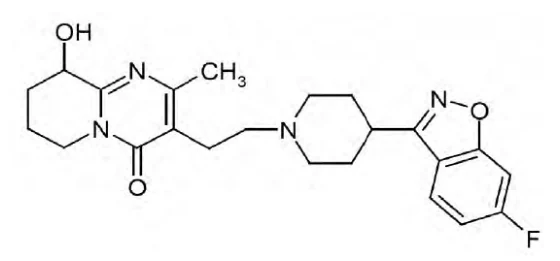 |
Comparative Bioavailability Studies
A double blind, balanced, randomised, two-treatment, three-sequence, three-period, partial replicate crossover, single dose (1 x 6 mg) bioequivalence study comparing MAR-PALIPERIDONE (Marcan Pharmaceuticals Inc.) and PrINVEGA® (Janssen Inc.) was conducted under fasting conditions in 53 healthy male volunteers.
SUMMARY TABLE OF THE COMPARATIVE BIOAVAILABILITY DATA
Paliperidone (1 x 6 mg) From measured data uncorrected for potency Geometric Mean Arithmetic Mean (CV %) | ||||
| Parameter | Test* | Reference† | % Ratio of Geometric Means | 90% Confidence Interval |
| AUCT (ng*h/mL) | 525.7 616.3 (64.4) | 527.2 620.3 (49.8) | 99.72 | 85.79 – 115.9 |
| Cmax | 13.20 15.67 (63.5) | 13.68 16.01 (51.5) | 96.47 | 83.09 – 112.0 |
| (ng/mL) | ||||
| AUCI (ng*h/mL) | 573.7** 655.4 (61.9) | 552.4 648.3 (49.5) | 103.9 | 90.55 – 119.1 |
| Tmax§ | 23.00 (8.00 - 120.0) | 24.00 (4.00 – 30.0) | ||
| (h) | ||||
| T½€ | 30.25 (19.3)** | 30.01 (22.8) | ||
| (h) | ||||
* MAR-PALIPERIDONE extended-release tablet 6 mg (Marcan Pharmaceuticals Inc.)
† PrINVEGA® (paliperidone) extended-release tablet 6 mg (Janssen Inc.) purchased in Canada
§ Expressed as the median (range)
€ Expressed as the arithmetic mean (CV%) only
** n = 52
A double blind, balanced, randomised, two-treatment, three-sequence, three-period, partial replicate crossover, single dose (1 x 6 mg) bioequivalence study comparing MAR-PALIPERIDONE (Marcan Pharmaceuticals Inc.) and PrINVEGA® (Janssen Inc.) was conducted under fed conditions in 52 healthy male volunteers.
SUMMARY TABLE OF THE COMPARATIVE BIOAVAILABILITY DATA
Paliperidone (1 x 6 mg) From measured data uncorrected for potency Geometric Mean Arithmetic Mean (CV %) | ||||
| Parameter | Test* | Reference† | % Ratio of Geometric Means | 90% Confidence Interval |
| AUCT (ng*h/mL) | 436.4 511.1 (57.3) | 418.9 493.3 (59.3) | 104.2 | 90.21 – 120.3 |
| Cmax | 11.15 13.15 (59.9) | 10.83 12.88 (61.2) | 103.0 | 87.63 – 121.1 |
| (ng/mL) | ||||
| AUCI (ng*h/mL) | 459.6 536.0 (56.8) | 438.6 517.1 (59.8) | 104.8 | 91.30 – 120.2 |
| Tmax§ | 23.00 (8.00 – 32.0) | 24.0 (8.00 – 28.00) | ||
| (h) | ||||
| T½€ | 33.43 (66.1) | 30.36 (27.3) | ||
| (h) | ||||
* MAR-PALIPERIDONE extended-release tablet 6 mg (Marcan Pharmaceuticals Inc.)
† PrINVEGA® (paliperidone) extended-release tablet 6 mg (Janssen Inc.) purchased in Canada
§ Expressed as the median (range)
€ Expressed as the arithmetic mean (CV%) only
Adults
Trials in Schizophrenia
The efficacy of paliperidone was established in three placebo-controlled, double-blind, 6-week studies in non-elderly (mean age 37 years) patients.
The doses of paliperidone, which varied across the three studies, ranged from 3 to 15 mg once daily; an active control (olanzapine) was included in the 6-week studies in adults for assay sensitivity purposes.
Efficacy was evaluated using the Positive and Negative Syndrome Scale (PANSS), a validated multi-item inventory composed of five factors to evaluate positive symptoms, negative symptoms, disorganized thoughts, uncontrolled hostility/excitement, and anxiety/depression. The primary endpoint was decrease in total PANSS scores from baseline to endpoint.
The Clinical Global Impression - Severity (CGI-S) scale was one of the secondary outcomes. The CGI-S is an independent investigator-rated assessment of overall severity of illness.
In the first placebo-controlled 6-week trial (n=605) comparing fixed doses of paliperidone (3, 9, and 15 mg/day) with placebo, all doses were superior to placebo on the PANSS and all PANSS factors and the CGI scale.
In the second placebo-controlled 6-week trial (n=628) comparing fixed doses of paliperidone (6, 9, and 12 mg/day) with placebo, all doses were superior to placebo on the PANSS and all PANSS factors and the CGI scale.
In the third placebo-controlled 6-week trial (n=432) comparing fixed doses of paliperidone (6 and 12 mg/day) with placebo, both doses were superior to placebo on the PANSS and the CGI scale.
Table 2.1: Positive and Negative Syndrome Scale for Schizophrenia (PANSS) Total Score –
Change From Baseline to End Point – LOCF for Each Study and Intent-to-Treat Analysis Set
| Paliperidone | ||||||
| Placebo | 3 mg | 6 mg | 9 mg | 12 mg | ||
| R076477-SCH-303 | (N=126) | (N=123) | (N=122) | (N=129) | ||
| N | 126 | 123 | 122 | 129 | ||
| Mean baseline | 94.1 | 94.3 | 93.2 | 94.6 | ||
| Mean change | -4.1 | -17.9 | -17.2 | -23.3 | ||
| P-value (vs. Placebo) a, b | <0.001 | <0.001 | <0.001 | |||
| R076477-SCH-304 | (N=105) | (N=111) | (N=111) | |||
| N | 105 | 110 | 111 | |||
| Mean baseline | 93.6 | 92.3 | 94.1 | |||
| Mean change | -8.0 | -15.7 | -17.5 | |||
| P-value (vs. Placebo) a, b | 0.006 | <0.001 | ||||
| R076477-SCH-305 | (N=120) | (N=123) | (N=123) | |||
| N | 120 | 123 | 123 | |||
| Mean baseline | 93.9 | 91.6 | 93.9 | |||
| Mean change | -2.8 | -15.0 | -16.3 | |||
| P-value (vs. Placebo) a, b | <0.001 | <0.001 | ||||
a Based on ANCOVA model with treatment (placebo and ER OROS paliperidone arms in each protocol) and analysis center as factors, and baseline value as a covariate.
b Pairw ise comparison: p-values associated w ith Dunnett’s procedure.
In a longer-term, placebo-controlled trial, clinically stable patients with schizophrenia who were being maintained on paliperidone for 8 weeks (doses ranging from 3 to 15 mg once daily) were then randomized in a double-blind manner to either continue on paliperidone at their achieved stable dose or to placebo until they experienced a recurrence of schizophrenia symptoms. Patients treated with paliperidone experienced a significantly longer time to relapse following randomization compared to placebo. An interim analysis performed when 43 recurrence events were reported, allowing for early termination of the study by predefined criteria, showed a significantly longer time to first recurrence in patients treated with paliperidone compared to placebo (p=0.0053). At the final analysis, twice as many patients in the placebo group (51.5%) experienced a recurrence event as in the paliperidone group (22.1%).
Trials in Other Related Psychotic Disorders
Two placebo-controlled, 6-week trials were conducted in non-elderly adult subjects with a DSM-IV diagnosis of schizoaffective disorder. Enrolled subjects had a Positive and Negative Syndrome Scale (PANSS) total score of at least 60, and had prominent mood symptoms as confirmed by a score of at least 16 on the Young Mania Rating Scale and/or Hamilton Rating Scale for Depression.
In one of these trials, efficacy was assessed in 211 subjects who received flexible doses of paliperidone (3-12 mg once daily). In the other study, efficacy was assessed in 203 subjects who were assigned to one of two dose levels of paliperidone: 6 mg with the option to reduce to 3 mg (n=105) or 12 mg with the option to reduce to 9 mg (n=98) once daily. Both studies included subjects who received paliperidone either as monotherapy [no mood stabilizers and/or antidepressants (55%)] or as an adjunct to mood stabilizers and/or antidepressants (45%). The most commonly used mood stabilizers were valproate and lithium. The most commonly used antidepressants were SSRIs and SNRIs. Paliperidone was dosed in the morning without regard to meals. Studies were carried out in the United States, Eastern Europe, Russia, and Asia.
Primary efficacy outcome was evaluated using the PANSS. As secondary outcomes, mood symptoms were evaluated using the Hamilton Depression Rating Scale (HAM-D-21) and the Young Mania Rating Scale (YMRS).
The paliperidone group in the flexible-dose study (dosed between 3 and 12 mg/day, mean modal dose of 8.6 mg/day) and the higher dose group of paliperidone in the 2 dose-level study (12 mg/day with option to reduce to 9 mg/day) were each superior to placebo in the PANSS. Mean changes from baseline to endpoint were -20.0 and -10.8 for the paliperidone and placebo groups, respectively, (p<0.001) in the flexible dose study and -30.6 and -21.7, for the paliperidone higher dose group and placebo group, respectively, (p=0.003) in the 2 dose-level study. Numerical improvements in the HAM-D-21 and YMRS were also observed. In the lower dose group of the 2 dose-level study (6 mg/day with option to reduce to 3 mg/day), paliperidone was not significantly different from placebo as measured by the PANSS.
An examination of population subgroups did not reveal any evidence of differential responsiveness on the basis of gender, age, or geographic region. There were insufficient data to explore differential effects based on race.
15 MICROBIOLOGY
Not applicable.
16 NON-CLINICAL TOXICOLOGY
Paliperidone was tested in an extensive series of toxicity studies. At equal dose levels, the toxicity profile of paliperidone was similar to risperidone in comparative repeat-dose toxicity studies in mice, rats and dogs. The toxicity profile mainly consisted of findings related to exaggerated pharmacodynamic effects of CNS- and PRL-mediated actions.
In the repeat-dose toxicity studies, NOELs could not be established because signs of exaggerated pharmacology were evident at the lowest dose tested; however, NOAELS were established.
Exposure-based safety margins generally were low compared to the systemic exposure at the maximum recommended human dose. However, the main toxicity findings are either species- specific or can be easily assessed in the clinic.
Paliperidone ER tablets containing 15 mg of paliperidone were shown to be well tolerated in the GI tract of dogs in a 3-month repeat-dose toxicity study.
Genotoxicity studies were negative.
Slight pre-implantation loss was noted at the highest dose level (2.5 mg/kg/day for 21 days) in the female fertility study. The estimated exposure at the embryo-fetal NOEL in this study is similar to that attained in humans and the maximum recommended human dose. Since the increase in pre- implantation loss only occurred in the presence of maternal toxicity, this effect is of little relevance in terms of human risk.
The embryo-fetal developmental toxicity study with paliperidone in rabbits showed slight post- implantation loss at the highest dose level (5 mg/kg/day). The embryo-fetal NOAEL in this study yielded systemic exposure 22- to 34-fold higher than in humans at the maximum recommended human dose. These findings are considered to be of little relevance in terms of human risk.
In a 7-week juvenile toxicity study in rats with oral doses of paliperidone of 0.16, 0.63, and 2.5 mg/kg/day, which are 0.12, 0.5, and 1.8 times the maximum human oral exposure of 12 mg/day in adolescents on a mg/m2 basis, CNS clinical signs and increased serum prolactin levels in both sexes and pseudopregnancy in females were evident at all dose levels, however no effects on growth, sexual maturation, and reproductive performance were observed after cessation of treatment. Oral doses up to 2.5 mg/kg/day did not generally affect neurobehavioral development in males and females, except for an impairment of learning and memory in female rats treated at 2.5 mg/kg/day and thus there was no safety margin. This effect was not observed on repeated daily testing after discontinuation of treatment.
In a 40-week study in juvenile dogs treated with oral risperidone (which is extensively converted to paliperidone) at doses of 0, 0.31, 1.25, and 5 mg/kg/day, sexual maturation was arrested/delayed at all dose levels, but showed evidence of recovery after discontinuation of treatment in both sexes at 0.31 and 1.25 mg/kg/day and males at 5 mg/kg/day. Effects seen include increased serum prolactin levels in both sexes, presumably due to dopamine receptor antagonist activity of risperidone; decreased plasma testosterone levels and sperm counts in males; plasma progesterone undetectable, absence of estrus cycling, low ovary and uterus/cervix weights, absence of active mammary gland development, prominent luteal cells in the ovaries, and endometrial gland hyperplasia in the uterus in females. Reduced body weight gain at all dose levels correlated with reduced long bone growth at 1.25 and 5 mg/kg; however all effects were reversible and 0.31 mg/kg was a NOAEL. Mainly CNS-related clinical signs and increased heart rate at all dose levels were transient and/or reversible.
The carcinogenic potential of paliperidone, an active metabolite of risperidone, was assessed based on studies with risperidone conducted in mice and rats. There were statistically significant increases in pituitary gland adenomas, endocrine pancreas adenomas, and mammary gland adenocarcinomas. These findings are considered to be of little predictive value to humans.
17 SUPPORTING PRODUCT MONOGRAPHS
- 1.
Pr INVEGA® Paliperidone Extended- Release Tablets 3mg, 6mg and 9mg Submission: 241812, Product Monograph, Janssen Inc. December 17, 2020
READ THIS FOR SAFE AND EFFECTIVE USE OF YOUR MEDICINE PATIENT MEDICATION INFORMATION
PrMAR-PALIPERIDONE
paliperidone Extended-release Tablets
Read this carefully before you start taking MAR-PALIPERIDONE and each time you get a refill. This leaflet is a summary and will not tell you everything about this drug. Talk to your healthcare professional about your medical condition and treatment and ask if there is any new information about MAR-PALIPERIDONE.
What is MAR-PALIPERIDONE used for?
MAR-PALIPERIDONE is used in adults to treat the symptoms of schizophrenia and related psychotic disorders.
Not all people with schizophrenia and related psychotic disorders have the same symptoms.
Some of the most common symptoms of schizophrenia and related psychotic disorders may include:
- hallucinations (seeing, feeling, hearing, or smelling things that are not there)
- delusions (believing things that are not true)
- paranoia (not trusting others and feeling very suspicious)
- avoiding family and friends and wanting to be alone
Related psychotic disorders may also include:
- mania (being very over-active and over-excited)
- depression (feeling sad, hopeless, helpless, tired, sleeping a lot or not enough)
How does MAR-PALIPERIDONE work?
MAR-PALIPERIDONE belongs to a group of medicines called antipsychotic drugs. Antipsychotic medications affect dopamine and serotonin (chemicals found in the brain) that allow for the communication between your nerve cells. Exactly how this medication works is not known. However, it seems that MAR-PALIPERIDONE corrects the balance of dopamine and serotonin in your body.
What are the ingredients in MAR-PALIPERIDONE?
Medicinal ingredients: Paliperidone
Non-medicinal ingredients: Anhydrous lactose, Ethyl cellulose, Hypromellose, Iron oxide red (6 mg and 9 mg), Iron oxide yellow (6 mg), Lactose monohydrate (6 mg and 9 mg), Macrogol, Magnesium stearate, Polyethylene oxide, Talc, Titanium dioxide and Triethyl citrate
Serious Warnings and Precautions
Increased Risk of Death in Elderly People with Dementia
Medicines like MAR-PALIPERIDONE can raise the risk of death in elderly people who have dementia.
MAR-PALIPERIDONE is not approved for use in patients with dementia.
The non-volatile components of the black imprinting ink are Ammonium hydroxide, Ferrosoferric oxide, Propylene glycol and Shellac.
MAR-PALIPERIDONE comes in the following dosage forms:
Tablets: 3 mg, 6 mg, and 9 mg
Do not use MAR-PALIPERIDONE if:
you or the patient you are caring for has had an allergic reaction to
- paliperidone
- risperidone (paliperidone is a compound resulting from the breakdown of risperidone in the body), or
- any of the ingredients in MAR-PALIPERIDONE
Signs of an allergic reaction include:
- itching
- skin rash
- swelling of the face, lips or tongue
- shortness of breath
If you experience any of these symptoms or if these symptoms are experienced by the patient you are caring for, contact your doctor right away.
To help avoid side effects and ensure proper use, talk to your healthcare professional before you take MAR-PALIPERIDONE. Talk about any health conditions or problems you may have, including if you:
are taking or planning to take any other medication (prescription, over-the-counter and natural health products)
- are taking risperidone
- have had serious allergic reactions to other medications, including risperidone
have a history of:
- stroke
- mini-stroke
- high cholesterol or
- high blood pressure
Medicines like MAR-PALIPERIDONE can raise the risk of stroke/mini-stroke in elderly people who have dementia.
- have or are at a risk for diabetes or high blood sugar or have a family history of diabetes
- are pregnant, think you may be pregnant or are planning to become pregnant
- are breast-feeding or planning to breast feed. MAR-PALIPERIDONE can pass into your breast milk. You should not breast-feed while taking this medication.
- have had or have prolonged and/or painful erection
have a history of:
- heart problems
- any problems with the way your heart beats
- congenital long QT syndrome
- are being treated for high blood pressure
- are taking any medications that affect how your heart beats
- are prone to hypotension (low blood pressure), have or have had heart disease treatment that makes you more likely to have low blood pressure or feeling dizzy or faint when you stand up from lying or sitting positions
- have or have ever had blackouts or seizures
- have or have had low white blood cell counts in your blood. Let your doctor know right away if you develop a fever or infection while being treated with MAR-PALIPERIDONE
- have high levels of cholesterol or fats (triglycerides) in your blood
have or have a history of or are at risk of:
- sleep apnea (a sleep disorder where your breathing is interrupted during sleep)
- sleep walking
- sleep-related eating disorder
- have a narrowing or blockage of your gastrointestinal tract (your esophagus, stomach, or large or small intestine)
- have diseases associated with diarrhea
- have Parkinson’s disease or Dementia with Lewy Bodies (DLB)
- have / had breast cancer
- have pituitary tumours
- drink alcoholic beverages or use drugs
- suffer from lactose intolerance. All MAR-PALIPERIDONE tablets contain lactose anhydrous, and the 6 mg and 9 mg tablets also contain lactose monohydrate
- have a history of kidney problems
- have liver problems
- suffer from Alzheimer’s disease
- are feeling thirsty and unwell
- exercise strenuously. This kind of medication may interfere with your body’s ability to adjust to heat. You should avoid becoming overheated or dehydrated (for example with vigorous exercise or exposure to extreme heat) while taking MAR-PALIPERIDONE.
- have a fever or infection
are at risk for developing blood clots. Risk factors include:
- a family history of blood clots
- being over the age over 65
- smoking
- being overweight
- having a recent major surgery (such as hip or knee replacement)
- not being able to move due to air travel or other reasons
- taking oral birth control (“The Pill”)
are planning to have an operation on the eye(s). During surgery to treat the cloudiness of the lens in your eye(s) (known as cataract surgery):
- the pupil (the black circle in the middle of your eye) may not increase in size as needed
- the iris (the coloured part of the eye) may become floppy during surgery. This may lead to eye damage.
Tell your eye doctor you are taking this medicine.
Other warnings you should know about:
Elderly Patients with Dementia: Drugs that contain risperidone are similar to drugs that contain paliperidone (such as MAR-PALIPERIDONE). Studies have shown that when risperidone and furosemide (a “water pill”) are taken together by elderly patients who have dementia, it is linked to a higher rate of death.
Tell your doctor if you are taking furosemide. This drug can be used to treat:
- swelling of parts of the body caused by the build-up of too much fluid
- some heart problems
- high blood pressure
In elderly patients who have dementia, other drugs that belong to the same group of drugs as MAR-PALIPERIDONE have also been linked to side effects that include:
- a sudden change in mental state
- sudden weakness or numbness of the face, arms or legs, especially on one side of the body
- slurred speech
- vision problems
If you have any of these symptoms, get medical help right away.
Dysphagia: Tell your doctor if you have difficulty swallowing food or have esophageal dysmotility (problems with your food pipe) as there is a risk of pneumonia caused by inhaling food or liquid that gets into your lungs.
Effects on newborns: You should not take MAR-PALIPERIDONE while you are pregnant or if you are planning on becoming pregnant unless you have talked to your doctor about it.
If you took MAR-PALIPERIDONE at any time while you were pregnant or if you took it before you became pregnant, the following symptoms may happen in your newborn baby:
- shaking
- stiffness in their muscles and/or weakness
- sleepiness
- agitation
- breathing problems
- difficulty feeding
Get medical help right away if your newborn baby has any of these symptoms.
In some cases, babies born to a mother who took paliperidone while she was pregnant have had to be hospitalized after experiencing symptoms that were severe.
Driving and using machines: Do not drive or operate machinery until you know how you respond to MAR-PALIPERIDONE. Some people experience drowsiness, or blurred vision while taking MAR-PALIPERIDONE.
Falls: Feeling sleepy, a fall in blood pressure when you stand up from sitting or lying down, vision and speech problems have been reported with the use of antipsychotic drugs. This can lead to falls that may cause fractures or other fall related-injuries. Certain medications, diseases or conditions can make this worse.
Weight gain: Weight gain has been seen in patients who are taking antipsychotic drugs. Your doctor may monitor your body weight when you are taking MAR-PALIPERIDONE.
Blood tests: Your doctor should do blood tests before you start taking MAR-PALIPERIDONE. They will check your blood sugar levels, and for those with certain risk factors, the level of white blood cells in your blood. Your doctor should continue to do blood test as long as you are being treated with MAR-PALIPERIDONE.
The following serious or life-threatening side effects have been reported with similar atypical antipsychotics drugs such as MAR-PALIPERIDONE:
Neuroleptic Malignant Syndrome (NMS):
- mental changes such as agitation, hallucinations, confusion, or other changes in mental status
- coordination problems, uncontrolled muscle spasms, or muscle twitching (overactive reflexes)
- restlessness
- racing or fast heartbeat, high or low blood pressure
- sweating or fever
- nausea, vomiting, or diarrhea
- stiff muscles
Severe Skin Reactions: In very rare cases, skin reactions that can be serious or life- threatening have been reported. This includes skin conditions such as Stevens- Johnson syndrome (SJS), toxic epidermal necrolysis (TEN) and drug reaction with eosinophilia and systemic symptoms (DRESS). The following symptoms may be related to these skin reactions:
Early warnings for patients:
- fever
- severe rash
- swollen lymph glands
- flu-like feeling
- blisters and peeling skin that may start in and around the mouth, nose, eyes, and genitals and spread to other areas of the body
Later developments:
- yellow skin or eyes
- shortness of breath
- dry cough
- chest pain or discomfort
- feeling thirsty
- urinating less often, less urine
Call your doctor right away if you start to have any of the following symptoms while taking MAR-PALIPERIDONE.
Tardive Dyskinesia (TD): MAR-PALIPERIDONE, like other antipsychotic medications, can cause potentially irreversible muscle twitching or unusual/abnormal movement of the face or tongue or other parts of your body.
Increased levels of prolactin: MAR-PALIPERIDONE can raise your levels of a hormone called “prolactin”. This is measured with a blood test. Symptoms may include:
In men:
- swelling in the breast
- difficulty in getting or maintaining an erection or other sexual dysfunction
In women:
- discomfort in the breasts
- leaking of milk from the breasts (even if not pregnant)
- missing your menstrual period or other problems with your cycle
If you have high levels of prolactin and a condition called hypogonadism, you may be at an increased risk of breaking a bone due to osteoporosis. This occurs in both men and women.
Tell your healthcare professional about all the medications you take, including any drugs, vitamins, minerals, natural supplements or alternative medicines.
The following may interact with MAR-PALIPERIDONE:
- DO NOT drink alcohol and only take medications prescribed by your doctor. Since MAR-PALIPERIDONE works primarily in the brain, interference with other drugs that also work in the brain could occur.
- Valproate (drugs used to treat seizures, manic-depression and migraines)
- Risperidone or injectable paliperidone palmitate. Taking either of these drugs together with MAR-PALIPERIDONE can increase the amount of paliperidone in your body.
- MAR-PALIPERIDONE can make you feel sleepy or drowsy. You should be careful when you take this drug with other drugs that can also cause you to become sleepy or drowsy.
- Since MAR-PALIPERIDONE can lower blood pressure, care should be taken when this medicine is taken with other drugs that lower your blood pressure.
- Dopamine agonists, such as levodopa (used to treat Parkinson’s disease), may decrease the effect of MAR-PALIPERIDONE. Also MAR-PALIPERIDONE can affect how drugs used to treat Parkinson’s disease work.
- Carbamazepine (used to treat seizures) has been shown to decrease the levels of MAR-PALIPERIDONE in your blood.
- MAR-PALIPERIDONE should be used with caution with medicines that increase the activity of the central nervous system (psychostimulants such as methylphenidate).
How to take MAR-PALIPERIDONE:
- Do not chew, crush or divide the tablets. Swallow the tablets whole with water or other liquids. The tablet shell does not dissolve completely. You may notice it in your stool. This is normal.
- Take / give MAR-PALIPERIDONE exactly as directed by your doctor. It is important that you keep taking / giving it even after the symptoms have improved or disappeared. DO NOT change or stop MAR-PALIPERIDONE without talking to your doctor.
Usual adult dose:
The doctor has decided on the best dose for you / the patient you are caring for. The dose will depend on:
- other health conditions you or the patient you are caring for may have
- how you or the patient you are caring for responds to the medication
Usual starting dose: 6 mg once a day (preferably in the morning)
Overdose:
In case of drug overdose, contact your healthcare professional, hospital emergency department or regional poison control centre immediately, even if there are no symptoms.
Patients who have taken or been given too much paliperidone may experience the following symptoms:
- feeling drowsy or sleepy
- a fast heart rate
- low blood pressure
- irregular heart beat or other symptoms of an irregular heartbeat, such as lightheadedness or fainting
- unusual movements of the face, body, arms or legs (such as excessive trembling or muscle stiffness)
Missed Dose:
If you miss:
- one dose: take your next dose the following day
- two or more doses: contact your doctor
What are possible side effects from using MAR-PALIPERIDONE?
These are not all the possible side effects you may feel when taking MAR-PALIPERIDONE. If you experience any side effects not listed here, contact your healthcare professional.
Side effect include:
- headache
- feeling sleepy or less alert
- common cold symptoms
- sinus infection
- difficulty falling or staying asleep
- mania
- irritability
- depression
- anxiety
- faster heart rate, slowed heart rate, heartbeat irregularities
- lack of energy
- feeling restlessness
- feeling dizzy
- stuffy nose
- drop in blood pressure upon standing
- high blood pressure
- stomach ache
- dry mouth
- itching
- increased saliva
- being sick (vomiting)
- diarrhea
- uncontrollable movements of the face, eyes or body
- trembling
- slowness of movement, muscle stiffness or spasm
- weight gain, and increased appetite
- urinary tract infection
- feeling like you have the flu
- weight loss
- anemia
- high blood triglycerides (a fat)
- nightmares
- swelling of legs or other body area, increased liver transaminases in your blood, rash, a restless urge to move parts of your body
- fainting
- sensation the room is spinning
- sensation your heart is racing, variation in heart rate, heart rhythm changes
- decreased blood pressure
- decreased blood flow
- rigid muscles, muscle weakness, and joint swelling.
low blood sugar, diabetes or worsening of diabetes.
- high blood sugar has been reported; see your doctor if you experience symptoms such as excessive thirst or urination
- increased cholesterol
- loss of consciousness
- heartbeat irregularities
- joint stiffness
- vaginal discharge
- lack of bowel muscle movement that causes blockage (may occur very rarely)
- glaucoma (increased pressure within the eyeball), and problems with the movement of your eyes
Since paliperidone (the ingredient in MAR-PALIPERIDONE) is a compound resulting from the breakdown of risperidone in the human body, any side effects that may occur after taking risperidone may also occur with MAR-PALIPERIDONE.
| Serious side effects and what to do about them | |||
|---|---|---|---|
| Symptom / effect | Talk to your healthcare professional | Stop taking drug and get immediate medical help | |
| Only if severe | In all cases | ||
COMMON New or w orsening constipation | ✓ | ||
| Dystonia: tw isting movements that you cannot control, and can affect posture or the face, including eyes, mouth, tongue or jaw | ✓ | ||
UNCOMMON Skin rash on its ow n | ✓ | ||
| Severe allergic reactions: fever, difficulty sw allow ing or breathing, shortness of breath; drop in blood pressure; feeling sick to your stomach and throwing up; hives or rash; swelling of the face, lips, tongue or throat. | ✓ | ||
| Seizure (fits): loss of consciousness with uncontrollable shaking | ✓ | ||
| Dysphagia: difficulty sw allow ing that can cause food or liquid to get into your lungs | ✓ | ||
RARE Rhabdomyolysis (breakdow n of damaged muscle): muscle tenderness, | ✓ | ||
| Serious side effects and what to do about them |
|---|
| Symptom / effect | Talk to your healthcare professional | Stop taking drug and get immediate medical help |
|---|
| Only if severe | In all cases | ||
|---|---|---|---|
| w eakness, red-brow n (tea-coloured) urine | |||
| Leukopenia / Neutropenia (decreased white blood cells): infections, fatigue, fever, aches, pains, and flu-like symptoms | ✓ | ||
| Tardive Dyskinesia: Muscle tw itching or unusual/abnormal movements of the face or tongue or other parts of your body | ✓ | ||
| Strokes and Transient Ischemic Attacks: sudden numbness or w eakness of your arm, leg or face, especially if only on one side of the body; sudden confusion, difficulty speaking or understanding others; sudden difficulty in walking or loss of balance or coordination; suddenly feeling dizzy or sudden severe headache w ith no know n cause | ✓ | ||
| Serious allergic reactions: symptoms include rash, swelling of your throat, itching or problems breathing. These may be signs of a serious allergic reaction | ✓ | ||
VERY RARE A state of confusion, reduced consciousness, high fever, or pronounced muscle stiffness | ✓ | ||
| Marked changes in body temperature (generally as a result of several factors together including extreme heat or cold) | ✓ | ||
| Priapism: long-lasting (greater than 4 hours in duration) and painful erection of the penis | ✓ | ||
| Blood clots: swelling, pain and redness in an arm or leg that can be warm to touch. You may develop sudden chest pain, difficulty breathing and heart palpitations. | ✓ | ||
| Catatonia: unable to move or respond w hile aw ake | ✓ | ||
UNKNOWN Pancreatitis (inflammation of the pancreas): severe upper abdominal pain, fever, rapid heartbeat, nausea, vomiting, tenderness w hen touching the abdomen | ✓ | ||
| Jaundice: yellowing of the skin and eyes, dark urine | ✓ | ||
| Serious side effects and what to do about them |
|---|
| Symptom / effect | Talk to your healthcare professional | Stop taking drug and get immediate medical help |
|---|
| Only if severe | In all cases | ||
|---|---|---|---|
| Life-threatening complications of uncontrolled diabetes such as shortness of breath, confusion and loss of consciousness | ✓ | ||
| Bruise easily, excessive bleeding | ✓ | ||
| Neuroleptic Malignant Syndrome (NMS): pronounced muscle stiffness or inflexibility with high fever, rapid or irregular heartbeat, sw eating, state of confusion or reduced consciousness | ✓ | ||
| Severe skin reactions: fever, severe rash, sw ollen lymph glands, flu-like feeling, blisters and peeling skin that may start in and around the mouth, nose, eyes and genitals and spread to other areas of the body, yellow skin or eyes, shortness of breath, dry cough, chest pain or discomfort, feeling thirsty, urinating less often, less urine | ✓ | ||
If you have a troublesome symptom or side effect that is not listed here or becomes bad enough to interfere with your daily activities, talk to your healthcare professional.
Storage:
Store MAR-PALIPERIDONE:
- between 15–30oC in its original package.
- Protect from moisture.
Keep out of the sight and reach of children.
The expiry date for MAR-PALIPERIDONE is printed on the package. Do not use the medicine after this date.
If you want more information about MAR-PALIPERIDONE:
Reporting Side Effects
You can report any suspected side effects associated with the use of health products to Health Canada by:
- Visiting the Web page on Adverse Reaction Reporting (https://www.canada.ca/en/health-canada/services/drugs-health-products/medeffect- canada/adverse-reaction-reporting.html) for information on how to report online, by mail or by fax; or
- Calling toll-free at 1-866-234-2345.
NOTE: Contact your health professional if you need information about how to manage your side effects. The Canada Vigilance Program does not provide medical advice.
- Talk to your healthcare professional
- Find the full product monograph that is prepared for healthcare professionals and includes this Patient Medication Information by visiting the Health Canada website (https://health-products.canada.ca/dpd-bdpp/index-eng.jsp); Marcan Pharmaceuticals Inc.’s website (www.marcanpharma.com), or by calling 1-855-627-2261.
2 Gurdwara Road, Suite #112
Ottawa, ON, K2E 1A2
Last Revised: June 3, 2021