


Product Monograph - Perseris
RECENT MAJOR LABEL CHANGES
| 7 WARNINGS AND PRECAUTIONS | 05/2023 |
|---|
TABLE OF CONTENTS
RECENT MAJOR LABEL CHANGES ......................................................................................... 2
PART I: HEALTH PROFESSIONAL INFORMATION .................................................................. 4
1 INDICATIONS ................................................................................................................... 4
1.1 Pediatrics ................................................................................................................. 4
1.2 Geriatrics ................................................................................................................. 4
2 CONTRAINDICATIONS ................................................................................................... 4
3 SERIOUS WARNINGS AND PRECAUTIONS BOX ........................................................ 5
4 DOSAGE AND ADMINISTRATION .................................................................................. 5
4.1 Dosing Considerations ............................................................................................ 5
4.2 Recommended Dose and Dosage Adjustment ....................................................... 5
4.4 Administration .......................................................................................................... 7
4.5 Missed Dose .......................................................................................................... 16
5 OVERDOSAGE .............................................................................................................. 16
6 DOSAGE FORMS, STRENGTHS, COMPOSITION AND PACKAGING ....................... 16
7 WARNINGS AND PRECAUTIONS ................................................................................ 17
7.1 Special Populations ............................................................................................... 24
7.1.1 Pregnant Women ............................................................................................... 24
7.1.2 Breast-feeding ................................................................................................... 25
7.1.3 Pediatrics ........................................................................................................... 25
7.1.4 Geriatrics ........................................................................................................... 26
8 ADVERSE REACTIONS ................................................................................................. 27
8.1 Adverse Reaction Overview .................................................................................. 27
8.2 Clinical Trial Adverse Reactions ............................................................................ 27
8.3 Less Common Clinical Trial Adverse Reactions ................................................... 31
8.4 Abnormal Laboratory Findings: Hematologic, Clinical Chemistry and Other Quantitative Data ............................................................................................................ 33
8.5 Post-Market Adverse Reactions ............................................................................ 35
9 DRUG INTERACTIONS .................................................................................................. 36
9.2 Overview ............................................................................................................... 36
9.3 Drug-Behavioural Interactions ............................................................................... 37
9.4 Drug-Drug Interactions .......................................................................................... 37
9.5 Drug-Food Interactions .......................................................................................... 38
9.6 Drug-Herb Interactions .......................................................................................... 38
9.7 Drug-Laboratory Test Interactions ......................................................................... 38
10 ACTION AND CLINICAL PHARMACOLOGY ................................................................ 38
10.1 Mechanism of Action ......................................................................................... 38
10.2 Pharmacodynamics ........................................................................................... 39
10.3 Pharmacokinetics .............................................................................................. 39
11 STORAGE, STABILITY AND DISPOSAL ...................................................................... 42
12 SPECIAL HANDLING INSTRUCTIONS ......................................................................... 43
PART II: SCIENTIFIC INFORMATION ....................................................................................... 44
13 PHARMACEUTICAL INFORMATION ............................................................................ 44
14 CLINICAL TRIALS ......................................................................................................... 44
14.1 Trial Design and Study Demographics .............................................................. 44
14.2 Study Results ..................................................................................................... 45
16 NON-CLINICAL TOXICOLOGY ..................................................................................... 46
PATIENT MEDICATION INFORMATION .................................................................................. 50
PART I: HEALTH PROFESSIONAL INFORMATION
1 INDICATIONS
PERSERIS® (risperidone) is indicated for treatment of schizophrenia in adults.
The efficacy of PERSERIS was demonstrated in an 8-week, placebo-controlled trial in patients with schizophrenia experiencing an acute exacerbation. The effectiveness of PERSERIS in longer-term use, that is, more than 8 weeks, has not been systematically evaluated in controlled trials. However, oral risperidone has been shown to be effective in maintaining clinical improvement during long-term therapy (1 year). Patients should be periodically reassessed for treatment response.
1.1 Pediatrics
Pediatrics (<18 years): No data are available to Health Canada; therefore, Health Canada has not authorized an indication for pediatric use.
1.2 Geriatrics
Geriatrics (> 65 years): Clinical studies of PERSERIS in the treatment of schizophrenia did not include patients older than 65 years of age. Use with caution in elderly subjects. PERSERIS is not approved for the treatment of patients with dementia (see 3 SERIOUS WARNINGS AND PRECAUTIONS BOX; 7 WARNINGS AND PRECAUTIONS, Special Populations; 14 CLINICAL TRIALS).
2 CONTRAINDICATIONS
PERSERIS is contraindicated in patients who are hypersensitive to risperidone, its metabolite, paliperidone, or to any of its components (see 7 WARNINGS AND PRECAUTIONS, Hypersensitivity); or to any ingredient in the formulation including any non-medicinal ingredient, or component of the container. For a complete listing, see 6 DOSAGE FORMS, STRENGTHS, COMPOSITION AND PACKAGING.
3 SERIOUS WARNINGS AND PRECAUTIONS BOX
4 DOSAGE AND ADMINISTRATION
4.1 Dosing Considerations
- Establish tolerability with oral risperidone.
- PERSERIS should not be supplemented with oral risperidone.
- Each injection must be administered subcutaneously by a healthcare professional using the prepackaged injection syringe and enclosed safety needle. Do not administer by any other route.
- Prior to use, the product is constituted by coupling the liquid and powder syringes and passing the contents back and forth between the syringes (see 4.4 ADMINISTRATION).
- Failure to fully mix the medication could result in incorrect dosage.
- Caution should be exercised in patients prone to hypotension. Consider using lower starting doses
4.2 Recommended Dose and Dosage Adjustment
Recommended Dosage
PERSERIS is to be administered as a subcutaneous injection in the abdomen or back of the upper arm. Do not administer by any other route.
Each injection must be administered by a healthcare professional using the prepackaged injection syringe and enclosed safety needle.
For patients who have never taken risperidone, establish tolerability with oral risperidone prior to starting PERSERIS.
Serious Warnings and Precautions
Increased Mortality in Elderly Patients with Dementia
PERSERIS is not approved for the treatment of patients with dementia.
Elderly patients with dementia treated with atypical antipsychotic drugs are at an increased risk of death compared to placebo. Analyses of thirteen placebo-controlled trials with various atypical antipsychotics (modal duration of 10 weeks) in these patients showed a mean 1.6-fold increase in the death rate in the drug-treated patients. Although the causes of death were varied, most of the deaths appeared to be either cardiovascular (e.g., heart failure, sudden death) or infectious (e.g., pneumonia) in nature (see 7.1.4 WARNINGS AND PRECAUTIONS, Special Populations, Geriatrics (> 65 years of age)).
Initiate PERSERIS at a dose of 90 mg, 120 mg once monthly by subcutaneous injection. Do not administer more than one dose per month.
Based on average plasma concentrations (Cavg) of total active moiety, PERSERIS 90 mg corresponds to 3 mg/day oral risperidone; and PERSERIS 120 mg corresponds to 4 mg/day oral risperidone; Patients who are on stable oral risperidone doses lower than 3 mg/day or higher than 4 mg/day may not be candidates for PERSERIS.
Do not administer a loading dose.
Pediatric
Health Canada has not authorized an indication for pediatric use (see 1.1 INDICATIONS, Pediatrics).
Geriatric
Clinical studies of PERSERIS in the treatment of schizophrenia did not include patients older than 65 years (see 14 CLINICAL TRIALS). In general, dose selection for an elderly patient should be cautious. Starting dose in this population should be PERSERIS 90 mg.
Dosage Recommendations for Patients with Renal or Hepatic Impairment
PERSERIS has not been studied in patients with renal or hepatic impairment and should be used with caution in these special populations. Based on oral risperidone, patients with impaired hepatic function have increases in plasma concentration of the free fraction of risperidone and this may result in an enhanced effect. Patients with renal impairment have less ability to eliminate the active antipsychotic fraction than normal adults.
Prior to initiating treatment with PERSERIS in these patients, it is advisable that patients be carefully titrated up to at least 3 mg daily of oral risperidone. If patients can tolerate 3 mg of oral risperidone and are psychiatrically stable, a dose of PERSERIS 90 mg may be considered.
Dosage Recommendations for Concomitant Use with Strong CYP2D6 Inhibitors and Strong CYP3A4 Inducers
Co-administration with Strong CYP2D6 Inhibitors
When initiation of treatment with CYP2D6 inhibitors, such as fluoxetine or paroxetine is considered, patients should be treated with the lowest dose (90 mg) of PERSERIS 2 to 4 weeks before the planned start of fluoxetine or paroxetine therapy to adjust for the expected increase in plasma concentrations of risperidone.
Co-administration with Strong CYP3A4 Inducers
At the initiation of therapy with CYP3A4 inducers, such as carbamazepine or other known hepatic enzyme inducers, patients should be closely monitored during the first 4 to 8 weeks.
On discontinuation of carbamazepine or other strong CYP3A4 hepatic enzyme inducers, the dosage of PERSERIS should be re-evaluated and, if necessary, decreased to adjust for the expected increase in plasma concentration of risperidone.
4.4 Administration
Important Information
- For subcutaneous injection, only. Do not administer by any other route.
- To be administered by a healthcare professional only.
- Please read the instructions carefully before handling this product.
- Allow package to come to room temperature for at least 15 minutes prior to preparation.
- Only prepare medication when you are ready to administer the dose.
- Observe injection processes for your facility and universal precautions.
1 CHECK CONTENTS
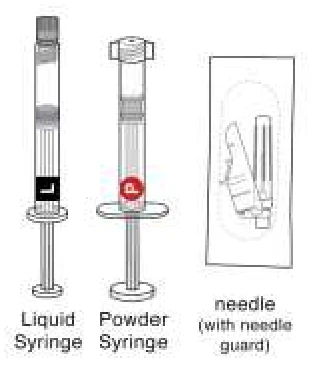
See Figure 1
- One Liquid Syringe ( ) prefilled with the delivery system. Inspect liquid solution for foreign particles. If foreign particles are observed, discard syringe. This is the syringe you will use to inject the patient.
- One Powder Syringe ( ) prefilled with risperidone powder. Inspect syringe for consistency of powder color and for foreign particles. If discoloration or foreign particles are observed, discard syringe.
One sterile 18-gauge, 5/8-inch safety needle.
Figure 1
2 TAP POWDER SYRINGE
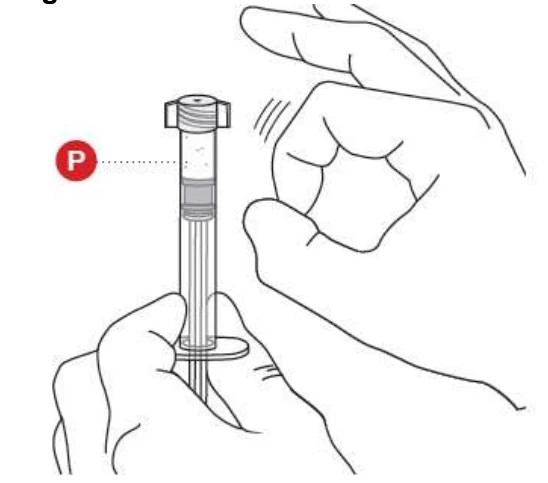
See Figure 2
NOTE: Powder can become packed during shipping.
Hold the Powder Syringe upright and tap the barrel of the syringe to dislodge the packed powder.
Figure 2
3 UNCAP LIQUID AND POWDER SYRINGES
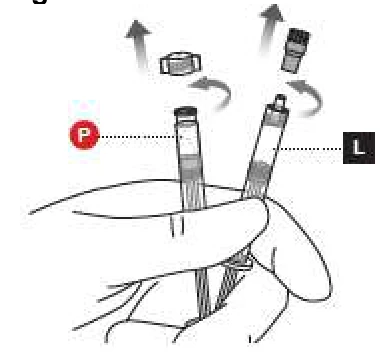
See Figure 3
Remove the cap from the Liquid Syringe, then remove the cap from the Powder Syringe.
TIP: Holding both syringes in your non-dominant hand can help with this step.
Figure 3
4 CONNECT THE SYRINGES
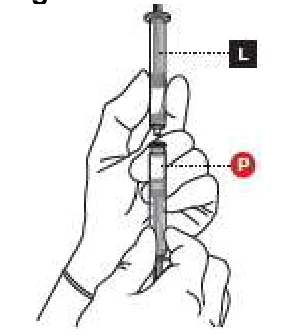
See Figure 4
Place the Liquid Syringe on top of the Powder Syringe (to prevent powder spillage) and connect the syringes by twisting approximately ¾ turn.
Do not over tighten.
CAUTION: Keep your fingers off the plungers during this step to avoid spillage of the medication.
Figure 4
5 MIX THE PRODUCT
See Figure 5
WARNING: Failure to fully mix the medication could result in incorrect dosage.
Premixing
- Transfer the contents of the Liquid Syringe into the Powder Syringe.
- Gently push the Powder Syringe plunger until you feel resistance (to wet powder and avoid compacting).
- Repeat this gentle back-and-forth process for 5 cycles.
Complete mixing
- Continue mixing the syringes for an additional 55 cycles.
- This mixing can be more vigorous than when premixing.
- TIP: Figure 5 illustrates a correct full cycle.
When fully mixed, the product should be a cloudy suspension that is uniform in color. It can vary from white to yellow-green in color. If you see any clear areas in the mixture, continue to mix until the distribution of the color is uniform. The product is designed to deliver risperidone 90 mg or 120 mg.
Figure 5
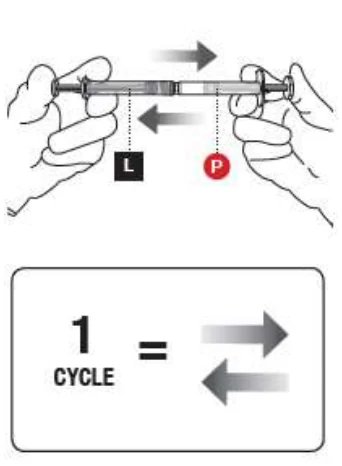
MIX FOR:
- 5 cycles gently, followed by
- 55 more vigorous cycles
6 PREPARE INJECTION SYRINGE
See Figure 6
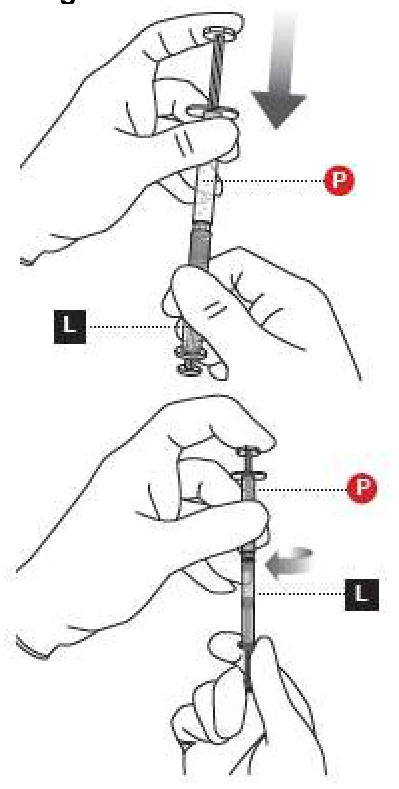
WARNING: Failure to aspirate the liquid from the Powder Syringe may result in incorrect dosage.
- First, transfer all contents into the Liquid Syringe.
Next, perform the following actions SIMULTANEOUSLY:
- maintain slight pressure on the Powder Syringe plunger and
- pull back gently on the Liquid Syringe plunger while twisting the syringes apart.
- Finally, attach the safety needle by twisting until finger tight.
NOTE: Check that medication is uniform in color and free from foreign particles. If discoloration or foreign particles are observed, discard syringe.
Figure 6
7 PREPARE THE SUBCUTANEOUS INJECTION SITE(S)
See Figure 7
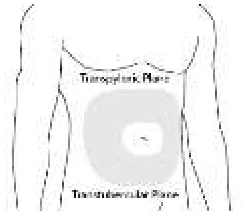
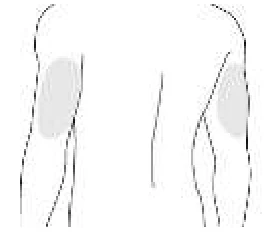
- PERSERIS is to be injected subcutaneously in the abdomen or back of the upper arm.
- Choose an injection site with adequate subcutaneous tissue that is free of skin conditions (e.g., nodules, lesions, excessive pigment).
- Do not inject into an area where the skin is irritated, reddened, bruised, infected or scarred in any way.
- Clean the injection site well with an alcohol pad, and let dry.
- TIP: To help minimize irritation, rotate injection sites following a pattern similar to the illustration (Figure 7).
Figure 7
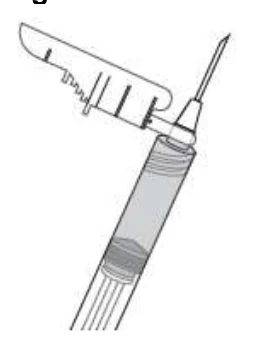
8 REMOVE EXCESS AIR FROM SYRINGE
See Figure 8
- Hold the syringe upright for several seconds to allow air bubbles to rise.
- Remove needle cover and slowly depress the plunger to push out the excess air from the syringe.
- If medication is seen at the needle tip, pull back slightly on the plunger to prevent medication spillage.
- NOTE: Due to the viscous nature of the medication, bubbles will not rise as quickly as those in an aqueous solution.
Figure 8
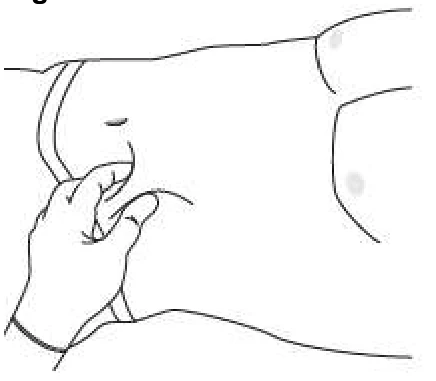
9 PINCH INJECTION SITE
See Figure 9
Pinch the skin around the injection area. Be sure to pinch enough skin to accommodate the size of the needle. Lift the adipose tissue from the underlying muscle to prevent accidental intramuscular injection.
Figure 9
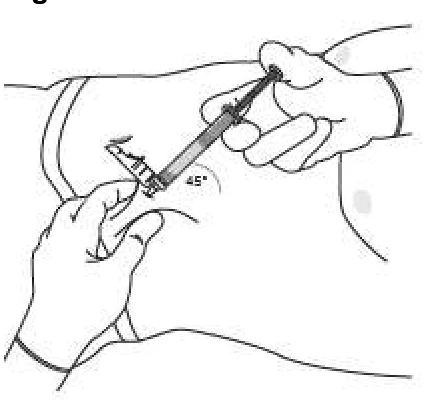
10 INJECT THE MEDICATION
See Figure 10
Insert needle fully into the subcutaneous tissue.
Inject the medication slow and steady.
CAUTION: PERSERIS is for subcutaneous administration only. Do not inject by any other route.
NOTE: Actual angle of injection will depend on the amount of subcutaneous tissue.
Figure 10
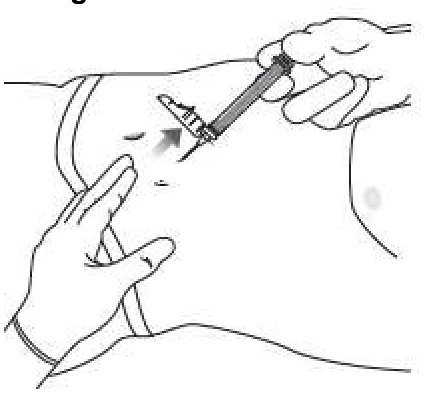
11 WITHDRAW NEEDLE
See Figure 11
- Withdraw the needle at the same angle used for insertion and release pinched skin.
- CAUTION: Do not rub the injection area after the injection. If there is bleeding, apply a gauze pad or bandage but use minimal pressure.
Figure 11
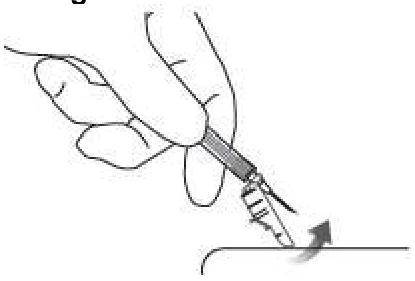
12 LOCK THE NEEDLE GUARD AND DISPOSE OF SYRINGE
See Figure 12
Lock the needle guard into place by pushing it against a hard surface such as a table.
Dispose of all syringe components in a secure sharps disposal container.
Figure 12
13 INSTRUCT THE PATIENT
See Figure 13
Advise the patient that they may have a lump for several weeks that will decrease in size over time. It is important that the patient not rub or massage the injection site and to be aware of the placement of any belts, waistbands, sleeves, cuffs or other parts of clothing.
Figure 13

FREQUENTLY ASKED QUESTIONS
Q What is the mixture supposed to look like?
A When fully mixed, the product should be a cloudy suspension that is uniform in color. It can vary from white to yellow-green in color. If you see any clear areas in the mixture, continue to mix until the distribution of the color is uniform.
Q Why is it important to put the liquid syringe on top?
A The liquid is viscous and will not fall out when placing on top. However, powder may be lost if the powder syringe is inverted, which could affect the ultimate dosage.
Q What do I do if there is residual left in the powder syringe?
A A small ring of residual powder may be observed in the end of the powder syringe barrel after mixing. This is normal. If you have followed the instructions carefully and the rest of the mixture is a cloudy suspension that is uniform in color, proceed with the injection.
Q What do I do if a foreign particle is found in either of the syringes?
A Do not use if you suspect foreign particles in either of the syringes.
Q How soon must I inject after mixing PERSERIS?
A This product should be used immediately following preparation.
Q Can I inject into the arm or leg?
A This injection is only approved for injection into the subcutaneous tissue of the abdomen and back of the upper arm.
Q How do I get rid of large air gaps?
A Small bubbles, also known as champagne bubbles, are not a problem and common with this medication. Large air gaps, however, can be minimized by pulling back on the plunger rod to pop air bubbles prior to expelling the air very slowly. Air should be expelled very carefully to avoid loss of medication.
Q Should I massage or put my finger on the injection site following the injection?
A It is not advisable to palpate or massage the area following the injection.
Q Will the deposit be palpable?
A Depending on the patient’s subcutaneous tissue, the deposit may be more or less palpable. Patients should be advised that a bump may be palpable (decreasing in size) for several weeks.
4.5 Missed Dose
A patient who misses a dose should receive the next dose as soon as possible.
5 OVERDOSAGE
No cases of overdose were reported in premarketing studies with PERSERIS.
Cases of overdose have been reported with oral risperidone. In general, reported signs and symptoms were those resulting from an exaggeration of the drug’s known pharmacological effects, namely drowsiness, sedation, tachycardia, hypotension, and extrapyramidal symptoms. In overdose, QT-prolongation, widened QRS complex, convulsions, hyponatremia and hypokalemia were also reported. Torsade de pointes has been reported in association with combined overdose of oral risperidone and paroxetine.
Treatment of Overdosage
In case of acute overdosage, establish and maintain an airway and ensure adequate oxygenation and ventilation. Cardiovascular monitoring should commence immediately and should include continuous electrocardiographic monitoring to detect possible arrhythmias. If antiarrhythmic therapy is administered, disopyramide, procainamide, and quinidine carry a theoretical hazard of QT prolonging effects that might be additive to those of risperidone. Similarly, it is reasonable to expect that the alpha-blocking properties of bretylium might be additive to those of risperidone, resulting in problematic hypotension.
There is no specific antidote to risperidone. Appropriate supportive measures should be instituted. Hypotension and circulatory collapse should be treated with appropriate measures, such as intravenous fluids and/or sympathomimetic agents (epinephrine and dopamine should not be used, since beta stimulation may worsen hypotension in the setting of risperidone-induced alpha blockade). In cases of severe extrapyramidal symptoms, anticholinergic medication should be administered. Close medical supervision and monitoring should continue until the patient recovers.
Consider the long-acting nature of PERSERIS when assessing treatment needs and recovery.
| For management of a suspected drug overdose, contact your regional poison control centre. |
|---|
6 DOSAGE FORMS, STRENGTHS, COMPOSITION AND PACKAGING
Table 1 - Dosage Forms, Strengths, Composition and Packaging.
The following Table 2 presents the delivered amounts of the raw materials and the approximate delivered volume for the two dosage strengths.
| Route of Administration | Dosage Form / Strength/Composition | Non-medicinal Ingredients |
| Abdominal subcutaneous injection | extended-release injectable suspension 90 mg, 120 mg | 80:20 Poly(D,L-lactide-co-glycolide) carboxylic acid end group, N-methyl-2-pyrrolidone |
Table 2 – Amounts of Raw Material and Delivered Volume for the Dosage Strengths
| Raw Materials in PERSERIS | 90 mg Dosage | 120 mg Dosage |
|---|---|---|
| risperidone | 90 mg | 120 mg |
| PLGH | 228 mg | 304 mg |
| N-methyl-2-pyrrolidone | 282 mg | 376 mg |
| Total Mass | 600 mg | 800 mg |
| Total Volume | 0.6 mL | 0.8 mL |
PLGH poly D,L(lactide co-glycolide); 80:20 molar ratio of lactide to glycolide
7 WARNINGS AND PRECAUTIONS
Please see the 3 SERIOUS WARNINGS AND PRECAUTIONS BOX at the beginning of Part I: Health Professional Information.
General
Body Temperature Regulation: Disruption of the body’s ability to reduce core body temperature has been attributed to antipsychotic drugs. Appropriate care is advised when prescribing PERSERIS for patients who will be experiencing conditions which may contribute to an elevation or reduction of core temperature, e.g., exercising strenuously, exposure to extreme heat or cold, receiving concomitant medication with anticholinergic activity, or being subject to dehydration.
Falls: Somnolence, postural hypotension, motor instability, and sensory instability have been reported with the use of antipsychotics, including risperidone, which may lead to falls and, consequently, fractures or other fall-related injuries. For patients, particularly the elderly, with diseases, conditions, or medications that could exacerbate these effects, assess the risk of falls when initiating PERSERIS treatment and recurrently for patients on PERSERIS.
Cardiovascular
Orthostatic Hypotension: Risperidone may induce orthostatic hypotension associated with dizziness, tachycardia, and in some patients, syncope, probably reflecting its alpha-adrenergic antagonistic properties.
PERSERIS should be used with particular caution in (1) patients with known cardiovascular disease (history of myocardial infarction or ischemia, heart failure, or conduction abnormalities), cerebrovascular disease, and conditions which would predispose patients to hypotension, e.g., dehydration and hypovolemia, and (2) in the elderly and patients with renal or hepatic impairment. Monitoring of orthostatic vital signs should be considered in all such patients, and a dose reduction should be considered if hypotension occurs. Clinically significant hypotension has been observed with concomitant use of oral risperidone and antihypertensive medication.
QT Interval: Caution should be exercised when PERSERIS is prescribed in patients with a history of cardiac arrhythmias, in patients with congenital long QT syndrome, and in concomitant use with drugs known to prolong the QT interval.
Driving and Operating Machinery
Potential for Cognitive and Motor Impairment: In an 8-week, double-blind, placebo-controlled study, somnolence/sedation was reported by 6.9% and 7.7% of subjects treated with PERSERIS 90 mg and 120 mg, respectively.
Due caution should be exercised when driving or operating a vehicle or potentially dangerous machinery.
Endocrine and Metabolism
Dyslipidemia: Undesirable alterations in lipids have been observed in patients treated with atypical antipsychotics.
Hyperglycemia and Diabetes Mellitus: Hyperglycemia and diabetes mellitus, in some cases extreme and associated with ketoacidosis or hyperosmolar coma or death, have been reported in patients treated with atypical antipsychotics, including risperidone. Assessment of the relationship between atypical antipsychotic use and glucose abnormalities is complicated by the possibility of an increased background risk of diabetes mellitus in patients with schizophrenia and the increasing incidence of diabetes mellitus in the general population. Given these confounders, the relationship between atypical antipsychotic use and hyperglycemia-related adverse events is not completely understood. However, epidemiological studies suggest an increased risk of treatment-emergent hyperglycemia-related adverse events in patients treated with the atypical antipsychotics. Precise risk estimates for hyperglycemia-related adverse events in patients treated with atypical antipsychotics are not available.
In an eight week study with PERSERIS, the mean serum glucose level changes from baseline to the end of the study were greater in PERSERIS treated patients (5.7 mg/dL and 6.3 mg/dL for the 90 mg and 120 mg dose respectively) than in placebo treated patients (-0.9 mg/dL) (see 8 ADVERSE REACTIONS).
- Patients with an established diagnosis of diabetes mellitus who are started on PERSERIS should be monitored regularly for worsening of glucose control. Patients with risk factors for diabetes mellitus (e.g., obesity, family history of diabetes) who are starting treatment with PERSERIS should undergo fasting blood glucose testing at the beginning of treatment and periodically during treatment.
- Any patient treated with PERSERIS should be monitored for symptoms of hyperglycemia including polydipsia, polyuria, polyphagia, and weakness. Patients who develop symptoms of hyperglycemia during treatment with PERSERIS should undergo fasting blood glucose testing.
In some cases, hyperglycemia has resolved when the atypical antipsychotic, including risperidone, was discontinued; however, some patients required continuation of anti-diabetic treatment despite discontinuation of risperidone.
Hyperprolactinemia: As with other drugs that antagonize dopamine D2 receptors, risperidone elevates prolactin levels and the elevation persists during chronic administration. Risperidone is associated with higher levels of prolactin elevation than other antipsychotic agents.
Hyperprolactinemia may suppress hypothalamic GnRH, resulting in reduced pituitary gonadotropin secretion. This, in turn, may inhibit reproductive function by impairing gonadal steroidogenesis in both female and male patients. Galactorrhea, amenorrhea, gynecomastia, and impotence have been reported in patients receiving prolactin-elevating compounds. Long-standing hyperprolactinemia when associated with hypogonadism may lead to decreased bone density in both female and male subjects.
PERSERIS should only be administered to patients with previously detected breast cancer if the benefits outweigh the potential risks. Caution should also be exercised when considering PERSERIS treatment in patients with pituitary tumours. Tissue culture experiments indicate that approximately one-third of human breast cancers are prolactin dependent in vitro. An increase in pituitary gland, mammary gland, and pancreatic islet cell neoplasia (mammary adenocarcinomas, pituitary and pancreatic adenomas) was observed in the risperidone carcinogenicity studies conducted in mice and rats. Neither clinical studies nor epidemiologic studies conducted to date have shown an association between chronic administration of this class of drugs and tumorigenesis in humans; the available evidence is considered too limited to be conclusive at this time.
In carcinogenicity studies, the administration of risperidone resulted in an increase in the incidence of mammary neoplasms in both rats and mice. In addition, adenomas of the endocrine pancreas in male rats and pituitary adenomas in female mice have been noted (see NON-CLINICAL TOXICOLOGY). These changes have been attributed to elevated prolactin levels and have also been observed with other dopamine receptor antagonists. The physiological differences between rats and humans with regard to prolactin make the clinical significance of these findings unclear.
Metabolic Changes: Atypical antipsychotic drugs, including PERSERIS, have been associated with metabolic changes that may increase cardiovascular/cerebrovascular risk. These metabolic changes include hyperglycemia, dyslipidemia, and body weight gain. While all of the drugs in the class have been shown to produce some metabolic changes, each drug has its own specific risk profile.
Weight Gain: Clinical monitoring of weight is recommended.
Significant weight gain has been observed with PERSERIS. In the eight week study with PERSERIS, the average weight gain from baseline to the end of the study was greater in PERSERIS treated patients compared to placebo treated patients in a dose-dependent manner (4.4 kg and 5.3 kg for the 90 mg and 120 mg doses versus 2.6 kg for the placebo group). The proportion of patients with greater than 7% weight gain was also greater in the PERSERIS treatment groups (32.7% and 42.1% versus 18% for placebo) (see 8 ADVERSE REACTIONS).
Gastrointestinal
Antiemetic Effect: Consistent with its dopamine antagonistic effects, PERSERIS may have an antiemetic effect. Such an effect may mask signs of toxicity due to overdosage with other drugs, or may mask symptoms of disease such as brain tumour, or intestinal obstruction or Reye’s syndrome.
Dysphagia: Esophageal dysmotility and aspiration have been associated with antipsychotic drug use. Aspiration pneumonia is a common cause of morbidity and mortality in patients with advanced Alzheimer’s dementia. PERSERIS should be used cautiously in patients at risk for aspiration pneumonia. (See 3 SERIOUS WARNINGS AND PRECAUTIONS BOX).
Genitourinary
Priapism: Drugs with alpha-adrenergic blocking effects have been reported to induce priapism. Priapism has been reported during postmarketing surveillance for other risperidone products. This adverse reaction, as with other psychotropic drugs, did not appear to be dose dependent and did not correlate with the duration of treatment. Severe priapism may require surgical intervention.
Hematologic
Leukopenia, Neutropenia, and Agranulocytosis: In clinical trial and/or postmarketing experience, events of leukopenia/neutropenia have been reported temporally related to antipsychotic agents, including risperidone. Agranulocytosis has also been reported.
Possible risk factors for leukopenia/neutropenia include pre-existing low white blood cell count (WBC) and a history of drug-induced leukopenia/neutropenia. Patients with a history of a clinically significant low WBC or a drug-induced leukopenia/neutropenia should have their complete blood count (CBC) monitored frequently during the first few months of therapy and discontinuation of PERSERIS should be considered at the first sign of a clinically significant decline in WBC in the absence of other causative factors.
Patients with clinically significant neutropenia should be carefully monitored for fever or other symptoms or signs of infection and treated promptly if such symptoms or signs occur. Patients with severe neutropenia (absolute neutrophil count < 1000/mm3) should discontinue PERSERIS and have their WBC followed until recovery.
Venous Thromboembolism: Venous thromboembolism (VTE), including fatal pulmonary embolism, has been reported with antipsychotic drugs, in case reports and/or observational studies. When prescribing, all potential risk factors for VTE should be identified and preventative measures undertaken.
Hepatic/Biliary/Pancreatic
PERSERIS has not been studied in patients with hepatic impairment. Based on oral risperidone, patients with impaired hepatic function have increases in plasma concentration of the free fraction of risperidone and this may result in an enhanced effect.
Use PERSERIS with caution in patients with hepatic impairment. Prior to initiating treatment, it is advisable that patients be carefully titrated up to at least 3 mg daily of oral risperidone. If patients can tolerate 3 mg of oral risperidone and are psychiatrically stable, a dose of PERSERIS 90 mg may be considered.
Immune
Hypersensitivity: Patients with hypersensitivity to oral risperidone, paliperidone, or to any other ingredient of the formulation or component of the container, should not be treated with PERSERIS (see 2 CONTRAINDICATIONS).
There have been very rare spontaneous post-marketing reports of severe hypersensitivity (e.g., anaphylaxis, angioedema, anaphylactic shock) in some patients after injection with risperidone. It is unknown how many of these patients previously tolerated oral risperidone or paliperidone. However, anaphylactic-type reactions have occurred after injection with risperidone in patients who have previously tolerated oral risperidone or oral paliperidone. Symptoms of anaphylaxis include skin rash, hives, peripheral edema, swollen eye, tongue and face, hyperhidrosis, dyspnea, and hypotension. Discontinue exposure to PERSERIS if such symptoms occur. Caution should also be exercised in patients who have had serious allergic reactions to other medications. Prior to initiating treatment with PERSERIS, tolerability with oral risperidone should be established.
Neurologic
Extrapyramidal symptoms and psychostimulants: Caution is warranted in patients receiving both psychostimulants (e.g. methylphenidate) and risperidone concomitantly, as extrapyramidal symptoms could emerge when adjusting one or both medications. Gradual withdrawal of one or both treatments should be considered.
Neuroleptic Malignant Syndrome (NMS): A potentially fatal symptom complex sometimes referred to as Neuroleptic Malignant Syndrome (NMS) has been reported in association with antipsychotic drugs. Clinical manifestations of NMS are hyperpyrexia, muscle rigidity, altered mental status, and evidence of autonomic instability (irregular pulse or blood pressure, tachycardia, diaphoresis, and cardiac dysrhythmia). Additional signs may include elevated creatine phosphokinase, myoglobinuria (rhabdomyolysis), and acute renal failure.
The diagnostic evaluation of patients with this syndrome is complicated. In arriving at a diagnosis, it is important to identify cases in which the clinical presentation includes both serious medical illness (e.g., pneumonia, systemic infection, etc.) and untreated or inadequately treated extrapyramidal signs and symptoms (EPS). Other important considerations in the differential diagnosis include central anticholinergic toxicity, heat stroke, drug fever, and primary central nervous system pathology.
The management of NMS should include: (1) immediate discontinuation of antipsychotic drugs and other drugs not essential to concurrent therapy; (2) intensive symptomatic treatment and medical monitoring; and (3) treatment of any concomitant serious medical problems for which specific treatments are available. There is no general agreement about specific pharmacological treatment regimens for uncomplicated NMS.
If a patient requires antipsychotic drug treatment after recovery from NMS, reintroduction of drug therapy should be carefully considered. The patient should be carefully monitored, since recurrences of NMS have been reported.
Seizures: Seizures have been observed during pre-marketing studies of risperidone in adult patients with schizophrenia. PERSERIS should be used cautiously in patients with a history of seizures or other conditions that potentially lower the seizure threshold.
Tardive Dyskinesia: A syndrome of potentially irreversible, involuntary, dyskinetic movements may develop in patients treated with antipsychotic drugs. Although the prevalence of the syndrome appears to be highest among the elderly, especially elderly women, it is impossible to rely upon prevalence estimates to predict, at the inception of antipsychotic treatment, which patients are likely to develop the syndrome. Whether antipsychotic drug products differ in their potential to cause tardive dyskinesia is unknown. It has been suggested that the occurrence of parkinsonian side effects is a predictor for the development of TD.
The risk of developing tardive dyskinesia and the likelihood that it will become irreversible are believed to increase as the duration of treatment and the total cumulative dose of antipsychotic drugs administered to the patient increase. However, the syndrome can develop, although much less commonly, after relatively brief treatment periods at low doses.
The syndrome may remit, partially or completely, if antipsychotic treatment is withdrawn. Antipsychotic treatment, itself, however, may suppress (or partially suppress) the signs and symptoms of the syndrome and thereby may possibly mask the underlying process. The effect that symptomatic suppression has upon the long-term course of the syndrome is unknown.
Given these considerations, PERSERIS should be prescribed in a manner that is most likely to minimize the occurrence of tardive dyskinesia. Chronic antipsychotic treatment should generally be reserved for patients who suffer from a chronic illness that: (1) is known to respond to antipsychotic drugs, and (2) for whom alternative, equally effective, but potentially less harmful treatments are not available or appropriate. In patients who do require chronic treatment, the smallest dose and the shortest duration of treatment producing a satisfactory clinical response should be sought. The need for continued treatment should be reassessed periodically.
If signs and symptoms of tardive dyskinesia appear in a patient treated with PERSERIS, drug discontinuation should be considered. However, some patients may require treatment with PERSERIS despite the presence of the syndrome.
Use in Patients with Parkinson’s Disease or Dementia with Lewy Bodies (DLB): Physicians should weigh the risks versus the benefits when prescribing antipsychotics, including PERSERIS, to patients with Parkinson’s Disease or Dementia with Lewy Bodies (DLB) since both groups may be at increased risk of Neuroleptic Malignant Syndrome as well as having an increased sensitivity to antipsychotic medications. Manifestation of this increased sensitivity can include confusion, obtundation, and postural instability with frequent falls, in addition to extrapyramidal symptoms.
Ophthalmologic
Intraoperative Floppy Iris Syndrome: Intraoperative Floppy Iris Syndrome (IFIS) has been observed during cataract surgery in patients treated with medicines with alpha1a-adrenergic antagonist effect.
This variant of small pupil syndrome is characterized by the combination of a flaccid iris that billows in response to intraoperative irrigation currents, progressive intraoperative miosis despite preoperative dilation with standard mydriatic drugs and potential prolapse of the iris toward the phacoemulsification incisions. IFIS may increase the risk of eye complications during and after the operation. Current or past use of medicines with alpha1a-adrenergic antagonist effect should be made known to the ophthalmic surgeon in advance of surgery. The potential benefit of stopping alpha1 blocking therapy prior to cataract surgery has not been established and must be weighed against the risk of stopping the antipsychotic therapy.
Psychiatric
Suicide: The possibility of suicide or attempted suicide is inherent in psychosis, and thus, close supervision and appropriate clinical management of high-risk patients should accompany drug therapy. PERSERIS is to be administered by a healthcare professional (see 6 DOSAGE AND ADMINISTRATION); therefore, suicide due to an overdose is unlikely.
Renal
PERSERIS has not been studied in patients with renal impairment. Patients with renal impairment have less ability to eliminate the active antipsychotic fraction than normal adults.
Use PERSERIS with caution in patients with renal impairment. Prior to initiating treatment, it is advisable that patients be carefully titrated up to at least 3 mg daily of oral risperidone. If patients can tolerate 3 mg of oral risperidone and are psychiatrically stable, a dose of PERSERIS 90 mg may be considered.
Sexual Health
Fertility: Based on the pharmacologic action of risperidone (D2 receptor antagonism), treatment with PERSERIS may result in an increase in serum prolactin levels, which may lead to a reversible reduction in fertility in females of reproductive potential.
Skin
Severe cutaneous adverse reactions (SCARs), including Stevens-Johnson syndrome (SJS), toxic epidermal necrolysis (TEN) and drug reaction with eosinophilia and systemic symptoms (DRESS) are potentially life threatening adverse drug reactions that have been reported with atypical antipsychotic exposure. SCARs commonly present as a combination of the following symptoms: malaise, mucosal ulceration, extensive cutaneous rash or exfoliative dermatitis, fever, lymphadenopathy and possible eosinophilia. Discontinue PERSERIS if severe cutaneous adverse reactions occur (see 8.5 ADVERSE REACTIONS, Post-Market Adverse Reactions).
7.1 Special Populations
7.1.1 Pregnant Women
PERSERIS should not be used during pregnancy unless the expected benefits to the mother markedly outweigh the potential risks to the fetus.
Teratogenic Effects: There are no adequate and well-controlled studies in pregnant women. However, there was one report of a case of agenesis of the corpus callosum in an infant exposed to risperidone in utero. The causal relationship to risperidone therapy is unknown.
Published data from observational studies, birth registries, and case reports on the use of atypical antipsychotics during pregnancy do not report a clear association with antipsychotics and major birth defects. A prospective observational study including 6 women treated with risperidone demonstrated placental passage of risperidone. A retrospective cohort study from a US claims database of 9258 women exposed to antipsychotics during pregnancy did not indicate an overall increased risk for major birth defects. Compared to no antipsychotic exposure, there was a small increase in the risk of major birth defects (RR = 1.26, 95% CI 1.02 to 1.56) and of cardiac malformations (RR = 1.26, 95% CI 0.88 to 1.81) in a subgroup of 1566 women exposed to risperidone during the first trimester of pregnancy; however, there is no mechanism of action to explain the difference in malformation rates.
Oral administration of risperidone to pregnant mice caused cleft palate at doses 3 to 4 times the maximum recommended human dose (MRHD) of 16 mg/day with maternal toxicity observed at 4 times the MRHD based on mg/m2 body surface area. Risperidone was not teratogenic in rats or rabbits at doses up to 6 times the MRHD based on mg/m2 body surface area. Increased stillbirths and decreased birth weight occurred after oral risperidone administration to pregnant rats at 1.5 times the MRHD based on mg/m2 body surface area. Learning was impaired in offspring of rats when the dams were dosed at 0.6 times the MRHD and offspring mortality increased at doses 0.1 to 3 times the MRHD based on mg/m2 body surface area.
Non-Teratogenic Effects: Extrapyramidal and/or withdrawal symptoms, including agitation, hypertonia, hypotonia, tremor, somnolence, respiratory distress, and feeding disorder have been reported in neonates who were exposed to antipsychotic drugs, including risperidone, during the third trimester of pregnancy. These symptoms have varied in severity. Monitor neonates for extrapyramidal and/or withdrawal symptoms and manage symptoms appropriately. Some neonates recovered within hours or days without specific treatment; others required prolonged hospitalization.
Studies in animals have shown that one of the non-medical ingredients in PERSERIS, (NMP) may cross the placental barrier and can harm the development of the embryo and the fetus. It is not known whether NMP has this effect in humans.
7.1.2 Breast-feeding
Risperidone appeared in the milk of lactating dogs. The concentration of risperidone was similar in milk and plasma, while that of 9-hydroxyrisperidone was higher in milk than in plasma. It has been demonstrated that risperidone and 9-hydroxyrisperidone are also excreted in human breast milk.
Nursing should not be undertaken while a patient is receiving PERSERIS and for at least 12 weeks after the last injection.
It is not known whether NMP is transferred to the neonate via breastfeeding. However, several studies in rats have demonstrated that continued daily maternal exposure to NMP during the post-natal period may contribute to decreased pup weight and survival.
7.1.3 Pediatrics
Pediatrics (≤18 years): No data are available to Health Canada; therefore, Health Canada has not authorized an indication for pediatric use.
The safety and efficacy of PERSERIS in children under the age of 18 have not been established and its use is not recommended.
Weight gain has been observed with atypical antipsychotic use in pediatric and adolescent patient populations. Independent of any drug-specific effects, weight gain can be associated with adverse changes in other metabolic parameters (e.g., glucose and lipid metabolism). Abnormal childhood weight and metabolic status can have adverse effects on cardiovascular outcomes in adulthood. Weight gain and adverse effects on other metabolic parameters associated with typical antipsychotics can be more frequent or more severe in pediatric and adolescent patients than in the adult patients.
The long-term safety, including cardiometabolic effects and effects on growth, maturation and behavioural development in patients under 18 years of age has not been systematically evaluated.
7.1.4 Geriatrics
Since clinical studies of PERSERIS in the treatment of schizophrenia did not include patients over 65 years of age, it is impossible to determine whether or not the elderly respond differently from younger patients (see 14 CLINICAL TRIALS).
In general, dose selection for an elderly patient should be cautious, usually starting at the low end of the dosing range, reflecting the greater frequency of decreased hepatic, renal, or cardiac function, and of concomitant disease or other drug therapy.
Risperidone is substantially excreted by the kidneys. Thus, the risk of toxic reactions to this drug may be greater in patients with impaired renal function. Because elderly patients are more likely to have decreased renal function, caution should be taken in dose selection and titration. It may also be useful to monitor renal function in these patients.
Use in Geriatric Patients with Dementia
Overall Mortality: Elderly patients with dementia treated with atypical antipsychotic drugs have an increased mortality compared to placebo in a meta-analysis of 13 controlled trials of various atypical antipsychotic drugs. In six placebo-controlled trials with oral risperidone in this population, the incidence of mortality was 4.0% for oral risperidone-treated patients compared to 3.1% for placebo-treated patients.
Concomitant Use with Furosemide: In risperidone placebo-controlled trials in elderly patients with dementia, a higher incidence of mortality was observed in patients treated with furosemide plus risperidone (7.3%; mean age 89 years, range 75–97) when compared to patients treated with risperidone alone (3.1%; mean age 84 years, range 70–96), furosemide alone (4.1%; mean age 80 years, range 67–90) or placebo without furosemide (2.9%; mean age 88 years, range 71–100). The increase in mortality in patients treated with furosemide plus risperidone was observed in two of the four clinical trials.
No pathophysiological mechanism has been identified to explain this finding, and no consistent pattern for cause of death observed. Nevertheless, caution should be exercised and the risks and benefits of this combination should be considered prior to the decision to use. There was no increased incidence of mortality among patients taking other diuretics as concomitant medication with risperidone. Irrespective of treatment, dehydration was an overall risk factor for mortality and should therefore be carefully avoided in elderly patients with dementia.
Cerebrovascular Adverse Events (CVAEs) in Elderly Patients with Dementia: Cerebrovascular adverse reactions (e.g., stroke, transient ischemic attack), including fatalities, were reported in patients (mean age 85-years; range 73 to 97) in trials of oral risperidone in elderly patients with dementia-related psychosis. In placebo-controlled trials, there was a significantly higher incidence of cerebrovascular adverse reactions in patients treated with oral risperidone compared to patients treated with placebo. There is insufficient information to determine whether CVAEs in elderly patients with dementia are associated specifically with risperidone or other antipsychotic agents. PERSERIS is not approved for the treatment of patients with dementia-related psychosis.
Dysphagia: Esophageal dysmotility and aspiration have been associated with antipsychotic drug use. Aspiration pneumonia is a common cause of morbidity and mortality in patients with advanced Alzheimer’s dementia. PERSERIS and other antipsychotic drugs should be used cautiously in patients at risk for aspiration pneumonia.
8 ADVERSE REACTIONS
8.1 Adverse Reaction Overview
The same adverse drug reactions described for other risperidone containing products should be considered in treatment with PERSERIS.
Discontinuations Due to Adverse Drug Reactions (ADRs)
There was no single adverse reaction leading to discontinuation that occurred at a rate of ≥ 2% in PERSERIS-treated patients and greater than placebo in the placebo-controlled, double-blind 8 week study. In a 12 months long-term, open-label safety study the most common ADRs associated with discontinuation were weight increased, akathisia and sedation/somnolence (each 4 subjects, 0.8%), tremor and galactorrhoea (each 3 subjects, 0.6%), and blood glucose increased, blood prolactin increased, dyskinesia and libido decreased (each 2 subjects, 0.4%).
8.2 Clinical Trial Adverse Reactions
Because clinical trials are conducted under very specific conditions, the adverse reaction rates observed in the clinical trials may not reflect the rates observed in practice and should not be compared to the rates in the clinical trials of another drug. Adverse reaction information from clinical trials is useful for identifying drug-related adverse events and for approximating rates.
The safety of PERSERIS was evaluated in a total of 814 adult subjects with schizophrenia who received at least 1 dose of PERSERIS during the clinical development program. Among subjects who received PERSERIS, 42 subjects received the 60 mg dose, 228 subjects received the 90 mg dose and 656 subjects received the 120 mg dose. A total of 322 subjects were exposed to PERSERIS for at least 6 months, of which 234 subjects were exposed to PERSERIS for at least 12 months; 281 and 176 of these, respectively, received the 120 mg dose.
A total of 350 schizophrenia patients were analyzed for safety during an 8-week double-blind, placebo-controlled study. Patients were randomized to treatment with 90 mg doses of PERSERIS (n=115), 120 mg doses (n=117), or placebo (n=118). Each patient received two injections 28 days apart.
Adverse drug reactions in adult subjects with schizophrenia (≥ 5% in any PERSERIS-treated group and greater than placebo) during the 8-week double-blind, placebo-controlled study were weight increased, constipation, sedation/somnolence, pain in extremity, back pain, akathisia, anxiety, and musculoskeletal pain. In addition, the frequency of reported injection site reactions was similar across treatment groups with both PERSERIS and placebo; the most common (≥ 5%) of which were injection site pain, and erythema. The systemic safety profile for PERSERIS, was consistent with the known safety profile of oral risperidone.
Commonly-Observed Adverse Drug Reactions in a Double-Blind, Placebo-Controlled Clinical Study – in patients with Schizophrenia
Adverse Reactions with an incidence of 1% or more and greater than placebo are shown in
Table 3.
Table 3 - Adverse Drug Reactions (ADR) in 1% or More of PERSERIS-Treated Subjects in an 8-Week Double-Blind, Placebo-Controlled Study
System Organ Class Preferred Term | PERSERIS 90 mg (n = 115) | PERSERIS 120 mg (n = 117) | Placebo (n = 118) | |||||||
| Percentage of Subjects Reporting ADR | ||||||||||
| Ear and Labyrinth Disorders | ||||||||||
| Ear pain | 0 | 1.7 | 0 | |||||||
| Eye Disorders | ||||||||||
| Eye irritation | 1.7 | 2.6 | 0 | |||||||
| Gastrointestinal disorders | ||||||||||
| Constipation | 7.0 | 7.7 | 5.1 | |||||||
| Abdominal discomfort | 2.6 | 2.6 | 1.7 | |||||||
| Dry mouth | 1.7 | 2.6 | 1.7 | |||||||
| Gastrooesophageal reflux disease | 1.7 | 0 | 0.8 | |||||||
| Toothache | 7.8 | 6.8 | 5.9 | |||||||
| Vomiting | 2.6 | 1.7 | 2.5 | |||||||
| General Disorders and Administration Site Conditions | ||||||||||
| Fatigue | 1.7 | 1.7 | 0.8 | |||||||
| Infections and Infestations | ||||||||||
| Urinary tract infection | 0.9 | 4.3 | 2.5 | |||||||
| Investigations | ||||||||||
| Weight increased | 13.0 | 12.8 | 3.4 | |||||||
| Metabolism and nutrition disorders | ||||||||||
| Decreased appetite | 1.7 | 2.6 | 2.5 | |||||||
| Increased appetite | 1.7 | 3.4 | 1.7 | |||||||
| Musculoskeletal and connective tissue disorders | ||||||||||
| Pain in extremity | 0.9 | 7.7 | 5.1 | |||||||
| Musculoskeletal pain | 5.2 | 5.1 | 2.5 | |||||||
| Musculoskeletal stiffness | 2.6 | 0.9 | 1.7 | |||||||
| Muscle spasms | 0 | 2.6 | 0 | |||||||
System Organ Class Preferred Term | PERSERIS 90 mg (n = 115) | PERSERIS 120 mg (n = 117) | Placebo (n = 118) | |||||||
| Percentage of Subjects Reporting ADR | ||||||||||
| Muscle twitching | 1.7 | 0.9 | 0.8 | |||||||
| Nervous system disorders | ||||||||||
| Sedation* | 6.9 | 7.7 | 0 | |||||||
| Akathisia | 2.6 | 6.8 | 4.2 | |||||||
| Extrapyramidal disorder | 4.3 | 1.7 | 0.8 | |||||||
| Psychiatric disorders | ||||||||||
| Anxiety | 2.6 | 6.8 | 5.1 | |||||||
| Reproductive System and Breast Disorders | ||||||||||
| Breast tenderness | 0 | 1.7 | 0 | |||||||
| Erectile dysfunction | 1.7 | 1.7 | 0 | |||||||
| Galactorrhoea | 1.7 | 0.9 | 0 | |||||||
| Respiratory, Thoracic and Mediastinal Disorder | ||||||||||
| Nasal congestion | 2.6 | 0 | 0 | |||||||
*Sedation includes sedation and somnolence
The most common adverse reactions (≥ 1%) in subjects with schizophrenia in an open-label long-term safety study with PERSERIS in patients with schizophrenia were weight increased, weight decreased, somnolence/sedation, insomnia, akathisia, headache, blood prolactin increased/hyperprolactinaemia, blood pressure increased, gamma-glutamyltransferase increased, glycosylated haemoglobin increased, increased appetite, decreased appetite, diabetes mellitus/type 2 diabetes mellitus, fatigue, galactorrhoea, constipation, diarrhoea, dry mouth, nausea, vomiting, erectile dysfunction, tremor, dizziness, drooling, dyskinesia, extrapyramidal disorder, lethargy, libido decreased, myalgia, musculoskeletal stiffness, and arthralgia.
Selected Adverse events
Changes in Body Weight
Data from the double-blind placebo-controlled study indicated there was a dose-dependent increase in mean changes in weight from baseline to postdose assessments in the PERSERIS 90 mg and 120 mg groups compared with the placebo group.
Data from an 8-week double-blind, placebo-controlled study with PERSERIS in adult subjects with schizophrenia are presented in Table 4.
Table 4 - Changes in Body Weight from Baseline to End of Study (EOS) and ≥ 7% Increase from Baseline in an 8-Week Double-Blind, Placebo-Controlled Study in Adult Subjects with Schizophrenia
| PERSERIS (90 mg) | PERSERIS (120 mg) | Placebo | |
|---|---|---|---|
Weight* Mean Change from Baseline to EOS, kg | n=105 4.4 | n=112 5.3 | n=107 2.6 |
Weight Gain ≥ 7% Increase from Baseline** | 35/107 (32.7%) | 48/114 (42.1%) | 20/111 (18.0%) |
* The “n”s in the Weight Change mean row are the number of subjects with data at baseline and end of study visits. ** Data shown as number of subjects with at least one postbaseline value as denominator and number of subjects satisfying the predefined criterion as numerator.
In an open-label, 12-month long-term safety study, for all subjects receiving PERSERIS, mean weight increased approximately 2 kg from baseline to Day 85, then remained stable for the remainder of the study.
Extrapyramidal Symptoms (EPS)
Several methods were used to measure EPS, including: (1) the Barnes Akathisia Rating Scale (BARS) global clinical rating score which evaluates akathisia, (2) the Abnormal Involuntary Movement Scale (AIMS) scores which evaluates dyskinesia, (3) the Simpson-Angus Scale (SAS) global score which broadly evaluates parkinsonism, and (4) the incidence of spontaneous reports of EPS-related adverse reactions.
In the 8-week double-blind, placebo-controlled study, the mean changes from baseline in BARS, AIMS, and SAS total scores were comparable between PERSERIS- and placebo-treated patients. At all postbaseline assessments, mean changes from baseline were between -0.1 and 0.2 (inclusive) for the BARS, between 0 and 0.2 (inclusive) for the AIMS and between -0.1 and 0.2 (inclusive) for the SAS.
The rates of ADRs associated with EPS were similar across treatment groups, including placebo. There was a higher incidence of akathisia in the PERSERIS 120 mg (6.8%) group compared with the PERSERIS 90 mg (2.6%) and placebo group (4.2%); reports of extrapyramidal disorders were higher in the PERSERIS 90 mg group (4.3%) compared with the PERSERIS 120 mg (1.7%) and placebo group (0.8%). In contrast, there was a higher incidence of dystonia in the placebo group (2.5%) compared with the PERSERIS groups (0 and 0.9%, respectively).
Dystonia:
Symptoms of dystonia, prolonged abnormal contractions of muscle groups, may occur in susceptible individuals during the first few days of treatment. Dystonic symptoms include: spasm of the neck muscles, sometimes progressing to tightness of the throat, swallowing difficulty, difficulty breathing, and/or protrusion of the tongue. Although these symptoms can occur at low doses, they occur more frequently and with greater severity with high potency and at higher doses of first generation antipsychotic drugs. An elevated risk of acute dystonia has been observed in males and younger age groups.
Pain Assessment and Local Injection Site Reactions
Local injection site pain was assessed using subject-reported VAS scales (0 = no pain to 100 = unbearably painful). In the 8-week, double-blind placebo-controlled study, the mean subject-reported injection site pain VAS scores were similar for all treatment groups following both injections. Pain scores decreased from a mean of 27 (VAS score) 1 minute after the first dose to a range of 3 to 7 (VAS score) 30 to 60 minutes postdose. In the 12-month, long-term safety study, the 1-minute postdose injection site pain VAS scores were highest on Day 1 (mean of 25) and decreased over time with subsequent injections (14 to 16 following last injection).
The local injection site was assessed by appropriately trained personnel. Throughout the clinical development program, the maximum reported intensity at any time point for each injection site assessment (pain, tenderness, inflammation/swelling and erythema) was none or mild for most subjects receiving PERSERIS.
Most subjects (≥ 79%) reported no tenderness and most who had tenderness reported mild severity. Less than 1% of subjects had moderate tenderness at any time point and 1 subject at Injections 1, 2, and 5 had severe tenderness. At each time point, most subjects (≥ 75%) reported no pain on injection. Of subjects who did have pain on injection, almost all of these were mild at each time point; only 1 or 2 subjects at Injections 1, 2, 7, and 12 had moderate pain on injection. At least 92% of subjects reported no erythema on each injection. All reports of erythema were of mild severity except for 2 cases of moderate erythema on Injection 1. Inflammation/swelling had a similar profile, with at least 88% of subjects reporting no inflammation/swelling and only mild symptoms except for 1 case of moderate severity on Injection 1.
8.3 Less Common Clinical Trial Adverse Reactions
Other Adverse Reactions Observed During the Clinical Trial Evaluations of PERSERIS
The following list of less common adverse reactions (less than 1%) in Phase 3 studies does not include reactions: 1) already listed in previous tables or elsewhere in labeling, 2) which are part of the disease state, 3) for which a drug cause was remote, 4) which were so general as to be uninformative, or 5) which were not considered to have significant clinical implications.
Blood and Lymphatic System Disorders: neutropenia
Cardiac Disorders: sinus bradycardia, sinus tachycardia
Ear and Labyrinth Disorders: vertigo
Eye Disorders: blepharospasm, excessive eye blinking
Gastrointestinal Disorders: abdominal pain, abdominal pain lower, abdominal pain upper, dyspepsia, flatulence, hypoesthesia oral, salivary hypersecretion
General Disorders: asthenia, chest discomfort, device malfunction, malaise, oedema peripheral, sluggishness
Infections and infestations: staphylococcal infection
Investigations: blood cholesterol increased, blood prolactin abnormal, blood glucose increased, electrocardiogram abnormal, electrocardiogram QT prolonged, glycosylated hemoglobin increased, heart rate increased, liver function test abnormal, semen volume decreased
Metabolism and Nutrition Disorders: glucose tolerance impaired, hyperkalemia, polydipsia
Musculoskeletal, Connective Tissue, and Bone Disorders: groin pain, joint stiffness, muscle tightness, musculoskeletal chest pain, musculoskeletal discomfort, trismus
Nervous System Disorders: balance disorder, cogwheel rigidity, dysarthria, dysgeusia, dystonia, hypoesthesia, lethargy, oromandibular dystonia, tardive dyskinesia, Parkinsonian rest tremor, Parkinsonism
Psychiatric Disorders: anorgasmia, bruxism, depressive symptom, flat affect, loss of libido, nightmare, obsessive-compulsive disorder, panic attack, restlessness, sleep disorder
Renal and urinary disorders: enuresis
Reproductive System and Breast Disorders: amenorrhea, breast discharge, breast engorgement, breast enlargement, breast pain, ejaculation delayed, ejaculation disorder, ejaculation failure, gynecomastia, hypomenorrhea, menstruation delayed, menstruation irregular, nipple pain, polymenorrhea, retrograde ejaculation
Skin and Subcutaneous Tissue Disorders: ecchymosis, hyperhidrosis, night sweats
Vascular Disorders: hypotension, orthostatic hypotension
Other Adverse Reactions Observed During the Clinical Trial Evaluations of Oral Risperidone
The following is a list of additional ADRs that have been reported during the clinical trial evaluation of oral risperidone, regardless of frequency of occurrence:
Blood and Lymphatic System Disorders: anemia, granulocytopenia
Cardiac Disorders: atrioventricular block, atrioventricular block first degree, bundle branch block left, bundle branch block right, tachycardia
Ear and Labyrinth Disorders: tinnitus
Eye Disorders: conjunctivitis, dry eye, eye discharge, eyelid margin crusting, eyelid oedema, eye rolling, eye swelling, glaucoma, lacrimation increased, oculogyration, ocular hyperemia, photophobia, vision blurred, visual acuity reduced
Gastrointestinal Disorders: aptyalism, cheilitis, dysphagia, fecal incontinence, fecaloma, gastritis, lip swelling
General Disorders: chest pain, chills, discomfort, drug withdrawal syndrome, face oedema, feeling abnormal, gait disturbance, generalised oedema, influenza-like illness, oedema, peripheral coldness, pitting oedema, thirst
Immune System Disorders: drug hypersensitivity
Infections and Infestations: acarodermatitis, bronchitis, bronchopneumonia, cellulitis, cystitis, ear infection, eye infection, influenza, localized infection, nasopharyngitis, onychomycosis, otitis media, otitis media chronic, pharyngitis, pneumonia, respiratory tract infection, sinusitis, tracheobronchitis, tonsillitis, upper respiratory tract infection, viral infection
Investigations: alanine aminotransferase increased, blood creatine phosphokinase increased, blood pressure decreased, body temperature decreased, body temperature increased, eosinophil count increased, hemoglobin decreased, hematocrit decreased, transaminases increased, white blood cell count decreased
Metabolism and Nutrition Disorders: anorexia
Musculoskeletal, Connective Tissue, and Bone Disorders: joint swelling, muscle contracture, muscle rigidity, posture abnormal, muscular weakness, neck pain, rhabdomyolysis
Nervous System Disorders: akinesia, bradykinesia, cerebral ischemia, cerebrovascular accident, cerebrovascular disorder, coordination abnormal, depressed level of consciousness, diabetic coma, disturbance in attention, dizziness postural, head titubation, hypokinesia, loss of consciousness, masked facies, movement disorder, muscle contractions involuntary, neuroleptic malignant syndrome, Parkinson’s disease, speech disorder, syncope, tongue paralysis, transient ischemic attack, unresponsive to stimuli
Psychiatric Disorders: agitation, blunted affect, confusional state, depression, listlessness, middle insomnia, nervousness, suicide attempt
Renal and Urinary Disorders: dysuria, pollakiuria, urinary incontinence
Reproductive System and Breast Disorders: menstrual disorder, vaginal discharge
Respiratory, Thoracic, and Mediastinal Disorders: dysphonia, dyspnea, epistaxis, hyperventilation, nasal edema, pneumonia aspiration, productive cough, pulmonary congestion, rales, respiratory disorder, respiratory tract congestion, sinus congestion, wheezing
Skin and Subcutaneous Tissue Disorders: acne, dandruff, dry skin, erythema, hyperkeratosis, pruritus, rash, rash erythematous, rash generalised, rash maculopapular, rash papular, seborrheic dermatitis, skin discoloration, skin disorder, skin lesion
Vascular Disorders: flushing
8.4 Abnormal Laboratory Findings: Hematologic, Clinical Chemistry and Other Quantitative Data
Increased Prolactin
In the 8-week double-blind, placebo-controlled study, there was a typical increase in mean prolactin levels in fasting blood samples from baseline to the EOS assessments in both the PERSERIS 90 mg and 120 mg groups, while mean prolactin for the placebo group remained stable during the study. Changes in mean prolactin were dose-dependent and more pronounced in female subjects than male subjects.
Hyperglycemia
Data from an 8-week double-blind, placebo-controlled study with PERSERIS in adult subjects with schizophrenia are presented in Table 5.
Table 5 - Changes in Fasting Glucose from Baseline to End of Study (EOS) and Postbaseline Abnormal Values of Glucose > 126 mg/dL in an 8-Week Double-Blind, Placebo-Controlled Study in Adult Subjects with Schizophrenia
PERSERIS 90 mg n = 98 | PERSERIS 120 mg n = 106 | Placebo n = 96 | |
|---|---|---|---|
Serum Glucose, mg/dL, mean* Mean Change from Baseline to EOS | 5.7 | 6.3 | -0.9 |
Glucose, > 126 mg/dL Proportion of Subjects with Postbaseline Abnormal Values** | 12/104 (11.5%) | 14/111 (12.6%) | 8/109 (7.3%) |
*The “n”s in the Serum Glucose mean row are the number of subjects with data at baseline and EOS visits.
**Data shown as number of subjects with at least one postbaseline value as denominator and number of subjects satisfying the predefined criterion as numerator.
Similar changes from baseline in serum glucose were observed in subjects receiving PERSERIS during an open-label, 12-month long-term safety study. Additionally, the mean HbA1c increased from 5.6 to 5.7% over the 12 months.
Dyslipidemia
Data from an 8-week double-blind, placebo-controlled study with PERSERIS in adult subjects with schizophrenia are presented in Table 6.
Table 6 - Changes in Cholesterol from Baseline to End of Study (EOS) and Postbaseline Abnormal Values of Cholesterol ≥ 300 mg/dL in an 8-Week Double-Blind, Placebo-Controlled Study in Adult Subjects with Schizophrenia
PERSERIS 90 mg n = 98 | PERSERIS 120 mg n = 106 | Placebo n = 96 | |
|---|---|---|---|
Cholesterol, mg/dL, mean* Mean Change from Baseline to EOS | -0.5 | -0.5 | 1.1 |
PERSERIS 90 mg n = 98 | PERSERIS 120 mg n = 106 | Placebo n = 96 | |
|---|---|---|---|
Cholesterol, > 300 mg/dL Proportion of Subjects with Postbaseline Abnormal Values** | 2/104 (1.9%) | 2/111 (1.8%) | 2/109 (1.8%) |
*The “n”s in the Cholesterol mean row are the number of subjects with data at baseline and EOS visits.
**Data shown as number of subjects with at least one postbaseline value as denominator and number of subjects satisfying the predefined criterion as numerator.
8.5 Post-Market Adverse Reactions
The following adverse reactions have been identified during post approval use of oral risperidone. Because these reactions are reported voluntarily from a population of uncertain size, it is not always possible to reliably estimate their frequency or establish a causal relationship to drug exposure.
Blood and Lymphatic Disorders: thrombocytopenia, thrombotic thrombocytopenic purpura
Cardiac Disorders: atrial fibrillation, cardiopulmonary arrest
Endocrine Disorders: inappropriate antidiuretic hormone secretion, precocious puberty
Eye Disorders: floppy iris syndrome (intraoperative)
Gastrointestinal Disorders: pancreatitis, ileus, intestinal obstruction
General Disorders: hypothermia, drug withdrawal syndrome neonatal, sudden death
Hepatobiliary disorders: jaundice
Immune System Disorders: anaphylactic reaction
Investigations: QT prolongation
Metabolism and Nutrition Disorders: diabetes mellitus, diabetic ketoacidosis (in patients with impaired glucose metabolism), hyperinsulinemia, hypoglycemia, water intoxication
Neoplasms benign, malignant and unspecified (incl cysts and polyps): pituitary adenoma
Nervous System Disorders: dysgeusia
Psychiatric Disorders: catatonia, mania
Reproductive System and Breast Disorders: priapism
Renal and Urinary Disorders: urinary retention
Respiratory, Thoracic, and Mediastinal Disorders: pulmonary embolism, sleep apnea syndrome
Skin and Subcutaneous Tissue Disorders: alopecia, angioedema, Steven-Johnson
Syndrome/Toxic epidermal necrolysis
Vascular Disorders: deep vein thrombosis
As with other neuroleptics, sudden death, torsades de pointes, ventricular tachycardia, arrhythmia, cardiopulmonary arrest and QT prolongation have been reported during treatment with risperidone. Many of the patients had pre-existing cardiovascular disease, were on concomitant medications known to prolong the QT interval, had risk factors for QT prolongation, took an overdose of risperidone, and/or were morbidly obese. Very rarely, QT prolongation has been reported in the absence of confounding factors.
Risks of somnambulism (sleep walking) and sleep-related eating disorder have been associated with the use of atypical antipsychotics including risperidone.
Adverse events reported since market introduction of risperidone, which were temporally related include the following: angioedema, skin manifestations of allergy including cases of Stevens-Johnson syndrome, toxic epidermal necrolysis (TENS), Drug Reaction with Eosinophilia and System Symptoms (DRESS), systemic manifestations of allergy including a case of anaphylactic shock, neuroleptic malignant syndrome, body temperature dysregulation, apnea, atrial fibrillation, benign pituitary adenomas, intestinal obstruction, Parkinson’s disease aggravated, and cerebrovascular adverse events, such as strokes (cerebrovascular accident), and transient ischemic attacks, including some fatalities.
9 DRUG INTERACTIONS
9.2 Overview
Centrally-acting Drugs and Alcohol
- Given the primary central nervous system effects of risperidone, caution should be used when PERSERIS is taken in combination with other centrally acting drugs and alcohol.
Levodopa and Dopamine Agonists
- PERSERIS may antagonize the effects of levodopa and dopamine agonists.
Drugs with Hypotensive Effects
Because of its potential for inducing hypotension, PERSERIS may enhance the hypotensive effects of other therapeutic agents.
Clinically significant hypotension has been observed post-marketing with concomitant use of risperidone and antihypertensive medications.
Drugs Known to Prolong the QT interval
- Caution is advised when prescribing PERSERIS with drugs known to prolong the QT interval.
9.3 Drug-Behavioural Interactions
Given the primary central nervous system effects of risperidone, caution should be used when it is taken in combination with other centrally acting products, including alcohol.
9.4 Drug-Drug Interactions
No specific drug interaction studies have been performed with PERSERIS. The drug interaction data provided in this section is based on studies with oral risperidone. Effects of other drugs on the exposures of risperidone, 9-hydroxyrisperidone and total active moiety as well as the effects of risperidone on the exposures of other drugs are summarized below.
Table 7 includes clinically significant drug interactions with PERSERIS.
Table 7 – Clinically Important Drug Interactions with PERSERIS
| Strong CYP2D6 Inhibitors | |
|---|---|
| Clinical Impact: | Concomitant use of PERSERIS with strong CYP2D6 inhibitors may increase the plasma exposure of risperidone and lower the plasma exposure of a major active metabolite, 9-hydroxyrisperidone. |
| Intervention: | When initiation of strong CYP2D6 inhibitors is considered, patients may be placed on the lowest dose (90 mg) of PERSERIS between 2 to 4 weeks before the planned start of strong CYP2D6 inhibitors to adjust for the expected increase in plasma concentrations of risperidone. When strong CYP2D6 inhibitors is initiated in patients receiving PERSERIS 90 mg, it is recommended to continue treatment with 90 mg unless clinical judgment necessitates interruption of PERSERIS treatment. The effects of discontinuation of strong CYP2D6 inhibitors on the pharmacokinetics of risperidone and 9-hydroxyrisperidone have not been studied. |
| Examples: | paroxetine, fluoxetine, quinidine |
| Strong CYP3A4 Inducers | |
| Clinical Impact: | Concomitant use of PERSERIS and a strong CYP3A4 inducer may cause decreases in the combined plasma concentrations of risperidone and 9- hydroxyrisperidone which could lead to decreased efficacy of PERSERIS. |
| Intervention: | Changes in efficacy and safety should be carefully monitored with any dose adjustment of PERSERIS. At the initiation of therapy with a strong CYP3A4 inducer, patients should be closely monitored during the first 4 to 8 weeks. In patients receiving PERSERIS 90 mg, consider increasing the dose to 120 mg. In patients receiving PERSERIS 120 mg, additional oral risperidone therapy may need to be considered. On discontinuation of a strong CYP3A4 inducer, the dosage of PERSERIS or any additional oral risperidone therapy should be reevaluated and, if necessary, decreased to adjust for the expected increase in plasma concentration of risperidone and 9-hydroxyrisperidone. For patients treated with PERSERIS 90 mg and discontinuing from a strong CYP3A4 inducer, it is recommended to continue treatment with the 90 mg dose unless clinical judgment necessitates interruption of PERSERIS treatment. |
| Examples: | rifampin, carbamazepine, phenytoin, phenobarbital |
| Centrally-Acting Drugs and Alcohol | |
| Clinical Impact: | Due to additive pharmacologic effects, the concomitant use of centrally-acting drugs, including alcohol, may increase nervous system disorders. |
| Intervention: | Caution should be used when PERSERIS is administered in combination with other centrally-acting drugs or alcohol. |
| Examples: | Antipsychotics, alcohol |
| Hypotensive Agents | |
| Clinical Impact: | Because of its potential for inducing hypotension, PERSERIS may enhance the hypotensive effects of other therapeutic agents with this potential. |
|---|---|
| Intervention: | Caution should be used when PERSERIS is administered in combination with other therapeutic agents with hypotensive effects. |
| Examples: | Antihypertensive Drugs |
| Dopamine Agonists | |
| Clinical Impact: | Agents with central antidopaminergic activity such as PERSERIS may antagonize the pharmacologic effects of dopamine agonists. |
| Intervention: | Caution should be used when PERSERIS is administered in combination with levodopa and dopamine agonists. |
| Examples: | carbidopa, levodopa |
| Drugs Known to Prolong the QT interval | |
| Caution is advised when prescribing PERSERIS with drugs known to prolong the QT interval. | |
Drugs having no Clinically Important Interactions with PERSERIS
Based on pharmacokinetic studies with oral risperidone, no dosage adjustment of PERSERIS is required when administered concomitantly with amitriptyline, cimetidine, ranitidine, clozapine, topiramate and moderate CYP3A4 inhibitors (erythromycin). Additionally, no dosage adjustment is necessary for lithium, valproate, topiramate, digoxin and CYP2D6 substrates (donepezil and galantamine) when co-administered with PERSERIS
9.5 Drug-Food Interactions
Interactions with food have not been established.
9.6 Drug-Herb Interactions
Interactions with herbal products have not been established.
9.7 Drug-Laboratory Test Interactions
Interactions with laboratory tests have not been established.
10 ACTION AND CLINICAL PHARMACOLOGY
10.1 Mechanism of Action
The mechanism of action of risperidone, in schizophrenia, is unclear. The drug’s therapeutic activity in schizophrenia could be mediated through a combination of dopamine Type 2 (D2) and serotonin Type 2(5HT2) receptor antagonism. The clinical effect from risperidone results from the combined concentrations of risperidone and its major metabolite, 9-hydroxyrisperidone (paliperidone). Antagonism at receptors other than D2 and 5HT2 may explain some of the other effects of risperidone.
Risperidone also binds to α1-adrenergic receptors, α2-adrenergic and histamine H1 receptors. Risperidone does not bind to dopamine D1 receptors and has no affinity (when tested at concentrations >10-5 M) for muscarinic cholinergic receptors. Due to the lack of muscarinic receptor binding, risperidone is not expected to produce anticholinergic adverse effects.
Receptor occupancy was also demonstrated in vivo in humans. Using positron emission tomography, risperidone was shown to block both 5-HT2A and dopamine D2 receptors in three healthy volunteers. Although risperidone is a potent D2 antagonist, which is considered to improve the positive symptoms of schizophrenia, it causes less depression of motor activity and induction of catalepsy in animal models than classical antipsychotics. Risperidone has also been found to be one of the most potent known antagonists of 5-HT2A (cloned human receptor); 5-HT2A antagonism has been shown to reverse deficits in several in vivo animal models predictive of novel antipsychotic activity (PCP-induced social deficit, microdialysis assessment of dopamine output in prefrontal cortex, glutamate antagonist-induced hyperlocomotion). Balanced central serotonin and dopamine antagonism may reduce extrapyramidal side-effect liability.
10.2 Pharmacodynamics
Risperidone is a monoaminergic antagonist with high affinity (Ki of 0.12 to 7.3 nM) for the serotonin Type 2 (5HT2), dopamine Type 2 (D2), α1 and α2 adrenergic, and H1 histaminergic receptors. Risperidone showed low to moderate affinity (Ki of 47 to 253 nM) for the serotonin 5HT1C, 5HT1D, and 5HT1A receptors, weak affinity (Ki of 620 to 800 nM) for the dopamine D1 and haloperidol-sensitive sigma site, and no affinity (when tested at concentrations > 10-5 M) for cholinergic muscarinic or β1 and β2 adrenergic receptors.
10.3 Pharmacokinetics
The pharmacokinetics of risperidone and total active moiety following subcutaneous injection of PERSERIS was evaluated in subjects with clinically stable schizophrenia after single doses (60 mg, 90 mg, and 120 mg) (n = 101) and repeated doses (60 mg, 90 mg, and 120 mg) (n = 45) separated by 28 days for up to 3 injections following oral risperidone. Risperidone plasma concentrations had a Tmax of 4 to 6 hours and approached steady-state levels after the first subcutaneous injection of PERSERIS. A similar pattern was observed for 9-hydroxyrisperidone and total active moiety. Steady-state plasma concentrations were reached by the end of the second injection for risperidone, 9-hydroxyrisperidone, and total active moiety and were maintained for 4 weeks after the last injection. Mean accumulation ratios for risperidone ranged from 1.2 to 1.7 based on AUC, and from 0.9 to 1.3 based on overall Cmax, indicating no or modest accumulation. For 9-hydroxyrisperidone, accumulation ratios ranged from 1.2 to 1.6 (AUC) and 0.99 to 1.3 (overall Cmax). For total active moiety, accumulation ratios ranged from 1.2 to 1.6 (AUCtau) and 0.97 to 1.3 (overall Cmax).
Total active moiety concentrations reached clinically relevant levels after the first injection without use of a loading dose or any supplemental oral risperidone.
Following multiple doses of PERSERIS, plasma exposure (AUCtau and Cmax) of risperidone, 9-hydroxyrisperidone, and total active moiety increased in an approximately dose proportional manner over the dose range of 60 to 120 mg. At steady-state, a 2-fold increase in dose resulted in a 1.7-fold increase in Cmax (6.33 to 10.9 ng/mL) and AUCtau (2262 to 3891 ng*hr/mL) for risperidone. For 9-hydroxyrisperidone, a 2-fold increase in dose resulted in a 2.1-fold increase in Cmax (13.7 to 28.9 ng/mL) and 2-fold increase in AUCtau (5706 to 11658 ng*hr/mL). For total active moiety, a 2-fold increase in dose resulted in a 2.0-fold increase in Cmax (19.6 to 38.5 ng/mL) and a 1.9-fold increase in AUCtau (8102 to 15370 ng*hr/mL).
Plasma exposures at steady-state were compared between oral risperidone and PERSERIS. Based on average plasma concentrations (Cavg) of total active moiety, 90 mg PERSERIS corresponds to 3 mg/day oral risperidone; 120 mg PERSERIS corresponds to 4 mg/day oral risperidone.
Absorption
PERSERIS contains risperidone in a liquid delivery system. Following subcutaneous injection, it forms a depot that provides sustained plasma levels of risperidone over the monthly dosing interval.
After single subcutaneous injection, PERSERIS shows two absorption peaks for risperidone in plasma. The first peak of risperidone occurs with a Tmax of 4 to 6 hours and is due to an initial release of the drug during the depot formation process. A second peak of risperidone is observed at 10 to 14 days post-dose and is associated with the slow release of risperidone from the subcutaneous depot. The first and second peaks of risperidone are of similar magnitude. For both 9-hydroxyrisperidone and total active moiety, the median Tmax of the first peak ranges from 4 to 48 hours and the second peak ranges from 7 to 11 days.
Distribution
Following a subcutaneous injection of PERSERIS, the apparent volume of distribution is large. The extensively large values are because PERSERIS is administered as a depot injection. Risperidone is bound to albumin and α1-acid glycoprotein. The plasma protein binding of risperidone is approximately 90%, and that of its major metabolite, 9-hydroxyrisperidone, is 77%. Neither risperidone nor 9-hydroxyrisperidone displace each other from plasma binding sites.
Metabolism
Risperidone is extensively metabolized in the liver. The main metabolic pathway is through hydroxylation of risperidone to 9-hydroxyrisperidone by the enzyme cytochrome CYP2D6 with minor contribution by CYP3A4. A minor metabolic pathway is through N-dealkylation. The main metabolite, 9- hydroxyrisperidone, has similar pharmacological activity as risperidone. Consequently, the clinical effect of the drug results from the combined concentrations of risperidone plus 9-hydroxyrisperidone.
Elimination
Risperidone and its metabolites are eliminated via the urine and, to a much lesser extent, via the feces. As illustrated by a mass balance study of a single 1 mg oral dose of 14C-risperidone administered as solution to 3 healthy male volunteers, total recovery of radioactivity at 1 week was 84%, including 70% in the urine and 14% in the feces.
Following a single subcutaneous injection of PERSERIS, the apparent terminal half-life of risperidone ranges between 9 and 11 days on average. This half-life is related to the slow release of risperidone from the subcutaneous depot and subsequent absorption of risperidone into the systemic circulation. The mean apparent terminal half-life ranges between 8 to 9 days for both 9-hydroxyrisperidone and total active moiety, on average.
Special Populations and Conditions
Pediatrics: No available data.
Geriatrics: No available data.
Gender: No specific pharmacokinetic study was conducted to investigate gender effects but, based on population pharmacokinetic analyses, gender does not have a clinically meaningful effect on the pharmacokinetics of PERSERIS.
Genetic Polymorphism: CYP2D6, is the enzyme responsible for metabolism of many neuroleptics, antidepressants, antiarrhythmics, and other drugs. CYP2D6 is subject to genetic polymorphism (about 6 to 8% of Caucasians, and a very low percentage of Asians, have little or no activity and are “poor metabolizers”) and to inhibition by a variety of substrates and some non-substrates, notably quinidine. Extensive CYP2D6 metabolizers convert risperidone rapidly into 9-hydroxyrisperidone, whereas poor CYP2D6 metabolizers convert it much more slowly. Plasma exposure to total active moiety was similar in CYP2D6 extensive, intermediate and poor metabolizers following subcutaneous injection with PERSERIS, supporting no need for dose adjustment based on genotype of CYP2D6.
Ethnic origin: No specific pharmacokinetic study was conducted to investigate these effects but, based on population pharmacokinetic analyses, race does not have a clinically meaningful effect on the pharmacokinetics of PERSERIS.
Hepatic Insufficiency: The effect of hepatic impairment on the pharmacokinetics of PERSERIS has not been studied.
The effect of hepatic impairment on the pharmacokinetics of oral risperidone has been evaluated in a dedicated phase I study. While the pharmacokinetics of risperidone in subjects with liver disease were comparable to those in young healthy subjects, the mean free fraction of risperidone in plasma was increased by about 35% because of the diminished concentration of both albumin and α1-acid glycoprotein.
Renal Insufficiency: PERSERIS was not studied in patients with renal impairment, however, such effect has been investigated with oral risperidone. In patients with moderate to severe renal disease treated with oral risperidone, the apparent clearance (CL/F) of total active moiety was decreased by 60% in patients with moderate to severe renal disease compared with young healthy subjects.
11 STORAGE, STABILITY AND DISPOSAL
PERSERIS (risperidone) for extended-release injectable suspension, for subcutaneous use is, when fully mixed, a viscous suspension that varies from white to yellow-green and is available in dosage strengths of 90 mg and 120 mg.
PERSERIS 90 mg is supplied in a single-dose kit, packaged in a carton, containing the following:
- One pouch with a sterile syringe (labelled ‘P’) prefilled with risperidone powder
- One pouch with a sterile syringe (labelled ‘L’) prefilled with the delivery system, and desiccant.
- One 18-gauge, 5/8-inch sterile safety needle.
PERSERIS 120 mg is supplied in a single-dose kit, packaged in a carton, containing the following:
- One pouch with a sterile syringe (labelled ‘P’) prefilled with risperidone powder.
One pouch with a sterile syringe (labelled ‘L’) prefilled with the delivery system, and
- desiccant.
- One 18-gauge, 5/8-inch sterile safety needle.
Storage and Handling
Store in refrigerator at 2° to 8°C. Allow PERSERIS kit to come to room temperature, 20°C to 25°C, for at least 15 minutes prior to mixing.
12 SPECIAL HANDLING INSTRUCTIONS
PERSERIS may be stored in its unopened original packaging at room temperature, 15°C to 25°C, for up to 7 days prior to administration. After removal from the refrigerator, use PERSERIS within 7 days or discard.
PART II: SCIENTIFIC INFORMATION
13 PHARMACEUTICAL INFORMATION
Drug Substance
Proper name: Risperidone
Chemical name: 3-[2-[4-(6-fluoro-1,2-benzoxazol-3-yl) piperidin-1-yl] ethyl]-2-methyl-6,7,8,9-tetrahydropyrido[1,2-a] pyrimidin-4-one.
Molecular formula and molecular mass: C23H27FN4O2/ molecular weight is 410.5 g/mol
Structural formula:
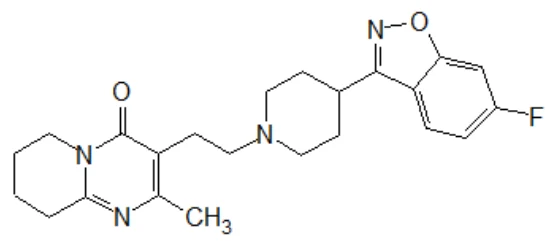
Physicochemical properties: Risperidone is a white to off-white powder. It is practically insoluble in water and soluble in methanol and 0.1 N HCl.
Melting Point: 169 - 173 °C
14 CLINICAL TRIALS
14.1 Trial Design and Study Demographics
Efficacy for PERSERIS (risperidone) was demonstrated in an 8-week, randomized, double-blind, placebo-controlled study (Study 1, NCT #02109562). The study evaluated the efficacy, safety and tolerability of 2 injections of PERSERIS (90 and 120 mg subcutaneous every 4 weeks) compared with placebo in adults (age 18 to 55 years, inclusive) experiencing acute exacerbations of schizophrenia. Patients were required to have a Positive and Negative Syndrome Scale (PANSS) total score of 80 to 120 inclusive (moderate to severely ill) at the screening visit, occurring 3 to 8 days before the start of double-blind treatment, without an improvement in the PANSS total score of ≥ 20% between screening and the first dosing day. The efficacy of PERSERIS beyond 8 weeks, has not been established.
At the screening visit, all patients received two doses of 0.25 mg oral risperidone 24 hours apart to establish tolerability. Patients were then placed in an inpatient setting, if not already hospitalized, and tapered off their current oral antipsychotic medication (if they were taking one) over a period of 3 to 8 days. Patients were randomized to receive 2 doses of subcutaneous PERSERIS (90 mg or 120 mg) or placebo 28 days apart (on Day 1 and Day 29). No supplemental oral risperidone was permitted during the study. The primary endpoint was the change in PANSS total score from baseline to end of study (Day 57). Both PERSERIS 90 and 120 mg doses demonstrated a statistically significant improvement compared with placebo based on the primary endpoint (Table 8). The results at each scheduled visit are displayed in Figure 14.
Characteristics of the patient population were balanced across the treatment groups. The mean baseline PANSS total score ranged from 94 to 96 across the groups. Most patients were male (74 to 83% per group), and the mean ages were 40 to 43 in each group. Most patients in this study were black or African American (71 to 75% per group). Of the 354 subjects randomized to treatment, 337 were included in the intent-to-treat (ITT) population, and 259 (73%) completed the study.
14.2 Study Results
Table 8 - Primary Efficacy Analysis Results for Study 1
| Treatment Group | N (# ITT subjects) | Primary Efficacy Measure: PANSS | ||
|---|---|---|---|---|
Mean Baseline Score (SD) | LS Mean Change from Baseline (SE) | Placebo-subtracted Differencea (95% CI) | ||
| PERSERIS 90 mg* | 111 | 95.5 (9.23) | -19.86 (1.56) | -6.50 (-10.87, -2.13) * |
| PERSERIS 120 mg* | 114 | 94.9 (8.09) | -23.61 (1.58) | -10.24 (-14. 64, -5.85)* |
| Placebo | 112 | 94.1 (8.89) | -13.37 (1.58) | -- |
ITT: intent-to-treat; SD: standard deviation; SE: standard error; LS Mean: least-squares mean; CI: unadjusted confidence interval
ªDifference (drug minus placebo) in least-squares mean change from baseline
*Doses that are statistically significantly superior to placebo
Figure 14 - Least Square Mean Change from Baseline (+/- Standard Error) in PANSS Total Scores by Days
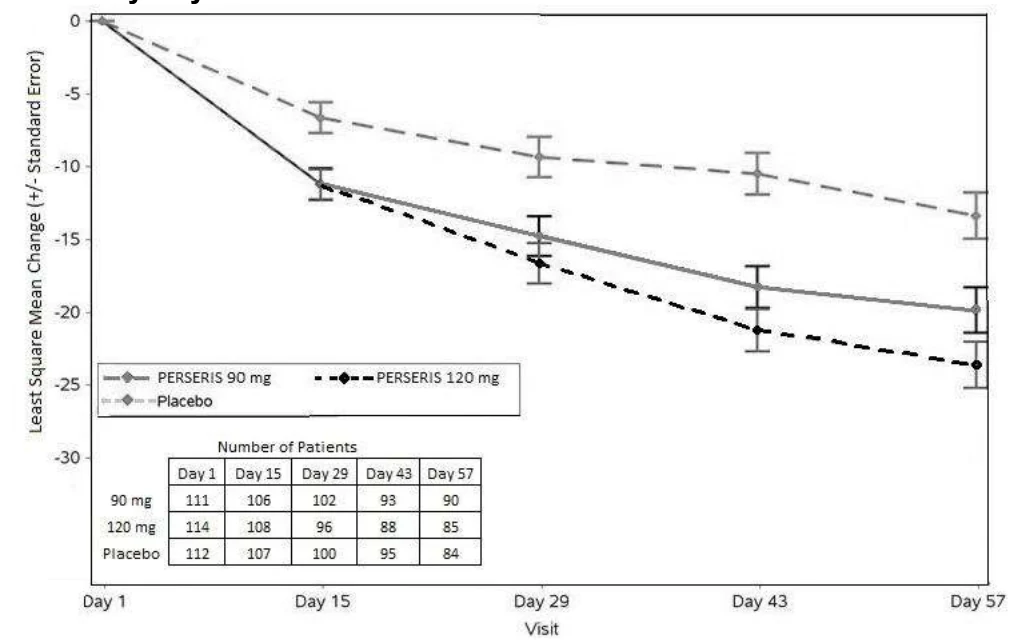
The secondary efficacy endpoint was defined as the CGI-S score at Day 57. Both PERSERIS treatment groups demonstrated statistically significantly better CGI-S scores versus placebo.
16 NON-CLINICAL TOXICOLOGY
General Toxicology
In the repeat-dose toxicity study in rats, a single subcutaneous dose of PERSERIS administered monthly for 6 months resulted in increases in clinical observations in rats of urine-stained fur, discoloured urine (orange), red nasal discharge (chromorhinorrhea), and decreased activity. In addition, injection site granuloma and test article-related organ weight changes in the testes, adrenals and uterus at terminal euthanasia were noted. Changes in organ weights and histopathology were considered attributable to possibly elevated serum prolactin, a recognized effect of risperidone. The NOAEL was 60 mg/kg risperidone corresponding to a safety margin of 3- to 4-fold based on systemic exposure.
There was no evidence of systemic toxicity associated with 9 monthly injections of PERSERIS to dogs up to the highest dose level tested, 80 mg/kg. Clinical signs associated with the expected pharmacological effects of risperidone included hyperprolactinemia changes including swollen/lactating mammary glands (galactorrhea), amenorrhea and gynecomastia. PERSERIS-related clinical observations included transient decreased activity and low food consumption for males and females at all dose levels; and decreased vaginal discharge and galactorrhea and/or mammary enlargement (also documented as swollen abdomen) for females at all dose levels. Delivery system-related dermal observations included edema, dermal irritation outside site, blanching, eschar, erythema and/or erythema beyond the test site, and were present in control animals, were not dose-dependent and resolved during the recovery period for most animals. Organ weight changes were noted in both males and females including decreased organ weight, organ to brain weight ratios, and organ to body weight ratios for prostate, epididymis and testes and in females decreased organ weight, organ to brain weight ratios, and organ to body weight ratios for uterus and pituitary. Although some weight differences were not statistically significant, the weight or weight ratio changes were considered to be physiologically significant due to the presence of histological correlates. Many of the organ weight changes recovered over the 12-week recovery period. The NOAEL was 80 mg/kg risperidone, corresponding to a safety margin of 46- to 57-fold based on systemic exposure.
Carcinogenicity
No carcinogenicity studies were conducted with subcutaneous risperidone suspension. Carcinogenicity studies were conducted with oral risperidone in mice and rats. Risperidone was administered in the diet at doses of 0.63, 2.5, and 10 mg/kg for 18 months to mice and for 25 months to rats. These doses are equivalent to approximately 0.2, 0.75, and 3 times (mice) and 0.4, 1.5, and 6 times (rats) the MHRD of 16 mg/day, based on a mg/m2 body surface area. A maximum tolerated dose was not achieved in male mice. There were statistically significant increases in pituitary gland adenomas, endocrine pancreas adenomas, and mammary gland adenocarcinomas. Table 9 summarizes the multiples of the human dose on a mg/m2 (mg/kg) basis at which these tumors occurred.
Table 9 - Summary of Tumor Occurrence at the Multiples of the Human Dose on a mg/m2 (mg/kg) Basis with Oral Risperidone Dosing
| Multiples of Maximum Human Dose in mg/m2 (mg/kg) | |||||||
|---|---|---|---|---|---|---|---|
| Tumor Type | Species | Sex | Lowest Effect Level | Highest No-Effect Level | |||
| Pituitary Adenomas | mouse | Female | 0.75 (9.4) | 0.2 (2.4) | |||
| Endocrine pancreas adenomas | rat | Male | 1.5 (9.4) | 0.4 (2.4) | |||
| Mammary gland adenocarcinomas | mouse | Female | 0.2 (2.4) | none | |||
| rat | Female | 0.4 (2.4) | none | ||||
| rat | Male | 6.0 (37.5) | 1.5 (9.4) | ||||
| Mammary gland neoplasm, Total | rat | Male | 1.5 (9.4) | 0.4 (2.4) | |||
Antipsychotic drugs have been shown to chronically elevate prolactin levels in rodents. Serum prolactin levels were not measured during the risperidone carcinogenicity studies; however, measurements during subchronic toxicity studies showed that risperidone elevated serum prolactin levels 5- to 6-fold in mice and rats at the same doses used in the carcinogenicity studies. An increase in mammary, pituitary, and endocrine pancreas neoplasms has been found in rodents after chronic administration of other antipsychotic drugs and is considered to be prolactin-mediated. The relevance for human risk of the findings of prolactin-mediated endocrine tumors in rodents is unclear.
N-methyl-2-pyrrolidone (NMP)
Long-term toxicity of NMP has been investigated in two studies with rats and one with mice. No evidence of carcinogenicity was identified in 2-year inhalation and dietary studies in rats. The primary toxic effect observed in rats was chronic nephropathy, most notably in males. The dietary study in mice demonstrated an increase in hepatocellular adenomas and carcinomas in both males and female at 6 and 8 times, respectively, the maximum daily dose (MDD) of NMP via PERSERIS. The clinical significance of these findings is unclear. No tumors were noted at 1 and 1.3 times the MDD.
Given the paucity of data, very little is known in terms of the effects of chronic, subcutaneous administration of NMP in animals.
Genotoxicity
No evidence of mutagenic or clastogenic potential for risperidone was found in the in vitro tests of Ames gene mutation, the mouse lymphoma assay, rat hepatocyte DNA-repair assay, the chromosomal aberration test in human lymphocytes, Chinese hamster ovary cells, or in the in vivo oral micronucleus test in mice and the sex-linked recessive lethal test in Drosophila.
No evidence of mutagenic potential was observed with risperidone subcutaneous suspension for injection or its delivery system alone at doses of 150 mg/kg risperidone or 943 mg/kg delivery system in an in vivo micronucleus test in rats. The safety margins of risperidone were 12- to 19-fold based on systemic exposure, and 13 times the delivery system amount present in monthly 120 mg risperidone.
Reproductive and Developmental Toxicity
No mating and fertility studies were conducted with subcutaneous risperidone suspension. Oral risperidone (0.16 to 5 mg/kg) impaired mating, but not fertility, in rat reproductive studies at doses 0.1 to 3 times the maximum recommended human dose (MRHD), of 16 mg/day based on mg/m2 body surface area. The effect appeared to be in females, since impaired mating behavior was not noted in the male fertility study. In a sub chronic study in Beagle dogs in which risperidone was administered orally at doses of 0.31 to 5 mg/kg, sperm motility and concentration were decreased at doses 0.6 to 10 times the MRHD based on mg/m2 body surface area. Dose-related decreases were also noted in serum testosterone at the same doses. Serum testosterone and sperm parameters partially recovered but remained decreased after treatment was discontinued. A no-effect dose could not be determined in either rat or dog.
Subcutaneous administration of the delivery system to rats had no effect on fertility parameters in either sex up to a dose that is 17 (delivery system), and 23 (NMP) times the amount present in monthly 120 mg risperidone subcutaneous suspension for injection based on mg/m2 body surface area, respectively.
No developmental toxicity studies were conducted with subcutaneous risperidone suspension. Oral administration of risperidone to pregnant mice during organogenesis caused cleft palate at 10 mg/kg/day which is 3 times the MRHD of 16 mg/day based on mg/m2 body surface area; maternal toxicity occurred at 4 times the MRHD. Risperidone was not teratogenic when administered orally to rats at 0.6 to 10 mg/kg/day and rabbits at 0.3 to 5 mg/kg/day, which are up to 6 times the MRHD of 16 mg/day risperidone based on mg/m2 body surface area. Learning was impaired in offspring of rats dosed orally throughout pregnancy at 1 mg/kg/day which is 0.6 times the MRHD and neuronal cell death increased in fetal brains of offspring of rats dosed during pregnancy at 1 and 2 mg/kg/day which are 0.6 and 1.2 times the MRHD based on mg/m2 body surface area; postnatal development and growth of the offspring were also delayed.
Rat offspring mortality increased during the first 4 days of lactation when pregnant rats were dosed throughout gestation at 0.16 to 5 mg/kg/day which are 0.1 to 3 times the MRHD of 16 mg/day based on mg/m2 body surface area. It is not known whether these deaths were due to a direct effect on the fetuses or pups or to effects on the dams; a no-effect dose could not be determined. The rate of stillbirths was increased at 2.5 mg/kg or 1.5 times the MRHD based on mg/m2 body surface area. In a rat cross-fostering study the number of live offspring was decreased, the number of stillbirths increased, and the birth weight was decreased in offspring of drug-treated pregnant rats. In addition, the number of deaths increased by Day 1 among offspring of drug-treated pregnant rats, regardless of whether or not the offspring were cross-fostered. Risperidone also appeared to impair maternal behavior in that offspring body weight gain and survival (from Day 1 to 4 of lactation) were reduced in offspring born to control but reared by drug- treated dams. All of these effects occurred at 5 mg/kg which is 3 times the MRHD based on mg/m2 and the only dose tested in the study.
Subcutaneous administration of the delivery system to pregnant rats and rabbits during the period of organogenesis caused maternal toxicity (decreased body weight, weight gain and food intake), post- implantation loss, decrease in number of live fetuses and decrease in fetal weight at doses that are 52 (rat), and 43 (rabbit) times the delivery system amount present in monthly 120 mg PERSERIS based on mg/m2 body surface area. Developmental toxicity in both rat and rabbit included skeletal and visceral malformations at doses 35 (rat), and 43 (rabbit) times the delivery system amount present in monthly 120 mg PERSERIS based on mg/m2 body surface area. The NOAEL dose for these effects in both species is 17 times the delivery system amount present in monthly 120 mg PERSERIS based on mg/m2 body surface area. These effects could be related to NMP, an excipient present in the delivery system. In published animal developmental toxicity studies, NMP administered orally daily to pregnant rats during organogenesis produced developmental toxicity below maternally toxic levels and resulted in dose- dependent decrease in fetal body weights, increased incidence of post-implantation loss, incomplete ossification and increased incidence of external, visceral and skeletal malformations. These toxicities occurred at doses that are ~3 to 12 times the NMP amount present in monthly 120 mg PERSERIS based on mg/m2 body surface area.