


Product Monograph - Menveo
RECENT MAJOR LABEL CHANGES
| 4 DOSAGE AND ADMINISTRATION, 4.1 Dosing Considerations | 2025/XX |
|---|---|
| 6 DOSAGE FORMS, STRENGTHS, COMPOSITION AND PACKAGING | 2025/XX |
TABLE OF CONTENTS
Sections or subsections that are not applicable at the time of authorization are not listed.
RECENT MAJOR LABEL CHANGES ............................................................................................. 2
TABLE OF CONTENTS ............................................................................................................... 2
PART I: HEALTH PROFESSIONAL INFORMATION ....................................................................... 4
1 INDICATIONS ................................................................................................................ 4
1.1 Pediatrics ................................................................................................................. 4
1.2 Geriatrics ................................................................................................................. 4
2 CONTRAINDICATIONS .................................................................................................. 4
4 DOSAGE AND ADMINISTRATION .................................................................................. 4
4.1 Dosing Considerations ............................................................................................. 4
4.2 Recommended Dose and Dosage Adjustment ........................................................ 4
4.3 Reconstitution ......................................................................................................... 5
4.4 Administration ......................................................................................................... 5
5 OVERDOSAGE ............................................................................................................... 5
6 DOSAGE FORMS, STRENGTHS, COMPOSITION AND PACKAGING .................................. 6
7 WARNINGS AND PRECAUTIONS ................................................................................... 7
7.1 Special Populations.................................................................................................. 9
7.1.1 Pregnant Women .............................................................................................. 9
7.1.2 Breast-feeding ................................................................................................... 9
7.1.3 Pediatrics ........................................................................................................... 9
7.1.4 Geriatrics ......................................................................................................... 10
8 ADVERSE REACTIONS ................................................................................................. 10
8.1 Adverse Drug Reaction Overview .......................................................................... 10
8.2 Clinical Trial Adverse Drug Reactions ..................................................................... 10
8.5 Post-Market Adverse Reactions ............................................................................ 24
9 DRUG INTERACTIONS ................................................................................................. 24
9.2 Drug Interactions Overview ................................................................................... 24
9.3 Drug-Behavioural Interactions ............................................................................... 25
9.4 Drug-Drug Interactions .......................................................................................... 25
9.5 Drug-Food Interactions .......................................................................................... 25
9.6 Drug-Herb Interactions .......................................................................................... 25
9.7 Drug-Laboratory Test Interactions ......................................................................... 25
10 CLINICAL PHARMACOLOGY ........................................................................................ 26
10.1 Mechanism of Action ....................................................................................... 26
10.2 Pharmacodynamics ......................................................................................... 26
11 STORAGE, STABILITY AND DISPOSAL .......................................................................... 26
12 SPECIAL HANDLING INSTRUCTIONS ............................................................................ 26
PART II: SCIENTIFIC INFORMATION ........................................................................................ 27
13 PHARMACEUTICAL INFORMATION ............................................................................. 27
14 CLINICAL TRIALS ......................................................................................................... 27
14.1 Clinical Trials by Indication .............................................................................. 27
14.3 Immunogenicity ............................................................................................... 30
15 MICROBIOLOGY ......................................................................................................... 40
16 NON-CLINICAL TOXICOLOGY ...................................................................................... 40
PATIENT MEDICATION INFORMATION ................................................................................... 41
PART I: HEALTH PROFESSIONAL INFORMATION
1 INDICATIONS
MENVEO is indicated for active immunization of individuals 2 months through 55 years of age to prevent invasive meningococcal disease caused by Neisseria meningitidis serogroups A, C, W-135 and Y.
1.1 Pediatrics
Pediatrics (<2 months of age): Safety and effectiveness of MENVEO in children under 2 months of age have not been established.
1.2 Geriatrics
Geriatrics: Safety and immunogenicity of MENVEO in adults 56 years of age and older have not been established.
2 CONTRAINDICATIONS
Known hypersensitivity to any component of MENVEO, including CRM197 or other diphtheria-containing vaccines, or a life-threatening reaction after previous administration of a vaccine containing similar components is a contraindication to vaccine administration.
4 DOSAGE AND ADMINISTRATION
4.1 Dosing Considerations
There are two presentations available, a two-vial lyophilized powder/liquid presentation and a single-vial liquid presentation.
For the lyophilized powder/liquid presentation, the contents of the vials must be combined to form MENVEO prior to administration (4.3 Reconstitution).
The liquid presentation does not require reconstitution before use.
4.2 Recommended Dose and Dosage Adjustment
Infants from 2 to 6 months of age:
Primary vaccination schedule is 3 doses (0.5 mL each), given with an interval of at least 2 months; followed by a fourth dose during the second year of life (at 12-16 months).
Infants and toddlers from 7 to 23 months of age:
Primary vaccination schedule is 2 doses (0.5 mL each). The second dose should be administered in the second year of life and at least two months after the first dose.
Individuals from 2 years of age and older:
Primary vaccination schedule is a single dose (0.5 mL).
Booster
The need for, and timing of, a booster dose of MENVEO has not yet been determined.
4.3 Reconstitution
MENVEO Powder and solution for injection (Lyophilized Powder/Liquid presentation) only:
MENVEO must be prepared for administration by reconstituting the lyophilized MenA conjugate component with the liquid MenCWY conjugate component. Using a graduated syringe, withdraw the entire contents of the vial of MenCWY liquid conjugate component and inject into the MenA lyophilized conjugate component vial. Invert and shake the vial vigorously. Using a needle of suitable gauge and length for the vaccination, withdraw 0.5mL of reconstituted product.
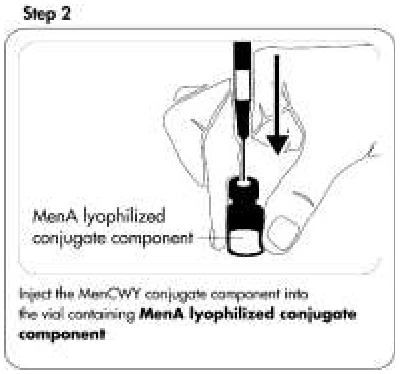
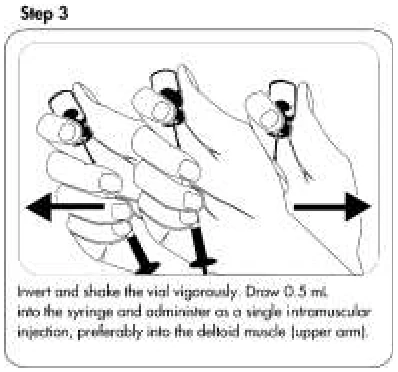
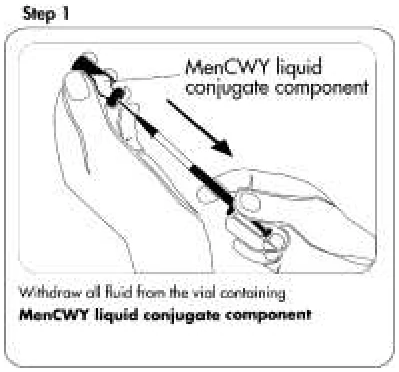
Following reconstitution, the vaccine is a clear, colourless solution, free from visible foreign particles. In the event that any foreign particulate matter and/or variation of physical aspect is observed, discard the vaccine. The reconstituted vaccine should be used immediately. Any unused product or waste material should be disposed in accordance with local requirements for disposal of biohazardous waste.
4.4 Administration
Prior to injection, change the needle for one suitable for withdrawal of the vaccine for administration. Please note that it is normal for a small amount of liquid to remain in the vial following withdrawal of the dose.
Ensure that no air bubbles are present in the syringe before injecting the vaccine. Parenteral drug products should be inspected for container integrity, particulate matter and discoloration before administration.
The vaccine is to be administered as a single 0.5 mL intramuscular injection, preferably into the anterolateral aspect of the thigh in infants or into the deltoid muscle (upper arm) in children, adolescents and adults. Do not administer the vaccine intravenously, subcutaneously or intradermally. Separate injection sites must be used if more than one vaccine is being administered at the same time.
5 OVERDOSAGE
Insufficient data on overdosage available for MENVEO.
For management of a suspected drug overdose, contact your regional poison control centre.
6 DOSAGE FORMS, STRENGTHS, COMPOSITION AND PACKAGING
To help ensure the traceability of vaccines for patient immunization record-keeping as well as safety monitoring, health professionals should record the time and date of administration, quantity of administered dose (if applicable), anatomical site and route of administration, brand name and generic name of the vaccine, the product lot number and expiry date.
Table 1: Dosage Forms, Strengths, Composition and Packaging
| Route of Administration | Dosage Form / Strength/Composition | Non-medicinal Ingredients |
| Intramuscular Injection | MENVEO Powder and solution for injection (Lyophilized Powder/Liquid presentation): Powder and solution for injection | MENVEO Powder and solution for injection (Lyophilized Powder/Liquid presentation): Potassium dihydrogen phosphate, sodium chloride, sodium phosphate buffer (sodium dihydrogen phosphate monohydrate and di-sodium hydrogen phosphate dihydrate), sucrose, water for injection. |
MENVEO (Liquid) Solution for injection (Liquid presentation): Solution for injection | MENVEO (Liquid) Solution for injection (Liquid presentation): Sodium chloride, sodium phosphate buffer (sodium dihydrogen phosphate monohydrate and di-sodium hydrogen phosphate dihydrate), water for injection. | |
For all vaccine formulations 1 dose (0.5 mL) contains: Meningococcal group A oligosaccharide 10 micrograms conjugated to Corynebacterium diphtheriae CRM197 protein 16.7 to 33.3 micrograms Meningococcal group C oligosaccharide 5 micrograms conjugated to Corynebacterium diphtheriae CRM197 protein 7.1 to 12.5 micrograms Meningococcal group W-135 oligosaccharide 5 micrograms conjugated to Corynebacterium diphtheriae CRM197 protein 3.3 to 8.3 micrograms | ||
| Meningococcal group Y oligosaccharide 5 micrograms conjugated to Corynebacterium diphtheriae CRM197 protein 5.6 to 10 micrograms | ||
Dosage Forms
MENVEO Powder and solution for injection (Lyophilized Powder/Liquid presentation):
A single dose consists of 1 vial of lyophilized MenA Conjugate Component + 1 vial of liquid MenCWY Conjugate Component.
The meningococcal group A conjugated component is presented as white to off-white powder.
The meningococcal group C, W-135 and Y conjugated components are presented as a colourless and clear solution.
MENVEO (Liquid) Solution for injection (Liquid presentation):
A single dose consists of 1 vial of liquid MenACWY conjugate vaccine.
The meningococcal group A, C, W-135 and Y conjugated vaccine is presented as a colourless clear solution.
Composition
MENVEO does not contain preservative or adjuvant.
The vaccine contains no thimerosal and container closures are latex-free.
Packaging
MENVEO Powder and solution for injection (Lyophilized Powder/Liquid presentation):
Pack sizes of 1 dose (2 vials) per package and/or 10 doses (20 vials) per package.
MENVEO (Liquid) Solution for injection (Liquid presentation):
Pack sizes of 1 dose (1 vial) per package and/or 10 doses (10 vials) per package.
7 WARNINGS AND PRECAUTIONS
General
Appropriate precautions should be taken before administration of MENVEO to minimize the risk of adverse reactions. These precautions include reviewing the subject’s immunization and medical history for the presence of any contraindications to immunization, such as possible hypersensitivity to MENVEO or similar vaccines (including diphtheria-containing vaccines), and evaluating the patient’s current health status.
As a precautionary measure, Epinephrine Hydrochloride Solution (1:1000) and other appropriate agents and equipment must be immediately available in case anaphylactic or serious allergic reactions occur.
Anxiety‐related reactions, including vasovagal reactions (syncope), hyperventilation or stress‐related reactions may occur in association with vaccination as a psychogenic response to the needle injection (see 8 ADVERSE REACTIONS). It is important that procedures are in place to avoid injury from fainting.
As with all injectable pediatric vaccines, the potential risk of apnea and the need for respiratory monitoring for 48-72 hours should be considered when administering the primary immunization series to very premature infants (born ≤ 28 weeks of gestation) and particularly for those with a previous history of respiratory immaturity. As the benefit of vaccination is high in this group of infants, vaccination should not be withheld or delayed.
As for all vaccines, the date of vaccine administration, the lot number and the manufacturer of the vaccine administered should be recorded in the patient's immunization record.
MENVEO should be administered via intramuscular injection (see 4.1 Dosing Considerations). Care should be taken to avoid injecting MENVEO vaccine subcutaneously or intravenously.
An unused sterile syringe and needle should be used for each patient to prevent transmission of blood-borne infectious agents from person to person. Needles should not be recapped and should be disposed of according to guidelines for management of biohazardous waste.
As with other vaccines, MENVEO should be postponed in individuals suffering from an acute severe febrile illness. The presence of a minor infection is not a contraindication.
As with any vaccine, a protective immune response may not be elicited in all vaccinees (see 14 CLINICAL TRIALS).
MENVEO will not protect against infections caused by any other serogroups of N. meningitidis not present in the vaccine.
Driving and Operating Machinery
Exercise caution when driving or operating a vehicle or potentially dangerous machinery.
Hematologic
MENVEO has not been evaluated in persons with thrombocytopenia or bleeding disorders. Because of the risk of hematoma, MENVEO should not be administered to persons with any bleeding disorder, such as hemophilia or thrombocytopenia, or to persons receiving anticoagulant therapy, unless the potential benefit outweighs the risk of administration.
NACI has published recommendations for the immunization of people with haemophilia and other bleeding disorders.
Immune
The immune response to MENVEO vaccine administered to immunosuppressed persons has not been studied.
Immunocompromised patients may have an inadequate response to the vaccination, resulting in lack of protection. The immune response to MENVEO vaccine administered to immunosuppressed persons has not been studied.
Individuals receiving treatment that inhibits terminal complement activation (for example, eculizumab) remain at increased risk of invasive disease caused by Neisseria meningitidis groups A, C, W-135 and Y even following vaccination with MENVEO.
Neurologic
MENVEO should not be administered to subjects with a known history of Guillain-Barré Syndrome.
7.1 Special Populations
7.1.1 Pregnant Women
Preclinical data
Based on reproductive toxicology data in rabbits, MENVEO is not predicted to affect pregnancy, parturition, or to increase the risk of embryofetal abnormalities.
Clinical data
To date no clinical trials have been specifically designed to evaluate the use of MENVEO in pregnant or lactating women. There are no data to demonstrate whether or not MENVEO affects reproductive capacity or causes fetal harm when administered to a pregnant woman.
MENVEO should be given only if the benefits of vaccination clearly outweigh the risks (See 8.2 Clinical Trial Adverse Reactions, Serious Adverse Events).
7.1.2 Breast-feeding
Preclinical data
In a rabbit study, no effects on postnatal development were observed in nursing offspring of vaccinated maternal animals through day 29 of lactation.
Clinical data
Risk Summary: No studies have been conducted to assess the impact of MENVEO on milk production, its presence in breast milk or its effects on the breast-fed child.
Clinical Consideration: There are no specific study data on the effects of vaccination on lactating mothers or their nursing offspring.
7.1.3 Pediatrics
Safety and effectiveness of MENVEO in children under 2 months of age have not been established.
7.1.4 Geriatrics
Safety and immunogenicity of MENVEO in adults 56 years of age and older have not been established.
8 ADVERSE REACTIONS
8.1 Adverse Drug Reaction Overview
MENVEO Powder and solution for injection (Lyophilized Powder/Liquid presentation):
The most common local and systemic adverse reactions observed in clinical trials in infants initiating vaccination at 2 months of age and receiving the four-dose series were tenderness (24-41%) and erythema at injection site (11-15%), irritability (42-57%), sleepiness (29-50%), persistent crying (21-41%), change in eating habits (17-23%), vomiting (5-11%) and diarrhea (8-16%).
Among children initiating vaccination at 7 months through 23 months of age and receiving the two-dose series, the most common local and systemic adverse reactions were tenderness (10-16%) and erythema at injection site (12-15%), irritability (27-40%), sleepiness (17-29%), persistent crying (12-21%), change in eating habits (12-20%) and diarrhea (10-16%).
The most common local reactions in clinical trials in children 2-10 years of age were injection site reactions: pain (31%), erythema (23%) and induration (16%). The most common systemic adverse reactions in clinical trials in these age groups after MENVEO administration were irritability (18%), sleepiness (14%), malaise (12%), and headache (11%).
The most common local and systemic adverse reactions observed in clinical trials in adolescents and adults were pain at the injection site (41%), headache (30%), myalgia (18%), malaise (16%) and nausea (10%).
MENVEO Solution for injection (Liquid presentation):
The most common local and systemic adverse reactions observed in clinical trials among adolescents and adults 10 through 44 years of age were pain at the injection site (44%), headache (37%), fatigue (36%), chills (15%), myalgia (13%), loss of appetite (11%), nausea (11%), arthralgia (10%), erythema at the injection site (10%), and induration at the injection site (10%).
8.2 Clinical Trial Adverse Drug Reactions
Clinical trials are conducted under very specific conditions. The adverse reaction rates observed in the clinical trials; therefore, may not reflect the rates observed in practice and should not be compared to the rates in the clinical trials of another drug. Adverse reaction information from clinical trials may be useful in identifying and approximating rates of adverse drug reactions in real-world use.
In most studies, solicited local reactions and systemic adverse events were monitored daily for 7 days following vaccination and recorded on a diary card. Participants were monitored for at least 28 days for unsolicited adverse events requiring a physician visit, Emergency Department visit, or which led to a subject’s withdrawal from the study. Medically significant adverse events and serious adverse events (SAE) were monitored during the entire study period.
MENVEO Powder and solution for injection (Lyophilized Powder/Liquid presentation):
Children 2 to 23 months of age
The safety of MENVEO in infants vaccinated at 2, 4, 6 and 12-16 months of age was evaluated in three randomized multicenter clinical studies conducted in the U.S., Australia, Canada, Taiwan and several countries of Latin America in which 8,735 infants received at least one dose of MENVEO and routine infant vaccines (diphtheria toxoid, acellular pertussis, tetanus toxoid, inactivated polio types 1, 2 and 3, hepatitis B, Haemophilus influenzae type b (Hib) antigens; pentavalent rotavirus, and 7-valent pneumococcal conjugate). With dose 4 of MENVEO, children aged 7-23 months received concomitantly the following vaccines: 7-valent pneumococcal conjugate, measles, mumps, rubella and varicella, and inactivated hepatitis A. A total of 2,864 children in these studies received the routine childhood vaccines only. The infants who received MENVEO were Caucasian (33%), Hispanic (44%), African American (8%), Asian (8%) and other racial/ethnic groups (7%); 51% were male, with a mean age of 65.1 days (SD 7.5 days) at the time of first vaccination.
Safety data for administration of two doses of MENVEO in children between 6 through 23 months of age are available from three randomized studies conducted in the U.S., Latin America, and Canada. The characterization of the safety profile of two doses of MENVEO administered in children between 6 through 23 months of age is based on data from the pivotal U.S. study which specifically addressed the safety of MENVEO administered concomitantly with measles, mumps, rubella and varicella vaccine (MMRV). The 1,985 children 7 to 23 months who received two doses of MENVEO were Caucasian (49%), Hispanic (32%), African American (11%), and other racial/ethnic groups (8%), 51% male, with a mean age of 10.1 months (SD 2.0 months).
Children 2 to 10 years of age
The safety of MENVEO in children aged 2 to 10 years was evaluated in 4 clinical trials in which 3,181 subjects received MENVEO and 2,190 subjects received comparator vaccines (either Meningococcal Polysaccharide Vaccine, Groups A, C, Y and W-135 Combined – MENOMUNE [N=861], or Meningococcal (Groups A, C, Y and W-135) Polysaccharide Diphtheria Toxoid Conjugate Vaccine – MENACTRA [N=1,255], or Meningococcal Polysaccharide Vaccine, Groups A, C, Y and W-135 Combined – MENCEVAX [N=74] ). The trials were conducted in the US, Canada, Finland, Poland and Argentina. The subjects aged 2 to 10 years who received MENVEO were Caucasian (69%), followed by Hispanic (13%), African American (7%), and other racial/ethnic groups (6%), 51% male, with a mean age of 5.2 years.
Individuals 11 to 65 years of age
The safety of MENVEO in adolescents and adults was evaluated in 5 randomized controlled clinical trials in which 6,185 participants, 11 to 55 years of age received MENVEO (5,286 received MENVEO alone and 899 received MENVEO concomitant with other vaccine(s) (Tetanus, Reduced Diphtheria and Acellular Pertussis Vaccine, Adsorbed (BOOSTRIX), or with BOOSTRIX plus Human Papillomavirus Quadrivalent (Types 6, 11, 16 and 18) Vaccine, Recombinant (GARDASIL) and 1,966 participants who received a comparator vaccine (either MENOMUNE [N=209], or MENACTRA [N=1,757])). In two of the studies, subjects received concomitant vaccination with BOOSTRIX, or with BOOSTRIX plus GARDASIL. The trials were conducted in North America, Latin America and Europe. Overall, subjects were Caucasian (50%), followed by Hispanic (40%), African American (7%), and other racial/ethnic groups (3%). Among MENVEO recipients, 61%, 17% and 22% were in the 11 to 18 years, 19 to 34 years and 35 to 55 years of age groups, respectively, with a mean age of 23.5 years (SD 12.9 years). Among MENACTRA recipients, 31%, 32% and 37% were in the 11 to 18 years, 19 to 34 years and 35 to 55 years of age groups, respectively, with a mean age of 29.2 years (SD 13.4 years). Among MENOMUNE recipients, 100% were in the 11 to 18 years of age group, and the mean age was 14.2 years (SD 1.8 years).
MENVEO (Liquid) Solution for injection (Liquid presentation):
Individuals 10 to 44 years of age (vaccinated with Menveo (Liquid):
The safety of MENVEO (Liquid) was evaluated in 2 randomized clinical trials. In these studies, 1,337 subjects aged 10 through 44 years were administered a single dose of MENVEO (Liquid) supplied in a Liquid presentation and 1,332 subjects 10 through 40 years of age were administered MENVEO supplied in a Lyophilized Powder/Liquid presentation. The studies were conducted in Australia, Belgium, Canada, Germany, and Italy, and in Brazil, Estonia, Finland, France, Mexico, Russian Federation, South Africa, Spain, and Turkey. Overall, in these studies, subjects were White (80.8%), followed by Hispanic or Latino ethnicity (12.8%), other racial groups (11.4%), African American (4.3%), Asian (3.0%), American Indian or Alaskan Native (0.3%), and Native Hawaiian or other Pacific Islander (0.1%). Overall, 25.6% of subjects were aged 10 through 17 years, and 74.4% were aged 18 through 44 years. The safety of MENVEO (Liquid) in children under 10 years of age or in adults 41 years of age and older has not been studied.
Solicited Adverse Reactions:
MENVEO Powder and solution for injection (Lyophilized Powder/Liquid presentation):
Children 2 to 23 months of age
The reported frequencies of solicited local and systemic adverse reactions in the largest multinational MENVEO safety study are presented in Table 2. Among the US participants in the MENVEO with routine vaccines group, 51% were female; 64% were Caucasian, 12% were African-American, 15% were Hispanic, 2% were Asian, and 7% were of other racial/ethnic groups.
In infants initiating vaccination at 2 months of age and receiving the four-dose series, common solicited adverse reactions (> 10%) were tenderness (24-41%) and erythema at injection site (11-15%), irritability (42-57%), sleepiness (29-50%), persistent crying (21-41%), change in eating habits (17-23%), vomiting (5-11%) and diarrhoea (8-16%). The rates of solicited adverse reactions reported for subjects aged 2 months and above receiving MENVEO with routine vaccines at 2, 4, 6 and 12 months of age were comparable to rates among subjects who only received routine vaccines.
Table 2: Study V59P23: Rates of solicited adverse reactions reported in children 2 months of age and older, during the 7 days following each vaccination with MENVEO administered with routine childhood vaccines, or routine childhood vaccines alone, at 2, 4, 6 and 12 months of agea
| Dose 1 | Dose 2 | Dose 3 | Dose 4 | |||||||||||||||||||||||
|---|---|---|---|---|---|---|---|---|---|---|---|---|---|---|---|---|---|---|---|---|---|---|---|---|---|---|
| Dose 1 | Dose 2 | Dose 3 | Dose 4 | |||||||||||||||||||||||
MENVEO with Routine b % | Routine Vaccines b % | MENVEO with Routine b % | Routine Vaccines b % | MENVEO with Routine b % | Routine Vaccines b % | MENVEO with Routine b % | Routine Vaccines b % | |||||||||||||||||||
MENVEO with Routine b % | Routine Vaccines b % | MENVEO with Routine b % | Routine Vaccines b % | MENVEO with Routine b % | Routine Vaccines b % | MENVEO with Routine b % | Routine Vaccines b % | |||||||||||||||||||
| Local Adverse Reactions c | N= 1,250-1,252 | N= 428 | N= 1,205-1,207 | N= 399 | N= 1,056-1,058 | N= 351-352 | N= 1,054-1,055 | N= 334-337 | ||||||||||||||||||
Tenderness, any Tenderness, severe d | 41 3 | 45 5 | 31 2 | 36 2 | 24 1 | 32 3 | 29 1 | 39 1 | ||||||||||||||||||
Erythema, any Erythema, >50 mm | 11 <1 | 14 <1 | 12 0 | 21 0 | 14 0 | 23 0 | 15 0 | 25 0 | ||||||||||||||||||
Induration, any Induration, >50 mm | 8 0 | 16 <1 | 9 0 | 17 0 | 8 0 | 19 0 | 8 0 | 21 0 | ||||||||||||||||||
| Systemic Adverse Reactions | N= 1,246-1,251 | N= 427-428 | N= 1,119-1,202 | N= 396-398 | N= 1,050-1,057 | N= 349-350 | N= 1,054-1,056 | N= 333-337 | ||||||||||||||||||
Irritability, any Irritability, severe e | 57 2 | 59 2 | 48 1 | 46 3 | 42 1 | 38 1 | 43 2 | 42 1 | ||||||||||||||||||
Sleepiness, any Sleepiness, severe f | 50 2 | 50 1 | 37 1 | 36 1 | 30 <1 | 30 <1 | 29 1 | 27 0 | ||||||||||||||||||
Persistent crying, any Persistent crying, ≥ 3 hours | 41 2 | 38 2 | 28 2 | 24 2 | 22 1 | 17 1 | 21 1 | 18 1 | ||||||||||||||||||
Change in eating habits, any Change in eating habits, severeg | 23 1 | 24 1 | 18 1 | 17 1 | 17 1 | 13 <1 | 19 1 | 16 0 | ||||||||||||||||||
Vomiting, any Vomiting, severe h | 11 <1 | 9 0 | 7 <1 | 6 0 | 6 <1 | 4 0 | 5 <1 | 4 0 | ||||||||||||||||||
Diarrhea, any Diarrhea, severe i | 16 <1 | 11 <1 | 11 <1 | 8 <1 | 8 1 | 6 <1 | 13 1 | 9 1 | ||||||||||||||||||
| Rash j | 3 | 3 | 3 | 4 | 3 | 3 | 4 | 3 | ||||||||||||||||||
| Fever ≥38°C k | 3 | 2 | 4 | 6 | 7 | 6 | 9 | 7 | ||||||||||||||||||
| Fever 38.0-38.9°C | 3 | 2 | 4 | 5 | 7 | 6 | 6 | 5 | ||||||||||||||||||
| Fever 39.0-39.9°C | 0 | 0 | 1 | 1 | <1 | 0 | 2 | 2 | ||||||||||||||||||
| Fever ≥40.0°C | 0 | <1 | 0 | <1 | 0 | 0 | <1 | 0 | ||||||||||||||||||
US Package Insert, Table 1; V59P23 CSR Addendum, Section 12.4.
N= number of subjects who completed the diary card for a given symptom at the specified vaccination.
a As Treated Safety Sub-population = US children who received at least one dose of study vaccine and whose diary cards were completed per protocol and returned to the site.
b Routine childhood vaccines include DTaP-IPV-Hib and PCV7 at doses 1,2,3 and PCV7, MMRV and Hepatitis A vaccines at dose 4. HBV and rotavirus vaccines were allowed according to Prescribing Information.
c Local reactogenicity of MENVEO and PCV7 was assessed.
d Tenderness, severe = cried when injected limb moved.
e Irritability, severe = unable to console.
f Sleepiness, severe = sleeps most of the time, hard to arouse.
g Change in eating habits, severe = missed > 2 feeds.
h Vomiting, severe = little/no intake for more prolonged time.
I Diarrhea, severe = ≥ 6 liquid stools, no solid consistency.
j Rash was assessed only as present or not present, without a grading for severity
k Axillary temperature.
The safety of a second dose of MENVEO administered at 12 months of age concomitantly with MMRV was investigated in a randomized, controlled, multicenter study conducted in the U.S. The rates of solicited adverse reactions reported were comparable between the concomitantly administered group (MENVEO with MMRV) and the group which received MMRV alone, or MENVEO alone. The frequency and severity of solicited local and systemic reactions occurring within 7 days following vaccination at 12 months of age, are shown in Table 3. In subjects who received both MENVEO and MMRV at 12 months of age local reactions at both injection sites were evaluated separately. Body temperature measurements were collected for 28 days following the 12 months of age visit, when MMRV was administered to the vaccinees. Common solicited adverse reactions (≥ 10%) among children initiating vaccination at 7 months through 23 months of age and receiving the two-dose series were tenderness (10-16%) and erythema at injection site (12-15%), irritability (27-40%), sleepiness (17-29%), persistent crying (12-21%), change in eating habits (12-20%) and diarrhea (10-16%). An examination of the fever profile during this period showed that MENVEO administered with MMRV did not increase the frequency or intensity of fever above that observed for the MMRV-only group.
Table 3: Study V59P21: Rates of solicited adverse reactions reported in children during the 7- days following vaccination with MENVEO administered at 7-9 months and 12 months of age, MENVEO administered alone at 7-9 months and with MMRV at 12 months of age, and MMRV administered alone at 12 months of age
| MENVEO Group | MENVEO+ MMRV Group | MMRV Group | |||||||||||||
|---|---|---|---|---|---|---|---|---|---|---|---|---|---|---|---|
| MENVEO Group | MENVEO+ MMRV Group | MMRV Group | |||||||||||||
MENVEO 7-9 months % | MENVEO 12 months % | MENVEO 7-9 months % | MENVEO with MMRV 12 months % | MMRV 12 months % | |||||||||||
MENVEO 7-9 months % | MENVEO 12 months % | MENVEO 7-9 months % | MENVEO with MMRV 12 months % | MMRV 12 months % | |||||||||||
| Local Adverse Reactions– MENVEO site | N=460-462 | N=381-384 | N=430-434 | N= 386-387 | |||||||||||
Tenderness, any Tenderness, severe b | 11 <1 | 10 <1 | 11 <1 | 16 0 | N/A N/A | ||||||||||
Erythema, any Erythema, >50 mm | 15 <1 | 13 <1 | 13 0 | 12 1 | N/A N/A | ||||||||||
Induration, any Induration, >50 mm | 8 <1 | 8 <1 | 7 0 | 8 1 | N/A N/A | ||||||||||
Local Adverse Reactions– MMRV site | N=382-383 | N=518-520 | |||||||||||||
Tenderness, any Tenderness, severe b | N/A N/A | N/A N/A | N/A N/A | 16 0 | 19 <1 | ||||||||||
Erythema, any Erythema, >50 mm | N/A N/A | N/A N/A | N/A N/A | 15 1 | 14 <1 | ||||||||||
Induration, any Induration, >50 mm | N/A N/A | N/A N/A | N/A N/A | 13 <1 | 8 0 | ||||||||||
| Systemic Adverse Reactions | N=461-463 | N=385-386 | N=430-434 | N=387-389 | N=522-524 | ||||||||||
Irritability, any Irritability, severe c | 40 2 | 27 2 | 37 2 | 37 1 | 44 3 | ||||||||||
Sleepiness, any Sleepiness, severe d | 26 2 | 17 1 | 29 1 | 26 1 | 32 2 | ||||||||||
Persistent crying, any Persistent crying, ≥ 3 hours | 21 2 | 12 1 | 20 1 | 19 1 | 20 2 | ||||||||||
Change in eating habits, any Change in eating habits, severe e | 17 <1 | 12 1 | 17 1 | 20 2 | 20 1 | ||||||||||
Vomiting, any Vomiting, severe f | 9 <1 | 6 <1 | 9 <1 | 6 <1 | 6 <1 | ||||||||||
Diarrhea, any Diarrhea, severe g | 16 2 | 10 1 | 15 <1 | 15 1 | 20 2 | ||||||||||
| Rash h | 3 | 5 | 6 | 6 | 8 | ||||||||||
| Fever ≥38.0°C i | 5 | 5 | 6 | 9 | 7 | ||||||||||
| Fever 38.0-38.9°C | 3 | 3 | 5 | 7 | 7 | ||||||||||
| Fever 39.0-39.9°C | 2 | 2 | 1 | 1 | 1 | ||||||||||
| Fever ≥40.0°C | <1 | 1 | <1 | <1 | 0 | ||||||||||
US Package Insert Table 2; V59P21 CSR Addendum, Section 12.2.
N= number of subjects who completed the diary card for a given symptom at the specified vaccination.
a As Treated Safety Sub-population = Children who received at least one dose of study vaccine and whose diary cards were completed per protocol and returned to the site.
b Tenderness, severe = cried when injected limb moved.
c Irritability, severe = unable to console.
d Sleepiness, severe = sleeps most of the time, hard to arouse.
e Change in eating habits, severe = missed > 2 feeds.
f Vomiting, severe = little/no intake for more prolonged time.
g Diarrhea, severe = ≥ 6 liquid stools, no solid consistency.
h Rash was assessed only as present or not present, without a grading for severity
I Axillary temperature.
Children 2 to 10 years of age
In the four pooled clinical trials of children aged 2 to10 years, the most frequently occurring adverse reactions in all subjects who received MENVEO were pain at the injection site (31%), erythema (23%), irritability (18%), induration (16%), sleepiness (14%), malaise (12%), and headache (11%). Table 4 shows the solicited reactions from the pivotal study comparing MENVEO to MENACTRA (V59P20) in children 2 to 10 years of age.
Table 4: Solicited adverse reactions within 7-days following a single vaccination in children 2 through 5 years and 6 through 10 years of age, study V59P20
| Ages 2 to 5 Years Solicited Adverse Reaction | MENVEO N = 693 N (%) | MENACTRA N = 684 N (%) | |
| Local | |||
| Pain§ | Any | 226 (33) | 241 (35) |
| Severe | 6 (1) | 3 (<1) | |
| Erythema ¥ | Any | 186 (27) | 170 (25) |
| Severe | 5 (1) | 2 (<1) | |
| Induration ¥ | Any | 126 (18) | 126 (18) |
| Severe | 3 (<1) | 2 (<1) | |
| Systemic ‡ | |||
| Irritability§ | Any | 147 (21) | 152 (22) |
| Severe | 6 (1) | 9 (1) | |
| Sleepiness§ | Any | 109 (16) | 126 (18) |
| Severe | 6 (1) | 4 (1) | |
| Change in Eating Habits§ | Any | 64 (9) | 69 (10) |
| Severe | 4 (1) | 2 (<1) | |
| Diarrhea§ | Any | 50 (7) | 53 (8) |
| Severe | 1 (<1) | 0 | |
| Headache§ | Any | 33 (5) | 39 (6) |
| Severe | 0 | 2 (<1) | |
| Rash* | Any | 30 (4) | 34 (5) |
| Vomiting§ | Any | 21 (3) | 21 (3) |
| Severe | 1 (<1) | 0 | |
| Arthralgia§ | Any | 24 (3) | 24 (4) |
| Severe | 1 (<1) | 0 | |
| Fever† | Any | 15 (2) | 17 (2) |
| Severe | 0 | 0 | |
| Ages 6 to 10 Years | MENVEO N = 582 N (%) | MENACTRA N = 571 N (%) | |
| Local | |||
| Injection site pain§ | Any | 226 (39) | 256 (45) |
| Severe | 3 (1) | 9 (2) | |
| Erythema¥ | Any | 164 (28) | 126 (22) |
| Severe | 7 (1) | 1 (<1) | |
| Induration¥ | Any | 97 (17) | 73 (13) |
| Severe | 2 (<1) | 0 | |
| Systemic ‡ | |||
| Headache§ | Any | 103 (18) | 77 (13) |
| Severe | 5 (1) | 7 (1) | |
| Malaise§ | Any | 82 (14) | 62 (11) |
| Severe | 8 (1) | 7 (1) | |
| Myalgia§ | Any | 61 (10) | 59 (10) |
| Severe | 4 (1) | 5 (1) | |
| Nausea§ | Any | 49 (8) | 37 (6) |
| Severe | 4 (1) | 2 (<1) | |
| Arthralgia§ | Any | 37 (6) | 25 (4) |
| Severe | 0 | 2 (<1) | |
| Chills§ | Any | 30 (5) | 26 (5) |
| Severe | 0 | 2 (<1) | |
| Rash* | Any | 28 (5) | 19 (3) |
| Fever† | Any | 13 (2) | 10 (2) |
| Severe | 0 | 2 (<1) | |
§ Severe: Unable to perform normal daily activity.
¥ Severe: ≥ 100mm.
* Rash was assessed only as present or not present, without a grading for severity.
† Any: ≥ 38°C, Severe: ≥ 40°C. Parents reported the use of antipyretic medication to treat or prevent symptoms in 11% and 13% of subjects 2 through 5 years of age, 9% and 10% of subjects 6 through 10 years of age for MENVEO and MENACTRA, respectively.
‡ Different systemic reactions were solicited in different age groups.
Individuals 11 to 55 years age
Data from five pooled studies in subjects 11 to 55 years are shown in Table 5, and Table 6 and
Table 8 below.
Table 5: Overview of solicited adverse reactions in subjects 11 to 55 years
| Solicited adverse reactions | Category | 11-55 years |
| Total MENVEO N=6,185 (%) | MENACTRA N=1,757 (%) | |
| Any reaction | ||
| Any | ||
| 3,966 (64) | 1,146 (65) | |
| Severe | 507 (8) | 110 (6) |
| Local | ||
| Any | ||
| 2,934 (47) | 906 (52) | |
| Severe a b | 225 (4) | 54 (3) |
| Systemic | ||
| Any | ||
| 2,740 (44) | 725 (41) | |
| Severe a b | 355 (6) | 70 (4) |
| Other c | ||
| Any c | ||
| 1,180 (19) | 345 (20) | |
Cell entries are number (percent) of subjects exposed with at least one local, systemic, or other reaction. a Most severe across all injections. Any severe = severe local reactions or severe systemic reactions. b Severe local reactions = severe erythema, pain, or induration >50 mm; severe fever = ≥ 39.0°C. c Any other reactions = stayed home; analgesic/antipyretic medication use.
Data are pooled from multiple studies.
Among subjects aged 11 to 55 years, the most frequently occurring adverse reactions in all subjects who received MENVEO were pain at the injection site (41%), headache (30%), myalgia (18%), malaise (16%) and nausea (10%).
Table 6: Summary of individual signs of reactogenicity in subjects 11 to 55 years MENVEO versus MENACTRA
| 11-55 years | |||
| Reaction | Category | Total MENVEO* N=6,185 (%) | MENACTRA N=1,757 (%) |
| Local | |||
| Pain | Any | 2,524 (41) | 816 (46) |
| Severe** | 100 (2) | 36 (2) | |
| Erythema | Any | 926 (15) | 231 (13) |
| >50 mm | 97 (2) | 17 (1) | |
| Induration | Any | 775 (13) | 203 (12) |
| >50 mm | 86 (1) | 15 (1) | |
| Systemic | |||
| Chills | Any | 545 (9) | 120 (7) |
| Severe** | 53 (1) | 6 (<1) | |
| Nausea | Any | 625 (10) | 142 (8) |
| Severe** | 47 (1) | 9 (1) | |
| Malaise | Any | 961 (16) | 285 (16) |
| Severe** | 107 (2) | 22 (1) | |
| Myalgia | Any | 1,130 (18) | 280 (16) |
| Severe** | 104 (2) | 17 (1) | |
| Arthralgia | Any | 580 (9) | 130 (7) |
| Severe** | 61 (1) | 10 (1) | |
| Headache | Any | 1,881 (30) | 491 (28) |
| Severe** | 203 (3) | 38 (2) | |
| Rash | Any | 160 (3) | 42 (2) |
| Fever | 38°C – 38.9°C | 125 (2) | 27 (2) |
| 39°C – 39.9°C | 30 (<1) | 8 (<1) | |
| ≥ 40°C | 6 (<1) | 2 (<1) | |
| OTHER REACTIONS | |||
| Stayed home | Yes | 268 (4) | 63 (4) |
| Analgesic/ antipyretic use | Yes | 1,066 (17) | 326 (19) |
* This includes subjects who received MENVEO alone and subjects who received MENVEO with a concomitant vaccine
**Severe was defined as a reaction that prevented an individual’s being able to function in their normal daily activities
Data are pooled from multiple studies.
Table 7: Solicited adverse reactions among adolescents recipients of MENVEO and comparator vaccines
*From studies V59P11 and V59P18 in which concomitant use of multiple vaccines were evaluated, only groups receiving either MENVEO alone or Tdap alone are presented in the table. V59P11 subjects were ages 11 to 25.
MENVEO Solution for injection (Liquid presentation):
Individuals 10 to 44 years of age
Among subjects who received MENVEO (Liquid), the most frequently occurring adverse reactions were pain at the injection site (44 %), headache (37%), fatigue (36%), chills (15%), myalgia (13%), loss of appetite (11%), nausea (11%), arthralgia (10%), erythema at the injection site (10%), and induration at the injection site (10%).
Solicited Adverse Reactions in Concomitant Vaccine Studies
The safety of 4-dose MENVEO series administered concomitantly with routine childhood vaccines (DTaP-IPV-Hib and PCV7 at doses 1, 2, 3 and PCV7, MMRV and Hepatitis A vaccines at dose 4) was evaluated in one pivotal trial. The safety of a 2-dose series of MENVEO initiated at 7 – 9 months of age, with the second dose administered concomitantly with MMR and V vaccine at 12 months of age, was evaluated in one pivotal trial. Rates of solicited adverse reactions which occurred 7 days following vaccination are shown in Table 2 and Table 3, respectively. There was no significant increase in the rates of solicited systemic or local reactions observed in recipients of routine childhood vaccines when concomitantly vaccinated with MENVEO.
The safety of MENVEO administered concomitantly with BOOSTRIX and GARDASIL was evaluated in adolescents in a single center study conducted in Costa Rica. Solicited local and systemic adverse reactions were recorded and reported as noted above.
In this study, subjects 11 to 18 years of age received MENVEO concomitantly with BOOSTRIX and GARDASIL (N=540), or MENVEO followed one month later by BOOSTRIX and then one month later GARDASIL (N=541), or BOOSTRIX followed one month later by MENVEO and then one month later by GARDASIL (N=539).
| 11 to 18 Year Age Group | |||||||||
| Reaction | Category | V59P6 | V59P11* | V59P13 | V59P18* | ||||
MENVEO N=151 (%) | MENOMUNE N=209 (%) | MENVEO N=357 (%) | Tdap N=353 (%) | MENVEO N=1,631 (%) | MENACTRA N=539 (%) | MENVEO N=541 (%) | Tdap N=539 (%) | ||
| Any reaction | Any | 127 (84) | 160 (77) | 221 (62) | 302 (86) | 1,044 (64) | 379 (70) | 373 (69) | 443 (82) |
| Severe | 14 (9) | 9 (4) | 36 (10) | 41 (12) | 115 (7) | 26 (5) | 50 (9) | 59 (11) | |
| Local | Any | 107 (71) | 126 (60) | 153 (43) | 264 (75) | 809 (50) | 313 (58) | 279 (52) | 399 (74) |
| Severe | 7 (5) | 3 (1) | 14 (4) | 23 (7) | 62 (4) | 14 (3) | 17 (3) | 38 (7) | |
| Systemic | Any | 85 (56) | 102 (49) | 171 (48) | 202 (57) | 710 (44) | 234 (43) | 274 (51) | 309 (57) |
| Severe | 9 (6) | 6 (3) | 28 (8) | 23 (7) | 67 (4 ) | 13 (2) | 38 (7) | 37 (7) | |
| Other | Any | 40 (26) | 59 (28) | 33 (9) | 39 (11) | 312 (19) | 108 (20) | 97 (18) | 112 (21) |
Some solicited systemic adverse reactions were more frequently reported in the group that received MENVEO, BOOSTRIX and GARDASIL concomitantly, (headache 40%, malaise 25%, myalgia 27%, and arthralgia 17%) compared to the group that first received MENVEO alone (headache 36%, malaise 20%, myalgia 19%, and arthralgia 11%). Among subjects administered MENVEO alone (one month prior to BOOSTRIX), 36% reported headache, 20% malaise, and 16% myalgia. Among subjects administered MENVEO one month after BOOSTRIX, 27% reported headache, 18% malaise, and 16% myalgia.
Unsolicited Adverse Events
MENVEO Powder and solution for injection (Lyophilized Powder/Liquid presentation):
In the three studies evaluating safety of MENVEO in children vaccinated at 2, 4, 6 and 12-16 months of age, no noteworthy differences in the percentages of subjects reporting any unsolicited AEs were observed between the MENVEO and control groups, when analyzed during the infant series vaccinations (66% vs. 65%, respectively), between infant series and the fourth dose (52% vs. 50%, respectively), and for 28 days following the fourth dose (27% vs. 27%, respectively).
Among subjects receiving two doses of MENVEO between 6 to 23 months of age, the percentage of subjects who experienced any unsolicited AEs for 1 month after the first (26%) and the second (33%) vaccinations were generally lower than those for the younger infant subjects.
In children 2-10 years old, 21% and 18% subjects experienced adverse events during the first month after vaccination with MENVEO and MENACTRA, respectively, with very few classified as severe (1% in each group). During months 2 to 6 after vaccination, the percentage of subjects with adverse events dropped to 7% and 9% in the MENVEO and MENACTRA groups, respectively. The numbers of subjects reporting events considered possibly or probably related to vaccination were 4% in MENVEO and 5% in MENACTRA groups during the first month after the vaccination.
As in the 11-55 years age group, most events considered possibly or probably related to vaccine were observed during days 1 to 7 post vaccination and only 1 subject reported a possibly related event more than 1 month postvaccination. Data from five pooled studies in subjects 11 to 55 years are shown in
Table 8 below.
Table 8: Unsolicited adverse events following MENVEO or MENACTRA
| Time | Unsolicited Adverse Events (AE) | 11-55 years |
|---|---|---|
| Time | Unsolicited Adverse Events (AE) | 11-55 years |
| Total MENVEO* N (%) | MENACTRA N (%) | |
| Total MENVEO* N (%) | MENACTRA N (%) | |
| Month 1 | ||
| Total exposed: N | 6,185 | 1,757 |
| Any AE | 1,076 (17) | 356 (20) |
| Any severe AE | 59 (1) | 16 (1) |
| Possibly/probably related AE | 357 (6) | 128 (7) |
| Severe possibly/probably related AE | 21 (<1) | 5 (<1) |
| Any SAE | 7 (<1) | 4 (<1) |
| Possibly/probably related SAE | 0 | 0 |
| Death | 0 | 0 |
Months 2 to 6 | ||
| Total exposed: N | 5,068 | 1,746 |
| Any AE | 460 (9) | 134 (8) |
| Any severe AE | 42 (1) | 14 (1) |
| Possibly/probably related AE | 3 (<1) | 1 (<1) |
| Severe possibly/probably related AE | 0 | 0 |
| Any SAE | 31 (1) | 10 (1) |
| Possibly/probably related SAE | 1 (<1) | 0 |
| Death | 0 | 0 |
Data are pooled from multiple studies.
MENVEO (Liquid) Solution for injection (Liquid presentation):
The percentage of subjects reporting events considered possibly or probably related to vaccination in pooled studies, where subjects received MENVEO Solution for injection (Liquid presentation), was 6.2% during the first month after vaccination.
Serious Adverse Events
MENVEO Powder and solution for injection (Lyophilized Powder/Liquid presentation):
Serious adverse events in subjects receiving a four-dose series of MENVEO at 2, 4, 6 and 12-16 months were evaluated in three randomized multicenter clinical studies. In the two controlled studies, the proportions of infants randomized to receive the four-dose MENVEO series concomitantly with routine vaccinations and infants who received routine vaccinations alone that reported serious adverse events during different study periods were, respectively: a) 2.7% and 2.2%, during the infant series; b) 2.5% and 2.5%, between the infant series and the fourth dose; c) 0.3% and 0.3%, in the one month following the fourth dose; and d) 1.6% and 2.2%, during the 6 months follow up period after the last dose. In the third study, which was controlled up to the fourth dose, the proportions of infants randomized to dosing regimens that included receiving four doses of MENVEO concomitantly with routine vaccinations at 2, 4, 6, and 12-16 months and infants who received routine vaccinations alone that reported serious adverse events during different study periods were, respectively: a) 3.5% and 3.6%, during the infant series; and b) 2.8% and 3.3%, between the infant series and the 12-16 dose; and c) 0.5% and 0.7%, in the one month following the fourth dose. In the same study, 1.9% of infants randomized to receive the four-dose MENVEO series concomitantly with routine vaccinations reported serious adverse events during the 6 months follow up period after the fourth dose. The most common serious adverse events reported in these three studies were wheezing, pneumonia, gastroenteritis and convulsions, and most occurred at highest frequency after the infant series.
In a study of children 7-23 months randomized to receive the two-dose MENVEO series concomitantly with MMRV at 12 months of age, the rates of serious adverse events during the study, including the 6 months follow-up period after the last dose, were 3.6% and 3.8%, for the MENVEO with MMRV and MENVEO -only groups, respectively. Infants receiving MMRV alone, who had a shorter period of study participation as they were enrolled at 12 months of age, had a lower rate of serious adverse events (1.5%). Among 1597 study subjects, included in the safety population, the most commonly reported serious adverse events in all study arms combined were dehydration (0.4%) and gastroenteritis (0.3%).
* This includes subjects who received MENVEO alone and subjects who received MENVEO with a concomitant vaccine
Across the submitted studies of individuals 2 through 23 months of age, within 28 days of vaccination, two deaths were reported in the MENVEO treatment groups (one case of sudden death and one case of sepsis), while no deaths were reported in the control group. None of the deaths was assessed as related to vaccination.
The information regarding serious adverse events in subjects aged 2 to 10 years was derived from 3 randomized, controlled clinical trials, in which subjects received MENVEO, MENOMUNE or MENACTRA. A fourth supportive trial provided serious adverse event information for subjects after one or two doses of MENVEO. Safety follow-up ranged from 6 to 12 months.
Serious adverse events reported during the safety follow-up periods occurred in 21/2,883 (0.7%) of MENVEO subjects, in 7/1,255 (0.6%) of MENACTRA subjects, and 2/861 (0.2%) of MENOMUNE subjects. In the subjects receiving either one or two doses of MENVEO, there were 6 subjects with pneumonia, 3 subjects with appendicitis, and 2 subjects with dehydration; all other events were reported for only one subject. Among 1,255 subjects receiving a single dose of MENACTRA and the 861 subjects receiving MENOMUNE, there were no events reported by more than one subject.
The serious adverse events occurring within the first 30 days of vaccination were as follows: MENVEO (6/2,883 [0.2%]) – appendicitis, pneumonia, staphylococcal infection, dehydration, febrile convulsion, and tonic convulsion; MENACTRA (1/1,255 [0.1%]) – inguinal hernia; MENOMUNE (2/861 [0.2%]) – abdominal pain, lobar pneumonia. In an additional 4th supportive study, 298 subjects received one or two doses of MENVEO and 22 (7%) had serious adverse events over a 13 months follow-up period including 13 subjects with varicella and 2 subjects with laryngitis. All other events were reported to occur in one subject. During the 30 days post vaccination in this study, one limb injury and one case of varicella were reported.
The information regarding serious adverse events in subjects aged 11-55 years was derived from 5 randomized, controlled clinical trials, and included subjects who received MENVEO, MENOMUNE, or MENACTRA. Safety follow-up was for 6 months.
Serious adverse events reported within 6 months of vaccination occurred in 40/6,185 (0.6%) of MENVEO subjects, 13/1,757 (0.7%) of MENACTRA subjects, and 5/209 (2.4%) of MENOMUNE subjects.
During the 6 months following immunization, serious adverse events reported by more than one subject were as follows: MENVEO – appendicitis (3 subjects), road traffic accident (3 subjects), and suicide attempt (5 subjects); MENACTRA – intervertebral disc protrusion (2 subjects); MENOMUNE – none.
Serious adverse events that occurred within the first 30 days of vaccination were reported by 7 of 6,185 (0.1%) subjects in the MENVEO group, 4 of 1,757 (0.2%) subjects in the MENACTRA group, and no MENOMUNE subjects. The events that occurred during the first 30 days post immunization with MENVEO were: vitello-intestinal duct remnant; Cushing’s syndrome; viral hepatitis; pelvic inflammatory disease; intentional multiple drug overdose; simple partial seizure; and suicidal depression. The events that occurred during the first 30 days post immunization with MENACTRA were: herpes zoster; fall; intervertebral disc protrusion; and angioedema.
MENVEO (Liquid) Solution for injection (Liquid presentation):
In pooled data from two clinical studies where subjects received MENVEO (Liquid), 14 (1%) subjects reported SAEs were reported during the six months of safety follow up period. Reported SAEs were appendicitis noninfective, dengue fever, tooth abscess, post procedural hemorrhage, soft tissue injury, tibia fracture, hemiplegic migraine, abortion spontaneous, depression, suicidal attempt, ovarian cyst ruptured and pleural effusion. None of the SAEs reported in both studies were considered by the investigator to be related to the study vaccines. In both studies, there were no SAEs reported within 30 minutes after vaccination and no deaths were reported.
8.5 Post-Market Adverse Reactions
In addition to reports in clinical trials, worldwide voluntary reports of adverse events received for MENVEO since market introduction of this vaccine are listed below. This list includes serious events or events which have causal connection to components of this or other vaccines or drugs. Because these events are reported voluntarily from a population of uncertain size, it is not possible to reliably estimate their frequency or establish a causal relationship to the vaccine:
Blood and lymphatic system disorders: Local lymphadenopathy.
Ear and Labyrinth Disorders: Hearing impaired, ear pain, vertigo, vestibular disorder.
Eye Disorders: Eyelid ptosis.
General Disorders and Administration Site Conditions: Injection site pruritus, pain, erythema, inflammation and swelling including extensive swelling of the injected limb, fatigue, malaise, pyrexia.
Infections and Infestations: Vaccination site cellulitis.
Immune System Disorders: Hypersensitivity including anaphylaxis.
Injury, Poisoning and Procedural Complications: Fall, head injury.
Investigation: Alanine aminotransferase increased, body temperature increased.
Musculoskeletal and Connective Tissue Disorders: Arthralgia, bone pain.
Nervous System Disorders: Dizziness, syncope, tonic convulsion, febrile convulsion, headache, facial paresis, balance disorder.
Respiratory, Thoracic and Mediastinal Disorders: Oropharyngeal pain.
Skin and Subcutaneous Tissue Disorders: Bullous conditions.
Pregnancy Outcomes
Safety and effectiveness of MENVEO have not been established in pregnant women. To date, no clinical trials have been specifically designed to evaluate the use of MENVEO in pregnant or lactating women. Among the 5,065 women enrolled in the studies, 43 women were found to be pregnant during the 6-month follow-up period after vaccination. Of these, 37 pregnancies occurred among 3,952 MENVEO recipients (7 spontaneous abortions, no congenital anomalies). Six pregnancies occurred among 1,113 MENACTRA recipients (no spontaneous abortions, one congenital anomaly (hydrocephalus)). Among the seven subjects with adverse pregnancy outcomes who had received MENVEO, the estimated dates of conception were 5 days prior to vaccination (1 subject), 6 to 17 weeks post vaccination (5 subjects), and 6 months post vaccination (1 subject). In the subject who had received MENACTRA the estimated date of conception was approximately 15 weeks post immunization.
9 DRUG INTERACTIONS
9.2 Drug Interactions Overview
In general, immunosuppressive therapies, such as irradiation, antimetabolite medications, alkylating agents, cytotoxic drugs, and corticosteroids (used in greater than physiologic doses) may reduce the immune response to vaccines. The immunogenicity of MENVEO has not been evaluated in persons receiving such therapies.
9.3 Drug-Behavioural Interactions
No studies on the effects on the ability to drive and use machines have been performed for Menveo. Menveo has no or negligible influence on the ability to drive and use machines. However, some of the effects mentioned under section 8 ADVERSE REACTIONS may temporarily affect the ability to drive or use machines.
9.4 Drug-Drug Interactions
In children from 2 to 23 months of age vaccinated in clinical trials, MENVEO was administered concomitantly with vaccines containing the following antigens: diphtheria toxoid, acellular pertussis, tetanus toxoid, Haemophilus influenzae type b (Hib), inactivated polio, hepatitis B (HBV), inactivated hepatitis A, 7-valent and 13-valent pneumococcal conjugate vaccine capsular antigens (PCV7 and PCV13), pentavalent rotavirus, and measles, mumps, rubella and varicella viruses (MMRV). No increase in the reactogenicity or change in the safety profile of the routine vaccines was observed (see 14 CLINICAL TRIALS).
For children 2 to 10 years of age, no data are available for evaluating safety and immunogenicity of the childhood vaccines when administered concomitantly with MENVEO.
In adolescent (11 to18 years of age) the immunogenicity and safety of MENVEO were evaluated in concomitant use studies with Tdap plus GARDASIL. The non-inferiority of concomitant use of GARDASIL and Tdap with MENVEO to MENVEO alone has not been established. Co-administration with Tdap and MENVEO was associated with a decline in the immune responses to several of the Tdap antigens. However, the clinical relevance of these differences is uncertain. The non-inferiority of sequential administration of MENVEO after Tdap to MENVEO alone has also not been established. The non-inferiority of HPV alone vs. HPV with Tdap and MENVEO has not been established. The concomitant use of MENVEO with other licensed vaccines has not been evaluated (see 14 CLINICAL TRIALS).
Concomitant vaccines should always be administered at separate injection sites and preferably contralateral.
9.5 Drug-Food Interactions
Interactions with food have not been established.
9.6 Drug-Herb Interactions
Interactions with herbal products have not been established.
9.7 Drug-Laboratory Test Interactions
Interactions with laboratory tests have not been established.
10 CLINICAL PHARMACOLOGY
10.1 Mechanism of Action
Meningococcal disease is caused by a gram-negative diplococcus, Neisseria meningitidis.
N. meningitidis causes life-threatening disease worldwide. Based on antigenic variations in capsular polysaccharide structure, 13 serogroups of N. meningitidis have been identified. Globally, 5 serogroups, A, B, C, W-135 and Y, cause almost all invasive meningococcal infections. Invasive infection by N. meningitidis most often manifests as bacteremia and/or meningitis and can also rarely present as arthritis, myocarditis, pericarditis, endophthalmitis, pneumonia or infection at other anatomic sites. Vaccination with MENVEO leads to the production of bactericidal antibodies directed against the capsular polysaccharides of serogroups A, C, W-135 and Y.
10.2 Pharmacodynamics
Serum concentrations of complement-mediated bactericidal antibody to N. meningitidis, acquired through natural exposure or induced by vaccination, are generally accepted to correlate with protective immunity to meningococcal disease and therefore are used as surrogate markers for vaccine efficacy.
No clinical effectiveness studies have been undertaken with MENVEO. The efficacy of MENVEO has been inferred from demonstration of immunologic non-inferiority to MENACTRA among subjects aged 2 years 55 years and demonstration of sufficient immune response against serogroups A, C, W and Y in children 2 months -23 months of age. The primary measure of immune response was induction of serogroup-specific anti-capsular antibodies with bactericidal activity. Serum bactericidal activity (SBA) was measured using human serum as the source of exogenous complement (hSBA). The hSBA was the original correlate of protection against meningococcal disease (Goldschneider I., et al, 1969 a, b) (see 14 CLINICAL TRIALS).
11 STORAGE, STABILITY AND DISPOSAL
Store refrigerated, away from the freezer compartment, at 2°C to 8°C. Vaccine must be maintained at 2°C to 8°C during transport. Do not use MENVEO after the expiry date which is stated on the carton. ALL contents must be discarded on reaching the outer carton expiry date.
For the lyophilized powder/liquid formulation, the vaccine consists of one lyophilized powder vial and one liquid vial. Each of the two components may carry a different expiry date. The reconstituted vaccine should be used immediately, but may be held at or below 25°C for up to 8 hours.
12 SPECIAL HANDLING INSTRUCTIONS
Do not freeze. Frozen/previously frozen product should not be used. Protect from light.
PART II: SCIENTIFIC INFORMATION
13 PHARMACEUTICAL INFORMATION
Product Characteristics
MENVEO is a sterile liquid vaccine administered by intramuscular injection that contains N. meningitidis serogroup A, C, W-135 and Y oligosaccharides conjugated individually to C. diphtheriae CRM197 protein (10-5-5-5 without adjuvant). The polysaccharides are produced by bacterial fermentation of N. meningitidis (serogroups A, C, W-135 or Y). MenA, MenW-135 and MenY polysaccharides are purified by several extraction and precipitation steps. MenC polysaccharide is purified by a combination of chromatography and precipitation steps.
The protein carrier (CRM197) is produced by bacterial fermentation and is purified by a series of chromatography and ultrafiltration steps. The vaccine contains approximately 47mcg of Cross-Reactive Material (CRM197) from Corynebacterium diphtheriae.
The oligosaccharides are prepared for conjugation by hydrolysis, sizing, and reductive amination. After activation, each oligosaccharide is covalently linked to the CRM197.
The resulting glycoconjugates are purified to yield the four drug substances, which compose the final vaccine. No preservative or adjuvant is added during manufacturing. The vaccine contains no thimerosal.
14 CLINICAL TRIALS
14.1 Clinical Trials by Indication
MENVEO Powder and solution for injection (Lyophilized Powder/Liquid presentation)
Fourteen clinical trials in subjects 2 months through 55 years of age generated data in support of the indication for use of MENVEO vaccine. Characteristics of trial participants are summarized below (Table 9).
- 1. Immune responses following a 4-dose infant series (2 months through 16 months of age)
- 2. Immune responses following a 2-dose series in children 7 months through 23 months of age
- 3. Immunogenicity in subjects 2 years through 55 years of age
- 4. Comparative immunogenicity of MENVEO vs. MENACTRA
- 5. Lot-to-lot consistency of MENVEO
- 6. Co-administration of MENVEO with other vaccines (Concomitant use studies)
- 7. Persistence of protective antibody in adolescents
Study Demographics and Trial Design
Table 9: Summary of studies supporting safety and/or immunogenicity of MENVEO
| Study | Study objectives being presented in this application | Trial design | Dosage, route of administration and duration | No. study subjects (no. subjects treated with MENVEO)* | Age range in years | Gender (% Male) | |||||||||
| Study | Study objectives being presented in this application | Trial design | Dosage, route of administration and duration | No. study subjects (no. subjects treated with MENVEO)* | Age range in years | Gender (% Male) | |||||||||
| 2 – 23 months | |||||||||||||||
| V59P14 | Safety and immunogenicity MENVEO vs. Routine vaccines | Randomized, open-label, parallel group, multicenter | MenACWY (with routine vaccines) Routine vaccines only | 4,533 (3,022) | Infants (2 months at enrollment) | 51% | |||||||||
| V59P21 | Safety and immunogenicity MENVEO vs. Routine vaccines | Randomized, open-label, parallel group, multicenter | MenACWY + PROQUAD MenACWY followed by PROQUAD PROQUAD | 1,630 (1,014) | 7-9 months (groups I and II), 12 months (group III) at enrollment | 51% | |||||||||
| V59P22 | Immunogenicity MENVEO vs. MenC vaccine | Randomized, open-label, parallel group, multicenter | 2 doses MenACWY 1 dose MenACWY 1 dose MenC | 662 (447) | 6-8 months for 2-dose series 12 months for 1-dose series | 54% | |||||||||
| V59P23 | Safety MENVEO vs. Routine vaccines | Randomized, open-label, parallel group, multicenter | MenACWY (with routine vaccines) Routine vaccines only | 7,744 (5,772) | Infants (2 months at enrollment) | 51% | |||||||||
| V59_33 | Safety and immunogenicity MENVEO vs. Routine vaccines | Randomized, open-label, parallel group, multicenter | MenACWY (with routine vaccines) Routine vaccines only | 529 (258) | Infants (2 months at enrollment) | 52% | |||||||||
| 2-10 years | |||||||||||||||
| V59P7 | Safety and immunogenicity of MENVEO vs. MENCEVAX | Randomized, observer blind, controlled | MenACWY, IM, 1 or 2 doses | 305 (298)a | 2-5 | 47% | |||||||||
| V59P8 | Safety and immunogenicity of MENVEO vs MENOMUNE | Randomized, single blind, controlled | MenACWY, IM, Single dose | 618 (310)b | 2-10 | 51% | |||||||||
| V59P10 | Safety and immunogenicity of MENVEO vs MENOMUNE | Randomized, observer blind, controlled | MenACWY, IM, Single dose | 1,500 (949) | 2-10 | 49% | |||||||||
| V59P20 | Safety and immunogenicity of MENVEO vs MENACTRA | Randomized, observer blind, controlled | MenACWY, IM, 1 or 2 doses | 2,898 (1,635) | 2-10 | 53% | |||||||||
| 11-55 years | |||||||||||||||
| V59P6 | Safety and immunogenicity of MENVEO vs MENOMUNE | Randomized, single blind, controlled | MenACWY IM, Single dose | 524 (151)c | 11-17 | 60% | |||||||||
| V59P11 | Safety and immunogenicity of MENVEO Effect of concomitant administration of MENVEO with BOOSTRIX | Randomized, observer blind, controlled | MenACWY, IM, Single dose | 1,069 (716) | 11-25 | 52% | |||||||||
| V59P13 | Lot-to-lot consistency of three lots of MENVEO Comparative safety and immunogenicity of MENVEO vs MENACTRA | Randomized, observer blind, controlled | MenACWY, IM, Single dose | 3,524 (2,649) | 11-55 | 42% | |||||||||
| V59P17d | Comparative safety of MENVEO vs MENOMUNE or MENACTRA | Randomized, observer blind, controlled | MenACWY, IM, Single dose | 2,815 (1,817) | 19-65 | 31% | |||||||||
| V59P18 | Safety and immunogenicity of MENVEO Concomitant administration of MENVEO with BOOSTRIX and HPV vaccine | Randomized, open label, controlled | MenACWY, IM, single dose | 1620 (1,620) | 11-18 | 43% | |||||||||
| Total (MENVEO) | 29,971 (20,658) e | ||||||||||||||
*Infant studies are presented with number of subjects per study arm.
a Excludes 1) an additional 205 subjects who received adjuvanted MenACWY, 2) 107 subjects under the age of 2 years who received formulation MENVEO. Includes 74 subjects who first received a single dose of MENCEVAX.
b Excludes an additional 289 MENVEO subjects under the age of 2.
c A further 164 subjects received a dose of a previous, non-final, formulation of MENVEO.
d V59P17 did not contribute immunogenicity data, nor is data from subjects aged 56-65 years of age included.
e Only the per-protocol subjects contributed data to the immunogenicity analysis.
MENVEO (Liquid) Solution for injection (Liquid presentation):
Two clinical trials in subjects aged 10-40 years of age generated data demonstrating comparability between MENVEO Solution for injection (Liquid presentation) and MENVEO Powder and solution for injection (Lyophilized Powder/Liquid presentation).Characteristics of trial participants and study designs are summarized below (Table 10).
Table 10: Summary of studies supporting comparability between MENVEO Solution for injection (Liquid presentation) and MENVEO Powder and solution for injection (Lyophilized Powder/Liquid presentation)
| Study | Study objectives being presented in this application | Trial design | Dosage, route of administration and duration | No. study subjects (no. subjects treated with MENVEOa ) | Age range in years | Gender (% Male) |
| V59_71 | Comparative safety and immunogenicity study of different formulations (Menveo Lyo/Liq and Menveo Liquid) | randomized, controlled, observer-blind | MenACWY, IM, single dose | Menveo Liquid: 490 Menveo Lyo/Liq: 489 | 10-44 | 36.9 37.6 |
| V59_78 | Comparative safety and immunogenicity study of different formulations (Menveo Lyo/Liq and Menveo Liquid) | randomized, controlled, observer-blind | MenACWY, IM, single dose | Menveo Liquid24b: 420 Menveo liquid 30c:427 Menveo Lyo/Liq 1: 424 Menveo Lyo/Liq 2: 419 | 18-40 | 44.8 39.3 42.9 45.6 |
a Only the per-protocol subjects contributed data to the immunogenicity analysis.
b Naturally aged for 24 months by storage at 2-8 ̊C
c Naturally aged for 30 months by storage at 2-8 ̊C
14.3 Immunogenicity
Immunogenicity of MENVEO Powder and Solution for Injection (Lyophilized Powder/Liquid Presentation) in Individuals Aged 2 months Through 55 Years of Age
Immune responses following a 4-dose infant series (2 months through 16 months of age)
The pre-specified endpoint for immunogenicity of MENVEO in infants receiving a 4- dose series at 2, 4, 6 and 12 months of age was the proportion of subjects achieving an hSBA ≥ 1:8, with the lower limit of the 2-sided 95% CI for the point estimate being ≥ 80% of vaccinees for serogroup A, and ≥ 85% of vaccinees for serogroups C, W-135 and Y one month following the final dose. Sera were obtained at 2 months (prior to the first infant dose), at 7 months (1 month after the infant series), 12 months (prior to the fourth vaccination), and 13 months of age (1 month after the fourth dose) which allowed evaluation of the immunogenicity of the infant series as well as of the complete series. The immunogenicity of MENVEO in infants was assessed in two pivotal randomized, controlled, multicenter studies of infants, who received a 4-dose series at 2, 4, 6 and 12 months of age and subjects who received a 4-dose series at 2, 4, 6, and 16 months of age.
In the pivotal Study V59_33, the pre-defined criteria for immunogenicity were met for all four serogroups A, C, W-135 and Y at one month following completion of a 4-dose series at 2, 4, 6 and 12 months (Table 11).
Table 11: Study V59_33: Bactericidal antibody responses following administration of MENVEO with routine pediatric vaccines at 2, 4, 6 and 12 months of age
| Serogroup | Post 3rd dose (7 months of age) | Post 4th dose (13 months of age) | ||||||
| A | N=202 | N=168 | ||||||
% ≥1:8 95% CI | 76 (69, 81) | 89 (83*, 93) | ||||||
GMT 95% CI | 21 (17, 26) | 54 (44, 67) | ||||||
| C | N=199 | N=156 | ||||||
% ≥1:8 95% CI | 94 (90, 97) | 95 (90*, 98) | ||||||
GMT 95% CI | 74 (62, 87) | 135 (107, 171) | ||||||
| W-135 | N=194 | N=153 | ||||||
% ≥1:8 95% CI | 98 (95, 99) | 97 (93*, 99) | ||||||
GMT 95% CI | 79 (67, 92) | 215 (167, 227) | ||||||
| Y | N=188 | N=153 | ||||||
% ≥1:8 95% CI | 94 (89, 97) | 96 (92*, 99) | ||||||
GMT 95% CI | 51 (43, 61) | 185 (148, 233) | ||||||
* Prespecified criteria for adequacy of immune response were met (LL of the 95% CI > 80% for serogroup A and > 85% for serogroups C, W, and Y). Serum Bactericidal Assay with exogenous human complement source (hSBA).
% ≥1:8 = proportions of subjects with hSBA ≥ 1:8 against a given serogroup; CI = confidence interval; GMT = geometric mean antibody titer; N = number of infants eligible for inclusion in the Per-Protocol Immunogenicity population for whom serological results were available for the post-dose 3 and post-dose 4 evaluations.
In a separate study performed in Canada in 90 infants receiving MENVEO concomitantly with diphtheria toxoid, acellular pertussis, tetanus toxoid, inactivated polio types 1, 2 and 3, Haemophilus influenzae type b (Hib), and 7-valent pneumococcal conjugate vaccine, the percentages of subjects with hSBA ≥ 1:8 were 49% for serogroup A, 89% for serogroup C, 92% for serogroup W-135 and 86% for serogroup Y at one month after the second dose of the infant vaccination series (doses administered at 2 and 4 months of age).
Immune responses following a 2-dose series in children 7 months through 23 months of age
The immunogenicity of MENVEO was assessed in children, who did not receive the 4-dose series but instead received 2 dose series. Among the per protocol population of 386 subjects, after MENVEO administered at 7-9 and at 12 months, the proportions of subjects with hSBA ≥ 1:8 for serogroups A, C, W-135, and Y were respectively: 88% (84-91), 100% (98-100), 98% (96-100), 96% (93-99).
A 2-dose series was also examined in a study of Latin American children, who received MENVEO at 12 and 16 months of age. Among the per protocol population of 106 subjects, the proportions of subjects with hSBA ≥1:8 for serogroups A, C, W-135 and Y were 97% (92-99), 100% (96-100), 100% (96-100), and 100% (96-100), respectively.
Immunogenicity in subjects 2 years through 55 years of age
The effectiveness of MENVEO in subjects aged 2 through 55 years has been inferred from the demonstration of non-inferiority of the serum bactericidal antibody responses to those of MENACTRA. Serogroup-specific anticapsular antibodies with bactericidal activity were measured using pooled human serum that lacked bactericidal activity as the source of exogenous complement (hSBA).
Immunogenicity in subjects aged 2 to 10 years (study V59P20) and 11 to 55 years (study V59P13) was evaluated in two pivotal randomized, multicenter, active controlled clinical studies comparing the response to one dose of MENVEO or MENACTRA. In both studies, sera were obtained both before vaccination and 28 days after vaccination. The primary effectiveness endpoints were hSBA seroresponse rates to each serogroup 28 days after vaccination.
For both hSBA studies, seroresponse was a composite endpoint defined as follows: for subjects with a baseline ≥1:4 (seropositive), seroresponse was taken as a further four-fold rise in titer; for subjects who were undetectable at baseline (seronegative), seroreponse was defined as a post vaccination of ≥ 1:8. Predefined secondary endpoints included GMTs, proportion of seronegative subjects who achieved hSBA ≥1:8, and tests for statistical superiority for endpoints that met the non-inferiority definitions. For the primary endpoint, seroresponse, the test for statistical superiority once non-inferiority was demonstrated was also a predefined primary endpoint. It should be noted that “statistically higher immune responses observed” does not imply or conclude clinical superiority, i.e., a difference in clinical efficacy.
The pivotal immunogenicity study in subjects aged 2 to 10 years (V59P20) was conducted in the US and Canada and stratified by age (2 to 5 years and 6 to 10 years) for the primary immunogenicity analysis. The two co-primary endpoints were non-inferiority of seroresponse for each age strata (2-5 and 6-10 years).
The pivotal non-inferiority study among adolescents and adults (V59P13) was conducted in the US and was a head to head immunogenicity comparison with the licensed meningococcal conjugate vaccine (MENACTRA) in adolescents and adults. The primary endpoint was non-inferiority of seroresponse.
For study participants in the 2-5 years and in the 6-10 years age strata, non-inferiority of MENVEO to MENACTRA was demonstrated for serogroups C, W and Y, but not for serogroup A, using the primary endpoint of seroresponse (Table 12). Statistically higher seroresponse rates were demonstrated for serogroups W and Y in subjects aged 2-5 years and 6-10 years. In the analysis of subjects 2-10 years combined, non-inferiority of seroresponse was demonstrated for all four serogroups.
Table 12: Study V59P20: immune responses at 28 days following MENVEO vs MENACTRA in the Per Protocol Population§
| Endpoint by serogroup | Seroresponse 2-5 Years of Age | Seroresponse 6-10 Years of Age | ||||||||||||||
|---|---|---|---|---|---|---|---|---|---|---|---|---|---|---|---|---|
MENVEO (95% CI) | MENACTRA (95% CI) | Percent Difference (MENVEO MENACTRA) or GMT ratio (MENVEO/ MENACTRA (99.375% CI) | MENVEO (95% CI) | MENACTRA (95% CI) | Percent Difference (MENVEO MENACTRA) or GMT ratio (MENVEO/ MENACTRA (99.375% CI) | |||||||||||
| A | N=606 | N=611 | N=551 | N=541 | ||||||||||||
| 72 % (68,75) | 77 % (73,80) | -5% (-12, 2) | 77 % (73,80) | 83 % (79,86) | -6% (-13, 1) | |||||||||||
| C | N=607 | N=615 | N=554 | N=539 | ||||||||||||
| 60 % (56,64) | 56 % (52,60) | 4%* (-4,11) | 63 % (59,67) | 57 % (53,62) | 6%* (-2,14) | |||||||||||
| W-135 | N=594 | N=605 | N=542 | N=533 | ||||||||||||
| 72% (68,75) | 58 % (54,62) | 14%** (7,21) | 57 % (53,61) | 44 % (40,49) | 13%** (4,21) | |||||||||||
| Y | N=593 | N=600 | N=545 | N=539 | ||||||||||||
| 66 % (62,70) | 45 % (41,49) | 21%** (14,29) | 58 % (54,62) | 39 % (35,44) | 19%** (10,27) | |||||||||||
* Non-inferiority criterion for the primary endpoint (seroresponse) met (the lower limit of the two-sided 99.375% CI >-10 % for vaccine group differences [MENVEO minus MENACTRA]).
**The seroresponse was statistically higher (the lower limit of the two-sided 99.375% CI >0% for vaccine group differences); however the clinical relevance of higher post-vaccination immune responses is not known.
§ Per protocol population contains all subjects in the intent to treat population with no major protocol deviations
In adolescents and adults, non-inferiority of MENVEO to MENACTRA was demonstrated for all four serogroups using the primary endpoint (hSBA seroresponse) (Table 13). Statistically higher seroresponse rates were demonstrated for serogroups A, W and Y in subjects aged 11-18 and for serogroups C, W and Y in subjects aged 19-55 years.
Table 13: Study V59P13: immune responses at 28 days following MENVEO vs MENACTRA in the Per Protocol Population§.
| Serogroup | Seroresponse 11-18 years of age | Seroresponse 19-55 years of age | ||||||||||||||
MENVEO (95% CI) | MENACTRA (95% CI) | Group Difference (MENVEO minus MENACTRA) (95% CI) | MENVEO (95% CI) | MENACTRA (95% CI) | Group Difference (MENVEO minus MENACTRA) (95% CI) | |||||||||||
| A | N=1,075 | N=359 | N=963 | N=321 | ||||||||||||
| 75% (72, 77) | 66% (61, 71) | 8% (3, 14)** | 67% (64, 70) | 68% (63, 73) | -1% (-7, 5)* | |||||||||||
| C | N=1,396 | N=460 | N=902 | N=300 | ||||||||||||
76% (73, 78) | 73% (69, 77) | 2% (-2, 7)* | 68% (64, 71) | 60% (54, 65) | 8% (2, 14)** | |||||||||||
| W | N=1,024 | N=288 | N=484 | N=292 | ||||||||||||
75% (72, 77) | 63% (57, 68) | 12% (6, 18)** | 50% (46, 55) | 41% (35, 47) | 9% (2, 17)** | |||||||||||
| Y | N=1,036 | N=294 | N=503 | N=306 | ||||||||||||
68% (65, 71) | 41% (35, 47) | 27% (20, 33)** | 56% (51, 60) | 40% (34, 46) | 16% (9, 23)** | |||||||||||
* Non-inferiority criterion met, lower bound of the 95% CI surrounding the difference in proportions is >-10% for all comparisons
**The seroresponse was statistically higher (the lower limit of the two-sided 95% CI >0% for vaccine group differences); however the clinical relevance of higher post-vaccination immune responses is not known
§ Per protocol population contains all subjects in the intent to treat population with no major protocol deviation
The results for the analyses of the secondary endpoints hSBA GMTs and % subjects achieving a post vaccination hSBA ≥ 1:8 are summarized in Table 14, for subjects 2-10 years old, and Table 15 for subjects 11-55 years.
Table 14: Study V59P20: immunogenicity of MENVEO vs MENACTRA, secondary endpoints, subjects aged 2-10 years
| Serogroup | hSBA GMTs | hSBA ≥ 1:8(%hSBA) | |||||||||||||||||
MENVEO (95% CI) | MENACTRA (95% CI) | Vaccine Group Ratio (95% CI) | MENVEO (95% CI) | MENACTRA (95% CI) | Vaccine group difference (95% CI) | ||||||||||||||
| Day 1 | A | 2.1 (2.05-2.15) | 2.11 (2.05-2.16) | 1 (0.97-1.03) | 22 (2%) (1-3) | 20 (2%) (1-3) | 0% (-1-1) | ||||||||||||
| C | 3.14 (2.96-3.32) | 3.06 (2.89-3.24) | 1.02 (0.96-1.1) | 192 (17%) (14-19) | 185 (16%) (14-18) | 1% (-3-4) | |||||||||||||
| W | 5.2 (4.7-5.74) | 4.73 (4.28-5.23) | 1.1 (0.97-1.24) | 397 (35%) (32-38) | 365 (32%) (29-35) | 3% (-1-7) | |||||||||||||
| Y | 3.5 (3.26-3.77) | 3.36 (3.12-3.62) | 1.04 (0.96-1.14) | 251 (22%) (20-25) | 239 (21%) (19-23) | 1% (-2-4) | |||||||||||||
| Day 29 | A | 30 (27-34) | 29 (26-33) | 1.03 (0.89-1.18) | 862 (75%) (72-77) | 926 (80%) (78-83) | (-6%) (-9--3) | ||||||||||||
| C | 23 (21-27) | 17 (15-20) | 1.34 (1.15-1.56) | 839 (72%) (70-75) | 789 (68%) (66-71) | 4% (0-8) | |||||||||||||
| W | 49 (44-54) | 26 (23-29) | 1.87 (1.65-2.12) | 1,026 (90%) (88-92) | 901 (79%) (77-81) | 11% (8-14) | |||||||||||||
| Y | 29 (25-32) | 12 (11-14) | 2.37 (2.06-2.73) | 881 (77%) (75-80) | 682 (60%) (57-63) | 18% (14-21) | |||||||||||||
Table 15: Study V59P13: immunogenicity of MENVEO vs MENACTRA, secondary endpoints, subjects aged 11-55 years
| Serogroup | hSBA GMTs | %hSBA ≥ 1:8 | |||||||||||||
| MENVEO | MENACTRA | Vaccine Group Ratio (95% CI) | MENVEO | MENACTRA | Vaccine group difference (95% CI) | ||||||||||
| Day 1 | A | 2.25 | 2.32 | 0.97 (0.93, 1.02) | 4% | 5% | -1% (-3%, 1%) | ||||||||
| C | 3.72 | 3.69 | 1.01 (0.93, 1.10) | 21% | 22% | -1% (-4%, 2%) | |||||||||
| W | 8.58 | 9.7 | 0.89 (0.75, 1.04) | 48% | 51% | -3% (-8%, 2%) | |||||||||
| Y | 5.28 | 5.38 | 0.98 (0.88, 1.1) | 34% | 37% | -3% (-7%, 2%) | |||||||||
| Day 29 | A | 29 | 22 | 1.32 (1.12, 1.56) | 72% | 69% | 4% (0%, 8%) | ||||||||
| C | 52 | 39 | 1.33 (1.11, 1.59) | 83% | 81% | 2% (-1%, 6%) | |||||||||
| W | 100 | 57 | 1.76 (1.51, 2.05) | 95% | 89% | 6% (4%, 9%) | |||||||||
| Y | 53 | 21 | 2.49 (2.11, 2.95) | 85% | 70% | 15% (12%, 20%) | |||||||||
Lot-to-lot consistency of MENVEO
In V59P13, subjects aged 11-18 years were randomized to receive one of three separate lots of MENVEO. The immune responses, based on the ratio of GMTs for each of the pairwise comparisons, was then assessed. The statistical criteria to demonstrate the lot consistency were that the two-sided 95% CI of the ratio of the hSBA GMTs for each pairwise comparison (Lot 1 vs Lot 2; Lot 1 vs. Lot 3; Lot 2 vs Lot 3) fell within the interval of 0.5 to 2.0, as pre-specified in the study protocol for establishing equivalence. Lot consistency was demonstrated for each serogroup and each pairwise lot comparison.
Co-administration of MENVEO with other vaccines (concomitant use studies)
In two clinical trials of infants initiating vaccination at 2 months of age, MENVEO was given concomitantly at 2, 4 and 6 months with routine infant vaccines: diphtheria toxoid, acellular pertussis, tetanus toxoid, inactivated polio types 1, 2 and 3, hepatitis B, Haemophilus influenzae type b (Hib) antigens, and 7-valent pneumococcal conjugate vaccine. For dose 4 given at 12 months of age, MENVEO was given concomitantly with the following vaccines: 7-valent pneumococcal conjugate, MMRV or MMR+V, and inactivated hepatitis A. No immune interference was observed for the concomitantly administered vaccines with exception of pneumococcal vaccine serotype 6B post-dose 3. No immune interference was observed post-dose 4 for any pneumococcal vaccine serotypes.
No interference was observed for pertussis based on GMC ratios.
In a clinical trial of children (≥ 7 months of age), MENVEO was administered concomitantly with MMRV or MMR+V vaccine(s) at 12 months of age. No immune interference was observed for the concomitantly administered vaccines.
The safety of MENVEO administered concomitantly with Tdap and HPV was evaluated in a single center study conducted in Costa Rica. In this study, subjects 11 to 18 years of age received MENVEO concomitantly with Tdap and HPV (N=540), or MENVEO followed one month later by Tdap and then one month later HPV (n=541), or Tdap followed one month later by MENVEO and then one month later HPV (N=539). The success criteria for this study was a composite based upon the three co-primary objectives:
- Demonstration of non interference of concomitant GARDASIL and Tdap with MENVEO response,
- Demonstration of the non interference of serial Tdap-MENVEO administration on MENVEO response,
- Demonstration of non interference of concomitant HPV and MENVEO with Tdap response.
The study was to be considered a success if all the multiple tests defined by the three co-primary objectives satisfied the non-inferiority criteria. Not all endpoints were met. The usual 95% confidence interval has been adjusted to a 99% CI due to the multiple comparisons within each of the co-primary objectives.
Immune responses to A, C and Y were non-inferior when MENVEO was administered with Tdap and HPV vaccine. However, immune responses to serogroup W were statistically lower when MENVEO was administered with Tdap and HPV, and responses to serogroups W and Y were statistically lower when MENVEO was administered sequentially one month after receipt of Tdap (Table 16).
Table 16: Study V59P18: seroresponse following concomitant and sequential vaccination with MENVEO, aged 11 to 18 years
| Serogroup | MENVEO + Tdap + HPV | MENVEO → Tdap | Tdap → MENVEO | Vaccine Group Differences (99% CI) | |||||||
| Concomitant | Sequential | ||||||||||
| A | N=497 80% (77, 84) | N=486 82% (78, 85) | N=458 87% (83, 90) | -1% (-8, 5) | 5% (-1, 11) | ||||||
| C | N=476 83% (80, 87) | N=472 84% (80, 87) | N=457 84% (80, 87) | -1% (-5, 4) | -1% (-5, 4) | ||||||
| W | N=490 77% (73, 80) | N=474 81% (77, 84) | N=458 65% (61, 70) | -4% (-11, 3) | -16% (-23, -8) | ||||||
| Y | N=496 83% (79, 86) | N=487 82% (79, 86) | N=460 78% (74, 82) | 0% (-6, 7) | -4% (-11, 3) | ||||||
Non-inferiority of concomitant administration of Tdap and MENVEO to Tdap alone has not been established, as concomitant administration of Tdap and MENVEO led to a reduction in the antibody levels against two of the pertussis antigens (FHA and PRN) compared with Tdap alone (Table 17). The clinical significance of these differences is uncertain.
Table 17: Study V59P18: effect of concomitant and sequential vaccination on immunogenicity for diphtheria, tetanus, and pertussis antigens in subjects 11 to 18 years of age
| Antigen | Endpoint | Group 1 | Group 2 | Group 3 | Concomitant | Sequential | ||
| MENVEO + Tdap + HPV | MENVEO → Tdap | Tdap → MENVEO | Vaccine Group Difference (99% CI) | Vaccine Group Ratio (99% CI) | Vaccine Group Difference (99% CI) | Vaccine Group Ratio (99% CI) | ||
| N=495 | N=459 | N=487 | Group 1 minus Group 3 | Group 1 / Group 3 | Group 2 minus Group 3 | Group 2 / Group 3 | ||
| Diphtheria | % ≥1.0 IU/mL | 100% (99, 100) | 100% (99, 100) | 98% (96, 99) | 2% (0, 4)* | NA | 2% (1, 5) | NA |
| Tetanus | % ≥1.0 IU/mL | 100% (99, 100) | 100% (99, 100) | 100% (99, 100) | 0% (-1, 2)* | NA | 0% (-2, 2) | NA |
Pertussis PT | GMC | N=482 51 (47, 55) | N=452 79 (73, 87) | N=477 63 (58, 69) | NA | 0.8 (0.69, 0.94)* | NA | 1.25 (1.07, 1.47) |
| FHA | GMC | N=492 341 (310, 375) | N=458 1107 (989, 1238) | N=485 511 (464, 563) | NA | 0.67 (0.56, 0.79) | NA | 2.22 (1.82, 2.72) |
| PRN | GMC | N=495 824 (732, 928) | N=459 1563 (1390, 1758) | N=487 1198 (1063, 1351) | NA | 0.69 (0.55, 0.85) | NA | 1.32 (1.07, 1.63) |
* Non-inferiority criterion met: for vaccine group differences (diphtheria, tetanus), the lower limit (LL) 99% CI is >-10%; for vaccine group ratios (pertussis antigens), the LL 99% CI is greater than 0.67.
Persistence of Protective Antibody in Adolescents
To assess the persistence of immune responses following MENVEO, a subset of adolescent subjects from the V59P13 study who had received either one dose of MENVEO or one dose of MENACTRA were assessed at 21 months following vaccination. Immune responses against meningococcal serogroups A, C, W-135 and Y were also evaluated in a non-randomised cohort of age matched adolescents with no previous meningococcal vaccination and enrolled concurrently with the vaccinated subjects during the extension study period. The proportion of subjects with hSBA ≥1:8 is shown in Table 18.
Table 18: Percentages of subjects with hSBA ≥1:8 at 21 months after vaccination (day 1 of V59P13E1) and of naive subjects Per Protocol Population*
| Sero-group | MENVEO | MENACTRA | Naive | |||||||
| A | N=275 | N=179 | N=97 | |||||||
| 36% | 23% | 5% | ||||||||
| C | N=275 | N=179 | N=97 | |||||||
| 62% | 59% | 42% | ||||||||
| W-135 | N=273 | N=176 | N=97 | |||||||
| 84% | 74% | 51% | ||||||||
| Y | N=275 | N=179 | N=97 | |||||||
| 67% | 54% | 40% | ||||||||
* Per protocol population contains all subjects in the intent to treat population with no major protocol deviations
Immunogenicity of MENVEO Solution for injection (Liquid presentation) in Individuals Aged 10 Years through 40 Years
Study V59_78 was an observer-blind randomized, multicenter, controlled clinical trial to demonstrate the non-inferiority of MENVEO Solution for injection (Liquid presentation) (aged for approximately 24 months [Phase 1] and 30 months [Phase 2]) to that of MENVEO Powder and solution for injection (Lyophilized Powder/Liquid presentation), as measured by hSBA GMTs directed against N. meningitidis serogroup A at Day 29 from vaccination in individuals aged 10 through 40 years.
The study met both primary objectives. At 28 days of vaccination (Day 29), the between group ratio of hSBA GMTs for serogroup A was 1.21 in Phase 1 of the study and 1.11 for Phase 2. The lower limits of the two-sides 95% CI were 0.94 and 0.87, respectively; both higher than the pre-specified non-inferiority margin set at 0.5.
Secondary analyses showed comparable immune responses against N. meningitidis serogroups C, W-135 and Y as measured by hSBA GMTs. Additional secondary analyses demonstrated comparable percentages of subjects with hSBA titers ≥8, and percentages of subjects with a ≥4-fold rise in titers compared to baseline for serogroups A, C, W-135 and Y.
Study V59_71 was an observer-blind randomized, multicenter, controlled clinical trial to demonstrate the non-inferiority of MENVEO Solution for injection (Liquid presentation) with approximately 30% MenA Free Saccharides (FS) to that of MENVEO Powder and solution for injection (Lyophilized Powder/Liquid presentation), as measured by hSBA GMTs directed against N. meningitidis serogroup A at Day 29 from vaccination in individuals aged 18 through 40 years.
The study met the primary immunogenicity objective. At 28 days after vaccination (Day 29), the between group ratio of hSBA GMTs for serogroup A was 0.88, with the lower limit of the 2-sided 95% CI equal to 0.64, greater than the prespecified non-inferiority margin set at 0.5. Though not predefined, using the similar criterion non inferiority was also observed for serogroups C, W and Y.
Secondary analysis on day 29 of vaccination, hSBA GMTs, percentage of subjects with 4-fold rise in GMTs and percentages of subjects with hSBA titer ≥8 for all serogroups A, C, W and Y were similar between the 2 vaccine groups.
Effectiveness in children under 10 years of age or in adults 41 years of age and older have not been studied.
15 MICROBIOLOGY
No microbiological information is required for this drug product.
16 NON-CLINICAL TOXICOLOGY
Table 19: Summary of toxicology studies
| Study type, gender, and species | Route and regimen | Results |
|---|---|---|
| Single and repeat dose toxicity male and female rabbits | One or five 0.5 mL intramuscular doses of alum adjuvanted MenACWY (10 mcg each of MenA, C, W, and Y) two weeks apart | No systemic adverse effects and well tolerated locally. |
Repeat dose toxicity male and female rabbits | Two 0.5 mL intramuscular doses of MENVEO (10 mcg of MenA, 5 mcg each of MenC, W, and Y) two weeks apart | No systemic adverse effects and well tolerated locally. |
| Pilot reproductive & developmental toxicity female rabbits | Three 0.5 mL intramuscular doses of MenACWY w/wo alum adjuvant approx. two weeks apart (10 mcg of MenA, 5 mcg each of MenC, W, and Y) before mating and two doses w/wo adjuvant during gestation (1× dose of 10 mcg of MenA, 5 mcg each of MenC, W and Y in 0.5 mL or 2× dose in 1 mL) | No systemic toxicity in maternal rabbits and no teratogenic effects. |
| Definitive reproductive & developmental toxicity female rabbits | Three 0.5 mL intramuscular doses of MENVEO approx. two weeks apart (10 mcg of MenA, 5 mcg each of MenC, W, and Y) before mating and two 0.5 mL doses during gestation | No systemic toxicity in maternal rabbits and no reproductive, embryofetal, or developmental effects. |
MENVEO has not been evaluated for carcinogenic or mutagenic potential, or for impairment of male fertility.