


Product Monograph - Muse (Knight Therapeutics)
RECENT MAJOR LABEL CHANGES
None at time of most recent authorization
TABLE OF CONTENTS
Sections or subsections that are not applicable at the time of authorization are not listed.
RECENT MAJOR LABEL CHANGES ............................................................................................ 2
TABLE OF CONTENTS .............................................................................................................. 2
PART I: HEALTH PROFESSIONAL INFORMATION ...................................................................... 4
1 INDICATIONS .............................................................................................................. 4
1.1 Pediatrics ................................................................................................................. 4
1.2 Geriatrics ................................................................................................................. 4
2 CONTRAINDICATIONS ................................................................................................. 4
4 DOSAGE AND ADMINISTRATION ................................................................................. 4
4.1 Dosing Considerations ............................................................................................. 4
4.2 Recommended Dose and Dosage Adjustment ....................................................... 5
4.4 Administration ......................................................................................................... 5
5 OVERDOSAGE ........................................................................................................... 10
6 DOSAGE FORMS, STRENGTHS, COMPOSITION AND PACKAGING ................................ 11
7 WARNINGS AND PRECAUTIONS ................................................................................ 11
7.1 Special Populations ............................................................................................... 12
7.1.1 Pregnant Women .............................................................................................. 12
7.1.2 Breast-feeding ................................................................................................... 12
7.1.3 Pediatrics ........................................................................................................... 12
8 ADVERSE REACTIONS ................................................................................................ 13
8.1 Adverse Reaction Overview .................................................................................. 13
8.2 Clinical Trial Adverse Reactions ............................................................................. 13
8.3 Less Common Clinical Trial Adverse Reactions ..................................................... 14
9 DRUG INTERACTIONS ................................................................................................ 15
9.2 Drug Interactions Overview .................................................................................. 15
9.3 Drug-Behavioural Interactions .............................................................................. 15
9.4 Drug-Drug Interactions .......................................................................................... 15
10 CLINICAL PHARMACOLOGY ....................................................................................... 16
10.1 Mechanism of Action ............................................................................................ 16
10.2 Pharmacodynamics ............................................................................................... 16
10.3 Pharmacokinetics .................................................................................................. 17
11 STORAGE, STABILITY AND DISPOSAL ......................................................................... 19
12 SPECIAL HANDLING INSTRUCTIONS ........................................................................... 19
PART II: SCIENTIFIC INFORMATION ....................................................................................... 20
13 PHARMACEUTICAL INFORMATION ............................................................................ 20
14 CLINICAL TRIALS........................................................................................................ 21
14.1 Clinical Trials by Indication .................................................................................... 21
14.2 Study Results ......................................................................................................... 21
15 MICROBIOLOGY ........................................................................................................ 21
16 NON-CLINICAL TOXICOLOGY ..................................................................................... 21
PATIENT MEDICATION INFORMATION .................................................................................. 23
PART I: HEALTH PROFESSIONAL INFORMATION
1 INDICATIONS
MUSE (alprostadil suppository) is indicated in men for:
- the treatment of erectile dysfunction.
MUSE may also be useful as an adjunct to diagnostic tests in the diagnosis of erectile dysfunction.
1.1 Pediatrics
Pediatrics (< 18 years of age): The safety and effectiveness of MUSE in pediatric patients have not been evaluated. Therefore, Health Canada has not authorized an indication for pediatric use.
1.2 Geriatrics
Geriatrics (≥ 65 years of age): No data are available to Health Canada.
2 CONTRAINDICATIONS
MUSE is contraindicated in men:
- with known hypersensitivity to alprostadil or to any ingredient in the formulation, including any non-medicinal ingredient, or component of the container. For a complete listing, see 6 DOSAGE FORMS, STRENGTHS, COMPOSITION AND PACKAGING.
- with abnormal penile anatomy, such as urethral stricture, balanitis (inflammation/infection of the glans of the penis), severe hypospadias and curvatures, and acute or chronic urethritis.
- with sickle cell anemia or trait, thrombocythemia, polycythemia, multiple myeloma. MUSE is contraindicated in patients who are prone to venous thrombosis or who have a hyperviscosity syndrome and are therefore at increased risk of priapism (rigid erection lasting 6 or more hours) (see 5 OVERDOSAGE and 7 WARNINGS AND PRECAUTIONS, Reproductive Health: Female and Male Potential, Function).
- for whom sexual activity is inadvisable (see 7 WARNINGS AND PRECAUTIONS, Cardiovascular and Reproductive Health: Female and Male Potential, Function).
- for sexual intercourse with a pregnant woman unless a condom barrier is used.
4 DOSAGE AND ADMINISTRATION
4.1 Dosing Considerations
- Dose titration should be undertaken under the supervision of a healthcare professional.
- Each patient should be instructed by a healthcare professional on proper technique for administering MUSE prior to self-administration.
- Patients should be individually titrated to the lowest dose that is sufficient for sexual intercourse.
- No more than two MUSE suppositories should be used in a 24-hour period.
4.2 Recommended Dose and Dosage Adjustment
Adult males
Initiation of therapy: Dose titration should be undertaken under the supervision of a healthcare professional:
- to test a patient’s responsiveness to MUSE
- to demonstrate proper administration technique (see 4.4 Administration)
- to monitor for evidence of hypotension
Patients should be individually titrated to the lowest dose that is sufficient for sexual intercourse. The lower dose of MUSE (250 mcg) is recommended for initial dosing. If necessary, the dose should be increased on separate occasions in a stepwise manner until the patient achieves an erection that is sufficient for sexual intercourse (see 7 WARNINGS AND PRECAUTIONS, Cardiovascular and Hypotension and syncope).
No more than two MUSE suppositories should be used in a 24-hour period.
Home treatment regimen: MUSE should be taken as needed to achieve an erection. However, the maximum frequency of use is 2 urethral suppositories per 24-hour period. Each MUSE applicator is for single use only, and should be placed in the foil pouch and discarded in household waste after use (see 11 STORAGE, STABILITY AND DISPOSAL).
Pediatrics
Pediatrics (< 18 years of age): The safety and effectiveness of MUSE in pediatric patients have not been evaluated. Therefore, Health Canada has not authorized an indication for pediatric use.
4.4 Administration
MUSE delivery system consists of a single-use applicator with a cap, containing an urethral suppository inside of the applicator (Fig. 1). MUSE should be administered as needed to achieve an erection. The onset of effect is within 5-10 minutes after administration. The duration of effect is approximately 30-60 minutes. However, the actual duration will vary from patient to patient. Each patient should be instructed by a healthcare professional on proper technique for administering MUSE prior to self-administration.
| A = Button |
|---|
| B = Body |
| C = Collar |
| D = Stem |
| E = Urethral stick |
| F = Cap |
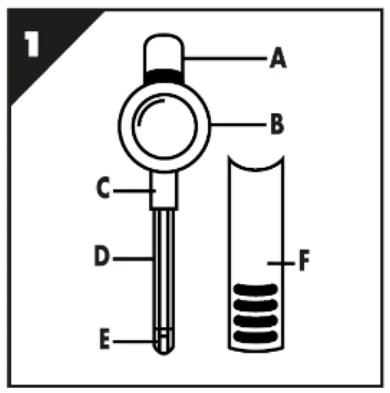
Follow these steps for MUSE administration:
- 1. Immediately prior to administration, the patient should urinate, and the penis should be gently shaken several times to remove excess urine. A moist urethra makes administration of MUSE easier. The medicated pellet has been specially developed to dissolve in the small quantity of urine that remains in the urethra after urination.
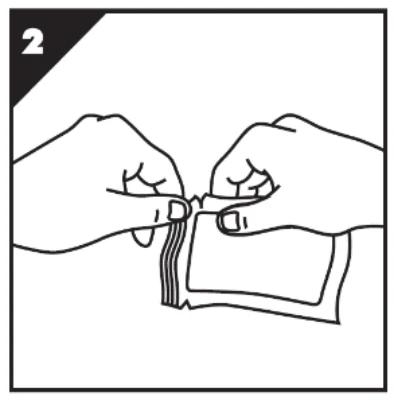
- 2. The foil pouch can be opened by tearing fully across from the notched edge (Fig. 2). The MUSE applicator should be removed from the pouch by sliding it out. The pouch should be saved to discard the MUSE applicator later.
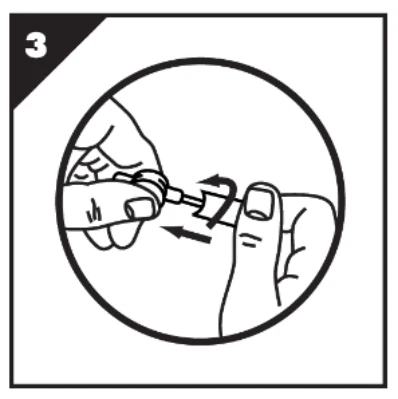
- 3. To remove the protective cap from the applicator stem (Fig. 3), the body of the applicator can be held with the patient’s thumb and forefinger. The body can be twisted, and the applicator pulled out from the cap, while care should be applied not to push the applicator button. Touching the applicator stem and tip should be avoided. The cap should be saved to discard the MUSE applicator later.
- 4. The MUSE applicator should be visually inspected. The MUSE applicator is see-through, and the medicated pellet can be seen at the end of the stem. The patient should be advised to make sure that the pellet is present before insertion.
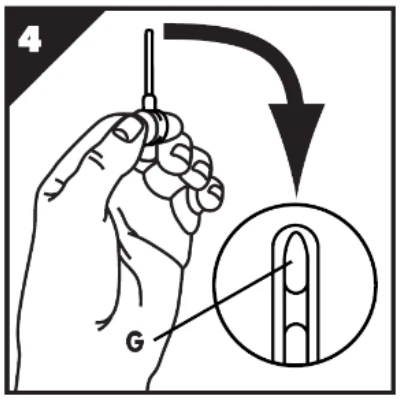
G: medicated pellet
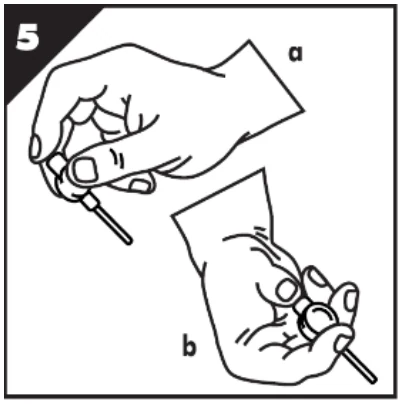
- 5. The applicator can be held in the way which is the most comfortable for the patient (Fig. 5, positions a or b).
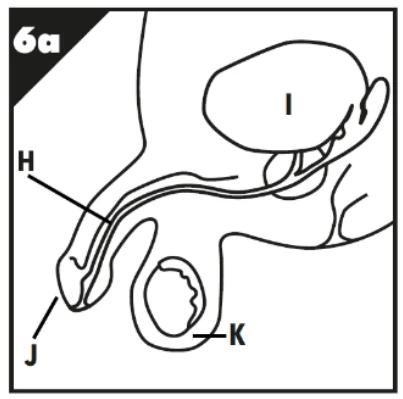
- 6. The patient should review Fig. 6a for the anatomy of the penis.
H = Urethra I = Bladder J = Glans K = Scrotum |
|---|
- 7. While sitting or standing, whichever is more comfortable for the patient, the penis should be stretched upward gently and slowly to its full length (this may take several seconds), with gentle compression from top to bottom of the glans (Fig. 6b). This straightens and opens the urethra. The MUSE stem can be slowly inserted into the urethra up to the collar (Fig. 6c). If any discomfort or a pulling sensation is felt by the patient, the applicator can be withdrawn slightly and then gently reinserted.
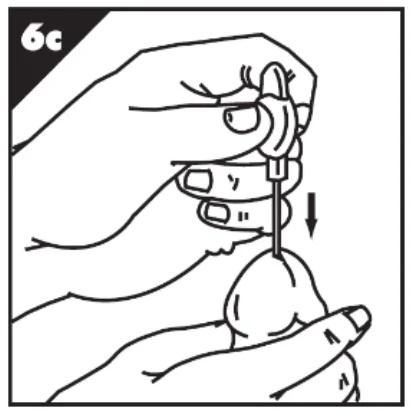
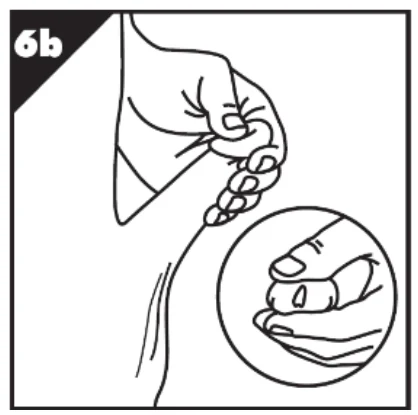
At first, some minor discomfort from insertion may be felt. Urinating prior to administration will reduce the chance of discomfort or abrasions and is important for dissolving the medicated pellet. The patient should be sure to straighten the penis to its full length when inserting the MUSE applicator. With repeated use, administration will become easier.
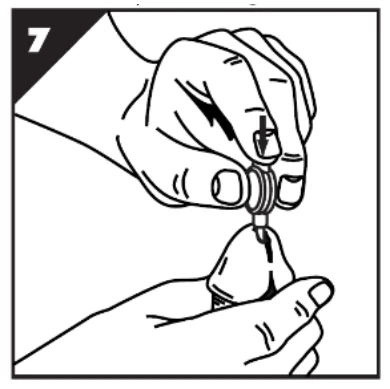
- 8. The button at the top of the applicator should be gently and completely pushed down (Fig. 7) until it stops. It is important to do this to ensure that the medicated pellet is completely released. The applicator should be held in this position for 5 seconds.
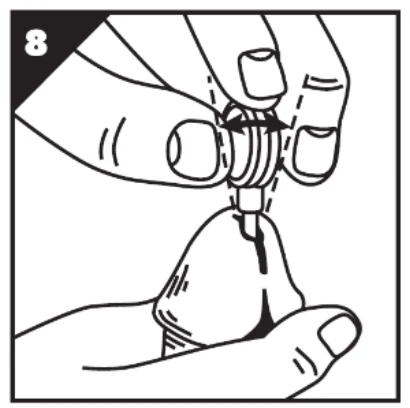
- 9. The applicator should be gently rocked from side to side. This will separate the medicated pellet from the applicator tip (Fig. 8). The patient should be advised that if too much pressure is applied, the lining of the urethra may be scratched, causing it to bleed.
- 10. The applicator should be removed while keeping the penis upright.
- 11. The applicator tip should be visually inspected to see that the medication is no longer in the applicator. The stem should not be touched. If residual medication is noticed in the end of the applicator, the latter can be gently reinserted into the urethra and steps 7, 8, and 9 should be repeated.
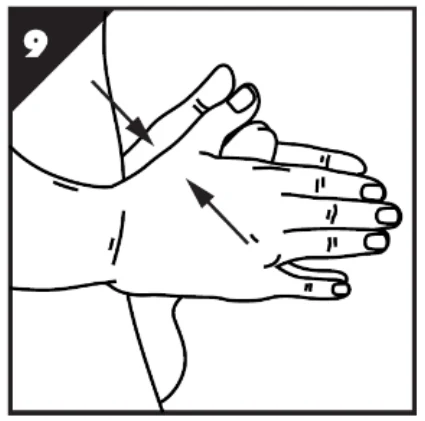
- 12. While the penis is held upright and stretched to its full length, the penis should be rolled firmly between the patient’s hands (Fig. 9) for at least 10 seconds. This will ensure that the medication is adequately distributed along the walls of the urethra. If a burning sensation is felt, it may help to continue to roll the penis for an additional 30 to 60 seconds or until the burning subsides.
- 13.
Each MUSE applicator is good for a single administration only. Therefore, after each single administration, the cap should be replaced on the MUSE applicator, then placed in the opened foil pouch, folded, and discarded as normal household waste.
The patient should be advised that after MUSE administration, sexual activity can begin, but having the man lie down, especially on the patient’s back shortly after administration, is not recommended. This will reduce blood flow to the penis and may reduce the erection. It is important to sit, stand or walk about for 10 minutes after administration, while the erection is developing. After this initial period, different positions leading to sexual intercourse can be assumed. Some couples have noticed that the erection is better maintained in positions that favour blood flow into the penis during intercourse. This increases blood flow to the penis and will enhance the erection.
5 OVERDOSAGE
Symptoms of overdose
Overdosage has not been reported with MUSE. However, overdosage with MUSE may result in hypotension, persistent penile pain, and possibly priapism (rigid erection lasting ≥ 6h). Priapism can result in permanent worsening of erectile function. Patients suspected of overdosage who develop these symptoms should be kept under medical supervision until systemic or local symptoms have resolved and/or until penile detumescence has occurred. Symptomatic treatment of any systemic symptoms would be appropriate.
Recommended management of overdose
Patients should be instructed to report any erections persisting for more than 4 hours to a healthcare professional. The treatment of priapism/prolonged erection should be according to established medical practice. Healthcare professional may refer to two suggested protocols for detumescence presented below.
Detumescence Protocols
- 1. Aspirate 40 to 60 mL from either right or left corpora using vacutainer and holder as for drawing blood. Patient will often detumesce while aspirating. Apply ice for 20 minutes post aspiration if erection remains.
If 1. unsuccessful then,
- 2. Have patient in supine position. Dilute 10 mg of phenylephrine into 20 mL of water for injection (0.05%). With an insulin syringe, inject 0.1 mL to 0.2 mL (50 - 100 mcg) into the corpora every 2 to 5 minutes, until detumescence occurs. The occasional patient may experience very transient bradycardia and hypertension when given phenylephrine injections, therefore, monitor the patient's blood pressure and pulse every 10 minutes. Patients at risk include those with cardiac arrhythmias and diabetics. Refer to the prescribing information for phenylephrine before use. DO NOT give phenylephrine to patients taking MAO inhibitors. When phenylephrine is used within the first 12 hours of erection, the majority of patients will respond.
- 3. If the above measures fail to detumesce the patient, an urologist should be consulted as soon as possible, especially if the erection has been present for many hours. If priapism is not treated immediately, penile tissue damage and/or permanent loss of potency may result.
| For management of a suspected drug overdose, contact your regional poison control centre. |
|---|
6 DOSAGE FORMS, STRENGTHS, COMPOSITION AND PACKAGING
Table 1 – Dosage Forms, Strengths, Composition and Packaging
MUSE is available in individually sealed foil pouch contained in a cardboard carton. Each carton contains one (1) single-use see-through applicator with a cap containing an urethral suppository.
7 WARNINGS AND PRECAUTIONS
Cardiovascular
Cardiac disorders: Sexual intercourse is considered a vigorous physical activity, and it increases heart rate as well as cardiac work. Healthcare professionals may want to examine the cardiac fitness of patients prior to treating erectile dysfunction (see 2 CONTRAINDICATIONS).
Hypotension and syncope: Because of the potential for symptomatic hypotension and syncope of patients during in-clinic dosing, patients should be monitored for symptoms of hypotension, and the lowest effective dose of MUSE should be prescribed (see 7 WARNINGS AND PECAUTIONS, Driving and Operating Machinery and 8.2 Clinical Trial Adverse Reactions).
Driving and Operating Machinery
There exists a possibility of syncope or fainting occurring within one hour of post-administration of MUSE. Patients should be cautioned to avoid activities, such as driving or hazardous tasks,
| Route of Administration | Dosage Form / Strength/Composition | Non-medicinal Ingredients |
|---|---|---|
| Urethral | Suppository 250 mcg, 500 mcg and 1000 mcg of alprostadil | Polyethylene glycol 1450 |
where injury could result if hypotension or syncope were to occur after the administration of MUSE (see
7 WARNINGS AND PRECAUTIONS, Cardiovascular).
Hematologic
Patients administering MUSE improperly may be at risk of urethral abrasion resulting in minor bleeding or spotting. Patients on anticoagulant therapy or with bleeding disorders may be at higher risk of bleeding. Patients on anticoagulant therapy have been safely treated with MUSE; however, the risk/benefit ratio in these patients should be considered prior to prescribing MUSE (see 9.4 Drug-Drug Interactions).
Reproductive Health: Female and Male Potential
Function
Priapism and prolonged erection: In clinical trials of MUSE, priapism (rigid erection lasting ≥ 6 hours) and prolonged erection (rigid erection lasting 4 hours and < 6 hours) were reported infrequently (< 0.1% and 0.3% of patients, respectively). Nevertheless, these events are a potential risk of pharmacologic therapy and can cause penile injury. Healthcare professionals should lower the dose or consider discontinuing treatment with MUSE in any patient who develops priapism or prolonged erection.
Reversible causes of erectile dysfunction: A complete medical history and physical examination should be undertaken to exclude reversible causes of erectile dysfunction prior to the initiation of MUSE therapy. In addition, underlying disorders that might preclude the use of MUSE should be sought (see 2 CONTRAINDICATIONS).
Sexual preference: There is no experience in homosexual men and no experience with other than vaginal intercourse.
Respiratory
Between 60% and 90% of Prostaglandin E1 (PGE1) has been shown to be metabolized after one pass through the pulmonary capillary beds. However, pulmonary clearance of PGE1 can be affected by disease states such as acute respiratory distress syndrome (ARDS), with a resultant reduction in the pulmonary extraction ratio. Caution should be exercised for patients with ARDS (see 10.3 Pharmacokinetics).
7.1 Special Populations
7.1.1 Pregnant Women
MUSE is not indicated for use in women.
7.1.2 Breast-feeding
MUSE is not indicated for use in women.
7.1.3 Pediatrics
MUSE is not indicated for use in children.
8 ADVERSE REACTIONS
8.1 Adverse Reaction Overview
In clinic titration: In the 2 largest double-blind, parallel, placebo-controlled trials, 1511 patients received MUSE at least once in the clinic setting. The most frequently reported drug-related side effects during in-clinic titration included pain in the penis (36%), pain in the urethra (13%), or pain in the testes (5%). These discomforts were most commonly reported as mild and transient, but about 7% of patients withdrew at this stage because of adverse events. Urethral bleeding/spotting and other minor abrasions to the urethra were reported in approximately 3% of patients.
Symptomatic lowering of blood pressure (hypotension) occurred in 3% of patients. Dizziness was reported in 4% of patients. Syncope (fainting) was reported by 0.4% of patients.
8.2 Clinical Trial Adverse Reactions
Clinical trials are conducted under very specific conditions. The adverse reaction rates observed in the clinical trials; therefore, may not reflect the rates observed in practice and should not be compared to the rates in the clinical trials of another drug. Adverse reaction information from clinical trials may be useful in identifying and approximating rates of adverse drug reactions in real-world use.
Home treatment: 996 patients (66% of those who began titration) were studied during the home treatment portion of 2 Phase III placebo-controlled studies. Fewer than 2% of patients discontinued from these studies primarily because of adverse events. The following table summarizes the frequency of adverse events reported by patients using MUSE or placebo.
Table 2 – Adverse Events Reported by ≥ 2% of Patients Treated with MUSE and More Common than on Placebo At Home in Phase III Placebo-Controlled Clinical Studies for up to 3 Months
MUSE n = 486 (%) | placebo n = 511 (%) | ||||
|---|---|---|---|---|---|
| General disorders and administration site conditions | |||||
| Pain | 3 % | 1 % | |||
| Infections and infestations | |||||
| Infection | 3 % | 2 % | |||
| Injury, poisoning and procedural complications | |||||
| Accidental injury | 3 % | 2 % | |||
| Musculoskeletal and connective tissue disorders | |||||
| Back pain | 2 % | 1 % | |||
| Pelvic pain | 2 % | < 1 % | |||
| Nervous system disorders | |||||
| Dizziness | 2 % | < 1 % | |||
| Headache | 3 % | 2 % | |||
| Reproductive system and breast disorders | |||||
| Penile pain | 32 % | 3 % | |||
| Urethral burning | 12 % | 4 % | |||
| Minor urethral bleeding/spotting | 5 % | 1 % | |||
| Testicular pain | 5 % | 1 % | |||
| Respiratory, thoracic and mediastinal disorders | |||||
| Rhinitis | 2 % | < 1% | |||
| Flu symptoms | 4 % | 2 % | |||
Female Partner Adverse Events: The most common drug-related adverse event reported by female partners during placebo-controlled clinical studies was vaginal burning/itching, reported by 5.8% of partners of patients on active vs. 0.8% of partners of patients on placebo. It is unknown whether this adverse event experienced by female partners was a result of the medication or a result of resuming sexual intercourse, which occurred much more frequently in partners of patients on active medication.
8.3 Less Common Clinical Trial Adverse Reactions
The following adverse events were reported in the administration of MUSE at a frequency of < 2% during in-clinic titration and home treatment.
Cardiovascular: rapid pulse, swelling of leg veins
Musculoskeletal and connective tissue disorders: leg pain, perineal pain
9 DRUG INTERACTIONS
9.2 Drug Interactions Overview
Drug-Device Interactions: The use of MUSE in patients with penile implants has not been studied.
9.3 Drug-Behavioural Interactions
The following behaviours may influence the response to MUSE.
| Factors Which May Enhance the Erection | Factors Which May Reduce the Erection |
|---|---|
| Being well rested and relaxed | Incorrect administration |
| Sexual foreplay with the partner or self-stimulation while sitting or standing | Anxiety, fatigue, tension, and too much alcohol |
| Pelvic exercises (for example, Kegel exercises) - these consist of tightening and releasing pelvic and buttock muscles. These are the muscles used to stop urination | Lying on the back too soon after administration of MUSE may decrease blood flow to the penis and result in loss of erection |
| Various positions that may favour blood flow into the penis | Urination or dribbling immediately following administration may result in loss of medication from the urethra |
9.4 Drug-Drug Interactions
Because there are low or undetectable (< 2 picograms/mL) amounts of alprostadil found in the peripheral venous circulation following administration, systemic drug-drug interactions with MUSE are unlikely.
The drugs listed in this table are based on either drug interaction case reports or studies, or potential interactions due to the expected magnitude and seriousness of the interaction (i.e., those identified as contraindicated).
Table 3 – Established or Potential Drug-Drug Interactions
| Source of Evidence | Effect | Clinical comment | |
|---|---|---|---|
| Antihypertensive medications | T | Hypotension risk increased | Caution is advised during the administration of MUSE to individuals on anti-hypertensive medications (see 7 WARNINGS AND PRECAUTIONS, Cardiovascular and Hypotension and syncope). |
| Anticoagulant | T | Higher risk of bleeding risk/benefit ratio should be considered when a patient is on anticoagulant therapy (see | Urethral abrasion may result in minor bleeding or spotting due to improper administration. Patients on anticoagulant therapy have been safely treated with MUSE; however, the |
7 WARNINGS AND PRECAUTIONS, Hematologic).
| Medications attenuating erectile function | T | May influence the response to MUSE | Although systemic drug-drug interactions with MUSE are unlikely, medications attenuating erectile function may influence the response to MUSE. |
|---|---|---|---|
| Decongestants, such as over-the-counter cold remedies, allergy and sinus medications, and appetite suppressants | T | May block the effect of MUSE | N/Av |
Legend: C = Case Study; CT = Clinical Trial; T = Theoretical; N/Av = Not available
10 CLINICAL PHARMACOLOGY
10.1 Mechanism of Action
Alprostadil is a synthetic prostaglandin with various pharmacological actions that include vasodilation, inhibition of platelet aggregation, inhibition of gastric secretion, stimulation of intestinal smooth muscle and stimulation of uterine smooth muscle.
PGE1 is a naturally occurring acidic lipid that is synthesized from fatty acid precursors by most mammalian tissues and has a variety of pharmacologic effects. Human seminal fluid is a rich source of prostaglandins, including PGE1 and Prostaglandin E2 (PGE2), and the total concentration of prostaglandins in ejaculate has been estimated to be approximately 100-200 mcg/mL.
The vasodilatory effects of alprostadil on the cavernosal arteries and the trabecular smooth muscle of the corpora cavernosa result in rapid arterial inflow and expansion of the lacunar spaces within the corpora. As the expanded corporal sinusoids are compressed against the tunica albuginea, venous outflow through subtunical vessels is impeded and penile rigidity develops. This process is referred to as the corporal veno-occlusive mechanism.
10.2 Pharmacodynamics
In vitro studies
Alprostadil (PGE1) has been shown to cause dose-dependent smooth muscle relaxation in isolated corpus cavernosum and corpus spongiosum preparations. Additionally, vasodilation has been demonstrated in isolated cavernosal artery segments that were pre-contracted with either norepinephrine or prostaglandin F2α (PGF2α).
In vivo studies
In human studies using Doppler duplex ultrasonography, intraurethral administration of 500 mcg of MUSE resulted in an increase in cavernosal artery diameter and a 5- to 10-fold increase in peak systolic flow velocities. These results suggest that intraurethral alprostadil is absorbed from the urethra, transported throughout the erectile bodies by communicating vessels between the corpus spongiosum and corpora cavernosa, and able to induce vasodilation of the targeted vascular beds.
The most notable systemic effects of alprostadil are vasodilation, inhibition of platelet aggregation, and stimulation of intestinal and uterine smooth muscle. Intravenous doses of 1 to 10 mcg per kilogram of body weight lower blood pressure in mammals by decreasing peripheral resistance. Reflex increases in cardiac output and heart rate may accompany these effects.
10.3 Pharmacokinetics
Alprostadil is well absorbed (greater than 80%) following intraurethral administration. Following absorption, alprostadil enters the venous blood system and is transported to the pulmonary circulation. First-pass metabolism through the lungs is substantial leading to low systemic plasma concentrations of PGE1. While intraurethrally administered alprostadil requires a greater dose for activity than does intracavernosally administered alprostadil, it does not appear to pose a greater risk for systemic exposure because of efficient pelvic and pulmonary pre-systemic metabolism of alprostadil.
Absorption
MUSE is designed to deliver alprostadil directly to the urethral lining for transfer via the corpus spongiosum to the corpora cavernosa. When intraurethral administration of MUSE is preceded by urination, the residual urine disperses the medicated pellet, permitting alprostadil to be absorbed by the urethral mucosa. The transurethral absorption of alprostadil after administration is biphasic. Initial absorption is rapid, with approximately 80% of an administered dose absorbed within 10 minutes. The mean time to the maximum plasma PGE1 concentration after a 1000 mcg intraurethral dose of MUSE is approximately 16 minutes.
These PRA estimates were used to estimate the first-order absorption rate constant (Ka) of alprostadil from the urethra. The estimate of Ka was 0.285 min-1. This estimate was determined by naive pooling of the data and served primarily to indicate that the absorption of alprostadil from the urethra is very rapid. A separate study assessing the mean contributions to PGE1 in the semen (123 mcg at 10 minutes and 110 mcg at 30 minutes) indicated that 12.3% and 11.0% of the administered dose remains unabsorbed at 10 and 30 minutes after administration respectively. At least 87% of the administered dose has been absorbed from the urethra by 10 minutes after the administration of MUSE. However, this does not reflect the systemic bioavailability due to significant first-pass extraction of PGE1.
Distribution
Following administration, MUSE is absorbed from the urethral mucosa into the corpus spongiosum. A portion of the administered dose is transported to the corpora cavernosa through collateral vessels, while the remainder passes into the pelvic venous circulation through veins draining the corpus spongiosum. The half-life of alprostadil in humans is short, varying between 30 seconds and 10 minutes, depending on the body compartment in which it is measured and the physiological status of the subject. Nearly all of the alprostadil entering the central venous circulation is removed in a single pass through the lungs; thus peripheral venous plasma levels of PGE1 are low or undetectable (< 2 picograms/mL) after MUSE administration. In a study of 14 subjects, the plasma PGE1 level was shown to be undetectable in most subjects within 60 minutes of MUSE administration.
The normal extraction efficiency is reported in the literature to be 70% to 90% on a single pass through the lungs. Pulmonary clearance of PGE1, cardiac output, and PGE1 input rate are the primary factors controlling the plasma concentration of PGE1.
Mean PGE1 Cmax observations in pharmacokinetic studies with MUSE, following intravenous infusion and 1000 mcg intraurethral administration, were 6.55 and 11.41 pg/mL, respectively. These concentrations are consistent with the literature reports of extensive first-pass metabolism of alprostadil, which will limit systemic exposure.
Metabolism
Alprostadil is rapidly metabolized to 15-keto-PGE1 locally by enzymatic oxidation of the 15-hydroxyl group. The enzyme catalyzing this process (15-hydroxyprostaglandin dehydrogenase) has been isolated from many tissues in the lower genitourinary tract including the urethra, prostate, and corpus cavernosum. 15-keto-PGE1 retains little (1-2%) of the biological activity of PGE1. Following the enzymatic oxidation, 15-keto-PGE1 is rapidly reduced at the C13-C14 position to form the most abundant metabolite in plasma, 13,14-dihydro,15-keto-PGE1 (DHK-PGE1), which is biologically inactive. The majority of DHK-PGE1 is further metabolized to smaller prostaglandin remnants that are cleared primarily by the kidney and liver. Between 60% and 90% of PGE1 has been shown to be metabolized after one pass through the pulmonary capillary beds. However, pulmonary clearance of PGE1 can be affected by disease states such as acute respiratory distress syndrome (ARDS), with a resultant reduction in the pulmonary extraction ratio.
In pharmacokinetic studies, the bioavailability of PGE1 following 1000 mcg MUSE administration relative to intravenous infusion was estimated to be 7% in one subject based on plasma PGE1 concentrations. The mean estimate of the bioavailability of PGE1 based on the 13,14-dihydro-15-keto-PGE1 metabolite was 23%.
Elimination
After intravenous administration of tritium-labelled alprostadil in man, labelled drug disappears rapidly from the blood in the first 10 minutes and, by 1 hour, radioactivity in the blood reaches a low level.
The metabolites of alprostadil are excreted primarily by the kidney, with approximately 90% of an administered intravenous dose excreted in the urine within 24 hours of dosing. The remainder is excreted in the feces. There is no evidence of tissue retention of alprostadil or its metabolites following intravenous administration.
Special Populations and Conditions
- Respiratory Insufficiency: The near-complete pulmonary first-pass metabolism of PGE1 is the primary factor influencing the systemic pharmacokinetics of MUSE and is a reason that peripheral venous plasma levels of PGE1 are low or undetectable (< 2 picograms/mL) following administration. Patients with pulmonary disease, therefore, may have a reduced capacity to clear the drug. In patients with the adult respiratory distress syndrome (ARDS), pulmonary extraction of intravascularly administered alprostadil was reduced by approximately 15% compared to a control group of patients with normal respiratory function (66 ± 3.2% vs. 78 ± 2.4%).
- Pediatrics: The safety and effectiveness of MUSE in pediatric patients have not been evaluated. Therefore, Health Canada has not authorized an indication for pediatric use.
- Geriatrics: The effects of age on the pharmacokinetics of alprostadil have not been evaluated.
11 STORAGE, STABILITY AND DISPOSAL
Keep out of reach and sight of children.
Store unopened foil pouches in a refrigerator between 2°C and 8°C. Do not expose MUSE to temperatures above 30°C. MUSE may be kept at room temperature (below 30°C) for up to 14 days prior to use.
When travelling, MUSE should be stored in a portable ice pack or cooler. MUSE should not be stored where it may be exposed to extreme temperatures (e.g., trunk of a car, checked baggage).
MUSE is for single use only. After use, the cap should be replaced on the applicator, which should then be placed in the foil pouch and discarded in normal household waste.
12 SPECIAL HANDLING INSTRUCTIONS
Not applicable
PART II: SCIENTIFIC INFORMATION
13 PHARMACEUTICAL INFORMATION
Drug Substance
Proper name: alprostadil
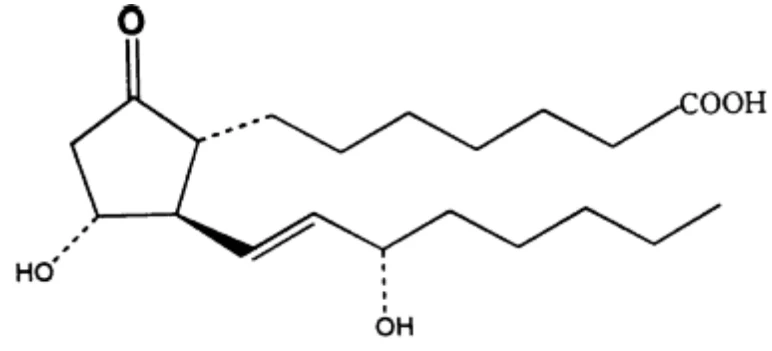
Chemical name: prost-13-en-1-oic acid, 11,15-dihydroxy-9-oxo-(11α,13E,15S)-(1R,2R,3R)-3-hydroxy-2-[(E)-(3S)-3-hydroxy-1-octenyl]-5-oxo-cyclopentane heptanoic acid
Molecular formula and molecular mass: C20H34O5 and 354.49 g/mol
Structural formula:
Physicochemical properties: Alprostadil is a white to off-white crystalline powder with a melting point between 115°C and 116°C. Its solubility at 35°C is 8000 mcg per 100 mL double-distilled water.
14 CLINICAL TRIALS
14.1 Clinical Trials by Indication
Erectile dysfunction
MUSE was evaluated in 7 placebo-controlled trials of various design in over 2500 patients with a history of erectile dysfunction of various etiologies. These trials assessed erectile function in the clinic and sexual intercourse in outpatient settings.
Studies that established benefit demonstrated improvements in success rates for sexual intercourse compared with similarly administered placebo.
14.2 Study Results
In 2 identical multicentre, double-blind, placebo-controlled, parallel-group studies, 1511 monogamous and heterosexual patients were enrolled and began dose titration in the clinic with doses between 125 mcg and 1000 mcg. Sixty-six percent of patients (996) completed dose titration and achieved an erection sufficient for intercourse. Couples on active therapy were more likely to have at least one successful sexual intercourse (65% vs. 19%) than were couples on placebo.
Among patients who reported successful intercourse at least once with active treatment, approximately 7 of 10 MUSE administrations resulted in successful sexual intercourse.
Results were similar in patients with erectile dysfunction stemming from surgery or trauma, diabetes, vascular disease, or other etiologies. In administrations resulting in sexual intercourse, average erections sufficient for penetration was 16 minutes on active drug. Successful therapy with MUSE was associated with improvement in the quality of life measures of "emotional well-being" for patients and "relationship with partner" for both patients and their female partners.
15 MICROBIOLOGY
No microbiological information is required for this drug product.
16 NON-CLINICAL TOXICOLOGY
General Toxicology
Acute toxicology: No non-clinical single-dose or acute toxicity studies of alprostadil were found in the literature.
Long-term toxicology: The long-term toxicity of alprostadil was assessed in several non-clinical toxicity studies in rabbits and dogs. Alprostadil was considered non-toxic and was well-tolerated when administered into the penile urethra with doses of up to 3000 mcg. Dose related clinical signs of penile erythema, enlargement and firmness are not considered adverse and are consistent with the known pharmacologic effects of alprostadil.
Carcinogenicity: Long-term carcinogenicity studies of alprostadil have not been conducted.
Genotoxicity: Alprostadil showed no evidence of mutagenicity in vitro in the Ames bacterial reverse mutation test, the unscheduled DNA synthesis assay in rat hepatocytes, or the Chinese hamster ovary forward gene mutation assay; nor was there evidence of mutagenicity in vivo in the mouse micronucleus assay. Alprostadil concentrations increased chromosomal aberrations above control incidence in the in vitro Chinese hamster ovary chromosomal aberration assay.
Reproductive and Developmental Toxicology: In dogs, sperm concentration, morphology and motility were unaffected by daily intraurethral administration of up to 3000 mcg alprostadil for 13 weeks (200 mcg/kg/day or about 3.5 times the maximum recommended daily dose adjusted for body surface area). Alprostadil concentrations of 400 mcg/mL had no effect on human sperm motility or viability in vitro.