


Product Monograph - Vitaros
SUMMARY PRODUCT INFORMATION
Route of Administration | Dosage Form / Strength | Clinically Relevant Nonmedicinal Ingredients |
| topical | cream: 220 mcg per 100 mg 330 mcg per 100 mg | dodecyl-2-N,N-dimethylaminopropionate hydrochloride See Dosage Forms, Composition and Packaging for a complete list of nonmedicinal ingredients. |
INDICATIONS AND CLINICAL USE
Vitaros ™ (alprostadil) Cream is indicated for:
Treatment of erectile dysfunction, which is the inability to achieve or maintain a penile erection sufficient for satisfactory sexual performance.
Geriatrics (> 65 years of age): No dose adjustments are necessary for elderly persons.
Pediatrics: Vitaros is not intended for children or men below 18 years of age.
CONTRAINDICATIONS
Vitaros should not be used in patients with any of the following:
- 1. Patients who are hypersensitive to this drug or to any ingredient in the formulation or component of the container. For a complete listing, see the Dosage Forms, Composition and Packaging section of the product monograph.
- 2. Underlying disorders, such as orthostatic hypotension and myocardial infarction.
- 3. Conditions that might predispose to priapism (erection lasting longer than 4 hours), such as sickle cell anemia or trait, thrombocythemia, polycythemia, multiple myeloma, or leukemia.
- 4. Penile abnormalities such as severe hypospadias, anatomical deformation of the penis such as curvature, or acute or chronic urethritis and balanitis.
- 5. Prone to venous thrombosis or who have a hyperviscosity syndrome and are therefore at increased risk of priapism.
- 6. In patients for whom sexual activity is inadvisable (SEE WARNINGS AND PRECAUTIONS).
- 7. Vitaros should not be used for sexual intercourse with a pregnant or lactating woman or for oral sex (fellatio) unless the couple uses a condom barrier.
- 8. Because it has not been tested during human pregnancy or in couples trying to achieve pregnancy, it is recommended that adequate contraception be used if the female partner is of childbearing potential.
WARNINGS AND PRECAUTIONS
General
Local effects: seek immediate medical assistance for any erection that lasts longer than 4 hours. If not treated immediately, penile tissue damage and permanent loss of potency may result.
Initiation of Therapy: A complete medical history and physical examination should be undertaken prior to the initiation of Vitaros therapy.
Use in Pregnant or Lactating Women: Vitaros should not be used for sexual intercourse with a pregnant or lactating woman or for oral sex (fellatio) unless the couple uses a condom barrier.
Cardiovascular
Symptomatic hypotension and syncope occurred in a small percent of patients 2/459 (0.4%), 6/1591 (0.4%), and 6/1280 (0.5%) at the 110, 220 and 330 mcg alprostadil doses, respectively during dosing in the Phase 3 studies. Therefore, patients should be cautioned to avoid activities, such as driving or hazardous tasks, where injury could result if hypotension or syncope occurs after Vitaros administration.
Genitourinary
Prolonged erections lasting 4 hours (priapism) have rarely been observed with the use of Vitaros, however, if priapism occurs the patient should seek immediate medical assistance for any erection that persists longer than 4 hours. If priapism is not treated immediately, penile tissue damage and permanent loss of potency may result.
Hepatic/Biliary/Pancreatic
The safety and effectiveness of Vitaros in patients with hepatic disease has not been studied.
Renal
The safety and effectiveness of Vitaros in patients with renal or pulmonary impairment has not been studied. However, since alprostadil is primarily metabolized by the lung and kidney the effects of Vitaros (duration and magnitude of erection and side effects) may be increased and the dose may need to be lowered.
Respiratory
The safety and effectiveness of Vitaros in patients with renal or pulmonary impairment have not been studied. However, since alprostadil is primarily metabolized by the lung and kidney the effects of Vitaros (duration and magnitude of erection and side effects) may be increased and the dose may need to be lowered.
Sensitivity/Resistance
Vitaros and the excipients are non-sensitizing.
Sexual Function/Reproduction
Effects in partner: Due to the potential for transfer of Vitaros to the female partner during intercourse, side effects by the partner may be experienced. The most common drug-related adverse events reported by female partners during placebo-controlled, double-blind, multiple-use (3-month and > 6-month) clinical studies were mild to moderate transient vaginal burning or itching which resolved within 1 to 2 hours of onset. It is unknown whether these adverse events were related to the Vitaros medication or to the resuming of sexual intercourse, which occurred more frequently in partners on active medication.
Vitaros should not be used for sexual intercourse with a pregnant or lactating woman or for oral sex (fellatio) unless the couple uses a condom barrier.
Skin
Common adverse events with Vitaros include redness or erythema, burning and itching at the site of application on the penis. Neither alprostadil nor the ingredients in Vitaros are sensitizing to the skin, and there have been no reports of allergic reactions to Vitaros.
Special Populations
Use with Devices (implants): The use of Vitaros in patients with penile implants has not been studied.
Pregnant Women: Alprostadil has been shown to be embryotoxic when administered by injection and continuous infusion to pregnant rats. This effect was observed at high doses which also caused maternal toxicity. Alprostadil use in human pregnancy has not been investigated. Vitaros should not
be used for sexual intercourse with a pregnant or lactating woman or for oral sex (fellatio), unless the couple uses a condom barrier.
Nursing Women: Vitaros should not be used for sexual intercourse with a pregnant or lactating woman or for oral sex (fellatio) unless the couple uses a condom barrier.
There are no well-controlled studies of nursing women partners of men that have used Vitaros. Because many drugs are known to be excreted in the milk, it is not recommended to use Vitaros while nursing.
Pediatrics ( < 18 years): Vitaros is not indicated for use in children or pediatrics.
ADVERSE REACTIONS
In-Clinic Test Dose Tolerability: In the two Phase 3 double-blind, parallel, placebo-controlled 3-month studies and one Phase 3 open-label, parallel design > 6-month study 1722 patients received Vitaros containing either 110, 220 or 330 mcg alprostadil at least one time in the clinic setting. Of these 1722 patients, 737 were rollovers treated with alprostadil and 261 were rollovers treated with placebo from the two double blind studies into the open label study. In these studies, tolerability was evaluated by the occurrence of orthostatic hypotension symptoms and measurement of sitting and standing blood pressure and pulse rates. One patient (1/878, 0.1%) in one of the 3-month studies had a decrease in the standing diastolic blood pressure (DBP) of > 20 mm Hg from the sitting DBP. He was randomized to treatment and completed the study. One patient (1/854, 0.1%) in the other 3-month study had a decrease in the standing systolic blood pressure of > 30 mm Hg from the sitting blood pressure. He was discontinued from the study. Two patients (2/1161, 0.2%) in the > 6-month study experienced hypotension and discontinued from the study. The most frequently reported drug related side effects during the studies included penile burning or erythema at the application site (679/2459, 27.6%), meatal, glans or genital pain (289/2459, 11.8%) and painful or prolonged erection (67/2459, 2.7%). These effects were most commonly reported as mild to moderate and were transient. There were about 4% of patients that withdrew from the studies at this stage because of an adverse event. Symptomatic lowering of blood pressure (hypotension) occurred in 0.2% of patients. In addition, some lowering of blood pressure occurred without symptoms. Dizziness was reported in 1.0% of patients. A low incidence of syncope (fainting) was reported (8/2459, 0.3%) in patients [SEE WARNINGS AND PRECAUTIONS].
Home Treatment: In all of the 10 clinical studies, 2079 patients received Vitaros at least 1 time. The most frequently reported drug-related adverse effects from the Phase 3 studies during at-home treatment were related to the urogenital system and application site and included penile burning, erythema, pain (meatal, glans or genital) and prolonged or painful erection, which were mild to moderate in intensity and occurred at an incidence that increased with dose and resolved within 2 hours of onset. The overall discontinuation rates were low; less than 4% of patients and less than 0.5% of partners withdrew due to adverse events. Table 1 and 2 summarized the most frequent adverse events (> 1%) reported by patients using Vitaros or placebo and their partners that were treatment related in the 3-month and > 6-month at home studies, respectively. Priapism, although rare, was observed in the two 3-month studies in only 1 patient (0.06%) and in the > 6-month study in only 5 (0.4%) patients, including 4 (0.3%) in the 220 mcg and 1 (0.1%) in the 330 mcg groups.
Female Partner Adverse Events: The most common drug-related adverse events reported by female partners during placebo-controlled, double-blind, multiple-use (3-month and > 6-month) clinical studies were mild to moderate transient vaginal burning or itching which resolved within 1 to 2 hours of onset.
Clinical Trial Adverse Drug Reactions
Because clinical trials are conducted under very specific conditions the adverse reaction rates observed in the clinical trials may not reflect the rates observed in practice and should not be compared to the rates in the clinical trials of another drug. Adverse drug reaction information from clinical trials is useful for identifying drug-related adverse events and for approximating rates.
Adverse events that were treatment related that occurred at an incidence of > 1% in patients and their partners and equal or greater on drug than placebo in the 220 and 330 mcg alprostadil groups from the two pivotal Phase 3 studies and in the > 6-month Phase 3 study are shown in Table 1 and 2, respectively.
Table 1.
Adverse Events Reported by > 1% of Patients Treated with Vitaros and Their Partners
That Were Treatment Related and More Frequent on Drug than Placebo from Two Phase 3 Studies
| Adverse Events | Placebo | Vitaros 220 mcg | Vitaros 330 mcg |
| N | 434 | 430 | 434 |
| Patient AEs N (%) | |||
| Nervous System | |||
| Dizziness | 1 (0.2) | 2 (0.5) | 5 (1.2) |
| Skin and Appendages | |||
| Rash | 0 (0) | 5 (1.2) | 2 (0.5) |
| Urogenital System | |||
| Balanitis | 3 (0.7) | 7 (1.6) | 20 (4.6) |
| Edema, penis | 1 (0.2) | 4 (0.9) | 6 (1.4) |
| Fullness, genital | 0 (0) | 9 (2.1) | 4 (0.9) |
| Genital pain | 2 (0.5) | 67 (15.6) | 76 (17.5) |
| Hyperesthesiaa | 0 (0) | 5 (1.2) | 6 (1.4) |
| Penile burning | 26 (6) | 106 (24.7) | 100 (23) |
| Penile erythema | 9 (2.1) | 39 (9.1) | 49 (11.3) |
| Penile itching | 1 (0.2) | 3 (0.7) | 5 (1.2) |
| Penile tingling | 7 (1.6) | 11 (2.6) | 4 (0.9) |
| Penis disorderb | 2 (0.5) | 8 (1.9) | 15 (3.5) |
| Partner AEs N (%) | |||
| Urogenital System | |||
| Vaginal burning | 7 (1.6) | 30 (7.0) | 18 (4.1) |
| Vaginitis | 5 (1.2) | 3 (0.7) | 6 (1.4) |
a Includes penis sensitivity.
b Includes prolonged or extended erections, penile throbbing, penile numbness, excessive rigidity, and lack sensation of penis tip.
Table 2. Adverse Events Reported by > 1% of Patients Treated with Vitaros and Their Partners
That Were Treatment Related from the > 6-Month Study
Adverse Events
| Vitaros 220 mcg | Vitaros 330 mcg | |
| N | 1161 | 846 |
| Patient AEs N (%) | ||
| Urogenital System | ||
| Penile burning | 109 (9.4) | 71 (8.4) |
| Genital pain | 57 (4.9) | 44 (5.2) |
| Penile erythema | 40 (3.4) | 30 (3.5) |
| Penis disordera | 13 (1.1) | 12 (1.4) |
| Partner AEs N (%) | ||
| Urogenital System | ||
| Vulvovaginal disorderb | 20 (1.7) | 20 (2.4) |
a Includes excessive rigidity, prolonged erections (priapism, erection > 4 hours), penile sensitivity, penile numbness or penile throbbing
b Includes vaginal itching, burning, stinging, redness, pain, spasms or discharge in partners.
Less Common Clinical Trial Adverse Drug Reactions (< 1%)
Adverse events that were treatment related that occurred rarely, at an incidence of < 1%, in patients and their partners and equal or greater on drug than placebo in the 220 and 330 mcg alprostadil groups from the two pivotal Phase 3 studies and in the > 6-month Phase 3 study are shown in Table 3 and 4, respectively.
Table 3.
Adverse Events Reported by < 1% of Patients Treated with Vitaros and Their Partners
That Were Treatment Related and More Frequent on Drug than Placebo from
Two Phase 3 Studies
| Adverse Events Body System COSTART Term | Placebo N = 434 | Vitaros 220 mcg N = 430 | Vitaros 330 mcg N = 434 |
| Patient AEs | N (%) | ||
| Body as a Whole | |||
| Fever | 0 (0) | 1 (0.2) | 0 (0) |
| Monilia | 0 (0) | 1 (0.2) | 0 (0) |
| Pain | 0 (0) | 1 (0.2) | 3 (0.7) |
| Pain, Pelvic | 0 (0) | 0 (0) | 3 (0.7) |
| Cardiovascular System | |||
| Hypotension | 0 (0) | 0 (0) | 2 (0.5) |
| Syncope | 0 (0) | 1 (0.2) | 1 (0.2) |
| Tachycardia | 0 (0) | 0 (0) | 1 (0.2) |
| Venous Pressure Increased | 0 (0) | 1 (0.2) | 0 (0) |
| Digestive System | |||
| Dry Mouth | 0 (0) | 1 (0.2) | 0 (0) |
| Liver Function Abnormal | 0 (0) | 1 (0.2) | 0 (0) |
| Nausea | 0 (0) | 0 (0) | 1 (0.2) |
| Nausea and Vomiting | 0 (0) | 0 (0) | 1 (0.2) |
| Metabolic and Nutritional Disorders | |||
| Musculoskeletal System | |||
| Myalgia | 0 (0) | 1 (0.2) | 0 (0) |
| Nervous System | |||
| Vasodilation | 0 (0) | 1 (0.2) | 4 (0.9) |
| Vertigo | 0 (0) | 0 (0) | 1 (0.2) |
| Respiratory System | |||
| Dyspnea | 0 (0) | 1 (0.2) | 0 (0) |
| Skin and Appendages | |||
| Rash, Vesiculobullous | 1 (0.2) | 1 (0.2) | 0 (0) |
| Skin Disorder | 0 (0) | 0 (0) | 1 (0.2) |
| Sweat | 0 (0) | 1 (0.2) | 0 (0) |
| Urogenital System | |||
| Discharge, Urethral | 0 (0) | 1 (0.2) | 0 (0) |
| Dysuria | 1 (0.2) | 0 (0) | 1 (0.2) |
| Edema, Genital | 0 (0) | 0 (0) | 1 (0.2) |
| Ejaculation Abnormal | 1 (0.2) | 1 (0.2) | 2 (0.5) |
| Erythema, Genital | 0 (0) | 1 (0.2) | 0 (0) |
| Hematuria | 1 (0.2) | 1 (0.2) | 0 (0) |
| Infection, Urinary Tract | 0 (0) | 0 (0) | 1 (0.2) |
| Irritation, Urethral | 2 (0.5) | 1 (0.2) | 3 (0.7) |
| Adverse Events Body System COSTART Term | Placebo N = 434 | Vitaros 220 mcg N = 430 | Vitaros 330 mcg N = 434 |
| Neoplasm, Urogenital | 0 (0) | 0 (0) | 1 (0.2) |
| Prostatic Disorder | 0 (0) | 1 (0.2) | 0 (0) |
| Prostatic Hypertrophy | 0 (0) | 0 (0) | 1 (0.2) |
| Testis Disorder | 0 (0) | 1 (0.2) | 0 (0) |
| Urethra Pain | 1 (0.2) | 2 (0.5) | 3 (0.7) |
| Urination Frequency | 1 (0.2) | 0 (0) | 1 (0.2) |
| Urination Urgency | 0 (0) | 0 (0) | 1 (0.2) |
| Urine Impaired | 0 (0) | 1 (0.2) | 0 (0) |
| Partner AEs | N (%) | ||
| Special Senses | |||
| Taste Perversion | 0 (0) | 1 (0.2) | 0 (0) |
| Urogenital System | |||
| Anorgasmia | 0 (0) | 0 (0) | 1 (0.2) |
| Discomfort, Vaginal | 0 (0) | 1 (0.2) | 0 (0) |
| Erythema, Genital | 0 (0) | 1 (0.2) | 1 (0.2) |
| Monilia, Vagina | 0 (0) | 1 (0.2) | 0 (0) |
| Vaginal Burning | 0 (0) | 1 (0.2) | 1 (0.2) |
| Vaginal Itching | 1 (0.2) | 3 (0.7) | 1 (0.2) |
| Vulvovaginal Disorder | 0 (0) | 1 (0.2) | 3 (0.7) |
| Vulvovaginitis | 0 (0) | 1 (0.2) | 0 (0) |
Table 4. Adverse Events Reported by < 1% of Patients Treated with Vitaros and Their Partners
That Were Treatment Related from the > 6-Month Study
| Adverse Events Body System Modified COSTART Term | Vitaros | |
| 220 mcg | 330 mcg | |
| Total Number of Patients | N = 1161 | N = 846 |
| Patient AEs | N (%) | |
| Body as a Whole | ||
| Flank Pain | 1 (0.1) | 0 (0.0) |
| Headache | 4 (0.3) | 6 (0.7) |
| Lab Test Abnormal | 2 (0.2) | 4 (0.5) |
| Pain | 6 (0.5) | 3 (0.4) |
| Pelvic Pain | 0 (0.0) | 2 (0.2) |
| Cardiovascular | ||
| Bradycardia | 0 (0.0) | 1 (0.1) |
| Electrocardiogram Abnormal | 0 (0.0) | 1 (0.1) |
| Hemorrhage | 1 (0.1) | 0 (0.0) |
| Hypertension | 0 (0.0) | 1 (0.1) |
| Hypotension | 2 (0.2) | 0 (0.0) |
| Tachycardia | 1 (0.1) | 1 (0.1) |
| Vasodilation | 0 (0.0) | 4 (0.5) |
| Digestive | ||
| Liver Function Tests Abnormal | 1 (0.1) | 0 (0.0) |
| Metabolic and Nutritional Disorders | ||
| Edema | 1 (0.1) | 0 (0.0) |
| Hyperglycemia | 0 (0.0) | 1 (0.1) |
| Adverse Events Body System Modified COSTART Term | Vitaros | |
| 220 mcg | 330 mcg | |
| Total Number of Patients | N = 1161 | N = 846 |
| Musculoskeletal | ||
| Myalgia | 1 (0.1 %) | 0 (0.0) |
| Nervous System | ||
| Cramps Leg | 1 (0.1) | 1 (0.1) |
| Dizziness | 4 (0.3) | 2 (0.2) |
| Paresthesia | 1 (0.1) | 2 (0.2) |
| Respiratory | ||
| Lung Disorder | 0 (0.0 %) | 1 (0.1) |
| Skin and Appendages | ||
| Rash | 3 (0.3) | 0 (0.0) |
| Unknown | ||
| Unknowna | 0 (0.0) | 1 (0.1) |
| Urogenital | ||
| Abnormal Ejaculation | 1 (0.1) | 1 (0.1) |
| Balanitis | 1 (0.1) | 0 (0.0) |
| Edema Penile | 3 (0.3) | 2 (0.2) |
| Fullness Genital | 5 (0.4) | 7 (0.8) |
| Hematuria | 0 (0.0) | 1 (0.1) |
| Penile Blistering | 0 (0.0) | 2 (0.2) |
| Penile Itching | 8 (0.7) | 4 (0.5) |
| Penile Peeling | 0 (0.0) | 1 (0.1) |
| Penile Tingling | 5 (0.4) | 2 (0.2) |
| Testis Disorderb | 3 (0.3) | 3 (0.4) |
| Urethritis | 1 (0.1) | 0 (0.0) |
| Urinary Tract Infection | 1 (0.1) | 0 (0.0) |
| Urine Abnormality | 1 (0.1) | 0 (0.0) |
| Total Number of Partners | N = 1161 | N = 846 |
| Partner AEs | N (%) | |
| Body as a Whole | ||
| Infection Fungal | 1 (0.1) | 0 (0.0) |
| Pain | 0 (0.0) | 1 (0.1) |
| Urogenital | ||
| Enlarged Clitoris | 0 (0.0) | 1 (0.1) |
| Urine Abnormality | 1 (0.1) | 0 (0.0) |
a The event “Unknown” was coded from the literal term “kidney.” The exact adverse event is unknown as there was no additional information, i.e. laboratory, physical findings, etc., in the CRF.
b Testis disorder coded from the literal terms such as: “scrotal discomfort, scrotal redness, scrotal soreness or ache.”
DRUG INTERACTIONS
Overview
In clinical trials concomitant use of agents such as steroidal and non-steroidal analgesics, antipyretics, and anti-inflammatory drugs, antihypertensive drugs, diuretics, antidiabetic agents (including insulin), antilipidemic drugs, multivitamins and thyroid medication had no apparent effect on the efficacy or safety of Vitaros.
DOSAGE AND ADMINISTRATION
Dosing Considerations
General Dosing Information
Vitaros should be used as needed to achieve an erection and is available in dose strengths of 0.22%/220 mcg alprostadil and 0.33%/330 mcg alprostadil in 100 mg of cream in a unit dose dispenser. Each dispenser is for single use for application to the tip (meatus) and head (glans) of the penis. The onset of effect is within 5 to 30 minutes after administration. The duration of effect is approximately 1 to 2 hours. However, the actual duration will vary from patient to patient. Each patient should be instructed by a medical professional on proper technique for administration of Vitaros prior to self-administration. The maximum frequency of use is no more than once per 24-hour period.
Recommended Dose and Dosage Adjustment
Initiation of Therapy: The initial dose should be recommended by your physician and instruction provided on proper administration technique (see detailed instruction for Vitaros administration in Consumer Information) (see WARNINGS AND PRECAUTIONS). It is preferable that patients be initiated with the lower 220 mcg Vitaros dose. In the long term Phase 3 open label study, 1136 patients were initiated on the 220 mcg test-dose and allowed to titrate up or down. In this study 25 patients down-titrated to the 110 mcg dose and 846 up-titrated to the 330 mcg dose at Visit 3.
Home Treatment Regimen: Vitaros should be used as needed to achieve an erection. The maximum frequency of use is one (1) administration during a 24-hour period. Each Vitaros dose is for single use only and should be properly discarded after use.
Administration
Instructions For Applying Vitaros: Apply Vitaros to the tip of the penis (meatus) within 5 to 30 minutes prior to attempting intercourse according to the following directions:
- 1. Wash your hands before applying Vitaros. Remove the dispenser from the foil pouch. Remove the cap from the tip of the dispenser (See Figure 1).
- 2.
Grasp the tip of the penis and gently manipulate to widen the opening of the penis (See
Figure 2). Note: if you are not circumcised, first retract and hold the foreskin back prior to widening the opening of the penis.
- 3. Apply as much cream as possible to the opening of the penis by holding the tip of the dispenser above the opening of the penis and slowly depressing (over 5 to 10 seconds) the plunger until all of the cream is expelled from the dispenser barrel. Do not insert the tip of the dispenser into the penis (See Figure 3).
- 4. Hold the penis in an upright position for approximately 30 seconds in order to allow the cream to penetrate. Any excess cream covering the opening may be rubbed gently into the application site (glans) with the tip of the finger. The amount of excess cream will vary depending on the patient and it is not unusual that up to half of the dose will remain at the edge of the opening.
- 5. Cream may be irritating to the eyes. Wash your hands after applying the cream.
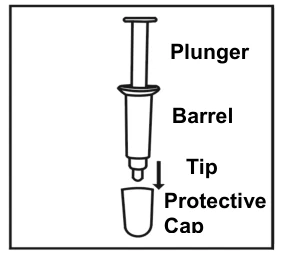
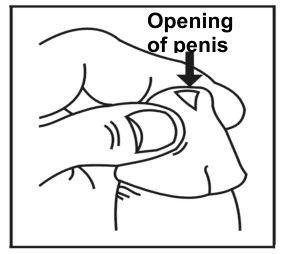
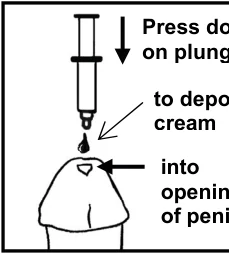
Figure 1 Figure2 Figure 3
OVERDOSAGE
Overdosage requiring treatment has not been reported with Vitaros. Overdosage with Vitaros may result in hypotension, syncope, dizziness, persistent penile pain and possible priapism (erection lasting > 4 hours). Priapism can result in permanent worsening of erectile function. Patients suspected of overdose who develop these symptoms should be under medical supervision until systemic or local symptoms have been resolved.
ACTION AND CLINICAL PHARMACOLOGY
Pharmacodynamics
Prostaglandin E1, is a naturally occurring acidic lipid that is synthesized from fatty acid precursors by most mammalian tissues, and has a variety of pharmacologic effects. Human seminal fluid is a rich source of prostaglandins, including PGE1 and PGE2, and the total concentration of prostaglandins in ejaculate has been estimated to be approximately 100 to 200 mcg/mL. PGE1 has a wide variety of pharmacological effects including vasodilation, inhibition of platelet aggregation, inhibition of gastric secretions and stimulation of intestinal and uterine smooth muscle. In vitro, alprostadil (PGE1) has been shown to cause dose-dependent smooth muscle relaxation in isolated
Plunger
Barrel
Tip
Protective Cap
Opening of penis
to deposit cream
Press down on plunger
into
opening of penis
corpus cavernosum and corpus spongiosum preparation. Additionally, vasodilation has been demonstrated in isolated cavernosal artery segments that were pre-contracted with either norepinephrine or prostaglandin F2α. When alprostadil is injected into the corpus cavernosum of pigtail monkeys in vivo, dose-dependent increases in cavernosal artery blood flow were observed. In human studies using Doppler duplex ultrasonography, intraurethral administration of 500 mcg of alprostadil resulted in an increase in cavernosal artery diameter and a 5- to 10-fold increase in peak systolic flow velocities. These results suggest that intraurethral alprostadil is absorbed from the urethra, transported throughout the erectile bodies by communicating vessels between the corpus spongiosum and corpora cavernosa, and able to induce vasodilation of the targeted vascular beds. In another study using Doppler duplex ultrasonography, topical administration of 500 mg of a topical gel containing 0.4% alprostadil onto the glans produced an erection and hemodynamic effect similar to intracavernosal injection of alprostadil. These results suggest that topical alprostadil can be absorbed and transported through communicating vessels between the corpus spongiosum and corpora cavernosa, and further induce vasodilation of the penile vascular beds. PGE1 induces erection by relaxation of trabecular smooth muscle and dilation of cavernosal arteries. This leads to expansion of lacunar spaces and entrapment of blood by compressing venules against the tunica albuginea resulting in the development of penile rigidity, a process referred to as the corporal veno-occlusive mechanism.
Pharmacokinetics
Alprostadil is a vasodilator and after application of Vitaros the onset of erection is within 5 to 30 minutes. Alprostadil has a short half-life in man and improvement of erections may last from 1 to 2 hours after dosing.
Absorption: Vitaros is designed to deliver alprostadil to the corpus cavernosum by transdermal absorption when applied to the tip of the penis. Even though the absolute bioavailability of alprostadil by the topical route of administration has not been determined, hemodynamic and clinical studies suggest a rapid absorption within 5 to 30 minutes to reach effective local blood level in the penis and is rapidly cleared by the lungs, with little or no detectable levels in the systemic circulation.
In a pharmacokinetic study, patients with erectile dysfunction were treated with 100 mg of Vitaros Cream at doses of 110, 220 and 330 mcg of alprostadil. Plasma levels of PGE1, and its metabolite, PGE0 were low or undetectable in most subjects at most of the post-dose blood sampling times, and pharmacokinetic parameters could not be estimated. Pharmacokinetic parameters for 15-keto-PGE0, a metabolite of PGE1, are presented in Table 5. The maximum concentration of 15-keto-PGE0 was achieved within one hour after administration of any dose of Vitaros. The AUC values showed a trend toward a dose response, although that was not supported by the Cmax values, because the mean Cmax for Vitaros 110 mcg was higher than that for Vitaros 220 mcg. Plasma concentrations of 15-keto-PGE0 for individual subjects were higher than those of PGE1 and PGE0. Only one subject (in the placebo group) had 15-keto-PGE0 plasma concentrations below the limit of quantitation (10.8 pg/mL) at all time points. The remaining 19 subjects had plasma concentrations above the limit of quantitation in at least one sample. Mean and median values for 15-keto-PGE0 suggested a dose response among the Vitaros doses.
Table 5. Mean (SD) Pharmacokinetic Parameters for 15-keto-PGE0
| Parameter | Placebo (N=5) | Vitaros 110 mcg (N=5) | Vitaros 220 mcg (N=5) | Vitaros 330 mcg (N=5) |
| AUCa (pg*hr/mL) | 388 (256) | 439 (107) | 504 (247) | 960 (544) |
| Cmax (pg/mL) | 23 (19) | 202 (229) | 120 (103) | 332 (224) |
| Tmax (hr) | 6 (8) | 0.6 (0.4) | 1 (0.7) | 0.7 (0.3) |
| T1/2 (hr) | 4 (--)b | 5 (3) | 3 (1)c | 6 (6) |
a AUC is the area under the plasma concentration curve from time zero to hour 24 b Only 1 subject had sufficient data for estimation of half-life c Only 3 subjects had sufficient data for estimation of half-life
Distribution: After Vitaros administration to the meatus and glans of the penis, alprostadil is rapidly absorbed into the corpus spongiosum and corpora cavernosa through collateral vessels. The remainder passes into the pelvic venous circulation through veins draining the corpus spongiosum. The half-life of alprostadil in man is short, varying between 30 seconds and 10 minutes, depending upon the body compartment in which it is measured and the physiologic status of the subject. Plasma PGE1 levels in 14 subjects dosed with 1000 mcg alprostadil by intraurethral administration in a similar marketed product were undetectable within 60 minutes of administration in most subjects.
Metabolism: PGE1 is metabolized primarily by enzymatic oxidation of the C15-hydroxy group followed by reduction of the C13, 14-double bond producing the following primary metabolites: 15-keto-PGE1, 15-keto-PGE0 and PGE0. 15-keto-PGE1 has only been detected in vitro in homogenized lung preparations, whereas 15-keto-PGE0 and PGE0 have been measured in plasma. 15-keto-PGE1 retains only 1 to 2% of the biological activity of PGE1 and is rapidly reduced to form the most abundant metabolite 15-keto-PGE0, which is biologically inactive. 15-keto-PGE0 is further metabolized to smaller prostaglandin metabolites that are cleared primarily by the kidney and liver. Unlike the 15-keto metabolites, which are less, pharmacologically active than the parent compound, PGE0 is similar in potency to PGE1. Following intravenous administration, as much as 80% of PGE1 may be metabolized in 1 pass through the lungs, primarily by β and ω oxidation. Following topical administration, PGE1 is rapidly metabolized locally by enzymatic oxidation of the 15-hydroxyl group to 15-keto-PGE1. The enzymes catalyzing this process have been isolated from the lower genitourinary tract including the urethra, prostate, and corpus cavernosum. Following application of 100 mg of Vitaros cream at doses as high as 330 mcg alprostadil to the tip of the penis, little or no plasma levels of PGE1 (< 2 pg/mL) or PGE0 (< 10.8 pg/mL) were observed over 24 hours, while measurable levels of 15-keto-PGE0 (> 10.8 pg/mL) were observed.
Excretion: After intravenous administration of tritium-labeled alprostadil in man, labeled drug disappears rapidly from the blood in the first 10 minutes and only low level radioactivity remained in the blood after 1 hour. The metabolites of alprostadil are excreted primarily by the kidney with approximately 90% of the administered intravenous dose excreted in the urine within 24 hours after administration. The remainder is excreted in the feces. There is no evidence of tissue retention of alprostadil or its metabolites following intravenous administration.
Special Populations and Conditions
Pediatrics: The effects of age on the pharmacokinetics of alprostadil have not been studied in a specific pediatric population.
Geriatrics: The effects of age on the pharmacokinetics of alprostadil have not been studied in a specific geriatric population.
Gender: The effects of gender on the pharmacokinetics of Vitaros have not been studied and pharmacokinetic studies have not been conducted in female partners. However, pulmonary metabolism of alprostadil following intravenous administration was studied in 23 patients with ARDS. The average pulmonary extraction was 66% in 17 male patients and 69% in the six female patients suggesting that the metabolism and pharmacokinetics of alprostadil are not significantly influenced by gender.
Pulmonary Disease: The near complete pulmonary first-pass metabolism of PGE1 is the primary factor influencing the systemic pharmacokinetics of Vitaros and is the reason that peripheral venous plasma levels of PGE1 are low or undetectable (< 2 pg/mL) following Vitaros administration to the tip of the penis. Patients with pulmonary disease may have a reduced capacity to clear the drug. In patients with adult respiratory distress syndrome, pulmonary extraction of intravascularly administered PGE1 was reduced by approximately 15% compared to a control group of patients with normal respiratory function.
STORAGE AND STABILITY
This product has a limited shelf-life. Before use, check the expiration date on the package. Do not use if product has expired. Store in a refrigerator (2°C to 8°C or 36°F to 46°F). Do not freeze. Do not expose Vitaros to temperatures above 30°C (86°F) or to direct sunlight. Vitaros may be kept at room temperature (not more than 30°C or 86°F) for up to 7 days prior to use.
DOSAGE FORMS, COMPOSITION AND PACKAGING
Vitaros is a white cream containing the active ingredient, alprostadil, and the following inactive ingredients: dodecyl-2-N,N-dimethylaminopropionate hydrochloride, ethyl alcohol, ethyl laurate, hydroxypropyl guar gum, phosphoric acid, potassium phosphate, sodium hydroxide and water.
Vitaros is supplied in individual foil pouches containing one (1) dispenser. Vitaros is available in unit cartons containing four (4) dispensers. Vitaros is available in 220 mcg and 330 mcg dosage strengths.
PART II: SCIENTIFIC INFORMATION
PHARMACEUTICAL INFORMATION
Drug Substance
Proper name: alprostadil
Generic Name: Prostaglandin E1, (PGE1)
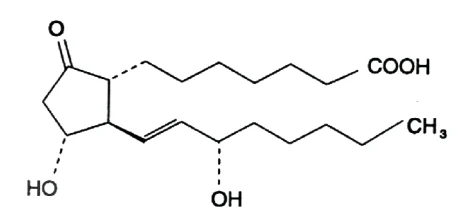
Chemical name: Prost-13-en-1-oic acid, 11,15-dihydroxy-9-oxo-, (11α, 13E, 15S)-(1R,2R,3R)-3-Hydroxy-2-[(E)-(3S)-3-hydroxy-1-octenyl]-5-oxocyclopentane heptanoic acid.
Molecular formula and molecular mass: C20H34O5, molecular weight is 354.49
Structural formula:
Physicochemical properties: Alprostadil is a white to off-white crystalline powder with a melting point between 115°C and 118°C. The solubility of alprostadil is 80 mcg per mL in distilled water at 35°C.
CLINICAL TRIALS
The clinical efficacy and safety of Vitaros cream (100 mg cream containing 110, 220 and 330 mcg alprostadil) were evaluated in 10 different placebo-controlled, double-blind or long-term 3-month and > 6-month open-label studies of various designs with 3338 patients, most with a history of erectile dysfunction of various etiologies and severities (mild to severe) enrolled. These studies assessed erectile function in the clinic and sexual intercourse in outpatient settings. There were 2079 patients exposed to one or more doses of alprostadil. In studies of sexual performance, patients were screened in the clinic to a test dose for tolerability, including measurement of blood pressure and successful erectile response, then sent home with selected doses of drug or placebo for evaluation of sexual performance. Not all patients had a successful response in the clinic and some patients could not tolerate the drug, principally due to penile discomfort, therefore, the clinical data in the studies described below include only patients who tolerated the in the clinic dose. Vitaros demonstrated statistically significant improvement in success rates for sexual intercourse compared with placebo by various efficacy measurements.
3-Month Phase 3 Studies
Two multicenter, randomized, double-blind, placebo-controlled, parallel-group 3-month treatment Phase 3 studies to assess the safety and efficacy of Vitaros (110, 220 and 330 mcg alprostadil) cream in male subjects with erectile dysfunction (ED) were conducted at 82 sites in the United States (U.S.). A total of 1732 patients were enrolled, received at least one dose of 100 mg of Vitaros (110, 220 and 330 mcg alprostadil) cream, and were included in the intent-to-treat population for all safety analyses. The efficacy population included 1651 patients who received at least one dose of study medication and had at least one post-baseline efficacy evaluation. Patients were randomly assigned to one of the following four treatment groups: placebo, 110, 220, or 330 mcg alprostadil. Those who tolerated the test dose were given a total of 24 additional double-blind doses of study medication to be used at home in conjunction with sexual intercourse over the 12-week treatment period.
The effectiveness of Vitaros was evaluated from patient history and patient evaluation questionnaires both before and after medication using the International Index of Erectile Function (IIEF), the Sexual Encounter Profile (SEP), and patient assessment questions. The Erectile Function (EF) Domain Score of the IIEF, and the SEP Question 3 (Q3, Were you able to insert your penis into your partner’s vagina?) and Question 4 (Q4, Did your erection last long enough to complete intercourse with ejaculation?) served as primary study endpoints. The patients addressed both questions at the final visit. The possible categorical responses to the following questions were graded from 0 to 5: (0) no attempted intercourse, (1) never or almost never, (2) a few times, (3) sometimes, (4) most times, and (5) almost always or always. The rest of the IIEF questions were categorized into the following domains: erectile function, orgasm, desire, satisfaction with intercourse, and overall sexual satisfaction as a measure of secondary efficacy. The data of intercourse attempts by administration of Vitaros was also recorded by patients in a patient diary. In addition, patients were asked a global assessment question (While using the study medication, did you feel that your erections improved?).
Safety was assessed by monitoring adverse events (AEs) in patients and their partners and the use of concomitant medications, as well as evaluating changes in clinical laboratory test results, vital signs, physical examination findings, and electrocardiograms (ECGs).
Safety and efficacy were evaluated in difficult-to-treat subpopulations (diabetic, cardiac, prostatectomy, hypertensive patients, and patients who failed previous therapy with Viagra®) and two age groups (< 65 and > 65 years).
Of the 1732 patients treated in these studies with Vitaros, 434 received placebo, 434 received 110 mcg alprostadil, 430 received 220 mcg alprostadil, and 434 received 330 mcg alprostadil. The treatment groups were comparable with regard to baseline and demographic characteristics, with 37.5% of patients being ≥ 65 years of age. Of the patients who received treatment, a total of 1407 patients (81.2%) completed the studies comprising 351 patients (80.9%) in the placebo group, 363 (83.6%), 350 (81.4%), and 343 (79.0%) in the 110, 220 and 330 mcg alprostadil group respectively.
Overall Efficacy: There was a statistically significant overall improvement among the 110, 220 and 330 mcg alprostadil treatment groups in each of the primary efficacy endpoints, compared to placebo (Table 6).
Table 6. Effect of Vitaros on Primary Efficacy: Combined Phase 3 Study Results (ITT-E Patients)
| Parameters | Placebo | Vitaros 110 mcg | Vitaros 220 mcg | Vitaros 330 mcg |
IIEF – EF Domain N Baseline Mean Endpoint mean Least squares mean change (SE) p-Value versus placebo | 408 14.0 13.3 -0.7 (0.34) | 421 13.6 15.3 1.6 (0.34) <0.001* | 405 13.6 16.1 2.5 (0.34) <0.001* | 417 13.6 16.1 2.4 (0.34) <0.001* |
SEP Question 3 – Mean Vaginal Penetration Success N Baseline mean Post-Baseline mean LS mean change (SE) p-Value versus placebo | 411 55.9 51.2 -4.5 | 418 53.4 56.6 2.9 <0.001* | 410 52.9 58.2 5.1 <0.001* | 410 49.9 57.5 7.2 <0.001* |
SEP Question 4 – Mean Percent Ejaculation Success N Baseline mean Post-baseline mean LS Mean change p-Value versus placebo | 410 29.4 30.3 0.4 | 418 31.3 38.9 7.0 <0.003* | 410 27.6 41.9 13.8 <0.001* | 410 28.7 38.5 9.1 <0.001* |
* p-Value indicates statistical significance versus placebo
There were also overall improvements among the alprostadil treatment groups compared to placebo in several of the secondary efficacy variables, including the other IIEF domain scores (orgasmic function, intercourse satisfaction, and overall satisfaction), SEP Question 5 (satisfaction with hardness of erection), SEP Question 6 (overall satisfaction), Patient Self Assessment of Erection (PSAE), and Global Assessment Questionnaire (GAQ). The differences between the alprostadil treatment groups and the placebo group were also statistically significant for each of these secondary efficacy variables.
Subpopulation Efficacy: Efficacy was observed in both the ≤65 and >65 year old groups, but the magnitude of the response was greater in the <65 year old group. Similar improvements to those of all patients were generally observed within the difficult-to-treat sub-populations (cardiac 503/1732 (29.0%), diabetic 382/1732 (22.1%), hypertensive 783/1732 (45.2%), prostatectomy 220/1732 (12.7%), and Viagra failure 325/1732 (18.8%)) for the mean percent of successful vaginal penetration and was typically greater for the alprostadil treatment groups when compared with placebo during the on-therapy period (Table 7).
Table 7. Effect of Vitaros on Primary Efficacy of Subpopulations: Combined Phase 3 Study Results (ITT-E Patients)
Parameters (subpopulation patients) | Placebo | Vitaros 110 mcg | Vitaros 220 mcg | Vitaros 330 mcg |
(Cardiac) IIEF-EFDa P-value SEPb Question 3 P-value SEP Question 4 P-value GAQc P-value | -1.7 44 23 17 | 1.4 0.002* 54 0.109 33 0.260 35 <0.003* | 1.5 0.001* 54 0.018* 36 0.003* 48 <0.001* | 1.9 <0.001* 51 0.054 31 0.022* 50 <0.001* |
(Diabetic) IIEF-EFD P-value SEP Question 3 P-value SEP Question 4 P-value GAQ P-value | -1.2 44 29 20 | 1.5 0.014* 51 0.209 36 0.123 43 0.001* | 3.5 <0.001* 65 0.069 46 0.002* 45 0.001* | 2.1 0.003* 52 0.255 33 0.253 53 <0.001* |
(Hypertensive) IIEF-EFD P-value SEP Question 3 P-value SEP Question 4 P-value GAQ P-value | -0.6 47 26 20 | 1.0 0.022* 53 0.038* 35 0.329 37 <0.001* | 2.9 <0.001* 59 <0.001* 41 0.001* 47 <0.001* | 2.0 <0.001* 54 0.006* 35 0.345 49 <0.001* |
(Prostatectomy) IIEF-EFD P-value SEP Question 3 P-value SEP Question 4 P-value GAQ P-value | -2.2 21 13 11 | 2.2 0.004* 41 0.129 22 0.541 47 <0.001* | 2.4 0.006* 35 0.155 24 0.511 57 <0.001* | 2.5 0.003* 36 0.006* 24 0.056 55 <0.001* |
(Viagra Failure) IIEF-EFD P-value SEP Question 3 P-value SEP Question 4 P-value GAQ P-value | -0.4 43 23 21 | 1.2 0.134 45 0.181 29 0.809 29 0.158 | 1.7 0.061 45 0.046* 32 0.112 37 0.025* | 1.4 0.097 49 0.004* 30 0.820 45 0.001* |
a IIEF-EFD International Index of Erectile Function-Erectile Function Domain b Sexual Encounter Profile
c Global Assessment Questionnaire
* Indicates statistical significance versus placebo
Overall Safety: The prevalence of adverse events is summarized in Table 8. The majority of AEs in the alprostadil treatment groups were mild or moderate in intensity and were treatment-related. The incidence of severe AEs increased with dose to a maximum of 8.1% in the 330 mcg alprostadil treatment group. The most frequently reported patient AEs were related to the urogenital system and included penile burning, genital pain, penile erythema, and hyperesthesia (sensitivity of the penis) occurring at an incidence that increased with dose. The majority of these AEs, regardless of treatment group, resolved within 1 to 2 hours of onset. The more common patient AEs (not considering AEs in the urogenital system) occurring only in the alprostadil treatment groups included gastrointestinal disorder (7/1732, 0.4%) with no obvious relationship to dose observed.
Some adverse events were experienced by the female partners of patients in all treatment groups. Although no dose relationship was evident, the incidence of AEs in female partners was lower in the placebo group (4.8%) and was as high as 9.8% in the 220 mcg alprostadil group. The most common partner AE was transient vaginal burning, the majority of which were considered to be mild to moderate in intensity, treatment-related, and resolved within 1 hour of onset.
The incidence of patient AEs that led to discontinuation increased with dose to a maximum of 7.6% in the 330 mcg alprostadil treatment group. The incidence of partner AEs that led to discontinuation did not show a dose relationship. Five patients (5/1732, 0.3%) prematurely discontinued from the study due to AEs after the first dose of study medication. Overall there were no meaningful, persistent effects of Vitaros treatment on vital signs, ECG, physical/meatal examinations or laboratory tests.
Table 8. Overall Totals of Adverse Reactions from
Two Phase 3 Studies of Vitaros
| Overall Totals of AEs (Percent) | |||||
| Placebo | Vitaros 110 mcg | Vitaros 220 mcg | Vitaros 330 mcg | Total | |
| N | 434 | 434 | 430 | 434 | 1732 |
| Adverse Events | 162 (37.3) | 233 (53.7) | 246 (57.2) | 253 (58.3) | 894 (51.6) |
| Partner/AE | 21 (4.8) | 25 (5.8) | 41 (9.5) | 33 (7.6) | 120 (6.9) |
| SAE | 9 (2.1) | 7 (1.6) | 10 (2.3) | 15 (3.5) | 41 (2.4) |
| Partner/SAE | 0 | 2 (0.5) | 1 (0.2) | 2 (0.5) | 5 |
| Deaths | 1 | 0 | 0 | 0 | 1 |
| Adverse Events | |||||
| Hypotension | 1 (0.2) | 1 (0.2) | 0 | 2 (0.5) | 4 (0.2) |
| Dizziness | 4 (0.9) | 4 (0.9) | 3 (0.7) | 6 (1.4) | 17 (1.0) |
| Syncope | 0 | 1 (0.2) | 2 (0.5) | 2 (0.5) | 5 (0.3) |
| Urogenital System | 57 (13.1) | 157 (36.2) | 180 (41.9) | 186 (42.9) | 580 (33.4) |
| Penile Burning | 26 (6.0) | 74 (17.1) | 106 (24.7) | 102 (23.5) | 308 (17.7) |
| Genital Pain | 2 (0.5) | 48 (11.1) | 67 (15.6) | 76 (17.5) | 193 (11.1) |
Penile Erythema | 9 (2.1) | 34 (7.8) | 39 (9.1) | 50 (11.5) | 132 (7.6) |
| Penis Disorder | 2 (0.5) | 10 (2.3) | 9 (2.0) | 15 (3.5) | 36 (2.1) |
| Partner/UG | 15 (3.5) | 22 (5.1) | 38 (8.8) | 30 (6.9) | 105 (6.0) |
| Overall Totals of AEs (Percent) | |||||
| Placebo | Vitaros 110 mcg | Vitaros 220 mcg | Vitaros 330 mcg | Total | |
| N | 434 | 434 | 430 | 434 | 1732 |
| Vaginal Burning | 8 (1.8) | 17 (3.9) | 30 (7.0) | 19 (4.4) | 74 (4.2) |
| Discontinued due to AE | |||||
| Subjects | 4 (0.9) | 8 (1.8) | 17 (4.0) | 33 (7.6) | 62 (3.6) |
| Partners | 1 (0.2) | 4 (0.9) | 1 (0.2) | 1 (0.2) | 7 (0.4) |
| Discontinued due to AE possibly related to hypotension | |||||
| Hypotension | 0 | 0 | 0 | 0 | 0 |
| Dizziness | 0 | 0 | 0 | 0 | 0 |
| Syncope | 0 | 0 | 1 (0.2) | 2 (0.5) | 3 (0.2) |
Subpopulation Safety: The AE profile of the difficult-to-treat patient subpopulations (diabetic, cardiac, prostatectomy, hypertensive patients, and patients who had failed previous therapy with Viagra) was similar to that of the overall patient group.
Overall Safety and Efficacy Results: The results of these studies demonstrated that Vitaros doses of 110, 220, and 330 mcg alprostadil administered as 100 mg of cream produced a dose-related trend of improvement in a broad range of patients with mild to severe ED. Statistical significance relative to placebo was achieved consistently with the 110, 220, and 330 mcg of study medication on the three primary efficacy endpoints and on most of the secondary efficacy endpoints. In general, the majority of patient and partner AEs were local and related to the urogenital system.
Long-term (> 6-month) Phase 3 Study
An open-label, parallel design, Phase 3 trial of greater than 6-month duration was conducted at 77 sites in the United States (U.S.) to assess the safety and efficacy of Vitaros (110, 220, and 330 mcg alprostadil) cream in male subjects with ED. The study enrolled new subjects or subjects that completed the 3-month efficacy studies described above. In either case, subject eligibility was determined based on inclusion and exclusion criteria and the subject’s International Index of Erectile Function (IIEF) primary domain score being 25 or less. Those who tolerated the test dose were given 8 doses of the 220 mcg formulation for the next 30-day period to be used in conjunction with sexual intercourse. Throughout the study, after each use of study drug, the subject was to complete a diary, as in the 3-month studies, answering the sexual encounter profile (SEP) and the Patient Self-Assessment of Erection (PSAE). Adverse events were evaluated at this visit, and subsequent visits. A Global Assessment Questionnaire (GAQ) was also administered.
Baseline demographic characteristics were similar among the 3 treatment groups and median ages were 60, 61 and 62, respectively, for the 110, 220 and 330 mcg alprostadil treatment groups; greater than 80% of the subjects were Caucasian; the height, weight and vital signs were similar among the 3 groups. The baseline duration of ED was >12 months for 96.0%, 93.3% and 96.9% receiving the 110, 220 and 330 mcg alprostadil, respectively. There were 1229 subjects screened across 77 sites; 1162 subjects were enrolled, 999 who completed the 3-month efficacy studies (262 previously treated with Vitaros placebo cream and 737 treated with Vitaros alprostadil cream) and 163 new
subjects. Of the 1161 subjects (998 from the 3-month studies) treated with the 220 mcg test-dose, 25 (2.2%) were down-titrated to the 110 mcg dose and 846 (72.9%) were up-titrated to the 330 mcg dose. The remaining 290 (25%) subjects were assigned to the 220 mcg group and 124 (10.7%) continued on the 220 mcg dose after titration.
There were 3,385 cumulative subject-months (approximately 282 subject-years) of intermittent exposure to the study drug. The longest duration of exposure (> 96%) occurred by month 7. At the end of the study there were 308 cumulative doses in the 110 mcg group, 8,922 in the 220 mcg group and 11,450 in the 330 mcg group.
Efficacy: Of those subjects who completed 6 months of dosing, the changes in median scores in all three dosing groups showed improvements in the IIEF primary domain from baseline and were significant for the 220 mcg and 330 mcg groups (p<0.001) (Table 9). Similar trends in improvement were reflected in the secondary IIEF scores (Table 10).
Table 9. Effect of Vitaros on Primary Efficacy: > 6-Month Study Results (ITT-E Patients)
| Parameters | Vitaros 110 mcg | Vitaros 220 mcg | Vitaros 330 mcg |
IIEF – EF Domain N Baseline mean (Visit 5: 180 days) Endpoint mean (Visit 5: 180 days) Least squares mean change (SD) p-Value within group | 2 7.5 20.5 13.0 (12.7) 0.3855 | 20 13.2 26.4 13.2 (5.6) <0.001* | 119 10.6 20.7 10.0 (7.3) <0.001* |
* Indicates statistical significance using paired data t-test (Baseline to Visit 5 data)
Table 10. Effect of Vitaros on Secondary Efficacy: > 6-Month Study Results (ITT-E Patients)
| Parameters | Vitaros 110 mcg | Vitaros 220 mcg | Vitaros 330 mcg |
Orgasmic Function N Baseline mean (Visit 5: 180 days) Endpoint mean (Visit 5: 180 days) Least squares mean change (SD) p-Value within group | 2 5.0 10.0 5.0 (1.4) 0.1257 | 20 6.4 8.7 2.3 (2.3) 0.0002* | 118 5.1 7.4 2.3 (3.2) <0.0001* |
| Parameters | Vitaros 110 mcg | Vitaros 220 mcg | Vitaros 330 mcg |
Sexual Desire N Baseline mean (Visit 5: 180 days) Endpoint mean (Visit 5: 180 days) Least squares mean change (SD) p-Value within group | 2 7.5 8.0 0.5 (0.7) 0.5000 | 20 6.9 8.0 1.1 (1.8) 0.0134* | 119 7.2 7.9 0.7 (1.4) <0.0001* |
Satisfaction of Intercourse N Baseline mean (Visit 5: 180 days) Endpoint mean (Visit 5: 180 days) Least squares mean change (SD) p-Value within group | 2 4.0 11.0 7.0 (2.8) 0.1772 | 20 8.4 13.0 4.6 (3.0) <0.0001* | 119 6.4 11.1 4.6 (3.4) <0.0001* |
Overall Satisfaction N Baseline mean (Visit 5: 180 days) Endpoint mean (Visit 5: 180 days) Least squares mean change (SD) p-Value within group | 2 2.0 7.0 5.0 (4.2) 0.3440 | 20 5.0 8.7 3.7 (2.4) <0.0001* | 119 4.6 7.5 2.9 (2.5) <0.0001* |
Global Assessment Questionnaire (Visit 5: 180 days) N While using study medication did you feel that your erection improved? Yes No | 2 2 0 | 20 20 0 | 119 108 11 |
* Indicates statistical significance using paired data t-test (Baseline to Visit 5 data)
Safety: The most frequently reported adverse events considered related to the study medication were at the application site and included burning, erythema, pain (meatal or glans) and prolonged or painful erection. Vaginal burning or itching was the most frequent AE in female partners. The majority of adverse events were mild in intensity, transient (< 24 hrs) or of short duration and reversible. The most frequently reported adverse events (> 1%) in any treatment group are included in Table 1 (see ADVERSE REACTIONS). In addition to the adverse events reported frequently in the urogenital region, the other commonly reported adverse events included rhinitis, abnormal laboratory test, injury, accidents, back pain, tooth disorder, tendon disorder, prostate disorder, and urinary tract infection.
Among the entire subject/partner population, there were 18/1161 (1.6%) urinary tract infections (UTIs) or related abnormal urine tests (i.e. bacteria in urine) reported during the treatment period, most were not related to treatment. There were only 3 (0.3%) serious adverse events reported related to the study drug. The AEs in 2 of the 3 subjects did not cause discontinuation of the test drug. From baseline to final observation, there was no treatment-related effect on group mean changes in vital signs, ECG variables, or laboratory measurements. Although physical examination findings showed an increased frequency in genital and digital rectal abnormalities, it was not clear whether these findings were associated with use of the test drug or whether they were related to increased sexual activity that occurred during the study.
Table 11. Adverse Reactions Occurring During the Initial Phase and Observed after Final Titration of the Dose in > 6-Month Study of Vitaros
| Overall Totals of AEs (Percent) | |||||
| Vitaros Initial dose 220 mcg | Vitaros 110 mcg | Vitaros 220 mcg | Vitaros 330 mcg | Total | |
| N | 1161 | 25 | 124 | 846 | 1161 |
| Adverse Events | 272 (23.4) | 9 (36.0) | 52 (41.9) | 284 (33.6) | 617 |
| Partner Adverse Events | 23 (2.0) | 1 (4.0) | 2 (1.6) | 26 (3.1) | 52 |
| SAE | 7 (0.6) | 0 | 1 (0.8) | 16 (1.9) | 24 |
| Partner/SAE | 0 | 0 | 0 | 1 | 1 |
| Deaths | 0 | 0 | 1 | 0 | 1 |
| Partner/Death | 0 | 0 | 0 | 1 | 1 |
| Hypotension | 3 (0.3) | 0 | 0 | 0 | 3 (0.3) |
| Dizziness | 6 (0.5) | 0 | 1 (0.8) | 5 (0.6) | 12 (1.0) |
| Syncope | 1 (0.1) | 0 | 0 | 2 (0.2) | 3 (0.2) |
| App Site Reaction* | 151 (13.0) | 6 (24.0) | 14 (11.3) | 103 (12.2) | 274 (23.6) |
| App Site Pain** | 47 (4.0) | 6 (24.0) | 8 (6.5) | 37 (4.4) | 98 (8.4) |
| Total UG System | 30 (2.6) | 1 (0.4) | 9 (7.3) | 35 (4.1) | 75 (6.5) |
| Penis Disorder | 17 (1.5) | 0 | 5 (4.0) | 11 (1.3) | 33 (2.8) |
Partner/UG Vulva/Vag Disorder | 20 (1.7) | 0 | 2 (1.6) | 18 (2.1) | 40(3.4) |
| *Penile burn or erythema coded to Application Site Reaction **Meatal or glans pain to Application Site Pain | |||||
| Discontinued due to AE | |||||
| Initial dose (220 mcg) | Alprostadil (110 mcg) | Alprostadil (220 mcg) | Alprostadil (330 mcg) | Total | |
| Patients | 16 (1.4) | 1 (4.0) | 5 (1.7) | 24 (2.8) | 46 (3.96) |
| Partners | 1 (0.09) | 3 (0.4) | 4 (0.3) | ||
| Discontinued due to Hypotension Related AE of H/D/S | |||||
| Initial dose (220 mcg) | Alprostadil (110 mcg) | Alprostadil (220 mcg) | Alprostadil (330 mcg) | Total | |
| Hypotension | 2 (0.2) a | 0 | 0 | 0 | 2 (0.2) |
| Dizziness | 2 (0.2) a | 0 | 0 | 1 (0.1) | 3 (0.3) |
| Syncope | 1 (0.1) | 0 | 0 | 0 | 1 (0.1) |
a Same two patients reported hypotension and dizziness.
Overall Safety and Efficacy Results: . The at-home use of Vitaros cream was intermittent with a median dosing frequency of 4 to 7 days over approximately 6 months of study participation. The AEs associated with the pharmacological effects of alprostadil, and any local irritation, were transient and reversible. Although limited information was available from the efficacy analysis, Vitaros cream at all tested doses was effective in improving and sustaining erections.
DETAILED PHARMACOLOGY
Nonclinical Pharmacology
Prostaglandin E1 (PGE1), is a naturally occurring acidic lipid that is synthesized from fatty acid precursors by most mammalian tissues, and has a variety of pharmacologic effects. PGE1 is virtually undetectable in the plasma of normal humans or other animals.1 Human seminal fluid is a rich source of prostaglandins, including PGE1 and PGE2, and the total concentration of prostaglandins in ejaculate has been estimated to be approximately 100-200 mcg/mL. PGE1 has a wide variety of pharmacological effects including vasodilation, hypotension, inhibition of platelet aggregation, inhibition of gastric secretions and stimulation of intestinal and uterine smooth muscle.2 The IC50 of PGE1 for the inhibition of ADP-induced human platelet aggregation is 40 nM.3 In vitro, PGE1 has been shown to cause dose-dependent smooth muscle relaxation in isolated corpus cavernosum and corpus spongiosum preparation. Alprostadil also relaxed isolated preparations of human corpus cavernosum and spongiosum, as well as cavernous arterial segments contracted by either noradrenaline or PGF2(alpha) in vitro. In most animal species tested, alprostadil relaxed retractor penis and corpus cavernosum urethrae in vitro. When alprostadil is injected into the corpus cavernosum of pigtail monkeys (Macaca nemestrina) in vivo, dose-dependent increases in cavernosal artery blood flow were observed. The vasorelaxant and anti-hypertensive effects of PGE1 are used to treat male erectile dysfunction and to provide emergency vasodilation of the patent ductus arteriosus in infants whose cardiac anomalies require pulmonary shunting for survival.4, 5
Pharmacology of Alprostadil in Man
The pharmacology of alprostadil is characterized by vasodilation, inhibition of platelet aggregation, inhibition of gastric secretions, and stimulation of intestinal and uterine smooth muscle.6 Systemic blood pressure generally falls in response to alprostadil. Blood flow is increased to most organs, including the heart, mesentery, and kidney6 Inhibition of platelet aggregation is presumed to be caused by the dissociation of activating ligands from their platelet receptors.6 Alprostadil has been shown to impart a gastric cytoprotective action against gastric irritants as well as relaxing circular smooth muscle and increasing fluid secretion into the intestinal lumen.6
The pharmacological effect of alprostadil in the treatment of erectile dysfunction is presumed to be mediated by its relaxing effect on cavernosa smooth muscle and dilation of cavernosa arteries.7 As the smooth muscle relaxes, the sinusoidal spaces engorge with blood. Simultaneously, the arterial vascular smooth muscle relaxes and resulting in increased penile arterial inflow. As the emissary veins are compressed, venous outflow is retarded. As arterial inflow greatly exceeds venous outflow intracavernosal pressure is increased, resulting in erection.7 It is postulated that alprostadil may exert a similar dilating effect on vaginal blood vessels in women. Vasodilation may lead to pelvic engorgement, and may potentially enhance the secretory activity of the vaginal epithelium, resulting in an increase in lubrication.
A review of studies conducted with alprostadil topical formulations for the treatment of ED suggests that alprostadil, alone and in combination with skin penetration enhancers, was safe and well tolerated after application to the genitalia.8, 9 Alprostadil also significantly increases blood flow to the penis in patients with ED secondary to spinal cord injury and in patients with mild arteriogenic ED.
Kim and McVary8 reported that a single application to the penis, scrotum, and perineum of 0.04% alprostadil gel in a polyethylene glycol base to 10 patients with ED secondary to spinal cord injury did not result in any adverse events. Liver function and serum chemistry tests suggested no clinically important findings. Although diastolic blood pressure and heart rate varied after application of alprostadil gel to the external genitalia, no patient was clinically symptomatic. The topical application of alprostadil gel resulted in a statistically significant increase in the mean cavernous artery diameter and mean peak systolic flow velocity. A mean peak systolic flow velocity of 25 cm per second or greater was present in five patients (50%), and firm erections were reported in two patients (20%). No erections were reported following application of the placebo gel. The authors concluded that the results of the study suggested that alprostadil was absorbed locally, and that the topical formulation may have promise at higher concentrations with different skin enhancers.
A second study investigated the erectile and hemodynamic effects of transdermal alprostadil in 30 patients with mild arteriogenic ED.9 Montorsi and co-workers reported that the erectile response following the application of 1 gram of gel containing 500 ug of alprostadil to the penile shaft and glans, was significantly greater than with either placebo (p<0.01) or audio-visual sexual stimulation alone (p<0.001). Twenty patients (67%) achieved an erection considered sufficient for intercourse, and 5 (16%) patients achieved penile tumescence. Similarly, cavernosa artery systolic and diastolic flow velocity was significantly increased in 25 (83%) patients. It was concluded that, in patients with mild arteriogenic ED, the erectile and hemodynamic responses achieved with alprostadil topical gel were significantly greater than with placebo.
Mechanism of Action: In human studies using Doppler duplex ultrasonography, intraurethral administration of 500 mcg of alprostadil resulted in an increase in cavernosal artery diameter and a 5- to 10-fold increase in peak systolic flow velocities. These results suggest that intraurethral alprostadil is absorbed from the urethra, transported throughout the erectile bodies by communicating vessels between the corpus spongiosum and corpora cavernosa, and able to induce vasodilation of the targeted vascular beds. In another human study using Doppler duplex ultrasonography, topical administration of 500 mg of a topical gel containing 0.4% alprostadil onto the glans produced a hemodynamic effect similar to intracavernosal injection and sexual stimulation, was seen after topical administration of 500 mg of a topical gel containing 0.4% PGE1 onto the glans. These results suggest that topical alprostadil is absorbed, transported through communicating vessels between the corpus spongiosum and corpora cavernosa, and further induce vasodilation of the penile vascular beds. PGE1 induces erection by relaxation of trabecular smooth muscle and dilation of cavernosal arteries. This leads to expansion of lacunar spaces and entrapment of blood by compressing venules against the tunica albuginea resulting in the development of penile rigidity, a process referred to as the corporal veno-occlusive mechanism.
TOXICOLOGY
Table 12. Preclinical Tabulated Study Summary Tables for Alprostadil Cream Containing DDAIP or DDAIP HCl
ACUTE TOXICITY STUDIES
| STUDY TITLE | SPECIES /ROUTE | NO. / GROUP | STUDY DURATION | DOSE | NOTEWORTHY FINDINGS |
| Acute Toxicity Studies | |||||
| Acute Oral Toxicity Study of Alprostadil, 0.4%, w/w, Topical Cream in the Rat (TR-119, 7-17-1997) | Rat/ Oral | 4 groups of 4 rats /sex /group | 14 Days | 1000, 3000 mg/kg/day alprostadil cream containing 5% DDAIP | The lethal dose of alprostadil, 0.4% w/w, topical cream administered orally, by gavage, to fasted rats is greater than 3 g/kg. |
| Acute Intravaginal Toxicity Study of Alprostadil, 0.4%, w/w, Topical Cream in Rabbits (TR-120, 7-22-1997) | Rabbits/ Intravaginally | 12 females 4 groups of 3 rabbits | 2 hours | 0.1, 0.5 mL of 0.4% alprostadil cream containing 5% DDAIP or 0.5 mL placebo cream with 5% DDAIP | Alprostadil, 0.4% w/w, topical cream and alprostadil topical cream placebo, when administered intravaginally as a single dose, were considered to be an irritant. |
| Acute Intravaginal Tolerance Study of Alprostadil, 0.4%, w/w, Topical Cream in Rabbits (TR-122, 7-22-1997) | Rabbits/ Intravaginally | 12 females | 7 days | 0.1ml of 0.4% alprostadil cream containing 5% DDAIP or placebo cream with 5% DDAIP | Alprostadil, 0.4% w/w, topical cream and alprostadil topical Cream Placebo, when administered intravaginally as a single dose at dosage levels of 0.1 mL/rabbit, were considered irritants. |
REPEAT DOSE TOXICITY STUDIES
| STUDY TITLE | SPECIES/ ROUTE | NO. / GROUP | STUDY DURATION | DOSE | NOTEWORTHY FINDINGS |
| Repeat Dose Toxicity Studies | |||||
Pilot Penile Toxicity Study in the Male Rabbit on 0.4% Alprostadil Cream (TR-086, 8-25-1998) | Rabbits/ Applied to glans penis | 3 males | 5 days | 200 mg/kg/day of 0.4% alprostadil cream | The results of this pilot study indicate that the dosage levels to be used on the 28-day penile toxicity study in male rabbits should be tolerated by the animals. |
Pilot Vaginal Toxicity Study in the Female Rabbit on 0.4% Alprostadil Cream (TR-087, 8-25-1998) | Rabbits/ Into vaginal canal | 3 females | 5 days | 200 mg/kg/day of 0.4% alprostadil cream | The results of this pilot study indicated that the dosage levels to be used on the 28-day vaginal toxicity study in the female rabbit should be tolerated by the animals. |
TR-082 28-Day Penile Toxicity Study in the Male Rabbit (MPI Study Number 818-003, 10-12-1999) | Rabbit/ Applied to glans penis | 3 groups of 5 males, high dose group had 3 additional animals | 28 days | 0.4% alprostadil cream of 50, 100, 200 mg/kg/day, placebo cream with and without 5% DDAIP at 200 mg/kg/day. | No test article-related changes were seen in hematology and clinical chemistry parameters. No testicular changes were observed in animals in control group treated with cream without DDAIP |
| STUDY TITLE | SPECIES/ ROUTE | NO. / GROUP | STUDY DURATION | DOSE | NOTEWORTHY FINDINGS |
| 28-Day Vaginal Toxicity Study in the Female Rabbit (TR-083, 10-13-1999) | Rabbit/ Into vaginal canal | 7 groups of 5 females | 28 days | 50, 100, 200 mg/kg/day of 0.4% alprostadil cream with and without 5% DDAIP and 200 mg/kg/day placebo with and without 5% DDAIP | No test article-related changes were seen in hematology and clinical chemistry parameters. There were no test article-related organ weight changes. In the vagina, inflammation was seen in all groups. In the kidney, tubule atrophy occurred in all groups including both control groups. Microscopic changes found in the urinary bladder were inflammation and epithelial hyperplasia and were present only in the groups receiving the test article with or without DDAIP. These microscopic changes persisted after the recovery period. |
| TR-090 28-Day Vaginal Toxicity Study in the Female Rabbit (MPI Study Number 818-011, 3-14-2001) | Rabbit/ Into vaginal canal | 7 groups of 5 females | 28 days | 50, 100, 200 mg/kg/day of 0.4% alprostadil cream with and without 5% DDAIP HCl and 200 mg/kg/day placebo with and without 5% DDAIP HCl. | All control and test articles were well tolerated in the animals. No effect of treatment was seen in body weights, food consumption, hematology, clinical chemistry, organ weights, macroscopic and microscopic pathology examinations. No safety difference was seen between the 2 control groups, suggesting that the presence of the DDAIP HCl in the vehicle was safe and well tolerated. |
Topical Application of DDAIP and Prostaglandin to the Canine Penis (TR-061, 8-12-1995) | Dog/ Topical application to the penis | 5 males | 7 days | 0.4% prostaglandin E1 with and without 5% DDAIP; 0.5 g | There were no reactions to any of the dogs receiving DDAIP in either the first or second phase of the study. There was a very slight reaction (small blister on the tip of the penis) in one dog. The other dogs had no response to either formulation. |
28-Day Topical Penile Toxicity Study in the Dog (TR-100, 10-13-1999) | Dog/ Topical application to the penis | 5 groups of 3 males, 2 extra males in 3 groups | 28 days | 50, 100, 200 mg/kg/day of 0.4% alprostadil cream with and without 5% DDAIP and 50, 200 mg/kg/day placebo with and without 5% DDAIP. | No test article related effects were observed in the animal’s body weight, penis, or macroscopic pathology, except for kidney weights in 50 and 200 mg/kg/day alprostadil group. No changes were seen in the ophthalmologic or electrocardiographic examinations. Microscopic observation showed thymic atrophy that occurred with increasing intensity in all of the alprostadil treatment groups. After the 7-day recovery period, thymic atrophy was still present in the 200 mg/kg/day alprostadil group. Thymic atrophy was subsequently attributed to be stress induced related to the method of dosing. |
| STUDY TITLE | SPECIES/ ROUTE | NO. / GROUP | STUDY DURATION | DOSE | NOTEWORTHY FINDINGS |
Addendum to the Final Report, Toxicokinetic Analysis For The 28-Day Penile Toxicity Study in the Male Dog, (TR-100, 2-25-2002) | Dog/ Topical application to the penis | 5 groups, 3 treatment groups and 2 control groups (3 males) 2 control and high dose contained 2 additional animals | 28 days | 50, 100, 200 mg/kg/day of 0.4% alprostadil cream with and without 5% DDAIP and 50, 200 mg/kg/day placebo with and without 5% DDAIP. | Exposure of dogs to alprostadil placebo cream containing 5% w/w DDAIP or 0.4% alprostadil cream containing 5% w/w DDAIP following twice daily administration to the penis was confirmed based on the plasma levels observed in dogs after the first (Day 1) and 28 consecutive days (Day
|
| 28-Day Intrameatal Irritation Study in Male Dogs (TR-089, 3-2-2001) | Dog/ Intrameatal | 4 groups of 4 males | 28 days | 0.4% alprostadil cream without and with 5% DDAIP once (250 mg/kg/day) and twice (500 mg/kg/day). Placebo with and without 5% DDAIP once per day at 250 mg/kg/day. | Some evidence of slight irritation was seen at the tip of the penis in each group but primarily at the 500 mg/day of alprostadil cream. No test related, macroscopic or microscopic pathology changes were noted in any group. The intrameatal administration of the alprostadil placebo cream with and without DDAIP was well tolerated during this 28-day study. Very little evidence of local irritation was seen following the intrameatal administration of alprostadil cream. |
| 28-Day Intrameatal Irritation Study in Male Dogs (TR-091, 3-2-2001) | Dog/ Intrameatal | 4 groups of 4 males | 28 days | 0.4% alprostadil cream without and with 5% DDAIP HCl once (250 mg/kg/day) and twice (500 mg/kg/day). Placebo with and without 5% DDAIP HCl once per day at 250 mg/kg/day. | The intrameatal administration of the alprostadil placebo cream with and without DDAIP HCl was well tolerated by the dogs during this 28-day study. Very little evidence of local irritation was seen following the intrameatal administration of 0.4% alprostadil cream containing DDAIP HCl or with placebo cream with and without DDAIP HCl in a 28-day study in dogs. |
MUTAGENICITY AND LOCAL TOLERANCE STUDIES
| STUDY TITLE | SPECIES/ ROUTE | NO. / GROUP | STUDY DURATION | DOSE | NOTEWORTHY FINDINGS |
| Mutagenicity Studies | |||||
Mutagenicity Test with Alprostadil, 0.4% w/w, Topical Cream In the Salmonella/Mammali an-Microsome Reverse Mutation With a Confirmatory Assay (TR-214, 2-26-1998) | Salmonella typhimurium/ In vitro | 2 assays on 5 strains | Single dose | 10, 33, 100, 333, 1000, 3330, 5000 ug/plate in the presence or absence of S9 mix | The results of the Salmonella/Mammalian-Microsome Reverse Mutation Assay with a Confirmatory Assay indicate that under the conditions of this study, alprostadil, 0.4% w/w, topical cream, did not cause a positive increase in the number of revertants per plate of any of the tester strains either in the presence or absence of microsomal enzymes prepared from AroclorTM-induced rat liver (S9). |
In Vivo Mouse Micronucleus Assay with Alprox-TD (TR-133, 4-10-2001) | Mouse/ In vivo | 3 males, 3 females/3 groups | 2 days | 500, 1000, and 2000 mg/kg of Alprox-TD at a dose volume of 10 mL/kg | The test article, Alprox-TD, was evaluated as negative in the mouse bone marrow micronucleus assay under the conditions of this study. |
| Local Tolerance Studies | |||||
| Primary Penile Irritation in the Rat with Alprostadil, 0.4%, w/w, Topical Cream (TR-123, 7-22-1997) | Rat/ Topical | 3 groups of 4 or 12 males | 48 hours | 0.05 mL placebo cream, 0.01 mL and 0.05 mL of 0.4% alprostadil cream containing 5% DDAIP | Alprostadil, 0.4% w/w, topical cream and alprostadil topical cream Placebo, when applied "as is" in a single application to the penis of the rat at dosage levels of either 0.01 or 0.05 mL/animal of alprostadil 0.4% and 0.05 mL of alprostadil placebo, are well tolerated, since only a very slight irritation for a short time period was recorded for a few animals on test. |
Primary Skin Irritation in the Rat with Alprostadil, 0.4%, w/w, Topical Cream (TR-124, 7-17-1997) | Rat/ Topical (test patch) | 12 males and 12 females | 72 hours | 0.05, 0.5 mL of 0.4% alprostadil cream containing 5% DDAIP or placebo cream with 5% DDAIP | Slight decreases in food consumption and body weight gains occurred on Day 1 of the study in all groups; by Day 3, food consumption and body weight gains appeared normal. |
Four Day Skin Irritation in the Rat with Alprostadil, 0.4 w/w, Topical Cream (TR-125, 7-22-1997) | Rat/ Topical | 12 males and 12 females | 14 days | 0.05 or 0.5 mL of 0.4% alprostadil cream or placebo with 5% DDAIP | Alprostadil, 0.4% w/w, topical cream, at dose volumes of 0.05 mL or 0.5 mL, or alprostadil topical cream placebo, at dose volume of 0.5 mL, were very well tolerated when applied topically to the shaved, non-occluded intact skin of the rat for six hours. |
| Primary Eye Irritation Study in the Rabbit with Alprostadil, 0.4%, w/w, Topical Cream (TR-126, 7-22-1997) | Rabbits/ Eyes | 6 females 2 groups of 3 rabbits | 3 days | 0.1, 0.5 mL of 0.4% alprostadil cream containing 5% DDAIP or placebo cream with 5% DDAIP and control dosed with saline | Alprostadil, 0.4% w/w, topical cream is considered irritant, since an obvious swelling with partial aversion of lids was recorded at 1 hour from the treatment for all three rabbits on study. However, at 24 hours the signs of irritation were minor and at 72 hours the conjunctivae of these animals returned to normal. |
Carcinogenicity and Mutagenesis
Long-term carcinogenicity studies of alprostadil have not been conducted. Alprostadil showed no evidence of mutagenicity in vitro in the Ames bacterial reverse mutation test, the unscheduled DNA synthesis assay in rat hepatocytes, or the Chinese hamster ovary forward gene mutation assay, and unscheduled DNA synthesis (UDS), nor was there evidence of mutagenicity in vivo in the mouse micronucleus assay, or rat micronucleus, sister chromatid exchange. Alprostadil in high concentration increased chromosomal aberrations above control incidence in vitro Chinese hamster ovary chromosomal aberration assay. Vitaros was negative for genotoxicity in an Ames test and mouse micronucleus assay.
Impairment of Fertility and Animal Reproductive Studies
Rat reproductive studies indicate that alprostadil at doses of up to 200 mcg/kg/day do not adversely affect or alter rat spermatogenesis. In dogs, sperm concentration, morphology, and motility were unaffected by daily intraurethral administration of up to 3000 mcg alprostadil for 13 weeks (200 mcg/kg/day). Alprostadil concentrations of 400 mcg/mL had no effect on human sperm motility or viability in vitro. The effects of Vitaros on spermatozoal motility and viability have not been assessed. Vitaros does not compromise the physical integrity or viral permeability of latex condoms.
Alprostadil has been shown to be embryotoxic (decreased fetal weight) when administered as a subcutaneous bolus to pregnant rats at doses as low as 500 mcg/kg/day. Doses of 2000 mcg/kg/day resulted in increased resorptions, reduced numbers of live fetuses, increased incidences of visceral and skeletal variation, gross visceral and skeletal malformations and maternal toxicity (ataxia, lethargy, diarrhea and retarded body weight gain). The latter dose produced maternal toxicity (ataxia, lethargy, diarrhea, and related loss of body weight). When administered by continuous intravenous infusion, evidence of embryotoxicity (decreased fetal weight gain, and increased incidence of hydroureter) was observed at 2000 mcg/kg/day, a dose that was also associated with a decrease in maternal weight gain. Intravaginal administration of up to 4000 mcg/day of alprostadil in a similar marketed product to pregnant rabbits resulted in no harm to the fetus.
REFERENCES
- 1. Cawello W, Schweer H, Dietrich B, et al. Pharmacokinetics of prostaglandin E1 and its main metabolites after intracavernous injection and short-term infusion of prostaglandin E1 in patients with erectile dysfunction. J Urol. 1997;158:1403-1407. (Mod 4, Vol 1.87)
- 2. Okada F, Nukada T, Yamauchi Y, et al. The hypotensive effect of prostaglandin E1 on hypertensive cases of various types. Prostaglandins. 1974;7: 99-106. (Mod 4, Vol 1.87)
- 3. Kobzar G, Mardla V, Jarving I, et al. Antiaggrating potency of E-type prostaglandins in human and rabbit platelets. Proc Estonian Acad Sci Chem. 1991;40:179-180. (Mod 4, Vol 1.87)
- 4. Padma-Nathan H, Hellstrom WJG, Kaiser FE et al. Treatment of men with erectile dysfunction with transurethral alprostadil. N Eng J Med. 1997;336:1-7. (Mod 4, Vol 1.87)
- 5.
Olley PM, Coceani F. Prostaglandins and ductus arteriosus. Annu Rev Med. 1981;32: 375-378.
(Mod 4, Vol 1.87)
- 6. Horton EW. Biological Activities of Pure Prostaglandins. Experientia. 1965;XXI:3, 113-118.
- 7.
Manecke RG, Mulhall JP. Medical treatment of erectile dysfunction. Ann Medicine. 1999;31:
388-98.
- 8.
Kim ED, McVary KT. Topical Prostaglandin-E1 for the Treatment of Erectile Dysfunction. J
Urology. 1995 June; 153:1828-1830.
- 9.
Montorsi F, Guazzoni C, Barbieri L, Rigatti P, Iannaccone S, Santus C, Sartani A. Clinical and
Hemodynamic Effects of Transdermal Alprostadil for Mild Arteriogenic Impotence: A Double-blind Placebo Controlled Study. International Journal Impotence Research. 1995;7:10.
- 10. Blatcher D. A randomized, placebo-controlled, double-blind, parallel design phase 3 trial of the efficacy and safety of alprox-TD® in male patients with erectile dysfunction (Protocol MED 2000-004). PharmaNet Inc. Final Report, October 27, 2004.
- 11. Blatcher D. Randomized, placebo-controlled, double-blind, parallel design phase 3 trial of the efficacy and safety of alprox-TD® in male patients with erectile dysfunction (Protocol MED 2000-005). PharmaNet Inc. Final Report, October 27, 2004.
- 12. Blatcher D. Randomized, placebo-controlled, double-blind, parallel design phase 3 trials of the efficacy and safety of alprox-TD® in male patients with erectile dysfunction (Protocol MED 2000-004 and Med 2000-005). PharmaNet Inc. Final Report, October 27, 2004.
- 13. Rooney M. An open-label, parallel design, twelve-month phase 3 trial of the safety and efficacy of alprostadil (prostaglandin E1) topical cream in male subjects with erectile dysfunction (Protocol MED 2000-006). Radiant Final Report, January 19, 2007.
- 14.
Vitaros™ (alprostadil) Cream PLR-SPL Package Insert (NexMed file: 070307 Vitaros™ PLR
SPL.29BP, C1121.03, March 23, 2007)
- 15. Padma-Nathan H, Yeager JL. An integrated analysis of alprostadil topical cream for the treatment of erectile dysfunction in 1732 patients. Urology. 2006;68(2):386-391.
- 16. Yeager J, Beihn RM. Retention and migration of alprostadil cream applied topically to the glans meatus for erectile dysfunction. Int J Impotence Res. 2005;17(1):91-95.
- 17. Lu M, Frank D, Wei W, Pfister W, Padma-Nathan H, Yeager J. The Efficacy and safety of alprostadil cream (Alprox-TD®) in male patients with mild to severe erectile dysfunction-U.S. Phase 3 clinical trials. BIO 2005 Annual International Convention; 2005 June 19-22; Philadelphia, Pennsylvania.
- 18. Becher E. Drug evaluation: topical alprostadil cream for the treatment of erectile dysfunction. Expert Opinion on Pharmacotherapy. 2004;5(3):623-632.
- 19. Padma-Nathan H, Steidle C, Salem S, Tayse N, Yeager J, Harning R. The efficacy and safety of a topical alprostadil cream, Alprox-TD®, for the treatment of erectile dysfunction: two phase 2 studies in mild-to-moderate and severe ED. Int J Impotence Res. 2003;15(1):10-17.
- 20.
Steidle C, Padma-Nathan H, Salem S, Tayse N, Thwing D, Fendl J, Yeager, J, Harning R.
Topical alprostadil cream for the treatment of erectile dysfunction: a combined analysis of the phase II program. Urology. 2002;60(6):1077-82.
- 21. Zhao D, Liang W-B, Wang Y-F, Huang H, Gao X, Guo Z-H, Qiu J-G, and Cai Y-B. Treatment of erectile dysfunction with PGE1 cream. National Journal of Andrology. 2000 December;6(4): 238-240.
- 22. Guo Y-L, Ji-Chuan Z. Efficacy and safety of Prostaglandin E1 (alprostadil) cream in the treatment of erectile dysfunction, 5th Asian Congress on Urology; 2000 Aug 27-30; Beijing, China.
- 23.
Jichuan Z. Efficacy and safety of PGE1 cream in the treatment of erectile dysfunction, 5th Asian
Congress on Urology, 2000 Beijing, China. Urological Association of Asia, Chinese Society of Urology, Aug 27-30, 2000.
- 24. Becher E, Borghi M, Momesso A, Montes de Oca L. Penile hemodynamic findings with a new topical formulation of alprostadil. Journal of Urology. 1998;159(5) Suppl 2:239. (Abstract 915)
- 25. Emilien, G. Alprox-TD®, Current Opinion in CPNS Investigational Drugs. 2000;2(3): 311- 320.