


Product Monograph - Naprelan
SUMMARY PRODUCT INFORMATION
Route of Administration | Dosage Form / Strength | Clinically Relevant Nonmedicinal Ingredients |
| oral | controlled release tablet/ 375 mg, 500 mg | Not applicable. For a complete listing see Dosage Forms, Composition and Packaging section. |
INDICATIONS AND CLINICAL USE
NAPRELAN (naproxen sodium) is indicated for the following:
$ management of the signs and symptoms of rheumatoid arthritis and osteoarthritis.
Throughout this document, the term NSAIDs refers to both non-selective NSAIDs and selective COX-2 inhibitor NSAIDs, unless otherwise indicated.
For patients with an increased risk of developing CV and/or GI adverse events, other management strategies that do NOT include the use of NSAIDs should be considered first. (See CONTRAINDICATIONS and WARNINGS AND PRECAUTIONS)
Use of NAPRELAN should be limited to the lowest effective dose for the shortest possible duration of treatment in order to minimize the potential risk for cardiovascular or gastrointestinal adverse events. (See CONTRAINDICATIONS and WARNINGS AND PRECAUTIONS)
NAPRELAN, as a NSAID, does NOT treat clinical disease or prevent its progression.
NAPRELAN, as a NSAID, only relieves symptoms and decreases inflammation for as long as the patient continues to take it.
Geriatrics (> 65 years of age):
Evidence from clinical studies and postmarket experience suggests that use in the geriatric population is associated with differences in safety (see WARNINGS AND PRECAUTIONS).
Pediatrics (< 18 years of age):
NAPRELAN is not recommended for use in patients under 18 years of age since safety and effectiveness have not been established.
CONTRAINDICATIONS
NAPRELAN is contraindicated in:
the peri-operative setting of coronary artery bypass graft surgery (CABG). Although
NAPRELAN has NOT been studied in this patient population, a selective COX-2 inhibitor NSAID studied in such a setting has led to an increased incidence of cardiovascular/thromboembolic events, deep surgical infections and sternal wound complications.
- the third trimester of pregnancy, because of risk of premature closure of the ductus arteriosus and prolonged parturition
- women who are breastfeeding, because of the potential for serious adverse reactions in nursing infants
- severe uncontrolled heart failure
$ known hypersensitivity to naproxen or to any of the components/excipients $ history of asthma, urticaria, or allergic-type reactions after taking ASA or other NSAIDs
(i.e. complete or partial syndrome of ASA-intolerance – rhinosinusitis, urticaria/ angioedema, nasal polyps, asthma). Fatal anaphylactoid reactions have occurred in such individuals. Individuals with the above medical problems are at risk of a severe reaction even if they have taken NSAIDs in the past without any adverse reaction. The potential for cross-reactivity between different NSAIDs must be kept in mind (see WARNINGS AND PRECAUTIONS – Hypersensitivity Reactions – Anaphylactoid Reactions). $ active gastric / duodenal / peptic ulcer, active GI bleeding.
$ cerebrovascular bleeding or other bleeding disorders
$ inflammatory bowel disease
$ severe liver impairment or active liver disease
$ severe renal impairment (creatinine clearance <30 mL/min or 0.5 mL/sec) or deteriorating renal disease (individuals with lesser degrees of renal impairment are at risk of deterioration of their renal function when prescribed NSAIDs and must be monitored) (see WARNINGS AND PRECAUTIONS – Renal)
$ known hyperkalemia (see WARNINGS AND PRECAUTIONS – Renal – Fluid and
Electrolyte Balance)
$ children and adolescents less than 18 years of age
WARNINGS AND PRECAUTIONS
Risk of Cardiovascular (CV) Adverse Events: Ischemic Heart Disease, Cerebrovascular Disease, Congestive Heart Failure (NYHA II-IV) (See WARNINGS AND PRECAUTIONS
- Cardiovascular).
NAPRELAN is a non-steroidal anti-inflammatory drug (NSAID). Use of some NSAIDs is associated with an increased incidence of cardiovascular adverse events (such as myocardial infarction, stroke or thrombotic events) which can be fatal. The risk may increase with duration of use. Patients with cardiovascular disease or risk factors for cardiovascular disease may be at greater risk.
Caution should be exercised in prescribing NAPRELAN to any patient with ischemic heart disease (including but NOT limited to acute myocardial infarction, history of myocardial infarction and/or angina), cerebrovascular disease (including but NOT limited to stroke, cerebrovascular accident, transient ischemic attacks and/or amaurosis fugax) and/or congestive heart failure (NYHA II-IV).
Use of NSAIDs, such as NAPRELAN, can promote sodium retention in a dose-dependent manner, through a renal mechanism, which can result in increased blood pressure and/or exacerbation of congestive heart failure. (see also WARNINGS AND PRECAUTIONS – Renal – Fluid and Electrolyte Balance)
Randomized clinical trials with NAPRELAN have not been designed to detect differences in cardiovascular events in a chronic setting. Therefore, caution should be exercised when prescribing NAPRELAN.
Risk of Gastrointestinal (GI) Adverse Events (See WARNINGS AND PRECAUTIONS – Gastrointestinal)
Use of NSAIDs, such as NAPRELAN, is associated with an increased incidence of gastrointestinal adverse events (such as peptic/duodenal ulceration, perforation, obstruction and gastrointestinal bleeding).
General
Frail or debilitated patients may tolerate side effects less well and therefore special care should be taken in treating this population. To minimize the potential risk for an adverse event, the lowest effective dose should be used for the shortest possible duration. As with other NSAIDs, caution should be used in the treatment of elderly patients who are more likely to be suffering from impaired renal, hepatic or cardiac function. For high risk patients, alternate therapies that do not involve NSAIDs should be considered.
NAPRELAN is NOT recommended for use with other NSAIDs, with the exception of low-dose ASA for cardiovascular prophylaxis, because of the absence of any evidence demonstrating synergistic benefits and the potential for additive adverse reactions. (See DRUG INTERACTIONS – Drug/Drug Interactions – Acetylsalicylic acid (ASA) or other NSAIDs)
NAPRELAN SHOULD NOT BE USED CONCOMITANTLY WITH OTHER NAPROXEN PRODUCTS SINCE THEY ALL CIRCULATE IN THE PLASMA AS THE NAPROXEN ANION.
Cardiovascular
NAPRELAN is a non-steroidal anti-inflammatory drug (NSAID). Use of some NSAIDs is associated with an increased incidence of cardiovascular adverse events (such as myocardial infarction, stroke or thrombotic events) which can be fatal. The risk may increase with duration of use. Patients with cardiovascular disease or risk factors for cardiovascular disease may be at greater risk.
Caution should be exercised in prescribing NAPRELAN to patients with risk factors for cardiovascular disease, cerebrovascular disease or renal disease, such as any of the following (NOT an exhaustive list):
- Hypertension
- Dyslipidemia / Hyperlipidemia
- Diabetes Mellitus
- Congestive Heart Failure (NYHA I)
- Coronary Artery Disease (Atherosclerosis)
- Peripheral Arterial Disease
- Smoking
- Creatinine Clearance < 60 mL/min or 1 mL/sec
Use of NSAIDs, such as NAPRELAN, can lead to new hypertension or can worsen pre-existing hypertension, either of which may increase the risk of cardiovascular events as described above. Thus blood pressure should be monitored regularly. Consideration should be given to discontinuing NAPRELAN should hypertension either develop or worsen with its use.
Use of NSAIDs, such as NAPRELAN, can induce fluid retention and edema, and may exacerbate congestive heart failure, through a renally-mediated mechanism. (See WARNINGS AND PRECAUTIONS – Renal – Fluid and Electrolyte Balance).
For patients with a high risk of developing an adverse CV event, other management strategies that do NOT include the use of NSAIDs should be considered first. To minimize the potential risk for an adverse CV event, the lowest effective dose should be used for the shortest possible duration.
Endocrine and Metabolism
Corticosteroids: NAPRELAN (naproxen sodium) is NOT a substitute for corticosteroids. It does NOT treat corticosteroid insufficiency. Abrupt discontinuation of corticosteroids may lead to exacerbation of corticosteroid-responsive illness. Patients on prolonged corticosteroid therapy should have their therapy tapered slowly if a decision is made to discontinue corticosteroids. (see DRUG INTERACTIONS – Drug-Drug Interactions – Glucocorticoids)
Gastrointestinal (GI)
Serious GI toxicity (sometimes fatal), such as peptic / duodenal ulceration, inflammation, perforation, obstruction and gastrointestinal bleeding, can occur at any time, with or without warning symptoms, in patients treated with NSAIDs, such as NAPRELAN. Minor upper GI problems, such as dyspepsia, commonly occur at any time. Health care providers should remain alert for ulceration and bleeding in patients treated with NAPRELAN, even in the absence of previous GI tract symptoms. Most spontaneous reports of fatal GI events are in elderly or debilitated patients and therefore special care should be taken in treating this population. To minimize the potential risk for an adverse GI event, the lowest effective dose should be used for the shortest possible duration. For high risk patients, alternate therapies that do not involve NSAIDs should be considered. (see WARNINGS AND PRECAUTIONS – Special Populations
- Geriatrics)
Patients should be informed about the signs and/or symptoms of serious GI toxicity and instructed to discontinue using NAPRELAN and seek emergency medical attention if they experience any such symptoms. The utility of periodic laboratory monitoring has NOT been demonstrated, nor has it been adequately assessed. Most patients who develop a serious upper GI adverse event on NSAID therapy have no symptoms. Upper GI ulcers, gross bleeding or perforation, caused by NSAIDs, appear to occur in approximately 1% of patients treated for 3-6 months, and in about 2-4% of patients treated for one year. These trends continue, thus increasing the likelihood of developing a serious GI event at some time during the course of therapy. Even short-term therapy has its risks.
GI adverse reactions reported with NAPRELAN were based on the results from two double-blind clinical trials of three months duration with an additional nine-month open-label extension. During these clinical trials upper GI ulcers and gross bleeding occurred with an incidence of less than 1% with naproxen (see ADVERSE REACTIONS). The risk continues beyond one year and possibly increases. The incidence of these complications increases with increasing dose. Caution should be taken if prescribing NAPRELAN to patients with a prior history of peptic / duodenal ulcer disease or gastrointestinal bleeding as these individuals have a greater than 10-fold higher risk for developing a GI bleed when taking a NSAID than patients with neither of these risk factors. Other risk factors for GI ulceration and bleeding include the following: Helicobacter pylori infection, increased age, prolonged use of NSAID therapy, excess alcohol intake, smoking, poor general health status or concomitant therapy with any of the following:
- Anti-coagulants (e.g. warfarin)
- Anti-platelet agents (e.g. ASA, clopidogrel)
- Oral corticosteroids (e.g. prednisone)
- Selective Serotonin Reuptake Inhibitors (SSRIs) (e.g. citalopram, fluoxetine, paroxetine, sertraline)
NAPRELAN endoscopic effects (see CLINICAL TRIALS, Special Studies, Endoscopic Effects)
Genitourinary
Some NSAIDs are associated with persistent urinary symptoms (bladder pain, dysuria, urinary frequency), hematuria or cystitis. The onset of these symptoms may occur at any time after the initiation of therapy with an NSAID. Should urinary symptoms occur, in the absence of an alternate explanation, treatment with NAPRELAN should be stopped to ascertain if symptoms disappear. This should be done before urological investigations or treatments are carried out.
Hematologic
NSAIDs inhibiting prostaglandin biosynthesis interfere with platelet function to varying degrees; patients who may be adversely affected by such an action, such as those on anti-coagulants or suffering from haemophilia or platelet disorders should be carefully observed when NAPRELAN is administered.
Anti-coagulants: Numerous studies have shown that the concomitant use of NSAIDs and anti-coagulants increases the risk of bleeding. Concurrent therapy of NAPRELAN with warfarin requires close monitoring of the international normalized ratio (INR).
Even with therapeutic INR monitoring, increased bleeding may occur.
Anti-platelet Effects: NSAIDs inhibit platelet aggregation and have been shown to prolong bleeding time in some patients. Unlike acetylsalicylic acid (ASA), their effect on platelet function is quantitatively less, or of shorter duration, and is reversible.
NAPRELAN and other NSAIDs have no proven efficacy as anti-platelet agents and should NOT be used as a substitute for ASA or other anti-platelet agents for prophylaxis of cardiovascular thromboembolic diseases. Anti-platelet therapies (e.g. ASA) should NOT be discontinued. There is some evidence that use of NSAIDs with ASA can markedly attenuate the cardioprotective effects of ASA. (see DRUG INTERACTIONS – Drug-Drug Interactions – Acetylsalicylic Acid or other NSAIDs)
Concomitant administration of NAPRELAN with low dose ASA increases the risk of GI ulceration and associated complications.
Blood dyscrasias: Blood dyscrasias (such as neutropenia, leukopenia, thrombocytopenia, aplastic anemia and agranulocytosis) associated with the use of NSAIDs are rare, but could occur with severe consequences.
Anemia is sometimes seen in patients receiving NSAIDs, including NAPRELAN. This may be due to fluid retention, GI blood loss, or an incompletely described effect upon erythropoiesis. Patients on long-term treatment with NSAIDs, including NAPRELAN, should have their hemoglobin or hematocrit checked if they exhibit any signs or symptoms of anemia or blood loss.
Hepatic/Biliary/Pancreatic
As with other NSAIDs, borderline elevations of one or more liver enzyme tests (AST, ALT, alkaline phosphatase) may occur in up to 15% of patients (less than 1% with naproxen, see ADVERSE REACTIONS). These abnormalities may progress, may remain essentially unchanged, or may be transient with continued therapy.
A patient with symptoms and/or signs suggesting liver dysfunction, or in whom an abnormal liver function test has occurred, should be evaluated for evidence of the development of a more severe hepatic reaction while on therapy with this drug. Severe hepatic reactions including jaundice and cases of fatal hepatitis, liver necrosis and hepatic failure, some of them with fatal outcomes, have been reported with NSAIDs.
Although such reactions are rare, if abnormal liver tests persist or worsen, if clinical signs and symptoms consistent with liver disease develop (e.g. jaundice), or if systemic manifestations occur (e.g. eosinophilia, associated with rash, etc.), this drug should be discontinued.
During long-term therapy, liver function tests should be monitored periodically. If there is a need to prescribe this drug in the presence of impaired liver function, it must be done under strict observation.
Hepatic diseases with decreased or abnormal plasma proteins (albumin) reduce the total plasma concentration of naproxen, but the plasma concentration of unbound naproxen is increased. Caution is advised when high doses are required and some adjustment of dosage may be required in these patients. It is prudent to use the lowest effective dose.
Hypersensitivity Reactions
Anaphylactoid Reactions: As with NSAIDs in general, anaphylactoid reactions have occurred in patients without known prior exposure to NAPRELAN. In post-marketing experience, rare cases of anaphylactic/anaphylactoid reactions and angioedema have been reported in patients receiving naproxen. NAPRELAN should NOT be given to patients with the ASA-triad. This symptom complex typically occurs in asthmatic patients who experience rhinitis with or without nasal polyps, or who exhibit severe, potentially fatal bronchospasm after taking ASA or other NSAIDs (see CONTRAINDICATIONS).
ASA-Intolerance: NAPRELAN should NOT be given to patients with complete or partial syndrome of ASA-intolerance (rhinosinusitis, urticaria/angioedema, nasal polyps, asthma) in whom asthma, anaphylaxis, urticaria/angioedema, rhinitis or other allergic manifestations are precipitated by ASA or other NSAIDs. Fatal anaphylactoid reactions have occurred in such individuals. As well, individuals with the above medical problems are at risk of a severe reaction even if they have taken NSAIDs in the past without any adverse reaction (see CONTRAINDICATIONS).
Cross-sensitivity: Patients sensitive to one NSAID may be sensitive to any of the other NSAIDs as well.
Serious skin reactions: (See WARNINGS AND PRECAUTIONS – Skin)
Immune
(See WARNINGS AND PRECAUTIONS – Infection – Aseptic Meningitis)
Infection
NAPRELAN, in common with other NSAIDs, may mask signs and symptoms of an underlying infectious disease.
Aseptic Meningitis: Rarely, with some NSAIDs, the symptoms of aseptic meningitis (stiff neck, severe headaches, nausea and vomiting, fever or clouding of consciousness) have been observed. Patients with autoimmune disorders (systemic lupus erythematosus, mixed connective tissue diseases, etc.) seem to be pre-disposed. Therefore, in such patients, the health care provider must be vigilant to the development of this complication.
Neurologic
Some patients may experience drowsiness, dizziness, blurred vision, vertigo, tinnitus, hearing loss, insomnia or depression with the use of NSAIDs, such as NAPRELAN. If patients experience such adverse reaction(s), they should exercise caution in carrying out activities that require alertness.
Ophthalmologic
Blurred and/or diminished vision has been reported with the use of NSAIDs. In rare cases, adverse ocular disorders including papillitis, retrobulbar optic neuritis and papilledema have been reported
in users of NSAIDs including naproxen, although a cause and effect relationship cannot be established. If such symptoms develop NAPRELAN should be discontinued and an ophthalmologic examination performed. Ophthalmologic examination should be carried out at periodic intervals in any patient receiving NAPRELAN for an extended period of time.
The use of NAPRELAN may cause photosensitivity. Exposure to sunlight or sunlamps may cause vision changes. Patients should be advised to contact their physician if they experience ophthalmologic reactions from exposure to the sun.
Peri-Operative Considerations
(See CONTRAINDICATIONS – Coronary Artery Bypass Graft Surgery)
Psychiatric
(See WARNINGS AND PRECAUTIONS – Neurologic)
Renal
Long term administration of NSAIDs to animals has resulted in renal papillary necrosis and other abnormal renal pathology. In humans, there have been reports of acute interstitial nephritis, hematuria, low grade proteinuria and occasionally nephrotic syndrome.
Renal insufficiency due to NSAID use is seen in patients with pre-renal conditions leading to reduction in renal blood flow or blood volume. Under these circumstances, renal prostaglandins help maintain renal perfusion and glomerular filtration rate (GFR). In these patients, administration of a NSAID may cause a reduction in prostaglandin synthesis leading to impaired renal function. Patients at greatest risk of this reaction are those with pre-existing renal insufficiency (GFR < 60 mL/min or 1 mL/s), dehydrated patients, patients on salt restricted diets, those with congestive heart failure, cirrhosis, liver dysfunction, taking angiotensin-converting enzyme inhibitors, angiotensin-II receptor blockers, cyclosporin, diuretics, and those that are elderly. Serious or life-threatening renal failure has been reported in patients with normal or impaired renal function after short term therapy with NSAIDs. Even patients at risk who demonstrate the ability to tolerate an NSAID under stable conditions may decompensate during periods of added stress (e.g. dehydration due to gastroenteritis). Assessment of renal function in these patients before and during therapy with naproxen is recommended. Discontinuation of NSAIDs is usually followed by recovery to the pre-treatment state.
Caution should be used when initiating treatment with NSAIDs, such as NAPRELAN, in patients with considerable dehydration. Such patients should be rehydrated prior to initiation of therapy. Caution is also recommended in patients with pre-existing kidney disease.
NAPRELAN and its metabolites are eliminated primarily by the kidneys, therefore, the drug should be used with great caution in patients with impaired renal function. In these cases, utilization of lower doses of NAPRELAN should be considered and patients carefully monitored.
During long-term therapy, kidney function should be monitored periodically.
Advanced Renal Disease: (See CONTRAINDICATIONS)
Fluid and Electrolyte Balance: Use of NSAIDs, such as NAPRELAN, can promote sodium retention in a dose-dependent manner, which can lead to fluid retention and edema, and consequences of increased blood pressure and exacerbation of congestive heart failure. Thus, caution should be exercised in prescribing NAPRELAN in patients with a history of congestive heart failure, compromised cardiac function, hypertension, increased age or other conditions predisposing to fluid retention (see WARNINGS AND PRECAUTIONS – Cardiovascular).
Use of NSAIDs, such as NAPRELAN, can increase the risk of hyperkalemia, especially in patients with diabetes mellitus, renal failure, increased age, or those receiving concomitant therapy with adrenergic blockers, angiotensin-converting enzyme inhibitors, angiotensin-II receptor antagonists, cyclosporin, or some diuretics. Electrolytes should be monitored periodically (see CONTRAINDICATIONS).
NAPRELAN tablets contain 37.5 mg or 50 mg of sodium (1.5 mEq or 2.0 mEq respectively). This should be considered in patients whose overall intake of sodium must be severely restricted.
Respiratory
ASA-induced asthma is an uncommon but very important indication of ASA and NSAID sensitivity. It occurs more frequently in patients with asthma who have nasal polyps.
Sexual Function/Reproduction
The use of NAPRELAN, as with any drug known to inhibit cyclooxygenase/prostaglandin synthesis, may impaired fertility and is not recommended in women attempting to conceive.
Therefore, in women who have difficulties conceiving, or who are undergoing investigation of infertility, withdrawal of NAPRELAN should be considered.
Skin
In rare cases, serious skin reactions such as Stevens-Johnson syndrome, toxic epidermal necrolysis, exfoliative dermatitis and erythema multiforme have been associated with the use of some NSAIDs. Because the rate of these reactions is low, they have usually been noted during post-marketing surveillance in patients taking other medications also associated with the potential development of these serious skin reactions. Thus, causality is NOT clear. These reactions are potentially life threatening but may be reversible if the causative agent is discontinued and appropriate treatment instituted. Patients should be advised that if they experience a skin rash they should discontinue their NSAID and contact their physician for assessment and advice, including which additional therapies to discontinue.
The use of NAPRELAN may cause photosensitivity. Exposure to sunlight or sunlamps may cause sunburn, skin blisters, skin rash, redness, itching, or discoloration. Patients should be advised to contact their physician if they experience a reaction from exposure to sun.
Special Populations
Pregnant Women: NAPRELAN is CONTRAINDICATED for use during the third trimester of pregnancy because of risk of premature closure of the ductus arteriosus and the potential to prolong parturition (see TOXICOLOGY).
Caution should be exercised in prescribing NAPRELAN during the first and second trimesters of pregnancy (see TOXICOLOGY).
Inhibition of prostaglandin synthesis may adversely affect pregnancy and/or the embryo-foetal development. Data from epidemiological studies suggest an increased risk of miscarriage and of cardiac malformation after use of a prostaglandin synthesis inhibitor in early pregnancy.
In animals, administration of a prostaglandin synthesis inhibitor has been shown to result in increased pre- and post-implantation loss and embryo-foetal lethality. In addition, increased incidences of various malformations, including cardiovascular, have been reported in animals given a prostaglandin synthesis inhibitor during the organogenetic period.
Nursing Women: The naproxen anion has been found in the milk of lactating women at a concentration of approximately 1% of that found in the plasma. Because of the possible adverse effects of prostaglandin-inhibiting drugs on neonates, use in nursing mothers should be avoided (see CONTRAINDICATIONS).
Pediatrics: No pediatric studies have been performed with NAPRELAN, thus safety of NAPRELAN in pediatric populations has not been established (see CONTRAINDICATIONS).
Geriatrics (> 65 years of age): Patients older than 65 years (referred to in this document as older or elderly) and frail or debilitated patients are more susceptible to a variety of adverse reactions from NSAIDs. The incidence of these adverse reactions increases with dose and duration of treatment. In addition, these patients are less tolerant to ulceration and bleeding. Most reports of fatal GI events are in this population. Older patients are also at risk of lower esophageal injury including ulceration and bleeding. For such patients, consideration should be given to a starting dose lower than the one usually recommended, with individual adjustment when necessary and under close supervision.
Monitoring and Laboratory Tests
Patients on long-term treatment with NAPRELAN should have their blood pressure monitored regularly and an ophthalmologic examination should be carried out at periodic intervals (See WARNINGS AND PRECAUTIONS, Cardiovascular and Ophthalmologic).
Hemoglobin, hematocrit, red blood cells (RBCs), white blood cells (WBCs), and platelets should be checked in patients on long-term treatment with NAPRELAN. Additionally, concurrent therapy of NAPRELAN with warfarin requires close monitoring of the international normalized ratio (INR) (See WARNINGS AND PRECAUTIONS, Hematologic).
Serum transaminases and bilirubin should be monitored regularly during NAPRELAN therapy (See WARNINGS AND PRECAUTIONS, Hepatic/Biliary/Pancreatic).
Serum creatinine, creatine clearance and serum urea should be checked in patients during therapy with NAPRELAN. Electrolytes, including serum potassium should be monitored periodically (See WARNINGS AND PRECAUTIONS, Renal).
When stopping or starting NAPRELAN therapy; monitoring of plasma lithium concentrations is advised.
ADVERSE REACTIONS
Adverse Drug Reaction Overview
The most common adverse reactions encountered with nonsteroidal anti-inflammatory drugs are gastrointestinal, of which peptic ulcer, with or without bleeding, is the most severe. Fatalities have occurred particularly in the elderly.
As with all drugs in this class, the frequency and severity of adverse events depends on several factors: the dose of the drug and duration of treatment; the age, the sex, physical condition of the patient; any concurrent medical diagnoses or individual risk factors.
Clinical Trial Adverse Drug Reactions
Because clinical trials are conducted under very specific conditions the adverse reaction rates observed in the clinical trials may not reflect the rates observed in practice and should not be compared to the rates in the clinical trials of another drug. Adverse drug reaction information from clinical trials is useful for identifying drug-related adverse events and for approximating rates.
The adverse reactions reported were based on the results from two double blind controlled clinical trials of three months duration with an additional nine month open label extension. Of these 542 patients, 232 received NAPRELAN tablets, 167 were initially treated with Naprosyn® and 143 were initially treated with placebo.
The most frequent adverse events form the double blind and open label clinical trials were headache (15%), followed by dyspepsia (14%) and flu syndrome (10%).
Adverse Events (AEs) reported in combined rheumatoid arthritis (RA) and osteoarthritis (OA) clinical studies*
*Combined AEs regardless of causality and including AEs reported on active control and/or placebo
TABLE 1: Adverse Events (AEs): Incidence Between 3% and 9% in RA and OA Clinical Studies
Body System NAPRELAN Naprosyn® Placebo
Body as a Whole
infection 3-9% 1-3% 1-3% pain (back) 3-9% 3-9% 3-9% pain 3-9% 3-9% 3-9%
Cardiovascular
edema 3-9% 1-3% 1-3%
Dermatologic
skin rash 3-9% 3-9% 3-9%
Gastrointestinal
abdominal pain 3-9% 3-9% 3-9% constipation 3-9% 1-3% 3-9% diarrhea 3-9% 3-9% 3-9% nausea 3-9% 3-9% 1-3%
Renal
urinary tract infection 3-9% 1-3% 3-9%
Respiratory
pharyngitis 3-9% 3-9% 3-9% rhinitis 3-9% 3-9% 3-9% sinusitis 3-9% 3-9% 3-9%
TABLE 2: Adverse Events (AEs): Incidence Between 1% and <3% in RA and OA Clinical Studies*
*Combined AEs regardless of causality and including AEs reported on active control and/or placebo
Body System NAPRELAN Naprosyn® Placebo
Body as a Whole asthenia <1% 1-3% 0.0% fever 1-3% <1% 1-3% injury (accident) 1-3% 1-3% 1-3% pain chest 1-3% 1-3% 1-3%
Cardiovascular
hypertension 1-3% 1-3% 1-3% Central Nervous System dizziness 1-3% 1-3% <1% insomnia 1-3% 1-3% 1-3% paresthesia 1-3% 1-3% <1%
Gastrointestinal
dysphagia <1% 1-3% <1% flatulence 1-3% 1-3% 1-3% gastritis <1% 1-3% 1-3% vomiting 1-3% 1-3% <1%
Hematologic
anemia 1-3% 1-3% 0.0% ecchymosis <1% 1-3% 1-3% Metabolic and Nutritional
hyperglycemia <1% <1% 1-3% peripheral edema 1-3% 1-3% 1-3%
Musculoskeletal arthralgia 1-3% 1-3% <1% cramps (leg) 1-3% 1-3% 1-3% joint disorder <1% 1-3% 1-3% myalgia 1-3% 1-3% <1% tendon disorder 1-3% 1-3% 0.0%
Renal
cystitis <1% 1-3% <1%
Respiratory
bronchitis 1-3% 1-3% 1-3% cough increased 1-3% 1-3% 1-3%
TABLE 3: Adverse Events (AEs); Incidence Less Than 1% RA and OA Clinical Studies*
*Combined AEs regardless of causality and including AEs reported on active control and/or placebo
| Body as a Whole | Abdomen enlarged, abscess, allergic reaction, carcinoma, cellulitis, edema general, LE syndrome, malaise, monilia, mucous membrane disorder, neck rigid, pain neck, pain pelvic |
| Cardiovascular | Abnormal electrocardiogram (ECG), angina pectoris, aortic stenosis, arrhythmia, bundle branch block, coronary artery disease, deep thrombophlebitis, heart failure right, hemorrhage, migraine, myocardial infarction, syncope, tachycardia, vascular anomaly, vasculitis, vasodilation |
| Central Nervous System | Amnesia, anxiety, confusion, co-ordination abnormal, depression, emotional lability, hematoma subdural, hypertonia, nervousness, neuralgia, neuritis, paralysis, vertigo |
| Dermatologic | Acne, alopecia, dermatitis contact, dry skin, eczema, herpes simplex, herpes zoster, nail disorder, neoplasm skin, pruritus, subcutaneous nodule, ulcer skin, urticaria |
| Gastrointestinal | Anorexia, cholecystitis, cholelithiasis, colitis, eructation, esophagitis, gastroenteritis, GI disorder, GI hemorrhage, hepatosplenomegaly, liver function abnormality, melena, periodontal abscess, rectal disorder, rectal hemorrhage, stomatitis aphthous, stomatitis ulcer, tooth disorder, ulcer esophagus, ulcer mouth, ulcer stomach, ulcerative stomatitis |
| Hematologic | Abnormal red blood cell (RBC), abnormal white blood cell (WBC), bleeding time increased, eosinophilia, leukopenia, thrombocytopenia |
| Metabolic and Nutritional | Albuminuria, alkalosis, blood urea nitrogen (BUN) increased, creatine increase, dehydration, edema, glucose tolerance decrease, glucosuria, hypercholesteremia, hyperuricemia, hypokalemia, serum glutamic oxaloacetic transaminase (SGOT) increase, serum glutamic pyruvic transaminase (SGPT) increase, weight decrease |
| Musculoskeletal | Bone disorder, bone pain, bursitis, fibrotendinitis, myasthenia, ptosis, spasm general, spontaneous bone fracture |
| Renal | Carcinoma breast, dysmenorrhea, dysuria, hematuria, kidney calculus, kidney failure, kidney function abnormality, menorrhagia, metrorrhagia, neoplasm breast, nephrosclerosis, nocturia, pain kidney, prostate disorder, pyelonephritis, pyuria, urinary frequency, urinary incontinence, urinary retention, urine abnormal, uterine spasm, vaginitis |
| Respiratory | Asthma, dyspnea, epistaxis, laryngitis, lung disorder, lung edema, pneumonia, respiratory disorder, respiratory distress |
| Special Senses | Amblyopia, conjunctivitis, deaf, ear disorder, keratoconjunctivitis, lacrimation disorder, otitis media, pain eye, scleritis, cataract |
| General | Angioneurotic edema, hypoglycemia |
Adverse Events (AEs) (Incidence between 1% and 9%) that have been reported in clinical trials with naproxen, but were not observed in those patients who received NAPRELAN during the controlled clinical trials described above. In view of the similarity of the two products, these events could potentially occur during the administration of NAPRELAN.
Cardiovascular System: Congestive heart failure
Central Nervous System: Aseptic meningitis, cognitive dysfunction, diplopia, dream abnormalities, inability to concentrate, muscle weakness,
Dermatologic: Angiodermatitis, epidermal necrolysis, epidermolysis bullosa, erythema multiforme, photosensitive dermatitis, photosensitivity reactions resembling porphyria cutaneous tarda, skin necrosis,
Stevens-Johnson syndrome, sweating
Gastrointestinal: Cardiospasm, hematemesis, jaundice, necrosis, non-peptic GI ulceration, pancreatitis
Hematologic: Agranulocytosis, aplastic anemia, granulocytopenia, hemolytic anemia
Renal: Glomerular nephritis, hyperkalemia, intersitial nephritis, nephrotic syndrome, renal disease, renal failure, renal papillary necrosis
Respiratory: Eosinophilic pneumonitis
General: Anaphylactoid reactions, menstrual disorders, pyrexia (chills and fevers)
Serious Adverse Events (SAEs) (Incidence <1%) that have been reported in clinical trials with naproxen, but were not observed in patients who received NAPRELAN during the controlled clinical trials described above. In view of the similarity of the two products, these events could potentially occur during the administration of NAPRELAN.
Cardiovascular: Palpitations, dyspnea
Central Nervous System: Lightheadedness, drowsiness
Dermatologic: Ecchymoses, purpura, skin eruptions
Gastrointestinal: Heartburn, stomatitis
Special Senses: Hearing disturbances, tinnitus, visual disturbances
General: Thirst
DRUG INTERACTIONS
Drug-Drug Interactions
Acetaminophen: Prolonged concurrent use of acetaminophen with an NSAID may increase the risk of adverse renal effects. Therefore it is recommended that patients be under close medical supervision while receiving such combined therapy.
Acetylsalicylic acid (ASA) or other NSAIDs: The use of NAPRELAN in addition to any other NSAID, including over the counter ones (such as ASA and ibuprofen) for analgesic and/or anti-inflammatory effect is NOT recommended because of the absence of any evidence demonstrating synergistic benefits and the potential for additive adverse reactions.
The exception is the use of low dose ASA for cardiovascular protection, when another NSAID is being used for its analgesic/anti-inflammatory effect, keeping in mind that combination NSAID therapy is associated with additive adverse reactions.
Some NSAIDs (e.g. ibuprofen) may interfere with the anti-platelet effects of low dose ASA, possibly by competing with ASA for access to the active site of cyclooxygenase-1.
Albumin-Bound Drugs: In vitro studies have shown that the naproxen anion, because of its affinity for protein, may displace from their binding sites other drugs which are also albumin-bound (see ACTION AND CLINICAL PHARMACOLOGY – Pharmacokinetics).
Theoretically, the naproxen anion itself could likewise be displaced. Short-term controlled studies failed to show that taking the drug significantly affects prothrombin times when administered to individuals on coumarin-type anticoagulants. Caution is advised nonetheless, since interactions have been seen with other nonsteroidal agents of this class. Similarly, patients receiving the drug and a hydantoin, sulfonamide or sulfonylurea should be observed for signs of toxicity to these drugs.
Concomitant administration of naproxen and ASA is not recommended because naproxen is displaced from its binding sites during the concomitant administration of ASA, resulting in lower plasma concentrations and peak plasma levels.
Antacids: The rate of absorption of naproxen can be altered (increased or decreased) by concomitant administration of antacids but is not adversely influenced by the presence of food.
Anti-coagulants: (see WARNINGS AND PRECAUTIONS – Hematologic – Anti-coagulants)
Anti-hypertensives: Naproxen and other NSAIDs may diminish the anti-hypertensive effect of propranolol, other beta blockers and Angiotensin Converting Enzyme (ACE) inhibitors as well as other antihypertensive agents.
Combinations of ACE inhibitors, angiotensin-II antagonists, or diuretics with NSAIDs might have an increased risk for acute renal failure and hyperkalemia. Blood pressure and renal function (including electrolytes) should be monitored more closely in this situation, as occasionally there can be a substantial increase in blood pressure.
Anti-platelet Agents (including ASA): There is an increased risk of bleeding, via inhibition of platelet function, when anti-platelet agents are combined with NSAIDs, such as NAPRELAN (see WARNINGS AND PRECAUTIONS – Hematologic – Anti-platelet Effects).
Cholestyramine: Concomitant administration of cholestyramine can delay the absorption of naproxen, but does not affect its extent.
Cyclosporin: Inhibition of renal prostaglandin activity by NSAIDs may increase the plasma concentration of cyclosporin and/or the risk of cyclosporin-induced nephrotoxicity. Patients should be carefully monitored during concurrent use.
Digoxin: Concomitant administration of an NSAID with digoxin can result in an increase in digoxin concentrations which may result in digitalis toxicity. Increased monitoring and dosage adjustments of digitalis glycosides may be necessary during and following concurrent NSAID therapy.
Diuretics: Clinical studies as well as post-marketing observations have shown that NSAIDs can reduce the effect of diuretics.
Glucocorticoids: Some studies have shown that the concomitant use of NSAIDs and oral glucocorticoids increase the risk of GI adverse events such as ulceration and bleeding. This is especially the case in older (> 65 years of age) individuals.
Lithium: Concurrent administration of NSAIDs with lithium may increase plasma lithium concentrations. Monitoring of plasma lithium concentrations is therefore advised when starting or stopping a NSAID.
Methotrexate: Caution is advised in the concomitant administration of naproxen and methotrexate since naproxen and other non-steroidal anti-inflammatory agents have been reported to reduce the tubular secretion of methotrexate in an animal model, thereby possibly enhancing its toxicity.
Oral Contraceptives: Salicylate effectiveness may be impaired in women taking oral contraceptives. Women taking oral contraceptives may require higher or more frequent aspirin doses for desired clinical effects. Where maintenance of a specific plasma concentration is crucial, salicylate levels should be monitored when oral contraceptives are begun or discontinued.
Oral Hypoglycemics: Caution is advised in concomitant administration of salicylates and sulfonylureas. Some studies show salicylates reduce basal plasma glucose levels, increase glucose tolerances and augment acute insulin response.
Potassium Supplements: Concurrent use of potassium supplements with an NSAID may increase the risk of gastrointestinal side effects including ulceration and hemorrhage.
Probenecid: Probenecid given concurrently increases naproxen anion plasma levels and extends its plasma half-life significantly.
Selective Serotonin Reuptake Inhibitors (SSRIs): Concomitant administration of NSAIDs and SSRIs may increase the risk of gastrointestinal ulceration and bleeding (see Warnings and Precautions – Gastrointestinal).
Tacrolimus: Although this interaction has not been studied with NAPRELAN, co-administration of tacrolimus and any NSAID may increase the nephrotoxic effect of tacrolimus. Renal function should be monitored when NAPRELAN and tacrolimus are used in combination.
Drug-Food Interactions
Interactions with food have not been established.
Drug-Herb Interactions
Interactions with herbal products have not been established.
Drug-Laboratory Interactions
Naproxen may decrease platelet aggregation and prolong bleeding time. This effect should be kept in mind when bleeding times are determined. Other laboratory tests in patients on naproxen therapy have shown sporadic abnormalities but no definite trend was seen that would indicate potential toxicity.
The administration of naproxen may result in increased urinary values for 17-ketogenic steroids because of an interaction between the drug and/or its metabolites with m-di-nitrobenzene used in this assay. Although 17-hydroxy-corticosteroid measurements (Porter-Silber test) do not appear to be artifactually altered, it is suggested that therapy with naproxen be temporarily discontinued 72 hours before adrenal function tests are performed if the Porter-Silber test is to be used. Naproxen may interfere with some urinary assays of 5-hydroxy indoleacetic acid (5HIAA).
Drug-Lifestyle Interactions
Alcohol: Concurrent use of alcohol with an NSAID may increase the risk of gastrointestinal side effects including ulceration and hemorrhage.
DOSAGE AND ADMINISTRATION
Dosing Considerations
$ A lower dose should be considered in patients with renal or hepatic impairment or in elderly patients (see WARNINGS AND PRECAUTIONS).
Studies indicate that although total plasma concentration of naproxen is unchanged, the unbound plasma fraction of naproxen is increased in the elderly. Caution is advised when high doses are required and some adjustment of dosage may be required in elderly patients. As with other drugs used in the elderly, it is prudent to use the lowest effective dose.
Recommended Dose and Dosage Adjustment
The lowest effective dose of NAPRELAN should be used in every patient. NAPRELAN like other NSAIDs show considerable variation in response. The recommended starting dose of NAPRELAN in adults is two NAPRELAN 375 mg tablets (750 mg) once daily, or two NAPRELAN 500 mg tablets (1000 mg) once daily. Patients already taking naproxen 250 mg, 375 mg or 500 mg twice
daily (morning and evening) may have their total daily dose replaced with NAPRELAN as a single daily dose.
During long-term administration, the dose of NAPRELAN may be adjusted depending on the clinical response of the patient.
In patients who tolerate lower doses of NAPRELAN well, the dose may be increased to three NAPRELAN 500 mg tablets (1500 mg) once daily for limited periods when a higher level of anti-inflammatory activity is required. When treating patients, especially at the higher dose levels, the physician should observe sufficient increased clinical benefit to offset the potential increased risk (see CLINICAL TRIALS). Symptomatic improvement in arthritis usually begins within one week; however, treatment for two weeks may be required to achieve a therapeutic benefit.
Regardless of indication, the dosage should be individualized to achieve effective dose and minimize adverse events, however the maximum daily dose is three NAPRELAN 500 mg (1500 mg) once daily.
To lessen stomach upset, take this medicine after a meal or with food or milk.
Missed Dose
If a dose of this medication is missed, it is not necessary to make up the missed dose. Skip the missed dose and continue with the next scheduled dose. Do not double doses.
To lessen stomach upset, take this medicine immediately after a meal or with food or milk.
OVERDOSAGE
Significant naproxen overdosage may be characterized by drowsiness, dizziness, disorientation, heartburn, indigestion, epigastric pain, abdominal discomfort, nausea, vomiting, transient alterations in liver function, hypoprothrombinemia, renal dysfunction, metabolic acidosis and apnea. Because naproxen sodium may be rapidly absorbed, high and early blood levels should be anticipated. A few patients have experienced seizures, but it is not clear whether or not these were drug-related. No evidence of toxicity or late sequelae have been reported five to 15 months after ingestion for three to seven days of doses up to 3000 mg of naproxen. One patient ingested a single dose of 25 g of naproxen and experience mild nausea and indigestion. It is not known what dose of the drug would be life threatening.
Should a patient ingest a large number of tablets, accidentally or purposefully, the stomach may be emptied and usual supportive care following a NSAID overdose should be employed. Emesis and/or activated charcoal may be indicated following overdose. Hemodialysis does not decrease the plasma concentration of naproxen because of the high degree of its protein binding. However, hemodialysis may still be appropriate in the management of renal failure.
For management of a suspected drug overdose, contact your regional Poison Control Centre.
ACTION AND CLINICAL PHARMACOLOGY
Mechanism of Action
NAPRELAN contains naproxen sodium, a member of the arylacetic acid group of NSAIDs.
Naproxen has demonstrated anti-inflammatory, analgesic and antipyretic properties. As with other NSAIDs, its mode of action is not fully understood; however, its ability to inhibit prostaglandin synthesis may be involved in the anti-inflammatory effect.
Pharmacodynamics
(See DETAILED PHARMACOLOGY – Pharmacodynamics)
Pharmacokinetics
NAPRELAN uses the proprietary IPDAS® (Intestinal Protective Drug Absorption System) technology. It is a rapidly disintegrating tablet system combining an immediate release component and a sustained release component of microparticles that are widely dispersed allowing absorption of the active ingredient throughout the GI tract, maintaining blood levels over 24 hours.
Although naproxen itself is well absorbed, the sodium salt form is more rapidly absorbed resulting in higher peak plasma levels for a given dose. Approximately 30% of the total naproxen sodium dose in NAPRELAN is present in the dosage form as an immediate release component. The remaining naproxen sodium is coated as microparticles to provide sustained release properties.
®IPDAS is a registered trademark of Alkermes Pharma Ireland Limited
After oral administration, plasma levels of naproxen are detected within 30 minutes of dosing, with peak plasma levels occurring approximately 5 hours after dosing. The observed terminal elimination half-life of naproxen from both immediate release naproxen sodium and NAPRELAN is approximately 15 hours. Steady state levels of naproxen are achieved in 3 days and the degree of naproxen accumulation in the blood is consistent with this.
TABLE 4: Pharmacokinetic Parameters at Steady State Day 5 (Mean of 24 Subjects)
Parameter
(units)
naproxen 500 mg tablets
Q12h (1000 mg)/5 days
NAPRELAN 2 x 500 mg tablets
(1000 mg) Q24h/5 days
Mean SD Range Mean SD Range
AUC0-24
(μgxh/mL) 1446 168 1167 – 1858 1448 145 1173 – 1174
Cmax (μg/mL) 95 13 71 – 117 94 13 74 – 127
Cavg (μg/mL) 60 7 49 – 77 60 6 49 – 74
Cmin (μg/mL) 36 9 13 – 51 33 7 23 – 48
Tmax (h) 3 1 1 - 4 5 2 2 – 10
Absorption: Naproxen itself is rapidly and completely absorbed from the GI tract with an in vivo bioavailability of 95%. Based on the pharmacokinetic profile, the absorption phase of NAPRELAN occurs in the first 4-6 hours after administration. This coincides with disintegration of the tablet in the stomach, the transit of the sustained release microparticles through the small intestine and into the proximal large intestine. An in vivo imaging study has been performed in healthy volunteers which confirms rapid disintegration of the tablet matrix and dispersion of the microparticles.
The absorption rate from the sustained release particulate component of NAPRELAN is slower than that of conventional naproxen sodium tablets. It is this prolongation of drug absorption processes which maintains plasma levels and allows for once daily dosing.
Food Effects: No significant food effects were observed when twenty-four subjects were given a single dose of NAPRELAN 500 mg either after an overnight fast or 30 minutes after a meal. In common with conventional naproxen and naproxen sodium formulations, food causes a slight decrease in the rate of naproxen absorption following NAPRELAN administration.
Distribution: Naproxen has a volume of distribution of 0.16 L/kg. At therapeutic levels naproxen is greater than 99% albumin-bound. At doses of naproxen greater than 500 mg/day there is a less than proportional increase in plasma levels due to an increase in clearance caused by saturation of
plasma protein binding at higher doses. However the concentration of unbound naproxen continues to increase proportionally to dose. NAPRELAN exhibits similar dose proportional characteristics.
Metabolism: Naproxen is extensively metabolized to 6-O-desmethyl naproxen and neither the parent nor the metabolites induce metabolizing enzymes.
Excretion: The elimination half-life of NAPRELAN and conventional naproxen is approximately 15 hours. Steady state conditions are attained after 2-3 doses of NAPRELAN. Most of the drug is excreted in the urine, primarily as unchanged naproxen (less than 1%), 6-O-desmethyl naproxen (less than 1%) and their glucuronide or other conjugates (66-92%). A small amount (<5%) of the drug is excreted in the feces. The rate of excretion has been found to coincide closely with the rate of clearance from the plasma.
Special Populations and Conditions
Renal Insufficiency: In patients with renal failure metabolites may accumulate.
STORAGE AND STABILITY
Store at room temperature 15-30°C (59-86°F), in well-closed containers. Dispense in a well-closed container with a child-resistant closure.
Keep in a safe place out of the reach of children.
DOSAGE FORMS, COMPOSITION AND PACKAGING
Composition
NAPRELAN contains 412.5 mg or 550 mg of naproxen sodium, equivalent to 375 mg and 500 mg naproxen and 37.5 mg and 50 mg sodium, respectively. Each NAPRELAN tablet also contains the following inactive ingredients: ammonio methacrylate copolymer Type A, ammonio methacrylate copolymer Type B, citric acid, crospovidone, magnesium stearate, methacrylic acid copolymer Type A, microcrystalline cellulose, povidone, and talc. The tablet coating contains hydroxypropyl methylcellulose, polyethylene glycol, and titanium dioxide.
Availability of Dosage Forms
NAPRELAN Controlled-Release Tablets:
NAPRELAN 375: white, capsule-shaped, film-coated tablets, debossed with N on one side, and “375” on the other. Packaged in light-resistant bottles of 75 tablets. Each tablet contains 412.5 mg naproxen sodium equivalent to 375 mg naproxen.
NAPRELAN 500: white, capsule-shaped, film-coated tablets, debossed with N on one side and “500” on the other. Packaged in light-resistant bottles of 60 tablets. Each tablet contains 550 mg naproxen sodium equivalent to 500 mg naproxen.
PART II: SCIENTIFIC INFORMATION
PHARMACEUTICAL INFORMATION
Drug Substance
Proper name: Naproxen sodium
Chemical name: 2-naphthaleneacetic acid, 6-methoxy-α-methyl-sodium salt, (s)-
Molecular formula and molecular mass: C14H13NaO3; 252.24
Structural formula:
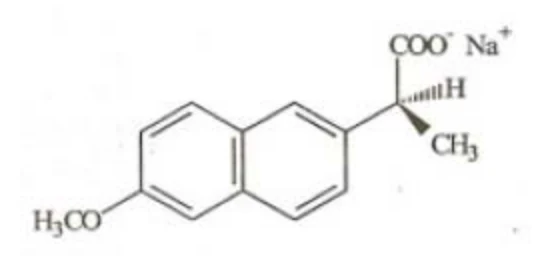
Physicochemical properties: Naproxen sodium is an odorless crystalline powder, white to creamy in color. It is soluble in methanol and water.
Solubility: 250 mg/mL in water; 200 mg/mL in methanol;
14 mg/mL in ethanol; 0.102 mg/mL in acetone; 0.04 mg/mL chloroform; 0.014 mg/mL in toluene; and 0.001 mg/mL in benzene
pKa: The pKa of naproxen (free acid) is: 4.39 at an ionic strength of 0.01 4.50 at an ionic strength of 0.1
pH: The pH of a 1 in 20 solution of naproxen sodium in water is between 7.5 and 9.0.
Melting Point: Naproxen sodium melts at about 255°C with decomposition
CLINICAL TRIALS
Randomized clinical trials with NAPRELAN have NOT been designed to detect differences in cardiovascular adverse events in a chronic setting.
Rheumatoid Arthritis
Study Demographics and Trial design
The use of NAPRELAN for the management of the signs and symptoms of rheumatoid arthritis (RA) was assessed in a 12 week double blind, randomized placebo and active-controlled, parallel group comparison study in patients with RA. In the double blind phase of this study, efficacy of NAPRELAN 1000 mg once daily was compared with Naprosyn® 500 mg twice daily and placebo. A total of 348 patients were randomized to treatment, 116 in each group (NAPRELAN, Naprosyn® and placebo). 246 patients completed the double blind phase of the RA study (84 NAPRELAN, 89 Naprosyn® and 73 placebo). All patients received at least one dose of study medication and thus were included in the intent-to-treat analysis. Patients were male and female patients 18 to 75 years of age with a diagnosis of rheumatoid arthritis for at least six months prior to screening. Brief study demographics and trial design for the double blind phase is provided below (Table 5). The primary objective of the double blind study phase was to compare the safety and efficacy of NAPRELAN 1000 mg once daily, Naprosyn® 500 mg twice daily, and placebo given for 12 weeks in patients with rheumatoid arthritis (RA). A secondary objective was to establish equivalent efficacy of controlled-release NAPRELAN 1000 mg once daily and Naprosyn® 500 mg twice daily. Efficacy was evaluated at baseline, then at weeks 1, 2, 4, 8, and 12 (visits 3 through 7).
For the double blind phase of the RA study, efficacy was evaluated and compared among the three treatment groups using the following primary efficacy variables.
- Physician’s Global Assessment on the Visit Day (PhyGA)
- Patient’s Global Assessment of Condition Since Previous Visit (PtGA)
- Number of Painful Joints (NPJ)-Assessed as pain on palpation and/or motion for all 68 diarthrodial joints, except hips
- Number of Swollen Joints (NSJ)-Assessed as synovial fluid and/or soft tissue swelling, but not bony overgrowth
In the double blind phase of the RA study, analysis was made from the intent-to-treat population. The intent-to-treat analysis compared the mean reductions in each efficacy variable from baseline
(visit 2), at 12 weeks (visit 7) and at the last visit before stopping treatment. A summary of the mean changes from baseline for visit 7 (week 12) is provided (Table 6).
The double blind phase of the RA study was followed by a NAPRELAN open label phase. Patients who completed twelve weeks of double blind therapy were eligible for open label therapy with NAPRELAN 1000 mg once per day and were to continue the open label phase for an additional nine months. A total of 240 patients chose to enroll in the open label phase. Brief study demographics and trial design for the open label phase also provided below (Table 5).
TABLE 5: Summary of patient demographics in patients diagnosed with RA
Trial Design
Dosage
Route of administration and duration
Study
subjects
n=number
Mean
age
Gender
(Double Blind
Phase)
NAPRELAN 1000
mg once daily
compared with that
of placebo and
Naprosyn® 500mg
bid
Oral
12 wks
n=348 55 years 263 females
85 males
(Open Label
Phase)
NAPRELAN 1000
mg once daily Oral
9 months
n=240 55 years 180 females
60 males
TABLE 6: Summary of Primary Efficacy Variables at Visit 7 (Week 12), for the 12-week, Double Blind Phase, in the Intent-to-Treat Population
| Variable¹ | Visit 7 (twelve weeks of treatment) | |||||
Mean Change ± SEM (standard error of the mean) from Baseline | p-Value | |||||
NAPRELAN (N = 84) | Naprosyn® (N = 89) | Placebo (N = 73) | NAPRELAN vs. Placebo | Naprosyn® vs. Placebo | NAPRELAN vs. Naprosyn® | |
| PhyGA | 3.3 ± 0.2 | 3.1 ± 0.2 | 3.0 ± 0.2 | 0.1386 | 0.9753 | 0.1265 |
| PtGA | 3.3 ± 0.2 | 3.4 ± 0.2 | 2.6 ± 0.3 | 0.0141 * | 0.0125 * | 0.9926 |
| NPJ | 16.1 ± 1.4 | 14.2 ± 1.4 | 15.3 ±1.5 | 0.0846 | 0.8499 | 0.1057 |
| NSJ | 8.3 ± 0.9 | 9.4 ± 0.9 | 8.9 ± 1.0 | 0.5511 | 0.9881 | 0.5417 |
¹ PhyGA=Physician's Global Assessment: PtGA=Patient's Global Assessment: NPJ=Number of Painful Joints:
NSJ=Number of Swollen Joints
* statistically significant (p ≤ 0.05), using ANCOVA. The between treatment comparisons favor either the relevant active drug or NAPRELAN for comparison between active drugs.
Rheumatoid Arthritis, Study Results (Double Blind and Open Label RA Studies)
For the double blind treatment phase of the RA study, the NAPRELAN and Naprosyn® groups were more effective than the placebo group for the Patient’s Global Assessment (PtGA) at both visit 7 (week 12) and Endpoint (endpoint data from last available visit for patients failing to complete the full 12 week double blind phase). In addition, at visit 7 (week 12), the NAPRELAN group was better than placebo in the Physician’s Global Assessment on the Visit Day (PhyGA). The results from the efficacy variable analysis demonstrated NAPRELAN 1000 mg once daily in the treatment of RA as superior to placebo and at least equivalent to Naprosyn® 500 mg twice daily in PtGA.
For the open label treatment phase of the RA study, those patients initially treated with active drug, either NAPRELAN or Naprosyn® maintained the improvement that they achieved during the double blind phase. For the open label phase, efficacy was limited to the Physicians Global Assessment (PhyGA) and the Patient’s Global Assessment (PtGA) with the evaluations performed at Months 4 and 12 (visits 8 and 11). Patients initially treated with placebo showed improvement in PhyGA and PtGA after the first month of NAPRELAN treatment.
Osteoarthritis
Study Demographics and Trial design
The use of NAPRELAN for the management of the signs and symptoms of osteoarthritis (OA) was assessed in a 12 week double blind, placebo and active-controlled study in patients with OA. In the double blind phase of this study, efficacy of NAPRELAN 1000 mg once daily was compared with Naprosyn® 500 mg twice daily and placebo. A total of 347 patients were randomized to treatment, (116 in the NAPRELAN group, 115 in the Naprosyn® group and 116 in the placebo group. 245 patients completed the double blind phase of the OA study. Patients were male and female patients 18 to 80 years of age and a diagnosis of osteoarthritis of the knee for at least six months prior to screening. Brief study demographics and trial design for the double blind phase is provided below (Table 7). The primary objective of the double blind study phase was to compare the safety and efficacy of NAPRELAN 1000 mg once daily, Naprosyn® 500 mg twice daily, and placebo given for 12 weeks in patients with osteoarthritis (OA) of the knee. A secondary objective was to establish equivalent efficacy of controlled-release NAPRELAN 1000 mg once daily and Naprosyn® 500 mg twice daily.
For the double blind phase of the OA study, efficacy was evaluated at baseline, then at weeks 1, 2, 4, 8 and 12 (visits 3 through 7) and compared among the three treatment groups using the following primary efficacy variables.
- Physician’s Global Assessment on the Visit Day (PhyGA)
- Patient’s Global Assessment of Condition Since Previous Visit (PtGA)
- Severity of Pain Aggravated by Movement (PAM)-Assessed as knee pain on movement measured weight-bearing pain and pain on active/passive movement.
- Severity of Pain on Palpation (POP)-Assessed as severity of knee pain when the investigator palpated the joint.
In the double blind phase of the OA study, analysis was made from the intent-to-treat population. The intent-to-treat analysis compared the mean reductions in each efficacy variable from baseline (visit 2), at 12 weeks (visit 7) and at the last visit before stopping treatment. An assessment of efficacy of all treatment groups was performed after all patients had either completed visit 7 (twelve weeks of treatment) or discontinued the study prior to visit 7 (the last available visit, Endpoint). A summary of the mean changes from baseline for visit 7 (week 12) is provided (Table 8).
The double blind phase of the OA study was followed by a NAPRELAN open label phase. Patients who completed twelve weeks of double blind therapy were eligible for open label therapy with NAPRELAN 1000 mg once per day and were to continue the open label phase for an additional nine months. A total of 228 patients chose to enroll in the open label phase. Brief study demographics and trial design for the open label phase also provided below (Table 7).
TABLE 7: Summary of patient demographics in patients diagnosed with osteoarthritis of the knee
Trial Design
Dosage
Route of
administration and duration
Study
subjects
n=number
Mean
age
Gender
(Double
Blind Phase)
NAPRELAN
1000 mg od
compared with
that of placebo
and
Naprosyn®
500 mg bid
Oral
12 wks
n=347 63.8 years 238 females
109 males
(Open Label
Phase)
NAPRELAN
1000 mg once
daily
Oral
9 months
n=228 63.7 years 159 females
69 males
TABLE 8: Summary of Primary Efficacy at Visit 7 (Week 12), for the 12-week, Double
Blind Phase, in the Intent-to-Treat Population
| Variable¹ | Visit 7 (twelve weeks of treatment) | |||||
Mean Change ± SEM (standard error of the mean) from Baseline | p-Value | |||||
NAPRELAN (N = 84) | Naprosyn® (N = 84) | Placebo (N = 77) | NAPRELAN vs. Placebo | Naprosyn® vs. Placebo | NAPRELAN vs. Naprosyn® | |
| PhyGA | 3.6 ± 0.2 | 3.6 ± 0.3 | 2.9 ± 0.3 | 0.0116 * | 0.0310 * | 0.6863 |
| PtGA | 3.8 ± 0.3 | 3.9 ± 0.3 | 2.1 ± 0.3 | 0.0000 * | 0.0000 * | 0.8495 |
| PAM | 3.6 ± 0.3 | 3.7 ± 0.3 | 2.6 ±0.3 | 0.0154 * | 0.0123 * | 0.9512 |
| POP | 3.2 ± 0.3 | 3.2 ± 0.3 | 2.8 ± 0.3 | 0.1667 | 0.1475 | 0.9554 |
¹ PhyGA=Physician's Global Assessment; PtGA=Patient's Global Assessment; PAM=Pain Aggravated by
Movement; POP=Pain on Palpation.
* statistically significant difference (p ≤ 0.05) using ANOVA.
Osteoarthritis, Study Results (Double Blind and Open Label OA Studies)
For the double blind treatment phase of the OA of the knee study, at the end of 12 weeks of treatment, three of the four primary efficacy variables favored NAPRELAN over placebo. Mean scores in the active-control (naproxen 500 mg bid) treated group were also significantly greater than those in the placebo treated group. NAPRELAN and the active control were equally effective. Thus, NAPRELAN 1000mg once daily and naproxen 500mg tablets twice daily were more effective than placebo. Clinical effectiveness was demonstrated at one week and continued for the duration of the study. In the double blind treatment phase, NAPRELAN and Naprosyn® demonstrated comparable efficacy with no significant differences in the mean efficacy scores. After 12-weeks, three of the four primary efficacy variables (PhyGA, PtGA and PAM) favored NAPRELAN and Naprosyn® when compared with placebo.
For the open label treatment phase of the OA of the knee study, evaluation of efficacy was limited to the Physicians Global Assessment (PhyGA) and the Patient’s Global Assessment (PtGA) with the evaluations performed at Months 4 and 12 (visits 8 and 11). Patients who initially received either NAPRELAN or Naprosyn® maintained their improvement achieved in the double blind phase. By
contrast, patients who initially received placebo showed improvement in PhyGA and PtGA after the first month of NAPRELAN treatment.
Special Studies
Endoscopic Effects:
Study 1: A double blind, randomized, parallel group study, male subjects received either two NAPRELAN 500 mg tablets (1000 mg) once daily or naproxen 500 mg tablets twice daily (1000 mg) for 7 days. 19 subjects completed the study; 10 evaluable subjects took NAPRELAN and 9 evaluable subjects took naproxen. Following treatment the subjects underwent an endoscopic examination to evaluate the gastroduodenal mucosa for damage. The endoscopic examination was assessed visually and scored using the Euler and Lanza visual analog scales. Mucosal biopsies were taken at endoscopy and mucosal damage was evaluated histologically. Following 7 days of treatment with either NAPRELAN 1000 mg once daily or naproxen 500 mg twice daily, results indicate both products caused significant (p<0.05) mucosal change from baseline.
Study 2: A double blind, randomized crossover comparison of NAPRELAN (1000 mg once daily), naproxen (500 mg twice daily) and aspirin (650 mg four times daily). Each of the three administration periods lasted for 7 days, with a washout period of 21 days between administration. Twenty-three (23) subjects (12 males, 11 females) completed the study. The study drugs were administered in random order. Prior to receiving and following dosing of the study drugs, each subject underwent gastroduodenal endoscopy to evaluate the mucosa. The primary objective was to compare levels of mucosal damage to the stomach and duodenum for each of the drug regimens. The primary end points were the total number of erosions in the stomach and the total number in the duodenum. In the stomach the mean number of erosions was 18.32 for ASA, 5.00 for naproxen, and 4.57 for NAPRELAN. The difference between ASA and the other two formulations was significant (p<0.001) but there was no significant difference between NAPRELAN and naproxen. In the duodenum the mean number of erosions was 5.91 for ASA, 4.57 for naproxen and 1.83 for NAPRELAN. Mucosal damage in the duodenum was significant for NAPRELAN vs. naproxen (p=0.024) and for NAPRELAN vs. ASA (p=0.009), but there was no significant difference between naproxen vs. ASA. The clinical significance of these findings is unknown.
DETAILED PHARMACOLOGY
Pharmacokinetics
NAPRELAN Tablet Matrix Disintegration and Bead Dispersion Characteristics: An in vivo imaging study was performed to validate the tablet matrix disintegration and bead dispersion characteristics of NAPRELAN under both fasted and fed conditions. This study used a gamma scintigraphy camera and a radioisotope distributed in the controlled release beads. The integrity, distribution and transit characteristics of 1) the intact matrix tablet, 2) the disintegrated tablet and 3) the delayed release beads, plotted under both fasting and fed conditions, also matched the pharmacokinetic profile of the product in a group of healthy volunteers. This technique provides an in vivo verification of the rapid disintegration of the tablet, and the subsequent distribution and dispersion of the delayed release beads in the upper and lower small intestine.
Based on the pharmacokinetic profile, it is clear that the absorption phase of NAPRELAN, limited to primarily the first four to six hours after administration, coincides with the disintegration of the tablet in the stomach and the transit of the controlled released beads through the small intestine and into the proximal large intestine. The absorption phase is consistent with a control of the peak plasma concentrations following NAPRELAN administration, rather than being associated with a greatly extended absorption phase, which is unnecessary given the long inherent half life of naproxen. The presence of food did not significantly affect the disintegration or dispersion characteristics of the dosage form in the gastrointestinal tract, nor were the pharmacokinetic characteristics of the product significantly affected.
Food Effect: In addition to the imaging study described above, another study was conducted with NAPRELAN under fasted and fed conditions to determine if the consumption of food had any impact on the pharmacokinetic profile of NAPRELAN.
In a randomized crossover fashion, 24 male volunteers received a single dose of NAPRELAN 500 mg in a fasted state and 30 minutes following a heavy breakfast. Plasma sampling for 48 hours post-dose was conducted. Food was found to have little effect on the in vivo pharmacokinetics of NAPRELAN. The rate and extent of absorption, as estimated by AUC0-4 and Cmax was unaffected by food [90% Confidence Interval for NAPRELAN (fed)/NAPRELAN (fasted): log10 AUC0-4 = 95.50% - 100.00%; log10 Cmax = 85.11% - 97.73%]. Administration of NAPRELAN with food resulted in a slight delay in Tmax [fed Tmax: 7.42±4.94 hours; fasted Tmax: 4.13±1.48 hours (p<0.01)].
TOXICOLOGY
Three preclinical toxicology studies were conducted with NAPRELAN, as described below. These studies focused on naproxen’s effects on the most sensitive organ system, the gastrointestinal tract.
Acute Toxicity
24 hour GI Toxicity Study of NAPRELAN in Dogs: A 24-hour gastrointestinal toxicity study in dogs was undertaken to assess the local irritancy in nine males and nine females. The doses administered were NAPRELAN 1500 mg (equivalent to 500 mg x 3), Naprosyn® 1500 mg (500 mg x 3) for the active control, and preformulated placebo tablets. In each case, intact 500 mg tablets were placed in ligated sections of the duodenum, ileum and colon. The tissue was necropsied 24 hours later and macroscopic and microscopic effects in the mucosa were observed.
There were no clinical signs of toxicity observed upon gross examination or histopathology that could be attributed to the test or control articles. No clinical chemistry data indicated the presence of any abnormalities related to treatment. The only laboratory changes were small increases in BUN and serum creatinine levels in the dogs dosed with NAPRELAN and Naprosyn® when compared to the vehicle controls.
The gross effects were less in the NAPRELAN and Naprosyn® groups than in the placebo group. This was probably due to a reduction of the inflammatory effects by the surgical procedure. There were no signs of chemical irritation. No histological damage could be attributed to the test drugs or control article.
Long-Term Toxicity
Two long term toxicity gastrointestinal studies were conducted with NAPRELAN, similar to each other in design but involving two different species, micro-swine and monkeys. NAPRELAN tablets were administered daily at two dose levels to correspond with the minimum and maximum clinical dose range. The Naprosyn® dose was chosen to mimic low to average clinical dose levels for this product, and provide a relevant baseline for comparison with NAPRELAN.
Repeated Dose Oral Toxicity Study of NAPRELAN in Micro-swine: This study examined the gastrointestinal effects of NAPRELAN through a repeat dose oral toxicity study in micro-swine. The effects of seven days dosing with NAPRELAN daily at two dose levels (500 mg qd or 1500 qd), Naprosyn® (375 mg bid), and placebo on eight males and eight female swine were assessed.
No clinical signs of toxicity were observed. There were small erosions in the mucosa of 2-Naprosyn®, 1-500 mg NAPRELAN, and 2-1500 mg NAPRELAN and 0-placebo treated swine. In general, the erosions with Naprosyn® were deeper and included submucosal inflammation. No abnormal findings were noted during the ophthalmic examinations. No trends in the hematologic or clinical chemistry data suggest the presence of any treatment effects.
Repeated Dose Oral Toxicity Study in NAPRELAN in Rhesus Monkeys: An additional study was conducted in monkeys to confirm the gastrointestinal tolerability of NAPRELAN. This study was very similar in design to that conducted with the micro-swine. Eight male and eight female monkeys were dosed for seven days with either 500 mg or 1500 mg NAPRELAN, 375 mg Naprosyn® bid or placebo.
In contrast to the micro-swine, the monkeys exhibited vomiting with the 1500 mg dose of NAPRELAN. In addition, there was a possible effect on BUN and creatinine in all monkeys who received naproxen. The gastrointestinal mucosa of the fundus and pyloric area exhibited small erosions in the animals that received Naprosyn®. Histopathological examination showed erosions in three monkeys in the 1500 mg group, two in the Naprosyn® group, and none in the other two groups. Only one animal in the 1500 mg NAPRELAN group exhibited reddish streaks in the fundus.
The 500 mg NAPRELAN group demonstrated substantially less gastrointestinal irritation than the other treated animals. The toxicity of NAPRELAN and Naprosyn® was limited to superficial gastric erosions that were associated with local inflammation and occasionally with minute gastric hemorrhage or edema. No abnormal findings were noted during the ophthalmic examinations.
NAPRELAN at 1500 mg dosing was of similar overall toxicity as Naprosyn® dosing at 750 mg. NAPRELAN dosing at 500 mg appeared to be substantially less toxic than either the 1500 mg dose of NAPRELAN or the 750 mg dose of Naprosyn®. Additionally, an observed toxic effect of treatment with 1500 mg NAPRELAN was vomiting.
Reproductive and Developmental Toxicity
Reproduction studies have been performed in rats at 20 mg/kg/day (125 mg/m2/day, 0.23 times the human systemic exposure), rabbits at 20 mg/kg/day (220 mg/m2/day, 0.27 times the human systemic exposure) and mice at 170 mg/kg/day (510 mg/m2/day, 0.28 times the human systemic exposure) with no evidence of impaired fertility or harm to the fetus due to the drug.
There is some evidence to suggest that when inhibitors of prostaglandin synthesis are used to delay preterm labor there is an increased risk of neonatal complications such as necrotizing enterocolitis, patent ductus arteriosus, and intracranial hemorrhage. Naproxen treatment given in late pregnancy to delay parturition has been associated with persistent pulmonary hypertension, renal dysfunction, and abnormal prostaglandin E levels in preterm infants. Naproxen readily crosses the placental barrier.
Canadian Patent 2034096
REFERENCES
- 1. Devane JG, Butler J, Mulligan S. IPDAS: a novel technology brings new benefits when applied to naproxen sodium. Am J Orthop 1996; Sep 25: 9 Suppl 7-13.
- 2. Gaston G. A double-blind, randomized, parallel-group study of the pharmacokinetics and onset of action of Naprelan in patients following oral surgery. Am J Orthop 1996; Sep 25: 9 Suppl 37-41.
- 3. Graham DY, Smith JL, Spjut HJ, Torres E. Gastric adaption: studies in humans during continuous aspirin administration. Gastroenterol 1988; 95:327-33.
- 4. Hawkey C, O’Morain C, Murray F, McCarthy C, Tierney D, Devane J. Two comparative endoscopic evaluations of Naprelan. Am J Orthop 1996; Sep 25: 9 Suppl 30-36.
- 5. Lanza FL. Endoscopic studies of gastric and duodenal injury after the use of ibuprofen, aspirin and other nonsteroidal anti-inflammatory agents. Am J Med 1984; 1A: 19-24.
- 6. Lisse JR. Clinical efficacy and safety of Naprelan versus Naprosyn in the treatment of rheumatoid arthritis. Am J Orthop 1996; Sep 25: 9 Suppl 21-29.
- 7. Oddsson E, Gudjonsson H, Thjodleifsson B. Endoscopic findings in the stomach and duodenum after treatment with enteric-coated and plain Naproxen tablets in healthy subjects. Scand J Gastroenterol 1990; 25:231-34.
- 8. Schiff MH. A comparison of Naprelan and Naprosyn in the treatment of osteoarthritis of the knee. Am J Orthop 1996; Sep 25: 9 Suppl 14-20.
- 9.
Todd PA, Clissold SP. Naproxen. A Reappraisal Of Its Pharmacology, And Therapeutic
Use In Rheumatic Diseases And Pain States. Drugs 1990; 40:91-137.
- 10.
Information Letter, Health Protection Branch. Nonsteroidal Anti-inflammatory Drugs. DD-
33; August 21, 1985.
- 11.
Health Products and Food Branch. Guidance for Industry: Basic Product Monograph
Information for Nonsteroidal Anti-Inflammatory Drugs (NSAIDs).