


Product Monograph - Ava-Naproxen EC
INDICATIONS AND CLINICAL USE
AVA-NAPROXEN (naproxen) is indicated for the treatment of osteoarthritis, rheumatoid arthritis, and ankylosing spondylitis.
AVA-NAPROXEN is also indicated for the relief of minor aches and pains in muscles, bones and joints, mild to moderate pain accompanied by inflammation in musculoskeletal injuries
(sprains and strains) and primary dysmenorrhea.
AVA-NAPROXEN EC is not recommended for initial treatment of acute pain because the absorption of naproxen is delayed.
CONTRAINDICATIONS
The following are contraindications to the use of AVA-NAPROXEN (naproxen):
- 1. Active peptic ulcer, a history of recurrent ulceration or active inflammatory disease of the gastrointestinal system.
- 2.
Known or suspected hypersensitivity to the drug or to naproxen sodium or to other nonsteroidal anti-inflammatory drugs. The potential for cross-reactivity between different
NSAIDs must be kept in mind.
AVA-NAPROXEN should not be used in patients with the complete or partial syndrome of nasal polyps, or in whom asthma, anaphylaxis, urticaria, rhinitis or other allergic manifestations are precipitated by ASA or other non-steroidal anti-inflammatory agents.
Fatal anaphylactoid reactions have occurred in such individuals. As well, individuals with the above medical problems are at risk of a severe reaction even if they have taken
NSAIDs in the past without any adverse effects.
- 3. Significant hepatic impairment or active liver disease.
- 4. Severely impaired or deteriorating renal function (creatinine clearance <30 mL/min or 0.5 mL/s). Individuals with lesser degrees of renal impairment are at risk of deterioration of their renal function when prescribed NSAIDs and must be monitored.
- 5. AVA-NAPROXEN is not recommended for use with other NSAIDs because of the absence of any evidence demonstrating synergistic benefits and the potential for additive side effects.
- 6. Naproxen is contraindicated in children under 2 years of age since safety in this age group has not been established.
WARNINGS
Gastrointestinal System (GI)
Serious GI toxicity, such as peptic ulceration, perforation and gastrointestinal bleeding, sometimes severe and occasionally fatal can occur at any time, with or without symptoms in patients treated with non-steroidal anti-inflammatory drugs (NSAIDs) including AVA-
NAPROXEN (naproxen).
Minor upper GI problems, such as dyspepsia, are common, usually developing early in therapy.
Physicians should remain alert for ulceration and bleeding in patients treated with non-steroidal anti-inflammatory drugs, even in the absence of previous GI tract symptoms.
In patients observed in clinical trials of such agents, symptomatic upper GI ulcers, gross bleeding, or perforation appear to occur in approximately 1% of patients treated for 3-6 months and in about 2-4% of patients treated for one year. The risk continues beyond one year and possibly increases. The incidence of these complications increases with increasing dose.
AVA-NAPROXEN should be given under close medical supervision to patients prone to gastrointestinal tract irritation particularly those with a history of peptic ulcer, diverticulosis or other inflammatory disease of the gastrointestinal tract, such as ulcerative colitis and Crohn’s disease. In these cases, the physician must weigh the benefits of treatment against the possible hazards.
Physicians should inform patients about the signs and/or symptoms of serious GI toxicity and instruct them to contact a physician immediately if they experience persistent dyspepsia or other symptoms or signs suggestive of gastrointestinal ulceration or bleeding.
Because serious GI tract ulceration and bleeding can occur without warning symptoms, physicians should follow chronically treated patients by checking their hemoglobin periodically and by being vigilant for the signs and symptoms of ulceration and bleeding and should inform the patients of the importance of this follow-up.
If ulceration is suspected or confirmed, or if GI bleeding occurs, AVA-NAPROXEN should be discontinued immediately, appropriate treatment instituted and the patient monitored closely.
No studies, to date, have identified any group of patients not at risk of developing ulceration and bleeding. A prior history of serious GI events and other factors such as excess alcohol intake, smoking, age, female gender and concomitant oral steroid and anticoagulant use have been associated with increased risk.
Studies to date show that all NSAIDs can cause GI tract adverse events. Although existing data does not clearly identify differences in risk between various NSAIDs, this may be shown in the future.
Use in the Elderly
Patients older than 65 years and frail or debilitated patients are most susceptible to a variety of adverse reactions from non-steroidal anti-inflammatory drugs (NSAIDs): the incidence of these adverse reactions increases with dose and duration of treatment. In addition, these patients are less tolerant to ulceration and bleeding. Most reports of fatal GI events are in this population.
Older patients are also at risk of lower esophageal ulceration and bleeding. For such patients, consideration should be given to a starting dose lower than the one usually recommended, with individual adjustment when necessary and under close supervision. See “PRECAUTIONS” for further advice.
Cross–sensitivity
Patients sensitive to any one of the non-steroidal anti-inflammatory drugs may be sensitive to any of the other NSAIDs also.
Aseptic Meningitis
In occasional cases, with some NSAIDs, the symptoms of aseptic meningitis (stiff neck, severe headaches, nausea and vomiting, fever or clouding of consciousness) have been observed.
Patients with autoimmune disorders (systemic lupus erythematosus, mixed connective tissues diseases, etc.) seem to be pre-disposed. Therefore, in such patients, the physician must be vigilant to the development of this complication.
Use in Pregnancy, Labour and Lactation
The safety of this drug during pregnancy, labour and lactation has not been established and its use is therefore not recommended.
Reproduction studies have been performed in rats, rabbits, and mice. In rats, pregnancy was prolonged when naproxen was given before the onset of labor, and when given after the delivery process had begun, labor was protracted. Similar results have been found with other nonsteroidal anti-inflammatory agents, and the evidence suggests that this may be due to decreased uterine contractility resulting from the inhibition of prostaglandin synthesis. This may also increase the risk for uterine hemorrhage. Moreover, because of the known effect of drugs of this class on the human fetal cardiovascular system (closure of ductus arteriosus), use during late pregnancy should be avoided.
Naproxen readily crosses the placental barrier. It has also been found in the milk of lactating women at a concentration approximately 1% of that found in the plasma.
Use in Children
AVA-NAPROXEN (naproxen) is contraindicated in children under 2 years of age since safety in the age group has not been established.
PRECAUTIONS
AVA-NAPROXEN (naproxen) should not be used concomitantly with the related drug naproxen sodium, since both circulate in plasma as the naproxen anion.
Gastrointestinal System
There is no definitive evidence that the concomitant administration of histamine H2-receptor antagonists and/or antacids will either prevent the occurrence of gastrointestinal side effects or allow the continuation of AVA-NAPROXEN therapy when and if these adverse reactions appear.
Renal Function
Long-term administration of non-steroidal anti-inflammatory drugs to animals has resulted in renal papillary necrosis and other abnormal renal pathology. In humans, there have been reports of acute interstitial nephritis with hematuria, proteinuria, and occasionally nephrotic syndrome.
A second form of renal toxicity has been seen in patients with prerenal conditions leading to the reduction in renal blood flow or blood volume, where the renal prostaglandins have a supportive role in the maintenance of renal perfusion. In these patients, administration of a non-steroidal anti-inflammatory drug may cause a dose-dependent reduction in prostaglandin formation and may precipitate overt renal decompensation. Patients at greatest risk of this reaction are those with impaired renal function, extracellular volume depletion, sodium restrictions, heart failure, liver dysfunction, those taking diuretics, and the elderly. Assessment of renal function in these patients before and during therapy with naproxen is recommended. Discontinuation of nonsteroidal anti-inflammatory therapy is usually followed by recovery to the pretreatment state.
AVA-NAPROXEN and its metabolites are eliminated primarily by the kidneys, therefore the drug should be used with great caution in patients with significantly impaired renal function. In these cases, utilization of lower doses of AVA-NAPROXEN should be considered and patients carefully monitored.
Naproxen should not be used chronically in patients having a baseline creatinine clearance of less than 20 mL/minute. During long-term therapy, kidney function should be monitored periodically.
Genitourinary Tract
Some NSAIDs are known to cause persistent urinary symptoms (bladder pain, dysuria, urinary frequency), hematuria or cystitis. The onset of these symptoms may occur at any time after the initiation of therapy with an NSAID. Some cases have become severe on continued treatment.
Should urinary symptoms occur, treatment with AVA-NAPROXEN must be stopped immediately to obtain recovery. This should be done before any urological investigations or treatments are carried out.
Hepatic Function
As with other non-steroidal anti-inflammatory drugs, borderline elevations of one or more liver function tests may occur in up to 15% of patients. These abnormalities may progress, may remain essentially unchanged, or may be transient with continued therapy. A patient with symptoms and/or signs suggesting liver dysfunction, or in whom an abnormal liver test has occurred, should be evaluated for evidence of the development of more severe hepatic reaction while on therapy with this drug. Severe hepatic reactions including jaundice and cases of fatal hepatitis have been reported with non-steroidal anti-inflammatory drugs.
Although such reactions are rare, if abnormal liver tests persist or worsen, if clinical signs and symptoms consistent with liver disease develop, or if systemic manifestations occur (e.g.
eosinophilia, rash, etc.), this drug should be discontinued.
During long-term therapy, liver function tests should be monitored periodically. If there is a need to prescribe this drug in the presence of impaired liver function, it must be done under strict observation.
Chronic alcoholic liver disease and probably other forms of cirrhosis reduce the total plasma concentration of naproxen, but the plasma concentration of unbound naproxen is increased. The implication of this finding for naproxen dosing is unknown, but caution is advised when high doses are required. It is prudent to use the lowest effective dose.
Steroids
If steroid dosage is reduced or eliminated during therapy, the steroid dosage should be reduced slowly and the patients must be observed closely for any evidence of adverse effects, including adrenal insufficiency and exacerbation of symptoms of arthritis.
Fluid and Electrolyte Balance
Peripheral edema has been observed in patients receiving naproxen. Therefore, as with many other non-steroidal anti-inflammatory drugs, the possibility of precipitating congestive heart failure in elderly patients or those with compromised cardiac function should be borne in mind.
Although sodium retention has not been reported in metabolic studies, the drug should be used with caution in patients with heart failure, hypertension or other conditions predisposing to fluid retention.
With NSAID treatment, there is a potential risk of hyperkalemia particularly in patients with conditions such as diabetes mellitus or renal failure; elderly patients; or in patients receiving concomitant therapy and beta adrenergic blockers, angiotensin converting enzyme inhibitors or some diuretics. Serum electrolytes should be monitored periodically during long-term therapy, especially in those patients who are at risk.
Hematology
Drugs inhibiting prostaglandin biosynthesis do interfere with platelet function to varying degrees; therefore, patients who may be adversely affected by such an action should be carefully observed when AVA-NAPROXEN is administered.
Blood dyscrasias (such as neutropenia, leukopenia, thrombocytopenia, aplastic anemia and agranulocytosis) associated with the use of non-steroidal anti-inflammatory drugs are rare, but could occur with severe consequences.
Patients with initial hemoglobin values of 10 g or less who are to receive long-term therapy should have hemoglobin values determined frequently.
Infection
The anti-inflammatory, antipyretic and analgesic effects of AVA-NAPROXEN (naproxen) may mask the usual signs of infection and the physician should be alert for development of infection in patients receiving naproxen.
Ophthalmology
Blurred and/or diminished vision has been reported with the use of naproxen and other nonsteroidal anti-inflammatory drugs. In rare cases, adverse ocular disorders including papillitis, retrobulbar optic neuritis and papilledema have been reported in users of NSAIDs including naproxen, although a cause and effect relationship cannot be established. If such symptoms develop this drug should be discontinued and an ophthalmologic examination performed;
ophthalmic examination should be carried out at periodic intervals in any patient receiving this drug for an extended period of time.
Central Nervous System
Some patients may experience drowsiness, dizziness, vertigo, insomnia or depression with the use of naproxen. If patients experience these side effects, they should exercise caution in carrying out activities that require alertness.
Hypersensitivity
Anaphylactoid reactions to naproxen or naproxen sodium, whether of the true allergic type or the pharmacologic idiosyncratic (e.g., aspirin syndrome) type, usually but not always occur in patients with a known history of such reactions. Therefore, careful questioning of patients for such things as asthma, nasal polyps, urticaria, and hypotension associated with non-steroidal anti-inflammatory drugs before starting therapy is important. In addition, if such symptoms occur during therapy, treatment should be discontinued.
Dermatology
If skin fragility, blistering or other symptoms suggestive of pseudoporphyria occur, treatment should be discontinued and the patient monitored.
Use in the Elderly Patient
One study indicates that although total plasma concentration of naproxen is unchanged, the unbound plasma fraction of naproxen is increased in the elderly. The implication of this finding for naproxen dosing is unknown, but caution is advised when high doses are required. As with other drugs used in the elderly, it is prudent to use the lowest effective dose.
Drug Interactions
Acetylsalicylic acid (ASA) or other NSAIDs: The use of AVA-NAPROXEN (naproxen) in addition to any other NSAID, including those over the counter ones (such as ASA and ibuprofen)
is not recommended due to the possibility of additive side effects.
Anticoagulants: Numerous studies have shown that the concomitant use of NSAIDs and anticoagulants increases the risk of GI adverse events such as ulceration and bleeding.
Because prostaglandins play an important role in hemostasis, and NSAIDs affect platelet function, concurrent therapy of naproxen with warfarin requires close monitoring to be certain that no change in anticoagulant dosage is necessary.
Albumin-bound Drugs: The naproxen anion may displace from their binding sites other drugs which are also albumin–bound and may lead to drug interactions. For example, in patients receiving bishydroxycoumarin or warfarin, the addition of AVA-NAPROXEN to therapy could prolong the prothrombin time. These patients should therefore be under careful observation.
Similarly, patients receiving AVA-NAPROXEN and a hydantoin, sulfonamide, or sulfonylurea should be observed for signs of toxicity to these drugs.
Diuretics: The natriuretic effect of furosemide has been reported to be inhibited by some drugs of this class.
Lithium: Inhibition of renal lithium clearance leading to increases in plasma lithium concentrations has also been reported.
Antihypertensive Drugs: Naproxen and other non-steroidal anti-inflammatory drugs can reduce the antihypertensive effect of propranolol and other beta-blockers as well as other antihypertensive agents.
Antacids: The rate of absorption of naproxen is altered by concomitant administration of antacids but is not adversely influenced by the presence of food.
Probenecid: Probenecid given concurrently increases naproxen anion plasma levels and extends its plasma half–life significantly.
Cholestyramine: Concomitant administration of cholestyramine can delay the absorption of naproxen, but does not affect its extent.
Methotrexate: Caution is advised in the concomitant administration of naproxen with methotrexate since naproxen and other non-steroidal anti-inflammatory drugs have been reported to reduce the tubular secretion of methotrexate in an animal model, thereby possibly enhancing its toxicity.
Glucocorticoids: Numerous studies have shown that the concomitant use of NSAIDs and oral glucocorticoids increases the risk of GI side effects such as ulceration and bleeding. This is especially the case in older (>65 years of age) individuals.
Acetaminophen: Prolonged concurrent use of acetaminophen with an NSAID may increase the risk of adverse renal effects. Therefore it is recommended that patients be under close medical supervision while receiving such combined therapy.
Alcohol/Potassium Supplements: Concurrent use of alcohol or potassium supplements with an
NSAID may increase the risk of gastrointestinal side effects including ulceration and hemorrhage.
Cyclosporine: Inhibition of renal prostaglandin activity by NSAID’s may increase the plasma concentration of cyclosporine and/or the risk of cyclosporine induced nephrotoxicity. Patients should be carefully monitored during concurrent use.
Digoxin: Concomitant administration of an NSAID with digoxin can result in an increase in digoxin concentration which may result in digitalis toxicity. Increased monitoring and dosage adjustments of digitalis glycosides may be necessary during and following concurrent NSAID therapy.
Clinical Laboratory Tests
Naproxen decreases platelet aggregation and prolongs bleeding time. This effect should be kept in mind when bleeding times are determined. Other laboratory tests in patients on naproxen therapy have shown sporadic abnormalities but no definite trend was seen that would indicate potential toxicity.
The administration of AVA-NAPROXEN may result in increased urinary values for 17-ketogenic steroids because of an interaction between the drug and/or its metabolites with m-dinitrobenzene used in this assay. Although 17-hydroxycorticosteroid measurements (Porter-
Silber test) do not appear to be artifactually altered, it is suggested that AVA-NAPROXEN therapy be temporarily discontinued 48 hours before adrenal function tests are performed.
The drug may interfere with some urinary assays of 5-hydroxy indoleacetic acid (5HIAA).
ADVERSE REACTIONS
The most common adverse reactions encountered with non-steroidal anti-inflammatory drugs are gastrointestinal, of which peptic ulcer with or without bleeding, is the most severe. Fatalities have occurred, particularly in the elderly.
A clinical study found gastrointestinal reactions to be more frequent and more severe in rheumatoid arthritis patients taking daily doses of 1500 mg naproxen compared to those taking
750 mg naproxen.
The adverse reactions in controlled clinical trials in 960 patients with rheumatoid arthritis or osteoarthritis treated with naproxen standard tablets are listed below:
* Denotes incidence of reported reactions between 1% and 3%.
** Denotes incidence of reported reactions between 3% and 9%. Reactions occurring in less than 1% of the patients are unmarked.
Gastrointestinal
Heartburn**, constipation**, abdominal pain**, nausea**, diarrhea*, dyspepsia*, stomatitis*, diverticulitis*, gastrointestinal bleeding, hematemesis, melena, peptic ulceration with or without bleeding and/or perforation, vomiting, ulcerative stomatitis.
Central Nervous System
Headache**, dizziness**, drowsiness**, lightheadedness*, vertigo*, depression*, and fatigue*.
Occasionally patients had to discontinue treatment because of the severity of some of these complaints (headache and dizziness). Other adverse effects were inability to concentrate, malaise, myalgia, insomnia and cognitive dysfunction (i.e. decreased attention span, loss of short-term memory, difficulty with calculations).
Dermatologic
Pruritus**, ecchymoses**, skin eruptions**, sweating*, purpura*, alopecia, urticaria, skin rash, erythema multiforme, Stevens-Johnson Syndrome, epidermal necrolysis, photosensitive dermatitis, exfoliative dermatitis and erythema nodosum.
Hepatic
Abnormal liver function tests, jaundice, cholestasis, hepatitis.
Cardiovascular
Dyspnea**, peripheral edema**, palpitations*, congestive heart failure, and vasculitis.
Renal
Glomerular nephritis, hematuria, interstitial nephritis, nephrotic syndrome, nephropathy and tubular necrosis.
Hematologic
Eosinophilia, granulocytopenia, leukopenia, thrombocytopenia, agranulocytosis, aplastic anemia, and hemolytic anemia.
Special Senses
Tinnitus**, hearing disturbances*, hearing impairment and visual disturbances.
Others
Thirst*, muscle weakness, anaphylactoid reactions, menstrual disorders, pyrexia (chills and fever), angioneurotic edema, hyperglycemia, hypoglycemia, hematuria, eosinophilic pneumonitis.
The following additional adverse events have also been reported in the literature with either naproxen or naproxen sodium:
Gastrointestinal: nonpeptic gastrointestinal ulceration, pancreatitis, colitis, esophagitis.
Renal: hyperkalemia, renal disease, renal failure, renal papillary necrosis, raised serum creatinine.
CNS: aseptic meningitis, convulsions, dream abnormalities.
Dermatologic: fixed drug eruption, lichen planus, pustular reaction, systemic lupus erythematosus, photosensitivity reactions including rare cases resembling porphyria cutanea tarda (“pseudoporphyria”) or epidermolysis bullosa.
Cardiovascular: hypertension, pulmonary edema.
Respiratory: asthma.
Special Senses: corneal opacity, papillitis, retrobulbar optic neuritis and papilledema.
SYMPTOMS AND TREATMENT OF OVERDOSAGE
Significant overdosage may be characterized by drowsiness, dizziness, disorientation, heartburn, indigestion, epigastric pain, abdominal discomfort, nausea, vomiting, transient alterations in liver function, hypoprothrombinemia, renal dysfunction, metabolic acidosis and apnea. A few patients have experienced convulsions, but it is not clear whether or not these were naproxen related. No evidence of toxicity or late sequelae have been reported 5 to 15 months after ingestion for three to seven days of doses up to 3,000 mg of naproxen. One patient ingested a single dose of 25 g of
naproxen and experienced mild nausea and indigestion. It is not known what dose of the drug would be life threatening. The oral LD50 of the drug is 543 mg/kg in rats, 1234 mg/kg in mice,
4110 mg/kg in hamsters and greater than 1000 mg/kg in dogs.
Should a patient ingest a large number of naproxen tablets, the stomach may be emptied and usual supportive measures employed. Animal studies suggest that the prompt administration of
50 to 100 grams of activated charcoal as an aqueous slurry over 15 minutes within 2 hours of the overdose would tend to reduce markedly the absorption of the drug.
In dogs 0.5 g/kg of charcoal was effective in reducing the plasma levels of naproxen.
Hemodialysis does not decrease the plasma concentration of naproxen because of the high degree of its protein binding. However, hemodialysis may still be appropriate in the management of renal failure.
DOSAGE AND ADMINISTRATION
ADULT:
Osteoarthritis / Rheumatoid Arthritis / Ankylosing Spondylitis
The usual total daily dosage for osteoarthritis, rheumatoid arthritis, and ankylosing spondylitis is
500 mg a day in divided doses. It may be increased gradually to 750 or 1000 mg, or decreased, depending on the response of the patient.
Studies have not shown any clinically significant benefit in using doses higher than 1000 mg/day. In patients who tolerate lower doses of naproxen well and who exhibit only a partial response to 100 mg/day, the dose may be increased to 1500 mg/day for limited periods.
Experience with 1500 mg/day naproxen is limited to using the standard tablets. AVA-
NAPROXEN (naproxen) tablets should be swallowed with food or milk.
When treating such patients with naproxen 1500 mg/day, the physician should observe sufficient increased clinical benefit to offset the potential increased risk (see Adverse Reactions).
In addition, patients on 1500 mg/day need to be followed closely for the development of any adverse events.
During long–term administration, the dose of naproxen may be adjusted up or down depending on the clinical response of the patient. A lower dose may suffice for long–term administration.
Naproxen enteric-coated tablets have not been studied in subjects under the age of 18.
Analgesia / Musculoskeletal Injuries
The recommended dose is 750 mg/day divided into either two or three doses/day. This may be increased to 1000 mg/day if needed. The lowest effective dose should be used.
The enteric coated formulation of naproxen is not recommended for initial treatment of acute pain because the absorption of naproxen is delayed.
Dysmenorrhea
The recommended starting dose is two 250 mg tablets, followed by one 250 mg tablet every 6 –
8 hours, as required. The total daily dose should not exceed 5 tablets (1250 mg). Alternatively, one 500 mg tablet given twice daily may be used.
The enteric coated formulation of naproxen is not recommended for initial treatment of acute pain because the absorption of naproxen is delayed.
PHARMACEUTICAL INFORMATION
Drug Substance
Proper/Common Name: Naproxen
Chemical Name: (+)-6-methoxy-alpha-methyl-2-naphthalene acetic acid
Structural Formula:
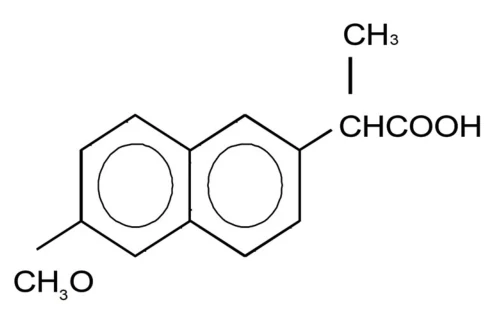
Molecular Formula: C14H14O3
Molecular Weight: 230.27
Description: Naproxen is an odourless white crystalline powder with a melting point of 152° -
158°C. It is highly lipid soluble, sparingly soluble in water at low pH, and highly soluble in water at high pH.
Composition
AVA-NAPROXEN tablets contain 250, 375 and 500 mg of naproxen. In addition to the active ingredient, naproxen, each tablet contains the non-medicinal ingredients microcrystalline cellulose, methylcellulose, croscarmellose sodium, magnesium stearate, and colloidal silicon dioxide. The 250 and the 500 mg tablets also contain D&C yellow #10 and FD&C yellow #6; the
375 mg tablets contain only the latter.
AVA-NAPROXEN EC tablets contain 250, 375 and 500 mg of naproxen. In addition to the active ingredient, naproxen, each tablet contains the non-medicinal ingredients methylcellulose, croscarmellose sodium, magnesium stearate, colloidal silicon dioxide, hydroxyethyl cellulose, polyethylene glycol, titanium dioxide, triethyl citrate, talc and methacrylic acid copolymer.
Stability and Storage Recommendations
Store at room temperature 15-30°C (59-86°F).
AVAILABILITY OF DOSAGE FORMS
Standard Tablets
AVA-NAPROXEN 250 mg tablets: Each yellow, oval, biconvex tablet engraved “APO-250” on one side contains 250 mg naproxen. Available in bottles of 500 tablets.
AVA-NAPROXEN 375 mg tablets: Each peach-coloured, capsule-shaped, biconvex tablet, scored and engraved “APO 375” on one side, contains 375 mg naproxen. Available in bottles of
100 tablets.
AVA-NAPROXEN 500 mg tablets: Each yellow, capsule-shaped, biconvex tablet, scored and engraved “APO 500” on one side, contains 500 mg naproxen. Available in bottles of 100 tablets.
Enteric-Coated Tablets
AVA-NAPROXEN EC 250 mg tablets: Each white, round, biconvex, enteric-coated tablet, engraved “APO” on one side, and “250” on the other side, contains 250 mg of naproxen.
Available in bottles of 100.
AVA-NAPROXEN EC 375 mg tablets: Each white, capsule-shaped, biconvex, enteric-coated tablet, engraved “APO” on one side, and “375” on the other side, contains 375 mg of naproxen.
Available in bottles of 100.
AVA-NAPROXEN EC 500 mg tablets: Each white, capsule-shaped, biconvex, enteric-coated tablet, engraved “APO” on one side, and “500” on the other side contains 500 mg of naproxen.
Available in bottles of 100.
INFORMATION FOR THE PATIENT
AVA-NAPROXEN (naproxen), which has been prescribed to you by your doctor, is one of a large group of non-steroidal anti-inflammatory drugs (also called NSAIDs) and is used to treat the symptoms of certain types of arthritis. It helps to relieve joint pain, swelling, stiffness and fever by reducing the production of certain substances (prostaglandins) and by helping to control inflammation. NSAIDs do not cure arthritis, but they promote suppression of the inflammation and the tissue damaging effects resulting from this inflammation. This medicine will help you only as long as you continue to take it.
AVA-NAPROXEN is available in easy swallow tablets and enteric-coated tablets (AVA-
NAPROXEN EC).
You should take AVA-NAPROXEN only as directed by your doctor. Do not take more of it, do not take it more often and do not take it for a longer period of time than your doctor ordered.
Taking too much of any of these medicines may increase the chance of unwanted effects, especially if you are an elderly patient.
Be sure to take AVA-NAPROXEN regularly as prescribed. In some types of arthritis, up to two weeks may pass before you feel the full effects of this medicine. During treatment, your doctor may decide to adjust the dosage according to your response to the medication.
STOMACH UPSET IS ONE OF THE COMMON PROBLEMS WITH NSAIDs. To lessen stomach upset, take this medicine immediately after a meal or with food or milk. Also, you should remain standing or sitting upright (i.e. do not lie down) for about 15-30 minutes after taking the medicine. This helps to prevent irritation that may lead to trouble swallowing. If stomach upset (indigestion, nausea, vomiting, stomach pain or diarrhea) occurs and continues, contact your doctor.
Do not take ASA (acetylsalicylic acid), ASA-containing compounds or other drugs used to relieve symptoms of arthritis while taking AVA-NAPROXEN unless directed to do so by your physician.
If you are prescribed this medication for use over a long period of time, your doctor will check your health during regular visits to assess your progress and to ensure that this medicine is not causing unwanted effects.
ALWAYS REMEMBER
THE RISKS OF TAKING THIS MEDICATION MUST BE WEIGHED AGAINST THE
BENEFITS IT WILL HAVE.
BEFORE TAKING THIS MEDICATION TELL YOUR DOCTOR AND PHARMACIST IF
YOU:
or a family member are allergic to or have had a reaction to naproxen or other anti-inflammatory drugs (such as acetylsalicylic acid (ASA), diclofenac, diflunisal, fenoprofen, fluriprofen, ibuprofen, indomethacin, ketoprofen, mefenamic acid, naproxen sodium, piroxicam, tiaprofenic acid, tolmetin, nabumetone or tenoxicam) manifesting itself by increased sinusitis, hives, the initiating or worsening of asthma or anaphylaxis
(sudden collapse);
or a family member has had asthma, nasal polyps, chronic sinusitis or chronic urticaria
(hives);
- have a history of stomach upset, ulcers, liver or kidney diseases;
- have blood or urine abnormalities;
- have high blood pressure;
- have diabetes;
- are on any special diet, such as a low-sodium or low-sugar diet;
- are pregnant or intend to become pregnant while taking this medication;
- are breast feeding or intend to breast feed while taking this medication. Naproxen passes into the milk of nursing women;
are taking any other medication (either prescription or non-prescription) such as other
NSAIDs, high blood pressure medication, blood thinners, corticosteroids, methotrexate, cyclosporine, lithium, phenytoin;
- have any other medical problem(s) such as alcohol abuse, bleeding problems, etc.
WHILE TAKING THIS MEDICATION:
- tell any other doctor, dentist or pharmacist that you consult or see, that your are taking this medication;
- some NSAIDs may cause drowsiness or fatigue in some people taking them. Be cautious about driving or participating in activities that require alertness if you are drowsy, dizzy or lightheaded after taking this medication;
- check with your doctor if you are not getting any relief of your arthritis or if any problems develop;
- report any untoward reactions to your doctor. This is very important, as it will aid in the early detection and prevention of potential complications.
stomach problems may be more likely to occur if you drink alcoholic beverages.
Therefore, do not drink alcoholic beverages while taking this medication;
- check with your doctor immediately if you experience unexpected weakness while taking this medication, or if you vomit any blood or have dark or bloody stools;
- some people may become more sensitive to sunlight than they are normally. Exposure to sunlight or sunlamps, even for brief periods of time, may cause sunburn, blisters on the skin, skin rash, redness, itching or discoloration; or vision changes. If you have a reaction from the sun, check with your doctor;
check with your doctor immediately if chills, fever, muscle aches or pains, or other flu-like symptoms occur, especially if they occur shortly before, or together with, a skin rash.
Very rarely, these effects may be the first signs of a serious reaction to this medication;
YOUR REGULAR MEDICAL CHECKUPS ARE ESSENTIAL.
SIDE EFFECTS OF THIS MEDICATION
Along with its beneficial effects, naproxen, like other NSAID drugs, may cause some undesirable reactions especially when used for a long time or in large doses.
Elderly, frail or debilitated patients often seem to experience more frequent or more severe side effects.
Although not all of these side effects are common, when they do occur they may require medical attention.
CHECK WITH YOUR DOCTOR IMMEDIATELY IF ANY OF THE FOLLOWING ARE
NOTED:
- bloody or black tarry stools;
- shortness of breath, wheezing, any trouble in breathing, or tightness in the chest;
- skin rash, hives or swelling, itching;
- vomiting or persistent indigestion, nausea, stomach pain or diarrhea;
- yellow discoloration of the skin or eyes;
- any change in the amount of or colour of your urine (dark red or brown);
- any pain or difficulty experienced while urinating;
- swelling of the feet or lower legs;
- malaise, fatigue, loss of appetite;
- blurred vision or any visual disturbance;
- mental confusion, depression, dizziness, lightheadedness;
- hearing problems.
Other side effects not listed above may also occur in some patients. If you notice any other effects, check with your doctor.
DOSING
Usually AVA-NAPROXEN tablets are prescribed to be taken twice a day; it doesn’t need to be taken more often than that. You don’t have to carry your medication with you everywhere – just
take one dose in the morning and one dose in the evening. For the most relief, take your AVA-
NAPROXEN at the same time each day.
It’s important to keep taking AVA-NAPROXEN even after you start to feel better. This helps to keep your pain, tenderness, and stiffness under control. You should take AVA-NAPROXEN with food or milk.
IMPORTANT! Your doctor may give you different instructions better suited to your specific needs. If you need more information about how to take AVA-NAPROXEN properly, double-check with your doctor or pharmacist.
HOW LONG DOES IT TAKE BEFORE AVA-NAPROXEN BEGINS TO WORK?
AVA-NAPROXEN is completely absorbed into your system usually within two to four hours.
Some people are able to feel improvement in their symptoms right away; for others, improvement may take up to two weeks. By the end of two weeks, if AVA-NAPROXEN does not seem to be helping you, tell your doctor. You may need a different dosage, or your doctor may want to prescribe another treatment program for you.
WILL THE AMOUNT OF AVA-NAPROXEN YOU TAKE EVER CHANGE?
It might change. Your condition, as your doctor may have explained to you, has its ups and downs. The amount of pain, stiffness, and inflammation in your joints may vary from week to week. As time goes by, your doctor may decide that it is advisable to make adjustments in the dosage of AVA-NAPROXEN you are taking. He or she may suggest that you increase or decrease your medication according to how severe your symptoms are or how active you are.
Follow instructions; your doctor understands how to set the upper and lower dosage limits so that you get the greatest benefit from AVA-NAPROXEN.
STORAGE
Store at room temperature 15-30°C (59-86°F).
DO NOT KEEP OUTDATED MEDICINE OR MEDICINE NO LONGER NEEDED.
KEEP OUT OF THE REACH OF CHILDREN.
THIS MEDICATION HAS BEEN PRESCRIBED FOR YOUR MEDICAL PROBLEM. DO
NOT GIVE IT TO ANYONE ELSE.
IF YOU REQUIRE MORE INFORMATION ON THIS DRUG, CONSULT YOUR DOCTOR
OR PHARMACIST.
PHARMACOLOGY
Naproxen has been shown to possess marked anti-inflammatory, analgesic and antipyretic activity, as assessed by a variety of animal test procedures.
Anti-inflammatory activity: In the rat paw edema assay, naproxen was more potent than phenylbutazone and acetylsalicylic acid and slightly less potent than indomethacin.
In the rat granuloma assay, naproxen was more active than phenylbutazone, and less active than indomethacin.
Analgesic activity: In a mouse analgesic assay using phenylquinone for pain induction, naproxen was more active than phenylbutazone and acetylsalicylic acid, and less active than indomethacin.
Parallel comparative analgesic studies were done in rats with yeast-induced paw edema.
In these assays, naproxen had a higher relative potency than phenylbutazone and acetylsalicylic acid, but lower relative potency when compared to indomethacin.
Antipyretic activity: As an antipyretic in the rat using yeast-induced fever, naproxen was about as active as indomethacin but more active than phenylbutazone or acetylsalicylic acid.
The comparative absorption, distribution, metabolism, and excretion of naproxen were studied in several species, including man. Naproxen was found to be rapidly absorbed in all species and, once in the blood, was eliminated with half-lives ranging from 2 to 35 hours. Estimated volumes of distribution indicated that a large fraction of the drug is held in the blood, much like salicylates are. Virtually all of the drug present in the blood of humans was determined to be unchanged naproxen, while the rat and monkey showed minor amounts of transformation
products. With the exception of the dog, all species excreted naproxen and its metabolic transformation products predominantly in the urine. In the dog, the preferred route was fecal.
Studies by Tomlinson, et al, have shown that naproxen can inhibit the synthesis of prostaglandin
E2 from arachidonic acid by bovine seminal vesical microsomes. Naproxen therefore appears to act, at least in part, in a manner similar to other anti-inflammatory agents which block prostaglandin biosynthesis.
Human metabolic studies: The plasma-level response to oral naproxen doses ranging up to 900 mg twice daily was studied in normal subjects. Experiments with tritium-labelled naproxen showed that there was no difference in the fraction of ingested drug excreted in the stools whether the dose was 250 mg or 900 mg, thus eliminating the possibility that this effect was a result of incomplete absorption. Accelerated renal clearance at high doses because of disproportionate increases in the amount of unbound drug appeared to be the most likely explanation for the plateau effect.
In patients treated with maintenance dialysis for terminal renal failure, serum level studies indicated that the metabolite 6-0-desmethyl naproxen is dialysed, whilst naproxen is not. No accumulation of naproxen was found although serum levels of the metabolite increased.
Effect of naproxen on acetylsalicylic acid-induced gastrointestinal bleeding: A small group of patients demonstrating acetylsalicylic acid-induced gastrointestinal bleeding were switched directly at random to either naproxen or placebo. The amount of blood loss decreased quickly to normal with placebo, and to near normal with naproxen in the first week. In the second week after discontinuing acetylsalicylic acid, there was no statistical difference between naproxen and placebo.
CLINICAL PHARMACOLOGY
Comparative Bioavailability
Bioavailability studies were performed using healthy human volunteers. The rate and extent of absorption of naproxen after a single oral 500 mg dose of NAPROSYN 250 mg and AVA-
NAPROXEN 250 mg tablets were measured and compared. The results are summarized as follows:
NAPROSYN AVA-NAPROXEN % Diffr.
AUC0-32 (mcg▪hr/mL) 931.0 912.6 -2.0
Cmax (mcg/mL) 73.4 73.8 +0.5
Tmax (hr) 2.1 2.1 -2.9*
T1/2 (hr) 14.3 14.2 -0.7
* The % difference is computer calculated prior to rounding off the mean value.
Two additional comparative bioavailability studies were performed using enteric-coated tablets, under fed and fasting conditions. The rate and extent of absorption of naproxen was measured and compared following oral administration of a single 1 x 500 mg dose of Ava-Naproxen EC
(naproxen) enteric-coated tablets, or Naprosyn® E (naproxen) enteric-coated tablets. The results from measured data are summarized below.
Summary Table of the Comparative Bioavailability Data Naproxen EC (Dose: 1 x 500 mg) From Measured Data - Under Fasting Conditions Based on Naproxen | ||||
| Parameter | Geometric Mean Arithmetic Mean (CV%) | Ratio of Geometric Means (%)** | 90% Confidence Interval (%)** | |
| Ava-Naproxen EC | Naprosyn® E † | |||
AUCT (μg.h/mL) | 1133 1141 (12) | 1047 1071 (19) | 108.2 | 98.5 – 118.8 |
AUCI (μg.h/mL) | 1203 1215 (14) | 1114 1143 (21) | 108.0 | 98.4 – 118.6 |
Cmax (μg/mL) | 61.6 62.6 (18) | 60.0 62.5 (27) | 102.6 | 91.8 – 114.7 |
| Tmax* (h) | 5.75 (49) | 5.97 (72) | ||
| T1/2 * (h) | 17.1 (12) | 17.3 (16) | ||
* Arithmetic means (CV%). ** Based on the least squares estimate. † Naprosyn® E is marketed by Hoffmann-La Roche Limited (Mississauga, Ontario, Canada). | ||||
Summary Table of the Comparative Bioavailability Data Naproxen EC (Dose: 1 x 500 mg) From Measured Data - Under Fed Conditions Based on Naproxen | ||||
| Parameter | Geometric Mean Arithmetic Mean (CV%) | Ratio of Geometric Means (%)** | 90% Confidence Interval (%)** | |
| Ava-Naproxen EC | Naprosyn® E † | |||
AUCT (μg.h/mL) | 1053 1088 (25) | 1100 1123 (21) | 96.6 | 87.8 – 106.2 |
AUCI (μg.h/mL) | 1158 1208 (29) | 1219 1260 (27) | 96.0 | 87.5 – 105.3 |
Cmax (μg/mL) | 59.3 60.6 (21) | 61.7 62.7 (17) | 96.3 | 85.0 – 109.1 |
| Tmax* (h) | 16.1 (38) | 14.3 (51) | ||
| T1/2 * (h) | 17.0 (18) | 17.6 (19) | ||
* Arithmetic means (CV%). ** Based on the least squares estimate. † Naprosyn® E is marketed by Hoffmann-La Roche Limited (Mississauga, Ontario, Canada). | ||||
TOXICOLOGY
Acute Animal Toxicity
The oral LD50 values for naproxen are as follows:
Hamsters: 4110 mg/kg
Rats: 520 mg/kg
Dogs: > 1000 mg/kg
Mice: 1230 mg/kg
Subacute and Chronic Oral Toxicity
In subacute and chronic oral studies with naproxen in a variety of species, the principal pathologic effect was gastrointestinal irritation and ulceration. The lesions seen were predominantly in the small intestine and ranged from hyperemia to perforation and peritonitis.
Nephropathy was seen occasionally in rats, mice, and rabbits at high-dose levels of naproxen, but not in rhesus monkeys or miniature pigs. In the affected species, the pathologic changes occurred in the cortex and papilla. Some rats examined 14 days after single oral doses of 230 mg/kg or more of naproxen evidenced necrotic areas of cortical and papillary tissue. Tubular dilation
(ectasia) occurred in rabbits dosed orally for 14 days with 200 mg/kg/day or more of naproxen.
An examination of unfixed renal tissue from rabbits so treated was conducted and revealed the presence of diffraction patterns similar to that of crystalline naproxen. This suggests that the ectasia observed was a physical response to deposition of excreted naproxen within the tubules.
In mice given oral doses of 120 mg/kg/day or more of naproxen for 6 months, the kidneys were characterized by a low, but non-dosage-related incidence of cortical sclerosis and papillary tip necrosis. Chronic administration of high doses of naproxen to mice appears to be associated with exacerbation of spontaneous murine nephropathy.
A wide variation in susceptibility to gastrointestinal lesions from administration of naproxen was evident in the various species tested. For example, 30 mg/kg/day was tolerated well by rats for
90 days, but the same dose was ulcerogenic when administered for 6 months. Rhesus monkeys and miniature swine exhibited no significant pathology when dosed with naproxen at 45 mg/kg/day for 30 days. This dose of naproxen was also tolerated by miniature swine without obvious evidence of adverse effects when administered daily for one year. In rhesus monkeys, doses as high as 120 mg/kg/day administered b.i.d. for 6 months produced no clinical or histopathological evidence of gastrointestinal irritation although occult blood in the feces occurred more frequently in these animals as compared to controls. In rabbits, the maximum tolerated repeated oral dose is 200 mg/kg/day. Mice tolerated oral daily doses of 240 mg/kg/day for 6 months. In both rabbits and mice, gastrointestinal and renal toxicity was reported at these dose levels. In dogs, on the other hand, 5.0 mg/kg/day approaches the maximum tolerated dose.
This peculiar canine susceptibility to gastrointestinal effects of non-steroidal anti-inflammatory agents has also been shown with indomethacin and ibuprofen.
In dogs, naproxen exhibits a considerably longer plasma half-life than it does in rats, guinea pigs, miniature swine, monkeys and man. The same observation has been made with ibuprofen in dogs compared to rats and man. In addition, in the species listed, only the dog excretes significant
amounts of administered naproxen in the feces (50%). In the rat, guinea pigs, miniature swine, monkeys, and man, 86-94% of the administered drug is excreted in the urine. The suggested enterohepatic circulation of naproxen in the dog (as judged by the fecal excretion) may be a major factor in the susceptibility of the dog to gastrointestinal irritation by this compound.
Pathologic changes in the spleen and mesenteric lymph nodes as well as peritoneal inflammation and adhesions were considered to be clearly secondary to the effects of high doses of naproxen on the gastrointestinal tract. Moderate weight loss of the male secondary sex glands occurred in some studies in naproxen-treated rats and dogs. Histopathologically, the affected glands in some instances exhibited atrophic and/or hypoplastic changes characterized by decreased secretory material. A possible estrogenic action of naproxen as a causative factor seems highly unlikely since in standard bioassay procedures, the drug exhibited no estrogenic activity.
Nevertheless, daily doses of naproxen as high as 30 mg/kg administered for 60 days before mating had no effect on fertility and reproductive performance of male rats. These results reflect the physiological integrity of the entire male reproductive apparatus after administration of naproxen throughout the spermatogenic cycle.
Effect on Induced Infections in Rabbits
To determine whether treatment with naproxen affects the ability of animals to respond to bacterial infection, rabbits were inoculated subcutaneously with Diplococcus pneumoniae. For
21 days before bacterial challenge and during a 2-week post-challenge period the animals were dosed daily by gavage with 2, 10, or 20 mg/kg of naproxen. Clinical condition, morbidity, mortality, gross and histopathologic changes were evaluated. There were no apparent effects of naproxen in altering the response of the animals to bacterial challenge.
TERATOLOGY
In teratology studies, no skeletal or visceral anomalies or pathologic changes were induced in the fetuses of pregnant rats and rabbits treated during organogenesis with daily oral doses of naproxen up to 20 mg/kg. In these studies, there were also no significant differences from controls in the number of live fetuses, resorptions, fetal weights or ano-genital distances.
REPRODUCTION STUDIES
Daily oral administration of 15, 30 or 60 mg/kg of naproxen to female rabbits from 2 weeks before mating until day 20 of pregnancy did not affect fertility, gestation, or the numbers of live fetuses.
In a peri- and post-natal study in rats, oral doses of naproxen up to 20 mg/kg administered daily during the last part of pregnancy through weaning did not result in adverse effects in viability of pups, lactation index, sex ratio, or weight gain of offspring. However, there was a slight increase in gestation length at the 10 and 20 mg/kg dose levels; and at the 10 mg/kg dose level, there was a significant increase in stillbirths.
Naproxen at daily oral doses of 12, 36 or 108 mg/kg to female mice from 2 weeks before mating until weaning of the pups did not cause changes in length of gestation, number of pups born, average pup weight at 0, 4, 7, 14 or 21 days, or sex distribution. The fertility index, gestation index, and 4-day viability index were similar for mice from the control and treated groups. The
21-day survival and lactation indexes were decreased for mice from the group fed 108 mg/kg/day of naproxen, but not for mice given 12 or 36 mg/kg/day. Most of this change was due to maternal mortality in the high dose group.
Recent evidence suggests that inhibition of prostaglandin synthesis by non-steroidal anti-inflammatory compounds may be related to decreased uterine contractibility. Thus, the onset of labor in a rat model system can be delayed with naproxen administration without causing maternal or fetal deaths in excess of that seen in controls. Since it has been shown that naproxen inhibits prostaglandin synthesis in vitro, it has been suggested that the effects of naproxen on uterine contractility are mediated through that mechanism.
Maternal and fetal deaths seen in naproxen-treated rats were, therefore, apparently related to dystocia rather than to a direct toxic effect of the compound. Naproxen is not unique in this regard, since comparable results were obtained in the rat with other commonly used non-steroidal anti-inflammatory agents.
BIBLIOGRAPHY
- 1. Acute Oral Toxicity of Naproxen. On file at Apotex Inc.
- 2. Adams SS, Bough RG, Cliffe EE, Lessel B, Mills RFN. Absorption, distribution and toxicity of ibuprofen. Tox Appl Pharm 1969; 15: 310.
- 3. Allen B, Edwards RI. A safety profile of controlled release naproxen tablets. Manuscript submitted to the New Zealand Journal of Medicine (Nov. 1998).
- 4. Ansell BM, Hanna B, Moran H, Hall M and Engler C. Naproxen in juvenile chronic polyarthritis. Eur J Rheumatol Inflam 1997; 2:79-83.
- 5.
Bery H, Swinson D, Jones J and Hamilton EBD. Indomethacin and naproxen suppositories in the treatment of rheumatoid arthritis. Ann Rheumatic Dis 1978; 37:370-
372.
- 6. Brogden RN, Heel RC, Speight TM, Avery GS. Naproxen up to date: A review of its pharmacological properties and therapeutic efficacy and use in rheumatic diseases and pain states. Drugs 1979; 18: 241-277.
- 7.
Comparative Oral Bioavailability of Naprosyn and Apo–Naproxen Tablets. On file at
Apotex Inc.
- 8. Davis SS, Hardy JG, Wilson GC, Feely LC and Palin KJ. Gastrointestinal transit of a controlled release naproxen tablet formulation. Intern J of Pharma 1986; 85-90.
- 9.
Harrison IT, Lewis B, Nelson P, Rooks WH, Roskowski AP. Non–steroidal anti–inflammatory agents. I. 6-substituted 2-naphthylactic acids. J Med Chem 1970; 13: 203-
205.
- 10.
Information Letter, Health Protection Branch. Non–steroidal Anti–inflammatory Drugs.
DD– 33; August 21, 1985.
- 11.
Joulou L, Ducrot R, Fournel J, Ganter P, Populaire P, Durele J, Myon J, Pascal S, Pasquet
J. Etude toxicologique de l’acide metiazinique (Study on the toxicology of metiazinic acid). Arzneim Forsch 1969; 19: 1207.
- 12. Laxer MR, Silverman ED, St-Cyr C, Tran MT, Lingam G. A six month open safety assessment of a naproxen suspension formulation in the therapy of juvenile rheumatoid arthritis. Clinical Therapeutics; 1988; 10 (4): 381-387
- 13. Ling TL, Yee JP, Cohen A, Hsiao C, et al. A multiple–dose pharmacokinetic comparison of naproxen as a once–daily controlled–release tablet and a twice–daily conventional tablet. J Clin Pharmacol 1987; 27: 325-329.
- 14. Luftschein S, BienenstockH, Varady JC and Sitt FW. Increasing dose of naproxen in rheumatoid arthritis: use with and without corticosteroids. J Rheumatol 1979; 6:397-404.
- 15.
Makela AL. Naproxen in the treatment of juvenile rheumatoid arthritis. Scan J Rheumatol
1977; 6:193-205.
- 16.
Makela AL and Makela P. Naproxen in the treatment of juvenile rheumatoid arthritis.
Proceedings of the naproxen roundtable meeting, VIII Europ Rheumatol Congr Helsinki
1975; p 4-8.
- 17.
McVerry, Lehbridge J, Martin N, Mukerjee SK, Littler T, Tallis R, Sibeon R, and Orme
MLE. Pharmacokinetics of naproxen in elderly patients. Eur J Clin Pharmacol 1986;
31:463-468.
- 18. Nadell J, Bruno J, Varady J, Segre E. Effect of naproxen and aspirin on bleeding time and platelet aggregation. J Clin Pharmacol 1974; 14(4): 176.
- 19.
Naproxen. Proceedings from an international medical symposium presented by Syntex
Corporation. Scan J Rheumatol1973; suppl 2.
- 20.
Nichols A, Hazelman B, Todd RM, Murray-Leslie C, Kuhnen H and Cain ARR. Long-term evaluation of naproxen suspension in juvenile chronic arthritis. Curr Med Res &
Opin 1982; 3 (3): 204-207
- 21. Physicians’ Desk Reference 1989; 43: 2140-2142.
- 22.
Rooks WH. The activity of D-2-(6’-methoxy-2’-naphthyl)- propionic acid (naproxen)
versus adjuvant-induced arthritis. Fedn Proc Fedn Am Socs Exp Biol Abstr. 386, 1971;
30(2): Abstr. 386.
- 23.
Roszkowski AP, Rooks WH, Tomolonis AJ, Miller LM. Anti-inflammatory analgetic properties of d-2-(6’-methoxy-2’-naphthyl) propionic acid (naproxen). J Pharmac Exp
Ther 1971; 179(1): 114-124.
- 24.
Runkel R, Chaplin M, Boost G, Segre E, Forchielli E. Absorption, distribution, metabolism, and excretion of naproxen in various laboratory animals and human subjects.
J Pharm Sci 1972; 61(5): 703-708.
- 25. Runkel R, Forchielli E, Sevelius H, Chaplin M, Segre E. Pharmacokinetics of naproxen overdoses. Clin Pharm Ther 1976; 20: 269-277.
- 26. Runkel R, Forchielli E, Sevelius H, Chaplin M, Segre E. Nonlinear plasma level response to high doses of naproxen. Clin Pharm Ther 1974; 15(3): 261-266.
- 27. Ryley NJ, Lingam G. A pharmacokinetic comparison of controlled–release and standard naproxen tablets. Curr Med Res Opin 1988; 11: 10-15.
- 28. Canadian Multicentre Study Group. Clinical evaluation of a new controlled-release formulation of naproxen in osteoarthritis and rheumatoid arthritis. Current Med Research and Opinion 1988; 11:16-17
- 29. Segre E. Long–term experience with naproxen: open label cohort survey of nearly 900 rheumatoid arthritis and osteoarthritis patients. Curr Ther Res 1980; 28: 47.
- 30. Syntex, (CL5850) Six-week, Multiple-Dose safety and efficacy. Comparison of enteric coated 500 mg naproxen and standard 500 mg naproxen in arthritis patients with NSAID intolerance, November 1991.
- 31. Tomlinson RV, Ringold HJ, Qureshi HC, Forchielli E. Relationship between inhibition of prostaglandin synthesis and drug efficacy: support for the current therapy on mode of action of aspirin–like drugs. Biochem Biophys Res Commun 1972; 46(2): 552-559.
- 32. Upton RA, Williams RL, Kelly J and Jones RM. Naproxen pharmacokinetics in the elderly. Br J Clin Pharmac 1984; 18:207-214.
- 33.
Wallis WJ and Simkin PA. Antirheumatic drug concentrations in human synovial fluid and synovial tissue – observations on extravascular pharmacokinetics. Clin
Pharmacokinetics 1983; 8:496-522.
- 34.
Williams RL. Naproxen disposition in patients with alcoholic cirrhosis. Eur J Clin
Pharmacol 1984; 27:291-296.
- 35.
Aabakken L, Ugstad M, Gamst ON, et al. Naproxen-associated gastroduodenal toxicity:
enteric coated granules versus plain tablets. Eur J Rheumatol Inflamm 1992; 12:43_8.
- 36.
Bellamy N, Beaulieu A, Bombardier C, et al. Efficacy and tolerability of enteric coated naproxen in the treatment of osteoarthritis and rheumatoid arthritis: a double blind comparison of standard naproxen followed by an open label trial. Cur Med Opin 1992;
12:640_51.
- 37.
Bellamy N, Beaulieu A, Bombardier C, et al. Open label tolerability study of enteric coated naproxen in the treatment of osteoarthritis and rheumatoid arthritis. Cur Med Opin
1992; 12:652_61.
- 38.
Caldwell JR, Roth SH. A double blind study comparing the efficacy and safety of enteric coated naproxen to naproxen in the management of NSAID intolerant patients with rheumatoid arthritis and osteoarthritis. Naproxen EC study Group. J Rheumatol
1994;21:689_95.
- 39.
Henry D, Dobson A, Turner C. Variability in the risk of major gastrointestinal complications from nonaspirin nonsteroidal anti-inflammatory drugs. Gastroenterology
1993;105:1078_88.
- 40. Jung D, Schwartz KE. Steady-state pharmacokinetics of enteric coated naproxen tablets compared with standard naproxen tablets. Clin Ther 1994;16:923_9.
- 41. Lehn OF, Jensen ON, Andersen LA, et al. Enteric-coated and plain naproxen tablets in osteoarthritis; tolerability and efficacy. Eur J Rheumatol Inflamm 1992;12:31_6.
- 42. Mehta S, Dasarathy S, Tandon RK, et al. A prospective randomized study of the injurious effects of aspirin and naproxen on the gastroduodenal mucosa in patients with rheumatoid arthritis. Am J Gastroentol 1992;87:996_1000.
- 43.
Niazi SK, Alam SM, Ahmad SI. Dose dependant pharmacokinetics of naproxen in man.
Biopharm Drug Dispos 1996;17:355_61.
- 44. Simon LS, Basch CMM, Young DY, et al. Effects of naproxen on renal function in older patients with mild to moderate renal dysfunction. Br J Rheumatol 1992;31:163_8.
- 45. Vree TB, van den Bigglaar-Martea M, Verwey-van Wissen CP, et al. The effects of cimetidine, ranitidine and famotidine on the single-dose pharmacokinetics of naproxen and its metabolites in humans. Int J Clin Pharmacol Ther Toxicol 1993;31:597_601.
- 46.
Vree TB, van den Bigglaar-Martea M, Verwey-van Wissen CP, et al. Pharmacokinetics of naproxen, its metabolite O-desmethylnaproxen, and their acyl glucuronides in humans.
Biopharm Drug Dispos 1993;14:491_502.
- 47. Wells TG, Mortensen ME, Dietrich A, et al. Comparison of the pharmacokinetics of naproxen tablets and suspension in children. J Clin Pharmacol 1994;34:30_3.
- 48.
Aabakken L. NSAID-associated gastrointestinal damage: methodological considerations and a review of the experience with enteric coated naproxen. Eur J Rheumatol Inflamm
1992;12:9_20.
- 49. Gamst ON. Enteric coated naproxen tablets. Eur J Rheumatol Inflamm 1992;12:5_8.
- 50.
Mowat AG. Naproxen:its current place in therapeutics. Eur J Rheumatol Infalmm
1992;12:1_3.
- 51. Todd PA, Clissold SP. Naproxen. A reappraisal of its pharmacology, and therapeutic use in rheumatic disease and pain states. Drugs 1990;40:91_137.