


Product Monograph - Advil Cold & Sinus Convenience Pack
RECENT MAJOR LABEL CHANGES
2 CONTRAINDICATIONS 3 SERIOUS WARNINGS AND PRECAUTIONS BOX 7 WARNINGS AND PRECAUTIONS, Cardiovascular, Gastrointestinal, Monitoring and Laboratory Tests, Special Populations – Oligohydramnios/Neonatal Renal Impairment, Pregnant Women and Breastfeeding | 11/2025 |
|---|
TABLE OF CONTENTS
Sections or subsections that are not applicable at the time of authorization are not listed.
RECENT MAJOR LABEL CHANGES ............................................................................................. 2
TABLE OF CONTENTS ............................................................................................................... 2
PART I: HEALTH PROFESSIONAL INFORMATION ....................................................................... 4
1 INDICATIONS ................................................................................................................ 4
1.1 Pediatrics ................................................................................................................. 4
1.2 Geriatrics ................................................................................................................. 4
2 CONTRAINDICATIONS .................................................................................................. 4
3 SERIOUS WARNINGS AND PRECAUTIONS BOX ............................................................. 5
4 DOSAGE AND ADMINISTRATION .................................................................................. 6
4.1 Dosing Considerations ............................................................................................. 6
4.2 Recommended Dose and Dosage Adjustment ........................................................ 6
4.4 Administration ......................................................................................................... 6
4.5 Missed Dose ............................................................................................................ 6
5 OVERDOSAGE ............................................................................................................... 6
6 DOSAGE FORMS, STRENGTHS, COMPOSITION AND PACKAGING ................................ 10
7 WARNINGS AND PRECAUTIONS ................................................................................. 10
7.1 Special Populations................................................................................................ 16
7.1.1 Pregnant Women ............................................................................................ 17
7.1.2 Breastfeeding .................................................................................................. 18
7.1.3 Pediatrics ......................................................................................................... 18
7.1.4 Geriatrics (> 65 years of age) ........................................................................... 18
Ibuprofen and Pseudoephedrine Hydrochloride Tablets
8 ADVERSE REACTIONS ................................................................................................. 18
8.1 Adverse Reaction Overview ................................................................................... 18
8.2 Clinical Trial Adverse Reactions ............................................................................. 18
8.5 Post-Market Adverse Reactions ............................................................................ 23
9 DRUG INTERACTIONS ................................................................................................. 27
9.1 Serious Drug Interactions ...................................................................................... 27
9.2 Drug Interactions Overview ................................................................................... 28
9.3 Drug-Behavioural Interactions ............................................................................... 28
9.4 Drug-Drug Interactions .......................................................................................... 28
9.5 Drug-Food Interactions .......................................................................................... 32
9.6 Drug-Herb Interactions .......................................................................................... 32
9.7 Drug-Laboratory Test Interactions ......................................................................... 32
10 CLINICAL PHARMACOLOGY ........................................................................................ 32
10.1 Mechanism of Action ....................................................................................... 32
10.2 Pharmacodynamics ......................................................................................... 33
10.3 Pharmacokinetics ............................................................................................ 36
11 STORAGE, STABILITY AND DISPOSAL .......................................................................... 39
12 SPECIAL HANDLING INSTRUCTIONS ............................................................................ 39
PART II: SCIENTIFIC INFORMATION ........................................................................................ 40
13 PHARMACEUTICAL INFORMATION ............................................................................. 40
14 CLINICAL TRIALS ......................................................................................................... 42
14.1 Clinical Trials by Indication .............................................................................. 42
14.2 Comparative Bioavailability Studies ................................................................. 47
15 MICROBIOLOGY ......................................................................................................... 50
16 NON-CLINICAL TOXICOLOGY ...................................................................................... 51
PATIENT MEDICATION INFORMATION ................................................................................... 54
Ibuprofen and Pseudoephedrine Hydrochloride Tablets
PART I: HEALTH PROFESSIONAL INFORMATION
1 INDICATIONS
Advil Cold and Sinus Daytime (Ibuprofen and Pseudoephedrine Tablets) is indicated for:
- The temporary relief of symptoms associated with the common cold, including nasal congestion, sore throat pain, headache, fever, and minor body aches and pains.
Advil Cold and Sinus Nighttime (Ibuprofen, Pseudoephedrine Hydrochloride and Chlorpheniramine Maleate Caplets) is indicated for:
- the temporary relief of symptoms associated with the common cold, including nasal congestion, sore throat, headache, fever, minor body aches and pains, rhinorrhea, sneezing, itching of the eyes, excessive tearing and sinus pain.
1.1 Pediatrics
Pediatrics (<12 years of age): No data for Advil Cold and Sinus Daytime and Advil Cold and Sinus Nighttime are available to Health Canada; therefore, Health Canada has not authorized an indication for pediatric use for these products.
1.2 Geriatrics
Geriatrics (>65 years of age): Evidence from clinical studies and experience suggests that use in the geriatric population is associated with differences in safety or effectiveness. Therefore, the use of Advil Cold and Sinus Daytime and Advil Cold and Sinus Nighttime is not recommended. (See 7 WARNINGS AND PRECAUTIONS and 4 DOSAGE AND ADMINISTRATION).
2 CONTRAINDICATIONS
- Active peptic ulcer, a history of recurrent ulceration or active inflammatory disease of the gastrointestinal system, such as ulcerative colitis and Crohn’s disease.
- Known or suspected hypersensitivity to ibuprofen or other non-steroidal anti-inflammatory (NSAID) drugs. Patients who are hypersensitive to this drug or any ingredient in the formulation or component of the container. For a complete listing, see 6 DOSAGE FORMS, STRENGTHS, COMPOSITION AND PACKAGING. The potential for cross-reactivity between different NSAIDs must be kept in mind.
- Advil Cold and Sinus Daytime and Advil Cold and Sinus Nighttime should not be used in patients with the complete or partial syndrome of nasal polyps, or in whom angioedema syndrome, asthma, anaphylaxis, bronchospastic reaction, urticaria, rhinitis or other allergic manifestations are precipitated by acetylsalicylic acid (ASA) or other nonsteroidal anti-inflammatory agents. Fatal anaphylactoid reactions have occurred in such individuals. As well, individuals with the above medical problems are at risk of a severe reaction even if they have taken NSAIDs in the past without any adverse effects.
- Significant hepatic impairment or active liver disease.
- Severely impaired or deteriorating renal function (creatinine clearance <30 mL/min). Individuals
Ibuprofen and Pseudoephedrine Hydrochloride Tablets
- with lesser degrees of renal impairment are at risk of deterioration of their renal function when prescribed NSAIDs and must be monitored.
- Ibuprofen is not recommended for use with other NSAIDs because of the absence of any evidence demonstrating synergistic benefits and the potential for additive side effects (See 9 DRUG INTERACTIONS).
- Children (i.e. 18 years of age and younger) with kidney disease and children who have suffered significant fluid loss due to vomiting, diarrhea or lack of fluid intake, should not be given ibuprofen.
- These products should not be used by patients who have known or suspected hypersensitivity to pseudoephedrine or other sympathomimetic amines, are taking or have taken monoamine oxidase inhibitor (MAOI) drugs within the last 14 days, have been diagnosed with severe hypertension, or have severe coronary artery disease (See 9 DRUG INTERACTIONS).
- Hypersensitivity to chlorpheniramine maleate.
- Ibuprofen should not be used during the third trimester of pregnancy because of risk of premature closure of the ductus arteriosus, and prolonged parturition.
- Ibuprofen is contraindicated in patients with systemic lupus erythematosus, as an anaphylaxis-like reaction with fever may occur, particularly when ibuprofen has been administered previously.
- Known hyperkalemia (see Fluid and Electrolyte Balance)
- Immediately before or following heart surgery.
- In patients with thyroid disease.
- In patients with Raynaud’s Syndrome.
3 SERIOUS WARNINGS AND PRECAUTIONS BOX
Serious Warnings and Precautions
- Patients with diabetes, glaucoma or difficulty in urination due to enlargement of the prostate gland should not take this drug unless directed by a physician (See General).
- Use with caution in patients with heart failure, hypertension or other conditions predisposing to fluid retention (See Cardiovascular and Fluid and Electrolyte Balance and Antihypertensives).
- Use with caution in patients who might be prone to gastrointestinal tract irritation, particularly those with a history of peptic ulcer, diverticulosis, or other inflammatory disease of the gastrointestinal tract such as ulcerative colitis and Crohn’s disease (See Gastrointestinal and Anticoagulants).
- Use with caution in patients at greatest risk of renal toxicity, such as those with impaired renal function, heart failure, liver dysfunction, those taking diuretics and the elderly (See Renal).
- If urinary symptoms (bladder pain, dysuria, urinary frequency), hematuria and cystitis occur, the drug should be stopped immediately (See Genitourinary).
- Ibuprofen is contraindicated for use during the third trimester of pregnancy because of risk of premature closure of the ductus arteriosus and uterine inertia (prolonged parturition) (see 2 CONTRAINDICATIONS).
Ibuprofen and Pseudoephedrine Hydrochloride Tablets
- Caution should be exercised in prescribing Advil products if trying to conceive, during the first and second trimesters of pregnancy or breastfeeding. Use of NSAIDS at approximately 20 weeks of gestation or later may cause oligohydramnios, and renal dysfunction including renal failure (See Special Populations).
4 DOSAGE AND ADMINISTRATION
4.1 Dosing Considerations
- Do not take for fever for more than 3 days or for more than 5 days for cold symptoms/pain.
- Patients older than 65 years and children under 12 years of age should not use Advil Cold and Sinus Daytime or Advil Cold and Sinus Nighttime.
- The lowest effective dose should be used for the shortest possible duration.
4.2 Recommended Dose and Dosage Adjustment
Advil Cold and Sinus Daytime or Advil Cold and Sinus Nighttime
- Adults under 65 years of age and children over 12 years of age: Advil Cold and Sinus Daytime: Take 1 to 2 beige caplets every 4-6 hours while symptoms persist. Advil Cold and Sinus Nighttime: Take 1 to 2 orange caplets at bedtime.
- Do not exceed a combined total of any 6 Advil Cold and Sinus Daytime or Advil Cold and Sinus Nighttime caplets in 24 hours, unless directed by a physician.
4.4 Administration
See 4.2 Recommended Dose and Dosage Adjustment.
4.5 Missed Dose
Take the missed dose as soon as you remember. If it is almost time for your next dose, wait until then to take your medicine and skip the missed dose. Do not take two doses at the same time.
5 OVERDOSAGE
Symptoms of Overdosage
Advil Cold and Sinus Daytime contain ibuprofen and pseudoephedrine hydrochloride. Advil Cold and Sinus Nighttime contain ibuprofen, pseudoephedrine hydrochloride and chlorpheniramine maleate. The toxicity of overdose is dependent upon the amount of the product ingested, and the time elapsed since ingestion; individual responses may vary, thus making it necessary to evaluate each case separately. The most frequently reported symptoms of the combination drugs in situations of overdose include abdominal pain, nausea, vomiting, lethargy and drowsiness, headache, tinnitus, CNS depression or stimulation (especially in young children), seizures, anxiety, hyper-excitability, irritability, delirium, convulsions, dilated pupils, tachycardia, bradychardia, hypertension or hypotension, hyperkalemia,
Ibuprofen and Pseudoephedrine Hydrochloride Tablets
respiratory depression, atrial fibrilation, abnormal speech, visual and tactile hallucinations, ataxia, and hyper-reflexia. Metabolic acidosis, electrolyte disturbances, coma, acute renal failure, and apnoea (primarily in very young children) may rarely occur.
Treatment of Overdosage
In cases of acute overdose, the stomach should be emptied through induction of emesis (in alert patients only) or gastric lavage. Due to the rapid absorption of pseudoephedrine and ibuprofen from the gut, emesis is most effective if initiated within 30 minutes of ingestion. Orally administered activated charcoal may help in reducing the absorption of drugs when given less than 2 hours following ingestion. There is some evidence that repeated administration of activated charcoal may bind the medication that has diffused from the circulation. Inducing diuresis may be helpful. The treatment of acute overdose is primarily supportive. Cardiac status should be monitored, and the serum electrolytes measured. If there are signs of cardiac toxicity, propranolol may be administered intravenously. A slow infusion of a dilute solution of potassium chloride should be initiated in the event of a drop in the serum potassium level. Despite hypokalemia, the patient is unlikely to be potassium depleted; therefore, overload must be avoided. Monitoring of the serum potassium is advisable for several hours after administration of the salt. For delirium or convulsions, intravenous administration of diazepam is indicated.
Hypotension may be treated with vasopressors, although epinephrine should not be used because it may further lower blood pressure. Stimulants (analeptic agents) should be avoided because they may cause seizures.
In adult patients, the dose reportedly ingested does not appear to be predictive of toxicity. The need for referral and follow-up must be judged by the circumstances at the time of the overdose ingestion. Symptomatic adults should be carefully evaluated, observed and supported.
Examples of Ibuprofen Overdose
A 41-year-old man with multiple medical problems, including long-term renal insufficiency, developed near-fatal acute renal failure after ingestion of a massive dose (36 g) of ibuprofen. He required dialysis for several months, at which point his renal function improved.
In children, ibuprofen overdoses less than 100 mg/kg are unlikely to produce toxicity. In adults, the dose of ibuprofen reportedly ingested does not appear to be predictive of toxicity.
With electrolyte replacement and other intensive measures, a 21-month-old child recovered within 5 days after accidental ingestion of 8 g of ibuprofen. A 2-year-old child who ingested approximately 8 g of ibuprofen was treated with activated charcoal, developed metabolic acidosis and acute renal insufficiency, and recovered within 72 hours. A 6-year-old child became comatose after ingesting 6 g of ibuprofen. He was treated with gastric lavage, charcoal, and various supportive measures and recovered within 24 hours.
For management of a suspected drug overdose, contact your regional poison control centre.
Ibuprofen and Pseudoephedrine Hydrochloride Tablets
Examples of Pseudoephedrine Hydrochloride Overdose
Hypertensive crisis (blood pressure 200/160 mmHg) was reported in a 23-year-old man after ingestion of 840 mg pseudoephedrine (in Trinalin tablets; also containing azatadine). The patient presented with severe headache, dizziness, diaphoresis, and epigastric pain. His hypertension was treated effectively with intravenous labetalol.
In a study to determine the toxicity of pseudoephedrine in children 2 to 6 years of age, 22% of 101 exposures to doses ranging from 30 to 180 mg were associated with drowsiness, and 7% were associated with mild hyperactivity. The symptoms were mild, and the children were treated with fluids and observation. Of 39 exposures to doses above 180 mg, 15% were associated with drowsiness and 13% were associated with mild hyperactivity.
Hypertension was reported in an 8-week-old infant after administration of pseudoephedrine 7.5 mg four times daily orally and phenylephrine 1/4% intranasally four times daily for 7 days. The infant's blood pressure normalized after discontinuation of the decongestants and remained normal at follow-up.
A 2-year-old boy was overdosed with a non-prescription cough and cold preparation containing 7.5 mg dextromethorphan and 15 mg pseudoephedrine per 5 mL. After receiving three doses of 1.5 teaspoonfuls spaced 6 hours apart, he developed hyperexcitability, hyperirritability, agitation, incoherent babbling, and difficulty maintaining his balance. On examination, the patient exhibited hyperactivity, ataxia, dilated pupils, and tachycardia (180 beats per minute). His status normalized over a period of 4 hours.
A 3-year-old girl experienced visual hallucinations after administration of a non-prescription decongestant containing pseudoephedrine. The child had inadvertently been given 20 mg/kg of pseudoephedrine administered in two doses over the previous 12 hours. A 5-year-old boy suffered from severe hallucinations beginning 5 hours after drinking 60 mL of syrup containing pseudoephedrine and triprolidine (Actifed).
Pseudoephedrine overdose may precipitate psychosis in individuals with underlying psychiatric disorders.
A 27-year-old man with a history of bipolar affective disorders experienced an episode of acute paranoid psychosis after chronic abuse of Actifed syrup (pseudoephedrine and triprolidine). The patient had abused Actifed for several years, taking one to two bottles on weekends. Approximately 4 days prior to onset of visual and auditory hallucinations and paranoia, he had increased the amount to two bottles per day. His hallucinations disappeared within 1 day after discontinuation of Actifed.
A mixed bipolar psychotic disorder was precipitated by a large dose of pseudoephedrine in a 13-year-old girl with a familial predisposition to psychotic disorders. The patient took 8 tablets of 60 mg pseudoephedrine in one afternoon. She was hospitalized for psychiatric treatment and was discharged after 2 weeks. She had another psychotic episode 7 months later, without exposure to pseudoephedrine.
A 19-month-old girl who ingested approximately 600 mg of pseudoephedrine experienced a generalized tonic clonic seizure.
Ibuprofen and Pseudoephedrine Hydrochloride Tablets
Examples of Ibuprofen/Pseudoephedrine Hydrochloride Combination Products Overdose
In seven of eight reports of overdose with an ibuprofen/pseudoephedrine hydrochloride combination, the patients recovered without hospitalisation. A 17-year-old woman ingested eight tablets of ibuprofen/pseudoephedrine hydrochloride combination plus 24 to 30 tablets of extra-strength Tylenol. She was treated with acetylcysteine solution (Mucomyst) and charcoal and was discharged from the hospital after a 2-day stay.
In pediatric patients, the estimated amount of ibuprofen ingested per body weight may be helpful to predict the potential for development of toxicity although each case must be evaluated. Ingestion of less than 100 mg/kg is unlikely to produce toxicity. Pediatric patients ingesting 100 to 200 mg/kg may be managed with induced emesis and a minimal observation time of at least four hours. Pediatric patients ingesting 200 to 400 mg/kg of ibuprofen should have immediate gastric emptying and at least four hours observation. Pediatric patients ingesting greater than 400 mg/kg require immediate medical referral, careful observation and appropriate supportive therapy. Induced emesis is not recommended in overdoses greater than 400 mg/kg because of the risk for convulsions and the potential for aspiration of gastric contents.
In adult patients, the dose reportedly ingested does not appear to be predictive of toxicity. The need for referral and follow-up must be judged by the circumstances at the time of the overdose ingestion. Symptomatic adults should be carefully evaluated, observed and supported.
Examples of Chlorpheniramine Overdose
Adult overdosage usually causes CNS depression with drowsiness or coma followed by excitement and seizures. Severe toxicity in children and adults may result in deep coma, cardiorespiratory collapse, or death. The onset of symptoms may occur within 30 minutes to 2 hours after ingestion; death may occur several days after the onset of toxic symptoms.
The probable oral lethal dose of chlorpheniramine is approximately 5 to 50 mg/kg. Postmortem analysis of the blood of a young man who apparently died of pulmonary oedema revealed the following drug concentrations: chlorpheniramine, 1.1 mg/L; ethanol, 0.12%; diazepam, 0.2 mg/L; desmethyldiazepam, 0.2 mg/L.
Data from poison control centres for the period 1988 to 1992 indicated that accidental exposure to paediatric cough and cold preparations containing chlorpheniramine, in comparison with preparations that did not contain chlorpheniramine, did not increase the risk of an adverse outcome in children under 6 years of age. A total of 10,289 cases of accidental exposure were evaluated.
Of 3.8 million exposures involving children under 6 years of age reported to U.S. poison control centres in 1985 to 1989, 38 thousand involved antihistamines, and of those, 20 children had major effects (life-threatening symptoms or residual disability) and four children died.
Ibuprofen and Pseudoephedrine Hydrochloride Tablets
6 DOSAGE FORMS, STRENGTHS, COMPOSITION AND PACKAGING
Advil Cold and Sinus Daytime
The beige, sugar-coated caplets are available in blister packages of 12 and 24 caplets in combination with a blister package of 6 and 12 Advil Cold and Sinus Nighttime caplets, respectively.
Advil Cold and Sinus Nighttime
The caplets are bright orange printed on one side in black ink and are available in blister packages of 6 and 12 caplets in combination with a blister package of 12 and 24 Advil Cold and Sinus Daytime caplets, respectively.
7 WARNINGS AND PRECAUTIONS
Please see 3 SERIOUS WARNINGS AND PRECAUTIONS BOX.
General
To minimize the potential risk for an adverse event, the lowest effective dose should be used for the shortest possible duration.
As with other anti-inflammatory drugs, ibuprofen may mask the usual signs of infection.
Ibuprofen is NOT recommended for use with other NSAIDs because of the absence of any evidence
| Route of Administration | Dosage Form / Strength/Composition | Non-medicinal Ingredients |
| Oral | Caplet / 200 mg Ibuprofen and 30 mg Pseudoephedrine Hydrochloride | acetylated monogylcerides, carnauba wax, corn starch, croscarmellose sodium, iron oxides, microcrystalline cellulose, parabens, pharmaceutical ink, povidone, pregelatinized starch, shellac, silicon dioxide, sodium benzoate, sodium lauryl sulfate, stearic acid, sucrose, titanium dioxide. |
| Route of Administration | Dosage Form / Strength/Composition | Non-medicinal Ingredients |
| Oral | Caplet / 200 mg Ibuprofen, 30 mg Pseudoephedrine Hydrochloride and 2 mg Chlorpheniramine Maleate | carnauba wax, corn starch, croscarmellose sodium, FD&C red no. 40, FD&C yellow no. 6, glyceryl behenate, hypromellose, microcrystalline cellulose, pharmaceutical ink, polydextrose, polyethylene glycol, pregelatinized starch, silicon dioxide, titanium dioxide. |
Ibuprofen and Pseudoephedrine Hydrochloride Tablets
demonstrating synergistic benefits and the potential for additive adverse reactions. (See Acetylsalicylic acid (ASA) or other NSAIDs)
If nervousness, dizziness, or sleeplessness occurs, use of Advil products should be discontinued and a physician should be consulted. Advil products should not be used for more than 3 days for fever or 5 days for cold symptoms/pain.
These products may cause drowsiness. Alcohol may increase this effect. Alcoholic beverages should be avoided while taking this drug. This drug should not be taken along with sedatives or tranquilizers without first consulting a physician.
In case of an overdose, medical help or a poison control centre should be contacted immediately. Prompt medical attention is critical, even in the absence of signs or symptoms.
Carcinogenesis and Mutagenesis
Not applicable.
Cardiovascular
These products should be used with caution in patients with heart failure, marginal cardiac function, palpitations, hypertension, peripheral arterial disease or other conditions predisposing to fluid retention. Fluid retention and oedema have been observed in patients treated with ibuprofen. As with many other nonsteroidal anti-inflammatory drugs, the possibility of precipitating congestive heart failure in elderly patients or those with compromised cardiac function should be borne in mind.
Use of ibuprofen may precipitate congestive heart failure in patients with marginal cardiac function, elevated blood pressure and palpitations.
Long term continuous use may increase the risk of heart attack or stroke.
These products should be used with caution in hypertensive patients because of the possible pressor effect of pseudoephedrine. Pseudoephedrine has been shown to increase blood pressure in normotensive adults and in patients with hypertension.
Pseudoephedrine treatment may increase heart rate and can cause arrhythmia. Asymptomatic, multifocal premature ventricular contractions (PVCs) were reported with the use of Actifed (a combination of pseudoephedrine with an antihistamine, triprolidine), two tablets every 4 hours around the clock, for several days to treat nasal congestion. The PVCs disappeared within a few days after discontinuation of the medication.
There have been reports of acute systemic vasoconstrictive events with pseudoephedrine.
Significant examples include:
- Acute Coronary Syndrome (ACS): Symptoms include sudden chest pain, tightness, heavy sweating and dyspnoea at rest.
- Posterior reversible encephalopathy (PRES)/reversible cerebral vasoconstriction syndrome (RCVS): Symptoms included sudden onset of severe headache, nausea, vomiting, confusion, seizures and visual disturbances. Most cases improved or resolved within a few days following appropriate treatment.
Pseudoephedrine should be discontinued immediately and medical advice sought if any signs/symptoms of vasoconstrictive events develop.
Ibuprofen and Pseudoephedrine Hydrochloride Tablets
Dependence/Tolerance
Pseudoephedrine has the potential to cause drug dependency and withdrawal effects. Reportedly, a woman with a history of depression experienced a stimulatory effect from the use of 50 to 300 mL of Actifed (pseudoephedrine and triprolidine) daily (the recommended dose is 30 mL per day). A 37-year-old woman admitted to taking 100 to 150 30-mg pseudoephedrine tablets daily. She had gradually increased the daily dose over the previous 5 years to counteract chronic fatigue, apathy, and depression. A previous attempt to discontinue use of the drug had produced visual hallucinations, severe fatigue, and depression. Slow withdrawal by 200 to 300 mg/day resulted in a return of depressive symptoms; thereafter, the dose was decreased more slowly, by 90 mg/day. The patient was later diagnosed as having a mixed character disorder and reactive depression.
Ear/Nose/Throat
See 2 CONTRAINDICATIONS.
Endocrine and Metabolism
Patients with thyroid disease or diabetes should not take this drug. See 2 CONTRAINDICATIONS.
Fluid and Electrolyte Balance
Fluid retention and oedema have been observed in patients treated with ibuprofen. Therefore, as with many other nonsteroidal anti-inflammatory drugs, the possibility of precipitating congestive heart failure in elderly patients or those with compromised cardiac function should be borne in mind. Advil products should be used with caution in patients with heart failure, hypertension or other conditions predisposing to fluid retention.
With nonsteroidal anti-inflammatory treatment there is a potential risk of hyperkalemia, particularly in patients with conditions such as diabetes mellitus or renal failure; elderly patients; or in patients receiving concomitant therapy with B-adrenergic blockers, angiotensin converting enzyme inhibitors or some diuretics. Serum electrolytes should be monitored periodically during long-term therapy, especially in those patients who are at risk.
Gastrointestinal
See 2 CONTRAINDICATIONS. Serious GI toxicity, such as peptic ulceration, perforation and gastrointestinal bleeding, sometimes severe and occasionally fatal, can occur at any time, with or without symptoms in patients treated with NSAIDs including ibuprofen.
Minor upper GI problems, such as dyspepsia, are common, usually developing early in therapy. Physicians should remain alert for ulceration and bleeding in patients treated with non-steroidal anti-inflammatory drugs, even in the absence of previous GI tract symptoms.
In patients observed in clinical trials of such agents, symptomatic upper GI ulcers, gross bleeding, or perforation appear to occur in approximately 1% of patients treated for 3-6 months and in about 2-4% of patients treated for one year. The risk continues beyond one year and possibly increases. The incidence of these complications increases with increasing dose.
These products should be given under close medical supervision to patients prone to gastrointestinal tract irritation, particularly those with a history of peptic ulcer, diverticulosis or other inflammatory disease of the gastrointestinal tract such as ulcerative colitis and Crohn's disease. In these cases, the physician must weigh the benefits of treatment against the possible hazards.
Ibuprofen and Pseudoephedrine Hydrochloride Tablets
Physicians should inform patients about the signs and/or symptoms of serious GI toxicity and instruct them to contact a physician immediately if they experience persistent dyspepsia or other symptoms or signs suggestive of gastrointestinal ulceration or bleeding. Because serious GI tract ulceration and bleeding can occur without warning symptoms, physicians should follow chronically treated patients by checking their haemoglobin periodically and by being vigilant for the signs and symptoms of ulceration and bleeding and should inform the patients of the importance of this follow-up.
If ulceration is suspected or confirmed, or if GI bleeding occurs, Advil products should be discontinued immediately, appropriate treatment instituted, and the patient monitored closely.
No studies, to date, have identified any group of patients not at risk of developing ulceration and bleeding. The major risk factors are a prior history of serious GI events and increasing age. Possible risk factors include other factors such as Helicobacter pylori infection excess alcohol intake, smoking, female gender and concomitant oral steroid and anticoagulant use. Anti-coagulants, anti-platelet agents (including ASA) or selective serotonin reuptake inhibitors (SSRI’s) have been associated with increased risk. Studies to date show that all NSAIDs can cause GI tract adverse events. Although existing data does not clearly identify differences in risk between various NSAIDs, this may be shown in the future.
There is no definitive evidence that the concomitant administration of histamine H2-receptor antagonists and/or antacids will either prevent the occurrence of gastrointestinal side effects or allow the continuation of Advil therapy when and if these adverse reactions appear.
Ischemic colitis has been reported in association with the use of pseudoephedrine. In four separate cases, perimenopausal women had ingested varying quantities of pseudoephedrine (60 mg or more daily) for treatment of upper respiratory disorders. All patients had taken pseudoephedrine within the week preceding symptom onset, and all patients presented with complaints of acute onset abdominal pain associated with fresh blood in the stool. Colonoscopy revealed in each case a segmental colitis characterized by oedematous, hyperaemic colonic mucosa, most often in the region of the splenic flexure, yet also extending upward to involve the transverse colon. Several occurrences of frank mucosal haemorrhage were observed. Biopsy samples of mucosa revealed acute inflammatory changes consistent with ischemic colitis. In each case, the patient recovered without further incident or recurrence after pseudoephedrine was discontinued. Pseudoephedrine should be discontinued immediately and medical advice sought if any signs/symptoms of ischemic colitis develop.
Genitourinary
Some NSAIDs are known to cause persistent urinary symptoms (bladder pain, dysuria, urinary frequency), hematuria or cystitis. The onset of these symptoms may occur at any time after the initiation of therapy with an NSAID. Some cases have become severe on continued treatment. Should urinary symptoms occur, treatment with these products must be stopped immediately to obtain recovery. This should be done before any urological investigations or treatments are carried out.
Hematologic
NSAIDs inhibiting prostaglandin biosynthesis do interfere with platelet function to varying degrees; therefore, patients who may be adversely affected by such an action, such as those on anticoagulants or suffering from haemophilia or platelet disorders, should be carefully observed when ibuprofen is administered. Numerous studies have shown that the concomitant use of NSAIDs and anti-coagulants increases the risk of bleeding. Concurrent therapy with warfarin requires close monitoring of the
Ibuprofen and Pseudoephedrine Hydrochloride Tablets
international normalized ratio (INR). Even with therapeutic INR monitoring, increased bleeding may occur. (See 9 DRUG INTERACTIONS).
Blood dyscrasias (such as neutropenia, leukopenia, thrombocytopenia, aplastic anaemia and agranulocytosis) associated with the use of non-steroidal anti-inflammatory drugs are rare but could occur with severe consequences.
Hepatic/Biliary/Pancreatic
As with other nonsteroidal anti-inflammatory drugs, borderline elevations of one or more liver function tests (AST, ALT, alkaline phosphatase) may occur in up to 15% of patients. These abnormalities may progress, may remain essentially unchanged, or may be transient with continued therapy. A patient with symptoms and/or signs suggesting liver dysfunction, or in whom an abnormal liver test has occurred, should be evaluated for evidence of the development of more severe hepatic reaction while on therapy with this drug. Severe hepatic reactions including jaundice and cases of fatal hepatitis and liver necrosis have been reported with nonsteroidal anti-inflammatory drugs.
Although such reactions are rare, if abnormal liver tests persist or worsen, if clinical signs and symptoms consistent with liver disease develop, or if systemic manifestations occur (e.g., eosinophilia, rash, etc.), this drug should be discontinued.
During long-term therapy, liver function tests should be monitored periodically. If there is a need to prescribe this drug in the presence of impaired liver function, it must be done under strict observation.
The frequency of acute liver injury among 625,307 people who received NSAIDs in England and Wales between 1987 and 1991, was examined. There were 311,716 patients who were prescribed ibuprofen. The incidence of acute liver injury among ibuprofen users was 1.6/100,000; this was the lowest incidence among the 8 NSAIDs studied and was significantly lower than the incidence among users of ketoprofen, piroxicam, fenbrufen, or sulindac. For NSAID users as a group, the only factors that had an independent effect on the occurrence of acute liver injury were the simultaneous use of hepatotoxic medication or the presence of rheumatoid arthritis. Based on these data, the short-term use of ibuprofen as an analgesic/antipyretic should not be of concern regarding the development of liver disease.
Immune
Patients with complete or partial syndrome of nasal polyps, rhinitis or other allergic manifestations should not use ASA or other anti-inflammatory agents. Fatal anaphylactoid reactions have occurred in such individuals even if they have taken NSAIDs in the past without any adverse effects (See 2 CONTRAINDICATIONS).
In occasional cases, with some NSAIDs, the symptoms of aseptic meningitis (stiff neck, severe headaches, nausea and vomiting, fever or clouding of consciousness) have been observed. Patients with autoimmune disorders (systemic lupus erythematosus, mixed connective tissue diseases, etc.) seem to be pre-disposed. Therefore, in such patients, the physician must be vigilant to the development of this complication.
Monitoring and Laboratory Tests
General: For other Warnings and Precautions related to the use of Advil products and Monitoring and Laboratory Tests see Fluid and Electrolyte Balance, Gastrointestinal, Hematologic, Hepatic/Biliary/Pancreatic, Renal and Subpopulations - Geriatrics.
Ibuprofen and Pseudoephedrine Hydrochloride Tablets
Pregnancy: If Advil products are administered in the middle (approximately 20 weeks) to the end of the second trimester, it is recommended that pregnant women be closely monitored for amniotic fluid volume since these products may result in reduction of amniotic fluid volume and even oligohydramnios (see Special Populations). Advil products are contraindicated for use in the third trimester of pregnancy.
Neurologic
Some patients may experience drowsiness, dizziness, vertigo, insomnia or depression with the use of ibuprofen. If patients experience these side effects, they should exercise caution in carrying out activities that require alertness.
Psychosis has occurred after overdose with pseudoephedrine in individuals with underlying psychiatric disorders.
High plasma concentrations of phenylalanine in individuals with phenylketonuria may exacerbate the CNS effects of pseudoephedrine.
Ophthalmologic
Blurred and/or diminished vision has been reported with the use of ibuprofen and other non-steroidal anti-inflammatory drugs. If such symptoms develop this drug should be discontinued and an ophthalmologic examination performed; ophthalmic examination should be carried out at periodic intervals in any patient receiving this drug for an extended period of time.
Chlorpheniramine has an anticholinergic mydriatic effect that may result in increased intraocular pressure, possibly precipitating an attack of angle-closure glaucoma in patients who are predisposed to the condition. Intraocular pressure may increase slightly in patients who have open-angle glaucoma. Patients with glaucoma should be closely monitored.
Peri-Operative Considerations
See 2 CONTRAINDICATIONS. In general, NSAIDs are discontinued prior to surgeries to decrease the risk of post-operative bleeding.
Psychiatric
See Neurologic.
Renal
Long term administration of nonsteroidal anti-inflammatory drugs to animals has resulted in renal papillary necrosis and other abnormal renal pathology. In humans, there have been reports of acute interstitial nephritis with hematuria, proteinuria, and occasionally nephrotic syndrome.
A second form of renal toxicity has been seen in patients with prerenal conditions leading to the reduction in renal blood flow or blood volume, where the renal prostaglandins have a supportive role in the maintenance of renal perfusion. In these patients, administration of a nonsteroidal anti-inflammatory drug may cause a dose dependent reduction in prostaglandin formation and may precipitate overt renal decompensation. Patients at greatest risk of this reaction are those with impaired renal function, heart failure, liver dysfunction, those taking diuretics, and the elderly. Discontinuation of nonsteroidal anti-inflammatory therapy is usually followed by recovery to the pre-treatment state.
Ibuprofen and its metabolites are eliminated primarily by the kidneys; therefore, the drug should be
Ibuprofen and Pseudoephedrine Hydrochloride Tablets
used with great caution in patients with impaired renal function. In these cases, utilisation of lower doses should be considered, and patients carefully monitored.
During long-term therapy kidney function should be monitored periodically.
Pseudoephedrine and its active metabolite are excreted chiefly via the kidneys. Therefore, dosage should be adjusted in patients with impaired renal function. Myoclonic jerking and bizarre behaviour were reported in a haemodialysis patient with end-stage renal failure after taking 60 mg of pseudoephedrine four times daily for 12 days to treat nasal congestion.
Respiratory
ASA-induced asthma is an uncommon but very important indication of ASA and NSAID sensitivity. It occurs more frequently in patients with asthma who have nasal polyps.
Patients with asthma or other allergic manifestations should not use ASA or other nonsteroidal anti-inflammatory agents. Fatal anaphylactoid reactions have occurred in such individuals even if they have taken NSAIDs in the past without any adverse effects (See 2 CONTRAINDICATIONS).
Sensitivity/Resistance
Patients sensitive to any one of the nonsteroidal anti-inflammatory drugs may be sensitive to any of the other NSAIDs also. Patients with anaphylaxis, urticaria or other allergic manifestations precipitated by ASA or other nonsteroidal anti-inflammatory agents should not take Advil products (See 2 CONTRAINDICATIONS).
Skin
Pseudoephedrine may induce non-pigmenting, fixed-type skin eruptions, which are typically indurated, erythematous, pruritic, tender, and oedematous. The reaction tends to occur within 24 hours after administration of pseudoephedrine and to resolve 2 to 3 days after discontinuation.
In rare cases, serious skin reactions such as Stevens-Johnson syndrome, toxic epidermal necrolysis, exfoliative dermatitis and erythema multiforme have been associated with the use of some NSAIDs. Because the rate of these reactions is low, they have usually been noted during post-marketing surveillance in patients taking other medications also associated with the potential development of these serious skin reactions. Thus, causality is NOT clear. These reactions are potentially life threatening but may be reversible if the causative agent is discontinued and appropriate treatment instituted. Patients should be advised that if they experience a skin rash, they should discontinue their NSAID and contact their physician for assessment and advice, including which additional therapies to discontinue.
7.1 Special Populations
Oligohydramnios/Neonatal Renal Impairment
Use of NSAIDs, including Advil products, at approximately 20 weeks gestation or later in pregnancy may cause fetal renal dysfunction leading to oligohydramnios and, in some more severe cases, neonatal respiratory, musculoskeletal and renal problems (see 16 NON-CLINICAL TOXICOLOGY).
Published studies and post-marketing reports describe maternal NSAID use at approximately 20 weeks gestation or later in pregnancy associated with fetal renal dysfunction leading to oligohydramnios, and in some cases, neonatal renal impairment, or failure. NSAIDs were shown to cause significant reduction in fetal urine production prior to reduction of amniotic fluid volume. There have also been a limited
Ibuprofen and Pseudoephedrine Hydrochloride Tablets
number of case reports of maternal NSAID use and neonatal renal dysfunction without oligohydramnios, some of which were irreversible, even after treatment discontinuation.
These adverse outcomes are seen, on average, after days to weeks of treatment, although oligohydramnios has been infrequently reported as soon as 48 hours after NSAID initiation. Oligohydramnios is often, but not always, reversible with treatment discontinuation. Complications of prolonged oligohydramnios may, for example, include limb contractures and delayed lung maturation. In some post-marketing cases of impaired neonatal renal function, invasive procedures such as exchange transfusion or dialysis were required.
If, after careful consideration of alternative treatment options for pain management, NSAID treatment is necessary anywhere from the middle (onset approximately 20 weeks) to the end of the second trimester of pregnancy, it is recommended that the use be limited to the lowest effective dose and shortest duration possible.
Consider ultrasound monitoring of fetal well-being, including of amniotic fluid volume assessment if treatment with Advil products extends beyond 48 hours. It is recommended that NSAIDs treatment be discontinued if oligohydramnios occurs, followed by appropriate medical follow up.
Inform pregnant women not to use Advil products and other NSAIDs from the third trimester of pregnancy because of the risk of the premature closing of the fetal ductus arteriosus (see 2 CONTRAINDICATIONS). If treatment with Advil products is needed for a pregnant woman anywhere from the middle (onset approximately 20 weeks gestation) to the end of the second trimester of pregnancy, advise her that she may need to be monitored for oligohydramnios, if treatment continues for longer than 48 hours.
7.1.1 Pregnant Women
Ibuprofen is contraindicated for use during the third trimester of pregnancy because of the risk of premature closure of the fetal ductus arteriosus with possible persistent pulmonary hypertension and also a risk of fetal renal impairment with subsequent oligohydramnios. The onset of labour may be delayed and its duration increased with an increased risk of bleeding tendency in both mother and child (see 2 CONTRAINDICATIONS).
Caution should be exercised in prescribing Advil products to women who are trying to conceive. Ibuprofen should not be used during the first two trimesters of pregnancy unless the expected benefits to the mother outweigh the potential risks to the fetus. (see 16 NON-CLINICAL TOXICOLOGY).
Inhibition of prostaglandin synthesis may adversely affect pregnancy and/or embryo-fetal development. Data from epidemiological studies suggest an increased risk of miscarriage and of cardiac malformation after use of a prostaglandin synthesis inhibitor in early pregnancy.
In animals, administration of a prostaglandin synthesis inhibitor has been shown to result in increased pre- and post-implantation loss and embryo-fetal lethality. In addition, increased incidences of various malformations, including cardiovascular, have been reported in animals given a prostaglandin synthesis inhibitor during the organogenetic period.
Ibuprofen and Pseudoephedrine Hydrochloride Tablets
7.1.2 Breastfeeding
Caution should be exercised in prescribing Advil products during breastfeeding. Ibuprofen is excreted in breast milk in very low concentrations and is considered unlikely to affect the breast-fed infant adversely. (see Pharmacokinetics – Elimination).
7.1.3 Pediatrics
Pediatrics (<12 years of age): No data is available to Health Canada; therefore, Health Canada has not authorized an indication for pediatric use for these products.
7.1.4 Geriatrics (> 65 years of age)
Patients older than 65 years and frail or debilitated patients are most susceptible to a variety of adverse reactions from nonsteroidal anti-inflammatory drugs (NSAIDs): the incidence of these adverse reactions increases with dose and duration of treatment. In addition, these patients are less tolerant to ulceration and bleeding. The chance of stomach bleeding is higher if you are: age 60 or older, have had stomach ulcers or bleeding problems, take a blood thinner or steroid drug, take with other drugs containing an NSAID like acetylsalicylic acid (ASA), ibuprofen, naproxen, or prescription anti-inflammatory drugs, have 3 or more alcoholic drinks every day while using this product. Most reports of fatal GI events are in this population. Older patients are also at risk of lower oesophageal ulceration and bleeding. There is also increased susceptibility to effects of sympathomimetic amines observed in elderly patients.
Elderly patients are especially susceptible to the anticholinergic side effects of chlorpheniramine, such as dryness of the mouth and urinary retention (in males).
For elderly patients, consideration should be given to the use of a starting dose that is lower than the one usually recommended, with individual adjustment when necessary and under close supervision.
Advil Cold and Sinus Daytime and Advil Cold and Sinus Nighttime are not indicated for use in patients over 65 years of age.
8 ADVERSE REACTIONS
8.1 Adverse Reaction Overview
Advil products may occasionally produce side effects such as heartburn, constipation, nausea, bloating, dry mouth, nervousness or sleeplessness.
8.2 Clinical Trial Adverse Reactions
Clinical trials are conducted under very specific conditions. The adverse reaction rates observed in the clinical trials; therefore, may not reflect the rates observed in practice and should not be compared to the rates in the clinical trials of another drug. Adverse reaction information from clinical trials may be useful in identifying and approximating rates of adverse drug reactions in real-world use.
Safety Studies of Ibuprofen and Pseudoephedrine in Combination
In patients with upper respiratory infections treated with either ibuprofen 200 mg plus pseudoephedrine 30 mg (n = 294), acetaminophen 500 mg (n = 296), or placebo (n = 146), the frequency
Ibuprofen and Pseudoephedrine Hydrochloride Tablets
of adverse events (mostly gastrointestinal and CNS symptoms) was similar among the three treatment groups.
In a placebo-controlled, double-blind clinical study of 58 subjects with rhinovirus infection, pseudoephedrine given alone or with ibuprofen was well tolerated. Symptoms associated with sympathetic stimulation tended to be more frequent in subjects who were treated with pseudoephedrine (60 mg, either alone or with 200 mg ibuprofen) than in those who received placebo. The three treatment groups were similar in mean pulse rate and mean blood pressure.
Adverse Events in Studies of Ibuprofen, Pseudoephedrine hydrochloride and Chlorpheniramine maleate caplets
One 7-day study of the efficacy and safety of ibuprofen, pseudoephedrine hydrochloride and chlorpheniramine maleate caplets in 1070 subjects with seasonal allergic rhinitis, as well as two single-dose bioavailability studies in a total of 41 healthy subjects was conducted. Adverse events were infrequent in the two bioavailability studies, with no specific adverse event occurring in more than two subjects after any one treatment. None of the adverse events was severe, and no subjects withdrew from the studies because of adverse events.
The design of the 7-day study is described in Clinical Trials. Subjects were treated with one of the following regimens three times daily for 7 days: (1) placebo, (2) two caplets, each containing 200 mg ibuprofen, 30 mg pseudoephedrine, and 2 mg chlorpheniramine, (3) one caplet containing 200 mg ibuprofen, 30 mg pseudoephedrine, and 2 mg chlorpheniramine, or (4) one tablet containing 30 mg pseudoephedrine and 2 mg chlorpheniramine.
Of 299 subjects in the 7-day study, 27.9% reported at least one adverse event: 20.0% in the placebo group, 42.4% in the group taking two caplets of ibuprofen/pseudoephedrine/ chlorpheniramine (2 x I/P/C), 24.0% in the group taking one caplet of ibuprofen/pseudoephedrine/chlorpheniramine (1 x I/P/C), and 25.3% in the group taking one tablet of pseudoephedrine/chlorpheniramine (1 x P/C). The 2 x I/P/C group had a significantly higher percentage of subjects reporting adverse events than in any other group, whereas the percentages were similar in the other three groups (Table 1).
For the three active treatment groups, the percentages of subjects with adverse events classified to the nervous system were significantly higher than in the placebo group. In comparison with the other two active treatment groups, the percentage with nervous system adverse events was significantly higher in the 2 x I/P/C group. Also contributing to the higher overall percentage of subjects with adverse events in the 2 x I/P/C group was a higher percentage with adverse events classified to body as a whole (Table 1). In contrast, for the body system skin and appendages, adverse events were less frequent in the three active treatment groups than in the placebo group.
For adverse events classified to the digestive system, the rate was lowest in the 1 x I/P/C group and similar among the other three groups (Table 1). That result indicates that the addition of ibuprofen to the combination P/C did not increase the incidence of digestive adverse events.
Table 1. Adverse Events in a 7-DayStudy in Subjects with Seasonal Allergic Rhinitis: Comparisons by Body System (Study AD-99-02)
Body System
Number (%) of Subjects with Adverse Events
Placebo
(N = 265)
2 x I/P/C
(N = 269)
1 x I/P/C
(N = 263)
1 x P/C
(N = 273)
p-value+
Any Adverse Event
53 (20.0)
114 (42.4)
63 (24.0)
69 (25.3)
<0.001*
Ibuprofen and Pseudoephedrine Hydrochloride Tablets
Body as a Whole
15 (5.7)
24 (8.9)
11 (4.2)
10 (3.7)
0.045*
Cardiovascular
1 (0.4)
4 (1.5)
1 (0.4)
5 (1.8)
0.280
Digestive
17 (6.4)
27 (10.0)
12 (4.6)
23 (8.4)
0.081
Metabolic & Nutritional
0 (0.0)
0 (0.0)
1 (0.4)
0 (0.0)
0.246
Musculoskeletal
1 (0.4)
0 (0.0)
0 (0.0)
0 (0.0)
0.493
Nervous
11 (4.2)
76 (28.3)
42 (16.0)
37 (13.6)
<0.001*
Respiratory
9 (3.4)
13 (4.8)
6 (2.3)
8 (2.9)
0.440
Skin & Appendages
10 (3.8)
5 (1.9)
2 (0.8)
0 (0.0)
0.002*
Special Senses
1 (0.4)
4 (1.5)
4 (1.5)
2 (0.7)
0.478
Urogenital
2 (0.8)
4 (1.5)
0 (0.0)
3 (1.1)
0.263
+ Fisher’s exact test
* Statistically significant at p #0.05.
Four of the nine most frequent adverse events were associated with the nervous system (Table 2). The most frequent adverse event was somnolence. Somnolence and dry mouth were significantly more frequent in the three active treatment groups than in the placebo group. The 2 x I/P/C group had a significantly higher frequency of somnolence than in the other two active treatment groups, which were similar in frequency of somnolence. That finding indicates that the frequency of somnolence was affected by the twofold increase in the dose of chlorpheniramine between the 1 x I/P/C and 2 x I/P/C groups and not by the addition of ibuprofen to the P/C combination.
The second most frequent adverse event was dry mouth (Table 2). The frequency of dry mouth was significantly higher in the three active treatment groups than in the placebo group. The 2 x I/P/C group had a significantly higher frequency of dizziness (5.9%) than in the other three groups (2.3%, 1.9%, and 1.5%), as well as a significantly higher frequency of insomnia (3.3%) than in the placebo group (0.4%). Asthenia was more frequent in the 2 x I/P/C group (4.1%) than in the placebo and 1 x P/C groups (0%). Other differences in frequency of the adverse events listed in Table 2 among treatment groups were not statistically significant.
Table 2. Most Frequent Adverse Events in a 7-Day Study in Subjects with Seasonal Allergic Rhinitis (Study AD-99-02)
Adverse Experiences
Number (%) of Subjects with Specified Adverse Event
Body System/
COSTART Term
Placebo
(N = 265)
2 x I/P/C
(N = 269)
1 x I/P/C
(N = 263)
1 x P/C
(N = 273)
p-value+
Nervous System
Somnolence
5 (1.9)
44 (16.4)
24 (9.1)
23 (8.4)
<0.001*
Dry mouth
2 (0.8)
15 (5.6)
9 (3.4)
10 (3.7)
0.011*
Dizziness
6 (2.3)
16 (5.9)
5 (1.9)
4 (1.5)
0.015*
Insomnia
1 (0.4)
9 (3.3)
4 (1.5)
4 (1.5)
0.062
Body as a Whole
Headache
3 (1.1)
8 (3.0)
2 (0.8)
2 (0.7)
0.138
Asthenia
0 (0.0)
11 (4.1)
3 (1.1)
0 (0.0)
< 0.001*
Digestive System
Dyspepsia
9 (3.4)
14 (5.2)
5 (1.9)
6 (2.2)
0.138
Nausea
5 (1.9)
6 (2.2)
2 (0.8)
8 (2.9)
0.320
Respiratory System
Pharyngitis
6 (2.3)
9 (3.3)
2 (0.8)
3 (1.1)
0.123
Ibuprofen and Pseudoephedrine Hydrochloride Tablets
+ Fisher’s exact test
* Statistically significant at p < 0.05.
Note: Most frequent = reported by at least 2% of subjects in any treatment group. I/P/C = 200 mg ibuprofen, 30 mg pseudoephedrine, 2 mg chlorpheniramine, P/C = 30 mg pseudoephedrine, 2 mg chlorpheniramine.
Safety Studies of Ibuprofen
The results of a double-blind, placebo-controlled study in healthy subjects (N = 1246) representative of a nonprescription analgesic user population indicates that ibuprofen at a dosage of 1200 mg/day for 10 consecutive days is well tolerated. The frequency of gastrointestinal adverse experiences was similar in the placebo and ibuprofen groups (16% with placebo vs. 19% with ibuprofen). The most frequent gastrointestinal adverse experiences (those reported by >1% of the subjects) were dyspepsia, abdominal pain, nausea, diarrhoea, flatulence, and constipation. There was no difference between the two groups in the proportion discontinuing treatment because of gastrointestinal adverse events. Seventeen subjects (1.4%) had positive occult blood tests: the frequency was comparable for the two treatments.
In two multi-trial analyses, a meta-analysis, and a literature review, ibuprofen had a low incidence of gastrointestinal drug reactions, comparable with that of acetaminophen and placebo. In epidemiological studies, ibuprofen has consistently exhibited the lowest relative risk of severe gastrointestinal complications compared with other NSAIDs and acetylsalicylic acid. No symptom or syndrome emerged in the trials that was not predicted from the drug’s pharmacology or could not have been anticipated based on ibuprofen’s extensive use as an analgesic/antipyretic in adults.
Garcia-Rodriguez reported on the frequency of acute liver injury among 625,307 people who received NSAIDs in England and Wales between 1987 and 1991, of whom 311,716 were prescribed ibuprofen. The incidence of acute liver injury among ibuprofen users was 1.6/100,000. This was the lowest incidence among the eight NSAIDs studied and was significantly lower than the incidence among users of ketoprofen, piroxicam, fenbrufen, or sulindac. For NSAID users as a group, the only factors that had an independent effect on the occurrence of acute liver injury were simultaneous use of hepatotoxic medication and the presence of rheumatoid arthritis.
Adverse Events with Doses of Ibuprofen ≥ 1200 mg/day
Gastrointestinal
In clinical trials of NSAIDs, symptomatic upper GI ulcers, gross bleeding, or perforation occurred in approximately 1% of patients treated for 3-6 months and in about 2-4% of patients treated for 1 year. The risk continues beyond 1 year. The incidence of GI complications increases with increasing dose.
Incidence 3-9%: nausea, epigastric pain, heartburn. Incidence 1-3%: diarrhoea, abdominal distress, nausea and vomiting, indigestion, constipation, abdominal cramps or pain, fullness of the gastrointestinal tract (bloating or flatulence). Incidence <1%: gastric or duodenal ulcer with bleeding and/or perforation, intestinal diaphragm disease, gastrointestinal haemorrhage sometimes fatal, particularly in the elderly, exacerbation of ulcerative colitis and Crohn’s disease, melena, hepatitis, jaundice, abnormal liver function (SGOT, serum bilirubin and alkaline phosphatase).
Allergic
Incidence <1%: anaphylaxis (see 2 CONTRAINDICATIONS), exacerbation of asthma and bronchospasm. Causal relationship unknown: fever, serum sickness, lupus erythematosus.
Ibuprofen and Pseudoephedrine Hydrochloride Tablets
Central Nervous System
Incidence 3-9%: dizziness. Incidence 1-3%: headache, nervousness. Incidence <1%: depression, insomnia. Causal relationship unknown: paraesthesias, hallucinations, abnormal dreams.
Aseptic meningitis and meningoencephalitis, in one case accompanied by eosinophilia in the cerebrospinal fluid, have been reported in patients who took ibuprofen intermittently and did not have any connective tissue disease.
Dermatologic
Incidence 3-9%: rash (including maculopapular type). Incidence 1-3%: pruritus. Incidence <1%: vesiculobullous eruptions, urticaria, erythema multiforme. Causal relationship unknown: alopecia, Stevens-Johnson syndrome, Toxic Epidermal Necrolysis, Drug Reaction with Eosinophilia and Systemic Symptoms (DRESS).
Cardiovascular
Incidence <1%: congestive heart failure in patients with marginal cardiac function, elevated blood pressure, palpitations, myocardial infarction. Causal relationship unknown: arrhythmias (sinus tachycardia, sinus bradycardia, palpitations).
Special Senses
Incidence 1-3%: tinnitus. Incidence <1%: amblyopia (blurred and/or diminished vision, scotomata, and/or changes in colour vision). Any patient with eye complaints during ibuprofen therapy should have an ophthalmological examination.
Causal relationship unknown: conjunctivitis, diplopia, optic neuritis.
Hematologic
Incidence <1%: leukopenia, decreases in hemoglobin and hematocrit. Causal relationship unknown: hemolytic anaemia, thrombocytopenia, granulocytopenia, bleeding episodes (e.g., purpura, epistaxis, hematuria, menorrhagia), pancytopenia.
Hepatic
Liver enzyme elevations may occur in up to 15% of patients treated with ibuprofen.
Incidence <1%: hepatic failure.
Renal
Acute interstitial nephritis with hematuria, proteinuria, and occasionally nephrotic syndrome have been reported. Renal papillary necrosis has been reported. Incidence <1%: acute renal failure. Causal relationship unknown: decreased creatinine clearance, polyuria, azotemia.
Endocrine
Causal relationship unknown: gynecomastia, hypoglycaemic reaction. Menstrual delays of up to 2 weeks and dysfunctional uterine bleeding occurred in nine patients taking ibuprofen, 400 mg t.i.d., for three days before menses.
Metabolic
Incidence 1-3%: decreased appetite, oedema, fluid retention.
Ibuprofen and Pseudoephedrine Hydrochloride Tablets
Safety Studies of Chlorpheniramine
At therapeutic doses, the most frequent side effect of first-generation H1-receptor antagonists such as chlorpheniramine is sedation. Other adverse CNS effects include dizziness, tinnitus, lassitude, lack of coordination, fatigue, blurred vision, diplopia, euphoria, nervousness, insomnia, and tremors. Concurrent use of alcohol or other CNS depressants produces an additive effect that impairs motor skills.
In a randomized, double-blind study, patients with allergic rhinitis were asked to record symptoms of drowsiness, dizziness, jitteriness, nausea, and headache. Of 29 patients treated with chlorpheniramine (4 mg four times daily) 86% reported drowsiness, versus 61% of 33 patients in the placebo group. Dizziness was reported by 38% of those in the chlorpheniramine group, versus 15% of those in the placebo group. Jitteriness was reported by 45% in the chlorpheniramine group and 24% in the placebo group. Nausea and headache showed no change in frequency during treatment, in comparison with the frequency of those adverse events during a run-in period. Two patients in the chlorpheniramine group and none in the placebo group reported altered taste perception.
Seventeen of 42 patients (40%) with seasonal allergic rhinitis reported somnolence during 2 weeks of treatment with 4 mg chlorpheniramine three to four times daily in a randomized study. Somnolence was significantly less frequent in patients treated with cetirizine (12%) or terfenadine (7%). Other frequently reported adverse events in all three treatment groups were headache, asthenia, and dry mouth.
Studies of the sedative effect of chlorpheniramine in healthy subjects are summarised in Examples of Chlorpheniramine Overdose.
Antihistamines frequently cause side effects involving the digestive tract, including loss of appetite, nausea, vomiting, epigastric distress, and constipation or diarrhoea. The incidence of gastrointestinal side effects may be reduced by taking the drug with meals.
Chlorpheniramine may produce anticholinergic effects including dryness of the mouth and respiratory passages, urinary retention or frequency, and dysuria.
In three crossover studies, patients with asthma tolerated chlorpheniramine without untoward effects on pulmonary function. The evaluations included a single-dose study in 10 non-steroid-dependent patients with mild asthma and allergic rhinitis and two studies (one in 18 patients with mild, non-steroid-dependent asthma and the other in 10 patients with steroid-dependent asthma) in which chlorpheniramine was given twice daily for 1 week.
8.5 Post-Market Adverse Reactions
Spontaneously Reported Adverse Events for Ibuprofen/Pseudoephedrine Products
Since the inception of marketing of combination ibuprofen/pseudoephedrine products, more than 3 billion doses have been distributed in the United States alone. During the period from 1989 to 2000, the sponsor received 411 reports describing 699 adverse drug reactions worldwide for all marketed products containing ibuprofen and pseudoephedrine in combination. Fifty-three of the reports were associated with a serious outcome, usually hospitalisation. One death was reported; in the reporter’s opinion, the death was related to staphylococcal septicaemia and not to ibuprofen/ pseudoephedrine. Table 3 lists the events that were spontaneously reported three or more times, by body system and preferred term from a coding dictionary (COSTART in most cases; also MedDRA).
Ibuprofen and Pseudoephedrine Hydrochloride Tablets
Table 3. Adverse Events Reported Spontaneously Three or More Times with use of Ibuprofen/Pseudoephedrine-Containing Products (August 1989-December 31, 2000)
Body System
Preferred Term
Number of Events
Body as a whole
Allergic reaction
13
Anaphylaxis
3
Asthenia
11
Fever
6
Headache
9
Malaise
4
No drug effect
132
Oedema, face
14
Overdose
3
Pain
7
Pain, abdomen
10
Reaction, aggravated
6
Reaction, unevaluated
9
Cardiovascular system
Fibrillation, atrial
3
Haemorrhage, cerebral
3
Hypertension
12
Hypotension
3
Ischemia, cerebral
3
Palpitations
6
Tachycardia
5
Vasodilation
12
Digestive system
Diarrhoea
4
Dyspepsia
11
Melena
4
Nausea
17
Vomiting
9
Haemic and lymphatic
Purpura, thrombopenic
3
Thrombocytopenia
4
Metabolic and nutritional
Oedema, peripheral
3
Musculoskeletal
Twitch
6
Nervous system
Dizziness
29
Euphoria
4
Insomnia
26
Nervousness
16
Paraesthesia
4
Somnolence
13
Tremor
3
Respiratory system
Asthma
3
Dyspnoea
10
Epistaxis
5
Rhinitis
10
Skin and appendages
Angioedema
9
Pruritus
22
Rash
30
Rash, maculopapular
12
Sweating
5
Urticaria
15
Ibuprofen and Pseudoephedrine Hydrochloride Tablets
Table 3. Adverse Events Reported Spontaneously Three or More Times with use of Ibuprofen/Pseudoephedrine-Containing Products (August 1989-December 31, 2000)
Body System
Preferred Term
Number of Events
Special senses
Diplopia
4
Parosmia
3
Tinnitus
3
Vision abnormal
3
Urogenital system
Urinary retention
6
Safety Data on Pseudoephedrine From Case Reports
Hyperthermia
A 21-year-old man who was taking pseudoephedrine for weight loss died suddenly after receiving heat-phenol-inactivated typhoid vaccine and Japanese encephalitis vaccine. While on a 3-mile run 75 minutes after the inoculation, he collapsed and was found pulseless and apnoeic. He was in asystole, with a rectal temperature of 42.2°C. External pacing, cooling, and resuscitation efforts were unsuccessful. There was no evidence of urticaria, angioedema, heart failure, thrombosis, cerebral oedema, or petechial haemorrhage. The sympathomimetic effects of pseudoephedrine may have decreased the cooling ability of the body and increased susceptibility to heat-related adverse effects. The combined pyrogenic effects of the vaccines, exercise, mild obesity, and an impaired thermoregulatory system may have contributed to the patient's death.
Cardiovascular Adverse Reactions
Hypertension and loss of consciousness were reported in a 17-year-old man within 30 minutes after ingestion of one tablet of pseudoephedrine 60 mg. Blood pressure on admission was 170/110 mmHg, pulse was 124 beats per minute, and the patient was unresponsive to painful stimuli. Approximately 1 hour after ingestion of pseudoephedrine, the patient awoke spontaneously. Blood pressure was 124/80 mmHg; pulse was 96 beats per minute. Pseudoephedrine may have induced a state of relative cerebral ischemia secondary to carotid vasoconstriction.
Postural hypotension was reported in a 28-year-old male airplane pilot after administration of pseudoephedrine 60 mg three times daily for 2 days. Physical examination revealed a supine blood pressure of 115/74 mmHg, which fell to 96/60 upon standing and was associated with dizziness lasting 10 to 15 seconds. Symptoms disappeared after discontinuation of pseudoephedrine and recurred upon rechallenge.
Pseudoephedrine was reported to cause coronary artery spasm and myocardial infarction in a 28-year-old man. The patient took 30 mg pseudoephedrine for rhinitis and experienced chest pressure. The next night he took an additional 60 mg and had crushing chest pressure. An electrocardiogram showed ST-segment elevation consistent with a myocardial infarction, and cardiac enzymes were elevated. The pain and electrocardiographic changes resolved after administration of sublingual nitroglycerin.
Dermatologic Adverse Reactions
Brownstein reported two cases of fixed-type skin eruptions after use of Actifed, a combination of pseudoephedrine with an antihistamine, triprolidine. The rashes subsided within a few days after the medication was discontinued but reappeared after the patients again ingested Actifed. One of the two patients was challenged three times with 50-mg doses of pseudoephedrine. Each time, the rash recurred at the same sites. A fixed drug eruption was described in a 48-year-old woman on two occasions after
Ibuprofen and Pseudoephedrine Hydrochloride Tablets
administration of pseudoephedrine. Indurated erythematous plaques developed on the right upper eyelid, elbows, antecubital fossae, axillae, and lower legs. The lesions were mildly pruritic. Discontinuance of pseudoephedrine and corticosteroid therapy resulted in clearing of the eruption on both occasions. Two similar cases of pseudoephedrine-induced fixed drug eruptions have been reported.
In multiple separate episodes over the course of 19 years, a man developed intense pruritus of the fingers about 12 hours after ingesting pseudoephedrine-containing products. This was followed by severe redness, swelling, heat, and white papules on the fingers. The swelling subsided after 7 days and was followed by desquamation lasting about 2 weeks.
After ingesting medication containing triprolidine plus 60 mg pseudoephedrine, a 10-year-old boy developed an oedematous, erythematous plaque. The lesion cleared within 2 weeks and reappeared at the same site after rechallenge with 30 mg pseudoephedrine.
Pseudoephedrine was associated with pseudo-scarlatina in a 32-year-old woman. The reaction recurred after rechallenge with pseudoephedrine.
Other Types of Adverse Reactions
Severe agitation, screaming, and confusion occurred in a 10-month-old infant with phenylketonuria after administration of pseudoephedrine 15 mg every 6 hours for treatment of acute otitis media. Symptoms were noted within 1 hour after the first dose and recurred after each dose for two subsequent doses. After discontinuation of pseudoephedrine, no further episodes occurred. The patient's plasma concentration of phenylalanine, which had previously ranged from 2 to 7 mg/dL, increased to 12 mg/dL during the illness.
An 18-year-old woman developed symptoms presenting as recurrent toxic shock syndrome after ingesting pseudoephedrine-containing cold preparations and after a challenge with 60 mg pseudoephedrine. She remained symptom-free for 1 year, during which she avoided pseudoephedrine-containing medications. When she inadvertently used a cough syrup containing pseudoephedrine, she again developed toxic shock symptoms.
Safety Data on Chlorpheniramine from Case Reports
Neurologic Adverse Reactions Other Than Sedation
A 36-year-old man developed extreme lethargy, a throbbing headache, premature ventricular contractions, and loss of touch sensation after treatment of sinusitis with chlorpheniramine (twice daily for 10 days), phenylephrine, and tetracycline. The patients’ symptoms resolved shortly after withdrawal of all medications.
A 57-year-old man had developed progressive left-sided facial dyskinesia beginning 8 years previously. At that time, he had taken antihistamines daily for allergic rhinitis for 20 years. The dyskinesia began as left-sided blepharospasm, progressed to involve the entire left side of the face and mouth, and was unresponsive to diphenylhydrantoin, phenobarbital, or chlordiazepoxide. The patient discontinued his antihistamine medication and improved dramatically within 6 weeks.
Hematologic Adverse Reactions
Hematologic complications from the use of chlorpheniramine, including agranulocytosis, thrombocytopenia, and hemolytic anaemia, are very rare.
Ibuprofen and Pseudoephedrine Hydrochloride Tablets
Two cases of agranulocytosis during use of chlorpheniramine have been reported. A 76-year-old woman developed agranulocytosis after parenteral and oral treatment with chlorpheniramine for a wasp sting. Upon discontinuation of the antihistamine and after supportive therapy, the patient’s white cell count returned to normal. A 48-year-old woman with a history of stroke, hypertension, diabetes, and chronic renal failure died of agranulocytosis 1 week after taking nonprescription cold medications containing chlorpheniramine, acetaminophen, pseudoephedrine, dextromethorphan, phenylpropanolamine, and acetylsalicylic acid. The role of chlorpheniramine in this case is unclear because of the patient’s exposure to the other nonprescription drugs.
Two cases of thrombocytopenia during use of chlorpheniramine have been reported. A 32-year-old woman developed thrombocytopenia and was hospitalised after taking chlorpheniramine for 1 month. She was hospitalised and successfully treated with prednisone. One year later she again developed thrombocytopenia, after taking three chlorpheniramine tablets per day for 3 days. Her platelet count returned to normal after discontinuation of the drug. A 53-year-old man developed severe thrombocytopenia after taking a combination of chlorpheniramine, acetylsalicylic acid, and phenylephrine hydrochloride for 3-4 days to treat an upper respiratory tract infection. The patient’s platelet count returned to normal after prednisone treatment.
A 51-year-old man developed aplastic anaemia after long-term use of chlorpheniramine (6 mg per day for three to four days per week for several months) to treat allergic rhinitis. The patient recovered after treatment with steroids. A definite cause-effect relationship could not be established, and the patient was not re-challenged.
A 47-year-old woman developed progressive haemolytic anaemia and was hospitalised 3 weeks after taking 4 mg of chlorpheniramine daily for 3 days. Immune complexes were detected in the patient’s serum. She was successfully treated with prednisone and transfusion.
Hypersensitivity to Antihistamines
Hypersensitivity reactions to H1-antihistamines are rare. A 57-year-old woman developed generalized urticaria 4 hours after taking 4 mg chlorpheniramine to treat scalp itching and rash apparently caused by hair dye. The urticaria was successfully treated with methylprednisolone. In separate episodes, she developed skin reactions to other antihistamines (cetirizine, triprolidine, loratadine, fexofenadine, and mequitazine).
9 DRUG INTERACTIONS
9.1 Serious Drug Interactions
Serious Drug Interactions
- With acetaminophen may increase the risk of adverse renal effect.
- With acetylsalicylic acid (ASA), other NSAIDs including ibuprofen may result in possible additive side effects (See 2 CONTRAINDICATIONS).
- With anticoagulants may increase the risk of GI adverse events (e.g., ulceration and bleeding).
- With antihypertensives the benefit and risk must be weighed individually.
- With CNS depressants may increase CNS depressant effects.
- With digoxin may increase serum digoxin concentration and the risk of digoxin toxicity.
- With diuretics may reduce the diuretic effect.
- With selective serotonin reuptake inhibitors (SSRIs) may increase the risk of GI adverse events
Ibuprofen and Pseudoephedrine Hydrochloride Tablets
- (e.g., ulceration and bleeding).
- With glucocorticoids may increase the risk of GI adverse events (e.g., ulceration and bleeding).
- With hypoglycaemic agents (insulin and oral agents) may increase the risk of hypoglycaemia.
- With lithium may elevate plasma lithium levels, reduce renal lithium clearance and increase the risk of lithium toxicity.
- With methotrexate may increase the risk of methotrexate toxicity.
- With monoamine oxidase inhibitors may result in hypertensive crisis and other serious adverse reactions (See 2 CONTRAINDICATIONS).
- With phenytoin may delay hepatic metabolism of phenytoin and increase the risk of phenytoin toxicity.
9.2 Drug Interactions Overview
Advil Cold and Sinus Daytime and Advil Cold and Sinus Nighttime is not recommended for concomitant use with any other NSAIDs, including ASA and other ibuprofen-containing products. Documented or possible drug interactions with these products include acetaminophen, digoxin, anticoagulants, oral antidiabetic agents and insulin, antihypertensives, diuretics, methotrexate, lithium, alcohol, and other CNS depressant drugs, phenytoin and other protein-bound drugs.
9.3 Drug-Behavioural Interactions
Avoid drinking alcohol while taking Advil products, as this may increase the risk of serious stomach bleeding and increase the possibility of additive CNS depressant effects. Avoid smoking while taking Advil products or other NSAIDs.
9.4 Drug-Drug Interactions
The drugs listed in this section are based on either drug interaction case reports or studies, or potential interactions due to the expected magnitude and seriousness of the interaction (i.e., those identified as contraindicated).
Acetaminophen
Although interactions have not been reported, concurrent use with Advil products is not advisable: it may increase the risk of adverse renal effect.
Acetylsalicylic acid (ASA) or other NSAIDs
The use of these products in addition to any other NSAID, including ASA, is not recommended due to the possibility of additive side effects. Animal studies show that acetylsalicylic acid given with NSAIDs, including ibuprofen, yields a net decrease in anti-inflammatory activity with lowered blood levels of the non-acetylsalicylic acid drug. Single-dose bioavailability studies in normal volunteers have failed to show an effect of acetylsalicylic acid on ibuprofen blood levels. Correlative clinical studies have not been conducted (See 2 CONTRAINDICATIONS).
No clinically meaningful loss of cardio-protection was observed, when patients on low dose ASA (81 mg) were administered 400 mg ibuprofen T.I.D., keeping in mind that combination NSAID therapy is associated with additive adverse reactions.
Ibuprofen and Pseudoephedrine Hydrochloride Tablets
Acetylsalicylic acid (ASA) Low Dose
Ibuprofen can interfere with the anti-platelet effect of low-dose ASA (81 - 325 mg per day). Long-term daily use of ibuprofen may render ASA less effective when used for cardio-protection and stroke prevention. To minimize this interaction, regular users of ibuprofen and low-dose, immediate-release ASA should take the ibuprofen at least one hour after or 11 hours before the daily low-dose ASA. The use of delayed-release (e.g. enteric coated) ASA is not recommended when using ibuprofen regularly. Healthcare professionals should advise consumers and patients regarding the appropriate concomitant use of ibuprofen and ASA.
Aminoglycosides
Reduction in renal function in susceptible individuals, decreased elimination of aminoglycoside and increased plasma concentrations.
Antacids
A bioavailability study has shown that there was no interference with the absorption of ibuprofen when given in conjunction with an antacid containing aluminium hydroxide and magnesium hydroxide.
Anticoagulants
Numerous studies have shown that the concomitant use of NSAIDs and anticoagulants increases the risk of GI adverse events such as ulceration and bleeding. Because prostaglandins play an important role in hemostasis, and NSAIDs affect platelet function, concurrent therapy of ibuprofen with warfarin requires close monitoring to be certain that no change in anticoagulant dosage is necessary. Several short-term controlled studies failed to show that ibuprofen significantly affected prothrombin time or a variety of other clotting factors when administered to individuals on coumarin-type anticoagulants. Nevertheless, the physician, should be cautious when administering Advil products to patients on anticoagulants.
Antihypertensives
Combinations of ACE inhibitors, angiotensin-II antagonists, or diuretics with NSAIDs might have an increased risk for acute renal failure and hyperkalemia. Blood pressure and renal function (including electrolytes) should be monitored more closely in this situation, as occasionally there can be a substantial increase in blood pressure.
Prostaglandins are an important factor in cardiovascular homeostasis and inhibition of their synthesis by NSAIDs may interfere with circulatory control. NSAIDs may elevate blood pressure in patients receiving antihypertensive medication. Two meta-analyses have observed this relationship for NSAIDs as a class and for certain NSAIDs in particular, but ibuprofen did not significantly affect blood pressure in either meta-analysis. Consistent with this lack of effect, a study by Davies et al showed that ibuprofen 1600 mg/day for 14 days did not attenuate the antihypertensive effect of two β-adrenergic blockers. Houston et al showed no effect of three weeks’ therapy with ibuprofen on the antihypertensive efficacy of verapamil, but it is not known whether this lack of interaction extends to other classes of calcium channel blockers.
When renal perfusion pressure is reduced both prostaglandins and angiotensin II are important mediators of renal autoregulation. As a class, the combination of an NSAID and angiotensin converting enzyme inhibitor theoretically may have the potential to decrease renal function. One study found a
Ibuprofen and Pseudoephedrine Hydrochloride Tablets
clinically significant decrease in renal function in 4 of 17 patients treated with hydrochlorothiazide and fosinopril who received ibuprofen 2400 mg/day for one month. In contrast, Minuz found no effect on the antihypertensive effect of enalapril or on plasma renin or aldosterone following two days’ treatment with ibuprofen 1200 mg/day.
The relationship of ibuprofen and antihypertensives is clearly not well defined. The benefits of concomitant medication should be analysed and compared to the potential risks before being prescribed. If ibuprofen is being recommended for long-term use, then periodic monitoring of blood pressure may be useful. Blood pressure monitoring is not necessary if ibuprofen is being recommended for short-term use as an analgesic.
Cough-cold/allergy Medications
The use of other decongestants, cough and cold medications, allergy medications or medications containing pseudoephedrine or ibuprofen should be avoided as it can increase the risk of serious side effects and overdose.
Cyclosporine
There is an increased risk of nephrotoxicity.
CYP2C9 Inhibitors
Concomitant administration of ibuprofen with CYP2C9 inhibitors may increase the exposure to ibuprofen (CYP2C9 substrate). In a study with voriconazole and fluconazole (CYP2C9 inhibitors), an increased S(+)-ibuprofen total exposure (AUC) by approximately 80 to 100% has been shown. Reduction of the ibuprofen dose should be considered when potent CYP2C9 inhibitors are administered concomitantly, particularly when high-dose ibuprofen is administered with either voriconazole or fluconazole.
Digoxin
Ibuprofen has been shown to increase serum digoxin concentration. Increased monitoring and dosage adjustments of digitalis glycoside may be necessary during and following concurrent ibuprofen therapy.
Diuretics
Clinical studies, as well as random observations, have shown that ibuprofen can reduce the natriuretic effect of furosemide and thiazides in some patients. This response has been attributed to inhibition of renal prostaglandin synthesis. During concomitant therapy with ibuprofen, the patient should be observed closely for signs of renal failure as well as to assure diuretic efficacy.
Glucocorticoids
Some studies have shown that the concomitant use of NSAIDs and oral glucocorticoids increases the risk of GI adverse events such as ulceration and bleeding. This is especially the case in older (> 65 years of age) individuals.
Ibuprofen and Pseudoephedrine Hydrochloride Tablets
H-2 antagonists
In studies with human volunteers, coadministration of cimetidine or ranitidine with ibuprofen had no substantive effect on ibuprofen serum concentrations.
There are no known interactions when chlorpheniramine maleate and H-2 antagonists are used concomitantly.
Hypoglycaemic Agents
Ibuprofen may increase hypoglycaemic effects of oral antidiabetic agents and insulin.
Lithium
Ibuprofen produced an elevation of plasma lithium levels and a reduction in renal lithium clearance in a study of eleven normal volunteers. The mean minimum lithium concentration increased 15% and the renal clearance of lithium was decreased by 19% during this period of concomitant drug administration. This effect has been attributed to inhibition of renal prostaglandin synthesis by ibuprofen. Thus, when ibuprofen and lithium are administered concurrently, subjects should be observed carefully for signs of lithium toxicity.
Methotrexate
Ibuprofen as well as other NSAIDs has been reported to competitively inhibit methotrexate accumulation in rabbit kidney slices. This may indicate that ibuprofen could enhance the toxicity of methotrexate. Caution should be used when ibuprofen is administered concomitantly with methotrexate.
Monoamine Oxidase Inhibitors
Advil products should not be used concomitantly with MAO inhibitors or for 14 days after stopping the MAOI drug. MAO inhibitors are prescribed for treatment of depression, psychiatric or emotional conditions, or Parkinson’s disease. Hypertensive crisis and other serious adverse reactions have been reported in patients using pseudoephedrine or other sympathomimetic drugs such as ephedrine in combination with or shortly after discontinuing MAO inhibitors (See 2 CONTRAINDICATIONS).
Phenytoin
Concomitant chlorpheniramine may delay the hepatic metabolism of phenytoin, potentially resulting in phenytoin toxicity. Two cases of phenytoin toxicity have been reported in patients who took chlorpheniramine concomitantly.
A 28-year-old woman who was taking 250 mg phenytoin daily for treatment of epilepsy began using chlorpheniramine (12 to 16 mg daily) for hay fever. Two days later, she developed involuntary movements of the lower jaw and face. She did not have ataxia or nystagmus. Two weeks after beginning concomitant chlorpheniramine, she had a serum phenytoin concentration of 30 micrograms/mL, which was above the upper limit of the therapeutic range (25 micrograms/mL). When evaluated 1 month after she had stopped taking chlorpheniramine, her abnormal movements had ended, and her serum phenytoin concentration was 16 micrograms/mL.
A young woman with a history of epilepsy and prior treatment with phenytoin began taking 4 mg chlorpheniramine three times daily to treat a rash. One week after beginning chlorpheniramine, she resumed treatment with phenytoin (100 mg three times daily). Over the ensuing week, she rapidly
Ibuprofen and Pseudoephedrine Hydrochloride Tablets
developed drowsiness, ataxia, diplopia, tinnitus, and episodes of occipital headaches with vomiting. Upon admission to hospital, she was drowsy and unable to stand, with gross bilateral horizontal nystagmus and cerebellar ataxia. Plasma concentrations of phenytoin were initially in the toxic range but decreased to therapeutic levels after chlorpheniramine was discontinued. At the same time, the patient’s neurological signs and symptoms resolved.
Selective Serotonin Reuptake Inhibitors (SSRIs)
Studies report an increased risk of gastrointestinal (GI) ulceration and bleeding when Ibuprofen as well as other NSAIDs are taken concomitantly with selective serotonin reuptake inhibitors (SSRIs) than when either class of drugs is taken alone (See Gastrointestinal).
Other CNS Depressant Drugs
Caution is necessary if these products are used by patients who are taking sedatives or tranquilizers.
Other Drugs
Advil products should be used with caution when other drugs, also having a high affinity for protein binding sites, are used concurrently. However, while ibuprofen binds extensively to plasma proteins, interactions with other protein-bound drugs occur rarely. Caution should be used when taking Advil products in conjunction with probenecid, thyroxine, antibiotics (e.g. levofloxacin), corticosteroids or benzodiazepines.
Quinolones
NSAIDS can increase the risk of convulsion associated with quinolone antibiotics.
Zidovudine
There is an increased risk of hemarthroses and haematoma in HIV (+) haemophiliacs.
9.5 Drug-Food Interactions
Interactions with food have not been established.
9.6 Drug-Herb Interactions
Interactions with herbs have not been established.
9.7 Drug-Laboratory Test Interactions
These products contain chlorpheniramine, an antihistamine that interferes with skin tests for allergy. Antihistamines may inhibit the cutaneous histamine response, thus producing false-negative results. Antihistamine-containing drugs should be discontinued at least 72 hours before skin testing begins.
10 CLINICAL PHARMACOLOGY
10.1 Mechanism of Action
Ibuprofen
Like other nonsteroidal anti-inflammatory drugs (NSAIDs), ibuprofen is an analgesic, antipyretic, and anti-inflammatory medication. The principal mechanism of action of ibuprofen and other NSAIDs is
Ibuprofen and Pseudoephedrine Hydrochloride Tablets
inhibition of prostaglandin biosynthesis. Prostaglandins contribute to fever, pain, and inflammation by sensitizing tissues to pain- and inflammation-producing mediators such as histamine, 5-hydroxytryptamine, and kinins. The committed step in prostaglandin biosynthesis is catalyzed by prostaglandin endoperoxide synthase, also known as cyclooxygenase. NSAIDs decrease prostaglandin biosynthesis by inhibiting cyclooxygenase.
A recent study confirmed that ibuprofen 400 mg provided a significantly faster onset of relief as measured by first perceptible relief, meaningful relief, percent attaining complete relief, and superior overall analgesic efficacy compared to acetaminophen 1000 mg for relief of episodic tension-type headache.
Pseudoephedrine Hydrochloride
Pseudoephedrine acts directly on both alpha- and, to a lesser degree, beta-adrenergic receptors. It is believed that alpha-adrenergic effects result from inhibition of the production of cyclic adenosine-3',5'-monophosphate (AMP) by inhibition of the enzyme adenyl cyclase, whereas beta-adrenergic effects result from stimulation of adenyl cyclase activity. Like ephedrine, pseudoephedrine also acts indirectly by releasing norepinephrine from its storage sites.
Pseudoephedrine acts directly on alpha-adrenergic receptors in the mucosa of the respiratory tract, producing vasoconstriction that results in shrinkage of swollen nasal mucous membranes, reduction of tissue hyperaemia, oedema, and nasal congestion, and, thereby, an increase in nasal airway patency. Drainage of sinus secretions is increased, and obstructed eustachian ostia may be opened.
Chlorpheniramine Maleate
Chlorpheniramine belongs to the alkylamine class of antihistamines and is a reversible, competitive inhibitor of the interaction of histamine with H1 receptors. H1-receptor antagonists effectively block the action of histamine, which includes increased capillary permeability, oedema, and wheal. Flare (erythaema) and itching, manifestations of the action of histamine on nerve endings, are suppressed by H1-receptor antagonists. In addition, H1 antagonists inhibit the vasoconstrictor effects of histamine. H1 antagonists inhibit most responses of smooth muscle to histamine but have little effect on allergic bronchoconstriction in humans, which is caused primarily by mediators other than histamine, such as leukotrienes and platelet activating factor.
Chlorpheniramine is a first-generation antihistamine and, as such, has effects on the central nervous system (CNS), including diminished alertness, slowed reaction time, and somnolence. Patients vary in their susceptibility to such effects, and some patients may experience stimulation rather than sedation. Alkylamine antihistamines are less likely to depress the CNS and cause sedation than another class of antihistamines, the ethanolamines, including diphenhydramine.
In addition to the H1 receptor, chlorpheniramine has affinity for muscarinic cholinergic receptor subtypes m1-m5. The drug’s anticholinergic activity may be related to its ability to reduce nasal secretions.
10.2 Pharmacodynamics
Ibuprofen
Animal Pharmacology
Cyclooxygenase inhibitors such as ibuprofen and other NSAIDs reduce thromboxane A2 production and
Ibuprofen and Pseudoephedrine Hydrochloride Tablets
release, thereby decreasing platelet aggregation. Like many other NSAIDs, ibuprofen inhibits platelet aggregation, as demonstrated in vivo by prevention of platelet disposition in aortopulmonary arterial bypass grafts in dogs. The drug’s protective action against pulmonary embolism in rabbits injected intravenously with arachidonic acid may also relate to inhibition of platelet aggregation. The decreased platelet aggregation may be due in part to a reduction in membrane fluidity.
The penetration of ibuprofen into rabbit and rat foetuses was investigated. Rabbits and rats in late pregnancy were given single oral doses of 60 and 20 mg/kg respectively of C14-labeled ibuprofen. Rabbits were killed 3 hours after dosing, and rats were killed 1.5 hours after dosing. Blood samples were collected from the mothers and foetuses. The concentrations of radioactively labelled material were similar in maternal and foetal blood, indicating that ibuprofen and its metabolites readily crossed the placenta and entered the foetal circulation.
Human Pharmacology
In healthy volunteers, platelet aggregation decreased significantly at a dosage of 1800 mg per day of ibuprofen given over a period of 28 days. Ibuprofen influenced ADP-induced aggregation to a lesser extent than collagen-induced aggregation. Platelet aggregation induced by recalcification of citrated platelet-rich plasma (a thrombin-induced reaction) was not influenced by ibuprofen treatment. Likewise, ibuprofen did not affect whole blood clotting time on recalcification or prothrombin time. Bleeding time measured 2 hours after administration of ibuprofen showed a significant, dose-related increase.
Pseudoephedrine Hydrochloride
Animal Pharmacology
In dogs, pseudoephedrine acts as a vasopressor and vasoconstrictor with positive inotropic and chronotropic effects. In all these effects, pseudoephedrine is less potent than ephedrine. The bronchodilating potencies of pseudoephedrine and ephedrine in anaesthetized dogs are approximately equal, but pseudoephedrine produces a greater degree of nasal decongestion with less cardiovascular involvement than ephedrine. Pseudoephedrine increases plasma corticosterone levels and produces hyperglycemia in mice.
Human Pharmacology
Pseudoephedrine at doses up to 180 mg is approximately one-fourth as potent as ephedrine in producing tachycardia and increased systolic blood pressure; diastolic pressure is unchanged. After a single dose of pseudoephedrine 180 mg immediate release, three divided doses of 60 mg, or a sustained-release 180-mg dose, increases in heart rate and diastolic blood pressure were noted. At doses from 60 mg to 240 mg, few changes in pulse rate were noted, and no abnormalities or ectopic beats were noted on an electrocardiogram; at 210 mg, changes in diastolic blood pressure were noted.
Single pseudoephedrine doses of 180 mg produced minor elevations in systolic blood pressure (about 7 mmHg), minor increases in heart rate (about 9 beats per minute), and no changes in diastolic blood pressure in healthy subjects. Single doses of 60 mg had minimal effects.
Clinical studies of the cardiovascular effects of pseudoephedrine in subjects with controlled hypertension have produced differing results. A single 60-mg dose of pseudoephedrine compared with placebo produced significant increases in mean systolic blood pressure and heart rate in 20 hypertensive subjects. Mean diastolic blood pressure and mean arterial pressure also increased, but not significantly. Beck et al found minimal increases in blood pressure and heart rate in patients with medically controlled hypertension treated with 120 mg sustained-release pseudoephedrine twice daily. In other studies,
Ibuprofen and Pseudoephedrine Hydrochloride Tablets
pseudoephedrine at standard doses had no significant effect on systolic or diastolic blood pressure. In subjects with phaeochromocytoma, pseudoephedrine increased blood pressure and plasma noradrenaline concentration.
A dose-related increase in frequency of sinus arrhythmias was observed after treadmill exercise in healthy subjects receiving pseudoephedrine. The mean number of episodes of arrhythmia during recovery from exercise was 0.17, 2.17, and 4.33 in subjects pretreated with placebo, pseudoephedrine 60 mg, and pseudoephedrine 120 mg, respectively. Short-lived unifocal premature ventricular contractions were experienced by two subjects.
In an investigation of the effects on pseudoephedrine on uterine and foetal blood flow, 12 healthy, pregnant women between 26 and 40 weeks of gestation ingested a 60-mg dose of pseudoephedrine. Doppler blood flow measurements taken during the first 3 hours after drug ingestion showed no significant alterations in maternal or foetal circulation.
Pseudoephedrine at a dose of 180 mg was reported to produce no significant mood alterations or changes in subjective ratings of mental state. In a study of the effects of pseudoephedrine on day- and nighttime central nervous system activity, there was no evidence of impairment of daytime activity as measured by objective tests (critical flicker fusion, choice reaction time, simulated car tracking test, and Sternberg Memory Scanning Test) or subjective tests (analog rating scales). Improvements were seen in psychomotor function (choice reaction time) and information processing (critical flicker fusion). Detrimental effects on nighttime central nervous system activity indicative of sleep disturbances (electroencephalogram, Leeds Sleep Evaluation Questionnaire) were noted with pseudoephedrine at doses of 60 mg and 120 mg. See 7 Warnings And Precautions, Neurologic for further information about the CNS effects of pseudoephedrine.
Pseudoephedrine administered as a single 60-mg dose or 120-mg dose or administered at 1–2 mg/kg had no significant effect on exercise performance. Pseudoephedrine at doses of 60 mg and 120 mg had no effect on the time required to reach 85% maximal predicted heart rate on a treadmill or to return to baseline heart rate; on blood pressure at rest, during exercise, or in the recovery period; or on post-exercise blood glucose and insulin levels.
The effect of pseudoephedrine as a bronchodilator is small at a 210-mg dose and is approximately one-half that of ephedrine. In a study of subjects with reversible airway obstruction, pseudoephedrine at 60 mg and 180 mg produced no significant bronchodilation.
Chlorpheniramine Maleate
Animal Pharmacology
H1-receptor antagonists such as chlorpheniramine protect guinea pigs from death by asphyxia after small doses of histamine and also protect guinea pigs from anaphylactic bronchospasm.
Human Pharmacology
In a placebo-controlled study in healthy subjects, a single 4-mg dose of chlorpheniramine did not alter total peripheral resistance or oxygen uptake during submaximal exercise.
Several studies have investigated the CNS effects of chlorpheniramine.
In doses of 2 to 4 mg, chlorpheniramine can alter the EEG, as demonstrated by increases in the mean electrical energy content. In a placebo-controlled crossover study in healthy adult subjects, an 8-mg dose of chlorpheniramine slowed cognitive processing, evaluated by recording of evoked potentials, and
Ibuprofen and Pseudoephedrine Hydrochloride Tablets
increased the occurrence of drowsiness, subjectively assessed by the subjects.
In a placebo-controlled crossover study in elderly subjects, an 8-mg dose of chlorpheniramine slowed cognitive processing and caused somnolence, which was rated using a visual analog scale. Decreased performance and increased sleepiness are caused by S-(+)-chlorpheniramine (also known as d-chlorpheniramine or dexchlor-pheniramine), which has high affinity for the H1-receptor, but not by its enantiomer, R-(-)-chlorpheniramine. Cognition performance in an attention-demanding task decreased significantly after a 2-mg intravenous dose of d-chlorpheniramine (equivalent to a 4-mg dose of the racemic mixture); the decreased performance was associated with changes in functional neuroimaging.
In a double-blind crossover study, driving performance was evaluated after treatment of subjects with d-chlorpheniramine (6 mg bid), terfenadine (60 mg bid), or placebo. Six of the 10 subjects could not complete the 150-minute driving test because of impaired performance after taking d-chlorpheniramine, whereas all subjects completed the driving test after taking terfenadine or placebo. The percentage of alpha wave in the EEG during driving was higher with d-chlorpheniramine than with terfenadine or placebo, indicating a risk of dozing while driving after treatment with d-chlorpheniramine.
Among 2172 postmortem blood samples from pilots who had died in aircraft accidents in the United States from 1991 to 1996, 2% contained chlorpheniramine. The average concentration of chlorpheniramine in the blood was approximately tenfold greater than the therapeutic concentration.
Co-administration of ranitidine, an H2-receptor antagonist, decreased some of the side effects of chlorpheniramine, including sleepiness and, to a lesser degree, tiredness, inability to concentrate, and dryness of mouth.
10.3 Pharmacokinetics
Absorption
Ibuprofen
Ibuprofen is a racemic mixture of R-(-) ibuprofen and S-(+) ibuprofen. R-(-) ibuprofen undergoes extensive (53% to 65%) enantiomeric conversion to S-(+) ibuprofen in humans. S-(+) ibuprofen is the pharmacologically active enantiomer.
Ibuprofen is rapidly absorbed after oral administration. Serum concentrations reach a peak within 1 to 2 hours in adults and in children. Food decreases the rate but not the extent of ibuprofen absorption.
Pseudoephedrine Hydrochloride
After oral administration, pseudoephedrine is readily and completely absorbed from the gastrointestinal tract, with no evidence of first-pass metabolism. The absorption rate of pseudoephedrine, as measured by its urinary excretion rate, is significantly increased by the concurrent administration of aluminium hydroxide gel, is decreased by kaolin, and is unaffected by sodium bicarbonate. After oral administration of syrups containing 60 mg or 120 mg of pseudoephedrine, peak plasma pseudoephedrine concentrations of 180 ng/mL to 422 ng/mL, respectively, were obtained at 1 to 2 hours.
The absorption rate of pseudoephedrine, as measured by its urinary excretion rate, is significantly increased by the concurrent administration of aluminium hydroxide gel, is decreased by kaolin, and is
Ibuprofen and Pseudoephedrine Hydrochloride Tablets
unaffected by sodium bicarbonate. Food appeared to delay absorption of pseudoephedrine from syrup formulations and controlled-release capsules but had no effect on absorption from a suspension.
Chlorpheniramine Maleate
Chlorpheniramine is detectable in plasma within 30 minutes after oral administration. Plasma concentrations of chlorpheniramine peak at approximately 2 hours post-dose and gradually fall over the next 46 hours. Oral bioavailability has been reported as 25% to 50%.
Chlorpheniramine is a racemic mixture of R-(-) chlorpheniramine and S-(+) chlorpheniramine. After an oral dose, serum concentrations of S-(+) chlorpheniramine are approximately double those of R-(-) chlorpheniramine, because of slower clearance of S-(+) chlorpheniramine.
Distribution
Ibuprofen
After oral administration, the volume of distribution of ibuprofen was 0.1–0.2 L/kg in adults and 0.18-0.22 L/kg in febrile children. At therapeutic concentrations, ibuprofen is extensively bound to whole human plasma and binds primarily to site II of purified albumin.
Pseudoephedrine Hydrochloride
The volume of distribution of pseudoephedrine ranged from 2.64 L/kg to 3.51 L/kg in single- and multiple-dose studies. Pseudoephedrine concentration-time data after oral administration are well described using a one body compartment model with first-order absorption and elimination. The approximate plasma clearance of pseudoephedrine is 0.44 L/h/kg.
Pseudoephedrine is presumed to cross the placenta and to enter the cerebrospinal fluid. Approximately 0.4% to 0.7% of an oral dose is excreted in breast milk over 24 hours. Pseudoephedrine levels two to three times higher in milk than in plasma have been reported. Adverse effects (irritability, excessive crying, disturbed sleeping patterns) were reported in a breast-fed infant whose mother had taken a long-acting oral decongestant (120 mg d-isoephedrine sulfate, 6 mg dexbrompheniramine) twice daily. Discontinuation of the medication and substitution of an artificial formula for the next two feedings were associated with resumption of normal behaviour by the infant within 12 hours.
Chlorpheniramine Maleate
Chlorpheniramine is widely distributed, with reported volumes of distribution ranging from 2 to 8 L/kg. In a patient who died of overdosage, chlorpheniramine was detected in the brain, lungs, kidneys, and liver. Chlorpheniramine is approximately 70% bound to plasma proteins.
Although human and animal data are inconclusive, it appears likely that chlorpheniramine and its metabolites may cross the placenta and appear in the milk of lactating mothers.
Metabolism
Ibuprofen
The plasma half-life (t½) of ibuprofen in adults and children is 1.5 - 2.0 hours. There is no appreciable plasma accumulation of ibuprofen or its metabolites with repeated doses. Two major metabolites, 2-[4-(2-carboxypropyl)phenyl] propionic acid and 2-[4-(2-hydroxy-2-methyl)propyl]propionic acid, have been identified in plasma and in urine.
Ibuprofen and Pseudoephedrine Hydrochloride Tablets
Cytochrome P450 (CYP) 2C9 has been identified as the most important enzyme in the oxidative metabolism of R-(-) and S-(+) ibuprofen. Ibuprofen does not appear to induce the formation of drug-metabolizing enzymes in rats.
There is no evidence of changes in metabolism or elimination of ibuprofen with advanced age. A pharmacokinetic evaluation of ibuprofen in subjects 65 to 78 years of age compared with young adult subjects (22 to 35 years of age) found no clinically significant difference in the pharmacokinetic profiles of ibuprofen for the two age groups. Furthermore, there was no statistically significant difference between the two age groups in the urinary excretion pattern of the drug and its major metabolites.
Pseudoephedrine Hydrochloride
Less than 1% of pseudoephedrine is eliminated by hepatic metabolism. The major biotransformation of pseudoephedrine is N-demethylation to the active metabolite norpseudoephedrine.
Because pseudoephedrine is a weak base, with a pKa of 9.2, its half-life is dependent on urinary pH. The serum half-life increases as urine pH increases, varying from 1.9 hours at pH 5.6 to 21 hours at pH 7.8. At urine pH greater than 7.0, pseudoephedrine is extensively reabsorbed in the renal tubules, and therefore its excretion rate is dependent on urine flow rate. Higher flow rates decrease the intratubular drug concentration and the time for reabsorption, leading to greater renal clearance. When urine pH is acidic, renal reabsorption is negligible and urine flow does not influence clearance of the drug.
Chlorpheniramine Maleate
Although human and animal data are inconclusive, it appears likely that chlorpheniramine and its metabolites may cross the placenta and appear in the milk of lactating mothers.
The elimination half-life of chlorpheniramine is approximately 20 hours in adults. In a study of eight healthy, elderly women (mean age, 68 years), the mean serum elimination half-life was 23 hours. The clearance of chlorpheniramine is higher and the elimination half-life is shorter in children than in adults.
Extensive first-pass metabolism of chlorpheniramine occurs and may be saturable. Demethylated metabolites (didesmethyl and monodesmethyl derivatives) have been identified, as well as polar metabolites: an alcohol and an acid.
Elimination
Ibuprofen
Parent drug and metabolites are excreted primarily in the urine. Bile and faeces are relatively minor elimination routes. Approximately 80% of an ibuprofen dose is recovered in urine within 24 hours, primarily as carboxymetabolites and hydroxymetabolites, both conjugated and unconjugated.
Thirty minutes after oral ingestion of 400 mg of ibuprofen, the concentration in breast milk was found to be 13 ng/mL. The milk:plasma ratio was 1:126, and the exposure of a suckling infant to ibuprofen was calculated to be approximately 0.0008% of the maternal dose. Studies in animals indicate that ibuprofen is transported across the placenta.
Pseudoephedrine Hydrochloride
Pseudoephedrine is excreted largely unchanged in urine, with 43% to 96% recovered in 24 hours. Norpseudoephedrine recovery from urine ranged from less than 1% to 7%.
Pseudoephedrine is presumed to cross the placenta and to enter the cerebrospinal fluid. Approximately
Ibuprofen and Pseudoephedrine Hydrochloride Tablets
0.4% to 0.7% of an oral dose is excreted in breast milk over 24 hours. Pseudoephedrine levels two to three times higher in milk than in plasma have been reported. Adverse effects (irritability, excessive crying, disturbed sleeping patterns) were reported in a breast-fed infant whose mother had taken a long-acting oral decongestant (120 mg d-isoephedrine sulfate, 6 mg dexbrompheniramine) twice daily. Discontinuation of the medication and substitution of an artificial formula for the next two feedings were associated with resumption of normal behaviour by the infant within 12 hours.
Chlorpheniramine Maleate
Chlorpheniramine and its metabolites are excreted primarily via the kidneys. Faecal excretion accounts for less than 1% of the dose administered. The percentage of unchanged drug recovered in the urine has ranged from 0.3% to 34%, depending on urine pH, rate of urine flow, and whether single or multiple doses were given.
11 STORAGE, STABILITY AND DISPOSAL
Temperature:
Advil Cold and Sinus Convenience Pack should be stored in tightly closed containers at room temperature (15 to 30°C).
Others:
Keep in a safe place out of the reach and sight of children.
12 SPECIAL HANDLING INSTRUCTIONS
Not applicable.
Ibuprofen and Pseudoephedrine Hydrochloride Tablets
PART II: SCIENTIFIC INFORMATION
13 PHARMACEUTICAL INFORMATION
Drug Substances
Proper name: Ibuprofen
Chemical name: α-methyl-4-(2-methylpropyl) benzeneacetic acid
Other names: p-isobutylhydratropic acid
2-(4-isobutylphenyl)-propionic acid
Molecular formula and molecular mass: C13H1802
206.28 daltons
Structural formula:
Physicochemical properties: White or almost white powder or crystals with a characteristic odour.
Solubility: Low solubility in water (<0.1 mg/mL), soluble 1 in 1.5 of alcohol, 1 in 1 of chloroform, 1 in 2 of ether, and 1 in 1.5 of acetone. Ibuprofen is also soluble in an aqueous solution of alkali hydroxides and carbonates.
pKa value: pKa = 4.43
Melting Point: 75-77°C
Proper name: Pseudoephedrine hydrochloride
Chemical name: {S-(R*, R*)-α -{1-(methylamino)ethyl} benzenemethanol hydrochloride
Other names (+)-Pseudoephedrine hydrochloride
Molecular Formula and molecular mass: C10H15NO ●HCl
201.70 daltons
CH3 COOH CH3 H3C |
|---|
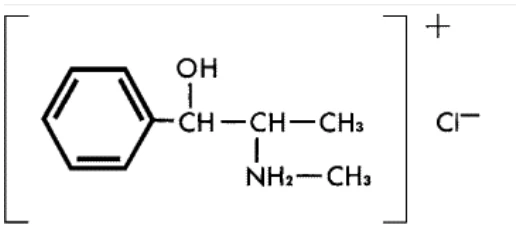
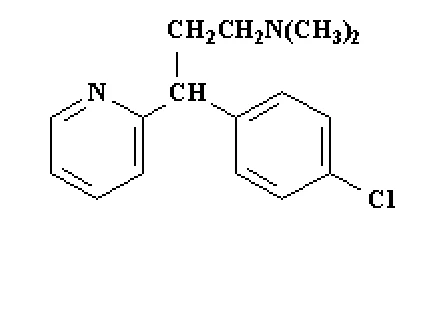
Ibuprofen and Pseudoephedrine Hydrochloride Tablets
Structural Formula:
Physicochemical Properties: White powder or crystals
Solubility: Soluble in water, alcohol, and chloroform
pKa and pH values: pKa = 9.2, pH = 5.9 in an aqueous solution of 1 in 200
Melting Point: 180-186°C
Proper name: Chlorpheniramine maleate
Chemical name: γ-(4-Chlorophenyl)-N,N,-dimethyl-2-pyridinepropanamine maleate
Other names 2-[p-chloro-α-(2 dimethylaminoethyl)benzyl]pyridine
Molecular Formula and molecular mass: C20H23ClN2O4
390.90 daltons
Structural Formula:
Physicochemical Properties: White crystals
Solubility: Soluble in water, alcohol, and chloroform
pKa and pH values: pKa = 9.2, pH = 5 in a 2% aqueous solution
Melting Point: 130-135°C
Ibuprofen and Pseudoephedrine Hydrochloride Tablets
14 CLINICAL TRIALS
14.1 Clinical Trials by Indication
Efficacy of Ibuprofen/Pseudoephedrine/Chlorpheniramine in Allergic Rhinitis
A 7-day study of the efficacy and safety of ibuprofen, pseudoephedrine hydrochloride and chlorpheniramine maleate caplets in subjects with seasonal allergic rhinitis was conducted. To qualify for the study, subjects were required to have (1) at least a 2-year history of seasonal allergic rhinitis involving any of the following symptoms: runny nose, itchy/watery/red eyes, nasal congestion, sneezing, itchy nose/throat/palate, allergy-associated headache, facial pain/pressure/discomfort, and (2) a history of at least moderate headache, and/or facial pain/pressure/discomfort that worsened during the allergy season and responded to nonprescription analgesics. An additional entry criterion was a positive skin prick test in response to a standard pollen/grass/tree/mold extract within the past 2 years.
Subjects who qualified for the study underwent a run-in phase during which they assessed the severity of their allergy symptoms (nasal congestion, sneezing, rhinorrhea, itchy nose/throat/palate, itchy/watery/red eyes, and headache/facial pain/pressure/discomfort) using a 4-point categorical scale (0 = none to 3 = severe) in the morning and evening. Subjects returned to the clinical study site when they were experiencing at least moderate allergy-associated headache and/or facial pain/pressure/discomfort and had assessed the severity of their allergy symptoms twice daily during the preceding 3 days. Subjects who returned to the site were given the first dose of study medication if they had at least moderate allergy-associated headache and/or facial pain/pressure/discomfort and had a summed allergy symptom score of at least 48 out of a possible 108 from the six previous twice-daily assessments (baseline assessment).
The subjects ranged in age from 12 to 85 years (mean age, 34 years). They were randomly assigned to double-blind treatment with either (1) placebo, (2) ibuprofen/pseudoephedrine/chlorpheniramine, 400 mg/60 mg/4 mg (two caplets), (3) ibuprofen/pseudoephedrine/chlorpheniramine, 200 mg/30 mg/2 mg (one caplet), or (4) pseudoephedrine/chlorpheniramine, 30 mg/2 mg (one tablet). Subjects were to take three doses of their medication per day (morning, midday, and evening, approximately 6 hours apart) for 7 days, regardless of whether they experienced allergy symptoms.
Subjects assessed the severity of their allergy-associated pain at 2 and 3 hours after the first dose of study medication. Before each subsequent dose of study medication, they indicated whether they were experiencing allergy-associated headache and/or facial pain/pressure/discomfort. On the evening of Day 1 and on each morning and evening of Days 27, subjects assessed the severity of their allergy symptoms. On the evening of Day 7, they provided a global evaluation of the study medication.
The improvement in overall average total symptoms score relative to baseline was greater in the groups treated with the combination of ibuprofen, pseudoephedrine, and chlorpheniramine (1- and 2-caplet doses, 1 x I/P/C and 2 x I/P/C) than in the group treated with placebo (Figure 1). Results for the 1 x I/P/C group were similar to results for the 2 x I/P/C group. Treatment with 1 x I/P/C provided more benefit than treatment with the double combination, pseudoephedrine and chlorpheniramine (1 x P/C). Results similar to those for the overall average symptoms score were obtained for the overall average antihistamine symptoms score and for the morning and evening overall symptoms scores. Figure 1.
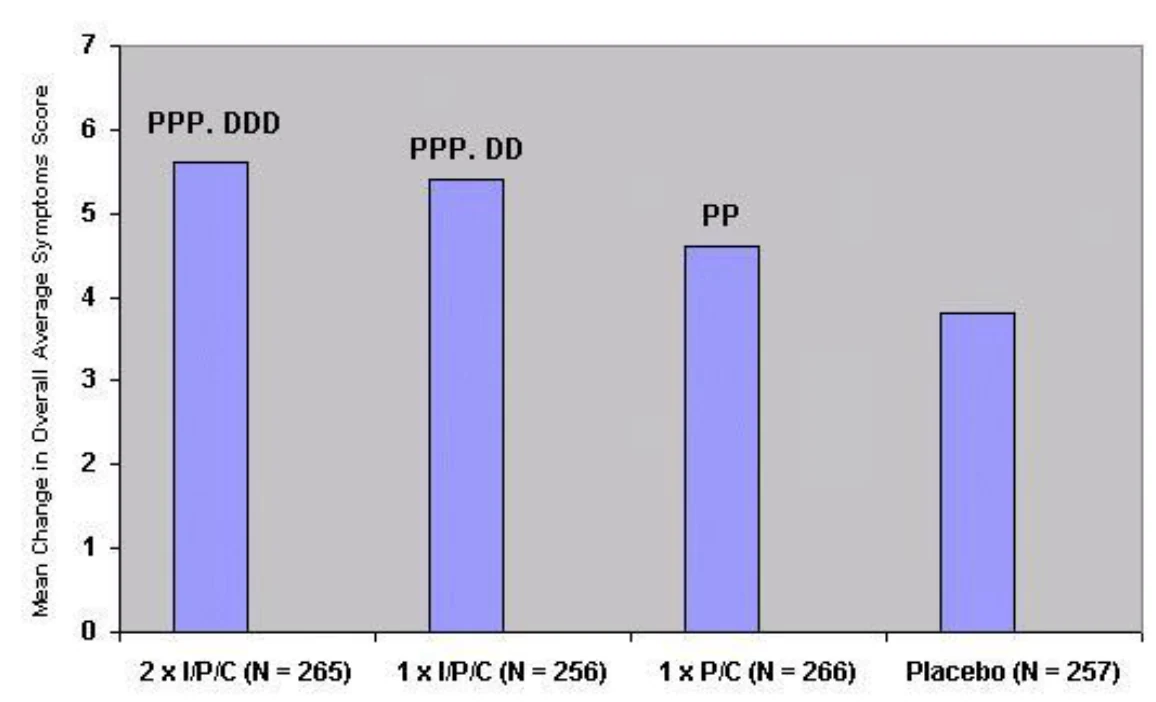
Ibuprofen and Pseudoephedrine Hydrochloride Tablets
Figure 1. Change from Baseline in Overall Average Symptoms Score in Subjects with Allergic Rhinitis (Study AD-99-02)
PPP: Significantly better than placebo, p<0.001; PP: p<0.01
DDD: Significantly better than the Double Combo (1 x P/C), p<0.001; DD: p<0.01.
Pain intensity was less and the percentage of subjects with allergy-associated pain was less in the groups treated with I/P/C (either 1-caplet or 2-caplet doses) than in the placebo group or the group treated with P/C (Table 4). The group treated with P/C was similar to the placebo group in pain intensity, although its percentage of subjects with allergy-associated pain was less. Treatment with the 1 x I/P/C provided more benefit than treatment with P/C. Results were similar for the 1- and 2-caplet doses of I/P/C. In the subjects’ overall evaluation, I/P/C and P/C were superior to placebo; results were similar among the three active treatment groups (Table 4).
Ibuprofen and Pseudoephedrine Hydrochloride Tablets
Table 4. Efficacy Results of a 7-Day Study in Subjects with Allergic Rhinits (Study AD-99-02)
Efficacy Parameter
Treatment Group
Pairwise Comparison, Difference and p-value
2 x I/P/C
N=265
1 x I/P/C
N=256
1 x P/C
N=266
Placebo
N=257
2 x I/P/C
vs
Placebo
1 x I/P/C
vs Placebo
1 x I/P/C vs
1 x P/C
2 x I/P/C vs
1 x I/P/C
1 x P/C vs
Placebo
Mean change from baseline in overall average symptoms score
5.6
5.4
4.6
3.8
1.8
1.6
0.8
0.2
0.8
(SD)
(3.5)
(3.5)
(3.3)
(3.5)
<0.001*
<0.001*
0.007*
0.376
0.009*
Mean change from baseline in average antihistamine symptoms
2.9
2.8
2.4
1.9
1.0
0.9
0.4
0.1
0.5 scorea (SD)
(1.9)
(1.9)
(1.7)
(1.8)
<0.001*
<0.001*
0.012*
0.390
0.003*
Mean change from baseline in
5.4
5.2
4.5
3.8
1.6
1.4
0.7
0.2
0.7 morning symptoms score (SD)
(3.4)
(3.6)
(3.5)
(3.6)
<0.001*
<0.001*
0.041*
0.298
0.024*
Mean change from baseline in
5.6
5.8
4.9
4.0
1.6
1.8
0.9
-0.2
0.9 evening symptoms score (SD)
(3.7)
(3.8)
(3.4)
(3.7)
<0.001*
<0.001*
0.005*
0.532
0.005*
Mean time-weighted sum of pain intensity differences over 3 hoursb
2.8
2.8
2.1
2.0
0.8
0.8
0.7
0.0
0.1
(SD)
(2.2)
(2.5)
(2.0)
(2.1)
<0.001*
<0.001*
<0.001*
0.553
0.583
Percentage of subjects with
51.6
48.4
56.0
61.6
-10.0
-13.2
-7.6
3.2
-5.6 allergy-associated pain
<0.001*
<0.001*
0.006*
0.262
0.034*
Mean overall evaluationc
2.0
2.0
1.8
1.3
0.7
0.7
0.2
0.0
0.5
(SD)
(1.1)
(1.1)
(1.1)
(1.1)
<0.001*
<0.001*
0.105
0.883
<0.001*
Abbreviations: I, ibuprofen 200 mg; P, pseudoephedrine hydrochloride 30 mg; C, chlorpheniramine maleate 2 mg; SD, standard deviation.
* p # 0.05 in favour of the first treatment listed
a Sneezing, itchy/watery/red eyes, itchy nose/throat/palate.
b Because of missing data, the number of subjects included for this parameter was 2 to 4 fewer per treatment group than for other efficacy parameters.
c Based on a 5-point scale: 0 (poor) to 4 (excellent).
Ibuprofen and Pseudoephedrine Hydrochloride Tablets
Efficacy of Individual Active Ingredients
Published studies have documented the efficacy of 200-mg and 400-mg doses of ibuprofen in treating mild to moderate pain, including sore throat pain, headache, and muscle aches in adults.
The antipyretic efficacy of ibuprofen has been demonstrated in adults at doses of 200 and 400 mg.
A randomized, double-blind, placebo-controlled study in 179 subjects with nasal congestion secondary to upper respiratory tract infection showed a statistically significant increase in total nasal airflow 2 hours after single oral doses of pseudoephedrine 60 mg or ibuprofen 400 mg plus pseudoephedrine 60 mg. Time-weighted sums of changes in nasal airflow relative to baseline were greater with both active treatments than with placebo (Table 5).
Table 5 Mean Nasal Air Flow (Standard Deviation) after Single Doses of Pseudoephedrine 60 mg or Ibuprofen 400 mg plus Pseudoephedrine 60 mg in Subjects with Upper Respiratory Infection
Mean Nasal Air Flow Rate (mL/sec)
P Value versus Placeboa
Treatment
N
First 4 Hours Postdose
Entire 6-Hour Period Postdose
First 4 Hours Postdose
Entire 6-Hour Period Postdose
Placebo
58
106 (362)
194 (569)
---
---
Pseudoephedrine 60 mg
61
247 (387)
406 (580)
0.068
0.061
Ibuprofen 400 mg + pseudoephedrine 60 mg
60
266 (481)
412 (639)
0.015
0.021 a Pairwise comparisons. Additional pairwise comparisons showed no significant differences between the two active treatments (p = 0.524 for the first 4 hours postdose, 0.653 for the entire 6-hour period postdose).
Pseudoephedrine at a dose of 60 mg increases maximal nasal inspiratory flow rate and produces objective improvement in nasal airway resistance. A single 60-mg oral dose of pseudoephedrine produced marked nasal decongestant effects within 30 minutes of administration, lasting for at least 4 hours.
In 40 subjects with nasal congestion associated with the common cold, two 60-mg doses of pseudoephedrine 4 hours apart produced no significant difference in maximum unilateral nasal airflow or total nasal air flow over a 7-hour period; however, minimum unilateral nasal air flow was significantly increased. A single 60-mg dose of pseudoephedrine administered to subjects with nasal congestion due to the common cold significantly increased total nasal minimum cross-sectional area and nasal volume measured by acoustic rhinometry. There was no significant change in nasal area as measured by active posterior rhinomanometry.
In a double-blind, randomized study, the decongestant activity of pseudoephedrine was dose related over the range of 30 to 60 mg, as measured by total nasal air flow (sum of left and right nares) in 112 subjects with nasal congestion associated with allergic rhinitis (Figure 2). At most time points postdose, the decongestant effect of the combination of ibuprofen 200 mg plus pseudoephedrine 30 mg was midway between that seen for pseudoephedrine 45 mg and 60 mg and greater than the decongestant effect of pseudoephedrine 30 mg (Table 6).
Ibuprofen and Pseudoephedrine Hydrochloride Tablets
Figure 2. Mean Change in Nasal Air Flow after Single Oral Doses of Pseudoephedrine in Subjects with Allergic Rhinitis
Table 6 Mean Nasal Air Flow (Standard Deviation) after Single Doses of Pseudoephedrine (30, 45, or 60 mg) or Ibuprofen 200 mg plus Pseudoephedrine 30 mg in Subjects with Allergic Rhinitis
Treatment
N
Mean Nasal Air Flow (mL/sec) at Specified Time Postdose, in Minutes
-30 Min
0 Min
30 Min
60 Min
90 Min
120 Min
180 Min
Pseudoephedrine
30 mg
28
440 (185)
365 (101)
394 (152)
442 (174)
440 (173)
429 (158)
440 (155)
45 mg
28
406 (153)
356 (134)
401 (138)
416 (146)
450 (169)
423 (159)
457 (182)
60 mg
28
422 (143)
328 (119)
393 (157)
454 (217)
451 (196)
485 (214)
435 (136)
Ibuprofen 200 mg + pseudoephedrine 30 mg
28
416 (147)
365 (143)
416 (196)
454 (173)
429 (154)
468 (177)
477 (201)
Note: Time 0 = time of administration of study medication. Min = minutes.
Chlorpheniramine is similar in efficacy to other antihistamines for the treatment of symptoms of allergic rhinitis. Early clinical trials conducted at the Mayo Clinic established the effectiveness of chlorpheniramine at a dosage of 4 mg every 4 to 6 hours in treating symptoms of pollen allergy, including ocular redness, itching, and watering of the eyes and itching, running, and blockage of the nasal passages. Several recent controlled clinical trials have been conducted with chlorpheniramine in seasonal allergic rhinitis. Many of the studies used chlorpheniramine as the positive control in evaluations of the safety and efficacy of non-sedating antihistamines.
In a single-blind study, subjects scored their seasonal allergic rhinitis symptoms (postnasal drip, runny
Ibuprofen and Pseudoephedrine Hydrochloride Tablets
nose, sneezing, itchy nose, nasal congestion, watery eyes, and itchy eyes) at baseline and at the end of 2 weeks of treatment with cetirizine (5 to 10 mg daily), chlorpheniramine (4 mg three to four times daily), or terfenadine (60 mg twice daily). Pseudoephedrine could be taken as needed. Chlorpheniramine was more effective than terfenadine in reducing total symptom severity and in relieving sneezing.
In a double-blind study, subjects scored their allergic rhinitis symptoms (nose blows, sneezes, running and itching of nostrils, watery eyes, postnasal drip, dry nose, itchy throat, cough) during 4 weeks of treatment with placebo (N = 27), chlorpheniramine (N = 23), or another antihistamine, azelastine. The patients treated with chlorpheniramine (4 mg four times daily) had lower symptoms scores relative to baseline than those treated with placebo, although the difference was not statistically significant, possibly because of the small sample size.
14.2 Comparative Bioavailability Studies
Two pharmacokinetic studies were conducted. Study AD-99-01 compared the single-dose pharmacokinetics of ibuprofen, pseudoephedrine, and chlorpheniramine caplets with the pharmacokinetics of the individual active ingredients. Study AD-99-03 compared the single-dose pharmacokinetics of ibuprofen, pseudoephedrine, and chlorpheniramine caplets administered under fasted conditions versus with food.
As shown in Tables 7-A, 7-B, and 7-C, ibuprofen, pseudoephedrine, and chlorpheniramine from two caplets were absorbed at the same rate and extent as the individual active ingredients in the reference treatments [ibuprofen in Nuprin (two tablets), pseudoephedrine in Sudafed Nasal Decongestant (two tablets), and chlorpheniramine in Chlor-Trimeton 4 Hour Allergy (one tablet)]. Confidence intervals for the pharmacokinetic parameters fell within the acceptable bioequivalence range.
As shown in Tables 8-A, 8-B, and 8-C, the absorption of ibuprofen, pseudoephedrine, and chlorpheniramine from two caplets was not significantly affected by administration with food. However, Tmax values for pseudoephedrine and chlorpheniramine were increased by approximately 1 hour when administered with food.
Ibuprofen and Pseudoephedrine Hydrochloride Tablets
Table 7-A
Summary Table of the Comparative Bioavailability Data
IBUPROFEN
(2 x 200 mg)
From measured data
Geometric Mean
Arithmetic Mean (CV%)
Parameter
Test a
Reference b
% Ratio of
Geometric Means
90%
Confidence
Interval
AUCT (mcg.h/ml)
110.06
112.01 (18.51)
113.40
115.50 (20.26)
97.06
92.44 - 101.86
AUCI (mcg.h/ml)
111.95
114.00 (18.90)
117.67
119.78 (20.27)
95.19
90.75 -99.00
Cmax (mcg/ml)
31.63
32.91 (25.88)
34.42
35.47 (23.29)
91.89
84.67 - 99.97
Tmax (h)*
1.84 (48.07)
1.88 (61.85)
T½ (h)*
1.89 (18.05)
1.99 (18.53)
a Ibuprofen in Advil Cold and Sinus Nighttime.
b Ibuprofen in Nuprin Tablets, Bristol-Myers, U.S.A.
* Expressed as the arithmetic mean (CV%) only.
Table 7-B
Summary Table of the Comparative Bioavailability Data
PSEUDOEPHEDRINE
(2 x 30 mg)
From measured data
Geometric Mean
Arithmetic Mean (CV%)
Parameter
Test a
Reference b
% Ratio of
Geometric Means
90%
Confidence
Interval
AUCT (ng.h/ml)
1809.17
1842.55 (20.30)
1718.09
1769.50 (25.13)
105.30
101.32 - 111.48
AUCI (ng.h/ml)
1836.93
1870.14 (20.07)
1749.04
1800.86 (25.02)
105.03
101.15 - 111.06
Cmax (ng/ml)
230.55
236.04 (22.80)
225.08
231 (25.01)
102.43
98.96 - 107.37
Tmax (h)*
1.69 (42.65)
1.71 (42.93)
T½ (h)*
4.84 (17.64)
4.85 (19.32)
a Pseudoephedrine HCl in Advil Cold and Sinus Nighttime.
b Pseudoephedrine HCl in Sudafed Nasal Decongestant Tablets, Warner-Lambert Consumer Healthcare, U.S.A.
* Expressed as the arithmetic mean (CV%) only.
Ibuprofen and Pseudoephedrine Hydrochloride Tablets
Table 7-C
Summary Table of the Comparative Bioavailability Data
CHLORPHENIRAMINE
(2 x 2 mg for test and 1x 4 mg for reference)
From measured data
Geometric Mean
Arithmetic Mean (CV%)
Parameter
Test a
Reference b
% Ratio of
Geometric Means
90%
Confidence
Interval
AUCT (ng.h/ml)
141.45
150.31 (40.02)
133.79
140.73 (34.20)
105.72
99.06 - 111.05
AUCI (ng.h/ml)
160.33
179.86 (63.93)
151.08
162.47 (43.61)
106.13
98.84 - 111.62
Cmax (ng/ml)
7.54
7.79 (29.68)
7.05
7.29 (26.72)
106.96
101.13 - 111.88
Tmax (h)*
3.10 (33.57)
3.40 (46.01)
T½ (h)*
21.06 (75.51)
20.58 (44.63)
a Chlorpheniramine maleate in Advil Cold and Sinus Nighttime.
b Chlorpheniramine maleate in Chlor-Trimeton Tablets, Schering-Plough Healthcare, U.S.A.
* Expressed as the arithmetic mean (CV%) only.
Table 8-A
Summary Table of the Comparative Bioavailability Data
IBUPROFEN
(2 x 200 mg)
From measured data
Geometric Mean
Arithmetic Mean (CV%)
Parameter
Reference a
Test b
% Ratio of Geometric Means
90% Confidence Interval
AUCT (mcg.h/ml)
124.60
125.66 (14.04)
111.70
113.66 (19.73)
89.65
86.46-92.97
AUCI (mcg.h/ml)
127.24
128.39 (14.34)
115.04
117.19 (20.27)
90.41
87.11-93.84
Cmax (mcg/ml)
31.83
32.25 (17.52)
28.21
29.48 (32.98)
88.64
79.29-99.04
Tmax (h)*
1.73 (53.91)
1.57 (53.67)
T½ (h)*
1.95 (16.31)
2.08 (15.04)
a Ibuprofen in Advil Cold and Sinus Nighttime (Fasted).
b Ibuprofen in Advil Cold and Sinus Nighttime (Fed).
* Expressed as the arithmetic mean (CV%) only.
Ibuprofen and Pseudoephedrine Hydrochloride Tablets
Table 8-B
Summary Table of the Comparative Bioavailability Data
PSEUDOEPHEDRINE
(2 x 30 mg)
From measured data
Geometric Mean
Arithmetic Mean (CV%)
Parameter
Reference a
Test b
% Ratio of Geometric Means
90% Confidence Interval
AUCT (ng.h/ml)
1999.47
2035.68 (20.35)
1895.21
1968.14 (30.20)
94.79
88.58-101.42
AUCI (ng.h/ml)
2030.09
2069.89 (20.07)
1926.29
1997.17 (29.53)
94.89
88.73-101.47
Cmax (ng/ml)
219.76
223.75 (19.73)
202.31
206.25 (21.92)
92.06
84.33-100.48
Tmax (h)*
1.52 (38.68)
2.80 (48.75)
T½ (h)*
4.91 (16.77)
4.73 (15.69)
a Pseudoephedrine HCl in Advil Cold and Sinus Nighttime (Fasted).
b Pseudoephedrine HCl in Advil Cold and Sinus Nighttime (Fed).
* Expressed as the arithmetic mean (CV%) only.
Table 8-C
Summary Table of the Comparative Bioavailability Data
CHLORPHENIRAMINE
(2 x 2 mg)
From measured data
Geometric Mean
Arithmetic Mean (CV%)
Parameter
Reference a
Test b
% Ratio of Geometric Means
90% Confidence Interval
AUCT (ng.h/ml)
154.75
167.75 (42.23)
151.09
162.37 (40.58)
97.64
93.04-102.47
AUCI (ng.h/ml)
180.87
202.55 (51.08)
178.95
196.26 (45.23)
98.94
92.72-105.58
Cmax (ng/ml)
7.53
8.00 (40.64)
6.74
6.97 (27.69)
98.56
83.40-96.17
Tmax (h)*
2.88 (29.76)
3.94 (49.49)
T½ (h)*
25.70 (44.45)
26.91 (23.90)
a Chlorpheniramine maleate in Advil Cold and Sinus Nighttime (Fasted).
b Chlorpheniramine maleate in Advil Cold and Sinus Nighttime (Fed).
* Expressed as the arithmetic mean (CV%) only.
15 MICROBIOLOGY
No microbiological information is required for this drug product.
Ibuprofen and Pseudoephedrine Hydrochloride Tablets
16 NON-CLINICAL TOXICOLOGY
Ibuprofen
Single Dose Toxicity Studies
Single-dose toxicity studies have been conducted in mice, rats, and dogs.
The LD50 values for ibuprofen in mice and rats, expressed as mg/kg of body weight, are as follows:
Acute signs of poisoning were prostration in mice and sedation, prostration, loss of righting reflex, and laboured respiration in rats. Death occurred within 3 days from perforated gastric ulcers in mice and intestinal ulceration in rats, irrespective of the route of administration.
Single ibuprofen doses of 125 mg/kg and above in dogs caused emesis, transient albuminuria, faecal blood loss, and erosions in the gastric antrum and pylorus. No ill effects were seen with doses of 20 or 50 mg/kg.
Multi Dose Studies
The primary toxic effect of ibuprofen in repeated doses in rats is intestinal damage. At a dosage of 180 mg/kg/day for 26 weeks, ibuprofen alters the organ-to-body weight ratio of certain organs, such as the liver, kidneys, gonads, and secondary sex organs, although no histological abnormalities have been observed and the effects are reversible. The liver and kidney enlargement may be a reflection of work hypertrophy associated with the metabolism and excretion of the compound, whereas the significance of the effects on other organs is unknown. When administered in lethal doses (540 mg/kg/day), ibuprofen produces mild kidney lesions in addition to intestinal damage.
Carcinogenicity
In rats given 180 mg/kg/day of ibuprofen orally for 55 weeks and 60 mg/kg/day for the next 60 weeks, the only specific pathological effect observed was intestinal ulceration. There was no evidence of tumour induction, indicating that ibuprofen is not carcinogenic in rats. Ibuprofen is not teratogenic when given in toxic doses (60 mg/kg/day) to rabbits or in ulcerogenic doses (180 mg/kg/day to rats.
Teratology Study in Rabbits
New Zealand white rabbits were given 0, 7.5, 20 and 60 mg/kg daily of ibuprofen from day 1 to day 29 of pregnancy. The mean fetal weight was unaffected; litter size was unaffected at the lower doses. Congenital malformations did occur in both treated and untreated groups with no consistent pattern except for one litter of 4 young with cyclopia. The results of this experiment indicate that ibuprofen is not teratogenic when given in toxic doses to rabbits.
Teratology Study in Rats
Newly-mated female albino rats were given ibuprofen in doses of 0, 7.5, 20, 60 and 180 mg/kg/day from day 1 to day 20 of pregnancy; ibuprofen exhibited no embryotoxic or teratogenic effects even when administered at ulcerogenic doses.
| Mice | Oral | 800 mg/kg |
| Intraperitoneal | 320 mg/kg | |
| Rats | Oral | 1600 mg/kg |
| Subcutaneous | 1300 mg/kg |
Ibuprofen and Pseudoephedrine Hydrochloride Tablets
Penetration of Ibuprofen into the Rabbit and Rat Fetus
Rabbits and rats in late pregnancy were given single oral doses of 60 and 20 mg/kg respectively of C14 labelled ibuprofen. Rabbits were killed three hours after dosing and rats killed 1.5 hours after dosing when maternal and fetal blood was collected. Similar concentrations of radioactive ibuprofen were detected in both the mother and fetus indicating that the drug and its metabolites readily crossed the placental barrier into the fetal circulation.
Genotoxicity
Ibuprofen has shown no genotoxicity in the in vitro bacterial mutation assay in the presence and absence of S9 using Salmonella Typhimurium TA1535, TA1538, TA97a, TA100 and TA102. It was also tested in an in vivo sister chromatid exchange assay in the bone marrow cells of mice dosed orally or intraperitoneal and showed weak genotoxicity in the sister chromatid assay. There was no difference in the occurrence of chromosomal aberrations in cultured human lymphocytes in patients before or after treatment with ibuprofen. A recent study in mouse bone marrow cells suggested a potential for chromosomal aberrations after oral dosing. Overall, it was not genotoxic in vitro but was weakly mutagenic in vivo.
Pseudoephedrine Hydrochloride
Mice injected with toxic doses of pseudoephedrine manifest increased motor activity, piloerection, and mydriasis, and they eventually die in respiratory exhaustion. The intravenous LD50 in mice is approximately 90 mg/kg. The approximate oral LD50 values are 726 mg/kg (mice), 2206 mg/kg (rats), 1117 mg/kg (rabbits), 105 mg/kg (beagle dogs), and 307 mg/kg (mongrel dogs). Toxic effects of pseudoephedrine include increased respiratory activity, salivation, and lacrimation; loss of pupillary reflex in reaction to light; tremor, convulsions, and cardiac arrhythmias.
The LD50 values for pseudoephedrine, expressed as mg/kg of body weight, are as follows:
Chlorpheniramine Maleate
The toxicity profile of chlorpheniramine maleate in rats and mice includes excitation, muscle tremor, ataxia, and convulsive seizures followed by respiratory depression and death. The following LD50 values (mg/kg body weight) have been reported for chlorpheniramine maleate.
Mice
Oral
121, 162, 142
Intraperitoneal
73, 76.7
Rats
Oral
118, 680
Subcutaneous
89
Mice
Oral
726
Intravenous
90
Rats
Oral
2206
Rabbits
Oral
1117
Dogs, beagle
Oral
105
Dogs, mongrel
Oral
307
Ibuprofen and Pseudoephedrine Hydrochloride Tablets
No compound-related effects were reported after chlorpheniramine maleate was administered by gavage to groups of eight male and eight female rats 5 days per week for 6 weeks at doses of 5 or 10 g/kg per day. Two rhesus monkeys administered 20 mg/kg per day 5 days per week for 7 weeks showed no apparent adverse effects. Rhesus monkeys administered chlorpheniramine maleate 15 mg/kg 6-7 days per week for 105 weeks experienced cardiac arrhythmias and fainting episodes and died of cardiac failure.
A reproductive toxicology study of chlorpheniramine maleate in rats at doses of 5, 10, or 20 mg/kg per day showed no effects on fertility or on frequency of foetal abnormalities. The percentage of pups dying during lactation was greater and the mean body weight of offspring on day 4 of lactation was less in the 20 mg/kg dose group than in the control group. Chlorpheniramine maleate was associated with decreased body weight of offspring in two other reproductive toxicology studies in rats, and, in one of the studies, decreased postnatal survival, but not with any major abnormalities in the offspring. Haley and Berndt categorized chlorpheniramine as having unknown effects or no reported adverse effects on the conceptus. Genotoxicity tests of chlorpheniramine maleate were generally negative.
Carcinogenicity
Under the conditions of a National Toxicology Program 2-year gavage study, there was no evidence of carcinogenicity in F344/N rats or B6C3F1 mice of either sex administered chlorpheniramine maleate in water 5 days per week for 2 years. The maximum doses were 30 mg/kg in male rats, 60 mg/kg in female rats, 50 mg/kg in male mice, and 20 mg/kg in female mice.