


Product Monograph - Teva-Flurbiprofen
SUMMARY PRODUCT INFORMATION
Route of Administration | Dosage Form, Strength | Clinically Relevant Nonmedicinal Ingredients |
| Oral | Tablet, 50 mg and 100 mg | Lactose For a complete listing see DOSAGE FORMS, COMPOSITION AND PACKAGING section |
INDICATIONS AND CLINICAL USE
TEVA-FLURBIPROFEN (flurbiprofen) is indicated for the following:
- Relief of signs and symptoms of rheumatoid arthritis, osteoarthritis and ankylosing spondylitis.
- Relief of pain associated with dysmenorrhoea.
- Relief of mild to moderate pain accompanied by inflammation. (e.g. bursitis, tendinitis, soft tissue trauma).
For patients with an increased risk of developing CV and/or GI adverse events, other management strategies that do NOT include the use of NSAIDs should be considered first
(See CONTRAINDICATIONS and WARNINGS AND PRECAUTIONS).
Use of TEVA-FLURBIPROFEN should be limited to the lowest effective dose for the shortest possible duration of treatment in order to minimize the potential risk for cardiovascular or gastrointestinal adverse events (See CONTRAINDICATIONS and WARNINGS AND PRECAUTIONS).
TEVA-FLURBIPROFEN, as a NSAID, does NOT treat clinical disease or prevent its progression.
TEVA-FLURBIPROFEN as a NSAID, only relieves symptoms and decreases inflammation for as long as the patient continues to take it.
Patient Subsets
Geriatrics (>65 years of age):
Evidence from clinical studies and postmarket experience suggests that use in the geriatric Special Populations).
Pediatrics (<18 years of age):
Safety and efficacy have not been established in the pediatric population (see CONTRAINDICATIONS).
CONTRAINDICATIONS
TEVA-FLURBIPROFEN is contraindicated in:
- the peri-operative setting of coronary artery bypass graft surgery (CABG). Although flurbiprofen has NOT been studied in this patient population, a selective COX-2 inhibitor NSAID studied in such a setting has led to an increased incidence of cardiovascular/thromboembolic events, deep surgical infections and sternal wound complications.
- the third trimester of pregnancy, because of risk of premature closure of the ductus arteriosus and prolonged parturition
- women who are breastfeeding, because of the potential for serious adverse reactions in nursing infants
- severe uncontrolled heart failure
known or suspected hypersensitivity to flurbiprofen or to any of the
components/excipients, or other nonsteroidal anti-inflammatory drugs(NSAIDS).
history of asthma, urticaria, or allergic-type reactions after taking ASA or other NSAIDs
(i.e. complete or partial syndrome of ASA-intolerance - rhinosinusitis, urticaria/ angioedema, nasal polyps, asthma). Fatal asthmatic and anaphylactoid reactions have occurred in such individuals. As well, individuals with the above medical problems are at risk of a severe reaction even if they have taken NSAIDs in the past without any adverse effects. The potential for cross-reactivity between different NSAIDs must be kept in mind (see WARNINGS AND PRECAUTIONS – Hypersensitivity Reactions - Anaphylactoid Reactions).
- active gastric / duodenal / peptic ulcer, active GI bleeding, a history of recurrent ulceration or active inflammatory disease of the gastrointestinal system.
- cerebrovascular bleeding or other bleeding disorders
- inflammatory bowel disease
- severe liver impairment or active liver disease
- severe renal impairment (creatinine clearance <30 mL/min or 0.5 mL/sec) or deteriorating renal disease (individuals with lesser degrees of renal impairment are at risk of deterioration of their renal function when prescribed NSAIDs and must be monitored) (see WARNINGS AND PRECAUTIONS - Renal)
known hyperkalemia (see WARNINGS AND PRECAUTIONS - Renal - Fluid and
Electrolyte Balance)
- children and adolescents less than 18 years of age
WARNINGS AND PRECAUTIONS
Serious Warnings and Precautions
Risk of Cardiovascular (CV) Adverse Events: Ischemic Heart Disease, Cerebrovascular Disease, Congestive Heart Failure (NYHA II-IV)
(See WARNINGS AND PRECAUTIONS - Cardiovascular).
TEVA-FLURBIPROFEN is a non-steroidal anti-inflammatory drug (NSAID). Use of some NSAIDs is associated with an increased incidence of cardiovascular adverse events (such as myocardial infarction, stroke or thrombotic events) which can be fatal. The risk may increase with duration of use. Patients with cardiovascular disease or risk factors for cardiovascular disease may be at greater risk.
Caution should be exercised in prescribing TEVA-FLURBIPROFEN to any patient with ischemic heart disease (including but NOT limited to acute myocardial infarction, history of myocardial infarction and/or angina), cerebrovascular disease (including but NOT limited to stroke, cerebrovascular accident, transient ischemic attacks and/or amaurosis fugax) and/or congestive heart failure (NYHA II-IV).
Use of NSAIDs, such as TEVA-FLURBIPROFEN, can promote sodium retention in a dose-dependent manner, through a renal mechanism, which can result in increased blood pressure and/or exacerbation of congestive heart failure. (see also WARNINGS AND PRECAUTIONS - Renal - Fluid and Electrolyte Balance)
Randomized clinical trials with TEVA-FLURBIPROFEN have not been designed to detect differences in cardiovascular events in a chronic setting. Therefore, caution should be exercised when prescribing TEVA-FLURBIPROFEN.
Risk of Gastrointestinal (GI) Adverse Events (see WARNINGS AND PRECAUTIONS - Gastrointestinal)
Use of NSAIDs, such as TEVA-FLRUBIPROFEN, is associated with an increased incidence of gastrointestinal adverse events (such as peptic/duodenal ulceration, perforation, obstruction and gastrointestinal bleeding).
General
Frail or debilitated patients may tolerate side effects less well and therefore special care should be taken in treating this population. To minimize the potential risk for an adverse event, the lowest effective dose should be used for the shortest possible duration. As with other NSAIDs, caution should be used in the treatment of elderly patients who are more likely to be suffering from impaired renal, hepatic or cardiac function. For high risk patients, alternate therapies that do not involve NSAIDs should be considered.
TEVA-FLURBIPROFEN is NOT recommended for use with other NSAIDs, with the exception of low-dose ASA for cardiovascular prophylaxis, because of the absence of any evidence demonstrating synergistic benefits and the potential for additive adverse reactions (See DRUG INTERACTIONS - Drug/Drug Interactions - Acetylsalicylic acid (ASA) or other NSAIDs). In common with other anti-inflammatory drugs, TEVA-FLURBIPROFEN may mask the usual signs of infection.
Carcinogenesis and Mutagenesis:
(see TOXICOLOGY)
Cardiovascular:
TEVA-FLURBIPROFEN is a non-steroidal anti-inflammatory drug (NSAID). Use of some NSAIDs is associated with an increased incidence of cardiovascular adverse events (such as myocardial infarction, stroke or thrombotic events) which can be fatal. The risk may increase with duration of use. Patients with cardiovascular disease or risk factors for cardiovascular disease may be at greater risk.
Caution should be exercised in prescribing TEVA-FLURBIPROFEN to patients with risk factors for cardiovascular disease, cerebrovascular disease or renal disease, such as any of the following (NOT an exhaustive list)
- Hypertension
- Dyslipidemia / Hyperlipidemia
- Diabetes Mellitus
- Congestive Heart Failure (NYHA I)
- Coronary Artery Disease (Atherosclerosis)
- Peripheral Arterial Disease
- Smoking
- Creatinine Clearance < 60 mL/min or 1 mL/sec
For patients with a high risk of developing an adverse CV event, other management strategies that do NOT include the use of NSAIDs should be considered first. To minimize the potential risk for an adverse CV event, the lowest effective dose should be used for the shortest possible duration.
Cardiovascular Thrombotic Events
Physicians and patients should remain alert for the development of such events, even in the absence of previous CV symptoms. Patients should be informed about the signs and/or symptoms of serious CV events and the steps to take if they occur.
There is no consistent evidence that concurrent use of ASA mitigates the increased risk of serious CV thrombotic events associated with NSAID use. The concurrent use of ASA and an NSAID does increase the risk of serious GI events (see WARNINGS, Gastrointestinal Effects
- Risk of Ulceration, Bleeding, and Perforation).
Hypertension
NSAIDs including TEVA-FLURBIPROFEN, can lead to onset of new hypertension or worsening of pre-existing hypertension, either of which may contribute to the increased incidence of CV events. Patients taking thiazides or loop diuretics may have impaired response to these therapies when taking NSAIDs. NSAIDs, including TEVA-FLURBIPROFEN, should be used with caution in patients with hypertension. Blood pressure (BP) should be monitored closely during the initiation of NSAID treatment and throughout the course of therapy.
Congestive Heart Failure and Edema
Fluid retention and edema have been observed in patients treated with flurbiprofen. Therefore, as with many other NSAIDs, the possibility of precipitating congestive heart failure in elderly patients or those with compromised cardiac function should be borne in mind. TEVA-FLURBIPROFEN should be used with caution in patients with heart failure, hypertension or other conditions predisposing to fluid retention (see WARNINGS AND PRECAUTIONS - Renal - Fluid and Electrolyte Balance).
Endocrine and Metabolism:
With nonsteroidal anti-inflammatory treatment there is a potential risk of hyperkalemia, particularly in patients with conditions such as diabetes mellitus or renal failure; elderly patients; or in patients receiving concomitant therapy with beta-adrenergic blockers, angiotensin converting enzyme inhibitors or some diuretics. Serum electrolytes should be monitored periodically during long-term therapy, especially in those patients who are at risk.
Corticosteroids:
TEVA-FLURBIPROFEN (flurbiprofen) is NOT a substitute for corticosteroids. It does NOT treat corticosteroid insufficiency. Abrupt discontinuation of corticosteroids may lead to exacerbation of corticosteroid-responsive illness. Patients on prolonged corticosteroid therapy should have their therapy tapered slowly if a decision is made to discontinue corticosteroids. (see DRUG INTERACTIONS - Drug-DRUG INTERACTIONS - Glucocorticoids)
Gastrointestinal (GI):
Serious GI toxicity (sometimes fatal), such as peptic / duodenal ulceration, inflammation, perforation, obstruction and gastrointestinal bleeding, can occur at any time, with or without warning symptoms, in patients treated with NSAIDs, such as TEVA-FLURBIPROFEN. Minor upper GI problems, such as dyspepsia, commonly occur at any time. Health care providers should remain alert for ulceration and bleeding in patients treated with TEVA-FLURBIPROFEN, even in the absence of previous GI tract symptoms. Most spontaneous reports of fatal GI events are in elderly or debilitated patients and therefore special care should be taken in treating this population. To minimize the potential risk for an adverse GI event, the lowest effective dose should be used for the shortest possible duration. For high risk patients, alternate therapies that do not involve NSAIDs should be considered. (see WARNINGS AND PRECAUTIONS - Special Populations - Geriatrics). Patients should be informed about the signs and/or symptoms of serious GI toxicity and instructed to discontinue using TEVA-FLURBIPROFEN and seek emergency medical attention if they experience any such symptoms. The utility of periodic laboratory monitoring has NOT been demonstrated, nor has it been adequately assessed. Most patients who develop a serious upper GI adverse event on NSAID therapy have no symptoms. Upper GI ulcers, gross bleeding or perforation, caused by NSAID, appear to occur in approximately 1% of patients treated for 3-6 months, and in about 2-4% of patients treated for one year. These trends continue, thus increasing the likelihood of developing a serious GI event at some time during the course of therapy. Even short-term therapy has its risks.
The incidence of these complications increases with increasing dose.
Caution should be taken if prescribing TEVA-FLURBIPROFEN to patients with a prior history of peptic / duodenal ulcer disease or gastrointestinal bleeding as these individuals have a greater than 10-fold higher risk for developing a GI bleed when taking a NSAID than patients with neither of these risk factors. In these cases the physician must weigh the benefits of treatment against the possible hazards. Other risk factors for GI ulceration and bleeding include the following: Helicobacter pylori infection, increased age, prolonged use of NSAID therapy, excess alcohol intake, smoking, female gender, poor general health status or concomitant therapy with any of the following:
- Anti-coagulants (e.g. warfarin)
- Anti-platelet agents (e.g. ASA, clopidogrel)
- Oral corticosteroids (e.g. prednisone)
- Selective Serotonin Reuptake Inhibitors (SSRIs) (e.g. citalopram, fluoxetine, paroxetine, sertraline)
TEVA-FLURBIPROFEN should be given under close medical supervision to patients prone to gastrointestinal tract irritation particularly those with a history of peptic ulcer, diverticulosis or other inflammatory disease of the gastrointestinal tract such as ulcerative colitis and Crohn’s disease. In these cases the physician must weigh the benefits of treatment against the possible hazards.
If ulceration is suspected or confirmed, or if GI bleeding occurs, TEVA-FLURBIPROFEN should be discontinued immediately, appropriate treatment instituted and the patient monitored closely.
No studies, to date, have identified any group of patients not at risk of developing ulceration and bleeding. Studies to date show that all NSAIDs can cause GI tract adverse events as existing data do not clearly identify differences in risk between various NSAIDs.
There is no definitive evidence that the concomitant administration of histamine H2- receptor antagonists and/or antacids will either prevent the occurrence of gastrointestinal side effects or allow the continuation of TEVA-FLURBIPROFEN therapy when and if these adverse reactions appear.
Genitourinary:
Some NSAIDs are associated with persistent urinary symptoms (bladder pain, dysuria, urinary frequency), hematuria or cystitis. The onset of these symptoms may occur at any time after the initiation of therapy with an NSAID. Some cases have become severe on continued treatment. Should urinary symptoms occur, in the absence of an alternate explanation, treatment with TEVA-FLURBIPROFEN should be stopped to ascertain if symptoms disappear. This should be done before any urological investigations or treatments are carried out.
Hematologic:
NSAIDs inhibiting prostaglandin biosynthesis interfere with platelet function to varying degrees; patients who may be adversely affected by such an action, such as those on anti-coagulants or suffering from haemophilia or platelet disorders should be carefully observed when TEVA-FLURBIPROFEN is administered.
Anti-coagulants:
Numerous studies have shown that the concomitant use of NSAIDs and anti-coagulants increases the risk of bleeding. Concurrent therapy of TEVA-FLURBIPROFEN with warfarin requires close monitoring of the international normalized ratio (INR).
Even with therapeutic INR monitoring, increased bleeding may occur.
Anti-platelet Effects:
NSAIDs inhibit platelet aggregation and have been shown to prolong bleeding time in some patients. Unlike acetylsalicylic acid (ASA), their effect on platelet function is quantitatively less, or of shorter duration, and is reversible.
TEVA-FLURBIPROFEN and other NSAIDs have no proven efficacy as anti-platelet agents and should NOT be used as a substitute for ASA or other anti-platelet agents for prophylaxis of cardiovascular thromboembolic diseases. Anti-platelet therapies (e.g. ASA) should NOT be discontinued. There is some evidence that use of NSAIDs with ASA can markedly attenuate the cardioprotective effects of ASA. (see DRUG INTERACTIONS - Drug-Drug Interactions - Acetylsalicylic Acid (ASA) or other NSAIDs)
Concomitant administration of TEVA-FLURBIPROFEN with low dose ASA increases the risk of GI ulceration and associated complications.
Blood dyscrasias:
Blood dyscrasias (such as neutropenia, leukopenia, thrombocytopenia, aplastic anemia and agranulocytosis) associated with the use of NSAIDs are rare, but could occur with severe consequences.
Anemia is sometimes seen in patients receiving NSAIDs, including flurbiprofen . This may be due to fluid retention, GI blood loss, or an incompletely described effect upon erythropoiesis. Patients on long-term treatment with NSAIDs, including TEVA-FLURBIPROFEN, should have their hemoglobin or hematocrit checked if they exhibit any signs or symptoms of anemia or blood loss.
Hepatic/ Biliary / Pancreatic:
As with other NSAIDs, borderline elevations of one or more liver enzyme tests (AST, ALT, alkaline phosphatase) may occur in up to 15% of patients. These abnormalities may progress, may remain essentially unchanged, or may be transient with continued therapy.
A patient with symptoms and/or signs suggesting liver dysfunction, or in whom an abnormal liver function test has occurred, should be evaluated for evidence of the development of a more severe hepatic reaction while on therapy with TEVA-FLURBIPROFEN. The ALT (SGPT) test is probably the most sensitive indicator of liver injury. Meaningful (3 times the upper limit of normal) elevations of ALT or AST (SGOT) have been reported in controlled clinical trials in less than 1 % of patients.
Severe hepatic reactions including jaundice and cases of fatal hepatitis, liver necrosis and hepatic failure, some of them with fatal outcomes, have been reported with NSAIDs.
Although such reactions are rare, if abnormal liver tests persist or worsen, if clinical signs and symptoms consistent with liver disease develop (e.g. jaundice), or if systemic manifestations occur (e.g. eosinophilia, rash, etc.), this drug should be discontinued.
During long-term therapy, liver function tests should be monitored periodically. If there is a need to prescribe this drug in the presence of impaired liver function, it must be done under strict observation.
Hypersensitivity Reactions:
Anaphylactoid Reactions:
As with NSAIDs in general, anaphylactoid reactions have occurred in patients without known prior exposure to TEVA-FLURBIPROFEN. In post-marketing experience, rare cases of anaphylactic/ anaphylactoid reactions and angioedema have been reported in patients receiving flurbiprofen. TEVA-FLURBIPROFEN should NOT be given to patients with the ASA-triad. This symptom complex typically occurs in asthmatic patients who experience rhinitis with or without nasal polyps, or who exhibit severe, potentially fatal bronchospasm after taking ASA or other NSAIDs (see CONTRAINDICATIONS).
ASA-Intolerance:
TEVA-FLURBIPROFEN should NOT be given to patients with complete or partial syndrome of ASA-intolerance (rhinosinusitis, urticaria/angioedema, nasal polyps, asthma) in whom asthma, anaphylaxis, urticaria/angioedema, rhinitis or other allergic manifestations are precipitated by ASA or other NSAIDs. Fatal anaphylactoid reactions have occurred in such individuals. As well, individuals with the above medical problems are at risk of a severe reaction even if they have taken NSAIDs in the past without any adverse reaction (see CONTRAINDICATIONS).
Cross-sensitivity:
Patients sensitive to one NSAID may be sensitive to any of the other NSAIDs as well.
Serious skin reactions:
(See WARNINGS AND PRECAUTIONS - Skin)
Immune:
(See WARNINGS AND PRECAUTIONS - Infection- Aseptic Meningitis)
Infection:
TEVA-FLURBIPROFEN, in common with other NSAIDs, may mask signs and symptoms of an underlying infectious disease.
Aseptic Meningitis:
Rarely, with some NSAIDs, the symptoms of aseptic meningitis (stiff neck, severe headaches, nausea and vomiting, fever or clouding of consciousness) have been observed. Patients with autoimmune disorders (systemic lupus erythematosus, mixed connective tissue diseases, etc.) seem to be pre-disposed. Therefore, in such patients, the health care provider must be vigilant to the development of this complication.
Neurologic:
Some patients may experience drowsiness, dizziness, blurred vision, vertigo, tinnitus, hearing loss, insomnia or depression with the use of NSAIDs, such as TEVA-FLURBIPROFEN. In clinical trials, 1-3% of patients experienced drowsiness, dizziness, vertigo, insomnia or depression with the use of Flurbiprofen. If patients experience these side effects, they should exercise caution in carrying out activities that require alertness.
Ophthalmologic:
Blurred and/or diminished vision has been reported with the use of NSAIDs, including flurbiprofen. If such symptoms develop, TEVA-FLURBIPROFEN should be discontinued and an ophthalmologic examination performed. Ophthalmologic examination should be carried out at periodic intervals in any patient receiving TEVA-FLURBIPROFEN for an extended period of time.
Peri-Operative Considerations:
(See CONTRAINDICATIONS - Coronary Artery Bypass Graft Surgery)
Psychiatric:
Some patients may experience depression with the use of flurbiprofen (See WARNINGS AND PRECAUTIONS - Neurologic).
Renal:
Long term administration of NSAIDs to animals has resulted in renal papillary necrosis and other abnormal renal pathology. In humans, there have been reports of acute interstitial nephritis with hematuria, low-grade proteinuria, and occasionally nephrotic syndrome.
Renal insufficiency due to NSAID use is seen in patients with pre-renal conditions leading to reduction in renal blood flow or blood volume. Under these circumstances, renal prostaglandins have a supportive role in the maintenance of renal perfusion and glomerular filtration rate (GFR). In these patients, administration of a NSAID may cause a dose-dependent reduction in prostaglandin synthesis leading to impaired renal function. Patients at greatest risk of this reaction are those with pre-existing renal insufficiency (GFR < 60 mL/min or 1 mL/s), dehydrated patients, patients on salt restricted diets, those with congestive heart failure, cirrhosis, liver dysfunction, taking angiotensin-converting enzyme inhibitors, angiotensin-II receptor blockers, cyclosporin, diuretics, and the elderly. Serious or life-threatening renal failure has been reported in patients with normal or impaired renal function after short term therapy with NSAIDs. Even patients at risk who demonstrate the ability to tolerate a NSAID under stable conditions may decompensate during periods of added stress (e.g. dehydration due to gastroenteritis). Discontinuation of NSAIDs is usually followed by recovery to the pre-treatment state.
Caution should be used when initiating treatment with NSAIDs, such as TEVA-FLURBIPROFEN, in patients with considerable dehydration. It is advisable to rehydrate patients first prior to initiation of therapy. Caution is also recommended in patients with pre-existing kidney disease. Flurbiprofen and its metabolites are eliminated primarily by the kidneys, therefore the drug should be used with great caution in patients with impaired renal function. In these cases, utilization of lower doses of TEVA-FLURBIPROFEN should be considered and patients carefully monitored.
During long-term therapy, kidney function should be monitored periodically.
Advanced Renal Disease: (See CONTRAINDICATIONS)
Fluid and Electrolyte Balance:
Use of NSAIDs, such as TEVA-FLURBIPROFEN, can promote sodium retention in a dose-dependent manner, which can lead to fluid retention and edema, and consequences of increased blood pressure and exacerbation of congestive heart failure. Thus, caution should be exercised in prescribing TEVA-FLURBIPROFEN in patients with a history of congestive heart failure, compromised cardiac function, hypertension, increased age or other conditions predisposing to fluid retention (See WARNINGS AND PRECAUTIONS - Cardiovascular).
Use of NSAIDs, such as TEVA-FLURBIPROFEN, can increase the risk of hyperkalemia, especially in patients with diabetes mellitus, renal failure, increased age, or those receiving concomitant therapy with adrenergic blockers, angiotensin-converting enzyme inhibitors, angiotensin-II receptor antagonists, cyclosporin, or some diuretics.
Electrolytes should be monitored periodically (see CONTRAINDICATIONS).
Respiratory:
ASA-induced asthma is an uncommon but very important indication of ASA and NSAID sensitivity. It occurs more frequently in patients with asthma who have nasal polyps.
Sexual Function / Reproduction:
The use of TEVA-FLURBIPROFEN, as with any drug known to inhibit cyclooxygenase/prostaglandin synthesis, may impair fertility and is not recommended in women attempting to conceive. Therefore, in women who have difficulties conceiving, or who are undergoing investigation of infertility, withdrawal of TEVA-FLURBIPROFEN should be considered.
Skin:
In rare cases, serious skin reactions such as Stevens-Johnson syndrome, toxic epidermal necrolysis, exfoliative dermatitis and erythema multiforme have been associated with the use of some NSAIDs. Because the rate of these reactions is low, they have usually been noted during post-marketing surveillance in patients taking other medications also associated with the potential development of these serious skin reactions. Thus, causality is NOT clear. These reactions are potentially life threatening but may be reversible if the causative agent is discontinued and appropriate treatment instituted. Patients should be advised that if they experience a skin rash they should discontinue their NSAID and contact their physician for assessment and advice, including which additional therapies to discontinue.
Special Populations:
Pregnant Women:
TEVA-FLURBIPROFEN is CONTRAINDICATED for use during the third trimester of pregnancy because of risk of premature closure of the ductus arteriosus and the potential to prolong parturition (see Toxicology).
Caution should be exercised in prescribing TEVA-FLURBIPROFEN during the first and second trimesters of pregnancy (see Toxicology).
Inhibition of prostaglandin synthesis may adversely affect pregnancy and/or the embryo-foetal development. Data from epidemiological studies suggest an increased risk of miscarriage and of cardiac malformation after use of a prostaglandin synthesis inhibitor in early pregnancy.
In animals, administration of a prostaglandin synthesis inhibitor has been shown to result in increased pre- and post-implantation loss and embryo-foetal lethality. In addition, increased incidences of various malformations, including cardiovascular, have been reported in animals given a prostaglandin synthesis inhibitor during the organogenetic period. Although no teratogenic effects were seen in animal studies, parturition was delayed and prolonged, and there was an increase in the number of stillbirths. Flurbiprofen has been found to cross the placental barrier.
Nursing Women:
The safe use of flurbiprofen during lactation has not been established. Flurbiprofen is secreted in breast milk. The use of this drug is not recommended during lactation. (See Contraindications)
Pediatrics: (< 18 years of age):
(See Contraindications)
Geriatrics: (> 65 years of age):
As with all NSAID’s, TEVA-FLURBIPROFEN (Flurbiprofen) should be used with caution in the elderly, particularly women. (see ACTION AND CLINICAL PHARMACOLOGY – Pharmacokinetics).
Patients older than 65 years (referred to in this document as older or elderly) and frail or debilitated patients are more susceptible to a variety of adverse reactions from NSAIDs. The incidence of these adverse reactions increases with dose and duration of treatment. In addition, these patients are less tolerant to ulceration and bleeding. Most reports of fatal GI events are in this population. Older patients are also at risk of lower esophageal injury including ulceration and bleeding. For such patients, consideration should be given to a starting dose lower than the one usually recommended, with individual adjustment when necessary and under close supervision. See information in this section under Endocrine and Metabolism, and Renal for further advice. See also information under DRUG INTERACTIONS section under Glucocorticoids.
Monitoring and Laboratory Tests:
Cardiovascular: (Hypertension): Blood pressure should be monitored regularly during therapy with TEVA-FLURBIPROFEN (See WARNINGS AND PRECAUTIONS- Cardiovascular-Hypertension)
Renal: Renal function (serum creatinine, and serum urea, etc.) should be monitored in high-risk populations, such as the elderly, patients with advanced renal disease, patients with cardiovascular disease and diabetes mellitus, as well as in the setting of concomitant use of diuretics, ACE inhibitors, and methotrexate (see CONTRAINDICATIONS; DRUG INTERACTIONS – Antihypertensives and methotrexate, WARNINGS AND PRECAUTIONS – Fluid and Electrolytes Balance). If abnormal renal tests persist or worsen, TEVA-FLURBIPROFEN should be discontinued.
Patients on long-term treatment with NSAIDs, including TEVA-FLURBIPROFEN, should have their electrolytes such as serum potassium checked regularly if they exhibit any signs or symptoms of renal disease (see WARNINGS AND PRECAUTIONS – Fluid and Electrolytes Balance).
Hepatic:
Patient with symptoms and/or signs of liver dysfunction, or in whom an abnormal liver function test has occurred, should be monitored carefully for evidence of the development of a more severe hepatic reaction while on therapy with TEVA-FLURBIPROFEN. If abnormal liver tests persist or worsen, TEVA-FLURBIPROFEN should be discontinued (see WARNINGS AND PRECAUTIONS - Hepatic / Biliary /Pancreatic).
Hematologic:
Anemia is commonly observed in rheumatoid arthritis and is sometimes aggravated by NSAIDs, which may produce fluid retention or minor gastrointestinal blood loss in some patients. Therefore, patients who have initial hemoglobin values of 10 g/dL or less, and who are to receive long-term therapy, should have hemoglobin values determined periodically. (see WARNINGS AND PRECAUTIONS – Hematologic - Blood Dyscrasias).
Concurrent therapy of TEVA-FLURBIPROFEN with warfarin requires close monitoring of the international normalized ratio (INR), (see WARNINGS AND PRECAUTIONS – Anticoagulants).
Plasma Lithium: When lithium and flurbiprofen are concurrently administered, a reduction in lithium dose is recommended and plasma concentrations of lithium should be monitored. Plasma concentrations of lithium should also be monitored when stopping or starting an NSAID (see DRUG INTERACTIONS – Lithium).
Vision Changes: Blurred and/or diminished vision has been reported with the use of TEVA-FLURBIPROFEN and other NSAIDs. Patients experiencing eye complaints should have ophthalmologic examinations (see WARNINGS AND PRECAUTIONS – Ophthalmologic).
ADVERSE REACTIONS
Adverse Drug Reaction Overview
The most common adverse reactions encountered with NSAIDs are gastrointestinal, of which peptic ulcer, with or without bleeding, is the most severe. Fatalities have occurred, particularly in the elderly.
Clinical Trial Adverse Drug Reactions
Because clinical trials are conducted under very specific conditions, the adverse reaction rates observed in the clinical trials may not reflect the rates observed in practice and should not be compared to the rates in the clinical trials of another drug. Adverse drug reaction information from clinical trials is useful for identifying drug-related adverse events and for approximating rates.
In company-sponsored clinical trials of flurbiprofen in which a total of 2820 patients were treated, gastrointestinal adverse reactions were those most commonly seen, the most severe of which were gastrointestinal bleeding and ulceration.
Events Occurring in ≥ 1% with Flurbiprofen Patients from Clinical Trials
Central Nervous System
Headache 2.6%
asthenia 1.0%
Gastrointestinal
abdominal pain 6.8%
dyspepsia 6.0%
diarrhea 5.7%
nausea 4.5%
constipation 2.6%
gastrointestinal bleeding 1.7%
flatulence 1.4%
emesis 1.2%
elevated liver enzymes 1.4%
Dermatologic
rash 1.9%
General Body
Edema 2.6%
Pain 1.9%
Flu syndrome 2.0%
Hematologic
decrease in hemoglobin and
hematocrit
4.6%
Respiratory
pharyngitis 6.1%
infection 1.2%
rhinitis 1.3%
sinusitis 1.6%
Special Senses
dizziness 1.5%
tinnitus 1.2%
Urogenital
urinary tract infections 1.5%
Less Common Clinical Trial Adverse Drug Reactions (<1%)
Cardiovascular: Incidence 0.1 to 1.0%: hypertension, arrhythmias, inotropic problems, palpitations, vasodilatation, angina, phlebitis, vascular distress, extrasystoles, right heart failure, myocardial infarction, vasculitis
Incidence less than 0.1%: tachycardia, syncope
Central Nervous System: Incidence 0.1% to 1.0%: somnolence, hypertonia, insomnia, nervousness, paresthesia, depression, mood changes, tremors, anxiety, amnesia, migraine, ataxia, cerebrovascular accident, confusion, cerebral ischemia, malaise, increased reflex
Incidence less than 0.1%: EEG abnormalities, neuralgia, convulsions, meningitis, speech disorder, twitch, euphoria, decreased libido
Dermatologic: Incidence 0.1 to 1.0%: herpetic infections, alopecia, dry skin, eczema, nail discoloration, pruritus, sweating, skin ulcerations, urticaria
Incidence less than 0.1%: seborrhea, angioedema, exfoliation
Gastrointestinal: Incidence 0.1 to 1.0%: increased appetite, stomatitis,
gastrointestinal distress, gastritis, gastroenteritis, ulcer (peptic, gastric or duodenal), melena (includes rectal bleed, bloody diarrhea), oral inflammation, eructation, dry mouth, esophagitis, hematemesis, colitis, hepatitis, rectal discomfort, periodontal abscess, gingivitis, glossitis, anorexia, vomiting
Incidence less than 0.1%: gums bleeding, cholecystitis
General Body: Incidence 0.1% to 1.0%: fever, abdominal enlargement, chills, infection, allergic reaction, death
Incidence less than 0.1%: injury
Hematologic: Incidence 0.1% to 1.0%: iron deficiency anemia, ecchymosis, eosinophilia, leukopenia, lymphadenopathy, neutropenia
Incidence less than 0.1%: anemia, leukocytosis, petechia, thrombocytopenia, WBC abnormality.
Metabolic: Incidence 0.1 to 1.0%: weight changes, hyperuricemia
Incidence less than 0.1%: electrolyte changes (Ca++, K+), increased CPK, thirst
Musculoskeletal: Incidence 0.1 to 1.0%: arthritis, injury, myalgia
Incidence less than 0.1%: myasthenia, tenosynovitis, joint disease
Respiratory: Incidence 0.1 to 1.0%: bronchitis, epistaxis, increase in cough, dyspnea, laryngitis, lung disorder, asthma, voice alterations
Incidence less than 0.1%: hyperventilation, pleural distress, pulmonary infarct, pulmonary embolism, pneumonia
Special Senses: Ear: vertigo 0.6%; pain 0.3%; disorder 0.2%
Incidence less than 0.1%: vestibular disturbances Eye: ocular inflammations 0.3%; amblyopia 0.6%; vision disturbances 0.4%; blepharitis 0.1%; conjunctivitis 0.5%; keratoconjunctivitis 0.1%; photophobia 0.1%
Incidence less than 0.1%: diplopia, visual field problems, corneal opacity, lacrimal distress, glaucoma, pain, scleritis Others: taste changes 0.2%; parosmia <0.1%
Urogenital: Incidence 0.1 to 1.0%: urine abnormalities, hematuria, cystitis, frequency, vaginitis, breast pain, kidney function abnormalities Incidence less than 0.1%: dysuria, albuminuria, pyuria, pain, kidney stones, kidney failure, incontinence, ejaculatory abnormality, leukorrhea, urethritis, retention, dysmenorrhea, menstrual distress, impotence
Post-Market Adverse Drug Reactions
Additional reports of serious adverse events temporally associated with flurbiprofen during worldwide post-marketing experience are included below. Because these events are reported voluntarily from a population of uncertain size, it is not always possible to reliably estimate their frequency or clearly establish a causal relationship to flurbiprofen exposure. These include the following: Aseptic meningitis, cholestatic and non-cholestatic jaundice, exacerbation of inflammatory bowel disease, small intestine inflammation with loss of blood and protein, photosensitivity, toxic epidermal necrolysis, interstitial nephritis anaphylaxis, Stevens-Johnson syndrome.
Abnormal Hematologic and Clinical Chemistry Findings
Decrease in hemoglobin and hematocrit was observed in clinical trials at an incidence of 4.6 %. Iron deficiency anemia, ecchymosis, eosinophilia, leukopenia, lymphadenopathy, neutropenia were reported in clinical trials at an incidence of 0.1% to 1.0% (see ADVERSE REACTIONS
- Clinical Trials Adverse Drug Reactions).
DRUG INTERACTIONS
Overview
Factors such as excess alcohol intake, smoking, age, female gender and concomitant NSAID and oral steroid or anticoagulant use have been associated with increased risk of GI adverse events such as ulceration and bleeding.
Flurbiprofen is extensively protein bound (99%) to human serum albumin. Less than 10% of the primary binding sites were estimated to be occupied at therapeutic drug concentrations. In vitro studies suggest that Flurbiprofen binds to a different primary site on albumin (Type II) than drugs such as anticoagulants, sulfonamides and phenytoin (Type I). However, patients with such combination therapy should be monitored.
Flurbiprofen metabolism is predominantly mediated via cytochrome P450 CYP 2C9 in the liver. Patients who are known or suspected to be poor CYP2C9 metabolizers based on previous history/experience with other CYP2C9 substrates should be administered flurbiprofen with caution as they may have abnormally high plasma levels due to reduced metabolic clearance.
Drug-Drug Interactions:
Acetylsalicylic Acid (ASA) or other NSAIDs:
The use of TEVA-FLURBIPROFEN in addition to any other NSAID, including over-the-counter ones (such as ASA and ibuprofen) for analgesic and/or anti-inflammatory effects is NOT recommended because of the absence of any evidence demonstrating synergistic benefits and the potential for additive adverse reactions.
The exception is the use of low dose ASA for cardiovascular protection, when another NSAID is being used for its analgesic/anti-inflammatory effect, keeping in mind that combination NSAID therapy is associated with additive adverse reactions.
The concurrent administration of TEVA-FLURBIPROFEN and ASA may result in significantly lowering flurbiprofen concentrations.
Some NSAIDs (e.g. ibuprofen) may interfere with the anti-platelet effects of low dose ASA, possibly by competing with ASA for access to the active site of cyclooxygenase-1.
Antacids:
In geriatric subjects, antacid suspensions caused a reduction in the rate but not the extent of flurbiprofen absorption.
Anticoagulants:
Numerous studies have shown that the concomitant use of NSAIDs and anticoagulants increases the risk of GI adverse events such as ulceration and bleeding (see WARNINGS AND PRECAUTIONS - Hematologic - Anti-coagulants).
Because prostaglandins play an important role in hemostasis, and NSAIDs affect platelet function, concurrent therapy of TEVA-FLURBIPROFEN with warfarin requires close monitoring to be certain that no change in anticoagulant dosage is necessary.
Anti-hypertensives:
NSAIDs may diminish the anti-hypertensive effect of Angiotensin Converting Enzyme (ACE) inhibitors.
Combinations of ACE inhibitors, angiotensin-II antagonists, or diuretics with NSAIDs might have an increased risk for acute renal failure and hyperkalemia. Blood pressure and renal function (including electrolytes) should be monitored more closely in this situation, as occasionally there can be a substantial increase in blood pressure.
Anti-platelet Agents (including ASA):
There is an increased risk of bleeding, via inhibition of platelet function, when anti-platelet agents are combined with NSAIDs, such as TEVA-FLURBIPROFEN (see WARNINGS AND PRECAUTIONS - Hematologic - Anti-platelet Effects).
ß-adrenergic Blocking Agents:
TEVA-FLURBIPROFEN pretreatment attenuated the hypotensive effect of propranolol but did not appear to affect the ß-blocker mediated reduction in heart rate.
Cimetidine/Ranitidine:
A small but statistically significant increase in flurbiprofen serum concentration may result with administration of these agents.
Cyclosporin and Tacrolimus:
Although this interaction has not been studied with flurbiprofen, co-administration of cyclosporin or tacrolimus and any NSAID may increase the nephrotoxic effect of cyclosporin or tacrolimus due to the NSAID's effect on renal prostaglandins. Renal function should be monitored when flurbiprofen and either of these drugs are used in combination.
CYP2C9 Substrates:
Flurbiprofen metabolism is predominantly mediated via cytochrome P450 CYP 2C9 in the liver. Patients who are known or suspected to be poor CYP2C9 metabolizers based on previous history/experience with other CYP2C9 substrates should be administered flurbiprofen with caution as they may have abnormally high plasma levels due to reduced metabolic clearance.
Digoxin:
Concurrent administration with flurbiprofen did not reveal a change in steady state serum levels of either drug.
Diuretics:
Clinical studies as well as post-marketing observations have shown that NSAIDs can reduce the effect of diuretics.
TEVA-FLURBIPROFEN can interfere with the effects of furosemide. NSAIDs have been shown to interfere with the action of thiazide diuretics and potassium-sparing diuretics.
Glucocorticoids:
Numerous studies have shown that the concomitant use of NSAIDs and oral glucocorticoids increases the risk of GI side effects such as ulceration and bleeding. This is especially the case in older (>65 years of age) individuals.
Lithium:
Combined use of lithium and flurbiprofen resulted in significant elevation of lithium trough plasma concentration and area under the curve. When lithium and flurbiprofen are concurrently administered, a reduction in lithium dose is recommended. Plasma concentrations of lithium should also be monitored when stopping or starting a NSAID.
Methotrexate:
Although a pharmacokinetic interaction has not been reported between low dose methotrexate and flurbiprofen, in rheumatoid arthritis patients with normal renal function, monitoring of toxic signs and symptoms and renal function is recommended. The dose of methotrexate should be reduced if toxicity or impairment of renal function is observed. The interaction of intermediate and high dose methotrexate and flurbiprofen has not been studied. Since significant toxicity has been reported with coadministration of intermediate or high dose methotrexate and other NSAIDs, the concomitant use of intermediate or high dose methotrexate and flurbiprofen should be avoided.
Oral Contraceptives:
No drug interaction data are available for TEVA-FLURBIPROFEN and the co-administration of oral contraceptives.
Oral Hypoglycemics:
Concomitant administration of flurbiprofen and hypoglycemic agents revealed a slight reduction in blood sugar concentrations but no signs or symptoms of hypoglycemia.
Selective Serotonin Reuptake Inhibitors (SSRIs):
Concomitant administration of NSAIDs and SSRIs may increase the risk of gastrointestinal ulceration and bleeding (see WARNINGS AND PRECAUTIONS - Gastrointestinal).
Drug-Food Interactions
Interactions with food have not been established.
Drug-Herb Interactions
Interactions with herbal products have not been established.
Drug-Laboratory Interactions
Interactions with laboratory tests have not been established.
DOSAGE AND ADMINISTRATION
Dosing Considerations
Consideration should be given to reducing the starting dose in elderly patients.
Flurbiprofen metabolism is predominantly mediated via cytochrome P450 CYP 2C9 in the liver. Patients who are known or suspected to be poor CYP2C9 metabolizers based on previous history/experience with other CYP2C9 substrates should be administered flurbiprofen with caution as they may have abnormally high plasma levels due to reduced metabolic clearance.
Recommended Dose and Dosage Adjustment
Rheumatoid Arthritis, Osteoarthritis, Ankylosing Spondylitis:
The recommended dose is 200 mg per day given in divided doses. Some patients may require up to 300 mg per day. The dose should be adjusted until the minimum effective maintenance dose is established. During the course of treatment, the maximum daily dose of 300 mg should be used only during symptom exacerbations and not for maintenance therapy (see ADVERSE REACTIONS).
Dysmenorrhoea:
The recommended dosage is 50 mg given four times daily.
Mild to Moderately Severe Pain:
The usual recommended dose is 50 mg given every four to six hours as needed.
Missed Dose
The missed dose should be taken as soon as remembered. If the next dose is due within 2 hours, a single dose should be taken and the next dose skipped.
Administration
TEVA-FLURBIPROFEN (flurbiprophen) should be taken immediately after a meal, or with food or milk.
OVERDOSAGE
Information on flurbiprofen overdosage is available for 13 children and 12 adults; all persons receiving only a flurbiprofen overdose and all but one person exposed to more than one drug recovered. Manifestations of flurbiprofen overdose have included decreased mental status, coma, diminished muscle tone, headache, diplopia, elevated liver enzymes, respiratory depression, nausea, and epigastric pain.
Patients should be managed by symptomatic and supportive care following overdose with a nonsteroidal anti-inflammatory drug. There are no specific antidotes. Emesis and/or activated charcoal (60 to 100 g in adults, 1 to 2 g/kg in children) and/or osmotic cathartic may be indicated in patients seen within 4 hours of ingestion with symptoms, or following a large overdose (5 to 10 times the usual dose). Forced diuresis, alkalization of urine, hemodialysis, or hemoperfusion may not be useful due to high protein binding.
For management of a suspected drug overdose, contact your regional Poison Control Centre.
ACTION AND CLINICAL PHARMACOLOGY
Mechanism of Action
The mode of action of flurbiprofen, like that of other NSAID agents, is not known. However, its therapeutic action is not due to pituitary-adrenal stimulation. Flurbiprofen is an inhibitor of prostaglandin synthesis. The resulting decrease in prostaglandin synthesis may partially explain the drug’s anti-inflammatory effect at the cellular level.
Pharmacodynamics
Flurbiprofen, a phenylalkanoic acid derivative, is a NSAID which also possesses analgesic and antipyretic activities.
Absorption:
In bioavailability studies in normal volunteers, flurbiprofen reached peak blood levels in approximately 2 hours (range of 0.5 to 4 hours). Administration of flurbiprofen with food does not alter total drug availability but delays absorption.
Distribution:
Flurbiprofen is extensively bound (99%) to human plasma protein such as albumin, but less than 10% of the primary albumin binding sites would be occupied by the drug. Flurbiprofen binds to a different primary site on albumin than do anticoagulants, sulfonamides and phenytoin. Mean peak serum concentrations of flurbiprofen were higher in the elderly female patients.
Metabolism:
Flurbiprofen metabolism is predominantly mediated via cytochrome P450 CYP 2C9 in the liver. Flurbiprofen is rapidly metabolized and excreted in the urine as free and unaltered intact drug (20%) and hydroxylated metabolites (50%). About 90% of the flurbiprofen in urine is present as conjugates. In animal models of inflammation the metabolites showed little activity.
Excretion:
The elimination half life of flurbiprofen is approximately 7 hours with a range of 3 to 9 hours. Excretion of flurbiprofen is 88 - 98% complete within 24 hours after the last dose.
Special Populations and Conditions
Geriatrics:
With the exception of elderly females, flurbiprofen pharmacokinetics were similar in geriatric arthritis patients, younger arthritis patients, and young healthy volunteers receiving flurbiprofen tablets 100 mg as either single or multiple doses. Mean peak serum concentrations of flurbiprofen were higher in the elderly female patients, therefore dosage adjustment may be necessary.
Poor CYP2C9 metabolizers:
Flurbiprofen metabolism is predominantly mediated via cytochrome P450 CYP 2C9 in the liver. Patients who are known or suspected to be poor CYP2C9 metabolizers based on previous history/experience with other CYP2C9 substrates should be administered flurbiprofen with caution as they may have abnormally high plasma levels due to reduced metabolic clearance.
Hepatic Insufficiency:
Hepatic metabolism may account for >90% of flurbiprofen elimination, so patients with hepatic disease may require reduced doses of TEVA-FLURBIPROFEN Tablets compared to patients with normal hepatic function. The pharmacokinetics of R- and S-flurbiprofen were similar, however, in alcoholic cirrhosis patients (N=8) and young healthy volunteers (N=8) following administration of a single 200 mg dose of flurbiprofen tablets. Flurbiprofen plasma protein binding may be decreased in patients with liver disease and serum albumin concentrations below 3.1 g/dL (see WARNINGS AND PRECAUTIONS, Hepatic/Biliary/Pancreatic).
Renal Insufficiency:
Renal clearance is an important route of elimination for flurbiprofen metabolites, but a minor route of elimination for unchanged flurbiprofen (=3% of total clearance). The unbound clearances of R- and S-flurbiprofen did not differ significantly between normal healthy volunteers (N=6, 50 mg single dose) and patients with renal impairment (N=8, inulin clearances ranging from 11 to 43 mL/min, 50 mg multiple doses). Flurbiprofen plasma protein binding may be decreased in patients with renal impairment and serum albumin concentrations below 3.9 g/dL. Elimination of flurbiprofen metabolites may be reduced in patients with renal impairment (WARNINGS AND PRECAUTIONS, Renal).
Flurbiprofen is not significantly removed from the blood into dialysate in patients undergoing continuous ambulatory peritoneal dialysis.
STORAGE AND STABILITY
Store bottles between 15°C - 30°C. Unit dose strips should be stored between 15°C - 25°C and protected from high humidity.
DOSAGE FORMS, COMPOSITION AND PACKAGING
TEVA-FLURBIPROFEN (Flurbiprofen) is available as:
50mg : White , oval –shaped, film coated tablets, engraved modified N over 50 on one side and plain on the other side, containing 50 mg of flurbiprofen, Supplied in bottles of 100, 500 and in boxes of 100 as unit dose strips.
100mg: Blue, oval-shaped, film coated tablets, engraved modified N over 100 on one side and plain on the other side, containing 100mg of flurbiprofen. Supplied in bottles of 100, 500 and in boxes of 100 as unit dose strips.
Non-medicinal ingredients present in TEVA-FLURBIPROFEN (both strengths) include colloidal silicon dioxide, croscarmellose sodium, lactose, magnesium stearate, microcrystalline cellulose and sodium lauryl sulfate. The film-coating consists of: hydroxypropyl cellulose, hydroxypropyl methylcellulose, FD & C Blue No. 2 Aluminum Lake, polyethylene glycol and titanium dioxide.
PART II: SCIENTIFIC INFORMATION
PHARMACEUTICAL INFORMATION
Drug Substance
Proper Name: Flurbiprofen
Chemical Name: (±)-2-(2-fluoro-4-biphenylyl) propionic acid.
Structural Formula:
Molecular Formula: C15H13FO2
Molecular Weight: 244.25
Description:
Flurbiprofen is a white to almost white, crystalline powder with a melting point of about 1140C to 117 0C . It is practically insoluble in water; soluble in 3 parts of ethanol (96%), in 4 parts of chloroform and in 4.5 parts of ether. It dissolves in solutions of alkali hydroxides and carbonates.
CLINICAL TRIALS
Bioequivalence Study:
A comparative, two-way, single-dose bioavailability study was performed on two 100 mg flurbiprofen tablet products, TEVA-FLURBIPROFEN 100 mg tablets and ANSAID 100 mg tablets. The pharmacokinetic data calculated for flurbiprofen in the TEVA-FLURBIPROFEN and ANSAID tablet formulations is tabulated below:
| Geometric Mean Arithmetic Mean (C.V) | |||
TEVA- FLURBIPROFEN 2 x 50mg | ANSAID® ** 2 x 50mg | Percentage of ANSAID | |
AUCT (ng•h/mL) | 64216 66293 (26) | 63577 65463 (24) | 101 |
AUCI (ng•h/mL) | 66171 68047 (26) | 65513 67161 (23) | 101 |
Cmax (ng/mL) | 12088 12376 (20) | 12708 12979 (20) | 95 |
| Tmax * (h) | 1.18 (0.69) | 1.28 (0.55) | - |
| T1/2* (h) | 5.69 (1.24) | 5.70 (1.06) | - |
* For the Tmax and T1/2 parameters these are the arithmetic means (standard deviation). ** ANSAID® manufactured by Pharmacia & Upjohn Inc., Donmills, Canada
| Geometric Mean Arithmetic Mean (C.V) | |||
TEVA- FLURBIPROFEN 1 x 100mg | ANSAID® ** 1 x 100mg | Percentage of ANSAID | |
AUCT (ng•h/mL) | 63577 64951 (24) | 60476 62038 (22) | 105 |
AUCI (ng•h/mL) | 65513 66968 (24) | 62318 66981 (22) | 105 |
Cmax (ng/mL) | 12582 12869 (20) | 12708 13265 (29) | 99 |
| Tmax * (h) | 1.48 (0.97) | 1.58 (1.24) | - |
| T1/2* (h) | 5.67 (1.04) | 5.54 (1.08) | - |
* For the Tmax and T1/2 parameters these are the arithmetic means (standard deviation). ** ANSAID® manufactured by Pharmacia & Upjohn Inc., Donmills, Canada
Randomized clinical trials with flurbiprofen tablets have NOT been designed to detect differences in cardiovascular adverse events in a chronic setting.
Rheumatoid Arthritis
The safety and efficacy of flurbiprofen (average daily dose: 50 mg four times daily) in the treatment of rheumatoid arthritis in adults were demonstrated in eight multicenter, placebo and/or active (ASA – 3600 to 4000 mg daily; ibuprofen – 2400 to 3200 mg daily) controlled clinical studies. These 2 long-term studies (24-weeks and 52 weeks) involved a total of 884 patients of which 445 received flurbiprofen.
Osteoarthritis
The safety and efficacy of flurbiprofen (average daily dose: 50 mg two or three times daily) in the treatment of osteoarthritis were demonstrated in 5 short-term and 1 long-term multicenter, placebo or active controlled clinical studies and one long-term open-label study (26 weeks). Overall, data from 496 flurbiprofen-treated patients with osteoarthritis were included in the statistical analyses. The 5 short-term studies compared flurbiprofen with ASA (2000 mg to 4000 mg daily) , ibuprofen 1600mg or placebo. The long-term study (24-week) compared flurbiprofen ( n=22 patients) with ASA (n=23 patients)
Ankylosing Spondylitis
The safety and efficacy of flurbiprofen in the treatment of ankylosing spondylitis were demonstrated in five multicenter, active controlled clinical studies. This included two long-term studies (both 26-week) which compared flurbiprofen with phenylbutazone (200 mg to 500 mg daily) and indomethacin (25 mg tid to 150 mg daily), respectively. Data from 107 flurbiprofen treated patients were included in the statistical analyses, including 73 patients from the long-term studies. The average daily dose of flurbiprofen during these studies was 50 mg taken three or four times daily.
Dysmenorrhoea
The safety and efficacy of flurbiprofen in treating dysmenorrhoea was demonstrated in three double-blind, crossover, placebo-controlled studies comparing flurbiprofen (50 mg) to ASA (650 mg) and placebo in 3 successive painful menstrual cycles. Data were evaluable from a total of 133 women who completed all three cycles. Endpoints assessed included patient ranking, mean degree of relief, and patients needing additional medication.
Mild to Moderately Severe Pain
The safety and efficacy of flurbiprofen in treating symptoms of acute bursitis/tendinitis were demonstrated in one open-label dose-finding study and one double-blind placebo and active controlled clinical study involving a total of 60 flurbiprofen-treated patients.
The safety and efficacy of flurbiprofen (50 mg or 25 mg) in the treatment of post-extraction dental pain were demonstrated in two single-dose, double blind placebo and active (ASA 650 mg) controlled clinical studies involving a total of 190 flurbiprofen-treated patients.
The safety and efficacy of flurbiprofen (50 mg and 25 mg) in the treatment of post-partum uterine and post-episiotomy pain were demonstrated in 2 single-dose, double-blind placebo and active (aspirin 650 mg, codeine 60 mg and codeine 120 mg) controlled studies involving a total of 289 patients of which 129 received flurbiprofen.
DETAILED PHARMACOLOGY
Flurbiprofen was evaluated in standard animal models. The calculated anti-inflammatory effect in the carrageenan-induced inflammation model for flurbiprofen, expressed as ED50, was 4 mg/kg.
Flurbiprofen suppressed adjuvant induced developing polyarthritis and established arthritis in the rat. The minimum effective dose of flurbiprofen in rats with acute inflammation and developing arthritis was less than 0.1 mg/kg given orally.
In yeast-induced fever in rats, the antipyretic activity of flurbiprofen 0.4 mg/kg given orally was equivalent to ASA 80.0 mg/kg.
The analgesic activity of flurbiprofen was assessed using a model of acetic acid-induced writhing in the rat, and compared to other NSAIDs. Fifty percent inhibition (ID50) of writhing activity was observed with flurbiprofen 0.3 mg/kg.
TOXICOLOGY
Signs of toxicity included the following:
Mice : Convulsions, depression and hypersensitivity to stimuli, ataxia, prostration, labored breathing.
Rat : Gasping respiration, tremor, atonic and distended stomach, intestinal ulceration. A series of single dose studies were conducted in mice (given 8-500 mg/kg) and rats (given 50- 320 mg/kg), to study the incidence of renal papillary necrosis (RPN) produced by flurbiprofen. The overall incidence in mice was 7.9%, and in the rat 8.2%. RPN was observed at doses ranging from 12.5 to 320 mg/kg in the mouse and at 125 to 320 mg/kg in the rat.
Repeat-Dose Toxicity:
Flurbiprofen given orally to cats at 0.25, 1.0 and 4.0 mg/kg/day for 30 days produced gastrointestinal ulceration at all dosage levels. In dogs flurbiprofen given orally at 0.04, 0.2 and 1.0 mg/kg/day for 30 days produced evidence of gastrointestinal damage (ulceration, erosions, scars) in all animals at all doses. Severe gastrointestinal damage and enlargement of the spleen were noted at the 1.0 mg/kg/day dose.
In rodents, dose levels of 1, 5 and 25 mg/kg/day were administered orally to mice (3 months) and rats (6 months).
All female mice died from intestinal ulceration and peritonitis at the high dose level between 4 and 49 doses. Two of ten males on the same dosage died after 5 and 66 doses respectively, one had hemorrhage in the lower ileum suggesting that cause of death may have been gastrointestinal hemorrhage. Haemoglobin concentration was markedly reduced in males given 25 mg/kg/day and slightly reduced in those given 5 mg/kg/day. In the rats, ulcerative gastrointestinal lesions were noted at the 25 mg/kg/day dose level in 11 out of 12 female animals. Edema of the renal papillae was seen at the 25 mg/kg/day dose level in 8 out of 12 female animals.
Monkeys were administered flurbiprofen at 3, 10 and 30 mg/kg/day for 22 months, and no drug related effects were observed at all dose levels.
Other monkey studies at much higher doses (50, 75, 100 and 150 mg/kg/day) showed flurbiprofen to be poorly tolerated at these dose levels. Gastrointestinal damage was observed at dosages greater than 75 mg/kg/day. Renal papillary necrosis was observed in one monkey dosed at 100 mg/kg/day and one monkey dosed at 50 mg/kg/day. Flurbiprofen was administered orally to baboons at 1, 5 and 25 mg/kg/day for one month. Toxic effects in the 25 mg/kg/day group manifested as small weight loss, and presence of occult blood in the feces. In another study, flurbiprofen was given orally to baboons at 1, 5 and 25 mg/kg/day for six months. Gastric ulceration was reported in all baboons at the high and middle dose levels.
Carcinogenicity:
In a two year oral carcinogenicity study in the rat, flurbiprofen was given 0.5, 2.0 and 4.0 mg/kg/day. Results of this study did not suggest a carcinogenic potential. However, three non-neoplastic, dose-related toxic effects were observed i.e., renal papillary necrosis, ulcerative gastritis (females only) and cholangiofibrosis. These effects occurred in the middle and high dose groups.
Other carcinogenicity studies have been conducted in mice at dose levels of 2, 5 and 12 mg/kg/day for 80 weeks, and in rats at levels of 2, 5 and 12 mg/kg/day (reduced to 5 mg/kg/day in 32nd week of study) for two years. The high dose level was reduced from 12 to 5 mg/kg/day, due to signs of gastrointestinal lesions. Results of these studies did not suggest carcinogenic potential.
Reproductive and Developmental Toxicity:
Reproduction studies in rats at levels of 0.5, 1.0 and 3.0 mg/kg/day showed no evidence of an adverse effect on mating, fertility or gestation. However, parturition was affected as evidenced by the occurrence of prolonged labor, delivery of stillborn fetuses and presence of retained fetuses at necropsy mainly at the 1.0 and 3.0 mg/kg/day levels. Similar results were obtained when 0.2 to 25 mg/kg/day was administered to rats from day 1 of pregnancy to parturition. In perinatal and postnatal studies in rats, administration of 0.2 mg/kg/day from day 1 of gestation and throughout lactation was well tolerated and did not impair lactation or suckling. However, when doses of 0.4 to 10 mg/kg/day were administered from day 16 of gestation to parturition, the development of parturition was affected in a dose-related fashion, producing fetal distress which bears a close relation to the increase in the time taken for parturition and for the gestation period as a whole.
Teratology studies have been conducted in mice (2 to 12 mg/kg/day), rats (0.5 to 3.0 mg/kg/day) and rabbits (0.675 to 7.5 mg/kg/day) and flurbiprofen was not teratogenic in these studies.
REFERENCES
- 1. Bhasin RC, Bhuttani P, Krishnan CV, Sachdev S. Flurbiprofen and phenylbutazone in rheumatoid arthritis and osteoarthritis. A double-blind study. J Assoc Physicians India 1979;27:379-83.
- 2. Brewis IDL. A comparative study of flurbiprofen and indomethacin in rheumatoid arthritis. Curr Med Res Opin 1977;5:48-52.
- 3. Brogden RN, Heel RC, Spreight TM, Avery GS. Flurbiprofen: A review of its pharmacological properties and therapeutic use in rheumatic disease. Drugs 1979;18:417-38.
- 4. Cardoe N, Daymond TJ, Risdall PC, Glass RC. Serum concentration of flurbiprofen in rheumatoid patients receiving large doses of flurbiprofen for long periods. Curr Med Res Opin 1975;3:15-19.
- 5. Frank O. A double-blind comparative study of 150mg flurbiprofen daily in the treatment of osteoarthrosis of the hip joint. Curr Med Res Opin 1977;5:9l-98
- 6. Glenn EM, Rohloff N, Bowman BJ, Lyster SC. The pharmacology of 2(2-fluoro-4-bephenylyl) propionic acid: A potent non-steroidal anti-inflammatory drug. Agents & Actions 1973;3:210-16.
- 7. Good A, Mena H. Treatment of ankylosing spondylitis with flurbiprofen and indomethacin. CulT MedRes Opin 1977;5:117-21.
- 8. Hamdy RC, Nasar A, James M, Hind ID, Marchant B. Pharmacokinetics of flurbiprofen in elderly subjects. Br J Clin Pract 1980;37(Suppl 9):6-9,
- 9.
Kieffer G. Flurbiprofen; preliminary results on 10,077 cases in ambulatory practice.
Gaz Med Fr 1980;87:1630-32.
- 10. .Kieffer G, Cluzan R. Flurbiprofen: results in 4,126 cases in out-patients in general practice. Gaz Med Fr 1980; 87:1624-29.
- 11. Kowanko IC, Pownall R, Knapp MS, Swannell AJ, Mahoney PG. Circadian variations in the signs and symptoms of rheumatoid arthritis and in the therapeutic effectiveness of flurbiprofen at different times of day. Br J Clin Pharmacol 1981; 11:477-84.
- 12. Kozma C, Daffner R, Johnson KI, Hind ID. Pharmacokinetics of flurbiprofen taken while fasting or after food. Br J Clin Pract 1980;37(Suppl 9):15-19.
- 13. Marbet GA, Duckert F, Walter M, Six P. Interaction study between phenprocoumon and flurbiprofen. Curr Med Res Opin 1977;5:26-31.
- 14. Mena HR, Willkens RF. Treatment of ankylosing spondylitis with flurbiprofen of phenylbutazone. Eur J Clin Pharmacol 1977;11:263-66.
- 15. Pitney WR, Nicol M, Dean S, Hickey A. Effect of flurbiprofen on bleeding time and platelet aggregation. Thromp Res 1978; 13:811-19.
- 16. Rawles JM. Antagonism between non-steroidal anti-inflammatory drugs and diuretics. Scot Med J 1982;27:37-40.
- 17.
Rehin RW. Significant drugs not available in the US.-August 1980. Medical World
News 1980;21 :34-48.
- 18.
Sheldrake FE, Webber JM, March DB. A long-term assessment of flurbiprofen. Curr
Med Res Opin 1977;5:106-16.
- 19. Stephens WH, El-Ghobarey AF, MacLeod MM, Buchanan WW. A double-blind crossover trial of mefenamic acid, sulindac and flurbiprofen in rheumatoid arthritis, Curr Med Res Opin 1979;5:754f-58.
- 20.
Information Letter, Health Protection Branch. Non-steroidal anti-inflammatory drugs.
DD-33, August 21, 1985.
- 21. Cooper SA, Mardirossian G. Comparison of flurbiprofen and aspirin in the relief of post surgical pain using the dental pain model. Am J Med 1986;80 (Suppl 3A):36-40.
- 22. Sunshine A, Olson NZ, Laska EM, et al. Analgesic effect of graded doses of flurbiprofen in post episiotomy pain. Pharmocotherapy 1983;3(3):77-81.
- 23. Dionne RA. Suppression of dental pain by the preoperative administration of flurbiprofen. Am J Med 1986;80(3A):41-49.
- 24.
Muckle DS. Flurbiprofen for the treatment of soft tissue trauma. Am J Med
1986;80(3A):76-80.
- 25. Lomen PL, Samal BA, Lamborn KR, et al. Flurbiprofen for the treatment of bone pain in patients with metastatic breast cancer. Am J Med 1986;80(3A):883-87.
- 26. Lomen PL, Turner LF, Lamborn KR, et al. Flurbiprofen in the treatment of acute gout. Am J Med 1986;80(3A):134-39.
- 27.
Sunshine A. Control of acute and chronic pain with flurbiprofen. Am J Med
1986;80(3A): 153-57.
- 28. General Basic Guidelines, Product Monographs, Non-steroidal Anti-inflammatory group of drugs (NSAID’S) Division of Endocrinology, Metabolism and Allergy, Bureau of Pharm Assoc., Health Protection Branch, October 1988.
- 29.
ANSAID® (flurbiprofen) Product Monograph, Pfizer Canada Inc. Kirkland, Quebec,
February 3, 2010, Control # 133863.
IMPORTANT:PLEASE READ
PART III: CONSUMER INFORMATIONPART
Pr TEVA-FLURBIPROFEN
(flurbiprofen)
Read this information each time you refill your prescription in case new information has been added.
This leaflet is part III of a three-part “Product Monograph” published when TEVA-FLURBIPROFEN was approved for sale in Canada and is designed specifically for Consumers. This leaflet is a summary and will NOT tell you everything about TEVA-FLURBIPROFEN. Contact your doctor or pharmacist if you have any questions about the drug.
| ABOUT THIS MEDICATION |
What the medication is used for:
TEVA-FLURBIPROFEN, which has been prescribed to you by your doctor, is used to treat the symptoms of certain types of arthritis (rheumatoid arthritis, osteoarthritis, ankylosing spondylitis); dysmenorrhea (menstrual pain); and mild to moderate pain accompanied by inflammation (bursitis, tendinitis, soft tissue trauma,).
What it does:
TEVA-FLURBIPROFEN (flurbiprofen), as a nonsteroidal anti-inflammatory drug (NSAID), can reduce the chemicals produced by your body which cause pain and swelling. It helps to relieve joint pain, swelling, stiffness and fever by reducing the production of certain substances (prostaglandins) and by helping to control inflammation.
TEVA-FLURBIPROFEN, as a nonsteroidal anti-inflammatory drug (NSAID), does NOT cure your illness or prevent it from getting worse. TEVA-FLURBIPROFEN can only relieve pain and reduce swelling as long as you continue to take it.
When it should not be used:
DO NOT TAKE TEVA-FLURBIPROFEN if you have any of the following medical conditions:
Heart bypass surgery
(planning to have or recently had)
Severe, uncontrolled heart failure
- Bleeding in the brain or other bleeding disorders
- Current pregnancy (after 28 weeks of pregnancy)
- Currently breastfeeding (or planning to breastfeed)
- Allergy to other NSAIDs (Nonsteroidal Anti- Inflammatory Drugs) or to ASA (Acetylsalicylic Acid), or to any component of the formulation.
- Active peptic ulcers or active intestinal disease
- Bleeding from the stomach or gut (active)
- Inflammatory bowel disease (Crohn's Disease or Ulcerative Colitis)
- Liver disease (active or severe)
- Kidney disease (severe or worsening)
- High potassium in the blood
- If you are already taking another NSAID
Patients who took a drug in the same class as TEVA-FLURBIPROFEN after a type of heart surgery (coronary artery bypass grafting (CABG)) were more likely to have heart attacks,
| str | o |
kes, blood clots in the leg(s) or lung(s), and
| inf | e |
ctions or other complications than those who did NOT take that drug.
TEVA-FLURBIPROFEN should NOT be used in patients under 18 years of age since the safety and effectiveness have NOT been established.
What the medicinal ingredient is:
Flurbiprofen
What the important nonmedicinal ingredients are:
Non-medicinal ingredients present in TEVA-FLURBIPROFEN (both strengths) include colloidal silicon dioxide, croscarmellose sodium, lactose, magnesium stearate, microcrystalline cellulose and sodium lauryl sulfate. The film-coating consists of: hydroxypropyl cellulose, hydroxypropyl methylcellulose, FD & C Blue No. 2 Aluminum Lake, polyethylene glycol and titanium dioxide.
What dosage forms it comes in:
Tablet 50 mg, 100 mg
WARNINGS AND PRECAUTIONS
Serious Warnings and Precautions If you have, or previously had, any of the following medical conditions, see your health care provider to discuss treatment options other than TEVA-FLURBIPROFEN:
- Heart Attack or Angina
- Stroke or Mini-stroke
- Loss of Vision
- Current Pregnancy (less than 28 weeks)
- Congestive heart Failure
IMPORTANT:PLEASE READ
BEFORE you use TEVA-FLURBIPROFEN talk to your doctor or pharmacist if you have any of the following:
- High blood pressure
- High cholesterol
- Diabetes mellitus or on a low sugar diet
- Atherosclerosis
- Poor circulation to your extremities
- Smoker or ex-smoker
- Kidney disease or urine problems
- Previous ulcer or bleeding from the stomach or gut
- Previous bleeding in the brain
- Bleeding problems
- Family history of allergy to NSAIDs (such as acetylsalicylic acid (ASA), celecoxib, diclofenac, diflunisal, etodolac, fenoprofen, flurbiprofen, ibuprofen, indomethacin, ketoprofen, ketorolac, mefenamic acid, meloxicam, nabumetone, naproxen, oxaprozin, piroxicam, rofecoxib, sulindac, tenoxicam, tiaprofenic acid, tolmetin, or valdecoxib (NOT a complete list)
- Family history of asthma, nasal polyps long-term swelling of the sinus (chronic sinusitis) or chronic urticaria (hives);
- you are on any special diet, such as a low-sodium or low-sugar diet.
- Breast feeding or intend to breast feed while taking this medication;
- Any other medical problem(s) such as alcohol abuse, bleeding problems, etc.
Also, before taking this medication, tell your health care provider if you are planning to get pregnant.
WHILE taking TEVA-FLURBIPROFEN:
- Tell any other doctor, dentist or pharmacist or any other health care professional that you see that you are taking this medication, especially if you are planning to have heart surgery;
- Do NOT drink alcoholic beverages while taking this medication because you would be more likely to develop stomach problems;
- Fertility may be decreased. The use of TEVA-FLURBIPROFENis not recommended in women trying to get pregnant. In women who have difficulty conceiving, stopping TEVA-FLURBIPROFEN should be considered;
- Some NSAIDs may cause drowsiness or fatigue in some people taking them; be cautious about driving or participating in activities that require alertness if you are drowsy, dizzy or lightheaded after taking this medication;
Check with your doctor if you are not getting any relief of your arthritis or if any problems develop;
- Report any untoward reactions to your doctor; this is very important as it will aid in the early detection and prevention of potential complications;
- See your physician for regular medical checkups as these are essential.
| INTERACTIONS WITH THIS MEDICATION |
Talk to your health care provider and pharmacist if you are taking any other medication (prescription or non-prescription) such as any of the following (NOT a complete list):
- Acetylsalicylic Acid (ASA) or other NSAIDs (e.g. ASA, celecoxib, diclofenac, ibuprofen, indomethacin, ketorolac, meloxicam, naproxen
- Antacids
Antidepressants
- Selective Serotonin Reuptake Inhibitors (SSRIs) (e.g.citalopram, fluoxetine, paroxetine, sertraline)
Blood pressure medications
- ACE (angiotensin converting enzyme) inhibitors (e.g. enalapril, lisinopril, perindopril, ramipril)
- ARBs (angiotensin II receptor blockers) (e.g. candesartan, irbesartan, losartan, valsartan)
- Blood thinners (e.g. warfarin, ASA, clopidogrel)
- Corticosteroids (including glucocorticoids) (e.g. prednisone)
- Cyclosporin
- Digoxin
- Diuretics (e.g. furosemide, hydrochlorothiazide)
- Lithium
- Methotrexate
- Oral contraceptives
- Oral hypoglycemics (diabetes medications)
- Tacrolimus
- Cimetidine/Ranitidine
- Sulfonamides
- Phenytoin
Do not take ASA (acetylsalicylic acid), ASA-containing compounds, or other drugs used to relieve symptoms of arthritis while taking TEVA-FLURBIPROFEN unless directed to do so by your physician.
Your health care provider may prescribe low dose ASA (acetylsalicylic acid) as a blood thinner to reduce your risk of having a heart attack or stroke while you are taking TEVA-FLURBIPROFEN. Take only the amount of ASA prescribed by your health care provider. You are more likely to upset or damage your stomach if you take both TEVA-IMPORTANT:PLEASE READ 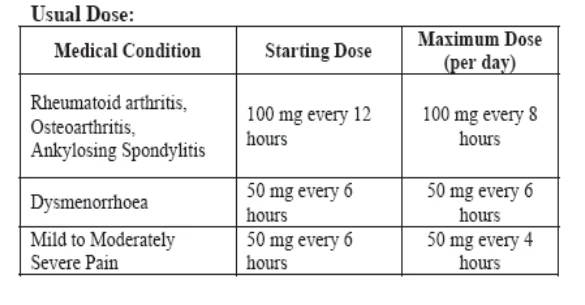
FLURBIPROFEN and ASA than if you took TEVA-FLURBIPROFEN alone.
| PROPER USE OF THIS MEDICATION |
To lessen stomach upset, take this medicine immediately after a meal or with food or milk. Also, you should remain standing or sitting upright (i.e. do not lie down) for about 15-30 minutes after taking the medicine. This helps to prevent irritation that may lead to trouble swallowing.
Take TEVA-FLURBIPROFEN only as directed by your health care provider. Do NOT take more of it, do NOT take it more often and do NOT take it for a longer period of time than your health care provider recommended. If possible, you should take the lowest dose of this medication for the shortest time period.
Taking too much TEVA-FLURBIPROFEN may increase your chances of unwanted and sometimes dangerous side effects, especially if you are elderly, have other diseases or take other medications.
Be sure to take TEVA-FLURBIPROFEN regularly as prescribed. In some types of arthritis, up to two weeks may pass before you feel the full effects of this medicine. If you will be using TEVA-
FLURBIPROFEN for more than 7 days, see your health care provider regularly to discuss whether this medicine is working for you and if it is causing you any unwanted effects. Your doctor may set upper and lower dosage limits and tell you to adjust the dose within these limits, according to your pain and inflammation. It is important, however, not to go beyond the upper limits your doctor has set.
This medication has been prescribed specifically for you. Do NOT give it to anyone else. It may harm them, even if their symptoms seem to be similar to yours.
TEVA-FLURBIPROFEN is NOT recommended for use in patients under 18 years of age since safety and effectiveness have NOT been established.
| M | i |
ssed Dose:
| Ta | ||
| k |
e as soon as you remember. If your next dose is due within 2 hours, take a single dose now and skip the next dose.
Overdose:
The symptoms of overdose may include confusion, coma, diminished muscle tone, headache, double vision, slow breathing, nausea, and abdominal pain. Seek immediate medical attention if you think that you or anyone else may have taken too much TEVA-FLURBIPROFEN. Do this even if there are no signs of discomfort or poisoning.
If you take more than the prescribed dose, contact your health care provider immediately.
| SIDE EFFECTS AND WHAT TO DO ABOUT THEM |
TEVA-FLURBIPROFEN may cause some undesirable reactions especially when used for a long time or in large doses. When these side effects occur, you may require medical attention. Report all symptoms or side effects to your health care provider.
TEVA-FLURBIPROFEN may cause you to become drowsy or tired. Be careful about driving or participating in activities that require you to be alert. If you become drowsy, dizzy or light-headed after taking TEVA-FLURBIPROFEN, do NOT drive or operate machinery.
TEVA-FLURBIPROFEN may cause you to become more sensitive to sunlight. Any exposure to sunlight or sunlamps may cause sunburn, skin blisters, skin rash, redness, itching or discolouration, or vision changes. If you have a reaction from the sun, check with your health care provider.
Check with your doctor immediately if you experience unexpected weakness while taking this medication, or if you vomit any blood or have dark or bloody stools;
Check with your health care provider
IMMEDIATELY if you develop chills, fever, muscle aches or pains, or other flu-like symptoms, especially if they occur before or together with a skin rash. These symptoms may be the first signs of a SERIOUS ALLERGIC REACTION to this medication.
IMPORTANT:PLEASE READ
Elderly, frail, or debilitated patients often seem to experience more frequent or more severe side effects.
| SERIOUS SIDE EFFECTS, HOW OFTEN THEY | ||||
| HAPPEN AND WHAT TO DO ABOUT THEM | ||||
| Symptoms | STOP taking TEVA- FLURBIPROFEN and get emergency medical attention IMMEDIATELY | STOP taking TEVA- FLURBIPROFEN and talk to your physician or pharmacist | ||
| Bloody or black tarry stools | √ | |||
| Shortness of breath, wheezing any trouble breathing or chest tightness | √ | |||
| Skin rash, hives, swelling or itching | √ | |||
| Blurred vision, or any visual disturbance | √ | |||
| Any change in the amount or colour of your urine (red or brown) | √ | |||
| Any pain or difficulty experienced while urinating | √ | |||
| Swelling of the feet, lower legs; weight gain | √ | |||
| Vomiting or persistent indigestion, nausea, stomach pain or diarrhea. | √ | |||
| Yellow discoloration of the skin or eyes, with or without itchy skin | √ | |||
| Malaise, fatigue, loss of appetite | √ | |||
| Headaches, stiff neck | √ | |||
| Mental confusion, depression | √ | |||
Dizziness, lightheadedness | √ | |||
| Hearing problems | √ | |||
This is NOT a complete list of side effects. If you develop any other symptoms while taking TEVA-FLURBIPROFEN, see your health care provider.
HOW TO STORE IT
Store at controlled room temperature (15-30°C). Unit dose strips should be stored between 15°C - 25°C and protected from high humidity.
Do NOT keep outdated medicine or medicine no longer needed. Any outdated or unused medicine should be returned to your pharmacist.
Keep out of the reach of children
REPORTING SUSPECTED SIDE EFFECTS
You can report any suspected adverse reactions associated with the use of health products to the Canada Vigilance Program by one of the following 3 ways:
--------------------------------------------------------------------------
- Report online at www.healthcanada.gc.ca/medeffect
- Call toll-free at 1-866-234-2345
Complete a Canada Vigilance Reporting Form and:
- Fax toll-free to 1-866-678-6789, or
Mail to: Canada Vigilance Program Health Canada
Postal Locator 0701E
Ottawa, Ontario
K1A 0K9
Postage paid labels, Canada Vigilance Reporting Form and the adverse reaction reporting guidelines are available on the MedEffect™ Canada Web site at www.healthcanada.gc.ca/medeffect.
NOTE: Should you require information related to the management of side effects, contact your health professional. The Canada Vigilance Program does not provide medical advice.
| MORE INFORMATION |
This document plus the full product monograph, prepared for health professionals can be found by contacting Teva Canada Limited at: 1-800-268-4127 ext.1255005 (English), 1-877-777-9117 (French) or
druginfo@tevacanada.com
Teva Canada Limited
30 Novopharm court
Toronto, Ontario
Canada M1B 2K9
Last Revision: July 14, 2015