


Product Monograph - Apo-Ibuprofen Tab 600mg
RECENT MAJOR LABEL CHANGES
| 2 Contraindications | 11/2023 |
| 3 Serious Warnings and Precautions Box | 11/2023 |
| 7 Warnings and Precautions | 11/2023 |
| 7 Warnings and Precautions, 7.1.1 Pregnant women | 11/2023 |
TABLE OF CONTENTS
Sections or subsections that are not applicable at the time of authorization are not listed.
PART I: HEALTH PROFESSIONAL INFORMATION ..................................................................... 4
1 INDICATIONS .................................................................................................................. 4
1.1 Pediatrics ........................................................................................................................ 4
1.2 Geriatrics ........................................................................................................................ 4
2 CONTRAINDICATIONS ..................................................................................................... 5
3 SERIOUS WARNINGS AND PRECAUTIONS BOX ................................................................. 6
4 DOSAGE AND ADMINISTRATION ..................................................................................... 7
4.1 Dosing Considerations .................................................................................................... 7
4.2 Recommended Dose and Dosage Adjustment............................................................... 7
4.4 Administration ................................................................................................................ 8
4.5 Missed Dose ................................................................................................................... 8
5 OVERDOSAGE ................................................................................................................. 8
6 DOSAGE FORMS, STRENGTHS, COMPOSITION AND PACKAGING ...................................... 9
7 WARNINGS AND PRECAUTIONS ...................................................................................... 9
7.1 Special Populations ...................................................................................................... 17
7.1.1 Pregnant Women ......................................................................................................... 17
7.1.2 Breast-feeding .............................................................................................................. 18
7.1.3 Pediatrics ...................................................................................................................... 18
7.1.4 Geriatrics ...................................................................................................................... 18
8 ADVERSE REACTIONS .................................................................................................... 18
8.1 Adverse Reaction Overview ......................................................................................... 18
8.2 Clinical Trial Adverse Reactions .................................................................................... 18
8.5 Post-Market Adverse Reactions ................................................................................... 19
9 DRUG INTERACTIONS .................................................................................................... 20
9.3 Drug-Behavioural Interactions ..................................................................................... 20
9.4 Drug-Drug Interactions ................................................................................................. 20
9.5 Drug-Food Interactions ................................................................................................ 24
9.6 Drug-Herb Interactions................................................................................................. 24
9.7 Drug-Laboratory Test Interactions ............................................................................... 24
10 CLINICAL PHARMACOLOGY ........................................................................................... 24
10.1 Mechanism of Action ................................................................................................... 24
10.2 Pharmacodynamics ...................................................................................................... 25
10.3 Pharmacokinetics ......................................................................................................... 25
11 STORAGE, STABILITY AND DISPOSAL ............................................................................. 26
12 SPECIAL HANDLING INSTRUCTIONS ............................................................................... 26
PART II: SCIENTIFIC INFORMATION ...................................................................................... 27
13 PHARMACEUTICAL INFORMATION ................................................................................ 27
14 CLINICAL TRIALS............................................................................................................ 27
15 MICROBIOLOGY ............................................................................................................ 27
16 NON-CLINICAL TOXICOLOGY ......................................................................................... 27
17 SUPPORTING PRODUCT MONOGRAPHS ........................................................................ 31
PATIENT MEDICATION INFORMATION ................................................................................. 32
PART I: HEALTH PROFESSIONAL INFORMATION
1 INDICATIONS
APO-IBUPROFEN (ibuprofen tablets) is indicated for the following:
- The relief of the signs and symptoms of rheumatoid arthritis
- The relief of the signs and symptoms of osteoarthritis
Throughout this document, the term NSAIDs refers to both non-selective NSAIDs and selective
COX-2 inhibitor NSAIDs, unless otherwise indicated.
Ibuprofen tablets, particularly at higher doses (2400 mg/day), is associated with an increased risk of serious cardiovascular adverse events that is comparable to COX-2 inhibitors. Ibuprofen doses of 2400 mg/day should not be given to patients, especially those with ischemic heart disease, cerebrovascular disease, congestive heart failure (NYHA II-IV), or with risk factors for cardiovascular disease. For patients with an increased risk of developing cardiovascular disease, other management strategies that do NOT include the use of NSAIDs, particularly COX-2 inhibitors, diclofenac or ibuprofen, should be considered first. See 2 CONTRAINDICATIONS and 7 WARNINGS AND PRECAUTIONS.
For patients with increased risk of developing gastrointestinal adverse events, other management strategies that do not include NSAIDs should be considered first. See 2 CONTRAINDICATIONS and 7 WARNINGS AND PRECAUTIONS.
Use of APO-IBUPROFEN should be limited to the lowest effective dose for the shortest possible duration of treatment in order to minimize the potential risk for cardiovascular or gastrointestinal adverse events. See 2 CONTRAINDICATIONS and 7 WARNINGS AND PRECAUTIONS.
APO-IBUPROFEN, as a NSAID, does NOT treat clinical disease or prevent its progression.
APO-IBUPROFEN, as a NSAID, only relieves symptoms and decreases inflammation for as long as the patient continues to take it.
1.1 Pediatrics
Pediatrics (<12 years of age): Based on the data submitted and reviewed by Health Canada, the safety and efficacy of ibuprofen in pediatric patients has not been established; therefore, Health Canada has not authorized an indication for pediatric use. See 2 CONTRAINDICATIONS.
1.2 Geriatrics
Geriatrics (> 65 years of age): Evidence from clinical studies and experience suggest that use in the geriatric population is associated with differences in safety or effectiveness and a brief discussion can be found in the appropriate sections See 4 DOSAGE AND ADMINISTRATION and 7.1.4 Geriatrics.
2 CONTRAINDICATIONS
APO-IBUPROFEN is contraindicated in:
- the peri-operative setting of coronary artery bypass graft surgery (CABG). Although APO-IBUPROFEN has NOT been studied in this patient population, a selective COX-2 inhibitor NSAID studied in such a setting has led to an increased incidence of cardiovascular/thromboembolic events, deep surgical infections and sternal wound complications
- the third trimester of pregnancy, because of risk of premature closure of the ductus arteriosus, and prolonged parturition.
- women who are breastfeeding, because of the potential for serious adverse reactions in nursing infants
- severe uncontrolled heart failure
- patients who are hypersensitive to this drug or to any ingredient in the formulation, including any non-medicinal ingredient, or component of the container. For a complete listing, see 6 DOSAGE FORMS, STRENGTHS, COMPOSITION AND PACKAGING.
- history of asthma, urticaria, or allergic-type reactions after taking acetylsalicylic acid (ASA) or other NSAIDs (i.e. complete or partial syndrome of ASA-intolerance - rhinosinusitis, urticaria/angioedema, nasal polyps, asthma). Fatal anaphylactoid reactions have occurred in such individuals. Individuals with the above medical problems are at risk of a severe reaction even if they have taken NSAIDs in the past without any adverse reaction. The potential for cross-reactivity between different NSAIDs must be kept in mind. See 7 WARNINGS AND PRECAUTIONS.
- active gastric / duodenal / peptic ulcer, active GI bleeding
- cerebrovascular bleeding or other bleeding disorders
- inflammatory bowel disease
- severe liver impairment or active liver disease
severe renal impairment (creatinine clearance <30 mL/min or 0.5 mL/sec) or deteriorating renal disease (individuals with lesser degrees of renal impairment are at risk of deterioration of their renal function when prescribed NSAIDs and must be
- monitored) See 7 WARNINGS AND PRECAUTIONS
- known hyperkalemia. See 7 WARNINGS AND PRECAUTIONS
- children and adolescents less than 12 years of age
- patients with systemic lupus erythematosus as an anaphylaxis-like reaction with fever may occur, particularly when ibuprofen has been administered previously.
3 SERIOUS WARNINGS AND PRECAUTIONS BOX
Serious Warnings and Precautions
|
|---|
prescribing APO-IBUPROFEN. See 7 WARNINGS AND PRECAUTIONS
|
|---|
4 DOSAGE AND ADMINISTRATION
4.1 Dosing Considerations:
- Use of APO-IBUPROFEN should be limited to the lowest effective dose for the shortest possible duration of treatment. See 1 INDICATIONS.
- Individuals older than 65 years who are frail or debilitated should be given a starting dose lower than the one usually recommended, with individual adjustments when necessary.
- A lower dose should be considered in patients with renal or hepatic impairment.
4.2 Recommended Dose and Dosage Adjustment
Adults:
Rheumatoid arthritis, osteoarthritis:
Initial dose of 600 mg BID, increase to 600 mg TID if necessary. Do not exceed 1800 mg per day.
Maintenance dosage: 600 to 1200 mg daily.
Pediatrics (< 12 years of age): Health Canada has not authorized an indication for pediatric use. See 2 CONTRAINDICATIONS
Geriatrics (>65 years of age): In the elderly, frail and debilitated, the dosage should be reduced to the lowest level providing control of symptoms, and adjusted when necessary. See 7.1.4 Geriatrics
Renal impairment: A lower dose should be considered in patients with mild and moderate renal impairment. APO-IBUPROFEN is contraindicated in severe renal impairment (creatinine clearance <30 mL/min or 0.5 mL/sec) or deteriorating renal disease (individuals with lesser degrees of renal impairment are at risk of deterioration of their renal function when prescribed NSAIDs and must be monitored). See 2 CONTRAINDICATIONS
Hepatic impairment: A lower dose should be considered in patients with mild and moderate hepatic impairment. APO-IBUPROFEN is contraindicated in severe liver impairment or active liver disease. See 2 CONTRAINDICATIONS
4.4 Administration
The administration of ibuprofen with food or milk is recommended since occasional and mild heartburn, upset stomach or stomach pain may occur with its use.
4.5 Missed Dose
If a dose is missed, the patient should take it as soon as it is recognized. If it is almost time for the next dose, skip the missed dose and continue with the next scheduled dose. The patient should be instructed not to take 2 doses at the same time.
5 OVERDOSAGE
A clear pattern of clinical features associated with accidental or intentional overdose of ibuprofen has not been established. Reported cases of overdose have often been complicated by co-ingestions or additional suicidal gestures. The range of symptoms observed has included nausea, vomiting, abdominal pain, drowsiness, nystagmus, diplopia, headache, tinnitus, impaired renal function, coma and hypotension. A review of four fatalities associated with ibuprofen overdose indicates other contributing factors co-existed so it would be difficult to identify the toxicity of ibuprofen as a specific cause of death.
Post-ingestion blood levels may be useful to confirm a diagnosis and to quantify the degree of exposure but otherwise have not been helpful in predicting clinical outcome. Generally, full recovery can be expected with appropriate symptomatic management.
The following cases of overdose have been reported. A 19-month-old child 1 to 1/2 hours after the ingestion of seven to ten 400 mg tablets of ibuprofen presented apnea, cyanosis and responded only to painful stimuli. After treatment with O2, NaHCO3, infusion of dextrose and normal saline, the child was responsive and 12 hours after ingestion appeared completely recovered. Blood levels of ibuprofen reached 102.9 mcg/mL, 8 to 1/2 hours after the accident. Two other children weighing approximately 10 kg had taken an estimated 120 mg/kg. There were no signs of acute intoxication or late sequelae. In one child the ibuprofen blood level at 90 minutes after ingestion was approximately 700 mcg/mL. A nineteen-year-old male who ingested 8000 mg of ibuprofen reported dizziness and nystagmus was noted. He recovered with no reported sequelae after parenteral hydration and 3 days of bed rest.
For perspective, a single 200 mg oral dose study in 6 fasting healthy men produced a peak plasma concentration of 15.0 Fg/mL at 0.75 hr. Another study using a single oral 400 mg dose in humans produced a peak serum level of 31.9 + 8.8 Fg/mL 0.5 hour after ingestion and at 16 hours serum concentrations had dropped to 1 Fg/mL. See 16 NON-CLINICAL TOXICOLOGY
Appropriate interventions to decontaminate the gastrointestinal tract may be beneficial within the first four hours after ingestion. Routine symptomatic and supportive treatment is then recommended. Physicians should contact the Regional Poison Control Centre for additional guidance about ibuprofen overdose management.
| For management of a suspected drug overdose, contact your regional poison control centre. |
|---|
6 DOSAGE FORMS, STRENGTHS, COMPOSITION AND PACKAGING
Table 1 – Dosage Forms, Strengths, Composition and Packaging
| Route of Administration | Dosage Form / Strength/Composition | Non-medicinal Ingredients |
| Oral | Tablet / 600 mg of ibuprofen | Colloidal silicon dioxide, croscarmellose sodium, FD&C yellow #6 aluminum lake, hydroxypropyl cellulose, magnesium stearate, microcrystalline cellulose, polyethylene glycol and titanium dioxide |
Description
APO-IBUPROFEN is available as 600 mg light orange, oval, bi-convex, film coated tablets. Engraved APO-600 on one side, other side plain. Available in bottles of 100, 500 and 1000.
7 WARNINGS AND PRECAUTIONS
Please see 3 SERIOUS WARNINGS AND PRECAUTIONS BOX.
General
Frail or debilitated patients may tolerate side effects less well and therefore special care should be taken in treating this population. To minimize the potential risk for an adverse event, the lowest effective dose should be used for the shortest possible duration. As with other NSAIDs, caution should be used in the treatment of elderly patients who are more likely to be suffering from impaired renal, hepatic or cardiac function. For high risk patients, alternate therapies that do not involve NSAIDs should be considered.
APO-IBUPROFEN is NOT recommended for use with other NSAIDs, with the exception of low-dose ASA for cardiovascular prophylaxis, because of the absence of any evidence demonstrating synergistic benefits and the potential for additive adverse reactions. See 9 DRUG
INTERACTIONS.
Carcinogenesis and Mutagenesis
See 16 NON-CLINICAL TOXICOLOGY.
Cardiovascular
APO-IBUPROFEN is a non-steroidal anti-inflammatory drug (NSAID). Ibuprofen, particularly at higher doses (2400 mg/day), is associated with an increased risk of serious cardiovascular adverse events, (such as myocardial infarction, stroke or thrombotic events, which can be fatal), comparable to COX-2 inhibitors. Patients with cardiovascular disease or risk factors for cardiovascular disease may be at greater risk. Risk may increase with duration of use. Doses of ibuprofen 2400 mg/day should not be used in patients, especially those with ischemic heart disease, cerebrovascular disease, patients with congestive heart failure (NYHA II-IV), or patients with risk factors for cardiovascular disease (e.g. hypertension, hyperlipidemia, diabetes mellitus and smoking). Epidemiological data suggest that there is a slight increase in cardiovascular risk at doses of ibuprofen >1800 and ≤2399 mg/day. To minimize the potential risk for an adverse cardiovascular event, the lowest effective dose should be used for the shortest possible duration. For patients with a high risk of developing an adverse cardiovascular event, other management strategies that do NOT include NSAIDs, particularly COX-2 inhibitors, ibuprofen or diclofenac, should be considered first.
Caution should be exercised in prescribing APO-IBUPROFEN to patients with risk factors for cardiovascular disease, cerebrovascular disease or renal disease, such as any of the following (NOT an exhaustive list).
- Hypertension
- Dyslipidemia / Hyperlipidemia
- Diabetes Mellitus
- Congestive Heart Failure (NYHA I)
- Coronary Artery Disease (Atherosclerosis)
- Peripheral Arterial Disease
- Smoking
- Creatinine Clearance < 60 mL/min or 1 mL/sec
Use of NSAIDs, such as APO-IBUPROFEN, can lead to new hypertension or can worsen pre-existing hypertension, either of which may increase the risk of cardiovascular events as described above. Thus blood pressure should be monitored regularly. Consideration should be given to discontinuing APO-IBUPROFEN should hypertension either develop or worse with its use.
Use of NSAIDs, such as APO-IBUPROFEN, can induce fluid retention and edema, and may exacerbate congestive heart failure, through a renally-mediated mechanism.
For patients with a high risk of developing an adverse CV event, other management strategies that do NOT include the use of NSAIDs should be considered first. To minimize the potential risk for an adverse CV event, the lowest effective dose should be used for the shortest possible duration.
Endocrine and Metabolism
Corticosteroids: APO-IBUPROFEN (Ibuprofen tablets) is NOT a substitute for corticosteroids. It does NOT treat corticosteroid insufficiency. Abrupt discontinuation of corticosteroids may lead to exacerbation of corticosteroid-responsive illness. Patients on prolonged corticosteroid therapy should have their therapy tapered slowly if a decision is made to discontinue corticosteroids. See 9 DRUG INTERACTIONS.
Gastrointestinal (GI)
Serious GI toxicity (sometimes fatal), such as peptic / duodenal ulceration, inflammation, perforation, obstruction and gastrointestinal bleeding, can occur at any time, with or without warning symptoms, in patients treated with NSAIDs, such as APO-IBUPROFEN. Minor upper GI problems, such as dyspepsia, commonly occur at any time. Health care providers should remain alert for ulceration and bleeding in patients treated with APO-IBUPROFEN, even in the absence of previous GI tract symptoms. Most spontaneous reports of fatal GI events are in elderly or debilitated patients and therefore special care should be taken in treating this population. To minimize the potential risk for an adverse GI event, the lowest effective dose should be used for the shortest possible duration. For high risk patients, alternate therapies that do not involve NSAIDs should be considered. See 7.1.4 Geriatrics.
Patients should be informed about the signs and/or symptoms of serious GI toxicity and instructed to discontinue using APO-IBUPROFEN and seek emergency medical attention if they experience any such symptoms. The utility of periodic laboratory monitoring has NOT been demonstrated, nor has it been adequately assessed. Most patients who develop a serious upper GI adverse event on NSAID therapy have no symptoms. Upper GI ulcers, gross bleeding or perforation, caused by NSAIDs, appear to occur in approximately 1% of patients treated for 3 to 6 months, and in about 2 to 4% of patients treated for one year. These trends continue, thus increasing the likelihood of developing a serious GI event at some time during the course of therapy. Even short-term therapy has its risks.
Patients should be advised to seek the consultation of a physician if gastrointestinal side effects occur consistently, persist, or appear to worsen.
Caution should be taken if prescribing APO-IBUPROFEN to patients with a prior history of peptic / duodenal ulcer disease or gastrointestinal bleeding as these individuals have a greater than 10- fold higher risk for developing a GI bleed when taking a NSAID than patients with neither of these risk factors. Other risk factors for GI ulceration and bleeding include the following:
Helicobacter pylori infection, increased age, prolonged use of NSAID therapy, excess alcohol intake, smoking, poor general health status or concomitant therapy with any of the following:
- Anti-coagulants (e.g. warfarin)
- Anti-platelet agents (e.g. ASA, clopidogrel)
- Oral corticosteroids (e.g. prednisone)
- Selective Serotonin Reuptake Inhibitors (SSRIs) (e.g. citalopram, fluoxetine, paroxetine, sertraline)
Genitourinary
Some NSAIDs are associated with persistent urinary symptoms (bladder pain, dysuria, urinary frequency), hematuria or cystitis. The onset of these symptoms may occur at any time after the initiation of therapy with an NSAID. Should urinary symptoms occur, in the absence of an alternate explanation, treatment with ibuprofen should be stopped to ascertain if symptoms disappear. This should be done before urological investigations or treatments are carried out.
Hematologic
NSAIDs inhibiting prostaglandin biosynthesis interfere with platelet function to varying degrees; patients who may be adversely affected by such an action, such as those on anti-coagulants or suffering from haemophilia or platelet disorders should be carefully observed when ibuprofen tablets is administered.
Anti-coagulants: Numerous studies have shown that the concomitant use of NSAIDs and anti-coagulants increases the risk of bleeding. Concurrent therapy of APO-IBUPROFEN with warfarin requires close monitoring of the international normalized ratio (INR). Even with therapeutic INR monitoring, increased bleeding may occur. See 9 DRUG INTERACTIONS
Anti-platelet Effects: NSAIDs inhibit platelet aggregation and have been shown to prolong bleeding time in some patients. Unlike acetylsalicylic acid (ASA), their effect on platelet function is quantitatively less, or of shorter duration, and is reversible.
APO-IBUPROFEN and other NSAIDs have no proven efficacy as anti-platelet agents and should NOT be used as a substitute for ASA or other anti-platelet agents for prophylaxis of cardiovascular thromboembolic diseases. Anti-platelet therapies (e.g. ASA) should NOT be discontinued. There is some evidence that use of NSAIDs with ASA can markedly attenuate the cardioprotective effects of ASA. See 9 DRUG INTERACTIONS
Concomitant administration of APO-IBUPROFEN with low dose ASA increases the risk of GI ulceration and associated complications.
Blood dyscrasias: Blood dyscrasias (such as neutropenia, leukopenia, thrombocytopenia, aplastic anemia and agranulocytosis) associated with the use of non-steroidal anti-inflammatory drugs are rare, but could occur with severe consequences.
Anemia is sometimes seen in patients receiving NSAIDs, including APO-IBUPROFEN. This may be due to fluid retention, GI blood loss, or an incompletely described effect upon erythropoiesis. Patients on long-term treatment with NSAIDs, including APO-IBUPROFEN, should have their hemoglobin or hematocrit checked if they exhibit any signs or symptoms of anemia or blood loss.
Hepatic/Biliary/Pancreatic
As with other NSAIDs borderline elevations of one or more liver enzyme tests (AST, ALT, ALP) may occur in up to 15% of patients. These abnormalities may progress, may remain essentially unchanged, or may be transient with continued therapy.
A patient with symptoms and/or signs suggesting liver dysfunction, or in whom an abnormal liver test has occurred, should be evaluated for evidence of the development of a more severe hepatic reaction while on therapy with this drug. Severe hepatic reactions including jaundice and cases of fatal hepatitis, liver necrosis and hepatic failure, some of them with fatal outcomes, have been reported with NSAIDs.
Although such reactions are rare, if abnormal liver tests persist or worsen, if clinical signs and symptoms consistent with liver disease develop (e.g. jaundice), or if systemic manifestations occur (e.g. eosinophilia, associated with rash, etc.), this drug should be discontinued.
If there is a need to prescribe this drug in the presence of impaired liver function, it must be done under strict observation.
Immune
APO-IBUPROFEN, in common with other NSAIDs, may mask signs and symptoms of an underlying infectious disease.
Aseptic Meningitis: Rarely, with some NSAIDs, the symptoms of aseptic meningitis (stiff neck, severe headaches, nausea and vomiting, fever or clouding of consciousness) have been observed. Patients with autoimmune disorders (systemic lupus erythematosus, mixed connective tissue diseases, etc.) seem to be pre-disposed. Therefore, in such patients, the health care provider must be vigilant to the development of this complication.
Monitoring and Laboratory Tests
Cardiovascular: Patients on long-term treatment with APO-IBUPROFEN should have their blood pressure monitored regularly and an ophthalmic examination should be carried out at periodic intervals.
Hematology: Hemoglobin, hematocrit, red blood cells (RBCs), white blood cells (WBCs), and platelets should be checked in patients on long-term treatment with APO-IBUPROFEN. Additionally, concurrent therapy with warfarin requires close monitoring of the international normalized ratio (INR).
Hepatic: Serum transaminase and bilirubin should be monitored regularly during APO-IBUPROFEN therapy.
Renal: Serum creatinine, creatine clearance and serum urea should be checked in patient during APO-IBUPROFEN therapy. Electrolytes including serum potassium should be monitored periodically.
Pregnancy: If APO-IBUPROFEN is administered in the middle (approximately 20 weeks) to the end of the second trimester, it is recommended that pregnant women on APO-IBUPROFEN be closely monitored for amniotic fluid volume since APO-IBUPROFEN may result in reduction of amniotic fluid volume and even oligohydramnios. See 7.1.1 Pregnant Women
APO-IBUPROFEN is contraindicated for use in the third trimester of pregnancy.
Neurologic
Some patients may experience drowsiness, dizziness, blurred vision, vertigo, tinnitus, hearing loss, insomnia or depression with the use of NSAIDs, such as APO-IBUPROFEN. If patients experience such adverse reaction(s), they should exercise caution in carrying out activities that require alertness.
Ophthalmologic
Blurred and/or diminished vision has been reported with the use of NSAIDs. If such symptoms develop APO-IBUPROFEN should be discontinued and an ophthalmologic examination performed. Ophthalmologic examination should be carried out at periodic intervals in any patient receiving APO-IBUPROFEN for an extended period of time.
Peri-Operative Considerations
See 2 CONTRAINDICATIONS
Psychiatric
Some patients may experience depression with the use of NSAIDs, such as APO-IBUPROFEN.
Renal
Long-term administration of NSAIDs to animals has resulted in renal papillary necrosis and other abnormal renal pathology. In humans, there have been reports of acute interstitial nephritis with hematuria, proteinuria, and occasionally nephrotic syndrome.
Renal insufficiency due to NSAID use is seen in patients with pre-renal conditions leading to reduction in renal blood flow or blood volume. Under these circumstances, renal prostaglandins help maintain renal perfusion and glomerular filtration rate (GFR). In these patients, administration of a NSAID may cause a reduction in prostaglandin synthesis leading to impaired renal function. Patients at greatest risk of this reaction are those with pre-existing renal insufficiency (GFR < 60 mL/min or 1 mL/s), dehydrated patients, patients on salt restricted diets, those with congestive heart failure, cirrhosis, liver dysfunction, taking angiotensin-converting enzyme inhibitors, angiotensin-II receptor blockers, cyclosporin, diuretics, and those who are elderly. Serious or life-threatening renal failure has been reported in patients with normal or impaired renal function after short term therapy with NSAIDs. Even patients at risk who demonstrate the ability to tolerate a NSAID under stable conditions may decompensate during periods of added stress (e.g. dehydration due to gastroenteritis). Discontinuation of NSAIDs is usually followed by recovery to the pre-treatment state.
Caution should be used when initiating treatment with NSAIDs, such as APO-IBUPROFEN, in patients with considerable dehydration. Such patients should be rehydrated prior to initiation of therapy. Caution is also recommended in patients with pre-existing kidney disease.
Advanced Renal Disease: See 2 CONTRAINDICATIONS
Fluid and Electrolyte Balance: Use of NSAIDs, such as APO-IBUPROFEN, can promote sodium retention in a dose-dependent manner, which can lead to fluid retention and edema, and consequences of increased blood pressure and exacerbation of congestive heart failure. Thus, caution should be exercised in prescribing APO-IBUPROFEN in patients with a history of congestive heart failure, compromised cardiac function, hypertension, increased age or other conditions predisposing to fluid retention.
Use of NSAIDs, such as APO-IBUPROFEN, can increase the risk of hyperkalemia, especially in patients with diabetes mellitus, renal failure, increased age, or those receiving concomitant therapy with adrenergic blockers, angiotensin-converting enzyme inhibitors, angiotensin-II receptor antagonists, cyclosporin, or some diuretics.
Electrolytes should be monitored periodically. See 2 CONTRAINDICATIONS
Reproductive Health: Female and Male Potential
- Fertility
The use of APO-IBUPROFEN, as with any drug known to inhibit cyclooxygenase/prostaglandin synthesis, may impair fertility and is not recommended in women attempting to conceive. Therefore, in women who have difficulties conceiving, or who are undergoing investigation of infertility, withdrawal of APO-IBUPROFEN should be considered. See 7.1.1 Pregnant Women
Respiratory
ASA-induced asthma is an uncommon but very important indication of ASA and NSAID sensitivity. It occurs more frequently in patients with asthma who have nasal polyps.
Sensitivity/Resistance
Anaphylactoid Reactions: As with NSAIDs in general, anaphylactoid reactions have occurred in patients without known prior exposure to APO-IBUPROFEN. In post-marketing experience, rare cases of anaphylactic/ anaphylactoid reactions and angioedema have been reported in patients receiving APO-IBUPROFEN. APO-IBUPROFEN should NOT be given to patients with the ASA-triad. This symptom complex typically occurs in asthmatic patients who experience rhinitis with or without nasal polyps, or who exhibit severe, potentially fatal bronchospasm after taking ASA or other NSAIDs. See 2 CONTRAINDICATIONS.
ASA-Intolerance: APO-IBUPROFEN should NOT be given to patients with complete or partial syndrome of ASA-intolerance (rhinosinusitis, urticaria/angioedema, nasal polyps, asthma) in whom asthma, anaphylaxis, urticaria/angioedema, rhinitis or other allergic manifestations are precipitated by ASA or other NSAIDs. Fatal anaphylactoid reactions have occurred in such individuals. As well, individuals with the above medical problems are at risk of a severe reaction even if they have taken NSAIDs in the past without any adverse reaction. See 2 CONTRAINDICATIONS.
Cross-sensitivity: Patients sensitive to one NSAID may be sensitive to any of the other NSAIDs as well.
Skin
Serious skin reactions: Use of some NSAIDs, such as ibuprofen tablets , have been associated with rare post-market cases of serious, fatal or otherwise life-threatening skin reactions, including:
- drug reaction with eosinophilia and systemic symptoms (DRESS)
- Stevens-Johnson syndrome,
- toxic epidermal necrolysis,
- exfoliative dermatitis and
- erythema multiforme
Patients appear to be at higher risk for these events early in the course of therapy, with the onset of cases usually occurring within the first month of treatment. These reactions may be reversible if the causative agent is discontinued and appropriate treatment instituted. Patients should be advised that they should discontinue their NSAID at the first appearance of a skin rash, mucosal lesions or any other sign of hypersensitivity, and contact their physician immediately for assessment and advice, including which therapies to discontinue.
DRESS typically, although not exclusively, presents with fever, rash, lymphadenopathy, and/or facial swelling. Other clinical manifestations may include hepatitis, nephritis, hematological abnormalities, myocarditis, or myositis. Sometimes symptoms of DRESS may resemble an acute viral infection, and eosinophilia is often present. Because this disorder is variable in its presentation, other organ systems not noted here may be involved. It is important to note that early manifestations of hypersensitivity, such as fever or lymphadenopathy, may be present even though rash is not evident.
7.1 Special Populations
7.1.1 Pregnant Women
APO-IBUPROFEN is contraindicated for use during the third trimester of pregnancy because of risk of premature closure of the ductus arteriosus and the potential to prolong parturition See 2 CONTRAINDICATIONS and 16 NON-CLINICAL TOXICOLOGY. Caution is recommended in prescribing APO-IBUPROFEN during the first and second trimesters of pregnancy, particularly from the middle to end of the second trimester of pregnancy (onset at approximately 20 weeks) due to possible fetal renal dysfunction leading to oligohydramnios and, in some cases, neonatal renal impairment or failure.
Published studies and postmarketing reports describe maternal NSAID use at approximately 20 weeks gestation or later in pregnancy associated with fetal renal dysfunction leading to oligohydramnios, and in some cases, neonatal renal impairment or failure. NSAIDs were shown to cause significant reduction in fetal urine production prior to reduction of amniotic fluid volume. There have also been a limited number of case reports of maternal NSAID use and neonatal renal dysfunction and renal impairment without oligohydramnios, some of which were irreversible, even after treatment discontinuation.
These adverse outcomes are seen, on average, after days to weeks of treatment, although oligohydramnios has been infrequently reported as soon as 48 hours after NSAID initiation. Complications of prolonged oligohydramnios may for example, include limb contractures and delayed lung maturation. In some postmarketing cases of impaired neonatal renal function, invasive procedures such as exchange transfusion or dialysis were required.
If after careful consideration of the benefit-risk, NSAID treatment is considered necessary to be administered anywhere from the middle (onset at approximately 20 weeks) to the end of the second trimester of pregnancy, the use should be limited to the lowest effective dose and shortest duration possible. It is also recommended that ultrasound monitoring of amniotic fluid be considered if APO-IBUPROFEN treatment extends beyond 48 hours and that NSAIDs treatment be discontinued if oligohydramnios occurs, followed by appropriate medical follow up.
Inhibition of prostaglandin synthesis may adversely affect pregnancy and/or the embryofoetal development. Data from epidemiological studies suggest an increased risk of miscarriage and of cardiac malformation after use of a prostaglandin synthesis inhibitor in early pregnancy.
In animals, administration of a prostaglandin synthesis inhibitor has been shown to result in increased pre- and post-implantation loss and embryo-foetal lethality. In addition, increased incidences of various malformations, including cardiovascular, have been reported in animals given a prostaglandin synthesis inhibitor during the organogenetic period.
7.1.2 Breast-feeding
APO-IBUPROFEN is contraindicated in breast-feeding women. See 2 CONTRAINDICATIONS
7.1.3 Pediatrics
Pediatrics (< 12 years of age): Based on the data submitted and reviewed by Health Canada, the safety and efficacy of ibuprofen in pediatric patients has not been established; therefore, Health Canada has not authorized an indication for pediatric use. See 2 CONTRAINDICATIONS
7.1.4 Geriatrics
Geriatrics (> 65 years of age): Patients older than 65 years (referred to in this document as older or elderly) and frail or debilitated patients are more susceptible to a variety of adverse reactions from NSAIDs The incidence of these adverse reactions increases with dose and duration of treatment. In addition, these patients are less tolerant to ulceration and bleeding. Most reports of fatal GI events are in this population, especially those with cardiovascular disease. Older patients are also at risk of lower esophageal ulceration and bleeding.
For such patients, consideration should be given to a starting dose lower than the one usually recommended, with individual adjustment when necessary and under close supervision. See 7 WARNINGS AND PRECAUTIONS
8 ADVERSE REACTIONS
8.1 Adverse Reaction Overview
The most common adverse reactions encountered with non-steroidal anti-inflammatory drugs are gastrointestinal, of which peptic ulcer, with or without bleeding, is the most severe. Fatalities have occurred, particularly in the elderly.
As with all drugs in this class, the frequency and severity of adverse events depends on several factors: the dose of the drug and duration of treatment; the age, the sex, physical condition of the patient; any concurrent medical diagnoses or individual risk factors.
8.2 Clinical Trial Adverse Reactions
Because clinical trials are conducted under very specific conditions the adverse reaction rates observed in the clinical trials may not reflect the rates observed in practice and should not be compared to the rates in the clinical trials of another drug. Adverse drug reaction information from clinical trials is useful for identifying drug-related adverse events and for approximating rates.
No data is available.
8.5 Post-Market Adverse Reactions
Additional reports of serious adverse events temporally associated with ibuprofen during worldwide post-marketing experience are included below. Because these events are reported voluntarily from a population of uncertain size, it is not always possible to reliably estimate their frequency or clearly establish a causal relationship to ibuprofen exposure.
| Gastrointestinal: | nausea, epigastric pain, heartburn, diarrhea, abdominal distress, nausea and vomiting, indigestion, constipation, abdominal cramps and pain, gastrointestinal l tract fullness (bloating or flatulence), gastric or duodenal ulcer with bleeding and/or perforation, gastrointestinal hemorrhage, melena |
|---|---|
| Infections: | aseptic meningitis, meningioencephalitis |
| Hematologic: | leukopenia and decreases in hemoglobin and hematocrit, hemolytic anemia, thrombocytopenia, granulocytopenia, bleeding episodes (e.g. prupura, epistaxis, hematuria, menorrhagia), auto-immune hematological anemia, fatal aplastic anemia |
| Immune System Disorders: | anaphylaxis, lupus erythematosus syndrome, fever, serum sickness |
| Metabolic and Nutrition Disorders: | decreased appetite, edema, fluid retention, hypoglycemic reaction |
| Nervous System Disorders: | dizziness, headache, nervousness, depression, insomnia, paresthesias, hallucinations, dream abnormalities, cognitive dysfunction |
| Eye Disorders: | amblyopia, conjunctivitis, diplopia, optic neuritis |
| Ear and Labyrinth Disorders: | tinnitus |
| Cardiac Disorders: | congestive heart failure in patients with marginal cardiac function, elevated blood pressure, arterial thrombotic events, arrhythmias |
| Skin and Subcutaneous Tissue Disorders: | rash, pruritis, vesiculobullous eruptions, urticarial, erythema multiforme, alopecia, Stevens-Johnson Syndrome |
| Renal and Urinary Disorders: | decreased creatinine clearance, polyuria, azotemia, renal papillary necrosis |
| Reproductive System and Breast Disorders: | menstrual delays, gynecomastia |
9 DRUG INTERACTIONS
9.3 Drug-Behavioural Interactions
Alcohol: There may be an increased risk of gastrointestinal side effects, including ulceration or hemorrhage, when administered concomitantly with NSAIDs.
There are no specific studies about effects on the ability to drive vehicles and to use machinery. Patients who experience visual disturbances, drowsiness or other central nervous system disturbances should refrain from these activities.
9.4 Drug-Drug Interactions
The drugs listed in this table are based on either drug interaction case reports or studies, or potential interactions due to the expected magnitude and seriousness of the interaction (i.e., those identified as contraindicated).
Table 2 - Established or Potential Drug-Drug Interactions
| Proper/Common name | Source of Evidence | Effect | Clinical comment |
| Acetylsalicylic acid (ASA) or other NSAIDs | CT |
|
|
| Proper/Common name | Source of Evidence | Effect | Clinical comment |
| ACE Inhibitors, Angiotensin Receptor Blockers, and Beta-Blockers | T |
|
|
| Albumin-Bound Drugs | T |
|
|
| Antacids | N/A |
|
|
| Proper/Common name | Source of Evidence | Effect | Clinical comment |
| Anti-coagulants | CT |
|
|
| Anti-platelets Agents (including ASA) | CT |
|
|
| Cyclosporin and Tacrolimus | T |
|
|
| Cholestyramine | N/A |
|
|
| Digoxin | C |
|
|
| Diuretics | CT |
|
|
| Proper/Common name | Source of Evidence | Effect | Clinical comment |
| |||
| Glucocorticoids | CT |
|
|
| Lithium | CT |
|
|
| Methotrexate | N/A |
|
|
| Oral hypoglycemics |
|
| |
| Proper/Common name | Source of Evidence | Effect | Clinical comment |
| Probenecid | N/A |
|
|
| Quinolone antibacterials | C |
|
|
| Selective serotonin reuptake inhibitors (SSRIs) | C |
|
|
Legend: C = Case Study; CT = Clinical Trial; T = Theoretical; GI = Gastrointestinal; CV = Cardiovascular; INR = International normalized ratio; PD = Pharmacodynamic; ASA = Acetylsalicylic acid; NSAID = Non-Steroidal Anti-Inflammatory Drug; ACE = Angiotensin converting enzyme; ARB = Angiotensin Receptor Blockers; RI = Renal impairment;
9.5 Drug-Food Interactions
Concomitant administration of food can delay the absorption of ibuprofen, but does not affect its extent of absorption.
9.6 Drug-Herb Interactions
Interactions with herbal products have not been established.
9.7 Drug-Laboratory Test Interactions
Interactions with laboratory tests have not been established.
10 CLINICAL PHARMACOLOGY
10.1 Mechanism of Action
Ibuprofen is a member of the class of agents commonly known as non-steroidal anti- inflammatory drugs (NSAID). Like all NSAIDs, ibuprofen is an analgesic, antipyretic, and anti-inflammatory medication.
It is generally accepted that the basic mechanism of pharmacological action of ibuprofen, and other NSAIDs, is the inhibition of prostaglandin synthesis.
10.2 Pharmacodynamics
Nonselective NSAIDs (such as ibuprofen) and ASA act by inhibiting systemic (peripheral and central) prostaglandin G/H synthase isoenzymes, also known as cyclooxygenase-1 (COX-1) and cyclooxygenase-2 (COX-2). These isoenzymes are responsible for the conversion of arachidonic acid to various tissue specific prostaglandins and thromboxanes. COX-1 is constitutively expressed in all tissues and is responsible for generating prostaglandins that maintain organ function, protect the integrity of the gastric mucosa and generate platelet- derived thromboxane responsible for platelet aggregation and vasoconstriction. During the inflammatory process COX-2 is induced, generating prostaglandins that mediate pain and inflammation. COX-2 is also present constitutively in the kidneys and vascular endothelium. Reported adverse experiences with ASA and other NSAIDs can be understood on the basis of this mechanism of action.
10.3 Pharmacokinetics
Absorption: Ibuprofen is rapidly absorbed after oral administration, with peak serum or plasma levels generally appearing within 1 to 2 hours. Oral absorption is estimated to be 80% of the dose. Both the rate of absorption and peak plasma concentrations are reduced when the drug is taken with food, but bioavailability as measured by total area under the concentration- time curve is minimally altered.
Distribution: Ibuprofen, like most drugs of its class, is highly protein bound (>99% bound at 20 mcg/mL). Tissue distribution of ibuprofen is also extensive in humans. Studies comparing synovial fluid levels with serum concentrations indicated that equilibration time post-ingestion occurred within approximately 3 to 5 hours.
Metabolism: It is rapidly metabolized in the liver through oxidation first and followed by glucuronic acid conjugation prior to urinary excretion.
Elimination: Ibuprofen is rapidly metabolized and eliminated in the urine. Less than 10% is excreted unchanged in the urine. The excretion of ibuprofen is virtually complete 24 hours after the last dose. It has a biphasic plasma elimination time curve with a half-life of approximately two hours.
Special Populations and Conditions
Pediatrics (< 12 years of age): Some differences in the pharmacokinetic parameters of volume of distribution and clearance have been observed between adults and children. Febrile children <11 years old have a volume of approximately 0.2 L/kg while adults have a volume of approximately 0.12 L/kg. There is no difference in the observed terminal elimination rate or half-life between children and adults, however, there is an age-or fever-related change in total clearance. Health Canada has not authorized an indication for pediatric use. See 2
CONTRAINDICATIONS
Geriatrics (> 65 years of age): Studies demonstrate no apparent clinically significant alterations in ibuprofen pharmacokinetics in the elderly.
Hepatic Insufficiency: Ibuprofen pharmacokinetics have also been studied in patients with alcoholic liver disease who have been assessed to have fair to poor hepatic function. Results suggest that, despite the liver being the primary organ of metabolism of ibuprofen, its kinetic parameters are not substantially altered by this condition.
11 STORAGE, STABILITY AND DISPOSAL
Store at room temperature 15°C - 30°C.
Keep out of reach of children.
12 SPECIAL HANDLING INSTRUCTIONS
Not Applicable.
PART II: SCIENTIFIC INFORMATION
13 PHARMACEUTICAL INFORMATION
Drug Substance
Proper name: Ibuprofen
Chemical name: 1) 2-(4-isobutylphenyl) propionic acid
- 2) a-methyl-4- (2-methylpropyl)-benzeneacetic acid
Molecular formula and molecular mass: C13H18O2, 206.28 g/mol
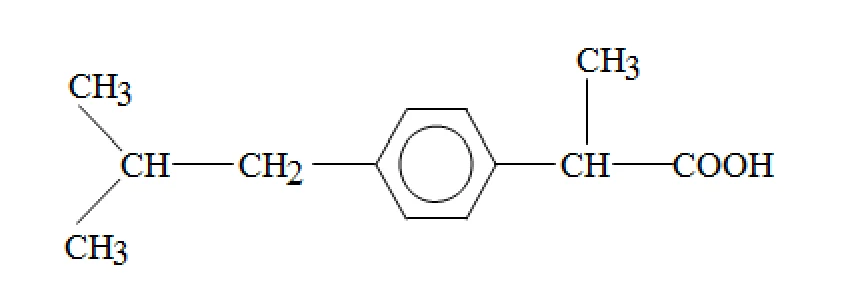
Structural formula:
Physicochemical properties: Ibuprofen is a white crystalline solid. It is non-hygroscopic and relatively insoluble in water. The compound is readily soluble in organic solvents and aqueous alkalis. (The sodium salt is highly soluble in water).
Melting point: ~75°C
14 CLINICAL TRIALS
The clinical trial data on which the original indication was authorized is not available.
Large scale meta-analyses of randomized clinical trials show that high dose ibuprofen (≥ 2400 mg/day) is associated with an increased risk of stroke, cardiovascular death, and death from any cause when compared with placebo.
15 MICROBIOLOGY
No microbiological information is required for this drug product.
16 NON-CLINICAL TOXICOLOGY
Toxicity studies have been conducted using a variety of species, including: mice, rats, rabbits, guinea pigs and beagle dogs.
General Toxicology
Acute Toxicity Studies
Single-dose acute toxicity studies indicate that ibuprofen in lethal doses depresses the central nervous system of rodents and that large doses are ulcerogenic in both rodents and nonrodents. Ulcerogenesis may occur with both parenteral and oral administration indicating that the mechanism may have both a systemic as well as topical component.
Acute toxicity of ibuprofen in the rodent was studied in a number of models.
Single graded doses of ibuprofen were administered by oral intubation or by intraperitoneal or subcutaneous injection to groups of 10 male albino mice and male albino rats. Gross reactions were observed and mortalities recorded over a period of 14 days. The LD50 values determined by this method were 800 mg/kg orally and 320 mg/kg intraperitoneally in the mouse and 1600 mg/kg orally and 1300 mg/kg subcutaneously in the rat. Acute signs of poisoning were prostration in mice, and sedation, prostration, loss of righting reflex and labored respiration in rats. Death occurred within 3 days from perforated gastric ulcers in mice and intestinal ulceration in rats, irrespective of the route of administration.
Similar LD50 determinations in other strains of rats and mice are summarized in the following Table 3.
Table 3 - Acute Toxicity in Rodents (LD50)
| Species | Route | LD50 Range (mg/kg) |
| Albino Mice (40,37) | Oral Intraperitoneal | 800-1000 320 |
| Albino Rats (40) | Oral Subcutaneous | 1600 1300 |
| Sprague Dawley Rat (61) | 1050 | |
| Long Evans Rat (62) | 1000 |
In a comparison of several non-steroidal anti-inflammatory drugs (NSAID) including ibuprofen, male rats were sacrificed and the stomachs removed and examined for ulceration either 3 or 24 hours after oral administration of various single doses of ibuprofen. Using a standard scoring technique a mean score for each dosage group was calculated and the ulcerogenic potential was expressed as a minimum ulcerogenic dose. The minimum oral ulcerogenic dose for ibuprofen in rats was calculated to be 6 to 13 mg/kg.
Another group studied the production of gastrointestinal lesions in the rat comparing ulcerogenic doses of ibuprofen and other NSAIDs after oral or intravenous administration. Both male and female Long Evans rats were used in all experiments. Prior to drug administration the animals were fasted for 8 hours. After treatment they were fed a normal diet and sacrificed after 17 hours. Gastric and intestinal mucosa was examined for presence of ulcers. The ulcerogenic dose in 50% of treated animals (UD50) was calculated. The UD50 following oral administration of ibuprofen was determined to be 70 mg/kg while for intravenous ibuprofen it was 210 mg/kg. The intestinal UD50 was 88 mg/kg following oral and 172 mg/kg with intravenous administrations. A calculated "severity index" of gastric lesions was higher by the oral than the IV route at all doses tested.
Studies of the ulcerogenic potential of ibuprofen are summarized in the following Table 4.
Table 4 - Single Dose Ulcerogenicity Studies in Rodents
| Species | Route | UD50*(mg/kg) | MUD**(mg/kg) |
| Long Evans Rat (62) | Oral IV | 70 210 | 50 - |
Sprague Dawley Rat (63) | Oral | - | 6-13 |
* UD50 = ulcerogenic dose in 50% treated animals
** MUD = minimum ulcerogenic dose
Acute toxicity has also been studied in dogs.
Various single oral doses of ibuprofen were administered to dogs with subsequent hematologic examination and biochemical analyses of blood and urine, and examination of feces for occult blood. Gross examination of the major organs occurred after the animals were sacrificed. No ill effects were seen following doses of 20 or 50 mg/kg. Oral doses of 125 mg/kg or greater produced emesis, scouring, albuminuria, fecal blood loss and erosions in the gastric antrum and pylorus.
Multiple Dose Toxicity Studies
Multiple dose ulcerogenicity studies of ibuprofen have also been conducted.
Rats were dosed by the oral route for a specific number of consecutive days, then sacrificed for examination. The ulcerogenic effect of oral ibuprofen was graded and reported by various scoring systems such as percent of animals in which ulcers were produced by a specific dose, or the UD50 .
In one typical such study, Long Evans rats were administered comparative NSAIDs orally once a day for 5 days. The gastric and small intestinal mucosa were then examined for ulceration. The UD50, MUD and potency ratio of the drugs tested were calculated. The minimal ulcerogenic doses of ibuprofen were 25 mg/kg for the stomach and 50 mg/kg for the intestine.
Similar studies of multiple dose ulcerogenic potential of ibuprofen are summarized in the following Table 5.
Table 5 - Multiple Oral Dose Toxicity Studies
| Species | Daily Dose | Duration | Ulcerogenic Factor |
| Albino Rat (64 ) | 400mg/kg | 30 hours | Ulcers in 100% |
| Albino Rat (37) | 4 days | UD50 = 455 mg/kg/day UD28 = 240 mg/kg/day | |
| Long Evans Rat (62) | 5 days | MUD = 25 - 50 mg/kg/day | |
| Sprague Dawley Rat (65) | 5.8-225 mg/kg | 10 days | None |
| Albino Rat (40) | 7.5mg/kg 180mg/kg | 26 weeks 26 weeks | None Ulcers in 20% |
| Dog (40) | 4mg/kg 8mg/kg 16mg/kg | 30 days 30 days 30 days | None 100% 100% |
No other organ systems were generally noted to be significantly affected by these chronic administration studies. In one 30-day study, Wistar rats receiving 157 mg/kg/day ibuprofen had serum transaminase levels approximately double of those of a control, untreated group. Lower doses of ibuprofen in the same study had no significant effect on the activity of these enzymes.
Chronic toxicity studies in dogs demonstrated no gross or clinical signs of toxicity at 4, 8 or 16 mg/kg/day for 30 days. However, in all dogs given 8 or 16 mg/kg/day, postmortem examination revealed gastric ulcers or erosions. No lesions were observed in dogs given 4 mg/kg/day.
A more complete assessment of chronic toxicity of ibuprofen in dogs studied the effects of administration of oral doses of 0, 2, 4 or 26 mg/kg/day over 26 weeks. Periodic blood, urine and fecal sample analyses were performed. Histologic examination of selected organs and tissues was performed at the completion of the study. During the 26 week period, some reversible signs of gastrointestinal disturbance characterized by frequent vomiting, diarrhea, occasional passage of fresh blood and weight loss occurred in the 2 female dogs but not the males receiving 16 mg/kg ibuprofen. Occult blood was irregularly detected in fecal samples but urinalysis, liver function tests and other hematologic and blood biochemical values were not altered significantly. Gross examination of organs was normal except for ulcerative lesions in the gastrointestinal tract of organs of all dogs receiving 16 mg/kg/day. Dogs given 2 and 4 mg/kg/day suffered no adverse reactions or gastrointestinal damage.
Carcinogenicity
A study to evaluate the potential carcinogenic activity of ibuprofen involved administration of a minimum of 100 mg/kg/day to mice for 80 weeks and 60 mg/kg/day to rats for 2 years. The proportion of animals with tumors of all types examined did not differ from those in the control group. The studies confirm that in the rat and mouse, ibuprofen does not induce tumors of the liver or other organs. Further, despite prolonged treatment, no other drug- induced hepatic lesions were seen in either species.
Reproductive and Development Toxicology
Teratogenicity studies of ibuprofen have been conducted in rabbits and rats. Results of the experiments indicate that ibuprofen is not teratogenic when given in toxic doses to rabbits nor is there embryotoxic or teratogenic activity in pregnant rats even when administered in ulcerogenic doses.
Effects of ibuprofen on circular strips of fetal lamb ductus arterious indicate that exposure may produce contraction of the ductus. Such an effect might be anticipated because of the known prostaglandin inhibiting properties of ibuprofen.
17 SUPPORTING PRODUCT MONOGRAPHS
- 1. TEVA-PROFEN (ibuprofen tablets), 600 mg, submission control 255829, Product Monograph, Teva Canada Limited. (JAN 24, 2022)