


Product Monograph - Nighttime Cold, Cough & Flu
SUMMARY PRODUCT INFORMATION
| Route of Administration | Dosage Form / Strength | All Nonmedicinal Ingredients |
| Oral | Liquid Gel Capsule: 200 mg ibuprofen (as free acid and potassium salt); 25 mg diphenhydramine hydrochloride | Each liquid gel capsule contains D&C Red no.33, FD&C Blue no.1, gelatin, mannitol, polyethylene glycol, potassium hydroxide, purified water, sorbitan and sorbitol. The capsule shells are imprinted with white edible ink and contain the non-medicinal ingredients: ammonium hydroxide, propylene glycol, shellac glaze, simethicone, and titanium dioxide. |
INDICATIONS AND CLINICAL USE
Nighttime Cold, Cough & Flu (ibuprofen and diphenhydramine hydrochloride liquid gel capsule) is a nonprescription analgesic, antipyretic, antihistamine and antitussive preparation to be taken as a single dose of 1 or 2 capsules at bedtime.
Nighttime Cold, Cough & Flu is indicated for the relief of cold and influenza symptoms including: Dry cough, sneezing, runny nose, fever and chills, headache, body aches and pains and sore throat pain.
Geriatrics (>65 years of age):
Evidence from clinical studies and experience suggests that use in the geriatric population is associated with differences in safety or effectiveness. The use of Nighttime Cold, Cough & Flu in this population should only be recommended after evaluation on an individual basis, by a physician.
Pediatrics (<16 years of age):
Nighttime Cold, Cough & Flu is not indicated for children <16 years of age.
CONTRAINDICATIONS
Ibuprofen is contraindicated for patients with active peptic ulcer, a history of recurrent ulceration or active inflammatory disease of the gastrointestinal system.
- Both ibuprofen and diphenhydramine have been associated with hypersensitivity. Patients who are hypersensitive to these drugs or to any ingredient in the formulation or component of the container should not use this product. For a complete listing, see Dosage Forms, Composition and Packaging Section of the product monograph. The potential for cross-reactivity between different NSAIDs must be kept in mind.
- Ibuprofen containing products should not be used in patients with the complete or partial syndrome of nasal polyps, or in whom asthma, anaphylaxis, urticaria, rhinitis or other allergic manifestations are precipitated by ASA or other nonsteroidal anti-inflammatory agents. Fatal anaphylactoid reactions have occurred in such individuals. As well, individuals with the above medical problems are at risk of a severe reaction even if they have taken NSAIDs in the past without any adverse effects.
- Significant hepatic impairment or active liver disease.
- Severely impaired or deteriorating renal function (creatinine clearance <30 mL/min). Individuals with lesser degrees of renal impairment are at risk of deterioration of their renal function when prescribed NSAIDs and must be monitored.
- Ibuprofen is not recommended for use with other NSAIDs because of the absence of any evidence demonstrating synergistic benefits and the potential for additive side effects.
- Children with kidney disease and children who have suffered significant fluid loss due to vomiting, diarrhea or lack of fluid intake, should not be given ibuprofen.
- Ibuprofen should not be used during pregnancy or by nursing mothers.
- Ibuprofen is contraindicated in patients with systemic lupus erythematosus, as an anaphylaxis-like reaction with fever may occur, particularly when ibuprofen has been administered previously.
- Known hyperkalemia (see Warnings and Precautions – Renal – Fluid and Electrolyte Balance)
- Ibuprofen should not be used right before or after heart surgery.
WARNINGS AND PRECAUTIONS
Serious Warnings and Precautions
|
|
General
As with other anti-inflammatory drugs, ibuprofen may mask the usual signs of infection.
Ibuprofen is NOT recommended for use with other NSAIDs because of the absence of any evidence demonstrating synergistic benefits and the potential for additive adverse reactions. (See Drug Interactions - Drug/Drug Interactions - Acetylsalicylic acid (ASA) or other NSAIDs).
Patients with glaucoma, chronic lung disease (emphysema or chronic bronchitis), or difficulty in urination due to prostate enlargement or bladder neck problems should not take this product unless directed by a physician [126].
If symptoms of fever and pain associated with cold or flu symptoms do not improve within 5 days, a physician should be consulted.
Carcinogenesis and Mutagenesis
Not applicable.
Cardiovascular
Ibuprofen: Congestive heart failure in patients with marginal cardiac function, elevated blood pressure and palpitations.
Long term continuous use may increase the risk of heart attack or stroke [139].
Diphenhydramine: Vasconstrictive effects have been noted [17].
Dependence/Tolerance
A combination of butorphanol and diphenhydramine is being increasingly used as a drug of abuse. Diphenhydramine dependence has been documented in case reports involving mentally ill patients [17].
Ear/Nose/Throat
Patients with complete or partial syndrome of nasal polyps should not use Nighttime Cold, Cough & Flu (See Contraindications).
Endocrine and Metabolism
Patients with thyroid disease should not take this drug unless directed by a physician.
Fluid and Electrolyte Balance
Fluid retention and oedema have been observed in patients treated with ibuprofen. Therefore, as with many other NSAIDs, the possibility of precipitating congestive heart failure in elderly patients or those with compromised cardiac function should be borne in mind. Nighttime Cold, Cough & Flu should be used with caution in patients with heart failure, hypertension or other conditions predisposing to fluid retention.
With nonsteroidal anti-inflammatory treatment there is a potential risk of hyperkalemia, particularly in patients with conditions such as diabetes mellitus or renal failure; elderly patients; or in patients receiving concomitant therapy with B-adrenergic blockers, angiotensin converting enzyme inhibitors or some diuretics. Serum electrolytes should be monitored periodically during long-term therapy, especially in those patients who are at risk.
Gastrointestinal
Serious gastrointestinal (GI) toxicity, such as peptic ulceration, perforation and gastrointestinal bleeding, sometimes severe and occasionally fatal, can occur at any time, with or without symptoms in patients treated with NSAIDs including ibuprofen.
Minor upper GI problems, such as dyspepsia, are common, usually developing early in therapy. Physicians should remain alert for ulceration and bleeding in patients treated with NSAIDs, even in the absence of previous GI tract symptoms
In patients observed in clinical trials of such agents, symptomatic upper GI ulcers, gross bleeding, or perforation appear to occur in approximately 1% of patients treated for 3-6 months and in about 2-4% of patients treated for one year. The risk continues beyond one year and possibly increases. The incidence of these complications increases with increasing dose.
Nighttime Cold, Cough & Flu should be given under close medical supervision to patients prone to GI tract irritation, particularly those with a history of peptic ulcer, diverticulosis or other inflammatory disease of the gastrointestinal tract such as ulcerative colitis and Crohn's disease. In these cases the physician must weigh the benefits of treatment against the possible hazards.
Physicians should inform patients about the signs and/or symptoms of serious GI toxicity and instruct them to contact a physician immediately if they experience persistent dyspepsia or other symptoms or signs suggestive of GI ulceration or bleeding. Because serious GI tract ulceration and bleeding can occur without warning symptoms, physicians should follow chronically treated patients by checking their haemoglobin periodically and by being vigilant for the signs and symptoms of ulceration and bleeding and should inform the patients of the importance of this follow-up.
If ulceration is suspected or confirmed, or if GI bleeding occurs, Nighttime Cold, Cough & Flu should be discontinued immediately, appropriate treatment instituted and the patient monitored closely.
No studies, to date, have identified any group of patients not at risk of developing ulceration and bleeding. A prior history of serious GI events and other factors such as excess alcohol intake, smoking, age, female gender and concomitant oral steroid and anticoagulant use have been associated with increased risk. Studies to date show that all NSAIDs can cause GI tract adverse events. Although existing data does not clearly identify differences in risk between various NSAIDs, this may be shown in the future.
There is no definitive evidence that the concomitant administration of histamine H2-receptor antagonists and/or antacids will either prevent the occurrence of gastrointestinal side effects or allow the continuation of Nighttime Cold, Cough & Flu therapy when and if these adverse reactions appear.
Genitourinary
Some NSAIDs are known to cause persistent urinary symptoms (bladder pain, dysuria, urinary frequency), hematuria or cystitis. The onset of these symptoms may occur at any time after the initiation of therapy with an NSAID. Some cases have become severe on continued treatment. Should urinary symptoms occur, treatment with Nighttime Cold, Cough & Flu must be stopped immediately to obtain recovery. This should be done before any urological investigations or treatments are carried out.
Diphenhydramine is not recommended to those with bladder neck obstruction [17].
Hematologic
Drugs inhibiting prostaglandin biosynthesis do interfere with platelet function to varying degrees; therefore, patients who may be adversely affected by such an action should be carefully observed when ibuprofen is administered. Numerous studies have shown that the concomitant use of NSAIDs and anti-coagulants increases the risk of bleeding. Concurrent therapy with warfarin requires close monitoring of the international normalized ratio (INR). Even with therapeutic INR monitoring, increased bleeding may occur (see Drug Interactions).
Blood dyscrasias (such as neutropenia, leukopenia, thrombocytopenia, aplastic anaemia and agranulocytosis) associated with the use of NSAIDs are rare, but could occur with severe consequences.
Hepatic/Biliary/Pancreatic
As with other NSAIDs, borderline elevations of one or more liver function tests may occur in up to 15% of patients. These abnormalities may progress, may remain essentially unchanged, or may be transient with continued therapy. A patient with symptoms and/or signs suggesting liver dysfunction, or in whom an abnormal liver test has occurred, should be evaluated for evidence of the development of more severe hepatic reaction while on therapy with this drug. Severe hepatic reactions including jaundice and cases of fatal hepatitis have been reported with NSAIDs.
Although such reactions are rare, if abnormal liver tests persist or worsen, if clinical signs and symptoms consistent with liver disease develop, or if systemic manifestations occur (e.g. eosinophilia, rash, etc.), this drug should be discontinued.
During long-term therapy, liver function tests should be monitored periodically. If there is a need to prescribe this drug in the presence of impaired liver function, it must be done under strict observation.
The frequency of acute liver injury among 625,307 people who received NSAIDs in England and Wales between 1987 and 1991, was examined [73]. There were 311,716 patients who were prescribed ibuprofen. The incidence of acute liver injury among ibuprofen users was 1.6/100,000; this was the lowest incidence among the 8 NSAIDs studied and was significantly lower than the incidence among users of ketoprofen, piroxicam, fenbrufen, or sulindac. For NSAID users as a group, the only factors that had an independent effect on the occurrence of acute liver injury were the simultaneous use of hepatotoxic medication or the presence of rheumatoid arthritis. Based on these data, the short-term use of ibuprofen as an analgesic/antipyretic should not be of concern regarding the development of liver disease.
Immune
Ibuprofen: Patients with complete or partial syndrome of nasal polyps, rhinitis or other allergic manifestations should not use ASA or other anti-inflammatory agents. Fatal anaphylactoid reactions have occurred in such individuals even if they have taken NSAIDs in the past without any adverse effects (See Contraindications).
In occasional cases, with some NSAIDs, the symptoms of aseptic meningitis (stiff neck, severe headaches, nausea and vomiting, fever or clouding of consciousness) have been observed. Patients with autoimmune disorders (systemic lupus erythematosus, mixed connective tissue diseases, etc.) seem to be pre-disposed. Therefore, in such patients, the physician must be vigilant to the development of this complication.
Diphenhydramine: Hypersensitivity and analphylaxis have occurred with diphenhydramine therapy [17].
Neurologic
Some patients may experience drowsiness, dizziness, vertigo, insomnia or depression with the use of ibuprofen. If patients experience these side effects, they should exercise caution in carrying out activities that require alertness.
Diphenhydramine delivers a sedative effect. Alcohol and other CNS depressants may increase this effect. Caution should be used when driving a motor vehicle or operating machinery (See Drug Interactions) [126].
Insomnia may be a symptom of serious illness. If it persists for more than 2 weeks the patient should be re-evaluated [130].
Ophthalmologic
Blurred and/or diminished vision has been reported with the use of ibuprofen and other NSAIDs. If such symptoms develop this drug should be discontinued and an ophthalmologic examination performed; ophthalmic examination should be carried out at periodic intervals in any patient receiving this drug for an extended period of time. Patients with glaucoma should not use Nighttime Cold, Cough & Flu.
Peri-Operative Considerations
In general, NSAIDs are discontinued prior to surgeries to decrease the risk of post-operative bleeding [112].
Psychiatric
See Warnings and Precautions, Neurologic.
For diphenhydramine, psychosis with hallucinations have been reported. Visual and auditory hallucinations, unintelligible speech and agitation have occurred [17].
Renal
Long-term administration of NSAIDs to animals has resulted in renal papillary necrosis and other abnormal renal pathology. In humans, there have been reports of acute interstitial nephritis with hematuria, proteinuria, and occasionally nephrotic syndrome.
A second form of renal toxicity has been seen in patients with prerenal conditions leading to the reduction in renal blood flow or blood volume, where prostaglandins have a supportive role in the maintenance of renal perfusion. In these patients, administration of a NSAID may cause a dose dependent reduction in prostaglandin formation and may precipitate overt renal decompensation. Patients at greatest risk of this reaction are those with impaired renal function, heart failure, liver dysfunction, those taking diuretics, and the elderly. Discontinuation of nonsteroidal anti-inflammatory therapy is usually followed by recovery to the pre-treatment state.
Ibuprofen and its metabolites are eliminated primarily by the kidneys; therefore the drug should be used with great caution in patients with impaired renal function. Severely impaired or deteriorating renal function (creatinine clearance <30 mL/min) are at risk. Individuals with lesser degrees of renal impairment are at risk of deterioration of their renal function when prescribed NSAIDs. In these cases, utilisation of lower doses of Nighttime Cold, Cough & Flu should be considered and patients carefully monitored.
During long-term therapy kidney function should be monitored periodically.
Respiratory
ASA-induced asthma is an uncommon but very important indication of ASA and NSAID sensitivity. It occurs more frequently in patients with asthma who have nasal polyps.
With diphenhydramine therapy, thickening of bronchial secretions, tightening of chest, wheezing and nasal stuffiness have been reported [17].
Sensitivity/Resistance
Patients sensitive to any one of the NSAIDs may be sensitive to any of the other NSAIDs also.
Sexual Function/Reproduction
Not applicable.
Skin
In rare cases, serious skin reactions such as Stevens-Johnson syndrome, toxic epidermal necrolysis, exfoliative dermatitis and erythema multiforme have been associated with the use of some NSAIDs. Because the rate of these reactions is low, they have usually been noted during post-marketing surveillance in patients taking other medications also associated with the potential development of these serious skin reactions. Thus, causality is NOT clear. These reactions are potentially life threatening but may be reversible if the causative agent is discontinued and appropriate treatment instituted. Patients should be advised that if they experience a skin rash they should discontinue their NSAID and contact their physician for assessment and advice, including which additional therapies to discontinue.
Special Populations
Pregnant Women:
Ibuprofen is CONTRAINDICATED for use during the third trimester of pregnancy because of risk of premature closure of the ductus arteriosus and the potential to prolong parturition (see Animal Pharmacology).
Caution should be exercised in prescribing ibuprofen during the first and second trimesters of pregnancy (see Animal Pharmacology).
Ibuprofen: Reproductive studies conducted in rats and rabbits have not demonstrated evidence of developmental abnormalities. However, animal reproduction studies are not always predictive of human response. Because of the known effects of NSAIDs on the fetal cardiovascular system, use of ibuprofen during late pregnancy should be avoided. As with other drugs known to inhibit prostaglandin synthesis, an increased incidence of dystocia and delayed parturition occurred in rats. Administration of ibuprofen is not recommended during pregnancy (Also see Contraindications).
Diphenhydramine: No controlled studies have been done in women or animals. Diphenhydramine may cause an increased level of uterine activity and may lead to premature labour. Caution should be exercised with its use during the latter part of pregnancy [17].
Nursing Women:
Ibuprofen: The high protein binding and lower pH of breast milk versus plasma tend to inhibit the excretion of ibuprofen into breast milk [8]. One study showed an ibuprofen concentration of 13 ng/mL 30 minutes after ingesting 400 mg [18]. The milk: plasma ratio was 1:126. This translates to an infant exposure of 0.0008% of the maternal dose. It is not known to what extent, if any, ibuprofen crosses the human placenta.
Diphenhydramine: Evidence suggests that diphenhydramine may alter milk production or composition. If an alternative drug is not prescribed, infants’ adequate intake of milk should be monitored. It is not known whether diphenhydramine is excreted into milk [17].
Geriatrics (> 65 years of age): Patients older than 65 years and frail or debilitated patients are most susceptible to a variety of adverse reactions from NSAIDs: the incidence of these adverse reactions increases with dose and duration of treatment. In addition, these patients are less tolerant to ulceration and bleeding. Most reports of fatal GI events are in this population. Older patients are also at risk of lower oesophageal ulceration and bleeding.
The elderly are also more susceptible to the side effects of diphenhydramine [17].
For such patients, considerations should be given to a starting dose lower than the one usually recommended, with individual adjustment when necessary and under close supervision.
Monitoring and Laboratory Tests
For Warnings and Precautions related to the use of Nighttime Cold, Cough & Flu and Monitoring and Laboratory Tests see Fluid and Electrolyte Balance, Gastrointestinal, Hematologic, Hepatic, Renal and Subpopulations: Elderly.
ADVERSE REACTIONS
Clinical Trial Adverse Drug Reactions
Because clinical trials are conducted under very specific conditions the adverse reaction rates observed in the clinical trials may not reflect the rates observed in practice and should not be compared to the rates in the clinical trials of another drug. Adverse drug reaction information from clinical trials is useful for identifying drug-related adverse events and for approximating rates.
Studies of Ibuprofen and Diphenhydramine in Combination
In a 10-day maximum use safety and efficacy study (AE-97-08), a total of 1016 patients between 12 to >65 years of age took either one capsule of ibuprofen 200 mg/diphenhydramine HCl 25 mg (n= 158), or two capsules of ibuprofen 400 mg/diphenhydramine HCl 50 mg (n=323), or two caplets of acetaminophen 1000 mg/diphenhydramine HCl 50 mg (n=326) or a placebo (N=167) for 10 consecutive evenings. They were instructed to begin taking the study drug on the first evening they experienced sleeplessness associated with a headache or minor aches or pains. They continued to take study medication for the next 9 consecutive evenings, regardless of whether or not they were experiencing symptoms. Although the duration of use was beyond the maximum over-the- counter duration of use (10 days versus 5 days) of ibuprofen, the daily dose was below the maximum daily dose for ibuprofen of 1200 mg and for diphenhydramine of 150 mg. The study suggests that there are no clinically relevant safety concerns associated with ibuprofen and diphenhydramine hydrochloride capsules when administered once a day at a dose of ibuprofen / diphenhydramine hydrochloride (400 mg/50 mg or 200 mg/25 mg) [132].
In this study, although there was an increased incidence of overall nervous system adverse events and somnolence with both doses of ibuprofen and diphenhydramine hydrochloride capsules compared with placebo, these rates were comparable to those observed with acetaminophen and diphenhydramine tablets, a currently U.S. marketed analgesic/sleep-aid product consisting of acetaminophen 1000 mg/diphenhydramine hydrochloride 50 mg. The incidences of these symptoms were similar for both doses of ibuprofen / diphenhydramine (400 mg/50 mg vs. 200 mg/25 mg). The AEs with incidence rates exceeding 2% in any treatment group are presented in Table 1. These finding were consistent within all age and gender subgroups [132].
Table 1. AE-97-08: Adverse Events with Incidence Rates Exceeding 2% in Any Treatment Group
| Number (%) of Subjects with AE Indicated | ||||||||||||||||||||||||
|---|---|---|---|---|---|---|---|---|---|---|---|---|---|---|---|---|---|---|---|---|---|---|---|---|
| Body System | Placebo (n = 167) | 1 liquid gel capsule containing Ibuprofen 200 mg/diphenhydramine HCl 25 mg (n = 158) | 2 liquid gel capsules containing Ibuprofen 400 mg/diphenhydramine HCl 50 mg (n = 323) | 2 tablets containing acetaminophen 1000 mg/ diphenhydramine HCl 50 mg * | p-value** | |||||||||||||||||||
| (n = 326) | ||||||||||||||||||||||||
| Nervous | 6 (3.6) | 20 (12.7) | 40 (12.4) | 41 (12.6) | 0.004 | |||||||||||||||||||
| Somnolence | 4 (2.4) | 14 (8.9) | 28 (8.7) | 25 (7.7) | 0.032 | |||||||||||||||||||
| Dizziness | 2 (1.2) | 1 (0.6) | 5 (1.5) | 9 (2.8) | 0.414 | |||||||||||||||||||
| Digestive | 21 (12.6) | 16 (10.1) | 39 (12.1) | 50 (15.3) | 0.411 | |||||||||||||||||||
| Dyspepsia | 15 (9.0) | 11 (7.0) | 16 (5.0) | 25 (7.7) | 0.315 | |||||||||||||||||||
| Dry Mouth | 1 (0.6) | 1 (0.6) | 7 (2.2) | 5 (1.5) | 0.514 | |||||||||||||||||||
| Body as a Whole | 30 (18.0) | 25 (15.8) | 57 (17.6) | 50 (15.3) | 0.818 | |||||||||||||||||||
| Headache | 17 (10.2) | 12 (7.6) | 37 (11.5) | 28 (8.6) | 0.500 | |||||||||||||||||||
| Pain | 4 (2.4) | 2 (1.3) | 10 (3.1) | 17 (5.2) | 0.134 | |||||||||||||||||||
| Back Pain | 8 (4.8) | 5 (3.2) | 8 (2.5) | 5 (1.5) | 0.185 | |||||||||||||||||||
| Respiratory | 7 (4.2) | 9 (5.7) | 9 (2.8) | 10 (3.1) | 0.377 | |||||||||||||||||||
| Rhinitis | 5 (3.0) | 5 (3.2) | 7 (2.2) | 7 (2.1) | 0.815 | |||||||||||||||||||
* Product available in U.S. but not in Canada
** Fisher’s exact test; P-values < 0.05 are bolded.
Two placebo-controlled, double-blind clinical trials (AE-98-01 and AE-98-02) studied subjects 16-45 years of age who had undergone surgical removal of 1 or 2 impacted third molars, one of which was at least a partial bony mandibular impaction, and were given a single dose of either placebo ibuprofen (400mg) /diphenhydramine (50 mg) or 400 mg ibuprofen (n=118), before bedtime on the day of surgery.
Study AE-98-01 involved 281 subjects, with 40 receiving placebo, 122 receiving ibuprofen (400 mg) /diphenhydramine (50 mg) and 118 receiving 400 mg ibuprofen
The active treatments were well tolerated [123]. A total of 29 adverse experiences (AEs) were reported by 25 (8.9%) subjects: 15.0% in the placebo group, 9.8% in the ibuprofen/diphenhydramine group, and 5.9% in the ibuprofen group. The AEs with incidence rates exceeding 2% in any treatment group are presented in Table 2. The incidence rates were comparable among the three treatment groups with respect to all adverse experiences, except for headache (placebo=10.0%; ibuprofen/diphenhydramine=0.8%; ibuprofen=0.8%). There were no serious AEs.
Table 2. AE-98-01: Adverse Events with Incidence Rates Exceeding 2% in Any Treatment Group
Body System Adverse Event | Placebo (n = 40) | IBU400/DPH50 (n = 122) | IBU400 (n = 119) | p-value+ |
|---|---|---|---|---|
| Any Body System | ||||
| Any | 6 (15.0%) | 12 (9.8%) | 7 (5.9%) | 0.175 |
| Body as a Whole | ||||
| Any | 4 (10.0%) | 2 (1.6%) | 1 (0.8%) | 0.017* |
| Headache | 4 (10.0%) | 1 (0.8%) | 1 (0.8%) | 0.004* |
| Digestive | ||||
| Any | 1 (2.5%) | 6 (4.9%) | 5 (4.2%) | 1.000 |
| Nausea | 0 (0.0%) | 5 (4.1%) | 4 (3.4%) | 0.587 |
| Vomiting | 0 (0.0%) | 0 (0.0%) | 3 (2.5%) | 0.129 |
| Abdominal Pain | 1 (2.5%) | 0 (0.0%) | 0 (0.0%) | 0.142 |
| Nervous | ||||
| Any | 1 (2.5%) | 5 (4.1%) | 0 (0.0%) | 0.069b |
| Dizziness | 1 (2.5%) | 4 (3.3%) | 0 (0.0%) | 0.129 |
+: Fisher’s Exact test; *: Statistically significant at p < 0.05; b: Marginally significant (0.05 < p< 0.10).
Study AE-98-02 involved 283 subjects, with 40 receiving placebo, 120 receiving ibuprofen (400 mg) /diphenhydramine (50 mg) and 123 receiving 400 mg ibuprofen. A total of 41AEs were reported by 29 (10.2%) of subjects: 20.0% in the placebo group, 11.7% in the ibuprofen/diphenhydramine group, and 5.7% in the ibuprofen group [124]. The AEs with incidence rates exceeding 2% in any treatment group are presented in Table 3. There was a significant difference among the three treatment groups with respect to overall adverse experiences. There was a significant difference among the groups for digestive system AEs, and for the specific event of vomiting (placebo 5.0%; ibuprofen/diphenhydramine 0.8%; ibuprofen 0.0%). The treatment groups were comparable for other AEs and body systems. There were no serious AEs.
Table 3. AE-98-02: Adverse Events with Incidence Rates Exceeding 2% In Any Treatment Group
| Body System | Placebo | IBU400/DPH50 (n=120) | IBU400 (n=123) | p-value+ |
|---|---|---|---|---|
| Adverse Event | (n=40) | |||
| Any Body System | ||||
| Any | 8 (20.0%) | 14 (11.7%) | 7 (5.7%) | 0.027* |
| Body as a Whole | ||||
| Any | 2 (5.0%) | 9 (7.5%) | 5 (4.1%) | 0.461 |
| Headache | 2 (5.0%) | 9 (7.5%) | 5 (4.1%) | 0.461 |
| Digestive | ||||
| Any | 6 (15.0%) | 5 (4.2%) | 5 (4.1%) | 0.038* |
| Nausea | 5 (12.5%) | 5 (4.2%) | 5 (4.1%) | 0.111 |
| Vomiting | 2 (5.0%) | 1 (0.8%) | 0 (0.0%) | 0.028* |
| Nervous | ||||
| Any | 1 (2.5%) | 2 (1.7%) | 1 (0.8%) | 0.519 |
| Agitation | 1 (2.5%) | 0 (0.0%) | 0 (0.0%) | 0.141 |
| Skin and Appendages | ||||
| Any | 1 (2.5%) | 0 (0.0%) | 0 (0.0%) | 0.141 |
| Sweating | 1 (2.5%) | 0 (0.0%) | 0 (0.0%) | 0.141 |
+: Fisher’s Exact test
*: Statistically significant at p ≤ 0.05
Safety Studies of Ibuprofen
One researcher conducted an extensive analysis of published data concerning the relative safety of non-prescription doses of ibuprofen and acetaminophen [87]. Of a total of 96 randomized and blinded trials, there were 10 trials of seven days’ duration or less where the safety of both drugs was directly compared. In three of these trials, the incidence of adverse events was higher with acetaminophen; there were no reported adverse events in six trials; and one trial reported a higher incidence with ibuprofen. In this subset of 10 studies, it was reported that gastrointestinal adverse events were found to be the most common type of event reported and were predominantly dyspepsia, nausea, or vomiting. None of the GI events appeared to warrant follow-up from which the author inferred there were no serious gastrointestinal events.
It was concluded: “Although we recognise that the above mentioned data are very selective and are based on information derived from a variety of trial designs and populations, it is nonetheless instructive for indicating a relatively low incidence of severe adverse reactions with both drugs when taken at their respective non-prescription dosages.”
The results of a double-blind, placebo-controlled study in healthy subjects (N = 1246) representative of a non-prescription analgesic user population indicate that ibuprofen at a dosage of 1200 mg/day for 10 consecutive days is well tolerated [88]. The frequency of GI AEs was similar in the placebo and ibuprofen groups (16% with placebo vs. 19% with ibuprofen). The most frequent GI AEs (those reported by 1% of the subjects) were dyspepsia, abdominal pain, nausea, diarrhoea, flatulence, and constipation. There was no difference between the two groups in the proportion discontinuing treatment because of GI AEs. Seventeen subjects (1.4%) had positive occult blood tests: the frequency was comparable for the two treatments. When used as directed to treat episodic pain, non-prescription ibuprofen at the maximum dose of 1200 mg/day for 10 days, is well-tolerated.
In two multitrial analyses [89,90], a meta analysis [91], and a literature review [87], ibuprofen had a low incidence of GI drug reactions, comparable with that of acetaminophen and placebo. Reports from spontaneous reporting systems in the United Kingdom [138], France and the United States [139], where a prescription is not needed for ibuprofen at a daily dose up to 1200 mg, confirm the medication’s gastrointestinal safety and acceptability.
A large-scale randomized trial comparing non-prescription doses of acetylsalicylic acid, acetaminophen, and ibuprofen in 8677 adults found that the rates of significant adverse reactions were: ASA 18.7%, ibuprofen 13.7%, and acetaminophen 14.5% [97]. Ibuprofen was not statistically different from acetaminophen. Total GI events (including dyspepsia) and abdominal pain were less frequent with ibuprofen (4% and 2.8%, respectively) than with acetaminophen (5.3% and 3.9%) or ASA (7.1% and 6.8%) [all p,0.035]. It was concluded that “The overall tolerability of ibuprofen in this large-scale study was equivalent to that of paracetamol and better than that of [ASA].”
In epidemiological studies, ibuprofen has consistently exhibited the lowest relative risk of severe gastrointestinal complications compared with other NSAIDs and ASA [92,93,94]. No symptom or syndrome emerged in the trials that was not predicted from the drug’s pharmacology or could not have been anticipated based on ibuprofen’s extensive use as an analgesic/antipyretic in adults.
Garcia-Rodriguez reported on the frequency of acute liver injury among 625,307 people who received NSAIDs in England and Wales between 1987 and 1991, of whom 311,716 were prescribed ibuprofen [73]. The incidence of acute liver injury among ibuprofen users was 1.6/100,000. This was the lowest incidence among the eight NSAIDs studied and was significantly lower than the incidence among users of ketoprofen, piroxicam, fenbufen, or sulindac. For NSAID users as a group, the only factors that had an independent effect on the occurrence of acute liver injury were simultaneous use of hepatotoxic medication and the presence of rheumatoid arthritis (See Warnings and Precautions, Hepatic/Biliary/Pancreatic).
Adverse Events with Doses of Ibuprofen ≥1200 mg/day
Gastrointestinal
In clinical trials of NSAIDs, symptomatic upper GI ulcers, gross bleeding, or perforation occurred in approximately 1% of patients treated for 3−6 months and in about 2−4% of patients treated for 1 year. The risk continues beyond 1 year. The incidence of GI complications increases with increasing dose.
Incidence 3−9%: nausea, epigastric pain, heartburn. Incidence 1−3%: diarrhoea, abdominal distress, nausea and vomiting, indigestion, constipation, abdominal cramps or pain, fullness of the GI tract (bloating or flatulence). Incidence <1%: gastric or duodenal ulcer with bleeding and/or perforation, GI haemorrhage, melena, hepatitis, jaundice, abnormal liver function (SGOT, serum bilirubin and alkaline phosphatase).
Allergic
Incidence <1%: anaphylaxis (See Contraindications). Causal relationship unknown: fever, serum sickness, lupus erythematosus.
Central Nervous System
Incidence 3−9%: dizziness. Incidence 1−3%: headache, nervousness. Incidence <1%: depression, insomnia. Causal relationship unknown: paraesthesias, hallucinations, abnormal dreams.
Aseptic meningitis and meningoencephalitis, in one case accompanied by eosinophilia in the cerebrospinal fluid, have been reported in patients who took ibuprofen intermittently and did not have any connective tissue disease.
Dermatologic
Incidence 3−9%: rash (including maculopapular type). Incidence 1−3%: pruritus. Incidence <1%: vesiculobullous eruptions, urticaria, erythema multiforma. Causal relationship unknown: alopecia, Stevens-Johnson syndrome.
Cardiovascular
Incidence <1%: congestive heart failure in patients with marginal cardiac function, elevated blood pressure, palpitations. Causal relationship unknown: arrhythmias (sinus tachycardia, sinus bradycardia, palpitations).
Special Senses
Incidence 1−3%: tinnitus. Incidence <1%: amblyopia (blurred and/or diminished vision, scotomata, and/or changes in colour vision). Any patient with eye complaints during ibuprofen therapy should have an ophthalmological examination. Causal relationship unknown: conjunctivitis, diplopia, optic neuritis.
Haematologic
Incidence <1%: leukopenia, decreases in haemoglobin and haematocrit. Causal relationship unknown: haemolytic anaemia, thrombocytopenia, granulocytopenia, bleeding episodes (e.g., purpura, epistaxis, haematuria, menorrhagia).
Hepatic
Liver enzyme elevations may occur in up to 15% of patients treated with ibuprofen.
Incidence less than 1%. Hepatitis, jaundice, abnormal liver function (SGOT, serum bilirubin, and alkaline phosphatase).
Renal
Acute interstitial nephritis with hematuria, proteinuria, and occasionally nephrotic syndrome have been reported. Renal papillary necrosis has been reported. Causal relationship unknown: decreased creatinine clearance, polyuria, azotemia.
Like other non-steroidal anti-inflammatory drugs, ibuprofen inhibits renal prostaglandin synthesis, which may decrease renal function and cause sodium retention. Renal blood flow and glomerular filtration rate decreased in patients with mild impairment of renal function who took 1200 mg/day of ibuprofen for one week. Renal papillary necrosis has been reported. A number of factors appear to increase the risk of renal toxicity (See Warnings and Precautions).
Endocrine
Causal relationship unknown: gynecomastia, hypoglycaemic reaction. Menstrual delays of up to 2 weeks and dysfunctional uterine bleeding occurred in nine patients taking ibuprofen, 400 mg t.i.d., for three days before menses.
Metabolic
Incidence 1−3%: decreased appetite, oedema, fluid retention.
Fluid retention generally responds promptly to drug discontinuation (See Warnings and Precautions).
DRUG INTERACTIONS
Serious Drug Interactions
|
Overview
Nighttime Cold, Cough & Flu is not recommended for concomitant use with any other NSAIDs, including ASA. Documented or possible drug interactions with ibuprofen and diphenhydramine hydrochloride capsules include acetaminophen, naproxen, alcohol and other CNS depressant drugs, antihypertensives, anticoagulants, digoxin, diuretics, lithium, methotrexate, oral antidiabetic agents and insulin, and other protein-bound drugs.
Drug-Drug Interactions
The drugs listed in this section are based on either drug interaction case reports or studies, or potential interactions due to the expected magnitude and seriousness of the interaction (i.e., those identified as contraindicated).
Acetaminophen
Although interactions have not been reported, concurrent use Nighttime Cold, Cough & Flu is not advisable: it may increase the risk of adverse renal effect.
Acetylsalicylic acid (ASA) or other NSAIDs
The use of Nighttime Cold, Cough & Flu in addition to any other NSAID, including ASA, is not recommended because of the absence of any evidence demonstrating synergistic benefits and the potential for additive side effects. Animal studies show that ASA given with NSAIDs, including ibuprofen, yields a net decrease in anti-inflammatory activity with lowered blood levels of the non-ASA drug. Single-dose bioavailability studies in normal volunteers have failed to show an effect of ASA on ibuprofen blood levels. Correlative clinical studies have not been conducted (Also see Contraindications).
No clinically meaningful loss of cardioprotection was observed, when patients on low dose ASA (81 mg) were administered 400 mg ibuprofen T.I.D. [141], keeping in mind that combination NSAID therapy is associated with additive adverse reactions.
Acetylsalicylic acid (ASA) Low Dose
Ibuprofen can interfere with the anti-platelet effect of low-dose ASA (81 - 325 mg per day). Long-term daily use of ibuprofen may render ASA less effective when used for cardioprotection and stroke prevention. To minimize this interaction, regular users of ibuprofen and low-dose, immediate-release ASA should take the ibuprofen at least one hour after or 11 hours before the daily low-dose ASA. The use of delayed-release (e.g. enteric coated) ASA is not recommended when using ibuprofen regularly. Healthcare professionals should advise consumers and patients regarding the appropriate concomitant use of ibuprofen and ASA.
Alcohol and Other CNS Depressant Drugs
Because of the possibility of additive CNS depressant effects, patients should avoid alcoholic beverages when taking Nighttime Cold, Cough & Flu (See Warnings and Precautions, Neurologic) [126, 128]. Antidepressants such as amitriptyline, amoxapine, belladonna alkaloids, clomipramine, procarbozine and triflupromazine may increase the possibility of dry mouth, urinary retention, adynamic ileus, chronic glaucoma and altered mental status [17].
Caution is necessary if Nighttime Cold, Cough & Flu is taken with other antihistamines, tranquilizers or any other sedating drug (encompassing any other diphenhydramine product including topical applications) or with prescription drugs used to treat depression [16,126,128].
Antacids
A bioavailability study has shown that there was no interference with the absorption of ibuprofen when given in conjunction with an antacid containing aluminium hydroxide and magnesium hydroxide [84].
Antihypertensives
Combinations of ACE inhibitors, angiotensin-II antagonists, or diuretics with NSAIDs might have an increased risk for acute renal failure and hyperkalemia. Blood pressure and renal function (including electrolytes) should be monitored more closely in this situation, as occasionally there can be a substantial increase in blood pressure.
Prostaglandins are an important factor in cardiovascular homeostasis and inhibition of their synthesis by NSAIDs may interfere with circulatory control. NSAIDs may elevate blood pressure in patients receiving antihypertensive medication. Two meta analyses [77,78] have observed this relationship for NSAIDs as a class and for certain NSAIDs in particular, but ibuprofen did not significantly affect blood pressure in either meta analysis. Consistent with this lack of effect, a study by Davies et al [79] showed that ibuprofen 1600 mg/day for 14 days did not attenuate the antihypertensive effect of two β-adrenergic blockers. Houston et al [80] showed no effect of three weeks’ therapy with ibuprofen on the antihypertensive efficacy of verapamil, but it is not known whether this lack of interaction extends to other classes of calcium channel blockers.
When renal perfusion pressure is reduced both prostaglandins and angiotensin II are important mediators of renal autoregulation [81]. As a class, the combination of an NSAID and angiotensin converting enzyme inhibitor theoretically may have the potential to decrease renal function. One study found a clinically significant decrease in renal function in 4 of 17 patients treated with hydrochlorothiazide and fosinopril who received ibuprofen 2400 mg/day for one month [82]. In contrast, Minuz [83] found no effect on the antihypertensive effect of enalapril or on plasma renin or aldosterone following two days’ treatment with ibuprofen 1200 mg/day.
The relationship of ibuprofen and antihypertensives is clearly not well defined. The benefits of concomitant medication should be analysed and compared to the potential risks before being prescribed. If ibuprofen is being recommended for long-term use, then periodic monitoring of blood pressure may be useful. Blood pressure monitoring is not necessary if ibuprofen is being recommended for short-term use as an analgesic.
Apomorphine [134]
Diphenhydramine may decrease the emetic response of apomorphine in the treatment of poisoning.
Coumarin-type [75,76]
Numerous studies have shown that the concomitant use of NSAIDs and anticoagulants increases the risk of GI adverse events such as ulceration and bleeding. Because prostaglandins play an important role in hemostasis, and NSAIDs affect platelet function, concurrent therapy of ibuprofen with warfarin requires close monitoring to be certain that no change in anticoagulant dosage is necessary. Several short-term controlled studies failed to show that ibuprofen significantly affected prothrombin time or a variety of other clotting factors when administered to individuals on coumarin-type anticoagulants. Nevertheless, the physician should be cautious when administering Nighttime Cold, Cough & Flu to patients on anticoagulants.
Digoxin [74]
Ibuprofen has been shown to increase serum digoxin concentration. Increased monitoring and dosage adjustments of digitalis glycoside may be necessary during and following concurrent ibuprofen therapy.
Diuretics
Clinical studies, as well as random observations, have shown that ibuprofen can reduce the natriuretic effect of furosemide and thiazides in some patients. This response has been attributed to inhibition of renal prostaglandin synthesis. During concomitant therapy with ibuprofen, the patient should be observed closely for signs of renal failure as well as to assure diuretic efficacy.
H-2 antagonists
In studies with human volunteers, coadministration of cimetidine or ranitidine with ibuprofen had no substantive effect on ibuprofen serum concentrations [95,96].
Hypoglycaemic Agents
Ibuprofen may increase hypoglycaemic effects of oral antidiabetic agents and insulin.
Lithium [86]
Ibuprofen produced an elevation of plasma lithium levels and a reduction in renal lithium clearance in a study of eleven normal volunteers. The mean minimum lithium concentration increased 15% and the renal clearance of lithium was decreased by 19% during this period of concomitant drug administration. This effect has been attributed to inhibition of renal prostaglandin synthesis by ibuprofen. Thus, when ibuprofen and lithium are administered concurrently, subjects should be observed carefully for signs of lithium toxicity.
Methotrexate [85]
Ibuprofen as well as other NSAIDs has been reported to competitively inhibit methotrexate accumulation in rabbit kidney slices. This may indicate that ibuprofen could enhance the toxicity of methotrexate. Caution should be used when ibuprofen is administered concomitantly with methotrexate.
Monoamine Oxidase Inhibitors
Monoamine oxidase inhibitors, including furazolidone and procarbazine, may prolong and intensify the anticholergic and CNS depressant effects of diphenhydramine [134].
Diphenhydramine should not be given to patients taking Eldepryl®, Marplan®, Nardil® or Parnate® [17].
Naproxen
Although interactions have not been reported, concurrent use with Nighttime Cold, Cough & Flu is not advisable: it may increase the risk.
Selective Serotonin Reuptake Inhibitors (SSRIs)[140, 141]
Studies report an increased risk of gastrointestinal (GI) ulceration and bleeding when Ibuprofen as well as other NSAIDs are taken concomitantly with selective serotonin reuptake inhibitors (SSRIs) than when either class of drugs is taken alone (See Warnings and Precautions – Gastrointestinal).
Other Drugs
Although ibuprofen binds extensively to plasma proteins, interactions with other protein-bound drugs occur rarely. Nevertheless, caution should be observed when other drugs, also having a high affinity for protein binding sites, are used concurrently. No interactions have been reported when ibuprofen has been used in conjunction with probenecid, thyroxine, antibiotics (e.g. cyclosporine), phenytoin, corticosteroids or benzodiazepines.
Drug-Food Interactions
Interactions with food have not been established.
Drug-Herb Interactions
Interactions with herbs have not been established.
Drug-Laboratory Interactions
Interactions with laboratory tests have not been established.
Drug-Lifestyle Interactions
No lifestyle parameters are suggested for the use of Nighttime Cold, Cough & Flu.
DOSAGE AND ADMINISTRATION
Dosing Considerations
Do not take longer than 3 consecutive nights for a fever or 5 consecutive nights for pain and cold symptoms unless directed by a physician.
The safety issues to consider when developing a dosage regimen of Nighttime Cold, Cough & Flu for individual patients is applicable to:
Elderly patients older than 65 years who are frail or debilitated and consideration should be given to a starting dose lower than the one usually recommended (See Warnings and Precautions, Elderly).
Recommended Dose and Dosage Adjustment
Adults ≥16 to 65 years of age: Take a single dose of 1 or 2 Nighttime Cold, Cough & Flu capsules, at night.
Do not exceed 1200 mg of ibuprofen (including the 200-400 mg from Nighttime Cold, Cough & Flu dose) and 300 mg diphenhydramine (including the 25-50 mg from Nighttime Cold, Cough & Flu dose) in 24 hours, if ibuprofen and diphenhydramine are also being taken during the day to relieve cough and other symptoms of cold or flu. Nighttime Cold, Cough & Flu can be taken 4-6 hours after the last ibuprofen and/or diphenhydramine dose.
Missed Dose
Nighttime Cold, Cough & Flu should be taken only once during the evening or night. Do not take twice the recommended dose after a missed dose.
Administration
See Recommended Dose and Dosage Adjustment.
OVERDOSAGE
For management of a suspected drug overdose, contact your regional Poison Control Centre.
Symptoms of Overdosage
Nighttime Cold, Cough & Flu contains ibuprofen and diphenhydramine hydrochloride. The toxicity of overdose is dependent upon the amount of drug ingested and the time elapsed since ingestion; individual responses may vary, thus making it necessary to evaluate each case separately.
Although uncommon, serious toxicity and death have been reported with ibuprofen overdosage. The most frequently reported symptoms of ibuprofen overdose include abdominal pain, nausea, vomiting, lethargy and drowsiness. Other CNS symptoms include headache, tinnitus, CNS depression and seizures. Metabolic acidosis, coma, acute renal failure and apnoea (primarily in very young pediatric patients) may rarely occur. Cardiovascular toxicity, including hypotension, bradycardia, tachycardia and atrial fibrillation, have also been reported [102-104].
Signs and symptoms of diphenhydramine overdose are anticholinergic in nature and can include dry mucous membranes, decreased bowel sounds, mydriasis, flushed skin, hyperthermia, drowsiness, tachyardia, urinary retention, coma, hallucinations and seizures. Death has resulted from seizures and/or cardiac arrhythmias. Cardiac arrhythmias are similar to those following an overdose of other drugs and class Ia antiarrhythmic properties and result from the blockade of fast sodium channels [129,131].
Treatment of Overdosage
In cases of acute overdose, the stomach should be emptied through induction of emesis (in alert patients only) or gastric lavage. Due to the rapid absorption of ibuprofen from the gut, emesis is most effective if initiated within 30 minutes of ingestion. Orally administered activated charcoal may help in reducing the absorption of the drugs when given less than 2 hours following ingestion. There is some evidence that repeated administration of activated charcoal may bind the medication that has diffused from the circulation [112]. Inducing diuresis may be helpful. The treatment of acute overdose is primarily supportive. Management of hypotension, acidosis and GI bleeding may be necessary.
In adult patients, the dose reportedly ingested does not appear to be predictive of toxicity. The need for referral and follow-up must be judged by the circumstances at the time of the overdose ingestion. Symptomatic adults should be carefully evaluated, observed and supported.
Examples of Ibuprofen Overdose
A 41-year-old man with multiple medical problems, including long-term renal insufficiency, developed near-fatal acute renal failure after ingestion of a massive dose (36 g) of ibuprofen [1]. He required dialysis for several months, at which point his renal function improved.
In children, ibuprofen overdoses less than 100 mg/kg are unlikely to produce toxicity. In adults, the dose of ibuprofen reportedly ingested does not appear to be predictive of toxicity.
With electrolyte replacement and other intensive measures, a 21-month-old child recovered within 5 days after accidental ingestion of 8 g of ibuprofen [2]. A 2-year-old child who ingested approximately 8 g of ibuprofen was treated with activated charcoal, developed metabolic acidosis and acute renal insufficiency, and recovered within 72 hours [3]. A 6-year-old child became comatose after ingesting 6 g of ibuprofen [4]. He was treated with gastric lavage, charcoal, and various supportive measures and recovered within 24 hours.
Examples of Diphenhydramine Hydrochloride Overdose
In adults, ingestion of 25 mg/kg diphenhydramine hydrochloride was fatal [129].
In patients six years of age and older, doses as low as 300 mg diphenhydramine have caused moderate toxicity (hallucinations) while doses of 1000 mg or more have been documented to cause severe toxicity (delirium/psychosis, seizures, coma) or death. Rhabdomyolysis has occurred in the absence of severe toxicity [131].
In one case report, a dose of 25 mg in a 26-year-old man resulted in agitation, confusion and paranoia; the reaction recurred when 50 mg was taken the following night. He had no underlying medical or psychiatric conditions; the only other medication taken was acetaminophen [131].
ACTION AND CLINICAL PHARMACOLOGY
Mechanism of Action
Ibuprofen
Like other nonsteroidal anti-inflammatory drugs (NSAIDs), ibuprofen is an analgesic, antipyretic, and anti-inflammatory medication [1]. The principal mechanism of action of ibuprofen and other NSAIDs is inhibition of prostaglandin biosynthesis [2].
Prostaglandins are naturally occurring fatty acid derivatives that are widely distributed in the tissues. They are believed to be a common factor in the production of pain, fever, and inflammation. Prostaglandins are believed to sensitize tissues to pain- and inflammation- producing mediators such as histamine, 5-hydroxytryptamine, and kinins. The enzyme catalysing the committed step in prostaglandin biosynthesis is prostaglandin endoperoxide synthase, also known as cyclooxygenase. There is significant evidence that the main mechanism of analgesic/antipyretic action of NSAIDs is prostaglandin biosynthesis inhibition [3]. Other pharmacologic effects such as lysosome and plasma membrane stabilisation have been observed, but the potential relevance of these effects to ibuprofen-induced analgesia and antipyresis is unclear.
Diphenhydramine Hydrochloride
Diphenhydramine is a first generation H1 receptor antagonist of the ethanolamine class that is available over-the counter for use as a sedative, hypnotic, antihistamine, antitussive, and antiemetic agent [17].
Most antihistamines cross the blood-brain barrier and produce sedation due to inhibition of histamine N-methyltransferase and blockage of central histaminergic receptors. Antagonism of other central nervous system receptor sites, such as those for serotonin, acetylcholine, and alpha-adrenergic stimulation, may also be involved [127].
Pharmacokinetics
Absorption:
Ibuprofen
Ibuprofen is a racemic mixture of R-(-) ibuprofen and S-(+) ibuprofen. R-(-) ibuprofen undergoes extensive (53% to 65%) enantiomeric conversion to S-(+) ibuprofen in humans, averaging between 53-65% [9]. S-(+) ibuprofen is the pharmacologically active enantiomer.
Ibuprofen is rapidly absorbed after oral administration. Serum concentrations reach a peak within
1 to 2 hours in adults [4] and in children [5,6,7]. Food decreases the rate but not the extent of ibuprofen absorption [4].
Diphenhydramine Hydrochloride
Diphenhydramine hydrochloride is well-absorbed following oral administration, but undergoes first-pass metabolism in the liver and only about 40-60% of an oral dose reaches systemic circulation as unchanged diphenhydramine [16].
Following oral administration of a single dose of diphenhydramine, the drug appears in plasma within 15 minutes and peak plasma concentrations are attained within 1-4 hours [16].
Following oral administration of diphenhydramine hydrochloride dosages of 25 mg every 4 hours or 50 mg every 6 hours, peak steady-state plasma concentrations of the drug were 55 or 85 ng/mL, respectively, and minimum peak steady-state plasma concentrations were 27.5 or 30 ng/mL, respectively [16].
Distribution:
Ibuprofen
After oral administration, the volume of distribution of ibuprofen was 0.1–0.2 L/kg in adults [8]. At therapeutic concentrations, ibuprofen is extensively bound to whole human plasma and binds primarily to site II of purified albumin [8].
Diphenhydramine Hydrochloride
The distribution of diphenhydramine into human body tissues and fluid has not been fully characterized. Following IV administration in rats, highest concentrations of the drug are attained in the lungs, spleen, and brain, with lower concentrations in the heart, muscle, and liver. Following IV administration in healthy adults, diphenhydramine reportedly has an apparent volume of distribution of 188-366L [16]. The volume of distribution of the drug reportedly is larger in Asian (about 480 L) than in Caucasian adults [16,17]. The drug crosses the placenta and has been detected in milk, although the extent of distribution in milk has not been quantified [16].
Diphenhydramine is approximately 80-85% bound to plasma proteins in vitro. Less extensive protein binding of the drug has been reported in healthy Asian adults and in adults with liver cirrhosis [16].
Metabolism:
Ibuprofen
The plasma half-life (t½) of ibuprofen in adults and children is 1.5−2.0 hours [6,10,14]. There is no appreciable plasma accumulation of ibuprofen or its metabolites with repeated doses [4]. Two major metabolites, 2-[4-(2-carboxypropyl)phenyl] propionic acid and 2-[4-(2-hydroxy-2- methylpropyl]propionic acid, have been identified in plasma and in urine [10]. The metabolites 1-hydroxyibuprofen and 3-hydroxyibuprofen have also been found in urine in very small concentrations [11,12]. Bile and faeces are relatively minor elimination routes. Approximately 80% of an ibuprofen dose is recovered in urine within 24 hours, primarily as carboxymetabolites and hydroxymetabolites, both conjugated and unconjugated [8].
Cytochrome P450 (CYP) 2C9 has been identified as the most important enzyme in the oxidative metabolism of R-(-) and S-(+) ibuprofen [13]. Ibuprofen does not appear to induce the formation of drug-metabolizing enzymes in rats [10].
There is no evidence of changes in metabolism or elimination of ibuprofen with advanced age. A pharmacokinetic evaluation of ibuprofen in subjects 65 to 78 years of age compared with young adult subjects (22 to 35 years of age) found no clinically significant difference in the pharmacokinetic profiles of ibuprofen for the two age groups [15]. Furthermore, there was no statistically significant difference between the two age groups in the urinary excretion pattern of the drug and its major metabolites.
Diphenhydramine Hydrochloride
Diphenhydramine is rapidly and apparently almost completely metabolized. Following oral administration, the drug undergoes substantial first-pass metabolism in the liver [16,17]. Diphenhydramine appears to be metabolized principally to diphenylmethoxyacetic acid, which may further undergo conjugation. The drug also undergoes dealkylation to form N-demethyl and N, N-didemethyl derivatives. Diphenhydramine and its metabolites are excreted principally in the urine.
Excretion:
Ibuprofen
Ibuprofen is rapidly excreted in breast milk. Thirty minutes after oral ingestion of 400 mg of ibuprofen, the concentration in breast milk was found to be 13 ng/mL [18]. The milk:plasma ratio was 1:126, and the exposure of a suckling infant to ibuprofen was calculated to be approximately 0.0008% of the maternal dose [18]. Studies in animals indicate that ibuprofen is transported across the placenta.
Diphenhydramine Hydrochloride
Plasma concentrations of diphenhydramine appear to decline in a monophasic manner, although some pharmacokinetic data suggest a polyphasic elimination. The terminal half-life of diphenhydramine has not been fully elucidated, but appears to range from 2.4-9.3 hours in healthy adults. The terminal elimination half-life reportedly is prolonged in adults with liver cirrhosis [16].
Following oral administration of a single 100 mg dose of diphenhydramine in healthy adults, about 50-75% of the dose is excreted in the urine in 4 days, almost completely as metabolites and with most urinary excretion occurring within the first 4-48 hours. Only about 1% of a single oral dose is excreted unchanged in the urine [16].
The total body clearance of diphenhydramine decreases with age. For example, after a single 1.25 mg/kg oral (syrup) dose, the total body clearance for the elderly and children were 11.7 ± 3.1 mL/min/kg versus 49.2 ± 22.8 mL/min/kg, respectively [17].
The elimination half-life of diphenhydramine is prolonged with age. After a single dose administration of diphenhydramine syrup 1.25 mg/kg, elderly patients exhibited a mean half-life of 13.5 hours compared with 9.2 hours in young adults and 5.4 hours in children [17].
STORAGE AND STABILITY
Nighttime Cold, Cough & Flu should be stored in tightly closed containers at room temperature 15°C-30°C. Protect from light.
Others:
Keep in a safe place out of the reach of children.
SPECIAL HANDLING INSTRUCTIONS
Not applicable.
DOSAGE FORMS, COMPOSITION AND PACKAGING
Nighttime Cold, Cough & Flu: Each transparent blue coloured one piece oval softgel capsule printed with the logo “IBU PM” in white ink contains 200 mg of ibuprofen (present as free acid and potassium salt) and 25 mg of diphenhydramine hydrochloride. The liquid gel capsules are available in blister packages of 18 and 36 capsules and bottles of 100 capsules.
In addition to the active ingredient, ibuprofen and diphenhydramine hydrochloride, each liquid gel capsule also contains the non-medicinal ingredients (in alphabetical order): D&C red no. 33, FD&C blue no. 1, gelatin, mannitol, polyethylene glycol, potassium hydroxide, purified water, sorbitan and sorbitol.
The capsule shells are imprinted with white edible ink and contain the non-medicinal ingredients: ammonium hydroxide, propylene glycol, shellac glaze, simethicone and titanium dioxide.
PART II: SCIENTIFIC INFORMATION
PHARMACEUTICAL INFORMATION
Drug Substance
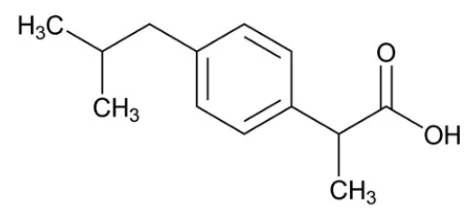
Ibuprofen
Proper name: Ibuprofen
Chemical name: α-methyl-4-(2-methylpropyl) benzeneacetic acid
Other names: p-isobutylhydratropic acid
2-(4-isobutylphenyl)-propionic acid
Molecular formula: C13H18O2
Molecular mass: 206.28 g/mol
Structural formula:
Physical characteristics: White or almost white powder or crystals with a characteristic odour.
Solubility: Low solubility in water (<0.1 mg/mL), soluble 1 in 1.5 of alcohol, 1 in 1 of chloroform, 1 in 2 of ether, and 1 in 1.5 of acetone. Ibuprofen is also soluble in an aqueous solution of alkali hydroxides and carbonates.
pKa value: pKa = 4.43
Melting point: 75°C −77°C
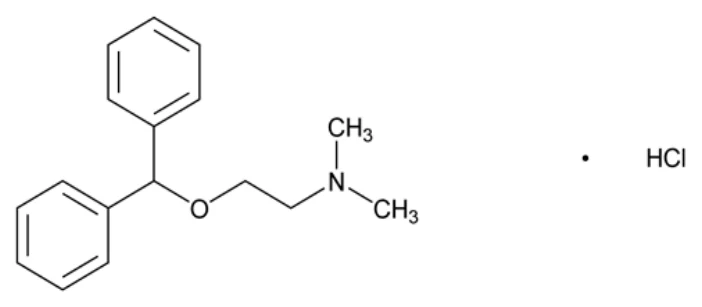
Diphenhydramine Hydrochloride [130]
Proper name: Diphenhydramine hydrochloride
Chemical name: Ethanamine, 2-(diphenylmethoxy)- N,N-dimethyl, hydrochloride
Other names: 2-(Diphenylmethoxy)- N,N-dimethylethanamine hydrochloride
Molecular formula: C17H21NO.HCl
Molecular mass: 291.82 g/mol
Structural formula:
Physical characteristics: White or almost white, crystalline powder or crystals
Solubility: Very soluble in water, freely soluble in alcohol.
Melting point: 167ºC - 172ºC
CLINICAL TRIALS
Comparative Bioavailability Studies
A randomized, single dose, blinded, 2-way crossover comparative bioavailability study, conducted under fasting conditions, was performed on healthy male and female volunteers. The results obtained from 24 volunteers who completed the study are summarized in the following table. The rate and extent of absorption of ibuprofen and diphenhydramine was measured and compared following a single oral dose (1 x 200 mg/25 mg) of Nighttime Cold, Cough & Flu* capsule (Apotex Inc.) and Advil® Nighttime (ibuprofen/diphenhydramine hydrochloride) 200 mg/25 mg Liqui-Gel® Capsules (Wyeth Consumer Healthcare Inc.).
Summary Table of the Comparative Bioavailability Data Ibuprofen (A single dose of Nighttime Cold, Cough & Flu*: 1 x 200 mg ibuprofen / 25 mg diphenhydramine hydrochloride capsule) From Measured Data/Fasting Conditions Geometric Mean Arithmetic Mean (CV%) | ||||
| Parameter | Test* | Reference† | Ratio of Geometric Means (%) | 90% Confidence Interval (%) |
| AUCT (mcg•h/mL) | 70.370 72.287 (23.4) | 72.846 74.485 (22.1) | 96.6 | 93.2 – 100.2 |
| AUC∞ (mcg•h/mL) | 71.830 73.907 (24.2) | 74.332 76.122 (23.0) | 96.6 | 93.1- 100.3 |
| Cmax (mcg/mL) | 25.170 25.615 (18.3) | 22.659 23.446 (25.5) | 111.1 | 102.1 – 120.9 |
| Tmax# (h) | 0.63 (0.33 – 1.00) | 0.67 (0.50 – 4.00) | ||
| T1/2el § (h) | 2.13 (15.0) | 2.08 (14.4) | ||
* Nighttime Cold, Cough & Flu* liquid gel capsules (200 mg/25 mg), Apotex Inc., Canada † Advil® Nighttime Liqui-Gel® Capsules (200 mg/25 mg), Wyeth Consumer Healthcare Inc. were purchased in Canada. # Expressed as the median (range) § Expressed as arithmetic means (CV%) only. | ||||
Summary Table of the Comparative Bioavailability Data Diphenhydramine (A single dose of Nighttime Cold, Cough & Flu*: 1 x 200 mg ibuprofen / 25 mg diphenhydramine hydrochloride capsule) From Measured Data/Fasting Conditions Geometric Mean Arithmetic Mean (CV%) | ||||
| Parameter | Test* | Reference† | Ratio of Geometric Means (%) | 90% Confidence Interval (%) |
| AUCT (ng•h/mL) | 284.785 303.449 (38.4) | 286.461 307.444 (38.8) | 99.4 | 95.0 – 104.0 |
| AUC∞ (ng•h/mL) | 297.304 317.850 (39.8) | 299.958 322.199 (39.5) | 99.1 | 94.8- 103.7 |
| Cmax (ng/mL) | 27.893 29.202 (31.4) | 28.251 29.698 (31.7) | 98.7 | 93.7 – 104.0 |
| Tmax# (h) | 3.00 (1.50 – 4.50) | 3.17 (2.00 – 4.50) | ||
| T1/2el § (h) | 10.33 (14.5) | 10.25 (15.1) | ||
* Nighttime Cold, Cough & Flu* liquid gel capsules (200 mg/25 mg), Apotex Inc., Canada † Advil® Nighttime Liqui-Gel® Capsules (200 mg/25 mg), Wyeth Consumer Healthcare Inc. were purchased in Canada. # Expressed as the median (range) § Expressed as arithmetic means (CV%) only. | ||||
Study results
Studies with Ibuprofen
Published studies have documented the efficacy of 200 mg and 400 mg doses of ibuprofen in treating mild to moderate pain, including sore throat pain [19], headache [20-22], dental pain [23- 30], muscle aches [31], and dysmenorrhea [32-37] in adults. The antipyretic efficacy of ibuprofen has been demonstrated at doses of 200 and 400 mg in adults [28, 38-40].
Studies with Diphenhydramine Hydrochloride
The antihistaminic activity of diphenhydramine has been assessed by measuring the suppression of wheal and flare reaction following histamine skin testing [142-144]. Plasma diphenhydramine levels above 20 ng/mL have been found to be associated with suppression of wheal and flare formation following a single 50 mg oral dose; antagonism of wheal formation stopped when plasma diphenhydramine levels fell below 20 ng/mL [144]. Diphenhydramine 50 mg was administered to subjects either orally or intravenously. There was a positive correlation between plasma diphenhydramine level and sedative and antihistamine effects, but wide variation in the extent and rate of change of these effects were observed between the subjects. Regardless of route of administration, there appears to be a plasma concentration range of 25 to 50 ng/ml, within which there is significant antihistamine effect without significant sedation
[142]. A single oral dose of diphenhydramine 1.25 mg/kg administrated to elderly adults, young adults, and children (mean dose 86, 88 and 40 mg, respectively) produced more pronounced antihistaminic response in children than in the young and elderly adults. The values for Emax were 35.3, 45.7 and 99.8% in the elderly, young adults and children, respectively, while EC50 values were 7.8, 8.0 and 38.7 ng/mL, respectively [143]. The Emax value is the maximum effect attributable to the drug and the EC50 value is the drug concentration producing 50% of the Emax [145].
Diphenhydramine Hydrochloride has been established as an effective antitussive due to a central mechanism involving the medullary cough centre. A peripheral action may also contribute to its effectiveness although further studies are necessary to define this [136].
DETAILED PHARMACOLOGY
Ibuprofen
Animal Pharmacology
Cyclooxygenase inhibitors such as ibuprofen and other NSAIDs reduce thromboxane A2 production and release, thereby decreasing platelet aggregation [105]. Like many other NSAIDs, ibuprofen inhibits platelet aggregation, as demonstrated in vivo by prevention of platelet disposition in aortopulmonary arterial bypass grafts in dogs [106]. The drug’s protective action against pulmonary embolism in rabbits injected intravenously with arachidonic acid may also relate to inhibition of platelet aggregation [107,108]. The decreased platelet aggregation may be due in part to a reduction in membrane fluidity [109]. Ibuprofen may also reduce platelet membrane fluidity, which reduces aggregation [110], but it is not known to what extent TXA2 synthesis inhibition is involved in this effect.
The penetration of ibuprofen into rabbit and rat foetuses was investigated. Rabbits and rats in late pregnancy were given single oral doses of 60 and 20 mg/kg respectively of C14-labeled ibuprofen [105]. Rabbits were killed 3 hours after dosing, and rats were killed 1.5 hours after dosing. Blood samples were collected from the mothers and foetuses. The concentrations of radioactively labelled material were similar in maternal and foetal blood, indicating that ibuprofen and its metabolites readily crossed the placenta and entered the foetal circulation.
Human Pharmacology
Two metabolites of ibuprofen were isolated from the urine of patients who had been treated for one month with the drug. The metabolites were identified at 2-4', (2-hydroxy-2-methylpropyl) phenylpropionic acid (metabolite A) and 2-4' (2-carboxpropyl) phenylpropionic acid (metabolite B). About 1/3 of the dose was excreted in the urine of patients as metabolite B, 1/10 as unchanged ibuprofen and 1/10 as metabolite A. The remainder of the dose could not be identified in the urine [105].
In healthy volunteers, platelet aggregation decreased significantly at a dosage of 1800 mg per day of ibuprofen given over a period of 28 days. Ibuprofen influenced ADP-induced aggregation to a lesser extent than collagen-induced aggregation. Platelet aggregation induced by recalcification of citrated platelet-rich plasma (a thrombin-induced reaction) was not influenced by ibuprofen treatment. Likewise, ibuprofen did not affect whole blood clotting time on recalcification or prothrombin time. Bleeding time measured 2 hours after administration of ibuprofen showed a significant, dose-related increase.
Experimental data suggest that ibuprofen may inhibit the effect of low dose ASA (81 – 325 mg per day) on platelet aggregation when they are dosed concomitantly. In one study, when a single dose of ibuprofen 400 mg was taken within 8 hours before or within 30 minutes after immediate release ASA dosing, a decreased effect of ASA on the formation of thromboxane or platelet aggregation occurred. However, the limitations of these data and the uncertainties regarding extrapolation of ex vivo data to the clinical situation imply that no firm conclusions can be made for regular ibuprofen use, and no clinically relevant effect is considered to be likely for occasional ibuprofen use.
Diphenhydramine Hydrochloride
Human Pharmacology
Seven intensive care patients were studied for the effects of cimetidine, an H2 antagonist on cardiovascular parameters with and without premedication. Cimetidine 200 mg was administered IV on Day 1. Mean arterial pressure dropped within 2 minutes and remained below baseline for the 8 minute measurement period. Diphenhydramine, an H1 antagonist, was administered as 40 mg IV 5 minutes before administering cimetidine 200 mg IV on day 2. Mean arterial pressure did not change. The authors concluded that cimetidine has enough H1-receptor characteristics to affect blood pressure [17].
MICROBIOLOGY
Not applicable.
TOXICOLOGY
Ibuprofen
Single-dose toxicity studies have been conducted in mice, rats, and dogs [105]. The LD50 values for ibuprofen in mice and rats, expressed as mg/kg of body weight, are as follows:
| Mice | Oral | 800 mg/kg |
| Intraperitoneal | 320 mg/kg | |
| Rats | Oral | 1600 mg/kg |
| Subcutaneous | 1300 mg/kg |
Acute signs of poisoning were prostration in mice and sedation, prostration, loss of righting reflex, and laboured respiration in rats. Death occurred within 3 days from perforated gastric ulcers in mice and intestinal ulceration in rats, irrespective of the route of administration. Single ibuprofen doses of 125 mg/kg and above in dogs caused emesis, transient albuminuria, faecal blood loss, and erosions in the gastric antrum and pylorus. No ill effects were seen with doses of 20 or 50 mg/kg.
The primary toxic effect of ibuprofen in repeated doses in rats is intestinal damage [105]. At a dosage of 180 mg/kg/day for 26 weeks, ibuprofen alters the organ-to-body weight ratio of certain organs, such as the liver, kidneys, gonads, and secondary sex organs, although no histological abnormalities have been observed and the effects are reversible. The liver and kidney enlargement may be a reflection of work hypertrophy associated with the metabolism and excretion of the compound, whereas the significance of the effects on other organs is unknown.
When administered in lethal doses (540 mg/kg/day), ibuprofen produces mild kidney lesions in addition to intestinal damage.
In rats given 180 mg/kg/day of ibuprofen orally for 55 weeks and 60 mg/kg/day for the next 60 weeks, the only specific pathological effect observed was intestinal ulceration [111]. There was no evidence of tumour induction, indicating that ibuprofen is not carcinogenic in rats. Ibuprofen is not teratogenic when given in toxic doses (60 mg/kg/day) to rabbits or in ulcerogenic doses (180 mg/kg/day to rats [105].
Diphenhydramine Hydrochloride
The LD50 value for diphenhydramine hydrochloride in rats is 500 mg/kg [135].
Reproduction studies in rats and rabbits receiving diphenhydramine hydrochloride dosages up to five times the recommended human dosage have not revealed evidence of harm to the fetus or impaired fertility [16].
Ibuprofen and Diphenhydramine Hydrochloride
Acute Toxicity Studies [113]
The LD50 values for ibuprofen, diphenhydramine and ibuprofen/diphenhydramine combination in rats, expressed as mg/kg of body weight, are as follows:
| Ibuprofen | LD50 1225 mg/kg | |
| Diphenhydramine | 275 mg/kg | |
| Ibu/DPH Combination | 2:1 | 700 mg/kg |
| 4:1 | 840 mg/kg | |
| 8:1 | 880 mg/kg |
No toxicological interactions between the two drugs were observed [113].
Repeat Dose Toxicity Studies
In the 2- and 13-week repeat-dose toxicity studies rats given ibuprofen alone or in combination with diphenhydramine showed no definite difference in the findings in the drug combinations given at 4:1 or 8:1 [114,115]. In the 2-week study, the no observable effect level (NOEL) for the drug combination of ibuprofen and diphenhydramine was determined to be 24 mg/kg/day and 6 mg/kg/day, respectively [114].
In the 13-week study, rats given ibuprofen alone (16 mg/kg/day) or in combination with diphenhydramine (50:12.5 and 100:25 mg/kg/day) showed renal papillary necrosis or edema, or both. In addition, rats in these groups showed gastrointestinal (GI) toxicity characteristic of propionic acid non-steroidal anti-inflammatory drugs (NSAIDs). Secondary effects included decreased hemograms suggesting GI bleeding, which is a characteristic adverse effect from treatment with NSAIDs. There was no indication that the ibuprofen effect was potentiated by the addition of diphenhydramine. A NOEL was calculated for the drug combination of 25:6.25 mg/kg/day [115].
In dogs, the data from all parameters and examinations did not suggest that any adverse effect of the drug combination was different than those seen from the individual components [116,
117]. However, dogs were given considerably lower doses of ibuprofen and diphenhydramine, alone and in combination, compared to those used to dose rats. It is well known that dogs are more sensitive to the adverse effects of NSAIDs, especially ibuprofen, compared to rats; therefore, it was appropriate to use the lower doses in dogs. In the 2-week study, no result from any examination revealed any finding that could be attributed to ibuprofen, diphenhydramine, alone or in combination [116]. In the dog studies the maximum tolerated dose was the high dose (16:4 mg/kg/day) of the 13-week study [117].
Teratology Studies
In the teratology studies in rats and rabbits at the high dose (60:15 mg/kg/day, ibuprofen: diphenhydramine) there were reduced weight gains in both species during the treatment periods, but not during the overall duration of the study [118,119,120,121,122]. None of the doses, including the high dose, caused any embryotoxic, fetotoxic, or teratogenic effects.
Overall, ibuprofen induced prototypical GI lesions characterized by erosions and ulcers. In addition, many animals at the higher doses showed renal papillary necrosis and/or edema. Rats and dogs are highly sensitive to NSAIDs compared to humans and, therefore, presented with these findings. Diphenhydramine is an antihistaminic drug with sedative properties. Animals given the high doses of this drug showed darkening or reddening of the major organs in the thorax and abdomen. The cause of these findings may result from physiologic depression resulting in decreased blood circulation with stasis occurring in these tissues. Rats who received diphenhydramine in the acute studies usually died within the first day or so after dosing, earlier than rats given ibuprofen. There was no indication of drug:drug interaction in any of the studies with the proposed combination drug product.
REFERENCES
- 1. Insel, PA. Analgesic-antipyretic and anti-inflammatory agents and drugs employed in the treatment of gout. In Molinoff PB, Ruddon RW, editors. Goodman & Gilman’s The Pharmacological Basis of Therapeutics. New York: McGraw-Hill, 1996: 617-657.
- 2. Nozu K: Flurbiprofen: Highly potent inhibitor of prostaglandin synthesis. Biochim Biophys Acta 1978; 529: 493-496.
- 3. Moncada S, Vane JR: Mode of action of aspirin-like drugs. Intern Med 1979; 24: 1-22.
- 4. Adams SS, Buckler JW: Ibuprofen and flurbiprofen. Clinics Rheum Dis 1979; 5: 359- 379.
- 5. Brown RD, Wilson JT, Kearns GL, Eichler VF, Johnson VA, Bertrand KM: Single-dose pharmacokinetics of ibuprofen and acetaminophen in febrile children. J Clin Pharmacol 1992; 32: 231-241.
- 6. Nahata MC, Durrell DE, Powell DA, Gupta N: Pharmacokinetics of ibuprofen in febrile children. Eur J Clin Pharmacol 1991; 40: 427-428.
- 7. Walson PD, Galletta G, Braden NF, Alexander L. Ibuprofen, acetaminophen, and placebo treatment of febrile children. Clin Pharmacol Ther 1989;46:9-17.
- 8. Davies NM: Clinical pharmacokinetics of ibuprofen. The first 30 years. Clin Pharmacokinet 1998; 34: 101-154.
- 9. Rudy AC, Knight PM, Brater DG, Hall SD: Enantioselective disposition of ibuprofen in elderly persons with and without renal impairment. J Pharmacol Exp Ther 1995; 273: 88-93.
- 10. Mills RFN, Adams SS, Cliffe EE, et al: The metabolism of ibuprofen. Xenobiotica 1973; 3(9):589.
- 11. Giachetti C, Zanolo G, Canali S: Topical administration of ibuprofen in man. Simultaneous determination of the drug and its metabolites in urine by high resolution gas chromatography. J High Res Chromatogr Commun 1985; 8: 465-468.
- 12. Brooks CJW, Gilbert MT: Studies of urinary metabolites of 2-(4-isobutylphenyl)propionic acid by gas-liquid chromatography-mass spectrometry (GC-MS). J Chromatogr 1974; 99: 541-551.
- 13. Leeman TD, Tanson C, Bonnabry C, Dayer P: A major role for cytochrome P450TB (CYP2C subfamily) in the actions of non-steroidal anti-inflammatory drugs. Drugs Exp Clin Res 1993; 19: 189-195.
- 14. Dollery C: Ibuprofen. In Therapeutic Drugs, 1st ed, Churchill Livingstone, 11-14. 1991.
- 15. Albert KS, Gillespie WR, Wagner JG, Paul A, Lockwood GF: Effects of age on the clinical pharmacokinetics of ibuprofen. Am J Med 1984; 77: 47-50.
- 16. American Hospital Formulary Service Drug Evaluation: First Generation Antihistamines – Diphenhydramine Hydrochloride. McEvoy GK, editor. Bethesda, Maryland: American Society of Health-System Pharmacists, American Hospital Formulary Service Drug Information, 2005:16-20.
- 17. Thompson MICROMEDIX. Diphenhydramine: USP DI DRUGDEX Evaluations 2005:www.thomsonhc.com/hcs.
- 18. Walter K, Dilger C: Ibuprofen in human milk. Br J Pharmacol 1997; 44: 211-212.
- 19. Schachtel BP, Fillingim JM, Thoden WR, Lane AC, Baybutt RI: Sore throat pain in the evaluation of mild analgesics. Clin Pharmacol Ther 1988; 44: 704-711.
- 20. Schachtel BP, Furey SA, Thoden WR: Nonprescription ibuprofen and acetaminophen in the treatment of tension-type headache. J Clin Pharmacol 1996; 36: 1120-1125.
- 21. Schachtel BP, Thoden WR:Onset of action of ibuprofen in the treatment of muscle- contraction headache. Headache 1988; 28: 471-474.
- 22. Packman EW, Doyle G, Koronkiewicz K, Jayawardena S, Cooper SA: Onset of analgesia of ibuprofen liquigels (400 mg) compared to acetaminophen caplets (1000 mg) in the treatment of tension headache. J Clin Pharmacol 1998; 38: 876.
- 23. Cooper SA, Schachtel BP, Goldman E, Gelb S, Cohn P: Ibuprofen and acetaminophen in the relief of acute pain: A randomized, double-blind, placebo-controlled study. J Clin Pharmacol 1989; 29: 1026-1030.
- 24. Cooper SA: The relative efficacy of ibuprofen in dental pain. Compend Contin Educ Dent 1986; 7(8): 578-597.
- 25. Forbes JA, Kehm CJ, Grodin CD, Beaver WT: Evaluation of ketorolac, ibuprofen, acetaminophen and an acetaminophen –codeine combination in post-operative oral surgery pain. Pharmacotherapy 1990; 10: 94S-105S.
- 26. Forbes JA, Edquist IA, Smith FG, Schwartz MK, Beaver WT: Evaluation of bromfenac, aspirin, and ibuprofen in postoperative oral surgery pain. Pharmacotherapy 1991; 11: 64-70.
- 27. Forbes JA, Beaver WT, Jones KF, Edquist IA, Gongloff Cm, Smith WK, Smith FG, Schwartz MK: Analgesic efficacy of bromfenac, ibuprofen, and aspirin in postoperative oral surgery pain. Clin Pharmacol Ther 1992; 51: 343-352.
- 28. Jain AK, Ryan JR, McMahon FG, Kuebel JO, Walters PG, Noveck C: Analgesic efficacy of low-dose ibuprofen in dental extraction pain. Pharmacotherapy 1986; 6: 318-322.
- 29. Mehlisch DR, Sollecito WA, Helfrick JF, Leibold DG, Marcowitz R, Schow CE, Schultz R, Waite DE: multicenter clinical trial of ibuprofen and acetaminophen in the treatment of post-operative dental pain. J Am Dent Assoc 1990; 121: 257-263.
- 30. Ngan P, Wilson S, Shanfeld JS, Amini H: The effect of ibuprofen on the level of discomfort in patients undergoing orthodontic treatment. Am J Orthodon Dent Orthop 1994; 106: 88-95.
- 31. Braun RP, Lockhart EA, Bruno P: Delayed-onset muscle soreness (DOMS)- a new pain model to compare OTC analgesics. Med Sci Sports Exer 1994; 26: S14.
- 32. Corson SL and Bolognese RJ: Ibuprofen therapy for dysmenorrhea. J Reprod Med 1978;20(5):246-252.
- 33. Dawood MY: Over-the-counter (OTC) analgesics for the relief of menstrual cramps. J Clin Pharmacol 1994; 34: 1014.
- 34. Shapiro SS and Diem K: The effect of ibuprofen in the treatment of dysmenorrhea. Curr Ther Res 1981; 30(3):327-334.
- 35. Larkin RM, Van Orden DE, Poulson AM, et al: Dysmenorrhea: Treatment with an antiprostaglandin. Obstet and Gynecol 1979; 54(4):456-460.
- 36. Milsom I, Andersch B: Effect of ibuprofen, naproxen sodium, and paracetamol on intrauterine pressure and menstrual pain in dysmenorrhea. Br J Obstet Gynaecol 1984; 91: 1129-1135.
- 37. Morrison JC, Long FW, Forman EK, et al: Analgesic efficacy of ibuprofen for treatment of primary dysmenorrhea. South Med J 1980; 73(8):999-1002.
- 38. Minor MG, Schachtel BP: Antipyretic efficacy of ibuprofen 200 mg in adults with acute upper respiratory tract infection (URI). J Clin Pharmacol 1990; 30: 846.
- 39. Jain AK, Vargas R, McMahon FG: The antipyretic effect of over-the-counter dosages of aspirin, acetaminophen and ibuprofen in endotoxin-induced fever. Clin Pharmacol Ther 1993; 53: 153.
- 40. Thoden WR, Lockhart EA: Antipyretic efficacy of ibuprofen and naproxen in flu-like upper respiratory illness. J Clin Pharmacol 1995; 35: 929.
- 41. Czaykowski D, Fratarcangelo P, Rosefsky J: Evaluation of the antipyretic efficacy of single dose ibuprofen suspension compared to acetaminophen elixir in children. Pediatr Res 1994; 35: 141A.
- 42. Kauffman RE, Sawyer LA, Scheinbaum ML: Antipyretic efficacy of ibuprofen vs acetaminophen. AJDC 1992; 146: 622-625.
- 43. Kauffman RE, Nelson MV: effect of age on ibuprofen pharmacokinetics and antipyretic response. J Pediatr 1992; 121: 969-973.
- 44. Nahata MC, Powell DA, Durrell DE, Miller MA: Efficacy of ibuprofen in pediatric patients with fever. Int J Clin Pharmacol Ther Toxicol 1996; 30: 94-96.
- 45. Walson PD, Galletta G, Chomilo F, Braden NJ, Sawyer LA, Scheinbaum ML: Comparison of multidose ibuprofen and acetaminophen therapy in febrile children. AJDC 1992; 146: 626-632.
- 46. Aksoylar S, Aksit S, Caglayan S, Yaprak I, Bakiler R, Cetin F: Evaluation of sponge and antipyretic medication to reduce body temperature in febrile children. Acta Paediatr 1997; 39: 215-217.
- 47. Autret E, Breart G, Jonvile AP, Courcier S, Lasalle C, Goehrs JM: Comparative efficacy and tolerance of ibuprofen syrup and acetaminophen syrup in children with pyrexia associated with infectious diseases and treated with antibiotics. Eur J Clin Pharmacol 1994; 46: 197-201.
- 48. Autret E, Reboul-Marty J, Henry-Launois B, Laborde C, Courcier S, Goehrs JM, Languilat G, Launois R: Evaluation of ibuprofen versus aspirin and paracetamol on efficacy and comfort in children with fever. Eur J Clin Pharmacol 1997; 51: 367-371.
- 49. Joshi YM, Sovani VB, Joshi VV, Navrange JR, Benakappa DG, Shivananda P, Sankaranarayanan VS: Comparative evaluation of the antipyretic efficacy of ibuprofen and paracetamol. Indian Pediatr 1990; 27: 803-806.
- 50. Kauffman RE, Sawyer LA, Scheinbaum ML: Antipyretic efficacy of ibuprofen vs. acetaminophen. Am J Dis Child 1992; 146: 622-625.
- 51. Kelley MT, Walson PD, Edge JH, Cox S, Mortensen ME: Pharmacokinetics and pharmacodynamics of ibuprofen isomers and acetaminophen in febrile children.
- 52. Khubchandani RP, Ghatikar KN, Keny S, Usgaonkar NGS: Choice of antipyretic in children. J Assoc Physicians India 1995; 43: 614-616.
- 53. Marriott SC, Stephenson TJ, Hull D, Pownall R, Smith CM, Butler AA: A dose ranging study of ibuprofen suspension as an antipyretic. Arch Dis Child 1991; 66: 1037-1042.
- 54. McIntyre J, Hull D: Comparing efficacy and tolerability of ibuprofen and paracetamol in fever. Arch Dis Child 1996; 74: 164-167.
- 55. Nahata MC, Powell DA, Durrell DE, Miller MA, Gupta A: Efficacy of ibuprofen in pediatric patients with fever. Int J Clin Pharmacol Ther Toxicol 1992; 30: 94-96.
- 56. Sidler J, Frey B, Baerlocher K: A double-blind comparison of ibuprofen and paracetamol in juvenile pyrexia. Br J Clin Pract 1991; 70: 22-25.
- 57. Starha J, Coupek P, Kopecna L, Brazdova L, Vintrova O: Ibuprofen as an antipyretic drug in childhood. Cesko Slov Pediatr 1994; 49: 424-427.
- 58. Van Esch A, Van Steensel-Moll HA, Steyerberg EW, Offringa M, Habbema JDF, Derksen-Lubsen G: Antipyretic efficacy of ibuprofen and acetaminophen in children with febrile seizures. Arch Pediatr Adolesc Med 1995; 149: 632-637.
- 59. Vauzelle-Kervroedan F, d’Athis P, Pariente-Khayat A, Debregeas S, Olive G, Pons G: Equivalent antipyretic activity of ibuprofen and paracetamol in febrile children. J Pediatr 1997; 131: 683-687.
- 60. Walson PD, Galletta G, Chomilo F, Braden NJ, Sawyer LA, Scheinbaum ML: Comparison of multidose ibuprofen and acetaminophen therapy in febrile children. Am J Dis Child 1992; 146: 626-632.
- 61. Wilson JT, Brown RD, Kearns GL, Eichler VF, Johnson VA, Bertrand KM, Lowe BA: Single-dose placebo-controlled comparative study of ibuprofen and acetaminophen in children. J Pediatr 1991; 119: 803-811.
- 62. Lockhart EA, Thoden WR, Furey SA, Schachtel BP: Ibuprofen and streptococcal sore throat pain in children. Clin Pharmacol Ther 1993; 53: 147.
- 63.
Schachtel BP, King SA, Thoden WR: Pain relief in children; A placebo-controlled model.
Clin Pharmacol Ther 1991; 49: 154.
- 64. Schachtel BP, Thoden WR: A placebo-controlled model for assaying systemic analgesics in children. Clin Pharmacol Ther 1993; 53: 593-601.
- 65. Schachtel BP, Thoden WR: Assaying analgesic response in children: A double-blind, placebo-controlled model involving earache. Pediatr Res 1991; 29: 124A.
- 66. Bertin L, Pons G, d’Athis P, Duhamel JF, Maudelonde C, Lasfargues G, Guillot M, Marsac A, Debregeas B, Olive G: A randomized, double-blind, multicentre controlled trial of ibuprofen versus acetaminophen and placebo for symptoms of acute otitis media in children. Fund Clin Pharmacol 1996; 10: 387-392.
- 67. Hamalainen MJ, Hoppu K, Valkeina E, Santavuori P: Ibuprofen or acetaminophen for the acute treatment of migraine in children: A double-blind, randomized, placebo-controlled, crossover study. Neurology 1997; 48: 103-107.
- 68. Greene JJ, Brown SR, Romeo DA, Schachtel BP: Efficacy and safety of ibuprofen (10 mg/kg) (IBU), acetaminophen (15 mg/kg) (APAP) and placebo (PBO) in the relief of orthodontic pain in children. J Clin Pharmacol 1995; 35: 929.
- 69. Diez-Domingo J, Planelles MV, Baldo JM, Ballester A, Nunez F, Jubert A, Dominguez- Granados R: Ibuprofen prophylaxis for adverse reactions to diphtheria-tetanus-pertussis vaccination: a randomized trial. Curr Ther Res 1998; 59: 579-588.
- 70. Bertin L, Pons G, d’Athis P, Lasfargues G, Maudelonde C, Duhamel JF, Olive G: Randomized, double-blind, multicenter, controlled trial of ibuprofen versus acetaminophen (paracetamol) and placebo for treatment of symptoms of tonsillitis and pharyngitis in children. J Ped 1991; 119: 811-814.
- 71. St. Charles CS, Matt BH, Hamilton MM, Katz BP: A comparison of ibuprofen versus acetaminophen with codeine in the young tonsillectomy patient. Otolaryngol Head Neck Surg 1997; 117: 76-82.
- 72. Lohokare SK, Jog V: Comparative study of suspensions of ibuprofen and paracetamol in soft tissue injuries in children. J Pain Symp Mgmt 1991; 6: 158.
- 73. Garcia Rodriguez LA, Williams R, Derby LE, Dean AD, Herschel J: Acute liver injury associated with non-steroidal anti-inflammatory drugs and the role of risk factors. Arch Intern Med 1994; 154: 311-316.
- 74. Jorgenson HS, Christensen HR, Kampmann JP: Interaction between digoxin and indomethacin or ibuprofen. Br J Clin Pharmacol 1991; 31(l): 108-110.
- 75. Penner JA, Abbrecht PH: Lack of interaction between ibuprofen and warfarin. Curr Ther Res 1975;18:862-871.
- 76. Slattery JT, Levy G: Effect of ibuprofen on protein binding of warfarin in human serum. J Pharm Sci 1977-66:1060.
- 77. Johnson AG, Nguyen TV, Day RO: Do non-steroidal anti-inflammatory drugs affect blood pressure? Ann Intern Med 1994; 121: 289-300.
- 78. Pope JG, Anderson JJ, Felson DT: A meta-analysis of the effects of non-steroidal anti- inflammatory drugs on blood pressure. Arch Intern Med 1993; 153: 477-484.
- 79. Davies JG, Rawlins DC, Busson M: Effect of ibuprofen on blood pressure control by propranolol and benzofluazide. J Intern Med Res 1988; 16: 173-181.
- 80. Houston MC, Weir M, Gray J, Ginserg D, Szeto C, Kathlenen PM, Sugimoto D, Lefkowitz M, Runde M: The effects of non-steroidal anti-inflammatory drugs on blood pressure of patients with hypertension controlled by verapamil. Arch Intern Med 1995; 155: 1049-1054.
- 81. Fommei E, Ghione S, Palla L, Ragazzini A, Gazzetti P, Palombo C, Giaconi S: Inhibition of prostaglandins and angiotensin II: Effects on renal function in hypertensive patients. Agents Actions Suppl 1987; 22: 183-189.
- 82. Cook ME, Wallin JD, Thakur VD, Kadowitz PJ, McNamara DB, Garcia MM, Lipani JJ, Poland M: Comparative effects of nabumetone, sulindac and ibuprofen on renal function. J Rheumatol 1997; 24: 1137-1144.
- 83. Minuz P, Lechi A, Arosio E, Degan M, Capuzzo MG, Lechi C, Corsato M, Dalla Riva A, Velo GP: antihypertensive activity of enalapril. Effect of ibuprofen and different salt intakes. J Clin Hypertens 1987; 3: 645-653.
- 84. Gontarz N, Small RE, Comstock TJ, Stalker DJ, Johnson SM, Willis BE: Effects of antacid suspension on the pharmacokinetics of ibuprofen. Clin Pharm 1987; 7(5): 413-416.
- 85. Nierenberg DW: Competitive inhibition of methotrexate accumulation in rabbit kidney slices by non-steroidal anti-inflammatory drugs. J Pharmacol Exper Ther 1983; 226(l):1-6.
- 86. Ragheb M, Alvin C: Ibuprofen can increase serum lithium in lithium treated patients. J Clin Psychiatry 1987; 48: 161-163.
- 87. Rainsford KD, Roberts SC, Brown S: Ibuprofen and paracetamol: relative safety in non- prescription dosages. J Pharm Pharmacol 1997; 49: 345-376.
- 88. Doyle G, Furey S, Berlin R, Cooper S, Jayawardena S, Ashraf E, Baird L: Gastrointestinal safety and tolerance of ibuprofen maximum over-the-counter use. Aliment Pharmacol Ther 1999; 13: 897-906.
- 89. Furey SA, Waksman JA, Dash BH: Nonprescription ibuprofen: side effect profile. Pharmacotherapy 1992; 12: 403-407.
- 90. DeArmond B, Francisco CA, Lin JS, Huang FY, Halladay S, Bartizek RD, Skare KL: Safety profile of over-the-counter naproxen sodium. Clin Therap 1995; 17: 587-601.
- 91. Kellstein DE, Waksman JA, Binstok G, Furey SA, Cooper SA: The safety profile of nonprescription ibuprofen in multiple-dose use: a meta-analysis. J Clin Pharmacol 1999;39: 520-532.
- 92. Rainsford KD, Quadir M: Gastrointestinal damage and bleeding from non-steroidal anti- inflammatory drugs. I. Clinical and 3epidemiological aspects. Inflammopharmacology 1995; 3: 169-190.
- 93. Strom BL: Gastrointestinal tract bleeding associated with naproxen sodium vs ibuprofen. Arch Intern Med 1997; 157: 2636-2631.
- 94. Gutthann SA, Garcia-Rodriguez LA, Duque-Oliart A, Varas-Lorenzo C: Low-dose diclofenac, naproxen, and ibuprofen cohort study. Pharmacoepidemiology 199; 19: 854-859.
- 95. Forsyth, DR, Jayasinghe, KSA, Roberts, CJC. Do nizatidine and cimetidine interact with ibuprofen? Eur J. Clin Pharmacol 1988; 35(1) :85-88.
- 96. Small RE, Wilmot-Pater MG, McGee BA, Willis HE. Effects of misoprostol or ranitidine on ibuprofen pharmacokinetics. Clin Pharm 1991; 10:870-872.
- 97. Moore N, Van Ganse E, Le Parc JM, Wall R, Schneid H, Farhan M, Verriere F, Pelen F: The PAIN study: paracetamol, aspirin and ibuprofen new tolerability study. Clin Drug Invest 1999; 18: 89-98.
- 98. Ashraf E, Ford, L, Geetha R, Cooper S: Safety profile of ibuprofen suspension in young children. Inflammopharmacology 1999, in press.
- 99. Lesko SM, Mitchell AA: An assessment of the safety of pediatric ibuprofen. 1995; 273(12): 929-933.
100. Lesko SM, Mitchell AA: Renal function after short-term ibuprofen use in infants and children. Pediatrics 1997; 100: 954-957.
101. Lesko SM, Mitchell AA: The safety of acetaminophen and ibuprofen among children less than two years old. Pediatrics 1999 104 (4): 39-49.
102. Jenkinson ML, Fitzpatrick R, Streete PJ, Volans GN: The relationship between plasma ibuprofen concentrations and toxicity in acute ibuprofen overdose. Human Toxicol 1988; 7:319-324.
103. McElwee NE, Veltri JC, Bradford DC, Rollins DE: A prospective, population-based study of acute ibuprofen overdose: Complications are rare and routine serum levels not warranted. Ann Emerg Med 1990; 19: 657-662.
104. Veltri JC, Rollins DE: A comparison of the frequency and severity of poisoning cases for ingestion of acetaminophen, aspirin, and ibuprofen. Am J Emerg Med 1988; 6: 104-107.
105. Adams SS, Bough RG, Cliffe EE, Lessel B, Mills RFN: Absorption, distribution and toxicity of ibuprofen. Toxicol Appl Pharmacol 1969; 15: 310-330.
106. Lillehei TJ, Metke MP, Dawnajee MK, Tago M, Lim MF, Kaye MP: Reduction of platelet deposition in aorto-coronary artery Gore-Tex bypass grafts in dogs by platelet inhibitors. Circulation 1980; 62: Suppl 3; 53.
107. Dipasquale G, Mellace D: Inhibition of arachidonic acid induced mortality in rabbits with several non-steroidal anti-inflammatory agents. Agents Actions 1977; 7: 481-485.
108. Adesuyi SA, Ellis EF: The effect of ibuprofen dose on rabbit platelet aggregation and aortic PGI2 synthesis. Thromb Res 1982; 28: 581-585.
109. Utsunomiya T, Krausz MM, Dunham B, Valeri CR, Levine L, Shepro D, Hechtman HB: Modification of inflammatory response to aspiration with ibuprofen. Am J Physiol 1982; 243: H903-910.
110. Imai H, Muramatsu Y, Tsurumi K, Fujimura H: Platelet aggregation and liposome as a model system. Jap J Pharmacol 1981; 31: 92P.
111. Adams SS, Bough RG, Cliffe EE, Dickinson W, Lessel B, McCullough KF, Mills RFN, Nicholson JS, Williams GAH: Some aspects of the pharmacology, metabolism and toxicology of ibuprofen. Rheum Phys Med Suppl 1970: 9-14.
112. Thompson MICROMEDIX. Anti-inflammatory Drugs, Nonsteroidal (Systemic): USP DI DRUGDEX Evaluations 2005:382-425.
113. BRT #84-24. Acute Oral Toxicity in Albino Rats Administered Test Article MV#1405-34, MV#1518-112, MV#1913-157, MV#1913-43 or MV#1913-44. Bio-Research Laboratories LTD, 1984.
114. BRT #84-32. Fourteen Day Oral Toxicity Study in Rats. International Research and Development Corporation, 1985.
115. BRT #85-09. 13 Week Oral Toxicity Study in Rats. International Research and Development Corporation, 1986.
116. BRT #84-33. Fourteen Day Oral Toxicity Study in Dogs, International Research and Development Corporation, 1986.
117. BRT #85-12. Thirteen Week Oral Toxicity Study in Dogs, International Research and Development Corporation, 1986.
118. BRT #84-35. Range-Finding Teratology Study in Rats, International Research and Development Corporation, 1985.
119. Study # 93-4058. A Segment II Teratology Study in Rats with WH-555-002, Pharmaco LSR, Inc., 1995.
120. BRT #85-07. Teratology Study in Rats, International Research and Development Corporation, 1985.
121. BRT #84-36. Range-Finding Teratology Study in Rabbits, International Research and Development Corporation, 1985.
122. BRT #85-08. Teratology Study in Rabbits, International Research and Development Corporation, 1985.
123. AE-98-01. Clinical Study Report: Advil PM Oral Surgery Study I. Whitehall-Robins Inc. (on file) September 7, 2000.
124. AE-98-02. Clinical Study Report: Advil PM Oral Surgery Study II. Whitehall-Robins Inc. (on file) September 6, 2000.
125. AE-04-14A. Clinical Study Report: Advil PM Oral Surgery Study Using Actigraphy to Objectively Measure Sleep Efficacy. Wyeth Consumer Healthcare Inc. (on file) May 18, 2005.
126. Health and Welfare Canada. Regulatory Proposals Regarding Antihistamines, Nasal Decongestants and Anticholinergics In Nonprescription Cough and Cold Remedies. Health Protection Branch Information Letter No.784, 1990.
127. Thompson MICROMEDIX. Antihistamines (Systemic): USP DI DRUGDEX Evaluations 2005:341-358.
128. American Hospital Formulary Service Drug Evaluation: Antihistamine Drugs- Antihistamine General Statement. McEvoy GK, editor. Bethesda, Maryland: American Society of Health-System Pharmacists, American Hospital Formulary Service Drug Information, 2005:2-9.
129. Thompson MICROMEDIX. Diphenhydramine and Related Agents: POISINDEX Summary 2005.
130. Canadian Pharmacists Association. Compendium of Pharmaceuticals and Specialties, Nytol Product Monograph, Glaxo Smithkline Consumer Healthcare 2005.
131. Scharman EJ, Erdman A, Wax WM, Cyka PA, Caravati M, Nelson LS, Manoguerra AS, Christianson G, Olson KR, Woolf AD, Keyes DC, Booze LL, Troutman WG: Diphenhydramine and Dimenhydrinate Poisoning: An Evidence-Based Consensus Guideline for Out-Of-Hospital Management. Guidelines for the Management of Poisoning, American Association of Poison Control Centres, Washington D.C. 2005. Published in Clinical Toxicology. 2006; 44: 205-23.
132. AE-97-08. Clinical Study Report: Advil PM Maximum Use Safety and Efficacy Study. Whitehall-Robins Inc. (on file) August 20, 2001.
133. WM-716. Summary Report No. 931164: Singe Dose, Open Label, randomized, 3-Way Crossover Pharmacokinetic Interaction Study Comparing Ibuprofen / Diphenhydramine Combination to Individual Doses of Ibuprofen and Diphenhydramine. Whitehall-Robins Inc. (on file).
134. USPDI 25TH Edition, 2005
135. Merck Index , Fourtheenth Edition, 2006.
- 136. Health and Welfare Canada. Second Report of the Expert Advisory Committee on Nonprescription Cough and Cold Remedies to the Health Protection Branch: Antitussives, Expectorants and Bronchodilators. April 1989.
- 137. Health and Welfare Canada. First Report of the Expert Advisory Committee on Nonprescription Cough and Cold Remedies on Antihistamines, Nasal Decongestants and Anticholinergics. August 1989.
138. Product Monograph – ADVIL DAY/NIGHT CONVENIENCE PACK. Ibuprofen 200 mg Capsules (free acid and potassium salt) and Ibuprofen 200 mg and Diphenhydramine Hydrochloride 25 mg Capsules. Pfizer Consumer Healthcare, Submission Control No: 164294. Date of Preparation: August 14, 2013.
139. Trelle S, Reichenbach S, Wandel S, Hildebrand P, Tschannen B, Villiger P, et al. Cardiovascular safety of non-steroidal anti-inflammatory drugs: network metaanalysis. BMJ. 2011; 342:c7086.
140. Helin-Salmivaara A., Huttunen T., Gronroos J.M., Klaukka T., Huupponen R. Risk of serious upper gastrointestinal event with concurrent use of NSAIDs and SSRI's: A case-control study in the general population. Eur J Clin Pharmacol, 2007 Apr;63(4):403-8
141. Andres Pinto, DMD, MPH: John T. Farrar, MD, PhD; Elliot V. Hersh, DMD, MS, PhD Prescribing NSAIDs to Patients on SSRIs: Possible Adverse Drug Interation of Importance to Dental Practitoners. Compend Contin Educ Dent, 2009 Apr;30(3):142-51
142. Carruthers SG, Shoeman DW, Hignite CE, Azarnoff DL. Correlation between plasma diphenhydramine level and sedative and antihistamine effects. Clin Pharmacol Ther 1978; 23:375-382.
- 143. Simons KJ, Watson WTA, Martin TJ, Chen XY, Simons FER. Diphenhydramine: pharmacokinetics and pharmacodynamics in elderly adults, young adults, and children. J Clin Pharmacol 1990;30:665-671.
- 144. Bilzer W, Gundert-Remy U, Weber E. Relationship between antihistaminic activity and plasma level of diphenhydramine. Eur J Clin Pharmacol 1974;7:393-395.
- 145. Holford NHG, Sheiner LB. Understanding the dose-effect relationship: Clinical application of pharmacokinetic-pharmacodynamic models. Clin Pharmacokinet 1981;6:429-453.