


Product Monograph - Ibuprofen and Pseudoephedrine
SUMMARY PRODUCT INFORMATION
Route of Administration | Dosage Form / Strength | Clinically Relevant Nonmedicinal Ingredients |
| Oral | Tablets 200 mg ibuprofen and 30 mg pseudoephedrine hydrochloride | Starch, parabens For a complete listing see Dosage Forms, Composition and Packaging section. |
INDICATIONS AND CLINICAL USE
IBUPROFEN AND PSEUDOEPHEDRINE (Ibuprofen and Pseudoephedrine Hydrochloride) is an over-the-counter analgesic and nasal decongestant indicated for temporary relief of symptoms associated with the common cold, sinusitis or flu including nasal congestion, headache, fever, body aches and pains.
Geriatrics (> 60 years of age):
Caution should be observed in elderly patients, due to increased susceptibility to effects of sympathomimetic amines and increased risk of toxicity with ibuprofen, and patients with diminished renal function.
Pediatrics (< 12 years of age):
Do not give to children under 12 years of age, except under the advice and supervision of a physician.
CONTRAINDICATIONS
- Should not be used in patients who have previously exhibited hypersensitivity to it, or its components (ibuprofen, pseudoephedrine), or in individuals with the angioedema syndrome of nasal polyps, and bronchospastic reactivity to acetylsalicylic acid or other nonsteroidal antiinflammatory agents (see Warnings).
- Should not be used in individuals with the angioedema syndrome of nasal polyps, and bronchospastic reactivity to acetylsalicylic acid, or other nonsteroidal anti-inflammatory agents.
- Should not be used in patients with hypertension, coronary artery disease and in patients on monoamine oxidase (MAO) inhibitor therapy (see Drug Interactions).
- Should not be used during pregnancy, in nursing mothers or in pediatric patients because its safety under these conditions has not been established.
- Should not be used by patients with systemic lupus erythematosus. Aseptic meningitis, fever, or rash has been reported in connection with ibuprofen therapy in patients with systemic lupus erythematosus.
- Should not be taken by patients with active peptic ulcer disease or gastrointestinal bleeding.
WARNINGS AND PRECAUTIONS
General
If the symptoms do not improve, or are accompanied by a high fever, the patient should be advised to report to his physician.
Carcinogenesis and Mutagenesis
Ibuprofen and pseudoephedrine have been individually studied in animals with no significant effects.
Serious Warnings and Precautions
Ibuprofen and Pseudoephedrine should be used only under the supervision of a physician in patients with the following conditions:
- a history of upper gastrointestinal tract disease
- High blood pressure,
- Heart disease,
- Diabetes,
- Narrow angle glaucoma,
- Thyroid disease,
- Difficulty in urination due to enlargement of the prostate gland
Cardiovascular
Patients with high blood pressure, or heart disease or congestive heart failure should take Ibuprofen and Pseudoephedrine only under the advice and supervision of a physician.
Dependence/Tolerance
None
Ear/Nose/Throat
Patients on Ibuprofen and Pseudoephedrine should be cautioned to report to their physician if any signs or symptoms of tinnitus occur.
Endocrine and Metabolism
Patients with diabetes, thyroid disease or enlargement of the prostate gland should take Ibuprofen and Pseudoephedrine only under the advice and supervision of a physician. (see Serious Warnings and Precautions)
Fluid Retention and Electrolyte Balance
Patients on Ibuprofen and Pseudoephedrine should be cautioned to report to their physician any signs or symptoms of weight gain, or edema.
Gastrointestinal
Patients with active peptic ulcer disease or gastrointestinal bleeding should not take Ibuprofen and Pseudoephedrine (see Contradindications).
Patients on Ibuprofen and Pseudoephedrine should be cautioned to report to their physician any signs or symptoms of gastrointestinal ulceration or bleeding.
Patients with a history of gastrointestinal tract disease should only use Ibuprofen and Pseudoephedrine under the advice and the supervision of a physician. (see Serious Warnings and Precautions).
Genitourinary
Patients with difficulty in urination due to enlargement of the prostate gland should take Ibuprofen and Pseudoephedrine only under the advice and supervision of a physician.
Hematologic
Like other nonsteroidal antiinflammatory agents, ibuprofen can inhibit platelet aggregation. However, compared to ASA, the effect is quantitatively less, of shorter duration, and reversible upon discontinuation of ibuprofen. Bleeding time has also been prolonged by ibuprofen though within the normal range in normal subjects. Because this effect on bleeding time may be exaggerated in patients with underlying hemostatic defects, Ibuprofen and Pseudoephedrine should be avoided by persons with intrinsic coagulation defects and those on anticoagulant therapy.
CNS
Patients on Ibuprofen and Pseudoephedrine should be cautioned to report to their physician any signs or symptoms of dizziness. There is a possibility of insomnia, if this medicine is taken before bedtime.
Ophthalmologic
Patients with narrow angle glaucoma, should take Ibuprofen and Pseudoephedrine only under the advice and supervision of a physician.
Patients on Ibuprofen and Pseudoephedrine should be cautioned to report to their physician if any signs or symptoms of blurred vision or other eye symptoms occur.
Peri-Operative Considerations
Use of Nonsteroidal antiinflammatory agents around the time of surgery is generally avoided to prevent surgical bleeding (see Hematologic).
Psychiatric
See Drug Interactions and Contraindications
Renal
Conditions associated with dehydration appear to increase the risk of renal toxicity. Ibuprofen and Pseudoephedrine should therefore be used with caution in patients with chronic renal failure, congestive heart failure or hypertension being treated chronically with diuretics. Caution should be observed in patients with diminished renal function.
Respiratory
Should not be used in individuals with the angioedema syndrome of nasal polyps, and bronchospastic reactivity to acetylsalicylic acid (see Contraindications).
Patients on Ibuprofen and Pseudoephedrine should be cautioned to report to their physician any signs or symptoms of respiratory difficulty.
Sensitivity/Resistance
Should not be used in patients who have previously exhibited hypersensitivity to it, or its components (ibuprofen, pseudoephedrine), or other nonsteroidal anti-inflammatory agents (see Contraindications).
Immune System
Should not be used by patients with systemic lupus erythematosus except under a physician’s supervision. (see Serious Warnings and Precautions).
Skin
Patients on Ibuprofen and Pseudoephedrine should be cautioned to report to their physician if any signs or symptoms of skin rash occur.
Special Populations
Pregnant and Nursing Women: should not use in these populations since exposure to Ibuprofen and Pseudoephedrine has not been determined (see Contraindications).
Pediatrics (< 12 years of age): Do not give to children under 12 years of age, except under the advice and supervision of a physician.
Geriatrics (> 60 years of age): Caution should be observed in elderly patients, due to increased susceptibility to effects of sympathomimetic amines and increased risk of toxicity with ibuprofen, and patients with diminished renal function.
ADVERSE REACTIONS
Adverse Drug Reaction Overview
Ibuprofen
The adverse reactions most frequently seen with prescribed ibuprofen therapy involve the gastrointestinal system. The most commonly reported adverse events for ibuprofen (3 to 9%) are: nausea, epigastric pain, heartburn, dizziness, rash (including maculopapular type) and tinnitus. Adverse reactions that occurred at lesser incidence are summarised below. Note: Reactions listed below under “Causal Relationship Unknown” are those which occurred under circumstances where a causal relationship could not be established. However, in these rarely reported events, the possibility of a relationship to ibuprofen cannot be excluded.
Allergic
Incidence less than 1%: anaphylaxis (see Contraindications)
Causal relationship unknown: fever, serum sickness, lupus erythematosus
Cardiovascular
Incidence less than 1%: congestive heart failure in patients with marginal cardiac function, elevated blood pressure
Causal relationship unknown: arrhythmias (sinus tachycardia, sinus bradycardia, palpitations)
CNS
Incidence 3 to 9%: dizziness
Incidence 1 to 3%: headache, nervousness
Incidence less than 1%: depression, insomnia
Causal relationship unknown: paresthesia, hallucinations, dream abnormalities
Aseptic meningitis and meningoencephalitis, in one case accompanied by eosinophilia in the cerebrospinal fluid, have been reported in patients who took ibuprofen intermittently and did not have any connective tissue disease.
Dermatologic
Incidence 3 to 9%: rash (including maculopapular type)
Incidence 1 to 3%: pruritus
Incidence less than 1%: vesiculobullous eruptions, urticaria, erythema multiforme
Causal relationship unknown: alopecia, Stevens-Johnson syndrome
Endocrine
Causal relationship unknown: gynecomastia, hypoglycemic reaction
Menstrual delays of up to two weeks and dysfunctional uterine bleeding occurred in nine patients taking ibuprofen, 400 mg t.i.d., for three days before menses.
Gastrointestinal
Incidence 3 to 9%: nausea, epigastric pain, heartburn
Incidence 1 to 3%: diarrhea, abdominal distress, nausea and vomiting, indigestion, constipation, abdominal cramps or pain, fullness of the gastrointestinal tract (bloating or flatulence)
Incidence less than 1%: gastric or duodenal ulcer with bleeding and/or perforation, gastrointestinal hemorrhage, melena, hepatitis, jaundice, abnormal liver function (SGOT, serum bilirubin and alkaline phosphatases)
Hematologic
Incidence less than 1%: leukopenia and decreases in hemoglobin and hematocrit
Causal relationship unknown: hemolytic anemia, thrombocytopenia, granulocytopenia, bleeding episodes (e.g. purpura, epistaxis, hematuria, menorrhagia)
Metabolic
Incidence 1 to 3%: decreased appetite, edema, fluid retention
Fluid retention generally responds promptly to drug discontinuation (see Precautions).
Renal
Causal relationship unknown: decreased creatinine clearance, polyuria, azotemia
Like other non-steroidal antiinflammatory drugs, ibuprofen inhibits renal prostaglandin synthesis, which may decrease renal function and cause sodium retention. Renal blood flow and glomerular filtration rate decreased in patients with mild impairment of renal function who took 1200 mg/day of ibuprofen for one week. Renal papillary necrosis has been reported. A number of factors appear to increase the risk of renal toxicity (see Precautions).
In comparative clinical trials analyzed by The Boots Company involving 7624 ibuprofen-treated, 2822 (ASA) Acetylsalicylic acid-treated and 2843 placebo-treated patients, adverse reactions involving renal function were reported by 0.6% of the ibuprofen group, 0.3% of the ASA group and 0.1% of the placebo group. The analysis included data from trials which employed doses greater than 1200 mg, used for longer periods than OTC recommendations and by patients being treated for serious conditions.
Special Senses
Incidence 1 to 3%: tinnitus
Incidence less than 1%: amblyopia (blurred and/or diminished vision, scotomata and/or changes in colour vision)
Any patient with eye complaints during ibuprofen therapy should have an ophthalmological examination.
Causal relationship unknown: conjunctivitis, diplopia, optic neuritis
Pseudoephedrine
Pseudoephedrine may cause mild CNS stimulation, especially in patients who are hypersensitive to the effects of sympathomimetic drugs. Nervousness, excitability, restlessness, dizziness, weakness, and insomnia may occur. Headache and drowsiness have also been reported. Large doses may cause lightheadedness, nausea, and/or vomiting. In addition, the possibility of other adverse effects associated with sympathomimetic drugs, including fear, anxiety, tenseness, tremor, hallucinations, seizures, pallor, respiratory difficulty, dysuria, and cardiovascular collapse should be considered.15
Although oral administration of usual doses of pseudoephedrine to normotensive patients usually produced negligible pressor effects, the drug should be used with caution in hypertensive patients. Pseudoephedrine may increase the irritability of heart muscle and may alter the rhythmic function of the ventricles, especially in large doses or when administered to patients who are hypersensitive to the myocardial effects of sympathomimetic drugs. Tachycardia or palpitation may occur. One patient who received 120 mg of pseudoephedrine hydrochloride every 4 hours developed multifocal premature ventricular contractions which disappeared a few days after the drug was discontinued. In addition, pseudoephedrine may have precipitated an attack of atrial fibrillation in an infant. It was postulated that the patient my have had previously unsuspected idiopathic atrial fibrillation, and therefore may have been especially sensitive to the myocardial effects of the drug.15
Clinical Trial Adverse Drug Reactions
Adverse drug reactions for Ibuprofen and Pseudoephedrine active ingredients are summarized individually above.
DRUG INTERACTIONS
Overview
The drug interaction profiles of Ibuprofen and pseudoephedrine are considered individually and in combination below. The drugs listed are based on either drug interaction case reports or studies, or potential interactions due to the expected magnitude and seriousness of the interaction (i.e., those identified as contraindicated).
Coumarin-Type Anticoagulants
Like other nonsteroidal antiinflammatory agents, ibuprofen can inhibit platelet aggregation. However, compared to ASA, the effect is quantitatively less, of shorter duration, and reversible upon discontinuation of ibuprofen. Bleeding time has also been prolonged by ibuprofen though within the normal range in normal subjects. Because this effect on bleeding time may be exaggerated in patients with underlying hemostatic defects, Ibuprofen and Pseudoephedrine
should be avoided by persons with intrinsic coagulation defects and those on anticoagulant therapy.
ASA
Anaphylactoid reactions have occurred in patients with known ASA hypersensitivity (see Contraindications).
Animal studies show that ASA given with nonsteroidal antiinflammatory agents including ibuprofen yields a net decrease in antiinflammatory activity with lowered blood levels of the non-ASA drug. Single dose bioavailability studies in normal volunteers have failed to show an effect of ASA on ibuprofen blood levels. Correlative clinical studies have not been conducted.
Other Antiinflammatory Agents (NSAIDs)
Ibuprofen and Pseudoephedrine should not be used in patients who have previously exhibited hypersensitivity to ibuprofen or other nonsteroidal antiinflammatory agents (see Contraindications)
The addition of Ibuprofen and Pseudoephedrine to a pre-existent prescribed NSAID regimen in patients with a condition such as rheumatoid arthritis may result in increased risk of adverse effects.
Diuretics
Because of its fluid retention properties, high doses of ibuprofen can decrease the diuretic and antihypertensive effects of diuretics, and increased diuretic dosage may be required. Patients with impaired renal function who are taking potassium-sparing diuretics should not take Ibuprofen and Pseudoephedrine.
Hypoglycemic Agents
Ibuprofen may increase hypoglycemic effects of oral antidiabetic agents and insulin.
Acetaminophen
Although interactions have not been reported, concurrent use with Ibuprofen and Pseudoephedrine is not advisable, it may increase the risk of adverse renal effect.
Other Drugs
Although ibuprofen binds extensively to plasma proteins, interactions with other protein-bound drugs occur rarely. Nevertheless, caution should be observed when other drugs, also having a high affinity for protein binding sites, are used concurrently. Some observations have suggested a potential for ibuprofen to interact with furosemide, pindolol, digoxin, phenytoin and lithium
salts. However, the mechanisms and clinical significance of these observations are presently not known. No interactions have been reported when ibuprofen has been used in conjunction with hypoglycemic agents, probenecid, digitalis, thyroxine, steroids, antibiotics or benzodiazepines. Ibuprofen and Pseudoephedrine may enhance the effects of monoamine oxidase (MAO) inhibitors.
Drug-Food Interactions
There are no known food interactions with Ibuprofen and Pseudoephedrine. In one clinical study therapeutic blood levels of ibuprofen were found to be lower when taken in conjunction with food.
Drug-Herb Interactions
None
Drug-Laboratory Interactions
See Warnings and Precautions for haematology considerations.
Drug-Lifestyle Interactions
None
DOSAGE AND ADMINISTRATION
Dosing Considerations
- Adults and children over 12 years: Take 1 or 2 caplets every four hours as needed. Do not exceed six caplets in 24 hours, unless directed by a physician.
- Do not give to children under 12 years of age, except under the advice and supervision of a physician.
Recommended Dose and Dosage Adjustment
- Adults and children over 12 years: Take 1 or 2 caplets every four hours as needed. Do not exceed six caplets in 24 hours, unless directed by a physician.
- Do not give to children under 12 years of age, except under the advice and supervision of a physician.
Administration
The product is taken orally with water.
OVERDOSAGE
Signs of overdose of Ibuprofen and Pseudoephedrine (Ibuprofen and Pseudoephedrine Hydrochloride) include nausea, heartburn or stomach pain, dizziness, headache or nervousness, rapid eye movement or lack of response to moderate pain, respiratory distress (breathing may be rapid and deep or shallow), flushing or bluish colouration of skin or mucous membranes, rapid, weak heartbeats or palpitations.
Due to the rapid absorption of pseudoephedrine and ibuprofen from the gut, emetics and gastric lavage must be instituted within four hours of overdosage to be effective. Charcoal is useful only if given within one hour. Cardiac status should be monitored and the serum electrolytes measured. If there are signs of cardiac toxicity, propranolol may be administered intravenously. A slow infusion of a dilute solution of potassium chloride should be initiated in the event of a drop in the serum potassium level. Despite hypokalemia, the patient is unlikely to be potassium-depleted; therefore, overload must be avoided. Monitoring of the serum potassium is advisable for several hours after administration of the salt. For delirium or convulsions, intravenous administration of diazepam is indicated.
ACTION AND CLINICAL PHARMACOLOGY
Actions
Ibuprofen has exhibited analgesic and antipyretic activity in animal studies designed to specifically demonstrate these effects. Ibuprofen has been shown to have no glucocorticoid-like activity.
Pseudoephedrine is a “generally recognized safe and effective” OTC drug that is an orally effective nasal decongestant when administered in doses of 60 mg per dose, up to 240 mg/day. Pseudoephedrine acts as an indirect sympathomimetic agent by stimulating sympathetic (adrenergic) nerve endings to release norepinephrine. Norepinephrine, in turn stimulates alpha and beta receptors throughout the body. The action of pseudoephedrine hydrochloride is apparently more specific for the blood vessels of the upper respiratory tract and less specific for the blood vessels of the systemic circulation. The vasoconstriction elicited at these sites results in the shrinkage of swollen tissues in the sinuses and nasal passages.11
Pseudoephedrine acts directly on both α- and , to a lesser degree, β-adrenergic receptors. It is believed that α-adrenergic effects result from the inhibition of the production of cyclic adenosine-3',5'-monophosphate (cAMP) by inhibition of the enzyme adenyl cyclase, whereas b-adrenergic effects result from stimulation of adenyl cyclase activity.15
Like ephedrine, pseudoephedrine also has an indirect effect by releasing norepinephrine from its storage sites.
In order to comply with the flexible dosing schedule approved for nonprescription ibuprofen, clinical studies were conducted to demonstrate the efficacy of 30 mg pseudoephedrine when
administered in the combination product and evidence of dose response between the 30 mg and 60 mg doses.
Pharmacodynamics
Ibuprofen is rapidly absorbed by the gastrointestinal tract, metabolized in the liver and eliminated in the urine. The excretion of ibuprofen is virtually complete 24 hours after the last dose. Maximal plasma levels are achieved in man approximately 1-2 hours after a single 200 mg oral dose. With increasing doses, ibuprofen is dose proportional and does not accumulate during a multiple dosing regimen (Adams, Mills)8,9. The oral bioavailability approaches 100%. Serum concentrations are linearly related to the administered dose. The serum half-life of ibuprofen is two hours. The duration of analgesic effect is 4-6 hours.
Plasma protein binding is approximately 99%, however, at normal therapeutic doses, less than 18% of plasma serum albumin binding sites are occupied. In man, drug concentrations have been found in the synovial fluid of inflamed tissue approximately 5-12 hours after oral administration.
Ibuprofen has been found to be less likely to cause gastrointestinal bleeding in doses usually used than is acetylsalicylic acid.
Pseudoephedrine acts directly on a-adrenergic receptors in the mucosa of the respiratory tract producing vasoconstriction which results in shrinkage of swollen nasal mucous membranes, reduction of tissue hyperemia, edema, and nasal congestion, and an increase in nasal airway patency. Drainage of sinus secretions is increased and obstructed eustachian ostia may be opened.22
Pseudoephedrine may relax bronchial smooth muscle by stimulation of b2-adrenergic receptors; however, substantial bronchodilation has not been demonstrated consistently following oral administration of the drug.23
Oral administration of usual doses of pseudoephedrine to normotensive patients usually produces a negligible effect on blood pressure.24 Pseudoephedrine may increase the irritability of the heart muscle and may alter the rhythmic function of the ventricles, especially in large doses or after administration to patients such as those with cardiac disease who are hypersensitive to the myocardial effects of sympathomimetic drugs. Tachycardia, palpitation, and/or multifocal premature ventricular contractions may occur.25
Pseudoephedrine may cause mild CNS stimulation, especially in patients who are sensitive to the effects of sympathomimetic drugs.15
Pharmacokinetics
A clinical study has shown that Ibuprofen and Pseudoephedrine and Advil Cold & Sinus are bioequivalent based on the pharmacokinetic parameters for ibuprofen and pseudoephedrine, as summarized in the following tables. For tabular results see CLINICAL TRIALS Comparative Bioavailability.
Absorption and Distribution: Ibuprofen is rapidly absorbed from the gastrointestinal tract with maximal plasma levels being achieved in man approximately 1-2 hours after a single 200 mg oral dose. Pseudoephedrine is rapidly and almost completely absorbed from the gastrointestinal tract and is distributed to body tissues and fluids, including fetal tissue, breast milk and the central nervous system.
Metabolism and Excretion: Ibuprofen is metabolized in the liver and eliminated in the urine. Excretion is virtually complete 24 hours after the last dose. Considerable variation in the half-life of pseudoephedrine has been observed (from about 4.5 to 10 hours), which is attributed to individual differences in absorption and excretion. Excretion rates of pseudoephedrine are also altered by urine pH, increasing with acidification and decreasing with alkalinization.11 Mean half-life falls to about 3 to 6 hours at pH 5 and increases to 9 to 26 hours at pH 8 (Kuntzman).13 Urinary excretion of unchanged pseudoephedrine has been reported to be 70 to 90% of the administered dose within 24 hours (Bye); 14 the remainder is apparently metabolized in the liver to inactive compounds by N-demethylation, parahydroxylation and oxidative deamination.11
Special Populations and Conditions
Pediatrics: Ibuprofen: The pharmacokinetics of ibuprofen have also been evaluated in children, in whom the metabolism has been shown to be similar to that reported for adults with an elimination half-life of approximately two hours. On multiple dosing, no accumulation of the drug was noted (Makela).10
Geriatrics: Ibuprofen: There is no evidence of a differential metabolism of elimination of ibuprofen in the elderly. A pharmacokinetic evaluation of ibuprofen in ten geriatric subjects compared with young adult subjects was conducted specifically to re-examine ibuprofen in the light of adverse experiences with other NSAIDs with longer half-lives; there were no clinically significant differences in the kinetic profiles of ibuprofen for these age groups. Furthermore, there was no statistically significant difference between the two populations in the urinary excretion pattern of the drug and its major metabolites.
Further evidence of the tolerance of ibuprofen in the elderly was obtained by a long-term, open, multicentre trial conducted in the United Kingdom on 744 patients with rheumatoid arthritis, osteoarthritis or an allied arthritic condition.
For the purpose of comparing the outcome of geriatric patients with that of younger patients, the group was divided into those adults under 60 years (518 patients) and adults 60 years or older (226 patients). Ibuprofen doses ranged from 200-2,000 mg per day. Approximately one-third received 600 mg, one-third 800 mg and one-third 1200 mg per day. These doses were administered from 3 to 66 months (75% received ibuprofen for at least 3 months, roughly 50% were in the trial for 6 months and 25% of the patients continued treatment for at least one year). There was no significant difference in the incidence of side effects reported by the two age groups. From this data, it can be concluded that ibuprofen is well tolerated in the elderly.
Thus, ibuprofen appears to exhibit a similar pharmacokinetic profile in all age groups examined.
Gender: There is no specific information related to gender.
Race: There is no specific information related to race.
Hepatic Insufficiency: There is no specific information associated with ibuprofen and hepatic insufficiency. Since ibuprofen and pseudoephedrine are metabolized in the liver appropriate supervision by a physician is recommended for patients with hepatic insufficiency.
Renal Insufficiency: Ibuprofen and pseudoephedrine are eliminated in the urine therefore dosing should be under the supervision of a physician in patients with renal insufficiency. See Warnings and Precautions.
Genetic Polymorphism: There is no information.
STORAGE AND STABILITY
Recommended storage condition is between 15 and 25 °C. Protect from light. Keep dry.
DOSAGE FORMS, COMPOSITION AND PACKAGING
Ibuprofen and Pseudoephedrine (Ibuprofen and Pseudoephedrine Hydrochloride) is supplied as white tablets for oral administration containing 200 mg ibuprofen and 30 mg pseudoephedrine hydrochloride per tablet (caplet). Ibuprofen and Pseudoephedrine is packaged in aluminum-backed blisters and is available in packages of 20 and 40 caplets.
NON-MEDICINAL INGREDIENTS
Calcium stearate, Candelilla Wax, Pregelatinized Starch, Croscarmellose Sodium,
Hydroxypropyl Methylcellulose, Methylparaben, Microcrystalline Cellulose, Povidone,
Propylene Glycol, Propylparaben, Sodium Lauryl Sulfate, Stearic acid, Titanium Dioxide
PART II: SCIENTIFIC INFORMATION
PHARMACEUTICAL INFORMATION
Drug Substances
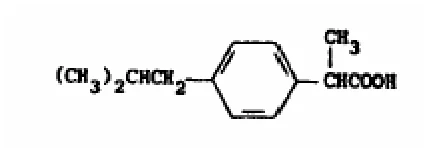
Proper name: Ibuprofen
Chemical name: (±)-2-(p-isobutylphenyl) propionic acid
Molecular formula and molecular mass: M.W. 206.28
Structural formula:
Physicochemical properties: White, powder/crystals. Practically insoluble in water. Soluble- 1 in 1.5 of alcohol, 1 in 1 of chloroform, 1 in 2 of ether, and 1 in 1.5 of acetone. Also soluble in aqueous solution of alkali hydroxides and carbonates. Melting point 75 - 78 °C
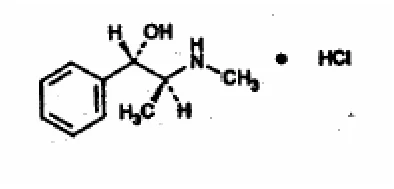
Proper name: Pseudoephedrine Hydrochloride (the dextro isomer of ephedrine hydrochloride)
Chemical name: (+)-pseudoephedrine hydrochloride
{S-(R*, R*)}-a-{1-(methylamino)ethyl}benzenemethanol hydrochloride
Molecular formula and molecular mass: M.W. 201.70
Structural formula:
Physicochemical properties: White powder/crystals. Soluble in water, alcohol. Slightly soluble in chloroform. pH 4.6-6.0 (1 in 20 solution). Melting Point 182-186 °C
CLINICAL TRIALS
Ibuprofen
There is considerable evidence in the world literature documenting the efficacy of 200 to 400 mg doses of ibuprofen in the treatment of mild to moderate pain in a broad range of pain models, including headache, post-operative dental pain, dysmenorrhea and muscular aches. Clinical trials evaluating the analgesic efficacy of ibuprofen clearly demonstrate that ibuprofen is a more effective analgesic than acetylsalicylic acid or acetaminophen (650 or 1000 mg) (Cooper, Cooper, Shapiro).1,2,3 Several studies have observed a plateau of analgesia at the 500 mg dose, concluding that higher antiinflammatory doses afford no additional analgesia (Shapiro, Bloomfield, Winter).3,4,5 The antipyretic efficacy of ibuprofen was more effective than 300 mg of APAP at 6 and 8 hours after drug administration and had a longer duration of action (Sheth)6. In adults, 200 mg of ibuprofen was more effective than 300 mg of acetylsalicylic acid (Gaitonde).7
Following a single 200 mg dose of ibuprofen in humans, therapeutic blood levels were demonstrable in 45 minutes and still present at six hours but at barely detectable levels. Peak levels occurred approximately one hour after ingestion. Levels were lower when taken in conjunction with food.
There is no evidence of a differential metabolism of elimination of ibuprofen in the elderly. A pharmacokinetic evaluation of ibuprofen in ten geriatric subjects compared with young adult subjects was conducted specifically to re-examine ibuprofen in the light of adverse experiences with other NSAIDs with longer half-lives; there were no clinically significant differences in the kinetic profiles of ibuprofen for these age groups. Furthermore, there was no statistically significant difference between the two populations in the urinary excretion pattern of the drug and its major metabolites. The pharmacokinetics of ibuprofen have also been evaluated in children, in whom the metabolism has been shown to be similar to that reported for adults with an elimination half-life of approximately two hours. On multiple dosing, no accumulation of the drug was noted (Makela).10 Thus, ibuprofen appears to exhibit a similar pharmacokinetic profile in all age groups examined.
Further evidence of the tolerance of ibuprofen in the elderly was obtained by a long-term, open, multicentre trial conducted in the United Kingdom on 744 patients with rheumatoid arthritis, osteoarthritis or an allied arthritic condition.
For the purpose of comparing the outcome of geriatric patients with that of younger patients, the group was divided into those adults under 60 years (518 patients) and adults 60 years or older (226 patients). Ibuprofen doses ranged from 200-2,000 mg per day. Approximately one-third received 600 mg, one-third 800 mg and one-third 1200 mg per day. These doses were administered from 3 to 66 months (75% received ibuprofen for at least 3 months, roughly 50% were in the trial for 6 months and 25% of the patients continued treatment for at least one year). There was no significant difference in the incidence of side effects reported by the two age groups. From this data, it can be concluded that ibuprofen is well tolerated in the elderly.
Pseudoephedrine
See ACTION AND CLINICAL PHARMACOLOGY.
The onset of action of nasal decongestant effects is within 30 minutes and is reported to last at least 4 hours (Roth).12
Comparative Bioavailability Studies
A clinical study has shown that Ibuprofen and Pseudoephedrine and Advil Cold & Sinus are bioequivalent based on the pharmacokinetic parameters for ibuprofen and pseudoephedrine, as summarized in the following tables.
Summary Tables of the Comparative Bioavailability Data of Ibuprofen and Pseudoephedrine
(2 x 200 mg ibuprofen/30 mg pseudoephedrine hydrochloride) - From measured data
Geometric mean
Arithmetic Mean (CV%) Ibuprofen:
| Parameter | Ibuprofen and Pseudoephedrine | Advil Cold & Sinus* | Ratio of Geometric Means (%) |
AUCT (ng.hr/mL) | 1116440 113032 (16%) | 109522 110604 (15%) | 102 |
AUCI (ng.hr/mL) | 112101 113417 (16%) | 111618 112826 (15%) | 100 |
Cmax (ng/mL) | 35466 36088 (19%) | 30155 30761 (20%) | 118 |
| Tmax**(h) | 1.24 (73%) | 1.64 (64%) | -- |
| T1/2**(h) | 1.83 (7%) | 1.84 (9%) | -- |
Pseudoephedrine Hydrochloride:
| Parameter | Ibuprofen and Pseudoephedrine | Advil Cold & Sinus* | Ratio of Geometric Means (%) |
AUCT (ng.hr/mL) | 2084 2123.2 (19%) | 2019.6 2088.7 (26%) | 103 |
AUCI (ng.hr/mL) | 2254.4 2298.1 (20%) | 2187.2 2265.1 (27%) | 103 |
Cmax (ng/mL) | 199.52 201.72 (15%) | 200.15 203.12 (17%) | 100 |
| Tmax**(h) | 2.31 (41%) | 2.25 (39%) | -- |
| T1/2**(h) | 5.76 (15%) | 5.77 (21%) | -- |
* Manufactured by Whitehall Robins, Mississauga, Ontario; Origin: Canada ** Expressed as arithmetic means (CV%)
DETAILED PHARMACOLOGY
Human Pharmacology - Ibuprofen
Two metabolites of ibuprofen were isolated from the urine of patients who had been treated for one month with the drug. The metabolites were identified as 2-4'(2-hydroxy-2-methylpropyl) phenylpropionic acid (metabolite A) and 2-4'(2-carboxypropyl) phenylpropionic acid (metabolite B). About 1/3 of the dose was excreted in the urine of patients as Metabolite B, 1/10 as unchanged ibuprofen and 1/10 as Metabolite A. The remainder of the dose could not be identified in the urine.
Effect of Ibuprofen on Platelet Aggregation, Bleeding and Clotting Times in Normal Volunteers
Platelet aggregation studies using the method of Sekhar were performed. Platelet aggregation fell significantly at a dosage of 1800 mg per day of ibuprofen when given over a period of 28 days.
Ibuprofen was also found to influence ADP induced aggregation to a lesser extent than that influenced by collagen. Platelet aggregation induced by recalcification of citrated platelet-rich plasma (a thrombin induced reaction) was not influenced by ibuprofen treatment. Likewise, ibuprofen did not affect whole blood clotting time recalcification or prothrombin time. Bleeding time performed two hours after the administration of ibuprofen showed a significant dose related increase.
Effect of Ibuprofen on Acetylsalicylic Acid Induced Gastrointestinal Bleeding A small group of patients demonstrating ASA acid-induced gastrointestinal bleeding were switched directly to ibuprofen. Bleeding induced by ASA was neither prolonged nor aggravated while patients were on ibuprofen therapy.
Gastrointestinal Blood Loss Study
There was no increase in gastrointestinal blood loss as measured by Cr51-labelled red blood cells in healthy volunteers receiving up to 1800 mg of ibuprofen per day for three weeks. A number of studies comparing ASA and ibuprofen have been conducted over a wide range of doses and dosage schedules and in all cases, losses due to ibuprofen have been similar to normal daily blood loss and less than that produced by ASA (Thompson, Schmid, Bianchi-Porro).16,17,18
An analysis of approximately 19,000 patients receiving analgesic/antiinflammatory agents in controlled trials showed that gastrointestinal upset was one of the more frequently encountered side effects with this type of therapy. The incidence of serious gastrointestinal reactions (severe epigastric pain, peptic ulcer, hematemesis, fecal blood loss) with ASA was 1 in 40 patients, with ibuprofen the incidence was 1 in 700 patients.
The gastric tolerance of ibuprofen was also well established by a special study in which the drug was specifically given to patients with a history of severe gastrointestinal intolerance to other NSAIDs. Ibuprofen was well tolerated in 39 to 45 patients for periods of up to two years.
Data from a retrospective study carried out in the United States provides substantial evidence that ibuprofen use in 1,957 people under 65 years of age was responsible for few, if any, hospitalizations for major gastrointestinal side effects. This is particularly relevant in view of the fact that ibuprofen was being preferentially prescribed for patients with chronic upper gastrointestinal problems.
A follow-up study of 13,230 ibuprofen users under the age of 65 years was conducted where hospitalizations that occurred within 3 months after a prescription of ibuprofen were reviewed. In this population, there were only 3 cases where peptic ulcer or upper gastrointestinal bleeding was documented for the first time. Although an etiological connection with ibuprofen was not confirmed, even 3 cases in a cohort of over 13,000 established an extremely low frequency for such effects.
There is no direct evidence that ibuprofen has produced peptic ulceration but possible exacerbation of pre-existing lesions may occur occasionally.
Human Pharmacology – Pseudoephedrine
See ACTION AND CLINICAL PHARMACOLOGY.
Pseudoephedrine acts directly on a-adrenergic receptors in the mucosa of the respiratory tract producing vasoconstriction which results in shrinkage of swollen nasal mucous membranes, reduction of tissue hyperemia, edema, and nasal congestion, and an increase in nasal airway patency. Drainage of sinus secretions is increased and obstructed eustachian ostia may be opened.22
Pseudoephedrine may relax bronchial smooth muscle by stimulation of b2-adrenergic receptors; however, substantial bronchodilation has not been demonstrated consistently following oral administration of the drug.23
Oral administration of usual doses of pseudoephedrine to normotensive patients usually produces a negligible effect on blood pressure.24 Pseudoephedrine may increase the irritability of the heart muscle and may alter the rhythmic function of the ventricles, especially in large doses or after administration to patients such as those with cardiac disease who are hypersensitive to the myocardial effects of sympathomimetic drugs. Tachycardia, palpitation, and/or multifocal premature ventricular contractions may occur.25
Pseudoephedrine may cause mild CNS stimulation, especially in patients who are sensitive to the effects of sympathomimetic drugs.15
Animal Pharmacology
Ibuprofen: After single oral doses of 20 to 150 mg/kg of C14-labelled drug in rats, the peak plasma level occurred at or before the earliest time examined (20 minutes in the 20 mg/kg group and 45 minutes in the 150 mg/kg group) and peak levels occurred with 45 minutes of dosing in nearly all tissues examined. The concentration in plasma and tissue decreased to very low levels by six hours after the 20 mg/kg dose and by 17 hours after the 150 mg/kg dose. Sixteen to 38% of the daily dose of ibuprofen was excreted in the urine and 38 to 70% was excreted in the feces in dogs given 8 mg/kg twice daily for 14 days.
A similar dose was given to dogs for periods of up to six months with no evidence of accumulation of the drug or its metabolites.
Effect on Blood Coagulability in Animals
Platelet aggregation and thrombus formation were studied using a revolving plastic loop and freshly obtained citrated blood from Spartan rats. Ibuprofen was inactive when tested in vitro. A single subcutaneous dose of 10 mg/kg or three successive oral doses of 20 mg/kg per day of ibuprofen in rats did not produce any effect on the platelet aggregation parameters of prothrombin time.
Cardiovascular
Pseudoephedrine is a vasopressor with a potency in dogs of approximately one fifth that of ephedrine, with more pronounced tachyphylaxis. The positive inotropic and chronotropic effects of pseudoephedrine in dogs are less than those of ephedrine.12,19
Pressor responses, as well as increased heart rate, induced by pseudoephedrine in anesthetized dogs are reduced by reserpinization.19
Pseudoephedrine constricts all systemic blood vessels in dogs with the exception of the vertebral and renal vessels; the latter blood vessels are dilated by pseudoephedrine.20
Bronchodilation
The bronchodilating potencies of pseudoephedrine and ephedrine in anesthetized dogs are approximately equal, but pseudoephedrine produces a greater degree of nasal decongestion with less cardiovascular involvement than ephedrine.21
Central Nervous System
Doses as high as 200 mg/kg (i.p.) do not increase locomotor activity in mice, but do reduce wheel-revolving activity. Rectal temperature is decreased by 50 mg/kg doses of pseudoephedrine, whereas 200 mg/kg, temperature is first decreased and subsequently increased. Pseudoephedrine does not alter pentobarbital sleep-time. The effects of pseudoephedrine on the central nervous system are clearly weaker than those of ephedrine, and may involve different mechanisms.
TOXICOLOGY
Ibuprofen
Acute Animal Toxicity
The LD50 values for ibuprofen, expressed as mg/kg of weight are as follows:
Mouse: Oral 800 mg/kg
Intraperitoneal 320 mg/kg
Rat: Oral 1600 mg/kg
Intraperitoneal 1300 mg/kg
Dogs given single oral doses of 125 mg/kg, 200 mg/kg, 320 mg/kg and above had gastric damage, fecal blood loss and transient albuminuria, while doses of 20 and 50 mg/kg produced no adverse effects. At all three high dose levels albuminuria subsided within 48 hours. Fecal blood loss was detected 28 hours after the 125 mg/kg dose, but not again, and after the 200 and 320 mg/kg doses, it was noted occasionally throughout the seven day observation period.
90-Day Oral Toxicity in Mice
Four groups of mice were given 0, 19, 75 and 300 mg/kg daily of ibuprofen for 90 days. There was an increase in liver weight in the high dosage group, but no liver enlargement in the two lower dose or control groups. There were no histological changes in the liver or significant changes in the plasma GPT activity, suggesting that the drug is not hepatotoxic. The kidneys were not affected at any dose level.
Six Month Oral Toxicity in Rats
Newly weaned rats were given 0, 7.5, 60 and 180 mg/kg daily of ibuprofen for six months. One group given 540 mg/kg per day for four days demonstrated a high incidence of ulcerogenic activity and this dose was dropped from the study. The 180 mg/kg group demonstrated ulcerogenic activity, anemia and slight inhibition of growth. Enlargement of the kidneys and liver, without histological changes, may reflect functional hypertrophy as these are the organs most closely involved in the metabolism and excretion of the drug. Daily doses of 20 and 60 mg/kg were not ulcerogenic, but did cause small changes in organ weight. A dose of 7.5 mg/kg per day showed no adverse effect.
Six Month Oral Toxicity in Dogs
Ibuprofen in a dose of 8 and 16 mg/kg daily, orally in dogs caused gastric or intestinal ulceration. Intestinal ulceration is a species-specific reaction to drugs of this type, including ASA,
indomethacin, and others. Ibuprofen had no ill effects at daily doses of 2 and 4 mg/kg/day. No other effects were noted at either the high or low dose.
One-Year Oral Toxicity in Rats
Groups of ten male and female rats were given doses of 0, 25, 50 and 100 mg/kg/day of ibuprofen for one year. Three animals at the 100 mg/kg/day dose level showed gastrointestinal ulceration. Otherwise, under the condition of this experiment, ibuprofen did not demonstrate toxicity.
One-Year Oral Toxicity in Rhesus Monkeys
Eighteen Rhesus monkeys, divided into three groups of six (three males and three females) were given 20, 50 and 80 mg/kg of ibuprofen daily, six days a week for 12 months. A fourth group of three males and three female was given vehicle only. Other than variations in body weight gains and increased kidney and liver weights in the 80 mg/kg/day dosage groups, there were no significant abnormalities seen in these animals.
Two-Year Carcinogenesis Study in Rats
Thirty male and 30 female rats were given 180 mg/kg/day of ibuprofen orally for 55 weeks and 60 mg/kg/day for the next 60 weeks. The only specific pathological effect observed was intestinal ulceration. There was no evidence of tumour induction and it is concluded that ibuprofen is not carcinogenic in the rat.
Effect of Ibuprofen on Induced Infections in Mice
Because other antiinflammatory agents, particularly steroids, are known to mask signs of active infections or to activate latent infections, this matter was explored with reference to ibuprofen. At a dosage of 100 mg/kg/day in mice, ibuprofen did not cause an exacerbation of non-lethal E. coli infection, whereas cortisone acetate, at doses of 50, 150 and 200 mg/kg, did cause the infection to become fulminating.
Three-Month Oral Toxicity of Ibuprofen in Combination with Gold Sodium Thiomalate in Rhesus Monkeys
When Rhesus monkeys were treated with gold thiomalate, 1 or 5 mg/kg per week, intramuscularly, plus ibuprofen 80 mg/kg/day, orally, six days a week, the combination was generally well tolerated. There was an increase in the total serum protein and serum calcium levels in the groups receiving the combination of the two drugs. The biological significance of these findings is questionable.
Teratology Study in Rabbits
New Zealand white rabbits were given 0, 7.5, 20 and 60 mg/kg/daily of ibuprofen from day 1 to day 29 of pregnancy and no evidence of drug-induced teratogenic activity was noted. One litter from the 60 mg/kg group consisted of six fetuses, four of which had multiple malformations, characteristic of cyclopia. This rare malformation has been recorded as occurring spontaneously in most species, including the rabbit. Other abnormalities noted in treated rabbits were two cases of a missing small lobe of the lung at the 60 mg/kg dose level, one case of unilateral microphthalmia and one case of gallbladder aplasia at the 20 mg/kg dose level and one case of unilateral microphthalmia at the 7.5 mg/kg dose level. Similar abnormalities appeared in the control group.
Teratology Study in Rats
Newly-mated female albino rats were given ibuprofen in doses of 0, 7.5, 20, 60 and 180 mg/kg/day from day 1 to day 20 of pregnancy and no evidence of drug-induced teratogenic activity was noted.
There were no malformations in the 180 mg/kg group. One fetus in the 60 mg/kg group had abnormalities associated with a placental disorder. In the 20 mg/kg level, two fetuses had a short thirteenth rib on one side and one had a slightly irregular calcification of the sternebrae. At the 7.5 mg/kg dose level, one small fetus had mild hydrocephalus.
Penetration of Ibuprofen into the Rabbit and Rat Fetus
Rabbits and rats in late pregnancy were given single oral doses of 60 and 20 mg/kg respectively of C14-labelled ibuprofen. Rabbits were killed three hours after dosing and rats killed 1.5 hours after dosing when maternal and fetal blood was collected. Similar concentrations of radioactive ibuprofen were detected in both the mother and fetus, indicating that the drug and its metabolites readily crossed the placenta barrier into the fetal circulation.
Pseudoephedrine Hydrochloride
Mice injected with toxic doses of pseudoephedrine manifest increased motor activity, penile erection, mydriasis, and eventually die in respiratory exhaustion. The intravenous LD50 in mice is approximately 90 mg/kg.
The approximate oral LD 50 values for several species are 726 mg/kg (mouse), 2,206 mg/kg (rat), 1,117 mg/kg (rabbit), 105 mg/kg (beagle dog) and 307 mg/kg (mongrel dog). Toxic effects in these species include decreased respiratory activity, salivation and lacrimation, loss of pupillary reflex reaction to light, tremor, convulsions and cardiac arrhythmias.
Ibuprofen and Pseudoephedrine Hydrochloride
The oral toxicity of combinations of ibuprofen and pseudoephedrine were evaluated in mice and rats. The LD50s derived from these studies are listed below. From these values, it was concluded that the combinations tested have a relatively low order of toxicity.
| Combination | Rats | Mice |
| Ibuprofen 200 mg pseudoephedrine 30 mg | 1.4 (1.4-1.5) | 2.4 (1.7-3.4) |
| Ibuprofen 400 mg pseudoephedrine 60 mg | 1.4 (1.3-1.6) | 1.2 (0.42-2.9) |
| Ibuprofen 200 mg | 0.85 (0.68-1.06) | 1.8 (1.3-2.5) |
A study was conducted to evaluate the potential toxic and teratogenic effects of the combination product and its individual components, ibuprofen and pseudoephedrine HCl when administered orally to pregnant rats during the period of major organogenesis. Three groups of 25 mated female rats were each administered the fixed combination of dosage levels of 11.5, 34.5 and 115 mg/kg/day. Two additional groups, composed of identical numbers of animals were dosed with the individual components, (ibuprofen and pseudoephedrine) at levels of 100 and 15 mg/dg/day, respectively. The control group received the vehicle, 1% aqueous methylcellulose. The animals were treated for 10 consecutive days from gestation day 6 through 15. During the study, the animals were observed daily for occurrence of changes in external appearance and behaviour. Body weight and food intake were measured on gestation days 0, 6, 9, 12, 16 and 20. Caesarean sections were performed on gestation day 20. The fetuses were weighed and examined for external visceral, skeletal development malformations and variations.
Neither the combination drug product, nor its components, ibuprofen and pseudoephedrine HCl, affected maternal survival at dosage levels employed in this study. Mean maternal body weight gains and food consumption were reduced during the treatment period in the high dose combination (115 mg/kg/day) and ibuprofen (100 mg/kg/day) groups when compared with the control group. Increased incidence of enlarged mesenteric lymph nodes was observed in the high-dose combination (115 mg/kg/day), ibuprofen (100 mg/kg/day) and pseudoephedrine (15 mg/kg/day) groups when compared to the control group. The biological significance of this finding is unknown.
Mean numbers of viable and dead fetuses, early and late resorption, as well as mean fetal weights were comparable between the control and all treated groups. The occurrence of developmental malformations and variations were similar among the control and the treated animals.
No clinical sign of maternal or fetal toxicity having teratogenic effects were observed at the dosage levels selected for this study.
REFERENCES
- 1. Cooper SA, Needle SE and Kruger GO: Comparative analgesic potency of aspirin and ibuprofen. J Oral Surgery 35:893-903, 1977.
- 2.
Cooper SA: The relative efficacy of ibuprofen in dental pain. Compen Contin Educ Dent
7:578-597, 1986.
- 3.
Shapiro SS and Diem K: The effect of ibuprofen in the treatment of dysmenorrhea. Curr
Ther Res 30(3):327-334, 1981.
- 4. Bloomfield SS, Mitchel J, Bichlmeir G, et al.: Low dose ibuprofen and aspirin analgesia for postpartum uterine cramps. J Clin Ther 33(2): 194, 1983.
- 5. Winter L, Bass E, Recant B and Cahaly JF: Analgesic activity of ibuprofen (Motrin) in postoperative oral surgical pain. Oral Surgery Oral Med Oral Pathol 45(2): 159-166, 1978.
- 6. Sheth UK, Gupta K, Paul T and Pispati PK: Measurement of antipyretic activity of ibuprofen and paracetamol in children. J Clin Pharmacol 20:672-675, 1980.
- 7.
Gaitonde BB, Dattani K and Morwant K: Antipyretic activity of ibuprofen (Brufen). J
Assn Physicians India 21:579-584, 1973.
- 8. Adams SS, Bough RG, Cliffe EE, et al.: Some aspects of the pharmacology, metabolism and toxicology of ibuprofen. Rheumatol Physical Med (Suppl):9-25, 1970.
- 9.
Mills RFN, Adams SS, Cliffe EE, et al.: The metabolism of ibuprofen. Xenobiotica
3(9):589-598, 1973.
- 10.
Makela AL, Lempiainen M, Ylijoki H: Ibuprofen levels in serum and synovial fluid.
Scan J Rheumatol Suppl 39:15-17, 1981.
- 11. Physicians’ Desk Reference Oradell, N.J.: Medical Economics, p. 760, 1989.
- 12.
Roth RP, Cantekin EI, Bluestone CD: Nasal decongestant activity of pseudoephedrine.
Ann Otol Rhinol Laryngol Ther 86:235-242, 1977.
- 13. Kuntzman RG, et al.: The influence of urinary pH on the plasma half-life of pseudoephedrine in man and dog and a sensitive assay for its determination in human plasma. Clin Pharmacol Ther 12:62, 1971.
- 14.
Bye C, Hill HM, Hughes DTD, et al.: A comparison of plasma levels of l (+)
pseudoephedrine following different formulations, and their relation to cardiovascular and subjective effects in man. Eur J Clin Pharmacol 8:47-53, 1975.
- 15. American Hospital Formulary Service (AHFS), Drug Information p. 636, 1989.
- 16. Bianchi-Porro G, Corvi G, Fuccella LM, et al.: Gastro-intestinal blood loss during administration of indoprofen, aspirin and ibuprofen. J Int Med Res 5:155-160, 1977.
- 17. Schmid FR, Culic DD: Antiinflammatory drugs and gastrointestinal bleeding: A comparison of aspirin and ibuprofen. J Clin Pharmacol 16:418-425, 1976.
- 18. Thompson M, Anderson M: Studies of gastrointestinal blood loss during ibuprofen therapy. Rheumatol Physical Med Suppl: 104-107, 1970.
- 19.
Patil PN, Tye A, LaPidus JB: A pharmacological study of the ephedrine isomers. J
Pharmacol & Exp Ther 148:158-168, 1965.
- 20. Aviado DM, Wnuck AL, De Beer ES: A comparative study of nasal decongestion by sympathomimetic drugs. Arch Otolaryngol 69:598-605, 1959.
- 21. Aviado DM, Wnuck AL, De Beer EJ: Cardiovascular effects of sympathomimetic bronchodilators: Epinephrine, ephedrine, pseudoephedrine, isoproterenol, methoxyphenamine and isoprophenamine. J Pharm & Exper Ther 122:406-417, 1958.
- 22. U.S.P.D.I., p. 2361, 1992.
- 23. Drew CDM, et al.: Br J Clin Pharmac 6:221, 1978.
- 24. Bright TP, et al.: J Clin Pharmac 21:488, 1981.
- 25. Billings CE, et al.: Aerospace Medicine 45:551, 1974.