


Product Monograph - Nifedipine
RECENT MAJOR LABEL CHANGES
| None | N/A |
|---|
TABLE OF CONTENTS
Sections or subsections that are not applicable at the time of authorization are not listed.
RECENT MAJOR LABEL CHANGES ............................................................................................. 2
TABLE OF CONTENTS ............................................................................................................... 2
PART I: HEALTH PROFESSIONAL INFORMATION ....................................................................... 4
1 INDICATIONS ................................................................................................................... 4
1.1 Pediatrics ................................................................................................................. 4
1.2 Geriatrics ................................................................................................................. 4
2 CONTRAINDICATIONS ....................................................................................................... 4
4 DOSAGE AND ADMINISTRATION ...................................................................................... 5
4.1 Dosing Considerations ............................................................................................. 5
4.2 Recommended Dose and Dosage Adjustment ........................................................ 5
4.4 Administration ......................................................................................................... 5
4.5 Missed Dose ............................................................................................................ 5
5 OVERDOSAGE ................................................................................................................... 6
6 DOSAGE FORMS, STRENGTHS, COMPOSITION AND PACKAGING ...................................... 7
7 WARNINGS AND PRECAUTIONS ........................................................................................ 7
7.1 Special Populations................................................................................................ 10
7.1.1 Pregnant Women ............................................................................................ 10
7.1.2 Breast-feeding ................................................................................................. 10
7.1.3 Pediatrics ......................................................................................................... 10
7.1.4 Geriatrics ......................................................................................................... 10
8 ADVERSE REACTIONS ...................................................................................................... 10
8.1 Adverse Reaction Overview ................................................................................... 10
8.2 Clinical Trial Adverse Reactions ............................................................................. 11
8.4 Abnormal Laboratory Findings: Hematologic, Clinical Chemistry and Other Quantitative Data ............................................................................................................ 13
8.5 Post-Market Adverse Reactions ............................................................................ 13
9 DRUG INTERACTIONS ..................................................................................................... 14
9.1 Serious Drug Interactions ...................................................................................... 14
9.2 Drug Interactions Overview ................................................................................... 14
9.4 Drug-Drug Interactions .......................................................................................... 14
9.5 Drug-Food Interactions .......................................................................................... 21
9.6 Drug-Herb Interactions .......................................................................................... 21
9.7 Drug-Laboratory Test Interactions ......................................................................... 21
10 CLINICAL PHARMACOLOGY ............................................................................................. 21
10.1 Mechanism of Action ............................................................................................. 21
10.2 Pharmacodynamics ............................................................................................... 22
10.3 Pharmacokinetics .................................................................................................. 22
11 STORAGE, STABILITY AND DISPOSAL............................................................................... 23
12 SPECIAL HANDLING INSTRUCTIONS ................................................................................ 23
PART II: SCIENTIFIC INFORMATION ........................................................................................ 24
13 PHARMACEUTICAL INFORMATION ................................................................................. 24
14 CLINICAL TRIALS ............................................................................................................. 24
14.2 Study Results ......................................................................................................... 24
14.3 Comparative Bioavailability Studies ...................................................................... 24
15 MICROBIOLOGY .............................................................................................................. 25
16 NON-CLINICAL TOXICOLOGY ........................................................................................... 25
PATIENT MEDICATION INFORMATION ................................................................................... 28
PART I: HEALTH PROFESSIONAL INFORMATION
1 INDICATIONS
NIFEDIPINE (nifedipine capsules) is indicated for:
- Management of angina resulting from coronary artery spasm.
- Management of chronic stable angina (effort-associated angina) without evidence of vasospasm in patients who remain symptomatic despite adequate doses of beta blockers and/or organic nitrates or who cannot tolerate those agents.
NIFEDIPINE may be used in combination with beta blocking drugs in patients with chronic stable angina, but available information is not sufficient to predict with confidence the effects of concurrent treatment, especially in patients with compromised left ventricular function or cardiac conduction abnormalities. When introducing such concomitant therapy care must be taken to monitor blood pressure closely, since severe hypotension can occur from the combined effects of the drugs (see 7 WARNINGS AND PRECAUTIONS, Cardiovascular).
1.1 Pediatrics
Pediatrics (< 18 years of age): No data are available to Health Canada; therefore, Health Canada has not authorized an indication for pediatric use.
1.2 Geriatrics
Geriatrics (≥ 65 years of age): Evidence from clinical studies and experience suggests that use in the geriatric population is associated with differences in safety or effectiveness (see 4.2 Recommended Dose and Dosage Adjustment, Geriatrics and 7.1.4 Geriatrics).
2 CONTRAINDICATIONS
NIFEDIPINE is contraindicated in:
- Patients who are hypersensitive to this drug or to any ingredient in the formulation, including any non-medicinal ingredient, or component of the container. For a complete listing, (see 6 DOSAGE FORMS, STRENGTHS, COMPOSITION AND PACKAGING).
- Patients with a known hypersensitivity to other dihydropyridines calcium antagonists, because of the theoretical risk of cross-reactivity.
- Women who are pregnant, intend to become pregnant, or of childbearing potential who are not using adequate contraception (see 7 WARNINGS AND PRECAUTIONS and 16 NON-CLINICAL TOXICOLOGY, Reproductive and Developmental Toxicology).
- Nursing women (see 7 WARNINGS AND PRECAUTIONS and 16 NON-CLINICAL TOXICOLOGY, Reproductive and Developmental Toxicology).
- Combination with rifampicin because effective plasma levels of nifedipine may not be achieved due to induction of the enzyme metabolizing nifedipine.
- Patients with acute myocardial infarction (see 7 WARNINGS AND PRECAUTIONS, Cardiovascular, Patients with Myocardial Infarction).
- Patients with cardiovascular shock.
- Patients with severe hypotension.
4 DOSAGE AND ADMINISTRATION
4.1 Dosing Considerations
- Dosage should be individualized depending on patient tolerance and response.
4.2 Recommended Dose and Dosage Adjustment
The starting dose of NIFEDIPINE is one 10 mg capsule, swallowed whole, 3 times/day. The usual effective dose range is 10 to 20 mg three times daily. Some patients, especially those with evidence of coronary artery spasm, respond only to higher doses, more frequent administration, or both. In such patients, doses of 20 to 30 mg three or four times daily may be effective. A maximum daily dose of 120 mg should not be exceeded.
In general there should be an interval of at least three days between increases in dose in order to adequately assess the response to a particular dose level. In hospitalized patients under close observation the titration phase may proceed more rapidly.
Pediatrics (< 18 years of age)
Health Canada has not authorized an indication for pediatric use (see 7.1.3 Pediatrics).
Geriatrics
NIFEDIPINE should be administered cautiously to elderly patients and the dosage should be carefully and gradually adjusted depending on patient tolerance and response (see 7.1.4 Geriatrics).
Patients with Hepatic Impairment
In patients with impaired liver function, careful monitoring should be performed and a dose reduction may be necessary.
NIFEDIPINE 5 mg capsules provide for greater flexibility of dose titration, e.g. in elderly patients and patients with hepatic impairment.
4.4 Administration
NIFEDIPINE capsules must be swallowed whole.
4.5 Missed Dose
If the patient misses a dose, instruct the patient to take the dose as soon as they remember. If it is almost time for the next dose, inform the patient to skip the missed dose and continue the regular dosing schedule. Do not take a double dose to make up for the forgotten dose.
5 OVERDOSAGE
There are several well documented cases of nifedipine immediate-release overdosage. The following symptoms are observed in cases of severe nifedipine intoxication: disturbance of consciousness to the point of coma, a drop in blood pressure, tachycardia/bradycardia, hyperglycemia, metabolic acidosis, hypoxia, cardiogenic shock with pulmonary edema.
As far as treatment is concerned, elimination of the active substance and the restoration of stable cardiovascular conditions have priority. After oral ingestion, thorough gastric lavage is indicated, if necessary in combination with irrigation of the small intestine. Hemodialysis serves no purpose, as nifedipine is not dialysable, but plasmapheresis is advisable (high plasma protein binding, relatively low volume of distribution).
Clinically significant hypotension calls for active cardiovascular support including monitoring of cardiac and respiratory function including elevation of extremities and attention to circulating fluid volume and urine output.
Hypotension as a result of arterial vasodilation can also be treated with calcium (10 mL of 10% calcium gluconate solution administered slowly via intravenous route and repeated if necessary).
As a result, the serum calcium can reach the upper normal range to slightly elevated levels. If an insufficient increase in blood pressure is achieved with calcium, vasoconstricting sympathomimetics such as dopamine or noradrenaline are additionally administered as a last resort only in patients without cardiac arrhythmia or ischemic heart disease and when other safer measures have failed. The dosage of these drugs is determined solely by the effect obtained. Additional liquid or volume must be administered with caution because of the danger of overloading the heart.
Bradycardia and/or bradyarrhythmias have been observed in some cases of nifedipine overdosage. Appropriate clinical measures, according to the nature and severity of the symptoms, should be applied.
| For management of a suspected drug overdose, contact your regional poison control centre. |
|---|
6 DOSAGE FORMS, STRENGTHS, COMPOSITION AND PACKAGING
Table 1 – Dosage Forms, Strengths, Composition and Packaging
| Route of Administration | Dosage Form / Strength/Composition | Non-medicinal Ingredients |
| Oral | Capsules 5 mg, 10 mg of nifedipine | Benzyl alcohol, FD&C yellow #6, gelatin, glycerin, iron oxide yellow, lemon oil, mannitol, polyethylene glycol, sorbitan sorbitol solution, titanium dioxide, and white ink. |
NIFEDIPINE (nifedipine) 5 mg: each opaque, mustard colour, oval, soft gelatin capsule, imprinted '5' in white ink with clear, yellow liquid fill, contains nifedipine 5 mg. Available in bottles of 100.
NIFEDIPINE (nifedipine) 10 mg: each opaque, mustard colour, oblong, soft gelatin capsule, imprinted '10' with clear yellow liquid fill, contains nifedipine 10 mg. Available in bottles of 100.
7 WARNINGS AND PRECAUTIONS
General
Concomitant Use with Strong Inhibitors of CYP 3A4
Use of Nifedipine with drugs that result in strong inhibition of CYP 3A4, such as ketoconazole, clarithromycin, ritonavir, may lead to increased plasma levels of nifedipine and associated serious adverse events (see 9 DRUG INTERACTION). Such concomitant use should be avoided.
An observational study demonstrated an increased risk of hospitalization with acute kidney injury when nifedipine was used concomitantly with clarithromycin in elderly patients (>65 years of age) compared to when it was used concomitantly with azithromycin, odds ratio [nifedipine: 5.33 (95% C.I. 3.39 – 8.38)].
Cardiovascular
NIFEDIPINE should be used with care in the following conditions:
Excessive Hypotension
Since NIFEDIPINE lowers peripheral vascular resistance and blood pressure, NIFEDIPINE should be used cautiously in patients who are prone to develop hypotension and those with a history of cerebrovascular insufficiency. Occasional patients have had excessive and poorly tolerated hypotension. Syncope has been reported (see 8.2 Clinical Trial Adverse Reactions, Cardiac disorders). These responses have usually occurred during initial titration or at the time of subsequent upward dosage adjustment, and may be more likely in patients on concomitant beta blockers. If excessive hypotension occurs, dosage should be lowered or the drug should be discontinued (see 2 CONTRAINDICATIONS).
Severe hypotension and/or increased fluid volume requirements have been reported in patients receiving nifedipine together with a beta blocking agent who underwent coronary artery bypass surgery using high dose fentanyl anesthesia. The interaction with high dose fentanyl appears to be due to the combination of nifedipine and a beta blocker, but the possibility that it may occur with nifedipine alone, with low doses of fentanyl, in other surgical procedures, or with other narcotic analgesics cannot be ruled out. In nifedipine treated patients where surgery using high dose fentanyl anesthesia is contemplated, the physician should be aware of these potential problems and, if the patient's condition permits, sufficient time (at least 36 hours) should be allowed for nifedipine to be washed out of the body prior to surgery.
Increased Angina and/or Myocardial Infarction
Rarely, patients, particularly those who have severe obstructive coronary artery disease, have developed well documented increased frequency, duration and/or severity of angina or acute myocardial infarction on starting nifedipine or at the time of dosage increase. The mechanism of this effect is not established.
Patients with Myocardial Infarction
NIFEDIPINE should not be used within one week after myocardial infarction and not before the patient has stabilized. Randomized, placebo-controlled clinical trials have indicated that nifedipine may increase the risk of reinfarction and worsen survival in patients treated early after myocardial infarction (see 2 CONTRAINDICATIONS).
Patients with Unstable Angina
Some clinical trials have shown that treatment with nifedipine in this setting increases the risk of myocardial infarction and recurrent ischemia.
Hypertension
NIFEDIPINE should not be used for the management of essential hypertension.
Acute Reduction of Blood Pressure
NIFEDIPINE should not be used for acute reduction of blood pressure. Strokes have occurred when nifedipine was used in this setting.
Beta Blocker Withdrawal
Patients recently withdrawn from beta blockers may develop a withdrawal syndrome with increased angina, probably related to increased sensitivity to catecholamines. Initiation of nifedipine treatment will not prevent this occurrence and might be expected to exacerbate it by provoking reflex catecholamine release. There have been occasional reports of increased angina in a setting of beta blocker withdrawal and nifedipine initiation. It is important to taper beta blockers if possible, rather than stopping them abruptly before beginning nifedipine.
Patients with Heart Failure
There have been isolated reports of severe hypotension and lowering of cardiac output following administration of nifedipine to patients with severe heart failure. Thus, NIFEDIPINE should be used cautiously in patients with severe heart failure. Rarely, patients usually receiving a beta blocker, have developed heart failure after beginning nifedipine therapy.
In patients with severe aortic stenosis, nifedipine will not produce its usual afterload-reducing effects, and there is a possibility that an unopposed negative inotropic action of the drug may produce heart failure if the end-diastolic pressure is raised. Caution should therefore be exercised when using NIFEDIPINE in patients with these conditions.
Peripheral Edema
Mild to moderate peripheral edema, typically associated with arterial vasodilation and not due to left ventricular dysfunction, has been reported to occur in patients treated with nifedipine (see 8.2 Clinical Trial Adverse Reactions, Cardiac disorders). This edema occurs primarily in the lower extremities and usually responds to diuretic therapy. With patients whose angina is complicated by congestive heart failure, care should be taken to differentiate this peripheral edema from the effects of increasing left ventricular dysfunction.
Driving and Operating Machinery
Reactions to the drug, which vary in intensity from individual to individual, can impair the ability to drive or to operate machinery, particularly at the start of the treatment, upon changing the medication, or in combination with alcohol. Exercise caution when driving or operating a vehicle or potentially dangerous machinery.
Endocrine and Metabolism
Use in Diabetic Patients
The use of NIFEDIPINE in diabetic patients may require adjustment of their blood glucose control.
Hepatic/Biliary/Pancreatic
Use in Patients with Impaired Liver Function
NIFEDIPINE should be used with caution in patients with impaired liver function (see 10.3 Pharmacokinetics, Special Populations and Conditions, Hepatic insufficiency). A dose reduction, may be required. The response and metabolic effect should be monitored closely.
Monitoring and Laboratory Tests
Hypotension/Heart Rate
Because NIFEDIPINE is an arterial and arteriolar vasodilator, hypotension and a compensatory increase in heart rate may occur. Thus, blood pressure and heart rate should be monitored carefully during nifedipine therapy. Close monitoring is especially recommended for patients who are prone to develop hypotension, those with a history of cerebrovascular insufficiency, and those who are taking medications that are known to lower blood pressure (see 7 WARNINGS AND PRECAUTIONS, Cardiovascular).
Reproductive Health: Female and Male Potential
Male Fertility
In some cases of in vitro fertilization, nifedipine has been associated with reversible spermatozoal biochemical changes. In vitro studies have shown that nifedipine may inhibit expression of mannose-ligand receptors, thus preventing the spermatozoa from attaching to the zona pellucida and impairing sperm function. In those men who are repeatedly unsuccessful in fathering a child by in vitro fertilization, and where no other explanation could be found, nifedipine should be considered as a possible cause.
Women of Child-bearing Potential/Contraception
NIFEDIPINE may cause embryo-fetal harm when administered during pregnancy. Women of child-bearing potential should use effective contraception during treatment with NIFEDIPINE (see 7.1.1 Pregnant Women and 16 NON-CLINICAL TOXICOLOGY).
7.1 Special Populations
7.1.1 Pregnant Women
NIFEDIPINE is contraindicated during pregnancy. Fetal malformations and adverse effects on pregnancy have been reported in animals. An increase in the number of fetal mortalities and resorptions occurred after the administration of 30 and 100 mg/kg nifedipine to pregnant mice, rats and rabbits. Fetal malformations occurred after the administration of 30 and 100 mg/kg nifedipine to pregnant mice and 100 mg/kg to pregnant rats (see 2 CONTRAINDICATIONS).
7.1.2 Breast-feeding
NIFEDIPINE is contraindicated in use during breast-feeding (see 2 CONTRAINDICATIONS).
7.1.3 Pediatrics
Pediatrics (< 18 years of age): No data are available to Health Canada; therefore, Health Canada has not authorized an indication for pediatric use.
7.1.4 Geriatrics
Geriatrics (≥ 65 years of age): NIFEDIPINE should be administered cautiously to elderly patients, especially to those with a history of hypotension or cerebral vascular insufficiency (see 4.2 Recommended Dose and Dosage Adjustment, Geriatrics).
8 ADVERSE REACTIONS
8.1 Adverse Reaction Overview
The most common adverse effects, which generally result from the vasodilating effects of nifedipine were: headache (7.2%); dizziness, lightheadedness and giddiness (6.7%), nausea and vomiting and gastrointestinal distress (6.7%); flushing and heat sensation (5.8%); peripheral edema (3.7%) and hypotension (2.0%).
8.2 Clinical Trial Adverse Reactions
Clinical trials are conducted under very specific conditions. The adverse reaction rates observed in the clinical trials; therefore, may not reflect the rates observed in practice and should not be compared to the rates in the clinical trials of another drug. Adverse reaction information from clinical trials may be useful in identifying and approximating rates of adverse drug reactions in real-world use.
A safety analysis from the world literature (controlled and open studies) was carried out in a heterogeneous group of 7146 patients who were treated with nifedipine. Adverse effects were reported in 27.9% of patients and required discontinuation of treatment in 5.5% of patients.
As a part of the above analysis, a more comprehensive safety evaluation (controlled and open studies) was carried out in 3074 patients, some of whom were severely ill and were receiving a variety of concomitant drugs, such as beta-blockers, nitrates, antiarrhythmics, cardiac glycosides, diuretics and anti-platelet drugs, etc.
The following adverse effects divided by systems were reported in these 3074 patients:
Cardiac disorders
Common (≥1% and <10%):
Peripheral edema: 8.3%
Palpitation and increased heart rate: 2.6%
Uncommon (≥0.1% and <1%):
Syncope: 0.4%
Rarely (≥0.01% and ≤1%), and possibly due to tachycardia, nifedipine has been reported to have precipitated an angina pectoris attack. In addition, more serious events were occasionally observed, not readily distinguishable from the natural history of the disease in these patients. It remains possible, however, that some or many of these events were drug related. These events include myocardial infarction, congestive heart failure or pulmonary edema, and ventricular arrhythmias or conduction disturbances.
Eye disorders
Uncommon (≥0.1% and <1%):
Blurred vision: 0.9%
Gastrointestinal disorders
Common (≥1% and <10%):
Nausea and vomiting: 6.4%
Abdominal discomfort and heartburn: 2.0%
Uncommon (≥0.1% and <1%):
Diarrhea: 0.9%
Constipation: 0.6%
General disorders and administration site conditions
Common (≥1% and <10%):
Swelling: 8.3%
Heat sensation: 7.4%
General weakness: 6.3%
Jitteriness: 1.9%
Fever, sweating and chills: 1.4%
Metabolism and nutrition disorders
Common (≥1% and <10%):
Fluid retention: 8.3%
Musculoskeletal and connective tissue disorders
Common (≥1% and <10%):
Joint stiffness, muscle pain and cramps: 4.3%
Nervous system disorders
Very common (≥10%):
Dizziness, lightheadedness, giddiness: 11.9%
Common (≥1% and <10%):
Headache: 7.8%
Shakiness, nervousness: 1.9%
Sleep disturbances: 1.1%
Psychiatric disorders
Uncommon (≥0.1% and <1%):
Depression: 0.6%
Respiratory, thoracic and mediastinal disorders
Common (≥1% and <10%):
Shortness of breath, dyspnea: 1.3%
Uncommon (≥0.1% and <1%):
Nasal congestion: 0.5%
Skin and subcutaneous tissue disorders
Common (≥1% and <10%):
Pruritus, dermatitis, urticaria and rash: 1.9%
Vascular disorders:
Common (≥1% and <10%):
Flushing: 7.4%
Hypotension: 3.5%
8.4 Abnormal Laboratory Findings: Hematologic, Clinical Chemistry and Other Quantitative Data
Laboratory Tests
Rarely, mild to moderate transient elevations of enzymes such as alkaline phosphatase, Creatine phosphokinase (CPK), Lactate dehydrogenase (LDH), Serum Glutamic Oxaloacetic Transaminase (SGOT) and Serum Glutamic Pyruvic Transaminase (SGPT) have been noted after treatment with nifedipine. These laboratory abnormalities have rarely been associated with clinical symptoms, however, cholestasis with or without jaundice has been reported. Infrequent reversible elevations in Blood Urea Nitrogen (BUN) and serum creatinine have been reported in patients with pre-existing chronic renal insufficiency taking nifedipine.
8.5 Post-Market Adverse Reactions
The following adverse events have been reported with nifedipine rarely (≥0.01% and ≤1%).
Rare instances of allergic hepatitis and cholestasis with or without jaundice have been reported in patients treated with nifedipine.
Gingival hyperplasia similar to that caused by diphenylhydantoin has been reported in patients treated with nifedipine. The lesions usually regressed on discontinuation of the drug. However, on occasion gingivectomy was necessary.
Gynecomastia has been observed rarely in older men on long-term therapy, but has so far always regressed completely on discontinuation of the drug.
Isolated cases of angioedema have been reported. Angioedema may be accompanied by breathing difficulty. Anaphylaxis has been reported rarely.
In post marketing experience, there have been rare reports of exfoliative dermatitis and Stevens-Johnson Syndrome. Gastrointestinal irritation and gastrointestinal bleeding were also reported; however, the causal relationship is uncertain.
The following adverse events were identified only during post marketing experience with a frequency that could not be estimated: agranulocytosis, epidermal photosensitivity allergic reaction, eye pain, gastro esophageal sphincter insufficiency, hyperglycemia, hypoesthesia, jaundice, leukopenia, toxic epidermal necrolysis, somnolence, toxic palpable purpura, intestinal obstruction, bezoars.
9 DRUG INTERACTIONS
9.1 Serious Drug Interactions
9.2 Drug Interactions Overview
As with all drugs, care should be exercised when treating patients with multiple medications. Dihydropyridine calcium channel blockers undergo biotransformation by the cytochrome P450 system, mainly via the CYP 3A4 isoenzyme. Coadministration of nifedipine with other drugs which follow the same route of biotransformation may result in altered bioavailability. Dosages of similarly metabolized drugs, particularly those of low therapeutic ratio, and especially in patients with renal and/or hepatic impairment, may require adjustment when starting or stopping concomitantly administered nifedipine to maintain optimum therapeutic blood levels.
9.4 Drug-Drug Interactions
The drugs listed in this table are based on either drug interaction case reports or studies, or potential interactions due to the expected magnitude and seriousness of the interaction (i.e., those identified as contraindicated).
Table 2 - Established or Potential Drug-Drug Interactions
| Proper Name | Source of Evidence | Effect | Clinical Comment | |
|---|---|---|---|---|
| CYP3A4 Substrates | CYP3A4 substrates (e.g., cisapride, tacrolimus, benzodiazepines, imipramine, propafenone, terfenadine, warfarin, flecainide) | N/A | Enzyme substrates of the cytochrome P450 3A4 (CYP3A4), when coadministered with nifedipine, may act like CYP3A4 inhibitors and cause an increase in nifedipine plasma concentrations. | Dose adjustment and monitoring may be required. |
| Cisapride | CT | Simultaneous administration of cisapride and nifedipine may lead to increased plasma concentrations of nifedipine. | Upon co-administration of both drugs, blood pressure should be monitored and, if necessary, a reduction of the nifedipine dose considered. | |
Serious Drug Interactions
|
| Proper Name | Source of Evidence | Effect | Clinical Comment | |
|---|---|---|---|---|
| Tacrolimus | C | Tacrolimus has been shown to be metabolized via the cytochrome P450 3A4 system. Data indicate that the dose of tacrolimus administered simultaneously with nifedipine may be reduced in individual cases. | Upon co-administration of both drugs, tacrolimus plasma concentrations should be monitored and, if necessary, a reduction in the tacrolimus dose considered. | |
| CYP3A4 Inhibitors | CYP3A4 inhibitors: (e.g., azole antifungals (ketoconazole, itraconazole, fluconazole), cimetidine, cyclosporine, erythromycin, fluoxetine, HIV protease inhibitors, nefazodone, quinidine) | N/A | Enzyme inhibitors of CYP3A4 have been shown to cause an increase in nifedipine plasma concentrations, and therefore an increased hypotensive effect of nifedipine. | Dose adjustment and monitoring may be required. Avoid concomitant administration of nifedipine with strong CYP3A4 inhibitors. |
| Azole anti-mycotics (e.g., ketoconazole) | T | A formal interaction study investigating the potential of a drug interaction between nifedipine and certain azole anti-mycotics has not yet been performed. Drugs of this class are known to inhibit the cytochrome P450 3A4 system. | When administered orally together with nifedipine, a substantial increase in systemic bioavailability of nifedipine due to a decreased first pass metabolism cannot be excluded. | |
| Proper Name | Source of Evidence | Effect | Clinical Comment | |
|---|---|---|---|---|
| CYP3A4 Inhibitors | Cimetidine and Ranitidine | CT | Pharmacokinetic studies have shown that concurrent administration of cimetidine or ranitidine with nifedipine results in significant increases in nifedipine plasma levels (ca. 80% with cimetidine and 70% with ranitidine). | Patients receiving either of these drugs concomitantly with nifedipine should be monitored carefully for the possible exacerbation of effects of nifedipine, such as hypotension. Adjustment of nifedipine dosage may be necessary. |
| Diltiazem | CT | Diltiazem decreases the clearance of nifedipine. | The combination of both drugs should be administered with caution, and a reduction of the nifedipine dose may be considered. | |
| Erythromycin | T | No interaction studies have been carried out between nifedipine and macrolide antibiotics. Certain macrolide antibiotics are known to inhibit the cytochrome P450 3A4 mediated metabolism of other drugs. | The potential for an increase of nifedipine plasma concentrations upon co-administration of both drugs cannot be excluded | |
| Clarithromycin | T | A clinical study investigating the potential of a drug interaction between nifedipine and clarithromycin has not yet been performed. In elderly patients (>65 years of age), concomitant use of nifedipine with clarithromycin has been suggested to be associated with an increased incidence of acute kidney injury requiring hospitalization, which may have been caused by increased hypotensive reactions. | Concomitant use should be avoided. | |
| Proper Name | Source of Evidence | Effect | Clinical Comment | |||
|---|---|---|---|---|---|---|
| Fluoxetine | T | A clinical study investigating the potential of a drug interaction between nifedipine and fluoxetine has not yet been performed. Fluoxetine has been shown to inhibit in vitro the cytochrome P450 3A4 mediated metabolism of nifedipine. | Therefore, an increase of nifedipine plasma concentrations upon co-administration of both drugs cannot be excluded | |||
| HIV protease inhibitors (amprenavir, indinavir, nelfinavir, ritonavir, saquanavir) | T | A clinical study investigating the potential of a drug interaction between nifedipine and certain anti-HIV protease inhibitors has not yet been performed. Drugs of this class are known to inhibit the cytochrome P450 3A4 system. In addition, drugs of this class have been shown to inhibit in vitro the cytochrome P450 3A4 mediated metabolism of nifedipine. | When administered together with nifedipine, a substantial increase in plasma concentrations of nifedipine due to a decreased first pass metabolism and a decreased elimination cannot be excluded | |||
| Nefazodone | T | A clinical study investigating the potential of a drug interaction between nifedipine and nefazodone has not yet been performed. Nefazodone is known to inhibit the cytochrome P450 3A4 mediated metabolism of other drugs. | Therefore, an increase of nifedipine plasma concentrations upon co-administration of both drugs cannot be excluded | |||
| Quinidine | CT | The addition of nifedipine to a stable quinidine regimen may reduce the quinidine by 50%, an enhanced response to nifedipine may also occur. The addition of quinidine to a stable nifedipine regimen may result in elevated nifedipine concentrations and a reduced response to quinidine. Some patients have experienced elevated quinidine levels when nifedipine was discontinued. | Patients receiving concomitant therapy of nifedipine and quinidine, or those who had their nifedipine discontinued while still receiving quinidine, should be closely monitored, including determination of plasma levels of quinidine. Consideration should be given to dosage adjustment. | |||
| Proper Name | Source of Evidence | Effect | Clinical Comment | |
|---|---|---|---|---|
| Quinupristin/ Dalfopristin | CT | Simultaneous administration of quinupristin/dalfopristin and nifedipine may lead to increased plasma concentrations of nifedipine. | Upon coadministration of both drugs, blood pressure should be monitored and, if necessary, a reduction of the nifedipine dose should be considered | |
| Valproic Acid | T | No formal studies have been performed to investigate the potential interaction between nifedipine and valproic acid. As valproic acid has been shown to increase the plasma concentrations of the structurally similar calcium channel blocker nimodipine due to enzyme inhibition, an increase in nifedipine plasma concentrations and hence an increase in efficacy cannot be excluded. | Caution and careful monitoring of patients on concomitant therapy is recommended. | |
| CYP3A4 Inducers | CYP3A4 Inducers (e.g., Phenytoin, Carbamazepine, Phenobarbital, rifampicin) | N/A | Drugs that are known to induce CYP3A4 may increase the first pass effect or the clearance of nifedipine. | A pharmacodynamic interaction exists, inhibiting effective use of dihydropyridines. Need for careful clinical and laboratory monitoring of patients receiving both classes of medication. |
| Proper Name | Source of Evidence | Effect | Clinical Comment | |||
|---|---|---|---|---|---|---|
| Phenytoin | CT | Phenytoin induces the cytochrome P450 3A4 system. Upon co-administration with phenytoin, the bioavailability of nifedipine is reduced and thus its efficacy weakened. | When both drugs are concomitantly administered, the clinical response to nifedipine should be monitored and, if necessary, an increase of the nifedipine dose considered. If the dose of nifedipine is increased during co-administration of both drugs, a reduction of the nifedipine dose should be considered when the treatment with phenytoin is discontinued. | |||
| Carbamazepine, Phenobarbital | T | No formal studies have been performed to investigate the potential interaction between nifedipine and carbamazepine or phenobarbital. As both drugs have been shown to reduce the plasma concentrations of the structurally similar calcium channel blocker, nimodipine, due to enzyme induction, a decrease in nifedipine plasma concentrations and hence a decrease in efficacy cannot be excluded. | Caution and careful monitoring of patients on concomitant therapy is recommended. | |||
| Rifampicin | CT | Rifampicin strongly induces the cytochrome P450 3A4 system. Upon coadministration with rifampicin, the bioavailability of nifedipine is distinctly reduced and thus its efficacy weakened. | The use of nifedipine in combination with rifampicin is therefore contra-indicated | |||
| Proper Name | Source of Evidence | Effect | Clinical Comment | |
|---|---|---|---|---|
| Non-CYP3A4 Interactions | Coumarin Anticoagulants | C | There have been rare reports of increased prothrombin time in patients taking coumarin anticoagulants to whom nifedipine was administered. However, the relationship to nifedipine therapy is uncertain. | Caution and careful monitoring of patients on concomitant therapy is recommended. |
| Beta Adrenergic Blocking Agents | CT | Concomitant administration of nifedipine and beta blocking agents is usually well tolerated, but there have been occasional literature reports suggesting that the combination may increase the likelihood of congestive heart failure, severe hypotension, or exacerbation of angina. | Caution and careful monitoring of patients on concomitant therapy is recommended (see 1. INDICATIONS andError! Reference source not found. 7 WARNINGS AND PRECAUTIONS, Cardiovascular | |
| Digoxin | CT | Administration of nifedipine with digoxin may lead to reduced digoxin clearance and therefore an increase in the plasma digoxin level. | It is recommended that digoxin levels be monitored when initiating, adjusting, and discontinuing nifedipine to avoid possible “underdosing” or “overdosing” with digitalis. | |
| Long-acting Nitrates | T | Nifedipine may be safely coadministered with nitrates, but there have been no controlled studies to evaluate the antianginal effectiveness of this combination. | No dosage adjustment necessary. | |
| Proper Name | Source of Evidence | Effect | Clinical Comment | |||
|---|---|---|---|---|---|---|
| Theophylline | C / CT | Co-administration of nifedipine may cause alterations in theophylline levels. | When both drugs were concomitantly administered, there were no changes in clinical responsiveness of either of these drugs. Monitoring of theophylline serum levels should be considered. | |||
Legend: C = Case Study CT = Clinical Trial; T = Theoretical
9.5 Drug-Food Interactions
Interaction with Grapefruit Juice: Published data indicate that through inhibition of cytochrome P450, grapefruit juice can increase plasma levels and augment pharmacodynamic effects of some dihydropyridine calcium channel blockers, including nifedipine (see 10.3 Pharmacokinetics, Special Populations and Conditions, Grapefruit juice). Therefore, consumption of grapefruit juice prior to or during treatment with nifedipine should be avoided.
9.6 Drug-Herb Interactions
Hypericum perforatum – Saint John's Wort is an inducer of CYP3A4 and has been shown to cause a decrease in plasma concentrations of nifedipine. Therefore, dosage of nifedipine may have to be increased.
9.7 Drug-Laboratory Test Interactions
Interactions with laboratory tests have not been established.
10 CLINICAL PHARMACOLOGY
10.1 Mechanism of Action
NIFEDIPINE (nifedipine) is a calcium ion influx inhibitor (calcium entry blocker or calcium ion antagonist). The anti-anginal effect of this group of drugs is believed to be related to their specific cellular action of selectively inhibiting transmembrane influx of calcium ions into cardiac muscle and vascular smooth muscle. The contractile processes of these tissues are dependent upon the movement of extra-cellular calcium into the cells through specific ion channels. Nifedipine blocks the transmembrane influx of calcium through the slow channels without affecting to any significant degree the transmembrane influx of sodium through the fast channel. This results in a reduction of free calcium ions available within cells of the above tissues. Nifedipine does not alter total serum calcium.
The specific mechanism by which nifedipine relieves angina has not been fully determined but it is believed to be brought about largely by its vasodilatory action.
10.2 Pharmacodynamics
Nifedipine dilates the main coronary arteries and coronary arterioles both in normal and ischemic regions and is a potent inhibitor of coronary artery spasm. This property increases myocardial oxygen delivery and is responsible for the effectiveness of nifedipine in vasospastic angina.
Nifedipine, by its vasodilatory action on peripheral arterioles, reduces the total peripheral vascular resistance. This reduces the workload of the heart and thus reduces the myocardial energy consumption and oxygen requirements and probably accounts for the effectiveness of nifedipine in chronic stable angina.
The negative inotropic effect of nifedipine is usually not of major clinical significance because the drug's vasodilating properties evoke at therapeutic doses a baroreceptor-mediated reflex tachycardia which tends to counterbalance this negative inotropic effect.
Although nifedipine causes a slight depression of sinoatrial node function and atrioventricular conduction in isolated myocardial preparations, such effects have not been seen in studies in intact animals or man. In formal electrophysiologic studies, predominantly in patients with normal conduction systems, nifedipine has no tendency to prolong atrioventricular conduction or sinus node recovery time, or to slow sinus rate.
Inhibition of Transmembrane Ca++ Influx
Nifedipine has been shown in isolated preparations to restrict the transmembrane calcium ion influx during excitation-contraction coupling in both cardiac and vascular smooth muscles.
10.3 Pharmacokinetics
Absorption
In human, oral administration of 10 mg 14C nifedipine resulted in more than 90% absorption of the drug. Radioactivity was detectable in the serum 20 minutes after oral ingestion and peak serum levels were reached in 1 to 2 hours. 70 to 80% of the activity was eliminated via the kidneys and the remainder via the feces.
The bi-exponential analysis of the disappearance of nifedipine in the plasma yields an initial fast half- life (t½ß) of 2.5 to 3 hours and a terminal slow half-life (t½α) of 5 hours.
Distribution
Protein binding of circulating nifedipine exceeds 90%.
Metabolism
Nifedipine is metabolized by the cytochrome P450 enzyme system, predominantly via CYP 3A4, but also by CYP 1A2 and CYP 2A6 isoenzymes.
Studies in human, dog and rat showed that nifedipine is almost completely metabolized in the body. It is transformed into two pharmacologically inactive metabolites. The main metabolite is the hydroxycarboxylic acid derivative which represents about 95%, the other is the corresponding lactone, which represents about 5%.
Compounds found in grapefruit juice inhibit the cytochrome P450 system, especially isoenzyme CYP 3A4. In a grapefruit juice-nifedipine interaction study in healthy male volunteers, pharmacokinetics of nifedipine showed significant alteration. Following administration of a single dose of nifedipine 10 mg with 250 mL of grapefruit juice, the mean value of nifedipine AUC increased by 34% and the Tmax increased from 0.8 hours to 1.2 hours, as compared to water (see 9.5 Drug-Food Interactions, Interaction with Grapefruit Juice).
Elimination
The acid form is mainly excreted in the urine. The remainder is excreted in the feces in metabolized form, most likely as a result of biliary excretion.
Special Populations and Conditions
- Hepatic Insufficiency: Since hepatic biotransformation is the predominant route for the disposition of nifedipine, the pharmacokinetics may be altered in patients with chronic liver disease. Pharmacokinetic studies in patients with hepatic cirrhosis showed a clinically significant alteration in the kinetics of nifedipine (prolonged elimination half life and decreased total clearance). The degree of serum protein binding of nifedipine is high (92-98%). Protein binding may be greatly reduced in patients with hepatic impairment. In these patients, there is a considerable risk of accumulation (see 7 WARNINGS AND PRECAUTIONS, Hepatic/Biliary/Pancreatic).
Renal Insufficiency
The pharmacokinetics of nifedipine are not significantly influenced by the degree of renal impairment. Patients in hemodialysis or CAPD (continuous ambulatory peritoneal dialysis) have not reported significantly altered pharmacokinetics of nifedipine.
11 STORAGE, STABILITY AND DISPOSAL
The capsules should be stored between 15°C and 25°C. Avoid freezing. Protect from light.
NIFEDIPINE should never be disposed of in household trash. Disposal via a pharmacy take back program is recommended.
Keep out of reach and sight of children.
12 SPECIAL HANDLING INSTRUCTIONS
None.
PART II: SCIENTIFIC INFORMATION
13 PHARMACEUTICAL INFORMATION
Drug Substance
Proper name: Nifedipine
Chemical name: 1,4-dihydro-2,6-dimethy1-4-(2-nitropheny1)-3,5-pyridine-dicarboxylic acid dimethyl ester
Molecular formula and molecular mass: C17H18N206 and 346.3 g/mol
Structural formula:
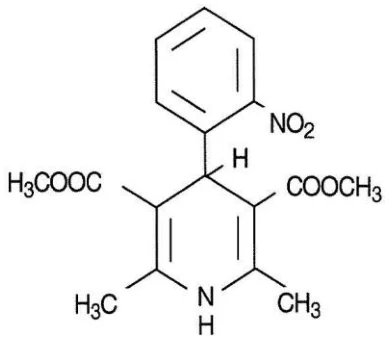
Physicochemical properties: Nifedipine is a pyridine dicarboxylic acid dimethylester. It is a fine yellowish powder, practically insoluble in water but soluble in ethanol. It is light-sensitive, and when exposed, is converted to a pharmacologically inactive pyridine derivative via an intramolecular redox process.
14 CLINICAL TRIALS
14.2 Study Results
See 14.3 Comparative Bioavailability Studies
14.3 Comparative Bioavailability Studies
A randomized, two treatment, single-dose, crossover comparative bioavailability study of APO-NIFEDIPINE 10 mg Capsule (Apotex Inc.) with ADALAT 10 mg Capsule (Miles Canada Inc.) was conducted in healthy, adult, male subjects under fasting conditions. Comparative bioavailability data from the 24 subjects that were included in the statistical analysis are presented in the following table:
Table 3 - Summary Table of the Comparative Bioavailability Data
Nifedipine (2 x 10 mg) Geometric Mean Arithmetic Mean (CV %) | ||||
| Parameter | Test1 | Reference2 | % Ratio of Geometric Means | 90% Confidence Interval |
AUCT (ng*h/mL) | 264.0 282.2 (39.0) | 280.6 296.1 (34.9) | 94.2 | 85.7 – 103.7 |
AUCI (ng*h/mL) | 279.0 296.6 (37.1) | 295.4 311.9 (34.5) | 94.4 | 86.3 – 103.4 |
CMAX (ng/mL) | 179.3 192.7 (38.0) | 180.9 199.6 (42.1) | 99.1 | 89.5 – 109.9 |
| TMAX3 (h) | 0.58 (0.42 – 1.00) | 0.50 (0.42 – 1.50) | ||
| T½4 (h) | 3.10 (50.88) | 2.96 (43.92) | ||
1 Apo-Nifedipine 10 mg Capsule (Apotex Inc.)
2Adalat 10 mg Capsule (Miles Canada Inc.)
3 Expressed as the median (range) only
4 Expressed as arithmetic means (CV%) only.
15 MICROBIOLOGY
No microbiological information is required for this drug product.
16 NON-CLINICAL TOXICOLOGY
General Toxicology
Acute Toxicity Studies
Table 4 - Oral LD50 Values of Nifedipine
| Animal Species | Sex | Dose Level (mg/kg) oral administration | LD50 mg/kg |
|---|---|---|---|
| Albino Mice | F | 623 – 1604 | 1000 |
| Albino Mice | M | 739 – 1354 | 1000 |
| Albino Mice | Combined sexes | 831 – 1204 | 1000 |
| Albino Rats | F | 3726 – 4962 | 4300 |
| Albino Rats | M | 5294 – 7261 | 6200 |
| Albinot Rats | Combined sexes | 4576 - 5463 | 5000 |
1 Identity of the test product.
2 Identity of the reference product, including the manufacturer, and origin (country of purchase).
The oral LD50 of nifedipine in albino mice was calculated to be 1000 mg/kg regardless of sex; in rats 6200 mg/kg and 4300 mg/kg for males and females respectively.
In mice, most deaths occurred within 24 hours of dosing while in rats, deaths occurred between days 2 and 9 post-dosing. In mice, principal signs of toxicity included ptosis, piloerection, hunching of the back, dyspnea, abdominal distention, tremor and reduced motor activity. In rats, principal signs of toxicity included darkening of the liver, spleen and/or G.I. tract, reddening of the lungs, adrenals, thymus and/or intestines, G.I. tract distention and in some animals, ascites. In both species, animals killed routinely at the end of the studies revealed no abnormalities upon necropsy.
Subacute Toxicity Studies
In rats, oral doses of 0.5 to 100 mg/kg/day nifedipine for 13 weeks did not induce significant adverse effects. Similar results were obtained in dogs treated with 0.5 to 50 mg/kg/day nifedipine for 13 weeks.
Carcinogenicity
Nifedipine was administered orally to dogs at dosages of 2.5, 20 and 100 mg/kg/day for 52 weeks. No indication of toxic damage caused by nifedipine was found.
In a 2–year study, nifedipine was administered orally to male and female rats in the diet at dosages of 5 to 9, 29 to 39, and 156 to 210 mg/kg/day. In the lowest dose group, nifedipine was without toxic effects. The higher dosage led to dose-dependent, significant weight losses. An increased mortality was found in the 156 to 210 mg/kg dose group, especially in the females. The pathological- anatomical examination of the dead animals showed a hypotonia or atonia of the musculature of the small intestine. An increase in the weight of the adrenal glands of male rats was also observed in this dose group. Histopathological examinations revealed no organ damage related to treatment.
At the end of the study, all rats were examined histopathologically with regards to tumorigenesis. Although the animals in the highest dose group showed no uncommon tumor incidences, this group was considered not suitable for comparison with the other treatment groups because of the high mortality rate. No significant difference were found between the controls and the remaining two treatment groups with respect to the frequency, nature and localization of tumors.
Genotoxicity
Mutagenicity Studies
In the Dominant Lethal test, the oral administration of nifedipine to mice at a dose of 100 mg/kg for 5 consecutive days did not affect fertility rate or post-implantation loss.
In the Micronucleus test, 2 doses of 50 mg/kg or 100 mg/kg nifedipine given orally to mice also did not produce any mutagenic effect. Furthermore, the formation of erythrocytes was not impaired as shown by the polychromatic: normochromatic erythrocyte ratio.
In the Ames' Salmonella/microsome test, nifedipine at doses of up to 12500 mcg per plate did not cause any bacterotoxic effects. Also, a dose-dependent and biologically relevant increase in the number of mutants to a level double that of the negative control was not noted.
Reproductive and Developmental Toxicology
Pregnant mice, rats and rabbits were treated orally with 10, 30 and 100 mg/kg nifedipine from day 6 to day 15 of gestation. In the mouse, at doses of 30 and 100 mg/kg there was an increase in the number of fetal resorptions. Fetal malformations in the form of cleft palate and rib deformities occurred at all dose levels in a dose related fashion. (Cleft palate occurred in 5/218 controls, 13/190 at 10 mg/kg, 22/112 at 30 mg/kg and 3/3 at 100 mg/kg).
In the rat, the dose of 30 mg/kg was not toxic to pregnant dams, but caused reduced fetal weight and increased fetal loss. The dose of 100 mg/kg produced malformations in the fetuses from 20% of the mother animals. In a total of 11 fetuses, 10 showed malformation of the front or hind paws (ectrodactyly, oligodactyly and adactyly) and one developed a severe malformation of the sinciput.
In the rabbit, there was a dose-dependent anorexia and weight loss in mothers during the dosing period. At 30 and 100 mg/kg, reduced litter size and weight and increased fetal loss were evident.
Studies on pregnant rhesus monkeys with oral doses of 2 (1 animal) or 6 mg/kg/day (4 animals) revealed no teratogenic effects. The placentas were poorly developed in dosed animals.
Pre- and post-natal studies on rats with daily doses of 3, 10, 30 and 100 mg/kg showed that nifedipine caused significant prolongation of the gestation period at dosage of 10 mg/kg upwards and a decrease in litter size. The post-natal development of the newborn animals was impaired when doses of 30 mg/kg or more had been administered. All offspring in the 100 mg/kg group died.