


Product Monograph - Novo-Bupropion SR
Pharmacology
NOVO-BUPROPION SR (Bupropion hydrochloride) is an antidepressant of the aminoketone class. It is chemically unrelated to tricyclic, tetracyclic, selective serotonin re-uptake inhibitors or other known antidepressant agents. Its structure closely resembles that of diethylpropion. It is related to the phenylethylamines.
The mechanism of bupropion's antidepressant activity is unknown but appears to be mediated by noradrenergic (and possibly dopaminergic), rather than serotonergic mechanisms. Preclinical studies have shown that bupropion blocks noradrenaline (NA) reuptake and dopamine (DA) reuptake. Its major metabolite (hydroxybupropion), which in man is present at blood levels 10-20-fold higher than bupropion, blocks only NA reuptake.
In vitro, bupropion and its major metabolites had essentially no affinity for ß-adrenergic, dopaminergic, GABA, benzodiazepine, 5HT1A, glycine and adenosine receptors, and only weakly inhibited α-adrenergic receptors in rat brain, α2-adrenergic, 5HT2, and muscarinic cholinergic receptors. High concentrations of bupropion and its major metabolites did not inhibit MAO-A or MAO-B activity. Bupropion and its major metabolites had no significant affinity for the 5HT transport system.
Pharmacokinetics
Absorption
Bupropion has not been administered intravenously to humans; therefore, the absolute bioavailability of bupropion hydrochloride sustained release tablets in humans has not been determined. In rat and dog studies, the bioavailability of bupropion ranged from 5% to 20%. Following oral administration of bupropion hydrochloride to healthy volunteers, peak plasma concentrations of bupropion are achieved within 3 hours. In two single-dose (150 mg) studies the mean peak concentration (Cmax) values were 91 and 143 ng/mL. At steady state, the mean Cmax following a 150 mg dose every 12 hours was 136 ng/mL.
In a single-dose study, food increased the Cmax of bupropion by 11% and the extent of absorption as defined by area under the plasma concentration-time curve (AUC) by 17%. The mean time to peak concentration (tmax) was prolonged by 1 hour. This effect was of no clinical significance.
Distribution
In vitro tests show that bupropion is 84% bound to human plasma proteins at concentrations up to 200 mcg/mL. The extent of protein binding of hydroxybupropion is similar to that of bupropion, whereas the extent of protein binding of the threohydrobupropion metabolite is about half that seen with bupropion. The volume of distribution (Vss/F) estimated from a single 150 mg dose given to 17 subjects is 1,950 L (20% CV).
Metabolism
Bupropion is extensively metabolized in humans. There are three active metabolites: hydroxybupropion and the amino-alcohol isomers threohydrobupropion and erythrohydrobupropion, which are formed via hydroxylation of the tert-butyl group of bupropion and/or reduction of the carbonyl group. Oxidation of the bupropion side chain results in the formation of a glycine conjugate of meta-chlorobenzoic acid, which is then excreted as the major urinary metabolite. In preclinical tests used to predict antidepressant activity, it has been observed that hydroxybupropion is comparable in potency to bupropion, while the other metabolites are one half to one tenth as potent. This may be of clinical importance because the plasma concentrations of the metabolites are higher than those of bupropion.
In vitro results indicate that biotransformation of bupropion to hydroxybupropion is catalyzed primarily by CYP2B6, and to a much lesser extent by CYPlA2, 2A6, 2C9, 2El and 3A4 isozymes. Detectable levels of hydroxybupropion are not observed with CYP1A1 and CYP2D6 isozymes. Cytochrome P450 isoenzymes are not involved in the formation of threohydrobupropion. Following a single 150mg dose of bupropion in humans, peak plasma concentrations of hydroxybupropion occur approximately 6 hours after administration. Peak plasma concentrations of hydroxybupropion are approximately 10 times the peak level of the parent drug at steady state. The AUC of hydroxybupropion at steady state is about 17 fold higher than that of bupropion. The times to peak
concentrations for the erythrohydrobupropion and threohydrobupropion metabolites are similar to that of hydroxybupropion, and steady-state AUCs are 1.5 and 7 times that of bupropion, respectively.
Because bupropion is extensively metabolized, there is the potential for drug-drug interactions, particularly with those agents that are metabolized by the CYP2B6 isoenzyme. Although bupropion is not metabolized by CYP2D6, there is the potential for drug-drug interactions when bupropion is co-administered with drugs metabolized by this isoenzyme (see PRECAUTIONS: Drug Interactions).
Elimination
In two single-dose (150mg) studies the mean ("% CV) apparent clearance (CI/F) of bupropion was 135 ("20%) and 209L/hr ("21%). Following chronic dosing of 150mg of bupropion hydrochloride every 12 hours for 14 days (n = 34), the mean CI/F at steady state was 160 L/hr ("23%). The mean elimination half-life of bupropion (estimated from a series of studies) is approximately 21 hours. Estimates of the half-lives of the metabolites determined from a multiple-dose study were 20 hours ("25%) for hydroxybupropion, 37 hours ("35%) for threohydrobupropion, and 33 hours ("30%) for erythrohydrobupropion. Steady-state plasma concentrations of bupropion and metabolites are reached within 5 and 8 days, respectively. Following oral administration of 200 mg of I4C-bupropion in humans, 87% and 10% of the radioactive dose were recovered in the urine and feces, respectively. The fraction of the oral dose of bupropion excreted unchanged was only 0.5%. Bupropion and its metabolites exhibit linear kinetics following chronic administration of 150 to 300 mg/day.
Factors or conditions altering metabolic capacity (e.g., liver disease, congestive heart failure, age, concomitant medications, etc.) or elimination may be expected to influence the degree and extent of accumulation of the active metabolites of bupropion. The elimination of the major metabolites of bupropion may be affected by reduced renal or hepatic function because they are moderately polar compounds and are likely to undergo further metabolism or conjugation in the liver prior to urinary excretion.
Hepatic (See also WARNINGS and DOSAGE ADMINISTRATION)
The effect of hepatic impairment on the pharmacokinetics of bupropion was characterized in two single-dose studies, one in subjects with alcoholic liver disease and one in subjects with mild to severe liver cirrhosis.
The first study involved 8 subjects with alcoholic liver disease, and 8 healthy matched controls. While mean AUC values were not significantly different, individual AUC values for both the parent drug bupropion and the primary metabolite hydroxybupropion were more variable in subjects with alcoholic liver disease, and increased by approximately 50% over those of healthy volunteers. The mean half-life of the primary metabolite hydroxybupropion was significantly longer by approximately 40% in subjects with alcoholic liver disease than in healthy volunteers (32"14 hours versus 21"5 hours, respectively). For all other pharmacokinetic values, for both parent drug and
metabolites, there were minimal differences between the two groups.
The second study involved 17 subjects with hepatic impairment (n=9 mild/Grade A child-Pugh rating; n=8 severe/Grade C Child-Pugh rating) and 8 healthy matched controls. In the severe group, the mean value for bupropion AUC was increased threefold over control values, with mean clearance decreased proportionately. Mean Cmax and plasma half-life were increased by approximately 70% and 40% respectively. For the primary metabolites, mean AUC was increased by approximately 30%-50% with mean clearance decreased proportionately. Mean Cmax was lower by approximately 30% to 70%, and mean plasma half-life increased threefold.
In the mild group, while mean values were not statistically increased from those of controls, the variability in the PK values was higher in the subjects with impairment; a sub-group of 1 to 3 subjects (dependent on pharmacokinetic parameter examined) showed individual values which were in the range of the severely impaired subjects. For the primary metabolites, the differences between groups in pharmacokinetic parameters were minimal.
In patients with hepatic impairment, treatment should be initiated at reduced dosage (see PRECAUTIONS, see DOSAGE AND ADMINISTRATION).
Effect of Smoking
In a single dose study, there were no significant differences in the pharmacokinetics of bupropion or its major metabolites in smokers compared with non-smokers.
Effect of Age
The effects of age on the pharmacokinetics of bupropion and its metabolites have not been fully characterized, but an exploration of steady state bupropion concentrations from several depression efficacy studies involving patients dosed in a range of 300 to 750 mg/day, on a three times a day schedule, revealed no relationship between age (18 to 83 years) and plasma concentration of bupropion. A single-dose pharmacokinetic study demonstrated that the disposition of bupropion and its metabolites in elderly subjects was similar to that of younger subjects. These data suggest there is no prominent effect of age on bupropion concentration: however, another single and multiple dose pharmacokinetic study, has suggested that the elderly are at increased risk for accumulation of bupropion and its metabolites (see PRECAUTIONS, see DOSAGE AND ADMINISTRATION).
Experience in Clinical Trials
The effectiveness of bupropion hydrochloride in the treatment of moderate depression has been systematically evaluated at doses ranging from 50 - 400mg/day in three multicentre, randomized, placebo-controlled, double-blind, parallel-group studies involving a total of 1420 patients of whom 1021 received active doses of the bupropion hydrochloride and 399 received placebo. Each study included a one week placebo lead-in phase to identify and exclude placebo responders, followed by an 8 week treatment phase.
The response to treatment was evaluated at regular intervals using the Hamilton Rating Scale for Depression (HAMD), Clinical Global Impressions Scales of Severity (CGI-S) and Improvement (CGI-I) Scale. Both the observed and the last observation carried forward (LOCF) values were analysed.
In one study comparing fixed daily doses of either 150 mg once daily (n=121) or 300 mg as 150 mg twice daily (n=120) bupropion hydrochloride to placebo (n=121), the HAMD, CGI-S (change form baseline) and CGI-I scores for both bupropion hydrochloride groups at endpoint were statistically significantly superior to placebo. Both active treatment groups showed a similar magnitude of improvement during the trial.
In a second study patients received fixed daily doses of either l00 mg, 200 mg, 300 mg or 400 mg/day (given on a twice daily schedule) bupropion hydrochloride or placebo. The magnitude of the mean change scores were consistently greater for all active groups than placebo by day 21. At endpoint, scores in the 100 mg group were statistically significantly superior to placebo on all rating scales, while the higher dose groups followed a similar pattern but did not achieve statistical significance.
A third study compared two flexible doses; 50-150 mg/day (given once daily), and 100-300mg/day (twice daily schedule) to placebo (n = approximately 150 patients per group). Patients began at the lowest dose in the range and were titrated to the highest tolerated dose in the range over a period of 7 days. Investigators had the option to titrate down when a higher dose was not well tolerated. The mean daily dose calculated, from day 8 onwards was 144 mg in the 50-150 mg arm and 276 mg in the 100-300 mg arm, indicating that the vast majority of patients remained on the highest allowable dose in their respective groups for the duration of the study. Efficacy measures at endpoint for the 50-150 mg/day group were statistically significantly superior to placebo. The higher dose group followed a similar pattern but did not achieve statistical significance at endpoint. A combined endpoint analysis of all patients treated with bupropion hydrochloride in the trial, demonstrated statistically significant superiority on all efficacy measures compared to placebo.
In summary, patients receiving bupropion hydrochloride at doses of 100 mg to 150 mg/day in single or divided doses experienced improvement relative to placebo on the major indices of depression. Clinical response did not improve with increasing dose, indicating a flat dose-response relationship in the range of doses studied.
A comparative, randomized, single dose, two-way, blinded crossover bioavailability study was performed on two Bupropion HCl sustained release tablet products, Novo-Bupropion sustained release and Wellbutrin7 sustained release tablet 150 mg dose under fasted conditions. The pharmacokinetic data are tabulated below.
Table of the Comparative Bioavailability Data
Bupropion
(1 x 150 mg) From measured data Geometric Mean Arithmetic Mean (CV%)
| Parameter | Test Novo-Bupropion SR | Reference Wellbutrin7SR** | Ratio of Geometric Means (%) | 90% Confidence Interval |
| AUCT (ng.h/mL) | 630.79 661.93 (32.4) | 659.09 692.99 (32.3) | 95.7 | 92.4 - 99.2 |
| AUCI (ng.h/mL) | 658.19 690.29 (32.2) | 686.40 721.45 (32.3) | 95.9 | 92.7 - 99.2 |
| CMAX (ng/mL) | 72.55 76.11 (33.0) | 77.93 81.27 (28.5) | 93.1 | 88.4 - 98.1 |
| TMAX (h)* | 3.76 (31.5) | 3.43 (25.9) | - | - |
| T2 (h)* | 14.85 (33.8) | 15.46 (40.2) | - | - |
**Wellbutrin SR7 manufactured by GlaxoWellcome Canada and purchased in Canada. *Expressed as the arithmetic mean (C.V.%) only.
A comparative, randomized, single dose, two-way, blinded crossover bioavailability study was performed on two Bupropion HCl sustained release tablet products, Novo-Bupropion sustained release and Wellbutrin7 sustained release tablet 150 mg dose under fed conditions. The pharmacokinetic data are tabulated below.
Table of the Comparative Bioavailability Data
Bupropion
(1 x 150 mg)
From measured data Geometric Mean Arithmetic Mean (CV%)
| Parameter | Test Novo-Bupropion SR | Reference Wellbutrin7SR** | Ratio of Geometric Means (%) | 90% Confidence Interval |
| AUCT (ng.h/mL) | 828.33 848.98 (24.3) | 797.29 820.27 (25.4) | 103.9 | 101.5 - 106.4 |
| AUCI (ng.h/mL) | 860.71 881.45 (23.9) | 829.49 852.21 (24.8) | 103.8 | 101.3 - 106.3 |
| CMAX (ng/mL) | 107.42 111.79 (32.9) | 92.32 96.21 (31.4) | 116.3 | 110.1 - 123.0 |
| TMAX (h)* | 3.78 (26.5) | 3.84 (25.0) | - | - |
| T2 (h)* | 17.83 (46.1) | 17.15 (38.5) | - | - |
**Wellbutrin SR7 manufactured by GlaxoWellcome Canada and purchased in Canada. *Expressed as the arithmetic mean (C.V.%) only.
A comparative, randomized, single dose, two-way, blinded crossover bioavailability study was performed on two Bupropion HCl sustained release tablet products, Novo-Bupropion sustained release and Wellbutrin7 sustained release tablet 150 mg dose following multiple dose administration under fasted conditions. The pharmacokinetic data are tabulated below.
Table of the Comparative Bioavailability Data
Bupropion
(1 x 150 mg) From measured data Geometric Mean Arithmetic Mean (CV%)
| Parameter | Test Novo-Bupropion SR | Reference Wellbutrin7SR** | Ratio of Geometric Means (%) | 90% Confidence Interval |
| AUCT (ng.h/mL) | 716.75 741.68 (26.6) | 723.15 749.80 (26.5) | 99.1 | 95.0 -103.4 |
| CMAX (ng/mL) | 97.36 100.65 (25.8) | 100.72 104.29 (25.4) | 96.7 | - |
| CMIN (ng/mL) | 28.16 29.82 (34.2) | 28.64 30.20 (31.9) | 98.3 | - |
| TMAX (h)* | 3.58 (35.4) | 2.91 (27.6) | - | - |
| FL (%)* | 116.67 (23.5) | 120.83 (22.3) | - | - |
**Wellbutrin SR7 manufactured by GlaxoWellcome Canada and purchased in Canada. *Expressed as the arithmetic mean (C.V.%) only.
Indications and Use
NOVO-BUPROPION SR (bupropion hydrochloride) is indicated for the symptomatic relief of depressive illness. The effectiveness of bupropion hydrochloride in long-term use (more than 8 weeks) has not been systematically evaluated in controlled trials. Therefore, the physician who elects to use bupropion hydrochloride for extended periods should periodically reevaluate the long-term usefulness of the drug for the individual patient.
Contraindications
To reduce the risk of seizures, NOVO-BUPROPION SR (bupropion hydrochloride) is contraindicated in patients:
! Receiving Zyban7 or any other medications that contain bupropion hydrochloride because the incidence of seizure is dose dependent (see WARNINGS)
! with a current seizure disorder (see WARNINGS)
! with a current or prior diagnosis of bulimia or anorexia nervosa because of a higher incidence of seizures (see WARNINGS) noted in patients treated for bulimia with the immediate release formulation of bupropion
! undergoing abrupt withdrawal from alcohol or benzodiazepines or other sedatives
To reduce risks due to drug interaction, the concomitant use of NOVO-BUPROPION SR is contraindicated in patients currently taking:
! Monoamine oxidase(MAO) inhibitors
! the antipsychotic thioridazine, since bupropion may inhibit thioridazine metabolism, thus causing an increase in thioridazine levels and a potential increased risk of thioridazine-related serious ventricular arrhythmias and sudden death.
At least 14 days should elapse between discontinuation of one drug and the start of another.
NOVO-BUPROPION SR is contraindicated in patients with known hypersensitivity to bupropion or to any of the components of the formulation.
Warnings
POTENTIAL ASSOCIATION WITH THE OCCURRENCE OF BEHAVIOURAL AND EMOTIONAL CHANGES, INCLUDING SELF-HARM.
Pediatrics: Placebo-Controlled Clinical Trial Data
- Recent analyses of placebo clinical trial safety databases from SSRIs and other newer anti-depressants suggests that use of these drugs in patients under the age of 18 may be associated with behavioural and emotional changes, including an increased risk of suicidal ideation and behaviour over that of placebo.
- The small denominators in the clinical trial database, as well as the variability in placebo rates, preclude reliable conclusions on the relative safety profiles among these drugs.
Adult and Pediatrics: Additional Data
- There are clinical trial and post-marketing reports with SSRIs and other newer anti- depressants, in both pediatrics and adults, of severe agitation-type adverse events coupled with self-harm or harm to others. The agitation-type events include: akathisia, agitation, disinhibition, emotional lability, hostility, aggression, depersonalization. In some cases, the events occurred within several weeks of starting treatment.
Rigorous clinical monitoring for suicidal ideation or other indicators of potential for suicidal behaviour is advised in patients of all ages given an anti-depressant drug. This includes monitoring for agitation-type emotional and behavioural changes. Seizures:
Seizures:
Patients should be made aware that NOVO-BUPROPION SR contains the same active ingredient (bupropion hydrochloride) as ZYBAN®. NOVO-BUPROPION SR should NOT be administered to patients already receiving a product containing bupropion hydrochloride (see CONTRAINDICATIONS).
Data for bupropion hydrochloride sustained release tablets revealed a seizure incidence of approximately 0.1 % (3 of 3,100 patients followed prospectively) in patients treated at the recommended dose range of 100 to 300 mg/day. The incidence of seizures increased to 0.4% (4/1000), above the recommended dose, at 400mg/day. Data for the immediate release bupropion revealed a seizure incidence of approximately 0.4% (13 of 3,200 patients followed prospectively) in patients treated at doses of 300 to 450 mg/day. Additional data accumulated for the immediate release formulation of bupropion suggests that the estimated seizure incidence increases almost tenfold between 450 and 600 mg/day. Given the wide variability among individuals and their capacity to metabolize and eliminate drugs, the disproportionate increase in seizure incidence with dose incrementation calls for caution in dosing.
Predisposing Risk Factors for Seizures:
The risk of seizure occurring with bupropion use appears to be associated with the presence of predisposing risk factors. Therefore extreme caution should be used when treating patients with predisposing factors which increase the risk of seizures, including:
! history of head trauma or prior seizure
! central nervous system (CNS) tumour
! the presence of severe hepatic impairment
! excessive use of alcohol; addiction to opiates, cocaine, or stimulants ! use of concomitant medications that lower seizure threshold, including but not limited to:
antipsychotics, antidepressants, lithium, amantadine, theophylline systemic steroids, quinolone antibiotics, and anti-malarials.
! use of over-the-counter stimulants or anorectics
! diabetes treated with oral hypoglycemics or insulin.
The above group of risk factors, including medications, should not be considered exhaustive; for each patient, all potential predisposing factors must be carefully considered.
In order to minimize the Risk of Seizure:
! the total daily dose of NOVO-BUPROPION SR must not exceed 300 mg (the maximum recommended dose), and
! no single dose of NOVO-BUPROPION SR may exceed 150 mg, in order to avoid high peak concentrations of bupropion and/or its metabolites.
If a Seizure Occurs:
Patients should be warned that if they experience a seizure while taking NOVO-BUPROPION SR they should contact their doctor or go to a hospital emergency ward immediately, and should stop taking NOVO-BUPROPION SR. Treatment should not be restarted if a patient has experienced a seizure while taking NOVO-BUPROPION SR or ZYBAN7
Hepatic Impairment:
The results of two single dose pharmacokinetic studies indicate that the clearance of bupropion is reduced in all subjects with Child-Pugh Grades C hepatic impairment, and in some subjects with milder forms of liver impairment. Given the risks associated with both peak bupropion levels and drug accumulation, NOVO-BUPROPION SR is not recommended for use in patients with severe hepatic impairment. However, should clinical judgement deem it necessary, it should be used only with extreme caution at a reduced dose, to a maximum dose of 100 mg every day or 150 mg every other day.
All patients with hepatic impairment should be closely monitored for possible adverse effects (e.g., insomnia, dry mouth, seizures) that could indicate high drug or metabolite levels (see DOSAGE
AND ADMINISTRATION; ACTIONS AND CLINICAL PHARMACOLOGY; and PRECAUTIONS).
Potential for Hepatotoxicity:
In rats receiving large doses of bupropion chronically, there was an increase in incidence of hepatic hyperplastic nodules and hepatocellular hypertrophy. In dogs receiving large doses of bupropion chronically, various histologic changes were seen in the liver, and laboratory tests suggesting mild hepatocellular injury were noted.
Precautions
Suicide:
The possibility of a suicide attempt in seriously depressed patients is inherent to the illness and may persist until significant remission occurs. Close supervision of high risk patients should accompany initial drug therapy, and consideration should be given to the need for hospitalization. It should be noted that a causal role for SSRIs and other newer anti-depressants in inducing self-harm or harm to others has not been established. In order to reduce the risk of overdose, prescriptions for NOVO-BUPROPION SR should be written for the smallest number of tablets consistent with good patient management. (See WARNINGS: POTENTIAL ASSOCIATION WITH THE OCCURRENCE OF BEHAVIOURAL AND EMOTIONAL CHANGES, INCLUDING SELF-HARM)
Allergic Reactions:
Anaphylactoid/anaphylactic reactions characterized by symptoms such as pruritus, urticaria, angioedema, and dyspnea requiring medical treatment have been reported in clinical trials with bupropion at a rate of 1-3 per thousand. In addition, there have been rare spontaneous postmarketing reports of erythema multiforme, Stevens-Johnson syndrome, and anaphylactic shock associated with bupropion. In uncontrolled and controlled clinical trials, skin disorders, primarily rashes, pruritis, and urticaria, lead to discontinuation of 1.5% and 1.9%, respectively of bupropion-treated subjects. A patient should stop taking NOVO-BUPROPION SR and consult a doctor if experiencing allergic or anaphylactoid/anaphylactic reactions (e.g., skin rash, pruritus, hives, chest pain, edema, and shortness of breath) during treatment.
Arthralgia, myalgia and fever have also been reported in association with rash and other symptoms suggestive of delayed hypersensitivity. These symptoms may resemble serum sickness.
Bupropion should be discontinued immediately if any hypersensitivity reactions are experienced. Symptoms of hypersensitivity should be treated in accordance with established medical practice. Clinicians should be aware that symptoms may persist beyond the discontinuation of bupropion, and clinical management should be provided accordingly. In post-market experience, there have been reports of hypersensitivity reactions in patients who consumed alcohol while taking bupropion. As
the contribution of alcohol to these reactions has been established, patients should avoid alcohol when they are taking bupropion (see Alcohol Interaction).
Conditions that Predispose Patients to Seizures:
To reduce the risk of seizures, NOVO-BUPROPION SR is contraindicated in patients with specific conditions (see CONTRAINDICATIONS), while extreme caution is recommended with other conditions (see WARNINGS).
Agitation and Insomnia:
In placebo-controlled trials, patients receiving bupropion hydrochloride sustained release tablets experienced an increased incidence of agitation, anxiety, and insomnia relative to those receiving placebo (see ADVERSE REACTIONS and WARNINGS: POTENTIAL ASSOCIATION WITH THE OCCURRENCE OF BEHAVIOURAL AND EMOTIONAL CHANGES, INCLUDING SELF-HARM). These symptoms were sometimes of sufficient magnitude to require discontinuation of bupropion hydrochloride, or concurrent treatment with sedative/hypnotic drugs. Insomnia may be minimized by avoiding bedtime doses and, if necessary, reduction in dose.
Psychosis, Confusion, and Other Neuropsychiatric, Phenomena:
Patients treated with bupropion hydrochloride have been reported to show a variety of neuropsychiatric signs and symptoms including delusions, hallucinations, psychosis, concentration disturbance, paranoia and confusion. In some cases these abated upon dose reduction and/or withdrawal of treatment.
Activation of Psychosis and/or Mania:
Antidepressants can precipitate manic episodes in bipolar patients during the depressed phase of their illness and may activate latent psychosis in other susceptible patients. NOVO-BUPROPION SR (bupropion hydrochloride) is expected to pose similar risks.
Altered Appetite and Weight:
In clinical trials bupropion hydrochloride sustained release was associated with dose-related weight loss. In eight week controlled trials mean weight loss for trial completers was 0.1 kg for placebo, 0.8 kg for bupropion hydrochloride sustained release 100 mg/day, 1.4 kg for bupropion hydrochloride at 150 mg/ day, and 2.3 kg at 300 mg/day. If weight loss is a major presenting sign of a patient's depressive illness, the potential anoretic and/or weight reducing effect of bupropion hydrochloride sustained release should be considered.
Cardiovascular Effects:
In clinical practice, hypertension, in some cases severe, requiring acute treatment, has been reported in patients receiving bupropion alone and in combination with nicotine replacement therapy. These events have been observed in both patients with and without evidence of preexisting hypertension.
Data from a comparative study of the sustained-release formulation of bupropion, nicotine transdermal system (NTS), the combination of sustained-release bupropion plus NTS, and placebo as an aid to smoking cessation suggest a higher incidence of treatment-emergent hypertension in patients treated with the combination of sustained-release bupropion and NTS. In this study, 6.1% of patients treated with the combination of sustained- release bupropion and NTS had treatment-emergent hypertension compared to 2.5%, 1.6%, and 3.1% of patients treated with sustained- release bupropion, NTS, and placebo, respectively. The majority of these patients had evidence of preexisting hypertension. Three patients (1.2%) treated with the combination of sustained-release formulation of bupropion and NTS and one patient (0.4%) treated with NTS had study medication discontinued due to hypertension compared to none of the patients treated with sustained-release formulation of bupropion or placebo. Monitoring of blood pressure is recommended in patients who receive the combination of bupropion and nicotine replacement.
There is no clinical experience establishing the safety of bupropion hydrochloride in patients with a recent history of myocardial infarction or unstable heart disease. Therefore, care should be exercised if it is used in these groups. In a study of depressed inpatients with stable congestive heart failure, bupropion was associated with a rise in supine blood pressure, resulting in discontinuation of two patients for exacerbation of baseline hypertension.
Hepatic Impairment:
Based on the variability reported for individual pharmacokinetic (PK) values of patients with mild hepatic impairment in a single dose pharmacokinetic study, patients with mild or moderate hepatic impairment should be initiated on the lowest recommended dose. Bupropion is not recommended for patients with severe hepatic impairment (see WARNINGS, and also DOSAGE AND ADMINISTRATION).
All patients with hepatic impairment should be closely monitored for possible adverse effects (e.g., insomnia, dry mouth, seizures) that could indicate high drug and metabolite levels (see ACTIONS and CLINICAL PHARMACOLOGY, WARNINGS and DOSAGE AND ADMINISTRATION).
Renal Impairment:
No studies have been conducted in patients with renal impairment. Bupropion is extensively metabolized in the liver to active metabolites, which are largely further metabolized before being excreted by the kidneys. NOVO-BUPROPION SR should be used with caution in patients with renal impairment and a reduced frequency and/or dose should be considered as bupropion and its metabolites may accumulate in such patients to a greater extent than usual. The patient should be closely monitored for possible adverse effects (e.g., insomnia, dry mouth, seizures) that could indicate high drug or metabolite levels.
Occupational Hazards:
Any psychoactive drug may impair judgement, thinking or motor skills. Therefore patients should be cautioned about operating hazardous machinery, including automobiles, until they are reasonably certain that the drug treatment does not affect their performance adversely.
Pregnancy, Labour and Delivery:
There are no adequate and well-controlled studies of bupropion hydrochloride in pregnant women. NOVO-BUPROPION SR should thus not be used during pregnancy unless the potential benefit is judged to outweigh the potential risk.
Post-marketing reports indicate that some neonates exposed to SSRIs (Selective Serotonin Reuptake Inhibitors), or other newer anti-depressants, such as bupropion hydrochloride, late in the third trimester have developed complications requiring prolonged hospitalization, respiratory support and tube feeding. Such complications can arise immediately upon delivery. Reported clinical findings have included respiratory distress, cyanosis, apnea, seizures, temperature instability, feeding difficulty, vomiting, hypoglycemia, hypotonia, hyperreflexia, tremor, jitteriness, irritability, and constant crying. The frequency of symptoms may vary with each drug. These features are consistent with either a direct toxic effect of SSRIs and other newer anti-depressants, or, possibly, a drug discontinuation syndrome. When treating a pregnant woman with NOVO-BUPROPION SR during the third trimester, the physician should carefully consider the potential risks and benefits of treatment. (See DOSAGE AND ADMINISTRATION)
Lactation:
Like many other drugs, bupropion and its metabolites are secreted in human milk. Because of the potential for serious adverse reactions in nursing infants from NOVO-BUPROPION SR, a decision should be made whether to discontinue nursing or to discontinue the drug, taking into account the importance of the drug to the mother.
Children:
The safety and effectiveness of bupropion hydrochloride sustained release in individuals under 18 years old have not been established.
Geriatrics:
Of the approximately 6000 patients who participated in clinical trials with bupropion sustained-release tablets (depression and smoking cessation studies), 275 were 65 and over and 47
were 75 and over. In addition, several hundred patients 65 and over participated in clinical trials using the immediate-release formulation of bupropion (depression studies). No overall differences in safety or effectiveness were observed between these subjects and younger subjects, and other reported clinical experience has not identified differences in responses between the elderly and younger patients, but greater sensitivity of some older individuals cannot be ruled out.
A single-dose pharmacokinetic study demonstrated that the disposition of bupropion and its metabolites in elderly subjects was similar to that of younger subjects; however, another single and multiple dose pharmacokinetic study, has suggested that the elderly are at increased risk for accumulation of bupropion and its metabolites (see ACTIONS AND CLINICAL PHARMACOLOGY, Pharmacokinetics).
Bupropion is extensively metabolized in the liver to active metabolites, of which some are eliminated by the kidney, while others are further metabolized before being excreted in urine. The risk of toxic reaction to this drug may be greater in patients with impaired renal function. Because elderly patients are more likely to have decreased renal function, care should be taken in dose selection, and it may be useful to monitor renal function (see PRECAUTIONS, Hepatic or Renal Impairment).
Drug Interactions
In vitro studies indicate that bupropion is primarily metabolized to hydroxybupropion by the CYP2B6 isoenzyme (see ACTIONS AND CLINICAL PHARMACOLOGY, Pharmacokinetics). Therefore, the potential exists for a drug interaction between bupropion hydrochloride and drugs that affect the CYP2B6 isoenzyme (e.g., orphenadrine and cyclophosphamide). The threohydrobupropion metabolite of bupropion does not appear to be produced by the cytochrome P450 isoenzymes. Few systematic data have been collected on the metabolism of bupropion hydrochloride following concomitant administration with other drugs or alternatively, the effect of concomitant administration of bupropion hydrochloride on the metabolism of other drugs.
Following chronic administration of bupropion, 100 mg t.i.d. to 8 healthy male volunteers for 14 days, there was no evidence of induction of its own metabolism.
Because bupropion is extensively metabolized, the coadministration of other drugs may affect its clinical activity. In particular, certain drugs may induce the metabolism of bupropion (e.g., carbamazepine, phenobarbital, phenytoin).
Drugs Metabolized By CYP2D6:
Many drugs, including most antidepressants (SSRls, many tricyclics), beta-blockers, antiarrhythmics, and antipsychotics are metabolized by the CYP2D6 isoenzyme. Although bupropion is not metabolized by this isoenzyme, bupropion and hydroxybupropion are inhibitors of CYP2D6 isoenzyme in vitro. In a study of 15 male subjects (ages 19 to 35 years) who were extensive metabolizers of the CYP2D6 isoenzyme, daily doses of bupropion given as 150 mg twice
daily, followed by a single dose of 50 mg desipramine, increased the Cmax, AUC, and t2 of desipramine by an average of approximately two-, five- and two-fold, respectively. The effect was present for at least 7 days after the last dose of bupropion. Concomitant use of bupropion with other drugs metabolized by CYP2D6 has not been formally studied.
Co-administration of Thioridazine Contraindicated
Administration of the antipsychotic thioridazine alone produces prolongation of the QTc interval, which is associated with serious ventricular arrhythmias such as torsades de pointes, and sudden death. As this effect appears to be dose-related, it is anticipated that risk increases with inhibition of thioridazine metabolism. An in-vivo study suggests that drugs which inhibit CYP2D6 will elevate plasma levels of thioridazine. Therefore concomitant use of thioridazine with NOVO-BUPROPION SR is contraindicated (see CONTRAINDICATIONS).
Co-administration of other drugs metabolized by CYP2D6 isoenzyme
Co-administration of bupropion with other drugs that are metabolized by CYP2D6 isoenzyme including certain antidepressants (e.g., nortriptyline, imipramine, desipramine, paroxetine, fluoxetine, sertraline), antipsychotics(e.g.haloperidol, risperidone), beta-blockers (e.g., metoprolol), and Type 1 C antiarrhythmics (e.g., propafenone, flecainide), should be approached with caution and should be initiated at the lower end of the dose range of the concomitant medication. If bupropion is added to the treatment regimen of a patient already receiving a drug metabolized by CYP2D6, the need to decrease the dose of the original medication should be considered, particularly for those concomitant medications with a narrow therapeutic index.
MAO Inhibitors:
Studies in animals demonstrate that the acute toxicity of bupropion is enhanced by the MAO inhibitor, phenelzine (see CONTRAINDICATIONS).
Cimetidine:
The effects of concomitant administration of cimetidine on the pharmacokinetics of bupropion and its active metabolites were examined in a crossover study in 24 healthy young male volunteers, following oral administration of two 150 mg bupropion hydrochloride SR tablets with and without 800 mg of cimetidine. A single dose of cimetidine had no effect on single dose pharmacokinetic parameter estimates for bupropion, or hydroxybupropion, but caused a small statistically significant increase in the combined threohydro and erythrobupropion AUC (16%) and Cmax (32%).
Levodopa and Amantadine:
Limited clinical data suggest a higher incidence of neuropsychiatric adverse experiences, such as confusion, agitation and delirium, in patients receiving bupropion, concurrently with either levodopa
or amantadine. Tremor, ataxia and dizziness were also reported. Administration of NOVO-BUPROPION SR to patients receiving either levodopa or amantadine concurrently should be undertaken with caution, using small initial doses and gradual dose increases.
Use of NOVO-BUPROPION SR with Drugs that Predispose Patients to Seizures:
Concurrent administration of NOVO-BUPROPION SR tablets with agents that lower seizure threshold (e.g., antipsychotics, other antidepressants, theophylline, lithium, systemic steroids etc) should be undertaken only with extreme caution (see WARNINGS). Low initial dosing and gradual dose increases should be employed.
Other Drugs with CNS Activity:
The risk of using bupropion hydrochloride sustained release in combination with other CNS-active drugs has not been systematically evaluated. Consequently, caution is advised if the concomitant administration of NOVO-BUPROPION SR and such drugs is required.
Transdermal Nicotine:
(see PRECAUTIONS, Cardiovascular Effects)
Alcohol Interactions:
In post-marketing experience, there have been reports of adverse neuropsychiatric events or, reduced alcohol tolerance, in patients who were drinking alcohol during treatment with bupropion. Rarely, reports of fatal outcomes with this combination have been received; however a causal relationship has not been established. The consumption of alcohol during treatment with bupropion should be avoided (also see WARNINGS, Predisposing Risk Factor for Seizures).
Adverse Reactions
The information included under ADVERSE REACTIONS is based on data from clinical trials with bupropion hydrochloride, the sustained release formulation of bupropion in the treatment of depression. Information on additional adverse events associated with the sustained release formulation of bupropion in smoking cessation trials as well as the immediate release formulation of bupropion is included in a separate subsection (see Events Observed During Development and Post-Marketing Experience of bupropion with other formulations or indications).
Adverse Events Associated with Discontinuation of Treatment
In placebo controlled studies of depression (987 patients treated with bupropion hydrochloride, and 385 treated with placebo), adverse events caused discontinuation in 7% of bupropion hydrochloride-treated patients and 3% of placebo-treated patients. The more common events leading
to discontinuation of bupropion hydrochloride included nervous system disturbances (2.2%), primarily agitation, anxiety and insomnia; skin disorders (1.9%), primarily rashes, pruritis and urticaria; general body complaints (1.0%), primarily headaches, and digestive system disturbances (1.0%), primarily nausea. Two patients in bupropion hydrochloride sustained release treatment groups discontinued due to hallucinations (auditory or visual). The rates of premature discontinuation due to an adverse event were dose-related in these studies.
In an open label, uncontrolled (acute treatment and continuation) study of bupropion hydrochloride sustained release, 11% patients (361 out of 3100) discontinued treatment due to an adverse event. Adverse events leading to premature discontinuation in 1% or more of patients were: headache (1.1%), nausea (1.0%), and insomnia (1.0%). Adverse events leading to premature discontinuation in 0.5% to 1 % of patients were: anxiety (0.8%), rash (0.8%), agitation (0.7%), irritability (0.5%), and dizziness (0.5%). In those patients (n =1577) who went into the continuation phase after 8 weeks of treatment, 6 (0.4%) discontinued due to alopecia. Because this study was uncontrolled, it is not possible to reliably assess the causal relationship of these events to treatment with bupropion hydrochloride sustained release.
Incidence of Commonly Observed Adverse Events in Controlled Clinical Trials
Adverse events commonly encountered during the clinical development of bupropion hydrochloride sustained release (incidence of 5% or greater; and higher incidence in bupropion hydrochloride sustained release treated, than placebo-treated patients) were headache, constipation, dry mouth, nausea, dizziness, insomnia, tremor and tinnitus.
Adverse Events Occurring at an Incidence of 1% or More Among Patients Treated with bupropion hydrochloride sustained release in placebo controlled trials:
Table 1. Enumerates treatment-emergent adverse events that occurred at an incidence of 1% or more and were more frequent than in the placebo group in patients participating in placebo-controlled clinical trials. Reported adverse events were classified using a COSTART-based Dictionary.
TABLE 1 - ADVERSE EVENTS ATTRIBUTED TO STUDY DRUG (%)
Treatment-Emergent Adverse Experiences Occurring in $1 % of Patients in Any BUP SR Group for Studies 203,205, and 212
Body System
Body
Cardiovascular
Digestive
Musculoskeletal
Nervous System
Respiratory
Skin
Special Senses
Urogenital
Adverse Experience
Asthenia
Flu Syndrome Headache
Infection
Accidental Injury Pain
Abdominal Pain Back Pain
Chest Pain
Neck Pain
Hot Flashes
Migraine
Palpitations
Tachycardia
Anorexia
Constipation
Diarrhea
Dry Mouth
Dyspepsia
Flatulence
Nausea
Vomiting
Arthralgia
Leg Cramps
Myalgia
Twitch
Agitation
Anxiety
CNS Stimulation Dizziness
Hypertonia
Insomnia
Irritability
Decreased Libido Nervousness
Somnolence
Tremor
Pharyngitis
Rhinitis
Sinusitis
Pruritus
Rash
Sweating
Urticaria
Amblyopia
Taste Perversion Tinnitus
Urinary Tract Infection Urinary Frequency
BUP SR 100-150
(n=382) %
1.8 6.2 27.5 4.7 1.8 1.3 3.9 1.8
1.3 1.3 0.8 2.9 1.6 3.1 6.5 3.9 13.1 4.2 1.8 10.7 1.8 2.6
1.6 0.8 1.6 4.5
7.1
7.9 2.4
4.5 2.6 3.1 1.3 9.9 1.6 2.4 2.1 2.4 0.8 2.9
3.9
1.3
BUP SR 200-300
(n=491) %
1.6 2.4 26.9 7.5 1.8 2.4 3.5 4.5 2.9
1.4
0.6 4.5 10.8 5.9 16.5 4.7 3.1 12.6 3.9 0.8 0.2 3.3
3.5 4.3 1.2 8.6 1.2 11.4 3.9 0.6 4.1 2.0 6.1 2.9 6.7 2.4 2.2 4.1 5.1 1.4 2.4 1.4 5.1 1.8 2.4
PBO (n=385) % 1.6 3.1 23.4 6.5 1.8 2.1 1.6 3.1 0.8 1.3 0.8
1.6 0.5 1.6 6.8 5.7
4.4 2.1 7.5 1.6 0.5 0.5 2.9 0.3 1.8 3.1 0.5 5.5 0.5 6.5 1.6 0.5 2.6 2.1 0.8 1.8 9.6 2.1 1.6 1.3 1.6
1.8 0.3 1.8 0.3 1.6
Events Observed During Development and Post-Marketing Experience of Bupropion with Other Formulations or Indications
Post-marketing reports suggest that the reintroduction of bupropion hydrochloride in patients who experienced a seizure is associated with a risk of seizure reoccurrence in some cases. Thus, patients should not restart bupropion hydrochloride therapy if they have had a seizure on bupropion formulations (see Warnings).
In addition to the events noted above, the following adverse events have been reported in clinical trials and post-marketing experience with the sustained release formulation of bupropion in depressed patients and in non-depressed smokers, as well as in clinical trials and post-marketing experience with the immediate release formulation of bupropion.
Adverse events for which frequencies are provided below occurred in clinical trials with the sustained-release formulation of bupropion. The frequencies represent the proportion of patients who experienced a treatment-emergent adverse event on at least one occasion in placebo-controlled studies for depression (n = 987) or smoking cessation (n = 1013), or patients who experienced an adverse event requiring discontinuation of treatment in an open-label surveillance study with bupropion hydrochloride tablets (n = 3100). All treatment-emergent adverse events are included except those listed in Table 1, those events listed in other safety-related sections, those adverse events subsumed under COSTART terms that are either overly general or excessively specific so as to be uninformative, those events not reasonably associated with the use of the drug, and those events that were not serious and occurred in fewer than two patients.
Events of major clinical importance are described in the WARNINGS and PRECAUTIONS sections of the labeling.
Events are further categorized by body system and listed in order of decreasing frequency according to the following definitions of frequency. Frequent adverse events are defined as those occurring in at least 1/100 patients. Infrequent adverse events are those occurring in 1/100 to 1/1000 patients, while rare events are those occurring in less than 1/1000 patients.
Adverse events for which frequencies are not provided occurred in clinical trials or postmarketing experience with bupropion. Only those adverse events not previously listed for sustained-release bupropion are included. The extent to which these events may be associated with bupropion hydrochloride is unknown.
Body (General): Infrequent were chills, facial edema, musculoskeletal chest pain, and photosensitivity. Rare was malaise.
Cardiovascular: Infrequent were postural hypotension, stroke and vasodilation. Rare was syncope. Also observed were complete atrioventricular block, extrasystoles, hypotension, hypertension (in some cases severe, see PRECAUTIONS, Cardiovascular Effects), myocardial infarction, phlebitis, and pulmonary embolism.
Digestive: Infrequent were abnormal liver function, bruxism, gastric reflux, gingivitis, glossitis, increased salivation, jaundice, mouth ulcers, stomatitis, and thirst. Rare was edema of tongue. Also observed were colitis, esophagitis, gastrointestinal hemorrhage, gum hemorrhage, hepatitis, intestinal perforation, liver damage, pancreatitis, and stomach ulcer.
Endocrine: Also observed were hyperglycemia, hypoglycemia, and syndrome of inappropriate antidiuretic hormone.
Hemic and Lymphatic: Infrequent was ecchymosis. Also observed were anemia, leukocytosis, leukopenia, lymphadenopathy, pancytopenia, and thrombocytopenia.
Metabolic and Nutritional: Infrequent were edema and peripheral edema. Also observed was glycosuria.
Musculoskeletal: Also observed were arthritis, muscle rigidity/fever/rhabdomyolysis and muscle weakness.
Nervous System: Infrequent were abnormal coordination, depersonalization, dysphoria, emotional lability, hostility, hyperkinesia, hypesthesia, suicidal ideation, and vertigo. Rare were amnesia, ataxia, derealization, and hypomania. Also observed were abnormal electroencephalogram (EEG), akinesia, aphasia, coma, delirium, dysarthria, dyskinesia, dystonia, euphoria, extrapyramidal syndrome, hallucinations, hypokinesia, increased libido, manic reaction, neuralgia, neuropathy, paranoid reaction, and unmasking tardive dyskinesia.
Respiratory: Rare was bronchospasm/dyspnea. Also observed was pneumonia and epistaxis.
Skin/Hypersensitivity: Rare was maculopapular rash. Also observed were alopecia, hirsutism, angioedema, exfoliative dermatitis, erythema multiforme, and Stevens-Johnson syndrome. Arthralgia, myalgia and fever have also been reported in association with rash and other symptoms suggestive of delayed hypersensitivity. These symptoms may resemble serum sickness.
Special Senses: Infrequent were accommodation abnormality and dry eye. Also observed were deafness, diplopia, and mydriasis.
Urogenital: Infrequent were impotence, polyuria, and prostate disorder. Also observed were abnormal ejaculation, cystitis, dyspareunia, dysuria, gynecomastia, menopause, painful erection, salpingitis, urinary incontinence, urinary retention, and vaginitis.
DRUG ABUSE AND DEPENDENCE:
NOVO-BUPROPION SR is likely to have a low abuse potential. There have been few reported cases of drug dependence and withdrawal symptoms associated with the immediate release formulation of bupropion. In human studies of abuse liability, individuals experienced with drugs of abuse reported that bupropion produced a feeling of euphoria and desirability. In these a single dose of 400 mg (1.33 times the recommended daily dose) of the immediate release formulation of bupropion
produced mild amphetamine-like effects compared to placebo on the Morphine-Benzedrine Subscale of the Addiction Research Center Inventories (ARCI), which is indicative of euphorigenic properties and a score intermediate between placebo and amphetamine on the Liking Scale of the ARCI. Higher doses could not be tested because of the risk of seizure.
Symptoms and Treatment of Overdosage
Human Overdose Experience:
Three overdoses with bupropion hydrochloride sustained release occurred during clinical trials. One patient ingested 3000 mg of bupropion hydrochloride sustained release tablets and vomited quickly after the overdose; the patient experienced blurred vision and lightheadedness. A second patient ingested a "handful" of bupropion hydrochloride sustained release tablets and experienced confusion, lethargy, nausea, jitteriness, and seizure. A third patient ingested 3,600 mg of bupropion hydrochloride sustained release tablets and a bottle of wine; the patient experienced nausea, visual hallucinations, and "grogginess". None of the patients experienced further sequelae.
The information included in the remainder of this section is based on the clinical experience with overdosage of the immediate release formulation of bupropion. Thirteen overdoses occurred during clinical trials. Twelve patients ingested 850 to 4200 mg and recovered without significant sequelae. Another patient who ingested 9000 mg of bupropion hydrochloride and 300 mg of tranylcypromine experienced a grand mal seizure and recovered without further sequelae.
Since introduction, overdoses of up to 17,500 mg of bupropion hydrochloride, the immediate release formulation of bupropion, have been reported. Seizure was reported in approximately one-third of all cases. Other serious reactions reported with overdoses of bupropion alone included hallucinations, loss of consciousness, and sinus tachycardia. Fever, muscle rigidity, rhabdomyolysis, hypotension, stupor, coma, and respiratory failure have been reported when bupropion was part of multiple drug overdoses.
Although most patients recovered without sequelae, deaths associated with overdoses of bupropion alone have been reported rarely in patients ingesting massive doses of bupropion tablets. Multiple uncontrolled seizures, bradycardia, cardiac failure, and cardiac arrest prior to death were reported in these patients.
Management of Overdose:
Ensure an adequate airway, oxygenation, and ventilation. Monitor cardiac rhythm and vital signs. EEG monitoring is also recommended for the first 48 hours post-ingestion. General supportive and symptomatic measures are also recommended. Induction of emesis is not recommended. Gastric lavage with a large-bore orogastric tube with appropriate airway protection, if needed, may be indicated if performed soon after ingestion or in symptomatic patients.
Activated charcoal should be administered. There is no experience with the use of forced diuresis, dialysis, hemoperfusion, or exchange transfusion in the management of bupropion overdoses. No
specific antidotes for bupropion are known.
Due to the dose-related risk of seizures with NOVO-BUPROPION SR, hospitalization following suspected overdose should be considered. Based on studies in animals, it is recommended that seizures be treated with intravenous benzodiazepine administration and other supportive measures, as appropriate.
In managing overdosage, consider the possibility of multiple drug involvement. The physician should consider contacting a poison control center for additional information on the treatment of any overdose. Telephone numbers for certified poison control centers are listed in the Compendium of Pharmaceuticals and Specialties (CPS).
Dosage and Administration
NOVO-BUPROPION SR (bupropion hydrochloride) is not indicated for use in children under 18 years of age. (See WARNINGS: POTENTIAL ASSOCIATION WITH THE OCCURRENCE OF BEHAVIOURAL AND EMOTIONAL CHANGES, INCLUDING SELF-HARM).
Dosage: Adult Dose
The usual recommended dose of Bupropion Hydrochloride is 100 to 150 mg/day given once daily. As with all antidepressants, the full antidepressant effect of bupropion hydrochloride sustained release may not be evident until several weeks of treatment. In patients who are not responding to a dose of 150 mg/day the dose may be increased up to a maximum of 300 mg/day. Dose increases should occur at intervals of at least one week. In order to minimize the risk of seizures (see WARNINGS), single doses of NOVO-BUPROPION SR must not exceed 150 mg. Doses of NOVO-BUPROPION SR greater than 150 mg/day should be administered b.i.d, preferably with at least 8 hours between successive doses.
Patients should be advised to swallow NOVO-BUPROPION SR tablets whole with fluids, and NOT to chew, divide, crush or otherwise tamper with the tablets in any way that might affect the release rate of bupropion
Treatment of Pregnant Women During the Third Trimester:
Post-marketing reports indicate that some neonates exposed to bupropion hydrochloride sustained release, SSRIs, or other newer anti-depressants late in the third trimester have developed complications requiring prolonged hospitalization, respiratory support, and tube feeding (see PRECAUTIONS). When treating pregnant women with bupropion hydrochloride sustained release during the third trimester, the physician should carefully consider the potential risks and benefits of treatment. The physician may consider tapering bupropion hydrochloride sustained release in the third trimester.
Geriatrics or Debilitated Patients:
No pharmacokinetic or therapeutic trials have been conducted to systematically investigate dose requirements in patients who are elderly or debilitated (see PRECAUTIONS). As such patients may have reduced clearance of bupropion and its metabolites, and/or increased sensitivity to the side-effects of CNS active drugs, treatment with bupropion hydrochloride should be initiated at the lowest recommended dose (100 mg/day).
Hepatic Impairment:
Mild and Moderate Hepatic Impairment: Given the variable pharmacokinetics of bupropion in patients with either mild or moderate hepatic impairment (Child-Pugh Grade A or B), treatment with NOVO-BUPROPION SR should be initiated at the lowest recommended dose. Maintenance dose may be adjusted according to clinical response and tolerance. Caution should be exercised as there is no clinical experience with NOVO-BUPROPION SR in hepatically impaired patients (see also WARNINGS).
Severe Impairment: Given the risks associated with both peak bupropion levels and drug accumulation, NOVO-BUPROPION SR is not recommended for use in patients with severe hepatic impairment. However, should clinical judgement deem it necessary, the drug should be used only with extreme caution (see also WARNINGS). The dose should not exceed 100 mg every day or 150 mg every other day in these patients. Any theoretical dose reduction for this patient population based on the findings of the pharmacokinetic studies may result in toxic drug levels in these patients (see ACTIONS AND CLINICAL PHARMACOLOGY; WARNINGS).
Renal Impairment:
NOVO-BUPROPION SR should be used with caution in patients with renal impairment due to the potential for drug accumulation, and a reduced frequency and/or dose should be considered (see ACTIONS, and CLINICAL PHARMACOLOGY, and PRECAUTIONS).
All patients with hepatic or renal impairment should be closely monitored for possible adverse effects (e.g., insomnia, dry mouth, seizures) that could indicate high drug or metabolite levels.
Children:
(See WARNINGS: POTENTIAL ASSOCIATION WITH THE OCCURRENCE OF BEHAVIOURAL AND EMOTIONAL CHANGES, INCLUDING SELF-HARM).
Pharmaceutical Information
Drug Substance
Proper Name: Bupropion hydrochloride
Chemical Name: (")-1-(3-chlorophenyl)-2-[( 1,1 -dimethylethyl)amino]-1 -propanone hydrochloride
Structural Formula:
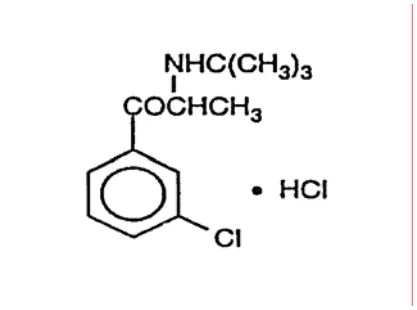
Molecular Formula: C13H18CINOCHCI
Molecular Weight: 276.2 daltons
Description: Bupropion hydrochloride is a white powder
with slight characteristic odour and has a maximum solubility in water of 312 mg/mL @ 25EC.
Composition
100 mg: Each tablet contains the labelled amount of bupropion hydrochloride and the inactive ingredients: colloidal silicon dioxide, hydroxypropyl cellulose, magnesium stearate, microcrystalline cellulose and Opadry II Blue 40L90887 (FD&C Blue #1/Brilliant Blue FCF Aluminum Lake 3%-5%, HPMC 2910/Hypromellose 3cP, HPMC 2910/Hypromellose 6cP, HPMC 2910/Hypromellose 50 cP, Macrogol/PEG 8000, Polydextrose FCC, Titanium Dioxide, Triacetin/Glycerol Triacetate).
150 mg: Each tablet contains the labelled amount of bupropion hydrochloride and the inactive ingredients: colloidal silicon dioxide, hydroxypropyl cellulose, magnesium stearate, microcrystalline cellulose, and Opadry II Purple 40L10079 (FD&C RED #40/Allura Red AC Aluminum Lake 15%-17%, FD&C Blue #2/Indigo Carmine Aluminum Lake 11%-14%, HPMC 2910/Hypromellose 3cP, HPMC 2910/Hypromellose 6cP, HPMC 2910/Hypromellose 50 cP, Macrogol/PEG 8000, Polydextrose FCC, Titanium Dioxide, Triacetin/Glycerol Triacetate).
Storage Recommendations
NOVO-BUPROPION SR (bupropion hydrochloride) should be stored between 15EC and 25EC in a dry place away from direct sunlight and protected from moisture. Do not remove the desiccants from the container.
Availability of Dosage Forms
NOVO-BUPROPION SR (bupropion hydrochloride) Sustained Release Tablets are supplied as :
100 mg: Blue, round, biconvex, film-coated tablets, engraved “N” on one side and “100” on the other, bottles of 30 and 60.
150 mg: Purple, round, biconvex, film-coated tablets engraved “N” on one side and “150” on the other side, bottles of 30 and 60.