


Product Monograph - Noyada
RECENT MAJOR LABEL CHANGES
TABLE OF CONTENTS
Sections or subsections that are not applicable at the time of authorization are not listed.
RECENT MAJOR LABEL CHANGES ............................................................................................ 2
TABLE OF CONTENTS .............................................................................................................. 2
PART I: HEALTH PROFESSIONAL INFORMATION ...................................................................... 4
1 INDICATIONS ............................................................................................................... 4
1.1 Pediatrics (> 1 month) ............................................................................................ 4
1.2 Geriatrics (>65 years of age) ................................................................................... 4
2 CONTRAINDICATIONS ................................................................................................. 4
3 SERIOUS WARNINGS AND PRECAUTIONS BOX ............................................................ 5
4 DOSAGE AND ADMINISTRATION ................................................................................. 5
4.1 Dosing Considerations ............................................................................................ 5
4.2 Recommended Dose and Dosage Adjustment ....................................................... 5
4.3 Administration ........................................................................................................ 8
4.4 Missed Dose ........................................................................................................... 9
5 OVERDOSAGE .............................................................................................................. 9
6 DOSAGE FORMS, STRENGTHS, COMPOSITION AND PACKAGING ............................... 10
7 WARNINGS AND PRECAUTIONS ................................................................................ 11
7.1 Special Populations............................................................................................... 18
7.1.1 Pregnant Women ........................................................................................... 18
7.1.2 Breast-feeding ................................................................................................ 18
7.1.3 Pediatrics ........................................................................................................ 18
7.1.4 Geriatrics ........................................................................................................ 19
8 ADVERSE REACTIONS ................................................................................................ 19
8.1 Adverse Reaction Overview .................................................................................. 19
8.2 Clinical Trial Adverse Reactions ............................................................................ 19
8.3 Less Common Clinical Trial Adverse Reactions ..................................................... 21
8.4 Abnormal Laboratory Findings: Hematologic, Clinical Chemistry and Other Quantitative Data ........................................................................................................... 21
8.5 Post-Market Adverse Reactions ........................................................................... 22
9 DRUG INTERACTIONS ................................................................................................ 23
9.1 Serious Drug Interactions ..................................................................................... 23
9.2 Drug Interactions Overview .................................................................................. 23
9.3 Drug-Behavioural Interactions .............................................................................. 23
9.4 Drug-Drug Interactions ......................................................................................... 23
9.5 Drug-Food Interactions ......................................................................................... 30
9.6 Drug-Herb Interactions ......................................................................................... 30
9.7 Drug-Laboratory Test Interactions ........................................................................ 30
10 CLINICAL PHARMACOLOGY ....................................................................................... 31
10.1 Mechanism of Action ...................................................................................... 31
10.2 Pharmacodynamics ........................................................................................ 31
10.3 Pharmacokinetics ........................................................................................... 32
11 STORAGE, STABILITY AND DISPOSAL ......................................................................... 33
12 SPECIAL HANDLING INSTRUCTIONS ........................................................................... 33
PART II: SCIENTIFIC INFORMATION ....................................................................................... 34
13 PHARMACEUTICAL INFORMATION ............................................................................ 34
14 CLINICAL TRIALS ........................................................................................................ 34
14.1 Clinical Trial by Indication ............................................................................... 34
15 MICROBIOLOGY ........................................................................................................ 36
16 NON-CLINICAL TOXICOLOGY ..................................................................................... 36
17 SUPPORTING PRODUCT MONOGRAPHS .................................................................... 43
PATIENT MEDICATION INFORMATION .................................................................................. 44
PART I: HEALTH PROFESSIONAL INFORMATION
1 INDICATIONS
Noyada (captopril) oral solution is indicated:
for the treatment of essential or renovascular hypertension. It is usually administered in association with other drugs, particularly thiazide diuretics. The blood pressure lowering effects of captopril and thiazides are approximately additive. In using Noyada, consideration should be given to the risk of neutropenia/agranulocytosis (see 7 WARNINGS AND PRECAUTIONS, Hematologic).
In patients with impaired renal function, particularly those with collagen vascular disease, captopril should be reserved for patients who have either developed unacceptable side effects on other drugs or have failed to respond satisfactorily to drug combinations (see 7 WARNINGS AND PRECAUTIONS, Renal).
- for the treatment of congestive heart failure as concomitant therapy with a diuretic and other drugs. Noyada therapy must be initiated under close medical supervision.
- to improve survival, delay the onset of symptomatic heart failure and reduce hospitalizations for heart failure following myocardial infarction in clinically stable patients with left ventricular dysfunction manifested as an ejection fraction of ≤ 40%.
- for the treatment of diabetic nephropathy (proteinuria ≥ 500 mg/day) in patients with type I insulin-dependent diabetes mellitus and retinopathy.
1.1 Pediatrics (> 1 month)
Based on data submitted and reviewed by Health Canada, the safety and efficacy of Noyada in pediatric patients have not been fully established.
1.2 Geriatrics (>65 years of age)
Although clinical experience has not identified differences in response between the elderly (>65 years of age) and younger patients, greater sensitivity of some older individuals cannot be ruled out.
2 CONTRAINDICATIONS
- Noyada (captopril) oral solution is contraindicated in patients with a history of hypersensitivity to the drug or any ingredient in the formulation, and in patients with a history of angioedema related to the previous treatment with an Angiotensin Converting Enzyme inhibitor.
Concomitant use of angiotensin converting enzyme (ACE) Inhibitors –including Noyada with aliskiren-containing drugs in patients with diabetes mellitus (type 1 or type 2) or moderate to severe renal impairment (GFR < 60 mL/min/1.73m2) is contraindicated (see 7
- AND PRECAUTIONS, Renal; 9 DRUG INTERACTIONS, Drug-Drug Interactions).
- Patients with hereditary/ idiopathic angioedema.
- Patients who are pregnant, planning to become pregnant or of childbearing potential who are not using adequate contraception (see 7 WARNINGS AND PRECAUTIONS, Special Populations, Pregnant Women).
- Combination with sacubitril/valsartan due to an increased risk of angioedema. Do not initiate Noyada until at least 36 hours have elapsed following the last dose of sacubitril/valsartan. In the case of a switch from Noyada to sacubitril/valsartan, do not start sacubitril/valsartan until at least 36 hours have elapsed following the last dose of Noyada.
- Patients with hemodynamically significant bilateral renal artery stenosis, or severe stenosis of the artery of a solitary functioning kidney (see 7 WARNINGS AND PRECAUTIONS, Renal).
3 SERIOUS WARNINGS AND PRECAUTIONS BOX
Serious Warnings and Precautions
| When used in pregnancy, angiotensin converting enzyme (ACE) inhibitors can cause injury or even death of the developing fetus. When pregnancy is detected, Noyada (captopril) oral solution should be discontinued as soon as possible. |
|---|
4 DOSAGE AND ADMINISTRATION
4.1 Dosing Considerations
- Dosage should be adjusted in patients with renal impairment (see 4 DOSAGE AND ADMINISTRATION, Dosage Adjustments).
- Noyada (captopril) oral solution is available in two strengths 5 mg / 5 mL and 25 mg / 5 mL.
Caution is advised in ensuring that the correct strength is given to the patient. The doctor should prescribe the most appropriate strength based upon the clinical requirements of the patient (see 4 DOSAGE AND ADMINISTRATION, Administration).
Dose should be individualized according to patient's profile (see 4 DOSAGE AND ADMINISTRATION, Administration) and blood pressure response. The recommended maximum daily dose is 150 mg.
4.2 Recommended Dose and Dosage Adjustment
Hypertension
Initiation of therapy requires consideration of recent antihypertensive drug treatment, the extent of blood pressure elevation, salt restriction, and other clinical circumstances. If possible, discontinue the patient’s previous antihypertensive drug regimen for one week before starting Noyada oral solution. If this is impossible, especially in severe hypertension, the diuretic should be continued.
The initial dose of Noyada is 25 mg b.i.d. or t.i.d. If a satisfactory reduction of blood pressure has not been achieved after one or two weeks, the dose may be increased to 50 mg b.i.d. or t.i.d. The dose of Noyada in hypertension usually does not exceed 150 mg daily. Therefore, if the blood pressure has not been satisfactorily controlled after one to two weeks at this dose (and the patient is not already receiving a diuretic), a modest dose of a thiazide-type diuretic (e.g., hydrochlorothiazide, 25 mg daily) should be added. The diuretic dose may be increased at one-to-two-week intervals until its highest usual antihypertensive dose is reached.
If Noyada is being started in a patient already receiving a diuretic, the dosage and titration of Noyada therapy should be initiated under close medical supervision (see 7 WARNINGS and PRECAUTIONS, Cardiovascular; and 9 DRUG INTERACTIONS Drug-Drug Interactions regarding hypotension).
In severe hypertension, if further blood pressure reduction is required, the dose of Noyada may be increased to 100 mg b.i.d. or t.i.d. and then, if necessary to 150 mg b.i.d. or t.i.d., while continuing the diuretic. The usual dose range is 25 to 150 mg b.i.d. or t.i.d. A maximum daily dose of 450 mg given in three equally divided doses should not be exceeded.
For patients with accelerated or malignant hypertension, when temporary discontinuation of current antihypertensive therapy is not practical or desirable or when prompt titration to more normotensive blood pressure levels is indicated, diuretic should be continued but other concurrent antihypertensive medication stopped and Noyada dosage promptly initiated at 25 mg t.i.d., under close medical supervision. The daily dose of Noyada may be increased every 24 hours under continuous medical supervision until a satisfactory blood pressure response is obtained or the maximum dose of Noyada is reached. In this regimen, addition of a more potent diuretic, e.g., furosemide, may also be indicated.
Beta-blockers may also be used in conjunction with Noyada therapy, (see 9 DRUG INTERACTIONS) but the effects of the two drugs are less than additive.
Heart Failure
Initiation of therapy requires consideration of recent diuretic therapy and the possibility of severe salt/volume depletion. In patients with either normal or low blood pressure, who have been vigorously treated with diuretics and who may be hyponatremic and/or hypovolemic, a starting dose of 6.25 or 12.5 mg t.i.d. may minimize the magnitude or duration of the hypotensive effect (see 7 WARNING AND PRECAUTIONS, Cardiovascular). For these patients, titration to the usual daily dosage can then occur within the next several days.
For most patients, the usual initial daily dosage is 25 mg t.i.d. After a dose of 50 mg t.i.d. is reached, further increases in dosage should be delayed, where possible, for at least two weeks to determine if a satisfactory response occurs. Most patients studied have had a satisfactory clinical improvement at 50 or 100 mg t.i.d. A maximum daily dose of 450 mg of Noyada should not be exceeded. The dose should be increased incrementally, with interval of at least 2 weeks to evaluate patient’s response.
Noyada is to be used in conjunction with a diuretic. Noyada therapy must be initiated under very close medical supervision.
Left Ventricular Dysfunction after Myocardial Infarction
The recommended dose for long-term use in patients following a myocardial infarction is a target maintenance dose of 50 mg t.i.d.
Therapy may be initiated as early as three days following a myocardial infarction. After a single dose of 6.25 mg, Noyada therapy should be initiated at 12.5 mg t.i.d. Noyada should then be increased to 25 mg t.i.d. during the next several days and to a target dose of 50 mg t.i.d. over the next several weeks as tolerated (see 10 CLINICAL PHARMACOLOGY, Pharmacodynamics).
Noyada may be used in patients treated with other post-myocardial infarction therapies, e.g. thrombolytics, acetylsalicylic acid, beta blockers.
Diabetic Nephropathy
The recommended daily dose of Noyada for long term use to treat diabetic nephropathy is 25 mg t.i.d. If further blood pressure reduction is required, other antihypertensive agents such as diuretics, beta adrenoceptor blockers, centrally acting agents or vasodilators may be used in conjunction with Noyada.
Dosage Adjustments
Renal Impairment
Because Noyada is excreted primarily by the kidneys, excretion rates are reduced in patients with impaired renal function. These patients will take longer to reach steady-state captopril levels and will reach higher steady-state levels for a given daily dose than patients with normal renal function. Therefore, these patients may respond to smaller or less frequent doses. Captopril is removed by hemodialysis.
Renal Impairment Due to Diabetic Nephropathy (with or without hypertension)
Noyada at doses of 25 mg t.i.d. was well tolerated in patients with diabetic nephropathy and mild to moderate renal impairment (see 7 WARNINGS AND PRECAUTIONS, Hyperkalemia). Accordingly, no dose adjustment based on creatinine clearance is recommended for these patients.
Noyada has not been studied in patients with diabetic nephropathy and severe renal impairment (creatinine clearance ≤ 30 mL/min/1.73m2). These patients can be expected to have a higher steady-state concentration for a given daily dose than those with normal renal function or mild-moderate renal impairment, and therefore may respond to smaller or less frequent doses. Doses may be adjusted based on clinical observation.
Renal Impairment Not Due to Diabetic Nephropathy
For patients with significant renal impairment not due to diabetic nephropathy, initial daily dosage of Noyada should be reduced, and smaller increments utilized for titration, which should be quite slow (one-to two-week intervals). After the desired therapeutic effect has been achieved, the dose should be slowly back-titrated to determine the minimal effective dose. When concomitant diuretic therapy is required, a loop diuretic (e.g., furosemide), rather than a thiazide diuretic, is preferred in these patients with impaired renal function. (See 7
WARNINGS AND PRECAUTIONS, Anaphylactoid Reactions during Membrane Exposure).
The following table which is based on theoretical considerations may be useful as a guide to minimize drug accumulation.
Table 1 Dosage Interval to be taken into Consideration According to Creatinine Clearance
| Creatinine Clearance (mL/min/1.73 m2) | Dosage Interval (Hours) |
|---|---|
| >75 | 8 |
| 75-35 | 12-24 |
| 34-20 | 24-48 |
| 19-8 | 48-72 |
| 7-5 | 72/108 (3 to 4.5 days) |
Geriatrics (>65 years of age)
As with other antihypertensive agents, consideration should be given to initiating therapy with a lower starting dose (6.25 mg BID) in elderly patients who may have reduced renal function and other organ dysfunctions (see above and 7 WARNINGS AND PRECAUTIONS).
Dosage should be titrated against the blood pressure response and kept as low as possible to achieve adequate control.
Pediatrics (>1 month of age)
The safety and efficacy of Noyada have not been fully established.
4.3 Administration
Noyada (captopril) should be taken one hour before meals. DOSAGE MUST BE INDIVIDUALIZED.
Noyada is for oral use only.
The 5 mg / 5 mL product is supplied with the following administration devices:
- 1 mL syringe graduated with numbered increments of 0.1 mL (= 0.1 mg captopril) and intermediate increments of 0.05 mL (=0.05 mg captopril)
- 5 mL syringe graduated with numbered increments of 1 mL (= 1 mg captopril) and intermediate increments of 0.2 mL (= 0.2 mg captopril).
The 25 mg / 5 mL product is supplied with the following administration devices:
- 5 mL syringe graduated with numbered increments of 1 mL (= 5 mg captopril) and intermediate increments of 0.2 mL (= 1 mg captopril).
- 30 mL measuring cup graduated in numbered increments of 5 mL (= 25 mg captopril) and intermediate increments of 1 mL (= 5 mg captopril).
Switching between Noyada and other captopril formulations:
Once titrated to an effective dose of Noyada, patients should remain on their treatment and re-titration should be performed when changing between Noyada and other captopril formulations.
For lower doses that include fractions of a mg, the 5 mg / 5 mL product should be used. For higher doses the 25 mg / 5 mL product is recommended.
The following table provides a guide for using Noyada 5 mg / 5 mL or Noyada 25 mg / 5 mL for most common dose.
Table 2 Use of Noyada 5 mg / 5 mL and Noyada 25 mg / 5 mL According to the Recommended Dose
| Dose | Noyada 5 mg / 5 mL | Noyada 25 mg / 5 mL | |||||
|---|---|---|---|---|---|---|---|
| Adult Population | 6.25 mg | 6.25 mL | |||||
| 12.5 mg | 12.5 mL | ||||||
| 25 mg | 5 mL | ||||||
| 37.5 mg | 7.5 mL | ||||||
| 50 mg | 10 mL | ||||||
| 75 mg | 15 mL | ||||||
| 100 mg | 20 mL | ||||||
| 150 mg | 30 mL | ||||||
4.4 Missed Dose
If a dose is missed, a double dose should not be taken, but just carry on with the next dose at the normal time.
5 OVERDOSAGE
In the event of overdosage, correction of hypotension would be of primary concern. Volume expansion with an intravenous infusion of normal saline is the treatment of choice for restoration of blood pressure.
Symptoms of overdosage are severe hypotension, shock, stupor, bradycardia, electrolyte disturbances and renal failure.
After ingestion of an overdose, the patient should be kept under close supervision, preferably in an intensive care unit. Serum electrolytes and creatinine should be monitored frequently, as well as blood pressure. Therapeutic measures depend on the nature and severity of the symptoms.
Measures to prevent absorption (e.g. gastric lavage, administration of adsorbents and sodium sulphate within 30 minutes after intake) and hasten elimination should be applied if ingestion is recent. If hypotension occurs, the patient should be placed in the shock position and salt and volume supplementations should be given rapidly. Treatment with angiotensin-II should be considered. Bradycardia or extensive vagal reactions should be treated by administering atropine. The use of a pacemaker may be considered.
Captopril may be removed from the general circulation by hemodialysis.
The use of high-flux polyacrylonitrile membranes should be avoided. Naloxone has been used both successfully and unsuccessfully to reverse hypotension associated with captopril overdose.
| For management of a suspected drug overdose, contact your regional poison control centre. |
|---|
6 DOSAGE FORMS, STRENGTHS, COMPOSITION AND PACKAGING
Table 3 Dosage Forms, Strengths, Composition and Packaging
Noyada 5 mg / 5 mL oral solution comes as a 100 mL amber glass bottle with child resistant and tamper evident caps. Each bottle is packed in a cardboard carton containing 1 mL and 5 mL syringes with an adaptor along with a patient leaflet.
Noyada 25 mg / 5 mL oral solution comes as a 100 mL amber glass bottle with child resistant and tamper evident caps. Each bottle is packed in a cardboard carton containing 5 mL syringe with an adaptor and a 30 mL dosing cup along with a patient leaflet.

5 mg / 5 mL: 1 mL syringe- each numbered increment is 0.1 mL equivalent to 0.1 mg of captopril. The intermediate increments are 0.05 mL equivalent to 0.05 mg of captopril.
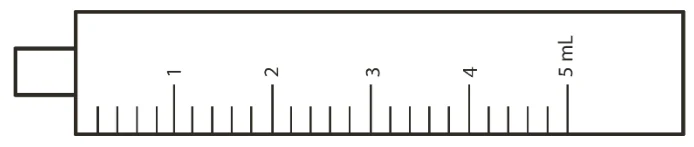
5 mg / 5 mL: 5 mL syringe- each numbered increment is 1 equivalent to 1 mg of captopril. The intermediate increments are 0.2 mL equivalent to 0.2 mg of captopril.
25 mg / 5 mL: 5 mL syringe- each numbered increment is 1 mL equivalent to 5 mg of captopril. The intermediate increments are 0,2 mL equivalent to 1 mg of captopril.
| Route of Administration | Dosage Form / Strength/Composition | Non-medicinal Ingredients |
| Oral | Solution 5 mg / 5 mL 25 mg / 5 mL | Citric Acid E330, Disodium EDTA, Purified water, Sodium Benzoate E211, Sodium Citrate E331, Sodium Hydroxide |
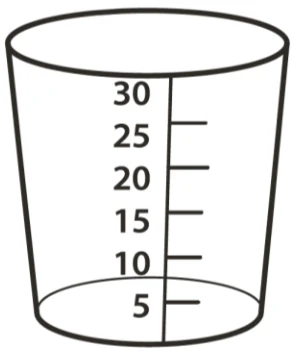
25 mg / 5 mL: 30 mL dosing cup - each numbered increment is 5 mL equivalent to 25 mg of captopril. The intermediate increments are 1 mL or 5 mg of captopril.
7 WARNINGS AND PRECAUTIONS
Please see 3 SERIOUS WARNINGS AND PRECAUTIONS BOX.
General
Nitritoid Reactions – Gold
Nitritoid reactions (symptoms include facial flushing, nausea, vomiting and symptomatic hypotension) have been reported rarely in patients on therapy with injectable gold (sodium aurothiomalate) and concomitant ACE inhibitor therapy including Noyada (see 9 DRUG INTERACTIONS, Drug-Drug Interactions).
Lithium
The combination of lithium and captopril is not recommended (see, 9 DRUG INTERACTIONS, Drug-Drug Interactions)
Ethnic differences
As with other angiotensin converting enzyme inhibitors, captopril is less effective in lowering blood pressure in African Americans than in Caucasian patients, possibly because of a higher prevalence of low-renin states in the African American hypertensive population.
Cardiovascular
Aortic and mitral valve stenosis/Obstructive hypertrophic cardiomyopathy
ACE inhibitors should be used with caution in patients with left ventricular valvular and outflow tract obstruction and avoided in cases of cardiogenic shock and hemodynamically significant obstruction.
Hypotension
Excessive hypotension was seen in hypertensive patients but is a possible consequence of captopril use in severely salt/volume depleted persons such as those treated vigorously with diuretics, for example patients with severe congestive heart failure (see 9 DRUG INTERACTIONS, Drug-Drug Interactions).
In heart failure, where the blood pressure was either normal or low, decreases in mean blood pressure greater than 20% were recorded in about half of the patients. This transient hypotension may occur after any of the first several doses and produces either no symptoms or brief mild light-headedness, although in rare instances, it has been associated with arrhythmia or conduction defects. Hypotension was the reason for discontinuation of drug in 3.6% of patients with heart failure.
BECAUSE OF THE POTENTIAL FALL IN BLOOD PRESSURE IN THESE PATIENTS, THERAPY SHOULD BE STARTED UNDER CLOSE MEDICAL SUPERVISION. A low starting dose may minimize the hypotensive effect (see 4 DOSAGE AND ADMINISTRATION). Patients should be followed closely for the first two weeks of treatment and whenever the dose of captopril, or diuretic, is increased. Similar considerations may apply to patients with ischemic heart or cerebrovascular disease in whom an excessive fall in blood pressure could result in myocardial infarction or cerebrovascular accident.
Hypotension in itself is not a reason to discontinue captopril. If associated symptoms are troublesome or persist, they are usually relieved by a reduction in the dose of either captopril or diuretic.
Driving and Operating Machinery
As with other antihypertensives, the ability to drive and use machines may be reduced, namely at the start of the treatment, or when posology is modified, and also when used in combination with alcohol, but these effects depend on the individual's susceptibility.
Endocrine and Metabolism
Diabetic patients: The glycaemia levels should be closely monitored in diabetic patients previously treated with oral antidiabetic drugs or insulin, namely during the first month of treatment with an ACE inhibitor.
Hematologic
Anemia
Anaemia with reduced haemoglobin level was reported in renal transplant or haemodialysis patients. The reduction was greater in patients with higher baseline levels. Anemia does not appear to be dose-dependent, however it is linked to ACE inhibitors mechanism of action. The reduction is moderate and occurs within 1 to 6 months, after it remains stable. It is reversible upon captopril discontinuation.
Neutropenia/Agranulocytosis
Neutropenia/agranulocytosis, thrombocytopenia and anaemia have been reported in patients receiving ACE inhibitors, including captopril. In patients with normal renal function and no other complicating factors, neutropenia occurs rarely.
Captopril should be used with extreme caution in patients with collagen vascular disease, immunosuppressant therapy, treatment with allopurinol or procainamide, or a combination of these complicating factors, especially if there is pre-existing impaired renal function. Some of these patients developed serious infections which in a few instances did not respond to intensive antibiotic therapy.
Neutropenia/Agranulocytosis Neutropenia, (<1000/mm3) with myeloid hypoplasia has resulted from use of captopril. About half of the neutropenic patients developed systemic or oral cavity infections or other features of the syndrome of agranulocytosis.
The risk of neutropenia is dependent on the clinical status of the patient:
In clinical trials in patients with hypertension who have normal renal function (serum creatinine less than 141.47 µmol/L and no collagen disease), neutropenia has been seen in one patient out of over 8600 exposed.
In patients with some degree of renal failure (serum creatinine at least 141.47 µmol/L) but no collagen vascular disease, the risk of neutropenia in clinical trials was about 1 per 500, a frequency over 15 times that for uncomplicated hypertension. Daily doses of captopril were relatively high in these patients, particularly in view of their diminished renal function. In patients with renal failure, use of allopurinol concomitantly with captopril has been associated with neutropenia.
In patients with collagen vascular disease (e.g., systemic lupus erythematosus, scleroderma) and impaired renal function, neutropenia occurred in 3.7% of patients in clinical trials.
While none of the over 750 patients in formal clinical trials of heart failure developed neutropenia, it has occurred during the subsequent clinical experience. About half of the reported cases had serum creatinine >141.47 µmol/L and more than 75% were in patients also receiving procainamide. In heart failure, it appears that the same risk factors for neutropenia are present.
The neutropenia has been detected within 3 months after captopril was started. Bone marrow examinations in patients with neutropenia consistently showed myeloid hypoplasia, frequently accompanied by erythroid hypoplasia and decreased numbers of megakaryocytes (e.g., hypoplastic bone marrow and pancytopenia); anemia and thrombocytopenia were sometimes seen.
In general, neutrophils returned to normal in about two weeks after captopril was discontinued, and serious infections were limited to clinically complex patients. About 13% of the cases of neutropenia have ended fatally, but almost all fatalities were in patients with serious illness, having collagen vascular disease, renal failure, heart failure or immunosuppressant therapy, or a combination of these complicating factors.
Evaluation of the hypertensive or heart failure patient should always include assessment of renal function.
If captopril is used in patients with impaired renal function, white blood cell and differential counts should be evaluated prior to starting treatment and at approximately two-week intervals for about 3 months, then periodically.
In patients with collagen vascular disease or who are exposed to other drugs known to affect the white cells or immune response, particularly when there is impaired renal function, captopril should be used only after an assessment of benefit and risk, and then with caution.
All patients treated with captopril should be told to report any signs of infection (e.g., sore throat, fever). If infection is suspected, white cell counts should be performed without delay.
Since discontinuation of captopril and other drugs has generally led to prompt return of the white cell count to normal, upon confirmation of neutropenia (neutrophil count <1000/mm3) the physician should withdraw captopril and closely follow the patient’s course.
Since captopril decreases aldosterone production, elevation of serum potassium may occur rarely, especially in patients with renal failure (See 9 DRUG INTERACTIONS- Drug-Drug Interactions).
Hepatic/Biliary/Pancreatic
Impaired Liver Function: Elevation of liver enzymes and/or serum bilirubin, cases of cholestatic jaundice, and of hepatocellular injury with or without secondary cholestasis, have occurred during therapy with captopril in patients without pre-existing liver abnormalities. In most cases, the changes were reversible on discontinuation of the drug. Should the patient receiving Noyada experience any unexplained symptoms (see Information for Patients), particularly during the first weeks or months of treatment, it is recommended that a full set of liver enzyme tests and other necessary investigations be carried out. The unexplained symptoms would include "viral-like symptoms" in the first weeks to months of therapy (such as fever, malaise, muscle pain, rash or adenopathy which are possible indicators of hypersensitivity reactions), or if abdominal pain, nausea or vomiting, loss of appetite, jaundice, itching or any other unexplained symptoms occur during therapy (see 8 ADVERSE REACTIONS, Post-Market Adverse Reactions). Discontinuation of Noyada should be considered when appropriate.
There are no adequate studies in patients with cirrhosis and/or liver dysfunction. Noyada should be used with particular caution in patients with pre-existent liver abnormalities. Such patients should have their baseline liver function test obtained before administration of the drug. Close monitoring of response and metabolic effects should apply to these patients.
Hepatic failure: Rarely, ACE inhibitors have been associated with a syndrome that starts with cholestatic jaundice and progresses to fulminant hepatic necrosis and (sometimes) death. The mechanism of this syndrome is not understood. Patients receiving ACE inhibitors who develop jaundice or marked elevations of hepatic enzymes should discontinue the ACE inhibitor and receive appropriate medical follow-up.
Immune
Anaphylactoid Reactions during Desensitization
There have been isolated reports of patients experiencing sustained life threatening anaphylactoid reactions while receiving ACE inhibitors during desensitizing treatment with hymenoptera (bees, wasps) venom. In the same patients, these reactions have been avoided when ACE inhibitors were temporarily withheld for at least 24 hours, but they have reappeared upon inadvertent rechallenge.
Anaphylactoid Reactions during Membrane Exposure
Anaphylactoid reactions have been reported in patients dialysed with high-flux membranes (eg.: polyacrylonitrile [PAN]) and treated concomitantly with an ACE inhibitor. Dialysis should be stopped immediately if symptoms such as nausea, abdominal cramps, burning, angioedema, shortness of breath and severe hypotension occur. Symptoms are not relieved by antihistamines. In these patients, consideration should be given to using a different type of dialysis membrane or a different class of antihypertensive agents.
Angioedema
Angioedema has been reported in patients treated with ACE inhibitors, including captopril. Angioedema associated with laryngeal involvement may be fatal. If laryngeal stridor or angioedema of the face, tongue, or glottis occurs, captopril should be discontinued immediately, the patient treated appropriately in accordance with accepted medical care, and carefully observed until the swelling disappears. In instances where swelling is confined to the face and lips, the condition generally resolves without treatment, although antihistamines may be useful in relieving symptoms. Where there is involvement of the tongue, glottis or larynx, likely to cause airway obstruction, appropriate therapy (including but not limited to 0.3 to 0.5 mL of subcutaneous epinephrine solution 1:1000) should be administered promptly (see 8 ADVERSE REACTIONS, Clinical Trial Adverse Reactions)
The incidence of angioedema during ACE inhibitor therapy has been reported to be higher in African American than in Caucasian patients.
Concomitant use of ACE inhibitors with sacubitril/valsartan is contraindicated due to the increased risk of angioedema. Treatment with sacubitril/valsartan must not be initiated earlier than 36 hours after the last dose of captopril. Treatment with Noyada must not be initiated earlier than 36 hours after the last dose of sacubitril/valsartan. Concomitant use of ACE inhibitors with mTOR inhibitors (e.g. sirolimus, everolimus, temsirolimus) may lead to an increased risk of angioedema (e.g. swelling of the airways or tongue, with or without respiratory impairment).
Caution should be used when starting mTOR inhibitors (e.g. sirolimus, everolimus, temsirolimus), DPP-IV inhibitor (e.g. sitagliptin) or neutral endopeptidase (NEP) inhibitor in a patient already taking an ACE inhibitor.
Patients with a history of angioedema unrelated to ACE inhibitor therapy may be at increased risk of angioedema while receiving an ACE inhibitor (see 2 CONTRAINDICATIONS).
Intestinal angioedema has also been reported very rarely in patients treated with ACE inhibitors. These patients presented with abdominal pain (with or without nausea or vomiting); in some cases there was no prior facial angioedema and C-1 esterase levels were normal. The angioedema was diagnosed by procedures including abdominal CT scan, or ultrasound or at surgery and symptoms resolved after stopping the ACE inhibitor. Intestinal angioedema should be included in the differential diagnosis of patients on ACE inhibitors presenting with abdominal pain (see 8 ADVERSE REACTIONS, Clinical Trial Adverse Reactions).
Monitoring and Laboratory Tests
Hyperkalemia
Elevation in serum potassium has been observed in some patients treated with ACE inhibitors, including captopril. When treated with ACE inhibitors, patients at risk for the development of hyperkalemia include those with: renal insufficiency, diabetes mellitus, and those using concomitant potassium-sparing diuretics, potassium supplements or potassium-containing salt substitutes, or other drugs associated with increases in serum potassium (eg. heparin).
The incidence of hyperkalemia related or possibly related to therapy in the diabetic patients studied with nephropathy and proteinuria was 3.6% and was a reason for discontinuation of the drug in 1% of the patients. Hyperkalemia was defined as persistent elevation of serum potassium to 6.0 mg/dL or more in the absence of a remediable cause, such as other drugs, volume depletion, exogenous potassium supplements, etc.
Peri-operative Considerations
Surgery/Anesthesia: In patients undergoing major surgery or during anesthesia with agents that produce hypotension, captopril will block angiotensin II formation secondary to compensatory renin release. This may lead to hypotension, which can be corrected by volume expansion.
Renal
Renal Impairment: As a consequence of inhibiting the renin-angiotensin-aldosterone system, changes in renal function have been seen in susceptible individuals. In patients whose renal function may depend on the activity of the renin-angiotensin-aldosterone system, such as patients with bilateral renal artery stenosis, unilateral renal artery stenosis to a solitary kidney, or severe congestive heart failure, treatment with agents that inhibit this system has been associated with oliguria, progressive azotemia, and rarely, acute renal failure and/or death. In susceptible patients, concomitant diuretic use may further increase risk.
Use of Noyada should include appropriate assessment of renal function.
The use of ACE inhibitors – including of Noyada or ARBs with aliskiren-containing drugs is contraindicated in patients with moderate to severe renal impairment (GFR < 60 mL/min/1.73m2). (See 2 CONTRAINDICATIONS and 9 DRUG INTERACTIONS, Drug-Drug Interactions).
In cases of renal impairment (creatinine clearance ≤40 mL/min), the initial dosage of captopril must be adjusted according to the patient's creatinine clearance (see 4 DOSAGE AND ADMINISTRATION, Recommended Dose and Dosage Adjustment), and then as a function of the patient's response to treatment. Routine monitoring of potassium and creatinine are part of normal medical practice for these patients.
Renovascular hypertension: there is an increased risk of hypotension and renal insufficiency when patients with bilateral renal artery stenosis or stenosis of the artery to a single functioning kidney are treated with ACE inhibitors. Loss of renal function may occur with only mild changes in serum creatinine. In these patients, therapy should be initiated under close medical supervision with low doses, careful titration and monitoring of renal function.
Proteinuria: Total urinary proteins greater than 1 g per day were seen in less than one percent of patients receiving captopril. These have been predominantly in those who had prior renal disease, or in those receiving relatively high doses (in excess of 150 mg/day), or both. In patients without prior evidence of renal disease, the incidence of proteinuria was 0.5%. In those patients without prior evidence of renal disease receiving 150 mg of captopril or less per day, the incidence was 0.2%. Parameters of renal function, such as BUN and serum creatinine were seldom altered in the patients with proteinuria. In most cases, proteinuria subsided or cleared within 6 months whether or not captopril was continued, but some patients had persistent proteinuria. Nephrotic syndrome occurred in about one-fifth of the proteinuric patients.
Membranous glomerulopathy was found in biopsies taken from proteinuric patients. A causal relationship to captopril has not been established since pre-treatment biopsies were not taken and membranous glomerulopathy has been shown to occur in hypertensive patients not receiving captopril.
Since most cases of proteinuria occurred by the eighth month of therapy, patients with prior renal disease or those receiving captopril at doses greater than 150 mg/day should have urinary protein estimations (dipstick on first morning urine or quantitative 24-hour urine) prior to therapy, at approximately monthly intervals for the first 9 months of treatment, and periodically thereafter. When proteinuria is persistent, 24-hour quantitative determinations provide greater precision. For patients who develop proteinuria exceeding 1 g/day, or proteinuria that is increasing, the benefits and risks of continuing captopril should be evaluated.
Dual Blockade of the Renin-Angiotensin System (RAS)
There is evidence that co-administration of angiotensin converting enzyme (ACE) inhibitors, such as Noyada, or of angiotensin receptor antagonists (ARBs) with aliskiren increases the risk of hypotension, syncope, stroke, hyperkalemia and deterioration of renal function, including renal failure, in patients with diabetes mellitus (type 1 or type 2) and/or moderate to severe renal impairment (GFR < 60 mL/min/1.73m2). Therefore, the use of Noyada, in combination with aliskiren-containing drugs is contraindicated in these patients (see 2 CONTRAINDICATIONS).
Further, co-administration of ACE inhibitors, including Noyada, with other agents blocking the RAS, such as ARBs or aliskiren-containing drugs, is generally not recommended in other patients, since such treatment has been associated with an increased incidence of severe hypotension, renal failure, and hyperkalemia. (see 2 CONTRAINDICATIONS and 9 DRUG INTERACTIONS).
Reproductive Health: Female and Male Potential
- Fertility
No human fertility data are available. No evidence of impaired fertility was detected in animal studies (see 16 NON-CLINICAL TOXICOLOGY)
Respiratory
Cough has been reported with the use of Noyada. Characteristically, ACE-inhibitor induced cough is non-productive, persistent and resolves after discontinuation or lowering of the dose. Noyada induced cough should be considered as part of the differential diagnosis of the cough (see 8 ADVERSE REACTIONS, Clinical Trial Adverse Reactions).
7.1 Special Populations
7.1.1 Pregnant Women
ACE inhibitors can cause fetal and neonatal morbidity and mortality when administered to pregnant women. When pregnancy is detected, Noyada (captopril) Oral Solutions should be discontinued as soon as possible.
ACE inhibitors are contraindicated in patients who are pregnant, planning to become pregnant or of childbearing potential who are not using adequate contraception (see 2 CONTRAINDICATIONS and 3 SERIOUS WARNINGS AND PRECAUTIONS BOX).
The use of ACE inhibitors during the second and third trimesters of pregnancy has been associated with fetal and neonatal injury including hypotension, neonatal skull hypoplasia, anuria, reversible or irreversible renal failure, and death. Oligohydramnios has also been reported, presumably resulting from decreased fetal renal function, associated with fetal limb contractures, craniofacial deformation, and hypoplastic lung development.
Prematurity, patent ductus arteriosus, and other structural cardiac malformations, as well as neurologic malformations, have also been reported following exposure in the first trimester of pregnancy.
Infants with a history of in utero exposure to ACE inhibitors should be closely observed for hypotension, oliguria, and hyperkalemia. If oliguria occurs, attention should be directed toward support of blood pressure and renal perfusion. Exchange transfusion or dialysis may be required as a means of reversing hypotension and/or substituting for impaired renal function, however, limited experience with those procedures has not been associated with significant clinical benefit.
Captopril may be removed from the general circulation by hemodialysis.
7.1.2 Breast-feeding
The presence of concentrations of ACE inhibitor have been reported in human milk. Use of ACE inhibitors is not recommended during breast-feeding.
7.1.3 Pediatrics
The safety and efficacy of Noyada in pediatric patients have not been fully established. There is limited experience with the use of captopril in children.
Based on limited data, the following have been observed.
Neonates: The neonatal response to treatment with ACE inhibitors is very variable, and some neonates develop profound hypotension with even small doses. Adverse effects such as apnoea, seizures, renal failure, and severe unpredictable hypotension are very common in the first month of life. Oliguria is a risk in premature patients treated with captopril.
Older children: As with neonates, older children can experience severe hypotension on administration of captopril.
7.1.4 Geriatrics
Clinical experience has not identified differences in response between the elderly (> 65 years) and younger patients. However, greater sensitivity of some older individuals cannot be ruled out. In a published study, the pharmacokinetics of captopril in subjects 65 to 76 years with normal renal function was not significantly different from younger subjects. In general, dose selection for an elderly patient should be cautious, reflecting the greater frequency of decreased renal and hepatic function. In cases of renal impairment (creatinine clearance ≤40 mL/min), the initial dosage of captopril must be adjusted according to the patient's creatinine clearance (see 4 DOSAGE AND ADMINISTRATION, Recommended Dose and Dosage Adjustment).
8 ADVERSE REACTIONS
8.1 Adverse Reaction Overview
- The most frequent adverse reactions reported in clinical trial and post-marketing experience are: dizziness, headache, sleep disorders, taste impairment, dry and irritative (non-productive) cough, dyspnoea, pruritus, rash, alopecia, nausea, vomiting, gastric irritation, abdominal pain, diarrhoea, constipation, dry mouth (frequency common (≥1/100 to <1/10))
- The most serious adverse reactions reported in clinical trials are: hyperkaliemia, hypotension, hypersensitivity reaction (angioedema, serum sickness, bronchospasm and Stevens Johnson Syndrome), angina pectoris, myocardial infarction, congestive heart failure, renal dysfunction (renal insufficiency), blood disorders (pancytopenia, neutropenia/agranulocytosis, thrombocytopenia, and anemia), cerebrovascular accident.
- No serious adverse reactions or discontinuations were reported during the clinical trials performed with Noyada.
8.2 Clinical Trial Adverse Reactions
Clinical trials are conducted under very specific conditions. The adverse reaction rates observed in the clinical trials; therefore, may not reflect the rates observed in practice and should not be compared to the rates in the clinical trials of another drug. Adverse reaction information from clinical trials may be useful in identifying and approximating rates of adverse drug reactions in real-world use.
Reported incidences below are based on clinical trials involving approximately 7,000 patients treated with captopril for Hypertension and Congestive Heart Failure:
Renal: Approximately one of every 100 patients developed proteinuria (see 2 WARNINGS AND PRECAUTIONS, Renal).
Each of the following has been reported in approximately 1 to 2 of 1000 patients and are of uncertain relationship to drug use: renal insufficiency, polyuria, oliguria, and urinary frequency.
Hematologic: Neutropenia/agranulocytosis has occurred (see 2 WARNINGS AND PRECAUTIONS, Hematologic). Cases of anemia, thrombocytopenia, and pancytopenia have been reported.
Dermatologic: A rash occurred in 8.5% of patients with normal renal function and 13% of patients with evidence of prior renal functional impairment. The incident was dose related, having occurred in 7% of patients at doses of 150 mg or less per day. The rash is usually maculopapular, but rarely urticarial, and generally occurs during the first four weeks of therapy. The rash is usually mild and disappears within a few days of dosage reduction, short term treatment with an antihistaminic agent, and/or discontinuing therapy; remission may occur even if captopril is continued. Pruritus, without rash, occurs in about 2 of 100 patients. Between 7 and 10% of patients with skin rash have shown an eosinophilia and/or positive ANA titers. A reversible associated pemphigoid-like lesion, and photosensitivity, have also been reported.
Allergic: Angioedema of the face, mucous membranes of the mouth, or of the extremities has been observed in approximately 1 of 1000 patients, and is reversible on discontinuation of captopril therapy. Serum sickness and bronchospasm have been reported. One case of laryngeal edema has been reported.
Cardiovascular: Hypotension may occur (see 2 WARNINGS and PRECAUTIONS, Cardiovascular; 9 DRUG INTERACTIONS, Drug-Drug Interactions) for discussion of hypotension on initiation of captopril therapy.
Tachycardia, chest pain, and palpitations have each been observed in approximately 1 of 100 patients.
Angina pectoris, myocardial infarction, Raynaud’s syndrome, and congestive heart failure have each occurred in 2 to 3 of 1000 patients.
Flushing or pallor has been reported in 2 to 5 of 1000 patients.
Alterations in Taste: Two percent of patients receiving 150 mg or less per day of captopril developed a diminution or loss of taste perception. At doses in excess of 150 mg/day, 7% of patients experienced this effect. Taste impairment (Dysgeusia) is reversible and usually self-limited (2 to 3 months) even with continued drug administration. Weight loss may be associated with the loss of taste.
Gastrointestinal: gastric irritation, abdominal pain, nausea, vomiting, diarrhea, anorexia, constipation, aphthous ulcers and peptic ulcer.
Central Nervous System: dizziness, headache, malaise, fatigue, insomnia and paresthesia.
Others: dry mouth, dyspnea, cough, alopecia, impotence, loss of libido, disturbed vision, and itching and/or dry eyes.
Reported incidences below are based on clinical trials involving approximately 400 patients treated with captopril for Diabetic nephropathy:
In 400 patients treated with captopril, the overall adverse reactions profile appeared to be similar to the above. However, the following adverse reactions have occurred more frequently in women than in men: dizziness (31% vs 20%), cough (23% vs 17%) and pharyngitis (20% vs 14%). In 395 patients treated with placebo, the incidences were: dizziness (22%), cough (15%) and pharyngitis (11%) in women and men combined.
The incidence of hypotension or orthostatic hypotension was 5.3% and was a reason for discontinuation of the drug in 1.8% of the patients.
The incidence of hyperkalemia related or possibly related to therapy in the diabetic patients studied with nephropathy and proteinuria was 3.6% and was a reason of discontinuation of the drug in 1% of the patients. Hyperkalemia was defined as persistent elevation of serum potassium to 6.0 mg/dL or more in the absence of a remediable cause, such as other drugs, volume depletion, exogenous potassium supplements, etc.
In patients with serum creatinine ≥ 1.5 mg/dL, the incidence of a marked abnormality in hemoglobin (a drop > 3 gram/dL) was 6% in patients treated with captopril versus 0% in those on placebo.
8.3 Less Common Clinical Trial Adverse Reactions
The following adverse reactions have been reported at a frequency < 1% in the clinical trials (see 8 ADVERSE REACTIONS, Clinical Trial Adverse Reactions)
Cardiovascular: angina pectoris, myocardial infarction, Raynaud’s syndrome, congestive heart failure, flushing, pallor
Immune: Angioedema of the face, mucous membrane of the mouth or of the extremities.
Renal: renal insufficiency, renal failure, polyuria, oliguria, urinary frequency
8.4 Abnormal Laboratory Findings: Hematologic, Clinical Chemistry and Other Quantitative Data
Clinical Trial Finding
Altered Laboratory Findings: Elevations of liver enzymes and/or serum bilirubin have occurred (see 7 WARNINGS AND PRECAUTIONS, Hepatic/Biliary/Pancreatic). Rare cases of cholestatic jaundice, and of hepatocellular injury with or without secondary cholestasis, have been reported in association with captopril administration.
Elevation of BUN and serum creatinine may occur, especially in patients who are volume-depleted or who have renovascular hypertension. In instances of rapid reduction of long-standing or severely elevated blood pressure, the glomerular filtration rate may decrease transiently, also resulting in transient rises in serum creatinine and BUN.
Small increases in the serum potassium concentration frequently occur, especially in patients with renal impairment (see 7 WARNINGS AND PRECAUTIONS, Renal).
8.5 Post-Market Adverse Reactions
Other clinical adverse effects reported since the drug was marketed are listed below by body system. In many cases, an incidence or causal relationship cannot be accurately determined.
Adults
Blood and lymphatic system disorders: anemia, including aplastic and hemolytic, auto-immune diseases and/or positive ANA-titre, lymphadenopathy
Cardiovascular: cardiac arrest, tachyarrhythmia, cardiogenic shock
Gastrointestinal: pancreatitis, glossitis, intestinal angioedema, Stomatitis
General: asthenia, malaise, fever
Hepatobiliary: hepatitis, including rare cases of necrosis, cholestasis (see 7 WARNINGS AND PRECAUTIONS) Metabolic: symptomatic hyponatremia, elevated liver enzymes and bilirubin
Investigations: proteinuria, eosinophila, decrease of serum sodium, elevation of BUN, serum creatinine and serum bilirubin, decreases in haemoglobin, haematocrit, leucocytes, thrombocytes, positive ANA-titre, elevated ESR
Metabolism and nutrition disorders: hypoglycemia
Musculoskeletal: myalgia, myasthenia
Nervous/Psychiatric: ataxia, confusion, depression, nervousness, somnolence, drowsiness
Nervous system disorders: cerebrovascular accident, syncope
Renal: nephrotic syndrome
Respiratory: bronchospasm, eosinophilic pneumonitis, rhinitis
Reproductive system and breast disorders: gynecomastia
Skin and subcutaneous tissue disorders: bullous pemphigus, Stevens-Johnson syndrome, alopecia, urticaria, erythema multiforme, erythroderma, exfoliative dermatitis
Special Senses: blurred vision
As with other ACE inhibitors, a syndrome has been reported which includes: fever, myalgia, arthralgia, rash or other dermatologic manifestations, eosinophilia and an elevated ESR. Findings have usually resolved with discontinuation of treatment.
9 DRUG INTERACTIONS
9.1 Serious Drug Interactions
Serious Drug Interactions
|
|---|
9.2 Drug Interactions Overview
Captopril is a highly specific, competitive inhibitor of angiotensin-I converting enzyme (ACE inhibitors). Captopril as an ACE inhibitors blocks an angiotensin-converting enzyme that converts angiotensin I to angiotensin II. Pharmacokinetics and pharmacodynamics of active metabolite can be influenced by the drugs which are coadministered. Dual Blockage of the Renin-Angiotensin System (RAS) [See 7 WARNINGS AND PRECAUTIONS]. The possible or documented drug-drug interactions are tabulated in the Table 4.
9.3 Drug-Behavioural Interactions
Not applicable
9.4 Drug-Drug Interactions
The drugs listed in this table are based on either drug interaction case reports or studies, or potential interactions due to the expected magnitude and seriousness of the interaction (i.e., those identified as contraindicated).
Table 4 Established or Potential Drug-Drug Interactions
| <Proper/ Common Name> | Source of Evidence | Effect | Clinical Comment |
| Agents Affecting Sympathetic Activity | CT | The sympathetic nervous system may be especially important in supporting blood pressure in patients receiving captopril alone or with | Treatments of acute myocardial infarction: captopril may be used concomitantly with acetylsalicylic acid (at cardiologic doses), thrombolytics, beta-blockers |
| <Proper/ Common Name> | Source of Evidence | Effect | Clinical Comment | |||
diuretics. Therefore, agents affecting sympathetic activity (e.g., ganglionic blocking agents or adrenergic neuron blocking agents) should be used with caution. Beta adrenergic blocking drugs add some further antihypertensive effect to captopril, but the overall response is less than additive. In heart failure, special caution is necessary since sympathetic stimulation is a vital component supporting circulatory function and inhibition with beta-blockade always carries a potential hazard of further depressing myocardial contractility. | and/or nitrates in patients with myocardial infarction. Close monitoring of blood pressure and dose adjustment may be required if coadministration of captopril with agents affecting sympathetic activity cannot be avoided. | |||||
| Agents Causing Renin Release | CT | Captopril’s effect will be augmented by antihypertensive agents that cause renin release. For example, diuretics (e.g., thiazides) may activate the renin-angiotensin-aldosterone system. | Close monitoring of blood pressure and dose adjustment may be required if coadministration of captopril with agents causing renin release cannot be avoided. | |||
| <Proper/ Common Name> | Source of Evidence | Effect | Clinical Comment |
| Agents Having Vasodilator Activity | T | Data on the effect of concomitant use of other vasodilators in patients receiving captopril for heart failure are not available. | Therefore, nitroglycerine or other nitrates (as used for management of angina) or other drugs having vasodilator activity should, if possible, be discontinued before starting captopril. If resumed during captopril therapy, such agents should be administered cautiously at a lower dosage. |
| Agents Increasing Serum Potassium | CT, C | Since captopril decreases aldosterone production, elevation of serum potassium may occur. Potassium-sparing diuretics such as spironolactone, triamterene, or amiloride, or potassium supplements should be given only for documented hypokalemia, and then with caution, since they may lead to a significant increase of serum potassium. Salt substitutes which contain potassium should also be used with caution. | Frequent monitoring of serum potassium level |
| Allopurinol | T | In patients with renal failure the use of allopurinol concomitantly with captopril has been associated with neutropenia | Dose adjustment of allopurinol may be required. |
| <Proper/ Common Name> | Source of Evidence | Effect | Clinical Comment |
| Alpha-blocking agents | CT | Concomitant use of alpha blocking agents may increase the antihypertensive effects of captopril and increase the risk of orthostatic hypotension. | Alpha blocking agents may be used with caution. |
| Antidiabetics | C | ACE inhibitors, including captopril, can potentiate the blood glucose-reducing effects of insulin and oral antidiabetics such as sulphonylurea in diabetics. | Should this very rare interaction occur, it may be necessary to reduce the dose of the antidiabetic during simultaneous treatment with ACE inhibitors. Particularly close blood glucose monitoring is recommended. |
| Cytostatic or Immuno-suppressive Agents | T | Concomitant administration with ACE inhibitors may lead to an increased risk for leucopenia especially when the ACE inhibitors are used at higher than currently recommended doses. | Periodic monitoring of white blood cell counts should be considered. |
| <Proper/ Common Name> | Source of Evidence | Effect | Clinical Comment |
| Diuretic Therapy | C | Patients on diuretics and especially those in whom diuretic therapy was recently initiated, as well as those on severe dietary salt restriction or dialysis, may occasionally experience a precipitous reduction of blood pressure usually within the first hour after receiving the initial dose of captopril. | When feasible the hypotensive effects may be minimized by discontinuing the diuretic one week prior to initiation of treatment with captopril. Alternatively, provide medical supervision for at least one hour after the initial dose. If hypotension occurs, the patient should be placed in a supine position and, if necessary, receive an intravenous infusion of normal saline. This transient hypotensive response is not a contraindication to further doses which can be given without difficulty once the blood pressure has increased after volume expansion. |
| DDP-IV inhibitors (e.g. sitagliptin) | CT | Patients taking concomitant DDP-IV inhibitor therapy may be at increased risk for angioedema. | Caution should be used when initiating Noyada in patients already taking a neutral endopeptidase inhibitor or vice versa (see 7 WARNINGS AND PRECAUTIONS, Angioedema). |
| Dual Blockade of the Renin-Angiotensin-System (RAS) | CT | Increased incidence of severe hypotension, renal failure, and hyperkalemia. | Dual Blockade of the Renin-Angiotensin-System with ACE inhibitors, ARBs or aliskiren-containing drugs is contraindicated in patients with diabetes and/or renal impairment, and is generally not recommended in other patients, since such treatment has been associated with an increased incidence of severe hypotension, renal failure, and hyperkalemia. See 2 CONTRAINDICATIONS and 7 WARNINGS AND PRECAUTIONS, Renal. |
| <Proper/ Common Name> | Source of Evidence | Effect | Clinical Comment |
| Gold | T | Nitritoid reactions (symptoms include facial flushing, nausea, vomiting and symptomatic hypotension) have been reported rarely in patients on therapy with injectable gold (sodium aurothiomalate) and concomitant ACE inhibitor therapy including Noyada Oral Solution (see 7 WARNINGS AND PRECAUTIONS) | Close monitoring of blood pressure may be required when coadministration with Noyada oral solution cannot be avoided. |
| Inhibitors of Endogenous Prostaglandin Synthesis: | CT | It has been reported that indomethacin may reduce the antihypertensive effect of captopril, especially in cases of low renin hypertension. Other non-steroidal anti-inflammatory agents (e.g., acetylsalicylic acid) may also have this effect. The blood pressure lowering effects of captopril and beta-blockers are less than additive. | Monitoring of renal function, potassium level and blood pressure is recommended. Dose adjustments may be required. |
| <Proper/ Common Name> | Source of Evidence | Effect | Clinical Comment |
| Lithium | C | Increased lithium levels and symptoms of lithium toxicity have been reported in patients receiving ACE inhibitors (including captopril) during therapy with lithium. | These drugs should be co-administered with caution and frequent monitoring of serum lithium levels is recommended. If a diuretic is also used, the risk of lithium toxicity may be increased. |
| mTOR inhibitors | CT, C | Concomitant use of mTOR inhibitors (e.g sirolimus, everolimus, temsirolimus) with ACE inhibitors may lead to an increased risk for angioedema | Caution should be used when initiating Noyada in patients already taking a neutral endopeptidase inhibitor or vice versa (see 7 WARNINGS AND PRECAUTIONS, Angioedema). |
| Neutral endopeptidase (NEP) inhibitor | T | ACE inhibitors are known to cause angioedema. This risk may be elevated when used concomitantly with a neutral endopeptidase inhibitor | Caution should be used when initiating Noyada in patients already taking a neutral endopeptidase inhibitor or vice versa (see 7 WARNINGS AND PRECAUTIONS, Angioedema). |
| Non-steroidal Anti- inflammatory Medicinal Products | C | Non-steroidal anti-inflammatory medicinal products (NSAIDs) and ACE inhibitors exert an additive effect on the increase in serum potassium whereas renal function may decrease. These effects are, in principle, reversible. Rarely, acute renal failure may occur, particularly in patients with compromised renal function such as the elderly or dehydrated. Chronic administration of NSAIDs may reduce | Monitoring of potassium level is recommended. |
| <Proper/ Common Name> | Source of Evidence | Effect | Clinical Comment | ||||
| the antihypertensive effect of an ACE inhibitor. | |||||||
| Procainamide | T | In patients with heart failure, the use of procainamide concomitantly with captopril has been associated with neutropenia. | Periodic monitoring of white blood cell counts should be considered. | ||||
| Sacubitril/valsar tan | CT, C | Concomitant use of ACE inhibitors with sacubitril/valsartan is contraindicated as it increases the risk of angioedema | Concomitant treatment with sacubitril/valsartan is contraindicated. Captopril must not be administered within 36 hours of switching to or from a neprilysin inhibitor (eg. sacubitril/valsartan). (see 2 CONTRAINDICATIONS and 7 WARNINGS AND PRECAUTIONS). | ||||
| Sympathomime tics | CT | These drugs may reduce the antihypertensive effects of ACE inhibitors. | Patients should be carefully monitored | ||||
| Tricyclic Antidepressants / Antipsychotics | T | ACE inhibitors may enhance the hypotensive effects of certain tricyclic antidepressants and antipsychotics. Postural hypotension may occur. | Dosages must be adjusted accordingly. | ||||
Legend: C = Case Study; CT = Clinical Trial; T = Theoretical
9.5 Drug-Food Interactions
The absorption of captopril has been shown to be moderately reduced by 30-40% in the presence of food. Noyada should be taken one hour before meals.
9.6 Drug-Herb Interactions
Interactions with laboratory tests have not been established.
9.7 Drug-Laboratory Test Interactions
Captopril may cause false-positive reactions for urinary acetone and for dipstick tests for urinary ketones.
10 CLINICAL PHARMACOLOGY
10.1 Mechanism of Action
Captopril is an angiotensin converting enzyme inhibitor which is used in the treatment of hypertension and heart failure.
The mechanism of action of captopril has not yet been fully elucidated. It appears to lower blood pressure and be an adjunct in the therapy of congestive heart failure primarily through suppression of the renin-angiotensin-aldosterone system; however, there is no consistent correlation between renin levels and response to the drug. Renin, an enzyme synthesized by the kidneys, is released into the circulation where it acts on a plasma globulin substrate to produce angiotensin I, a relatively inactive decapeptide. Angiotensin I is then converted by angiotensin converting enzyme (ACE) to angiotensin II, a potent endogenous vasoconstrictor substance. Angiotensin II also stimulates aldosterone secretion from the adrenal cortex, thereby contributing to sodium and fluid retention.
Captopril prevents the conversion of angiotensin I to angiotensin II by inhibition of ACE, a peptidyldipeptide carboxy hydrolase.
ACE is identical to ‘bradykininase’, and captopril may also interfere with the degradation of the vasodepressor peptide, bradykinin. However, the effectiveness of captopril in therapeutic doses appears to be unrelated to potentiation of the actions of bradykinin. Increased concentrations of bradykinin or prostaglandin E2 may also have a role in the therapeutic effect of captopril, especially in low-renin hypertension.
Inhibition of ACE results in decreased plasma angiotensin II and increased plasma renin activity (PRA), the latter resulting from loss of negative feedback on renin release caused by reduction in angiotensin II. The reduction of angiotensin II leads to decreased aldosterone secretion, and, as a result, small increases in serum potassium may occur along with sodium and fluid loss.
The antihypertensive effects persist for a longer period of time than does demonstrable inhibition of circulating ACE. It is not known whether the ACE present in vascular endothelium is inhibited longer than the ACE in circulating blood.
10.2 Pharmacodynamics
The antihypertensive effects persist for a longer period of time than does demonstrable inhibition of circulating ACE. It is not known whether the ACE present in vascular endothelium is inhibited longer than the ACE in circulating blood.
Administration of captopril results in a reduction of peripheral arterial resistance in hypertensive patients with either no change, or an increase, in cardiac output. There is an increase in renal blood flow following administration of captopril and glomerular filtration rate is usually unchanged. In instances of rapid reduction of long-standing or severely elevated blood pressure, the glomerular filtration rate may decrease transiently.
Both supine and erect blood pressure are reduced to approximately the same extent. Orthostatic effects and tachycardia are infrequent, but may occur in volume-depleted patients. Abrupt withdrawal of captopril has not been associated with a rapid increase in blood pressure.
The antihypertensive effect of angiotensin-converting enzyme inhibitors is generally lower in African American patients than in Caucasian patients.
Captopril has been studied in patients with diabetic nephropathy, most of whom had hypertension, with type I insulin-dependent diabetes mellitus, retinopathy and proteinuria ≥ 500 mg/day, in a multicenter, double-blind, placebo-controlled trial. In this study, captopril has shown to decrease the rate of progression of renal insufficiency and to reduce associated clinical sequelae for the combined end-point of end- stage renal disease (dialysis or renal transplantation) or death (from all causes). The effect on reduction of all-cause mortality alone was not statistically significant. No dosage adjustment was made according to creatinine clearance. Patients who had already progressed to severe renal failure were not included in the clinical trial.
10.3 Pharmacokinetics
Table 5 Summary of Captopril Oral Solution Pharmacokinetic Parameters in Healthy Volunteers
| Cmax | Tmax (h) | t½ (h) | AUC0-∞ | |
| Single Dose Mean | 229.8 ng/mL | 0.75 | 3.8 | 307.8 ng∙h/mL |
Absorption
Following oral administration of therapeutic doses of captopril, rapid absorption occurs with peak blood levels at about one hour. The presence of food in the gastrointestinal tract reduces absorption by about 30 to 40%. Based on carbon-14 labeling, average minimal absorption is approximately 70–75%.
The peak plasma level of captopril after oral administration of the reference 25 mg tablet was slightly higher than that observed after administration of the Noyada 25 mg / 5 mL Oral Solution in a single dose, randomised, crossover bioequivalence study with Cmax for the reference tablet: 268.821± 114.5752 ng/mL and Cmax for Noyada 25 mg / 5 mL Oral Solution: 229.796 ± 60.9135 ng/mL.
Distribution
Approximately 25 to 30% of the circulating drug is bound to plasma proteins.
Metabolism
There is widespread metabolism of captopril in all tissues including plasma. Captopril contains a sulfhydryl group that binds readily to other proteins such as albumin, and small molecular weight thiol compounds including cysteine and glutathione. Captopril also self-dimerizes. The formation of these disulfides is reversible and involves both enzymatic and non-enzymatic processes.
Elimination
In a 24-hour period, over 95% of the absorbed dose is eliminated in the urine; 40 to 50% is unchanged drug, although it appears this percentage may be smaller in patients with congestive heart failure; most of the remainder is the disulfide dimer of captopril and captopril-cysteine disulfide.
The apparent elimination half-life for total radioactivity in blood is about 4 hours. The half-life of unchanged captopril is approximately 2 hours.
Special Populations and Conditions
In patients with normal renal function, absorption and disposition of a labeled dose are not altered after 7 days of captopril administration. In patients with renal impairment, however, retention of captopril occurs (see 4 DOSAGE AND ADMINISTRATION).
- Geriatrics
In a published study, the pharmacokinetics of captopril in subjects 65 to 76 years with normal renal function was not significantly different from younger subjects.
- Pregnancy and Breast-feeding:
In the report of twelve women taking oral captopril 100 mg 3 times daily, the average peak milk level was 4.7 µg/L and occurred 3.8 hours after the dose. Based on these data the maximum daily dosage that a nursing infant would receive is less than 0.002% of the maternal daily dosage.
11 STORAGE, STABILITY AND DISPOSAL
Do not refrigerate.
Store at room temperature (15°C - 25°C).
Store in upright position, in the outer carton, in order to protect from light.
Use within 21 days of opening.
12 SPECIAL HANDLING INSTRUCTIONS
Not applicable
PART II: SCIENTIFIC INFORMATION
13 PHARMACEUTICAL INFORMATION
Drug Substance
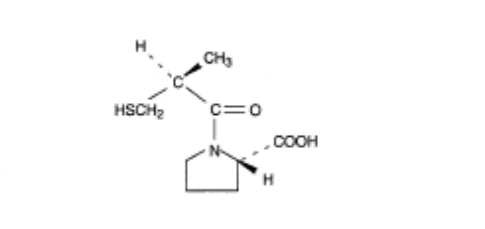
Proper name: captopril
Chemical name: 1 [(2S)-3-mercapto-2-methylpropionyl] -L-proline
Molecular formula and molecular mass: C9H15NO3S, 217.2
Structural formula:
Physicochemical properties: White to off-white crystalline powder with a slight acid-sulfhydryl odor; soluble in water, methanol and ethanol, and sparingly soluble in chloroform and ethyl acetate. Melts in the range of 104°C - 110°C.
14 CLINICAL TRIALS
14.1 Clinical Trial by Indication
Adult Population
Hypertension
In adults, peak reductions of blood pressure usually occur within 60 to 90 minutes after oral administration of a single dose of captopril. The duration of effect appears to be dose related. The reduction in blood pressure may be progressive, so to achieve maximal therapeutic effects, several weeks of therapy may be required. The blood pressure lowering effects of captopril and thiazide-type diuretics appear to be additive. In contrast, captopril and beta-blockers have a less than additive effect.
Blood pressure is lowered to about the same extent in both standing and supine positions. Orthostatic effects and tachycardia are infrequent but may occur in volume-depleted patients. Abrupt withdrawal of Noyada has not been associated with a rapid increase in blood pressure.
In the recommended daily dose, the antihypertensive effect persists even during long-term treatment. Temporary withdrawal of captopril does not cause any rapid, excessive increase in blood pressure (rebound). The treatment of hypertension with captopril leads also to a decrease in left ventricular hypertrophy.
Heart Failure
In adult patients with heart failure, captopril significantly decreased systemic vascular resistance (afterload), reduced pulmonary capillary wedge pressure (preload) and pulmonary vascular resistance, increased cardiac output (stroke index), and increased exercise tolerance time (ETT). Clinical improvement has been observed in some patients where acute hemodynamic effects were minimal.
In a large, placebo-controlled study in patients with left ventricular dysfunction (LVEF ≤ 40%) following myocardial infarction, it was shown that captopril (initiated between the 3rd to the 16th day after infarction) prolonged the survival time and reduced cardiovascular mortality. The latter was manifested as a delay in the development of symptomatic heart failure and a reduction in the necessity for hospitalization due to heart failure compared to placebo. There was also a reduction in re-infarction and in cardiac revascularization procedures and/or in the need for additional medication with diuretics and/or digitalis or an increase in their dosage compared to placebo. A retrospective analysis showed that captopril reduced recurrent infarcts and cardiac revascularization procedures (neither were target criteria of the study).
Baseline blood pressure was 113/70 mmHg and 112/70 mmHg for the placebo and captopril groups, respectively. Blood pressure increased slightly in both treatment groups during the study and was somewhat lower in the captopril group (119/74 vs. 125/77 mmHg at 1 yr).
Therapy with captopril improved long-term survival and clinical outcomes compared to placebo. The risk reduction for all-cause mortality was 19% (P = 0.02) and for cardiovascular death was 21% (P = 0.014). Captopril treated subjects had 22% (P = 0.034) fewer first hospitalizations for heart failure. Compared to placebo, 22% fewer patients receiving captopril developed symptoms of overt heart failure. There was no significant difference between groups in total hospitalizations for all cause (2056 placebo; 2036 captopril).
Another large, placebo-controlled study in adult patients with myocardial infarction showed that captopril (given within 24 hours of the event and for a duration of one month) significantly reduced overall mortality after 5 weeks compared to placebo. The favourable effect of captopril on total mortality was still detectable even after one year. No indication of a negative effect in relation to early mortality on the first day of treatment was found. Captopril cardioprotection effects are observed regardless of the patient's age or gender, location of the infarction and concomitant treatments with proven efficacy during the post-infarction period (thrombolytic agents, beta-blockers and acetylsalicylic acid).
Diabetic Nephropathy
Noyada has been studied in adult patients with diabetic nephropathy, most of whom had hypertension, with type I insulin-dependent diabetes mellitus, retinopathy and proteinuria ≥ 500 mg/day, in a multicenter, double-blind, placebo-controlled trial. In this study, captopril was shown to decrease the rate of progression of renal insufficiency and to reduce associated clinical sequelae for the combined end-point of end- stage renal disease (dialysis or renal transplantation) or death (from all causes). The effect on reduction of all-cause mortality alone was not statistically significant. No dosage adjustment was made according to creatinine clearance. Patients who had already progressed to severe renal failure were not included in the clinical trial.
In two multicenter, double-blind, placebo controlled studies, a total of 235 normotensive adult patients with insulin-dependent diabetes mellitus, retinopathy and microalbuminuria (20 to 200 mcg/min) were randomized to placebo or captopril (50 mg twice a day) and followed for up to 2 years. Captopril delayed the progression to overt nephropathy (proteinuria ≥ 500 mg/day) in both studies (risk reduction 67% to 76%; P<0.05). Captopril also reduced the albumin excretion rate. However, the long-term clinical benefit of reducing the progression from microalbuminuria to proteinuria has not been established.
15 MICROBIOLOGY
16 NON-CLINICAL TOXICOLOGY
General Toxicology
Captopril was embryocidal in rabbits when given in doses 2 to 70 times (on a mg/kg basis) the maximum recommended human dose, and low incidences of craniofacial malformations were seen. These effects in rabbits were most probably due to the particularly marked decrease in blood pressure caused by the drug in this species. Captopril was also embryocidal in sheep when given in doses similar to those given in humans. Captopril given to pregnant rats at 400 times the recommended human dose continuously during gestation and lactation caused a reduction in neonatal survival.
No teratogenic effects have been observed after large doses of captopril were administered to hamsters and rats.
Studies in rats and cats indicate that captopril does not cross the blood-brain barrier to any significant extent.
Acute Toxicology:
| Species | Sex | Route of Administration | LD50 (mg/kg) |
|---|---|---|---|
| Mouse | M F | Oral Oral | 5650-7900 600-7300 |
| Mouse | M F | i.v i.v | 970-1130 810-1290 |
| Mouse | M F | i.p i.p | 270-415 340-490 |
| Rat | M F | Oral Oral | 6000 5500 |
| Rat | M F | i.p i.p | 410 380 |
Signs of toxicity in mice were respiratory depression, ataxia, convulsions, loss of grip strength, transient weight loss, edema of tail, collapse, and irritation at the site of intravenous injection. Signs of toxicity in rats were diarrhea, transient weight loss, cyanosis, ataxia and convulsions. Most deaths occurred within 1 day.
Chronic Toxicity:
Chronic oral toxicity studies were conducted in rats (2 years), dogs (47 weeks; 1 year), mice (2 years), and monkeys (1 year). Significant drug-related toxicity included effects on hematopoiesis, renal toxicity, erosion/ulceration of the stomach, and variation of retinal blood vessels.
Reductions in hemoglobin and/or hematocrit values were seen in mice, rats, and monkeys at doses of 500 to 1500 mg/kg/day. Anemia, leukopenia, thrombocytopenia, and bone marrow depression occurred in dogs at doses of 50 to 200 mg/kg/day. The reductions in hemoglobin and hematocrit values in rats and mice were only significant at 1 year and returned to normal with continued dosing by the end of the study. Marked anemia was seen at all dose levels (50 to 200 mg/kg/day) in dogs, whereas moderate to marked leukopenia was noted only at 100 to 200 mg/kg and thrombocytopenia at 200 mg/kg. The anemia could be reversed upon discontinuation of dosing. Bone marrow suppression occurred to a varying degree, being associated only with dogs that died or were sacrificed in a moribund condition in the 1 year study. However, in the 47-week study at a dose of 200 mg/kg/day, bone marrow suppression was found to be reversible upon continued drug administration.
Captopril caused hyperplasia of the juxtaglomerular apparatus of the kidneys at doses 70 to 2000 mg/kg in rats and mice, at 150 to 450 mg/kg in monkeys and at 200 mg/kg/day in dogs.
Gastric erosions/ulcerations were increased in incidence at 200 and 2000 mg/kg doses in male rats and at 200 and 450 mg/kg doses in dogs and monkeys, respectively. Rabbits developed gastric and intestinal ulcers when given oral doses of approximately 300 mg/kg for only 5 to 7 days.
In the two-year rat study, irreversible and progressive variations in the caliber of retinal vessels (focal sacculations and constrictions) occurred at all dose levels (50 to 1350 mg/kg/day) in a dose-related fashion. The effect was first observed in the 88th week of dosing, with a progressively increased incidence thereafter, even after cessation of dosing.
Subacute Toxicity:
| Species | Strain | Sex | Number of Animals per Group | Number of Groups | Dose (mg/kg/day) | Route | Duration of Study | Toxic Effects |
|---|---|---|---|---|---|---|---|---|
| Rat | Charles-River CD Sprague Dawley | M F | 6 6 | 5 5 | 0, 50, 150, 450, or 50-3000 (progressively increasing doses) | Oral | 1 month | High Dose: slight growth retardation (females only); slightly decreased erythrocytic parameters; slight leukocytosis. Three Highest Doses: slight to moderate increase in BUN; dose-related slight to moderate growth retardation (males only) |
| Dog | Beagle | M F | 2 2 | 4 4 | 0, 25, 75, 225 | Oral | 1 month | High & Mid Doses: decreased erythrocytic parameters; increased urine calcium. All Doses: Increased urine magnesium (significant only in mid-dose group). |
| Species | Strain | Sex | Number of Animals per Group | Number of Groups | Dose (mg/kg/day) | Route | Duration of Study | Toxic Effects |
|---|---|---|---|---|---|---|---|---|
| Dog | Beagle | M F | 2,3 2,3 | 2 2 | 0, 200-600 (i.e wk 1 = 200, wks 2-4 = 400, wk 5 = 600) | Oral | 5 weeks | 200 mg/kg: decreased food consumption and body weight (females only); slight increase in BUN. 400 mg/kg: 1 death and 3 sacrifices due to G.I. distress and kidney dysfunction. 600 mg/kg: (2 remaining dogs); occasional emesis and loose feces; slight to moderate increased BUN, creatinine, total protein, potassium, calcium and cholesterol. |
| Monkey | Rhesus | M F | 1 2 | 4 4 | 0,25,75, 225 | Oral | 1 month | No toxic effects |
| Monkey | Rhesus | M F | 2 2 | 4 4 | 0,50,150,450 | Oral | 3 months | High Dose: Loose feces, decreased weight gain and erythrocytic parameters: increased BUN, sodium & retention of BSP. High & Mid Doses: Dose-related mild to moderate hyperplasia of juxtaglomerular apparatus. |
Carcinogenicity:
Chronic Toxicity and Carcinogenicity:
| Species | Strain | Sex | Number of Animals per Group | Number of Groups | Dose (mg/kg/day) | Route | Duration of Study | Toxic Effects |
|---|---|---|---|---|---|---|---|---|
| Mouse | Charles-River CD-1 | M F | 65 65 | 4 4 | 0, 50, 150, 450 - 1350 | Oral | 2 years | High Dose: slight retardation of body-weight gain (males only); slight increase of serum alkaline phosphatase (females only). All Doses: slight decrease in erythrocytic parameters & slightly lower heart weight and hyperplasia of renal juxtaglomerular apparatus. No evidence of carcinogenicity was observed |
| Species | Strain | Sex | Number of Animals per Group | Number of Groups | Dose (mg/kg/day) | Route | Duration of Study | Toxic Effects |
|---|---|---|---|---|---|---|---|---|
| Rat | Charles-River CD Sprague Dawley | M F | 65 65 | 4 4 | 0, 50, 150, 450, 1350 | Oral | 2 years | High Doses: slight increase in SGPT; slight increase in BUN (females only). All Doses: slight to moderate retardation of body weight gain; very slight decrease in erythrocytic parameters (dose-related) and serum total protein; slight dose -related increase in BUN (males only); lower mean heart weights; dose-related changes in retinal vessels, thickening of renal afferent arterial walls due to hyperplasia of juxtaglomerular and arterial smooth muscle cells. No evidence of carcinogenicity was observed |
Reproductive and Developmental Toxicology:
Reproduction and Teratology:
| Species and strain | Sex | Number of animals per group | Number of groups | Dose (mg/kg/day) | Treatment period | Route | Toxic signs |
|---|---|---|---|---|---|---|---|
Rat (Charles River CD | M F | 12 36 | 5 5 | 0, 50, 300, 1800,1800 | 10 weeks prior to mating | Oral | No effects on fertility and reproduction; no |
| Species and strain | Sex | Number of animals per group | Number of groups | Dose (mg/kg/day) | Treatment period | Route | Toxic signs | |
|---|---|---|---|---|---|---|---|---|
| Sprague Dawley) | 0, 50, 300, 1800,1800 | 2 weeks prior to mating. Dosing continued in half of females until Day 13 of gestation. Remaining females dosed through gestation and 21 days of lactation | embryotoxic fetotoxic, or teratogenic effects. | |||||
| Rat (Charles River CD Sprague Dawley) | F | 19 -22 | 4 | 0, 50, 450, 4000 | Days 7 through 16 of gestation | Oral | Mean food consumption and body weight gain significantly reduced in 4000 mg/kg group. 6 deaths of mothers due to gastric ulceration (5 from high-dose group). No embryotoxic, fetotoxic or teratologic effects. | |
| Hamster (Golden Syrian) | F | 24, 24, 24,26,8,6 | 6 | 0, 50, 450, 1000, 2000, 4000 | Days 7 through 13 of gestation | Oral | Death due to gastric ulcers in 12 of 14 dams of 2000 and 4000 mg/kg. 88% incidence of embryonic death in 2 remaining dams at 2000 mg/kg. No embryotoxic, fetotoxic or teratologic effects at doses of 1000 mg/kg. | |
| Species and strain | Sex | Number of animals per group | Number of groups | Dose (mg/kg/day) | Treatment period | Route | Toxic signs |
|---|---|---|---|---|---|---|---|
| Rabbit (New Zealand) | F | 15 -20 | 6 | 0, 0, 15, 50, 150, 450 | Days 7 through 19 of gestation | Oral | Gastric ulcers (6 to 19% incidence) in all dosed does; dose-related incidences of fetal death in all treated groups - thought due to hypotension (dose-related) in does rather than direct fetotoxic effect; hydrocephalus (2%) and microphthalmia (2.7%) in fetuses of 3 lower dose groups. |
| Rat (Charles River CD Sprague Dawley) | F | 16 -23 | 3 | 0, 50, 400, 3000 | Day 15 of gestation through Day 21 of lactation | Reduced postnatal growth and viability of offspring of one dose group. |
17 SUPPORTING PRODUCT MONOGRAPHS
- 1. PrApo-CAPTO, tablets USP, 6.25, 12.5, 25, 50 and 100 mg, Control No. 167102, Product Monograph, Apotex Inc. 11, 01, 2013.