


Product Monograph - Omnipaque 240
RECENT MAJOR LABEL CHANGES
| 1 INDICATIONS | 12/2023 |
|---|---|
| 4 DOSAGE AND ADMINISTRATION | 12/2023 |
| 8 ADVERSE REACTIONS | 12/2023 |
| 14 CLINICAL TRIALS | 12/2023 |
TABLE OF CONTENTS
Sections or subsections that are not applicable at the time of authorization are not listed.
RECENT MAJOR LABEL CHANGES ............................................................................................. 2
TABLE OF CONTENTS ............................................................................................................... 2
PART I: HEALTH PROFESSIONAL INFORMATION ....................................................................... 4
1 INDICATIONS ................................................................................................................ 4
1.1 Pediatrics ................................................................................................................. 4
1.2 Geriatrics ................................................................................................................. 5
2 CONTRAINDICATIONS .................................................................................................. 5
3 SERIOUS WARNINGS AND PRECAUTIONS BOX ............................................................. 5
4 DOSAGE AND ADMINISTRATION .................................................................................. 6
4.1 Dosing Considerations ............................................................................................. 6
4.2 Recommended Dose and Dosage Adjustment ...................................................... 14
4.4 Administration ....................................................................................................... 20
5 OVERDOSAGE ............................................................................................................. 21
6 DOSAGE FORMS, STRENGTHS, COMPOSITION AND PACKAGING ................................ 21
7 WARNINGS AND PRECAUTIONS ................................................................................. 22
7.1 Special Populations................................................................................................ 29
7.1.1 Pregnant Women ................................................................................................. 29
7.1.2 Breast-feeding ...................................................................................................... 29
7.1.3 Pediatrics .............................................................................................................. 29
7.1.4 Geriatrics .............................................................................................................. 30
8 ADVERSE REACTIONS ................................................................................................. 30
8.1 Adverse Reaction Overview ................................................................................... 30
8.2 Clinical Trial Adverse Reactions ............................................................................. 32
8.2.1 Clinical Trial Adverse Reactions – Pediatrics .................................................... 37
8.4 Abnormal Laboratory Findings: Hematologic, Clinical Chemistry and Other Quantitative Data ............................................................................................................ 38
8.5 Post-Market Adverse Reactions ............................................................................ 39
9 DRUG INTERACTIONS ................................................................................................. 40
9.4 Drug-Drug Interactions .......................................................................................... 40
9.5 Drug-Food Interactions .......................................................................................... 40
9.6 Drug-Herb Interactions .......................................................................................... 40
9.7 Drug-Laboratory Test Interactions ......................................................................... 41
10 CLINICAL PHARMACOLOGY ........................................................................................ 41
10.2 Pharmacodynamics ......................................................................................... 41
10.3 Pharmacokinetics ............................................................................................ 42
11 STORAGE, STABILITY AND DISPOSAL .......................................................................... 43
12 SPECIAL HANDLING INSTRUCTIONS ............................................................................ 43
PART II: SCIENTIFIC INFORMATION ........................................................................................ 44
13 PHARMACEUTICAL INFORMATION ............................................................................. 44
14 CLINICAL TRIALS ......................................................................................................... 44
14.1 Clinical Trials by Indication .............................................................................. 45
15 MICROBIOLOGY ......................................................................................................... 50
16 NON-CLINICAL TOXICOLOGY ...................................................................................... 51
PATIENT MEDICATION INFORMATION ................................................................................... 55
PART I: HEALTH PROFESSIONAL INFORMATION
1 INDICATIONS
OMNIPAQUE (iohexol injection USP) is indicated for:
Subarachnoid
Omnipaque 240 (iohexol 240 mg I/mL) and Omnipaque 300 (iohexol 300 mg I/mL) are indicated for subarachnoid administration in adults for lumbar, thoracic, cervical and total columnar myelography.
Delayed CT scans of the spinal subarachnoid space and of the intracranial CSF spaces may be obtained at the appropriate time following myelography, taking advantage of delayed opacification by the physiological cephalad circulation of the opacified CSF.
Intravascular
Omnipaque 350 (iohexol 350 mg I/mL) is indicated in adults for left ventriculography, coronary arteriography, intravenous contrast enhancement for computed tomographic head and body imaging, peripheral arteriography, excretory urography, and intravenous digital subtraction arteriography.
Omnipaque 300 (iohexol 300 mg I/mL) is indicated in adults for cerebral arteriography, intravenous contrast enhancement for computed tomographic head and body imaging, peripheral arteriography, peripheral venography, and excretory urography.
Omnipaque 240 (iohexol 240 mg I/mL) is indicated in adults for intravenous contrast enhancement in computed tomographic head imaging, and for peripheral venography.
Arthrography
Omnipaque 300 (iohexol 300 mg I/mL) or Omnipaque 240 (iohexol 240 mg I/mL) is recommended in adults for arthrography of the knee joint. Omnipaque 300 (iohexol 300 mg I/mL) is recommended for arthrography of the shoulder joint in adults.
Oral
Omnipaque 300 and Omnipaque 350 are indicated in adults for oral administration for radiographic imaging of the gastrointestinal tract (including esophagus, stomach, small bowel and colon).
Omnipaque 240, Omnipaque 300 and Omnipaque 350 diluted to 6 to 9 mg I/mL are indicated for oral administration in adults for CT of the abdomen and pelvis in conjunction with intravenous administration of Omnipaque.
1.1 Pediatrics
Pediatrics: Based on the data submitted and reviewed by Health Canada, the safety and efficacy of Omnipaque in pediatric patients has been established in some groups and indications. Therefore, Health Canada has authorized some indications for some pediatric age groups
(please refer to specific indication).
Intravascular
Omnipaque 350 (iohexol 350 mg I/mL) is indicated in children for angiocardiography.
Omnipaque 300 (iohexol 300 mg I/mL) is indicated in children for excretory urography and may be used in infants for angiocardiography.
Oral, Rectal, or by Enteric Tube
Omnipaque 240 and Omnipaque 300 are indicated for oral, rectal, or by enteric tube administration for radiographic imaging of the gastrointestinal tract (including esophagus, stomach, small bowel and colon).
Omnipaque 240, Omnipaque 300 and Omnipaque 350 diluted to 9 to 29 mg I/mL are indicated for oral administration in children for CT of the abdomen and pelvis in conjunction with intravenous administration of Omnipaque.
1.2 Geriatrics
Evidence from clinical studies and experience suggests that use in the geriatric population is associated with no overall differences in safety or effectiveness. Elderly patients may present a greater risk (Refer to Geriatrics 7.1.4). Special attention must be paid to dose and concentration of the medium, hydration and technique used.
2 CONTRAINDICATIONS
- Omnipaque (iohexol) is contraindicated in patients who are hypersensitive to this drug or to any ingredient in the formulation, including any non-medicinal ingredient, or component of the container. For a complete listing, see 6 DOSAGE FORMS, STRENGTHS, COMPOSITION AND PACKAGING.
- Omnipaque is contraindicated in patients with clinically significant impairment of both hepatic and renal function.
3 SERIOUS WARNINGS AND PRECAUTIONS BOX
Serious Warnings and Precautions
|
|---|
4 DOSAGE AND ADMINISTRATION
4.1 Dosing Considerations
Before use, Omnipaque (iohexol) vials/bottles should be inspected visually for particulate matter and/or discoloration. If either is present, the vials/bottles should be discarded. Omnipaque should be injected at or close to body temperature and should be used immediately once the vial/bottle seal has been punctured. Omnipaque should not be transferred from the vial/bottle to other delivery systems except immediately prior to use, nor should it be mixed with other drugs. Any unused portion should be discarded. Omnipaque vials/bottles should be protected from exposure to light. Syringes, needles, and catheter tips must be kept free of aspirated blood to prevent clotting from prolonged contact.
Subarachnoid Administration (Adults)
Omnipaque 240 (iohexol 240 mg I/mL) or Omnipaque 300 (iohexol 300 mg I/mL) is recommended for the examination of lumbar, thoracic and cervical regions in adults by lumbar or direct cervical injection. Myelography should not be performed in the presence of significant local or systemic infection where bacteremia is likely or when lumbar or cervical puncture is contraindicated.
The volume and concentration of Omnipaque 240 or Omnipaque 300 to be administered will depend on the degree and extent of contrast required within the recommended dose range in the area under examination, and on the equipment and technique employed. Omnipaque solutions are slightly hypertonic to CSF.
A total dose of 3,060 mg iodine or a concentration of 300 mg I/mL should not be exceeded in adults. As in all diagnostic procedures, the minimum volume and dose to produce adequate visualization should be used. Most procedures do not require the total maximum dose.
Anesthesia is not necessary. Patients should be well hydrated. Seizure-prone patients should be maintained on anticonvulsant medication.
Rate of injection: To avoid excessive mixing with CSF and consequent dilution of contrast, injection should be made slowly, over 1 to 2 minutes.
Depending on the estimated volume of Omnipaque which may be required for the procedure, a small amount of CSF may be removed to minimize distension of the subarachnoid spaces, unless contraindicated.
The spinal puncture needle may be removed immediately following injection since usually it is not necessary to remove Omnipaque after injection into the subarachnoid space.
If, in the clinical judgment of the physician, a repeat examination is required, an interval of 5 days between procedures is recommended.
Patient Management – Subarachnoid Administration
Good patient management should be exercised at all times to minimize the potential for complications.
Pre-Procedure
- Discontinue neuroleptic drugs (including phenothiazines, e.g., chlorpromazine, prochlorperazine, and promethazine) at least 48 hours beforehand.
- Maintain normal diet up to 2 hours before procedure.
- Ensure hydration – fluids up to procedure.
- Premedication is not usually considered necessary.
- Should myelography be necessary in patients with a history of seizures, such patients should be maintained on their anticonvulsant medication.
During Procedure
- Use minimum dose required for satisfactory contrast (See 4.2 Recommended Dose and Dosage Adjustment).
- In all positioning techniques, keep the patient's head elevated above highest level of spine.
- Do not lower head of table more than 15o during examination.
- In patients with excessive lordosis, consider lateral position for injection.
- Inject slowly (over 1 to 2 minutes) to avoid excessive mixing.
- Move medium within the spinal subarachnoid space under fluoroscopic monitoring.
- Avoid intracranial entry of a bolus.
- Avoid early and high cephalad dispersion of the medium.
- Avoid abrupt or active patient movement to minimize excessive mixing with CSF. Instruct patient to remain passive. Move patient slowly and only as necessary.
Post-Procedure
- Following myelography, move contrast medium to low lumbosacral area by upright positioning of the patient, for a few minutes.
- Raise head of stretcher to at least 30o before moving patient onto it.
- Movement onto and off the stretcher should be done slowly with patient completely passive, maintaining head up position.
- Before moving patient onto bed, raise head of bed 30o to 45o.
- Some clinicians advise patients to remain still in bed, in head up position or in the semi-sitting position, especially in the first few hours. Others have encouraged their patients to be fully ambulatory and have noted a reduction in the incidence of headache, nausea and vomiting.
- Maintain close observation and head-up position for at least 24 hours after myelogram.
- Obtain visitors' cooperation in keeping the patient quiet and in head up position, especially in first few hours.
- Encourage oral fluids. Diet as tolerated.
- If nausea or vomiting occur do not use phenothiazine antinauseants. Persistent nausea and vomiting will result in dehydration. Therefore, prompt consideration of replacement by intravenous fluids is recommended.
Intravascular Dosage and Administration (Adults and Pediatrics)
Also see Dosage Tables for recommended indications and dosage for intravascular administration.
Adult Left Ventriculography and Coronary Arteriography; Pediatric Angiocardiography
Omnipaque 350 (iohexol 350 mg I/mL) is recommended in adults for left ventriculography, selective coronary arteriography and aortic root injections.
Omnipaque 350 (iohexol 350 mg I/mL) is recommended in children for angiocardiography.
Omnipaque 300 (iohexol 300 mg I/mL) may be used in infants for angiocardiography.
Specific Precautions
During administration of Omnipaque 300 and Omnipaque 350, continuous monitoring of vital signs is desirable and adequate facilities for immediate resuscitation and cardioversion are mandatory. Caution is advised in the administration of large volumes to patients with incipient heart failure because of the possibility of aggravating the preexisting condition. Hypotension should be corrected promptly since it may induce serious arrhythmias.
Special care regarding dosage should be observed in patients with right ventricular failure, pulmonary hypertension or stenotic pulmonary vascular beds because of the hemodynamic changes which may occur.
Injection of contrast media into the cardiac chambers or great vessels causes significant hemodynamic disturbances, especially in right sided injections. Depending on the injection site and the time of recording, significant changes include a drop in cardiac output, elevation or decrease in ventricular pressures (RVSP, LVSP, LVEDP, RVEDP), systemic pressure, peripheral hypotension, brady- or tachycardia, ectopic beats and other arrhythmias.
The hemodynamic changes which occur during and after ventricular and coronary injections are, in general, less pronounced with the low-osmolality Omnipaque than those seen with similar concentrations of conventional ionic contrast media, but serious and life-threatening hemodynamic disturbances can occur with the administration of all iodinated contrast media, including Omnipaque.
If repeat injections are made in rapid succession, all these changes are likely to be more pronounced. After an initial rise, plasma volume may decrease and continue to fall below control levels, even beyond 30 minutes, probably due to diuresis.
The volume of each individual injection is a more important consideration than the total dose used. When large individual volumes are administered, as in ventriculography, sufficient time should be permitted to elapse between each injection to allow for subsidence of hemodynamic disturbances.
Due to increased risk of adverse reactions following recent acute myocardial infarction, careful patient selection is necessary, and the timing and performance of the examination should be carried out with extreme caution, if invasive radiographic procedures are considered necessary.
Pediatric patients at higher risk of experiencing adverse events during contrast medium administration include those having asthma, sensitivity to medication and/or allergens, congestive heart failure, pre-existent right heart strain, narrowed pulmonary vascular bed, a serum creatinine >1.5 mg/dL or those less than 12 months of age.
Specific Adverse Effects
Transient electrocardiographic changes occur frequently during the procedure. The following adverse effects have also occurred following administration of Omnipaque for this procedure: cardiac arrhythmias (bradycardia, ventricular tachycardia, atrial and ventricular fibrillation, heart block), anginal pain, coronary thrombosis, cardiac arrest, hypotensive shock and death. Apnea, arrhythmias, cerebral effects, convulsions, electrolyte and hemodynamic disturbances are more likely to occur in cyanotic infants.
Procedural complications include dissection of coronary arteries, dislodgement of atheromatous plaques, perforation of heart chambers or coronary arteries, hemorrhage and thrombosis.
Cerebral Arteriography
Omnipaque 300 (iohexol 300 mg I/mL) is recommended in adults for use in cerebral arteriography.
In cerebral arteriography, appropriate patient preparation is indicated. This may include suitable premedication.
Specific Precautions
Cerebral arteriography should be undertaken with extreme care with special caution in elderly patients, patients in poor clinical condition, advanced arteriosclerosis, severe arterial hypertension, recent cerebral embolism or thrombosis, cardiac decompensation, subarachnoid hemorrhage and following a recent attack of migraine, if the examination is considered to be essential for the welfare of the patient, and the patient should be watched for possible untoward reactions.
Specific Adverse Effects
Repeated injections of contrast material, administration of doses in excess of those recommended, the presence of occlusive atherosclerotic vascular disease and technique and method of injection appear to contribute to the majority of adverse effects attributable to cerebral arteriography.
Normally, adverse effects are mild and transient such as a frequent feeling of warmth in the face and neck and infrequently a more severe burning discomfort is experienced.
Although the degree of pain, flushing and patient movement as the result of the use of Omnipaque in cerebral arteriography is generally less than that seen with comparable injections of monomeric ionic contrast media, cerebral arteriography has been associated with neurologic complications such as seizures, drowsiness, paresthesia, TIA, cerebral infarct, transient or persistent hemiparesis, and disturbances in speech and vision (slurred speech, blurred vision, nystagmus, photomas). Other adverse effects include hypotension, bradycardia, arrhythmia, vertigo, syncope and electrocardiographic and EEG changes. Permanent defects are possible. Also see 8.2 Clinical Trial Adverse Reactions.
Contrast Enhanced Computed Tomography
Omnipaque 240 (iohexol 240 mg I/mL) may be used for intravenous contrast enhanced computed tomography of the head; Omnipaque 300 (iohexol 300 mg I/mL) and Omnipaque 350 (iohexol 350 mg I/mL) are indicated in adults for use in intravenous contrast enhanced computed tomographic head and body imaging by rapid injection or infusion technique.
Specific Warnings
In patients where the blood-brain barrier is known or suspected to be disrupted, the use of any radiographic contrast medium must be assessed on an individual risk to benefit basis, since neurological complications are more likely to occur. Caution is advised in patients with impaired renal function and with congestive heart failure.
Specific Precautions
The decision to employ contrast enhancement should be based upon a careful evaluation of clinical, other radiological and unenhanced CT findings, because unenhanced scanning may provide adequate diagnostic information in the individual patient, and because contrast enhancement may be associated with risk, may obscure certain lesions and increases radiation exposure. Intravenous CT scans of the head performed within 24 hours following myelography may yield false results due to the permeation of the brain by the contrast medium from adjacent CSF spaces. Therefore, if indicated, intravenous CT scan of the brain should be performed either before, or after a period of at least 24 hours following myelography.
Specific Adverse Effects
Following intravascular injection of large doses, transient or persistent neurological changes have been reported.
Peripheral Arteriography
Omnipaque 350 (iohexol 350 mg I/mL) or Omnipaque 300 (iohexol 300 mg I/mL) is recommended in adults for use in peripheral arteriography by aortic (bifurcation) or by femoral artery injection.
Sedative premedication may be employed prior to the use of Omnipaque. General anesthesia is not considered necessary.
Specific Precautions - Peripheral Arteriography (by aortic injection)
Under conditions of slowed aortic circulation there is an increased likelihood for aortic injection to cause muscle spasm. Occasional serious neurologic complications, including paraplegia, have also been reported in patients with aorto-iliac obstruction, femoral artery obstruction, abdominal compression, hypotension, hypertension, spinal anesthesia, injection of vasopressors to increase contrast, and low injection sites (L2-3). Especially in these patients the concentration, volume, and number of repeat injections of the medium should be maintained at a minimum with appropriate intervals between injections. The position of the patient and catheter tip should be carefully monitored.
Entry of a large aortic dose into the renal artery may cause, even in the absence of symptoms, albuminuria, hematuria, elevated creatinine and urea nitrogen and possible renal damage.
Specific Precautions - Peripheral Arteriography (by femoral injection)
Patient discomfort during and immediately following injection is generally less than that following injection of conventional ionic media. The incidence of discomfort for the second and subsequent injection may be somewhat higher than with the first injection.
Pulsation must be present in the artery to be injected. In thromboangiitis obliterans, severe ischemia with or without ascending infection, severe atherosclerosis or obstruction, arteriography should be performed with extreme caution, if at all.
Specific Adverse Effects
Adverse reactions observed during peripheral arteriography may sometimes be due to trauma during the procedure. Adverse reactions reported with the use of iodinated contrast media include hypotension, soreness in extremities, transient arterial spasm, gangrene, perforation of vessels, extravasation, hemorrhage, hematoma formation with tamponade, injury to nerves and other structures in close proximity to the artery, thrombosis, dissecting aneurysm, arteriovenous fistula, dislodgment of atheromatous plaques, subintimal injection and transient leg pain from contraction of calf muscles in femoral arteriography.
Intravenous Digital Subtraction Arteriography
Omnipaque 350 (iohexol 350 mg I/mL) is recommended in adults for use in intravenous digital subtraction arteriography.
It has been demonstrated that arteriograms of diagnostic quality can be obtained following the intravenous administration of contrast media employing digital subtraction and computer imaging enhancement techniques. The intravenous route of administration using these techniques has the advantage of being less invasive than the corresponding selective catheter placement of medium.
The dose is administered into a peripheral vein or the superior vena cava usually by mechanical injection although sometimes by rapid manual injection. Omnipaque with this technique has been used to visualize the vessels of the head and neck. Radiographic visualization of these structures is dependent on timing (synchronizing with circulation time).
Omnipaque solution can be injected intravenously as a rapid bolus to provide arterial visualization using digital subtraction radiography. Preprocedural medications are not considered necessary. Omnipaque has provided diagnostic carotid arterial radiographs by intravenous injection in about 92% of patients. In some cases, poor arterial visualization has been attributed to patient movement. There is generally less subjective or objective evidence of patient discomfort (general sensation of heat or pain) following injection compared with monomeric ionic media. In about 65% of patients, discomfort is either absent or is mild, and is severe in about 2% of patients.
Specific Precautions Related to Procedure
Since the dose is usually administered mechanically under high pressure, rupture of venous structures has occurred with extravasation of contrast media into the tissues of extremities or the mediastinum. It has been suggested that this is less likely to occur if an intravenous catheter is threaded proximally beyond larger tributaries, in the case of the antecubital vein into the superior vena cava, or if the femoral vein is used. However, with high pressure injection, the catheter tip initially placed in larger venous structures may still recoil into a small tributary resulting in rupture of a small vein with extravasation into the neighbouring tissues. In case of mediastinal extravasation severe pain and hypotensive shock have been reported.
Peripheral Venography
Omnipaque 300 (iohexol 300 mg I/mL) or Omnipaque 240 (iohexol 240 mg I/mL) is recommended in adults for peripheral venography.
Specific Precautions
Special care is required when venography is performed in patients with suspected thrombosis, phlebitis, ischemic disease, local infection, or a significantly obstructed venous system. In the presence of venous stasis, vein irrigation with normal saline should be considered following the procedure.
Specific Adverse Effects
Following venography with iodinated contrast media, especially in the presence of venous stasis, inflammatory changes, thrombosis and gangrene may occur. Thrombosis is rare if the vein is irrigated following the injection.
Excretory Urography
Omnipaque 350 (iohexol 350 mg I/mL) or Omnipaque 300 (iohexol 300 mg I/mL) is recommended in adults for excretory urography.
Omnipaque 300 (iohexol 300 mg I/mL) is recommended in children for excretory urography.
For pharmacodynamics of excretion in adults, see 10.2 Pharmacodynamics. For adverse effects, see 8.2 Clinical Trial Adverse Reactions.
Patient Preparation
Appropriate preparation of the patient is desirable for optimal results. A laxative the night before the examination, unless contraindicated, and a low residue diet the day before the examination are recommended.
Specific Precautions
Preparatory dehydration is not recommended, especially in the elderly, infants, young children, diabetic or azotemic patients, or in patients with suspected myelomatosis.
Pediatric patients at higher risk of experiencing adverse events during contrast medium administration may include those having asthma, sensitivity to medication and/or allergens, congestive heart failure, a serum creatinine >1.5 mg/dL or those less than 12 months of age.
Some clinicians consider multiple myeloma a contraindication to the use of contrast media because of the possibility of producing transient to fatal renal failure. If a decision to use Omnipaque is made, the patient should be well hydrated beforehand, since dehydration favors protein precipitation in the renal tubules, a minimal diagnostic dose used, and renal function and extent of urinary precipitation of the myeloma protein checked for a few days afterwards.
Caution is advised in patients with congestive heart failure and in cases of impaired renal function. In these patients the individual's clinical status and renal function should be carefully monitored.
Since there is a possibility of temporary suppression of urine formation, it is recommended that an interval of at least 48 hours elapse before excretory urography is repeated in patients with unilateral or bilateral reduction in renal function.
Arthrography (Adults)
Omnipaque 300 (iohexol 300 mg I/mL) or Omnipaque 240 (iohexol 240 mg I/mL) is recommended in adults for arthrography of the knee joint. Omnipaque 300 (iohexol 300 mg I/mL) is recommended for arthrography of the shoulder joint in adults.
Specific Precautions Related to Procedure
Strict aseptic technique is required to prevent infection. Fluoroscopic control should be used to ensure proper needle placement, prevent extracapsular injection, and prevent dilution of contrast medium. Undue pressure should not be exerted during injection.
Specific Adverse Effects Related to Procedure
Injection of Omnipaque into the joint is associated with transient discomfort, i.e., pain, swelling. However, delayed severe or persistent discomfort may occur occasionally. Severe pain may often result from undue use of pressure or the injection of large volumes. Joint swelling and effusion may occur. These adverse effects are partly procedurally dependent and of greater frequency when double-contrast technique is employed.
Adverse effects during arthrography included pain (36%), swelling sensation (58%), heat sensation (8%), muscle weakness (0.4%) and hematoma at the injection site (1%). Occasionally, muscle twitching, rash, itching, fatigue, and dry lips, were also observed during clinical studies involving 429 patients who had received iohexol by injection to the knee or shoulder joints. A single case of allergic synovitis associated with the use of Omnipaque has been reported in the literature.
4.2 Recommended Dose and Dosage Adjustment
Subarachnoid Dosage and Administration
Usual Adult Dose
The usual recommended total dosages of Omnipaque 240 or 300 for use in lumbar, thoracic, cervical and total columnar myelography are as follows and must not exceed a maximum total dose of 3.06 g I:
Table 1. Omnipaque Concentrations and Dosage of Subarachnoid Administration in Adults
| Procedure | Omnipaque Concentration (mg I/mL) | Volume (mL) | |
|---|---|---|---|
| Lumbar Myelography (via Lumbar Injection) | 240 | 7 to 12 | |
| Thoracic Myelography (via Lumbar or Cervical Injection) | 240 | 6 to 12 | |
| 300 | 6 to 10 | ||
| Cervical Myelography (via Lumbar Injection) | 240 | 6 to 12 | |
| 300 | 6 to 10 | ||
| Cervical Myelography (via C1-2 Injection) | 240 | 6 to 10 | |
| 300 | 4 to 10 | ||
| Total Columnar Myelography (via Lumbar Injection) | 240 | 6 to 12 | |
| 300 | 6 to 10 | ||
If computerized tomography is to follow, it should be deferred for 2 to 6 hours to allow the degree of contrast to decrease. Computerized tomography shows CSF contrast enhancement in the thoracic region in about one hour, in the cervical region in about 2 hours, in the basal cisterns in 3 to 4 hours, and in the ventricles and sulci in 5 to 6 hours.
Intravascular Dosage and Administration
Adult Left Ventriculography & Coronary Arteriography; Pediatric Angiocardiography
Usual Adult Dose
The usual single injection volume of Omnipaque 350 (iohexol 350 mg I/mL) for adult left ventriculography and coronary arteriography is as follows:
- Left Ventriculography: The usual adult volume of Omnipaque 350 for a single injection is 40 mL with a range of 30 to 60 mL. These doses may be repeated if necessary, but the total procedural dose should be limited to the minimum volume required to achieve a diagnostic examination.
- Selective Coronary Arteriography: The usual adult volume for right or left coronary arteriography is 5 mL (range 3 to 10 mL) per injection.
- Aortic Root Injection When Used Alone: The usual adult single injection volume is 35 mL, with a range of 20 to 50 mL.
Usual Pediatric Dose
Weight, a minor consideration in adults, must be considered in infants and young children during the administration of radiographic contrast media.
The usual recommended single injection volume of Omnipaque 350 (iohexol 350 mg I/mL) and Omnipaque 300 (iohexol 300 mg I/mL) for angiographic procedures in children are as follows:
Angiocardiography: The usual single injection dose range is 0.5 to 1.5 mL/kg for Omnipaque 300 and 0.5 to 1.2 mL/kg for Omnipaque 350. When multiple injections are given, the total administered dose should not exceed 4 mL/kg or 100 mL, whichever is less.
The inherent risk of angiocardiography in cyanotic infants must be weighed against the necessity for performing this procedure. A dose of 10 to 20 mL may be particularly hazardous in infants weighing less than 7 kg. This risk is probably significantly increased if these infants have pre-existing right heart strain, heart failure and effectively decreased or obliterated pulmonary vascular beds.
Apnea, bradycardia and other arrhythmias, cerebral effects, electrolyte, and hemodynamic disturbances are more likely to occur in cyanotic infants. Infants are more likely than adults to respond with convulsions, particularly after repeated injections.
Cerebral Arteriography
Usual Adult Dose
The recommended single dose of Omnipaque 300 (iohexol 300 mg I/mL) for conventional cerebral arteriography is as follows: common carotid artery 6 to 12 mL; internal carotid artery 5 to 10 mL; external carotid artery 4 to 8 mL and vertebral artery 6 to 10 mL.
It is advisable to inject at rates approximately equal to the flow rate of the vessel being injected.
Contrast Enhanced Computed Tomography
Usual Adult Dose
The concentration and volume required is influenced by the equipment and imaging technique used. The total procedural dose should be limited to the minimum volume required to achieve a diagnostic examination.
The usual adult dose range is:
Omnipaque 240: 85 to 150 mL
Omnipaque 300: 60 to 120 mL
Omnipaque 350: 50 to 80 mL
Peripheral Arteriography
Usual Adult Dose
The volume required will depend on the size, flow rate and disease state of the injected vessel and on the size and condition of the patient, as well as the technique used.
Table 2. Omnipaque dosage recommendations for use in peripheral arteriography
Aorto-femoral runoffs (aortic injection) | 20 to 60 mL of Omnipaque 350 (iohexol 350 mg I/mL) | ||
|---|---|---|---|
| or | |||
| 30 to 70 mL of Omnipaque 300 (iohexol 300 mg I/mL) | |||
| Selective Arteriograms (femoral/iliac injection) | 10 to 30 mL Omnipaque 350 (iohexol 350 mg I/mL) | ||
| or | |||
| 10 to 40 mL Omnipaque 300 (iohexol 300 mg I/mL) | |||
Intravenous Digital Subtraction Arteriography
Usual Adult Dose
The usual injection volume of Omnipaque 350 (iohexol 350 mg I/mL) for the intravenous digital technique is 30 to 50 mL. This is administered as a bolus at 10 to 30 mL/second either by hand or using a pressure injector. The volume and rate of injection will depend primarily on the type of equipment and technique used, with first exposure made on calculated circulation time.
A dextrose solution may be layered over the contrast medium in the injector with the purpose of delivering the remnant of the bolus forward into the main circulation, and to flush the vein.
The patient is urged not to move or swallow during or immediately after the injection.
Peripheral Venography
Usual Adult Dose
The recommended single dose of Omnipaque for use in peripheral lower extremity venography is 20 to 100 mL of Omnipaque 240 (iohexol 240 mg I/mL) or 20 to 100 mL of Omnipaque 300 (iohexol 300 mg I/mL)
Excretory Urography
Usual Adult Dose
The usual recommended adult dose range for use in excretory urography is 25 to 50 mL intravenously of either Omnipaque 350 (iohexol 350 mg I/mL) or Omnipaque 300 (iohexol 300 mg I/mL).
Usual Pediatric Dose
The usual dose of Omnipaque 300 for children is 0.7 to 1.5 mL/kg.
Dosage for infants and children should be administered in proportion to age and body weight. The total administered dose in infants should not exceed 3.0 mL/kg. In older children the maximum dose should not exceed 1.5 mL/kg or 50 mL, whichever is less.
| Table 3. Adult Omnipaque Intravascular Dosage | |||||||
|---|---|---|---|---|---|---|---|
| PROCEDURE | CONC. OF SOLUTION (mg I/mL) | USUAL RECOMMENDED SINGLE DOSE (mL) | |||||
| Left Ventriculography | 350 | 30 to 60 | |||||
Selective Coronary Arteriography (right or left coronary artery) | 350 | 3 to 10 | |||||
| Aortic Root | 350 | 20 to 50 | |||||
| Cerebral Arteriography | |||||||
| Common Carotid | 300 | 6 to 12 | |||||
| Internal Carotid | 300 | 5 to 10 | |||||
| External Carotid | 300 | 4 to 8 | |||||
| Vertebral | 300 | 6 to 10 | |||||
| Contrast enhanced CT | |||||||
| Head imaging by infusion | 240 | 85 to 150 | |||||
Head or body imaging by injection | 300 | 60 to 120 | |||||
| 350 | 50 to 80 | ||||||
| Intravenous Digital Subtraction Arteriography | 350 | 30 to 50 | |||||
| Peripheral Arteriography | |||||||
Aorto-femoral runoffs (aortic injection) | 350 | 20 to 60 | |||||
| 300 | 30 to 70 | ||||||
Selective Arteriograms (femoral/iliac injection) | 350 | 10 to 30 | |||||
| 300 | 10 to 40 | ||||||
| Peripheral Venography | 300 | 20 to 100 | |||||
| 240 | 20 to 100 | ||||||
| Excretory Urography | 350 | 25 to 50 | |||||
| 300 | 25 to 50 | ||||||
| Table 4. Pediatric Omnipaque Intravascular Dosage | ||||
|---|---|---|---|---|
| PROCEDURE | CONC. OF SOLUTION (mg I/mL) | USUAL RECOMMENDED SINGLE DOSE (mL/kg body weight) | ||
| Angiocardiography | 300 | 0.5 to 1.5 | ||
| 350 | 0.5 to 1.2 | |||
| Excretory Urography | 300 | 0.7 to 1.5 | ||
Arthrography
Usual Adult Dose
Arthrography is usually performed under local anesthesia. As much fluid as possible should be aspirated from the joint. Passive or active manipulation is used to disperse the medium throughout the joint space. The amount of Omnipaque injected is largely dependent on the size of the joint to be examined and the technique employed. Contrast is good during the first 5 to 10 minutes following injection and begins to fade at 15 to 20 minutes.
The following concentrations and volumes are recommended for normal adult knee and shoulder joints but should only serve as guidelines since joints may require more or less contrast medium for optimal visualization.
Table 5. Omnipaque dosage of Arthrography in Adults
| Knee | |
|---|---|
| Omnipaque 300 | 5 to 15 mL |
| Omnipaque 240 | |
| Shoulder | |
| Omnipaque 300 | 5 to 10 mL |
Lower volumes of contrast medium are usually injected when performing double-contrast examinations of the knee.
Oral or Rectal
Radiographic imaging of the gastrointestinal (GI) tract
Usual Adult Dose (oral)
The recommended dose of oral Omnipaque 300 or 350 for radiographic imaging of the gastrointestinal (GI) tract in adults is ∼100 mL (15 to 300 mL).
Usual Pediatric Dose (oral, rectal, or by enteric tube)
The recommended dose of Omnipaque 240 or 300 administered orally, rectally, or by enteric tube for radiographic imaging of the gastrointestinal (GI) tract in pediatrics is as follows:
Table 6. Pediatric Dosing for Radiographic Examination of GI Tract
| Pediatric Age Groups | Iodine (gram I) | Oral/enteric volume with Omnipaque 240/300 (mL) | Rectal volume (mL) (max. 300 mL) | ||||
|---|---|---|---|---|---|---|---|
| 0-5 years | < 18 | < 60 | Could be a larger volume than the volume given orally/enterically | ||||
| 6-10 years | < 24 | < 80 | |||||
| > 10 years | < 30 | ∼ 100 | |||||
CT of the abdomen and pelvis in conjunction with intravenous Omnipaque injection
Usual Adult Dose (oral)
The recommended dose of oral Omnipaque 240, 300, and 350 for CT of the abdomen and pelvis in adults is 180 to 1000 mL of Omnipaque diluted to 6 to 9 mg I/mL (with maximum oral iodine intake of 13 grams per exam).
Usual Pediatric Dose (oral, rectal, or by enteric tube)
The recommended dose of oral Omnipaque 240, 300, and 350 for CT of the abdomen and pelvis in pediatrics is 180 to 750 mL of Omnipaque diluted to 9 to 29 mg I/mL (see Table 7 for the recommended maximum iodine limits in pediatric age groups).
Table 7. Maximum Iodine Dosing Limit for Pediatric Age Groups
| Pediatric Age Groups | Maximum Total Iodine Dosage (gI) | Clinical Notes | |||||
|---|---|---|---|---|---|---|---|
| < 1 year | 3.8 |
| |||||
| 1 to <3 years | 5.7 | ||||||
| 3 to <6 years | 7.6 | ||||||
| 6 to <12 years | 11.3 | ||||||
| 12 to <18 years | 12.6 | ||||||
See below for the procedure for preparation of diluted Omnipaque Injection for oral administration. Mix Omnipaque with water to achieve one litre of oral contrast agent.
Table 8. Dilution Guidance of Oral Administration of Omnipaque for CT Enhancement (Adults and Pediatrics)*
| Final Iodine Concentration of Diluted Contrast Agent (mg | Omnipaque 240 | Omnipaque 300 | Omnipaque 350 | ||||||
|---|---|---|---|---|---|---|---|---|---|
| Volume of Contrast Agent (mL) | Volume of Liquid (mL) | Volume of Contrast Agent (mL) | Volume of Liquid (mL) | Volume of Contrast Agent (mL) | Volume of Liquid (mL) | ||||
| iodine/mL) | |||||||
|---|---|---|---|---|---|---|---|
| 6 | 25 | 975 | 20 | 980 | 17 | 983 | |
| 9 | 38 | 962 | 30 | 970 | 26 | 974 | |
| 12 | 50 | 950 | 40 | 960 | 35 | 965 | |
| 15 | 63 | 937 | 50 | 950 | 43 | 957 | |
| 18 | 75 | 925 | 60 | 940 | 52 | 948 | |
| 21 | 88 | 912 | 70 | 930 | 60 | 940 | |
| 24 | 100 | 900 | 80 | 920 | 69 | 931 | |
| 27 | 113 | 887 | 90 | 910 | 77 | 923 | |
| 29 | 120 | 880 | 97 | 903 | 83 | 917 | |
*Dilutions of Omnipaque should be prepared just prior to use and any unused portion should be discarded after the procedure.
See Table 9 below for the doses of the intravenous Omnipaque in conjunction with oral diluted Omnipaque for CT of the abdomen and pelvis in adults and pediatrics.
Table 9. Intravenous Omnipaque Injection for CT of the Abdomen and Pelvis in Conjunction with Oral Diluted Omnipaque (Adults and Pediatrics)
| Patient Population | Intravenous Concentration (mg I/mL) | Intravenous volume (mL) | Clinical Notes |
|---|---|---|---|
| Adults | Omnipaque 300 | ∼100 mL (Max. 150 mL) | Administer (bolus/infusion) up to 40 minutes after consumption of the oral dose |
| Pediatrics | |||
| <10 years | Omnipaque 240 and 300 | 1.7 to 2.5 mL/kg b.w. | Administer (bolus injection) up to 60 minutes after consumption of the oral dose |
| 10 to <18 years | 1 to 2 mL/kg b.w. (Max. 110 mL) | ||
4.4 Administration
For intra-articular, intravascular, oral, rectal, and subarachnoid administration by health care professionals only.
Omnipaque 240, 300, and 350 for oral or rectal use should be used within 8 hours of dilution.
Directions for Multiple Dispensing from Pharmacy Bulk Bottle
[Omnipaque 300 and Omnipaque 350 – bottles of 500 mL]
The use of Pharmacy Bulk Bottle should be performed in a suitable work area, such as laminar flow hood, using proper aseptic techniques.
The Pharmacy Bulk Bottle is intended for single puncture and multiple dispensing of single doses using a suitable transfer device. The withdrawal of the bottle must be performed within 8 hours from the initial puncture.
5 OVERDOSAGE
| For management of a suspected drug overdose, contact your regional poison control centre. |
|---|
6 DOSAGE FORMS, STRENGTHS, COMPOSITION AND PACKAGING
Table 10 – Dosage Forms, Strengths, Composition and Packaging
Omnipaque (iohexol) is provided as a sterile, pyrogen-free, colorless to pale yellow solution, in the following iodine concentrations: 240, 300, and 350 mg I / mL. Each milliliter of iohexol solution contains 1.21 mg of tromethamine and 0.1 mg of edetate calcium disodium with the pH adjusted between 6.8 and 7.7 with hydrochloric acid. All solutions are sterilized by autoclaving and contain no preservatives.
The available concentrations have the following physical properties:
Table 11. Physical Properties of Omnipaque
| Name | Iohexol conc. mg/mL | Iodine conc. mg I/mL | Osmolality mOsm/kg H20 | Absolute Viscosity (cps) | Specific Gravity (g/mL) (37oC) | |
|---|---|---|---|---|---|---|
| 20oC | 37oC | |||||
| Omnipaque 240 | 517.7 | 240 | 520 | 5.8 | 3.4 | 1.276 |
| Omnipaque 300 | 647.1 | 300 | 672 | 11.8 | 6.3 | 1.345 |
| Omnipaque 350 | 755.0 | 350 | 844 | 20.4 | 10.4 | 1.404 |
| Route of Administration | Dosage Form / Strength/Composition | Available Package Size | Non-medicinal Ingredients | ||
Intra-articular, Intravenous, Subarachnoid, Oral, or Rectal | Solution Omnipaque 240 mg I / mL (518 mg iohexol / mL) | Vials of 20 mL, boxes of 10 Bottles of 50 mL, boxes of 10 Bottles of 100 mL, boxes of 10 | edetate calcium disodium, hydrochloric acid, tromethamine | ||
Intra-articular, Intravenous, Subarachnoid, Oral, or Rectal | Solution Omnipaque 300 mg I / mL (647 mg iohexol / mL) | Vials of 20 mL, boxes of 10 Bottles of 50 mL, boxes of 10 Bottles of 100 mL, boxes of 10 Bottles of 200 mL, boxes of 10 Bottles of 500 mL, boxes of 6 | |||
Intravenous, Oral | Solution Omnipaque 350 mg I / mL (755 mg iohexol / mL) | Bottles of 50 mL, boxes of 10 Bottles of 100 mL, boxes of 10 Bottles of 200 mL, boxes of 10 Bottles of 500 mL, boxes of 6 | |||
Omnipaque at recommended concentrations is hypertonic to cerebrospinal fluid (CSF) and blood (300 mOsm/kg).
Normal range for the specific gravity of CSF is 1.005 to 1.009 and for blood, 1.050 to 1.064.
7 WARNINGS AND PRECAUTIONS
Use the recommended Omnipaque (iohexol) concentration for the particular procedure to be undertaken.
Please see 3 SERIOUS WARNINGS AND PRECAUTIONS BOX.
General
Diagnostic procedures which involve the use of radiopaque contrast agents should be carried out only by physicians with the prerequisite training and with a thorough knowledge of the particular procedure to be performed and who are thoroughly familiar with the emergency treatment of all adverse reactions to contrast media.
In addition to the following information, generally accepted contraindications, warnings, precautions and adverse reactions commonly related to the use of radiopaque contrast media should be kept in mind during administration of Omnipaque.
Carcinogenesis and Mutagenesis
Please refer to animal data in section 16 NON-CLINICAL TOXICOLOGY.
Cardiovascular Disease
Caution is advised in patients with severe cardiovascular disease.
Extravasation
Extravasation of contrast media may on rare occasions give rise to local pain, edema and erythema, which usually recedes without sequelae. However, inflammation and even tissue necrosis have been seen. Elevating and cooling the affected site is recommended as routine measures. Surgical decompression may be necessary in cases of compartment syndrome.
Please see 4.1 Dosing Considerations
Hepatic/Biliary/Pancreatic
Administration of water-soluble contrast media should be deferred for 48 hours in patients with hepatic or biliary disorders who have recently been administered cholecystographic agents, as renal toxicity has been reported in the literature in such patients who received conventional contrast agents.
Hepatorenal Disease
Patients with significant hepatorenal disease should not be examined unless the possibility of benefit clearly outweighs the additional risk. As with other iodinated contrast media, the use of Omnipaque is not recommended in patients with anuria or severe oliguria.
Contrast media-induced nephrotoxicity, presenting as transient impairment of renal function, may occur after intravascular Omnipaque administration. Patients with pre-existing renal impairment, diabetes mellitus, sepsis, hypotension, dehydration, cardiovascular disease, elderly patients, and patients with multiple myeloma, hypertension, patients on medications which alter renal function and patients with hyperuricemia, are at increased risk of this condition. Patients with both renal impairment and diabetes are at the highest risk for contrast media-induced nephrotoxicity. Please refer to Renal subheading for further information.
Hypersensitivity
Caution is advised in patients with a history of bronchial asthma or other allergic manifestations or of sensitivity to iodine.
The possibility of hypersensitivity including serious, life-threatening, fatal anaphylactic/anaphylactoid reactions should always be considered. The majority of serious undesirable effects occur within the first 30 minutes. Late onset (that is 1 hour or more after application) hypersensitivity reactions can occur. Patients should be observed for at least 30 minutes after administration of Omnipaque.
Serious or fatal reactions have been associated with the administration of water-soluble contrast media. It is of utmost importance that a course of action be carefully planned in advance for immediate treatment of serious reactions, and that adequate facilities and appropriate personnel be readily available in case a severe reaction should occur.
Before any contrast medium is injected, the patient should be questioned for a history of allergy or bronchial asthma. Although a history of allergy may imply a greater than usual risk, it does not arbitrarily contraindicate the use of the medium, but does warrant special precaution. A previous reaction to a contrast medium or a history of iodine sensitivity is not an absolute contraindication to the use of iohexol, however, extreme caution should be exercised in injecting these patients and prophylactic therapy should be considered. Additionally, the possibility of an idiosyncratic reaction in patients who have previously received a contrast medium without ill effect should always be considered.
The intravenous injection of a test dose of 0.5 to 1 mL of the contrast agent, before injection of the full dose, has been employed in an attempt to predict severe or fatal adverse reactions. The preponderance of recent scientific literature, however, now demonstrates that this provocative test procedure is not reliably predictive of serious or fatal reactions. Severe reactions and fatalities have occurred with the full dose after a non-reactive test dose, and with or without a history of allergy. No conclusive relationship between severe or fatal reactions and antigen-antibody reactions or other manifestations of allergy has been established. A history of allergy may be more useful in predicting reactions and warrants special attention when administering the drug. Since delayed severe reactions may occur the patient should be kept under close observation following injection (See also Patient Management under 4.1 Dosing Considerations).
Immune
Caution should be exercised in performing contrast medium examination in patients with endotoxemia and in those with elevated body temperature.
Monitoring and Laboratory Tests
Thyroid function should be checked in neonates during the first week of life, following administration of iodinated contrast agents to the mother during pregnancy.
Multiple Myeloma
Some clinicians consider multiple myeloma a contraindication to the use of contrast media because of the possibility of producing transient to fatal renal failure. If a decision to use Omnipaque is made, the patient should be well hydrated beforehand, since dehydration favours protein precipitation in the renal tubules. A minimal diagnostic dose should be used and renal function and extent of urinary precipitation of the myeloma protein checked for a few days afterwards.
Neurologic
Encephalopathy has been reported with the use of contrast media, such as iohexol (see 8.5 Post-Market Adverse Reactions). Contrast encephalopathy may manifest with symptoms and signs of neurological dysfunction such as headache, visual disturbance, cortical blindness, confusion, seizures, loss of coordination, hemiparesis, aphasia, unconsciousness, coma and cerebral edema. Symptoms usually occur within minutes to hours after administration of iohexol, and generally resolve within days.
Special precaution is advised in patients with increased intracranial pressure, cerebral thrombosis or embolism, primary or metastatic cerebral lesions, subarachnoid hemorrhage, arterial spasm, transient ischemic attacks, and in any condition when the blood brain barrier is breached or the transit time of the contrast material through the cerebral vasculature is prolonged, since clinical deterioration, convulsions, and serious temporary or permanent neurological complications (including stroke, aphasia, cortical blindness, etc.) may occur following intravenous or intraarterial injection of relatively large doses of contrast media. Factors which increase blood-brain barrier permeability will ease the transfer of contrast media to brain tissue and may lead to possible CNS reactions for instance encephalopathy. Such patients, and patients in clinically unstable or critical condition should undergo examinations with intravascular contrast media only if in the opinion of the physician the expected benefits outweigh the potential risks, and the dose should be kept to the absolute minimum.
If contrast encephalopathy is suspected, administration of iohexol should be discontinued and appropriate medical management should be initiated.
Pheochromocytoma
Administration of radiopaque media to patients known or suspected to have pheochromocytoma should be performed with extreme caution. If, in the opinion of the physician, the possible benefits of such procedures outweigh the considered risk, the amount of radiopaque material injected should be kept to a minimum. The blood pressure should be assessed throughout the procedure and measures for treatment of a hypertensive crisis should be available.
Preparatory Dehydration
Preparatory dehydration is unnecessary and usually contraindicated with the use of Omnipaque for all indications. See Vascular Use below.
Renal
Renal function should be assessed before injecting Omnipaque. Omnipaque is cleared by glomerular filtration; patients with renal insufficiency have increased systemic exposure to Omnipaque as compared to patients with normal renal function. Exercise caution and use the lowest necessary dose of Omnipaque in patients with renal insufficiency. Before Omnipaque is administered, patients should be fully assessed and precautions must be taken in patients with renal impairment. Implementation of prevention strategies is considered to be the best approach to reducing development of contrast media-induced nephrotoxicity.
Acute renal insufficiency or failure may occur following Omnipaque administration, particularly in patients with pre-existing renal impairment, sepsis, hypotension, dehydration, advanced vascular disease, congestive heart disease, diabetes mellitus, multiple myeloma or other paraproteinacious diseases, patients on medications which alter renal function, and the elderly with age-related renal impairment.
Adequately hydrate patients prior to and following Omnipaque administration in order to minimize the risk of contrast media-induced nephrotoxicity. Patients on dialysis, if without residual renal function, may receive Omnipaque for radiological procedures as iodinated contrast media are cleared by the dialysis process.
Caution should be exercised in the administration of contrast media to severely debilitated patients, particularly those with severe hypertension and impaired renal function. Major risk factor for contrast medium-induced nephropathy up to and including acute renal failure is underlying renal dysfunction. Diabetes and the volume of iodinated contrast medium administered are contributing factors in the presence of renal dysfunction. Additional concerns are dehydration, poor renal perfusion and the presence of other factors that may be nephrotoxic, such as certain medications, or major surgery. Acute renal failure has been reported in patients with diabetic nephropathy and in susceptible non-diabetic patients (often elderly with pre-existing renal disease) following administration of iodinated contrast agents. Careful consideration should be given to the potential risks before performing radiographic procedures in these patients.
Please refer to Hepatorenal Disease subheading for further information.
Sickle Cell Disease
Ionic contrast media have been shown to promote the phenomenon of sickling in individuals who are homozygous for sickle cell disease when the material is injected intravenously or intraarterially. Fluid restriction is not advised in these patients.
Thyroid Dysfunction
Reports of thyroid storm occurring following the intravascular use of iodinated radiopaque agents in patients with hyperthyroidism or with an autonomously functioning thyroid nodule, suggest that this additional risk be evaluated in such patients prior to the use of Omnipaque.
Omnipaque, like all other iodinated contrast media, may induce changes in thyroid function in some patients. Transient hyperthyroidism or hypothyroidism has been reported following iodinated contrast media administration to adult and pediatric patients. Decreased levels of thyroxine (T4) and triiodothyronine (T3) and increased level of TSH were reported after exposure to ICM in infants, especially preterm infants, which remained for up to a few weeks or even more than a month (see 8.5 Post-Market Adverse Reactions). Some patients were treated for hypothyroidism (see 7.1.3 Pediatrics).
Subarachnoid Use
Myelography should not be performed when lumbar puncture is contraindicated as in the presence of local or systemic infection where bacteremia is likely.
Myelography should be performed only in hospitalized patients under close medical observation, which is to be continued for 24 hours following the procedure.
Patients receiving anticonvulsants should be maintained on this therapy. Should a seizure occur, intravenous diazepam or phenobarbital is recommended. In patients with a history of seizure activity who are not on anticonvulsant therapy, premedication with barbiturates should be considered. Omnipaque (iohexol) should be used in epileptics only if a water-soluble contrast medium is considered essential.
Prophylactic anticonvulsant treatment with barbiturates should be considered in patients with evidence of inadvertent intracranial entry of a large bolus of contrast medium, since there may be increased risk of seizure in such cases.
Gravitational displacement of a concentrated bolus of Omnipaque above the level of C1 and especially into the intracranial subarachnoid spaces is to be avoided.
If grossly bloody CSF is encountered, the possible benefits of a myelographic procedure should be considered in terms of the risk to the patient.
Any intrathecally administered medication including non-ionic contrast media such as Omnipaque (iohexol) can enter the brain substance which may increase the risk of adverse effects associated with the procedure. Such adverse reactions may be delayed and, in extremely rare cases, may be life-threatening (see 8 ADVERSE REACTIONS). Careful patient and dose selection and proper patient management before, during and after the procedure are therefore imperative. Care is required in patient management to prevent inadvertent intracranial entry of a large bolus of contrast medium. Also, effort should be directed to avoid rapid dispersion of the medium (i.e., by active patient movement).
Experience with the use of water-soluble contrast media in myelography indicates that in most cases of major motor seizure one or more of the following factors were present, and should therefore, be avoided:
- Deviations from recommended procedure on myelographic management
- Use in patients with a history of epilepsy
- Inadvertent overdosage
- Intracranial entry of a bolus or premature diffusion of a high concentration of the medium
- Medication with neuroleptic drugs or phenothiazine antinauseants
- Failure to maintain elevation of the head during and after the procedure
- Active patient movement or straining
Repeat procedures: If in the clinical judgment of the physician a repeat examination is required, an interval of 5 days between procedures is recommended.
Vascular Use
Non-ionic iodinated contrast media inhibit blood coagulation less than ionic contrast media. Clotting has been reported when blood remains in contact with syringes, catheters or tubes containing non-ionic contrast media. Serious, rarely fatal, thromboembolic events causing myocardial infarction and stroke have been reported during angiographic procedures with non-ionic and also with ionic contrast media. Therefore, meticulous intravascular administration technique is necessary, particularly during angiographic procedures, to minimize thromboembolic events. Numerous factors, including length of procedure, number of injections, catheter and syringe material, underlying disease state, and concomitant medications may contribute to the development of thromboembolic events. For these reasons, meticulous angiographic techniques are recommended including close attention to keeping guidewires, catheters and all angiographic equipment free of blood, use of manifold systems and/or three-way stopcocks, frequent catheter flushing with heparinized saline solutions, and minimizing the length of the procedure. Non-ionic iodinated contrast media are not recommended as flush solutions. The use of plastic syringes in place of glass syringes has been reported to decrease but not eliminate the likelihood of clotting.
Patients with a serum creatinine level above 3 mg/dL should not be examined unless the possible benefits of the examination clearly outweigh the additional risk.
Extreme caution is advised should the injection of a contrast medium be indicated following the administration of vasopressors since they may strongly potentiate neurologic effects.
General anesthesia may be indicated in some procedures; however, one should be aware of possible increased incidence of adverse reactions in such circumstances.
Intravascular contrast studies with iodinated contrast media can lead to acute alteration of renal function and have been associated with lactic acidosis in patients receiving metformin.
(1) Patients with eGFR (Glomerular Filtration Rate) equal or greater than 60 mL/min/1.73m2 can continue to take metformin normally.
(2) Patients with eGFR 30 to 59 mL/min/1.73m2
- Patients receiving intravenous contrast medium with eGFR equal or greater than 45 mL/min /1.73m2) can continue to take metformin normally
- In patients receiving intra-arterial contrast medium, and those receiving intravenous contrast medium with an eGFR between 30 and 44 mL/min/1.73m2 metformin should be discontinued 48 hours before contrast medium and should only be restarted 48 hours after contrast medium if renal function has not deteriorated.
(3) In patients with eGFR less than 30 mL/min/1.73m2 or with an intercurrent illness causing reduced liver function or hypoxia metformin is contraindicated and iodinated contrast media should be avoided.
(4) In emergency patients in whom renal function is either impaired or unknown, the physician shall weigh out risk and benefit of an examination with a contrast medium. Metformin should be stopped from the time of contrast medium administration. After the procedure, the patient should be monitored for signs of lactic acidosis. Metformin should be restarted 48 hours after contrast medium if serum creatinine/eGFR is unchanged from the pre-imaging level.
Also see 4.1 Dosing Considerations for special warnings and precautions.
Preparatory dehydration may be dangerous in infants, young children, the elderly, in the presence of multiple myeloma and azotemic patients (especially those with polyuria, oliguria, diabetes, advanced vascular disease or pre-existing dehydration). The undesirable dehydration in these patients may be accentuated by the osmotic diuretic action of the medium.
When high doses of contrast media are used, caution should be exercised in patients with congestive heart failure because of the transitory increase in circulatory osmotic load, and such patients should be observed for several hours to detect delayed hemodynamic disturbances.
When considering aortic injections, the presence of a vigorous pulsatile flow should be established before using a catheter or pressure injection technique. A small "pilot" dose (about 2 mL) should be administered to locate the exact site of the needle or catheter tip to help prevent injection of the main dose into a branch of the aorta or intramurally.
Entry of a large, concentrated bolus into an aortic branch should be avoided.
Mesenteric necrosis, acute pancreatitis, renal shut-down, serious neurologic complications including spinal cord damage and hemiplegia or quadriplegia have been reported following inadvertent injection of a large part of the aortic dose of contrast media into an aortic branch or arterial trunks providing spinal or cerebral artery branches.
Pulsation must be present in the artery to be injected. Extreme caution is advised in considering peripheral angiography in patients suspected of having thromboangiitis obliterans (Buerger's disease) since any procedure (even insertion of a needle or catheter) may induce a severe arterial or venous spasm. Caution is also advisable in patients with severe ischemia associated with ascending infection. Special care is required in patients with suspected thrombosis, ischemic disease, local infection or a significantly obstructed vascular system. Occasional serious neurologic complications, including paraplegia have been reported in patients with aorto-iliac or femoral artery bed obstruction, abdominal compression, hypotension, hypertension and following injection of vasopressors.
When large individual doses are administered, an appropriate time interval should be permitted to elapse between injections to allow for subsidence of hemodynamic disturbances.
Following catheter procedures, gentle pressure hemostasis is advised followed by immobilization of the limb for several hours to prevent hemorrhage from the site of arterial puncture.
Special precautions to be observed when performing specific diagnostic procedures are listed in 4.1 Dosing Considerations, under individual paragraphs pertaining to said specific procedures.
7.1 Special Populations
7.1.1 Pregnant Women
There are no studies on the use of Omnipaque (iohexol) in pregnant women. Reproduction studies have been performed in rats and rabbits with up to 100 times the recommended human dose. No evidence of impaired fertility or definite harm to the fetus has been demonstrated due to iohexol.
Animal reproduction studies are not always predictive of human response, therefore, Omnipaque should be used during pregnancy only if the benefit to the mother clearly outweighs the risk to the fetus.
7.1.2 Breast-feeding
It is not known to what extent iohexol is excreted in human milk.
If use of Omnipaque is considered necessary, it is suggested that breast-feeding be discontinued for at least 48 hours following administration of Omnipaque.
7.1.3 Pediatrics
Pediatric patients at higher risk of experiencing adverse events during administration of Omnipaque may include those having asthma, a sensitivity to medication and/or allergens, congestive heart failure, a serum creatinine greater than 1.5 mg/dL or those less than 12 months of age.
Decreased levels of thyroxine (T4) and triiodothyronine (T3) and increased level of TSH were reported after exposure to ICM in infants, especially preterm infants, which remained for up to a few weeks or more than a month (see 8 ADVERSE REACTIONS). Hypothyroidism in infants may be harmful for growth and development, including mental development and may require treatment. Thyroid function in infants exposed to ICM should therefore be evaluated and monitored until thyroid function is normalized.
7.1.4 Geriatrics
Elderly patients may present a greater risk following myelography. The need for the procedure in these patients should be evaluated carefully. Special attention must be given not to exceed the recommended dose of the contrast medium, to see that the patient is sufficiently hydrated and to ensure proper and sterile radiographic technique.
8 ADVERSE REACTIONS
8.1 Adverse Reaction Overview
General
Since the reactions which are known to occur upon parenteral administration of iodinated contrast agents are possible with any non-ionic agent, the same degree of careful patient observation for adverse reactions as with the use of conventional ionic contrast media, should be strictly followed. Adequate equipment and appropriate personnel should be readily available in case a severe reaction should occur.
Adverse reactions following the use of Omnipaque are usually of mild to moderate severity. However, serious, life-threatening and fatal adverse reactions have been associated with both the intravascular and subarachnoid use of iodinated contrast media, including Omnipaque (iohexol).
It should be kept in mind that, although most adverse reactions occur soon after the administration of the contrast medium, some adverse reactions may be delayed and could be of a long-lasting nature.
The reported incidence of adverse reactions to contrast media in patients with a history of allergy is twice that of the general population. Patients with a history of previous reactions to a contrast medium are three times more susceptible than other patients. However, sensitivity to contrast media does not appear to increase with repeated examinations.
Reactions related to technique
Adverse reactions to specific procedures are dealt with under section 4.1 Dosing Considerations. General reactions attributed to technique and/or procedure may include extravasation with burning pain, hematomas, ecchymosis and tissue necrosis, vascular spasm thrombosis, thrombophlebitis, bleeding, perforation, rupture and dissection of blood vessels, dislodgement of atheromatous plaques or thrombi with embolization, subintimal injection, injury to nerves and other structures and general trauma during the procedure.
Treatment of Adverse Reactions to Contrast Media
Contrast media should be injected only by physicians thoroughly familiar with the emergency treatment of all adverse reactions to contrast media. The assistance of other trained personnel such as cardiologists, internists and anesthetists is required in the management of severe reactions.
A guideline for the treatment of adverse reactions is presented below. This outline is not intended to be a complete manual on the treatment of adverse reactions to contrast media or on cardiopulmonary resuscitation. The physician should refer to the appropriate texts on the subject.
It is also realized that institutions or individual practitioners will already have appropriate systems in effect and that circumstances may dictate the use of additional or different measures.
For Minor Allergic Reactions (if considered necessary)
The intravenous or intramuscular administration of an antihistaminic such as diphenhydramine hydrochloride 25 to 50 mg is generally sufficient (contraindicated in epileptics). The resulting drowsiness makes it imperative to ensure that out-patients do not drive or go home unaccompanied.
Major or Life-Threatening Reactions
A major reaction may be manifested by signs and symptoms of cardiovascular collapse, severe respiratory difficulty, and nervous system dysfunction. Convulsions, coma, and cardio-respiratory arrest may ensue.
The following measures should be considered:
- 1. Start emergency therapy immediately, carefully monitoring vital signs.
- 2. Have emergency resuscitation team summoned; do not leave patient unattended.
- 3. Ensure patent airway; guard against aspiration.
- 4. Commence artificial respiration if patient is not breathing.
- 5. Administer oxygen if necessary.
- 6. Start external cardiac massage in the event of cardiac arrest.
- 7. Establish route for i.v. medication by starting infusion of appropriate solution (5% dextrose in water).
- 8.
Judiciously administer specific drug therapy as indicated by the type and severity of the reaction. Careful monitoring is mandatory to detect adverse reactions to all drugs administered.
- Soluble hydrocortisone 500 to 1000 mg i.v., for all acute allergic-anaphylactic reactions.
Epinephrine 1:1000 solution (in the presence of anoxia it may cause ventricular
- CAUTION in patients on adrenergic beta-blockers (See 9.4 Drug-Drug Interactions):
- 0.2 to 0.4 mL subcutaneously for severe allergic reactions.
- in extreme emergency 0.1 mL per minute, appropriately diluted, may be given intravenously until desired effect is obtained. Do not exceed 0.4 mL.
- in case of cardiac arrest 0.1 to 0.2 mL appropriately diluted, may be given intracardially.
In hypotension (carefully monitoring blood pressure):
phenylephrine hydrochloride 0.1 to 0.5 mg appropriately diluted, by slow intravenous injection or infusion.
or
- norepinephrine bitartrate 4 mL of 0.2% solution in 1,000 mL of 5% dextrose by slow drip infusion.
- Sodium bicarbonate 5%: 50 mL i.v., every 10 minutes as needed to combat post-arrest acidosis.
- Atropine 0.4 to 0.6 mg i.v., to increase heart rate in sinus bradycardia. May reverse 2nd or 3rd degree block.
To control convulsions:
Diazepam 5 to 10 mg slowly i.v., titrating the dose to the response of the patient
or
- Phenobarbital sodium may be injected i.v., or i.m., at a rate not in excess of 30 to 60 mg/ minute. Depending on the patient's response a total dose of 200 to 300 mg may be required. The dose may be repeated in 6 hours if necessary.
- 9. Defibrillation, administration of anti-arrhythmics and additional emergency measures and drugs may be required.
- 10. Transfer patient to intensive care unit when feasible for further monitoring and treatment.
8.2 Clinical Trial Adverse Reactions
Clinical trials are conducted under very specific conditions. Therefore, the adverse reaction rates observed in the clinical trials may not reflect the rates observed in practice and should not be compared to the rates in the clinical trials of another drug. Adverse reaction information from clinical trials may be useful in identifying and approximating rates of adverse drug reactions in real-world use.
Subarachnoid
Following subarachnoid administration of Omnipaque (iohexol), as with other currently used non-ionic contrast media, the most important adverse reactions involve the central nervous system and the incidence of such adverse reactions increases when the more cephalad segments of the spinal cord are exposed to the contrast material. The amount and concentration of the contrast material also appear to have a direct relationship to the frequency and severity of such adverse effects.
Adverse reactions known to occur with the subarachnoid use of other non-ionic iodinated contrast media may also follow the use of Omnipaque. Most adverse reactions occur several hours following the procedure necessitating close and prolonged observation.
The most frequently reported adverse reactions with Omnipaque are headache, mild to moderate pain including backache, neckache and stiffness, nausea, and vomiting. These reactions usually occur 1 to 10 hours after injection, and almost all occur within 24 hours. They are usually mild to moderate in degree, lasting for a few hours, and usually disappearing within 24 hours. Rarely, headaches may be severe or persist for days. Headache is often accompanied by nausea and vomiting and tends to be more frequent and persistent in patients not optimally hydrated.
Transient alterations in vital signs may occur.
Those reactions reported in clinical studies with Omnipaque are listed below based on clinical studies of 1,531 patients:
Table 12 Adverse Reactions – Subarachnoid Administration
| System Organ Class | Adverse Reaction | Incidence | ||
| Gastrointestinal Disorders | Nausea | 6% | ||
| Vomiting | 3% | |||
| Musculoskeletal and connective tissue disorders | Pain in the back, leg, neck, stiffness and neuralgia | 8% | ||
| Nervous system disorders | Headaches | 18% | ||
| Dizziness | 2% | |||
| Convulsions, aseptic meningitis syndrome (see below), toxic encephalopathy, myelitis with transient or persistent sensory and motor disturbances of the central and peripheral nervous system; transient or persistent cortical blindness, unilateral or bilateral loss of vision, amblyopia, diplopia, oculomotor weakness, 6th nerve palsy, photophobia, nystagmus, hearing loss, dysphasia, dysarthria, quadriplegia, hemiplegia, spastic paraparesis, paralysis, | <0.1% | |||
| System Organ Class | Adverse Reaction | Incidence | ||
| areflexia, flaccidity, muscle weakness, hyperreflexia, hypertonia, myoclonus, fasciculation, general spasm, muscle spasm, spinal convulsion, cauda equina syndrome, urinary retention, nerve root disturbances, sensory loss, meningismus, neck stiffness, fever, fainting, cerebral edema, cerebral hemorrhage, hydrocephalus, somnolence, stupor, coma, confusion, disorientation, hallucination, decreased concentration, memory dysfunction, amnesia, depersonalization, psychosis, anxiety, agitation, depression, nightmares, elevated WBC and protein in spinal fluid as well as EEG changes. | ||||
| Other Disorders | Feeling of heaviness, severe hypotension, vasovagal reactions, bradycardia, cardio respiratory arrest, sensation of heat, sweating and loss of appetite, chills, fever, profuse diaphoresis, pruritus, rash, erythema, periorbital edema, nasal congestion, dyspnea, and a case of Guillain Barre syndrome. | < 0.1% | ||
Rarely, headaches may be severe, lasting in some cases for several days. In managing the patient, it is considered very important to prevent intracranial entry of contrast medium by postural management (see 4.1 Dosing Considerations).
Nausea and vomiting (see 4.1 Dosing Considerations): Maintaining normal hydration is very important. The use of phenothiazine antinauseants should be avoided.
An aseptic meningitis syndrome has been reported rarely (less than 0.01%). It was usually preceded by pronounced headaches, nausea and vomiting. Onset usually occurred about 12 to 18 hours post-procedure. Prominent features were meningismus, fever, sometimes with oculomotor signs and mental confusion. Lumbar puncture revealed a high white cell count, high protein content often with a low glucose level and with absence of organisms. The condition usually clears spontaneously within a few days.
Profound mental disturbances have also rarely been reported. They have usually consisted of various forms and degrees of aphasia, mental confusion, or disorientation. The onset is usually at 8 to 10 hours and lasts for about 24 hours or more. However, occasionally they have been manifest as apprehension, agitation, or progressive withdrawal in several instances to the point of somnolence, stupor, and coma. In a few cases these have been accompanied by transitory hearing loss or other auditory symptoms and visual disturbances, including unilateral or bilateral loss of vision which may last for hours. In one case, persistent cortical loss of vision has been reported in association with convulsions. Ventricular block has been reported; amnesia of varying degrees may be present.
Although not previously reported with Omnipaque, as with the injection of any foreign substance into the subarachnoid space, the possibility of the potential of Omnipaque to produce adhesive arachnoiditis cannot be excluded.
Intravascular
Adverse reactions following the intravascular use of Omnipaque (iohexol) are usually of mild to moderate severity. However, as with other iodine containing contrast media, serious, life-threatening and fatal reactions have been associated with the intravascular administration of Omnipaque.
The injection of contrast media is frequently associated with the sensation of warmth and pain, burning sensation, flushing, nausea, vomiting and taste alterations. These relatively minor adverse effects are generally less frequent and less severe with Omnipaque than with conventional ionic contrast media.
Table 13 - Adverse Reactions – Intravascular Administration
| System Organ Class | Adverse Reaction | Incidence | ||
| Cardiovascular System | Arrhythmias including PVCs and PACs | 2% | ||
| Angina/chest pain | 1% | |||
| Severe hypotension | 0.8% | |||
| Cardiac failure, asystole, bradycardia, tachycardia, atrial and ventricular fibrillation, premature beats, bundle branch block, vasovagal reaction, chest pain, coronary thrombosis, dyspnea, pulmonary edema, cyanosis, severe hypertension, hypertensive crisis, hypotension, peripheral vasodilatation, acute vascular insufficiency, circulatory collapse, hypotensive and cardiogenic shock, cardiac arrest, and cardio respiratory arrest, rarely, anaphylactic shock leading to cardio respiratory failure and death. | < 0.4% | |||
| Gastrointestinal System | Nausea | 2% | ||
| Vomiting | 0.7% | |||
| Diarrhea, dyspepsia, and dry mouth | <0.1% | |||
| Nervous system disorders | Pain | 3% | ||
| Photomas | 2% | |||
| Headache | 2% | |||
| Taste perversion | 1% | |||
| Vertigo including dizziness and light-headedness | 0.7% | |||
| System Organ Class | Adverse Reaction | Incidence | ||
| Anxiety, blurred vision, transient cortical blindness or persistent blindness, impairment of memory and coordination, tinnitus, fever, motor and speech dysfunction, convulsion, paresthesia, somnolence, confusion, dizziness, loss of consciousness, coma, apnea, psychotic reaction, stroke, stiff neck, hemiparesis, hemiplegia, nystagmus, restlessness and tremors | <0.4% | |||
| Other | Pallor, weakness, sweating, localized areas of edema, especially facial, vein cramps and thrombophlebitis following i.v. injection, rare cases of disseminated intravascular coagulation, neutropenia. Immediate or delayed rigors can occur and do so rarely, accompanied sometimes by hyperpyrexia. Infrequently, "iodism" (salivary gland swelling) from organic iodinated compounds appears two days after exposure and subsides by the sixth day. | Not Known | ||
| Renal and urinary disorders | Occasionally transient proteinuria, hematuria and rarely oliguria, anuria and renal failure. | Not Known | ||
| Respiratory System | Occasionally, asthmatic attacks, nasal and conjunctival symptoms (such as nasal congestion, sneezing, rhinitis, conjunctivitis, lacrimation), laryngospasm, bronchospasm, wheezing, laryngeal edema, edema of glottis with signs of airway obstruction | Not Known | ||
| Skin and Subcutaneous Tissues | Urticaria | 0.3% | ||
| Purpura | 0.1% | |||
| Dermal reactions (such as urticaria with or without pruritus, erythematous, bullous and pleomorphic rashes), angioneurotic edema | Not known | |||
Transient changes in some laboratory parameters are not uncommon.
The occurrence of thyroid storm in patients with hyperthyroidism or with autonomously functioning thyroid nodule have been reported following the use of iodinated contrast media.
Individual adverse reactions which occurred to a significantly greater extent for a specific procedure are also listed under 4 Dosage and Administration for that procedure.
Table 14 - Adverse Reactions - Oral/Rectal Administration
| System Organ Class | Adverse Reaction | Incidence |
|---|---|---|
| Cardiac disorders | Congestive heart failure | 0.4% |
| Gastrointestinal disorders | Diarrhea/stools loose | 32.4% |
| System Organ Class | Adverse Reaction | Incidence | ||
|---|---|---|---|---|
| Nausea | 5.4% | |||
| Abdominal cramps/colic/stomach ache | 4.6% | |||
| Vomiting | 4.2% | |||
| Gas/flatulence | 0.8% | |||
| Borborygmus | 0.4% | |||
| Intestinal dilatation | 0.4% | |||
| General disorders and administration site conditions | Fever/increased temperature/pyrexia | 1.2% | ||
| Death | 0.4% | |||
| Feeling bad | 0.4% | |||
| Rigors | 0.4% | |||
| Nervous system disorders | Pain | 2.7% | ||
| Headache | 1.5% | |||
| Dizziness | 0.4% | |||
| Psychiatric disorders | Insomnia | 0.8% | ||
| Renal and urinary disorders | Dysuria | 0.4% | ||
| Respiratory System | Coughing | 1.2% | ||
8.2.1 Clinical Trial Adverse Reactions – Pediatrics
In controlled clinical trials involving 152 patients for pediatric myelography by lumbar puncture, adverse events following the use of Omnipaque 180 and Omnipaque 210 were as follows:
Table 15 Adverse Reactions – Subarachnoid Administration
| System Organ Class | Adverse Reaction | Incidence |
| Gastrointestinal Disorders | Vomiting | 6% |
| Musculoskeletal and connective tissue disorders | Backache | 1.3% |
| Nervous system disorders | Headache | 9% |
| Other Disorders | Fever, hives, stomach ache and visual hallucination | <0.7% |
Table 16 - Adverse Reactions - Oral/Rectal Administration
| System Organ Class | Adverse Reaction | Incidence | ||
|---|---|---|---|---|
| Gastrointestinal disorders | Diarrhea/stools loose | 21.9% | ||
| Vomiting | 3.7% | |||
| Nausea | 1.7% | |||
| Gas/flatulence | 0.7% | |||
| Abdominal cramps/colic/stomach ache | 0.7% | |||
| System Organ Class | Adverse Reaction | Incidence | ||
|---|---|---|---|---|
| Change in bowel habits | 0.3% | |||
| Constipation | 0.3% | |||
| Gastro-intestinal disorder | 0.3% | |||
| General disorders and administration site conditions | Fever/increased temperature/pyrexia | 1.3% | ||
| Tiredness | 0.3% | |||
| Nervous System Disorders | Dizziness | 0.3% | ||
| Renal and Urinary Disorders | Dysuria | 0.3% | ||
| Respiratory, thoracic and mediastinal disorders | Aspiration | 1.0% | ||
| Skin and Subcutaneous Tissue disorders | Hives | 0.3% | ||
| Rash | 0.3% | |||
8.4 Abnormal Laboratory Findings: Hematologic, Clinical Chemistry and Other Quantitative Data
Clinical Trial Findings
Injection of Omnipaque was associated with statistically significant reduction of changes in mean values of some physiological parameters (heart rate, Q-T interval, S-T segment, and systemic pressures), compared to those associated with the use of conventional ionic media in some procedures, especially in angiocardiography. Clinically significant, transient individual changes noted in vital signs and laboratory parameters (increased serum creatinine CK, LDH, SGOT, SGPT, K, decreased creatinine clearance; increased urinary protein, WBC and RBC; and variations in hematology parameters) after administration of Omnipaque were similar in scope to those caused by the conventional ionic control contrast agents.
- nce iohexol does not ionize in solution, there is less dilution through hyperosmolar fluid shifts within the renal tubules and hence less osmotic diuresis, compared to conventional ionized contrast media, and a higher iodine concentration in the tubular urine is obtained. Several studies have shown that conventional ionic contrast media caused significantly greater increases in proteinuria, urinary β-hexosaminidase and serum creatinine than did nonionic media at comparable doses. One study, on the other hand, involving 20 pediatric patients, showed that the significant increase in urinary excretion of other renal enzymes (N-acetyl glucosaminidase, gamma glutamyl transpeptidase and muramidase) following the intravascular administration of Omnipaque was approximately the same as that caused by conventional ionic contrast media. The clinical relevance of these findings is unclear at the present time.
The lower osmolality of Omnipaque compared to conventional ionic media of similar iodine concentration can be expected to cause fewer and less severe osmolality related disturbances. At 350 mg I/mL, the highest concentration used clinically, Omnipaque has less than half the osmolality of monomeric ionic media of equi-iodine concentration (i.e., approximately 844 mOsm/kg H2O vs 1800 mOsm/kg H2O).
8.5 Post-Market Adverse Reactions
ost-Market Experience
- Transient contrast induced encephalopathy including transient memory loss, coma, stupor, retrograde amnesia and other neurological symptoms
- Myocardial infarction
Endocrine Disorders:
Transient hypothyroidism, thyrotoxicosis
Thyroid function tests indicative of hypothyroidism or transient thyroid suppression have been uncommonly reported following iodinated contrast media administration to adult and pediatric patients, including infants. Some patients were treated for hypothyroidism.
- Hypersensitivity including life-threatening or fatal anaphylaxis (anaphylactic/anaphylactoid), pustular, exfoliative or bullous skin reactions
- Bullous dermatitis, Stevens-Johnson syndrome, erythema multiforme, toxic epidermal necrolysis, acute generalised exanthematous pustulosis, drug rash with eosinophilia and systemic symptoms, and psoriasis flare-up.
- Disturbance in consciousness
- Sensory abnormalities including hypoaesthesia, paraesthesia
- Transient motor dysfunction (including speech disorder, aphasia, dysarthria)
- Transient hearing loss
- Spasm of coronary arteries
- Arterial spasm
- Non-cardiogenic pulmonary edema
- Cough
- Impairment of renal function
- GI Disorders: abdominal pain, salivary gland enlargement, pancreatitis aggravated, diarrhea
- Arthralgia
- Feeling hot
- Shivering (chills)
- Meningism
- Syncope vasovagal
- Discomfort
- Asthenic conditions (e.g., malaise, fatigue)
9 DRUG INTERACTIONS
9.4 Drug-Drug Interactions
Drugs which lower seizure threshold
Drugs which lower seizure threshold, especially phenothiazine derivatives, including those used for their antihistaminic or antinauseant properties, should not be used with Omnipaque. Others include monoamine oxidase (MAO) inhibitors, tricyclic antidepressants, CNS stimulants, psychoactive drugs described as analeptics, major tranquilizers or antipsychotic drugs. Such medications should be discontinued at least 48 hours before myelography, should not be used for the control of nausea or vomiting during or after myelography and should not be resumed for at least 24 hours post-procedure. In nonelective procedures in patients on these drugs, prophylactic use of anticonvulsants should be considered.
Biguanides (metformin)
In patients with acute kidney failure or severe chronic kidney disease biguanide elimination can be reduced leading to accumulation and the development of lactic acidosis. As the application of Omnipaque can lead to renal impairment or an aggravation of renal impairment, patients, especially those with prior renal impairment, treated with metformin may be at an increased risk of developing lactic acidosis. As a precaution, biguanides should be discontinued 48 hours prior to non-urgent contrast injections or at the time of the contrast medium examination and withheld for 48 hours after the administration of contrast medium and reinstated only after adequate renal function remains stable (less than 25% increase compared to baseline creatinine) (See 7 WARNINGS AND PRECAUTIONS – Renal).
Adrenergic Beta-Blockers
There have been reports in the literature indicating that patients on adrenergic beta-blockers may be more prone to severe adverse reaction to contrast media. At the same time treatment of allergic-anaphylactoid reactions in these patients is more difficult. Epinephrine should be administered with caution since it may not exhibit its usual effects. On the one hand larger doses of epinephrine may be needed to overcome the bronchospasm, while on the other, these doses can be associated with excessive alpha-adrenergic stimulation with consequent hypertension, reflex bradycardia and heart-block and possible potentiation of bronchospasm.
Alternatives to the use of large doses of epinephrine include vigorous supportive care such as fluids and the use of beta agonists including parenteral salbutamol or isoproterenol to overcome bronchospasm and norepinephrine to overcome hypotension.
9.5 Drug-Food Interactions
Interactions with food have not been established.
9.6 Drug-Herb Interactions
Interactions with herbal products have not been established.
9.7 Drug-Laboratory Test Interactions
It is expected that the results of thyroid function tests will not reflect true function for several weeks following radiopaque examination. Such tests, if indicated, should be performed prior to the administration of Omnipaque (iohexol). Tests which directly determine thyroxine levels are less likely to be affected.
10 CLINICAL PHARMACOLOGY
10.2 Pharmacodynamics
Subarachnoid
Omnipaque (iohexol), when injected into the lumbar subarachnoid space, will opacify the lumbar subarachnoid spaces and their associated root sleeves to provide contrast for these structures.
Following lumbar subarachnoid injection in conventional radiography, Omnipaque will continue to provide good diagnostic contrast for at least 30 minutes. After approximately one hour, contrast of diagnostic quality will not be available for conventional myelography, due to diffusion throughout the CSF as well as transfer into the general circulation. If computerized tomography is to follow, it should be deferred for 2 to 6 hours to allow the degree of contrast to decrease. For computerized tomography without conventional radiography, a smaller dose or lower concentration of Omnipaque would be required.
Computerized tomography shows CSF contrast enhancement in the thoracic region in about one hour, in the cervical region in about 2 hours, in the basal cisterns in 3 to 4 hours, and in the ventricles and sulci in 5 to 6 hours. Between 8 and 12 hours after lumbar injection, CT scans of the brain may demonstrate contrast medium enhancement of brain tissue in contact with the subarachnoid spaces indicating permeation of the cerebral cortex by the contrast medium; this "blush" effect will normally disappear in 24 hours.
Intravascular
Following intravascular injection, Omnipaque (iohexol) will opacify those vessels in the path of flow of the contrast medium, permitting radiographic visualization of the vasculature of the internal structures and extremities until significant dilution occurs.
After intravenous injection opacification of the renal parenchyma can begin within one minute. Excretion of the contrast material becomes apparent in about 1 to 3 minutes, with optimal contrast in the calyces and collecting system occurring between 5 to 15 minutes. In nephropathic conditions, particularly when excretory capacity has been altered, the rate of excretion varies unpredictably, and opacification may be delayed for up to several hours after injection. Severe renal impairment may result in a lack of diagnostic opacification of the urinary tract, and depending on the degree of renal impairment, prolonged plasma iohexol levels may be anticipated in these patients as well as in infants with immature kidneys.
Statistically significant reductions in patient discomfort, during or shortly after injection, were generally observed with Omnipaque when compared to conventional ionic contrast media.
CT Scanning of the Head
In intravenous contrast enhanced computed tomographic head imaging, Omnipaque (iohexol) does not accumulate in normal brain tissue due to the presence of the normal blood brain barrier. The increase in x ray absorption in normal brain is due to the presence of Omnipaque within the blood pool. A break in the blood brain barrier, such as occurs in malignant tumors of the brain, abscesses, vascular accidents, etc. allows for the accumulation of contrast medium within the interstitial tissue of the tumor, and some other lesions. Adjacent normal brain tissue does not contain the contrast medium.
The degree of density enhancement is directly related to the iodine content in an administered dose; peak iodine blood levels occur immediately following rapid intravenous injection. Blood levels fall rapidly within 5 to 10 minutes and the vascular compartment half-life is approximately 20 minutes. Maximum contrast enhancement in tissue frequently occurs after peak blood iodine levels are reached. Diagnostic contrast enhancement images of the brain have been obtained up to 1 hour after intravenous bolus administration.
CT Scanning of the Body
In intravenous contrast enhanced computed tomographic body imaging (nonneural tissue), Omnipaque (iohexol) diffuses rapidly from the vascular into the extravascular space. Increase in x ray absorption is related to blood flow, concentration of the contrast medium, and extraction of the contrast medium by interstitial tissue of tumors since no barrier exists. Contrast enhancement is thus due to the relative differences in vascularity and extravascular diffusion between normal and abnormal tissue, quite different from that in the brain.
Contrast enhancement appears to be greatest immediately after bolus administration (15 seconds to 120 seconds).
Utilization of a continuous scanning technique (i.e., dynamic CT scanning) may improve enhancement and diagnostic assessment of tumor and other lesions such as abscess, occasionally revealing unsuspected or more extensive disease.
OMNIPAQUE may be useful for enhancement of computed tomographic images for detection and evaluation of lesions in the liver, pancreas, kidneys, aorta, mediastinum, pelvis, abdominal cavity, and retroperitoneal space.
10.3 Pharmacokinetics
Absorption
Oral Administration
Less than 1% of orally administered iohexol is recovered in the urine, suggesting minimal amounts are absorbed from the normal gastrointestinal tract. This amount may increase in the presence of bowel perforation, bowel obstruction or bowel inflammation.
Elimination
General
Immediately following rapid intravascular injection, Omnipaque (iohexol) reaches peak plasma concentration and is then rapidly distributed throughout the extracellular fluid compartment. Iohexol does not normally cross the blood-brain barrier to any significant extent. It is excreted unchanged by the kidneys, mainly by glomerular filtration; tubular secretion plays a minor role, and a very small quantity (1-2%) is excreted via the bile. About 80 to 90% of the injected dose is excreted in the first 24 hours, with peak urine concentrations occurring in the first hour.
Pharmacokinetic studies of iohexol following i.v. injection in healthy male volunteers showed, using a three-compartment open model, that its distribution half-life (alpha phase) is 22 minutes, excretion half-life (beta phase) 2.1 hours, and first-order terminal elimination half-life (gamma phase) 12.6 hours. The volume of distribution of the central compartment is 165 to 270 mL/kg, the mean renal clearance 120 mL/min, and the mean total body clearance is 131 mL/min.
In the presence of impaired renal function, the excretion of iohexol by the kidneys will be delayed and the amount excreted in the bile increases.
Iohexol is not known to be appreciably metabolized in humans. No metabolites have been found in urine. The presence or absence of metabolites in human bile has not been ascertained. (Small quantities of two metabolites were detected in rabbit bile and urine).
Following its injection into the subarachnoid space, iohexol mixes readily with the cerebrospinal fluid (CSF) and diffuses into root sleeves and upward in the spinal and intracranial subarachnoid spaces. The time it takes iohexol to reach the cervical and intracranial subarachnoid spaces will depend to a large degree on the patient's position and movements. As it diffuses upward, its concentration decreases. Iohexol is eliminated into the systemic circulation via the subarachnoid granulations in the spine and the skull, and is subsequently excreted by the kidneys. Peak plasma concentration following subarachnoid injection of iohexol is reached in 2 to 6 hours. When fitted to a one compartment open model with first order absorption, the mean plasma elimination half-life (beta phase) is 3.4 hours (2.2 to 7.9 hours) and the mean apparent terminal elimination half-life (gamma phase) is 4.5 hours. The mean volume of distribution is 559 mL/kg, the mean renal clearance 111 mL/min. and the total body clearance 119 mL/min. Within the first 24 hours, about 84% of the injected dose is recovered from the urine.
11 STORAGE, STABILITY AND DISPOSAL
Store between 15 to 30oC. Solutions must be protected from light. Unused portions must be discarded. Do not use if solution is discolored or contains a precipitate.
12 SPECIAL HANDLING INSTRUCTIONS
Not applicable
PART II: SCIENTIFIC INFORMATION
13 PHARMACEUTICAL INFORMATION
Drug Substance
Proper name: Iohexol
Chemical name: N,N'-Bis(2,3-dihydroxypropyl)-5-[N-(2,3-dihydroxypropyl)-acetamido]-
2,4,6-triiodoisophthalamide
Molecular formula and molecular mass: C19H26I3N3O9 and 821.14 (iodine content 46.36%).
Structural formula:
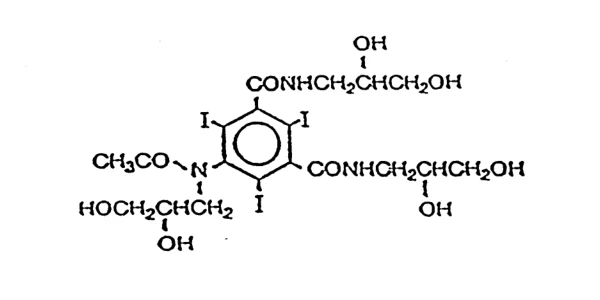
Physicochemical properties: White to off-white odourless powder. Very soluble in water and methanol, practically insoluble or insoluble in ether and in chloroform. Melting Point: 174 - 180o
Pharmaceutical standard: USP
14 CLINICAL TRIALS
In comparative clinical trials of the vascular procedures of angiocardiography, cerebral arteriography, peripheral arteriography, urography, peripheral venography and intravenous digital subtraction angiography a total of 885 consenting adult patients received Omnipaque (iohexol injection USP) (523 by arterial injection and 362 by intravenous route) while 724 patients received conventional ionic media, such as metrizoate, diatrizoate and iothalamate, (444 intra-arterially and 280 intravenously) for their radiographic examinations.
In lumbar myelography studies, Omnipaque was injected into the lumbar subarachnoid space of 576 adult patients while an additional 208 adult patients received Amipaque (metrizamide) under similar dosages and conditions.
Clinically significant, transient individual changes in vital signs, serum chemistry, hematology and neurological tests, when observed, were similar in magnitude and frequency with the two contrast agents used.
The electroencephalogram was recorded in 182 patients who received Omnipaque. EEG changes (mostly theta and delta waves) were recorded in approximately 4% of these patients.
This compares to approximately 35% of patients exhibiting EEG changes following myelography with Amipaque, based on historical data. No significant changes were evident in the chemistry of cerebrospinal fluid (CSF) obtained by repuncture at either 6 or 24 hours after injection of Omnipaque. Although a few increases in CSF protein, WBC and other laboratory parameters were reported, no effect on IgG, creatinine kinase (CK) or CK-BB band isoenzyme was observed.
In clinical trials of arthrography, 429 patients received iohexol by injection to the knee or shoulder joints.
14.1 Clinical Trials by Indication
Table 17 - Summary of patient demographics for clinical trials in radiographic imaging of the gastrointestinal tract
| Study # | Study design | Dosage, route of administration and duration | Study subjects (n) | Mean age (Range) | Sex |
| (N-137) | Double-blind randomized control | Active: 100 mL iohexol 350 mg iodine/mL orally Control: 100 mL diatrizoate 370 mg iodine/mL orally (n = 21) or via gastric tube (n = 4) | Active: 24 Control: 25 | Active: 52.6 years (19 to 87 years) Control: 60.4 years (24 to 80 years) | Active: 11 male, 13 female Control: 12 male, 13 female |
| (PS-632) | Double-blind randomized control | Active: Mean 98.3 mL (range 50 to 100 mL) iohexol 350 mg iodine/mL orally Control: Mean 97.3 mL (range 20 to 100 mL) diatrizoate 370 mg iodine/mL orally | Active: 30 Control: 30 | Active: 43.7 years (18 to 79 years) Control: 47.0 (20 to 73 years) | Active: 5 male, 25 female Control: 16 male, 14 female |
| (IOH-1058) | Double-blind randomized control | Active 1: Mean 68.5 mL (range 15.0 to 240.0 mL) iohexol 180 mg iodine/mL orally, via enteric tube, or rectally Active 2: Mean 113.1 mL (range 20.0 to 850.0 mL) of iohexol 300 mg iodine/mL orally, via enteric tube, or rectally Control: Mean 77.2 mL (range 15.0 to 300.0 mL) of barium orally, via enteric tube, or rectally | Active 1: 21 Active 2: 21 Control: 22 | Active 1: 56.2 months (0.7 to 194.6 months) Active 2: 64.3 months (1.2 to 203.9 months) Control: 41.6 months (1.1 to 182.7 months) | Active 1: 11 male, 10 female Active 2: 12 male, 9 female Control: 15 male, 7 female |
| Study # | Study design | Dosage, route of administration and duration | Study subjects (n) | Mean age (Range) | Sex |
| (N-121) | Open-label, non-comparative study | Median 40 mL (range 8 to 225 mL) iohexol 175 (n = 29) to 350 (n = 4) mg iodine/mL orally (n = 14), via feeding tube (n = 17), or rectally (n = 2) | 30 (33 examinations) | Median 35 weeks (0 to 722 weeks) | 19 male, 11 female |
Study N-137 (Adults)
Orally administered undiluted Omnipaque 350 mg I/mL was evaluated in a single-center Phase 3, randomized, double-blind parallel study to assess and compare its safety, efficacy and taste acceptability to that of oral undiluted diatrizoate 370 mg I/mL for examination of the adult gastrointestinal tract in patients being evaluated for possible gastrointestinal obstruction. Twenty-four patients each received 100 mL of Omnipaque and 25 each received 100 mL of diatrizoate 370 mg I/mL, except for one patient who could only take 50 mL due to nausea.
Study PS-632 (Adults)
Oral Omnipaque 350 mg I/mL was evaluated in a Phase III, single-center randomized, double-blind parallel study to assess and compare its safety, efficacy and taste acceptability to that of oral diatrizoate 370 mg I/mL for examination of the adult gastrointestinal tract. Undiluted oral Omnipaque 350 mg I/mL (mean 98.3 mL) was administered to 30 patients, and undiluted oral diatrizoate 370 mg I/mL (mean 97.3 mL) was administered to 30 patients.
Study IOH-1058 (Children)
The safety and efficacy of Omnipaque for gastrointestinal examinations in pediatric patients were studied in a two-part (Parts A and B) study at two centers. In Part A, the safety and efficacy of Omnipaque 300 mg I/mL and a lower concentration were compared to barium sulfate in a randomized, double-blind manner during pediatric gastrointestinal exams. In Part B, two lower concentrations of Omnipaque were evaluated in an open, nonrandomized manner to assess its safety and efficacy during gastrointestinal exams in pediatric patients for whom barium was contraindicated. Contrast media were administered orally and by rectal and enteric tube. In Part A, the mean total volumes administered were 113.1 mL (range 20 to 850 mL) of Omnipaque 300 mg I/mL and 77.2 mL (range 15 to 300 mL) of barium.
Study N-121 (Children)
An open, non-comparative study of Omnipaque 350 mg I/mL in the gastrointestinal tract of infants and children was carried out. Thirty-three examinations in thirty patients were performed to evaluate the safety, taste acceptance and radiological properties of Omnipaque. Omnipaque was given in a concentration of 350 mg I/mL in 4 examinations and diluted with water to 175 mg I/mL in the remaining 29. The volume ranged from 8 mL to 225 mL (median 40 mL). The contrast was administered orally (14 subjects), via feeding tube (17 subjects) or rectally (2 subjects).
Table 18 - Summary of patient demographics for clinical trials in CT of the abdomen
| Study # | Study design | Dosage, route of administration and duration | Study subjects (n) | Mean age (Range) | Sex |
| (PS-641) | Double-blind randomized control | Active: iohexol 300 mg iodine/mL diluted to 4.5 to 9.0 mg iodine/mL orally, mean 839 mL (range 180 to 1500 mL) plus iohexol 300 mg iodine/mL intravenously, mean 115.5 mL (range 75.0 to 217.0 mL) Control: diatrizoate 282 mg iodine/mL diluted to 4.2 to 8.5 mg iodine/mL orally, mean 813 mL (range 350 to 1250 mL) plus diatrizoate 282 mg iodine/mL intravenously, mean 121.1 mL (range 20.0 to 208.0 mL) | Active: 44 Control: 43 | Active: 56.5 years (24 to 83 years) Control: 53.8 years (19 to 82 years) | Active: 29 male, 15 female Control: 21 male, 22 female |
| (IOH-1030) | Open-label, non-comparative study | Active 1: iohexol 300 mg iodine/mL diluted to 9 to 21 mg iodine/mL orally, mean 422.2 mL (range 180 to 750 mL) plus iohexol 300 mg iodine/mL intravenously, mean 47.2 mL (range 14 to 110 mL) Active 2: iohexol 240 mg iodine/mL diluted to 12 to | Active 1: 40 Active 2: 29 | Active 1: 97.3 months (7.4 to 209.2 months) Active 2: 106.0 months (9.0 to 214.1 months) | Active 1: 26 male, 14 female Active 2: 15 male, 14 female |
| Study # | Study design | Dosage, route of administration and duration | Study subjects (n) | Mean age (Range) | Sex |
| 29.3 mg iodine/mL orally, mean 412.4 mL (range 180 to 500 mL) plus iohexol 240 mg iodine/mL intravenously, mean 54.4 mL (range 17.5 to 100 mL) | |||||
Study PS-641 (Adults)
Oral and intravenous Omnipaque were evaluated in a randomized, double-blind comparison with oral and intravenous diatrizoate 282 mg I/mL at two centers to assess its safety and efficacy in adult contrast-enhanced abdominal computed tomography (CT). Dilute oral Omnipaque (4.5 to 9 mg I/mL; mean 839 mL; range 180 to 1,500 mL) plus intravenous Omnipaque 300 mg I/mL (mean 115.5 mL; range 75 to 217 mL) were administered to 44 patients, and dilute oral diatrizoate 282 mg I/mL (4.2 to 8.5 mg I/mL; mean 813 mL; range 350 to 1,250 mL) plus intravenous diatrizoate (282 mg I/mL; mean 121.1 mL; range 20 to 208 mL) were administered to 43 patients.
Study IOH-1030 (Children)
Oral and intravenous Omnipaque were evaluated in an open, noncomparative study at two centers to assess its safety and efficacy in pediatric contrast-enhanced abdominal computed tomography (CT). Dilute oral Omnipaque (9 mg I/mL to 21 mg I/mL; mean 422.2 mL; range 180 to 750 mL) plus intravenous Omnipaque 300 mg I/mL (47.2 mL (range 14 to 110 mL) were administered to 40 patients, and dilute oral Omnipaque (12 to 29.3 mg I/mL; mean 412.4 mL (range 180 to 500 mL)) plus intravenous Omnipaque 240 (mean 54.4 mL; range 17.5 to 100 mL) were administered to 29 patients.
Study Results
Table 19 - Results of Study N-137 in radiologic examination of the GI tract
| Primary Endpoints | Associated value and statistical significance for Drug at specific dosages | Associated value and statistical significance for Placebo or active control |
| Percentage of subjects with images of diagnostic quality | 79% | 64% (p = 0.252) |
Table 20 - Results of Study PS-632 in radiologic examination of the GI tract
| Primary Endpoints | Associated value and statistical significance for Drug at specific dosages | Associated value and statistical significance for Placebo or active control |
| Percentage of subjects with images of diagnostic quality | 72% | 26% (p = 0.003) |
Table 21 - Results of Study IOH-1058 in radiologic examination of the GI tract
| Primary Endpoints | Associated value and statistical significance for Drug at specific dosages | Associated value and statistical significance for Placebo or active control |
| Percentage of subjects with diagnostic images | Active 1: 86% Active 2: 90% | 100% (p = 0.215) |
Table 22 - Results of Study N-121 in radiologic examination of the GI tract
| Primary Endpoints | Associated value and statistical significance for Drug at specific dosages | Associated value and statistical significance for Placebo or active control |
| Proportion of examinations with image quality rated excellent | 94% | Not applicable. |
Table 23 - Results of Study PS-641 in computed tomography of the abdomen
| Primary Endpoints | Associated value and statistical significance for Drug at specific dosages | Associated value and statistical significance for Placebo or active control |
| Percentage of subjects with at least 1 adverse event | 2% | 21% (p = 0.007) |
| Percentage of subjects with images rated diagnostic | 100% | 100% |
Table 24 - Results of Study IOH-1030 in computed tomography of the abdomen
| Primary Endpoints | Associated value and statistical significance for Drug at specific dosages | Associated value and statistical significance for Placebo or active control |
| Percentage of patients with images rated diagnostic | Active 1: 100% Active 2: 100% | Not applicable. |
15 MICROBIOLOGY
No microbiological information is required for this drug product.
16 NON-CLINICAL TOXICOLOGY
Table 25. General Toxicology
ACUTE TOXICITY
Route of Administration | Species (Total No., Sex) | Dose/range (g I/kg) | LD50 g Iohexol/kg g Iodine/kg | Toxic signs | |||||||||||||
|---|---|---|---|---|---|---|---|---|---|---|---|---|---|---|---|---|---|
Intravenous Intravenous | mouse (405 m, 180 f) rat (85 m, 30 f) | 18-26 8.9-17.8 | >40 >20 | >20 >10 | Common: ataxia, decrease in motor activity, dyspnea, spastic body movements, loss of righting reflex (all resolving by second day following administration). Occasionally, clonic convulsions | ||||||||||||
| Pericerebral | rat (10/dose, m,f) | 0.03-2.0 | 2 | 0.97 | Lack of motor coordination, hyperexcitability | ||||||||||||
| Intracisternal | mouse (40 m) | 1.26-2.0 | >4 | >2 | Ataxia, dyspnea, decrease in motor activity. No death at 2 mg I/kg, the highest dose tested. | ||||||||||||
| Intracisternal | rabbit (n = 24. sex: N/A) | 0.185, 0.37 | n.d. | No excitation observed at 370 mg I/kg dose with iohexol. | |||||||||||||
| Intracisternal | cynomolgus monkey (n = 6, sex: N/A) | 0.45 | n.d. | Increases in total protein and white blood cell counts in CSF, observed with injection of iohexol (450 mg I/ monkey), were not different from changes observed with saline or vehicle controls. | |||||||||||||
SUBACUTE TOXICITY
Route of administration | Species (no. and sex per group) | Daily doses g Iohexol/kg g Iodine/kg (unless otherwise specified) | Duration of study (days) | Toxic signs | |||||||||
|---|---|---|---|---|---|---|---|---|---|---|---|---|---|
| Intravenous | rat (5 m, 5 f) | 2.0, 8.0 | 1.0, 4.0 | 7 | No gross changes in organ weights, appearance, behaviour, body weight gain or hematology parameters. Microscopically, mild to moderate disseminated vacuolation of kidney tubular epithelium and minimal focal vacuolation of hepatocytes was observed at the higher dosage only. | ||||||||
| Intravenous | beagle dog (3m, 3 f) | 7.4 | 3.7 | 7 | Slight increases in total serum α-globulin, in serum calcium, in relative weights of liver and kidney, slight swelling and vacuolation of hepatocytes in liver, moderate vacuolar degeneration of proximal tubular epithelium in kidney. | ||||||||
| Intravenous | cynomolgus monkey (3, m, f) | 2.0, 8.0 | 1.0, 4.0 | 7 | Changes in hematology and blood chemistry parameters were seen in one of three monkeys in the high-dose group only. These consisted of marked elevations in urea nitrogen and creatinine and marked decreases in sodium, chloride and glucose blood levels. Microscopically, marked vacuolation of renal tubular epithelium and of hepatocytes was seen at the high dose level. | ||||||||
| Intravenous | rat (15 m, 15 f) | 2.0, 4.0, 8.0 | 1.0, 2.0,4.0 | 28 | No clinical evidence of systemic toxicity. Body weight gain was suppressed and hemoglobin concentrations were slightly increased in male animals at two higher dose levels. Histopathological examination showed cytoplasmic vacuoles in renal cortical tubular cells. This change was minimal in animals receiving the two lower dosages. | ||||||||
SUBACUTE TOXICITY (Cont'd)
Route of administration | Species (no. and sex per group) | Daily doses g Iohexol/kg g Iodine/kg (unless otherwise specified) | Duration of study (days) | Toxic signs | |||||||
|---|---|---|---|---|---|---|---|---|---|---|---|
| Intravenous | cynomolgus monkey (3 m, 3 f) | 0.66, 2.0 6.0 | 0.33, 1.0, 3.0 | 28 | No overt clinical signs of toxicity. Slight elevation of serum leucine arylamidase and increase in kidney weights were seen at the high dose level only. Histopathologically, minor vacuolation of the hepatocytes at 3.0 g I/kg/day and vacuolation of the tubular epithelial cells at 1.0 and 3.0 g I/ kg/ day were observed. 0.3 g I/kg/day induced no toxicity. | ||||||
| Intracisternal | mouse (15 m, 15 f) | 0.4, 1.0, 2.0 | 0.2, 0.5, 1.0 | 14 | Ataxia and decreased motor activity were observed in the high dose and, occasionally, in the middle dose groups. Dyspnea was also observed in the high dose males. No gross or microscopic tissue changes, directly attributable to iohexol, were observed. | ||||||
(single injections on days 1, 4, 7 and 10 only) | |||||||||||
| Intracisternal | cynomolgus monkey (6, m, f) | 0.90 g Iohexol/monkey | 0.45 g I/monkey | 32 | No gross or microscopic changes attributable to iohexol were observed. Subarachnoiditis, characterized by infiltration of eosinophils, was considered to be related to the vehicle and/or the repeated injections, since it occurred both in control and in medicated groups. | ||||||
(single injections on days 1, 8, 15, 22 and 29 only) | |||||||||||
Carcinogenicity:
No long-term animal studies have been performed to evaluate the carcinogenic potential of iohexol. No evidence of mutagenicity was seen in standard tests, including the Ames Salmonella/Microsome plate test, the mouse lymphoma forward mutation assay and the micronucleus test.
Reproductive and Developmental Toxicology:
Iohexol was neither embryotoxic nor teratogenic in either rats or rabbits at the following dose levels tested: 1.0, 2.0, 4.0 g I/kg in rats, administered I.V. to 3 groups of 25 dams once daily during days 6 through 15 of pregnancy; 0.3, 1.0, 2.5 g I/kg in rabbits, administered I.V. to 3 groups of 18 does once a day during days 6 through 18 of pregnancy.
One malformed fetus was observed in the middle-dose group rabbit study. Due to the low incidence and because this did not occur at the next higher dose level, the malformation was not considered drug related.
Intravenous administration of iohexol to 3 groups of 12 male albino rats at 1.0, 2.0 or 4.0 g I/kg dose levels three times weekly for 10 weeks prior to mating and once daily during a 14-day mating period with non-medicated females did not result in any adverse effects on gonadal function, fertility or general reproductive performance.
Intravenous administration of iohexol to 3 groups of 30 female Charles River COBS CD rats, at 1.0, 2.0 or 4.0 g I/kg dose levels every other day beginning 14 days prior to mating, once daily on gestation days 0 to 6 and on alternate days thereafter until weaning of the pups (lactation day 21), produced no biologically meaningful effects on Fo female estrous cycles, female fertility, parturition or mean gestation length. Treatment of dams did not affect the behaviour, appearance, litter size, number of stillborn pups or body weights of the F1 generation on day 1 of lactation.
During examination of the litters, a statistically significant decrease in pup survival index was seen in the high-dose group only, during the day 1-4 lactation interval. Thereafter, pup survival indices for this same group were comparable to control. At days 4, 14 and 21, a dose-related trend in decreasing mean pup weights was seen in the treated groups compared to controls. These differences reached statistical significance for the high-dose group at day 14 only.