


Product Monograph - Onstryv
RECENT MAJOR LABEL CHANGES
December 1, 2020: Updates to section 7.3 Less Common Clinical Trial Adverse Reactions (<2%).
TABLE OF CONTENTS
RECENT MAJOR LABEL CHANGES ........................................................................................ 2
TABLE OF CONTENTS ............................................................................................................. 2
PART I: HEALTH PROFESSIONAL INFORMATION ................................................................. 4
1 INDICATIONS ................................................................................................................. 4
1.1 Pediatrics ............................................................................................................... 4
1.2 Geriatrics ............................................................................................................... 4
2 CONTRAINDICATIONS .................................................................................................. 4
3 DOSAGE AND ADMINISTRATION ................................................................................ 5
3.1 Dosing Considerations ........................................................................................... 5
3.2 Recommended Dose and Dosage Adjustment ....................................................... 6
3.3 Administration ........................................................................................................ 6
3.4 Missed Dose .......................................................................................................... 6
4 OVERDOSAGE ............................................................................................................... 6
5 DOSAGE FORMS, STRENGTHS, COMPOSITION AND PACKAGING ......................... 6
6 WARNINGS AND PRECAUTIONS ................................................................................. 7
6.1 Special Populations ............................................................................................. 10
6.1.1 Women of Child-bearing Potential ....................................................................10
6.1.2 Pregnant Women .............................................................................................10
6.1.3 Breast-feeding ..................................................................................................10
6.1.4 Pediatrics .........................................................................................................11
6.1.5 Geriatrics ..........................................................................................................11
7 ADVERSE REACTIONS ............................................................................................... 11
7.1 Adverse Reaction Overview ................................................................................. 11
7.2 Clinical Trial Adverse Reactions........................................................................... 12
7.3 Less Common Clinical Trial Adverse Reactions (<2%) ........................................ 14
7.4 Abnormal Laboratory Findings: Hematologic, Clinical Chemistry and Other Quantitative Data ................................................................................................. 15
7.5 Post-Market Adverse Reactions ........................................................................... 16
8 DRUG INTERACTIONS ................................................................................................ 16
8.1 Overview .............................................................................................................. 16
8.2 Drug-Drug Interactions ......................................................................................... 16
8.3 Drug-Food Interactions ........................................................................................ 20
8.4 Drug-Herb Interactions ......................................................................................... 21
8.5 Drug-Laboratory Test Interactions ........................................................................ 21
9 ACTION AND CLINICAL PHARMACOLOGY ............................................................... 21
9.1 Mechanism of Action ............................................................................................ 21
9.2 Pharmacodynamics ............................................................................................. 21
9.3 Pharmacokinetics ................................................................................................ 21
10 STORAGE, STABILITY AND DISPOSAL ..................................................................... 23
11 SPECIAL HANDLING INSTRUCTIONS ........................................................................ 23
PART II: SCIENTIFIC INFORMATION ..................................................................................... 24
12 PHARMACEUTICAL INFORMATION ........................................................................... 24
13 CLINICAL TRIALS ........................................................................................................ 25
13.1 Trial Design and Study Demographics ............................................................. 25
13.2 Study Results ................................................................................................... 26
14 MICROBIOLOGY .......................................................................................................... 28
14.1 Comparative Bioavailability Studies .................................................................. 28
15 NON-CLINICAL TOXICOLOGY .................................................................................... 28
PATIENT MEDICATION INFORMATION ................................................................................. 31
PART I: HEALTH PROFESSIONAL INFORMATION
1 INDICATIONS
ONSTRYV (Safinamide tablets) is indicated as an add-on therapy to a regimen that includes levodopa for the treatment of the signs and symptoms of idiopathic Parkinson’s disease (PD) in patients experiencing “off” episodes while on a stable dose of levodopa (see Clinical Trials).
ONSTRYV has not been shown to be effective as monotherapy for the treatment of PD.
1.1 Pediatrics
Pediatrics (under 18 years of age): The safety and efficacy of ONSTRYV have not been evaluated in patients below 18 years of age.
1.2 Geriatrics
Geriatrics (> 75 years of age): Experience with the use of safinamide in patients over 75 years of age is limited (see Warnings and Precautions, Special Populations).
2 CONTRAINDICATIONS
ONSTRYV (Safinamide tablets) is contraindicated in patients with
- hypersensitivity to this drug or to any ingredient in the formulation, including any non-medicinal ingredient, or component of the container. For a complete listing, see Dosage Forms, Strengths, Composition and Packaging.
- concomitant use of other drugs in the monoamine oxidase (MAO) inhibitor class, or other drugs that are potent inhibitors of monoamine oxidase (including the antibiotic linezolid and the dye methylene blue) due to the risk of non-selective MAO inhibition, which may lead to hypertensive crisis (see Warnings and Precautions, Cardiovascular; Drug Interactions). At least 14 days should elapse between discontinuation of ONSTRYV and initiation of treatment with other MAO inhibitors.
- concomitant use of opioid drugs (e.g., meperidine and its derivatives, methadone, propoxyphene, tramadol, tapentadol); serotonin-norepinephrine reuptake inhibitors (SNRIs); tricyclic, tetracyclic or triazolopyridine antidepressants; cyclobenzaprine; or St John’s wort due to the risk of life-threatening serotonin toxicity; (see Warnings and Precautions; Drug Interactions). At least 14 days should elapse between discontinuation of ONSTRYV and initiation of treatment with these drugs.
- concomitant use of the antitussive dextromethorphan. The combination of MAO inhibitors and dextromethorphan has been reported to cause brief episodes of psychosis or abnormal behaviour.
- severe hepatic impairment (Child-Pugh C, 10-15) (see Warnings and Precautions; Action and Clinical Pharmacology).
- albinism, retinal degeneration, uveitis, inherited retinopathy or any active retinopathy such as severe progressive diabetic retinopathy (see Warnings and Precautions, Ophthalmologic; Non-Clinical Toxicology).
3 DOSAGE AND ADMINISTRATION
3.1 Dosing Considerations
The efficacy and safety of ONSTRYV (safinamide tablets) for treatment of patients with PD who are experiencing “off” episodes have only been demonstrated when used adjunctively with a stable dose of levodopa alone or levodopa in combination with other antiparkinson medications (see Clinical Trials).
Hepatic impairment
For patients with moderate hepatic impairment (Child-Pugh B, 7-9), the maximum recommended dose is 50 mg administered orally once daily (see Action and Clinical Pharmacology, Special Populations and Conditions). If a patient progresses from moderate to severe hepatic impairment, treatment with ONSTRYV should be discontinued (see Warnings
Serious Warnings and Precautions
Sudden Onset of Sleep
Patients receiving treatment with ONSTRYV and other dopaminergic agents have reported suddenly falling asleep while engaged in activities of daily living, including driving a car, which has sometimes resulted in accidents. Although some of the patients reported somnolence while on ONSTRYV, others perceived that they had no warning signs, such as excessive drowsiness, and believed that they were alert immediately prior to the event.
Physicians should alert patients of the reported cases of sudden onset of sleep, bearing in mind that these events are not limited to initiation of therapy. Patients should also be advised that sudden onset of sleep has occurred without warning signs and should be specifically asked about factors that may increase the risk with ONSTRYV, such as concomitant medications or the presence of sleep disorders. Given the reported cases of somnolence and sudden onset of sleep (not necessarily preceded by somnolence), physicians should caution patients about the risk of operating hazardous machinery, including driving motor vehicles, while taking ONSTRYV. If drowsiness or sudden onset of sleep should occur, patients should be informed to refrain from driving or operating machines and to immediately contact their physician.
Episodes of falling asleep while engaged in activities of daily living have also been reported in patients taking other dopaminergic agents, therefore, symptoms may not be alleviated by substituting these products.
While dose reduction clearly reduces the degree of somnolence, there is insufficient information to establish that dose reduction will eliminate episodes of falling asleep while engaged in activities of daily living.
Currently, the precise cause of this event is unknown. It is known that many Parkinson’s disease patients experience alterations in sleep architecture, which results in excessive daytime sleepiness or spontaneous dozing, and that dopaminergic agents can also induce sleepiness.
and Precautions). Use in patients with severe hepatic impairment is contraindicated (see Contraindications). No dose adjustment is required for patients with mild hepatic impairment.
3.2 Recommended Dose and Dosage Adjustment
Treatment with safinamide should be started with a dose of 50 mg once per day, administered orally. After two weeks the dose may be increased to 100 mg once per day based on individual clinical need and tolerability.
When discontinuing treatment, ONSTRYV 100 mg/day should be tapered by decreasing the dose to 50 mg/day for one week prior to stopping (see Warnings and Precautions, Neurologic).
Doses of ONSTRYV above 100 mg/day have not been shown to provide additional benefit and may increase the risk of adverse events (see Warnings and Precautions, Cardiovascular).
3.3 Administration
ONSTRYV is administered orally and should be taken with water at the same time each day. ONSTRYV may be taken with or without food, without regard to meals.
3.4 Missed Dose
If a dose is missed, the next dose should be taken the next day, at the same time that it is normally taken.
4 OVERDOSAGE
The expected pattern of events or symptoms following intentional or accidental overdose with ONSTRYV (Safinamide tablets) would be those related to its pharmacodynamic profile: MAO-B inhibition with activity-dependent inhibition of Na+ channels. The symptoms of an excessive MAO-B inhibition (increase in dopamine level) could include hypertension, postural hypotension, hallucinations, agitation, nausea, vomiting, and dyskinesia.
There is no known antidote to safinamide or any specific treatment for safinamide overdose. If an important overdose occurs, ONSTRYV treatment should be discontinued and supportive treatment should be administered as clinically indicated, with relevant monitoring. Management of overdose should consider the possibility of multiple drug involvement.
| For management of a suspected drug overdose, contact your regional poison control centre. |
5 DOSAGE FORMS, STRENGTHS, COMPOSITION AND PACKAGING
Table 1 – Dosage Forms, Strengths, Composition and Packaging.
| Route of Administration | Dosage Form / Strength/Composition | Non-medicinal Ingredients |
|---|---|---|
| oral | Film-coated tablet 50 mg and 100 mg | Tablet core: Crospovidone type A Magnesium stearate Microcrystalline cellulose Silica, colloidal anhydrous |
| Route of Administration | Dosage Form / Strength/Composition | Non-medicinal Ingredients | |
|---|---|---|---|
Film-coating: Hypromellose Iron oxide red (C.I. No. 77491) Mica (C.I. No. 77019) Polyethylene glycol 6000 Titanium dioxide (C.I. No. 77891) | |||
ONSTRYV 50 mg film-coated tablets:
Each film-coated tablet contains safinamide mesylate equivalent to 50 mg safinamide. Safinamide 50mg tablets are orange to copper, round, biconcave, immediate release, film-coated tablets with metallic gloss, embossed with "50" on one side of the tablet.
ONSTRYV 100 mg film-coated tablets:
Each film-coated tablet contains safinamide mesylate equivalent to 100 mg safinamide.
Safinamide 100mg tablets are orange to copper, round, biconcave, immediate release, film-coated tablets with metallic gloss, embossed with "100" on one side of the tablet.
Both 50 mg and 100 mg tablets are supplied in PVC/PVDC aluminium blister packs of 14 (sample) and 30 (trade size).
6 WARNINGS AND PRECAUTIONS
Cardiovascular
Hypertension
Hypertension or exacerbation of existing hypertension may occur during treatment with ONSTRYV (Safinamide tablets). Monitor patients for new onset hypertension or hypertension that is not adequately controlled after starting ONSTRYV. Medication adjustment may be necessary if elevation of blood pressure is sustained. In clinical trials, the incidence of hypertension/increased blood pressure was 6% for ONSTRYV 50 mg/day, 3% for ONSTRYV 100 mg/day, and 3% for placebo.
Monitor for hypertension if ONSTRYV is prescribed concomitantly with sympathomimetic medications, including prescription or non-prescription nasal, oral, and ophthalmic decongestants and cold medications (see Drug Interactions).
At the recommended doses of 50 mg/day or 100 mg/day safinamide is a selective inhibitor of MAO-B. Selectivity for MAO-B inhibition decreases in a dose-related manner as the dose increases above the maximum recommended daily dose (see Action and Clinical Pharmacology). Therefore, the daily dose of ONSTRYV should not exceed the recommended doses because of the risks of hypertension, exacerbation of existing hypertension, or hypertensive crisis.
Dietary tyramine restriction is not ordinarily required with ingestion of most foods and beverages that may contain tyramine, during treatment with recommended doses of ONSTRYV. However, certain foods (e.g., aged cheeses) that may contain very high amounts (i.e., > 150 mg) of tyramine could potentially cause a hypertensive reaction in patients taking ONSTRYV, even at the recommended doses, due to increased sensitivity to tyramine. Patients should be advised to avoid such foods while taking recommended doses of ONSTRYV.
Isoniazid has some monoamine oxidase inhibiting activity. Monitor for hypertension and reaction to dietary tyramine in patients treated concomitantly with isoniazid and ONSTRYV.
QTc Interval Shortening
ONSTRYV causes a shortening of the QTc interval (see Action and Clinical Pharmacology, Cardiac Electrophysiology). Caution is recommended for patients with congenital Short QT Syndrome.
Hepatic/Biliary/Pancreatic
Moderate hepatic impairment increases exposure to safinamide. Caution should be exercised when initiating treatment with ONSTRYV in patients with moderate hepatic impairment and the maximum recommended dose for these patients is 50 mg administered once daily (see Dosage and Administration; Action and Clinical Pharmacology, Special Populations and Conditions). ONSTRYV is contraindicated in patients with severe hepatic impairment (see Contraindications). In case a patient progresses from moderate to severe hepatic impairment, treatment with ONSTRYV should be discontinued (see Dosage and Administration, Recommended Dose and Dosage Adjustment, Contraindications, Action and Clinical Pharmacology, Special Populations and Conditions).
Neurologic
Serotonin Toxicity/Serotonin Syndrome
Serotonin toxicity, also known as serotonin syndrome, is a potentially life-threatening condition and has been reported with MAO inhibitors (including selective MAO-B inhibitors), including ONSTRYV, particularly during combined use with other serotonergic drugs (see Drug Interactions).
Serotonin toxicity is characterized by neuromuscular excitation, autonomic stimulation (e.g. tachycardia, flushing) and altered mental state (e.g. anxiety, agitation, hypomania). In accordance with the Hunter Criteria, serotonin toxicity diagnosis is likely when, in the presence of at least one serotonergic agent, one of the following is observed:
- Spontaneous clonus
- Inducible clonus or ocular clonus with agitation or diaphoresis
- Tremor and hyperreflexia
- Hypertonia and body temperature >38°C and ocular clonus or inducible clonus.
Concomitant use of ONSTRYV with serotonin-norepinephrine reuptake inhibitors (SNRIs), tricyclic antidepressants, tetracyclic antidepressants, triazolopyridine antidepressants, cyclobenzaprine, and opioid drugs (e.g., meperidine and meperidine derivatives, propoxyphene, tramadol, tapentadol) is contraindicated due to the risk of serotonin toxicity (see Contraindications, Drug Interactions). At least 14 days should elapse between discontinuation of ONSTRYV and initiation of treatment with these drugs.
In clinical trials, serotonin toxicity was reported in a patient treated with ONSTRYV and a selective serotonin reuptake inhibitor (SSRI). If concomitant treatment with ONSTRYV and an SSRI is clinically warranted, the lowest effective dose of the SSRI should be used and careful observation of the patient is advised, particularly during treatment initiation and dose increases
(see Drug Interactions). The concomitant use of ONSTRYV with fluoxetine or fluvoxamine should be avoided. A washout period corresponding to 5 half-lives of the SSRI should be considered prior to initiating treatment with ONSTRYV.
If serotonin toxicity is suspected, discontinuation of the serotonergic agents should be considered.
Neuroleptic Malignant Syndrome
A symptom complex resembling the neuroleptic malignant syndrome (characterized by elevated temperature, muscular rigidity, altered consciousness, and autonomic instability), with no other obvious aetiology, has been reported in association with rapid dose reduction, abrupt withdrawal of, or changes in dopaminergic therapy. Tapering treatment is recommended during treatment discontinuation (see Dosage and Administration, Recommended Dose and Dosage Adjustment).
Dyskinesia
Safinamide may cause dyskinesia and when used as an adjunct to levodopa may potentiate dopaminergic side effects and exacerbate pre-existing dyskinesia.
In clinical trials, when used as adjunct to levodopa, treatment emergent adverse events of dyskinesia were reported in 21% of patients treated with ONSTRYV 50 mg/day, 18% of patients treated with ONSTRYV 100 mg/day and 9% of patients that received placebo (see Adverse Reactions).
Decreasing the daily dose of levodopa or other dopaminergic medications may mitigate dyskinesia.
Ophthalmologic
Dose-dependent and irreversible retinal degeneration (mainly the outer nuclear and rod photoreceptor layers) was observed consistently in albino and pigmented rats treated with safinamide in toxicity studies up to 6 months in duration. The effect of safinamide on the retina was exacerbated during co-administration of pramipexole, with more pronounced exacerbation in pigmented rats. Similar retinal effects were observed, less consistently, in studies with monkeys up to 9 months in duration. The clinical significance of retinal degeneration observed in rats and monkeys is uncertain (see Non-Clinical Toxicology).
ONSTRYV should not be administered to patients with an ophthalmological history or current condition that would put them at increased risk for potential retinal effects (e.g., albinism, history of retinal/macular degeneration, family history of hereditary retinal disease, retinitis pigmentosa, any active retinopathy such as diabetic retinopathy, or uveitis) (see Contraindications). Patients should be monitored periodically for visual changes, with special attention to the retina.
Psychiatric
Hallucinations/Psychotic Behavior
Patients with a major psychotic disorder should ordinarily not be treated with ONSTRYV because of the risk of exacerbating the psychosis with an increase in central dopaminergic tone. In addition, treatments for psychosis that antagonize the effects of dopaminergic medications may exacerbate the symptoms of Parkinson’s disease (see Drug Interactions).
Consider dosage reduction or stopping the medication if a patient develops hallucinations or psychotic-like behaviors while taking ONSTRYV.
Impulse Control/Compulsive Behaviors
Impulse control disorders including compulsive behaviours such as intense urges to gamble, increased sexual urges, intense urges to spend money, binge eating, compulsive eating, punding and/or other intense urges have been reported in Parkinson’s disease patients during treatment with dopamine agonists and/or other dopaminergic treatments for Parkinson’s disease, including ONSTRYV. Because patients may not recognize these behaviors as abnormal, it is important for physicians to specifically ask patients and caregivers about the development of new behavior patterns during treatment. A dose reduction or stopping the medication should be considered if a patient develops such urges while taking ONSTRYV.
Skin
Melanoma
Epidemiological studies have shown that patients with Parkinson’s disease have a higher risk (2- to approximately 6-fold higher) of developing melanoma than the general population. Whether the increased risk observed was due to Parkinson’s disease or other factors, such as drugs used to treat Parkinson’s disease, is unclear.
For the reasons stated above, patients and providers are advised to monitor for melanomas frequently and on a regular basis when using ONSTRYV for any indication. Ideally periodic skin examinations should be performed by appropriately qualified individuals (e.g. dermatologists).
6.1 Special Populations
6.1.1 Women of Child-bearing Potential
Before initiating treatment with ONSTRYV, women of childbearing potential should be counselled on the potential for a serious risk to the fetus and the need for effective contraception during treatment with ONSTRYV. Women of childbearing potential should be advised to not become pregnant during safinamide therapy (see Non-Clinical Toxicology).
6.1.2 Pregnant Women
There are no adequate and well-controlled clinical trials in pregnant women. Animal studies have shown maternal and fetal reproductive toxicity. Increased implantation loss, delayed fetal development and fetal malformations occurred with exposure to safinamide during pregnancy at doses 3- to 9-fold greater than the maximum recommended human dose. Fetal heart malformations were observed in rabbits co-administered safinamide and levodopa/carbidopa during pregnancy at exposures less than 1 to 2 fold greater than the anticipated exposure from the maximum recommended human dose. Damage to the hepatobiliary system was observed in pups with in utero safinamide exposures that were less than the anticipated exposure from the maximum recommended human dose (see Non-Clinical Toxicology). ONSTRYV should not be used during pregnancy.
6.1.3 Breast-feeding
Safinamide is expected to be excreted in milk since adverse reactions have been observed in rat pups exposed to safinamide via milk (see Non-Clinical Toxicology). Because the potential for adverse drug reactions to safinamide in nursing infants cannot be excluded, women receiving ONSTRYV should not breast feed.
6.1.4 Pediatrics
Pediatrics (under 18 years of age): The safety and efficacy of ONSTRYV have not been evaluated in patients below 18 years of age.
6.1.5 Geriatrics
Geriatrics (> 75 years of age):
Patients older than 75 years of age represented only 4% of the study population in clinical trials that included patients with idiopathic Parkinson’s disease who experienced “off” episodes while on a stable dose of levodopa, with or without other antiparkinson medications. The majority (72%) of patients enrolled in the clinical trials were between 55 and 75 years of age. Therefore, there is limited experience with use of safinamide in patients older than 75 years of age.
7 ADVERSE REACTIONS
7.1 Adverse Reaction Overview
The safety of ONSTRYV (safinamide tablets) was evaluated in placebo controlled clinical trials that included 1218 patients with mid- to late stage idiopathic Parkinson’s disease who received at least one dose of ONSTRYV 50 mg/day, ONSTRYV 100 mg/day or placebo, administered as adjunctive therapy to a stable dose of levodopa, with or without other antiparkinson medications.
Serious adverse reactions can occur with the concomitant use of SSRIs, SNRIs, tricyclic/tetracyclic antidepressants and MAO inhibitors, including hypertensive crisis (high blood pressure, collapse), neuroleptic malignant syndrome (confusion, sweating, muscle rigidity, hyperthermia, CPK increase), serotonin toxicity (spontaneous, inducible or ocular clonus, diaphoresis, agitation, restlessness, tachycardia) and hypotension. Hypertensive crisis has been reported when MAO inhibitors were used concomitantly with sympathomimetic medications (see Contraindications, Warnings and Precautions, and Drug Interactions).
Patients treated with dopaminergic agents, including ONSTRYV, have reported suddenly falling asleep while engaged in activities of daily living. Sudden daytime sleepiness or episodes of falling asleep during activities that require full attention, such as driving a motor vehicle, could put patients and others at risk of serious injury or death (see Serious Warnings and Precautions).
Impulse control disorders; pathological gambling, increased libido, hypersexuality, compulsive spending or buying, binge eating, and compulsive eating can occur in patients treated with dopamine agonists and/or other dopaminergic treatments, including ONSTRYV (see Warnings and Precautions, Psychiatric).
Dyskinesia was the most common treatment emergent adverse event reported in patients using safinamide in combination with levodopa alone or levodopa in combination with other antiparkinson medications. Dyskinesia adverse events were non-serious in most patients and led to discontinuation of few patients (see Warnings and Precautions, Neurologic; Adverse Reactions, Clinical Trial Adverse Reactions).
7.2 Clinical Trial Adverse Reactions
Because clinical trials are conducted under very specific conditions, the adverse reaction rates observed in the clinical trials may not reflect the rates observed in practice and should not be compared to the rates in the clinical trials of another drug. Adverse reaction information from clinical trials is useful for identifying drug-related adverse events and for approximating rates.
In two 24-week, randomized, double-blind placebo-controlled clinical trials, patients with mid-to late stage Parkinson’s disease (LSPD) who experienced “off” episodes received at least one dose of ONSTRYV 50 mg/day or 100 mg/day (N=721) or placebo (N=497) as an adjunct to a stable dose of levodopa alone or levodopa in combination with other antiparkinson medications. Patients in Study 1 were randomized to placebo (N=222), ONSTRYV 50 mg/day (N=223) or ONSTRYV 100 mg/day (N=224) and patients in Study 2 were randomized to placebo (N=275) or ONSTRYV 50 mg/day to 100 mg/day (N=274) (see Clinical Trials).
The most commonly observed treatment emergent adverse events (incidence > 5%) that were reported more frequently with ONSTRYV 50 mg/day or ONSTRYV 100 mg/day than with placebo were dyskinesia, headache, nausea, urinary tract infection, cataract, fall, and hypertension/increased blood pressure. Several of the reported adverse events did not suggest a relationship to safinamide dose.
Approximately 4% and 8% of patients treated with ONSTRYV 50 mg/day and ONSTRYV 100 mg/day, respectively, compared to 8.5% of patients that received placebo experienced serious adverse events during the clinical trials. Serious adverse events that were reported in 2 or more patients treated with safinamide and more frequently than in the placebo group were Parkinson’s disease worsening, femur fracture, breast cancer, dyspnea, visual hallucination and death.
Approximately 5% and 6% of patients treated with ONSTRYV 50 mg/day and ONSTRYV 100 mg/day, respectively, compared to 4% of patients in the placebo group discontinued treatment due to adverse events. Dyskinesia was the most common adverse event leading to discontinuation of patients treated with ONSTRYV 50 mg/day or ONSTRYV 100 mg/day (1% ONSTRYV versus 0.4% placebo).
Table 2 lists treatment emergent adverse events that were reported in at least 2% of patients treated with ONSTRYV 50 mg/day or 100 mg/day and more frequently than in patients that received placebo.
Table 2 – Treatment emergent adverse events reported in > 2% of patients treated with ONSTRYV 50 mg/day or 100 mg/day and more frequently than in patients receiving placebo
| TEAE | Placebo N=497 n (%) | ONSTRYV 50 mg/day N=223 n (%) | ONSTRYV 100 mg/day N=498 n (%) |
|---|---|---|---|
| Patients with at least 1 AE | 359 (72) | 160 (72) | 363 (73) |
Nervous system disorders Dizziness Dyskinesia Headache Hypoesthesia Paraesthesia | 143 (29) 11 (2) 44 (9) 27 (5) 3 (1) 4 (1) | 91 (41) 6 (3) 47 (21) 13 (6) 1 (0.4) 4 (2) | 171 (34) 7 (1) 87 (18) 26 (5) 9 (2) 6 (1) |
| TEAE | Placebo N=497 n (%) | ONSTRYV 50 mg/day N=223 n (%) | ONSTRYV 100 mg/day N=498 n (%) |
|---|---|---|---|
| Visual field defect | 6 (1) | 4 (2) | 3 (1) |
Gastrointestinal disorders Nausea Dyspepsia | 85 (17) 21 (4) 6 (1) | 32 (14) 7 (3) 1 (0.4) | 101 (20) 28 (6) 10 (2) |
Musculoskeletal and connective tissue disorders Pain in extremity Muscle rigidity | 83 (17) 12 (2) 6 (1) | 38 (17) 6 (3) 4 (2) | 71 (14) 10 (2) 6 (1) |
Investigations Weight decreased Blood glucose increased Low density lipoprotein increased Eosinophil count increased | 86 (17) 13 (3) 5 (1) 4 (1) 2 (0.4) | 41 (18) 8 (4) 4 (2) 4 (2) 4 (2) | 62 (12) 9 (2) 7 (1) 2 (0.4) 0 (0) |
Infections and infestations Urinary tract infection | 68 (14) 18 (4) | 20 (9) 6 (3) | 81 (16) 24 (5) |
General disorders and administration site conditions Pyrexia Chest pain | 69 (14) 13 (3) 4 (1) | 34 (15) 8 (4) 7 (3) | 62 (12) 7 (1) 3 (1) |
Eye disorders Cataract Scotoma | 65 (13) 19 (4) 4 (1) | 34 (15) 15 (7) 4 (2) | 55 (11) 19 (4) 4 (1) |
Psychiatric disorders Insomnia Anxiety | 59 (12) 12 (2) 6 (1) | 17 (8) 3 (1) 4 (2) | 68 (14) 20 (4) 9 (2) |
Injury, poisoning and procedural complications Fall Contusion | 31 (6) 19 (4) 1 (0.2) | 13 (6) 8 (4) 0 (0) | 50 (10) 31 (6) 8 (2) |
Vascular disorders Hypertension Orthostatic hypotension Hypotension | 33 (7) 14 (3) 7 (1) 7 (1) | 20 (9) 13 (6) 5 (2) 4 (2) | 32 (6) 15 (3) 10 (2) 1 (0.2) |
Metabolism and nutrition disorders Dyslipidemia Hyperglycemia | 35 (7) 7 (1) 2 (0.4) | 19 (8) 4 (2) 5 (2) | 27 (5) 5 (1) 3 (1) |
Respiratory, thoracic and mediastinal disorders Cough | 21 (4) 5 (1) | 15 (7) 4 (2) | 23 (5) 8 (2) |
Renal and urinary disorders Pyuria | 25 (5) 6 (1) | 16 (7) 7 (3) | 20 (4) 6 (1) |
Ear and labyrinth disorders Vertigo | 7 (1) 4 (1) | 4 (2) 4 (2) | 8 (2) 4 (1) |
Following completion of Study 1, 544 patients continued to be treated in a double blind extension study for up to 18 additional months with ONSTRYV (ONSTRYV 50 mg/day N=180; ONSTRYV 100 mg/day N=189) or placebo (N=175), as adjunct to levodopa alone or levodopa in combination with other antiparkinson medications. The most frequent newly reported treatment emergent adverse events (incidence > 5%) that occurred more often in patients treated with safinamide than with placebo during the extension study were cataract, constipation, weight decreased, pain in extremity, muscle rigidity, insomnia (safinamide 50 mg/day), asthenia, back pain, worsening of Parkinson’s disease, and hypertension (safinamide 100 mg/day).
7.3 Less Common Clinical Trial Adverse Reactions (<2%)
Other treatment emergent adverse events (<2% frequency and greater than placebo that occurred in placebo controlled trials (N=1516 ONSTRYV treated patients, N=919 placebo treated patients) are listed below. The following listing does not include treatment emergent adverse events 1) already listed elsewhere in the labelling; 2) for which a relationship to safinamide was remote; 3) which are too general to be informative; 4) which do not have clinically significant implications; or, 5) which occurred at a rate equal to or less than placebo.
Blood and Lymphatic Disorders: anemia, leukopenia, lymphocytosis, lymphopenia, neutropenia, neutrophilia, pernicious anemia
Cardiovascular Disorders: arrhythmia, left ventricular failure, myocardial infarction, myocardial ischemia, palpitations, sinus bradycardia
Congenital, Familial and Genetic Disorders: colour blindness
Ear and Labyrinth Disorders: hypoacusis
Eye Disorders: amblyopia, aphakia, chromatopsia, conjunctivitis, diabetic retinopathy, diplopia, dry eye, erythropsia, eye haemorrhage, eyelid oedema, eyelid ptosis, hypermetropia, keratitis, keratopathy, maculopathy, night blindness, optic atrophy, optic ischemic neuropathy, papilloedema, pterygium, refraction disorder, retinal degeneration, retinal disorder, retinal function test abnormal, retinal haemorrhage, retinal pigment epitheliopathy, retinopathy hypertensive, vision blurred, visual acuity reduced, vitreous haemorrhage
Gastrointestinal Disorders: abdominal distension, aphthous stomatitis, diarrhea, dry mouth, duodenal ulcer, flatulence, abdominal pain, gastritis (excl infective), gingivitis, haematemesis, haemorrhoidal haemorrhage, hyperchlorhydria, melaena, peptic ulcer, retching, salivary gland enlargement, salivary hypersecretion, upper abdominal pain, upper gastrointestinal haemorrhage
General Disorders and Administration Site Conditions: gait disturbance, irritability, oedema, xerosis
Hepatobiliary Disorders: bile duct stone
Infections and Infestations: bronchopneumonia, candidiasis, folliculitis, muscle and soft tissue infections, nasopharyngitis, respiratory tract infection, rhinitis, tooth infection, viral infection
Injury, Poisoning and Procedural Complications: fat embolism, fractures, injury, periorbital haematoma
Investigations: blood cholesterol decreased, blood creatine increased, blood potassium decreased, blood sodium decreased, blood urea increased, cardiac murmur, cardiac stress test abnormal, glucose urine present, intraocular pressure increased, lymphocyte count decreased, liver function test abnormal, protein urine present, red blood cell count decreased, red blood cells urine positive, very low density lipoprotein increased, vitamin D decreased, weight increased, white blood cell count decreased
Metabolism and Nutrition Disorders: cachexia, dehydration, hyperkalaemia, hypoglycemia, increased appetite
Musculoskeletal and Connective Tissue Disorders: ankylosing spondylitis, arthralgia, fibromyalgia, flank pain, mobility decreased, musculoskeletal pain, myalgia, osteoarthritis, posture abnormal, sensation of heaviness
Neoplasms Benign, Malignant and Unspecified: acrochordon, basal cell carcinoma, melanocytic naevus, skin papilloma
Nervous System Disorders: akathisia, amnesia, balance disorder, cognitive disorders, coordination abnormal, disturbance in attention, dysarthria, dysgraphia, dystonia, head discomfort, hepatic encephalopathy, hyporeflexia, masked facies, movement disorder, Parkinson’s disease, radicular pain, sedation, somnolence
Psychiatric Disorders: abnormal dreams, affect lability, compulsions, conversion disorders, delirium, depressed mood, disorientation, hallucination, hallucination visual, hypomania, illusion, libido increased, loss of libido, obsessive thoughts, paranoia, parasomnia, premature ejaculation, psychotic disorder, restlessness, sleep attack, sleep disorder, social phobia, suicidal ideation
Renal and Urinary Disorders: dysuria, micturition urgency, nocturia, oliguria, urinary hesitation, urinary incontinence, urinary retention
Reproductive System and Breast Disorders: benign prostatic hyperplasia, erectile dysfunction
Respiratory, Thoracic and Mediastinal Disorders: bronchospasm, dysphonia, oropharyngeal pain, oropharyngeal spasm, respiratory failure, rhinorrhea
Skin and Subcutaneous Tissue Disorders: alopecia areata, angiokeratoma, blister, chloasma, dermatitis, dermatosis, dry skin, ecchymosis, erythema, heat rash, hyperkeratosis, hyperhidrosis, lentigo, lichenoid keratosis, melanosis, night sweats, photosensitivity reaction, polymorphic light eruption, pruritus, psoriasis, rash papular, skin exfoliation, skin pain, vitiligo
Social Circumstances: gambling
Vascular Disorders: arterial spasm, atherosclerosis, hypertensive crisis
7.4 Abnormal Laboratory Findings: Hematologic, Clinical Chemistry and Other Quantitative Data
In Study 1 and 2, a greater proportion of patients treated with safinamide compared to placebo had shifts from normal baseline values to post-baseline values that were above the upper limit of normal for serum alanine aminotransferase (ALT) and aspartate aminotransferase (AST). Shifts to ALT values above the upper limit of normal were reported for 5%, 7% and 3% of patients in the ONSTRYV 50 mg/day, ONSTRYV 100 mg/day and placebo groups, respectively. Shifts to AST values above the upper limit of normal were reported for 7%, 6% and 3% of patients in the ONSTRYV 50 mg/day, ONSTRYV 100 mg/day and placebo groups, respectively.
Safinamide shortens the QTc interval (see Warnings and Precautions, Cardiovascular).
7.5 Post-Market Adverse Reactions
The following adverse reactions have been identified during post-approval of use of safinamide outside of Canada. Because these reactions are reported voluntarily from a population of uncertain size, it is not always possible to reliably estimate their frequency or establish a causal relationship to drug exposure.
A post marketing report describes a patient who developed a hypersensitivity reaction consisting of swelling of the tongue and gingiva, dyspnea and skin rash. The symptoms resolved shortly after ONSTRYV was discontinued, but reappeared following rechallenge a month later.
8 DRUG INTERACTIONS
8.1 Overview
Safinamide is eliminated predominantly by non-microsomal enzymes (uncharacterized cytosolic amidases/MAO-A). Cytochrome P450 iso-enzymes (CYP3A4, CYP2C19, CYP2J2) have a minor role in the metabolism of safinamide. Ketoconazole, a potent CYP3A4 inhibitor, reduced the clearance of safinamide in vitro in human liver microsomes by 90%. However, in a drug interaction study with healthy subjects safinamide pharmacokinetics were not significantly altered following twice daily oral administration of ketoconazole 200 mg for 6 days and co-administration of a single oral dose of safinamide 100 mg on the third day of ketoconazole treatment.
Safinamide does not appear to significantly induce or inhibit CYP iso-enzymes at clinically relevant systemic concentrations. In vitro metabolism studies with human hepatocytes and human liver microsomes indicated that there is no meaningful induction or inhibition of cytochrome P450, CYP1A2, 2A6, 2B6, 2C8, 2C9, 2C19, 2D6, 2E1 and 3A4/5 by safinamide at concentrations which are relevant in man (Cmax of free safinamide 4μM at 100 mg/day). A study in healthy subjects that evaluated the potential interaction of safinamide with a CYP1A2 substrate (caffeine) and CYP3A4 substrate (midazolam) following 13 days of oral safinamide 100 mg/day and co-administration of single oral doses of the substrates suggested that safinamide may be a weak inhibitor of CYP1A2 and weak inducer of CYP3A4.
Preliminary in vitro studies have shown that safinamide is not a substrate for the transporters P-gp, BCRP, OATP1B1, OATP1B3, OATP1A2 or OATP2B1 but the first product in the safinamide metabolic pathway, NW-1153, is substrate for OAT3 (see Table 3).
In vitro studies have shown that safinamide transiently inhibits intestinal breast cancer resistance protein (BCRP) (see Table 3). Safinamide did not inhibit P-gp, or other transporters including OCT2, OATP1A2 OATP1B1, OATP1B3, OATP2B1, BSEP, OAT1/3/4, MATE-1 and MATE-2K at clinically relevant concentrations. Safinamide inhibits OCT1 in vitro, at clinically relevant portal vein concentrations (see Table 3).
8.2 Drug-Drug Interactions
Table 3 lists known interactions between monoamine oxidase (MAO) inhibitors and several other drugs or drug classes, and other potential interactions with safinamide that were evaluated in vitro or in clinical drug-drug interaction studies.
Table 3 – Established interactions with MAO inhibitors and potential interactions with safinamide
Proper name/ common name | Source of evidence | Effect | Comments |
|---|---|---|---|
| MAO inhibitors | T | Co-administration of safinamide with other inhibitors of monoamine oxidase increases the risk of non-selective MAO inhibition, which may lead to a hypertensive crisis. | ONSTRYV is contraindicated for use with other drugs in the MAO inhibitor class including reversible MAO inhibitors (e.g., moclobemide), selective MAO-B inhibitors (e.g., selegiline, rasagiline), and other drugs that have monoamine oxidase inhibitor activity (e.g., linezolid, methylene blue). At least 14 days should elapse between discontinuation of ONSTRYV and initiation of treatment with other MAO inhibitors (see Contraindications; Warnings and Precautions, Cardiovascular-Hypertension). |
| Meperidine and other opioid medications | T | Serious, sometimes fatal reactions have been precipitated with concomitant use of meperidine or other opioid drugs and MAO inhibitors including selective MAO-B inhibitors. | ONSTRYV is contraindicated for use with meperidine and other opioid drugs. At least 14 days should elapse between discontinuation of ONSTRYV and initiation of treatment with these drugs (see Contraindications; Warnings and Precautions, Neurologic-Serotonin Toxicity/Serotonin Syndrome). |
| Serotonergic medications | T | Potentially life-threatening serotonin toxicity has been reported with concomitant use of serotonergic medications and MAO | Concomitant use of SNRIs, tricyclic, triazolopyridine, or tetracyclic antidepressants, |
Proper name/ common name | Source of evidence | Effect | Comments |
|---|---|---|---|
| inhibitors. | cyclobenzaprine, or St John’s wort with ONSTRYV is contraindicated. At least 14 days should elapse between discontinuation of ONSTRYV and initiation of treatment with these drugs. If necessary, SSRIs should be used at the lowest effective dose and patients should be monitored for symptoms of serotonin toxicity. Use of ONSTRYV with fluoxetine or fluvoxamine should be avoided (see Contraindications; Warnings and Precautions, Neurologic-Serotonin Toxicity/Serotonin Syndrome). | ||
| Sympathomimetic medications | T | Severe hypertensive reactions have followed the administration of sympathomimetic medications and non-selective MAO inhibitors. Hypertensive crisis has been reported in patients taking the recommended doses of selective MAO-B inhibitors and sympathomimetic medications. | Caution should be exercised when recommended doses of ONSTRYV are used concomitantly with any prescription or non-prescription sympathomimetic medications, including nasal, oral or ophthalmic decongestants and cold medications. Patients should be monitored for hypertension if ONSTRYV is used concomitantly with sympathomimetic medications (see Warnings and Precautions, Cardiovascular-Hypertension). |
| Dextromethorphan | T | The combination of MAO inhibitors and | Concomitant use of ONSTRYV and |
Proper name/ common name | Source of evidence | Effect | Comments |
|---|---|---|---|
| dextromethorphan has been reported to cause brief episodes of psychosis or bizarre behavior. | dextromethorphan is contraindicated (see Contraindications). | ||
| Tyramine | CT | In a randomized, double-blind, placebo and active comparator controlled clinical trial including healthy subjects, safinamide 100 mg/day and 350 mg/day, administered orally for 16 days, induced a slight increase (1.4 and 1.8-fold, respectively) in the tyramine pressor effect relative to placebo. The effect with safinamide was less than that observed with a comparator MAO-B inhibitor (2.1-fold) or with phenelzine (6.6-fold). | Dietary tyramine restriction is not ordinarily required with most foods and beverages that may contain tyramine, during treatment with recommended doses of ONSTRYV. Patients should be advised to avoid foods that may contain very high amounts (i.e., > 150 mg) of tyramine while taking ONSTRYV, due to the potential for hypertensive reactions (see Warnings and Precautions, Cardiovascular). |
| Levodopa/carbidopa | CT | A randomized, double-blind, placebo controlled crossover study in healthy elderly subjects (age: 55 – 80 years) showed that oral co-administration of safinamide 100 mg with levodopa/carbidopa (100 mg/25mg) did not significantly alter levodopa pharmacokinetics following a single oral dose of both drugs and following co-administration of both drugs for 6 days. | See Warnings and Precautions, Neurologic-Dyskinesia. |
| Dopaminergic antagonists | T | Concomitant use of dopamine antagonists, such as the neuroleptics phenothiazines, butyrophenones, thioxanthenes or metoclopramide, may diminish the efficacy of safinamide and exacerbate |
Proper name/ common name | Source of evidence | Effect | Comments |
|---|---|---|---|
| symptoms of Parkinson’s disease. | |||
| BCRP substrates | CT | Safinamide and its major metabolite may inhibit intestinal BCRP, which could increase plasma concentrations of BCRP substrates. | Monitor patients when safinamide is used concomitantly with drugs that are BCRP substrates (e.g., rosuvastatin, pitavastatin, pravastatin, ciprofloxacin, methotrexate, topotecan, diclofenac or glyburide) to determine if the BCRP substrate dose requires adjustment. |
| OAT3 inhibitors | T | In vitro, the safinamide metabolite, NW-1153, was a substrate for OAT3 at clinically relevant concentrations. | Inhibitors of OAT3 given concomitantly with safinamide may reduce clearance and increase systemic exposure of NW-1153. NW-1153 is the first product in the safinamide metabolic pathway and is further transformed to secondary and tertiary metabolites. The clinical relevance of potential increased exposure of NW-1153 is not known. |
| OCT1 substrates | T | Safinamide inhibits OCT1 in vitro at clinically relevant portal vein concentrations. Exposure to OCT1 substrates may be increased when used concomitantly with safinamide. | Caution is recommended when safinamide is used concomitantly with drugs that are OCT1 substrates, which have a tmax similar to that of safinamide (2 hours) (e.g. metformin, acyclovir, ganciclovir). |
Legend: CT = Clinical Trial; T = Theoretical
8.3 Drug-Food Interactions
The food effect on the pharmacokinetics of safinamide when administered orally to fasted subjects and to the same subjects after intake of a high-fat, high-caloric breakfast prior to drug administration has been investigated. Results demonstrated that food does not affect the AUCT and decreases the Cmax by 5%. As safinamide is anticipated for the long-term treatment of PD, the delay in the rate of absorption under fed conditions is not considered being of any clinical significance. Safinamide can be administered with or without food.
8.4 Drug-Herb Interactions
Interactions with herbal products have not been evaluated.
8.5 Drug-Laboratory Test Interactions
Interactions with laboratory tests have not been evaluated.
9 ACTION AND CLINICAL PHARMACOLOGY
9.1 Mechanism of Action
The mechanism through which safinamide exerts its therapeutic effect in PD is not known. Safinamide is a highly selective and reversible inhibitor of monoamine oxidase B (MAO-B). By blocking catabolism of dopamine, inhibition of MAO-B is thought to increase extracellular levels of dopamine in the striatum and subsequently increase dopaminergic activity.
9.2 Pharmacodynamics
ONSTRYV (Safinamide tablets) inhibits MAO-B activity with more than 1000-fold selectivity over MAO-A. In clinical studies complete inhibition (>90%) of MAO-B was observed with doses >20 mg. The relative selectivity of safinamide for inhibiting MAO-B activity decreases at doses above the maximum recommended daily dose (see Dosage and Administration; Warnings and Precautions, Cardiovascular).
Cardiac Electrophysiology: In a randomized, double-blind, placebo- and positive-controlled, multiple-dose, parallel group ECG assessment study in healthy subjects (N=59-61/group), safinamide was administered for 6 days at doses of 100 mg/day (therapeutic dose) and 350 mg/day (supratherapeutic dose). Safinamide was associated with a dose- and concentration-dependent shortening of the QTcF interval on day 6 of treatment. The maximum difference from placebo in mean change from baseline QTcF was -5.4 msec (90% CI -7.8, -2.9) at 1 hour post-dosing in the 100 mg/day group and -15.5 msec (90% CI -17.8, -13.2) at 1 hour post-dosing in the 350 mg/day group. No noteworthy effects on the QRS duration or the PR interval were observed in this study. Heart rate was not affected by the therapeutic dose (100 mg/day) of safinamide. At the supratherapeutic dose (350 mg/day), an increase in heart rate averaging 2-3 bpm was observed from 2-6 h post-dosing on day 6.
9.3 Pharmacokinetics
The pharmacokinetics of safinamide is linear after single and repeated doses over the range of 50 mg to 300 mg. Steady-state is reached within one week.
Table 4 – Summary of safinamide pharmacokinetic parameters following a single dose in fasted healthy subjects
Cmax (ng/mL) | Tmax (h) | t½ (h) | AUC0-∞ (ng/m/L*h) | CL (L/h) | Vd (L) | |
|---|---|---|---|---|---|---|
| Single dose mean | 322† 646‡ | 1.8-2.8 h | 20-26 h | 10205† 19245‡ | 4.6 L/h | 165 L |
†: 50 mg dose
‡: 100 mg dose
Absorption
Safinamide absorption is rapid after single and multiple oral dosing, with the Tmax ranging between 1.8 to 2.8 hours after dosing under fasting conditions. Absolute bioavailability is high (95%), indicating that safinamide is almost completely absorbed after oral administration and first pass metabolism is negligible. A slight delay in Tmax was observed in the fed state relative to the fasted condition, but there was no effect on safinamide AUC0−∞ and Cmax (see Drug Interactions, Drug-Food Interactions).
Distribution
The volume of distribution (Vd) is approximately 165 L indicating extensive extravascular distribution of safinamide. Plasma protein binding of safinamide is 88-90%.
Metabolism
Biotransformation:
In humans, safinamide is almost exclusively eliminated via metabolism, with ~5% of safinamide eliminated as unchanged drug, mainly in urine. Metabolism of safinamide is mediated. predominantly by non-microsomal enzymes (uncharacterized cytosolic amidases/MAO-A). The cytochrome P450 (CYP) iso-enzyme CYP3A4 and other CYP iso-enzymes (e.g., CYP2C19, CYP2J2) play only a minor role in the overall biotransformation of safinamide.
There are three main metabolic pathways of safinamide. The principal pathway involves hydrolytic oxidation of the amide moiety leading to the primary metabolite ‘safinamide acid’ (NW-1153). Another pathway involves oxidative cleavage of the ether bond forming ‘O-debenzylated safinamide’ (NW-1199). Finally, the ‘N-dealkylated acid’ (NW-1689) is formed by oxidative cleavage of the amine bond of either safinamide (minor) or the primary safinamide acid metabolite (NW-1153) (major). The ‘N-dealkylated acid’ (NW-1689) undergoes further conjugation with glucuronic acid yielding its acyl glucuronide. None of these metabolites are pharmacologically active.
In a mass balance study, parent safinamide was the main radioactive component in plasma, accounting for ~30% of the total radioactivity AUC0-24 (AUCTR). NW-1689 was the main circulating metabolite, accounting for ~30% of AUCTR. NW-1199 and NW-1153 were minor metabolites, accounting for ~2 and ~1% of AUCTR, respectively.
Elimination:
The total clearance of safinamide was determined to be 4.6 L/h. The elimination half-life is 20-26 hours. The primary route of excretion is through the kidney (76% of safinamide dose was recovered in the urine, primarily in the form of inactive metabolites).
Safinamide undergoes almost complete metabolic transformation (~5% of the administered dose was found unchanged in urine). Substance-related radioactivity was largely excreted in urine (76%) and only to a low extent in faeces (1.5%) after 192 hours. The terminal elimination half-life of total radioactivity was approximately 80 hours.
Special Populations and Conditions
Geriatrics: There are limited clinical data on the use of ONSTRYV in the elderly (>75 years). The available data suggest that the pharmacokinetics of safinamide is not affected by age.
Sex: The pharmacokinetics of safinamide is not influenced by sex.
Hepatic Impairment
The effects of hepatic impairment on safinamide pharmacokinetics were evaluated in an open label, parallel group study in which subjects with mild (Child-Pugh A) or moderate (Child-Pugh B) hepatic impairment and subjects with normal hepatic function received a single oral dose of safinamide 50 mg. Safinamide exposure (AUC) was increased by 30% and 80% in subjects with mild and moderate hepatic impairment, respectively. The maximum recommended dose for patients with moderate hepatic impairment is 50 mg/day (see Dosing Considerations). ONSTRYV has not been studied in patients with severe hepatic impairment (see Contraindications).
Renal Impairment
The effects of renal impairment on safinamide pharmacokinetics were evaluated in an open label, parallel group study in which a single oral dose of safinamide 50 mg was administered to subjects with moderate (eGFR of 30 to 59 mL/min inclusive) or severe (eGFR of <30 mL/min, no dialysis required) renal impairment and subjects with normal renal function. Moderate or severe renal impairment did not alter the pharmacokinetics of safinamide, compared subjects with normal renal function.
Exposure to pharmacologically inactive safinamide metabolites NW-1153, NW-1689 and NW-1689 acyl glucuronide was increased in subjects with moderate and severe renal impairment compared to subjects with normal renal function, with NW-1689 acyl glucuronide showing the most pronounced increase in exposure (~4 – 4.5-fold increase in AUC). The clinical significance of the increase in metabolite exposure with moderate or severe renal impairment is not known.
10 STORAGE, STABILITY AND DISPOSAL
Store at room temperature (15-30°C). Do not refrigerate, or freeze. Protect from moisture.
Keep out of sight and reach of children.
No special requirements for disposal.
11 SPECIAL HANDLING INSTRUCTIONS
This medicinal product does not require any special handling instructions.
PART II: SCIENTIFIC INFORMATION
12 PHARMACEUTICAL INFORMATION
Drug Substance
Proper/Common name: Safinamide mesylate
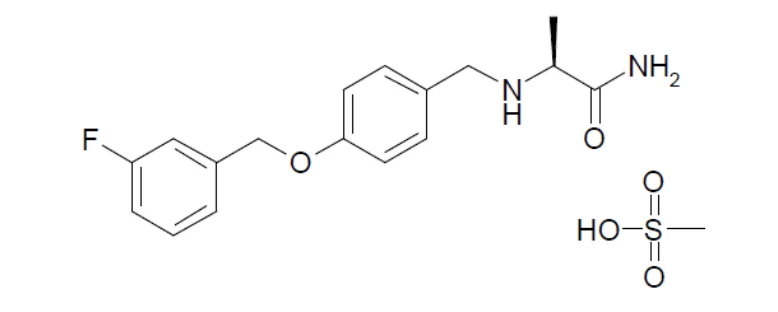
Chemical name: (+)-(S)-2-[[p-[(m-fluorobenzyl)oxy]benzyl]amino]propionamide monomethanesulfonate
Molecular formula C17H19FN2O2 x CH4O3S
Molecular mass: 398.45 g/mol (as mesylate salt)
302.34 g/mol (as free base)
Structural formula:
Physicochemical properties:
Appearance: white to off-white crystalline powder
Polymorphism :
During polymorph screening three forms of the drug substance, A1, A2 and H1 were identified and characterized. Beyond the hemi-hydrate form H1 no further pseudo-polymorphs (hydrates and solvates with organic solvents) have been found. Anhydrous form A1 is considered as most stable anhydrous form in the temperature range from room temperature to melting point (at approx. 216-217 °C) at ambient humidity (≤ 60 % RH) and is consistently obtained from drug substance manufacturing. Both forms A1 and H1 show comparable dissolution profiles in physiologically relevant media.
Solubility in Common Solvents:
The pH-dependent solubility of safinamide was determined in the pH range of 1.2 – 7.5 at 37°C ± 1°C utilising USP standard buffers. In addition, an aqueous solution of pH 6.8 adjusted with acetic acid and sodium hydroxide solution was used to investigate potential effects of different ions on the solubility.
The drug substance is highly soluble at pH 1.2 and 4.5, but low soluble at pH 6.8 and 7.5 for a dosage strength of 100 mg since the solubility is less than 0.4 mg per mL. Based on those data the drug substance was finally classified as low soluble.
Partition Coefficients: log P is 2.4 and log D7.4 is 2.2
Melting Point: Approx. 216 – 217 °C
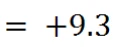
Specific Optical Rotation:
[α]
 (1 %, in dimethylformamide)
[α] =
 (1 %, in ethanol 96% / HCl 1 mol/L (4:1))
Hygroscopicity non-hygroscopic
13 CLINICAL TRIALS
The efficacy of ONSTRYV as an add-on therapy to a stable dose of levodopa, alone or in combination with other PD medications, was established in two pivotal, Phase III, randomised, double-blind, placebo-controlled, multi-centre clinical trials conducted over 26 weeks (Study 1 and Study 2).
13.1 Trial Design and Study Demographics
Table 5 – Summary of patient demographics for clinical trials in mid to late stage Parkinson’s Disease.
| Study # | Trial design and duration | Dosage, route of administration | Study subjects (n) | Mean age (Range) | Sex | |||||
|---|---|---|---|---|---|---|---|---|---|---|
| 1 | Double-blind, randomized, placebo-controlled, add-on to levodopa, 3 parallel groups 24 weeks | ONSTRYV 50 mg/day oral | 223 | 60.1 years (35-78) | male 70% female 30% | |||||
ONSTRYV 100 mg/day oral | 224 | 60.1 years (35-80) | male 73% female 27% | |||||||
Placebo oral | 222 | 59.4 years (34-77) | male 72% female 28% | |||||||
| 2 | double-blind, randomized, placebo-controlled, 2 | ONSTRYV 50 to 100 mg/day oral | 274 | 61.7 years (40-80) | male 62% female 38% | |||||
| Study # | Trial design and duration | Dosage, route of administration | Study subjects (n) | Mean age (Range) | Sex | |||
|---|---|---|---|---|---|---|---|---|
parallel-groups 24 weeks | Placebo oral | 275 | 62.1 years (30-79) | male 59% female 41% | ||||
Studies 1 and 2 were conducted in patients with mid - to late-stage Parkinson’s Disease (LSPD) who experienced at least 1.5 hours of daily OFF time, despite treatment with an optimal dose of levodopa or levodopa derivatives, alone or in combination with other antiparkinson medications [i.e., dopamine agonists, catechol-O-methyl transferase (COMT) inhibitors, anticholinergics, and/or amantadine; use of other MAO inhibitors was prohibited].
In both studies the primary efficacy endpoint was the mean change from baseline in total daily ON time without troublesome dyskinesia, based on 18-hour diaries completed by patients for at least 3 days before each scheduled assessment. ON time was defined as time when PD medication was providing benefit with regard to mobility, slowness and stiffness. ON time without troublesome dyskinesia was defined as ON time without dyskinesia plus ON time with non-troublesome dyskinesia. For both studies the primary analysis population was the Intent to Treat (ITT) population, which included all randomized patients. Patients included in the primary endpoint analysis maintained a stable dose of levodopa during the 24 weeks of double-blind treatment. For patients who had significant worsening of motor symptoms during double-blind treatment and required a change in antiparkinson medication (i.e., increase in total daily dose of levodopa, dopamine agonist or any other antiparkinson medication, or addition of a new antiparkinson medication), all efficacy data collected subsequent to the change were censored. Secondary endpoints included change from baseline in total daily OFF time during the diary recording period and change from baseline in the Unified Parkinson’s Disease Rating Scale (UPDRS) Part III (motor examination).
13.2 Study Results
Study 1
In Study 1 patients (N=669) were randomized equally to treatment with placebo (N =222), ONSTRYV 50 mg/day (N =223) or ONSTRYV 100 mg/day (N =224). Following a 4-week stabilization phase to optimize the levodopa dose, patients assigned to treatment with ONSTRYV started 24-weeks of double-blind treatment at their assigned dose level.
In all groups, at baseline, the mean duration of Parkinson’s disease was approximately 8 years (range 0 to 27.3 years). Hoehn and Yahr stage was similar in both the safinamide and placebo groups (mean 2.8, range 1.0 to 4.0). Based on 18-hour diaries, the mean daily durations of ON time and OFF time were 9.4 and 5.3 hours, respectively, in all groups at baseline. The average daily dose of levodopa was 605 mg/day at baseline. Approximately 12% of patients were taking only levodopa or a levodopa derivative. Most patients were treated with stable doses of other antiparkinson medications in addition to levodopa, including dopamine agonists (61%), anticholinergics (37%), entacapone (24%), or amantadine (12%). A change in concomitant antiparkinson medication during the 24-week double-blind treatment period was required by 9.5%, 10% and 7% of patients in the placebo, ONSTRYV 50 mg/day and ONSTRYV 100 mg/day groups, respectively.
There was a statistically significant greater increase in total daily ON time without troublesome dyskinesia with ONSTRYV 50 mg/day and ONSTRYV 100 mg/day compared to placebo (Table 6).
A similar magnitude and statistically significant reduction in total daily OFF time accompanied the increase in total daily ON time without troublesome dyskinesia in both safinamide groups compared to the placebo group (-0.55 hour ONSTRYV 50 mg/day vs placebo; -0.53 hour ONSTRYV 100 mg/day vs placebo).
The UPDRS Part III (motor examination) score assessed during ON time, was significantly reduced in both safinamide groups compared to the placebo group (-1.78 ONSTRYV 50 mg/day vs placebo; -2.33 ONSTRYV 100 mg/day vs placebo).
Table 6 – Change in mean total daily ON time without troublesome dyskinesia1 in Study 1, ITT Population
| Dose (mg/day) | Placebo N=222 | Safinamide | |||||||
|---|---|---|---|---|---|---|---|---|---|
50 N=223 | 100 N=224 | ||||||||
Baseline (hours) (mean +SD) | 9.3 (2.2) | 9.4 (2.3) | 9.5 (2.4) | ||||||
LS mean change from baseline to endpoint (hours) | 0.72 | 1.23 | 1.28 | ||||||
LS difference vs placebo2 (hours) 95% CI p-value | 0.51 (0.07,0.94) 0.0223 | 0.55 (0.12,0.99) 0.0130 | |||||||
1 Total daily ON time without troublesome dyskinesia = ON time without dyskinesia plus ON time with non-troublesome dyskinesia.
2 Treatments were compared using a mixed effects repeated measures model (MMRM), based upon the change from baseline, with terms for baseline, treatment, center, visit, treatment-by-center interaction, and treatment-by-visit interaction.
For patients who continued on double-blind treatment with either ONSTRYV 50 mg/day, ONSTRYV 100 mg/day or placebo during an extension of Study 1, for up to 18 additional months, the increase in ON time, decrease in OFF time and improvement in the UPDRS Part III score relative to baseline in Study 1 was similar to what was observed at the end of 24 weeks of treatment during Study 1.
Study 2
In Study 2, patients (N =549) were randomized equally to treatment with ONSTRYV 100 mg/day (N =274) or placebo (N =275). Following a stabilization phase of at least 4 weeks to optimize the levodopa dose, patients assigned to treatment with ONSTRYV started 24-weeks of double-blind treatment at a dose of 50 mg/day. After 14 days, based on tolerability, the safinamide dose was increased to the target dose of 100 mg/day. If patients experienced tolerability issues at the 100 mg/day dose, the dose could be reduced to 50 mg/day.
The mean duration of Parkinson’s disease was approximately 9 years in both groups at baseline. Hoehn and Yahr stage was similar in both the safinamide and placebo groups (mean 2.5, range 1.0 to 4.0). Based on 18-hour diaries, the mean daily durations of ON time and OFF time were 9 and 5.4 hours, respectively, in both groups at baseline. The average daily dose of levodopa was 777 mg/day. Approximately 8% of patients were taking only levodopa or a levodopa derivative. Most patients were treated with stable doses of other antiparkinson medications in addition to levodopa, including dopamine agonists (74%), amantadine (30%),
COMT-inhibitor (18%) or anticholinergics (17%). A change in concomitant antiparkinson medication during the 24-week double-blind treatment period was required by 8% of patients in the placebo group and 4% of patients in the ONSTRYV 100 mg/day group. The majority of patients in the safinamide group were treated with the target dose of 100 mg/day after Day14 until the study endpoint and the mean dose at all visits after Day 14 was at least 96 mg/day.
The increase in total daily ON time without troublesome dyskinesia was significantly greater with ONSTRYV 100 mg/day compared to placebo (Table 7). A similar magnitude and statistically significant reduction in total daily OFF time accompanied the increase in total daily ON time without troublesome dyskinesia in the safinamide group compared to the placebo group (-1.0 hour ONSTRYV 100 mg/day vs placebo). The UPDRS Part III (motor examination) score assessed during ON time, was significantly reduced in the ONSTRYV 100 mg/day group (-1.8) compared to the placebo group.
Table 7 – Change in mean total daily ON time without troublesome dyskinesia1 in Study 2, ITT Population
| Dose (mg/day) | Placebo N=275 | Safinamide 100 N=274 |
|---|---|---|
Baseline (hours) (mean +SD) | 9.1 (2.5) | 9.3 (2.4) |
LS mean change from baseline to endpoint (hours) | 0.64 | 1.57 |
LS difference vs placebo2 (hours) 95% CI p-value | 0.93 (0.50,1.36) <0.001 |
1 Total daily ON time without troublesome dyskinesia = ON time without dyskinesia plus ON time with non-troublesome dyskinesia
2 Treatments were compared using a mixed effects repeated measures model (MMRM), based upon the change from baseline, with fixed effects for treatment, region, visit, treatment-by-visit interaction, and baseline value as a covariate.
14 MICROBIOLOGY
Safinamide is not an antimicrobial drug.
14.1 Comparative Bioavailability Studies
No comparative bioavailability study was conducted with safinamide.
15 NON-CLINICAL TOXICOLOGY
Irreversible retinal degeneration, characterized by atrophy of the outer nuclear and rod photoreceptor layers, was observed consistently in subchronic and chronic toxicity studies in albino and pigmented rodents, after repeated safinamide dosing resulting in systemic exposure similar to the anticipated systemic exposure in patients given the maximal therapeutic dose. Co-administration of pramipexole exacerbated the retinal degeneration in rodents, and the potentiation was more pronounced in the retina of pigmented rodents. Following repeated administration of safinamide to monkeys, at doses reaching systemic exposures higher than the anticipated exposure in patients treated with the maximum recommended human dose, there were similar retinal findings in some animals, including exacerbation by pramipexole. The mechanism underlying the observed retinal toxicity in rodents and in some monkeys and the clinical significance of these findings is uncertain.
Local tolerance studies did not identify any irritation potential of safinamide to the skin, but safinamide was severely irritating to the eyes of rabbits following a single instillation of 100 mg. Eye irritation persisted after a period of no treatment.
Liver hypertrophy and fatty changes (accompanied by blood chemistry changes such as increased liver enzymes and decreased cholesterol) were observed in rodents (mice and rats) and monkeys, following repeated administration of safinamide that resulted in systemic exposures similar to the anticipated systemic exposure in humans during treatment with the maximum recommended dose.
Phospholipidosis was observed mainly in the lungs and bronchi, following chronic administration of safinamide to rats and monkeys. Phospholipidosis was observed in rats at exposure levels similar to human exposure at the maximum recommended dose and in monkeys at exposure levels that were nearly 12 fold higher than human exposure at the maximum recommended dose. The observed changes persisted following an untreated recovery period.
Evidence of CNS-related toxicity (including changes to gait, tremors and/or convulsions) was observed in animals (mice, rats and monkeys) during studies of 13 weeks or longer (up to 2 years), at exposures ranging from 1 to 18-times the anticipated human systemic exposure during treatment with the maximum recommended dose.
Safinamide did not present genotoxic potential in in vivo and in several in vitro systems using bacteria or mammalian cells.
The results obtained from carcinogenicity studies in mice and rats showed no evidence of tumorigenic potential related to safinamide at systemic exposures up to 4.0 times the anticipated systemic exposure in humans during treatment with the maximum recommended dose.
In a rat fertility study in which animals were administered safinamide at doses of 0, 50, 100 and 150 mg/kg/day prior to and during mating, and prolonged for females during pregnancy, adverse effects indicative of reproductive toxicity were observed. For females administered 150 mg/kg/day, the observed effects included decreases in corpora lutea and implantations and an increase in pre-implantation losses due to an increase in embryo-fetal deaths. At doses of 100 and 150 mg/kg/day males had changes in sperm morphology that slightly reduced the speed of sperm. The no effect dose for reproductive toxicity was considered to be 50 mg/kg/day, which represents approximately 5 times the maximum recommended human dose, based on body surface area (mg/m2).
Embryo-fetal development studies in rats and rabbits in which animals were administered safinamide during early pregnancy showed safinamide-induced, dose-related maternal and fetal toxicity at systemic exposures 3 to 9-times the anticipated human exposure at the maximal recommended dose. Co-administration of levodopa/carbidopa potentiated the toxic effects of safinamide on embryo-fetal development in rats and rabbits. Additional fetal heart malformations were observed in rabbits during co-administration that were not observed when the animals were treated with safinamide or levodopa alone.
In pre- and post-natal developmental studies in rats, safinamide-related toxicity included increased mortality of pups, neonatal damage to the hepatobiliary system, and absence of milk in the stomach, at systemic exposures below the anticipated exposure of the human recommended dose. Hepatobiliary toxicity (characterized by yellow/orange coloration of the skin, musculature and skull) was more pronounced in pups exposed to safinamide during pregnancy (in utero) than during lactation (via the mother’s milk).