


Product Monograph - Plerixafor Injection (Eugia Pharma)
RECENT MAJOR LABEL CHANGES
| 7 Warnings and Precautions, 7.1.1 Pregnant Women | 09/2024 |
TABLE OF CONTENTS
Sections or subsections that are not applicable at the time of the most recent authorized product monograph are not listed.
RECENT MAJOR LABEL CHANGES .............................................................................................. 2
TABLE OF CONTENTS ............................................................................................................... 2
PART I: HEALTH PROFESSIONAL INFORMATION ....................................................................... 4
1 INDICATIONS ........................................................................................................................ 4
1.1 Pediatrics ............................................................................................................................. 4
1.2 Geriatrics ............................................................................................................................. 4
2 CONTRAINDICATIONS ........................................................................................................... 4
3 SERIOUS WARNINGS AND PRECAUTIONS BOX ...................................................................... 5
4 DOSAGE AND ADMINISTRATION ........................................................................................... 5
4.1 Dosing Considerations ......................................................................................................... 5
4.2 Recommended Dose and Dosage Adjustment ..................................................................... 5
4.4 Administration ..................................................................................................................... 7
5 OVERDOSE ............................................................................................................................ 7
6 DOSAGE FORMS, STRENGTHS, COMPOSITION AND PACKAGING ........................................... 7
7 WARNINGS AND PRECAUTIONS ............................................................................................ 8
7.1 Special Populations ............................................................................................................ 11
7.1.1 Pregnant Women ........................................................................................................ 11
7.1.2 Breastfeeding .............................................................................................................. 11
7.1.3 Pediatrics .................................................................................................................... 11
7.1.4 Geriatrics ..................................................................................................................... 12
8 ADVERSE REACTIONS .......................................................................................................... 12
8.1 Adverse Reaction Overview ............................................................................................... 12
8.2 Clinical Trial Adverse Reactions .......................................................................................... 13
8.2.1 Clinical Trial Adverse Reactions – Pediatrics ................................................................ 15
8.3 Less Common Clinical Trial Adverse Reactions ................................................................... 15
8.5 Post-Market Adverse Reactions ......................................................................................... 16
9 DRUG INTERACTIONS .......................................................................................................... 17
9.4 Drug-Drug Interactions ...................................................................................................... 17
9.5 Drug-Food Interactions ...................................................................................................... 17
9.6 Drug-Herb Interactions ...................................................................................................... 17
9.7 Drug-Laboratory Test Interactions ..................................................................................... 17
10 CLINICAL PHARMACOLOGY ............................................................................................... 17
10.1 Mechanism of Action .................................................................................................. 17
10.2 Pharmacodynamics .................................................................................................... 18
10.3 Pharmacokinetics ....................................................................................................... 19
11 STORAGE, STABILITY AND DISPOSAL ................................................................................. 22
12 SPECIAL HANDLING INSTRUCTIONS ................................................................................... 22
PART II: SCIENTIFIC INFORMATION ........................................................................................ 24
13 PHARMACEUTICAL INFORMATION .................................................................................... 24
14 CLINICAL TRIALS ................................................................................................................ 24
14.1 Clinical Trials by Indication .......................................................................................... 24
15 MICROBIOLOGY ................................................................................................................ 31
16 NON-CLINICAL TOXICOLOGY ............................................................................................. 31
17 SUPPORTING PRODUCT MONOGRAPHS............................................................................ 33
PATIENT MEDICATION INFORMATION ................................................................................... 34
PART I: HEALTH PROFESSIONAL INFORMATION
1 INDICATIONS
Adult
Plerixafor Injection (plerixafor) is indicated in combination with granulocyte-colony stimulating factor (G-CSF) to:
- mobilize hematopoietic stem cells (HSCs) to the peripheral blood for collection and subsequent autologous transplantation in patients with non-Hodgkin’s lymphoma (NHL) and multiple myeloma (MM). Some patients with NHL and MM are able to meet minimal and target HSC collection criteria with G-CSF alone (see 14 CLINICAL TRIALS).
Pediatric (1 to less than 18 years of age)
Plerixafor Injection is indicated in combination with G-CSF to enhance mobilization of hematopoietic stem cells to the peripheral blood for collection and subsequent autologous transplantation in children with lymphoma or solid malignant tumors and either:
- low circulating stem cell count on the predicted date of collection after mobilization with G-CSF (with or without chemotherapy), or
- who previously failed to collect sufficient hematopoietic stem cells (see 4 DOSAGE AND ADMINISTRATION).
1.1 Pediatrics
Pediatrics (1 to less than 18 years of age): Based on the data submitted and reviewed, Health Canada has authorized an indication for pediatric use (see 1 INDICATION).
1.2 Geriatrics
Of the total number of subjects in two placebo-controlled clinical studies of plerixafor, 24% were 65 and over, while 0.8% were 75 and over. No overall differences in safety or effectiveness were observed between these subjects and younger subjects with normal renal function or mild-moderate renal impairment. In general, care should be taken in dose selection for elderly patients due to the greater frequency of decreased renal function with advanced age (see 7.1 Special Populations, Renal Impairment).
2 CONTRAINDICATIONS
- Patients who are hypersensitive to this drug or to any ingredient in the formulation or component of the container. For a complete listing, see 6 DOSAGE FORMS, COMPOSITION AND PACKAGING.
3 SERIOUS WARNINGS AND PRECAUTIONS BOX
|
|---|
4 DOSAGE AND ADMINISTRATION
- Appropriate management of therapy and complications is only possible when adequate diagnostic and treatment facilities are readily available (see 1 INDICATIONS, 7 WARNINGS AND PRECAUTIONS).
4.1 Dosing Considerations
Recommended Concomitant Medications:
- Administer daily morning doses of G-CSF 10 µg/kg for 4 days prior to the first evening dose of Plerixafor Injection and on each day prior to apheresis (see 14 CLINICAL TRIALS).
Dosing in Patients with Renal Impairment:
- Patients with serum creatinine values >2.2 mg/dL were excluded from the placebo-controlled clinical studies of plerixafor in combination with G-CSF. A total of 60 patients with an estimated creatinine clearance (CrCl) 51-80 mL/min, 11 patients with CrCl 31-50 mL/min, and none with CrCl ≤ 30 mL/min were enrolled and received at least one dose of plerixafor (0.24 mg/kg body weight subcutaneously).
- Dose adjustments are recommended for patients with an estimated CrCl 20-50 mL/min. (See 4.2 Recommended Dose and Dosage Adjustment, Dosage Adjustment For Renal Impairment) There are insufficient clinical data to make dosing recommendations for patients with a creatinine clearance <20 mL/min or for patients on dialysis.
4.2 Recommended Dose and Dosage Adjustment
- A. Adult Patients
Recommended Dose:
Begin treatment with Plerixafor Injection after the patient has received G-CSF once daily for four days. The recommended dose of Plerixafor Injection by subcutaneous (SC) injection in the abdominal region is:
- 20 mg fixed dose or 0.24 mg/kg of body weight for patients weighing ≤ 83 kg (see 10.3 Pharmacokinetics).
- 0.24 mg/kg of body weight for patients weighing > 83 kg.
Plerixafor Injection should be administered 10 - 11 hours prior to initiation of each apheresis. Plerixafor has been used as a single course for up to 4 consecutive days in two randomized clinical trials.
In clinical studies, plerixafor dose has been calculated based on actual body weight in patients up to 175% of ideal body weight. Plerixafor dose and treatment of patients weighing more than 175% of ideal body weight have not been investigated.
Based on increasing exposure with increasing body weight, the plerixafor dose should not exceed 40 mg/day (see 10.3 Pharmacokinetics).
Dosage Adjustment For Renal Impairment:
In patients with CrCl 20-50 mL/min, reduce the dose of Plerixafor Injection to 0.16 mg/kg. This will reduce the increased systemic exposure in these patients when compared to patients with CrCl >50 mL/min receiving the 0.24 mg/kg dose. In patients with CrCl ≤50 mL/min, the dose should not exceed 27 mg/day, as the mg/kg-based dosage results in increased plerixafor exposure with increasing body weight (see 10.3 Pharmacokinetics).
Table 1: Recommended Dosage of Plerixafor in Patients with Renal Impairment
| Estimated Creatinine Clearance (mL/min) | Dose |
| >50 | 0.24 mg/kg once daily (not to exceed 40 mg/day) |
| 20-50 | 0.16 mg/kg once daily (not to exceed 27 mg/day) |
The following (Cockroft-Gault) formula may be used to estimate CrCl:
Males:
Creatinine clearance (mL/min) = weight (kg) x (140 – age in years)
72 x serum creatinine (mg/dL)
Females:
Creatinine clearance (mL/min) = 0.85 X value calculated for males
- B. Pediatric Patients (1 to less than 18 years)
Recommended dose:
Begin treatment with Plerixafor Injection after the patient has received G-CSF once daily for four days.
The recommended dose of Plerixafor Injection is 0.24 mg/kg body weight by subcutaneous (SC)
injection in the abdominal region. Plerixafor Injection should be administered 8-12 hours prior to initiation of each apheresis (see 10.3 Pharmacokinetics). Plerixafor has been used as a single course for up to 3 consecutive days in a pediatric clinical trial.
4.4 Administration
Vials should be inspected visually for particulate matter and discoloration prior to administration and should not be used if there is particulate matter or if the solution is discolored.
Use the patient’s actual body weight to calculate the volume of Plerixafor Injection to be administered. Each vial delivers 1.2 mL of 20 mg/mL solution, and the volume to be administered to patients should be calculated from the following equation:
0.12 x patient’s actual body weight (in kg) = volume to be administered (in mL)
5 OVERDOSE
Based on limited data at doses above the recommended dose of 0.24 mg/kg SC and up to 0.48 mg/kg SC, the frequency of gastrointestinal disorders, vasovagal reactions, orthostatic hypotension, and/or syncope may be higher.
| For management of a suspected drug overdose, contact your regional poison control centre or Health Canada’s toll-free number, 1-844 POISON-X (1-844-764-7669). |
|---|
6 DOSAGE FORMS, STRENGTHS, COMPOSITION AND PACKAGING
Table – Dosage Forms, Strengths and Composition
| Route of Administration | Dosage Form / Strength/Composition | Non-medicinal Ingredients |
| Subcutaneous | Single use vial solution for injection/20 mg/mL | Hydrochloric Acid, Nitrogen, Sodium Chloride, Sodium Hydroxide, Water For Injection |
Active ingredient: Each 4.0 mL vial is filled to deliver 1.2 mL of 20 mg/mL solution, containing 24.0 mg of plerixafor.
Description
Plerixafor Injection is supplied as a sterile, preservative-free, clear, colorless to pale yellow, pH neutral, isotonic solution in a single-use 2.0 mL clear glass (Type I) vial, sealed with a rubber stopper and aluminum seal with a plastic flip-off cap.
Non-medicinal ingredients:
Each 1.2 mL contains Hydrochloric Acid (q.s to adjust pH), Nitrogen, Sodium Chloride (4.917 mg), Sodium Hydroxide (q.s to adjust pH), Water For Injection (q.s. to 1 mL).
7 WARNINGS AND PRECAUTIONS
Please see 3 SERIOUS WARNINGS AND PRECAUTIONS BOX.
General
Potential for Tumor Cell Mobilization in Lymphoma and Multiple Myeloma Patients:
When plerixafor is used in conjunction with G-CSF for HSC mobilization in patients with NHL or MM‚ tumor cells may be released from the marrow and subsequently collected in the leukapheresis product. Based on limited laboratory investigations conducted in clinical studies of patients with NHL and MM, an increase in mobilization of tumor cells above that which occurs with G-CSF mobilization alone has not been observed with plerixafor.
The effect of potential reinfusion of tumor cells has not been well studied.
Tumor Cell Mobilization in Leukemia Patients: Plerixafor and G-CSF have been administered to patients with acute myelogenous leukemia and plasma cell leukemia. In some instances, these patients experienced ancrease in the number of circulating leukemia cells. For the purpose of HSC mobilization, plerixafor may cause mobilization of leukemic cells and subsequent contamination of the apheresis product. Therefore, plerixafor should not be used for HSC mobilization and harvest in patients with leukemia.
Carcinogenesis and Mutagenesis
Carcinogenicity studies with plerixafor have not been conducted (see 16 NON-CLINICAL TOXICOLOGY).
Cardiovascular
Patients with an abnormal ECG with clinically significant rhythm disturbance or other conduction abnormality were excluded from the Phase 3 clinical trials. Arrhythmias are a known risk following citrate anticoagulation and apheresis which induce low Ca/Mg levels and blood volume. In the Phase 3 clinical studies, examination of all clinical cardiovascular adverse events does not identify any rhythm related cardiac safety signals attributable to plerixafor treatment in the populations studied.
Decreases in Blood Pressure: In Phase 3 trials, the incidence of hypotension during mobilization and apheresis was increased in patients receiving plerixafor and G-CSF (3.7%) as compared to patients receiving placebo and G-CSF (2.4%). In plerixafor oncology and non-oncology clinical studies, 0.8% of subjects experienced vasovagal reactions (orthostatic hypotension and/or syncope) following SC administration of plerixafor doses ≤ 0.40 mg/kg (see 10.2 Pharmacodynamics). The majority of these events occurred within 1 hour of plerixafor administration. Appropriate precautions should be taken because of the potential for these reactions to occur following treatment with Plerixafor Injection (see 7 WARNINGS AND PRECAUTIONS, Driving and Operating Machinery).
Disorders of Atrioventricular Conduction: In a randomized, double-blind, placebo-controlled crossover study in healthy subjects, plerixafor was associated with an asymptomatic shortening of the PR interval (see 10.2 Pharmacodynamics). Caution should be observed in patients with pre-excitation syndromes such as Wolff-Parkinson-White syndrome or Lown-Ganong-Levine syndrome, or atrioventricular nodal rhythm disorders, such as AV junctional rhythms with retrograde activation or ectopic atrial rhythms originating near the AV node.
Myocardial infarctions: In clinical studies, 0.9% of oncology patients experienced myocardial infarctions after HSC mobilization with plerixafor and G-CSF as compared with 0.3% of oncology patients after mobilization with placebo and G-CSF. All events occurred at least 14 days after last plerixafor administration. Two additional oncology patients in the compassionate use program experienced myocardial infarctions following HSC mobilization with plerixafor and G-CSF. One of these events occurred 4 days after last plerixafor administration and the other occurred 67 days after last plerixafor administration.
Driving and Operating Machinery
No studies on the effect of plerixafor on the ability to drive and use machines have been conducted. Some patients have experienced dizziness, fatigue or vasovagal reactions (orthostatic hypotension and/or syncope). Appropriate precautions should be taken because of the potential for these reactions (see 8 ADVERSE REACTIONS).
Hematologic
Leukocytosis: Administration of plerixafor in conjunction with G-CSF increases circulating leukocytes as well as HSC populations. White blood cell counts should be monitored during Plerixafor Injection use. Clinical judgment should be exercised when administering Plerixafor Injection to patients with peripheral blood neutrophil counts above 50,000 cells/mcL.
Thrombocytopenia: Thrombocytopenia has been observed in patients receiving plerixafor. Platelet counts should be monitored in all patients who receive Plerixafor Injection.
Potential Effect on Spleen Size: Higher absolute and relative spleen weights associated with extramedullary hematopoiesis were observed following prolonged (2 to 4 weeks) daily plerixafor subcutaneous administration in rats at doses approximately 4 fold higher than the recommended human dose based on body surface area. The effect of plerixafor on spleen size in patients has not been specifically evaluated in clinical studies. Cases of splenic enlargement and/or rupture have been reported following the administration of plerixafor in conjunction with growth factor G-CSF. Individuals receiving Plerixafor Injection in conjunction with G-CSF who report left upper abdominal pain and/or scapular or shoulder pain should be evaluated for splenic integrity.
Hepatic/Biliary/Pancreatic
No studies in patients with hepatic impairment have been conducted. Patients with serum alanine transaminase (ALT), aspartate transaminase (AST), and total bilirubin values >2.5 x upper limit of normal were excluded from placebo-controlled clinical studies of plerixafor. Plerixafor is not metabolized by the liver.
Immune
Allergic Reactions: In plerixafor oncology clinical studies, 0.7% of patients experienced mild or moderate systemic reactions within approximately 30 minutes after plerixafor administration. Events included one or more of the following: urticaria (n = 2), periorbital swelling (n =2), dyspnea (n =1), or hypoxia (n =1). Symptoms generally responded to treatments (e.g., antihistamines, corticosteroids, hydration or supplemental oxygen) or resolved spontaneously. Cases of anaphylactic reactions, including anaphylactic shock, have been reported from world-wide post-marketing experience.
Appropriate precautions should be taken because of the potential for these reactions.
Monitoring and Laboratory Tests
White blood cell and platelet counts should be monitored during Plerixafor Injection use and apheresis.
Electrolytes, including calcium and magnesium, should be monitored during Plerixafor Injection use (see 8.3 Less Common Clinical Trial Adverse Reactions, Abnormal Hematologic and Clinical Chemistry Findings).
Psychiatric
An in vitro general receptor screen identified moderate or strong affinity of plerixafor for a number of receptors of the central and/or peripheral nervous systems (CNS and PNS) (see 10.2 Pharmacodynamics, Safety Pharmacology). In Phase 3 trials, the incidence of psychiatric disorders during mobilization and apheresis was 14.8% in the plerixafor + G-CSF treatment arm and 10.2% in the placebo + G-CSF treatment arm. Insomnia and anxiety were the most common events (see 8 ADVERSE REACTIONS). Related events of insomnia during the same period occurred in 1.0% of plerixafor -treated patients compared to 0% of placebo-treated patients in the Phase 3 studies. Related events of anxiety occurred in 0.7% of plerixafor-treated patients compared to 0.3% of placebo-treated patients in the Phase 3 studies. Vivid dreams and nightmares have been described in post marketing reports.
Renal
Renal impairment was associated with a prolongation of plerixafor half-life and increased exposure due to impaired clearance. Patients with an estimated creatinine clearance (CrCl) 20-50 mL/min should have their dose of plerixafor reduced to 0.16 mg/kg/day. Clinical data with this dose adjustment are limited. There are insufficient clinical data to make dosing recommendations for patients with a creatinine clearance <20 mL/min or for patients on dialysis (see 4 DOSAGE AND ADMINISTRATION; 10.3 Pharmacokinetics, Special Populations and Conditions, Renal Insufficiency).
Reproductive Health: Female and Male Potential
Teratogenic risk: Based on findings in animals, plerixafor can cause fetal harm when administered to a pregnant woman (see 7.1.1 Pregnant Women). Women of childbearing potential should be advised to avoid pregnancy and use effective contraception while receiving plerixafor and for 1 week after ending treatment.
Men with female partners of reproductive potential should be advised to use effective contraception during treatment with plerixafor and for one week after the final dose.
7.1 Special Populations
7.1.1 Pregnant Women
Plerixafor Injection may cause fetal harm when administered to a pregnant woman. Studies in animals have shown teratogenicity (see 16 NON-CLINICAL TOXICOLOGY). There are no adequate and well-controlled studies in pregnant women using plerixafor. Because CXCR4 plays an essential role in fetal development and plerixafor is a selective antagonist of CXCR4, plerixafor is suggested to cause congenital malformations when administered during pregnancy.
The use of Plerixafor Injection is not recommended in pregnant women. If this drug is used during pregnancy, or if the patient becomes pregnant while taking this drug, the patient should be informed of the potential hazard to the fetus. Women of childbearing potential treated with plerixafor should use effective contraception during treatment and for one week after cessation of treatment.
Men with female partners of childbearing potential should use effective contraception during treatment with plerixafor and for one week after cessation of treatment.
7.1.2 Breastfeeding
It is not known whether plerixafor is excreted in human milk. Because many drugs are excreted in human milk, a decision should be made whether to discontinue nursing or to discontinue the drug, taking into account the importance of the drug to the mother.
7.1.3 Pediatrics
Pediatrics (1 to less than 18 years of age): The safety and efficacy of plerixafor in pediatric patients (1 to less than 18 years) were studied in an open-label, multicentre, randomized, controlled clinical study (see 8 ADVERSE REACTIONS; 10 CLINICAL PHARMACOLOGY, Pharmacokinetics; 14 CLINICAL TRIALS). No new safety concerns were identified in this study.
Another single site study evaluating plerixafor in young patients (< 6 years of age) was stopped when 9 of 10 planned patients were enrolled, due to the occurrence of nightmares, nyctophobia, and visual hallucinations reported in some patients following the third or fourth dose of plerixafor. Comparable adverse events have not been observed in a larger, randomized, and comparative multiple site pediatric study.
7.1.4 Geriatrics
Geriatrics (≥ 65 years of age): In general, care should be taken in dose selection for elderly patients due to the greater frequency of decreased renal function with advanced age (see 7 WARNINGS AND PRECAUTIONS, Renal; 4 DOSAGE AND ADMINISTRATION, and 10 CLINICAL PHARMACOLOGY).
8 ADVERSE REACTIONS
8.1 Adverse Reaction Overview
See 7 WARNINGS AND PRECAUTIONS regarding Decreases in Blood Pressure, Disorders of
Atrioventricular Conduction, Myocardial Infarctions, Leukocytosis, Thrombocytopenia, Potential Effect on Spleen Size, Allergic Reactions, and Tumor Cell Mobilization in Leukemia Patients.
Safety data for plerixafor in conjunction with G-CSF were obtained from two randomized placebo- controlled studies (301 patients) and 10 uncontrolled studies (242 patients). Patients were primarily treated with plerixafor at daily doses of 0.24 mg/kg by subcutaneous (SC) injection. Median exposure to plerixafor in these studies was 2 days (range 1 to 7 days).
The number of patients in the two treatment groups in the pooled Phase 3 studies changed considerably over the course of the studies, primarily due to the difference in the number who entered the rescue procedure. The Primary Safety Population comprised 301 patients during mobilization and apheresis, 279 from the first dose of ablative chemotherapy until engraftment, and 278 post- engraftment in the plerixafor group; 292 patients during the mobilization and apheresis period and 216 from the start of ablative chemotherapy onwards, in the placebo group.
In the Phase 3 studies, all AEs that occurred from the first dose of G-CSF until 30 days after the last apheresis or until the first dose of ablative chemotherapy, whichever occurred first, were documented. Subsequently, from the first dose of ablative chemotherapy until polymorphonuclear (PMN) engraftment, data were collected only for serious adverse events (SAEs) and AEs that were Grade 3 or greater, except for febrile neutropenia and hemorrhage (data were collected only if Grade 4 or Grade 5) and neutropenia, thrombocytopenia, and anemia (data were collected only if the outcome was death). From the first day following engraftment through the follow-up period, all SAEs up to 6 months post-transplantation or until relapse, whichever occurred first, graft failures that occurred within 12 months post-transplantation, and myelodysplastic syndrome that occurred after 6 months post- transplantation were documented.
The adverse reactions reported in oncology patients who received plerixafor in controlled Phase 3 studies and uncontrolled studies, including a Phase 2 study of plerixafor as monotherapy for HSC mobilization, were similar. No notable differences in the incidence of adverse reactions were observed for oncology patients by disease, age, or sex.
The most common (≥ 10%) adverse events (AEs) reported during HSC mobilization and apheresis in pooled Phase 3 results from patients who received plerixafor in conjunction with G-CSF regardless of causality and more frequent with plerixafor than placebo, were: diarrhea, nausea, fatigue, injection site reactions, headache, arthralgia, dizziness, and vomiting.
Rescue patients: In the Phase 3 studies, 59 patients who had received G-CSF + placebo as their original randomized treatment received a 4-day course of G-CSF followed by G-CSF + plerixafor rescue. The AE profile of these patients was consistent with that of the non-rescue patients.
8.2 Clinical Trial Adverse Reactions
Clinical trials are conducted under very specific conditions. Therefore, the frequencies of adverse reactions observed in the clinical trials may not reflect frequencies observed in clinical practice and should not be compared to frequencies reported in clinical trials of another drug.
In the two randomized studies in patients with NHL and MM, a total of 301 patients were treated in the plerixafor and G-CSF group and 292 patients were treated in the placebo and G-CSF group. Patients received daily morning doses of G-CSF 10 micrograms/kg for 4 days prior to the first dose of plerixafor 0.24 mg/kg SC or placebo and on each morning prior to apheresis.
The majority of AEs were reported during mobilization and apheresis, 96% in patients receiving G-CSF + plerixafor compared to 94% in patients receiving G-CSF + placebo. The majority of AEs were mild or moderate. The incidence of AEs considered related to study treatment was 65% in the plerixafor group and 43% in the placebo group during the period of mobilization and apheresis, and overall.
The adverse events that occurred in ≥ 5% of the pooled Phase 3 patients who received plerixafor regardless of causality and were more frequent with plerixafor than placebo during HSC mobilization and apheresis are shown in Table 2.
Table 2: Adverse Events in ≥ 5% of Non-Hodgkin’s Lymphoma and Multiple Myeloma Patients Receiving Plerixafor and More Frequent than Placebo During HSC Mobilization and Apheresis in Phase 3 Studies
| Percent of Patients (%) | ||||||||||||||||
Plerixafor and G-CSF (n = 301) | Placebo and G-CSF (n = 292) | |||||||||||||||
| All Gradesa | Grade 3 | Grade 4 | All Grades | Grade 3 | Grade 4 | |||||||||||
| Gastrointestinal disorders | ||||||||||||||||
| Diarrhea | 37 | < 1 | 0 | 17 | 0 | 0 | ||||||||||
| Nausea | 34 | 1 | 0 | 22 | 0 | 0 | ||||||||||
| Vomiting | 10 | < 1 | 0 | 6 | 0 | 0 | ||||||||||
| Flatulence | 7 | 0 | 0 | 3 | 0 | 0 | ||||||||||
| General disorders and administration site conditions | ||||||||||||||||
| Injection site reactions | 34 | 0 | 0 | 10 | 0 | 0 | ||||||||||
| Fatigue | 27 | 0 | 0 | 25 | 0 | 0 | ||||||||||
| Musculoskeletal and connective tissue disorders | ||||||||||||||||
| Arthralgia | 13 | 0 | 0 | 12 | 0 | 0 | ||||||||||
| Nervous system disorders | ||||||||||||||||
| Headache | 22 | < 1 | 0 | 21 | 1 | 0 | ||||||||||
| Dizziness | 11 | 0 | 0 | 6 | 0 | 0 | ||||||||||
| Psychiatric disorders | ||||||||||||||||
| Insomnia | 7 | 0 | 0 | 5 | 0 | 0 | ||||||||||
aGrades based on criteria from the World Health Organization (WHO)
The incidence of anxiety during HSC mobilization and apheresis was 5.3% versus 4.5%, plerixafor versus placebo, respectively.
General disorders and administration site conditions:
Injection site reactions: In the randomized studies, 34% of patients with NHL or MM had mild to moderate injection site reactions at the site of subcutaneous administration of plerixafor. These included erythema, hematoma, hemorrhage, induration, inflammation, irritation, pain, paresthesia, pruritus, rash, swelling, and urticaria (see Table 2).
Paresthesia was considered an AE related to study treatment in 7.0% of patients in the plerixafor group and 5.1% of patients in the placebo group in the pooled Phase 3 data.
The majority of SAEs were severe and were considered unrelated to study treatment. The incidence of SAEs in the pooled Phase 3 data (plerixafor versus placebo, respectively) was 112/301 (37.2%) versus 84/292 (28.8%) overall, 13/301 (4.3%) versus 16/292 (5.5%) during mobilization and apheresis, 62/279 (22.2%) versus 44/216 (20.4%) from the start of ablative chemotherapy through engraftment, and 45/278 (16.2%) versus 34/216 (15.7%) post-engraftment.
In the pooled Phase 3 data, the incidence of bacteremia was 6.0% versus 4.4%, plerixafor versus placebo, respectively. The difference between the 2 groups was largely due to the greater incidence of staphylococcal bacteremia in the plerixafor group (7 patients, versus 0 patients in the placebo group). The incidence of lung infections was 5.0% versus 3.4%, plerixafor versus placebo, respectively. The incidence of febrile neutropenia was 10.1% versus 6.1%, plerixafor versus placebo, respectively. The majority of events of bacteremia, lung infection, and febrile neutropenia occurred following myeloablative chemotherapy and were considered by the investigator to be unrelated to plerixafor administration.
The incidence, cause, and timing of deaths, as well as the incidence of study or treatment discontinuations due to AEs were similar in both treatment groups. The majority of deaths occurred post-engraftment.
8.2.1 Clinical Trial Adverse Reactions – Pediatrics
Thirty patients (1 to less than 18 years) with lymphoma or solid tumours were treated with 0.24 mg/kg of plerixafor plus standard mobilization in the stage 2 of an open label, multicenter, randomized, controlled study (see 14 CLINICAL TRIALS). In this study, 23 of 30 (76.7%) patients in the plerixafor arm and 10 of 15 (66.7%) patients in the control arm experienced adverse events.
The most common adverse events (≥10% of patients) in the plerixafor arm were anemia, decreased platelet count, rhinitis, febrile neutropenia, abdominal pain, hypoalbuminemia, diarrhea, vomiting, and pyrexia.
The most common adverse events (> 10% of patients) in the control arm were hypokalemia, increased alanine aminotransferase, febrile neutropenia, vomiting, decreased platelet count, fatigue, nausea, and anemia.
Serious adverse events were reported in 9 of 30 (30.0%) patients in the plerixafor arm and in 4 of 15 (26.7%) patients in the control arm. The most common treatment-emergent serious adverse events (>2%) in the plerixafor arm were febrile neutropenia, pancytopenia, pyrexia,and bone marrow failure.
The most common treatment-emergent serious adverse events (>2%) in the control arm were febrile neutropenia, abdominal infection, Enterobacter bacteremia, leukopenia, and pulmonary embolism.
No new safety concerns were identified in this study.
8.3 Less Common Clinical Trial Adverse Reactions
Less common AEs occurring more frequently with plerixafor than placebo and considered related to study treatment in ≥ 1% and < 5% of patients during mobilization and apheresis in the randomized trials were as follows:
Allergic Reactions
In plerixafor oncology clinical studies, 0.7% of patients experienced mild or moderate allergic reactions within approximately 30 minutes after plerixafor administration, including one or more of the following: urticaria (n = 2), periorbital swelling (n =2), dyspnea (n =1) or hypoxia (n=1).
Gastrointestinal disorders: abdominal distention, abdominal pain, constipation, dyspepsia, hypoesthesia oral, stomach discomfort
General disorders and administration site conditions: malaise
Musculo-skeletal and connective tissue disorders: musculoskeletal pain
Skin and subcutaneous tissue disorders: erythema, hyperhidrosis
Vasovagal Reactions
In plerixafor oncology and healthy volunteer clinical studies, less than 1% of subjects experienced vasovagal reactions (orthostatic hypotension and/or syncope) following subcutaneous administration of plerixafor doses ≤ 0.24 mg/kg. The majority of these events occurred within 1 hour of plerixafor administration.
Abnormal Hematologic and Clinical Chemistry Findings
Hypokalemia and hypomagnesemia
Hypokalemia (2.3% versus 0.7%, plerixafor versus placebo, respectively) and hypomagnesemia (2.0% versus 0.3%, plerixafor versus placebo, respectively) were reported as treatment related AEs more frequently with plerixafor than with placebo during mobilization and apheresis in the pooled Phase 3 data (see 7 WARNINGS AND PRECAUTIONS, Monitoring and Laboratory Tests).
Hyperleukocytosis
In the phase 3 clinical studies, white blood cell counts of 100,000 cells/mcl or greater were observed, on the day prior to or any day of apheresis, in 7% of patients receiving plerixafor and in 1% of patients receiving placebo. No complications or clinical symptoms of leukostasis were observed.
8.5 Post-Market Adverse Reactions
In addition to adverse reactions reported from clinical trials, the following adverse reactions have been reported from worldwide post-marketing experience with plerixafor. Because these reactions are reported voluntarily from a population of uncertain size, it is not always possible to reliably estimate their frequency or establish a causal relationship to drug exposure.
Blood and lymphatic system disorders: Splenomegaly and splenic rupture (see 7 WARNINGS AND PRECAUTIONS, Hematologic).
Immune system disorders: Anaphylactic reactions, including anaphylactic shock (see 7 WARNINGS AND PRECAUTIONS, Immune, Allergic Reactions).
Psychiatric disorders: abnormal dreams, nightmares.
9 DRUG INTERACTIONS
9.4 Drug-Drug Interactions
Based on in vitro studies, plerixafor is not a substrate, inhibitor, or inducer of human cytochrome P450 enzymes. Formal drug interaction studies have not been conducted. Plerixafor did not act as a substrate or inhibitor of P-glycoprotein in an in vitro study (see 10.3 Pharmacokinetics).
The effects of coadministration of plerixafor with other drugs that are renally eliminated or are known to affect renal function have not been evaluated in formal drug interaction studies. Since plerixafor is primarily eliminated by the kidneys, co-administration of plerixafor with drugs that reduce renal function or compete for active tubular secretion may increase serum concentrations of Plerixafor Injection or the co- administered drug.
In the absence of compatibility studies, plerixafor should not be mixed with other medicinal products in the same injection.
9.5 Drug-Food Interactions
Plerixafor Injection is administered parenterally, and interactions with food and drink are considered unlikely.
9.6 Drug-Herb Interactions
No drug-herb interaction studies have been conducted with plerixafor.
9.7 Drug-Laboratory Test Interactions
Plerixafor has not been shown to interfere with any routine clinical laboratory tests.
10 CLINICAL PHARMACOLOGY
10.1 Mechanism of Action
Plerixafor is a selective antagonist of the CXCR4 chemokine receptor and blocks binding of its cognate ligand, stromal cell-derived factor-1 α (SDF-1 α), also known as CXCL12. SDF-1 α and CXCR4 are recognized to play key regulatory roles in the trafficking and homing of human HSCs to the marrow compartment. Stem cells express CXCR4 and are known to migrate to the bone marrow through a chemoattractant effect of SDF-1α that is produced locally by bone marrow stromal cells. Once in the marrow, it is postulated that stem cell CXCR4 can act to help “anchor” these cells to the marrow matrix, either directly via SDF-1α or through the induction of other adhesion molecules. Plerixafor-induced leukocytosis and elevations in circulating hematopoietic progenitor cell levels are thought to result from a disruption of CXCR4 binding to its cognate ligand, resulting in the appearance of both mature and pluripotent cells in the systemic circulation.
CD34+ cells mobilized by plerixafor are functional and capable of engraftment with long- term repopulating capacity.
10.2 Pharmacodynamics
Fold increase in peripheral blood CD34+ cell count (cells/µL) by apheresis day was evaluated in two placebo-controlled clinical studies in patients with lymphoma and MM (Studies 1 and 2, respectively). Fold increase over the 24-hour period from the day prior to the first apheresis to just before the first apheresis is summarized in Table 3. During that 24-hour period, the first dose of plerixafor 0.24 mg/kg or placebo was administered 10-11 hours prior to apheresis.
Table 3: Fold Increase in Peripheral Blood CD34+ Cell Count Following Plerixafor Administration
| Study | Plerixafor and G-CSF | Placebo and G-CSF | ||||||||
| Median | Mean (SD) | Median | Mean (SD) | |||||||
| 1 | 5.0 | 6.1 (5.4) | 1.4 | 1.9 (1.5) | ||||||
| 2 | 4.8 | 6.4 (6.8) | 1.7 | 2.4 (7.3) | ||||||
In pharmacodynamic studies in healthy volunteers of plerixafor, peak mobilization of CD34+ cells was observed from 6 to 9 hours after administration. In pharmacodynamic studies in healthy volunteers of plerixafor in conjunction with G-CSF, a sustained elevation in the peripheral blood CD34+ count was observed from 4 to 18 hours after plerixafor administration with peak response between 10 and 14 hours.
Electrocardiography and Haemodynamics:
In a randomized, double-blind, placebo-controlled crossover study, 46 healthy subjects were administered single subcutaneous doses of plerixafor at a therapeutic dose of 0.24 mg/kg or a supratherapeutic dose of 0.40 mg/kg. Peak concentrations for 0.40 mg/kg plerixafor were approximately 1.8-fold higher than the peak concentrations following the 0.24 mg/kg single subcutaneous dose.
There was no treatment-related effect on the QTc interval or QRS duration, indicating no impact in ventricular repolarization, depolarization and conduction, at the plerixafor doses tested.
The PR interval was shortened during the period from 15 min to 12 h post-dosing at both doses of plerixafor, with maximum decreases of mean -9.8 (90% CI -12.3, -7.2) at the 0.24 mg/kg dose and -9.5 (90% CI -12.0, -6.9) ms at the 0.40 mg/kg dose, both at 2.5 h post-dosing (see 7 WARNINGS AND PRECAUTIONS, Disorders of Atrioventricular Conduction). The PR interval changes were not dose- dependent over the 0.24-0.40 mg/kg dose range studied.
Sitting diastolic blood pressure was decreased from 1 h to 10 h post-dosing with plerixafor 0.24 mg/kg, with a maximum decrease of mean -5.8 (90% CI -8.6, -3.0) mmHg at 8 h post-dosing. Systolic blood pressure was decreased by mean -3.2 (90% CI -6.4, -0.1) mmHg at this time point.
At the 0.40 mg/kg dose, the maximum decrease in sitting diastolic blood pressure was mean -6.1 (90% CI -9.9, -2.2) mmHg at 1 h post-dosing, whilst the maximum decrease in systolic blood pressure was mean -3.5 (90% CI -6.4, -0.5) mmHg at 2 h post-dosing.
The incidence of syncope was 4.8% for the 0.24 mg/kg dose and 6.7% for the 0.40 mg/kg dose. There were no events of syncope in the placebo arm of this crossover study (see 7 WARNINGS AND PRECAUTIONS, Vasovagal Reactions).
Safety Pharmacology:
An in vitro general receptor activity screen showed that plerixafor at a concentration of 5 μg/ml has moderate or strong binding affinity for a number of different receptors predominantly located on pre- synaptic nerve endings in the CNS and/or the PNS (N-type calcium channel, potassium channel SKCA, histamine H3, acetylcholine muscarinic M1 and M2, adrenergic α1B and α2C, neuropeptide Y/Y1 and glutamate NMDA polyamine receptors). The clinical relevance of these findings is not known.
10.3 Pharmacokinetics
The pharmacokinetics of plerixafor have been evaluated in lymphoma and MM patients at the clinical dose level of 0.24 mg/kg following pre-treatment with G-CSF (10 mcg/kg once daily for 4 consecutive days).
Table 4: Comparison of Mean Pharmacokinetic Parameters in Healthy Subjects and Oncology Patients Treated With 0.24 mg/kg Plerixafor With or Without G-CSFa
| Diagnosis | G-CSF Administered? | N | Cmax (ng/mL) | Tmax (hr) | AUC0-10 (ng*hr/mL) | t1/2 (hr) |
| HD | Yes | 9 | 831 ± 183 | 0.5 (0.3, 1.3) | 3572 ± 772 | 3.5 ± 0.7 |
| MM | Yes | 8 | 1029 ± 242 | 0.5 (0.3, 1.0) | 3945 ± 610 | 5.6 ± 2.6 |
| NHL | Yes | 5 | 761 ± 101 | 0.5 (0.5, 1.0) | 3035 ± 412 | 4.4 ± 1.1 |
| Healthy | No | 42 | 729 ± 101 | 0.65 (0.35, 1.60) | 3108 ± 335 | 4.6 ± 0.8 |
a Values are reported as mean ± standard deviation, except Tmax is reported as median (min, max).
A population pharmacokinetic analysis showed that the mg/kg-based dosage results in an increased plerixafor exposure (AUC0-24h) with increasing body weight. There is limited clinical experience with treating patients above 160 mg and therefore the dose should not exceed 40 mg/day for patients with a CrCl > 50 mL/min and 27 mg/day for patients with a CrCl 20-50 mL/min.
In order to compare the pharmacokinetics and pharmacodynamics of plerixafor following 0.24 mg/kg- based and fixed (20 mg) doses, a follow-up trial was conducted in patients with NHL (N=61) who were treated with 0.24 mg/kg or 20 mg of plerixafor. The trial was conducted in patients weighing 70 kg or less (median: 63.7 kg, range of 34.2 to 70 kg). The study population was primarily Asian (91.8%). The fixed 20 mg dose showed 1.43-fold higher exposure (AUC0-10h) than the 0.24 mg/kg dose (Table 5). The fixed 20 mg dose also showed numerically higher response rate (5.2% [60.0% vs 54.8%] based on the local lab data and 11.7% [63.3% vs 51.6%] based on the central lab data) in attaining the target of ≥ 5 × 10⁶ CD34+ cells/kg than the mg/kg-based dose. The median time to reach ≥ 5 × 10⁶ CD34+ cells/kg was 3 days for both treatment groups, and the safety profile between the groups was similar. Body weight of 83 kg was selected as a cut-off point to transition patients from fixed to weight based dosing (83 kg x 0.24 mg = 19.92 mg/kg).
Table 5 - Systemic exposure (AUC0-10h) comparison of fixed and weight based regimens
| Regimen | Geometric Mean AUC |
| Fixed 20 mg (n=30) | 3991.2 |
| 0.24 mg/kg (n=31) | 2792.7 |
| Ratio (90% CI) | 1.43 (1.32-1.54) |
Absorption
Plerixafor is rapidly absorbed following SC injection with peak concentrations reached in approximately 30-60 minutes.
Distribution
Plerixafor is moderately bound to human plasma proteins up to 58%. The apparent volume of distribution of plerixafor in humans is 0.3 L/kg, suggesting that plerixafor is largely confined to, but not limited to, the extravascular fluid space.
Metabolism
Plerixafor is not metabolized in vitro using human liver microsomes or human primary hepatocytes and does not exhibit inhibitory activity in vitro towards the major drug metabolizing CYP450 enzymes (1A2, 2A6, 2B6, 2C8, 2C9, 2C19, 2D6, 2E1, and 3A4/5). In in vitro studies with human hepatocytes, plerixafor does not induce CYP1A2, CYP2B6, and CYP3A4 enzymes. These findings suggest that plerixafor has a low potential for involvement in P450-dependent drug-drug interactions.
Elimination
The major route of elimination of plerixafor is urinary. Following a 0.24 mg/kg dose in healthy volunteers with normal renal function, approximately 70% of the dose was excreted in the urine as the parent drug during the first 24 hours following administration. The amount of plerixafor excreted in the feces is not known. The half-life in plasma is 3-5 hours. Plerixafor did not act as a substrate or inhibitor of P-glycoprotein in an in vitro study with MDCKII and MDCKII-MDR1 cell models.
Special Populations and Conditions
- Pediatrics: The pharmacokinetics of plerixafor were evaluated at doses of 0.16, 0.24 and 0.32 mg/kg in 27 pediatric patients (2 to less than 18 years) with solid tumors participating in the stage 1 of an open-label, multicenter, randomized study (see 14 CLINICAL TRIALS). Plerixafor exposures (Cmax and AUC0-9h) generally increased with age and with dose over the range of 0.16 to 0.32 mg/kg. At the same weight-based dosing regimen of 240 g/kg, plerixafor mean AUC0-9h in pediatric patients aged 2 to < 6 years (1740 ng.h/mL), 6 to <12 years (2270 ng.h/mL), and 12 to <18 years (2600 ng.h/mL) were consistently lower than those in healthy adults (AUC0-10: 3108 ng.h/mL) and adult patients (AUC0-10 range: 3035 to 3945 ng.h/mL). However, even with the lower exposure than adults, exposure was sufficient to enhance mobilization of PB CD34+ count in stage 2 of the trial (see 14 CLINICAL TRIALS).
- Geriatrics: No specific studies have been conducted to investigate pharmacokinetics in geriatric patients. However a population pharmacokinetic analysis showed no effect of age on plerixafor pharmacokinetics.
- Sex: A population pharmacokinetic analysis showed no effect of sex on plerixafor pharmacokinetics.
- Genetic Polymorphism: Based on in vitro data, plerixafor is not a substrate, inhibitor or inducer of human cytochrome P450 isozymes, nor is it an in vitro substrate or inhibitor of P-glycoprotein. Therefore, no specific drug metabolism or transporter genetic polymorphism studies have been conducted with plerixafor.
- Ethnic Origin: Clinical data show similar plerixafor pharmacokinetics for Whites and Blacks, and the effect of other racial/ethnic groups has not been studied.
- Hepatic Insufficiency: No specific pharmacokinetics studies have been conducted in hepatically impaired patients.
- Renal Insufficiency: Following a single 0.24 mg/kg dose of plerixafor, plerixafor clearance was reduced in subjects with varying degrees of renal dysfunction and was positively correlated with CrCl. Mean values of AUC0-24 of plerixafor in subjects with CrCl 51-80 mL/min, CrCl 31-50 mL/min and CrCl < 30 mL/min were higher than the exposure observed in healthy subjects with normal renal function (CrCl >80 mL/min) (Table 6). Renal impairment had no effect on Cmax (see 4 DOSAGE AND ADMINISTRATION).
Table 6 : Human Pharmacokinetic Data for Subjects Enrolled in a Phase I Renal Impairment Study
| Creatinine Clearance (mL/min)* | ||||||||||||||
>80 (n=6) | 51-80 (n=5) | 31-50 (n=6) | ≤30 (n=6) | |||||||||||
| Tmax (h) | Median | 0.56 | 0.50 | 0.50 | 0.75 | |||||||||
| Min, Max | 0.50, 1.02 | 0.50, 1.00 | 0.25, 1.00 | 0.50, 1.00 | ||||||||||
| Cmax (ng/mL) | Mean ± SD | 980 ± 196 | 739 ± 76.1 | 936 ± 280 | 861 ± 193 | |||||||||
| Min, Max | 812, 1260 | 640, 845 | 559, 1270 | 609, 1140 | ||||||||||
AUC0-24h (ng×h/mL) | Mean ± SD | 5070 ± 979 | 5410 ± 1070 | 6780 ± 1660 | 6990 ± 1010 | |||||||||
| Min, Max | 3900, 6240 | 3970, 6540 | 4680, 8410 | 5700, 8050 | ||||||||||
| Cl/F (mL/h) | Mean ± SD | 4380 ± 821 | 3500 ± 1690 | 2420 ± 1110 | 1820 ± 380 | |||||||||
| Min, Max | 3700, 5730 | 2430, 6410 | 1750, 4670 | 1520, 2550 | ||||||||||
* Values were based on 24 h urine collection.
A population PK analysis simulated the effect of CrCl (as determined by the Cockcroft-Gault formula) on plasma clearance of plerixafor. These results support a dose reduction to 0.16 mg/kg in patients with a CrCl of 20-50 mL/min to reduce the increased exposure in these patients when compared to patients with CrCl >50 mL/min receiving a 0.24 mg/kg dose of plerixafor.
Tissue accumulation of plerixafor in patients with renal impairment has not been studied.
11 STORAGE, STABILITY AND DISPOSAL
- Store at 25°C; excursions permitted to 15°-30°C
- Do not use Plerixafor Injection after the expiration date indicated on the label.
- Each vial of Plerixafor Injection is intended for single use only. Any unused drug remaining after injection must be discarded.
12 SPECIAL HANDLING INSTRUCTIONS
Plerixafor Injection is supplied as a ready-to-use formulation. The contents of the vial must be transferred to a suitable syringe for SC administration. Vials should be inspected visually for particulate matter and discoloration prior to administration and should not be used if there is particulate matter or if the solution is discolored.
PART II: SCIENTIFIC INFORMATION
13 PHARMACEUTICAL INFORMATION
Drug Substance
| Common name: | Plerixafor |
|---|---|
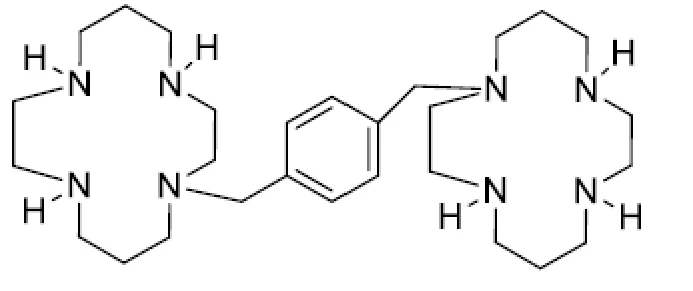
| Chemical name: | 1, 1 '-(1,4-Phenylenebismethylene )bis(l,4,8, 11-tetraazacyclotetradecane ) |
| Molecular formula and molecular mass: | C28H54N8; 502.78 g/mol |
| Structural formula: |
Physicochemical properties:
Table 7: Physicochemical Properties
| Physical Property | Result |
|---|---|
| Description | White to off-white powder. |
| Melting point by differential scanning calorimetry | 131.5°C |
| Solubility | Freely soluble in ethanol and methanol, slightly soluble in water. |
| pH | 11.09 (RD-093-004-025) |
| Partition coefficient between 1-octanol and pH 7 aqueous buffer | 0.62 |
14 CLINICAL TRIALS
14.1 Clinical Trials by Indication
ADULT PATIENTS
Table 8 - Summary of patient demographics for clinical trials in specific indication (adults)
 |
| Study # | Study design | Dosage, route of administration and duration | Study subjects (n) | Mean Age (Range) | Sex (M/F) |
| Study 1 | Randomized, double- blind, placebo controlled, parallel group, multicentre | 0.24 mg/kg or placebo subcutaneous single daily dose for up to 4 days | 298 | Plerixafor: 55.1 years (29-75) Placebo: 57.5 years (22-75) | 202/96 |
| Study 2 | Randomized, double- blind, placebo controlled, parallel group, multicentre | 0.24 mg/kg or placebo subcutaneous single daily dose for up to 4 days | 302 | Plerixafor: 58.2 years (28-75) Placebo: 58.5 years (28-75) | 207/95 |
Trial Design
The efficacy and safety of plerixafor in conjunction with G-CSF in non-Hodgkin’s lymphoma (NHL) patients and multiple myeloma (MM) patients who were eligible for autologous hematopoietic stem cell transplant were evaluated in two placebo-controlled studies (Studies 1 and 2).
On the evening of Day 4 of daily morning doses of G-CSF 10 μg/kg, the first dose of assigned study treatment, either plerixafor 0.24 mg/kg or placebo was administered. On Day 5, patients received a morning dose of G-CSF 10 μg/kg and underwent apheresis approximately 10 to 11 hours after the first dose of study treatment (within 60 minutes after administration of G-CSF). Patients continued to receive an evening dose of study treatment followed the next day by a morning dose of G-CSF and apheresis for up to a maximum of 4 aphereses or until the target collection of CD34+ HSCs was achieved.
In both studies, patients who failed to collect ≥ 0.8 x 10⁶ CD34+ cells/kg after 2 days of apheresis or at least 2 x 10⁶ CD34+ cells/kg in 4 or fewer days of apheresis had the option of entering an open-label rescue procedure. After a minimum 7-day rest period, they received another 4-day course of G-CSF followed by a course of plerixafor (0.24 mg/kg) in combination with G-CSF for repeat mobilization.
Following the last apheresis, patients underwent a rest period, then pre-transplant ablative chemotherapy followed by autologous transplantation within 5 weeks after the last apheresis. Transplantation was performed according to standard of care at each study center.
Patients received G-CSF (5 μg/kg once daily) beginning on the fifth or sixth day after transplantation and continuing until the absolute neutrophil count (ANC) was ≥ 0.5 x 10⁹/L for 3 days or ≥ 1.0 x 10⁹/L for 1 day. Platelet (PLT) engraftment was defined as a PLT count ≥ 20 x 109/L without transfusion for the preceding 7 days.
Graft durability was assessed at 100 days, 6 months, and 12 months post-transplantation.
The primary objective of Study 1 was to determine if NHL patients mobilized with G-CSF plus plerixafor 0.24 mg/kg were more likely to achieve a target number of ≥ 5 x 10⁶ CD34+ cells/kg in 4 or fewer days of apheresis than NHL patients mobilized with G-CSF plus placebo. The primary objective of Study 2 was to determine if MM patients mobilized with G-CSF plus plerixafor 0.24 mg/kg were more likely to achieve a target number of ≥ 6 x 10⁶ CD34+ cells/kg in 2 or fewer days of apheresis than MM patients mobilized with G-CSF plus placebo.
Secondary efficacy objectives common to both studies were to compare the two treatment arms with respect to the number of patients who achieved a minimum of 2 x 10⁶ CD34+ cells/kg (minimum number required for transplantation) in 4 or fewer days of apheresis, the number of days of apheresis required to reach target cell numbers, the time to engraftment of PMNs and PLTs, and the durability of the graft at prespecified times post-transplantation. A secondary objective unique to Study 2 was to compare the two treatment arms with respect to the number of MM patients who achieved the target number of cells in 4 or fewer apheresis days.
Subsequent to the completion of both studies, enrolled patients were asked to participate in observational long-term follow-up with the primary objective of assessing any differences in clinical outcome (progression-free survival [PFS] and overall survival [OS]) in patients treated with at least 1 dose of study treatment (plerixafor or placebo). These patients are to be followed for up to 5 years post-transplantation and the data is not yet mature.
Study demographics
Two hundred and ninety-eight (298) NHL patients were included in the primary efficacy analyses for Study 1. The mean age was 55.1 years (range 29-75) and 57.5 years (range 22-75) in the plerixafor and placebo groups, respectively, and 93% of subjects were Caucasian. Three hundred and two (302) MM patients were included in the primary efficacy analyses for Study 2. The mean age was 58.2 years (range 28-75) and 58.5 years (range 28-75) in the plerixafor and placebo groups, respectively, and 81% of subjects were Caucasian.
In Study 1, 52 NHL patients in the placebo + G-CSF group entered into the open-label rescue procedure. In Study 2, 7 MM patients from the placebo + G-CSF group entered the rescue procedure.
Study results
In Study 1, 59% of NHL patients who were mobilized with plerixafor and G-CSF collected ≥ 5 X
106 CD34+ cells/kg from the peripheral blood in four or fewer apheresis sessions, compared with 20% of patients who were mobilized with placebo and G-CSF (p < 0.001). The achievement of the minimum CD34+ cell collection required for transplantation in 4 or fewer days of apheresis is included in Table 9.
Table 9: Study 1 Efficacy Results - CD34+ Cell Mobilization in NHL Patients (Primary ITT Population)
| Efficacy Endpoint | Plerixafor and G-CSF (n = 150) | Placebo and G-CSF (n = 148) | p-valuea |
| Patients achieving ≥ 5 X 10⁶ cells/kg in ≤ 4 apheresis days | 89 (59%) | 29 (20%) | < 0.001 |
| Patients achieving ≥ 2 X 10⁶ cells/kg in ≤ 4 apheresis days | 130 (87%) | 70 (47%) | < 0.001 |
| ap-value calculated using Pearson’s Chi-Squared test | |||
The number of apheresis days required to achieve ≥ 5 x 10⁶ CD34+ cells/kg are summarized in Table 10. The median number of days to reach ≥ 5 x 10⁶ CD34+ cells/kg was 3 days for the plerixafor group and not evaluable for the placebo group.
Table 10: Study 1 Efficacy Results – Number of Apheresis Days Required to Achieve ≥ 5 x
106 CD34+ cells/kg in NHL Patients (Primary ITT Population)
| Apheresis Day | Patients Reaching Target by Apheresis Day, n (%)a | ||||||
Plerixafor and G-CSF (n=147) | Placebo and G-CSF (n=142) | ||||||
| 1 | 41 (27.9%) | 6 (4.2%) | |||||
| 2 | 71 (49.1%) | 20 (14.2%) | |||||
| 3 | 81 (57.7%) | 27 (21.6%) | |||||
| 4 | 89 (65.6%) | 29 (24.2%) | |||||
a Patient counts are cumulative across day numbers. Percentages were determined by Kaplan-Meier method.
In Study 2, 72% of MM patients who were mobilized with plerixafor and G-CSF collected ≥ 6 X 10⁶ CD34+ cells/kg from the peripheral blood in two or fewer apheresis sessions, compared with 34% of patients who were mobilized with placebo and G-CSF (p < 0.001). Patients achieving the target and minimum CD34+ cell collections within four or fewer apheresis sessions are presented in Table 11.
Table 11 : Study 2 Efficacy Results – CD34+ Cell Mobilization in Multiple Myeloma Patients
| Efficacy Endpoint | Plerixafor and G-CSF (n = 148) | Placebo and G-CSF (n = 154) | p-valuea |
| Patients achieving ≥ 6 X 10⁶ cells/kg in ≤ 2 apheresis days | 106 (72%) | 53 (34%) | < 0.001 |
| Patients achieving ≥ 6 X 10⁶ cells/kg in ≤ 4 apheresis days | 112 (76%) | 79 (51%) | < 0.001 |
| Patients achieving ≥ 2 X 10⁶ cells/kg in ≤ 4 apheresis days | 141 (95%) | 136 (88%) | 0.028 |
| ap-value calculated using Pearson’s Chi-Squared test | |||
The number of apheresis days required to achieve target cell collection are summarized in Table 12. The median number of days to reach ≥ 6 x 10⁶ CD34+ cells/kg was 1 day for the plerixafor group and 4 days for the placebo group.
Table 12 : Study 2 Efficacy Results – Number of Apheresis Days Required to Achieve ≥
6 × 10⁶ CD34+ cells/kg in MM Patients (Primary ITT Population)
| Apheresis Day | Patients Reaching Target by Apheresis Day, n (%)a | |||||
| Plerixafor and G-CSF (n=144) | Placebo and G-CSF (n=150) | |||||
| 1 | 78 (54.2%) | 26 (17.3%) | ||||
| 2 | 106 (77.9%) | 53 (35.3%) | ||||
| 3 | 112 (86.8%) | 71 (48.9%) | ||||
| 4 | 112 (86.8%) | 79 (55.9%) | ||||
a Patient counts are cumulative across day numbers. Percentages are determined by Kaplan-Meier method.
Rescue patients
In Study 1, 52 NHL patients in the placebo + G-CSF group entered into the rescue procedure with plerixafor and G-CSF. Of these patients, 60% (31 out of 52) mobilized ≥ 2 x10⁶/kg CD34+ cells and had successful engraftment. In Study 2, 7 MM patients in the placebo + G-CSF group entered the rescue procedure, all of whom mobilized ≥ 2 x10⁶/kg CD34+ cells and had successful engraftment.
For transplanted patients in the Phase 3 studies, time to neutrophil engraftment (10-11 days) and platelet engraftment (18-20 days) were similar across the treatment groups.
Based on an adjusted analysis which used laboratory measurements and clinical criteria to assess graft durability, results were similar in both treatment groups, specifically, 128/135 (94.8%) versus 78/82 (95.1%) at 100 days, 120/123 (97.6%) versus 77/78 (98.7%) at 6 months, and 110/112 (98.2%) versus 65/65 (100%) at 12 months in Study 1 and 140/142 (98.6%) versus 133/136 (97.8%) at 100 days, 133/135 (98.5%) versus 125/127 (98.4%) at 6 months, and 127/128 (99.2%) versus 119/120 (99.2%) at 12 months in Study 2, plerixafor versus placebo, respectively.
For transplanted patients, the frequency of graft failure was low in Phase 3 studies, 3 events in plerixafor -treated NHL patients in Study 1 and none in MM patients in Study 2. None of these graft failures were considered by the investigator as related to plerixafor.
Final 5-year PFS and OS data are not yet available. However, OS at 12 months post-transplantation for the primary ITT population was 132/150 (88.0%) in the plerixafor group and 129/148 (87.2%) in the placebo in Study 1, and 141/148 (95.3%) in the plerixafor group and 148/154 (96.1%) in the placebo group in Study 2.
PEDIATRIC PATIENTS
The table below summarizes the demographic and baseline characteristics data in stage 2 of the pediatric study DFI12860, including the baseline imbalance in peripheral blood CD34+ counts between patient groups that was observed.
Table 13: Summary of the demographic and baseline data for DFI12860 (Stage 2)
| DFI 12860 | Standard Mobilization Alone (N=15) | Plerixafor + Standard Mobilization (N=30) |
| Gender Male | 7 (46.7%) | 19 (63.3%) |
| Female | 8 (53.3%) | 11 (36.7%) |
| Age (years) Mean (SD) | 5.4 (4.3) | 7.0 (4.7) |
| Median | 4.7 | 5.3 |
| Min : Max | 2 : 17 | 1 : 18 |
| Age category 1 to <2 years | 3 (20.0%) | 1 (3.3%) |
| 2 to <6 years | 7 (46.7%) | 15 (50.0%) |
| 6 to <12 years | 3 (20.0%) | 9 (30.0%) |
| 12 to <18 years | 2 (13.3%) | 5 (16.7%) |
| Tumor type Lymphoma | 1 (6.7%) | 2 (6.7%) |
| Neuroblastoma | 7 (46.7%) | 14 (46.7%) |
| Sarcoma | 4 (26.7%) | 8 (26.7%) |
| Other | 3 (20.0%) | 6 (20.0%) |
| Baseline PB CD34+ count on the day prior to first apheresis* | N=14 | N=28 |
| Mean (SD) | 84.0 (94.5) | 31.4 (56.1) |
| Median | 35.0 | 15.0 |
| Min : Max | 5.0 : 300.0 | 1.0 : 306.0 |
The efficacy and safety of plerixafor were evaluated in an open label, multi-center, controlled study in pediatric patients with solid tumors (including neuroblastoma, sarcoma, Ewing sarcoma), or lymphoma who were eligible for autologous hematopoietic stem cell transplantation. Patients with leukemia, persistent high percentage marrow involvement prior to mobilization, or previous stem cell transplantation were excluded. This study consisted of an initial dose escalation study (Stage 1, N=27, age 2 to <18 years) followed by a randomized, comparative study extension (Stage 2, N=45, age 1 to <18 years) at the dose identified as most appropriate in the dose escalation part of the study.
Study patients (N=45) were started on standard mobilization (G-CSF ± chemotherapy as per site standard practice). Upon reaching the trigger point minimum of 7 CD34+ cells/μL in peripheral blood (PB), patients were randomized 2:1 to either receive 0.24 mg/kg of plerixafor plus standard mobilization (G-CSF plus or minus chemotherapy) or standard mobilization alone. Apheresis was to occur if, on the scheduled day of apheresis, the PB CD34+ count was ≥20 cells/μL.
The primary efficacy analysis showed that 80% of patients in the plerixafor arm experienced at least a doubling of the PB CD34+ count, observed from the morning of the day preceding the first planned apheresis to the morning prior to apheresis versus 28.6 % of patients in the control arm (p=0.0019).
The table below summarizes the secondary endpoints that relate to mobilization and cell collection:
Table 14: Secondary Endpoints Related to Mobilization and Cell Collection
| DFI 12860 | Standard Mobilization Alone (N=15) | Plerixafor + Standard Mobilization (N=30) |
| Proportion of patients reaching ≥2 x 10⁶ CD34+ cells/kg | 92.9% | 89.7% |
| Median Number of apheresis | 1 | 1 |
| Cumulative CD34+ Collection (106 cells/kg), | ||
| Mean (SD) | 17.61 (20.76) | 19.44 (36.69) |
| Median | 10.15 | 9.13 |
| Min: Max | 0.7 : 66.0 | 0.1 : 200.4 |
| % Increase in PB CD 34+ Counts from day prior to first apheresis to day of first apheresis (Exploratory) | ||
Mean (SD) Median Min : Max Median Fold increase | 133.35 (264.00) 39.03 -19.10 : 1010.00 1.39 | 496.16 (587.89) 220.83 -100.00 : 2042.86 3.2 |
15 MICROBIOLOGY
No microbiological information is required for this drug product.
16 NON-CLINICAL TOXICOLOGY
General Toxicology
Single Dose Toxicology: Single intravenous (IV) or subcutaneous (SC) injection of plerixafor in rats and mice induced a rapid onset (< 2 hour) of transient, but severe, neuromuscular, sedative-like effects (hypoactivity), dyspnea, ventral or lateral recumbency and/or spasms. Complete recovery from most signs occurred within 4 hours following plerixafor administration. In mice, deaths were observed following doses of ≥ 14 mg/kg SC and ≥ 5 mg/kg IV. In rats, deaths were observed following doses of ≥ 40 mg/kg SC and ≥ 5 mg/kg IV.
Repeat Dose Toxicology: The repeat-dose general toxicology has been evaluated after SC administration in rats and dogs for up to 4 weeks. This duration of dosing supports clinical administration of plerixafor up to 2 weeks. There are no 6 month studies in rats and 9 month studies in dogs or monkeys that would support chronic clinical studies and/or long term administration in clinical practice.
In repeat dose studies in rats and dogs with once- or twice-daily SC dosing, severe adverse neuromuscular-like clinical signs were observed within the first 1 to 2 hours post dose and were dose- limiting. At non-lethal doses, daily SC treatment induced adverse clinical signs similar to those seen in the single dose mouse and rat studies. The onset of these clinical signs occurred within 15 min to 1 hr following SC plerixafor injection; however, unlike the single dose studies, the signs were generally not seen until after approximately 5 to 8 daily SC doses of plerixafor had been administered to rats or dogs. Plerixafor was associated with GI clinical signs in dogs (diarrhea, emesis, increased defecation) and neurological signs in dogs and rats (sedation, tremors, spasms, twitching, recumbency and ataxia and mydriasis). There were some minor decreases in body weight gain and food consumption.
Increases in white cell counts (predominantly due to neutrophils), and decreases in serum magnesium and increases in urinary calcium and/or magnesium were noted in both rats and dogs. Histopathology findings of extramedullary hematopoiesis were observed in the liver, spleen and occasionally in other organs of rats and/or dogs. Slightly higher spleen weights were observed in rats. These findings were considered to be an extension of the pharmacological action of plerixafor to mobilize hematopoietic and/or white blood cells and for its affinity to chelate cations.
Compared to control rats, increased injection site reactions were more pronounced at 12 mg/kg BID (24 mg/kg/day) in a 4 week SC study. At doses of ≥1 mg/kg/day (≥20 mg/m2) plerixafor induced transient increases in heart rates in dogs with decreases in QT interval considered secondary to the effect on heart rate. The No Adverse Effect Dose Level (NOAEL) in 4 week SC studies were 0.6-1.2 mg/kg/day (3.6-7.2 mg/m2) and 0.25-0.30 mg/kg/day (3.6-7.2 mg/m2) in rats and dogs, respectively. Exposures (AUCs) at these doses were 0.1 to 5 times the clinical exposure. In the rat and dog, the Maximum Tolerated Dose (MTD) was 7.6-24 mg/kg/day (46-144 mg/m2) and 4-8 mg/kg/day (80-160 mg/m2), respectively. At the MTD, exposures (AUCs) are 7 to 18 times the clinical exposure.
Carcinogenicity
Carcinogenicity studies with plerixafor have not been conducted.
Genotoxicity
Plerixafor was not genotoxic in an in vitro bacterial mutation assay (Ames test in Salmonella), an in vitro chromosomal aberration test using Chinese hamster ovary cells, and an in vivo rat bone marrow micronucleus test in rats after SC doses up to 25 mg/kg (150 mg/m2).
Reproductive and Developmental Toxicology
SDF-1a and CXCR4 play major roles in embryo-fetal development. Plerixafor administered during organogenesis has been shown to cause fetal death, increased resorptions, and post-implantation loss, decreased fetal weights, retarded skeletal development and increased fetal abnormalities in rats and rabbits. Fetal abnormalities included cyst at the parietal/frontal bone, anophthalmia, globular heart dilation of the ascending aorta, ringed aorta, cardiac interventricular septal defect, dilation of pulmonary truncus and stenosis of descending aorta, omphalocele, anal atresia, intestinal stenosis, brachdactyly, and acaudia. Animal models also suggest modulation of fetal hematopoiesis, vascularization, and cerebellar development by SDF-1a and CXCR4. The NOAEL of plerixafor in rats and rabbits (3 mg/kg/day and 0.6 mg/kg/day, respectively) are approximately 2.0 and 0.8 times the recommended human dose of 0.24 mg/kg/day (8.9 mcg/m2/day). The embryolethal, fetotoxic and teratogenic effects are likely due to the pharmacodynamic mechanism of action of plerixafor.
Impairment of Fertility: The potential effects of plerixafor on male fertility and post-natal development have not been evaluated in non-clinical studies. In studies conducted to measure the distribution of 14C- plerixafor, there was no evidence of accumulation in testes. The staging of spermatogenesis measured in a 28-day repeat-dose toxicity study in rats revealed no abnormalities considered to be related to plerixafor. There were no plerixafor related histopathological changes in male or female reproductive organs in rats and dogs administered plerixafor daily at doses 24 mg/kg (144 mg/m2; 12 mg/kg BID) and 8 mg/kg (160 mg/m2; 4 mg/kg BID), respectively for up to 4 weeks. No adverse effects were observed in an investigative female fertility study in rats, even though concentrations of plerixafor in the ovaries were detectable up to the last days of cohabitation.
Juvenile Toxicity
Three nonclinical studies have been performed in juvenile animals. In a dose range-finding study, plerixafor was administered to juvenile male miniature pigs at single SC doses from 1-12 mg/kg or repeat SC doses of 4.75 mg/kg/day for 4 days. In a dose range-finding toxicity study and in a definitive toxicity study, plerixafor was administered SC daily to juvenile Sprague-Dawley rats from Postnatal Day (PND)21 to PND50 at 1.5-15 mg/kg/day. The results of the dose range-finding study in juvenile miniature pigs and the range-finding and definitive studies in juvenile rats were similar to those observed in adult mice, rats, and dogs. Clinical signs of lateral recumbence and discomfort were observed in miniature pigs at 8 mg/kg and mortality was seen at 12 mg/kg. Plerixafor produced the expected pharmacologically-mediated leukocytosis in pigs and rats. The organ weight effects observed in rats were considered pharmacologic (thymus) or an adaptive response (extramedullary hematopoiesis in the liver and spleen).
Dose margins in the juvenile rat study at MTD were 18-26-fold higher based on exposure when compared with the recommended clinical pediatric dose in children 2 to less than 18 years of age.
17 SUPPORTING PRODUCT MONOGRAPHS
- 1. MOZOBIL® (Plerixafor Injection, 20 mg/ml), submission control 280337, Product Monograph, Sanofi-aventis Canada Inc., Date of Revision: FEB-15-2024