


Product Monograph - PMS-Ketoprofen
ACTION AND CLINICAL PHARMACOLOGY
Ketoprofen has been shown to possess anti-inflammatory, analgesic, and antipyretic properties in animal pharmacological studies. The anti-inflammatory action is not mediated through the pituitary adrenal axis.
The therapeutic effectiveness of Ketoprofen has been demonstrated by; a reduction in joint swelling, pain and duration of morning stiffness, and by; increased grip strength and an improvement in functional capacity. The drug is also effective in the relief of post-partum and post-operative pains.
Like other non-steroidal anti-inflammatory drugs, Ketoprofen is an inhibitor of prostaglandin synthesis. Its potency in this regard is 8 times that of Indomethacin.
Ketoprofen at 200 mg daily was found to be comparable to Naproxen at 750 mg daily in the effective treatment of rheumatoid arthritis. At 300 mg/day Ketoprofen is comparable to phenylbutazone at 600 mg/day. It is comparable to pirprofen in the effective treatment of osteoarthritis, ankylosing spondylitis, extra-articular rheumatism and radicular neuralgia. The anti-inflammatory and analgesic properties of Ketoprofen are superior to those of Ibuprofen. This property of the drug was also demonstrated against placebo.
Clinical trials in rheumatoid arthritis have demonstrated that the anti-arthritic activity of Ketoprofen at 200 mg/day was similar to that of acetylsalicylic acid at 3.6 g/day.
At 200 mg/day, there was less gastrointestinal bleeding with Ketoprofen than with acetylsalicylic acid at 3.6 g/day. Ketoprofen at 150 mg/day caused comparable loss compared to Naproxen at 500 mg/day.
PHARMACOKINETICS
In man, Ketoprofen is rapidly and almost completely absorbed from the gastrointestinal tract and rectum. Maximum plasma levels are attained after ½ to 2 hours following dosage form administration.
Ketoprofen’s plasma levels vary from patient to patient and can be comparatively high, ranging from 9 to 21.3 μg/mL. These levels, however, fall rapidly by 2 or 3 half lives.
Pharmacokinetic studies in young and elderly adults have shown similar Tmax for both groups. The half life, and AUCi, however, were significantly increased in the elderly subjects which suggests that glucuro conjugation of Ketoprofen is slowed by age.
Biotransformation of Ketoprofen is accomplished either through hydroxylation or conjugation. In man, the main metabolic process is conjugation. The drug is 99% bound to plasma proteins, mainly to the albumin fraction. Metabolites and intact drug are excreted mainly in the urine. Fecal excretion of Ketoprofen is negligible.
Urinary excretion of Ketoprofen in 24 hours following rectal administration varies from 30 to 70% and sometimes up to 100%. The Ketoprofen urinary excretion rate is fairly closely correlated with the disappearance of the drug from the plasma. Repeated administration of the drug in animals and humans caused no induction of liver enzymes.
Systemic clearance of Ketoprofen is reduced in elderly patients and patients with reduced kidney function such as renal failure. In a comparative study between elderly and young patients the clearance of Ketoprofen was decreased in the elderly suggesting a slower metabolic breakdown of the drug.
BIOAVAILABILITY
Pharmacokinetic studies on Ketoprofen suppositories following single dose administration in healthy human subjects have demonstrated that the maximum concentration (Cmax) of Ketoprofen in plasma varies from 6.5 -7.4 mcg/mL. The Tmax is between 0.97 and 1.1 h and the AUCi 0--> between 13.4 and 17.6 mcg·h/mL.
pms-KETOPROFEN suppositories in a comparative bioavailability study of two suppository formulations have demonstrated similar results which are summarized in the following table.
SUMMARY OF pms-KETOPROFEN 100 mg Suppositories vs. ORUDISR 100 mg Suppositories
| Parameter | Means | Ratio | |
| Test | Reference | ||
| AUCt (μg·hr/mL) | G.M.= 17.98 A.M. = 18.95 C.V. = 26.4% | G.M. = 19.42 A.M. = 21.03 C.V. = 28.9% | 92.6% |
| AUC∞ (μg·hr/mL) | G.M. = 19.59 A.M. = 19.95 C.V. = 19.6% | G.M. = 21.91 A.M. = 22.38 C.V. = 21.7% | 89.4% |
| Cmax (μg/mL) | G.M. = 7.20 A.M. = 8.02 C.V. = 30.0% | G.M. = 6.21 A.M. = 7.03 C.V. = 30.4%, | 116.0% |
| Tmax (hours) | A.M. = 1.18 S.D. = 2.31 | A.M. = 1.38 S.D. = 0.66 | - |
T½el (hours)
A.M. = 2.12 S.D. = 0.48
A.M. = 2.48
S.D. = 1.73 -
G.M. = Geometric Mean
A.M. = Arithmetic Mean
INDICATIONS AND CLINICAL USE
pms-KETOPROFEN (Ketoprofen) is indicated in the treatment of rheumatoid arthritis, ankylosing spondylitis and osteoarthritis.
CONTRAINDICATIONS
pms-KETOPROFEN (Ketoprofen) is contraindicated in patients with active peptic ulcers or active inflammatory diseases of the gastro-intestinal tract. Suppositories should not be used in patients with any inflammatory lesions of rectum or anus and in patients with a recent history of rectal or anal bleeding.
pms-KETOPROFEN is also contraindicated in patients who are hypersensitive to the drug. Patients in whom aspirin and other nonsteroidal anti-inflammatory drugs induce symptoms of asthma, rhinitis or urticaria should not be given Ketoprofen, because of the possibility of cross sensitivity. Severe, rarely fatal anaphylactic reactions have been reported in such patients.
WARNINGS
As with other steroidal and nonsteroidal anti-inflammatory drugs, peptic ulcerations and gastrointestinal bleeding have been reported in patients receiving Ketoprofen. Unlike most adverse reactions which usually manifest themselves in the first month if they are going to occur in an individual, new peptic ulcers keep appearing in patients under treatment with Ketoprofen at a rate of greater than 1% per year.
Use in Pregnancy: The safety of Ketoprofen when administered to pregnant or nursing women has not been determined and therefore such use is not recommended. Pregnant rats who received Ketoprofen 3, 6 and 9 mg/Kg/day p.o. from day 5 to 15 of gestation were found to be devoid of teratogenic and embryotoxic effect. Slight embryotoxicity was observed in rabbits receiving high dose of the drug.
Use in Nursing Mothers: Ketoprofen's safety in nursing women has not been determined and therefore such use is not recommended.
Use in Children: The conditions for safe and effective use of Ketoprofen in children under 12 years of age have not been established and the drug is therefore not recommended in this age group.
PRECAUTIONS
pms-KETOPROFEN should be used with caution and careful supervision in patients with a history of diverticulosis, and gastrointestinal inflammatory disorders or ulceration. pms-KETOPROFEN suppositories can cause upper gastrointestinal toxicity, including hemorrhage.
There is no definitive evidence that the concomitant administration of histamine H2-receptor antagonists and/or antacids will either prevent the occurrence of gastrointestinal side effects or allow continuation of pms-KETOPROFEN therapy when and if these adverse effects appear.
pms-KETOPROFEN should be given with caution to patients with any rectal or anal pathology.
pms-KETOPROFEN suppositories like other NSAID's can produce undesirable renal effects including interstitial nephritis, with hematuria, proteinuria and occasionally, nephrotic syndrome, and overt renal failure. Patients at greatest risk of renal failure are those with impaired renal function, heart failure, liver dysfunction, those taking diuretics, and the elderly. Renal function should be monitored periodically in patients on long-term treatment with pms-KETOPROFEN.
Ketoprofen is metabolized in the liver and eliminated primarily by the kidneys. pms-KETOPROFEN therefore, should be used with caution and with close supervision in patients with impaired liver and renal function, and the dosage adjusted accordingly.
Liver functions should be monitored during long term treatment with pms-KETOPROFEN since increases in liver enzymes and hepatic reactions such as jaundice have been observed in patients receiving Ketoprofen.
The safety of Ketoprofen in patients with liver disease has not been established.
Since in elderly, frail, and debilitated patients, especially women, the risk of adverse reactions are higher and the tolerance of gastro-intestinal side effects are low for non-steroidal anti-inflammatory drugs, it is suggested that the starting dose of pms-KETOPROFEN be lower than usual and is to be increased only if symptoms remain uncontrolled. Patients should be carefully monitored.
In the treatment of rheumatoid arthritis, with non-steroidal anti-inflammatory drugs, anemia through gastro-intestinal bleeding may occur in certain patients. Patients on long term therapy with Ketoprofen, therefore, should have their hemoglobin values determined frequently.
Peripheral edema and fluid retention have been reported, therefore, pms-KETOPROFEN should be used with caution in patients with hypertension, cardiac decompensation and renal diseases. Serum electrolytes should be monitored periodically during long-term therapy, especially in those patients at risk.
Ketoprofen and other NSAID's have been reported to cause blurred and/or diminished vision. Therapy should be discontinued and an ophthalmological examination carried out if patients exhibit such reactions while receiving pms-KETOPROFEN.
Because of its analgesic and antipyretic properties, Ketoprofen may mask signs of infection. In patients being treated with pms-KETOPROFEN this effect which may delay diagnosis and treatment of infection should be well noted.
DRUG INTERACTIONS
Oral Anticoagulants: Ketoprofen has been shown to depress platelet aggregation. It can also prolong bleeding time. In patients under therapy with coumarin, simultaneous treatment with Ketoprofen did not result in potentiation of anticoagulant effect.
It is recommended, however, that patients receiving pms-KETOPROFEN be closely monitored when the drug is administered concomitantly with anticoagulants.
Methotrexate: Co-administration of Ketoprofen and Methotrexate has resulted in severe Methotrexate toxicity which was sometimes fatal because of prolonged and enhanced serum levels of Methotrexate. The high risk association between Methotrexate and Ketoprofen applies also to other non-steroidal anti-inflammatory drugs like Aspirin and Indomethacin. pms-KETOPROFEN should not be administered to patients being treated with a high dose of Methotrexate. The possibility of severe toxicity from low-dose Methotrexate concurrently administered with Ketoprofen suggests that pms-KETOPROFEN should not be administered less than 12 hours after Methotrexate infusion.
Probenicid: Administration of Ketoprofen and probenicid concurrently results in an increase of free and bound Ketoprofen because of reduced elimination of Ketoprofen and reduced protein binding. Co-administration of pms-KETOPROFEN and probenicid is not recommended.
The bioavailability of Ketoprofen is not affected by the concomitant administration of antacid. No clinically significant interactions were detected between Ketoprofen and digoxin.
Aspirin: Concurrent administration of Ketoprofen and Aspirin decreased protein binding of Ketoprofen and increased its plasma clearance.
Ketoprofen did not alter salicylate absorption and disposition. The pharmacokinetics of the interaction between Aspirin and Ketoprofen is complex and unpredictable, therefore, concurrent administration of pms-KETOPROFEN and Aspirin is not recommended.
Sucralfate: Sucralfate is employed in the relief of gastro-intestinal symptoms associated with non-steroidal anti-inflammatory drugs and therefore is used extensively in this regard. The administration of Sucralfate prior to the administration of Ketoprofen resulted in a decrease of the peak concentration of Ketoprofen. However, there was no effect on the extent of absorption of the drug.
Highly Bound Drugs: Although Ketoprofen is 996- bound to protein, it does not appear to alter the pharmacokinetics of other highly protein bound drugs such as sulfonamides, oral hypoglycemic agents, phenytoin or lithium. It is recommended, however, that patients receiving such drugs in combination with pms-KETOPROFEN be monitored. Ketoprofen had no definite influence on either the chemistry or the concentration of specific blood constituents.
Diuretics: Hydrochlorothiazide, given concomitantly with Ketoprofen, produces a reduction in urinary potassium and chloride excretion compared to hydrochlorothiazide alone. Patients taking diuretics are at a greater risk of developing renal failure secondary to a decrease in renal blood flow caused by prostaglandin inhibition.
Lithium: Nonsteroidal anti-inflammatory agents have been reported to increase steady-state plasma lithium levels. It is recommended that plasma lithium levels be monitored when Ketoprofen is coadministered with lithium.
Laboratory Test Interactions:
The presence of Ketoprofen and its metabolites in urine has been shown to interfere with certain tests which are used to detect albumin, bile salts, 17-Ketosteriods or 17-hydroxycorticosteroids in urine and which rely upon acid precipitation as an end point or upon color reactions for carbonyl groups. No interference was seen in the tests for proteinuria using Albustix, Hema-Combistix or Labstix Reagent Strips
Ketoprofen decreases platelet adhesion and aggregation. Therefore, it can prolong bleeding by approximately 3 to 4 minutes from baseline values. There is no significant change in platelet count, prothrombin time, partial thromboplastin time, or thrombin time.
ADVERSE REACTIONS
Gastro-intestinal
In clinical trials gastro-intestinal effects were the most frequently observed adverse reactions. Ulceration and gastrointestinal bleeding were the most severe. Other adverse reactions include gastrointestinal pain, vomiting, nausea, constipation, dyspepsia, diarrhea, anorexia, indigestion and flatulence, melena, hematemesis and stomatitis.
A lower incidence of upper gastrointestinal reactions was observed with rectal administration of Ketoprofen. The incidence of ulceration, however was the same as with other modes of administration.
Central Nervous System: CNS adverse reactions were next in frequency to gastrointestinal and include headache, fatigue, dizziness, anxiety, drowsiness, tension and depression, impotence, vertigo, migrain, and paraesthesia.
Dermatologic: Pruritis, rashes, flushing, excessive perspiration, hair loss, photosensitivity, exfolliative dermatitis, purpuric rash, onycholysis, and bulous rash were observed.
Allergic: Included are asthma, uticaria, angioedema, life threatening bronchospasm, bronchospasm, and anaphylaxis
Cardiovascular: Congestive heart failure, palpitation, peripheral edema, hypertension.
Hepatic: Jaundice, hepatic dysfunction.
Hematologic: Hypocoagulability, agranulocytosis, anemia, hemolysis, purpura, and thrombocytopenia
Auditory: Tinnitus and hearing impairment.
Mouth: Mouth ulcers, sore tongue, sore gums, inflammation of the mouth and gum, and taste perversion.
Eve: Visual disturbance, conjunctivitis and conjunctivitis sicca.
Renal: Hematuria, interstitial nephritis, nephrotic syndrome, impairment of renal function, and acute renal failure.
Laboratory Tests:
Abnormal alkaline phosphatase, lactic dehydrogenase, glutamic oxaloacetic transaminase and BUN values were found in some patients receiving Ketoprofen therapy. The abnormalities did not lead to discontinuation of treatment and in some cases, returned to normal while the drug was continued. There have been sporadic reports of decreased hematocrit and hemoglobin values without progressive deterioration on prolonged Ketoprofen administration.
SYMPTOMS AND TREATMENT OF OVERDOSAGE
Symptoms
Vomiting and drowsiness
Treatment
Administer gastric lavage or an emetic and treat symptomatically: compensate for dehydration, monitor urinary excretion and correct acidosis if present.
DOSAGE AND ADMINISTRATION
Adults: Rectal
pms-KETOPROFEN suppositories offer an alternative route of administration for those patients who prefer it. Administer one suppository morning and evening or one suppository at bedtime supplemented as needed by divided oral doses.
The total daily dose of pms-KETOPROFEN suppositories and Ketoprofen capsules or tablets should not exceed 200 mg. per day. When the patient's response warrants it, the dose may be decreased to the minimum effective level.
In severe cases, during a flare-up of rheumatic activity or if a satisfactory response cannot be obtained with the lower dose, a daily dosage in excess of 200 mg may be used. However, a dose of 300 mg per day should not be exceeded.
Children:
pms-KETOPROFEN is not indicated in children under 12 years of age because clinical experience in this group of patients is insufficient.
PHARMACEUTICAL INFORMATION
Drug Substance
Proper Name: Ketoprofen
Chemical name: m-benzoylhydratropic acid
Structural Formula:
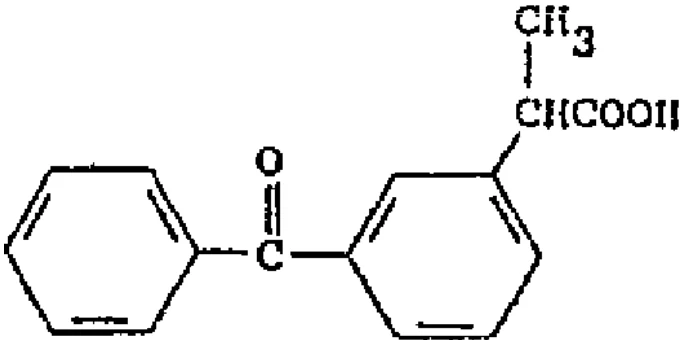
Molecular Formula: C16H14O3
Molecular Weight: 254.3
Description:
Ketoprofen is a white crystalline, odourless, non-hygroscopic powder. Its melting point is approximately 93°C. It is very soluble in ether, ethanol, chloroform and acetone; soluble in benzene and very slightly soluble in water.
COMPOSITION:
Each pms-KETOPROFEN 100mg suppository contains 100mg of Ketoprofen B.P. and, 2700mg of triglycerides as non medicinal-ingredients.
Each pms-KETOPROFEN 50mg suppository contains 50mg of Ketoprofen B.P. and, 1350mg of triglycerides as non medicinal-ingredients.
Stability and Storage Recommendations:
Store between 15°-30°C. Protect from light.
AVAILABILITY OF DOSAGE FORMS
pms-KETOPROFEN suppositories are available as white to off-white suppositories in individual PVC/PE moulds, each containing 50mg or 100mg of Ketoprofen. Each box contains 10 or 30 suppositories.
INFORMATION FOR THE CONSUMER
pms-KETOPROFEN which has been prescribed to you by your doctor, is one of a large group of non-steroidal anti-inflammatory drugs (NSAID's) and is used to treat the symptoms of rheumatoid arthritis, ankylosing spondylitis and osteoarthritis. It helps to relieve joint pain, swelling, stiffness and fever by reducing the production of certain substances (prostaglandins) and helping to control inflammation and other body reactions.
You should take pms-KETOPROFEN only as directed by your doctor. Do not take more of it, do not take it more often and do not take it for a longer period of time than your doctor ordered.
Be sure to take pms-KETOPROFEN regularly as prescribed. In some types of arthritis, up to two weeks may pass before you feel the full effects of this medicine. During treatment, your doctor may decide to adjust the dosage according to your response to the medication.
To lessen stomach upset, take this medicine immediately after a meal or with food or milk. If stomach upset (indigestion, nausea, vomiting, stomach pain or diarrhea) occurs and continues, contact your doctor.
For adult purposes, administer one suppository morning and evening or one suppository at bedtime supplemented as needed by divided oral doses. The total daily dose of pms-KETOPROFEN suppositories and Ketoprofen capsules or tablets should not exceed 200 mg per day. When the patient's response warrants it, the dose may be decreased to the minimum effective level.
In severe cases, during a flare-up of rheumatic activity or if a satisfactory response can not be obtained with the lower dose, a daily dosage in excess of 200 mg may be used. However, a dose of 300 mg per day should not be exceeded.
pms-KETOPROFEN is not indicated in children under 12 years of age because clinical experience in this group of patients is insufficient.
Do not take ASA (acetylsalicylic acid), ASA-containing compounds or other drugs used to relieve symptoms of arthritis while taking pms-KETOPROFEN unless directed to do so by your physician.
If you are prescribed this medication for use over a long period of time, your doctor will check your health during regular visits to assess your progress and to ensure that this medication is not causing unwanted effects.
Along with its beneficial effects, pms-KETOPROFEN like other NSAID drugs, may cause some undesirable reactions.
Elderly frail or debilitated patients often seem to experience more frequent or more severe side effects. Although not all of these side effects are common, when they do occur they may require medical attention. Check with your doctor immediately if any of the following are noted:
Æ bloody or black tarry stools;
Æ shortness of breath, wheezing, any trouble in breathing or tightness in the chest; Æ skin rash, swelling, hives or itching;
Æ indigestion, nausea, vomiting, stomach pain or diarrhea;
Æ yellow discoloration of the skin or eyes, with or without fatigue;
Æ any changes in the amount of color in your urine (such as dark; red or brown); Æ swelling of the feet or lower legs;
Æ blurred vision or any visual disturbance;
Æ mental confusion, depression, dizziness, lightheadedness; hearing problems.
ALWAYS REMEMBER
Æ Before taking this medication tell your doctor and pharmacist if you:
Æ are allergic to Ketoprofen or other related medicines of the NSAID group such as acetylsalicylic acid, diclofenac, diflusinal, fenoprofen, flurbiprofen, ibuprofen, indomethacin, ketoprofen, mefenamic acid, piroxicam, sulindac, tiaprofenic acid or tolmetin;
Æ have a history of stomach upset, ulcers, or liver or kidney diseases;
Æ are pregnant or intend to become pregnant while taking this medication;
Æ are breast feeding;
Æ are taking any other medication (either prescription or non-prescription);
Æ have any other medical problem(s).
Æ While taking this medication:
- tell any other doctor, dentist or pharmacist that you consult or see, that you are taking this medication;
- be cautious about driving or participating in activities that require alertness if you are drowsy, dizzy or lightheaded after taking this medication;
- check with your doctor if you are not getting any relief or if any problems develop.
- report any untoward reactions to your doctor. This is very important as it will aid in the early detection and prevention of potential complications.
Æ Your regular medical checkups are essential.
Æ If you require more information on this drug, consult your doctor or pharmacist.
PHARMACOLOGY
Anti-inflammatory activity_
The potent anti-inflammatory activity of Ketoprofen is outlined according to the following tests which were performed:
Test ED50
mg/Kg
Route of
administration
Carrageenin induced abcess (Rat)
1.0-1.4 p.o.
Carrageenin induced abcess (rat)
0.4 s.c.
Carrageenin induced oedema (Rat)
9.0 p.o.
U.V. induced
erythema (Guinea Pig)
6.0-7.5 p.o.
Selye's granulomatous pouch (Rat)
12 p.o.
Granuloma induced by asbestos implant (Rat)
15 p.o.
Analgesic Activity
The analgesic effect of Ketoprofen was demonstrated in the mouse by testing the drug on visceral pain induced by phenylbenzoquinone. The ED50 was found to be 2.3 mg/Kg to 5.5 mg/Kg p.o., and 1.4 mg/Kg, s.c..
In the rat, the ED50 was found to be 2.4 mg/Kg p.o. when Ketoprofen was tested against pain induced by pressure applied to an inflamed paw. The ED50 of the drug when tested against visceral pain induced by bradykinin in the mouse was 6.2 mg/Kg p.o..
Antipyretic Activity,
In rats in which hyperthermia was induced by brewer's yeast the ED50 of Ketoprofen was 0.66 mg/Kg. In hyperthermia induced by the injection of antigonococcal vaccine in rabbits, the antipyretic effects of Ketoprofen was exhibited at doses of 1 mg/Kg s.c..
Antibradykinin activity
The antibradykinin activity of Ketoprofen was demonstrated in the guinea pig in which bronchospasm was induced by intravenous injection of bradykinin, and in the mouse in which visceral pain was induced by intraperitoneal injection of bradykinin. The respective ED50s were 0.025 mg/Kg i.v. and 6.2 mg/Kg p.o.
Inhibition of Prostaglandin synthesis
Ketoprofen exerted a profound effect in inhibiting the synthesis of prostaglandin from arachidonic acid in isolated guinea pig lung. The EC50 was 0.002 mg/L.
Inhibition of Platelet Aggregation
Ketoprofen was shown to inhibit platelet aggregation induced in vitro by collagen in platelet-rich plasma.
TOXICOLOGY
Acute Toxicity
LD50s for Ketoprofen in various animal species are as follows:
ANIMAL
SPECIES
ORAL I.V. S.C.
Mouse 360 mg/Kg 500 mg/Kg 550
mg/Kg
Rat 160 mg/Kg -- 100
mg/Kg
Guinea Pig 1300 mg/Kg
(approx)
450 mg/Kg (approx)
--
Rabbit 145 mg/Kg -- --
Dog
Over
2000 mg/Kg
--
--
SUBACUTE AND CHRONIC TOXICITY
Rats
Ketoprofen was administered to rats orally in daily doses of 2, 6 and 18 mg/Kg for one month; 6 mg/Kg for 3 months, and 4.5 mg/Kg to 12.5 mg/Kg for 18 months. The drug was found to be well tolerated by the gastro-intestinal tract except for minor ulcerative lesions at 18 mg/Kg.
Dogs
In the dog, the daily oral doses of Ketoprofen were; 2, 6, and 18 mg/Kg for 1 month and 3 mg/Kg for 3 months. At a daily dose of 3 mg/Kg for 3 months Ketoprofen produced insignificant digestive damage, mainly gastric, i.e. a few small ulcerations or ulcerated areas showing healing. At 18 mg/Kg/day for 18 months many extensive ulcerations were produced.
Monkeys
Ketoprofen was administered orally at daily doses of 9 mg/Kg and 27 mg/Kg for 12 months. The drug was well tolerated by the gastro-intestinal tract at the daily dose of 9 mg/Kg p.o.. At the dose of 27 mg/Kg p.o. only one of 12 monkeys showed scarring in the pyloric antrum suggesting a healed ulcer.
Ulcerogenic activity
In rats the ulcerogenic activity of Ketoprofen was found to be comparable to that of Indomethacin at low doses (2 mg/Kg p.o.) but may cause mortality at higher doses (18 mg/Kg p.o.) which is more marked with Indomethacin than with Ketoprofen.
Carcinogenicity
There was no evidence of carcinogenicity or mutagenicicty of Ketoprofen in standard screening assays. The drug appeared to have no effect on protein, or on DNA or RNA synthesis.
Reproduction and Teratogenicity
Teratogenicity studies on Ketoprofen were carried out in the mouse, rat and rabbit. The drug was administered during the period of organogenesis as follows:
Mouse: 3, 6 and 12 mg/Kg p.o. from day 5 to day 15 of pregnancy.
Rat: 3, 6 and 9 mg/Kg p.o. from day 5 to day 15 of pregnancy.
Rabbit: 3, 6 and 12 mg/Kg p.o. from day 6 to day 16 of pregnancy.
In all studies Ketoprofen was found to be devoid of teratogenic effect. The drug was also devoid of embryotoxic effect, except for slight embryotoxicity in rabbits receiving the high dose. Ketoprofen has not been shown to affect fetal or postpartum development. Increased maternal toxicity and dystocic effects have been observed in pregnant rats.
REFERENCES
- 1.
Advenier, C., et al: Pharmacokinetics of Ketoprofen in the Elderly. Br. J. Clin.
Pharmacol., 1983, 16:65-70
- 2.
Arsenault, A., and Lussier, L.: Castro-intestinal Microbleeding Under Acetylsalicylic
Acid, Ketoprofen, and Placebo. Rheumatol. and Rehab.. (Suppl), 1976, 1:87-93
- 3.
Ayrolles, C., and Fournie, A.: Utilisation du Pirofène clans le Traitement de la
Polyarthrite Rhumatoïde (P.R.). Nouv. Presse Med., 1982, 11(33):2487-2490
- 4. Brater, D.C., et al: Effects of Nonsteroidal Anti-inflammatory Drugs on Renal Function in Patients with Renal Insufficiency and in Cirrhotics. Am. J. Kidney Dis., 1986, 8(5):351-355
- 5.
Brazier, J.L., et al: Bioavailability of Ketoprofen in Man With and Without Concomitant
Administration of Aluminum Phosphate. Eur. J. Clin. Pharmacol., 1981, 19(4):305-307
- 6.
Caillé, G., et al: Pharmacokinetic Characteristics of Ketoprofen Suppositories.
Biopharmaceutics and Drug Disposition, 1980, 1:195-201
- 7.
Caillé, G., et al: Single Dose Pharmacokinetics of Ketoprofen, Indomethacin and
Naproxen Taken Alone or with Sucralfate. Biopharm. Drug Disposition 1987, 8:173-183
- 8. Calin, A., et al: Double-blind, Multi-center Parallel Trial of Ketoprofen and Ibuprofen in the treatment of Rheumatoid Arthritis. J. Rheamatol, 1977, 4(2):153-157.
- 9.
Cathcart., B.J., et al: Studies on 2-(3-benzoylphenyl) Propionic Acid. (Orudis). Ann.
Rheum Dis. 1973, 32:62-65
- 10.
Crouzet, J.: Traitement des Rhumatismes Extra-Articulaires par le Pirofène. Nouv. Presse
Med., 1982, 11(33):2503-2505
- 11.
Delbarre, F., et al: Pharmacokinetic study of Ketoprofen (19.583 R.P.) in Man Using the
Tritiated Compound. Scand. J. Rheumatologv, 1976, Suppl. 14:45-32
- 12.
Digby, J.W., and Wehner, S.: A Double-blind Cross-over Comparison of Orudis
(Ketoprofen) and Indomethacin in the treatment of Rheumatoid Arthritis. J. Int. Med. Res., 1976, 4:427-431
- 13.
Dorfman, H., and De Seze, S.: Résultats d'un Essai Contrôlé du 19.583 R.D. dans la
Pelvispondylite Rhumatismale (Acide: benzoyl-phenyl proprionique). Revue du Rhumatisme, 1973, 40(6):447-450
- 14.
Doury, P., and Pattin, S.: Traitement de la Spondylarthrite Ankylosante par la
Kétoprofene. Rheumatologie, 1973, XXV, 10:381-384.
- 15.
Famaey, J.P., and Colinet, E.: A Double-blind trial of Ketoprofen in the treatment of
Osteoarthritis of the Hip. Scand. J. Rheumatology, 1976, 5, Suppl. 14: 129-132
- 16.
Fava, G., et al: Single Nightly Administration of Ketoprofen (Orudis) and Indomethacin
Suppositories in the Management of osteoarthritis; A Double-blind Trial. J. Int. Med. Res., 1977, 5:301-307.
- 17.
Fossgreeni J., et al: Clinical Evaluation of Ketoprofen (19.583 R.P.) in Rheumatoid
Arthritis; Double-blind Cross-over Comparison With Indomethacin. Scand. J. Rheumatology 1976, 5, Suppl. 14:93-98
- 18. Franchi, R., et al: Parenteral Administration of Ketoprofen in Osteoarthritis; A Double-blind Trial versus the N-Methyl-d-Glucamine salt of Indomethacin. Scand. J. Rheumatology, 1979, Suppl. 26:1-7
- 19.
Goulton, J., and Baker, P.G.: Ketoprofen (Orudis) in the treatment of Inflammatory
Arthritic Conditions: A Multi-center study in General Practice. Curr. Med. Res. Opin., 1980, 6(6):423-430
- 20. Griffin, A.J., et al: Ketoprofen: Double-blind Cross-over study with Indomethacin administered as a Combined Suppository/Capsule Regime in patients with Rheumatoid Arthritis; A Preliminary Report. Rheursatol., Rehabil., 1978, Suppl:84-89
- 21.
Guidet, M.: Apport du Pirprofène dans le Traitement Medical des Nevralgies
Radiculaires. Nouv. Presse Med., 1982, 11:2506-2510
- 22. Gyory, A.N., et al: Orudis in Management of Rheumatoid Arthritis and Osteoarthritis of the Hip; Comparison With Indomethacin. Br. Med. J., 1972, 4:398-400
- 23.
Himendra, A., et al: Administration of Ketoprofen Suppositories for Out-Patient Post-
Operative Analgesia. Curr. Med. Res. Opin., 1985, 9(7):436-441
- 24. Ishizaki, T., et al: Pharmacokinetics of Ketoprofen following Single Oral, Intramuscular and Rectal Doses and after Repeated Oral Administration. Eur. J. Clin. Pharmacol., 1980, 18(5):407-414
- 25.
Jelic-Ivanovic, Z., et al: Effects of some Anti-Inflammatory Drugs on 12 Blood
Constituents; Protocol for the study of In Vivo effects of drugs. Clin. Chem., 1985, 31(7):1141-1143
- 26.
Julou, L. et al.: Ketoprofen (19.583 R.P.) (2-(3-benzoylphenyl)-p.roprionic acid)-Main
Pharmacological Properties; Outline of Toxicological and Pharmacokinetic Data. Scand. J. Rheumatology, 1976, Suppl. 14:33-44
- 27.
Juluo, L. et al., Etude des proprrttes Pharinacologiques d’un nouvel Anti-Inflammatoire,
1'acide (benzoyl-3 phenyl) -2 proprionique (19.583 R.P.) J. Pharmacol. (Paris), 1971, 2, 3:259-286
- 28.
Kantor, T.G.: Ketoprofen: A Review of its Pharmacologic and Clinical properties.
Pharmacotherapy. 1986, 6(3):93-103
- 29.
Kantor, T. et al: A Double-blind Parallel Comparison of Ketoprofen, Codeine, and
Placebo in patients with Moderate to Severe Postpartum pain. J. Clin. Pharmacol., 1984, 24:228-234
- 30.
Letenneur, J., et al: Recherche d'une dventuelle potentialisation des Anticoagulants par le
19.583 R.P. Vie Medicale, 1974, 14:1797-1799
- 31. Lewellen, O.R.W., and Templeton, R.: The Pharmacokinetics of Ketoprofen in Man during and after Repeated Oral Dosing (50 mg q.i.d.). Scand. J. Rheumatology, 1976, Suppl. 14:53-62
- 32.
Lussier, A., et al: A Double-blind Cross-over evaluation of Ketoprofen and Aspirin in
Rheumatoid Arthritis. Scand. J. Rheumatology, 5, Suppl. 1976, 14:99-104
- 33. Magnusson, B., et al: A Comparative study of Gastrointestinal Bleeding during administration of Ketoprofen and Naproxen. Scand. J. Rheumatology, 1977, 6:62-64
- 34.
Mason, J., and Bolton, M.S.: A General Practice assessment of Alrheumat (Ketoprofen)
in the treatment of Rheumatic Conditions. Br, J. Clin. Pract., 1977, 31(9):127-134
- 35.
Mathies, H.: Clinical Studies with Ketoprofen in Rheumatoid Arthritis. Rheumatol.
Rehabil., 1979, Suppl:114-115
- 36.
Meyer, W.: Combined Oral and Rectal Administration of Ketoprofen. Rheumatol.
Rehabil., 1979, Suppl: 116-120
- 37.
Migne, J. et al: Etude Comparee de L’activite Anti-Agregante Plaquettaire de plusieurs
Anti-Inflammatoires. Therapie 1973, 28:861-876
- 38. Mills, S.B., et al: Double-blind Cross-over study of Ketoprofen and Ibuprofen in management of Rheumatoid Arthritis. Br. Med. J., 1973, 4:82-84
- 39.
O’Brien, W.M., and Grunwaldt, E.: Ketoprofen in the treatment of Rheumatoid Arthritis;
Double-blind, Cross-over Placebo comparison. Scand. J. Rheumatology, 1976, 5, Suppl. 14:105-110
- 40.
Peltola, P.: A Double-blind Cross-over study of Ketoprofen and Phenylbutazone in
Rheumatoid Arthritis. Scand. J. Rheumatology, 1976, 5, Suppl. 14: 111-113
- 41. Peyron, J., and Doury, P: Etude Comparative du Pirofène et du Kétoprofene dans le traitement de la Coxarthrose et de la Gonarthrose. Nouv. Presse Med., 1982, 11:2497-2499
- 42.
Populaire, P. et al: Comportement Biologique: Taux Seriques, Excrétion, et
Biotransformation de 1’acide (benzoyl-3-phenyl)-2-proprionique au Kétoprofene chez 1’homme. Anneles Pharm. Franc., 1973, 31(12):73-749
- 43.
Rahbeck, I.: Gastroscopic evaluation of the effect of a New Anti-Rheumatic Compound,
Ketoprofen (19.583 R.P.) on the Human Gastric mucosa. Scand. J. Rheumatology, 1976, 5, Suppl. 14:63-72
- 44.
Ranlov, P.3., et al: Faecal Blood loss during administration of Acetylsalicylic Acid,
Ketoprofen and two new Ketoprofen Sustained-Release compounds. Scand. J. Rheumatology 1983, 12(3):28-0-284
- 45.
Renier, J.C., et al: Spondylarthryte Ankylosante; Essai Comparatif de deux Anti-
Inflammatoires Non Steroldiens, le Pirprofene et la Ketoprofene. Nouv. Presse Med., 1982, 11(33):2494-2496
- 46.
Russell, A.S., and Labelle J.L.: A Double-blind Cross-over study of Ketoprofen Enteric-
Coated and Ketoprofen Non-Enteric Coated Tablets in patients with Ankylosing Spondylitis, Osteoarthritis and Rheumatoid Arthritis. Curr. Ther. Res., 1983, 33:185-191
- 47. Russell, A.S., and Le Morvan, P.: Double-blind comparison between Ketoprofen capsules four times daily and Enteric-Coated tablets twice daily in patients with Osteoarthritis. Curr. Ther. Res., 1985, 38(4):599-605
- 48. Saxena, R.P., and Saxena, U.: A Comparative trial of Ketoprofen and Ibuprofen in patients with Rheumatic Disease. Curr. Med. Res. Opin., 1978, 5(6):484-488
- 49.
Stafanger, G., et al: Pharamacokinetics of Ketoprofen in patients with Chronic Renal
Failure. Scared. J. Rheumatol, 1981, 10:189-192
- 50.
Sunshine, A., et al: A Double-blind, Parallel comparison of Ketoprofen, Aspirin, and
Placebo in Patients with Postpartum pain. J. Clin. Pharmacol. 1986, 26(8):706-711
- 51.
Thyss, A., et al: Drug Interactions; Clinical and Pharmacokinetic evidence of a Life-
Threatening interaction between Methotrexate and Ketoprofen. Lancet, 1986, 1:256-258
- 52. Tote, R.D., at al: Effects of Acute and Chronic dosing of NSAIDs in patients with Renal insufficiency. Kidney Int., 1986, 30(5):760-768
- 53.
Upton, R.A. et al: Ketoprofen Pharmacokinetics and Bioavailability based on an
Improved Sensitive and Specific assay. Bur. J. Clin. Pharmacol., 1981, 20(2):127-133
- 54. Verbeeck, R.K., at al: Clinical Pharmacokinetics of Non-Steroidal Anti-Inflammatory drugs. Clin. Pharmacokinet., 1983, 8:297-331
- 55. Verbeeck, R.K., at a1: Reduced elimination of Ketoprofen in the Elderly is not necessarily due to Impaired Glucoridation. Br. J. Clin. Pharmacol. 1984, 17(6):783-784
- 56. Vézina M., and Lacasse, Y: Comparative Bioavailability of two different Suppositories formulations of Ketoprofen in healthy volunteers. 1988, Section 3.2.1.3.
- 57. Willans, M.J., et al: A Double-blind Cross-over Enteric- and Non-Enteric Coated tablets in Rheumatoid Arthritis. Curr. Ther. Res., 1982, 31(6):913-921
- 58. Willans, M.J., et al: Double-blind study of Ketoprofen capsules and Enteric-Coated tablets in the maintenance treatment of patients with Rheumatoid Arthritis. Curr. Ther. Res., 1985, 38(6):870-879
- 59.
Wollheim, F.A., et al: A comparison of Ketoprofen and Naproxen in Rheumatoid
Arthritis. Rheumatol. Rehabil, 1978, Suppl: 78-83
- 60.
Zutshi, D., and Mason, M.: Ketoprofen in Rheumatoid Arthritis: Its tolerance and.
Therapeutic effect. Scand. J. Rheumatology, 1976, 5, Suppl. 14:77-84
- 61.
Information Letter, Bureau of Human Prescription Drugs; Health Protection Branch-
Division of Endocrinology, Metabolism and Allergy. DD-33, August 21, 1985
- 62.
AHFS Drug Information: Published by the Authority of the Board of Directors of the
American Society of Hospital Pharmacists, Bethesda, MD, 1991, pp. 1107-1112
- 63.
Compendium of Pharmaceuticals and Specialties: The Canadian Reference for Health
Professionals. 1990, Twenty Fifth Edition:786