


Product Monograph - PMS-Lacosamide
SUMMARY PRODUCT INFORMATION
| Route of Administration | Dosage Form / Strength | All Non-Medicinal Ingredients |
| Oral | Film-coated tablets / 50 mg, 100 mg, 150 mg and 200 mg | Tablet contents: Colloidal Silicon Dioxide, Crospovidone, Hydroxypropyl Cellulose, Magnesium Stearate, Microcrystalline Cellulose. Film-coating: Polyethylene Glycol, Polyvinyl Alcohol, Talc, Titanium Dioxide and: 50mg: Black iron oxide, FD&C Blue No.2 Indigo Carmine Aluminum Lake, and Red Iron Oxide. 100mg: Yellow Iron Oxide. 150mg: Black Iron Oxide, Red Iron Oxide, and Yellow Iron Oxide. 200mg: FD&C Blue No.2 Indigo Carmine Aluminum Lake. |
INDICATIONS AND CLINICAL USE
Adults (≥ 18 years of age)
pms-LACOSAMIDE (lacosamide) is indicated as:
- Monotherapy in the management of partial-onset seizures in adult patients with epilepsy. All patients who participated in the monotherapy trial were newly or recently diagnosed with epilepsy (see CLINICAL TRIALS).
- Adjunctive therapy in the management of partial-onset seizures in adult patients with epilepsy who are not satisfactorily controlled with conventional therapy.
Geriatrics (≥ 65 years of age)
The clinical experience with lacosamide in elderly patients with epilepsy is limited. Caution should be exercised during dose titration and age-associated decreased renal clearance should be considered in elderly patients (see WARNINGS AND PRECAUTIONS, Special Populations, Geriatrics; DOSAGE AND ADMINISTRATION; and ACTION AND CLINICAL PHARMACOLOGY, Special Populations and Conditions, Geriatrics).
Pediatrics (< 18 years of age)
The safety and efficacy of lacosamide in pediatric patients (< 18 years of age) have not been established and its use in this patient population is not indicated (see WARNINGS AND PRECAUTIONS, Special Populations, Pediatrics).
CONTRAINDICATIONS
- Patients who are hypersensitive to the active substance or to any of the excipients. For a complete listing, see the DOSAGE FORMS, COMPOSITION AND PACKAGING section of the product monograph.
- Patients with a history of, or presence of, second- or third-degree atrioventricular (AV) block.
WARNINGS AND PRECAUTIONS
General
Withdrawal of Antiepileptic Drugs (AEDs)
As with all AEDs, pms-LACOSAMIDE should be withdrawn gradually (over a minimum of 1 week) to minimize the potential of increased seizure frequency (see DOSAGE AND ADMINISTRATION, Recommended Dose and Dosage Adjustment).
Cardiac Rhythm and Conduction Abnormalities
PR Interval Prolongation
In post-marketing experience, AV block (including second or higher AV block) has been reported. In patient with proarrhythmic conditions, ventricular tachyarrhythmia has been rarely reported. In rare cases, these events have led to asystole, cardiac arrest and death in patients with underlying proarrhythmic conditions.
Patients should be made aware of the symptoms of cardiac arrhythmia (e.g., slow, rapid, or irregular pulse, palpitations, shortness of breath, feeling of light-headed, fainting), and told to seek immediate medical advice if these symptoms occur.
In patients who develop serious cardiac arrhythmia, pms-LACOSAMIDE should be discontinued and a thorough clinical benefit/risk assessment should be performed before possibly restarting therapy.
pms-LACOSAMIDE should be used with caution in patients with underlying proarrhythmic conditions such as patients with known cardiac conduction problems [e.g., marked first-degree atrioventricular (AV) block, sick sinus syndrome without pacemaker], or severe cardiac disease (e.g., myocardial ischemia/infraction, heart failure, structural heart disease, or cardiac sodium channelopathies) or patients treated with medicinal products affecting cardiac conduction (see
DRUG INTERACTIONS). In such patients, obtaining an ECG before beginning pms-LACOSAMIDE, and after pms-LACOSAMIDE is titrated to steady-state, is recommended.
Caution should especially be exerted when treating elderly patients as they may be at increased risk of cardiac disorder or when pms-LACOSAMIDE is given with other drugs that prolong the PR interval (e.g., sodium channel blocking antiepileptic drugs, pregabalin, or beta-blockers), as further PR prolongation is possible (see ADVERSE REACTIONS, Cardiac; and DRUG INTERACTIONS). In these patients it should be considered to perform an ECG before a pms-LACOSAMIDE dose increase above 400mg/day and after pms-LACOSAMIDE is titrated to steady-state.
In clinical trials of healthy subjects and patients with epilepsy, lacosamide treatment was associated with PR interval prolongation in a dose-dependent manner (see ACTION AND CLINICAL PHARMACOLOGY, Pharmacodynamics). Patients with significant electrocardiographic (ECG) abnormalities were systematically excluded from these trials. The mean PR interval increase (at tmax) in a clinical pharmacology ECG trial of healthy subjects was 13.6 ms for the 400 mg/day lacosamide group, 18.2 ms for the 800 mg/day lacosamide group, and 6.3 ms for the placebo group. The mean increase in PR interval at the end of 12 weeks maintenance treatment for patients with partial-onset seizures who participated in the controlled adjunctive therapy trials was 1.4ms, 4.4ms, and 6.6ms for the lacosamide 200, 400, and 600 mg/day groups, respectively, and -0.3 ms for the placebo group. The mean maximum increase in PR interval in these controlled trials was 12.7 ms, 14.3 ms, and 15.7 ms in the lacosamide 200, 400, and 600 mg/day groups and 11.2 ms in the placebo group. Among patients who participated in these controlled trials, asymptomatic first-degree atrioventricular (AV) block was detected on ECG and reported as an adverse reaction for 0.4% (4/944 patients) in the lacosamide group and 0% (0/364 patients) in the placebo group (see ADVERSE REACTIONS).
Atrial Fibrillation and Atrial Flutter
pms-LACOSAMIDE administration may predispose to atrial arrhythmias (atrial fibrillation or flutter), especially in patients with diabetic neuropathy and/or cardiovascular disease. Patients should be made aware of the symptoms of atrial fibrillation and flutter (e.g., palpitations, rapid or irregular pulse, shortness of breath) and told to contact their physician should any of these symptoms occur.
Atrial fibrillation and flutter have been reported in open-label epilepsy trials and in post-marketing experience. No cases occurred in the short-term investigational trials of lacosamide in epilepsy patients. In patients with diabetic neuropathy, 0.6% of patients treated with lacosamide experienced an adverse reaction of atrial fibrillation or atrial flutter, compared to 0% of placebo-treated patients.
Syncope
In the short-term controlled adjunctive therapy trials of lacosamide in epilepsy patients with no significant system illnesses, there was no increase in syncope compared to placebo. In the short-term controlled trials of lacosamide in patients with diabetic neuropathy, 1.0% of patients who were treated with lacosamide reported an adverse reaction of syncope or loss of consciousness, compared to 0% of placebo-treated patients with diabetic neuropathy. Most of the cases of syncope were observed in patients receiving doses above 400 mg/day. The cause of syncope was not determined in most cases. However, several were associated with either changes in orthostatic blood pressure, atrial flutter/fibrillation (and associated tachycardia), or bradycardia. In the controlled monotherapy trial, seven patients (1.6%) reported syncope in the lacosamide-treated group during the treatment period (see ADVERSE REACTIONS, Intravenous Adverse Reactions).
Carcinogenesis and Mutagenesis
See Product Monograph Part II: TOXICOLOGY, Carcinogenicity and Mutagenicity for discussion on animal data.
Hepatic/Biliary/Pancreatic
Rare post-marketing reports of severe liver injury, including acute liver failure, have been reported in patients treated with lacosamide. Some of the cases were considered clinically significant and possibly or probably related to lacosamide therapy. Laboratory testing to determine liver enzyme levels should be done upon the first symptom or sign of liver dysfunction (e.g., pruritus, dark urine, jaundice, right upper quadrant tenderness, or unexplained "flu-like" symptoms). pms-LACOSAMIDE should be discontinued in patients with jaundice or laboratory evidence of liver injury and alternative therapy should be considered (see Post-Market Adverse Drug Reactions, Hepatic/Biliary/Pancreatic).
Hypersensitivity
Multiorgan hypersensitivity reactions (including Drug Reaction with Eosinophilia and Systemic Symptoms, or DRESS), Stevens-Johnson Syndrome (SJS) and Toxic Epidermal Necrolysis (TEN) have been reported with anticonvulsants, including lacosamide.
Typically, although not exclusively, DRESS presents with fever and rash associated with other organ system involvement, that may or may not include eosinophilia, hepatitis, nephritis, lymphadenopathy, and/or myocarditis. Because these disorders are variable in their expression, other organ system signs and symptoms not noted here may also occur. If any of these hypersensitivity reactions are suspected, pms-LACOSAMIDE should be discontinued and alternative treatment started.
One case of symptomatic hepatitis and nephritis was observed among 4,011 subjects exposed to lacosamide during clinical development. The event occurred in a healthy volunteer, 10 days after stopping lacosamide treatment. The subject was not taking any concomitant medication and potential known viral etiologies for hepatitis were ruled out. The subject fully recovered within a month, without specific treatment. The case is consistent with a delayed multiorgan hypersensitivity reaction. Additional potential cases included 2 with rash and elevated liver enzymes and 1 with myocarditis and hepatitis of uncertain etiology.
SJS has been reported very rarely in post-marketing experience during treatment with lacosamide in combination with other antiepileptic drugs. A causal relationship between SJS and lacosamide treatment cannot be excluded. SJS was not reported during clinical development.
No cases of TEN were reported during clinical development. TEN has been reported very rarely in post-marketing experience during treatment with lacosamide in combination with other drugs including antiepileptic drugs. A causal relationship between TEN and lacosamide treatment cannot be excluded.
Neurologic
Dizziness and Ataxia
Treatment with lacosamide has been associated with dizziness and ataxia which could increase the occurrence of accidental injury or falls.
In controlled adjunctive therapy clinical trials, dizziness was experienced by 25% of patients with partial-onset seizures taking 1 to 3 concomitant AEDs randomized to the recommended doses (200 to 400 mg/day) of lacosamide (compared with 8% of placebo patients) and was the adverse event most frequently leading to discontinuation (3%). Ataxia was experienced by 6% of patients randomized to the recommended doses (200 to 400 mg/day) of lacosamide (compared to 2% of placebo patients) (see ADVERSE REACTIONS, Clinical Trial Adverse Drug Reactions). There was a substantial increase in the frequency of occurrence of these events when patients received lacosamide doses greater than 400 mg/day.
Accordingly, patients should be advised not to drive a car or to operate other complex machinery or perform hazardous tasks until they are familiar with the effects of pms-LACOSAMIDE on their ability to perform such activities (see Part III: CONSUMER INFORMATION).
Ophthalmological Effects
In controlled adjunctive therapy trials in patients with partial-onset seizures, lacosamide treatment was associated with vision-related adverse events such as blurred vision (lacosamide, 8%; placebo, 3%) and diplopia (lacosamide, 11%; placebo, 2%). Three percent of patients randomized to lacosamide discontinued treatment due to vision-related adverse events (primarily diplopia) (see ADVERSE REACTIONS).
Patients should be informed that if visual disturbances occur, they should notify their physician promptly. If visual disturbance persists, further assessment, including dose reduction and possible discontinuation of pms-LACOSAMIDE, should be considered. More frequent assessments should be considered for patients with known vision-related issues or those who are already routinely monitored for ocular conditions.
Psychiatric
Suicidal Ideation and Behaviour
Suicidal ideation and behaviour have been reported in patients treated with antiepileptic agents in several indications.
All patients treated with antiepileptic drugs, irrespective of indication, should be monitored for signs of suicidal ideation and behaviour and appropriate treatment should be considered. Patients (and caregivers of patients) should be advised to seek medical advice should signs of suicidal ideation or behaviour emerge.
An FDA meta-analysis of randomized placebo controlled trials, in which antiepileptic drugs were used for various indications, has shown a small increased risk of suicidal ideation and behaviour in patients treated with these drugs. The mechanism of this risk is not known.
There were 43,892 patients treated in the placebo controlled clinical trials that were included in the meta-analysis. Approximately 75% of patients in these clinical trials were treated for indications other than epilepsy and, for the majority of non-epilepsy indications the treatment (antiepileptic drug or placebo) was administered as monotherapy. Patients with epilepsy represented approximately 25% of the total number of patients treated in the placebo controlled clinical trials and, for the majority of epilepsy patients, treatment (antiepileptic drug or placebo) was administered as adjunct to other antiepileptic agents (i.e., patients in both treatment arms were being treated with one or more antiepileptic drug). Therefore, the small increased risk of suicidal ideation and behaviour reported from the meta-analysis (0.43% for patients on antiepileptic drugs compared to 0.24% for patients on placebo) is based largely on patients that received monotherapy treatment (antiepileptic drug or placebo) for non-epilepsy indications. The study design does not allow an estimation of the risk of suicidal ideation and behaviour for patients with epilepsy that are taking antiepileptic drugs, due both to this population being the minority in the study, and the drug-placebo comparison in this population being confounded by the presence of adjunct antiepileptic drug treatment in both arms.
Special Populations
Women of Childbearing Potential / Contraception
There was no clinically relevant interaction between lacosamide and oral contraceptives (ethinylestradiol and levonorgestrel) in clinical studies (see DRUG INTERACTIONS, Drug-Drug Interactions, Oral Contraceptives).
Pregnant Women
There are no studies with lacosamide in pregnant women. Studies in animals did not indicate any teratogenic effects in rats or rabbits, but embryotoxicity was observed in rats and rabbits at maternal toxic doses (see TOXICOLOGY, Reproduction Studies).
Since the potential risk for humans is unknown, pms-LACOSAMIDE should not be used during pregnancy unless the benefit to the mother clearly outweighs the potential risk to the foetus. If women decide to become pregnant while taking pms-LACOSAMIDE, the use of this product should be carefully re-evaluated.
Pregnancy Registry
Physicians are advised to recommend that pregnant patients taking pms-LACOSAMIDE enroll in the North American Antiepileptic Drug Pregnancy Registry. This can be done by calling the toll-free number 1-888-233-2334, and must be done by patients themselves. Information on the registry can also be found at the following website: http://www.aedpregnancyregistry.org/
Nursing Women
It is unknown whether lacosamide is excreted in human breast milk. Animal studies have shown excretion of lacosamide in breast milk. Because many drugs are excreted into human milk, a decision should be made whether to discontinue nursing or to discontinue lacosamide, taking into account the importance of the drug to the mother.
Fertility
No adverse effects on male or female fertility or reproduction were observed in rats at doses producing plasma exposures (AUC) up to approximately 2 times the plasma AUC in humans at the maximum recommended human dose (MRHD) of 400 mg/day.
Geriatrics (≥ 65 years of age)
The experience with lacosamide in elderly patients with epilepsy is limited. Although no dose reduction is necessary in elderly patients, caution should be exercised during dose titration and age-associated decreased renal clearance with an increase in AUC levels should be considered in elderly patients (see DOSAGE AND ADMINISTRATION; and ACTION AND CLINICAL PHARMACOLOGY, Special Populations and Conditions, Geriatrics).
Pediatrics (< 18 years of age)
Lacosamide is not indicated for use in pediatrics (< 18 years of age) as there is insufficient data on safety and efficacy of the drug in this population (see INDICATIONS AND CLINICAL USE; and DOSAGE AND ADMINISTRATION).
Monitoring and Laboratory Tests
See WARNINGS AND PRECAUTIONS, Cardiac Rhythm and Conduction Abnormalities.
ADVERSE REACTIONS
Adverse Drug Reaction Overview
In controlled adjunctive therapy clinical trials in patients with partial-onset seizures, 924 patients received lacosamide. In the controlled monotherapy clinical trial in patients with partial-onset seizures, 444 patients received at least one dose of lacosamide.
Some of the most frequently reported adverse reactions in controlled clinical trials with lacosamide treatment were dizziness, headache, nausea, and vision-related events (e.g., diplopia, blurred vision). They were dose-related and usually mild to moderate in intensity.
The adverse event profile for the monotherapy clinical trial was similar to that of the adjunctive therapy trials with some exceptions (see below).
Clinical Trial Adverse Drug Reactions
Because clinical trials are conducted under very specific conditions, the adverse reaction rates observed in the clinical trials may not reflect the rates observed in practice and should not be compared to the rates in the clinical trials of another drug. Adverse drug reaction information from clinical trials is useful for identifying drug-related adverse events and for approximating rates.
Adjunctive Therapy and Monotherapy
Table 1 gives the incidence of treatment-emergent adverse events that occurred in ≥ 1% of adult patients with partial-onset seizures in the total lacosamide group (n = 944) and for which the frequency was greater than placebo, in controlled adjunctive therapy clinical trials. The majority of adverse events were reported with a maximum intensity of ‘mild’ or ‘moderate’.
Table 1: Treatment-Emergent Adverse Event Incidence in Double-Blind, Placebo-Controlled Adjunctive Therapy Partial- Onset Seizure Trials (Events ≥ 1% of Patients in the total Lacosamide group and More Frequent Than in the Placebo Group)
MedDRA System Organ Class/ Preferred Term | Placebo N = 364 % | 200 mg/day N = 270 % | 400 mg/day N = 471 % | 600 mg/day N = 203 % | ||||||||
|---|---|---|---|---|---|---|---|---|---|---|---|---|
| Ear and labyrinth disorders | ||||||||||||
| Vertigo | 1 | 5 | 3 | 4 | ||||||||
| Tinnitus | 1 | 0 | 2 | 2 | ||||||||
| Eye disorders | ||||||||||||
| Diplopia | 2 | 6 | 10 | 16 | ||||||||
| Vision blurred | 3 | 2 | 9 | 16 | ||||||||
| Conjunctivitis | < 1 | 2 | < 1 | 0 | ||||||||
| Gastrointestinal disorders | ||||||||||||
| Nausea | 4 | 7 | 11 | 17 | ||||||||
| Vomiting | 3 | 6 | 9 | 16 | ||||||||
| Diarrhea | 3 | 3 | 5 | 4 | ||||||||
| Constipation | 1 | 1 | 2 | 4 | ||||||||
| Flatulence | 0 | 3 | 2 | 1 | ||||||||
| Dyspepsia | 1 | 1 | 2 | 2 | ||||||||
| Toothache | 1 | 2 | 2 | 1 | ||||||||
| Dry Mouth | 1 | 1 | 1 | 2 | ||||||||
| Hypaesthesia oral | 0 | 0 | 1 | 1 | ||||||||
| General disorders and administration site conditions | ||||||||||||
| Fatigue | 6 | 7 | 7 | 15 | ||||||||
| Gait disturbance | < 1 | < 1 | 2 | 4 | ||||||||
| Asthenia | 1 | 2 | 2 | 4 | ||||||||
MedDRA System Organ Class/ Preferred Term | Placebo N = 364 % | 200 mg/day N = 270 % | 400 mg/day N = 471 % | 600 mg/day N = 203 % | ||||||||
|---|---|---|---|---|---|---|---|---|---|---|---|---|
| Irritability | 1 | 1 | 2 | 2 | ||||||||
| Chest pain | 1 | 2 | 1 | 2 | ||||||||
| Pyrexia | 1 | 2 | 1 | 1 | ||||||||
| Feeling drunk | 0 | 0 | 1 | 3 | ||||||||
| Oedema peripheral | 0 | 1 | < 1 | 2 | ||||||||
| Feeling abnormal | < 1 | 0 | 1 | 2 | ||||||||
| Infections and infestations | ||||||||||||
| Nasopharyngitis | 6 | 6 | 8 | 4 | ||||||||
| Bronchitis | 0 | 2 | 1 | 1 | ||||||||
| Rhinitis | < 1 | < 1 | 1 | 1 | ||||||||
| Ear infection | < 1 | 1 | 1 | 0 | ||||||||
| Cystitis | < 1 | 1 | < 1 | 1 | ||||||||
| Gastroenteritis | 0 | 1 | < 1 | 0 | ||||||||
| Injury, poisoning and procedural complications | ||||||||||||
| Contusion | 3 | 3 | 4 | 2 | ||||||||
| Skin laceration | 2 | 2 | 3 | 3 | ||||||||
| Fall | < 1 | 1 | 2 | 1 | ||||||||
| Head injury | < 1 | 2 | 1 | 1 | ||||||||
| Joint sprain | 0 | 1 | 1 | 2 | ||||||||
| Investigations | ||||||||||||
| Positive rombergism | 0 | 1 | 1 | 2 | ||||||||
| Gamma-glutamyltransferase increased | < 1 | 2 | < 1 | 1 | ||||||||
| White blood cell count decreased | < 1 | 0 | < 1 | 2 | ||||||||
| Metabolism and nutrition disorders | ||||||||||||
| Decreased appetite | < 1 | < 1 | 2 | 3 | ||||||||
| Hypercholesterolaemia | < 1 | 1 | 1 | 1 | ||||||||
| Musculoskeletal and connective tissue disorders | ||||||||||||
| Muscle spasms | < 1 | 1 | 1 | 2 | ||||||||
| Neck pain | < 1 | 1 | 1 | 1 | ||||||||
| Nervous system disorders | ||||||||||||
| Dizziness | 8 | 16 | 30 | 53 | ||||||||
| Headache | 9 | 11 | 14 | 12 | ||||||||
| Ataxia | 2 | 4 | 7 | 15 | ||||||||
| Somnolence | 5 | 5 | 8 | 8 | ||||||||
| Tremor | 4 | 4 | 6 | 12 | ||||||||
| Nystagmus | 4 | 2 | 5 | 10 | ||||||||
| Balance disorder | 0 | 1 | 5 | 6 | ||||||||
| Memory Impairment | 2 | 1 | 2 | 6 | ||||||||
| Cognitive disorder | <1 | <1 | 2 | 2 | ||||||||
| Hypaesthesia | 1 | 2 | 2 | 2 | ||||||||
| Dysarthria | <1 | <1 | 1 | 3 | ||||||||
| Disturbance in attention | 1 | 0 | 1 | 2 | ||||||||
| Psychiatric disorders | ||||||||||||
| Depression | 1 | 2 | 2 | 2 | ||||||||
| Insomnia | 1 | 2 | 2 | 1 | ||||||||
| Confusional state | 1 | 0 | 2 | 3 | ||||||||
| Mood altered | < 1 | 1 | 1 | 2 | ||||||||
| Respiratory, thoracic and mediastinal disorders | ||||||||||||
| Dyspnoea | < 1 | 0 | 1 | 1 | ||||||||
| Epistaxis | 0 | 1 | 1 | 0 | ||||||||
MedDRA System Organ Class/ Preferred Term | Placebo N = 364 % | 200 mg/day N = 270 % | 400 mg/day N = 471 % | 600 mg/day N = 203 % | ||||||
|---|---|---|---|---|---|---|---|---|---|---|
| Skin and subcutaneous tissue disorders | ||||||||||
| Pruritus | 1 | 3 | 2 | 3 | ||||||
| Hyperhidrosis | < 1 | 0 | 1 | 2 | ||||||
Table 2: Incidence of Most Common Dose-Related Treatment-Emergent Adverse Events in Double-Blind, Placebo-Controlled Adjunctive Therapy Partial-Onset Seizure Trials (Events ≥ 1% of Patients in the total lacosamide group and More Frequent Than in the Placebo Group)
MedDRA Preferred Term | Placebo N = 364 % | 200 mg/day N = 270 % | 400 mg/day N = 471 % | 600 mg/day N = 203 % |
| Diplopia | 2 | 6 | 10 | 16 |
| Vision blurred | 3 | 2 | 9 | 16 |
| Nausea | 4 | 7 | 11 | 17 |
| Vomiting | 3 | 6 | 9 | 16 |
| Dizziness | 8 | 16 | 30 | 53 |
| Ataxia | 2 | 4 | 7 | 15 |
| Tremor | 4 | 4 | 6 | 12 |
| Nystagmus | 4 | 2 | 5 | 10 |
Cardiac
Dose-dependent prolongations in PR interval with lacosamide have been observed in clinical studies in patients and in healthy subjects (see ACTION AND CLINICAL PHARMACOLOGY). In controlled adjunctive therapy clinical trials in patients with partial-onset seizures, asymptomatic first-degree AV block was observed as an adverse reaction in 0.4% (4/944) of patients randomized to receive lacosamide and 0% (0/364) of patients randomized to receive placebo. In the controlled monotherapy clinical trial in patients with partial-onset seizures, first-degree AV block was reported in 1.6% (6/382) of lacosamide-treated patients aged less than 65 years of age and in 4.8% (3/62) of lacosamide-treated patients older than 65 years of age. In clinical trials in patients with diabetic neuropathy, asymptomatic first-degree AV block was observed as an adverse reaction in 0.6% (8/1,393) of patients receiving lacosamide and 0% (0/470) of patients receiving placebo. No second or higher degree AV block was seen in lacosamide treated epilepsy patients in controlled clinical trials. In clinical trials in patients with diabetic neuropathic pain, second-degree AV block has been rarely reported (< 0.1%) (see WARNINGS AND PRECAUTIONS). However, cases with second and third-degree AV block associated with lacosamide treatment have been reported in post-marketing experience (see Post-Market Adverse Drug Reactions).
Syncope
In the monotherapy clinical trial comparing lacosamide to carbamazepine (controlled release), syncope was reported in 7/444 (1.6%) lacosamide treated patients and 1/442 (0.2%) carbamazepine (controlled-release) treated patients (see WARNINGS AND PRECAUTIONS, Syncope).
Elderly
In the monotherapy study comparing lacosamide to carbamazepine (controlled release), the safety profile of lacosamide in elderly patients (≥ 65 years of age) appeared to be similar to that observed in patients less than 65 years of age. However, a higher incidence of fall (9.7% vs. 0.8%), diarrhea (6.5% vs. 1.3%) and tremor (6.5% vs. 0.3%) was reported in elderly patients compared to younger adult patients.
Less Common Clinical Trial Adverse Drug Reactions (< 1%)
Other adverse events reported by < 1% of patients with partial-onset seizures in the total lacosamide group in placebo-controlled adjunctive therapy clinical trials that occurred more frequently than in the placebo group were:
Eye disorders: eye irritation
Nervous system disorders: hypokinesia
Vascular disorders: hot flush
Other Adverse Reactions in Patients with Partial-Onset Seizures
The following is a list of treatment-emergent adverse events reported by patients treated with lacosamide in all clinical trials in patients with partial-onset seizures, including controlled trials and long-term open-label extension trials. Events addressed in other tables or sections are not listed here.
Events included in this list from the controlled trials occurred more frequently on drug than on placebo and/or were based on consideration of lacosamide pharmacology, frequency above that expected in the population, seriousness, and likelihood of a relationship to lacosamide. Events are further classified within system organ class.
Blood and lymphatic system disorders: neutropenia, anemia
Cardiac disorders: palpitations
Investigations: alanine aminotransferase increased
Nervous system disorders: paresthesia, cerebellar syndrome
Discontinuation Due to Adverse Events in Pre-marketing Controlled Clinical Studies
In controlled adjunctive therapy clinical trials in patients with partial-onset seizures, the rate of discontinuation as a result of an adverse event was 8% and 17% in patients randomized to receive lacosamide at doses of 200 and 400 mg/day, respectively (placebo: 5%). At lacosamide doses of 600 mg/day, 29% of the patients discontinued the trials due to adverse events. The adverse events most commonly (≥ 1% in the lacosamide total group and greater than placebo) leading to discontinuation were dizziness, coordination abnormal, vomiting, diplopia, nausea, vertigo, and vision blurred. Other adverse events that led to discontinuation (< 1% in the lacosamide total group and greater than placebo) were typically CNS related and included tremor, nystagmus, fatigue, balance disorder, and disturbance in attention.
In the controlled monotherapy clinical trial in patients with partial-onset seizures, the rate of discontinuation as a result of an adverse event was 10.6% for patients treated with lacosamide and 15.6% for patients treated with active comparator [carbamazepine (controlled-release)]. The adverse event most commonly (≥ 1% in the lacosamide treatment group) leading to discontinuation was dizziness (1.4%).
Comparison of Gender and Race
The overall adverse event rate was similar in male and female patients. Although there were few non-Caucasian patients, no differences in the incidences of adverse events compared to Caucasian patients were observed.
Abnormal Hematologic and Clinical Chemistry Findings
Abnormalities in liver function tests have been observed in controlled trials with lacosamide in adult patients with partial-onset seizures who were taking 1 to 3 concomitant antiepileptic drugs. Elevations of ALT to ≥ 3x ULN (upper limit of normal) occurred in 0.7% (7/935) of lacosamide patients and 0% (0/356) of placebo patients. One case of hepatitis with transaminases > 20x ULN was observed in one healthy subject 10 days after lacosamide treatment completion, along with nephritis (proteinuria and urine casts). Serologic studies were negative for viral hepatitis. Transaminases returned to normal within one month without specific treatment. At the time of this event, bilirubin was normal. The hepatitis/nephritis was interpreted as a delayed hypersensitivity reaction to lacosamide.
Drug Abuse and Dependence/Liability
Lacosamide showed no signs of abuse potential in three rat models. After prolonged administration to rats and dogs, there was no tolerance to lacosamide’s pharmacological actions and abrupt cessation of treatment did not produce symptoms of psychological or physical dependence.
In a human abuse potential study, single doses of 200 mg and 800 mg lacosamide produced euphoria-type subjective responses that differentiated statistically from placebo; at 800 mg, these euphoria-type responses were statistically indistinguishable from those produced by alprazolam. The duration of the euphoria-type responses following lacosamide was less than that following alprazolam. A high rate of euphoria was also reported as an adverse event in the human abuse potential study following single doses of 800 mg lacosamide (15% [5/34]) compared to placebo (0%) and in two pharmacokinetic studies following single and multiple doses of 300-800 mg lacosamide (ranging from 6% [2/33] to 25% [3/12]) compared to placebo (0%). However, the rate of euphoria reported as an adverse event in the lacosamide development program at therapeutic doses was less than 1%.
Abrupt termination of lacosamide in clinical trials with diabetic neuropathic pain patients produced no signs or symptoms that are associated with a withdrawal syndrome indicative of physical dependence. However, psychological dependence cannot be excluded due to the ability of lacosamide to produce euphoria-type adverse events in humans.
Post-Market Adverse Drug Reactions
Since the first global approval of lacosamide on 29 August 2008 through 28 February 2018, there are approximately 1,424,796 patient-years of exposure to lacosamide. In addition to the adverse events reported during clinical studies and listed above, the following adverse events have been reported in post-marketing experience. Table 3 is based on post-market spontaneous adverse event reports. The percentages shown are calculated by dividing the number of adverse events reported to the company by the estimated number of patient years exposed to lacosamide. Because these adverse events are reported spontaneously from a population of uncertain size, it is not possible to reliably estimate their frequency. Furthermore, a causal relationship between lacosamide and the emergence of these events has not been clearly established.
Table 3: Post-Market Spontaneous Adverse Event Reports
| Adverse Events | Reported Frequency | ||
|---|---|---|---|
Uncommon < 1% and ≥ 0.1% | Rare < 0.1% and ≥ 0.01% | Very rare < 0.01% | |
| Immune system disorders | |||
| Drug hypersensitivity reactions | X | ||
| Multiorgan hypersensitivity reactions1 | X | ||
| Blood and lymphatic system disorders | |||
| Leukopenia | X | ||
| Thrombocytopenia | X | ||
| Agranulocytosis | X | ||
| Cardiovascular disorders | |||
| Bradycardia | X | ||
| Atrioventricular block | X | ||
| Atrial fibrillation | X | ||
| Atrial flutter | X | ||
| Cardiac arrest | X | ||
| Cardiac failure | X | ||
| Myocardial infarction | X | ||
| Ventricular tachyarrhythmia | X | ||
| Hepatobiliary disorders | |||
| Liver function test abnormal | X | ||
| Hepatic enzyme increased (> 2x ULN) | X | ||
| Hepatitis | X | ||
| Metabolism and nutrition disorders | |||
| Hyponatremia | X | ||
| Nervous system disorders | |||
| Ataxia | X | ||
| Syncope | X | ||
| Seizure | X | ||
| Psychiatric disorders | |||
| Euphoric mood | X | ||
| Suicide attempt | X | ||
| Suicidal ideation | X | ||
| Aggression | X | ||
| Agitation | X | ||
| Psychotic disorder | X | ||
| Insomnia | X | ||
| Hallucination | X | ||
| Skin and subcutaneous tissue disorders | |||
| Rash | X | ||
| Angioedema | X | ||
| Urticaria | X | ||
| Stevens-Johnson Syndrome | X | ||
| Adverse Events | Reported Frequency |
|---|
Uncommon < 1% and ≥ 0.1% | Rare < 0.1% and ≥ 0.01% | Very rare < 0.01% | |
|---|---|---|---|
| Toxic Epidermal Necrolysis | X | ||
| Alopecia | X |
1 Includes related preferred term DRESS (Drug Reaction with Eosinophilia and Systemic Symptoms)
Cardiac disorders
Second and third-degree AV block, ventricular tachyarrhythmia, atrial fibrillation and atrial flutter associated with lacosamide treatment have been reported in post-marketing experience (see WARNINGS AND PRECAUTIONS, Cardiac Rhythm and Conduction Abnormalities).
Hepatic/Biliary/Pancreatic
Post-marketing reports of abnormal liver enzyme values, liver injury, acute hepatic failure (including hepatic encephalopathy and hepatic coma) and jaundice have been received in patients taking lacosamide either alone, or in conjunction with other medications. Rare cases of clinically significant liver injury that were considered probably or possibly related to lacosamide have been reported.
Nervous System Disorders
Seizure. Cases of seizure worsening (including occurrence of status epilepticus) have been reported.
DRUG INTERACTIONS
pms-LACOSAMIDE should be used with caution in patients treated with medicinal products known to be associated with PR prolongation including sodium channel blocking antiepileptic drugs, pregabalin and beta-blockers, and in patients treated with antiarrhythmic drugs (see WARNINGS AND PRECAUTIONS, Cardiac Rhythm and Conduction Abnormalities).
In Vitro Assessment of Drug Interactions
In vitro metabolism studies indicate that lacosamide does not induce the enzyme activity of drug metabolizing cytochrome P450 isoforms CYP1A2, 2B6, 2C9, 2C19 and 3A4 at concentrations (12.5 mcg/mL) close to the human peak plasma concentration (10.9 mcg/mL, Cmax, steady state at maximum recommended human dose (MRHD) of 400 mg/day). At concentrations 10 times higher (125 mcg/mL), enzyme activities were less than 2-fold increased. Lacosamide did not inhibit CYP 1A1, 1A2, 2A6, 2B6, 2C8, 2C9, 2D6, 2E1, 3A4/5 at concentrations up to 1,000-fold greater than the Cmax for 400 mg/day. The inhibitory concentrations (IC50) of CYP3A4, 3A5, 2C9 and 1A1 by lacosamide are at least 70-fold higher than the Cmax for 400 mg/day.
In vitro data suggest that lacosamide has the potential to inhibit CYP2C19 at therapeutic concentrations (60% inhibition at 25 mcg/mL). However, an in vivo evaluation in healthy subjects showed no inhibitory effect of lacosamide (600 mg/day administered as 300 mg BID dosing) on the single dose pharmacokinetics of omeprazole (40 mg).
Lacosamide is a CYP2C19 substrate. The relative contribution of other CYP isoforms or non-CYP enzymes in the metabolism of lacosamide is not clear.
Lacosamide was not a substrate or inhibitor for P-glycoprotein.
Since < 15% of lacosamide is bound to plasma proteins, a clinically relevant interaction with other drugs through competition for protein binding sites is unlikely.
In Vivo Assessment of Drug Interactions
Drug-drug interaction studies in healthy subjects showed no pharmacokinetic interactions between lacosamide and carbamazepine, valproic acid, digoxin, metformin, omeprazole, midazolam, or an oral contraceptive containing ethinylestradiol and levonorgestrel. There was no evidence for any relevant drug-drug interaction of lacosamide with common AEDs in the placebo-controlled adjunctive therapy clinical trials in patients with partial-onset seizures.
The lack of pharmacokinetic interaction does not rule out the possibility of pharmacodynamic interactions, particularly among drugs that affect the heart conduction system.
Drug – Drug Interactions
Drug- Interaction Studies with AEDs
Effect of lacosamide on concomitant AEDs
Lacosamide 400 mg/day had no influence on the pharmacokinetics of 600 mg/day valproic acid and 400 mg/day carbamazepine in healthy subjects.
The placebo-controlled adjunctive therapy clinical studies in patients with partial-onset seizures showed that steady- state plasma concentrations of levetiracetam, carbamazepine, carbamazepine epoxide, lamotrigine, topiramate, oxcarbazepine monohydroxy derivative (MHD), phenytoin, valproic acid, phenobarbital, gabapentin, clonazepam, and zonisamide were not affected by concomitant intake of lacosamide at 200 to 600 mg/day.
Effect of concomitant AEDs on lacosamide
Drug-drug interaction studies in healthy subjects showed that 600 mg/day valproic acid had no influence on the pharmacokinetics of 400 mg/day lacosamide. Likewise, 400 mg/day carbamazepine had no influence on the pharmacokinetics of lacosamide (400 mg/day) in a healthy subject study. Population pharmacokinetics results in patients with partial-onset seizures showed small reductions (approximately 25% lower) in lacosamide plasma concentrations when lacosamide (200 to 600 mg/day) was coadministered with carbamazepine, phenobarbital or phenytoin.
Drug-Drug Interaction Studies with Other Drugs
Digoxin
Lacosamide (400 mg/day) did not affect pharmacokinetics of digoxin (0.5 mg once daily) in a study in healthy subjects. There was no effect of digoxin on the pharmacokinetics of lacosamide.
Metformin
There were no clinically relevant changes in metformin levels following coadministration of lacosamide (400 mg/day). Metformin (500 mg three times a day) had no effect on the pharmacokinetics of lacosamide (400 mg/day) in healthy subjects.
Omeprazole
Omeprazole is a CYP2C19 substrate and inhibitor.
Omeprazole (40 mg once daily) increased the AUC of lacosamide by 19% (300 mg, single dose), which is unlikely to be clinically significant. Lacosamide (600 mg/day) did not affect the single- dose pharmacokinetics of omeprazole (40 mg) in healthy subjects.
Midazolam
Midazolam is a CYP3A4 substrate.
Lacosamide administered as a single 200 mg dose or repeated doses of 400 mg/day (200 mg BID) to healthy subjects had no clinically relevant effect on the AUC of midazolam, but slightly increased the Cmax over time (30% after 13 days).
Warfarin
Coadministration of warfarin as a single 25 mg dose with lacosamide 400 mg/day (200 mg BID) to healthy subjects had no clinically relevant change in the pharmacokinetics and pharmacodynamics of warfarin.
Oral Contraceptives
In an interaction trial in healthy subjects, there was no clinically relevant interaction between lacosamide (400 mg/day) and the oral contraceptives ethinylestradiol (0.03 mg) and levonorgestrel (0.15 mg). Progesterone concentrations were not affected when the medicinal products were coadministered (see WARNINGS AND PRECAUTIONS, Women of Childbearing Potential/Contraception).
Drug-Food Interactions
Lacosamide is completely absorbed after oral administration. Food does not affect the rate or extent of absorption.
Drug-Herb Interactions
Interactions with herbal products have not been evaluated.
Drug-Laboratory Interactions
Interactions with laboratory tests have not been observed.
DOSAGE AND ADMINISTRATION
General Considerations
pms-LACOSAMIDE (lacosamide) may be taken with or without food.
Film-coated tablets
The film-coated tablets are taken orally twice a day. For further directions for use, see the DOSAGE AND ADMINISTRATION, Recommended Dose and Dosage Adjustment section of the product monograph.
Recommended Dose and Dosage Adjustment
Monotherapy
The recommended starting dose is 100 mg twice a day (200 mg/day), with or without food.
Depending on patient response and tolerability, the dose can be further increased at weekly intervals by 50 mg twice a day (100 mg/day), to a maximum recommended maintenance daily dose of 300 mg twice a day (600 mg/day). In the monotherapy trial, the majority of patients who completed the Evaluation Phase of the study and remained seizure free received pms-LACOSAMIDE 200 or 400 mg/day (see CLINICAL TRIALS).
In patients having reached pms-LACOSAMIDE ≥ 400mg/day and who need an additional antiepileptic drug, the dosing that is recommended for adjunctive therapy below should be followed. Maximum recommended daily dose for adjunctive therapy is 400 mg/day.
Adjunctive Therapy
The recommended starting dose for pms-LACOSAMIDE is 50 mg twice a day, with or without food, which should be increased to an initial therapeutic dose of 100 mg twice a day after one week.
Depending on patient response and tolerability, the maintenance dose can be further increased by 50 mg twice a day every week, to a maximum recommended daily dose of 400 mg (200 mg twice a day). Doses above 400 mg/day do not confer additional benefit, are associated with more severe and substantially higher frequency of adverse reactions and are not recommended (see OVERDOSAGE, Non-acute Overdose in Humans).
Discontinuation
In accordance with current clinical practice, if pms-LACOSAMIDE has to be discontinued, it is recommended this be done gradually (e.g., taper the daily dose by 200 mg/week).
Patients with Renal Impairment
No dose adjustment is necessary in patients with mild or moderate renal impairment (creatinine clearance (CLCR) > 30 mL/min). A maximum dose of 300 mg/day is recommended for patients with severe renal impairment (CLCR ≤ 30 mL/min) and in patients with end-stage renal disease. In all patients with any degree of renal impairment, the dose titration should be performed with caution (see ACTION AND CLINICAL PHARMACOLOGY, Special Populations and Conditions, Renal Impairment).
Following a 4-hour hemodialysis treatment, AUC of lacosamide was reduced by approximately 50%. Thus, dosage supplementation of up to 50% following hemodialysis may be considered. Treatment of patients with end-stage renal disease should be made with caution as there is limited clinical experience in subjects (n = 8) and no experience in patients, and there is accumulation of a metabolite (with no known pharmacological activity).
Patients with Hepatic Impairment
The dose titration should be performed with caution in patients with mild to moderate hepatic impairment. A maximum dose of 300 mg/day is recommended for patients with mild or moderate hepatic impairment. The pharmacokinetics of lacosamide have not been evaluated in severe hepatic impairment. pms-LACOSAMIDE is not recommended in patients with severe hepatic impairment (see ACTION AND CLINICAL PHARMACOLOGY, Special Populations and Conditions, Hepatic Impairment).
Geriatrics (≥ 65 years of age)
Clinical experience with lacosamide in elderly patients with epilepsy is limited. Although no dose reduction is necessary in elderly patients, caution should be exercised during dose titration and age-associated decreased renal clearance with an increase in AUC levels should be considered in elderly patients (see ACTION AND CLINICAL PHARMACOLOGY, Special Populations and Conditions, Geriatrics).
Pediatrics (< 18 years of age)
The safety and effectiveness of lacosamide in pediatric patients < 18 years has not been established, and therefore its use in this patient population is not indicated (see INDICATIONS AND CLINICAL USE; and WARNINGS AND PRECAUTIONS, Special Populations, Pediatrics).
Missed Dose
If the patient misses a dose by a few hours, they should be instructed to take pms-LACOSAMIDE as soon as they remember. If it is close to their next dose, they should be instructed to take their medication at the next regular time. Patients should not take two doses at the same time.
OVERDOSAGE
Signs, Symptoms, and Laboratory Findings of Acute Overdose in Humans
Lowest known lethal dose: estimated 7g (age 56, male) (see below).
The types of adverse events experienced by patients exposed to acute lacosamide overdose during pre-marketing clinical trials were mostly similar to those observed in patients administered therapeutic doses of lacosamide.
Following doses above 400 mg/day up to 800 mg/day, the more commonly reported adverse events were related to the central nervous system (dizziness, headache, fatigue) and the gastrointestinal system (nausea and vomiting).
There has been a single case of intentional overdose in a clinical trial by a patient who self-administered 12,000 mg lacosamide along with large doses of zonisamide, topiramate, and gabapentin. The patient was initially comatose, had second degree AV block, seizures, and was hospitalized. An EEG revealed epileptic waveforms. The patient recovered 2 days later. From the 9 cases in pre-marketing clinical studies exposed to an acute lacosamide overdose > 800 mg, none resulted in death.
Decreased visual acuity was reported in one case from a clinical trial of lacosamide overdose at 1,050 mg within a single day. The event was considered non-serious and resolved the following day.
In post-marketing experience, events reported following acute single overdoses ranging between 800 mg and 12,000 mg were dizziness, nausea, vision abnormalities, seizures (generalized tonic-clonic seizures, status epilepticus), cardiac conduction disorders, shock and coma. Fatal cardiac arrest, shock and multi-organ failure were reported following acute overdoses of 7,000 mg of lacosamide.
There have also been post-marketing reports of seizures, and loss of consciousness in patients with acute single lacosamide overdoses between 400 mg and 1,200 mg.
Non-acute Overdose in Humans
Non-acute lacosamide overdose has also been reported. The great majority of these cases were in patients receiving daily lacosamide doses ≤ 800 mg for various durations. Adverse events observed after supratherapeutic doses included vision abnormalities (blurred vision, diplopia, nystagmus), cardiac arrhythmia, status epilepticus, convulsions and increased seizure frequency and duration. For example, in one case, after receiving lacosamide 900 mg/day for 23 days, a patient experienced increased seizure duration and frequency. The maximum recommended daily dose of pms-LACOSAMIDE as adjunctive and monotherapy in patients with partial onset seizures is 400 mg and 600 mg, respectively. Higher doses are not recommended (see DOSAGE AND ADMINISTRATION).
Treatment or Management of Overdose
There is no specific antidote for overdose with lacosamide. Standard decontamination procedures should be followed. General supportive care of the patient is indicated including monitoring of vital signs and observation of the clinical status of patient. A Poison Control Centre should be contacted for up to date information on the management of overdose with pms-LACOSAMIDE.
Standard hemodialysis procedures result in significant clearance of lacosamide (reduction of systemic exposure by 50% in 4 hours). Hemodialysis has not been performed in the few known cases of overdose, but may be helpful based on the patient's clinical state or in patients with significant renal impairment.
| For management of a suspected drug overdose, contact your regional Poison Control Centre. |
ACTION AND CLINICAL PHARMACOLOGY
Mechanism of Action
The precise mechanism by which lacosamide exerts its antiepileptic effect in humans is unknown (see Product Monograph, Part II: DETAILED PHARMACOLOGY, Preclinical Pharmacology, for experimental in vitro and in vivo data in animals).
Pharmacodynamics
A pharmacokinetic-pharmacodynamic (efficacy) analysis was performed based on the pooled data from the 3 controlled adjunctive therapy efficacy trials for partial-onset seizures. Lacosamide exposure is correlated with the reduction in seizure frequency. However, in group analyses, doses above 400 mg/day, when administered as adjunctive therapy, do not appear to confer additional benefit and are associated with more severe and substantially higher frequency of adverse reactions.
Cardiac Electrophysiology
Electrocardiographic effects of lacosamide were determined in a double-blind, randomized clinical pharmacology ECG trial of 247 healthy subjects. Chronic oral doses of 400 and 800 mg/day were compared with placebo and a positive control (400 mg moxifloxacin).
Lacosamide did not prolong QTc interval and did not have a dose-related or clinically important effect on QRS duration. Lacosamide produced a dose-related increase in mean PR interval. At steady-state, the time of the maximum observed mean PR interval corresponded with tmax. The placebo-subtracted maximum increase in PR-interval (at tmax) was 7.3 ms for the 400 mg/day group and 11.9 ms for the 800 mg/day group.
For patients with partial-onset seizures who participated in the controlled adjunctive therapy trials, the placebo- subtracted maximum increase in PR interval for a 400 mg/day lacosamide dose was 3.1 ms. For patients with diabetic neuropathic pain who participated in controlled trials, the placebo-subtracted maximum increase in PR-interval for a 400 mg/day lacosamide dose was 8.3 ms (see WARNINGS AND PRECAUTIONS; and ADVERSE REACTIONS).
Pharmacokinetics
The pharmacokinetics of lacosamide has been studied in healthy adult subjects (age range 18 to 87), adults with partial-onset seizures, adults with diabetic neuropathy, and subjects with renal and hepatic impairment. A summary of lacosamide’s pharmacokinetic parameters in healthy subjects is provided in Table 4.
Lacosamide is completely absorbed after oral administration with negligible first-pass effect with a high absolute bioavailability of approximately 100%. The maximum lacosamide plasma concentrations occur approximately 0.25 to 4 hours post-dose after oral dosing, and elimination half-life is approximately 13 hours. Steady state plasma concentrations are achieved after 3 days of twice daily repeated administration. Pharmacokinetics of lacosamide is dose proportional (100-800 mg) and time invariant, with low inter- and intra-subject variability. Compared to lacosamide, the major metabolite, O-desmethyl metabolite, has a longer Tmax (0.5 to 12 hours) and elimination half-life (15-23 hours) but has no known pharmacologic activity.
Table 4: Summary of Lacosamide’s Pharmacokinetic Parameters in Healthy Subjects
Cmax (mcg/mL) Arithmetic Mean | t1/2 (h) Arithmetic Mean | AUCT (mcg/mL*h) Arithmetic Mean | tmax (h) Median (range) | |
| Oral Tablet 200 mg | 5.03 | 13.96 | 88.61 | 0.75 (0.25-4.00) |
Absorption
Lacosamide is rapidly and completely absorbed after oral administration. The oral bioavailability of lacosamide tablets is approximately 100%. Following oral administration, the plasma concentration of unchanged lacosamide increases rapidly and reaches Cmax about 0.25 to 4 hours post-dose. Food does not affect the rate and extent of absorption.
Distribution
The volume of distribution is approximately 0.6 L/kg. Lacosamide is less than 15% bound to plasma proteins.
Metabolism
The metabolism of lacosamide has not been completely characterized. Approximately 95% of the dose is excreted in the urine as drug and metabolites. The major compounds excreted in urine are unchanged lacosamide (approximately 40% of the dose) and its O-desmethyl metabolite, which has no known pharmacological activity (less than 30%). A structurally unknown polar fraction (about 20%) was also found in urine, but was detected only in small amounts (0-2%) in human plasma of some subjects. Small amounts (0.5-2%) of additional metabolites were also found in the urine. The plasma exposure of the major human metabolite (AUC), O-desmethyl-lacosamide, is approximately 15% of the drug product, lacosamide.
CYP2C19, CYP2C9 and CYP3A4 are mainly responsible for the formation of the O-desmethyl metabolite. However, no clinically relevant difference in lacosamide exposure was observed comparing its pharmacokinetics in extensive metabolisers (EMs, with a functional CYP2C19) and poor metabolisers (PMs, lacking a functional CYP2C19). Furthermore, an interaction trial with omeprazole (CYP2C19-inhibitor) demonstrated no clinically relevant changes in lacosamide plasma concentrations indicating that the importance of this pathway is minor. No other enzymes have been identified to be involved in the metabolism of lacosamide.
Elimination
Lacosamide is primarily eliminated from the systemic circulation by renal excretion and biotransformation. After oral administration of 100 mg radiolabeled lacosamide, approximately 95% of radioactivity administered was recovered in the urine and less than 0.5% in the feces. The elimination half-life of the unchanged drug is approximately 13 hours and is not altered by different doses, or multiple dosing. The pharmacokinetics are dose-proportional and time-invariant, with low intra- and inter-subject variability. Following twice daily dosing, steady state plasma concentrations are achieved after a 3-day period. The plasma concentration increases with an accumulation factor of approximately 2.
Special Populations and Conditions
Geriatrics (≥ 65 years of age)
In a study in elderly men and women, the AUC was about 30 and 50% increased compared to young men, respectively. This is partly related to lower body weight. The body weight normalized difference is 26 and 23%, respectively. An increased variability in exposure was also observed. The renal clearance of lacosamide was only slightly reduced in elderly subjects in this study.
Pediatrics (< 18 years of age)
Pharmacokinetics of lacosamide have not been established in pediatric patients.
Gender
Lacosamide clinical trials indicate that gender does not have a clinically relevant influence on the pharmacokinetics of lacosamide.
Race
Approximately 90% of the patient population in epilepsy trials was Caucasian. There are no clinically relevant differences in the pharmacokinetics of lacosamide between Asian, Black, and Caucasian subjects.
Renal impairment
Lacosamide and its major metabolite are eliminated from the systemic circulation primarily by renal excretion.
The AUC of lacosamide was increased approximately 25% in mildly (CLCR 50-80 mL/min) and moderately (CLCR 30-50 mL/min), and 60% in severely (CLCR ≤ 30 mL/min) renally impaired patients compared to subjects with normal renal function (CLCR > 80 mL/min), whereas Cmax was unaffected. No dose adjustment is considered necessary in mildly and moderately renal impaired subjects. A maximum dose of 300 mg/day is recommended for patients with severe renal impairment (CLCR ≤ 30 mL/min) and in patients with end stage renal disease.
Hemodialysis
Lacosamide is effectively removed from plasma by hemodialysis. Following a 4-hour hemodialysis treatment, AUC of lacosamide is reduced by approximately 50%. Therefore, dosage supplementation of up to 50% following hemodialysis should be considered. In all renal impaired patients, the dose titration should be performed with caution.
Hepatic impairment
Lacosamide undergoes metabolism. Subjects with moderate hepatic impairment (Child-Pugh B) showed higher plasma concentrations of lacosamide (approximately 50-60% higher AUC compared to healthy subjects). A maximum dose of 300 mg/day is recommended for patients with mild to moderate hepatic impairment. Patients with mild to moderate hepatic impairment should be titrated with caution and observed closely during dose titration. Patients with co-existing hepatic and renal impairment of any degree should also be monitored closely during dose titration.
The pharmacokinetics of lacosamide have not been evaluated in patients with severe hepatic impairment. pms-LACOSAMIDE use in patients with severe hepatic impairment is not recommended (see DOSAGE AND ADMINISTRATION; and ACTION AND CLINICAL PHARMACOLOGY, Special Populations and Conditions, Renal Impairment).
CYP2C19 Polymorphism
There are no clinically relevant differences in the pharmacokinetics of lacosamide between CYP2C19 poor metabolizers and extensive metabolizers. Results from a trial in poor metabolizers (PM) (N = 4) and extensive metabolizers (EM) (N = 8) of cytochrome P450 (CYP) 2C19 showed that lacosamide plasma concentrations were similar in PMs and EMs, but plasma concentrations and the amount excreted into urine of the O-desmethyl metabolite were about 70% reduced in PMs compared to EMs.
STORAGE AND STABILITY
Store between 15°C and 30°C.
DOSAGE FORMS, COMPOSITION AND PACKAGING
Film-coated Tablets
50 mg: Each pink colored, oval, biconvex, coated tablet debossed with “LAC” on one side and “50” on the other side contains 50 mg of lacosamide and the following non-medicinal ingredients: Colloidal Silicon Dioxide, Crospovidone, Hydroxy propyl Cellulose, Magnesium Stearate, Microcrystalline Cellulose. The film-coating is composed of Black Iron Oxide, FD&C Blue No.2 Indigo Carmine Aluminum Lake, Polyethylene Glycol, Polyvinyl Alcohol, Red Iron Oxide, Talc, and Titanium Dioxide. They are supplied in high density polyethylene (HDPE) bottles of 60 tablets.
100 mg: Each yellow colored, oval, biconvex, coated tablet debossed with “LAC” on one side and “100” on the other side contains 100 mg of lacosamide and the following non-medicinal ingredients: Colloidal Silicon Dioxide, Crospovidone, Hydroxy propyl
Cellulose, Magnesium Stearate, Microcrystalline Cellulose. The film-coating is composed of Polyethylene Glycol, Polyvinyl Alcohol, Talc, Titanium Dioxide, and Yellow Iron Oxide. They are supplied in high density polyethylene (HDPE) bottles of 60 tablets.
150 mg: Each salmon colored, oval, biconvex, coated tablet debossed with “LAC” on one side and “150” on the other side contains 150 mg of lacosamide and the following non-medicinal ingredients: Colloidal Silicon Dioxide, Crospovidone, Hydroxy propyl Cellulose, Magnesium Stearate, Microcrystalline Cellulose. The film-coating is composed of Black Iron Oxide, Polyethylene Glycol, Polyvinyl Alcohol, Red Iron Oxide, Talc, Titanium Dioxide, and Yellow Iron Oxide. They are supplied in high density polyethylene (HDPE) bottles of 60 tablets.
200 mg: Each blue colored, oval, biconvex, coated tablet debossed with “LAC” on one side and “200” on the other side contains 200 mg of lacosamide and the following non-medicinal ingredients: Colloidal Silicon Dioxide, Crospovidone, Hydroxy propyl Cellulose, Magnesium Stearate, Microcrystalline Cellulose. The film-coating is composed of FD&C Blue No.2 Indigo Carmine Aluminum Lake, Polyethylene Glycol, Polyvinyl Alcohol, Talc, and Titanium Dioxide. They are supplied in high density polyethylene (HDPE) bottles of 60 tablets.
PART II: SCIENTIFIC INFORMATION
PHARMACEUTICAL INFORMATION
Drug Substance
Common name: Lacosamide
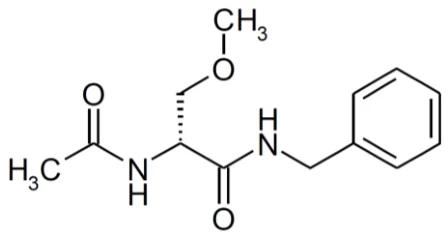
Chemical name: (+)-(2R)-2-acetamido-N-benzyl-3-methoxypropionamide
Molecular formula: C13H18N2O3
Molecular mass: 250.3 g/mol
Structural formula:
Physicochemical properties
Description: Lacosamide is a white to off-white crystalline powder.
Melting Point: The melting point of lacosamide is between 140°C and 146°C.
Optical Rotation: The specific optical rotation of lacosamide on dried basis is between +14.6° and +17.5°.
CLINICAL TRIALS
Comparative Bioavailability Studies
A double-blind, balanced, randomized cross-over bioavailability study was conducted in 18 healthy, adult male volunteers under fasting conditions to evaluate the relative bioavailability of a single oral dose (200 mg) of pms-LACOSAMIDE 200 mg tablets and VIMPAT® 200 mg film-coated tablets. The results from measured data are summarized as follows:
SUMMARY OF COMPARATIVE BIOAVAILABILITY DATA
Lacosamide (1 x 200 mg) From measured data Geometric Mean Arithmetic Mean (CV %) | ||||
|---|---|---|---|---|
| Parameter | Test* | Reference† | Ratio of Geometric Means (%) | 90 % Confidence Interval |
AUCT (mcg•h/mL) | 119.3 123.9 (22.6) | 119.4 124.7 (27.4) | 100.0 | 95.9 – 104.2 |
AUCI (mcg•h/mL) | 124.1 129.2 (23.8) | 124.2 130.1 (28.4) | 99.9 | 96.0 – 104.0 |
CMAX (mcg/mL) | 7.0 7.1 (17.1) | 6.6 6.8 (22.4) | 106.3 | 98.9 – 114.4 |
TMAX§ (h) | 0.5 (0.3 – 1.3) | 1.0 (0.3 – 3.0) | ||
T1/2 ‡ (h) | 13.9 (21.2) | 14.4 (19.4) | ||
* pms-LACOSAMIDE 200 mg film-coated tablets, Pharmascience Inc., Canada
† VIMPAT® 200 mg film-coated tablets, UCB Canada Inc., Canada (purchased in Canada)
§ Expressed as the median (range).
‡ Expressed as the arithmetic mean (CV%).
Monotherapy
Study Demographics and Trial Design
The efficacy of lacosamide as monotherapy in partial-onset seizures was established in a randomized, double-blind, double-dummy, positive-controlled, non-inferiority multicenter trial in which 444 patients received lacosamide (dose range: 200 - 600 mg daily) or controlled-release carbamazepine (dose range: 400 - 1,200 mg daily; n=442). Only patients with newly or recently diagnosed epilepsy participated in the study. Patients had to present with at least two seizures occurring in the last 12 months prior to study entry. Patients previously treated chronically (> 2 weeks) for epilepsy with any AED in the last 6 months before study entry were not permitted in the study. Patients ranged in age between 16 and 87 years (mean: 42 years). A total of 27 pediatric and 62 elderly patients took at least one dose of lacosamide 200 - 600 mg/day.
Approximately 54% of the patients were male. In the elderly patient population, the maintenance lacosamide dose was 200 mg/day in 55 patients (88.7%), 400 mg/day in 6 patients (9.7%) and the dose was escalated to 600 mg/day in 1 patient (1.6%).
The study compared doses of lacosamide 200, 400, or 600 mg/day to carbamazepine (controlled release) 400, 800, or 1,200 mg/day, used as monotherapy. The step-wise design for the study employed 3 predefined target dose levels for both lacosamide and carbamazepine (controlled release). Patients initiated treatment with lacosamide 100 mg/day or carbamazepine (controlled release) 200 mg/day and study medication was subsequently up-titrated to the first target therapeutic dose level of lacosamide 200 mg/day or carbamazepine (controlled release) 400 mg/day. In case this dose did not control seizures during the 6-month Evaluation Phase of the study, the dose was increased to lacosamide 400 mg/day or carbamazepine (controlled release) 800 mg/day, and if this dose did not control seizures, the dose was increased to lacosamide 600 mg/day or carbamazepine (controlled release) 1,200 mg/day. Following the Evaluation Phase at a specific dose (200, 400, or 600 mg/day) for 26 weeks, patients who had remained seizure-free, were entered into the Maintenance Phase for an additional 26 weeks.
The study completion rates were 66.9% (n=210) for the lacosamide 200 mg/day dose level, 47.1% (n=41) for the 400 mg/day dose level and 34.9% (n=15) for the 600 mg/day dose level. Approximately 95% of the patients, who completed the 6-month Evaluation Phase and remained seizure free, received daily lacosamide doses of 200 or 400 mg. In the study, 19 patients received 600 mg/day and remained seizure free.
The primary efficacy variable was the proportion of patients remaining seizure free for 6 consecutive months (26 consecutive weeks) of treatment following stabilization at the last evaluated dose for each patient.
Study Results
Lacosamide met the pre-defined non-inferiority criteria and was considered to be non-inferior to carbamazepine (controlled release) based on the primary efficacy end-point.
Among the total of all lacosamide -treated patients (n=444), approximately 56% (n=249), 13%, (n=59) and 4% (n=19) completed the 6-month Evaluation Phase and remained seizure free at the last evaluated lacosamide dose of 200 mg/day, 400 mg/day, and 600 mg/day, respectively.
The number and percentage of patients who completed the 6-month seizure freedom Evaluation Phase and remained seizure free during this period are presented by treatment group overall and by the last evaluated dose in Table 5 below. Overall, the proportion of patients who completed 6 months and remained seizure free at the last dose level was similar between the lacosamide (73.6%) and carbamazepine (controlled release) (69.7%) treatment groups.
Table 5: Number and Percentage of the Patients Who Completed 6 Month Evaluation Phase and Remained Seizure Free at the Last Evaluated Dose based on Full Analysis Set
| Last evaluated dose level | 6-months | ||||||
| Parameter | Lacosamide | CBZ-CR | |||||
| Overall, n | 444 | 442 | |||||
| Seizure free for 6 months, n (%) | 327 (73.6) | 308 (69.7) | |||||
| Dose level 1, n | 314 | 324 | |||||
| Seizure free for 6 months, n (%) | 249 (79.3) | 235 (72.5) | |||||
| Dose level 2, n | 87 | 85 | |||||
| Seizure free for 6 months, n (%) | 59 (67.8) | 60 (70.6) | |||||
| Dose level 3, n | 43 | 33 | |||||
| Seizure free for 6 months, n (%) | 19 (44.2) | 13 (39.4) | |||||
CBZ-CR=carbamazepine (controlled release)
Note: Dose level 1=lacosamide 200 mg/day or CBZ-CR 400 mg/day; Dose level 2= lacosamide 400 mg/day or CBZ-CR 800 mg/day; Dose level 3= lacosamide 600 mg/day or CBZ-CR 1,200 mg/day.
Other efficacy end-points such as estimates of 12-month seizure freedom rates were supportive of the primary efficacy end-point.
The 6-month seizure freedom rates observed in patients aged 65 years or older were similar between both treatment groups and in the overall patient population.
Adjunctive Therapy
Study Demographics and Trial Design
The efficacy of lacosamide as adjunctive therapy in partial-onset seizures was established in three 12-week, randomized, double-blind, placebo-controlled, multicenter trials involving 944 adult patients that were randomized to receive lacosamide (and 364 adult patients that were randomized to placebo). Patients had partial-onset seizures with or without secondary generalization and were not adequately controlled with 1 to 3 concomitant AEDs. During an 8-week baseline period, patients were required to have an average of ≥ 4 partial-onset seizures per 28 days with no seizure-free period exceeding 21 days. In these 3 trials, patients ranged in age between 16 and 71 years (mean: 38.6 years of age), had a mean duration of epilepsy of 24 years and a median baseline seizure frequency ranging from 10 to 17 per 28 days. A total of 10 patients aged 16 to 17 years were enrolled in the trials. Fifty-one percent of the patients were female. Overall, 84% of patients were taking 2 to 3 concomitant AEDs. Of these patients, 18% were also receiving concurrent vagal nerve stimulation (VNS).
Study 1 compared doses of lacosamide 200, 400, and 600 mg/day and placebo in 107, 108, 106, and 97 randomized patients, respectively. Study 2 compared doses of lacosamide 400 and 600 mg/day and placebo in 204, 97, and 104 randomized patients, respectively. Study 3 compared doses of lacosamide 200 and 400 mg/day and placebo in 163, 159, and 163 randomized patients, respectively. Following the 8-week Baseline Phase, patients were randomized and up-titrated by initiating treatment at 100 mg/day (50 mg BID), and increased in weekly increments of 100 mg/day to the target dose (a 1-step back-titration of lacosamide 100 mg/day or placebo was allowed in the case of intolerable adverse events at the end of the Titration Phase). The Titration Phase lasted 6 weeks in Studies 1 and 2, and 4 weeks in Study 3. Following the Titration Phase, patients received a stable dose of lacosamide for 12 weeks (Maintenance Phase). Among the patients randomized to lacosamide, 76% completed the Treatment Phase (Titration and Maintenance).
The primary efficacy end-point in all three trials was the reduction in seizure frequency per 28 days from Baseline to the Maintenance Phase in lacosamide arm(s) as compared to placebo. The 50% responder rate (percent of patients with at least 50% reduction in seizure frequency from Baseline to the Maintenance Phase) as compared to placebo was a secondary endpoint.
Study results
A statistically significant effect (in the reduction of seizure frequency from Baseline to the Maintenance Phase) was observed with lacosamide doses of 200 mg/day (Study 3), 400 mg/day (Studies 1, 2, and 3), and 600 mg/day (Studies 1 and 2). The 50% responder rates for lacosamide doses of 400 mg and 600 mg/day were also statistically significant compared to placebo (see Table 6).
Table 6: Median Percent Reduction in Partial Seizure Frequency per 28 days and 50% Responder Rates from Baseline to the Maintenance Phase (ITT Population)
| AED’s + lacosamide (mg/day) | ||||||||||||
| Study | Efficacy results | AED’s + Placebo | 200 | 400 | 600 | |||||||
| 1 | n Median % Reduction 50% Responders | 96 10% 21.9% | 107 26% 32.7% | 107 39%** 41.1%** | 105 40%** 38.1%* | |||||||
| 2 | n Median % Reduction 50% Responders | 104 20.8% 18.3% | -- -- -- | 201 37.3%** 38.3%** | 97 37.8%** 41.2%** | |||||||
| 3 | n Median % Reduction 50% Responders | 159 20.5% 25.8% | 160 35.3%* 35.0% | 158 36.4%* 40.5%** | -- -- -- | |||||||
*Significant at the 0.05 level;
**Significant at the 0.01 level.
Significance reflects the percent reduction over placebo which is based on log-transformed seizure frequency from pairwise treatment analysis of covariance (ANCOVA) models with terms for treatment, pooled site, and the baseline period measurement and pairwise treatment logistic regression models with terms for treatment and pooled site.
A statistically significant reduction in seizure frequency from Baseline to the Treatment Phase (i.e., Titration Phase + Maintenance Phase) was also observed with lacosamide doses of 200 mg/day (Study 3), 400 mg/day (Studies 1, 2, and 3), and 600 mg/day (Studies 1 and 2)
compared to placebo. The 50% responder rates for lacosamide doses of 400 mg and 600 mg/day were also statistically significant compared to placebo.
There were no significant differences in seizure control as a function of gender. Data on race were limited (8.3% of the patients were non-Caucasian).
DETAILED PHARMACOLOGY
Preclinical Pharmacology
In vitro electrophysiological studies have shown that lacosamide selectively enhances slow inactivation of voltage-gated sodium channels, resulting in reduced hyperexcitability of neuronal membranes and inhibition of repetitive neuronal firing.
Lacosamide protected against seizures in a broad range of rodent models (mice and rats) of partial and primary generalized seizures and delayed kindling development. In non-clinical experiments lacosamide in combination with levetiracetam, carbamazepine, phenytoin, valproate, lamotrigine, topiramate or gabapentin showed synergistic or additive anticonvulsant effects. Lacosamide was not effective in the rat WAG/rij model of absence epilepsy and caused mild dose-dependent increases in the number of characteristic EEG spike wave discharges for one hour after single intraperitoneal doses of 3-30 mg/kg. A similar phenomenon also occurs in WAG/rij rats given the other antiepileptic drugs phenytoin and carbamazepine.
TOXICOLOGY
In the toxicity studies, the plasma concentrations of lacosamide obtained were similar or only marginally higher than those observed in patients, which leaves low or non-existing margins to human exposure.
Acute Toxicity
Results from acute oral dose toxicity studies with lacosamide indicate a no-observed-effect-level (NOEL) of 31.6 mg/kg in both mice and rats. The estimated LD50 values were 383 and 253 mg/kg for mice and rats, respectively. In acute toxicity studies, clinical signs at high doses included exaggerated pharmacodynamic effects of lacosamide on the CNS such as reduced motility, ataxia, abdominal/lateral position, loss of righting reflex, reduced muscle tone, hind limb weakness, tremor, dyspnea and convulsions.
Long Term Toxicity
In repeated oral dose studies, lacosamide caused convulsions in mice, rats, rabbits, and dogs after oral dosing at Cmax exposures generally only slightly higher than the Cmax at steady state of 14.5 mcg/mL after the maximum recommended human dose of 300 mg BID in patients. The Cmax ratios were as low as 3.4 in mice, 1.1 in rats, 1.8 in rabbits, and 1.4 in adult and juvenile dogs at the lowest dose causing convulsions and as low as 1.9 in mice, less than 1.1 in rats, 0.9 in rabbits, 1.0 in adult dogs, and 0.6 in juvenile dogs at the highest dose level not associated with convulsions. The convulsions usually occurred in the context of other significant clinical signs including one or more of tremors, ataxia, hypoactivity, and recumbency, which also occurred at dose levels not associated with convulsions.
Consistent with the safety pharmacology studies, lacosamide caused 13%-37% decreases in systolic blood pressure in females in the 12-month chronic dog toxicity study at dose levels of 10-25 mg/kg/day with the Cmax at 10 mg/kg equivalent to that of humans given the maximum recommended dose of 300 mg BID.
In the repeated dose toxicity studies, mild reversible liver changes were observed in rats starting at about 2 times the clinical exposure. These changes included an increased organ weight, hypertrophy of hepatocytes, increases in serum concentrations of liver enzymes and increases in total cholesterol and triglycerides. Apart from the hypertrophy of hepatocytes, no other histopathologic changes were observed.
Reproduction Studies
In reproductive and developmental toxicity studies in rodents and rabbits, no teratogenic effects but an increase in numbers of stillborn pups and pup deaths in the peripartum period, and slightly reduced live litter sizes and pup body weights were observed at maternal toxic doses in rats corresponding to clinically relevant plasma exposure levels. Since higher exposure levels could not be tested in animals due to maternal toxicity, data are insufficient to fully characterize the embryofetotoxic and teratogenic potential of lacosamide. Studies in pregnant rats revealed that lacosamide and/or its metabolites readily crossed the placental barrier.
Oral administration of lacosamide (30, 90, or 180 mg/kg/day) to rats during the neonatal and juvenile periods of postnatal development resulted in decreased brain weights and long-term neurobehavioral changes (altered open field performance, deficits in learning and memory). The relevance of these observations remains equivocal. However, potential adverse effects on CNS development cannot be ruled out. The early postnatal period in rats is generally thought to correspond to late pregnancy in humans in terms of brain development. The no-effect dose for developmental neurotoxicity in rats was associated with a plasma lacosamide AUC approximately 0.4 times that in humans at the MRHD of 600 mg/day.
Carcinogenicity
There was no evidence of drug related carcinogenicity in mice or rats. Mice and rats received lacosamide once daily by oral administration for 104 weeks at doses producing plasma exposures (AUC) up to approximately 1 and 2.3 times, respectively, the plasma AUC in humans at the maximum recommended human dose (MRHD) of 600 mg/day.
Mutagenicity
Lacosamide was negative in an in vitro Ames test and an in vivo mouse micronucleus assay and an in vivo unscheduled DNA synthesis (UDS) test. In the in vivo tests, plasma exposures (AUC) correspond to up to approximately 3 times the plasma AUC in humans at the maximum recommended human dose (MRHD) of 600 mg/day. Lacosamide induced a positive response in the in vitro mouse lymphoma assay at excessively high concentrations (i.e., at concentrations above the maximum recommended concentration of 10 mM).
REFERENCES
- 1. Baulac M, Rosenow F, Toledo M, Terada K, Li T, De Backer M, Werhahn KJ, Brock M. Efficacy, safety, and tolerability of lacosamide monotherapy versus controlled-release carbamazepine in patients with newly diagnosed epilepsy: a phase 3, randomised, double-blind, non-inferiority trial. Lancet Neurol 2017; 16: 43-54.
- 2. Ben-Menachem E, Biton V, Jatuzis D, Abou-Khalil B, Doty P, Rudd GD. Efficacy and safety of oral lacosamide as adjunctive therapy in adults with partial-onset seizures. Epilepsia 2007; 48(7): 1308-1317. (Study 1)
- 3. Ben-Menachem E. Lacosamide: An investigational drug for adjunctive treatment of partial-onset seizures. Drugs of Today 2008, 44 (1): 35-40.
- 4. Beyreuther BK, Freitag J, Heers C, Krebsfänger N, Scharfenecker U, Stöhr T. Lacosamide: A Review of Preclinical Properties. CNS Drug Reviews 2007; Vol.13, No. 1, pp.21-42.
- 5. Biton V, Rosenfeld WE, Whitesides J, Fountain NB, Vaiciene N, Rudd GD. Intravenous lacosamide as replacement for oral lacosamide in patients with partial-onset seizures. Epilepsia 2008; 49(3):418-424.
- 6. Chung S, Sperling MR, Biton V, Krauss G, Hebert D, Rudd GD, Doty P. Lacosamide as adjunctive therapy for partial-onset seizures: A randomized controlled trial. Epilepsia 2010, 51(6):958–967. (Study 2)
- 7. Errington AC, Stöhr T, Heers C, Lees G. The investigational anticonvulsant LCM selectively enhances slow inactivation of voltage-gated sodium channels. Mol Pharmacol 2008; 73:157-169.
- 8. Halász P, Kälviäinen R, Mazurikiewicz-Beldzińska M, Rosenow F, Doty P, Hebert D, Sullivan T. Adjunctive lacosamide for partial-onset seizures: Efficacy and safety results from a randomized controlled trial. Epilepsia 2009; 50(3): 443-453. (Study 3)
- 9. Product Monograph: VIMPAT®, UCB Canada Inc., Control No. 218312, Revision dated: October 11, 2018.