


Product Monograph - Xcopri
RECENT MAJOR LABEL CHANGES
| 4.1 Dosing Considerations, 4.2 Recommended Dose and Dosage Adjustment | 05/2024 |
|---|---|
| 7 WARNINGS AND PRECAUTIONS, Hepatic/Biliary/Pancreatic | 05/2024 |
TABLE OF CONTENTS
Sections or subsections that are not applicable at the time of authorization are not listed.
RECENT MAJOR CHANGES ...................................................................................................... 2
TABLE OF CONTENTS .............................................................................................................. 2
PART I: HEALTH PROFESSIONAL INFORMATION ...................................................................... 4
1 INDICATIONS ............................................................................................................... 4
1.1 Pediatrics .................................................................................................................... 4
1.2 Geriatrics .................................................................................................................... 4
2 CONTRAINDICATIONS ................................................................................................. 4
3 SERIOUS WARNINGS AND PRECAUTIONS BOX ............................................................ 4
4 DOSAGE AND ADMINISTRATION ................................................................................. 5
4.1 Dosing Considerations .......................................................................................... 5
4.2 Recommended Dose and Dosage Adjustment ..................................................... 5
4.4 Administration ...................................................................................................... 6
4.5 Missed Dose ......................................................................................................... 6
4.9 Discontinuation .................................................................................................... 6
5 OVERDOSAGE .............................................................................................................. 7
6 DOSAGE FORMS, STRENGTHS, COMPOSITION AND PACKAGING ................................. 7
7 WARNINGS AND PRECAUTIONS .................................................................................. 8
7.1 Special Populations ............................................................................................. 13
7.1.1 Pregnant Women ........................................................................................... 13
7.1.2 Breastfeeding ................................................................................................. 13
7.1.3 Pediatrics ........................................................................................................ 14
7.1.4 Geriatrics ........................................................................................................ 14
8 ADVERSE REACTIONS ................................................................................................ 14
8.1 Adverse Reaction Overview ................................................................................ 14
8.2 Clinical Trial Adverse Reactions .......................................................................... 14
8.2.1 Clinical Trial Adverse Reactions – Pediatrics ................................................... 17
8.3 Less Common Clinical Trial Adverse Reactions ................................................... 17
8.4 Abnormal Laboratory Findings: Hematologic, Clinical Chemistry and Other Quantitative Data ........................................................................................................... 18
8.5 Post-Market Adverse Reactions ......................................................................... 18
9 DRUG INTERACTIONS ................................................................................................ 19
9.2 Drug Interactions Overview ................................................................................ 19
9.3 Drug-Behavioural Interactions ............................................................................ 19
9.4 Drug-Drug Interactions ....................................................................................... 19
9.5 Drug-Food Interactions ....................................................................................... 22
9.6 Drug-Herb Interactions ....................................................................................... 22
9.7 Drug-Laboratory Test Interactions ...................................................................... 22
10 CLINICAL PHARMACOLOGY ....................................................................................... 22
10.1 Mechanism of Action .......................................................................................... 22
10.2 Pharmacodynamics ............................................................................................ 22
10.3 Pharmacokinetics ............................................................................................... 23
11 STORAGE, STABILITY AND DISPOSAL ......................................................................... 24
12 SPECIAL HANDLING INSTRUCTIONS ........................................................................... 25
PART II: SCIENTIFIC INFORMATION ....................................................................................... 26
13 PHARMACEUTICAL INFORMATION ............................................................................ 26
14 CLINICAL TRIALS ........................................................................................................ 26
14.1 Clinical Trial by Indication ....................................................................................... 26
15 MICROBIOLOGY ........................................................................................................ 28
16 NON-CLINICAL TOXICOLOGY ..................................................................................... 28
PATIENT MEDICATION INFORMATION .................................................................................. 32
PART I: HEALTH PROFESSIONAL INFORMATION
1 INDICATIONS
XCOPRI (cenobamate tablets) is indicated as:
- adjunctive therapy in the management of partial-onset seizures in adults with epilepsy who are not satisfactorily controlled with conventional therapy.
1.1 Pediatrics
Pediatrics (<18 years of age): No data are available to Health Canada; therefore, Health Canada has not authorized an indication for pediatric use.
1.2 Geriatrics
Geriatrics (≥65 years of age): Clinical studies of XCOPRI did not include enough patients aged 65 years and over (n = 48) to determine whether they respond differently compared to younger patients. In general, dose selection for an elderly patient should start at the low end of the dosing range and be maintained at the lowest effective dose, reflecting the greater frequency in this subpopulation of decreased hepatic, renal, or cardiac function, and of concomitant disease or other drug therapy (See 7.1 Special Populations and 10.3 Pharmacokinetics, Special Populations and Conditions, Geriatrics).
2 CONTRAINDICATIONS
XCOPRI is contraindicated in patients:
- who are hypersensitive to this drug or to any ingredient in the formulation, including any non-medicinal ingredient, or component of the container. For a complete listing, see 6 DOSAGE FORMS, STRENGTHS, COMPOSITION AND PACKAGING.
- with Familial Short QT syndrome, a family history of the syndrome, presence or history of short QT interval (see 7 WARNINGS AND PRECAUTIONS, Cardiovascular).
3 SERIOUS WARNINGS AND PRECAUTIONS BOX
| Rare cases of Drug Reaction with Eosinophilia and Systemic Symptoms (DRESS), including one fatality, have been reported following treatment with XCOPRI. These events appear to have occurred at high initial dose (50-200 mg) and at a faster-than-recommended titration of XCOPRI to target maintenance dose. No cases were reported in patients following the recommended titration schedule during the clinical trials. XCOPRI should be initiated at a daily dose of 12.5 mg and slowly titrated to the target maintenance dose over several weeks (see 4.2 Recommended Dose and Dosage Adjustment). Caution should be taken when using XCOPRI in patients with medical history of DRESS or using concomitant drugs, including other antiepileptic medications, that are associated with such hypersensitivity reactions (see 7 WARNINGS AND PRECAUTIONS, Immune). |
|---|
4 DOSAGE AND ADMINISTRATION
4.1 Dosing Considerations
- XCOPRI may be taken at any time with or without food. Swallow tablets whole with liquid. Do not split, crush or chew.
- XCOPRI is administered orally once daily.
- Usual maintenance dose is 200 mg once daily.
- Maximum daily dose is 400 mg, if needed, based on clinical response and tolerability. This dose was associated with a higher frequency of severe adverse events and discontinuations due to adverse events during the controlled clinical trials (see 8 ADVERSE REACTIONS). Doses greater than 400 mg may lead to QT shortening greater than 20 msec (see 7 WARNINGS AND PRECAUTIONS, Cardiovascular).
- Maximum recommended dose in patients with mild or moderate hepatic impairment is 200 mg once daily, or lower, as required. Avoid use in patients with severe hepatic impairment (see 10.3 Pharmacokinetics, Special Populations and Conditions, Hepatic Insufficiency).
- Maximum recommended dose in patients with mild, moderate, or severe renal impairment is 200 mg once daily. Avoid use in patients with end-stage renal disease or on dialysis.
- It is recommended that discontinuation of cenobamate be undertaken gradually over a period of at least 2 weeks (if possible) to minimize the potential for rebound seizures, unless safety concerns require abrupt withdrawal (see 7 WARNINGS AND PRECAUTIONS, Drug Reaction with Eosinophilia and Systemic Symptoms (DRESS)/Multiorgan Hypersensitivity).
4.2 Recommended Dose and Dosage Adjustment
Recommended Dose
The recommended initial dose and subsequent titration to target maintenance dose should not be exceeded because of the potential for serious adverse reactions (Table 1; see 3 SERIOUS WARNINGS AND PRECAUTIONS BOX).
Table 1 – Recommended Initial Dose and Titration Schedule for XCOPRI
| Initial Dose | |
|---|---|
| Week 1 and 2 | 12.5 mg once daily |
| Titration Regimen | |
| Week 3 and 4 | 25 mg once daily |
| Week 5 and 6 | 50 mg once daily |
| Week 7 and 8 | 100 mg once daily |
| Week 9 and 10 | 150 mg once daily |
| Maintenance Dose | |
| Week 11 and thereafter | 200 mg once daily |
If needed based on clinical response and tolerability, dose may be increased above 200 mg by increments of 50 mg once daily every two weeks to a maximum daily dose of 400 mg. In controlled clinical trials, 400 mg/day was associated with a higher frequency of adverse events. Approximately 22% of patients treated with 400 mg/day cenobamate discontinued due to adverse events compared to 11% and 10% receiving 100 and 200 mg/day, respectively (see 8.2 Clinical Trials Adverse Reactions).
Dosage Adjustment
Pediatrics (<18 years of age): The safety and efficacy of XCOPRI in pediatric patients have not been studied. Health Canada has not authorized an indication for pediatric use.
Geriatrics (≥65 years of age): The clinical experience with XCOPRI in elderly patients with epilepsy is limited (n = 48). Dosing in elderly patients should start at the low end of the dosing range, reflecting the greater frequency in this subpopulation of decreased hepatic, renal, or cardiac function, and of concomitant disease or other drug therapy (see 7.1 Special Populations and 10.3 Pharmacokinetics, Special Populations and Conditions, Geriatrics).
Hepatic impairment: For patients with mild or moderate hepatic impairment, the maximum recommended dose is 200 mg once daily. However, lower doses and slower titration may be considered. The use of XCOPRI should be avoided in patients with severe hepatic impairment (10.3 Pharmacokinetics, Special Populations and Conditions, Hepatic Insufficiency).
Renal impairment: For patients with mild, moderate, or severe renal impairment, the maximum recommended dose is 200 mg once daily. XCOPRI has not been studied in patients with end-stage renal disease or those undergoing dialysis and its use in these populations should be avoided (see 10.3 Pharmacokinetics, Special Populations and Conditions, Renal Insufficiency).
4.4 Administration
XCOPRI may be taken at any time with or without food. Swallow tablets whole with liquid. Do not split, crush, or chew.
4.5 Missed Dose
If a dose is missed, it is recommended that they take a single dose as soon as they remember, unless it is less than 12 hours until their next regularly scheduled dose.
4.9 Discontinuation
It is recommended that discontinuation of cenobamate be undertaken gradually over a period of at least 2 weeks to minimize the potential for rebound seizures, unless safety concerns require abrupt withdrawal (see 7 WARNINGS AND PRECAUTIONS, Drug Reaction with Eosinophilia and Systemic Symptoms (DRESS)/Multiorgan Hypersensitivity).
5 OVERDOSAGE
Signs, Symptoms, and Laboratory Findings of Acute Overdose in Humans
There is limited clinical experience with XCOPRI overdose in humans. During pre-market clinical trials of XCOPRI, the types of adverse events experienced by patients exposed to acute XCOPRI overdose were mostly similar to those observed in patients administered therapeutic doses of the drug. Dizziness was reported in a patient who took one 400 mg dose of XCOPRI in the morning followed by another 400 mg dose in the evening. Tachycardia, dizziness, somnolence and nausea were the most frequently reported adverse reactions reported with supratherapeutic single doses (500-750 mg) of XCOPRI. The highest known non-lethal overdose of XCOPRI is 800 mg within one day and 750 mg of XCOPRI as a single dose.
Management of Overdose
There is no specific antidote for overdose with XCOPRI. In the event of overdose, standard medical practice for the management of any overdose should be used. An adequate airway, oxygenation and ventilation should be ensured; monitoring of cardiac rate and rhythm and vital signs is recommended. A certified poison control center should be contacted for updated information on the management of overdose with XCOPRI. There is no data on the removal of XCOPRI using dialysis.
| For management of a suspected drug overdose, contact your regional poison control centre. |
|---|
6 DOSAGE FORMS, STRENGTHS, COMPOSITION AND PACKAGING
Table 2 – Dosage Forms, Strengths, Composition and Packaging
| Route of Administration | Dosage Form / Strength / Composition | Non-medicinal Ingredients |
| Oral | Tablets 12.5 mg, 25 mg, 50 mg, 100 mg, 150 mg, and 200 mg | Tablet cores (all strengths): Colloidal silicon dioxide, lactose monohydrate, magnesium stearate, microcrystalline cellulose, purified water, and sodium starch glycolate Film-coating: 25 mg and 100 mg tablets: FD&C blue indigo carmine aluminum lake, iron oxide red, iron oxide yellow, macrogol/PEG, polyvinyl alcohol-part. hydrolyzed, talc, and titanium dioxide 50 mg tablets: iron oxide yellow, macrogol/ PEG, polyvinyl alcohol-part. hydrolyzed, talc, and titanium dioxide 150 mg and 200 mg tablets: iron oxide red, iron oxide yellow, macrogol/ PEG, polyvinyl alcohol-part. hydrolyzed, talc, and titanium dioxide |
Description
12.5 mg: Uncoated round white to off-white tablet with SK on one side and ‘12’ on the other side
25 mg: Film-coated round brown tablet with SK on one side and ‘25’ on the other side
50 mg: Film-coated round yellow tablet with SK on one side and ‘50’ on the other side
100 mg: Film-coated round brown tablet with SK on one side and ‘100’ on the other side
150 mg: Film-coated round light orange tablet with SK on one side and ‘150’ on the other side
200 mg: Film-coated modified oval, light orange tablet with SK on one side and ‘200’ on the other side
XCOPRI tablets are supplied in white HDPE bottles of 30 (12.5 mg, 25 mg, 50 mg, 100 mg, 150 mg and 200 mg), 60 (100 mg, 150 mg and 200 mg) or 90 counts (50 mg and 100 mg).
XCOPRI tablets are also supplied in multi-strength PVC/aluminium blister packs for titration and maintenance.
28-day Titration Pack
| Daily Dose | Supplied As | ||
|---|---|---|---|
| 12.5 mg per day for 14 days, then 25 mg per day for 14 days | 12.5 mg (14-count) | ||
| 25 mg (14-count) | |||
| 50 mg per day for 14 days, then 100 mg per day for 14 days | 50 mg (14-count) | ||
| 100 mg (14-count) | |||
| 150 mg per day for 14 days, then 200 mg per day for 14 days | 150 mg (14-count) | ||
| 200 mg (14-count) | |||
28-day Maintenance Pack
| Daily Dose | Supplied As | |
|---|---|---|
| 250 mg per day | 100 mg (28-count) | |
| 150 mg (28-count) | ||
| 350 mg per day | 150 mg (28-count) | |
| 200 mg (28-count) | ||
7 WARNINGS AND PRECAUTIONS
General
Withdrawal of Antiepileptic Drugs (AEDs)
As with most antiepileptic drugs, XCOPRI should generally be withdrawn gradually because of the risk of increased seizure frequency and status epilepticus (see 4.1 Dosing Considerations). If withdrawal is needed because of a serious adverse event, rapid discontinuation can be considered under medical supervision.
Carcinogenesis and Mutagenesis
See 16 NON-CLINICAL TOXICOLOGY
Cardiovascular
QT Shortening
A dose-dependent shortening of the QTcF interval has been observed with cenobamate. In a placebo-controlled study of the QTc interval, a higher percentage of subjects who took XCOPRI (31% at 200 mg and 72% at 500 mg) had a QTc shortening of greater than 20 msec compared to placebo (6-17%). Reductions of the QTc interval below 300 msec were not observed. Familial Short QT syndrome is associated with an increased risk of sudden death and ventricular arrhythmias, particularly ventricular fibrillation. Such events in this syndrome are believed to occur primarily when the corrected QT interval falls below 300 msec (see 10.2 Pharmacodynamics, Cardiac Electrophysiology). Nonclinical data also indicate that QT shortening is associated with ventricular fibrillation. Patients with Familial Short QT syndrome, a family history of the syndrome, and presence, or history of short QT interval should not be treated with XCOPRI (see 2 CONTRAINDIACTIONS). Clinicians should use caution when prescribing XCOPRI and other drugs that shorten the QT interval as there may be a synergistic effect on the QT interval that would increase the QT shortening risk (see 9.2 Drug Interactions Overview).
Drug Abuse and Dependence
The potential for abuse should be considered when prescribing XCOPRI. Physicians should evaluate patients for a history of drug abuse, especially those with a history of stimulant or alcohol abuse and follow such patients closely. Patients should be observed for signs of misuse/abuse (e.g., drug-seeking behavior).
In a single-dose, double-blind study, the abuse potential of XCOPRI 200 mg and 400 mg relative to alprazolam (1.5 mg and 3 mg; used as active control) and placebo was evaluated in non-dependent, recreational drug users with sedative experience. A total of 39 subjects, 79.5% male, 19-55 years of age, completed the study. For the primary endpoint, “Drug Liking”, and key secondary endpoints, “Overall Drug Liking”, “Take Drug Again”, and “Good Drug Effects”, cenobamate at therapeutic doses of 200 mg, 400 mg, or both, demonstrated statistically greater potential for abuse versus placebo. The incidence of adverse events indicative of potential for abuse was dose-dependent and higher in cenobamate arms compared to placebo. For example, euphoric mood, feeling of relaxation, and feeling drunk were reported in 9%, 13%, and 4.5% of cenobamate arms, respectively (placebo: 2% each). In addition, somnolence was reported by 38% of subjects in cenobamate arms compared to 11% in placebo.
Clinical studies in healthy subjects indicate that XCOPRI may cause both physical and psychological dependence and lead to a withdrawal syndrome characterized by insomnia, decreased appetite, depressed mood, tremor, and amnesia. XCOPRI should be withdrawn gradually, if possible (see 4 DOSAGE AND ADMINISTRATION, 7 WARNINGS AND PRECAUTIONS, Withdrawal of Antiepileptic Drugs (AEDs) and Drug Reaction with Eosinophilia and Systemic Symptoms (DRESS)/Multiorgan Hypersensitivity).
Driving and Operating Machinery
XCOPRI causes somnolence, fatigue, sedation, and other related adverse events in some patients. Prescribers should advise patients against engaging in skilled tasks and hazardous activities requiring mental alertness, such as operating motor vehicles or dangerous machinery, until they are reasonably certain that XCOPRI does not affect them adversely. Patients should be carefully observed for signs of central nervous system (CNS) depression, such as somnolence and sedation, when XCOPRI is used with other drugs with sedative properties because of potential additive effects.
Hepatic/Biliary/Pancreatic
XCOPRI can increase the risk of elevation of serum aminotransferase levels. There have been rare reported cases of clinically significant liver injury that were considered possibly or probably related to XCOPRI treatment, including one case that met modified Hy’s law (ALT or AST ≥3 x ULN and bilirubin ≥1.5 x ULN). One case of acute liver failure led to liver transplant (see 8.5 Post-Market Adverse Reactions). The combination of aminotransferase elevations and elevated bilirubin levels, without evidence of cholestasis, is generally recognized as an important predictor of severe liver injury. Alcohol consumption should be avoided during XCOPRI therapy.
Laboratory testing to determine liver enzyme levels should be conducted upon the first sign or symptom of possible liver dysfunction (e.g., pruritis, dark urine, jaundice, right upper quadrant tenderness, loss of appetite, or unexplained “flu-like” symptoms). In patients with jaundice or laboratory evidence of liver injury, XCOPRI should be discontinued and alternative treatment options considered.
XCOPRI should be used with caution in patients with mild to moderate (Child-Pugh Class A or B) hepatic impairment. In these patients, the maximum recommended dose is 200 mg once daily and additional dose reductions may be considered based on tolerability and clinical response (see 4 DOSAGE AND ADMINISTRATION). Use of XCOPRI should be avoided in patients with severe hepatic impairment (see 10.3 Pharmacokinetics, Special Populations and Conditions, Hepatic Insufficiency).
Immune
Drug Reaction with Eosinophilia and Systemic Symptoms (DRESS)/Multiorgan Hypersensitivity
Multiorgan hypersensitivity reactions (e.g., Drug Reaction with Eosinophilia and Systemic Symptoms, or DRESS) have been reported in some patients treated with XCOPRI during controlled clinical trials. These cases of DRESS, including one fatality, appear to have occurred due to the high initial dose (50-200 mg) and a faster-than-recommended titration of XCOPRI to target maintenance dose (see 3 SERIOUS WARNINGS AND PRECAUTIONS BOX).
Typically, although not exclusively, DRESS presents with fever and rash associated with other organ system involvement, that may or may not include eosinophilia, hepatitis, nephritis, lymphadenopathy, and/or myocarditis. Because DRESS is variable in its expression, other organ system signs and symptoms not noted here may also occur. If a patient develops a skin reaction or DRESS while taking XCOPRI, XCOPRI should be discontinued and replaced by an alternative antiepileptic medication. In some instances, early manifestations of hypersensitivity such as fever and lymphadenopathy, may be present even though rash is not yet evident. All patients with such symptoms should be evaluated immediately and discontinuation of XCOPRI should be considered. Patients should not be restarted on XCOPRI if an alternative etiology for the signs and symptoms could not be established. XCOPRI should not be used in patients with known hypersensitivity to or prior dermatologic reaction to other drugs such as carboxamide derivatives (e.g., carbamazepine, oxcarbazepine). Furthermore, the recommended initial dose and slow titration schedule should be followed (see
2 CONTRAINDICATIONS, 3 SERIOUS WARNINGS AND PRECAUTIONS BOX, and 4 DOSAGE AND ADMINISTRATION).
Neurologic
Somnolence and Fatigue
XCOPRI causes dose-dependent increases in somnolence and fatigue-related adverse reactions (somnolence, fatigue, asthenia, malaise, hypersomnia, sedation, and lethargy). In the controlled studies, 31%, 36%, and 57% of patients randomized to receive XCOPRI at 100, 200, and 400 mg/day, respectively, reported at least one of these adverse reactions (placebo: 19%). Somnolence and fatigue-related adverse reactions were serious in 0.4% of XCOPRI-treated patients (placebo: 0%). Nearly 2% of patients receiving various doses of XCOPRI discontinued the studies due to somnolence or fatigue-related events (placebo: 1%; see 8 ADVERSE REACTIONS).
Dizziness and Disturbance in Gait and Coordination
XCOPRI causes dose-dependent adverse reactions related to dizziness and disturbance in gait and coordination (dizziness, vertigo, balance disorder, ataxia, nystagmus, gait disturbance, and abnormal coordination; see 8 ADVERSE REACTIONS). Such events could increase the risk of accidental injury or falls. In the controlled studies, 21%, 31%, and 52% of patients receiving XCOPRI at 100, 200, and 400 mg/day respectively, reported at least one of these adverse reactions (placebo: 18%). Dizziness and disturbance in gait and coordination were considered serious adverse reactions in 2% of XCOPRI-treated patients (placebo: 0%) and led to discontinuation in 5% of XCOPRI-treated patients (placebo: 1%).
Cognitive Dysfunction
XCOPRI causes adverse reactions related to cognitive dysfunction-related events (i.e., memory impairment, disturbance in attention, amnesia, confusional state, aphasia, speech disorder, slowness of thought, disorientation, and psychomotor retardation; see 8 ADVERSE REACTIONS). In the controlled studies, 6%, 6%, and 9% of patients who received XCOPRI at 100, 200, and 400 mg/day, respectively, reported at least one of these adverse reactions (placebo: 2%). There were no serious cases in XCOPRI or placebo treatment arms. Approximately 0.4% of XCOPRI-treated patients discontinued the studies due to cognitive dysfunction-related adverse reactions (placebo: 0%).
Ophthalmologic
XCOPRI causes vision-related adverse events including diplopia, blurred vision, and impaired vision (see 8 ADVERSE REACTIONS). In the controlled studies, 9%, 9%, and 18% of patients who received XCOPRI at 100, 200, and 400 mg/day, respectively, reported at least one of these adverse reactions (placebo: 2%). No visual change-related events were serious in XCOPRI-treated patients or in patients who received placebo. Vision-related adverse events led to study discontinuation in 0.5% of XCOPRI-treated patients (placebo: 0%).
Psychiatric
Behavioural Disorders
XCOPRI may cause behavioural abnormalities and psychotic symptoms. Behavioural adverse reactions including aggression, agitation, anger, anxiety, hallucination, hostility, irritability, paranoia, and other behavioural changes have been reported with XCOPRI in clinical trials, and in postmarket settings.
Patients should be closely monitored for psychiatric signs and symptoms.
Suicidal Ideation and Behaviour
Suicidal ideation and behaviour have been reported in patients treated with antiepileptic agents in several indications.
All patients treated with antiepileptic drugs (AEDs), irrespective of indication, should be monitored for signs of suicidal ideation and behaviour and appropriate treatment should be considered. Patients (and caregivers of patients) should be advised to seek medical advice should signs of suicidal ideation or behaviour emerge.
Anyone considering prescribing XCOPRI or any other AED must balance this risk with the risk of untreated illness. Epilepsy and many other illnesses for which AEDs are prescribed are themselves associated with morbidity and mortality and an increased risk of suicidal thoughts and behavior. Should suicidal thoughts and behavior emerge during treatment, the prescriber needs to consider whether the emergence of these symptoms in any given patient may be related to the illness being treated.
An FDA meta-analysis of randomized placebo-controlled trials, in which antiepileptic drugs were used for various indications, has shown a small increased risk of suicidal ideation and behaviour in patients treated with these drugs. The mechanism of this risk is not known.
There were 43892 patients treated in the placebo controlled clinical trials that were included in the meta-analysis. Approximately 75% of patients in these clinical trials were treated for indications other than epilepsy and, for the majority of non-epilepsy indications, the treatment (antiepileptic drug or placebo) was administered as monotherapy. Patients with epilepsy represented approximately 25% of the total number of patients treated in the placebo controlled clinical trials and, for the majority of epilepsy patients, treatment (antiepileptic drug or placebo) was administered as adjunct to other antiepileptic agents (i.e., patients in both treatment arms were being treated with one or more antiepileptic drug). Therefore, the small increased risk of suicidal ideation and behaviour reported from the meta-analysis (0.43% for patients on antiepileptic drugs compared to 0.24% for patients on placebo) is based largely on patients that received monotherapy treatment (antiepileptic drug or placebo) for non-epilepsy indications. The study design does not allow an estimation of the risk of suicidal ideation and behaviour for patients with epilepsy that are taking antiepileptic drugs, due both to this population being the minority in the study, and the drug-placebo comparison in this population being confounded by the presence of adjunct antiepileptic drug treatment in both arms.
Renal
XCOPRI should be used with caution and dose reduction may be considered in patients with mild, moderate, or severe renal impairment. In these patients, the maximum recommended dose is 200 mg once daily. Avoid use in patients with end-stage renal disease or those undergoing dialysis (see 4.2 Recommended Dose and Dosage Adjustment and 10.3 Pharmacokinetics, Special Populations and Conditions, Renal Insufficiency).
7.1 Special Populations
7.1.1 Pregnant Women
There are no adequate data on the developmental risk associated with the use of XCOPRI in pregnant women.
Animal studies have shown that cenobamate crosses the placenta of rats. Moreover, administration of cenobamate during pregnancy or throughout pregnancy and lactation resulted in adverse effects on development (increased embryo-fetal mortality, decreased fetal and offspring body weights, neurobehavioral and reproductive impairment in offspring) at clinically relevant drug exposures (see 16 NON-CLINICAL TOXICOLOGY).
XCOPRI should not be used by pregnant women unless the expected benefit to the mother clearly outweighs the potential risk to the fetus.
Pregnancy Registry: Physicians are advised to recommend that pregnant patients taking XCOPRI enroll in the North American Antiepileptic Drug Pregnancy Registry. This can be done by calling the toll-free number 1-888-233-2334, and must be done by patients themselves. Information on the registry can also be found at the website http://www.aedpregnancyregistry.org/.
Oral Contraceptives
As XCOPRI may reduce the effectiveness of hormonal contraceptives, women relying on hormonal therapy for contraception should employ at least one other reliable non-hormonal method of contraception during treatment with XCOPRI and for at least 21 days after discontinuing treatment (see 9.4 Drug-Drug Interactions).
7.1.2 Breastfeeding
There are no data available on the presence of cenobamate in the milk of lactating women, the effects on the breastfed infant, or the effects of the drug on milk production. Cenobamate was present in rat milk at concentrations similar to those in maternal plasma (see
16 NON-CLINICAL TOXICOLOGY, Reproductive and Developmental Toxicology).
A risk to the breastfed child cannot be excluded. A decision should be made whether to discontinue nursing or to discontinue cenobamate, taking into account the benefits of the drug to the mother and any potential adverse effects of cenobamate on the breastfed infant.
7.1.3 Pediatrics
Pediatrics (<18 years of age): No data are available to Health Canada; therefore, Health Canada has not authorized an indication for pediatric use.
7.1.4 Geriatrics
Clinical studies of XCOPRI did not include sufficient numbers of patients aged 65 and over (n = 48) to determine its safety and efficacy in the elderly population. In general, dose selection for an elderly patient should be cautious, usually starting at the low end of the dosing range, reflecting the greater frequency in this subpopulation of decreased hepatic, renal, or cardiac function, and of concomitant disease or other drug therapy (see 1.2 Geriatrics).
8 ADVERSE REACTIONS
8.1 Adverse Reaction Overview
A total of 442 individual patients were exposed to cenobamate during the double-blind, placebo-controlled clinical trials of up to 18 weeks duration. The most common adverse events reported with cenobamate were somnolence (24.7%), dizziness (23.3%), fatigue (16.1%), and headache (11.3%). Adverse events were mostly mild to moderate in intensity.
During the long-term open-label safety study C021, which enrolled 1340 patients, a total of 1054 patients were exposed to XCOPRI for at least one year and 674 patients received the drug for over 3 years. Approximately 17.8% of patients experienced a serious adverse event.
8.2 Clinical Trial Adverse Reactions
Clinical trials are conducted under very specific conditions. The adverse reaction rates observed in the clinical trials; therefore, may not reflect the rates observed in practice and should not be compared to the rates in the clinical trials of another drug. Adverse reaction information from clinical trials may be useful in identifying and approximating rates of adverse drug reactions in real-world use.
The safety of XCOPRI (cenobamate tablets) was evaluated in two randomized, multicenter, double-blind, placebo-controlled clinical trial in adults with partial-onset seizures (median age 38 years) who were randomised to receive daily doses of 100 mg, 200 mg, or 400 mg of XCOPRI (n=442) or placebo (n=216) for up to 18 weeks (see 14 CLINICAL TRIALS).
During the double-blind period of the two controlled studies, the incidence of serious adverse events was 5.7% with XCOPRI and 4.6% in the placebo group. The most commonly observed serious adverse events in patients receiving 400 mg/day of XCOPRI were ataxia, dizziness, and nystagmus, each at an incidence of 1.8%.
Discontinuation Due to Adverse Events
In controlled clinical trials, discontinuation due to adverse events was dose-dependent. Approximately 13.1% of XCOPRI-treated patients discontinued the study due to adverse events (placebo: 4.2%). A higher proportion of patients receiving 400 mg cenobamate discontinued due to adverse events compared to the 100 and 200 mg treatment arms (see 4.2 Recommended Dose and Dosage Adjustment). Adverse events that led to study discontinuation in the XCOPRI treatment groups included ataxia, dizziness, somnolence, vertigo, nystagmus, and diplopia.
Adverse events leading to discontinuation in the open-label study C021 included dizziness, somnolence, balance disorder, irritability, and aggression, and hyperkalemia. Some patients experienced serious adverse events such as ataxia, and dizziness, and somnolence.
Table 3 – TEAEs Occurring in ≥ 2% in XCOPRI-treated Patients and at a Higher Frequency than Placebo in the Pooled Double-blind Period of the Controlled Studies C013 and C017 in Adults with Partial-onset Seizures
System organ class Preferred term n (%) | Placebo (n=216) | XCOPRI 100 mg (n=108) | XCOPRI 200 mg (n=223) | XCOPRI 400 mg (n=111) | ||||||
|---|---|---|---|---|---|---|---|---|---|---|
| Ear and labyrinth disorders | ||||||||||
| Vertigo | 3 (1) | 1 (1) | 3 (1) | 7 (6) | ||||||
| Eye disorders | ||||||||||
| Diplopia | 5 (2) | 8 (7) | 15 (7) | 17 (15) | ||||||
| Vision blurred | 1 (0) | 2 (2) | 4 (2) | 4 (4) | ||||||
| Gastrointestinal disorders | ||||||||||
| Constipation | 1 (0) | 2 (2) | 9 (4) | 10 (9) | ||||||
| Diarrhea | 1 (0) | 1 (1) | 7 (3) | 5 (5) | ||||||
| Dry mouth | 0 (0) | 1 (1) | 2 (1) | 3 (3) | ||||||
| Dyspepsia | 1 (0) | 2 (2) | 5 (2) | 0 (0) | ||||||
| Nausea | 6 (3) | 7 (6) | 14 (6) | 10 (9) | ||||||
| Toothache | 2 (1) | 3 (3) | 2 (1) | 0 (0) | ||||||
| Vomiting | 2 (1) | 2 (2) | 9 (4) | 6 (5) | ||||||
| General disorders and administration site conditions | ||||||||||
| Asthenia | 3 (1) | 0 (0) | 2 (1) | 3 (3) | ||||||
| Fatigue | 16 (7) | 13 (12) | 31 (14) | 27 (24) | ||||||
| Gait disturbance | 3 (1) | 1 (1) | 6 (3) | 9 (8) | ||||||
| Infections and infestations | ||||||||||
| Upper respiratory tract infection | 11 (5) | 3 (3) | 13 (6) | 3 (3) | ||||||
| Urinary tract infection | 4 (2) | 2 (2) | 12 (5) | 0 (0) | ||||||
| Viral upper respiratory tract infection | 6 (3) | 2 (2) | 9 (4) | 5 (5) | ||||||
System organ class Preferred term n (%) | Placebo (n=216) | XCOPRI 100 mg (n=108) | XCOPRI 200 mg (n=223) | XCOPRI 400 mg (n=111) | ||||||
| Investigations | ||||||||||
| Alanine aminotransferase increased | 0 (0) | 1 (1) | 2 (1) | 4 (4) | ||||||
| Aspartate aminotransferase increased | 1 (0) | 1 (1) | 2 (1) | 3 (3) | ||||||
| Metabolism and nutrition disorders | ||||||||||
| Decreased appetite | 2 (1) | 3 (3) | 2 (1) | 6 (5) | ||||||
| Musculoskeletal and connective tissue disorders | ||||||||||
| Back pain | 6 (3) | 4 (4) | 5 (2) | 6 (5) | ||||||
| Nervous system disorders | ||||||||||
| Aphasia | 1 (0) | 2 (2) | 2 (1) | 5 (5) | ||||||
| Ataxia | 4 (2) | 2 (2) | 7 (3) | 7 (6) | ||||||
| Balance disorder | 1 (0) | 3 (3) | 11 (5) | 10 (9) | ||||||
| Dizziness | 34 (16) | 19 (18) | 47 (21) | 37 (33) | ||||||
| Dysarthria | 0 (0) | 2 (2) | 3 (1) | 8 (7) | ||||||
| Headache | 20 (9) | 11 (10) | 27 (12) | 12 (11) | ||||||
| Nystagmus | 1 (0.5) | 3 (3) | 15 (7) | 7 (6) | ||||||
| Somnolence | 22 (10) | 20 (19) | 48 (22) | 41 (37) | ||||||
| Tremor | 3 (1) | 0 (0) | 7 (3) | 1 (1) | ||||||
| Psychiatric disorders | ||||||||||
| Confusional state | 0 (0) | 2 (2) | 6 (3) | 3 (3) | ||||||
| Insomnia | 3 (1) | 0 (0) | 5 (2) | 1 (1) | ||||||
| Irritability | 2 (1) | 1 (1) | 5 (2) | 2 (2) | ||||||
| Respiratory, thoracic and mediastinal disorders | ||||||||||
| Dyspnea | 0 (0) | 0 (0) | 6 (3) | 1 (1) | ||||||
Dose-Related Adverse Reactions: There was a dose-related increase in the incidences of somnolence, dizziness, fatigue and diplopia across the therapeutic range of XCOPRI (100 mg/day to 400 mg/day).
Table 4 – TEAEs with a Dose-related Increase in Incidence in the Pooled Double-blind Period of the Controlled Studies C013 and C017 in Adults with Partial-onset Seizures
System organ class Preferred term n (%) | XCOPRI 100 mg (n=108) | XCOPRI 200 mg (n=223) | XCOPRI 400 mg (n=111) |
|---|---|---|---|
| Diplopia | 7.4 | 6.7 | 15.3 |
| Dizziness | 17.6 | 21.1 | 33.3 |
| Fatigue | 12.0 | 13.9 | 24.3 |
| Somnolence | 18.5 | 21.5 | 36.9 |
Gastrointestinal disorders: A total of 9 cases of appendicitis were identified in the overall clinical trial safety population, which is markedly higher than the expected background rate in the general population (2.9/1000 vs 1.1/1000 patient-years of exposure). All cases were considered serious. The significance of this finding is currently unknown.
8.2.1 Clinical Trial Adverse Reactions – Pediatrics
The safety profile of XCOPRI in the pediatric population has not been studied.
8.3 Less Common Clinical Trial Adverse Reactions
The following adverse events were reported in the double-blind placebo-controlled clinical trials at an incidence of <2% in XCOPRI-treated patients, in more than one patient at any cenobamate dose and at a higher frequency (%) than placebo.
Blood and lymphatic system disorders: eosinophilia, neutropenia
Cardiac disorders: palpitations
Eye disorders: visual impairment
Gastrointestinal disorders: abdominal pain
General disorders and administration site conditions: feeling abnormal, influenza like illness, vessel puncture site hemorrhage
Immune system disorders: drug hypersensitivity
Infections and infestations: cystitis, pharyngitis, pharyngitis streptococcal, sinusitis, vulvovaginal mycotic infection
Injury, poisoning and procedural complications: hand fracture, head injury
Investigations: neutrophil count decreased, weight decreased, weight increased
Metabolism and nutrition disorders: hyponatremia
Musculoskeletal and connective tissue disorders: limb discomfort, musculoskeletal chest pain, muscle spasms, myalgia, osteoarthritis, pain in jaw
Nervous system disorders: amnesia, coordination abnormal, disturbance in attention, dysgeusia, dysmetria, lethargy, loss of consciousness, memory impairment, migraine, sciatica, sedation, slow speech
Psychiatric disorders: apathy, bradyphrenia, depressed mood, euphoric mood, mood swings, nervousness, psychomotor retardation, suicidal ideation
Renal and urinary disorders: pollakiuria, proteinuria
Reproductive system and breast disorders: dysmenorrhoea
Respiratory, thoracic and mediastinal disorders: hiccups, rhinorrhea
Skin and subcutaneous tissue disorders: alopecia, dermatitis contact, pruritus, rash papular
8.4 Abnormal Laboratory Findings: Hematologic, Clinical Chemistry and Other Quantitative Data
Clinical Trial Findings
Hepatic Transaminases
During controlled clinical trial C017, there was a post-baseline elevation of alanine aminotransferase (ALT) of more than 3 times the upper limit of normal (ULN) in 1 (0.9%), 2 (1.8%), and 3 (2.7%) of patients treated with 100 mg, 200 mg and 400 mg XCOPRI, respectively, compared to no patients who took placebo. The maximum ALT elevation was 7.6 times ULN in patients treated with 400 mg XCOPRI. In the open label extension of the controlled studies, 6 (1.2%) patients had an elevation of ALT of more than 3 times ULN.
A long-term open label safety study, C021, also showed elevated liver function tests in some patients, reflecting the findings of the placebo-controlled trials.
Potassium
In clinical studies, there was a post-baseline elevation of potassium values greater than 5 meq/L (upper reference range) in patients treated with XCOPRI. In controlled Study C013, 17 (17%) patients treated with XCOPRI 200 mg with normal baseline potassium values had at least one post-baseline maximum value greater than 5 meq/L (placebo: 8 patients or 7%). In controlled Study C017, there was a dose-related distribution where at least one post-baseline potassium value was greater than 5 meq/L, occurring in 8.3%, 9.1%, and 10.8% of the patients treated with XCOPRI 100 mg, 200 mg, and 400 mg, respectively (placebo: 5.6%). Two patients had a maximum potassium value of 5.9 meq/L. In a long-term open label safety study, C021, one patient (0.07%) discontinued XCOPRI therapy due to elevated potassium levels which normalized following XCOPRI discontinuation.
8.5 Post-Market Adverse Reactions
- The following adverse reactions have been reported from marketing experience with XCOPRI outside of Canada. Because these reactions are reported voluntarily from a population of uncertain size, it is not always possible to reliably estimate their frequency or establish a causal relationship to drug exposure.
- Hepatobiliary disorders: hepatic failure. There have been rare reported cases of clinically significant liver injury including one case of acute hepatic failure leading to liver transplant in post-marketing experience that were considered possibly or probably related to XCOPRI treatment (see 7 WARNINGS AND PRECAUTIONS, Hepatic/Biliary/Pancreatic).
- Immune system disorders: drug hypersensitivity (pyrexia, leukopenia, rash, oral lesions, oral swelling, pericarditis, pleural effusion)
Psychiatric disorders: psychosis (hallucinations, delusions/paranoia), hostility, aggression
9 DRUG INTERACTIONS
9.2 Drug Interactions Overview
XCOPRI can shorten the QT interval; therefore, caution should be used when co-administering XCOPRI and other drugs that shorten the QT interval (e.g., primidone, rufinamide, digoxin, mexiletine, phenytoin, magnesium sulfate, isavuconazole; see 2 CONTRAINDICATIONS and 7 WARNINGS AND PRECAUTIONS, Cardiovascular).
9.3 Drug-Behavioural Interactions
Concomitant use of XCOPRI with other CNS depressants (e.g., barbiturates, benzodiazepines, opioid analgesics, hypnotic agents/sleep medications), including alcohol, can increase the risk of neurological adverse reactions, including sedation, dizziness, and somnolence.
Based on a clinical trial examining the effect of cenobamate on alcohol (40% ethanol in orange juice, dosed 0.7 g/kg and 0.57 g/kg of 40% ethanol for males and females, respectively), no significant impact on the Cmax or AUC of ethanol was observed when co-administered with cenobamate. There were also no clinically significant differences on subjective CNS tests. However, because of a potential increase in neurological adverse reactions, alcohol intake is not recommended during treatment with XCOPRI.
9.4 Drug-Drug Interactions
The information listed in Table 5 is based on drug interaction clinical trials or physiologically based modelling studies.
Table 5 – Summary of Potential Effects of Cenobamate on the Exposure of Co-administered Drugs
| Co-administered Drug | |||
| Source of Evidence | |||
| Dose Schedule | Effect on Co-administered Drug Pharmacokinetics | Recommendation | |
| Co-administered Drug | Cenobamate | Cmax | AUC |
| Carbamazepine | |||
| CT | |||
| 200 mg BID carbamazepine for multiple days | Once daily 200 mg cenobamate for multiple days | ||
|
| Because of a potential for reduced plasma concentration, adjust carbamazepine dose, as needed, when used concomitantly with XCOPRI. | |
| CYP2B6 Substrates (e.g., bupropion) | |||
| CT | |||
Single dose 150 mg bupropion Single dose of drug cocktail (2 mg midazolam, 5 mg warfarin and 20 mg omeprazole) | Escalating daily doses of cenobamate (12.5 mg - 200 mg) | ||
| Because of a potential for reduced efficacy of these drugs, increase the dosage of CYP2B6 or CYP3A4 substrates, as needed, when used concomitantly with XCOPRI. | ||
| Co-administered Drug | |||
| Source of Evidence | |||
| Dose Schedule | Effect on Co-administered Drug Pharmacokinetics | Recommendation | |
| Co-administered Drug | Cenobamate | Cmax | AUC |
| Lamotrigine | |||
| Population PK analysis | |||
Individual stable treatment regimens (range: 10 mg - 1200 mg) | 100 mg, 200 mg or 400 mg QD cenobamate | ||
Dose dependent
| Dose dependent
| Because of a potential for reduced plasma concentration, adjust lamotrigine dose, as needed, when used concomitantly with XCOPRI. | |
| Phenytoin | |||
| CT | |||
| 300 mg/day phenytoin | Once daily 200 mg cenobamate | ||
|
| ||
Gradually reduce phenytoin doses by up to 50% while XCOPRI is up-titrated.
| |||
| Phenobarbital | |||
| CT | |||
| 90 mg/day phenobarbital for multiple days | Escalating doses of cenobamate by increments of 50mg/day every 7 days over 35 days | ||
|
| Because of a potential for an increase in the risk of adverse reactions, reduce phenobarbital dose, as clinically appropriate, when co-administered with XCOPRI. | |
| Clobazam | |||
| Population PK analysis | |||
Individual stable treatment regimens (range: 2.5 mg - 60 mg) | 100 mg, 200 mg or 400 mg QD cenobamate | ||
Insufficient data However, there is a possible accumulation of desmethyl-clobazam (the active metabolite of clobazam) related to the induction of CYP3A4 and inhibition of CYP2C19. | Because of a potential for an increase in the risk of adverse reactions, consider a reduction in dosage of clobazam, as clinically appropriate, when co-administered with XCOPRI. | ||
| CYP3A substrates (e.g., midazolam) | CT | Dose dependent
| Dose dependent
|
CT: Clinical Trial
Population PK analysis: Population pharmacokinetic analysis
Potential Effects of Cenobamate on Other Antiepileptic Drugs (AEDs) Exposure
Based on population PK analysis, no clinically significant difference in the pharmacokinetics of other AEDs analyzed (lacosamide, levetiracetam, oxcarbazepine) were observed when co-administered with cenobamate. Variability in the concentration of these AEDs have been observed in some individuals in the controlled clinical studies. Based on clinical response, dose adjustments of these drugs may be considered when used concomitantly with XCOPRI.
No clinically significant difference in the pharmacokinetics of valproic acid was observed in on clinical trial or population PK analysis.
Potential Effects of Other AEDs on Cenobamate Exposure
Although some AEDs show significant effects on cenobamate exposure, dose adjustment of cenobamate is not required given the slow titration to an effective dose.
| Co-administered Drug | Source of Evidence | Dose Schedule | Effect on Co-administered Drug Pharmacokinetics | Recommendation | |
| Co-administered Drug | Cenobamate | Cmax | AUC | ||
| Single dose 2 mg midazolam | CYP2C19 substrates (e.g., omeprazole) | CT |
|
| Because of a potential for an increase in the risk of adverse reactions from these drugs, consider a reduction in dosage of CYP2C19 substrates, as clinically appropriate, when used concomitantly with XCOPRI. |
| Oral Contraceptives | CT | Norethindrone/ ethinyl estradiol QD | 100 mg QD cenobamate | Estradiol: No significant effect A CYP interaction study showed dose dependent induction of CYP3A4. Estradiol is a known substrate of CYP3A4, therefore a reduction in exposure is possible. | Because of the potential for reduced efficacy of oral contraceptives, women should use additional or alternative non-hormonal birth control while taking XCOPRI (see 7.1.1 Pregnant Women). |
Clobazam: Population PK modelling of the effect of clobazam showed a significant effect on the oral clearance of cenobamate (19% decrease).
Phenobarbital and Phenytoin: Results from clinical studies showed that phenobarbital and phenytoin decreased cenobamate exposure (< 30%).
Carbamazepine: While clinical trial results showed no effect of carbamazepine on cenobamate exposure, population PK modelling showed carbamazepine had a significant effect (15% increase) on the oral clearance of cenobamate.
Other AEDs: Results from population PK modelling examining the effect of concomitant AEDs (lacosamide, lamotrigine, levetiracetam, oxcarbazepine, and topiramate) on the PK of cenobamate showed no significant effect. Valproic acid did not have an effect on cenobamate based on clinical trial results.
9.5 Drug-Food Interactions
No clinically significant differences in cenobamate pharmacokinetics were observed following administration of a high-fat meal (800-1000 calories with 50% fat).
9.6 Drug-Herb Interactions
Interactions with herbal products have not been studied.
9.7 Drug-Laboratory Test Interactions
Interactions with laboratory tests have not been studied.
10 CLINICAL PHARMACOLOGY
10.1 Mechanism of Action
The precise mechanism by which cenobamate exerts its therapeutic effects in patients with partial onset seizures is unknown. In pre-clinical studies, cenobamate has been demonstrated to reduce repetitive neuronal firing by inhibiting voltage-gated sodium currents. It is also a positive allosteric modulator of the γ-aminobutyric acid (GABAA) ion channel.
10.2 Pharmacodynamics
Cardiac Electrophysiology
In a placebo-controlled QT study in healthy subjects, dose-dependent shortening of the QTcF interval has been observed with XCOPRI. The difference from placebo in mean change from baseline QTc is -11 (90% CI: -13, -8) msec for 200 mg once daily and -18 (90% CI: -22, -15) msec for 500 mg once daily (1.25 times the maximum recommended dose). A higher percentage of XCOPRI-treated subjects (31% at 200 mg and 72% at 500 mg) had a QT shortening of greater than 20 msec compared to placebo (6-17%). Reductions of the QTc interval below 300 msec were not observed in this trial.
10.3 Pharmacokinetics
Table 6 – Summary of Cenobamate Pharmacokinetic Parameters in Healthy Volunteers (Mean (SD)) – Multiple Dose
| Dose | n | Cmax (mcg/mL) | Tmax1 (h) | AUCτ (mcg*h/mL) |
| 50 mg/daya | Day 1 (n=7) | 1.27 (0.16) | 1.00 (0.75-3.50) | 21.2 (2.81) |
| Day 14 (n=7) | 5.10 (0.545) | 2.50 (1.00-3.50) | 97.3 (11.5) | |
| 100 mg/daya | Day 1 (n=7) | 2.35 (0.21) | 3.00 (1.50-4.00) | 40.6 (5.44) |
| Day 14 (n=7) | 11.3 (1.04) | 3.50 (1.50-3.50) | 236 (22.9) | |
| 200 mg/dayb | Day 1 (n=7) | 5.04 (0.46) | 3.50 (2.5-6.06) | 93.4 (7.89) |
| Day 14 (n=6) | 24.1 (2.96) | 3.00 (2.00-4.00) | 484 (46.5) | |
| 400 mg/dayb | Day 29 (n=6) | 59.3 (4.89) | 3.50 (2.02-16.0) | 1120 (148) |
1 median (range)
a males only
b males and females
Absorption: At least 88% of XCOPRI is absorbed following oral administration. Median cenobamate Tmax after multiple dosing generally occurred at approximately 2.5 hours post-dose (range: 0.75 to 4 hours). Cmax of cenobamate increases in a dose-proportional manner following single oral doses ranging from 5 mg to 750 mg and multiple doses ranging from 50 mg/day to 500 mg/day. Cenobamate AUC generally increases proportionally with doses in the therapeutic range (100 mg to 400 mg).
Distribution: The apparent volume of distribution (Vd/F) of cenobamate after oral administration of XCOPRI is approximately 40-50 L. Plasma protein binding of cenobamate is 60% and is independent of concentration in vitro. Cenobamate primarily binds with human albumin protein.
Metabolism: Cenobamate is extensively metabolized. The primary metabolic pathways are by glucuronidation via UGT2B7 and to a lesser extent by UGT2B4, and by oxidation via CYP2E1, CYP2A6, CYP2B6, and to a lesser extent by CYP2C19 and CYP3A4/5. No major metabolites (i.e., >2% of total cenobamate) were identified in human plasma.
Following administration of radiolabeled cenobamate, unchanged cenobamate accounted for greater than 98% of the total AUC of radioactivity in plasma. Unchanged cenobamate accounted for 6.8% of the dose which was mainly excreted in the urine (6.4%).
Elimination: Over a dose range of 100 to 400 mg/day, the apparent terminal half-life of cenobamate is 50-60 hours and apparent oral clearance is approximately 0.45-0.66 L/hour. Steady state plasma levels of cenobamate are generally reached by about 14 days.
Following administration of a single 400 mg dose of radiolabeled cenobamate, a mean of 93.0% of the total radioactive dose was recovered in urine (87.8%) and feces (5.2%). Approximately 55% of the radioactivity was excreted within 72 hours of dosing. Cenobamate and its metabolites do not exhibit significant binding to red blood cells. Based on AUC, the accumulation ratio of cenobamate in plasma over the 50 mg/day to 300 mg/day dose range was approximately 5-fold.
Special Populations and Conditions
- Pediatrics: XCOPRI is not indicated for use in children.
- Geriatrics: Although no clinically significant differences in the pharmacokinetics of cenobamate were observed based on age, the study only included 12 elderly subjects. A total of 48 elderly patients participated in clinical trials of cenobamate (see 1.2 Geriatrics, and 4 DOSAGE AND ADMINISTRATION).
- Sex: No clinically significant differences in the pharmacokinetics of cenobamate were observed based on sex.
- Ethnic Origin: No significant differences in cenobamate pharmacokinetics based on ethnic origin were observed in clinical trials.
- Hepatic Insufficiency: Following administration of a single oral 200 mg dose of cenobamate in subjects with mild and moderate hepatic impairment and 100 mg dose of cenobamate in subjects with severe hepatic impairment, cenobamate plasma AUC was 1.9-fold, 2.3-fold, and 4.2-fold higher in subjects with mild, moderate, and severe hepatic impairment, respectively, compared to age-matched healthy controls. Dose adjustment in patients with mild and moderate hepatic impairment may be considered (see 4 DOSAGE AND ADMINISTRATION). The use of XCOPRI should be avoided in patients with severe hepatic impairment (7 WARNINGS AND PRECAUTIONS, Hepatic/Biliary/Pancreatic).
- Renal Insufficiency: Following administration of a single oral 200 mg dose, cenobamate plasma AUC was 1.4-fold to 1.5-fold higher in subjects with mild (CLcr 60 to <90 mL/min) and moderate (CLcr 30 to <60 mL/min) renal impairment, respectively, compared to healthy controls. In subjects with severe (CLcr <30 mL/min) renal impairment who received a single oral 100 mg dose, dose normalized cenobamate plasma AUC did not change significantly compared to healthy controls. Dose adjustment may be considered in patients with varying degrees of renal impairment (see 4 DOSAGE AND ADMINISTRATION). The pharmacokinetics of cenobamate in patients with end-stage renal disease or those undergoing dialysis has not been studied and use of XCOPRI in this population should be avoided (7 WARNINGS AND PRECAUTIONS, Renal).
11 STORAGE, STABILITY AND DISPOSAL
Store between 15-30°C. Keep out of reach and sight of children.
Any unused product or waste material should be disposed of in accordance with local requirements.
12 SPECIAL HANDLING INSTRUCTIONS
Not Applicable
PART II: SCIENTIFIC INFORMATION
13 PHARMACEUTICAL INFORMATION
Drug Substance
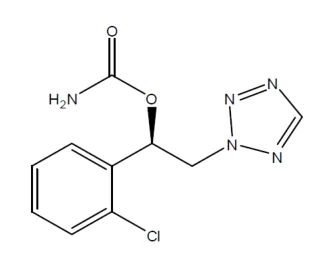
Common name: cenobamate
Chemical name: [(1R)-1-(2-Chlorophenyl)-2-(tetrazol-2-yl) ethyl] carbamate
Molecular formula and molecular mass: C10H10ClN5O2 267.67 g/mol
Structural formula:
Physicochemical properties: Cenobamate is a white to off-white crystalline powder. It is very soluble in aqueous solutions (water 1.7 mg/mL) and has higher solubility in organic solvents like ethanol (209.4 mg/mL).
14 CLINICAL TRIALS
14.1 Clinical Trial by Indication
Partial-Onset Seizures in Adults with Epilepsy
Table 7 – Summary of Patient Demographics for Clinical Trials in Adults with Partial-onset Seizures
| Study # | Study design | Dosage, route of administration and duration | Study Participants (n)a | Median age (Range) | Sex |
| C013 | Multicenter, double-blind, randomized, adjunctive placebo-controlled with open-label extension | Cenobamate capsules 200 mg 12 weeks (6 weeks titration + 6 weeks maintenance) | Cenobamate: 113 Placebo: 108 | 36 (18-61) | Male: 113 Female: 108 |
| Study # | Study design | Dosage, route of administration and duration | Study Participants (n)a | Median age (Range) | Sex |
| C017 | Multicenter, double-blind, randomized, adjunctive placebo-controlled with open-label extension | Cenobamate oral tablets 100 to 400 mg 18 weeks (6 weeks titration + 12 weeks maintenance) | Cenobamate: 328 Placebo: 106 | 38 (19-70) | Male: 219 Female: 215 |
a Participants with at least one efficacy evaluation.
The efficacy of XCOPRI for the treatment of partial-onset seizures in adult patients with epilepsy was established in two multicenter, randomized, double-blind, placebo-controlled studies (C013 and C017). In these studies, a total of 441 patients received cenobamate 100 - 400 mg/day (placebo: 214 patients). Patients had partial-onset seizures with or without secondary generalization that were not adequately controlled with 1 to 3 concomitant anti-epileptic drugs (AEDs). During an 8-week baseline period, patients were required to have at least 3 to 4 partial-onset seizures per 28 days on average with no seizure-free period exceeding 3 to 4 weeks. In these studies, patients had a mean duration of epilepsy of approximately 24 years and median baseline seizure frequency of 8.5 seizures per 28 days. More than 80% of patients were taking 2 or more concomitant AEDs.
In both studies, following the baseline period, patients entered a treatment period consisting of an initial titration phase (6 weeks), and a subsequent maintenance phase (6 weeks for Study C013 and 12 weeks for Study C017). In Study C013, patients were started on a daily dose of 50 mg (a higher starting dose than the currently recommended starting dose) and subsequently increased by 50 mg/day every two weeks, until the final daily target dose of 200 mg/day was achieved. In Study C017, patients were started on a daily dose of 50 mg (a higher starting dose than the currently recommended starting dose) and subsequently increased by 50 mg/day every week (a faster titration than currently recommended) until 100 mg/day or 200 mg/day was reached and then increased by 100 mg/day every week in patients randomized to 400 mg/day.
In Study C013, over 90% of cenobamate-treated patients completed the double-blind treatment period (placebo: 92%). In Study C017, approximately 88%, 83%, and 73% of patients treated with cenobamate 100, 200, and 400 mg/day, respectively, completed the double-blind treatment period (placebo: 89%). Patients completing the double-blind treatment period (titration + maintenance) were allowed to participate in the open-label extension phase.
Study Results
In both studies, C013 and C017, the primary efficacy endpoint was median percent reduction from baseline in seizure frequency per 28 days. The key secondary endpoint was responder rates, defined as the proportion of patients with 50% or greater reduction in seizure frequency (see Table 8).
Table 8 – Median Percent Reduction from Baseline in Seizure Frequency per 28 Days (Primary Efficacy Endpoint) and Responder Rates (Key Secondary Endpoint) in the Double-Blind Treatment Period (Titration + Maintenance) in Studies C013 and C017
| Study | Efficacy Endpoints | AEDs + Placebo | AEDs + XCOPRI | |||||||||||||
|---|---|---|---|---|---|---|---|---|---|---|---|---|---|---|---|---|
| 100 mg/day | 200 mg/day | 400 mg/day | ||||||||||||||
| C013 | n | 108 | -- | 113 | -- | |||||||||||
| Median % reduction from baseline | 21.5 | -- | 55.6 p<0.0001* | -- | ||||||||||||
| ≥50% Responder rate | 22.2 | -- | 50.4 p <0.0001* | -- | ||||||||||||
| C017 | n | 106 | 108 | 109 | 111 | |||||||||||
| Median % reduction from baseline | 24.0 | 35.5 p =0.007* | 55.0 p<0.001* | 55.0 p<0.001* | ||||||||||||
| ≥50% Responder rate | 21.7 | 40.7 p=0.003* | 57.8 p<0.001* | 60.4 p<0.001* | ||||||||||||
*Statistically significant
In Study C013, 28.3% of patients in the cenobamate group reported being seizure free during the maintenance phase (placebo: 8.8%). In Study C017, 3.9%, 11.2%, and 21.1% of patients in the 100, 200, and 400 mg/day groups, respectively, reported being seizure free during the maintenance phase (placebo: 1%).
15 MICROBIOLOGY
No microbiological information is required for this drug product.
16 NON-CLINICAL TOXICOLOGY
General Toxicology: The systemic toxicity of cenobamate was evaluated in single- and repeat-dose studies conducted in mice, rats, rabbits, and monkeys.
In general, a single oral administration of cenobamate induced dose-dependent neurologic effects including changes in activity, body condition and gait in animals and was lethal at doses higher than 150 mg/kg.
In a 13-week repeat-dose toxicity study in mice, mortality and illness associated with neurologic clinical signs were observed at doses ≥60 mg/kg/day. The toxicity target organ was the liver (weight increase and hepatocyte hypertrophy), with a no observed adverse effect level (NOAEL) of 30 mg/kg/day (1.5 and 2.5-fold the human exposure (Cmax) at the 200 and 400 mg doses, respectively). In a 26-week repeat-dose toxicity study in rats, mortality and morbidity associated with neurologic clinical signs were observed at doses ≥48 mg/kg/day, and the relevant toxicity target organ was the liver (adaptive and partially reversible), with a NOAEL of 12 mg/kg/day (0.2-0.7-fold the human exposure (Cmax)). In a 52-week repeat-dose toxicity study in monkeys, morbidity was observed at doses ≥ 27 mg/kg/day and was again associated with neurologic clinical signs, while the toxicity target organ was the liver (adaptive in nature), with a NOAEL of 18 mg/kg/day (0.8-2.6-fold the human exposure).
The principal toxicities for cenobamate were adverse neurological effects which were noted at higher dose levels and consistent with other antiepileptics. Cenobamate nonclinical safety evaluation characterized the potential toxic effects with respect to target organs, dose dependence, its relationship to exposure, and potential reversibility. The nonclinical safety data were used to estimate the margin of safety in clinical epilepsy patients and to identify suitable parameters for clinical monitoring of potential adverse effects.
Maximum doses in repeated dose toxicity studies were limited by the exaggerated CNS effects of cenobamate (including hypoactivity, uncoordinated gait, hypothermia, and tremor). Systemic exposures at NOAEL (no observed adverse effect levels) were below exposures reached in humans at the maximum recommended human dose (MRHD) of 400 mg/day.
Carcinogenicity: Oral administration of cenobamate (0, 5, 15, or 35 mg/kg/day) to Tg.rasH2 mice for up to 26 weeks did not result in an increase in tumors. Oral administration of cenobamate (0, 4, 8, or 20 mg/kg/day) to male and female rats for up to 87 or 90 weeks, respectively, did not result in an increase in tumors. Plasma exposure at the highest dose tested in rats was less than that in humans at the MRHD.
Genotoxicity: Cenobamate was negative for genotoxicity in in vitro (Ames, mouse lymphoma) and in vivo (rat bone marrow micronucleus) assays.
Reproductive and Developmental Toxicology:
Impairment of Fertility
Oral administration of cenobamate (0, 11, 22, or 44 mg/kg/day) to male and female rats prior to and throughout mating and continuing in females to Gestation Day 6 did not produce adverse effects on fertility, general reproductive performance, or early embryonic development. Plasma exposure (AUC) at the highest dose tested in rats was less than that in humans at the MRHD.
Embryo-fetal development and maternal toxicities
Oral administration of cenobamate (0, 10, 30, or 60 mg/kg/day) to pregnant rats during the period of organogenesis resulted in increased embryo-fetal mortality, reduced fetal body weights, and incomplete fetal skeletal ossification at the highest dose tested, which was associated with maternal toxicity. There was a small increase in visceral malformations at the high dose; however, teratogenic potential could not be fully evaluated because of the high rate of embryo-fetal deaths, which resulted in an inadequate number of fetuses examined. The No Observed Effect Level (NOEL) was 10 mg/kg/day for maternal toxicity. Maternal plasma exposure (AUC) at the NOEL for embryo-fetal development (30 mg/kg/day) was less than that in humans at the MRHD.
Twice-daily oral administration of cenobamate (0, 10, 30 or 50 mg/kg/day) to pregnant rats during the period of organogenesis resulted in lower maternal body weights and food consumption at the high dose. No cenobamate-related effects were observed on the fetal sex ratios, body weights, or external, visceral or skeletal examinations at any dose level. C
enobamate did not show teratogenic potential up to 50 mg/kg/day when administered to female rats during gestation. Maternal plasma exposure (AUC) at the no-observed-adverse-effect level (NOAEL) (50 mg/kg/day) for both maternal and embryo-fetal developmental toxicities was less than that in humans at the MRHD.
Oral administration of cenobamate (0, 4, 12, or 36 mg/kg/day) to pregnant rabbits during the period of organogenesis resulted in increased embryo-fetal mortality at the highest dose tested, which was associated with maternal toxicity. Maternal plasma exposure at the NOEL (12 mg/kg/day) for both maternal toxicity and embryo-fetal development was less than that in humans at the MRHD.
Pre- and postnatal Development Toxicity
When cenobamate (0, 11, 22, or 44 mg/kg/day) was orally administered to female rats throughout pregnancy and lactation, neurobehavioral impairment (learning and memory deficit and increased auditory startle response) was observed in the offspring at all doses and decreased preweaning body weight gain and adverse effects on reproductive function (decreased numbers of corpora lutea, implantations, and live fetuses) were seen in the offspring at the high dose. Maternal plasma exposure at the lowest effect dose (11 mg/kg/day) for adverse effects on pre- and postnatal development was less than that in humans at the MRHD.
When cenobamate (44 mg/kg/day) was orally administered to female lactating rats from Lactation (LD) Day 2 to LD 12, no cenobamate-related mortality was observed; all animals survived (mothers and offspring). Breast milk concentrations of cenobamate were generally slightly higher than plasma concentrations in lactating female rats on LD 12. Overall, there were no cenobamate-related toxicity observed in the offspring or on the mothers.
Placental and lacteal transfer of cenobamate was confirmed by the presence of cenobamate in both amniotic fluid and foetal blood from pregnant rats and in the milk of lactating rats.
Juvenile Toxicity: Cenobamate was administered orally to male and female juvenile rats from postnatal day (PND) 7 to 70. To maintain consistent plasma drug exposures, doses were increased during the dosing period, up to 120 and 80 mg/kg/day in males and females, respectively. Dose-dependent cenobamate-related effects included mortality, transient body weight decreases, as well as neurological and neurobehavioral (decreased grip strength, learning and memory deficits) impairment. Microscopically, dysplasia that involved the sclera, choroid, retinal pigmented epithelium (RPE) and retina of eyes was present at higher frequency in cenobamate-treated males (high dose group only, 40/60/80/120 mg/kg/day) but was considered spontaneous and possibly not related to cenobamate-administration given its nature (developmental), characteristics (generally unilateral), and presence in one control female rat. Pathologically, cenobamate-treatment caused minimal to moderate dose-dependent increases in liver weights in all treated animals and minimal to slight dose-dependent increases in kidney weights in treated males, which correlated microscopically with centrilobular hepatocellular hypertrophy and renal tubular hyaline droplet accumulation that were also dose-dependent with respect to severity and incidence but were not associated with any degenerative changes. All liver and kidney weight differences noted at the end of dosing had recovered after the recovery period. Overall, a NOAEL on postnatal development was not identified with plasma cenobamate exposure at the lowest doses tested less than that in humans
at the MRHD.