


Product Monograph - Brivlera (Ucb Canada, 10 mg)
RECENT MAJOR LABEL CHANGES
| Warnings and Precautions, 7.1.1 Pregnant Women | April 2023 |
|---|---|
| Warnings and Precautions, 7.1.2 Breast-feeding | April 2023 |
TABLE OF CONTENTS
Sections or subsections that are not applicable at the time of authorization are not listed.
RECENT MAJOR LABEL CHANGES ............................................................................................ 2
TABLE OF CONTENTS .............................................................................................................. 2
PART I: HEALTH PROFESSIONAL INFORMATION ...................................................................... 4
1 INDICATIONS ............................................................................................................... 4
1.1 Pediatrics ................................................................................................................ 4
1.2 Geriatrics ................................................................................................................ 4
2 CONTRAINDICATIONS ................................................................................................. 4
4 DOSAGE AND ADMINISTRATION ................................................................................. 4
4.1 Dosing Considerations ............................................................................................ 4
4.2 Recommended Dose and Dosage Adjustment ....................................................... 5
4.3 Reconstitution ........................................................................................................ 6
4.4 Administration ........................................................................................................ 7
4.5 Missed Dose ........................................................................................................... 7
5 OVERDOSAGE .............................................................................................................. 7
6 DOSAGE FORMS, STRENGTHS, COMPOSITION AND PACKAGING ................................. 8
7 WARNINGS AND PRECAUTIONS .................................................................................. 9
7.1 Special Populations............................................................................................... 12
7.1.1 Pregnant Women ........................................................................................... 12
7.1.2 Breast-feeding ................................................................................................ 13
7.1.3 Pediatrics ........................................................................................................ 13
7.1.4 Geriatrics ........................................................................................................ 14
8 ADVERSE REACTIONS ................................................................................................ 14
8.1 Adverse Reaction Overview .................................................................................. 14
8.2 Clinical Trial Adverse Reactions ............................................................................ 14
8.2.1 Clinical Trial Adverse Reactions – Pediatrics ................................................... 19
8.3 Less Common Clinical Trial Adverse Reactions ..................................................... 20
8.5 Post-Market Adverse Reactions ........................................................................... 20
9 DRUG INTERACTIONS ................................................................................................ 20
9.3 Drug-Behavioural Interactions .............................................................................. 20
9.4 Drug-Drug Interactions ......................................................................................... 21
9.5 Drug-Food Interactions ......................................................................................... 25
9.6 Drug-Herb Interactions ......................................................................................... 25
9.7 Drug-Laboratory Test Interactions ........................................................................ 25
10 CLINICAL PHARMACOLOGY ....................................................................................... 25
10.1 Mechanism of Action ...................................................................................... 25
10.2 Pharmacodynamics ........................................................................................ 26
10.3 Pharmacokinetics ........................................................................................... 27
11 STORAGE, STABILITY AND DISPOSAL ......................................................................... 29
12 SPECIAL HANDLING INSTRUCTIONS ........................................................................... 29
PART II: SCIENTIFIC INFORMATION ....................................................................................... 30
13 PHARMACEUTICAL INFORMATION ............................................................................ 30
14 CLINICAL TRIALS ........................................................................................................ 31
14.1 Clinical Trials by Indication ............................................................................. 31
15 MICROBIOLOGY ........................................................................................................ 35
16 NON-CLINICAL TOXICOLOGY ..................................................................................... 35
PATIENT MEDICATION INFORMATION .................................................................................. 38
PART I: HEALTH PROFESSIONAL INFORMATION
1 INDICATIONS
Adults, adolescents and children 4 years of age and older:
BRIVLERA (brivaracetam) is indicated as adjunctive therapy in the management of partial-onset seizures in patients 4 years of age and older with epilepsy who are not satisfactorily controlled with conventional therapy.
BRIVLERA (brivaracetam) solution for injection for intravenous use is an alternative for adults when oral administration is temporarily not feasible.
1.1 Pediatrics
Pediatrics (< 4 years of age): The safety and efficacy of BRIVLERA in children under 4 years of age have not been established and its use in this patient population is not indicated (see 7.1.3 Pediatrics).
1.2 Geriatrics
Geriatrics (≥ 65 years of age): The clinical experience with BRIVLERA in elderly patients with epilepsy is limited (29 elderly patients aged between 65 and 80 years). No dose adjustment based on age is necessary. In general, dose selection for an elderly patient should be judicious, usually starting at the low end of the dosing range, reflecting the greater frequency of decreased hepatic, renal, or cardiac function, and of concomitant disease or other drug therapy (see 7.1.4 Geriatrics; 4 DOSAGE AND ADMINISTRATION and 10.3 Pharmacokinetics, Special Populations and Conditions, Geriatrics).
2 CONTRAINDICATIONS
- Patients who are hypersensitive to BRIVLERA (brivaracetam) or to any ingredient in the formulation or component of the container. For a complete listing, see the 6 DOSAGE FORMS, STRENGTHS, COMPOSITION AND PACKAGING section of the product monograph.
4 DOSAGE AND ADMINISTRATION
4.1 Dosing Considerations
BRIVLERA (brivaracetam) may be taken with or without food.
BRIVLERA can be initiated in adults with either intravenous or oral administration. BRIVLERA solution for injection is for intravenous use in adults only.
4.2 Recommended Dose and Dosage Adjustment
Adults
The recommended starting dose in adults is 50 mg twice daily (100 mg per day). Based on individual patient response and tolerability, the dose may be adjusted between 25 mg twice daily (50 mg per day) and 100 mg twice daily (200 mg per day). Maximum recommended daily dose of BRIVLERA is 200 mg, administered in two equal intakes.
When switching to or from oral to intravenous administration of BRIVLERA, the total daily dose and frequency of administration should be maintained.
Children ≥4 years and adolescents
The physician should prescribe the most appropriate formulation and strength according to weight and dose. Dosage should be adjusted based on the clinical response and tolerability.
The following table summarizes the recommended dosing for children from 4 years of age and adolescents.
Table 1: Dosing Recommendations for Pediatrics (aged 4 years and older)
| Pediatric patients (≥4 years) | |||
|---|---|---|---|
weighing 11 kg to <20kg | weighing 20 kg to <50kg | weighing 50kg or more | |
| Therapeutic dose range | 0.5 mg/kg to 2.5 mg/kg twice daily (1 mg/kg to 5 mg/kg per day) | 0.5 mg/kg to 2 mg/kg twice daily (1 mg/kg to 4 mg/kg per day) | 25 mg to 100 mg twice daily (50 mg to 200 mg per day) |
| Recommended starting dose | 0.5 mg/kg to 1.25 mg/kg twice daily (1 mg/kg to 2.5 mg/kg per day) | 0.5 mg/kg to 1 mg/kg twice daily (1 mg/kg to 2 mg/kg per day) | 25 mg to 50 mg twice daily (50 mg to100 mg per day) |
| Hepatic Impairment | |||
| Recommended Starting Dose | 1 mg/kg/day | 1 mg/kg/day | 50 mg/day |
| Recommended Maximum Dose | 4 mg/kg/day | 3 mg/kg/day | 150 mg/day |
Oral Solution
The dose per intake for each patient should be calculated using the following formula:
Volume per administration (mL) = Dose per administration (mg, as per Table 1) ÷ 10 mg/mL
Patients with Renal Impairment: There are limited clinical data on the use of BRIVLERA in patients with pre-existing renal impairment as these patients were excluded from pre-market clinical studies of epilepsy. Based on a single-dose adult pharmacokinetic study, dose adjustments are not required for patients with impaired renal function. Based on data in adults, no dose adjustment is necessary in pediatric patients with impaired renal function.
There are no data in patients with end-stage renal disease undergoing dialysis. Thus, BRIVLERA is not recommended in this population (see 7 WARNINGS AND PRECAUTIONS, Renal and 10.3 Pharmacokinetics, Special Populations and Conditions, Renal Insufficiency).
Patients with Hepatic Impairment: In adults, and children and adolescents weighing 50 kg or more, a reduced starting dose of 25 mg twice daily (50 mg per day) should be considered. A maximum dose of 75 mg twice daily (150 mg per day) is recommended for all stages of hepatic impairment (see 10.3 Pharmacokinetics, Special Populations and Conditions, Hepatic Insufficiency). The recommended dosing for pediatrics with hepatic impairment is shown in Table 1.
Pediatrics (<4 years of age): The safety and efficacy of BRIVLERA in children aged less than 4 years have not been established.
Geriatrics (≥65 years of age): There was an insufficient number of patients 65 years of age and older in the double-blind placebo controlled epilepsy studies in adults (29 elderly patients aged between 65 and 80 years completed Phase 3 clinical trials) to adequately assess the safety and efficacy of BRIVLERA in this population. According to data obtained from a pharmacokinetic study that was conducted in patients ≥65 years of age, no BRIVLERA dose adjustment based on age is necessary (see 1 INDICATIONS and 10.3 Pharmacokinetics, Special Populations and Conditions, Geriatrics).
Discontinuation
As with all antiepileptic drugs, BRIVLERA should be withdrawn gradually because of the risk of increased seizure frequency and status epilepticus. When discontinuing BRIVLERA, reduce the dosage gradually (e.g., for adults and pediatrics over 50 kg: taper it gradually by 50 mg/day on a weekly basis. After 1 week of treatment at 50 mg/day, a final week of treatment at the dose of 20 mg/day is recommended).
4.3 Reconstitution
BRIVLERA Solution for Injection
BRIVLERA solution for injection can be administered intravenously in adults without further dilution or may be mixed with the diluents listed below. Withdraw the exact amount of BRIVLERA solution for injection required for administration.
Diluents
- Sodium chloride 9 mg/mL (0.9%) solution for injection
- Lactated Ringer’s solution for injection
- Glucose 50 mg/mL (5%) solution for injection
- Brivaracetam concentration: 0.1 to 1.5 mg/mL brivaracetam in diluent
As with all parenteral drug products, intravenous admixtures should be inspected visually for clarity, particulate matter, precipitate, discolouration and leakage prior to administration.
Solution showing haziness, particulate matter, precipitate, discolouration or leakage should not be used. Discard unused portions. The clinical study experience of intravenous BRIVLERA is limited to 4 days of consecutive treatment. See 11 STORAGE, STABILITY AND DISPOSAL.
4.4 Administration
BRIVLERA Tablets
BRIVLERA tablets should be swallowed whole with liquid. BRIVLERA tablets should not be chewed or crushed.
BRIVLERA Oral Solution
When using BRIVLERA oral solution, no dilution is necessary. BRIVLERA oral solution may also be administered using a nasogastric tube or gastrostomy tube.
BRIVLERA Solution for Injection
It may be administered as a bolus injection or as a 15-minute IV infusion.
4.5 Missed Dose
Should patients miss a dose, they should be instructed to take BRIVLERA as soon as they remember and take the following dose at the usual morning or evening time. This may avoid the brivaracetam plasma concentration falling below the efficacy level and prevent breakthrough seizures from occurring.
5 OVERDOSAGE
Signs, Symptoms, and Laboratory Findings of Acute Overdose in Humans
There is limited clinical experience with BRIVLERA (brivaracetam) overdose in humans. During pre-marketing clinical trials of BRIVLERA, the types of adverse events experienced by patients exposed to acute BRIVLERA overdose were mostly similar to those observed in patients administered therapeutic doses of the drug. Somnolence and dizziness have been reported in a patient taking a single dose of 1400 mg of BRIVLERA, which is the highest known non-lethal overdose. The following additional adverse reactions were reported with BRIVLERA overdose: vertigo, balance disorder, fatigue, nausea, diplopia and anxiety.
Treatment or Management of Overdose
There is no specific antidote for overdose with BRIVLERA. In the event of overdose, standard medical practice for the management of any overdose should be used. An adequate airway, oxygenation, and ventilation should be ensured; monitoring of cardiac rhythm and vital sign
| For management of a suspected drug overdose, contact your regional poison control centre. |
|---|
measurement is recommended. A certified poison control centre should be contacted for updated information on the management of overdose with BRIVLERA. There is no data on the potential removal of BRIVLERA using hemodialysis. Since less than 10% of BRIVLERA is excreted in urine, hemodialysis is not expected to significantly enhance BRIVLERA clearance.
6 DOSAGE FORMS, STRENGTHS, COMPOSITION AND PACKAGING
Table 2: Dosage Forms, Strengths, Composition and Packaging
| Route of Administration | Dosage Form / Strength/Composition | Nonmedicinal Ingredients |
| Oral | Tablets / 10 mg, 25 mg, 50 mg, 75 mg, and 100 mg / bottle | anhydrous lactose, betadex (β-cyclodextrin), croscarmellose sodium, lactose monohydrate, and magnesium stearate and additional ingredients listed below: 10 mg tablets: polyethylene glycol 3350, polyvinyl alcohol, talc, titanium dioxide 25 mg and 100 mg tablets: black iron oxide polyethylene glycol 3350, polyvinyl alcohol, talc, titanium dioxide, yellow iron oxide 50 mg tablets: polyethylene glycol 3350, polyvinyl alcohol, red iron oxide, talc, titanium dioxide, yellow iron oxide 75 mg tablets: black iron oxide, polyethylene glycol 3350, polyvinyl alcohol, red iron oxide, talc, titanium dioxide, yellow iron oxide |
| Oral | Oral solution / 10 mg/mL / bottle | anhydrous citric acid, carboxymethylcellulose sodium, glycerin, methylparaben, raspberry flavour, purified water, sodium citrate, sorbitol solution, and sucralose |
| Intravenous | Solution for injection / 10 mg/mL / vial | glacial acetic acid, sodium acetate (trihydrate), sodium chloride, and water for injection |
BRIVLERA (brivaracetam) tablets
BRIVLERA tablets are supplied as follows:
10 mg Tablets: BRIVLERA (brivaracetam) tablets 10 mg are white to off-white, round, film- coated, and debossed with "u10" on one side.
25 mg Tablets: BRIVLERA (brivaracetam) tablets 25 mg are gray, oval, film-coated, and debossed with "u25" on one side.
50 mg Tablets: BRIVLERA (brivaracetam) tablets 50 mg are yellow, oval, film-coated, and debossed with "u50" on one side.
75 mg Tablets: BRIVLERA (brivaracetam) tablets 75 mg are purple, oval, film-coated, and debossed with “u75” on one side.
100 mg Tablets: BRIVLERA (brivaracetam) tablets 100 mg are green-gray, oval, film-coated, and debossed with “u100” on one side.
BRIVLERA tablets are supplied in white HDPE bottles of 60 tablets, PVC/PCTFE - Aluminium single unit dose blisters.
BRIVLERA oral solution
BRIVLERA (brivaracetam) oral solution 10 mg/mL is a slightly viscous, clear, colourless to yellow, raspberry-flavoured liquid.
BRIVLERA (brivaracetam) oral solution 10 mg/mL is supplied in 300 mL amber glass bottles.
BRIVLERA solution for injection
BRIVLERA (brivaracetam) solution for injection 10mg/mL is a clear, colourless, sterile solution.
BRIVLERA solution for injection 10 mg/mL is supplied in 6 mL colourless single-use glass vials. Each vial contains 5 mL of brivaracetam solution for injection.
7 WARNINGS AND PRECAUTIONS
General
Withdrawal of Antiepileptic Drugs (AEDs)
As with all AEDs, BRIVLERA (brivaracetam) should be withdrawn gradually to minimize the potential of increased seizure frequency and status epilepticus (see 4.2 Recommended Dose and Dosage Adjustment).
Carcinogenesis and Mutagenesis
See 16 NON-CLINICAL TOXICOLOGY, Carcinogenicity and 16 NON-CLINICAL TOXICOLOGY, Genotoxicity for discussion on animal data.
Driving and Operating Machinery
BRIVLERA treatment has been associated with somnolence, dizziness, fatigue, and disturbance in coordination. Patients should be monitored for such signs and symptoms and advised not to drive a car or to operate other potentially hazardous machines until they are familiar with the effects of BRIVLERA on their ability to perform such activities (see 7 WARNINGS AND PRECAUTIONS, Neurologic and 8 ADVERSE REACTIONS).
Hematologic
BRIVLERA can cause hematologic abnormalities. In the Phase 3 controlled adjunctive epilepsy studies in adults, a total of 1.8% of BRIVLERA-treated patients and 1.1% of placebo-treated patients had at least one clinically significant decreased white blood cell count (<3.0 x 10⁹/L), and 0.3% of BRIVLERA-treated patients and 0% of placebo-treated patients had at least one clinically significant decreased neutrophil count (<1.0 x 10⁹/L).
Hepatic/Biliary/Pancreatic
There are limited clinical data on the use of BRIVLERA in adult patients with pre-existing hepatic impairment, and no clinical data in the pediatric population with hepatic impairment. Dose decreases are recommended. In adults, a 25 mg twice daily (50 mg per day) starting dose should be considered. A maximum dose of 75 mg twice daily (150 mg per day) is recommended for all stages of hepatic impairment. For dosing recommendations for pediatric patients, see 4 DOSAGE AND ADMINISTRATION (see also 10.3 Pharmacokinetics, Special Populations and Conditions, Hepatic Insufficiency).
Immune
Hypersensitivity
Bronchospasm and Angioedema: BRIVLERA can cause hypersensitivity reactions. Rare cases of bronchospasm and angioedema have been reported in patients taking BRIVLERA. If a patient develops hypersensitivity reactions after treatment with BRIVLERA, the drug should be discontinued and an alternative considered.
Serious Dermatologic Reactions: Multi-organ hypersensitivity syndrome (also known as Drug Reaction Eosinophilia and Systemic Symptoms or DRESS), is a serious condition sometimes induced by antiepileptic drugs. Typically, although not exclusively, DRESS initially presents with fever and rash, then with other organ system involvement that may or may not include eosinophilia, lymphadenopathy, hepatitis, nephritis, and/or myocarditis. Because DRESS is variable in its expression, other organ system signs and symptoms not noted here may also occur. Organ involvement may be more severe than skin involvement. If any of these hypersensitivity reactions are suspected and an alternative cause cannot be established, BRIVLERA should be discontinued and alternative treatment started.
Neurologic
Somnolence and Fatigue
BRIVLERA causes dose-dependent increases in somnolence and fatigue-related adverse reactions (fatigue, malaise, hypersomnia, sedation, and lethargy). In the Phase 3 controlled adjunctive epilepsy trials in adults, these events were reported in 25% of patients randomized to receive BRIVLERA at least 50 mg/day (20% at 50 mg/day, 26% at 100 mg/day, and 27% at 200 mg/day) compared to 14% of placebo-treated patients. The risk is greatest early in treatment but can occur at any time (see 8 ADVERSE REACTIONS).
Dizziness and Disturbance in Gait and Coordination
BRIVLERA causes adverse reactions related to dizziness and disturbance in gait and coordination (dizziness, vertigo, balance disorder, ataxia, nystagmus, gait disturbance, and abnormal coordination). In the Phase 3 controlled adjunctive epilepsy trials in adults, these events were reported in 16% of patients randomized to receive BRIVLERA at least 50 mg/day (16% at 50 mg/day, 14% at 100 mg/day, and 18% at 200 mg/day) compared to 10% of placebo-treated patients. The risk is greatest early in treatment but can occur at any time (see 8 ADVERSE REACTIONS).
Psychiatric
Behavioural Disorders
BRIVLERA causes both psychotic and non-psychotic adverse reactions which are not dose-dependent. In the Phase 3 controlled adjunctive epilepsy trials in adults, psychiatric events were reported in approximately 13% of patients randomized to receive BRIVLERA at least 50 mg/day compared to 8% of placebo-treated patients. Non-psychotic events (e.g., irritability, anxiety, nervousness, aggression, anger, agitation, restlessness, depression, altered mood, affect lability, psychomotor hyperactivity, etc.) occurred in 12% of the patients treated with BRIVLERA at least 50 mg/day compared to 7% of placebo-treated patients. A total of 1.7% of adult patients treated with BRIVLERA discontinued treatment due to psychiatric events (e.g., aggression, irritability, depression) compared to 1.3% of patients who received placebo. In the Phase 3 controlled epilepsy studies in adults, irritability, depression, and anxiety symptoms occurred in 2% of BRIVLERA-treated patients and 1% of placebo-treated patients.
While psychiatric events observed in open-label pediatric trials were generally similar to those observed in adults, irritability and aggression were approximately double the incidence rates seen in adults, and the most frequent terms in pediatrics. Psychomotor hyperactivity was also reported at notably higher rates than in adults.
There have been post-marketing reports of psychotic disorder and related events (e.g., hallucinations, delusions, paranoia). Some cases were resolved following BRIVLERA dose reduction or discontinuation (see 8.5 Post-Market Adverse Reactions, Psychosis/Psychotic Disorder).
Suicidal Ideation and Behaviour
Suicidal ideation and behaviour have been reported in patients treated with antiepileptic agents in several indications.
All patients treated with antiepileptic drugs, irrespective of indication, should be monitored for signs of suicidal ideation and behaviour and appropriate treatment should be considered. Patients (and caregivers of patients) should be advised to seek medical advice should signs of suicidal ideation or behaviour emerge.
An FDA meta-analysis of randomized placebo controlled trials, in which antiepileptic drugs were used for various indications, has shown a small increased risk of suicidal ideation and behaviour in patients treated with these drugs. The mechanism of this risk is not known.
There were 43,892 patients treated in the placebo controlled clinical trials that were included in the meta-analysis. Approximately 75% of patients in these clinical trials were treated for indications other than epilepsy and, for the majority of non-epilepsy indications the treatment (antiepileptic drug or placebo) was administered as monotherapy. Patients with epilepsy represented approximately 25% of the total number of patients treated in the placebo controlled clinical trials and, for the majority of epilepsy patients, treatment (antiepileptic drug or placebo) was administered as adjunct to other antiepileptic agents (i.e., patients in both treatment arms were being treated with one or more antiepileptic drug). Therefore, the small increased risk of suicidal ideation and behaviour reported from the meta-analysis (0.43% for patients on antiepileptic drugs compared to 0.24% for patients on placebo) is based largely on patients that received monotherapy treatment (antiepileptic drug or placebo) for non-epilepsy indications. The study design does not allow an estimation of the risk of suicidal ideation and behaviour for patients with epilepsy that are taking antiepileptic drugs, due both to this population being the minority in the study, and the drug-placebo comparison in this population being confounded by the presence of adjunct antiepileptic drug treatment in both arms.
Renal
There are limited clinical data on the use of BRIVLERA in patients with pre-existing renal impairment as these patients were excluded from pre-market clinical studies of epilepsy. Based on a single-dose pharmacokinetic study, dose adjustments are not required for patients with impaired renal function. Based on data in adults, no dose adjustment is necessary in pediatric patients with impaired renal function.
There are no data in patients with end-stage renal disease undergoing dialysis. Thus, BRIVLERA is not recommended in this population (see 4.2 Recommended Dose and Dosage Adjustment, Patients with Renal Impairment and 10.3 Pharmacokinetics, Special Populations and Conditions, Renal Insufficiency).
Reproductive Health: Female and Male Potential
Women of Childbearing Potential / Contraception: In a drug-drug interaction study, BRIVLERA 100 mg/day did not significantly influence the pharmacokinetics of oral contraceptives (0.03 mg ethinylestradiol and 0.15 mg levonorgestrel). In another study, BRIVLERA 400 mg/day (twice the recommended daily dose) reduced exposure to oral contraceptives by 27% for estrogen and 23% for progestin (see 9.4 Drug-Drug Interactions, Drug-Drug Interaction Studies with Other Drugs, Oral Contraceptives).
Physicians should discuss family planning and contraception with women of childbearing potential taking BRIVLERA (see 7.1.1 Pregnant Women).
- Fertility
No human data on the effect of BRIVLERA on fertility are available. In rats, there was no effect on fertility with brivaracetam at doses associated with systemic exposures up to 6 and 13 times that at the 200 mg/day human dose, in male and female rats, respectively (see 16 NON-CLINICAL TOXICOLOGY, Reproductive and Developmental Toxicology).
7.1 Special Populations
7.1.1 Pregnant Women
Pregnant Women: Brivaracetam crosses the human placental barrier. BRIVLERA should not be used during pregnancy unless clinically necessary (if the benefit to the mother clearly outweighs the potential risk to the fetus). If a woman decides to become pregnant, the use of BRIVLERA should be carefully re-evaluated.
BRIVLERA was used as adjunctive therapy in clinical studies in non-pregnant individuals, and when used with carbamazepine, it induced a dose-related increase in the concentration of an active metabolite, carbamazepine-epoxide (see 9.4 Drug-Drug Interactions, Drug-Interaction
Studies with Antiepileptic Drugs (AEDs), Carbamazepine). The clinical significance of this increase in carbamazepine-epoxide in pregnant women is unknown.
Animal studies did not detect any teratogenic potential of brivaracetam in either the rat or the rabbit, however embryo-fetal and maternal toxicity was seen in rabbits with systemic exposure (AUC) at the no-effect dose about 8 times that at the 200 mg/day human dose. In rats, brivaracetam has been shown to readily cross the placenta (see 16 NON-CLINICAL TOXICOLOGY, Reproductive and Developmental Toxicology).
Pregnancy Registry: Physicians are advised to recommend that pregnant patients taking BRIVLERA enroll in the North American Antiepileptic Drug (NAAED) Pregnancy Registry. This can be done by calling the toll free number 1-888-233-2334, and must be done by patients themselves. Information on the registry can also be found at the website http://www.aedpregnancyregistry.org/.
Labour and Delivery: The effect of BRIVLERA on labour and delivery in humans is unknown.
7.1.2 Breast-feeding
Brivaracetam is excreted in human breast milk. If BRIVLERA is to be co-administered with carbamazepine, the amount of carbamazepine epoxide in breast milk can also increase (see 9.4 Drug-Drug Interactions, Drug-Interaction Studies with Antiepileptic Drugs (AEDs), Carbamazepine).
A decision should be made as to whether to discontinue nursing or to discontinue BRIVLERA, taking into account the benefit of the drug to the mother and any potential adverse effects of brivaracetam on the breastfed infant.
7.1.3 Pediatrics
Pediatrics (< 18 years of age): The efficacy of BRIVLERA has been established in adolescents and children ≥ 4 years of age using evidence from adequate and well-controlled studies of BRIVLERA in adults with partial-onset seizures; and pharmacokinetic data from adult and pediatric patients. The extrapolation approach was based on achieving similar systemic exposure of BRIVLERA in this patient population compared to adults taking similar recommended doses.
The safety has been established using safety data from clinical studies in 161 pediatric patients aged 4-17 with partial onset seizures (see 8.2.1 Clinical Trial Adverse Reactions – Pediatrics; 10.3 Pharmacokinetics, Special Populations and Conditions, Pediatrics, and 14 CLINICAL TRIALS). The safety and efficacy in pediatric patients less than 4 years have not been established.
The long-term safety, including effects on growth, maturation, and behavioural development, in patients under 18 years of age has not been systematically evaluated. See 8.2.1 Clinical Trial Adverse Reactions – Pediatrics.
Safety of BRIVLERA solution for injection in pediatric patients has not been established.
7.1.4 Geriatrics
Geriatrics (≥ 65 years of age): There were insufficient numbers of patients 65 years of age and older in the double-blind, placebo-controlled epilepsy studies in adults (n=29) to adequately assess the safety and efficacy of BRIVLERA in this population. No BRIVLERA dose adjustment based on age is necessary (see 4 DOSAGE AND ADMINISTRATION and 10.3 Pharmacokinetics, Special Populations and Conditions, Geriatrics).
8 ADVERSE REACTIONS
8.1 Adverse Reaction Overview
In pooled placebo-controlled adjunctive therapy studies involving 1558 adult patients with partial-onset seizures (1099 patients treated with BRIVLERA (brivaracetam) and 459 treated with placebo), 68.3% of patients treated with BRIVLERA and 62.1% of patients treated with placebo experienced adverse events.
Safety of BRIVLERA in pediatric patients was evaluated in two open-label, safety and pharmacokinetic trials in patients 1month to less than 17 years of age. Across the two studies, a total of 161 patients with partial onset seizures, aged 4 years to less than 17 years, have received BRIVLERA oral solution or tablet, of whom 109 received BRIVLERA for at least 12 months.
The most frequently reported adverse events (>10%) in controlled adult trials with BRIVLERA treatment were: somnolence (14.3%) and dizziness (11.0%). They were usually mild to moderate in intensity. Somnolence and fatigue were reported at a higher incidence with increasing dose. The types of adverse events reported during the first 7 days of treatment were similar to those reported for the overall treatment period. The most common adverse events requiring clinical intervention (dose adjustment/interruption or requiring additional therapy) were cough (1.5%), nausea (1.0%), and fatigue (0.8%).
Discontinuation Due to Adverse Events in Pre-marketing Controlled Clinical Studies
In pooled placebo-controlled adjunctive therapy studies in adults, the discontinuation rate due to adverse events was 6.0%, 7.4%, and 6.8% for patients randomized to receive BRIVLERA at the recommended doses of 50 mg, 100 mg, and 200 mg/day, respectively, and 3.5% in patients randomized to receive placebo. The adverse reactions most commonly leading to discontinuation were dizziness (0.8%), depression (0.5%), and fatigue (0.5%).
8.2 Clinical Trial Adverse Reactions
Clinical trials are conducted under very specific conditions. The adverse reaction rates observed in the clinical trials, therefore, may not reflect the rates observed in practice and should not be compared to the rates in the clinical trials of another drug. Adverse reaction information from clinical trials may be useful in identifying and approximating rates of adverse drug reactions in real-world use.
Table 3: Incidence of Treatment-Emergent Adverse Events in Double-Blind, Placebo-Controlled, Phase 3 Partial-Onset Seizure Studies in Adults (Events ≥1% of Patients in Any BRIVLERA Group and More Frequent Than in the Placebo Group).
| System Organ Class/ Preferred Term | Placebo (N=459) % | BRIVLERA 50 mg/day (N=200) % | BRIVLERA 100 mg/day (N=353) % | BRIVLERA 200 mg/day (N=250) % |
|---|---|---|---|---|
| Ear and labyrinth disorders | ||||
| Vertigo | 2 | 2 | 3 | 2 |
| Eye disorders | ||||
| Vision blurred | <1 | 2 | <1 | 2 |
| Diplopia | <1 | 2 | <1 | <1 |
| Conjunctivitis | 0 | 1 | <1 | <1 |
| Eye pain | 0 | 1 | 0 | <1 |
| Visual impairment | 0 | <1 | 1 | 0 |
| Gastrointestinal disorders | ||||
| Nausea | 2 | 4 | 4 | 4 |
| Diarrhea | 3 | 4 | 2 | 3 |
| Vomiting | <1 | 5 | 1 | 1 |
| Constipation | <1 | 3 | 1 | 2 |
| Abdominal pain upper | <1 | 3 | 1 | 1 |
| Toothache | 1 | 2 | <1 | 2 |
| Abdominal discomfort | <1 | 0 | 1 | 0 |
| Gastritis | <1 | 0 | 1 | 0 |
| General disorders and administration site conditions | ||||
| Fatigue | 4 | 7 | 8 | 12 |
| Irritability | 1 | 5 | 3 | 3 |
| Gait disturbance | <1 | 1 | <1 | <1 |
| Chest pain | <1 | 1 | 0 | 0 |
| Infections and infestations | ||||
| Nasopharyngitis | 3 | 3 | 3 | 4 |
| Upper respiratory tract infection | 2 | <1 | 2 | 2 |
| System Organ Class/ Preferred Term | Placebo (N=459) % | BRIVLERA 50 mg/day (N=200) % | BRIVLERA 100 mg/day (N=353) % | BRIVLERA 200 mg/day (N=250) % |
|---|---|---|---|---|
| Influenza | 1 | 2 | 2 | <1 |
| Viral infection | <1 | 1 | 1 | <1 |
| Bacteriuria | <1 | <1 | <1 | 2 |
| Oral herpes | 0 | 2 | 0 | <1 |
| Injury, poisoning and procedural complications | ||||
| Fall | 1 | 2 | 1 | 1 |
| Excoriation | 1 | 2 | <1 | <1 |
| Head injury | <1 | 2 | <1 | <1 |
| Investigations | ||||
| Weight decreased | <1 | 2 | <1 | 1 |
| Gamma-glutamyltransferase increased | 1 | 2 | <1 | 1 |
| Weight increased | <1 | 2 | <1 | <1 |
| Blood cholesterol increased | 0 | 1 | <1 | 0 |
| Blood triglycerides increased | <1 | 1 | <1 | 0 |
| Neutrophil count decreased | <1 | 1 | 0 | <1 |
| Urine analysis abnormal | <1 | 1 | 0 | <1 |
| Metabolism and nutrition disorders | ||||
| Decreased appetite | <1 | 3 | <1 | 2 |
| Hyponatremia | <1 | 0 | 1 | 2 |
| Dyslipidemia | <1 | 0 | 1 | 1 |
| Musculoskeletal disorders | ||||
| Myalgia | 1 | 3 | 1 | <1 |
| Back pain | <1 | 3 | 1 | <1 |
| Pain in extremity | 1 | 3 | <1 | <1 |
| Muscle spasms | 0 | 1 | <1 | <1 |
| Arthralgia | <1 | 1 | <1 | <1 |
| System Organ Class/ Preferred Term | Placebo (N=459) % | BRIVLERA 50 mg/day (N=200) % | BRIVLERA 100 mg/day (N=353) % | BRIVLERA 200 mg/day (N=250) % |
|---|---|---|---|---|
| Nervous system disorders | ||||
| Somnolence | 9 | 12 | 16 | 17 |
| Dizziness | 7 | 12 | 9 | 14 |
| Headache | 10 | 16 | 7 | 8 |
| Convulsion | 2 | 3 | 3 | 1 |
| Tremor | 1 | 2 | <1 | 2 |
| Balance disorder | <1 | 2 | <1 | 1 |
| Memory impairment | 1 | 2 | <1 | 1 |
| Paresthesia | 1 | 2 | 1 | <1 |
| Ataxia | <1 | 2 | <1 | <1 |
| Disturbance in attention | <1 | <1 | 1 | <1 |
| Amnesia | 0 | 1 | <1 | <1 |
| Hypoesthesia | <1 | 1 | <1 | <1 |
| Migraine | <1 | 0 | <1 | 1 |
| Sedation | 0 | 0 | 0 | 2 |
| Psychomotor hyperactivity | 0 | 1 | <1 | 0 |
| Psychiatric disorders | ||||
| Insomnia | 2 | 5 | 2 | 2 |
| Anxiety | 1 | 2 | 1 | 3 |
| Depression | 1 | 5 | 1 | 1 |
| Nervousness | <1 | 2 | <1 | <1 |
| Agitation | 0 | 1 | <1 | 0 |
| Depressed mood | <1 | 1 | <1 | <1 |
| Mood swings | 0 | <1 | 0 | 1 |
| Restlessness | 0 | 0 | 1 | 0 |
| Sleep disorder | <1 | 1 | <1 | 0 |
| System Organ Class/ Preferred Term | Placebo (N=459) % | BRIVLERA 50 mg/day (N=200) % | BRIVLERA 100 mg/day (N=353) % | BRIVLERA 200 mg/day (N=250) % |
|---|---|---|---|---|
| Renal and urinary disorders | ||||
| Hematuria | 0 | 1 | <1 | <1 |
| Respiratory, thoracic and mediastinal disorders | ||||
| Cough | 2 | 2 | 3 | 2 |
| Dyspnea | 0 | 2 | <1 | <1 |
| Oropharyngeal pain | <1 | 1 | <1 | 0 |
| Reproductive system and breast disorders | ||||
| Dysmenorrhea | <1 | <1 | <1 | 1 |
| Skin and subcutaneous tissue disorders | ||||
| Rash | 1 | 2 | 1 | <1 |
| Pruritis | <1 | 2 | <1 | 2 |
| Eczema | 0 | <1 | 0 | 2 |
Dose-Related Adverse Reactions
There was a dose-related increase in the incidences of somnolence and fatigue across the therapeutic range of BRIVLERA (50 mg/day to 200 mg/day). Somnolence was reported at a higher frequency with increasing BRIVLERA dose, ranging from 11.5% in the BRIVLERA 50 mg/day group to 16.8% in the BRIVLERA 200 mg/day group. Fatigue was also reported at a slightly higher incidence with increasing BRIVLERA dose, ranging from 7.0% in the BRIVLERA 50 mg/day group to 11.6% in the BRIVLERA 200 mg/day group.
Other Adverse Reactions in Patients with Partial-Onset Seizures:
The following is a description of treatment-emergent adverse events reported by patients treated with BRIVLERA in clinical trials in adult patients with partial-onset seizures, including controlled trials and long-term open-label extension trials. Events addressed in other tables or sections are not listed here.
Suicidal Ideation and Behaviour
In the short-term clinical studies of BRIVLERA in adult epilepsy patients, there were no cases of completed suicide and suicide attempt, however both have been reported in open-label extension studies (<0.1% and 0.5%, respectively). See 8.2.1 Clinical Trial Adverse Reactions – Pediatrics.
Intravenous Adverse Reactions
Adverse reactions with intravenous administration were generally similar to those observed with oral administration. Intravenous administration was associated with infusion site pain in 2.8% of patients.
Comparison of Gender and Race
No significant gender differences were noted in the incidence of adverse reactions. Although the majority of patients were Caucasian (approximately 74% of patients were Caucasian and 26% were non-Caucasian), no differences in the incidences of adverse reactions compared to non-Caucasian patients were observed.
Drug Abuse and Dependence
In an open-label cross-over human abuse potential study in 44 subjects, aged 18-55 years, single doses of BRIVLERA 50 mg, 200 mg and 1000 mg were compared to placebo and alprazolam (1.5 mg and 3 mg). All subjects had a history or were current users of central nervous system depressants. BRIVLERA showed fewer sedative, euphoric, stimulant, dizziness, and negative effects as compared to alprazolam; however, BRIVLERA was not significantly different from alprazolam on some measures of balance and positive effects at the supratherapeutic doses (200 mg and 1000 mg).
Somnolence, euphoric mood, dizziness, and fatigue were the most commonly reported adverse events in this study. Overall, 1000 mg BRIVLERA was associated with the highest incidence of euphoric mood (66%), followed by the other BRIVLERA doses (40% at 200 mg, 32% at 50 mg), while the incidence of euphoric mood following alprazolam was lower (17% at both 1.5 mg and 3.0 mg doses). Sedative effects were observed in healthy subjects in the single ascending dose and multiple ascending dose studies; however, no euphoria or stimulant-like effects were observed using controlled pharmacodynamic measures (e.g., ARCI, VAS).
In the overall BRIVLERA adult clinical program, the incidence of euphoric mood and feeling drunk was 0.5% in patient populations but higher (19.9%) in Phase 1 studies. The common adverse events associated with abuse were dizziness, somnolence, fatigue and asthenia.
There was no evidence of physical dependence potential or a withdrawal syndrome with BRIVLERA in a pooled review of placebo-controlled adjunctive therapy studies in adults. However, psychological dependence cannot be excluded because of reports of euphoric type effects even at therapeutic doses.
8.2.1 Clinical Trial Adverse Reactions – Pediatrics
The safety profile of BRIVLERA observed in children was generally consistent with the safety profile observed in adults, with higher rates found regarding some psychiatric /behaviour disorder events (see 7 WARNINGS AND PRECAUTIONS, Psychiatric).
The long-term safety, including effects on growth, maturation and behavioural development in patients under 18 years of age has not been systematically evaluated.
There are limited safety data from open-label studies in children from 1 month to < 4 years of age. Limited data are available on neurodevelopment in children < 4 years of age. No clinical data are available in neonates.
Suicidal Ideation and Behaviour
In the open label, uncontrolled, long-term studies, suicidal ideation was reported in 4.7 % of pediatric patients (more common in adolescents) compared with 2.4 % of adults.
8.3 Less Common Clinical Trial Adverse Reactions
Other adverse events reported by <1% of patients with partial-onset seizures in the total BRIVLERA group in placebo-controlled clinical studies in adults that occurred more frequently or had greater severity than in the placebo group were:
Blood and lymphatic system disorders: neutropenia
Psychiatric disorders: aggression, psychotic disorder
Events included in this list above from the controlled studies are included based on consideration of BRIVLERA pharmacology, frequency above that expected in the population, seriousness, and likelihood of a relationship to BRIVLERA.
8.5 Post-Market Adverse Reactions
Psychosis/Psychotic Disorder
There have been post-marketing reports of psychotic disorder and related events (e.g., hallucinations, paranoia, delusions, acute psychosis, psychotic behaviour) in patients receiving BRIVLERA with or without concomitant medications. These events have been reported in all age groups, including pediatrics and geriatrics. Most patients were taking daily doses of BRIVLERA 50-200 mg. In some cases, BRIVLERA dose reduction or discontinuation led to resolution of the event.
9 DRUG INTERACTIONS
9.3 Drug-Behavioural Interactions
BRIVLERA and Alcohol
In a pharmacokinetic and pharmacodynamic interaction study in 18 healthy male subjects, aged 21-47 years, BRIVLERA (single dose 200 mg) was co-administered with ethanol (continuous intravenous infusion to achieve a blood alcohol concentration of 60 mg/100 mL during 5 hours). Although there was no significant pharmacokinetic interaction between BRIVLERA and ethanol, BRIVLERA significantly increased alcohol-induced impairment of subjects’ psychomotor function, attention, and memory. Co-administration of BRIVLERA and ethanol caused a larger decrease from baseline in saccadic peak velocity, smooth pursuit, adaptive tracking performance, and Visual Analog Scale (VAS) alertness, and a larger increase from baseline in body sway and in saccadic reaction time compared with BRIVLERA alone or ethanol alone. Use of alcohol during BRIVLERA therapy is not recommended.
9.4 Drug-Drug Interactions
In vitro Studies
Drug-Metabolizing Enzyme Inhibition
In vitro, brivaracetam did not inhibit CYP1A2, 2A6, 2B6, 2C8, 2C9, 2D6, or 3A4. Brivaracetam weakly inhibited CYP2C19 and would not be expected to cause significant interaction with substrates of CYP2C19 in humans. Brivaracetam was an inhibitor of epoxide hydrolase (IC50 = 8.2 μmol/L), suggesting that brivaracetam can inhibit the enzyme in vivo.
Drug-Metabolizing Enzyme Induction
Brivaracetam at concentrations up to 10 μmol/L caused little or no change of mRNA expression of CYP1A2, 2B6, 2C9, 2C19, 3A4, and epoxide hydrolase. It is unlikely that brivaracetam will induce these enzymes in vivo.
Transporters
Brivaracetam was not a substrate of P-gp, MRP1, or MRP2. Brivaracetam did not inhibit or weakly inhibited BCRP, BSEP, MATE1, MATE2/K, MRP2, OAT1, OAT3, OCT1, OCT2, OATP1B1, OATP1B3, or P-gp, suggesting that brivaracetam is unlikely to inhibit these transporters in vivo.
Drug-Interaction Studies with Antiepileptic Drugs (AEDs):
Potential interactions between BRIVLERA (brivaracetam) (25 mg twice daily to 100 mg twice daily) and other AEDs were investigated in a pooled analysis of plasma drug concentrations (n=1771 subjects) and in a population pharmacokinetics analysis (n=1248 subjects) from all Phase 2 and 3 studies in adults, and in a population exposure-response analysis of placebo-controlled, Phase 3 studies in adjunctive therapy in the treatment of adults with partial-onset seizures (n=1549 subjects).
The drugs listed in this table are based on either drug interaction case reports or studies, or potential interactions due to the expected magnitude and seriousness of the interaction (i.e., those identified as contraindicated).
Table 4: Established or Potential Drug-Drug Interactions
| [Proper/Common name] | Source of Evidence | Effect | Clinical comment |
| Carbamazepine | CT | Co-administration of carbamazepine and BRIVLERA results:
See also Carbamazepine section below. | No dosage adjustment required. Prescribers should take caution upon initiation and during up-titration of either BRIVLERA or carbamazepine in the presence of steady-state levels of the other. Monitor patients for possible symptoms, adverse events, or tolerability issues. Prescribers should take into account other concomitant drugs that can affect plasma levels of carbamazepine and/or carbamazepine epoxide. |
| Clobazam | CT | No data | No dosage adjustment required. |
| Clonazepam | CT | No data | No dosage adjustment required. |
| Lacosamide | CT | No data | No dosage adjustment required. |
| Lamotrigine | CT | None | No dosage adjustment required. |
| Levetiracetam | CT | None | No dosage adjustment required. |
| Oxcarbazepine | CT | None | No dosage adjustment required. |
| Phenobarbital | CT | Co-administration of phenobarbital and BRIVLERA results in 19% decrease in plasma concentration of BRIVLERA. | No dosage adjustment required. |
| [Proper/Common name] | Source of Evidence | Effect | Clinical comment |
| Phenytoin | CT | Co-administration of phenytoin and BRIVLERA results:
| No dose adjustment required. |
| Topiramate | CT | None | No dosage adjustment required. |
| Valproic acid | CT | None | No dosage adjustment required. |
Legend: CT = Clinical Trial;
* Brivaracetam is a reversible inhibitor of epoxide hydrolase resulting in an increased concentration of carbamazepine epoxide, an active metabolite of carbamazepine. The carbamazepine-epoxide plasma concentration increased up to 198% at a BRIVLERA dose of 100 mg twice daily.
** At a supratherapeutic dose of 400 mg/day brivaracetam, there was a 20% increase in phenytoin plasma concentration.
Carbamazepine
Brivaracetam is a moderate reversible inhibitor of epoxide hydrolase resulting in increased concentration of carbamazepine epoxide, an active metabolite of carbamazepine.
In a Phase 1, single-centre, open-label, bilateral pharmacokinetic interaction study with carbamazepine, 14 young healthy male subjects were titrated to carbamazepine 600 mg/day during 35 days and received BRIVLERA 400 mg/day during the last 10 days. Plasma concentrations were collected at single dose and steady-state for brivaracetam and over time for carbamazepine and carbamazepine epoxide. Carbamazepine 600 mg/day decreased the brivaracetam (200 mg single dose) AUC by 29% and Cmax by 13% on Study Day 22. No further effect was seen on Day 35 after multiple dose administration of brivaracetam and carbamazepine. No brivaracetam dose adjustment was deemed necessary. Brivaracetam 400 mg/day did not significantly alter carbamazepine exposure (AUCτ) and Cmax, but resulted in a 2.6-fold increase in exposure to the metabolite, carbamazepine-epoxide.
In two Phase 1, single-centre, open-label, unilateral metabolic interaction studies, 18 male and female adult subjects with epilepsy being chronically treated with stable dosages of carbamazepine alone or in combination with valproate, were titrated in weekly increments with BRIVLERA 100 mg/day, 200 mg/day, and 400 mg/day, respectively. Trough plasma samples were obtained for determination of each substance including carbamazepine epoxide and carbamazepine diol. Following brivaracetam 200 mg/day, the increase from baseline in carbamazepine-epoxide was 1.98-fold (with carbamazepine alone) and 1.78-fold (in combination with valproate) indicating that valproate does not appear to further increase epoxide levels in the presence of brivaracetam.
In controlled epilepsy adjunctive therapy studies of BRIVLERA in adults, a total of 722 patients took varying daily doses of carbamazepine (median [range] daily dose of carbamazepine was 800 mg [200-1400 mg]). In these studies, carbamazepine-epoxide plasma concentration increased by a mean of 1.37-, 1.62- and 1.98-fold from baseline, at BRIVLERA doses of 50 mg/day, 100 mg/day and 200 mg/day, respectively. In these studies, there was no correlation between carbamazepine-epoxide levels and symptoms which are recognized as being among the more common symptoms of carbamazepine-epoxide toxicity, namely ataxia, diplopia, dizziness, nystagmus and somnolence. However, prescribers should take caution upon initiation and during up-titration of either BRIVLERA or carbamazepine in the presence of steady-state levels of the other and to monitor patients for possible symptoms, adverse events, or tolerability issues. Prescribers should also take into account the patients’ other concomitant drugs that can affect plasma levels of carbamazepine and/or carbamazepine epoxide.
Drug-Drug Interaction Studies with Other Drugs:
Oral Contraceptives
In a two-way crossover pharmacokinetic interaction study in 28 healthy female volunteers, 19 to 39 years of age, co-administration of BRIVLERA 100 mg/day with an oral contraceptive containing ethinylestradiol (0.03 mg) and levonorgestrel (0.15 mg) did not significantly influence the pharmacokinetics of brivaracetam, ethinylestradiol, or levonorgestrel.
In another two-way crossover pharmacokinetic interaction study in 24 healthy female volunteers, 20 to 40 years of age, co-administration of BRIVLERA 400 mg/day (twice the recommended maximum daily dose) with an oral contraceptive containing ethinylestradiol (0.03 mg) and levonorgestrel (0.15 mg) reduced ethinylestradiol and levonorgestrel AUCs by 27% and 23%, respectively. This interaction is not expected to be clinically significant.
Studies with lower dose oral contraceptives have not been conducted.
Rifampin and Gemfibrozil
In 2 two-way crossover pharmacokinetic interaction studies in two groups of 26 healthy adult male volunteers, a single 150 mg dose of BRIVLERA was co-administered with the strong CYP450 inducer and pan-inducer affecting among others CYP2B6, CYP2C8, CYP2C9, CYP2C19, CYP3A4, rifampin (600 mg/day for 5 days), or with the CYP2C8 and CYP2C9 inhibitor, gemfibrozil (1200 mg/day for 7 days). Gemfibrozil did not influence brivaracetam pharmacokinetics whereas rifampin resulted in a 45% decrease in AUC and half-life of brivaracetam. The dose of BRIVLERA should be adjusted when rifampin treatment is initiated or discontinued. There are no data on the effects of BRIVLERA on rifampin or gemfibrozil pharmacokinetics.
Pregabalin
In a pooling of Phase 2 and 3 adult studies in epilepsy, BRIVLERA did not influence pregabalin plasma concentrations. There are no data on the effects of pregabalin on brivaracetam pharmacokinetics.
9.5 Drug-Food Interactions
BRIVLERA is completely absorbed after oral administration. Food does not affect the extent of absorption.
9.6 Drug-Herb Interactions
Interactions with herbal products have not been evaluated.
9.7 Drug-Laboratory Test Interactions
Interactions with laboratory tests have not been evaluated.
10 CLINICAL PHARMACOLOGY
10.1 Mechanism of Action
The precise mechanism by which brivaracetam exerts its antiepileptic effect in humans is unknown (see Preclinical Pharmacology below for experimental in vitro and in vivo data in animals).
Preclinical Pharmacology
Receptor Binding Studies: The primary mechanism of brivaracetam appears to relate to its high affinity for the synaptic vesicle protein 2A (SV2A) in the brain (pIC50 values=7.1 and 7.0 for the rat and human form respectively, as shown by displacement of the selective SV2A radioligand [3H] ucb 30889 by brivaracetam incubated with rat brain membrane proteins and CHO cells expressing human SV2A, respectively). Systemic administration of anticonvulsant doses of brivaracetam in mice was shown to be associated with significant occupancy of central SV2A, supporting the involvement of this target in its antiseizure properties. Furthermore, the binding of brivaracetam to SV2A appears selective as it did not (at 10 μmol) produce any inhibition >50% for binding to 50 different radioligands specific for various receptors, uptake systems and ion channels. Thus, binding to SV2A appears to be the primary mechanism for brivaracetam anticonvulsant activity, however, the precise mechanism by which brivaracetam exerts its anticonvulsant activity has not been fully elucidated.
Preclinical Safety Pharmacology
The results of safety pharmacology studies conducted with brivaracetam did not raise any significant concerns regarding central nervous system (CNS), cardiovascular, respiratory, and gastrointestinal function.
Rotarod testing in rodents suggested that brivaracetam possesses a relatively wide safety margin between doses inducing seizure protection and acute motor adverse effects in models of partial and generalized seizures in man. CNS- related clinical signs (mainly transient CNS depression and decreased spontaneous locomotor activity) were seen at high oral doses (from 100 mg/kg) relative to pharmacologically active doses (ED50 ≥ 2 mg/kg i.p.). In addition, brivaracetam did not affect learning and memory in rats.
Brivaracetam in vitro did not interfere with human cardiac potassium (hERG), sodium, and calcium channels at concentrations up to 100 μmol/L in HEK293 cells indicating that it is unlikely to affect cardiac conduction, depolarization, and repolarization. It is also unlikely to alter QRS complex duration, QT interval, cardiac contractility, or ventricular conduction velocity based on studies in isolated canine cardiac Purkinje fibres. Significant cardiovascular liabilities were not identified in acute in vivo cardiovascular safety pharmacology studies in dogs or in repeated dose toxicology studies conducted in dogs and monkeys for up to 9 months.
The only finding in a respiratory study conducted in male rats was slightly reduced expiratory and relaxation times at ≥100 mg/kg, indicative of slight respiratory stimulation.
Dose-dependent decreases in gastrointestinal transit and gastric emptying in male rats were evident after 300 and 600 mg/kg, with 100 mg/kg identified as a no observed effect level (NOEL).
The abuse potential was investigated in rats and the studies did not indicate significant potential for abuse or dependence.
10.2 Pharmacodynamics
A statistically significant correlation has been demonstrated between brivaracetam plasma concentration and seizure frequency reduction from baseline in confirmatory clinical studies in adjunctive treatment of partial onset seizures. The EC50 (brivaracetam plasma concentration corresponding to 50% of the maximum effect) was estimated to be 0.57 mg/L. This plasma concentration is slightly above the median exposure obtained after BRIVLERA (brivaracetam) doses of 50 mg/day. Further seizure frequency reduction is obtained by increasing the dose to 100 mg/day and reaches a plateau at 200 mg/day.
Electrocardiography
The effect of BRIVLERA on cardiac electrophysiology was evaluated in a randomized, double-blind, positive and placebo-controlled parallel group study in 184 healthy adult subjects. BRIVLERA was administered as 75 mg twice daily (150 mg/day) and 400 mg twice daily (800 mg/day) for 7 days. BRIVLERA 75 mg twice daily had no significant effect on the QTcF interval, the QRS duration, the PR interval, or heart rate during the 12 hour post-dosing ECG assessment on Day 7. The supratherapeutic BRIVLERA 400 mg BID treatment was associated with a reduction in heart rate (placebo-adjusted mean change from baseline ranging from -2 bpm to -6 bpm) and a transient shortening of the QTcF interval: mean placebo-adjusted change from baseline of -5.8 ms (90% CI -9.8, -1.8) at 1.5 h post-dose.
Preclinical Pharmacodynamics
The primary pharmacodynamics of brivaracetam has been evaluated in a wide range of in vitro and in vivo models of seizures and epilepsy.
While only high dose treatment protects against acute seizures induced by electrical stimulation and chemoconvulsants in mice, brivaracetam exhibits significant and potent protection against seizures with focal onset in rodents. Brivaracetam produced protective
ED50 values of 3.5 and 1.2 mg/kg i.p., respectively, against secondarily generalized seizures in fully 6 Hz- and corneally- kindled mice. In fully amygdala kindled rats, brivaracetam significantly elevated after discharge and generalized seizure threshold currents from a dose of 0.68 mg/kg i.p. and produced a protective ED50 value against expression of secondarily generalized seizures, induced by supra-threshold stimulation at a dose of 44 mg/kg i.p.. Finally, protective ED50 values were also observed against acute, partial 6 Hz seizures in mice (4.4 mg/kg i.p.) and against phenytoin-resistant secondarily generalized seizures (68 mg/kg i.p.) in fully amygdala-kindled mice.
Brivaracetam showed a protection against generalized seizures by a significant suppression of spontaneous spike-and-wave discharges from a dose of 6.8 mg/kg i.p. in Genetic Absence Epilepsy Rats (GAERS) from Strasbourg and by producing a protective ED50 value of 2.4 mg/kg i.p. against clonic convulsions in sound susceptible mice. In line with these findings, brivaracetam also significantly reduced the myoclonus and seizure score from a dose of 0.3 mg/kg i.p. in a rat model of post-hypoxic myoclonus.
10.3 Pharmacokinetics
BRIVLERA tablets, oral solution, and solution for injection are bioequivalent. Brivaracetam exhibits linear and time-independent pharmacokinetics with low intra- and inter-subject variability.
Absorption: Brivaracetam is highly permeable and is rapidly and completely absorbed after oral administration. Pharmacokinetics are dose-proportional from 10 to 600 mg. The median Tmax for tablets taken without food is 1 hour (Tmax range is 0.25 to 3 h). Co-administration with a high-fat meal slowed down the absorption rate of brivaracetam while the extent of absorption remained unchanged. When BRIVLERA (50 mg tablet) is administered with a high fat meal, Cmax is decreased by 37% and Tmax is delayed by 3 hours while AUC is decreased by 5%.
Distribution: Brivaracetam is weakly bound (≤20%) to plasma proteins. The volume of distribution is 0.5 L/kg, a value close to that of the total body water. Due to its favourable lipophilicity (Log P) resulting in high cell membrane permeability, brivaracetam penetrates rapidly into the brain. Brivaracetam is rapidly and evenly distributed in most tissues. In rodents, the brain-to-plasma concentration ratio equilibrates rapidly, indicating fast brain penetration, and is close to 1, indicating absence of active transport.
Metabolism: Brivaracetam is primarily metabolized by hydrolysis of the amide moiety to form the corresponding carboxylic acid, and secondarily by hydroxylation on the propyl side chain.
The hydrolysis of the amide moiety leading to the carboxylic acid metabolite (34% of the dose in urine) is supported by hepatic and extra-hepatic amidase. In vitro, the hydroxylation pathway is mediated primarily by CYP2C19. In vivo, in human subjects possessing ineffective mutations of CYP2C19, production of the hydroxy metabolite is decreased 2- or 10-fold while brivaracetam itself is increased by 22% or 42% in individuals with one or both mutated alleles, respectively. Therefore, hydroxylation of brivaracetam is a secondary biotransformation pathway (mediated by CYP2C19) and inhibitors of CYP2C19 are unlikely to have a significant effect on BRIVLERA. An additional metabolite (the hydroxy acid metabolite) is created predominantly by hydroxylation of the propyl side chain on the carboxylic acid metabolite (mainly by CYP2C9). The 3 metabolites are not pharmacologically active.
Elimination: Brivaracetam is eliminated primarily by metabolism and by excretion in the urine. More than 95% of the dose, including metabolites, is excreted in the urine within 72 hours after intake. Fecal excretion accounts for less than 1% of the dose. Less than 10% of the dose is excreted unchanged in the urine. The terminal plasma half-life (t1/2) is approximately 9 hours.
Special Populations and Conditions
Pediatrics (<18 years of age): An open-label, single-arm, multicenter, pharmacokinetic study with a 3-week evaluation period and fixed 3-step up-titration using BRIVLERA oral solution was conducted in 99 pediatric patients with epilepsy in the age range from 1 month to less than 16 years, of which 59 were aged at least 4 years and contributed plasma concentration levels BRIVLERA was administered at weekly increasing doses of approximately 1 mg/kg/day, 2 mg/kg/day, and 4 mg/kg/day. All doses were adjusted by body weight, and did not exceed a maximum of 50 mg/day, 100 mg/day, and 200 mg/day. In those patients, plasma concentrations were shown to be dose-proportional. A weight-based dosing regimen is necessary to achieve brivaracetam exposures in pediatric patients 4 years to less than 18 years of age that are similar to those observed in adults treated at effectives doses of BRIVLERA (see 4 DOSAGE AND ADMINISTRATION).
The estimated weight-normalized plasma clearance for children weighing 20 kg, 30 kg and 50 kg are, respectively: 0.080 L/h/kg, 0.073 L/h/kg, 0.064 L/h/kg. In comparison, estimation for adults (70 kg) is 0.051 L/h/kg. No clinical data are available in neonates.
Geriatrics (≥ 65 years of age): In a study in 15 elderly subjects (65 to 79 years old; with creatinine clearance 53 to 98 mL/min/1.73 m²) receiving BRIVLERA 400 mg/day (200 mg twice daily), the plasma half-life of brivaracetam was 7.9 hours and 9.3 hours in the 65 to 75 and >75 years groups, respectively. At steady-state, Cmax was increased by 47% and AUC was decreased by 13% compared to single dose administration. The steady-state plasma clearance of brivaracetam was slightly lower (0.76 mL/min/kg) than in young healthy controls (0.83 mL/min/kg). No dose adjustments are required.
Sex: There are no differences in the pharmacokinetics of brivaracetam by gender.
Ethnic Origin: Approximately 74% of the patients in controlled adjunctive epilepsy studies in adults were Caucasian. A population pharmacokinetic analysis comparing Caucasian (n=904) and non-Caucasian patients (n=344) showed no significant pharmacokinetic differences.
Hepatic Insufficiency: A 100 mg single-dose pharmacokinetic study in adult subjects with hepatic cirrhosis (Child-Pugh grades A, B, and C) showed that, compared to matched healthy controls, exposure to brivaracetam increased by 50%, 57%, and 59%, respectively, in patients with mild, moderate, and severe hepatic impairment (see 7 WARNINGS AND PRECAUTIONS, Hepatic/Biliary/Pancreatic, and 4.2 Recommended Dose and Dosage Adjustment, Patients with Hepatic Impairment).
Renal Insufficiency: A study in adult subjects with severe renal impairment (creatinine clearance <30 mL/min/1.73m² and not requiring dialysis) revealed that the plasma AUC of brivaracetam (200 mg single dose) was moderately increased (+21%) relative to healthy controls, while the AUC of the acid, hydroxy and hydroxyacid metabolites were increased 3-, 4-, and 21-fold, respectively. The renal clearance of these metabolites was also decreased by approximately 10-fold. Nonclinical studies were performed to characterize the safety of the hydroxyacid metabolite, and they did not reveal any safety issues.
There are limited clinical data on the use of BRIVLERA in patients with pre-existing renal impairment as these patients were excluded from pre-market clinical studies of epilepsy. BRIVLERA has not been studied in patients with end-stage renal disease undergoing hemodialysis (see 7 WARNINGS AND PRECAUTIONS, Renal and 4.2 Recommended Dose and Dosage Adjustment, Patients with Renal Impairment).
11 STORAGE, STABILITY AND DISPOSAL
Store at room temperature (15 – 30°C). Do not freeze BRIVLERA (brivaracetam) solution for injection or oral solution.
Discard any unused BRIVLERA oral solution remaining after 5 months of first opening the bottle.
BRIVLERA solution for injection should be used immediately after dilution. If not used immediately, the diluted solution should not be stored for more than 4 hours at room temperature and may be stored in polyvinyl chloride (PVC) or polyolefin bags.
12 SPECIAL HANDLING INSTRUCTIONS
No special handling instructions are required for this product
PART II: SCIENTIFIC INFORMATION
13 PHARMACEUTICAL INFORMATION
Drug Substance
Proper name: brivaracetam
Chemical name: (2S)-2-[(4R)-2-oxo-4-propylpyrrolidin-1-yl] butanamide
Molecular formula and molecular mass: C11H20N2O2 212.29
Structural formula:
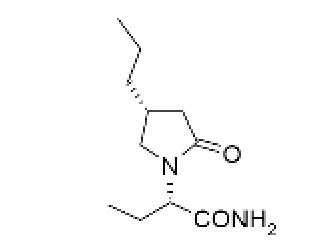
Physicochemical properties: Brivaracetam is a white to off-white crystalline powder. It is very soluble in water, buffer (pH 1.2, 4.5, and 7.4), ethanol, methanol, and glacial acetic acid. It is freely soluble in acetonitrile and acetone and soluble in toluene. It is very slightly soluble in n-hexane. The melting point of brivaracetam is between 76.0°C and 78.7°C. The specific rotation of a 10 mg/mL aqueous solution of brivaracetam at 25°C with a Na lamp at 589 nm is - 60.1 ± 1.6°.
14 CLINICAL TRIALS
14.1 Clinical Trials by Indication
Adults
Table 5: Summary of Patient Demographics for Clinical Trials in Epilepsy
| Study # | Study design | Dosage, route of administration and duration | Study subjects (n) | Mean age (Range) | Sex |
| Study 1 | Phase 3, double-blind, parallel-group, placebo-controlled, randomized | Randomized, fixed doses: BRV 20, 50, 100mg/ day Additional allowed doses (Fallback): BRV 20, 50mg/day; placebo Placebo Oral tablet Up to 14 weeks Baseline Period: 8 weeks Treatment Period: 12 weeks Down-Titration and study drug free period until final Safety Visit : 2 weeks each | 399 (1 subject was excluded from the ITT populati on) | 37.2 years/ (16.2-71.1) | 227 M / 171 F |
| Study 2 | Phase 3, randomized, double-blind, placebo-controlled, parallel-group | Randomized, fixed doses: BRV 5, 20, 50mg/day Additional allowed doses (Fallback): BRV 5, 20mg/day; placebo Placebo Oral tablet Up to 13 weeks Baseline Period: 8 weeks Treatment Period: 12 weeks Down-Titration and study drug period until final Safety Visit: 1 week and 2 weeks, respectively | 400 (4 subjects were excluded from the ITT Populati on) | 38.1 years/ (14.4-69.9) | 195 M / 201 F |
| Study # | Study design | Dosage, route of administration and duration | Study subjects (n) | Mean age (Range) | Sex |
| Study 3 | Phase 3, randomized, double-blind, placebo-controlled, multicenter, therapeutic confirmatory | Randomized, fixed doses: BRV 100, 200mg/day Doses used during the Down-Titration Period: BRV 20, 50, 100, 150mg/day Oral tablet Up to 16 weeks Baseline Period: 8 weeks Treatment Period: 12 weeks Down-Titration and study-drug free period until final Safety Visit: up to 4 weeks and 2 weeks, respectively | 768 | 39.5 years/ (16-80) | 372 M / 396 F |
BRV = BRIVLERA; ITT = Intent-to-Treat
The efficacy of BRIVLERA (brivaracetam) as adjunctive therapy in partial-onset seizures was established in 3 fixed-dose, randomized, double-blind, placebo-controlled, multicentre studies (Studies 1, 2 and 3), which included a total of 1558 patients (1099 patients were exposed to brivaracetam and 459 patients received placebo). The patients’ mean age was 38.3 years. The median baseline seizure frequency was 9.0 seizures per 28 days. Across the 3 studies, the mean duration of epilepsy ranged from 22 to 24 years.
Patients had partial onset seizures with or without secondary generalization and were not adequately controlled with 1 to 2 concomitant Antiepileptic Drugs (AEDs). In Studies 1 and 2, approximately 80% of the patients were taking 2 concomitant AEDs, and in Study 3, 71% were taking 2 concomitant AEDs with or without vagal nerve stimulation. The most commonly used AEDs across the three studies were carbamazepine (41%), lamotrigine (25%), valproate (21%), oxcarbazepine (16%), topiramate (14%), phenytoin (10%), and levetiracetam (10%). Patients on levetiracetam were excluded from Study 3.
All studies had an 8-week baseline period, during which patients were required to have at least 8 partial-onset seizures. The baseline period was followed by a 12-week treatment period. As there was no titration period in any of these studies, patients were initiated and remained on a fixed dose of study drug throughout trials. In Studies 1 and 2, the study drug dose could be reduced once (i.e., fallback option) if necessary for tolerability reasons (see 8.1 Adverse Reaction Overview). No fallback was allowed in Study 3.
Study 1 compared doses of BRIVLERA 50 mg/day and 100 mg/day with placebo. Study 2 compared BRIVLERA 50 mg/day with placebo. Study 3 compared doses of BRIVLERA 100 mg/day and 200 mg/day with placebo. All daily doses were administered in two equal intakes. Across the 3 studies, the completion rates for placebo, BRIVLERA 50 mg/day, 100 mg/day, and 200 mg/day were 94.7%, 91.3%, 90.1%, and 90.4%, respectively.
Study Results
In Study 1, a statistically significant treatment effect was not observed for the 50 mg/day dose. The 100 mg/day dose in this study was nominally significant. In Study 2, the 50 mg/day dose showed a statistically significant treatment effect. In Study 3, both 100 mg/day and 200 mg/day doses showed a statistically significant treatment effect compared to placebo (see Table 6). The 200 mg/day dose did not provide additional efficacy compared to the 100 mg/day dose.
Table 6: Median Percent Reduction in 28-Day Total Partial Seizure Frequency and Proportion of Patients with ≥50% Reduction in Seizure Frequency from Baseline to the End of Double-Blind Treatment Phase (ITT Population).
| Study | Efficacy Results | AEDs + Placebo | AEDs + BRIVLERA | |||||||||||||||
|---|---|---|---|---|---|---|---|---|---|---|---|---|---|---|---|---|---|---|
| 50 mg/day | 100 mg/day | 200 mg/day | ||||||||||||||||
| 1 | n | 100 | 99 | 100 | ||||||||||||||
| Median percent reduction from baseline (%) | 17.0 | 26.8 | 32.5(1) | ~ | ||||||||||||||
| (p=0.092) | (p=0.004) | |||||||||||||||||
| 50% Responder rate ** | 20.0 | 27.3 | 36.0(1) | ~ | ||||||||||||||
| (p=0.372) | (p=0.023) | |||||||||||||||||
| 2 | n | 96 | 101 | |||||||||||||||
| Median percent reduction from baseline (%) | 17.8 | 30.5* (p=0.003) | ~ | ~ | ||||||||||||||
| 50 % Responder rate ** | 16.7 | 32.7* (p=0.008) | ~ | ~ | ||||||||||||||
| 3 | n | 259 | 252 | 249 | ||||||||||||||
| Median percent reduction from baseline (%) | 17.6 | ~ | 37.2* | 35.6* | ||||||||||||||
| (p<0.001) | (p<0.001) | |||||||||||||||||
| 50% Responder rate ** | 21.6 | ~ | 38.9* | 37.8* | ||||||||||||||
| (p<0.001) | (p<0.001) | |||||||||||||||||
n = Randomised patients who received at least 1 dose of study medication
~ Dose not studied
* Statistically significant
**Responder rate: defined as percentage of subjects who achieved at least a 50% reduction in partial onset seizure frequency per 28 days from baseline to the end of the treatment period
(1) The primary outcome for Study 1 did not achieve statistical significance based on the sequential testing procedure, which required statistical significance at the 0.050 level for BRIVLERA 50 mg/day versus placebo prior to the testing of BRIVLERA 100 mg/day. The 100 mg/day dose was nominally significant.
In these 3 clinical studies, 2.5% (4/161), 5.1% (17/332) and 4.0% (10/249) of the patients on BRIVLERA 50 mg/day, 100 mg/day and 200 mg/day respectively, became seizure free during the 12-week treatment period compared with 0.5% (2/418 patients) on placebo.
There were no significant differences in seizure control as a function of gender. Data on race were limited (approximately 28% of the patients were non-Caucasian).
Treatment with Levetiracetam
In Studies 1 and 2, which evaluated BRIVLERA dosages of 50 mg and 100 mg daily, approximately 20% of the patients were on concomitant levetiracetam. Although not powered for this analysis and the number of subjects is limited, there was no observed benefit versus placebo when BRIVLERA was added to levetiracetam.
Patients on concomitant levetiracetam were excluded from Study 3, which evaluated brivaracetam 100 and 200 mg daily. Approximately 54% of patients in this study had prior exposure to levetiracetam.
Pediatric patients
Adolescents and children ≥4 years
The efficacy of BRIVLERA as adjunctive therapy in the treatment of partial onset seizures in adolescents and children over 4 years of age was established by extrapolation, based on a population pharmacokinetic approach (see 10.3 Pharmacokinetics).
15 MICROBIOLOGY
No microbiological information is required for this drug product.
16 NON-CLINICAL TOXICOLOGY
General Toxicology:
Acute Toxicity
After acute administration, the maximum non-lethal oral dose in the rat was ≥1000 mg/kg, since 2000 mg/kg was not considered tolerable and a no-effect level of 500 mg/kg (both sexes) was identified based on the absence of clinical signs.
Long Term Toxicity
The toxicity potential of brivaracetam was investigated in the following repeated administration for 3 months in mice, up to 6 months in rats and dogs and 9 months in monkeys by the oral route and for up to 4 weeks in rats and dogs by i.v. infusion.
The liver was the main target organ with different sensitivity across species. The dog was the most sensitive species with no safety margin identified based on systemic exposure to brivaracetam. In dogs, the adverse changes in the liver were characterized by porphyrin deposits in hepatocytes, bile canaliculi, and Kupffer cells (i.e. porphyria) accompanied by increases in plasma biomarkers (increased ALT, AST, alkaline phosphatase, GGT, SDH, 5’ nucleotidase, and bile acids) and histopathologic findings of centrilobular fibrosis and hyperplasia of oval cells/bile ducts, single hepatocyte necrosis, and centrilobular inflammation, as well as concretions in the lumen of the gall bladder. The high sensitivity of the dog for hepatotoxicity may be related to the relatively species-specific formation of a reactive metabolite, based mainly on data for an analog compound that causes similar hepatic effects.
Liver changes were also evident in mice in which hepatocellular hypertrophy, with, in males, single cell necrosis of hepatocytes and increased plasma aminotransferases and glutamate dehydrogenase activities occurred at 675 and 1000 mg/kg/day with the 450 mg/kg/day dose considered a no observed adverse effect level (NOAEL) at which systemic exposure to brivaracetam was approximately double that at the maximum recommended human dose (MRHD). These histopathological findings, along with lipofuscin pigment in hepatocytes and Kupffer cells, were also seen mainly in male mice chronically exposed for two years at all dose levels (carcinogenicity study).
In rats, centrilobular hepatocellular hypertrophy occurred at all dose levels; however no adverse liver changes were seen following chronic administration of brivaracetam at exposures up to 8 times (6 months) that at the MRHD of 200 mg/day. Lipofuscin, bile, and porphyrin pigment deposits in bile ducts, minimal bile duct hyperplasia, and peribiliary inflammation were observed in rats, but only after short term administration (4 weeks) with brivaracetam doses at or above a maximum tolerated dose (≥1000 mg/kg/day).
No adverse liver changes were seen in monkeys following administration of brivaracetam at exposures up to 42 times the mean human exposure at the clinical dose of 200 mg/day.
Genotoxicity
Brivaracetam is not considered genotoxic based on evaluations in in vitro assays in bacterial (Ames test) and mammalian cells (mouse lymphoma assay, chromosomal aberration test in CHO cells) and in vivo in rats (bone marrow micronucleus assay) and mice (Muta™ mice).
Carcinogenicity
Carcinogenicity studies were conducted in the mouse at dose levels of 400, 550, and 700 mg/kg/day for 104 weeks and in the rat at 150, 230, 450, and 700 mg/kg/day for 104 weeks. In mice, there were higher incidences of liver tumours (hepatocellular adenoma and carcinoma) in males at the mid and high dose levels with systemic exposures (AUC) to brivaracetam at the no effect level (400 mg/kg/day) approximately equal to those at the MRHD of 200 mg/day. The liver tumours are considered to be the result of pleiotrophic effects on the liver that includes hepatocellular hypertrophy and induction of microsomal enzymes, a mode of action comparable to phenobarbitone that is not likely relevant for humans. In rats, there were higher incidences of thyroid tumours at ≥230 mg/kg/day, that were considered secondary to hepatic enzyme induction and not relevant for humans, and benign thymomas (thymic tumours) in high dose females. Systemic exposure at the no-effect dose level (450 mg/kg/day) for thymomas was about 9 times that at the MRHD.
Reproductive and Developmental Toxicology
In male and female rats administered brivaracetam (oral doses of 100, 200 or 400 mg/kg/day) prior to and throughout mating and continuing in females until gestation day 6, there were no effects on fertility. Based on toxicokinetic data from a repeated dose study in rats, the exposure margins are considered to be at least 6 and 13 times that at the MRHD, in male and female rats, respectively.
In embryo-fetal development studies, brivaracetam was administered to rats at oral dose levels of 150, 300 and 600 mg/kg/day and rabbits at 30, 60, 120, and 240 mg/kg/day during the period of organogenesis. Brivaracetam showed no evidence of teratogenicity. Brivaracetam caused maternal toxicity at 600 mg/kg/day, but no embryo-fetal toxicity in rats up to the maximum dose tested, 600 mg/kg/day, at which plasma exposure (AUC) was 32 times that at the MRHD of 200 mg/day. Brivaracetam caused developmental toxicity consisting of increased post-implantation loss, reduced fetal weight, and increased incidences of fetal minor abnormalities and variants related to the extent of ossification in the rabbit at 240 mg/kg/day, a maternal toxic dose, with systemic exposure at the no-effect dose (120 mg/kg/day) 8 times the AUC at the MRHD of 200 mg/day.
When brivaracetam (150, 300, or 600 mg/kg/day) was orally administered to rats throughout gestation, parturition, and lactation, lower body weight gains were observed in the offspring at the highest dose, with associated slight increase in age of attainment of vaginal patency and lower locomotor activity. The no-effect dose for pre- and post-natal developmental toxicity in rats (300 mg/kg/day) was associated with a maternal plasma brivaracetam AUC approximately 7 times that in humans at the MRHD.
After [14C]-brivaracetam administration to rats, brivaracetam and/or its metabolites readily crossed the placental barrier with maternal blood radioactivity levels similar to those in the fetus, placenta and amniotic fluid. Brivaracetam and/or its metabolites were excreted into milk of lactating female rats following a single radioactive dose, with mean milk/plasma ratio close to unity.
The potential adverse effects of long-term oral administration of brivaracetam on neonatal growth and development was investigated in juvenile rats and dogs with dosing starting on post natal day (PND) 4. In juvenile rats, the highest dose tested, 600 mg/kg/day, resulted in mortality, clinical signs, decreased body weight, delayed sexual maturation of males, hepatocellular hypertrophy, and lower brain weight. The no effect level for all effects except lower brain weight was 300 mg/kg/day, at which exposure to brivaracetam was 3-9 times that at the MRHD. A no-effect dose for lower brain weight was not identified; however, the differences from controls at the low and mid dose levels were small (≤6.5%) and there were no adverse effects at any dose level on behaviour, learning, and memory or no microscopic findings, which included a comprehensive histopathologic evaluation of the brain. In juvenile dogs, the dose of 100 mg/kg/day induced hepatotoxicity similar to those observed in adult animals. There were no adverse effects on growth, bone density or strength, brain (including brain weight) and neurobehavioral assessments and neuropathology evaluation. Similar exposure to brivaracetam was achieved in adult and juvenile animals at the NOAEL, except at post-natal day 4 where higher exposure was achieved in juvenile animals compared to adults. Based on hepatic toxicity at 100 mg/kg/day, 30 mg/kg/day was considered a NOAEL at which systemic exposure to brivaracetam was slightly higher than that at the MRHD.