


Product Monograph - Epidiolex
1 INDICATIONS
EPIDIOLEX® (cannabidiol oral solution) is indicated for:
- use as adjunctive therapy for the treatment of seizures associated with Lennox-Gastaut syndrome (LGS), Dravet syndrome (DS), or tuberous sclerosis complex (TSC) in patients 2 years of age and older.
1.1 Pediatrics
Pediatrics (<2 years of age): The safety and efficacy of EPIDIOLEX in pediatric patients <2 years of age have not been established (see 14 CLINICAL TRIALS). Therefore, Health Canada has not authorized an indication for patients <2 years of age.
1.2 Geriatrics
Geriatrics (≥65 years of age): The safety and efficacy of EPIDIOLEX in patients ≥65 years of age have not been studied as clinical studies of EPIDIOLEX did not include patients aged 65 years and over. It is not known whether geriatric patients would respond differently than younger adult patients. Dose selection should be cautious, usually starting at the low end of the dosing range, reflecting the greater frequency of decreased hepatic, renal, or cardiac function, and of concomitant disease or other drug therapy.
2 CONTRAINDICATIONS
EPIDIOLEX is contraindicated for use in:
- patients who are hypersensitive to this drug or to any ingredient in the formulation, including any non-medicinal ingredient, or component of the container. For a complete listing, see 6 DOSAGE FORMS, STRENGTHS, COMPOSITION AND PACKAGING.
- patients with transaminase elevations greater than 3 times the upper limit of normal (ULN) and concurrent elevations of bilirubin greater than 2 times the ULN.
4 DOSAGE AND ADMINISTRATION
4.1 Dosing Considerations
- EPIDIOLEX is to be administered orally.
- EPIDIOLEX is to be titrated according to patient response. Weekly titration is recommended to allow monitoring of individual response and tolerability.
- Titration should not be faster than every other day, which was the titration schedule evaluated in clinical trials.
- The weekly titration schedule is based on pharmacokinetic modelling and simulation. Comparable exposures are predicted from both titration schedules through 10 mg/kg/day, but initial (weeks 2-4) lower exposures are predicted beyond this dose range for the weekly titration schedule.
- Dose(s) of existing antiepileptic regimen to remain stable during treatment initiation and titration.
Because of the risk of hepatocellular injury, obtain serum transaminases (alanine aminotransferase [ALT] and aspartate aminotransferase [AST]) and total bilirubin levels in all
- patients prior to starting treatment with EPIDIOLEX and at 1 month, 3 months and 6 months post-treatment initiation and then as clinically indicated (see 7 Hepatic/Biliary/Pancreatic).
- Upon changes in EPIDIOLEX dose, this monitoring schedule (1, 3, and 6 months) should be restarted.
- Dosage adjustment is recommended in patients with moderate or severe hepatic impairment (see 4.2 Discontinuation of EPIDIOLEX).
- Discontinue EPIDIOLEX in any patients with elevations of transaminase levels greater than 3 times the ULN and bilirubin levels greater than 1.5 times the ULN. Patients with sustained transaminase elevations of greater than 5 times the ULN should also have treatment discontinued (see 7 Hepatic/Biliary/Pancreatic).
4.2 Recommended Dose and Dosage Adjustment
Dosing for Seizures Associated with Lennox-Gastaut Syndrome or Dravet Syndrome
The recommended starting dose of EPIDIOLEX is 2.5 mg/kg taken twice daily (5 mg/kg/day).
After one week, the dose should be increased to a maintenance dose of 5 mg/kg twice daily (10 mg/kg/day).
Based on individual clinical response and tolerability, each dose can be further increased in weekly increments of 2.5 mg/kg administered twice daily (5 mg/kg/day) up to a maximum recommended dose of 10 mg/kg twice daily (20 mg/kg/day). For patients in whom a more rapid titration from 10 mg/kg/day to 20 mg/kg/day is warranted, the dose may be increased no more frequently than every other day.
Any dose increases above 10 mg/kg/day, up to the maximum recommended daily dose of 20 mg/kg/day, should be made considering individual benefit and risk and with adherence to the full monitoring schedule (see 7 Monitoring and Laboratory Tests).
Dosing for Seizures Associated with Tuberous Sclerosis Complex
The recommended starting dose of EPIDIOLEX is 2.5 mg/kg taken twice daily (5 mg/kg/day).
After one week, the dosage should be increased to 5 mg/kg twice daily (10 mg/kg/day) and the clinical response and tolerability should be assessed.
Based on individual clinical response and tolerability, each dose can be further increased in weekly increments of 2.5 mg/kg administered twice daily (5 mg/kg/day) up to a maximum recommended dose of 12.5 mg/kg twice daily (25 mg/kg/day). For patients in whom a more rapid titration to 25 mg/kg/day is warranted, the dose may be increased no more frequently than every other day. The efficacy of doses lower than 12.5 mg/kg twice daily has not been studied in patients with TSC.
Any dose increases above 10 mg/kg/day, up to the maximum recommended dose of 25 mg/kg/day, should be made considering individual benefit and risk and with adherence to the full monitoring schedule (see 7 Monitoring and Laboratory Tests).
Patients with Hepatic Impairment
Dose adjustment is required in patients with moderate (Child-Pugh B) or severe (Child-Pugh C) hepatic impairment. See Table 1; see also 7 Hepatic/Biliary/Pancreatic and 10.3 Special Populations and Conditions.
EPIDIOLEX does not require dose adjustment in patients with mild (Child-Pugh A) hepatic impairment.
Table 1: Dose adjustments in patients with moderate or severe hepatic impairment
| Hepatic Impairment | Starting Dose For LGS, DS and TSC | Maintenance Dose For LGS and DS | Second Week For TSC | Maximal Recommended Daily Dose For LGS and DS | Maximal Recommended Daily Dose For TSC | |||
| Moderate | 1.25 mg/kg twice daily (2.5 mg/kg/day) | 2.5 mg/kg twice daily (5 mg/kg/day) | 5 mg/kg twice daily (10 mg/kg/day) | 6.25 mg/kg twice daily (12.5 mg/kg/day) | ||||
| Severe | 0.5 mg/kg twice daily (1 mg/kg/day) | 1 mg/kg twice daily (2 mg/kg/day) | 2 mg/kg twice daily (4 mg/kg/day) | 2.5 mg/kg twice daily (5 mg/kg/day) | ||||
Monitoring of liver function should occur at baseline, 1 month, 3 months, and 6 months after initiation of treatment with EPIDIOLEX. If a patient develops clinical signs or symptoms suggestive of hepatic dysfunction (e.g., unexplained nausea, vomiting, right upper quadrant abdominal pain, fatigue, anorexia, or jaundice and/or dark urine), promptly measure serum transaminases and total bilirubin and interrupt or discontinue treatment with EPIDIOLEX, as appropriate (see 7 General).
Patients with Renal Impairment
There is no requirement for dose modification of EPIDIOLEX in patients with any degree of renal impairment. EPIDIOLEX has not been studied in patients with end-stage renal disease or those undergoing dialysis.
Discontinuation of EPIDIOLEX
When discontinuing EPIDIOLEX, the dose should be decreased gradually. As with most antiepileptic drugs (AEDs) abrupt discontinuation should be avoided when possible to minimize the risk of increased seizure frequency and status epilepticus (see 7 General). In clinical trials, EPIDIOLEX discontinuation was achieved by reducing the dose by approximately 10% per day for 10 days. A slower or faster down titration may be required, as clinically indicated.
4.4 Administration
Food affects EPIDIOLEX absorption significantly, thus EPIDIOLEX should be taken consistently with food (preferably with the same type of meal) or consistently without food (see 10.3 Pharmacokinetics and 9.5 Drug-Food Interactions).
Calibrated measuring devices (1 mL and 5 mL oral syringes) will be provided and are recommended to measure and deliver the prescribed dose accurately. A household teaspoon or tablespoon is not an adequate measuring device.
Oral administration is recommended. When necessary, EPIDIOLEX can be enterally administered via silicone feeding tubes, such as nasogastric or gastrostomy tubes. The recommended volume for flushing (with room temperature drinking water) after each dose is approximately 5 times the priming volume of the tube. The flushing volume may need to be modified in patients with fluid restrictions. Do not use with tubes made of polyvinyl chloride (PVC) or polyurethane and avoid use of silicone nasogastric tubes with short lengths and narrow diameters (e.g., less than 50 cm and less than 5 French).
Discard any unused EPIDIOLEX remaining 12 weeks after first opening the bottle (see 11 STORAGE, STABILITY AND DISPOSAL).
4.5 Missed Dose
If any dose is missed, the missed dose should not be taken. Instead, the next scheduled dose should be taken. Doses should not be doubled. In the case of more than 7 days missed doses, re-titration to the therapeutic dose should be made.
5 OVERDOSAGE
Experience with doses higher than the recommended therapeutic dose is limited. Mild diarrhea and somnolence have been reported in healthy adult subjects taking a single dose of 6000 mg; this equates to a dose of over 85 mg/kg for a 70 kg adult. These adverse reactions resolved upon study completion.
Symptomatic and supportive treatment should be given following overdose with EPIDIOLEX, including monitoring of vital signs and observation of the clinical status of the patient. It is not known if EPIDIOLEX is dialysable.
| For management of a suspected drug overdose, contact your regional poison control centre. |
|---|
6 DOSAGE FORMS, STRENGTHS, COMPOSITION AND PACKAGING
Table 2: Dosage Forms, Strengths, Composition and Packaging
EPIDIOLEX is a strawberry-flavoured, clear, colourless to yellow solution supplied in an amber glass bottle with a child-resistant closure. EPIDIOLEX is available in bottles containing 60 mL or 100 mL of oral solution. Not all bottle sizes may be marketed.
One bottle of EPIDIOLEX is packaged in a carton with two 1 mL calibrated oral dosing syringes, two 5 mL calibrated oral dosing syringes, bottle adapters, and a patient medication information leaflet.
7 WARNINGS AND PRECAUTIONS
General
Somnolence and Sedation
EPIDIOLEX can cause somnolence and sedation. In controlled studies for LGS and DS (10 and 20 mg/kg/day dosages), the incidence of somnolence and sedation (including lethargy) was 31% in EPIDIOLEX-treated patients (27% and 33% of patients taking EPIDIOLEX 10 or 20 mg/kg/day, respectively), compared with 12% in patients receiving placebo, and was generally dose-related. The
| Route of Administration | Dosage Form/ Strength/Composition | Non-medicinal Ingredients |
| Oral | Solution 100 mg/mL Each mL of solution contains 100 mg of cannabidiol. | Ethanol anhydrous (10% v/v) Sesame seed oil Strawberry flavouring Sucralose |
rate was higher in patients on concomitant clobazam (44% in EPIDIOLEX-treated patients taking clobazam compared with 14% in EPIDIOLEX-treated patients not on clobazam). In the controlled study for TSC, the incidence of somnolence and sedation including lethargy was 19% in EPIDIOLEX-treated patients (25mg/kg/day) compared with 17% of patients on placebo. The rate was higher in patients on concomitant clobazam (33% in EPIDIOLEX-treated patients taking clobazam compared with 14% in EPIDIOLEX-treated patients not on clobazam). In general, these effects were more common early in treatment and may diminish with continued treatment. Other CNS depressants, including alcohol, can potentiate the somnolence and sedation effect of EPIDIOLEX. Prescribers should monitor patients for somnolence and sedation and should advise patients not to drive or operate machinery until they have gained sufficient experience on EPIDIOLEX to gauge whether it adversely effects their ability to drive or operate machinery (see 7 Driving and Operating Machinery).
Discontinuation of EPIDIOLEX
EPIDIOLEX should be decreased gradually to minimise the risk of increased seizure frequency and status epilepticus (see 4.2 Recommended Dose and Dosage Adjustment). If prompt withdrawal is needed because of a serious adverse event, rapid discontinuation can be considered and transition to another antiepileptic drug should be made under close medical supervision.
Driving and Operating Machinery
EPIDIOLEX can cause somnolence and sedation. Prescribers should monitor patients for somnolence and sedation and should advise patients not to drive or operate machinery until they have gained sufficient experience on EPIDIOLEX to gauge whether it adversely affects their ability to drive or operate machinery (see 7 Somnolence and Sedation).
Hepatic/Biliary/Pancreatic
Hepatocellular Injury
EPIDIOLEX can cause dose-related elevations of liver transaminases (ALT and/or AST). In controlled studies for LGS, DS, and TSC (10, 20, and 25 mg/kg/day dosages), the incidence of ALT elevations above 3 times the upper limit of normal (ULN) was 12% in EPIDIOLEX-treated patients compared with <1% in patients on placebo. Two cases met the modified Hy’s Law (hepatic AST or ALT ≥ 3 times ULN, and total bilirubin ≥ 1.5 times ULN). The patients continued their respective treatments and their abnormal liver laboratory tests resolved without intervention. There were no patients that experienced concurrent bilirubin elevations more than 1.5 times the ULN or more. Liver enzyme elevations have been observed up to 18 months after initiation of treatment, particularly in patients taking concomitant valproate.
Concomitant Valproate and Clobazam
In clinical trials, the majority of ALT elevations occurred in patients taking concomitant valproate. Concomitant use of clobazam also increased the incidence of transaminase elevations, although to a lesser extent than valproate. Discontinuation or dose adjustment of valproate or clobazam should be considered if transaminase elevations occur (see 9.4 Drug-Drug Interactions). Resolution of transaminase elevations occurred with discontinuation of EPIDIOLEX or reduction of EPIDIOLEX and/or concomitant valproate in about two-thirds of the cases. In about one-third of the cases, transaminase elevations resolved during continued treatment with EPIDIOLEX, without dose reduction.
Dose
ALT elevations greater than 3 times the ULN were reported in 15% of patients taking EPIDIOLEX 20 or 25 mg/kg/day compared with 3% in patients taking EPIDIOLEX 10 mg/kg/day.
Monitoring and Laboratory Tests
In general, transaminase elevations of greater than 3 times the ULN in the presence of elevated bilirubin (≥1.5 times the ULN) without an alternative explanation are an important predictor of severe liver injury. Early identification of elevated liver enzymes may decrease the risk of a serious outcome. Patients with elevated baseline transaminase levels above 3 times the ULN, accompanied by elevations in bilirubin (≥1.5 times the ULN), should be evaluated prior to initiation of EPIDIOLEX treatment.
Prior to starting treatment with EPIDIOLEX obtain serum transaminases and total bilirubin levels. Serum transaminases and total bilirubin levels should be obtained at 1 month, 3 months and 6 months after initiation of treatment with EPIDIOLEX, and periodically thereafter or as clinically indicated. Serum transaminases and total bilirubin levels should also be obtained within 1 month following changes in EPIDIOLEX dose and addition of or changes in medications that are known to impact the liver (see 9.4 Drug-Drug Interactions).
In patients with identified baseline elevations of liver enzymes or patients who are taking valproate should have serum transaminases and total bilirubin levels obtained at 2 weeks, 1 month, 2 months, 3 months, and 6 months after initiation of treatment with EPIDIOLEX, and periodically thereafter or as clinically indicated. Upon changes in EPIDIOLEX dose or changes in medicinal products (dose change or additions) that are known to impact the liver, this monitoring schedule should be restarted.
If a patient develops clinical signs or symptoms of hepatic dysfunction (e.g., unexplained nausea, vomiting, right upper quadrant pain, fatigue, anorexia, or jaundice and/or dark urine), promptly measure serum transaminases and total bilirubin and interrupt or discontinue treatment with EPIDIOLEX, as appropriate. Discontinue EPIDIOLEX in any patients with elevations of transaminase levels greater than 3 times the ULN and bilirubin levels greater than 1.5 times the ULN. Patients with sustained transaminase elevations of greater than 5 times the ULN should also have treatment discontinued. Patients with prolonged elevations of serum transaminases should be evaluated for other possible causes (see 4.2 Recommended Dose and Dosage Adjustment). Consider dosage adjustment of any co-administered medication that is known to affect the liver (e.g., valproate and clobazam).
Immune
Hypersensitivity
EPIDIOLEX can cause hypersensitivity reactions. Patients with known or suspected hypersensitivity to any ingredients of EPIDIOLEX were excluded from phase I to III clinical trials. If a patient develops hypersensitivity reaction after treatment, the drug should be discontinued. EPIDIOLEX is contraindicated in patients with a prior hypersensitivity to cannabidiol or to any of the ingredients in the product, which includes sesame seed oil (see 2 CONTRAINDICATIONS).
In the clinical safety datasets, there were six cases of skin rashes with eosinophilia, two of which also had hepatic enzyme increases. There was one further case with all three events but the events had no time overlap. None of the cases met the diagnostic criteria of Drug Reaction with Eosinophilia and Systemic Syndromes (DRESS), with various investigator-implemented clinical management.
Psychiatric
Suicidal Ideation and Behaviour
Suicidal Ideation and Behaviour have been reported in patients treated with antiepileptic agents in several indications. All patients treated with antiepileptic drugs, irrespective of indication, should be monitored for signs of suicidal ideation and behaviour and appropriate treatment should be considered. Patients (and caregivers of patients) should be advised to seek medical advice should signs of suicidal ideation or behaviour emerge. An FDA meta-analysis of randomized placebo-controlled trials, in which antiepileptic drugs were used for various indications, has shown a small increased risk of suicidal ideation and behaviour in patients treated with these drugs. The mechanism of this risk is not known. There were 43,892 patients treated in the placebo controlled clinical trials that were included in the meta-analysis. Approximately 75% of patients in these clinical trials were treated for indications other than epilepsy and, for the majority of non-epilepsy indications the treatment (antiepileptic drug or placebo) was administered as monotherapy. Patients with epilepsy represented approximately 25% of the total number of patients treated in the placebo controlled clinical trials and, for the majority of epilepsy patients, treatment (antiepileptic drug or placebo) was administered as adjunct to other antiepileptic agents (i.e., patients in both treatment arms were being treated with one or more antiepileptic drug). Therefore, the small increased risk of suicidal ideation and behaviour reported from the meta-analysis (0.43% for patients on antiepileptic drugs compared to 0.24% for patients on placebo) is based largely on patients that received monotherapy treatment (antiepileptic drug or placebo) for non-epilepsy indications. The study design does not allow an estimation of the risk of suicidal ideation and behaviour for patients with epilepsy that are taking antiepileptic drugs, due both to this population being the minority in the study, and the drug-placebo comparison in this population being confounded by the presence of adjunct antiepileptic drug treatment in both arms.
Anyone considering prescribing EPIDIOLEX or any other AED must balance the risk of suicidal thoughts or behaviours with the risk of untreated illness. Epilepsy and many other illnesses for which AEDs are prescribed are themselves associated with morbidity and mortality and an increased risk of suicidal thoughts and behaviour. Should suicidal thoughts and behaviour emerge during treatment, consider whether the emergence of these symptoms in any given patient may be related to the illness being treated.
Reproductive Health: Female and Male Potential
- Fertility
In a fertility and early embryonic development study in rat, no effect on reproductive ability of males or females was noted up to an oral dose of 250 mg/kg/day CBD. No changes were noted in effects on male or female reproductive indices, male reproductive organ weights, or female estrus cycling. No effects were noted on mating or fertility (see 16 Reproductive and Developmental Toxicology).
Women of childbearing potential and fertile men should take reliable contraceptive precautions (see 16 Reproductive and Developmental Toxicology).
7.1 Special Populations
7.1.1 Pregnant Women
There are only limited data from the use of EPIDIOLEX in pregnant women. Studies in animals have shown reproductive toxicity (see 16 Reproductive and Developmental Toxicology). As a precautionary measure, EPIDIOLEX should not be used during pregnancy unless the potential benefit to the mother clearly outweighs the potential risk to the fetus.
Pregnancy Exposure Registry
Patients should be encouraged to enroll in the North American Antiepileptic Drug (NAAED) Pregnancy Registry if they become pregnant. This registry is collecting information about the safety of AEDs during pregnancy. To enroll, patients can call the toll-free number, 1-888-233-2334. Information on the registry can also be found at the website https://www.aedpregnancyregistry.org/.
7.1.2 Breastfeeding
There are no data on the presence of EPIDIOLEX or its metabolites in human milk, the effects on the breastfed infant, or the effects on milk production. The developmental and health benefits of breastfeeding should be considered along with the mother’s clinical need for EPIDIOLEX and any potential adverse effects on the breastfed infant from EPIDIOLEX or from the underlying maternal condition.
7.1.3 Pediatrics
The safety and efficacy of EPIDIOLEX in pediatric patients <2 years of age have not been established.
Administration of cannabidiol to juvenile rats resulted in neuro-behavioural effects, increased bone mineral density, liver hepatocyte vacuolation and delayed male sexual maturation (see 16 Juvenile Toxicology).
7.1.4 Geriatrics
Clinical trials of EPIDIOLEX in the treatment of LGS, DS, and TSC did not include any patients ≥65 years or above. It is not known whether geriatric patients would respond differently than younger adult patients. Dose selection for these patients should be cautious, usually starting at the low end of the dosing range, reflecting the greater frequency of decreased hepatic, renal, or cardiac function, and of concomitant disease or other drug therapy.
8 ADVERSE REACTIONS
8.1 Adverse Reaction Overview
Patients with Dravet Syndrome
A total of 221 individual patients were exposed to EPIDIOLEX during the controlled clinical trials of up to 14 weeks duration. In the controlled clinical trials, the incidence of serious adverse events was 19.9% with EPIDIOLEX and 10.7% in the placebo group. The most commonly observed serious adverse events in patients receiving EPIDIOLEX were status epilepticus, pneumonia and seizure. In the controlled clinical trials, the most frequent cause of discontinuation of treatment in patients receiving cannabidiol (EPIDIOLEX) was somnolence (3.2%) and transaminase elevations (3.2%). The incidence of discontinuation due to transaminase elevations was dose dependent. Risk factors for transaminase elevation include concomitant valproate and clobazam, dose of EPIDIOLEX, and baseline transaminase elevations.
The most common adverse reactions that occurred in EPIDIOLEX-treated patients with DS (incidence at least 5% and a difference of ≥2% than placebo) are somnolence and sedation (30%), decreased appetite (24%), diarrhea (22%), pyrexia (20%), fatigue (15%) and vomiting (12%) (see Table 3 for detailed data).
Patients with Lennox-Gastaut Syndrome
A total of 235 individual patients were exposed to EPIDIOLEX during the controlled clinical trials of up to 14 weeks duration. In the controlled clinical trials, the incidence of serious adverse events was 19.6% with EPIDIOLEX and 7.5% in the placebo group. The most commonly observed serious adverse events in patients receiving EPIDIOLEX were status epilepticus, pneumonia and transaminase elevations. In the controlled clinical trials, the most frequent cause of discontinuation of treatment in patients receiving cannabidiol (EPIDIOLEX) was transaminase elevations (4.7%). The incidence of discontinuation due to transaminase elevations was dose dependent. Risk factors for transaminase elevation include concomitant valproate and clobazam, dose of EPIDIOLEX, and baseline transaminase elevations.
The most common adverse reactions that occurred in EPIDIOLEX-treated patients with LGS (incidence at least 5% and a difference of ≥2% than placebo) are somnolence and sedation (27%), decreased appetite (18%) and diarrhea (15%) (see Table 4 for detailed data).
Patients with Tuberous Sclerosis Complex
A total of 148 individual patients were exposed to EPIDIOLEX during a controlled clinical trial of up to 16 weeks duration. In the controlled clinical trial, the incidence of serious adverse events was 17.6% with EPIDIOLEX and 2.6% in the placebo group. The most commonly observed serious adverse events in patients receiving EPIDIOLEX were transaminase elevations. In the controlled clinical trial, the adverse events most frequently leading to discontinuation was rash (5%).
The most common adverse reactions that occurred in EPIDIOLEX-treated patients with TSC (incidence at least 5% at the recommended dose and a difference of ≥2% greater than placebo) are diarrhea (31%), decreased appetite (20%), pyrexia (18%), vomiting (17%), somnolence (13%), cough (11%), increased liver enzymes (12%), and constipation (11%) (see Table 5 for detailed data).
8.2 Clinical Trial Adverse Reactions
Clinical trials are conducted under very specific conditions. The adverse reaction rates observed in the clinical trials, therefore, may not reflect the rates observed in practice and should not be compared to the rates in the clinical trials of another drug. Adverse reaction information from clinical trials may be useful in identifying and approximating rates of adverse drug reactions in real-world use.
Dravet Syndrome Clinical Trials
In placebo-controlled trials of patients with DS (includes GWPCARE1 [parts A and B] and GWPCARE2), 221 patients received EPIDIOLEX. Adverse reactions are presented below; the duration of treatment in these trials was up to 14 weeks. Approximately 51% of patients were female, 84% were Caucasian, and the mean age was 9 years (range 2 to 18 years). All patients were taking other AEDs.
Table 3 lists the adverse reactions that were reported in DS patients treated with EPIDIOLEX as adjunctive therapy in the Phase 3 controlled trials.
Table 3: Treatment Emergent Adverse Events Occurring in ≥5% in EPIDIOLEX-treated patients, and at ≥2% higher frequency than placebo, in Randomized Controlled Trials (GWPCARE1 [parts A and B] and GWPCARE2), in Patients with DS
| System Organ Class Preferred Term | EPIDIOLEX | ||||||||||||
|---|---|---|---|---|---|---|---|---|---|---|---|---|---|
| 10 mg/kg/day (n=72) | 20 mg/kg/day (n=139) | All active (n=221b) | Placebo (n=131) | ||||||||||
| N (%) | N (%) | N (%) | N (%) | ||||||||||
| Gastrointestinal Disorders | |||||||||||||
| Diarrhea | 11 (15) | 37 (27) | 48 (22) | 15 (12) | |||||||||
| Vomiting | 5 (7) | 21 (15) | 27 (12) | 7 (5) | |||||||||
| General Disorders and Administration Site Conditions | |||||||||||||
| Pyrexia | 18 (25) | 24 (17) | 45 (20) | 16 (12) | |||||||||
| Fatigue | 5 (7) | 28 (20) | 33 (15) | 11 (8) | |||||||||
| Infections and Infestations | |||||||||||||
| Pneumoniaa | 7 (10) | 7 (5) | 14 (6) | 3 (2) | |||||||||
| Investigations | |||||||||||||
| Aspartate aminotransferase increased | 3 (4) | 11 (8) | 14 (6) | 0 | |||||||||
| Alanine aminotransferase increased | 3 (4) | 9 (7) | 12 (5) | 0 | |||||||||
| Gamma-glutamyltransferase increased | 4 (6) | 8 (6) | 12 (5) | 3 (2) | |||||||||
| Metabolism and Nutrition Disorders | |||||||||||||
| Decreased appetite | 12 (17) | 41 (30) | 53 (24) | 14 (11) | |||||||||
| Nervous System Disorders | |||||||||||||
| Somnolence and Sedation | 20 (28) | 42 (30) | 66 (30) | 16 (12) | |||||||||
| Psychiatric Disorders | |||||||||||||
| Irritability | 4 (6) | 9 (7) | 13 (6) | 2 (2) | |||||||||
a Grouped Terms: Pneumonia: Pneumonia, Pneumonia viral, Aspiration pneumonia
b Includes 10 patients randomized to 5 mg/kg/day in GWPCARE1 Part A.
Lennox-Gastaut Syndrome Clinical Trials
In placebo-controlled trials of patients with LGS (includes GWPCARE3 and GWEPCARE4), 235 patients received EPIDIOLEX. Adverse reactions are presented below; the duration of treatment in these trials was up to 14 weeks. Approximately 45% of patients were female, 87% were Caucasian, and the mean age was 15 years (range 2 to 48 years). All patients were taking other AEDs.
Table 4 lists the adverse reactions that were reported in LGS patients treated with EPIDIOLEX as adjunctive therapy in the Phase 3 controlled trials.
Table 4: Treatment Emergent Adverse Events Occurring in ≥5% in EPIDIOLEX-treated patients, and at ≥2% higher frequency than placebo, in Randomized Controlled Trials (GWPCARE3 and GWEPCARE4) in Patients with LGS
a Grouped Terms: Pneumonia: Pneumonia, Pneumonia mycoplasmal, Pneumonia adenoviral, Aspiration pneumonia, Pneumonia bacterial, Pneumonia respiratory syncytial viral.
Tuberous Sclerosis Complex Clinical Trial
In a placebo-controlled trial of patients with TSC (GWPCARE6), 148 patients received EPIDIOLEX. Adverse reactions are presented below; the duration of treatment in this trial was up to 16 weeks. Approximately 42% of patients were female, 90% were Caucasian, and the mean age was 14 years (range 1 to 57 years). All patients but one (25 mg/kg/day group) were taking other AEDs.
| System Organ Class Preferred Term | EPIDIOLEX | |||||||||||
|---|---|---|---|---|---|---|---|---|---|---|---|---|
| 10 mg/kg/day (n=67) | 20 mg/kg/day (n=168) | All active (n=235) | Placebo (n=161) | |||||||||
| N (%) | N (%) | N (%) | N (%) | |||||||||
| Gastrointestinal Disorders | ||||||||||||
| Diarrhea | 7 (10) | 28 (17) | 35 (15) | 13 (8) | ||||||||
| General Disorders and Administration Site Conditions | ||||||||||||
| Fatigue | 5 (8) | 13 (8) | 18 (8) | 4 (3) | ||||||||
| Infections and Infestations | ||||||||||||
| Pneumoniaa | 5 (8) | 9 (5) | 14 (6) | 1 (1) | ||||||||
| Investigations | ||||||||||||
| Alanine aminotransferase increased | 3 (5) | 12 (7) | 15 (6) | 3 (2) | ||||||||
| Metabolism and Nutrition Disorders | ||||||||||||
| Decreased appetite | 11 (16) | 32 (19) | 43 (18) | 8 (5) | ||||||||
| Nervous System Disorders | ||||||||||||
| Somnolence and sedation | 16 (24) | 48 (29) | 64 (27) | 14 (9) | ||||||||
| Lethargy | 3 (5) | 10 (6) | 13 (6) | 2 (1) | ||||||||
| Status epilepticus | 7 (10) | 5 (3) | 12 (5) | 4 (3) | ||||||||
| Psychiatric Disorders | ||||||||||||
| Irritability | 6 (9) | 6 (4) | 12 (5) | 3 (2) | ||||||||
Table 5 lists the adverse reactions that were reported in TSC patients treated with EPIDIOLEX as adjunctive therapy, based on the 25 mg/kg/day group in a controlled trial.
Table 5: Treatment Emergent Adverse Events Occurring in ≥5% in EPIDIOLEX-treated patients, and at ≥2% higher frequency than placebo, in a Randomized Controlled Trial (GWPCARE6) of Patients with TSC
| System Organ Class Preferred Term | EPIDIOLEX | Placebo | |||||
|---|---|---|---|---|---|---|---|
| 25 mg/kg/day | |||||||
n = 75 N (%) | n = 76 N (%) | ||||||
| Blood and Lymphatic System Disorders | |||||||
| Anemia | 5 (7) | 1 (1) | |||||
| Gastrointestinal Disorders | |||||||
| Diarrhea | 23 (31) | 19 (25) | |||||
| Vomiting | 13 (17) | 7 (9) | |||||
| Constipation | 8 (11) | 6 (8) | |||||
| Nausea | 7 (9) | 2 (3) | |||||
| General Disorders and Administration Site Conditions | |||||||
| Pyrexia | 14 (19) | 6 (8) | |||||
| Fatigue | 4 (5) | 1 (1) | |||||
| Gait disturbance | 4 (5) | 2 (3) | |||||
| Infections and Infestations | |||||||
| Urinary tract infection | 4 (5) | 0 (0) | |||||
| Investigations | |||||||
| Gamma glutamyl transferase increased | 12 (16) | 0 (0) | |||||
| Alanine aminotransferase increased | 9 (12) | 0 (0) | |||||
| Aspartate aminotransferase increased | 8 (11) | 0 (0) | |||||
| Weight decreased | 5 (7) | 0 (0) | |||||
| Eosinophil count increased | 4 (5) | 0 (0) | |||||
| Metabolism and Nutrition Disorders | |||||||
| Decreased appetite | 15 (20) | 9 (12) | |||||
| System Organ Class Preferred Term | EPIDIOLEX | Placebo | |||||
|---|---|---|---|---|---|---|---|
| 25 mg/kg/day | |||||||
n = 75 N (%) | n = 76 N (%) | ||||||
| Nervous System Disorders | |||||||
| Somnolence | 10 (13) | 7 (9) | |||||
| Respiratory, thoracic and mediastinal disorders | |||||||
| Cough | 8 (11) | 5 (7) | |||||
| Skin and Subcutaneous Tissue Disorders | |||||||
| Rash | 5 (7) | 3 (4) | |||||
Pneumonia
Pneumonia has been observed in controlled trials of LGS and DS with clobazam (14% in patients receiving 10 mg/kg/day CBD, 7% in patients receiving 20 mg/kg/day CBD, and 1% receiving placebo) and without concomitant clobazam (0% in patients receiving 10 mg/kg/day CBD, 3% in patients receiving 20 mg/kg/day CBD, and 2% receiving placebo). In patients with TSC receiving 25 mg/kg/day CBD, pneumonia has been observed with concomitant clobazam (17% in patients receiving 25 mg/kg/day CBD and 0% receiving placebo) and without clobazam (0% in patients receiving 25 mg/kg/day CBD and 2% receiving placebo).
8.3 Less Common Clinical Trial Adverse Reactions
The following adverse events were reported in the double-blind, placebo-controlled clinical trials at an incidence <5% in CBD-OS-treated patients in DS/LGS and/or TSC indication, at any CBD-OS dose and at a higher frequency (%) than placebo:
Blood and lymphatic disorders: anaemia, eosinophilia, neutropenia
Cardiac disorders: tachycardia
Eye disorders: diplopia, mydriasis, ocular hyperemia
Gastrointestinal disorders: abdominal distension, abdominal pain, abdominal pain upper, dry mouth, dyspepsia, eructation, frequent bowel movements, hematochezia, mouth ulceration, nausea, retching
General disorder and administration site conditions: asthenia, crying, feeling abnormal, feeling drunk, gait disturbance, malaise, peripheral swelling
Immune system disorders: hypersensitivity, skin rash and eosinophilia
Infections and infestations: adenovirus infection, bronchitis, candida infection, conjunctivitis, ear infection, erythema infectiosum, eye infection, fungal infection, gastroenteritis, gastroenteritis viral, gingivitis, herpes simplex, hordeolum, influenza, laryngitis, oral candidiasis, otitis externa, pharyngitis streptococcal, pneumonia, respiratory syncytial virus infection, respiratory tract infection, sepsis, staphylococcal infection, tonsillitis, urinary tract infection, viral infection, viral rash, viral upper respiratory tract infection
Injury, poisoning and procedural complications: hand fracture, ligament sprain, skin abrasion, skin injury, tooth fracture, toxicity to various agents, upper limb fracture, wound
Investigations: anticonvulsant drug level increased, blood bilirubin increased, blood creatinine phosphokinase increased, culture urine positive, eosinophil count increased, hepatic enzyme increased, international normalised ratio increased, neutrophil count decreased, platelet count decreased, prothrombin time prolonged, red blood cell count decreased, respiratory rate increased, transaminases increased, urine output decreased, urine output increased, weight decreased, white blood cell count decreased
Metabolism and nutrition disorders: dehydration, diet refusal, fluid intake reduced, hypertriglyceridemia, hypophagia, increased appetite
Musculoskeletal and connective disorders: muscle spasms, muscle twitching, musculoskeletal pain
Nervous System disorders: ataxia, atonic seizures, balance disorder, coordination abnormal, drooling, dysarthria, generalised tonic-clonic seizure, hypersomnia, hypotonia, myoclonus, poor quality sleep, sedation, slow response to stimuli, tonic convulsion, tremor
Psychiatric disorders: abnormal behaviour, aggression, agitation, anger, anxiety, apathy, bruxism, communication disorder, depressed mood, disorientation, inappropriate affect, insomnia, mood swings, oppositional defiant disorder, panic attack, restlessness, sleep disorder
Renal disorders and urinary disorders: urinary retention
Reproductive system and breast disorders: metrorrhagia
Respiratory, thoracic and mediastinal disorders: acute respiratory failure, asthma, hypoxia, oropharyngeal pain, pneumonia aspiration, respiratory disorder, respiratory distress, respiratory failure, rhinorrhea, rhonchi, sleep apnea syndrome, throat irritation, upper respiratory tract congestion, wheezing
Skin and subcutaneous tissue disorders: decubitus ulcer, pruritus, rash erythematous, rash generalised, rash macular, rash maculo-papular, urticaria
Vascular disorders: hypertension, hypotension, pallor, peripheral coldness
8.4 Abnormal laboratory findings: hematologic, clinical chemistry and other quantitative data
Table 6 lists Abnormal laboratory findings in placebo-controlled studies in LGS, DS, or TSC patients treated with EPIDIOLEX as adjunctive therapy in the Phase 3 controlled trials.
Table 6: Abnormal biochemistry laboratory findings in placebo-controlled studies in LGS, DS, or TSC patients
10 mg/kg/day N=139 n/N (%) | 20 mg/kg/day N=307 n/N (%) | 25 mg/kg/day N=75 n/N (%) | Placebo N=368 n/N (%) | |
|---|---|---|---|---|
| ALT ≥3× ULN | 4/131 (3) | 47/296 (16) | 9/75 (12) | 2/359 (1) |
| ALT ≥3× ULN and total bilirubin ≥1.5× ULN | 0/131 | 0/298 | 1/75 (1) | 0/361 |
| Creatinine increase >10%, from baseline to Week 2 (Jaffe method) | 41/120 (34) | 121/267 (40) | 14/44 (32) | 98/319 (31) |
Creatinine increase >10% from baseline, at any point during treatment (Jaffe method) | 92/133 (69) | 213/299 (71) | 30/46 (65) | 206/340 (61) |
Table 7: Abnormal hematology laboratory findings in placebo-controlled studies in LGS, DS, or TSC patients
10 mg/kg/day N=139 n/N (%) | 20 mg/kg/day N=307 n/N (%) | 25 mg/kg/day N=75 n/N (%) | Placebo N=368 n/N (%) | |
|---|---|---|---|---|
| Hemoglobin shift from normal (baseline) to low (on treatment) | 30/139 (22) | 73/307 (24) | 23/75 (31) | 45/368 (12) |
| Platelet count decrease | 10/132 (8) | 20/272 (7) | 6/72 (8) | 11/343 (3) |
Table 8: Other abnormal quantitative physical examination findings in placebo-controlled studies in LGS, DS, or TSC patients
10 mg/kg/day N=139 n/N (%) | 20 mg/kg/day N=307 n/N (%) | 25 mg/kg/day N=75 n/N (%) | Placebo N=368 n/N (%) | |
|---|---|---|---|---|
| Weight decreased ≥5% | 10/139 (7) | 57/307 (19) | 23/75 (31) | 31/368 (8) |
Hematologic Abnormalities
EPIDIOLEX can cause decreases in hemoglobin and hematocrit. In patients with LGS, DS, and TSC, the mean decrease in hemoglobin from baseline in end-of-treatment was -0.36 g/dL in EPIDIOLEX-treated patients receiving 10, 20 or 25 mg/kg/day. A corresponding decrease in hematocrit was also observed, with a mean change of -1.3% in EPIDIOLEX-treated patients.
Twenty-seven percent (27%) of EPIDIOLEX-treated patients with LGS and DS and 38% of EPIDIOLEX- treated patients (25mg/kg/day) with TSC developed a new laboratory-defined anemia during the course of the study (defined as a normal hemoglobin concentrations at baseline, with a reported value less than the lower limit of normal at a subsequent time point).
Increases in Creatinine
EPIDIOLEX can cause elevations in serum creatinine. The mechanism has not yet been determined. In controlled studies in healthy adults and in patients with LGS, DS, and TSC, an increase in serum creatinine of approximately 10% was observed within 2 weeks of starting EPIDIOLEX. The increase was reversible in healthy adults. Reversibility was not assessed in studies in LGS, DS, or TSC.
Decreased Weight
EPIDIOLOX can cause weight loss or decreased weight gain. In patients with LGS, DS, and TSC, the decrease in weight appeared to be dose dependent, with 21% of patients on EPIDIOLEX 20 or 25mg/kg/day experiencing a decrease in weight of ≥5%, compared to 7% in patients on EPIDIOLEX 10mg/kg/day. In some cases, the decreased weight was reported as an adverse event.
8.5 Post-Market Adverse Reactions
The adverse event profile, based on post-market spontaneous reports, is consistent with those observed in clinical trials.
9 DRUG INTERACTIONS
9.2 Drug Interactions Overview
CBD is a substrate for cytochrome P450 (CYP)3A4 and CYP2C19. Consider an increase in EPIDIOLEX dosage when coadministered with a strong CYP3A4 and/or CYP2C19 inducer (see 9.4 Drug-Drug Interactions).
CBD has the potential to inhibit uridine 5'-diphospho-glucuronosyltransferase (UGT) enzymes UGT1A9, UGT2B7, CYP1A2, CYP2C8, CYP2C9, and CYP2C19 at clinically relevant concentrations. Consider a reduction in dosage of the substrates, as clinically appropriate, if adverse reactions are experienced when administered concomitantly with EPIDIOLEX (see 9.4 Drug-Drug Interactions).
9.3 Drug-Behavioural Interactions
Concomitant use of EPIDIOLEX with alcohol will likely increase the risk of sedation and somnolence (see 7 General).
9.4 Drug-Drug Interactions
Table 9: Effect of Other Drugs on EPIDIOLEX
| Co-administered Drug | Source of Evidence | Dose Schedule | Effect on EPIDIOLEX Pharmacokinetics | Recommendation | |||||||
| EPIDIOLEX | Co-administered Drug | Cmax (Geometric mean ratio [90% confidence intervals]) | AUC (Geometric mean ratio [90% confidence intervals]) | ||||||||
| Antiepileptic Drugs (AEDs) | |||||||||||
| Clobazam | HV CT | 750 mg BID EPIDIOLEX | 5 mg BID clobazam | Cannabidiol: 1.34 (0.93, 1.95) 7-hydroxy-cannabidiol: 1.73 (1.36, 2.20) | Cannabidiol: 1.30 (1.00, 1.70) 7-hydroxy-cannabidiol: 1.47 (1.26, 1.70) | ||||||
| Stiripentol | HV CT | 750 mg BID EPIDIOLEX | 750 mg BID stiripentol | Cannabidiol: 1.13 (0.96, 1.33) 7-hydroxy-cannabidiol: 0.71 (0.51, 0.99) | Cannabidiol: 1.03 (0.94, 1.14) 7-hydroxy-cannabidiol: 0.72 (0.61, 0.85) | ||||||
| Co-administered Drug | Source of Evidence | Dose Schedule | Effect on EPIDIOLEX Pharmacokinetics | Recommendation | ||||||
| EPIDIOLEX | Co-administered Drug | Cmax (Geometric mean ratio [90% confidence intervals]) | AUC (Geometric mean ratio [90% confidence intervals]) | |||||||
| Valproate | HV CT | 750 mg BID EPIDIOLEX | 500 mg BID valproate | Cannabidiol: 0.74 (0.58, 0.93) 7-hydroxy-cannabidiol: 0.97 (0.67, 1.41) | Cannabidiol: 1.05 (0.90, 1.24) 7-hydroxy-cannabidiol: 1.22 (0.96, 1.55) | Concomitant use of EPIDIOLEX and valproate increases the incidence of liver enzyme elevations. If such elevations occur, discontinuation or reduction of EPIDIOLEX and/or concomitant valproate should be considered. Insufficient data are available to assess the risk of concomitant administration of other hepatotoxic drugs and EPIDIOLEX. | ||||
| POPPK report on [Clobazam, levetiracetam, topiramate, rufinamide, lamotrigine] No statistically significant effect of any of these medications was observed on any CBD PK parameter in POPPK model from LGS patients and pooled POPPK model using data from HV and patient studies. | ||||||||||
| CYP2C19 Inhibitors | ||||||||||
| Fluconazole | HV CT | 750 mg single doses EPIDIOLEX | 400 mg single dose then 200 mg once daily fluconazole | Cannabidiol: 1.24 (1.05, 1.47) 7-hydroxy-cannabidiol: 0.59 (0.48, 0.72) | Cannabidiol: 1.21 (1.08, 1.36) 7-hydroxy-cannabidiol: 0.71 (0.61, 0.82) | |||||
| CYP2C19 Inducers | ||||||||||
| Rifampicin | HV CT | 750 mg single doses EPIDIOLEX | 600 mg once daily rifampicin | Cannabidiol: 0.66 (0.56, 0.78) 7-hydroxy-cannabidiol: 0.33 (0.29, 0.38) | Cannabidiol: 0.68 (0.61, 0.75) 7-hydroxy-cannabidiol: 0.37 (0.33, 0.41) | When co-administered with a strong CYP2C19 inducer, based on clinical response and tolerability, EPIDIOLEX dose may be up-titrated by up to 2-fold. | ||||
| CYP3A4 Inhibitors | ||||||||||
| Itraconazole | HV CT | 750 mg single doses EPIDIOLEX | 600 mg once daily rifampicin | Cannabidiol: 1.01 (0.82, 1.25) 7-hydroxy-cannabidiol: 1.06 (0.90, 1.25) | Cannabidiol: 1.05 (0.96, 1.15) 7-hydroxy-cannabidiol: 1.17 (1.07, 1.27) | |||||
| Co-administered Drug | Source of Evidence | Dose Schedule | Effect on EPIDIOLEX Pharmacokinetics | Recommendation | |||||||
| EPIDIOLEX | Co-administered Drug | Cmax (Geometric mean ratio [90% confidence intervals]) | AUC (Geometric mean ratio [90% confidence intervals]) | ||||||||
| CYP3A4 Inducers | |||||||||||
| Rifampicin | HV CT | 750 mg single doses EPIDIOLEX | 600 mg once daily rifampicin | Cannabidiol: 0.66 (0.56, 0.78) 7-hydroxy-cannabidiol: 0.33 (0.29, 0.38) | Cannabidiol: 0.68 (0.61, 0.75) 7-hydroxy-cannabidiol: 0.37 (0.33, 0.41) | When co-administered with a strong CYP3A4 inducer, based on clinical response and tolerability, EPIDIOLEX dose may be up-titrated by up to 2-fold. | |||||
Legend: BID = twice daily; HV CT = clinical trial with healthy volunteers; POPPK = population pharmacokinetics; Pt CT = clinical trial with patients.
EPIDIOLEX®(cannabidiol) Page 22 of 48
Table 10: Effect of EPIDIOLEX on Other Drugs
Co‐
administered
Drug
Source
of
Evidence
Dose Schedule Effect on Co‐administered Drug
Pharmacokinetics Recommendation
Co‐
administered
Drug
EPIDIOLEX
Cmax
(Geometric mean
ratio [90% CI])
AUC
(Geometric mean ratio [90% CI])
Antiepileptic Drugs (AEDs)
Clobazam
HV CT
and Pt
CT
5 mg BID
clobazam
(HV)
Individual
stable
clobazam
treatment
regimens (Pt)
Range: 0.5
to
10 mg/kg
BID
EPIDIOLEX
Clobazam:
1.00
(0.83, 1.19)
to
1.20
(1.05, 1.38)
N‐
desmethylclobazam:
2.22
(1.42, 3.46)
to
3.39
(2.61, 4.39)
Clobazam:
1.06
(0.90, 1.24)
to
1.21
(1.05, 1.39)
N‐
desmethylclobazam:
2.64
(1.95, 3.58)
to
3.38
(2.62, 4.36)
The increase in N‐
desmethylclobazam may increase the risk of clobazam‐related adverse reactions (see 8.2 Clinical Trial Adverse Reactions and 7 General). Consider a reduction in dosage of clobazam if adverse reactions known to occur with clobazam are experienced when coadministered with EPIDIOLEX.
Stiripentol
HV CT 750 mg BID
stiripentol
750 mg
BID
EPIDIOLEX
Stiripentol:
1.28
(1.08, 1.52)
Stiripentol:
1.55
(1.42, 1.69)
The mechanism of this minor interaction has not been determined. The clinical relevance of this effect is unknown, but patients should be monitored for adverse drug reactions
Pt CT
Individual
stable
stiripentol
treatment
regimens
10 mg/kg
BID
EPIDIOLEX
Stiripentol:
1.17
(1.03, 1.33)
Stiripentol:
1.30
(1.09, 1.55)
Valproate HV CT 500 mg BID
valproate
750 mg
BID
EPIDIOLEX
Valproate:
1.01
(0.95, 1.07)
Valproate:
0.99
(0.90, 1.08)
Concomitant use of EPIDIOLEX and valproate increases the incidence of liver enzyme
EPIDIOLEX® (cannabidiol) Page 23 of 48
Co‐
administered
Drug
Source
of
Evidence
Dose Schedule Effect on Co‐administered Drug
Pharmacokinetics Recommendation
Co‐
administered
Drug
EPIDIOLEX
Cmax
(Geometric mean ratio [90% CI])
AUC
(Geometric mean ratio [90% CI])
Pt CT
Individual
stable
valproate
treatment
regimens
10 mg/kg
BID
EPIDIOLEX
Valproate:
0.87
(0.79, 0.95)
2‐propyl‐4‐
pentenoic acid:
0.77
(0.66, 0.90)
Valproate:
0.83
(0.75, 0.92)
2‐propyl‐4‐pentenoic acid:
0.70
(0.62, 0.80)
elevations. If such elevations occur, discontinuation or reduction of EPIDIOLEX and/or concomitant valproate should be considered. Insufficient data are available to assess the risk of concomitant administration of other hepatotoxic drugs and EPIDIOLEX
Lamotrigine In vitro In vitro data predict drug‐drug interactions with UGT2B7 substrates (e.g.,
lamotrigine) when co‐administered with EPIDIOLEX.
Because of potential inhibition of enzyme activity, consider a reduction in dosage of substrates of CYP2C9 and UGT2B7, as clinically appropriate, if adverse reactions are experienced when administered concomitantly with EPIDIOLEX.
Phenytoin In vitro Coadministration of EPIDIOLEX is predicted to cause clinically significant
interactions with CYP2C9 substrates (e.g., phenytoin).
Everolimus HV CT
Single doses
5 mg
everolimus
12.5
mg/kg BID
EPIDIOLEX
Everolimus:
2.50
(2.12, 2.94)
Everolimus:
2.45
(2.15, 2.80)
When initiating EPIDIOLEX in patients taking everolimus, monitor therapeutic drug levels of everolimus and adjust the dosage accordingly. When initiating everolimus in patients taking a stable dosage of
EPIDIOLEX, a lower starting dose of everolimus is recommended, with therapeutic drug monitoring.
CYP2C19 Substrates
Eg,
diazepam,
omeprazole,
clobazam
CT See AEDs, clobazam
In vivo data show that
coadministration of EPIDIOLEX increases plasma concentrations of drugs that are metabolized by (i.e., are substrates of) CYP2C19 (e.g., diazepam) and may increase the risk of adverse reactions with these substrates (see 10.3 Pharmacokinetics). Consider a reduction in dosage of sensitive CYP2C19 substrates, as clinically appropriate, when coadministered with EPIDIOLEX.
| Co-administered Drug | Source of Evidence | Dose Schedule | Effect on Co-administered Drug Pharmacokinetics | Recommendation | |||||||||||||
| Co-administered Drug | EPIDIOLEX | Cmax (Geometric mean ratio [90% CI]) | AUC (Geometric mean ratio [90% CI]) | ||||||||||||||
| CYP3A4 Substrates | |||||||||||||||||
| Midazolam | HV CT | Single doses 2.5 mg midazolam | 750 mg BID EPIDIOLEX | Midazolam: 0.80 (0.67, 0.96) 1’-hydroxymidazolam: 1.12 (0.93, 1.34) | Midazolam: 0.92 (0.78, 1.09) 1’-hydroxymidazolam 1.68 (1.41, 2.01) | ||||||||||||
| CYP2C8 and CYP2C9 Substrates | |||||||||||||||||
| e.g., repaglinide, warfarin, phenytoin | In vitro | Coadministration of EPIDIOLEX is predicted to cause clinically significant interactions with CYP2C8 and CYP2C9 (e.g., phenytoin) substrates. | Because of potential inhibition of enzyme activity, consider a reduction in dosage of substrates of CYP2C8 and CYP2C9, as clinically appropriate, if adverse reactions are experienced when administered concomitantly with EPIDIOLEX | ||||||||||||||
| CYP1A2 Substrates | |||||||||||||||||
| Caffeine | HV CT | Single doses 200 mg Caffeine | 750 mg BID EPIDIOLEX | Caffeine: 1.15 (1.04, 1.26) | Caffeine: 1.95 (1.62, 2.35) | Because of potential inhibition of enzyme activity, consider a reduction in dosage of substrates of CYP1A2, as clinically appropriate, if adverse reactions are experienced when administered concomitantly with EPIDIOLEX | |||||||||||
| CYP2B6 Substrates / Inhibitors | |||||||||||||||||
| e.g., bupropion, efavirenz | In vitro | In vitro data predict drug-drug interactions with CYP2B6 substrates (e.g., bupropion, efavirenz), when coadministered with EPIDIOLEX | Because of potential for both induction and inhibition of enzyme activity, consider adjusting dosage of substrates of CYP2B6, as clinically appropriate. | ||||||||||||||
| UGT1A7, UGT1A9, and UGT2B7 Substrates / Inhibitors | |||||||||||||||||
| e.g., lamotrigine, olanzapine, paracetamol | In vitro | In vitro data predict drug-drug interactions with UGT1A9 substrates (e.g., diflunisal, propofol, fenofibrate), and UGT2B7 substrates (e.g., gemfibrozil, lamotrigine, morphine, lorazepam) when co-administered with EPIDIOLEX. | Because of potential inhibition of enzyme activity, consider a reduction in dosage of substrates of UGT1A9 and UGT2B7, as clinically appropriate, if adverse reactions are experienced when administered concomitantly with EPIDIOLEX | ||||||||||||||
| Co-administered Drug | Source of Evidence | Dose Schedule | Effect on Co-administered Drug Pharmacokinetics | Recommendation | |||||||
| Co-administered Drug | EPIDIOLEX | Cmax (Geometric mean ratio [90% CI]) | AUC (Geometric mean ratio [90% CI]) | ||||||||
| P-gp substrates / Inhibitors (orally administered) | |||||||||||
| e.g., sirolimus, tacrolimus, digoxin | HV CT | See AEDs, everolimus | |||||||||
Legend: HV CT = clinical trial with healthy volunteers; Pt CT = clinical trial with patients.
9.5 Drug-Food Interactions
Food affects EPIDIOLEX absorption significantly. Both high- and low-fat meals are associated with a marked increase in AUC and Cmax. Bovine milk and alcohol have also been shown to increase the AUC and Cmax of EPIDIOLEX (see 10.3 Pharmacokinetics and 4.4 Administration).
9.6 Drug-Herb Interactions
Strong inducers of CYP3A4, such as St. John’s wort, when administered concomitantly with CBD, may cause a decrease in the plasma concentrations of CBD and of 7-OH-CBD. These changes may result in a decrease in the effectiveness of CBD. An increase in EPIDIOLEX dosage may be considered (based on clinical response and tolerability).
9.7 Drug-Laboratory Test Interactions
Interactions with laboratory tests have not been established.
Advise patients of the potential for positive cannabis drug screens.
10 CLINICAL PHARMACOLOGY
10.1 Mechanism of Action
The precise mechanisms by which EPIDIOLEX exerts its anticonvulsive effect in humans are unknown. CBD does not exert its anticonvulsive effect through interaction with cannabinoid receptors. CBD reduces neuronal hyperexcitability through modulation of intracellular calcium via G protein-coupled receptor 55 (GPR55) and transient receptor potential vanilloid cation channel subfamily V member 1 (TRPV1), and modulation of adenosine-mediated signaling through inhibition of adenosine transport via the equilibrative nucleoside transporter-1 (ENT-1). CBD is structurally distinct from other antiepileptic drugs (AEDs).
10.2 Pharmacodynamics
Drug Likability Study
In a human drug likability study, acute administration of EPIDIOLEX to non-dependent adult recreational drug users at therapeutic and supratherapeutic doses (750, 1500, and 4500 mg in the fasted state, which is equivalent to 10, 20, and 60 mg/kg in a 75 kg adult), done under fasting conditions, produced small responses on positive subjective measures such as Drug Liking and Take
Drug Again. Compared to dronabinol (10 and 30 mg synthetic ∆9-tetrahydrocannabinol [THC]) and alprazolam (2 mg), EPIDIOLEX has no significant potential for drug taking. However, the drug likability of cannabidiol was likely underestimated in this study because the significant food effect on cannabidiol absorption as high-fat food results in a 5-fold increase in peak concentration and 4-fold increase in exposure.
In a trial specifically designed to test drug withdrawal in healthy adults, the participants took EPIDIOLEX 1500 mg in two doses, 30 minutes before their breakfast or evening meal. EPIDIOLEX produced no signs or symptoms that were associated with a withdrawal syndrome or physical dependence after its abrupt discontinuation after four weeks of stable dosing. However, psychological dependence cannot be ruled out (see 7 General and 8 ADVERSE REACTIONSADVERSE REACTIONS).
Cardiac Electrophysiology
QTc interval prolongation was studied in a randomized, placebo-controlled, multiple-dose study in 78 healthy adults at a therapeutic dose of 10 mg/kg twice daily to a maximum supratherapeutic single dose up to 40 mg/kg under fed conditions. Concentration-dependent QTc prolongation was observed for EPIDIOLEX. At exposures obtained when administered as monotherapy at recommended doses with a high-fat meal, EPIDIOLEX did not prolong the QTc interval greater than 10 msec.
The placebo- and baseline-controlled least squares mean QTc ranged from -5.0 msec (on Day 1 on 10 mg/kg twice daily) to 6.2 msec (on Day 9 on 40 mg/kg once daily), with an indication of dose dependency. The placebo and baseline-controlled PR interval ranged from 0.2 msec to 12.4 msec while the placebo- and baseline controlled QRS was within ± 1.5 msec. The placebo- and baseline-controlled heart rate ranged from -3.1 (-6.90, 0.66) bpm to 3.2 ( -6.3, 7.07) bpm.
Concentration-dependent QTc prolongation was observed with cannabidiol, with a model-predicted prolongation of 4 msec (90% CI 2-6) at a concentration of 1375 ng/mL, which is the predicted peak concentration for the dose of 40 mg/kg.
10.3 Pharmacokinetics
CBD demonstrated an increase in exposure that was less than dose-proportional over the range of 5 to 25 mg/kg/day in patients. No study was conducted to evaluate the extent of lymphatic absorption of cannabidiol, particularly under fed conditions. The data from the studies with food is consistent with the available literature to indicate that absorption via the lymphatic route is significant.
Absorption:
CBD has a time to maximum plasma concentration (Tmax) of 2.5 to 5 hours at steady state (Css).
Effect of Food
Coadministration of EPIDIOLEX (750 mg) with a high-fat/high-calorie meal increased Cmax by 5-fold, AUC by 4-fold, and reduced the total variability, compared with the fasted state in healthy volunteers. Although the effect is slightly smaller for a low-fat/low-calorie meal, the elevation in exposure is still marked (Cmax by 4-fold, AUC by 3-fold). Furthermore, taking EPIDIOLEX with bovine milk enhanced exposure by approximately 3-fold for Cmax and 2.5-fold for AUC. Taking EPIDIOLEX with alcohol also caused enhanced exposure to CBD, with a 63% greater AUC. Formatted Script Font:
Distribution:
The apparent volume of distribution in healthy volunteers was 20963 L to 42849 L. Protein binding of the CBD and its metabolites was >94% in vitro.
Metabolism:
CBD is metabolized in the liver and the gut (primarily in the liver) by CYP2C19 and CYP3A4 enzymes, and UGT1A7, UGT1A9, and UGT2B7 isoforms.
After repeat dosing, the active metabolite of CBD, 7-OH-CBD, has a 38% lower AUC than the parent drug. The 7-OH-CBD metabolite is converted to 7-carboxy-cannabidiol (7-COOH-CBD), which has an approximately 40-fold higher AUC than the parent drug. Based on 2 preclinical models of generalized seizure in mice, 7-OH-CBD is active in both models, whereas 7-COOH-CBD is only anticonvulsive in one model.
Elimination:
The half-life of CBD in plasma was 56 to 61 hours after twice-daily dosing for 7 days in healthy volunteers. Effective half-life estimates ranged from 10 to 17 hours. The plasma clearance of CBD following a single EPIDIOLEX 1500 mg dose (approximately equal to the maximum recommended daily dosage) is 1111 L/h.
EPIDIOLEX is excreted in feces, with minor renal clearance.
Special Populations and Conditions
Pediatrics: Safety and efficacy of EPIDIOLEX for the treatment of seizures associated with LGS, DS, or TSC have been established in patients 2 years of age and older. The use of EPIDIOLEX in these indications is supported by adequate and well-controlled studies in patients 2 years of age and older with LGS and DS and in patients 1 year of age and older with TSC (see 14 CLINICAL TRIALS).
Safety and efficacy of EPIDIOLEX in pediatric patients below 2 years of age have not been studied.
- Geriatrics: Pharmacokinetics of CBD has not been studied in patients ≥65 years of age.
- Age, Weight, Sex, and Race: Population pharmacokinetic analyses demonstrated that there were no clinically relevant effects of age, body weight, sex, or race on exposure to CBD.
- Hepatic Insufficiency: No effects on the exposures of CBD or metabolite exposures were observed following administration of a single dose of EPIDIOLEX 200 mg in patients with mild (Child-Pugh A) hepatic impairment. Patients with moderate (Child-Pugh B) or severe (Child-Pugh C) hepatic impairment had an approximately 2.5- to 5.2-fold higher AUC, compared with healthy volunteers with normal hepatic function (see 4.2 Recommended Dose and Dosage Adjustment and 7 Hepatic/Biliary/Pancreatic).
- Renal Insufficiency: No effects on the Cmax or AUC of CBD were observed following administration of a single dose of EPIDIOLEX 200 mg in subjects with mild, moderate, or severe renal impairment when compared to patients with normal renal function. Patients with end-stage renal disease were not studied.
11 STORAGE, STABILITY AND DISPOSAL
Store EPIDIOLEX in an upright position at room temperature (15°C to 30°C). Protect from freezing.
Replace cap securely after opening. The cap fits properly in place when the adapter is in place.
Use within 12 weeks of first opening the bottle, then discard any remainder.
Keep out of reach and sight of children.
No special requirements for disposal. Dispose of any unused drug product or waste material in accordance with local requirements.
12 SPECIAL HANDLING INSTRUCTIONS
There are no special handling instructions required.
PART II: SCIENTIFIC INFORMATION
13 PHARMACEUTICAL INFORMATION
Drug Substance
Proper/Common name: cannabidiol
Chemical name: 2-[(1R,6R)-3-Methyl-6-(1-methylethenyl)-2-cyclohexen-1-yl]-5-pentyl-1,3-benzenediol (IUPAC/CAS)
Molecular formula and molecular mass: C21H30O2 and 314.46
Structural formula:
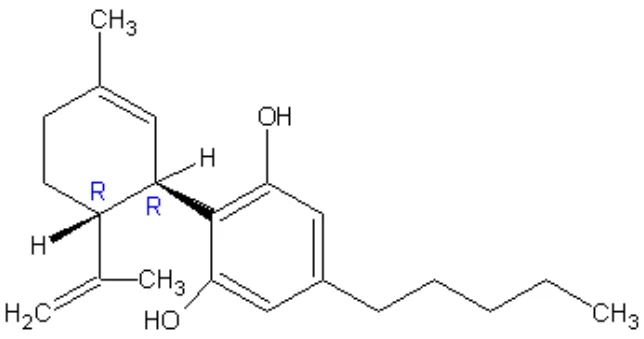
Physicochemical properties: Cannabidiol (CBD), the active ingredient in EPIDIOLEX (cannabidiol) oral solution, is a cannabinoid that naturally occurs in the Cannabis sativa L. plant. CBD is a white to pale yellow crystalline solid. It is insoluble in water and is soluble in organic solvents. The active pharmaceutical ingredient contains ≥ 98% cannabidiol with less than 1.5% other cannabinoids including 0.1% or less w/w delta-9-tetrahydrocannabinol.
14 CLINICAL TRIALS
14.1 Clinical Trials by Indication
Treatment of Seizures associated with Lennox-Gastaut Syndrome
The efficacy of EPIDIOLEX for the treatment of seizures associated with Lennox-Gastaut syndrome (LGS) was established in two randomized, double-blind, placebo-controlled trials in patients aged 2 to 47 years.
Study GWPCARE4 compared EPIDIOLEX 20 mg/kg/day with placebo whereas study GWPCARE3 compared EPIDIOLEX doses 10 mg/kg/day and 20 mg/kg/day with placebo. In both studies, patients had a diagnosis of LGS and were inadequately controlled on at least one AED, with or without vagal nerve stimulation and/or ketogenic diet. Both trials had a 4-week baseline period, during which patients were required to have a minimum of 8 drop seizures (≥2 drop seizures per week). The baseline period was followed by a 2-week titration period and a 12-week maintenance period. The primary efficacy endpoint in both studies was the percent change (reduction) from baseline in the frequency
(per 28 days) of drop seizures (atonic, tonic, or tonic-clonic seizures) over the 14-week treatment period (Titration + Maintenance). Key secondary endpoints in both studies included analyses of change in total seizure frequency and changes from baseline in the Subject/Caregiver Global Impression of Change (S/CGIC) score at the last visit. For the S/CGIC, the following question was rated on a 7-point scale: “Since [you/your child] started treatment, please assess the status of [you/your child’s] overall condition (comparing [your/their] condition now to [your/their] condition before treatment) using the scale below.” The 7-point scale was as follows: “Very Much Improved” (1); “Much Improved” (2); “Slightly Improved” (3); “No Change” (4); “Slightly Worse” (5); “Much Worse” (6); “Very Much Worse” (7).
In study GWPCARE4, 94% of patients were taking at least 2 concomitant AEDs. The most frequently used concomitant AEDs (>25%) in GWPCARE4 were clobazam (49%), valproate (40%), lamotrigine (37%), levetiracetam (34%), and rufinamide (27%). In GWPCARE3, 94% of patients were taking at least 2 concomitant AEDs. The most frequently used concomitant AEDs (>25%) in GWPCARE3, were clobazam (49%), valproate (38%), levetiracetam (31%), lamotrigine (30%), and rufinamide (29%).
Table 11: Summary of patient demographics for clinical trials in patients with Lennox-Gastaut Syndrome
| Study # | Study design | Dosage, route of administration and duration | Study subjects (n) | Age | Sex |
GWPCARE4 (NCT02224690) | Randomized, double-blind, placebo-controlled study conducted in patients with Lennox-Gastaut syndrome (LGS) who were inadequately controlled on at least one AED, with or without vagal nerve stimulation and/or ketogenic diet | EPIDIOLEX 20 mg/kg/day or placebo Oral 4-week baseline period, followed by a 2-week titration period and a 12-week maintenance period | Placebo (n=85) CBD-OS 20 (n=86) | Mean (range): 15 years (2 to 45 years) Age Groups (n [%]) 2-17 years: 113 (66.1%) 18-55 years: 58 (33.9%) | Male: 51% Female: 49% |
| GWPCARE3 (NCT02224560) | Randomized, double-blind, placebo-controlled study conducted in patients with LGS and were inadequately controlled on at least one ASM, with or without vagal nerve stimulation and/or ketogenic diet | EPIDIOLEX 10 mg/kg/day dose, 20 mg/kg/day dose or placebo Oral 4-week baseline period, followed by a 2-week titration period and a 12-week maintenance | Placebo (n=76) CBD-OS 10 (n=73) CBD-OS 20 (n=76) | Mean (range): 15 years (2 to 47 years) Age Groups (n [%]) 2-17 years: 158 (70.2%) 18-55 years: 67 (29.8%) | Male: 57% Female: 43% |
In both studies, the median percent change (reduction) from baseline in the frequency of drop seizures was significantly greater in both EPIDIOLEX arms versus placebo (Table 12).
The results of key secondary endpoints were supportive of the primary endpoint.
Table 12: Change in Drop Seizure Frequency per 28 days in Lennox-Gastaut Syndrome during the Treatment Period in studies GWPCARE4 and GWPCARE3.
| Drop Seizure Frequency (per 28 Days) | AEDs + EPIDIOLEX 10 mg/kg/day | AEDs + EPIDIOLEX 20 mg/kg/day | AEDs + Placebo |
|---|---|---|---|
| GWPCARE4 | — | N=86 | N=85 |
Baseline Period Median Seizure Frequency | — | 71 | 75 |
| Median Percentage Change During Treatment | — | −44 | −22 |
| p-value compared to placeboa | — | 0.01 | |
| GWPCARE3 | N=73 | N=76 | N=76 |
| Baseline Period Median Seizure Frequency | 87 | 86 | 80 |
| Median Percentage Change During Treatment | −37 | −42 | −17 |
| p-value compared to placeboa | <0.01 | <0.01 |
aObtained from a Wilcoxon rank-sum test
In GWPCARE4, improvements in the Caregiver Global Impression of Change (CGIC) were reported for 58.3% of EPIDIOLEX patients (Placebo: 34.1%). In GWPCARE3, improvements in CGIC were reported for 57.3% of 20 mg/kg/day and 65.8% of 10 mg/kg/day EPIDIOLEX patients (Placebo: 44%).
In GWPCARE4, during the maintenance period, drop seizure freedom was reported in 5 of 85 patients (5.9%) patients in the EPIDIOLEX 20 mg/kg/day group compared to 0 of 85 (0%) patients in the placebo group.
In GWPCARE3, during the maintenance period, drop seizure freedom was reported in 5 of 76 patients (7%) patients in the EPIDIOLEX 20 mg/kg/day group, and 3 of 73 patients (4%) patients in the EPIDIOLEX 10 mg/kg/day group and 1 of 76 (1%) patients in the placebo group.
Treatment of Seizures in Patients with Dravet Syndrome
Study GWPCARE1 Part B compared a dose of EPIDIOLEX 20 mg/kg/day with placebo. Study GWPCARE2 compared EPIDIOLEX 10 mg/kg/day and 20 mg/kg/day to placebo. In both studies, patients had a diagnosis of Dravet syndrome (DS) and were inadequately controlled with at least 1 concomitant AED, with or without vagal nerve stimulation or ketogenic diet. During the 4-week baseline period, patients were required to have at least 4 convulsive seizures (tonic-clonic, tonic, clonic, or atonic seizures) while on stable AED therapy. The baseline period was followed by a 2-week titration period and a 12-week maintenance period. The primary efficacy endpoint was the percent change (reduction) in seizure frequency of convulsive seizures over the 14-week treatment period compared with baseline. Key
| period |
secondary endpoints in both studies included analyses of change in total seizure frequency and changes from baseline in the Caregiver Global Impression of Change (CGIC) score at the last visit.
In study GWPCARE1 Part B, 93% of patients were taking at least 2 concomitant AEDs during the trial. The most commonly used concomitant AEDs (>25%) in this study were clobazam (65%), valproate (57%), stiripentol (43%), levetiracetam (28%), and topiramate (26%). The baseline median convulsive seizure frequency was 13 per 28 days for the combined groups. The primary efficacy endpoint was the percent change (reduction) from baseline in the frequency (per 28 days) of convulsive seizures (all countable atonic, tonic, clonic, and tonic-clonic seizures) over the 14-week treatment period (Titration + Maintenance).
In study GWPCARE2, 94% of patients were taking at least 2 concomitant AEDs during the trial. The most commonly used concomitant AEDs (>25%) in this study were valproate (70%), clobazam (64%), stiripentol (36%), and levetiracetam (27%). The baseline median convulsive seizure frequency was 12 per 28 days for the combined groups. The primary efficacy endpoint was the percent change (reduction) in seizure frequency of convulsive seizures over the 14-week treatment period compared with baseline.
Table 13: Summary of patient demographics for clinical trials in patients with Dravet Syndrome
| Study # | Study design | Dosage, route of administration and duration | Study subjects (n) | Age | Sex |
| GWPCARE1 Part B (NCT02091375) | Randomized, double-blind, placebo-controlled study conducted in patients with Dravet syndrome (DS) who inadequately controlled with at least 1 concomitant ASM, with or without vagal nerve stimulation or ketogenic diet | EPIDIOLEX 20 mg/kg/day or placebo Oral 4-week baseline period, followed by a 2-week titration period and a 12-week maintenance period | Placebo (n=59) CBD-OS 20 (n=61) | Mean (range): 9 years (2 to 18 years) | Male: 52% Female: 48% |
| GWPCARE2 (NCT02224703) | Randomized, double-blind, placebo-controlled study conducted in patients with treatment-resistant DS and were inadequately controlled with at least 1 concomitant ASM, with or without vagal nerve | EPIDIOLEX 10 mg/kg/day dose, 20 mg/kg/day dose or placebo Oral 4-week baseline period, followed by a 2-week titration period and a 12- | Placebo (n=65) CBD-OS 10 (n=64) CBD-OS 20 (n=69) | 9 years (2 to 18 years) | Male: 47% Female: 53% |
Key secondary endpoints in both studies included analyses of change in total seizure frequency and changes from baseline in the Caregiver Global Impression of Change (CGIC) score at the last visit.
In the two studies, the percent change (reduction) from baseline in the frequency of convulsive seizures was significantly greater for both EPIDIOLEX arms versus placebo (Table 14).
The results of key secondary endpoints were supportive of the primary endpoint.
Table 14: Change in Convulsive Seizure Frequency per 28 days in patients with Dravet Syndrome during the Treatment Period in Studies GWPCARE1 Part B and GWPCARE2
| Total Convulsive Seizure Frequency (per 28 Days) | AED + EPIDIOLEX 10 mg/kg/day | AED + EPIDIOLEX 20 mg/kg/day | AED + Placebo |
|---|---|---|---|
| GWPCARE1 Part B | — | N=61 | N=59 |
| Baseline Period Median Seizure Frequency | — | 12 | 15 |
| Median Percent Change During Treatment | — | −39 | −13 |
| p-value compared to placeboa | — | 0.01 | |
| GWPCARE2 | N=66 | N=67 | N=65 |
| Baseline Period Median Seizure Frequency | 14 | 9 | 17 |
| Estimated Mean Percent Change in Seizure Frequency | −49 | −46 | −27 |
| p-value compared to placebob | 0.01 | 0.03 |
aObtained from a Wilcoxon rank-sum test
b Estimated from a negative binomial regression analysis.
In GWPCARE1 Part B, convulsive seizure freedom during the maintenance period was reported in 7 of 60 (11.7%) DS patients treated with CBD EPIDIOLEX 20 mg/kg/day and 0 of 59 (0%) placebo patients who completed the trial.
In GWPCARE2, convulsive seizure freedom during the maintenance period was reported in 4 of 63 patients (6.3%) patients in the EPIDIOLEX 20 mg/kg/day group, and 2 of 66 patients (3.0%) patients in the EPIDIOLEX 10 mg/kg/day group and 1 of 65 (1.5%) patients in the placebo group.
In GWPCARE1 Part B, improvements in the Caregiver Global Impression of Change were reported for 61.7% of EPIDIOLEX 20 mg/kg/day patients (Placebo: 34.5%). In GWPCARE2, improvements in the Caregiver Global Impression of Change were reported for 60.6% of 20 mg/kg/day and 68.2% of 10 mg/kg/day EPIDIOLEX patients (Placebo: 41.5%).
Treatment of Seizures in Patients with Tuberous Sclerosis Complex
Study GWPCARE6 compared EPIDIOLEX 25 and 50 mg/kg/day with placebo. Patients had a diagnosis of tuberous sclerosis complex (TSC) and their seizures were inadequately controlled with at least one concomitant AED, with or without vagal nerve stimulation or ketogenic diet. During the 4-week baseline period, patients had at least 8 seizures (focal motor seizures without impairment of consciousness or awareness; focal seizures with impairment of consciousness or awareness; focal
| stimulation or ketogenic diet | week maintenance period |
seizures evolving to bilateral generalized convulsive seizures and generalized seizures [tonic–clonic, tonic, clonic or atonic seizures]), with a minimum of 1 seizure occurring in at least 3 of the 4 weeks. The baseline period was followed by a 4-week titration period and a 12-week maintenance period.
In this study, all patients but 1 (in EPIDIOLEX 25 mg/kg/day group) were taking 1-5 concomitant AEDs during the trial. The most commonly used concomitant AEDs (>25%) were valproate (45%), vigabatrin (33%), levetiracetam (29%), and clobazam (27%). The baseline median TSC-associated seizure frequency was 57 per 28 days for the combined groups. The primary efficacy endpoint was the percent change (reduction) in seizure frequency of TSC-associated seizures over the 16-week treatment period (Titration + Maintenance) compared with baseline.
Table 15: Summary of patient demographics for clinical trials in Tuberous Sclerosis Complex
| Study # | Study design | Dosage, route of administration and duration | Study subjects (n) | Age | Sex |
| GWPCARE6 (NCT02544763) | Randomized, double-blind, placebo-controlled study conducted in patients with seizures associated with tuberous sclerosis complex who are inadequately controlled with at least one concomitant AED, with or without vagal nerve stimulation or ketogenic diet | EPIDIOLEX 25 mg/kg/day dose, 50 mg/kg/day dose or placebo Oral 4-week baseline period, followed by a 4-week titration period and a 12-week maintenance period | Placebo (n=76) CBD-OS 25 mg (n=75) CBO-OS 50 (n=73) | Mean (range): 14 years (1 to 56 years) Age Groups (n [%]) 1-17 years: 166 (74.1%) 18-65 years: 58 (25.9%) | Male: 58% Female: 42% |
Results show that the mean percent change (reduction) from baseline in the frequency of TSC-associated seizures was significantly greater for patients treated with EPIDIOLEX than for placebo (Table 16).
Table 16: Change in TSC-associated Seizure Frequency during the Treatment Period in study GWPCARE6
| Total TSC-associated Seizure Frequency (per 28 Days) | EPIDIOLEX 25 mg/kg/day | Placebo |
|---|---|---|
| GWPCARE6 | N=75 | N=76 |
Baseline Period Seizure Frequency | 56 | 54 |
| Estimated Mean Percent Change in Seizure Frequency | −49 | −27 |
| p-value compared to placeboa | 0.0009 |
TSC = tuberous sclerosis complex.
a Estimated from a negative binomial regression analysis.
In GWPCARE6, 4 of 71 patients (6%) treated with EPIDIOLEX 25 mg/kg/day reported no TSC-associated seizures (Placebo: 0%).
15 MICROBIOLOGY
No microbiological information is required for this drug product.
16 NON-CLINICAL TOXICOLOGY
General toxicology: Oral administration of CBD (0, 15, 50 or 150 mg/kg/day) to rats for 26 weeks followed by a 4 week off-dose recovery period resulted in changes in animals administered ≥ 50 mg/kg/day, including: liver centrilobular hypertrophy, thyroid hypertrophy in both sexes, increased adrenocortical vacuolation in males, pale foci in lungs and increases in pulmonary foamy macrophages. None of these changes were adverse and all showed reversibility. The plasma exposure at 50 mg/kg/day corresponds to approximately 14 and 8 times that of the highest recommended human doses (RHD) of 20 and 25 mg/kg/day, respectively, for Dravet syndrome and Lennox-Gastaut syndrome or tuberous sclerosis complex, respectively.
Oral administration of CBD (0, 100, 150 or 300 mg/kg/day) to mice for 13 weeks resulted in liver centrilobular hypertrophy in some animals given 100 or 150 mg/kg/day and in all animals given 300 mg/kg/day. This resulted in plasma exposures at 100 mg/kg/day of approximately 8 and 4 times that of the highest RHDs of 20 and 25 mg/kg/day, respectively.
Oral administration of CBD (0, 10, 50 or 100 mg/kg/day) to dogs for 39 weeks with a 4 week off-dose recovery period resulted in hepatocyte hypertrophy at doses greater than 10 mg/kg/day and was associated with increased liver weights. This resulted in plasma exposures of approximately 5 and 3 times that of the highest RHDs of 20 and 25 mg/kg/day, respectively.
At this time, the effect of the CBD metabolite, 7-COOH-CBD, is being assessed in repeat-dose toxicology studies.
Genotoxicity: CBD was negative for genotoxicity in in vitro (Ames) and in vivo (rat Comet and bone marrow micronucleus) assays. The CBD metabolites, 7-OH-CBD and 7-COOH-CBD, were negative for genotoxicity in vitro (Ames). 7-COOH-CBD is currently being assessed in in vivo (rat Comet and bone micronucleus assays) and 7-OH-CBD is currently being assessed in in vitro (Mammalian chromosome aberration test).
Carcinogenicity: In a carcinogenicity study in mice, oral administration of CBD (0 [water], 0 [vehicle], 30, 100, or 300 mg/kg/day) for 2 years resulted in an increased incidence of hepatocellular adenomas in male mice at all doses tested and in female mice at the highest dose tested. At the high dose (300 mg/kg/day), plasma exposures (AUC) were approximately 12 and 7 times that at the RHDs of 20 and 25 mg/kg/day, respectively, corresponding to maximum recommended doses for Dravet and Lennox-Gastaut syndrome or tuberous sclerosis complex, respectively.
Studies on the effect of CBD and the CBD metabolite 7-COOH-CBD in rats on carcinogenic potential are ongoing.
Reproductive and Developmental Toxicology: Oral administration of CBD (0, 75, 150, or 250 mg/kg/day) to pregnant rats throughout the period of organogenesis resulted in embryofetal mortality at the highest dose tested. Aside from slight differences in body weight gain, there were no other drug-related maternal or developmental effects. The highest no-effect dose for embryofetal toxicity in rats was associated with maternal plasma CBD exposures (AUC) approximately 16 and 9 times that in humans at the RHD) of 20 and 25 mg/kg/day, respectively, corresponding to maximum recommended doses for DS and LGS or TSC, respectively.
Oral administration of CBD (0, 50, 80, or 125 mg/kg/day) to pregnant rabbits throughout organogenesis resulted in decreased fetal body weights and increased fetal structural variations at the highest dose tested, which was also associated with maternal toxicity. Maternal plasma CBD exposures at the no-effect level for embryofetal developmental toxicity in rabbits were less than that in humans at the RHDs.
When CBD (75, 150, or 250 mg/kg/day) was orally administered to rats throughout pregnancy and lactation, decreased growth, delayed sexual maturation, neurobehavioral changes (decreased activity), and adverse effects on male reproductive organ development (small testes in adult offspring) and fertility were observed in the offspring at doses greater or equal to 150 mg/kg. These effects occurred in the absence of maternal toxicity. The no-effect dose for pre- and post-natal developmental toxicity in rats was associated with maternal plasma CBD exposures approximately 9 and 5 times that in humans at the RHDs of 20 and 25 mg/kg/day, respectively.
Oral administration of CBD (0, 75, 150, or 250 mg/kg/day) to male and female rats, prior to and throughout mating and continuing in females during early gestation, produced no adverse effects on mating or fertility. No changes were noted in effects on male or female reproductive indices, male reproductive organ weights, or female estrus cycling. The highest dose tested was associated with plasma exposures approximately 34 times that in humans at a dosage of 25 mg/kg/day.
Studies on the effect of the CBD metabolite, 7-COOH-CBD in reproductive and developmental toxicity are ongoing.
Juvenile Toxicity: Administration of CBD (subcutaneous doses of 0 or 15 mg/kg on Postnatal Days (PNDs) 4 to 6 followed by oral administration of 0, 100, 150, or 250 mg/kg on PNDs 7 to 77) to juvenile rats for 10 weeks resulted in increased body weight, delayed male sexual maturation, neurobehavioral effects (decreased locomotor activity and auditory startle habituation), increased bone mineral density, and liver hepatocyte vacuolation. A no-effect dose was not established. The lowest dose causing developmental toxicity in juvenile rats (15 subcutaneous/100 oral mg/kg) was associated with CBD exposures (AUC) approximately 15 and 8 times that in humans at the recommended human doses of 20 and 25 mg/kg/day, respectively, corresponding to maximum recommended doses for DS and LGS, or TSC, respectively.
Studies on the effect of the CBD metabolite, 7-COOH-CBD, in juvenile toxicity are ongoing.
Re-enforcing Property: Animal studies of the re-enforcing properties of cannabidiol show that cannabidiol does not produce cannabinoid-like behavioral responses, including generalization to delta-9-tetrahydrocannabinol (THC) in a drug discrimination study. Cannabidiol also does not produce animal self-administration, suggesting it does not produce rewarding effects.