


Product Monograph - PMS-Oxycodone CR
RECENT MAJOR LABEL CHANGES
| 7 WARNINGS AND PRECAUTIONS, Neurologic, Serotonin Toxicity | 12/2021 |
| 7 WARNINGS AND PRECAUTIONS, Respiratory, Sleep Apnea | 12/2021 |
TABLET OF CONTENTS
PART I: HEALTH PROFESSIONAL INFORMATION ...................................................................... 4
1 INDICATIONS .............................................................................................................. 4
1.1 Pediatrics ................................................................................................................... 4
1.2 Geriatrics .................................................................................................................... 4
2 CONTRAINDICATIONS ................................................................................................. 4
3 SERIOUS WARNINGS AND PRECAUTIONS BOX ............................................................. 5
- 4.
DOSAGE AND ADMINISTRATION ................................................................................. 6
4.1 Dosing Considerations ................................................................................................ 6
4.2 Recommended Dose and Dosage Adjustment ........................................................... 7
4.3 Administration ............................................................................................................ 9
4.4 Missed Dose .............................................................................................................. 10
5 OVERDOSAGE ........................................................................................................... 10
6 DOSAGE FORMS, STRENGTHS, COMPOSITION AND PACKAGING ................................ 10
7 WARNINGS AND PRECAUTIONS ................................................................................ 13
7.1 Special Populations ................................................................................................... 20
7.1.1 Pregnant Women ...................................................................................................... 21
7.1.2 Breast-feeding .......................................................................................................... 21
7.1.3 Pediatrics .................................................................................................................. 21
7.1.4 Geriatrics ................................................................................................................... 21
7.1.5 Hepatic Impairment .................................................................................................. 21
7.1.6 Renal Impairment ..................................................................................................... 21
8 ADVERSE REACTIONS ................................................................................................ 22
8.1 Adverse Reaction Overview ...................................................................................... 22
8.2 Clinical Trials Adverse Reactions .............................................................................. 23
8.3 Post-Market Adverse Reactions ............................................................................... 24
9 DRUG INTERACTIONS ................................................................................................ 25
9.1 Serious Drug Interactions Box .................................................................................. 25
9.2 Drug Interactions Overview ...................................................................................... 25
9.3 Drug-Drug Interactions ............................................................................................. 26
9.4 Drug-Food Interactions ............................................................................................. 27
9.5 Drug-Herb Interactions ............................................................................................. 27
9.6 Drug-Laboratory Test Interactions ........................................................................... 27
9.7 Drug-Lifestyle Interactions ....................................................................................... 27
10 ACTION AND CLINICAL PHARMACOLOGY ................................................................... 28
10.1 Mechanism of Action ................................................................................................ 28
10.2 Pharmacodynamics ................................................................................................... 28
10.3 Pharmacokinetics...................................................................................................... 30
11 STORAGE, STABILITY AND DISPOSAL ......................................................................... 32
12 SPECIAL HANDLING INSTRUCTIONS ........................................................................... 32
PART II: SCIENTIFIC INFORMATION ...................................................................................... 33
13 PHARMACEUTICAL INFORMATION ............................................................................ 33
14 CLINICAL TRIALS ........................................................................................................ 34
14.2 Trial Design and Study Demographics ........................................................................ 34
14.3 Comparative Bioavailability Studies .................................................................... 34
15 NON-CLINICAL TOXICOLOGY ..................................................................................... 40
17 SUPPORTING PRODUCT MONOGRAPHS .................................................................... 41
PART I: HEALTH PROFESSIONAL INFORMATION
An important Risk Management Plan (RMP) for pms-OXYCODONE CR has been implemented to minimize potential risks and problems associated with possible abuse, dependence and diversion. For more information, please visit the following web site: www.SOAR-ESSOR.ca or call toll free at 1-888-550-6060.
1 INDICATIONS
pms-OXYCODONE CR (oxycodone hydrochloride) controlled release tablets are indicated for the management of pain severe enough to require daily, continuous, long-term opioid treatment and:
- that is opioid-responsive; and
- for which alternative options are inadequate
pms-OXYCODONE CR is not indicated as an as-needed (prn) analgesic.
1.1 Pediatrics
Pediatrics (< 18 years of age): The safety and efficacy of oxycodone hydrochloride has not been studied in the pediatric population. Therefore, the use of pms-OXYCODONE CR is not recommended in patients under 18 years of age.
1.2 Geriatrics
Geriatrics (>65 years of age): In general, dose selection for an elderly patient should be cautious, usually starting at the low end of the dosing range, reflecting the greater frequency of decreased hepatic, renal, or cardiac function, concomitant disease or other drug therapy (see DOSAGE AND ADMINISTRATION).
2 CONTRAINDICATIONS
pms-OXYCODONE CR (oxycodone hydrochloride) controlled release tablets are contraindicated for:
- Patients who are hypersensitive to the drug (oxycodone) or other opioid analgesics or to any ingredient in the formulation, including any non-medicinal ingredient or component of the container. For a complete listing, see the DOSAGE FORMS, COMPOSITION AND PACKAGING section of the Product Monograph.
- In patients with known or suspected mechanical gastrointestinal obstruction (e.g., bowel obstruction, strictures) or any diseases/conditions that affect bowel transit (e.g., ileus of any type).
- Patients with suspected surgical abdomen (e.g., acute appendicitis or pancreatitis).
- Patients with mild, intermittent or short duration pain that can be managed with other pain medications.
- The management of acute pain.
- Patients with acute or severe bronchial asthma, chronic obstructive airway, or status asthmaticus.
- Patients with acute respiratory depression, elevated carbon dioxide levels in the blood, and cor pulmonale.
- Patients with acute alcoholism, delirium tremens, and convulsive disorders.
- Patients with severe CNS depression, increased cerebrospinal or intracranial pressure, and head injury.
- Patients taking monoamine oxidase (MAO) inhibitors (or within 14 days of such therapy).
- Women who are breast-feeding, pregnant, or during labour and delivery (see Serious Warnings and Precautions and WARNINGS AND PRECAUTIONS).
3 SERIOUS WARNINGS AND PRECAUTIONS BOX
Serious Warnings and Precautions
Limitations of Use Because of the risks of addiction, abuse, and misuse with opioids, even at recommended doses, and because of the greater risks of overdose and death with controlled-release opioid formulations, pms-OXYCODONE CR should only be used in patients for whom alternative treatment options (eg. non-opioid analgesic) are ineffective, not tolerated, or would be otherwise inadequate to provide appropriate management of pain (e.g., immediate-release opioids) (see DOSAGE AND ADMINISTRATION). Addiction, Abuse, and Misuse pms-OXYCODONE CR poses risks of opioid addiction, abuse, and misuse, which can lead to overdose and death. Each patient’s risk should be assessed prior to prescribing pms-OXYCODONE CR and all patients should be monitored regularly for the development of these behaviours or conditions (see WARNINGS AND PRECAUTIONS). pms-OXYCODONE CR should be stored securely to avoid theft or misuse. Life-threatening Respiratory Depression: OVERDOSE Serious, life-threatening, or fatal respiratory depression may occur with use of pms-OXYCODONE CR. Infants exposed in-utero or through breast milk are at risk of life-threatening respiratory depression upon delivery or when nursed. Patients should be monitored for respiratory depression, especially during initiation of pms-OXYCODONE CR or following a dose increase. pms-OXYCODONE CR should be swallowed whole. Cutting, breaking, crushing, chewing, or dissolving pms-OXYCODONE CR tablets can lead to rapid release and absorption of a potentially fatal dose of oxycodone (see WARNINGS AND PRECAUTIONS). Further, instruct patients of the hazards related to taking opioids including fatal |
overdose. Accidental Exposure Accidental consumption of even one dose of pms-OXYCODONE CR, especially by children, can result in a fatal overdose of oxycodone (see DOSAGE AND ADMINISTRATION subsection Disposal, for instructions on proper disposal). Neonatal Opioid Withdrawal Syndrome Prolonged maternal use of pms-OXYCODONE CR during pregnancy can result in neonatal opioid withdrawal syndrome, which may be life-threatening (see WARNINGS AND PRECAUTIONS/). Interaction with Alcohol The co-ingestion of alcohol with pms-OXYCODONE CR should be avoided as it may result in dangerous additive effects, causing serious injury or death (see WARNINGS AND PRECAUTIONS and DRUG INTERACTIONS). Risks from Concomitant Use with Benzodiazepines or Other CNS Depressants Concomitant use of opioids with benzodiazepines or other CNS depressants, including alcohol, may result in profound sedation, respiratory depression, coma, and death (see WARNINGS AND PRECAUTIONS, Neurologic and DRUG INTERACTIONS).
|
4. DOSAGE AND ADMINISTRATION
4.1 Dosing Considerations
pms-OXYCODONE CR should only be used in patients for whom alternative treatment options (e.g., non-opioid analgesics) are ineffective or not tolerated, or would be otherwise inadequate to provide appropriate management of pain.
All doses of opioids carry an inherent risk of fatal or non-fatal adverse events. This risk is increased with higher doses. For the management of chronic non-cancer, non-palliative pain, it is recommended that 60 mg (90 morphine milligram equivalent) daily of pms-OXYCODONE CR (oxycodone hydrochloride controlled release tablets) not be exceeded. Each patient should be assessed for their risk prior to prescribing pms-OXYCODONE CR, as the likelihood of experiencing serious adverse events can depend upon the type of opioid, duration of treatment, level of pain as well as the patient’s own level of tolerance. In addition, the level of pain should be assessed routinely to confirm the most appropriate dose and the need for further use of pms-OXYCODONE CR (see DOSAGE AND ADMINISTRATION - Adjustment or Reduction of Dosage).
pms-OXYCODONE CR must be swallowed whole. Cutting, breaking, crushing, chewing, or dissolving pms-OXYCODONE CR tablets can lead to rapid release and absorption of a potentially fatal dose of oxycodone (see WARNINGS AND PRECAUTIONS).
pms-OXYCODONE CR 60 mg and 80 mg tablets, or a single dose greater than 40 mg, are for use in opioid tolerant patients only. A single dose greater than 40 mg, or total daily doses greater than 80 mg, may cause fatal respiratory depression when administered to patients who are not tolerant to the respiratory depressant effects of opioids.
pms-OXYCODONE CR should not be used in the early post-operative period (12 - 24 hours post-surgery) unless the patient is ambulatory and gastrointestinal function is normal (see WARNINGS AND PRECAUTIONS, Per-operative Considerations).
pms-OXYCODONE CR is not indicated for rectal administration.
4.2 Recommended Dose and Dosage Adjustment
Pediatrics (<18 years of age): Health Canada has not authorized an indication for pediatric use (see INDICATIONS).
Adults (≥18 years of age): Individual dosing requirements vary considerably based on each patient's age, weight, severity and cause of pain, and medical and analgesic history. Monitor patients closely for respiratory depression, especially within the first 24-72 hours of initiating therapy with pms-OXYCODONE CR.
Geriatrics (>65 years of age): In general, dose selection for an elderly patient should be cautious, usually starting at the low end of the dosing range and slowly titrated, reflecting the greater frequency of decreased hepatic, renal or cardiac function, concomitant disease or other drug therapy.
Respiratory depression has occurred in the elderly following administration of large initial doses of opioids to patients who were not opioid-tolerant or when opioids were co- administered with other agents that can depress respiration (see WARNINGS AND PRECAUTIONS and ACTION AND CLINICAL PHARMACOLOGY).
Patients Not Receiving Opioids at the Time of Initiation of Oxycodone Treatment
The usual initial adult dose of pms-OXYCODONE CR for patients who have not previously received opioid analgesics is 10 mg every 12 hours.
Use of higher starting doses in patients who are not opioid tolerant may cause fatal respiratory depression.
Patients Currently Receiving Opioids
Patients currently receiving other oral oxycodone formulations may be transferred to pms-OXYCODONE CR tablets at the same total daily oxycodone dosage, equally divided into two 12 hourly pms-OXYCODONE CR doses.
For patients who are receiving an alternate opioid, the "oral oxycodone equivalent" of the analgesic presently being used should be determined. Having determined the total daily dosage of the present analgesic, Table 1 can be used to calculate the approximate daily oral oxycodone dosage that should provide equivalent analgesia. This total daily oral oxycodone dose should then be equally divided into two 12 hourly pms-OXYCODONE CR doses. It is usually appropriate to treat a patient with only one opioid at a time. Further dose reductions should be considered due to incomplete cross-tolerance between opioids.
Opioid Rotation: Conversion ratios for opioids are subject to variations in kinetics governed by genetics and other factors. When switching from one opioid to another, consider reducing the calculated dose by 25-50% to minimize the risk of overdose. Subsequently, up-titrate the dose, as required, to reach the appropriate maintenance dose.
Table 1: Opioid Conversion Tablea
| Opioids | To convert to oral morphine equivalent | To convert from oral morphine multiply by | Daily 90 mg MEDb |
| Morphine | 1 | 1 | 90 mg/d |
| Codeine | 0.15 | 6.67 | 600 mg/d |
| Hydromorphone | 5 | 0.2 | 18 mg/d |
| Oxycodone | 1.5 | 0.667 | 60 mg/d |
| Tapentadol | 0.3-0.4 | 2.5-3.33 | 300 mg/d |
| Tramadol | 0.1-0.2 | 6 | *** |
| Methadone | Morphine dose equivalence is not reliably established | ||
*** The maximum recommended daily dose of tramadol is 300 mg - 400 mg depending on the formulation.
a. Adapted from the 2017 Canadian guideline for opioids for chronic non-cancer pain. McMaster University; 2017
b. MED: Morphine Equivalent Dose
Patients who are receiving 1 to 5 tablets/capsules per day of a fixed-dose combination opioid/non-opioid containing 5 mg of oxycodone or 30 mg codeine should be started on 10 mg to 20 mg pms-OXYCODONE CR q12h. For patients receiving 6 to 9 tablets/capsules per day of a fixed-dose combination opioid/non-opioid containing 5 mg of oxycodone or 30 mg codeine, a starting dose of 20 mg to 30 mg q12h should be used and for patients receiving 10 to 12 tablets/capsules per day of a fixed-dose combination opioid/non-opioid containing 5 mg of oxycodone or 30 mg codeine, a starting dose of 30 mg to 40 mg q12h is suggested. For those receiving > 12 tablets/capsules per day of a fixed-dose combination opioid/non-opioid containing 5 mg of oxycodone or 30 mg codeine, conversions should be based on the total daily opioid dose.
Patients with Hepatic and Renal Impairment
The dose initiation should follow a conservative approach in these patients. The recommended adult starting dose in these patients should be at 1/3 to 1/2 the usual starting dose followed by careful dose titration to adequate pain control according to their clinical situation.
Use with Non-Opioid Medications
If a non-opioid analgesic is being provided, it may be continued. If the non-opioid is discontinued, consideration should be given to increasing the opioid dose to compensate for the non-opioid analgesic. pms-OXYCODONE CR can be safely used concomitantly with usual doses of other non-opioid analgesics.
Dose Titration
Dose titration is the key to success with opioid analgesic therapy. Proper optimization of doses scaled to the relief of the individual's pain should aim at regular administration of the lowest dose of controlled release oxycodone (pms-OXYCODONE CR) which will achieve the overall treatment goal of satisfactory pain relief with acceptable side effects.
Dosage adjustments should be based on the patient's clinical response. In patients receiving pms-OXYCODONE CR, the dose may be titrated at intervals of 24 to 36 hours to that which provides satisfactory pain relief without unmanageable side effects. pms-OXYCODONE CR is designed to allow 12 hourly dosing.
If pain repeatedly occurs at the end of the dosing interval it is generally an indication for a dosage increase rather than more frequent administration of controlled release oxycodone (pms-OXYCODONE CR).
Adjustment or Reduction of Dosage
Physical dependence with or without psychological dependence tends to occur with chronic administration of opioids, including pms-OXYCODONE CR. Withdrawal (abstinence) symptoms may occur following abrupt discontinuation of therapy. These symptoms may include body aches, diarrhea, gooseflesh, loss of appetite, nausea, nervousness or restlessness, runny nose, sneezing, tremors or shivering, stomach cramps, tachycardia, trouble with sleeping, unusual increase in sweating, palpitations, unexplained fever, weakness and yawning.
Following successful relief of pain, periodic attempts to reduce the opioid dose should be made. Patients on prolonged therapy should be withdrawn gradually from the drug if it is no longer required for pain control. In patients who are appropriately treated with opioid analgesics and who undergo gradual withdrawal for the drug, these symptoms are usually mild (see WARNINGS AND PRECAUTIONS). Tapering should be individualized and carried out under medical supervision.
Patient should be informed that reducing and/or discontinuing opioids decreases their tolerance to these drugs. If treatment needs to be re-initiated, the patient must start at the lowest dose and titrate up to avoid overdose.
Opioid analgesics may only be partially effective in relieving dysesthetic pain, stabbing pains, activity-related pain and some forms of headache. That is not to say that patients with these types of pain should not be given an adequate trial of opioid analgesics, but it may be necessary to refer such patients at an early time to other forms of pain therapy.
Management of Patients Requiring Rescue Medication
Some patients taking pms-OXYCODONE CR according to a fixed time schedule may require immediate-release analgesics as "rescue" medication for pain. Selection of rescue medication should be based on individual patient conditions. Pms-OXYCODONE CR is a controlled release formulation and therefore is not intended for use as rescue medication.
4.3 Administration
pms-OXYCODONE CR may be taken with or without food, with a glass of water.
4.4 Missed Dose
If the patient forgets to take one or more doses, they should take their next dose at the next scheduled time and in the normal amount.
5 OVERDOSAGE
| For management of a suspected drug overdose, contact your regional poison control centre. |
Symptoms
Serious overdosage with oxycodone may be characterized by respiratory depression (a decrease in respiratory rate and/or tidal volume, Cheyne-Stokes respiration, cyanosis), extreme somnolence progressing to stupor or coma, miosis, hypotonia, cold and clammy skin, toxic leukoencephalopathy, delayed post-hypoxic leukoencephalopathy and sometimes bradycardia and hypotension. Severe overdosage may result in apnea, circulatory collapse, cardiac arrest, pulmonary edema, and death.
Treatment
Primary attention should be given to the establishment of adequate respiratory exchange through the provision of a patent airway and controlled or assisted ventilation. The opioid antagonist naloxone hydrochloride is a specific antidote against respiratory depression due to overdosage or as a result of unusual sensitivity to oxycodone. An appropriate dose of an opioid antagonist should therefore be administered, preferably by the intravenous route. The usual initial i. v adult dose of naloxone is 0.4 mg or higher. Concomitant efforts at respiratory resuscitation should be carried out. Since the duration of action of oxycodone, particularly sustained release formulations, may exceed that of the antagonist, the patient should be under continued surveillance and doses of the antagonist should be repeated as needed to maintain adequate respiration.
An antagonist should not be administered in the absence of clinically significant respiratory or cardiovascular depression. Oxygen, intravenous fluids, vasopressors and other supportive measures should be used as indicated.
In individuals physically dependent on opioids, the administration of the usual dose of narcotic antagonist will precipitate an acute withdrawal syndrome. The severity of this syndrome will depend on the degree of physical dependence and the dose of antagonist administered. The use of narcotic antagonists in such individuals should be avoided if possible. If a narcotic antagonist must be used to treat serious respiratory depression in the physically dependent patient, the antagonist should be administered with extreme care by using dosage titration, commencing with 10 to 20% of the usual recommended initial dose.
Evacuation of gastric contents may be useful in removing unabsorbed drug, particularly when a sustained release formulation has been taken.
6 DOSAGE FORMS, STRENGTHS, COMPOSITION AND PACKAGING
Table – Dosage Forms, Strength, Composition and Packaging
| Route of Administration | Dosage Form / Strength | All Nonmedicinal Ingredients |
| Oral | Controlled Release Tablet / 5 mg, 10 mg, 15 mg, 20 mg, 30 mg, 40 mg, 60 mg and 80 mg | Colloidal Silicon Dioxide, Hydroxypropyl Methylcellulose, Lactose, Magnesium Stearate, Maltodextrin, Medium Chain Triglycerides, Polydextrose, Talc, Titanium Dioxide, and the following colouring agents: 5 mg: FD&C Blue No.1 Aluminum Lake, Iron oxide yellow 15 mg: FD&C Blue No.2 Aluminum Lake, FD&C Red #40 Aluminum Lake, FD&C Yellow No.6 FCF Aluminum Lake. 20 mg: Iron Oxide Red. 30 mg: Black Iron Oxide, Yellow Iron Oxide, Red Iron Oxide. 40 mg: D&C Yellow No.10 Aluminum Lake, FD&C Yellow No. 6 Aluminum Lake. 60 mg: FD&C Blue No.1 Aluminum Lake, FD&C Red No.40 Aluminum Lake, FD&C Yellow No.6 Aluminum Lake, FD&C Yellow No.5. 80 mg: FD&C Blue No.2 Aluminum Lake, Iron Oxide Yellow. |
pms-OXYCODONE CR (oxycodone hydrochloride controlled release tablets)
5 mg: Each pale blue, round and biconvex, coated tablet, debossed with "P" letter on one side and "5" on the other side, contains 5 mg oxycodone hydrochloride, and the following non-medicinal ingredients: Colloidal Silicon Dioxide, Hydroxypropyl methylcellulose, Lactose, Magnesium Stearate. Film coating: FD&C Blue No.1 Aluminum Lake, Hypromellose, Iron Oxide Yellow, Maltodextrin, Medium Chain Triglycerides, Polydextrose, Talc, Titanium Dioxide. Available in bottle of 100 tablets.
10 mg: Each white round and biconvex, coated tablet, debossed with ″P″ letter on one side and ″10″ on the other side, contains 10 mg oxycodone hydrochloride, and the following non-medicinal ingredients: Lactose, Hydroxypropyl Methylcellulose, Magnesium Stearate, Colloidal Silicon Dioxide. Film coating: Hydroxypropyl Methylcellulose, Titanium Dioxide, Polydextrose, Talc, Maltodextrin, and Medium Chain Triglycerides. Available in bottles of 100 and 500 tablets.
15 mg: Each grey, round and biconvex, coated tablet, debossed with "P" letter on one side and "15" on the other side, contains 15 mg oxycodone hydrochloride and the following non-medicinal ingredients: Lactose, Hydroxypropyl Methylcellulose, Magnesium Stearate, Colloidal Silicon Dioxide. Film coating: FD&C Blue No.2 Aluminum Lake, FD&C Red No.40 Aluminum Lake, FD&C Yellow No.6 Aluminum Lake, Hydroxypropyl Methylcellulose, Maltodextrin, Medium Chain Triglycerides, Polydextrose, Talc and Titanium Dioxide. Available in bottles of 50 tablets.
20 mg: Each pink, round and biconvex, coated tablet, debossed with ″P″ letter on one side and ″20″ on the other side contains 20 mg oxycodone hydrochloride, and the following non-medicinal ingredients: Lactose, Hydroxypropyl Methylcellulose, Magnesium Stearate, Colloidal Silicon Dioxide. Film coating: Hydroxypropyl Methylcellulose, Titanium Dioxide, Polydextrose, Talc, Maltodextrin, Medium Chain Triglycerides, and Iron Oxide Red. Available in bottles of 100 and 500 tablets.
30 mg: Each brown, round and biconvex, coated tablet, debossed with "P" letter on one side and "30" on the other side, contains 30 mg oxycodone hydrochloride and the following non-medicinal ingredients: Lactose, Hydroxypropyl Methylcellulose, Magnesium Stearate, Colloidal Silicon Dioxide. Film coating: Black Iron Oxide, Yellow Iron Oxide, Red Iron Oxide, Hydroxypropyl Methylcellulose, Maltodextrin, Medium Chain Triglycerides, Polydextrose, Talc and Titanium Dioxide. Available in bottles of 50 tablets.
40 mg: Each yellow, round and biconvex, coated tablet, debossed with ″P″ letter on one side and ″40″ on the other side contains 40 mg oxycodone hydrochloride, and the following non-medicinal ingredients: Lactose, Hydroxypropyl Methylcellulose, Magnesium Stearate, Colloidal Silicon Dioxide. Film coating: Hydroxypropyl Methylcellulose, Titanium Dioxide, Polydextrose, Talc, Maltodextrin, Medium Chain Triglycerides, D&C Yellow No.10 Aluminum Lake & FD&C Yellow No. 6 Aluminum Lake. Available in bottles of 100 and 500 tablets.
60 mg: Each red, round and biconvex, coated tablet, debossed with "P" letter on one side and "60" on the other side, contains 60 mg oxycodone hydrochloride, and the following non-medicinal ingredients: Lactose, Hydroxypropyl Methylcellulose, Magnesium Stearate, Colloidal Silicon Dioxide. Film coating: Hypromellose, Titanium Dioxide, Polydextrose, Talc, Maltodextrin, Medium Chain Triglycerides, FD&C Blue No.1 Aluminum Lake, FD&C Red No.40 Aluminum Lake, FD&C Yellow No.6 Aluminum Lake, FD&C Yellow No.5. Available in bottles of 50 tablets.
80 mg: Each green, round and biconvex, coated tablet, debossed with ″P″ letter on one side and ″80″ on the other side contains 80 mg oxycodone hydrochloride, and the following non-medicinal ingredients: Lactose, Hydroxypropyl Methylcellulose, Magnesium Stearate, Colloidal Silicon Dioxide. Film coating: Hydroxypropyl Methylcellulose, Titanium Dioxide, Polydextrose, Talc, Maltodextrin, Medium Chain Triglycerides, FD&C Blue No.2 Aluminum Lake, and Iron Oxide Yellow. Available in bottles of 100 and 500 tablets.
7 WARNINGS AND PRECAUTIONS
Please see the Serious Warnings and Precautions Box at the beginning of Part I: Health Professional Information
General
pms-OXYCODONE CR must be swallowed whole and should not be chewed, dissolved or crushed. Taking cut, broken, chewed, dissolved or crushed pms-OXYCODONE CR tablets could lead to the rapid release and absorption of a potentially fatal dose of oxycodone.
pms-OXYCODONE CR 60 mg and 80 mg tablets, or a single dose greater than 40 mg, are for use in opioid tolerant patients only (see also DOSAGE AND ADMINISTRATION). A single dose greater than 40 mg of oxycodone, or total daily doses greater than 80 mg of oxycodone, may cause fatal respiratory depression when administered to patients who are not tolerant to the respiratory depressant effects of opioids (see WARNINGS AND PRECAUTIONS, DRUG INTERACTIONS).
Patients should be instructed not to give pms-OXYDOCONE CR to anyone other than the patient for whom it was prescribed as such inappropriate use may have severe medical consequences, including death. pms-OXYCODONE CR should be stored securely to avoid theft or misuse
Patients should be cautioned not to consume alcohol while taking pms-OXYCODONE CR, as it may increase the chance of experiencing dangerous side effects, including death.
Hyperalgesia that will not respond to a further dose increase of oxycodone, may occur at particularly high doses. An oxycodone dose reduction or change in opioid may be required.
Addiction, Abuse and Misuse
Like all opioids, pms-OXYCODONE CR is a potential drug of abuse and misuse, which can lead to overdose and death. Therefore, pms-OXYCODONE CR should be prescribed and handled with caution. This risk is increased if pms-OXYCODONE CR is taken with alcohol or other CNS depressants.
Patients should be assessed for their clinical risks for opioid abuse or addiction prior to being prescribed opioids. All patients receiving opioids should be routinely monitored for signs of misuse and abuse.
Opioids, such as pms-OXYCODONE CR, should be used with particular care in patients with a history of alcohol and illicit/prescription drug abuse. However, concerns about abuse, addiction, and diversion should not prevent the proper management of pain.
pms-OXYCODONE CR are intended for oral use only. The tablets should be swallowed whole, and not chewed or crushed. With parenteral abuse, the tablet excipients can be expected to result in local tissue necrosis, infection, pulmonary granulomas, and increased risk of endocarditis and valvular heart injury. Abuse of oral dosage forms can be expected to result in serious adverse events including death.
Carcinogenesis and Mutagenesis
See NON-CLINICAL TOXICOLOGY.
Cardiovascular
Hypotension
Oxycodone administration may result in severe hypotension in patients whose ability to maintain adequate blood pressure is compromised by reduced blood volume, or concurrent administration of such drugs as phenothiazines or certain anaesthetics.
Dependence/Tolerance
As with other opioids, tolerance and physical dependence may develop upon repeated administration of pms-OXYCODONE CR and there is a potential for development of psychological dependence. pms-OXYCODONE CR should therefore be prescribed and handled with the degree of caution appropriate to the use of a drug with abuse potential.
Physical dependence and tolerance reflect the neuroadaptation of the opiate receptors to chronic exposure to an opioid, and are separate and distinct from abuse and addiction. Tolerance, as well as physical dependence, may develop upon repeated administration of opioids, and are not by themselves evidence of an addictive disorder or abuse.
Patients on prolonged therapy should be tapered gradually from the drug if it is no longer required for pain control. Withdrawal symptoms may occur following abrupt discontinuation of therapy or upon administration of an opioid antagonist. Some of the symptoms that may be associated with abrupt withdrawal of an opioid analgesic include body aches, diarrhea, gooseflesh, loss of appetite, nausea, nervousness or restlessness, anxiety, runny nose, sneezing, tremors or shivering, stomach cramps, tachycardia, trouble with sleeping, unusual increase in sweating, palpitations, unexplained fever, weakness and yawning (see ADVERSE REACTIONS, DOSAGE AND ADMINISTRATION, Adjustment or Reduction of Dosage).
Use in Drug and Alcohol Addiction
pms-OXYCODONE CR is an opioid with no approved use in the management of addictive disorders. Its proper usage in individuals with drug or alcohol dependence, either active or in remission is for the management of pain requiring opioid analgesia. Patients with a history of addiction to drugs or alcohol may be at higher risk of becoming addicted to pms-OXYCODONE CR unless used under extreme caution and awareness is warranted to mitigate the risk.
In Vitro Dissolution Studies of Interaction with Alcohol
Among readily available drugs with the established potential to pharmacologically augment the CNS depressant effect of opioids, ethanol also has the potential to chemically interact with the pharmaceutical formulation to accelerate the release of opioids from the dosage form. Given the larger doses of opioids in controlled release opioid formulations on average, the occurrence of such a formulation effect can further augment the risk of serious and unintended respiratory depression. A method to assess the potential for ethanol to accelerate the release of opioids from a pharmaceutical formulation requires the use of in vitro dissolution studies using simulated gastric fluid and 40% ethanol.
With pms-OXYCODONE CR, increasing concentrations of alcohol in the dissolution medium (from 0% to 40% v/v), resulted in a slight decrease in the rate of release of oxycodone from intact tablets. Additional in vitro dissolution testing in ethanol (40% v/v), conducted with oxycodone hydrochloride controlled-release tablet fragments over a range of particles sizes, showed that dose dumping did not occur with the particle sizes tested.
Driving and Operating Machinery
Oxycodone may impair the mental and/or physical abilities needed for certain potentially hazardous activities such as driving a car or operating machinery. Patients should be cautioned accordingly. Patients should also be cautioned about the combined effects of oxycodone with other CNS depressants, including other opioids, phenothiazine, sedatives, hypnotics and alcohol.
Endocrine and Metabolism
Adrenal Insufficiency
Cases of adrenal insufficiency have been reported with opioid use, more often following greater than one month of use. Presentation of adrenal insufficiency may include non-specific symptoms and signs including nausea, vomiting, anorexia, fatigue, weakness, dizziness, and low blood pressure. If adrenal insufficiency is suspected, confirm the diagnosis with diagnostic testing as soon as possible. If adrenal insufficiency is diagnosed, treat with physiologic replacement doses of corticosteroids. Wean the patient off of the opioid to allow adrenal function to recover and continue corticosteroid treatment until adrenal function recovers. Other opioids may be tried as some cases reported use of a different opioid without recurrence of adrenal insufficiency. The information available does not identify any particular opioids as being more likely to be associated with adrenal insufficiency.
Gastrointestinal
There have been rare post-marketing cases of intestinal obstruction, and exacerbation of diverticulitis, some of which have required medical intervention to remove the tablet. Patients with underlying GI disorders such as esophageal cancer or colon cancer with a small gastrointestinal lumen are at greater risk of developing these complications.
Use caution when prescribing pms-OXYCODONE CR for patients who have difficulty swallowing or any underlying GI disorders that may predispose them to obstruction.
Oxycodone and other morphine-like opioids have been shown to decrease bowel motility. Oxycodone may obscure the diagnosis or clinical course of patients with acute abdominal conditions and is also contraindicated in patients with paralytic ileus, appendicitis and pancreatitis. Monitor patients with biliary tract disease for worsening symptoms (see CONTRAINDICATIONS and ADVERSE REACTIONS, Nausea and Vomiting and Constipation).
Hepatic/Biliary/Pancreatic
When compared to normal subjects, patients with mild to severe hepatic dysfunction may have higher plasma concentrations of oxycodone and noroxycodone, and lower plasma concentrations of oxymorphone. There may be an increase in the elimination half-life of oxycodone, and this may be accompanied by an increase in drug effects.
Neonatal Opioid Withdrawal Syndrome (NOWS)
Prolonged maternal use of opioid during pregnancy can result in withdrawal signs in the neonate. Neonatal opioid withdrawal syndrome, unlike opioid withdrawal syndrome in adults, may be life-threatening.
Neonatal opioid withdrawal syndrome presents as irritability, hyperactivity and abnormal sleep pattern, high pitched cry, tremor, vomiting, diarrhea and failure to gain weight. The onset, duration, and severity of neonatal opioid withdrawal syndrome vary based on the specific opioid used, duration of use, timing and amount of last maternal use, and rate of elimination of the drug by the newborn.
Use of pms-OXYCODONE CR is contraindicated in pregnant women (see CONTRAINDICATIONS).
Neurologic
Interactions with Central Nervous System Depressants (Including Benzodiazepines and Alcohol)
pms-OXYCODONE CR should be used with caution and in a reduced dosage during concomitant administration of other opioid analgesics, general anesthetics, phenothiazines and other tranquilizers, sedatives, hypnotics, tricyclic antidepressants, antipsychotics, antihistamines, benzodiazepines, centrally-active anti-emetics and other CNS depressants. Respiratory depression, hypotension and profound sedation, coma or death may result. When such combination therapy is contemplated, a substantial reduction in the dose of one or both agents should be considered, and patients should be carefully monitored. pms-OXYCODONE CR should not be consumed with alcohol as it may increase the chance of experiencing dangerous side effects (see DRUG INTERACTIONS).
Observational studies have demonstrated that concomitant use of opioid analgesics and benzodiazepines increases the risk of drug-related mortality compared to use of opioid analgesics alone. Because of similar pharmacological properties, it is reasonable to expect similar risk with the concomitant use of other CNS depressant drugs with opioid analgesics (see DRUG INTERACTIONS). If the decision is made to prescribe a benzodiazepine or other CNS depressant concomitantly with an opioid analgesic, prescribe the lowest effective dosages and minimum durations of concomitant use. In patients already receiving an opioid analgesic, prescribe a lower initial dose of the benzodiazepine or other CNS depressant than indicated in the absence of an opioid, and titrate based on clinical response. If an opioid analgesic is initiated in a patient already taking a benzodiazepine or other CNS depressant, prescribe a lower initial dose of the opioid analgesic, and titrate based on clinical response. Follow patients closely for signs and symptoms of respiratory depression and sedation.
Advise both patients and caregivers about the risks of respiratory depression and sedation when pms-OXYCODONE CR is used with benzodiazepines or other CNS depressants (including alcohol and illicit drugs). Advise patients not to drive or operate heavy machinery until the effects of concomitant use of the benzodiazepine or other CNS depressant have been determined. Screen patients for risk of substance use disorders, including opioid abuse and misuse, and warn them of the risk for overdose and death associated with the use of additional CNS depressants including alcohol and illicit drugs (see DRUG INTERACTIONS).
pms-OXYCODONE CR should not be consumed with alcohol as it may increase the chance of experiencing dangerous side effects, including death (see CONTRAINDICATIONS and ADVERSE REACTIONS, Sedation, and DRUG INTERACTIONS).
Severe pain antagonizes the subjective and respiratory depressant actions of opioid analgesics. Should pain suddenly subside, these effects may rapidly become manifest.
Use in Patients with Convulsive or Seizure Disorders
The oxycodone hydrochloride in pms-OXYCODONE CR may aggravate convulsions in patients with convulsive disorders, and may induce or aggravate seizures in some clinical settings. Therefore, pms-OXYCODONE CR should not be used in these patients (see CONTRAINDICATIONS).
Serotonin Toxicity / Serotonin syndrome
Serotonin toxicity also known as serotonin syndrome is a potentially life-threatening condition and has been reported with morphine, including MS CONTIN, particularly during combined use with other serotonergic drugs (see DRUG INTERACTIONS).
Serotonin toxicity is characterised by neuromuscular excitation, autonomic stimulation (e.g. tachycardia, flushing) and altered mental state (e.g. anxiety, agitation, hypomania). In accordance with the Hunter Criteria, serotonin toxicity diagnosis is likely when, in the presence of at least one serotonergic agent, one of the following is observed:
- Spontaneous clonus
- Inducible clonus or ocular clonus with agitation or diaphoresis
- Tremor and hyperreflexia
- Hypertonia and body temperature >38°C and ocular clonus or inducible clonus.
If concomitant treatment with MS CONTIN and other serotonergic agents is clinically warranted, careful observation of the patient is advised, particularly during treatment initiation and dose increases (see DRUG INTERACTIONS). If serotonin toxicity is suspected, discontinuation of the serotonergic agents should be considered.
Head Injury
The respiratory depressant effects of oxycodone, and the capacity to elevate cerebrospinal fluid pressure, may be greatly increased in the presence of an already elevated intracranial pressure produced by trauma. Also, oxycodone may produce confusion, miosis, vomiting and other side effects which obscure the clinical course of patients with head injury. In such patients, oxycodone should not be used (see CONTRAINDICATIONS).
Peri-Operative Considerations:
pms-OXYCODONE CR is not indicated for pre-emptive analgesia (administration pre-operatively for the management of post-operative pain).
In the case of planned chordotomy or other pain-relieving operations, patients should not be treated with pms-OXYCODONE CR for at least 24 hours before the operation and pms-OXYCODONE CR should not be used in the immediate post-operative period.
Physicians should individualize treatment, moving from parenteral to oral analgesics as appropriate. Thereafter, if pms-OXYCODONE CR is to be continued after the patient recovers from the postoperative period, a new dosage should be administered in accordance with the changed need for pain relief. The risk of withdrawal in opioid-tolerant patients should be addressed as clinically indicated.
The administration of analgesics in the peri-operative period should be managed by healthcare providers with adequate training and experience (e.g., by an anesthesiologist).
Oxycodone and other morphine-like opioids have been shown to decrease bowel motility. Ileus is a common post-operative complication, especially after intra-abdominal surgery with opioid analgesia. Caution should be taken to monitor for decreased bowel motility in post-operative patients receiving opioids. Standard supportive therapy should be implemented.
pms-OXYCODONE CR should not be used in the early post-operative period (12 to 24 hours post-surgery) unless the patient is ambulatory and gastrointestinal function is normal.
Renal
When compared to normal subjects, patients with mild to severe renal dysfunction (creatinine clearance <60 mL/min) may have higher plasma concentrations of oxycodone and its metabolites. There may be an increase in the elimination half-life of oxycodone, and this may be accompanied by an increase in drug effects.
Respiratory
Respiratory Depression
Serious, life-threatening, or fatal respiratory depression has been reported with the use of opioids, even when used as recommended. Respiratory depression from opioid use, if not immediately recognized and treated, may lead to respiratory arrest and death. Management of respiratory depression may include close observation, supportive measures, and use of opioid antagonists, depending on the patient’s clinical status. Carbon dioxide (CO2) retention from opioid-induced respiratory depression can exacerbate the sedating effects of opioids.
pms-OXYCODONE CR should be used with extreme caution in patients with substantially decreased respiratory reserve, pre-existing respiratory depression, hypoxia or hypercapnia (see CONTRAINDICATIONS).
While serious, life-threatening, or fatal respiratory depression can occur at any time during the use of pms-OXYCODONE CR, the risk is greatest during the initiation of therapy or following a dose increase. Patients should be closely monitored for respiratory depression when initiating therapy with pms-OXYCODONE CR and following dose increases.
To reduce the risk of respiratory depression, proper dosing and titration of pms-OXYCODONE CR are essential (see DOSAGE AND ADMINISTRATION). Overestimating the pms-OXYCODONE CR dose when converting patients from another opioid product can result in a fatal overdose with the first dose.
Use in Patients with Chronic Pulmonary Disease
Monitor patients with significant chronic obstructive pulmonary disease or cor pulmonale, and patients having a substantially decreased respiratory reserve, hypoxia, hypercapnia, or preexisting respiratory depression for respiratory depression, particularly when initiating therapy and titrating with pms-OXYCODONE CR, as in these patients, even usual therapeutic doses of pms-OXYCODONE CR may decrease respiratory drive to the point of apnea. In these patients, use of alternative non-opioid analgesics should be considered, if possible. The use of pms-OXYCODONE CR is contraindicated in patients with acute or severe bronchial asthma, chronic obstructive airway, or status asthmaticus (see CONTRAINDICATIONS).
Sleep Apnea
Opioids can cause sleep-related breathing disorders such as sleep apnea syndromes (including central sleep apnea [CSA]) and hypoxia (including sleep-related hypoxia). Opioid use increases the risk of CSA in a dose-dependent fashion. Evaluate patients on an ongoing basis for the onset of a new sleep apnea, or a worsening of an existing sleep apnea. In these patients, consider reducing or stopping the opioid treatment if appropriate, using best practices for tapering of opioids (see WARNINGS AND PRECAUTIONS, Dependence/Tolerance; DOSAGE AND ADMINISTRATION, Adjustment or Reduction of Dosage).
Sexual Health
Reproduction
Long term use of opioids may be associated with decreased sex hormone levels and symptoms such as low libido, erectile dysfunction, or infertility (see ADVERSE REACTIONS, Post- Market Adverse Drug Reactions).
Patient Counselling Information
A patient information sheet should be provided to patients when pms-OXYCODONE CR tablets are dispensed to them.
Patients receiving pms-OXYCODONE CR should be given the following instructions by the physician:
- 1. Patients should be informed that accidental ingestion or use by individuals (including children) other than the patient for whom it was originally prescribed, may lead to severe, even fatal consequences.
- 2. Patients should be advised that pms-OXYCODONE CR contains oxycodone, an opioid pain medicine.
- 3. Patients should be advised that pms-OXYCODONE CR should only be taken as directed. The dose of pms-OXYCODONE CR should not be adjusted without consulting with a physician.
- 4. pms-OXYCODONE CR must be swallowed whole (not cut, broken, chewed, dissolved or crushed) due to the risk of fatal oxycodone overdose.
- 5. Patients should be advised to report episodes of pain and adverse experiences occurring during therapy. Individualization of dosage is essential to make optimal use of this medication.
- 6. Patients should not combine pms-OXYCODONE CR with alcohol or other central nervous system depressants (sleep aids, tranquilizers) because dangerous additive effects may occur, resulting in serious injury or death.
- 7. Patients should be advised to consult their physician or pharmacist if other medications are being used or will be used with pms-OXYCODONE CR.
- 8. Patients should be advised that if they have been receiving treatment with pms-OXYCODONE CR and cessation of therapy is indicated, it may be appropriate to taper pms-OXYCODONE CR dose, rather than abruptly discontinue it, due to the risk of precipitating withdrawal symptoms.
- 9. Patients should be advised that the most common adverse reactions that may occur while taking pms-OXYCODONE CR are asthenia, constipation, dizziness, dry mouth, headache, nausea, pruritus, somnolence, sweating and vomiting.
- 10. Patients should be advised that pms-OXYCODONE CR may cause drowsiness, dizziness or light-headedness and may impair mental and/or physical ability required for the performance of potentially hazardous tasks (e.g., driving, operating machinery). Patients started on pms-OXYCODONE CR or patients whose dose has been adjusted should be advised not to drive a car or operate machinery unless they are tolerant to the effects of pms-OXYCODONE CR.
- 11. Patients should be advised that pms-OXYCODONE CR is a potential drug of abuse. They should protect it from theft or misuse.
- 12. Patients should be advised that pms-OXYCODONE CR should never be given to anyone other than the individual for whom it was prescribed.
- 13. Patients should be advised that pms-OXYCODONE CR 60 mg and 80 mg tablets or a single dose greater than 40 mg are for use only in individuals tolerant to the effect of opioids.
- 14.
Women of childbearing potential who become or are planning to become pregnant should be advised to consult a physician prior to initiating or continuing therapy with pms-OXYCODONE CR. Women who are breastfeeding or pregnant should not use pms-OXYCODONE CR.
7.1 Special Populations
Special Risk Groups
pms-OXYCODONE CR should be administered with caution to patients with a history of alcohol and drug abuse and in a reduced dosage to debilitated patients, and in patients with severely impaired pulmonary function, Addison’s disease, hypothyroidism, myxedema, toxic psychosis, prostatic hypertrophy or urethral stricture.
The administration of opioid analgesics may obscure the diagnosis or clinical course in patients with acute abdominal conditions.
7.1.1 Pregnant Women
Animal reproduction studies have revealed no evidence of harm to the fetus due to oxycodone, however, as studies in humans have not been conducted, pms-OXYCODONE CR is contraindicated in patients who are pregnant (see CONTRAINDICATIONS).
Prolonged maternal use of opioids during pregnancy can result in withdrawal signs in the neonate. Neonatal opioid withdrawal syndrome, unlike opioid withdrawal syndrome in adults, may be life-threatening (see WARNINGS AND PRECAUTIONS, Neonatal Opioid Withdrawal Syndrome).
7.1.2 Breast-feeding
pms-OXYCODONE CR is contraindicated during labour, delivery, pregnancy and in nursing mothers. Oxycodone can cross the placental barrier and is also excreted in breast milk. Life-threatening respiratory depression may occur in the infant if opioids are administered to the mother.
Naloxone, a drug that counters the effect of opioids, should be readily available if pms-OXYCODONE CR is used in this population. Respiratory depression may occur in the infant if opioids are administered during labour. Therefore, pms-OXYCODONE CR should not be used during or immediately prior to labour or in nursing mothers.
7.1.3 Pediatrics
The safety and efficacy of oxycodone hydrochloride have not been studied in the pediatric population. Therefore, use of pms-OXYCODONE CR is not recommended in patients under 18 years of age.
7.1.4 Geriatrics
In general, dose selection for an elderly patient should be cautious, usually starting at the low end of the dosing range, reflecting the greater frequency of decreased hepatic, renal, or cardiac function, and of concomitant disease or other drug therapy (see DOSAGE AND ADMINISTRATION).
7.1.5 Hepatic Impairment
In a pharmacokinetic study, patients with mild to moderate hepatic impairment had greater plasma concentrations of oxycodone and noroxycodone than subjects with normal hepatic function. Caution should be exercised when prescribing pms-OXYCODONE CR to patients with any degree of hepatic impairment. Initiate these patients at a reduced dose followed by careful titration (see DOSAGE AND ADMINISTRATION and ACTION AND CLINICAL PHARMACOLOGY).
7.1.6 Renal Impairment
In a pharmacokinetic study, patients with mild to severe renal impairment had approximately 50% higher plasma concentrations of oxycodone and its metabolites than subjects with normal renal function. Caution should be exercised when prescribing pms-OXYCODONE CR to patients with any degree of renal impairment. Initiate these patients at a reduced dose followed by careful titration (see DOSAGE AND ADMINISTRATION and ACTION AND CLINICAL PHARMACOLOGY).
8 ADVERSE REACTIONS
8.1 Adverse Reaction Overview
Adverse effects of oxycodone hydrochloride controlled release tablets are similar to those of other opioid analgesics, and represent an extension of pharmacological effects of the drug class. The major hazards of opioids include respiratory and central nervous system depression and to a lesser degree, circulatory depression, respiratory arrest, shock and cardiac arrest.
The most frequently observed adverse effects of oxycodone hydrochloride are asthenia, constipation, dizziness, dry mouth, headache, hyperhidrosis, nausea, pruritus, somnolence, and vomiting.
Sedation
Sedation is a common side effect of opioid analgesics, especially in opioid naïve individuals. Sedation may also occur partly because patients often recuperate from prolonged fatigue after the relief of persistent pain. Most patients develop tolerance to the sedative effects of opioids within three to five days and, if the sedation is not severe, will not require any treatment except reassurance. If excessive sedation persists beyond a few days, the dose of the opioid should be reduced, and alternate causes investigated. Some of these are: concurrent CNS depressant medication, hepatic or renal dysfunction, brain metastases, hypercalcemia and respiratory failure. If it is necessary to reduce the dose, it can be carefully increased again after three or four days if it is obvious that the pain is not being well controlled. Dizziness and unsteadiness may be caused by postural hypotension, particularly in elderly or debilitated patients, and may be alleviated if the patient lies down.
Nausea and Vomiting
Nausea is a common side effect on initiation of therapy with opioid analgesics and is thought to occur by activation of the chemoreceptor trigger zone, stimulation of the vestibular apparatus and through delayed gastric emptying. The prevalence of nausea declines following continued treatment with opioid analgesics. When instituting therapy with an opioid for chronic pain, the routine prescription of an antiemetic should be considered. In the cancer patient, investigation of nausea should include such causes as constipation, bowel obstruction, uremia, hypercalcemia, hepatomegaly, tumour invasion of celiac plexus and concurrent use of drugs with emetogenic properties. Persistent nausea which does not respond to dosage reduction may be caused by opioid-induced gastric stasis and may be accompanied by other symptoms including anorexia, early satiety, vomiting and abdominal fullness. These symptoms respond to chronic treatment with gastrointestinal prokinetic agents.
Constipation
Practically all patients become constipated while taking opioids on a persistent basis. In some patients, particularly the elderly or bedridden, fecal impaction may result. It is essential to caution the patients in this regard and to institute an appropriate regimen of bowel management at the start of prolonged opioid therapy. Stimulant laxatives, stool softeners, and other appropriate measures should be used as required. As fecal impaction may present as overflow diarrhea, the presence of constipation should be excluded in patients on opioid therapy prior to initiating treatment for diarrhea.
8.2 Clinical Trials Adverse Reactions
The following adverse effects occur with opioid analgesics and include those reported in oxycodone hydrochloride clinical trials. The reactions are categorized by body system and frequency according to the following definitions: Very common (≥ 1/10); Common (≥ 1/100 to <1/10); Uncommon (≥ 1/1,000 to <1/100); Rare (≥1/10,000 to <1/1,000); Very rare (< 1/10,000), Not known (cannot be estimated from the available data).
Blood and Lymphatic System Disorders
Not known: lymphadenopathy
Cardiac Disorders
Uncommon: palpitations, tachycardia
Not known: ST depression
Ear and Labyrinth Disorders
Uncommon: vertigo, tinnitus
Eye Disorders
Uncommon: miosis, visual impairment
Gastrointestinal Disorders
Very common: constipation, nausea, vomiting
Common: abdominal pain, diarrhea, dry mouth, dyspepsia
Uncommon: dysphagia, eructation, flatulence, gastritis, hiccups, ileus, stomatitis
Not known: biliary spasm, dental caries
General Disorders and Administration Site Conditions
Common: asthenia, fatigue, fever, hypotonia
Uncommon: abnormal gait, chest pain, chills, drug withdrawal syndrome, edema, edema peripheral, malaise, thirst, drug tolerance
Not known: drug withdrawal syndrome neonatal
Hepatobiliary Disorders
Uncommon: increased hepatic enzyme Not known: cholestasis
Immune System Disorders
Uncommon: hypersensitivity
Not known: anaphylactic reaction, anaphylactoid reaction
Investigations
Uncommon: weight loss
Metabolism and Nutrition Disorders
Common: decreased appetite Uncommon: dehydration, hypoglycemia Rare: increased appetite
Nervous System Disorders
Very common: dizziness, headache, somnolence
Common: tremor, lethargy
Uncommon: amnesia, convulsion, dysgeusia, hypertonia, hypoaesthesia, migraine, muscle contractions involuntary, paresthesia, speech disorder, syncope
Not known: obstructive sleep apnea syndrome
Psychiatric Disorders
Common: abnormal dreams, anxiety, confusional state, depression, insomnia, nervousness, thinking abnormal
Uncommon: affect lability, agitation, depersonalization, euphoric mood, hallucination, libido decreased, drug dependence
Rare: dysphoria
Not known: aggression, delirium
Renal and Urinary Disorders
Uncommon: dysuria, hematuria, polyuria, urinary retention or hesitancy
Reproductive System and Breast Disorders
Uncommon: erectile dysfunction
Not known: amenorrhea
Respiratory, Thoracic and Mediastinal Disorders
Common: dyspnea
Uncommon: bronchitis, cough, pharyngitis, respiratory depression, yawning
Rare: sinusitis
Not known: bronchospasm, pneumonia
Skin and Subcutaneous Tissue Disorders
Very common: pruritus
Common: hyperhidrosis, rash
Uncommon: dry skin, exfoliative dermatitis
Rare: urticaria
Vascular Disorders
Uncommon: vasodilatation
Rare: hypotension, orthostatic hypotension
8.3 Post-Market Adverse Reactions
Adrenal insufficiency: Cases of adrenal insufficiency have been reported with opioid use, more often following greater than one month of use (see WARNINGS AND PRECAUTIONS, Endocrine).
Androgen deficiency: Chronic use of opioids may influence the hypothalamic-pituitary-gonadal axis, leading to androgen deficiency that may manifest as low libido, impotence, erectile dysfunction, amenorrhea, or infertility. The causal role of opioids in the clinical syndrome of hypogonadism is unknown because the various medical, physical, lifestyle, and psychological stressors that may influence gonadal hormone levels have not been adequately controlled for in studies conducted to date. Patients presenting with symptoms of androgen deficiency should undergo laboratory evaluation.
Serotonin syndrome: Cases of serotonin syndrome, a potentially life-threatening condition, have been reported during concomitant use of opioids with serotonergic drugs.
Hyperalgesia, hypogonadism and pulmonary edema have been reported during post-marketing experience with oxycodone.
There have also been post-marketing reports off Neonatal Opioid Withdrawal Syndrome (NOWS) in patients treated with oxycodone (see WARNINGS AND PRECAUTIONS, Neonatal Opioid Withdrawal Syndrome (NOWS)).
9 DRUG INTERACTIONS
9.1 Serious Drug Interactions Box
|
9.2 Drug Interactions Overview
Interactions with Central Nervous System (CNS) Depressants (including benzodiazepines and alcohol)
pms-OXYCODONE CR should be used with caution and started in a reduced dosage (1/3 to 1/2 of the usual dosage) in patients who are currently taking other central nervous system depressants (eg. other opioids, sedatives, gabapentinoids such as pregabalin, hypnotics, anti-depressants, phenothiazines, neuroleptics, antihistamines and anti-emetics) and beta-blockers as they may enhance the CNS-depressant effect (eg.
respiratory depression) of pms-OXYCODONE CR. pms-OXYCODONE CR should not be consumed with alcohol as it may increase the chance of experiencing dangerous side effects.
Interactions with Anticholinergics
Concomitant administration of oxycodone with anticholinergics or medications with anticholinergic activity (e.g. tricyclic antidepressants, antihistamines, antipsychotics, muscle relaxants, anti-Parkinson drugs) may result in increased anticholinergic adverse effects.
9.3 Drug-Drug Interactions
Drugs Metabolized by Cytochrome P450 Isozymes
Oxycodone is metabolized in part by cytochrome P450 2D6 and cytochrome P450 3A4 pathways. The activities of these metabolic pathways may be inhibited or induced by various coadministered drugs or dietary elements, which may alter plasma oxycodone concentrations. Oxycodone doses may need to be adjusted accordingly.
Inhibitors of CYP3A4
Since the CYP3A4 isoenzyme plays a major role in the metabolism of oxycodone hydrochloride, drugs that inhibit CYP3A4 activity, such as macrolide antibiotics (e.g., erythromycin, clarithromycin), azole-antifungal agents (e.g., ketoconazole), and protease inhibitors (e.g., ritonavir), and grapefruit juice may cause decreased clearance of oxycodone which could lead to an increase in oxycodone plasma concentrations. A published study showed that the co-administration of the antifungal drug, voriconazole, increased oxycodone AUC and Cmax by 3.6 and 1.7-fold, respectively. Although clinical studies have not been conducted with other CYP3A4 inhibitors, the expected clinical results would be increased or prolonged opioid effects. If co-administration with pms-OXYCODONE CR is necessary, caution is advised when initiating therapy with, currently taking, or discontinuing CYP450 inhibitors. Evaluate these patients at frequent intervals and consider dose adjustments until stable drug effects are achieved.
Inducers of CYP3A4
CYP450 inducers, such as rifampin, carbamazepine, phenytoin, and St. John’s wort, may induce the metabolism of oxycodone and, therefore, may cause increased clearance of the drug which could lead to a decrease in oxycodone plasma concentrations, lack of efficacy or, possibly, the development of an abstinence syndrome in a patient who had developed physical dependence to oxycodone. A published study showed that the co-administration of rifampin, a drug metabolizing enzyme inducer, decreased oxycodone (oral) AUC and Cmax by 86% and 63% respectively. If coadministration with pms-OXYCODONE CR is necessary, caution is advised when initiating therapy with, currently taking or discontinuing CYP3A4 inducers. Evaluate these patients at frequent intervals and consider dose adjustments until stable drug effects are achieved.
Inhibitors of CYP2D6
Oxycodone is metabolized in part to oxymorphone via cytochrome CYP2D6. While this pathway may be blocked by a variety of drugs (e.g., certain cardiovascular drugs including amiodarone and quinidine as well as polycyclic antidepressants), such blockade has not been shown to be of clinical significance during oxycodone treatment.
Administration with Mixed Activity Agonist/Antagonist Opioids
Mixed agonist/antagonist opioid analgesics (i.e., pentazocine, nalbuphine, butorphanol, and buprenorphine) should be administered with caution to a patient who has received or is receiving a course of therapy with a pure opioid agonist analgesic such as oxycodone. In this situation, mixed agonist/antagonist analgesics may reduce the analgesic effect of oxycodone and/or may precipitate withdrawal symptoms in these patients.
MAO Inhibitors
MAO Inhibitors intensify the effects of opioid drugs which can cause anxiety, confusion and decreased respiration. pms-OXYCODONE CR is contraindicated in patients receiving MAO Inhibitors or who have used them within the previous 14 days (see CONTRAINDICATIONS).
Warfarin and Other Coumarin Anticoagulants
Clinically relevant changes in International Normalized Ratio (INR or Quick-value) in both directions have been observed in individuals when oxycodone and coumarin anticoagulants are co-administered.
Serotonergic Agents
Coadministration of oxycodone hydrochloride with a serotonergic agent, such as a selective serotonin re-uptake inhibitor or a serotonin norepinephrine re-uptake inhibitor, may increase the risk of serotonin syndrome, a potentially life-threatening condition (see WARNINGS AND PRECAUTIONS, Neurologic).
9.4 Drug-Food Interactions
Administration of oxycodone hydrochloride controlled release tablets with food results in an increase in peak plasma oxycodone concentration of up to 1.5-fold but has no significant effect on the extent of absorption of oxycodone.
9.5 Drug-Herb Interactions
Interactions with herbal products have not been established.
9.6 Drug-Laboratory Test Interactions
Interactions with laboratory tests have not been established.
9.7 Drug-Lifestyle Interactions
The concomitant use of alcohol should be avoided (see WARNINGS AND PRECAUTIONS, General).
10 ACTION AND CLINICAL PHARMACOLOGY
10.1 Mechanism of Action
Oxycodone is a semi-synthetic opioid analgesic which exerts an agonist effect at specific, saturable opioid receptors in the CNS and other tissues. In man, oxycodone produces a variety of effects including analgesia, constipation from decreased gastrointestinal motility, suppression of the cough reflex, respiratory depression from reduced responsiveness of the respiratory center to CO2, nausea and vomiting via stimulation of the chemoreceptor trigger zone, changes in mood including euphoria and dysphoria, sedation, mental clouding, and alterations of the endocrine and autonomic nervous systems.
10.2 Pharmacodynamics
Oxycodone retains at least one-half of its analgesic activity when administered orally and with acute dosing is approximately twice as potent as orally administered morphine.
There is no intrinsic limit to the analgesic effect of oxycodone; like morphine, adequate doses will relieve even the most severe pain. Clinically however, dosage limitations are imposed by the adverse effects, primarily respiratory depression, nausea and vomiting, which can result from high doses.
Oxycodone and related µ-agonist opioids produce their major effects on the CNS and the bowel by acting at specific saturable opioid receptors in the CNS and other tissues. The effects include analgesia, drowsiness, changes in mood, respiratory depression, cough suppression, decreased gastrointestinal motility, nausea, vomiting, and alterations of the endocrine and autonomic nervous systems.
Oxycodone receptor selectivity has not been extensively studied or characterized, and there appears to be a discrepancy between its weak affinity for opioid receptors and its potent antinociceptive activity.
Oxycodone has been shown to be 2 to 4 times more potent than morphine after both subcutaneous and intraperitoneal administration in rats. In clinical studies in patients with acute post-operative pain, oxycodone has been demonstrated to be twice as potent as morphine.
Cardiovascular System
Oxycodone may produce release of histamine with or without associated peripheral vasodilation. Manifestations of histamine release and/or peripheral vasodilation may include pruritus, flushing, red eyes, hyperhidrosis and/or orthostatic hypotension.
Central Nervous System
Oxycodone produces respiratory depression by direct action on brain stem respiratory centres. The respiratory depression involves both a reduction in the responsiveness of the brain stem centres to increases in CO2 tension and to electrical stimulation.
Oxycodone depresses the cough reflex by direct effect on the cough centre in the medulla. Antitussive effects may occur with doses lower than those usually required for analgesia.
Oxycodone causes miosis, even in total darkness. Pinpoint pupils are a sign of opioid overdose but are not pathognomonic (e.g., pontine lesions of hemorrhagic or ischemic origin may produce similar findings). Marked mydriasis rather than miosis may be seen with hypoxia in the setting of oxycodone overdose.
Endocrine System
Opioids may influence the hypothalamic-pituitary-adrenal or -gonadal axes. Some changes that can be seen include an increase in serum prolactin and decreases in plasma cortisol and testosterone. Clinical signs and symptoms may be manifest from these hormonal changes.
Gastrointestinal Tract and Other Smooth Muscle
Oxycodone causes a reduction in motility associated with an increase in smooth muscle tone in the antrum of the stomach and duodenum. Digestion of food in the small intestine is delayed and propulsive contractions are decreased. Propulsive peristaltic waves in the colon are decreased, while tone may be increased to the point of spasm resulting in constipation. Other opioid-induced effects may include a reduction in gastric, biliary and pancreatic secretions, spasm of the sphincter of Oddi, and transient elevations in serum amylase.
Immune System
In vitro and animal studies indicate that opioids have a variety of effects on immune functions, depending on the context in which they are used. The clinical significance of these findings is unknown.
Concentration – Efficacy Relationships
Studies in normal volunteers and patients reveal predictable relationships between oxycodone dosage and plasma oxycodone concentrations, as well as between concentration and certain expected opioid effects, such as papillary constriction, sedation, overall subjective “drug effect”, analgesia and feelings of “relaxation”.
The minimum effective analgesic concentration will vary widely among patients, especially among patients who have been previously treated with potent agonist opioids. As a result, patients must be treated with individualized titration of dosage to the desired effect. The minimum effective analgesic concentration of oxycodone for any individual patient may increase over time due to an increase in pain, the development of a new pain syndrome and/or the development of analgesic tolerance.
Concentration – Adverse Reaction Relationship
There is a significant relationship between increasing oxycodone plasma concentrations and increasing frequency of dose-related opioid adverse reactions such as nausea, vomiting, CNS effects, and respiratory depression. In opioid-tolerant patients, the situation may be altered by the development of tolerance to opioid-related side effects.
The dose of pms-OXYCODONE CR must be individualized (see DOSAGE AND ADMINISTRATION) because the effective analgesic dose for some patients will be too high to be tolerated by other patients.
10.3 Pharmacokinetics
The activity of pms-OXYCODONE CR is primarily due to the parent drug oxycodone. pms-OXYCODONE CR is designed to provide delivery of oxycodone over 12 hours.
Cutting, breaking, chewing, crushing or dissolving pms-OXYCODONE CR impairs the controlled release delivery mechanism and could lead to the rapid release and absorption of a potentially fatal dose of oxycodone.
Pharmacokinetic studies of oxycodone hydrochloride controlled release tablets in normal volunteers demonstrate that both AUC and Cmax increase in a dose proportional manner and that the six tablet strengths are bioequivalent. In single dose studies, oxycodone hydrochloride controlled release tablet was absorbed to an equivalent extent as immediate release oxycodone but with a reduced maximum concentration (Cmax ratio approximately 50%), a prolonged (2.4x) time to maximum concentration (tmax approximately 2.8 hours), with a biphasic absorption pattern, with two apparent absorption half-times of 0.6 and 6.9 hours, which describe the initial release of oxycodone from the tablet, followed by a prolonged release. Release in vitro is pH-independent.
In steady state pharmacokinetic studies of oxycodone hydrochloride controlled release tablets q12h, maximum plasma concentrations (Cmax) of oxycodone were equivalent to those obtained with q6h administration of oral immediate release preparations and was achieved approximately 3 hours after administration of oxycodone hydrochloride controlled release tablets. Steady-state was achieved within 24-36 hours of initiation of dosing. The absorption of oxycodone from oxycodone hydrochloride controlled release tablets is not significantly influenced when administered in the presence of food.
Absorption: About 60% to 87% of an oral dose of oxycodone reaches the central compartment in comparison to a parenteral dose. The high oral bioavailability is due to low pre-systemic and/or first-pass metabolism.
Food Effects: In controlled studies in healthy volunteers, administration of oxycodone hydrochloride controlled release tablets with a high fat meal resulted in a 1.3- to 1.5-fold increase in peak plasma oxycodone concentration but had no significant effect on the extent of absorption of oxycodone.
Distribution: Following intravenous administration, the steady-state volume of distribution (Vss) for oxycodone was 2.6 L/kg. Oxycodone binding to plasma protein at 37°C and a pH of 7.4 was about 45%. Once absorbed, oxycodone is distributed to skeletal muscle, liver, intestinal tract, lungs, spleen, and brain. Oxycodone has been found in breast milk.
Metabolism: Oxycodone is extensively metabolized by multiple metabolic pathways to produce noroxycodone, oxymorphone and noroxymorphone, which are subsequently glucuronidated. Noroxycodone and noroxymorphone are the major circulating metabolites. CYP3A mediated N-demethylation to noroxycodone is the primary metabolic pathway of oxycodone with a lower contribution from CYP2D6 mediated O-demethylation to oxymorphone. Therefore, the formation of these and related metabolites can, in theory, be affected by other drugs (see Drug- Drug Interactions).
Noroxycodone exhibits very weak anti-nociceptive potency compared to oxycodone, however, it undergoes further oxidation to produce noroxymorphone, which is active at opioid receptors. Although noroxymorphone is an active metabolite and is present at relatively high concentrations in circulation, it does not appear to cross the blood-brain barrier to a significant extent.
Oxymorphone has been shown to be active and possessing analgesic activity but its contribution to analgesia following oxycodone administration is thought to be clinically insignificant. Other metabolites (α- and β-oxycodol, noroxycodol and oxymorphol) may be present at very low concentrations and demonstrate limited penetration in to the brain as compared to oxycodone. The enzymes responsible for keto-reduction and glucuronidation pathways in oxycodone metabolism have not been established.
Oxycodone has an elimination half-life of approximately 4.5 hours.
Elimination: Oxycodone and its metabolites are excreted in both urine and feces. The amounts measured in the urine have been reported as follows: free and conjugated oxycodone 8.9%, free noroxycodone 23%, free oxymorphone less than 1%, conjugated oxymorphone 10%, free and conjugated noroxymorphone 14%, reduced free and conjugated metabolites up to 18%. The total plasma clearance was approximately 1.4 L/min in adults.
Special Populations and Conditions
Pediatrics (<18 years of age): Oxycodone hydrochloride controlled release tablets has not been studied in children and is not indicated for patients less than 18 years of age.
Geriatrics (>65 years of age): Plasma concentrations of oxycodone are increased by approximately 15% in elderly subjects receiving oxycodone hydrochloride controlled release tablets. In general, dose selection for an elderly patient should be cautious, usually starting at the low end of the dosing range, reflecting the greater frequency of decreased hepatic, renal, or cardiac function, and of concomitant disease or other drug therapy.
Genetic Polymorphism: No data available.
Ethnic Origin: No data available.
Hepatic Insufficiency: Patients with mild to moderate hepatic dysfunction showed peak plasma oxycodone and noroxycodone concentrations approximately 50% and 20% higher, respectively, than normal subjects. AUC values were approximately 95% and 75% higher, respectively.
Oxymorphone peak plasma concentrations and AUC values were lower by 15% to 50%. The t1/2 elimination for oxycodone increased by 2.3 hours.
Plasma concentrations of oxycodone are increased by approximately 2-fold in patients with hepatic cirrhosis.
Renal Insufficiency:
Patients with mild to severe renal dysfunction showed peak plasma oxycodone and noroxycodone concentrations 50% and 20% higher, respectively, and AUC values for oxycodone, noroxycodone, and oxymorphone 60%, 50%, and 40% higher than normal subjects, respectively. This was accompanied by an increase in sedation but not by differences in respiratory rate, pupillary constriction, or several other measures of drug effect. There was an increase in mean elimination t1/2 for oxycodone of 1 hour.
Abuse of oxycodone hydrochloride controlled release tablets can lead to overdose and death (see SERIOUS WARNINGS AND PRECAUTIONS).
11 STORAGE, STABILITY AND DISPOSAL
Store pms-OXYCODONE CR tablets between 15°C and 30°C.
pms-OXYCODONE CR should never be disposed of in household trash. Disposal via a pharmacy take back program is recommended.
Unused or expired pms-OXYCODONE CR should be properly disposed of as soon as it is no longer needed to prevent accidental exposure to others, including children or pets. pms-OXYCODONE CR should not be shared with others and steps should be taken to protect it from theft or misuse. The patient should speak to their pharmacist about temporary storage options, if required, until the medication can be returned to the pharmacy for safe disposal.
12 SPECIAL HANDLING INSTRUCTIONS
pms-OXYCODONE CR should be kept in a safe place, such as under lock and out of the sight and reach of children before, during and after use. pms-OXYCODONE CR should not be used in front of children, since they may copy these actions.
PART II: SCIENTIFIC INFORMATION
13 PHARMACEUTICAL INFORMATION
Drug Substance
Proper name: Oxycodone Hydrochloride
Chemical name: 4,5 α epoxy-14-hydroxy-3-methoxy-17-methylmorphinan-6-one hydrochloride
Molecular formula: C18H21NO4•HCl
Molecular mass: 351.9 g/mol
Structural formula:
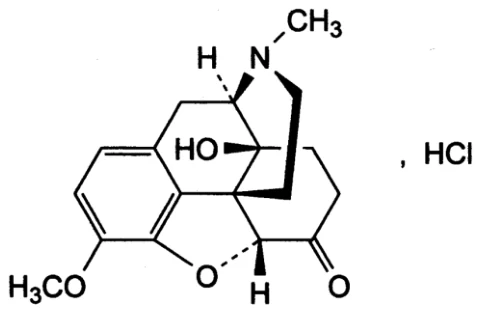
Physicochemical properties: Oxycodone hydrochloride is a semi-synthetic derivative of the naturally occurring opium alkaloid, thebaine
Appearance: Oxycodone hydrochloride is a white to off-white, odourless, crystalline powder.
Solubility: It is soluble in water and slightly soluble in alcohol
Melting Point: Has melting point of 256°C to 275°C.
14 CLINICAL TRIALS
14.2 Trial Design and Study Demographics
Studies with controlled release (CR) oxycodone hydrochloride tablets and immediate release (IR) oxycodone hydrochloride tablets in normal volunteers and patients demonstrate a consistent relationship between oxycodone dosage and plasma oxycodone concentrations as well as between concentration and pharmacodynamic effects. In a single dose analgesic assay, the peak effect of CR oxycodone (20 mg and 30 mg) was greater than that of 10 mg CR oxycodone and was equivalent to that of two tablets of oxycodone (5 mg) plus acetaminophen (325 mg), or 15 mg of immediate release oxycodone but with a longer duration of action. In patients with pain due to osteoarthritis, CR oxycodone q12h was more effective than placebo in decreasing pain and in improving quality of life, mood and sleep. In patients with cancer pain, CR oxycodone administered q12h produced equivalent analgesia to IR oxycodone administered four times per day. In patients with low back pain, CR oxycodone q12h and IR oxycodone given four times per day were equally effective. Titration to analgesic effect was achieved as easily with oxycodone hydrochloride controlled release tablets as with immediate release oxycodone hydrochloride tablets.
14.3 Comparative Bioavailability Studies
pms-OXYCODONE CR 10 mg tablets (Fasted conditions)
The objective of this study was to evaluate and compare the relative bioavailability of two formulations of oxycodone 10 mg controlled release tablets; pms-OXYCODONE CR (Pharmascience Inc.) vs OXYCONTIN® (Purdue Pharma Inc.) after a single oral dose administration under fasted conditions. The study was a single center, randomized, single dose, blinded, crossover design. Data from sixteen (16) healthy male subjects who completed the study were used for pharmacokinetic and statistical analysis.
SUMMARY TABLE OF THE COMPARATIVE BIOAVAILABILITY DATA
Oxycodone (1 x 10 mg controlled release tablet, Fast) From measured data Geometric Mean Arithmetic Mean (CV %) | ||||
|---|---|---|---|---|
| Parameter | Test* | Reference† | % Ratio of Geometric Means | 90% Confidence Interval |
AUCT (ng·h/mL) | 109.972 111.632 (22.1) | 103.842 105.962 (25.5) | 105.87 | 97.70 – 114.73 |
AUCI (ng·h/mL) | 113.843 115.627 (22.4) | 109.186 111.223 (24.3) | 104.26 | 96.96 – 112.12 |
Cmax (ng/mL) | 10.678 10.826 (22.4) | 9.117 9.343 (33.6) | 117.12 | 109.37 – 125.42 |
Tmax§ (h) | 4.00 (2.50-5.50) | 3.00 (1.12-8.00) | ||
T½€ (h) | 4.42 (11.0) | 6.17 (18.8) | ||
*pms-OXYCODONE CR 10 mg controlled release tablets, Pharmascience Inc., Montréal, Québec, Canada
†OXYCONTIN® 1 10 mg controlled release tablets, Purdue Pharma Inc., Canada. Purchased in Canada
§Expressed as the median (range) only
€Expressed as the arithmetic mean (CV%) only
pms-OXYCODONE CR 10 mg tablets (Fed conditions)
The objective of this study was to evaluate and compare the relative bioavailability of two formulations of oxycodone controlled release tablets; pms-OXYCODONE CR (Pharmascience Inc.) vs OXYCONTIN® (Purdue Pharma Inc.); after a single oral dose administration under fed conditions. The study was a single center, randomized, single dose, blinded, crossover design. Data from sixteen (16) healthy male subjects who completed the study were used for pharmacokinetic and statistical analysis.
SUMMARY TABLE OF THE COMPARATIVE BIOAVAILABILITY DATA
Oxycodone (1 x 10 mg controlled release tablet, Fed) From measured data Geometric Mean Arithmetic Mean (CV %) | ||||
|---|---|---|---|---|
| Parameter | Test* | Reference† | % Ratio of Geometric Means | 90% Confidence Interval |
AUCT (ng·h/mL) | 129.243 132.661 (23.1) | 125.282 128.001 (21.0) | 103.16 | 99.01 – 107.49 |
AUCI (ng·h/mL) | 132.379 135.689 (22.5) | 129.847 132.470 (20.3) | 101.95 | 97.70 – 106.38 |
Cmax (ng/mL) | 14.382 14.671 (19.9) | 11.559 11.834 (22.4) | 124.43 | 114.29 – 135.46 |
Tmax§ (h) | 4.78 (3.00 – 8.00) | 4.50 (3.00 – 7.00) | ||
T½€ (h) | 4.40 (14.1) | 5.64 (14.0) | ||
*pms-OXYCODONE CR 10 mg controlled release tablets, Pharmascience Inc., Montréal, Québec, Canada
†OXYCONTIN® 1 10 mg controlled release tablets, Purdue Pharma Inc., Canada. Purchased in Canada
§Expressed as the median (range) only
€Expressed as the arithmetic mean (CV%) only
pms-OXYCODONE CR 20 mg tablets (Steady State)
The objective of this study is to evaluate and compare the relative bioavailability of two formulations of oxycodone controlled release tablets; pms-OXYCODONE CR (Pharmascience Inc.) vs OXYCONTIN® (Purdue Pharma Inc.), at steady-state after a multiple oral dose (Multiple dose: 1x20 mg q 12h for 9 consecutive dose) administration under fasting conditions. The study was a single center, randomized, multiple dose, blinded, 2-period, 2-sequence, crossover design. Data from eighteen (18) healthy male subjects who completed the study were used for pharmacokinetic and statistical analysis.
SUMMARY TABLE OF THE COMPARATIVE BIOAVAILABILITY DATA
Oxycodone (Multiple dose: 1x20 mg q 12h for 9 consecutive dose) From measured data Geometric Mean Arithmetic Mean (CV %) | ||||
|---|---|---|---|---|
| Parameter | Test* | Reference† | % Ratio of Geometric Means | Confidence Interval 90% |
AUCtau (ng·h/mL) | 228.057 232.825 (20.8) | 231.003 234.336 (17.1) | 98.72 | 95.59 - 101.96 |
Cmax (ng/mL) | 26.840 27.423 (20.8) | 29.212 29.607 (16.6) | 91.88 | 88.26 - 95.65 |
Cmin (ng/mL) | 10.032 10.379 (26.2) | 9.485 9.697 (21.8) | 105.76 | 96.17 - 116.32 |
Tmax§ (h) | 2.75 (1.00 – 5.50) | 2.00 (0.67 – 3.00) | ||
| FL¶ (%) | 88.14 (21.5) | 102.42 (10.6) | ||
*pms-OXYCODONE CR 20 mg controlled release tablets, Pharmascience Inc., Montréal, Québec, Canada †OXYCONTIN® 1 20 mg controlled release tablets, Purdue Pharma Inc., Canada. Purchased in Canada §Expressed as the median (range) only ¶ Expressed as the arithmetic mean (CV%) only | ||||
pms-OXYCODONE CR 40 mg tablets (Fasted conditions)
The objective of this study was to evaluate and compare the relative bioavailability of two formulations of oxycodone controlled release tablets; pms-OXYCODONE CR (Pharmascience Inc.) vs OXYCONTIN® (Purdue Pharma Inc.); after a single oral dose administration under fasted conditions. The study was a single center, randomized, single dose, blinded, crossover design. Data from twelve (12) healthy male subjects who completed the study were used for pharmacokinetic and statistical analysis.
SUMMARY TABLE OF THE COMPARATIVE BIOAVAILABILITY DATA
Oxycodone (1 x 40 mg controlled-release tablet, Fast) From measured data Geometric Mean Arithmetic Mean (CV %) | ||||
|---|---|---|---|---|
| Parameter | Test* | Reference† | % Ratio of Geometric Means | 90% Confidence Interval |
AUCT‡ (ng·h/mL) | 412.194 419.488 (18.8) | 434.777 441.837 (18.8) | 94.81 | 89.34 – 100.60 |
AUCI (ng·h/mL) | 418.144 425.272 (18.5) | 439.951 447.256 (18.9) | 95.04 | 89.74 – 100.67 |
Cmax (ng/mL) | 29.988 30.386 (16.8) | 35.529 35.818 (13.3) | 84.40 | 78.49 – 90.76 |
Tmax§ (h) | 5.50 (3.50 – 6.00) | 4.25 (2.00 – 6.00) | ||
T½€ (h) | 4.69 (12.6) | 4.69 (13.3) | ||
*pms-OXYCODONE CR 40 mg controlled release tablets, Pharmascience Inc., Montréal, Québec, Canada †OXYCONTIN® 1 40 mg controlled release tablets, Purdue Pharma Inc., Canada. Purchased in Canada §Expressed as the median (range) only €Expressed as the arithmetic mean (CV%) only | ||||
pms-OXYCODONE CR 40 mg tablets (Fed conditions)
The objective of this study was to evaluate and compare the relative bioavailability of two formulations of oxycodone controlled release tablets; pms-OXYCODONE CR (Pharmascience Inc.) vs OXYCONTIN® (Purdue Pharma Inc.); after a single oral dose administration under fed conditions. The study was a single center, randomized, single dose, blinded, crossover design. Data from seventeen (17) healthy male subjects who completed the study were used for pharmacokinetic and statistical analysis.
SUMMARY TABLE OF THE COMPARATIVE BIOAVAILABILITY DATA
Oxycodone (1 x 40 mg controlled release tablet, Fed) From measured data Geometric Mean Arithmetic Mean (CV %) | ||||
|---|---|---|---|---|
| Parameter | Test* | Reference† | % Ratio# of Geometric Means | 90% Confidence Interval# |
AUCT‡ (ng·h/mL) | 499.465 507.911 (18.9) | 522.340 532.132 (20.7) | 95.62 | 92.02 – 99.36 |
AUCI (ng·h/mL) | 503.362 512.030 (19.1) | 529.047 539.502 (21.2) | 95.15 | 91.52 – 98.91 |
Cmax (ng/mL) | 45.098 46.122 (23.8) | 47.534 47.956 (16.5) | 94.87 | 89.54 – 100.53 |
Tmax§ (h) | 5.00 (3.00 – 12.00) | 4.00 (2.00 – 6.00) | ||
T½€ (h) | 4.30 (12.3) | 4.93 (18.6) | ||
*pms-OXYCODONE CR 40 mg controlled release tablets, Pharmascience Inc., Montréal, Québec, Canada
†OXYCONTIN® 1 40 mg controlled release tablets, Purdue Pharma Inc., Canada. Purchased in Canada
§Expressed as the median (range) only
€Expressed as the arithmetic mean (CV%) only
# % ratios and 90% confidence intervals are based on least square means estimates.
pms-OXYCODONE CR 40 mg (Steady State)
The objective of this study was to evaluate and compare the relative bioavailability of two formulations of oxycodone controlled release tablets; pms-OXYCODONE CR (Pharmascience Inc.) vs OXYCONTIN® (Purdue Pharma Inc.); at steady state after a multiple oral dose administration. The study was a single center, randomized, multiple dose (Multiple dose: 1 x 40 mg q12 h for 9 consecutive doses), blinded, 2-period 2-sequence, crossover design planned for 20 healthy male volunteers. Data from nineteen (19) healthy subjects who completed the study were evaluated.
SUMMARY TABLE OF THE COMPARATIVE BIOAVAILABILITY DATA
Oxycodone Multiple dose: 1 x 40 mg q12 h for 9 consecutive doses From measured data Geometric Mean Arithmetic Mean (CV %) | ||||
|---|---|---|---|---|
| Parameter | Test* | Reference† | % Ratio# of Geometric Means | Confidence Interval 90%# |
AUCτ (ng·h/mL) | 469.802 488.422 (24.6) | 481.497 490.793 (18.5) | 97.57 | 92.56-102.85 |
Cmax (ng/mL) | 51.253 53.173 (24.3) | 54.907 55.786 (16.3) | 93.35 | 87.72-99.34 |
Cmin (ng/mL) | 22.485 24.028 (33.1) | 22.208 23.087 (26.4) | 101.25 | 94.68-108.26 |
Tmax§ (h) | 3.00 (1.50 – 5.00) | 2.50 (1.00 – 5.00) | ||
| FL¶ (%) | 72.89 (21.2) | 81.38 (18.3) | ||
*pms-OXYCODONE CR 40 mg controlled release tablets, Pharmascience Inc., Montréal, Québec, Canada †OXYCONTIN® 1 40 mg controlled release tablets, Purdue Pharma Inc., Canada. Purchased in Canada §Expressed as the median (range) only €Expressed as the arithmetic mean (CV%) only # % ratios and 90% confidence intervals are based on least square means estimates. | ||||
15 NON-CLINICAL TOXICOLOGY
The LD50 after subcutaneous administration of oxycodone in mice was 275 mg/kg to 340 mg/kg. The lowest lethal dose has been reported to be 200 mg/kg after subcutaneous administration in mice. These values are similar to those obtained for morphine. In a preliminary 12-day study in rabbits, no drug related toxic effects were discernable at 5 mg/kg. Doses of 25 mg/kg, 75 mg/kg and 150 mg/kg were associated with variable and transient pharmacotoxic effects typical of high dose opioid treatment in animals (decreased activity, decreased or absent defecation and convulsions).
Carcinogenicity
Studies of oxycodone in animals to evaluate its carcinogenic potential have not been conducted owing to the length of clinical experience with the drug substance.
Mutagenicity
Oxycodone was not mutagenic in the following assays: Ames Salmonella and E. coli test with and without metabolic activation at doses of up to 5,000 mcg, chromosomal aberration test in human lymphocytes in the absence of metabolic activation at doses of up to 1,500 mcg/mL and with activation 48 hours after exposure at doses of up to 5,000 mcg/mL, and in the in vivo bone marrow micronucleus test in mice at plasma levels of up to 48 mcg/mL. Mutagenic results occurred in the presence of metabolic activation in the human chromosomal aberration test (at greater than or equal to 1,250 mcg/mL) at 24 but not 48 hours of exposure and in the mouse lymphoma assay at doses of 50 mcg/mL or greater with metabolic activation and at 400 mcg/mL or greater without metabolic activation. The data from these tests indicate that the genotoxic risk to humans may be considered low.
Teratogenicity
Oxycodone has no effect on fertility or early embryonic development in male and female rats at doses as high as 8 mg/kg/day. Also, oxycodone did not induce any malformations in rats at doses as high as 8 mg/kg/day or in rabbits at doses as high as 125 mg/kg/day. Dose-related increases in developmental variations (increased incidences of extra presacral vertebrae and extra pairs of ribs) were observed in rabbits when the data for individual fetuses were analyzed. However, when the same data were analyzed using litters as opposed to individual fetuses, there was no dose-related increase in developmental variations although the incidence of extra presacral vertebrae remained significantly higher in the 125 mg/kg/day group compared to the control group. Since this dose level was associated with severe pharmacotoxic effects in the pregnant animals, the fetal findings may have been a secondary consequence of severe maternal toxicity.
In a study of peri- and postnatal development in rats, maternal body weight and food intake parameters were reduced for doses ≥2 mg/kg/day compared to the control group. Body weights were lower in the F1 generation from maternal rats in the 6 mg/kg/day dosing group. There were no effects on physical, reflexological, or sensory developmental parameters or on behavioural and reproductive indices in the F1 pups (the NOEL for F1 pups was 2 mg/kg/day based on body weight effects seen at 6 mg/kg/day). There were no effects on the F2 generation at any dose in the study.
There are no adequate and well-controlled studies in pregnant women, and no studies on fertility or the post-natal effects of intrauterine exposure have been carried out.
17 SUPPORTING PRODUCT MONOGRAPHS
- 1. OXYCONTIN® (Oxycodone Hydrochloride Controlled Release Tablets, 5 mg, 10 mg, 15 mg, 20 mg, 30 mg, 40 mg, 60 mg, 80 mg, 120 mg and 160 mg), Submission Control Number: 148343, Product Monograph. Purdue Pharma, Date of Revision: November 8, 2011.