


Product Monograph - Prevnar 20
Recent Major Label Changes
None at time of the most recent authorization.
Table of Contents
Certain sections or subsections that are not applicable at the time of the preparation of the most recent authorized product monograph are not listed.
Table of Contents ................................................................................................................. 2
Part 1: Healthcare Professional Information.......................................................................... 4
- 1.
Indications..................................................................................................................... 4
1.1. Pediatrics .................................................................................................................... 4
1.2. Geriatrics .................................................................................................................... 4
- 2. Contraindications .......................................................................................................... 4
- 4.
Dosage and Administration ............................................................................................ 4
4.1. Dosing Considerations ............................................................................................... 4
4.2. Recommended Dose and Dosage Adjustment .......................................................... 5
4.2.1. Pediatrics (6 Weeks Through 17 Years of Age) .................................................. 5
4.2.2. Adults (18 Years of Age and Older) .................................................................... 6
4.4. Administration ........................................................................................................... 6
- 5. Overdose ....................................................................................................................... 7
- 6. Dosage Forms, Strengths, Composition, and Packaging .................................................. 7
- 7.
Warnings and Precautions ............................................................................................. 8
General ................................................................................................................................... 8
Driving and Operating Machinery .......................................................................................... 8
Hematologic ........................................................................................................................... 8
Immune .................................................................................................................................. 8
Reproductive Health ............................................................................................................... 8
7.1. Special Populations .................................................................................................... 9
7.1.1. Pregnancy ........................................................................................................... 9
7.1.2. Breastfeeding ..................................................................................................... 9
7.1.3. Pediatrics ............................................................................................................ 9
7.1.4. Geriatrics ............................................................................................................ 9
- 8.
Adverse Reactions ......................................................................................................... 9
8.1. Adverse Reaction Overview ....................................................................................... 9
8.2. Clinical Trial Adverse Reactions ............................................................................... 11
8.2.1. Clinical Trial Adverse Reactions – Pediatrics.................................................... 13
8.2.2. Additional Information in Immunocompromised Patients in Studies with PREVNAR 13 ..................................................................................................................... 16
8.3. Less Common Clinical Trial Adverse Reactions ........................................................ 17
8.3.1. Less Common Clinical Trial Adverse Reactions – Pediatrics ............................ 17
8.5. Post-Market Adverse Reactions ............................................................................... 18
- 9. Drug Interactions ......................................................................................................... 18
- 10.
Clinical Pharmacology .................................................................................................. 19
10.1. Mechanism of Action ............................................................................................... 19
- 11. Storage, Stability, and Disposal .................................................................................... 19
- 12. Special Handling Instructions ....................................................................................... 20
Part 2: Scientific Information .............................................................................................. 21
- 13. Pharmaceutical Information ........................................................................................ 21
- 14.
Clinical Trials ............................................................................................................... 21
14.1. Clinical Trials by Indication ...................................................................................... 21
14.1.1. Clinical Trials in Adults 18 Years of Age and Older .......................................... 24
14.1.2. Clinical Trials in Infants, Children and Adolescents 6 Weeks Through 17 Years of Age 25
14.2. Study Results ............................................................................................................ 27
14.2.1. Clinical Trials in Adults 18 Years of Age and Older .......................................... 27
14.2.2. Clinical Trials in Infants, Children and Adolescents 6 Weeks Through 17 Years of Age 30
14.2.3. Concomitant Vaccine Administration .............................................................. 36
14.3. Clinical Studies of PREVNAR 13 ................................................................................ 37
- 16. Non-Clinical Toxicology ................................................................................................ 39
Patient Medication Information ......................................................................................... 41
Part 1: Healthcare Professional Information
1. Indications
Infants, Children and Adolescents (6 Weeks Through 17 Years of Age)
PREVNAR 20 (Pneumococcal 20-valent Conjugate Vaccine [Diphtheria CRM197 Protein]) is indicated for active immunization of infants, children and adolescents from 6 weeks through 17 years of age (prior to the 18th birthday) for the prevention of invasive pneumococcal disease (including sepsis, meningitis, bacteremic pneumonia, pleural empyema and bacteremia) caused by Streptococcus pneumoniae serotypes 1, 3, 4, 5, 6A, 6B, 7F, 8, 9V, 10A, 11A, 12F, 14, 15B, 18C, 19A, 19F, 22F, 23F, and 33F.
Adults (18 Years of Age and Older)
PREVNAR 20 is indicated for active immunization of adults 18 years of age and older for the prevention of pneumonia and invasive pneumococcal disease (including sepsis, meningitis, bacteremic pneumonia, pleural empyema and bacteremia) caused by Streptococcus pneumoniae serotypes 1, 3, 4, 5, 6A, 6B, 7F, 8, 9V, 10A, 11A, 12F, 14, 15B, 18C, 19A, 19F, 22F, 23F, and 33F.
Clinical efficacy for the prevention of pneumonia was studied with PREVNAR 13 for the shared serotypes (see 14 Clinical Trials), but not for the additional serotypes 8, 10A, 11A, 12F, 15B, 22F, and 33F.
PREVNAR 20 may not prevent disease caused by S. pneumoniae serotypes that are not contained in the vaccine.
1.1. Pediatrics
Based on the data submitted to and reviewed by Health Canada, the safety and efficacy of PREVNAR 20 in pediatric patients (6 weeks to <18 years of age) have been established. Therefore, Health Canada has authorized an indication for pediatric use in individuals 6 weeks through 17 years of age (prior to the 18th birthday). See 1 Indications, 8.2.1 Clinical Trial Adverse Reactions – Pediatrics and 14 Clinical Trials.
1.2. Geriatrics
PREVNAR 20 has been studied in the geriatric population (see 7.1 Special Populations and 14 Clinical Trials).
2. Contraindications
PREVNAR 20 is contraindicated in individuals who are hypersensitive to the active substance or to any component of the vaccine, including diphtheria toxoid. For a complete listing see 6 Dosage Forms, Strengths, Composition, and Packaging.
4. Dosage and Administration
4.1. Dosing Considerations
Individuals at higher risk of pneumococcal infection, including patients with sickle cell disease (SCD) or human immunodeficiency virus (HIV) infection, and those previously vaccinated with one or more doses of the 23-valent pneumococcal polysaccharide vaccine (PPSV23), are recommended to receive
- at least one dose of PREVNAR 20 (see 7 Warnings and Precautions, Immune and 14 Clinical Trials, PREVNAR 13 Immune Responses in Special Populations).
- In individuals with a hematopoietic stem cell transplant (HSCT), the recommended immunization series with PREVNAR 20 consists of four doses of 0.5 mL. The primary series consists of three doses, with the first dose given 3 to 6 months after HSCT and with an interval of at least 1 month between doses. A booster dose is recommended 6 months after the third dose (see 7 Warnings and Precautions, Immune and 14 Clinical Trials, PREVNAR 13 Immune Responses in Special Populations).
- If the sequential use of PPSV23 is considered appropriate, PREVNAR 20 should be given first.
4.2. Recommended Dose and Dosage Adjustment
4.2.1. Pediatrics (6 Weeks Through 17 Years of Age)
It is recommended that infants who receive a first dose of PREVNAR 20 complete the vaccination series with PREVNAR 20.
Routine Vaccination Schedule for Infants and Toddlers 6 Weeks Through 15 Months of Age
4-Dose Series (3-Dose Primary Series Followed by a Toddler Dose)
The vaccination series consists of 4 doses of PREVNAR 20, each of 0.5 mL. The primary series consists of 3 doses, with the first dose usually given at 2 months of age (and as early as 6 weeks of age), with an interval of 4 to 8 weeks between doses. The fourth dose should be given between 11 and 15 months of age and at least 2 months after the third dose.
See 14.2.2 Clinical Trials in Infants, Children and Adolescents 6 Weeks Through 17 Years of Age for the 3-Dose Series (2-Dose Primary Series Followed by a Toddler Dose)
Pre-term Infants (<37 Weeks Gestation at Birth)
The recommended vaccination series consists of 4 doses of PREVNAR 20, each of 0.5 mL. The primary series consists of 3 doses, with the first dose usually given at 2 months of age (and as early as 6 weeks of age), with an interval of 4 to 8 weeks between doses. The fourth dose should be given between 11 and 15 months of age and at least 2 months after the third dose.
Catch-up Vaccination Schedule for Unvaccinated Children and Adolescents 7 Months Through 17 Years of Age
Children 7 months through 17 years of age who have never received a pneumococcal conjugate vaccine may receive PREVNAR 20 according to the following schedules:
Infants 7 Through 11 Months of Age
Three doses of 0.5 mL, with the first 2 doses given at least 4 weeks apart. The third dose is given after the 1-year birthday, separated from the second dose by at least 2 months.
Children 12 Through 23 Months of Age
Two doses of 0.5 mL, with an interval of 2 months between doses.
Children and Adolescents 2 Through 17 Years of Age
One single 0.5 mL dose.
Catch-up Vaccination Schedule for Children Previously or Incompletely Vaccinated with PREVNAR 13
Children 15 months through 17 years of age who are considered completely immunized or with an incomplete vaccine series of PREVNAR 13 may receive 1 single 0.5 mL dose of PREVNAR 20. The catch-up (supplemental) dose of PREVNAR 20 should be administered with an interval of at least 8 weeks after the final dose of PREVNAR 13.
4.2.2. Adults (18 Years of Age and Older)
PREVNAR 20 is administered intramuscularly as a single 0.5 mL dose.
4.4. Administration
Do not mix PREVNAR 20 with any other vaccines or products in the same syringe.
Preparation for administration
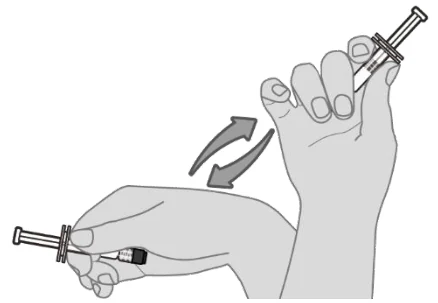
Step 1. Vaccine resuspension
Hold the pre-filled syringe horizontally between the thumb and the forefinger and shake vigorously until the contents of the syringe are a homogeneous white suspension. Do not use the vaccine if it cannot be re-suspended.
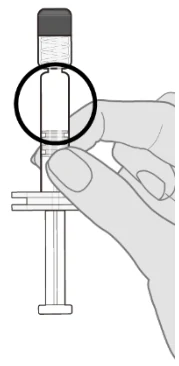
Step 2. Visual inspection
Visually inspect the vaccine for large particulate matter and discoloration prior to administration. Do not use if large particulate matter or discoloration is found. If the vaccine is not a homogeneous white suspension, repeat steps 1 and 2.
Step 3. Remove syringe cap
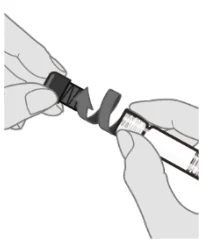
Remove the syringe cap from the Luer lock adapter by slowly turning the cap counter-clockwise while holding the Luer lock adapter.
Note: Care should be taken to ensure that the extended plunger rod is not depressed while removing the syringe cap.
Step 4. Attach a sterile needle
Attach a needle appropriate for intramuscular administration to the pre-filled syringe by holding the Luer lock adapter and turning the needle clockwise.
Administration
For intramuscular use only.
Each 0.5 mL dose is to be injected intramuscularly, with care to avoid injection into or near nerves and blood vessels. The preferred sites for injection are the anterolateral aspect of the thigh in infants and the deltoid muscle of the upper arm in children and adults. The vaccine should not be injected in the gluteal area.
Do not administer PREVNAR 20 intravascularly.
5. Overdose
Overdose with PREVNAR 20 is unlikely due to its presentation as a pre-filled syringe.
For the most recent information in the management of a suspected drug overdose, contact your regional poison control centre or Health Canada’s toll-free number, 1-844 POISON-X (1-844-764-7669).
- 6. Dosage Forms, Strengths, Composition, and Packaging
PREVNAR 20 is a homogeneous white suspension for intramuscular injection supplied in a single-dose pre-filled syringe. Each 0.5 mL dose of the vaccine is formulated to contain approximately 2.2 mcg of each of S. pneumoniae serotypes 1, 3, 4, 5, 6A, 7F, 8, 9V, 10A, 11A, 12F, 14, 15B, 18C, 19A, 19F, 22F, 23F and 33F saccharides, 4.4 mcg of 6B saccharide, 51 mcg CRM197 carrier protein, 100 mcg polysorbate 80, 295 mcg succinic acid, 4.4 mg sodium chloride, and 125 mcg aluminum as aluminum phosphate adjuvant.
PREVNAR 20 is supplied in cartons of 1 and 10 single-dose pre-filled syringes, without needles.
The tip cap and plunger stopper of the pre-filled syringe are not made with natural rubber latex.
Table [1] – Dosage Forms, Strengths, and Composition
To help ensure the traceability of vaccines for patient immunization record-keeping as well as safety monitoring, health professionals should record the time and date of administration, quantity of administered dose (if applicable), anatomical site and route of administration, brand name and generic name of the vaccine, the product lot number and expiry date.
Description
A white suspension for intramuscular injection, provided in a single-dose (0.5 mL), pre-filled syringe.
| Route of Administration | Dosage Form/ Strength/Composition | Non-Medicinal Ingredients |
| Intramuscular | Suspension for injection 0.5 mL single-dose syringe | Aluminum phosphate Polysorbate 80 Sodium chloride Succinic acid Water for injection |
7. Warnings and Precautions
General
As with all injectable vaccines, appropriate medical treatment and supervision must always be readily available in case of a rare anaphylactic event following the administration of the vaccine.
As with other vaccines, the administration of PREVNAR 20 should be postponed in individuals suffering from acute severe febrile illness. However, the presence of a minor infection, such as a cold, should not result in the deferral of vaccination.
PREVNAR 20 will only protect against Streptococcus pneumoniae serotypes included in the vaccine, and will not protect against other microorganisms that cause invasive disease or pneumonia.
As with any vaccine, PREVNAR 20 may not protect all individuals receiving the vaccine from pneumococcal disease.
Driving and Operating Machinery
PREVNAR 20 has no or negligible influence on the ability to drive and use machines. However, some of the effects mentioned under 8 Adverse Reactions may temporarily affect the ability to drive or use machines.
Hematologic
As with all injectable vaccines, the vaccine must be administered with caution to individuals with thrombocytopenia or a bleeding disorder since bleeding may occur following an intramuscular administration.
Immune
Safety and immunogenicity data on PREVNAR 20 are not available for individuals in immunocompromised groups and vaccination should be considered on an individual basis. Studies in individuals with HIV, sickle cell disease and bone marrow transplant have not been conducted with PREVNAR 20; however, safety and immunogenicity studies with PREVNAR 13 are relevant to PREVNAR 20, since the vaccines are manufactured similarly and contain 13 of the same polysaccharide conjugates (see 14 Clinical Trials).
Based on experience with pneumococcal vaccines, some individuals with altered immunocompetence may have reduced immune responses to PREVNAR 20. Individuals with impaired immune responsiveness, whether due to the use of immunosuppressive therapy, a genetic defect, HIV infection, or other causes, may have reduced antibody response to active immunization. The clinical relevance of this is unknown.
Reproductive Health
- Fertility
No human data on the effect of PREVNAR 20 on fertility are available.
Animal studies do not indicate direct or indirect harmful effects with respect to female fertility or reproductive toxicity (see 16 Non-Clinical Toxicology).
7.1. Special Populations
7.1.1. Pregnancy
Safety during pregnancy has not been established in humans.
7.1.2. Breastfeeding
Safety during lactation has not been established in humans.
It is not known whether vaccine antigens or antibodies are excreted in human milk.
7.1.3. Pediatrics
As with all injectable pediatric vaccines, the potential risk of apnea should be considered when administering the primary immunization series to preterm infants. The need for monitoring for at least 48 hours after vaccination should be considered for every preterm infant born ≤28 weeks of gestation who remains hospitalized at the time of the recommended administration. As the benefit of vaccination is high in this group of infants, vaccination should not be withheld or delayed.
The effectiveness of PREVNAR 20 for the prevention of pneumonia has not been established in individuals younger than 18 years of age.
The safety and effectiveness of PREVNAR 20 in children younger than 6 weeks of age have not been established.
7.1.4. Geriatrics
Of the 4,263 adults in the three Phase 3 studies of the clinical development program who received PREVNAR 20, 668 (15.7%) were 65 through 69 years of age, 398 (9.3%) were 70 through 79 years of age, and 72 (1.7%) were 80 years of age and older. PREVNAR 20 has been shown to be safe and immunogenic in the geriatric population regardless of prior pneumococcal vaccination (see 14 Clinical Trials).
8. Adverse Reactions
8.1. Adverse Reaction Overview
Adults 18 Years of Age and Older
The safety profile is based on the analysis of three Phase 3 clinical trials (see 14 Clinical Trials). There were 4,263 adult participants who received PREVNAR 20, which included 3,639 adults that were naïve to pneumococcal vaccines, 253 that had previously received the 23-valent pneumococcal polysaccharide vaccine, (Pneumovax® 23 [PPSV23]) only, 246 that had previously received PREVNAR 13 only, and 125 that had previously received both PPSV23 and PREVNAR 13. The most commonly reported solicited adverse reactions (>10%) were vaccination-site pain/tenderness, muscle pain, fatigue, headache and joint pain. Overall, the serious adverse events (SAEs) reported were consistent with diseases and conditions observed in adults of different age groups, and none were considered to be related to the study vaccine. In all three Phase 3 trials, PREVNAR 20 demonstrated a tolerability and safety profile similar to that of PREVNAR 13.
Infants, Children and Adolescents 6 Weeks Through 17 Years of Age
The safety of PREVNAR 20 was evaluated in 5,987 participants 6 weeks through 17 years of age in four randomized, double-blind, active-controlled clinical trials and one single-arm clinical trial (one Phase 2 and four Phase 3 trials); 3,664 participants received at least 1 dose of PREVNAR 20, and 2,323 participants received PREVNAR 13 (control vaccine). Across all 5 trials, there were similar percentages of male and female participants among the PREVNAR 20 recipients and the PREVNAR 13 recipients. Overall, 83.5% of PREVNAR 20 recipients were White, 7.9% Black, 1.6% Asian, and 24.0% Hispanic, with similar distribution among PREVNAR 13 recipients.
Infants and Children 6 Weeks to <15 Months of Age
Clinical trials were conducted in healthy infants and children 6 weeks to <15 months of age using a 3-dose series (Phase 3 Study 1012) or a 4-dose series (Phase 3 Studies 1011 and 1013 and Phase 2 Study 1003). In these 4 infant trials 5,156 participants received at least 1 dose of vaccine: 2,833 received PREVNAR 20 and 2,323 received PREVNAR 13. Overall, approximately 90% of participants in each group received all doses through the study-specified toddler dose. In all studies, local reactions and systemic events were collected after each dose, and adverse events were collected from the first dose through 1 month after the last infant vaccination and from the toddler dose through 1 month after the toddler dose in all studies. Serious adverse events were evaluated through 1 month after the last dose in Study 1012 and 6 months after the last dose in Studies 1011, 1013, and 1003.
PREVNAR 20 was well tolerated when administered on a 3-dose and a 4-dose series in the infant study populations, with low rates of severe local reactions and systemic events, and most reactions resolving within 1 to 3 days. The percentages of participants with reactogenicity events after PREVNAR 20 were generally similar to those after PREVNAR 13. Based on the infant data, the most frequently reported local reactions and systemic events after any dose of PREVNAR 20 were irritability, drowsiness, and pain at injection site. In these studies, PREVNAR 13 was co-administered or permitted to be administered with certain routine pediatric vaccines (see 14.2.3 Concomitant Vaccine Administration).
Study 1012 was a double-blind, active-controlled Phase 3 trial, in which 601 healthy infants, 2 months (≥42 to ≤112 days) of age and born at >36 weeks of gestation received PREVNAR 20 in a 3-dose series. The most frequently reported adverse reactions (>10%) after any dose of PREVNAR 20 were irritability (71.0% to 71.9%), drowsiness/increased sleep (50.9% to 61.2%), pain at injection site (22.8% to 42.4%), decreased appetite (24.7% to 39.3%), redness at injection site (25.3% to 36.9%), swelling at injection site (21.4% to 29.8%) and fever of ≥38.0°C (8.9% to 24.3%). Most adverse reactions occurred within 1 to 2 days following vaccination and were mild to moderate in severity and of short duration (1 to 2 days).
Studies 1011, 1013 and 1003 were double-blind, randomized, active-controlled trials that included 2,232 healthy infants vaccinated with PREVNAR 20 in a 4-dose series. The most frequently reported adverse reactions (>10%) observed after any dose of PREVNAR 20 in infants were irritability (58.5% to 70.6%), drowsiness/increased sleep (37.7% to 66.2%), pain at injection site (32.8% to 45.5%), decreased appetite (23.0% to 26.4%), redness at injection site (22.6% to 24.5%) and swelling at injection site (15.1% to 17.6%). Most adverse reactions were mild or moderate following vaccination and severe reactions were reported infrequently. In Study 1013, the local reactions and systemic events in the preterm subgroup (111 infants born at 34 to <37 weeks of gestation) were similar to or lower than the term infants in the study. In the preterm subgroup the frequency of any reported local reaction (31.7% to 55.3% in the PREVNAR 20 group and 37.9% to 47.1% in the PREVNAR 13 group) and systemic event (65.0% to 85.5% in the PREVNAR 20 group and 59.4% to 77.4% in the PREVNAR 13 group) were similar after PREVNAR 20 and PREVNAR 13. Most adverse reactions occurred within 1 to 2 days following vaccination and were mild to moderate in severity and of short duration (1 to 3 days).
The frequency and severity of the adverse reactions in all infant clinical trials were generally similar in the PREVNAR 20 and PREVNAR 13 groups.
Children and Adolescents 15 Months through 17 Years of Age
In Phase 3 Study 1014, 831 participants 15 months through 17 years of age received a single dose of PREVNAR 20 in four age groups (209 participants 15 to <24 months of age; 216 participants 2 years to <5 years of age; 201 participants 5 years to <10 years age; and 205 participants 10 years to <18 years of age). The participants <5 years of age had received at least 3 prior doses of PREVNAR 13.
The most frequently reported adverse reactions (>10%) observed after any dose of PREVNAR 20 in participants <2 years of age were irritability (61.8%), pain at injection site (52.5%), drowsiness/ increased sleep (41.7%), redness at injection site (37.7%), decreased appetite (25.0%), swelling at injection site (22.1%) and fever ≥38.0°C (11.8%). In participants aged 2 years and older, the most frequently reported adverse reactions were pain at injection site (66.0% to 82.9%), muscle pain (26.5% to 48.3%), redness at injection site (15.1% to 39.1%), fatigue (27.8% to 37.2%), headache (5.6% to 29.3%), and swelling at injection site (15.6% to 27.1%). Most adverse reactions occurred within 1 to 2 days following vaccination and were mild to moderate in severity and of short duration (1 to 3 days).
8.2. Clinical Trial Adverse Reactions
Clinical trials are conducted under very specific conditions. The adverse reaction rates observed in the clinical trials, therefore, may not reflect the rates observed in practice and should not be compared to the rates in the clinical trials of another drug. Adverse reaction information from clinical trials may be useful in identifying and approximating rates of adverse drug reactions in real-world use.
Adults 18 Years of Age and Older
Solicited Adverse Reactions
The frequency of solicited adverse reactions in adults <65 years of age naïve to pneumococcal vaccination and in adults ≥65 years of age by prior pneumococcal vaccination status are shown in Table 2 and Table 3, respectively. Local adverse reactions (redness, swelling, and pain at the injection site) were prompted daily for 10 consecutive days after vaccination. Systemic adverse events (fever, fatigue, headache, muscle pain, and joint pain) were prompted daily for 7 days after vaccination.
In general, the median onset day for local reactions was between Day 1 (day of vaccination) to Day 2.5, and they resolved with a median duration of 1 to 2 days. The median onset day for most systemic events was generally between Day 1 to Day 3.5, and they resolved with a median duration of 1 to 2 days.
| Table 2. Solicited Local Adverse Reactions and Systemic Events After Vaccination in Pneumococcal Vaccine Naïve Adults <65 Years of Age from Studies 1007 and 1008 | ||||||||||||||||
|---|---|---|---|---|---|---|---|---|---|---|---|---|---|---|---|---|
| Adverse Reactionb | Study 1007 60-64 Years of Age | Study 1007 50-59 Years of Age | Study 1007 and Study 1008 18-49 Years of Age | |||||||||||||
PREVNAR 20 (Na=991) % | PREVNAR 13 (Na=990) % | PREVNAR 20 (Na=331) % | PREVNAR 13 (Na=111) % | PREVNAR 20 (Na=1791) % | PREVNAR 13 (Na=355) % | |||||||||||
| Local Reaction | ||||||||||||||||
| Redness | 7.1 | 6.3 | 8.2 | 5.4 | 7.4 | 7.3 | ||||||||||
| Swelling | 8.0 | 8.3 | 8.8 | 10.8 | 9.1 | 9.9 | ||||||||||
| Pain at injection site | 61.6 | 59.2 | 72.5 | 69.4 | 79.2 | 77.7 | ||||||||||
| Systemic Event | ||||||||||||||||
| Fever ≥38.0℃ | 0.8 | 0.4 | 1.5 | 0.9 | 1.2 | 1.1 | ||||||||||
| Fever >40.0℃ | 0.2 | 0 | 0.3 | 0 | 0 | 0 | ||||||||||
| Fatigue | 32.7 | 32.4 | 39.3 | 36.0 | 46.7 | 43.7 | ||||||||||
| Headache | 24.5 | 25.3 | 32.3 | 36.0 | 36.7 | 36.6 | ||||||||||
| Muscle pain | 42.8 | 39.8 | 49.8 | 49.5 | 62.9 | 64.8 | ||||||||||
| Joint pain | 12.2 | 14.5 | 15.4 | 20.7 | 16.2 | 15.2 | ||||||||||
a. N = number of participants with any e-diary data reported after vaccination. b. Local reactions solicited within 10 days after vaccination; systemic events solicited within 7 days after vaccination. | ||||||||||||||||
| Table 3. Solicited Local Adverse Reactions and Systemic Events After Vaccination in Adults ≥65 Years of Age by Prior Pneumococcal Vaccination Status from Studies 1006 and 1007 | ||||||||||||||||||||||||
|---|---|---|---|---|---|---|---|---|---|---|---|---|---|---|---|---|---|---|---|---|---|---|---|---|
| Table 3. Solicited Local Adverse Reactions and Systemic Events After Vaccination in Adults ≥65 Years of Age by Prior Pneumococcal Vaccination Status from Studies 1006 and 1007 | ||||||||||||||||||||||||
| Adverse Reactionb. | Study 1007 | Study 1006 | ||||||||||||||||||||||
| Adverse Reactionb. | Study 1007 | Study 1006 | ||||||||||||||||||||||
| Prior Pneumococcal Vaccination Statusc | ||||||||||||||||||||||||
| Prior Pneumococcal Vaccination Statusc | ||||||||||||||||||||||||
| Naïve | PPSV23 | PREVNAR 13 | PREVNAR 13 & PPSV23 | |||||||||||||||||||||
| Naïve | PPSV23 | PREVNAR 13 | PREVNAR 13 & PPSV23 | |||||||||||||||||||||
PREVNAR 20 (Na=514) % | PREVNAR 13 (Na=493) % | PREVNAR 20 (Na=253) % | PREVNAR 13 (Na=121) % | PREVNAR 20 (Na=245) % | PPSV23 (Na=126) % | PREVNAR 20 (Na=125) % | ||||||||||||||||||
PREVNAR 20 (Na=514) % | PREVNAR 13 (Na=493) % | PREVNAR 20 (Na=253) % | PREVNAR 13 (Na=121) % | PREVNAR 20 (Na=245) % | PPSV23 (Na=126) % | PREVNAR 20 (Na=125) % | ||||||||||||||||||
| Local Reaction | ||||||||||||||||||||||||
| Redness | 7.8 | 6.1 | 7.9 | 2.5 | 8.6 | 12.7 | 4.8 | |||||||||||||||||
| Swelling | 6.6 | 7.3 | 9.9 | 6.6 | 9.4 | 14.3 | 4.0 | |||||||||||||||||
| Pain at injection site | 43.6 | 44.0 | 50.2 | 43.0 | 61.2 | 56.3 | 52.8 | |||||||||||||||||
| Systemic Event | ||||||||||||||||||||||||
| Fever ≥38.0℃ | 1.2 | 1.6 | 0.8 | 0 | 0 | 1.6 | 0 | |||||||||||||||||
| Fever >40.0℃ | 0.6 | 0.6 | 0 | 0 | 0 | 0 | 0 | |||||||||||||||||
| Fatigue | 25.3 | 27.2 | 28.9 | 22.3 | 31.0 | 33.3 | 32.8 | |||||||||||||||||
| Headache | 15.8 | 19.3 | 17.8 | 18.2 | 13.5 | 21.4 | 19.2 | |||||||||||||||||
| Muscle pain | 31.9 | 32.3 | 32.0 | 31.4 | 33.9 | 46.0 | 37.6 | |||||||||||||||||
| Joint pain | 13.4 | 12.0 | 6.7 | 10.7 | 11.8 | 15.9 | 16.8 | |||||||||||||||||
a. N = number of participants with any e-diary data reported after vaccination. b. Local reactions solicited within 10 days after vaccination; systemic events solicited within 7 days after vaccination. c. Includes participants who previously received either PPSV23 ≥1 to ≤5 years before enrollment (PPSV23), PREVNAR 13 ≥6 months before enrollment (PREVNAR 13), or PREVNAR 13 followed by PPSV23 ≥1 year before enrollment (PREVNAR 13 and PPSV23) in the study. | ||||||||||||||||||||||||
Safety with Concomitant Vaccine Administration in Adults
In Study 1004, the frequency of all solicited systemic ARs within 7 days following coadministration of PREVNAR 20 and influenza vaccine, adjuvanted (QIV) was numerically higher when coadministered compared to when given separately. Following the coadministration, the most frequently reported systemic ARs were fatigue (33.2%), followed by headache (21.9%), muscle pain (19.7%), and joint pain (13.3%), with most cases being mild to moderate (≤0.9% were severe) and having an onset time and duration similar to those following administration of PREVNAR 20 or influenza vaccine alone. Occurrence of fever was low in the coadministration group (1.5%), PREVNAR 20-only group (0.5%), and the influenza vaccine-only group (0.6%). No other difference in the safety profile between coadministration and separate administration for each of these vaccines alone was observed.
In study 1026, the frequency of all solicited systemic ARs (fatigue, headache, chills, muscle pain, and joint pain) except fever within 7 days after vaccination in the coadministration group was similar to that in the COVID-19 mRNA vaccine-only group but noticeably higher than that in the PREVNAR 20-only group. The most frequent systemic ARs in the coadministration group were fatigue (54.1%), followed by muscle pain (32.4%), headache (30.3%), chills (26.5%), and joint pain (26.5%). Fever (13.0%) and use of antipyretic or pain medication (34.6%) in the coadministration group were higher than those in both the PREVNAR 20-only group (1.1% and 15.1%, respectively), and the COVID-19 mRNA vaccine-only group (8.6% and 28.6%, respectively). The frequency of solicited ARs with moderate severity (33.0% for fatigue, 11.9% for headache, and 11.4% for joint pain) in the coadministration group was higher than that in both the PREVNAR 20-only group (12.4% for fatigue, 2.7% for headache, and 3.8% for joint pain), and the COVID-19 mRNA vaccine-only group (24.9% for fatigue, 7.6% for headache, and 9.7% for joint pain). No other apparent difference in the safety profile between the coadministration group, and the Prevnar 20-only group or the COVID-19 mRNA vaccine-only group was observed.
8.2.1. Clinical Trial Adverse Reactions – Pediatrics
Children 6 Weeks Through 17 Years of Age
Infants and Toddlers Receiving a Routine Vaccination Schedule
The percentages of infants and toddlers with solicited local reactions and systemic events that occurred within 7 days after each dose of PREVNAR 20 or PREVNAR 13 following a 3-dose or 4-dose series are shown in Tables 4 and 5, respectively.
Study 1012 (Table 4) evaluated a 3-dose series of either PREVNAR 20 or PREVNAR 13 with a first dose given at 42 to 112 days of age, a second dose approximately 2 months later, and the third dose at 11 to 12 months of age. Participants received concomitant vaccines at these visits (see 14.2.3 Concomitant Vaccine Administration).
Studies 1003, 1011 and 1013 evaluated a 4-dose series of either PREVNAR 20 or PREVNAR 13 given at approximately 2, 4, 6, and 12 to 15 months of age (12 months of age for Study 1003). Participants received concomitant vaccines at these visits (see 14.2.3 Concomitant Vaccine Administration). Table 5 presents pooled data from these 3 studies.
| Table 4. Solicited Local Reactions and Systemic Events Within 7 Days After Each Dose in Infants Receiving a 3-Dose Series (Study 1012) | |||||||||||||||
|---|---|---|---|---|---|---|---|---|---|---|---|---|---|---|---|
| Dose | Dose 1 | Dose 2 | Dose 3 (Toddler Dose) | ||||||||||||
PREVNAR 20 (Na=598) % | PREVNAR 13 (Na=603) % | PREVNAR 20 (Na=592) % | PREVNAR 13 (Na=594) % | PREVNAR 20 (Na=580) % | PREVNAR 13 (Na=586) % | ||||||||||
| Local Reaction | |||||||||||||||
Pain at injection sitec Any Moderate Severe | 29.1 12.0 0.3 | 29.4 11.4 0 | 22.8 9.3 0.2 | 24.6 7.9 0.2 | 42.4 17.4 0.3 | 39.9 17.2 0.3 | |||||||||
Rednessb Any Moderate Severe | 25.3 4.5 0 | 27.5 4.8 0 | 28.5 3.7 0 | 28.1 5.1 0.2 | 36.9 13.4 0.2 | 33.8 8.5 0.2 | |||||||||
Swellingb Any Moderate Severe | 21.4 8.7 0 | 20.2 7.3 0 | 22.0 8.3 0 | 20.5 6.2 0.2 | 29.8 11.9 0.2 | 24.6 9.7 0.3 | |||||||||
| Systemic Event | |||||||||||||||
| Irritability | 71.9 | 72.5 | 71.6 | 68.4 | 71.0 | 70.8 | |||||||||
| Drowsiness | 61.2 | 63.7 | 51.4 | 50.7 | 50.9 | 48.6 | |||||||||
| Decreased appetite | 24.7 | 22.6 | 24.7 | 19.4 | 39.3 | 36.5 | |||||||||
Fever Any (≥38.0℃) >38.9 to 40℃ >40.0℃ | 8.9 0 0 | 8.5 0.3 0 | 14.9 0.7 0 | 14.0 0.3 0 | 24.3 3.6 0.3 | 23.7 3.2 0 | |||||||||
a. N = number of participants with any e-diary data reported after vaccination. This value is the denominator for percentage calculations.
b. Any: >0.0 cm; Moderate: >2.0 to 7.0 cm; severe: >7.0 cm.
c. Any: any pain at injection site; Moderate: hurts if gently touched with crying; Severe: causes limitation of arm movement.
| Table 5. Solicited Local Reactions and Systemic Events Within 7 Days After Each Dose in Infants Receiving a 4-Dose Primary Series (Studies 1003, 1011, 1013) | |||||||||||||||||||
|---|---|---|---|---|---|---|---|---|---|---|---|---|---|---|---|---|---|---|---|
| Dose | Dose 1 | Dose 2 | Dose 3 | Dose 4 (Toddler Dose) | |||||||||||||||
PREVNAR 20 (Na=2214) % | PREVNAR 13 (Na=1696) % | PREVNAR 20 (Na=2107) % | PREVNAR 13 (Na=1613) % | PREVNAR 20 (Na=2055) % | PREVNAR 13 (Na=1582) % | PREVNAR 20 (Na=1904) % | PREVNAR 13 (Na=1454) % | ||||||||||||
| Local Reaction | |||||||||||||||||||
Pain at injection sitec Any Moderate Severe | 45.5 17.1 0.2 | 45.4 15.8 0 | 38.6 13.1 0.4 | 39.9 14.0 0.2 | 32.8 11.0 0.1 | 35.5 12.4 0 | 33.4 10.5 0.5 | 34.6 8.9 0 | |||||||||||
Rednessb Any Moderate Severe | 23.8 3.7 0 | 23.2 2.5 0 | 23.5 2.6 0 | 25.7 3.7 0 | 24.5 3.7 0 | 25.0 3.5 0.1 | 22.6 4.6 0.1 | 25.6 4.0 0 | |||||||||||
Swellingb Any Moderate Severe | 17.6 5.1 0.1 | 17.6 4.1 0 | 16.7 4.2 0 | 18.0 4.5 0 | 16.8 4.0 0 | 17.5 3.5 0.2 | 15.1 4.3 0 | 16.0 3.2 0 | |||||||||||
| Systemic Event | |||||||||||||||||||
| Irritability | 70.6 | 71.5 | 68.4 | 69.9 | 60.8 | 61.4 | 58.5 | 59.4 | |||||||||||
| Drowsiness | 66.2 | 65.6 | 52.4 | 54.1 | 39.8 | 41.9 | 37.7 | 38.1 | |||||||||||
| Decreased appetite | 24.8 | 24.7 | 24.9 | 23.1 | 23.0 | 22.3 | 26.4 | 25.9 | |||||||||||
Fever Any (≥38.0℃) >38.9 to 40℃ >40.0℃ | 10.3 0.7 0 | 8.5 0.4 0 | 16.5 1.9 0.1 | 15.7 1.6 0 | 12.7 1.6 0 | 13.1 1.8 0 | 16.0 3.2 0.2 | 15.0 3.0 0.1 | |||||||||||
a. N = number of participants with any e-diary data reported after vaccination. This value is the denominator for percentage calculations.
b. Any: >0.0 cm; Moderate: >2.0 to 7.0 cm; severe: >7.0 cm.
c. Any: any pain at injection site; Moderate: hurts if gently touched with crying; Severe: causes limitation of arm movement
Safety with Concomitant Vaccine Administration in Infants and Toddlers
The safety profile of PREVNAR 20 was acceptable, and similar to PREVNAR 13 when administered concomitantly with routine pediatric vaccines containing diphtheria, tetanus, acellular pertussis, hepatitis B virus, poliovirus, and Haemophilus influenzae type b antigens; measles, mumps, and rubella antigens; and varicella antigens (see 14.2.3 Concomitant Vaccine Administration).
Children 15 Months Through 17 Years of Age
Study 1014 evaluated the safety of a single dose of PREVNAR 20 in children 15 months through 17 years of age. The percentages of children (by age group) with solicited local reactions and systemic events that occurred within 7 days after a dose of PREVNAR 20 or PREVNAR 13 are shown in Table 6. The types of solicited systemic events collected in the participants 15 months to <2 years of age were consistent with those collected in infants, while the solicited systemic events in children ≥2 years of age required verbal communication by the participant.
| Table 6. Solicited Local Reactions and Systemic Events Within 7 Days After Vaccination in Participants 15 Months Through 17 Years of Age (Study 1014) | |||||||||||||||
|---|---|---|---|---|---|---|---|---|---|---|---|---|---|---|---|
| Age | 15 to <24 Months | 2 to <5 Years | 5 to <10 Years | 10 to <18 Years | |||||||||||
PREVNAR 20 (Na=204) % | PREVNAR 20 (Na=215) % | PREVNAR 20 (Na=199) % | PREVNAR 20 (Na=205) % | ||||||||||||
| Local Reaction | |||||||||||||||
Rednessb Any Moderate | 37.7 7.4 | 39.1 15.3 | 37.2 18.6 | 15.1 3.9 | |||||||||||
| Severe | 0 | 0.9 | 2.0 | 0.5 | |||||||||||
Swellingb Any Moderate Severe | 22.1 6.4 0 | 23.3 11.2 0.5 | 27.1 15.6 1.0 | 15.6 10.2 0 | |||||||||||
Pain at injection sitec Any Moderate Severe | 52.5 9.8 1.0 | 66.0 17.7 1.4 | 82.9 24.6 1.5 | 82.0 17.6 1.5 | |||||||||||
| Systemic Eventd | |||||||||||||||
Fever Any (≥38.0℃) >38.9 to 40℃ >40.0℃ | 11.8 2.9 0 | 3.3 0.5 0 | 0.5 0 0 | 0 0 0 | |||||||||||
| Decreased appetite | 25.0 | - | - | - | |||||||||||
| Drowsiness/increased sleep | 41.7 | - | - | - | |||||||||||
| Irritability | 61.8 | - | - | - | |||||||||||
| Fatigue | - | 37.2 | 28.1 | 27.8 | |||||||||||
| Headache | - | 5.6 | 18.6 | 29.3 | |||||||||||
| Muscle pain | - | 26.5 | 39.2 | 48.3 | |||||||||||
| Joint pain | - | 3.7 | 6.5 | 8.3 | |||||||||||
a. N = number of participants with any e-diary data reported after vaccination. This value is the denominator for percentage calculations.
b. Any: >0.0 cm; Moderate: >2.0 to 7.0 cm; severe: >7.0 cm.
c. For participants 15 months to <24 months of age: Any: any pain at injection site; Moderate: hurts if gently touched with crying; Severe: causes limitation of arm movement. For participants 2 years to <18 years of age: Any: any pain at injection site; Moderate: interferes with activity; Severe: prevents daily activity.
d. For participants 15 months to <24 months of age, solicited systemic events were fever, decreased appetite, drowsiness/increased sleep and irritability. For participants 2 years to <18 years of age, solicited systemic events were fever, fatigue, headache, muscle pain and joint pain.
8.2.2. Additional Information in Immunocompromised Patients in Studies with PREVNAR 13
Children and adolescents 6 through 17 years of age with SCD, HIV infection or HSCT who received PREVNAR 13 had similar frequencies of adverse reactions as children and adolescents 2 through 17 years of age who received PREVNAR 13, except vaccination-site pain causing limitation of limb movement, joint pain, fever, headache, vomiting, diarrhea, fatigue and muscle pain had a frequency category of very common (≥1/10).
Adults 18 years and older with HIV infection who received PREVNAR 13 had similar frequencies of adverse reactions as adults 18 years of age and older who received PREVNAR 13, except that fever and vomiting had a frequency category of Very Common (≥1/10) and nausea had a frequency category of Common (≥1/100 to <1/10).
Adults 18 years and older with a HSCT who received PREVNAR 13 had similar frequencies of adverse reactions as adults 18 years and older who received PREVNAR 13, except that fever, diarrhea and vomiting had a frequency category of Very Common (≥1/10).
8.3. Less Common Clinical Trial Adverse Reactions
Adults 18 Years of Age and Older
Listed below are the less common adverse reactions reported in adult clinical trials with PREVNAR 20 (Uncommon frequency ≥1/1,000 to <1/100).
Immune system disorders: Hypersensitivity reaction, including face edema, dyspnea, bronchospasm
Gastrointestinal disorders: Diarrhea, nausea, vomiting
Skin and subcutaneous tissue disorders: Rash, angioedema
General disorders and administration site conditions: Vaccination-site pruritus, lymphadenopathy, vaccination-site urticaria, chills
8.3.1. Less Common Clinical Trial Adverse Reactions – Pediatrics
Less common adverse reactions reported in children 6 weeks to <5 years of age in PREVNAR 20 pediatric clinical trials included vomiting (1.4%), diarrhea (1.0%), rash (1.0%), urticaria or urticaria-like rash (0.5%), seizures (including febrile seizures) (0.4%) and vaccination site hypersensitivity (<0.1%).
Less common adverse reactions reported in the PREVNAR 20 pediatric clinical in children 5 to <18 years of age included urticaria or urticaria-like rash (0.5%).
Additionally, as PREVNAR 20 contains the same 13 serotype-specific capsular polysaccharide conjugates and the same vaccine excipients as PREVNAR 13, the adverse reactions already identified and listed below for PREVNAR 13 have been adopted for PREVNAR 20. In clinical trials, the safety profile of PREVNAR 20 was similar to that of PREVNAR 13. The frequencies below are defined as follows: very common (≥10%), common (≥1% to <10%), uncommon (≥0.1% to <1%), and rare (≥0.01% to <0.1%). For the following adverse reactions reported only for PREVNAR 13 in clinical trials, but not also reported in PREVNAR 20 clinical trials, the frequency is unknown for PREVNAR 20.
Adverse reactions reported for infants and children 6 weeks to <5 years of age in PREVNAR 13 clinical trials:
Immune system disorders: Hypersensitivity reaction, including face edema, dyspnea, bronchospasm (rare)
Nervous system disorders: Hypotonic-hyporesponsive episode (rare), restless sleep/decreased sleep (very common)
Psychiatric disorders: Crying (uncommon)
Adverse reactions reported for children and adolescents 5 years to <18 years of age in PREVNAR 13 clinical trials:
Gastrointestinal disorders: Diarrhea (common), vomiting (common)
Metabolism and nutrition disorders: Decreased appetite (very common)
Nervous system disorders: Drowsiness/increased sleep (very common), restless sleep/decreased sleep (very common)
Psychiatric disorders: Irritability (very common)
Skin and subcutaneous tissue disorders: Rash (common)
8.5. Post-Market Adverse Reactions
Post-marketing Experience with PREVNAR 13
The following adverse reactions have been reported since market introduction of PREVNAR 13, and are included based on one or more of the following factors: severity, frequency of reporting, or strength of evidence for a causal relationship to PREVNAR 13. These adverse reactions reported in the post-marketing experience of PREVNAR 13 in pediatric and adult populations may also be seen in post-marketing experience with PREVNAR 20 as the components of PREVNAR 13 are also contained in PREVNAR 20.
| Table 7. Adverse Reactions From PREVNAR 13 Post-marketing Experience | ||
| System Organ Class | Frequency Not Known | |
| Blood and lymphatic system disorders | Lymphadenopathy localized to the region of the vaccination-site | |
| Immune system disorders | Anaphylactic/anaphylactoid reaction including shock | |
| Skin and subcutaneous tissue disorders | Angioedema, erythema multiforme | |
| General disorders and administration site conditions | Vaccination-site dermatitis, vaccination-site pruritus, vaccination-site urticaria | |
9. Drug Interactions
If PREVNAR 20 is administered at the same time as another injectable vaccine, the vaccines should always be administered with different syringes and given at different injection sites.
Do not mix PREVNAR 20 with other vaccines/products in the same syringe.
Adults
PREVNAR 20 can be administered concomitantly with influenza vaccine, adjuvanted quadrivalent (QIV) or with COVID-19 mRNA vaccine (see 14 Clinical Trials, Concomitant vaccine administration).
Infants and Children 6 Weeks To <5 Years of Age
In infants and children 6 weeks to <5 years of age, PREVNAR 20 can be administered concomitantly with any of the following vaccine antigens, either as monovalent or combination vaccines: diphtheria, tetanus, acellular pertussis, Haemophilus influenzae type b, inactivated poliomyelitis, hepatitis B, measles, mumps, rubella (MMR) and varicella vaccines. The vaccine has been safely administered with influenza and rotavirus vaccine.
There are no data on the concomitant administration of PREVNAR 20 with other vaccines.
10. Clinical Pharmacology
10.1. Mechanism of Action
S. pneumoniae (pneumococcus) is a gram-positive diplococcus that can cause invasive disease including meningitis, sepsis, and pneumonia with bacteremia and non-invasive disease such as pneumonia without bacteremia. Non-bacteremic pneumococcal pneumonia accounts for the majority of pneumococcal disease cases among the adult population. Over 100 different serotypes of pneumococcus have been identified. The serotypes included in PREVNAR 20 were selected based on their relevance in causing global disease and have been associated with higher case fatality rates and mortality, antibiotic resistance, meningitis and outbreaks.
PREVNAR 20 contains 20 pneumococcal capsular polysaccharides all conjugated to CRM197 carrier protein, which modifies the immune response to the polysaccharide from a T cell independent response to a T cell dependent response. The T-cell dependent response leads to a higher antibody response, and induces antibodies that enhance opsonisation, phagocytosis and killing of pneumococci to protect against pneumococcal disease, as well as generation of memory B cells, allowing for an anamnestic (booster) response on re-exposure to bacterial polysaccharide. In the absence of T-cell help, plain polysaccharide (PS) stimulated B-cells predominantly produce IgM antibodies; there is generally no affinity maturation of the antibodies, and no memory B-cells are generated. As vaccines, PSs are associated with poor or absent immunogenicity in infants less than 24 months of age and failure to induce immunological memory at any age.
Immune responses in children and adults following natural exposure to S. pneumoniae or following pneumococcal vaccination can be determined by measuring opsonophagocytic activity (OPA) and immunoglobulin G (IgG) responses. OPA represents functional antibodies and is considered an important immunologic surrogate measure of protection against pneumococcal disease in adults. In children, multiple immunogenicity criteria are used for the clinical evaluation of pneumococcal conjugate vaccines including the IgG antibody level of 0.35 mcg/mL using the World Health Organization (WHO) enzyme linked immunosorbent assay (ELISA) or equivalent assay-specific value. The levels of circulating antibodies in adults and the serotype-specific IgG levels in pediatric populations that correlate with protection against pneumococcal disease have not been clearly defined.
- 11. Storage, Stability, and Disposal
Store in a refrigerator between 2°C and 8°C (36°F to 46°F).
Syringes should be stored in the refrigerator horizontally to minimize the re-dispersion time.
Do not freeze. Discard if the vaccine has been frozen.
PREVNAR 20 should be administered as soon as possible after being removed from refrigeration.
PREVNAR 20 can be administered provided total (cumulative multiple excursions) time out of refrigeration (at temperatures between 8°C and 25°C) does not exceed 96 hours.
Cumulative multiple excursions between 0°C and 2°C are also permitted as long as the total time between 0°C and 2°C does not exceed 72 hours. These are not, however, recommendations for storage.
12. Special Handling Instructions
During storage, a white deposit and clear supernatant may be observed in the pre-filled syringe containing the suspension. Syringes should be stored horizontally to minimize the re-dispersion time.
Any unused product or waste material should be disposed of in accordance with local requirements.
Part 2: Scientific Information
13. Pharmaceutical Information
Drug Substance
PREVNAR 20 (Pneumococcal 20-valent Conjugate Vaccine [Diphtheria CRM197 Protein]) is a sterile suspension of saccharides of the capsular antigens of S. pneumoniae serotypes 1, 3, 4, 5, 6A, 6B, 7F, 8, 9V, 10A, 11A, 12F, 14, 15B, 18C, 19A, 19F, 22F, 23F, and 33F, each individually linked to non-toxic diphtheria CRM197 protein.
Product Characteristics:
Each serotype is grown in soy peptone broth, and the individual polysaccharides are purified by a series of chemical and physical methods. The polysaccharides are chemically activated and then directly conjugated to the carrier protein CRM197, to form the glycoconjugate. CRM197 is a non-toxic variant of diphtheria toxin isolated from cultures of Corynebacterium diphtheriae strain C7 (β197). The individual glycoconjugates are purified by a series of chemical and physical methods and compounded to formulate PREVNAR 20.
Each 0.5 mL dose of the vaccine is formulated to contain approximately 2.2 mcg of each of S. pneumoniae serotypes 1, 3, 4, 5, 6A, 7F, 8, 9V, 10A, 11A, 12F, 14, 15B, 18C, 19A, 19F, 22F, 23F, 33F saccharides, and 4.4 mcg of 6B saccharide, individually conjugated to CRM197 carrier protein (approximately 51 mcg/dose) and adsorbed on aluminum phosphate (0.125 mg aluminum/dose).
14. Clinical Trials
14.1. Clinical Trials by Indication
| Table 8. Summary of Patient Demographics for PREVNAR 20 Clinical Trials | |||||||||
| Table 8. Summary of Patient Demographics for PREVNAR 20 Clinical Trials | |||||||||
| Table 8. Summary of Patient Demographics for PREVNAR 20 Clinical Trials | |||||||||
| Table 8. Summary of Patient Demographics for PREVNAR 20 Clinical Trials | |||||||||
| Study # | Study design | Dosage, route of administration | Study subjects (n)a | Demographics | |||||
| Study # | Study design | Dosage, route of administration | Study subjects (n)a | Demographics | |||||
| Study # | Study design | Dosage, route of administration | Study subjects (n)a | Demographics | |||||
| Study # | Study design | Dosage, route of administration | Study subjects (n)a | Demographics | |||||
| Adults 18 Years of Age and Older | |||||||||
| B7471007 | Phase 3, multicenter, randomized, double-blind study with an age-based 3-cohort design | Cohort 1: One IM dose of 20vPnC/Saline or 13vPnC/PPSV23 (Vaccination 1/ Vaccination 2) Cohorts 2 and 3: One IM dose of 20vPnC or 13vPnC | Cohort 1 (≥60 years) 20vPnC/saline: 1507 13vPnC/PPSV23: 1490 Cohort 2 (50-59 years) 20vPnC: 334 13vPnC: 111 Cohort 3 (18-49 years) 20vPnC: 335 13vPnC: 112 | Cohort 1: Sex: 1221 M/1776 F Age: mean (min/max): 64.6 (60/91) years Cohort 2: Sex: 181 M/264 F Age: mean (min/max): 54.9 (48b/59) years Cohort 3: Sex: 156 M/291 F Age: mean (min/max): 34.0 (18/60b) years | |||||
| B7471006 | Phase 3, multicenter, randomized, open-label study with a 3-cohort design based on prior pneumococcal vaccination status | Cohort A: One IM dose of 20vPnC or 13vPnC Cohort B: One IM dose of 20vPnC or PPSV23 Cohort C: One IM dose of 20vPnC | Cohort A: (prior vaccination with PPSV23 ≥1 year and ≤5 years) 20vPnC: 253 13vPnC: 122 Cohort B: (prior vaccination with 13vPnC ≥6 months) 20vPnC: 246 13vPnC: 127 Cohort C: (prior vaccination with 13vPnC followed by PPSV23) 20vPnC: 125 | Cohort A: Sex: 171 M/204 F Age: mean (min/max): 69.8 (65/84) years Cohort B: Sex: 167 M/206 F Age: mean (min/max): 70.7 (65/92) years Cohort C: Sex: 60 M/65 F Age: mean (min/max): 70.8 (65/81) years | |||||
| B7471008 | Phase 3, multicenter, randomized, double-blind, lot consistency study with a 4-arm parallel design | One IM dose of 20vPnC (Lot 1, 2 or 3) or 13vPnC | 18-49 years, pneumococcal vaccine naïve Pooled 20vPnC: 1463 13vPnC: 245 | Pooled 20vPnC: Sex: 492 M/971 F Age: mean (min/max): 35.4 (18/49) years 13vPnC: Sex: 101 M/144 F Age: mean (min/max): 35.0 (18/49) years | |||||
| Infants, Children and Adolescents 6 Weeks Through 17 Years of Age | |||||||||
| B7471011 | Phase 3, multicenter, randomized, double-blind, active-controlled trial, using a schedule of 3 infant doses and a toddler dose | 4 IM doses of 20vPnC or 13vPnC at 2, 4, 6, and 12–15 months of age; 3 doses of Pediarix and Hiberix coadministered with Doses 1-3 of 20vPnC or 13vPnC; 1 dose of M-M-R II and Varivax coadministered with Dose 4 of 20vPnC or 13vPnC | 20vPnC: 1001 13vPnC: 990 | 20vPnC: Sex: 518 M / 483 F Agec mean (min, max): 65.9 (42, 97) days 13vPnC: Sex: 505 M / 482 F Agec mean (min, max): 65.6 (43, 96) days | |||||
| B7471012 | Phase 3, multicenter, randomized, double-blind, active-controlled trial, using a schedule of 2 infant doses and a toddler dose | 3 IM doses of 20vPnC or 13vPnC at 2-3, 4-5, and 11-12 months of age; 3 doses of Infanrix hexa coadministered with Doses 1-3 of 20vPnC or 13vPnC; 1 dose of M-M-RVAXPRO and Varilrix coadministered with Dose 3 of 20vPnC or 13vPnC | 20vPnC: 601 13vPnC: 603 | 20vPnC: Sex: 299 M / 302 F Agec mean (min, max): 69.2 (43, 112) days 13vPnC: Sex: 311 M / 292 F Agec mean (min, max): 69.7 (43, 112) days | |||||
| B7471013 | Phase 3, multicenter, randomized, double-blind, active-controlled trial, using a schedule of 3 infant doses and a toddler dose | 4 IM doses of 20vPnC or 13vPnC at 2, 4, 6, and 12–15 months of age | 20vPnC: 1000 13vPnC: 504 | 20vPnC: Sex: 517 M / 483 F Agec mean (min, max): 64.0 (43, 98) days 13vPnC: Sex: 244 M / 259 F Agec mean (min, max): 65.0 (43, 97) days | |||||
| B7471014 | Phase 3, multicenter, single-arm trial of a single dose in children 15 months through 17 years of age with a 4-cohort design based on age | 1 IM dose of 20vPnC | Cohort 1 (15 to <24 months) 20vPnC: 209 Cohort 2 (2 to <5 years) 20vPnC: 216 Cohort 3 (5 to <10 years) 20vPnC: 201 Cohort 4 (10 to <18 years) 20vPnC: 205 | Cohort 1 Sex: 117 M / 92 F Age mean (min, max): 18.3 (15, 24) months Cohort 2 Sex: 106 M / 110 F Age mean (min, max): 3.0 (2, 4) years Cohort 3 Sex: 108 M / 93 F Age mean (min, max): 7.2 (5, 9) years Cohort 4 Sex: 115 M / 90 F Age mean (min, max): 13.6 (10, 17) years | |||||
Abbreviations: 20vPnC: PREVNAR 20; 13vPnC: PREVNAR 13; PPSV23: 23-valent pneumococcal polysaccharide vaccine; M: male; F: female
a. Number of subjects vaccinated.
b. One subject was incorrectly enrolled in Cohort 3 (18-49 years of age) rather than Cohort 1 (≥60 years of age), and one subject was incorrectly enrolled in Cohort 2 (50-59 years of age) rather than Cohort 3 (18-49 years of age).
c. Age (in days) at first dose. For participants randomized but not vaccinated, age is calculated using enrollment date instead of date at first dose.
14.1.1. Clinical Trials in Adults 18 Years of Age and Older
Three Phase 3 clinical trials (Study 1006, Study 1007, and Study 1008) were conducted in the United States and Sweden evaluating the safety and immunogenicity of PREVNAR 20 in adults of different age groups, including individuals who were either pneumococcal vaccine naïve (Studies 1007 and 1008) or who were previously vaccinated with PREVNAR 13, PPSV23, or both (Study 1006).
Each study included healthy adults and immunocompetent adults with stable underlying conditions including chronic cardiovascular disease, chronic pulmonary disease, renal disorders, diabetes mellitus, chronic liver disease, and medical risk conditions and behaviors (e.g., smoking) that are known to increase the risk of serious pneumococcal pneumonia and invasive pneumococcal disease (IPD).
In each study, immune responses elicited by PREVNAR 20 and the control pneumococcal vaccines were measured before and one month after vaccination by an opsonophagocytic activity (OPA) assay. Serotype-specific OPA assays measure functional antibodies to S pneumoniae, and OPA titer is the reciprocal of the highest serum dilution resulting in 50% reduction in the number of bacterial colony forming units compared to control without serum.
Study 1007
The pivotal Study 1007 was a non-inferiority study consisting of a main Cohort 1 of participants 60 years of age and older, randomized (1:1) to receive a single dose of either PREVNAR 20 (Vaccination 1) followed 1 month later with administration of saline placebo (Vaccination 2), or PREVNAR 13 (Vaccination 1) followed 1 month later with a dose of PPSV23 (Vaccination 2). The other two younger cohorts, participants 50 through 59 years of age (Cohort 2) and participants 18 through 49 years of age (Cohort 3), were randomized (3:1) either to receive a single dose of PREVNAR 20 or PREVNAR 13.
Serotype-specific OPA geometric mean titers (GMTs) were measured before the first vaccination and one month after each Vaccination 1 or 2. In Cohort 1, non-inferiority of immune responses with PREVNAR 20 to a control vaccine (PREVNAR 13 or PPSV23) for each serotype OPA GMT on the natural log scale was declared if the lower bound of the 2 sided 95% confidence interval (CI) for the GMT ratio (geometric mean ratio; GMR) was greater than 0.5. A linear regression model that included terms for age, baseline OPA titer, sex, smoking status and vaccine group was used to calculate the GMRs. Similarly, the OPA titers from the younger Cohorts 2 and 3 were declared non-inferior to those from subjects aged 60 to 64 years from Cohort 1 for each PREVNAR 20 serotype, if the lower 2-sided 95% confidence limit for the serotype-specific OPA GMR exceeded 0.5.
Study 1006
Study 1006 described immune responses to PREVNAR 20 in adults 65 years of age and older previously vaccinated with PPSV23 between ≥1 to ≤5 years prior to enrollment (Cohort A), previously vaccinated with PREVNAR 13 ≥6 months prior to enrollment (Cohort B), and previously vaccinated with PREVNAR 13 followed by PPSV23 ≥1 year prior to enrollment (Cohort C). Participants in Cohorts A and B were randomized (2:1) to receive either a single dose of PREVNAR 20 or control pneumococcal vaccine (PREVNAR 13 or PPSV23, respectively). In Cohort C, participants only received a single dose of PREVNAR 20. There was no formal hypothesis testing for any safety or immunogenicity endpoint.
Study 1008
The safety and immunogenicity of three different lots of PREVNAR 20 were compared in pneumococcal vaccine naïve adults 18 through 49 years of age. Participants received a single dose of PREVNAR 20. The 3 different lots of PREVNAR 20 elicited equivalent immune responses for the 20 vaccine serotypes (data not shown).
14.1.2. Clinical Trials in Infants, Children and Adolescents 6 Weeks Through 17 Years of Age
Clinical studies evaluating the immunogenicity of PREVNAR 20 were conducted in infants following a 3-dose series at approximately 2 to 3, 4 to 5 and 11 to 12 months of aged (2 infant doses and toddler dose) in a Phase 3 trial (Study 1012) or a 4 dose series (3 infant doses and a toddler dose) at approximately 2, 4, 6, and 12 to 15 months of age in one randomized Phase 2 trial (Study 1003) and one Phase 3 trial (Study 1011). One Phase 3 trial (Study 1014) of children 15 months through 17 years of age evaluated a single dose of PREVNAR 20.
Immunogenicity was assessed by serotype-specific IgG response rates (the proportion of participants meeting the serotype specific IgG level of ≥0.35 mcg/mL or equivalent assay-specific value) and IgG geometric mean concentrations (GMCs) at one month following the primary series and/or following the toddler dose. In a randomly selected subset of participants, OPA geometric mean titers (GMTs) were also measured at one month following the primary series and/or following the toddler dose. The predefined IgG level is only applicable at the population level and cannot be used to predict individual or serotype-specific protection against IPD.
Immune responses elicited by PREVNAR 20 and PREVNAR 13 in children were measured using a serotype-specific multiplex direct-binding Luminex immunoassay (dLIA), designed to determine the concentration of specific polysaccharide-binding IgG antibodies, and opsonophagocytic activity (OPA) assays to measure serotype specific functional OPA titers. The Pfizer LUMINEX assay (dLIA) to measure IgG has been bridged to the standard ELISA assay.
In Study 1012, the immunogenicity of PREVNAR 20 was evaluated in infants when administered in a series of 2 infant doses and 1 toddler dose in infants enrolled from Europe and Australia. The study enrolled infants 2 months (≥42 to ≤112 days) of age and born at >36 weeks of gestation. Participants were randomized (1:1) to receive either PREVNAR 20 or PREVNAR 13 with the first dose given at 42 to 112 days of age, a second dose given approximately 2 months later, and the third dose given at approximately 11 to 12 months of age. Participants received concomitant vaccines at these visits (DTPa-HBV-IPV/Hib vaccine (Infanrix hexa) with all 3 doses, MMR (M-M-RVAXPRO) and Varicella (Varilrix) vaccines with Dose 3).
In Study 1011, healthy infants 2 months (≥42 to ≤98 days) of age at the time of consent and born at >36 weeks of gestation were enrolled from the United States, including Puerto Rico. Participants were randomized (1:1) to receive a series of 3 infant doses and 1 toddler dose of either PREVNAR 20 or PREVNAR 13 at approximately 2, 4, 6, and 12 to 15 months of age. Routine pediatric vaccinations were administered concomitantly.
PREVNAR 20 elicited immune responses, as assessed by IgG GMCs, percentages of participants with predefined IgG concentrations, and OPA geometric mean titers (GMTs) for all 20 serotypes contained in the vaccine.
14.2. Study Results
14.2.1. Clinical Trials in Adults 18 Years of Age and Older
Study 1007
Comparison of immune responses of PREVNAR 20 to PREVNAR 13 and PPSV23
In adults 60 years of age and older, immune responses to all 13 matched serotypes elicited by PREVNAR 20 were non-inferior to the immune responses to the same serotypes elicited by PREVNAR 13 in the evaluable immunogenicity population 1 month after vaccination (Table 9). Immune responses to 6 out of the 7 additional serotypes induced by PREVNAR 20 were non-inferior to the immune responses to these same serotypes induced by PPSV23 one month after vaccination. The response to serotype 8 missed the pre-specified statistical non-inferiority criterion of >0.5 GMR for the lower bound of the 95% CI with a GMR of 0.49.
It is however noted that the immune response to serotype 8 was within the range observed for the 13 serotypes in the PREVNAR 13 group. The GMFR in OPA titers for serotype 8 (GMFR of 22.1) was within the range observed for the 13 serotypes in the PREVNAR 13 group (GMFRs of 5.8 to 42.6). The same trend was also observed both in the percentage of participants with a ≥4-fold rise in OPA titers: 77.8% for serotype 8 in the PREVNAR 20 group, within the range of 54.0% to 84.0% across the 13 serotypes in the PREVNAR 13 group, and the percentage of participants with OPA titers ≥ lower limit of quantitation (LLOQ) at 1 month after vaccination: 92.9% for serotype 8 in the PREVNAR 20 group, within the range of 76.0% to 96.6% across the 13 serotypes in the PREVNAR 13 group.
| Table 9. OPA GMTs and GMRs 1 Month After Vaccination in Adults 60 Years of Age and Older Given PREVNAR 20 Compared to PREVNAR 13 for the 13 Matched Serotypes and PPSV23 for the 7 Additional Serotypes (Study 1007)a | ||||||||||||
|---|---|---|---|---|---|---|---|---|---|---|---|---|
| Table 9. OPA GMTs and GMRs 1 Month After Vaccination in Adults 60 Years of Age and Older Given PREVNAR 20 Compared to PREVNAR 13 for the 13 Matched Serotypes and PPSV23 for the 7 Additional Serotypes (Study 1007)a | ||||||||||||
| PREVNAR 20 | PREVNAR 13 | PPSV23 | Vaccine Comparison | |||||||||
| PREVNAR 20 | PREVNAR 13 | PPSV23 | Vaccine Comparison | |||||||||
| GMTb | GMTb | GMTb | GMR (95% CI)b | |||||||||
| GMTb | GMTb | GMTb | GMR (95% CI)b | |||||||||
| Serotype | ||||||||||||
| 1 | 123 | 154 | 0.80 (0.71, 0.90) | |||||||||
| 3 | 41 | 48 | 0.85 (0.78, 0.93) | |||||||||
| 4 | 509 | 627 | 0.81 (0.71, 0.93) | |||||||||
| 5 | 92 | 110 | 0.83 (0.74, 0.94) | |||||||||
| 6A | 889 | 1165 | 0.76 (0.66, 0.88) | |||||||||
| 6B | 1115 | 1341 | 0.83 (0.73, 0.95) | |||||||||
| 7F | 969 | 1129 | 0.86 (0.77, 0.96) | |||||||||
| 9V | 1456 | 1568 | 0.93 (0.82, 1.05) | |||||||||
| 14 | 747 | 747 | 1.00 (0.89, 1.13) | |||||||||
| 18C | 1253 | 1482 | 0.85 (0.74, 0.97) | |||||||||
| 19A | 518 | 645 | 0.80 (0.71, 0.90) | |||||||||
| 19F | 266 | 333 | 0.80 (0.70, 0.91) | |||||||||
| 23F | 277 | 335 | 0.83 (0.70, 0.97) | |||||||||
| Additional Serotypes | ||||||||||||
| 8 | 466 | 848 | 0.55 (0.49, 0.62) | |||||||||
| 10A | 2008 | 1080 | 1.86 (1.63, 2.12) | |||||||||
| 11A | 4427 | 2535 | 1.75 (1.52, 2.01) | |||||||||
| 12F | 2539 | 1717 | 1.48 (1.27, 1.72) | |||||||||
| 15B | 2398 | 769 | 3.12 (2.62, 3.71) | |||||||||
| 22F | 3666 | 1846 | 1.99 (1.70, 2.32) | |||||||||
| 33F | 5126 | 3721 | 1.38 (1.21, 1.57) | |||||||||
Abbreviations: CI = confidence interval; GMR = geometric mean ratio; GMT = geometric mean OPA titer; OPA = opsonophagocytic activity; PPSV23 = 23-valent pneumococcal polysaccharide vaccine. a. Non-inferiority for a serotype was met if the lower bound of the 2-sided 95% CI for the GMT ratio (ratio of PREVNAR 20/comparator) was greater than 0.5 (2-fold criterion for non-inferiority). b. GMTs and GMRs as well as the associated 2-sided CIs were based on the analysis of log-transformed OPA titers using a regression model with vaccine group, sex, smoking status, age at vaccination, and baseline OPA titers. | ||||||||||||
Immunogenicity in adults 18 through 59 years of age
PREVNAR 20 elicited immune responses to all 20 vaccine serotypes 1 month after vaccination in both of the younger age groups (Cohorts 2 and 3), and all were non-inferior to responses in adults 60 through 64 years of age (Table 10).
| Table 10. Comparisons of OPA GMTs 1 Month After PREVNAR 20 in Adults 18 Through 49 or 50 Through 59 Years of Age to Adults 60 Through 64 Years of Age (Study 1007)a | ||||||||||||||
|---|---|---|---|---|---|---|---|---|---|---|---|---|---|---|
| 18–49 Years | 60–64 Years | 18–49 Years / 60–64 Years | 50–59 Years | 60–64 Years | 50–59 Years / 60–64 Years | |||||||||
| GMTb | GMTb | GMR (95% CI)b | GMTb | GMTb | GMR (95% CI)b | |||||||||
| Serotype | ||||||||||||||
| 1 | 163 | 132 | 1.23 (1.01, 1.50) | 136 | 132 | 1.03 (0.84, 1.26) | ||||||||
| 3 | 42 | 42 | 1.00 (0.87, 1.16) | 43 | 41 | 1.06 (0.92, 1.22) | ||||||||
| 4 | 1967 | 594 | 3.31 (2.65, 4.13) | 633 | 578 | 1.10 (0.87, 1.38) | ||||||||
| 5 | 108 | 97 | 1.11 (0.91, 1.36) | 85 | 97 | 0.88 (0.72, 1.07) | ||||||||
| 6A | 3931 | 1023 | 3.84 (3.06, 4.83) | 1204 | 997 | 1.21 (0.95, 1.53) | ||||||||
| 6B | 4260 | 1250 | 3.41 (2.73, 4.26) | 1503 | 1199 | 1.25 (1.00, 1.56) | ||||||||
| 7F | 1873 | 1187 | 1.58 (1.30, 1.91) | 1047 | 1173 | 0.89 (0.74, 1.07) | ||||||||
| 9V | 6041 | 1727 | 3.50 (2.83, 4.33) | 1726 | 1688 | 1.02 (0.83, 1.26) | ||||||||
| 14 | 1848 | 773 | 2.39 (1.93, 2.96) | 926 | 742 | 1.25 (1.01, 1.54) | ||||||||
| 18C | 4460 | 1395 | 3.20 (2.53, 4.04) | 1805 | 1355 | 1.33 (1.06, 1.68) | ||||||||
| 19A | 1415 | 611 | 2.31 (1.91, 2.81) | 618 | 600 | 1.03 (0.85, 1.25) | ||||||||
| 19F | 655 | 301 | 2.17 (1.76, 2.68) | 287 | 290 | 0.99 (0.80, 1.22) | ||||||||
| 23F | 1559 | 325 | 4.80 (3.65, 6.32) | 549 | 328 | 1.68 (1.27, 2.22) | ||||||||
| Additional Serotypes | ||||||||||||||
| 8 | 867 | 508 | 1.71 (1.38, 2.12) | 487 | 502 | 0.97 (0.78, 1.20) | ||||||||
| 10A | 4157 | 2570 | 1.62 (1.31, 2.00) | 2520 | 2437 | 1.03 (0.84, 1.28) | ||||||||
| 11A | 7169 | 5420 | 1.32 (1.04, 1.68) | 6417 | 5249 | 1.22 (0.96, 1.56) | ||||||||
| 12F | 5875 | 3075 | 1.91 (1.51, 2.41) | 3445 | 3105 | 1.11 (0.88, 1.39) | ||||||||
| 15B | 4601 | 3019 | 1.52 (1.13, 2.05) | 3356 | 2874 | 1.17 (0.88, 1.56) | ||||||||
| 22F | 7568 | 4482 | 1.69 (1.30, 2.20) | 3808 | 4228 | 0.90 (0.69, 1.17) | ||||||||
| 33F | 7977 | 5693 | 1.40 (1.10, 1.79) | 5571 | 5445 | 1.02 (0.81, 1.30) | ||||||||
a. Non-inferiority for a serotype was met if the lower bound of the 2-sided 95% CI for the GMR (ratio of younger age group/60 through 64 years of age group) was greater than 0.5 (2-fold criterion for non-inferiority). b. GMTs, GMRs, and the associated 2-sided CIs were based on the analysis of log-transformed OPA titers using regression models with age group, sex, smoking status, and baseline OPA titers. | ||||||||||||||
Study 1006
Immunogenicity of PREVNAR 20 in adults previously vaccinated with pneumococcal vaccine
PREVNAR 20 elicited immune responses to all 20 vaccine serotypes in adults 65 years of age and older with prior pneumococcal vaccination (Table 11).
| Table 11. Pneumococcal OPA GMTs and GMFRs from Before to 1 Month After PREVNAR 20 in Adults 65 Years of Age and Older With Prior Pneumococcal Vaccination (Study 1006) | |||||||||||||||||||||||||
|---|---|---|---|---|---|---|---|---|---|---|---|---|---|---|---|---|---|---|---|---|---|---|---|---|---|
| Prior PPSV23 | Prior PREVNAR 13 | Prior PREVNAR 13 & PPSV23 | |||||||||||||||||||||||
| GMTa | GMFRa (95% CI) | GMTa | GMFRa (95% CI) | GMTa | GMFRa (95% CI) | ||||||||||||||||||||
| Before | After | Before | After | Before | After | ||||||||||||||||||||
| Serotype | |||||||||||||||||||||||||
| 1 | 24 | 51 | 2.2 (1.9, 2.5) | 34 | 115 | 3.4 (2.9, 4.1) | 41 | 82 | 2.0 (1.7, 2.4) | ||||||||||||||||
| 3 | 13 | 31 | 2.4 (2.1, 2.8) | 15 | 54 | 3.5 (3.1, 4.1) | 20 | 39 | 1.9 (1.6, 2.3) | ||||||||||||||||
| 4 | 30 | 146 | 4.9 (3.9, 6.1) | 67 | 334 | 5.0 (4.1, 6.2) | 78 | 191 | 2.4 (1.9, 3.1) | ||||||||||||||||
| 5 | 27 | 62 | 2.3 (2.0, 2.6) | 38 | 87 | 2.3 (2.0, 2.6) | 47 | 84 | 1.8 (1.5, 2.0) | ||||||||||||||||
| 6A | 58 | 731 | 12.6 (9.5, 16.7) | 127 | 1051 | 8.3 (6.6, 10.4) | 161 | 1048 | 6.5 (4.7, 9.1) | ||||||||||||||||
| 6B | 109 | 720 | 6.6 (5.2, 8.4) | 176 | 1179 | 6.7 (5.4, 8.3) | 259 | 1030 | 4.0 (3.0, 5.2) | ||||||||||||||||
| 7F | 161 | 367 | 2.3 (1.9, 2.7) | 210 | 545 | 2.6 (2.2, 3.0) | 205 | 337 | 1.6 (1.4, 2.0) | ||||||||||||||||
| 9V | 206 | 503 | 2.4 (2.1, 2.9) | 347 | 1058 | 3.1 (2.6, 3.6) | 345 | 721 | 2.1 (1.7, 2.6) | ||||||||||||||||
| 14 | 213 | 386 | 1.8 (1.5, 2.1) | 286 | 660 | 2.3 (1.9, 2.8) | 342 | 581 | 1.7 (1.4, 2.1) | ||||||||||||||||
| 18C | 175 | 552 | 3.2 (2.5, 3.9) | 217 | 846 | 3.9 (3.2, 4.8) | 273 | 611 | 2.2 (1.8, 2.7) | ||||||||||||||||
| 19A | 84 | 241 | 2.9 (2.4, 3.4) | 124 | 356 | 2.9 (2.4, 3.4) | 184 | 345 | 1.9 (1.6, 2.2) | ||||||||||||||||
| 19F | 61 | 160 | 2.6 (2.2, 3.1) | 89 | 242 | 2.7 (2.3, 3.2) | 118 | 218 | 1.9 (1.5, 2.3) | ||||||||||||||||
| 23F | 23 | 151 | 6.6 (5.1, 8.5) | 48 | 447 | 9.3 (7.4, 11.8) | 64 | 288 | 4.5 (3.4, 6.0) | ||||||||||||||||
| Additional Serotypes | |||||||||||||||||||||||||
| 8 | 58 | 207 | 3.6 (2.9, 4.4) | 27 | 609 | 22.5 (17.2, 29.4) | 137 | 292 | 2.1 (1.6, 2.8) | ||||||||||||||||
| 10A | 212 | 956 | 4.5 (3.5, 5.7) | 134 | 1923 | 14.4 (10.9, 19.0) | 360 | 1595 | 4.4 (3.3, 6.0) | ||||||||||||||||
| 11A | 532 | 1348 | 2.5 (2.0, 3.2) | 270 | 1807 | 6.7 (5.0, 9.0) | 491 | 1514 | 3.1 (2.2, 4.4) | ||||||||||||||||
| 12F | 139 | 1000 | 7.2 (5.5, 9.5) | 53 | 1684 | 31.7 (23.1, 43.4) | 358 | 1367 | 3.8 (2.7, 5.5) | ||||||||||||||||
| 15B | 145 | 625 | 4.3 (3.3, 5.7) | 74 | 1402 | 18.9 (13.0, 27.4) | 199 | 956 | 4.8 (3.1, 7.5) | ||||||||||||||||
| 22F | 161 | 1779 | 11.1 (8.0, 15.3) | 61 | 4099 | 66.9 (46.5, 96.4) | 266 | 2616 | 9.8 (6.2, 15.6) | ||||||||||||||||
| 33F | 1137 | 2059 | 1.8 (1.5, 2.2) | 564 | 3041 | 5.4 (4.2, 6.8) | 1269 | 2234 | 1.8 (1.4, 2.2) | ||||||||||||||||
Abbreviations: GMT = geometric mean OPA titer; GMFR = geometric mean fold rise
a. GMTs, GMFRs and the corresponding 2-sided CIs were calculated by exponentiating the mean logarithm of the titers or fold rises and the corresponding CIs based on the Student t distribution. GMTs and GMFRs were calculated from those with valid OPA titers at both before and 1 month after vaccination timepoints.
14.2.2. Clinical Trials in Infants, Children and Adolescents 6 Weeks Through 17 Years of Age
Infants and Toddlers (6 Weeks Through 15 months of Age) Receiving a Routine Vaccination Schedule
Immune Responses Following a 3-Dose Vaccination Series (Study 1012)
3-Dose Series (2-Dose Primary Series Followed by a Toddler Dose)
One month after the 2 infant doses, the observed IgG GMCs for 9 of the 13 matched serotypes were non-inferior (NI) to those in the PREVNAR 13 group, and serotypes 6A, 6B, 9V, and 23F did not meet the 2-fold statistical criterion for noninferiority. The immune responses to the additional 7 serotypes after PREVNAR 20 were non-inferior to the lowest IgG GMC among the 13 serotypes (serotype 6B) in PREVNAR 13. The percentages of participants with predefined serotype-specific IgG concentrations 1 month after Dose 2 of PREVNAR 20 for 4 of the 13 matched serotypes were non-inferior to those of the PREVNAR 13 group based on a 10% non-inferiority criteria; and serotypes 1, 3, 4, 5, 6A, 6B, 9V, 18C and 23F did not meet the statistical criterion for noninferiority. For the 7 additional serotypes, the percentages of participants with predefined serotype-specific IgG concentrations 1 month after Dose 2 of PREVNAR 20 for 5 of the 7 additional serotypes were non-inferior to the serotype with the lowest percentage among the 13 serotypes (serotype 6B) in the PREVNAR 13 group and serotypes 10A and 12F did not meet the statistical noninferiority criterion. The clinical relevance of these findings after Dose 2 is unknown. Additionally, the IgG GMCs for the 7 additional serotypes were higher compared with the IgG GMCs from the corresponding serotypes in the PREVNAR 13 group after two infant doses.
One month after the third (toddler) dose, the observed IgG GMCs of PREVNAR 20 were non-inferior to the PREVNAR 13 group for 12 of 13 matched serotypes except for serotype 6B and all 7 additional serotypes were non-inferior to the lowest IgG GMC in the PREVNAR 13 group. Additionally, the IgG GMCs for the 7 additional serotypes were higher compared with the IgG GMCs from the corresponding serotypes in the PREVNAR 13 group after the toddler dose.
Functional responses, as measured by OPA GMTs, for the 13 matched serotypes at 1 month after the second infant dose and 1 month after the toddler dose in the PREVNAR 20 group were generally similar to the observed OPA GMTs in the PREVNAR 13 group for most serotypes and the observed OPA GMTs were substantially higher for the 7 additional serotypes at both timepoints in the PREVNAR 20 group than in the PREVNAR 13 group. Increases in IgG and OPA antibody responses after PREVNAR 20 following Dose 2 to after Dose 3 were observed for all 20 serotypes including those that missed noninferiority, indicative of immunological memory. Evidence of functional responses, memory responses generated with infant doses (boosting of IgG and OPA responses after the toddler dose), and generally similar distributions of IgG concentrations and OPA titres in PREVNAR 20 and PREVNAR 13 groups support the immunogenicity of PREVNAR 20 in a 3-dose series for all serotypes including those that missed noninferiority.
Immune Responses Following a 4-Dose Vaccination Series (Study 1011)
4-Dose Series (3-Dose Primary Series Followed by a Toddler Dose)
Noninferiority of the percentages of participants with predefined serotype-specific IgG concentrations one month after Dose 3 was met for 8 of the 13 serotypes based on a 10% noninferiority criteria and five of the 13 matched serotypes (serotypes 1, 3, 4, 9V and 23F) did not meet the pre-specified noninferiority criteria, as the lower bounds of the 2-sided 95% CIs for the difference in percentages (PREVNAR 20 minus PREVNAR 13) were below -10%. Six of the 7 additional serotypes met the noninferiority criterion; serotype 12F missed the statistical noninferiority criterion. The IgG GMC for PREVNAR 20 were noninferior for all 13 matched serotypes to PREVNAR 13 one month after Dose 3 based on a 2-fold noninferiority criterion (0.5). The IgG GMCs for all 7 additional serotypes were noninferior to the lowest IgG GMC among PREVNAR 13 serotypes. Results are shown in Table 12.
| Table 12. Percentage of Participants With Predefined Pneumococcal IgG Concentrations and Pneumococcal IgG GMCs (mcg/mL) One Month After Dose 3 of a 4-Dose Series (Study 1011)a | |||||||||||||||||||||
|---|---|---|---|---|---|---|---|---|---|---|---|---|---|---|---|---|---|---|---|---|---|
| Percentages of Participants With Predefined IgG Concentrationsb | IgG GMCs | ||||||||||||||||||||
PREVNAR 20 Nc = 831-833 | PREVNAR 13 Nc = 801-802 | PREVNAR 20 – PREVNAR 13 | PREVNAR 20 Nc = 831-833 | PREVNAR 13 Nc = 801-802 | PREVNAR 20/ PREVNAR 13 | ||||||||||||||||
| % | % | % (95% CId) | GMCe | GMCe | GMR (95% CIe) | ||||||||||||||||
| Serotypes | |||||||||||||||||||||
| 1 | 79.8 | 88.4 | -8.6 (-12.1, -5.1) | 0.74 | 1.14 | 0.65 (0.59, 0.72) | |||||||||||||||
| 3 | 52.1 | 67.6 | -15.5 (-20.1, -10.8) | 0.36 | 0.51 | 0.70 (0.64, 0.76) | |||||||||||||||
| 4 | 79.7 | 88.2 | -8.4 (-12.0, -4.9) | 0.75 | 1.08 | 0.70 (0.63, 0.78) | |||||||||||||||
| 5 | 82.5 | 86.8 | -4.3 (-7.8, -0.8) | 0.66 | 0.96 | 0.69 (0.61, 0.77) | |||||||||||||||
| 6A | 93.5 | 95.9 | -2.4 (-4.6, -0.2) | 1.95 | 2.69 | 0.72 (0.65, 0.81) | |||||||||||||||
| 6B | 88.3 | 92.4 | -4.1 (-7.0, -1.2) | 0.61 | 1.02 | 0.60 (0.51, 0.70) | |||||||||||||||
| 7F | 96.6 | 97.6 | -1.0 (-2.7, 0.7) | 1.71 | 2.29 | 0.75 (0.69, 0.81) | |||||||||||||||
| 9V | 81.9 | 89.8 | -7.9 (-11.3, -4.6) | 0.87 | 1.21 | 0.72 (0.65, 0.80) | |||||||||||||||
| 14 | 93.4 | 94.1 | -0.8 (-3.1, 1.6) | 2.16 | 2.72 | 0.79 (0.71, 0.89) | |||||||||||||||
| 18C | 92.6 | 93.1 | -0.6 (-3.1, 1.9) | 1.31 | 1.71 | 0.77 (0.70, 0.84) | |||||||||||||||
| 19A | 97.1 | 98.1 | -1.0 (-2.6, 0.5) | 0.72 | 0.91 | 0.79 (0.72, 0.86) | |||||||||||||||
| 19F | 96.9 | 96.6 | 0.2 (-1.5, 2.0) | 1.59 | 2.00 | 0.79 (0.73, 0.86) | |||||||||||||||
| 23F | 77.9 | 85.5 | -7.6 (-11.4, -3.9) | 0.82 | 1.25 | 0.66 (0.58, 0.75) | |||||||||||||||
| Additional Serotypesf | |||||||||||||||||||||
| 8 | 96.8 | f | 11.2 (8.6, 14.0) | 1.80 | f | 1.98 (1.81, 2.16) | |||||||||||||||
| 10A | 82.2 | f | -3.3 (-6.9, 0.3) | 1.21 | f | 1.32 (1.18, 1.49) | |||||||||||||||
| 11A | 92.7 | f | 7.1 (4.2, 10.2) | 1.39 | f | 1.52 (1.39, 1.67) | |||||||||||||||
| 12F | 67.5 | f | -18.1 (-22.1, -14.0) | 0.55 | f | 0.60 (0.54, 0.67) | |||||||||||||||
| 15B | 98.2 | f | 12.7 (10.2, 15.4) | 4.40 | f | 4.82 (4.39, 5.30) | |||||||||||||||
| 22F | 98.3 | f | 12.8 (10.3, 15.5) | 3.71 | f | 4.06 (3.68, 4.48) | |||||||||||||||
| 33F | 86.7 | f | 1.1 (-2.2, 4.5) | 1.49 | f | 1.64 (1.46, 1.83) | |||||||||||||||
Abbreviations: CI = confidence interval; GMC = geometric mean concentration; GMR = geometric mean ratio; IgG = immunoglobulin G; LLOQ = lower limit of quantitation. Note: Noninferiority for a serotype was concluded if the lower bound of the 2-sided 95% CI for the percentage difference (PREVNAR 20 – PREVNAR 13) was > -10% or the lower bound of the 2-sided 95% CI for the GMR (PREVNAR 20 to PREVNAR 13) was >0.5 for that serotype. Note: Assay results below the LLOQ were set to 0.5 × LLOQ in the analysis. a. Study 1011 was conducted in the United States and the territory of Puerto Rico (NCT04382326). b. The predefined IgG concentration was ≥0.35 mcg/mL for all serotypes except for serotypes 5, 6B and 19A which were ≥0.23 mcg/mL, ≥0.10 mcg/mL and ≥0.12 mcg/mL respectively. c. N = Number of participants with valid IgG concentrations. d. Two-sided CI based on the Miettinen and Nurminen method. e. GMCs, GMRs and the associated 2-sided CIs were calculated by exponentiating the means and the mean differences (PREVNAR 20 – PREVNAR 13) of the logarithm of the concentrations and the corresponding CIs (based on the Student’s t distribution). f. For the GMRs and the percentage differences of the 7 additional serotypes, the IgG results from serotype 19A and 23F (vaccine serotype with the lowest GMC and percentage, excluding serotype 3) in the PREVNAR 13 group was used in the comparisons the IgG GMCs to serotypes 8, 10A, 11A, 12F, 15B, 22F and 33F in the PREVNAR 13 group were 1.6%, 1.2%, 1.5%, 0.1%, 2.6%, 0.9% and 1.1%, respectively. | |||||||||||||||||||||
The percentage of participants with predefined pneumococcal IgG concentrations and pneumococcal IgG GMCs one month after dose 4 of a 4-dose primary infant series are presented in Table 13. The IgG GMCs for PREVNAR 20 were noninferior for all 13 matched serotypes to PREVNAR 13 one month after Dose 4 (toddler dose) based on a 2-fold noninferiority criterion. The IgG GMCs for all 7 additional serotypes were noninferior to the lowest IgG GMC among PREVNAR 13 serotypes (other than serotype 3) based on a 2-fold noninferiority criterion. This was also the case for the IgG GMCs for PREVNAR 20, 1 month after Dose 3.
| Table 13. Percentage of Participants With Predefined Pneumococcal IgG Concentrations and Pneumococcal IgG GMCs (mcg/mL) One Month After Dose 4 of a 4-Dose Series (Study 1011)a | ||||||||||||||||||
|---|---|---|---|---|---|---|---|---|---|---|---|---|---|---|---|---|---|---|
| Table 13. Percentage of Participants With Predefined Pneumococcal IgG Concentrations and Pneumococcal IgG GMCs (mcg/mL) One Month After Dose 4 of a 4-Dose Series (Study 1011)a | ||||||||||||||||||
| Percentages of Participants With Predefined IgG Concentrationsb | IgG GMCs | |||||||||||||||||
| Percentages of Participants With Predefined IgG Concentrationsb | IgG GMCs | |||||||||||||||||
PREVNAR 20 Nc = 753-755 | PREVNAR 13 Nc = 744-745 | PREVNAR 20 – PREVNAR 13 | PREVNAR 20 Nc = 753-755 | PREVNAR 13 Nc = 744-745 | PREVNAR 20/ PREVNAR 13 | |||||||||||||
PREVNAR 20 Nc = 753-755 | PREVNAR 13 Nc = 744-745 | PREVNAR 20 – PREVNAR 13 | PREVNAR 20 Nc = 753-755 | PREVNAR 13 Nc = 744-745 | PREVNAR 20/ PREVNAR 13 | |||||||||||||
| % | % | % (95% CId) | GMCe | GMCe | GMR (95% CIe) | |||||||||||||
| % | % | % (95% CId) | GMCe | GMCe | GMR (95% CIe) | |||||||||||||
| Serotypes | ||||||||||||||||||
| 1 | 94.3 | 97.2 | -2.9 (-5.0, -0.8) | 1.47 | 2.12 | 0.69 (0.63, 0.76) | ||||||||||||
| 3 | 73.6 | 85.8 | -12.1 (-16.2, -8.1) | 0.56 | 0.85 | 0.66 (0.61, 0.73) | ||||||||||||
| 4 | 98.9 | 99.1 | -0.1 (-1.3, 1.0) | 3.77 | 4.84 | 0.78 (0.70, 0.86) | ||||||||||||
| 5 | 97.9 | 97.7 | 0.2 (-1.4, 1.7) | 1.87 | 2.51 | 0.74 (0.67, 0.82) | ||||||||||||
| 6A | 99.5 | 99.7 | -0.3 (-1.1, 0.5) | 9.01 | 11.69 | 0.77 (0.70, 0.85) | ||||||||||||
| 6B | 99.1 | 99.5 | -0.4 (-1.4, 0.6) | 4.01 | 5.74 | 0.70 (0.62, 0.79) | ||||||||||||
| 7F | 99.5 | 99.9 | -0.4 (-1.2, 0.3) | 3.91 | 5.18 | 0.76 (0.70, 0.82) | ||||||||||||
| 9V | 98.5 | 98.9 | -0.4 (-1.6, 0.8) | 3.44 | 4.30 | 0.80 (0.73, 0.88) | ||||||||||||
| 14 | 98.9 | 99.5 | -0.5 (-1.6, 0.4) | 5.68 | 6.34 | 0.90 (0.81, 1.00) | ||||||||||||
| 18C | 98.9 | 98.7 | 0.3 (-0.9, 1.5) | 3.46 | 4.69 | 0.74 (0.67, 0.82) | ||||||||||||
| 19A | 99.9 | 99.7 | 0.1(-0.5, 0.9) | 3.53 | 4.13 | 0.85 (0.77, 0.94) | ||||||||||||
| 19F | 98.8 | 98.9 | -0.1 (-1.3, 1.1) | 5.01 | 5.79 | 0.86 (0.78, 0.96) | ||||||||||||
| 23F | 97.2 | 98.1 | -0.9 (-2.5, 0.7) | 3.95 | 6.18 | 0.64 (0.57, 0.72) | ||||||||||||
| Additional Serotypesf | ||||||||||||||||||
| 8 | 99.5 | f | 2.3 (1.1, 3.8) | 3.97 | f | 1.87 (1.71, 2.06) | ||||||||||||
| 10A | 97.7 | f | 0.6 (-1.1, 2.3) | 6.22 | f | 2.94 (2.64, 3.26) | ||||||||||||
| 11A | 98.8 | f | 1.6 (0.2, 3.2) | 3.53 | f | 1.67 (1.51, 1.84) | ||||||||||||
| 12F | 95.2 | f | -1.9 (-4.0, 0.0) | 1.85 | f | 0.88 (0.79, 0.97) | ||||||||||||
| 15B | 99.7 | f | 2.6 (1.4, 4.0) | 12.59 | f | 5.95 (5.39, 6.55) | ||||||||||||
| 22F | 99.6 | f | 2.4 (1.3, 3.9) | 10.60 | f | 5.01 (4.54, 5.52) | ||||||||||||
| 33F | 99.5 | f | 2.3 (1.1, 3.8) | 9.31 | f | 4.40 (3.99, 4.85) | ||||||||||||
Abbreviations: CI = confidence interval; GMC = geometric mean concentration; GMR = geometric mean ratio; IgG = immunoglobulin G; LLOQ = lower limit of quantitation. Note: Noninferiority for a serotype was concluded if the lower bound of the 2-sided 95% CI for the GMR (PREVNAR 20 to PREVNAR 13) was >0.5 for that serotype. Note: Assay results below the LLOQ were set to 0.5 × LLOQ in the analysis. a. Study 1011 was conducted in the United States and the territory of Puerto Rico (NCT04382326). b. The predefined IgG concentration was ≥0.35 mcg/mL for all serotypes except for serotypes 5, 6B and 19A which were ≥0.23 mcg/mL, ≥0.10 mcg/mL and ≥0.12 mcg/mL respectively. c. N = Number of participants with valid IgG concentrations. d. Two-sided CI based on the Miettinen and Nurminen method. | ||||||||||||||||||
e. GMCs, GMRs and the associated 2-sided CIs were calculated by exponentiating the means and the mean differences (PREVNAR 20 – PREVNAR 13) of the logarithm of the concentrations and the corresponding CIs (based on the Student’s t distribution). f. For the GMRs and the percentage differences of the 7 additional serotypes, the IgG results from serotype 1 (vaccine serotype with the lowest GMC and percentage excluding serotype 3) in the 13vPnC group was used in the comparisons, the IgG GMCs to serotypes 8, 10A, 11A, 12F, 15B, 22F and 33F in the PREVNAR 13 group were 0.03 μg/mL, 0.01 μg/mL, 0.02 μg/mL, 0.01 μg/mL, 0.02 μg/mL, 0.00 μg/mL and 0.01 μg/mL, respectively. | ||||||||||||||||||
Additional Important Measures of Immune Response
OPA responses after 3 and 4 doses of PREVNAR 20
Serotype-specific OPA GMTs at 1 month after Dose 3 and 1 month after Dose 4 were descriptively evaluated in a subset of participants who had received PREVNAR 20 and PREVNAR 13 in Study 8 (Table 14). The OPA GMTs for the 13 matched serotypes 1 month after Dose 3 and 1 month after Dose 4 in the PREVNAR 20 group were generally similar to the OPA GMTs in the PREVNAR 13 group for most serotypes, and the observed OPA GMTs were substantially higher for the 7 additional serotypes at both timepoints in the PREVNAR 20 group than in the PREVNAR 13 group.
PREVNAR 20 elicits OPA immune responses that are comparable to PREVNAR 13 for the 13 matched serotypes and the 7 additional serotypes after 3 doses in infants and Dose 4 in toddlers. PREVNAR 20 also elicits functional antibody to all 20 serotypes that was observed 1 month after Dose 3 and 1 month after Dose 4. PREVNAR 20 immune responses also show boosting after Dose 4, indicating that a memory response was elicited by the 3 infant doses.
| Table 14. Pneumococcal OPA GMTs One Month After Dose 3 and Dose 4 of a 4-Dose Series (Study 1011) a | |||||||||||||||||||
|---|---|---|---|---|---|---|---|---|---|---|---|---|---|---|---|---|---|---|---|
| Table 14. Pneumococcal OPA GMTs One Month After Dose 3 and Dose 4 of a 4-Dose Series (Study 1011) a | |||||||||||||||||||
PREVNAR 20 Nb = 85-105 After Dose 3 | PREVNAR 13 Nb = 84-113 After Dose 3 | PREVNAR 20 Nb = 80-99 After Dose 4 | PREVNAR 13 Nb = 77-103 After Dose 4 | ||||||||||||||||
PREVNAR 20 Nb = 85-105 After Dose 3 | PREVNAR 13 Nb = 84-113 After Dose 3 | PREVNAR 20 Nb = 80-99 After Dose 4 | PREVNAR 13 Nb = 77-103 After Dose 4 | ||||||||||||||||
| GMTc (95% CIc) | GMTc (95% CIc) | GMTc (95% CIc) | GMTc (95% CIc) | ||||||||||||||||
| GMTc (95% CIc) | GMTc (95% CIc) | GMTc (95% CIc) | GMTc (95% CIc) | ||||||||||||||||
| Serotypes | |||||||||||||||||||
| 1 | 26 (21, 33) | 34 (27, 42) | 36 (27, 48) | 66 (50, 87) | |||||||||||||||
| 3 | 51 (43, 61) | 63 (53, 76) | 62 (49, 78) | 102 (86, 120) | |||||||||||||||
| 4 | 339 (252, 455) | 280 (207, 378) | 621 (435, 887) | 961 (714, 1294) | |||||||||||||||
| 5 | 32 (27, 39) | 39 (32, 47) | 55 (45, 67) | 69 (54, 87) | |||||||||||||||
| 6A | 910 (763, 1084) | 936 (757, 1156) | 1384 (1092, 1753) | 1767 (1329, 2348) | |||||||||||||||
| 6B | 318 (242, 419) | 516 (409, 651) | 666 (489, 906) | 1211 (861, 1703) | |||||||||||||||
| 7F | 1222 (1020, 1465) | 1149 (926, 1424) | 2022 (1673, 2444) | 2099 (1741, 2531) | |||||||||||||||
| 9V | 661 (482, 906) | 594 (421, 838) | 2609 (1913, 3558) | 3210 (2500, 4123) | |||||||||||||||
| 14 | 415 (323, 535) | 420 (330, 535) | 667 (523, 850) | 593 (462, 761) | |||||||||||||||
| 18C | 1153 (910, 1460) | 996 (754, 1317) | 1973 (1472, 2643) | 2425 (1914, 3072) | |||||||||||||||
| 19A | 108 (78, 149) | 109 (79, 151) | 844 (622, 1145) | 1357 (1007, 1829) | |||||||||||||||
| 19F | 84 (67, 105) | 116 (90, 149) | 246 (179, 337) | 373 (272, 513) | |||||||||||||||
| 23F | 255 (186, 350) | 295 (215, 406) | 827 (554, 1235) | 1532 (1118, 2100) | |||||||||||||||
| Additional Serotypes | |||||||||||||||||||
| 8 | 665 (503, 880) | 18 (17, 20) | 1228 (901, 1673) | 26 (21, 31) | |||||||||||||||
| 10A | 2558 (1869, 3501) | 37 (33, 42) | 3674 (2746, 4916) | 57 (44, 74) | |||||||||||||||
| 11A | 289 (212, 395) | 50 (46, 55) | 2728 (1975, 3768) | 69 (53, 89) | |||||||||||||||
| 12F | 7677 (5952, 9901) | 28 (24, 33) | 9320 (7037, 12343) | 31 (26, 37) | |||||||||||||||
| 15B | 1560 (1090, 2233) | 18 (16, 22) | 3035 (2138, 4308) | 23 (17, 30) | |||||||||||||||
| 22F | 6797 (5170, 8936) | 9 (9, 9) | 11077 (7956, 15422) | 15 (11, 20) | |||||||||||||||
| 33F | 7388 (4803, 11365) | 198 (177, 220) | 19216 (13193, 27990) | 363 (292, 451) | |||||||||||||||
Abbreviations: GMT = geometric mean titer; LLOQ = lower limit of quantitation; OPA = opsonophagocytic activity. Note: Assay results below the LLOQ were set to 0.5 × LLOQ in the analysis. Note: OPA titers were determined on serum from randomly selected subsets of participants assuring equal representation of both vaccine groups. a. Study 1011 was conducted in the United States and the territory of Puerto Rico (NCT04382326). b. N = Number of participants with valid OPA titers. c. GMTs and 2-sided CIs were calculated by exponentiating the mean logarithm of the titers and the corresponding CIs (based on the Student’s t distribution). | |||||||||||||||||||
Boosting responses after the last dose in a 4-dose infant vaccination series
PREVNAR 20 shows boosting of IgG and OPA responses after Dose 4, indicating that a memory response was elicited by the 3 infant doses (see Tables 12, 13, and 14).
In summary, PREVNAR 20 elicits immune responses that are comparable to PREVNAR 13 for the 13 matched serotypes and the 7 additional serotypes after 3 doses in infants and a fourth dose in toddlers. PREVNAR 20 also elicits functional antibody and booster responses to all 20 serotypes from 1 month after Dose 3 and 1 month after Dose 4. Thus, the totality of data show that a 4-dose series of PREVNAR 20 elicited immune responses expected to provide children protection against pneumococcal disease similar to that of PREVNAR 13 for all 20 vaccine serotypes.
Children 15 Months Through 17 Years of Age (Study 1014)
In a multicenter, single-arm trial (Study 1014), participants were enrolled into the study by age group (approximately 200 participants per group) to receive a single dose of PREVNAR 20 as described below.
Children 15 months to less than 24 months of age previously vaccinated with PREVNAR 13
In the 15 to less than 24 months age group, participants had been previously vaccinated with 3 or 4 doses of PREVNAR 13. Increases in IgG concentrations from before to 1 month after PREVNAR 20 were observed for all 20 vaccine serotypes. The observed IgG GMFRs to the 7 additional serotypes ranged from 27.9 to 1847.7. For 6 of the 7 additional serotypes, 83.2% – 100.0% had predefined IgG concentrations, and 40% for serotype 12F. All participants achieved OPA titres ≥ LLOQ for serotype 12F 1 month after PREVNAR 20.
Children 24 months to less than 5 years of age previously vaccinated with PREVNAR 13
In the 24 months to less than 5 years age group, participants had been previously vaccinated with 3 or 4 doses of PREVNAR 13. Increases in IgG concentrations from before to 1 month after PREVNAR 20 were observed for all 20 vaccine serotypes. The observed IgG GMFRs to the 7 additional serotypes ranged from 36.6 to 796.2. For the 7 additional serotypes, 71.2% - 94.6% had ≥4-fold rise in OPA titres.
Children 5 years to less than 18 years of age previously unvaccinated or vaccinated with PREVNAR 13
In the 5 to less than 10 years and 10 to less than 18 years age groups, participants could be unvaccinated or previously vaccinated with PREVNAR 13. PREVNAR 20 elicited robust IgG and OPA immune responses to the 20 vaccine serotypes after a single dose in participants 5 to less than 18 years of age. OPA GMFRs ranged from 11.5 to 499.0 to the 7 additional serotypes and increases in OPA GMTs were observed for all 20 vaccine serotypes.
Preterm infants
The safety and tolerability of PREVNAR 20 were evaluated in Study 1013, which included 111 late preterm infants (>34 to <37 weeks gestational age) among the total study population. Participants were randomized to receive a 4-dose series of either PREVNAR 20 (N=77) or PREVNAR 13 (N=34). Studies have not been specifically conducted to describe the immunogenicity of PREVNAR 20 in preterm infants. Based on experience with PREVNAR and PREVNAR 13, immune responses are elicited in preterm infants, although they may be lower than in term infants.
14.2.3. Concomitant Vaccine Administration
Infants and Children
In Study 1012, the concomitant administration of Infanrix hexa (containing DTaP, HBV, IPV, and Hib antigens) with all 3 doses of PREVNAR 20 or PREVNAR 13 and single doses of M-M-RVAXPRO and Varilrix vaccine (containing MMR and varicella antigens, respectively) were also administered with the third dose and evaluated 1 month after the third (toddler) dose of PREVNAR 20 or PREVNAR 13. Noninferiority was demonstrated for immune responses to diphtheria, tetanus, acellular pertussis, hepatitis B, poliovirus, Hib, MMR, and varicella vaccine antigens co-administered with PREVNAR 20 compared with PREVNAR 13. The results from Study 1012 support co-administration of PREVNAR 20 with routine pediatric vaccines. No safety concerns were identified in this study.
In Study 1011, the concomitant administration of Pediarix (containing DTaP, HBV, IPV antigens) and Hiberix (Hib antigen) with each of the 3 infant doses of either PREVNAR 20 or PREVNAR 13 were evaluated 1 month after the third dose. Concomitant administration of single doses of M-M-R II (MMR antigens) and VARIVAX (varicella antigens) with the fourth dose of either PREVNAR 20 or PREVNAR 13 were evaluated 1 month following vaccination. Noninferiority was demonstrated for immune responses to the co-administered diphtheria, tetanus, acellular pertussis, hepatitis B virus, poliovirus, and Hib vaccine antigens 1 month after 3 infant doses and coadministered MMR, and varicella virus vaccine antigens after the fourth (toddler) dose of PREVNAR 20 compared with PREVNAR 13. The results from
Study 1011 support co-administration of PREVNAR 20 with routine pediatric vaccines. No safety concerns were identified in this study.
Influenza and rotavirus vaccines were permitted to be administered concomitantly at any time during these studies according to local or national recommendations.
Adults
Clinical trial in adults to assess PREVNAR 20 given with influenza vaccine, adjuvanted quadrivalent, (QIV)
In a double-blind, randomized study (Study 1004), adults 65 years of age and older were randomized with or without a history of pneumococcal vaccination in a 1:1 ratio to receive PREVNAR 20 concomitantly administered with an influenza vaccine, adjuvanted (Fluad Quadrivalent [QIV]; Group 1, N = 898) or PREVNAR 20 administered 1 month after receiving QIV (Group 2, N = 898). Pneumococcal serotype-specific OPA GMTs were evaluated 1 month after PREVNAR 20 and influenza vaccine strain hemagglutinin inhibition assay (HAI) GMTs were evaluated 1 month after QIV. The non-inferiority criteria for the comparisons of OPA GMTs (lower limit of the 2-sided 95% CI of the GMT ratio [Group 1/Group 2] >0.5, 2-fold non-inferiority criterion) were met for all 20 pneumococcal serotypes in PREVNAR 20. The non-inferiority criteria for the comparisons of HAI GMTs (lower limit of the 2-sided 95% CI for the GMT ratio [Group 1/Group 2] >0.67, 1.5-fold non-inferiority criterion) were also met for all 4 influenza vaccine strains.
Clinical trial in adults to assess PREVNAR 20 given with a third (booster) dose of COVID-19 mRNA vaccine
In a double-blind, randomized descriptive study (Study 1026), adults 65 years of age and older who had received 2 doses of COVID-19 mRNA vaccine at least 6 months earlier were randomized in a 1:1:1 ratio to receive PREVNAR 20 concomitantly administered with a third (booster) dose of COVID-19 mRNA vaccine (N = 190), PREVNAR 20 administered alone (N = 191), or a third (booster) dose of COVID-19 mRNA vaccine administered alone (N = 189).
Immune responses to both vaccines were observed after co-administration of PREVNAR 20 and COVID-19 mRNA vaccine. OPA GMTs for the 20 pneumococcal serotypes were similar to PREVNAR 20 administered alone and IgG GMCs for the full-length S-binding protein were similar to COVID-19 mRNA vaccine administered alone.
14.3. Clinical Studies of PREVNAR 13
The efficacy and effectiveness of PREVNAR 13 against serotypes 1, 3, 4, 5, 6A, 6B, 7F, 9V, 14, 18C, 19A, 19F and 23F is relevant to PREVNAR 20, since the vaccines are manufactured similarly and contain 13 of the same polysaccharide conjugates.
PREVNAR 13 CAPiTA Efficacy Study
The efficacy of PREVNAR 13 against vaccine-type (VT) pneumococcal community acquired pneumonia (CAP) and IPD was assessed in a randomized, double-blind, placebo-controlled study (Community-Acquired Pneumonia Immunization Trial in Adults [CAPiTA]) conducted over four years in the Netherlands. A total of 84,496 participants 65 years of age and older received a single dose of either PREVNAR 13 or placebo in a 1:1 randomization; 42,240 participants were vaccinated with PREVNAR 13 and 42,256 participants were vaccinated with placebo. Chronic medical conditions (asthma, diabetes, heart, liver, and/or lung diseases) were reported in 42.3% of study participants at baseline.
The primary endpoint was the prevention of a first episode of confirmed VT-CAP (defined as the presence of ≥2 pre-specified clinical criteria, chest X-ray consistent with CAP, and positive VT-specific
Urinary Antigen Detection assay or isolation of VT S. pneumoniae from blood or other sterile site). The secondary endpoints were the prevention of a first episode of 1) confirmed non-bacteremic/non-invasive (NB/NI) VT-CAP (an episode of VT-CAP for which the blood or sterile site cultures were negative for S. pneumoniae) and 2) VT-IPD (the presence of S. pneumoniae in a sterile site).
The per-protocol population was the primary population for analysis of all primary and secondary efficacy objectives. The mean duration of follow-up was 3.97 years. PREVNAR 13 demonstrated statistically significant vaccine efficacy (VE) in preventing first episodes of VT pneumococcal CAP, NB/NI VT pneumococcal CAP, and VT-IPD (Table 15).
| Table 15. Vaccine Efficacy for the Primary and Secondary Endpoints of the CAPiTA Study | ||||||||||
|---|---|---|---|---|---|---|---|---|---|---|
| Efficacy endpoints | Total Number of Episodes | PREVNAR 13 N=42,240 | Placebo N=42,256 | VE (%) | 95.2% CI | p value | ||||
| n | n | |||||||||
| VT pneumococcal CAP | 139 | 49 | 90 | 45.6 | 21.8, 62.5 | 0.0006 | ||||
| NB/NI VT pneumococcal CAP | 93 | 33 | 60 | 45 | 14.2, 65.3 | 0.0067 | ||||
| VT-IPD | 35 | 7 | 28 | 75 | 41.1, 90.9 | 0.0005 | ||||
| Abbreviations: CAP = community-acquired pneumonia; N = number of participants; NB/NI = non-bacteremic/non-invasive; IPD = invasive pneumococcal disease; VE = vaccine efficacy; VT = vaccine-type. | ||||||||||
PREVNAR 13 Effectiveness Against Acute Otitis Media
Effectiveness of PREVNAR 13 against acute otitis media (AOM) due to the six additional S. pneumoniae serotypes included in PREVNAR 13 (i.e., 1, 3, 5, 6A, 7F, and 19A) has been observed in a prospectively designed, single-centre, non-randomized pediatric surveillance study in the US (4-dose schedule).
PREVNAR 13 Immune Responses in Special Populations
Sickle cell disease
An open-label, single-arm study with 2 doses of PREVNAR 13 given 6 months apart was conducted in 158 children and adolescents 6 to <18 years of age with sickle cell disease who were previously vaccinated with 1 or more doses of PPSV23 at least 6 months prior to enrollment. After the first vaccination, PREVNAR 13 elicited antibody levels measured by both IgG GMCs and OPA GMTs that were higher when compared to levels prior to vaccination. After the second dose, IgG GMCs and OPA GMTs were generally comparable to those after the first dose. One year after the second dose, antibody levels measured by both IgG GMCs and OPA GMTs were higher than levels prior to the first dose of PREVNAR 13, except the IgG GMCs for serotypes 3 and 5 that were numerically similar. The clinical benefit of the second dose remains uncertain (de Montalembert et al. 2015, Pediatr Blood Cancer).
HIV infection
In HIV-infected children and adults free of active acquired immunodeficiency syndrome-related illness, and not previously vaccinated with a pneumococcal vaccine, 151 participants 6 to <18 years of age and 152 participants 18 years of age and older received three doses of PREVNAR 13 and subsequently a single dose of PPSV23. Vaccines were administered at 1 month intervals. Immune responses were assessed in 128 to 133 evaluable participants 6 to <18 years of age and in 131 to 137 evaluable participants 18 years of age and older approximately 1 month after each dose of vaccine. Immune responses approximately 1 month after each dose of vaccine elicited antibody levels, measured by both immunoglobulin G (IgG) geometric mean concentrations (GMCs) and opsonophagocytic activity (OPA) geometric mean titers (GMTs), that were statistically significantly higher compared to levels prior to vaccination. After the second and third dose of PREVNAR 13, immune responses were similar to or higher than those after the first dose (Bhorat et al. 2015, AIDS 29:1345).
In HIV-infected adults free of active AIDS-related illness and previously vaccinated with PPSV23 administered at least 6 months prior to enrollment, 329 participants received three doses of PREVNAR 13: at enrollment, 6 and 12 months after the first dose. After the first vaccination, PREVNAR 13 elicited antibody levels measured by both IgG GMCs and OPA GMTs that were higher compared to levels prior to vaccination. After the second and third dose of PREVNAR 13, immune responses were comparable to or higher than those after the first dose. Subjects who received 2 or more previous doses of PPSV23 showed a similar immune response compared with subjects who received a single previous dose (Glesby et al. 2015, JID 212:18).
Hematopoietic stem cell transplant (HSCT)
In children and adults with an allogeneic HSCT at ≥2 years of age and with complete hematologic remission of underlying disease (or very good partial remission in the case of lymphoma and myeloma), 61 participants 2 to <18 years of age and 190 participants 18 years of age and older received three doses of PREVNAR 13 at intervals of at least 1 month between doses. The first dose was administered at 3 to 6 months after HSCT. A fourth booster dose of PREVNAR 13 was administered 6 months after the third dose, followed by a single dose of PPSV23 at 1 month after the fourth dose. Immune responses as measured by IgG GMCs were assessed in 41 to 52 evaluable participants 2 to <18 years of age and in 127 to 159 evaluable participants 18 years of age and older approximately 1 month after vaccination. PREVNAR 13 elicited increased antibody levels after each dose of PREVNAR 13. Approximately 1 month after vaccination, immune responses after the fourth dose of PREVNAR 13 were significantly increased for all serotypes compared with the third dose, with the exception of serotype 3 in the 2 to <18 years age group. Overall, participants 2 to <18 years of age had generally higher serotype-specific immune responses as compared to those 18 years of age and older (Cordonnier et al. 2015, CID 61:313).
16. Non-Clinical Toxicology
General Toxicology:
Non-clinical data revealed no special hazard for humans based on conventional studies of repeated dose toxicity.
Carcinogenicity:
Carcinogenic potential was not assessed, as carcinogenicity studies were not considered relevant to this vaccine.
Genotoxicity:
Genotoxic potential was not assessed, as genotoxicity studies were not considered relevant to this vaccine.
Reproductive and Developmental Toxicology:
In a fertility and developmental toxicity study, female rabbits were administered PREVNAR 20 by intramuscular injection twice prior to mating (17 days and 4 days prior to mating) and twice during gestation (Gestation Days 10 and 24), 0.5 mL/rabbit/occasion (a single human dose). No adverse effects on pre-weaning development were observed. There were no vaccine-related fetal malformations or variations.