


Product Monograph - Vaxneuvance
Recent Major Label Changes
Not applicable.
Table of Contents
Certain sections or subsections that are not applicable at the time of the preparation of the most recent authorized product monograph are not listed.
Recent Major Label Changes ................................................................................................... 2
Table of Contents ................................................................................................................... 2
Part 1: Healthcare Professional Information ........................................................................... 4
- 1.
Indications ....................................................................................................................... 4
1.1. Pediatrics ............................................................................................4
1.2. Geriatrics ............................................................................................4
- 2. Contraindications ............................................................................................................ 4
- 4.
Dosage and Administration ............................................................................................. 4
4.2. Recommended Dose and Dosage Adjustment ....................................4
4.4. Administration ....................................................................................6
4.5. Missed Dose ........................................................................................6
- 5. Overdose ......................................................................................................................... 7
- 6. Dosage Forms, Strengths, Composition, and Packaging ................................................... 7
- 7.
Warnings and Precautions ............................................................................................... 8
General .................................................................................................................................8
Hematologic .........................................................................................................................8
Immune ................................................................................................................................8
7.1. Special Populations .............................................................................8
7.1.1. Pregnancy .......................................................................................... 8
7.1.2. Breastfeeding ..................................................................................... 8
7.1.3. Pediatrics (6 weeks to < 18 years of age) ........................................... 9
7.1.4. Geriatrics (≥ 65 years of age) ............................................................. 9
- 8.
Adverse Reactions ........................................................................................................... 9
8.1. Adverse Reaction Overview ................................................................9
8.2. Clinical Trial Adverse Reactions.........................................................10
8.2.1. Clinical Trial Adverse Reactions – Pediatrics .................................... 12
8.3. Less Common Clinical Trial Adverse Reactions..................................18
8.3.1. Less Common Clinical Trial Adverse Reactions – Pediatrics ............. 18
8.5. Post-Market Adverse Reactions ........................................................18
- 9.
Drug Interactions ........................................................................................................... 18
9.4. Drug-Drug Interactions .....................................................................18
- 10.
Clinical Pharmacology ................................................................................................... 19
10.1. Mechanism of Action ........................................................................19
10.3. Pharmacokinetics ..............................................................................19
- 11. Storage, Stability, and Disposal ...................................................................................... 19
- 12. Special Handling Instructions ......................................................................................... 20
Part 2: Scientific Information ................................................................................................ 21
- 13. Pharmaceutical Information .......................................................................................... 21
- 14.
Clinical Trials .................................................................................................................. 22
14.1. Clinical Trials by Indication ................................................................22
Adults 18 years and older .............................................................................................. 22
Children 6 Weeks Through 17 Years of Age ................................................................... 29
- 15. Microbiology ................................................................................................................. 43
- 16. Non-Clinical Toxicology .................................................................................................. 43
Patient Medication Information ........................................................................................... 45
Part 1: Healthcare Professional Information
1. Indications
VAXNEUVANCE® (Pneumococcal 15-valent Conjugate Vaccine [CRM197 Protein], adsorbed) is indicated for active immunization for the prevention of invasive disease (including sepsis, meningitis, bacteremic pneumonia, pleural empyema and bacteremia) caused by Streptococcus pneumoniae serotypes (1, 3, 4, 5, 6A, 6B, 7F, 9V, 14, 18C, 19A, 19F, 22F, 23F and 33F) in individuals 6 weeks of age and older.
VAXNEUVANCE® may not prevent disease caused by S. pneumoniae serotypes that are not contained in the vaccine.
1.1. Pediatrics
Pediatrics (6 weeks to < 18 years of age): Based on the data submitted and reviewed by Health Canada, the safety and efficacy of VAXNEUVANCE® in pediatric patients (6 weeks to < 18 years of age) has been established. Therefore, Health Canada has authorized an indication for pediatric use in individuals 6 weeks to < 18 years of age (see 1 Indications, 8.2.1 Clinical Trial Adverse Reactions - Pediatrics, 14 Clinical Trials).
1.2. Geriatrics
Geriatrics (≥ 65 years of age): VAXNEUVANCE® has been studied in the geriatric population (see 7.1 Special Populations, 14 Clinical Trials).
2. Contraindications
- VAXNEUVANCE® is contraindicated in individuals with a history of a severe allergic reaction (e.g., anaphylaxis) to any component of the vaccine or any diphtheria toxoid-containing vaccine (see 6 Dosage Forms, Strengths, Composition and packaging).
4. Dosage and Administration
4.2. Recommended Dose and Dosage Adjustment
The vaccination schedule for VAXNEUVANCE® should be based on official recommendations.
Administer a 0.5 mL dose of VAXNEUVANCE® intramuscularly.
Adults
One single dose.
Pediatrics
Routine Vaccination Schedule for Infants and Toddlers
3-Dose Regimen (Two-Dose Primary Series Followed by a Toddler Dose)
The vaccination regimen consists of 3 doses of VAXNEUVANCE®, with the first dose given as early as 6 weeks of age, and a second dose administered 8 weeks later. The third dose should be administered at approximately 11 through 15 months of age.
4-Dose Regimen (Three-Dose Primary Series Followed by a Toddler Dose)
The vaccination regimen consists of 4 doses of VAXNEUVANCE®, with the first dose given as early as 6 to 12 weeks of age, with an interval of 4 to 8 weeks between doses in the primary series. The fourth dose should be administered at approximately 11 through 15 months of age and at least 2 months after the third dose.
Preterm Infants
Preterm infants (<37 weeks gestation at birth) should receive a 4-dose regimen (three-dose primary series followed by a toddler dose) of VAXNEUVANCE®, with the first dose given as early as 6 to 12 weeks of age, with an interval of 4 to 8 weeks between doses in the primary series. The fourth dose should be administered at approximately 11 through 15 months of age and at least 2 months after the third dose (see 7 Warnings and Precautions and 14 Clinical Trials, Clinical immunogenicity in special populations).
Prior Vaccination with Another Pneumococcal Conjugate Vaccine
The vaccination regimen can be completed with VAXNEUVANCE® if initiated with another pneumococcal conjugate vaccine (see 14 Clinical Trials).
Catch-Up Vaccination Schedule for Children 7 Months Through 17 Years of Age
For children 7 months through 17 years of age who are pneumococcal vaccine-naïve or not fully vaccinated or completed a dosing regimen with lower-valency pneumococcal conjugate vaccines, the following catch-up schedule should be considered:
Infants 7 through 11 months of age
Three doses, with the first two doses given at least 4 weeks apart. The third dose is given after 12 months of age, separated from the second dose by at least 2 months.
Children 12 through 23 months of age
Two doses, with an interval of 2 months between doses.
Children and adolescents 2 through 17 years of age
One single dose.
If a previous pneumococcal conjugate vaccine was administered, at least 2 months should elapse before receiving VAXNEUVANCE®.
Special Populations
The dosing schedule in special populations should be guided by official recommendations and may include more than one dose of VAXNEUVANCE® (see 8.2 Clinical Trial Adverse Reactions and 14 Clinical Trials).
4.4. Administration
For intramuscular use only. Do not inject intravascularly.
The preferred site for injection is the anterolateral aspect of the thigh in infants or the deltoid muscle of the upper arm in children and adults. The vaccine should not be injected in the gluteal area or areas where there may be a major nerve trunk and/or blood vessel.
Instructions for use:
VAXNEUVANCE® should not be diluted or mixed with other vaccines. The full recommended dose of the vaccine should be used.
When VAXNEUVANCE® is administered at the same time as another injectable vaccine(s), the vaccines should always be given at different injection sites (see 9 Drug Interactions).
VAXNEUVANCE® may appear as a clear liquid with precipitate before shaking. Because this product is a suspension containing an adjuvant, hold horizontally and shake vigorously, immediately before use and prior to attaching the needle and expelling air from the syringe, to obtain an opalescent suspension in the vaccine container. Multiple attempts may be necessary to achieve complete resuspension. Do not use the vaccine if it cannot be resuspended. Parenteral drug products should be inspected visually for particulate matter and discoloration prior to administration. This product should not be used if particulate matter is present after vigorous shaking or discoloration is found.
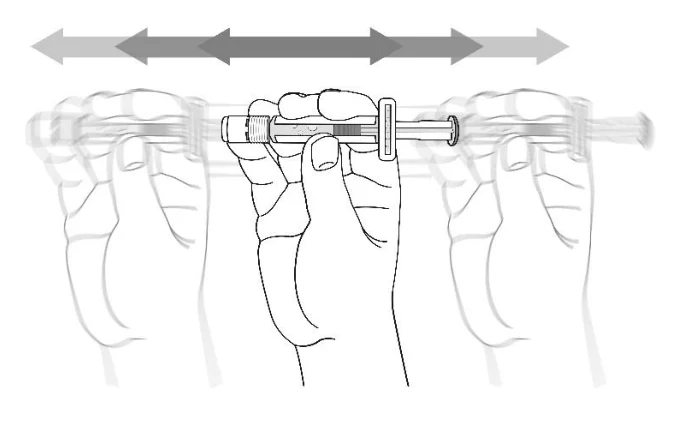
The prefilled syringe is for single use only and should not be used for more than one individual. Attach a needle by twisting in a clockwise direction until the needle fits securely on the syringe. Inject the entire contents of the syringe. Exercise caution to avoid harm from an accidental needle stick.
4.5. Missed Dose
If a planned dose of VAXNEUVANCE® is missed, it should be administered as soon as possible. The schedule of administration should be adjusted to maintain the prescribed dosing interval.
5. Overdose
There are no data with regard to overdose.
| For the most recent information in the management of a suspected vaccine overdose, contact your regional poison control centre or Health Canada’s toll-free number, 1-844 POISON-X (1-844-764-7669). |
|---|
- 6. Dosage Forms, Strengths, Composition, and Packaging
To help ensure the traceability of vaccines for patient immunization record-keeping as well as safety monitoring, health professionals should record the time and date of administration, quantity of administered dose (if applicable), anatomical site and route of administration, brand name and generic name of the vaccine, the product lot number and expiry date.
Table 1 – Dosage Forms, Strengths, and Composition
Description
VAXNEUVANCE® is a suspension for injection available in 0.5 mL single-dose prefilled syringes.
The vaccine is an opalescent suspension.
Available in 1 or 10 prefilled syringe packages.
The tip cap and plunger stopper of the prefilled syringe are latex free.
| Route of Administration | Dosage Form/ Strength/Composition | Non-Medicinal Ingredients |
| Intramuscular injection | Suspension for injection Each 0.5 mL dose contains 32 mcg of total pneumococcal polysaccharide (2.0 mcg each of polysaccharide serotypes 1, 3, 4, 5, 6A, 7F, 9V, 14, 18C, 19A, 19F, 22F, 23F, and 33F, and 4.0 mcg of polysaccharide serotype 6B) conjugated to 30 mcg of CRM197 carrier protein. | Each 0.5 mL dose contains 125 mcg of aluminum (as aluminum phosphate adjuvant), 1.55 mg L-histidine, 1 mg of polysorbate 20, 4.50 mg sodium chloride and water for injection. VAXNEUVANCE® does not contain any preservatives. |
7. Warnings and Precautions
General
As with all injectable vaccines, appropriate medical treatment and supervision must always be readily available in case of a rare anaphylactic event following the administration of the vaccine.
As with any vaccine, VAXNEUVANCE® may not protect all vaccine recipients.
Minor illnesses, such as mild respiratory infection, with or without low-grade fever, are not generally contraindications to vaccination. The decision to administer or delay vaccination because of a current or recent febrile illness depends largely on the severity of the symptoms and their etiology. The administration of VAXNEUVANCE® should be postponed in subjects suffering from acute severe febrile illness.
Syncope (fainting) may follow any vaccination, especially in adolescents and young adults. Syncope, sometimes associated with falling, has occurred. Therefore, vaccinees should be carefully observed for approximately 15 minutes after administration.
Hematologic
As with all injectable vaccines, the vaccine must be administered with caution to individuals with thrombocytopenia or a bleeding disorder since bleeding may occur following an intramuscular administration.
Immune
Individuals with altered immunocompetence, including those receiving immunosuppressive therapy, may have a reduced immune response to VAXNEUVANCE® (see 9 Drug-Drug Interactions).
7.1. Special Populations
7.1.1. Pregnancy
Animal studies do not indicate direct or indirect harmful effects with respect to pregnancy, embryo/foetal development, parturition or post-natal development (see 16 Non-Clinical Toxicology).
All pregnancies have a background risk of birth defect, loss, or other adverse outcomes. There are no adequate and well-controlled studies of VAXNEUVANCE® in pregnant women. Available data on VAXNEUVANCE® administered to pregnant women are insufficient to inform vaccine-associated risks in pregnancy. The decision to vaccinate a woman who is pregnant should consider the woman’s risk of exposure to S. pneumoniae; VAXNEUVANCE® should be administered only if clearly needed.
7.1.2. Breastfeeding
It is not known whether this vaccine is excreted in human milk.
7.1.3. Pediatrics (6 weeks to < 18 years of age)
The potential risk of apnea should be considered when administering any intramuscular vaccine to infants born prematurely. As the benefit of vaccination is high in this group of infants, vaccination generally should not be withheld or delayed.
The safety and effectiveness of VAXNEUVANCE® in children younger than 6 weeks of age have not been established.
7.1.4. Geriatrics (≥ 65 years of age)
Of the 4,344 individuals aged 50 years and older who received VAXNEUVANCE®, 2,470 (56.9%) were 65 years and older, and 479 (11.0%) were 75 years and older (see 8.2 Clinical Trial Adverse Reactions and 14 Clinical Trials).
8. Adverse Reactions
8.1. Adverse Reaction Overview
The safety of VAXNEUVANCE® in healthy and immunocompetent adults was assessed in 6 clinical studies in 7,136 adults ≥ 18 years of age. VAXNEUVANCE® was administered to 5,478 adults including those previously vaccinated with PNEUMOVAX® 23 (pneumococcal vaccine, polyvalent, MSD Std.). The most frequently (≥5%) reported adverse reactions following vaccination with VAXNEUVANCE® were solicited and included pain, erythema, and swelling at the injection site, fatigue, headache, arthralgia, and myalgia. Older adults reported fewer solicited adverse reactions than younger adults. The majority of solicited adverse reactions were mild (based on intensity or size) and of short duration (≤ 3 days); severe reactions (defined as an event that prevents normal daily activity or size > 10 cm) occurred in ≤ 1.5% of adults.
The safety of VAXNEUVANCE® in healthy infants (from 6 weeks of age at first vaccination) and toddlers (11 months through 15 months of age) receiving a routine vaccination schedule was assessed in 5 randomized, double-blind, active comparator-controlled clinical studies of 7,229 participants. All 5 studies evaluated the safety of VAXNEUVANCE® when administered concomitantly with other routine pediatric vaccinations. The most frequently (≥5%) reported adverse reactions following each dose of VAXNEUVANCE® were solicited and included pain, erythema, swelling and induration at the injection site, decreased appetite, irritability, somnolence and elevated body temperature (≥38.0°C). The majority of solicited adverse reactions were mild to moderate (based on intensity or size) and of short duration (≤3 days). Severe reactions (defined as being extremely distressed or unable to do usual activities or size >7.6 cm) occurred in ≤1.3% of infants and toddlers following each dose, with the exception of irritability, which occurred in ≤5.2% of the participants.
The safety of VAXNEUVANCE® in healthy children and adolescents receiving a catch-up vaccination schedule was assessed in a double-blind, active comparator-controlled clinical study that included 352 participants 2 through 17 years of age. The most frequently (≥5%) reported adverse reactions following administration with VAXNEUVANCE® were solicited and included pain, erythema, swelling and induration at the injection site, fatigue, headache, myalgia and elevated body temperature (≥38.0°C).The majority of solicited adverse reactions were mild to moderate (based on intensity or size) and of short duration (≤3 days); severe reactions (defined as being extremely distressed or unable to do usual activities or size >7.6 cm) occurred in ≤4.5% of children and adolescents.
8.2. Clinical Trial Adverse Reactions
Clinical trials are conducted under very specific conditions. Therefore, the frequencies of adverse reactions observed in the clinical trials may not reflect frequencies observed in clinical practice and should not be compared to frequencies reported in clinical trials of another drug.
The safety of VAXNEUVANCE® in healthy and immunocompetent adults was assessed in 6 randomized, double-blind clinical studies (Protocol 007, Protocol 016, Protocol 017, Protocol 019, Protocol 020 and Protocol 021) conducted across the Americas, Europe and Asia Pacific, which included 7,136 adults ranging in age from 18 to 98 years. Each study enrolled adults with stable underlying medical conditions (e.g., diabetes mellitus, renal disorders, chronic heart disease, chronic liver disease, chronic lung disease including asthma) and/or risk factors (e.g., smoking, increased alcohol use) that are known to increase the risk of pneumococcal disease. The mean age of the participants was 59 years and 56.0% were female. The racial distribution was as follows: 74.1% were White, 9.6% were Asian, 8.5% were American Indian or Alaska Native, 6.4% were Black or African American, and 17.6% were of Hispanic or Latino ethnicity.
VAXNEUVANCE® was administered to 5,478 adults; 1,134 were 18 to 49 years of age, 1,874 were 50 to 64 years of age, and 2,470 were 65 years of age and older. Of those who received VAXNEUVANCE®, 5,101 adults were pneumococcal vaccine-naïve and 377 adults were previously vaccinated with PNEUMOVAX® 23 at least 1 year prior to enrollment.
The safety of VAXNEUVANCE® in pneumococcal vaccine-naïve adults 50 years of age and older was evaluated in 3 active comparator-controlled clinical studies (Protocol 016, Protocol 019 and Protocol 020) in which 3,032 participants received VAXNEUVANCE® and 1,154 participants received Prevnar*13 (Pneumococcal 13-valent Conjugate Vaccine (Diphtheria CRM197 Protein) (PCV13). A descriptive study (Protocol 017 evaluated the safety of VAXNEUVANCE® in pneumococcal vaccine-naïve adults 18 to 49 years of age.
The safety of VAXNEUVANCE® in adults 65 years of age and older who were previously vaccinated with PNEUMOVAX® 23 (at least 1 year prior to study entry) was evaluated in an additional descriptive study (Protocol 007).
The safety of concomitant administration of VAXNEUVANCE® with seasonal inactivated influenza vaccine was evaluated in 1,196 adults 50 years of age and older, including those with or without a history of prior vaccination with PNEUMOVAX® 23 (Protocol 021).
Safety was evaluated using a Vaccination Report Card for up to 14 days postvaccination. Oral body temperature and injection-site adverse events were solicited on Day 1 through Day 5 postvaccination. Systemic adverse events were solicited on Day 1 through Day 14 postvaccination. Unsolicited adverse events were reported on Day 1 through Day 14 postvaccination. The duration of the safety follow-up period postvaccination with VAXNEUVANCE® was 1 month in Protocol 007, 6 months in Protocol 019, Protocol 020, Protocol 017 and Protocol 021 and 12 months in Protocol 016.
Solicited Adverse Reactions
The percentage of participants with solicited adverse reactions that occurred within 5 or 14 days following administration of VAXNEUVANCE® or Prevnar*13 in 4 studies are shown in Table 2.
Table 2 – Percentage of Participants with Solicited Local and Systemic Adverse Reactions Within 5 or 14 Days Postvaccination in Pneumococcal Vaccine-Naïve Adults
| Protocol 019 | Protocol 020 | Protocol 016 | Protocol 017 | ||||||||||||||||||
|---|---|---|---|---|---|---|---|---|---|---|---|---|---|---|---|---|---|---|---|---|---|
| Age in Years | ≥50 | 18-49 | |||||||||||||||||||
VAXNEUVANCE® (%) N=602 | PCV13 (%) N=600 | VAXNEUVANCE® (%) N=2103 | PCV13 (%) N=230 | VAXNEUVANCE® (%) N=327 | PCV13 (%) N=324 | VAXNEUVANCE® (%) N=1134 | PCV13 (%) N=378 | ||||||||||||||
| Local Reactionsa | |||||||||||||||||||||
| Pain | 54.0 | 42.3 | 66.8 | 52.2 | 55.0 | 41.4 | 75.8 | 68.8 | |||||||||||||
| Erythema | 9.0 | 11.3 | 10.9 | 9.6 | 9.8 | 5.6 | 15.1 | 14.0 | |||||||||||||
| Swelling | 12.5 | 11.2 | 15.4 | 14.3 | 16.2 | 11.4 | 21.7 | 22.2 | |||||||||||||
| Systemic Reactions† | |||||||||||||||||||||
| Fatigue | 17.4 | 17.3 | 21.5 | 22.2 | 23.5 | 13.9 | 34.3 | 36.8 | |||||||||||||
| Headache | 11.6 | 13.0 | 18.9 | 18.7 | 14.1 | 12.7 | 26.5 | 24.9 | |||||||||||||
| Myalgia | 15.4 | 12.0 | 26.9 | 21.7 | 17.7 | 11.1 | 28.8 | 26.5 | |||||||||||||
| Arthralgia | 5.3 | 5.5 | 7.7 | 5.7 | 6.4 | 5.2 | 12.7 | 11.6 | |||||||||||||
| Elevated Body Temperature*‡ | |||||||||||||||||||||
| ≥38.0°C and <39.0°C | 0.3 | 1.3 | 0.7 | 0.4 | 0.6 | 0.6 | 1.3 | 0.3 | |||||||||||||
| ≥39.0°C | 0.2 | 0.0 | 0.0 | 0.0 | 0.6 | 0.6 | 0.2 | 0.0 | |||||||||||||
a Solicited on Day 1 through Day 5 postvaccination † Solicited on Day 1 through Day 14 postvaccination ‡ Percentages are based on the number of participants with temperature data N=Number of participants vaccinated | |||||||||||||||||||||
The safety profile of VAXNEUVANCE® in adults previously vaccinated with PNEUMOVAX® 23 (Protocol 007) was generally consistent with its safety profile in pneumococcal vaccine-naïve adults.
Safety with Concomitant Influenza Vaccine Administration
The safety profile of VAXNEUVANCE® when administered concomitantly with inactivated influenza vaccine was generally consistent with the safety profile of VAXNEUVANCE®.
Additional information in special populations
Populations at increased risk for pneumococcal disease
Adults living with HIV
In adults living with HIV (Protocol 018), the safety profile of VAXNEUVANCE® was consistent with the safety profile in immunocompetent pneumococcal vaccine-naïve adults.
Individuals with Hematopoietic Stem Cell Transplant
Safety was assessed in 139 individuals 3 years of age and older (131 individuals ≥18 years of age and 8 individuals 3 to < 18 years of age) who received an allogenic hematopoietic stem cell transplant (allo HSCT) 3 to 6 months prior to enrollment, all of whom received between 1 and 4 doses of VAXNEUVANCE® (Protocol 022). The safety profile of VAXNEUVANCE® in recipients of allo-HSCT was generally consistent with the known safety profile of VAXNEUVANCE®.
Adults with chronic conditions and other risk factors
In adults 18 to 49 years of age with 1 risk factor or 2 or more risk factors for pneumococcal disease (Protocol 017), the safety profile of VAXNEUVANCE® was generally consistent with its safety profile in the overall study population.
8.2.1. Clinical Trial Adverse Reactions – Pediatrics
Children 6 Weeks Through 17 Years of Age
Infants and Toddlers Receiving a Routine Vaccination Schedule
The safety of VAXNEUVANCE® in healthy infants (from 6 weeks of age at first vaccination) and toddlers (11 months through 15 months of age) was assessed in 5 randomized, double-blind, active-comparator-controlled clinical studies (Protocol 008, Protocol 025, Protocol 027, Protocol 029 and Protocol 031) of 7,229 participants conducted across the Americas, Europe, and Asia Pacific. In four of these studies (Protocol 008, Protocol 027, Protocol 029 and Protocol 031), the safety of VAXNEUVANCE® was evaluated when administered as a 4-dose regimen given at 2, 4, 6 and 12 through 15 months of age. A fifth study (Protocol 025) evaluated the safety of VAXNEUVANCE® when administered as a 3-dose regimen given at 2, 4 and 11 through 15 months of age. All 5 studies evaluated the safety of VAXNEUVANCE® when administered concomitantly with other routine pediatric vaccinations (see 14 Clinical Trials). Protocol 027 also evaluated the safety of mixed 4-dose regimens in participants who completed the regimen with VAXNEUVANCE® after receiving one or more doses of Prevnar*13. Additionally, four of these studies evaluated safety in preterm infants (<37 weeks gestation at birth) (see below section Additional information in special populations). Across all 5 studies, 4,286 participants received a complete regimen of VAXNEUVANCE®, 2,405 participants received a complete regimen of Prevnar*13 and 538 participants received a mixed regimen. Overall, the mean age of the participants was 8.6 weeks and 48.5% were female. The racial distribution was as follows: 64.8% were White, 21.0% were Asian, 7.9% were Multi-racial, 4.3% were Black or African American, 1.6% were American Indian or Alaska Native and 17.3% were of Hispanic or Latino ethnicity.
Safety was evaluated using a Vaccination Report Card for up to 14 days postvaccination. Injection-site adverse events and systemic adverse events were solicited on Day 1 through Day 14 postvaccination. Body temperature was solicited on Day 1 through Day 7 postvaccination. Unsolicited adverse events were reported on Day 1 through Day 14 postvaccination. The duration of the safety follow-up period following the last vaccination with VAXNEUVANCE® was 1 month in Protocol 008 and 6 months in Protocol 025, Protocol 027, Protocol 029 and Protocol 031.
Solicited Adverse Reactions in Infants and Toddlers Receiving a Routine Vaccination Schedule
The percentage of infants (preterm and term) and toddlers with solicited adverse reactions that occurred within 14 days following administration of VAXNEUVANCE® or Prevnar*13 based on pooled data from four studies (excluding mixed 4-dose regimens) are shown in Tables 3 and 4. The majority of solicited adverse reactions were mild to moderate (based on intensity or size) and of short duration (≤3 days). Severe reactions (defined as being extremely distressed or unable to do usual activities or size >7.6 cm) occurred in ≤1.3% of infants and toddlers following each dose, with the exception of irritability, which occurred in ≤5.2% of the participants.
Table 3 – Percentage of Participants with Solicited Local and Systemic Adverse Reactions Within 14 Days Postvaccination in Infants Receiving a Primary Series (Protocols 025a, 027, 029 and 031)
| Dose | Dose 1 | Dose 2 | Dose 3 | |||||||||||||
|---|---|---|---|---|---|---|---|---|---|---|---|---|---|---|---|---|
VAXNEUVANCE® (%) N=3,589 | Prevnar*13 (%) N=2,058 | VAXNEUVANCE® (%) N=3,521 | Prevnar*13 (%) N=1,998 | VAXNEUVANCE® (%) N=2,925 | Prevnar*13 (%) N=1,409 | |||||||||||
| Local Reactions† | ||||||||||||||||
| Pain | 27.1 | 24.1 | 19.8 | 18.0 | 19.1 | 18.8 | ||||||||||
| Erythema | 17.1 | 14.1 | 20.0 | 20.8 | 17.0 | 19.1 | ||||||||||
| Swelling | 13.7 | 11.6 | 11.6 | 10.7 | 9.9 | 9.3 | ||||||||||
| Induration | 12.6 | 13.5 | 12.6 | 15.9 | 11.4 | 13.1 | ||||||||||
| Systemic Reactions† | ||||||||||||||||
| Decreased appetite | 17.0 | 15.9 | 15.4 | 14.0 | 13.9 | 14.3 | ||||||||||
| Irritability | 55.1 | 53.2 | 50.7 | 47.3 | 47.0 | 43.7 | ||||||||||
| Somnolence | 40.7 | 41.3 | 27.5 | 27.8 | 22.8 | 24.1 | ||||||||||
| Urticaria | 1.1 | 1.5 | 1.4 | 1.6 | 1.6 | 1.8 | ||||||||||
| Elevated Body Temperatureठ| ||||||||||||||||
| ≥38.0°C and <39.0°C | 43.4 | 42.0 | 39.3 | 39.6 | 35.7 | 37.4 | ||||||||||
| ≥39.0°C and <40.0°C | 2.2 | 2.6 | 3.4 | 4.6 | 3.5 | 3.1 | ||||||||||
| ≥40.0°C | 0.2 | 0.0 | 0.3 | 0.4 | 0.5 | 0.2 | ||||||||||
a Full term infants in Protocol 025 received Dose 1 and Dose 2 as part of a 2-dose primary series. Preterm infants in Protocol 025 received Dose 1, Dose 2 and Dose 3 as part of a 3-dose primary series. † Solicited on Day 1 through Day 14 postvaccination following each dose. ‡ Solicited on Day 1 through Day 7 postvaccination following each dose. § Percentages reflect the number of participants with temperature data based on a rectal equivalent temperature. N=Number of participants vaccinated. | ||||||||||||||||
Table 4 - Percentage of Participants with Solicited Local and Systemic Adverse Reactions Within 14 Days Postvaccination in Toddlers (Protocols 025, 027, 029 and 031)
| Dose | Toddler Dose | |||||
|---|---|---|---|---|---|---|
VAXNEUVANCE® (%) N=3,373 | Prevnar*13 (%) N=1,886 | |||||
| Local Reactionsa | ||||||
| Pain | 21.0 | 18.6 | ||||
| Erythema | 21.6 | 22.0 | ||||
| Swelling | 12.6 | 11.6 | ||||
| Induration | 13.1 | 14.8 | ||||
| Systemic Reactions a | ||||||
| Decreased appetite | 19.4 | 17.1 | ||||
| Irritability | 45.7 | 42.5 | ||||
| Somnolence | 21.8 | 21.5 | ||||
| Urticaria | 2.6 | 2.5 | ||||
| Elevated Body Temperature†‡ | ||||||
| ≥38.0°C and <39.0°C | 34.4 | 35.3 | ||||
| ≥39.0°C and <40.0°C | 4.3 | 4.4 | ||||
| ≥40.0°C | 0.8 | 0.5 | ||||
a Solicited on Day 1 through Day 14 postvaccination following each dose. † Solicited on Day 1 through Day 7 postvaccination following each dose. ‡ Percentages reflect the number of participants with temperature data based on a rectal equivalent temperature. N=Number of participants vaccinated. | ||||||
Safety with Concomitant Administration in Infants and Toddlers
The safety profile was similar when other routine pediatric vaccines were administered concomitantly with VAXNEUVANCE® or Prevnar*13 (see 14 Clinical Trials).
Safety of a Mixed Dose Regimen of Different Pneumococcal Conjugate Vaccines
The safety profiles of mixed 4 dose regimens of VAXNEUVANCE® and Prevnar*13 were generally comparable to those of complete 4 dose regimens of either VAXNEUVANCE® or Prevnar*13 (see 14 Clinical Trials).
Infants, Children and Adolescents Receiving a Catch Up Vaccination Schedule
The safety of VAXNEUVANCE® in healthy infants, children and adolescents from 7 months through 17 years of age was assessed in a double-blind, active comparator-controlled clinical study (Protocol 024) in which 606 participants were randomized to receive 1 to 3 doses of VAXNEUVANCE® or Prevnar*13, depending on age at enrollment. All infants and children less than 2 years of age were pneumococcal vaccine-naïve. Among children and adolescents from 2 through 17 years of age (N=352), 42.9% had a history of previous vaccination with a lower-valency pneumococcal conjugate vaccine. Among participants 7 to 11 months of age, the mean age was 8.7 months, 48.4% were female, 82.8% were Asian, 17.2% were White and none were of Hispanic or Latino ethnicity. Among participants 12 to 23 months of age, the mean age was 17.7 months, 54.0% were female, 83.3% were Asian, 16.7% were White and 0.8% were of Hispanic or Latino ethnicity. Among participants 2 to 17 years of age, the mean age was 6.5 years, 47.7% were female, 66.8% were White, 33.0% were Asian, and 99.4% were not of Hispanic or Latino ethnicity. The safety assessment was consistent with that used in the studies evaluating a routine vaccination schedule. The duration of the safety follow-up period following the last study vaccination within each age cohort was 6 months.
Solicited Adverse Reactions in Infants, Children and Adolescents Receiving a Catch Up Vaccination Schedule
The percentage of participants with solicited adverse reactions that occurred within 14 days following administration of VAXNEUVANCE® or Prevnar*13 within each age cohort are shown in Tables 5, 6and 7. The majority of solicited adverse reactions were mild to moderate (based on intensity or size) and of short duration (≤3 days). Severe reactions (defined as being extremely distressed or unable to do usual activities or size >7.6 cm) occurred in ≤1.6% of infants and children 7 months through 23 months of age following each dose, and ≤4.5% of children and adolescents 2 through 17 years of age.
Table 5 - Percentage of Participants with Solicited Local and Systemic Adverse Reactions Within 14 Days Postvaccination in Infants Receiving a Catch-Up Vaccination Schedule (Protocol 024)
| Age | 7 Months Through 11 Months of Age | ||||||||||||||||
|---|---|---|---|---|---|---|---|---|---|---|---|---|---|---|---|---|---|
| Dose | Dose 1 | Dose 2 | Dose 3 | ||||||||||||||
VAXNEUVANCE® (%) N=64 | Prevnar*13 (%) N=64 | VAXNEUVANCE® (%) N=63 | Prevnar*13 (%) N=64 | VAXNEUVANCE® (%) N=63 | Prevnar*13 (%) N=64 | ||||||||||||
| Local Reactionsa | |||||||||||||||||
| Pain | 7.8 | 6.3 | 14.3 | 1.6 | 7.9 | 1.6 | |||||||||||
| Erythema | 20.3 | 31.3 | 12.7 | 14.1 | 11.1 | 9.4 | |||||||||||
| Swelling | 9.4 | 14.1 | 14.3 | 6.3 | 12.7 | 6.3 | |||||||||||
| Induration | 14.1 | 7.8 | 6.3 | 9.4 | 7.9 | 7.8 | |||||||||||
| Systemic Reactions a | |||||||||||||||||
| Decreased appetite | 6.3 | 12.5 | 9.5 | 7.8 | 4.8 | 4.7 | |||||||||||
| Irritability | 21.9 | 26.6 | 17.5 | 18.8 | 14.3 | 14.1 | |||||||||||
| Somnolence | 12.5 | 12.5 | 7.9 | 7.8 | 11.1 | 1.6 | |||||||||||
| Urticaria | 1.6 | 0.0 | 0.0 | 1.6 | 0.0 | 3.1 | |||||||||||
| Elevated Body Temperature†‡ | |||||||||||||||||
| ≥38.0°C and <39.0°C | 46.9 | 39.1 | 44.4 | 46.9 | 50.8 | 39.1 | |||||||||||
| ≥39.0°C and <40.0°C | 3.1 | 4.7 | 7.9 | 3.1 | 1.6 | 1.6 | |||||||||||
| ≥40.0°C | 1.6 | 1.6 | 1.6 | 0.0 | 3.2 | 0.0 | |||||||||||
a Solicited on Day 1 through Day 14 postvaccination following each dose. † Solicited on Day 1 through Day 7 postvaccination following each dose. ‡ Percentages reflect the number of participants with temperature data based on rectal equivalent temperature. N=Number of participants vaccinated. | |||||||||||||||||
Table 6 - Percentage of Participants with Solicited Local and Systemic Adverse Reactions Within 14 Days Postvaccination in Toddlers Receiving a Catch-Up Vaccination Schedule (Protocol 024)
| Age | 12 Months Through 23 Months of Age | |||||||||||
|---|---|---|---|---|---|---|---|---|---|---|---|---|
| Dose | Dose 1 | Dose 2 | ||||||||||
VAXNEUVANCE® (%) N=62 | Prevnar*13 (%) N=64 | VAXNEUVANCE® (%) N=62 | Prevnar*13 (%) N=64 | |||||||||
| Local Reactionsa | ||||||||||||
| Pain | 17.7 | 12.5 | 24.2 | 14.1 | ||||||||
| Erythema | 11.3 | 15.6 | 11.3 | 9.4 | ||||||||
| Swelling | 11.3 | 9.4 | 6.5 | 3.1 | ||||||||
| Induration | 6.5 | 9.4 | 4.8 | 3.1 | ||||||||
| Systemic Reactionsa | ||||||||||||
| Decreased appetite | 16.1 | 14.1 | 9.7 | 9.4 | ||||||||
| Irritability | 29.0 | 14.1 | 16.1 | 14.1 | ||||||||
| Somnolence | 21.0 | 12.5 | 16.1 | 4.7 | ||||||||
| Elevated Body Temperature†‡ | ||||||||||||
| ≥38.0°C and <39.0°C | 32.3 | 35.9 | 29.0 | 26.6 | ||||||||
| ≥39.0°C and <40.0°C | 8.1 | 6.3 | 3.2 | 3.1 | ||||||||
| ≥40.0°C | 1.6 | 0.0 | 1.6 | 0.0 | ||||||||
a For all participants, reactions were solicited on Day 1 through Day 14 postvaccination following each dose. † Solicited on Day 1 through Day 7 postvaccination following each dose. ‡ Percentages reflect the number of participants with temperature data based on equivalent rectal temperature. N=Number of participants vaccinated. | ||||||||||||
Table 7 - Percentage of Participants with Solicited Local and Systemic Adverse Reactions Within 14 Days Postvaccination in Children and Adolescents Receiving a Catch-Up Vaccination Schedule (Protocol 024)
| Age | 2 Years Through 17 Years of Age | ||||||
|---|---|---|---|---|---|---|---|
| Age | 2 Years Through 17 Years of Age | ||||||
| Dose | Dose 1 | ||||||
| Dose | Dose 1 | ||||||
VAXNEUVANCE® (%) N=177 | Prevnar*13 (%) N=175 | ||||||
VAXNEUVANCE® (%) N=177 | Prevnar*13 (%) N=175 | ||||||
| Local Reactionsa | |||||||
| Pain | 54.8 | 56.6 | |||||
| Erythema | 19.2 | 21.1 | |||||
| Swelling | 20.9 | 24.0 | |||||
| Induration | 6.8 | 14.9 | |||||
| Systemic Reactionsa† | |||||||
| Decreased appetite | 2.3 | 2.9 | |||||
| Irritability | 2.8 | 4.0 | |||||
| Somnolence | 2.8 | 2.9 | |||||
| Urticaria | 1.1 | 1.1 | |||||
| Fatigue | 15.8 | 17.1 | |||||
| Headache | 11.9 | 13.7 | |||||
| Myalgia | 23.7 | 16.6 | |||||
| Elevated Body Temperatureठ| |||||||
| ≥38.0°C and <39.0°C | 4.0 | 4.6 | |||||
| ≥39.0°C and <40.0°C | 1.7 | 0.0 | |||||
| ≥40.0°C | 0.0 | 0.0 | |||||
a For all participants, reactions were solicited on Day 1 through Day 14 postvaccination following each dose. † Different systemic adverse events were solicited for participants 2 to <3 years of age, than for participants ≥3 to 17 years of age. For participants <3 years of age (VAXNEUVANCE® N=32, Prevnar*13 N=28), decreased appetite, irritability, somnolence, and urticaria were solicited from Day 1 through Day 14 following vaccination. For participants ≥3 to 17 years of age, fatigue, headache, myalgia, and urticaria were solicited from Day 1 through Day 14 following vaccination. ‡ Solicited on Day 1 through Day 7 postvaccination following each dose. § Percentages reflect the number of participants with temperature data based on equivalent oral temperature. N= Number of participants vaccinated | |||||||
Additional information in special populations
Populations at increased risk for pneumococcal disease
Infants Born Prematurely
Safety was assessed in preterm infants (<37 weeks gestation at birth) enrolled within 4 double-blind, active comparator-controlled studies (Protocol 025, Protocol 027, Protocol 029 and Protocol 031) (see 14 Clinical Trials). The safety profile in preterm infants receiving 4 doses of VAXNEUVANCE® was generally consistent with the safety profile observed in the overall healthy infant population in these studies (including preterm and term infants).
Children with Sickle Cell Disease
Safety was assessed in children 5 to 17 years of age with sickle cell disease (Protocol 023) who received a single dose of VAXNEUVANCE® (see 14 Clinical Trials). The safety profile of VAXNEUVANCE® in children with sickle cell disease was generally consistent with the safety profile in healthy children.
Children Living with HIV
Safety was assessed in children 6 to 17 years of age living with HIV (Protocol 030), who received a single dose of VAXNEUVANCE® (see 14 Clinical Trials). The safety profile of VAXNEUVANCE® in children living with HIV was generally consistent with the safety profile in healthy children.
Individuals with Hematopoietic Stem Cell Transplant
The safety profile of VAXNEUVANCE® in recipients of allo-HSCT was generally consistent with the known safety profile of VAXNEUVANCE® (see section 8.2 Clinical Trial Adverse Reactions Additional information in special populations).
8.3. Less Common Clinical Trial Adverse Reactions
Less frequently reported (<5%) adverse reactions were unsolicited and included injection-site pruritis which occurred in 1.0% to 2.8% of pneumococcal vaccine-naïve adults vaccinated with VAXNEUVANCE®.
8.3.1. Less Common Clinical Trial Adverse Reactions – Pediatrics
In infants and toddlers receiving a routine vaccination, less frequently reported (<5%) adverse reactions following each dose of VAXNEUVANCE® were the solicited systemic adverse reaction of urticaria (which occurred in up to 2.6% of participants) and the unsolicited adverse reaction of injection-site urticaria (which occurred in up to 0.3% of participants).
In children and adolescents receiving catch-up vaccination, less frequently reported (<5%) adverse reactions following administration of VAXNEUVANCE® were the solicited adverse reactions of irritability (2.8%), somnolence (2.8%), decreased appetite (2.3%) and urticaria (1.1%).
8.5. Post-Market Adverse Reactions
There are no post-marketing data available for VAXNEUVANCE®.
9. Drug Interactions
9.4. Drug-Drug Interactions
Use with Other Vaccines
Adults
VAXNEUVANCE® can be administered concomitantly with inactivated influenza vaccine (see 8.2 Clinical Trial Adverse Reactions and 14 Clinical Trials). There are no data on the concomitant administration of VAXNEUVANCE® with other vaccines.
Infants and Children Less Than 2 Years of Age
VAXNEUVANCE® can be administered concomitantly with other routine pediatric vaccines (see 8 Adverse Reactions and 14 Clinical Trials).
Children and Adolescents 2 Through 17 Years of Age
There are no data on the concomitant administration of VAXNEUVANCE® with other vaccines.
Use with Immunosuppressive Therapies
Immunosuppressive therapies, including irradiation, antimetabolites, alkylating agents, cytotoxic drugs, corticosteroids, therapeutic proteins and targeted immunomodulators may reduce the immune responses to vaccines (see 7 Warnings and Precautions ).
10. Clinical Pharmacology
Therapeutic Class
VAXNEUVANCE® is a conjugated polysaccharide vaccine that protects against invasive disease caused by Streptococcus pneumoniae.
10.1. Mechanism of Action
VAXNEUVANCE® contains serotype-specific pneumococcal capsular polysaccharides each of which is conjugated to a carrier protein (CRM197), and elicits antibodies that enhance opsonization, phagocytosis, and killing of pneumococci to protect against pneumococcal disease. VAXNEUVANCE® elicits a T-cell dependent immune response. Carrier protein-specific helper T-cells support specificity, functionality and maturation of serotype-specific B cells.
Immune responses following natural exposure to S. pneumoniae or following pneumococcal vaccination can be determined through the measurements of OPA and IgG responses. OPA represents functional antibodies capable of opsonizing pneumococcal capsular polysaccharides for presentation to phagocytic cells for engulfment and subsequent killing and are considered an important immunologic surrogate measure of protection against pneumococcal disease in adults. OPA titers are expressed as the reciprocal of the highest serum dilution that reduces survival of the pneumococci by at least 50%. Serotype-specific immune responses (OPA and IgG) for the 15 serotypes contained in VAXNEUVANCE® were measured using a validated multiplexed opsonophagocytic assay (MOPA)and a validated pneumococcal electrochemiluminescence (Pn ECL) assay, bridged to the WHO reference enzyme linked immunosorbent assay (ELISA). In children, a serotype-specific IgG antibody level corresponding to ≥0.35 mcg/mL using the WHO ELISA has been used as the threshold value for the clinical evaluation of pneumococcal conjugate vaccines.
10.3. Pharmacokinetics
Duration of effect
In adults, the duration of effect was evaluated up to 12 months postvaccination with VAXNEUVANCE®. Immune responses elicited by VAXNEUVANCE® persisted up to 12 months postvaccination as assessed by OPA GMTs and IgG GMCs. Immune responses at 12 months postvaccination were comparable between VAXNEUVANCE® and Prevnar*13 for the 13 shared serotypes and higher in VAXNEUVANCE® for the 2 unique serotypes.
- 11. Storage, Stability, and Disposal
Store refrigerated at 2°C to 8°C.
Do not freeze. Protect from light.
VAXNEUVANCE® should be administered as soon as possible after being removed from the refrigerator.
In the event of temporary temperature excursions, stability data indicate that VAXNEUVANCE® is stable at temperatures up to 25°C for 48 hours.
12. Special Handling Instructions
Any unused medicinal product or waste material should be disposed of in accordance with local requirements.
Part 2: Scientific Information
13. Pharmaceutical Information
Drug Substance
Non-proprietary name of the drug substance: Pneumococcal 15-valent Conjugate Vaccine [CRM197 Protein], adsorbed
Physicochemical properties: The vaccine is an opalescent suspension.
Product Characteristics:
VAXNEUVANCE® (Pneumococcal 15-valent Conjugate Vaccine [CRM197 Protein], adsorbed) is a sterile suspension of purified capsular polysaccharides from S. pneumoniae serotypes 1, 3, 4, 5, 6A, 6B, 7F, 9V, 14, 18C, 19A, 19F, 22F, 23F, and 33F individually conjugated to CRM197. Each pneumococcal polysaccharide is activated via sodium metaperiodate oxidation and then individually conjugated to CRM197 carrier protein via reductive amination. CRM197 is a nontoxic mutant of diphtheria toxin (originating from Corynebacterium diphtheriae C7) expressed recombinantly in Pseudomonas fluorescens.
Each of the fifteen serotypes is manufactured independently using a common manufacturing platform with slight variations to accommodate for differences in strains, polysaccharides and process stream properties. The process consists of the fermentation steps to produce the inactivated pneumococcal bacteria and the purification process which consists of clarification, ultrafiltration, polishing and recovery to produce purified polysaccharides. Each activated polysaccharide is conjugated to lysine groups on the CRM197 carrier protein using reductive amination. The pneumococcal polysaccharide powder is dissolved, size reduced to a target molecular mass, chemically activated, and buffer-exchanged by ultrafiltration. The CRM197 protein carrier is then conjugated to the activated pneumococcal polysaccharide. The final vaccine is prepared by blending the fifteen conjugates with aluminum phosphate adjuvant in a final buffer containing histidine, polysorbate 20 and sodium chloride.
14. Clinical Trials
14.1. Clinical Trials by Indication
Adults 18 years and older
Table 8 - Summary of patient demographics for clinical trials for Pneumococcal Disease Immunogenicity and Safety
| Study # | Study design | Dosage, route of administration and duration | Study subjects (n) | Mean age (Range) | Sex | |||||
| Study # | Study design | Dosage, route of administration and duration | Study subjects (n) | Mean age (Range) | Sex | |||||
| P007 | Randomized, double-blind, active comparator-controlled, multicenter study to evaluate the safety, tolerability, and immunogenicity of VAXNEUVANCE® | 1 dose of 0.5 mL VAXNEUVANCE® or Prevnar*13 Intramuscular injection | 253 | 72.7 years (65 to 96 years) | Females: 151 Males: 102 | |||||
| P016 | Randomized, double-blind, active comparator-controlled, multicenter study to evaluate the sequential administration of VAXNEUVANCE® followed by PNEUMOVAX® 23 one year later | 1 dose of 0.5 mL VAXNEUVANCE® or Prevnar*13 and PNEUMOVAX® 23 Intramuscular injection | 651 | 64.1 years (50 to 90 years) | Females: 370 Males: 281 | |||||
| P017 | Randomized, double-blind, active comparator-controlled, multicenter study to evaluate the safety, tolerability, and immunogenicity of VAXNEUVANCE® followed by PNEUMOVAX® 23 six months later | 1 dose of 0.5 mL VAXNEUVANCE® or Prevnar*13 followed by PNEUMOVAX® 23 six months later Intramuscular injection | 1 512 | 35.8 years (18 to 49 years) | Females: 781 Males: 731 | |||||
| P019 | Randomized, double-blind, active comparator-controlled, multicenter study to evaluate the safety, tolerability, and immunogenicity of VAXNEUVANCE® | 1 dose of 0.5 mL VAXNEUVANCE® or Prevnar*13 Intramuscular injection | 1 202 | 65.9 years (50 to 92 years) | Females: 689 Males: 513 | |||||
| P020 | Randomized, double-blind, active comparator-controlled, multicenter, lot consistency study to evaluate the safety, tolerability, and immunogenicity of VAXNEUVANCE® across lots | 1 dose of 0.5 mL VAXNEUVANCE® or Prevnar*13 Intramuscular injection | 2 333 | 64.4 years (50 to 92 years) | Females: 1343 Males: 990 | |||||
| P021 | Randomized, double-blind, placebo-controlled, multicenter study to evaluate safety, tolerability, and immunogenicity of VAXNEUVANCE® when administered concomitantly with inactivated influenza vaccine | Group 1 One dose of QIV‡ + VAXNEUVANCE® followed 1 month later by placebo Group 2 One dose of QIV‡ + placebo followed 1 month later by VAXNEUVANCE® Intramuscular injection | 1 197 | 64.2 years (50 to 98 years) | Females: 672 Males: 525 | |||||
| ‡ QIV = Quadrivalent Influenza Vaccine | ||||||||||
Immunogenicity
Clinical Trials Experience in Adults 18 Years of Age and Older
Six double-blind, clinical studies (Protocol 007, Protocol 016, Protocol 017, Protocol 019, Protocol 020 and Protocol 021) conducted across the Americas, Europe and Asia Pacific evaluated the immunogenicity of VAXNEUVANCE® in healthy and immunocompetent adults across different age groups including individuals with or without previous pneumococcal vaccination. The clinical studies included adults with stable underlying medical conditions (e.g., diabetes mellitus, renal disorders, chronic heart disease, chronic liver disease, chronic lung disease including asthma) and/or behavioral risk factors (e.g., smoking, increased alcohol use) that are known to increase the risk of pneumococcal disease. The mean age of the participants was 59 years and 56.0% were female. The racial distribution was as follows: 74.1% were White, 9.6% were Asian, 8.5% were American Indian or Alaska Native, 6.4% were Black or African American, and 17.6% were of Hispanic or Latino ethnicity.
In each study, immunogenicity was assessed by serotype-specific opsonophagocytic activity (OPA) and immunoglobulin G (IgG) responses at 30 days postvaccination. Protocol 019 was the pivotal study and endpoints included OPA geometric mean titers (GMTs) and IgG geometric mean concentrations (GMCs). For the 13 shared serotypes (in common between VAXNEUVANCE® and Prevnar*13) non-inferiority was assessed based on the lower bound of the 2-sided 95% confidence interval of the OPA GMT ratio between VAXNEUVANCE® and Prevnar*13 to be greater than 0.5. For the 2 unique serotypes to VAXNEUVANCE®, 22F and 33F, and for shared serotype 3, superiority was assessed based on the between-group comparisons of OPA GMTs and proportions of participants with a ≥4-fold rise in serotype-specific OPA titers from prevaccination to 30 days postvaccination.
Clinical Trials Conducted in Pneumococcal Vaccine-Naïve Adults
In the pivotal, double-blind, active comparator-controlled study (Protocol 019), 1,205 pneumococcal vaccine-naïve adults aged 50 years or older were randomized to receive either VAXNEUVANCE® or Prevnar*13. The study demonstrated that VAXNEUVANCE® is non-inferior to Prevnar*13 for the 13 shared serotypes and superior for the 2 unique serotypes and for shared serotype 3.
Table 9 summarizes the OPA GMTs at 30 days postvaccination. Serotype-specific IgG GMCs were generally consistent with the results observed for the OPA GMTs.
Table 9 - Serotype-Specific OPA GMTs in Pneumococcal Vaccine-Naïve Adults ≥50 Years of Age (Protocol 019)
Pneumococcal Serotype | VAXNEUVANCE® (N = 602) | Prevnar*13 (N = 600) | GMT Ratioa (VAXNEUVANCE®/Prevnar*13) (95% CI) a | ||
| n | GMT a | n | GMT a | ||
| 13 Shared Serotypes† | |||||
| 1 | 598 | 256.3 | 598 | 322.6 | 0.79 (0.66, 0.96) |
| 3‡ | 598 | 216.2 | 598 | 135.1 | 1.60 (1.38, 1.85) |
| 4 | 598 | 1125.6 | 598 | 1661.6 | 0.68 (0.57, 0.80) |
| 5 | 598 | 447.3 | 598 | 563.5 | 0.79 (0.64, 0.98) |
| 6A | 596 | 5407.2 | 598 | 5424.5 | 1.00 (0.84, 1.19) |
| 6B | 598 | 4011.7 | 598 | 3258.2 | 1.23 (1.02, 1.48) |
| 7F | 597 | 4617.3 | 598 | 5880.6 | 0.79 (0.68, 0.90) |
| 9V | 598 | 1817.3 | 597 | 2232.9 | 0.81 (0.70, 0.94) |
| 14 | 598 | 1999.3 | 598 | 2656.7 | 0.75 (0.64, 0.89) |
| 18C | 598 | 2757.7 | 598 | 2583.7 | 1.07 (0.91, 1.26) |
| 19A | 598 | 3194.3 | 598 | 3979.8 | 0.80 (0.70, 0.93) |
| 19F | 598 | 1695.1 | 598 | 1917.8 | 0.88 (0.76, 1.02) |
| 23F | 598 | 2045.4 | 598 | 1740.4 | 1.18 (0.96, 1.44) |
| 2 Serotypes Unique to VAXNEUVANCE® § | |||||
| 22F | 594 | 2375.2 | 586 | 74.6 | 31.83 (25.35, 39.97) |
| 33F | 598 | 7994.7 | 597 | 1124.9 | 7.11 (6.07, 8.32) |
a GMTs, GMT ratio, and 95% CI are estimated from a cLDA model † A conclusion of non-inferiority for the 13 shared serotypes is based on the lower bound of the 95% CI for the estimated GMT ratio (VAXNEUVANCE®/Prevnar*13) being > 0.5. ‡ A conclusion of superiority for serotype 3 is based on the lower bound of the 95% CI for the estimated GMT ratio (VAXNEUVANCE®/Prevnar*13) being > 1.2. § A conclusion of superiority for the 2 unique serotypes is based on the lower bound of the 95% CI for the estimated GMT ratio (VAXNEUVANCE®/Prevnar*13) being > 2.0. N=Number of participants randomized and vaccinated; n=Number of participants contributing to the analysis. CI=confidence interval; cLDA=constrained longitudinal data analysis; GMT=geometric mean titer (1/dil); OPA=opsonophagocytic activity | |||||
In a double-blind, lot consistency study (Protocol 020), 2,340 pneumococcal vaccine-naïve adults 50 years of age and older were randomized in a 3:3:3:1 ratio to receive 1 of 3 lots of VAXNEUVANCE® or Prevnar*13. The study demonstrated that all 3 lots are equivalent as the lower and upper limits of the 95% CI of the serotype-specific OPA GMT ratios between any 2 lots were within the equivalence margin (0.5 to 2.0) for all 15 serotypes. Immune responses following vaccination with VAXNEUVANCE® were numerically similar to Prevnar*13 for the shared serotypes.
In a double-blind, descriptive study (Protocol 017), 1,515 immunocompetent adults 18 to 49 years of age, with or without risk factors for pneumococcal disease were randomized 3:1 to receive either VAXNEUVANCE® or Prevnar*13, followed by PNEUMOVAX® 23 six months later. VAXNEUVANCE® elicited immune responses to all 15 serotypes as assessed by OPA GMTs and IgG GMCs. OPA GMTs and IgG GMCs were numerically similar between the two vaccination groups for the 13 shared serotypes and higher in VAXNEUVANCE® for the 2 unique serotypes. Following vaccination with PNEUMOVAX® 23, OPA GMTs and IgG GMCs were numerically similar between the two vaccination groups for all 15 serotypes in VAXNEUVANCE®.
Immune responses in adults with no risk factors (n=285; 25.2%) who received VAXNEUVANCE® were generally consistent with those observed in the overall study population.
Sequential Administration of Pneumococcal Vaccines in Adults
In a double-blind, active, comparator-controlled study (Protocol 016), 652 pneumococcal vaccine-naïve adults 50 years of age and older were randomized to receive either VAXNEUVANCE® or Prevnar*13, followed by PNEUMOVAX®23 one year later. Following vaccination with PNEUMOVAX® 23, OPA GMTs and IgG GMCs were numerically similar between the two vaccination groups for all 15 serotypes in VAXNEUVANCE®.
Immune responses elicited by VAXNEUVANCE® persisted up to 12 months postvaccination as assessed by OPA GMTs and IgG GMCs. Immune responses at 30 days and 12 months postvaccination were numerically similar between the two vaccination groups for the 13 shared serotypes and higher in VAXNEUVANCE® for the 2 unique serotypes.
The sequential administration of VAXNEUVANCE® followed by PNEUMOVAX® 23 was evaluated with an interval of 2 months in immunocompromised individuals (Protocol 018) and an interval of 6 months in immunocompetent individuals with or without risk factors for pneumococcal disease (Protocol 017) (see Clinical Immunogenicity in Special Populations).
Clinical Trials Conducted in Adults with Prior Pneumococcal Vaccination
In a double-blind, descriptive study (Protocol 007), 253 adults 65 years of age and older who were previously vaccinated with PNEUMOVAX® 23 at least 1 year prior to study entry were randomized to receive either VAXNEUVANCE® or Prevnar*13. IgG GMCs and OPA GMTs were numerically similar between the vaccination groups for the 13 shared serotypes and higher in VAXNEUVANCE® for the 2 unique serotypes.
Clinical immunogenicity in Special Populations
Populations at increased risk for pneumococcal disease
Adults with chronic conditions and other risk factors
In the double-blind, descriptive study (Protocol 017), the immunogenicity of VAXNEUVANCE® was evaluated in a subset of immunocompetent adults 18 to 49 years of age with one or more of the following risk factors for pneumococcal disease: diabetes mellitus, chronic heart disease including heart failure, chronic liver disease with compensated cirrhosis, chronic lung disease including persistent asthma and chronic obstructive pulmonary disease (COPD), current tobacco use and increased alcohol consumption.
Of those who received VAXNEUVANCE®, 54.7% (n=620) had 1 risk factor and 20.1% (n=228) had 2 or more risk factors. In both of these risk factor subgroups, VAXNEUVANCE® elicited immune responses to all 15 serotypes contained in the vaccine as assessed by OPA GMTs and IgG GMCs at 30 days postvaccination, which were generally consistent with those observed in the overall study population. Sequential administration of VAXNEUVANCE® followed 6 months later by PNEUMOVAX® 23 was also immunogenic for all 15 serotypes contained in the vaccine.
Adults living with HIV
In a double-blind, descriptive study (Protocol 018), 302 pneumococcal vaccine-naïve adults ≥ 18 years of age living with HIV with CD4+ T-cell count ≥ 50 cells/µL and plasma HIV ribonucleic acid (RNA) < 50,000 copies/mL were randomized to receive either VAXNEUVANCE® or 13 valent pneumococcal polysaccharide conjugate vaccine, followed by PNEUMOVAX® 23 2 months later.
VAXNEUVANCE® elicited immune responses to all 15 serotypes contained in the vaccine as assessed by OPA GMTs and IgG GMCs at 30 days postvaccination. After sequential administration with PNEUMOVAX® 23, OPA GMTs and IgG GMCs were numerically similar between the two vaccination groups for all 15 serotypes.
Individuals with Hematopoietic Stem Cell Transplant
In a double-blind, descriptive study (Protocol 022), VAXNEUVANCE® was evaluated in individuals 3 years of age and older who received an allogeneic hematopoietic stem cell transplant 3 to 6 months prior to enrollment. All participants had a history of stable engraftment and none had uncontrolled graft-versus-host disease. In this study, 277 participants were randomized to receive 3 doses of VAXNEUVANCE® or Prevnar*13, administered one month apart. Of these participants, 131 adults and 8 children 3 to <18 years of age received VAXNEUVANCE®. Twelve months after allo-HSCT, participants without chronic graft-versus-host disease (cGVHD) received a single dose of PNEUMOVAX®23 and those with cGVHD received a fourth dose of either VAXNEUVANCE® or Prevnar*13. VAXNEUVANCE® was immunogenic in recipients of allo-HSCT, as assessed by IgG GMCs and OPA GMTs at 30 days following the third dose of VAXNEUVANCE® for all 15 serotypes contained in the vaccine. Serotype-specific IgG GMCs and OPA GMTs were numerically similar between the two vaccination groups for the 13 shared serotypes and higher in VAXNEUVANCE® for the two unique serotypes (22F and 33F). Similarly, in participants who received either VAXNEUVANCE® or Prevnar*13 twelve months after allo-HSCT, IgG GMCs and OPA GMTs at 30 days following vaccination were numerically similar between the two vaccination groups for the 13 shared serotypes and higher in VAXNEUVANCE® for the two unique serotypes (22F and 33F). In participants who received PNEUMOVAX®23 twelve months after allo-HSCT, IgG GMCs and OPA GMTs at 30 days following vaccination were numerically similar between the two vaccination groups for all 15 serotypes contained in VAXNEUVANCE®.
Concomitant Vaccination
In a double-blind, randomized study (Protocol 021), 1,200 adults 50 years of age and older, with or without a history of prior PNEUMOVAX® 23 vaccination, were randomized to receive VAXNEUVANCE® concomitantly or nonconcomitantly with seasonal inactivated quadrivalent influenza vaccine (QIV). One vaccination group received VAXNEUVANCE® and QIV concomitantly, followed by placebo 30 days later. A second vaccination group received QIV and placebo concomitantly, followed by VAXNEUVANCE® 30 days later.
VAXNEUVANCE® administered concomitantly with QIV is non-inferior to VAXNEUVANCE® administered nonconcomitantly with QIV (based on a 2-fold non-inferiority margin, lower bound of the 2-sided 95% CI of GMT ratio>0.5), as assessed by pneumococcal OPA GMTs at 30 days postvaccination with VAXNEUVANCE® for all 15 serotypes contained in the vaccine. OPA GMTs were slightly lower for some serotypes when VAXNEUVANCE® was administered concomitantly with QIV compared to VAXNEUVANCE® administered alone. QIV administered concomitantly with VAXNEUVANCE® is non-inferior to QIV administered nonconcomitantly (based on a 2 fold non-inferiority margin, lower bound of the 2-sided 95% CI of GMT ratio>0.5) as assessed by influenza strain-specific hemagglutination inhibition (HAI) GMTs at 30 days postvaccination with QIV for all 4 influenza strains.
Children 6 Weeks Through 17 Years of Age
Table 10 - Summary of patient demographics for clinical trials for Pneumococcal Disease Immunogenicity and Safety
| Study # | Study design | Dosage, route of administration and duration | Study subjects (n) | Mean age (Range) | Sex | |
| Study # | Study design | Dosage, route of administration and duration | Study subjects (n) | Mean age (Range) | Sex | |
| Study # | Study design | Dosage, route of administration and duration | Study subjects (n) | Mean age (Range) | Sex | |
| Study # | Study design | Dosage, route of administration and duration | Study subjects (n) | Mean age (Range) | Sex | |
| Study # | Study design | Dosage, route of administration and duration | Study subjects (n) | Mean age (Range) | Sex | |
| P024 | Randomized, double-blind, active comparator-controlled, multicenter study to evaluate the safety, tolerability, and immunogenicity of catch-up vaccination regimens of VAXNEUVANCE® in health infants, children, and adolescents | 1 dose of 0.5 mL VAXNEUVANCE® or Prevnar*13 7 to 11 months of age: 3 doses Dose 1: Day 1 Dose 2: 4 to 8 weeks after Dose 1 Dose 3: 8 to 12weeks after Dose 2 and ≥ 12 months of age) Intramuscular injection | 128 | 8.7 months (7 to 11 months) | Females: 62 Males: 66 | |
1 dose of 0.5 mL VAXNEUVANCE® or Prevnar*13 12 to 23 months of age: 2 doses (Dose 1: Day 1 Dose 2: 8 to 12 weeks after Dose 1) Intramuscular injection | 126 | 17.7 months (12 to 23 months) | Females: 68 Males: 58 | |||
1 dose of 0.5 mL VAXNEUVANCE® or Prevnar*13 2 to 17 years of age: 1 single dose (Dose 1: Day 1 at least 8 weeks after previous dose of PCV for participants who were PCV-experienced) Intramuscular injection | 352 | 6.5 years (2 to 17 years) | Females: 168 Males: 184 | |||
| P025 | Randomized, double-blind, active comparator-controlled, multicenter study to evaluate the safety, tolerability, and immunogenicity of catch-up vaccination regimens of VAXNEUVANCE® in healthy infants. | 1 dose of 0.5 mL VAXNEUVANCE® or Prevnar*13 Intramuscular injection Full-term infants: 2 + 1 Regimen (2, 4, and 11 to 15 months of age) Preterm infants: 3 + 1 Regimen (2, 3, 4, and 11 to 15 months of age) | 1 179 | 8.5 weeks (6 to 12 weeks) | Females: 568 Males: 611 | |
| Participants were also administered concomitant pediatric vaccines Infanrix hexa (combined diphtheria and tetanus toxoids, acellular pertussis, hepatitis B [recombinant], inactivated poliomyelitis and adsorbed conjugated Haemophilus influenzae type b vaccine) and Rotarix (human rotavirus, live, attenuated, oral vaccine). | Concomitant vaccination: 1 dose of 0.5 mL Infanrix hexa administered intramuscularly at 2, 3, 4, and 11 to 15 months of age. 1 dose of 1.5 mL Rotarix administered orally at 2 and 4 months of age. | |||||
| P026 | Randomized, double-blind, multicenter active-comparator-controlled study to evaluate the safety, tolerability, and immunogenicity of a 3-dose regimen of VAXNEUVANCE® in healthy infants | 1 dose of 0.5 mL VAXNEUVANCE® or Prevnar*13 Intramuscular injection 2 + 1 Regimen (3, 5 and 12 months of age) | 1 191 | 12.4 weeks (10 to 15 weeks) | Females: 561 Males: 630 | |
| Participants were also administered a concomitant pediatric vaccine: hexavalent combination vaccine (DTaP5-IPV-HepB-Hib) | Concomitant vaccination: 1 dose of 0.5 mL hexavalent combination vaccine (DTaP5-IPV-HepB-Hib) administered at 3, 5 and 12 months of age | |||||
| P027 | Randomized, double-blind, multicenter study to evaluate the interchangeability of VAXNEUVANCE® and Prevnar*13 with respect to the safety, tolerability, and immunogenicity in healthy infants | 1 dose of 0.5 mL VAXNEUVANCE® or Prevnar*13 Intramuscular injection 3 + 1 Regimen (2, 4, 6, and 12 to 15 months of age) | 896 | 8.6 weeks (6 to 12 weeks) | Females: 423 Males: 473 | |
| Participants were also administered concomitant pediatric vaccines: RECOMBIVAX HB® (hepatitis B vaccine [recombinant]) and RotaTeq® (rotavirus vaccine, live, oral, pentavalent) | Concomitant vaccination: 1 dose of 0.5 mL RECOMBIVAX HB® administered at 2, 4 and 6 months of age 1 dose of 2.0 mL RotaTeq® administered at 2, 4 and 6 months of age. | |||||
| P029 | Randomized, double-blind, active comparator-controlled, multicenter study to evaluate the safety, tolerability, and immunogenicity of a 4-dose regimen of VAXNEUVANCE® in healthy infants. | 1 dose of 0.5 mL VAXNEUVANCE® or Prevnar*13 Intramuscular injection 3 + 1 Regimen (2, 4, 6, and 12 to 15 months of age) | 1 714 | 8.4 weeks (6 to 12 weeks) | Females: 824 Males: 890 | |
| Participants were also administered concomitant pediatric vaccines: Pentacel* (Haemophilus b Conjugate Vaccine [Tetanus Protein – Conjugate] Reconstituted with Diphtheria and Tetanus Toxoids and Acellular Pertussis Vaccine Adsorbed Combined with Inactivated Poliomyelitis Vaccine) or Pentavac* (Diphtheria, Tetanus, Pertussis [acellular, component], Poliomyelitis [inactivated] and Haemophilus influenzae type b Conjugate Vaccine [adsorbed]), Hiberix* (haemophilus influenza type b [Hib] conjugate vaccine [Tetanus Protein – Conjugate]), M-M-R® II (measles, mumps, and rubella virus vaccine, live, attenuated, Merck Std.), VARIVAX® III (varicella virus vaccine, live, attenuated [Oka/Merck]) and VAQTA® (hepatitis A vaccine, purified, inactivated) | Concomitant vaccination: 1 dose of 0.5 mL Pentacel* or Pentavac* administered at 2, 4 and 6 months of age 1 dose of 0.5 mL Hiberix* administered at 12 to 15 months of age 1 dose of 0.5 mL M-M-R® II administered at 12 to 15 months of age 1 dose of 0.5 mL VARIVAX® III administered at 12 to 15 months of age 1 dose of 0.5 mL VAQTA® administered at 12 to 15 months of age | |||||
| P031 | Randomized, double-blind, active comparator-controlled, multicenter study to evaluate the safety and tolerability of VAXNEUVANCE® in healthy infants | 1 dose of 0.5 mL VAXNEUVANCE® or Prevnar*13 Intramuscular injection 3 + 1 Regimen (2, 4, 6, and 12 to 15 months of age) | All vaccinated participants 2 403 | All vaccinated participants 8.7 weeks (6 to 12 weeks) | All vaccinated participants Females: 1 171 Males: 1 232 | |
Premature infants 99 | Premature infants 8.7 weeks (6 to 12 weeks) | Premature infants Females: 32 Males: 67 | ||||
Immunogenicity
Clinical Trials Experience in Children 6 Weeks Through 17 Years of Age
Six double-blind, clinical studies (Protocol 008, Protocol 024, Protocol 025, Protocol 026, Protocol 027, and Protocol 029) conducted across the Americas, Europe and Asia Pacific evaluated the immunogenicity of VAXNEUVANCE® in healthy infants, children and adolescents. In each study, immunogenicity was assessed by serotype-specific immunoglobulin G (IgG) response rates (the proportion of participants meeting the serotype-specific IgG threshold value of ≥0.35 mcg/mL) and IgG geometric mean concentrations (GMCs) at 30 days following the primary series and/or following the toddler dose. In a subset of participants, opsonophagocytic activity (OPA) geometric mean titers (GMTs) were also measured at 30 days following the primary series and/or following the toddler dose.
Infants and Toddlers Receiving a Routine Vaccination Schedule
3-Dose Regimen
In a pivotal, double-blind, active comparator-controlled study (Protocol 025), 1,184 participants were randomized to receive VAXNEUVANCE® or Prevnar*13 as a 3-dose regimen. The primary series was administered to infants at 2 and 4 months of age and the toddler dose was administered at 11 through 15 months of age. Participants also received other pediatric vaccines concomitantly, including Rotarix with the infant primary series and Infanrix hexa with all 3 doses in the complete regimen (see section on Concomitant Vaccination).
VAXNEUVANCE® elicits immune responses, as assessed by IgG response rates, IgG GMCs and OPA GMTs, for all 15 serotypes contained in the vaccine. At 30 days following the primary series, serotype-specific IgG response rates and IgG GMCs were numerically similar for the 13 shared serotypes and higher for the 2 unique serotypes (22F and 33F) in VAXNEUVANCE® recipients, compared to Prevnar*13 recipients. At 30 days following the toddler dose, VAXNEUVANCE® is non-inferior to Prevnar*13 for the 13 shared serotypes and superior for the 2 unique serotypes, as assessed by the proportion of participants meeting the serotype-specific IgG threshold value of ≥0.35 mcg/mL (response rate) (Table 11). Serotype-specific IgG GMCs are non-inferior to Prevnar*13 for the 13 shared serotypes and superior to Prevnar*13 for the 2 unique serotypes at 30 days following the toddler dose (Table 12).
Table 11 - Proportions of Participants with IgG Response Rates ≥0.35 mcg/mL in Toddlers Administered a 3-Dose Regimen (Protocol 025)
| Pneumococcal Serotype | VAXNEUVANCE® (N=588) | Prevnar*13 (N=591) | Difference in Proportion a (VAXNEUVANCE® - Prevnar*13) (95% CI)a |
|---|---|---|---|
Observed Response Percentage (m/n) | Observed Response Percentage (m/n) | ||
| 13 Shared Serotypes† | |||
| 1 | 96.7 (521/539) | 99.4 (534/537) | -2.8 (-4.7, -1.3) |
| 3 | 92.0 (496/539) | 83.8 (450/537) | 8.2 (4.4, 12.2) |
| 4 | 95.7 (516/539) | 97.9 (524/535) | -2.2 (-4.5, -0.1) |
| 5 | 99.1 (534/539) | 100.0 (535/535) | -0.9 (-2.2, -0.2) |
| 6A | 98.5 (531/539) | 98.9 (529/535) | -0.4 (-1.9, 1.1) |
| 6B | 97.4 (525/539) | 99.1 (530/535) | -1.7 (-3.5, -0.1) |
| 7F | 99.8 (538/539) | 99.8 (535/536) | 0.0 (-0.9, 0.9) |
| 9V | 98.9 (533/539) | 100.0 (537/537) | -1.1 (-2.4, -0.4) |
| 14 | 99.8 (538/539) | 100.0 (537/537) | -0.2 (-1.0, 0.5) |
| 18C | 98.9 (533/539) | 99.3 (532/536) | -0.4 (-1.8, 0.9) |
| 19A | 99.1 (534/539) | 100.0 (535/535) | -0.9 (-2.2, -0.2) |
| 19F | 99.6 (537/539) | 100.0 (537/537) | -0.4 (-1.3, 0.3) |
| 23F | 96.8 (521/538) | 97.4 (521/535) | -0.5 (-2.7, 1.5) |
| 2 Serotypes Unique to VAXNEUVANCE®‡ | |||
| 22F | 99.6 (537/539) | 5.8 (31/535) | 93.8 (91.5, 95.6) |
| 33F | 99.1 (534/539) | 4.2 (22/530) | 94.9 (92.7, 96.5) |
a Estimated difference and CI are based on the Miettinen & Nurminen method. † A conclusion of non-inferiority for the 13 shared serotypes is based on the lower bound of the 95% CI for the difference in proportion (VAXNEUVANCE® – Prevnar*13) being >-10 percentage points. ‡ A conclusion of superiority for the 2 unique serotypes is based on the lower bound of the 95% CI for the difference in percentages (VAXNEUVANCE® – Prevnar*13) being >10 percentage points. N=Number of participants randomized and vaccinated; n=Number of participants contributing to the analysis; m=Number of participants with the indicated response. CI=confidence interval; IgG=immunoglobulin G. | |||
Table 12 - Serotype-Specific IgG GMCs in Toddlers Administered a 3-Dose Regimen (Protocol 025)
| Pneumococcal Serotype | VAXNEUVANCE® (N=588) | Prevnar*13 (N=591) | GMC Ratioa (VAXNEUVANCE®/Prevnar*13) (95% CI)a | ||
|---|---|---|---|---|---|
| n | GMC | n | GMC | ||
| 13 Shared Serotypes† | |||||
| 1 | 539 | 1.29 | 537 | 2.08 | 0.62 (0.57, 0.68) |
| 3 | 539 | 0.84 | 537 | 0.66 | 1.28 (1.17, 1.39) |
| 4 | 539 | 1.29 | 535 | 1.73 | 0.75 (0.68, 0.82) |
| 5 | 539 | 1.97 | 535 | 3.06 | 0.64 (0.59, 0.70) |
| 6A | 539 | 3.10 | 535 | 4.57 | 0.68 (0.61, 0.76) |
| 6B | 539 | 4.17 | 535 | 4.37 | 0.95 (0.85, 1.07) |
| 7F | 539 | 3.09 | 536 | 3.93 | 0.79 (0.72, 0.85) |
| 9V | 539 | 2.14 | 537 | 2.99 | 0.72 (0.66, 0.78) |
| 14 | 539 | 5.26 | 537 | 7.04 | 0.75 (0.67, 0.83) |
| 18C | 539 | 1.94 | 536 | 2.22 | 0.88 (0.80, 0.95) |
| 19A | 539 | 4.68 | 535 | 5.65 | 0.83 (0.75, 0.91) |
| 19F | 539 | 4.09 | 537 | 4.63 | 0.88 (0.80, 0.97) |
| 23F | 538 | 1.52 | 535 | 1.75 | 0.87 (0.79, 0.97) |
| 2 Serotypes Unique to VAXNEUVANCE®‡ | |||||
| 22F | 539 | 5.98 | 535 | 0.08 | 71.19 (65.16, 79.10) |
| 33F | 539 | 3.41 | 530 | 0.07 | 46.58 (42.19, 51.42) |
a GMC ratio and CI are calculated using the t-distribution with the variance estimate from a serotype-specific linear model utilizing the natural log-transformed antibody concentrations as the response and a single term for vaccination group. † A conclusion of non-inferiority for the 13 shared serotypes is based on the lower bound of the 2-sided 95% CI for the GMC ratio (VAXNEUVANCE®/Prevnar*13) being >0.5. ‡ A conclusion of superiority for the 2 unique serotypes is based on the lower bound of the 2-sided 95% CI for the GMC ratio (VAXNEUVANCE®/Prevnar*13) being >2.0. N=Number of participants randomized and vaccinated; n=Number of participants contributing to the analysis. CI=confidence interval; GMC=geometric mean concentration (mcg/mL); IgG=immunoglobulin G. | |||||
Additionally, VAXNEUVANCE® elicits functional antibodies, as assessed by serotype-specific OPA GMTs at 30 days following the toddler dose, that are numerically similar to Prevnar*13 for the 13 shared serotypes. OPA GMTs for both 22F and 33F were higher in VAXNEUVANCE® recipients compared to Prevnar*13 recipients.
In another double-blind, active comparator-controlled study (Protocol 026), 1,191 participants were randomized to receive VAXNEUVANCE® or Prevnar*13 as a 3-dose regimen. The primary series was administered to infants at 3 and 5 months of age followed by the toddler dose at 12 months of age. Participants also received other pediatric vaccines concomitantly, including a hexavalent combination vaccine (DTaP5-IPV-HepB-Hib) with all 3 doses, and M-M-R® II and VARIVAX® with the toddler dose (see section on Concomitant Vaccination].
VAXNEUVANCE® elicits immune responses, as assessed by IgG response rates, IgG GMCs and OPA GMTs, for all 15 serotypes contained in the vaccine. At 30 days following the toddler dose, VAXNEUVANCE® is non-inferior to Prevnar*13 for the 13 shared serotypes and superior for the 2 unique serotypes (22F and 33F), as assessed by IgG response rates and GMCs.
4-Dose Regimen
In a pivotal, double-blind, active comparator-controlled study (Protocol 029), 1,720 participants were randomized to receive VAXNEUVANCE® or Prevnar*13 as a 4-dose regimen. The primary series was administered to infants at 2, 4, and 6 months of age and the toddler dose was administered at 12 through 15 months of age. Participants also received other pediatric vaccines concomitantly, including RECOMBIVAX HB®, RotaTeq® and a pentavalent combination vaccine (Pentacel* or Pentavac*) in the infant primary series. Hiberix, M-M-R® II, VARIVAX®III and VAQTA® were administered concomitantly with the toddler dose (see section on Concomitant Vaccination).
VAXNEUVANCE® elicits immune responses, as assessed by IgG response rates, IgG GMCs and OPA GMTs for all 15 serotypes contained in the vaccine. At 30 days following the primary series, VAXNEUVANCE® is non-inferior to Prevnar*13 for the 13 shared serotypes, as assessed by IgG response rates. VAXNEUVANCE® is non-inferior for the 2 unique serotypes, as assessed by the IgG response rates for serotypes 22F and 33F in recipients of VAXNEUVANCE® compared with the response rate for serotype 23F in recipients of Prevnar*13 (the lowest response rate for any of the shared serotypes, excluding serotype 3) (Table 13).
Additionally, VAXNEUVANCE® is superior to Prevnar*13 for the 2 unique serotypes and for shared serotype 3 as assessed by IgG response rates at 30 days following the primary series, with differences in proportions of 95.1% (95% CI: 93.1, 96.5), 85.2% (95% CI: 82.3, 87.7) and 15.6% (95% CI: 12.1, 19.2) for serotypes 22F, 33F and 3, respectively.
Table 13 - Proportions of Participants with IgG Response Rates ≥0.35 mcg/mL in Infants Administered a 3-Dose Primary Series (Protocol 029)
| Pneumococcal Serotype | VAXNEUVANCE® (N=858) | Prevnar*13 (N=856) | Difference in Proportiona (VAXNEUVANCE® – Prevnar*13) (95% CI) a |
|---|---|---|---|
Observed Response Percentage (m/n) | Observed Response Percentage (m/n) | ||
| 13 Shared Serotypes† | |||
| 1 | 95.7 (672/702) | 99.1 (659/665) | -3.4 (-5.2, -1.8) |
| 3 | 94.7 (662/699) | 79.2 (524/662) | 15.6 (12.1, 19.2) |
| 4 | 96.4 (674/699) | 98.6 (654/663) | -2.2 (-4.0, -0.6) |
| 5 | 95.3 (669/702) | 97.4 (647/664) | -2.1 (-4.2, -0.2) |
| 6A | 93.7 (658/702) | 98.6 (654/663) | -4.9 (-7.1, -3.0) |
| 6B | 88.6 (619/699) | 92.0 (609/662) | -3.4 (-6.6, -0.3) |
| 7F | 99.0 (694/701) | 99.8 (664/665) | -0.8 (-1.9, -0.1) |
| 9V | 97.1 (680/700) | 98.2 (649/661) | -1.0 (-2.8, 0.6) |
| 14 | 97.9 (685/700) | 97.9 (647/661) | -0.0 (-1.6, 1.6) |
| 18C | 97.4 (682/700) | 98.3 (651/662) | -0.9 (-2.6, 0.7) |
| 19A | 97.9 (687/702) | 99.7 (663/665) | -1.8 (-3.2, -0.8) |
| 19F | 99.0 (693/700) | 100.0 (663/663) | -1.0 (-2.1, -0.4) |
| 23F | 91.5 (639/698) | 91.8 (607/661) | -0.3 (-3.2, 2.7) |
| 2 Serotypes Unique to VAXNEUVANCE® | |||
| 22F | 98.6 (691/701) | ‡ | 6.7 (4.6, 9.2) |
| 33F | 87.3 (613/702) | ‡ | -4.5 (-7.8, -1.3) |
a Estimated difference and CI are based on the Miettinen & Nurminen method. † A conclusion of non-inferiority is based on the lower bound of the 2-sided 95% CI for the difference in proportion (VAXNEUVANCE® – Prevnar*13) being >-10 percentage points. ‡ A conclusion of non-inferiority of VAXNEUVANCE® to Prevnar*13 is based on the comparison of the response rate for the 2 additional serotypes to the lowest responding Prevnar*13 serotype (serotype 23F), excluding serotype 3. N=Number of participants randomized and vaccinated; n=Number of participants contributing to the analysis; m=Number of participants with the indicated response. CI=confidence interval; IgG=immunoglobulin G. | |||
At 30 days following the primary series, serotype-specific IgG GMCs are non-inferior to Prevnar*13 for 12 of the 13 shared serotypes. The IgG response to serotype 6A narrowly missed the prespecified non-inferiority criteria by a small margin (the lower bound of the 2-sided 95% CI for the GMC ratio [VAXNEUVANCE®/Prevnar*13] being 0.48 versus >0.5). VAXNEUVANCE® is non-inferior to Prevnar*13 for the 2 unique serotypes, as assessed by serotype-specific IgG GMCs for serotypes 22F and 33F in recipients of VAXNEUVANCE® compared with the IgG GMC for serotype 4 in recipients of Prevnar*13 (the lowest IgG GMC for any of the shared serotypes, excluding serotype 3) (Table 14).
VAXNEUVANCE® is also superior to Prevnar*13 for the 2 unique serotypes and for shared serotype 3 as assessed by IgG GMCs at 30 days following the primary series, with GMC ratios of 92.03 (95% CI: 83.47, 101.47), 29.50 (95% CI: 26.16, 33.26) and 1.73 (95% CI: 1.61, 1.87) for serotypes 22F, 33F and 3, respectively.
Table 14 - Serotype-Specific IgG GMCs in Infants Administered a 3-Dose Primary Series (Protocol 029)
| Pneumococcal Serotype | VAXNEUVANCE® (N=858) | Prevnar*13 (N=856) | GMC Ratioa (VAXNEUVANCE®/Prevnar*13) (95% CI) a | ||
|---|---|---|---|---|---|
| n | GMC | n | GMC | ||
| 13 Shared Serotypes† | |||||
| 1 | 702 | 1.21 | 665 | 1.89 | 0.64 (0.59, 0.69) |
| 3 | 699 | 1.08 | 662 | 0.62 | 1.73 (1.61, 1.87) |
| 4 | 699 | 1.29 | 663 | 1.35 | 0.95 (0.88, 1.03) |
| 5 | 702 | 1.63 | 664 | 2.25 | 0.72 (0.66, 0.80) |
| 6A | 702 | 1.55 | 663 | 2.95 | 0.52 (0.48, 0.58) |
| 6B | 699 | 1.60 | 662 | 1.97 | 0.81 (0.71, 0.93) |
| 7F | 701 | 2.48 | 665 | 3.23 | 0.77 (0.71, 0.83) |
| 9V | 700 | 1.73 | 661 | 1.89 | 0.91 (0.84, 1.00) |
| 14 | 700 | 4.78 | 661 | 6.80 | 0.70 (0.63, 0.78) |
| 18C | 700 | 1.53 | 662 | 2.00 | 0.76 (0.70, 0.83) |
| 19A | 702 | 1.63 | 665 | 2.29 | 0.71 (0.65, 0.77) |
| 19F | 700 | 2.01 | 663 | 2.72 | 0.74 (0.69, 0.79) |
| 23F | 698 | 1.31 | 661 | 1.47 | 0.89 (0.80, 0.99) |
| 2 Serotypes Unique to VAXNEUVANCE® | |||||
| 22F | 701 | 4.91 | ‡ | ‡ | 3.64 (3.33, 3.98) |
| 33F | 702 | 1.67 | ‡ | ‡ | 1.24 (1.10, 1.39) |
a GMC ratio and CI are calculated using the t-distribution with the variance estimate from a serotype-specific linear model utilizing the natural log-transformed antibody concentrations as the response and a single term for vaccination group. † A conclusion of non-inferiority is based on the lower bound of the 2-sided 95% CI for the GMC ratio (VAXNEUVANCE®/Prevnar*13) being >0.5. ‡ A conclusion of non-inferiority of VAXNEUVANCE® to Prevnar*13 is based on the comparison of the GMC for the 2 additional serotypes to the lowest responding Prevnar*13 serotype (serotype 4), excluding serotype 3. N=Number of participants randomized and vaccinated; n=Number of participants contributing to the analysis. CI=confidence interval; GMC=geometric mean concentration (mcg/mL); IgG=immunoglobulin G. | |||||
At 30 days following the toddler dose, serotype-specific IgG GMCs for VAXNEUVANCE® are non-inferior to Prevnar*13 for all 13 shared serotypes and for the 2 unique serotypes as assessed by the IgG GMCs for serotypes 22F and 33F in VAXNEUVANCE® recipients compared with the IgG GMC for serotype 4 in Prevnar*13 recipients (the lowest IgG GMC for any of the shared serotypes, excluding serotype 3) (Table 15).
VAXNEUVANCE® is superior to Prevnar*13 for the 2 unique serotypes and for shared serotype 3, as assessed by IgG GMCs at 30 days following the toddler dose with GMC ratios of 68.80 (95% CI: 63.10, 75.02), 44.91 (95% CI: 41.04, 49.14) and 1.35 (95% CI: 1.25, 1.46) for serotypes 22F, 33F and 3, respectively.
Table 15 - Serotype-Specific IgG GMCs in Toddlers Administered a 4-Dose Regimen (Protocol 029)
| Pneumococcal Serotype | VAXNEUVANCE® (N=858) | Prevnar*13 (N=856) | GMC Ratioa (VAXNEUVANCE®/Prevnar*13) (95% CI) a | ||
|---|---|---|---|---|---|
| n | GMC | n | GMC | ||
| 13 Shared Serotypes† | |||||
| 1 | 715 | 1.35 | 685 | 2.03 | 0.66 (0.62, 0.72) |
| 3 | 712 | 0.96 | 686 | 0.71 | 1.35 (1.25, 1.46) |
| 4 | 713 | 1.23 | 682 | 1.60 | 0.77 (0.71, 0.84) |
| 5 | 713 | 2.49 | 682 | 3.95 | 0.63 (0.58, 0.69) |
| 6A | 713 | 3.70 | 682 | 6.21 | 0.60 (0.54, 0.65) |
| 6B | 712 | 4.76 | 682 | 6.43 | 0.74 (0.67, 0.81) |
| 7F | 714 | 3.42 | 686 | 4.85 | 0.70 (0.65, 0.77) |
| 9V | 716 | 2.40 | 686 | 3.29 | 0.73 (0.67, 0.80) |
| 14 | 716 | 5.61 | 685 | 6.95 | 0.81 (0.73, 0.89) |
| 18C | 713 | 2.62 | 684 | 3.08 | 0.85 (0.78, 0.93) |
| 19A | 715 | 4.10 | 685 | 5.53 | 0.74 (0.68, 0.80) |
| 19F | 715 | 3.55 | 685 | 4.47 | 0.79 (0.74, 0.86) |
| 23F | 713 | 2.04 | 683 | 3.32 | 0.61 (0.56, 0.68) |
| 2 Serotypes Unique to VAXNEUVANCE® | |||||
| 22F | 714 | 7.52 | ‡ | ‡ | 4.69 (4.30, 5.11) |
| 33F | 714 | 4.15 | ‡ | ‡ | 2.59 (2.36, 2.83) |
a GMC ratio and CI are calculated using the t-distribution with the variance estimate from a serotype-specific linear model utilizing the natural log-transformed antibody concentrations as the response and a single term for vaccination group. † A conclusion of non-inferiority is based on the lower bound of the 2-sided 95% CI for the GMC ratio (VAXNEUVANCE®/Prevnar*13) being >0.5. ‡ A conclusion of non-inferiority of VAXNEUVANCE® to Prevnar*13 is based on the comparison of the GMC for the 2 additional serotypes to the lowest responding Prevnar*13 serotype (serotype 4), excluding serotype 3. N=Number of participants randomized and vaccinated; n=Number of participants contributing to the analysis. CI=confidence interval; GMC=geometric mean concentration (mcg/mL); IgG=immunoglobulin G. | |||||
VAXNEUVANCE® elicits functional antibodies, as assessed by serotype-specific OPA GMTs at 30 days following the primary series and following the toddler dose, that are numerically similar to Prevnar*13 for the 13 shared serotypes and higher in VAXNEUVANCE® for the 2 unique serotypes.
Infants and Toddlers Receiving a Mixed Dose Regimen of Different Pneumococcal Conjugate Vaccines
In a double-blind, active comparator-controlled, descriptive study (Protocol 027), 900 participants were randomized in a 1:1:1:1:1 ratio to one of five vaccination groups to receive a complete or mixed dosing regimen of pneumococcal conjugate vaccines. In two vaccination groups, participants received a 4-dose regimen of either VAXNEUVANCE® or Prevnar*13. In the three other vaccination groups, the vaccination series was initiated with Prevnar*13 and changed to VAXNEUVANCE® at Dose 2, Dose 3 or Dose 4. Participants also received other pediatric vaccines concomitantly, including RECOMBIVAX HB® and RotaTeq® (see section on Concomitant Vaccination). Serotype-specific IgG GMCs at 30 days following the toddler dose were numerically similar for participants administered mixed regimens of VAXNEUVANCE® and Prevnar*13 and for participants administered a complete dosing regimen of Prevnar*13 for the 13 shared serotypes, as assessed by IgG GMC ratios.
Infants, Children and Adolescents Receiving a Catch-Up Vaccination Schedule
In a double-blind, active comparator-controlled, descriptive study (Protocol 024), 606 participants were randomized to receive 1 to 3 doses of VAXNEUVANCE ®or Prevnar*13, depending on age at enrollment. Children who were either pneumococcal vaccine-naïve or not fully vaccinated or completed a dosing regimen with lower-valency pneumococcal conjugate vaccines were randomized into three different age cohorts (7 through 11 months of age, 12 through 23 months of age and 2 through 17 years of age), to receive 3, 2 or 1 dose of VAXNEUVANCE® or Prevnar*13 respectively, according to an age-appropriate schedule (see 4.2 Recommended Dose and Dosage Adjustment). VAXNEUVANCE® elicited serotype-specific immune responses, as assessed by IgG GMCs at 30 days following the last dose of vaccine within each age cohort, for all 15 serotypes contained in the vaccine. Catch-up vaccination with VAXNEUVANCE® elicited immune responses in children 7 months through 17 years of age that are comparable to Prevnar*13 for the shared serotypes and higher than Prevnar*13 for the unique serotypes 22F and 33F. Within each age cohort, serotype-specific IgG GMCs at 30 days following the last dose of vaccine were numerically similar between the vaccination groups for the 13 shared serotypes and higher in VAXNEUVANCE® for the 2 unique serotypes.
Clinical immunogenicity in Special Populations
Populations at increased risk for pneumococcal disease
Children Living with HIV
In a double-blind, descriptive study (Protocol 030), VAXNEUVANCE® was evaluated in children 6 to 17 years of age living with HIV, with CD4+ T-cell count ≥200 cells per microliter and plasma HIV RNA value <50,000 copies/mL. In this study, 407 participants were randomized to receive a single dose of either VAXNEUVANCE® or Prevnar*13, followed by PNEUMOVAX® 23 two months later. VAXNEUVANCE® was immunogenic as assessed by serotype-specific IgG GMCs and OPA GMTs at 30 days postvaccination for all 15 serotypes contained in VAXNEUVANCE®. Serotype-specific IgG GMCs and OPA GMTs were generally comparable for the 13 shared serotypes and higher for the 2 unique serotypes (22F and 33F). After sequential administration with PNEUMOVAX® 23, IgG GMCs and OPA GMTs were numerically similar at 30 days postvaccination between the two vaccination groups for all 15 serotypes contained in VAXNEUVANCE®.
Individuals with Hematopoietic Stem Cell Transplant
In a double-blind, descriptive study (Protocol 022), VAXNEUVANCE® was evaluated in individuals 3 years of age and older who received an allogeneic hematopoietic stem cell transplant 3 to 6 months prior to enrollment. All participants had a history of stable engraftment and none had uncontrolled graft-versus-host disease. In this study, 277 participants were randomized to receive 3 doses of VAXNEUVANCE® or Prevnar*13, administered one month apart. Of these participants, 131 adults and 8 children 3 to <18 years of age received VAXNEUVANCE®. Twelve months after allo-HSCT, participants without chronic graft-versus-host disease (cGVHD) received a single dose of PNEUMOVAX®23 and those with cGVHD received a fourth dose of either VAXNEUVANCE® or Prevnar*13. VAXNEUVANCE® was immunogenic in recipients of allo-HSCT, as assessed by IgG GMCs and OPA GMTs at 30 days following the third dose of VAXNEUVANCE® for all 15 serotypes contained in the vaccine. Serotype-specific IgG GMCs and OPA GMTs were numerically similar between the two vaccination groups for the 13 shared serotypes and higher in VAXNEUVANCE® for the two unique serotypes (22F and 33F). Similarly, in participants who received either VAXNEUVANCE® or Prevnar*13 twelve months after allo-HSCT, IgG GMCs and OPA GMTs at 30 days following vaccination were numerically similar between the two vaccination groups for the 13 shared serotypes and higher in VAXNEUVANCE® for the two unique serotypes (22F and 33F). In participants who received PNEUMOVAX®23 twelve months after allo-HSCT, IgG GMCs and OPA GMTs at 30 days following vaccination were numerically similar between the two vaccination groups for all 15 serotypes contained in VAXNEUVANCE®.
Children with Sickle Cell Disease
In a double-blind, descriptive study (Protocol 023), VAXNEUVANCE® was evaluated in children 5 to 17 years of age with sickle cell disease. In this study, 104 participants were randomized 2:1 to receive a single dose of either VAXNEUVANCE® or Prevnar*13. VAXNEUVANCE® was immunogenic as assessed by serotype-specific IgG GMCs and OPA GMTs at 30 days postvaccination for all 15 serotypes contained in VAXNEUVANCE®. Serotype-specific IgG GMCs and OPA GMTs were numerically similar between the two vaccination groups for the 13 shared serotypes and higher in VAXNEUVANCE® for the two unique serotypes (22F and 33F).
Infants Born Prematurely
The safety and immunogenicity of VAXNEUVANCE® were evaluated in preterm infants (<37 weeks gestation at birth) enrolled within 4 double-blind, active comparator-controlled studies (Protocol 025, Protocol 027 [groups receiving a complete 4-dose regimen of either VAXNEUVANCE® or Prevnar*13], Protocol 029 and Protocol 031). In these studies, 354 participants were randomized to receive VAXNEUVANCE® or Prevnar*13 as a 4-dose regimen with the first dose administered at 2 months of age, followed by 2 additional doses at least 4 weeks apart and a fourth dose at 11 through 15 months of age. Serotype-specific immunoglobulin G (IgG) and OPA responses at 30 days following the primary series, prior to the toddler dose and at 30 days following the toddler dose were numerically similar between vaccination groups for the 13 shared serotypes and higher in VAXNEUVANCE® for the two unique serotypes (22F and 33F). Immune responses in preterm infants receiving 4 doses of VAXNEUVANCE® were generally consistent with those observed in the overall healthy infant population in these studies (including preterm and term infants).
Concomitant Vaccination
Infants and Toddlers
The immunogenicity of routine infant vaccines administered concomitantly with VAXNEUVANCE® was evaluated within 4 double-blind, active comparator-controlled studies (Protocol 025, Protocol 026, Protocol 029 and Protocol 027). In Protocol 025, approximately 1,200 participants received Rotarix concomitantly with the infant primary series and Infanrix hexa concomitantly with the infant primary series and toddler dose of VAXNEUVANCE® or Prevnar*13. Immune responses to Rotarix administered concomitantly with VAXNEUVANCE® met non-inferiority criteria, as assessed by anti-rotavirus immunoglobulin A GMTs at 30 days following completion of the primary series. Similarly, immune responses to Infanrix hexa administered concomitantly with VAXNEUVANCE® met non-inferiority criteria, as assessed by the antigen-specific response rate to each antigen in Infanrix hexa at 30 days following the toddler dose.
In Protocol 026, approximately 1,100 participants received a hexavalent combination vaccine (DTaP5-IPV-HepB-Hib) administered concomitantly with all 3 doses of VAXNEUVANCE® or Prevnar*13. At 30 days following the toddler dose, immune responses to the vaccine-specific antigens for DTaP5-IPV-HepB-Hib met non-inferiority criteria when administered concomitantly with VAXNEUVANCE®.
In Protocol 029, approximately 1,700 participants received a pentavalent combination vaccine (Pentacel* n=1,199 and Pentavac* n=515) administered concomitantly with the infant primary series of VAXNEUVANCE® or Prevnar*13. Approximately 1,500 participants received VAQTA®, Hiberix, M-M-R® II and VARIVAX®, administered concomitantly with the toddler dose of VAXNEUVANCE® or Prevnar*13. At 30 days following completion of the primary series, immune responses to the antigens contained in Pentacel*and Pentavac* met non-inferiority criteria when administered concomitantly with VAXNEUVANCE®. At 30 days following the toddler dose, immune responses to vaccine-specific antigens for VAQTA®, Hiberix, M-M-R® II and VARIVAX® met non-inferiority criteria when administered concomitantly with VAXNEUVANCE®.
In Protocol 027, approximately 900 participants received RECOMBIVAX HB® and RotaTeq® concomitantly with VAXNEUVANCE® or Prevnar*13 in the infant primary series. At 30 days following the primary series, immune responses to vaccine-specific antigens for RECOMBIVAX HB® and RotaTeq® met non-inferiority criteria when administered concomitantly with VAXNEUVANCE®.
These studies support the concomitant administration of VAXNEUVANCE® with any of the following vaccine antigens: diphtheria, tetanus, pertussis, poliomyelitis (serotypes 1, 2 and 3), hepatitis A, hepatitis B, haemophilus influenzae type b, measles, mumps, rubella, varicella and rotavirus vaccine, either as monovalent or combination vaccines.
15. Microbiology
No microbiological information is required for this vaccine.
16. Non-Clinical Toxicology
General toxicology: Repeat-dose toxicity studies in rats at doses up to 17 times the infant human dose and up to 200 times the adult human dose on a mcg/kg basis, which included an evaluation of single-dose toxicity and local tolerance, revealed no hazards to humans.
Carcinogenicity: VAXNEUVANCE® has not been evaluated for the potential to cause carcinogenicity.
Genotoxicity: VAXNEUVANCE® has not been evaluated for the potential to cause genotoxicity.
Reproductive and developmental toxicology:
Reproduction: VAXNEUVANCE® administered to female rats at a dose approximately 200 times the adult human dose on a mcg/kg basis had no effects on mating performance, fertility or embryonic/fetal survival.
Development: VAXNEUVANCE® administered to female rats at a dose approximately 200 times the adult human dose on a mcg/kg basis had no adverse effects on pre-weaning development. Antibodies to all 15 serotypes contained in VAXNEUVANCE® were detected in offspring, attributable to the acquisition of maternal antibodies via placental transfer during gestation and possibly via lactation.