


Product Monograph - Pro-Doxylamine-Pyridoxine
Summary Product Information
Route of Administration | Dosage Form / Strength | Nonmedicinal Ingredients | ||||||||
| Oral | Tablet, 10 mg/10 mg | Ammonium hydroxide, n-butanol, carnauba wax | ||||||||
| powder, colloidal silicon dioxide, | ||||||||||
| croscarmellose sodium, D&C Red#27, | ||||||||||
| denatured alcohol, FD&C Blue#2, | ||||||||||
| hypromellose, isopropyl alcohol, magnesium | ||||||||||
| stearate, magnesium trisilicate, methacrylic acid | ||||||||||
| copolymer, microcrystalline cellulose 102, PEG | ||||||||||
| 400, PEG 8000, polysorbate 80, propylene | ||||||||||
| glycol, shellac glaze, simethicone, sodium | ||||||||||
| bicarbonate, sodium lauryl sulfate, talc, titanium | ||||||||||
| dioxide, triethyl citrate. | ||||||||||
INDICATIONS AND CLINICAL USE
PRO-DOXYLAMINE-PYRIDOXINE (doxylamine succinate and pyridoxine hydrochloride) is indicated for the management of nausea and vomiting of pregnancy.
CONTRAINDICATIONS
PRO-DOXYLAMINE-PYRIDOXINE is contraindicated in patients who:
- are hypersensitive to doxylamine succinate, other ethanolamine derivative antihistamines, pyridoxine hydrochloride or any nonmedicinal ingredient in the formulation;
- are at risk for asthmatic attack;
- have narrow angle glaucoma;
- have stenosing peptic ulcer;
- have pyloroduodenal obstruction;
- have bladder-neck obstruction; or
- receive monoamine oxidase inhibitors (MAOIs) [including linezolid, an antibiotic which is a reversible non-selective MAO inhibitor and methylthioninium chloride (methylene blue)].
WARNINGS AND PRECAUTIONS
General
Due to the anticholinergic properties of antihistamines, caution should be used when PRO-DOXYLAMINE-PYRIDOXINE is taken concurrently with other medications or alcohol.
Carcinogenesis and Mutagenesis
See ACTION AND CLINICAL PHARMACOLOGY for human data and TOXICOLOGY for animal data.
Dependence/Tolerance
Like other antihistamines, doxylamine is prone to abuse. Knowledge of the clinical presentation of toxicity and the management of acute overdose is critical (see OVERDOSAGE).
Special Populations
Pregnant Women:
PRO-DOXYLAMINE-PYRIDOXINE is intended for use in pregnant women. There has been a vast clinical experience (> 33 million pregnancies worldwide) regarding the use of a combination of doxylamine succinate, pyridoxine hydrochloride with or without dicyclomine hydrochloride in this population. Dicyclomine hydrochloride was a component of earlier formulations intended for nausea and vomiting of pregnancy (NVP) that has since been removed due to a lack of evidence of its contribution to efficacy.
Doxylamine Succinate and Pyridoxine Hydrochloride has been the subject of many epidemiological studies (cohort, case control and meta-analyses) designed to detect possible teratogenicity. Two separate meta-analyses have been conducted to assess pregnancy outcome following the use of a combination of doxylamine succinate, pyridoxine hydrochloride with or without dicyclomine hydrochloride during the first trimester. McKeigue et al. conducted a meta-analysis of 16 cohort and 11 case-control studies published between 1963 and 1991. No increased risk for malformations was found in first trimester exposures to doxylamine succinate and pyridoxine hydrochloride, with or without dicyclomine hydrochloride. A second meta-analysis, conducted by Einarson et al. incorporated 12 cohort and 5 case-control studies. No statistically significant relationships were found between first trimester use of the combination doxylamine succinate, pyridoxine hydrochloride with or without dicyclomine hydrochloride and fetal abnormalities.
In 1989, a report on the safety of Bendectin/Diclectin for use in the management of NVP was prepared by a panel of experts for the Special Advisory Committee on Reproductive Physiology to the Health Protection Branch of Health Canada (currently called the Health Products and Food Branch). Bendectin is no longer available in Canada. Diclectin contains two active ingredients: doxylamine succinate and pyridoxine hydrochloride. The panel report stated the following main conclusion: “Numerous studies in animals and in humans that have been reported in the scientific and medical literature demonstrate that Bendectin is not a teratogen. A compound that has no teratogenic effect can be expected, solely on the basis of chance, to be associated with congenital malformations if it is used widely by pregnant women. The types of congenital malformations reported will vary considerably, not following a consistent pattern of birth defects. The safety of Bendectin/Diclectin in the management of nausea and vomiting of pregnancy has been established by its use in many thousands of pregnant women. The types and numbers of abnormal offspring born to these women were in no way different from those that would be expected, to occur in a similar group of women who did not take these drugs during pregnancy.”
Baseline Risk: The background baseline risk of major malformations for all pregnancies is approximately 1-3%. This is the risk of having a child with a birth defect when no teratogenic exposure occurs in pregnancy. This underlying risk may be increased due to maternal age, medical or family history, or exposures to certain drugs, chemicals or levels of radiation known to cause birth defects. Published data show that PRO-DOXYLAMINE-PYRIDOXINE use in pregnancy does not increase a woman's baseline risk of having a child with a major malformation. No other prescription drug has been more extensively studied for safety in pregnancy.
Nursing Women:
The molecular weight of doxylamine succinate is low enough that passage into breast milk should be expected. Paradoxical effects on a nursing infant can be expected, such as unusual excitement, irritability or sedation. Caution is recommended particularly in infants with apnea or other respiratory syndrome. Pyridoxine hydrochloride is excreted into breast milk, but in the doses provided in PRO-DOXYLAMINE-PYRIDOXINE, presents no risk to a nursing infant. Nursing mothers treated with PRO-DOXYLAMINE-PYRIDOXINE should not breastfeed or the use of PRO-DOXYLAMINE-PYRIDOXINE during lactation should be avoided.
Occupational Hazards
PRO-DOXYLAMINE-PYRIDOXINE may cause somnolence. Caution must be exercised in activities requiring mental alertness such as driving a car or operating heavy machinery.
ADVERSE REACTIONS
Adverse Drug Reaction Overview
The most common adverse reaction associated with doxylamine succinate is somnolence. Other adverse drug reactions associated with doxylamine succinate may include: vertigo, nervousness, epigastric pain, headache, palpitation, diarrhea, disorientation, irritability, convulsions, urinary retention or insomnia.
Pyridoxine is a vitamin that is generally recognized as having no adverse effects.
Clinical Trial Adverse Drug Reactions
Because clinical trials are conducted under very specific conditions the adverse reaction rates observed in the clinical trials may not reflect the rates observed in practice and should not be compared to the rates in the clinical trials of another drug. Adverse drug reaction information from clinical trials is useful for identifying drug-related adverse events and for approximating rates.
In a randomized, double-blind, multi-center study in 2308 women with NVP, various combinations of doxylamine succinate, dicyclomine hydrochloride and pyridoxine hydrochloride (each at 10 mg) were compared with placebo in an 8-way study design. The incidence of adverse reactions was 8.7% in the doxylamine/pyridoxine group versus 11.2% in the placebo group. In the doxylamine/pyridoxine group, the most common adverse reactions were drowsiness (15/265, 5.7%), dizziness (3/265, 1.1%), fatigue or lethargy (2/265, 0.75%), gastric irritation, heartburn or indigestion (2/265, 0.75%) and headache (2/265, 0.75%). Corresponding values for the placebo group were drowsiness (8/269, 3%), dizziness (2/269, 0.75%), fatigue or lethargy (3/269, 1.1%), gastric irritation, heartburn or indigestion (0/269) and headache (4/269, 1.5%).
In a double-blind comparison study of placebo and combination drug product (doxylamine succinate, dicyclomine hydrochloride and pyridoxine hydrochloride) in 81 patients, 18 adverse events were reported (22.2%). In the active group, 12 side effects were reported (29.2%) versus 6 (15%) in the placebo group. Feelings of weakness were reported by 2/41 (5%) in the active group versus 0% in the placebo group, tiredness by 2/41 (5%) in the active versus 2/40 (5%) in the placebo group and drowsiness by 3/41 (7%) in the active versus 1/40 (2.5%) in the placebo group. Also reported were: lack of energy, constipation, furry sensation in mouth, wind and headache.
Safety of higher than standard doses of PRO-DOXYLAMINE-PYRIDOXINE was evaluated in 225 pregnant women with NVP in an observational, prospective study. A total of 123 women received standard doses of up to 4 tablets a day and 102 women received a higher than standard dose (“supradose”) of 5 to 12 tablets/day. Despite a twice larger mean maximal dose of PRO-DOXYLAMINE-PYRIDOXINE, women receiving the supradose did not report more prevalent adverse effects of PRO-DOXYLAMINE-PYRIDOXINE. In the supradose group, 32% (31/97) reported sleepiness, tiredness and/or drowsiness compared with 35% (42/122) among the standard dose recipients. There was no association between the dose per kg and rates of reported maternal adverse effects with doses ranging from 0.1 mg/kg to 2.0 mg/kg (1-12 tablets).
In a two-way crossover relative bioavailability study (02163) in 22 healthy, non-pregnant women, the rate and extent of absorption of PRO-DOXYLAMINE-PYRIDOXINE was compared to a combination of doxylamine succinate and pyridoxine hydrochloride oral solutions. The number of adverse events experienced per treatment group is as follows: 46 adverse events following treatment A (PRO-DOXYLAMINE-PYRIDOXINE) and 25 adverse events following treatment B (oral solutions). The most commonly reported adverse events were “Headache” and “Nausea” (reported respectively on 17 and 12 occasions of 74 post-dose adverse events).
In a two-way crossover study (02191) in 22 healthy, non-pregnant female subjects, the effect of food on the bioavailability of PRO-DOXYLAMINE-PYRIDOXINE administered under fasting and fed conditions was evaluated. The number of adverse events experienced per treatment group is as follows: 20 adverse events following treatment A (fed conditions) and 29 adverse events following treatment B (under fasting conditions). The most commonly reported adverse event was “Headache” (reported on 6 occasions out of 51 post-dose adverse events).
In a two-way crossover study (70294) in 44 healthy, non-pregnant female subjects, the effect of food on the bioavailability of PRO-DOXYLAMINE-PYRIDOXINE administered under fasting and fed conditions was evaluated. A total of 52 treatment emergent adverse events were reported by 26 of the 44 subjects who received at least one dose of the study medication (safety population). The breakdown by treatment group is as follows: 30 adverse events reported by 18 of the 43 subjects who received treatment A and 22 adverse events reported by 15 of the 44 subjects who received treatment B. The most commonly reported adverse events were “Headache” and “Catheter site pain” (related to study design) reported equally by 6 and “Somnolence” reported by 5 of the subjects who constituted the safety population (n=44).
In a one-way crossover study (70381) in 18 healthy, non-pregnant female subjects, the safety and pharmacokinetic profile of PRO-DOXYLAMINE-PYRIDOXINE, administered as a single dose or multiple (40 mg/day) doses, were evaluated. A total of 109 treatment-emergent adverse events were reported by 17 of the 18 subjects who received at least one dose of the study medication (safety population). None of these adverse events were serious. The most commonly reported adverse events were “Nausea” reported by 9 and “Headache” reported by 8 of the subjects who constituted the safety population (n=18).
Abnormal Hematologic and Clinical Chemistry Findings
None reported.
Post-Market Adverse Drug Reactions
The following adverse events, listed alphabetically, have been reported during post-marketing experience with PRO-DOXYLAMINE-PYRIDOXINE. Because these events are reported voluntarily from a population of uncertain size, it is not always possible to reliably estimate their frequency or establish a causal relationship to drug exposure.
Cardiac disorders: palpitation, tachycardia
Congenital, familial and genetic disorders: congenital anomalies*, tooth hypoplasia* Ear and labyrinth disorders: ear discomfort, vertigo
Eye disorders: mydriasis, photophobia, vision blurred, visual acuity reduced, visual brightness Gastrointestinal disorders: abdominal distension, abdominal pain, constipation, diarrhoea, flatulence, hematemesis, nausea, tongue discoloration, vomiting
General disorders and administration site conditions: death, developmental delay*, discomfort, drug withdrawal syndrome, drug withdrawal syndrome neonatal*, fatigue, foaming at mouth, irritability†, malaise, oedema peripheral, pain
Immune system disorders: hypersensitivity
Injury, poisoning and procedural complications: overdose
Investigations: brachial pulse decreased, weight loss
Metabolism and nutrition disorders: hyperglycaemia, hypokalaemia
Musculoskeletal and connective tissue disorders: musculoskeletal pain, pain in extremity Nervous system disorders: convulsions*, dizziness, headache, hypoesthesia, hypersomnia*, loss of consciousness, somnolence
Pregnancy, puerperium and perinatal conditions: abortion spontaneous, foetal distress syndrome*, foetal hypokinesia*, intra-uterine death*, jaundice neonatal*, premature baby*, premature labour Psychiatric disorders: anxiety, attention deficit/hyperactivity disorder*, depression, disorientation, impatience, insomnia, mood swings, nightmares
Renal and urinary disorders: dysuria, renal cyst*, urinary retention
Respiratory, thoracic and mediastinal disorders: hypoxia
Skin and subcutaneous tissue disorders: angioedema, erythema multiforme, hyperhydrosis, pruritus, rash, rash maculo-papular, skin decoloration,
Social circumstances: mental disability*
Vascular disorders: hypotension, peripheral coldness
*with respect to fetus/child
†with respect to woman and child
DRUG INTERACTIONS
Overview
Drug-Drug Interactions
No formal drug-drug interaction studies have been performed with
PRO-DOXYLAMINE-PYRIDOXINE.
Table 1 - Theoretical Drug-Drug Interactions for Doxylamine Succinate
| Drugs | Effect | Clinical comment |
| Monoamine oxidase inhibitors (MAOIs) | Enhance | MAOIs may prolong and intensify the effects of doxylamine succinate. |
| Antimuscarinic drugs | Additive | There is an increased risk of antimuscarinic side effects when doxylamine is given with other antimuscarinic drugs. |
Alcohol and CNS depressants (barbiturates, hypnotics, narcotic analgesics, tranquilizers and sedatives) | Additive | Doxylamine succinate may increase the CNS depressant effects. |
Table 2 - Theoretical Drug-Drug Interactions for Pyridoxine Hydrochloride
| Drugs | Effect | Clinical comment |
| Levodopa | Reduces effectiveness | Pyridoxine enhances peripheral decarboxylation of levodopa reducing the effectiveness of levodopa. |
Drug-Food Interactions
A food-effect study was conducted demonstrating that the delay in action of PRO-DOXYLAMINE-PYRIDOXINE may be prolonged when tablets are taken with food (see DOSAGE AND ADMINISTRATION).
Drug-Herb Interactions
Interactions with herbal products have not been established.
Drug-Laboratory Interactions
Interactions with laboratory tests have not been established.
DOSAGE AND ADMINISTRATION
Two (2) PRO-DOXYLAMINE-PYRIDOXINE delayed release tablets at bedtime to control nausea and vomiting occurring in the morning; additionally one (1) delayed release tablet in the morning and one (1) delayed release tablet mid-afternoon to control symptoms throughout the day. The dosage schedule may be individualized according to timing, duration, severity and frequency of the symptoms experienced by the patient. PRO-DOXYLAMINE-PYRIDOXINE can be prescribed in any trimester of pregnancy.
PRO-DOXYLAMINE-PYRIDOXINE is a delayed-release formulation that works optimally when given 4 to 6 hours prior to anticipated onset of symptoms. The delay in action may be prolonged when tablets are taken with food. However, based on the available data, the above recommended dosage schedule should be followed (see ACTION AND CLINICAL PHARMACOLOGY – Pharmacokinetics).
PRO-DOXYLAMINE-PYRIDOXINE tablets being of a delayed release formulation should not be prescribed on an as needed basis (p.r.n.). It is important that PRO-DOXYLAMINE-PYRIDOXINE is taken daily for optimal effect.
A gradual tapering dose of PRO-DOXYLAMINE-PYRIDOXINE is recommended at the time of discontinuation to prevent a sudden onset of symptoms.
Missed Dose
In the event that a dose is missed, it should be taken as soon as possible. However, if it is almost time for the next dose, the missed dose should be skipped. The prescribed dosing schedule should be continued.
Administration
PRO-DOXYLAMINE-PYRIDOXINE tablets are to be taken orally. PRO-DOXYLAMINE-PYRIDOXINE tablets are a delayed release formulation therefore they should not be crushed or split.
OVERDOSAGE
For management of suspected drug overdose, contact your Regional Poison Control Centre.
PRO-DOXYLAMINE-PYRIDOXINE is delayed-release therefore signs and symptoms of intoxication may not be apparent immediately.
Signs and symptoms of intoxication may include restlessness, dryness of mouth, dilated pupils, sleepiness, vertigo, mental confusion and tachycardia. If treatment is needed, it consists of gastric lavage or activated charcoal, whole bowel irrigation and a symptomatic treatment.
At toxic doses, doxylamine exhibits anticholinergic effects, including seizures, rhabdomyolysis and death. Furthermore, false positives for methadone and phencyclidine may be present if tested using immunoassay-based urine drug screen kits. A prospective study on doxylamine overdosage identified that 16 of 27 patients developed rhabdomyolysis and 3 of these 16 patients developed acute renal failure.
Two fatal case reports involving toddlers who accidently ingested a combination of doxylamine, pyridoxine and dicyclomine have been documented.
Fatalities have been reported from doxylamine overdose. The overdose cases have been characterized by coma, grand mal seizures and cardiorespiratory arrest. Children appear to be at a high risk for cardiorespiratory arrest. A toxic dose for children of more than 1.8 mg/kg has been reported. A 3 year old child died 18 hours after ingesting 1,000 mg doxylamine succinate. There is no correlation between the amount of doxylamine ingested, the doxylamine plasma level and clinical symptomatology.
According to post-marketing overdose reports with products containing doxylamine, two fatal acute overdoses have been reported to the Canada Vigilance Program database. The dosage ingested and the blood concentration of doxylamine were not reported. In the medical literature, the lethal dosage of doxylamine in humans is reported as 25-250 mg/kg body weight.
ACTION AND CLINICAL PHARMACOLOGY
Mechanism of Action
PRO-DOXYLAMINE-PYRIDOXINE (doxylamine succinate and pyridoxine hydrochloride) provides the action of two unrelated compounds. Doxylamine succinate (an antihistamine) and pyridoxine hydrochloride (vitamin B6) provide anti-nauseant and antiemetic activity. The delayed action of PRO-DOXYLAMINE-PYRIDOXINE permits the nighttime dose to be effective in the morning hours, when the patient needs it most.
Doxylamine can cross the blood-brain barrier and has a high affinity for H1 receptors in the brain.
The mechanism of action of PRO-DOXYLAMINE-PYRIDOXINE is unknown.
Pharmacokinetics
The pharmacokinetics of PRO-DOXYLAMINE-PYRIDOXINE has been characterized in healthy non-pregnant adult women. Pharmacokinetic results for doxylamine and pyridoxine, including its vitamin B6 metabolites, pyridoxal, pyridoxal 5’-phosphate, are summarized in Tables 3 to 6.
Absorption:
A single-dose (two tablets) and multiple-dose (four tablets daily), open-label study was conducted to assess the safety and pharmacokinetic profile of PRO-DOXYLAMINE-PYRIDOXINE administered in 18 healthy non-pregnant adult women. A single dose of PRO-DOXYLAMINE-PYRIDOXINE (two tablets at bedtime) was administered on Days 1 and 2. Multiple-doses of PRO-DOXYLAMINE-PYRIDOXINE (one tablet in the morning, one tablet in the afternoon and two tablets at bedtime) were administered on Days 3-18. Single dose pharmacokinetics were determined from blood samples collected pre and post dose administration at bedtime on Day 1, with the last sample collected at 24 hours post dose administration. Multiple dose pharmacokinetics were determined from blood samples collected pre and post dose administration at bedtime on Day 18, with the last sample collected at 120 hours post dose administration. Blood samples were also collected pre dose administration at bedtime on Days 9, 10, 11, 16 and 17.
Doxylamine and pyridoxine are absorbed in the gastrointestinal tract, mainly in the jejunum.
The Cmax of doxylamine and pyridoxine are achieved within 7.5 and 5.5 hours, respectively (see Table 3).
Table 3 – Single-Dose and Multiple-Dose Pharmacokinetics of PRO-DOXYLAMINE-PYRIDOXINE in Healthy Non-Pregnant Adult Women
| Single Dose | Multiple Dose | |||||
| AUC0-last (ng•h/mL) | Cmax (ng/mL) | Tmax (h) | AUC0-last (ng•h/mL) | Cmax (ng/mL) | Tmax (h) | |
| Doxylamine | 911.4 ± 205.6 | 83.3 ± 20.6 | 7.2 ± 1.9 | 3661.3 ± 1279.2 | 168.6 ± 38.5 | 7.8 ± 1.6 |
| Pyridoxine | 39.3 ± 16.5 | 32.6 ± 15.0 | 5.7 ± 1.5 | 59.3 ± 33.9 | 46.1 ± 28.3 | 5.6 ± 1.3 |
| Pyridoxal | 187.5 ± 44.7 | 74.3 ± 21.8 | 6.5 ± 1.4 | 1296.7 ± 363.1 | 210.0 ± 54.4 | 6.8 ± 1.2 |
| Pyridoxal 5’-Phosphate | 442.0 ± 155.6 | 30.0 ± 10.0 | 11.7 ± 5.3 | 4766.3 ± 1137.1 | 84.9 ± 16.9 | 6.3 ± 6.6 |
Multiple-dose administration of PRO-DOXYLAMINE-PYRIDOXINE results in increased concentrations of doxylamine as well as increases in doxylamine Cmax and AUC0-last of absorption. The time to reach the maximum concentration is not affected by multiple doses. The mean accumulation index is more than 1.0 suggesting that doxylamine accumulates following multiple dosing (see Table 4).
Although no accumulation was observed for pyridoxine, the mean accumulation index for each metabolite (pyridoxal, pyridoxal 5’-phosphate) is more than 1.0 following multiple-dose administration of PRO-DOXYLAMINE-PYRIDOXINE. The time to reach the maximum concentration is not affected by multiple doses (see Table 3).
Table 4 – Pharmacokinetics of Doxylamine and Pyridoxine Following Single Dose and Multiple Dose Administration of PRO-DOXYLAMINE-PYRIDOXINE to Healthy Non-Pregnant Adult Women
| AUC0-last (ng•h/mL) | AUC0-inf (ng•h/mL) | Cmax (ng/mL) | Tmax (h) | T1/2el (h) | ||
Doxylamine Mean±SD N=18 | Single | 911.4 ± 205.6 | 1280.9 ± 369.3 | 83.3 ± 20.6 | 7.2 ± 1.9 | 10.1 ± 2.1 |
| Multiple | 3661.3 ± 1279.2 | 3721.5 ± 1318.5 | 168.6 ± 38.5 | 7.8 ± 1.6 | 11.9 ± 3.3 | |
Pyridoxine Mean±SD N=18 | Single | 39.3 ± 16.5 | 43.4 ± 16.5 | 32.6 ± 15.0 | 5.7 ± 1.5 | 0.5 ± 0.2 |
| Multiple | 59.3 ± 33.9 | 64.5 ± 36.4 | 46.1 ± 28.3 | 5.6 ± 1.3 | 0.5 ± 0.1 | |
Food Effect:
The administration of food delays the absorption of doxylamine. This delay is associated with a lower peak concentration of doxylamine, but the extent of absorption is not affected (see Table 5).
The effect of food on the peak concentration and the extent of absorption of the pyridoxine component is more complex because the pyridoxal, pyridoxamine, pyridoxal 5’-phosphate and pyridoxamine 5’-phosphate metabolites also contribute to the biological activity. Pyridoxal 5’-phosphate Cmax and extent of absorption is comparable under fasting and fed conditions.
Table 5 – Pharmacokinetics of Doxylamine Following Administration of PRO-DOXYLAMINE-PYRIDOXINE Under Fed and Fasted Conditions in Healthy Non-Pregnant Adult Women
| AUC0-t (ng•h/mL) | AUC0-inf (ng•h/mL) | Cmax (ng/mL) | Tmax (h) | T1/2el (h) | ||
Doxylamine Mean±SD N=42 | Fasted | 1407.2 ± 336.9 | 1447.9 ± 332.2 | 94.9 ± 18.4 | 5.1 ± 3.4 | 12.6 ± 3.4 |
| Fed | 1488.0 ± 463.2 | 1579.0 ± 422.7a | 75.7 ± 16.6 | 14.9 ± 7.4 | 12.5 ± 2.9 a | |
a N=37
Distribution:
Pyridoxine main active metabolite, pyridoxal 5’-phosphate, is released into the circulation (accounting for at least 60% of circulating vitamin B6) and is highly protein bound, primarily to albumin.
Metabolism:
Doxylamine is biotransformed in the liver by N-dealkylation to its principle metabolites N-desmethyl doxylamine and N,N-didesmethyl doxylamine.
Pyridoxine is a prodrug primarily metabolized in the liver. The metabolic scheme for pyridoxine is complex, with formation of primary and secondary metabolites along with interconversion back to pyridoxine.
Excretion:
The principle metabolites of doxylamine, N-desmethyl doxylamine and N, N-didesmethyl doxylamine, are excreted by the kidney.
The major metabolite of pyridoxine, 4-pyridoxic acid, is inactive and is excreted in urine.
The terminal elimination half-life of doxylamine is 12.5 hours (see Table 6).
Table 6 – Terminal Elimination Half-Life (T1/2el) for PRO-DOXYLAMINE-PYRIDOXINE Administered as a Single Dose of Two Tablets under Fasting Conditions in Healthy Non-Pregnant Adult Women
T1/2el (h) | |
| Doxylamine | 12.6 ± 3.4 |
| Pyridoxal 5’-Phosphate | 81.6 ± 42.2 |
Carcinogenesis and Mutagenesis
A case-control investigation was performed by the Inter-Regional Epidemiological Study of Childhood Cancer (IRESCC) to analyze the incidence of childhood cancer in relation to the maternal consumption of doxylamine succinate, dicyclomine hydrochloride and pyridoxine hydrochloride.
Data were derived from interview reports and medical records of 555 mothers of children (under 15 years of age) with cancer and 1,110 mothers of matched control children. Maternal ingestion of the antiemetic drug during the index pregnancy was not associated with increasing the risk of childhood malignant disease. No dose-response relationship was evident.
Special Populations and Conditions
Race: No data is available on differences in the pharmacokinetics of either doxylamine succinate or pyridoxine hydrochloride in different races.
Hepatic Insufficiency: No data is available on differences in the pharmacokinetics of either doxylamine succinate or pyridoxine hydrochloride in patients with hepatic insufficiency.
Renal Insufficiency: No data is available on differences in the pharmacokinetics of doxylamine succinate in renal insufficiency. For pyridoxine hydrochloride some metabolites are excreted renally. There are no data to suggest that this should alter the current dosage recommendation of PRO-DOXYLAMINE-PYRIDOXINE.
Genetic Polymorphism: No data is available.
STORAGE AND STABILITY
Store at room temperature (15 to 30°C).
Protect from light.
Keep out of reach and sight of children.
SPECIAL HANDLING INSTRUCTIONS
No special handling instructions are required.
DOSAGE FORMS, COMPOSITION AND PACKAGING
Each round, white, film-coated, delayed release tablet contains: doxylamine succinate 10 mg and pyridoxine hydrochloride 10 mg.
Nonmedicinal ingredients are as follows:
| ammonium hydroxide, n-butanol, carnauba wax powder | ||
| , colloidal silicon dioxide, croscarmellose sodium, D&C Red#27, denatured alcohol, FD&C | ||
| Blue#2, hypromellose, isopropyl alcohol, magnesium stearate, magnesium trisilicate, methacrylic | ||
| acid copolymer, microcrystalline cellulose 102, PEG 400, PEG 8000, polysorbate 80, propylene | ||
| glycol, shellac glaze, simethicone, sodium bicarbonate, sodium lauryl sulfate, talc, titanium | ||
| dioxide, triethyl citrate. | ||

Tablets are imprinted with the pink image of a pregnant woman . Bottles of 100 and 300. Blister sample format of 10.
The imprint is intended to signify that the tablet is indicated to be taken by pregnant women. The image of a pregnant woman was added in response to dispensing errors and cases of accidental ingestion that have been documented in the medical literature.
PART II: SCIENTIFIC INFORMATION
PHARMACEUTICAL INFORMATION
Drug Substance
Proper name: Doxylamine succinate
Chemical names: Ethanamine, N,N-dimethyl-2-[1-phenyl-1-(2-pyridinyl)ethoxy]-, butanedioate (1:1) 2-[α-[2-(dimethylamino)ethoxy]-α-methylbenzyl] pyridine succinate (1:1)
Molecular formula and molecular mass: C17H22N2O • C4H6O4
388.46
Structural formula:
Physicochemical properties: Doxylamine succinate is very soluble in water and alcohol, readily
soluble in chloroform and slightly soluble in ether and benzene. 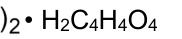
Proper name: Pyridoxine hydrochloride
Chemical name: 5-hydroxy-6-methyl-3,4-pyridine dimethanol hydrochloride
Molecular formula and molecular mass: C8H11NO3 • HCl
205.64
Structural formula:
Physicochemical properties: Pyridoxine hydrochloride is readily soluble in water, slightly soluble in alcohol and insoluble in ether.
CLINICAL TRIALS
Relative Bioavailability Studies
A randomized, 2-way crossover study of 18 healthy adult non-pregnant females investigated the absorption of doxylamine succinate and pyridoxine hydrochloride from PRO-DOXYLAMINE-PYRIDOXINE tablets (2 x [10 mg + 10 mg]) versus an equivalent combination of reference doxylamine succinate and pyridoxine hydrochloride oral solutions (20 mL x 10 mg/10 mL), administered under fasting conditions. The pharmacokinetic parameters are presented in the table below. The delayed release properties of PRO-DOXYLAMINE-PYRIDOXINE are evident in the different Tmax values observed for both doxylamine, pyridoxine, pyridoxal and total pyridoxine between PRO-DOXYLAMINE-PYRIDOXINE tablets and the corresponding solution. Values are 3 times higher for doxylamine, 6 times higher for pyridoxine, 4 times higher for pyridoxal and 6 times higher for total pyridoxine with the tablet formulation than for the oral solution. For pyridoxal 5'-phosphate, the Tmax values were similar.
Peak plasma levels obtained with the oral solution are higher than those obtained with the delayed-release tablet formulation for pyridoxine, pyridoxal and total pyridoxine. This is expected as a delayed release tablet is being compared to an oral solution. Drugs in oral solution formulation are ready to be absorbed since the drug is already dissolved. Both the doxylamine and pyridoxine components of the delayed release tablets are fully absorbed compared to an equal dose administered as an oral solution.
N
CH3
OH
CH2OH
CH2OH HCl Table 7 - Summary of PRO-DOXYLAMINE-PYRIDOXINE's Pharmacokinetic Parameters in Healthy Female Volunteers - Delayed Release Tablet Versus Oral Solution
| Parameter | Doxylamine Geometric Mean Arithmetric Mean (CV%) | Pyridoxine Geometric Mean Arithmetric Mean (CV%) | ||
PRO- DOXYLAMINE-PYRIDOXINE | Oral Solution | PRO- DOXYLAMINE-PYRIDOXINE | Oral Solution | |
| AUC0-t (ng•h/mL) | 1611.93 1678.19 (32.69) | 1560.91 1616.85 (28.38) | 47.27 51.41 (45.17) | 60.38 64.95 (41.48) |
| AUC0 -4 (ng•h/mL) | 1658.66 1728.89 (33.04) | 1602.06 1659.51 (28.30) | 55.48 59.34 (37.66) | 61.69 66.37 (39.71) |
| Cmax (ng/mL) | 89.5 90.4 (14.45) | 97.2 98.7 (18.3) | 44.5 50.7 (61.12) | 87.4 96.5 (48.35) |
| Tmax (h) | 6.10 (28.99) | 2.04 (41.62) | 3.81(31.40) | 0.618 (29.04) |
| T1/2 el (h) | 11.76 (28.93) | 11.91 (25.46) | 0.34 (44.52) | 0.26 (25.65) |
| Parameter | Pyridoxal Geometric Mean Arithmetric Mean (CV%) | Pyridoxal 5'-Phosphate Geometric Mean Arithmetric Mean (CV%) | ||
PRO- DOXYLAMINE-PYRIDOXINE | Oral Solution | PRO- DOXYLAMINE-PYRIDOXINE | Oral Solution | |
| AUC0-t (ng•h/mL) | 114.50 124.02 (37.65) | 142.11 149.72 (33.52) | 1300.32 1678.90 (73.75) | 1236.61 1600.38 (80.33) |
| AUC0 -4 (ng•h/mL) | 163.15 175.86 (34.61) | 178.25 188.53 (35.27) | 2998.54 3094.17 (31.94) | 2926.95 3451.65 (61.71) |
| Cmax (ng/mL) | 59.4 62.3 (30.72) | 80.2 82.8 (25.65) | 40.5 42.9 (40.86) | 39.6 41.6 (34.97) |
| Tmax (h) | 4.84 (29.75) | 1.15 (22.49) | 8.59 (32.28) | 7.64 (50.82) |
| T1/2 el (h) | 1.51 (56.22) | 1.27 (46.14) | 55.64 (44.13) | 59.05 (53.80) |
| Parameter | Total Pyridoxine* Geometric Mean Arithmetric Mean (CV%) | |||
PRO- DOXYLAMINE-PYRIDOXINE | Oral Solution | |||
AUC0-t (pmol•h/mL) | 6712.85 8027.65 (64.48) | 6475.51 7815.21 (70.32) | ||
AUC0 -4 (pmol•h/mL) | 12828.78 14234.92 (51.24) | 13850.42 15886.49 (56.66) | ||
| Cmax (pmol/mL) | 684 709 (28.57) | 994 1039.61 (32.33) | ||
| Tmax (h) | 4.50 (33.65) | 0.764 (36.33) | ||
| T1/2 el (h) | 48.25 (50.35) | 58.33 (49.73) | ||
*Total pyridoxine includes pyridoxine, pyridoxal, pyridoxal 5'-phosphate
TOXICOLOGY
Reproductive Toxicology
Tyl et al. studied a drug product containing equal concentrations of doxylamine succinate and pyridoxine hydrochloride in rats at doses of 0, 200, 500 and 800 mg/kg/day. Both maternal and fetal toxicity were evident at the two highest doses. Developmental toxicity included reduced prenatal viability and reduced fetal body weight per litter (500 and 800 mg/kg/day). No teratogenic effects of this drug were found even at the maternally toxic dose of 800 mg/kg/day. The finding of minor skeletal variations, such as a shortened 13th rib, only at the toxic high doses is consistent with general toxicity.
Teratology studies in rabbits and reproduction studies in rats were conducted with doxylamine succinate alone, dicyclomine HCl alone, and a drug product containing a combination of doxylamine succinate, dicyclomine HCl and pyridoxine HCl. One of three groups of rats received 3-60 mg/kg/day of the combination, while the two other groups received 10-100 mg/kg/day of either dicyclomine or doxylamine. In the three rabbit groups, 3-30 mg/kg/day of the drug product containing the combination, and 10-100 mg/kg/day of either dicyclomine HCl or doxylamine succinate were given. No increase in congenital malformations or other adverse effects were noted in pregnancy when compared to nonexposed controls. None of these materials appeared to have any deleterious effects on reproductive parameters such as pregnancy maintenance, litter size, or fetal weight in the rabbit, except when toxic (100 mg/kg/day doxylamine succinate or dicyclomine HCl) levels were reached. In rats, these same drugs produced no alteration in breeding, conception, pregnancy maintenance, litter size, or fetal weight, although a mild dose-related decrease in neonatal weight gains occurred in pups from doxylamine succinate and dicyclomine hydrochloride-treated dams.
In the first part of their investigation, Hendrickx et al. evaluated embryotoxicity of a combination of doxylamine succinate and pyridoxine hydrochloride in an uncontrolled small-scale study in preterm and term cynomolgus monkeys, rhesus monkeys and baboons. Some baboons received doxylamine succinate alone as opposed to the combination. Drugs were administered throughout the major period of organogenesis (gestation day 22 to 50). In these teratogenicity studies in the 3 species the treatment related effects of exposure to the combination of doxylamine succinate and pyridoxine hydrochloride in utero appear to be limited to a delay in closure of the ventricular septum that was evident at 100 days of gestation but not at term. Ventricular septal defects (VSD) were observed in 6 (40%) of the preterm cynomolgus monkeys, 2 (18%) of the preterm rhesus monkeys and 3 (23%) of the preterm baboons examined prenatally (day 100 of gestation). No dose response was evident and there were no other cardiac or extracardiac defects found except for one baboon fetus with multiple defects. No defects were observed in cynomolgus monkeys who were administered the combination of doxylamine succinate and pyridoxine hydrochloride for 4-day periods between 22 and 41 days of gestation. There was no association of this combination treatment with any noncardiac defect. In monkeys examined at term, there was no incidence of VSD, but one cynomolgous monkey had a mitral valve defect. This suggests an intrauterine delay in closure of the ventricular septum in monkeys, but that closure would occur before birth.
The second part of this investigation examined the embryotoxic and teratogenic potential of doxylamine succinate and pyridoxine hydrochloride in term cynomolgus monkeys. The combination of doxylamine succinate and pyridoxine hydrochloride pulverized tablets or placebo were administered double-blind by nasogastric intubation on days 22-50 of gestation at doses approximately 2, 5 and 20 times the MRHD. Fetuses were delivered by caesarean section near term and examined. No congenital malformations were noted, and no evidence of embryo, fetal or maternal toxicity was observed.
Carcinogenicity
Two-year carcinogenicity studies in rats and mice were conducted at the U.S. National Center for Toxicological Research (NCTR). The rodents were administered doxylamine succinate at dose levels of 0, 500, 1000 and 2000 parts per million (ppm) in rats and dose levels of 0, 190, 375 and 750 ppm in mice. There were no increases in neoplastic lesions in female rats. Liver neoplasms in male rats were found only in the high-dose group. A trend test was significant (p = 0.05) for increased incidence of hepatocellular adenoma and carcinoma with increasing doses of doxylamine succinate, but the increased incidence of either lesion alone in the high dose group was not significant compared with controls. The incidence of these lesions was within the range historically observed in this strain of rats, and the results are not considered to have clinical relevance in humans.
In the mouse bioassay, tumours that showed a statistically significant increase versus the control group in a trend test and in pairwise comparisons included hepatocellular adenomas and thyroid follicular cell adenomas. Doxylamine succinate produced a significant increase in hepatocellular adenomas in the mid to high dose group in male mice and the high dose group in female mice. There was no increase in the incidence of hepatocellular carcinomas in male mice and no hepatocellular carcinomas observed in any female mice. Thyroid follicular cell adenomas also were increased in treated mice of both sexes. These observations are consistent with a hormonal imbalance caused by induction of cytochrome P450 by doxylamine succinate in mice. Since enzyme induction is not observed in humans, doxylamine succinate is not considered to pose a carcinogenic risk under clinical use.
REFERENCES
- 1.
The American Society of Health-System Pharmacists. AHFS Drug Information 2011. Ed.
ASHP, 2011; 3-5.
- 2.
Syed H, Som S, Khan N, Faltas W. Doxylamine toxicity: seizure, rhabdomyolosis and false positive urine drug screen for methadone. BMJ Case Reports.
2009;doi:10.1136/bcr.09.2008.0879
- 3. Ornstein M, Einarson A, Koren G. Bendectin/Diclectin for morning sickness: A Canadian follow-up of an American Tragedy. Reprod Toxicol. 1995;9(1):1-6.
- 4. McKeigue PM, Lamm SH, Linn S, Kutcher JS. Bendectin and birth defects: I. A meta-analysis of the epidemiologic studies. Teratology. 1994;50:27-37.
- 5. Einarson TR, Leeder SJ, Koren G. A method for meta-analysis of epidemiological studies. Drug Intell Clin Pharm. 1988;22:813-24.
- 6.
Special Advisory Committee, Health Protection Branch. Report on the safety of
Bendectin/Diclectin for use in the management of nausea and vomiting of pregnancy. Canadian Health and Welfare Department. August 1989.
- 7. The American College of Obstetricians and Gynecologists. Nausea and vomiting of pregnancy. ACOG Practice Bulletin No. 52. 2004;103(4):803-15.
- 8. Brent RL. Bendectin: Review of the medical literature of a comprehensively studied human nonteratogen and the most prevalent tortogen-litigen. Reprod Toxicol. 1995;9(4):337-49.
- 9. Koren G, Pastuszak A, Ito S. Drugs in Pregnancy. N Engl J Med. 1998;338(16):1128-37.
- 10. Kutcher JS, Engle A, Firth J, Lamm SH. Bendectin and birth defects II: Ecological analyses. Birth Defects Res A Clin Mol Teratol. 2003;67:88-97.
- 11.
Briggs GG, Freeman RK, Yaffe SJ. Drugs in pregnancy and lactation. 8th ed.
Philadelphia; Lippincott Williams & Wilkins; 2008: xxiii, 580-6, 2029-45.
- 12. Schaefer C, Peters P, Miller, RK. Drugs During Pregnancy and Lactation Treatment option and Risk Assessment. 2nd ed. Amsterdam, Netherlands: Academic Press; 2007: 83-6.
- 13.
Hale T. Medications and Mothers’ Milk. 14th ed. Amarillo, Texas: Pharmasoft Publishing;
2006: 341-2.
- 14.
McGuinness BW, Binns DT. 'Debendox' in pregnancy sickness. J R Coll Gen Pract.
1971;21:500-3.
- 15. Atanackovic G, Navioz Y, Moretti ME, Koren G. The safety of higher than standard dose of doxylamine-pyridoxine (Diclectin) for nausea and vomiting of pregnancy. J Clin Pharmacol. 2001;41:842-5.
- 16.
Arsenault MY, Lane CA, MacKinnon CJ, Bartellas E, Cargill YM, Klein MC, et al.
SOGC Clinical Practice Guidelines: The management of nausea and vomiting of pregnancy. J Obstet Gynaecol Can. 2002;24(10):817-23.
- 17.
Mazzota P, Magee L, Koren G. Therapeutic abortions due to severe morning sickness.
Unacceptable combination. Canadian Family Physician. 1997;43:1055-7.
- 18. Mazzotta P, Magee LA, Koren G. The association between abortion and nausea and vomiting of pregnancy. State of the Art 2000. The Motherisk Program; 2000:149-56.
- 19.
Goodman and Gilman. The Pharmacological Basis of Therapeutics. 9th ed. New York:
McGraw-Hill; 1996:72, 379, 445, 590, 1159, 1562.
- 20.
Joint Formulary Committee. British National Formulary. 47th ed London: British Medical
Association and Royal Pharmaceutical Society of Great Britain.
- 21. Molckovsky A, Pirzada KS. The Toronto Notes. 20th ed. 2004;ER46-ER47.
- 22. Jo Y-I, Song J-O, Park J-H, Koh S-Y, Lee S-M, Seo T-H, et al. Risk factors for rhabdomyolysis following doxylamine overdose. Hum Exp Toxicol. 2007;26:617-22.
- 23.
Bayley M, Walsh FM, Valaske MJ. Fatal overdose from Bendectin. Clin Pediatr
(Philadelphia). 1975 May;14(5):507-9.
- 24. Meadow SR. Poisoning from delayed release tablets. Br Med J. 1972 Feb:512.
- 25.
Koppel C, Tenczer J, Ibe K. Poisoning with over-the- counter doxylamine preparations:
an evaluation of 109 cases. Hum Toxicol. 1987; 6(5): 355–9.
- 26.
Bockholdt B, Klug E, Schneider V. Suicide through doxylamine poisoning. Forensic Sci
Int. 2001 Jun 1;119(1):138-40.
- 27. Vutyavanich T, Wongtra-ngan S, Ruangsri R. Pyridoxine for nausea and vomiting of pregnancy: A randomized, double-blind, placebo-controlled trial. Am J Obstet Gynecol. 1995;173:881-4.
- 28. Sahakian V, Rouse D, Sipes S, Rose N, Niebyl J. Vitamin B6 is effective therapy for nausea and vomiting of pregnancy: A randomized, double-blind placebo-controlled study. Obstet Gynecol. 1991;78:33-6.
- 29. Bishai R, Mazzotta P, Atanackovic G, Levichek Z, Pole M, Magee LA, et al. Critical appraisal of drug therapy for nausea and vomiting of pregnancy: II. Efficacy and safety of Diclectin (doxylamine-B6). Can J Clin Pharmacol. 2000;7:138-43.
- 30.
Luna BG, Scavone JM, Greenblatt DJ. Doxylamine and diphenhydramine
pharmacokinetics in women on low-dose estrogen oral contraceptives. J Clin Pharmacol. 1989;29:257-60.
- 31. Fonda ML, Trauss C, Guempel UM. The binding of pyridoxal 5'-phosphate to human serum albumin. Arch Biochem Biophys. 1991;288(1):79-86.
- 32.
Zempleni J, Kübler W. The utilization of intravenously infused pyridoxine in humans.
Clin Chim Acta. 1994;229:27-36.
- 33.
McCormick D, Chen H. Recent advances in nutritional science. Update on
interconversions of vitamin b-6 with its coenzyme. J Nutr. 1999;129:325-7.
- 34.
McCormick DB. Two interconnected B vitamins: riboflavin and pyridoxine. Physiol Rev.
1989;69(4):1170-98.
- 35. McKinney PA, Cartwright RA, Stiller CA, Hopton PA, Mann JR, Birch JM, et al. Inter-regional epidemiological study of childhood cancer (IRESCC): Childhood cancer and the consumption of Debendox and related drugs in pregnancy. Br J Cancer. 1985;52:923-9.
- 36.
Coburn SP, Reynolds RD, Mahuren JD, Schaltenbrand WE, Wang Y, Ericson KL, et al.
Elevated plasma 4-pyridoxic acid in renal insufficiency. Am J Clin Nutr. 2002;75:57-64.
- 37. Einarson A, Koren G. Dicetel/Diclectin. Dispensing errors continue despite warnings to pharmacists. Can Pharmacy Journal. 2001;27-8.
- 38.
Bailey B, Einarson A, Koren G. Alert over sound-alike drugs [Letter]. Can Med Assoc J.
1997;157(1):16, 18.
- 39.
Tyl RW, Price CJ, Marr MC, Kimmel CA. Developmental toxicity evaluation of
Bendectin in CD rats. Teratology. 1988;37:539-52.
- 40.
Gibson JP, Staples RE, Larson EJ, Kuhn WL, Holtkamp DE and Newberne JW.
Teratology and reproduction studies with an antinauseant. Toxicol Appl Pharmacol. 1968;13:439-47.
- 41.
Hendrickx AG, Cukierski M, Prahalada S, Janos G and Rowland J. Evaluation of
Bendectin embryotoxicity in nonhuman primates: I. Ventricular septal in prenatal macaques and baboon. Teratology. 1985;32:179-89.
- 42. Hendrickx AG, Cukierski M, Prahalada S, Janos G, Booher S and Nyland T. Evaluation of Bendectin embryotoxicity in nonhuman primates: II. Double-blind study in term cynomolgus monkeys. Teratology. 1985;32:191-4.
- 43.
Thompson GA, St. Peter JV, Heise MA, Zebulun D, Horowitz ZD, Salyers GC, et al.
Assessment of doxylamine influence on mixed function oxidase activity upon multiple dose oral administration to normal volunteers. J Pharm Sci. 1996;85(11):1242-7.
- 44.
Skare JA, Murphy VA, Bookstaff RC, Thompson GA, Heise MA, Horowitz ZD, et al.
Safety assessment of OTC drugs: Doxylamine succinate. Arch Toxicol. 1995;(Suppl. 17):326-40.