


Product Monograph - Proctofoam-Hc
SUMMARY PRODUCT INFORMATION
| Route of Administration | Dosage Form / Strength | Clinically Relevant Nonmedicinal Ingredients |
| Rectal. Topical. | aerosol foam / hydrocortisone acetate 1%, pramoxine hydrochloride 1% | Cetyl alcohol, emulsifying wax, isobutane, methylparaben, propane, propylene glycol, propylparaben, steareth-10, triethanolamine and water. |
INDICATIONS AND CLINICAL USE
Proctofoam-HC® (hydrocortisone acetate 1%, pramoxine hydrochloride 1%) is indicated for the temporary relief of anorectal inflammation, pruritus, pain and swelling associated with hemorrhoids, proctitis, cryptitis, fissures, postoperative pain and pruritus ani.
Geriatrics (> 65 years of age):
Proctofoam-HC® should be used cautiously in elderly patients (see WARNINGS AND PRECAUTIONS and DOSAGE AND ADMINISTRATION).
Pediatrics (< 18 years of age):
Proctofoam-HC® has not been studied in the pediatric population. Proctofoam-HC® should not be used in children under 18 years of age (see CONTRAINDICATIONS and WARNINGS AND PRECAUTIONS).
CONTRAINDICATIONS
- Patients with viral (e.g. herpes, varicella or vaccinia) lesions of the skin, bacterial or fungal skin infections, parasitic infections, abscess, extensive fistulas or sinus tracts, skin manifestations relating to tuberculosis or syphilis, eruptions following vaccinations, acne vulgaris, rosacea, pruritus without inflammation.
- Patients who are hypersensitive to hydrocortisone or other corticosteroids, pramoxine, or any non-medicinal component of Proctofoam-HC®. See DOSAGE FORMS, COMPOSITION AND PACKAGING for the complete listing of ingredients.
- Children (< 18 years of age) (see WARNINGS AND PRECAUTIONS).
WARNINGS AND PRECAUTIONS
General
A complete rectal examination should be completed before instituting therapy to rule out serious pathology and assess extension of the disease.
Proctofoam-HC® should not be used on infected lesions unless accompanied by anti-infective agents.
If sensitivity develops, therapy with Proctofoam-HC® should be discontinued.
Carcinogenesis and Mutagenesis
Kaposi's sarcoma has been reported to occur in patients receiving corticosteroid therapy, most often for chronic conditions. In such cases, discontinuation of the corticosteroid therapy may result in clinical improvement1.
Cardiovascular
Topical corticosteroids should not be used in patients with stasis dermatitis and other skin conditions with impaired circulation since skin ulceration has occurred in these patients.
Dependence/Tolerance
With repeated administration to the same site, three times daily for 4 to 5 days, tolerance to the anti-inflammatory and vasoconstrictive effects of Proctofoam-HC® may occur2.
Endocrine and Metabolism
Prolonged use of Proctofoam-HC® (hydrocortisone acetate 1%, pramoxine hydrochloride 1%) could produce systemic corticosteroid effects.
Systemic absorption of topical corticosteroids has produced reversible hypothalamic-pituitary-adrenal (HPA) axis suppression with the potential for corticosteroid insufficiency after withdrawal from treatment. Manifestations of Cushing’s syndrome, hyperglycemia, and glucosuria can also be produced in some patients by systemic absorption of topical corticosteroids while on treatment.
Conditions which augment systemic absorption include the application of the more potent steroids, use over large surface areas, intertriginous areas (such as the axillae), prolonged use, and the addition of occlusive dressings. Other risk factors for increased systemic effects include increasing hydration of the stratum corneum, use on thin skin areas (such as the face), use on broken skin or conditions where the skin barrier may be impaired.
If HPA axis suppression is noted, an attempt should be made to gradually withdraw the drug reducing the frequency of application, or to substitute a less potent steroid.
Recovery of HPA axis function is generally prompt upon discontinuation of topical corticosteroids. Infrequently, signs and symptoms of corticosteroid insufficiency may occur requiring supplemental systemic corticosteroids. For information on systemic supplementation, see prescribing information for those products.
Patients with acute illness or injury may have increased morbidity and mortality with intermittent HPA axis suppression. Patients should be instructed to use Proctofoam-HC® for the minimum amount of time necessary to achieve the desired results (see DOSAGE AND ADMINISTRATION).
Hypothyroidism may cause an enhanced effect of corticosteroids.
Gastrointestinal
Proctofoam-HC® should be used with caution in patients with severe ulcerative disease, and only after adequate proctologic examination, due to the risk of intestinal perforation.
Hematologic
Caution is advised in patients with hypoprothrombinemia when acetylsalicylic acid (ASA) is used in conjunction with Proctofoam-HC®.
Hepatic/Biliary/Pancreatic
Reduced clearance, secondary to cirrhosis or severe hepatic impairment, may enhance the corticosteroid effects of Proctofoam-HC®.
Immune
Proctofoam-HC® should be used with caution in patients with impaired T-cell function or in those receiving other immunosuppressive therapy.
Infections may be masked or enhanced and new infections (including secondary bacterial infection) may occur during corticosteroid use due to suppression of the immune response. If concomitant skin infections develop, Proctofoam-HC® should be discontinued until the infection has been adequately controlled.
Peri-Operative Considerations
Proctofoam-HC® should not be used immediately, or in the early postoperative period, following ileorectostomy.
Psychiatric
Prolonged use of corticosteroids may cause adverse psychiatric reactions including euphoria, mood swings, depression and anxiety, and personality changes to frank psychoses. Caution should be used in psychotic patients as emotional instability or psychotic tendencies may be aggravated2.
Sensitivity/Resistance
Allergic contact dermatitis associated with topical corticosteroids is usually diagnosed by observing a failure to heal as opposed to a clinical exacerbation. Such an observation should be corroborated with appropriate diagnostic patch testing.
Local hypersensitivity reactions (see ADVERSE REACTIONS) may resemble symptoms of the condition under treatment. If hypersensitivity reactions occur, the drug should be discontinued and appropriate therapy initiated if there are signs of reaction.
Pramoxine’s chemical structure is likely to minimize the danger of cross-sensitivity reactions in patients allergic to other local anesthetics.
Skin
If irritation develops, Proctofoam-HC® should be discontinued and appropriate therapy instituted. Prolonged use of topical corticosteroid preparations may produce striae or atrophy of the skin or subcutaneous tissue. If skin atrophy is observed, treatment should be discontinued.
Proctofoam-HC® should not be applied to extensive areas of skin, open wounds, or damaged/blistered skin.
Special Populations
Pregnant Women:
Topical administration of corticosteroids to pregnant animals can cause abnormalities of foetal development. Subcutaneous administration of hydrocortisone to mice at doses ≥30 mg/kg/day and rabbits at a dose of 675µ/kg/day and a single intramuscular injection of ≥25 mg to hamsters during pregnancy produced foetal abnormalities including cleft palate.
The relevance of this finding to human beings has not been established; however, there is some data showing an association between use of topical corticosteroids in the first trimester of pregnancy and an increased risk of cleft lip with or without cleft palate (OR=1.45; 95%CI 1.03-2.05). Administration of corticosteroids during pregnancy should only be considered if the expected benefit to the mother outweighs the risk to the foetus. The minimum quantity should be used for the minimum duration.
Topical corticosteroids cross the skin barrier and unmetabolized hydrocortisone has been found to cross the placenta3.
Nursing Women:
It is unknown if Proctofoam-HC® is excreted in human milk.
The safety of topical corticosteroids during lactation has not been established; however, systemic corticosteroids are known to be distributed into milk.
The molecular weight of pramoxine is low enough for excretion into breast milk but its impact on lactation has not been established4.
The potential benefit to the mother should be weighed against possible hazards to the nursing infant.
Pediatrics (<18 years of age):
The safety and effectiveness of Proctofoam-HC®, or the combination of hydrocortisone acetate-pramoxine hydrochloride, has not been established in the pediatric population. Proctofoam-HC® should not be used in children under 18 years of age.
Because of a higher ratio of skin surface area to body mass, pediatric patients are at a greater risk than adults of HPA axis suppression and Cushing’s syndrome when they are treated with topical corticosteroids. They are therefore also at greater risk of adrenal insufficiency during and/or after withdrawal of treatment. Adverse effects including striae have been reported with use of topical corticosteroids in infants and children. HPA axis suppression, Cushing’s syndrome, linear growth retardation, delayed weight gain, and intracranial hypertension have been reported in children receiving topical corticosteroids. Manifestations of adrenal suppression in children include low plasma cortisol levels and an absence of response to ACTH stimulation. Manifestations of intracranial hypertension include bulging fontanelles, headaches, and bilateral papilledema. Chronic corticosteroid therapy may interfere with the growth and development of children.
Geriatrics (> 65 years of age):
Proctofoam-HC® should be used cautiously in elderly patients, reflecting their increased skin fragility and greater frequency of hepatic, renal, or cardiac dysfunction, and of concomitant disease or use of other medications.
Monitoring and Laboratory Tests
The cosyntropin (ACTH 1-24) stimulation test may be helpful in evaluating patients for HPA axis suppression.
ADVERSE REACTIONS
Adverse Drug Reaction Overview
Patients may experience itching, burning and/or pain upon application of Proctofoam-HC® (hydrocortisone acetate 1% and pramoxine hydrochloride 1%). Other reported reactions with pramoxine have included angioedema, contact dermatitis, edema, urticaria, urethritis and tenderness.
The following local adverse reactions have been reported with the use of topical corticosteroids: dryness, itching, burning, local irritation, striae, skin atrophy, hypertrichosis, hypopigmentation, secondary infection, pustules, miliaria, folliculitis and pyoderma may occur.
Adverse effects generally associated with the use of systemic corticosteroids can also occur with the use of topical corticosteroids. Conditions that may increase systemic absorption include use of the more potent steroids, use over a prolonged period of time, use over a large surface area and use with an occlusive dressing.
Systemic absorption of topical corticosteroids has produced reversible suppression of the (HPA)-axis and manifestations of Cushing's syndrome.
Allergic reactions to any ingredients in the formulation may occur.
Clinical Trial Adverse Drug Reactions
Because clinical trials are conducted under very specific conditions the adverse reaction rates observed in the clinical trials may not reflect the rates observed in practice and should not be compared to the rates in the clinical trials of another drug. Adverse drug reaction information from clinical trials is useful for identifying drug-related adverse events and for approximating rates.
In an investigation by Miller involving 109 patients with anorectal disorders, there were 18 reports of minor side effects such as itching, burning, urge to defecate and pain on insertion, and three (3) reports of allergic responses. These responses were not unexpected due to the sensitization characteristics of the anorectal area; many therapeutic agents applied to this area result in allergic response5. In another study by Lippincott of 92 proctologic patients, three (3) reported a burning sensation from the medication6. In a clinical trial by Nenno and Loehfelm , it was shown that the application of Proctofoam-HC® to 50 postpartum patients having undergone episiotomies led to rapid healing, with no reports of sensitivity reactions and no complications that could be attributed to the medication7. In a report by Lieberman of 100 patients treated with Proctofoam, three (3) experienced burning, one (1) experienced slight itching and another experienced irritation8.
Post-Market Adverse Drug Reactions
The following adverse events have been reported during post-marketing experience with Proctofoam-HC®: rash, infection, burning, erythema, itching, pain and anal spasm.
DRUG INTERACTIONS
Overview
No formal drug-drug, drug-food, drug-herb or drug-laboratory interaction studies have been performed with Proctofoam-HC®.
Drug-Drug Interactions
Drug interactions have been reported between systemic corticosteroids and certain classes of drugs such as: anticholinesterase agents, antitubercular drugs, drugs affecting hepatic microsomal enzymes (particularly CYP3A4 inhibitors), antidiabetic therapy, estrogens, nonsteroidal anti-inflammatory agents, potassium-depleting drugs, vaccines and toxoids, and oral anticoagulants2.
Co-administered drugs that can inhibit CYP3A4 (e.g., ritonavir, itraconazole) have been shown to inhibit the metabolism of corticosteroids leading to increased systemic exposure. The extent to which this interaction is clinically relevant depends on the dose and route of administration of the corticosteroids and the potency of the CYP3A4 inhibitor.
Benzoyl peroxide chemically reacts with topical anesthetics such as pramoxine causing a significant reduction in its numbing effect9.
Drug-Food Interactions
Interactions with food have not been established.
Drug-Herb Interactions
Herbs that may have immunostimulant properties such as Cat’s claw and Echinacea can potentially diminish the immunosuppressant effect of corticosteroids.
Drug-Laboratory Test Interactions
Corticosteroids may decrease radioactive iodine (I131) uptake and produce false negative results in the nitroblue tetrazolium test for systemic bacterial infection2.
Glucocorticoids may suppress reactions to skin tests2.
DOSAGE AND ADMINISTRATION
Dosing Considerations
Patients should be instructed to use Proctofoam-HC® for the minimum amount of time necessary to achieve the desired results because of the potential for corticosteroids to suppress the hypothalamic-pituitary-adrenal axis and cause skin atrophy (see WARNINGS AND PRECAUTIONS). If condition worsens or a symptomatic response is not noted following seven (7) days of treatment, the patient's condition and treatment options should be re-evaluated.
Proctofoam-HC® is for rectal use only. It should not be taken by mouth or any other route.
One application contains 375 mg of mucoadhesive base containing 1% hydrocortisone acetate, (3.75 mg/dose) and 1% pramoxine hydrochloride, (3.75 mg/dose).
Recommended Dose and Dosage Adjustment
The aerosol container should be shaken before using.
One applicatorful should be injected into the anus two or three times daily and after bowel evacuation. The foam may also be placed on a perianal pad and applied externally as needed to relieve pain or itching, into the anus, two or three times daily, and after bowel evacuation or as otherwise deemed necessary based on the patient's condition.
When a favourable response is achieved, the therapy should be discontinued.
Pediatrics (<18 years of age):
Proctofoam-HC® should not be used in children under 18 years of age.
Geriatrics (>65 years of age):
Topical corticosteroids should be used cautiously in elderly patients. Patients should be instructed to use Proctofoam-HC® for the minimum amount of time necessary to achieve the desired results.
Missed Dose
In the event that a dose is missed, it should be taken as soon as possible. However, if it is almost time for the next dose, the missed dose should be skipped. The next dose should not be doubled and the therapy should be continued as per the recommended dosing schedule.
Administration
To ensure adequate administration of the proper dose of the drug, the patient should be instructed by the physician or healthcare professional in the proper use of Proctofoam-HC®, including whether the product is to be applied rectally or perianally.
The applicator supplied with the medication is strictly for rectal use. The foam can also be applied topically to the perianal area. Fingers or any other device should not be used to administer the foam. Parts of the aerosol container should not be inserted into the anus.
OVERDOSAGE
Overdosage is improbable at the levels of hydrocortisone acetate and pramoxine hydrochloride in one container of Proctofoam-HC®. This medicine may be harmful if swallowed. In case of ingestion, symptomatic treatment should be instituted.
However, as excess use of topical corticosteroids may produce systemic adverse effects, in case of chronic overdosage or misuse, the features of hypercorticism may appear.
| For management of suspected drug overdose, contact your regional Poison Control Centre. |
ACTION AND CLINICAL PHARMACOLOGY
Mechanism of Action
Proctofoam-HC® (hydrocortisone acetate 1%, pramoxine hydrochloride 1%) is an anti-inflammatory and anti-pruritic with emollient properties that aid in soothing and lubricating the mucosa to make evacuation more comfortable.
Hydrocortisone acetate has anti-inflammatory, anti-pruritic, and vasoconstrictive properties. Though the mechanism of the anti-inflammatory activity of topical corticosteroids is generally unclear, corticosteroids are thought to induce phospholipase A2 inhibitor proteins, preventing arachidonic acid release and the biosynthesis of potent mediators of inflammation10.
Pramoxine hydrochloride 1% is a surface or local anesthetic, which is not chemically related to the “cain” types of local anesthetics. Its unique chemical structure is likely to minimize the danger of cross-sensitivity reactions in patients allergic to other local anesthetics11. Pramoxine works by interfering with pain signals sent from the nerves to the brain.
Pharmacodynamics
Pharmacodynamic studies have not been conducted with Proctofoam-HC®.
The anti-inflammatory action of hydrocortisone is palliative, not curative. Hydrocortisone acetate inhibits the inflammatory reaction to toxic or mechanical injuries. It has a slow onset of action and a long duration of therapeutic action. The maximal effect of topical corticosteroids may take 2 to 3 days to achieve.
The anesthetic effects of pramoxine are immediate; typically apparent within 2 to 5 minutes. Therapeutic action will last up to five (5) hours depending on the amount applied2.
Pharmacokinetics
No pharmacokinetics studies have been conducted with Proctofoam-HC®.
Absorption:
Topical corticosteroids can be absorbed from normal skin. The extent of percutaneous absorption of topical corticosteroids is determined by many factors, including the vehicle and the integrity of the epidermal barrier. Occlusion, inflammation and/or other disease processes in the skin may also increase percutaneous absorption. Moreover, continued absorption of corticosteroids may occur, even after washing, due to retention of the drug in the stratum corneum.
Topical application of corticosteroids to the mucosa of the genitourinary or lower intestinal tract may result in substantial systemic absorption of the medications. In healthy individuals, as much as 30-90% of rectally administered hydrocortisone as a retention enema may be absorbed (with a mean absolute bioavailability of approximately 3% to 4.5%14. Greater amounts of hydrocortisone may be absorbed rectally if the intestinal mucosa is inflamed. Cortisol (hydrocortisone) is bound primarily to transcortin and only 5-10% of cortisol in plasma is unbound and is biologically active2. Following percutaneous penetration of a topical corticosteroid, the drug that is systemically absorbed probably follows the metabolic pathways of systemically administered corticosteroids.
The absorption amount of pramoxine after topical administration into the systemic circulation is unknown.
Distribution:
Animal studies indicate that most corticosteroids are rapidly removed from the blood and distributed to muscles, liver, skin, intestines, and kidneys.
Data on pramoxine distribution is not available.
Metabolism:
Corticosteroids are usually metabolized in the liver. The half-life (t1/2) of hydrocortisone is approximately 1.7 ± 0.2 hours following intravenous administration12.
Data on pramoxine metabolism is not available.
Excretion:
Corticosteroids are usually excreted by the kidneys.
Data on pramoxine excretion is not available.
Special Populations and Conditions
Hepatic Insufficiency:
In the event of systemic absorption; metabolism and elimination may be delayed in patients with hepatic impairment leading to increased risk of systemic toxicity.
Renal Insufficiency:
In the event of systemic absorption; metabolism and elimination may be delayed in patients with renal impairment leading to increased risk of systemic toxicity.
STORAGE AND STABILITY
Store and use at room temperature (15 - 30°C).
Store in an upright position and in original packaging to protect from sunlight.
Do not use Proctofoam-HC® after the expiry date printed on the aerosol container and carton. The expiry date refers to the last day of that month inclusively.
Keep out of reach of children and pets.
SPECIAL HANDLING INSTRUCTIONS
Do not puncture or incinerate the aerosol container.
Contents of the aerosol container are under pressure and are flammable. The aerosol container may explode if heated. Do not use in the presence of an open flame or spark. Do not place the aerosol container in hot water or near radiators, stoves or other sources of heat. Do not refrigerate.
DOSAGE FORMS, COMPOSITION AND PACKAGING
Proctofoam-HC® is supplied in an aerosol container with both an internal and external cap as well as an applicator. Each application delivers approximately 375 mg of foam containing approximately 1% hydrocortisone acetate (3.75 mg/dose) and 1% pramoxine hydrochloride (3.75 mg/dose). The 22.4g aerosol container will deliver approximately 36 applications.
It also contains cetyl alcohol, emulsifying wax, isobutane, methylparaben, propane, propylene glycol, propylparaben, steareth-10, triethanolamine and water.
PART II: SCIENTIFIC INFORMATION
PHARMACEUTICAL INFORMATION
Drug Substance
Proper name: Hydrocortisone acetate
Chemical name: Cortisol 21-acetate
Molecular formula and molecular mass: C23H32O6
404.5
Structural formula:
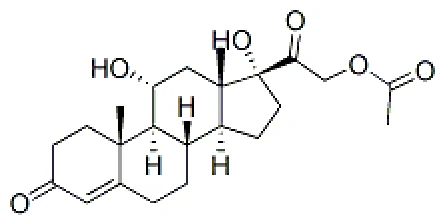
Physicochemical properties: White to practically white, odourless crystalline powder; insoluble in water, slightly soluble in alcohol and chloroform. Melts at 220°C.
Drug Substance
Proper name: Pramoxine hydrochloride
Chemical name: 4-[3-(p-Butoxyphenoxy) propyl] morpholine hydrochloride
Molecular formula and molecular mass: C17H27NO3HCI
329.87
Structural formula:
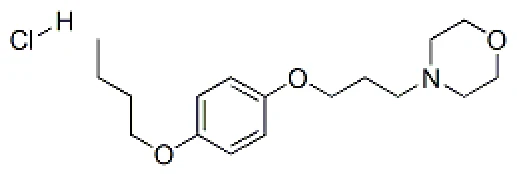
Physicochemical properties: White to nearly white crystalline powder with a numbing taste; freely soluble in alcohol and water, soluble in chloroform and slightly soluble in ether. Melts between 170°C and 174°C.
DETAILED PHARMACOLOGY
Tromm et al. determined the pharmacokinetics and bioavailability of hydrocortisone (100 mg) after rectal administration of hydrocortisone acetate foam following single and multiple rectal dosing in eight (8) healthy volunteers and in eight (8) patients with inflammatory bowel disease. Endogenous hydrocortisone was suppressed by dexamethasone administration and plasma levels were compared with those observed after intravenous administration of hydrocortisone. Only a small fraction of the administered rectal doses was absorbed. The mean absolute bioavailability was 3.1% in healthy subjects and 4.5% in patients. Substantial intersubject variability was noted. Although maximum hydrocortisone levels after single or multiple doses were significantly higher in the patient group, the systemic bioavailability is very low; thus, making hydrocortisone acetate foam a very safe and suitable dosage form for the local treatment of chronic inflammatory bowel diseases12.
The purpose of Petitjean et al.’s study was to estimate the bioavailability of hydrocortisone (60 mg) after rectal administration of hydrocortisone acetate foam in eight (8) healthy volunteers and in eight (8) patients with an inflamed rectum [idiopathic ulcerative colitis (4 patients) and X-irradiation colitis (4 patients)]. Dexamethasone was given to suppress endogenous hydrocortisone during the study. After rectal administration of hydrocortisone acetate foam to healthy volunteers, the plasma levels were low (plasma hydrocortisone levels were in the physiological range); the mean bioavailability was 30.0%. When hydrocortisone acetate foam was administered to patients, the mean bioavailability was reduced to 16.4%; this decrease was not statistically significant. There was also a non-significant tendency to faster absorption of hydrocortisone in patients vs. healthy volunteers. These results suggest that the local inflammatory process can reduce the absorption of hydrocortisone when compared to healthy volunteers13.
TOXICOLOGY
No toxicological studies have been conducted with Proctofoam-HC® or with pramoxine hydrochloride alone. However, such studies are available for corticosteroids.
Multiple studies described the effects of cortisone, or hydrocortisone, on the pregnancy outcomes in animals. When pregnant mice were administered cortisone intra-muscularly, doses ranging from 0.625-10 mg for an average of 4-5 days, a dose-related incidence of cleft palate and litter resorption were observed. Moreover, cleft palate and cataract were frequently observed in the offspring of pregnant mice (weight 20g) that were administered 1mg of hydrocortisone subcutaneously for 2-4 days during the second half of the gestation. Topical administration of corticosteroids to pregnant animals can cause abnormalities in fetal development.
A study demonstrated that a 250 mg/kg/day subcutaneous dose of hydrocortisone in pregnant mice on gestational days 11 through 17 could also induce polycystic kidney disease in the fetus.
When intramuscular injection of cortisone doses, ranging from 1-8 mg/kg/day, were administered to pregnant rabbits, gross congenital anomalies were not seen in the offspring; however, cleft palate, intra-uterine growth restriction, and increased neonatal death were observed4.
Sexual Function/Reproduction
Corticosteroids have been shown to increase or decrease motility and number of spermatozoa in some men. It is not known whether topical corticosteroids affect fertility. However, reproduction studies in rats using subcutaneous dosages of clobetasol propionate up to 50mcg/kg daily have revealed an increase in the incidence of fetal resorption and a decrease in the number of living fetuses at the highest dose2.
REFERENCES
- 1. Trattner A, Hodak E, David M, Neeman A, Sandbank M. Kaposi's sarcoma with visceral involvement after intraarticular and epidural injections of corticosteroids. J Am Acad Dermatol. 1993 Nov; 29(5Pt2): 890-4.
- 2. American Society of Health-System Pharmacists. AHFS Drug Information 2011. 2011. MD, USA: Authority of the Board of the American Society of Health-System Pharmacists; 2011: 3058-61, 3541-42, 3556.
- 3. Hviid A, Mølgaard-Nielsen D. Corticosteroid use during pregnancy and risk of orofacial clefts. CMAJ. 2011 Apr;183(7):796-804.
- 4. Gerald Briggs, Roger K. Freeman, Sumner J. Yaffe. Hydrocortisone. Drugs in Pregnancy and Lactation. Eighth Edition. PA, USA: Lippincott Williams & Wilkins; 2008 Apr: 879-886, 1514-15.
- 5. Herman Miller, M.D. Clinical evaluation of a new product for anorectal inflammation. Amer J Proct. 1967 Feb; 18(1).
- 6. Lippincott. Pramoxine hydrochloride, New and non-official drugs. Amer Med Assoc. 1962;14-15.
- 7. Nenno DJ, Loehfelm G. Clinical trial of topical foam for episiotomies. Medical Times. 1973;101(4):123-6.
- 8. Lieberman V. Steroids in proctology. Amer J Proct. 1969 Apr;20:134-7.
- 9. Burkhart CG, Burkhart CN. Decreased efficacy of topical anesthetic creams in presence of benzoyl peroxide. Dermatol Surg. 2005 Nov;31(11 Pt 1):1479-80
- 10. Hajcova R et al. Simultaneous determination of methylparaben, propylparaben, hydrocortisone acetate and its degradation products in a topical cream by RP-HPLC. J Pharm Biomed Anal 2003 Aug 8;32(4-5):921
- 11. Peal L, Karp M. A new surface anesthetic agent; tronothane. Anesthesiology. 1954 Nov;15(6):637-43.
- 12. Tromm A, Möllmann H, Barth J, Hochhaus G, Krieg M, Bigalke C, Möllmann A, Derendorf H. Pharmacokinetics and rectal bioavailability of hydrocortisone acetate after single and multiple administration in healthy subjects and patients. J Clin Pharmacol. 2001 May;41(5):536-41.
- 13. Petitjean O, Wendling JL, Tod M, Louchahi K, Nicolas P, Perret G, Astier A. Pharmacokinetics and absolute rectal bioavailability of hydrocortisone acetate in distal colitis. Aliment Pharmacol Ther. 1992; 6:351-7.