


Patient Medication Information: uses, side effects, how to take - Pronextica Liquid
What is Pronextica Liquid used for?
Alpha1 Antitrypsin Deficiency, also known as Alpha1, is an inherited disorder that causes significant reduction in the naturally occurring protein alpha1 antitrypsin (AAT).
Scientists also call this protein Alpha1-Proteinase Inhibitor (alpha1-PI) because it inhibits not only trypsin but also other enzymes called proteinases.
It is believed that Alpha1 affects as many as 100,000 people in the United States and similar numbers in Europe. Alpha1 is most common among Caucasians of Northern European and Iberian descent. It is the most common cause of genetic liver disease in children and genetic emphysema in adults.
Lung disease (emphysema) is the most common problem associated with a deficiency of AAT. AAT is produced by the liver and shields the body from damage caused by neutrophil elastase. Neutrophil elastase is an enzyme produced by white blood cells.
Under normal conditions, neutrophil elastase helps fight bacteria that cause infection. However, if not neutralized by AAT, neutrophil elastase can destroy healthy lung tissue.
Alveoli are tiny air sacs in the lungs, which are responsible for taking in oxygen and releasing carbon dioxide. When adequate levels of AAT are not present, the enzymatic activity of neutrophil elastase is not blocked and the fine elastic tissue supporting the alveoli is destroyed. Over time, enough alveoli are destroyed to cause the lungs to lose much of their elasticity, resulting in emphysema. Therefore, people with a deficiency of AAT are at high risk for developing emphysema.
There are many components to treating AAT. The goal is to maintain better lung function. This can be done through smoking cessation, asthma medications (if necessary), infection control, good nutrition, environment modifications, exercise, and stress management.
Pronextica Liquid is a treatment that helps restore the natural balance of enzymes in the lungs and protects them from the damage caused by neutrophil elastase.
How does Pronextica Liquid work?
Pronextica Liquid , made from human plasma, is a concentrated form of AAT. Given as prescribed, Pronextica Liquid raises the blood and lung levels of AAT. This may help lessen damage to the lungs caused by the enzymatic activity of neutrophil elastase. Because Pronextica Liquid therapy augments or replaces AAT, it is known as "augmentation" or "replacement" therapy.
What are the ingredients in Pronextica Liquid?
Medicinal ingredients: Human alpha1-proteinase inhibitor
Non-medicinal ingredients: alanine and sodium phosphate
Pronextica Liquid comes in the following dosage forms:
single use vials with a functional activity of 1000 mg (in 20 mL)
Do not use Pronextica Liquid if:
- you are allergic to alpha1-proteinase inhibitor or to any ingredient in the formulation or component of the container
- your body does not make enough immunoglobulin A (IgA), which could cause you to have an allergic reaction to blood products that contain IgA
- you have previously had an allergic reaction to any alpha1-proteinase inhibitor product
To help avoid side effects and ensure proper use, talk to your healthcare professional before you take Pronextica Liquid. Talk about any health conditions or problems you may have, including if you:
are pregnant or breastfeeding
- have had an allergic reaction to alpha1-proteinase inhibitor or any of the other ingredients in the medicine
Other warnings you should know about:
Pronextica Liquid like other products made from human plasma, part of our blood, may contain viruses or other agents that can cause infection and illness. However, the processes used to make Pronextica liquid are specifically designed with the ability to destroy or remove these agents if they are present. You should discuss the risks and benefits of this product with your healthcare professional.
Tell your healthcare professional about all the medicines you take, including any drugs, vitamins, minerals, natural supplements or alternative medicines.
How to take Pronextica Liquid:
A doctor, nurse or other caregiver trained to give injections will give you your first treatments. In many cases, a healthcare professional will continue to give all treatments. However, in some cases you or a caregiver may also be trained to administer Pronextica Liquidyourself at home. A doctor must first determine whether this kind of home infusion by a caregiver or yourself is appropriate in your situation.
Before you or a caregiver administers Pronextica Liquid at home, you will be trained by a healthcare professional (nurse or doctor) on how to prepare the medication, how to safely infuse the medication, how to identify potential side-effects, and what to do if you experience such side-effects. Be sure to closely follow all instructions from your doctor and/or nurse. The instructions below are provided as an example – any instructions from your doctor and/or nurse should be followed, even if they differ slightly from this information.
- 1)
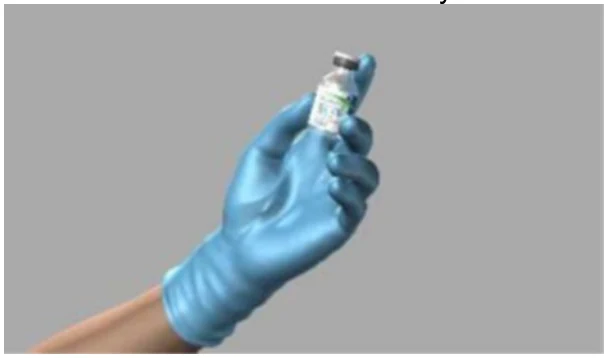
Before using the Pronextica Liquid vials, it is important to check:
- • The name of the drug on the carton and vial. Ensure it is Pronextica Liquid
- • The expiry date on the carton and vial label. Do not use Pronextica Liquid after the expiry date. If the product was stored at room temperature, verify that no more than 30 days has gone by since the Pronextica Liquid was removed from the refrigerator.
- • The protective cap(s). Do not use the product if the cap is not present or if it is broken or damaged.
- • The product appearance. The product should be clear and colourless or pale yellow or pale green or pale brown and may contain a small number of protein particles. Do not use if the solution is discoloured or cloudy.
- 2)
Prepare a clean, flat surface for organizing your supplies, by wiping down with alcohol and using sterile technique at all times:
- • Remove the Pronextica Liquid vial(s) from the refrigerator and allow the vial(s) to warm to room temperature before proceeding. Do not apply heat to the vial(s). Do not place vial(s) in hot water or microwave.
- •
Collect all supplies:
- Vial(s) of Pronextica Liquid as prescribed.
- Alcohol wipes and sterile disposable gloves (not provided with product)
- Intravenous (IV) Infusion Kit (not provided with product)
- Normal saline solution to flush IV set (not provided with product)
- Sharps container and infusion logbook (not provided with product)
- If prescribed by your healthcare professional due to possible severe allergic symptoms: epinephrine injector. Keep near and easily accessible for every infusion, and carefully follow your healthcare professional’s instructions if the need to use arises.
- 3)
Prepare the infusion dose using sterile technique at all times:
- • Wash and dry your hands thoroughly before preparing and administering Pronextica Liquid. Your healthcare professional may recommend that you use antibacterial soap or that you wear sterile, disposable gloves.
- •
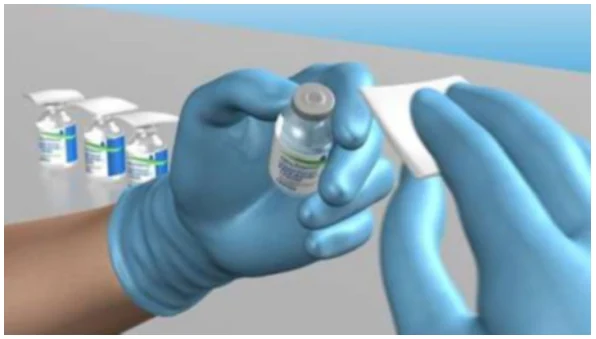
Remove the protective cap and disinfect the stopper:
- Remove the protective cap from the vial to expose the middle portion of the stopper.
- Wipe the stopper with an alcohol swab and allow to air-dry.
- Following your healthcare professional’s directions, you may infuse directly from the vial, or pool (combine) the contents of the recommended number of Pronextica Liquid vials into an empty, sterile container (bag) for IV infusion, as described in the next step.
If you have been instructed to pool the recommended number of Pronextica Liquid vials:
- Attach the vented transfer spike securely to a sterile syringe by twisting it into place.
Next, insert the spike into the center of the stopper of the Pronextica Liquid vial.
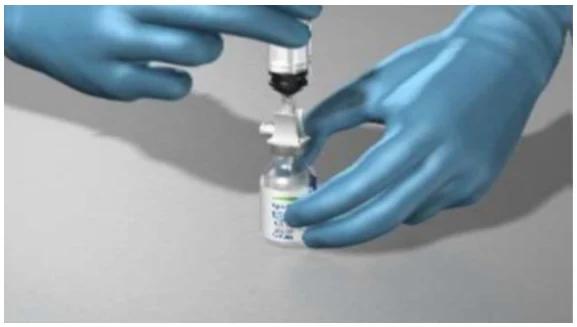
Turn the vial upside down with the syringe attached. Pull back on the end of the plunger to draw the Pronextica Liquid solution from the vial into the syringe. Only touch the end of the plunger, do not touch the plunger shaft.
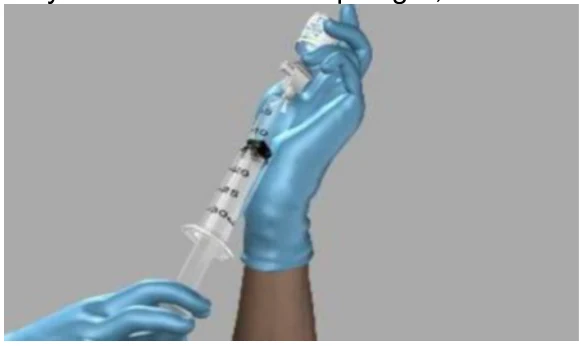
Remove (untwist) the syringe from the vented transfer spike.
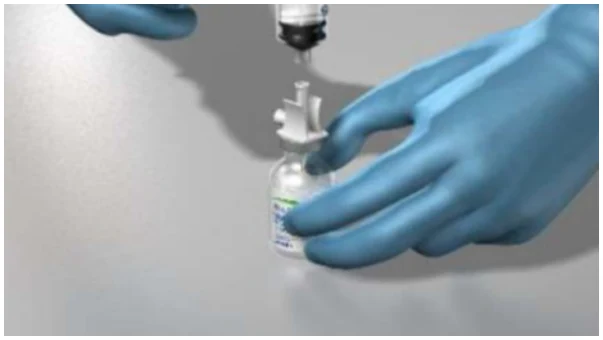
- With the syringe tip pointing up, gently push the end of plunger up towards the body of the syringe to remove any air.
- Then attach the supplied needle to the syringe.
- Using an alcohol swab, wipe the injection port of the empty sterile container (bag) and allow to air-dry.
- Carefully remove the needle’s protective cover.
- Insert the needle into the injection port of the empty sterile container (bag).
Push the end of plunger up towards the body of the syringe, filling the bag with the full contents of the syringe.
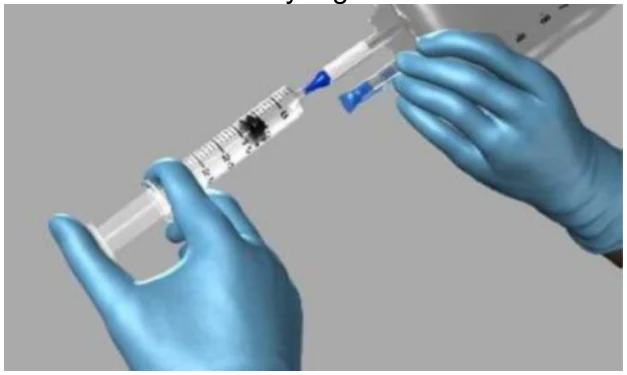
- Repeat these steps with the number of Pronextica Liquid vials recommended to obtain the prescribed dose.
- The prepared product must be used within 3 hours of entering the first vial.
- Instructions for preparing the infusion set:
- On the IV infusion set, close the roller clamp.
- An extension set can be attached if necessary.
- After removing the cap from the spike at the end of the IV infusion set, insert the spike into the infusion port on the IV bag containing Pronextica Liquid. The bag can then be hung on the IV pole or hook.
- The drip chamber located at the top of the IV infusion set should be squeezed until the drip chamber is half-full.
- Slowly open the roller clamp on the IV set and allow the tube to be filled with Pronextica Liquid to remove air bubbles.
- Instructions for preparing the infusion site(s):
- Follow your healthcare professional’s recommendations on selecting, preparing and rotating the infusion site.
- Instructions on inserting and securing the intravenous needle set:
- Apply a tourniquet to your upper arm.
- Using an alcohol swab, wipe the skin well at the injection site. Wait for the skin to air-dry before proceeding.
- Carefully remove the needle cover and insert the butterfly needle into the vein.
- Release the tourniquet.
- Attach a syringe containing normal saline to the butterfly infusion set.
- To check for proper placement of the needle, flush the butterfly IV needle set with the normal saline. If proper placement was not successful, repeat steps.
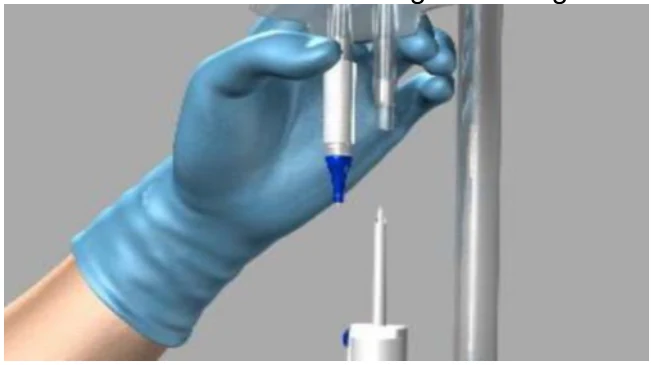
- Once proper placement is achieved, remove the saline syringe. Attach the filled IV infusion set that is connected to the IV bag containing Pronextica Liquid solution.
- 7)
Instructions for infusing Pronextica Liquid:
- • Open the roller clamp and administer the room temperature Pronextica Liquid solution at the recommended rate. This rate will be determined by your healthcare professional. The maximum recommended infusion rate for Pronextica Liquid is 0.08 milliliter per kilogram body weight per minute; the recommended dose of 60 mg/kg takes approximately 15 minutes to infuse.
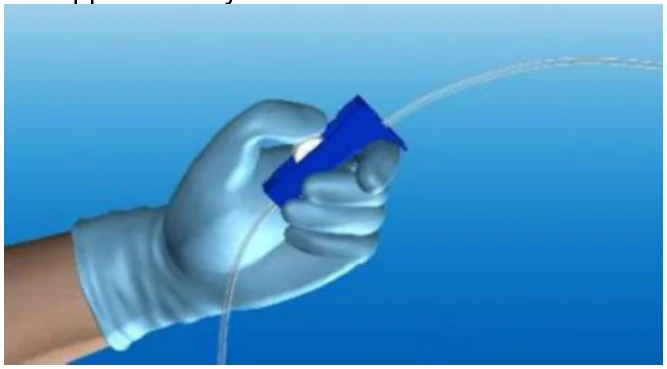
- Check the site of infusion occasionally throughout the infusion, monitoring for signs of infusion related side effects, such as redness, swelling, or product leaking out at the infusion site.
- Follow your healthcare professional’s instructions if infusion related adverse reactions occur.
- After completion of the infusion, remove the needle from the vein.
- Using sterile gauze, apply pressure to the infusion site for several minutes. The site can then be covered with a sterile bandage.
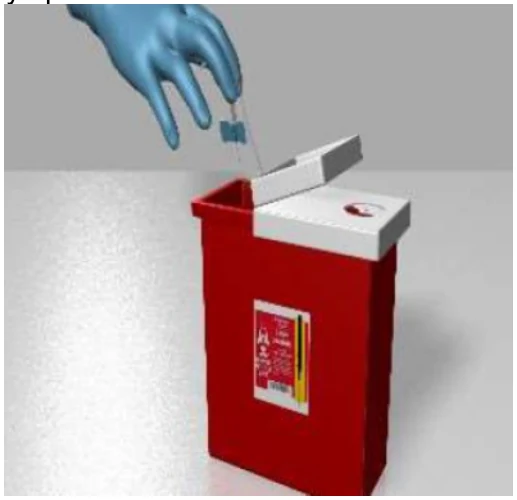
- Important: Do not recap the IV needle set. This needle set must be placed into a hard-walled sharps container. Do not dispose of the infusion supplies in regular household trash.
- Discard any open vials and unused solution into a sharps container.
- 8)
Instructions for documenting the infusion:
- •
In your infusion log:
- Record the lot number and the expiry date of the vial(s).
- Record the date, the time the infusion started and stopped, the dose, the site of infusion, and any reactions.
- •
Report all side effects to your healthcare professional
Usual dose:
Your doctor will determine the amount of Pronextica Liquid that is right for you, and when your treatments should be given.
Overdose:
There have been no reported cases of overdose for Pronextica Liquid or other Alpha1 Proteinase Inhibitor (Human) products manufactured by Grifols. The effects of an overdose are not known.
| If you think you, or a person you are caring for, have taken too much Pronextica Liquid, contact a healthcare professional, hospital emergency department, or regional poison control centre immediately, even if there are no symptoms. |
|---|
Missed Dose:
It is important that you receive Pronextica Liquid as instructed by your healthcare professional. You should consult him/her if a treatment is missed.
What are possible side effects from using Pronextica Liquid?
These are not all the possible side effects you may have when taking Pronextica Liquid. If you experience any side effects not listed here, tell your healthcare professional.
Pronextica Liquid is well tolerated, but side effects are occasionally reported. The most common side effects were diarrhea and fatigue, each of which occurred in 6% of subjects enrolled in clinical studies. Talk with your healthcare provider if you have the following side effects following treatment: fever, light-headedness, dizziness, flu-like symptoms, allergic-like reactions, chills, trouble breathing, rash, abnormal heartbeat, changes in blood pressure, or chest pain.
Serious side effects and what to do about them
| Symptom / effect | Talk to your healthcare professional | Stop taking drug and get immediate medical help |
|---|---|---|
| Only if severe | In all cases | |
Severe allergic reaction (e.g. rash, hives, itching, difficulty breathing or swallowing, swelling of hands, face or mouth) | ||
| √ | √ | |
If you have a troublesome symptom or side effect that is not listed here or becomes bad enough to interfere with your daily activities, talk to your healthcare professional
Reporting Side Effects
You can report any suspected side effects associated with the use of health products to Health Canada by:
NOTE: Contact your health professional if you need information about how to manage your side effects. The Canada Vigilance Program does not provide medical advice. |
Storage:
Pronextica Liquid should be stored refrigerated (2-8ºC). It may also be stored for up to one month at room temperature (not to exceed 25°C) after which the product must be used or discarded. It should not be frozen. Administer within 3 hours after first entering the vial.
Keep out of reach and sight of children.
If you want more information about Pronextica Liquid:
- Talk to your healthcare professional
Find the full product monograph that is prepared for healthcare professionals and includes
- this Patient Medication Information by visiting the Health Canada website: (https://www.canada.ca/en/health-canada/services/drugs-health-products/drug-products/drug-product-database.html; or by calling 1-866-482-5226.
Grifols Therapeutics LLC (Manufacturer)
8368 US 70 Bus. Hwy West
Clayton, NC 27520
Grifols Canada Ltd. (Importer and Distributor)
5060 Spectrum Way, Suite 405
Mississauga, Ontario L4W 5N5