


Product Monograph - Ratio-Aclavulanate (Ratiopharm Inc Division of Teva Canada)
INDICATIONS AND CLINICAL USE
ratio-ACLAVULANATE (amoxicillin : clavulanic acid) is indicated for the treatment of the following infections when caused by ratio-ACLAVULANATE susceptible strains of the designated bacteria:
- Upper Respiratory Tract Infections when caused by $-lactamase producing strains of S. aureus.
Sinusitis when caused by $-lactamase producing strains of H. influenzae or
Moraxella (Branhamella) catarrhalis.
Otitis Media when caused by $-lactamase producing strains of H. influenzae or
Moraxella (Branhamella) catarrhalis.
Lower Respiratory Tract Infections when caused by $-lactamase producing strains of H. influenzae, K. pneumoniae, S. aureus or Moraxella (Branhamella)
catarrhalis.
- Skin and Soft Tissue Infections when caused by $-lactamase producing strains of S. aureus.
Urinary Tract Infections when caused by $-lactamase producing strains of E.
coli, P. mirabilis or Klebsiella species.
While ratio-ACLAVULANATE is indicated only for the conditions listed above, infections caused by ampicillin (amoxicillin) susceptible organisms are also amenable to ratio-ACLAVULANATE treatment due to its amoxicillin content.
Furthermore, mixed infections caused by organisms susceptible to ampicillin
(amoxicillin) and $-lactamase producing organisms susceptible to ratio-
ACLAVULANATE should not require the addition of another antibiotic.
Appropriate culture and susceptibility studies should be performed to identify the causative organism(s) and determine its (their) susceptibility to ratio-
ACLAVULANATE. However, when there is reason to believe an infection may involve any of the $-lactamase producing organisms listed above, therapy may be instituted prior to obtaining the results from bacteriological and susceptibility studies. Once these results are known, therapy should be adjusted if appropriate.
CONTRAINDICATIONS
The use of ratio-ACLAVULANATE (amoxicillin: clavulanic acid) is contraindicated in patients with a history of hypersensitivity to the penicillin, or cephalosporin group of $-lactams.
ratio-ACLAVULANATE is contraindicated in patients where infectious mononucleosis is either suspected or confirmed.
ratio-ACLAVULANATE is contraindicated in patients with a previous history of ratio-ACLAVULANATE -associated jaundice/hepatic dysfunction.
WARNINGS
Serious and occasionally fatal hypersensitivity reactions (anaphylaxis and angioedema) have been reported in patients on penicillin therapy, including ratio-
ACLAVULANATE (amoxicillin : clavulanic acid). Although these reactions are more frequent following parenteral therapy, they have occurred in patients receiving penicillins orally. These reactions are more apt to occur in individuals with a history of sensitivity to multiple allergens. There have been reports of individuals with a history of cephalosporin hypersensitivity who have experienced severe reactions when treated with penicillins. Before initiating therapy with ratio-
ACLAVULANATE (amoxicillin : clavulanic acid), careful inquiry should be made concerning previous hypersensitivity reactions to penicillins, cephalosporins, or other allergens.
If an allergic reaction occurs, the administration of ratio-ACLAVULANATE should be discontinued and appropriate therapy should be instituted. Serious anaphylactoid reactions require immediate emergency treatment with epinephrine.
Oxygen, intravenous steroids and airway management, including intubation should also be used as indicated.
ratio-ACLAVULANATE should be used with caution in patients with evidence of hepatic dysfunction. Hepatic toxicity associated with the use of ratio-
ACLAVULANATE is usually reversible. On rare occasions, deaths have been reported (less than 1 death reported per estimated 4 million prescriptions worldwide). These have generally been cases associated with serious underlying diseases or concomitant medications (see CONTRAINDICATIONS and ADVERSE
REACTIONS - Liver).
In patients with reduced urine output, crystalluria has been observed very rarely, predominantly with parenteral therapy. During the administration of high doses of amoxicillin, it is advisable to maintain adequate fluid intake and urinary output in order to reduce the possibility of amoxicillin crystalluria (see OVERDOSAGE).
PRECAUTIONS
General:
Periodic assessment of renal, hepatic, and hematopoietic function should be made during prolonged therapy with ratio-ACLAVULANATE (amoxicillin : clavulanic acid).
The possibility of superinfections with mycotic or bacterial pathogens should be kept in mind during therapy with ratio-ACLAVULANATE. If superinfection should occur (usually involving Aerobacter, Pseudomonas or Candida), the administration of ratio-ACLAVULANATE should be discontinued and appropriate therapy instituted.
The occurrence of a morbilliform rash following the use of ampicillin in patients with infectious mononucleosis is well documented.1 This reaction has also been reported following the use of amoxicillin.2 A similar reaction would also be expected with ratio-ACLAVULANATE.
Prolonged use may also occasionally result in overgrowth of non-susceptible organisms.
Pseudomenbranous colitis has been reported with nearly all antibacterial agents, including ratio-ACLAVULANATE, and has ranged in severity from mild to life-threatening; therefore, it is important to consider this diagnosis in patients who present with diarrhea subsequent to the administration of antibacterial agents.
Treatment with antibacterial agents alters the normal flora of the colon and may permit overgrowth of clostridia. Studies indicate that a toxin produced by
Clostridium difficile is one primary cause of “antibiotic-associated colitis”. After the diagnosis of pseudomembranous colitis has been established, appropriate therapeutic measures should be initiated. Mild cases of pseudomembranous colitis usually respond to drug discontinuation alone. In moderate to severe cases, consideration should be given to management with fluids and electrolytes, protein supplementation and treatment with an antibacterial drug clinically effective against
C. difficile colitis.
ratio-ACLAVULANATE Suspensions, which contain aspartame, should be used with caution in patients with phenylketonuria.
Renal:
ratio-ACLAVULANATE is excreted mostly by the kidney. There is insufficient data to make specific dosage recommendations for patients with renal dysfunction.
However, either a reduction in dose level or an extension in dose interval in proportion to the degree of loss of renal function will be needed.
Pregnancy:
In a single study in women with preterm, premature rupture of the fetal membranes
(pPROM), it was reported that prophylactic treatment with ratio-ACLAVULANATE may be associated with an increased risk of necrotising enterocolotis in neonates.
Use should be avoided in pregnancy, unless considered essential by the physician. Nursing Mothers:
Penicillins (including ampicillin) have been shown to be excreted in human breast milk. It is not known whether clavulanic acid is excreted in breast milk. Caution should be exercised if ratio-ACLAVULANATE is to be administered to a nursing mother.
Drug Interactions:
In common with other broad spectrum antibiotics, amoxicillin: clavulanic acid may reduce the efficacy of combined oral contraceptives by altering the gut-flora to result in lower estrogen reabsorption. Concomitant use of probenecid is not recommended, and may result in increased and prolonged blood levels of amoxycillin, but not of clavulanic acid.
Pediatric Use:
Because of incompletely developed renal function in neonates and young infants, the elimination of amoxicillin may be delayed. Dosing of ratio-ACLAVULANATE should be modified in pediatric patients younger than 12 weeks (3 months) (See
DOSAGE AND ADMINISTRATION, Pediatric).
In infants 12 weeks (3 months) of age or older and in children, b.i.d. use of the ratio-
ACLAVULANATE 200 mg and 400 mg formulations is recommended because of a significantly reduced incidence of diarrhea with the b.i.d. regimen (See ADVERSE
REACTIONS).
ADVERSE REACTIONS
The following adverse reactions have been observed during therapy with ratio-
ACLAVULANATE (amoxicillin: clavulanic acid):
GASTROINTESTINAL:
Nausea, vomiting, diarrhea, abdominal cramps, flatulence, constipation, anorexia, colic pain, acid stomach, mucocutaneous candidiasis, intestinal candidiasis, antibiotic-associated colitis (including pseudomembranous colitis and haemorrhagic colitis) have been reported rarely. If gastrointestinal reactions are evident, they may be reduced by taking ratio-ACLAVULANATE at the start of the meal.
The incidence of gastrointestinal side effects tends to be proportional to dose and tends to be greater in children than in adults.
A U.S./Canadian clinical trial compared a 10-day ratio-ACLAVULANATE b.i.d.
regimen (45/6.4 mg/kg/day q12h) with a 10-day ratio-ACLAVULANATE t.i.d.
regimen (40/10 mg/kg/day q8h) in 575 patients with acute otitis media, aged 2 months to 12 years. The incidence of diarrhea was significantly lower in patients who received the b.i.d. regimen compared to patients who received the t.i.d.
regimen (9.6% vs. 26.7%; p<0.001). Significantly fewer patients who received the b.i.d. regimen withdrew due to diarrhea compared to patients receiving the t.i.d.
regimen (2.8% vs. 7.6%; p=0.009). The incidence of related/possibly related diaper rash was also lower in patients who received the b.i.d. regimen compared to patients who received the t.i.d. regimen (3.1% vs. 6.6%; p =0.054).
Data from two pivotal studies in 1,191 patients treated for either lower respiratory tract infections or complicated urinary tract infections compared a regimen of 875 mg ratio-ACLAVULANATE tablets q12h with 500 mg amoxicillin:clavulanic acid tablets dosed q8h.
The most frequently reported adverse event was diarrhea; incidence rates were similar (14.9% and 14.3% respectively) for the 875 mg q12h and 500 mg q8h dosing regimens. However, there was a statistically significant difference in rates of moderate/severe diarrhea between the regimens: 3.4% for 875 mg q12h dosing versus 5.9% for the 500 mg q8h dosing.
HYPERSENSITIVITY REACTIONS:
Erythematous macropapular rash, urticaria, anaphylaxis, hypersensitivity vasculitis and pruritus. A morbilliform rash in patients with mononucleosis. Rarely erythema multiforme and Stevens-Johnson syndrome have been reported. Other reactions including angioedema, toxic epidermal necrolysis and exfoliative dermatitis, and acute generalised exanthematous pustulosis (AGEP) as in the case of other $-lactam antibiotics, have been seen rarely. Interstitial nephritis can occur rarely.
Note:
Urticaria, other skin rashes and serum sickness-like reactions may be controlled with antihistamines and if necessary systemic corticosteroids. Whenever such reactions occur, ratio-ACLAVULANATE should be discontinued, unless, in the opinion of the physician, the condition being treated is life threatening and amenable only to ratio-ACLAVULANATE therapy.
LIVER:
Transient hepatitis and cholestatic jaundice have been reported rarely. These events have been noted with other penicillins and cephalosporins. The hepatic events associated with ratio-ACLAVULANATE may be severe, and occur predominantly in adult and elderly patients. Signs and symptoms usually occur during or shortly after treatment, but in some cases may not become apparent until several weeks after treatment has ceased. The hepatic events are usually reversible. However, in extremely rare circumstances, deaths have been reported.
These have almost always been cases associated with serious underlying disease or concomitant medications. Moderate rises in AST (SGOT), alkaline phosphatase, lactic dehydrogenase, and/or ALT (SGPT) have been noted in patients treated with ampicillin class antibiotics. The significance of these findings is unknown.
HEMIC AND LYMPHATIC SYSTEMS:
As with other $-lactams, anemia, hemolytic anemia, thrombocytopenia, thrombocytopenic purpura, eosinophilia, leukopenia, lymphocytopenia, basophilia, slight increase in platelets, neutropenia and agranulocytosis have been reported rarely during therapy with the penicillins. These reactions are usually reversible on discontinuation of therapy and are believed to be hypersensitivity phenomena.
Prolongation of bleeding time and prothrombin time have also been reported rarely.
CNS EFFECTS:
Convulsions may occur with impaired renal function or in those receiving high doses.
RENAL AND URINARY TRACT DISORDERS: Very rare: crystalluria (see
OVERDOSAGE).
OTHER:
Vaginitis, headache, bad taste, dizziness, malaise, glossitis, black hairy tongue and stomatitis. Tooth discolouration has been reported very rarely in children and less frequently in adults. Good oral hygiene may help to prevent tooth discolouration as it can often be removed by brushing.
SYMPTOMS AND TREATMENT OF OVERDOSAGE
Many patients have been asymptomatic following overdosage or have experienced primarily gastrointestinal symptoms including stomach and abdominal pain, vomiting, and diarrhea. Rash, hyperactivity, or drowsiness have also been observed in a small number of patients. Amoxicillin crystalluria, in some cases leading to renal failure, has been observed (see WARNING for use).
In the case of overdosage, discontinue ratio-ACLAVULANATE, treat symptomatically, and institute supportive measures as required. If gastrointestinal symptoms and disturbance of the fluid and electrolyte balances are evident, they may be treated symptomatically. ratio-ACLAVULANATE can be removed from the circulation by haemodialysis. If the overdosage is very recent and there is no contraindication, an attempt at emesis or other means of removal of drug from the stomach may be performed. A prospective study of 51 pediatric patients at a poison center suggested that overdosages of less than 250 mg/kg of amoxicillin are not associated with significant clinical symptoms and do not require gastric emptying. Interstitial nephritis resulting in oliguric renal failure has been reported in a small number of patients after overdosage with amoxicillin. Renal impairment appears to be reversible with cessation of drug administration. High blood levels may occur more readily in patients with impaired renal function because of decreased renal clearance of both amoxicillin and clavulanate. Both amoxicillin and clavulanate are removed from the circulation by hemodialysis. 9
DOSAGE AND ADMINISTRATION
While ratio-ACLAVULANATE can be given without regard to meals, absorption of clavulanic acid when taken with food is greater relative to the fasted state. Dosing in the fasted or fed state has minimal effect on the pharmacokinetics of amoxicillin.
The safety and efficacy of ratio-ACLAVULANATE have been established in clinical trials where ratio-ACLAVULANATE was taken without regard to meals.
ADULTS:
N.B. Since both the ratio-ACLAVULANATE 250 mg and ratio-ACLAVULANATE
500 mg tablets contain the same amount of clavulanic acid (125 mg as the potassium salt) two ratio-ACLAVULANATE 250 mg tablets are not equivalent to one ratio-ACLAVULANATE 500 mg tablet. Therefore, two ratio-
ACLAVULANATE 250 mg tablets should not be substituted for one ratio-
ACLAVULANATE 500 mg tablet.
The usual adult dose is 1 ratio-ACLAVULANATE 500 mg tablet every 12 hours or
1 ratio-ACLAVULANATE 250 mg tablet every 8 hours. For more severe infections and infections of the lower respiratory tract, the dose should be 1 ratio-
ACLAVULANATE 875 mg tablet every 12 hours or 1 ratio-ACLAVULANATE
500 mg tablet every 8 hours.
CHILDREN:
Based on the amoxicillin component, ratio-ACLAVULANATE should be dosed as follows in patients aged 12 weeks (3 months) and older:
| Infection | Severity | Dosing Regiment | |
| B.I.D.* | T.I.D. | ||
Urinary Tract Upper Respiratory Tract Skin and Soft Tissue | Mild to moderate | 25 mg/kg/day in divided doses every12 hours | 20 mg/kg/day in divided doses every 8 hours |
| 45 mg/kg/day in divided doses every12 hours | 40 mg/kg/day in divided doses every 8 hours | ||
| Lower Respiratory Tract Sinusitis | 45 mg/kg/day in divided doses every 12 hours | 40 mg/kg/day in divided doses every 8 hours | |
| Otitis Media** | 40 mg/kg/day in divided doses every 8 hours | ||
*The bid regimen is recommended as it is associated with significantly less diarrhea.
**Duration of therapy studied and recommended for acute otitis media is 10 days.
The normal duration of treatment was 7 to 10 days. However, in general, treatment should be continued for a minimum of 48 to 72 hours beyond the time that the patient becomes asymptomatic or evidence of bacterial eradication has been obtained. It is recommended that there be at least 10 days treatment for any infection caused by $-hemolytic streptococci to prevent the occurrence of acute rheumatic fever or glomerulonephritis.
Neonates and children aged <12 weeks (3 months)
Due to incompletely developed renal function affecting elimination of amoxicillin in this age group, the recommended dose of ratio-ACLAVULANATE is 30 mg/kg/day divided q12h, based on the amoxicillin component. Clavulanate elimination is unaltered in this age group. Experience with the 200mg/5 mL formulation in this age group is limited and , thus, use of the 125 mg/5 mL oral suspension is recommended.
The children's dosage should not exceed that recommended for adults. Children weighing more than 38 kg should be dosed according to the adult recommendations.
Table 1 below may be used as a guide to determine the dosage of oral suspension
(ratio-ACLAVULANATE 125F or ratio-ACLAVULANATE 250F) according to body weight.
Table 1 Pediatric Dosage Schedule for ratio-ACLAVULANATE 125F and ratio-
ACLAVULANATE 250F oral suspensions.
| 20 mg/kg/day dosing regimena | 40 mg/kg/day dosing regimena | |||||
Body Weigh | Total Daily Dose | Volume (mL) of Reconstituted Oral Suspension Every 8 Hours | Total DailyD oseb | Volume (mL) of Reconstituted Oral Suspension Every 8 Hours | ||
| (kg) | (mg) | ratio- ACLAVULANATE 125F | ratio- ACLAVULANATE 250F | (mg) | ratio- ACLAVULANATE 125F | ratio- ACLAVULANATE 250F |
| 05 | 125 | 1.3 | 0.7 | 250 | 2.7 | 1.3 |
| 07 | 175 | 1.9 | 0.9 | 350 | 3.7 | 1.9 |
| 10 | 250 | 2.7 | 1.3 | 500 | 5.3 | 2.7 |
| 12 | 300 | 3.2 | 1.6 | 600 | 6.4 | 3.2 |
| 14 | 350 | 3.7 | 1.9 | 700 | 7.5 | 3.7 |
| 16 | 400 | 4.3 | 2.1 | 800 | 8.5 | 4.3 |
| 18 | 450 | 4.8 | 2.4 | 900 | 9.6 | 4.8 |
| 20 | 500 | 5.3 | 2.7 | 1000 | 10.7 | 5.3 |
| 25 | 625 | 6.7 | 3.3 | 1250 | 13.3 | 6.7 |
| 30 | 750 | 8.0 | 4.0 | 1500 | 16.0 | 8.0 |
| 35 | 875 | 9.3 | 4.7 | 1750 | 18.7 | 9.3 |
| 38 | 950 | 10.1 | 5.1 | 1900 | 20.3 | 10.1 |
a Based on amoxicillin component
b Dosages are expressed in terms of amoxicillin plus clavulanic acid. These two ingredients are in a ratio of 4:1 in both oral suspensions, ratio-ACLAVULANATE 125F and ratio-ACLAVULANATE-250F.
Twenty (20) mL of reconstituted ratio-ACLAVULANATE 125F oral suspension or ten (10) mL of reconstituted ratio-ACLAVULANATE 250F oral suspension are equivalent to one (1) ratio-ACLAVULANATE 500 mg tablet. There is no equivalency between ratio-ACLAVULANATE oral suspensions and the ratio-
ACLAVULANATE 250 mg tablet because of the different ratio of amoxicillin :
clavulanic acid.
A calibrated dropper should be used to measure the appropriate volume for dosing.
PHARMACEUTICAL INFORMATION
Drug Substance
Proper name: Amoxicillin : Clavulanate Potassium
Chemical Name: Trihydrate of 6-[(-)-"-amino-4-hydroxy-phenylacetamido]-penicillanic acid
Structural Formula:
Amoxicillin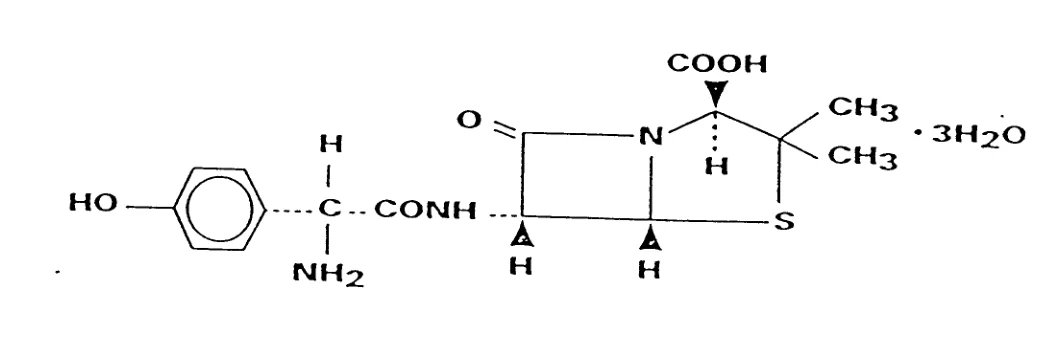
Molecular Formula: C16H19N3O5S.3H20
Molecular Weight: 419.47 (trihydrate)
365.41 (anhydrous)
Description: Amoxicillin trihydrate is a white or slightly off-white highly hygroscopic powder.
Clavulanate Potassium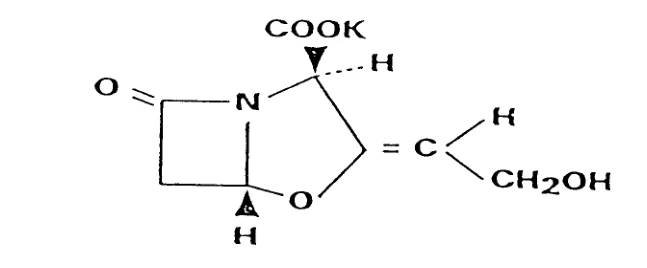
Molecular Formula: C8H8NO5K
Molecular Weight: 199.16 (free acid)
237.25 (potassium salt)
Chemical Name: Potassium (Z)-(2R,5R)-3-(2-hydroxyethylidene)-7-oxo-
4-oxa-1-azabicyclo[3,2,0]-heptane-2-carboxylate
Description: A white to pale yellow powder.
Composition:
ratio-ACLAVULANATE tablets and powders for oral suspension contain amoxicillinas the trihydrate and clavulanic acid as the potassium salt in: a ratio of
2:1 for the ratio-ACLAVULANATE 250 mg tablet and a ratio of 4:1 for the ratio-
ACLAVULANATE 500 mg tablet and the ratio-ACLAVULANATE 125F and ratio-
ACLAVULANATE 250F oral suspension.
ratio-ACLAVULANATE 250 mg tablets:
Each white oval film-coated tablet contains: 250 mg amoxicillin as the trihydrate and 125 mg of clavulanic acid as the potassium salt (in a ratio of 2:1) and the following non-medicinal ingredients: colloidal silica, dimethicone 500, hydroxypropyl methylcellulose (methocel E5), hydroxypropyl methylcellulose
(methocel E15), magnesium stearate, microcrystalline cellulose, polyethylene glycol
4000, polyethylene glycol 6000, sodium starch glycollate and titanium dioxide.
ratio-ACLAVULANATE 500 mg tablets:
Each white oval film-coated tablet contains: 500 mg amoxicillin as the trihydrate and 125 mg of clavulanic acid as the potassium salt (in a ratio of 4:1) and the following non-medicinal ingredients: colloidal silica, dimethicone 500, hydroxypropyl methylcellulose (methocel E5), hydroxypropyl methylcellulose
(methocel E15), magnesium stearate, microcrystalline cellulose, polyethylene glycol
4000, polyethylene glycol 6000, sodium starch glycollate and titanium dioxide.
ratio-ACLAVULANATE 875 mg tablets:
Each white capsule-shaped tablet contains: 875 mg amoxicillin as the trihydrate and 125 mg of clavulanic acid as the potassium salt (in a ratio of 7:1) and the following non-medicinal ingredients: colloidal silica, dimethicone 500, hydroxypropyl methylcellulose (methocel E5), hydroxypropyl methylcellulose
(methocel E15), magnesium stearate, microcrystalline cellulose, polyethylene glycol
4000, polyethylene glycol 6000, sodium starch glycollate and titanium dioxide.
ratio-ACLAVULANATE 125F oral suspension:
Each 5 mL of reconstituted suspension contains: 125 mg of amoxicillin as the trihydrate and 31.25 mg of clavulanic acid as the potassium salt (in a ratio of 4:1)
and the following non-medicinal ingredients: aspartame, colloidal silica, Golden syrup dry flavour, hydroxypropyl methylcellulose, Orange dry flavour 1, Orange dry flavour 2, Raspberry dry flavour, silicon dioxide, succinic acid and xanthan gum.
ratio-ACLAVULANATE 250F oral suspension:
Each 5 mL of reconstituted suspension contains: 250 mg of amoxicillin as the trihydrate and 62.5 mg of clavulanic acid as the potassium salt (in a ratio of 4:1) and the following non-medicinal ingredients: aspartame, colloidal silica, Golden syrup dry flavour, hydroxypropyl methylcellulose, Orange dry flavour 1, Orange dry flavour
2, Raspberry dry flavour, silicon dioxide, succinic acid and xanthan gum.
Reconstitution:
Reconstitute Powder for Oral Suspension with purified water.
ratio-ACLAVULANATE 125F Powder for Oral Suspension:
The approximate average concentration after reconstitution is 125 mg of amoxicillin
(as the trihydrate) and 31.25 mg of clavulanic acid (as the potassium salt) per
5 mL.
Bottle Size Volume to be added
100 mL 92 mL
150 mL 137 mL
ratio-ACLAVULANATE 250F Powder for Oral Suspension:
The approximate average concentration after reconstitution is 250 mg of amoxicillin
(as the trihydrate) and 62.5 mg of clavulanic acid (as the potassium salt) per 5 mL.
Bottle Size Volume to be added
100 mL 90 mL
150 mL 134 mL
Shake vigorously.
Stability and Storage Recommendations:
Oral Suspensions:
Store powder in a dry place at room temperature (15 to 25oC). Use the powder only if its appearance is white to off-white.
The reconstituted ratio-ACLAVULANATE 125F and ratio-ACLAVULANATE 250F oral suspension should be stored under refrigeration and should be used within 10 days.
Keep bottle tightly closed at all times.
Tablets:
Store in a dry place at room temperature (15-25oC).
AVAILABILITY OF DOSAGE FORMS
ratio-ACLAVULANATE is available in tablets and as a powder for oral suspension.
ratio-ACLAVULANATE 250/125 mg tablets:
Each white oval film-coated tablet contains: 250 mg amoxicillin as the trihydrate and 125 mg of clavulanic acid as the potassium salt (in a ratio of 2:1). Bottles of 100 tablets.
ratio-ACLAVULANATE 500/125 mg tablets:
Each white oval film-coated tablet contains: 500 mg amoxicillin as the trihydrate and 125 mg of clavulanic acid as the potassium salt (in a ratio of 4:1). Bottles of 100 tablets.
ratio-ACLAVULANATE 875/125 mg tablets:
Each white capsule-shaped tablet contains: 875 mg amoxicillin as the trihydrate and 125 mg of clavulanic acid as the potassium salt (in a ratio of 7:1). Bottles of 60 tablets.
ratio-ACLAVULANATE 125F oral suspension:
Each 5 mL of reconstituted suspension contains: 125 mg of amoxicillin as the trihydrate and 31.25 mg of clavulanic acid as the potassium salt (in a ratio of 4:1) Bottles of 100 mL or 150 mL.
ratio-ACLAVULANATE 250F oral suspension:
Each 5 mL of reconstituted suspension contains: 250 mg of amoxicillin as the trihydrate and 62.5 mg of clavulanic acid as the potassium salt (in a ratio of 4:1) Bottles of 100 mL or 150 mL.
MICROBIOLOGY
The clavulanic acid component of ratio-ACLAVULANATE inhibits various $-lactamases (See Table 2) thus protecting amoxicillin from hydrolysis by organisms possessing sensitive $-lactamases.
Table 2
| Mediation | Class* | Type | Inducibility** | Example | Inhibition |
Plasmid Chromosomal | III, V IV II I | OXA,TEM Broad spectrum Penicillinase Cephalosporinase | C C C I or C | E. coli Klebsiella spp. Klebsiella B. fragilis P. mirabilis S. aureus Enterobacter Serratia | + + - + -- |
* Richmond types
** I - inducible, C - constitutive
The in vitro activity of ratio-ACLAVULANATE (amoxicillin:clavulanic acid in a ratio of 2:1) against strains of various organisms are presented in Tables 3, 4, 4A and 5.
All strains of Pseudomonas, most strains of C. freundii, E. aerogenes, E. clocae, S.
marcescens, P.stuartii, P. morganii, and P.rettgeri, and many strains of C.
amalonaticus, E. agglomerans, P. vulgaris and S. enteritidis are resistant. Table 3 IN VITRO activity of ratio-ACLAVULANATE (amoxicillin: clavulanic acid in a 2:1 ratio) Species (No.Tested) Cumulative percent of isolates inhibited at the indicated concentrations of amoxicillin/clavulanic acid (:g/mL)
0.12/0.
06
0.25/0.12 0.5/0.25 1.0/0.5 2.0/1.0 4.0/2.0 8.0/4.0
GRAM POSITIVE
Streptococcus
S.pneumoniae (4) 100
S. agalactiae (3) 100
viridans group (25) 36 48 96 100
S. liquefaciens (22) 82 100
S. faecium (7) 29 100
S. bovis (14) 71 79 86 93 100 S. durans (8) 50 75 88 100 S. faecalis (1126) 3 69 97 98 99 Staphylococcus
S. saprophyticus (45) 2 71 96 98 100 S. aureus (1078) 9 22 55 90 98 99 100 Coagulase negative (421) 24 47 65 80 90 95 97 GRAM NEGATIVE
Shigella species (7) 57 100 Klebsiella
K. pneumoniae (813) 9 54 81 92 K. oxytoca (184) 7 36 73 83 Escherichia coli (2852) 2 6 32 75 87 Proteus
P. mirabilis (553) 35 87 95 97 99 P. vulgaris (54) 1 4 26 57 Citrobacter
C. diversus (96) 1 2 51 77 85 C. amalonaticus (17) 12 24 C. freundii (174) 1 1 3 7 Alcaligenes spp. (11) a 9 36 82 Acinetobacter
Calcoaceticus (83) b 4 5 14 31 70 Enterobacter
E. agglomerans (36) 6 14 31 47 58 E. cloacae (347) 2 5 6 E. aerogenes (230) 1 3 Salmonella enteritidis (25) 4 12 48 56 Providencia
P. rettgeri (15) 7 13 P. stuartii (38) 3 5 13 Serratia marcescens (198) 1 2 3 6 Hafnia alvei (15) 0 Morganella morganii (179) 1 Pseudomonas
P. aeruginosa (721) 0 Other species (33) c 3 6
Aeromonas hydrophilia (14) 0 a Includes 7 A. odoorans, 3 A. faecalis and 1 A. denitrificans.
b Subspecies anitratum (67) and 1 woffi (16).
c Includes 19 P. maltophilia, 7 P. fluorescens, 2 P acidovorans, 2 P.cepacia, 2 P. paucimobilis, P.putida. Table 4 In Vitro activity of ratio-ACLAVULANATE ( 2:1 ratio preparation )
and Amoxicillin Against β-lactamase Positive and Negative Strains of H. influenzae.
Concentration of Antiobiotic (µg/mL) | No. of strains inhibited at the indicated antibiotic concentrations. | |||
| β-lactamase Positive Strains | β-lactamase Negative Strains | |||
| Amoxicillin | ratio- ACLAVULANATE | Amoxicillin | ratio- ACLAVULANATE | |
| 0.39 | - | 55 | - | 7 |
| 0.78 | - | 206 | - | 6 |
| 1.56 | 4 | 16 | 13 | - |
| 3.12 | 128 | - | - | - |
| 6.25 | 85 | - | - | - |
| 12.5 | 44 | - | - | - |
| 25 | 13 | - | - | - |
| 50 | 3 | - | - | - |
Table 4A Activity of Amoxicillin/Clavulanic Acid Against 53 Isolates of B.
catarrhalis8
Cumulative % inhibited in relation to the amoxicillin MICa (mg/L) | |||||||||
| Value | No. of strains | Clavulanic acidconc. (mg/L) | 0 | 0.03 | 0.06 | 0.12 | 0.25 | 0.5 | 1.0 |
| $-Lactamase negative | 8 | 0 | 75 | 88 | 100 | ||||
| $-Lactamase positiveb | 45 | 0.0 | 2 | 16 | 100 | ||||
| 0.01 | 9 | 27 | 42 | 60 | 98 | 100 | |||
| 0.05 | 20 | 38 | 56 | 80 | 98 | 100 | |||
| 0.2 | 29 | 40 | 60 | 80 | 100 | ||||
a Serial dilution on blood agar, inoculated with 104 cfu/spot. b Detected by hydrolysis of nitrocefin.
Table 5 Effect of Varying Concentrations of Clavulanic Acid on the
Minimum Inhibitory Concentration (MIC) of Amoxicillin Against 25 Strains of Bacteroides fragilis.5
Concentrations of clavulanicacid (µg/mL) | No. of strains inhibited at indicated concentrations of amoxicillin (µg/mL) |
| 0.045 0.09 0.19 0.39 0.78 1.66 3.12 6.25 12.5 > 25 | |
0 0.5 1.0 2.5 5 | 3 1 9 12 8 9 3 2 3 2 8 8 1 1 4 10 5 5 1 4 12 6 2 1 4 |
There is a slight to moderate effect of inoculum size on amoxicillin : clavulanic acid minimum inhibitory concentrations (MICs). For gram negative bacilli a 102 fold increase in inoculum size resulted in a 1 to 3 fold reduction in the activity of ratio-ACLAVULANATE.
The bactericidal activity of amoxicillin : clavulanic acid does not differ markedly from its inhibitory activity.
It is not known whether the use of ratio-ACLAVULANATE to treat infections caused by amoxicillin sensitive or resistant organisms has any effect on the development of bacterial resistance to amoxicillin or ratio-ACLAVULANATE.
Susceptibility Testing:
The standard Kirby-Bauer disc susceptibility method (using the 30 ∝g amoxicillin : clavulanic acid disc which is impregnated with amoxicillin and clavulanic acid in a 2:1 ratio) may be used and interpreted according to the following table.
Table 6
| Zone Diameter (mm) | |||
| Resistant | Intermediate | Sensitive | |
| Staphylococci and Haemophilus | # 19 |
| $ 20 |
| Gram-negative Enteric Organisms | # 13 | 14 – 17 | $ 18 |
Note: Serum, tissue and urinary ratios of amoxicillin:clavulanic acid are generally greater
(particularly for urine and when ratio-ACLAVULANATE preparations with a 4:1 ratio are administered) than the 2:1 ratio of the ratio-ACLAVULANATE disc. The susceptibility of ratio-ACLAVULANATE -susceptible amoxicillin-resistant (due to $-lactamase production) organisms decreases as the ratio of amoxicillin:clavulanic acid is increased.
PHARMACOLOGY
There is no significant difference between the absorptions of amoxicillin and clavulanic acid, whether administered separately or as a combination in ratio-ACLAVULANATE.
ADULTS
Serum profiles of amoxicillin and clavulanic acid following single oral doses of ratio-
ACLAVULANATE 250 mg tablets (250 mg of amoxicillin and 125 mg of clavulanic acid; a 2:1 ratio preparation) or ratio-ACLAVULANATE 500 mg tablets (500 mg of amoxicillin and 125 mg of clavulanic acid; a 4:1 ratio preparation) are shown in Figures
1 and 2 below.
Some pharmacokinetic parameters and the urinary excretion for these two preparations are given in Table 7 and 8.
Table 7 Pharmacokinetic Parameters
| ratio-Aclavulanate 250 mg Tablets | ratio-Aclavulanate 500 mg Tablets | |||
| Parameter* | Amoxicillin | Clavulanic acid | Amoxicillin | Clavulanic acid |
Cmax (∝g/mL) Tmax AUC (∝g/mL.h) | 4.45 ± 0.91 1.39 ± 0.45 11.39 ± 1.60 | 2.27 ± 0.76 1.08 ± 0.32 4.73 ± 1.67 | 7.66 ± 1.65 1.35 ± 0.31 20.15 ± 3.31 | 2.33 ± 0.73 1.22 ± 0.40 5.24 ± 1.63 |
* Cmax - maximum serum concentration ± SD
Tmax - time to reach the maximum serum concentration ± SD
AUC - area under the curve ± SD
Table 8 Urinary Excretion of Amoxicillin (mg) and of Clavulanic Acid (mg)
| Collection | ratio-Aclavulanate 250 mg Tablets | ratio-Aclavulanate 250 mg Tablets | ||
| Period | Amoxicillin | Clavulanic acid | Amoxicillin | Clavulanic acid |
0 to 2 hours 2 to 4 hours 4 to 6 hours | 77.72 ± 44.69 65.00 ± 40.65 15.80 ± 11.82 | 19.71 ± 15.00 11.22 ± 7.77 2.24 ± 1.40 | 228.84 ± 141.87 131.41 ± 63.93 40.17 ± 22.81 | 18.07 ± 8.47 11.76 ± 5.99 4.19 ± 3.75 |
| Total Excreted % Excreted | 158.72 ± 54.48 63.5% | 33.18 ± 16.61 26.5% | 391.30 ± 194.01 78.3% | 33.27 ± 13.68 26.6% |
N.B. Excretion is in terms of active drug.
The 24-hour pharmacokinetic profile of amoxicillin and clavulanic acid following a dosing regimen of amoxicillin : clavulanic acid -875 tablets every 12 hours, amoxicillin :
clavulanic acid 500 mg every 8 hours, amoxicillin : clavulanic acid 500 mg every 12 hours and amoxicillin : clavulanic acid 250 mg every 8 hours, with a light meal was compared in healthy volunteers. Some pharmacokinetic parameters for these preparations are provided in Table 8A.
Table 8A Amoxicillin and Clavulanic Acid Plasma Concentrations
Dose* and Regimen AUC0-24 hr (mcg/mL.hr.) ± SD Mean† Maximum Plasma
Concentration (mcg/mL) ± SD
| (amoxicillin/clavulanic acid) | amoxicillin | clavulanic acid | Amoxicillin | clavulanic acid |
| 250/125 mg t.i.d. | 26.77 ± 4.56 | 12.63 ± 3.25 | 3.32 ± 1.12 | 1.47 ± 0.70 |
| 500/125 mg b.i.d. | 33.43 ± 6.76 | 8.60 ± 1.95 | 6.51 ± 1.41 | 1.75 ± 0.61 |
| 500/125 mg t.i.d. | 53.35 ± 8.87 | 15.72 ± 3.86 | 7.19 ± 2.26 | 2.40 ± 0.83 |
| 875/125 mg b.i.d. | 53.52 ± 12.31 | 10.16 ± 3.04 | 11.64 ± 2.78 | 2.18 ± 0.99 |
* Administered at the start of a light meal.
† Mean values of 16 normal volunteers. Peak concentrations occurred approximately 1.5 hours after the dose.
The AUC (0-24h) for amoxicillin was comparable between the amoxicillin : clavulanic acid 875 b.i.d. and amoxicillin : clavulanic acid 500 mg t.i.d. regimens and between the amoxicillin : clavulanic acid 500 mg b.i.d. and amoxicillin : clavulanic acid 250 mg t.i.d.
regimens. Although the TMIC values (time above MIC of 1 mcg/mL) were slightly reduced for the b.i.d. regimen, no differences were observed for half-life or Cmax after normalization for doses of amoxicillin and clavulanic acid.
The half-life of amoxicillin when given alone is 1.2 hours and 1.3 hours when given in the form of amoxicillin : clavulanic acid. The half-life of clavulanic acid alone is 1.0 hour. Time above the minimum inhibitory concentration of 1.0 mcg/mL for amoxicillin has been shown to be similar after corresponding b.i.d. and t.i.d. dosing regimens of amoxicillin : clavulanic acid in adults and children.
Concurrent administration of probenecid delays amoxicillin excretion but does not delay renal excretion of clavulanic acid.
Neither component of amoxicillin : clavulanic acid is highly protein-bound; clavulanic acid has been found to be approximately 30% bound to human serum protein and amoxicillin approximately 20% bound.
CHILDREN
The plasma concentrations of amoxicillin and clavulanic acid following single doses of an oral suspension containing amoxicillin and clavulanic acid in a ratio of 4:1 are given in Table 9 below.
Table 9 Mean Plasma Concentrations of Amoxicillin and Clavulanic Acid
| No. of | Mean Age | Drug | Dose* | Mean Plasma Concentrations (µg/mL) at Indicated Time (h) After Dosing | |||||
| Children | (Years) | (mg/kg) | 1/3 | 2/3 | 1 | 2 | 3 | 4 | |
17 17 | 3.5 4.1 | amoxicillin clavulanic acid amoxicillin clavulanic acid | 6.6 1.7 13.3 3.3 | 0.91 0.29 1.80 0.42 | 1.58 0.72 3.56 1.12 | 2.11 0.67 4.67 1.45 | 2.16 0.47 3.31 1.02 | 1.23 0.20 1.95 0.52 | 0.71 0.04 1.14 0.25 |
* A single dose of 6.6 mg/kg of amoxicillin plus 1.7 mg/kg of clavulanic acid is equivalent to one third of the daily dose of 25 mg/kg of amoxicillin : clavulanic acid oral suspension (4:1 ratio). A single dose of 13.3 mg/kg of amoxicillin plus 3.3 mg/kg of clavulanic acid is equivalent to one third of the daily dose of 50 mg/kg of amoxicillin : clavulanic acid oral suspension (4:1 ratio).
Some pharmacokinetic parameters for these children are given in Table 10 below.
Table 10 Pharmacokinetic Parameters
No. of Children | Drug | Dose (mg/kg ) | Plasma half-life (h) | AUC (mg/mL-h) | Volume of Distribution (mL/kg) | Volume of Distribution (mL/min/1.73m2) |
17 17 | amoxicillin clavulanic acid amoxicillin clavulanic acid | 6.6 1.7 13.3 3.3 | 1.25 1.10 1.46 1.17 | 6.11 1.66 12.90 3.54 | 1950 1622 2172 1575 | 504 478 481 435 |
The steady state pharmacokinetic profiles of amoxicillin and clavulanic acid were compared after dosing amoxicillin : clavulanic acid oral suspension at a dose of 45/6.4 mg/kg/day (7:1 ratio) q12h and 40/10 mg/kg/day (4:1 ratio) q8h in pediatric patients with age ranges from 1 month to 12 years. The elimination kinetics of amoxicillin and clavulanic acid in b.i.d. or t.i.d. regimens to pediatric patients aged 4 months or greater were similar to those of adults. However, in infants younger than 4 months, half-lives were delayed due to the relative immaturity of renal function in these infants.
TOXICOLOGY
Acute Toxicology
The acute toxicity of amoxicillin trihydrate and potassium clavulanate, formulated in a
2:1 and 4:1 ratio, was determined in mice and rats dosed orally and intravenously.
LD50's are shown in Table 11.
Table 11 Acute Toxicity
| Species | Route | Sex | Drug ratio | LD50 (MG/KG)** |
Rats Mice Rats Mice | Oral Oral Oral i.v. Oral i.v. | M F M F M F M F M F M F | 2:1 2:1 2:1 2:1 4:1 4:1 4:1 4:1 4:1 4:1 4:1 4:1 | >5000 >5000 >5000 >5000 >5000 >5000 1850 1960 >5000 >5000 1715-2450* 1715-2450* |
* estimated
** calculated in terms of amoxicillin and clavulanic acid.
All animals were observed for 14 days. Soft faeces which were observed in rats at the beginning of the observation period regained good general condition by the end of the observation period. All mice showed a slight dose-related loss of condition for up to
72 hours after dosing, thereafter remaining in good condition for the duration of the study. Animals, dosed by the intravenous route, which survived were observed to have mild convulsions and abnormal gait 2-3 minutes after dosing. Those, which did not survive, convulsed immediately on dosing and died within 1 minute.
The LD50 of clavulanate potassium administered orally to 4 day old rats was determined to be 1360 mg/kg. This compares with an oral LD50 of greater than 10,000 mg/kg for adult rats. In these neonates, weight loss, diarrhea and abdominal distension were frequently observed following dosing.
Subacute Toxicity
Rats:
Amoxicillin trihydrate and clavulanate potassium formulated in a 2:1 ratio were administered orally by gavage to 3 groups of rats each comprising 10 males and 10 females at doses of 20/10, 60/30 or 180/90 mg/kg/day for 4 weeks. A fourth group served as a control. Clinical condition and laboratory determinations were monitored and post-mortem and histopathologic determinations were carried out. There were no deaths during the study. Apart from the passage of slightly soft faeces in all treated groups, there were no adverse clinical signs. Body weight gain and food intake were comparable with controls. Water intake was increased in the male high dose group
(8%, 16.3%, 16.8% and 12.2% for weeks 1, 2, 3 and 4, respectively). Female rats showed an overall increase in water consumption of 22%, 11% and 13% for low, intermediate and high dose groups, respectively.
Hematology and blood chemistry parameters were comparable to controls and within accepted normal limits. There was a statistically significant increase in urine output in the low and high dose male groups compared to controls. Macroscopic examination revealed an increased incidence of caecal enlargement in all treated groups and was marginally greatest at the high dose level. There was a statistically significant decrease in relative liver weights in both sexes (-9%, -14% and -9% for high, intermediate and low dose male groups, respectively and -12%, -16% and -6% for equivalent female groups). The mean relative thymus weight in the high dose male group was also significantly decreased by 21% and the relative heart weight in the intermediate dose female group was significantly reduced by 12% compared with control. Histological examination of the kidneys revealed minimal chronic inflammatory cell infiltration in a proportion of animals from all groups and was associated with occasional distended tubules and tubules characterized by basophilic staining of the cells of the epithelium.
Dogs:
Amoxicillin trihydrate and clavulanate potassium formulated in a 2:1 ratio were administered orally by gavage to 3 groups of beagle dogs, each comprising 2 meals and 2 females, at doses of 20/10, 60/30 or 180/90 mg/kg/day for 28 days. A fourth group served as a control. Clinical condition and laboratory determinations were monitored and post-mortem and histopathologic determinations were carried out.
There were no deaths during the study. The high dose animals showed immediate signs of excessive salivation and severe vomiting was seen up to 2-1/2 hours after dosing. Vomiting was present but less severe in the female intermediate dose group.
Body weight gain, food and water consumption and hematology were unaffected by treatment. The blood glucose level of the 60/30 mg/kg dosed male dogs was raised
25% on day 13 and 11% on day 27. These two dogs also showed increases in mean
BUN (70%), total protein (5%) and albumin (10%) concentrations at the terminal bleed.
The high dose group had reduced total protein (11%) and albumin (10%) levels on day
- 27. Female dogs dosed at 180/90 mg/kg had total protein levels reduced by 4% and total albumin levels reduced by 12% and 10% at interim and terminal bleeds.
All dose groups had SGOT activity slightly reduced on days 13 and 27. A pronounced enzymuria and minor proteinuria was seen in one male dog of the low dose group. All dosed groups had slight elevation in osmolality and electrolyte excretion. The low dose female group had a slight elevation in urinary alkaline phosphatase (UAP)
activity while the urine concentration capacity of test animals was marginally raised.
Macroscopic post-mortem examinations did not reveal any treatment-related changes.
Histological examination revealed that in the colon of two female dogs in the high dose group, distended glands were prominent and were associated with chronic inflammatory changes both in the colon and in the mucosa of the duodenum in one instance. No other changes were observed that would be considered to be related to the administration of the test compound.
Chronic Toxicity
Rats:
Amoxicillin trihydrate and clavulanate potassium formulated in a 2:1 ratio were administered orally by gavage to four groups of Sprague-Dawley rats, each comprising
15 males and 15 females, at doses of 20/10, 40/20, 100/50 or 800/400 mg/kg/day for
26 weeks. A fifth group served as a control. Five male and 5 female rats were added to each of the high dose and control groups to determine the effect of drug withdrawal.
At the end of the treatment period, these two groups were left undosed for a period of four weeks before sacrificing. Clinical condition and laboratory determinations were monitored and post-mortem and histopathologic determinations were carried out.
There were 4 deaths during the treatment period: one male and two females in the
20/10 mg/kg/day group and one female in the 40/20 mg/kg/day group. There were no deaths during the withdrawal period. Salivation immediately after dosing was noted in both male and female high dose groups. For males receiving 800/400 mg/kg/day,
21% lower body weight gains were recorded from week 3 onwards and 10% lower body weight gains were recorded in the 100/50 mg/kg/day group. Females receiving
800/400 mg/kg/day had lower body weight gains of 62% recorded from week 13.
Decreased urine volumes (males - 30%, females - 54%) were recorded in the 800/400 mg/kg/day group. A statistically significant increased in osmolality was noted in the female high dose group compared to controls.
There was an increase in total white blood cell count associated with an increase in lymphocytes in male rats from the high dose group. This group also had shorter APTT
(Activated Partial Thromboplastin Time) while a non-dose related shortened PT
(Prothrombin Time) was observed for males receiving 800/400, 100/50, or 40/20 mg/kg at various intervals during treatment, and for all treated males after 24 weeks.
At the end of the withdrawal period, values for all parameters were similar to controls.
Blood chemistry investigations revealed lower serum albumin (5 to 16%) and higher globulin levels (16 to 30%) during weeks 12 and 24 for male animals receiving
800/400 mg/kg, with an associated decrease in A/G ratios.
A similar effect was seen at week 24 for males receiving 100/50 mg/kg. High dose female rats had globulin levels and A/G ratios similar to controls. However, total protein levels were lower than controls, with an associated decrease in serum albumin levels. At the end of the withdrawal period the only difference from controls was a reduction in total serum protein in females.
At post-mortem examination, a prominent limiting ridge was seen in the stomachs of nearly all the high dose group rats and 1 male dosed at 100/50 mg/kg. Distension of the caecum was seen at all dose levels in a dose-related fashion. At the end of the withdrawal period these findings were no longer observed. Significantly increased liver weights (males - 40%; females - 22%), spleen weights (females - 23%) and kidney weights (males - 10%) were recorded for the high dose group. There was an increase of 30% in liver weights in high dose females and an increase of 26% in kidney weights of high dose males at the end of the withdrawal period. Treatment related microscopic effects were seen in high dose rats of both sexes.
These were hepatocyte enlargement in centrilobular and mid-zonal areas of the liver, hyperplasia of the non-glandular epithelium of the stomach in the region of the limiting ridge and distension of the lumen of the caecum. The only persistent change present after the withdrawal period was hepatocyte enlargement in all previously dosed males.
A study of similar design was carried out in which identical doses of only the clavulanic acid component of the combination described above were administered. In general, the results were similar to those reported above for the combination.
Dogs:
Amoxicillin trihydrate and clavulanate potassium formulated in a 2:1 ratio were administered orally by gavage to four groups of Beagle dogs, each comprising 4 females and 4 males, at doses of 10/5, 20/10, 40/20 or 100/50 mg/kg/day for 26 weeks. A fifth group served as a control. Three male and 3 female dogs were added to each of the high dose and control groups to determine the effect of drug withdrawal.
At the end of the treatment period, these two groups were left undosed for a period of 30 days before sacrificing. Clinical condition and laboratory determinations were monitored and post-mortem and histopathologic determinations were carried out.
There were no deaths during the study. Salivation and emesis including the occasional presence of blood streaks (1 mL) in the vomitus were observed in the high dose groups. A low incidence of fecal occult blood was observed in both treated and control animals but the highest incidence occurred in the high dose group after 3 months of treatment. Abnormal granulations in segmented neutrophils were observed most frequently in animals from the high dose group.
Serum glucose levels in males from all treated groups and females from the low and high dose groups were found to be 8 - 29% greater than in controls on some of the assessment occasions during treatment. Similarly, high dose males and females had decreased total protein levels of 9 - 13% on various occasions during treatment. In both cases the absolute magnitude of the change was small with the observed values not falling outside of normal ranges for Beagle dogs.
Focal reddening and petechiation of the mucosa of the pyloric antrum, the presence of white patchy areas in the liver and the presence of white streaks along the cortico-medullary junctions of the kidneys were recorded more frequently for animals of the treated groups than for control animals. At the end of the recovery period kidney changes and some GI effects remained. Histopathological studies revealed hepatic and renal changes in the form of cytoplasmic glycogen diminution or disappearance and tubular vacuolization. The kidney and liver changes identified in dogs killed after
6 months of treatment were not observed in dogs of the regression group.
Histopathological examination of the GI tract revealed capillary congestion and some extravasation of erythrocytes in the superficial mucosa of the fundus and pylorus in both treated and control dogs.
A study of similar design was carried out in which identical doses of only the clavulanic acid component of the combination described above were administered. In general, the results were similar to those reported above for the combination.
REPRODUCTIVE STUDIES
Fertility and General Reproductive Performance
Amoxicillin trihydrate and clavulanate potassium in a 2:1 ratio were administered orally by gavage to 3 groups of rats, each comprising 24 males and 24 females, at doses of
20/10, 100/50 or 800/400 mg/kg/day. A fourth group served as a control. Male rats were dosed daily for a minimum of 63 days prior to mating and continuing until weaning of offspring on day 21. Female rats were treated for 15 days prior to mating until weaning or until selected for caesarean section at the end of gestation. On gestation day 20, 10 females/group were sacrificed, a caesarean section was carried out and the remaining 14 females/group were allowed to litter normally. Two high dose males died, one each during study week 11 and 15. Necropsy indicated impaction of the caecal content for one while the other showed pulmonary hemorrhage. Treatment related effects in the high dose males included a slight increase in wheezing and hair loss, decrease in mean body weight gain (21%) and a moderate increase in soft stools.
A slight increase in hair loss was noted in the 100/50 and 800/400 mg/kg/day females.
Fertility and general reproductive performance was not affected by treatment as assessed by pregnancy rate and duration of gestation. Male and female mean pup body weights were statistically significantly higher in the 100/50 mg/kg/day group when compared to control. Although not statistically significant, a decrease, which tended to be dose related, was observed with respect to viable fetuses, total implantations and corpora lutea per dam. Two F1 fetuses, from the 800/400 mg/kg dose group, had malformations (one had a malformed scapula and the other a thread-like tail and small anus). Litter size, foetal loss and development and behaviour of pups were not adversely affect by treatment.
A study of similar design was carried out in which identical doses of only the clavulanic acid component of the combination described above were administered. The results were generally similar to those reported above for the combination with the addition that 2 fetuses from the 400 mg/kg/day dose group exhibited scoliosis.
Teratology
Three groups of 30 female rats were mated and amoxicillin trihydrate and clavulanate potassium in a 2:1 ratio were then administered from day 6 to day 15 of gestation at doses of 20/10, 100/50 or 800/400 mg/kg/day. A fourth group served as a control. On day 20 of gestation, 20 females/group were sacrificed and a caesarean section was carried out while the remaining 10/group were allowed to litter normally. One dam in the 100/50 mg/kg/day group died; however, the dam was normal internally. Maternal observations revealed a dose related loss of hair, a reduction (11 to 23%) in mean maternal body weight gain for gestation days 6 to 20 and a decrease in food consumption. Slight increases in post-implantation losses were seen in the treated groups, but these were neither dose-related nor statistically significant. Pregnancy rate, litter size, foetal loss and mean pup weights were not affected by the treatment.
The incidence of bent ribs was dose-related and scoliosis was observed in three offspring of dams dosed at 100/50 and 800/400 mg/kg/day. Other offspring abnormalities included extra sternebrae (1 pup), numerous petechiae on the stomach and misplace sternebrae (1 pup) and cleft lip with several skeletal anomalies involving the vertebrae, ribs, skull and sternum (1 pup).
A study of similar design was carried out in which identical doses of only the clavulanic acid component of the combination described above were administered. The results were generally similar to those reported above for the combination with the addition that a dose related reduction in ossification and a statistically significant decrease in mean pup body weight were also observed.
Perinatal and Postnatal Studies
Amoxicillin trihydrate and clavulanate potassium in a ratio of 2:1 were administered orally by gavage to 3 groups, each comprising 20 pregnant rats, at doses of 20/10, 100/50 or 800/400 mg/kg/day from day 15 of gestation, through lactation to 21 days post-partum. A fourth group served as a control. Among parent animals, no deaths were observed but there was a slight decrease (17%) of mean body weight in the
800/400 mg/kg/day group on gestation days 15 to 20 and lactation days 0 to 4.
Among the litters, 6 deaths were observed; 5 in the 100/50 mg/kg/day group and 1 in the 800/400 mg/kg/day group. A statistically significant decrease in mean number of viable pups per litter in the high dose group was observed. There was a statistically significant decrease in pup survival in the 100/50 mg/kg/day dose group on lactation days 4, 8, 12 and 21 and a small statistically insignificant decrease in the 800/400 mg/kg/day group. In the F1 generation animals, which were mated, a statistically significant decrease in total implantations per dam and corpora lutea was observed for animals in dams of the 800/400 mg/kg/day group compared to control. The F1 generation parameters revealed no other biologically meaningful differences or dose-related trends in litter observations, behavioural and developmental indices, neuropharmacological responses or reproductive capability of any treatment group when compared with control.
A study of similar design was carried out in which identical doses of only the clavulanic acid component of the combination described above were administered. The maternal effects observed were, in general, similar to those reported above for the combination preparation. In the F1 generation, 1 pup from each of the 50 and 400 mg/kg dosage groups had bilateral rudimentary ribs and 1 pup from the 400 mg/kg dosage group had hydrocephaly in addition to bilateral rudimentary ribs.
REFERENCES OR SELECTED BIBLIOGRAPHY
- 1. Pullen H: Infectious mononucleosis. Brit Med J 1973; 2:350.
- 2.
Mulroy R: Amoxicillin rash in infectious mononucleosis. Brit Med J 1973;
1:554.
- 3.
Brogden RN, Carmine A, Heel RC, Morley PA, Speight TM, Avery GS:
Amoxicillin/clavulanic acid: a review of its antibacterial activity, pharmacokinetics and therapeutic use. Drugs 1981; 22(5): 337-62.
- 4.
Rolinson GN: The history and background of Augmentin. In: Rolinson GN,
Watson A, eds. Augmentin clavulanate-potentiated amoxycillin. Proceedings of the first symposium, 3 and 4 July 1980. Amsterdam-Oxford-Princeton, Excerpta Medica, 1980; 3-7.
- 5. Leigh DA, Marriner JM, Freeth M, Bradnock K, Nisbet D: Antibacterial activity of Augmentin and treatment of tissue infections. In: Rolinson GN, Watson A, eds. Augmentin, clavulanate-potentiated amoxycillin. Proceedings of the first symposium,3 and 4 July 1980. Amsterdam-Oxford-Princeton, Excerpta Medica, 1980; 222-30.
- 6.
Cole M: Inhibitors of bacterial $-lactamases. Drugs of the Future 1981;
6(11):697-726.
- 7.
Rolinson, GN: The history and background of Augmentin. In: Croydon: EAP,
Michel MF, eds. Augmentin, clavulanate-potentiated amoxycillin. Proceedings of the European Symposium Scheveningen, The Netherlands, 28-29 June 1982. Amsterdam Excerpta Medica, 1983; 5-14.
- 8.
Slocombe B: Inhibition of $-lactamases in Branhamella catarrhalis. Drugs
1986; 31(3):79-81.
- 9. Swanson-Biearman B, Dean BS, Lopez G, Krenzelok EP. The effects of penicillin and cephalosporin ingestions in children less than six years of age. Vet Hum Toxicol 1988;30:66-67.
- 10. Product Monograph, CLAVULIN® (amoxicillin:clavulanic acid), tablets and oral suspension, GlaxoSmithKline Inc., dated November 16, 2006.