


Product Monograph - Ringza
1 INDICATIONS
RINGZA (segesterone acetate and ethinyl estradiol vaginal system) is indicated for use by women of reproductive potential to prevent pregnancy.
RINGZA has not been adequately studied in women with a Body Mass Index (BMI) > 29.0 kg/m2.
1.1 Pediatrics
Pediatrics (< 18 years of age): No efficacy and safety data in pediatric patients under 18 years of age are available to Health Canada; therefore, Health Canada has not authorized an indication for pediatric use (see 14.1 Trial Design and Study Demographics). Use of RINGZA before menarche is not indicated.
1.2 Geriatrics
Geriatrics: RINGZA has not been studied in postmenopausal women and is not indicated in this population.
2 CONTRAINDICATIONS
RINGZA is contraindicated in women with:
a high risk of arterial or venous thrombotic diseases such as women who are known to:
- smoke, if over age 35 (see 3 SERIOUS WARNINGS AND PRECAUTIONS BOX)
- have current or history of arterial thrombosis, deep vein thrombosis or pulmonary embolism
- have cerebrovascular disease
- have coronary artery disease
- have thrombogenic valvular or thrombogenic rhythm diseases of the heart (for example, subacute bacterial endocarditis with valvular disease, or atrial fibrillation)
- have inherited or acquired hypercoagulopathies
- have uncontrolled hypertension or hypertension with vascular disease
- have diabetes mellitus and are over age 35, diabetes mellitus with hypertension or vascular disease, or other end-organ damage, or diabetes mellitus of > 20 years duration
- headaches with focal neurological symptoms, migraine headaches with aura, or are over age 35 with any migraine headaches;
- current diagnosis of, or history of, breast cancer, which may be hormone-sensitive;
- liver tumors, acute hepatitis, or severe (decompensated) cirrhosis;
- undiagnosed abnormal uterine bleeding;
- known or suspected pregnancy;
- presence or history of any ocular lesion arising from ophthalmic vascular disease, such as unexplained partial or complete loss of vision or defect in visual fields;
- Hepatitis C Virus (HCV) combination drug regimen containing ombitasvir/paritaprevir/ritonavir, with or without dasabuvir, due to the potential for alanine transaminase (ALT) elevations. See 7 WARNINGS AND PRECAUTIONS: Hepatic/Biliary/Pancreatic and 9.4 DRUG-DRUG INTERACTIONS.
- hypersensitivity to RINGZA or to any ingredient in the formulation, including any non-medicinal ingredient, or component of the container. For a complete listing, see 6 DOSAGE FORMS, STRENGTHS, COMPOSITION AND PACKAGING.
3 SERIOUS WARNINGS AND PRECAUTIONS BOX
Serious Warnings and Precautions
|
|---|
4 DOSAGE AND ADMINISTRATION
4.1 Dosing Considerations
- Pregnant Women: RINGZA should not be used in women who are pregnant.
- Body Mass Index (BMI): Limited data are available in women with a BMI > 29.0 kg/m2 because this subpopulation was excluded from the RINGZA clinical trials after venous thrombotic events (VTEs) were reported. See 7 WARNINGS AND PRECAUTIONS: General and 8 ADVERSE REACTIONS.
- Concomitant medications: Please see 9.4 DRUG-DRUG INTERACTIONS.
- Discontinue medication: Please see 7 WARNINGS AND PRECAUTIONS: General.
4.2 Recommended Dose and Dosage Adjustment
RINGZA (segesterone acetate and ethinyl estradiol vaginal system) is a user-controlled, reversible, slow-release ring that can be reused for up to 1 year.
First insertion must be prior to expiration date.
To achieve maximum contraception effectiveness, RINGZA should be used as directed (see 4.4 Administration: How to Start RINGZA).
One RINGZA should be inserted in the vagina by the women herself. RINGZA is to remain in the vagina continuously for 21 days (3 complete weeks). It is removed for a 1-week dose-free interval, and during this time a withdrawal bleed usually occurs.
RINGZA 3-weeks in and 1-week out represents a cycle of use. One RINGZA slow-release ring is effective for up to 13 cycles (1 year).
The safety and efficacy of RINGZA has not been established in women under 18 years of age. The use of RINGZA before menarche is not indicated. RINGZA has not been studied in postmenopausal women and is not indicated in this population (see 1 INDICATIONS).
4.4 Administration
With clean hands, the user can choose an insertion position that is comfortable, such as lying down, squatting, or standing (Figure 1). The sides of the slow-release ring are pressed together for insertion into the vagina (Figure 2).
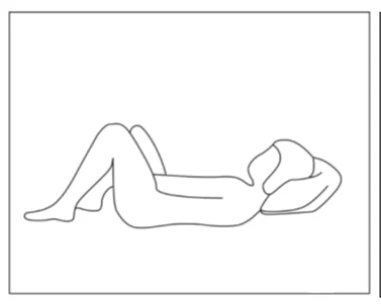
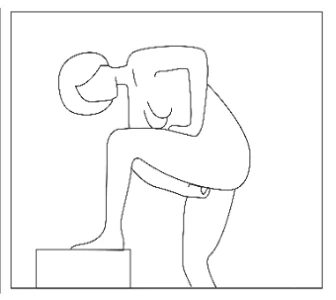
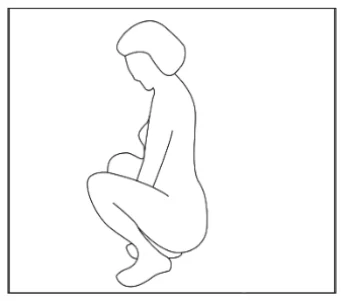
Figure 1 – Positions for RINGZA insertion
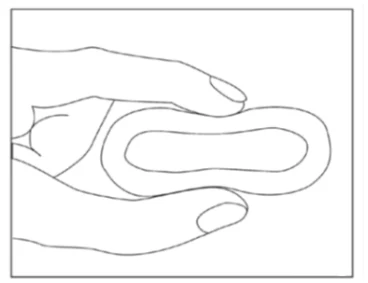
Figure 2 – Holding RINGZA and pressing the sides together
When properly inserted, the slow-release ring should be entirely in the vagina and behind the pelvic bone (Figure 3). The day and time of insertion should be noted so that the slow-release ring can be removed 3 weeks later, on the same day and at about the same time.
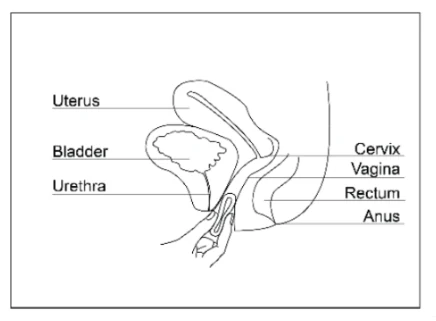
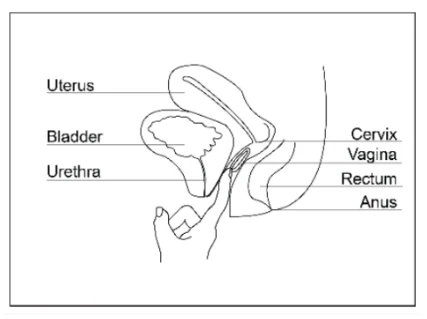
Figure 3 – Inserting RINGZA
RINGZA can be removed by hooking an index finger into the slow-release ring inside the vagina and gently pulling the slow-release ring (Figure 4). The removed slow-release ring should be cleaned with unscented mild soap and warm water, patted dry with a clean cloth towel or paper towel, and placed in its case during the 1-week dose-free interval. At the end of the dose-free interval, the slow-release ring should be cleaned prior to being placed back in the vagina for another 21 continuous days (3 complete weeks).
Bleach or cleaning products other than unscented mild soap should not be used.
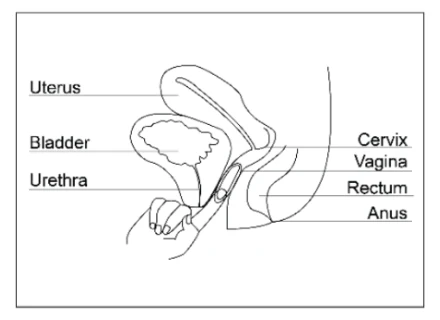
Figure 4 – Removing RINGZA
How to Start RINGZA
IMPORTANT: Consider the possibility of ovulation and conception prior to the first use of RINGZA.
No Hormonal Contraceptive Use in the Preceding Cycle and after Copper Intrauterine Device (IUD) Removal:
The woman should insert RINGZA between days 2 and 5 of her regular menstrual bleeding; no back-up contraception is needed. If menstrual cycles are irregular or if the start is more than 5 days from the last menstrual bleeding, the woman should use an additional barrier method, such as a male condom or spermicide, for the first 7 days of RINGZA use.
Switching from a CHC:
A woman who has been using her CHC method consistently and correctly, and if it is reasonably certain that she is not pregnant, may switch from her previous CHC to RINGZA on any day of the CHC cycle (Day 1-28), without the need for back-up contraception, but no more than 7 hormone-free days should occur before starting RINGZA.
Switching from a Progestin-Only Method [Progestin-only pills (POP), Progestin Injection, Progestin Implant, Progestin Intrauterine System (IUS)]:
If a woman has no contraindications to the use of ethinyl estradiol (EE), she may elect to switch from a progestin-only method to RINGZA. If switching from progestin-only pills, she should begin RINGZA at the time she would have taken her next POP pill. If switching from an injection, she should begin RINGZA at the time of her next scheduled injection. If switching from an implant or an IUS, she should begin RINGZA at the time of implant or IUS removal. In all of these cases, an additional barrier method should be used, such as a male condom or spermicide, for the first 7 days of RINGZA use.
Use after Abortion or Miscarriage:
If a woman has no contraindications to the use of EE, RINGZA may be initiated for contraception within the first 5 days following a complete first trimester abortion or miscarriage without additional back-up contraception. If more than 5 days have elapsed from the first trimester abortion or miscarriage, then follow the instructions for “No Hormonal Contraceptive Use in the Preceding Cycle” and a barrier method should be used from the time of the first trimester abortion or miscarriage to the initiation of RINGZA.
RINGZA should not be started earlier than 4 weeks after a second trimester abortion or miscarriage due to the increased risk of thromboembolism. See 2 CONTRAINDICATIONS and 7 WARNINGS AND PRECAUTIONS: Cardiovascular.
Following Childbirth:
RINGZA should not be started sooner than 4 weeks postpartum and only in women who choose not to breastfeed. Prior to 4 weeks postpartum there is an increased risk of thromboembolism. See 2 CONTRAINDICATIONS and 7 WARNINGS AND PRECAUTIONS: Cardiovascular.
The initiation of RINGZA 4 weeks or more postpartum should be accompanied by an additional method of contraception, such as male condoms or spermicide, for the first 7 days if the woman has not yet had a period. Consider the possibility of ovulation and conception occurring prior to initiating RINGZA.
Women who are breastfeeding should not use RINGZA until after weaning. See 7.1.2 BREAST-FEEDING.
Tampon Use
Tampons can be used with RINGZA. The effect of RINGZA and tampon co-usage on the pharmacokinetic (PK) of segesterone acetate (SA) and ethinyl estradiol (EE) has been studied. Women using RINGZA with tampons did not experience a decrease of either SA or EE and no significant safety issues were noted. Therefore, RINGZA and tampon co-usage would not be expected to pose any impact on efficacy and/or bleeding profile.
Tolerance
Acceptability and compliance of RINGZA were evaluated in pivotal clinical studies.
Acceptability was evaluated in Study 300B through a questionnaire assessing the ease of use. At Cycle 13, most women reported that RINGZA was easy or very easy to insert (93.6%) and remove (89.9%) (n = 811).
Compliance (defined as continuous use of RINGZA for 21 days with fewer than 2 hours of removal on any day, followed by 7 days of non-use) was evaluated over 13 cycles of use. The compliance rates ranged between 81.6% and 92.5% of women per cycle in Study 300A and between 76.5% and 90.7% of women per cycle in Study 300B.
Lubricants and Condoms Use
Water-based vaginal lubricants have no effect on RINGZA; however, oil-based (including silicone-based) vaginal lubricants will alter the slow-release ring and/or exposure to ethinyl estradiol (EE) and segesterone acetate (SA) and should not be used.
RINGZA use is compatible with male condoms made with natural rubber latex, polyisoprene, and polyurethane.
There is no information on the concomitant use of RINGZA with diaphragms, cervical caps, and female condoms.
Some women are aware of RINGZA on occasion during the 21 days of use or during intercourse, and partners may feel RINGZA during intercourse.
4.5 Missed Dose
Contraceptive efficacy of RINGZA may be reduced if a woman deviates from the recommended use. RINGZA should remain in the vagina for a continuous period of 21 days (3 weeks); then RINGZA should be taken out of the vagina for 7 days. A deviation that involves RINGZA being out of the vagina for more than 7 days will increase pregnancy risk.
RINGZA Free Interval
If the RINGZA free interval is prolonged, consider the possibility of pregnancy and have the woman use back-up contraception, such as male condoms or spermicide until RINGZA has been in the vagina for 7 consecutive days.
If RINGZA is left out of the vagina for less than 7 days between Day 22 and Day 28, it will not increase pregnancy risk.
The use of combined hormonal contraceptives (those containing an estrogen) for emergency contraception during RINGZA use is not recommended.
Prolonged Use of RINGZA
If RINGZA is left in the vagina accidentally for more than 21 days, it should be removed for 7 days and then reinserted for 21 days to resume a 21/7 schedule.
Inadvertent Removal or Expulsion of RINGZA
RINGZA can be accidently expelled, for example, while removing a tampon, during intercourse, or with straining during a bowel movement. If RINGZA is accidentally expelled once during the 21 days of intravaginal use and is replaced within 2 hours, contraceptive efficacy should not be reduced, and no back-up contraception is needed. If RINGZA is accidently expelled, it should be washed with unscented mild soap and warm water, rinsed and patted dry with a clean cloth towel or paper towel, and replaced as soon as possible. Do not use bleach or other cleaning products.
During the 21 days of continuous use, if RINGZA is out of the vagina for more than 2 continuous hours or more than 2 cumulative hours (multiple inadvertent removals or expulsions adding up to 2 hours), then back-up barrier contraception, such as male condoms or spermicide, should be used until RINGZA has been in the vagina for 7 consecutive days.
5 OVERDOSAGE
There have been no reports of serious ill effects from overdose of CHCs. Overdosage of CHCs may cause withdrawal bleeding in women and nausea. In case of suspected overdose, RINGZA should be removed, and symptomatic treatment given.
| For management of a suspected drug overdose, contact your regional poison control centre. |
|---|
6 DOSAGE FORMS, STRENGTHS, COMPOSITION AND PACKAGING
Table 1 – Dosage Forms, Strengths, Composition and Packaging
| Route of Administration | Dosage Form / Strength/Composition | Non-medicinal Ingredients |
| Vaginal | Slow-release ring / 103 mg segesterone acetate (SA) and 17.4 mg ethinyl estradiol (EE) (to deliver 0.15 mg SA and 0.013 mg EE per day) | Dibutyltin dilaurate, silicone elastomers, silicone medical adhesive and titanium dioxide. |
Each RINGZA slow-release ring is individually packaged in an aluminum pouch. The pouch consists of a laminate from outside to inside of polyester, aluminum foil, and polyethylene.
A black compact case is provided with the drug product for storage of RINGZA by patients during each 7-day RINGZA-out interval.
Each box contains 1 RINGZA slow-release ring in a pouch and 1 storage case.
RINGZA (segesterone acetate and ethinyl estradiol vaginal system) is a toroidal-shaped ring, nonbiodegradable, flexible, opaque white, contraceptive slow-release ring containing 103 mg of segesterone acetate and 17.4 mg ethinyl estradiol. Each RINGZA releases locally an approximate average of 0.15 mg/day of segesterone acetate and 0.013 mg/day of ethinyl estradiol when placed in the vagina over a period of 21 days of each cycle for up to 13 cycles.
RINGZA is 56 mm in overall diameter and 8.4 mm in cross-sectional diameter. It contains 2 channels of approximately 3.0 mm diameter and 27 mm length into which steroid-containing cores are inserted. The cores are 3 mm in diameter with one releasing segesterone acetate alone and the other releasing both segesterone acetate and ethinyl estradiol (
Figure 5). RINGZA is not made with natural rubber latex.
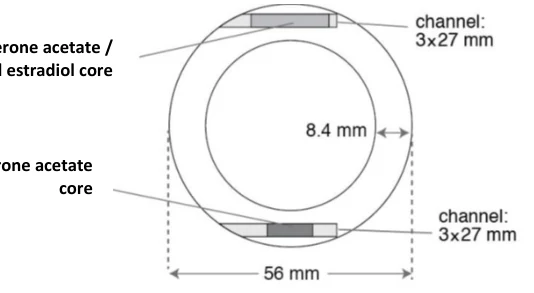
Figure 5 – RINGZA drawing with body channels
Each RINGZA is designed to be used for up to 13 cycles (1 year).
7 WARNINGS AND PRECAUTIONS
Please see 3 SERIOUS WARNINGS AND PRECAUTIONS BOX.
General
Patients should discontinue medication at the earliest manifestation of:
- A. Thromboembolic and cardiovascular disorders, such as thrombophlebitis, pulmonary embolism, cerebrovascular disorders, myocardial ischemia, mesenteric thrombosis and retinal thrombosis.
- B. Conditions which predispose to venous stasis and to vascular thrombosis (e.g., immobilization after accidents or confinement to bed during long-term illness). Other non-hormonal methods of contraception should be used until regular activities are resumed. For use of CHCs when surgery is contemplated, see Peri-Operative Considerations.
- C. Visual defects: partial or complete.
- D. Papilledema or ophthalmic vascular lesions.
- E.
Severe headache of unknown etiology or worsening of pre-existing migraine headache.
segesterone acetate / ethinyl estradiol core
segesterone acetate
core
- F. Increase in epileptic seizures (see 9 DRUG INTERACTIONS, Table 5 Anticonvulsants).
Age-related Considerations
The risk for cardiovascular disease and prevalence of risk factors for cardiovascular disease increase with age. Certain conditions, such as smoking and migraine headache without aura, that do not contraindicate CHC use in younger women, are contraindicated in women over 35 years of age (see 2 CONTRAINDICATIONS and 7 WARNINGS AND PRECAUTIONS: Cardiovascular). The presence of underlying risk factors that may increase the risk of cardiovascular disease or VTE should be considered, particularly before initiating RINGZA for women over 35 years, such as:
- Hypertension
- Diabetes
- Dyslipidemia
- Obesity
Body Mass Index (BMI)/Body Weight
Women are at increased risk for a VTE when using CHCs including RINGZA. The safety and efficacy of RINGZA in women with a BMI > 29 kg/m2 have not been adequately evaluated because this subpopulation was excluded from the clinical trials after 2 VTEs occurred in women with a BMI > 29 kg/m2. See 8 ADVERSE REACTIONS and 14 CLINICAL TRIALS.
Carcinogenesis and Mutagenesis
Breast Cancer
RINGZA is contraindicated in women who currently have or have had breast cancer because breast cancer may be hormonally sensitive. See 2 CONTRAINDICATIONS.
Increasing age and a strong family history are the most significant risk factors for the development of breast cancer. Other established risk factors include obesity, nulliparity and late age at first full-term pregnancy. The identified groups of women that may be at increased risk of developing breast cancer before menopause are long-term users (more than 8 years) of CHCs (including RINGZA) and starters at early age. In a few women, the use of CHCs (including RINGZA) may accelerate the growth of an existing but undiagnosed breast cancer. Since any potential increased risk related to CHCs (including RINGZA) use is small, there is no reason to change prescribing habits at present.
Women receiving CHCs (including RINGZA) should be instructed in self-examination of their breasts and notify their healthcare professional whenever any masses are detected. A yearly clinical breast examination is also recommended because, if a breast cancer should develop, estrogen-containing drugs may cause a rapid progression.
Cervical Cancer
Persistent infection with the Human Papilloma Virus (HPV) is believed to be the most important risk factor for cervical cancer. Some studies suggest that CHCs are associated with an increase in the risk of cervical cancer or intraepithelial neoplasia. However, there is controversy about the extent to which these findings are due to differences in sexual behavior and other factors.
Liver Tumors
RINGZA is contraindicated in women with benign or malignant liver tumors. See 2 CONTRAINDICATIONS.
Hepatic adenomas are associated with CHC use. An estimate of the attributable risk is 3.3 cases/100,000 CHC users. Rupture of hepatic adenomas may cause death through intra-abdominal hemorrhage.
Studies have shown an increased risk of developing hepatocellular carcinoma in long-term (> 8 years) CHC users. The attributable risk of liver cancers in CHC users is less than one case per million users.
Cardiovascular
Arterial Events
CHCs increase the risk of cardiovascular events and cerebrovascular events, such as stroke and myocardial infarction. The risk is greater among older women (> 35 years of age), smokers, and women with hypertension, dyslipidemia, diabetes, or obesity.
RINGZA is contraindicated in women over 35 years of age who smoke (see 2 CONTRAINDICATIONS). Cigarette smoking increases the risk of serious cardiovascular events from CHC use. This risk increases with age, particularly in women over 35 years of age, and with the number of cigarettes smoked.
Venous Events
The use of CHCs increases the risk of VTE, such as deep vein thrombosis and pulmonary embolism. Risk factors for VTEs include smoking, obesity, and family history of VTE, in addition to other factors that contraindicate use of CHCs (see 2 CONTRAINDICATIONS). While the increased risk of VTE associated with use of CHCs is well established, the rates of VTE are even greater during pregnancy, and especially during the postpartum period (see Error! Reference source not found.). The rate of VTE in women using CHCs has been estimated to be 3–12 cases per 10,000 woman-years.
The risk of VTE is highest during the first year of CHC use and when restarting hormonal contraception following a break of 4 weeks or longer. The risk of VTE due to CHCs gradually disappears after use is discontinued.Error! Reference source not found. shows the risk of developing a VTE for women who are not pregnant and do not use CHCs, for women who use CHCs, for pregnant women, and for women in the postpartum period. To put the risk of developing a VTE into perspective: If 10,000 women who are not pregnant and do not use CHCs are followed for 1 year, between 1 and 5 of these women will develop a VTE.
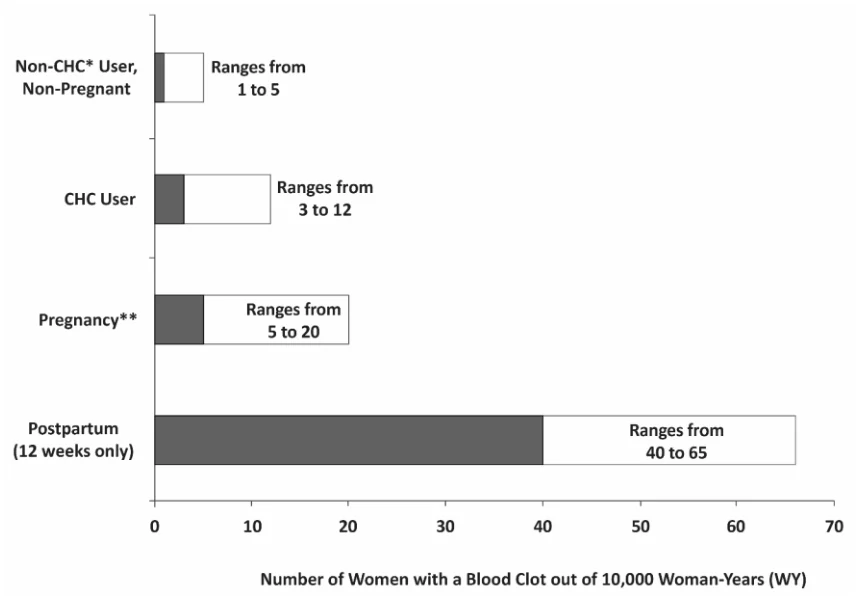
* CHC = combination hormonal contraception
** Pregnancy data based on actual duration of pregnancy in the reference studies. Based on a model assumption that pregnancy duration is 9 months, the rate is 7 to 27 per 10,000 WY.
Figure 6 - Likelihood of Developing a VTE
Hypertension
RINGZA is contraindicated in women with uncontrolled hypertension or hypertension with vascular disease. See 2 CONTRAINDICATIONS. For all women, including those with well-controlled hypertension, blood pressure should be monitored at routine visits and RINGZA should be stopped if blood pressure rises significantly.
An increase in blood pressure has been reported in women using CHCs, and this increase is more likely in older women and with extended duration of use. The effect of CHCs on blood pressure may vary according to the progestin in the CHC.
QTc Prolongation
See 10.2 PHARMACODYNAMICS.
Endocrine and Metabolism
Hyperglycemia
RINGZA is contraindicated in diabetic women over age 35, or women who have diabetes with hypertension, nephropathy, retinopathy, neuropathy, other vascular disease, or women with diabetes of > 20 years duration. See 2 CONTRAINDICATIONS.
RINGZA may decrease glucose tolerance. Prediabetic and diabetic women using RINGZA should be carefully monitored.
Dyslipidemia
Alternative contraception should be considered for women with uncontrolled dyslipidemia. RINGZA may cause adverse lipid changes.
Women with hypertriglyceridemia, or a family history thereof, may be at an increased risk of pancreatitis when using RINGZA.
Effect on Binding Globulins
The estrogen component of RINGZA may raise the serum concentrations of thyroxine-binding globulin, sex hormone-binding globulin, and cortisol-binding globulin. The dose of replacement thyroid hormone or cortisol therapy may need to be increased. See 9.4 DRUG-DRUG INTERACTIONS.
Genitourinary
RINGZA may not be suitable for women with conditions that make the vagina more susceptible to vaginal irritation or ulceration. Vaginal and cervical erosion and/or ulceration has been reported in women using other contraceptive vaginal devices. In some cases, the vaginal system adhered to vaginal tissue, which necessitated removal by a healthcare professional.
Women with conditions affecting the vagina, such as a prolapsed uterus, cervix, cystocele, and/or rectocele, and women with severe or chronic constipation may not be able to insert and maintain RINGZA correctly or may in fact expulse the ring.
Vaginal Bleeding
Bleeding and/or spotting that occurs at any time while the slow-release ring is inserted in the vagina is considered unscheduled bleeding/spotting. Bleeding/spotting that occurs during the dose-free week when the slow-release ring is out of the vagina is considered scheduled bleeding.
Women using RINGZA may experience unscheduled (breakthrough) bleeding and spotting, especially during the first month of use. See 14 CLINICAL TRIALS. If unscheduled bleeding persists or occurs after previously regular cycles on RINGZA, causes such as pregnancy or malignancy should be verified. If pathology and pregnancy are excluded, bleeding irregularities may resolve over time or with a change to a different CHC.
Based on subject diaries from the two clinical efficacy pivotal trials of RINGZA, 5.4 to 9.7% of women experienced unscheduled bleeding per 28-day cycle. The average number of days with unscheduled bleeding and/or spotting, in Treatment Cycles 1 to 13 for those women who experienced unscheduled bleeding and/or spotting, was 1 day or less per cycle. A total of 41 subjects (1.7%) discontinued use due to menstrual disorders including metrorrhagia, menorrhagia, and abnormal withdrawal bleeding.
Toxic Shock Syndrome
Cases of Toxic Shock Syndrome (TSS) have been reported by vaginal ring users. TSS has been associated with tampons and certain barrier contraceptives, and in some TSS cases ring users were also using tampons. Causal relationship between the use of a vaginal ring and TSS has not been established. No cases of TSS occurred in clinical trials with RINGZA. If a patient exhibits signs or symptoms of TSS, the possibility of this diagnosis should be considered, RINGZA should be removed, and appropriate medical evaluation and treatment should be initiated.
Hepatic/Biliary/Pancreatic
Impaired Liver Function
RINGZA is contraindicated in women with acute hepatitis or severe (decompensated) cirrhosis of the liver. See 2 CONTRAINDICATIONS.
Acute liver test abnormalities may necessitate the discontinuation of RINGZA use until the liver tests return to normal and RINGZA causation has been excluded. RINGZA should be discontinued if jaundice develops.
Hepatitis C
RINGZA must be discontinued prior to starting therapy with the combination drug regimen ombitasvir/paritaprevir/ritonavir, with or without dasabuvir. See 2 CONTRAINDICATIONS and 9.4 DRUG-DRUG INTERACTIONS. RINGZA can be restarted approximately 2 weeks following completion of treatment with the Hepatitis C combination drug regimen.
During clinical trials with the Hepatitis C combination drug regimen that contains ombitasvir/paritaprevir/ritonavir, with and without dasabuvir, ALT elevations greater than 5 times the upper limit of normal (ULN), including some cases greater than 20 times the ULN, were significantly more frequent in women using ethinyl estradiol-containing medications, such as RINGZA.
Gallbladder Disease
Studies suggest a small increased relative risk of developing gallbladder disease among CHC users. Use of CHCs may also worsen existing gallbladder disease.
A past history of CHC-related cholestasis predicts an increased risk with subsequent CHC use. Women with a history of pregnancy-related cholestasis may be at an increased risk for CHC-related cholestasis.
Immune
Hypersensitivity reactions of angioedema and anaphylaxis have been reported with the use of CHCs.
If angioedema and/or anaphylaxis are suspected, RINGZA should be discontinued and appropriate treatment administered.
In women with hereditary angioedema, exogenous estrogens may induce or exacerbate symptoms of angioedema.
Monitoring and Laboratory Tests
Before CHCs (including RINGZA) are used, a thorough history and physical examination should be performed, including a blood pressure determination and family history related to thromboembolic diseases (e.g., deep vein thrombosis, stroke, myocardial infarction) at a young age. Breasts, liver, extremities and pelvic organs should be examined. A Papanicolaou (PAP) smear should be taken if the patient has been sexually active.
The first follow-up visit should be done three months after CHCs are prescribed. Thereafter, examinations should be performed at least once a year or more frequently if indicated.
Neurologic
Headache
RINGZA is contraindicated in women who have headaches with focal neurological symptoms or have migraine headaches with aura, and in women over age 35 years who have migraine headaches with or without aura. See 2 CONTRAINDICATIONS.
If a woman using RINGZA develops new headaches that are recurrent, persistent, or severe, the cause should be evaluated, and RINGZA should be discontinued if indicated.
Discontinuation of RINGZA should be considered in the case of increased frequency or severity of migraine during CHC use (which may be prodromal of a cerebrovascular event).
Ophthalmologic
There have been clinical reports of retinal thrombosis associated with the use of CHCs. CHCs including RINGZA should be discontinued if there is unexplained loss of vision, proptosis, diplopia, papilledema, or retinal vascular lesions and evaluate for retinal vein thrombosis immediately.
Peri-Operative Considerations
There is an increased risk of post-surgery thromboembolic complications in CHC users, after major surgery. RINGZA should be discontinued during prolonged immobilization. If feasible, stop RINGZA at least 4 weeks before and through 2 weeks after major surgery or other surgeries known to have an elevated risk of VTE.
Psychiatric
Depression
Women with a history of depression should be carefully observed and RINGZA should be discontinued if depression recurs to a serious degree. Data on the association of CHCs with onset of depression or exacerbation of existing depression are limited.
Reproductive Health: Female and Male Potential
RINGZA is contraindicated during pregnancy. See 2 CONTRAINDICATIONS and 7.1.1 PREGNANT WOMEN.
Return to Fertility
Resumption of fertility after discontinuation of RINGZA is expected. All women followed for return of fertility experienced a return of fertility by 6 months after discontinuing RINGZA. See 14 CLINICAL TRIALS.
Amenorrhea and Oligomenorrhea
Women who are not pregnant and use RINGZA may experience amenorrhea. Based on subject diaries from the two clinical pivotal trials, amenorrhea occurred in 3-5% of women per cycle using RINGZA and in 0.9% of women in all 13 cycles. See 14 CLINICAL TRIALS.
If scheduled bleeding does not occur, the possibility of pregnancy should be considered. If the patient has not adhered to the prescribed dosing schedule (removed RINGZA for > 2 hours during the first 21 days or does not replace after 7 days of RINGZA-free period), the possibility of pregnancy at the time of the first missed period should be considered and a pregnancy test should be performed. If the patient has adhered to the prescribed dosing schedule and misses 2 consecutive periods, a pregnancy test should be performed to rule out pregnancy.
Some women may experience amenorrhea or oligomenorrhea after stopping RINGZA, especially when such a condition was pre-existent.
Skin
Chloasma may occur with RINGZA use, especially in women with a history of chloasma gravidarum. Women who tend to develop chloasma should avoid exposure to the sun or ultraviolet radiation while using RINGZA.
7.1 Special Populations
7.1.1 Pregnant Women
CHCs (including RINGZA) should not be used by pregnant women. See 2 CONTRAINDICATIONS.
If pregnancy occurs, treatment with RINGZA should be discontinued immediately.
Epidemiologic studies and meta-analyses have not found an increased risk of genital or nongenital birth defects (including cardiac anomalies and limb-reduction defects) following exposure to CHCs before conception or during early pregnancy.
No studies have been conducted of the use of RINGZA in pregnant women.
7.1.2 Breast-feeding
Contraceptive hormones and/or metabolites are present in human milk. CHCs can reduce milk production in breastfeeding women. This reduction can occur at any time but is less likely to occur once breastfeeding is well established. Nursing women should be advised to use another method of contraception until she discontinues breastfeeding. See 4.4 ADMINISTRATION.
No studies have been conducted of the use of RINGZA in breastfeeding women. Two studies have been conducted in breastfeeding women of segesterone acetate implants delivering lower levels of segesterone acetate than RINGZA. Maternal serum levels of up to 141 pg/mL were associated with infant exposure of up to 7 pg/mL. No safety signals in feeding, growth, and development were observed in the infants between the segesterone acetate implant group and the control group.
7.1.3 Pediatrics
Pediatrics (< 18 years of age): No efficacy and safety data in pediatric patients under 18 years of age are available to Health Canada; therefore, Health Canada has not authorized an indication for pediatric use (see 14.1 Trial Design and Study Demographics). Use of RINGZA before menarche is not indicated.
7.1.4 Geriatrics
Geriatrics: RINGZA has not been studied in postmenopausal women and is not indicated in this population.
8 ADVERSE REACTIONS
8.1 Adverse Reaction Overview
The following serious adverse reactions observed in women using CHCs, including RINGZA, are described elsewhere in other sections of the labeling:
- Serious cardiovascular events and stroke. See 3 SERIOUS WARNINGS AND PRECAUTIONS BOX and 7 WARNINGS AND PRECAUTIONS: Cardiovascular.
- Vascular events. See 7 WARNINGS AND PRECAUTIONS: Cardiovascular.
- Liver disease. See 7 WARNINGS AND PRECAUTIONS: Hepatic/Biliary/Pancreatic.
8.2 Clinical Trial Adverse Reactions
Clinical trials are conducted under very specific conditions. Therefore, the adverse reaction rates observed in the clinical trials may not reflect the rates observed in practice and should not be compared to the rates in the clinical trials of another drug. Adverse reaction information from clinical trials may be useful in identifying and approximating rates of adverse drug reactions in real-world use.
The safety of RINGZA was demonstrated in two pivotal Phase 3 studies (300A and 300B) as well as in one additional Phase 3 study that evaluated safety along with pharmacokinetics, pharmacodynamics and cycle control study (300PK). All three 13-cycle studies were open label and enrolled 2308 healthy women aged 18 to 40 years. These women contributed to 21 590 cycles of exposure for safety evaluation and 999 women completed 13 cycles.
The study population (n = 2308) had a mean age of 26.71 years and a mean BMI of 24.13 kg/m2 (range: 16.0-41.5 kg/m2). Sixty-seven percent of the participants were from the US with a racial distribution of 71% Caucasian, 14% Black or African American, 4% Asian, and 11% from Other racial backgrounds. Additionally, 30% of the population identified as Hispanic or Latina.
Across the RINGZA clinical trials program, with a total exposure of 2021 women years, four non-fatal VTEs have been reported. Three of these cases were reported in women who had risk factors for VTEs: 2 women had a high pre-treatment BMI (29.1 and 30.8 kg/m2) and 1 woman was particularly susceptible to VTEs due to her positive Factor V Leiden mutation status and her age (39 years). The fourth case was reported in a 28-year-old woman with a BMI of 25.2 kg/m2 who withdrew from the study before a clotting evaluation could be conducted. All 4 subjects recovered from their VTE. As a result of the initial 2 VTEs occurring in the subgroup of women with a pre-treatment BMI > 29.0 kg/m2, discontinuation of women in the studies with a BMI > 29.0 kg/m2 and restrictions on further enrollment in the Phase 3 studies to women with a pre-treatment BMI ≤ 29.0 kg/m2 was instituted at approximately 50% enrollment. There were 209 women with a BMI > 29 kg/m2 who contributed 1254 cycles of exposure with 36 women completing 13 cycles. The subgroup of women with a BMI > 29.0 kg/m2 accounted for < 10% of the total number of subjects (209/2308 subjects).
The most common adverse reactions (≥ 10%) observed were headache, nausea and vaginal discharge (Table 2).
Table 2 – Adverse Reactions Occurring in ≥ 1% of Subjects in Studies 300A, 300B and 300PK
| System Organ Class | Adverse Reaction | RINGZA n = 2308 (%) |
| Gastrointestinal Disorders | Nausea | 420 (18.2) |
| Vomiting | 108 (4.7) | |
| Diarrhoea | 42 (1.8) | |
| Abdominal Pain | 40 (1.7) | |
| Abdominal Pain Lower | 40 (1.7) | |
| Abdominal Pain Upper | 39 (1.7) | |
| Abdominal Distension | 36 (1.6) | |
| General Disorders and Administration Site Conditions | Fatigue | 39 (1.7) |
| Infections and Infestations | Vulvovaginal mycotic infection | 173 (7.5) |
| System Organ Class | Adverse Reaction | RINGZA n = 2308 (%) |
| Urinary tract infection | 92 (4.0) | |
| Vulvovaginal candidiasis | 70 (3.0) | |
| Bacterial vulvovaginitis | 45 (1.9) | |
| Investigations | Blood Triglycerides Increased | 26 (1.1) |
| Metabolic and Nutritional Disorders | Weight Increased | 29 (1.3) |
| Nervous System Disorders | Headache | 601 (26.0) |
| Dizziness | 58 (2.5) | |
| Migraine | 77 (3.3) | |
| Psychiatric Disorders | Libido decreased | 69 (3.0) |
| Mood swings | 60 (2.6) | |
| Depression | 25 (1.1) | |
| Mood Altered | 25 (1.1) | |
| Renal and Urinary Disorders | Dysuria | 25 (1.1) |
| Reproductive System and Breast Disorders | Vaginal discharge | 242 (10.5) |
| Uterine spasm | 225 (9.7) | |
| Intermenstrual bleeding/Metrorrhagiaa | 160 (6.9) | |
| Breast tenderness | 134 (5.8) | |
| Pruritus genital | 97 (4.2) | |
| Dyspareunia | 56 (2.4) | |
| Vulvovaginal discomfort | 56 (2.4) | |
| Withdrawal bleed b | 56 (2.4) | |
| Vulvovaginal Dryness | 37 (1.6) | |
| Breast pain | 49 (2.1) | |
| Skin and Subcutaneous Tissue Disorders | Acne | 66 (2.9) |
a Intermenstrual bleeding/Metrorrhagia includes verbatim terms of irregular bleeding, irregular spotting (menstruation irregular), breakthrough bleeding, breakthrough spotting, spotting, frequent spotting, prolonged spotting.
b Withdrawal bleed includes verbatim terms of heavy bleeding with menses, bleeding very much, prolonged bleeding with menses, frequent bleeding with menses.
Microbiology
Based on the results of a single-center microbiology sub-study that included 120 women, the use of RINGZA on a 21-day in and 7-day out schedule for up to 13 consecutive cycles was not associated with any increase in vaginitis or clinically significant change in vaginal flora when used according to instructions. Specifically, there was no increase in the diagnosis of bacterial vaginosis by either the Amsel Criteria or the Nugent Score; there was no increase in the diagnosis of yeast vaginitis; and there was no increase in the occurrence of WBCs in vaginal fluid.
Adverse Reactions Leading to Discontinuation
Among subjects using RINGZA for contraception, 12% discontinued from the clinical trials due to an adverse reaction. Table 3 summarizes the most common adverse reactions leading to discontinuation.
Table 3 – Adverse Reactions Leading to Discontinuation by ≥ 1% of RINGZA-treated Subjects
| Adverse Reactions | % (n = 2308) |
| Metrorrhagia/menorrhagia | 1.7 |
| Headache, including migraine | 1.3 |
| Vaginal discharge/vulvovaginal mycotic infections | 1.3 |
| Nausea/vomiting | 1.2 |
In addition, 1.4% of subjects discontinued RINGZA use due to vaginal system expulsions. Complete expulsion of RINGZA was observed in 7.0% of all treatment cycles (1509/21 482 cycles).
8.3 Less Common Clinical Trial Adverse Reactions
Other rare adverse reactions which were observed in clinical trials (< 1%) were as follows:
Blood and Lymphatic System Disorders: anaemia
Cardiac Disorders: palpitations
Ear and Labyrinth Disorders: motion sickness, vertigo
Endocrine Disorders: goitre
Eye Disorders: photophobia, vision blurred, dry eye, tunnel vision, visual impairment
Gastrointestinal Disorders: constipation, abdominal discomfort, dyspepsia, flatulence, gastrointestinal pain, gastrooesophageal reflux disease, bowel movement irregularity, frequent bowel movements, haemorrhoids, retching
General Disorders and Administration Site Conditions: pain, pyrexia, asthenia, chest pain, hunger, complication associated with device, medical device discomfort, oedema peripheral, application site reaction, influenza like illness, toothache
Hepatobiliary Disorders: cholecystitis, cholecystitis acute
Immune System Disorders: drug hypersensitivity
Infections and Infestations: cystitis, vulvitis, vaginal infection, vulvovaginitis, fungal infection, vaginitis gardnerella, nasopharyngitis, cervicitis, herpes simplex, bacteriuria, gastroenteritis, gastroenteritis viral, pyelonephritis, upper respiratory tract infection, vulvovaginitis trichomonal
Injury, Poisoning and Procedural Complications: post lumbar puncture syndrome, procedural pain
Investigations: blood cholesterol increased, lipids increased, human papilloma virus test positive, low density lipoprotein increased, blood pressure increased, gamma-glutamyltransferase increased, hepatic enzyme increased, alanine aminotransferase increased, aspartate aminotransferase increased, blood bilirubin increased, blood glucose increased, blood pressure diastolic increased, heart rate increased, weight decreased
Metabolic and Nutritional Disorders: increased appetite, decreased appetite, appetite disorder, dehydration, thirst
Musculoskeletal and Connective Tissue Disorders: back pain, pain in extremity, muscle spasms, myalgia, arthralgia, muscle fatigue, muscle swelling, musculoskeletal pain, skeletal injury
Neoplasms Benign, Malignant and Unspecified (Incl Cysts and Polyps): benign breast neoplasm, melanocytic naevus, uterine leiomyoma
Nervous System Disorders: lethargy, sinus headache, hypoaesthesia, paraesthesia, tension headache, migraine with aura, somnolence, syncope
Psychiatric Disorders: anxiety, irritability, affect lability, depressed mood, insomnia, crying, panic attack, loss of libido, nervousness, anger, depressive symptom, eating disorder, emotional distress, major depression, panic disorder, restlessness, somatoform disorder pregnancy
Renal and Urinary Disorders: haematuria, pollakiuria, fluid retention, micturition urgency, urinary incontinence, bladder discomfort, renal pain, urinary hesitation
Reproductive System and Breast Disorders: premenstrual syndrome, breast discomfort, cervical dysplasia, vaginal odour, vulvovaginal pain, breast swelling, pelvic pain, abnormal withdrawal bleeding, vulvovaginal burning sensation, breast enlargement, coital bleeding, breast mass, genital burning sensation, nipple pain, ovarian cyst, uterine pain, vulvovaginal erythema, galactorrhoea, menstrual disorder, sexual dysfunction, vulvovaginal swelling, genito-pelvic pain/penetration disorder, adnexa uteri pain, breast discharge, breast disorder, ectropion of cervix, endometriosis, genital rash, haemorrhagic ovarian cyst, heavy menstrual bleeding, menstrual discomfort, oedema genital, orgasm abnormal, orgasmic sensation decreased, ovarian haemorrhage, vaginal cyst, vulvovaginal injury, vulval oedema, vulval ulceration
Respiratory, Thoracic and Mediastinal Disorders: rhinitis allergic, asthmatic crisis, dyspnoea
Skin and Subcutaneous Tissue Disorders: rash, chloasma, alopecia, night sweats, urticaria, hyperhidrosis, pruritus, dermatitis allergic, acne cystic, cold sweat, dermatitis, dermatitis contact, ecchymosis, eczema, hypertrichosis, photodermatosis, rash papular, rash pruritic, skin irritation
Vascular Disorders: hot flush, hypertension, varicose vein, deep vein thrombosis, cerebral venous thrombosis, epistaxis, flushing, hypotension, pulmonary embolism
8.5 Post-Market Adverse Reactions
The following additional adverse reactions have been identified during post-approval use of RINGZA. Because these reactions are reported voluntarily from a population of uncertain size, it is not possible to reliably estimate their frequency or establish a causal relationship to drug exposure.
Hepatobiliary disorders: gallbladder cholesterolosis, gallbladder polyp
Infections and infestations: toxic shock syndrome
Pregnancy, puerperium and perinatal conditions: abortion spontaneous
Reproductive system and breast disorders: vaginal haemorrhage
9 DRUG INTERACTIONS
9.2 Drug Interactions Overview
This section provides information on medicinal products for which data on drug interactions with CHCs are available. There is little information available about the clinical effect of most drug interactions that may affect RINGZA. However, based on the known PK effects of these drugs, clinical strategies to minimize any potential adverse effect on contraceptive effectiveness or safety are suggested.
Consult the approved product labeling of all concomitant medications to obtain further information about interactions with CHCs, including RINGZA, or the potential for metabolic enzyme or transporter system alterations.
9.3 Drug-Behavioural Interactions
See 3 SERIOUS WARNINGS AND PRECAUTIONS BOX about cigarette smoking.
See 4.4 Administration for Tampon Use, and Lubricants and Condoms Use.
See 4.5 Missed Dose for Inadvertent Removal or Expulsion of RINGZA.
9.4 Drug-Drug Interactions
The drugs listed in this section are based on either drug interaction case reports or studies, or potential interactions due to the expected magnitude and seriousness of the interaction (i.e., those identified as contraindicated).
Do not co-administer RINGZA with HCV drug combinations containing ombitasvir/paritaprevir/ritonavir, with or without dasabuvir, due to potential for ALT elevations. RINGZA must be discontinued prior to starting therapy with the combination drug regimen ombitasvir/paritaprevir/ritonavir, with or without dasabuvir, and RINGZA can be restarted approximately 2 weeks following completion of treatment with the Hepatitis C combination drug regimen. See 2 CONTRAINDICATIONS and 7 WARNINGS AND PRECAUTIONS: Hepatic/Biliary/Pancreatic.
Effects of Other Drugs on CHCs
Table 4 - Drugs that Decrease the Systemic Exposure of Combination Hormonal Contraceptives (CHCs) and May Potentially Decrease the Efficacy of CHCs
| Class of Compound | Drug | Effect | Clinical comment | |||
| Antibiotics | Rifabutin Rifampin | Concomitant use of CHCs with metabolic enzyme inducers may decrease the systemic concentrations of the estrogen and/or progestin component of CHCs. Decreased exposure of the estrogen and/or progestin component of CHCs may potentially diminish the effectiveness of CHCs and may lead to contraceptive failure or an increase in breakthrough bleeding. | Use an alternative method of contraception or a back-up method when enzyme inducers are used with CHCs. Continue back-up contraception for 28 days after discontinuing the enzyme inducer to maintain contraceptive reliability. | |||
| Anticonvulsants | Carbamazepine Felbamate Oxcarbazepine Phenytoin Rufinamide Topiramate | |||||
| Antiemetics | Aprepitant | |||||
| Antifungals | Griseofulvin | |||||
| Non-nucleoside reverse transcriptase inhibitors | Efavirenz | |||||
| Sedatives and Hypnotics | Barbiturates | |||||
| Pulmonary arterial hypertension drugs | Bosentan | |||||
| HCV protease inhibitors | Boceprevir Telaprevir | Significant decreases in systemic exposure of estrogen and/or progestin have been noted when CHCs are co-administered with some HCV protease inhibitors. | Use an alternative method of contraception or a back-up method when enzyme inducers are used with CHCs. Continue back-up contraception for 28 days after discontinuing the enzyme inducer to maintain contraceptive reliability. | |||
| HIV protease inhibitors | Darunavir/Ritonavir Fosamprenavir/Ritonavir Lopinavir/Ritonavir Nelfinavir Ritonavir Tipranavir/Ritonavir | Significant decreases in systemic exposure of estrogen and/or progestin. | ||||
| Non-nucleoside reverse transcriptase inhibitors | Nevirapine | |||||
Table 5 - Drugs that Increase the Systemic Exposure of Combination Hormonal Contraceptives (CHCs) and May Potentially Increase Exposure to Estrogen and/or Progestin
| Class of Compound | Drug | Effect | ||
| HMG-CoA Reductase Inhibitors | Atorvastatin Rosuvastatin | Concomitant use with certain CHCs containing EE increase systemic exposure of EE by approximately 20-25%. | ||
| Antipyretics | Acetaminophen | May increase plasma EE concentrations, possibly by inhibition of conjugation. | ||
| Vitamins | Ascorbic acid | |||
| Antifungals | Voriconazole Fluconazole Ketoconazole | May increase systemic exposure of the estrogen and/or progestin. | ||
| Itraconazole | Concomitant use of this strong CYP3A4 inhibitor with RINGZA had no impact on the levels of SA or EE. | |||
| HIV protease inhibitors | Indinavir Atazanavir/Ritonavir | Significant increases in systemic exposure of estrogen and/or progestin have been noted. | ||
| Non-nucleoside reverse transcriptase inhibitors | Etravirine | |||
A drug-drug interaction study was conducted to evaluate the effect of three different formulations of vaginal antimycotic medication (miconazole nitrate) on the PK of SA and EE in 29 women using RINGZA. The use of the 3-day water-based vaginal miconazole cream 200mg/day resulted in no change in exposure to EE (AUC Day8-21 geometric mean ratio: 1.14, 90% Confidence Interval (CI) [1.07, 1.21]) or SA (AUC Day8-21 geometric mean ratio: 1.09, 90% CI [1.04, 1.14]) from the RINGZA slow-release ring. However, the use of either the 1-day or the 3-day oil-based miconazole suppository was associated with an overall increase in exposure. The results showed that a single-dose vaginal administration of 1200 mg miconazole suppository on Day 8 of RINGZA use increased the systemic exposure of EE (AUCDay8-21) by approximately 67%. A similar trend was observed with SA with AUCDay8-9, AUCDay8-10, and AUCDay8-21 increasing by approximately 30%, 32%, and 19%, respectively. When 200 mg miconazole vaginal suppositories were administered on Day 8, Day 9, and Day 10 of RINGZA use, EE AUCDay8-11 and AUCDay8-21 were increased by 9% and 42%, respectively. SA AUCDay8-11 and AUCDay8-21 were increased by 28% and 27%, respectively. Considering the potential long-term effect on RINGZA performance, concurrent use of oil-based vaginal suppositories should not occur with RINGZA use. If there is a need to treat a vaginal condition, water-based vaginal cream or oral therapy may be used concurrently with RINGZA.
Another drug-drug interaction study was conducted to evaluate the effect of itraconazole (CYP3A inhibitor) and rifampin (CYP3A inducer) on the PK of SA and EE from RINGZA. Bioequivalence was observed with itraconazole on SA and EE PK parameters, as observed by the 90% CI of the Cmax and AUC(0-24) geometric mean ratios. Levels of both SA and EE were bioequivalent with concomitant use of the strong CYP3A inhibitor, itraconazole, and RINGZA compared with use of RINGZA alone. Based on these results, use of drugs that inhibit CYP3A in women using RINGZA
would likely not significantly increase levels of either SA or EE, and thus, would not be expected to pose any additional safety issues with SA and EE during RINGZA use. No drug interaction was observed with rifampin on SA levels, as observed by the 90% CI of the Cmax and AUC(0-24) geometric mean ratios. A drug interaction was observed with rifampin on EE based on geometric mean ratios. Bioequivalence of systemic SA levels was found when rifampin was taken during RINGZA use, but EE levels decreased by approximately 50% with concomitant rifampin. Based on these results, use of drugs that induce CYP3A in women using RINGZA should not affect contraceptive efficacy given the lack of influence of rifampin on SA levels.
Effects of CHCs on Other Drugs
Table 6 - Combination Hormonal Contraceptives (CHCs) Effects on Other Drugs
| Class of Compound | Drug | Effect | Clinical comment |
| Anticonvulsants | Lamotrigine | Concomitant use of CHCs with lamotrigine may significantly decrease systemic exposure of lamotrigine due to induction of lamotrigine glucuronidation. | Dose adjustment for lamotrigine may be necessary. Consult the approved product labeling for lamotrigine. |
| Thyroid Hormone Replacement Therapy | Concomitant use of CHCs with thyroid hormone replacement therapy or corticosteroid replacement therapy may increase systemic exposure of thyroid-binding and cortisol-binding globulin. | The dose of replacement thyroid hormone or cortisol therapy may need to be increased. Consult the approved product labeling for the therapy in use. See 7 WARNINGS AND PRECAUTIONS. | |
| Corticosteroid Replacement Therapy | |||
| Antipyretics | Acetaminophen | Concomitant use of CHCs may decrease systemic exposure of these drugs. | The dosage of drugs that can be affected by this interaction may need to be increased. Consult the approved product labeling for the concomitantly used drug. |
| Salicylic acid | |||
| Opioid Analgesic | Morphine | ||
| Sedatives and Hypnotics | Temazepam | ||
| Cyclosporine | Concomitant use with ethinyl estradiol-containing CHCs may increase systemic exposure of these drugs. | The dosage of drugs that can be affected by this interaction may need to be decreased. Consult the approved product labeling for the concomitantly used drug. | |
| Corticosteroids | Prednisolone | ||
| Theophylline | |||
| Antispastics | Tizanidine | ||
| Antifungals | Voriconazole | ||
9.5 Drug-Food Interactions
Grapefruit juice may increase systemic exposure of the estrogen and/or progestin component of RINGZA.
9.6 Drug-Herb Interactions
Products containing St. John’s wort may decrease the systemic concentrations of the estrogen and/or progestin component of RINGZA. Induction potency of St. John’s wort may vary widely based on preparation.
9.7 Drug-Laboratory Test Interactions
The use of contraceptive steroids may influence the results of certain laboratory tests, such as coagulation factors, lipids, glucose tolerance, and binding proteins.
10 CLINICAL PHARMACOLOGY
10.1 Mechanism of Action
CHCs (including RINGZA) lower the risk of becoming pregnant primarily by suppressing ovulation. Other possible mechanisms may include cervical mucus changes that inhibit sperm penetration and endometrial changes that may reduce the likelihood of implantation.
SA is not androgenic and at high subcutaneous doses is slightly anti-androgenic in rats. SA has a high binding affinity for the glucocorticoid receptor, however it does not have any glucocorticoid activity at contraceptive doses. SA had no effect on either the estrogen or the mineralocorticoid receptors in rats.
10.2 Pharmacodynamics
Cardiac Electrophysiology
The effect of SA on the QTc interval was evaluated in a Phase 1 randomized, placebo and positive controlled, double-blind, single-dose, three-period, crossover cardiac electrophysiology study in 44 healthy adult female subjects. There was no evidence of any pharmacodynamic effect of SA on the QTc interval at the single intravenous bolus dose of 200 mcg, achieving a geometric mean Cmax of 5150.2 pg/mL representing a 4.5-fold increase in Cmax compared to RINGZA.
10.3 Pharmacokinetics
Table 7 - Mean (SD) PK Parameters for SA following RINGZA Administration
| Cycle | AUC0-21 day (ng*hr/mL) | AUC0-1 day (ng*hr/mL) | Cmax (pg/mL) | Cavg (pg/mL) |
| 1 | 96.2 (16.9) | 15.0 (3.2) | 1147 (315) | 191 (33) |
| 3 | 65.9 (14.8) | 5.0 (1.6) | 363 (133) | 131 (29) |
| 13 | 47.2 (10.1) | 3.9 (1.4) | 294 (116) | 94 (20) |
Table 8 - Mean (SD) PK Parameters for EE following RINGZA Administration
| Cycle | AUC0-21 day (ng*hr/mL) | AUC0-1 day (ng*hr/mL) | Cmax (pg/mL) | Cavg (pg/mL) |
| 1 | 22.2 (9.8) | 2.1 (0.7) | 129 (39) | 44 (19) |
| 3 | 14.7 (4.7) | 0.9 (0.4) | 60 (32) | 29 (9) |
| 13 | 9.6 (4.1) | 0.7 (0.3) | 39 (16) | 19 (8) |
Absorption
The PK of RINGZA were determined in 39 women who used RINGZA for up to 13 cycles. Following vaginal administration, SA and EE were absorbed into systemic circulation with median Tmax of about 2 hours in Cycle 1, Cycle 3, and Cycle 13. Concentrations of both components declined after Tmax and became more constant after 96 hours post-dose. Over subsequent cycles of use, the peak serum concentrations of SA and EE declined. Serum concentration-time profiles of SA and EE for Cycles 1, 3, and 13 of RINGZA use are provided in Figure 7 and Figure 8 with PK parameters summarized in Table and Table .
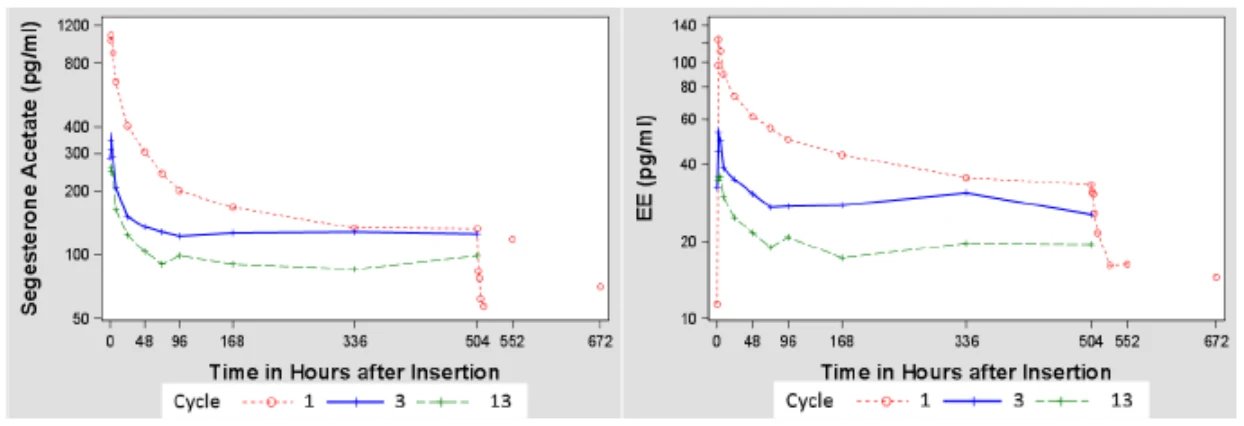
Figure 7 - Mean SA and EE Serum Concentrations Delivered by RINGZA Over 21 Days of Dosing for Cycles 1, 3, and 13
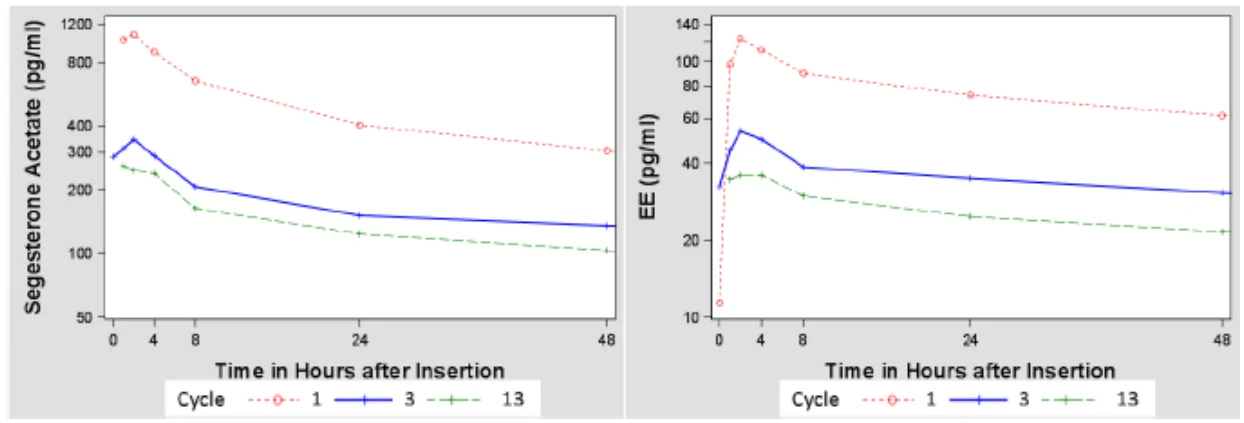
Figure 8 - Mean SA and EE Serum Concentrations Delivered by RINGZA Over the First 48 Hours of Dosing for Cycles 1, 3, and 13
Distribution:
The volume of distribution of SA is 19.6 L/kg. SA is approximately 95% bound to human serum proteins and has negligible binding affinity for sex hormone-binding globulin (SHBG). EE is highly protein bound but not specifically bound to serum albumin (98.5%) and induces an increase in the serum concentrations of SHBG.
Metabolism:
In vitro data show that both SA and EE are metabolized by the cytochrome P450 (CYP) 3A4 isoenzyme. In human serum, two oxidative metabolites (5α-dihydro- and 17α-hydroxy-5α-dihydro metabolites) constitute 50% of exposure relative to SA. Both metabolites are not considered as active metabolites with EC50 to progesterone receptor 10-fold higher than that of SA. EE is primarily metabolized by aromatic hydroxylation, but a wide variety of hydroxylated and methylated metabolites are formed.
These are present as free metabolites and as sulfate and glucuronide conjugates. The hydroxylated EE metabolites have weak estrogenic activity.
The in vitro studies suggest that SA is unlikely to inhibit or induce CYP enzymes at the therapeutic dose.
Elimination
The mean (SD) half-life of SA is 4.5 (3.4) hours. EE is known to be excreted in the urine and feces as glucuronide and sulfate conjugates, and it undergoes enterohepatic recirculation. The mean (SD) half-life of EE is 15.1 (7.5) hours.
Special Populations and Conditions
- Pediatrics: The pharmacokinetics of RINGZA in adolescents under the age of 18 has not been studied.
- Obesity: Higher body weight is associated with lower systemic exposure of SA and EE. In a PK study conducted in 18 women with a BMI < 25 (16.89–24.34) kg/m2 and 21 women with a BMI > 25 (25.15–37.46) kg/m2, up to 16% and 33% decreases in the systemic exposure (AUC0- 21day) of SA and EE, respectively, were observed between the two BMI groups.
- Hepatic Insufficiency: No studies have been conducted to evaluate the effect of hepatic impairment on the disposition of RINGZA. However, steroid hormones may be poorly metabolized in patients with hepatic impairment. Acute or chronic disturbances of liver function may necessitate the discontinuation of CHC use until markers of liver function return to normal and CHC causation has been excluded. See CONTRAINDICATIONS and 7 WARNINGS AND PRECAUTIONS: Hepatic/Biliary/Pancreatic.
- Renal Insufficiency: No studies have been conducted to evaluate the effect of renal impairment on the disposition of RINGZA.
11 STORAGE, STABILITY AND DISPOSAL
Prior to dispensing to the user, store RINGZA at room temperature (15 to 30°C).
After dispensing to the user, RINGZA should be stored in the provided black compact case at room temperature (15 to 30°C).
Protect RINGZA from direct sunlight. Do not refrigerate or freeze and avoid excessive heat.
Keep RINGZA out of reach and sight of children.
12 SPECIAL HANDLING INSTRUCTIONS
After 13 cycles of use, place the completely used RINGZA in the case provided and discard via a drug take-back option if one is available. If a drug take-back option is unavailable, then discard in the waste receptacle out of reach of children and pets. RINGZA should NOT be flushed down the toilet.
PART II: SCIENTIFIC INFORMATION
13 PHARMACEUTICAL INFORMATION
Drug Substance
Progesterone
Proper/Common name: Segesterone Acetate
Chemical name: 16-methylene-17α-acetoxy-19-nor-pregn-4-ene-3,20-dione
Molecular formula: C23H30O4
Molecular mass: 370.5 g/mol
Structural formula:
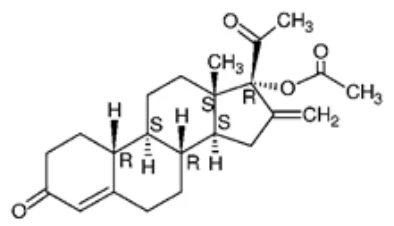
Physical Form: White to yellowish powder
Physicochemical Properties: SA is slightly soluble in n-hexane, soluble in ethyl acetate and methanol, freely soluble in acetone (USP classification). SA has been found to exist in three polymorphic non-solvated forms. All polymorphic forms (Polymorphic Form I, Polymorphic Form II and Polymorphic Form III) were obtained by crystallization. The polymorphic Form for this active substance SA is Form I that is characterized by X-ray diffractometry.
Melting Point: 173-177°C
Estrogen
Proper name: Ethinylestradiol (Ph. Eur.) Ethinyl Estradiol (USP)
Chemical name: 19-Nor-17α -pregna-1,3,5(10)-trien-20-yne-3,17-diol
Molecular formula: C20H24O2
Molecular mass: 296.4 g/mol
Structural formula:
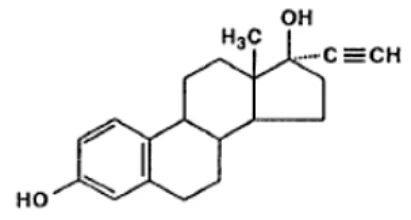
Physical Form: White to slightly yellowish-white crystalline powder.
Solubility: EE is practically insoluble in water, freely soluble in alcohol, it dissolves in alkaline solutions.
Melting Point: 181-185°C
14 CLINICAL TRIALS
The efficacy, safety and cycle control of RINGZA to prevent pregnancy were evaluated in two pivotal Phase 3 studies of 13-cycle duration (Study 300A and Study 300B) enrolling 18 to 40 years old women (n = 2264), who were healthy and sexually active with regular menstrual cycles. The two pivotal studies were designed with identical protocols. Study 300A was conducted at 15 sites in the United States, while Study 300B was conducted at 5 sites in United States, 3 sites in Europe, 3 sites in Latin America and 1 site in Australia.
Key exclusion criteria included known hypersensitivity to any components of the slow-release ring; BMI over 29.0 kg/m² (at approximately 50% enrollment, women with BMI > 29.0 kg/m2 were no longer enrolled and all women with a BMI > 29.0 kg/m2 were discontinued from the trials); smoking in women ≥35 years old; diastolic blood pressure of 85 mmHg or higher and/or systolic blood pressure of 135 mmHg or higher; current or past thrombophlebitis or thromboembolic disorders; family history of venous thrombosis or thromboembolism; cerebrovascular or cardiovascular disease; known or suspected pregnancy or breastfeeding; undiagnosed abnormal genital bleeding, vaginal discharge, or vaginal lesions or abnormalities; known or suspected carcinoma of the breast, endometrium, or other estrogen-dependent neoplasms; benign or malignant liver tumors, active liver disease, or history of cholestatic jaundice; current or history of severe depression; and headaches with focal neurological symptoms.
See Table 9 for study design and demographic characteristics of the study population.
A single slow-release ring was used by each subject for up to 13 cycles (1 year); replacements for lost slow-release ring were allowed. Each cycle included 21 dosing days in which RINGZA was in the vagina (RINGZA-in days) followed by 7 non-dosing days when RINGZA was out of the vagina (RINGZA-out days). Therefore, RINGZA was used in a traditional 21/7 CHC dosing regimen.
14.1 Trial Design and Study Demographics
Table 9 – Description of Clinical Studies
| Study # | Study design | Dosage, route of administration and duration | Study subjects (n) | Mean age (Range) | Study Population | Endpoints |
| 300A | Multicenter, open-label, single-arm to evaluate contraceptive efficacy, cycle control and safety | 0.15 mg SA / 0.013 mg EE Vaginal 13 cycles | 1129 | 26.6 (18-40) | Healthy women of childbearing potential Mean BMI (SD): 24.08 kg/m2 (3.895) BMI > 29.0: 10.6% 23.1% Black/African-American 66.3% Caucasian Current smoker: 13.7% > 35 years: 6.6% | Primary efficacy analysis: Pearl Index (number of pregnancies per 100-woman years of product use) Secondary efficacy analyses:
|
| 300B | Multicenter, open-label, single-arm to evaluate contraceptive efficacy, cycle control and safety | 0.15 mg SA / 0.013 mg EE Vaginal 13 cycles | 1135 | 26.7 (18-40) | Healthy women of childbearing potential Mean BMI (SD): 23.81 kg/m2 (3.486) BMI > 29.0: 7.0% 13.2% Black/African-American 86.8% Caucasian Current smoker: 16.6% > 35 years: 7.0% | Primary efficacy analysis: Pearl Index (number of pregnancies per 100-woman years of product use) Secondary efficacy analyses:
|
SA = segesterone acetate; EE = ethinyl estradiol; BMI = Body Mass Index; SD = Standard Deviation.
* summarizing bleeding variables for each cycle, including occurrence of any scheduled bleeding/spotting, total number of bleeding days, occurrence of unscheduled bleeding, total number of unscheduled bleeding days, occurrence of unscheduled bleeding or spotting and total number of days of unscheduled bleeding or spotting
14.2 Study Results
Pearl Index
The Primary Subgroup used for the primary efficacy analysis was women ≤ 35 years of age with cycles of adjunctive contraception excluded. Based on pooled data from the two pivotal studies, 2111 women ≤ 35 years of age completed 17 427 evaluable 28-day cycles (cycles in which no back-up contraception was used). The pooled pregnancy rate, evaluated by the Pearl Index (PI), was 2.98 (95% Confidence
Interval [2.13, 4.06]) per 100 woman-years of RINGZA use. The results of the pooled analysis are presented together with individual pivotal study results in Table 10.
Table 10 - Primary Efficacy Analysis – Pearl Index for the Primary Subgroup (Age ≤ 35 Years)
| Primary Endpoint | Number of subjects | Number of Pregnanciesa | Number of Cycles | Pearl Index [95% CI]b |
Pearl Index (pooled) | 2 111 | 40 | 17 427 | 2.98 [2.13, 4.06] |
Pearl Index (Study 300A) | 1 055 | 19 | 7 970 | 3.10 [1.87, 4.84] |
Pearl Index (Study 300B) | 1 056 | 21 | 9 457 | 2.89 [1.79, 4.41] |
a Pregnancies that occurred during RINGZA use or within 7 days of last RINGZA use are included
b Confidence interval was based on the Poisson distribution and its associated confidence interval from chi‐square distribution. PI = x/E, Lower 95 % confidence limit of PI = 0.5 * χ2 (0.025, 2x) /E; Upper 95 % confidence limit of PI = 0.5 * χ2 (0.975, 2(x+1)) /E
Where x = number of pregnancies,
E = (#cycles/13) *100
χ2 (α, df) is the α quantile from χ2-distribution with df degrees of freedom.
Kaplan-Meier Life Table Analysis
The Kaplan-Meier cumulative pregnancy rate provides supportive evidence of efficacy (n = 2264). In the intent-to-treat life table analysis of pooled data from the two pivotal trials (Studies 300A and 300B), RINGZA was 97.5% effective in preventing pregnancies. After one year of RINGZA use (13 cycles), the life table estimate of the cumulative probability of not becoming pregnant during or within 7 days of last RINGZA use was 0.9749 (95% CI [0.9654, 0.9818]). The life table estimate of the cumulative probability of becoming pregnant during or within 7 days of last RINGZA use was 0.0251 (95% CI [0.0346, 0.0182]). Results of efficacy are aligned for the two pivotal studies; 97.8% and 97.2%, for Study 300A and Study 300B respectively.
Bleeding and/or Spotting
The bleeding pattern observed with RINGZA in the two pivotal trials (Studies 300A and 300B) was consistent with a planned hormonal withdrawal bleed every 28 days. Scheduled bleeding and/or spotting was experienced by 97.9% of women during Days 22 to 28, the days when RINGZA was to be out.
The number of women with unscheduled bleeding only and unscheduled bleeding and/or spotting by cycle is presented in Table 11. A range of 5.4% to 9.7% of women experienced unscheduled bleeding per cycle. A range of 12.9% to 21.4% of women experienced unscheduled bleeding and/or spotting per cycle. During Cycles 1 to 13, women reported < 1 day of unscheduled bleeding and < 1 day of unscheduled bleeding and/or spotting.
Table 11 – Number of Women with Unscheduled Bleeding Only and Unscheduled Bleeding and/or Spotting & Number of Days by Cycle – Pooled Analysis from Studies 300A and 300B
| Unscheduled Bleeding Only | Unscheduled Bleeding and/or Spotting | |||||||||||
|---|---|---|---|---|---|---|---|---|---|---|---|---|
| Cycle | Number of subjects n/N (%) | Number of days Mean (SD) | Number of subjects n/N (%) | Number of days Mean (SD) | ||||||||
| 1 | 178/2067 (8.6) | 0.3 (1.37) | 443/2067 (21.4) | 1.1 (2.78) | ||||||||
| 2 | 105/1788 (5.9) | 0.2 (0.97) | 278/1788 (15.5) | 0.6 (1.98) | ||||||||
| 3 | 84/1554 (5.4) | 0.2 (0.90) | 251/1554 (16.2) | 0.6 (1.68) | ||||||||
| 4 | 81/1494 (5.4) | 0.2 (1.11) | 193/1494 (12.9) | 0.5 (1.83) | ||||||||
| 5 | 96/1451 (6.6) | 0.2 (1.03) | 218/1451 (15.0) | 0.6 (1.82) | ||||||||
| 6 | 106/1299 (8.2) | 0.3 (1.05) | 232/1299 (17.9) | 0.6 (1.72) | ||||||||
| 7 | 92/1246 (7.4) | 0.3 (1.08) | 207/1246 (16.6) | 0.7 (2.07) | ||||||||
| 8 | 97/1207 (8.0) | 0.3 (1.05) | 216/1207 (17.9) | 0.7 (1.91) | ||||||||
| 9 | 83/1055 (7.9) | 0.3 (1.03) | 194/1055 (18.4) | 0.8 (2.01) | ||||||||
| 10 | 89/966 (9.2) | 0.3 (1.23) | 186/966 (19.3) | 0.8 (2.12) | ||||||||
| 11 | 75/883 (8.5) | 0.3 (1.16) | 173/883 (19.6) | 0.9 (2.31) | ||||||||
| 12 | 71/808 (8.8) | 0.3 (1.08) | 163/808 (20.2) | 0.9 (2.34) | ||||||||
| 13 | 71/734 (9.7) | 0.3 (1.04) | 157/734 (21.4) | 0.9 (2.19) | ||||||||
Based on subject diaries from the two clinical efficacy trials of RINGZA, a total of 41 women (1.7%) discontinued use due to menstrual disorders including metrorrhagia, menorrhagia, and abnormal withdrawal bleeding. Amenorrhea occurred in 3-5% of women per cycle using RINGZA and in 0.9% of women in all 13 cycles.
Return to Fertility
The use of RINGZA does not alter the course of future fertility. Return to fertility was assessed in 290 women from the two pivotal studies (147 women from Study 300A and 143 women from Study 300B) who either desired pregnancy or switched to a nonhormonal method after the trials. All 290 women (100%) reported a return to fertility by 6 months after discontinuing RINGZA (defined as a return of menses or pregnancy).
15 MICROBIOLOGY
No microbiological information is required for this drug product.
16 NON-CLINICAL TOXICOLOGY
General Toxicology:
Acute Toxicity Studies:
Single dose toxicity studies with SA were conducted in mice, rats and rabbits. After single oral administration, mortality occurred at dose levels ≥ 6400 mg/kg in mice and 10000 mg/kg in rats. When administered intraperitoneally, SA caused dose-related mortality at dose levels ≥ 1000 mg/kg in mice and ≥ 1250 mg/kg in rats. A single subcutaneous dose of 8.5 mg/kg SA to female mice caused no acute effects. A single subcutaneous dose of 10 mg/kg SA caused an increased body weight gain in female rats, and no acute effects in female rabbits.
Chronic Toxicity Studies:
All observations in multiple repeated-dose toxicity studies were a consequence of the primary and secondary pharmacodynamic properties of SA, and no systemic or local toxicities were noted. Serum concentrations at the highest administered dose levels in the repeat-dose studies were at least 16x the steady state serum concentrations observed in the pivotal clinical PK study.
Carcinogenicity:
In a 2-year carcinogenicity study in rats with subdermal implants releasing 40, 100, and 200 mcg SA per day (approximately 17-86x the daily dose of SA in women using RINGZA, based on body surface area), no drug-related increase in tumor incidence was observed. In a 2-year intravaginal carcinogenicity study in mice, SA gel produced an increased incidence of adenocarcinoma and lobular hyperplasia in the breast at a dose of 30 mg/kg/day, approximately 10x the systemic exposure of SA per day in women using RINGZA, based on AUC. A dose of 10 mg/kg/day in the mouse, approximately 3x the systemic exposure of SA per day based on AUC, did not result in carcinogenic findings.
Long-term continuous administration of natural and synthetic estrogens in certain animal species increases the frequency of carcinomas of the breast, uterus, cervix, vagina, testis, and liver.
Genotoxicity:
Segesterone acetate was neither mutagenic nor clastogenic in the Ames/Salmonella reverse mutation assay, the chromosomal aberration assay in Chinese hamster ovary cells, or in the in vivo mouse micronucleus test.
Reproductive and Developmental Toxicology:
In a rat fertility study, treatment with SA subdermal implants for 90 days did not impair the return to fertility 7 weeks after cessation of treatment, and there were no adverse effects on ovulation or resulting litter parameters. Subcutaneous administration of SA to pregnant rats at dose levels of 10, 50 or 250 mcg/kg/day during gestation days 6-15 (G6-G15) did not cause embryotoxicity or teratogenicity. In pregnant rabbits treated subcutaneously at dose levels up to 250 mcg/kg/day (G6-G18), no maternal toxicity was observed (maternal NOAEL was 250 mcg/kg/day), but the total incidence of embryo death, litter resorption, as well as fetal skeletal malformations increased in the high dose group. Serum concentrations at the developmental NOEL (50 mcg/kg/day) were 2.84x the human exposure based on steady state concentrations observed in the pivotal clinical PK study with RINGZA releasing 150 mcg/day SA. Systemic exposure was not determined in the embryo-fetal development studies, but based on dose expressed as mcg/m2, the high dose used in the embryo-fetal development studies (1500 mcg/m2 in rats and 3000 mcg/m2 in rabbits) was a 16x to 32x the human dose (150 mcg/day or 92.5 mcg/m2).
In a peri-/postnatal study in rats, subcutaneous injections of SA (10, 50 and 250 mcg/kg/day) from gestational day 15 through gestational day 25 or lactation day 21 resulted in prolonged gestation and increased neonatal mortality at all doses. Increased maternal mortality was observed in the 50 and 250 mcg/kg/day dosage groups, mainly due to prolonged gestation and delivery complications. Increased anogenital distances were observed in male pups in the 10 and 50 mcg/kg/day dosage groups on day 1 postpartum. This increase did not affect identification of sex and was normalised by lactation day 21. A NOEL for either maternal or fetal toxicity could not be identified.