


Product Monograph - Sandoz Bicalutamide
SUMMARY PRODUCT INFORMATION
| Route of Administration | Dosage Form / Strength | Clinically Relevant Nonmedicinal Ingredients |
| Oral | Tablet / 50 mg | lactose monohydrate For a complete listing see DOSAGE FORMS, COMPOSITION AND PACKAGING section. |
INDICATIONS AND CLINICAL USE
Sandoz Bicalutamide (bicalutamide) 50 mg is indicated for use in combination therapy with either a luteinizing hormone releasing hormone (LHRH) analogue or surgical castration in the treatment of metastatic (Stage D2) prostate cancer.
Pediatrics:
The safety and effectiveness of bicalutamide in children has not been established.
CONTRAINDICATIONS
Sandoz Bicalutamide is contraindicated in the following:
- Patients who are hypersensitive to the drug or any of its components. For a complete listing, see the DOSAGE FORMS, COMPOSITION AND PACKAGING section of the Product Monograph.
- Patients with localized prostate cancer otherwise undergoing watchful waiting (see WARNINGS AND PRECAUTIONS).
- Women: The safety and effectiveness of bicalutamide in women has not been studied.
- Children: The safety and effectiveness of bicalutamide in children has not been studied.
WARNINGS AND PRECAUTIONS
Sandoz Bicalutamide should only be prescribed by a qualified healthcare professional who is experienced with the treatment of prostate cancer and the use of anti-androgens.
- Sandoz Bicalutamide 150mg/day dose should not be used (see WARNINGS & PRECAUTIONS, General).
- Rare hepatic failure, including fatal outcomes (see WARNINGS & PRECAUTIONS, Hepatic).
- Uncommon interstitial lung disease, including fatal outcomes (see WARNINGS & PRECAUTIONS, Respiratory).
General
During treatment with bicalutamide, somnolence has been reported and those patients who experience this symptom should observe caution when driving or using machines.
Localized Prostate Cancer Patients
Bicalutamide 150 mg is NOT to be administered.
Evidence from a large on-going clinical study demonstrates that at 5.4 year median follow-up, the use of bicalutamide 150 mg as immediate therapy for the treatment of localized prostate cancer in patients otherwise undergoing watchful waiting is associated with increased mortality. Health Canada previously assessed bicalutamide 150 mg versus castration in the locally advanced patient population and found level 1 scientific evidence (one of the 2 randomized clinical trials) of increased mortality in bicalutamide 150 mg treated patients.
Patients taking bicalutamide 50 mg per day for the treatment of metastatic prostate cancer are not affected by this new information.
Anti-androgen Withdrawal Syndrome
In some patients with metastatic prostate cancer, anti-androgens (steroidal and non-steroidal), may promote, rather than inhibit, the growth of prostate cancer. A decrease in PSA and/or clinical improvement following discontinuation of antiandrogens has been reported. It is recommended that patients prescribed an antiandrogen, who have PSA progression, should have the antiandrogen discontinued immediately and be monitored for 6 - 8 weeks for a withdrawal response prior to any decision to proceed with other prostate cancer therapy.
Cardiovascular
Bicalutamide is indicated for use in combination with either an LHRH analogue or surgical castration. Combined androgen blockade with an anti-androgen plus LHRH analogue or surgical castration increases risk of cardiovascular disease (heart attack, cardiac failure, sudden cardiac death) and adversely affects independent cardiovascular risk factors (serum lipoproteins, insulin sensitivity and obesity). Physicians should carefully consider whether the benefits of combined androgen blockade outweigh the potential cardiovascular risk. Assessment of cardiovascular risk factors, monitoring for signs and symptoms suggestive of development of cardiovascular disease, and management according to local clinical practice and guidelines should be considered.
Effect on QT/QTc interval
Bicalutamide is indicated for use in combination with either an LHRH analogue or surgical castration. Combined androgen blockade with an anti-androgen plus LHRH analogue or surgical castration has the potential to prolong QT/QTc interval on ECG. In patients with a history of or who have risk factors for QT prolongation including congenital long QT syndrome, electrolyte abnormalities, or congestive heart failure and in patients taking concomitant medicinal products that may prolong the QT interval including Class IA (e.g. quinidine, procainamide), Class III (e.g. amiodarone, sotalol, dofetilide, ibutilide), or Class IC (e.g. flecainide, propafenone) antiarrhythmic medications (see DRUG INTERACTIONS), physicians should assess the benefit risk ratio, including the potential for Torsade de Pointes prior to initiating bicalutamide.
Endocrine and Metabolism
A reduction in glucose tolerance and/or glycated hemoglobin (HbAlc) has been observed in males receiving bicalutamide in combination with LHRH analogues. This may manifest as diabetes or loss of glycemic control in those with pre-existing diabetes. Consideration should therefore be given to monitoring blood glucose and/or glycated hemoglobin (HbAlc) in patients receiving bicalutamide in combination with LHRH analogues.
Gynaecomastia, Breast Pain
Gynaecomastia has been reported in patients receiving bicalutamide. For metastatic (M1) patients receiving bicalutamide 50 mg, concomitant surgical or medical castration may reduce the effects of gynaecomastia.
Hematologic
Anemia is a known physiologic consequence of testosterone suppression. Assessment of anemia risk and management according to local clinical practice and guidelines should be considered. There may be an increased risk of hemorrhage in patients taking coumarin anticoagulants that are started on bicalutamide. (see ADVERSE REACTIONS and DRUG INTERACTIONS).
Hepatic
Bicalutamide is extensively metabolized in the liver. Data suggests that the elimination of bicalutamide may be slower in subjects with severe hepatic impairment and this could lead to increased accumulation of bicalutamide. Therefore, Sandoz Bicalutamide should be used with caution in patients with moderate to severe hepatic impairment.
Hepatotoxicity including rare hepatic failure has been observed with bicalutamide, and fatal outcomes have been reported. Sandoz Bicalutamide therapy should be discontinued if changes are severe (also see Post-Market Adverse Drug Reactions).
Musculoskeletal
Changes in Bone Density
Bicalutamide is indicated for use in combination with either an LHRH analogue or surgical castration. Decreased bone mineral density can be anticipated with long term combined androgen blockade with an anti-androgen plus LHRH analogue or surgical castration. Combined androgen blockade is associated with increased risks of osteoporosis and skeletal bone fractures. The risk of skeletal fracture increases with the duration of combined androgen blockade. Assessment of osteoporosis risk and management according to clinical practice and guidelines should be considered.
In patients with significant risk factors for decreased bone mineral content and/or bone mass such as chronic alcohol and/or tobacco use, presumed or strong family history of osteoporosis or chronic use of drugs that can reduce bone mass such as anticonvulsants or corticosteroids, combined androgen blockade may pose an additional risk. In these patients, risk versus benefit must be weighed carefully before combined androgen blockade is instituted.
Respiratory
Uncommon cases of interstitial lung disease (some cases have been fatal) have been reported with bicalutamide (also see Post-Market Adverse Drug Reactions). Interstitial lung disease has been reported most often at doses greater than 50 mg. Bicalutamide 150 mg is NOT to be administered.
If patients present with worsening of respiratory symptoms such as dyspnoea, cough and fever, bicalutamide should be interrupted and prompt investigation initiated. If Interstitial Lung Disease is confirmed, Sandoz Bicalutamide should be discontinued and the patient treated appropriately.
Sexual Function/Reproduction
Sandoz Bicalutamide may cause reversible impairment of male fertility. Animal studies (see TOXICOLOGY) indicate that bicalutamide can affect spermatogenesis (spermatozoa count and motility) and increase the interval to successful mating. A period of subfertility or infertility should be assumed in men taking Sandoz Bicalutamide. Although the long-term effects of Sandoz Bicalutamide on male fertility have not been evaluated in humans, patients and their partners should follow adequate contraception during and for at least 130 days after Sandoz Bicalutamide therapy.
Skin
In rare cases, photosensitivity reactions have been reported for patients taking bicalutamide.
Patients should be advised to avoid direct exposure to excessive sunlight or UV-light while on
Sandoz Bicalutamide and the use of sunscreens may be considered. In cases where the photosensitivity reaction is more persistent and/or severe, an appropriate symptomatic treatment should be initiated.
Special Populations
Pregnant and Nursing Women: Sandoz Bicalutamide is contraindicated in females and must not be given to pregnant women. Bicalutamide may cause fetal harm when administered to pregnant women. Sandoz Bicalutamide is contraindicated during breast-feeding.
The male offspring of rats (but not rabbits) receiving doses of 10 mg/kg/day and above, were observed to have reduced anogenital distance and hypospadias in reproductive toxicology studies. These pharmacological effects have been observed with other antiandrogens. No other teratogenic effects were observed in rabbits (receiving doses up to 200 mg/kg/day) or rats (receiving doses up to 250 mg/kg/day).
Pediatrics: The safety and effectiveness of bicalutamide (non-steroidal antiandrogen) in children has not been established.
Monitoring and Laboratory Tests
Regular assessments of serum Prostate Specific Antigen (PSA) may be helpful in monitoring patients’ response.
Anemia has been observed in patients treated with bicalutamide. Hemoglobin levels should be monitored.
Baseline risk factors of cardiovascular diseases should be assessed. Patients receiving bicalutamide should be monitored periodically for risk factors, signs and symptoms of cardiovascular diseases. In addition, baseline ECG recording and serum potassium, calcium, and magnesium levels are recommended. Monitoring of ECG and serum electrolyte levels during treatment should also be considered for those at risk for electrolyte abnormality and QTc prolongation.
Since transaminase abnormalities and jaundice, rarely severe, have been reported with the use of bicalutamide, periodic liver function tests should be considered. If clinically indicated, discontinuation of therapy should be considered. Abnormalities are usually reversible upon discontinuation.
Since bicalutamide may elevate plasma testosterone and estradiol levels, fluid retention could occur. Accordingly, Sandoz Bicalutamide should be used with caution in those patients with cardiac disease.
A reduction in glucose tolerance has been observed in males receiving bicalutamide in combination with LHRH analogues. This may manifest as diabetes or loss of glycaemic control in those with pre-existing diabetes. Consideration should therefore be given to monitoring blood glucose and/or glycated hemoglobin (HbAlc) in patients receiving bicalutamide in combination with LHRH analogues, especially diabetic patients (See WARNINGS AND PRECAUTIONS, Endocrine and Metabolism).
Potentiation of coumarin anticoagulant effects have been reported in patients receiving concomitant Sandoz Bicalutamide therapy, which may result in increased Prothrombin Time (PT) and International Normalized Ratio (INR). Close monitoring of PT/INR is advised and anticoagulant dose adjustment should be considered (see ADVERSE REACTIONS and DRUG INTERACTIONS).
ADVERSE REACTIONS
Adverse Drug Reaction Overview
Bicalutamide in Metastatic Patients
In patients with advanced prostate cancer, treated in the multicentre, double-blind controlled clinical trial comparing bicalutamide 50 mg once daily with flutamide 250 mg three times a day, each in combination with an LHRH analogue, the most frequent adverse experiences included: hot flushes (53%), asthenia (22%), constipation (22%), nausea (14%), peripheral edema (13%), anemia (13%), haematuria (12%), abdominal pain (11%), dizziness (10%), gynecomastia (9%), rash (9%), chest pain (8%), erectile dysfunction (7%), flatulence (7%), dyspepsia (7%), decreased appetite (6%), breast tenderness (6%), weight increase (5%), cardiac failure (4%), depression (4%), dry skin (4%), alopecia (4%), pruritus (3%), somnolence (3%), myocardial infarction (3%), decreased libido (2%), hirsutism (2%), and hypersensitivity reactions (1%) including angioedema and urticaria.
Adverse event reports of abnormal liver function test results occurred in 7% of patients. These changes were frequently transient and rarely severe, resolving or improving with continued therapy or following cessation of therapy.
Hepatic failure and interstitial lung disease (see WARNINGS AND PRECAUTIONS) have been observed in post-marketed data and fatal outcomes have been reported for both.
Bicalutamide, in general has been well tolerated with few withdrawals due to adverse events. The most common adverse events leading to withdrawal of study medication were abnormal liver function tests (1.5%), hot flushes (1.0%), and nausea and vomiting (0.7%).
After a 160 week follow-up, there were 213/401 deaths in the bicalutamide-LHRH arm and 235/407 deaths in the flutamide-LHRH arm of the trial. There were 30 vs. 18 deaths due to adverse events in the two arms respectively and in both arms, the most common causes of death due to adverse events were attributed to the cardiovascular system (see ‘Cardiovascular’ under the ‘Clinical Trial Adverse Drug Reactions’ sub-section below).
Myocardial infarction and cardiac failure were observed in a pharmaco-epidemiology study of LHRH agonists and anti-androgens used in the treatment of prostate cancer. The risk appeared to be increased when bicalutamide was used in combination with LHRH agonists. Fatal outcomes of myocardial infarction have been reported.
Clinical Trial Adverse Drug Reactions
The following adverse experiences were reported within the same clinical trial with an incidence of ≥5%, regardless of causality.
Table 1 Incidence of Adverse Events (≥ 5% in Either Treatment Group)
Regardless of Causality
| Adverse Event | Treatment Group Number of Patients (%) | ||||||
|---|---|---|---|---|---|---|---|
Bicalutamide Plus LHRH Analogue (n=401) | Flutamide Plus LHRH Analogue (n=407) | ||||||
| Hot Flushes | 211 (53) | 217 (53) | |||||
| Pain (General) | 142 (35) | 127 (31) | |||||
| Back Pain | 102 (25) | 105 (26) | |||||
| Asthenia | 89 (22) | 87 (21) | |||||
| Adverse Event | Treatment Group Number of Patients (%) |
|---|
Bicalutamide Plus LHRH Analogue (n=401) | Flutamide Plus LHRH Analogue (n=407) | |
|---|---|---|
| Constipation | 87 (22) | 69 (17) |
| Pelvic Pain | 85 (21) | 70 (17) |
| Infection | 71 (18) | 57 (14) |
| Nausea | 56 (14) | 54 (13) |
| Peripheral Edema | 53 (13) | 42 (10) |
| Anemiaa | 51 (13) | 60 (15) |
| Dyspnea | 51 (13) | 32 (8) |
| Diarrhea | 49 (12) | 107 (26) |
| Nocturia | 49 (12) | 55 (14) |
| Hematuria | 48 (12) | 26 (6) |
| Abdominal Pain | 46 (11) | 46 (11) |
| Dizziness | 41 (10) | 35 (9) |
| Bone Pain | 37 (9) | 43 (11) |
| Gynecomastia | 36 (9) | 30 (8) |
| Rash | 35 (9) | 30 (7) |
| Urinary Tract Infection | 35 (9) | 36 (9) |
| Chest Pain | 34 (8) | 34 (8) |
| Hypertension | 34 (8) | 29 (7) |
| Cough Increased | 33 (8) | 24 (6) |
| Pharyngitis | 32 (8) | 23 (6) |
| Paresthesia | 31 (8) | 40 (10) |
| Increased Liver Enzyme Testb | 30 (7) | 46 (11) |
| Weight Loss | 30 (7) | 39 (10) |
| Headache | 29 (7) | 27 (7) |
| Flu Syndrome | 28 (7) | 20 (5) |
| Myasthenia | 27 (7) | 19 (5) |
| Insomnia | 27 (7) | 39 (10) |
| Erectile Dysfunction | 27 (7) | 35 (9) |
| Flatulence | 26 (7) | 22 (5) |
| Hyperglycemia | 26 (7) | 27 (7) |
| Dyspepsia | 26 (7) | 23 (6) |
| Decreased Appetite | 25 (6) | 29 (7) |
| Sweating | 25 (6) | 20 (5) |
| Bronchitis | 24 (6) | 11 (3) |
| Breast Pain (tenderness) | 23 (6) | 15 (4) |
| Urinary Frequency | 23 (6) | 29 (7) |
| Alkaline Phosphatase Increased | 22 (5) | 24 (6) |
| Weight-Increased | 22 (5) | 18 (4) |
| Arthritis | 21 (5) | 29 (7) |
| Anxiety | 20 (5) | 9 (2) |
| Urinary Retention | 20 (5) | 14 (3) |
| Urinary Impaired | 19 (5) | 15 (4) |
| Pneumonia | 18 (4) | 19 (5) |
| Pathological Fracture | 17 (4) | 32 (8) |
| Depression | 16 (4) | 33 (8) |
| Vomiting | 16 (4) | 28 (7) |
| Rhinitis | 15 (4) | 22 (5) |
| Urinary Incontinence | 15 (4) | 32 (8) |
a Anemia includes hypochromic anemia and iron deficiency anemia.
b Abnormal liver function tests reported as adverse events.
In addition, the following adverse experiences were reported by investigators within the same clinical trial (as possible adverse drug reactions in the opinion of investigating clinicians) with a frequency of less than 5%, during treatment with bicalutamide 50 mg plus an LHRH analogue. These experiences are not necessarily considered as causally related to drug treatment.
Cardiovascular: In the pivotal trial of 813 patients comparing bicalutamide 50 mg once daily with Flutamide 250 mg three times a day, each in combination with an LHRH analogue, an imbalance of deaths related to cardiovascular adverse events was noted (bicalutamide-LHRH therapy: 18 deaths; Flutamide-LHRH therapy: 9 deaths) however, there is difficulty in interpreting this imbalance as the exposure was longer on the bicalutamide-LHRH arm by a mean of 13 weeks. Other cardiovascular-related experiences reported include angina pectoris, congestive heart failure, myocardial infarction, heart arrest, coronary artery disorder, syncope, atrial fibrillation, cerebrovascular accident, deep thrombophlebitis, arrhythmia, bradycardia, cerebral ischemia, hemorrhage.
Central Nervous System: hypertonia, confusion, somnolence, decreased libido, neuropathy, nervousness
Endocrine System: diabetes mellitus
Gastrointestinal: melena, rectal hemorrhage, dry mouth, dysphagia, gastrointestinal disorder, periodontal abscess, gastrointestinal carcinoma, rectal disorder, intestinal obstruction, gastritis
Hematological: ecchymosis, thrombocytopenia
Immune System Disorders: hypersensitivity, angioedema and urticaria
Metabolic & Nutritional: edema, BUN increased, creatinine increased, dehydration, gout, hypercholesteremia, hypoglycemia, hypercalcemia
Musculoskeletal: leg cramps, bone disorders, myalgia
Respiratory System: lung disorder, asthma, epistaxis, sinusitis, pleural effusion, voice alteration
Skin & Appendages: dry skin, alopecia, pruritus, herpes zoster, skin carcinoma, skin disorder, skin hypertrophy, hirsutism, skin ulcer
Special Senses: cataract, abnormal vision, conjunctivitis
Urogenital: dysuria, urinary urgency, hydronephrosis, urinary tract disorder, bladder stenosis, kidney calculus, prostatic disorder, balanitis
Whole Body: neoplasm, neck pain, fever, chills, sepsis, hernia, cyst, injection site reaction, allergic reaction, neck rigidity, face edema
Abnormal Hematologic and Clinical Chemistry Findings
Laboratory abnormalities including elevated AST, ALT, bilirubin, BUN, creatinine and decreased hemoglobin and white cell count have been reported in both bicalutamide-LHRH analogue treated and flutamide-LHRH analogue treated patients. Increased liver enzyme tests and decreases in hemoglobin were reported less frequently with bicalutamide-LHRH analogue therapy. Other changes were reported with similar incidence in both treatment groups.
Post-Market Adverse Drug Reactions
The following adverse reactions have been identified during post-approval use of bicalutamide:
Cardiovascular: Myocardial infarction (fatal outcomes have been reported, cardiac failure, sudden cardiac death)
Hepato-biliary disorders: Hepatic failure (fatal outcomes have been reported)
Hematologic: Anaemia, increased PT/INR have been reported due to drug interaction between bicalutamide and coumarin anticoagulants.
Respiratory: Interstitial lung disease (fatal outcomes have been reported)
Skin and subcutaneous tissue disorders: Photosensitivity reaction
DRUG INTERACTIONS
Drug-Drug Interactions
Clinical studies with bicalutamide have not demonstrated any drug/drug interactions with LHRH analogues.
In vitro studies have shown that the (R)-enantiomer is an inhibitor of CYP3A4, with lesser inhibitory effects on CYP 2C9, 2C19 and 2D6 activity. Although in vitro studies have suggested the potential for bicalutamide to inhibit cytochrome 3A4, a number of clinical studies show the magnitude of any inhibition is unlikely to be of clinical significance for the majority of substances which are metabolised by cytochrome P450. Nevertheless, such an increase in AUC could be of clinical relevance for drugs with a narrow therapeutic index (e.g. cyclosporin).
In vitro studies have shown that bicalutamide, which is highly protein bound can displace coumarin anticoagulants such as warfarin, from protein binding sites. In patients receiving bicalutamide and warfarin concomitantly, there have been reports of increased effects of anticoagulation such as increased INR above therapeutic levels and risk of hemorrhagic events. It is therefore recommended that if Sandoz Bicalutamide is administered in patients who are receiving coumarin anticoagulation, PT/INR should be closely monitored and adjustments of anticoagulant dose considered (see WARNINGS AND PRECAUTIONS and ADVERSE REACTIONS)..
Sandoz Bicalutamide is indicated for use in combination with either an LHRH analogue or surgical castration. Since combined androgen blockade prolongs the QTc interval, the combination use of bicalutamide with an LHRH analogue, and medicinal products known to prolong the QTc interval or able to induce Torsades de Pointes should be carefully evaluated. Such medicinal products include but are not limited to the examples that follow: Class IA (e.g.
quinidine, disopyramide), Class III (e.g. amiodarone, sotalol, dofetilide, ibutilide, dronedarone), or Class IC (e.g. flecainide, propafenone) antiarrhythmic medicinal products, antipsychotics (e.g. chlorpromazine), antidepressants (e.g. amitriptyline, nortriptyline), opioids (e.g. methadone), macrolide antibiotics and analogues (e.g. erythromycin, clarithromycin, azithromycin), quinolone antibiotics (e.g. moxifloxacin), antimalarials (e.g. quinine), azole antifungals, 5-hydroxytryptamine (5-HT3) receptor antagonists (e.g. ondansetron), and beta-2 adrenoceptor analogues (e.g. salbutamol).
Drug-Food Interactions
Interactions with food have not been established.
Drug-Herb Interactions
Interactions with herbal products have not been established.
Drug-Laboratory Interactions
Interactions with laboratory tests have not been established.
DOSAGE AND ADMINISTRATION
Recommended Dose and Dosage Adjustment
Sandoz Bicalutamide 50 mg in metastatic disease: The recommended dose for Sandoz Bicalutamide therapy in combination with an LHRH analogue or surgical castration is one 50 mg tablet once daily with or without food. Bicalutamide treatment should be started at the same time as treatment with an LHRH analogue or after surgical castration.
Dosing Considerations in Special Populations
Renal or Hepatic Impairment: No dosage adjustment is necessary for patients with renal or mild hepatic impairment. Increased accumulation may occur in patients with moderate to severe hepatic impairment (see WARNINGS AND PRECAUTIONS).
OVERDOSAGE
A single dose of bicalutamide that results in symptoms of an overdose considered to be life-threatening has not been established. In animal studies, bicalutamide demonstrated a low potential acute toxicity. The LD50 in mice and rats was greater than 2000 mg/kg. Long-term clinical trials have been conducted with doses up to 200 mg of bicalutamide daily and these doses have been well tolerated.
There is no specific antidote; treatment of an overdose should be symptomatic. In the management of an overdose with bicalutamide, vomiting may be induced if the patient is alert. It should be remembered that in this patient population multiple drugs may have been taken. Dialysis is not likely to be helpful since bicalutamide is highly protein bound and is extensively metabolized. General supportive care, including frequent monitoring of vital signs and close observation of the patient, is indicated.
For management of a suspected drug overdose, contact your regional Poison Control Centre.
ACTION AND CLINICAL PHARMACOLOGY
Pharmacodynamics
Bicalutamide is a non-steroidal antiandrogen, devoid of other endocrine activity. Bicalutamide competitively inhibits the action of androgens by binding to cytosol androgen receptors in target tissue. This inhibition results in regression of prostatic tumours. Bicalutamide is a racemate and the (R)-enantiomer is primarily responsible for the antiandrogenic activity of bicalutamide.
Pharmacokinetics
The absorption, distribution, metabolism and excretion of bicalutamide have been investigated after administration of a single 50 mg oral dose to volunteers. The results indicated that the dose was extensively absorbed and was excreted almost equally in urine (36%) and faeces (43%) over a 9 day collection period. There is no evidence of any clinically significant effect of food on bioavailability. Steady state plasma concentrations of the (R)-enantiomer of approximately 9 mcg/mL are observed during daily administration of 50 mg doses of bicalutamide. At steady state, the active (R)-enantiomer accounts for 99% of the circulating plasma bicalutamide concentration. Bicalutamide is highly protein bound (racemate 96%, (R)-enantiomer 99.6%). On daily administration, the (R)-enantiomer accumulates about 10-fold in plasma, consistent with an elimination half-life of approximately one week. The (S)-enantiomer is very rapidly cleared relative to the (R)-enantiomer. Bicalutamide is extensively metabolized via both oxidation and glucuronidation with approximately equal renal and biliary elimination of the metabolites.
Special Populations and Conditions
Pediatrics: The pharmacokinetics of the (R)-enantiomer are unaffected by age.
Geriatrics: The pharmacokinetics of the (R)-enantiomer are unaffected by age.
Hepatic Insufficiency: The pharmacokinetics of the (R)-enantiomer are unaffected by mild to moderate hepatic impairment. Patients with severe hepatic impairment eliminate the (R)-enantiomer from plasma more slowly.
Renal Insufficiency: The pharmacokinetics of the (R)-enantiomer are unaffected by renal impairment.
STORAGE AND STABILITY
Store between 15 and 30°C.
DOSAGE FORMS, COMPOSITION AND PACKAGING
Sandoz Bicalutamide 50 mg tablets are white, or almost white, round, biconvex film-coated tablets, with a sign “B” on one side and “50” on the other side. Available in blister packs of 30 tablets, and in 30 and 1000 count bottles.
In addition to the active ingredient bicalutamide, each tablet contains the following inactive ingredients: lactose monohydrate, sodium starch glycolate, povidone, colloidal anhydrous silica, magnesium stearate, hydroxypropyl methylcellulose, polyethylene glycol, titanium dioxide, triacetin.
PART II: SCIENTIFIC INFORMATION
PHARMACEUTICAL INFORMATION
Drug Substance
Proper name: Bicalutamide
Chemical Name: (±)-N-[4-cyano-3-(trifluoromethyl)phenyl]-3-[(4-fluorophenyl)-sulfonyl]-2-hydroxy-2-methyl-propanamide
Molecular Formula: C18H14F4N2O4S
Molecular Mass: 430.37
Structural Formula:
O N CF3 CN H CH3 S F O O OH
Physicochemical Properties
Description: Bicalutamide is a fine white or creamy white crystalline powder.
Solubility: Practically insoluble in water, slightly soluble in isopropanol, dichloromethane, and ethanol. Sparingly soluble in methanol. Soluble in acetonitrile.
Freely soluble in acetone and dimethylformamide.
Octanol/Water Partition
pKa: Approximately 12.
Chirality: Sandoz Bicalutamide is a racemate with its’ antiandrogen activity being predominately exhibited by (R)-enantiomer of bicalutamide
CLINICAL TRIALS
Comparative Bioavailability Studies
A comparative, randomized, single-dose, double-blinded, two-treatment, single period, parallel design bioavailability study of Sandoz Bicalutamide 50 mg tablets was performed vs the Canadian reference, CASODEX® 50 mg, in healthy adult males under fasting conditions. The summary of the comparative bioavailability study carried out by Sandoz Bicalutamide is presented in the Table 2.
Table 2 Comparative Bioavailability Study
Bicalutamide (1 x 50 mg film-coated tablet) From measured data Geometric Mean Arithmetic Mean (CV %) | ||||
|---|---|---|---|---|
| Parameter | Sandoz Bicalutamide 50 mg film-coated tablet | Casodex® † 50 mg film-coated tablet | % Ratio of Geometric Means | 90% Confidence Interval |
AUC0-72 (ng·h/mL) | 54653.30 55163.51 (13.81) | 53000.26 53534.57 (14.06) | 103.12% | 97.31%-109.27% |
AUC∞ (ng·h/mL) | 181496.45 193824.8 (44.03) | 223466.24 243288.82 (42.69) | 81.22% | 60.13%-109.70% |
Cmax (ng/mL) | 890.51 898.46 (13.64) | 853.73 864.23 (15.79) | 104.31% | 98.26%-110.72% |
| Tmax* (h) | 25.80 (53.41) | 27.91 (54.42) | ||
| T½* (h) | 136.18 (49.35) | 206.29 (76.27) | ||
† Casodex® is manufactured by AstraZeneca Canada Inc. Casodex® was purchased in Canada.
*Expressed as the arithmetic mean (CV%) only.
Study demographics and trial design
Time to treatment failure was the primary endpoint of a large, double-blinded, multicentre, non-inferiority clinical trial. Eight-hundred thirteen (813) patients with previously untreated advanced prostate cancer were randomized to receive bicalutamide 50 mg once daily (404 patients) or flutamide 250 mg (409 patients) three times a day, each in combination with luteinizing hormone-releasing hormone (LHRH) analogues (either goserelin acetate implant or leuprolide acetate depot).
Study results
Approval was based on a median follow-up of 49 weeks which showed bicalutamide-LHRH analogue therapy was associated with a statistically significant (p = 0.005) improvement in time to treatment failure. With a longer follow-up (median 95 weeks), improvement in time to treatment failure was no longer statistically significant (p = 0.10).
In a survival analysis conducted after a median follow-up of 160 weeks was reached, 213 (52.7%) patients treated with bicalutamide-LHRH analogue therapy and 235 (57.5%) patients treated with Flutamide-LHRH analogue therapy had died. There was no significant difference in survival between treatment groups (see Figure 1). The hazard ratio for survival was 0.87 (95% confidence interval 0.72 to 1.05, p = 0.15).
Figure 1 The Kaplan-Meier probability of survival for both antiandrogen treatment groups.
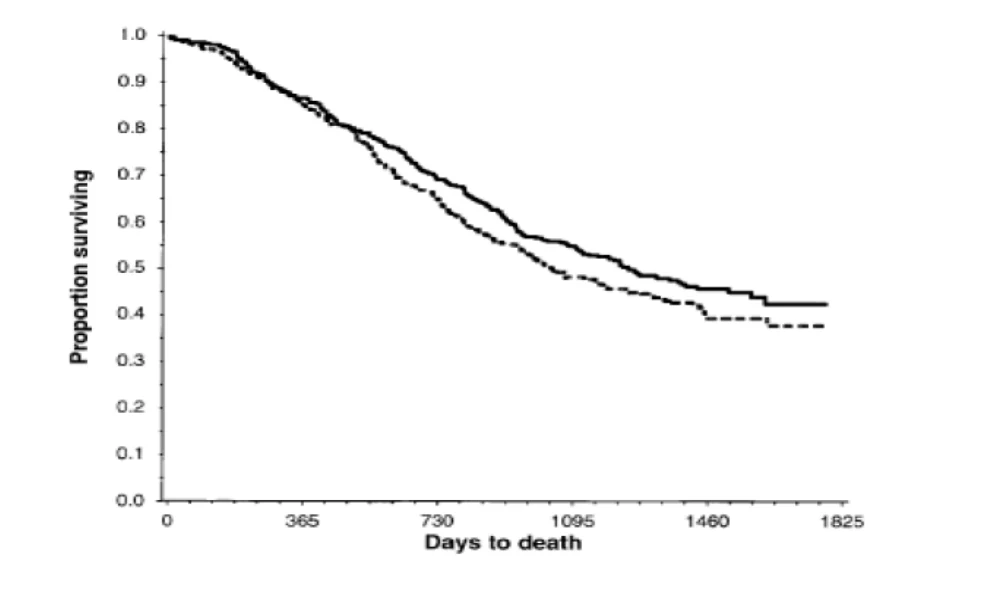
Bicalutamide plus luteinizing hormone releasing hormone-A
----------------------- Flutamide plus luteinizing hormone releasing hormone-A
There was no significant difference in time to objective tumour progression between treatment groups (see Figure 2). Objective tumour progression was defined as the appearance of any bone metastases or the worsening of any existing bone metastases on bone scan attributable to metastatic disease, or an increase by 25% or more of any existing measurable extraskeletal metastases. The hazard ratio for time to progression of bicalutamide plus LHRH analogue to that of flutamide plus LHRH analogue was 0.93 (95% confidence interval, 0.79 to 1.10, p = 0.41).
Figure 2 Kaplan-Meier curve for time to progression for both antiandrogen treatment groups.
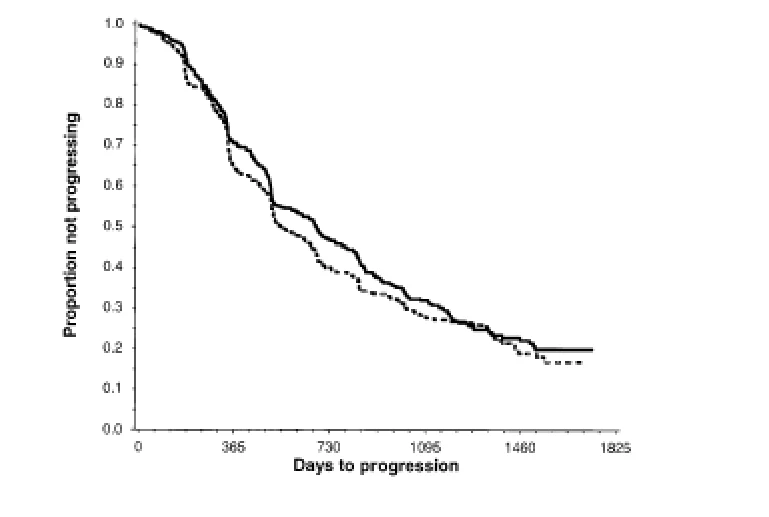
Bicalutamide plus luteinizing hormone releasing hormone-A
----------------------- Flutamide plus luteinizing hormone releasing hormone-A
Quality of life was assessed using a self-administered patient questionnaire on pain, bed disability, activity limitation, physical capacity, social functioning, emotional well-being, vitality, overall health, general symptoms, and treatment-related symptoms. At a median follow-up of 95 weeks, no significant differences were noted between the two treatment groups.
DETAILED PHARMACOLOGY
Animal Pharmacology
Pharmacodynamics
In vitro
Bicalutamide binds to rat, dog and human prostate and rat pituitary androgen receptors. In radioligand displacement assays, graded doses of bicalutamide inhibit the binding of the synthetic androgen [3H] -R-1881. Using the rat prostate androgen receptor, the displacement curves for bicalutamide, the antiandrogen hydroxyflutamide, R-1881 and the natural ligand, 5α-dihydrotestosterone are parallel.
Bicalutamide binds around fifty times less effectively than 5α-dihydrotestosterone and around 100 times less effectively than R-1881 to the rat androgen receptor but has an affinity around 4-fold higher for the prostate and 10 times higher for the pituitary androgen receptor than hydroxyflutamide. The relative affinities of bicalutamide for dog and human prostate androgen receptors are similar to those for the rat and are again higher than for hydroxyflutamide. Bicalutamide has no effect on prostate steroid 5α-reductase and has negligible affinity for the sex hormone-binding globulin and no affinity for corticosteroid-binding globulin.
In vivo
Rat: In the rat, bicalutamide and the (R)-enantiomer are at least 1000 times more potent as antiandrogens than the (S)-enantiomer which had very low potency. In immature castrated rats, 0.5 mg/kg oral bicalutamide prevents stimulation of the growth of the seminal vesicles and ventral prostate gland in response to daily subcutaneous injections of testosterone propionate (200 mcg/kg). In intact mature rats, several studies show that bicalutamide causes a dose-related reduction in accessory sex organ weights. In these studies bicalutamide had only a minimal effect on serum luteinizing hormone and testosterone.
Dog: Studies show that bicalutamide is an effective antiandrogen at the dog prostate but does not elevate serum testosterone concentrations. The ED50 value for inducing prostate atrophy in the dog following daily oral treatment for 6 weeks is about 0.1 mg/kg. At all doses tested up to 100 mg/kg, bicalutamide has no effect on serum testosterone concentrations.
Monkey: Longitudinal studies in monkeys, where prostate and seminal vesicle sizes were followed by magnetic resonance imaging, show bicalutamide to be a highly potent (1-5 mg/kg) antiandrogen with negligible effect on serum testosterone, although there was wide intra- and inter-animal variability.
Pharmacokinetics
Bicalutamide displays enantioselective pharmacokinetics in rats, dogs and man with the (R)-enantiomer being slowly eliminated, particularly in the dog and man, and consequently accumulating on daily administration. Steady state ratios (R)-enantiomer to (S)-enantiomer are highest in man (~ 100:1), lower in the rat (~ 14:1) and even lower in the dog (~ 3:1).
TOXICOLOGY
Acute Toxicity
In animal studies, bicalutamide demonstrated a low potential acute toxicity. The LD50 in mice, rats and dogs was greater than 2000 mg/kg. The LD50 in rabbits was greater than 200 mg/kg.
Long-Term Toxicity
Multiple dose studies include one, six and twelve month studies in the rat and dog (see following table).
Table 3 Long-Term Toxicity
| Species | Duration | No. of Animals/Group | Route | Dose mg/kg/day | Effects |
Rat Wistar | 1 month | 28-40 M* + 28-40 F* | Oral | 0, 25, 100, 500 | Minor, reversible drug-related increases (<10%) in plasma total protein & albumin in Groups III and IV. Small prostate and seminal vesicles at all doses and reversible, drug-related increase in liver weight (21% and 35% for Groups III and IV males, 36%, 55% and 90% for Groups II-IV females) and adrenal weights (24% and 50% for Group III and IV males, 16% and 27% for Group III and IV females). Microscopic changes were consistent with anti-androgen activity (e.g. atrophy of ventral prostate & seminal vesicles, Leydig cell hyperplasia). There were changes consistent with enzyme induction in the liver in bicalutamide-dosed groups and a minimal to mild increases in cortical single cell necrosis in adrenal glands in bicalutamide-dosed groups and a minimal to mild hypertrophy of follicular epithelium and reduced colloid, in the thyroid gland from dosed groups. There was a dose dependant increase in basophilia and RNA content of hepatocyte cytoplasm in all bicalutamide-dosed groups and an increase in smooth ER in some Group IV animals. |
Rat Wistar | 6 month | 30-57 M* + 30-57 F* | Oral | 0, 10, 50, 250 | There were small reductions in body weight and a reduction in alkaline phosphatase in dosed males. A small, reversible increase in plasma protein and albumin, a decrease in packed cell volume and hæmoglobin was seen in all bicalutamide-dosed groups. Expected reversible size reduction in prostate and seminal vesicles (all dosed) and testes (Groups III & IV); some Group IV males had enlarged testes. Increased adrenal gland weight in all groups - increased weight of liver, kidneys, heart (females only) and brain, not accompanied by important histological change. Histopathological changes were seen in the prostate and seminal vesicles (atrophy), testes (atrophy of seminiferous tubules and Leydig cell hyperplasia), ovaries (granulosa-thecal cell hyperplasia), adrenals (cortical hypertrophy to cortical vacuolation), pituitary glands in males (castration cells) and thyroid gland (epithelial cell hypertrophy). Many of these changes were reduced or reversed in the drug withdrawal period - the adrenal cortical vacuolation and castration cells in pituitary were largely unchanged. |
* Reflects group related extra animals (e.g. For pharmacokinetic, coagulation, hæmatology and drug withdrawal).
Table 3 Long-Term Toxicity (Continued)
| Species | Duration | No. of Animals/Group | Route | Dose mg/kg/day | Effects |
Rat Wistar | 12 month | 33-45 M* + 33-45 F* | Oral in diet | 0, 5, 15, 75 | Increased incidence of small/flaccid testes in Groups III & IV, small reduction in male body weight, alkaline phosphatase, alanine aminotransferase and aspartate aminotransferase and a small reversible reduction in hæmoglobin & related indices in Group IV females. There was a small increase in plasma total protein. There was an increase in liver weight in Groups III & IV accompanied by hepatocyte hypertrophy and basophilia, related to MFO induction. Other histological changes were limited to the reproductive and some endocrine organs-increased adrenal weight, hypertrophy of the thyroid follicular epithelium, follicular epithelium hyperplasia and colloid basophilia, testicular tubular atrophy (Group III & IV), atrophy of prostate and seminal vesicles - except for testicular atrophy, changes reversed or showed signs of recovery following withdrawal. There was an increase in tumours in three hormone-sensitive organs, benign testicular Leydig cell tumours (all dosed groups), thyroid follicular adenomas (Group IV) and uterine carcinomas (Group IV) at the end of the withdrawal period. |
Dog Beagle | 6 weeks | 2 M + 2 F | Oral | 0, 25, 75, 150 | There was a reduction in the weight of the testes, epididymides & prostate gland in dosed groups and atrophy of the seminiferous tubules and diffuse Leydig cell hyperplasia; the epididymides showed minimal/mild microcystic degeneration and spermatozoa were absent. Adrenal glands of dogs given bicalutamide were increased in weight; there was cytoplasmic vacuolation of the cortex (changes related to bicalutamide administration); there were no bicalutamide-related changes in the female reproductive tract. Significant increases in heart rate (28-39 BPM) were seen in all groups by week 5. The P-R interval was reduced in all groups (21-26 msec, week 5); there were no important differences in blood pressure and no changes were seen on the electrocardiogram for any dog. There was an increase in plasma cholesterol (1.5 times control) at all time points for Groups III & IV; there was a mild phenobarbital-like induction of cytochrome P450. |
* Reflects group related extra animals (e.g. For pharmacokinetic, coagulation, hematology and drug withdrawal).
Table 3 Long-Term Toxicity (Continued)
| Species | Duration | No. of Animals/Group | Route | Dose mg/kg/day | Effects |
Dog Beagle | 6 months | 5-8 M* + 5-8 F* | Oral | 0, 2.5, 10, 100 | Two males (Group III & IV) were killed because of infection, 1 Group IV female with an infection during week 20 recovered. Body weight (8%) and food intake were reduced in the first 6 weeks in Group IV; this group gained weight in the withdrawal period. A dose-related reduction in P-R interval was seen; the changes (Group IV) reversed 4 weeks after drug withdrawal; there were no histological findings in the heart associated with these changes. There was a reduction in weight & diffuse atrophy of the prostate gland (all doses), Leydig cell hyperplasia, seminiferous tubule atrophy, arrested spermatogenesis of the testes, ductal atrophy of the epididymides, endometrial gland reduction of the uterus, increased keratinization of the cervix and vagina, atrophy of the mammary gland and increased weight, cortical vacuolation and cortical hypertrophy of the adrenal glands; effects associated with anti-androgenic activity. Following 16 weeks drug withdrawal Group IV animals showed no evidence of atrophy of the prostate; other changes in the male and female reproductive tract were absent or less marked. Cortical vacuolation of the adrenal gland was still present. |
Dog Beagle | 12 months | 5-8 M* + 5-8 F* | Oral | 0, 1, 2.5, 50 | There was a decrease in mean P-R interval in Group III & IV (7-16% & 16-22% respectively). There was a higher liver weight and small increases in alkaline phosphatase in Group IV because of enzyme-induction. Increases in plasma glucose, urea, cholesterol and in alanine aminotransferase in Group IV, were a result of antiandrogenic activity. There was decrease in weight and atrophy of the prostate gland, changes in the testes (Leydig cell hyperplasia, exfoliated seminiferous epithelial cells, maturation arrest) and epididymides (stromal hyperplasia, ductal atrophy, sperm reduction) at all doses and mammary glands (reduced acinar development) in Groups III & IV; these were anti-androgen related effects. Following 6 months withdrawal there was no compound-related changes in the male reproductive tract; reduced acinar development was present in all high-dose females. There was increased weight and cortical vacuolation of the adrenal glands (all dosed groups) and cortical hypertrophy and hyperplasia (Groups III & IV); on withdrawal both adrenal weight and vacuolation showed evidence of reversibility but cortical hyperplasia was still evident. |
* Reflects group related extra animals (e.g. for pharmacokinetic, coagulation, hematology and drug withdrawal).
Carcinogenicity
Two-year oral oncogenicity studies in both male and female rats and mice at doses of 5, 15 or 75 mg/kg/day of bicalutamide have been completed. A variety of tumour target organ effects were identified and were attributed to the antiandrogenicity of bicalutamide, namely testicular benign interstitial (Leydig) cell tumours in rats at all dose levels (the steady state plasma concentration with the 5 mg/kg/day dose is comparable to a human oral 50 mg/day dose) and uterine adenocarcinoma in rats at 75 mg/kg/day (3 times greater than the human plasma concentration, based on a maximum dose of 50 mg/day of bicalutamide for an average 70 kg patient). There is no evidence of Leydig cell hyperplasia in patients treated in combination with LHRH analogues. Uterine tumours are not relevant to the indicated patient population.
A small increase in incidence of hepatocellular carcinoma in male mice given 75 mg/kg/day of bicalutamide (plasma concentration 4 times greater than the human concentration) and an increased incidence of benign thyroid follicular cell adenomas in rats given 5 mg/kg and above were recorded. These neoplastic changes were progressions of non-neoplastic changes related to hepatic enzyme induction observed in animal toxicity studies. Enzyme induction has not been observed following bicalutamide administration in man. There were no tumourigenic effects suggestive of genotoxic carcinogenesis.
Mutagenicity
A comprehensive battery of both in vitro and in vivo genotoxicity tests has demonstrated that bicalutamide does not have genotoxic activity.
Reproduction & Teratology
Reproduction and teratology studies have been conducted in the rat and rabbit (see following table).
Table 4 Reproduction and Teratology
| Species | Duration | No. of Animals/Dose | Route | Dose mg/kg/day | Type of Study | Effects |
Rat Wistar | 11 weeks | 25 M + 150 F | Oral | 0, 0.25, 5, 250 | Male Fertility | In male rats dosed at 250 mg/kg/day, the precoital interval and time to successful mating were increased in the first pairing but no effects on fertility following successful mating were seen. These effects were reversed by 7 weeks after the end of an eleven week period of dosing. |
Rat Wistar | 2 wks before mating through pregnancy & lactation* | 6 M + 6 F | Oral | 0, 10, 250 | Female Fertility | No effects on dosed females (10 and 250 mg/kg/day) or their female offspring were observed. As an antiandrogen, there was feminization of the male offspring of all dosed females leading to hypospadias. Affected male offspring were also impotent. |
Rat Wistar Rabbit Dutch Belled | days 6-15 days 6-18 | 20 pregnant per group** 20 pregnant per group*** | Oral Oral | 0, 1, 10, 50, 250 0, 10, 50, 200 | Teratology Teratology | The offspring of rats dosed at 0, 1, 10, 50 and 250 mg/kg/day and rabbits dosed at 0, 10, 50 and 200 mg/kg/day did not show evidence of any developmental or teratogenic effect. The only developmental abnormality seen was a predictable reduction of anogenital distance due to the androgenic properties of the drug in only male fetuses at doses of 10, 50 and 250 mg/kg/day; no effect was seen at 1 mg/kg/day. Feminization of the male offspring of all females dosed at 10 and 50 mg/kg/day was reported in a fertility and reproductive study in rats. |
* Up to twelve weeks
** An extra 4 females were added for pharmacokinetic sample
*** An extra 6 females were added for pharmacokinetic sample
REFERENCES
- 1. Bauer J, Connely R, et al. Biostatistical modeling using traditional preoperative and pathological prognostic variables in the selection of men at high risk for disease recurrence after radical prostatectomy for prostate cancer. The Journal of Urology 1998;159: 929-933.
- 2. Blackledge G. Casodex® - Mechanisms of Action and Opportunities for Usage. Cancer 1993; 72 (12). Dec 15 Supplement: 3830-3833.
- 3. Blute M, Bergstralh E, et al. Validation of partin tables for predicting pathological stage of clinically localized prostate cancer. The Journal of Urology 2000;164:1591-1595.
- 4. Boyle GW, McKillop D, Phillips PJ, Harding JR, Pickford R, McCormick AD. Metabolism of Casodex® in laboratory animals. Xenobiotica 1993; 23(7): 781-798.
- 5. Cockshott ID, Cooper KJ, Sweetmore DS, Blacklock NJ, Denis L, Study Group. The Pharmacokinetics of Casodex® in Prostate Cancer Patients after Single and During Multiple Dosing. European Urology 1990; 18 Suppl l 3:10-17.
- 6. Cockshott ID, Sotaniemi EI, Cooper KJ, Jones DC. The pharmacokinetics of Casodex® enantiomers in subjects with impaired liver function. British Journal of Clinical Pharmacology 1993; 36(4): 339-343.
- 7. D’Amico A, Whittington R, et al. Pretreatment nomogram for prostate-specific antigen recurrence after radical prostatectomy or external-beam radiation therapy for clinically localized prostate cancer. Journal of Clinical Oncology, Vol 17, No.1 (Jan), 1999:168- 172.
- 8. D’Amico A, Whittington R, et al. The combination of preoperative prostate specific antigen and postoperative pathological findings to predict prostate specific antigen outcome in clinically localized prostate cancer. The Journal of Urology 1998;160:2096- 2101.
- 9. Freeman SN, Mainwaring WIP, Furr BJA. A possible explanation for the peripheral selectivity of a novel non-steroidal pure antiandrogen, Casodex® (ICI 176, 334). British Journal of Cancer 1989; 60:664-668.
- 10. Furr BJA. Casodex® (ICI 176, 334) - a new, pure, peripherally-selective antiandrogen: preclinical studies. Hormone Research 1989: 32 Suppl 1:69-76. Proceedings of the International Symposium on Endocrine Therapy, Monaco, 19-21 Nov 1988.
- 11. Furr BJA. Casodex®: Preclinical Studies. European Urology 1990; 18 Suppl 3: 2-9.
- 12. Furr BJA. Pharmacological properties and potential clinical utility of ICI 176, 334: a novel, non-steroidal, peripheral selective antiandrogen. Hormonal Therapy of Prostatic diseases: Basic and Clinical Aspects 1987; 148-161.
- 13. Kattan M, Eastham J, et al. A preoperative nomogram for disease recurrence following radical prostatectomy for prostate cancer. Journal of the National Cancer Institute, May 1998, vol 90 (10):766-771.
- 14. Kennealey GT, Furr BJA. Use of Non-steroidal Antiandrogen Casodex® in Advanced Prostatic Carcinoma. (Review, 43 Refs). Urologic Clinics of North America 1991;18(1) Feb: 99-110.
- 15.
Levine et al. Androgen-Deprivation Therapy in Prostate Cancer and Cardiovascular
Risk. Circulation 2010; 121; 833-840.
- 16. Lunglmayr G. Casodex® (ICI 176, 334) A New, Non-steroidal Antiandrogen. Early Clinical Results. Hormone Research 1989; 32 Suppl 1: 77-81.
- 17. Mahler C, Denis L. Clinical profile of a new non-steroidal antiandrogen. Journal of Steroid Biochemistry and Molecular Biology 1990; 37 (6): 921-924.
- 18. McConnell JD. Physiologic Basis of Endocrine Therapy for Prostatic Cancer (Review 96 refs.). Urologic Clinics of North America 1991; 18(1): 1-13.
- 19. McKillop D, Boyle GW, Cockshott ID, Jones DC, Phillips PJ, Yates RA. Metabolism and enantioselective pharmacokinetics of Casodex® in man. Xenobiotica 1993; 23(11): 1241-1253.
- 20. McLaren D, McKenzie M, Duncan G, Pickles T. Watchful waiting or watchful progression? Prostate Specific Antigen Doubling times and clinical behavior in patients with Early Untreated Prostate Carcinoma. American Cancer Society 1998;82(2) 342-348.
- 21. Narayan P, Gajendran V, et al. The role of transrectal ultrasound-guided biopsy-based staging, preoperative serum prostate-specific antigen, and biopsy gleason score in prediction of final pathologic diagnosis in prostate cancer. Urology 1995, 46(2):205-212.
- 22. Newling DWW. The response of advanced prostatic cancer to a new non-steroidal antiandrogen. Results of a multicentre open phase II study of Casodex® European Urology 1990; 18 Suppl 3:18-21.
- 23. Partin A, Kattan M, et al. Combination of prostate-specific antigen, clinical stage, and Gleason score to predict pathological stage of localized prostate cancer. JAMA 1997;277(18):1445-1451.
- 24. Partin A, Yoo J, et al. The use of prostate specific antigen, clinical stage and gleason score to predict pathological stage in men with localized prostate cancer. The Journal of Urology 1993, 150:110-114.
- 25. Pisansky T, Kahn M, Bostwick D. An enhanced prognostic system for clinically localized carcinoma of the prostate. Cancer 1997;79:2154-2161.
- 26. Pruthi R, Johnstone l, Tu l, Stamey T. Prostate-specific antigen doubling times in patients who have failed radical prostatectomy: Correlation with histologic characteristics of the Primary Cancer. Adult Urology 1997;49(5):737-742.
- 27. Schellhammer P, Sharifi R, Block N, et al. A controlled trial of bicalutamide versus flutamide, each in combination with luteinizing hormone-releasing hormone analogue therapy, in patients with advanced prostate cancer. Urology May 1995; 45(5): 745-752.
- 28. Schellhammer P, Sharafi, R, Block N, et al. Clinical benefits of bicalutamide compared with flutamide in combined androgen blockade for patients with advanced prostatic carcinoma: final report of a double-blind, randomized, multicenter trial. Urology 1997; 50(3): 330-336.
- 29. See, William A., Wirth Manfred. P. Bicalutamide as immediate therapy either alone or as adjuvant to standard care of patients with localized and locally advanced prostate cancer: First analysis of the Early Prostate Cancer Program. J. of Urology, August 2002, 168:429-435.
- 30. Zagars G, Pollack A, Eschenbach. A prognostic factors for clinically localized prostate carcinoma. Cancer 1997;79:1370-1380.
- 31. AstraZeneca Canada Inc., Product Monograph, Casodex® (bicalutamide 50 mg tablets), Control number: 205811, Date of revision: July 13, 2017.