


Product Monograph - Sandoz Ofloxacin
INDICATIONS AND CLINICAL USE
Sandoz Ofloxacin (Ofloxacin Ophthalmic Solution USP, 0.3%) is indicated for the treatment of conjunctivitis when caused by susceptible strains of the following bacteria:
Gram Positive Bacteria
Staphylococcus aureus
Staphylococcus epidermidis
Streptococcus pneumoniae
Gram Negative Bacteria
Haemophilus influenza
To reduce the development of drug-resistant bacteria and maintain the effectiveness of Ofloxacin Ophthalmic Solution 0.3% and other antibacterial drugs, Ofloxacin Ophthalmic Solution 0.3% should be used only to treat infections that are proven or strongly suspected to be caused by bacteria.
CONTRAINDICATIONS
Ofloxacin Ophthalmic Solution 0.3% is contraindicated in patients with a history of hypersensitivity to ofloxacin or to any of the components of this medication. A history of hypersensitivity to other quinolones also contraindicates use of ofloxacin.
WARNING
Ofloxacin Ophthalmic Solution 0.3% is not for injection into the eye.
In patients receiving systemic quinolone therapy, serious and occasionally fatal hypersensitivity (anaphylactic) reactions, some following the first dose, have been reported. Some reactions were accompanied by cardiovascular collapse, loss of consciousness, tingling, angioedema (including laryngeal, pharyngeal or facial edema), airway obstruction, dyspnea, urticaria, and itching. Only a few patients had a history of hypersensitivity reactions. Serious anaphylactic reactions may require immediate emergency treatment with epinephrine. Oxygen, intravenous steroids and airway management, including intubation, should be administered as clinically indicated.
Stevens-Johnson syndrome has been reported in patients receiving topical ophthalmic ofloxacin; however, a causal relationship has not been established.
Hypersensitivity reactions including angioedema, dyspnea, anaphylactic reaction/shock, oropharyngeal swelling, and tongue swollen have been reported with Ofloxacin Ophthalmic Solution 0.3% (see Post-Market Adverse Drug Reactions, Immune System Disorders). If an allergic reaction to ofloxacin occurs, discontinue the drug. Use Sandoz Ofloxacin with caution in patients who have exhibited sensitivities to other quinolone antibacterial agents.
Susceptibility/Resistance
Development of Drug Resistant Bacteria
Prescribing Ofloxacin Ophthalmic Solution 0.3% in the absence of a proven or strongly suspected bacterial infection is unlikely to provide benefit to the patient and risks the development of resistant organisms.
Potential for Microbial Overgrowth
Prolonged use of Ofloxacin Ophthalmic Solution 0.3% may result in overgrowth of nonsusceptible organisms, including fungi. Whenever clinical judgement dictates, the patient should be examined with the aid of magnification, such as slit lamp biomicroscopy and, where appropriate, fluorescein staining. If the infection is not improved within 7 days, cultures should be obtained to guide further treatment. If such infections occur, discontinue use and institute alternative therapy.
PRECAUTIONS
General
The systemic administration of quinolones has led to lesions or erosions of the cartilage in weight-bearing joints and other signs of arthropathy in immature animals of various species. Ofloxacin, administered systemically at 10 mg/kg/day in young dogs (equivalent to 150 times the maximum recommended daily adult ophthalmic dose), has been associated with these types of effects.
Corneal precipitates, and corneal perforation in patients with pre-existing corneal epithelial defect/corneal ulcer, have been reported during treatment with topical ophthalmic ofloxacin. However, a causal relationship has not been established.
The preservative in Sandoz Ofloxacin, benzalkonium chloride, may be absorbed by and cause discoloration of soft contact lenses. Sandoz Ofloxacin should not be administered while wearing soft contact lenses.
Patients should be instructed to avoid allowing the tip of the dispensing container to contact the eye or surrounding structures to avoid eye injury and contamination of eye drops.
As with any ocular medication, if transient blurred vision occurs at instillation, the patient should wait until the vision clears before driving or using machinery.
Pregnancy: There have been no adequate and well-controlled studies performed in pregnant women. Since systemic quinolones have been shown to cause arthropathy in immature animals, Ofloxacin Ophthalmic Solution 0.3% should be used during pregnancy only if the potential benefit justifies the potential risk to the fetus.
Nursing Mothers: Because ofloxacin taken systemically is excreted in breast milk, and there is potential for harm to nursing infants, a decision should be made whether to temporarily discontinue nursing during therapy or not to administer the drug, taking into account the importance of the drug to the mother.
Pediatric Use: Safety and effectiveness of Ofloxacin Ophthalmic Solution 0.3% in children have not been established.
Geriatric Use: No comparative data are available with topical ofloxacin therapy in this age category versus other age groups.
Drug Interactions
Specific drug interaction studies have not been conducted with Ofloxacin Ophthalmic Solution 0.3%. Interactions between ofloxacin and caffeine have not been detected. Systemic use of ofloxacin with non-steroidal anti-inflammatory drugs has shown that the risk of CNS stimulation and convulsive seizures may increase. A pharmacokinetic study in 15 healthy males has shown that the steady-state peak theophylline concentration increased by an average of approximately 9% and the AUC increased by an average of approximately 13% when oral ofloxacin and theophylline were administered concurrently.
ADVERSE REACTIONS
General
Since a small amount of ofloxacin is systemically absorbed after topical administration, adverse events reported with systemic use could possibly occur.
Ophthalmic Use of Ofloxacin
The most frequently reported drug-related adverse reaction was transient ocular burning or discomfort. Other reported reactions were ocular irritation, redness, stinging, itching, photophobia, tearing and dryness. One report of dizziness, one report of headache and one spontaneous report of toxic epidermal necrolysis have also been received.
Systemic Effects of Ofloxacin
As with all topical ophthalmic drugs, the potential exists for systemic effects. Ofloxacin used systemically has rarely been associated with serious side effects. Serious reactions reported for systemic dosing of ofloxacin include convulsions and increased intracranial pressure. For the oral dosage form of ofloxacin, gastrointestinal symptoms, mainly nausea/vomiting, pain/discomfort, diarrhea and anorexia, were reported most frequently, followed by central nervous system events (such as dizziness and headaches) and dermatological or hypersensitivity reactions. Additional effects seen with systemic dosing of ofloxacin and other fluoroquinolones are QT prolongation, exacerbation of myasthenia gravis symptoms, tendinitis and tendon rupture. Photophobia was reported rarely in clinical trials with systemic ofloxacin and phototoxicity has been reported with other drugs in this class.
Post-Market Adverse Drug Reactions:
The following adverse reactions have been identified during postmarketing use of Ofloxacin Ophthalmic Solution 0.3% in clinical practice. Because they are reported voluntarily from a population of unknown size, estimates of frequency cannot be made.
Eye Disorders:
Conjunctivitis, dry eye, eye edema, eye pain, foreign body sensation in eyes, hypersensitivity (including eye pruritus, eyelids pruritus), keratitis, lacrimation increased, ocular hyperemia, photophobia, vision blurred.
Gastrointestinal Disorders:
Nausea
General Disorders and Administrative Site Conditions:
Facial edema
Immune System Disorders:
Hypersensitivity (including angioedema, dyspnea, anaphylactic reaction/shock, oropharyngeal swelling and tongue swollen).
Nervous System Disorders:
Dizziness
Skin and Subcutaneous Tissue Disorders:
Periorbital edema
SYMPTOMS AND TREATMENT OF OVERDOSAGE
In the event of accidental ingestion of 10 mL of Ofloxacin Ophthalmic Solution, 0.3%, only 30 mg of ofloxacin would be ingested. Although this amount may not be clinically significant in terms of overdosage, there could be an increased potential for systemic reactions.
A topical overdosage of Ofloxacin Ophthalmic Solution is considered a remote possibility. Discontinue medication if heavy or protracted use is suspected. In the event of a topical overdose, flush the eye with a topical ocular irrigant.
| For management of a suspected drug overdose, contact your regional Poison Control Centre. |
DOSAGE AND ADMINISTRATION
One to two drops every two to four hours for the first two days, and then four times daily in the affected eye(s) for 8 days.
If superinfection occurs or if clinical improvement is not noted within 7 days, discontinue use and institute appropriate therapy.
Patients should be instructed to avoid allowing the tip of the dispensing container to contact the eye or surrounding structures to avoid eye injury and contamination of eye drops.
The preservative in Sandoz Ofloxacin, benzalkonium chloride, may be absorbed by and cause discoloration of soft contact lenses. Sandoz Ofloxacin should not be administered while wearing soft contact lenses.
STORAGE AND STABILITY
Sandoz Ofloxacin (Ofloxacin Ophthalmic Solution USP, 0.3%) is sterile in the unopened package. Store at 4°C to 30°C.
DOSAGE FORMS, COMPOSITION AND PACKAGING
Sandoz Ofloxacin (Ofloxacin Ophthalmic Solution USP, 0.3%) contains 0.3% ofloxacin with the following non-medicinal ingredients: benzalkonium chloride 0.005% (as preservative); sodium chloride; hydrochloric acid and/or sodium hydroxide to adjust pH; and purified water.
Sandoz Ofloxacin (Ofloxacin Ophthalmic Solution USP, 0.3%) is available for topical ophthalmic administration as a 0.3% sterile solution, and is supplied in plastic Drop-Tainer® bottles containing 5 mL.
PHARMACEUTICAL INFORMATION
Drug Substance
Common Name: Ofloxacin (INN, USAN, BAN)
Chemical Name: (±)-9-Fluoro-2,3-dihydro-3-methyl-10-(4-methyl-1-piperazinyl)-7-oxo-7H-pyrido[1,2,3-de]-1,4-benzoxazine-6-carboxylic acid
CAS-82419-36-1
Structural formula:
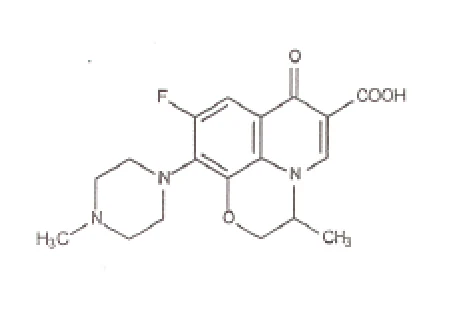
Molecular Weight: 361.37 g/mol
Molecular Formula: C18H20FN3O4
Melting Point: 260-270°C (with decomposition)
Appearance: Cream to pale yellow crystalline powder
Solubility: Soluble in glacial acetic acid, sparingly soluble in chloroform, slightly soluble in water, methanol, ethanol or acetone
MICROBIOLOGY
Ofloxacin has in vitro activity against both gram-positive and gram-negative organisms. The primary mechanism of action of ofloxacin appears to be the specific inhibition of DNA gyrase (topoisomerase II). This enzyme is responsible for the negative supercoiling of bacterial DNA and consequently for its topological configuration, governing functions such as RNA transcription, protein synthesis, DNA replication and repair functions.
In a four-site study using a modified tube-dilution procedure, the in vitro activity of ofloxacin was evaluated against 419 ocular bacterial isolates of 55 species, in media supplemented with Ca++ and Mg++. Table 1 includes MIC values for five major ocular pathogens.
Table 1: IN VITRO ANTIBACTERIAL ACTIVITY OF OFLOXACIN AGAINST FIVE MAJOR OCULAR PATHOGENS IN STUDIES CONDUCTED IN THE USA
Minimum Inhibitory Concentration Range (mcg/mL)
| ORGANISMS (Number) | MINIMUM | MAXIMUM | MIC90 |
| Staphylococcus aureus (79)* | 0.125 | 4 | 0.5 |
| Staphylococcus epidermidis (68) | 0.125 | 16 | 0.5 |
| Pseudomonas aeruginosa (68) | 0.25 | 8 | 4 |
| Streptococcus pneumoniae (21) | 0.125 | 2 | 2 |
| Haemophilus influenzae (18) | 0.25 | 4 | 4 |
* Number of isolates in parentheses
In Vitro Study of Ocular Isolates from Japanese Clinical Studies
An in vitro evaluation of the activity (MIC) of ofloxacin was conducted using a broth dilution technique, with 2,678 organisms cultured from the infected eyes of subjects enrolled in three clinical trials conducted in the clinics of public hospitals in Japan. The minimum concentrations necessary to inhibit 90% of the strains (MIC90) was 3.13 mcg/mL or less for all species tested except various Pseudomonas species and for Streptococcus sanguis isolates. MIC90 values for ocular isolates are listed in Table 2.
Table 2: OCULAR ISOLATES FROM JAPANESE CLINICAL STUDIES
Ofloxacin MIC90 Values
| Bacterial Species | N | MIC90 (mcg/mL) |
|---|---|---|
Acinetobacter var. Anitratum Acinetobacter var. lwoffii | 44 33 | 0.39 0.39 |
Alcaligenes denitrificans Alcaligenes faecalis | 10 24 | 1.56 0.78 |
| Bacillus species | 111 | 0.20 |
| Corynebacterium species | 379 | 3.13 |
| Enterobacter species (3: cloacae, aerogenes and agglomerans) | 44 | 0.20 |
| Bacterial Species | N | MIC90 (mcg/mL) |
|---|---|---|
| Escherichia coli | 8 | 0.10 |
| Flavobacterium species | 22 | 3.13 |
Haemophilus aegyptius Haemophilus influenzae | 59 44 | 0.20 0.20 |
| Klebsiella species (3: oxytoca, pneumoniae and ozaenae) | 21 | 0.10 |
| Micrococcus species | 73 | 1.56 |
| Moraxella species | 25 | 0.20 |
| Propionibacterium acnes | 66 | 1.56 |
| Proteus species (5: including mirabilis, vulgaris and morganii) | 30 | 0.20 |
Pseudomonas acidovorans Pseudomonas aeruginosa Pseudomonas alcaligenes Pseudomonas cepacia Pseudomonas fluorescens Pseudomonas maltophilia Pseudomonas paucimobilis Pseudomonas putida Pseudomonas species (6: including vescularis and diminuta) Pseudomonas stutzeri | 21 11 32 75 44 36 31 29 16 20 | 1.56 1.56 3.13 1.56 0.78 3.13 0.39 0.78 50.5 0.78 |
| Serratia marcescens | 46 | 0.39 |
Staphylococcus aureus Staphylococcus epidermidis | 335 735 | 0.39 0.39 |
Streptococcus beta-hemolytic Streptococcus faecalis (Enterococcus faecalis) Streptococcus pneumoniae Streptococcus sanguis Streptococcus species (inc. pyogenes) | 17 14 101 96 35 | 1.56 1.56 3.13 6.25 3.13 |
Ofloxacin is bactericidal (3 log reduction in 1-2 hours) at 1 to 4 times the MIC.
Susceptibility Testing: Laboratory results from standard single disc susceptibility tests with a
5 mcg ofloxacin disc should be interpreted according to the following criteria:
| Zone Diameter (mm) | Interpretation |
| ≥ 16 | Susceptible |
| 13-15 | Moderately susceptible |
| ≤ 12 | Resistant |
Bacterial Resistance: The development of resistance to ofloxacin appears to be related to modification of bacterial DNA gyrase or to permeability changes in the bacterial outer cell membrane. Resistance to ofloxacin in vitro usually develops slowly (multiple-step mutation). Plasmid-mediated resistance or enzymatic inactivation have not been reported. Cross resistance among the fluoroquinolones has been observed, but development of clinically significant cross resistance to nonquinolone drugs appears to be uncommon.
PHARMACOLOGY
ANIMAL PHARMACOLOGY
Pharmacodynamics
The general pharmacological activities of ofloxacin have been studied in several mammalian species. At the maximum therapeutic dose levels, no effects on the central nervous system, cardiovascular and respiratory system, autonomic response or smooth and skeletal muscle were observed. These results are consistent with the infrequent occurrence of serious adverse effects with systemic clinical use of ofloxacin. Any pharmacological effects observed were frequently associated with doses at least 1000 times the anticipated maximal daily ocular dose.
Systemic Metabolism and Pharmacokinetics
The pharmacokinetics of ofloxacin have been studied in rats, dogs and monkeys. After oral administration, ofloxacin is well absorbed systemically and well distributed to all parts of the body. It is not extensively bound in the sera of the species tested. As with other quinolones, ofloxacin is found concentrated in melanocyte-containing tissues. Its binding to melanin is reversible. The ofloxacin-melanin binding phenomenon did not produce any observable adverse effects in eyes in a 6-month topical study in monkeys and in chronic oral toxicological studies. The drug wash-out from iris/ciliary body and choroid/retina of pigmented rabbits is rapid. Ofloxacin is also detected in the bone cartilage of both immature and adult dogs.
Ofloxacin passes through the placenta and into milk.
The serum elimination half-life of ofloxacin ranges from 5 to 7.5 hours following oral administration. More than 90% of the drug is excreted unchanged in the urine. Ofloxacin does not exert enzyme induction effects on hepatic microsomal enzymes and has little effect on hepatic enzyme inhibition.
Ocular Pharmacokinetics
Animal
After ophthalmic instillation as an eyedrop, ofloxacin is absorbed and distributed to all parts of the eye globe. 0.3% ofloxacin, applied topically to rabbit eyes five times at 5 minute intervals yielded concentrations of 5.6 mcg/mL in the bulbar conjunctiva, 5.1 mcg/mL in extraocular muscle, 6.5 mcg/mL in the cornea, 2.5 mcg/mL in the sclera, 1.5 mcg/mL in the aqueous humor, 1.0 mcg/mL in the iris and ciliary body, 0.05 mcg/mL in the vitreous body, a trace in the lens, retina and choroid, and no detectable ofloxacin in the serum one hour after instillation.
Single dose topical administration in rabbit eyes produced average tear concentrations beginning at 2207 mcg/g and declining to 34 mcg/g 20 minutes post-dosing. The tear concentration was 2.5 mcg/g 6 hours post-dosing.
Human
Administering 0.3% ofloxacin topically 4 times daily to the eyes of 30 normal healthy adults resulted in tear ofloxacin concentrations ranging from 1.2 to 22 mcg/g (mean 9.2 mcg/g) four hours after the first dose on the eleventh day of treatment. The mean tear concentration varied between 5.7 and 31 mcg/g during the time period between 5 and 40 minutes after instillation of the second dose on day 11.
In this same study, mean serum plateau levels of 0.97 ng/mL after the first dose (day 1) and 1.66 ng/mL after the 41st dose (day 11) were achieved. The maximum serum level from multiple topical dosing (1.9 ng/mL) was approximately 2000-fold less than the maximum serum level achieved from treatment with a single 300 mg oral dose (4620 ng/mL).
Time to reach 90% of the plateau serum concentration was 0.9 hours after the initial dose on Day 1 compared with 0.5 hours on Day 11, indicating a change in the rate of systemic absorption from ophthalmic dosing. Total drug recovery (urinary excretion of intact drug plus unabsorbed dose recovered from tear overflow) was 78% on day one and 90% on day ten.
HUMAN PHARMACOLOGY
Systemic Pharmacokinetics
In systemic pharmacokinetic studies, ofloxacin was rapidly absorbed into the blood stream following oral dosing, with peak serum concentrations (Cmax) increasing in a dose-related manner. There was no significant increase in peak serum ofloxacin concentration following multiple oral administrations. Cumulative urinary recovery of ofloxacin 48 hours after dosing ranged from 83% to 99% of the administered dose. This indicates that ofloxacin is mainly excreted by renal elimination.
Metabolism Characteristics and Metabolites
The metabolism of ofloxacin was studied in five healthy adult male volunteers receiving a single oral dose of a 600 mg mixture of ofloxacin and deuterium-labeled ofloxacin. Ofloxacin and its metabolites were identified, confirmed and quantified using thin layer chromatography, UV spectrophotometry, high pressure liquid chromatography, fluorometry and other methods. Urinary concentration of ofloxacin increased to a maximum of 686.6 mcg/mL at 2-4 hours after dosing and was maintained above 273.9 mcg/mL 4-24 hours after dosing.
Cumulative urinary excretion of ofloxacin was 79.5% at 48 hours after dosing. Urinary concentrations of desmethyl ofloxacin were 10.4 and 6.6 mcg/mL at 2-4 and 12-24 hours after dosing, concentrations of ofloxacin N-oxide were 7.8 and 2.7 mcg/mL at 2-4 and 12-24 hours after dosing. Urinary concentrations of these metabolites were less than 2.5% of the excreted concentration of ofloxacin at each time interval.
The results of this study indicate that ofloxacin exists mainly as parent drug in vivo, and is excreted mainly unchanged in the urine in humans.
Drug Interactions
Interactions between ofloxacin and caffeine have not been detected. Systemic use of ofloxacin with non-steroidal anti-inflammatory drugs has shown that the risk of CNS stimulation and convulsive seizures may increase. A pharmacokinetic study in 15 healthy males has shown that the steady-state peak theophylline concentration increased by an average of approximately 9% and the AUC increased by an average of approximately 13% when oral ofloxacin and theophylline were administered concurrently.
TOXICOLOGY
ANIMAL TOXICITY STUDIES
Acute Systemic Toxicity
The acute LD50 values of ofloxacin were evaluated in several animal species by oral, subcutaneous or intravenous administration. The LD50 values for each study are listed in Table 3.
Table 3: LD50 VALUES (mg/kg)
| Species | Sex | Route of Administration | |||||||||
| Oral | Intravenous | Subcutaneous | |||||||||
| Mouse | M F | 5450 5290 | 208 233 | > 10000 > 10000 | |||||||
| Rat | M F | 3590 3750 | 273 276 | 7070 9000 | |||||||
| Dog | M F | > 200 > 200 | > 70 > 70 | ||||||||
| Monkey | M F | > 500 > 500 | < 1000 < 1000 | ||||||||
Most frequently observed signs in the acute toxicity studies included: vomiting, decreased motor activity, respiratory depression, prostration, convulsions, collapse, and respiratory arrest.
Subacute/Chronic Systemic Toxicity Studies
Ofloxacin was administered in repeated doses in rats, dogs and monkeys for periods of up to 52 weeks. The most notable effect seen in these studies was the effect of ofloxacin on articular cartilage in immature animals. Several special studies of the effects of ofloxacin on articular cartilage were conducted. Orally administered ofloxacin had no effect on articular cartilage in mature rats and dogs. However, in immature animals, daily treatment for 7 days with ofloxacin at 300 mg/kg (but not at 100 mg/kg) in rats and at 10 mg/kg (but not at 5 mg/kg) in dogs produced arthropathic effects.
Studies were conducted to elucidate the mechanism of action, onset, recovery and effects of age and dosage on arthropathy associated with ofloxacin and other quinolones. The studies indicate that toxicity to weight-bearing joints is dose-related at oral dosages far higher than topical ophthalmic dosages and that toxic effects are seen only in growing animals. Damage to joints was partially repairable, although some damage appeared to be permanent. Damage such as erosion of the cartilage occurs in weight-bearing joints where "bubbles" (inconsistencies in growth) have developed in the cartilage.
Other findings from subacute and chronic studies are listed in Table 4.
Table 4: Subacute/ Chronic Systemic Toxicity Studies
Species, Strain, Age | Initial No Per Group | Dosages mg/kg/Day | Route | Duration (weeks) | Major Findings | |
| 1 | Rat, SD, 6 weeks | 10M/10F | 0, 30, 90, 270, 810 | PO | 4 | No drug related deaths. Enlargement of the cecum in all treatment groups. Slight local rarefaction of surface matrix in articular cartilage of 2 males at 810 mg/kg/day. No drug related alterations in ophthalmoscopy, audiometry, ECG or hematology at any dosage level. |
| 2 | Rat, SD, 5 weeks | 15M/15F | 0, 10, 30, 90, 270 | PO | 26 | No drug related deaths. Animals in the high-dose group (270 mg/kg/day) exhibited an increase in water intake, decrease in food intake, increase in salivation, soft stools, urinary staining, increased alkaline phosphatase and SGOT activity, decreased urinary sodium excretion, increased positive fecal occult blood reaction and a slightly increased amount of lipid droplets in cortical cells of the adrenals. Enlargement of the cecum was observed in 30, 90, 270 mg/kg/day treatment groups. Enhancement of osteochondrosis-like lesion in the medial femoral condyle was noted in the 90 and 270 mg/kg/day treatment groups. |
| 3 | Dog, beagle, 7 months | 3M/ 3F | 0, 12.5, 50, 200 | PO | 4 | Cavitation or erosion of the cartilage of distal femur and humerus at 50 or 200 mg/kg/day. No deaths occurred but one male dog receiving 200 mg/kg/day was sacrificed on day 22 in moribund condition. This dog was severely dehydrated and markedly emaciated at necropsy. Bilateral corneal opacities in this animal were the only ophthalmologic changes. Opacities were probably due to dehydration and poor condition. |
| 4 | Monkey, Cynomolgus 2 ½ to 4 years | 3M/ 3F | 0, 20, 60, 180 | PO | 4 | Two male monkeys in the 180 mg/kg/day group terminated on day 25 following persistent diarrhea. Minimal to mild karyomegaly in liver of one male at 60 mg/kg/day, one male at 180 mg/kg/day (moribund kill) and one female at 180 mg/kg/day. Minimal to mild candidiasis of the esophagus in one male at 20 mg/kg/day and one male at 60 mg/kg/day. Candidiasis more marked in the two monkeys that died prior to the end of the study. |
| 5 | Monkey, Cynomolgus adult | 4M/4F | 0, 10, 20, 40 | PO | 52 | No deaths. There were no drug-related changes in body weights, food or water consumption, ECG, hematology, and macroscopic or microscopic examinations. There was a low incidence of retinal changes in some treated monkeys, however, it is improbable that these changes are treatment-related. There were increases in cholesterol in the 40 mg/kg/day treatment group animals. 40 mg/kg/day was considered a no-effect level. |
Note: Ofloxacin was administered in a 0.5% carboxymethylcellulose suspension in rats. In dogs and monkeys, it was administered in gelatin capsules.
Carcinogenic Potential
Because ophthalmic ofloxacin solution is not intended for chronic use, specific carcinogenicity studies were not carried out. Chronic ophthalmic toxicity studies showed no evidence of carcinogenic potential.
Mutagenicity Potential
Predictive tests included: Ames test, REC-Assay, micronucleus test, sister chromatid exchange in cultured Chinese hamster cells and in human peripheral blood lymphocytes, unscheduled DNA repair synthesis test, dominant lethal assay, and in vitro and in vivo cytogenetic tests.
Extensive tests for mutagenicity showed no mutagenic potential. Mutagenicity tests were conducted with ofloxacin by a number of techniques, both in vitro and in vivo. Dose-related damage to the DNA of Bacillus subtilis was seen in tests using the REC assay technique. The damage to B.subtilis DNA is consistent with the mechanism of action of the drug in bacteria and is not predictive of mutagenic potential in eukaryotic cells. No evidence of significant mutagenic effects was seen in other tests in a variety of eukaryotic somatic or germ cells.
Human blood samples were examined after oral dosing with 200 mg/day of ofloxacin for 1 to 10 weeks (equivalent to 50 times the maximum recommended daily ophthalmic dose). No chromosome-damaging effect was seen in the peripheral blood leukocytes.
Fetal Toxicity and Fertility Studies
The effects of ofloxacin on fertility, reproduction and fetal toxicity were studied in rats and rabbits. The studies are summarized in Table 5. No adverse effects on fertility and general reproductive performance were seen in male or female rats from administration of ofloxacin in dosages of 10 mg/kg/day to 360 mg/kg/day, beginning well before mating and continuing through the seventh day of gestation in females.
Ofloxacin has not been shown to be teratogenic at doses as high as 810 mg/kg/day (equivalent to 13,500 times the maximum recommended daily ophthalmic dose) and 160 mg/kg/day (equivalent to 2600 times the daily ophthalmic dose) when administered to pregnant rats and rabbits, respectively. Additional studies in rats with doses up to 360 mg/kg/day during late gestation showed no adverse effect on late fetal development, labor, delivery, lactation, neonatal viability, or growth of the newborn. Doses of 810 mg/kg/day and 160 mg/kg/day resulted in decreased fetal body weight and increased fetal mortality in rats and rabbits, respectively. Minor fetal skeletal variations were reported in rats receiving doses of 810 mg/kg/day.
Table 5: Summary of Ofloxacin Fertility and Reproduction Studies
Species, Strain | Initial No Per Group | Dosages mg/kg/Day | Route | Duration | Major Findings | |
| 1 | Rat | 24M/24F | 0, 10, 60, 360 | PO | Males-63 days prior to mating through Day 7 or Day 21 of female gestation. Females-14 days prior to mating, during mating period and through Day 7 of gestation. | No adverse effects on fertility or general reproductive performance. Some skeletal variations seen in fetuses, but differences between treated and control groups were not significant |
| 2 | Rat, SD | 36F | 0, 10, 90, 810 | PO | Days 7 through 17 of gestation | No drug related effects at 10 mg/kg/day. At 90 mg/kg/day, decrease in body weight of live fetuses and retardation of degree of ossification. At 810 mg/kg/day, mortality, decrease in body weight gain, retardation of degree of ossification, increased incidence of skeletal variations such as cervical ribs and shortening of 13th rib. |
| 3 | Rabbit, New Zealand White | 15F | 0, 10, 40, 160 | PO | Days 6-18 of gestation | No drug related effects observed at 10 or 40 mg/kg/day. Increase in fetal mortality and non-pregnant dams at 160 mg/kg/day. No teratogenic effects. |
| 4 | Rat, SD | 7F | 810 | PO | Days of gestation: 7-17, 7-8, 9-10, 11-12, 13-14, 15-17 | Critical period for development of skeletal variations was 9-10 days. Incidence of shortened 13th ribs and cervical ribs increased in this dosage group and 7-17 day group. |
| 5 | Rat, SD | 24F | 810, 1110, 1600 | PO | Days 9-10 of gestation | Body weight of live fetuses in all treated groups significantly lower than control. Retardation of degree of ossification, increased incidence of skeletal variation of the ribs in a dose related fashion. |
| 6 | Rat, SD | 22F | 0, 810 | PO | Days 9-10 of gestation | Incidence of cervical ribs and shortened 13th ribs increased in fetuses. |
| 7 | Rat, SD | 24F | 0, 10, 60, 360 | PO | Days 17 of gestation through Day 20 postpartum | No drug related effects in 10 or 60 mg/kg/day groups. At 360 mg/kg/day, transient decrease in spontaneous motor activity in pups. No other effects on late fetal development, labor, delivery, lactation, neonatal viability or growth. |
Note: Ofloxacin was administered in a 0.5% carboxymethylcellulose suspension.
SPECIAL TOXICITY STUDIES
Ocular Toxicity
Ocular toxicity studies were conducted in rabbits and monkeys with ofloxacin ophthalmic solutions. Results indicate that ofloxacin ophthalmic solutions are not toxic to the eyes under the conditions tested, including dosing up to 16 times per day. Ocular toxicity studies of up to three months duration are included in Table 6 following this page. Chronic ocular toxicity studies are included in Table 7. No local or systemic toxicity was observed as a result of ocular administration of ofloxacin for up to six months in rabbits or monkeys.
Other Special Toxicity Studies
No evidence of ototoxicity, antigenicity or skin sensitization was seen in guinea pigs. Studies in rabbits revealed no evidence of nephrotoxicity.
Special Studies of Tissue Distribution and Accumulation
Special studies of tissue distribution and accumulation, with special reference to the eye tissues, were conducted due to the tendency of ofloxacin to bind to the pigment melanin, which is present in some ocular structures. Studies with the topical solution showed definite binding to melanin which decreased slowly after withdrawal of the drug. In vitro studies with bovine melanin showed the affinity of ofloxacin for melanin to be greater than that of timolol and pilocarpine, but less than that of chloroquine and befunolol. The binding was reversible. A four-week study in pigmented rats revealed no evidence of ocular toxicity after daily oral doses of 100 mg/kg/day. Results of this study were consistent with the lack of ocular toxicity seen in multi-dose ocular and systemic toxicity studies in dogs and monkeys.
Studies conducted specifically to study melanin binding are included in Table 8. Table 9 contains the half-life estimates for ofloxacin in the aqueous humor and lens after oral dosing and the concentrations of ofloxacin found in various ocular tissues after topical dosing.
Table 6: Ocular Toxicity Studies (up to Three Months)
Species, Strain | Initial No Per Group | Ocular | Duration | Parameters | Major Findings | |
| a | Rabbits, New Zealand albino | 6F 6F 12F | 1gtt/16X/day Vehicle (OS) or 1 gtt/16X/day 0.3% Ofloxacin (OS) and Untreated control (OD) | 7 days | Condition/ behaviour; Ocular damage; Body weight changes; Ocular irritation; Ophthalmoscopy | No ocular irritation, discomfort, toxicity or cytotoxicity. No abnormalities in the lens or retina. |
| b | Rabbits, New Zealand albino | 6F 6F 12F | 1 gtt/16X/day 0.5% Ofloxacin (OS) or 1 gtt/16X/day 1.0% Ofloxacin (OS) and Untreated control (OD) | 7 days | Condition/ behaviour; Ocular irritation; Ocular/ corneal damage; Ophthalmoscopy; Body weight changes | Neither test solution caused ocular irritation, discomfort, toxicity nor cytotoxicity. |
| c | Rabbits, albino | 2M/2F 3M/3F | Untreated control and 1 gtt/3X/day 0.3% Ofloxacin (OU) | 3 weeks | Transmission electron microscopy and Scanning electron microscopy of the conjunctiva, cornea, angle, iris, lens, ciliary body, retina. | No changes of microstructures were observed in any tissue |
| d | Rabbits, Japanese | 10M 10M 10M 30M | 1 gtt/4X/day Vehicle control (OS) or 1 gtt/4X/day 0.3% Ofloxacin (OS) or 1 gtt/4X/day 0.5% Ofloxacin (OS) and Untreated control (OD) | 4 weeks | Condition/ behaviour; Body weight changes; Food consumption; Ocular irritation; Ocular/ corneal damage; Funduscopy; Urinalysis; Hematology; Organ weight; Histopathology | Neither ocular irritation or corneal epithelial defects were observed. There was no systemic toxicity found in urinalysis, hematology, blood chemistry or histopathology. |
| e | Rabbits, New Zealand albino | 15M/15F 15M/15F 15M/15F 45M/45F | 1 gtt/4X/day 0.3% Ofloxacin photoirradiated (OS) or 1 gtt/4X/day 0.3% Ofloxacin vehicle (OS) or Observed/4X/day Handled only Untreated control (OD) | 33 days | Gross ocular observ.; Condition/ behaviour; Body weight changes; Ophthalmoscopy; Hematology; Blood chemistry; Histopathology; Ocular irritation; Ocular/ corneal damage; | Neither test solution caused systemic effects, ocular irritation, discomfort, toxicity or cytotoxicity |
Table 7: Chronic Ocular Toxicity Studies
Species, Strain | Initial No Per Group | Ocular Dosage | Duration | Parameters | Major Findings | |
| 1 | Rabbits, New Zealand albino | 20M/20F 20M/20F 20M/20F 20M/20F 20M/20F 100M/100F | 1 gtt/4X/day Vehicle control (OS) or 1 gtt/4X/day 0.3% Ofloxacin (OS) or 1 gtt/4X/day 0.5% Ofloxacin (OS) or 1 gtt/4X/day 1.0% Ofloxacin (OS) or Observed/4X/day Handled only and Untreated control (OD) | 6 months | Condition/ behaviour; Ocular irritation; Ocular/ corneal damage; Ophthalmoscopy; Body weight changes; Hematology; Blood chemistry; Gross postmortem findings; Organ weight; Histopathology; Ocular/ systemic tissue | Neither test solution caused ocular irritation, discomfort, toxicity nor cytotoxicity. No systemic treatment or dose related effect on general health, body weight, hematology, serum biochemistry, organ weight or histopathology. |
| 2 | Monkeys, Cynomolgus | 6M/6F 6M/6F 6M/6F 6M/6F 24M/24F | 1 gtt/4X/day Vehicle control (OD) or 1 gtt/4X/day 0.3% Ofloxacin (OD) 1 gtt/4X/day 0.5% Ofloxacin (OD) or 1 gtt/4X/day 1.0% Ofloxacin (OD) and Untreated control (OS) | 6 months | Condition/ behaviour; Body weight changes; Ophthalmoscopy; Hematology; Blood chemistry; Urinalysis; Organ weights; Histopathology; Slit lamp examinations | No effect on general health, slit lamp, biomicroscopic and ophthalmoscopic exams. No gross ocular and organ histomorphological changes. No treatment related hematology and blood chemistry changes. AST and ALT values elevated in all monkeys including controls at 6 months. Values decreased 5 days later and were not considered due to treatment with ofloxacin. |
Table 8: Melanin Binding
| Species, Strain, Age | Initial No Per Group | Test Drug | Dosages mg/kg/day | Route | Duration | Major Findings | |
| a | Rats, pigmented HOS; ACl/N 6 weeks | 5M/ 5F | Ofloxacin Cinoxacin Chloroquine 0.5% CMC* (control) | 100 100 80 10 mL | PO | 4 weeks | Ofloxacin is not oculotoxic to pigmented rats. Abnormal respiratory behaviour observed sporadically in all test animals. |
| b | Rabbits, pigmented Rabbits, Japanese white albino | 3 3 | Ofloxacin 0.3% drop | 1 gtt/3X/day | ocular | 2 weeks | Ofloxacin may be bound to melanin-containing tissues such as iris/ ciliary body and retina/ choroid at relatively high concentrations, and be retained at low levels up to 9 weeks after multiple administration. |
| c | Bovine ocular melanin | Ofloxacin Chloroquine Befunolol Pilocarpine maleate Timolol maleate | in vitro | Melanin affinity of ofloxacin is less than that of chloroquine or befunolol and higher than that of timolol and pilocarpine. Binding was reversible. |
*0.5% carboxymethylcellulose also served as the vehicle for the test solutions.
Table 9: Ofloxacin Concentrations in Ocular Tissues
| Species, Strain | Initial No Per Group | Test Drug | Dosages | Route | Duration | Major Findings | |
| a | Dogs, Beagle | 3M/3F | Ofloxacin | 32 mg/kg/day | PO | 3 weeks | After 21st daily dose, mean maximum ofloxacin concentrations (Cmax) were 2.8 mcg/mL in aqueous humor and 6.2 mcg/mL in lens, and terminal elimination half- lives were ~55 hr in aqueous humor and ~60 hr in lens. No ocular toxicity was observed. |
| b | Rabbits, pigmented Rabbits, Japanese, white | 3 3 | Ofloxacin 0.3% eyedrop | 1 gtt/3X/day | ocular | 2 weeks | Mean ocular concentrations in pigmented rabbits 2 hours after the last dose were <0.32 mcg/g in nictitating membrane, <0.61 mcg/g in conjunctiva, 1.06 mcg/g in sclera, 1.67 mcg/g in cornea, 0.19 mcg/mL in aqueous humor, 5.32 mcg/g in iris/ ciliary body, <0.05 mcg/g in lens, ND* in vitreous humor and 1.82 mcg/g in retinal choroid. Mean ocular concentrations in albino rabbits 2 hours after the last dose were <0.34 mcg/g in nictitating membrane, <0.92 mcg/g in conjunctiva, 0.44 mcg/g in sclera, 2.03 mcg/g in cornea, 0.46 mcg/mL in aqueous humor, 0.74 mcg/g in iris/ ciliary body, ND* in lens, ND* in vitreous humor and <0.33 mcg/g in retinal choroid. There was no great difference between albino and pigmented rabbits, except in iris/ ciliary body and retina/ choroid, in which pigmented rabbits had >5-fold higher ofloxacin concentrations. |
| c | Rabbits, albino Rabbits, albino | 36F 36F | Ofloxacin | 0.12 mg/drop | ocular | 1 drop 5 drops/ 20 min | Mean ofloxacin Cmax (tmax) was 2.95 mcg/g (15 min) in conjunctiva, 1.62 mcg/g (1 hr) in sclera, 3.32 mcg/g (1 hr) in cornea, 0.71 mcg/mL (30 min) in aqueous humor, 0.95 mcg/g (1 hr) in iris/ ciliary body, and ND* in lens, vitreous humor, retina/ choroid or optic nerve Mean Cmax (tmax) after the last dose was 34.98 mcg/g (5 min) in conjunctiva, 7.66 mcg/g (5 min) in sclera, 7.78 mcg/g (5 min) in cornea, 3.56 mcg/mL (1 hr) in aqueous humor, 3.12 mcg/g (30 min) in iris/ ciliary body, 0.80 mcg/g (30 min) in vitreous humor and ND* in lens, retina/ choroid or optic nerve |
| d | Rabbits, albino | 77M | Ofloxacin | ~0.12 mg/drop | ocular | 5 drops/ 20 min | Mean ofloxacin concentrations one hour after the last dose were 5.64 mcg/g in conjunctiva, 2.55 mcg/g in sclera, 6.51 mcg/g in cornea, 1.47 mcg/mL in aqueous humor, 1.09 mcg/g in iris/ ciliary body, trace in lens, 0.05 mcg/g in vitreous humor and trace in retina/ choroid. |
ND* = Not detected
REFERENCES
- 1. Adeyemi-Doro FAB, Rofowa NA. Comparison of the in vitro activity of ofloxacin and gentamicin against isolates from hospitalized patients. Infection 1986;14(4):S240-S242.
- 2. Burman LG. Apparent absence of transferable resistance to nalidixic acid in pathogenic Gram-negative bacteria. J Antimicrob Chemother 1977;3:509-516.
- 3. Chau PY, Leung YK, Ng WWS. Comparative in vitro antibacterial activity of ofloxacin and ciprofloxacin against some selected gram positive and gram negative isolates. Infection 1986; 14(4):S237-239.
- 4. Compendium of Pharmaceuticals and Specialties, 29th Edition, FloxinTM, Ortho Pharmaceutical Corporation, active ingredient-ofloxacin, p. 486-488.
- 5. Crumplin GC, Odell M. Development of resistance to ofloxacin. Drugs 1987;34 (Suppl 1):1-8.
- 6. Cullmann W, Stieglitz M, Baars B, Opferkuch W. Comparative evaluation of recently developed quinolone compounds - with a note on the frequency of resistant mutants. Chemotherapy 1985;31:19-28.
- 7. Debbia E, Manelli S, Gianrossi G, Schito GC. Susceptibility in vitro of gram positive aerobe and anaerobe bacteria to ofloxacin. Drugs Experimental/ClinicaI Res 1987;XIII(4):213-217.
- 8. Domagala JM, Hanna LD, Heifetz CL, et al. New structure activity relationships of the quinolone antibacterials using the target enzyme. J Med Chem. 1986;29:394-404.
- 9. Felmingham D, Foxall P, O’Hare MD, Webb G, Ghosh G, Grünberg RN. Resistance studies with ofloxacin. J Antimicrob Chemother 1988;22(suppl C):27-34.
- 10. Fernandes PB. Mode of action, and in vitro and in vivo activities of the fluoroquinolones. J Clin Pharmacol 1988;28(2):156-68
- 11. Hooper DC, Wolfson JS. Mode of action of the quinolone antibacterial agents. Rev Inf Diseases 1988;10(Suppl 1):S14.
- 12. Hussy P, Maass G, Tummler B, Grosse F, Schomberg U. Effect of 4-quinolones and novobiocin on calf thymus DNA polymerase, topoisomerases I and II and growth of mammalian lymphoblasts. Antimicrob Ag Chemother 1986;29:1073.
- 13. Husson MO, Izard D, Bryskier A, Leclerc H. Ofloxacin: antibacterial activity, induction of resistance and killing curves. Chemioterapia 1985;IV n.4:278.
- 14. Janknegt R. Fluorinated quinolones: a review of their mode of action, antimicrobial activity, pharmacokinetics and clinical efficacy. Pharm Weekbl Sci. 1986;8:1-21.
- 15. Liebowitz LD. Comparative in-vitro activities of difloxacin, A-56620, Ciprofloxacin, Norfloxacin, Ofloxacin and seven other antimicrobials. Rev Inf Diseases 1988;10(Suppl 1): S47.
- 16. Lewin CS, Smith JT. Bactericidal mechanisms of ofloxacin. J Antimicrob Chemotherapy 1988; 22(Suppl C): 1
- 17. Lewin CS, Smith JT. Detection of a third bacterial mechanism in ciprofloxacin and ofloxacin. J Pharm Pharmacol 1986;38:44.
- 18. Lombard JY, Descotes J, Evreux JC. Polymorphonuclear leucocyte chemotaxis little affected by three quinolones in vitro. J Antimicrob Chemother. 1987;20:614-615.
- 19. Mayer DG. Overview of toxicological studies. Drugs. 1987;34(Suppl. 1):150-3.
- 20. Miller KG, Liu LF, Englund PT. A homogeneous type II DNA topoisomerase from HeLa cell nuclei. J Bio Chem. 1981;256:9334-9339
- 21. Mitelman F, Kolnig AM, Stombeck B, et al. No cytogenic effects of quinolone treatments in humans. Antimicrob Agents Chemother 1988;32(6):936-7.
- 22. Monk JP, Campoli-Richards DM. Ofloxacin: A review of its antibacterial activity, pharmacokinetic properties and therapeutic use. Drugs 1987;33:346-391.
- 23. Neu HC. Bacterial resistance to fluoroquinolones. Rev Infect Diseases 1988; 10 (Suppl 1):S57-S63.
- 24. Neu HC, Kumada T, Chin N-X, Mandell W. The Post-Antimicrobial Suppressive Effect of Quinolone Agents, Drugs Exptl. Clin. Res. 1987; XIII(2):63-67.
- 25. Okazaki O, Kurata T and Tachrizawa H. Effect of new quinolones on drug metabolizing enzyme system of rat hepatic microsomes. Chemotherapy 1988, 34:149-154.
- 26. Physicians' Desk Reference, 48th Edition, FLOXIN® (ofloxacin tablets) Tablets, McNeil Pharmaceutical/Ortho Pharmaceutical Corporation, active ingredient-ofloxacin, p. 1349- 1352.
- 27. Piddock LJV, Wise R. The selection and frequency of Streptococci with decreased susceptibility to ofloxacin compared with other quinolones. J Antimicrob Chemother 1988;22(Suppl C):45-51.
- 28.
Ratcliffe NT, Smith JT. Ciprofloxacin and ofloxacin exhibit a rifampin-resistant
- bactericidal mechanism not detectable in other 4-Quinolone antibacterial agents. J Pharmacy and Pharmacology 1984;36(Suppl):59P.
- 29. Roche Y, Gougerot-Pocidalo M, Fay, M. Etienne D, Forest N, Pocidalo J. Comparative effects of quinolones on human mononuclear leucocyte functions. J. Antimicrob Chemother. 1987; 19:781-790.
- 30. Sato K, Inoue Y, Fuji T, Aoyama H, Mitsuhashi S. Antibacterial activity of ofloxacin and its mode of action. Infection 1986;14(Suppl-4):S226
- 31. Sato K, Matsuura Y, Inoue M, Une T, Osada Y, Ogawa H, Mitsuhashi S. In vitro and in vivo activity of DL-8280, a new oxazine derivative. Antimicrob Agents and Chemother 1982;22(4):548-53.
- 32. Smith JT. Awakening the slumbering potential of the 4-quinolone antibacterials. The Pharm J 1984;233:299.
- 33. Smith JT. Mode of action of 4-quinolones and possible mechanisms of resistance. J Antimicrob Chemother 1986; 18(Suppl D):21-29.
- 34. Speciale A, Stefani F, Caccamo F, Nicolosi VM, Nicoletti G. The sensitivity of Gram-negative and Gram-positive bacteria to ofloxacin. Drugs Exp Clin Res 1987;XII(9):555-61.
- 35. Stahlman R, Blankenburg G, Neubert D. Studies on cartilage formation and differentiation in limb-bud culture in the presence of nalidixic acid, ofloxacin and ciprofloxacin. Rev Infect Diseases. 1988;10(1):S147.
- 36. Stille W, Harder S, Mieke S, Beer C, et al. Decrease of caffeine elimination in man during co-administration of 4-quinolones. J Antimicrob Chemother 198;20:729-734.
- 37. Takayama S, Watanabe T, Akiyama Y, et al. Reproductive toxicity of Ofloxacin. Drug Research 1986;36(II)Nr.8: 1244-8.
- 38. Wijands WJA, Vree TB, Van Hetwaarden CLA. The influence of quinolone derivatives on theophylline clearance. Br J Clin Pharmacol 1986;22:677-683.
- 39. Wolfson JS, Hooper DC. The Fluoroquinolone: Structure, Mechanisms of Action and Resistance, and Spectra of Activity In Vitro. Antimicrobial Agents and Chemotherapy 1985;28:581-86.
- 40. Allergan Inc., Product Monograph for OCUFLOX® (Ofloxacin Ophthalmic Solution 0.3%), Control Number: 210333, Date of Revision: February 6, 2018.