


Product Monograph - Signifor
Recent Major Label Changes
| 2025-05 |
|---|
Table of Contents
Certain sections or subsections that are not applicable at the time of the preparation of the most recent authorized product monograph are not listed.
Recent Major Label Changes ................................................................................................... 2
Table of Contents ................................................................................................................... 2
Part 1: Healthcare Professional Information ........................................................................... 4
- 1.
Indications .................................................................................................................. 4
1.1. Pediatrics .............................................................................................................. 4
1.2. Geriatrics .............................................................................................................. 4
- 2. Contraindications ........................................................................................................ 4
- 3. Serious Warnings and Precautions Box ....................................................................... 5
- 4.
Dosage and Administration ......................................................................................... 5
4.1. Dosing Considerations .......................................................................................... 5
4.2. Recommended Dose and Dosage Adjustment ..................................................... 6
4.4. Administration ...................................................................................................... 6
4.5. Missed Dose ......................................................................................................... 7
- 5. Overdose..................................................................................................................... 7
- 6. Dosage Forms, Strengths, Composition and Packaging ................................................ 7
- 7.
Warnings and Precautions ........................................................................................... 8
Cardiovascular ................................................................................................................. 8
Driving and Operating Machinery ................................................................................... 8
Endocrine and Metabolism ............................................................................................. 9
Gastrointestinal ............................................................................................................. 10
Hematologic .................................................................................................................. 10
Hepatic/Biliary/Pancreatic ............................................................................................ 10
Monitoring and Laboratory Tests .................................................................................. 12
Renal ............................................................................................................................. 13
Reproductive Health ..................................................................................................... 13
7.1. Special Populations ............................................................................................. 13
7.1.1. Pregnancy ....................................................................................................... 13
7.1.2. Breastfeeding ................................................................................................. 14
7.1.3. Pediatrics ........................................................................................................ 14
7.1.4. Geriatrics ........................................................................................................ 14
- 8.
Adverse Reactions ..................................................................................................... 14
8.1. Adverse Reaction Overview ................................................................................ 14
8.2. Clinical Trial Adverse Reactions .......................................................................... 15
8.3. Less Common Clinical Trial Adverse Reactions ................................................... 18
8.4. Abnormal Laboratory Findings: Hematologic, Clinical Chemistry and Other Quantitative Data ........................................................................................................... 20
8.5. Post-Market Adverse Reactions ......................................................................... 21
- 9.
Drug Interactions ...................................................................................................... 21
9.2. Drug Interactions Overview ................................................................................ 21
9.3. Drug-Behavioural Interactions ............................................................................ 22
9.4. Drug-Drug Interactions ....................................................................................... 22
9.5. Drug-Food Interactions ....................................................................................... 24
9.6. Drug-Herb Interactions ....................................................................................... 24
9.7. Drug-Laboratory Test Interactions ...................................................................... 24
- 10.
Clinical Pharmacology ............................................................................................... 24
10.1. Mechanism of Action ...................................................................................... 24
10.2. Pharmacodynamics ........................................................................................ 24
10.3. Pharmacokinetics ........................................................................................... 28
- 11. Storage, Stability and Disposal .................................................................................. 31
- 12. Special Handling Instructions .................................................................................... 31
Part 2: Scientific Information ................................................................................................ 33
- 13. Pharmaceutical Information ...................................................................................... 33
- 14.
Clinical Trials ............................................................................................................. 34
14.1. Clinical Trials by Indication ............................................................................. 34
- 15. Microbiology ............................................................................................................. 37
- 16. Non-Clinical Toxicology ............................................................................................. 37
Patient Medication Information ........................................................................................... 40
Part 1: Healthcare Professional Information
1. Indications
SIGNIFOR (pasireotide) is indicated for:
- Treatment of adult patients with Cushing’s disease for whom surgery is not an option or for whom surgery has failed, as long as clinical benefit or normalization of urinary free cortisol (UFC) (or >50% decrease in UFC) are derived.
SIGNIFOR should be prescribed and supervised by a qualified physician. To receive SIGNIFOR, patient must be enrolled in the Access Program for SIGNIFOR.
1.1. Pediatrics
Pediatrics (< 18 years of age): No data are available to Health Canada; therefore, Health Canada has not authorized an indication for pediatric use.
1.2. Geriatrics
Geriatrics (≥ 65 years of age): Data on Cushing’s disease patients older than 65 years are too limited to determine whether they respond differently from younger subjects.
2. Contraindications
SIGNIFOR (pasireotide) is contraindicated in:
- Patients with moderate or severe hepatic impairment (Child-Pugh B or C).
- Patients with uncontrolled diabetes (≥8% HbA1c), despite receiving anti-diabetic therapy.
Patients with the following cardiovascular conditions:
- NYHA Class III to IV heart failure
Cardiogenic shock
- Second or third degree atrioventricular (AV) block, sinoatrial block, or sick sinus syndrome (unless patient has a functioning pacemaker)
- Severe bradycardia
- Congenital long QT syndrome or baseline QTc interval ≥ 500 ms
- Patients who are hypersensitive to pasireotide or to any ingredient in the formulation including any non-medicinal ingredient, or component of the container. For a complete listing, see 6. Dosage Forms, Strengths, Composition and Packaging.
3. Serious Warnings and Precautions Box
RISK OF HEPATOTOXICITY:
RISK OF CARDIOVASCULAR (CV) ADVERSE EVENTS (AEs):
RISK OF HYPERGLYCEMIA:
|
|---|
4. Dosage and Administration
4.1. Dosing Considerations
Prior to the start of SIGNIFOR, patients should have the following baseline evaluations (see 7. Warnings and Precautions):
- Fasting Plasma Glucose
- Hemoglobin A1c
- Liver tests
- Electrocardiogram
- Gallbladder ultrasound
SIGNIFOR is contraindicated in patients with uncontrolled diabetes mellitus (see 2. Contraindications).
4.2. Recommended Dose and Dosage Adjustment
The recommended initial dose of SIGNIFOR is 0.6 mg by subcutaneous (s.c.) injection twice a day. Patients should be evaluated for treatment response (Normalization or >50% decrease in Urinary Free Cortisol [UFC] levels and/or improvement in signs or symptoms of the disease) and should continue receiving therapy with SIGNIFOR as long as benefit is derived. Maximum UFC reduction is typically seen by two months of treatment. A dose increase to 0.9 mg may be considered based on the response to the treatment, as long as the 0.6 mg dose is well-tolerated by the patient. Patients who do not experience clinical benefit from SIGNIFOR after two months of treatment should be considered for discontinuation. Individualized dose reduction may be considered for patients with a stable response.
Management of suspected adverse reactions may require a dose reduction of SIGNIFOR. The dose may be decreased, either temporarily or permanently, by 0.3 mg decrements. Efficacy should be monitored closely as there are limited data with the use of the 0.3 mg dose.
Special populations
Renal impairment:
No dose adjustment is required in patients with impaired renal function. In a clinical study of single dose pasireotide s.c, 900 μg, grade 3 and grade 4 increases in amylase, lipase and uric acid and grade 3 decreases in hemoglobin were observed in subjects with severe renal impairment and ESRD. SIGNIFOR should be used with caution in patients with severe renal impairment and ESRD (see 7. Warnings and Precautions - Renal, Monitoring and Laboratory Tests, 10. Clinical Pharmacology).
Hepatic impairment:
Dose adjustment is not required in patients with mildly impaired hepatic function (Child-Pugh A). SIGNIFOR is contraindicated in patients with moderate or severe hepatic impairment (Child-Pugh B or C) (see 2. Contraindications; 7. Warnings and Precautions).
Pediatric patients (< 18 years of age):
SIGNIFOR should not be used in pediatric Cushing’s disease patients (see 1. Indications and 7.1.3 Pediatrics).
Geriatric patients (≥ 65 years of age):
There are limited data on the use of SIGNIFOR in patients 65 years and older. Generally, dose selection for elderly patients should be cautious, reflecting the greater frequency of decreased hepatic, renal, or cardiac function, and of concomitant disease or other drug therapy.
4.4. Administration
SIGNIFOR is to be administered subcutaneously by self-injection. Patients should receive instructions from the physician or a health care professional on how to inject SIGNIFOR subcutaneously.
Use of the same injection site for two consecutive injections is not recommended. Sites showing signs of inflammation or irritation should be avoided. Preferred injection sites for subcutaneous injections are the top of the thighs and the abdomen (excluding the navel and waistline). Do not use if particulates and/or discoloration are observed.
4.5. Missed Dose
If a dose of SIGNIFOR is missed, the next injection should be administered at the scheduled time. Doses should not be doubled to make up for a missed dose.
5. Overdose
Doses up to 2.1 mg twice a day have been used in healthy volunteers with adverse reactions including diarrhea and QT prolongation.
In the event of overdosage, it is recommended that appropriate supportive treatment be initiated, as dictated by the patient’s clinical status, until resolution of the symptoms. Electrocardiogram monitoring is recommended.
| For the most recent information in the management of a suspected drug overdose, contact your regional poison control centre or Health Canada’s toll-free number, 1-844 POISON-X (1-844-764-7669). |
6. Dosage Forms, Strengths, Composition and Packaging
Table 1 – Dosage Forms, Strengths and Composition
| Route of Administration | Dosage Form / Strength / Composition | Non-medicinal Ingredients |
| subcutaneous (s.c.) | Each ampoule of 1 mL contains: solution, 0.3 mg, 0.6 mg, 0.9 mg | Mannitol, sodium hydroxide, tartaric acid, water for injections |
SIGNIFOR (pasireotide injection) solution is available in three strengths. Each ampoule of 1 mL contains:
- SIGNIFOR 0.3 mg - 0.3 mg pasireotide (as diaspartate).
- SIGNIFOR 0.6 mg - 0.6 mg pasireotide (as diaspartate).
- SIGNIFOR 0.9 mg - 0.9 mg pasireotide (as diaspartate).
SIGNIFOR is available in packs containing 6 and 60 ampoules.
7. Warnings and Precautions
Cardiovascular
Bradycardia and PR Interval Prolongation: Pasireotide causes a decrease in heart rate and PR interval prolongation (see 10.2 Pharmacodynamics - Cardiac Electrophysiology). Careful monitoring of patients with a low heart rate at baseline (< 60 beats per minute), a history of syncope or arrhythmia, ischemic heart disease, or congestive heart failure is recommended. Concomitant medications that decrease heart rate, prolong the PR interval and/or prolong the QTc interval should be avoided to the extent possible during treatment with SIGNIFOR (see 9. Drug Interactions).
QTc Prolongation: Pasireotide is associated with QTc prolongation (see 8. Adverse Reactions; 10.2 Pharmacodynamics - Cardiac Electrophysiology). SIGNIFOR should not be used in patients with congenital long QT syndrome (see 2. Contraindications). SIGNIFOR should be used with caution in patients who are at significant risk of developing prolongation of QT, including, but not limited to, the following:
- QTc prolongation at baseline or a family history of sudden cardiac death at <50 years
- with uncontrolled or significant cardiac disease including recent myocardial infarction, congestive heart failure, left ventricular hypertrophy, cardiomyopathy, unstable angina or clinically significant bradycardia, a history of significant arrhythmias, or any other risk factors for torsades de pointes
- taking other substances that are known to lead to QT prolongation, including anti-arrhythmic medicinal products (see 9. Drug Interactions).
- diabetes mellitus, especially with autonomic neuropathy
- with hypokalemia, hypocalcaemia and/or hypomagnesaemia (see 7. Warnings and Precautions - Renal)
Female gender and age 65 years or older are risk factors for torsade de pointes.
Monitoring for an effect on the QTc interval is advisable. A baseline ECG is recommended prior to initiating therapy with SIGNIFOR and as clinically indicated.
Concomitant medications that cause QTc prolongation should be avoided during treatment with SIGNIFOR (see 9.4. Drug-Drug Interactions).When drugs that prolong the QTc interval are prescribed, healthcare professionals should consider the nature and implications of the ECG changes, underlying diseases and disorders that are considered to represent risk factors, demonstrated and predicted drug-drug interactions, symptoms suggestive of arrhythmia, risk management strategies, and other information relevant to the use of the drug in consultation with the patient.
Driving and Operating Machinery
Patients should be warned to exercise caution when driving or using machinery if they experience fatigue, headache, or dizziness during treatment with SIGNIFOR.
Endocrine and Metabolism
Hypocortisolism
Treatment with SIGNIFOR leads to a rapid suppression of adrenocorticotropic hormone (ACTH) secretion in Cushing’s disease patients which may lead to a decrease in circulating levels of cortisol and potentially to transient hypocortisolism/hypoadrenalism. Cases of hypocortisolism have been reported in the Phase III study in Cushing’s disease patients (see 8. Adverse Reactions), generally within the first two months of treatment. Except for one case in which treatment was discontinued, all other cases were manageable by reducing the dose of SIGNIFOR and/or adding low-dose, short-term glucocorticoid therapy.
It is therefore necessary to monitor and instruct patients on the signs and symptoms associated with hypocortisolism (e.g. weakness, fatigue, anorexia, nausea, vomiting, hypotension, hyponatraemia or hypoglycaemia). In case of documented hypocortisolism, temporary exogenous steroid (glucocorticoid) replacement therapy and/or dose reduction or interruption of treatment with SIGNIFOR may be necessary.
Hyperglycemia and Diabetes
SIGNIFOR should not be administered to Cushing’s disease patients with poor glycemic control (as defined by HbA1c values ≥8% while receiving anti-diabetic therapy) as they may be at a higher risk of developing severe hyperglycemia and associated complications (e.g. ketoacidosis) (see 2. Contraindications).
In the pivotal trial, a mean increase in HbA1c of approximately 1.5% relative to baseline occurred early during treatment and continued throughout the duration of the trial. Of patients with normal (≤6%) HbA1c at baseline, 62% became either pre-diabetic or diabetic by month 6. The effect of SIGNIFOR on hyperglycemia was both dose-dependent and higher in patients with pre-diabetic conditions or established, controlled diabetes mellitus at baseline. During the trial, the use of antihyperglycemic agents increased from 6.2% to 22.8% for insulin, from 0.6% to 9.3% for glinides, from 1.9% to 21.6% for sulphonamides, and from 15.4% to 43% for metformin. Patients with uncontrolled diabetes (≥8% HbA1c) were excluded from the trial (see 2. Contraindications).
Once SIGNIFOR treatment has been initiated, monitoring of blood glucose should be done weekly for the first two to three months and at least once monthly after a stable dose of SIGNIFOR has been established. Weekly monitoring should be resumed for two to three months after a dose increase (see 7. Warning and Precautions – Monitoring and Laboratory Tests). If uncontrolled hyperglycemia persists, despite appropriate medical management, the dose of SIGNIFOR should be reduced or discontinued.
There have been post-marketing cases of ketoacidosis in patients taking SIGNIFOR including in patients without a history of diabetes or without other underlying risk factors. In some cases, factors predisposing to ketoacidosis such as acute illness, infection, pancreatic disorders (e.g. pancreatic malignancy or pancreatic surgery), and alcohol abuse were present. Patients who present with signs and symptoms consistent with severe metabolic acidosis should be assessed for ketoacidosis regardless of diabetes history, and SIGNIFOR treatment should be stopped with close monitoring of the patient.
Pituitary Hormones
Cushing’s disease patients with persistent or recurrent disease might present with deficiency of one or more pituitary hormones. As the pharmacological activity of pasireotide mimics that of somatostatin, inhibition of pituitary hormones, other than ACTH, cannot be ruled out. Therefore, monitoring of pituitary function (e.g. TSH/free T4, GH/IGF-1) prior to initiation of therapy with SIGNIFOR and periodically during treatment should be conducted as clinically appropriate.
Gastrointestinal
Steatorrhea and Malabsorption of Dietary Fats:
New onset steatorrhea, stool discoloration and loose stools have been reported in patients receiving somatostatin analogs, including pasireotide products. Somatostatin analogs reversibly inhibit secretion of pancreatic enzymes and bile acids, which may result in malabsorption of dietary fats and subsequent symptoms of steatorrhea, loose stools, abdominal bloating, and weight loss. If new occurrence or worsening of these symptoms are reported in patients receiving SIGNIFOR, evaluate patients for potential pancreatic exocrine insufficiency and manage accordingly.
Hematologic
The safety of the combination of SIGNIFOR with anticoagulants has not been established. Patients should be monitored regularly for alterations in their coagulation parameters and the anticoagulant dose should be adjusted accordingly (see 9.4 Drug-Drug Interactions).
Hepatic/Biliary/Pancreatic
Hepatic
In the pivotal trial, the proportions of patients with shifts in hepatobiliary biochemistry parameters from normal to high were: 30.8% for GGT, 24.4% for AST, 32.1% for ALT and 3.2% for total bilirubin. Eight Cushing’s patients (5.1%) had elevations of ALT or AST > 3x upper limit of normal (ULN). Concurrent elevations of ALT or AST >3x ULN and total bilirubin ≥2xULN, meeting the definition of Hy’s Law, were reported within 4-10 days of initiating treatment with SIGNIFOR in 3 healthy volunteers and one Cushing’s patient (see 8. Adverse Reactions). The cases had an early onset and the patient with Cushing’s disease developed jaundice. Liver test elevations resolved upon discontinuation of SIGNIFOR.
Monitoring of liver function is recommended prior to treatment with pasireotide, weekly for one month, every two weeks for 3 months and every 3 months on treatment thereafter. Close monitoring should be resumed with any dose increase (see 7. Warning and Precautions – Monitoring and Laboratory Tests).
Patients who develop increased transaminase levels should be monitored closely.
If elevations of ALT are above 5 times the ULN or if ALT or AST elevations greater than 3 x ULN occur concurrently with bilirubin elevations greater than 2 x ULN, or if the patient develops jaundice or other signs suggestive of clinically significant liver impairment, discontinue SIGNIFOR treatment and investigate for probable cause of the findings. If elevations of ALT exceed 3 times the ULN but are below 5 times the ULN, repeat the test within 48 hours. If the values are confirmed below 5 times the upper limit of normal, keep on monitoring every 48 hours. If the values rise above five times the ULN, discontinue SIGNIFOR treatment. Following discontinuation of treatment with pasireotide, patients should be monitored until resolution. Treatment should not be restarted. Concomitant medications with hepatotoxic potential should be used with caution during treatment with SIGNIFOR.
Biliary
Cholelithiasis (gallstones) has been frequently reported in clinical studies with pasireotide (see 8. Adverse Reactions). There have been post-marketing cases of cholelithiasis in patients taking SIGNIFOR, resulting in serious complications including cholecystitis and cholangitis, which have sometimes required cholecystectomy.
Ultrasonic examination of the gallbladder before, and at 6- to 12-month intervals during SIGNIFOR therapy is therefore recommended. The presence of gallstones in SIGNIFOR-treated patients is largely asymptomatic; stones should be managed according to clinical practice. If complications of cholelithiasis are suspected, discontinue SIGNIFOR and treat appropriately.
Pancreatic
Elevations in lipase and amylase were observed in patients receiving pasireotide in clinical studies. Twenty-one (13%) patients reported pancreatitis-related adverse events. The elevations were reversible while continuing treatment (see 7. Warning and Precautions – Monitoring and Laboratory Tests). Elevations in lipase and amylase were more pronounced in patients with renal impairment (see 7. Warnings and Precautions - Renal).
Monitoring and Laboratory Tests
Patients should be evaluated for treatment response (Normalization or >50% decrease in Urinary Free Cortisol [UFC] levels and/or improvement in signs or symptoms of the disease) and should continue receiving therapy with SIGNIFOR as long as benefit is derived. Maximum urinary free cortisol reduction is typically seen by two months of treatment. Patients who do not experience clinical benefit from therapy with SIGNIFOR should be considered for discontinuation as studies have shown that non-responders do not usually improve after this time period.
Hypocortisolism: It is necessary to monitor and instruct patients on the signs and symptoms associated with hypocortisolism (e.g. weakness, fatigue, anorexia, nausea, vomiting, hypotension, hyponatraemia or hypoglycaemia).
Liver Chemistry: Monitoring of liver chemistry is recommended prior to treatment with SIGNIFOR (see 2. Contraindications). Upon treatment initiation, liver chemistry should be monitored weekly for one month, every two weeks for 3 months and every 3 months thereafter. Four cases meeting the biochemical criteria for Hy’s law have been reported within 4-10 days of initiating treatment with SIGNIFOR. Close monitoring of liver function should be resumed with any dose increase (see 7. Warnings and Precautions - Hepatic/Biliary/Pancreatic).
Electrocardiograms: A baseline ECG is recommended prior to initiating therapy with SIGNIFOR (see 2. Contraindications), followed by periodic ECG monitoring during treatment, as clinically indicated, for effects on the QTc interval, heart rate and AV conduction (see 7. Warnings and Precautions - Cardiovascular).
Electrolytes: Hypokalemia, hypocalcaemia or hypomagnesaemia must be corrected prior to SIGNIFOR administration and electrolytes should be monitored periodically during therapy.
Glycemic Status: Glycemic status (fasting plasma glucose/hemoglobin A1c [FPG/HbA1c]) should be assessed prior to starting treatment with pasireotide. Monitoring of blood glucose should be done weekly for the first two to three months and at least once monthly after a stable dose of SIGNIFOR has been established. Weekly monitoring of blood glucose should be resumed for two to three months after a dose increase (see 7. Warnings and Precautions – Endocrine and Metabolism, Hyperglycemia and Diabetes).
Lipase: Lipase should be monitored prior to starting therapy with SIGNIFOR and periodically during treatment, especially in patients with severe renal impairment and ESRD.
Gallbladder Ultrasound: Ultrasonic examination of the gallbladder before, and at 6- to 12-month intervals during SIGNIFOR therapy is recommended (see 7. Warnings and Precautions - Hepatic/Biliary/Pancreatic).
Pituitary Function: Monitoring of pituitary function (e.g. TSH/free T4, GH/IGF-1) prior to initiation of therapy with SIGNIFOR and periodically during treatment should be conducted as clinically appropriate.
Cyclosporine: Cyclosporine level should be monitored to maintain therapeutic levels (see 9.4 Drug-Drug Interactions).
Hematologic: Monitoring of coagulation parameters should be performed in patients treated concomitantly with SIGNIFOR and anticoagulant drugs (see 7. Warnings and Precautions – Hematologic and 9.4 Drug-Drug Interactions).
Renal
Caution should be observed in patients in conditions that can lead to electrolyte imbalances (e.g., diarrhea, use of diuretics).
The use of SIGNIFOR with drugs that can disrupt electrolyte levels should be avoided. Such drugs include, but are not limited to, the following: loop, thiazide, and related diuretics; laxatives and enemas; amphotericin B; high dose corticosteroids.
In a clinical study of single dose pasireotide s.c, 900 μg, grade 3 and grade 4 increases in amylase, lipase and uric acid and grade 3 decreases in hemoglobin were observed in subjects with severe renal impairment and ESRD. SIGNIFOR should be used with caution in patients with severe renal impairment and ESRD (see 7. Warning and Precautions – Monitoring and Laboratory Tests, 4. Dosage and Administration, 10. Clinical Pharmacology).
Reproductive Health
Fertility
A reduction or normalization of serum cortisol levels in female patients with Cushing’s disease treated with SIGNIFOR could potentially restore fertility. Female patients of childbearing potential should be advised to use adequate contraception during treatment with SIGNIFOR (see 7.1.1. Pregnancy). Studies in rats with pasireotide via the s.c. route have shown effects on female reproductive parameters (see 16. Non-Clinical Toxicology). The clinical relevance of these effects in humans is unknown.
7.1. Special Populations
7.1.1. Pregnancy
Women of child-bearing potential and contraceptive measures: Animal studies have shown pasireotide to be harmful to the developing fetus. Women of child- bearing potential should be instructed to use effective contraception during treatment with SIGNIFOR, and also advised that treatment with SIGNIFOR could potentially restore fertility.
Pregnant women: SIGNIFOR should not be used during pregnancy. There are no adequate and well-controlled studies in pregnant women. Studies in animals have shown reproductive toxicity. The potential risk for humans is not known (see 16. Non-Clinical Toxicology).
7.1.2. Breastfeeding
SIGNIFOR should not be used in nursing women. It is not known whether pasireotide is excreted in human milk. Available data in rats with pasireotide via the s.c. route have shown excretion of pasireotide in milk (see 16. Non-Clinical Toxicology). A risk to the breastfed child cannot be excluded.
7.1.3. Pediatrics
Pediatrics (< 18 years of age): No data are available to Health Canada; therefore, Health Canada has not authorized an indication for pediatric use.
7.1.4. Geriatrics
Geriatrics (≥ 65 years of age): There are limited data on the use of SIGNIFOR in patient 65 years and older. Clinical studies of SIGNIFOR did not include sufficient numbers of subjects aged 65 and over to determine whether they respond differently from younger subjects.
8. Adverse Reactions
8.1. Adverse Reaction Overview
A total of 201 Cushing’s disease patients received SIGNIFOR in Phase II (N=39) and Phase III (N=162) studies.
In the pivotal study, adverse drug reactions (ADRs) that led to study discontinuation were reported in 28 (17.3%) patients. The most common were hyperglycemia-related [10 (6%)], gamma-glutamyltransferase increase [5 (3.1%)], diabetes mellitus [4 (2.5%)] and diarrhea [3 (1.9%)]. The most common adverse drug reactions requiring clinical intervention (dose adjustment/interruption or requiring additional therapy) were metabolism/nutrition adverse reactions related to hyperglycemia, GI-related (abdominal pain, diarrhea, nausea), adrenal insufficiency and cholelithiasis.
The most common ADRs (incidence ≥10%) were diarrhea, nausea, abdominal pain, cholelithiasis, hyperglycemia, diabetes mellitus, fatigue and glycosylated hemoglobin increase. Serious ADRs were reported in 11.7% of patients. Serious ADRs (≥ 1% incidence in all patients) included cholelithiasis, diabetes mellitus and hyperglycemia which were reported in 4 (2.5%) patients, each, and adrenal insufficiency reported in 2 (1.2%) patients.
8.2. Clinical Trial Adverse Reactions
Clinical trials are conducted under very specific conditions. The adverse reaction rates observed in the clinical trials; therefore, may not reflect the rates observed in practice and should not be compared to the rates in the clinical trials of another drug. Adverse reaction information from clinical trials may be useful for identifying and approximating rates of adverse drug reactions in real-world use.
Adverse drug reactions reported, with an overall frequency higher than or equal to 1% are presented in Table 2 by randomised dose group.
Table 2 - Adverse drug reactions with an overall frequency of greater than or equal to 1% in the Phase III study in Cushing’s disease patients
| Primary system organ class | Pasireotide 600 ug bid | Pasireotide 900 ug bid | Overall | |||||
| Primary system organ class | Pasireotide 600 ug bid | Pasireotide 900 ug bid | Overall | |||||
| Primary system organ class | Pasireotide 600 ug bid | Pasireotide 900 ug bid | Overall | |||||
| Primary system organ class | Pasireotide 600 ug bid | Pasireotide 900 ug bid | Overall | |||||
| Preferred term | N=82 | N=80 | N=162 | |||||
| Preferred term | N=82 | N=80 | N=162 | |||||
| Preferred term | N=82 | N=80 | N=162 | |||||
| Preferred term | N=82 | N=80 | N=162 | |||||
| n (%) | n (%) | n (%) | ||||||
| n (%) | n (%) | n (%) | ||||||
| n (%) | n (%) | n (%) | ||||||
| n (%) | n (%) | n (%) | ||||||
| Cardiac disorders | ||||||||
| Sinus bradycardia | 6(7.3) | 1(1.3) | 7(4.3) | |||||
| Ear and labyrinth disorders | ||||||||
| Vertigo | 1(1.2) | 3(3.8) | 4(2.5) | |||||
| Endocrine disorders | ||||||||
| Adrenal insufficiency | 4(4.9) | 5(6.3) | 9(5.6) | |||||
| Eye disorders | ||||||||
| Vision blurred | 0(0.0) | 2(2.5) | 2(1.2) | |||||
| Gastrointestinal disorders | ||||||||
| Diarrhea | 46(56.1) | 43(53.8) | 89(54.9) | |||||
| Nausea | 33(40.2) | 43(53.8) | 76(46.9) | |||||
| Abdominal pain | 14(17.1) | 19(23.8) | 33(20.4) | |||||
| Vomiting | 2(2.4) | 8(10.0) | 10(6.2) | |||||
| Abdominal pain upper | 6(7.3) | 3(3.8) | 9(5.6) | |||||
| Flatulence | 4(4.9) | 2(2.5) | 6(3.7) | |||||
| Abdominal distension | 2(2.4) | 3(3.8) | 5(3.1) | |||||
| Dry mouth | 4(4.9) | 1(1.3) | 5(3.1) | |||||
| Frequent bowel movements | 3(3.7) | 2(2.5) | 5(3.1) | |||||
| Abdominal discomfort | 2(2.4) | 1(1.3) | 3(1.9) | |||||
| Constipation | 2(2.4) | 1(1.3) | 3(1.9) | |||||
| Dyspepsia | 0(0.0) | 3(3.8) | 3(1.9) | |||||
| General disorders and administration site conditions | ||||||||
| Injection site reaction1 | 13(15.9) | 13(16.3) | 26(16.0) | |||||
| Fatigue | 7(8.5) | 12(15.0) | 19(11.7) | |||||
| Asthenia | 6(7.3) | 1(1.3) | 7(4.3) | |||||
| Malaise | 2(2.4) | 3(3.8) | 5(3.1) | |||||
| Microlithiasis | 1(1.2) | 1(1.3) | 2(1.2) | |||||
| Hepatobiliary disorders | ||||||||
| Cholelithiasis | 25(30.5) | 23(28.8) | 48(29.6) | |||||
| Cholecystitis | 3(3.7) | 1(1.3) | 4(2.5) | |||||
| Cholestasis | 2(2.4) | 2(2.5) | 4(2.5) | |||||
| Hepatic steatosis | 1(1.2) | 2(2.5) | 3(1.9) | |||||
| Biliary colic | 0(0.0) | 2(2.5) | 2(1.2) | |||||
| Injury, poisoning and procedural complications | ||||||||
| Procedural nausea | 1(1.2) | 2(2.5) | 3(1.9) | |||||
| Contusion | 0(0.0) | 2(2.5) | 2(1.2) | |||||
| Investigations | ||||||||
| Glycosylated haemoglobin increased | 10(12.2) | 7(8.8) | 17(10.5) | |||||
| Gamma-glutamyltransferase increased | 8(9.8) | 7(8.8) | 15(9.3) | |||||
| Alanine aminotransferase increased | 9(11.0) | 5(6.3) | 14(8.6) | |||||
| Lipase increased | 7(8.5) | 5(6.3) | 12(7.4) | |||||
| Blood glucose increased | 6(7.3) | 3(3.8) | 9(5.6) | |||||
| Aspartate aminotransferase increased | 5(6.1) | 3(3.8) | 8(4.9) | |||||
| Creatinine renal clearance decreased | 3(3.7) | 3(3.8) | 6(3.7) | |||||
| Electrocardiogram QT prolonged | 3(3.7) | 3(3.8) | 6(3.7) | |||||
| Weight decreased | 1(1.2) | 5(6.3) | 6(3.7) | |||||
| Blood insulin decreased | 1(1.2) | 4(5.0) | 5(3.1) | |||||
| Blood creatinine increased | 2(2.4) | 2(2.5) | 4(2.5) | |||||
| Blood amylase increased | 4(4.9) | 0(0.0) | 4(2.5) | |||||
| Blood urea increased | 2(2.4) | 1(1.3) | 3(1.9) | |||||
| Vitamin B12 decreased | 2(2.4) | 1(1.3) | 3(1.9) | |||||
| Activated partial thromboplastin time prolonged | 1(1.2) | 1(1.3) | 2(1.2) | |||||
| Blood alkaline phosphatase increased | 2(2.4) | 0(0.0) | 2(1.2) | |||||
| Blood cholesterol increased | 1(1.2) | 1(1.3) | 2(1.2) | |||||
| Cortisol free urine decreased | 1(1.2) | 1(1.3) | 2(1.2) | |||||
| Low density lipoprotein increased | 2(2.4) | 0(0.0) | 2(1.2) | |||||
| Prothrombin time prolonged | 0(0.0) | 2(2.5) | 2(1.2) | |||||
| Metabolism and nutrition disorders | ||||||||
| Hyperglycaemia | 31(37.8) | 32(40.0) | 63(38.9) | |||||
| Diabetes mellitus | 13(15.9) | 16(20.0) | 29(17.9) | |||||
| Type 2 diabetes mellitus | 10(12.2) | 5(6.3) | 15(9.3) | |||||
| Decreased appetite | 6(7.3) | 7(8.8) | 13(8.0) | |||||
| Hypoglycaemia | 6(7.3) | 0(0.0) | 6(3.7) | |||||
| Glucose tolerance impaired | 2(2.4) | 2(2.5) | 4(2.5) | |||||
| Hypercholesterolaemia | 3(3.7) | 0(0.0) | 3(1.9) | |||||
| Hyperlipidaemia | 1(1.2) | 1(1.3) | 2(1.2) | |||||
| Hypertriglyceridaemia | 2(2.4) | 0(0.0) | 2(1.2) | |||||
| Polydipsia | 1(1.2) | 1(1.3) | 2(1.2) | |||||
| Musculoskeletal and connective tissue disorders | ||||||||
| Myalgia | 6(7.3) | 1(1.3) | 7(4.3) | |||||
| Arthralgia | 3(3.7) | 1(1.3) | 4(2.5) | |||||
| Muscular weakness | 1(1.2) | 1(1.3) | 2(1.2) | |||||
| Nervous system disorders | ||||||||
| Headache | 5(6.1) | 7(8.8) | 12(7.4) | |||||
| Dizziness | 3(3.7) | 3(3.8) | 6(3.7) | |||||
| Dysgeusia | 3(3.7) | 3(3.8) | 6(3.7) | |||||
| Somnolence | 2(2.4) | 2(2.5) | 4(2.5) | |||||
| Migraine | 0(0.0) | 2(2.5) | 2(1.2) | |||||
| Syncope | 1(1.2) | 1(1.3) | 2(1.2) | |||||
| Tremor | 1(1.2) | 1(1.3) | 2(1.2) | |||||
| Renal and urinary disorders | ||||||||
| Polyuria | 1(1.2) | 1(1.3) | 2(1.2) | |||||
| Skin and subcutaneous tissue disorders | ||||||||
| Alopecia | 4(4.9) | 5(6.3) | 9(5.6) | |||||
| Skin exfoliation | 5(6.1) | 3(3.8) | 8(4.9) | |||||
| Pruritus | 4(4.9) | 4(5.0) | 8(4.9) | |||||
| Dry skin | 3(3.7) | 2(2.5) | 5(3.1) | |||||
| Hyperhidrosis | 1(1.2) | 2(2.5) | 3(1.9) | |||||
| Rash | 2(2.4) | 0(0.0) | 2(1.2) | |||||
| Urticaria | 0(0.0) | 2(2.5) | 2(1.2) | |||||
| Ecchymosis | 0(0.0) | 2(2.5) | 2(1.2) | |||||
| Vascular disorders | ||||||||
| Hypotension | 2(2.4) | 4(5.0) | 6(3.7) | |||||
| Flushing | 1(1.2) | 2(2.5) | 3(1.9) | |||||
| Haematoma | 1(1.2) | 1(1.3) | 2(1.2) | |||||
| Hypertension | 1(1.2) | 1(1.3) | 2(1.2) | |||||
| 1 "Injection site reaction” encompasses the following preferred terms: injection site erythema, injection site hematoma, injection site hemorrhage, injection site irritation, injection site pain, injection site pruritus, injection site rash, injection site reaction, injection site swelling, injection site urticaria, immediate post-injection reaction. | ||||||||
8.3. Less Common Clinical Trial Adverse Reactions
ADRs which occurred with a frequency less than 1% (each ADR below represents 1 patient (0.6%) occurrence) were:
Blood and lymphatic disorders: Lymphocytosis, anemia
Cardiac disorders: Palpitations, sinus tachycardia, supraventricular tachycardia. A serious event of second degree atrioventricular block was reported in one subject (0.6%).
Endocrine disorders: Hypothyroidism, pituitary-dependent Cushing’s syndrome
Gastrointestinal disorders: Gastroesophageal reflux disease, haemorrhoids, intestinal polyp, intra-abdominal haemorrhage, retching, salivary hypersecretion, stomatitis, tooth loss
General disorders and administration site conditions: Chills, disease progression, irritability, oedema peripheral, thirst
Hepatobiliary disorders: Cholecystitis acute, gallbladder polyp, hepatic function abnormal
Infections and infestations: Pharyngitis, pharyngotonsillitis, rhinitis, tinea versicolour, tonsillitis
Injury, poisoning and procedural complications: Fall, procedural dizziness, procedural headache
Investigations: Blood cortisol decreased, blood immunoglobulin E increased, blood insulin increased, blood triglycerides increased, creatinine renal clearance increased, electrocardiogram T wave amplitude decreased, blood corticotrophin increased, hepatic enzyme increased, international normalised ratio increased, liver function test abnormal, thyroxine free decreased, ultrasound biliary tract abnormal
Metabolism and nutrition disorders: Dyslipidaemia, fluid retention, food intolerance, lipomatosis, vitamin B complex deficiency
Musculoskeletal and connective tissue disorders: Muscle contracture, muscle spasms, musculoskeletal chest pain, pain in extremity
Nervous system disorders: Dizziness postural, paresthesia, presyncope, sensory disturbance
Psychiatric disorders: Anxiety, mood altered
Renal and urinary disorders: Micturition urgency, nocturia, pollakiuria, renal impairment
Skin and subcutaneous tissue disorders: Acanthosis nigricans, acne, cutaneous lupus erythematosus, dermatitis acneiform, eczema, erythema rash pruritic
Vascular disorders: Hot flush
8.4. Abnormal Laboratory Findings: Hematologic, Clinical Chemistry and Other Quantitative Data
Liver enzymes
Elevations in liver enzymes have been reported in healthy subjects and patients receiving pasireotide in clinical studies. Eight patients (5.1%) had elevations of ALT or AST >3xULN. Four cases of concurrent elevations in ALT greater than 3 x ULN and bilirubin greater than 2 x ULN have been observed. All cases of concurrent elevations were identified within ten days of initiation of treatment with SIGNIFOR. Liver function test results returned to baseline values after discontinuation of treatment (see 2. Contraindications; 7. Warning and Precautions – Monitoring and Laboratory Tests).
Pancreatic enzymes
Based on adverse event reporting in patients receiving pasireotide in clinical studies, elevations were observed in lipase and amylase (7.5% and 2.5%, respectively). All elevations in amylase were low Common Terminology Criteria for Adverse Events v.3.0 (CTC) grade; out of 12 patients who had an increase in lipase, 3 of them had elevations > 2.0 and < 5.0 x ULN (see 7. Warning and Precautions – Monitoring and Laboratory Tests).
Glucose metabolism disorders
Elevated fasting plasma glucose levels was the most frequently reported CTC grade 3 laboratory abnormality (23.2% of patients) in the Phase III study in Cushing’s disease patients. Newly occurring or worsening in lab abnormality for FPG was found in 112 out of 155 evaluable patients (72.2%).
Mean HbA1c increases were less pronounced in patients with normal glycemia at study entry in comparison to pre-diabetic patients or diabetic patients (Table 3).
Table 3 - Changes in mean (± range) HbA1c at month 6 according to glycemic status at study entry
| Glycemic status at study entry | 600 ug b.i.d. | 900 ug b.i.d. | ||||||||
| (n = overall number of patients) | Baseline | Month 6 | Baseline | Month 6 | ||||||
| Normoglycemic patients (n= 62) | 5.29 | 6.5 | 5.22 | 6.75 | ||||||
| (4.6-5.6) | (5.2-7.8) | (4.7-5.6) | (5.4-9.6) | |||||||
| Pre-diabetic patients (n= 38) | 5.77 | 7.45 | 5.71 | 7.13 | ||||||
| (5.0-6.3) | (5.8-11.1) | (4.7-6.2) | (5.9-8.0) | |||||||
| Diabetic patients (n= 54) | 6.5 | 7.95 | 6.42 | 8.3 | ||||||
| (4.9-8.2) | (5.4-12.4) | (5.0-9.1) | (6.5-10.9) | |||||||
Mean fasting plasma glucose (FPG) levels commonly increased within the first month of treatment, and mostly stabilized with the addition of anti-diabetic therapy in subsequent months. Patients with baseline HbA1c ≥7% or who were taking anti-diabetic medications prior to randomization tended to have higher mean changes in fasting plasma glucose and HbA1c relative to other patients. Following SIGNIFOR discontinuation, mean fasting plasma glucose and HbA1c values generally decreased over one month, but remained above baseline values. Long-term follow-up data are not available. Adverse reactions of hyperglycaemia and diabetes mellitus led to study discontinuation in 5 (3.1%) and 4 patients (2.5%), respectively. One case of ketosis and one case of ketoacidosis have been reported during use of SIGNIFOR.
Monitoring of blood glucose levels in patients is required prior to and during treatment with SIGNIFOR (see 2. Contraindications; 7. Warnings and Precautions).
8.5. Post-Market Adverse Reactions
The following adverse drug reactions have been derived from post-marketing experience with SIGNIFOR. Because these reactions were reported voluntarily from a population of uncertain size, it is not possible to reliably estimate their frequency.
Metabolism and Nutrition Disorders: Diabetic ketoacidosis
Hepatobiliary Disorders: Cholangitis
Gastrointestinal Disorders: Malabsorption of dietary fat, Steatorrhea, Feces discolored (including Feces pale)
9. Drug Interactions
9.2. Drug Interactions Overview
Caution is required when co-administering SIGNIFOR with drugs that are known to have hepatotoxic potential, or with anti-arrhythmic medicines and other drugs that may prolong the QT interval (see 7. Warnings and Precautions). Medications that may disrupt electrolyte levels should be avoided when using SIGNIFOR.
In vitro assessment of drug interactions: Pasireotide appears to be a substrate of efflux transporter P-gp (P-glycoprotein), but is not an inducer of P-gp. In addition, at therapeutic dose levels, pasireotide is not expected to be:
- A substrate of the efflux transporter BCRP (breast cancer resistance protein) nor of the influx transporters OCT1 (organic cation transporter 1) and OATP (organic anion-transporting polypeptide) 1B1, 1B3 or 2B1;
- An inhibitor of UGT1A1 (uridine diphosphate glucuronosyltransferase 1A1), influx transporter OAT1 or OAT3, OATP 1B1 or 1B3, and OCT1 or OCT2, efflux transporter P-gp, BCRP, MRP2 (multi-drug resistance protein 2) or BSEP (bile salt export pump).
9.3. Drug-Behavioural Interactions
Patients should be advised to be cautious when driving or using machines if they experience fatigue or headache during treatment with SIGNIFOR.
The interaction of SIGNIFOR with individual behavioural risks (e.g. cigarette smoking, cannabis use, and/or alcohol consumption) has not been studied.
9.4. Drug-Drug Interactions
General: The lists below of potentially interacting drugs are not comprehensive. Current information sources should be consulted for newly approved drugs that prolong the QTc interval, decrease heart rate, prolong the PR interval, or cause electrolyte disturbances, as well as for older drugs for which these effects have recently been established.
Effects of Other Drugs on SIGNIFOR
QTc-Prolonging Drugs: The concomitant use of SIGNIFOR with another QTc-prolonging drug should be avoided (see 7. Warnings and Precautions - Cardiovascular and Monitoring and Laboratory Tests; 8. Adverse Reactions; 10.2 Pharmacodynamics - Cardiac Electrophysiology). Drugs that have been associated with QTc interval prolongation and/or torsade de pointes include, but are not limited to, the examples in the following list. Chemical/pharmacological classes are listed if some, although not necessarily all, class members have been implicated in QTc prolongation and/or torsade de pointes:
- Class IA, III and IC antiarrhythmics
- Antipsychotics
- Antidepressants
- Opioids
- Macrolide antibiotics and analogues
- Quinolone antibiotics
- Antimalarials
- Azole antifungals
- Dopamine receptor antagonists
- Serotonin (5-HT3) receptor antagonists
- Tyrosine kinase inhibitors
- Histone deacetylase inhibitors
- Beta-2 adrenoceptor agonists.
Drugs that Decrease Heart Rate and/or Prolong the PR Interval: SIGNIFOR results in a decrease in heart rate and an increase in the PR interval (see 7. Warnings and Precautions - Cardiovascular and Monitoring and Laboratory Tests; 10.2 Pharmacodynamics - Cardiac Electrophysiology). The concomitant use of SIGNIFOR with other drugs that lower heart rate and/or prolong the PR interval, including, but not limited to, antiarrhythmics, beta blockers, non-dihydropyridine calcium channel blockers, digitalis glycosides, alpha2-adrenoceptor agonists, cholinesterase inhibitors, sphingosine-1 phosphate receptor modulators, and HIV protease inhibitors, should be avoided.
P-gp Substrate Interactions: Pasireotide appears to be a substrate of efflux transporter P-gp (P-glycoprotein) but is not an inducer of P-gp.
The influence of a P-gp inhibitor on the pharmacokinetics of subcutaneous pasireotide (600 μg, single dose) was tested in a drug-drug interaction study with co-administration of verapamil sustained release formulation (SR) (240 mg, multiple dose) in healthy volunteers. No change in the rate of pasireotide absorption and elimination or extent of exposure following concomitant administration with verapamil SR was observed. However, grade 3 neutropenia, grade 3 lymphopenia, as well as grade 4 lipase and creatine phosphokinase (CPK) increase were observed in some subjects on co-administration. Co-administration of pasireotide with non-dihydropyridine calcium channel blockers such as verapamil should be avoided because of the risk of pharmacodynamic interactions affecting atrioventricular conduction.
The potential for other strong P-gp inhibitors such as ketoconazole, cyclosporine, clarithromycin, to increase concentrations of pasireotide is unknown.
Effect of SIGNIFOR on Other Drugs
The use of SIGNIFOR with drugs that can disrupt electrolyte levels should be avoided. Such drugs include, but are not limited to, the following: loop, thiazide, and related diuretics; laxatives and enemas; amphotericin B and high dose corticosteroids.
Anticoagulants: The safety of the combination of SIGNIFOR with anticoagulants has not been established. Coagulation parameters should be monitored regularly and the anticoagulant dose should be revised accordingly (see 7. Warnings and Precautions - Hematologic).
Anti-Diabetics/Insulin: Dose adjustments (decrease or increase) of insulin and anti-diabetic products may be required when administered concomitantly with pasireotide (see 7. Warnings and Precautions - Endocrine and Metabolism, Monitoring and Laboratory Tests, Hematologic).
Bromocriptine: Coadministration of SIGNIFOR with bromocriptine may increase the blood levels of bromocriptine. Dose reduction of bromocriptine may be necessary.
Cyclosporine: Concomitant administration of cyclosporine with SIGNIFOR may decrease the relative bioavailability of cyclosporine. Therefore, consider monitoring and dose adjustment of cyclosporine to maintain therapeutic levels (see 7. Warnings and Precautions - Monitoring and Laboratory Tests - Cyclosporine).
Cytochrome P450/3A4 Interactions: Somatostatin analogs might have an indirect effect in decreasing the metabolic clearance of compounds metabolized by cytochrome P450 (CYP450) enzymes, via suppression of growth hormone secretion. The possibility that pasireotide may exert such an indirect effect cannot be excluded based on available data. Caution should be exercised when administering pasireotide concomitantly with drugs possessing a low therapeutic index and which are metabolized mainly by CYP3A4 (e.g. quinidine).
9.5. Drug-Food Interactions
Interactions with food have not been established.
9.6. Drug-Herb Interactions
Interactions with herbal products have not been established.
9.7. Drug-Laboratory Test Interactions
Interactions with laboratory tests have not been established.
10. Clinical Pharmacology
10.1. Mechanism of Action
Pasireotide is a novel cyclohexapeptide, injectable somatostatin analogue. Pasireotide exerts its pharmacological activity via binding to somatostatin receptors (SSTR). Five human somatostatin receptor subtypes are known: SSTR 1, 2, 3, 4, and 5. These receptor subtypes are expressed in different tissues under normal physiological conditions. Corticotroph tumour cells from Cushing’s disease patients frequently over-express SSTR5 whereas the other receptor subtypes are often not expressed or are expressed at lower levels (SSTR1 and SSTR2). Pasireotide binds with high affinity to four of the five SSTRs: SSTR5 > SSTR2 > SSTR3 > SSTR1. Binding of pasireotide to corticotroph SSTR in ACTH producing adenomas results in inhibition of ACTH secretion.
10.2. Pharmacodynamics
Somatostatin receptors are expressed in many tissues, especially in neuroendocrine tumours where hormones are excessively secreted including adrenocorticotropic hormone (ACTH) in Cushing’s disease.
In vitro studies have shown that corticotroph tumour cells from Cushing’s disease patients display a high expression of SSTR5 whereas the other receptor subtypes are either not expressed or are expressed at lower levels. Pasireotide binds and activates the SSTR of the corticotrophs in ACTH producing adenomas resulting in inhibition of ACTH secretion. The high affinity of pasireotide for four of the five SSTRs, especially to SSTR5, provides the basis for pasireotide to be an effective treatment for Cushing’s disease patients.
Cardiac Electrophysiology
The effects of pasireotide (administered as SIGNIFOR s.c.) on cardiac electrophysiology were assessed in two dedicated ECG assessment studies (see 7. Warnings and Precautions - Cardiovascular and Monitoring and Laboratory Tests; 8. Adverse Reactions; 9.4 Drug-Drug Interactions).
ECG Study 1: In the first randomised, double-blind, placebo-controlled, crossover ECG assessment study, healthy volunteers (N=77) received treatment for 4 days with a supratherapeutic dose of SIGNIFOR 1950 µg administered twice a day, followed by a 1950 µg morning dose on day 5. ECG assessments were performed at 10 time points on day 5. SIGNIFOR 1950 µg treatment was associated with statistically significant decreases in heart rate and prolongation of the Fridericia-corrected QT interval (QTcF=QT/RR0.33) at all timepoints on day 5. The maximum placebo-adjusted mean changes from baseline (DDQTcF) occurred at 2 h post-dosing and were -12.6 bpm (90% CI -13.9, -11.3) for heart rate and 17.5 ms (90% CI 15.5, 19.4) for the QTcF interval. SIGNIFOR 1950 µg treatment was also associated with statistically significant increases in the PR interval, with a maximum placebo-adjusted mean change from baseline of 6.9 ms (90% CI 5.4, 8.5) at 4 h post-dosing.
ECG Study 2: In a second randomised, double-blind, placebo-controlled, crossover ECG assessment study in healthy volunteers (N=105), subjects received treatment for 4 days with a therapeutic dose of SIGNIFOR 600 µg twice a day and a supratherapeutic dose of SIGNIFOR 1950 µg twice a day, followed by 600 µg and 1950 µg morning doses on day 5. ECG assessments were performed at 11 time points on day 5.
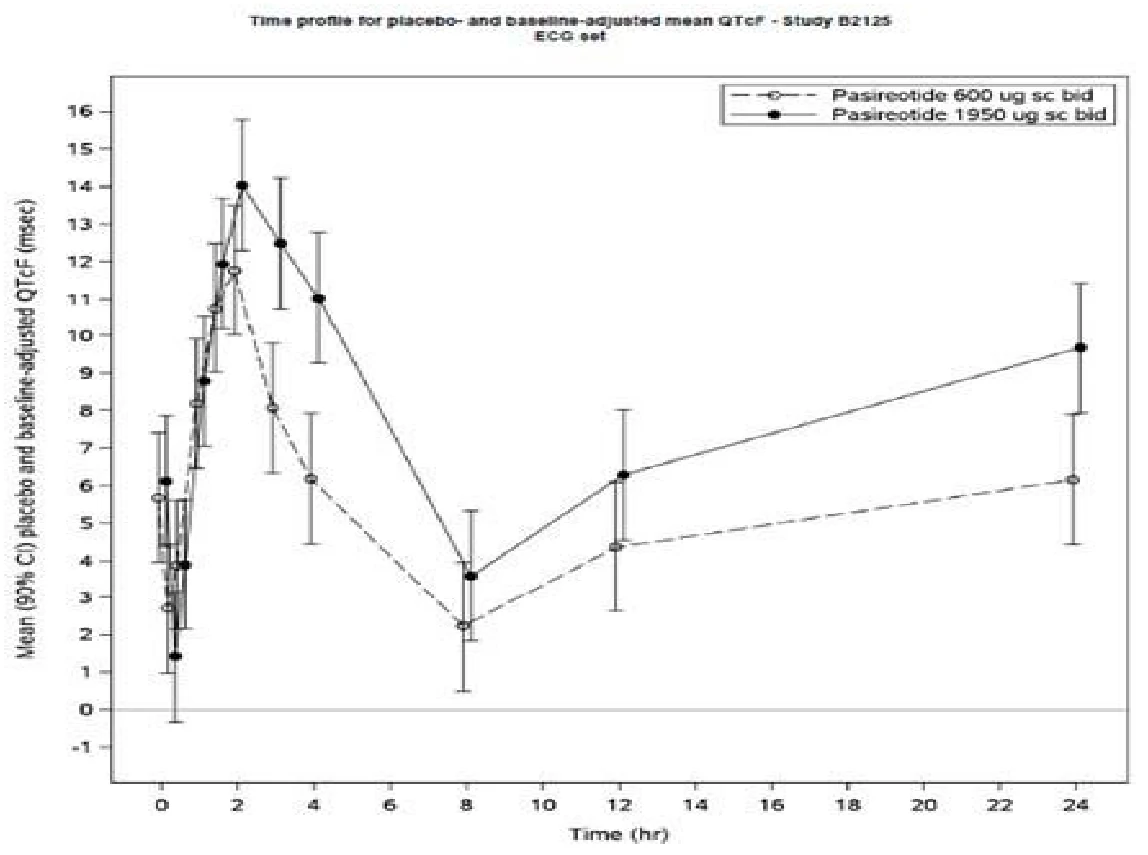
In both the 600 µg and 1950 µg treatment arms, SIGNIFOR was associated with statistically significant QTcF prolongation at all timepoints on day 5. The maximum placebo-adjusted mean change from baseline occurred at 2 h post-dosing in both treatment arms and was 11.8 ms (90% CI 10.0, 13.5) in the 600 µg treatment arm and 14.0 ms (90% CI 12.3, 15.8) in the 1950 µg arm.
The mechanism for the observed QT prolongation is not known.
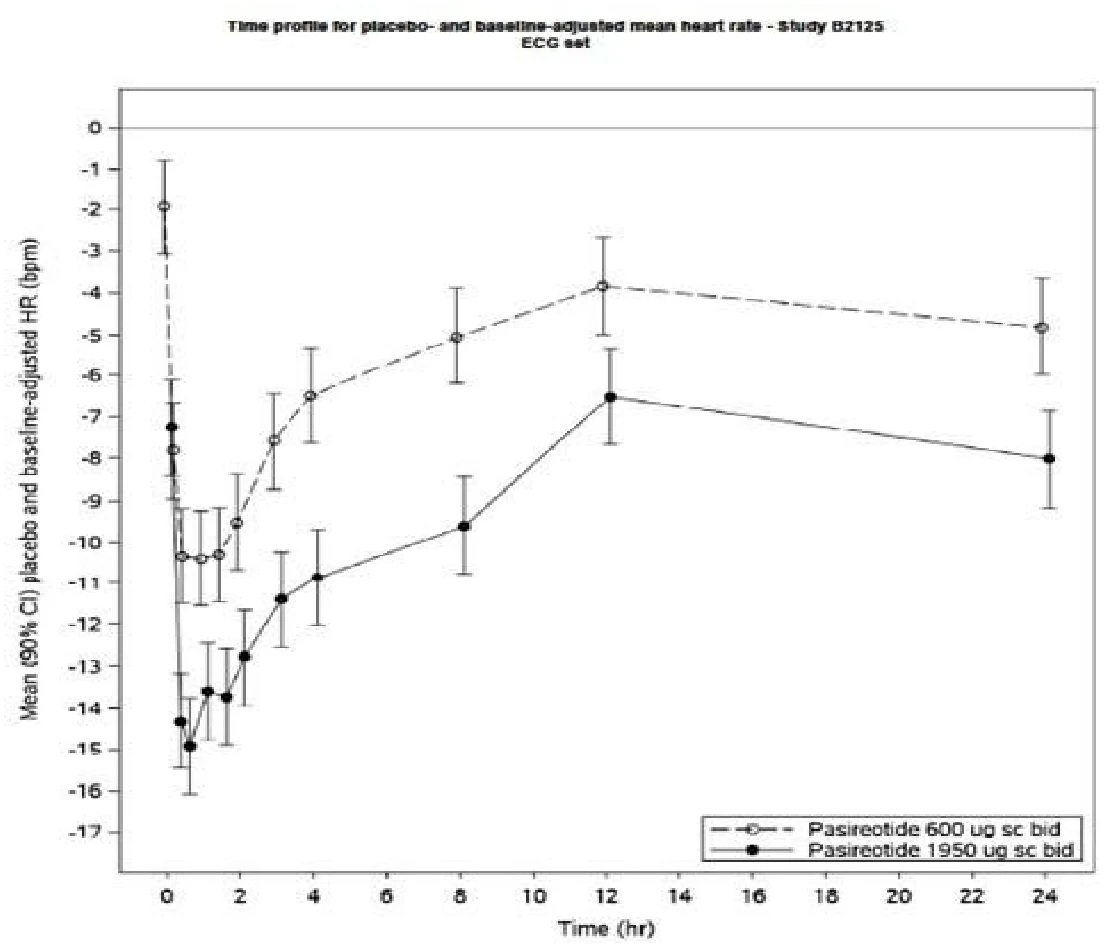
In both the 600 µg and 1950 µg treatment arms, SIGNIFOR was associated with statistically significant reductions in heart rate at all timepoints on day 5. The maximum placebo-adjusted mean change from baseline was -10.4 bpm (90% CI -11.5, -9.2) at 1 h post-dosing in the 600 µg treatment arm and -14.9 bpm (90% CI -16.1, -13.8) in the 1950 µg arm.
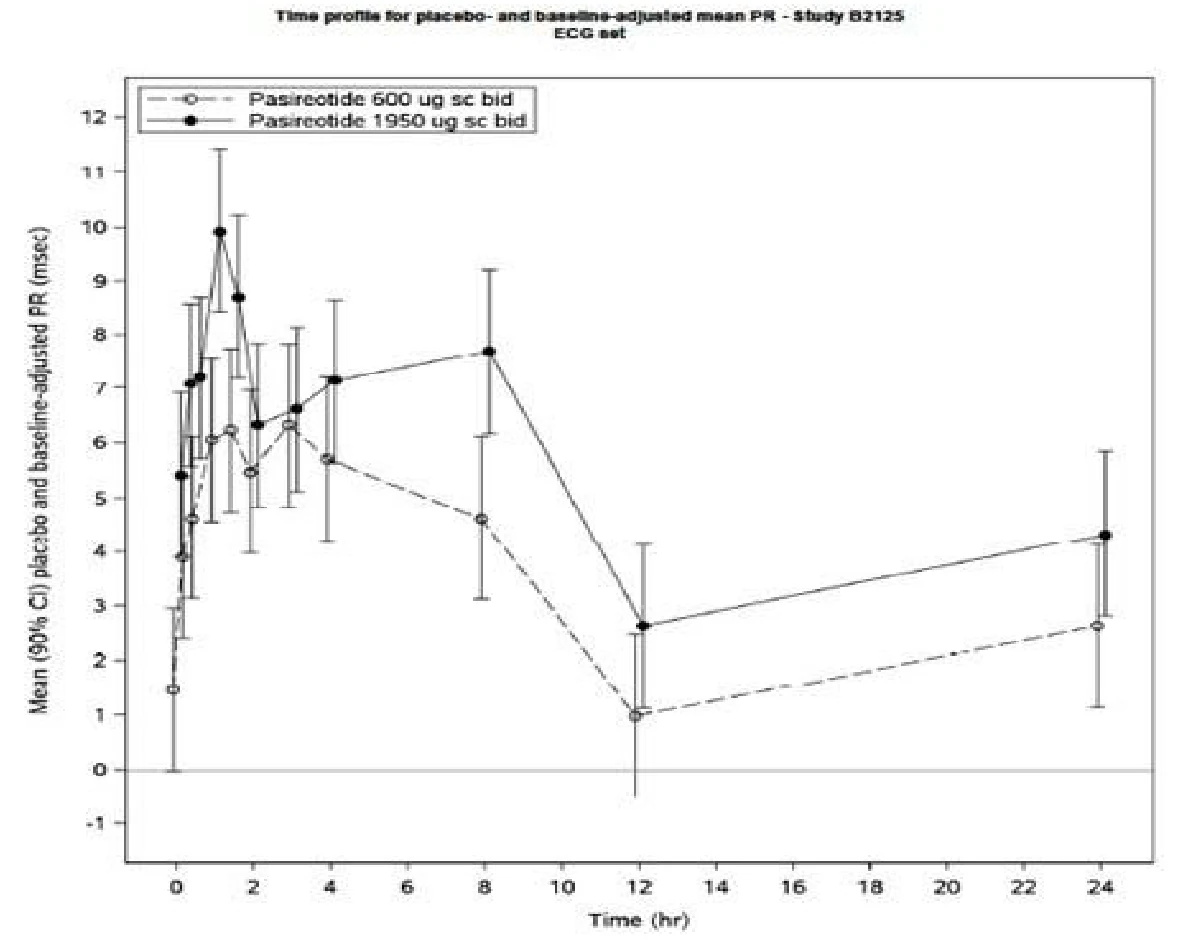
Statistically significant prolongation of the PR interval occurred from 0.25 to 8 h post-dosing in the SIGNIFOR 600 µg arm and at all timepoints in the SIGNIFOR 1950 µg arm on day 5. The maximum placebo-adjusted mean change from baseline occurred at 2 h post-dosing in both treatment arms and was 6.1 ms (90% CI 4.6, 7.6) in the 600 µg arm and 9.9 ms (90% CI 8.4, 11.4) in the 1950 µg arm.
On the basis of population pharmacokinetic modelling, the median steady-state Cmax of pasireotide in patients with Cushing’s disease is predicted to be 48 ng/mL for the 600 µg dose and 58 ng/mL for the 900 µg dose, both administered twice a day. In ECG Study 1, the median Cmax for pasireotide 1950 µg twice a day in healthy volunteers was 64 ng/mL. In ECG Study 2, the median Cmax values were 23 ng/mL for pasireotide 600 µg twice a day and 78 ng/mL for pasireotide 1950 µg twice a day.
10.3. Pharmacokinetics
Clinical Pharmacokinetics (PK)
In healthy volunteers, following a single s.c. injection between 2.5 - 1500 µg, pasireotide pharmacokinetics demonstrated fast absorption, extensive distribution, low clearance, and long half-life. The PK exposures (Cmax and AUCinf) were approximately dose-proportional for single (2.5 – 1500 µg) and multiple doses (50- 600 µg). The drug was rapidly absorbed with a median Tmax of 0.25-0.5 hr post dose. The disposition phase of the mean plasma concentration-versus-time profiles of pasireotide appeared to be tri-exponential for doses of 600-1500 µg. The apparent effective half-life (t1/2) was estimated to be ~12 hours. Pasireotide is primarily distributed in the plasma (91%) with a large apparent volume of distribution (Vz/F) >100 L. Pasireotide is metabolically stable and is found in its unchanged form in plasma, urine and feces. Pasireotide is eliminated mainly via hepatic clearance (biliary excretion) with a small contribution from the renal route. The clearance (CL/F) of pasireotide in healthy volunteers and Cushing’s disease patients is ~ 7.6 liters/h and ~3.8 litres/h, respectively. Following 50- 600 µg q.d. dosing of pasireotide s.c. in healthy volunteers, the steady-state was achieved within 3 days. The accumulation to steady-state was found to be moderate (approximately 20-40%).
Table 4 - Summary of SIGNIFOR (twice a day dosing) Pharmacokinetic Parameters in Cushing’s Disease Patients
| Dose (µg) | Cmin,ss (ng/mL)1 | Cmax,ss (ng/mL)1 | Tmax,ss (hr)2 | AUC0-8,ss (hr*ng/mL) 1 |
| 600 | 4.9 ± 2.6 | 21.3 ± 6.9 | 2 | 99.7 ± 33.8 |
1 Data expressed as mean (SD) values from day 15 2 Data expressed as median value from day 15 | ||||
Absorption: In healthy volunteers, pasireotide s.c. is rapidly absorbed and peak plasma concentration is reached within Tmax 0.25-0.5 hour. Cmax and AUC are approximately dose-proportional following administration of single and multiple doses. In Cushing’s disease patients following 600µg twice a day, s.c. dosing for 15 days, the steady-state was achieved within 5 days.
No studies have been conducted to evaluate the bioavailability of pasireotide in humans.
No clinical studies were performed to evaluate the effect of food on pasireotide administration.
Distribution: In healthy volunteers, pasireotide is widely distributed with large apparent volume of distribution (Vz/F >100 L). Distribution between blood and plasma is concentration independent and shows that pasireotide is primarily located in the plasma (91%). Plasma protein binding is moderate (88%) and independent of concentration.
Metabolism: Pasireotide was shown to be highly metabolically stable. In healthy volunteers, pasireotide, in its unchanged form, is predominantly found in plasma, urine and feces.
Excretion: Pasireotide s.c. is eliminated mainly via hepatic clearance (biliary excretion) with a small contribution of the renal route. In a human ADME study with pasireotide s.c. administered as a single dose of 600 µg 55.9 ± 6.63% of the radioactivity dose was recovered over the first 10 days after pasireotide administration, including 48.3 ± 8.16% of the radioactivity in feces and 7.63 ± 2.03% in urine.
Pasireotide demonstrates low clearance (CL/F, ~ 7.6 litres/h for healthy volunteers and ~3.8 litres/h for Cushing’s disease patients). Based on the accumulation ratios of AUC, the calculated effective half-life (t1/2, eff) in healthy volunteers was approximately 12 hours.
Steady-State Pharmacokinetics, Linearity and Accumulation: In Cushing’s disease patients following 600 µg twice a day, s.c. dosing for 15 days, the steady-state was achieved within 5 days. In Cushing’s disease patients, pasireotide demonstrates linear pharmacokinetics in a dose range from 0.3 to 1.2mg twice a day, based on Cmin,ss, whereas the pasireotide pharmacokinetics was linear between 0.0025 to 1.5mg, in healthy volunteers. The accumulation (ratio of 1.9) of pasireotide was moderate in Cushing’s disease patients.
Special Populations and Conditions
Pediatrics (< 18 years of age): No studies have been performed in pediatric patients (see 1.1. Pediatrics, 7.1.3. Pediatrics, 4.2. Recommended Dose and Dosage Adjustment - Special Populations, Pediatrics).
Geriatrics (≥ 65 years of age): Data on Cushing’s disease patients older than 65 years are limited but do not suggest any clinically significant differences in safety and efficacy in relation to younger patients (see 1.2. Geriatrics, 7.1.4. Geriatrics, 4.2. Recommended Dose and Dosage Adjustment - Special Populations - Geriatrics).
Gender: Population PK analyses of SIGNIFOR suggest that gender does not influence PK parameters.
Race: Population PK analyses of SIGNIFOR suggest that race does not influence PK parameters.
Age: Age has been found to be a covariate in the population PK analysis of Cushing’s disease patients. Decreased total body clearance and increased PK exposures have been seen with increasing age. In the studied age range 18 to 73 years, the area under the curve at steady-state for one dosing interval of 12 hours (AUCss) is predicted to range from 86% to 111% of that of the typical patient of 41 years. This variation is moderate and considered of minor significance considering the wide age range in which the effect was observed.
Hepatic Impairment: SIGNIFOR is contraindicated in patients with moderate or severe hepatic impairment (see 2. Contraindications). In a clinical study with single dose administration of pasireotide administered as Signifor s.c. in subjects with impaired hepatic function (Child-Pugh A, B and C), subjects with moderate and severe hepatic impairment (Child-Pugh B and C) showed significantly higher exposures than subjects with normal hepatic function. Upon correction for covariate effect (age, BMI and albumin) AUCinf was increased by 60% and 79%, Cmax increased by 67% and 69%, and CL/F decreased by 37% and 44%, respectively, in the moderate and severe hepatic impairment groups relative to the control group.
Renal Impairment: No dose adjustment is required in patients with impaired renal function. SIGNIFOR should be used with caution in patients with severe renal impairment and ESRD (see 7. Warnings and Precautions - Renal, Monitoring and Laboratory Tests, 4. Dosage and Administration).
In a clinical study with single dose administration of 900 μg pasireotide as SIGNIFOR s.c. in subjects with impaired renal function, the degree of renal impairment did not have a significant impact on the pharmacokinetics of pasireotide. The AUC0-inf decreased by 22% , 14% and 1% for mild, moderate and severe renally impaired subjects and increased by 25% in ESRD subjects compared to normal subjects adjusted for age, gender and weight as covariates. The Cmax decreased by 28%, 23%, 19% and 10% for mild, moderate, severe renally impaired and ESRD subjects compared to normal subjects adjusted for age, gender and weight as covariates. However, increases in unbound pasireotide AUCinf,u of 1.85, 2.41, 2.96 fold and Cmax,u of 1.36, 2.00, 3.01 fold were observed in patients with moderate, severe renal impairment and ESRD. Grade 3 and Grade 4 increases in amylase, lipase and uric acid and grade 3 decreases in hemoglobin were also observed in subjects with severe renal impairment and ESRD.
Lean Body Weight: Lean body weight, has been found to be a covariate in the population PK analysis of Cushing’s disease patients. In the studied lean body weight range 33 to 83 kg, the AUCss is predicted to range from 67% to 134% of that of the typical patient of 49 kg (The corresponding range of total body weight was 43.0 to 175 kg, with a median of 77.4 kg). This variation is considered as moderate and of minor clinical significance.
Genetic Polymorphism: The effects of genetic polymorphisms on the pharmacokinetics of SIGNIFOR have not been established.
11. Storage, Stability and Disposal
Store at room temperature (15°C – 30°C).
Store in original package (in order to protect from light).
SIGNIFOR (pasireotide injection) must be kept out of the reach and sight of children.
12. Special Handling Instructions
The solution is supplied in a 1 mL one point-cut colorless hydrolytic class I (Ph. Eur., USP) glass ampoule.
To ensure proper administration of the drug, the patient should be instructed by a physician or other health care professional how to use the SIGNIFOR (pasireotide injection) ampoule. For instructions on the use of SIGNIFOR (pasireotide injection) ampoules, refer to the Patient Medication Information section.
Ampoules should be opened just prior to administration, and any unused portion discarded.
Special precautions for disposal
Any unused product or waste material should be disposed of in accordance with local requirements.
Incompatibilities
No compatibility data with other products have been generated. Pasireotide solution for injection is to be used without any dilution and must not to be mixed with other medicinal products.
Part 2: Scientific Information
13. Pharmaceutical Information
Drug Substance
Proper name: Pasireotide diaspartate
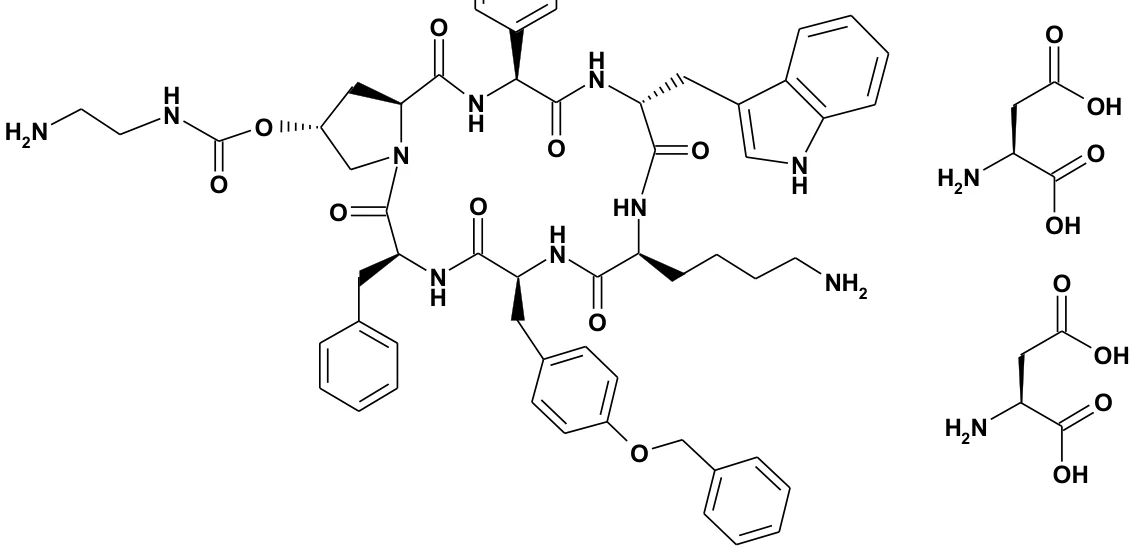
Chemical name: (2-Aminoethyl)carbamic acid (2R,5S,8S,11S,14R,17S,19aS)-11-(4- aminobutyl)-5-benzyl-8-(4-benzyloxybenzyl)-14-(1H-indol-3- ylmethyl)-4,7,10,13,16,19-hexaoxo-17-phenyloctadecahydro- 3a,6,9,12,15,18-hexaazacyclopentacyclooctadecen-2-yl ester, di[(S)-2-aminosuccinic acid] salt
Molecular formula and molecular mass: C58H66N10O9 · 2 C4H7NO4
1047.206 + 266.205 = 1313.41
Salt/base ratio: 1.254
Structural formula:
Physicochemical properties: Pasireotide diaspartate, a novel cyclohexapeptide, is a somatostatin analogue. It is a white to slightly greyish powder (lyophilisate).
The aqueous ionization constants (pKa) of pasireotide were determined by potentiometric titration in water/dioxane in 0.15 M KCl at 25°C. The values are: pKa1 = 10.2, pKa2 = 9.1. At 25°C, the solubility of pasireotide is >100 mg/mL in water.
14. Clinical Trials
14.1. Clinical Trials by Indication
Treatment of adult patients with Cushing’s disease
Study demographics and trial design
A phase III, multicenter, randomised study was conducted to evaluate the safety and efficacy of two dose levels of SIGNIFOR over a 6 month treatment period in Cushing’s disease patients with persistent or recurrent disease or de novo patients for whom surgery was not indicated or who refused surgery.
The study enrolled 162 patients with a baseline UFC >1.5 x ULN who were randomised in a 1:1 ratio to receive a dose of either 0.6 mg s.c. twice a day or 0.9 mg s.c. twice a day of SIGNIFOR. After three months of treatment patients who had a mean 24-hour UFC ≤ 2xULN and below or equal to their baseline values continued blinded treatment at the randomised dose until month 6. Patients who did not meet these criteria were unblinded and the dose was increased by 0.3 mg twice a day. After the initial 6 months in the study, patients entered an additional 6-month open-label treatment period. The dosage can be reduced by 0.3mg s.c. twice a day at any time during the study for intolerability. The mean age of patients was approximately 40 years old with a predominance of female patients (77.8%). The majority of the patients had persistent or recurrent Cushing’s disease (83.3%) despite pituitary surgery and few patients (≤5%) in either treatment group had received previous pituitary irradiation. The median exposure to the treatment was 10.4 months (0.03-37.8) with 68% of patients having at least 6 months.
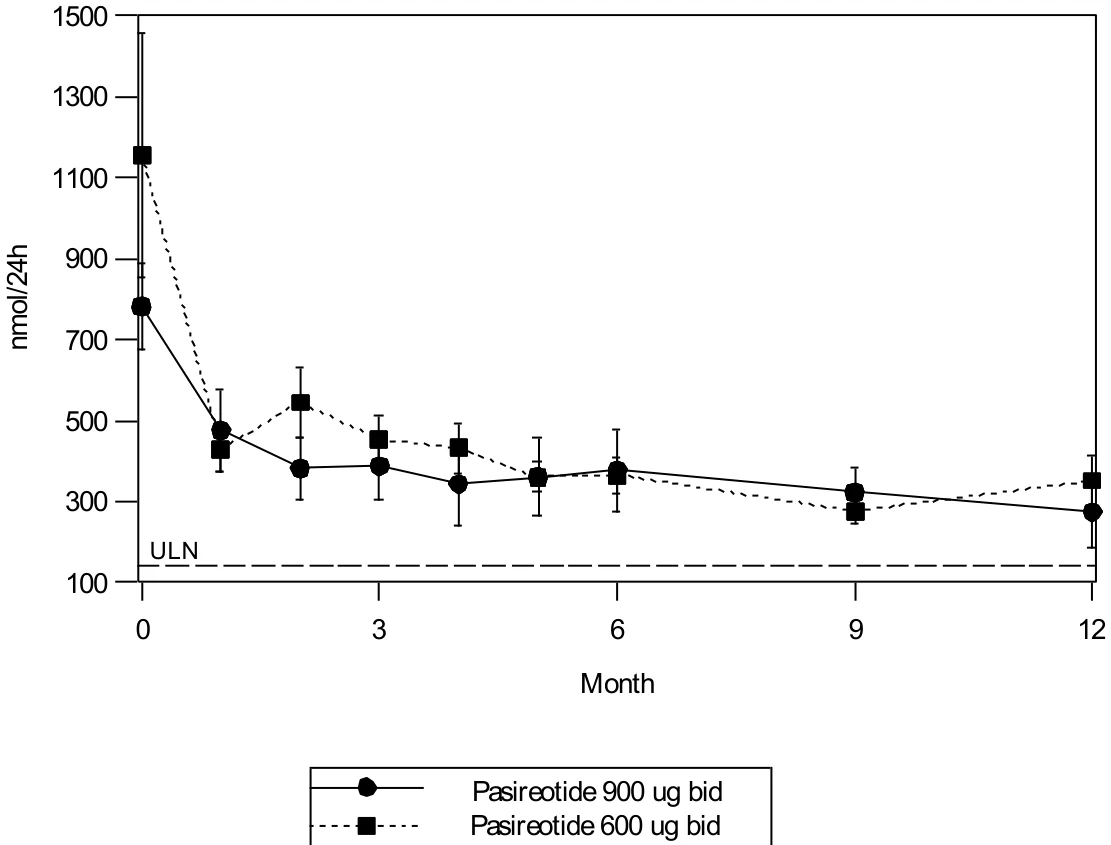
Baseline characteristics were balanced between the two randomised dose groups, except for marked differences in the mean value of the baseline 24-hour UFC (1,156 nmoL/24hr for the 0.6 mg twice a day group and 782 nmoL/24hr for the 0.9 mg twice a day group); normal range 30 to 145 nmoL/24 hr).
The primary efficacy end-point was the proportion of patients in each arm who achieved normalization of mean 24-hour UFC levels (UFC ≤ ULN) after 6 months of treatment and who did not have a dose increase (relative to randomised dose) during this period.
During the pivotal trial, 62% of patients with normal HbA1c (<6%) at baseline became either pre-diabetic or diabetic. HbA1c levels stabilized with the addition of antihyperglycemic treatment, but did not return to baseline values.
Study results
Primary Endpoint: Normalization of UFC
At month 6, normalization of mean UFC levels was observed in 14.6% (95% CI 7.0% to 22.3%) and 26.3% (95% CI 16.6% to 35.9%) of patients randomised to pasireotide 0.6 mg twice a day and 0.9 mg twice a day, respectively. Over half of responders (55.6%) at month 6 were also responders at month 12.
A supportive efficacy analysis was conducted in which patients were further classified into the response category partial responder (UFC >1.0 x ULN but with a reduction in UFC ≥50% compared to baseline). Up-titration at month 3 is allowed for 0.6mg dose group but not 0.9mg dose group. The total proportion of full or partial responders at month 6, constituted 33% and 37% (0.6 mg twice a day and 0.9 mg twice a day, respectively) of the randomised patients (Table 5). Patients uncontrolled at both Months 1 and 2 were likely (90%) to remain uncontrolled at Months 6 and 12.
Table 5 - Response rates at month 6 per randomised dose group
| Response category | Pasireotide 0.6 mg b.i.d. (N=82) | Pasireotide 0.9 mg b.i.d. (N=80) |
| n (%) | n (%) | |
| Responder1 | 12 (14.6%) | 21 (26.3%) |
| Partial responder2 | 15 (18.3%) | 9 (11.2%) |
| Non-responder3 | 55 (67.1 %) | 50 (62.5%) |
1 Responder: fully controlled (UFC ≤1.0 x ULN) without up-titration at month 3 2 Partial responder: UFC >1.0 x ULN but with a reduction in UFC ≥50% compared to baseline. Up-titration at month 3 is allowed for 0.6mg dose group but not 0.9mg dose group 3 Non-responder: neither a responder nor a partial responder. | ||
In both dose groups, SIGNIFOR resulted in a decrease in the mean UFC after 1 month of treatment which was maintained over time (Figure 1). Dose decreases and increases appeared to have minimal effect on UFC response.
Figure 1 - Mean (±SE) Urinary Free Cortisol (nmoL/24h) at time points up to Month 12 by randomised dose group
Note: The reference line is the upper limit normal for UFC, which is 145 nmoL/24h.+/-Standard errors are displayed.
Decreases were also demonstrated by the overall percentage of change in the mean UFC levels at month 6 and 12 as compared to baseline values (Table 6).
Table 6 - Percentage change in mean UFC levels per randomised dose group at Month 6 and month 12 compared to baseline values
| Pasireotide 0.6 mg b.i.d. | Pasireotide 0.9 mg b.i.d. | ||||||
| % change (n) | % change (n) | ||||||
| Mean change in UFC | Month 6 | -27.51 (52) | -48.4 (51) | ||||
| (% from baseline) | |||||||
| Month 12 | -41.3 (37) | -54.5 (35) | |||||
| 1 Includes one patient with significant outlying results who had a percent change from baseline of +542.2%. | |||||||
15. Microbiology
No microbiological information is required for this drug product.
16. Non-Clinical Toxicology
General Toxicology
Single dose toxicity
The acute toxicity of pasireotide was assessed in rats and mice at 15 and 30 mg/kg by the s.c. route. Lethalities were not observed.
Repeated dose toxicity
Rats
The pivotal rodent repeat-dose toxicity study was conducted in male and female rats. Animals were administered pasireotide by s.c. injection once daily at 0.0008, 0.024, 0.08 and 0.24 mg/kg/day for 26 weeks. When compared with human AUC values, these dose levels provide an exposure margin of 0.07, 0.24 (0.33 and 0.15 for males and females, respectively), 0.49, 1.92, respectively. The NOAEL was considered to be 0.024 mg/kg/day based on histological alterations in the pituitary (males) and the genital tract (females).
All pasireotide-mediated effects were considered to be a result of the drug’s pharmacology and all changes demonstrated reversibility following a drug-free period. Decreased body weight was observed in males (from 0.008 mg/kg) and females (0.24 mg/kg). In males, decreased pituitary weight and decreased cytoplasmic mass of acidophile cells/somatotrophs was observed at doses >0.024 mg/kg. In females, alterations in the genital tract (decreased number of corpora lutea, vaginal mucosal hyperplasia or hypertrophy of mucification, vaginal hypertrophy) consistent with prolongation of the estrous cycle were observed at doses ≥ 0.08 mg/kg.
Inhibitory effects on lymphoid and hematopoietic organs were observed and included decrease thymus weight and cellularity as well as decreased hematopoietic activity of the spleen and bone marrow. A lack of new bone formation beneath the epiphyseal plate of the tibia and femur was observed. Serum biochemistry changes (increased ALT, decreased albumin) and decreased liver weight suggested possible effects on the liver at high dose levels, possibly as a secondary result to the decrease in IGF-1. Changes in coagulation parameters (increased PT and APTT) noted in females are likely related to the pharmacologic effect of pasireotide, probably through modification of the liver production of coagulating factors regulated by GH.
Monkeys
The pivotal non-rodent repeat-dose toxicity study was conducted in male and female monkeys. Animals were administered pasireotide at 0.4, 1.6, and 3.2 mg/kg/day for 39 weeks. When compared with human AUC values, these dose levels provide an exposure margin of 12.2, 39.0 and 96.1 for males, and 13.3, 54.7 and 102.6 for females. The NOAEL was considered to be 1.6 mg/kg/day based on histological alterations in the pituitary (increased acidophilia in the pars distallis), thyroid (small follicles), large intestine (distension with firm fecal material) and injection site reactions.
All pasireotide-mediated effects were considered to be a result of the drug’s pharmacology and all changes demonstrated reversibility following a drug-free period.
Carcinogenicity
The carcinogenic potential of pasireotide was assessed by the s.c. route in the 26-week transgenic RasH2 mouse model (dose levels: 0, 0.5, 1.0, 2.5 mg/kg/day) and the 2-year rat bioassay (dose levels: 0, 0.01, 0.05, 0.3 mg/kg/day). Pasireotide was not carcinogenic in either model.
Genotoxicity
Pasireotide did not exhibit mutagenic or clastogenic potential in a battery of assays including the Ames test, human peripheral lymphocyte chromosome aberration test, or the in vivo rat micronucleus test.
Reproductive and Developmental Toxicity
Fertility and early embryonic development was evaluated in rats. Pasireotide was administered by s.c. injection at 0.1, 1.0 and 10 mg/kg/day prior to mating, during mating and through gestation day (GD) 6. Reproductive effects were observed in females only and included prolonged estrus cycles/acyclicity at doses ≥ 1.0 mg/kg and decreased numbers of corpora lutea, implantation sites, and/or viable fetuses at all doses. A NOAEL for female fertility was not established (<0.1 mg/kg/day).
Embryo-fetal development was evaluated in rats and rabbits. In rats, pasireotide was administered by s.c. injection at 1, 5 and 10 mg/kg/day from GD 6-17. At 10 mg/kg, and in the presence of maternal toxicity and mortality, effects on the F1 generation were noted and consisted of increased early/total resorptions, decreased fetal weights, and mal-rotated limbs. The fetal NOAEL was 5 mg/kg. Pasireotide was not teratogenic in the rat.
In rabbits, pasireotide was administered by s.c. injection at 0.05, 1.0 and 5.0 mg/kg/day from GD 7-20. Maternal toxicity was observed from 1.0 mg/kg and mortality occurred at 5.0 mg/kg. Reproductive and fetal effects (increased early and/or total resorptions, decreased fetal weights) were noted in the presence of maternal toxicity at doses ≥ 1 mg/kg. At 5 mg/kg, abortions and a decreased number of viable fetuses were seen. Increased skeletal variations noted at 5.0 mg/kg were considered secondary to the reduced fetal weights. The maternal and fetal NOAEL were 0.05 mg/kg. Pasireotide was not teratogenic in the rabbit.
Pre- and post-natal development was evaluated in rats. Pasireotide was administered by s.c. injection at 2, 5 and 10 mg/kg/day to F0 generation dams from GD 6 to day 21, 22 or 23 post partum. Maternal toxicity was observed at all doses and drug-related mortality was noted at 5 mg/kg. Maternal performance was unaffected by administration of pasireotide (no change in gestation index, length of gestation, numbers of live, dead pups, number of implantation scars, sex ratio and the live birth index). Lower F1 body weights were seen at all doses. Secondary to the lower pup weights, the mean day of pinna unfolding was slightly increased in all dose groups. Post weaning, body weight gains were comparable for all groups demonstrating reversibility. There was no effect on visual function, physical development, behavioural performance, macroscopic findings, parental performance or uterine findings for the F1 generation adults.
Special Toxicology
Antigenicity
Antigenicity was not evaluated with the s.c. formulation. Using pasireotide LAR in a rat i.m. study, anti-pasireotide antibodies were detected in 26/59 treated animals. The antibodies were considered non-neutralizing as pharmacologic effects and drug levels were sustained.
Immunotoxicity
The immunotoxic potential of pasireotide was evaluated in a 4-week rat s.c. immunotoxicity study (dose levels: 0.08, 0.24 and 0.8 mg/kg/day). Pasireotide exhibits low immunotoxic potential. Although a slight decrease in lymphocytes counts was observed in males at 0.24 and 0.8 mg/kg/day (total lymphocyte counts and absolute counts of Total T lymphocytes, Helper T lymphocytes, Cytotoxic T lymphocytes, natural killer lymphocytes and B lymphocytes), there were no toxicologically-relevant pasireotide effects on immune function (anti‑KLH IgM, anti‑KLH IgG responses unaffected by pasireotide treatment).
Phototoxicity
In the absorption spectrum of pasireotide, a significant peak was found at around 360 nm. An in vitro phototoxicity assay was performed. Pasireotide did not exhibit phototoxic potential.