


Product Monograph - Sotyktu
Recent Major Label Changes
| 2026-04 |
|---|---|
| 2026-04 |
Table of Contents
Certain sections or subsections that are not applicable at the time of the preparation of the most recent authorized product monograph are not listed.
Recent Major Label Changes ................................................................................................... 2
Table of Contents ................................................................................................................... 2
Part 1: Healthcare Professional Information ........................................................................... 4
- 1.
Indications ....................................................................................................................... 4
1.1. Pediatrics .................................................................................................................. 4
1.2. Geriatrics .................................................................................................................. 4
- 2. Contraindications ............................................................................................................ 4
- 4.
Dosage and Administration ............................................................................................. 4
4.1. Dosing Considerations .............................................................................................. 4
4.2. Recommended Dose and Dosage Adjustment ......................................................... 4
4.4. Administration .......................................................................................................... 5
4.5. Missed Dose ............................................................................................................. 5
- 5. Overdose ......................................................................................................................... 5
- 6. Dosage Forms, Strengths, Composition, and Packaging ................................................... 5
- 7.
Warnings and Precautions ............................................................................................... 6
Carcinogenesis and Genotoxicity .......................................................................................... 6
Driving and Operating Machinery ......................................................................................... 6
Endocrine and Metabolism ................................................................................................... 6
Hepatic/Biliary/Pancreatic .................................................................................................... 6
Immune ................................................................................................................................ 6
Reproductive Health ............................................................................................................. 7
7.1. Special Populations .................................................................................................. 7
7.1.1. Pregnancy ........................................................................................................ 7
7.1.2. Breastfeeding .................................................................................................. 7
7.1.3. Pediatrics ......................................................................................................... 7
7.1.4. Geriatrics ......................................................................................................... 8
- 8.
Adverse Reactions ........................................................................................................... 8
8.1. Adverse Reaction Overview ...................................................................................... 8
8.2. Clinical Trial Adverse Reactions ................................................................................ 8
8.3. Less Common Clinical Trial Adverse Reactions ....................................................... 10
8.4. Abnormal Laboratory Findings: Hematologic, Clinical Chemistry, and Other Quantitative Data ............................................................................................................... 10
- 9.
Drug Interactions ........................................................................................................... 10
9.2. Drug Interactions Overview .................................................................................... 10
9.3. Drug-Behaviour Interactions .................................................................................. 11
9.4. Drug-Drug Interactions ........................................................................................... 11
9.5. Drug-Food Interactions........................................................................................... 13
9.6. Drug-Herb Interactions ........................................................................................... 13
9.7. Drug-Laboratory Test Interactions ......................................................................... 13
- 10.
Clinical Pharmacology ................................................................................................... 13
10.1. Mechanism of Action .............................................................................................. 13
10.2. Pharmacodynamics ................................................................................................ 14
10.3. Pharmacokinetics ................................................................................................... 14
- 11. Storage, Stability, and Disposal ...................................................................................... 18
Part 2: Scientific Information ................................................................................................ 19
- 13. Pharmaceutical Information .......................................................................................... 19
- 14.
Clinical Trials .................................................................................................................. 20
14.1. Clinical Trials by Indication ..................................................................................... 20
Plaque Psoriasis ............................................................................................................. 20
- 15. Microbiology ................................................................................................................. 24
- 16. Non-Clinical Toxicology .................................................................................................. 24
Patient Medication Information ........................................................................................... 26
Part 1: Healthcare Professional Information
1. Indications
SOTYKTU (deucravacitinib tablets) is indicated for:
- The treatment of adult patients with moderate to severe plaque psoriasis who are candidates for systemic therapy or phototherapy.
1.1. Pediatrics
- No data are available to Health Canada; therefore, Health Canada has not authorized an indication for pediatric use.
1.2. Geriatrics
- No overall differences in SOTYKTU exposure, safety or effectiveness were observed between older and younger patients who received SOTYKTU. There is limited information in subjects aged ≥75 years.
2. Contraindications
- SOTYKTU is contraindicated in patients who are hypersensitive to this drug or to any ingredient in the formulation, including any non-medicinal ingredient, or component of the container. For a complete listing, see 6. Dosage Forms, Strengths, Composition and Packaging.
4. Dosage and Administration
4.1. Dosing Considerations
- SOTYKTU should not be initiated in patients with any clinically important active infection until the infection resolves or is adequately treated (see 7. Warnings and Precautions, Immune). SOTYKTU is not recommended for use in combination with other potent immunosuppressants.
- Evaluate patients for tuberculosis (TB) infection prior to initiating treatment with SOTYKTU. Do not administer SOTYKTU to patients with active TB.
- Prior to initiating therapy with SOTYKTU, consider completion of all age-appropriate immunizations according to current immunization guidelines.
4.2. Recommended Dose and Dosage Adjustment
The recommended dose of SOTYKTU is 6 mg orally once daily.
Special populations
Renal impairment:
No dosage adjustment is required in patients with mild, moderate or severe renal impairment or in patients with end stage renal disease (ESRD) on dialysis.
Hepatic impairment:
SOTYKTU is not recommended in patients with severe hepatic impairment (Child-Pugh Class C) (see 7. Warnings and Precautions, Hepatic/Biliary/Pancreatic and 10.3. Pharmacokinetics, Special Populations, Hepatic Insufficiency).
No dosage adjustment is required in patients with mild or moderate hepatic impairment.
Pediatric patients (< 18 years):
The safety and effectiveness of SOTYKTU in pediatric patients have not been established. Therefore, Health Canada has not authorized an indication for pediatric use.
Geriatric patients (≥ 65 years):
No dosage adjustment is required for patients 65 years and over (see 10.3. Pharmacokinetics, Special Populations, Geriatrics).
4.4. Administration
SOTYKTU tablets should be swallowed whole and can be administered with or without food. Tablets should not be crushed, cut, or chewed.
4.5. Missed Dose
If a dose of SOTYKTU is missed, the patient should not take a double dose to make up for a forgotten dose.
5. Overdose
In pivotal clinical trials, there was no experience regarding human overdosage with SOTYKTU.
In case of overdose, it is recommended that the patient be monitored for any signs or symptoms of adverse reactions and appropriate symptomatic treatment instituted immediately.
Dialysis does not substantially clear deucravacitinib from systemic circulation (5.4% of dose cleared per dialysis treatment).
For the most recent information in the management of a suspected drug overdose, contact your regional poison control centre or Health Canada’s toll-free number, 1-844 POISON-X (1-844-764-7669).
- 6. Dosage Forms, Strengths, Composition, and Packaging
Table 1 – Dosage Forms, Strengths, and Composition
| Route of Administration | Dosage Form/ Strength/Composition | Non-Medicinal Ingredients |
| Oral | tablet 6 mg | Anhydrous lactose, croscarmellose sodium, hypromellose acetate succinate, magnesium stearate, microcrystalline cellulose, Opadry® II Pink (iron oxide red, iron oxide yellow, |
Description
SOTYKTU is available as deucravacitinib 6 mg strength pink, round, biconvex, film-coated tablets for oral administration laser printed with “BMS 895” “6 mg” on one side in two lines with no content on the other side.
SOTYKTU film coated tablets, 6 mg are supplied in HDPE bottles containing 90 tablets and in blister packs of 28 tablets.
7. Warnings and Precautions
Carcinogenesis and Genotoxicity
See 16 Non-Clinical Toxicology.
Driving and Operating Machinery
No studies of the effects on the ability to drive and use machinery have been performed. Exercise caution when driving or operating a vehicle or potentially dangerous machinery.
Endocrine and Metabolism
Lactose
SOTYKTU contains lactose. Patients with rare hereditary problems of galactose intolerance, total lactase deficiency or glucose-galactose malabsorption should not take this medicinal product.
Hepatic/Biliary/Pancreatic
SOTYKTU is not recommended in patients with severe hepatic impairment (See Section 10.3. Pharmacokinetics, Special Populations and Conditions)
Immune
Infections
SOTYKTU may increase the risk of infections. Treatment with SOTYKTU should not be initiated in patients with any clinically important active infection until the infection resolves or is adequately treated.
In patients with a chronic infection or a history of recurrent infection, consider the risks and benefits prior to prescribing SOTYKTU.
Instruct patients to seek medical advice if signs or symptoms of clinically important infection occur. If a patient develops such an infection or is not responding to standard therapy, monitor the patient closely and discontinue SOTYKTU until the infection resolves.
| polyethylene glycol, polyvinyl alcohol, talc, titanium dioxide), silicon dioxide. |
- Pre-treatment evaluation of Tuberculosis
Evaluate patients for tuberculosis (TB) infection prior to initiating treatment with SOTYKTU. Do not administer SOTYKTU to patients with active TB. Initiate treatment of latent TB prior to administering SOTYKTU.
Consider anti-TB therapy prior to initiation of SOTYKTU in patients with a past history of latent or active TB in whom an adequate course of treatment cannot be confirmed. Monitor patients receiving SOTYKTU for signs and symptoms of active TB during treatment.
Immunizations
Prior to initiating therapy with SOTYKTU, consider completion of all age-appropriate immunizations according to current immunization guidelines. Avoid use of live vaccines in patients treated with SOTYKTU. The response to live or non-live vaccines has not been evaluated.
Reproductive Health
See 16. Non-Clinical Toxicology, Reproductive and Developmental Toxicology.
7.1. Special Populations
7.1.1. Pregnancy
There are no adequate and well-controlled studies of SOTYKTU use in pregnant women. The data with SOTYKTU use in pregnant women are insufficient to inform on drug-associated risk.
See 16. Non-Clinical Toxicology, Reproductive and Developmental Toxicology.
Pregnancy Registry: There is a pregnancy exposure registry that monitors pregnancy outcomes in women exposed to SOTYKTU during pregnancy. For more information on the registry, healthcare providers or patients can contact the Organization of Teratology Information Specialists (OTIS) by calling 1-877-311-8972. Healthcare providers are encouraged to refer patients on-line, or pregnant women may sign-up themselves at https://mothertobaby.org/ongoing-study/sotyktu-deucravacitinib/
7.1.2. Breastfeeding
The safe use of SOTYKTU during lactation has not been established. Deucravacitinib and its active metabolite (BMT-153261) are excreted in human milk, with mean milk-to-plasma concentration ratios of 3.2 and 15.8, respectively. The mean estimated relative infant dose of deucravacitinib over 24 hours was 9 to 12% of the maternal weight-adjusted dose (see 10.3. Pharmacokinetics, Special Populations and conditions, Pregnancy and breastfeeding). The effect of deucravacitinib on breastfed newborns/infants is unknown. The developmental and health benefits of breastfeeding should be considered along with the mother’s clinical need for SOTYKTU and any potential adverse effects on the breastfed infant from SOTYKTU or from the underlying maternal condition.
See 16. Non-Clinical Toxicology, Reproductive and Developmental Toxicology for animal data.
7.1.3. Pediatrics
The safety and efficacy of SOTYKTU in pediatric patients less than 18 years of age have not been established. Therefore, Health Canada has not authorized an indication for pediatric use (see 1.1 Pediatrics).
7.1.4. Geriatrics
Of the 1519 patients with plaque psoriasis treated with SOTYKTU, 152 patients were 65 years or older and 21 patients were 75 years or older. No overall differences in deucravacitinib exposure, safety or effectiveness were observed between older and younger patients who received SOTYKTU.
8. Adverse Reactions
8.1. Adverse Reaction Overview
In patients with moderate to severe plaque psoriasis exposed to SOTYKTU during the 16-week placebo-controlled period of POETYK PSO-1 and POETYK PSO-2, the most common adverse reactions (≥ 5%) were upper respiratory tract infection (18.9%).
Serious adverse events (SAEs) were reported in 1.8% of SOTYKTU-treated patients, 2.9% of placebo-treated patients, and 1.2% of apremilast-treated patients through week 16. No SAE was reported in more than 1 patient.
Discontinuation of therapy due to adverse events in patients who received SOTYKTU was 2.4%, compared to 3.8% for placebo and 5.2% for apremilast. The majority of AEs leading to treatment discontinuation occurred in single patients.
8.2. Clinical Trial Adverse Reactions
Clinical trials are conducted under very specific conditions. Therefore, the frequencies of adverse reactions observed in the clinical trials may not reflect frequencies observed in clinical practice and should not be compared to frequencies reported in clinical trials of another drug.
In clinical trials, a total of 1519 patients with moderate to severe plaque psoriasis received SOTYKTU 6 mg once daily. Of these, 1141 patients were exposed to SOTYKTU for at least one year.
Data from two placebo- and active-controlled trials were pooled to evaluate the safety of SOTYKTU up to 16 weeks. In total 842 patients were evaluated in the SOTYKTU 6 mg group.
Table 2 summarizes the adverse drug reactions that occurred in at least 1% of patients in the SOTYKTU group and at a higher rate in the SOTYKTU group than the placebo group during the 16-week controlled period.
Table 2 – Adverse Reactions Occurring in ≥ 1% of the SOTYKTU Group with Higher Rates than Placebo, through Week 16
SOTYKTU n = 842 n (%) | Apremilast n = 422 n (%) | Placebo n = 419 n (%) | ||||
| Gastrointestinal disorders | ||||||
| Oral ulcersa | 16 (1.9) | 0 | 0 | |||
| Infections and infestations | ||||||
| Upper respiratory infectionsb | 159 (18.9) | 70 (16.6) | 62 (14.8) | |||
| Herpes simplex infectionsc | 17 (2.0) | 2 (0.5) | 1 (0.2) | |||
| Skin and subcutaneous tissue disorders | ||||||
| Acneiform rashd | 30 (3.6) | 4 (0.9) | 1 (0.2) | |||
| Folliculitis | 14 (1.7) | 0 | 0 | |||
a Oral ulcers include aphthous ulcer, mouth ulceration, tongue ulceration and stomatitis.
b Upper respiratory infections include nasopharyngitis, upper respiratory tract infection, viral upper respiratory tract infection, pharyngitis, sinusitis, acute sinusitis, rhinitis, tonsillitis, peritonsillar abscess, laryngitis, tracheitis, and rhinotracheitis.
c Herpes simplex infections includes oral herpes, herpes simplex, genital herpes, and herpes viral infection.
d Acneiform rash includes acne, dermatitis acneiform, rash, rosacea, pustule, rash pustular, and papule.
Through Week 52, no new adverse reactions were identified with SOTYKTU and the incidence rates of common adverse reactions did not increase compared to those observed during the first 16 weeks of treatment.
Infections
In the first 16 weeks, infections occurred in 29.1% of the SOTYKTU group (116 events per 100 person-years) compared to 21.5% of the placebo group (83.7 events per 100 person-years). The majority of infections were non-serious and mild to moderate in severity and did not lead to discontinuation of SOTYKTU. The incidence of serious infections in the SOTYKTU group was 0.6% (2.0 events per 100 person-years) and in the placebo group was 0.5% (1.6 events per 100 person-years).
In POETYK PSO-1 and POETYK PSO-2, through Week 52, the rate of infections in the SOTYKTU group (95.4 events per 100 person-years) did not increase compared to the rate observed during the first 16 weeks of treatment. The rate of serious infections in the SOTYKTU group did not increase through Week 52 (1.7 events per 100 person-years).
8.3. Less Common Clinical Trial Adverse Reactions
Adverse reactions reported by patients treated with SOTYKTU at an incidence of < 1% and > 0.1%:
Infections and infestations:
Herpes zoster
Malignancies:
During the 0-to-52-week treatment period of the two controlled psoriasis clinical studies (total exposure of 969 person-years with SOTYKTU), malignancies (excluding non-melanoma skin cancers) were reported in 0.2% of SOTYKTU-treated patients (0.3 events per 100 person-years), including one lymphoma. Lymphomas were also reported with SOTYKTU in the open-label, long-term extension and in an open-label regional study. The potential role of SOTYKTU in the development of malignancies is unclear.
8.4. Abnormal Laboratory Findings: Hematologic, Clinical Chemistry, and Other Quantitative Data
Clinical Trial Findings
Creatine Phosphokinase (CPK):
In the 16-week placebo-controlled period, adverse events of increased CPK (including Grade 4) were reported in 23 subjects (9.3 per 100 patient-years) treated with SOTYKTU, and 5 subjects (4.1 per 100 patient-years) treated with placebo.
Liver Transaminases (ALT & AST):
Events of increases in liver enzymes ≥3 times the ULN were observed in subjects treated with
SOTYKTU. In the 16-week placebo-controlled period:
- ALT elevations ≥3 times the ULN was reported in 9 subjects (3.6 per 100 patient-years) treated with SOTYKTU, and 2 subjects (1.6 per 100 patient-years) treated with placebo.
- AST elevations ≥3 times the ULN was reported in 13 subjects (5.2 per 100 patient-years) treated with SOTYKTU, and 2 subjects (1.6 per 100 patient-years) treated with placebo.
Decreased Glomerular Filtration Rate (GFR):
In the 16-week placebo-controlled period in subjects who had moderate renal impairment (eGFR 30-59 mL/min) at baseline, decreased GFR was reported in 4 subjects (1.6 per 100 patient-years) treated with SOTYKTU, and 1 subject (0.8 per 100 patient-years) treated with placebo. Two of the SOTYKTU-treated subjects had worsening of baseline proteinuria.
Lipids Elevations:
Mean triglycerides increased by 0.12 mmol/L (10.3 mg/dL) during the 16-week treatment period in subjects treated with SOTYKTU and by 0.10 mmol/L (9.1 mg/dL) during the 52-week treatment period.
9. Drug Interactions
9.2. Drug Interactions Overview
SOTYKTU may interact with:
- Potent immunosuppressants
- Live vaccines
Deucravacitinib is not expected to cause major drug interactions via enzyme inhibitions, enzyme induction, or transporter inhibition.
9.3. Drug-Behaviour Interactions
The interaction of SOTYKTU with individual behavioural risks (e.g. cigarette smoking, cannabis use, and/or alcohol consumption) has not been studied.
9.4. Drug-Drug Interactions
Concomitant immunosuppressive therapy
The safety and efficacy of deucravacitinib in combination with immunosuppressants, including biologics have not been evaluated in patients with psoriasis. Due to the increased risk of infection during treatment with SOTYKTU, it is not recommended for use in combination with other potent immunosuppressants.
Live vaccines
Avoid use of live vaccines in patients treated with SOTYKTU. See 7. Warnings and Precautions, Immune.
Deucravacitinib is eliminated via multiple pathways, including Phase I and II metabolism, direct renal and fecal elimination with no single pathway predominantly responsible for elimination. Therefore, major drug interactions that result in meaningful changes in exposure of deucravacitinib via inhibition or induction of a pathway are not anticipated.
The drugs listed in Table 3 are based on drug interaction studies of the effect of other drugs on SOTYKTU.
Table 3 – Effects of other medicinal products on SOTYKTU
| Common drug name | Source of evidence | Effect | Clinical comment |
| Dual Pgp / BCRP inhibitor | |||
| Cyclosporine | CT | No clinically meaningful change in deucravacitinib concentration | No dosage adjustment of SOTYKTU is required with dual Pgp / BCRP inhibitors |
| Strong CYP1A2 inhibitor | |||
| Fluvoxamine | CT | No clinically meaningful change in deucravacitinib concentration | No dosage adjustment of SOTYKTU is required with CYP1A2 inhibitors |
| CYP1A2 inducer | |||
| Ritonavir | CT | No clinically meaningful change in deucravacitinib concentration | No dosage adjustment of SOTYKTU is required with CYP1A2 inducers |
| UGT1A9 inhibitor | |||
| Diflunisal | CT | No clinically meaningful change in deucravacitinib concentration | No dosage adjustment of SOTYKTU is required with UGT1A9 inhibitors |
| OCT1 inhibitor | |||
| Pyrimethamine | CT | No clinically meaningful change in deucravacitinib concentration | No dosage adjustment of SOTYKTU is required with OCT1 inhibitors |
| Gastric pH modulator | |||
| Famotidine (H2 receptor antagonist) | CT | No change in concentration of deucravacitinib | No dosage adjustment of SOTYKTU is required with gastric modulators |
| Rabeprazole (proton pump inhibitor) | CT | ||
Legend: CT = Clinical Trial
BCRP: Breast cancer resistance protein; OCT: organic cation transporter; Pgp: P-glycoprotein; UGT: UDP-glucuronosyltransferase
Based on in vitro data for deucravacitinib and its major circulating metabolites and clinical drug interaction studies, co-administration of deucravacitinib at 6 mg daily is not expected to have clinically relevant effect on exposures of agents that are substrates of CYPs (1A2, 2B6, 2C8, 2C9, 2C19, 2D6, 3A4), UGTs (1A1, 1A4, 1A6, 1A9, 2B7), CES2 and drug transporters (Pgp, BCRP, OATP1B1, OATP1B3, BSEP, MRP2, OAT1, OAT3, OCT1, OCT2, MATE1, and MATE2K).
The drugs listed in Table 4 are based on drug interaction studies of the effect of SOTYKTU on other drugs.
Table 4 - Effect of SOTYKTU on other medicinal products
| Common drug name | Source of Evidence | Effect | Clinical comment |
| Common drug name | Source of Evidence | Effect | Clinical comment |
| Probe Substrate of BCRP/OATP | |||
| Rosuvastatin | CT | No meaningful effect on exposure of rosuvastatin | No dosage adjustment of substrates of BCRP/OATP is required when co-administered with SOTYKTU |
| Substrate of BCRP and other transporters | |||
| Methotrexate | CT | No meaningful effect on exposure of methotrexate | No dosage adjustment of substrates of BCRP and other transporters is required when co-administered with SOTYKTU |
| CES1 and 2 substrate | |||
| Mycophenolate mofetil | CT | No meaningful effect on exposure of mycophenolate mofetil | No dosage adjustment of CES1 and 2 substrate is required when co-administered with SOTYKTU |
| Oral contraceptives | |||
| Norethindrone acetate | CT | No meaningful effect on exposure of norethindrone acetate | No dosage adjustment of oral contraceptives is required when co-administered with SOTYKTU |
| Ethinyl estradiol | CT | No meaningful effect on exposure of ethinyl estradiol | |
Legend: CT = Clinical Trial
BCRP: Breast cancer resistance protein; CES: Carboxylesterase; OAT: Organic anion transporters
9.5. Drug-Food Interactions
Refer to Section 10.3 Pharmacokinetics for details on the effect of food on absorption of deucravacitinib.
9.6. Drug-Herb Interactions
Interactions with herbal products have not been established.
9.7. Drug-Laboratory Test Interactions
Interactions with laboratory tests have not been established.
10. Clinical Pharmacology
10.1. Mechanism of Action
Tyrosine kinase 2 (TYK2) mediates signaling of interleukin-23 (IL-23) cytokine, interleukin-12 (IL-12) cytokine, and type I interferons (IFN), which are naturally occurring cytokines involved in inflammatory and immune responses. TYK2 catalyzes the phosphorylation of signal transducer and activator of transcription (STAT) proteins downstream of the receptors for these cytokines, resulting in the activation of STAT dependent transcription and functional responses specific for these receptors.
Deucravacitinib is a small molecule that selectively inhibits the tyrosine kinase 2 enzyme. Deucravacitinib binds to the regulatory domain of TYK2, stabilizing an inhibitory interaction between the regulatory and the catalytic domains of the enzyme. This results in allosteric inhibition of receptor-mediated activation of TYK2 and its downstream functions in cells. Deucravacitinib inhibits the release of proinflammatory cytokines and chemokines.
Deucravacitinib is highly selective for TYK2 over other protein kinases. In binding assays, deucravacitinib binds to the regulatory domain of TYK2 with a KD (dissociation constant) of 0.2 nM, in contrast deucravacitinib did not bind to the catalytic domains of TYK2 and Janus kinases (JAK1, JAK2 and JAK3) up to 10,000 nM. In human cellular assays, deucravacitinib potently inhibited signaling, transcriptional and functional assays downstream of the receptors for IL-23, IL-12 and type I IFNs compared to pathways regulated by JAK1, JAK2, and JAK3. Mean IC50 for inhibition of TYK2 stimulated pathways in peripheral blood T-cells (PBMC) assays ranged from 2 to 9 nM, 1 to 2 nM, 9 nM, and 14 nM when stimulated by IFNα, IFNβ, IL-23, and IL-12, respectively. In contrast, the IC50 for inhibition of JAK1 and JAK3 signaling through IL-2 stimulation was 623 nM (in PBMC), while the IC50 of deucravacitinib for JAK2 signaling was greater than 10,000 nM in erythropoietin stimulated factor-dependent human erythroblast cell line (TF-1 cells).
10.2. Pharmacodynamics
In healthy volunteers, the administration of deucravacitinib resulted in a dose- and concentration-dependent inhibition of two TYK2-dependent pathways, indicating robust target engagement. These include IFN-alpha-induced STAT5 phosphorylation (mediated by TYK2/JAK1), and IL-12-induced IFN-gamma production (mediated by TYK2/JAK2) in ex vivo whole blood assays. The maximal inhibition was observed one hour after dosing, which returned to near baseline by the end of the dosing interval (12 or 24 hours). Further, IFN-regulated gene expression was inhibited in vivo in a dose dependent manner in subjects administered with IFN-alpha, confirming that deucravacitinib inhibits TYK2 in vivo.
In a Phase 2 sub-study in patients with psoriasis, deucravacitinib reduced psoriasis-associated gene expression in psoriatic skin in a dose-dependent manner, including reductions in IL-23 pathway- and type I IFN pathway-regulated genes. In Phase 2 and Phase 3 studies, deucravacitinib reduced levels of serum biomarkers associated with psoriasis disease activity. In phase 3, IL-17A, IL-19 and beta-defensin were reduced with deucravacitinib treatment by 48-50%, 72% and 81-84%, respectively. The relationship between these pharmacodynamic markers and the mechanism(s) by which deucravacitinib exerts its clinical effects is unknown.
Cardiac Electrophysiology
At 7 times the maximum exposure achieved by the 6 mg once-daily dose in psoriasis patients, there was no clinically relevant effect on the QTc interval.
10.3. Pharmacokinetics
Deucravacitinib exhibited consistent oral absorption, dose-related increase in exposure, and no evident time-dependent pharmacokinetics. The pharmacokinetics of deucravacitinib administered as tablets was linear across a 3 mg to 36 mg dose range (0.5 to 6 times the approved recommended dosage) in healthy subjects.
The terminal half-life of deucravacitinib was 10 hours and accumulation was < 1.4-fold following once-daily dosing in healthy subjects.
The pharmacokinetic properties of SOTYKTU at 6 mg once daily are provided in Table 5.
Table 5 – Summary of SOTYKTU Pharmacokinetic Parameters
a. Healthy Subjects
Cmax (ng/mL) Geo. Mean [N] (CV%) | AUCINF(h*ng/ mL) Geo. Mean [N] (CV%) | Tmax(h) Median [N] (Min, Max) | T-HALF(h) Mean [N] (SD) | CL/F(L/h) Geo.Mean [N] (CV%) | |
| Single Dose Mean | 36.5 [18] (23) | 372 [18] (30) | 3.00 [18] (1.0, 4.1) | 9.88 [18] (1.4) | 16.6 [18] (23) |
b. Psoriasis Subjects*
Cmax(ng/mL) Geo.Mean [N] (CV%) | Cavg(ng/mL) Geo.Mean [N] (CV%) | T-HALF(h) Mean [N] (SD) | AUCƮ(h*ng/mL) Geo.Mean [N] (CV%) | |
Multiple Dose (once daily) | 45.1 [838] (35.3) | 19.7 [838] (44.0) | 16.2 [838] (22.8) | 473 [838] (44.0%) |
Cmax = maximum observed drug concentration; Cavg = average concentration at steady state; Tmax = time of maximum observed concentration; T-HALF = terminal elimination half-life; AUCINF= area under the concentration-time curve during one dosing interval at steady state; CLT/F = apparent oral clearance; CV = coefficient of variation; AUCƮ(h*ng/mL) = Area under the concertation-time curve during 24-hour interval at steady state derived from Cavg.
* Deucravacitinib pharmacokinetic properties based on population pharmacokinetic analysis at steady state. Effective half-life in psoriasis patients is approximately 10 hours.
Absorption
The absolute oral bioavailability of deucravacitinib was 99% and the median Tmax ranged from 2 to 3 hours in healthy subjects.
Effect of Food:
Administration of the 6 mg deucravacitinib tablet with high-fat, high calorie meal delayed absorption by 1 hour (median Tmax of 4 hours) and decreased the Cmax and AUCT by 24% and 11% respectively. SOTYKTU may be administered without regard to food.
Effect of Gastric pH Modulators:
Administration of the 6 mg deucravacitinib tablet with gastric pH modulators (H2 receptor blockers and proton pump inhibitors) did not affect total exposure (AUC[INF]) of deucravacitinib. SOTYKTU can be administered without consideration for gastric pH modulators like famotidine and rabeprazole.
Distribution
The volume of distribution at steady state (Vss), at 140 L, is greater than total body water [42 L] indicating extravascular distribution. Deucravacitinib is 81.6% bound to human plasma proteins. Deucravacitinib distributes similarly between plasma and red blood cell components with blood-to-plasma concentration ratio of 1.26.
Metabolism
In humans, deucravacitinib is metabolized via four primary biotransformation pathways, which include N-demethylation at the triazole moiety by cytochrome P-450 (CYP) 1A2 to form major metabolite BMT-153261, cyclopropyl carboxamide hydrolysis by carboxylesterase 2 (CES2) to form major metabolite BMT-158170, N-glucuronidation by uridine glucuronyl transferase (UGT) to form BMT-334616, and mono-oxidation by CYP2B6/2D6 at the deuterated methyl group to form M11.
At steady state, deucravacitinib is the major circulating species constituting 49% of measured drug-related components. Two major circulating metabolites, BMT-153261 and BMT-158170, were identified, both of which have half-lives comparable to the parent deucravacitinib. BMT-153261 has comparable potency to the parent drug and BMT-158170 is not pharmacologically active. The circulating exposure of BMT-153261 accounts for approximately 20% of the systemic exposure of the total drug-related components. No unique human metabolites and no long-lived circulatory metabolites were identified.
Elimination
Deucravacitinib is eliminated via multiple pathways including Phase I and II metabolism, along with direct renal and fecal elimination. Additionally, no single enzyme or pathway contributed more than 26% of total clearance. Deucravacitinib was extensively metabolized, with 59% of the orally administered [14C]-deucravacitinib dose eliminated as metabolites in urine (37% of the dose) and feces (22% of the dose). Unchanged deucravacitinib in urine and feces represented 13% and 26% of the dose, respectively, with renal clearance ranging from 27 to 54 mL/minute.
Terminal half-life in healthy human volunteers is 10 hours.
Deucravacitinib is a substrate of efflux transporters, P-glycoprotein and breast cancer resistance protein (BCRP) and uptake transporter OCT1. Due to high passive permeability, high oral bioavailability and low affinity for these transporters, contribution of these transporters to deucravacitinib pharmacokinetics is minimal. Deucravacitinib is not a substrate of transporters OATP, NTCP, OAT1, OAT3, OCT2, MATE1, or MATE2K.
Special populations and conditions
- Pediatrics: The safety and efficacy of SOTYKTU in pediatric patients have not been established. Therefore, Health Canada has not authorized an indication for pediatric use.
- Geriatrics: Deucravacitinib exposures (Cmax and Cavg) were not meaningfully changed in psoriasis patients >65 years relative to patients aged 40 to 65 years.
- Sex: Deucravacitinib exposures (Cmax and Cavg) were not meaningfully changed in women relative to men.
Pregnancy and breastfeeding: A pharmacokinetic study in 8 healthy, lactating women, at least 4 weeks post-partum, detected deucravacitinib and its active metabolite (BMT-153261) in breast milk. A single oral 9 mg dose was selected to approximate the steady-state exposure of the approved 6 mg once-daily regimen, based on an estimated accumulation ratio of approximately 1.4. The mean milk-to-plasma concentration ratios were 3.2 and 15.8 for deucravacitinib and BMT-153261, respectively. The majority of the deucravacitinib and BMT-153261 excreted in breast milk was recovered within the first 24 hours post-dose, 93% and 80%, respectively. By 72 hours after dosing, deucravacitinib concentrations in breast milk were less than the lower limit of quantification (LLOQ) in 6 out of 8 participants and concentration of BMT-153621 were less than LLOQ in 4 out of 8 participants. Lactation had little to no influence on expected deucravacitinib exposures in plasma, based on comparison with historical non-lactating healthy participant data.
Assuming daily milk consumption of 150 to 200 mL/kg/day, the mean estimated daily infant dose of deucravacitinib via breast milk was 0.012 to 0.016 mg/kg/day. This corresponds to a mean estimated relative infant dose over 24 hours of 9 to 12% of the maternal weight-adjusted dose. The mean estimated daily infant dose of BMT-153621 via breast milk was 0.012 to 0.017 mg/kg/day, corresponding to a mean estimated relative infant dose over 24 hours of 9 to 13% of the maternal weight-adjusted dose of deucravacitinib. The study was not designed to collect data on the effects of deucravacitinib and/or BMT-153261 on milk production or on the breastfed infant. See Section 7.1.2. Breastfeeding.
- Ethnic origin: Ethnic origin was not identified as a significant covariate for any deucravacitinib phamacokinetic parameter.
Hepatic Insufficiency: Mild (Child-Pugh Class A) and moderate (Child-Pugh Class B) hepatic impairment has no clinically meaningful effect on deucravacitinib exposures and therefore, no dose adjustment is needed for these patients. SOTYKTU is not recommended in patients with severe hepatic impairment (Child-Pugh Class C). See Section 4.2. Recommended Dose and Dosage Adjustment, Hepatic Impairment.
In the mild hepatic impairment group, total and unbound deucravacitinib Cmax and AUC[INF] were comparable compared to the normal hepatic function group. In the moderate hepatic impairment group, total deucravacitinib Cmax and AUC[INF] increased up to 10% and 40%, respectively while the unbound deucravacitinib Cmax and AUC[INF] increased by up to 26% and 60%, respectively, compared to the normal hepatic function group.
In severe hepatic impairment subjects, total deucravacitinib Cmax was comparable and total AUC was 43% higher relative to matched healthy subjects. In these subjects, unbound Cmax and AUC[INF] increased by 62% and 131%, respectively.
BMT-153261 Cmax decreased by 25%, 59% and 79% in patients with mild, moderate, and severe hepatic impairment, respectively, compared to subjects with normal hepatic function. BMT-153261 AUC[INF] decreased by 3%, 20% and 50%* in patients with mild, moderate, and severe hepatic impairment, respectively, compared to subjects with normal hepatic function.
*Based on data from 1 patient
Renal Insufficiency: Renal impairment has no clinically meaningful effect on deucravacitinib exposures and therefore, no dose adjustment is required for patients with mild, moderate, or severe renal impairment or in patients with ESRD on dialysis.
Compared to the normal renal function group, deucravacitinib Cmax was decreased by up to 14% in patients with mild (eGFR ≥60 to <90 mL/min/1.73m2) renal impairment and increased by 6% in patients with moderate (eGFR ≥30 to <60 mL/min/1.73m2) renal impairment; no change in Cmax was observed in patients with severe (eGFR <30 mL/min/1.73m2) renal impairment, and ESRD (eGFR <15 mL/min/1.73m2) on dialysis. Deucravacitinib AUC[INF] was unchanged in patients with mild renal impairment but increased by 39%, 28% and 34% in patients with moderate, severe and ESRD on dialysis, respectively, compared to subjects with normal renal function.
BMT-153261 Cmax was decreased by 11% and 8% in patients with mild and moderate renal impairment, respectively, and increased by 28% and 9% in patients with severe renal impairment and ESRD on dialysis, respectively, compared to subjects with normal renal function. BMT-153261 AUC[INF] was decreased by 2% in patients with mild renal impairment, but was increased by 24-27% in patients with moderate renal impairment and ESRD on dialysis, and 81% in patients with severe renal impairment, compared to subjects with normal renal function.
Dialysis does not substantially clear deucravacitinib from systemic circulation (5.4% of dose cleared per dialysis).
- Obesity: Deucravacitinib exposures (Cmax and Cavg) were not meaningfully changed in subjects with a higher (> 90 kg) or lower (< 90 kg) body weight.
- Storage, Stability, and Disposal
SOTYKTU tablets should be stored at room temperature between 15°C and 30°C.
Part 2: Scientific Information
13. Pharmaceutical Information
Drug Substance
Non-proprietary name of the drug substance(s): deucravacitinib
Chemical name: 3-Pyridazinecarboxamide, 6-[(cyclopropylcarbonyl)amino]-4-[[2-methoxy-3-(1-methyl-1H1,2,4-triazol-3-yl)phenyl]amino]-N-(methyl-d3)
Molecular formula and molecular mass: C20H19D3N8O3; 425.47 (free base)
Structural formula:
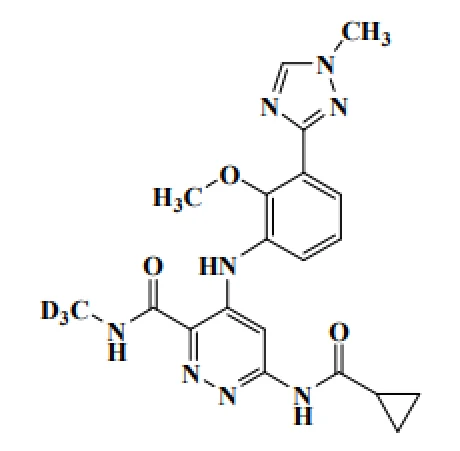
Physicochemical properties: Deucravacitinib is a white to yellow crystalline powder. The solubility of deucravacitinib is pH dependent. Solubility decreases with increasing pH.
Solubility
Media Solubility Temperature mg/mL
Water 0.005 25°C
Aqueous buffer at pH 1.05 >3 37°C
Aqueous buffer at pH 4.5 0.011 37°C
Aqueous buffer at pH 6.5 0.009 37°C
14. Clinical Trials
14.1. Clinical Trials by Indication
Plaque Psoriasis
The efficacy and safety of SOTYKTU 6 mg once daily were assessed in two multicenter, randomized, double-blind, placebo- and active-controlled clinical studies, PSO-1, and PSO-2, which enrolled patients 18 years of age and older with moderate to severe plaque psoriasis who were eligible for systemic therapy or phototherapy. Patients had a body surface area (BSA) involvement of ≥ 10%, a Psoriasis Area and Severity Index (PASI) score > 12, and a static Physician’s Global Assessment (sPGA) ≥ 3 (moderate or severe) on a 5-point scale of overall disease severity.
PSO-1 and PSO-2 evaluated a total of 1686 patients with 843 randomized SOTYKTU 6 mg once daily, 422 to apremilast 30 mg twice daily, and 421 to placebo.
PSO-1 and PSO-2
Both studies were similar in design (identical up to Week 24). Studies were double-blind and placebo-controlled through Week 16, apremilast-controlled through Week 24, and were of 52 weeks in treatment duration.
In both studies, patients receiving placebo switched to SOTYKTU at Week 16 and continued treatment with SOTYKTU up to Week 52. Patients randomized to apremilast who did not achieve a PASI 50 (PSO-1) or PASI 75 (PSO-2) response at Week 24 switched to SOTYKTU and continued up to Week 52. In PSO-1, patients who were randomized to SOTYKTU continued treatment up to Week 52. In PSO-2, SOTYKTU-treated patients who achieved PASI 75 at Week 24 were re-randomized 1:1 to continue SOTYKTU (maintenance) or were switched to placebo (withdrawal).
Baseline demographics were generally similar across the treatment groups in each study and comparable between the studies. Across both studies, patients ranged in age from 18 to 84 years, with an overall median age of 47 years. A total of 152 patients were aged ≥ 65 years old and 21 patients aged ≥ 75 years old. Most of the patients (67%) were male. Race was predominantly White (87 %). Baseline demographics for patients in each trial are presented in Table 6.
Table 6 – Summary of Patient Demographics for Clinical Trials in Psoriasis
| Study # | Study design | Dosage, route of administration and duration | Study subjects (n) | Mean age (range) | Sex |
| PSO-1 | Multicentre, randomized, double-blind, placebo- and active comparator-controlled | SOTYKTU tablet, 6 mg once daily Placebo Apremilast tablet, 30 mgb twice daily Oral, 52 weeks | N = 666 SOTYKTU: 332 Placebo: 166 Apremilast: 168 | 46.1 (18 - 81) | M = 68% F = 32% |
| PSO-2 | Multicentre, randomized, double-blind, placebo- and active comparator-controlled with randomized withdrawal and retreatment | SOTYKTU tablet, 6 mg Placebo Apremilast tablet, 30 mgb twice daily Oral, 52 weeks | N = 1020 SOTYKTU: 511 Placebo: 255 Apremilast: 254 | 46.9 (18 - 84) | M = 66% F = 34% |
a Co-primary endpoints measured at Week 16
b after initial titration over 5 days per label
Baseline disease characteristics were consistent for the study populations in both studies with an overall median PASI score of 18.7, and a median BSA of 20%. Baseline sPGA score was 3 (moderate) in 79.8% of patients and 4 (severe) in 20.2%. Median Dermatology Life Quality Index (DLQI) score was 11. Median Psoriasis Symptoms and Signs Diary (PSSD) Symptom score was 52.9.
A total of 18.4% of patients had a history of psoriatic arthritis. The mean duration of disease was similar for the study population in both studies, 18.6 years in SOTYKTU, 18.5 years in apremilast and 18.9 years in placebo patients.
Across both studies, 40% of patients had received prior phototherapy, 42.4% were naive to any systemic therapy (including biologic and/or non-biologic treatment), 41% received prior non-biologic systemic treatment, and 34.8% had received prior biologic therapy (16% TNF, 5% IL-12/23, 17% IL-17 and 4% IL-23 inhibitors).
Both studies assessed the responses at Week 16 compared to placebo for the two co-primary endpoints:
- the proportion of patients who achieved a sPGA score of 0 (clear) or 1 (almost clear).
- the proportion of patients who achieved at least a 75% improvement in PASI scores (PASI 75) from baseline.
Other comparisons between SOTYKTU and placebo that were secondary endpoints at week 16 were:
- the proportion of patients who achieved PASI 90, PASI 100, sPGA 0, scalp severity PGA (ss-PGA) score of 0 (clear) or 1 (almost clear).
Comparisons between SOTYKTU and apremilast were made for the following secondary endpoints at these time points:
- at Week 16 and 24 (PSO-1 and PSO-2), the proportion of patients who achieved PASI 75, PASI 90, and sPGA 0/1.
- at Week 16 (PSO-1 and PSO-2), the proportion of patients who achieved sPGA 0 and ssPGA 0/1 (scalp).
Table 7 presents the efficacy results which demonstrated superiority of SOTYKTU compared to apremilast and placebo in the PSO-1 and PSO-2 studies:
- The co-primary efficacy endpoints were met. A significantly greater proportion of patients treated with SOTYKTU achieved PASI 75 and sPGA 0/1 responses compared with placebo at Week 16 (p < 0.0001), which was consistent in both studies. In addition, a statistically significantly greater proportion of patients treated with SOTYKTU achieved PASI 75 and sPGA 0/1 responses compared with apremilast in both studies.
Statistical significance was achieved for SOTYKTU compared to placebo and SOTYKTU compared to apremilast for secondary endpoints.
Table 7 – Results of studies PSO-1 and PSO-2 in Plaque Psoriasis (Non-responder Imputation - NRI)
| PSO-1 | PSO-2 | ||||||||||||||||
| PSO-1 | PSO-2 | ||||||||||||||||
| Endpoint | SOTYKTU N = 332 n (%) | Apremilast N = 168 n (%) | Placebo N = 166 n (%) | SOTYKTU N = 511 n (%) | Apremilast N = 254 n (%) | Placebo N = 255 n (%) | |||||||||||
| Endpoint | SOTYKTU N = 332 n (%) | Apremilast N = 168 n (%) | Placebo N = 166 n (%) | SOTYKTU N = 511 n (%) | Apremilast N = 254 n (%) | Placebo N = 255 n (%) | |||||||||||
| PASI 75 | |||||||||||||||||
| Week 16 | 194 (58.4)a | 59 (35.1)d | 21 (12.7)a,d | 271 (53.0)a | 101 (39.8)e | 24 (9.4)a,d | |||||||||||
| Week 24 | 230 (69.3) | 64 (38.1)d | - | 296 (58.7)b | 96 (37.8)d | - | |||||||||||
| sPGA 0/1 | |||||||||||||||||
| Week 16 | 178 (53.6)a | 54 (32.1)d | 12 (7.2)a,d | 253 (49.5)a | 86 (33.9)d | 22 (8.6)a,d | |||||||||||
| Week 24 | 195 (58.7) | 52 (31.0)d | - | 251 (49.8)b | 75 (29.5)d | - | |||||||||||
| sPGA 0 | |||||||||||||||||
| Week 16 | 58 (17.5) | 8 (4.8)d | 1 (0.6)d | 80 (15.7) | 16 (6.3)e | 3 (1.2)d | |||||||||||
| PASI 90 | |||||||||||||||||
| Week 16 | 118 (35.5) | 33 (19.6)e | 7 (4.2)d | 138 (27.0) | 46 (18.1)f | 7 (2.7)d | |||||||||||
| Week 24 | 140 (42.2) | 37 (22.0)d | - | 164 (32.5)b | 50 (19.7)d | - | |||||||||||
| PASI 100 | |||||||||||||||||
| Week 16 | 47 (14.2) | - | 1 (0.6)d | 52 (10.2) | - | 3 (1.2)d | |||||||||||
| ss-PGA 0/1 (scalp)c | (N=209) | (N=110) | (N=121) | (N=305) | (N=166) | (N=173) | |||||||||||
| Week 16 | 147 (70.3) | 43 (39.1)d | 21 (17.4)d | 182 (59.7) | 61 (36.7)d | 30 (17.3)d | |||||||||||
a Co-primary endpoint comparing SOTYKTU with placebo
b N=504 accounting for missed assessments due to COVID-19 pandemic
c Includes patients with baseline ss-PGA score of ≥ 3
d p ≤ 0.0001 for comparison between SOTYKTU and placebo or SOTYKTU and apremilast e p < 0.001 for comparison between SOTYKTU and apremilast
f p < 0.01 for comparison between SOTYKTU and apremilast
Examination of age, sex, ethnic origin, body weight, duration of disease, baseline disease severity, and previous treatment with biologic or non-biologic agents did not identify differences in response to SOTYKTU among these subgroups.
Maintenance and Durability of Response
In PSO-1, among patients who received SOTYKTU and achieved PASI 75 response at Week 24, 81.3% of patients who continued on SOTYKTU maintained PASI 75 response at Week 52. Among PASI 90 responders at Week 24, 73.6% of patients maintained PASI 90 response at Week 52. Among sPGA 0/1 responders at Week 24, 77.4% of patients maintained sPGA 0/1 response at Week 52.
In PSO-2, to evaluate maintenance and durability of response, patients who were originally randomized to SOTYKTU and were PASI 75 responders at Week 24 were re-randomized to either continue treatment with SOTYKTU or be withdrawn from therapy (ie, receive placebo). At Week 52, 80.4% of patients who continued on SOTYKTU maintained PASI 75 compared to 31.3% of patients who were re-randomized to placebo and withdrawn from SOTYKTU. For patients who were re-randomized and also had a sPGA score of 0 or 1 at Week 24, 70% of patients who continued on SOTYKTU maintained this response (sPGA 0 or 1) at Week 52 compared to 24% of patients who were re-randomized to placebo.
For responders at Week 24 who were re-randomized to placebo, the median time to loss of PASI 75 was approximately 12 weeks. For sPGA 0/1 responders at Week 24 who were re-randomized to treatment withdrawal (i.e., placebo), the median time to loss of sPGA 0/1 was approximately 8 weeks.
Patient-Reported Outcomes
Compared to placebo, significantly more patients treated with SOTYKTU achieved a PSSD score of 0 (symptom-free) and DLQI score of 0/1 (no effect on patient’s life) at week 16 in both studies.
15. Microbiology
No microbiological information is required for this drug product.
16. Non-Clinical Toxicology
General toxicology
In rats and monkeys, the main target organs were the immune and the hematopoietic system, and the skin.
In the 6-month toxicity study in rats, consistent with the expected immunomodulatory activity of deucravacitinib, the principal findings at doses ≥ 5 mg/kg/day (≥ 9 times the maximum recommended human dose (MRHD) of 6 mg QD) included minimally to moderately decreased lymphocyte counts, decreased spleen size and weight, decreased lymphoid cellularity in lymph nodes, and spleen, and decreased T-cell-dependent antibody response (TDAR) to keyhole limpet hemocyanin (KLH). The decrease in lymphocytes and lymphoid cellularity in the spleen and lymph nodes were dose-dependent and mostly minimal to mild in severity; were not associated with any infections and were partially to fully reversible. The TDAR to KLH decrease was fully reversible. Additional findings at ≥ 15 mg/kg/day (≥ 42 times MRHD) included minimally to mildly decreased platelets and red blood cell (RBC) mass parameters and decreased bone marrow cellularity. These changes were not associated with any clinical signs or evidence of alterations in hemostasis; were typically associated with a regenerative bone marrow response, were monitorable, reversible, and did not result in unscheduled mortalities.
In the 9-month toxicity study in monkeys, the principal findings at doses ≥ 1 mg/kg/day (≥ 7 times MRHD) included skin changes (e.g., swelling, dryness, flaking, papule, redness, or scabbing) throughout the body correlating microscopically with epidermal hyperkeratosis, erosion, and crusts and dermal mixed cell infiltrates and inflammation; and minimally to moderately decreased RBC mass parameters. Decreased platelet counts were noted at 5 mg/kg/day only (65 times MRHD). The skin findings were considered likely infectious in etiology, as they generally improved after antibiotic treatments; were present in the context of decreased TDAR to KLH; did not result in any unscheduled euthanasia or preterminal deaths; and trended towards reversibility during a 2-month recovery period. The decreased TDAR to KLH was not accompanied by decreased blood lymphocyte counts or microscopic lymphoid depletion in the spleen, thymus or lymph nodes or diminished serum levels of IgG, IgM, or IgE.
Genotoxicity
Deucravacitinib is not genotoxic. Deucravacitinib was not mutagenic in a bacterial mutagenicity assay (Ames test), or clastogenic in an in vitro chromosomal aberration assay in cultured Chinese hamster ovary cells, or in vivo peripheral blood micronucleus assay at oral doses up to 75 mg/kg/day (429 times the MRHD in male rats on day 1).
Carcinogenicity
The carcinogenic potential of deucravacitinib was assessed in 2-year rat and 6-month rasH2 transgenic (Tg.rasH2) mouse studies. No evidence of tumorigenicity was observed in male or female rats that received deucravacitinib at oral doses up to 15 mg/kg/day (approximately 51 times the MRHD). No evidence of tumorigenicity was observed in male or female Tg.rasH2 mice that received deucravacitinib at oral doses up to 60 mg/kg/day (approximately 185 times the MRHD).
Reproductive and developmental toxicology
Male Fertility:
In male rats, deucravacitinib had no effects on reproductive parameters (mating, fertility, and sperm morphology) or early embryonic development of their offspring at oral doses up to 50 mg/kg/day and exposure approximately 224 times the MRHD.
Female Fertility and Early Embryonic Development:
In female rats, deucravacitinib had no effects on mating, fertility, or early embryonic parameters at oral doses up to 50 mg/kg/day and exposure approximately 171 times the MRHD.
Embryo-fetal Development:
Deucravacitinib was administered orally during the period of organogenesis at doses of 5, 15, or 75 mg/kg/day in rats and 1, 3, or 10 mg/kg/day in rabbits. Deucravacitinib was neither embryo-lethal nor teratogenic at the highest doses tested in either species. These doses resulted in maternal exposures (AUC) that were approximately 266 times (rat) or 91 times (rabbit) the exposure at the MRHD.
Pre- and Post-natal Development:
In a pre- and post-natal development study in rats, deucravacitinib was administered from gestation day 6 through lactation day 20, at doses of 5, 15, or 50 mg/kg/day. At 50 mg/kg/day (approximately 110 times MRHD), pup body weights were reduced, relative to control values, during the pre-weaning period; during post-weaning, their weights caught up and were comparable to those in control offspring by postnatal days 73 or 35 in males and females, respectively. There were no additional adverse findings in the F1 offspring, nor in F2 intrauterine survival. Maternal exposures at 50 mg/kg/day were approximately 110 times the MRHD.
A single oral dose of 5 mg/kg radiolabeled deucravacitinib was administered to lactating (post-partum days 8 to 12) rats. Deucravacitinib and/or its metabolites were present in the milk of lactating rats, with milk-to-plasma concentration ratios of 2.7 to 30.9.
Juvenile toxicity
In a juvenile animal study, oral administration of deucravacitinib at doses (5, 15, or 50 mg/kg/day) to rats for 10 weeks starting at postnatal day 21 did not result in any toxicity or effects on growth and development; changes were limited to the expected immunomodulatory effects and were mostly reversible. All changes in the study were previously observed in adult rats at a similar magnitude, indicating juvenile rats are not more sensitive and do not demonstrate unique toxicity relative to findings observed in mature rats. At 50 mg/kg/day, deucravacitinib exposures were approximately 125 times the MRHD.
Special Toxicology
Phototoxicity:
Deucravacitinib was not phototoxic in vitro in Balb/c 3T3 mouse fibroblasts exposed to ultraviolet radiation.