


Product Monograph - Taro-Gliclazide MR
RECENT MAJOR LABEL CHANGES
Non Applicable
Table of Contents
Sections or subsections that are not applicable at the time of authorization are not listed.
RECENT MAJOR LABEL CHANGES ........................................................................................... 2
Table of Contents ................................................................................................................... 2
PART I: HEALTH PROFESSIONAL INFORMATION ..................................................................... 4
1 INDICATIONS AND CLINICAL USE ................................................................................ 4
1.1 Pediatrics (< 18 years of age): .............................................................................. 4
1.2 Geriatrics (≥ 65 years of age): .............................................................................. 4
2 CONTRAINDICATIONS ................................................................................................. 4
4 DOSAGE AND ADMINISTRATION ................................................................................ 4
4.1 Dosing Considerations ......................................................................................... 4
4.2 Recommended Dose and Dosage Adjustment ..................................................... 5
4.4 Administration ..................................................................................................... 5
4.5 Missed Dose ......................................................................................................... 6
5 OVERDOSAGE ............................................................................................................. 6
6 DOSAGE FORMS, STRENGTHS, COMPOSITION AND PACKAGING ................................ 7
7 WARNINGS AND PRECAUTIONS .................................................................................. 7
7.1 Special Populations ............................................................................................ 11
7.1.1 Pregnant Women: .............................................................................................. 11
7.1.2 Brest-Feeding ..................................................................................................... 11
7.1.3 Pediatrics (< 18 years of age): ............................................................................ 11
7.1.4 Geriatrics (≥ 65 years of age): ............................................................................ 11
8 ADVERSE REACTIONS ................................................................................................ 11
8.1 Adverse Reaction Overview ............................................................................... 11
8.2 Clinical Trial Adverse Reactions .......................................................................... 12
8.3 Less Common Clinical Trial Adverse Reactions...................................................14
8.4 Abnormal Laboratory Findings: Hematologic, Clinical Chemistry and Other Quantitative Data .......................................................................................................... 16
8.5 Post-Market Adverse Reactions ....................................................................... 16
9 DRUG INTERACTIONS ............................................................................................... 16
9.1 Serious Drug Interactions ................................................................................... 16
9.2 Drug Interactions Overview ............................................................................... 17
9.3 Drug-Behavioral Interactions ............................................................................. 17
9.4 Drug-Drug Interactions ...................................................................................... 17
9.5 Drug-Food Interactions ...................................................................................... 21
9.6 Drug-Herb Interactions ...................................................................................... 21
9.7 Drug-Laboratory Test Interactions ..................................................................... 21
10 CLINICAL PHARMACOLOGY ....................................................................................... 21
10.1 Mechanism of Action ......................................................................................... 21
10.2 Pharmacodynamics ............................................................................................ 22
10.3 Pharmacokinetics ............................................................................................... 23
11 STORAGE, STABILITY AND DISPOSAL ......................................................................... 24
12 SPECIAL HANDLING INSTRUCTIONS .......................................................................... 24
PART II: SCIENTIFIC INFORMATION ...................................................................................... 25
13 PHARMACEUTICAL INFORMATION ........................................................................... 25
14 CLINICAL TRIALS ....................................................................................................... 26
14.1 Clinical Trial ........................................................................................................ 26
14.2 Comparative Bioavailability Studies ................................................................... 26
15 MICROBIOLOGY ........................................................................................................ 29
16 NON-CLINICAL TOXICOLOGY .......................................................................... ………...29
17 SUPPORTING PRODUCT MONOGRAPH……………………………………….……………………….….36
PATIENT MEDICATION INFORMATION ................................................................................. 37
PART I: HEALTH PROFESSIONAL INFORMATION
1. INDICATIONS
TARO-GLICLAZIDE MR (gliclazide modified release tablets) is indicated for:
- Control of hyperglycemia in gliclazide responsive diabetes mellitus of stable, mild, non-ketosis prone, maturity onset or adult type which cannot be controlled by proper dietary management and exercise, or when insulin therapy is not appropriate.
1.1 Pediatrics (< 18 years of age)
Safety and effectiveness of gliclazide modified release tablets in pediatrics have not been established; therefore, Health Canada has not authorized an indication for pediatric use.
1.2 Geriatrics (≥ 65 years of age)
No significant differences in efficacy and tolerance were observed between patients over 65 years of age and younger patients, however greater sensitivity of some older individuals cannot be ruled out (see 4 DOSAGE AND ADMINISTRATION and 7.1.4 Geriatrics).
2 CONTRAINDICATIONS
TARO-GLICLAZIDE MR is contraindicated in patients:
- With known hypersensitivity or allergy to gliclazide, other sulfonylureas, sulfonamides, or to any ingredient in the formulation, including any non-medicinal ingredient, or component of the container. For a complete listing, (see 6 DOSAGE FORMS, STRENGTHS, COMPOSITION AND PACKAGING).
- With unstable and/or insulin-dependent (Type 1) diabetes mellitus, particularly juvenile diabetes, diabetic ketoacidosis, diabetic pre-coma and coma.
- During stress conditions such as serious infection, trauma or surgery.
- In the presence of severe hepatic impairment (see 7 WARNINGS AND PRECAUTIONS, Hepatic/Biliary/Pancreatic).
- In the presence of severe renal impairment (see 7 WARNINGS AND PRECAUTIONS, Renal).
- Treated with miconazole via systemic route or oromucosal gel (see 9.1 Serious Drug Interactions, 9.4 Drug-Drug Interactions).
- During pregnancy and lactation (see 7.1.1 Pregnant Women and 7.1.2 Breast-feeding).
4 DOSAGE AND ADMINISTRATION
4.1 Dosing Considerations
Determination of the proper dosage for TARO-GLICLAZIDE MR for each patient should be made on the basis of frequent determinations of blood glucose during dose titration and throughout maintenance.
The daily dose of TARO-GLICLAZIDE MR may vary from 30 to 120 mg once daily (i.e., one half tablet to 2 tablets of TARO-GLICLAZIDE MR 60 mg, or 1 to 4 tablets of TARO-GLICLAZIDE 30 mg).
4.2 Recommended Dose and Dosage Adjustment
The recommended starting dose of TARO-GLICLAZIDE MR is 30 mg daily, i.e. one half tablet of TARO-GLICLAZIDE MR 60 mg or one tablet of TARO-GLICLAZIDE MR 30 mg, even in elderly patients (over 65 years old).
A single daily dose provides effective blood glucose control. The single daily dose may be between 30 mg and 120 mg. The daily dose should not exceed 120 mg.
Dose adjustment should be carried out in steps of 30 mg, according to the blood glucose response. Each step should last for at least two weeks.
4.4 Administration
It is recommended that the medication be taken at breakfast time. The 30 mg tablets cannot be split in half and should be swallowed whole. The 60 mg tablets can be halved. Both the 30 mg and 60 mg tablets must not be chewed or crushed.
- Previously untreated patients should commence with a dose of 30 mg and will benefit from dose adjustment until the appropriate dose is reached.
- One TARO-GLICLAZIDE MR 60 mg tablet is equivalent to two TARO-GLICLAZIDE MR 30 mg tablets. The breakability of the TARO-GLICLAZIDE MR modified-release 60 mg tablet allows the use of a dose of 30 mg as a half tablet and of 90 mg as one and a half tablets.
- Half a tablet of TARO-GLICLAZIDE MR 60 mg or one tablet of TARO-GLICLAZIDE MR 30 mg corresponds to one tablet of gliclazide 80 mg.
- TARO-GLICLAZIDE MR can replace an antidiabetic treatment without any transitional period. If a patient is switched from a hypoglycemic sulfonylurea with a prolonged half-life (i.e.chlorpropamide) he/she should be carefully monitored (for 1 to 2 weeks) in order to avoid hypoglycemia due to possible residual effects of the previous therapy.
Pediatrics (< 18 years of age)
Safety and effectiveness of gliclazide modified release tablets in pediatrics have not been established; therefore, Health Canada has not authorized an indication for pediatric use.
Geriatrics (≥ 65 years of age)
No significant differences in efficacy and tolerance were observed between patients over 65 years of age and younger patients, however greater sensitivity of some older individuals cannot be ruled out. Patients over 65 years of age should be started with TARO-GLICLAZIDE MR 30 mg with dosage adjustments being made cautiously.
Hepatic or Renal Impairment
Patients with renal or hepatic impairment should be started with TARO-GLICLAZIDE MR 30 mg with dosage adjustments being made cautiously (see 7 WARNINGS AND PRECAUTIONS, Endocrine and Metabolism).
Patients receiving Insulin
Maturity onset diabetics with no ketoacidosis or history of metabolic decompensation and whose insulin requirements are less than 40 units per day may be considered for TARO-GLICLAZIDE MR therapy after cessation of insulin.
If a change from insulin to TARO-GLICLAZIDE MR is contemplated in such a patient, discontinue insulin for a period of 2 or 3 days to determine whether any therapy other than dietary regulation and exercise is needed. During this insulin-free interval, test the patient's urine at least 3 times daily for glucose and ketone bodies and monitor the results carefully. The appearance of significant ketonuria accompanied by glucosuria within 12 to 24 hours after the withdrawal of insulin, strongly suggests that the patient is ketosis prone, and precludes the change from insulin to sulfonylurea therapy.
4.5 Missed Dose
If a dose is forgotten, the patient should be advised to skip the missed dose and take his or her usual dose at the regular time the next day. The dose taken on the next day should not be increased to account for the missed dose.
5. OVERDOSAGE
Symptoms
Overdosage with sulfonylureas may result in hypoglycemia but it should be noted that the dosage which causes such hypoglycemia varies widely and may be within the accepted therapeutic range in sensitive individuals.
The manifestations of hypoglycemia include sweating, flushing or pallor, numbness, chilliness, hunger, trembling, headache, dizziness, increased pulse rate, palpitations, increased blood pressure and apprehensiveness in mild cases. In more severe cases, coma appears.
However, symptoms of hypoglycemia are not necessarily as typical as those described above and sulfonylureas may cause insidious development of symptoms mimicking cerebrovascular insufficiency.
Treatment of Overdosage
Discontinue medication and treat hypoglycemia by giving dextrose promptly and in sufficient quantity.
Some sulfonylurea-induced hypoglycemias may be refractory to treatment and susceptible to relapse especially in elderly or malnourished patients. Continuous dextrose infusions for hours or days have been necessary.
Strict monitoring should be continued until the doctor is sure that the patient is out of danger.
Severe hypoglycaemic reactions, with coma, convulsions or other neurological disorders are possible and must be treated as a medical emergency, requiring immediate hospitalization.
Dialysis is of no benefit to patients due to the strong binding of gliclazide to proteins.
| For management of a suspected drug overdose contact your regional Poison Control Center. |
|---|
6. DOSAGE FORMS, STRENGTHS, COMPOSITION AND PACKAGING
Table 1 – Dosage Forms, Strengths, Composition and Packaging
| Route of Administration | Dosage Form / Strength/Composition | Non-medicinal Ingredients |
|---|---|---|
| Oral | 30 mg modified release tablet | hypromellose, lactose monohydrate, magnesium stearate, sodium citrate and starch pregelatinised |
| Oral | 60 mg modified release tablet | hypromellose, lactose monohydrate, magnesium stearate, sodium citrate and starch pregelatinised |
Dosage forms:
TARO-GLICLAZIDE MR 30 mg are white to off-white oblong tablets, engraved with “Z” on one side and plain on the other side. Each tablet contains 30 mg of gliclazide.
TARO-GLICLAZIDE MR 60 mg are white to off-white oblong tablets, scored on both sides, engraved with “Z” and “I” on one side and plain on the other side. Each tablet contains 60 mg of gliclazide.
Packaging:
TARO-GLICLAZIDE MR 30 mg is available in blister pack of 10s and 18s and bottles of 100s.
TARO-GLICLAZIDE MR 60 mg is supplied in cartons of 60s (6 x 10 blister strips) and bottles of 100s.
7. WARNINGS AND PRECAUTIONS
General
Use of TARO-GLICLAZIDE MR must be considered as treatment in addition to proper dietary regimen and not as substitute for diet.
Careful selection of patients is important. It is imperative that there be rigid attention to diet, careful adjustment of dosage and instruction of the patient on hypoglycemic reactions, their recognition, remedies and control as well as regular, thorough medical follow-up.
Since the effects of oral hypoglycemic agents on the vascular changes and other long-term sequelae of diabetes mellitus are not fully known, patients receiving such drugs must be closely observed for both short- and long-term complications. Periodic assessment of cardiovascular, ophthalmic, renal and hepatic status is advisable.
TARO-GLICLAZIDE MR use is not recommended with medications containing alcohol, phenylbutazone (systemic route) and danazol and precautions are required when used with chlorpromazine, glucocorticoids, ritodrine, salbutamol, terbutaline and anticoagulant therapy (see 9.4 Drug-Drug INTERACTIONS).
Carcinogenesis and Mutagenesis
See 16 NON-CLINICAL TOXICOLOGY.
Driving and Operating Machinery
Treatment with TARO-GLICLAZIDE MR can have effects on ability to drive and use machines. Patients should be made aware of the symptoms of hypoglycaemia and should be careful if driving or operating machinery, especially at the beginning of treatment (see 9.3 Drug-behavioral interactions).
Endocrine and Metabolism
Dysglycaemia
Fluoroquinolones should be used with caution in patients receiving TARO-GLICLAZIDE MR. Hypoglycaemia and hyperglycaemia have been reported in diabetic patients receiving concomitant treatment with fluoroquinolones, especially in elderly patients. Careful monitoring of blood glucose is recommended in all patients taking TARO-GLICLAZIDE MR and a fluoroquinolone concomitantly.
Hypoglycemic reactions
As with other sulfonylurea drugs, manifestations of hypoglycemia including dizziness, lack of energy, drowsiness, headache and sweating have been observed and weakness, nervousness, shakiness and paresthesia have also been reported. All sulfonylurea drugs can induce severe hypoglycemia. Particularly susceptible are elderly subjects, patients with impaired hepatic or renal function, those who are debilitated or malnourished and patients with primary or secondary adrenal insufficiency. Some cases may be severe and prolonged. Hospitalisation may be necessary and glucose administration may need to be continued for several days. Hypoglycemia may be difficult to recognize in elderly patients and in patients receiving beta-blockers.
Possible other symptoms of hypoglycaemia are intense hunger, nausea, vomiting, lassitude, sleep disorders, agitation, aggression, poor concentration, reduced awareness and slowed reactions, depression, confusion, visual and speech disorders, aphasia, tremor, paresis, sensory disorders, feeling of powerlessness, loss of self-control, delirium, convulsions, shallow respiration, bradycardia, drowsiness and loss of consciousness, possibly resulting in coma and lethal outcome. In addition, signs of adrenergic counter-regulation may be observed: clammy skin, anxiety, tachycardia, hypertension, palpitations, angina pectoris and cardiac arrhythmia.
This treatment should only be prescribed if the patient is likely to have a regular food intake (including breakfast). It is important to have a regular carbohydrate intake due to the increased risk of hypoglycemia if a meal is taken late, if an inadequate amount of food is consumed or if the food is low in carbohydrate. Hypoglycemia is more likely to occur during periods of low-calorie diet, following prolonged or strenuous exercise, following alcohol intake or during the administration of a combination of hypoglycemic agents.
Usually, hypoglycemic symptoms disappear after intake of carbohydrates (sugar). However, artificial sweeteners have no effect. Experience with other sulphonylureas shows that hypoglycemia can recur even when measures prove effective initially.
If a hypoglycemic episode is severe or prolonged, and even if it is temporarily controlled by intake of sugar, immediate medical treatment or even hospitalisation are required.
Other factors which increase the risk of hypoglycemia are: overdose of gliclazide modified release tablets, certain endocrine disorders (thyroid disorders, hypopituitarism and adrenal insufficiency) as well as withdrawal of prolonged and/or high dose corticosteroid therapy, severe vascular disease (severe coronary heart disease, severe carotid impairment, diffuse vascular disease) and concomitant administration of certain medicines (see 9.4 Drug-Drug Interactions).
Patients with Porphyria
Cases of acute porphyria (which can cause severe abdominal pain, gastrointestinal symptoms, unspecified neurologic symptoms along with chronic, blistering lesions on sun-exposed skin) have been reported with the use of sulfonylurea drugs. Therefore, caution should be taken in the administration of TARO-GLICLAZIDE MR, as it may precipitate attacks of acute porphyria in patients with porphyria.
Poor Blood Glucose Control
The efficacy of gliclazide, in reducing glucose to the desired level decreases over a long period of time in many patients: this may be due to progression in the severity of the diabetes, or to a reduced response to treatment. This phenomenon is known as secondary failure and should be distinguished from primary failure, when the drug is ineffective when prescribed as first-line treatment. Adequate dose adjustment and compliance with dietary measures should be considered before classifying the patient as secondary failure. If a loss of adequate blood glucose-lowering response to TARO-GLICLAZIDE MR is detected, the drug should be discontinued.
In patients stabilized on gliclazide therapy, loss of blood sugar control may occur in cases of acute intercurrent disease such as a fever and serious infection, in stressful situations such as trauma or surgery, or if used concomitantly with herbs such as St. John's Wort (Hypericum perforatum) preparations or any treatment that may interact with gliclazide metabolism (see 9.6 Drug-Herb Interactions). Under these conditions, discontinuation of TARO-GLICLAZIDE MR and administration of insulin should be considered.
Hematologic
Treatment of patients with glucose-6-phosphate dehydrogenase (G6PD)-deficiency with sulfonylurea agents can lead to haemolytic anaemia. Since TARO-GLICLAZIDE MR belongs to the class of sulfonylurea agents, caution should be used in patients with G6PD-deficiency and a non- sulfonylurea alternative should be considered.
Hepatic/Biliary/Pancreatic
The metabolism and excretion of sulfonylureas including gliclazide modified release tablets may be slowed in patients with impaired hepatic function. Isolated cases of impairment of liver function with cholestasis and jaundice, and hepatitis which can regress after withdrawal of the drug or may lead to life-threatening liver failure have been observed. Discontinue treatment if cholestatic jaundice appears. Therefore, TARO-GLICLAZIDE MR is contraindicated in patients with severe hepatic impairment (see 2 CONTRAINDICATIONS and 7 WARNINGS AND PRECAUTIONS, Monitoring and Laboratory Tests).
Monitoring and Laboratory Tests
Measurement of glycated haemoglobin levels (or fasting venous plasma glucose) is recommended in assessing blood glucose control. Blood glucose self-monitoring is also recommended.
Blood glucose control in a patient receiving gliclazide modified release tablets treatment may be affected by fever, infection, surgical intervention or when used concomitantly with St. John's Wort (Hypericum perforatum) preparations. Close monitoring is required in these patients. In some cases, it may be necessary to administer insulin.
Hepatic function should be assessed before initiating therapy and the liver function should be assessed periodically in patients with mild to moderately impaired hepatic function.
In patients with mild to moderately impaired renal function, renal function should be assessed periodically. Blood glucose and glycated hemoglobin levels should be regularly monitored in all patients.
Elderly patients (malnourished, with impaired hepatic, renal, or adrenal function) will require periodic monitoring and special care.
Peri-Operative Considerations
In patients stabilized on gliclazide therapy, loss of blood sugar control may occur in cases of acute intercurrent disease or in stressful situations such as trauma or surgery. Under these conditions, discontinuation of TARO-GLICLAZIDE MR and administration of insulin should be considered (see 7 WARNINGS AND PRECAUTIONS, Endocrine and Metabolism, Poor blood glucose control).
Renal
The metabolism and excretion of sulfonylureas including gliclazide modified release tablets may be slowed in patients with impaired renal function. If hypoglycemia should occur in such patients, it may be prolonged and appropriate management should be instituted. Therefore, TARO-GLICLAZIDE MR is contraindicated in patients with severe renal impairment (see 2 CONTRAINDICATIONS and 7 WARNINGS AND PRECAUTIONS - Monitoring and Laboratory Tests).
Sensitivity/Resistance
Due to the presence of lactose in TARO-GLICLAZIDE MR, patients with hereditary problems of galactose intolerance, glucose-galactose malabsorption or the Lapp lactose deficiency should not take TARO-GLICLAZIDE MR.
Skin
Serious skin and hypersensitivity reactions including rash, pruritus, urticaria, angioedema, erythema, maculopapular rashes, bullous reactions (such as Stevens-Johnson syndrome, toxic epidermal necrolysis and bullous pemphigoid) and drug rash with eosinophilia and systemic symptoms (DRESS) have been reported.
Bullous pemphigoid:
Cases of bullous pemphigoid requiring hospitalisation have been reported with the use of gliclazide (see 8.5 Post-Market Adverse Reactions). In reported cases, patients typically recovered with topical or systemic immunosuppressive treatment and discontinuation of the gliclazide. Tell patients to report development of blisters or erosions while receiving gliclazide modified release tablets. If bullous pemphigoid is suspected, TARO-GLICLAZIDE MR should be discontinued and referral to a dermatologist should be considered for diagnosis and appropriate treatment.
7.1 Special Populations
7.1.1 Pregnant Women
Gliclazide is contraindicated in pregnancy. It is recommended that insulin be used during pregnancy in diabetic women (see 2 CONTRAINDICATIONS).
Uncontrolled diabetes (gestational or not) is associated with a higher incidence of congenital abnormalities and perinatal mortality. Blood glucose control should be optimal around the time of conception to reduce the risk of congenital malformations.
7.1.2 Breast-Feeding
Gliclazide modified release tablet is contraindicated in breast-feeding mothers. Some sulfonylurea drugs are excreted in human milk although it is not known whether gliclazide is one of them.
Because the potential for hypoglycemia in nursing infants may exist, the product is contraindicated in breast-feeding mothers (see 2 CONTRAINDICATIONS).
7.1.3 Pediatrics (< 18 years of age)
Safety and effectiveness of gliclazide modified release tablets in pediatrics have not been established; therefore, Health Canada has not authorized an indication for pediatric use.
7.1.4 Geriatrics (≥ 65 years of age)
Efficacy and tolerance of gliclazide modified release tablets, prescribed using the same therapeutic regimen in subjects over 65 years, has been confirmed in clinical trials, however greater sensitivity of some older individuals cannot be ruled out.
Severe hypoglycemia can be induced by all sulfonylurea drugs. Elderly subjects are particularly susceptible.
8. ADVERSE REACTIONS
8.1 Adverse Reaction Overview
Gliclazide 30 mg modified release tablets has been evaluated for safety in controlled clinical trials in 955 patients, of which 728 were treated in long-term studies for up to 10 months, in comparison with gliclazide 80 mg tablets.
The most frequent adverse drug reactions are hypoglycaemia and gastrointestinal disturbances (including abdominal pain, nausea, vomiting, dyspepsia, diarrhea, constipation).
Serious adverse drug reactions that resulted in hospitalization during clinical trials were malaise, acute renal failure, and thrombophlebitis.
8.2 Clinical Trial Adverse Reactions
Clinical trials are conducted under very specific conditions. The adverse reaction rates observed in the clinical trials; therefore, may not reflect the rates observed in practice and should not be compared to the rates in the clinical trials of another drug. Adverse reaction information from clinical trials may be useful in identifying and approximating rates of adverse drug reactions in real-world use.
Hypoglycemia (see 8 WARNINGS AND PRECAUTIONS, Endocrine and Metabolism)
Severe hypoglycemia which mimics acute CNS disorders may occur. Hepatic and/or renal impairment, malnutrition, debility, advanced age, alcoholism, adrenal or pituitary insufficiency may be predisposing factors.
In long-term studies, the percentage of patients experiencing hypoglycemic episodes was similar between patients treated with gliclazide 30 mg modified release tablets (11.6%) and those treated with gliclazide 80 mg tablets (11.1%). However, the number of hypoglycemic episodes for 100 patient-months was lower in the gliclazide 30 mg modified release tablets group (3.5) than in the gliclazide 80 mg tablets group (4.8).
Analysis in elderly patients (over 65 years old) showed that this population experienced, overall, less hypoglycemia than the whole population with a prevalence of hypoglycemic episodes lower in the gliclazide 30 mg modified release tablets group (2.6 hypoglycemic episodes for 100 patient-months) than in the gliclazide 80 mg tablets group (4.1).
Other adverse events
Adverse events reported during controlled clinical trials with gliclazide 30 mg modified release tablets were those expected in the population of interest, a population whose underlying disease is recognized atheromatous risk factor.
Adverse events that have been reported in at least 1.0% of diabetic patients in long-term controlled studies, whatever their relationship to treatment, are listed by body system in Table 2. The most frequent adverse events were unspecific of the disease as respiratory infections or back pain.
| Table 2 – Adverse events reported in ≥1% of type 2 diabetic patients in long-term controlled studies with Gliclazide 30 mg modified-release vs. Gliclazide 80 mg | ||||||||
| Gliclazide (modified-release) 30 mg | Gliclazide 80 mg tablets | |||||||
| (n= 728) | (n=734) | |||||||
| % | % | |||||||
| Cardiovascular disorders | ||||||||
| Hypertension | 3.2 | 3.7 | ||||||
| Angina Pectoris | 2.1 | 2.2 | ||||||
| Oedema legs | 1.2 | 1.4 | ||||||
| Gastrointestinal disorders | ||||||||
| Diarrhea | 2.5 | 2.0 | ||||||
| Constipation | 1.6 | 1.2 | ||||||
| Gastritis | 1.2 | 0.5 | ||||||
| Gastroenteritis | 1.1 | 1.5 | ||||||
| Nausea | 1.1 | 0.7 | ||||||
| Abdominal pain | 1.1 | 1.4 | ||||||
| General disorders | ||||||||
| Asthenia | 2.2 | 2.6 | ||||||
| Headache | 3.8 | 4.6 | ||||||
| Inflicted injury | 4.3 | 4.5 | ||||||
| Infections and Infestations | ||||||||
| Infection viral | 7.7 | 5.6 | ||||||
| Otitis media | 1.1 | 0.8 | ||||||
| Metabolism and nutrition disorders | ||||||||
| Hypoglycemia | 11.6 | 11.1 | ||||||
| Hyperglycemia | 1.9 | 2.2 | ||||||
| Lipid metabolism disorders | 1.4 | 0.5 | ||||||
| Hyperlipaemia | 1.0 | 0.8 | ||||||
| Musculoskeletal and connective tissue disorders | ||||||||
| Back pain | 5.2 | 4.1 | ||||||
| Arthralgia | 3.0 | 3.5 | ||||||
| Arthrosis | 2.2 | 2.2 | ||||||
| Arthritis | 1.4 | 2.3 | ||||||
| Tendinitis | 1.1 | 1.0 | ||||||
| Table 2 – Adverse events reported in ≥1% of type 2 diabetic patients in long-term controlled studies with Gliclazide 30 mg modified-release vs. Gliclazide 80 mg | ||
| Gliclazide (modified-release) 30 mg | Gliclazide 80 mg tablets | |
| (n= 728) | (n=734) | |
| % | % | |
| Myalgia | 2.3 | 1.5 |
| Nervous system disorders | ||
| Dizziness | 2.2 | 2.3 |
| Neuralgia | 1.2 | 0.7 |
| Ophthalmologic disorders | ||
| Conjunctivitis | 1.0 | 0.8 |
| Psychiatric disorders | ||
| Depression | 1.9 | 1.2 |
| Insomnia | 1.1 | 2.0 |
| Renal and urinary disorders | ||
| Urinary tract infections | 2.6 | 3.0 |
| Respiratory, thoracic and mediastinal disorders | ||
| Rhinitis | 4.4 | 4.6 |
| Bronchitis | 4.4 | 4.6 |
| Pharyngitis | 4.3 | 3.5 |
| Upper respiratory infection | 3.3 | 3.7 |
| Coughing | 2.1 | 2.0 |
| Pneumonia | 1.5 | 1.4 |
| Sinusitis | 1.5 | 1.1 |
| Skin and subcutaneous tissue disorders | ||
| Dermatitis | 1.6 | 1.2 |
| Rash | 1.0 | 1.2 |
| Skin disorder | 1.9 | 2.0 |
| Pruritus | 1.0 | 0.4 |
Analysis of adverse events in sub-populations led to similar pattern as in the whole population and showed that sex, age and renal insufficiency had no significant influence on the safety profile of 30 mg.
8.3 Less Common Clinical Trial Adverse Reactions (<1%)
Adverse events other than those already specifically mentioned in this product monograph and that have been reported with gliclazide 30 mg modified release tablets during long-term studies in more than one patient and/or that have been previously reported with gliclazide 80 mg tablets or with other sulfonylurea drugs include the following (drug relationship has not been proved for all cases):
Cardiovascular disorders: arteritis, cardiac failure, cerebrovascular disorder, coronary artery disorder, epistaxis, hypotension, myocardial infarction, palpitation, tachycardia, thrombophlebitis, vein disorder.
Ear/Nose/Throat disorders: hearing decreased, tinnitus.
Endocrine disorders: hypothyroidism. A decrease in the uptake of radioactive iodine by the thyroid gland has been reported with other sulfonylurea drugs. This has not been shown with gliclazide 80 mg tablets during a study involving 15 patients.
Gastrointestinal disorders: abdominal pain, anal fissure, appetite increased, colitis, duodenal ulcer, epigastric fullness, faecal incontinence, flatulence, gastric irritation, gastroesophageal reflux, GI neoplasm benign, hemorrhoids, melena, dry mouth, oesophagitis, saliva increased, tooth ache, tooth disorder, vomiting. These reactions are generally dose-related and may disappear when the dose is reduced.
General disorders: allergy, carpal tunnel syndrome, chest pain, fever, infection, fungal infection, leg pain, malaise, pain, weight increase.
Hepatobiliary Disorders: increased liver enzymes, hepatitis, hepatomegaly.
Metabolic and nutritional disorders: gout, glycosuria, hypercholesterolemia, hypertriglyceridemia, thirst. Cases of hepatic porphyria and disulfiram-like reactions have been described with sulfonylurea drugs. Clinical experience to date has shown that gliclazide 80 mg tablets has a low incidence of disulfiram type reactions.
Musculo-skeletal and connective tissue disorders: arthropathy, bursitis, hernia congenital, skeletal pain, spine malformation.
Nervous System disorders: anxiety, confusion, depression, insomnia, nervousness, neuropathy.
Ophthalmologic disorders: cataract, conjunctival haemorrhage, diplopia, glaucoma, abnormal lacrimation, retinal disorder, abnormal vision, vitreous disorder, xerophthalmia.
Renal and urinary disorders: albuminuria, cystitis, nocturia, polyuria, renal calculus, renal cyst.
Reproductive system and breast disorders: balanoposthitis, benign female breast neoplasm, impotence, mastitis, menstrual disorder, prostatic disorder, vaginitis.
Respiratory: asthma, dyspnea, tracheitis.
Skin and subcutaneous tissue disorders: fungal dermatitis, eczema, erythema, hyperkeratosis, maculopapular or morbiliform rash, nail disorder, onychomycosis, pruritus, dry skin, skin ulceration, urticaria.
These reactions may persist during treatment, which must be then interrupted. Cases of porphyria tarda and of photosensitivity have also been described with sulfonylurea drugs.
8.4 Abnormal Laboratory Findings: Hematologic, Clinical Chemistry and Other Quantitative Data
Clinical Trial Findings
The pattern of laboratory tests abnormalities previously observed with gliclazide 80 mg tablets was similar to that for other sulfonylureas. Occasional mild to moderate elevations of hepatic enzymes, LDH and creatinine and decrease in natremia have been observed. These abnormalities frequently encountered with treated or untreated diabetic patients are rarely associated with clinical symptoms and generally not considered to be drug related. As with all hypoglycemic sulfonylurea drugs, a few rare cases of leukopenia, agranulocytosis, thrombocytopenia and anemia have been reported with gliclazide 80 mg tablets. No laboratory test abnormalities other than those already reported with gliclazide 80 mg tablets have been observed during controlled clinical trials performed on gliclazide 30 mg modified release tablet.
8.5 Post-Market Adverse Reactions
In post-marketing experience with gliclazide modified release tablets, gastrointestinal disturbance, including abdominal pain, nausea, vomiting, dyspepsia, diarrhea and constipation have been reported. Skin and subcutaneous tissue disorders, rash, pruritus, urticaria, angioedema, erythema, maculopapular rashes, bullous reactions (such as Stevens-Johnson syndrome, toxic epidermal necrolysis and bullous pemphigoid) and drug rash with eosinophilia and systemic symptoms (DRESS) have been reported.
The most serious adverse drug reactions reported with gliclazide are hypoglycaemic coma, pancytopenia, thrombocytopenia, hepatitis, cholestatic jaundice, pyrexia, pancreatitis acute and skin reactions (pruritus and rash).
The following adverse events have also been observed with gliclazide: cases of erythrocytopenia, agranulocytosis, hemolytic anemia, allergic vasculitis, hyponatremia, and elevated liver enzyme levels (AST, ALT, alkaline phosphatase); isolated cases of impairment of liver function with cholestasis and jaundice which can regress after withdrawal of the drug or may lead to life- threatening liver failure. Discontinue treatment if cholestatic jaundice appears.
9. DRUG INTERACTIONS
9.1 Serious Drug Interactions
Serious Drug Interactions The concomitant use of miconazole and gliclazide is contraindicated (see 2 CONTRAINDICATIONS, 9.4 Drug-Drug Interactions). |
|---|
9.2 Drug Interactions Overview
As a result of drug interaction, hypoglycemia may be potentiated when a sulfonylurea is used concurrently with agents such as: long-acting sulfonamides, tuberculostatics, NSAIDs, fibrates, monoamine oxidase inhibitors, salicylates, probenecid, beta-blockers, azole antifungal agents (oral and parenteral preparations), H2 receptor antagonists, angiotensin converting enzyme inhibitors and clarithromycin. In addition, while not approved for use with other antidiabetic agents, hypoglycaemia is potentiated when gliclazide is used in combination with other antidiabetic agents.
Certain drugs tend to induce hyperglycemia and may lead to loss of blood sugar control. These include diuretics (thiazides, furosemide), corticosteroids, oral contraceptives (estrogen plus progestogen), chlorpromazine, ritodrine, salbutamol, terbutaline and nicotinic acid in pharmacologic doses.
Barbiturates should be used with caution in patients receiving an oral hypoglycemic agent since they may reduce the hypoglycemic effect.
Sulfonylureas may potentiate the action of anticoagulants. Adjustment of the anticoagulant dose may be necessary.
9.3 Drug-Behavioural Interactions
This treatment should only be prescribed if the patient is likely to have a regular food intake (including breakfast). It is important to have a regular carbohydrate intake due to the increased risk of hypoglycemia if a meal is taken late, if an inadequate amount of food is consumed or if the food is low in carbohydrate. Hypoglycemia is more likely to occur during periods of low- calorie diet and following prolonged or strenuous exercise.
Intolerance to alcohol (disulfiram-like reaction: flushing, sensation of warmth, giddiness, nausea and occasionally tachycardia) may occur in patients treated with sulfonylurea. Alcohol increases the hypoglycaemic reaction (by inhibiting compensatory reactions) that can lead to the onset of hypoglycaemic coma. Avoid alcohol or medicines containing alcohol.
Treatment with TARO-GLICLAZIDE MR can have effects on ability to drive and use machines. Patients should be made aware of the symptoms of hypoglycaemia and should be careful if driving or operating machinery, especially at the beginning of treatment.
9.4 Drug-Drug Interactions
Table 3 – Established or Potential Drug-Drug Interactions
| Gliclazide | Reference | Effect | Clinical Comment |
Miconazole (systemic route, oromucosal gel) | C | Increases the risk of hypoglycaemia | Contra-indicated combination. Increases the hypoglycaemic effect with possible onset of hypoglycaemic symptoms, or even coma. |
Phenylbutazone (systemic route) | C | Increases the risk of hypoglycaemia | Combination is not recommended. Increases the hypoglycaemic effect of sulphonylureas (displaces their binding to plasma proteins and/or reduces their elimination). It is preferable to use a different anti-inflammatory agent, or else to warn the patient and emphasise the importance of self-monitoring. Where necessary, adjust the dose during and after treatment with the anti-inflammatory agent. |
Other antidiabetic agents (insulins, acarbose, biguanides) | C | Increases the risk of hypoglycaemia | Combinations requiring precautions for use. Potentiation of the blood glucose lowering effect and thus, in some instances, hypoglycaemia may occur. |
| Beta-blockers | C | Increases the risk of hypoglycaemia | Combinations requiring precautions for use. Potentiation of the blood glucose lowering effect and thus, in some instances, hypoglycaemia may occur. |
| Fluconazole | C | Increases the risk of hypoglycaemia | Combinations requiring precautions for use. Potentiation of the blood glucose lowering effect and thus, in some instances, hypoglycaemia may occur. |
Angiotensin converting enzyme inhibitors | C | Increases the risk of hypoglycaemia | Combinations requiring precautions for use. Potentiation of the blood glucose lowering effect and thus, in some instances, hypoglycaemia may occur. |
| H2-receptor antagonists | C | Increases the risk of hypoglycaemia | Combinations requiring precautions for use. Potentiation of the blood glucose lowering effect and thus, in |
| Gliclazide | Reference | Effect | Clinical Comment |
| some instances, hypoglycaemia may occur. | |||
| MAOIs | C | Increases the risk of hypoglycaemia | Combinations requiring precautions for use. Potentiation of the blood glucose lowering effect and thus, in some instances, hypoglycaemia may occur. |
| Sulfonamides | C | Increases the risk of hypoglycaemia | Combinations requiring precautions for use. Potentiation of the blood glucose lowering effect and thus, in some instances, hypoglycaemia may occur. |
Nonsteroidal anti- inflammatory agents | C | Increases the risk of hypoglycaemia | Combinations requiring precautions for use. Potentiation of the blood glucose lowering effect and thus, in some instances, hypoglycaemia may occur. |
| Clarithromycin | T | Increases the risk of hypoglycaemia | Combinations requiring precautions for use. May potentiate the hypoglycemic action of sulfonylurea agents. |
| Danazol | C | Causes an increase in blood glucose levels | Combination is not recommended because of diabetogenic effect of danazol. If the use of this active substance cannot be avoided, warn the patient and emphasise the importance of urine and blood glucose monitoring. It may be necessary to adjust the dose of the antidiabetic agent during and after treatment with danazol. |
Chlorpromazine (neuroleptic agent) | C | Causes an increase in blood glucose levels | Combination requiring precautions during use. High doses (>100 mg per day of chlorpromazine) increase blood glucose levels (reduced insulin release). Warn the patient and emphasise the importance of blood glucose monitoring. It may be necessary to |
| Gliclazide | Reference | Effect | Clinical Comment |
| adjust the dose of the antidiabetic active substance during and after treatment with the neuroleptic agent. | |||
| Glucocorticoids (systemic and local route: intra-articular, cutaneous and rectal preparations) and tetracosactide | C | Causes an increase in blood glucose levels | Combination requiring precautions during use. Increase in blood glucose levels with possible ketosis (reduced tolerance to carbohydrates due to glucocorticoids). Warn the patient and emphasise the importance of blood glucose monitoring, particularly at the start of treatment. It may be necessary to adjust the dose of the antidiabetic active substance during and after treatment with glucocorticoids. |
Ritodrine, salbutamol, terbutaline (I.V.) | C | Causes an increase in blood glucose levels | Combination requiring precautions during use. Increased blood glucose levels due to beta-2 agonist effects. Emphasise the importance of monitoring blood glucose levels. If necessary, switch to insulin. |
Anticoagulant therapy (Warfarin and other) | C | Potentiation of anticoagulation | Combination which must be taken into account. Sulfonylureas may lead to potentiation of anticoagulation during concurrent treatment. Adjustment of the anticoagulant may be necessary. |
| Drugs containing alcohol | C | Increases the risk of hypoglycaemia | Intolerance to alcohol (disulfiram-like reaction: flushing, sensation of warmth, giddiness, nausea and occasionally tachycardia) may occur in patients treated with sulfonylurea. |
| Fluoroquinolones | T | Increases the risk of dysglycaemia | Combinations requiring precautions for use. Warn the patient and emphasise the importance of monitoring blood glucose |
Legend: C = Case Study; CT = Clinical Trial; T = Theoretical
9.5 Drug-Food Interactions
Interactions with food have not been established.
9.6 Drug-Herb Interactions
St. John’s Wort
Pharmacodynamic interactions between gliclazide and the herbal remedy St. John’s Wort may occur and may lead to hyperglycemia or loss of blood glucose control.
9.7 Drug-Laboratory Test Interactions
Interactions with laboratory tests have not been established.
10. CLINICAL PHARMACOLOGY
10.1 Mechanism of Action
TARO-GLICLAZIDE MR (gliclazide) is a hypoglycemic agent of the sulfonylurea group. The hypoglycemic action of TARO-GLICLAZIDE MR is related to an improvement in insulin secretion from the functioning beta cells of the pancreas. It potentiates the insulin release, improves the dynamics of insulin. Increase in postprandial insulin and C-peptide secretion persists after two years of treatment. Gliclazide has extra-pancreatic actions. These metabolic actions are accompanied by hemovascular effects. However, the mechanism of action regarding these effects is still poorly understood. The clinical significance of these effects has not been established.
Effects on insulin release. In type 2 diabetics, gliclazide restores the first peak of insulin secretion in response to glucose and increases the second phase of insulin secretion. A significant increase in insulin response is seen in response to stimulation induced by a meal or glucose.
Extra-pancreatic effects. It has been demonstrated that gliclazide increases peripheral insulin sensitivity:
- In muscle: the action of insulin on glucose uptake, measured during an euglycemic hyperinsulinemic clamp is significantly increased (+35%), due to an improvement in peripheral sensitivity to insulin. This leads to an improvement in diabetes control. Gliclazide acts mainly by potentiating insulin action on muscle glycogen synthetase. Moreover, results of studies on the muscle are consistent with a post-transcriptional action of gliclazide on GLUT4 glucose carriers;
- In the liver: studies on glucose turnover show that gliclazide decreases hepatic glucose production, leading to an improvement in fasting blood glucose levels.
Hemovascular effects. Gliclazide decreases microthrombosis by two mechanisms which may be involved in complications of diabetes:
- A partial inhibition of platelet aggregation and adhesion, with a decrease in the markers of platelet activation (beta thromboglobulin, thromboxane B2);
- A restoration of the vascular endothelium fibrinolytic activity with an increase in t-PA activity.
Antioxidant effects. A controlled clinical study in diabetics has confirmed the antioxidant effects of gliclazide that were already demonstrated in clinical pharmacology: reduction in plasma levels of lipid peroxides, increase in the activity of erythrocyte superoxide dismutase.
10.2 Pharmacodynamics
Hypoglycemic activity
The main mechanism of action of gliclazide consists of an increase in the insulin secretory potential of pancreatic beta-cells in a situation of hyperglycemia. This effect of gliclazide on insulin secretion is maintained during long-term treatment in type 2 diabetic patients. It was observed that the administration of gliclazide was followed by:
- a consistent and significant decrease in fasting blood glucose;
- a more than 1% decrease in mean glycated hemoglobin;
- an inhibition by 12 to 27% of the rise in blood glucose after a standard meal or an oral glucose load.
A slight and transitory increase in mean fasting plasma insulin levels was occasionally observed with gliclazide treatment.
Regarding the biphasic nature of insulin secretion, the first peak that is severely blunted in type 2 diabetes is improved during gliclazide treatment.
In addition to the effect of gliclazide on the secretion of insulin, extrapancreatic effects have also been evidenced. Gliclazide improves peripheral sensitivity to insulin and increases glucose utilization rate:
- with euglycemic hyperinsulinemic clamps in obese and non-obese type 2 diabetic patients, it has been shown that gliclazide, after 3 months of treatment, increases the disappearance rate and metabolic clearance of glucose at the highest insulin infusion rates (100 and 300 mU/kg/h);
- in comparison to diet treatment, gliclazide also enhances insulin-stimulated glucose metabolism after 8 weeks of treatment by potentiating insulin action on skeletal muscle glycogen synthetase.
Studies on glucose turnover have also shown that basal hepatic glucose production, measured by tracer methodology, was markedly reduced (28-50%) after 3 months of treatment.
Hemovascular activity
Gliclazide possesses anti-platelet properties which are independent of its antidiabetic action, and improves the fibrinolytic potential in diabetic patients:
- numerous studies have shown inhibitory effects of gliclazide on platelet aggregation and hyperadhesiveness. A statistically significant 22% decrease in collagen-induced platelet aggregation has been observed after 3 and 6 months of treatment with gliclazide in 15 patients previously well controlled under glibenclamide. A concentration-dependent inhibition of PAF-induced platelet aggregation has also been reported with gliclazide in vitro in platelet-rich plasma from healthy subjects and type 2 diabetic patients. Finally, a consistent decrease in markers of platelet activation (e.g. beta thromboglobuline and thromboxane B2 levels) has been observed with gliclazide whether glycemic control improved or not;
- change to gliclazide of patients treated since several years by chlorpropamide is followed by normalisation of the t-PA activity, sustained over 24-48 months. This has been confirmed by 2 studies in type 1 and glibenclamide-treated type 2 diabetics: in both, the addition of gliclazide to insulin or the switch to this sulfonylurea were followed by significant increase in t-PA and in the activity of the intrinsic fibrinolytic system.
Antioxidant activity
Gliclazide is a strong free radical scavenging agent, an effect demonstrated both in vitro and in patient. In 17 type 2 diabetic patients switched to gliclazide and seen at regular intervals during a 36-week period, peroxidized lipids and oxidized damaged IgG decreased significantly. These effects of gliclazide on the oxidative stress have been confirmed in a double-blind study in diabetic patients. Highly significant and sustained decrease in peroxidized lipid levels and increase in erythrocyte superoxide dismutase activity were obtained with gliclazide, but not with glibenclamide.
10.3 Pharmacokinetics
Absorption
Gliclazide is slowly and completely absorbed from the gastro-intestinal tract (mean absolute bioavailability of 97%). After administration, plasma concentrations rise gradually and the maximum concentration is usually reached after about 6 hours, with a plateau maintained for another 4 to 6 hours. Intra- individual variability is low. Food intake does not affect the rate and extent of absorption. The relationship between the dose administered and the area under the concentration curve as a function of time is linear. Linear kinetics were observed with gliclazide 30 mg modified release tablet in the dose range up to 120 mg.
Distribution
The volume of distribution is relatively small, which can partially be explained by high protein binding (about 95%). A single daily dose of TARO-GLICLAZIDE MR 30 mg maintains effective gliclazide plasma concentrations over 24 hours.
Metabolism
Although more than 90% of unchanged gliclazide is found in plasma following oral administration, this is extensively metabolized with little of the unchanged compound (<1%) found in urine. Six principal metabolites have been identified in urine, essentially oxidized and hydroxylated derivatives, and two glucuronoconjugates. No active metabolites have been detected in plasma.
Elimination
Gliclazide metabolites and conjugates are primarily (60-70%) eliminated via the urine, with about 10 to 20% elimination via feces.
The mean elimination half-life is 16 h (range 12-20 h).
Special Populations and Conditions
- Pediatrics (< 18 years of age)
Safety and effectiveness of TARO-GLICLAZIDE MR in pediatrics have not been established; therefore, Health Canada has not authorized an indication for pediatric use.
- Geriatrics (≥ 65 years of age) No clinically significant modifications in the pharmacokinetic parameters have been observed in elderly patients.
- Sex No significant relationship was found between any of the pharmacokinetic parameters and the covariates gender, body weight and creatinine clearance.
11. STORAGE, STABILITY AND DISPOSAL
Store at room temperature (15°C-30°C). Protected from moisture and heat.
Keep out of reach and sight of children and pets.
Unused medication should not be disposed of down the drain or in household garbage.
12. SPECIAL HANDLING INSTRUCTIONS
No special requirements.
PART II: SCIENTIFIC INFORMATION
13. PHARMACEUTICAL INFORMATION
Drug Substance
| Proper name: | gliclazide | |
|---|---|---|
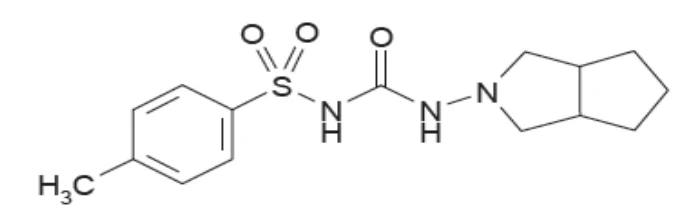
| Chemical name: | 1-(hexahydrocyclopenta[c]pyrrol-2(1H)-yl)-3-[(4- methylphenyl)sulphonyl]urea (European Pharmacopoeia) | |
| Molecular formula and molecular mass: | C15H21N3O3S, 323.4 g/mol | |
| Structural formula: | ||
| Physicochemical properties: | ||
| Appearance: | white or almost white powder. | |
| Solubility: | practically insoluble in water freely soluble in methylene chloride sparingly soluble in acetone slightly soluble in ethanol 96%. | |
Acid function pKa: 5.8
Overall distribution coefficient of gliclazide between water and octanol at pH 7.4 (Log D pH 7.4) is 0.4
Melting point: Approximately 164°C
 |
14. CLINICAL TRIALS
14.1 Clinical Trial
Diabetes mellitus
Two pivotal controlled clinical studies involving a total of 888 type 2 diabetic patients have been conducted during the initial development of the modified-release (MR) formulation of gliclazide.
The first study was a phase II, multicenter, comparative, randomized, double-blind trial designed to evaluate the dose/efficacy relationship of the MR formulation administered once daily and to determine its minimum effective dose. Placebo and five gliclazide MR doses (15, 30, 60, 90 and 135 mg) were assessed over 8 weeks in 224 patients (35 to 39 patients per group). The lowest tested dose (15 mg once daily) slightly decreased fasting plasma glucose (FPG) but the effect of this dose on glycated hemoglobin (HbA1c) was not clinically significant. The first gliclazide MR dose demonstrating clinically relevant efficacy on both parameters was 30 mg once daily. For doses above 30 mg, the efficacy of the gliclazide MR formulation was confirmed with a good clinical and biological acceptability. This study thus demonstrated that 30 mg of gliclazide MR administered once daily is the minimum effective dose for initiating treatment in type 2 diabetic patients.
The second study was a large phase III, multinational, comparative, randomized, double-blind trial aimed at demonstrating the therapeutic equivalence of gliclazide MR 30 mg compared to the gliclazide 80 mg immediate release formulation. A total of 664 patients were randomized in two parallel groups, one assigned to gliclazide 80 mg (336 patients) and one to gliclazide MR 30 mg (328 patients). After a 4-month dose escalating period allowing patient-tailored titration, patients entered a maintenance period of 6 months. Gliclazide 80 mg was administered at 80, 160, 240 or 320 mg/day, with doses above 80 mg given twice daily; gliclazide MR 30 mg was always administered once daily at breakfast time at 30, 60, 90 or 120 mg/day. The study demonstrated that after 10 months of treatment, gliclazide MR 30 mg is at least as effective as gliclazide 80 mg in controlling HbA1c and FPG levels of type 2 diabetic patients. The therapeutic equivalence was actually achieved with lower daily doses of the MR formulation, 30 mg of gliclazide MR producing a similar effect as 80 mg of gliclazide immediate release formulation. The general safety of both formulations was good with no difference in type and incidence of adverse events. With regard to hypoglycemia, the number of patients experiencing hypoglycemic episodes was almost the same in both groups. However, the number of hypoglycemic episodes was lower in the gliclazide MR group than in the gliclazide 80 mg group.
14.2 Comparative Bioavailability Studies
A randomized, blinded, two treatment, two period, single dose (1 x 30 mg) crossover comparative bioavailability study of TARO-GLICLAZIDE MR (Sun Pharma Canada Inc.) and PrDiamicron® MR (Servier Canada Inc.) was performed in healthy, adult, human subjects under fasting conditions. A summary of the data from the 27 subjects who completed the study are presented in the following table.
Table 4 -SUMMARY TABLE OF THE COMPARATIVE BIOAVAILABILITY DATA
Gliclazide (1 x 30 mg) Geometric Mean Arithmetic Mean (CV %) | ||||
|---|---|---|---|---|
| Parameter | Test1 | Reference2 | % Ratio of Geometric Means | 90% Confidence Interval |
AUCT (ng•h/mL) | 23898.14 27498.62 (39.24) | 24727.71 24970.29 (33.93) | 101.6 | 97.7 – 105.6 |
AUCI (ng•h/mL) | 25335.09 25593.58 (35.45) | 23517.63 26529.40 (37.22) | 102.1 | 97.7 – 106.8 |
Cmax (ng/mL) | 1023.74 1055.30 (24.47) | 962.92 990.63 (23.89) | 106.1 | 100.0 – 112.7 |
Tmax3 (h) | 8.50 (6.50 – 12.00) | 9.00 (7.00 – 12.00) | ||
T1/24 (h) | 20.55 (42.06) | 20.17 (33.50) | ||
1 TARO-GLICLAZIDE MR (gliclazide) modified-release tablet, 30 mg (Sun Pharma Canada Inc.)
2 PrDiamicron® MR (gliclazide) modified-release tablet, 30 mg (Servier Canada Inc.)
3 Expressed as median (range) only
4 Expressed as arithmetic mean (CV %) only
A randomized, blinded, two treatment, two period, single dose (1 x 30 mg) crossover comparative bioavailability study of TARO-GLICLAZIDE MR (Sun Pharma Canada Inc.) and PrDiamicron® MR (Servier Canada Inc.) was performed in healthy, adult, human subjects under fed (high fat/high calorie meal) conditions. A summary of the data from the 24 subjects who completed the study are presented in the following table.
Table 5 - SUMMARY TABLE OF THE COMPARATIVE BIOAVAILABILITY DATA
Gliclazide (1 x 30 mg) Geometric Mean Arithmetic Mean (CV %) | ||||
|---|---|---|---|---|
| Parameter | Test1 | Reference2 | % Ratio of Geometric Means | 90%Confidence Interval |
AUCT (ng•h/mL) | 26256.43 28636.17 (38.95) | 26991.30 29218.12 (37.03) | 97.3 | 93.7 – 101.0 |
AUCI (ng•h/mL) | 27879.78 30883.14 (43.30) | 28494.80 31260.60 (41.08) | 97.8 | 94.0 – 101.8 |
Cmax (ng/mL) | 1100.38 1129.93 (22.07) | 1180.73 1194.50 (15.05) | 93.2 | 87.3 – 99.5 |
Gliclazide (1 x 30 mg) Geometric Mean Arithmetic Mean (CV %) | ||||
|---|---|---|---|---|
| Parameter | Test1 | Reference2 | % Ratio of Geometric Means | 90%Confidence Interval |
Tmax3 (h) | 9.00 (4.00 – 16.02) | 7.25 (5.00 – 11.00) | ||
T1/24 (h) | 20.71 (36.77) | 20.14 (34.65) | ||
1 TARO-GLICLAZIDE MR (gliclazide) modified-release tablet, 30 mg (Sun Pharma Canada Inc.)
2 PrDiamicron® MR (gliclazide) modified-release tablet, 30 mg (Servier Canada Inc.)
3 Expressed as median (range) only
4 Expressed as arithmetic mean (CV %) only
A randomized, blinded, two treatment, two period, single dose (1 x 60 mg) crossover comparative bioavailability study of TARO-GLICLAZIDE MR (Sun Pharma Canada Inc.) and PrDiamicron® MR (Servier Canada Inc.) was performed in healthy, adult, human subjects under fasting conditions. A summary of the data from the 26 subjects who completed the study are presented in the following table.
Table 6 - SUMMARY TABLE OF THE COMPARATIVE BIOAVAILABILITY DATA
Gliclazide (1 x 60 mg) Geometric Mean Arithmetic Mean (CV %) | ||||
| Parameter | Test1 | Reference2 | % Ratio Geometric Means | 90% Confidence Interval |
AUCT (ng•h/mL) | 52538.22 58273.84 (44.66) | 50495.21 56307.52 (42.56) | 104.0 | 92.2 – 117.4 |
AUCI (ng•h/mL) | 52339.66 57783.34 (41.94) | 51850.59 57934.36 (41.70) | 103.9 | 91.0 – 118.5 |
Cmax (ng/mL) | 1980.23 2133.65 (38.95) | 1949.43 2085.39 (30.16) | 101.6 | 88.3 – 116.9 |
Tmax3 (h) | 11.00 (6.50 – 24.00) | 9.50 (5.00 – 16.00) | ||
T1/24 (h) | 21.29 (28.75) | 22.35 (30.56) | ||
1 TARO-GLICLAZIDE MR (gliclazide) modified-release tablet, 60 mg (Sun Pharma Canada Inc.)
2 PrDiamicron® MR (gliclazide) modified-release tablet, 60 mg (Servier Canada Inc.)
3 Expressed as median (range) only
4 Expressed as arithmetic mean (CV %) only
A randomized, blinded, two treatment, two period, single dose (1 x 60 mg) crossover comparative bioavailability study of TARO-GLICLAZIDE MR (Sun Pharma Canada Inc.) and PrDiamicron® MR (Servier Canada Inc.) was performed in healthy, adult, human subjects under fed (high fat/high calorie meal) conditions. A summary of the data from the 20 subjects who completed the study are presented in the following table.
Table 7 - SUMMARY TABLE OF THE COMPARATIVE BIOAVAILABILITY DATA
Gliclazide (1 x 60 mg) Geometric Mean Arithmetic Mean (CV %) | ||||
| Parameter | Test1 | Reference2 | % Ratio Geometric Means | 90% Confidence Interval |
AUCT (ng•h/mL) | 68062.51 73699.29 (44.67) | 61391.95 67297.27 (44.23) | 111.4 | 101.3 – 122.5 |
AUCI (ng•h/mL) | 69583.72 74994.04 (42.57) | 62082.31 67255.66 (38.75) | 113.0 | 101.9 – 125.4 |
Cmax (ng/mL) | 2749.22 2900.75 (29.05) | 2384.80 2545.17 (31.52) | 115.3 | 102.3 – 130.0 |
Tmax3 (h) | 9.50 (6.50 – 20.00) | 11.00 (6.50 – 16.00) | ||
T1/24 (h) | 23.47 (34.89) | 22.09 (28.47) | ||
1 TARO-GLICLAZIDE MR (gliclazide) modified-release tablet, 60 mg (Sun Pharma Canada Inc.)
2 PrDiamicron® MR (gliclazide) modified-release tablet, 60 mg (Servier Canada Inc.)
3 Expressed as median (range) only
4 Expressed as arithmetic mean (CV %) only
15. MICROBIOLOGY
No microbiological information is required for this drug product.
16. NON-CLINICAL TOXICOLOGY
General Toxicology
Acute toxicity
Table 6: Gliclazide acute toxicity data in different species
| Species | Mean weight | Number of animals per lot | LD50 (mg/kg) |
|---|---|---|---|
| Mouse CD-SPF | 25 g | 10 M 10 F | >3 000 |
| Mouse ICR-HAN | 20 g | 10 M 10 F | > 4000 | |||||||||||
|---|---|---|---|---|---|---|---|---|---|---|---|---|---|---|
Rat SD-SPF | 250 g | 10 M | 5200 | |||||||||||
| 3733 | ||||||||||||||
| 2679 | ||||||||||||||
| 10 F | 5467 | |||||||||||||
| 3407 | ||||||||||||||
| 2123 | ||||||||||||||
| Rat CFY | 110 g | 6 M 6 F | > 4000 | |||||||||||
| Tricolor Guinea Pig | 240 g | 4 M | 48 hour | 10 days | ||||||||||
| 1999 | 2016 | |||||||||||||
| 1732 | 1599 | |||||||||||||
| 1501 | 1269 | |||||||||||||
| 4 F | 2509 | 2553 | ||||||||||||
| 2244 | 2068 | |||||||||||||
| 1944 | 1675 | |||||||||||||
| Beagle Dog | 7 kg | 3M 3F | > 3000 | |||||||||||
The LD 50 is greater than 3000 mg/kg in the mouse, rat and dog (i.e., 300 times the therapeutic dose) and than 2000 mg/kg in the guinea-pig (i.e. 200 times the therapeutic dose).
Symptomatology is essentially linked to the hypoglycemic effect of the drug.
Sub-chronic toxicity
- Maximum tolerated dose:
In the dog, this dose is between 150 and 200 mg/kg by daily administration.
- Four-week oral toxicity study in the Beagle dog:
Groups of 4 Beagle dogs (2 males, 2 females) were treated for 30 days with 0, 15, 30, 45 or 90 mg/kg/day. At the dose of 90 mg/kg, 2 animals died as a result of prolonged hypoglycemic coma following 2 weeks of treatment. All others showed normal behavior, with the exception of an increase in the weight of the liver. No evidence was found of any change in biochemical (apart from the fall in blood glucose), hematological and histopathological parameters.
- Two-month oral toxicity study in the guinea-pig:
Groups of 10 guinea-pigs (5 males, 5 females), were treated 6 days out of 7 for 2 months with 0, 25, 50 or 100 mg/kg/day. Only male animals in the 50 mg/kg group showed delayed weight gain. All others had normal biochemical, hematological and histopathological results.
Chronic toxicity
- Six-month study in the Sprague-Dawley rat:
Groups of 20 rats (10 males, 10 females) weighing 300 g, were treated for 6 days out of 7 for 6 months with 0, 25, 100 or 200 mg/kg/day. Seven deaths occured as a result of technical problems. All other animals showed normal behavior and haematological results. From a biochemical standpoint, blood urea decreased significantly in the male rats as did blood glucose in the males of the 100 mg/kg/day group. Histological examination showed an increase in the weight of the liver and kidneys in male animals, not accompanied by any histological lesion.
In a six-month rat study carried out in Japan with higher doses (0, 50, 100, 200, 400 and 800 mg/kg/day) females exhibited greater systemic toxicity when compared with males, suggesting that females may be more sensitive to the product: slight increases in liver enzymes together with slight decreases in erythrocytes counts, hematocrit values and hemoglobin concentrations at doses of 200 mg/kg and higher.
- Six-month study in the Beagle dog:
Groups of 6 dogs (3 males, 3 females) were treated daily for 6 months with 0, 15 or 30 mg/kg of gliclazide or 50 mg/kg of tolbutamide.
From a clinical standpoint:
- 3 deaths (one at 15 mg/kg, two at 30 mg/kg) in the gliclazide group as a result of hypoglycemic coma;
- 1 convulsion, 4 cases of severe gastro-intestinal disturbances in the tolbutamide group;
- weight changes and food consumption were similar with both drugs.
From a laboratory standpoint:
- 40% fall in blood glucose in animals treated with gliclazide;
- signs of hepatotoxicity in the tolbutamide group.
From a histological standpoint:
- increase in weight of the liver in the 3 deaths of the gliclazide group;
- increase in the weight of the liver and lesions of toxic hepatitis in 5 animals out of 6 of the tolbutamide group.
- Twelve-month oral toxicity study in the Beagle dog:
Groups of 8 dogs (4 males, 4 females) were treated for 12 months with 0, 12 or 24 mg/kg/day of gliclazide.
Four animals in each group were sacrificed after 90 days.
- there were no deaths;
- no evidence of any modification in behavior and body weight;
- significant fall in blood glucose;
- fluctuation in certain parameters (liver enzymes, lipid profile, creatinine);
- at autopsy: swelling of the renal and hepatic parenchyma and at the highest dose a slight increase in the weight of the thyroid and slight decrease in the weight of the pituitary gland.
- Twelve-month oral toxicity study in the rhesus monkey:
Groups of 8 rhesus monkeys (4 males, 4 females) were treated daily for 12 months with 0, 20, 60 or 180 mg/kg of gliclazide.
- no evidence was found of any modification in weight gain nor food consumption;
- significant fall in blood glucose;
- irregular rise in some liver enzymes in some animals;
- no abnormality by histopathological examination.
Carcinogenicity
Specific carcinogenicity studies have not been performed; the following safety data are now available:
- gliclazide belongs to the chemical class of the phenylsulfonylurea which did not demonstrate any mutagenic or carcinogenic potential. Its metabolic pathway is consistent with the general metabolic pathway of the class;
- gliclazide was not associated with any mutagenic action in the numerous studies performed;
- long term toxicity studies did not reveal any evidence of carcinogenicity;
- gliclazide has been studied in several thousands of patients during clinical trials and has been marketed for numerous years all over the world and in particular in Europe and Japan without any suspicion of carcinogenicity.
Mutagenicity
Gliclazide
The mutagenic potential of gliclazide has been sought using six mutagenesis tests, i.e.:
- 2 gene mutation tests (Ames test);
- 1 in vitro chromosomal aberration test (human lymphocyte test);
- 2 in vivo chromosomal tests (micronucleus test);
- 1 unscheduled DNA synthesis test.
Gene mutation tests
Ames test
1st test
In this test, gliclazide was used in the presence of 5 strains of Salmonella typhimurium (TA 1535/1537/1538/98/100) at the doses of 0, 0.005, 0.01, 0.05, 0.1, 0.5, 1, 3, 5 and 8 mg/petri dish, with and without metabolic activators. Positive controls were used for each strain with and without metabolic activators.
The qualitative test showed no mutagenic effect. The quantitative test at doses of 0.005 mg to 8 mg/dish showed no significant increase in the number of revertants.
Thus no mutagenic effect was seen under the experimental conditions adopted.
2nd test
This test used 7 strains of Salmonella typhimurium (TA 97/98/100/102/1535/1537/1538) at the doses of 0, 0.05, 0.1, 0.5, 1, 3, 5 and 8 mg of gliclazide per petri dish, in the presence and absence of metabolic activator. Positive controls were used for each strain, with and without metabolic activators.
No mutagenic effect was seen in the qualitative test. No mutagenic activity was detected in the quantitative test under the experimental conditions described.
In vitro chromosomal aberration test
Possible clastogenic potential action of gliclazide on activated lymphocytes in culture was studied by the human lymphocyte test with and without metabolic activators. Maximum tolerated doses determined in the preliminary toxicity test were 0.033 mg/ml with metabolic activators and 0.1 mg/ml without metabolic activator.
Gliclazide was used at the following concentrations:
- 0, 0.003, 0.01 and 0.033 mg/ml with metabolic activators;
- 0, 0.01, 0.033 and 0.1 mg/ml without metabolic activator.
Cyclophosphamide (0.02 mg/ml) and bleomycin (0.250 mg/ml) were used as positive controls with and without metabolic activators. Gliclazide was not found to have any clastogenic activity under the experimental conditions described.
In vivo chromosomal aberration
Micronucleus test
1st test
The test used three groups of 10 OF1 mice: 1 negative control, 1 gliclazide high dose (2 g/kg x 2), 1 gliclazide low dose (1 g/kg x 2) and one group of 5 positive control mice given cyclophosphamide (50 mg/kg x 2). No evidence was found of any significant variation in the number of erythrocyte micronuclei. Gliclazide was not associated with any mutagenic action detectable by the micronucleus test.
2nd test
The test used SPF Swiss mice as follows:
- 24 mice for the preliminary toxicology test which determined the maximum administrable dose as 3 g/kg;
- 108 mice in the phase 1 genetic toxicology test with study of effect/time relationship at the maximum administrable dose (MAD) (sacrifice of animals at times 24, 48 and 72 hours);
- 60 mice in the phase 2 genetic toxicology test with study of the dose/effect relationship at the time defined in phase 1 (t = 24 h) and using the following doses: 0, 750 (MAD/4), 1500 (MAD/2) and 3000 mg/kg (MAD).
Cyclophosphamide 50 mg/kg was used as positive control. Gliclazide was found to be free of any clastogenic activity under the experimental conditions adopted in this trial involving oral administration in the Swiss mouse.
Unscheduled DNA synthesis
The potential of gliclazide to induce unscheduled DNA synthesis in the liver of orally dosed male Wistar rats was investigated using an in vivo/in vitro procedure. Doses of 0, 632.5 and 2000 mg/kg of gliclazide were administered by gavage. Two samples were planned and collected approximately 12-14 h or 2-4 h after dosing. Primary cultures of hepatocytes were prepared from 3 animals per dose. In vitro, the aim was to determine the net grain count. Plasma levels of gliclazide were measured 2 hours after dosing with 2000 mg/kg. Under the conditions of this study, gliclazide did not induce unscheduled DNA synthesis in rats properly exposed to the drug.
Paratoluenesulfonamide (PTS)
PTS is a gliclazide degradation impurity which may occur in the dosage form. The mutagenic potential of PTS is well documented in the literature since this compound is also a degradation product of saccharin. The following in vitro and in vivo tests support the qualification of this impurity:
In vitro tests
Ames test
Strains of Salmonella typhimurium (TA 1530/1535/1538/98/100) were tested for doses ≤ 4.10-2 M. No mutagenic effect was observed. The same result was reported for the strains TA 1535/1537/1538/98/100 at doses up to 18000 μg/plate, with and without metabolic activation. In a ZLM medium (with lower content of glucose and citrate) with a metabolic activator, PTS induced a slight increase over the revertant frequency in the strain TA 98 at doses ≥ 9600 μg/plate.
SCE test on CHO-K1 cells
Concentrations of 0, 14, 200 and 400 μg/ml did not show any significant difference after a 24-hour treatment in comparison with the DMSO at a concentration of 50 μg/ml.
Test on human embryo cells
The RSa cells (ouabain-resistant) were exposed to PTS concentrations ≤ 1800 μg/ml. In comparison with a UV exposure, used as a positive control, no induction of mutation to ouabain-resistance was observed after a 24-hour treatment.
In vivo tests
Drosophila test
No mutagenic effect was reported with PTS administered by abdominal injection at a dose of 5 mM. In one study, an induction of recessive lethal sex-linked mutation was observed at a concentration of 2.5 mM.
Micronucleus test
No significant increase in the micronuclei rate was reported after intraperitoneal or oral administration (2 x 855 mg/kg) in male and female mice.
Reproductive and Developmental Toxicology
Teratogenicity
Teratogenicity studies have been carried out in three species: mouse, rat and rabbit.
- In the CD/SPF mouse (group of 30 females), administration of gliclazide at doses of 0, 50, 250 and 500 mg/kg/day starting from mating and throughout gestation did not modify fertilization and abortion rates and had no apparent teratogenic effect.
- In the CFY-SPF rat (groups of 20 females), administration of gliclazide at doses of 0, 50, 100 and 200 mg/kg/day from the 6th to the 15th day of gestation did not show any embryotoxic effect.
- In the SD/SPF rat (groups of 60 females), administration of gliclazide at the doses of 0, 15, 30, 60, 120, 240 and 480 mg/kg/day starting from mating and throughout gestation had no effect on fertilization, gestation, mean number of foetuses or incidence of foetal abnormalities. The number of offspring surviving at 48 hours was decreased in the 15, 60, 120 and 480 mg/kg groups. No other abnormality was seen.
- In the common rabbit (group of 15 females), administration of gliclazide at doses of 0, 10, 25 and 50 mg/kg/day from the 6th to the 18th day of gestation had no effect on the number of foetal resorptions, percentage of abortion nor the mean number of foetuses per litter.
- In the New Zealand rabbit (group of 6 females), administration of gliclazide at doses of 0, 50, 75, 100 and 200 mg/kg/day for 13 days followed by an observation period of 8 days, was associated with maternotoxicity and embryotoxicity in the form of gastro-intestinal and renal lesions accompanied by anorexia and weight loss. However, there was no evidence of any teratogenic effect.
Fertility and reproduction
In the SD rat, groups of 40 females and of 20 males were treated for 8 and 70 days respectively before mating and until weaning in the females, and until 15 days after littering in the males, with gliclazide at doses of 0, 10, 50 and 200 mg/kg/day.
There was no evidence of any change in fertilization nor abortion rates. Foetal resorption, placental haemorrhage and foetal atrophy rates were unaffected. The genital tract of treated parents showed no abnormality imputable to treatment. No embryotoxic effect was seen on foetuses of females sacrificed before littering. In females in which gestation was allowed to run to term, a significant decrease in the viability of offspring was seen at 48 hours. No abnormality was seen during the study of fertility and reproduction in first generation offspring born of treated animals.
17 SUPPORTING PRODUCT MONOGRAPH
Pr Diamicron® MR Tablets, 30 mg and 60 mg, Submission Control No.: 273026, Product Monograph, Servier Canada Inc. AUG 17, 2023